Ryan Condal Explains Why Most ‘Game Of Thrones’ Spinoffs Never Made It To Screen

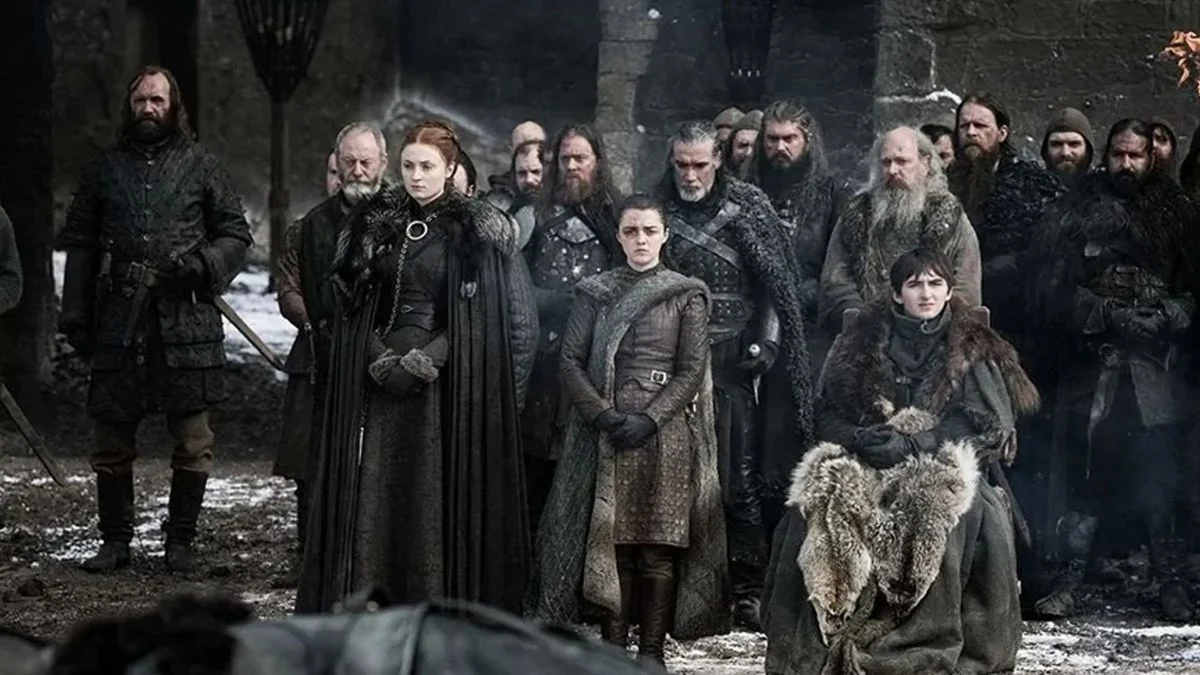

For years, HBO has floated one Westeros expansion after another, only to watch nearly all of them stall out before cameras ever rolled. Now the man steering the franchise’s flagship spinoff is offering his own explanation for why so few of these projects have survived development.
While many ‘Game of Thrones’ spinoffs have been pitched, only two have made it to screens, ‘House of the Dragon’ and A Knight of the Seven Kingdoms. House of the Dragon showrunner and co-creator Ryan Condal recently addressed the pattern directly, framing it as a matter of impossibly high stakes rather than a lack of good ideas.
Why Game Of Thrones Spinoffs Face Such Long Odds
Condal described the challenge of following a massive hit as inherently precarious, calling it a tenuous thing to create the first sequel to a really successful franchise in comments shared with SYFY Wire. He pointed to the projects that came before House of the Dragon as evidence of just how steep that climb can be.
Condal noted that other attempts to get spinoffs up and running were not so successful, in his words, because there is a really high bar to clear. That bar, according to reporting on the interview, comes from the fact that the original series was a massive global hit, and anything connected to it is judged against that standard from the very start.
Only two spinoff shows have officially reached audiences so far, while everything else has either been cancelled, reworked, or left in development without moving forward. It is a track record that underscores how difficult it has been for HBO to translate the sprawling world of ‘Game of Thrones’ into a follow up that clears creative and commercial expectations at once.
The Long Road Behind House Of The Dragon
Before ‘House of the Dragon’ ever reached air, HBO had already invested heavily in a different vision for the franchise’s future. A prequel series set 8,000 years before Game of Thrones, which would have explored origin stories for the Children of the Forest and House Stark, was passed on by HBO in 2019.
That earlier project, known as Bloodmoon and starring Naomi Watts, reportedly carried a pilot budget of around 30 million dollars and was set thousands of years before the events of Game of Thrones, intended to explore the early history of Westeros. Despite the investment, HBO ultimately chose a different direction.
In its wake, an adaptation of George R. R. Martin’s book Fire and Blood was greenlit, and House of the Dragon debuted three years later to a warm reception. Condal has described the show’s path to the screen as anything but guaranteed.
He noted that making the show work meant threading a needle, trying to capture lightning in a bottle in a way, and added that the team was lucky enough to do that with the first season. That framing suggests even the franchise’s one clear spinoff success involved a fair amount of uncertainty along the way.
How A Knight Of The Seven Kingdoms Carved Its Own Path
Where ‘House of the Dragon’ leaned into the scale of the original series, ‘A Knight of the Seven Kingdoms’ took the opposite approach, and Condal says that contrast was deliberate rather than accidental.
Condal explained that other people were nervous because the new series is so tonally different, quieter and smaller, but that those were exactly the qualities that excited him about it. The series follows Ser Duncan the Tall and a young Aegon Targaryen, known as Egg, and trades continent spanning war for a more intimate, ground level story.
Condal has said he does not think the franchise could support two series on the air at the same time both centered on wars for the throne in different eras, which helps explain why the tonal gap between the two shows was treated as a feature rather than a risk. He has also credited the series’ own showrunner for shepherding that vision to completion, noting that Ira did a wonderful job with that show while he supported the project from a distance.
The Growing List Of Canceled Westeros Projects
The gap between pitched ideas and produced episodes becomes clearer when looking at everything that never made it past the planning stages. Flea Bottom, a series that would have explored the slum district of King’s Landing, was formally killed by HBO by the middle of 2021, a decision that reflected how far the concept sat from the franchise’s usual scale.
A prequel called Empire of Ash, developed around the Doom of Valyria, and a direct sequel titled Snow, following Jon Snow’s life after the original series, were both eventually shelved as well. Kit Harington, who would have reprised the role, later said the creative team bounced some ideas around and nothing really lit them up, leading to the project being set aside.
Ten Thousand Ships, centered on Princess Nymeria roughly 1,000 years before Game of Thrones, has had a shaky production history, while a separate prequel about Corlys Velaryon, originally conceived as a live action series, shifted to animation in early 2024 due to budget concerns tied to its many sea voyages and changing ports. HBO has also been reported to be exploring a project centered on Aegon the Conqueror and the founding of the Targaryen dynasty, though it remains in early stages.
Taken together, the list makes Condal’s point almost self evidently. Getting any single ‘Game of Thrones’ spinoff to air has proven difficult, and getting two there, in different tones and different eras, looks increasingly like the exception rather than the rule.
With ‘House of the Dragon’ continuing its run and ‘A Knight of the Seven Kingdoms’ now part of the fold, it is worth asking which of these shelved Westeros stories, if any, deserves a second chance at the screen.