The Dark Creature Chris Hansen Sees at the End of ‘Primetime’ and What It Represents

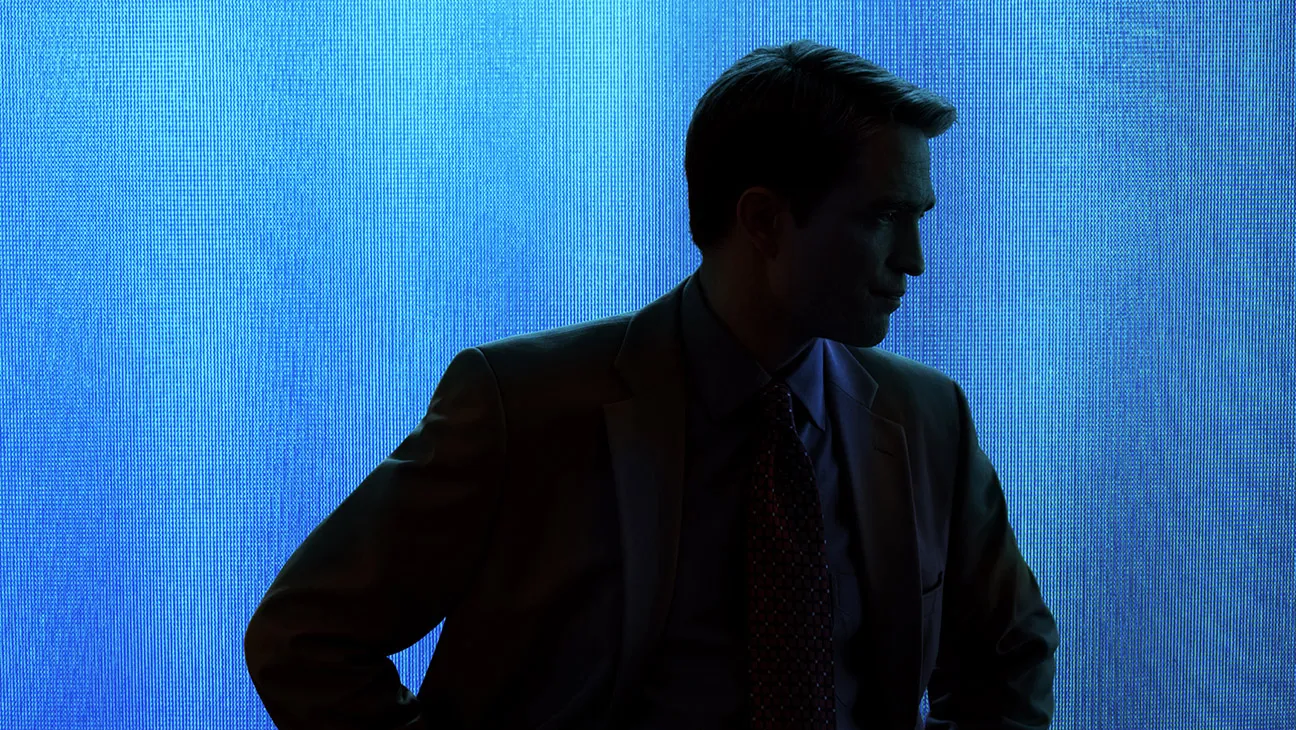

The closing moments of ‘Primetime’ have left viewers asking what the dark creature Chris Hansen sees in the end really means. A24’s psychological crime thriller stars Robert Pattinson as the ‘To Catch a Predator’ host, and it builds toward a final image that has people asking about the creature. The answer says a great deal about how the film views its central character.
In the final scene, Hansen looks outside the window and sees an abstract black figure lurking outside Conradt’s house before it slips away into the woods. Directed by Lance Oppenheim in his narrative feature debut and written by Ajon Singh, the film dramatizes the boom year of ‘Dateline NBC’ and its ‘To Catch a Predator’ stings, when Hansen’s hidden camera operations became a ratings phenomenon and eventually a legal liability. The dark creature Chris Hansen sees is the film’s final word on that story.
Primetime Ending Explained and the Final Image
The film ends with Bill Conradt’s death, a haunting vision for Chris Hansen, and an unexpected reward for Dan. The creature arrives right after the worst outcome of the sting, which gives it the weight of a verdict rather than a jump scare.
Right before Hansen sees the monster, he takes a call with his wife, and he then has to smile immediately and play the savior. That sequence shows a man who is performing certainty even as the situation collapses around him. The creature appears at the moment the performance can no longer hold.
The figure reads as part of Hansen’s perception rather than a literal creature, a way to understand a terrible outcome without settling what part his own ambition played. In other words, the film is not asking viewers to believe a monster is outside the house. It is showing what Hansen needs to see in order to keep his story intact.
Chris Hansen’s Monster and the Ancient Evil Backstory
The creature is not introduced only at the end. Glimpses of the monster appear in earlier moments of the film, but it is not until Hansen tells Dan the story of his bracelet from India that viewers learn why it is there.
According to Hansen, he got the bracelet while reporting a story in India that would eventually earn him an Emmy, where a local girl told him she saw a monstrous creature in a cave that had taken the children. The fate of that creature is never explained, but the moment stayed with him and pushed him to create ‘To Catch a Predator’ in order to cleanse the world of this ancient evil.
Before the sting, Hansen tells Dan about an ancient evil he believes is out there harming children, and in the final sequence the film gives that belief a shape. The late payoff turns a throwaway anecdote into the organizing image of the whole film. It also explains why Hansen frames every sting as a battle rather than a broadcast.
Bill Conradt’s Death and the Creature That Never Leaves
In the lead up to the climax, the film draws a visual connection between the creature and the specific predator being pursued, but even after Conradt’s death the creature is still there. That choice changes the meaning of the ending considerably.
If the creature had disappeared with Conradt’s death, it could have suggested Hansen finally defeated the evil he was chasing, but its presence shows that the obsession has not gone away. The monster survives the sting because it was never really tied to one man.
After Conradt takes his own life, Hansen is stunned, and the film suggests that in that moment he becomes a monster himself. His familiar question, “What would have happened if I wasn’t here?” sounds different at this point in the film. What once established him as the man who intervened now reads as an unanswerable charge.
How Chris Hansen and Critics Responded to ‘Primetime’
The film has drawn a pointed reaction from its real life subject. In an exclusive interview, Hansen told The Hollywood Reporter that he has not seen the film and has no plans to sign anything in order to do so. He called the film an insult to the people who work to protect children from predators, and said it turns that work into essentially a horror film.
That complaint lands on the very element this article has examined. The monster is a horror device, and the filmmakers appear to have used it deliberately. The creature itself is pure invention, a fictional element used to represent Hansen’s psychological state.
Critical opinion on the device is not uniform. The Ringer argued that the film goes too far in psychologizing its antihero, calling the late explanation about purging an ancient evil absurd and at odds with the satirical thrust of the movie. Other analysts see the creature as a way to vary the film’s visuals and add thematic layers to a movie that could have relished in exploitative shlock. Whether the monster deepens the film or overexplains it may depend on how much meaning a viewer wants from Hansen’s final stare, and the question of whether that last image is his reflection or his rationalization is the one ‘Primetime’ viewers are most likely to argue about in the comments.