The Green Lantern Comic Runs Every Fan Should Read First

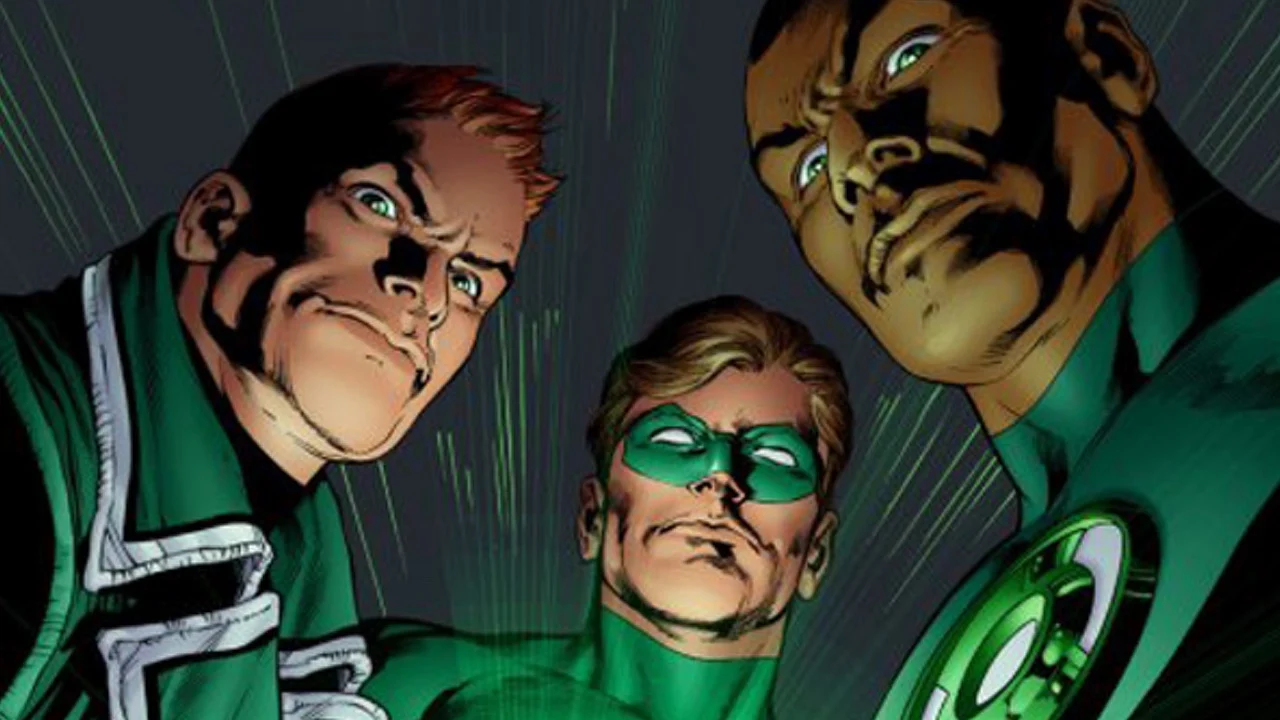

Few DC Comics characters have been rebuilt, reinvented, and passed between different heroes as often as Green Lantern. With DC Studios showing an HBO series titled ‘Lanterns,’ the timing has renewed interest in revisiting the decades of comics that shaped the character.
Sorting through nearly ninety years of Green Lantern stories can be overwhelming for new readers. Several outlets have recently published rankings of the strongest Green Lantern runs, and their picks point to a handful of eras that consistently define the character.
Geoff Johns Rebuilt the Green Lantern Mythology
Geoff Johns’ run on ‘Green Lantern’ is frequently described as so influential that no writer since has matched it, and for a brief period it turned the title into DC’s second biggest franchise behind Batman. Johns revitalized the franchise by returning Hal Jordan to the spotlight in the miniseries ‘Green Lantern Rebirth,’ expanding the lore by introducing the Emotional Spectrum and creating a wider array of Lantern corps across the cosmos.
Major crossover events built from that foundation, including the ‘Sinestro Corps War’ and ‘Blackest Night,’ elevated the title into a cornerstone of the wider DC Universe. Johns collaborated with artists Ethan Van Sciver and Ivan Reis to deliver cosmic action alongside deeper character work, and the nine year run established what is still considered the modern foundation of the Green Lantern mythos.
The White Lantern Corps, created by Johns and Ivan Reis, first appeared during the Blackest Night event and represented the opposite of the death aligned Black Lantern Corps. That expansion of colored corps, built around fear, rage, hope, and other emotions, became one of the run’s defining contributions to the character’s world.
The buildup to that event moved through several distinct arcs. In the aftermath of the Sinestro Corps War, the Green Lanterns underwent what was described as an unprecedented reconstruction, including the introduction of the controversial Alpha Lantern project. That stretch of storytelling set the stage for the larger event that followed.
The Green Lantern Corps Runs That Ran Alongside Johns
Reading ‘Green Lantern Corps’ at the same time as Johns’ main ‘Green Lantern’ title made the two feel like one large cosmic story. Watchmen artist Dave Gibbons wrote the opening arcs before Peter J. Tomasi took over for the majority of the run, with artist Patrick Gleason providing artwork throughout.
That companion series, spanning ‘Green Lantern Corps’ volume two issues one through sixty three between 2006 and 2011, focused heavily on Guy Gardner and Kyle Rayner. Tomasi’s storytelling leaned into military style action and the relationships between individual Lanterns rather than solo heroics.
An earlier ensemble era also shaped how ‘Green Lantern Corps’ would eventually be told. Writer Steve Englehart, working with artist Joe Staton on ‘Green Lantern Corps’ issues 201 through 224 between 1986 and 1988, turned the title into a true ensemble series built around the whole Corps rather than a single lead. Characters like Kilowog, Salaak, and Ch’p took center stage in a cosmic and inclusive approach that foreshadowed Johns’ work decades later.
Kyle Rayner’s own solo era is often cited as a turning point for the franchise as well. After the Emerald Twilight storyline removed Hal Jordan from the role, writer Ron Marz and artist Darryl Banks built Kyle Rayner into a credible successor across ‘Green Lantern’ volume three issues 48 through 125 from 1994 to 2000. That run remains a polarizing but historically significant chapter for the character.
Denny O’Neil and Neil Adams Turned Green Lantern Into Social Commentary
Long before cosmic emotional spectrums entered the picture, Green Lantern went through a very different kind of reinvention. Writer Denny O’Neil and artist Neal Adams paired Hal Jordan with Oliver Queen to create the influential ‘Hard-Traveling Heroes’ storyline, moving the series away from traditional space adventures and toward real world social and political issues of the 1970s.
Did we include your favorite Green Lantern run?
That run tackled topics including racism, corporate greed, political corruption, and substance abuse, a sharp departure from the character’s earlier space opera roots. DC tasked the writer and artist duo with reinventing Green Lantern as a socially relevant series in 1970, pairing it with Green Arrow as a co-lead.
The collaboration also introduced John Stewart, who became the first Black superhero in DC Comics to wield a power ring. That addition expanded the mythology in a way that outlasted the specific storylines of the era and continues to influence how the Corps is portrayed today.
Grant Morrison’s Cosmic Procedural Divided Readers
Not every celebrated run has been universally embraced, and Grant Morrison’s take on the character is often framed with more nuance than the others. Morrison is regarded as one of the most significant writers in modern comics, having produced acclaimed runs on Superman, Batman, Justice League, and Wonder Woman, though their Green Lantern work is not always described as a definitive take on the character.
In 2018, Morrison took over Hal Jordan for a new ongoing series titled simply ‘The Green Lantern,’ with artist Liam Sharp providing intricately detailed work throughout most of the run. Spanning ‘The Green Lantern’ issues one through twelve and its Season Two continuation, Morrison reimagined Hal Jordan as a space cop within a mind bending cosmic procedural.
Sharp’s artwork delivered dense double page spreads that mixed psychedelic visuals with hard science fiction, resulting in a run that is often described as demanding and better suited to experienced readers. The series divides opinion in a way that few other Green Lantern eras do, but it remains a frequently cited example of how differently the character can be interpreted.
Which era of ‘Green Lantern’ shaped your own idea of what the character should be, and does Hal Jordan’s upcoming turn in ‘Lanterns’ owe more to Johns, O’Neil and Adams, or Morrison?