The Most Polarizing Anime Villains Who Are Actually Right

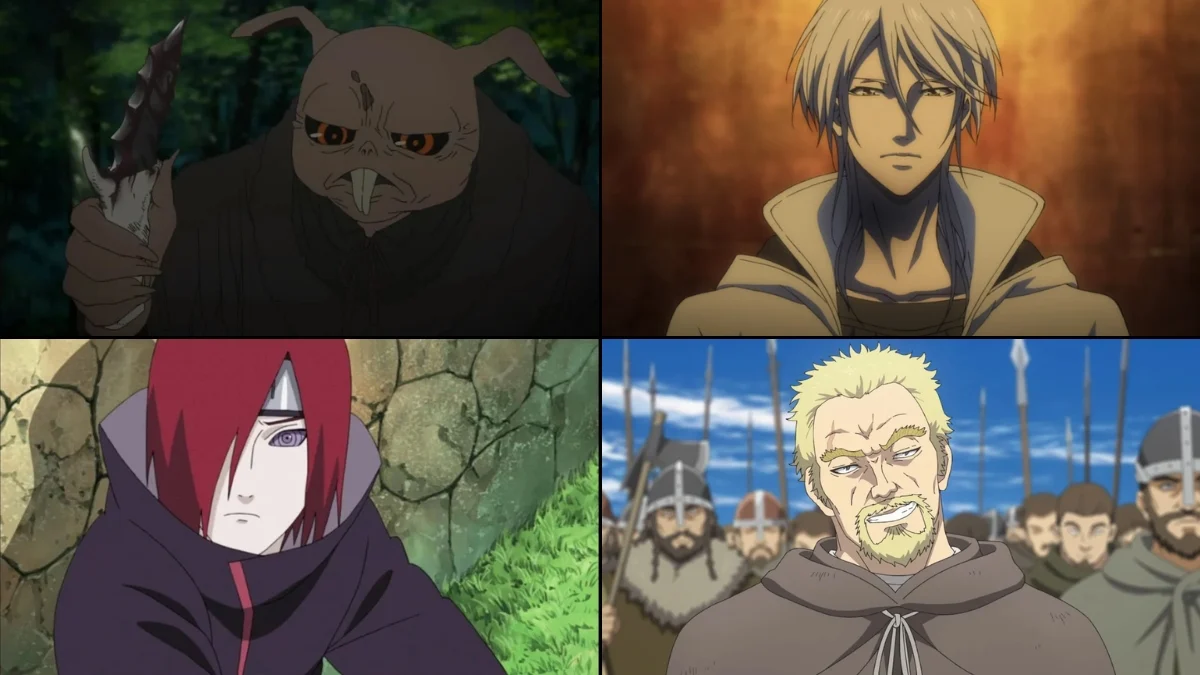

In the landscape of modern anime, antagonists are often defined by complex motivations that challenge the traditional boundary between good and evil. These characters frequently address systemic failures, existential threats, or societal injustices, leading viewers to debate whether their objectives might actually be justified. While their methods are often extreme, their underlying philosophies often reflect a logical response to the flaws within their respective worlds. This list examines several polarizing figures whose goals offer a compelling, if controversial, perspective on justice and survival.
Shogo Makishima
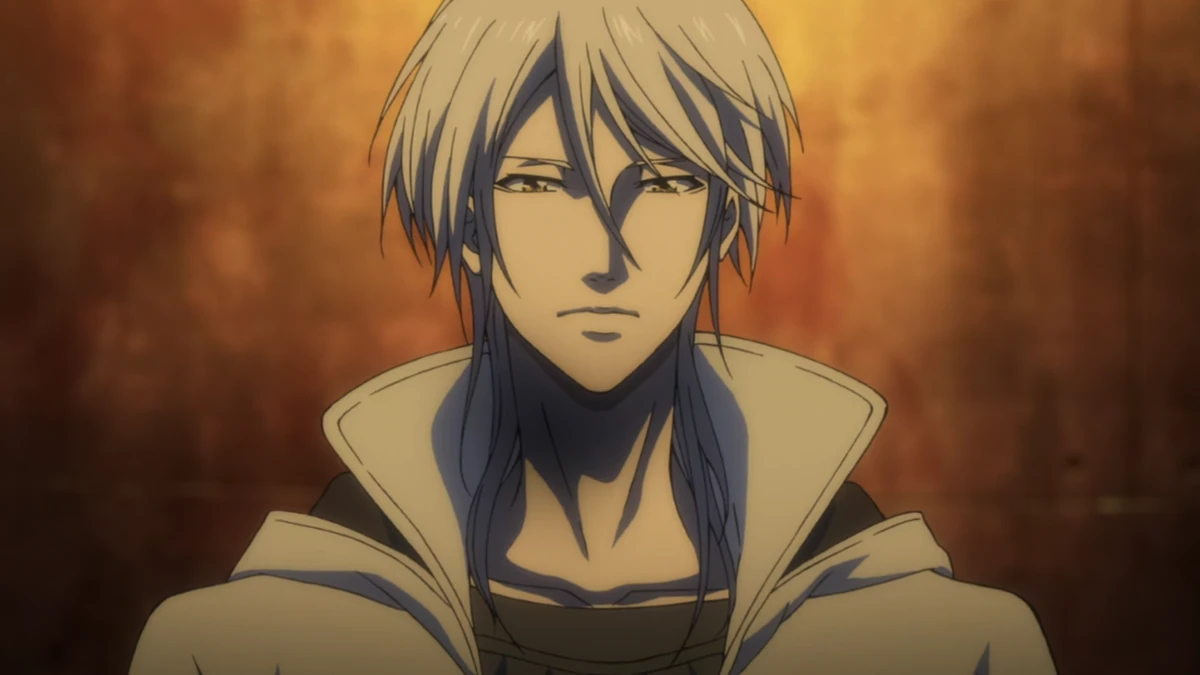
In ‘Psycho-Pass’ (2012–2013), Shogo Makishima challenges a society governed by the Sibyl System, an automated network that monitors mental states to prevent crime. He argues that this system strips individuals of their free will and the ability to define their own morality. Makishima’s violent actions are intended to provoke a revolution that forces people to live according to their own choices rather than the dictates of a machine. While his methods include murder and chaos, his fundamental critique of a soulless surveillance state remains a significant point of discussion regarding human autonomy.
Chizome Akaguro

The antagonist Chizome Akaguro, known as Hero Killer Stain, believes that the current generation of heroes in ‘My Hero Academia’ (2016–) is motivated by greed rather than altruism. He views the commercialization of heroism as a corruption of a once-noble calling that should only be pursued by those with pure hearts. Stain targets individuals he deems unworthy, hoping that his actions will inspire a return to true, selfless heroics. His philosophy is so persuasive that it leads several characters to question the integrity of the professional hero system and the motives of those within it.
Nagato
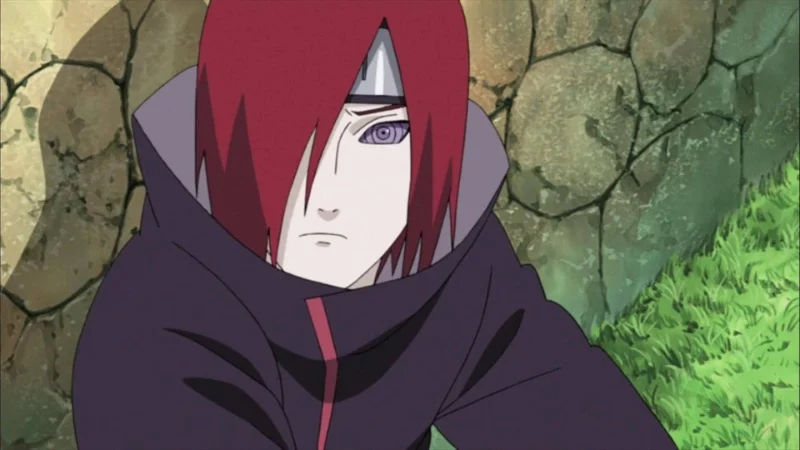
Nagato, operating under the alias Pain, seeks to end the cycle of violence in ‘Naruto: Shippuden’ (2007–2017) by teaching humanity the meaning of suffering. He believes that peace is impossible as long as nations do not understand the weight of the pain they inflict upon others during war. By creating a weapon of unparalleled power, he intends to establish a forced peace through the threat of mutual destruction. His tragic history and articulate arguments regarding the cycle of hatred force the series’ protagonist to seek a more comprehensive resolution to global conflict.
Eren Yeager

During the final stages of ‘Attack on Titan’ (2013–2023), Eren Yeager concludes that the only way to save his people from total annihilation is to destroy the rest of the world. He determines that centuries of prejudice and hatred have made a peaceful coexistence between the Eldians and the global population impossible. Eren’s actions are a desperate response to an international alliance that had already declared war on his home island. This shift from protagonist to global threat explores the dark reality of survival in a world that refuses to offer any other alternative.
Kyubey

Kyubey, an incubator from ‘Puella Magi Madoka Magica’ (2011), views the universe through a lens of absolute logic and cosmic preservation. He manipulates young girls into becoming magical girls to harvest the energy generated by their emotions, which is used to delay the heat death of the universe. Kyubey argues that the sacrifice of a few individuals is a fair price to pay for the continued existence of all life across the galaxies. His lack of empathy makes him a villain to humans, but his actions are motivated by a grand scale of universal survival.
Squealer

In ‘From the New World’ (2012–2013), the creature known as Squealer leads a bloody uprising of the Monster Rat colonies against the psychokinetic human population. He reveals that his species is actually composed of humans without psychic powers who were genetically altered to look like rodents and stripped of their rights. Squealer’s goal is to achieve recognition and freedom for his people, whom the psychic humans treat as disposable vermin. His struggle represents a fight for basic personhood in a world that has legally and physically erased his humanity.
Meruem

Meruem, the King of the Chimera Ants in ‘Hunter x Hunter’ (2011–2014), initially views human beings as nothing more than a source of food. However, after engaging in intellectual games with a human girl, he begins to see the flaws in human social hierarchies that allow the weak to suffer. Meruem eventually proposes a new world order where he will protect the weak and distribute resources fairly, ending human inequality. His evolution from a predator to a ruler with a sense of social justice makes his ultimate fate a complex study in leadership.
Garou

Garou, the self-proclaimed Hero Hunter in ‘One-Punch Man’ (2015–), believes that the hero-villain dynamic is a form of institutionalized bullying. He grew up sympathizing with the monsters who were always destined to be defeated by the popular heroes, viewing it as an unfair representation of power. By becoming the strongest monster, Garou hopes to become a singular threat that forces all of humanity to unite in fear, effectively ending war. His character highlights the hypocrisy of a society that values popularity and physical strength over genuine justice.
Light Yagami
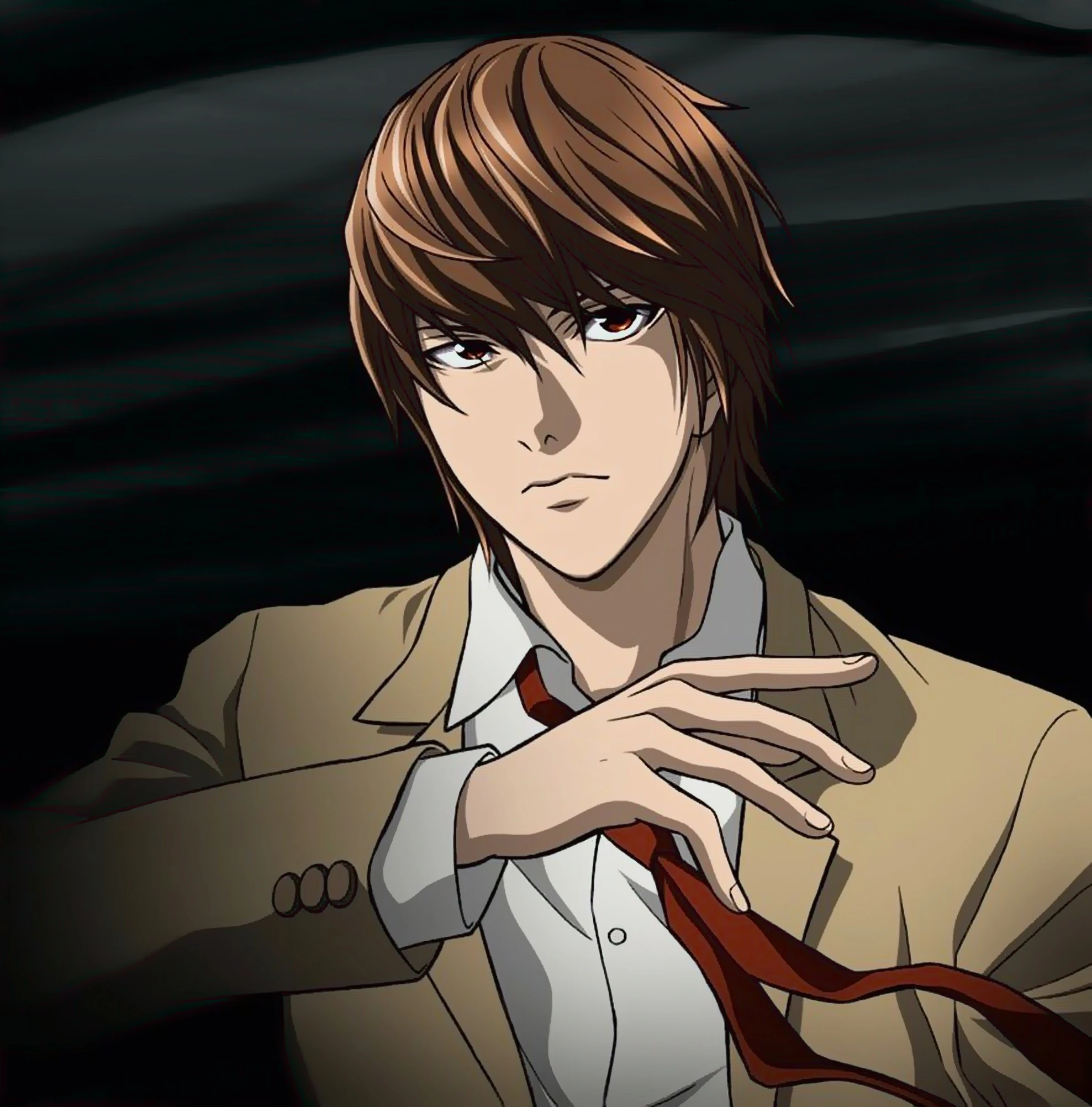
Light Yagami, the central figure of ‘Death Note’ (2006–2007), uses the power of a supernatural notebook to rid the world of criminals. He argues that the traditional justice system is slow and ineffective, failing to protect the innocent from repeat offenders. Under his secret identity as Kira, he successfully reduces global crime rates by seventy percent and effectively ends most international wars. Light’s vision of a peaceful utopia is polarizing because it relies on the absolute judgment and execution of individuals by a single, self-appointed judge.
Lelouch Lamperouge
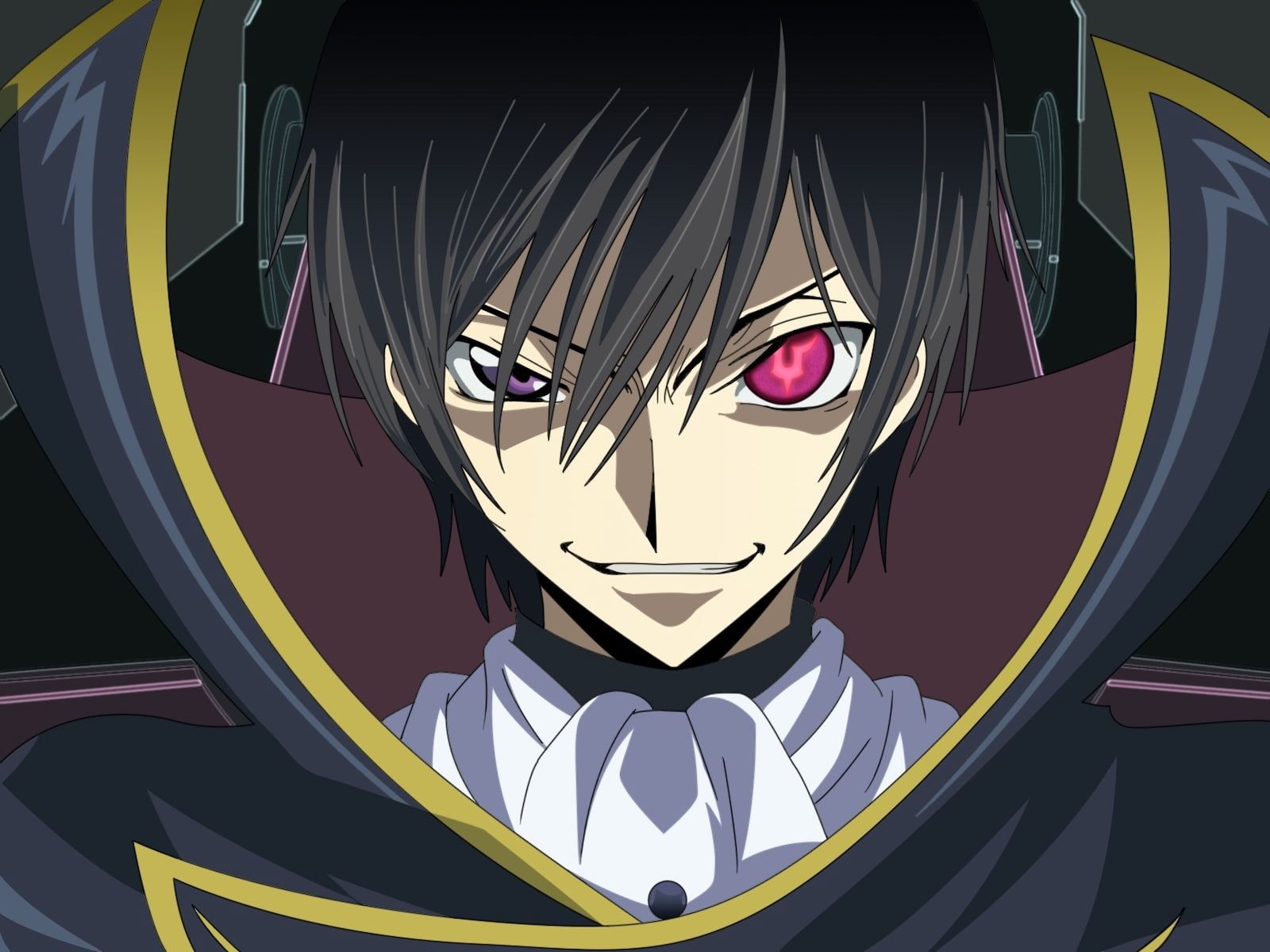
In ‘Code Geass: Lelouch of the Rebellion’ (2006–2008), Lelouch Lamperouge utilizes his power to command others to dismantle the oppressive Holy Britannian Empire. He eventually realizes that true peace can only be achieved if the world unites against a single, common enemy. Lelouch deliberately becomes a global tyrant and commits numerous atrocities to ensure that all of humanity’s hatred is focused solely on him. His plan concludes with his own orchestrated death, which he believes will break the cycle of vengeance and allow the world to heal.
Char Aznable
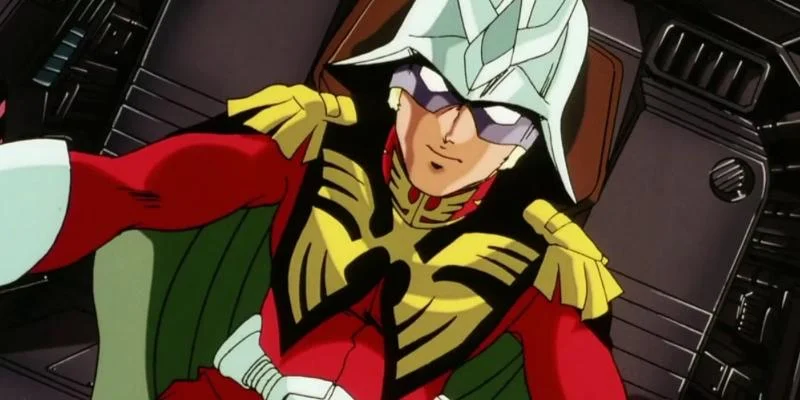
Char Aznable, the iconic antagonist of ‘Mobile Suit Gundam’ (1979–1980), seeks to liberate humanity from the gravitational pull of Earth. He believes that the Earth is a sacred place being slowly destroyed by a political elite who refuse to move into space colonies. Char’s radical plan involves forcing the entire population into space to allow the planet’s environment to recover naturally. His conviction is that humans will only evolve into a more peaceful species once they leave their ancestral home and experience the vastness of the universe.
Askeladd
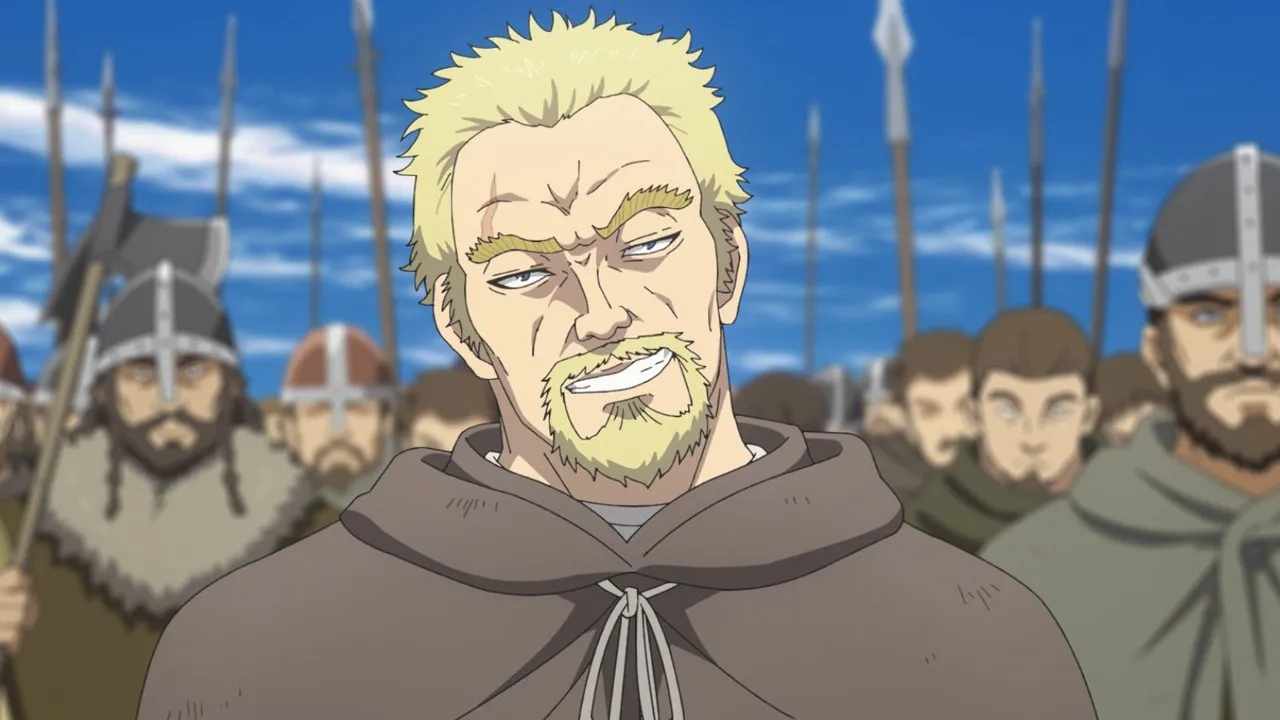
Askeladd is a cunning mercenary leader in ‘Vinland Saga’ (2019–) who spends decades working for the Vikings who enslaved his people. His true loyalty lies with his mother’s homeland, and he works tirelessly behind the scenes to protect Wales from Norse invasion. Askeladd manipulates kings and royalty to ensure that the strongest possible leader takes the throne of England, creating a buffer for his own people. His pragmatism is a response to the brutal, war-torn era of the eleventh century where survival requires absolute ruthlessness.
Bondrewd
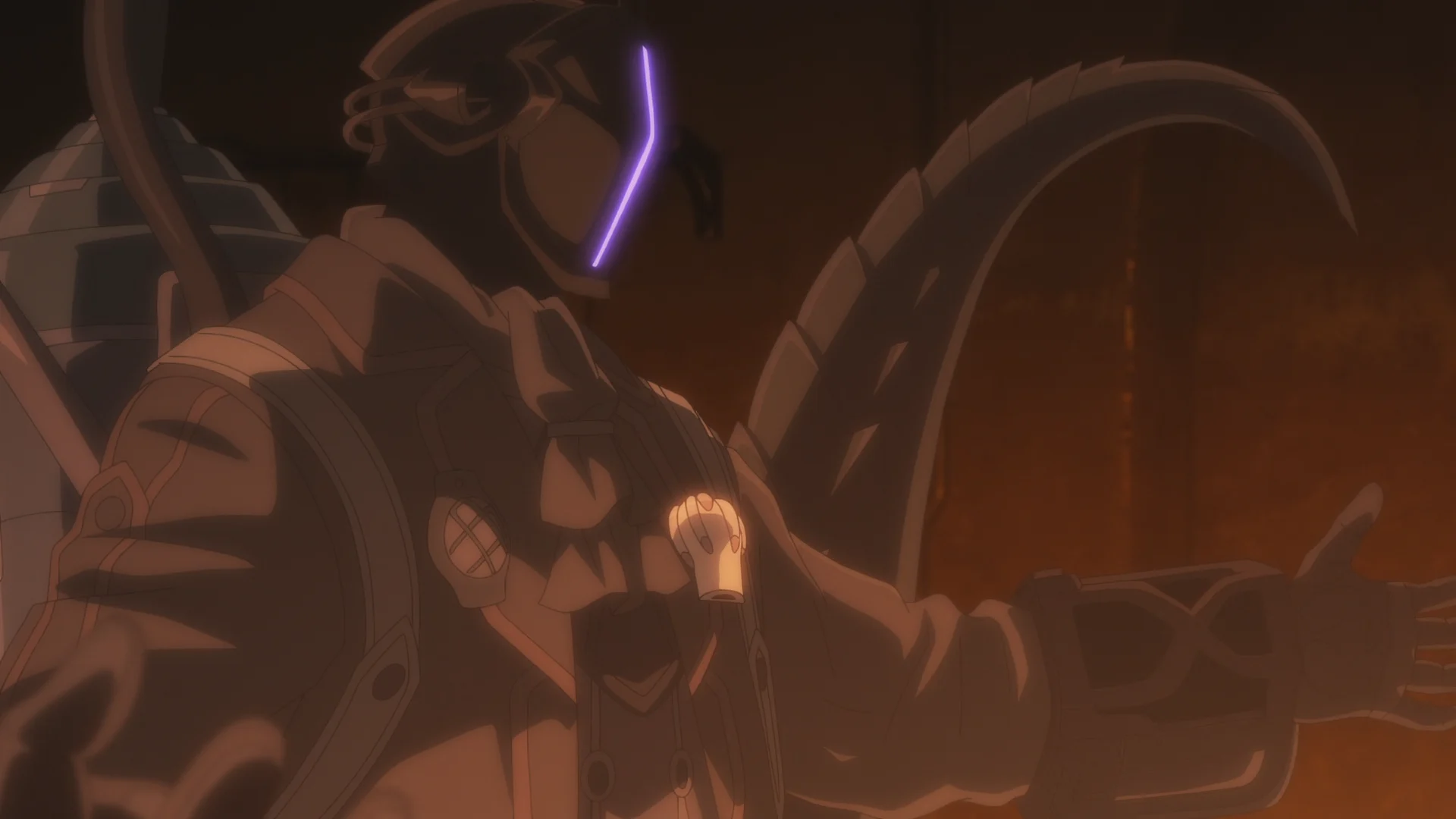
The Sovereign of Dawn, Bondrewd, is a character in ‘Made in Abyss’ (2017–) who performs horrific experiments on children to study the Abyss. He justifies these actions by claiming they are necessary for the advancement of human science and the survival of the species against a lethal curse. Bondrewd does not act out of malice, but out of a clinical belief that progress requires sacrifice. His character serves as a polarizing exploration of whether the pursuit of knowledge and survival justifies the total abandonment of individual morality.
Isabella
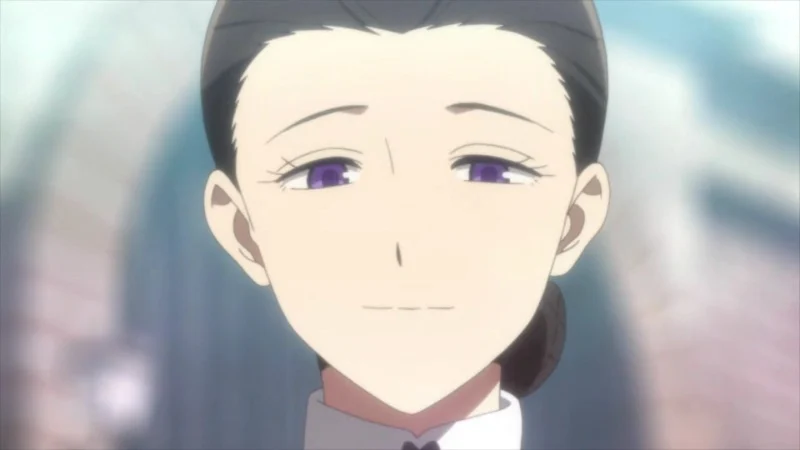
Isabella, the primary antagonist of ‘The Promised Neverland’ (2019–2021), acts as a “Mother” to children who are being raised as food for demons. She believes that escape from this global system is impossible and that the most compassionate thing she can do is provide the children with a happy life before their harvest. Isabella ensures that the children are loved and cared for until the very end, viewing this as a mercy in a world with no other options. Her perspective is shaped by her own failed attempt to rebel against the same cruel system as a child.
Gendo Ikari

Gendo Ikari, the commander of NERV in ‘Neon Genesis Evangelion’ (1995–1996), orchestrates a plan to initiate the Human Instrumentality Project. He believes that individual existence is a source of eternal loneliness and pain caused by the psychological barriers between human souls. By merging all of humanity into a single collective consciousness, he intends to eliminate the possibility of rejection and suffering forever. While his treatment of others is cold and manipulative, his goal is to create a world where no human being will ever feel lonely again.
Tell us which of these anime villains you believe had the most compelling argument in the comments.