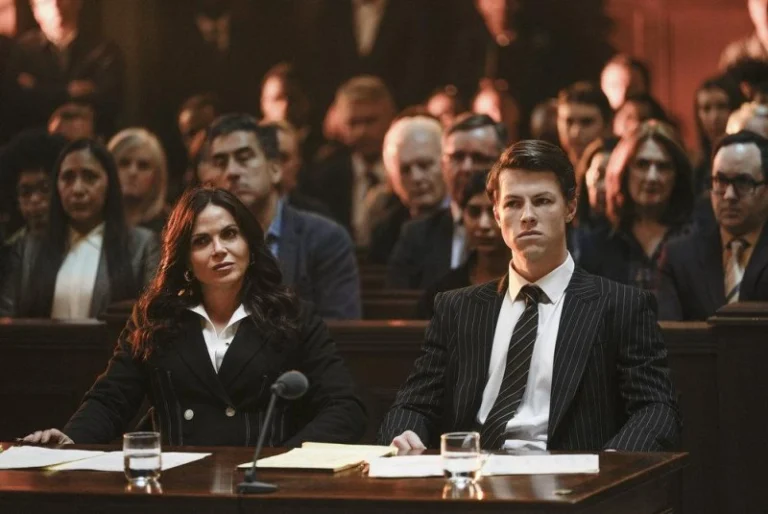
Top 10 Coolest Things About Tony Soprano



Tony Soprano sits at the center of ‘The Sopranos’ as a modern mafia boss whose life bridges suburban routines and organized crime. The series follows him through panic attacks, therapy, and the constant tension between loyalty to his crew and obligations to his family. Viewers see the mechanics of a criminal enterprise alongside the private stressors of raising kids, managing a marriage, and caring for aging parents. Through Tony, the show maps the inner workings of New Jersey’s underworld while unpacking the psychology of power, fear, and responsibility.
The Double Life: Suburban Dad and Crime Boss
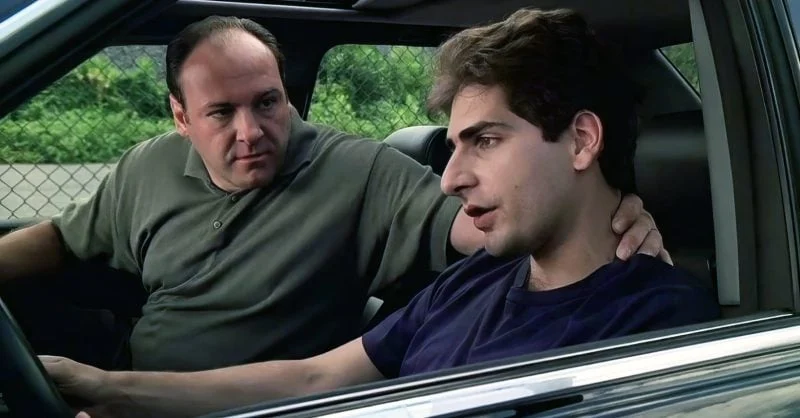
Tony runs the North Jersey faction of the DiMeo crime family while living in a comfortable home with Carmela, Meadow, and A.J. The show details how he shifts from backyard barbecues to violent disputes, often within the same day. Scenes move from school events and household chores to sit-downs and collections, highlighting how tightly compartmentalized his days must be. This duality frames every major decision he makes, because each choice carries consequences at home and on the street.
Therapy With Dr. Melfi: A Window Into His Mind

Tony’s panic attacks lead him to regular sessions with Dr. Jennifer Melfi, which structure much of the series’ introspection. In the office, he revisits childhood memories, confronts anger toward his mother Livia, and tests the limits of confidentiality. Those conversations reveal how shame, fear, and family patterns shape his leadership and personal life. The therapy scenes also introduce clinical language and coping tools that Tony uses—sometimes selectively—outside the office.
How the Organization Works: Crews, Captains, and Kick-Ups
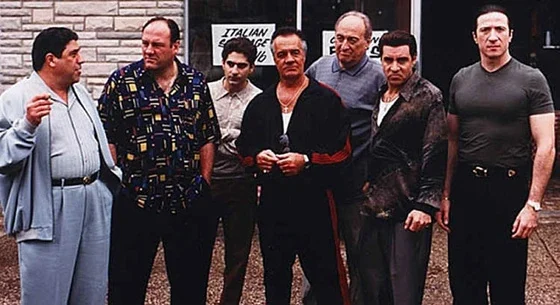
The show explains the hierarchy around Tony, from captains like Paulie and the consigliere role fulfilled by Silvio to associates who handle day-to-day “earnings.” Money flows upward through kick-ups, and disputes are resolved in formal sit-downs that follow long-standing rules. Tony mediates territory issues, greenlights operations, and balances profit against potential heat from law enforcement. The structure clarifies why loyalty, discretion, and clear lines of authority are non-negotiable.
Business Fronts and Revenue Streams
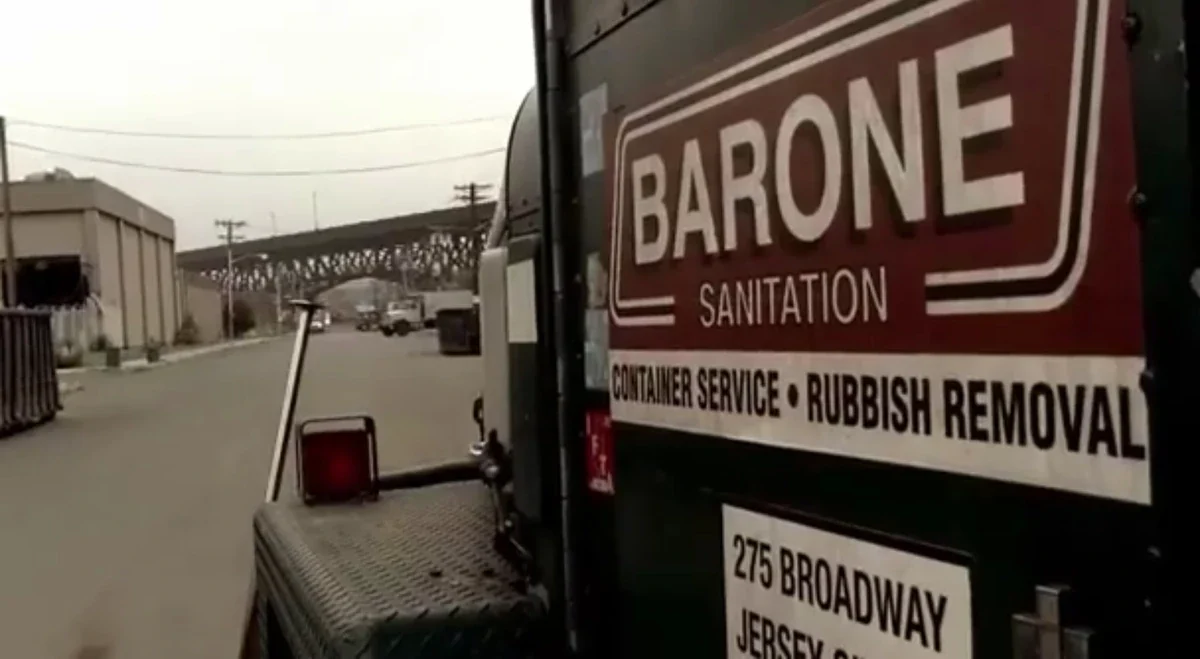
Tony’s world relies on fronts such as Satriale’s Pork Store and the Bada Bing, which double as social hubs and informal offices. Income comes from gambling, loansharking, protection, construction schemes, and no-show or no-work jobs. A waste-management firm provides both legitimate revenue and leverage for contracts and routes. Together, these operations show how cash, credit, and coercion intertwine to keep the organization funded and protected.
Family Dynamics and Generational Pressure

At home, Tony and Carmela navigate faith, finances, and the example they set for their children. Meadow challenges the family’s values with education and independence, while A.J. struggles with motivation and identity. Extended family—Uncle Junior, Janice, and especially Livia—introduce power plays, guilt, and competing loyalties. These relationships consistently influence Tony’s choices, pushing him to juggle emotional obligations with business imperatives.
Symbols, Dreams, and the Ducks
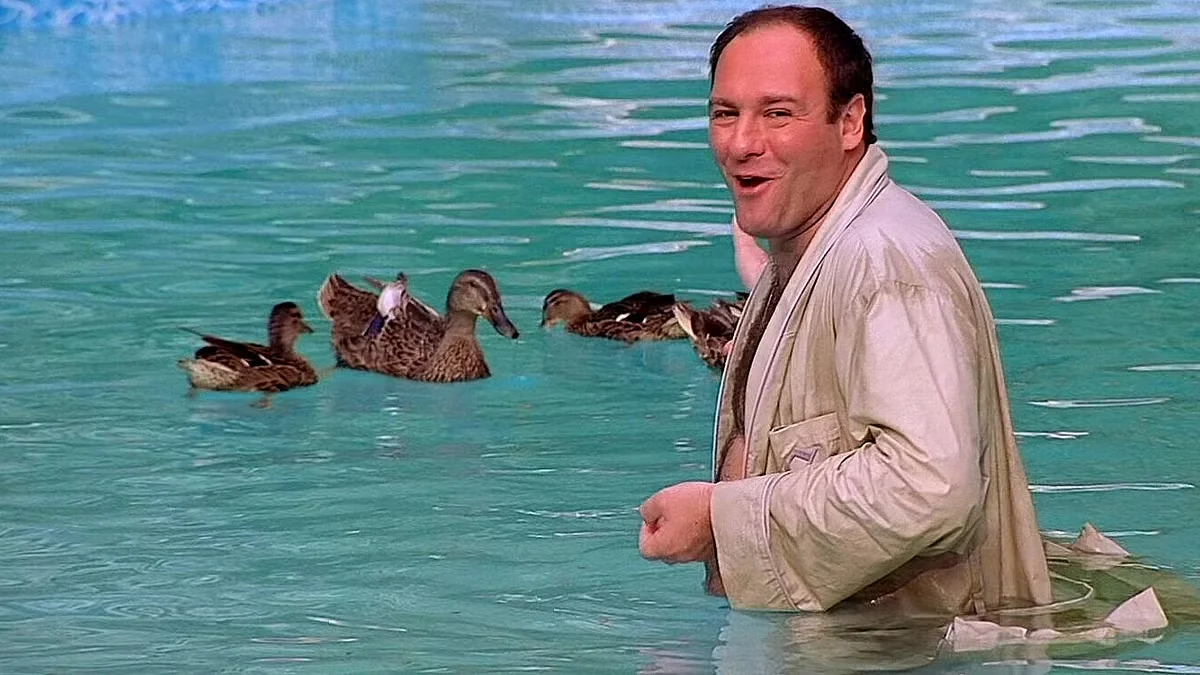
Recurring symbols track Tony’s fears and ambitions, beginning with the ducks that briefly live in his backyard pool. Animal sightings, dream sequences, and surreal interludes—like “The Test Dream” and “Funhouse”—externalize his guilt, anxiety, and denial. The “Kevin Finnerty” episodes reframe his inner life through a disorienting alter-identity. These devices turn private conflicts into visual storytelling that foreshadows shifts in his family, health, and leadership.
New Jersey Roots and Sense of Place

Tony’s routines unfold across North Jersey suburbs, industrial corridors, diners, and strip malls that anchor the story in specific geography. Landmarks like Satriale’s and the Bada Bing are fixtures where business, gossip, and strategy converge. The show uses highways, cul-de-sacs, and local institutions to place criminal operations alongside everyday life. That setting emphasizes how proximity—to home, church, school, and work—shapes his decisions and vulnerabilities.
Law Enforcement Pressure and Countermoves
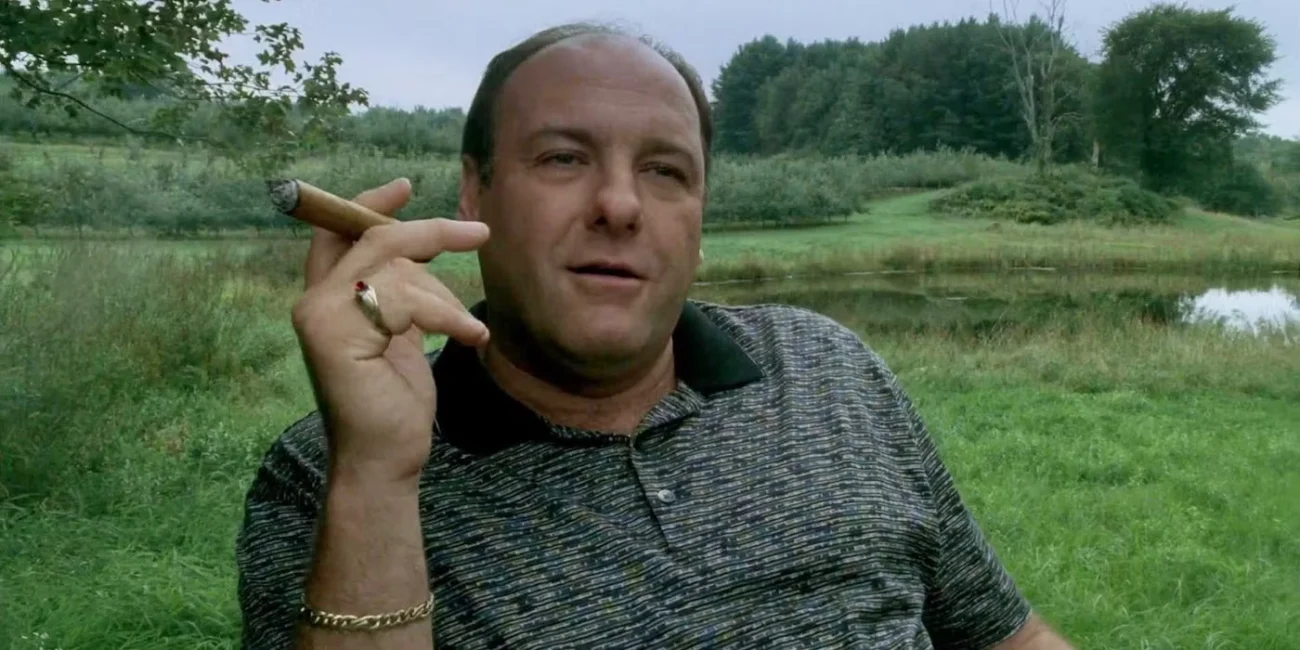
FBI surveillance teams, wiretaps, and informants create constant risk around Tony’s operations. Agents cultivate sources, watch meeting spots, and build cases designed to leverage conspiracy and financial crimes. In response, Tony limits phone talk, uses coded language, and relocates meetings to reduce exposure. These cat-and-mouse tactics show how operational security competes with the need to keep money moving and crews aligned.
Language, Slang, and Communication Style
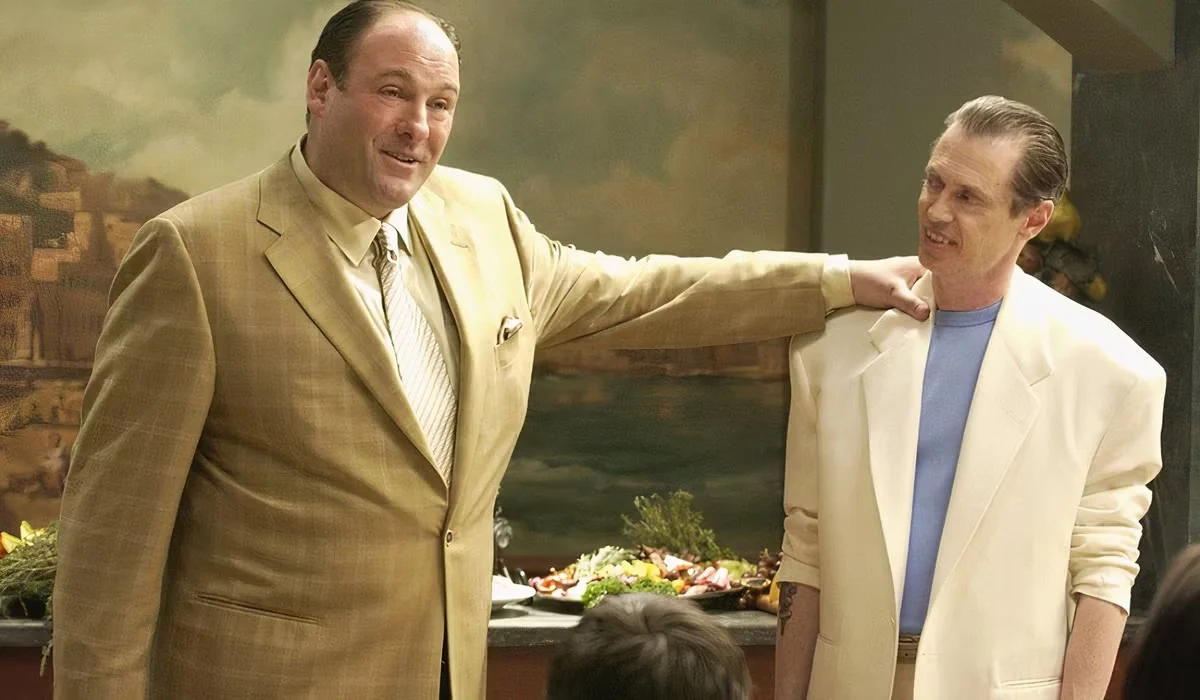
Tony switches comfortably between plainspoken directives, street slang, and family-friendly small talk depending on who is in the room. His vocabulary includes Italian-American expressions and coded terms that communicate status, threat, or reassurance without detail. He relies on short, memorable cues to delegate, test loyalty, or shut down probing questions. This controlled use of language lets him manage both intimacy and distance with subordinates and relatives.
The Prototype TV Antihero’s Legacy
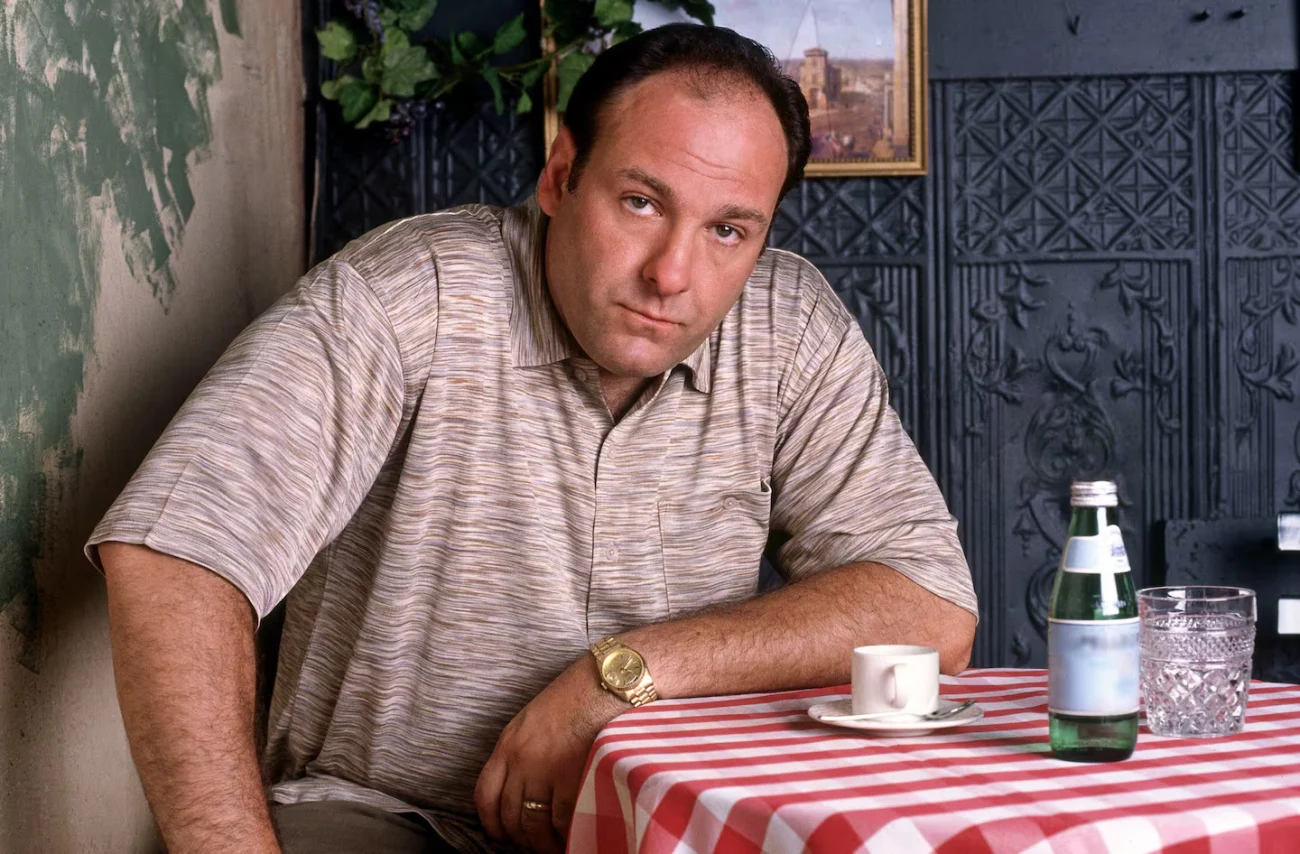
Through Tony, ‘The Sopranos’ established a character blueprint that influenced later prestige-drama protagonists. The show normalized long-form arcs driven by moral ambiguity, therapy-room candor, and domestic stakes intertwined with criminal enterprise. Critics, scholars, and creators regularly cite Tony when discussing the shift toward complex leads on cable and streaming series. His presence remains a reference point for how television portrays power, vulnerability, and consequence over multiple seasons.
If you love digging into the details of Tony Soprano’s world, share your favorite aspect of the character in the comments!