TV Show Reboots That Fans Claim Were “Ruined” by Forced Diversity


Television networks and streaming platforms frequently update classic properties to reflect modern sensibilities and broader demographics. While these changes aim to reach new audiences, they often spark significant debate among long-term fans who feel the original spirit of the show has been altered. This list explores several television reboots and revivals that faced vocal criticism for their casting choices and thematic shifts.
‘Anne with an E’ (2017–2019)

‘Anne with an E’ is a reimagining of the ‘Anne of Green Gables’ novels that introduced new storylines involving LGBTQ+ characters and Black residents of Prince Edward Island. While these characters were praised by many for adding depth to the historical setting, some purists of Lucy Maud Montgomery’s books were deeply unhappy. They claimed the show compromised the source material by forcing contemporary social issues into a turn-of-the-century narrative. The show maintained a very passionate following but was eventually canceled after three seasons. Despite the backlash, the fan base continues to campaign for its return to television.
‘Bel-Air’ (2022–Present)
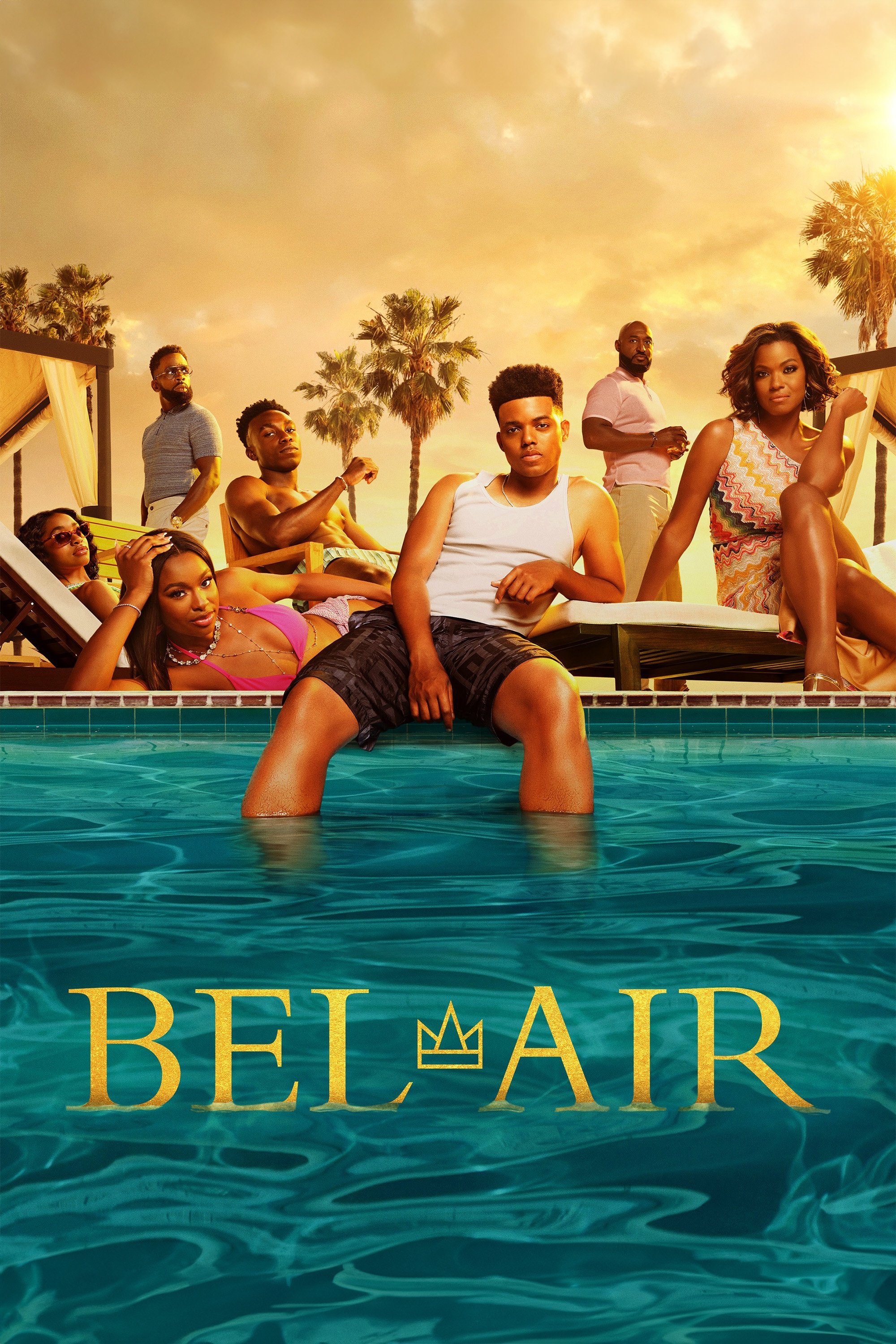
‘Bel-Air’ is a dramatic reimagining of the 1990s sitcom ‘The Fresh Prince of Bel-Air’, based on a viral trailer that took a gritty look at the premise. The series explores race, class, and identity in modern America with a far more serious tone than the lighthearted original. Some fans of the sitcom have criticized the drama for what they describe as heavy-handed social commentary and drastic character changes. In particular, the reimagining of Carlton Banks as a more antagonistic figure sparked heated debate among those who preferred the original comedic portrayal. However, the show has been successful enough to be renewed for multiple seasons.
‘Charmed’ (2018–2022)
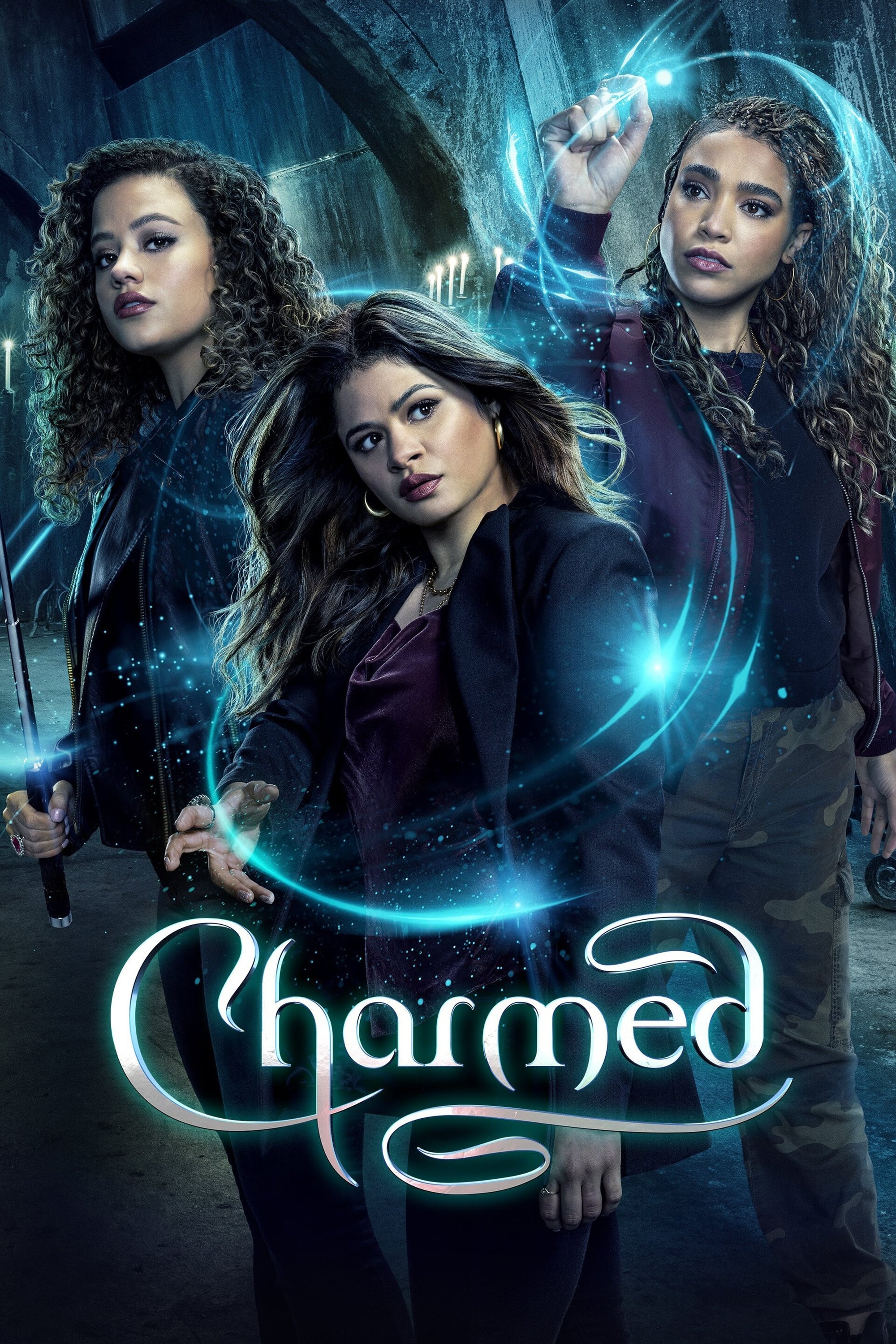
The 2018 reboot of ‘Charmed’ introduced a new trio of sisters, the Vera-Vaughn family, played by Melonie Diaz, Sarah Jeffery, and Madeleine Mantock. Unlike the original series, this iteration focused on a Latina family and integrated modern social justice themes directly into the magical plotlines. Many fans of the original ‘Charmed’ criticized the show for prioritizing political messaging over the sisterly bond established in the predecessor. Tensions also arose publicly between the original cast and the new production, which fueled negative sentiment across social media. The show concluded after four seasons on The CW due to declining viewership.
‘Doogie Kamealoha, M.D.’ (2021–2023)

A reboot of the classic series ‘Doogie Howser, M.D.’, this Disney+ project followed a teenage girl of mixed heritage practicing medicine in Hawaii. The show integrated local Hawaiian culture and language into its storytelling, moving away from the Los Angeles setting of the original series. Some fans of the Neil Patrick Harris original argued that the reboot was merely a vehicle for diverse casting rather than a necessary evolution of the story. They felt the “Doogie” name was used primarily for brand recognition while the show lacked the specific charm of the 1980s version. Disney+ ultimately canceled the series after its second season.
‘Gossip Girl’ (2021–2023)
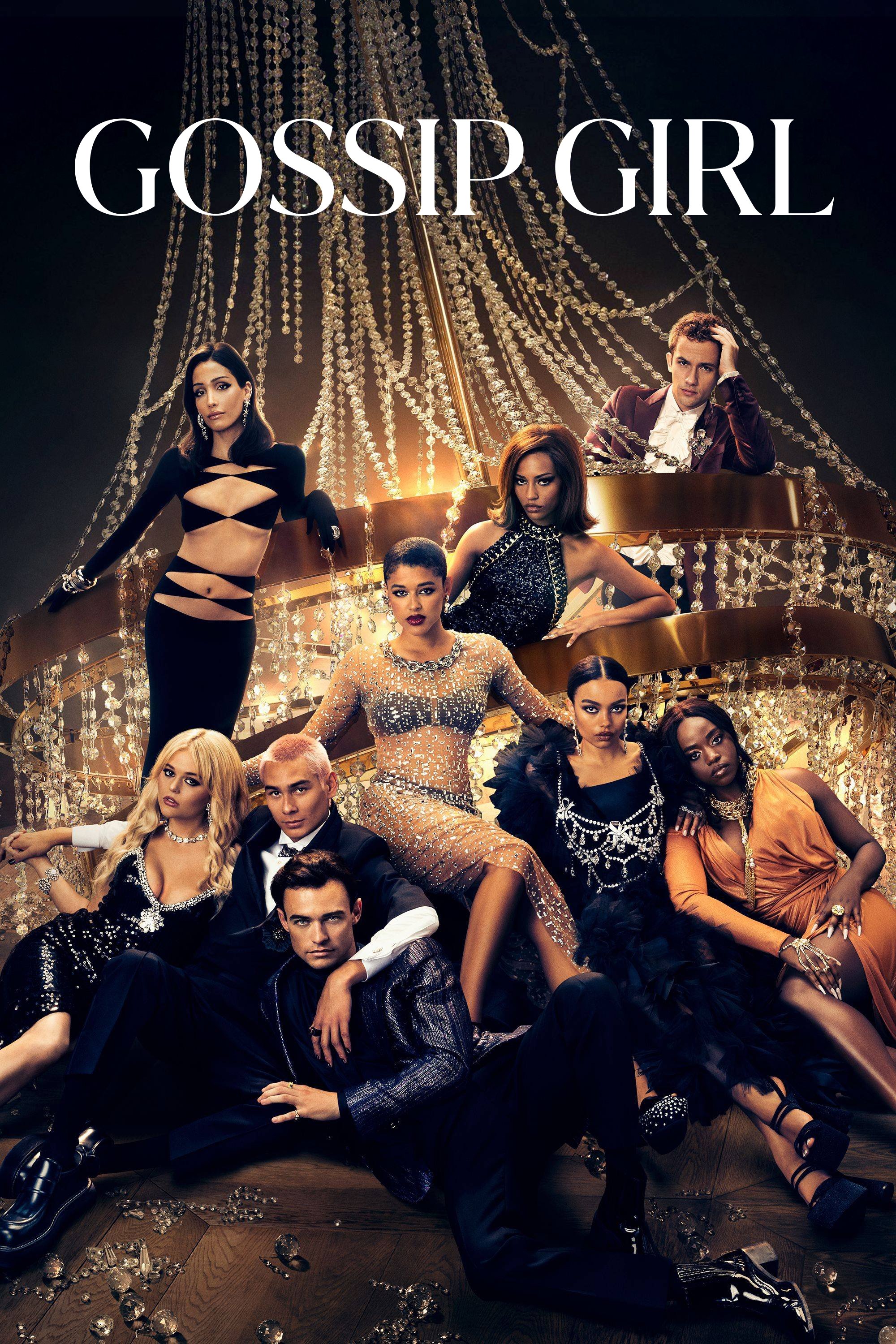
The HBO Max revival of ‘Gossip Girl’ aimed to update the Upper East Side elite with a more diverse and LGBTQ+ inclusive cast of characters. Showrunners deliberately moved away from the predominantly white cast of the original 2007 series to reflect a more contemporary version of New York City. Fans of the original show often claimed the new characters lacked the specific charisma and antagonistic energy that made the predecessor a cultural phenomenon. Some viewers argued that the heavy emphasis on social awareness hindered the escapist fantasy they expected from the brand. The series was canceled after two seasons following a mixed reception.
‘High Fidelity’ (2020)
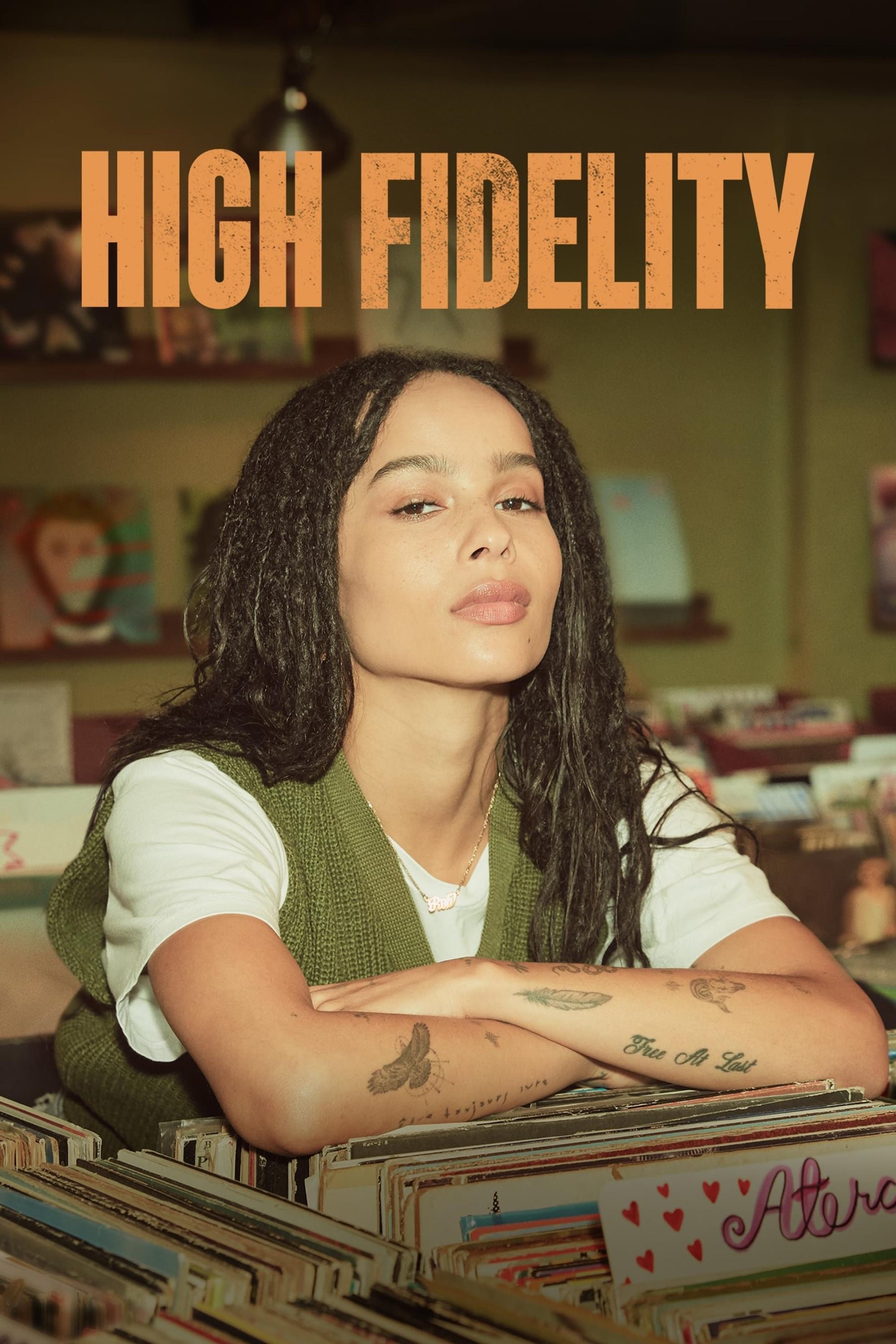
Hulu’s ‘High Fidelity’ gender-swapped the lead role originally played by John Cusack, casting Zoë Kravitz as the record store owner Rob. The show also updated the setting to a modern, gentrifying Brooklyn and included a more diverse set of romantic interests for the protagonist. Fans of the 2000 film and the original Nick Hornby book argued that the change in perspective felt forced to fit a specific modern aesthetic. While the show received positive reviews from critics for Kravitz’s performance, it failed to secure a second season. The cancellation led to further debate about how streaming services balance representation with commercial viability.
‘Kung Fu’ (2021–2023)
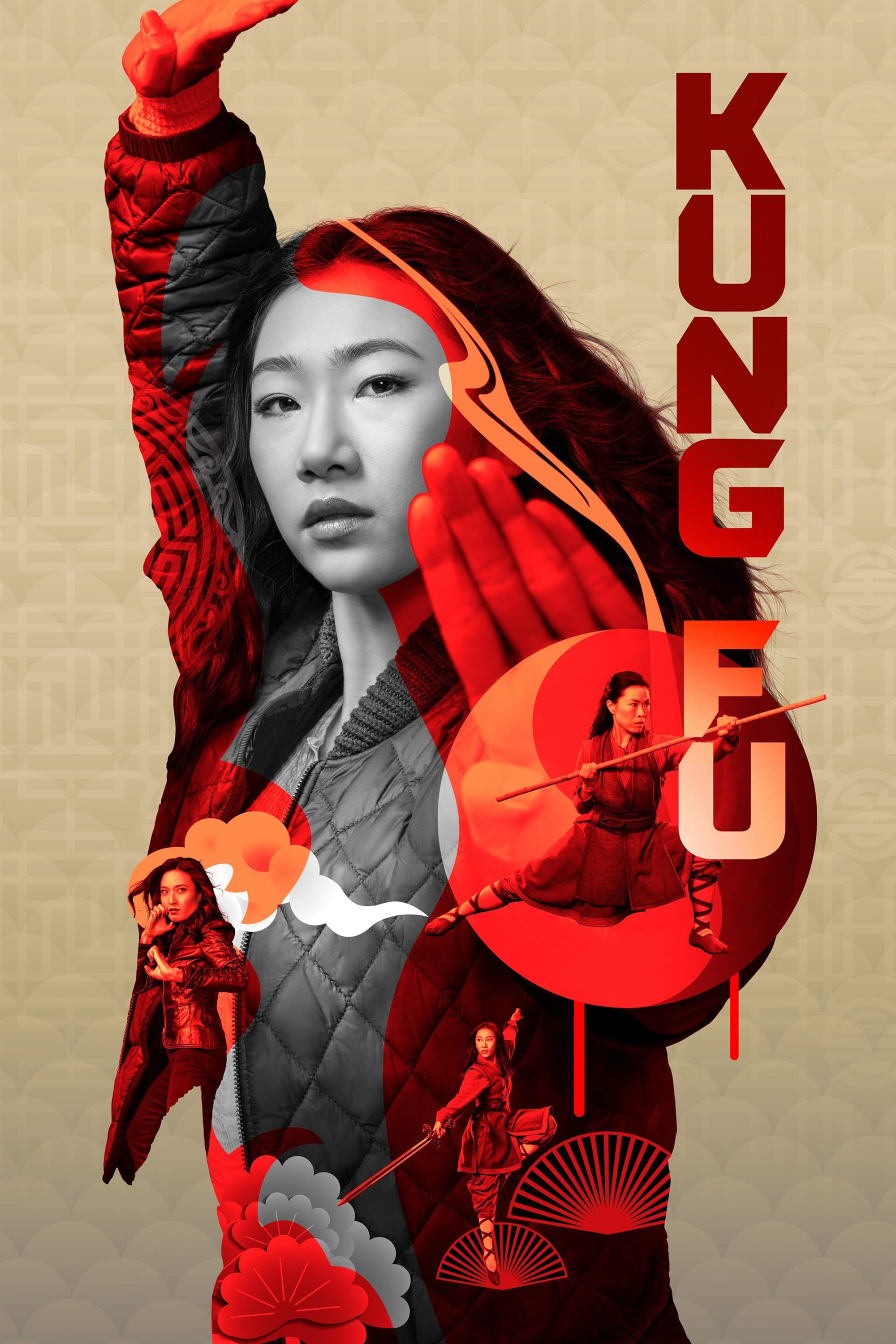
Inspired by the 1970s series starring David Carradine, the new ‘Kung Fu’ featured a predominantly Asian-American cast to rectify the original’s history of casting a white actor in the lead. The story followed a young woman who uses her martial arts skills to protect her community in San Francisco. While the show was seen as a positive step for representation, some viewers felt the writing relied too heavily on contemporary social tropes. Complaints about forced diversity often surfaced in discussions comparing the reboot to the original’s more philosophical and mystical approach. The series was canceled by The CW after its third season.
‘Lost in Space’ (2018–2021)
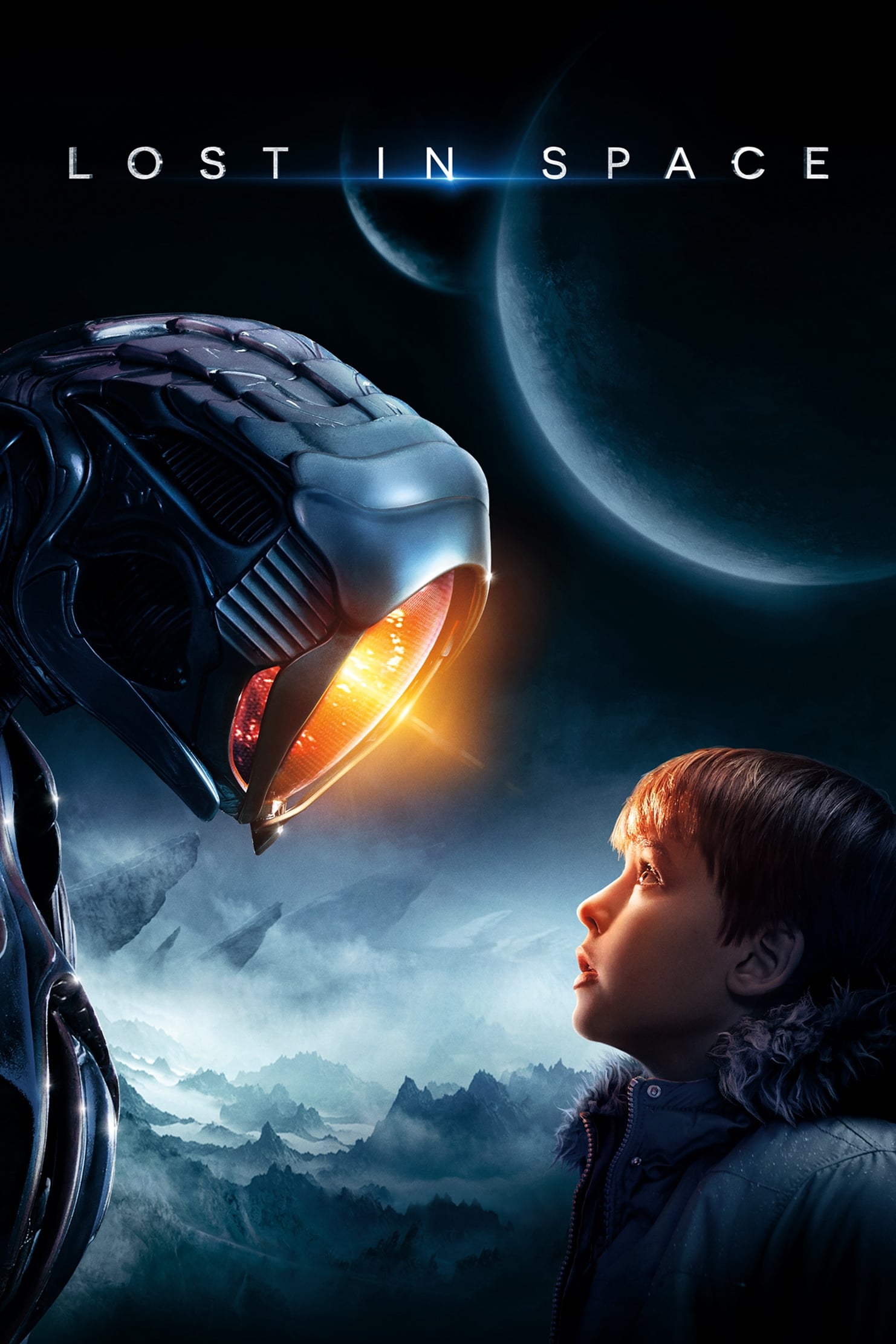
Netflix’s ‘Lost in Space’ reimagined the classic sci-fi series with several updates, most notably the casting of Parker Posey as Dr. Smith. In the original 1960s series, the character was a man portrayed by Jonathan Harris, making this a significant gender swap. Some fans felt this change was an unnecessary attempt to modernize the franchise for the sake of diversity rather than character development. Additionally, the updated family dynamics and diverse background characters were cited by some critics as being too focused on modern sensibilities. Despite these complaints, the show was a success for Netflix and completed its planned three-season arc.
‘MacGyver’ (2016–2021)
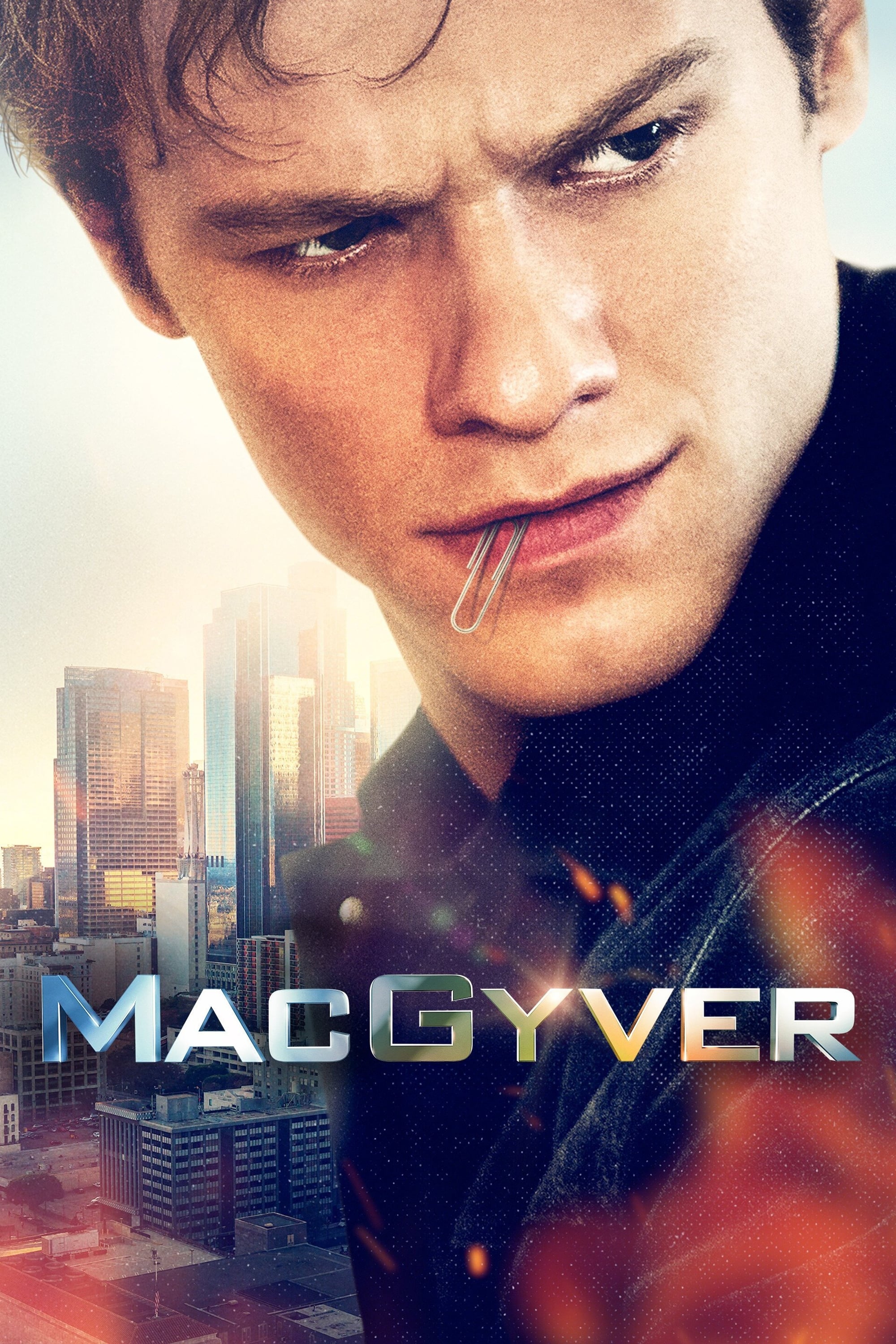
The ‘MacGyver’ reboot featured a younger version of the hero and a more diverse team at the Phoenix Foundation. This included a female boss and a cast that was more reflective of modern demographics compared to the original 1980s production. Some viewers claimed that the ensemble approach and the focus on modern technology felt like a departure from the “lone wolf” spirit of the original. These fans often labeled the casting choices as attempts to appeal to a younger, more diverse audience at the expense of the original’s core appeal. The show managed to run for five seasons before concluding on CBS.
‘Magnum P.I.’ (2018–2024)

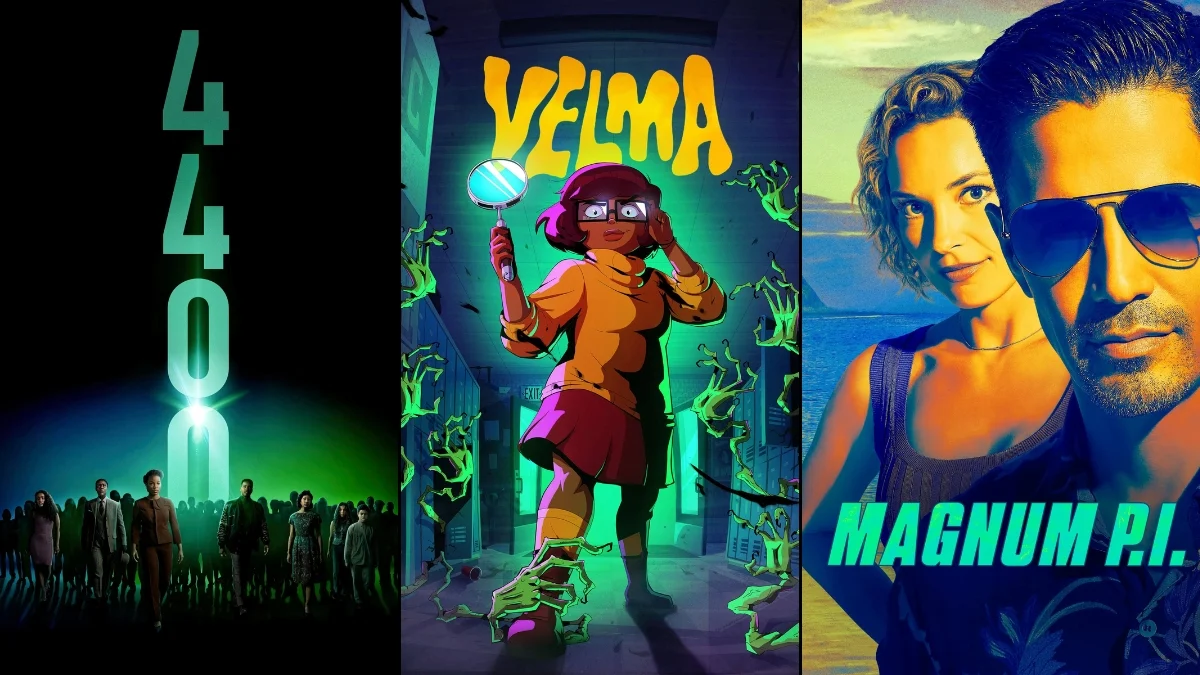
The ‘Magnum P.I.’ reboot replaced the iconic Higgins character with a woman, Juliet Higgins, played by Perdita Weeks. Additionally, the show modernized the cast and setting to reflect a more multi-ethnic and representative Hawaii. Traditionalist fans of the Tom Selleck original expressed frustration with the gender-swapping of a key character and the loss of the original’s specific dynamic. They argued that the relationship between the lead and his associates felt forced to accommodate modern Hollywood standards. Despite the initial backlash, the show survived a network move from CBS to NBC before eventually ending its run.
‘Masters of the Universe: Revelation’ (2021)
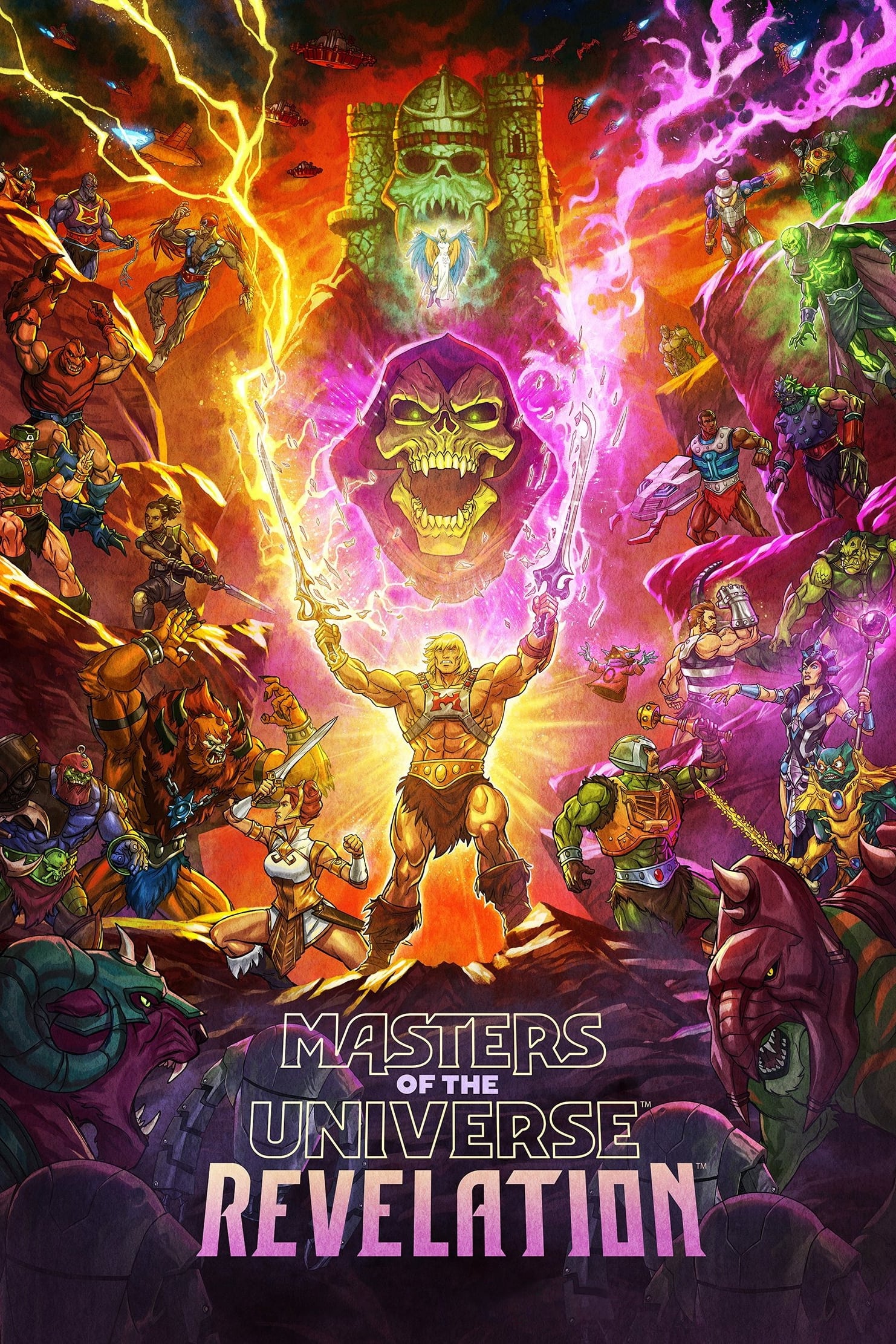
Developed by Kevin Smith, ‘Masters of the Universe: Revelation’ was marketed as a direct sequel to the 1980s animated series. However, fans were surprised when the protagonist, He-Man, was sidelined early in the series in favor of a narrative centered on Teela. This shift led to accusations of “bait-and-switch” tactics and a forced focus on a “girl power” narrative. The online backlash was immediate, with long-time fans expressing frustration over the perceived sidelining of the franchise’s main hero. The series received positive reviews from professional critics but remains highly polarized among the core fan base.
‘Perry Mason’ (2020–2023)
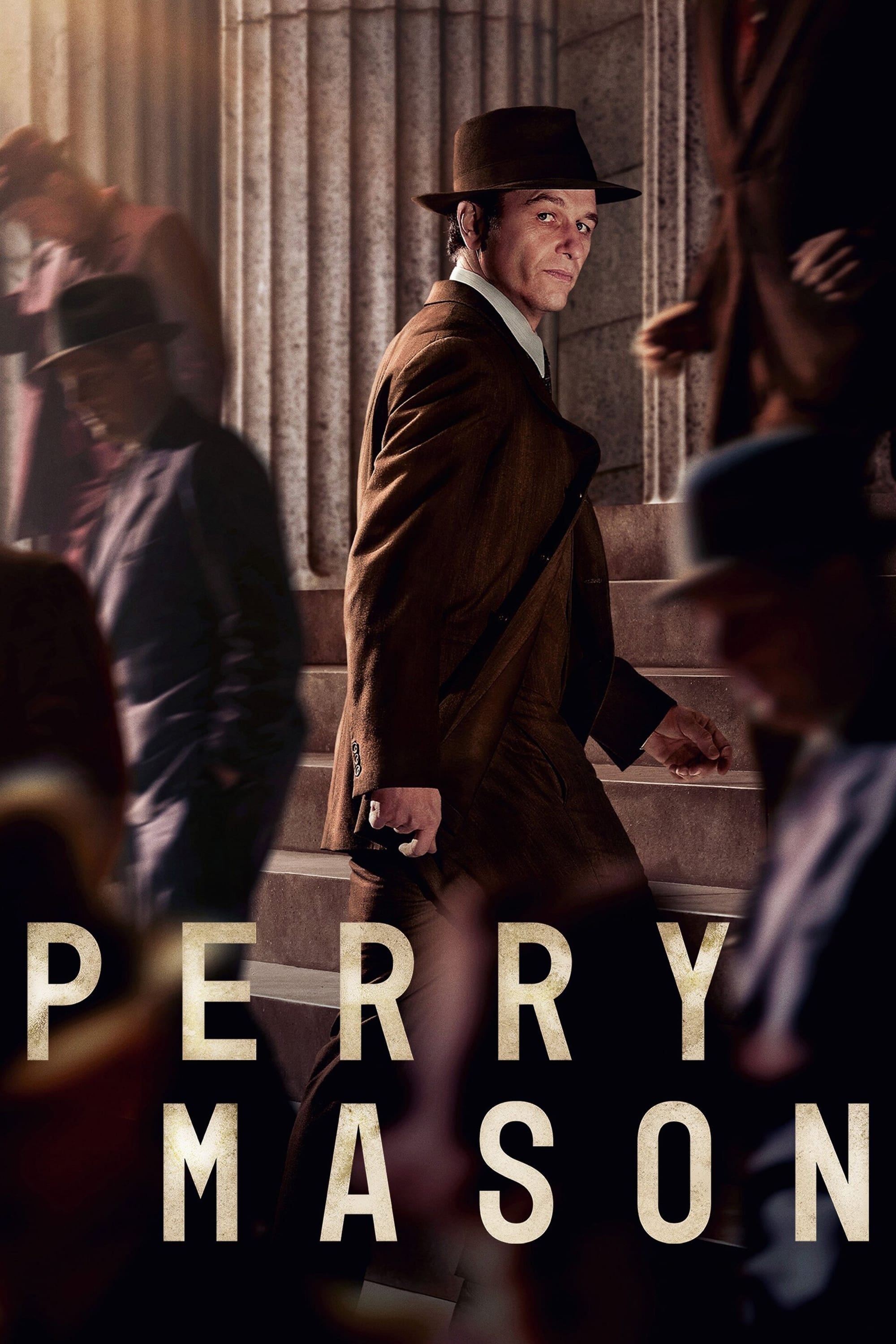
HBO’s ‘Perry Mason’ was a gritty origin story that reimagined the famous defense attorney’s world in 1930s Los Angeles. The show introduced a Black detective partner and explored the LGBTQ+ identity of Della Street, who was a traditional secretary in the original series. Some fans of the classic Raymond Burr show felt these changes were unnecessary additions to a well-established formula. They argued that the show’s focus on systemic corruption and identity politics distracted from the procedural courtroom drama they expected. HBO eventually canceled the series after its second season due to high production costs and viewership trends.
‘Quantum Leap’ (2022–2024)

‘Quantum Leap’ returned to NBC decades after the original series ended, starring Raymond Lee as the new leaper, Dr. Ben Song. The new team was intentionally diverse, featuring a non-binary character and several actors of color in central leadership roles. Some viewers of the original series complained that the reboot focused too much on the contemporary social issues encountered during the leaps. These fans argued that the show strayed too far from the simple, character-focused adventures that defined the Scott Bakula era. While it found a dedicated niche audience, the show was canceled after its second season.
‘Queer as Folk’ (2022)
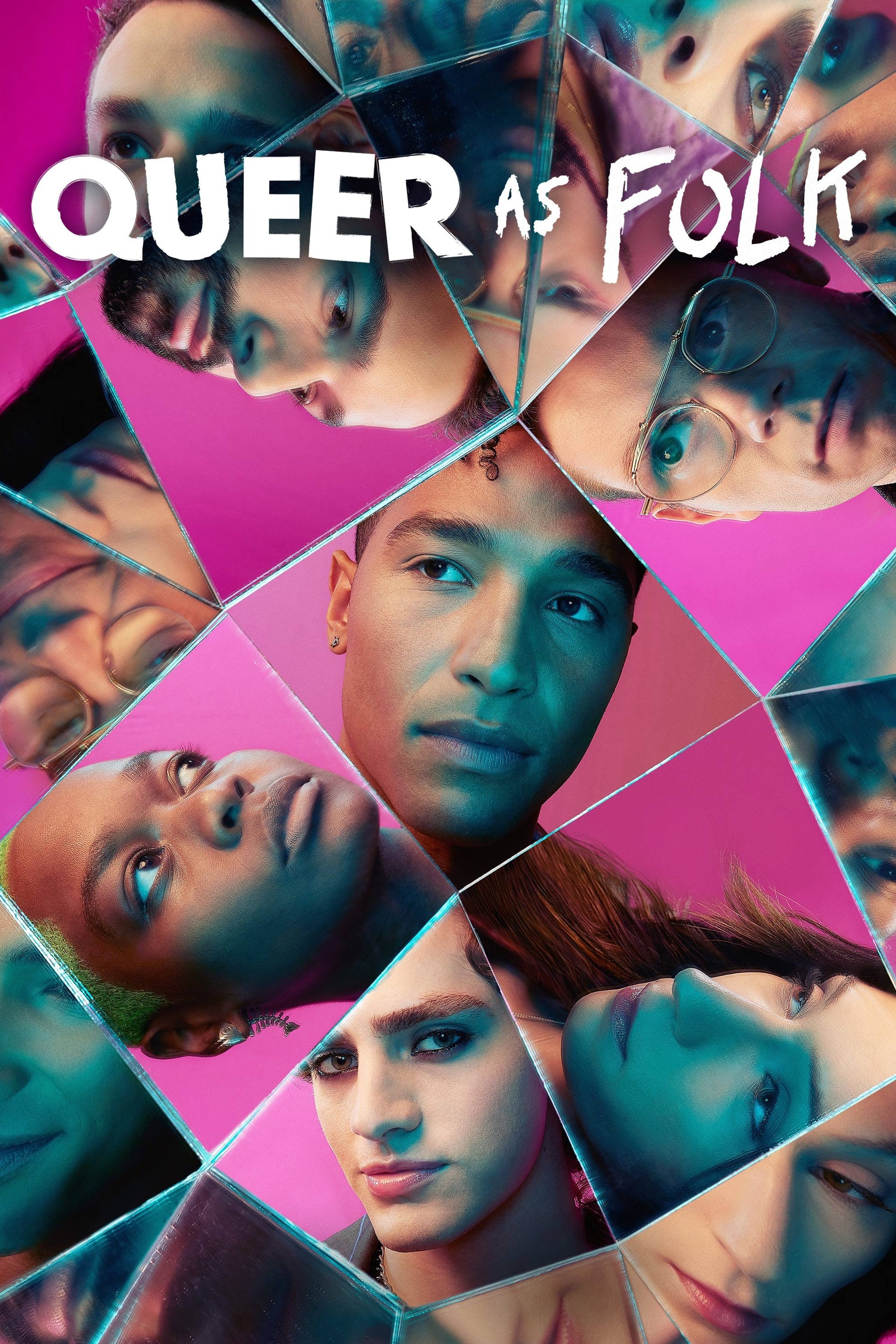
Peacock’s ‘Queer as Folk’ reboot sought to represent a broader spectrum of the LGBTQ+ community in New Orleans, including trans and non-binary characters. This differed significantly from the previous iterations which primarily focused on the experiences of white gay men. Some fans of the 2000 Showtime series claimed the new version felt more like a “checklist” of identities than a cohesive drama. Critics of the show among the fan base argued that the heavy emphasis on trauma and diverse representation lacked the chemistry of the earlier versions. The series did not return for a second season on the platform.
‘Saved by the Bell’ (2020–2021)
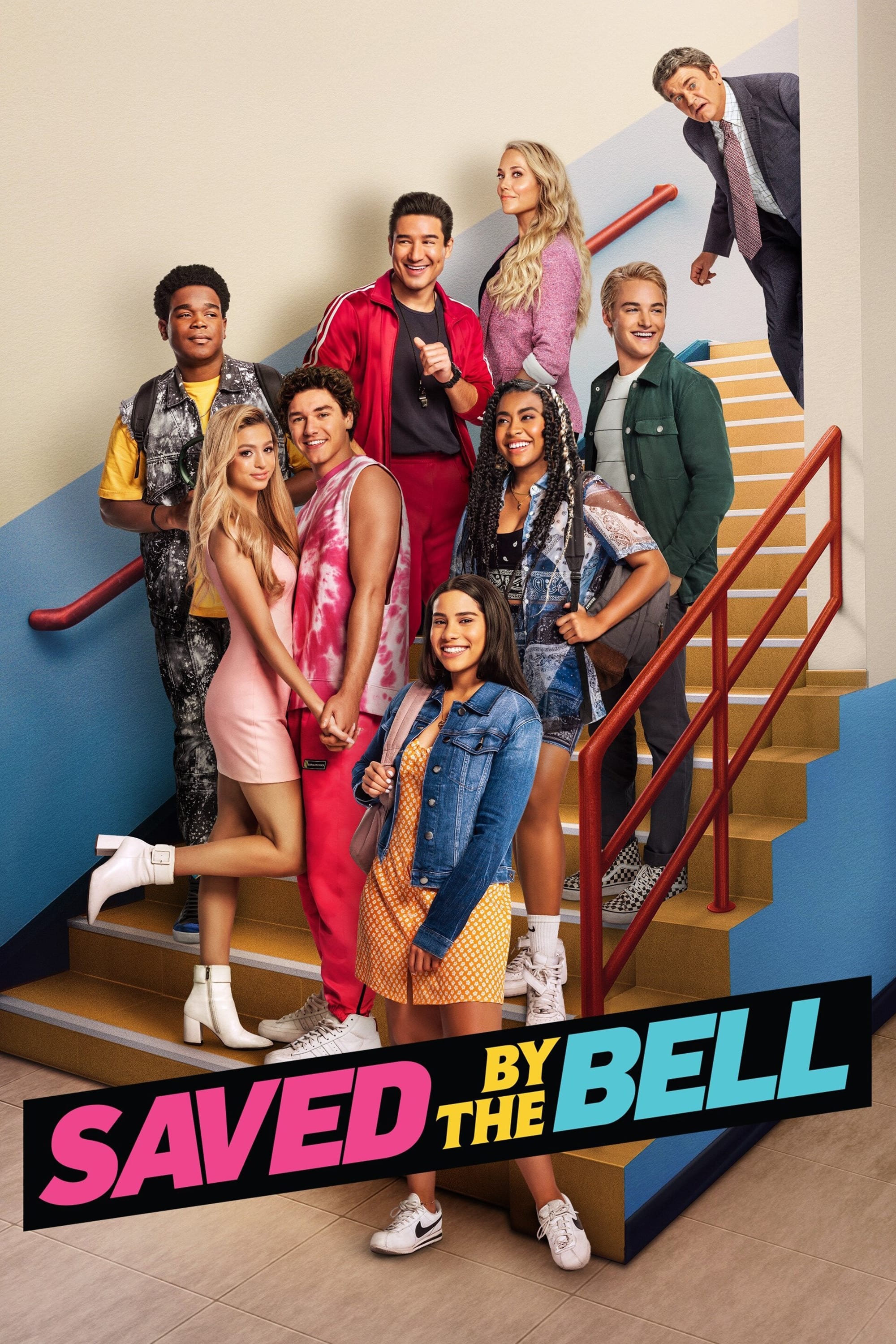
The Peacock revival of ‘Saved by the Bell’ focused on a new group of students from different socio-economic backgrounds attending the famous Bayside High. The plot centered on the tension between wealthy students and those from underfunded schools that were closed down by the governor. Some fans of the original 1980s sitcom felt the satirical take on privilege and the inclusion of diverse perspectives was too political for the franchise. These viewers argued that the show’s humor felt like a critique of the original’s lighthearted legacy. Despite receiving positive reviews for its sharp writing, the show was canceled after two seasons.
‘4400’ (2021–2022)
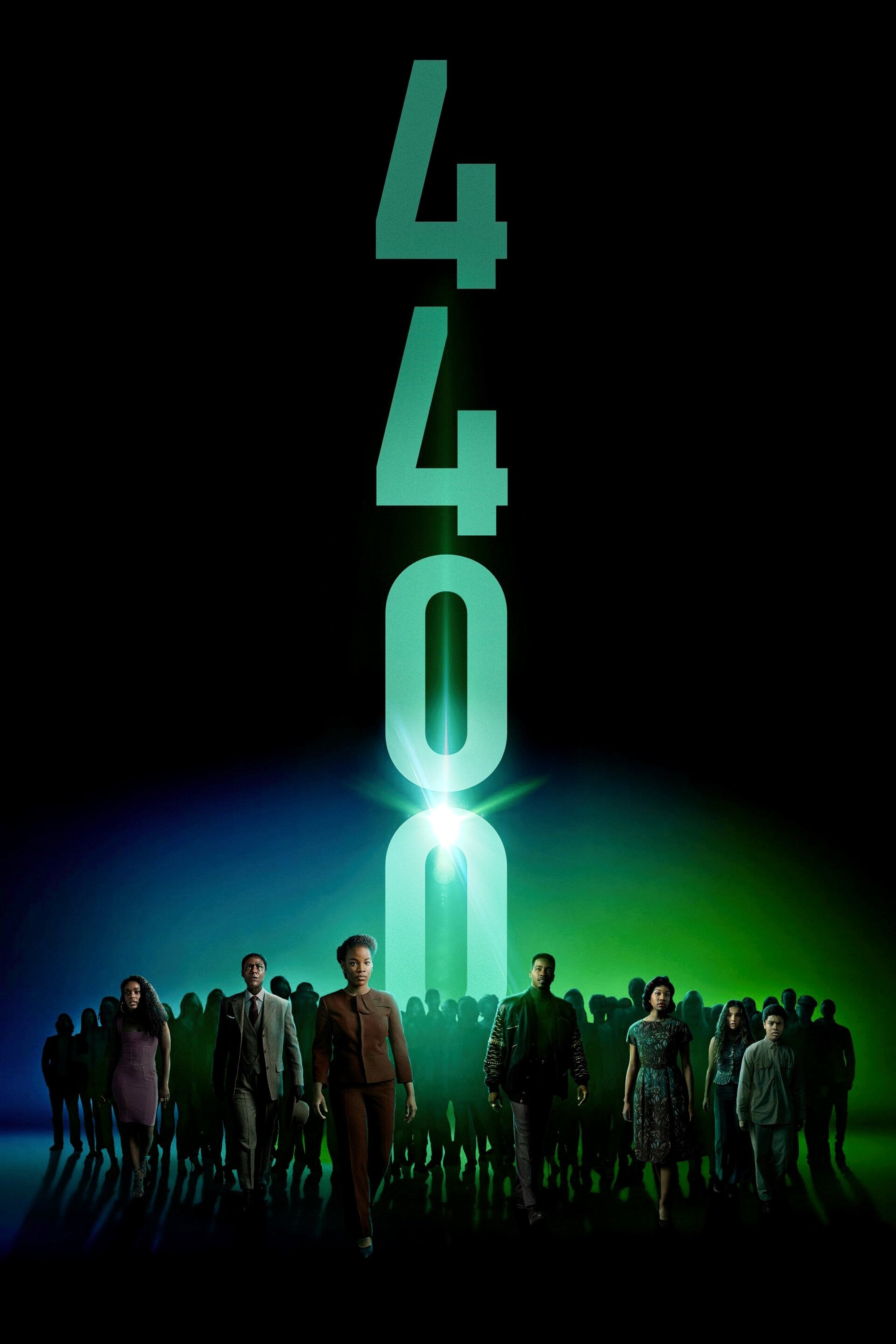
The CW’s reboot of ‘The 4400’ reimagined the story of thousands of overlooked people who vanished over the last century and suddenly reappeared in Detroit. The new version focused heavily on systemic racism, police reform, and marginalized identities, featuring a predominantly Black cast. Fans of the original 2004 series criticized the reboot for being overly didactic and shifting the focus away from the sci-fi mystery. Many reviews from the audience claimed the show felt more like a social commentary piece than a supernatural drama. It was canceled by the network after just one season due to low ratings.
‘The Equalizer’ (2021–Present)
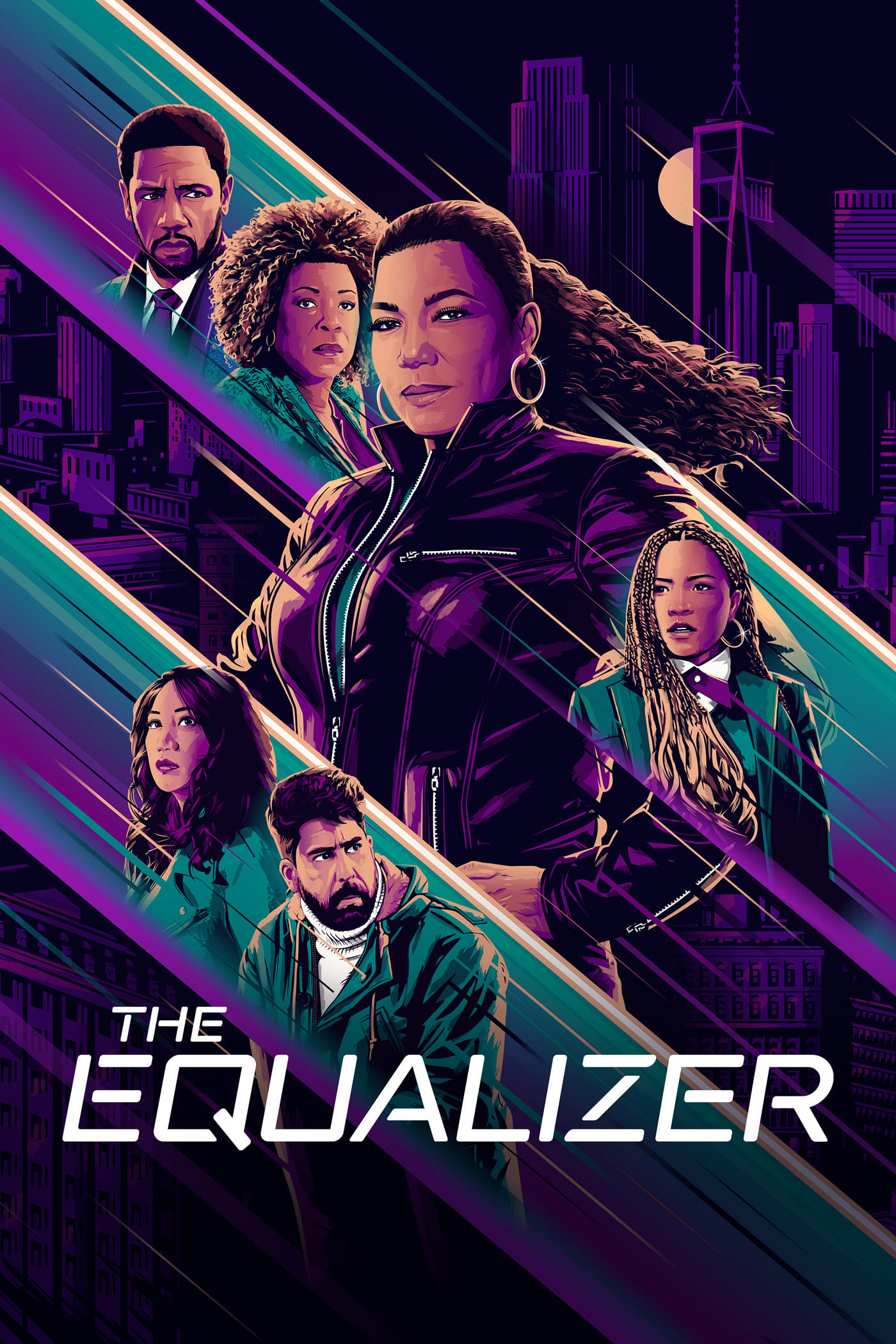
‘The Equalizer’ reboot stars Queen Latifah as Robyn McCall, a role previously played by white male actors Edward Woodward and Denzel Washington. While the show has been a significant ratings success for CBS, initial reactions included claims that the gender-swapping and racial shift were unnecessary. Some fans of the original 1980s series felt that the change in lead altered the fundamental DNA of the vigilante character. Despite these “forced diversity” complaints from a vocal minority, the series has maintained a steady viewership and has been renewed multiple times. It remains one of the few reboots on this list to achieve long-term stability and success.
‘The Wonder Years’ (2021–2023)
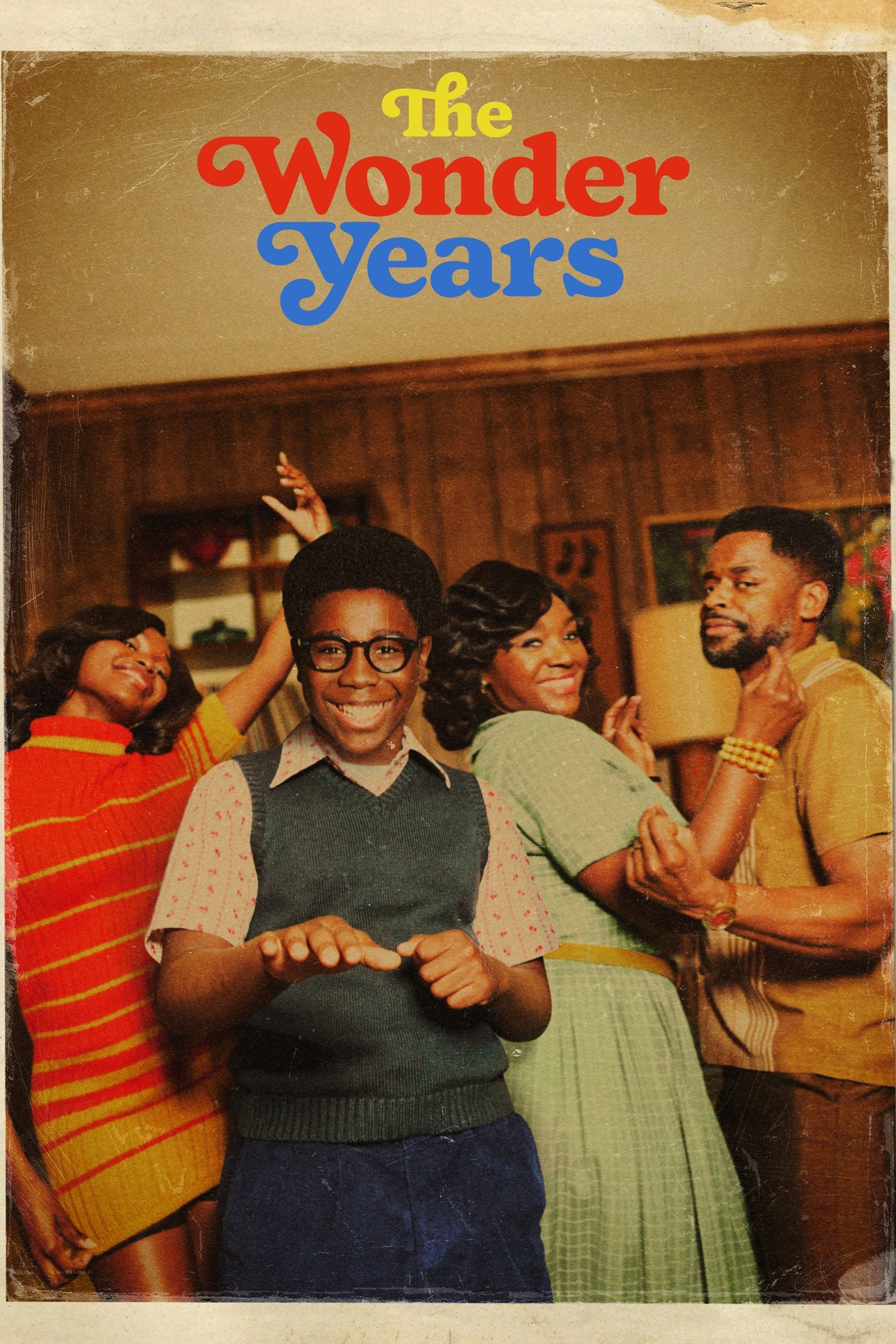
The reimagining of ‘The Wonder Years’ shifted the setting to a Black middle-class family in Montgomery, Alabama, during the late 1960s. Narrated by Don Cheadle, the series explored the same era as the original but through the lens of the Civil Rights Movement. While many critics praised the fresh perspective on American history, a vocal segment of fans felt the reboot strayed too far from the nostalgic tone of the original Savage family story. These viewers expressed that the show’s focus on racial struggles felt like an entirely different show rather than a true reboot. The series was ultimately canceled by ABC after two seasons.
‘Velma’ (2023–2024)
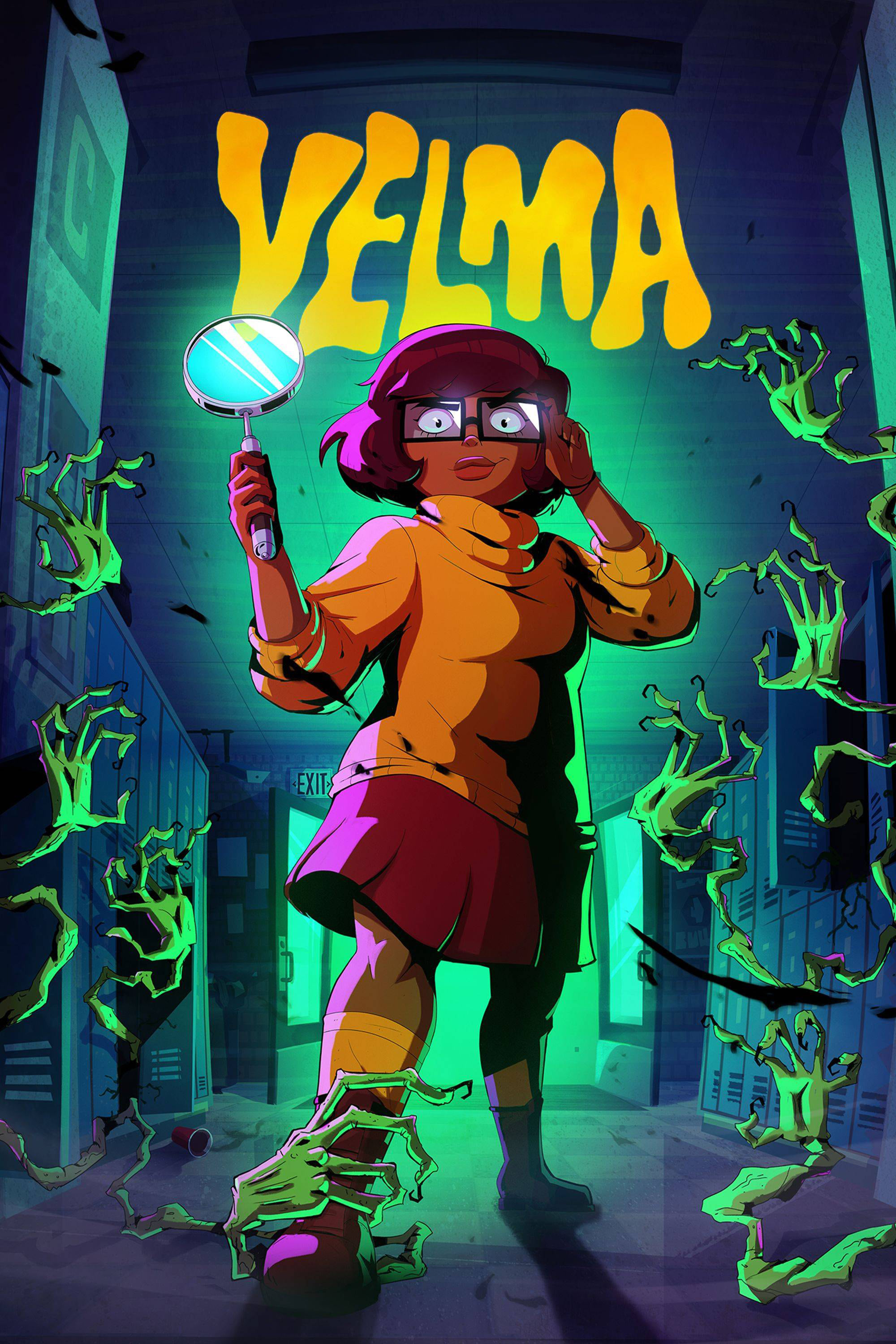
‘Velma’ serves as an adult animated reimagining of the classic ‘Scooby-Doo’ franchise, focusing on the origin story of Velma Dinkley. The series drastically altered the racial identities of the main cast, casting Mindy Kaling as Velma and making Shaggy a Black character named Norville. This creative direction sparked significant backlash from long-term fans who argued the changes felt performative rather than narrative-driven. Critics and audiences also pointed to the cynical meta-commentary and tone as major points of contention. Despite high initial viewership numbers, the series remains one of the lowest-rated shows on several major review platforms.
‘Walker’ (2021–2024)
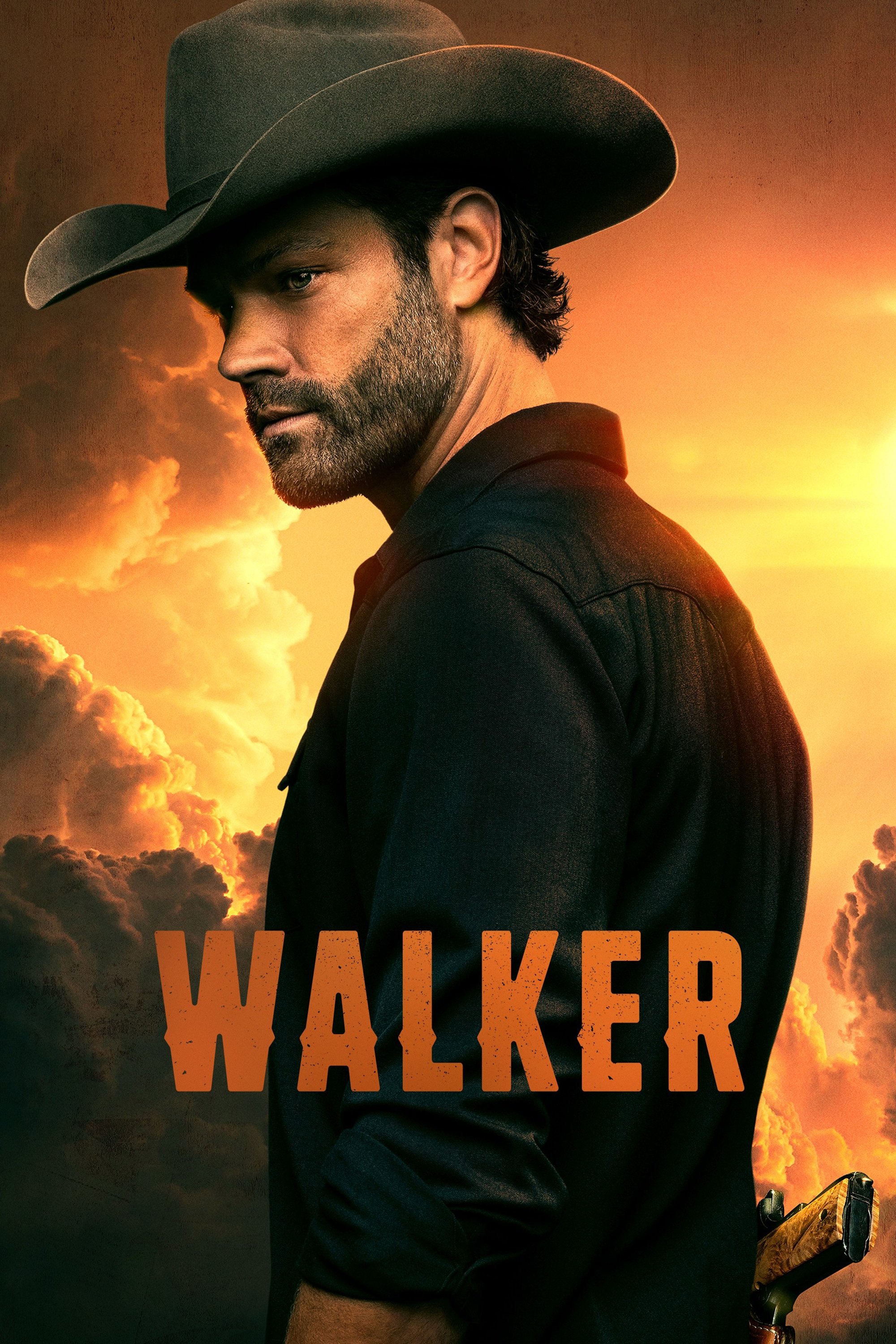
Jared Padalecki took over the title role in ‘Walker’, a reimagining of the Chuck Norris series ‘Walker, Texas Ranger’. The show introduced a more diverse supporting cast, including a female partner of Mexican descent and a focus on the protagonist’s progressive values. Fans of the original series often complained that the reboot lacked the action-heavy, traditionalist appeal of the 1990s version. Online discourse frequently labeled the show’s focus on immigration and police ethics as a departure from the original’s intent. The series ran for four seasons before being canceled during a period of restructuring at The CW.
Please share your thoughts on whether these TV reboots successfully updated their franchises or strayed too far from the source material in the comments.