15 Most Mysterious Ancient Artifacts Found in the US


From inscribed stones to massive earthworks you can see from the air, the United States has turned up a surprising number of puzzling finds that still invite debate. Many of these artifacts were discovered by farmers, builders, or hikers and then examined by archaeologists, epigraphers, and historians with mixed conclusions. Some are clearly Indigenous creations whose precise meanings remain elusive; others have inscriptions or features that don’t fit neatly into known timelines. Here are fifteen of the most talked-about artifacts and sites, along with the basic facts that make each one so intriguing.
Kensington Runestone (Minnesota)
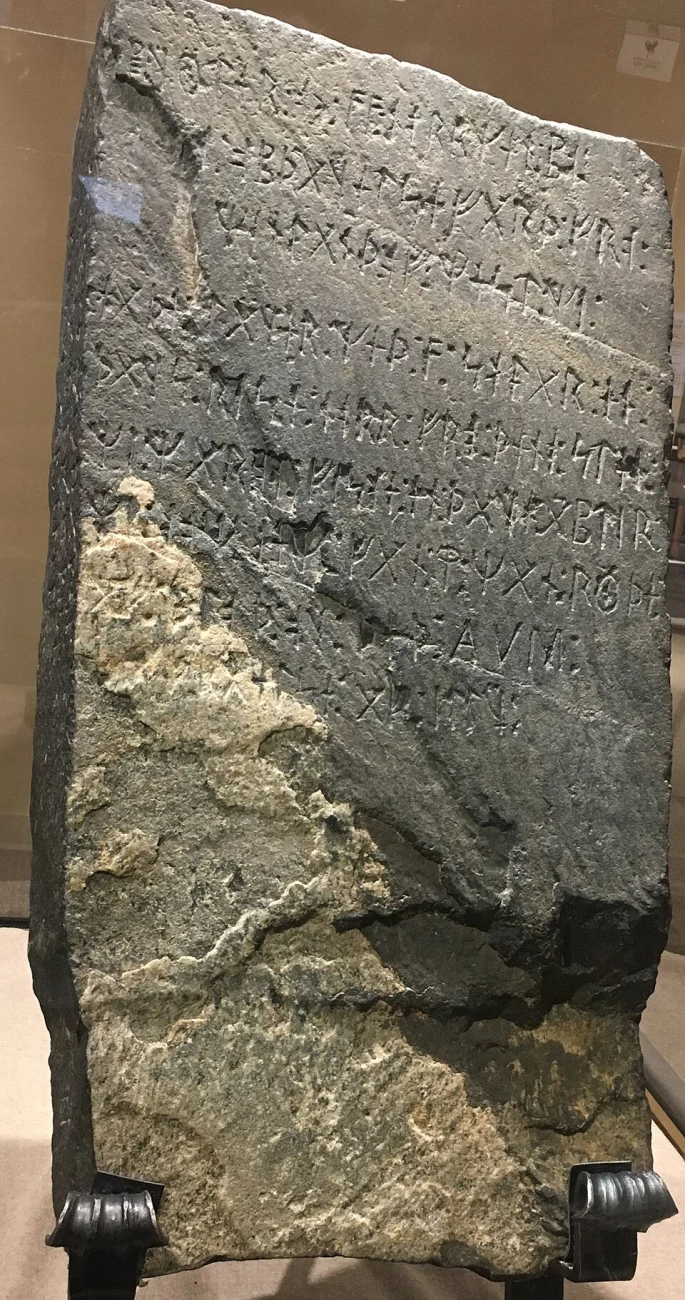
Unearthed in 1898 near Kensington, Minnesota by farmer Olof Öhman, the greywacke slab bears runic text that records a date of 1362. The stone has been studied repeatedly, with analyses focusing on its language, rune forms, and weathering. It is now housed at the Runestone Museum in Alexandria, Minnesota. Debate centers on whether its inscription reflects medieval Norse exploration or later Scandinavian immigrant carving.
Newark Holy Stones (Ohio)
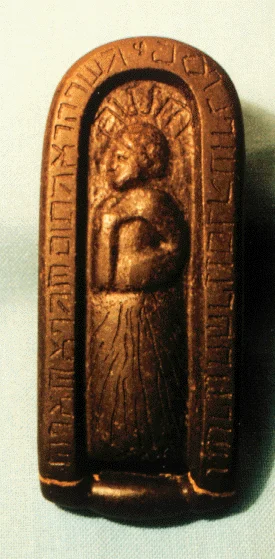
Found in the early 1860s in and around ancient earthworks near Newark, Ohio, this group includes the “Keystone” and the “Decalogue Stone.” Their inscriptions are written in Hebrew script, including a rendition of the Ten Commandments. The objects were reported by surveyor David Wyrick and quickly drew national attention. Scholars have disagreed over their authenticity, with linguistic details and discovery context central to the discussion.
Bat Creek Stone (Tennessee)
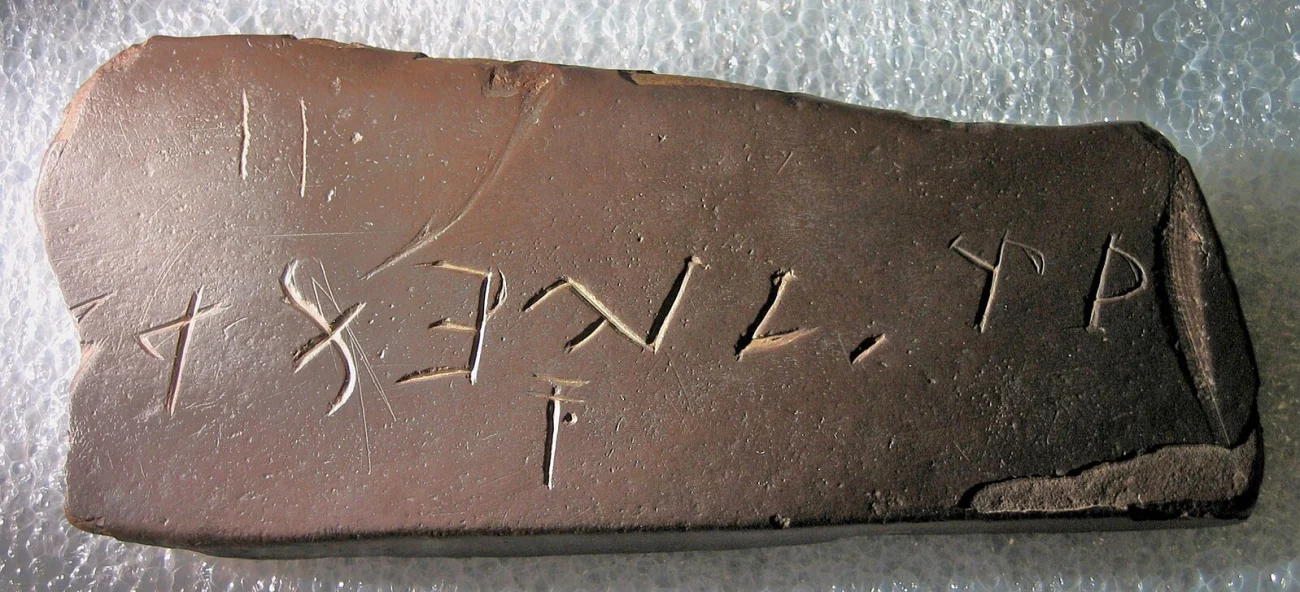
Excavated in 1889 from a mound in Loudon County, Tennessee during a Smithsonian-sponsored dig, the small stone tablet carries an inscription originally described as Cherokee. Later re-readings proposed a Paleo-Hebrew interpretation, reshaping the debate around its origin. Associated materials from the mound have been dated archaeologically, but the tablet’s inscription remains contested. It is curated by the National Museum of the American Indian.
Los Lunas Decalogue Stone (New Mexico)
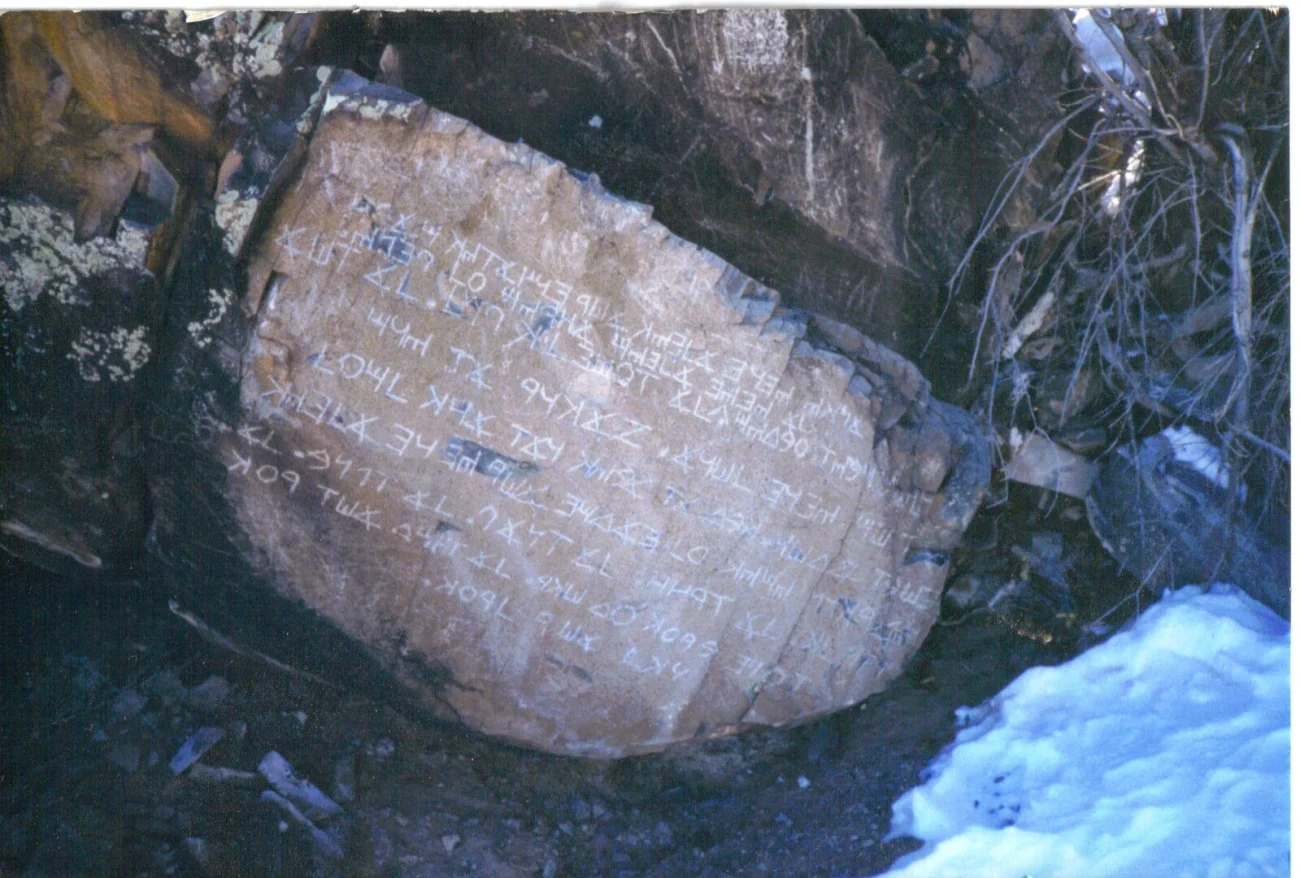
Carved on a boulder near Los Lunas, New Mexico, this inscription uses a form of Paleo-Hebrew to present an abridged Decalogue. The stone was known locally by the late 19th century and documented by researchers in the 20th century. Its remote hillside location has complicated preservation and study. Questions persist about when the inscription was made and by whom, given its script and isolated context.
Heavener Runestone (Oklahoma)
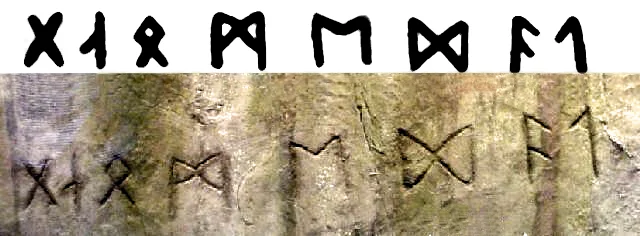
Located in Heavener Runestone Park near Poteau, the sandstone face displays a short sequence of runes. The inscription was noted by locals in the early 20th century and later became the centerpiece of a state park. Scholars have compared the rune forms to medieval and modern alphabets to assess possible dates. Interpretations range from a modern carving to a much earlier Norse-style inscription, with no firm consensus.
Dighton Rock (Massachusetts)
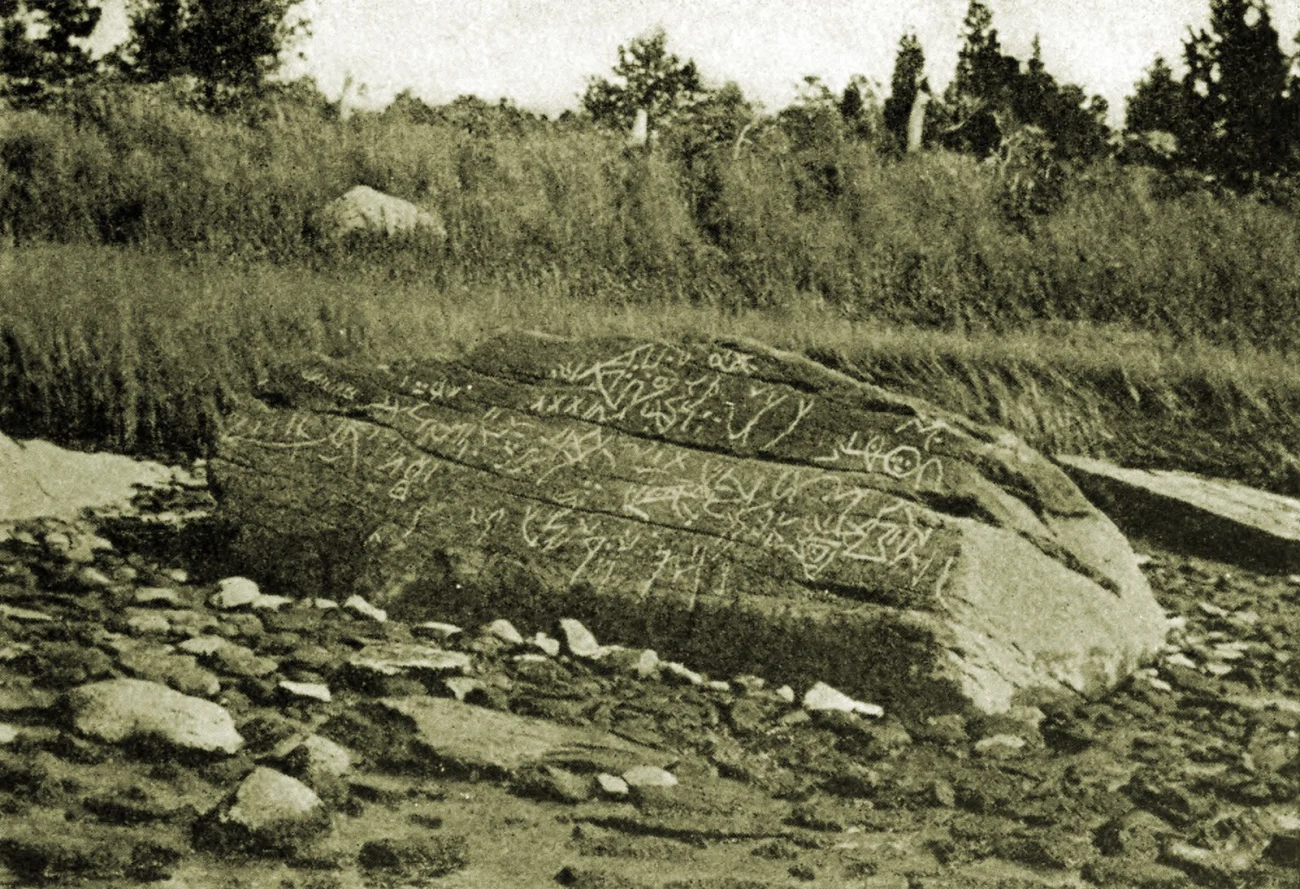
This 40-ton boulder in the Taunton River is covered with petroglyphs recorded as early as the 1600s. The surface shows a dense mix of lines, figures, and symbols that have been variously attributed over time. The rock was moved to a museum for preservation, allowing closer documentation and study. Analyses emphasize stylistic comparisons and the long history of changing interpretations.
Judaculla Rock (North Carolina)
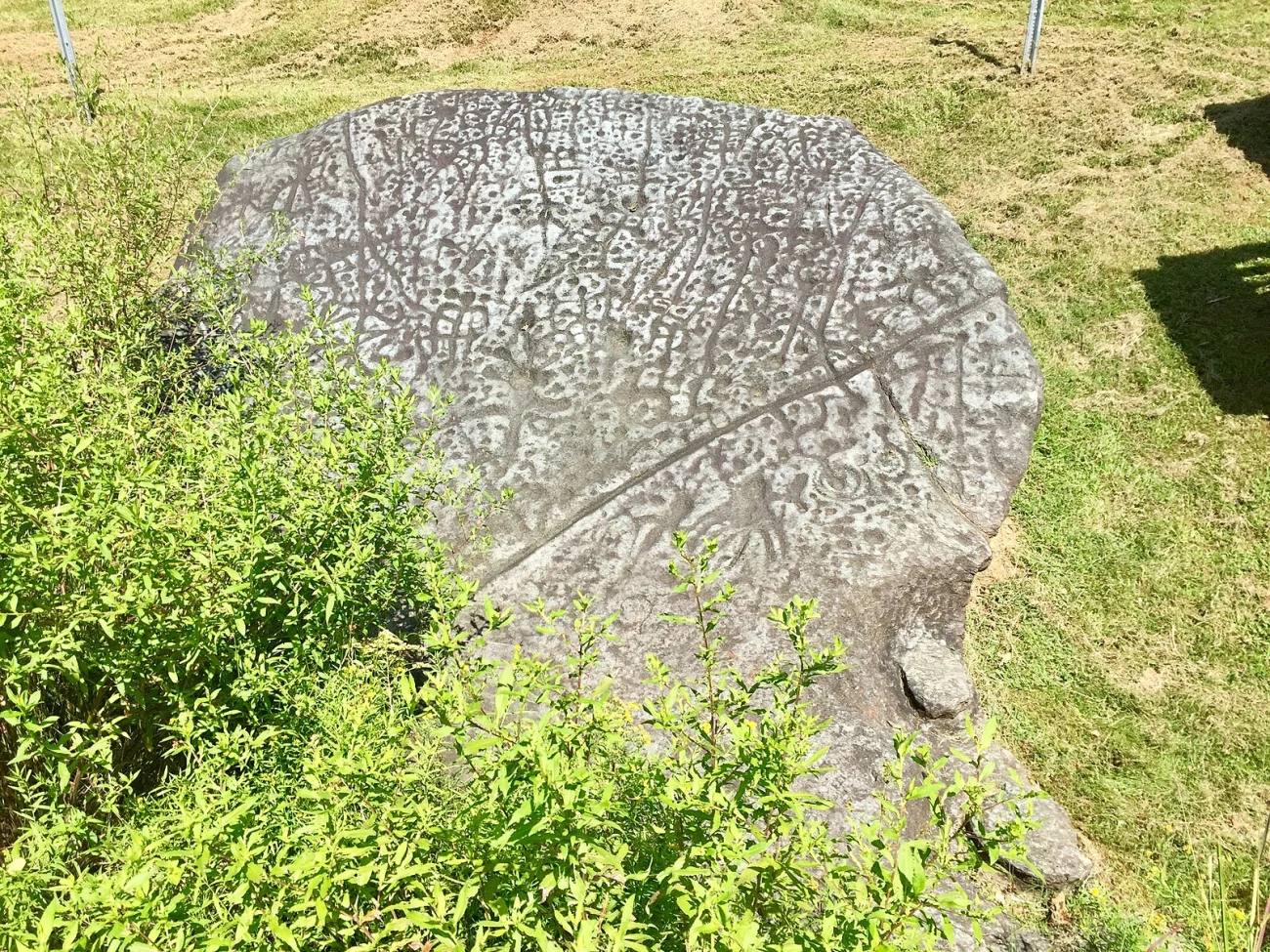
Judaculla Rock is a large soapstone boulder near Cullowhee, North Carolina, densely covered with petroglyphs. Archaeologists have suggested dates spanning the Late Archaic through Woodland periods based on regional comparisons. Cherokee oral traditions connect the site to Judaculla, a powerful figure in local lore. Ongoing recordings map its hundreds of motifs to track weathering and preserve details for research.
Blythe Intaglios (California)
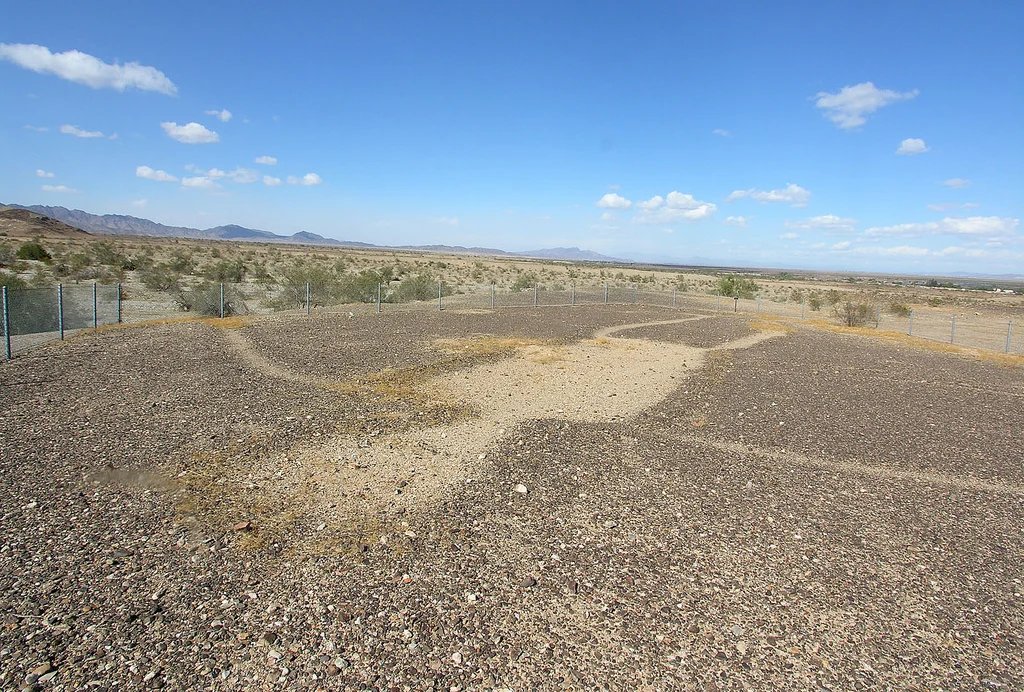
Near Blythe in the Colorado Desert, massive geoglyphs depict human and animal forms scraped into the desert pavement. First widely reported in the 1930s from aerial observations, they are best appreciated from above. Dating has relied on associated archaeological materials and surface studies rather than direct methods. The intaglios are attributed to Indigenous peoples of the lower Colorado River region, with their original ceremonial functions still under study.
Lake Winnipesaukee Mystery Stone (New Hampshire)
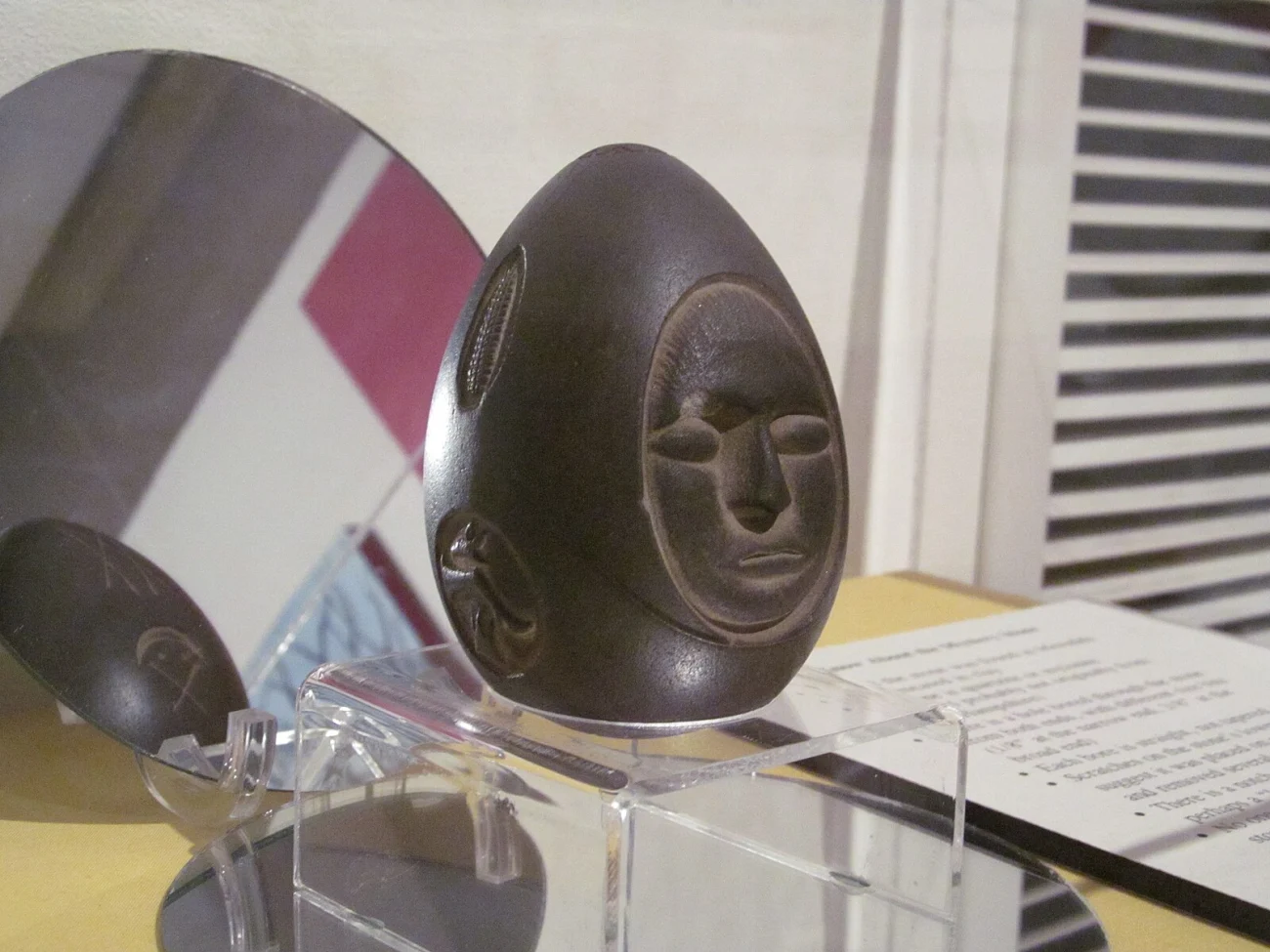
Discovered in 1872 in Meredith, New Hampshire during fence-post work, the egg-shaped stone is engraved with diverse motifs and has a drilled hole through its axis. The workmanship includes symmetrical surfaces and incised images such as a face and geometric patterns. The object passed through private hands before entering the New Hampshire Historical Society collection. Researchers have proposed uses ranging from a commemorative piece to a modern creation, but its exact origin remains unclear.
Maine Penny (Goddard Coin) (Maine)
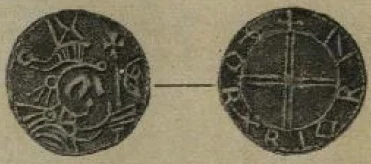
In 1957, an 11th-century Norwegian silver coin was recovered at the Goddard site in Brooklin, Maine during archaeological work. The coin dates to the reign of Olaf Kyrre and is consistent with medieval Norwegian minting. Its presence at a Native American coastal site has fueled discussions about long-distance exchange networks and indirect contact. Documentation highlights its secure recovery context among thousands of artifacts.
Grave Creek Stone (West Virginia)
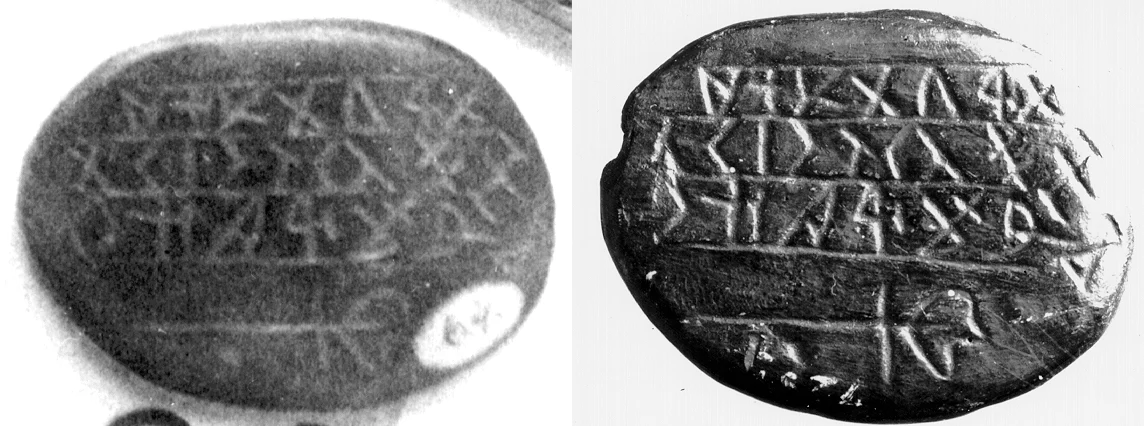
Reported from the Grave Creek Mound excavations in 1838, the small inscribed stone features lines of characters unlike known local scripts. The mound itself is a major Adena-period earthwork along the Ohio River. Since the 19th century, scholars have questioned the stone’s authenticity due to inconsistencies in discovery accounts. The artifact remains a focal point for studies of early American epigraphy and archaeological practice.
Tucson Artifacts (Arizona)
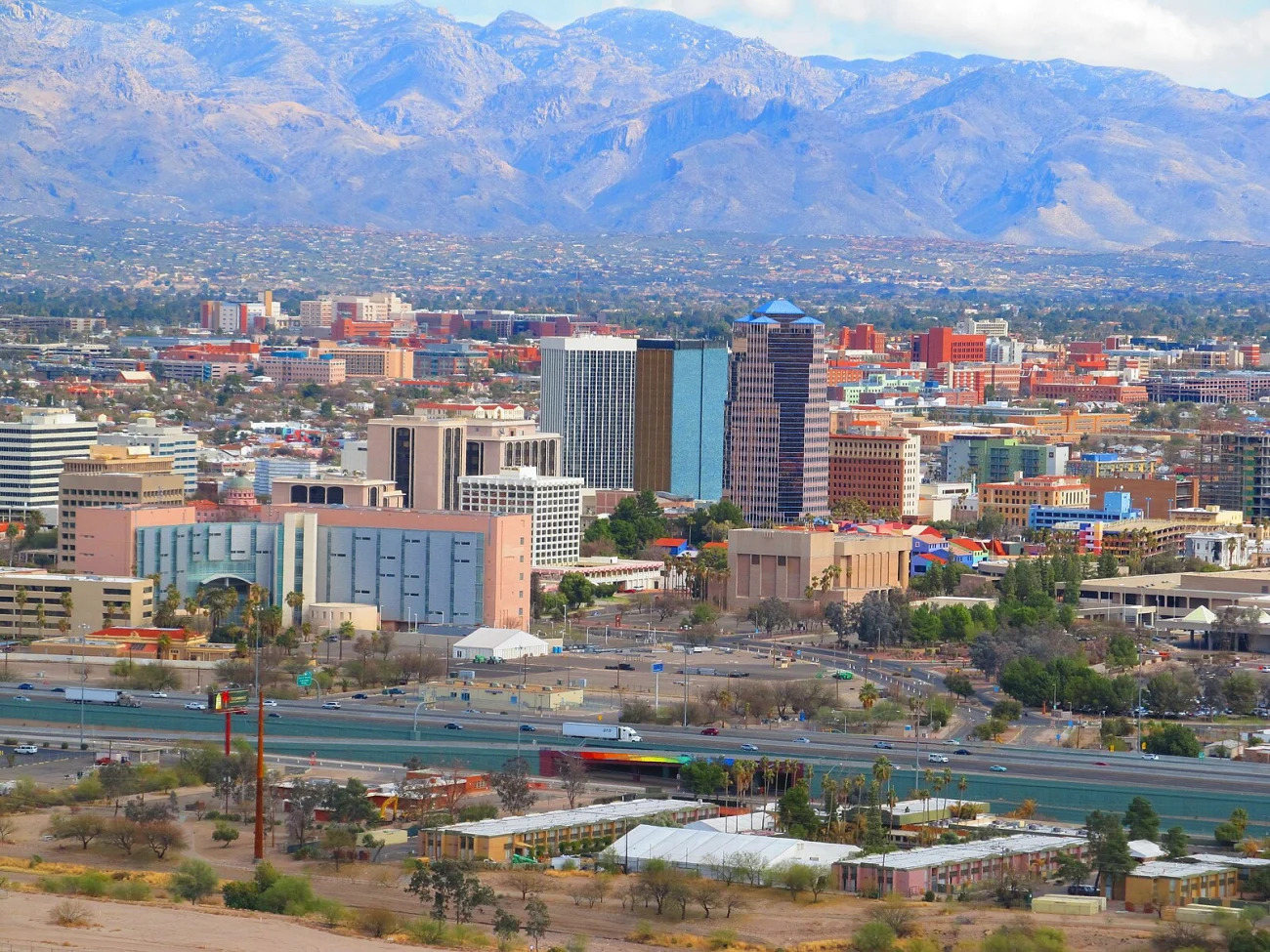
Also known as the Silverbell Road artifacts, these cast-lead objects with Latin inscriptions were uncovered beginning in 1924 near Tucson. The texts describe conflicts and rulers from a supposed Old World colony in the American Southwest. Metallurgical and contextual analyses have led many researchers to view them as modern fabrications. Their discovery history and unusual material continue to attract attention in studies of archaeological hoaxes.
Great Serpent Mound (Ohio)
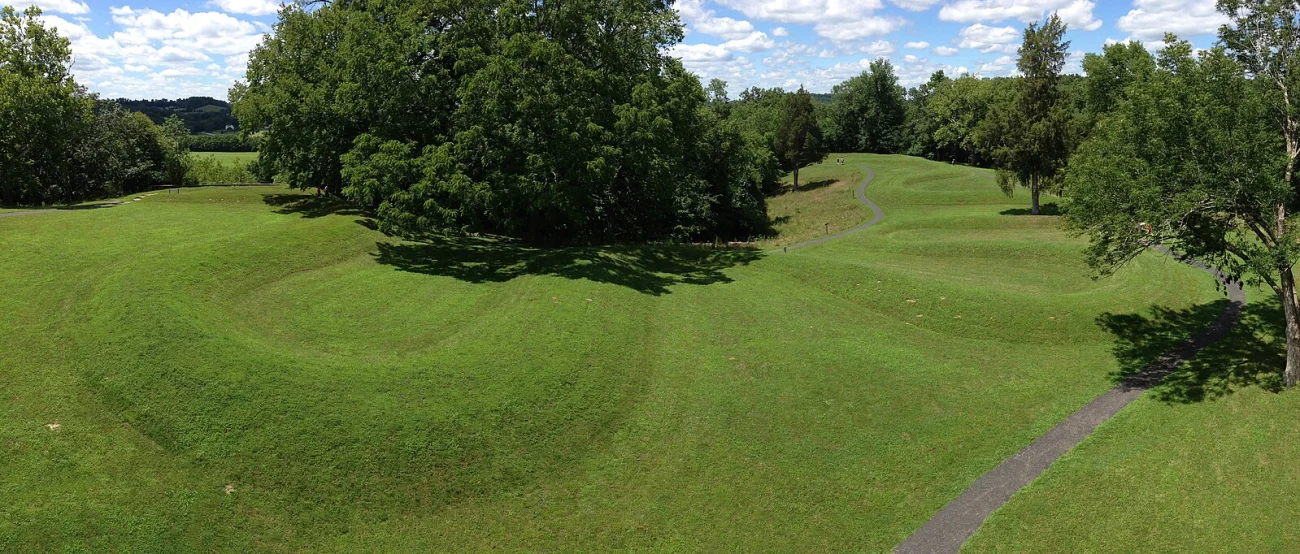
This effigy earthwork in Adams County measures over 400 meters in length, forming a sinuous serpent with a coiled tail. Excavations and radiocarbon sampling have associated the site variously with Adena and Fort Ancient cultural periods. Alignments with celestial events have been proposed and tested using surveys and modeling. The site is preserved as a state historic landmark and remains a key subject in North American archaeoastronomy.
Bighorn Medicine Wheel (Wyoming)
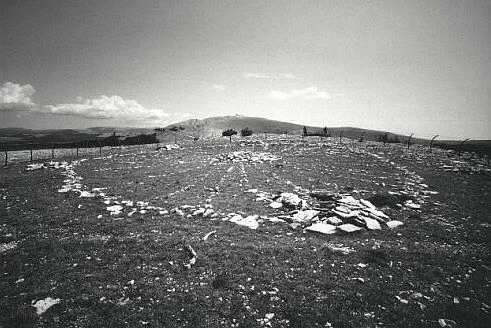
Situated in the Bighorn Mountains at high elevation, the stone wheel consists of a central cairn, a surrounding circle, and radiating spokes. Ethnographic parallels and lichenometry suggest construction and use over several centuries. Researchers have mapped potential alignments with solstices and bright stars to explore its observational role. The site is visited for both cultural significance and its panoramic setting.
Miami Circle (Florida)

Discovered in 1998 during construction in the Brickell area of Miami, the feature comprises a ring of cut basins and post-holes carved into the limestone bedrock. Radiocarbon dates and artifact associations link it to the Tequesta people. The circle’s layout indicates a substantial structure that likely served ceremonial or communal functions. Preservation efforts led to its integration into a public archaeological park.
Share your favorite theories—or any local mysteries we missed—in the comments!