These Celebrities Have All Battled Cancer and Won

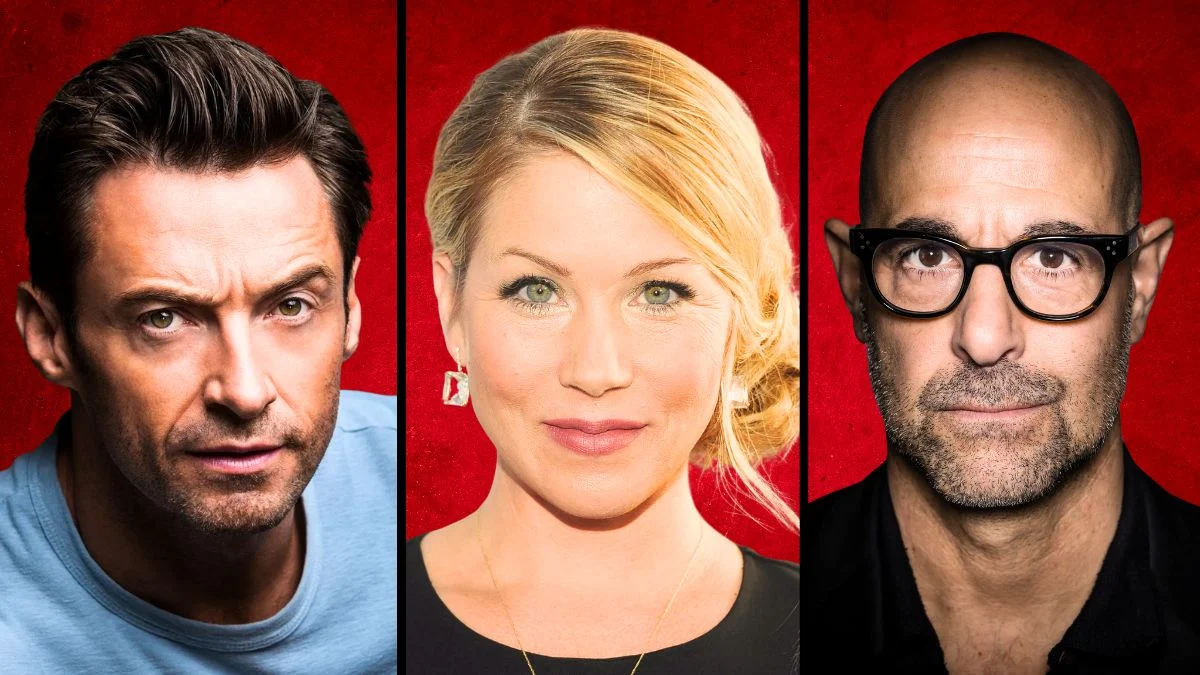

Cancer changes lives, but early detection, effective treatment, and steady follow up have helped many public figures come through it and keep going. Their experiences cover a wide range of diagnoses, from breast and thyroid cancers to prostate and lymphoma, and the steps they took include surgery, chemotherapy, radiation, hormonal therapy, and long term surveillance.
Many of them now use their platforms to share practical information about screening, genetic testing, and survivorship care. The details below highlight what they faced, how they were treated, and what they have done since to support others who are on the same path.
Julia Louis-Dreyfus
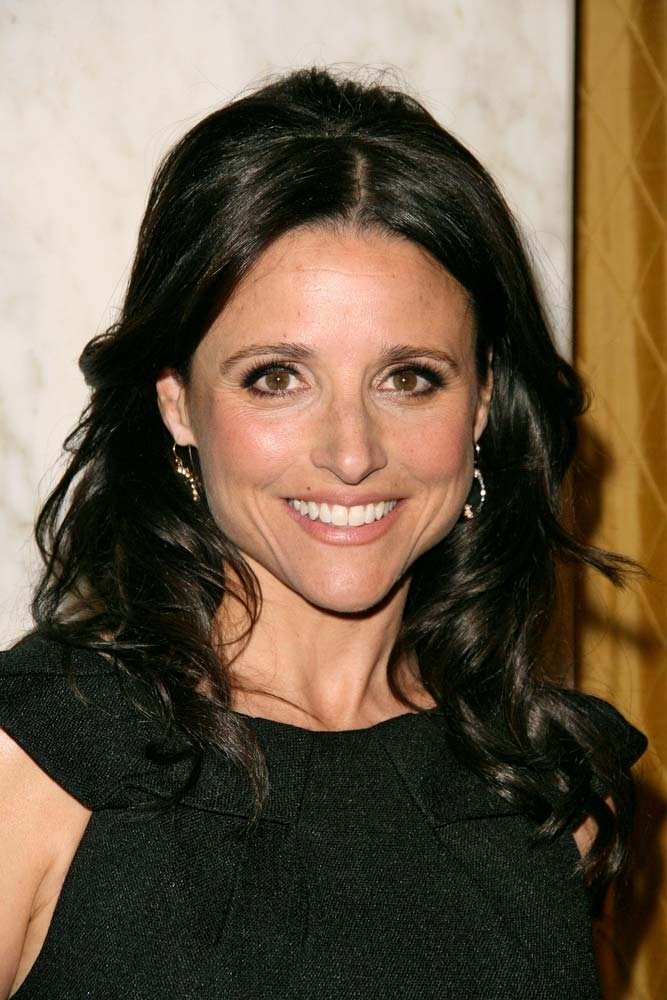
In 2017 she announced a breast cancer diagnosis and began treatment soon after. Her care included chemotherapy followed by surgery and a carefully monitored recovery period that allowed her to return to full work the following year.
Since then she has supported awareness campaigns that emphasize routine mammograms and follow up appointments. She also resumed filming on ‘Veep’ once cleared by her doctors and has continued regular checkups as part of her survivorship plan.
Robin Roberts
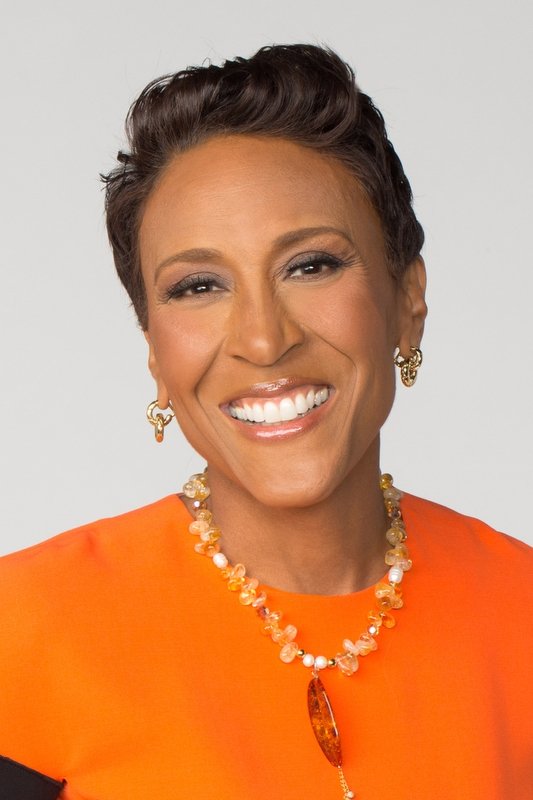
She was diagnosed with breast cancer in 2007 and underwent surgery and chemotherapy. In 2012 she faced myelodysplastic syndrome that required a bone marrow transplant with her sister as the donor and a lengthy recovery.
Roberts returned to ‘Good Morning America’ after her transplant and has regularly highlighted bone marrow donation and cancer screening. She often shares practical guidance about maintaining follow up care and monitoring long term side effects.
Christina Applegate
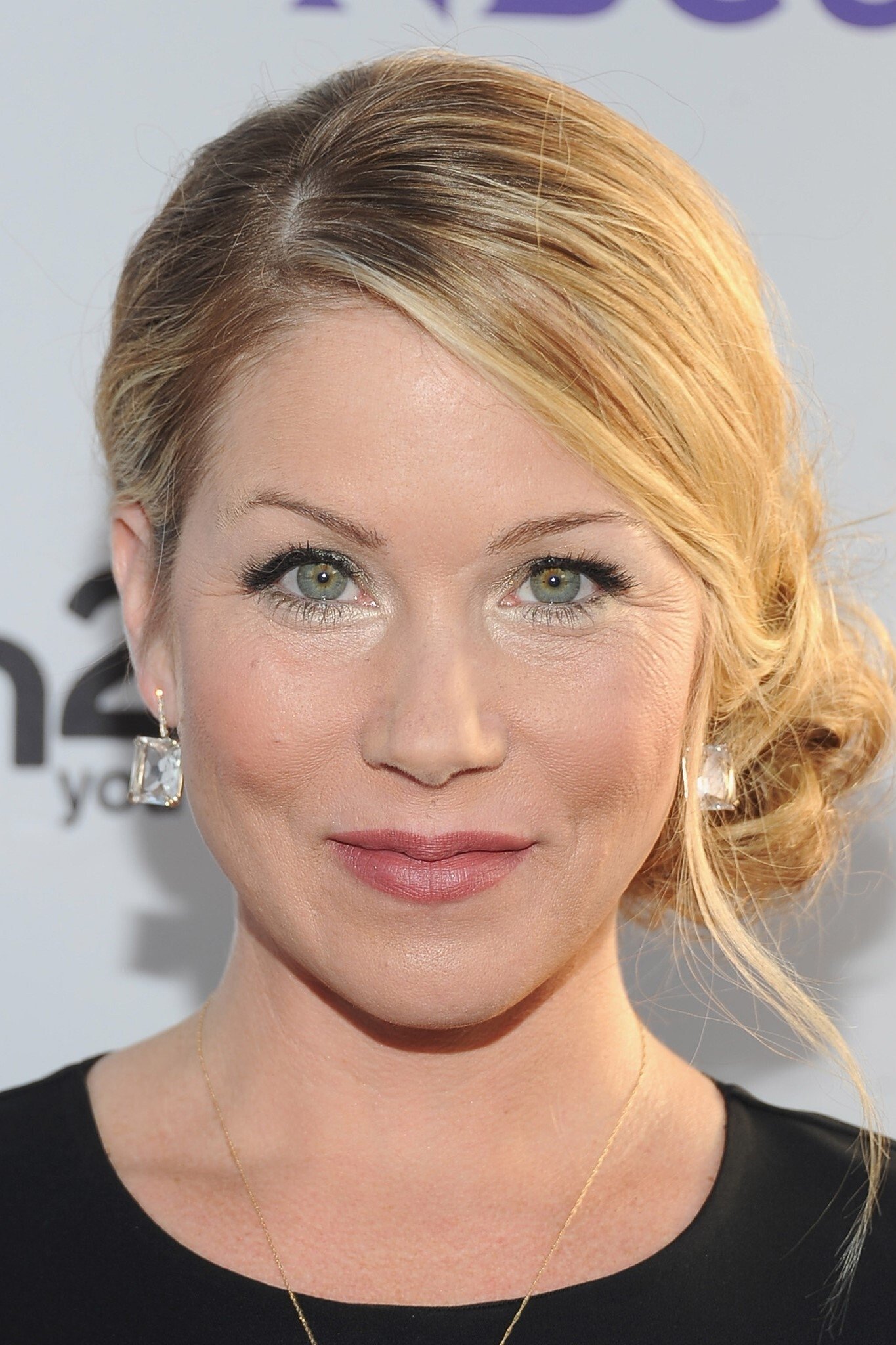
She learned in 2008 that she carried a BRCA1 mutation and had early stage breast cancer. She chose a double mastectomy and later additional preventive procedures to lower future risk.
Applegate has promoted genetic counseling for those with family histories that suggest higher risk. She created a foundation that helps high risk women access screening and provides education about options and recovery.
Sheryl Crow
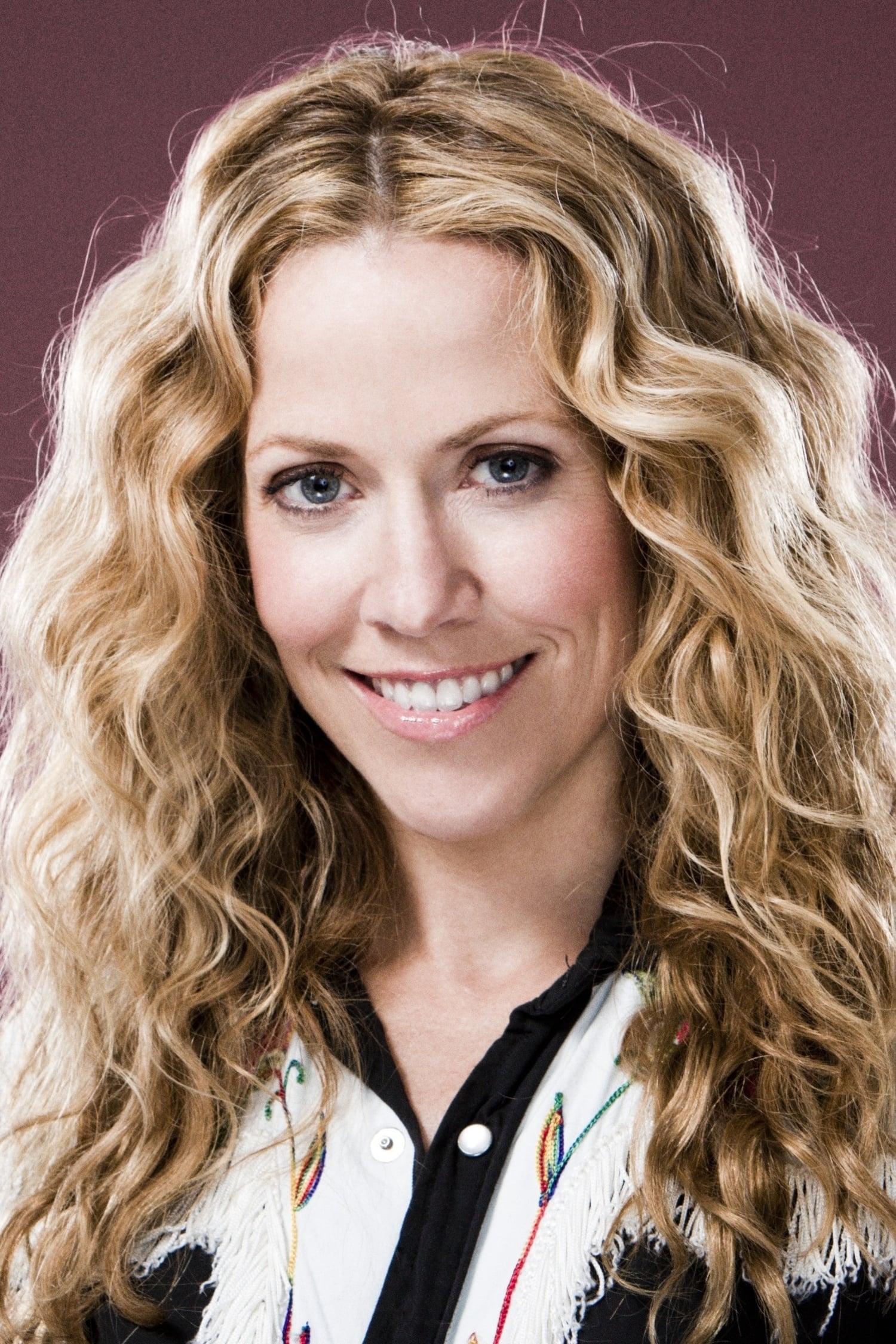
She was diagnosed with early stage breast cancer in 2006. Her treatment plan included a lumpectomy followed by a course of radiation and a schedule of regular imaging afterward.
Crow has worked with screening centers and advocates for annual mammograms beginning at guideline recommended ages. She has supported programs that provide imaging for those who face barriers to care and frequently discusses lifestyle changes that support survivorship.
Kylie Minogue

Minogue received a breast cancer diagnosis in 2005 during her concert tour. She paused work to undergo surgery and chemotherapy and then completed a structured follow up plan with her care team.
After treatment she returned to performing and has urged fans to keep routine medical appointments. She has backed campaigns that explain how to recognize changes in breast tissue and how to navigate support services during treatment.
Sofía Vergara

At age 28 she was diagnosed with thyroid cancer and had surgery to remove her thyroid. Ongoing care includes daily thyroid hormone replacement and regular lab testing to keep levels in a healthy range.
Vergara has discussed the importance of paying attention to neck lumps and changes in energy or weight that do not have another explanation. She supports efforts that make thyroid screening and follow up testing easier to access.
Michael Douglas
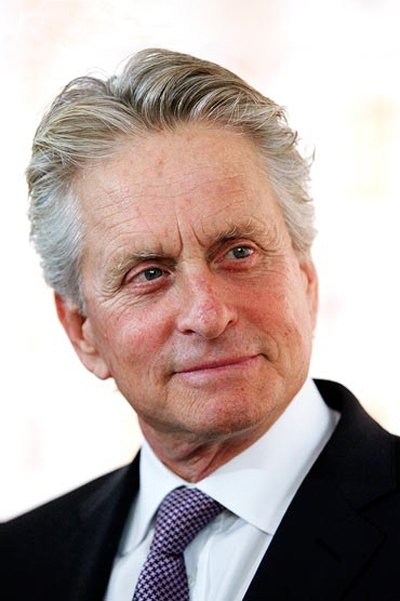
He was diagnosed in 2010 with cancer at the base of the tongue. Treatment included chemotherapy and radiation, and follow up imaging later showed no evidence of disease.
Douglas has encouraged anyone with persistent throat symptoms to seek evaluation by a specialist. He continues regular surveillance with his medical team and speaks about risk factors and the value of early assessment.
Hugh Jackman
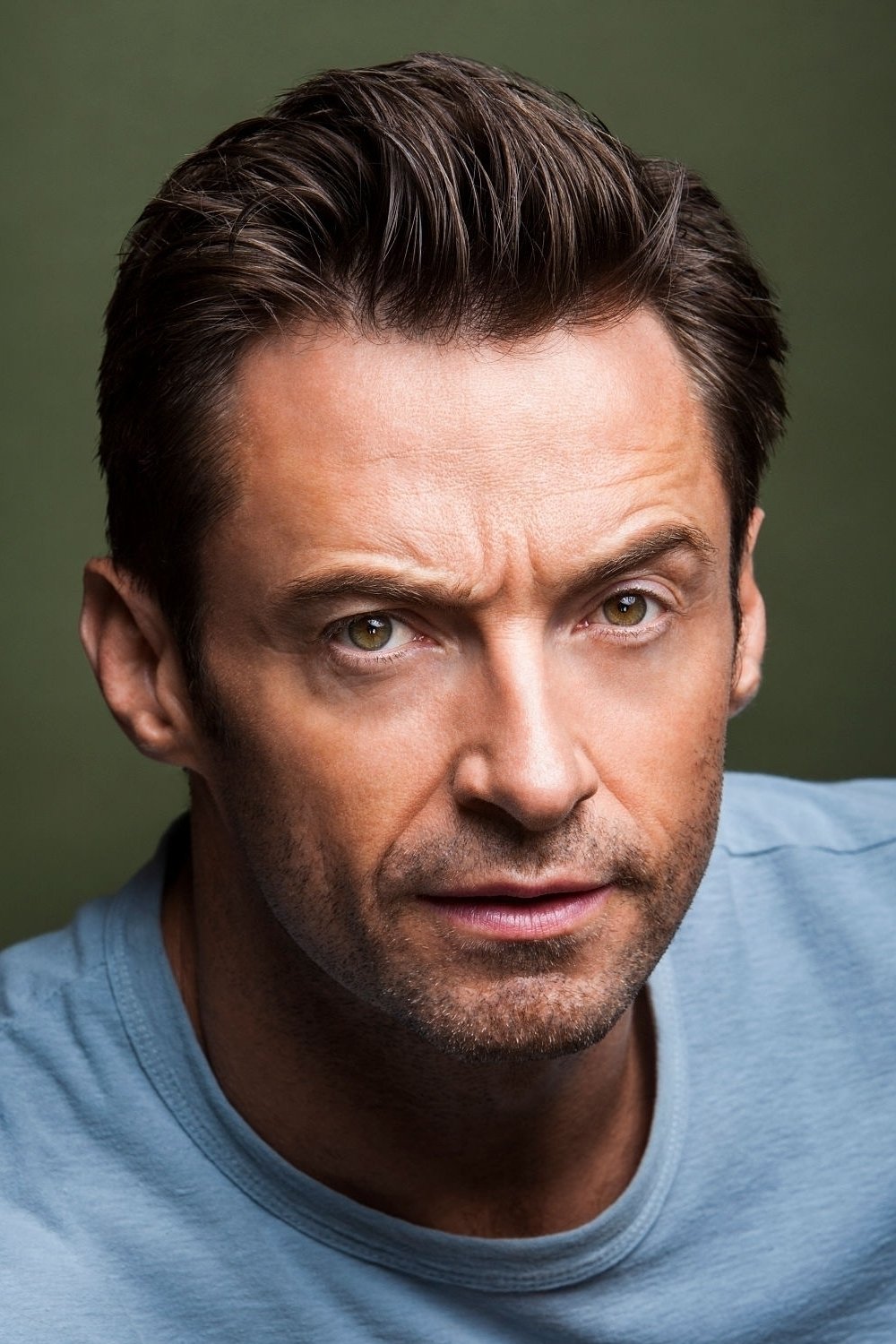
Jackman has had multiple basal cell skin cancers removed since 2013. His care has included surgical excision and frequent dermatology checks to catch new spots early.
He consistently reminds fans to use sunscreen and to schedule full body skin exams. He also details his own schedule of follow up visits to show what ongoing prevention and surveillance can look like.
Stanley Tucci
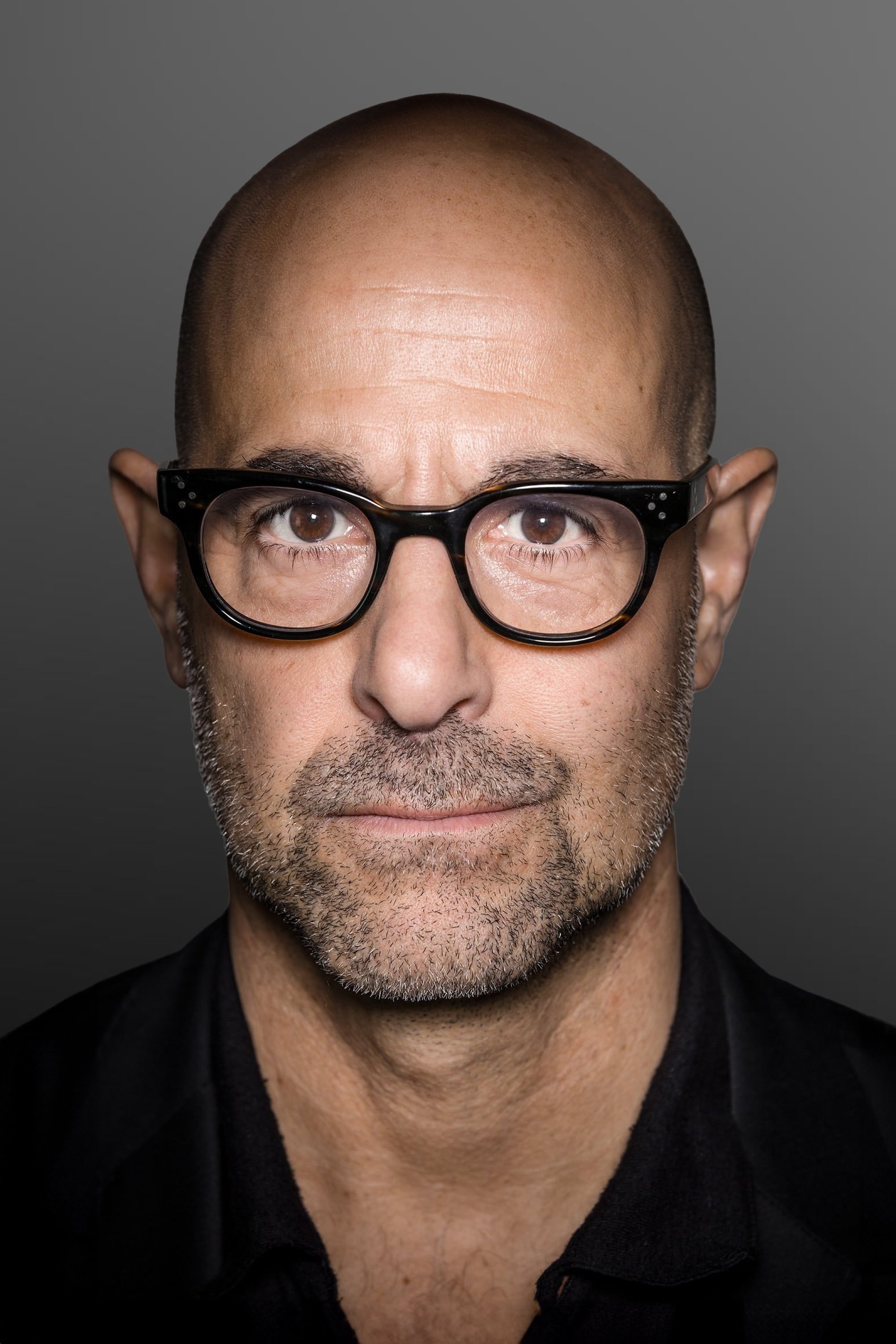
Tucci was treated in 2017 for a tumor at the base of his tongue. He completed radiation and chemotherapy and required a feeding tube during recovery before gradually returning to a normal diet.
He has discussed long term effects such as changes in taste and the steps he took to regain nutrition. Tucci now shares practical advice about mouth and throat cancer symptoms and the importance of dental and speech therapy support during recovery.
Ben Stiller
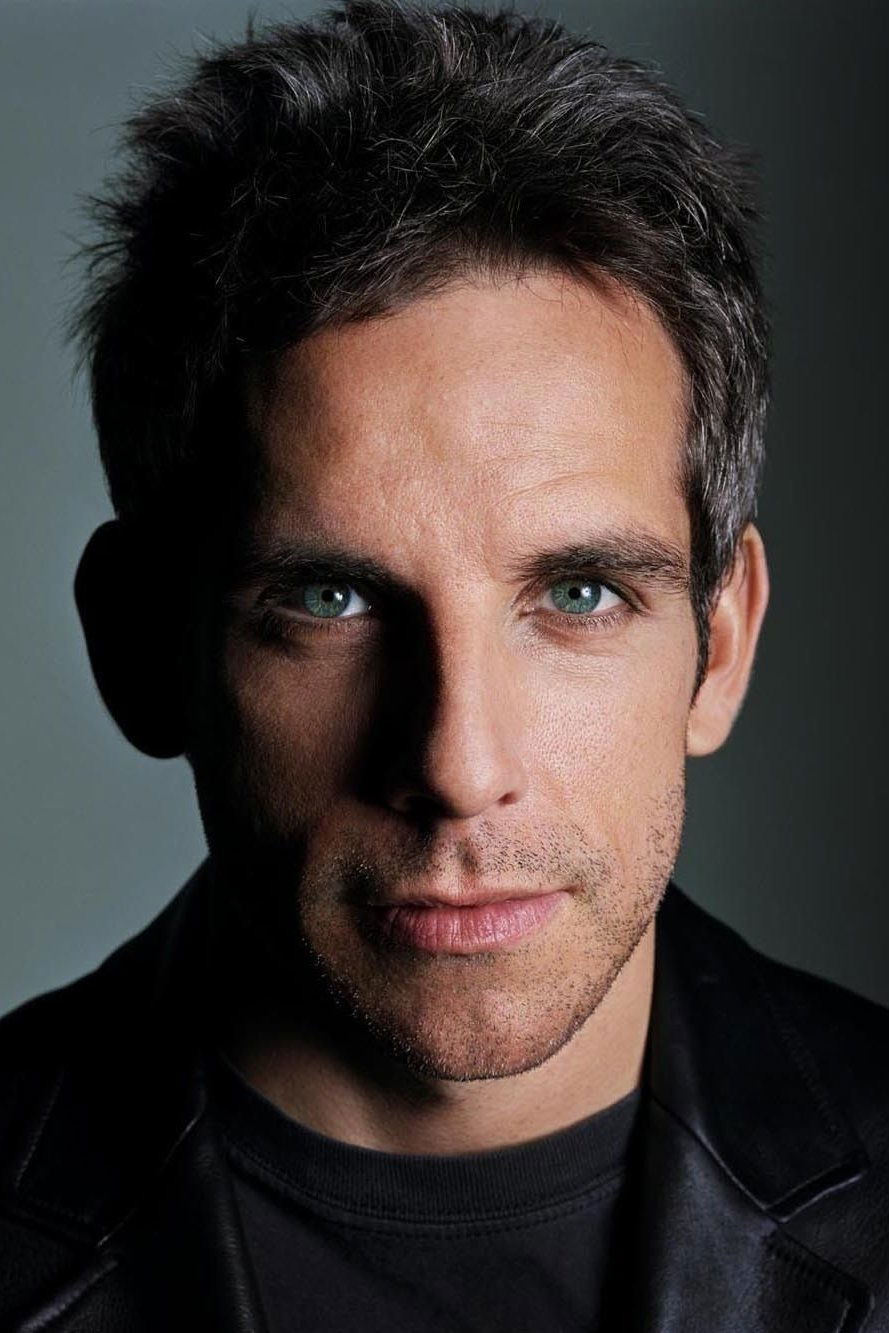
Stiller learned he had prostate cancer in 2014 after a screening blood test showed a rise in PSA for his age. He underwent surgery and follow up testing confirmed that the cancer had been removed.
He has spoken about discussing screening timing with a doctor based on personal risk factors and family history. Stiller emphasizes understanding options that include active surveillance, surgery, or radiation depending on the case.
Robert De Niro
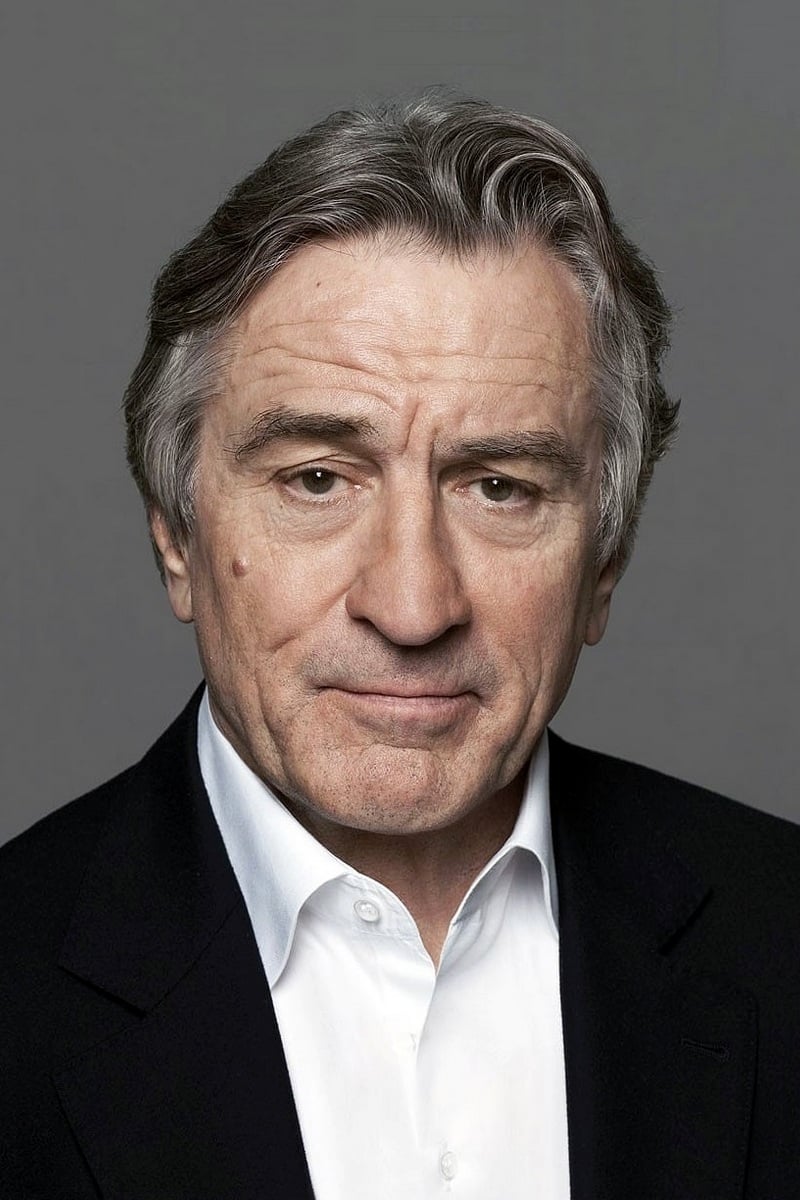
De Niro was treated for prostate cancer in 2003. His plan involved surgery and a structured set of follow up appointments to track recovery and confirm that the disease was controlled.
He kept details private at the time but later confirmed successful treatment. De Niro continues routine health monitoring and has supported men’s health initiatives that encourage regular checkups.
Edie Falco
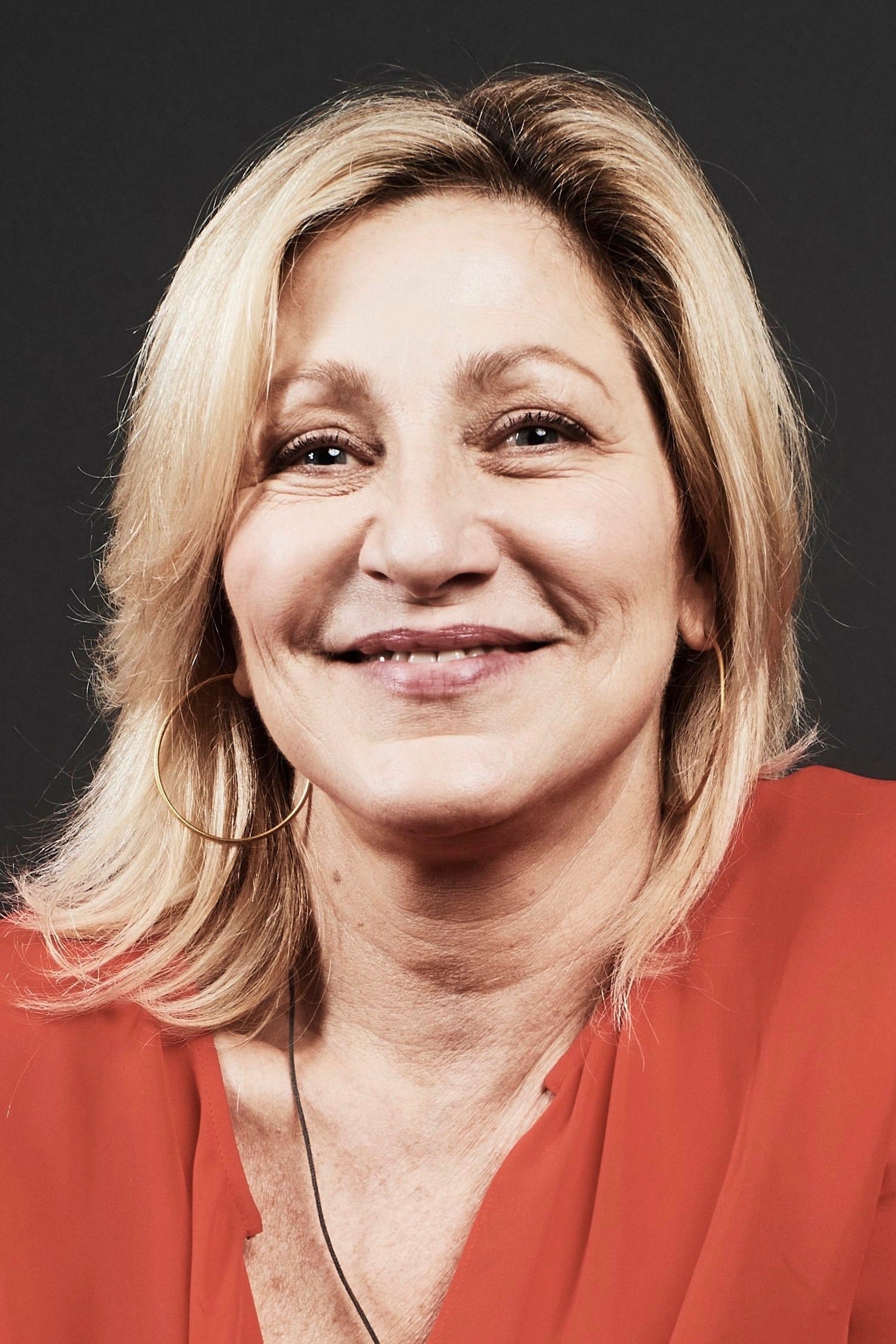
Falco was diagnosed with breast cancer in 2003 while filming ‘The Sopranos’. She completed chemotherapy and returned to work after her physicians cleared her for a full schedule.
She has supported organizations that provide patient navigation and practical services during treatment. Falco’s outreach focuses on the importance of confidentiality, workplace flexibility, and a dependable care team.
Cynthia Nixon
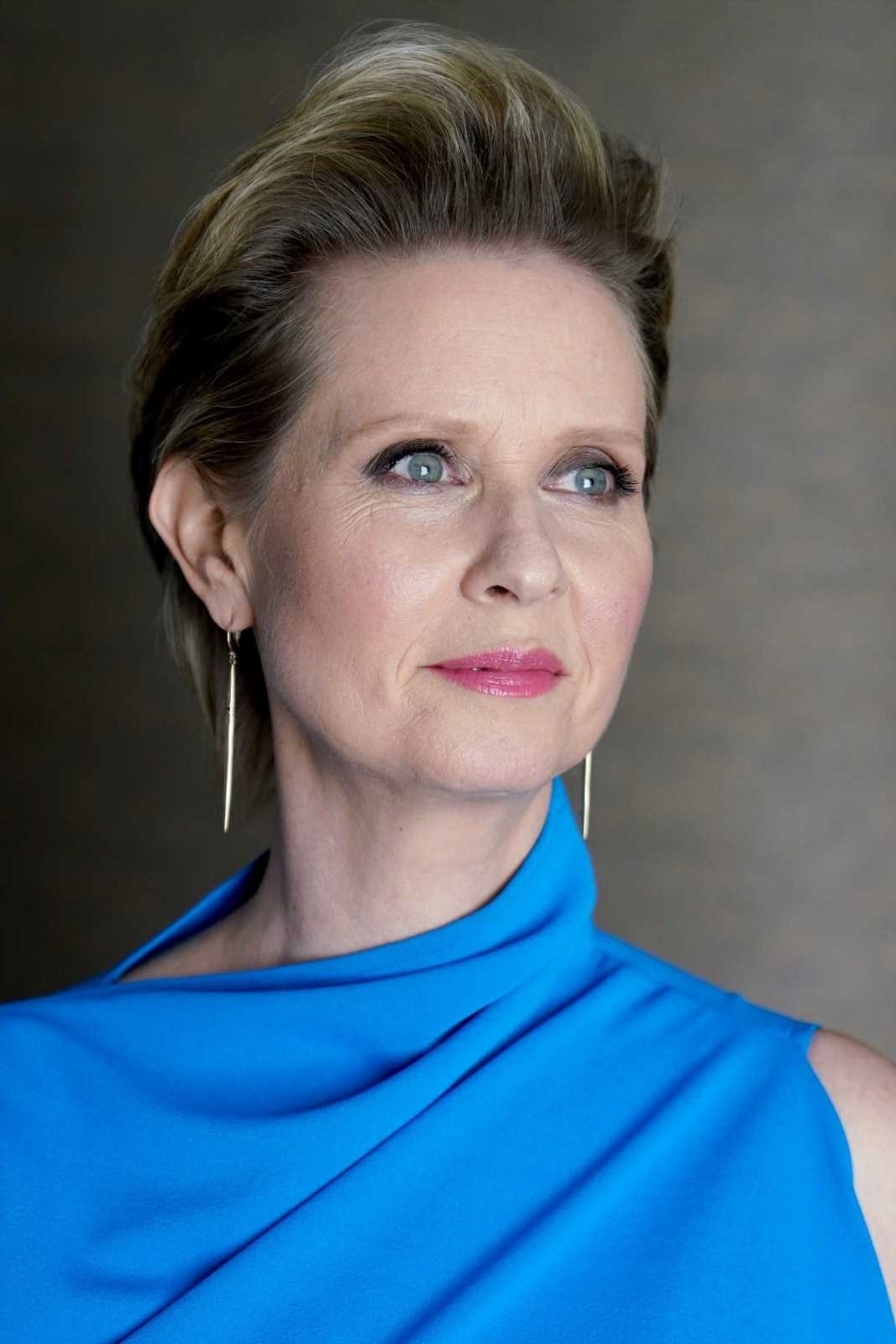
Nixon received a breast cancer diagnosis in 2006 following a routine mammogram. She had a lumpectomy and radiation and then adopted a long term surveillance plan with yearly imaging.
She later served as an ambassador for groups that promote screening in underserved communities. Nixon highlights the value of knowing one’s baseline imaging history and keeping copies of reports for continuity of care.
Jeff Bridges
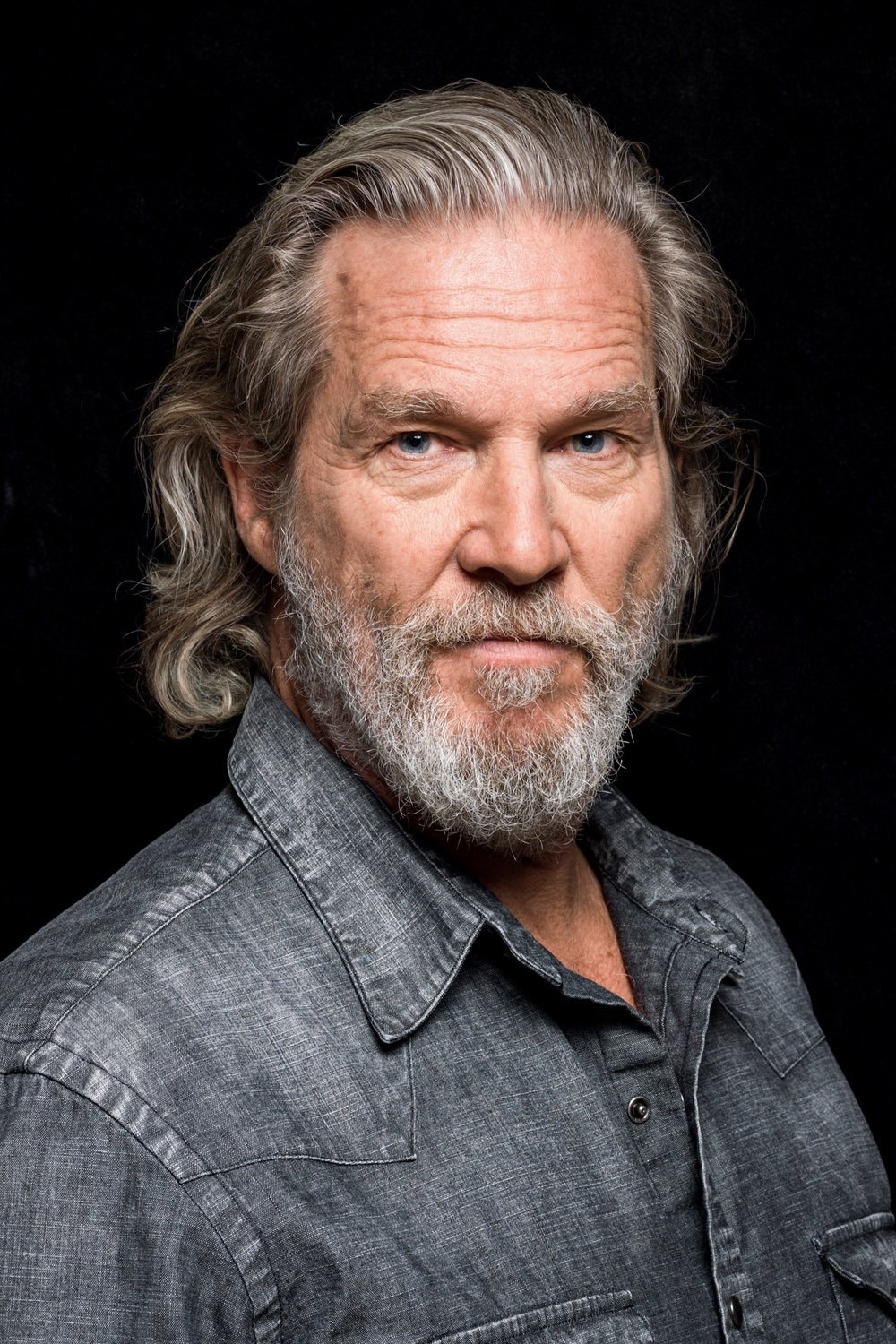
Bridges announced lymphoma in 2020 and began chemotherapy. He reported remission in 2021 and went through physical rehabilitation to rebuild stamina before returning to work on ‘The Old Man’.
He has described practical steps for infection prevention during treatment and the role of vaccination in coordination with an oncology team. Bridges also speaks about the benefits of exercise and nutrition during survivorship.
Ethan Zohn
Zohn was diagnosed with Hodgkin lymphoma in 2009 and later faced a relapse. His treatment included chemotherapy and a stem cell transplant in 2012, after which he entered remission.
He has worked with charities that support young adult patients through fertility preservation and mental health resources. Zohn emphasizes regular long term follow up due to the possibility of late effects from intensive therapy.
Fran Drescher

Drescher spent years seeking answers before a uterine cancer diagnosis in 2000. She had a hysterectomy and then built a detailed survivorship plan focused on monitoring and overall wellness.
She founded Cancer Schmancer to educate about early warning signs and to help people advocate for themselves during medical visits. The organization offers checklists and community programs that explain screening guidelines in plain language.
Kathy Bates
Bates was treated for ovarian cancer in 2003 and for breast cancer in 2012 when she had a double mastectomy. She developed lymphedema and has since managed it with compression and therapy.
She raises awareness of lymphedema and supports training for therapists who provide specialized care. Bates also encourages patients to discuss potential side effects with doctors before surgery to plan proactive management.
Wanda Sykes
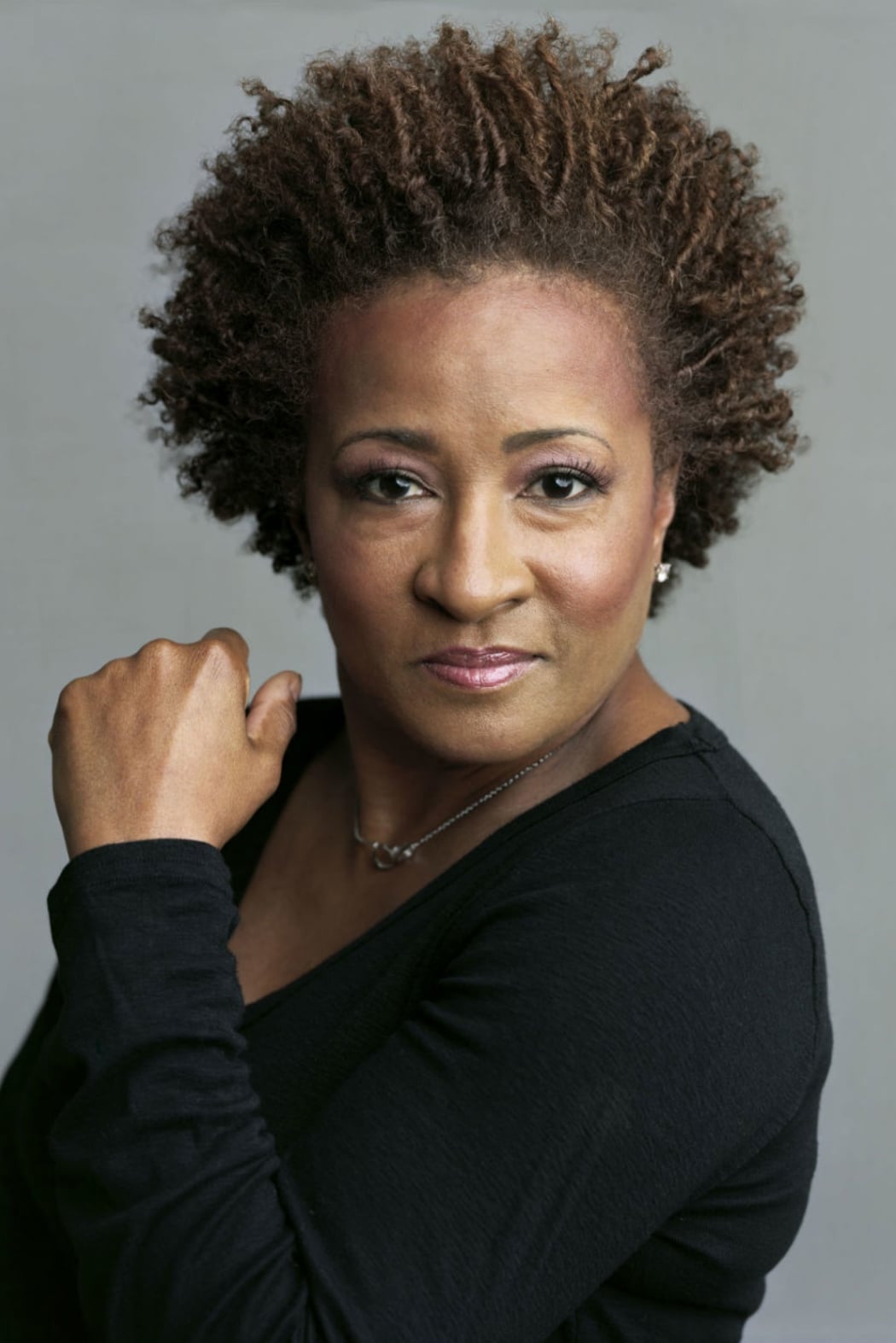
Sykes learned she had ductal carcinoma in situ in 2011 after a routine screening. She chose a preventive double mastectomy and established a schedule of follow up with her surgical and oncology teams.
She has encouraged routine imaging and second opinions when results are unclear. Sykes often explains why individualized decisions about surgery and reconstruction are made in consultation with medical professionals.
Al Roker
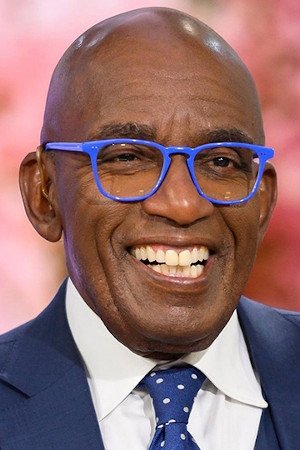
Roker was diagnosed with prostate cancer in 2020 after a screening test and had surgery soon after. He followed a structured recovery plan and returned to ‘Today’ with a focus on regular lab monitoring.
He uses his platform to remind men to discuss screening with their doctors, especially men with higher risk due to family history or ancestry. Roker also shares practical details about recovery timelines and returning to daily activity.
Lance Armstrong
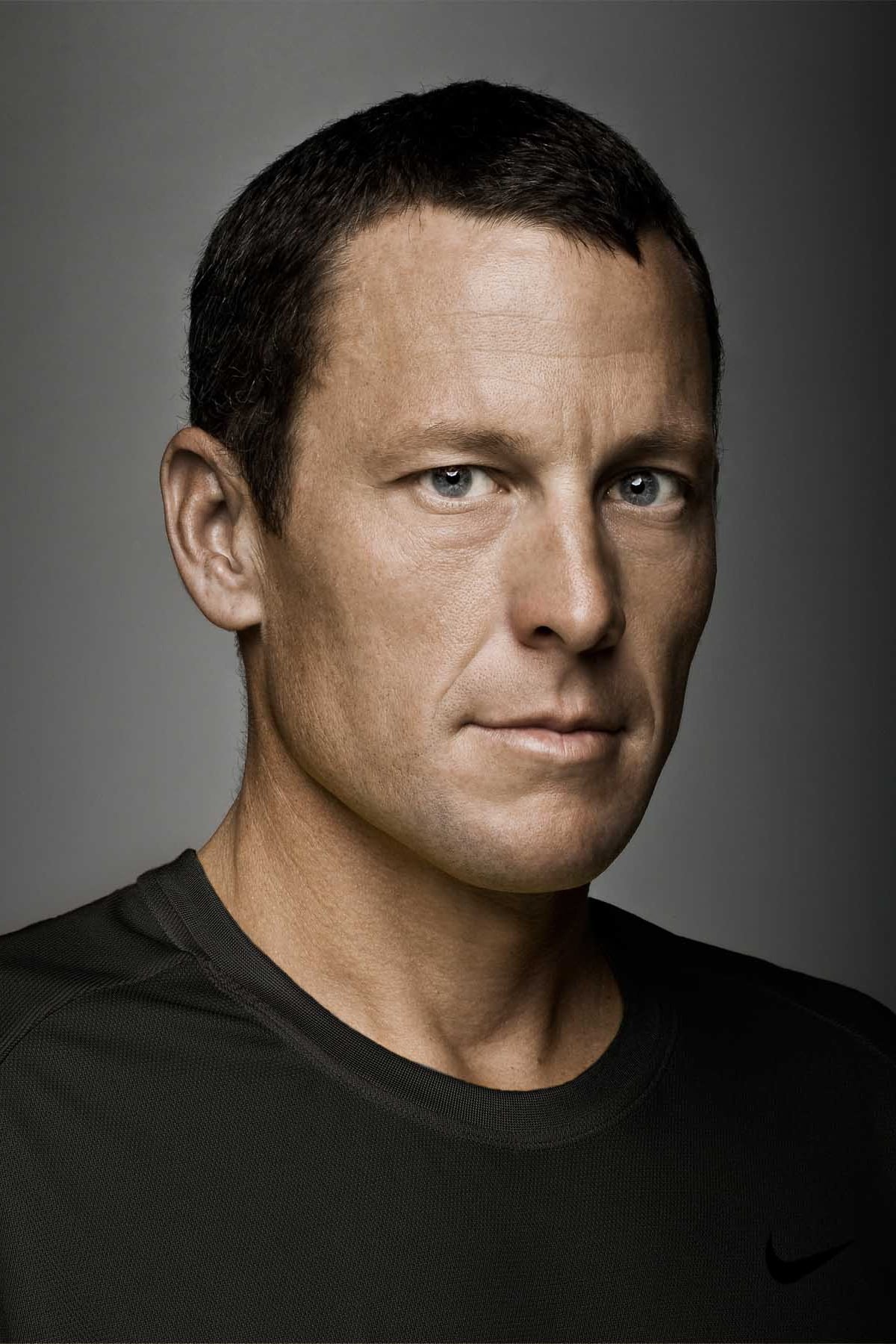
Armstrong faced advanced testicular cancer in 1996 that had spread to his lungs and brain. His treatment involved surgery and combination chemotherapy and he completed a strict follow up schedule afterward.
He later created a foundation that provided navigation and survivorship resources to patients and families. Armstrong has continued to promote awareness of testicular self exams and timely evaluation of symptoms like pain or swelling.
Share the stories you know in the comments and tell us whose journey helped you or someone you love find the information and support they needed.