Celebs With Rare Medical Diseases



Celebrities are not immune to rare medical conditions, and many have used their platforms to bring attention to diagnoses most people seldom hear about. Their experiences help explain symptoms, treatments, and what day to day life can look like with a lesser known disease. Below are well known figures and the conditions they have publicly discussed, along with clear facts about each diagnosis. These summaries focus on what the diseases are, how they are treated, and how they have affected the person’s work and life.
Céline Dion
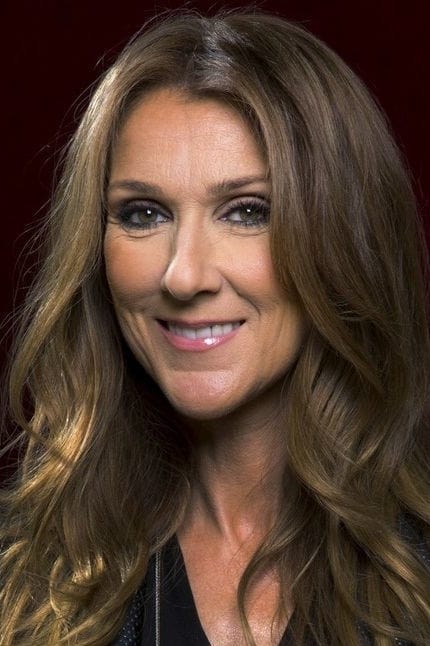
Celine Dion has stiff person syndrome, a rare neurological disorder that causes muscle rigidity and painful spasms. Symptoms often worsen with sudden stimuli and can affect speaking, singing, and movement. Management typically involves muscle relaxants, anti anxiety medications, and physical therapy. She has postponed and canceled performances while following specialist care plans and rehabilitation.
Gaten Matarazzo
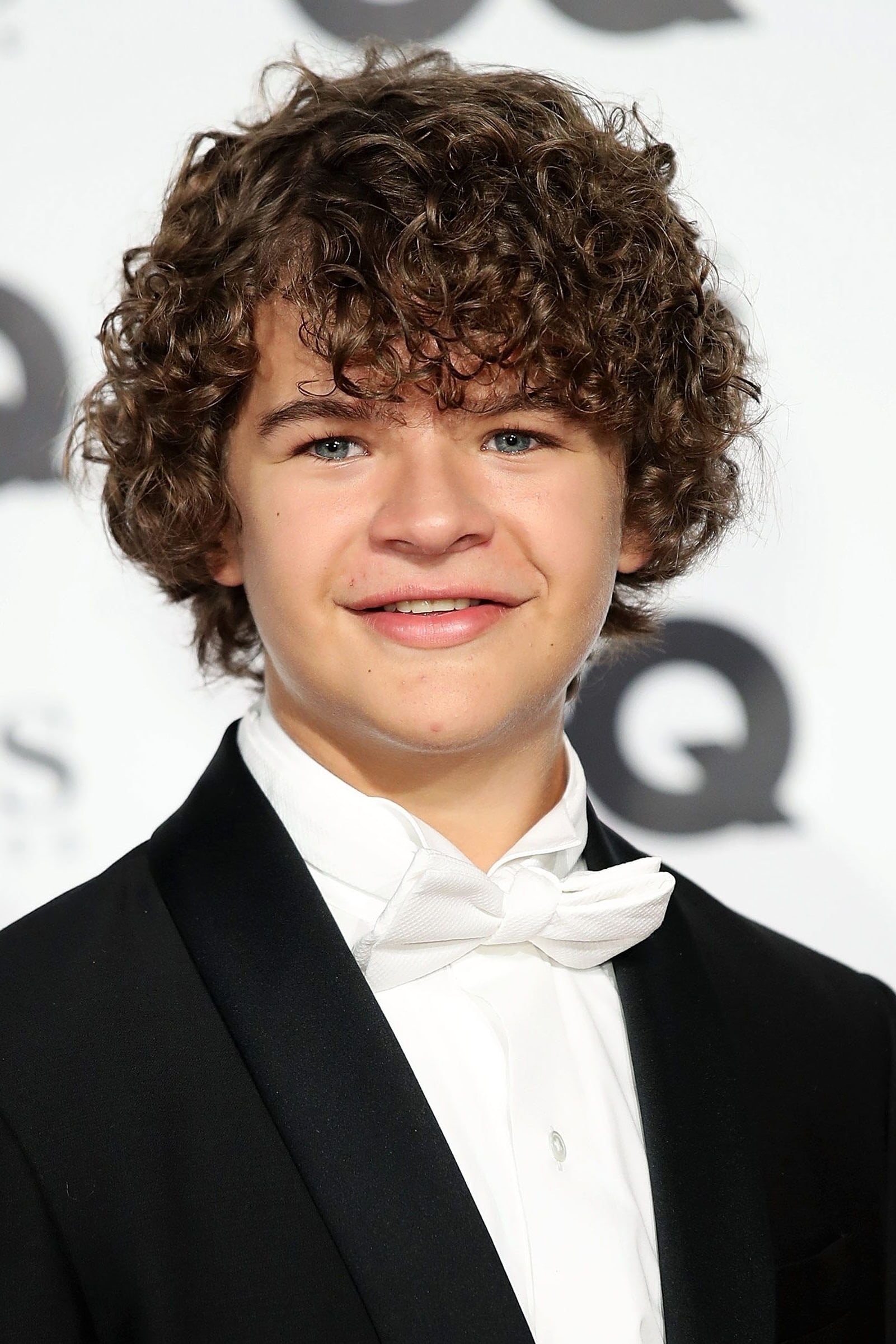
Gaten Matarazzo lives with cleidocranial dysplasia, a genetic condition that affects bone and tooth development. The disorder often leads to delayed loss of baby teeth, missing or underdeveloped collarbones, and dental crowding. Treatment can include dental surgeries, orthodontics, and ongoing monitoring by craniofacial teams. He has openly documented procedures and uses his platform to explain how care is coordinated for CCD.
Stephen Hawking

Stephen Hawking had amyotrophic lateral sclerosis, a progressive motor neuron disease. ALS leads to muscle weakness, loss of voluntary movement, and eventually impacts breathing. Supportive care involves assistive technology for communication, mobility devices, and respiratory support. Hawking continued academic work for decades using adaptive equipment and specialized medical support.
Lou Gehrig
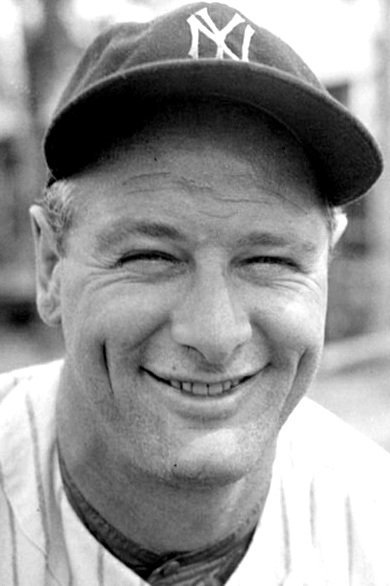
Lou Gehrig was diagnosed with amyotrophic lateral sclerosis, the condition that often bears his name in the United States. The disease damages motor neurons, causing muscle wasting and loss of function over time. There is no cure, and care focuses on symptom management and quality of life. His highly public case increased awareness of ALS and spurred fundraising for research.
Venus Williams
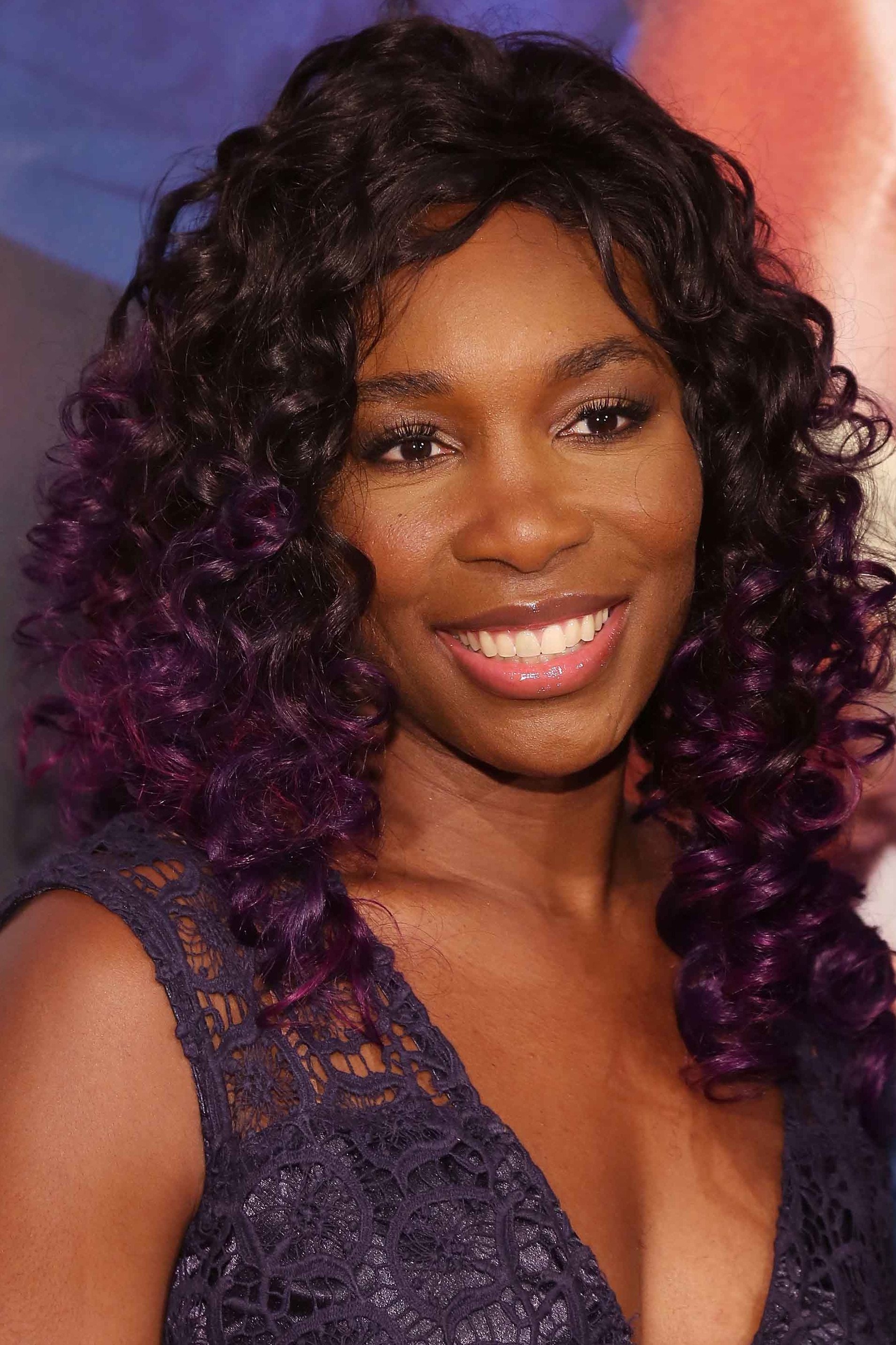
Venus Williams has Sjögren’s syndrome, an autoimmune disease that targets moisture producing glands. Common symptoms include dry eyes, dry mouth, fatigue, and joint pain. Treatment can involve tear substitutes, saliva stimulants, immunomodulating drugs, and lifestyle adjustments. She has worked with rheumatology specialists and adjusted training and recovery to manage flares.
Halsey
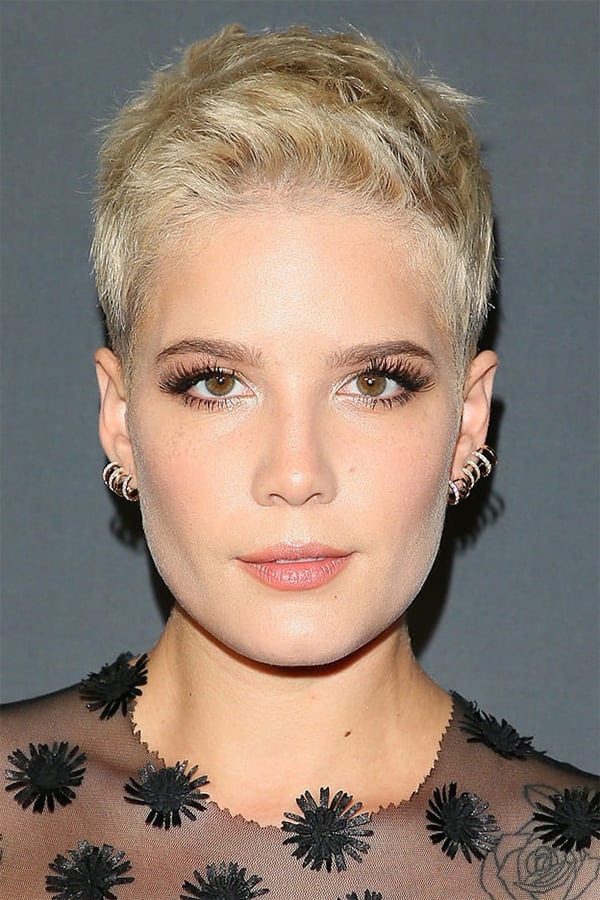
Halsey has discussed living with Ehlers Danlos syndrome alongside related dysautonomia conditions. EDS affects connective tissue and can cause joint hypermobility, skin fragility, and chronic pain. Care plans often include physical therapy, joint stabilization, pain management, and careful monitoring for comorbid issues. She has detailed diagnostic testing and multidisciplinary treatment with cardiology, immunology, and genetics input.
Sia
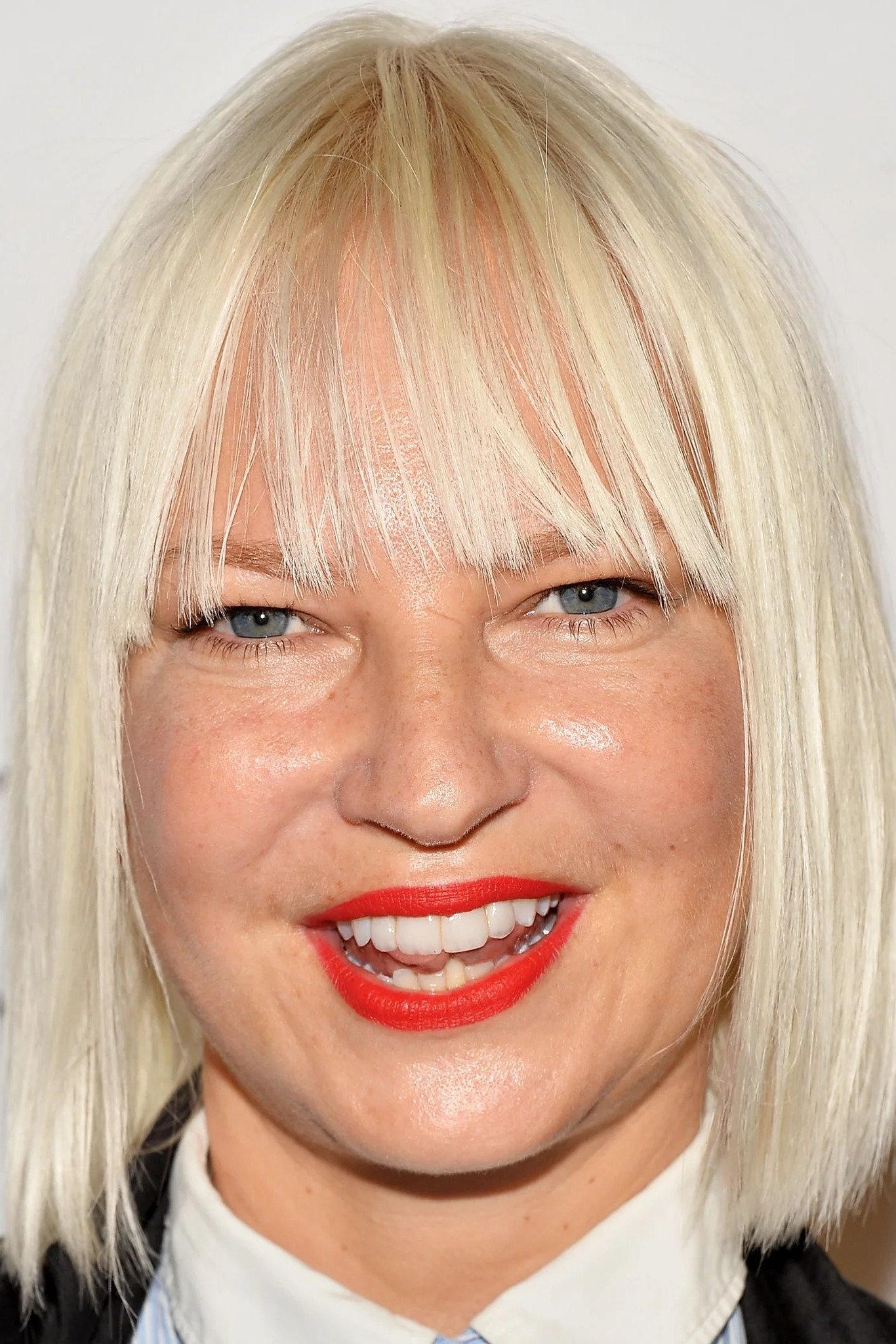
Sia has disclosed a diagnosis of Ehlers Danlos syndrome. The condition results from defects in collagen and other connective tissue components. People may experience frequent joint subluxations, soft tissue injuries, and autonomic symptoms. Management includes physiotherapy, bracing when needed, and strategies to avoid joint strain.
Peter Dinklage
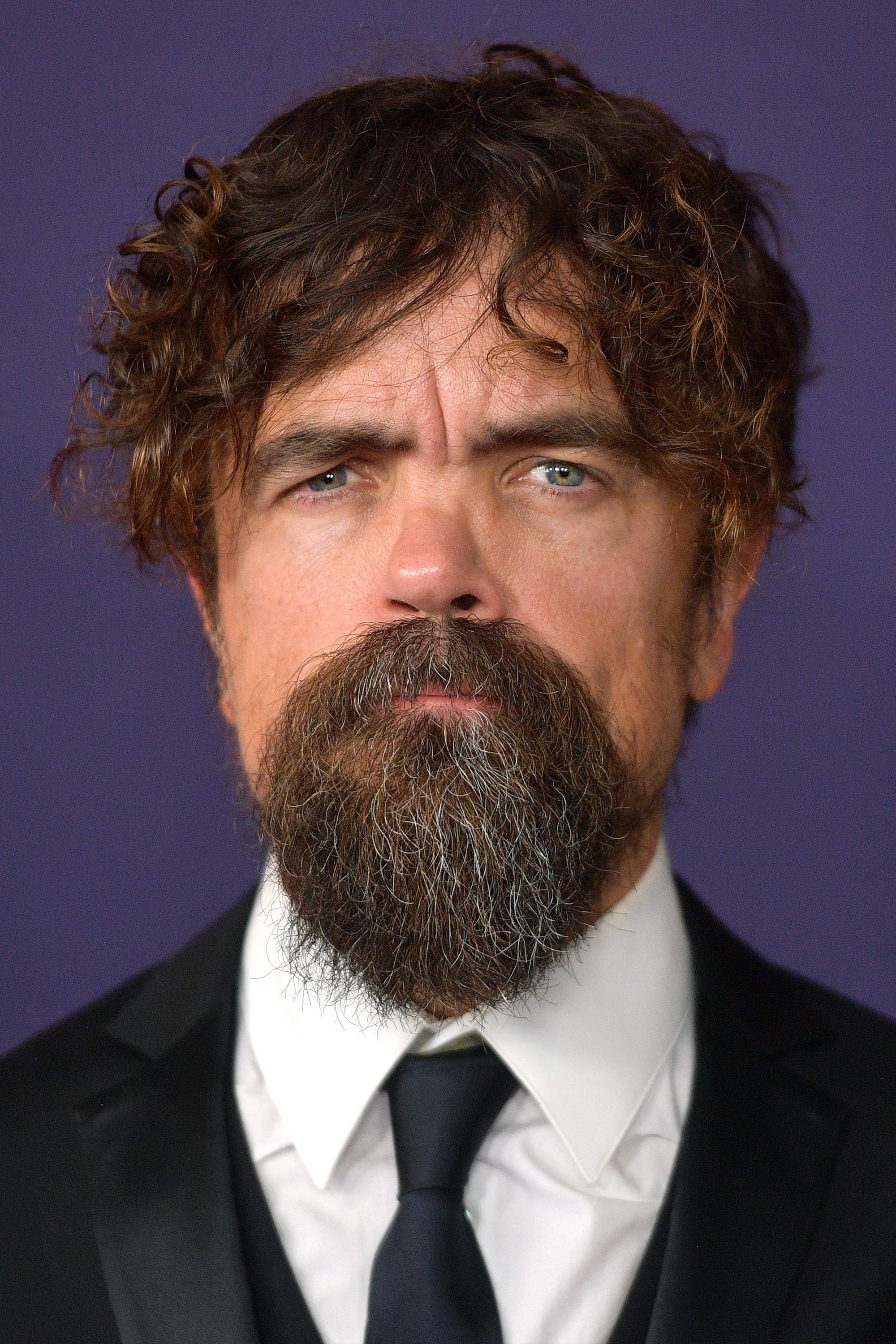
Peter Dinklage has achondroplasia, a genetic form of dwarfism. The condition affects bone growth and leads to short stature with characteristic limb proportions. Medical care may include monitoring for spinal stenosis, ear and respiratory issues, and orthopedic concerns. People with achondroplasia often work with multidisciplinary clinics that track growth and neurological health.
Warwick Davis
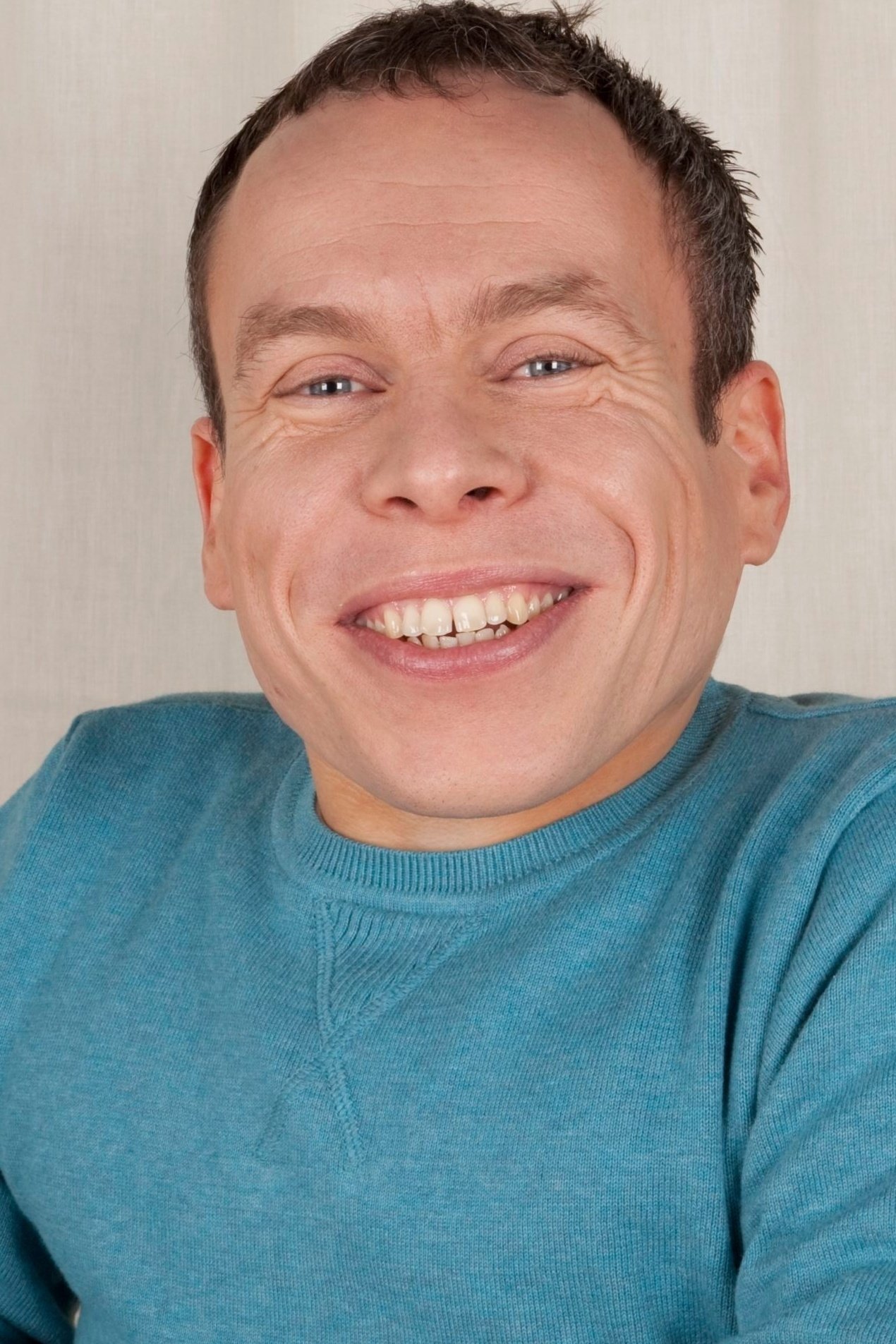
Warwick Davis was born with spondyloepiphyseal dysplasia congenita, a rare skeletal dysplasia. It can cause short stature, joint problems, and spine and hip abnormalities. Treatment focuses on orthopedic evaluation, pain control, and when necessary surgical interventions. Regular follow up helps preserve mobility and manage complications across adulthood.
Peter Frampton
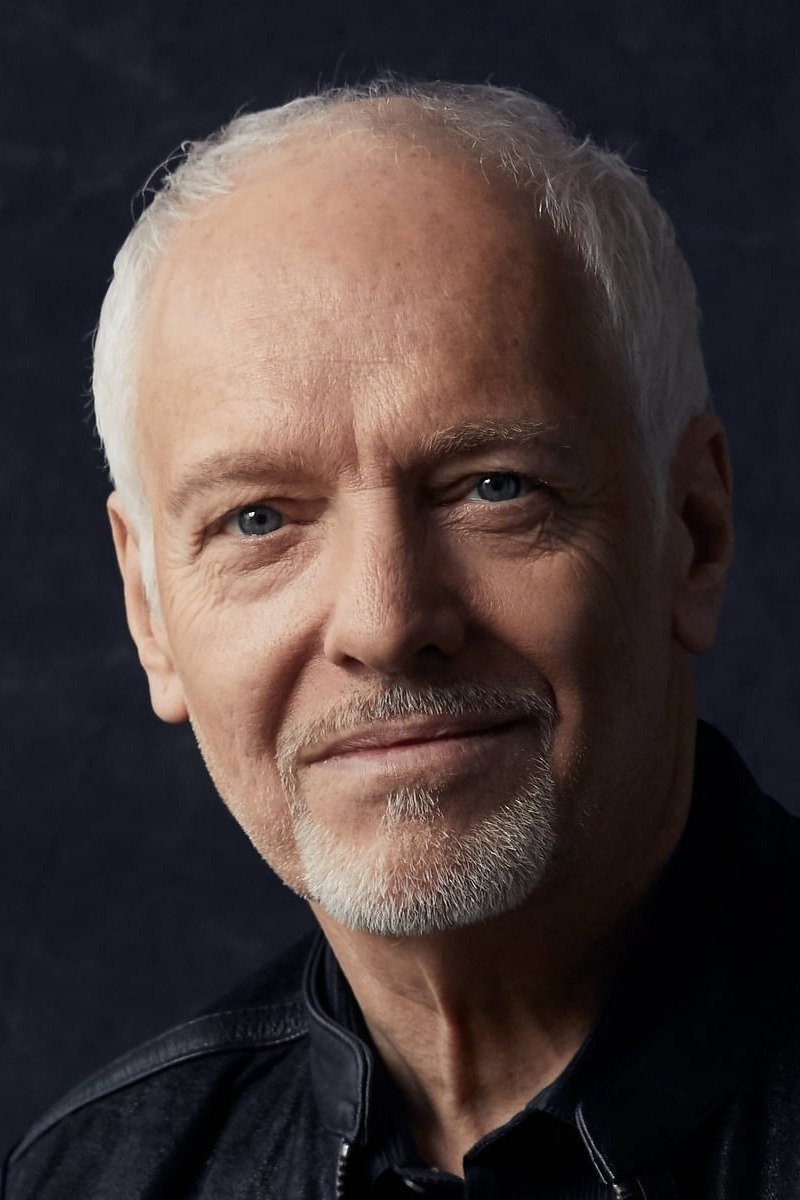
Guitarist Peter Frampton lives with inclusion body myositis, a rare inflammatory muscle disease. IBM causes progressive weakness, especially in the quadriceps and forearm muscles, and can affect swallowing. There is no proven disease modifying therapy, so care centers on physical therapy, fall prevention, and symptom management. He adapted touring and recording schedules to accommodate reduced strength and endurance.
Dan Reynolds
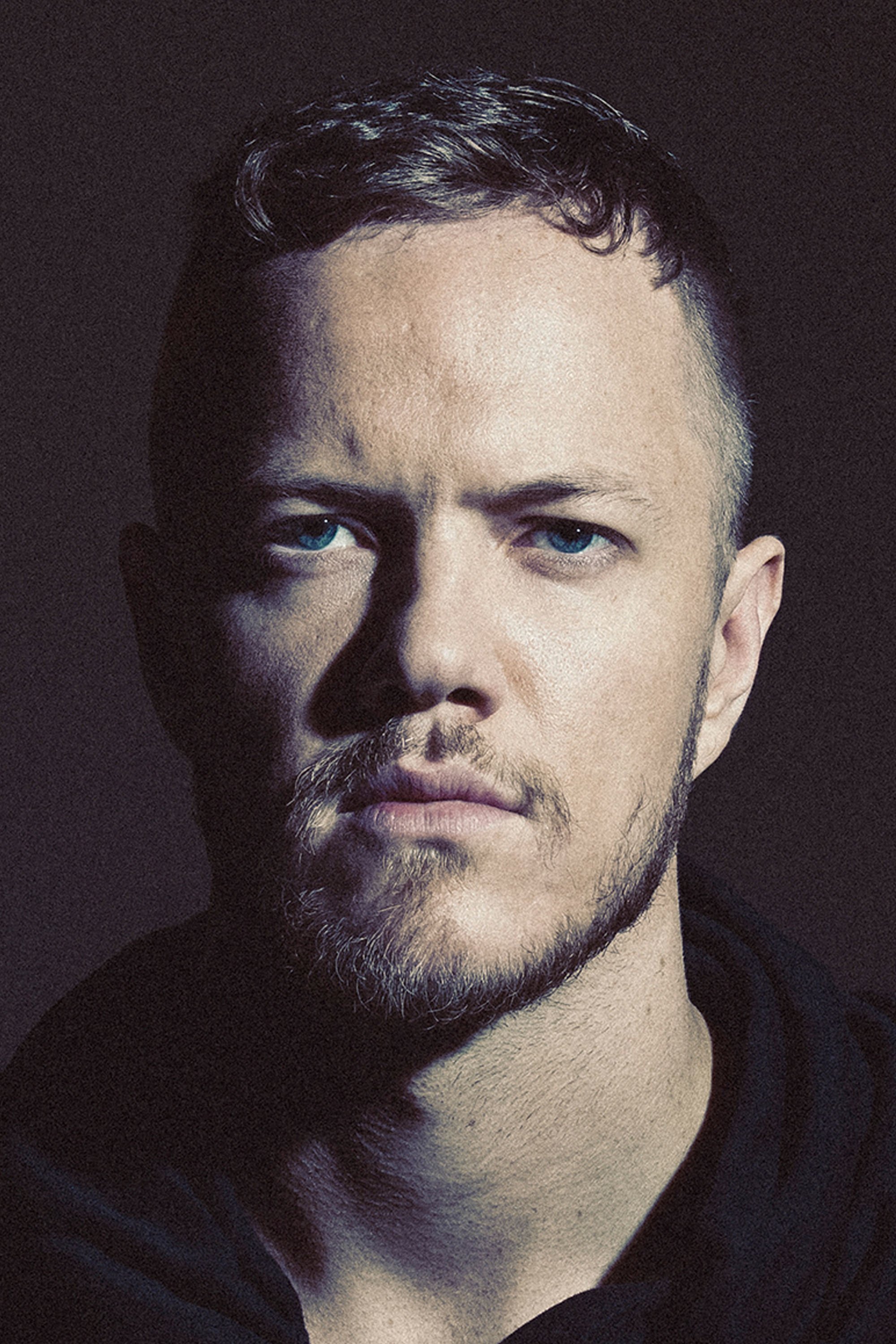
Dan Reynolds has ankylosing spondylitis, an inflammatory arthritis that primarily affects the spine and sacroiliac joints. Symptoms include back pain, stiffness, and reduced spinal mobility that can improve with movement. Treatment commonly includes NSAIDs, biologic medications, and exercise programs to maintain flexibility. He has described flares and the role of physical conditioning and medical therapy in control.
Sarah Hyland

Sarah Hyland was born with kidney dysplasia, a congenital condition where the kidneys do not develop normally. Complications can include reduced kidney function, hypertension, and recurrent infections. Management can involve blood pressure control, antibiotics for infections, and transplant when function declines. She has undergone two kidney transplants and follows strict monitoring with nephrology teams.
Justin Bieber

Justin Bieber developed Ramsay Hunt syndrome, a shingles related facial nerve disorder. The condition occurs when varicella zoster virus reactivates and affects the facial nerve near the ear. Symptoms include facial paralysis on one side, ear pain, and sometimes hearing or balance issues. Treatment includes antivirals, steroids, and eye protection while nerve function recovers.
Jenna Jameson

Jenna Jameson has reported Guillain Barré syndrome, a rare autoimmune condition where the immune system attacks peripheral nerves. GBS often begins with weakness and tingling in the legs that can progress to paralysis. Standard therapies include intravenous immunoglobulin or plasma exchange, along with supportive care. Recovery varies and can take months, with physical therapy playing an important role.
Selena Gomez

Selena Gomez has lupus, an autoimmune disease that can affect the skin, joints, kidneys, and other organs. Symptoms may include fatigue, joint pain, rashes, and organ inflammation. Treatment ranges from antimalarials and steroids to immunosuppressants and biologic medications. She underwent a kidney transplant due to lupus related damage and follows long term rheumatology care.
Nick Cannon
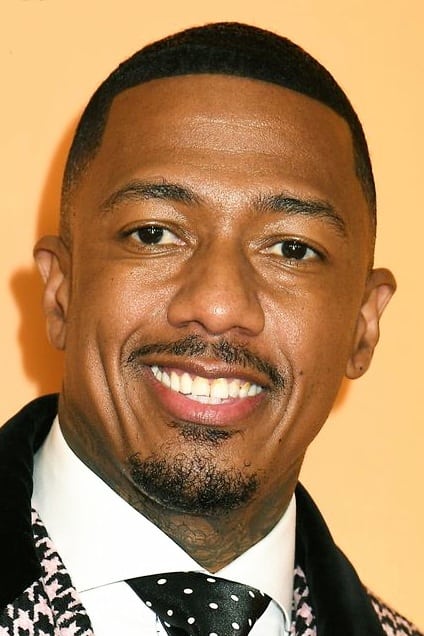
Nick Cannon has lupus nephritis, a kidney complication of systemic lupus erythematosus. The condition involves inflammation in the kidneys that can lead to protein in the urine, swelling, and impaired function. Treatment includes immunosuppressive medications and close monitoring with lab tests and biopsies when needed. He has publicly discussed hospitalizations and ongoing nephrology follow up.
Wendy Williams

Wendy Williams has Graves disease, an autoimmune thyroid disorder that causes hyperthyroidism. Symptoms can include weight loss, palpitations, tremor, anxiety, and eye changes. Management options include antithyroid drugs, radioactive iodine, or surgery, along with beta blockers for symptoms. She has taken medical leave at times while adjusting therapy and monitoring thyroid levels.
Jameela Jamil

Jameela Jamil has Ehlers Danlos syndrome, which affects connective tissues in the skin, joints, and blood vessels. People with EDS can experience frequent sprains, chronic pain, and easy bruising. Care often combines physiotherapy, pain management, and strategies that protect joints during everyday activities. She has described how coordinated care helps manage fatigue and instability.
Tionne Watkins

Tionne Watkins lives with sickle cell disease, a hereditary blood disorder that alters the shape of red blood cells. The condition can cause pain crises, anemia, and organ complications due to blocked blood flow. Treatments include hydroxyurea, pain control plans, and in some cases bone marrow transplant. She has advocated for screening and individualized crisis protocols.
Huey Lewis
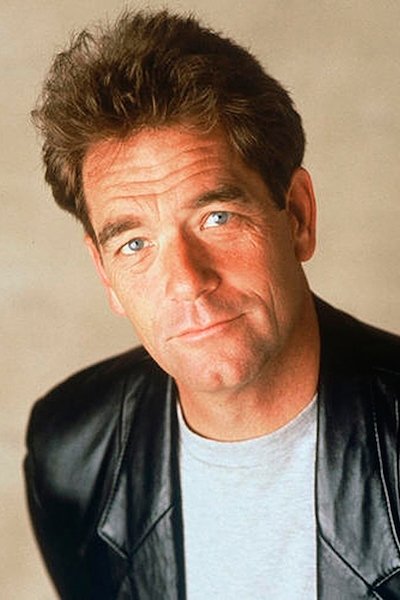
Huey Lewis has Ménière’s disease, a disorder of the inner ear that affects hearing and balance. Symptoms include episodes of vertigo, tinnitus, ear fullness, and fluctuating hearing loss. Management can involve dietary changes, diuretics, vestibular therapy, and procedures for severe cases. The condition led him to suspend touring while focusing on audiology care.
Billie Eilish
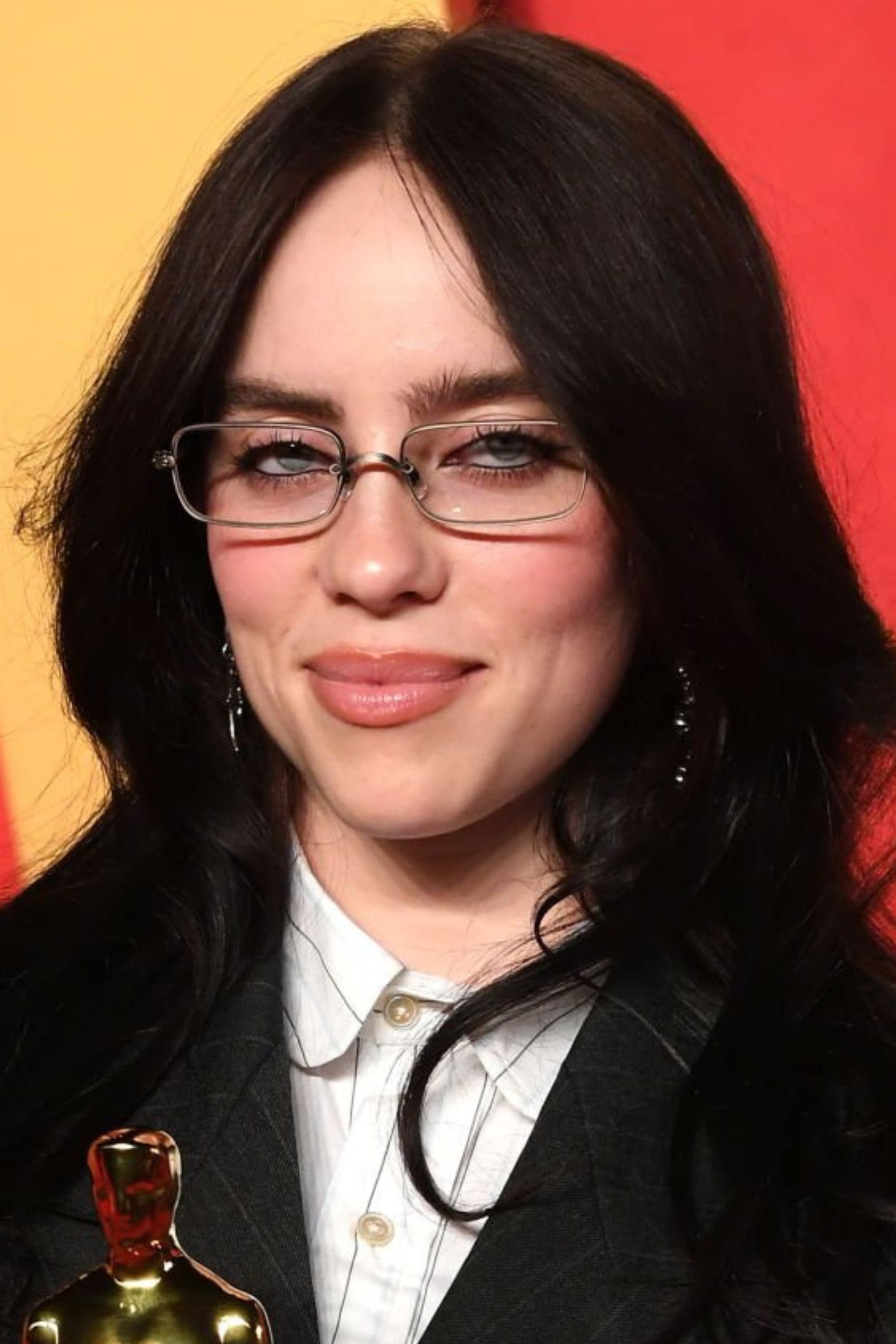
Billie Eilish has Tourette syndrome, a neurodevelopmental disorder characterized by motor and vocal tics. Symptoms often begin in childhood and can wax and wane in intensity. Treatment may include behavioral therapy and medications when tics impair daily functioning. She has explained how stress management and supportive environments help reduce tic severity.
Amy Purdy
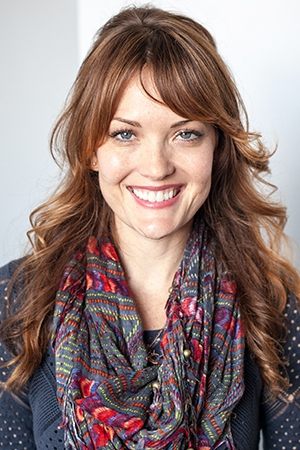
Amy Purdy survived meningococcal septicemia, a rare and severe bloodstream infection. The illness can progress quickly and may lead to organ damage and limb loss. Treatment requires prompt antibiotics, intensive care, and rehabilitation after acute complications. She became a Paralympic snowboarder and public speaker while continuing long term health monitoring.
Seal
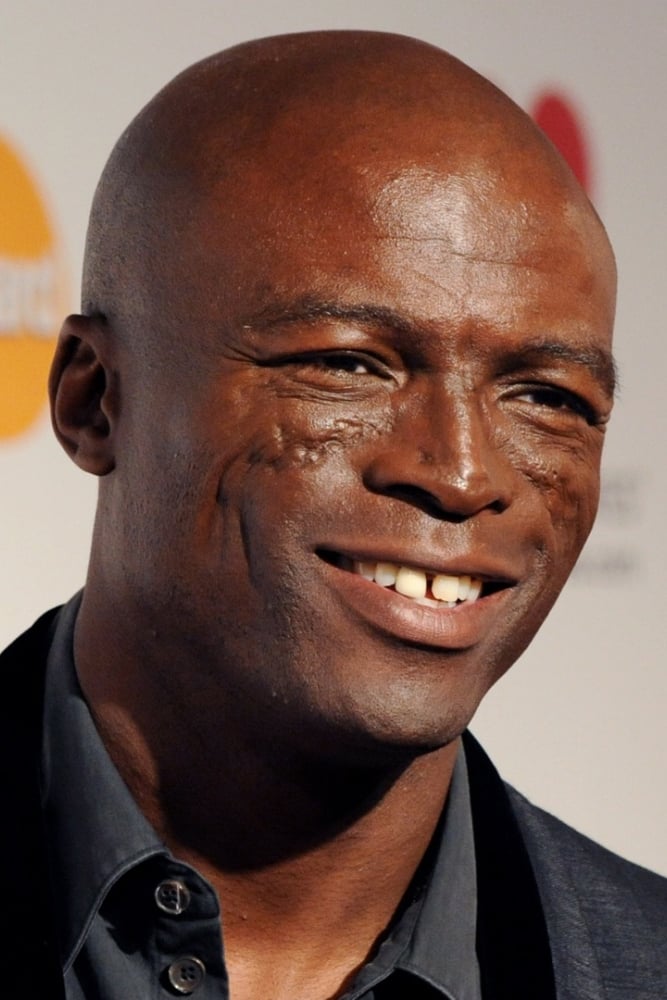
Seal has discoid lupus erythematosus, a chronic autoimmune skin condition. DLE causes inflammatory lesions that can lead to scarring, often on sun exposed areas. Treatment includes sun protection, topical steroids, antimalarials, and close dermatology follow up. He has spoken about flare prevention and the importance of consistent skincare routines.
Melanie Gaydos
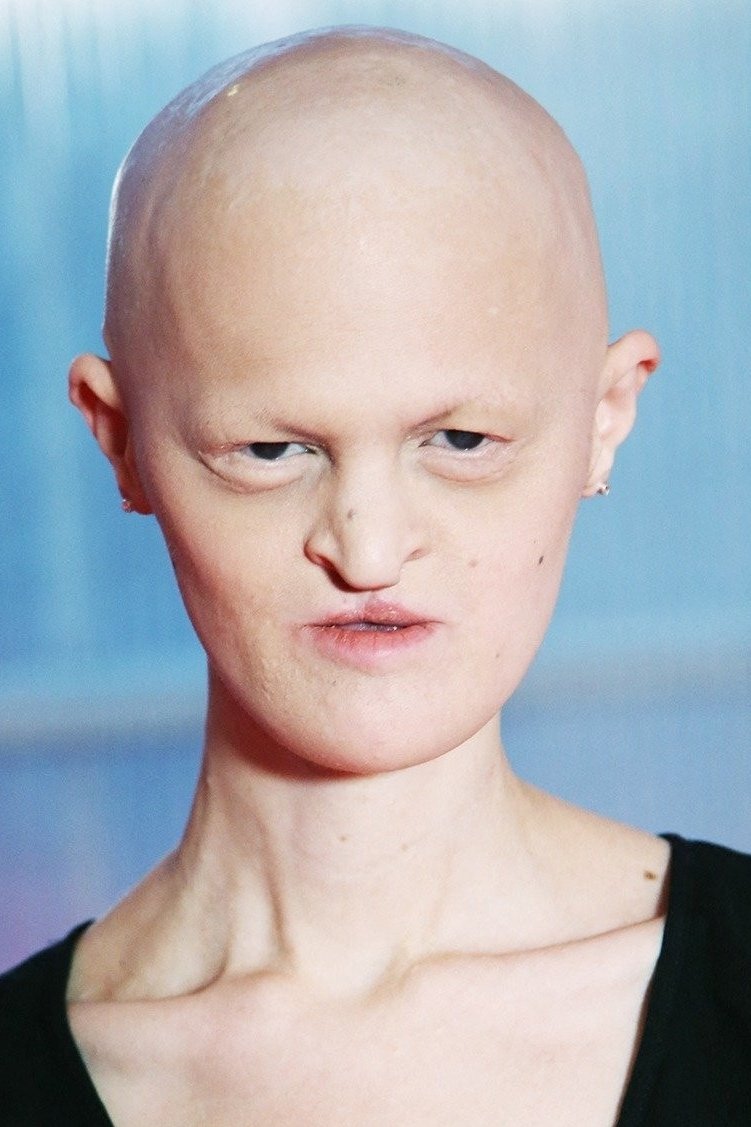
Melanie Gaydos has ectodermal dysplasia, a group of genetic disorders affecting the development of skin, hair, nails, teeth, and sweat glands. People with this condition may experience missing teeth, fragile hair, and difficulties with temperature regulation. Management involves dental prosthetics, dermatologic care, and strategies to avoid overheating. She has modeled and acted while working with specialists to address functional needs.
Emilia Clarke

Emilia Clarke survived two brain aneurysms that required urgent treatment. Aneurysms are weak spots in blood vessel walls that can bleed and cause a subarachnoid hemorrhage. Care can involve surgical clipping or endovascular coiling to prevent rebleeding. She completed rehabilitation and has supported neurorehabilitation programs that help patients recover cognitive and physical function.
Ashton Kutcher
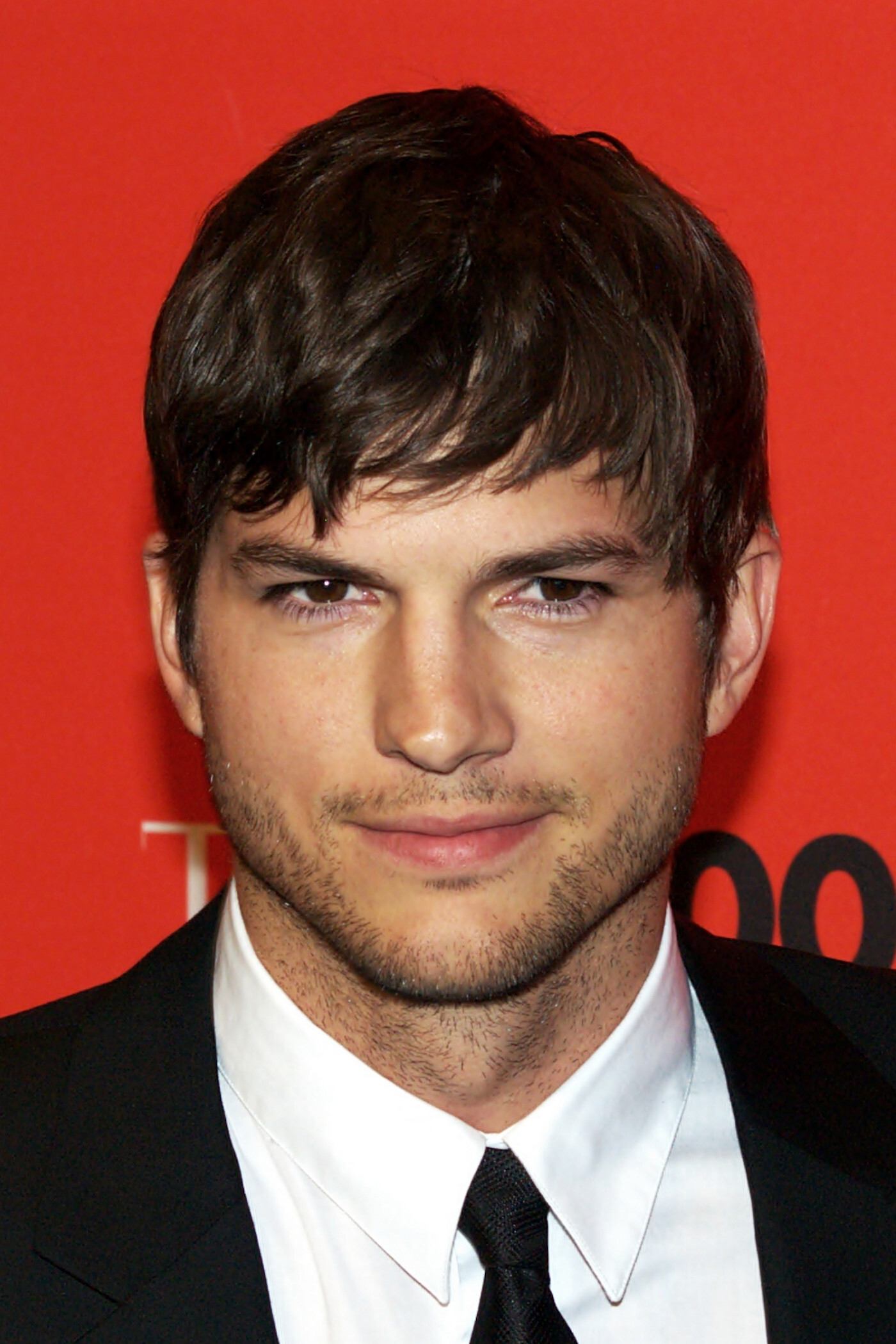
Ashton Kutcher experienced a rare form of vasculitis that temporarily affected his vision, hearing, and balance. Vasculitis is inflammation of blood vessel walls that can limit blood flow to organs. Treatment depends on the type and often uses steroids and other immunosuppressive drugs. He reported a gradual recovery after medical therapy and guided follow up.
Andrea Bocelli

Andrea Bocelli was born with congenital glaucoma and later lost his sight after an accident in adolescence. Congenital glaucoma involves elevated pressure in the eye that damages the optic nerve. Management can include pressure lowering eye drops and surgery in childhood. He adapted by relying on braille music and audio tools while maintaining rigorous vocal training.
John F. Kennedy
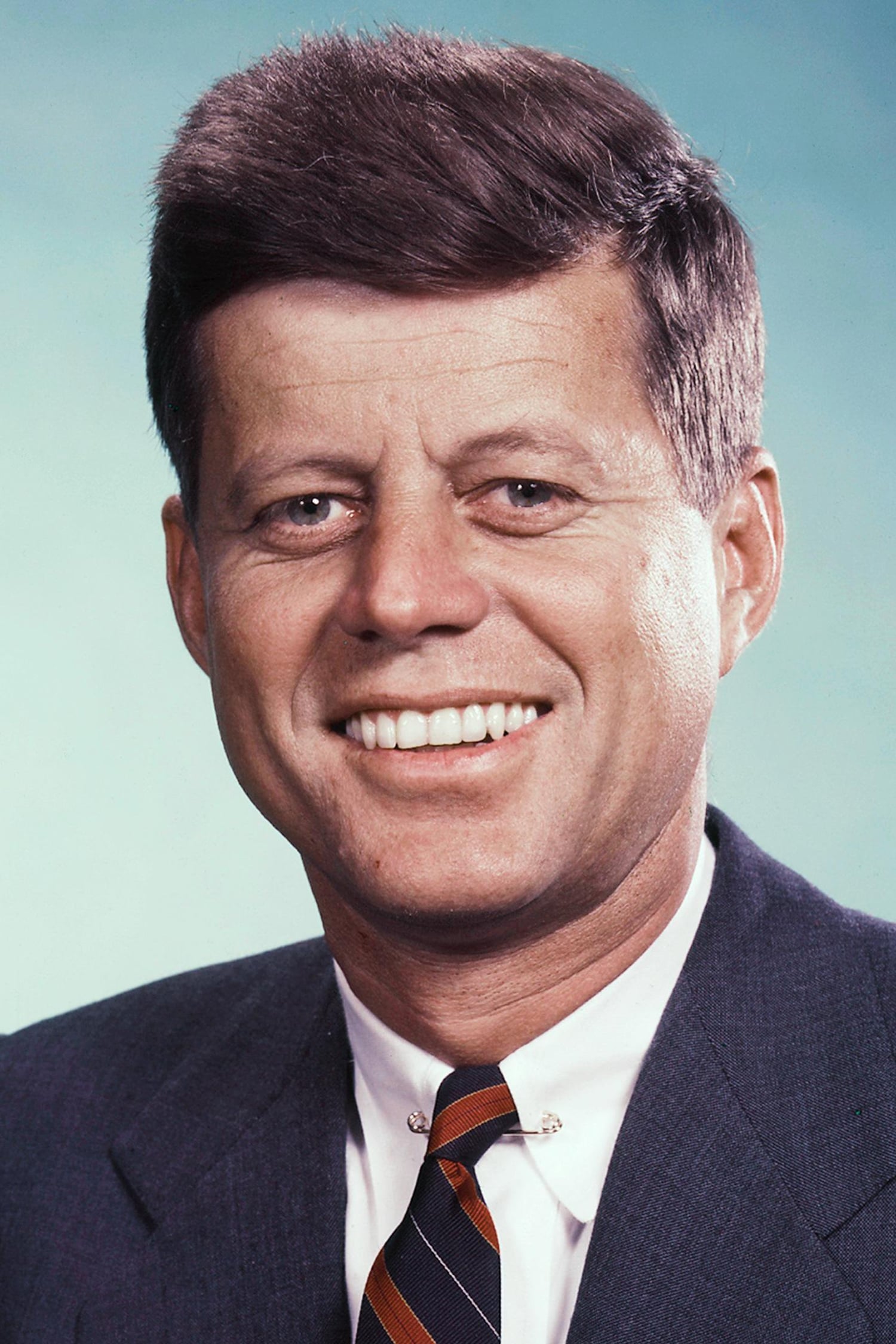
John F. Kennedy lived with Addison’s disease, a disorder where the adrenal glands do not produce enough cortisol and aldosterone. Symptoms can include weight loss, low blood pressure, and fatigue. Lifelong hormone replacement with hydrocortisone and fludrocortisone is standard care. He used strict medication schedules and medical supervision to prevent adrenal crises.
Lionel Messi
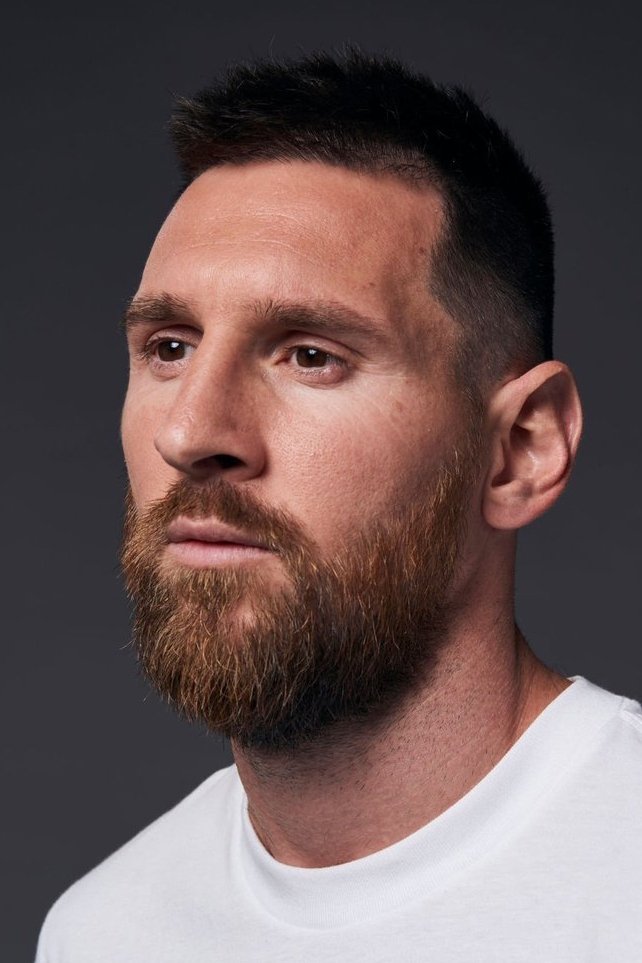
Lionel Messi was treated in childhood for growth hormone deficiency. This condition occurs when the pituitary gland does not make enough growth hormone. Therapy uses daily recombinant growth hormone injections and regular monitoring of growth and IGF 1 levels. Early treatment helps achieve expected height and supports normal bone and organ development.
Jimmy Kimmel
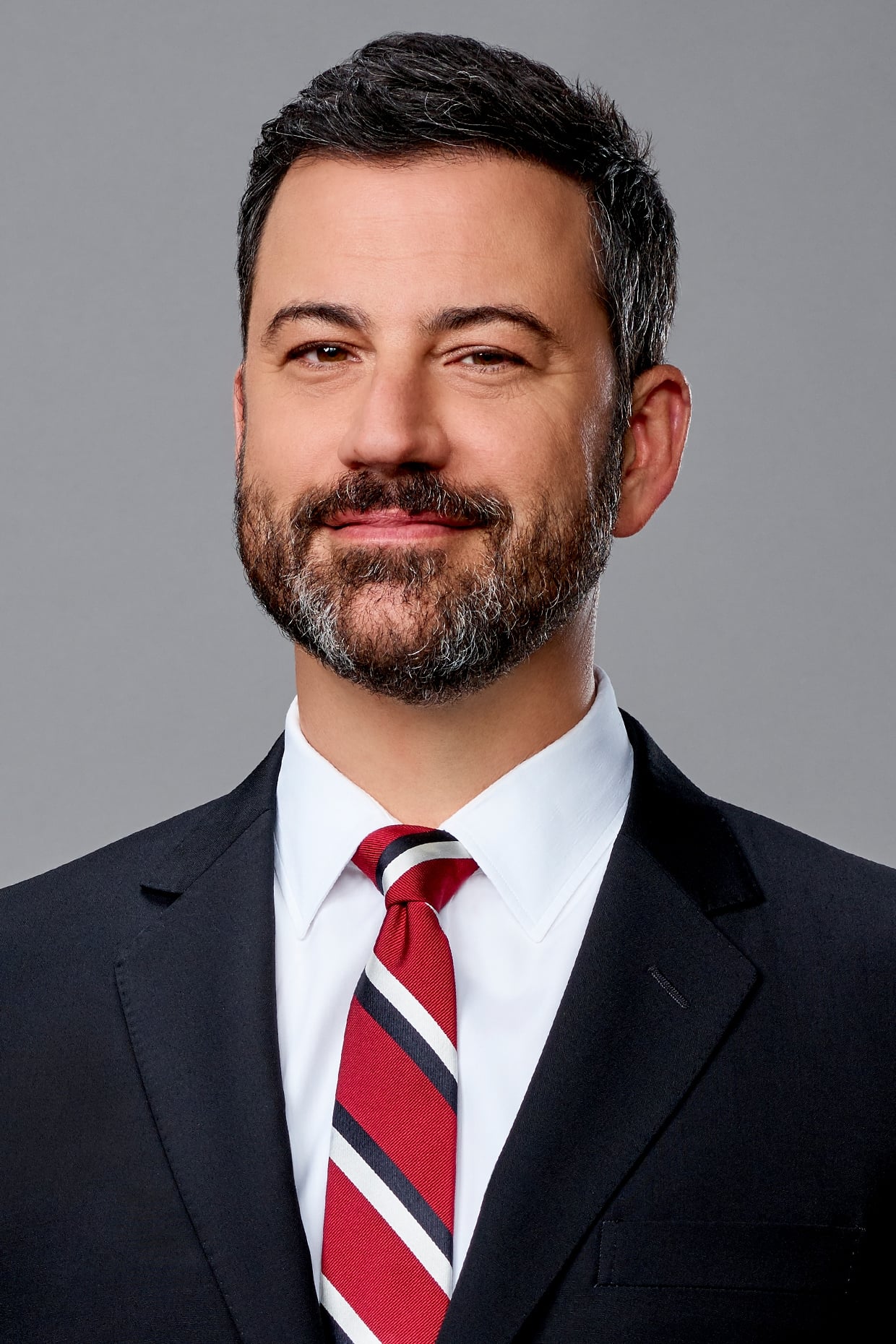
Jimmy Kimmel has spoken about living with narcolepsy. Narcolepsy is a sleep disorder marked by excessive daytime sleepiness and can include episodes of sudden muscle weakness called cataplexy. Diagnosis often uses sleep studies and measurement of REM sleep patterns. Management may involve stimulant medications and scheduled naps to maintain daytime function.
Isaiah Austin

Isaiah Austin was diagnosed with Marfan syndrome during pre draft medical screening. Marfan syndrome affects connective tissue and can involve the heart, eyes, and skeleton. Monitoring the aorta with imaging and controlling blood pressure are key parts of care. He paused his basketball career for safety and later returned to play under medical guidance where allowed.
André the Giant
André the Giant had acromegaly, a condition caused by excess growth hormone from a pituitary tumor. The disorder can lead to enlarged hands and feet, joint pain, and cardiovascular strain. Treatment options include pituitary surgery, medications that lower growth hormone, and radiation when needed. He required ongoing medical oversight while working in professional wrestling.
Woody Guthrie
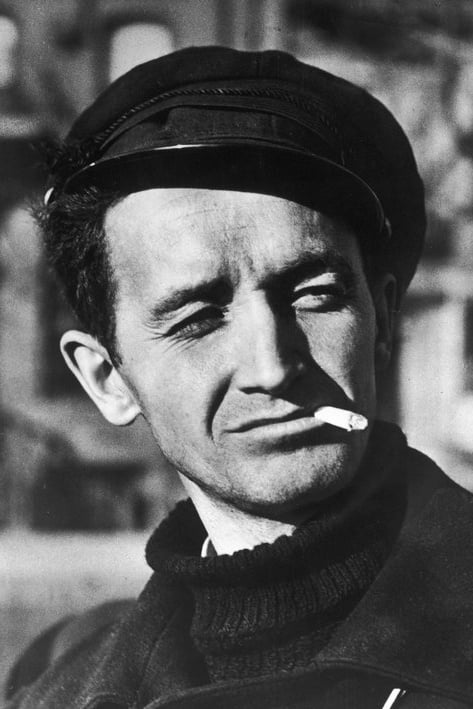
Woody Guthrie had Huntington’s disease, a hereditary neurodegenerative disorder. It causes progressive movement problems, cognitive decline, and psychiatric symptoms. Genetic testing can confirm the diagnosis and families often receive counseling. Care focuses on symptom control, nutrition, and support services as motor and cognitive needs change.
Bernie Mac
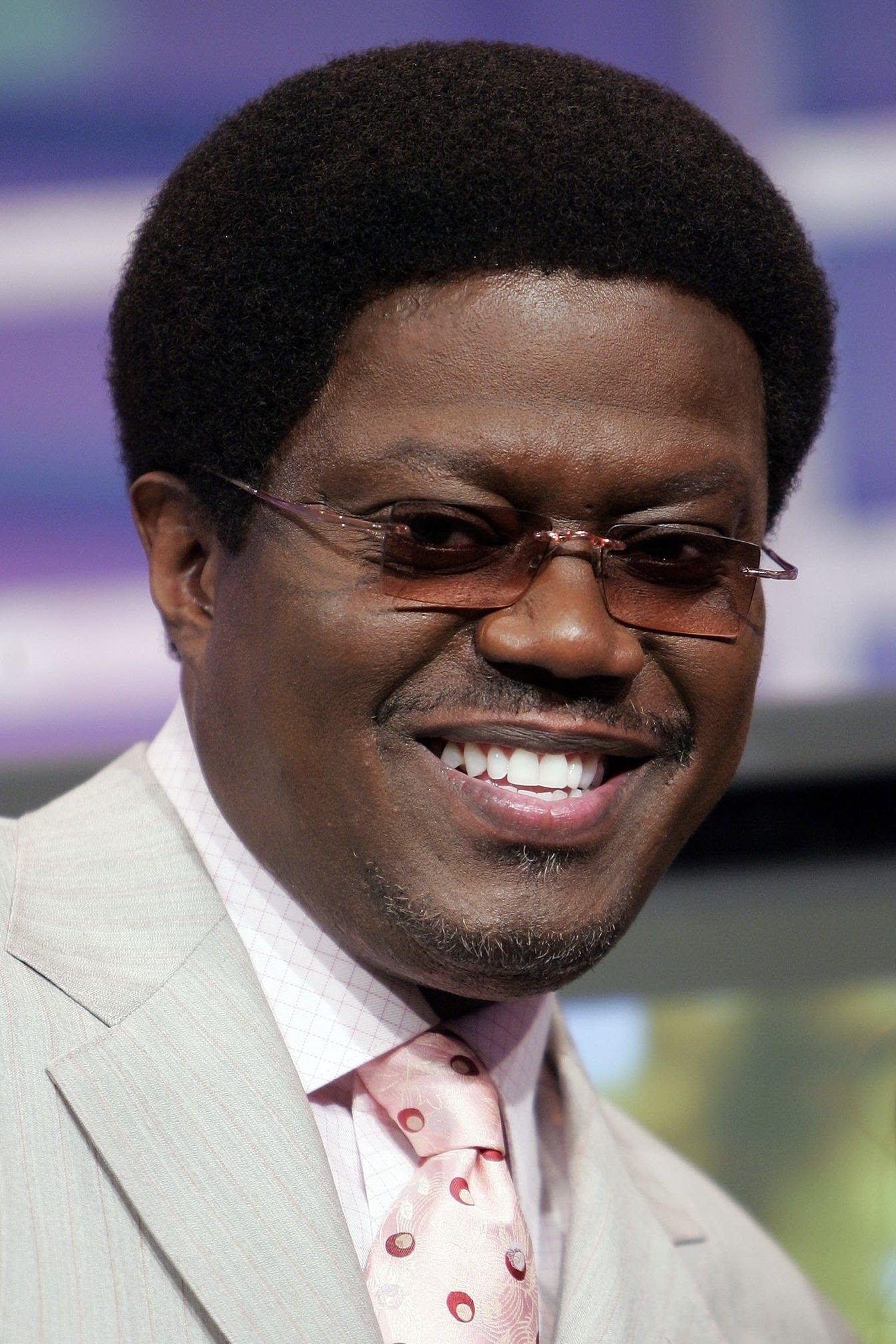
Bernie Mac lived with sarcoidosis, an inflammatory disease that forms granulomas in organs. The lungs are commonly affected and patients can experience coughing, shortness of breath, and fatigue. Treatment ranges from observation to corticosteroids and other immunosuppressive medicines. Regular imaging and pulmonary function testing help track disease activity.
Linda Ronstadt
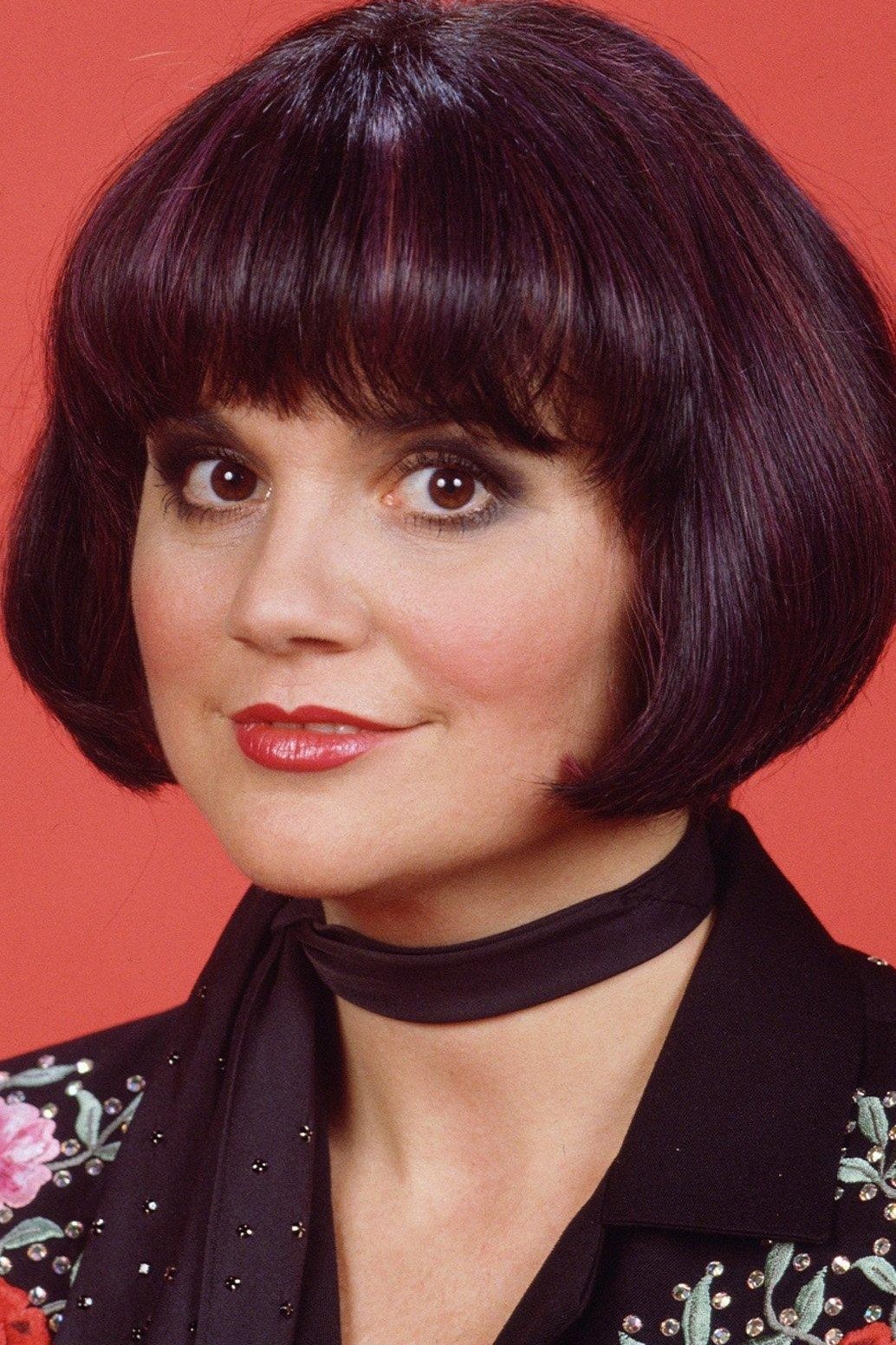
Linda Ronstadt later received a diagnosis of progressive supranuclear palsy after initial treatment for Parkinsonian symptoms. PSP is a rare brain disorder that affects balance, eye movements, and speech. There is no cure and care focuses on physical therapy, speech therapy, and fall prevention. Assistive devices and home modifications help maintain independence.
Atticus Shaffer
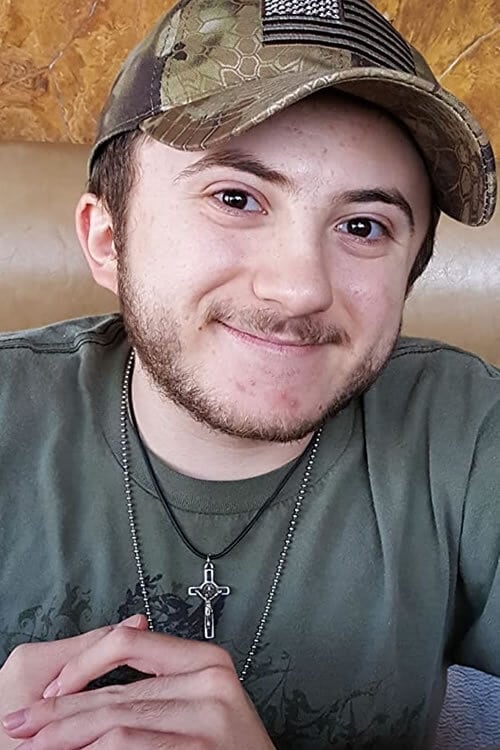
Atticus Shaffer has osteogenesis imperfecta type IV, a genetic bone fragility disorder. People with OI experience frequent fractures and may have short stature and spine curvature. Multidisciplinary care includes fracture prevention, physical therapy, and sometimes intravenous bisphosphonates to improve bone density. He coordinates filming schedules with accessibility and mobility needs.
Jessie J

Jessie J has discussed episodes consistent with Ménière’s disease that affected her hearing and balance. Ménière’s involves abnormal fluid regulation in the inner ear and can cause vertigo, tinnitus, and fluctuating hearing loss. Management may include a low salt diet, diuretics, vestibular therapy, and procedures for severe cases. Audiology follow up helps track changes over time.
apl.de.ap
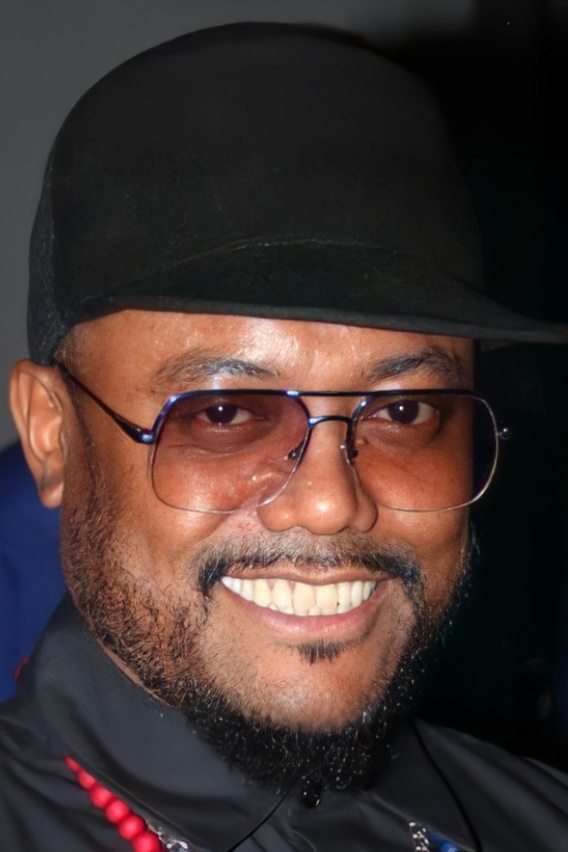
apl.de.ap was born with nystagmus and is legally blind. Nystagmus causes involuntary eye movements that reduce visual acuity and depth perception. Treatment focuses on visual aids, orientation training, and surgery in select cases to reduce head posture strain. He uses specialized lenses and adaptive strategies on stage and in daily life.
Peter Tork
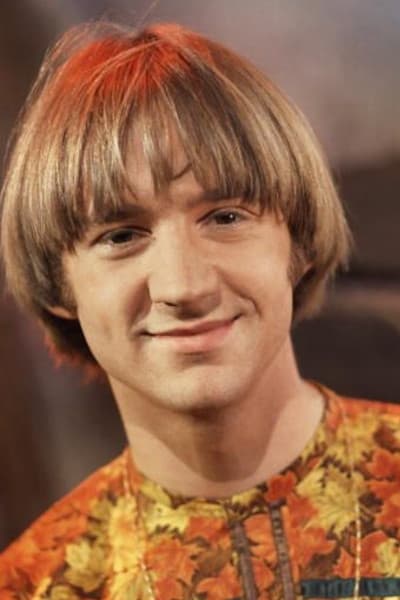
Peter Tork was treated for adenoid cystic carcinoma, a rare cancer of the salivary glands. This tumor often grows slowly and can spread along nerves, which makes wide surgical removal important. Care may include surgery followed by targeted radiation therapy. Regular imaging and long term follow up are standard because late recurrences can occur.
Share your thoughts below and tell us which stories taught you something new about these conditions.