15 “Awful” Physical Transformations Actors Endured For Movie Roles


Pushing a body to its limits for a role can mean months of punishing diets, makeup marathons, and training regimens that leave lasting aches—sometimes real medical scares. Below are fifteen documented cases where actors went far beyond a haircut or gym membership, enduring drastic weight swings, claustrophobic prosthetics, or demanding physical protocols to bring characters to life. Each entry focuses on concrete methods, timelines, and on-set conditions that made these transformations especially tough. It’s a snapshot of the less glamorous side of movie magic—what it actually takes when the job gets brutal.
Christian Bale — ‘The Machinist’ (2004)
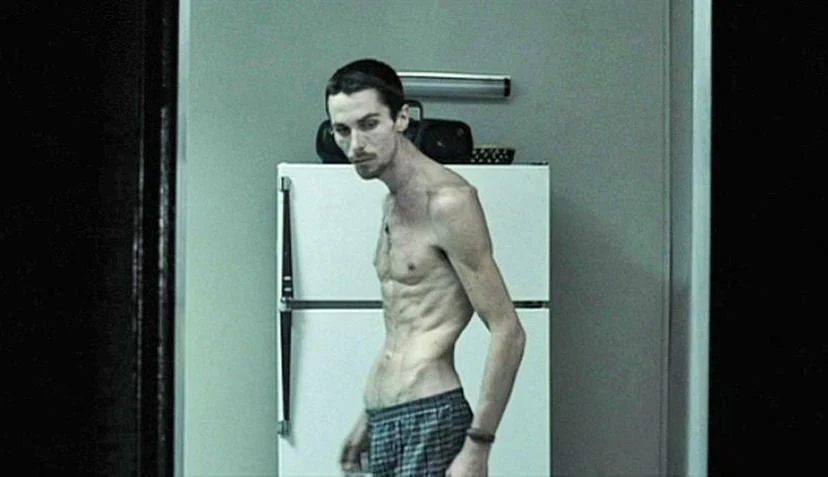
Bale dropped an extreme amount of weight through a prolonged near-starvation regimen that reportedly hinged on minimal daily calories. He combined that with heavy smoking and careful dehydration to keep his frame gaunt on camera. The production scheduled scenes to maintain continuity around his underweight appearance. After filming, he had to carefully refeed and train to recover before his next role.
Jared Leto — ‘Chapter 27’ (2007)
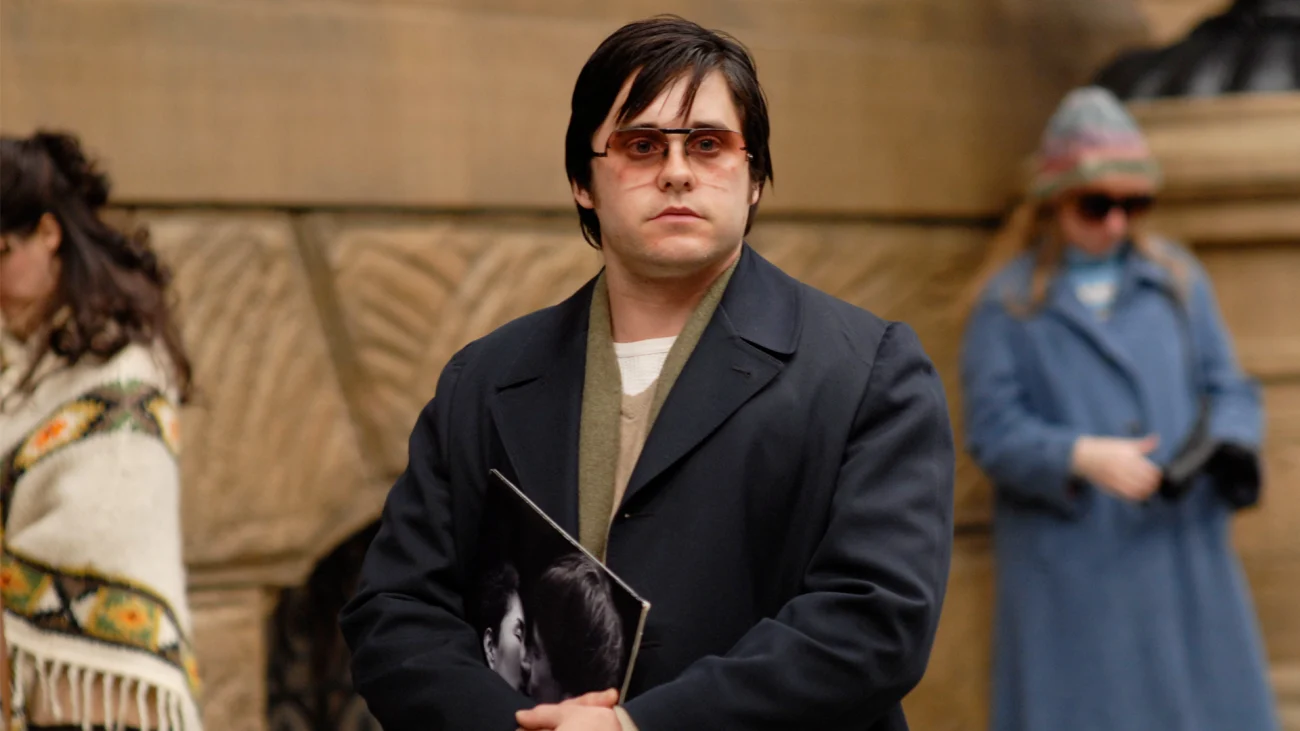
Leto rapidly gained dozens of pounds by following a high-calorie diet that included frequent junk-food binges. The sudden weight gain led to health issues, including elevated cholesterol and mobility problems that required a wheelchair at points off set. He wore oversized wardrobe to accentuate the physical change. Post-shoot, he undertook a structured plan to reverse the weight gain under medical supervision.
Charlize Theron — ‘Monster’ (2003)

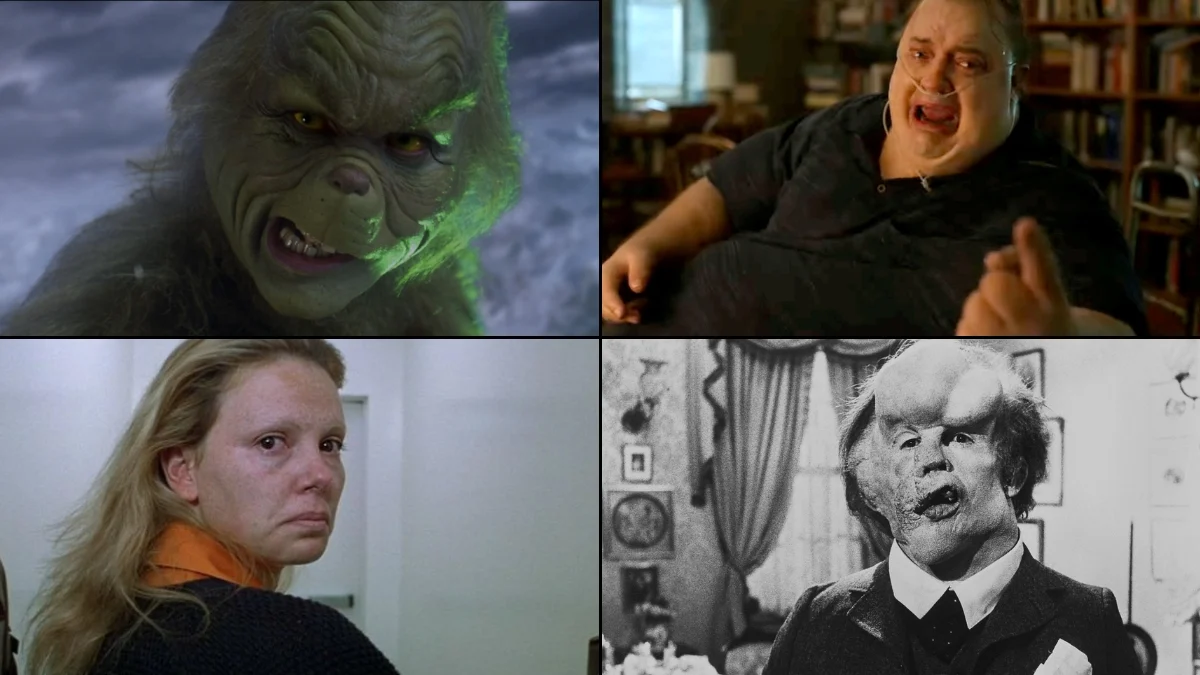
Theron added significant weight with a sustained calorie surplus and used dental work and subtle prosthetics to alter her face. Makeup artists applied textured skin effects daily to change her complexion and features. She also adjusted posture and gait to reflect long-term strain on the body. After wrap, she returned to baseline over weeks with a controlled diet and conditioning.
Tom Hanks — ‘Cast Away’ (2000)
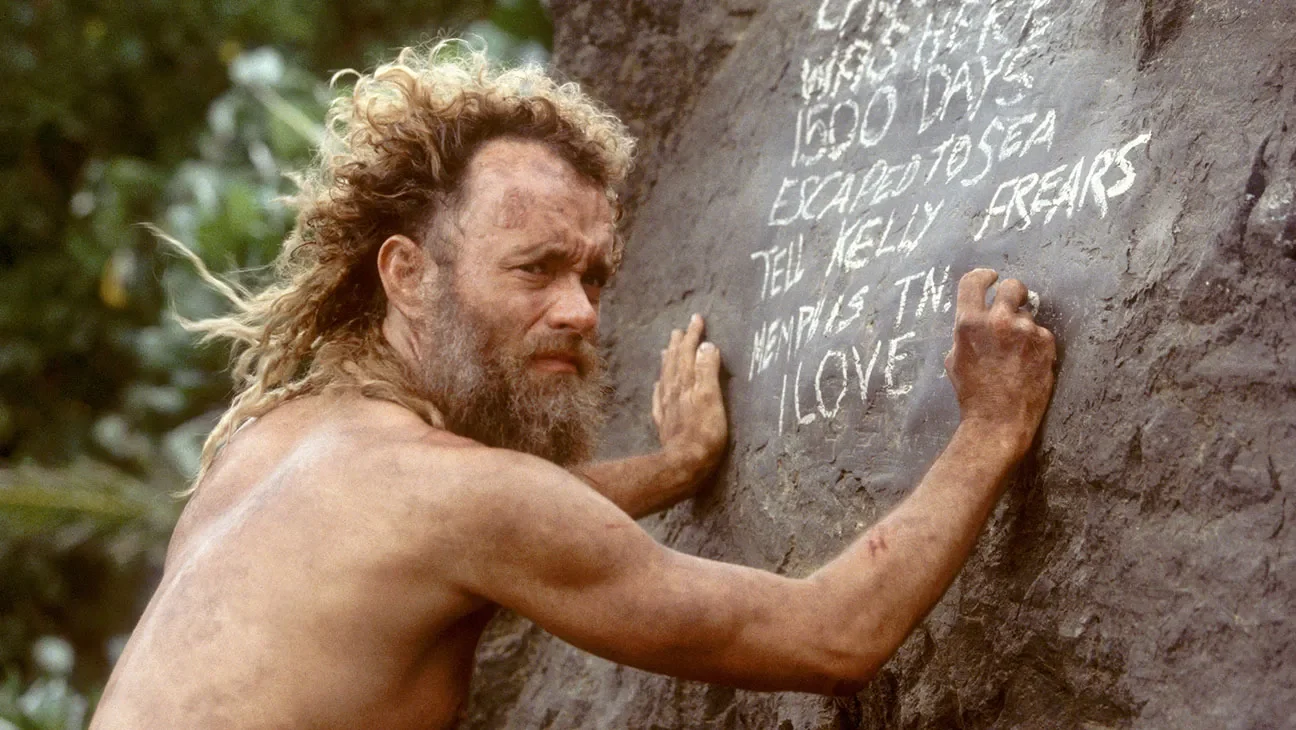
Hanks lost a large amount of weight and halted shooting mid-production to allow the physical change to show onscreen. During the lean phase, he maintained strict calorie restriction and long outdoor days that emphasized a sun-beaten look. The break in filming required continuity management across hair, beard, and body mass. He later developed type 2 diabetes, which he has linked to years of weight fluctuations for roles.
Jim Carrey — ‘How the Grinch Stole Christmas’ (2000)

Carrey spent hours in a full-body suit and extensive facial prosthetics that severely limited movement and ventilation. The yellow contact lenses and facial appliances caused discomfort, and the suit’s heat buildup required cooling breaks. Crew members used special techniques, including breathing and focus drills, to help him tolerate the claustrophobic setup. Application times were gradually reduced as the team refined the process across the shoot.
Brendan Fraser — ‘The Whale’ (2022)

Fraser wore layered prosthetics and a custom bodysuit designed to distribute weight safely while simulating extreme obesity. Daily application and removal took several hours and required multiple technicians to manage adhesives and blending. The suit added substantial heat, so set protocols included cooling systems and frequent hydration. Movement was choreographed to keep strain off joints while preserving realism.
Gary Oldman — ‘Darkest Hour’ (2017)

Oldman collaborated with a veteran prosthetics designer to create lightweight silicone appliances that still required long daily application. A body suit, neck pieces, and facial prosthetics were blended with meticulous paintwork to match skin tones under different lighting setups. The makeup department scheduled timed touch-ups to keep edges invisible during sweat and movement. Costume tailoring accounted for padding and airflow to prevent overheating.
Robert De Niro — ‘Raging Bull’ (1980)
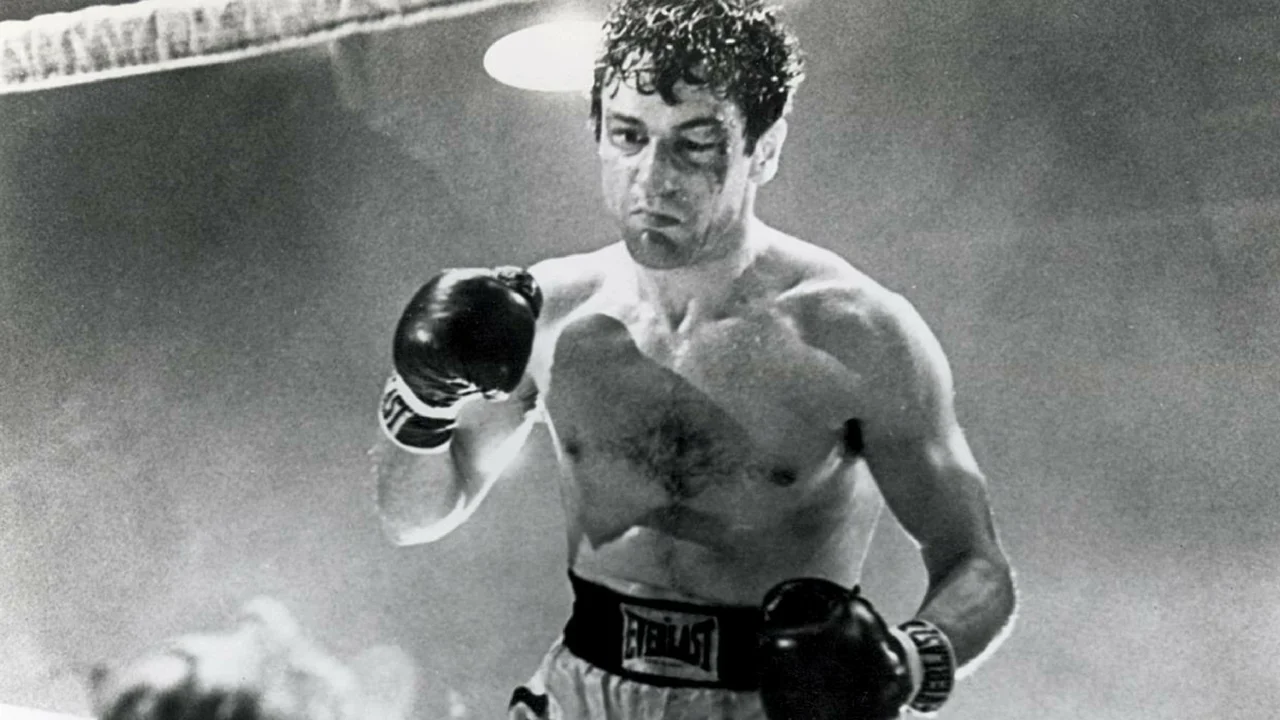
United Artists
De Niro first trained like a boxer to achieve fight-ready conditioning, then paused production to gain a large amount of weight for the character’s later years. The weight gain came from sustained overeating across an extended hiatus built into the schedule. This approach allowed authentic contrast between fight scenes and domestic sequences. Returning to baseline afterward required a deliberate, months-long plan.
Natalie Portman — ‘Black Swan’ (2010)

Portman cut weight under nutritional guidance while completing months of ballet training to achieve the musculature and lines required by the role. The regimen emphasized intensive daily technique classes and cross-training with long rehearsal hours. She sustained foot, rib, and shoulder strains typical of high-level dance workloads. Wardrobe and lighting enhanced the trained silhouette without hiding the physical toll.
Anne Hathaway — ‘Les Misérables’ (2012)

Hathaway lost notable weight in a short window using a controlled, low-calorie approach monitored by professionals. She also had her hair cut on camera to match the character’s circumstances, locking continuity from that day onward. Vocal work ran parallel with the physical demands to support live-sung takes. Production managed shooting order to capture the most emaciated scenes during the tightest dietary phase.
Chris Hemsworth — ‘In the Heart of the Sea’ (2015)

Hemsworth transitioned from his usual heavy build to a pronounced calorie deficit to portray shipwreck starvation. The cast followed synchronized diets so group scenes reflected consistent weight loss. On-set safety protocols included frequent check-ins and medical monitoring. The team timed exterior shoots to avoid excessive heat when body mass was lowest.
John Hurt — ‘The Elephant Man’ (1980)
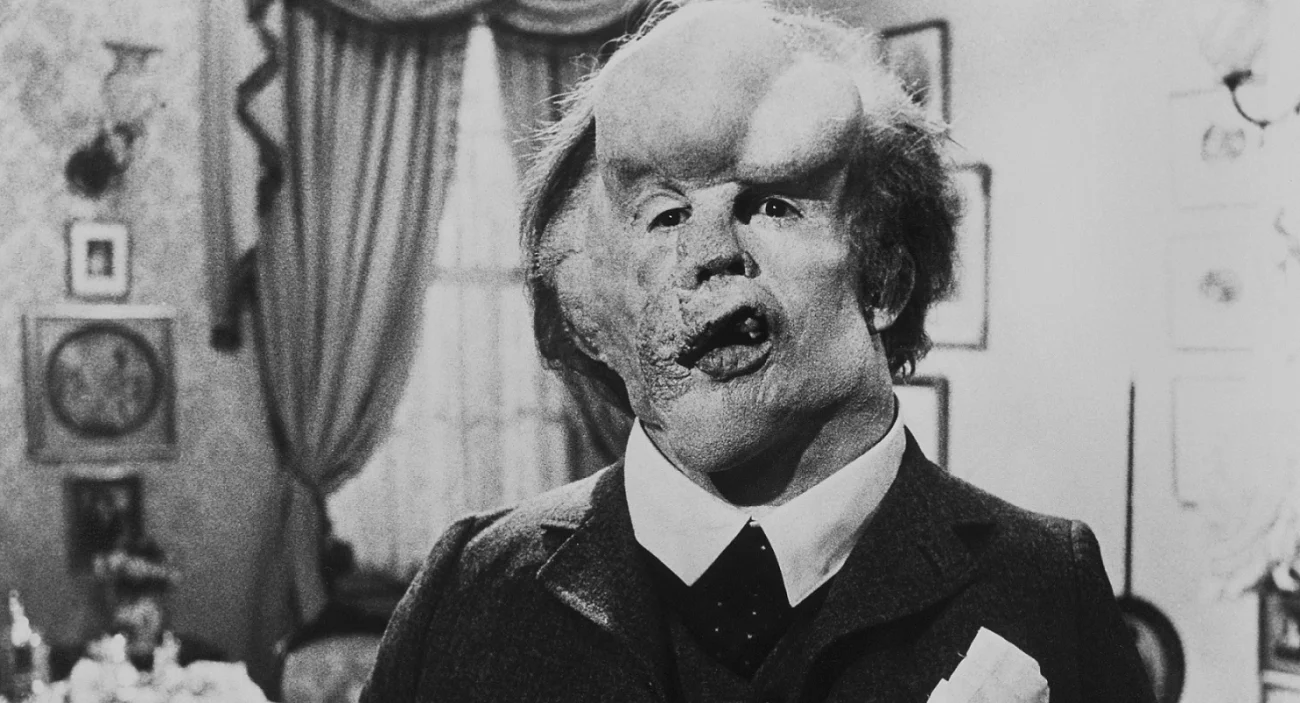
Hurt underwent extensive makeup sessions involving multiple overlapping prosthetic pieces applied with medical adhesives. Daily call times started hours before crew call to complete sculpting, gluing, and painting. The appliances restricted movement and facial expression, so performance relied on controlled physicality and voice. Removal required solvents and careful skin care to avoid irritation and damage.
Christian Bale — ‘Vice’ (2018)

For this role, Bale gained substantial weight and wore precision prosthetics that altered facial structure and neck profile. Makeup runs lasted hours, with color correction tailored to different camera stocks and lighting conditions. Dental work and hairstyling completed the transformation to match archival references. He then reversed the weight gain post-shoot with a monitored diet and training program.
Hugh Jackman — ‘The Wolverine’ (2013)
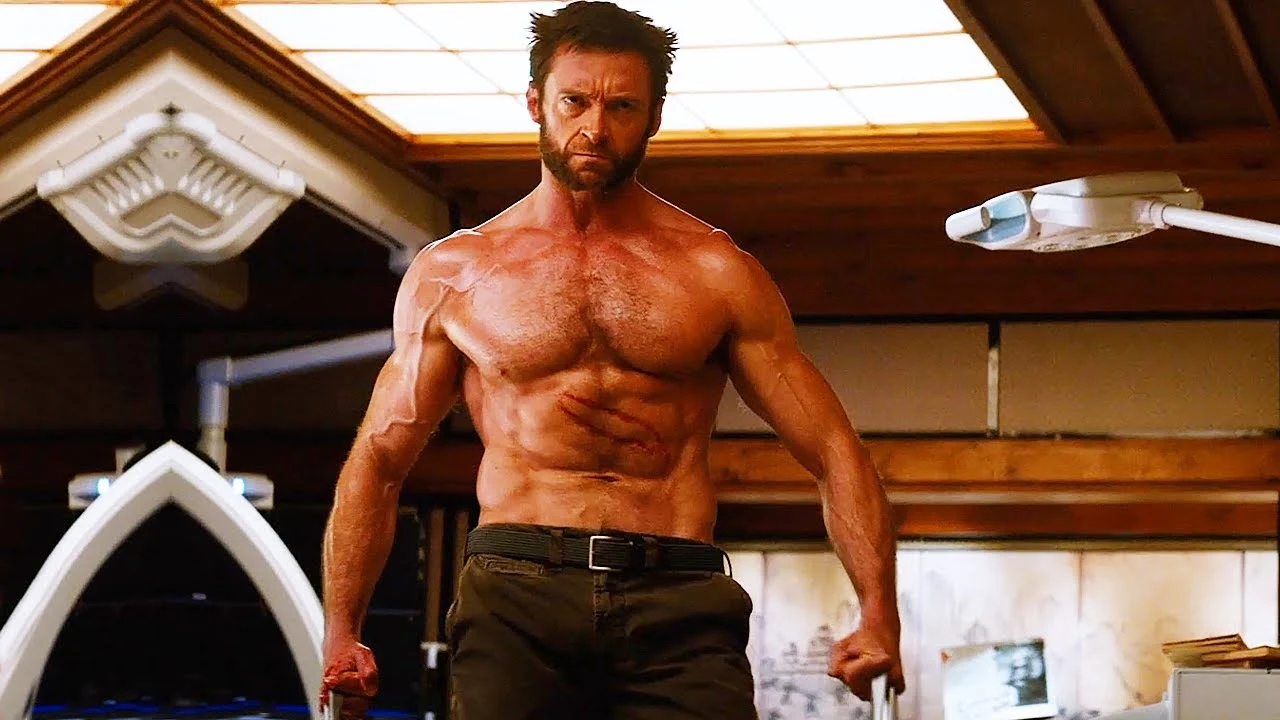
Jackman followed an intense regimen of heavy lifting, intermittent fasting, and short-term dehydration to achieve extreme muscle definition before key scenes. The dehydration window was carefully timed under guidance to minimize risk. Lighting and pump-up routines were coordinated with the schedule to lock the physique for camera. After filming each sequence, hydration and electrolyte recovery protocols were implemented.
Rooney Mara — ‘The Girl with the Dragon Tattoo’ (2011)

Mara adopted a drastic haircut, bleached eyebrows, and multiple real piercings to match the character’s look. Wardrobe and makeup emphasized a stark, low-body-fat appearance, supported by conditioning work. The production kept continuity photos to maintain exact hair length and piercings across reshoots. She trained on computer and motorcycle handling to complete the physical profile.
If we missed a transformation that really shocked you, tell us in the comments which role belongs on the list and why!