Times the “Power of Friendship” Completely Broke the Plot

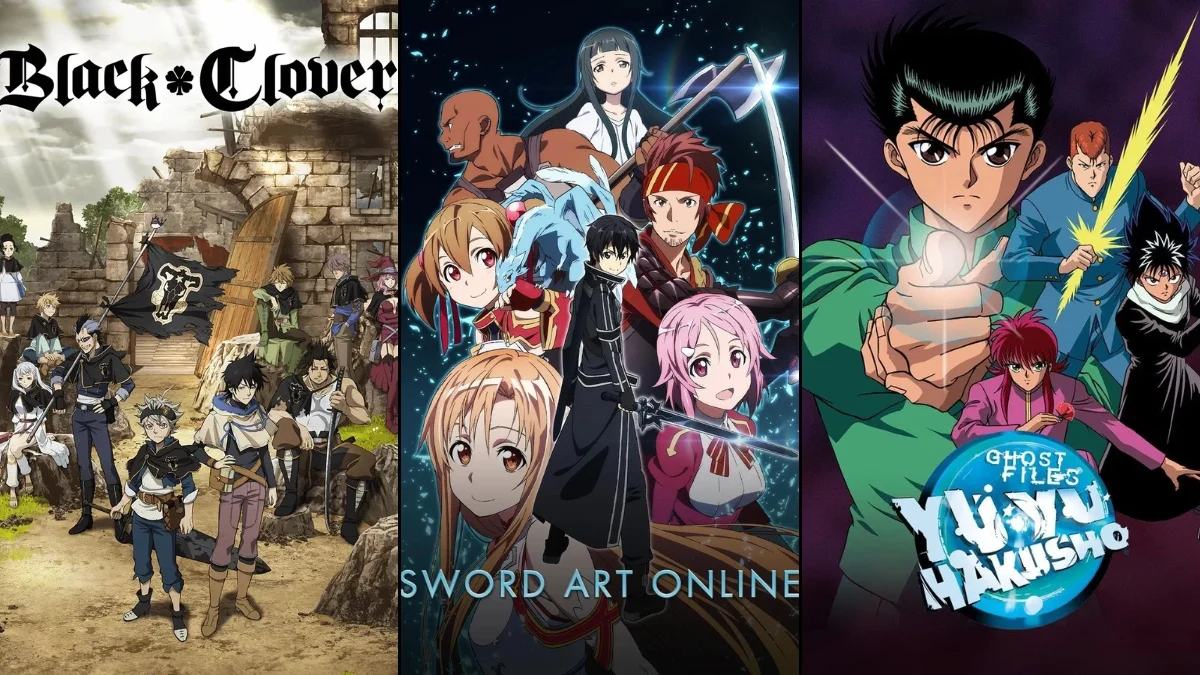

Anime loves a stirring team-up, but sometimes the bonds between characters blast past the rules the shows spent dozens of episodes setting up. Below are moments where camaraderie, promises, and sheer “we’re in this together” energy flipped dire battles, rewrote systems, or pulled off reality-bending saves. Each entry pinpoints where friendship surges, shared willpower, or allies’ support directly override limits previously explained on-screen. From resurrected villages to sudden new forms, these scenes show how teamwork can bulldoze mechanics when the chips are down.
‘Fairy Tail’ (2009–2019)
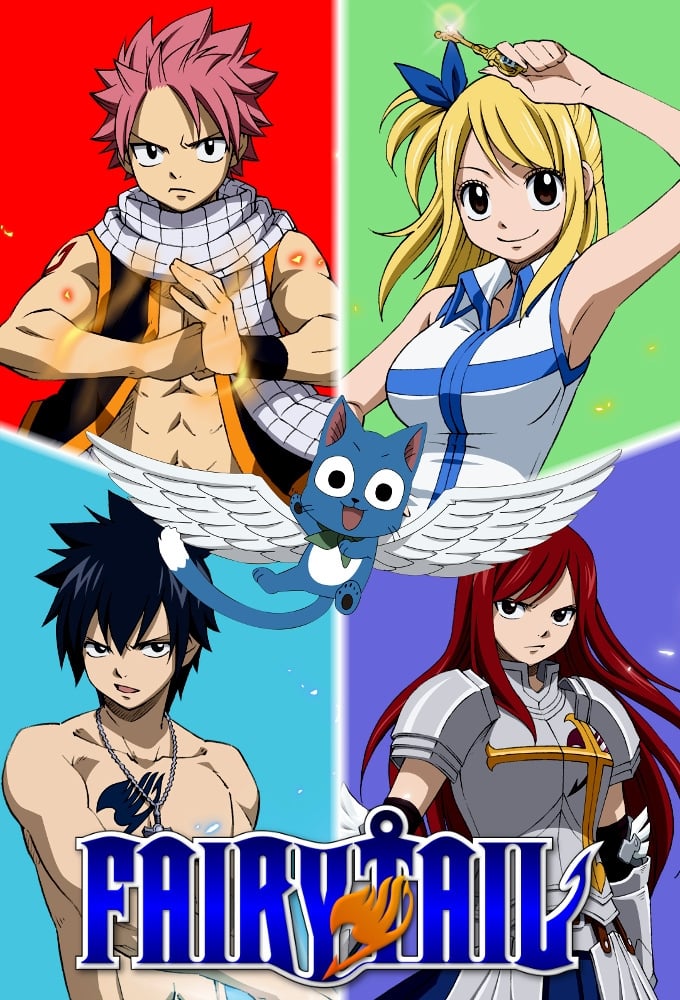
During the Tenrou Island arc, the fight against Hades pivots when the crew’s bonds restore Mavis’ blessing and reignite the team’s magic flow. Natsu’s finishing rush lands only after allies disrupt Hades’ heart and the guild’s collective faith steadies their power output. Earlier, the series establishes magic reserves and exhaustion, yet the shared will of the guild functionally tops them back up mid-battle. The episode frames the comeback as the guild emblem—and their unity—counteracting a superior foe’s advantages.
‘Naruto Shippūden’ (2007–2017)
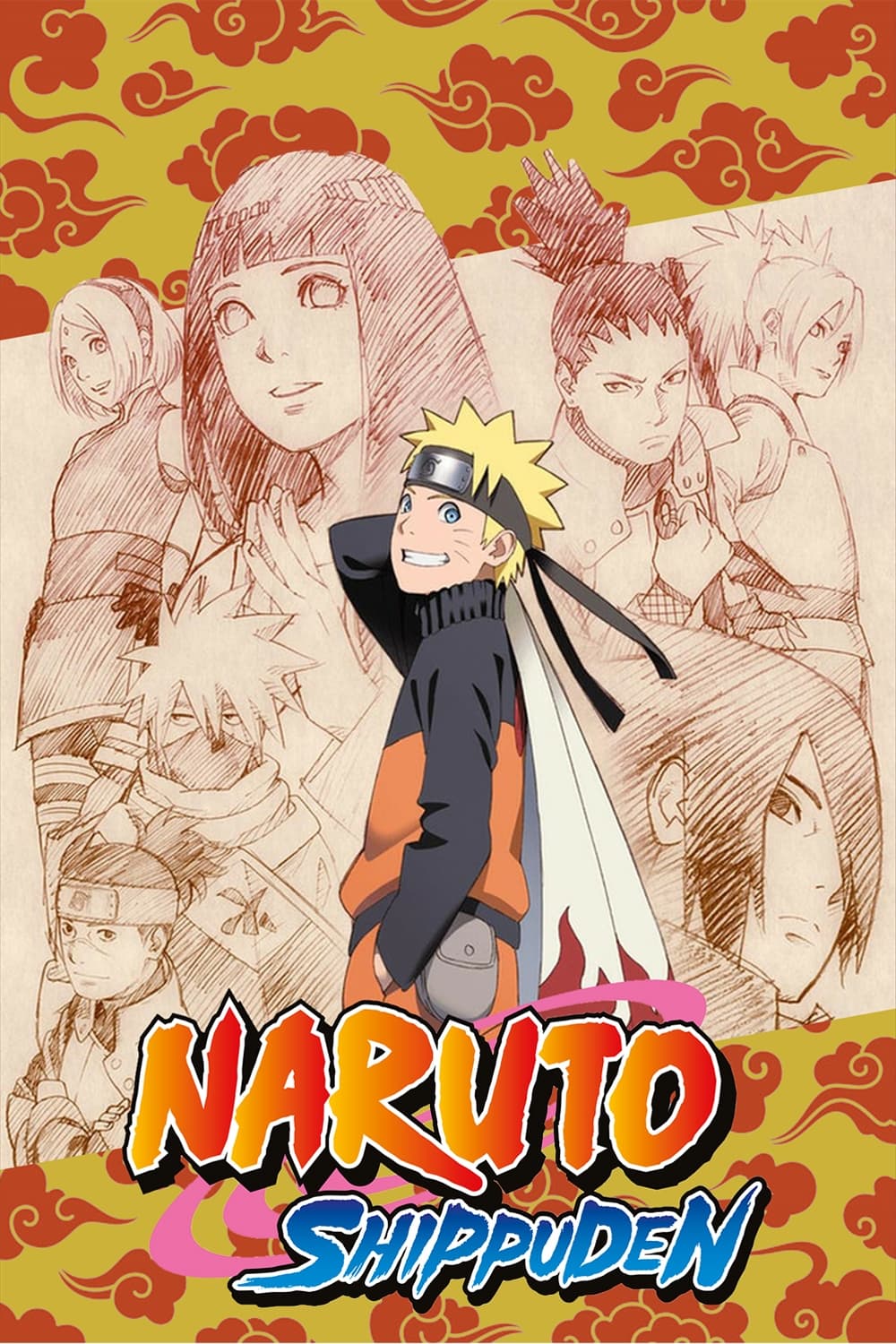
Nagato’s mass destruction of Konoha is undone when Naruto reaches him through their shared connection to Jiraiya and the cycle of pain. The show had framed the Rinnegan’s techniques and Nagato’s resolve as final, yet the conversation about bonds persuades him to deploy the Outer Path: Samsara of Heavenly Life Technique to revive the fallen. This village-wide restoration hinges on Naruto appealing to trust and understanding rather than overpowering jutsu. Friendship-driven empathy becomes the mechanism that resets catastrophic stakes.
‘Dragon Ball Z’ (1989–1996)

The final push against Kid Buu hinges on a Spirit Bomb powered by Earth’s people after Goku’s friends convince everyone to contribute. Energy-sharing had limits tied to individual willingness and distance, but a planet-scale plea—amplified by the Z Fighters—overrides practical constraints. The bomb’s sudden viability comes only after trust is secured en masse through Goku’s allies. Friendship translates into literal power throughput that outstrips anything Goku could generate alone.
‘Yu-Gi-Oh! Duel Monsters’ (2000–2004)
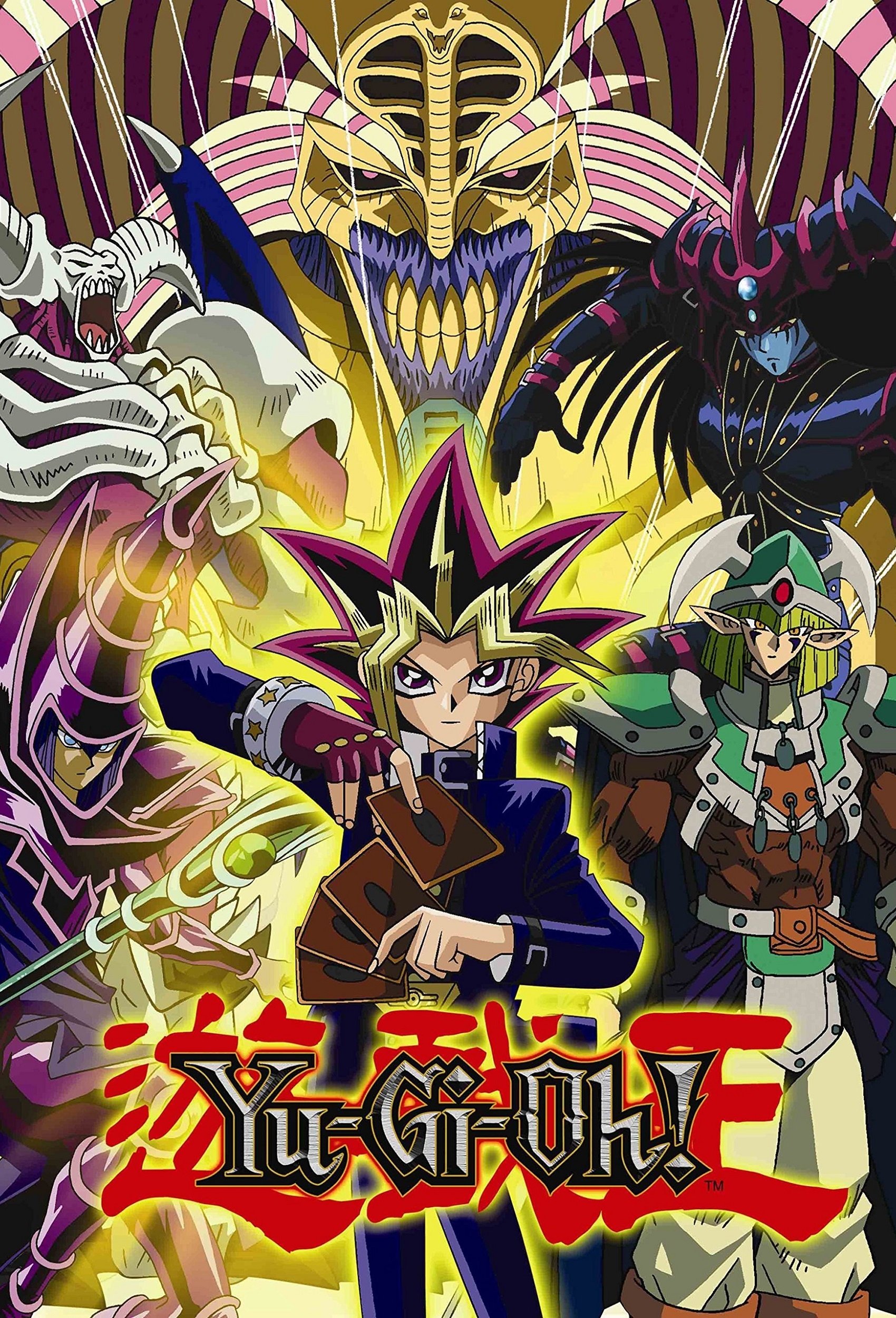
Yugi’s “Heart of the Cards” moments regularly materialize perfect top-decks at the exact turn his friends’ faith peaks. Duel rules emphasize probability and card advantage, but the show repeatedly links clutch draws to the support of Téa, Joey, and Tristan. In high-stakes duels against Kaiba and Pegasus, belief—voiced from the sidelines—functions like a rules-legal buff. The narrative connects companionship to near-prophetic deck control that flips unwinnable boards.
‘My Hero Academia: Heroes Rising’ (2019)
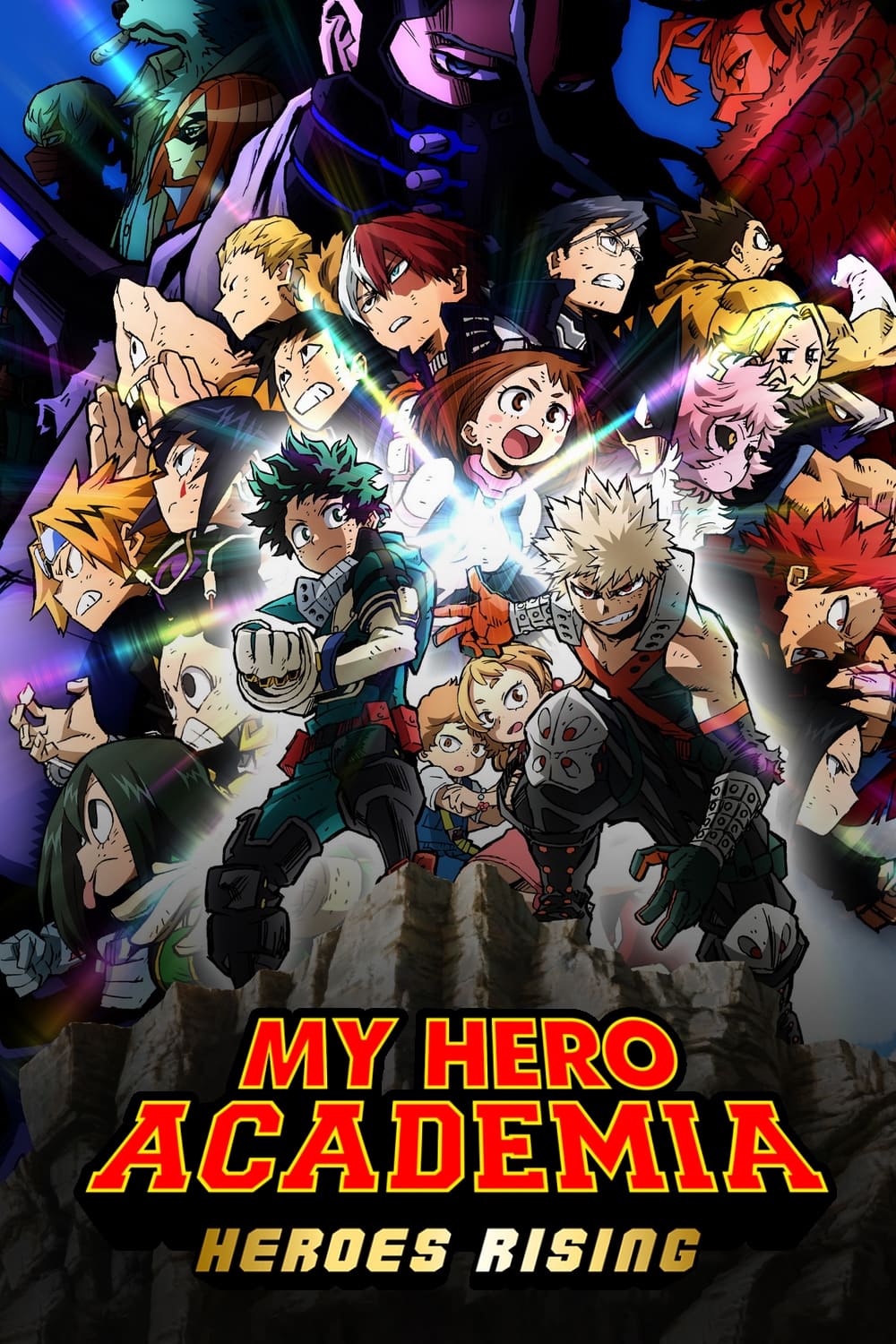
On Nabu Island, Deku temporarily transfers One For All to Bakugo to stop Nine, despite prior lore treating OFA transfer as a one-way, end-of-line act. The combined will to protect their classmates and the island’s residents appears to stabilize OFA within both of them during the fight. This joint output lets their attacks exceed stated ceilings for a single wielder. After the crisis, OFA settles back with Deku, but the moment showcases friendship creating a power state the series had ruled out.
‘Sword Art Online’ (2012–2020)

At the Aincrad climax, Kirito withstands a system-confirmed killing blow from Heathcliff and keeps fighting, with the scene framing his survival around an unbreakable promise to Asuna and friends. Earlier exposition establishes SAO’s lethality and admin authority as absolute. The showdown instead treats determination anchored in bonds as a force that slips past the “game over” boundary. The outcome rewrites the stakes by letting will—and love-driven resolve—override enforced system finality.
‘Black Clover’ (2017–2021)

Against Vetto, the Black Bulls chain abilities and morale boosts to let Asta’s anti-magic break through regeneration and raw power disparities. Team coordination had tactical limits set by mana, stamina, and timing, yet the squad’s trust strings together an improbable combo finish. The scene positions comrades’ belief as the glue that lets low-probability moves land in sequence. Friendship effectively compresses training gaps and neutralizes a stated tier difference.
‘The Seven Deadly Sins’ (2014–2021)
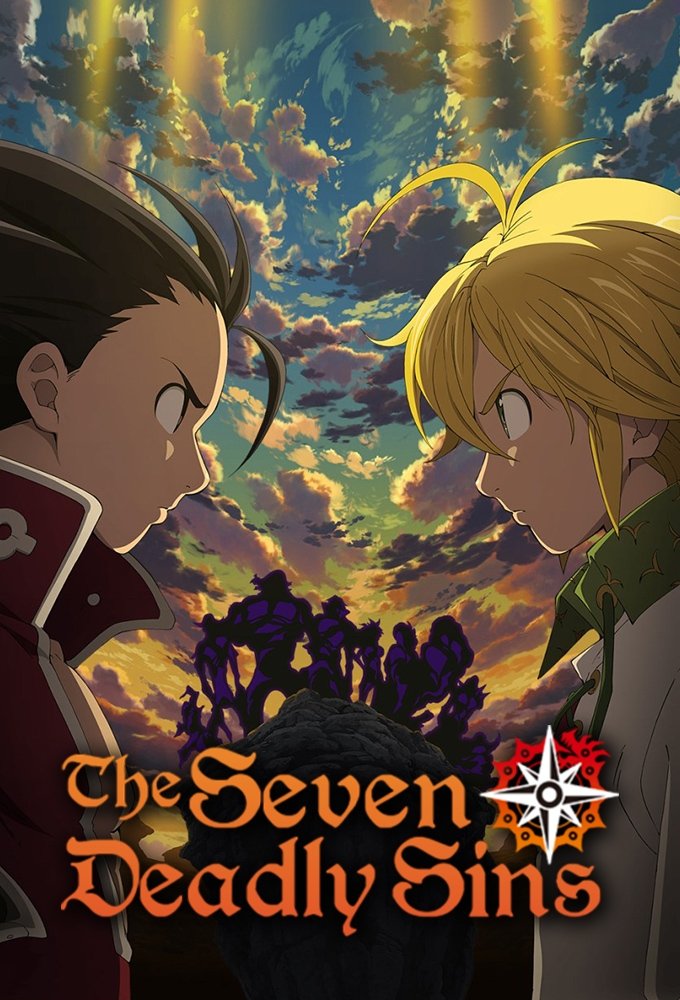
Hendrickson’s defeat leans on a convergence of allies’ efforts and the princess’s awakened power, with the team’s bonds stabilizing transformations and timing. Power scales—demon energy, commandments, and race traits—are charted carefully, but group resolve repeatedly bridges mismatches. Meliodas’ surges often sync with companions’ support or protection plays that stave off defeat windows. The show treats camaraderie as a catalyst that lets characters punch above their measured rankings.
‘Gurren Lagann’ (2007)
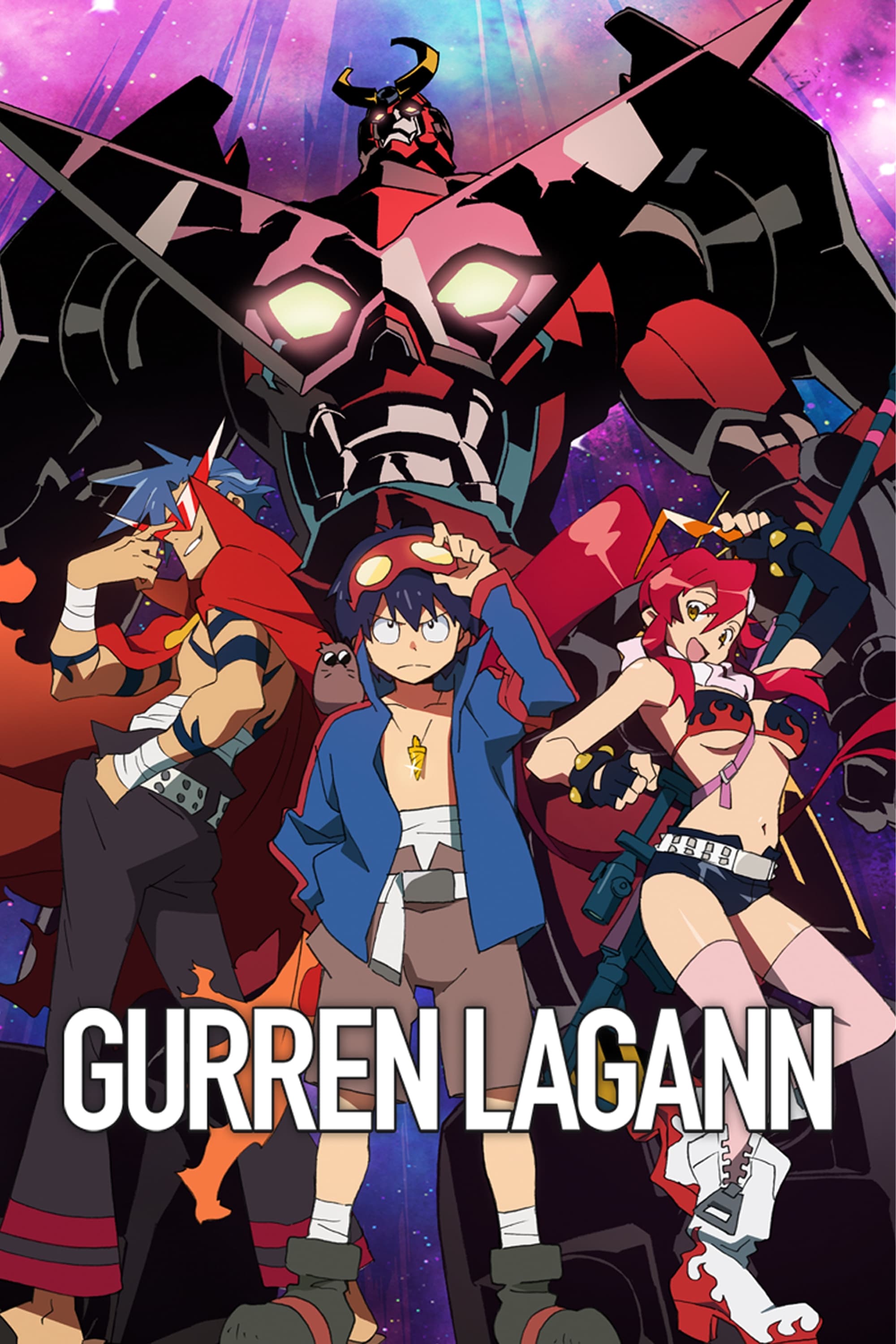
Spiral Power grows explicitly with fighting spirit and collective belief, and the final form scales because the entire team (and humanity) rallies behind Team Dai-Gurren. Prior size and energy constraints evaporate once shared determination stacks, enabling galaxy-sized feats. The narrative turns friendship into a literal energy economy that escalates with every ally. The climactic combination exists because the bonds between pilots convert morale into physics-breaking output.
‘Kill la Kill’ (2013–2014)
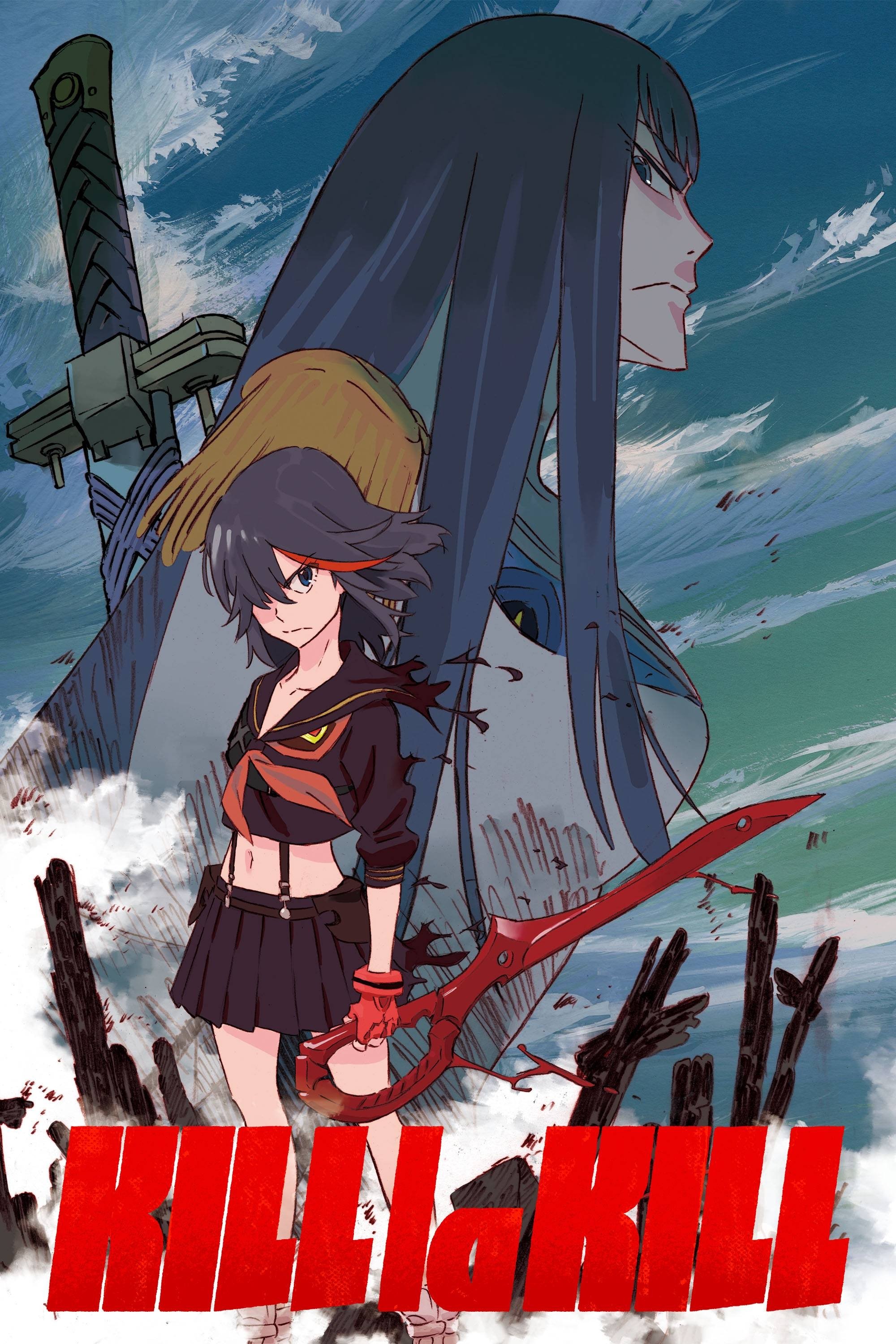
Ryūko and Senketsu reach synchronization thresholds only after reconciliations and friends’ support nullify earlier compatibility issues. Prior episodes show hard limits for Life Fiber control and stamina, yet the finale lets synchronized trust absorb and counteract Ragyo’s assaults. Classmates’ contributions and shared purpose feed Senketsu’s stability at extreme output. The story resolves by tying victory conditions to communal backing rather than raw stats alone.
‘Sailor Moon’ (1992–1997)
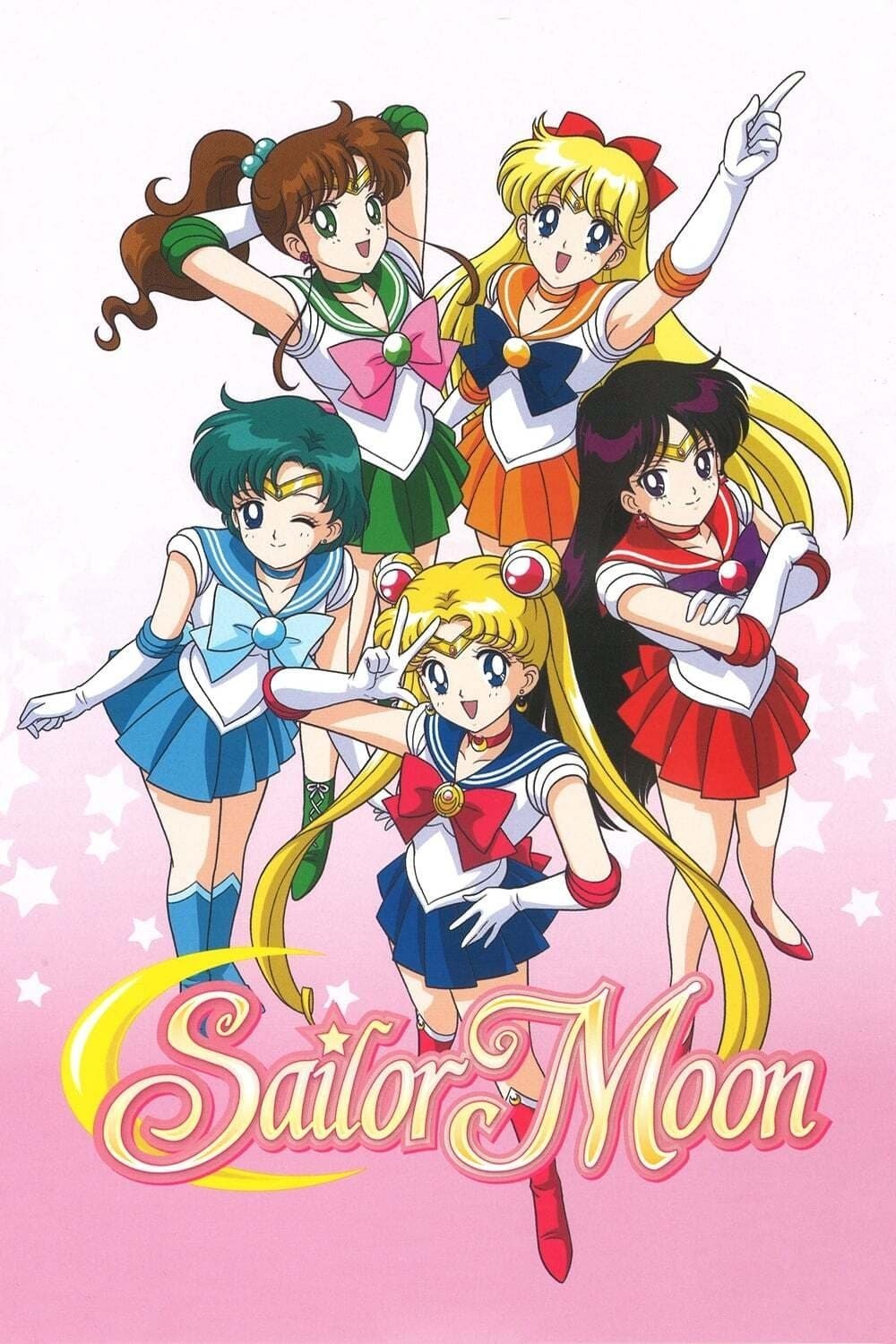
Usagi’s final clash with Queen Metaria in the first arc hinges on the Sailor Guardians’ spirits empowering the Silver Crystal. The show establishes the crystal’s taxing cost and the limits of a lone wielder, but friendship concentrates and amplifies its light. The team’s bonds let Usagi withstand backlash and project enough force to cleanse the threat. Group affection is framed as the decisive amplifier that breaks through cosmic darkness.
‘Yu Yu Hakusho’ (1992–1995)
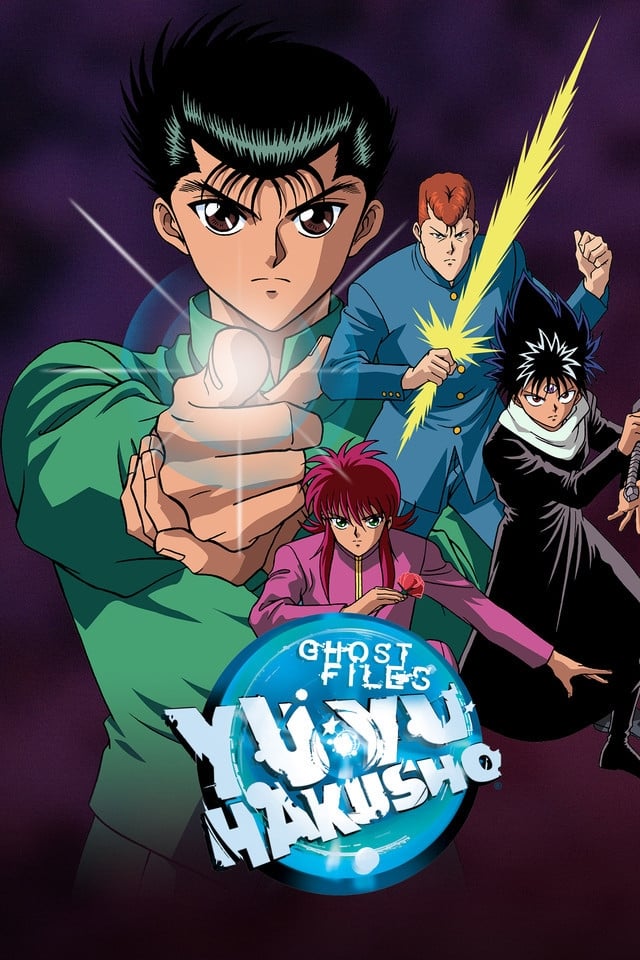
During the Dark Tournament, Yusuke’s key breakthroughs—including the resolve to face Younger Toguro—arrive after allies’ sacrifices and Genkai’s lingering guidance. Spirit Energy usage had caps tied to training and emotion control, yet camaraderie spikes Yusuke’s output at the tipping point. The arc draws a clean line from teammates’ faith to sudden, decisive surges. Friendship becomes the bridge between disciplined technique and overwhelming finishing power.
‘Bleach’ (2004–2012)
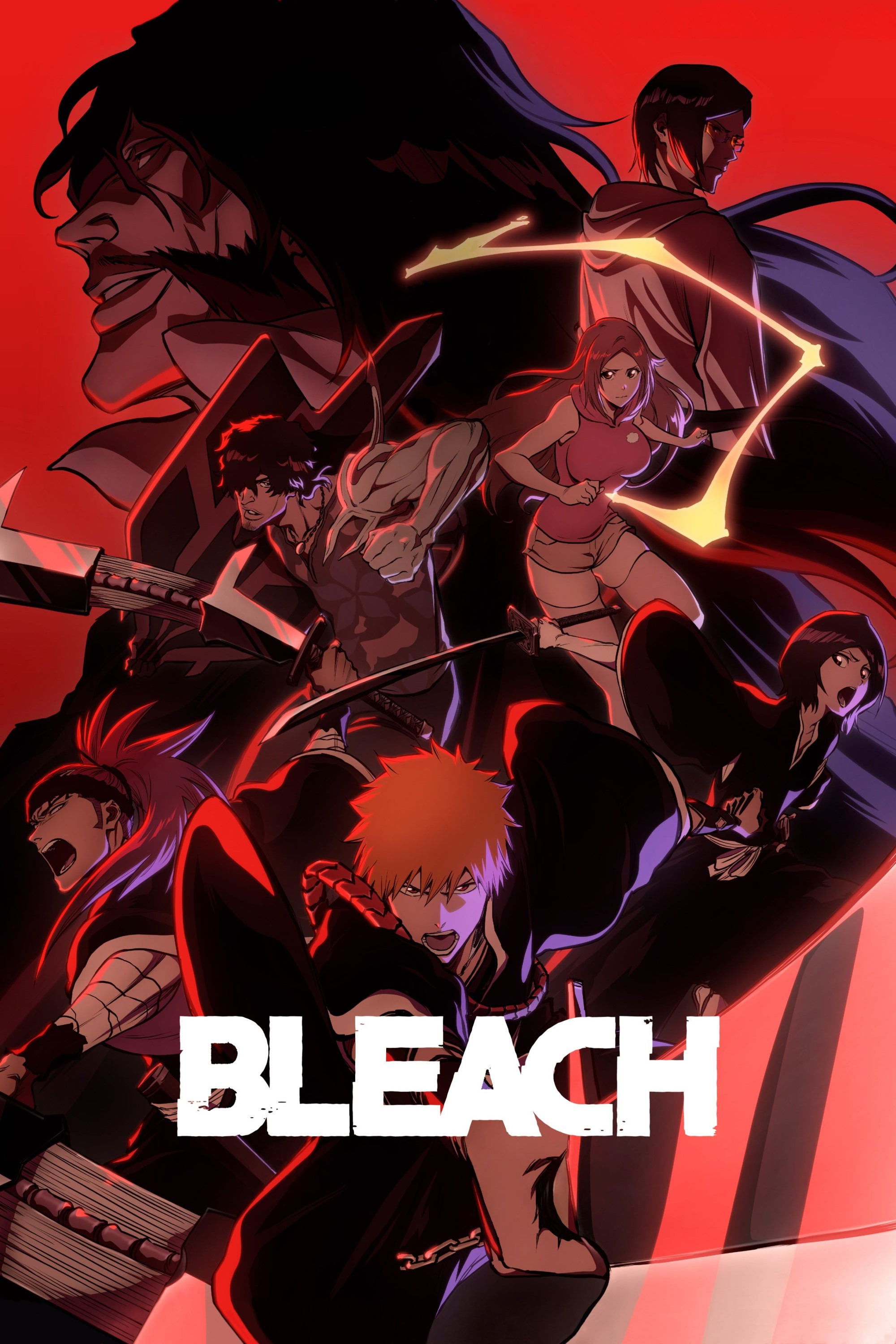
Ichigo’s transformations repeatedly trigger to protect friends, most dramatically when Orihime’s peril catalyzes his Hollow evolution against Ulquiorra. Bankai and Hollowfication had rules, timers, and risks, but the rescue motive overrides control failures and power ceilings. The form change carries him past a gap the series had emphasized as insurmountable. The sequence ties life-or-death stakes for comrades directly to a new, rule-breaking power state.
‘Demon Slayer: Kimetsu no Yaiba’ (2019–present)
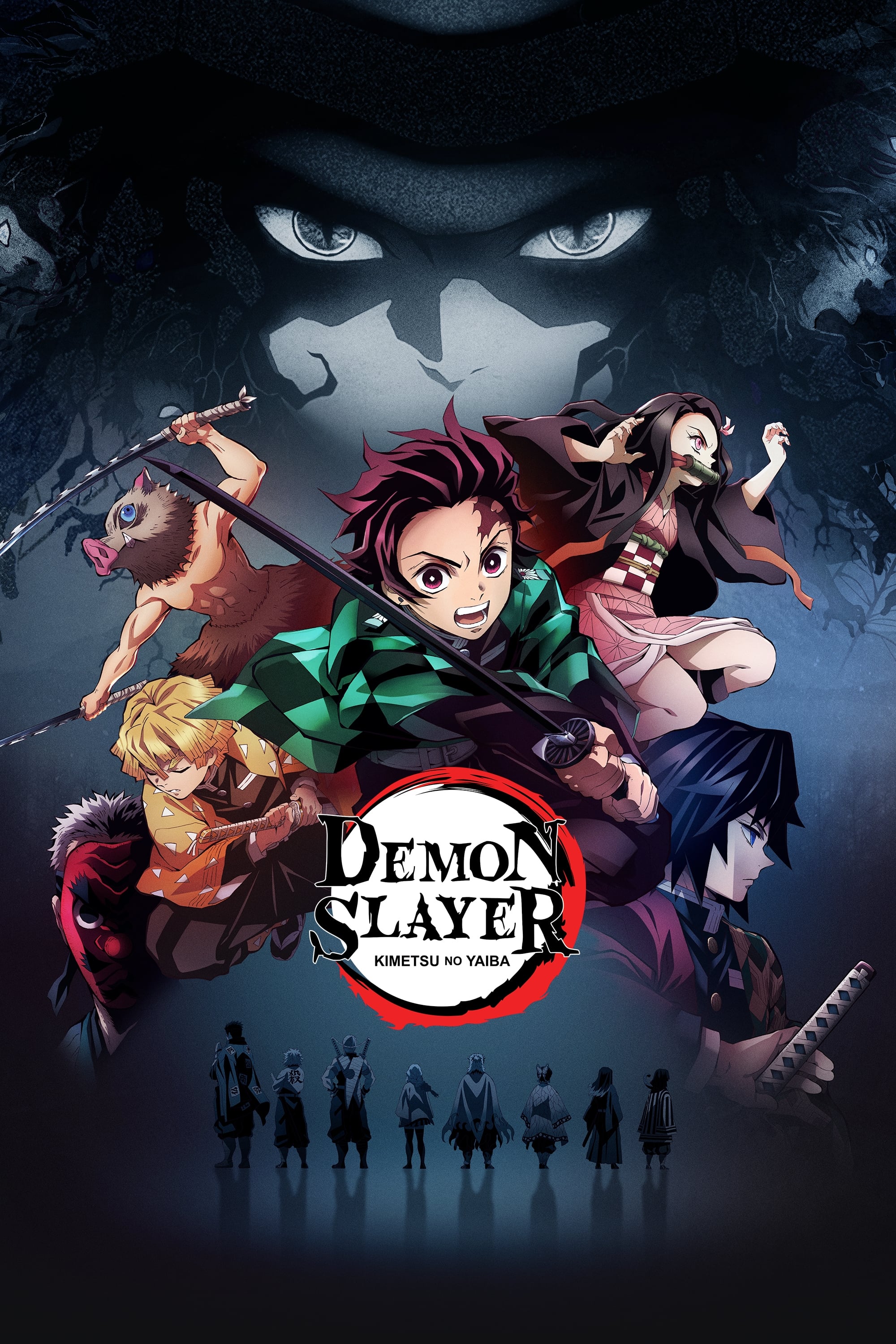
Tanjiro’s duel with Rui spikes when Nezuko’s Blood Demon Art ignites in response to her bond with her brother, creating a tandem attack that eclipses Tanjiro’s training level. Breathing techniques have clear limits, but sibling trust stitches together a combo that exceeds the established curve. The scene’s narration links Nezuko’s awakening to protecting family, not practice alone. Their connection acts as the missing multiplier needed to sever Rui’s web.
‘JoJo’s Bizarre Adventure’ (2012–2021)
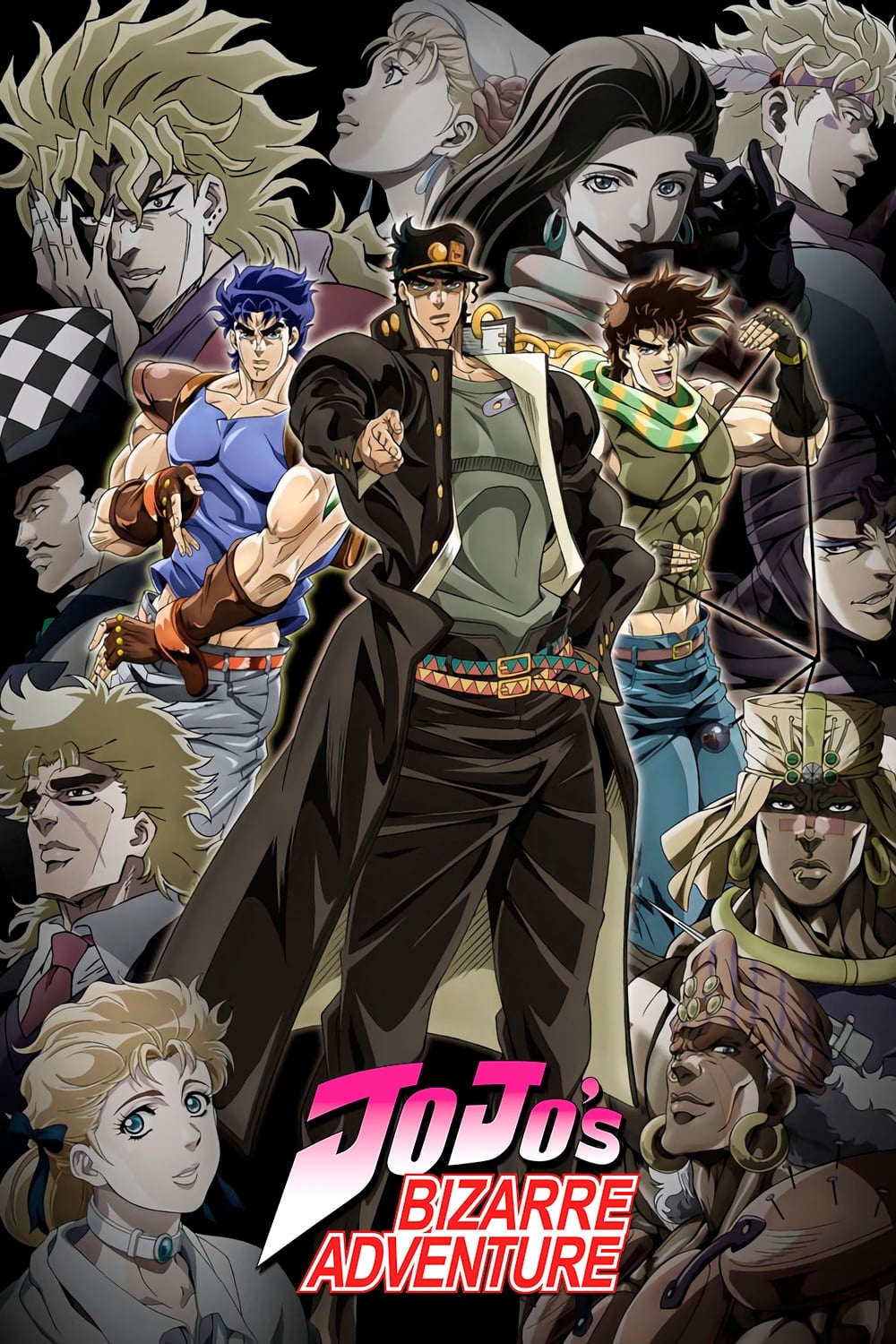
In the final battle of ‘Stardust Crusaders’, Jotaro’s leap to time-stop arrives amid allies’ sacrifices and shared mission focus. Stand capabilities were shown as fixed, but Star Platinum mirrors DIO’s ability at the moment group cohesion and purpose converge. Joseph’s guidance and the team’s resolve frame Jotaro’s evolution as a response to comrades’ stakes. The power shift breaks prior ceilings right when friendship costs are highest.
‘Naruto’ (2002–2007)
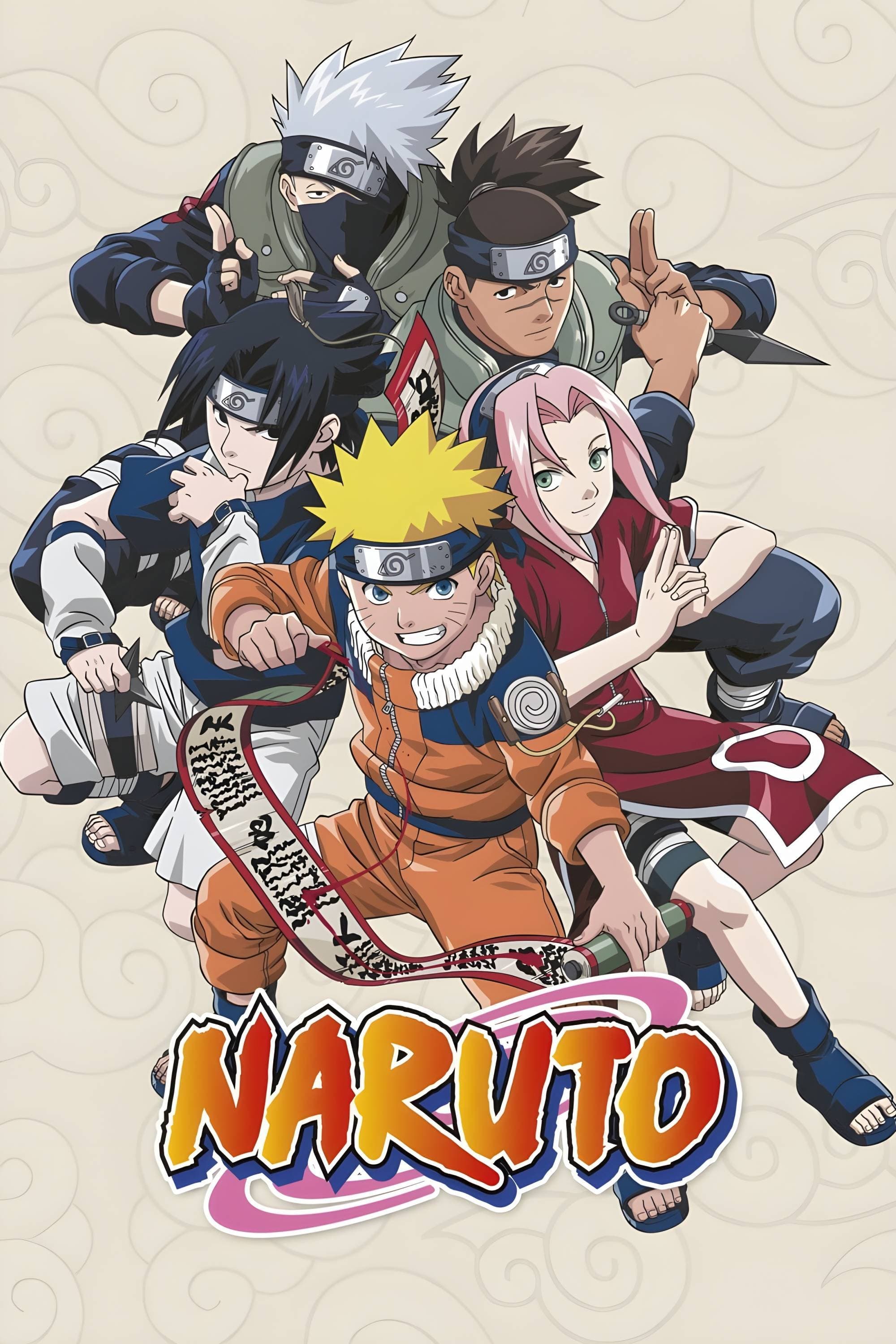
Naruto’s early Nine-Tails surges—like the wave-country bridge and his clash with Haku—erupt when teammates are threatened. Chakra control rules and the danger of tails were emphasized, yet protecting comrades yanks extra power on demand. The Gaara fight further links Naruto’s breakthroughs to his determination to safeguard Sakura and Sasuke. Bonds repeatedly unlock reserves that training alone hadn’t stabilized.
‘Pokémon’ (1997–present)
Ash’s deepest peaks tie directly to trust, from the Ash-Greninja “Bond Phenomenon” to Z-Move synergy that lands above-curve blows. The anime lays out type matchups and baseline power, but partner rapport elevates execution beyond textbook limits. High-tier opponents—including legendaries—get toppled when friendship sharpens timing and unlocks special forms. The series codifies camaraderie as a competitive mechanic that bends expected results.
‘PERSONA5 the Animation’ (2018)
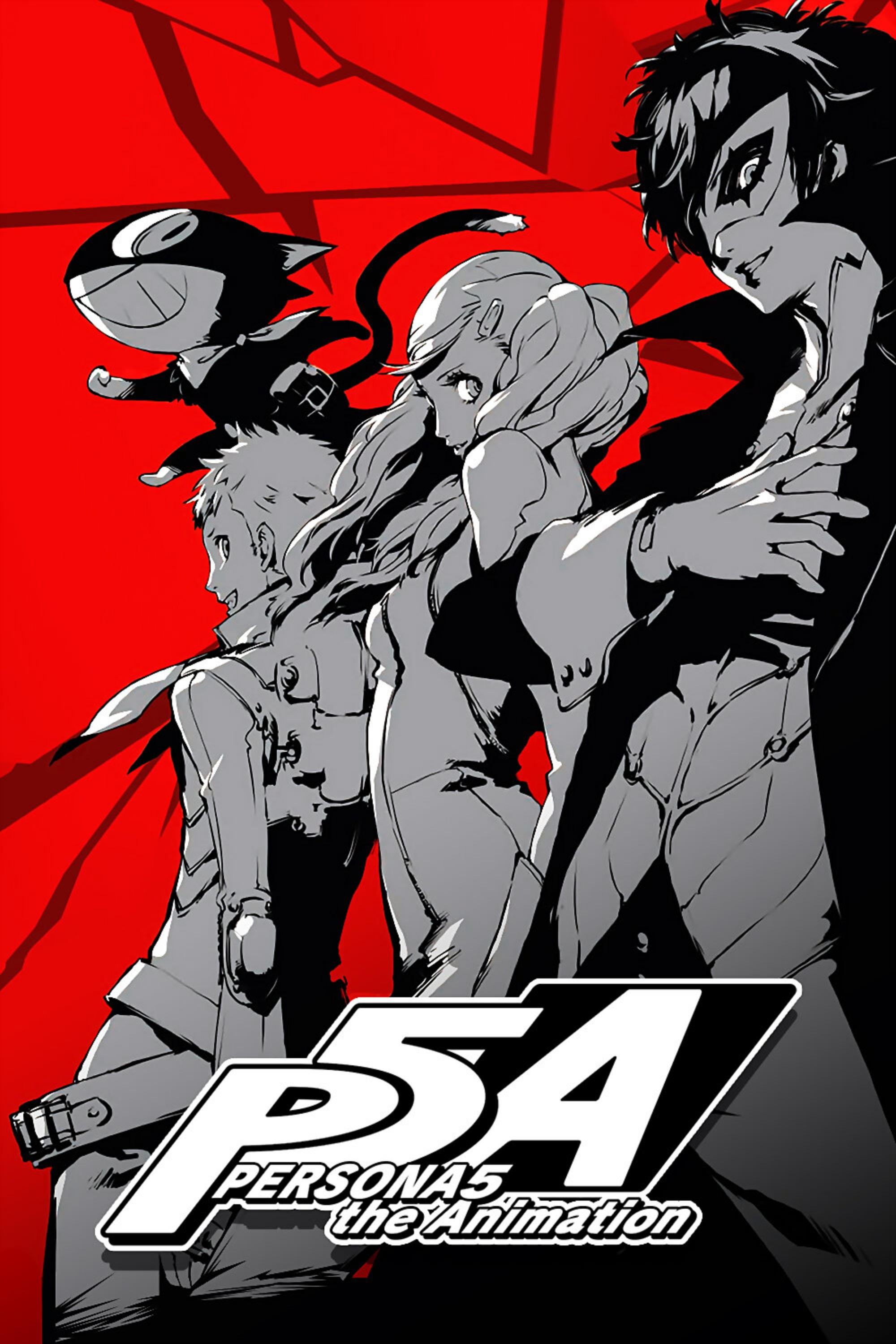
Joker’s late-game momentum against Yaldabaoth hinges on confidant bonds that literally empower the Phantom Thieves’ rebellion. Social Links translate into combat potency, letting the group breach a god-level control scheme. The adaptation retains the rule that friendship upgrades unlock key resistances and finishing power. Unity, not grind alone, furnishes the spike that decides the final outcome.
‘Puella Magi Madoka Magica’ (2011)

Madoka’s universe-rewriting wish draws on compassion for, and knowledge of, her friends’ fates across timelines. The system’s “law of cycles” and wish-exchange rules are upended when empathy scales her wish beyond a single timeline. Friendship becomes the rationale for a cosmological patch that prevents magical girls from falling into despair. The resolution directly ties bonds to a structural rewrite of reality’s cause-and-effect.
‘Digimon Adventure’ (1999–2000)

Crests such as Friendship, Courage, and Love unlock mid-battle evolutions precisely when partners reaffirm their bonds. Digivolution rules are presented with conditions, but emotional alignment with the human partner triggers jumps that bypass earlier growth steps. Critical wins arrive the moment a Tamer and Digimon synchronize resolve for their friends. The show repeatedly uses camaraderie as the key that opens new forms on contact.
Share your favorite (or wildest) “friendship just rewrote the rulebook” anime moment in the comments!