Actors Who Criticize Radical Feminism


The discourse surrounding gender politics and feminism has become a prominent fixture in Hollywood, leading various public figures to share their perspectives. While many industry professionals support modern movements, others have voiced concerns regarding the methods and rhetoric of radical feminism. These critiques often focus on the perceived lack of due process, the impact on creative freedom, and the shifting dynamics of traditional masculinity. The following actors have publicly addressed these issues through interviews, social media, and public appearances.
Sean Penn
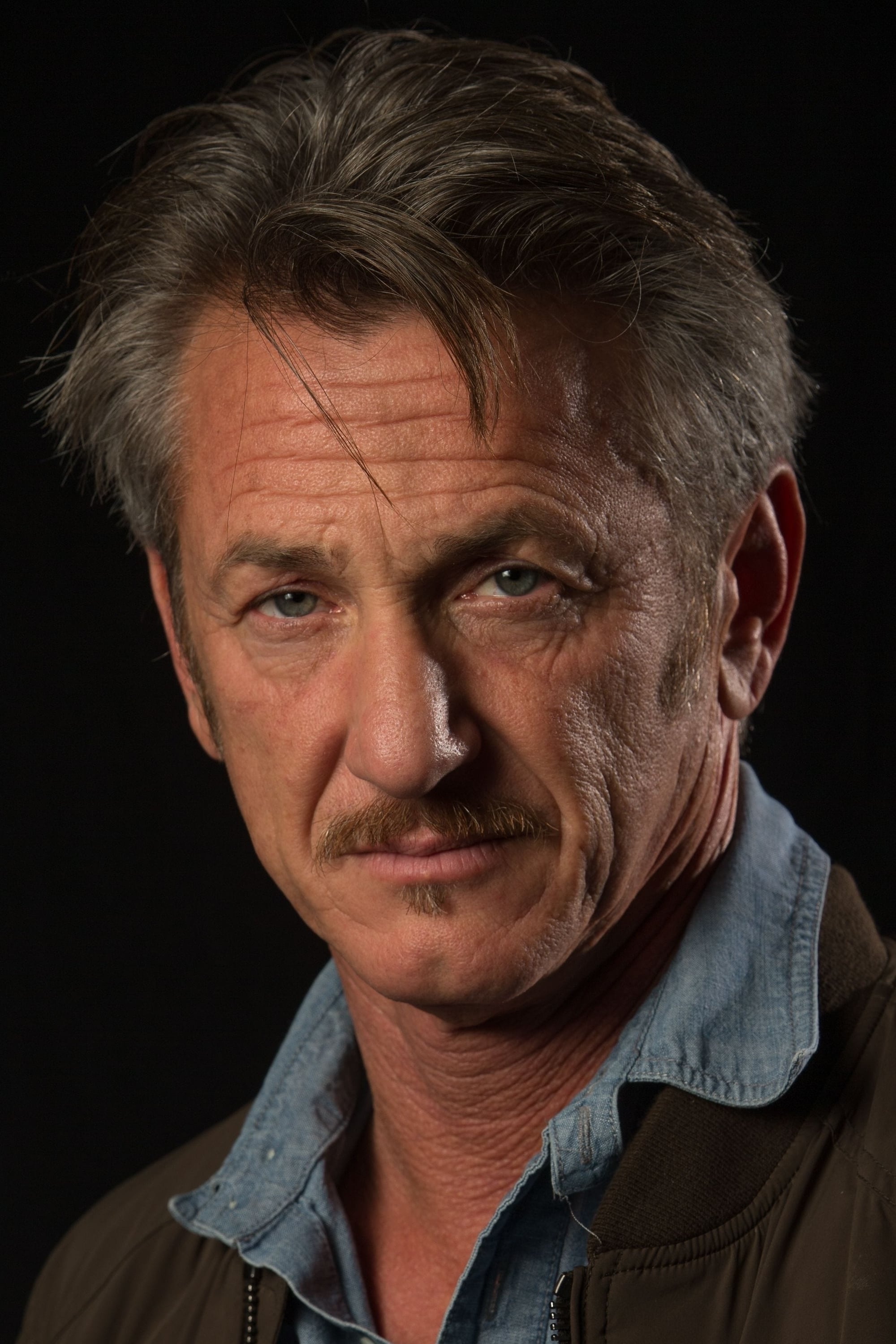
Sean Penn has expressed skepticism toward the #MeToo movement, describing it as salacious in various television interviews. He voiced concerns that the movement often lacks nuance and can divide men and women unnecessarily. Penn suggested that the focus on social media outcries can overshadow the complexities of human relationships. His comments sparked significant debate regarding the trajectory of modern feminist activism in the film industry.
Bill Burr
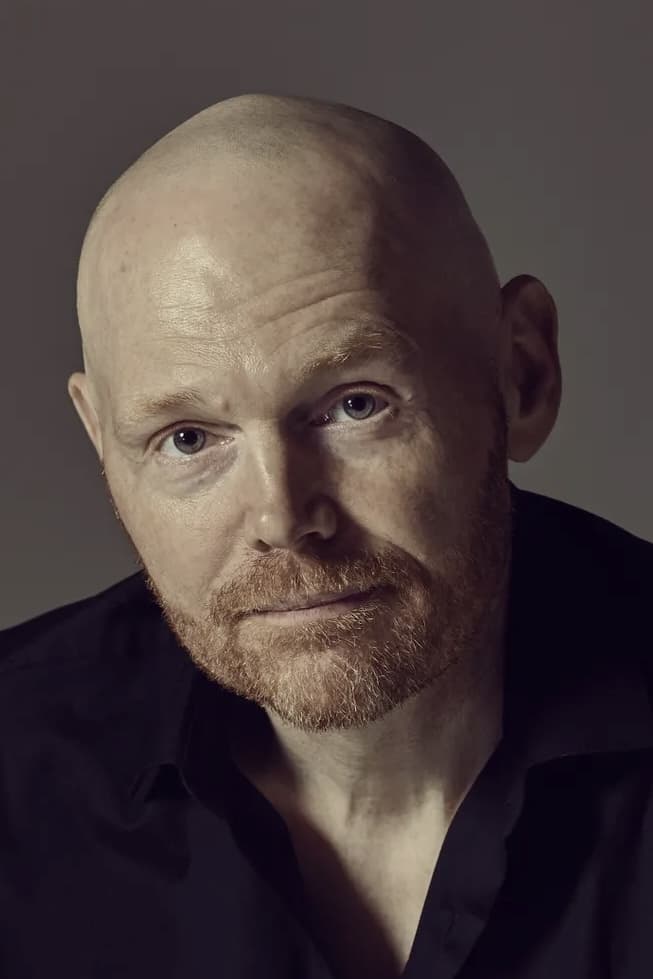
Bill Burr is known for his stand-up routines and roles in projects like ‘The Mandalorian’ and ‘The King of Staten Island’. He frequently critiques modern feminist rhetoric, focusing on what he perceives as double standards in social expectations. Burr often argues that radical elements of the movement ignore the lived experiences of men. His commentary usually centers on the loss of traditional comedy boundaries due to political correctness.
Liam Neeson
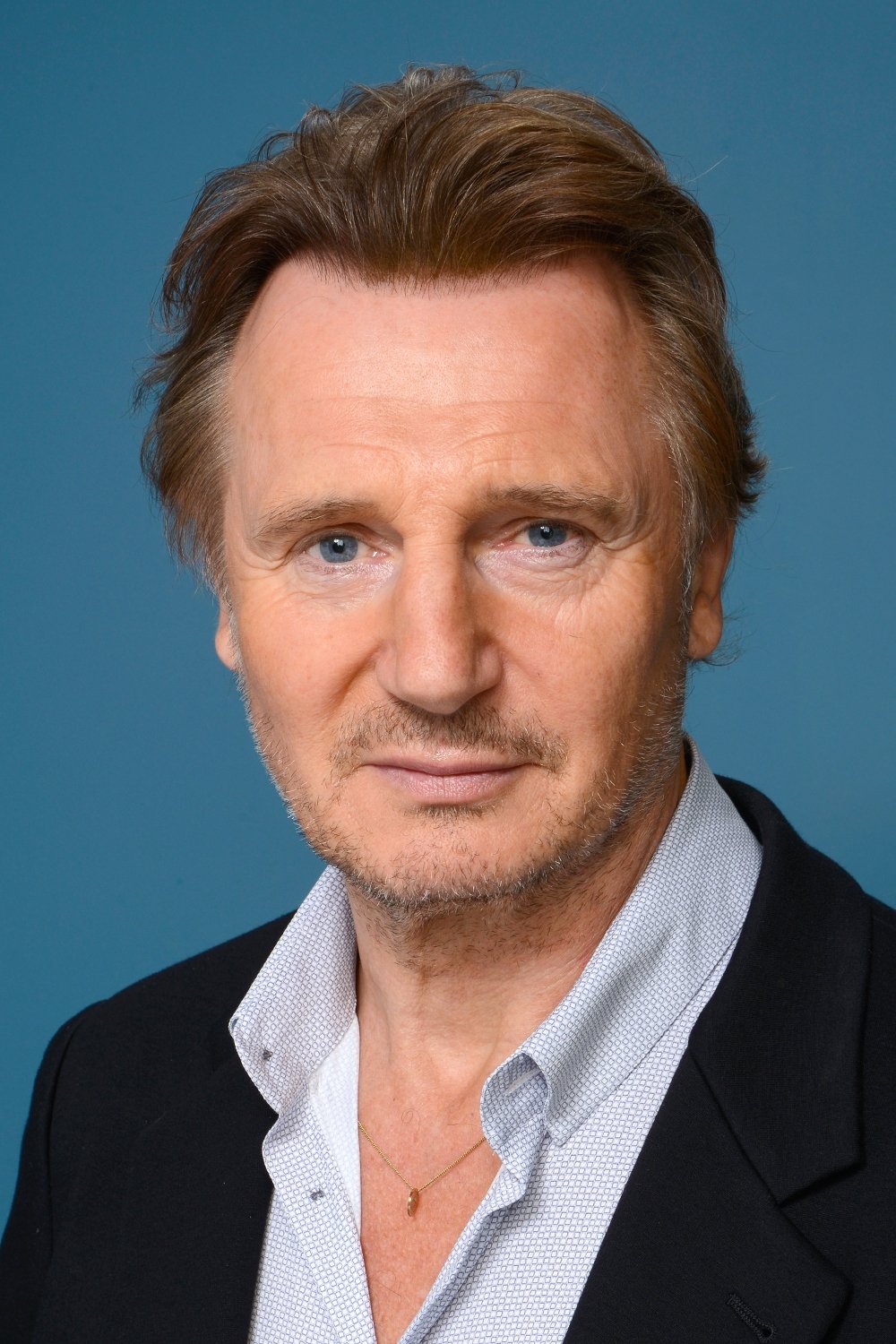
Liam Neeson made headlines when he referred to the #MeToo movement as a bit of a witch hunt during an interview on an Irish talk show. While he acknowledged the importance of addressing harassment, he expressed concern over the speed at which individuals are condemned. Neeson highlighted that some accusations seem to conflate serious crimes with minor social gaffes. The ‘Taken’ star emphasized the need for a more balanced approach to justice within the entertainment world.
Matt Damon
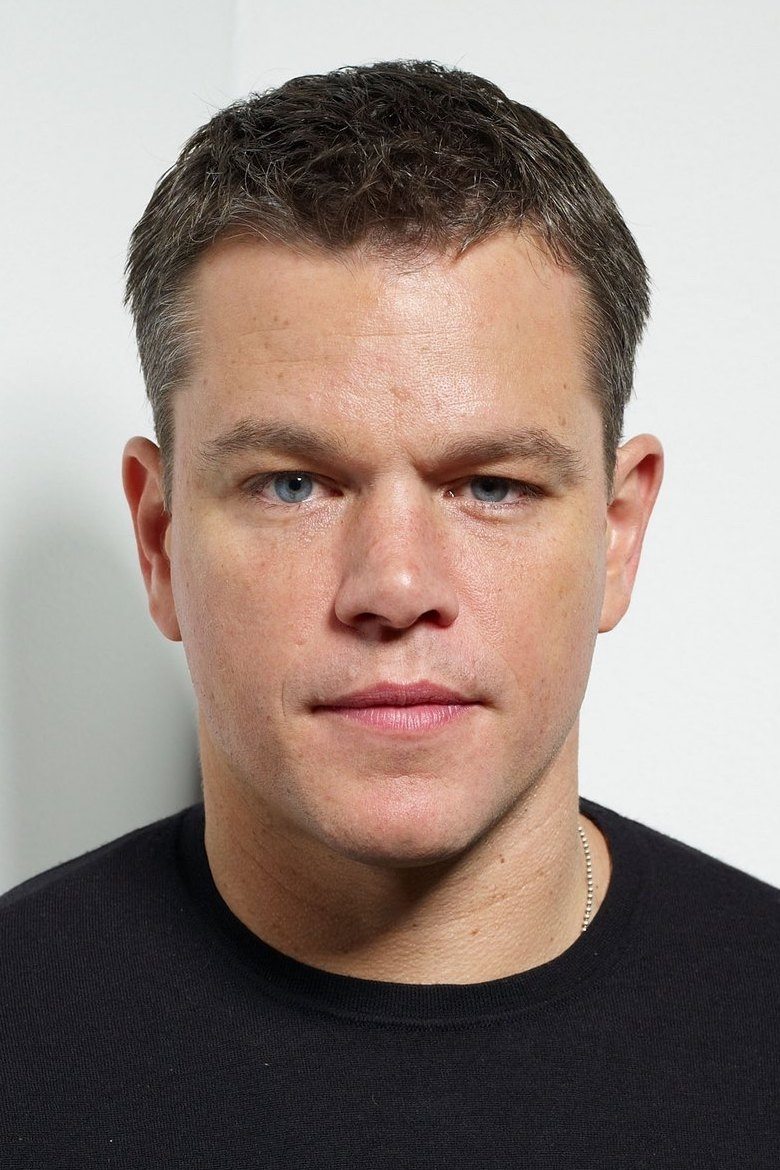
Matt Damon commented on the #MeToo era by suggesting there is a spectrum of behavior that should be acknowledged. He argued that there is a difference between criminal sexual assault and minor infractions like patting someone on the butt. Damon faced backlash for these comments, which critics felt minimized the experiences of victims. However, he maintained that a nuance-free approach to social justice can lead to unfair outcomes.
Terry Gilliam
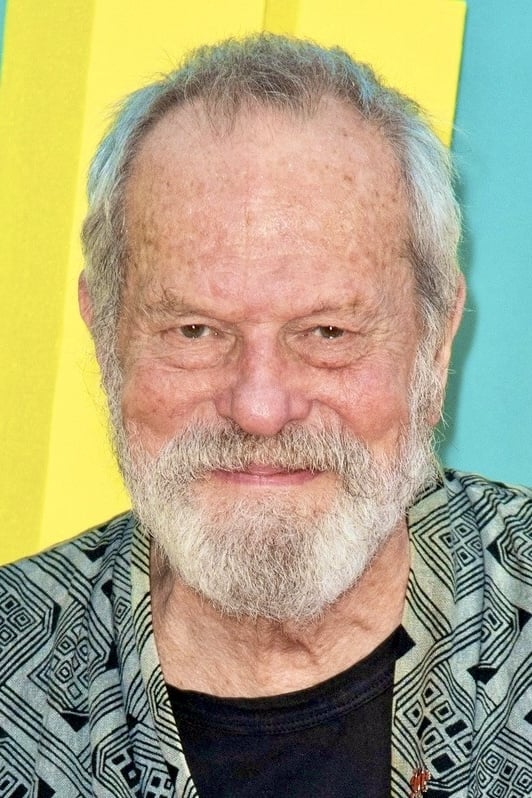
Terry Gilliam, the director and actor known for ‘Monty Python’s Flying Circus’, has been a vocal critic of modern identity politics. He described #MeToo as a mob rule that has created a climate of fear in the industry. Gilliam argued that the movement has moved beyond justice and into a territory of collective blame. He often speaks about how these cultural shifts limit the scope of artistic expression and humor.
Laurence Fox
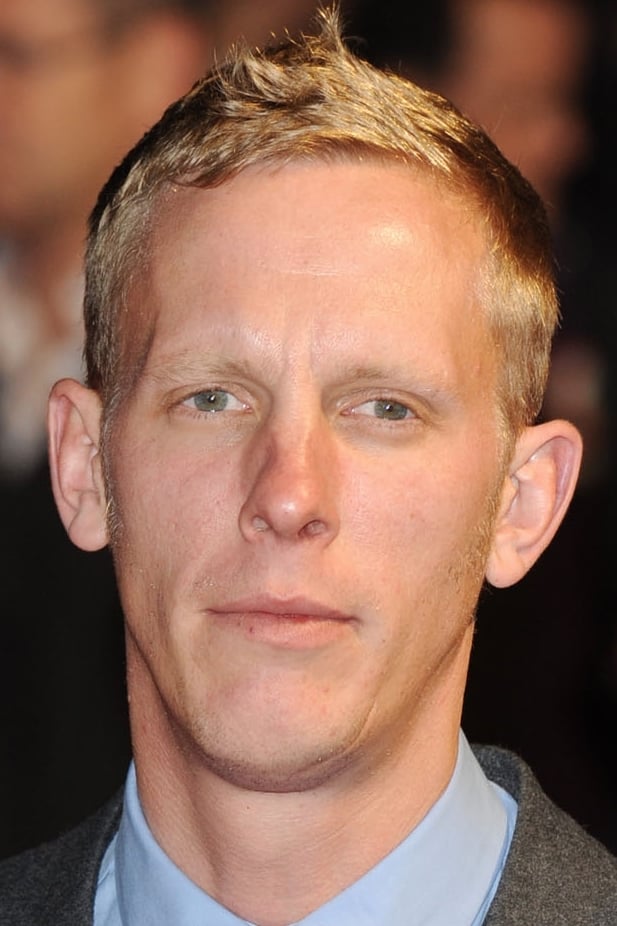
Laurence Fox became a polarizing figure after criticizing what he termed “woke” culture and radical feminism on the program ‘Question Time’. He argued that modern social justice movements often promote victimhood rather than empowerment. Fox has since been active in political discourse, focusing on the preservation of free speech against progressive ideologies. His stance has made him a prominent voice for those skeptical of modern feminist trends in the United Kingdom.
Adam Baldwin
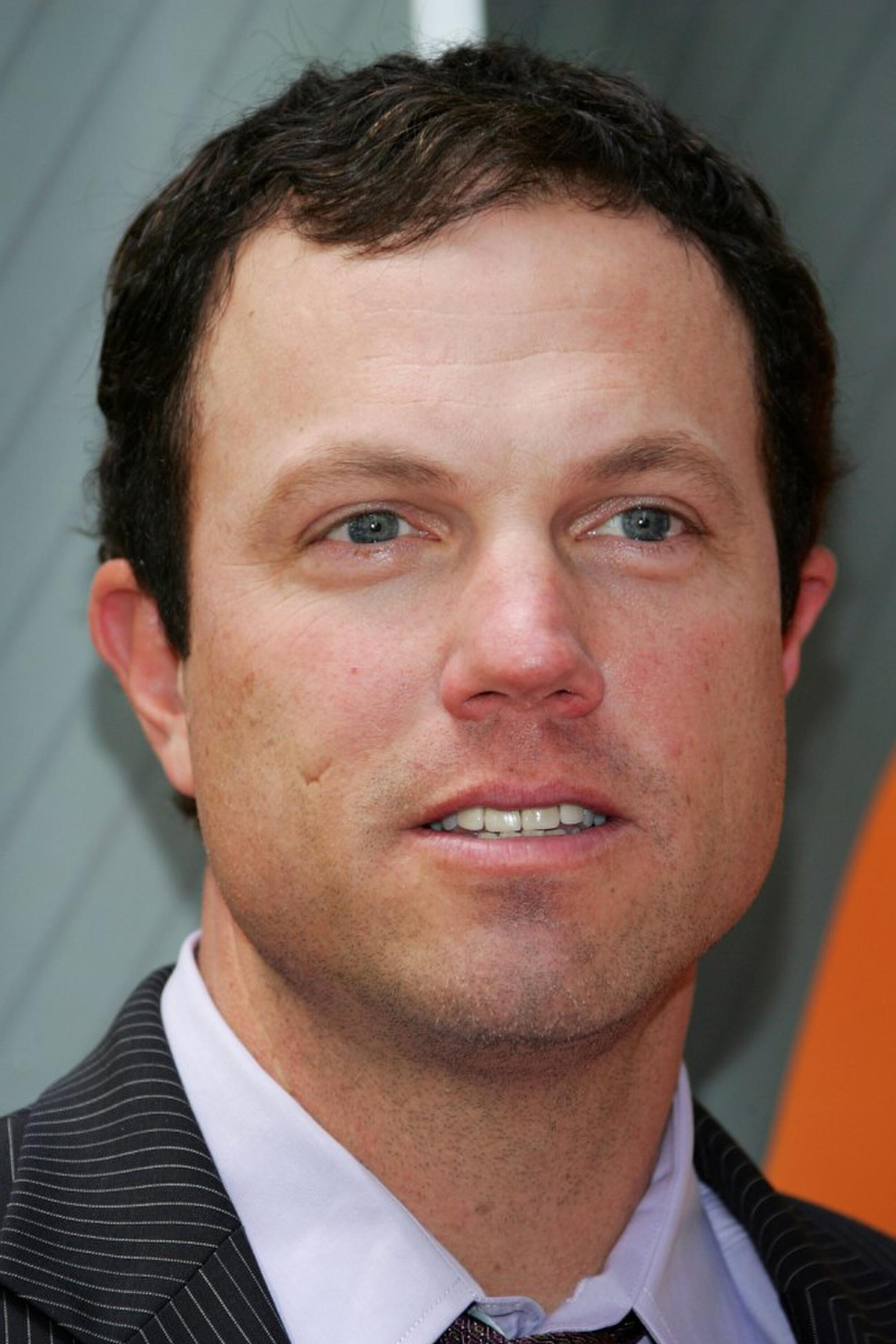
Adam Baldwin, known for his roles in ‘Firefly’ and ‘Full Metal Jacket’, has long been critical of modern feminist influence in media. He was a central figure in the GamerGate controversy, where he critiqued the encroachment of radical politics into entertainment. Baldwin frequently uses social media to challenge feminist narratives that he believes undermine traditional values. He advocates for meritocracy and creative independence over ideological quotas.
Kevin Sorbo
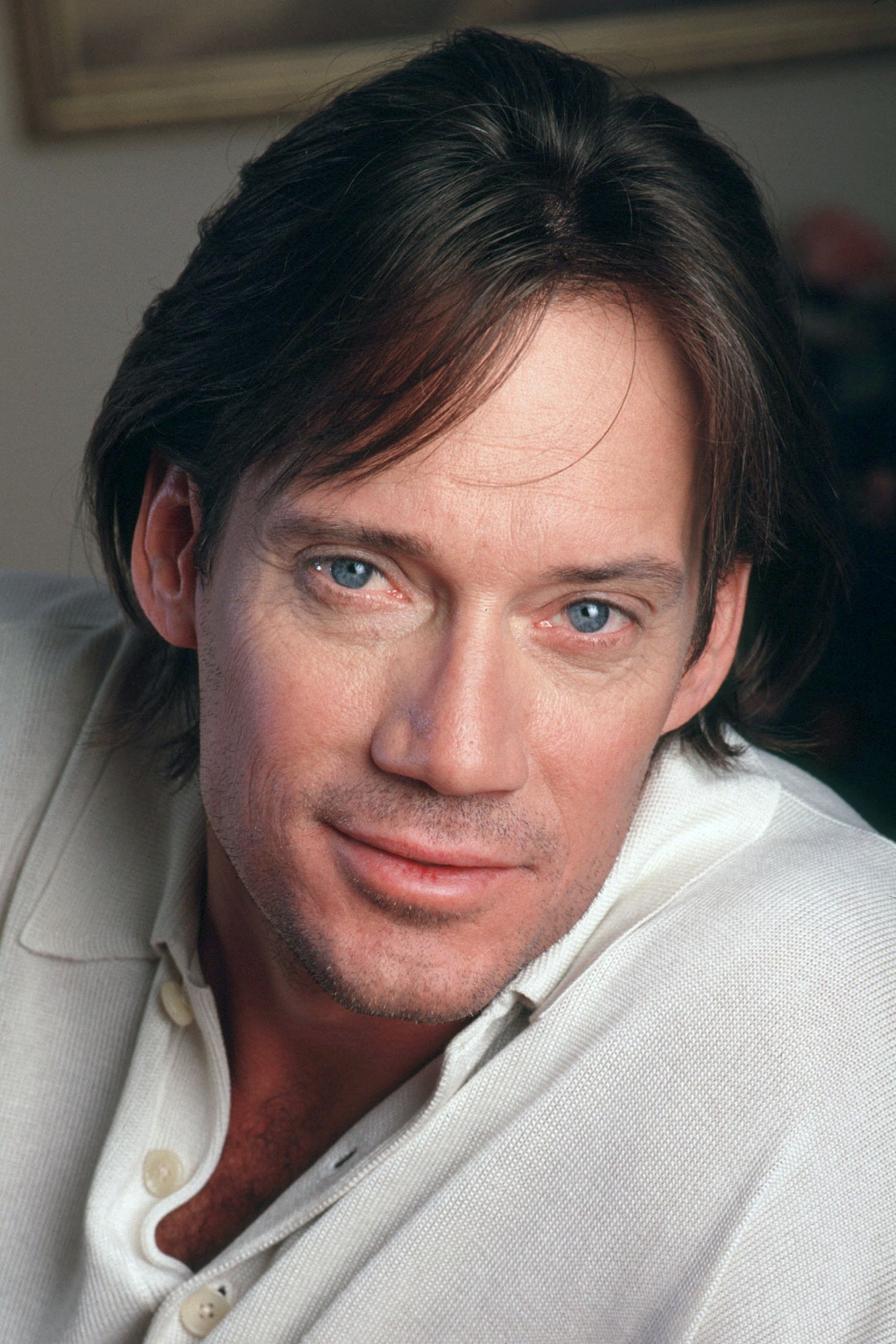
Kevin Sorbo has frequently spoken out against the perceived feminization of culture and the marginalization of men. The ‘Hercules: The Legendary Journeys’ star argues that modern feminism often attacks traditional masculinity rather than seeking equality. He often shares his views on conservative platforms, emphasizing the importance of strong male role models. Sorbo believes that radical ideologies have had a detrimental effect on the storytelling quality in Hollywood.
James Woods
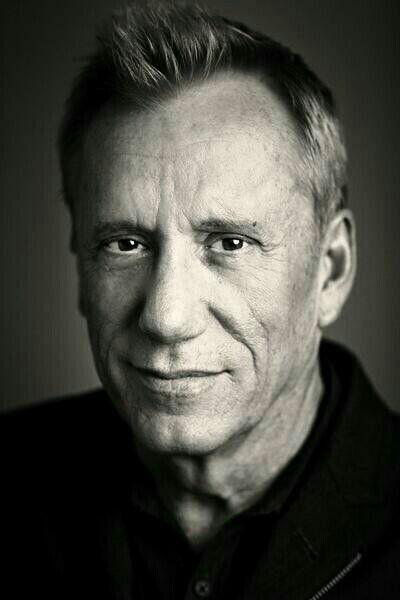
James Woods is an outspoken critic of progressive politics, including radical feminist movements. He often utilizes social media to highlight what he views as the inconsistencies and excesses of modern social justice activism. Woods has argued that the current cultural climate suppresses dissenting opinions and promotes a narrow ideological view. His commentary often links feminist activism to broader political shifts he finds concerning for the future of the country.
John Cleese
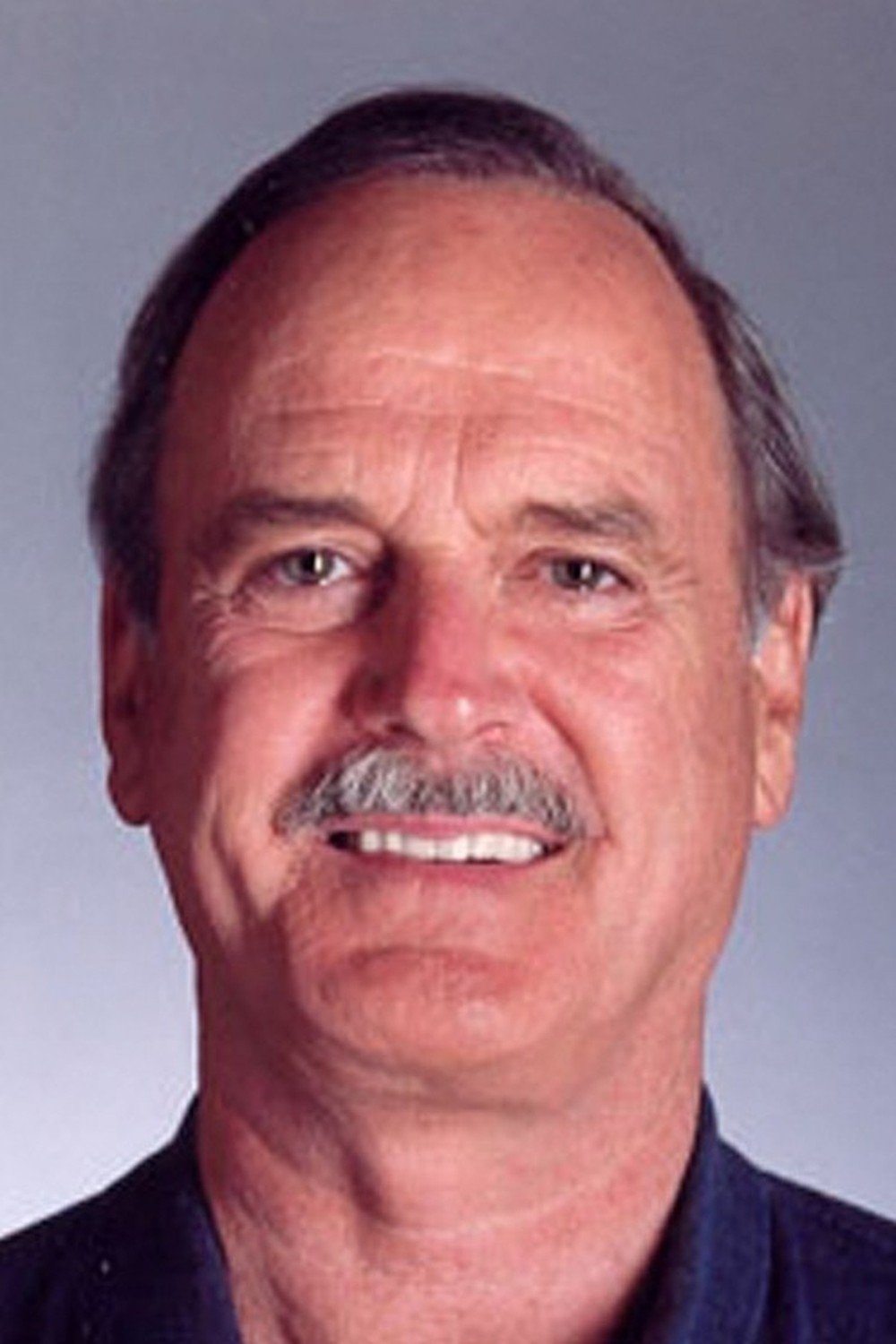
John Cleese has expressed frustration with the impact of “woke” culture and radical feminism on comedy. He argues that the desire to avoid offense at all costs has stifled the ability of comedians to explore complex social themes. Cleese has specifically criticized the prescriptive nature of modern social movements that dictate how people should speak and interact. He maintains that humor requires the freedom to challenge all ideologies, including feminism.
Jeremy Irons
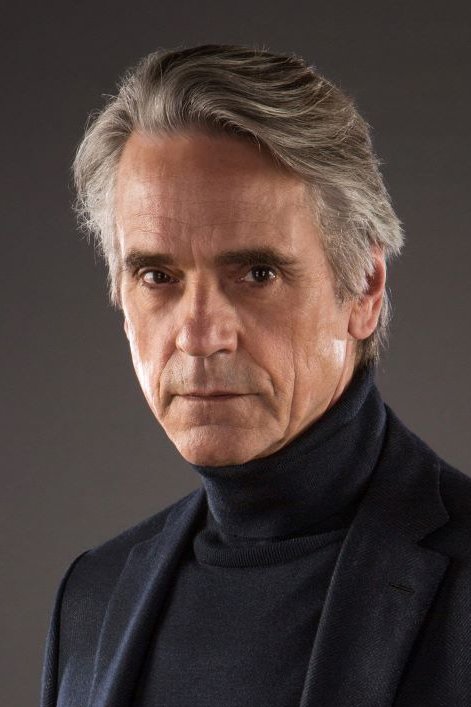
Jeremy Irons has questioned the social impact of the #MeToo movement and modern feminist dating norms. He expressed concern that the movement might turn men into “paralyzed” creatures who are afraid to interact with women. Irons has also discussed the historical nuances of social interaction, suggesting that modern standards are sometimes applied retroactively and unfairly. His comments reflect a broader skepticism toward the rapid shift in gender dynamics.
Michael Douglas
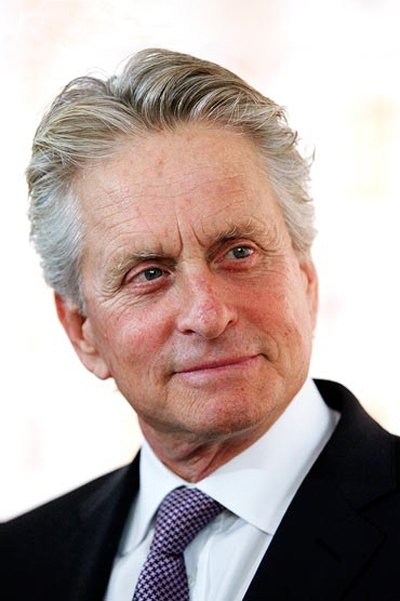
Michael Douglas has voiced concerns regarding a crisis among American male actors, which he partially attributes to a shift in cultural focus. He noted that there is a preoccupation with being politically correct that may be affecting the development of traditional leading man roles. Douglas suggested that the rise of identity politics has changed the way roles are cast and stories are told. He emphasized the importance of maintaining a balance in gender representation without sacrificing character depth.
Henry Cavill
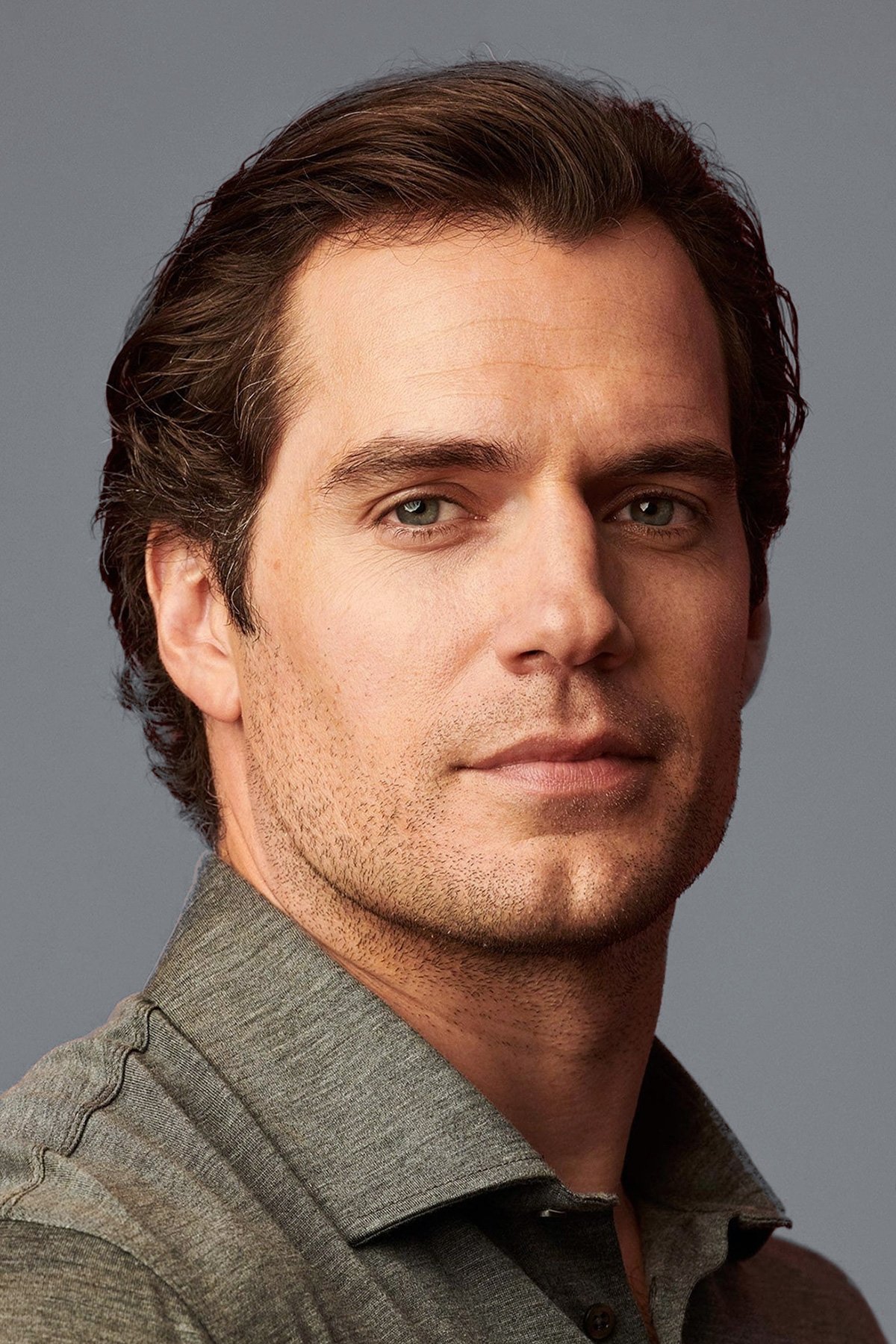
Henry Cavill discussed the challenges of dating in the #MeToo era during an interview with ‘GQ Australia’. He expressed a fear that being seen as flirtatious could be misinterpreted as predatory behavior in the current social climate. Cavill mentioned that the traditional “chase” in romance has become complicated by evolving social rules. While he later clarified his respect for the movement, his initial comments highlighted the anxieties men face under radical feminist critiques.
Vince Vaughn
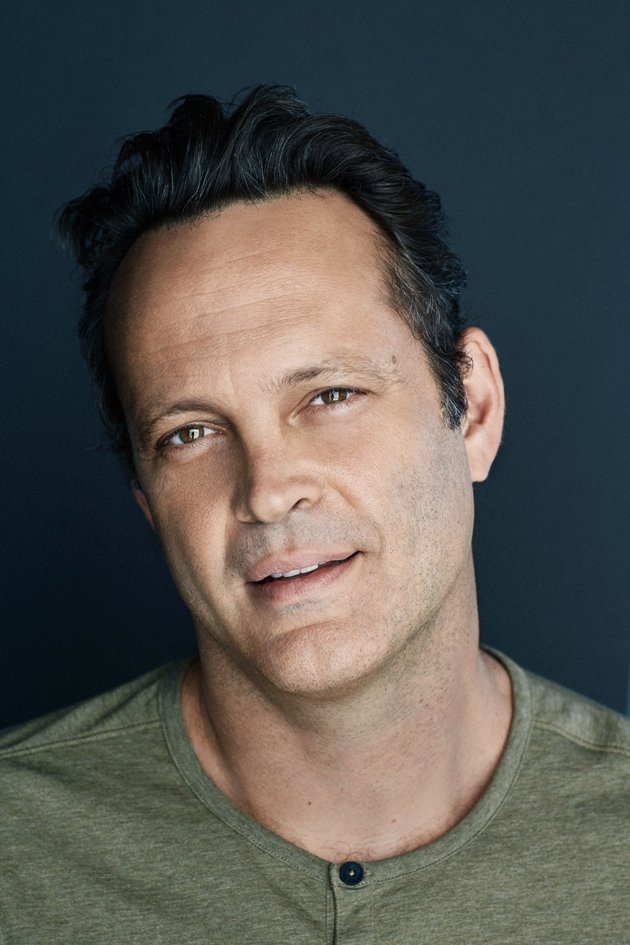
Vince Vaughn is known for his libertarian views and has often expressed skepticism toward collective identity movements. While he rarely engages in direct political confrontations, he has critiqued the social pressure to conform to progressive narratives. Vaughn advocates for individual responsibility and has expressed support for a culture that values free exchange over ideological policing. His approach aligns with a broader critique of radical feminist influence on social norms.
Tim Allen
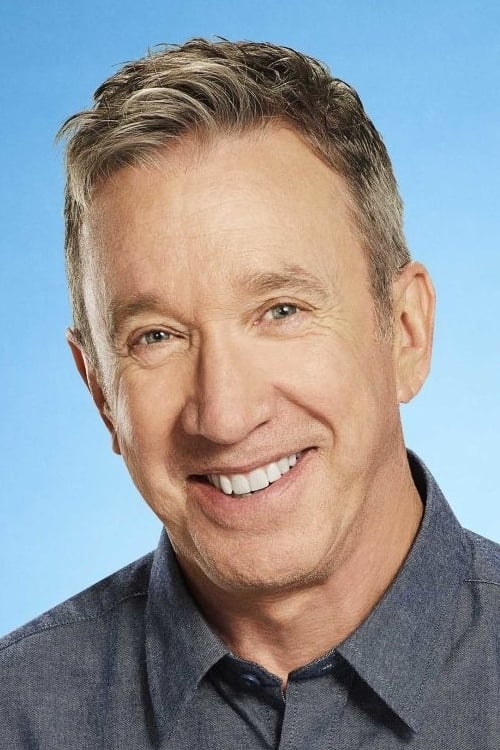
Tim Allen has frequently discussed the difficulties of navigating a “PC” world in his work on ‘Last Man Standing’. He often uses his platform to critique the way modern feminism and social justice movements have changed the landscape of American family life. Allen argues that traditional male perspectives are often unfairly characterized as toxic in modern discourse. He focuses on the importance of maintaining humor and common sense in the face of radical social shifts.
Rob Schneider
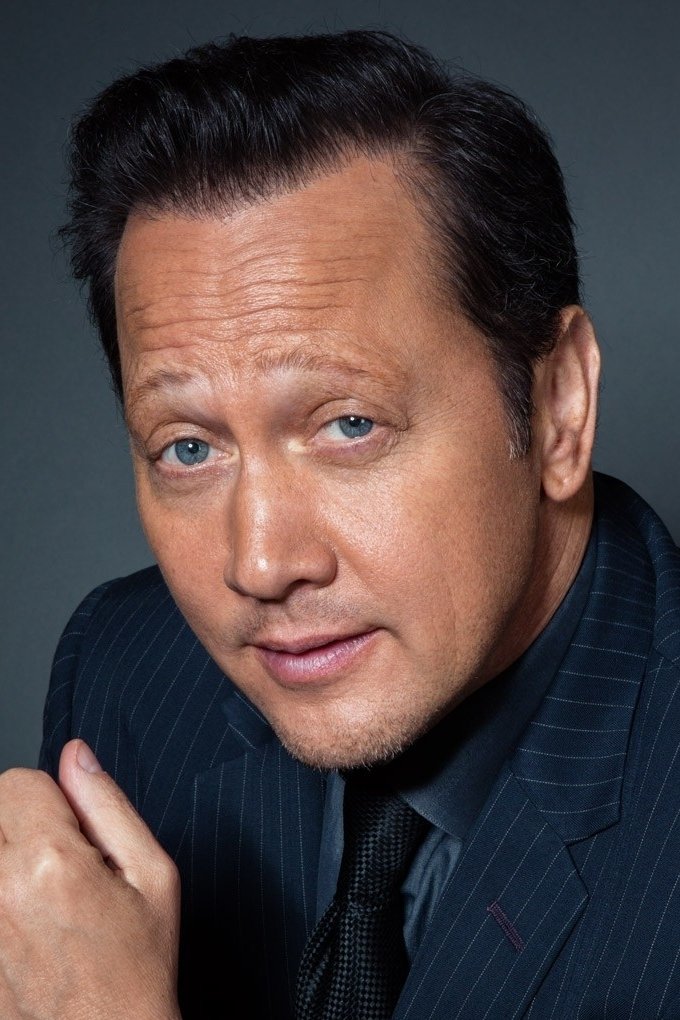
Rob Schneider has transitioned into a vocal critic of progressive and radical feminist policies in recent years. He often uses social media to challenge the narrative that modern social movements are purely beneficial to society. Schneider argues that many of these movements have become intolerant of opposing viewpoints and have damaged the entertainment industry. He frequently advocates for a return to a more open and less ideologically driven cultural environment.
Stephen Baldwin

Stephen Baldwin maintains strong conservative and religious views that often put him at odds with radical feminist ideology. He emphasizes the importance of traditional family structures and gender roles as defined by his faith. Baldwin has criticized the way modern movements tend to devalue the role of the father and the traditional home. He remains a consistent voice for conservative social values in the public sphere.
Jon Voight
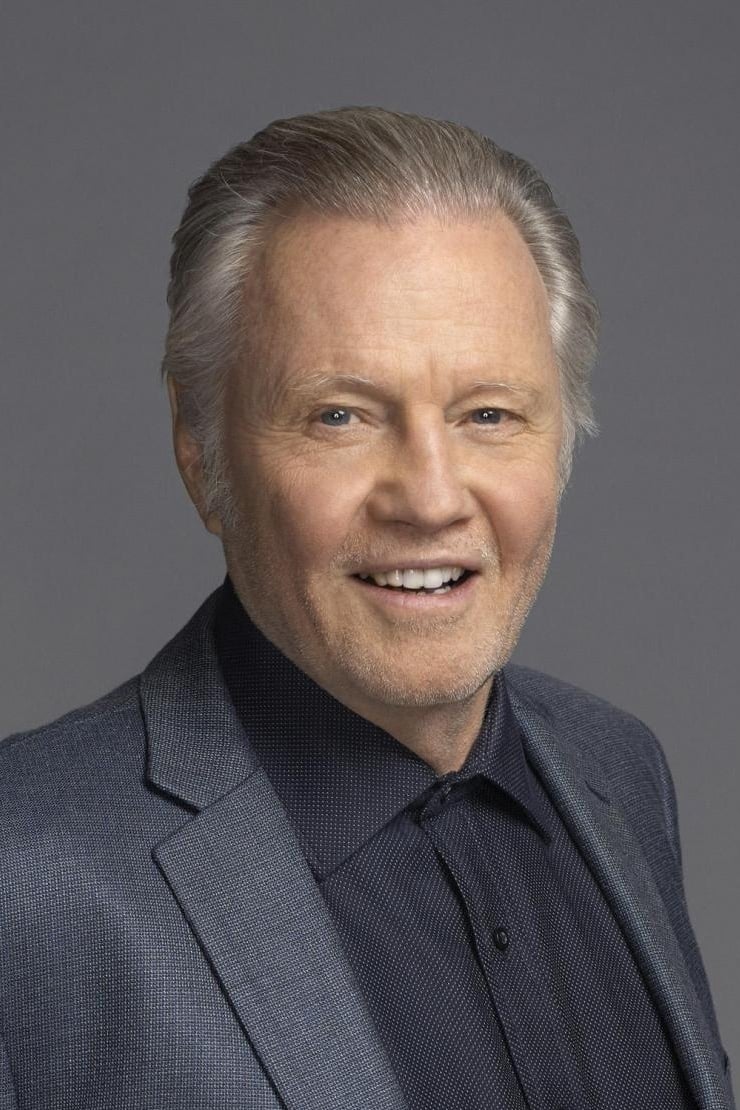
Jon Voight is a staunch critic of the left-wing cultural shifts he sees in Hollywood, including the rise of radical feminism. He frequently releases video messages expressing his concerns about the direction of the country and the impact of progressive ideologies. Voight believes that these movements often promote division rather than the unity they claim to seek. He views the critique of traditional masculinity as a threat to the stability of society.
Dean Cain
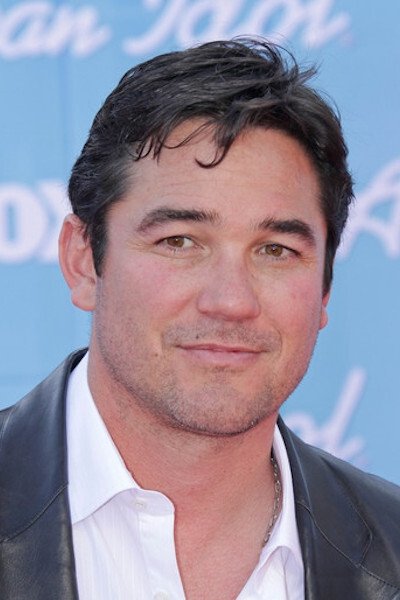
Dean Cain, famous for his role in ‘Lois & Clark: The New Adventures of Superman’, often critiques the way “woke” culture affects classic characters. He has spoken out against the subversion of traditional male archetypes to satisfy modern feminist demands. Cain argues that storytelling should focus on universal truths rather than serving a specific political or social agenda. He is a frequent commentator on the perceived excesses of modern social justice movements.
Robert Davi
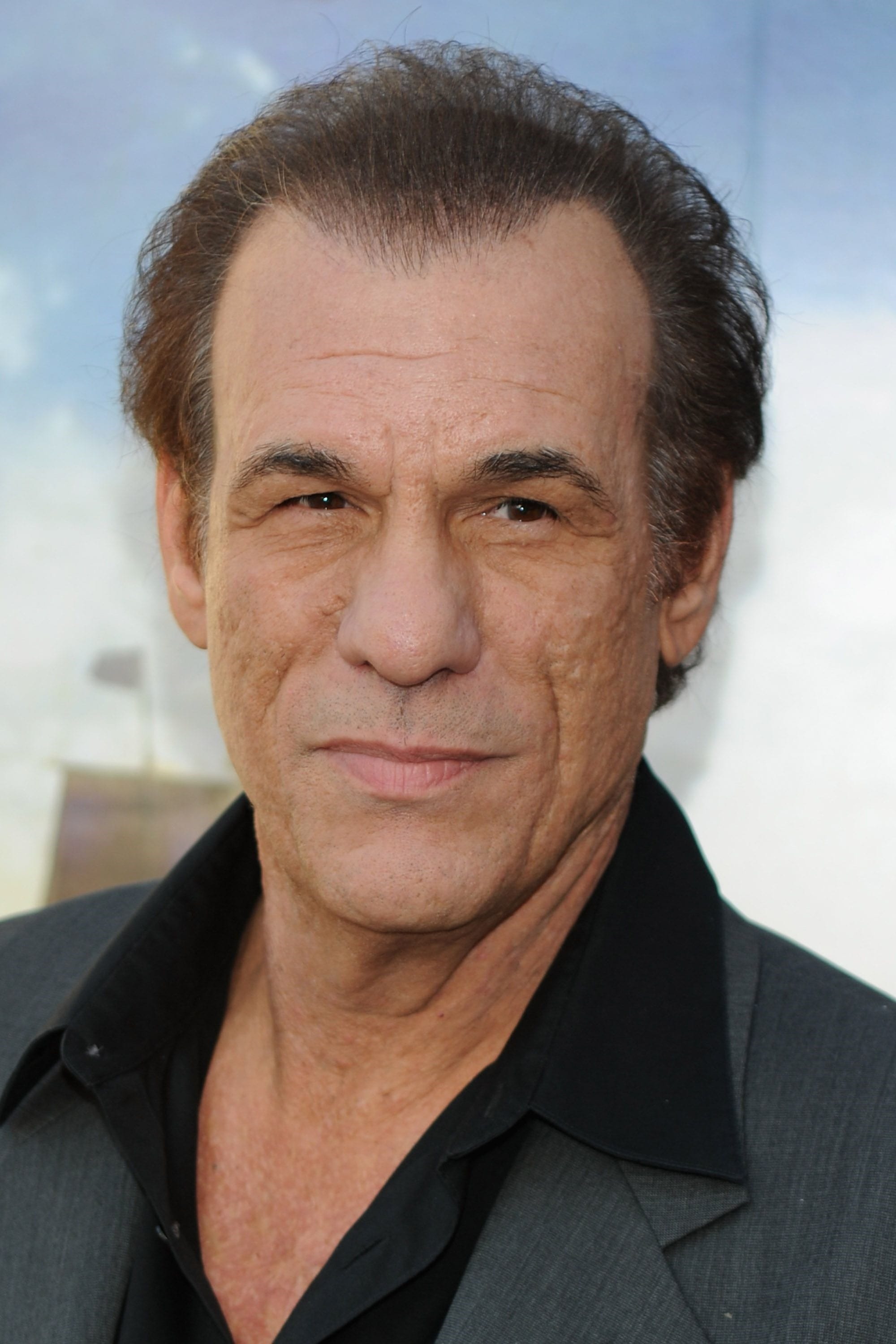
Robert Davi is an outspoken proponent of traditional gender roles and has criticized the impact of radical feminism on the film industry. He argues that the movement has led to a lack of “true” masculinity in modern cinema. Davi often speaks about the need for men to reclaim their traditional roles within the family and society. He believes that the current cultural trajectory is detrimental to both men and women.
Jim Caviezel
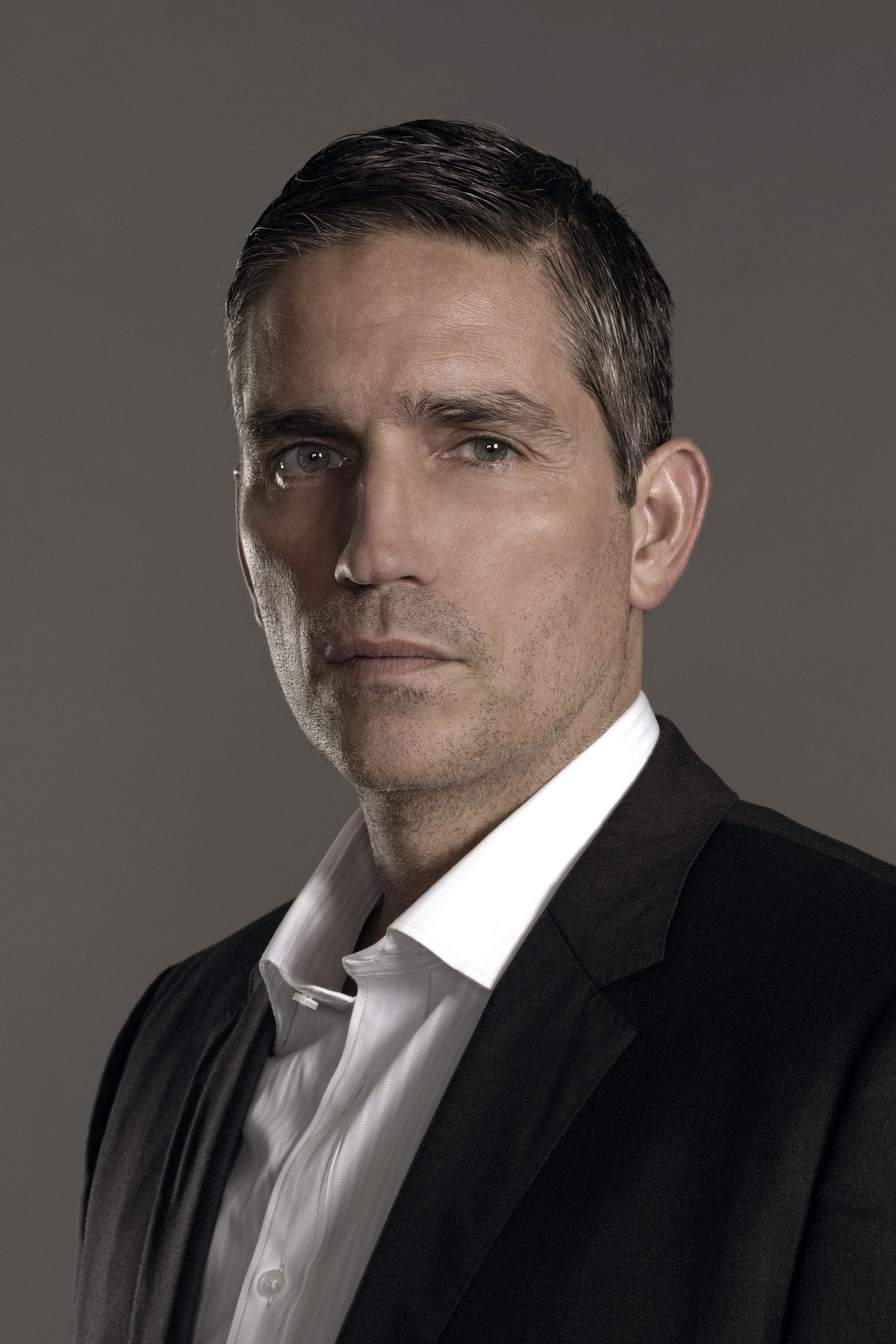
Jim Caviezel often shares views that align with a traditional and religious critique of modern secular movements. He has spoken about the importance of upholding values that he believes are being eroded by radical progressive ideologies. Caviezel focuses on the need for moral clarity in an age where social movements often redefine traditional concepts of gender and family. His perspective is rooted in a desire to preserve what he sees as fundamental truths.
Scott Baio
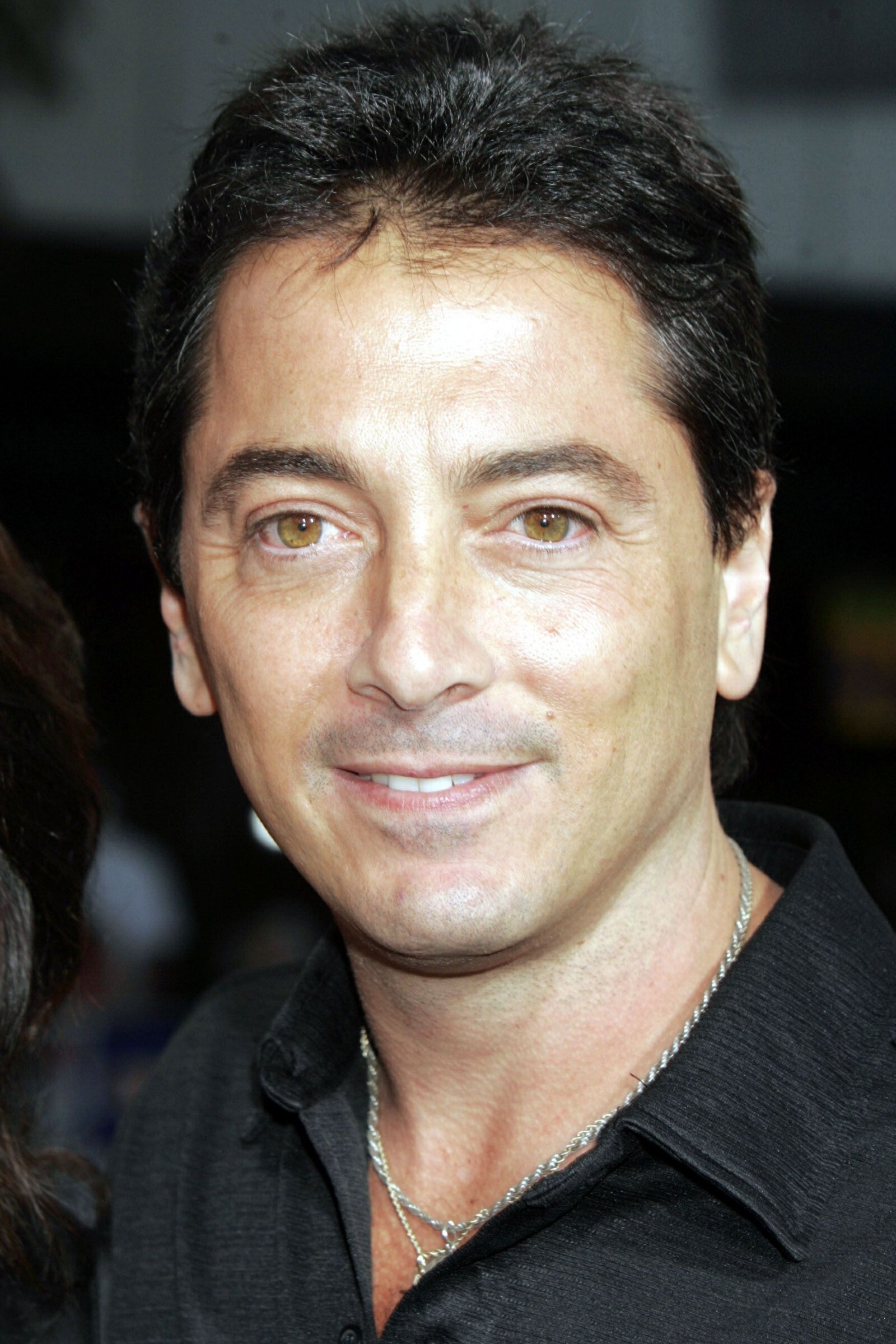
Scott Baio has been a longtime critic of liberal activism and the feminist movements associated with it. He frequently engages in social media debates regarding the impact of progressive policies on American culture. Baio argues that radical feminism has created a double standard that unfairly targets men in the workplace and social life. He remains a vocal supporter of conservative principles and traditional social structures.
Antonio Sabàto, Jr.
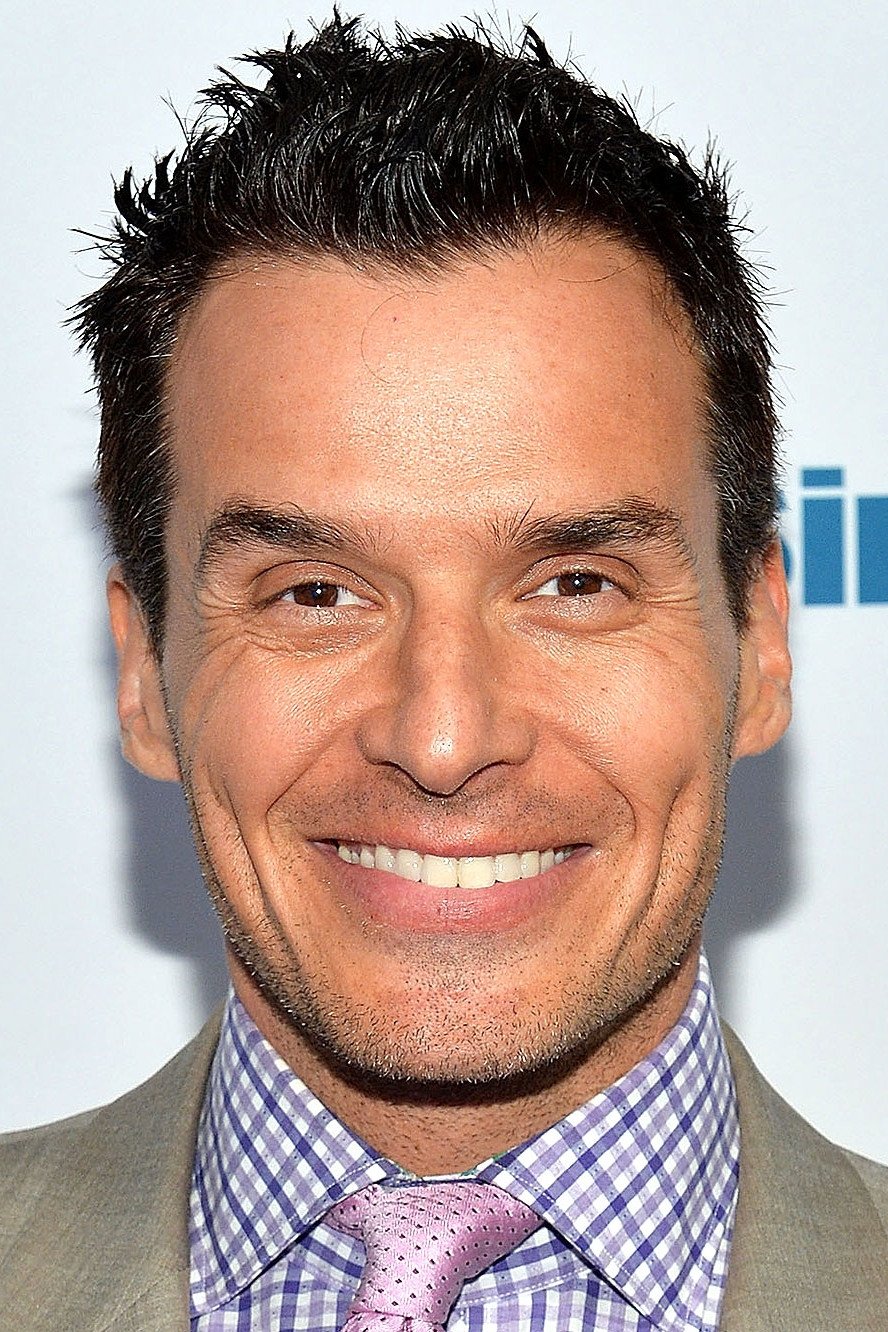
Antonio Sabato Jr. has been vocal about his opposition to the “woke” ideology he believes has taken over Hollywood. He argues that radical feminist narratives have made it difficult for actors with traditional views to find work. Sabato Jr. emphasizes the need for a return to a culture that celebrates traditional values and merit-based success. He often critiques the influence of social justice activism on the quality of modern entertainment.
Vincent Gallo
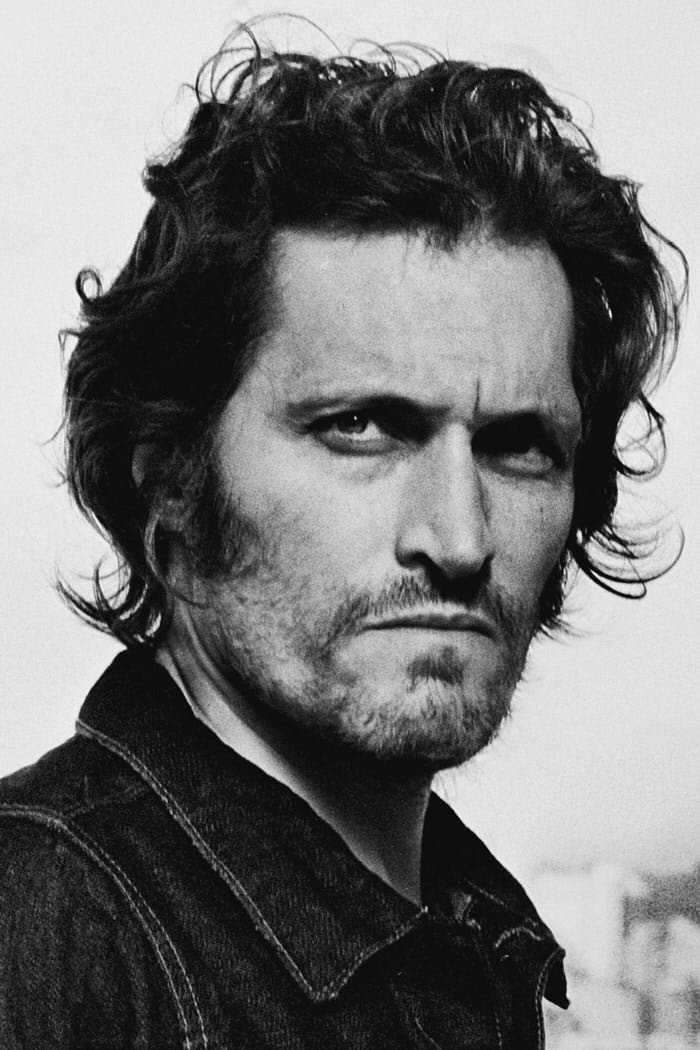
Vincent Gallo is an independent filmmaker and actor known for his uncompromising and often controversial views. He has long been a critic of political correctness and the mainstreaming of radical feminist ideology in the arts. Gallo often positions himself against the prevailing cultural trends of Hollywood, which he finds hypocritical and limiting. His critiques are usually centered on the perceived loss of individual artistic integrity.
Clint Eastwood
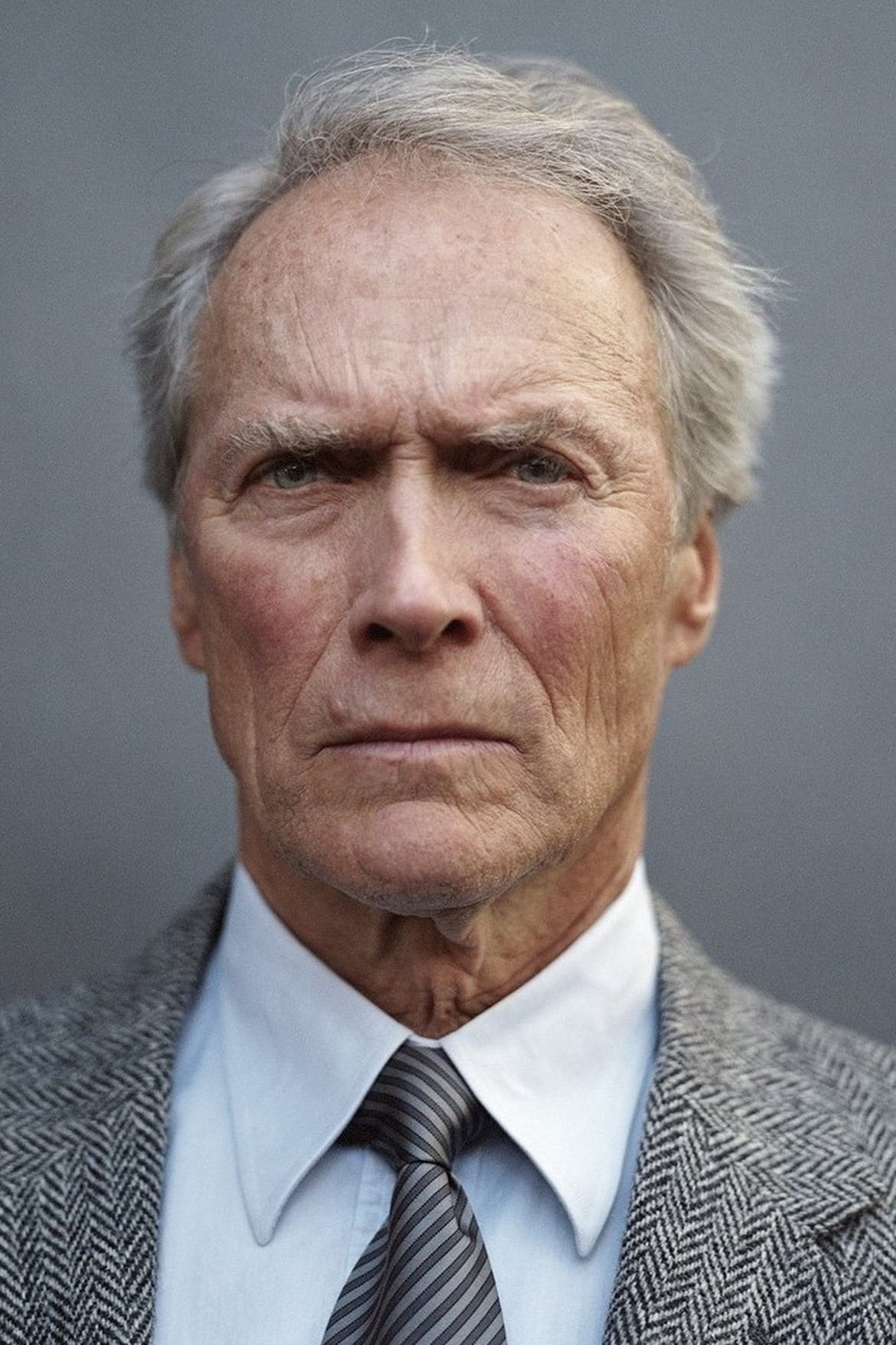
Clint Eastwood famously criticized what he called the “pussy generation” in an interview with ‘Esquire’. He expressed frustration with the modern tendency to label everything as racist or sexist, which he views as a stifling form of political correctness. While not a direct critic of all feminism, his comments target the radical sensitivity he believes the movement has fostered. Eastwood advocates for a tougher, more resilient approach to social and professional life.
Mel Gibson
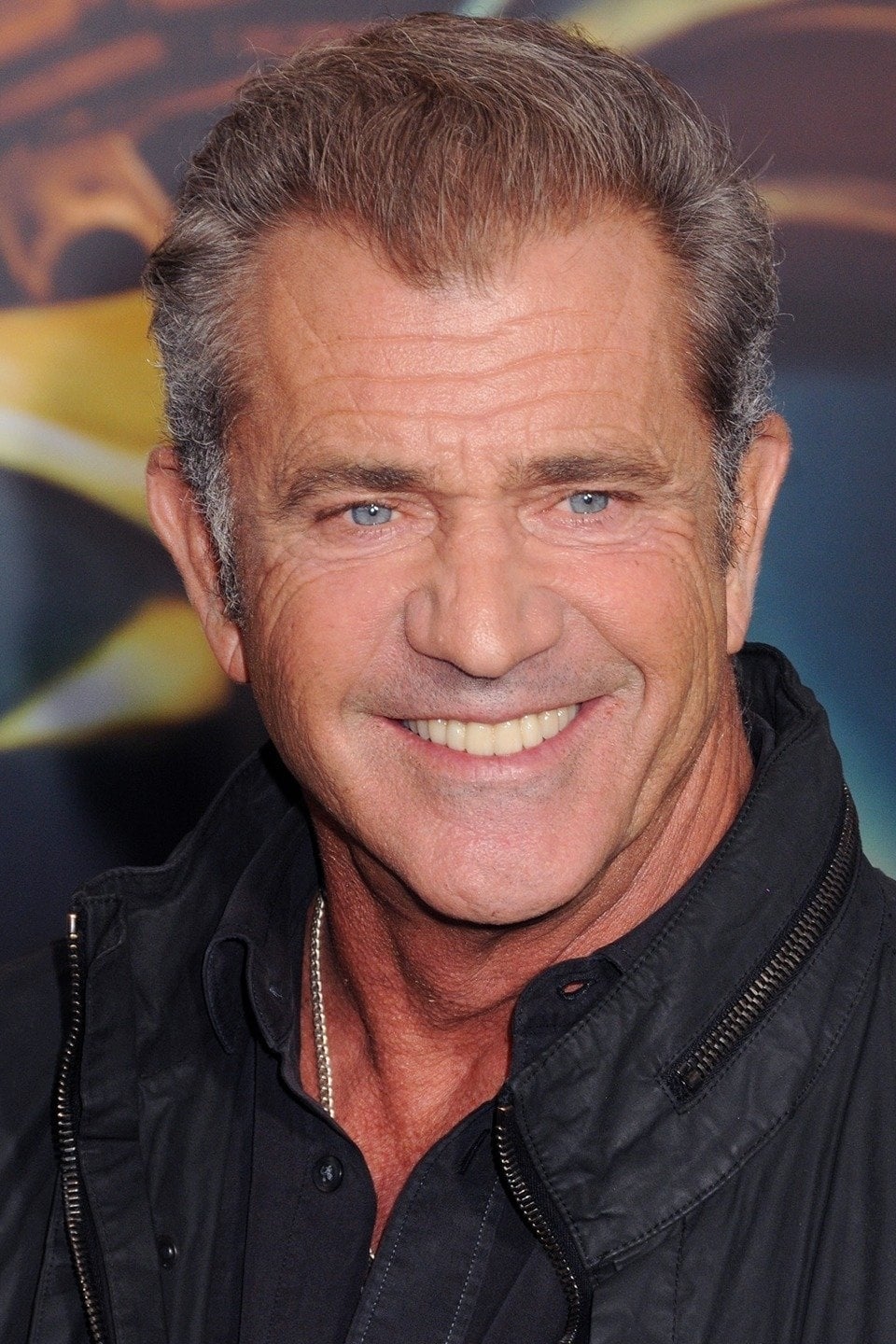
Mel Gibson has a history of expressing skepticism toward the secular and progressive shifts in society, including certain feminist movements. His perspective is often informed by his traditionalist religious beliefs, which emphasize distinct gender roles. Gibson has faced significant controversy for his public outbursts, but he continues to be associated with a critique of liberal social norms. He tends to favor stories that explore traditional themes of sacrifice, leadership, and faith.
Isaiah Washington
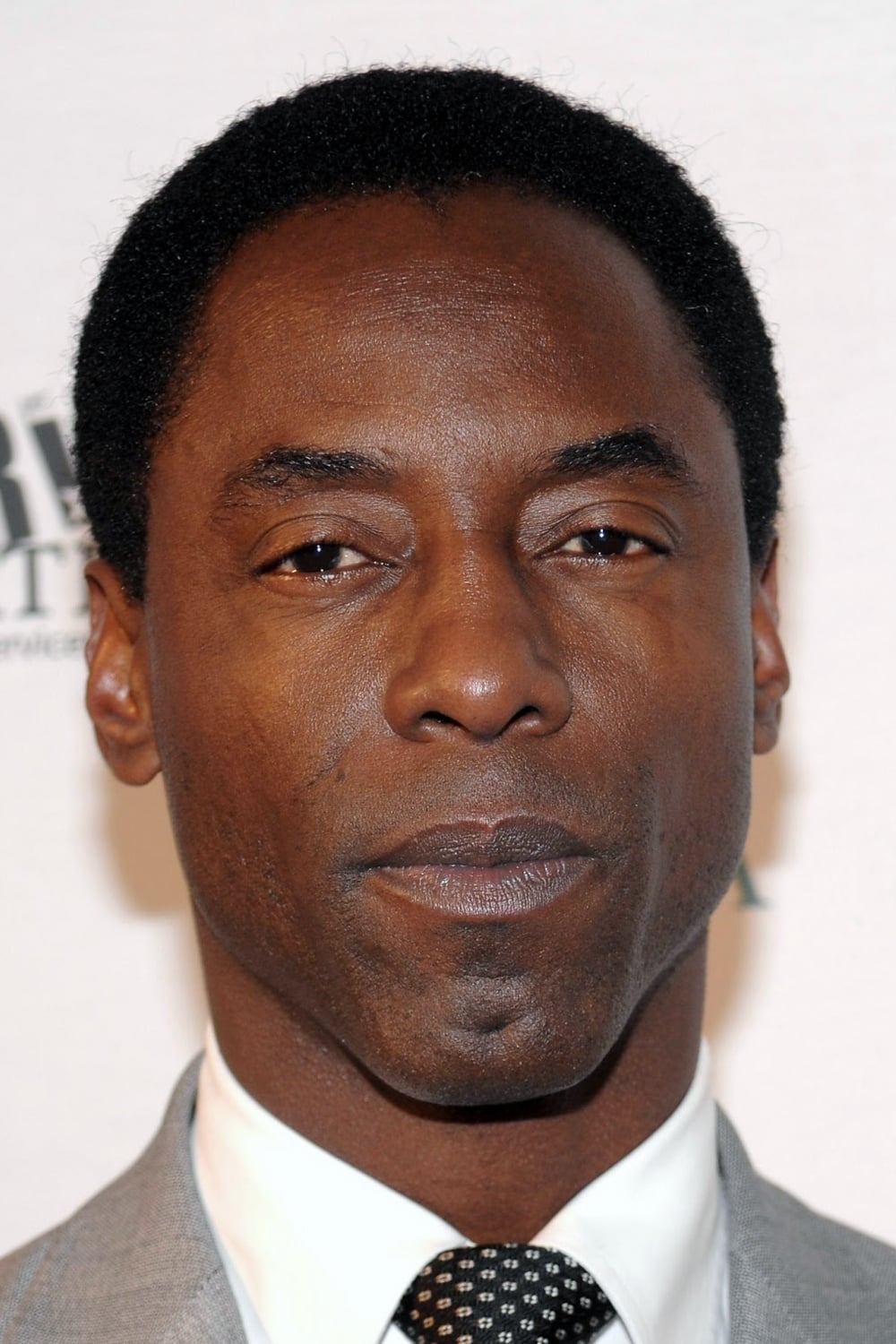
Isaiah Washington has criticized modern identity politics and the ways in which social justice movements, including feminism, are implemented. He has shared his belief that these movements can sometimes be used to settle personal scores rather than achieve actual justice. Washington often speaks about the importance of diversity of thought within the entertainment industry. He encourages a more critical examination of the motives behind modern social activism.
Nick Searcy
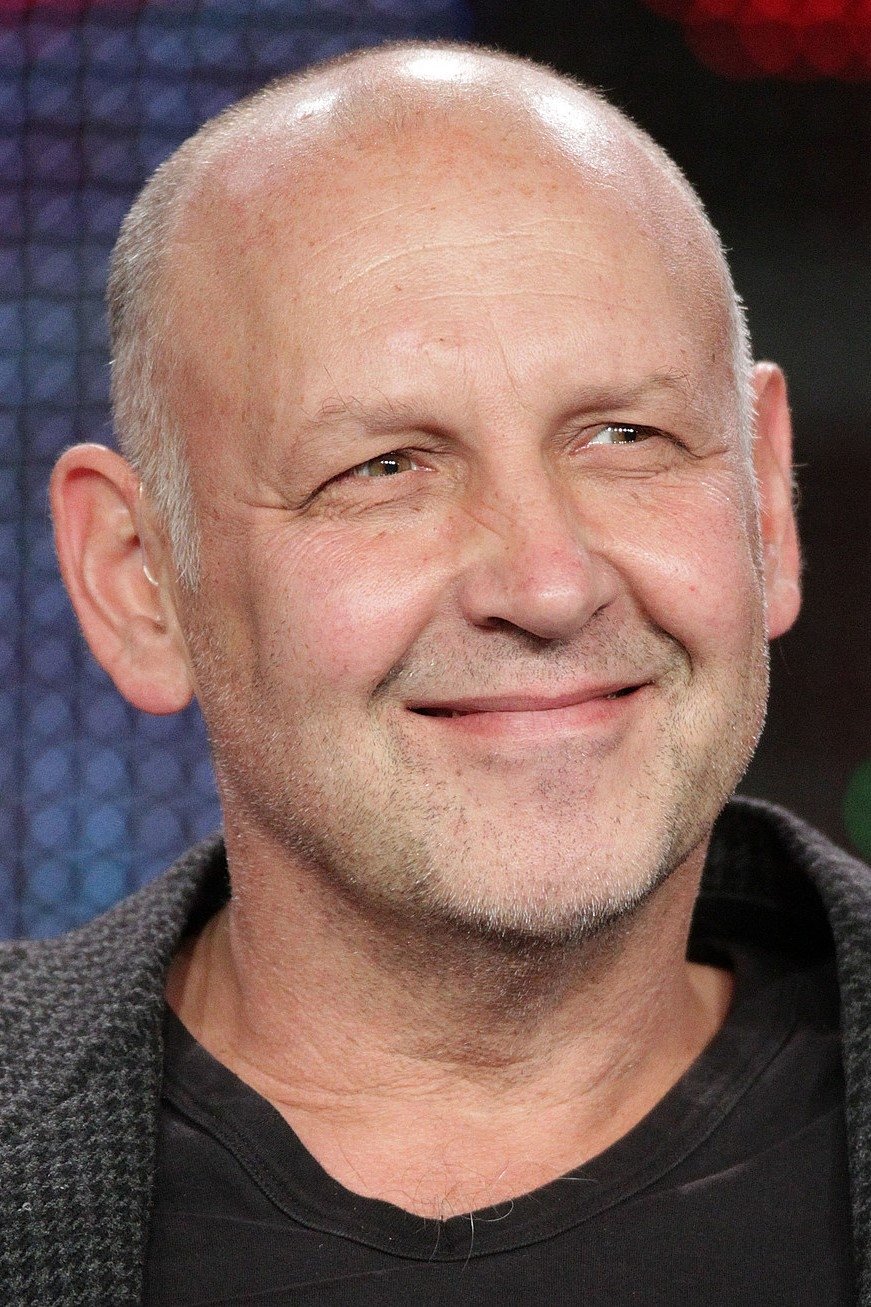
Nick Searcy is a vocal critic of the social justice movements that have gained prominence in Hollywood. He frequently uses his platform to mock what he views as the absurdity of radical feminist and “woke” rhetoric. Searcy argues that the industry has become an echo chamber for progressive ideas, leaving no room for traditional or conservative perspectives. He is an advocate for free speech and the rejection of ideological purity tests.
Kirk Cameron
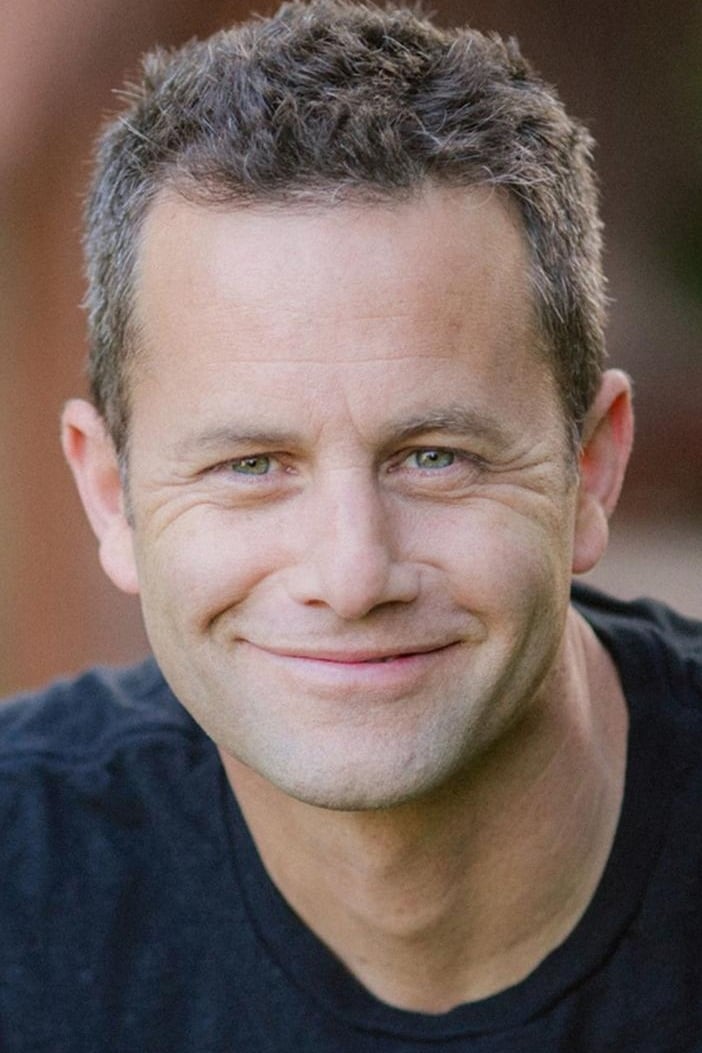
Kirk Cameron is known for his advocacy of traditional biblical gender roles, which directly conflicts with radical feminist ideology. He often produces content and gives speeches that promote the idea of men as leaders within the home and church. Cameron believes that modern feminism has misled women and damaged the foundation of the family. His critiques are consistently framed through the lens of his evangelical Christian faith.
Richard Dreyfuss
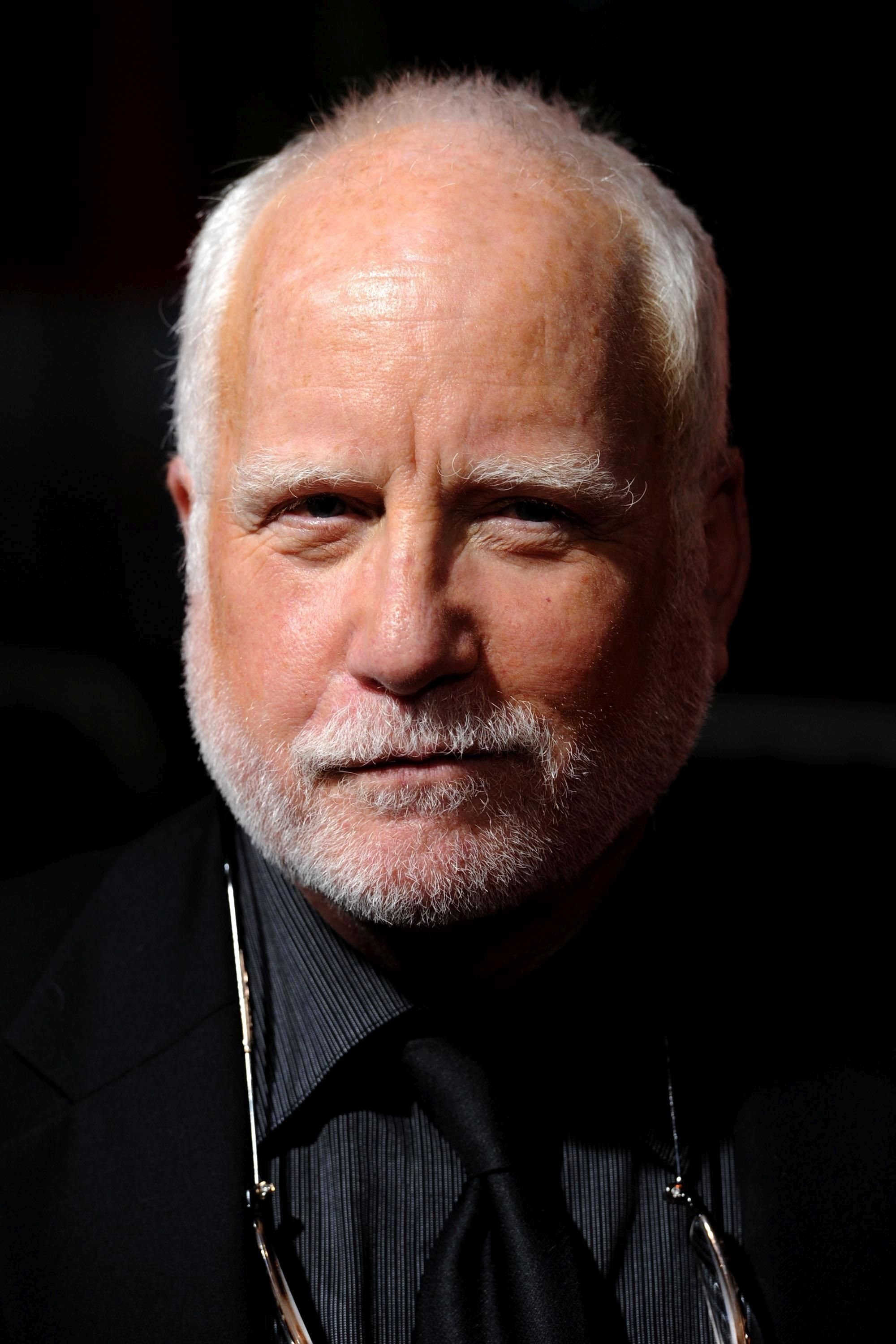
Richard Dreyfuss recently made headlines for his sharp criticism of the Academy’s new diversity and inclusion requirements. He argued that these mandates, often championed by modern feminist and social justice activists, are an affront to the “art form” of cinema. Dreyfuss maintained that no one should be told how to create art based on a social agenda. His comments reflect a concern that radical social engineering is undermining the creative process in Hollywood.
Share your thoughts on the evolving relationship between Hollywood and modern social movements in the comments.