Actors Who Completely Refused to Promote Their Own Movies

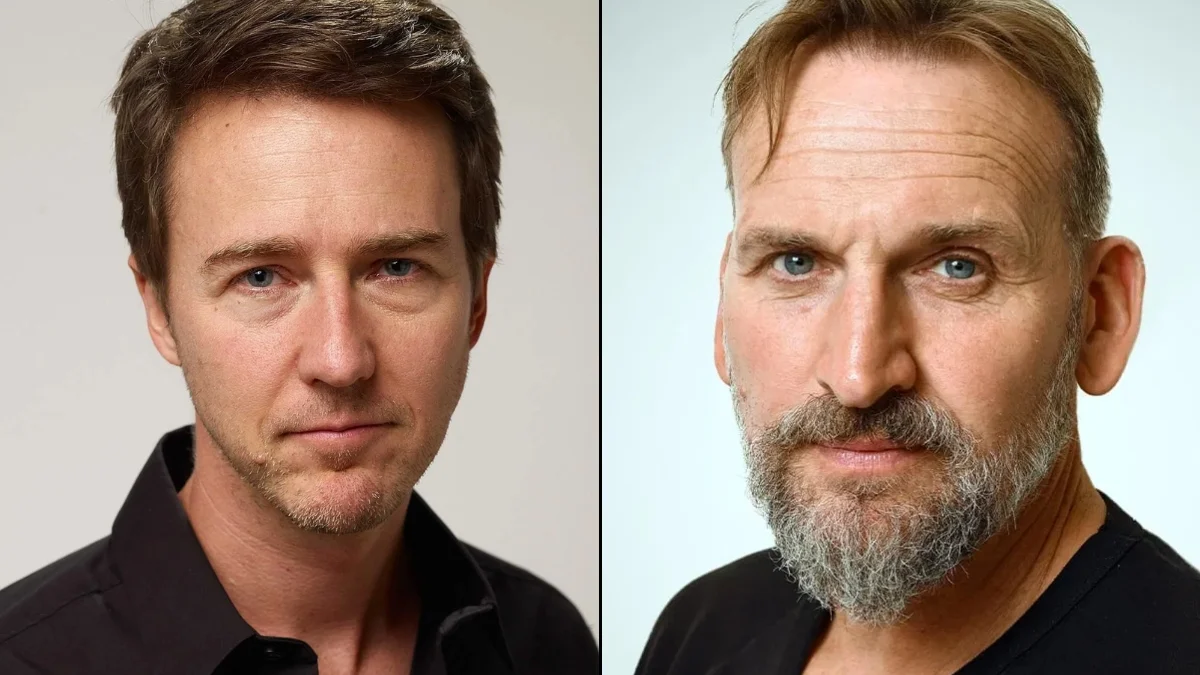

The relationship between Hollywood stars and the studios that employ them is often defined by contractual obligations, including rigorous press tours. However, several high-profile male actors have famously broken these conventions by refusing to participate in the marketing of their own films. Whether due to creative differences, moral objections, or personal conflicts with directors, these instances highlight the rare moments when talent chooses silence over publicity. This list explores the performers who stepped away from the spotlight when it came time to sell their work to the public.
Jim Carrey
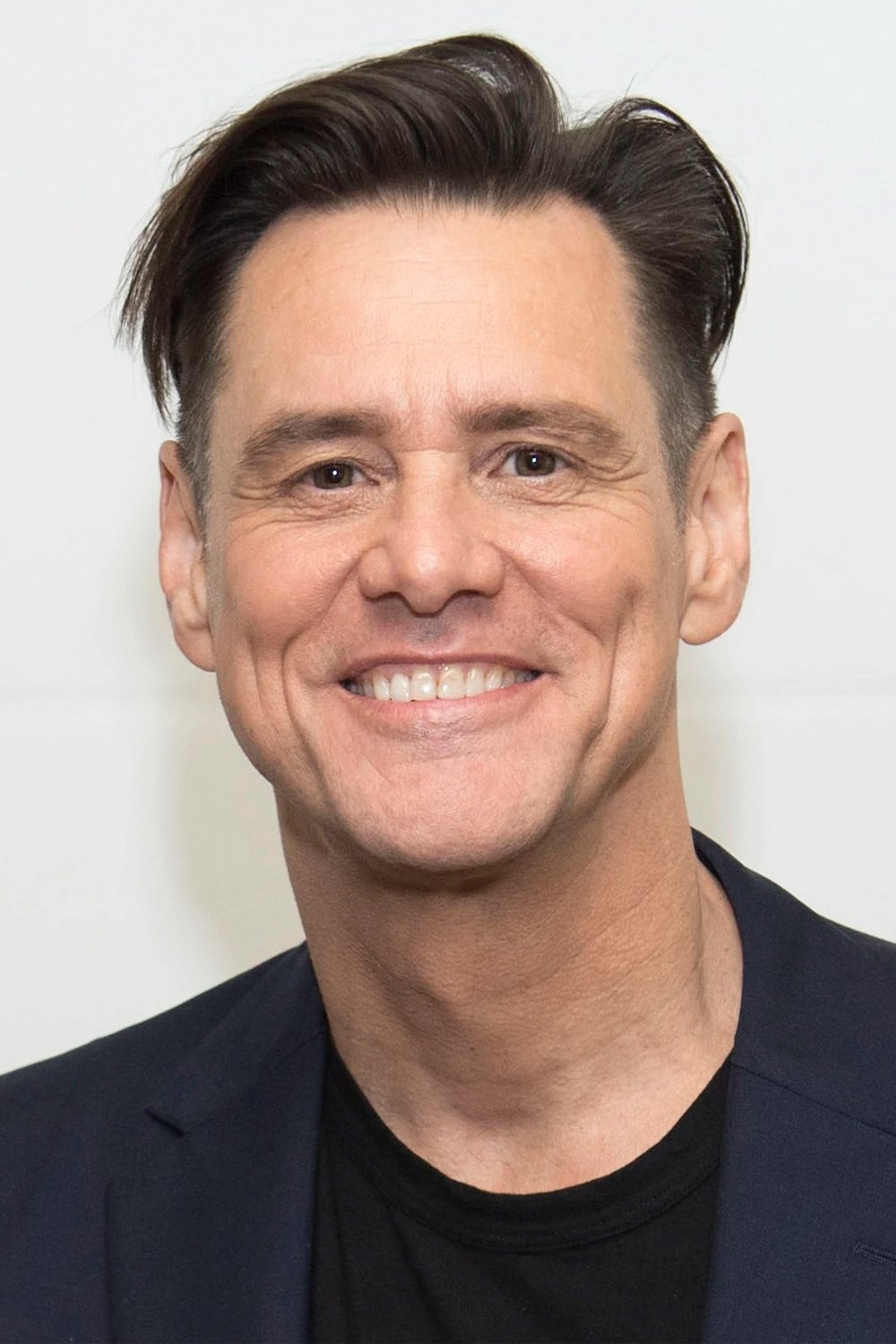
After the Sandy Hook Elementary School shooting, Carrey took to social media to announce he could not support the level of violence in ‘Kick-Ass 2’. He had filmed his role as Colonel Stars and Stripes before the tragedy occurred, but his perspective on the project shifted during post-production. Carrey did not participate in the traditional press junkets or promotional events for the 2013 release. He clarified that while he was not ashamed of the film, his conscience had changed regarding its graphic content.
Edward Norton
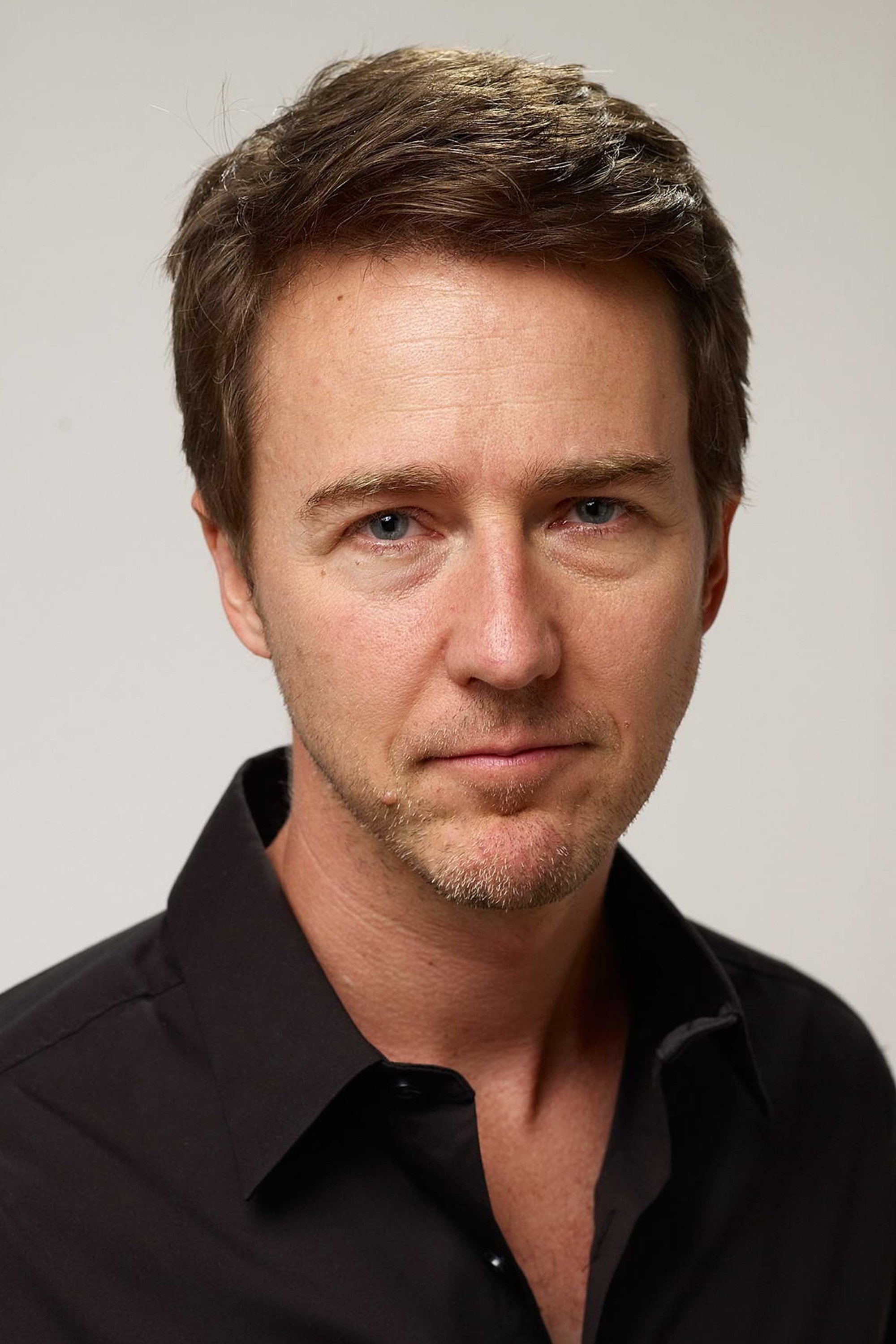
Norton famously clashed with Marvel Studios over the final cut of ‘The Incredible Hulk’ after his extensive script rewrites were reportedly minimized. Due to these creative differences regarding the film’s tone and editing, he opted out of the primary promotional tour. Instead of participating in press conferences, he traveled to Africa for humanitarian work during the window of the film’s theatrical debut. This public distancing and the tension behind the scenes eventually led to his replacement by Mark Ruffalo in ‘The Avengers’.
Bill Murray
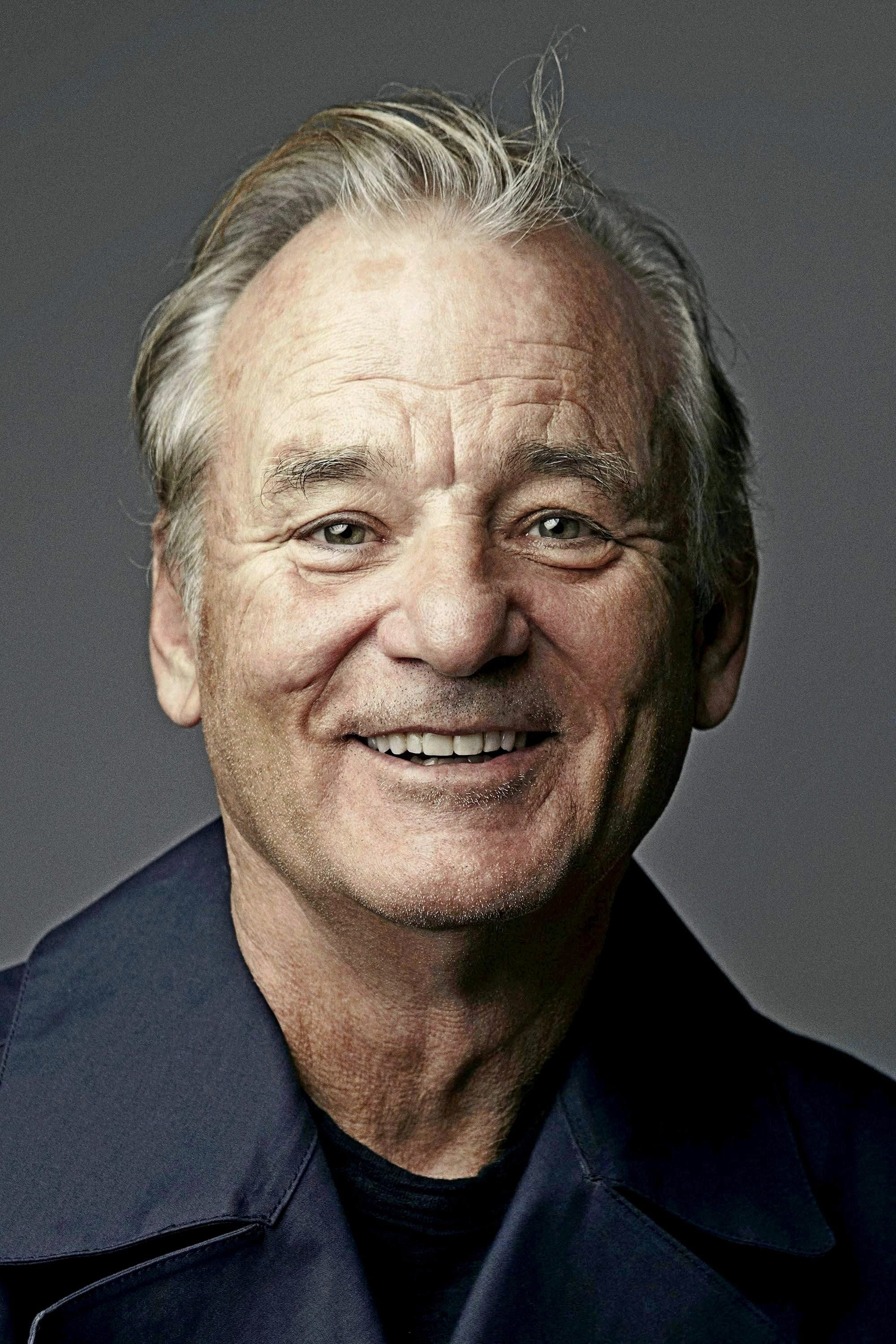
Murray is well-known for not having an agent or manager, making him notoriously difficult for studios to book for any promotional activities. For the release of ‘Garfield: The Movie’, he largely avoided the press circuit and later claimed he only took the role because he mistook the writer’s name for a Coen brother. He has since mocked the film in other projects, most notably during a self-referential cameo in ‘Zombieland’. His lack of involvement in the marketing campaign became a significant part of his enigmatic public persona.
Sean Connery
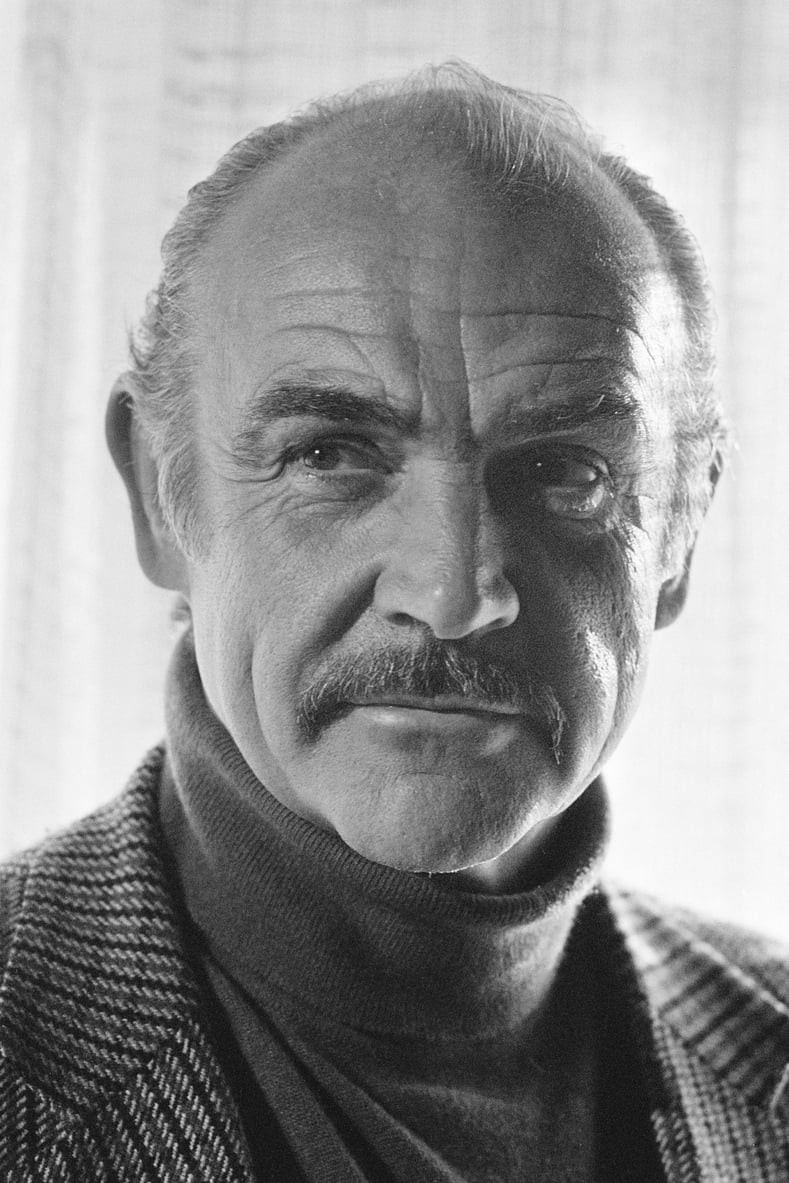
The production of ‘The League of Extraordinary Gentlemen’ was plagued by intense arguments between Connery and director Stephen Norrington. Connery was so dissatisfied with the final product and the chaotic environment on set that he chose not to participate in the promotional cycle. He reportedly described the experience as a disaster and expressed a profound lack of interest in helping the studio sell the film. This movie ultimately served as his final live-action role before his official retirement from the acting profession.
Christopher Eccleston
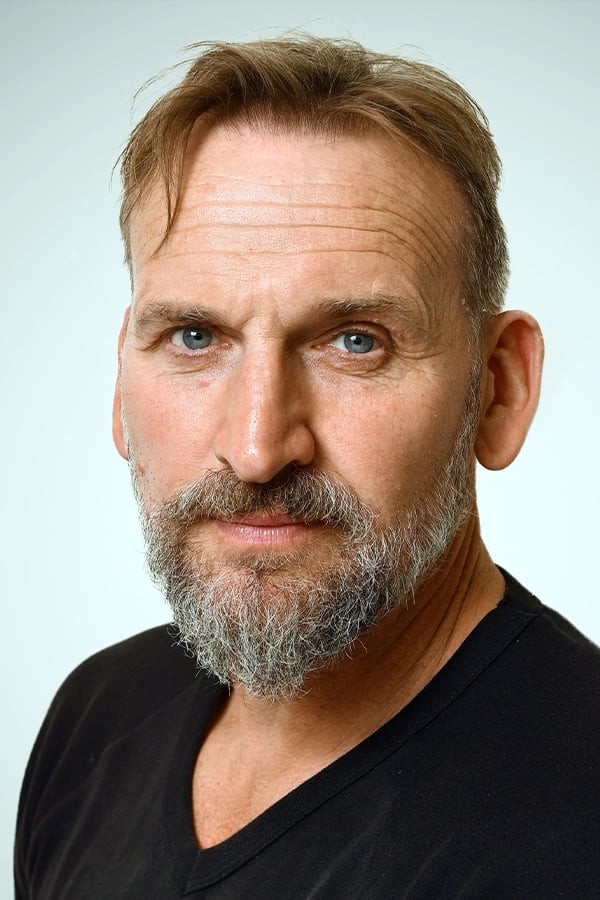
Eccleston has been vocal about his negative experience filming ‘G.I. Joe: The Rise of Cobra’, describing it as a project he took primarily for financial reasons. He admitted to being deeply unhappy on set due to the quality of the script and the overall direction of the blockbuster. Consequently, he distanced himself from the movie’s marketing campaign and did not engage in the standard junket interviews. He has since maintained a policy of being highly selective about the commercial projects he chooses to support.
Wesley Snipes
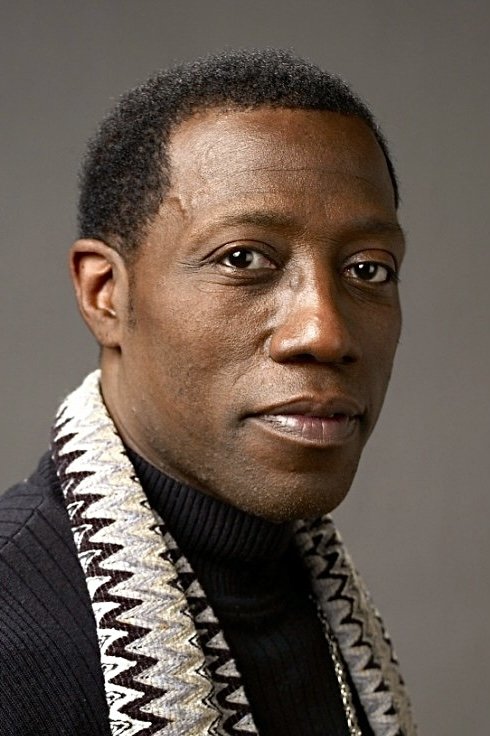
The filming of ‘Blade: Trinity’ was reportedly so tense that Snipes communicated with the director primarily through handwritten notes. Following the film’s completion, Snipes filed a lawsuit against the studio and the director, which further soued the relationship during the release window. He did not engage in the standard promotional tour, leaving his castmates to answer difficult questions about the production. His absence from the marketing campaign became a major talking point within the entertainment industry at the time.
John Cusack
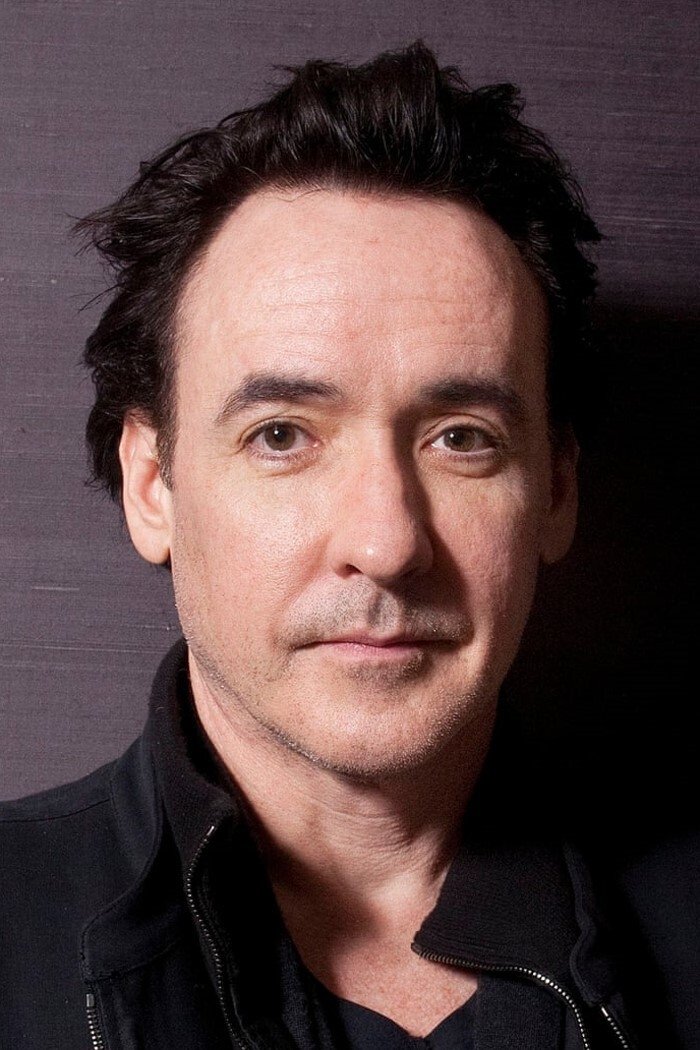
After seeing a rough cut of the 1985 comedy ‘Better Off Dead’, Cusack reportedly walked out of the screening and expressed deep dissatisfaction to the director. He felt the film did not reflect his artistic intentions and subsequently refused to participate in its promotion. For decades, he remained detached from the project and avoided discussing it in interviews or at public events. It was only much later in his career that he began to acknowledge the film’s enduring cult status among fans.
Marlon Brando
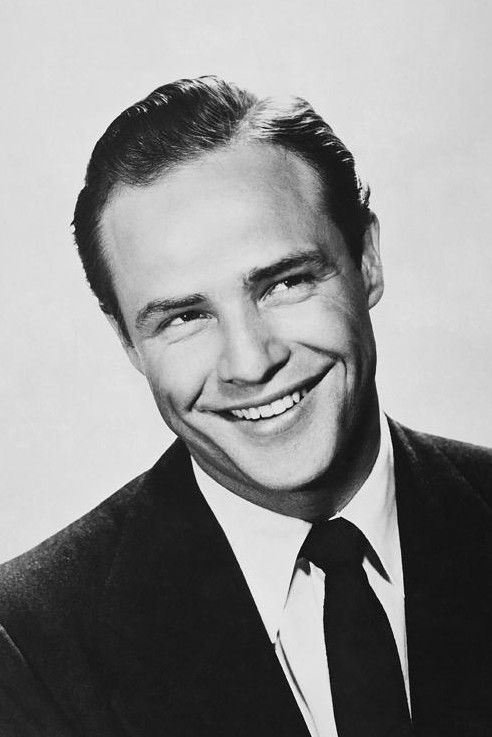
For the 1976 Western ‘The Missouri Breaks’, Brando famously refused to participate in any interviews or standard promotional activities. He spent much of his time on set frustrating his co-stars with eccentric behavior and a refusal to follow the established script. Brando had reached a point in his career where he felt the traditional Hollywood marketing machine was unnecessary for his personal brand. The film’s promotion relied almost entirely on the presence of his co-star, Jack Nicholson, to generate public interest.
Share your thoughts on these instances of actors boycotting their own projects in the comments.