African-American Actors Who Moved Abroad to Escape Hollywood Toxicity

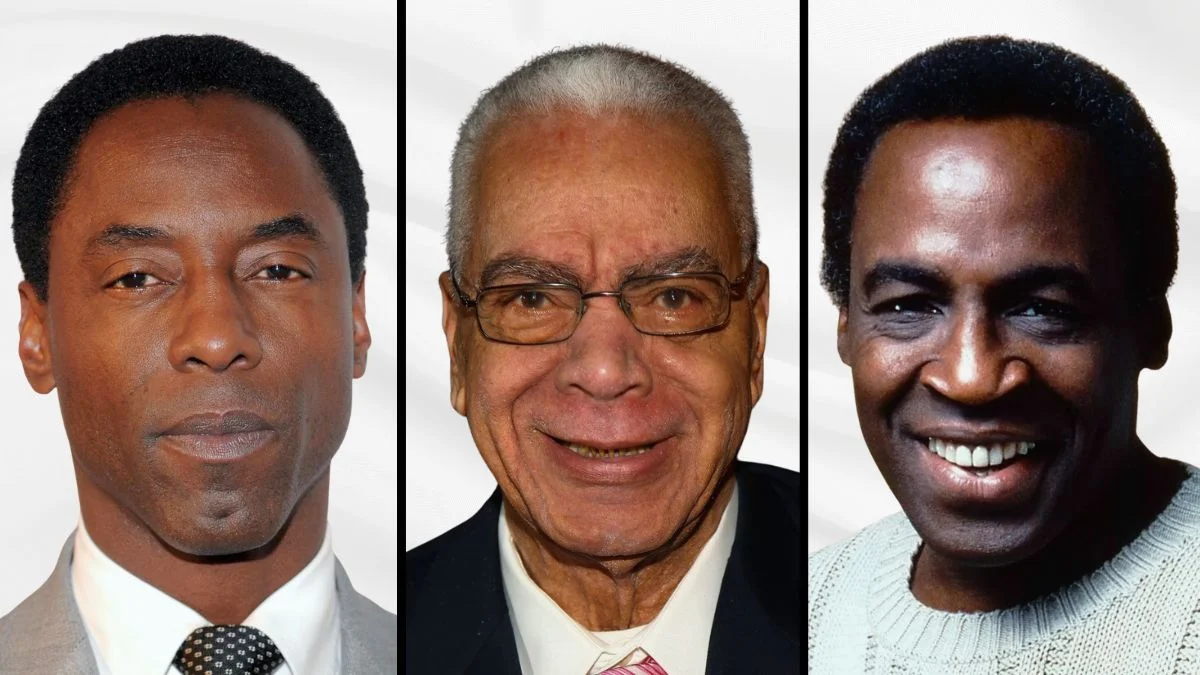

The history of the American film industry is marked by periods where talented performers felt compelled to seek opportunities beyond the borders of the United States. Many African-American actors found that the restrictive casting practices and social climate of Hollywood hindered their professional and personal growth. By relocating to Europe, Africa, or other international regions, these men discovered a level of creative freedom that was often unavailable at home. This list explores the performers who chose to build their lives and careers in foreign countries to avoid the toxicity of the domestic entertainment landscape.
Paul Robeson
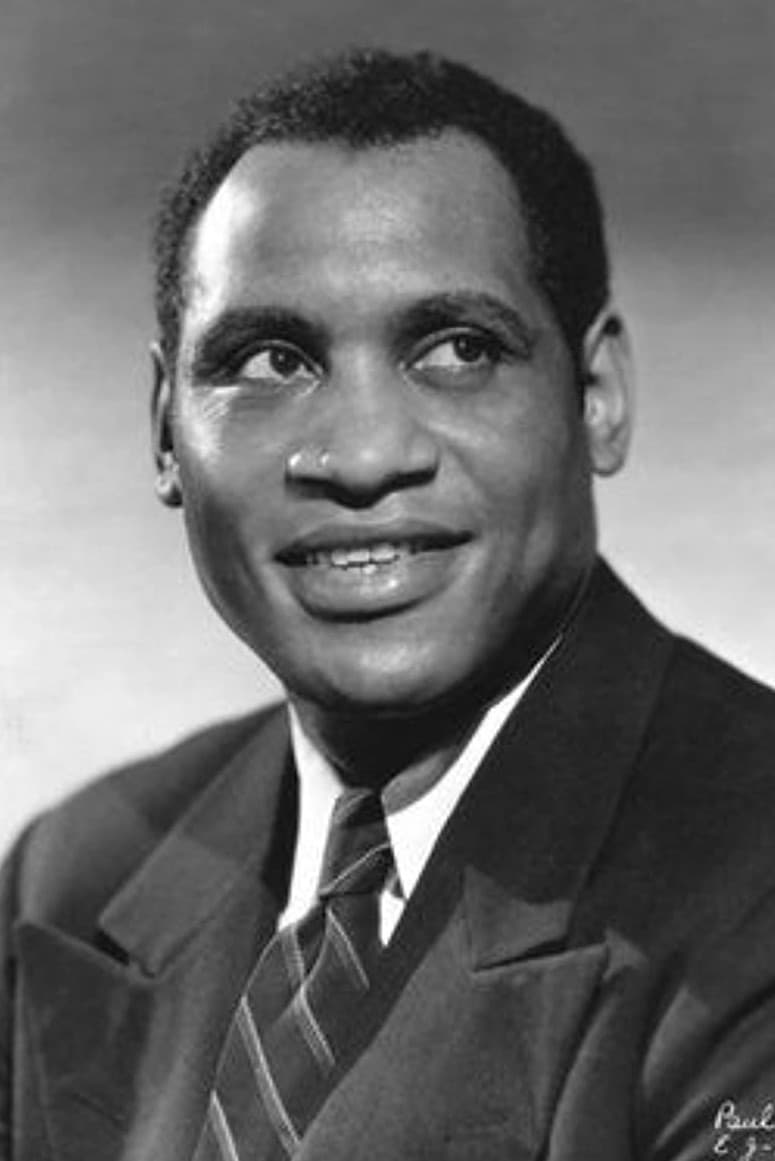
Paul Robeson was a distinguished athlete and scholar who became an internationally renowned actor and singer. He moved to London in the late 1920s to find more substantial roles in theater and film. Robeson appreciated the relative lack of segregation in Europe and used his platform to advocate for social justice globally. His performance in ‘The Proud Valley’ demonstrated his ability to lead films that focused on working class struggles. He eventually spent significant time in the Soviet Union and other parts of Europe before his passport was revoked by the American government.
James Baldwin
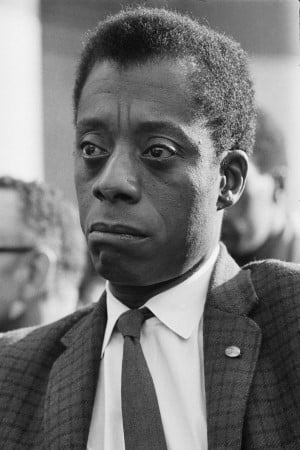
While widely recognized as a brilliant writer, James Baldwin also engaged with the performing arts and appeared in several productions. He fled to Paris in 1948 with very little money to escape the suffocating racism of the United States. This move provided him with the mental clarity to write his most influential works and participate in international cultural dialogues. Baldwin often worked on scripts and plays like ‘The Amen Corner’ while living in France and Turkey. He remained an expatriate for much of his life to maintain his creative independence.
Yasiin Bey
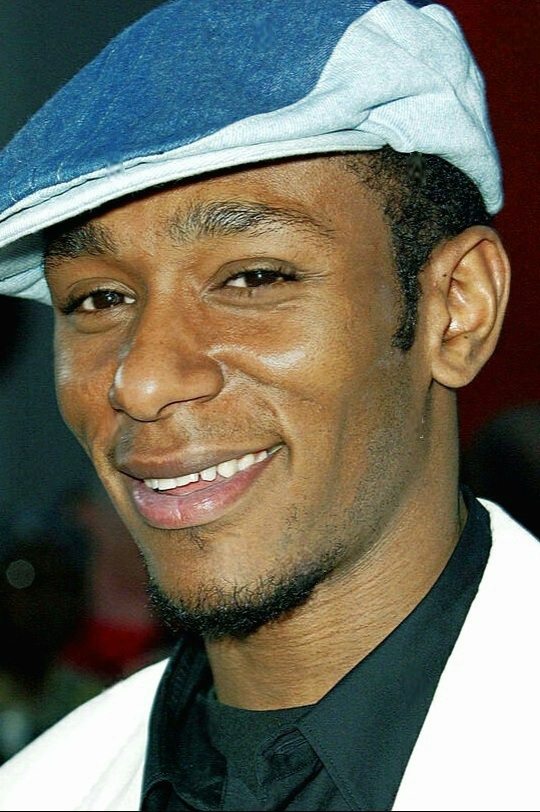
The artist formerly known as Mos Def established a successful career in both music and film before deciding to leave the United States. He moved to South Africa in 2013 after expressing dissatisfaction with the social and political atmosphere in America. Bey appeared in acclaimed films such as ‘The Italian Job’ and ‘Something the Lord Made’ during his time in Hollywood. He sought a more peaceful environment where he could raise his family and continue his artistic endeavors without constant industry pressure. His relocation highlighted the ongoing challenges faced by Black artists in the modern entertainment era.
Dave Chappelle
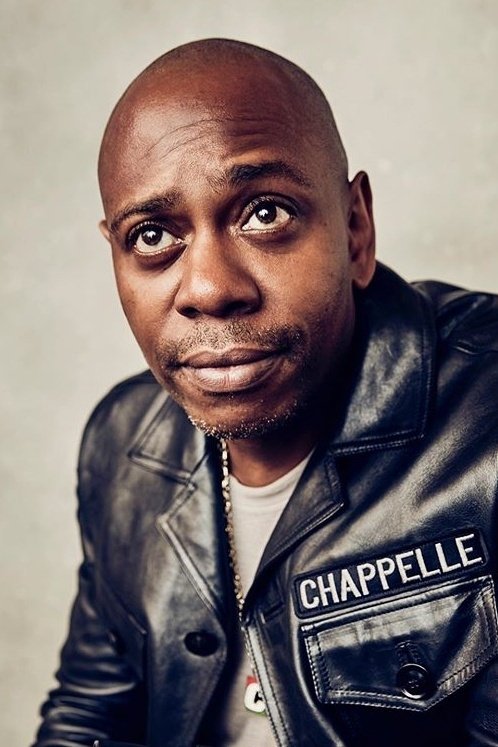
Dave Chappelle is a celebrated comedian and actor who made a public departure from his television series in 2005. He traveled to South Africa to take a break from the overwhelming demands and toxic environment of the entertainment industry. Chappelle appeared in movies like ‘Robin Hood Men in Tights’ and ‘Blue Streak’ throughout his early career. His decision to step away was a move toward personal preservation and spiritual grounding away from media scrutiny. He eventually returned to the public eye but maintains a more guarded relationship with the Hollywood system.
Isaiah Washington
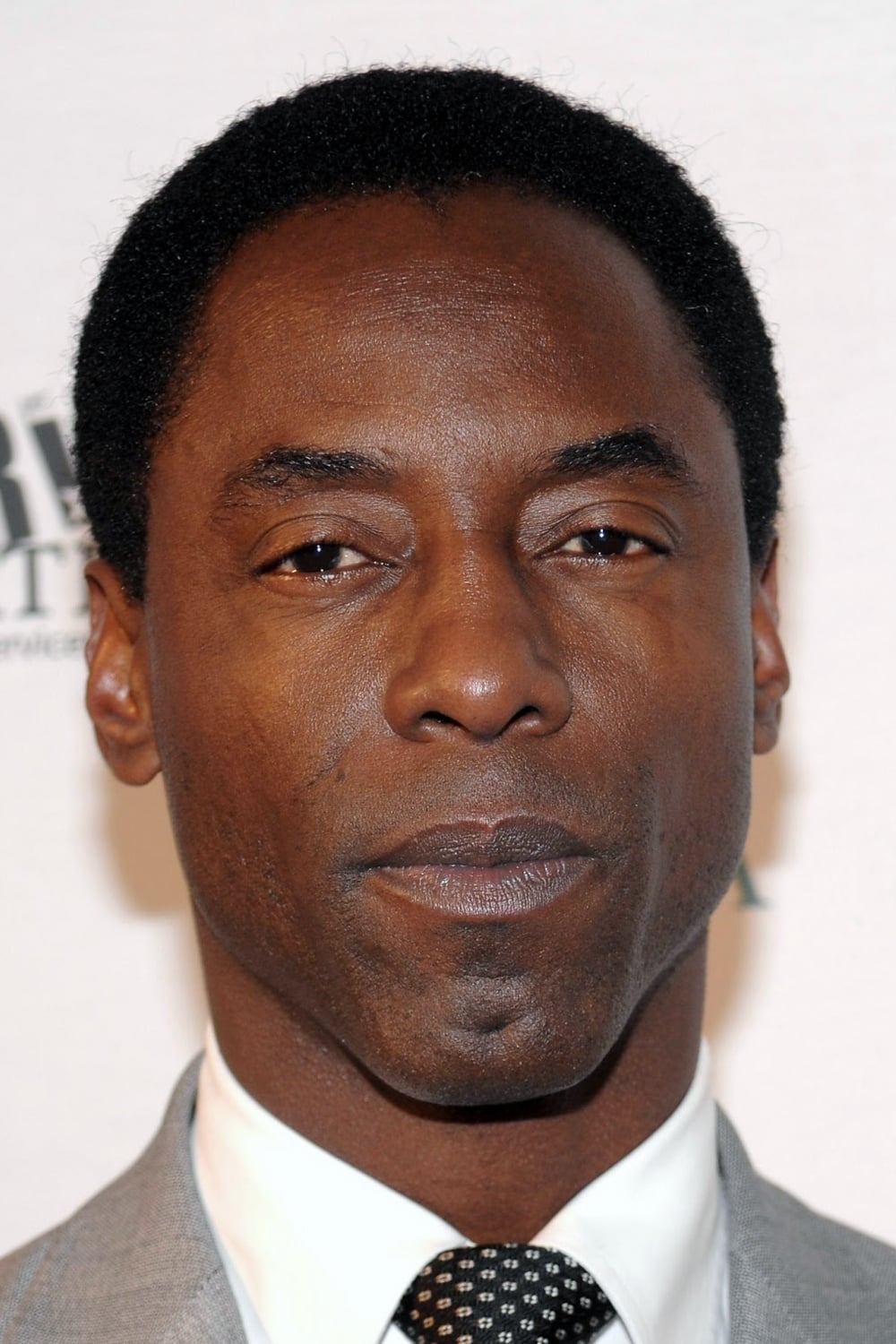
Isaiah Washington is well known for his roles in ‘Grey’s Anatomy’ and several films directed by Spike Lee. Following a controversial exit from his television role, he explored his ancestral roots and focused on international projects. He officially became a citizen of Sierra Leone and spent considerable time working on humanitarian efforts in Africa. Washington found that the global stage offered opportunities for growth that the traditional Hollywood system did not provide. He continues to engage with film and television while maintaining strong ties to his adopted home.
Earle Hyman
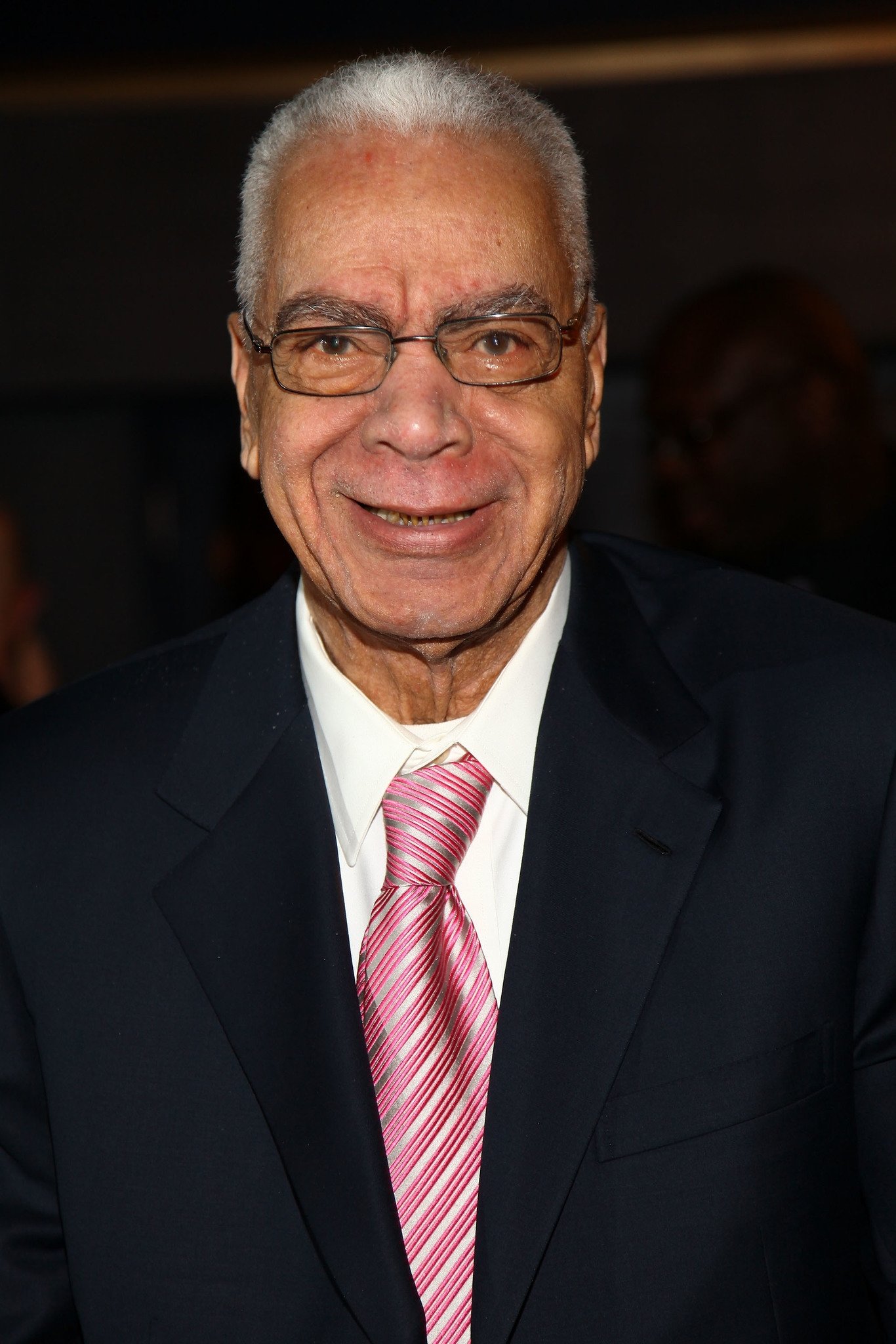
Earle Hyman was a versatile actor who gained fame for his role as the grandfather on ‘The Cosby Show’. He spent much of his career living and working in Norway where he became a respected interpreter of the works of Henrik Ibsen. Hyman found that Scandinavian theater allowed him to play a wide range of characters regardless of his race. He performed ‘Othello’ hundreds of times across Europe and became fluent in Norwegian to better connect with his audience. His international success allowed him to sustain a long and prestigious career outside the American mainstream.
Fred Williamson
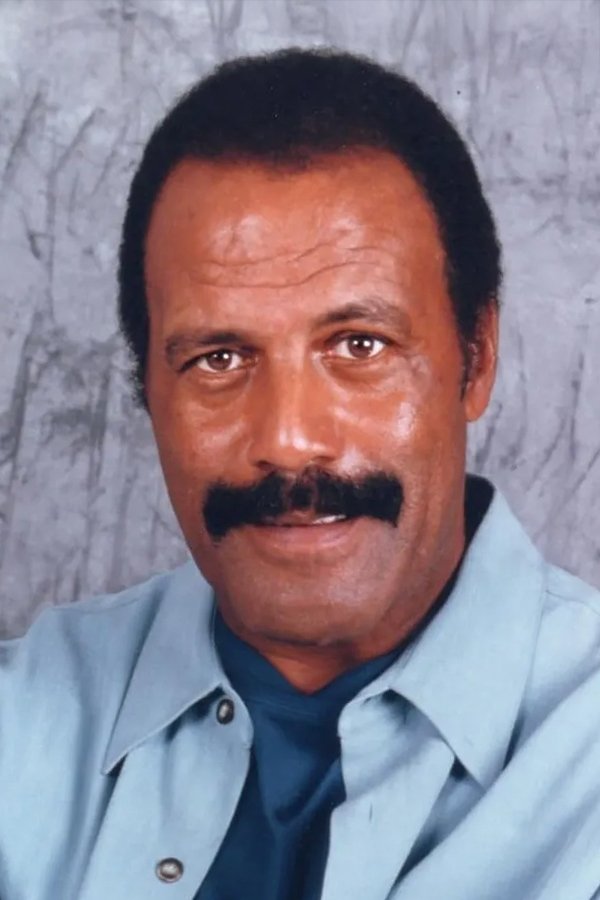
Fred Williamson transitioned from a professional football career to become a major star in the action genre. He moved to Rome during the 1970s to produce and star in films that offered him more creative control. Williamson found that European cinema was more open to Black leading men who portrayed powerful and independent characters. His work in movies like ‘The Inglorious Bastards’ earned him international acclaim and financial independence. He became a pioneer for independent filmmakers by bypassing the traditional studio system entirely.
Woody Strode
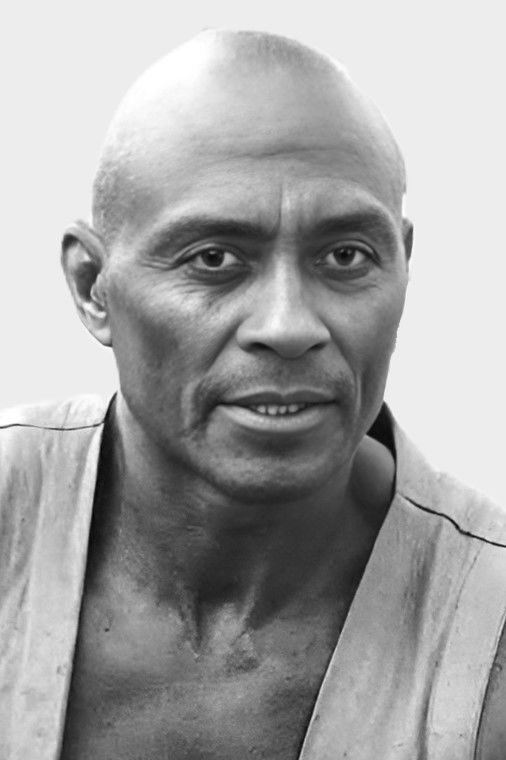
Woody Strode was a former athlete who became a trailblazing actor in films like ‘Spartacus’ and ‘Sergeant Rutledge’. He eventually moved to Italy where he found more consistent work and better treatment within the film industry. Strode starred in numerous European Westerns and action films that allowed him to showcase his physical prowess and acting range. He noted that he was treated like a star in Europe while he often faced discrimination in his home country. His legacy remains significant in both American and international cinema history.
Gordon Heath
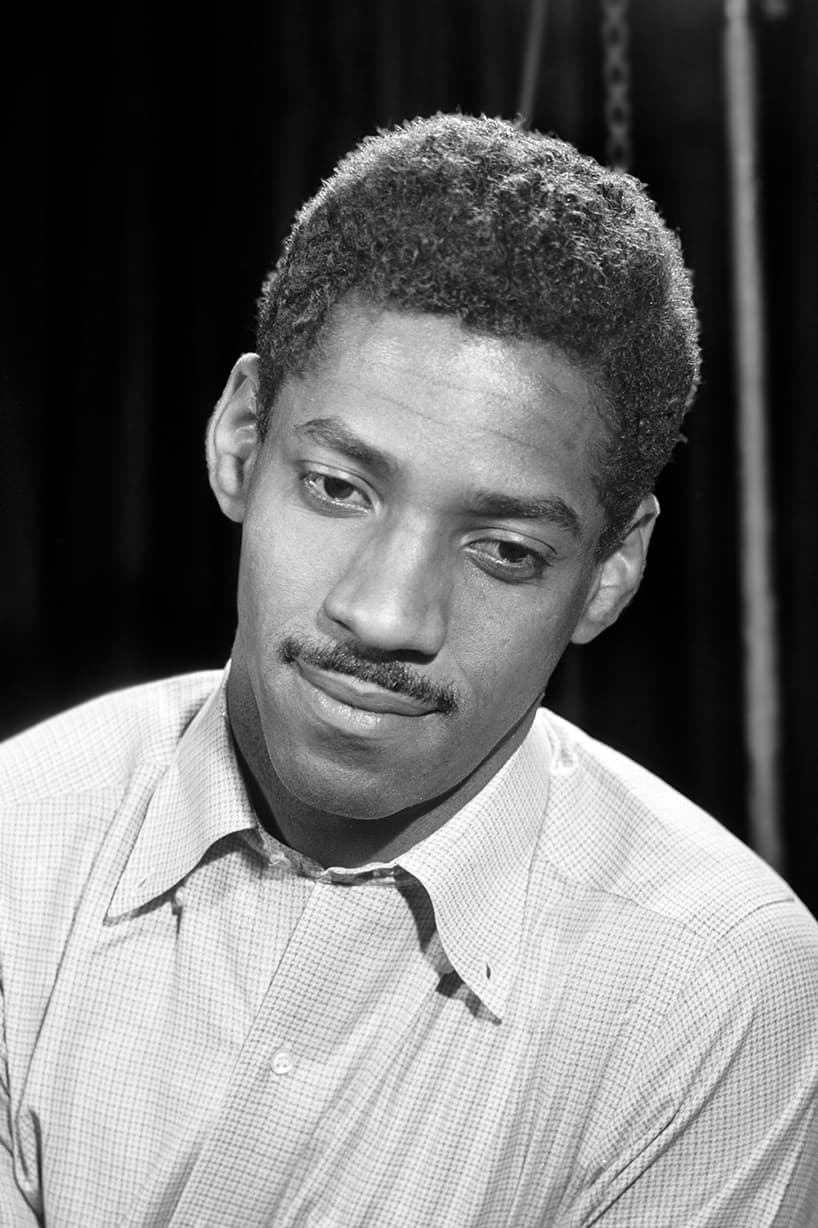
Gordon Heath was a classically trained actor who gained fame for his performance in the Broadway play ‘Deep Are the Roots’. He moved to Paris in 1948 to escape the racial limitations of the American theater world. Heath became a fixture in the Parisian cultural scene and opened a popular jazz club with his partner. He continued to act in European theater and provided the narration for the animated film ‘Animal Farm’. His life in France allowed him to live authentically and professionally without the constraints of segregation.
John Kitzmiller
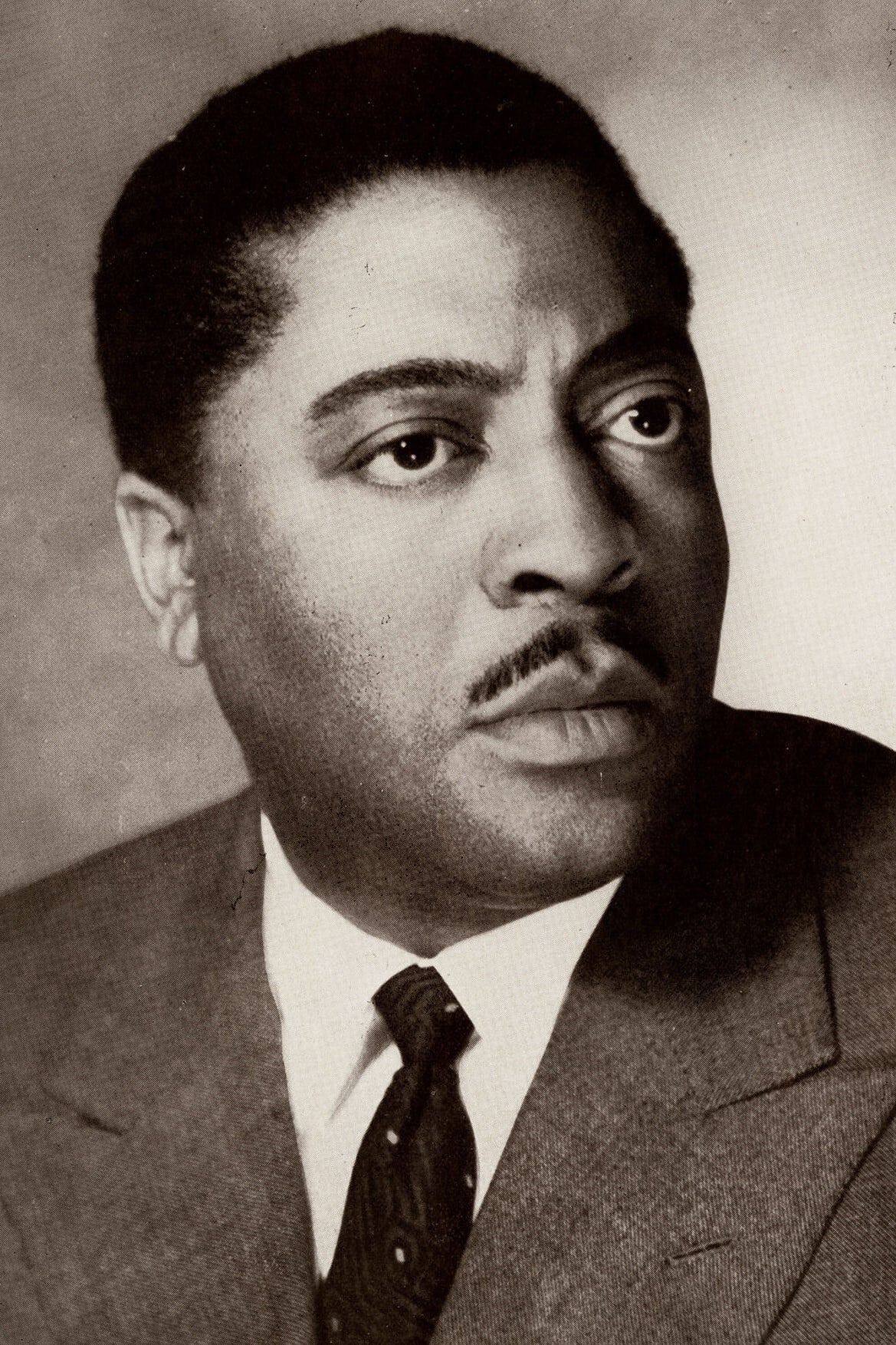
John Kitzmiller was a captain in the United States Army who was discovered by filmmakers in Italy after World War II ended. He chose to remain in Europe and became the first Black actor to win the Best Actor award at the Cannes Film Festival. Kitzmiller is perhaps best known to global audiences for his role as Quarrel in the first James Bond film ‘Dr. No’. He appeared in over fifty European films and enjoyed a level of prestige that would have been difficult to achieve in Hollywood at the time. He lived the remainder of his life in Italy where he was highly regarded by the public.
Herb Jeffries
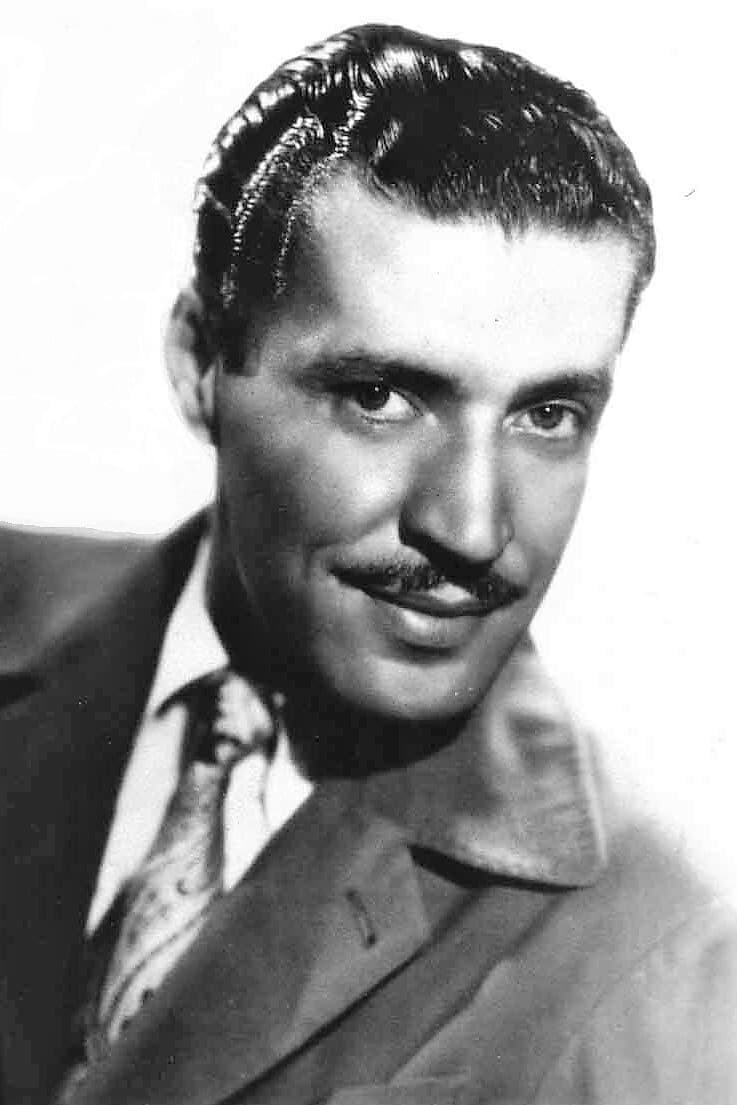
Herb Jeffries was a singer and actor known as the first Black singing cowboy in American cinema. He eventually moved to France and lived there for many years to escape the racial labels and restrictions of the United States. Jeffries performed in upscale nightclubs and appeared in various international productions during his time abroad. He appreciated the cultural sophistication of Europe and the freedom it provided for artists of color. His experiences abroad influenced his music and his perspective on the global entertainment industry.
Harold Nicholas
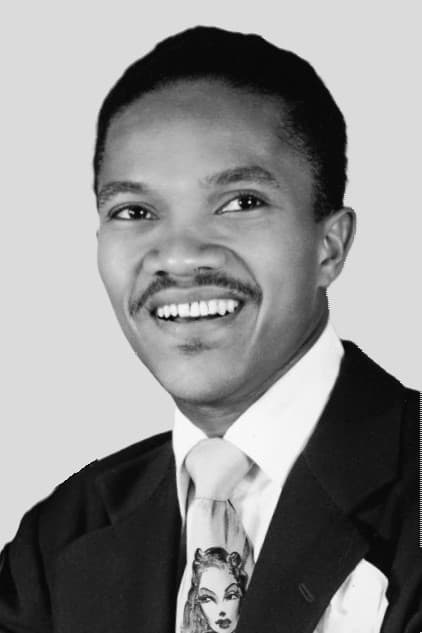
Harold Nicholas was half of the legendary Nicholas Brothers dance team who appeared in films like ‘Stormy Weather’. He moved to France in the 1950s and lived there for seven years to experience life outside the Jim Crow South. In Europe he was able to perform as a solo act and was treated as a premier entertainer in various venues. Nicholas appeared in several French films and variety shows during his time as an expatriate. He returned to the United States later in life but always spoke fondly of the freedom he found abroad.
Fayard Nicholas
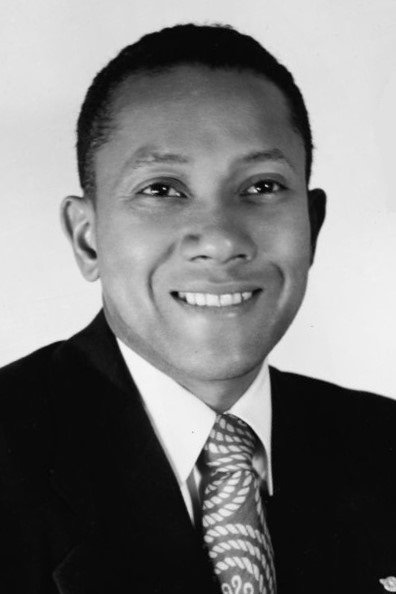
Fayard Nicholas also spent significant time performing and living in Europe alongside his brother Harold Nicholas. He participated in many international tours that allowed him to escape the restrictive performance environments of the American film industry. Fayard contributed to the success of several musical films while finding that international audiences appreciated his technical skill and artistry. His time abroad provided a respite from the professional toxicity that often marginalized Black performers in Hollywood. He remained a respected figure in the global dance community throughout his long career.
Terry Carter
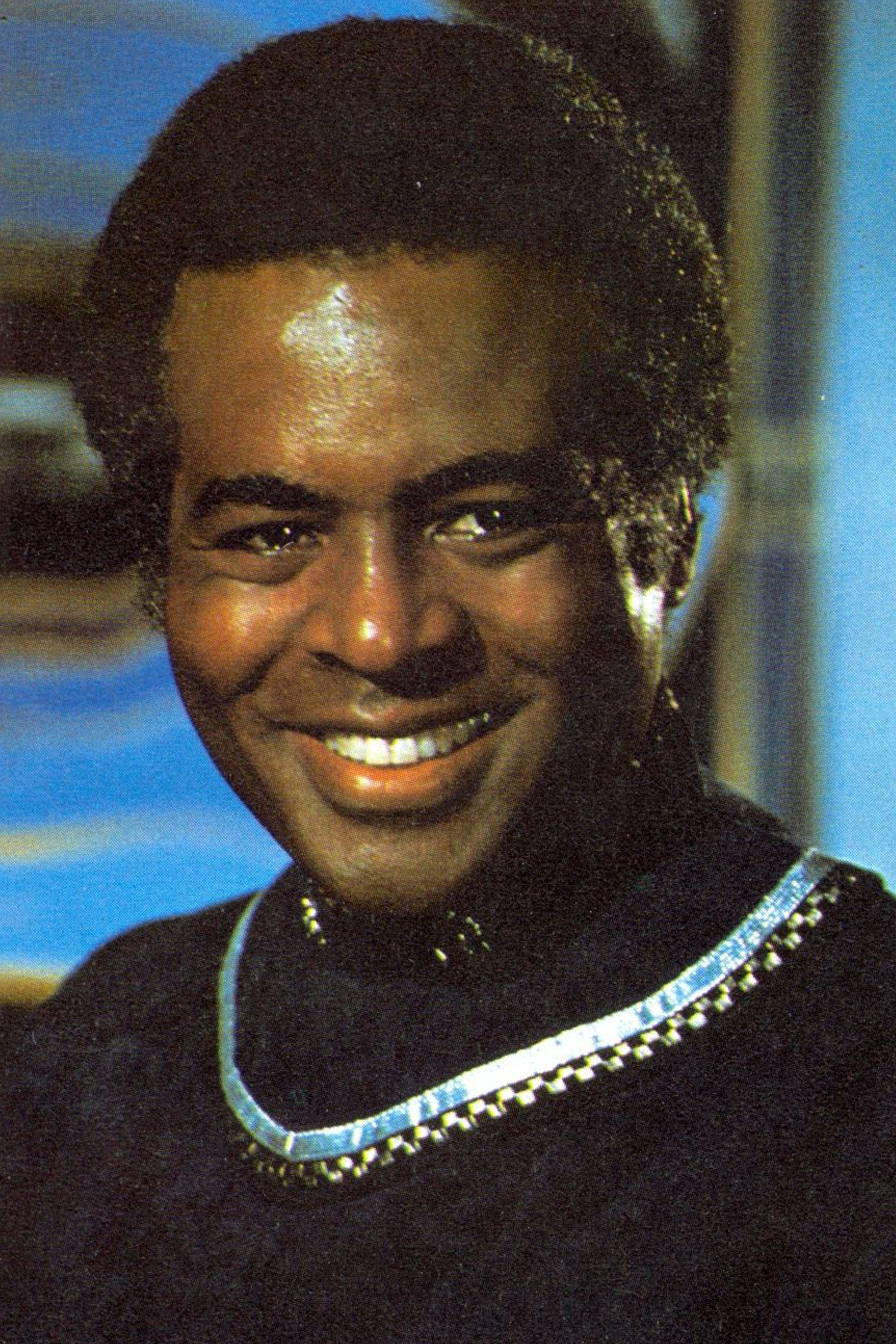
Terry Carter is known for his roles in ‘McCloud’ and the original ‘Battlestar Galactica’ series. He eventually relocated to Scandinavia where he founded a production company and worked on documentary films. Carter found that the European lifestyle offered a better balance and fewer racial obstacles than the American entertainment hub. He continued to act in international projects while focusing on his work behind the camera. His move allowed him to maintain his creative integrity while avoiding the repetitive casting cycles of Los Angeles.
Brock Peters
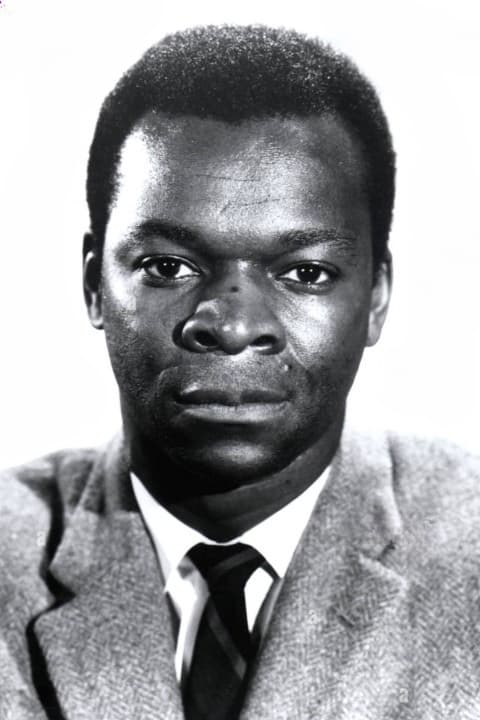
Brock Peters achieved fame for his poignant performance as Tom Robinson in ‘To Kill a Mockingbird’. He spent several years living in Europe to distance himself from the limited roles available to Black actors in Hollywood during the 1960s. Peters worked in various international productions and pursued his interests in music and theater while abroad. He found that the change of scenery helped him maintain his passion for his craft during a turbulent political era. He eventually returned to the United States where he continued to be a respected and prolific actor.
Yaphet Kotto
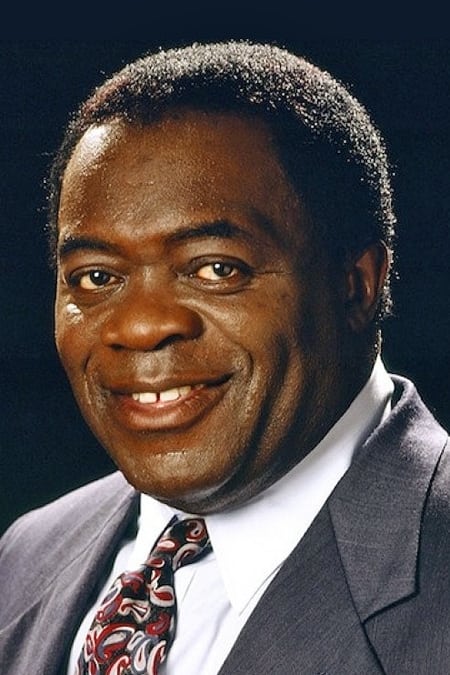
Yaphet Kotto was a versatile actor with notable roles in ‘Live and Let Die’ and the science fiction classic ‘Alien’. He moved to the Philippines later in his life to find peace and focus on his personal interests away from Hollywood. Kotto often spoke about the challenges of working in an industry that did not always value his contributions or complexity. He wrote an autobiography and explored his family history while living outside the United States. His relocation was a deliberate choice to seek a more fulfilling and quiet existence.
Sidney Poitier
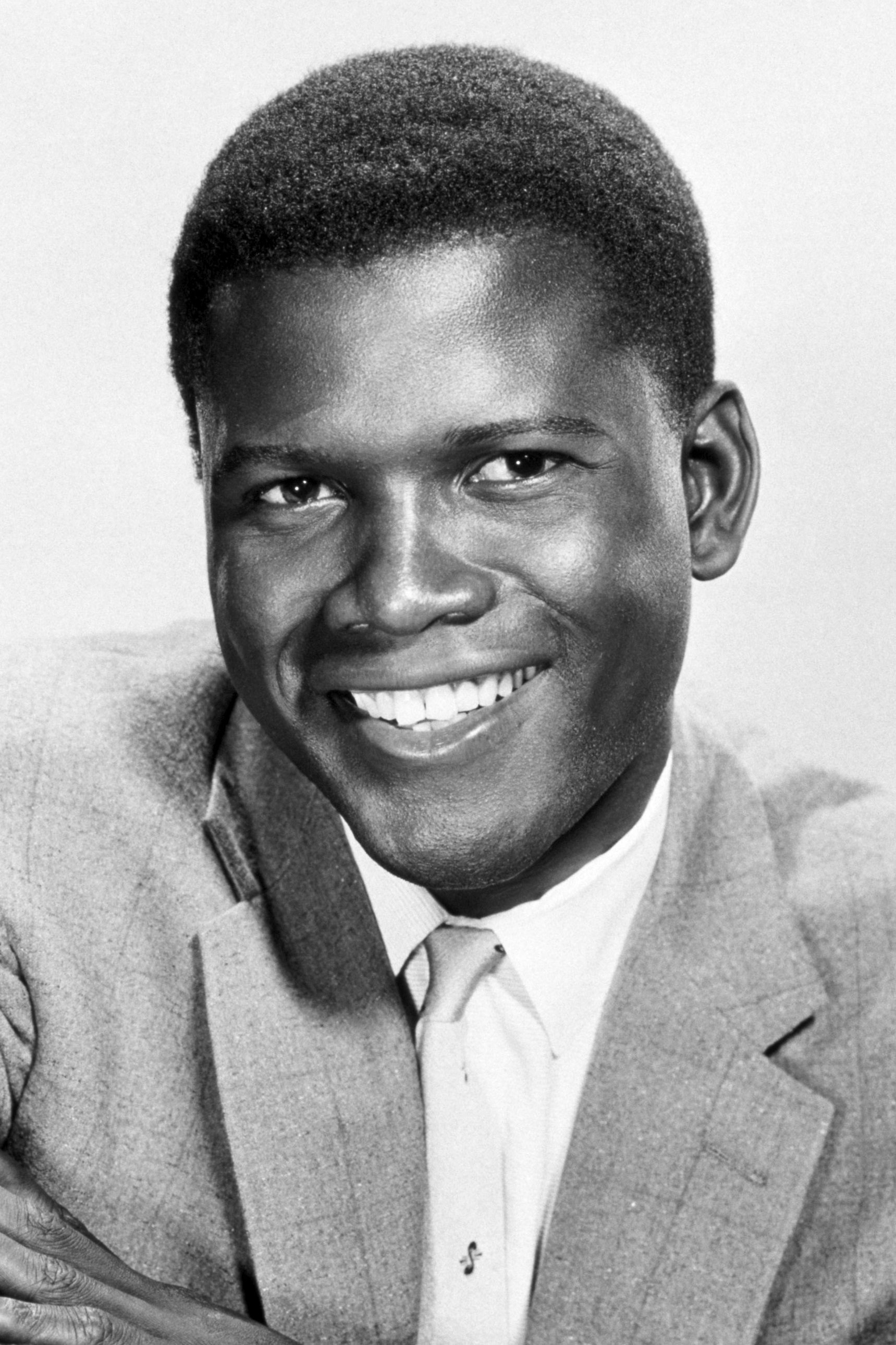
Sidney Poitier was a groundbreaking actor who became the first Black man to win the Academy Award for Best Actor. Although he achieved immense success in Hollywood he frequently returned to his family home in the Bahamas to escape the pressures of fame and the American racial climate. Poitier took several breaks from the industry to ground himself and maintain his perspective on his career. He served as the Bahamian ambassador to Japan for several years which showcased his commitment to his heritage. His international focus helped him navigate the toxic elements of the film industry during a pivotal time in history.
Richard Wright
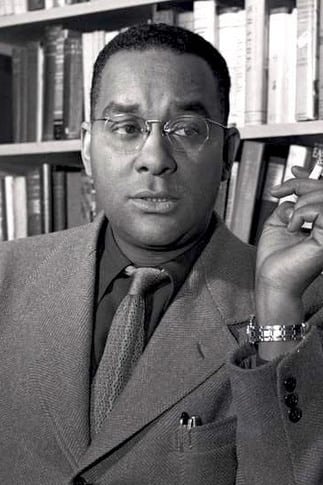
Richard Wright was a profound writer and actor who played the lead role in the 1951 film version of his book ‘Native Son’. He moved to Paris in 1946 to escape the daily humiliations of American racism and the scrutiny of the government. Wright felt that France allowed him to be treated as an equal and provided the freedom necessary for his intellectual pursuits. He remained in Paris for the rest of his life and was a key figure in the expatriate community of Black artists. His work in film and literature continued to influence global discussions on race and society.
Geoffrey Holder
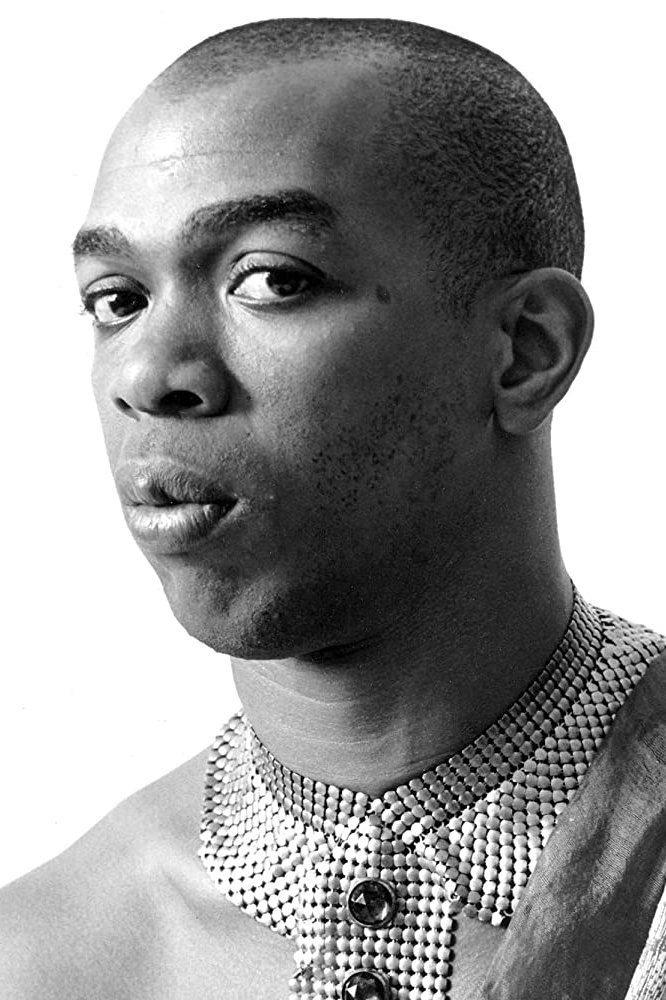
Geoffrey Holder was a versatile artist who excelled in acting dancing and choreography. He was born in Trinidad and frequently moved between the Caribbean Europe and the United States throughout his career. Holder appeared in films like ‘Annie’ and ‘Live and Let Die’ while also directing major theater productions. He maintained a strong international presence to ensure he was never confined by the narrow expectations of the Hollywood system. His vibrant personality and artistic range made him a beloved figure in the global arts world.
Robert Guillaume
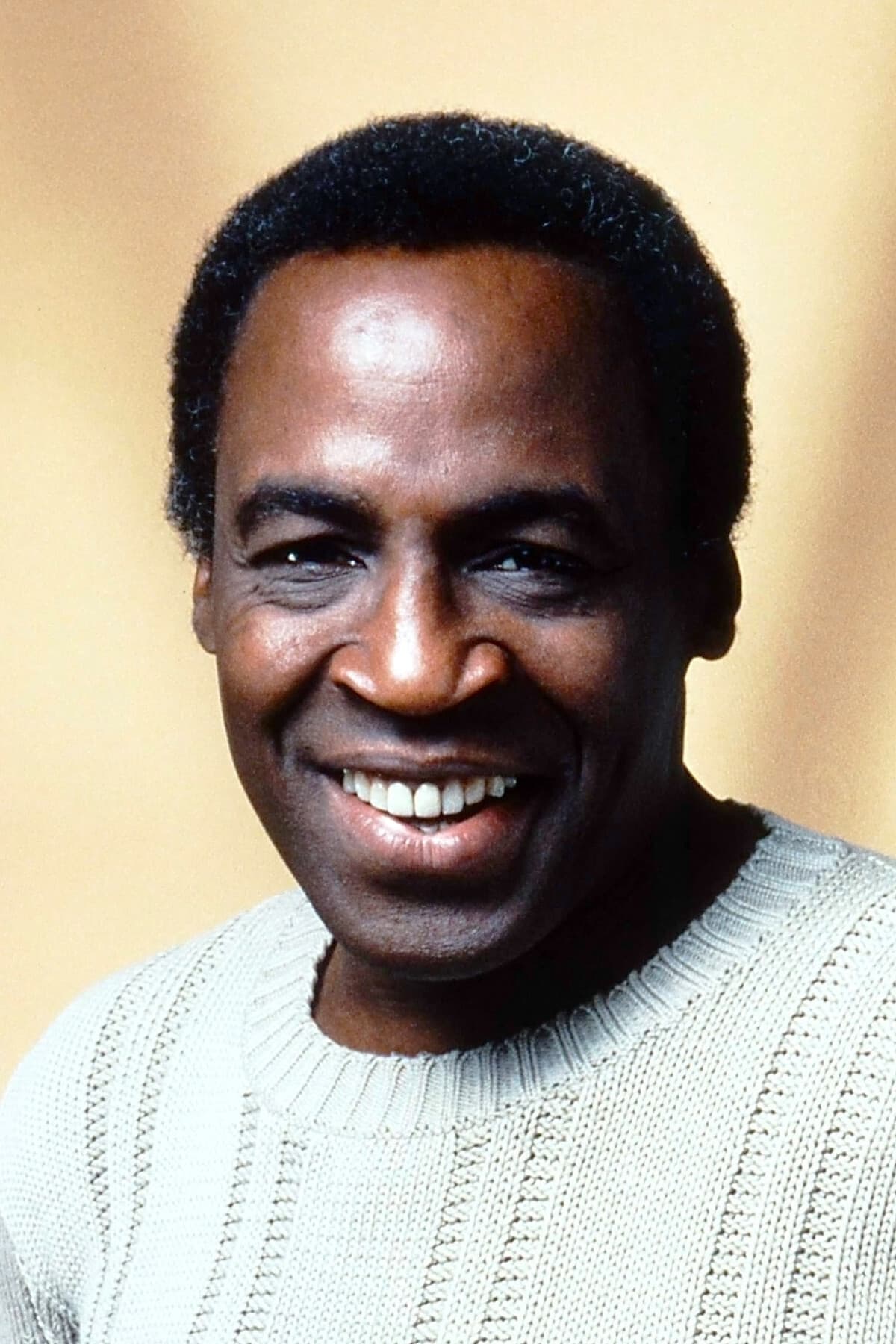
Robert Guillaume was a celebrated actor and singer who became famous for his portrayal of the title character in ‘Benson’. He spent significant periods of time traveling and working in Europe to explore his talents beyond the sitcom genre. Guillaume was an accomplished operatic singer and performed in various stage productions abroad where race was less of a defining factor in casting. He valued the opportunity to perform in classical works and musicals for diverse audiences around the world. His international experiences enriched his craft and provided a broader perspective on his profession.
Raymond St. Jacques
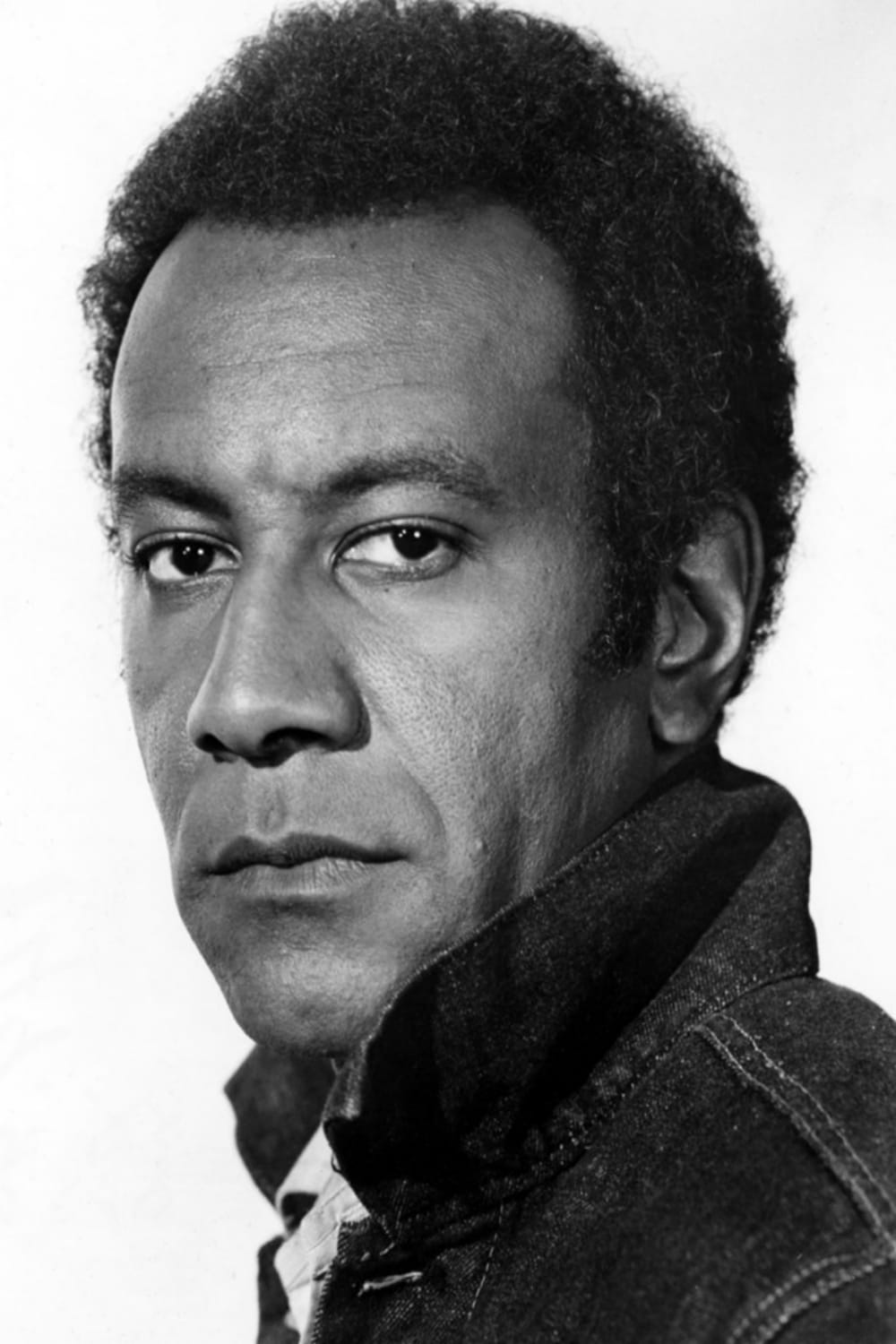
Raymond St. Jacques was a versatile actor who appeared in films like ‘Cotton Comes to Harlem’ and ‘The Green Berets’. He frequently sought work in European and international joint productions to avoid the repetitive and stereotypical roles often offered in Hollywood. St. Jacques was vocal about the need for better opportunities for Black actors and found that international sets sometimes provided more professional respect. He spent time in various countries and used his platform to advocate for civil rights and industry reform. His commitment to his art led him to explore many different creative avenues throughout his life.
Cleavon Little
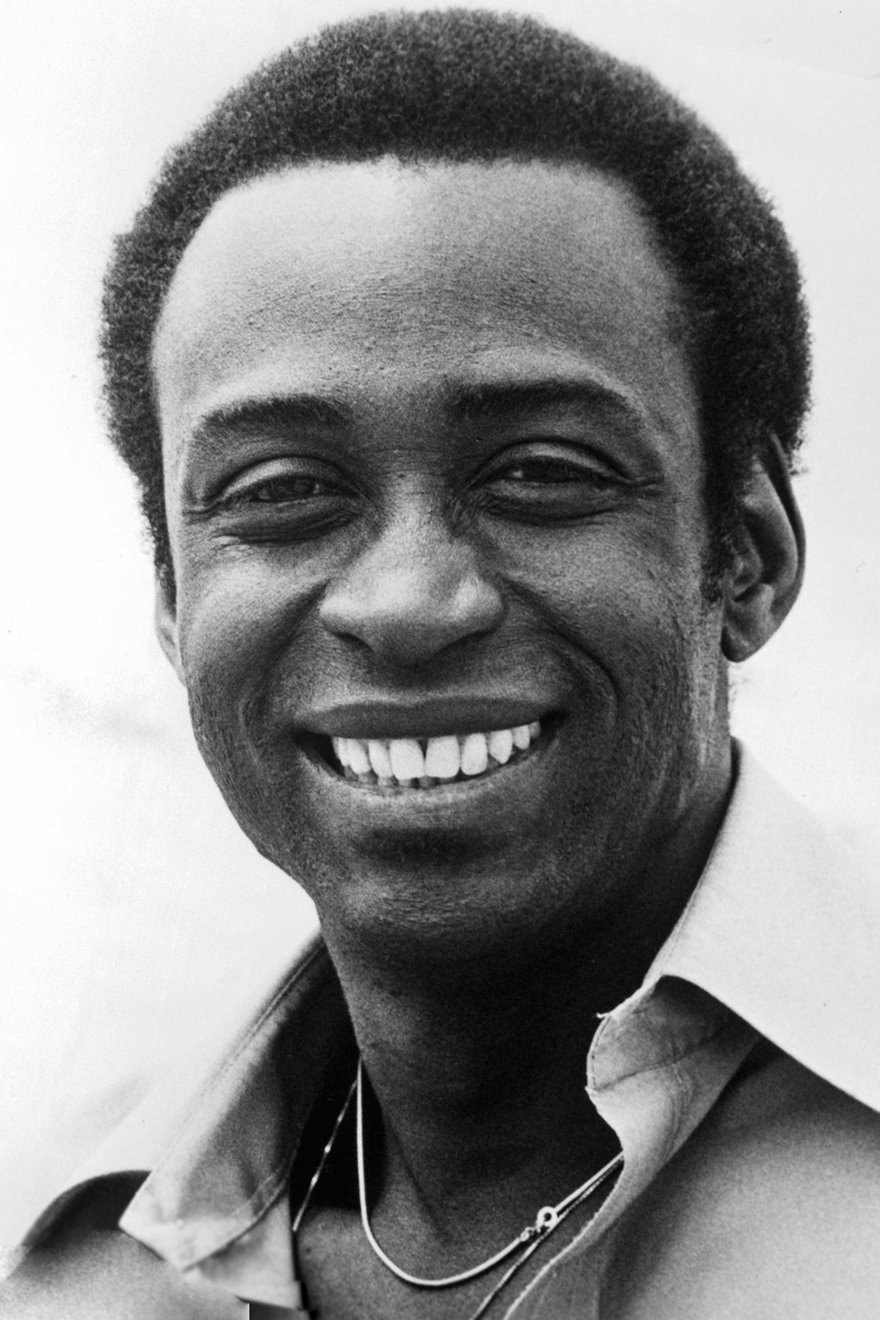
Cleavon Little is best remembered for his iconic lead role in the comedy classic ‘Blazing Saddles’. He traveled extensively and worked in Europe at various points in his career to maintain his mental health and creative focus. Little found the high pressure environment of the American entertainment industry to be taxing and sought refuge in more relaxed cultural settings. He was a highly respected stage actor who brought a unique energy and intelligence to every role he played. His time spent abroad helped him balance his public persona with his personal well-being.
D’Urville Martin
D’Urville Martin was an actor and director who became a prominent figure in the blaxploitation film era. He sought out international distribution deals and worked on projects in Europe to gain more independence from the major Hollywood studios. Martin appeared in films like ‘Rosemary’s Baby’ and directed the cult classic ‘Dolemite’. He understood the value of the global market and used it to sustain his career and support other Black filmmakers. His move toward international collaboration was a strategic response to the limitations he faced within the domestic industry.
Bill Robinson
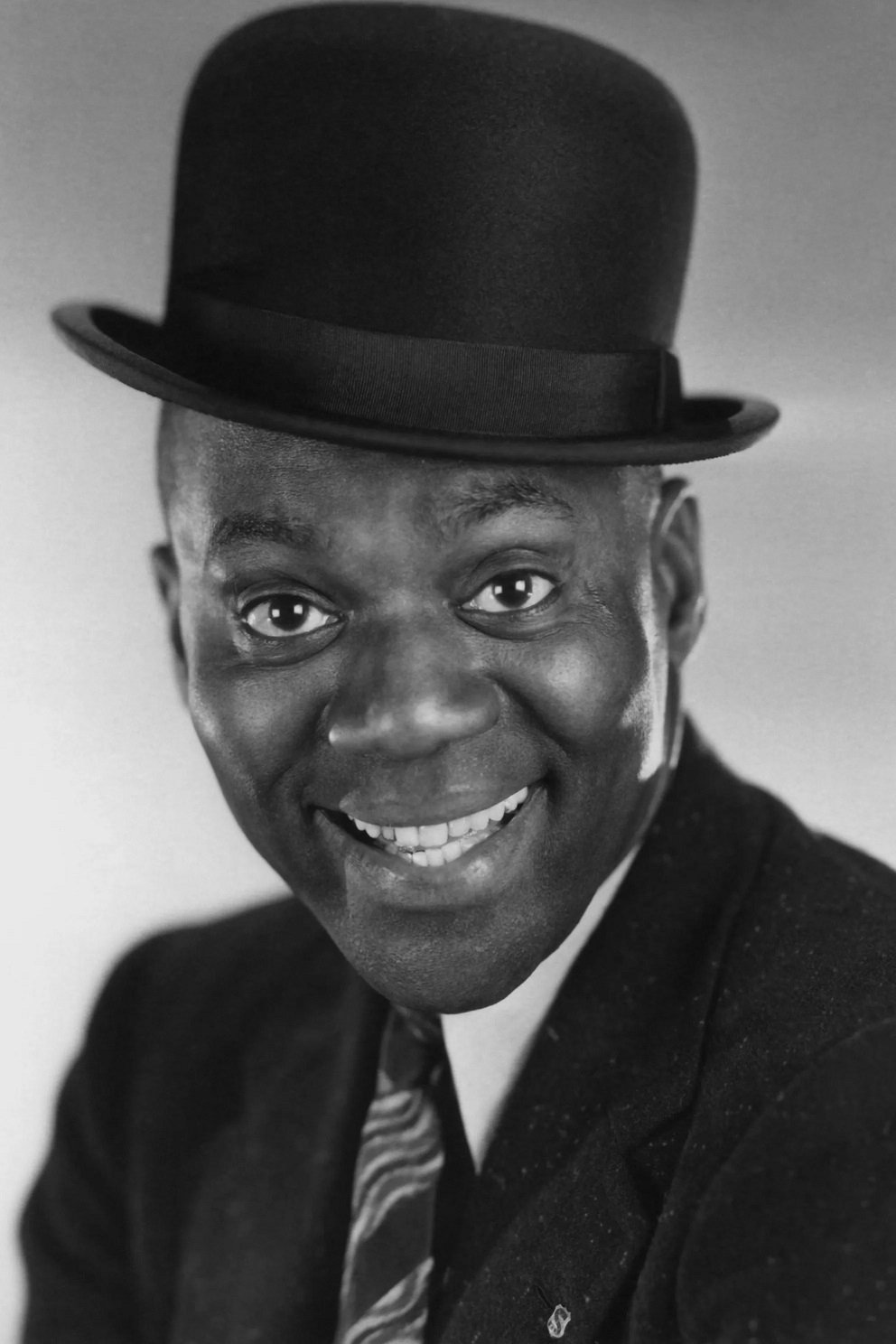
Bill Robinson was a legendary tap dancer and actor who was often called Bojangles. He toured internationally for many years and found that audiences in Europe and other regions offered him a level of respect that was often denied in the United States. Robinson appeared in several films with Shirley Temple but still faced significant discrimination in his daily life. His international tours were essential for his career longevity and provided him with a sense of freedom and accomplishment. He remained a beloved figure worldwide for his incredible talent and contributions to the performing arts.
Harry Belafonte

Harry Belafonte was a world famous singer and actor who played a major role in the civil rights movement. He often resided in Europe and Jamaica to distance himself from the political backlash and professional blacklisting he faced in the United States. Belafonte appeared in films like ‘Island in the Sun’ and ‘Buck and the Preacher’ while using his fame to fund social justice causes. He found that international audiences and governments were often more supportive of his activism than those in his home country. His life as a global citizen allowed him to remain a powerful voice for change while continuing his artistic career.
James Edwards
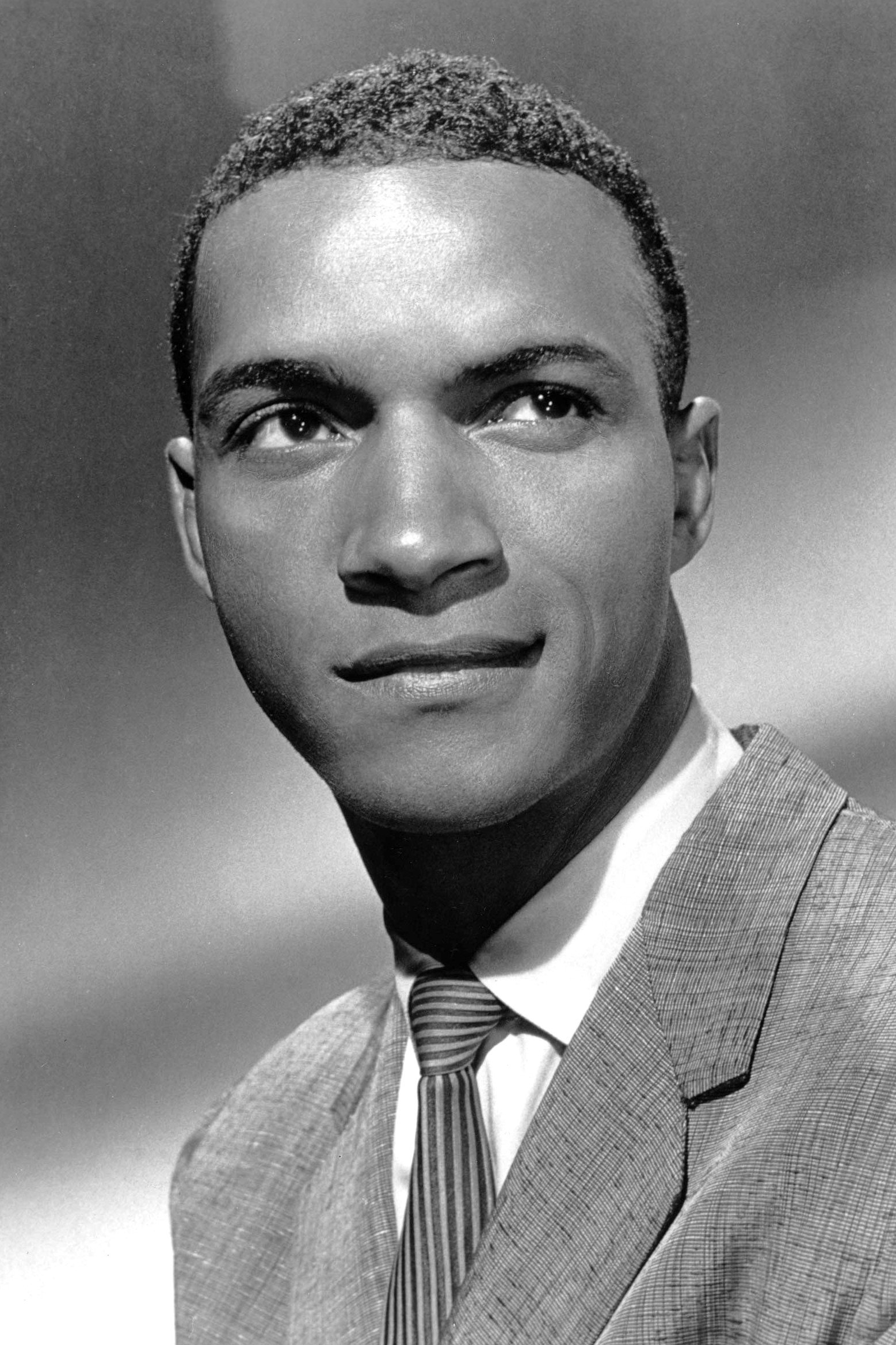
James Edwards was a pioneering actor who starred in the influential film ‘Home of the Brave’. He faced significant professional setbacks in Hollywood during the McCarthy era and subsequently sought work in international productions. Edwards moved to Europe for a period where he could continue his craft without the constant pressure of political blacklisting. He appeared in various foreign films and found that European directors valued his talent and intensity. His decision to work abroad helped him sustain his career during a very difficult time for Black actors in America.
Moses Gunn
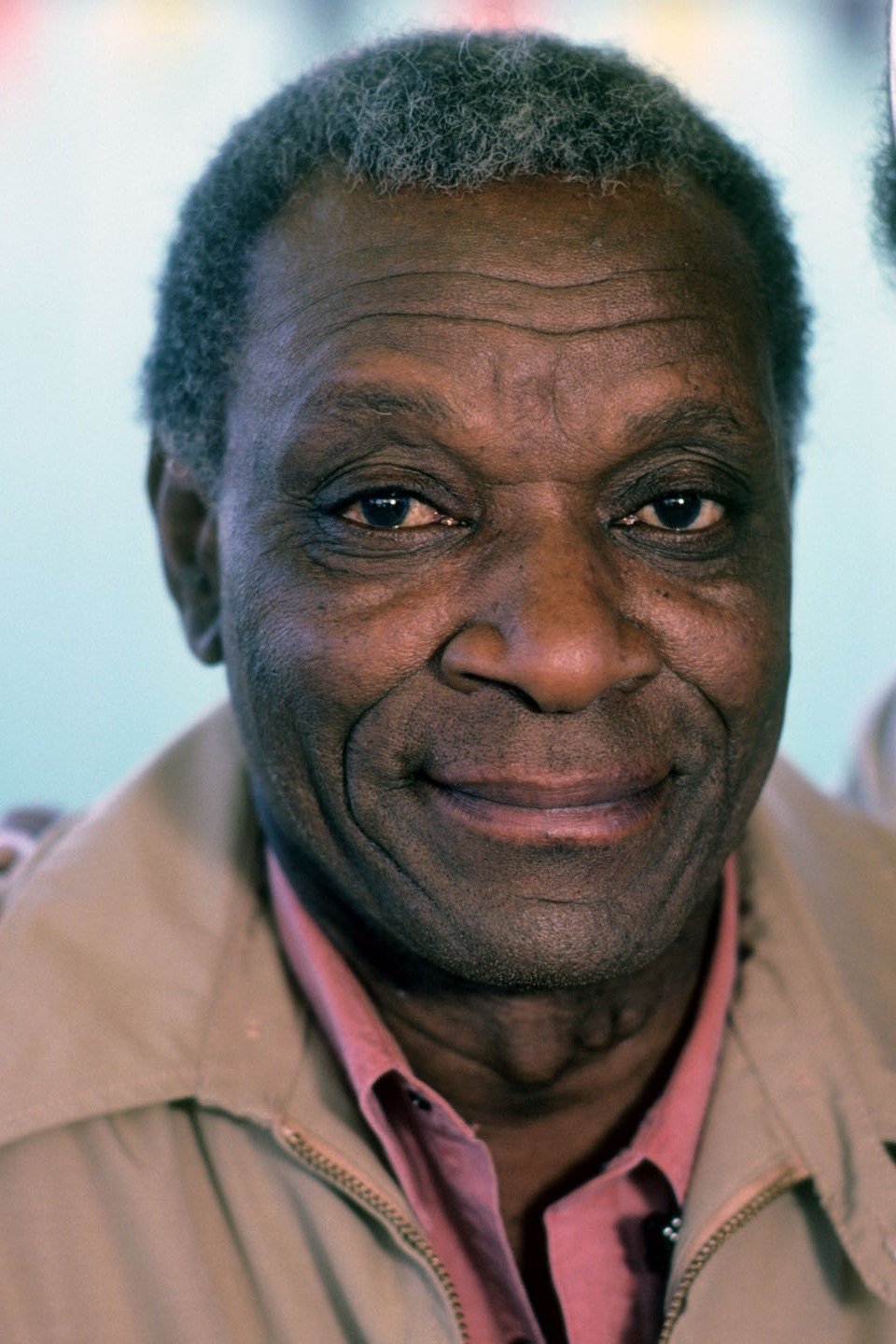
Moses Gunn was a founding member of the Negro Ensemble Company and an acclaimed actor in films like ‘Shaft’. He often traveled and performed in international theater festivals to escape the rigid casting environment of Los Angeles and New York. Gunn found that European audiences had a deep appreciation for his classical training and versatile acting style. He appeared in numerous stage productions across the continent and earned high praise for his work. His international presence allowed him to maintain a high level of artistic integrity throughout his long and distinguished career.
Frank Silvera
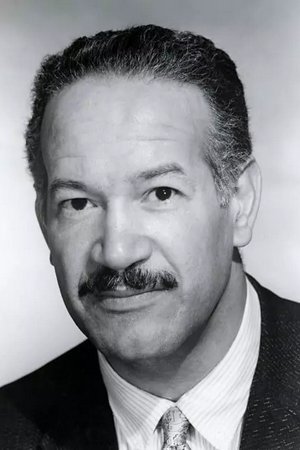
Frank Silvera was a Jamaican born American actor and director who founded the Theatre of Being. He frequently worked abroad and maintained an international perspective to avoid the racial labels that often limited his roles in Hollywood. Silvera appeared in films like ‘Viva Zapata!’ and was known for his ability to play characters of many different ethnicities. He advocated for a more inclusive approach to casting and found that international theater circles were more aligned with his philosophy. His work both in the United States and abroad left a lasting impact on the acting community.
Canada Lee
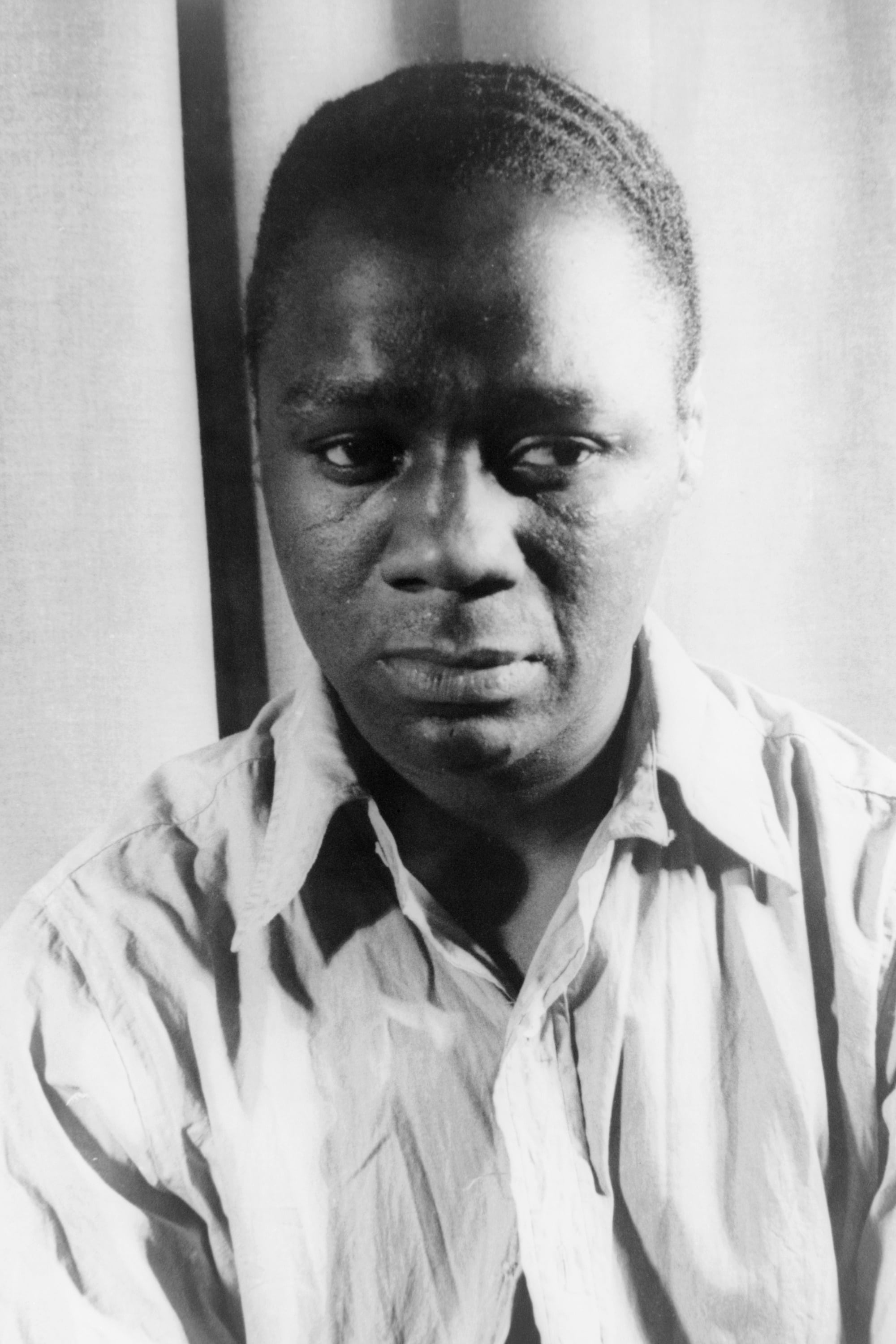
Canada Lee was a talented actor who rose to fame in productions like ‘Native Son’ and the film ‘Lifeboat’. He moved to England to star in the film ‘Cry the Beloved Country’ after being blacklisted in the United States during the Red Scare. Lee found that the British film industry offered him more significant and dignified roles than he could find at home. He used his time abroad to continue his activism and speak out against injustice on a global scale. His move was a direct response to the political toxicity and racism that threatened his livelihood in Hollywood.
Bernie Casey
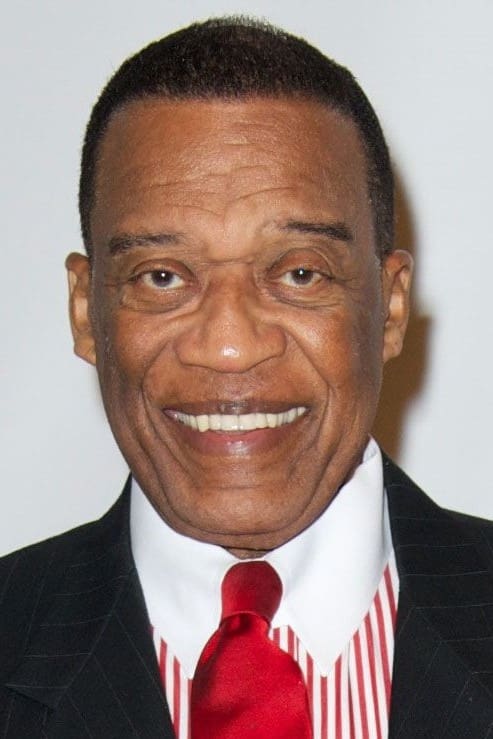
Bernie Casey was a professional athlete who transitioned into a successful career as an actor and artist. He spent considerable time in Europe and other international locations to pursue his interests in painting and poetry away from the spotlight. Casey appeared in films like ‘Boxcar Bertha’ and ‘Never Say Never Again’ while maintaining a relatively private profile in Hollywood. He found that the European artistic community provided a more supportive environment for his diverse talents. His relocation allowed him to live a balanced life and focus on his personal creative evolution.
Antonio Fargas
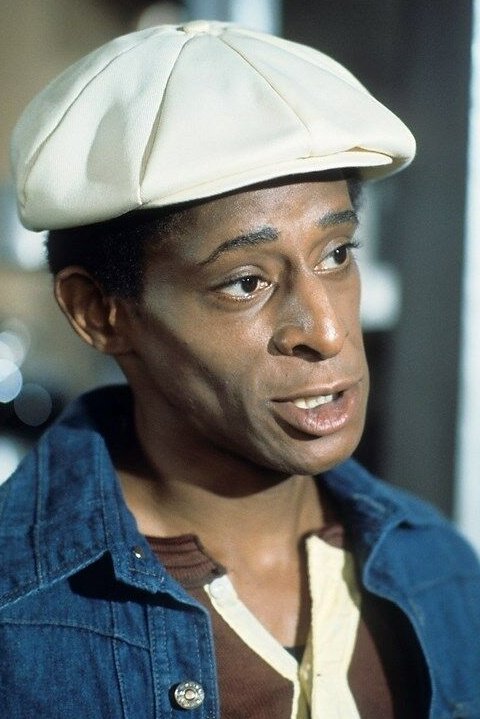
Antonio Fargas became a household name for his portrayal of Huggy Bear on the television series ‘Starsky and Hutch’. He eventually chose to live in London for many years to explore a wider range of theatrical and film opportunities. Fargas found that the British entertainment industry offered him roles that were not restricted by his previous success in the blaxploitation genre. He continued to act in international productions and remains a respected figure in the global acting community. His move allowed him to diversify his career and find a more peaceful lifestyle away from the Los Angeles spotlight.
Paul Winfield
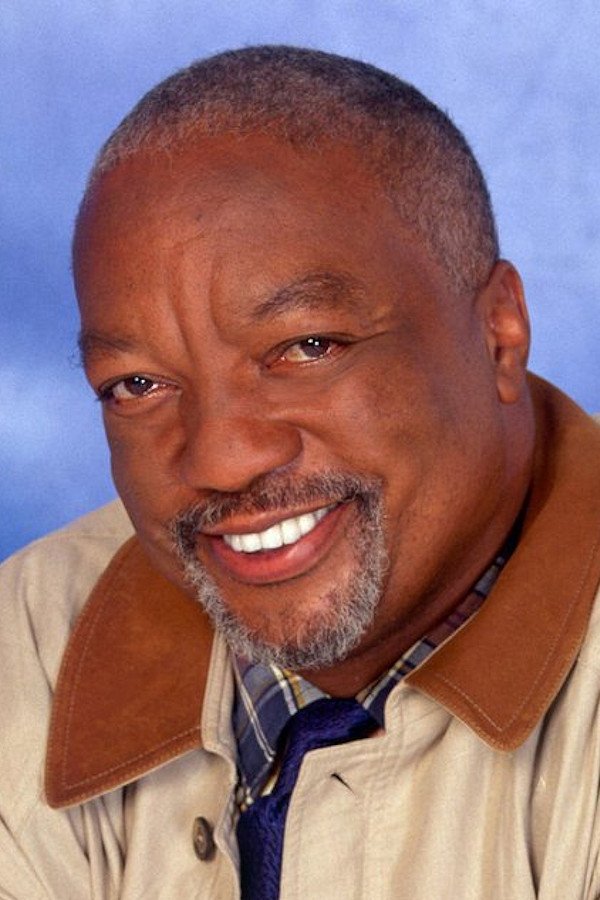
Paul Winfield was an acclaimed actor who received an Academy Award nomination for his role in ‘Sounder’. He lived in Mexico for several years during a period when he felt the need to step away from the pressures of the Hollywood system. Winfield appeared in major projects like ‘Star Trek II The Wrath of Khan’ and ‘The Terminator’ throughout his career. He often sought out quiet environments to recharge and maintain his artistic focus between major acting assignments. His time spent living abroad contributed to his long and successful career in both film and television.
Please share which of these actors and their international journeys surprised you the most in the comments.