LGBTQ+ Actresses Who Were Quietly Blacklisted From Hollywood

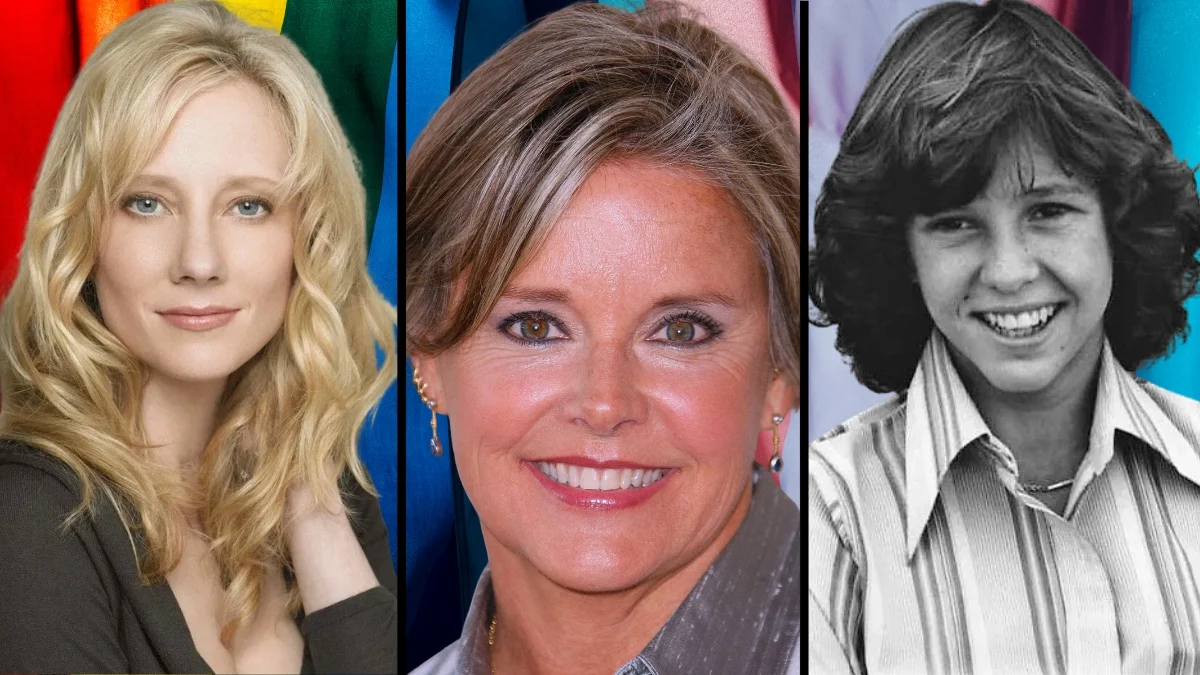

Throughout the history of Hollywood, the professional survival of actors often depended on their ability to maintain a carefully curated public image. For many LGBTQ+ actresses, the decision to come out or being outed by the press frequently resulted in a sudden and unexplained loss of opportunities. While the industry has become more inclusive in recent years, many performers from previous decades faced a quiet blacklisting where leading roles vanished and studio support evaporated. These women navigated a landscape that often prioritized heteronormative marketability over talent and authenticity.
Kristy McNichol

Kristy McNichol was one of the most successful child and teen stars of the 1970s and 80s, winning two Emmy Awards for her role in ‘Family’. She abruptly walked away from her career in the early 1990s while starring in the sitcom ‘Empty Nest’, citing a need to focus on her personal health. In 2012, McNichol officially came out and explained that the pressure of living a closeted life in the public eye had become unbearable. While her exit was technically a personal choice, it was motivated by an industry environment that did not allow her to be her authentic self. Her retirement marked the end of a prolific career that many believe could have continued under different social circumstances.
Amanda Bearse
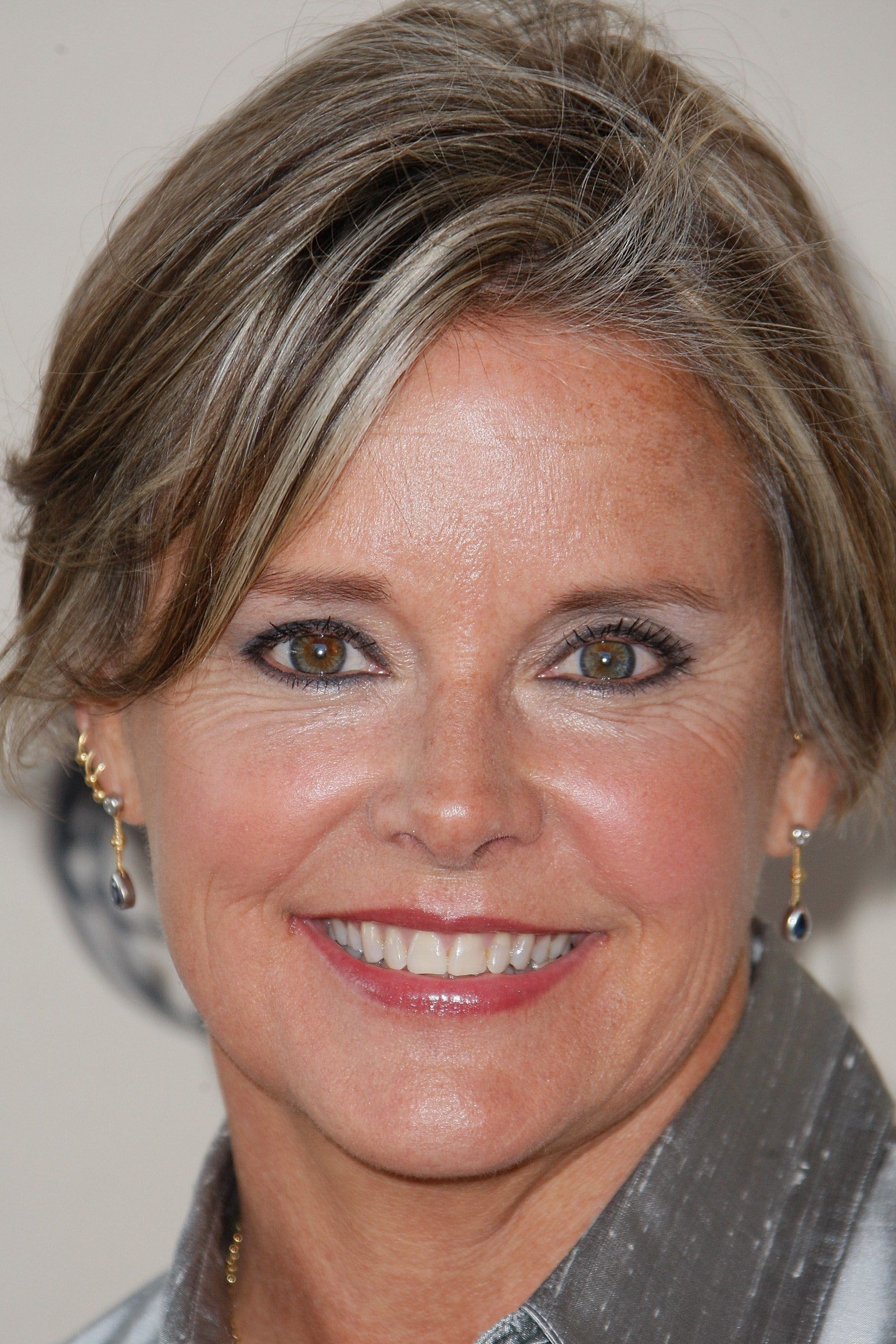
Amanda Bearse rose to fame playing Marcy D’Arcy on the long-running sitcom ‘Married… with Children’. In 1993, she became one of the first primetime actresses to publicly come out as a lesbian during the height of her show’s popularity. Following this announcement, Bearse noted a distinct lack of acting offers and transitioned her focus toward directing episodes of her own series and other television projects. She has since spoken about the glass ceiling that existed for out actresses during that era of Hollywood. Her career trajectory shifted permanently from on-screen talent to behind-the-scenes production work.
Ellen DeGeneres
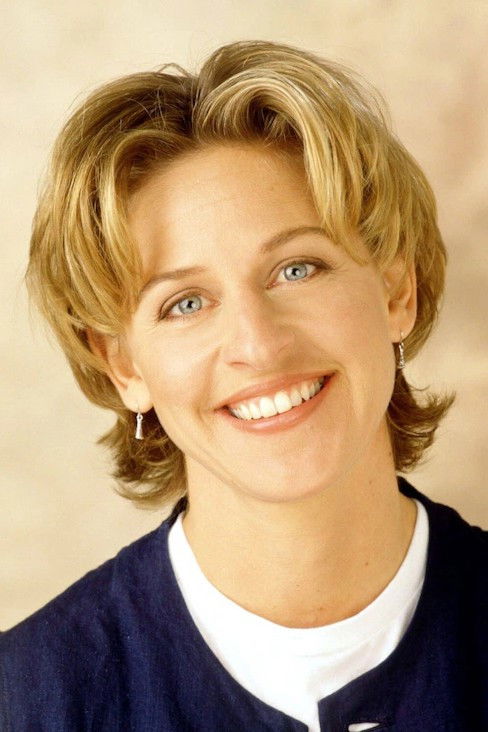
Ellen DeGeneres made television history in 1997 when both she and her character on the sitcom ‘Ellen’ came out as gay. While the “Puppy Episode” garnered massive ratings, the show faced a significant backlash from advertisers and religious groups, leading to its cancellation the following year. DeGeneres struggled to find work in the industry for several years, describing herself as persona non grata during that period. It was not until the success of her voice work in ‘Finding Nemo’ and the launch of her talk show that her career fully recovered. The hiatus she endured serves as a stark reminder of the professional risks faced by LGBTQ+ entertainers in the late 1990s.
Anne Heche
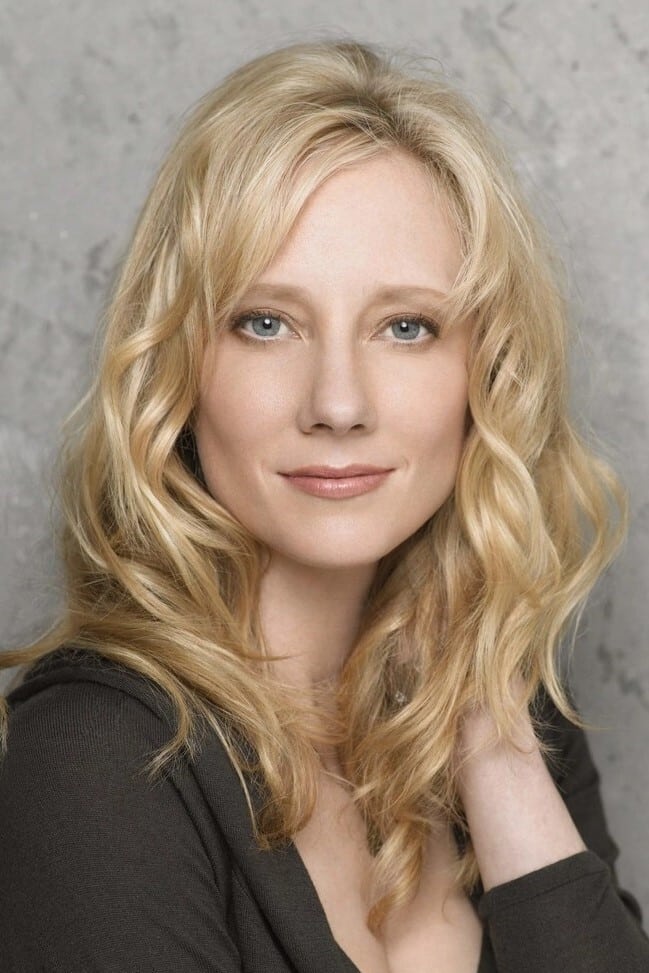
Anne Heche experienced a significant career shift after going public with her relationship with Ellen DeGeneres in 1997. Following their red carpet appearance for the premiere of ‘Volcano’, the actress claimed she was escorted out and told her studio contract would be terminated. Heche later stated in various interviews that she did not work for a major studio for ten years following the incident. Despite starring in ‘Six Days, Seven Nights’ shortly after her announcement, the negative press surrounding her personal life overshadowed her professional output. Her experience remains a frequently cited example of the industry’s historical intolerance toward queer performers.
Heather Matarazzo

Heather Matarazzo gained critical acclaim for her breakout performance in ‘Welcome to the Dollhouse’ and later appeared in ‘The Princess Diaries’. After coming out publicly in 2004, the actress reported a noticeable decline in the quality and frequency of roles offered to her. Matarazzo has been vocal in interviews about how her sexuality led to her being marginalized or ignored by major casting directors. She described a period where she struggled to maintain her livelihood despite her established resume and talent. Her story highlights the subtle ways the industry distanced itself from openly queer women in the mid-2000s.
Kelly McGillis
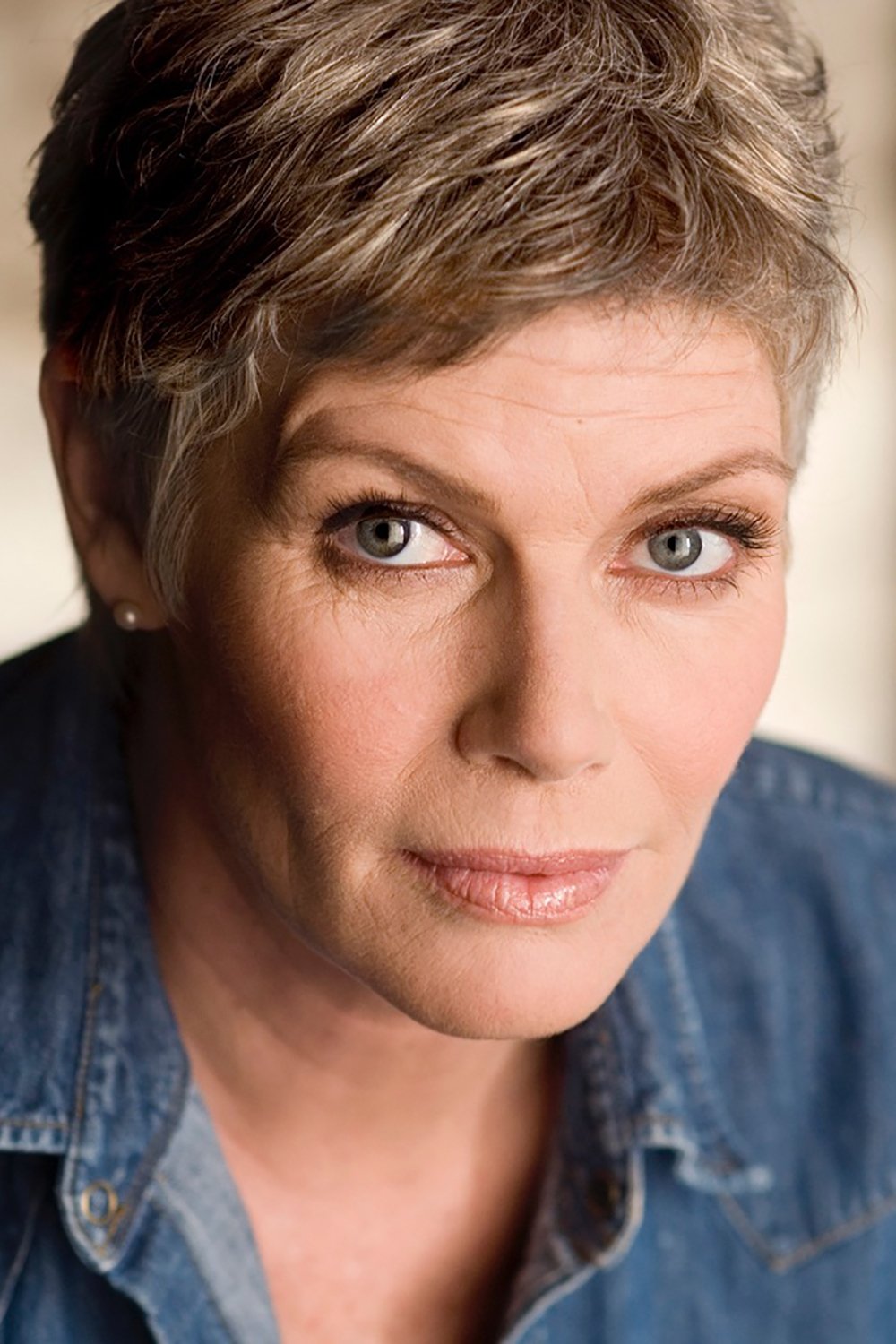
Kelly McGillis was a major leading lady in the 1980s, starring in blockbuster hits like ‘Top Gun’ and ‘Witness’. As the 1990s progressed, she began to distance herself from the Hollywood spotlight and eventually came out as a lesbian in 2009. McGillis has suggested that her departure from the A-list was partly due to her refusal to conform to the industry’s narrow standards for female stars. She noted that once she was no longer seen as the traditional ingenue or heterosexual love interest, the industry’s interest in her diminished. Her experience reflects the intersection of ageism and homophobia that many actresses have historically faced.
Please share your thoughts on these career stories in the comments.