Gay Actresses Who Deeply Regretted Their Most Famous Roles

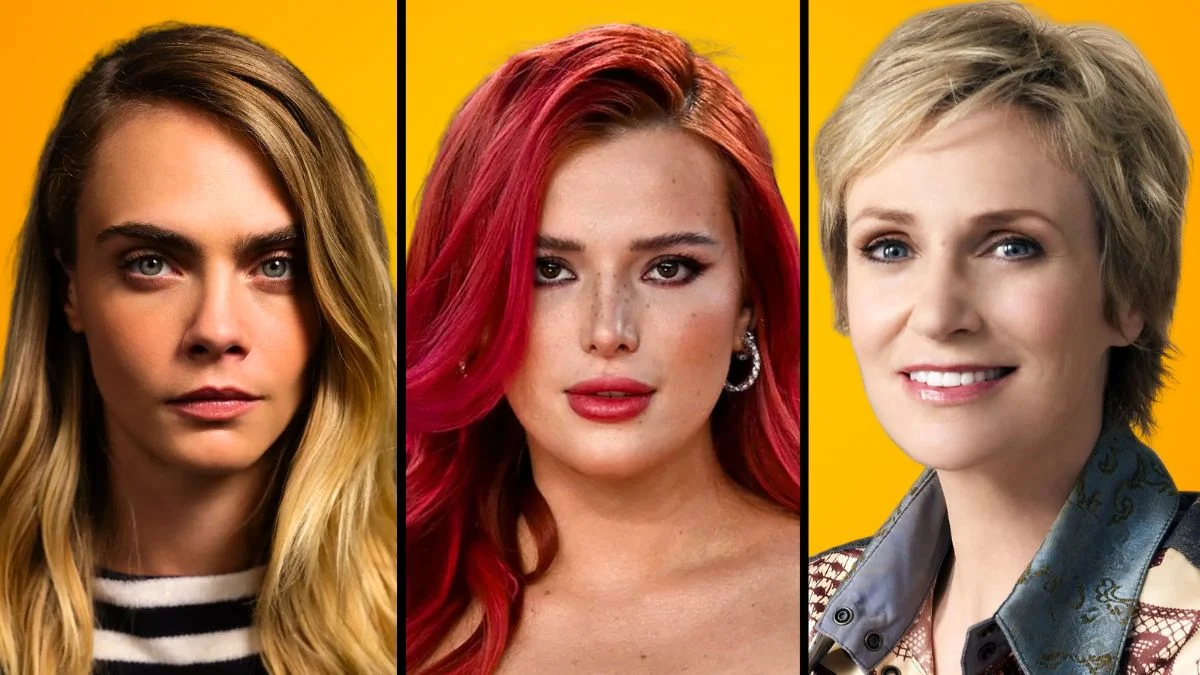

Gay actresses often face unique challenges when navigating the entertainment industry and certain roles can become sources of professional or personal regret. These performers have occasionally spoken out about their dissatisfaction with the characters that made them famous or the environments surrounding those projects. Whether due to typecasting or creative differences these stars have expressed a desire to move beyond their most recognizable work. This list explores the specific instances where high profile actresses felt disconnected from or unhappy with their iconic performances.
Kristen Stewart
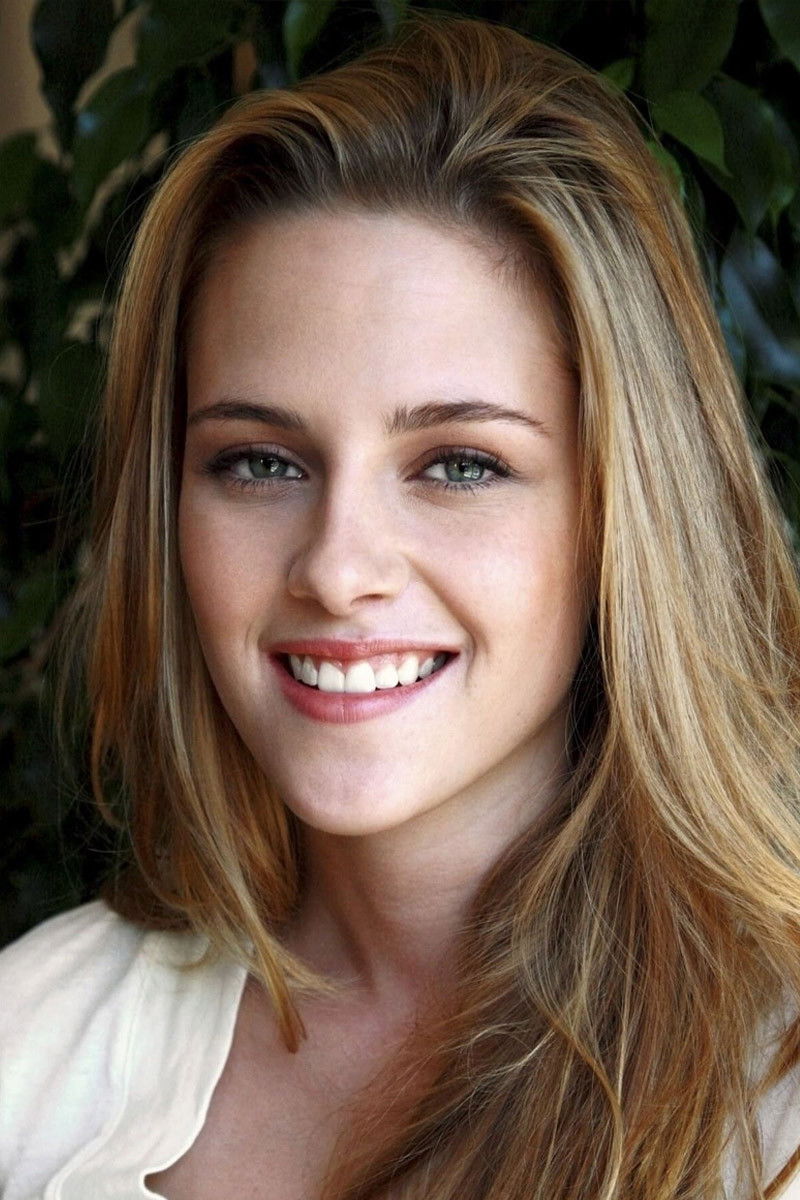
Kristen Stewart gained worldwide fame for playing Bella Swan in the ‘Twilight’ series. She later admitted that the sudden loss of privacy and the intense media scrutiny were very difficult to handle. The actress felt that the franchise narrative limited her creative growth and made her feel trapped by a specific public image. She eventually transitioned to independent films to regain her artistic identity and distance herself from the blockbuster spotlight. This career shift helped her find roles that felt more authentic and meaningful to her craft.
Miley Cyrus
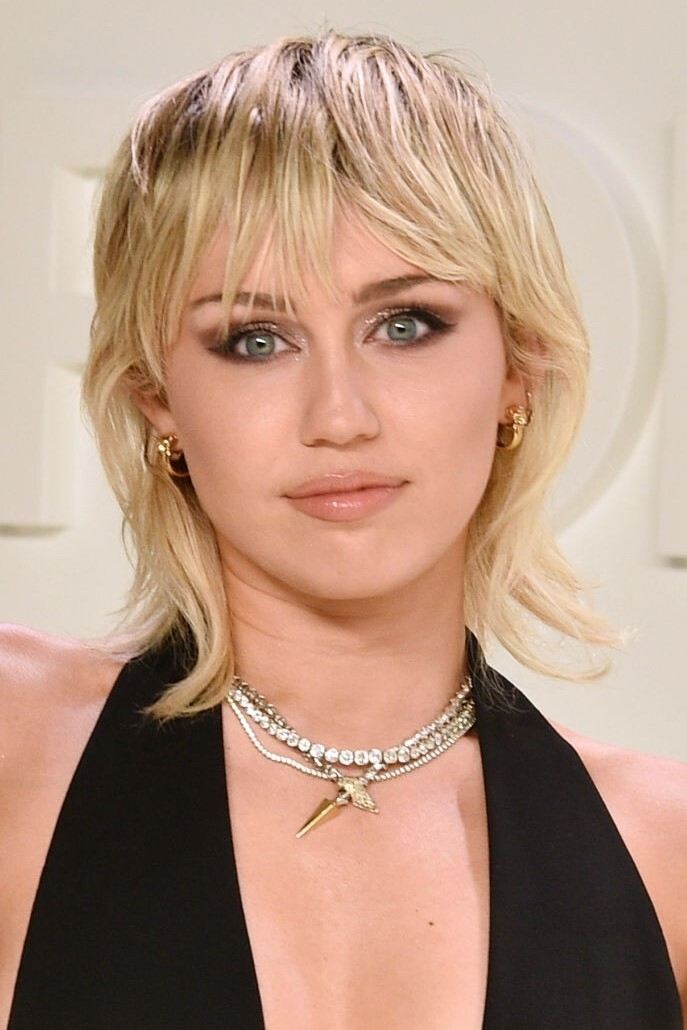
Miley Cyrus spent years starring as the lead character in the Disney Channel hit ‘Hannah Montana’. She later explained that the role caused significant identity issues and body dysmorphia during her teenage years. The pressure to maintain a squeaky clean image conflicted with her personal development and artistic instincts. Cyrus felt that the show corporate requirements stifled her voice and led to a period of intense rebellion once the series ended. She has since focused on a music career that reflects her true personality and creative vision.
Ruby Rose
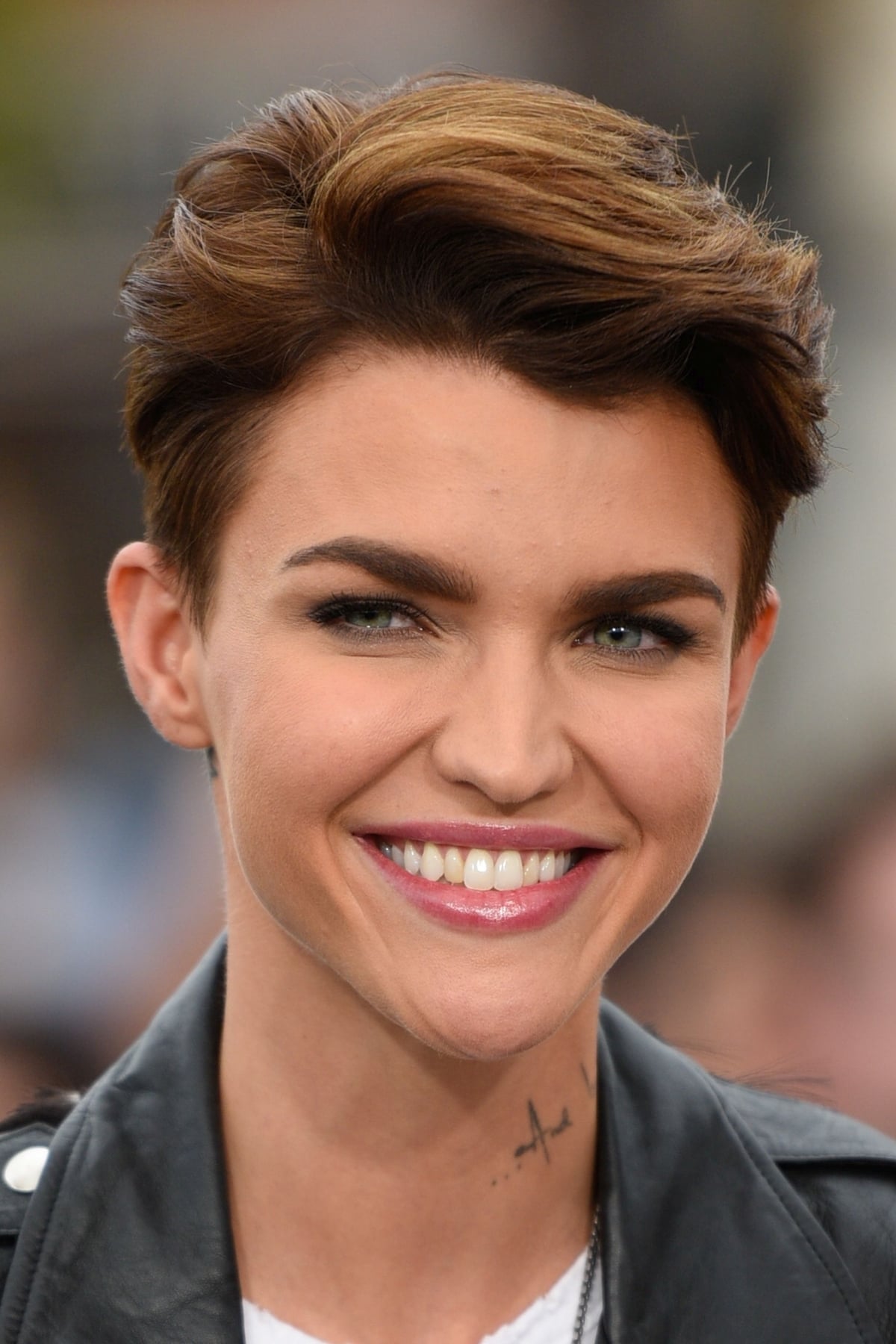
Ruby Rose made headlines when she was cast as the lead in the ‘Batwoman’ television series. She departed the show after only one season and later detailed a toxic work environment and serious on set injuries. The actress expressed regret over the physical and mental toll the production took on her well being. She also criticized the management of the series and the safety protocols that were in place during filming. Her experience on the show remains a prominent example of a high profile exit due to professional dissatisfaction.
Sarah Paulson
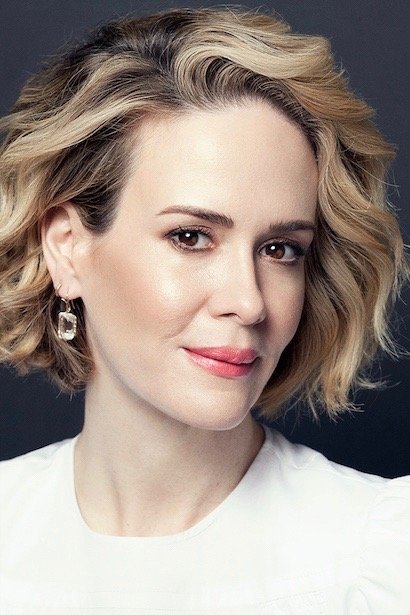
Sarah Paulson has been a staple of the ‘American Horror Story’ anthology series for many years. She eventually revealed that she felt underwhelmed and trapped during the filming of the ‘Roanoke’ season. The actress admitted that she struggled to find inspiration in the material and felt exhausted by the repetitive nature of the production at that time. She sought permission to take a break from the series to explore other projects and regain her creative energy. This moment of burnout highlighted the difficulties of long term commitments to high intensity television roles.
Michelle Rodriguez
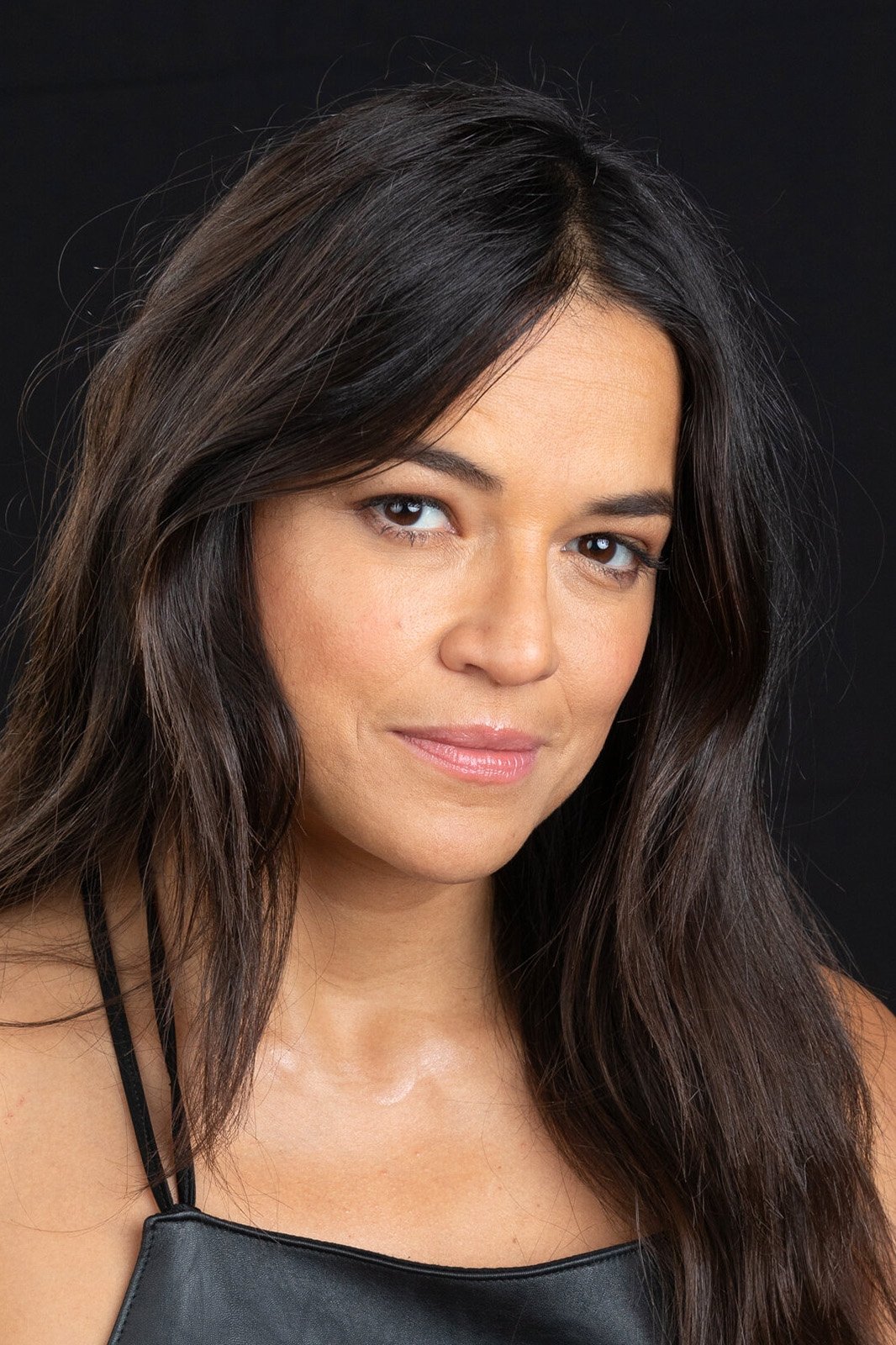
Michelle Rodriguez almost quit ‘The Fast and the Furious’ because she hated the original script for her character. She felt that the portrayal of Letty Ortiz was a stereotypical and sexist depiction of a street tough woman. The actress demanded changes to the love triangle storyline to make her character more independent and realistic. While she remained with the franchise she has continued to voice her frustration with how female characters are treated in large action movies. Her vocal critiques have led to significant changes in the development of her roles over the years.
Bella Thorne
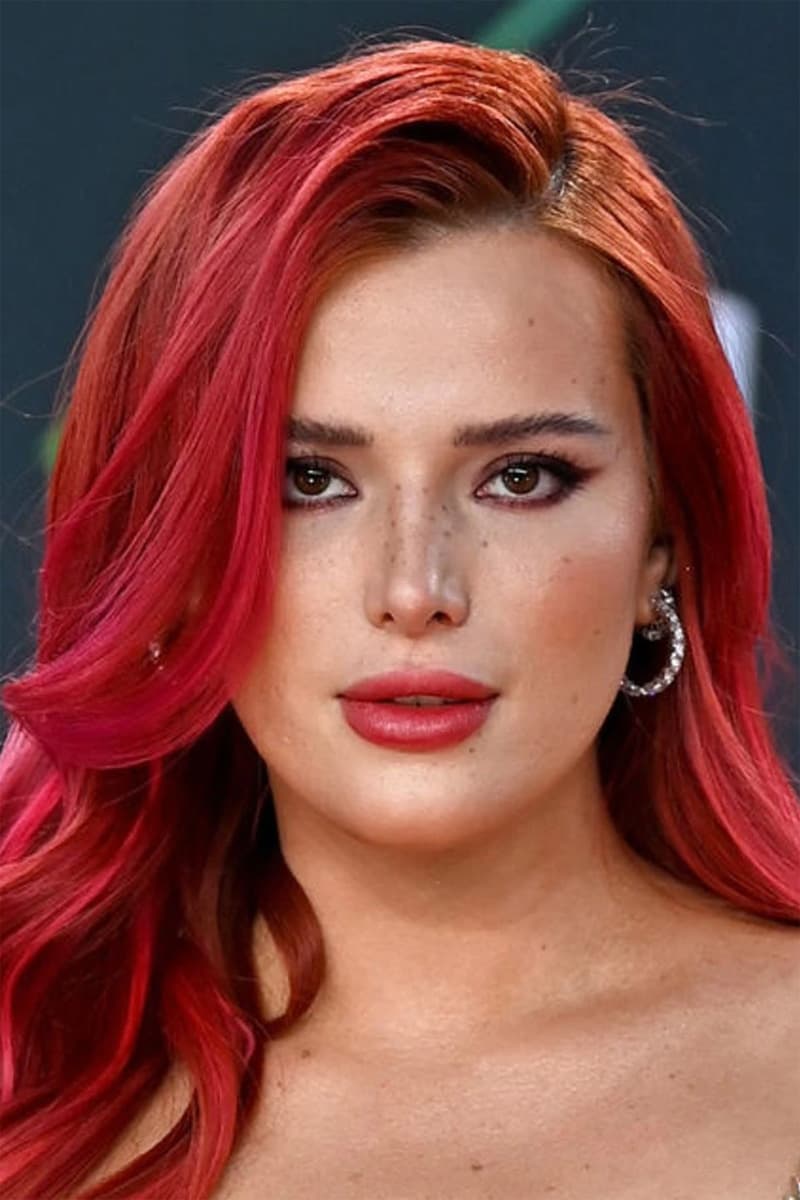
Bella Thorne rose to prominence on the Disney Channel series ‘Shake It Up’. She later spoke about the extreme pressure to act and dress in a way that did not align with her actual personality. The actress felt that the studio controlled every aspect of her life and prevented her from taking on more mature roles. She expressed regret over the restricted environment of child stardom and the difficulty of breaking out of the Disney mold. Thorne has since embraced a more provocative and independent career path to escape her early typecasting.
Demi Lovato

Demi Lovato became a global star through the ‘Camp Rock’ films and the series ‘Sonny with a Chance’. She later reflected on this period with regret noting that the workload and public expectations contributed to her mental health struggles. The actress felt that she was forced to project a perfect image while dealing with personal turmoil behind the scenes. She has described the Disney era as a time of immense pressure that lacked proper support for young performers. Lovato now prioritizes her mental health and authenticity over the demands of the mainstream entertainment machine.
Margaret Cho
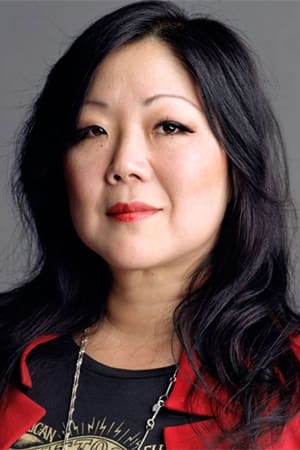
Margaret Cho starred in the groundbreaking sitcom ‘All-American Girl’ which was the first of its kind to feature an Asian American family. She later detailed the heavy handed network interference and the criticism she received regarding her weight and appearance. The actress felt that the show did not represent her true comedic voice and was instead a diluted version of her identity. The experience led to a period of personal struggle and a deep sense of regret over the final product. Cho eventually returned to stand up comedy where she could maintain full creative control over her material.
Maria Bello
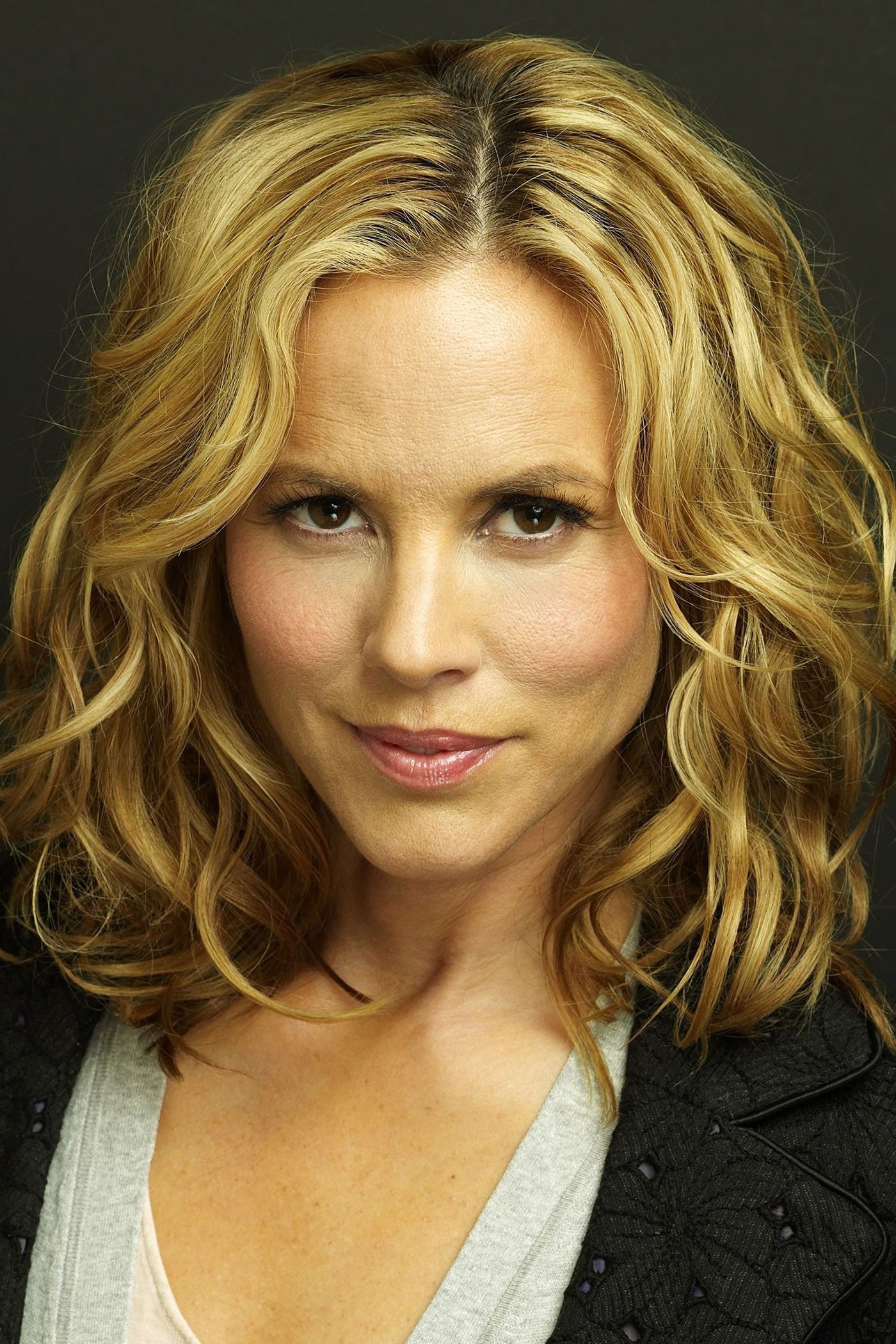
Maria Bello appeared in the commercial hit ‘Coyote Ugly’ early in her career. She later described the film as a joke and expressed significant dissatisfaction with the movie quality and themes. The actress felt that the project did not align with her professional goals or her desire to take on serious dramatic roles. She has been very vocal about her dislike for the experience and the final cut of the film. This role remains one of the few projects she publicly acknowledges with a sense of regret.
Heather Matarazzo
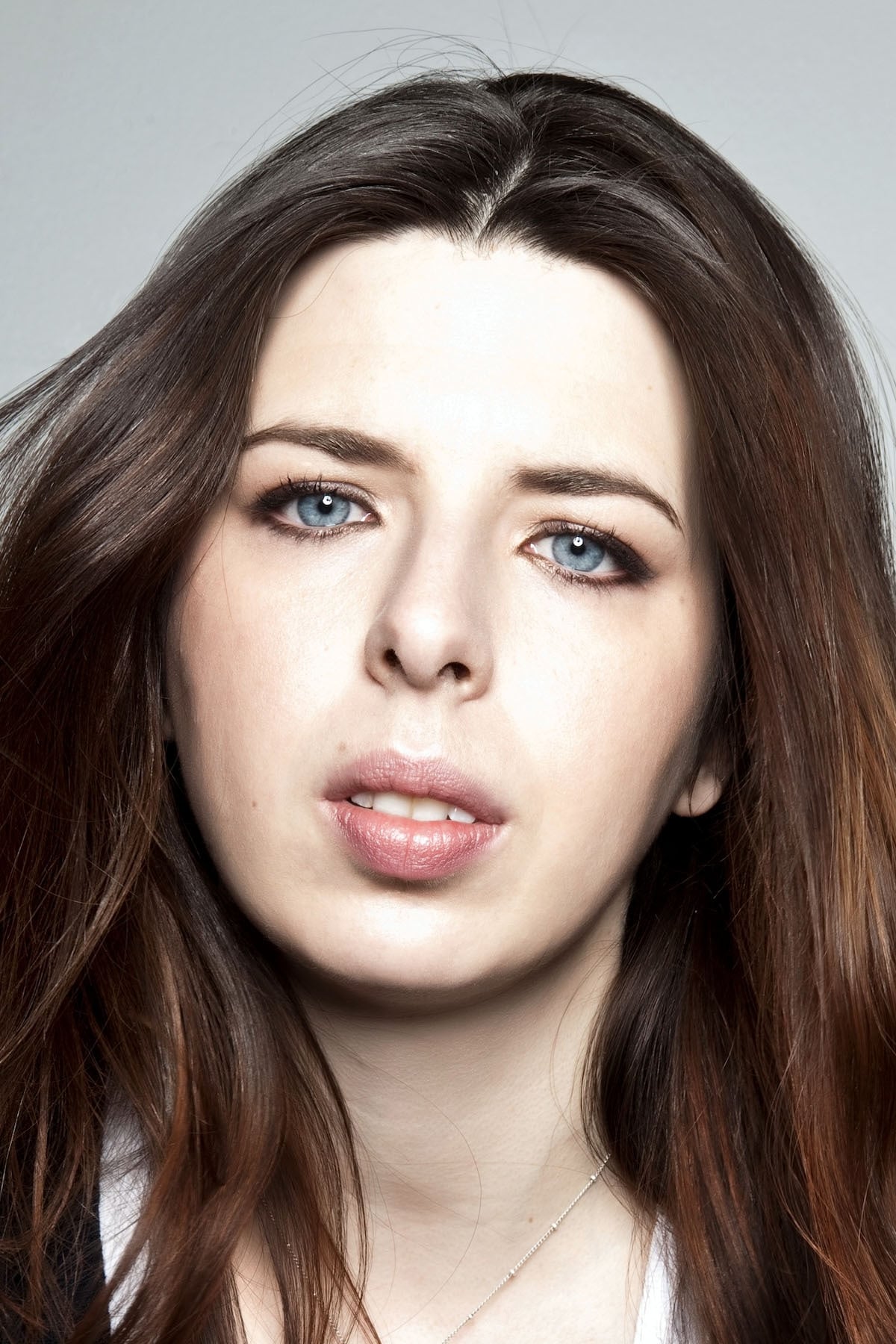
Heather Matarazzo starred as Dawn Wiener in the cult classic film ‘Welcome to the Dollhouse’. While the film was critically acclaimed she later shared that the role led to years of bullying and social isolation in her real life. People often confused her with the character she played which made her feel alienated and unhappy during her youth. The actress regretted the negative impact the fame had on her personal development and mental health. She has worked hard to separate her identity from that specific performance in the years since its release.
Jane Lynch
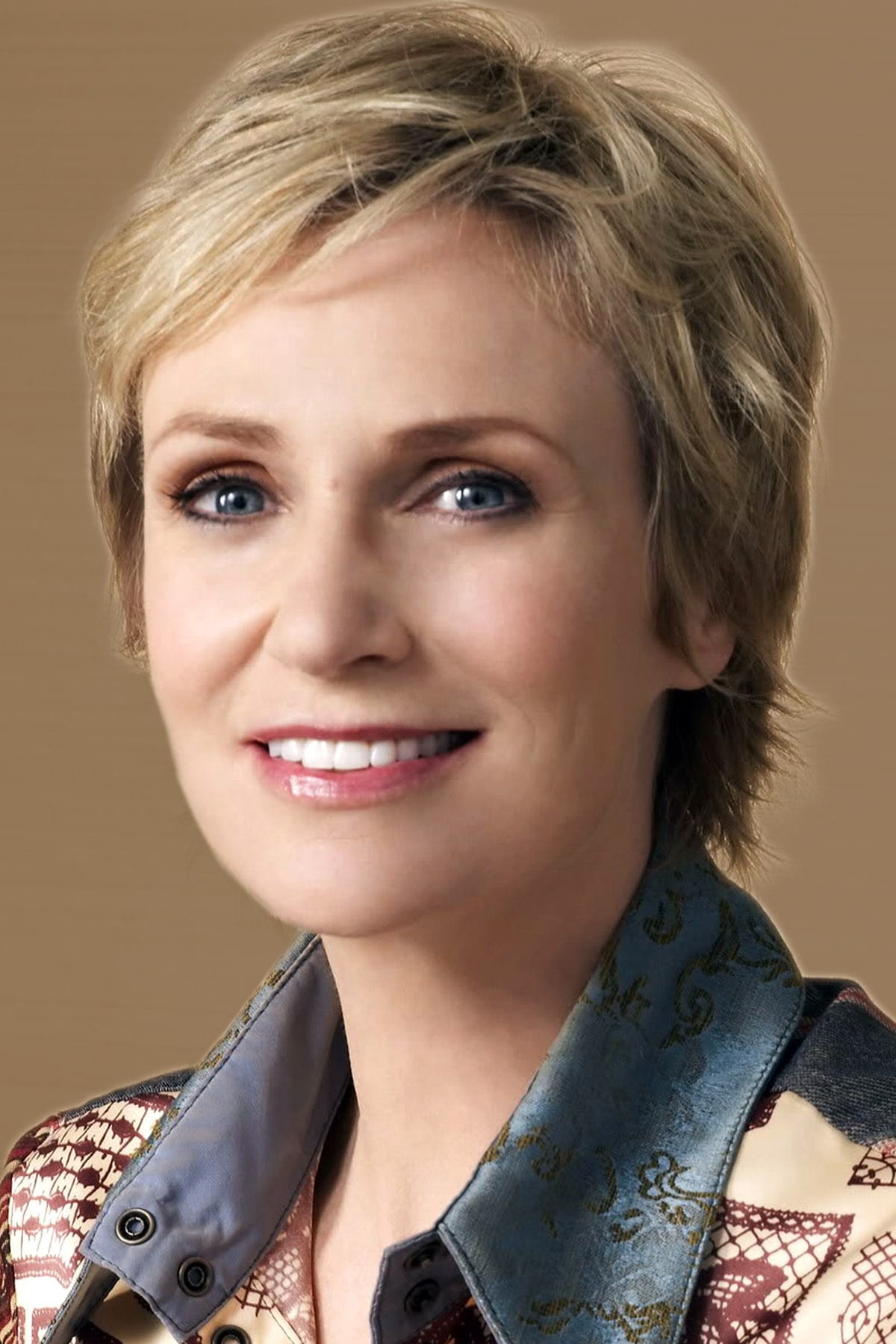
Jane Lynch became a household name for her portrayal of Sue Sylvester on the hit series ‘Glee’. As the show progressed she felt that the character became a caricature and lost the depth that made her interesting initially. The actress expressed some regret over the longevity of the series and the repetitive nature of the scripts in later seasons. She felt that the creative spark of the show faded which made the work feel more like a chore than an artistic endeavor. Lynch eventually looked forward to the conclusion of the series to pursue new and different opportunities.
Cynthia Nixon
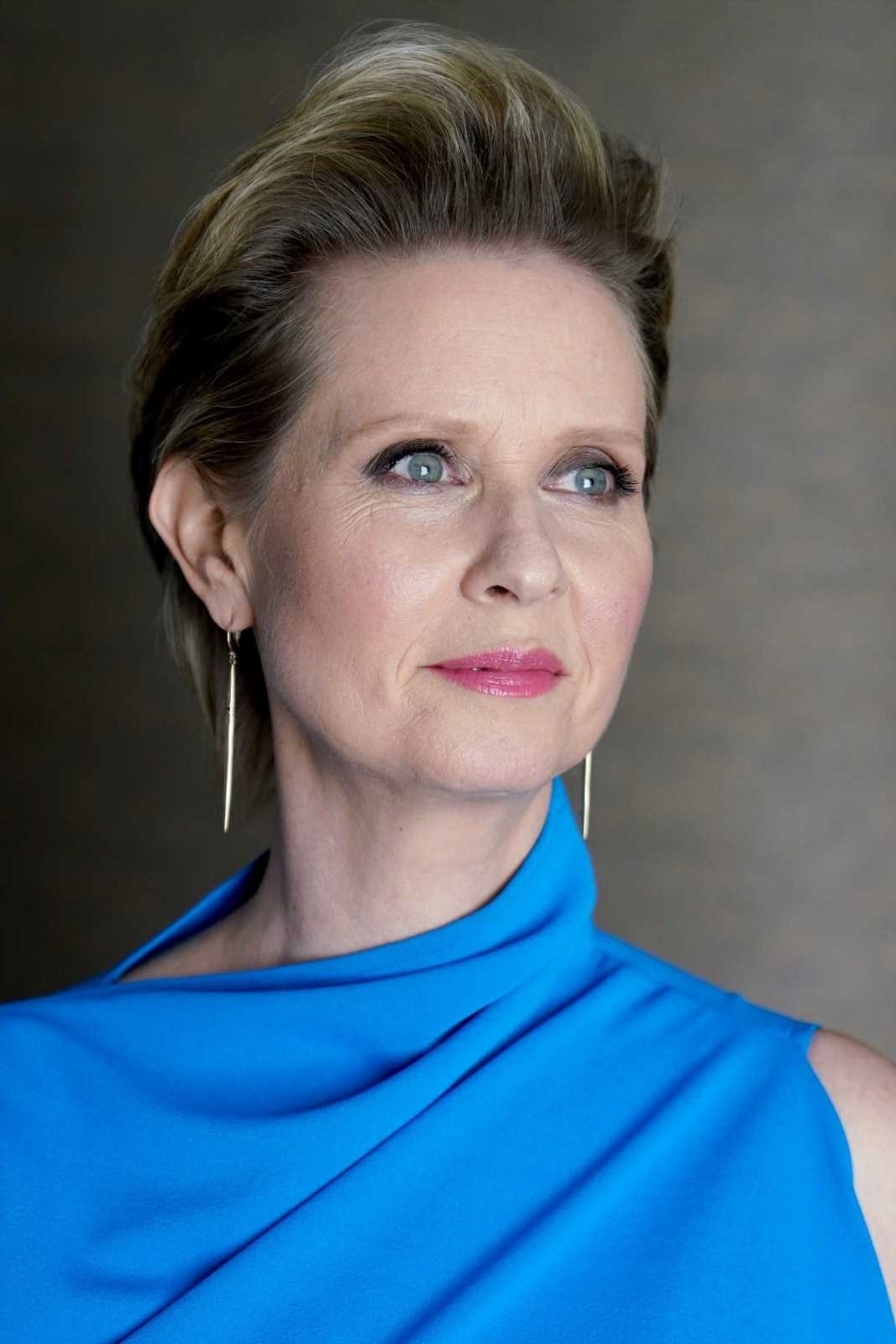
Cynthia Nixon played the intellectual lawyer Miranda Hobbes in the iconic series ‘Sex and the City’. She has since criticized some of the show themes particularly the heavy focus on consumerism and expensive fashion. The actress felt that the emphasis on wealth and materialism sometimes overshadowed the more important messages about female friendship and independence. She has expressed a desire for the franchise to tackle more diverse and socially relevant issues in its modern iterations. Nixon remains appreciative of the role but maintains a critical perspective on its cultural impact.
Angelina Jolie
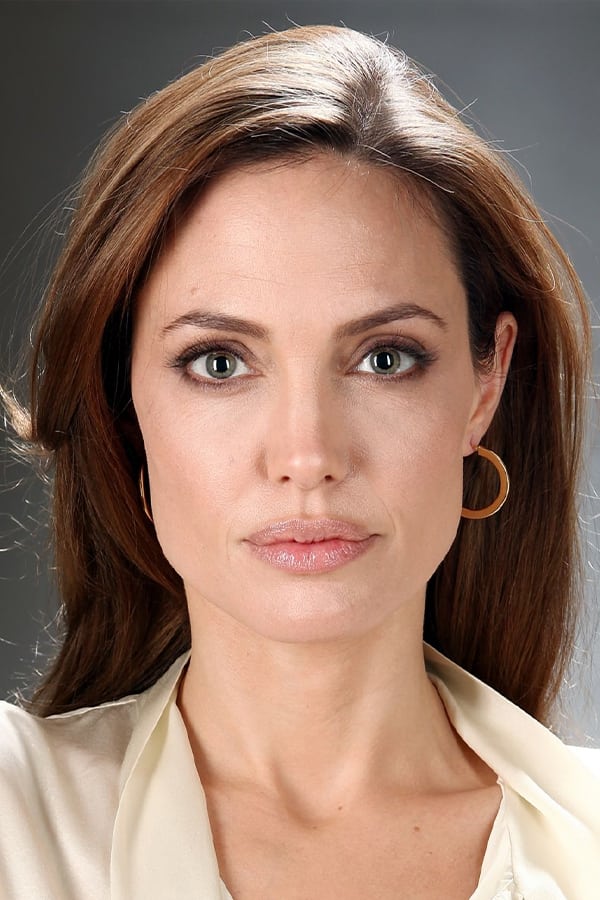
Angelina Jolie starred in two films as the video game icon Lara Croft. She was notably dissatisfied with the second installment titled ‘The Cradle of Life’ and refused to return for a third movie. The actress felt that the scripts did not provide enough substance for the character and the production was too focused on spectacle. She decided to move away from action heavy franchises to focus on directing and more serious dramatic work. This decision marked a turning point in her career away from big budget commercial projects.
Amandla Stenberg
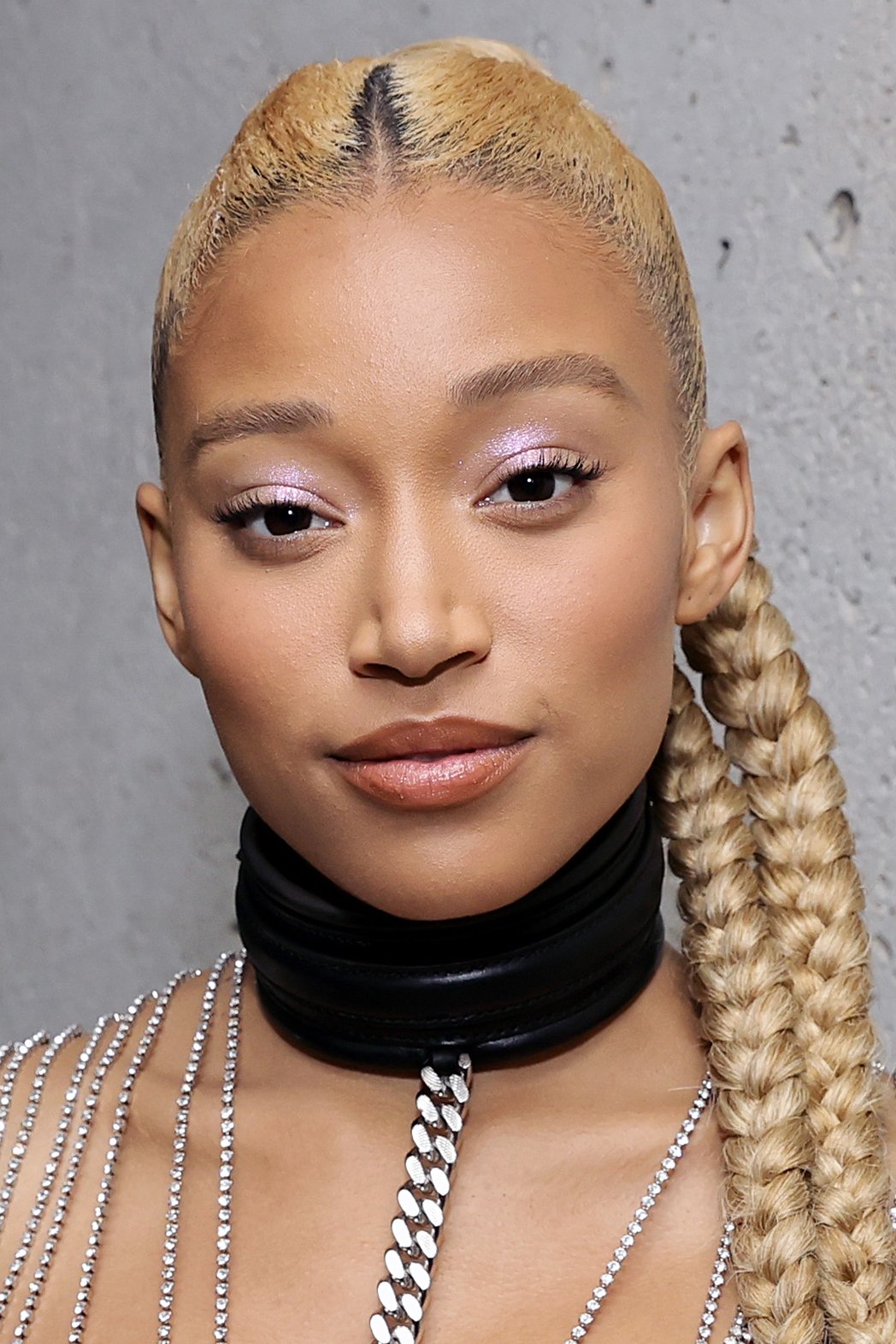
Amandla Stenberg faced a wave of racist backlash after being cast as Rue in ‘The Hunger Games’. The experience was deeply traumatic for the young actress and made her regret the public nature of the role. She felt that the conversation surrounding her performance was poisoned by prejudice rather than being about her acting. This difficult introduction to Hollywood shaped her future choices and led her to become a vocal advocate for social justice. She now carefully selects roles that empower her and reflect her values as an artist.
Hunter Schafer
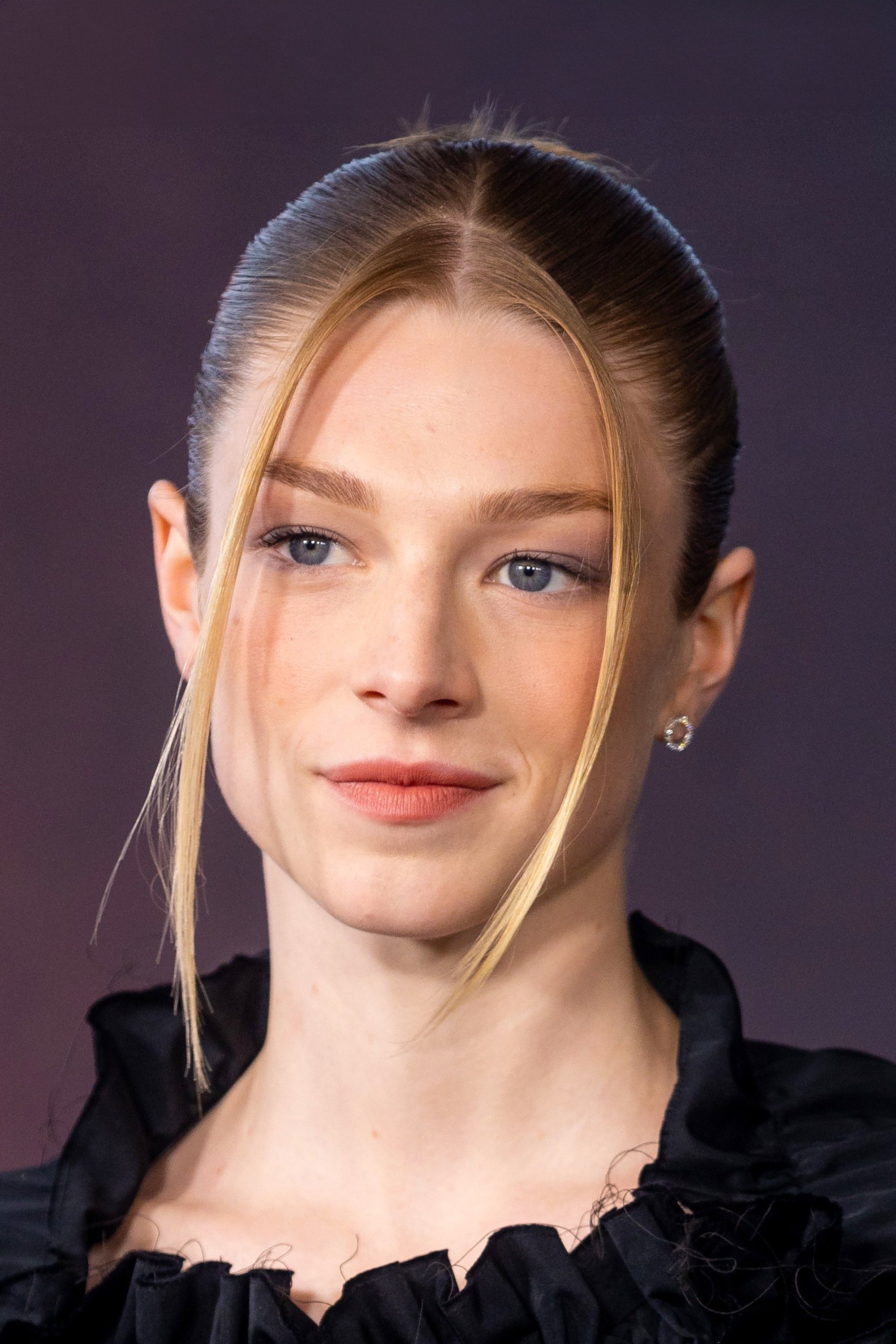
Hunter Schafer gained fame for her role as Jules on the intense drama series ‘Euphoria’. She has spoken about the emotional exhaustion that comes with filming such heavy and graphic material. The actress felt that the dark nature of the storylines occasionally took a toll on her mental well being during production. She has expressed a need for boundaries to protect herself from the more draining aspects of the character experiences. Schafer remains committed to the craft but has been honest about the difficulties of playing such a vulnerable role.
Adèle Haenel
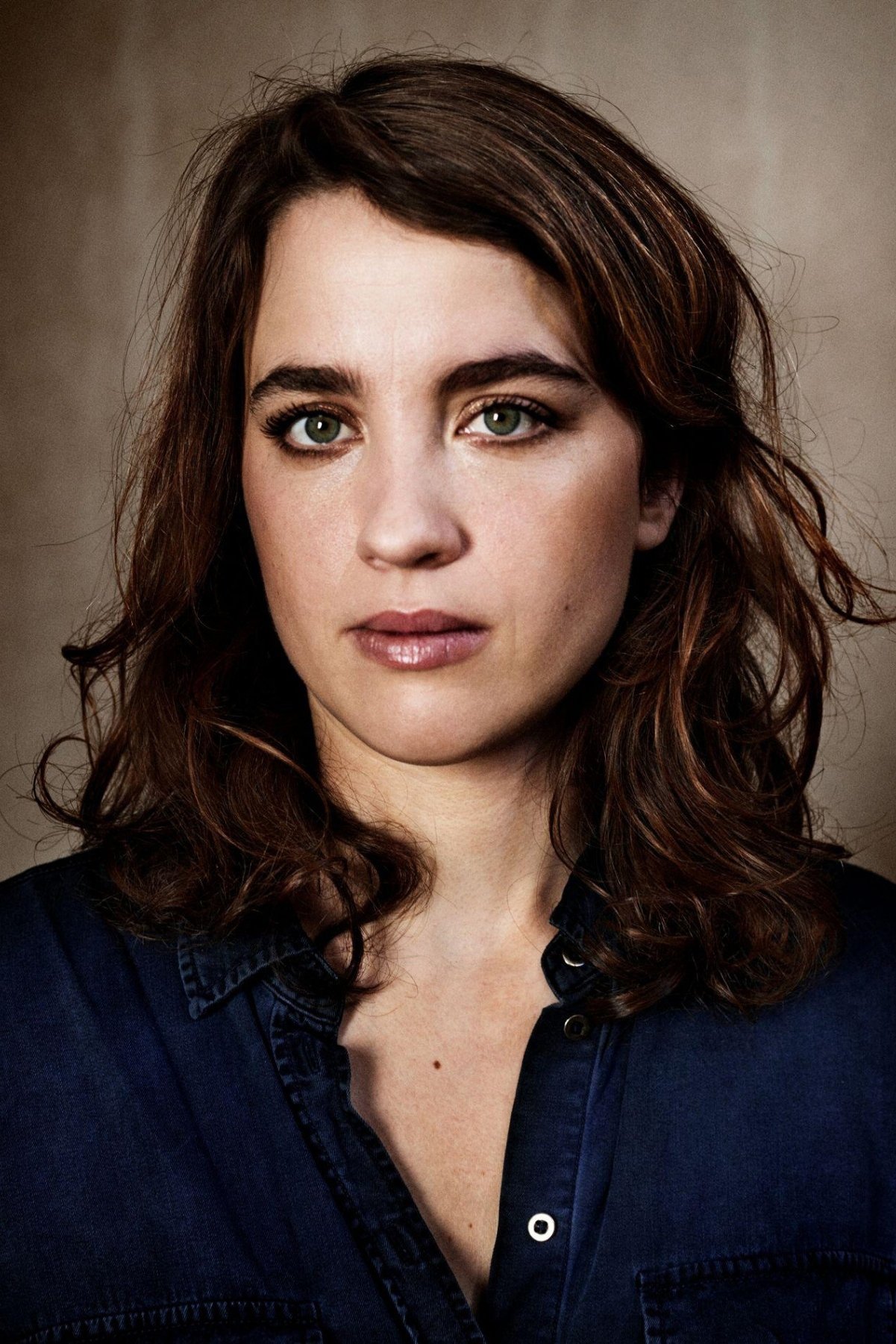
Adèle Haenel was one of the most prominent actresses in France before she decided to quit the film industry entirely. She expressed deep regret over the systemic issues and toxic culture she encountered throughout her career. The actress felt that the industry was not doing enough to address abuse and inequality within its ranks. Her departure was a political statement aimed at highlighting the need for fundamental change in cinema. She has since focused her energy on activism rather than traditional acting roles.
Gaby Hoffmann
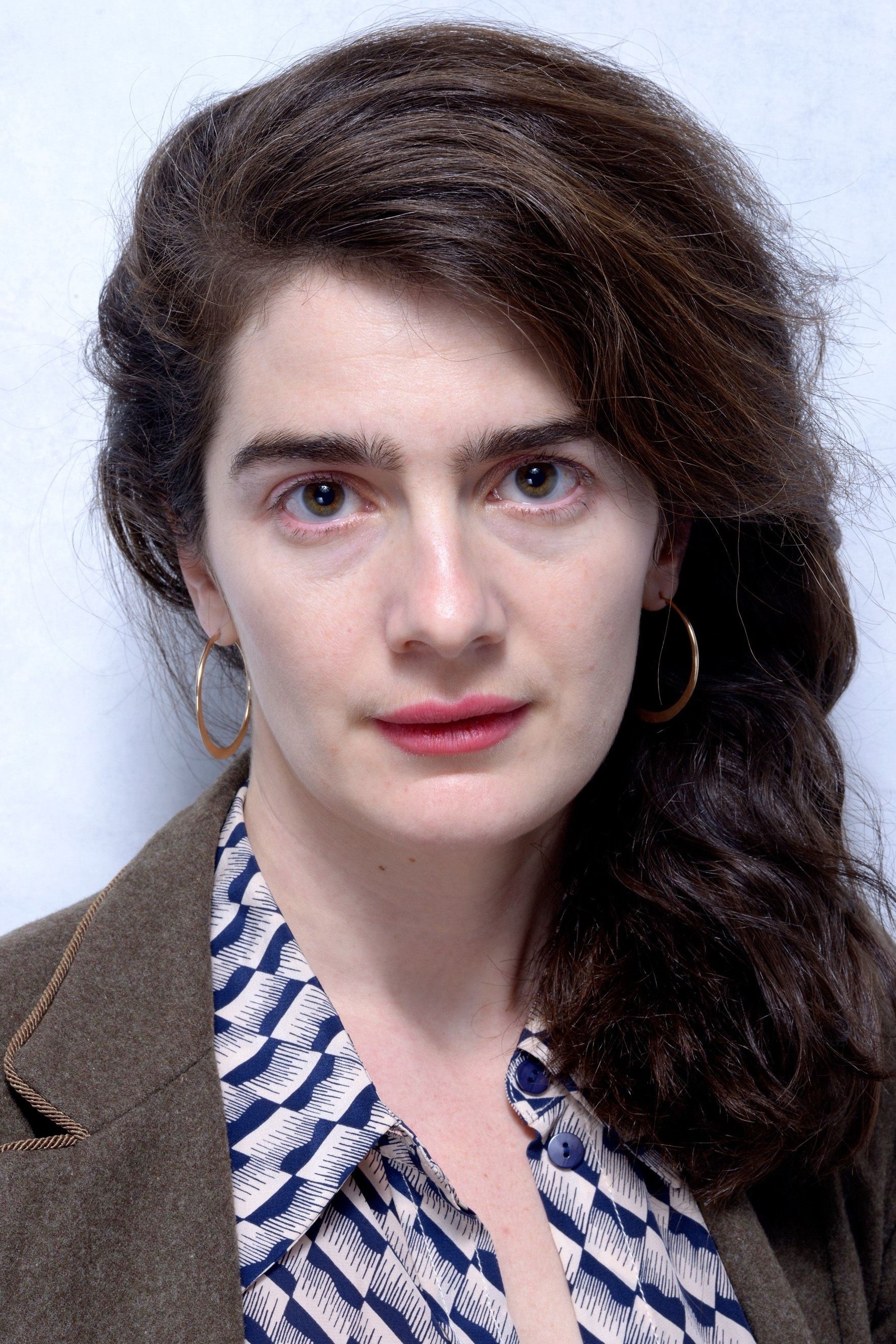
Gaby Hoffmann appeared in major films like ‘Sleepless in Seattle’ as a child star. She later revealed that she hated the experience of being on large movie sets and felt like a prop in a corporate machine. The actress found the environment to be artificial and disconnected from real human experience. She took a long break from acting to live a more grounded life before returning on her own terms in independent projects. Her early fame remains a period of her life that she looks back on with significant discomfort.
Fiona Shaw
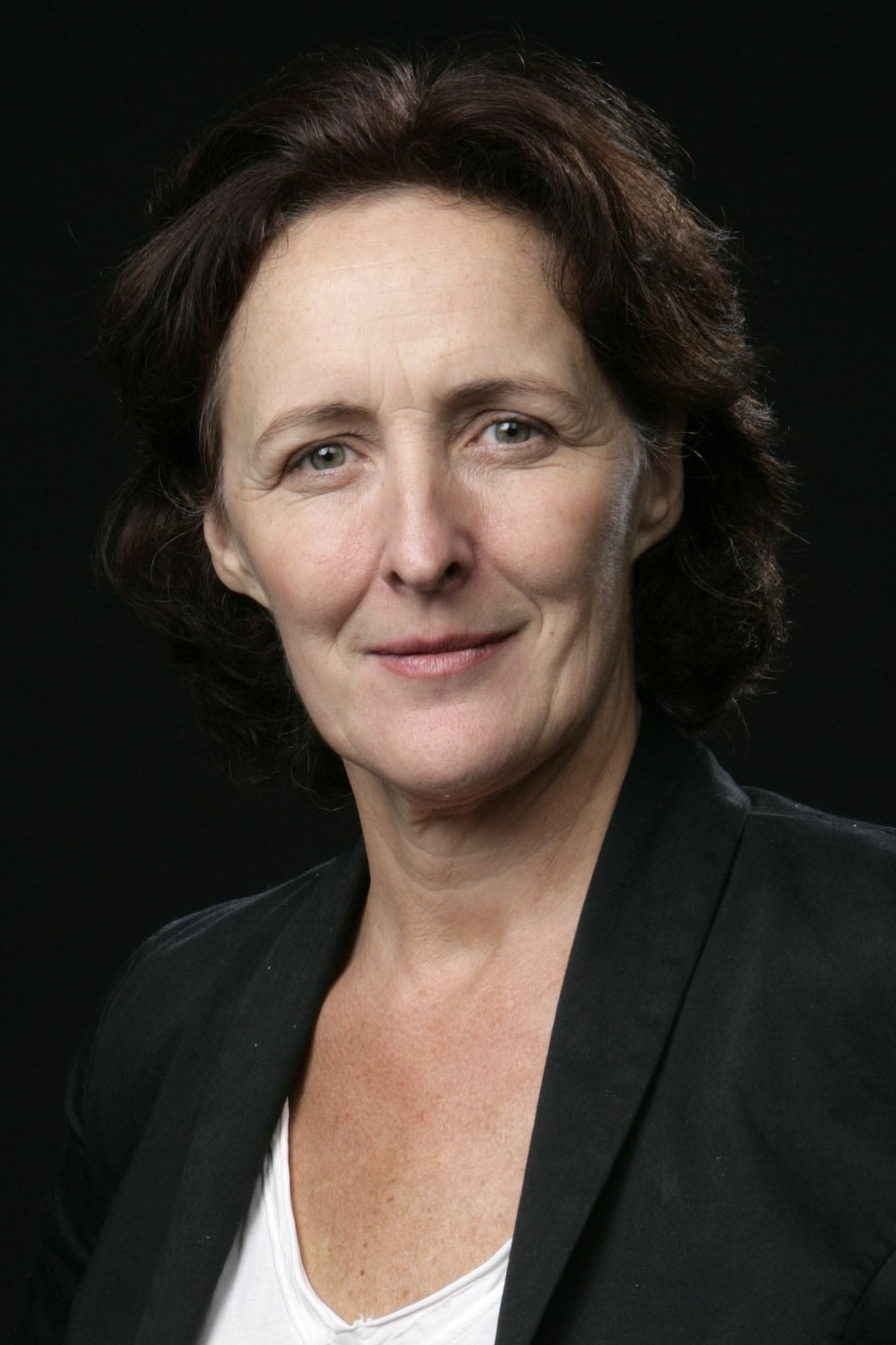
Fiona Shaw played Aunt Petunia in the ‘Harry Potter’ film franchise for a decade. She later expressed frustration with how the character was simplified and sidelined compared to the depth found in the books. The actress felt that she was given very little to do in the later films despite the character importance to the narrative. She found the experience of filming the massive blockbusters to be less creatively fulfilling than her work in theater. Shaw has often stated that she wished the character had been allowed more emotional complexity on screen.
Cara Delevingne
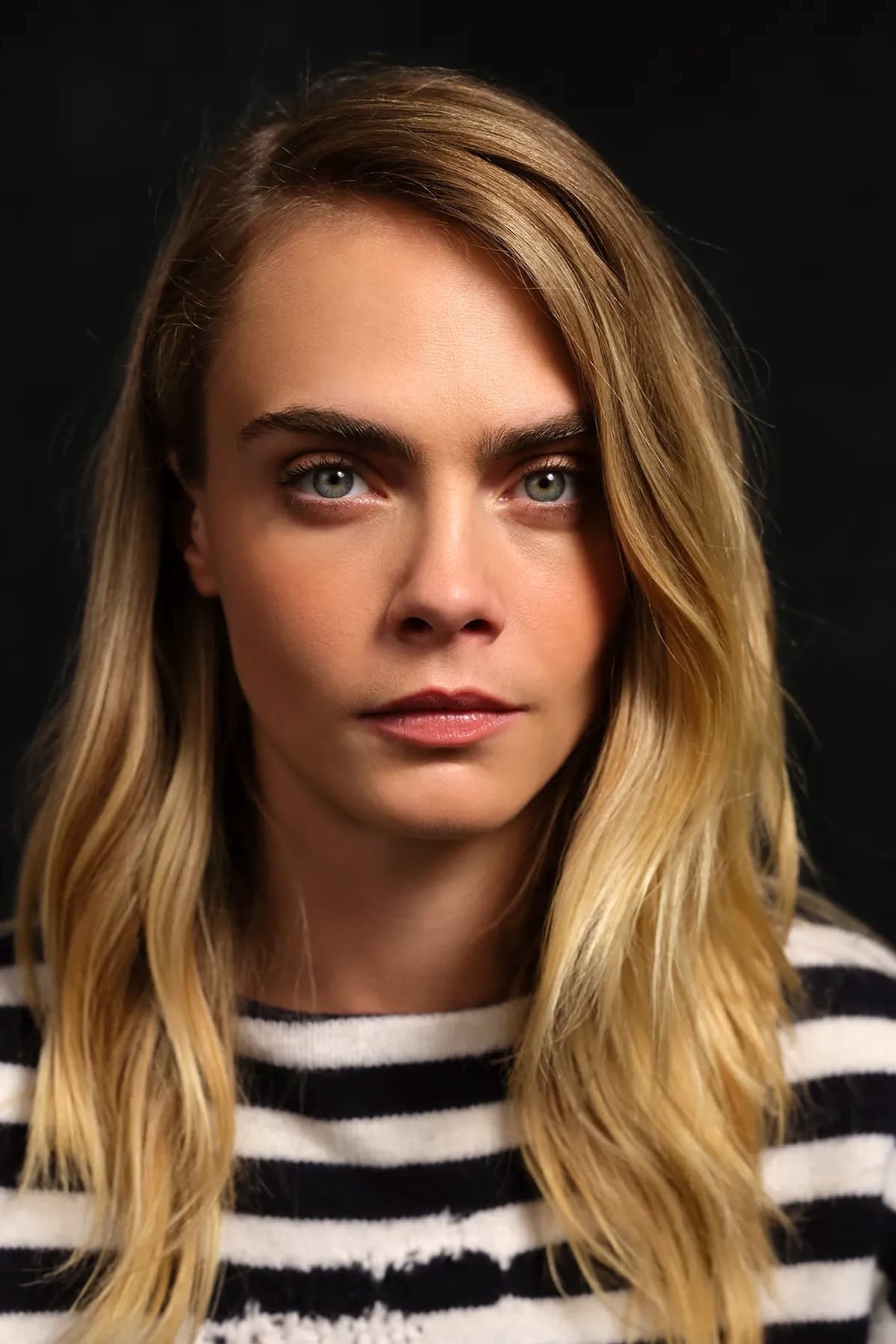
Cara Delevingne was part of the ensemble cast in the first ‘Suicide Squad’ film as the Enchantress. She expressed disappointment with the final cut of the movie and the way her character was developed through editing. The actress felt that much of her best work was left on the cutting room floor in favor of action sequences. The filming process was also physically demanding and mentally taxing for her at that stage of her career. She has since been more selective about the types of studio blockbusters she joins.
Evan Rachel Wood
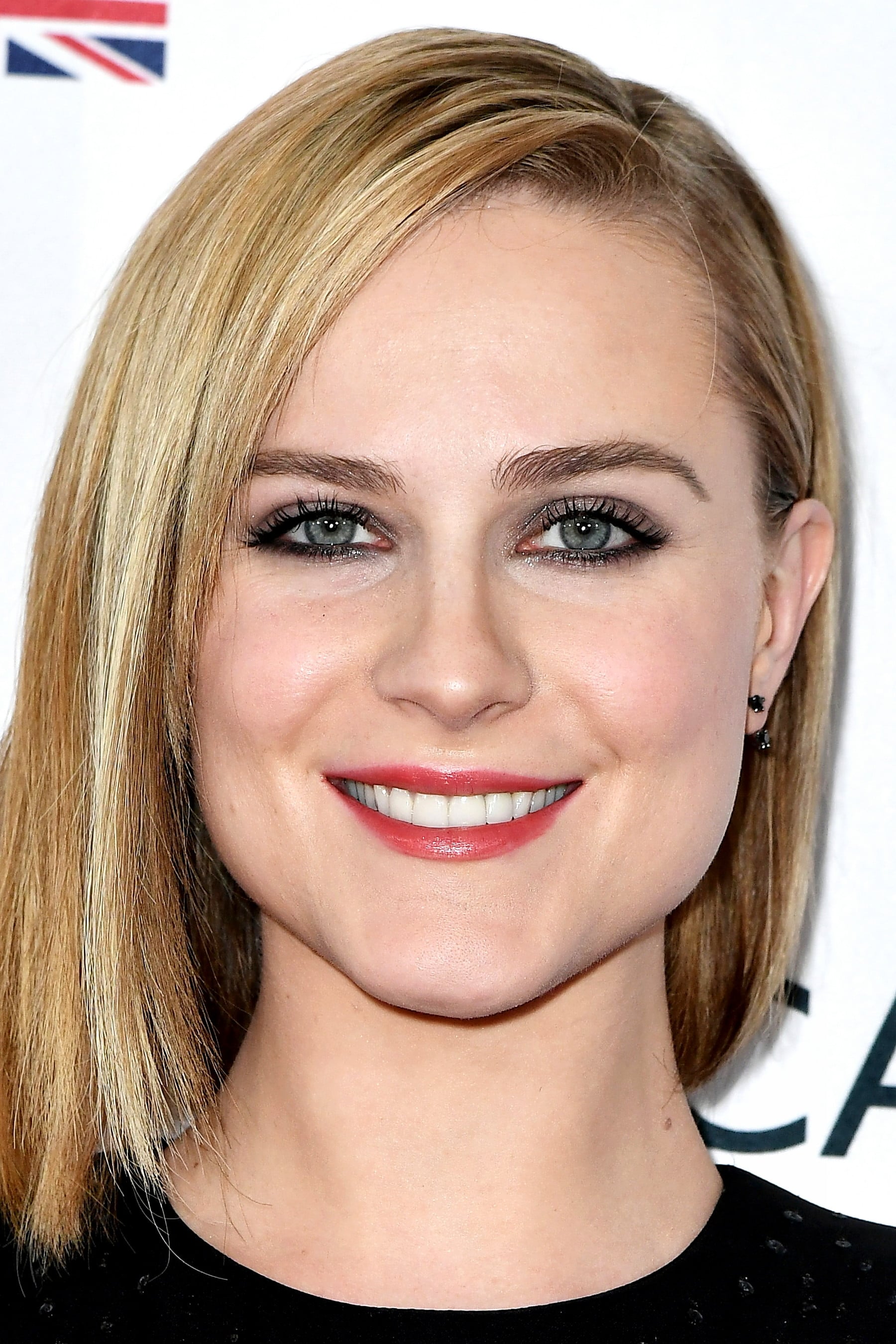
Evan Rachel Wood starred in the provocative film ‘Thirteen’ when she was only a teenager. She has since spoken about the trauma of being sexualized by the industry and the public at such a young age. The actress felt that the role led to a loss of innocence and a difficult transition into adulthood under the spotlight. She has expressed regret over how the film impact influenced the way people perceived her for years afterward. Wood now uses her platform to advocate for better protections for young performers in Hollywood.
Ellen DeGeneres
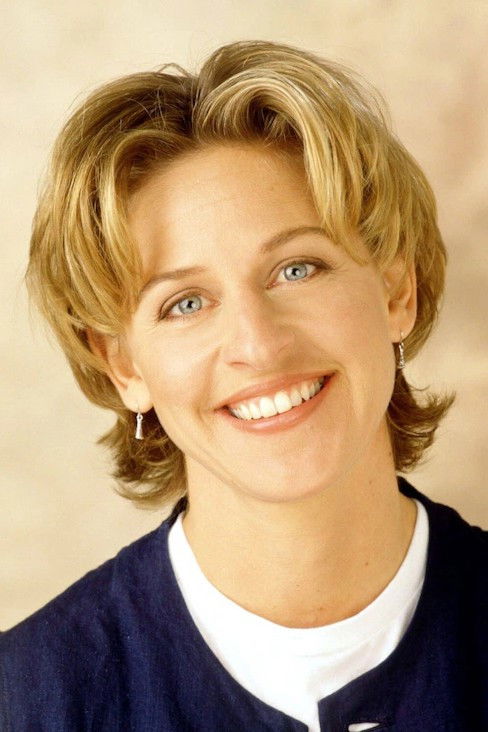
Ellen DeGeneres made history with her sitcom ‘Ellen’ when she came out as gay both in real life and on the show. She later shared that the immediate fallout and the cancellation of the series caused her a great deal of professional and personal pain. The actress regretted the way the network handled the situation and the years of being blacklisted that followed. While the moment was a landmark for representation it came at a high cost to her mental health and career stability. She eventually found success again but the memories of that era remain tinged with regret.
Kelly McGillis
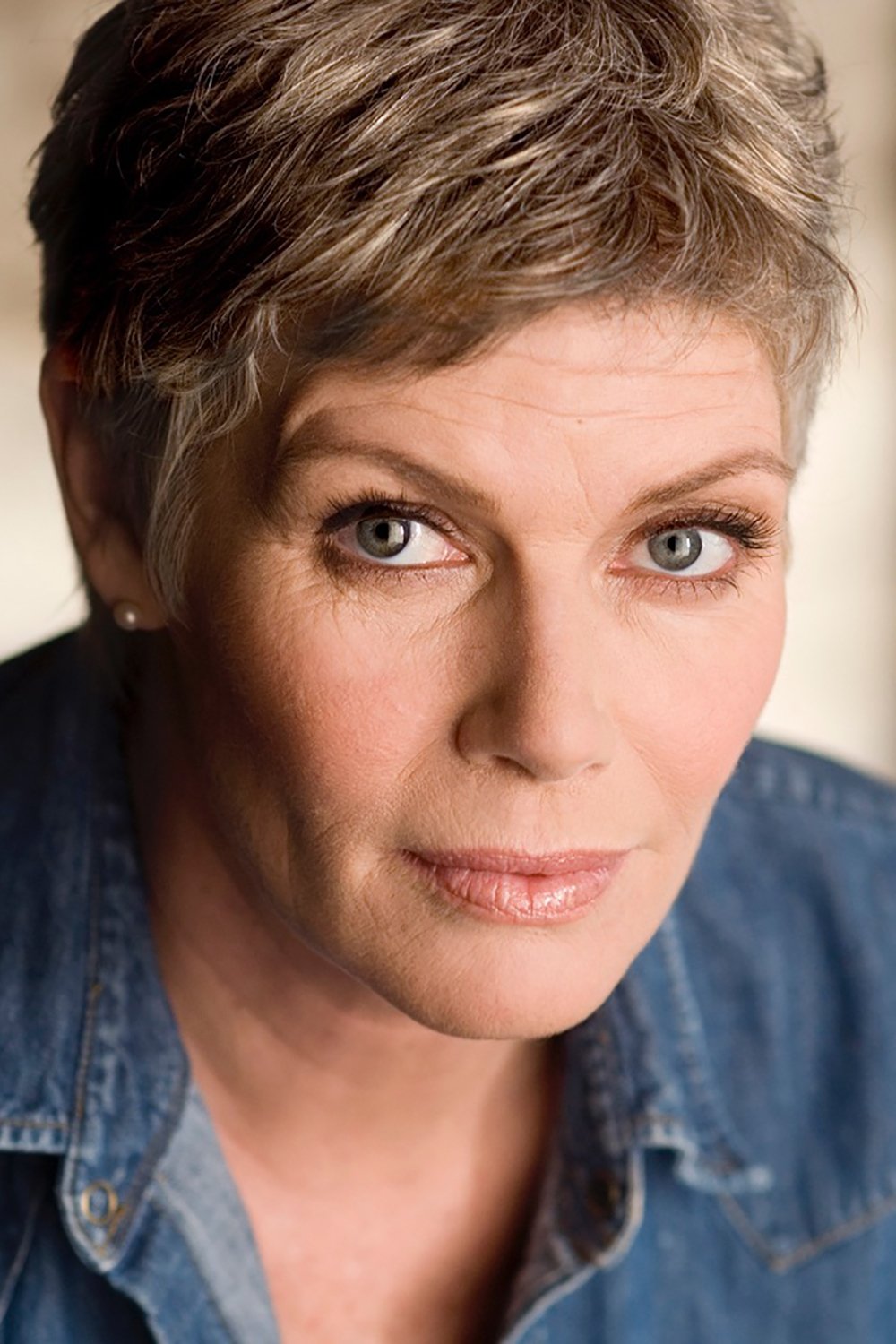
Kelly McGillis was a major star in the 1980s thanks to her role in ‘Top Gun’. She later felt that the industry beauty standards and ageism made her feel discarded as she grew older. The actress expressed regret over the superficial nature of Hollywood and how it impacted her self esteem and career longevity. She eventually stepped away from the spotlight to lead a more private life and focus on her personal growth. Her experience serves as a critique of how the entertainment world often treats its female stars.
Clea DuVall
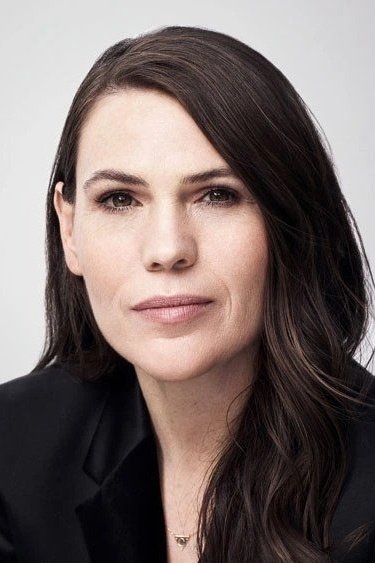
Clea DuVall appeared in numerous teen films in the late 1990s including the sci-fi horror ‘The Faculty’. She has discussed the discomfort of being typecasted into specific tropes that did not reflect her personal identity. The actress felt that the roles available to her at the time were often one dimensional or heavily sexualized. She eventually turned to directing and writing to create the kind of nuanced queer stories she wished she could have played earlier. This shift allowed her to find the creative fulfillment that was missing from her early acting career.
Fortune Feimster
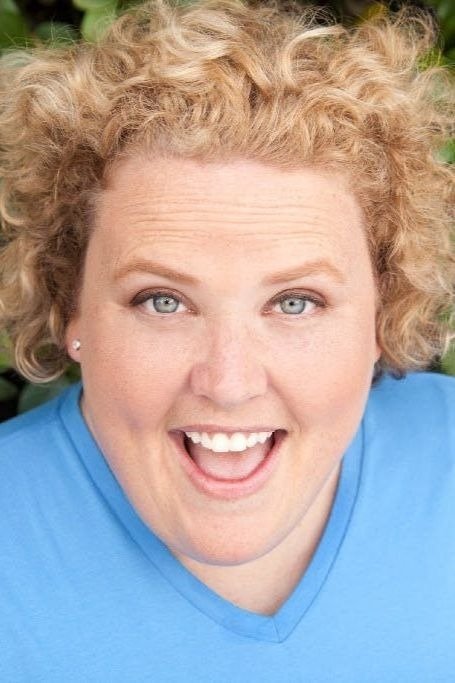
Fortune Feimster gained early recognition for her work on ‘The Mindy Project’ and other comedic series. She has since reflected on her early roles and felt that some of them relied too heavily on lazy stereotypes. The actress regretted playing characters that were defined solely by their appearance or a narrow comedic trope. She has worked to develop her own material that showcases a broader and more relatable range of humor. Feimster now focuses on projects that allow her to be a more authentic version of herself.
Tig Notaro
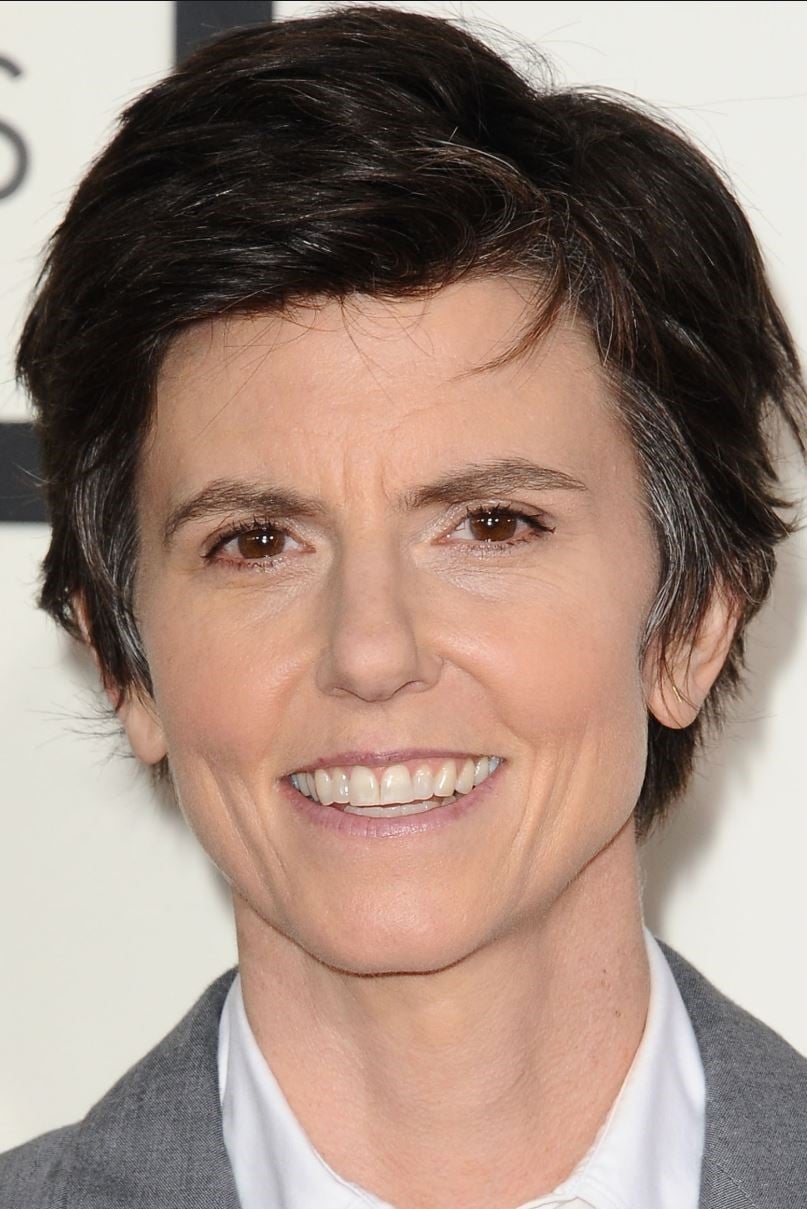
Tig Notaro had a recurring role on ‘Star Trek Discovery’ that required her to spend long hours in production. She eventually expressed frustration with the demanding schedule and the constraints of working on a massive sci-fi set. The actress felt that the experience lacked the creative freedom she enjoyed in her stand up and independent projects. She found the process of filming high budget television to be more grueling than she had initially anticipated. Notaro remains an admirer of the franchise but preferred moving on to projects with more flexibility.
Hannah Gadsby
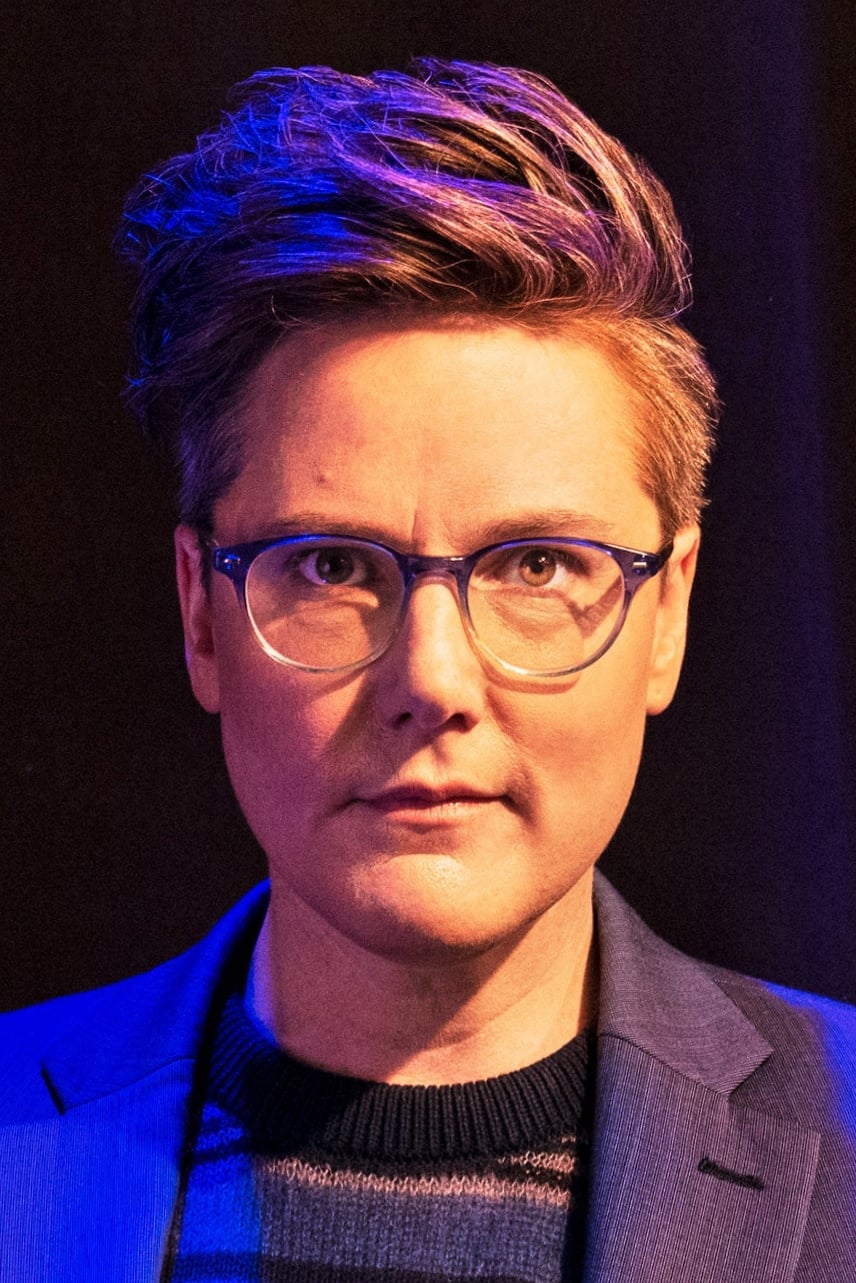
Hannah Gadsby achieved international acclaim for her filmed stand up special ‘Nanette’. She later revealed that performing the deeply personal and traumatic material over and over again was damaging to her well being. The actress felt that the success of the show trapped her in a cycle of reliving her past pain for the sake of an audience. She expressed regret over the toll the performance took on her mental health during her world tour. Gadsby has since moved toward material that is less focused on personal trauma.
Trace Lysette
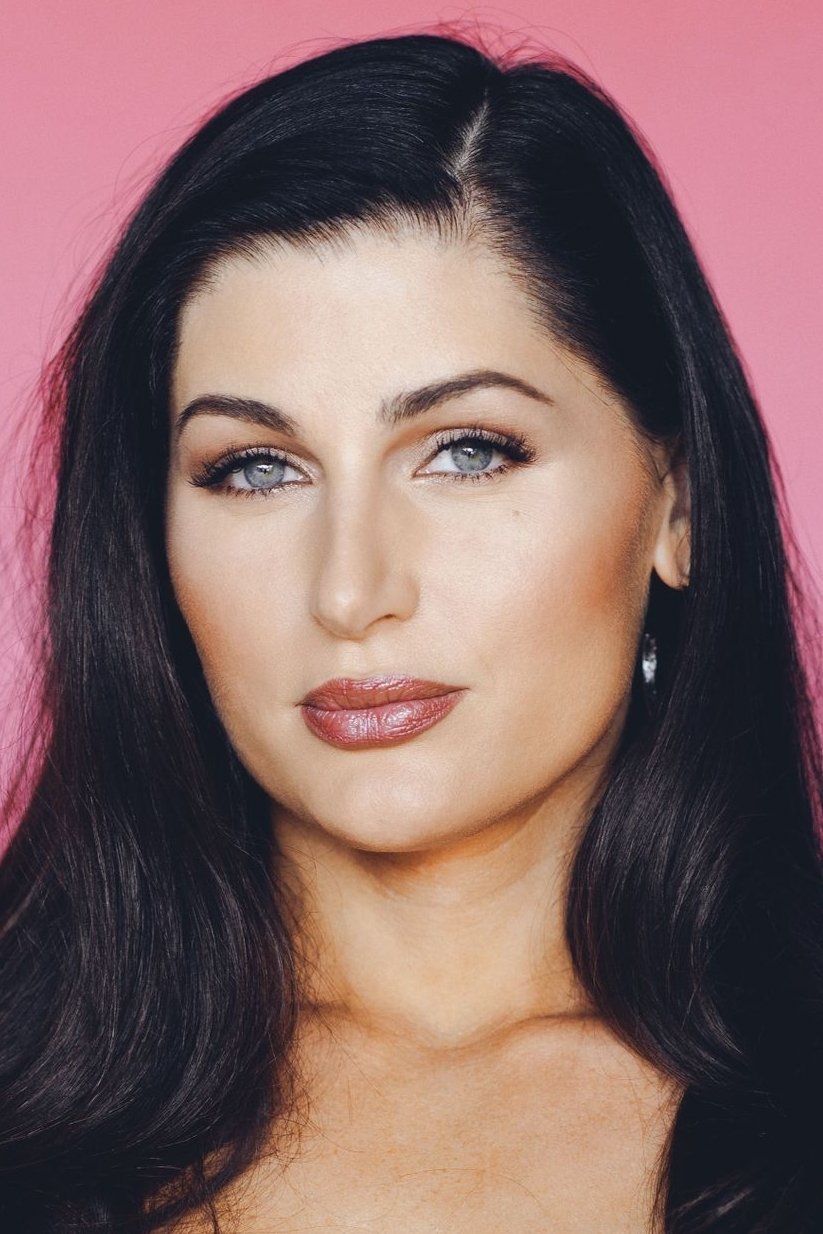
Trace Lysette has been a vocal advocate for trans representation following her roles in shows like ‘Transparent’ and the film ‘Hustlers’. She has expressed regret over the way the industry often pigeonholes trans actresses into tragic or hyper-sexualized roles. The actress felt that she had to fight constantly for respect and fair treatment on sets dominated by cisgender perspectives. She has shared her frustrations regarding the lack of meaningful opportunities for trans performers beyond specific tropes. Lysette continues to push for systemic change to ensure future performers have a better experience.
Erika Linder
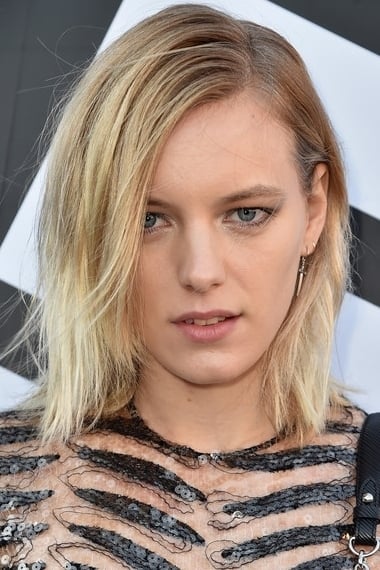
Erika Linder starred in the explicit romantic drama ‘Below Her Mouth’ which gained significant attention for its raw portrayal of a lesbian relationship. She later discussed the difficulty of the intense public reaction and the focus on the film sexual content. The actress felt that the conversation around the movie overshadowed the actual performance and the emotional depth of the story. She experienced a period of uncertainty regarding her career path following the release of the film. Linder has since been more cautious about taking on roles that involve such high levels of physical vulnerability.
Jasika Nicole
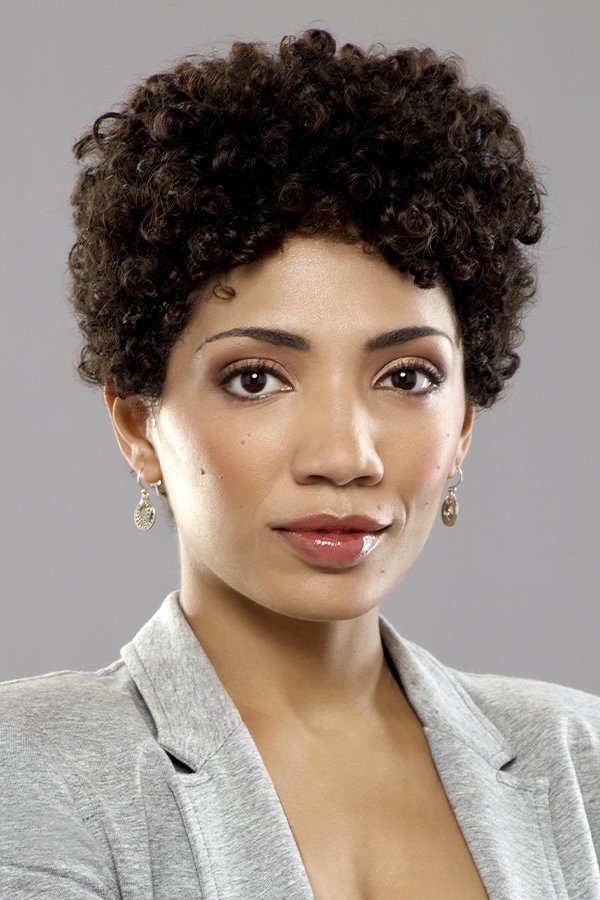
Jasika Nicole played Astrid Farnsworth on the popular science fiction series ‘Fringe’. She later voiced her frustration with the lack of development for her character compared to the white male leads. The actress felt that she was often relegated to the background despite her character importance to the team. She expressed regret over the missed opportunities to explore Astrid backstory and personal life over the five seasons. Her experience highlighted the common issue of diverse actors being sidelined in major television ensembles.
Alia Shawkat
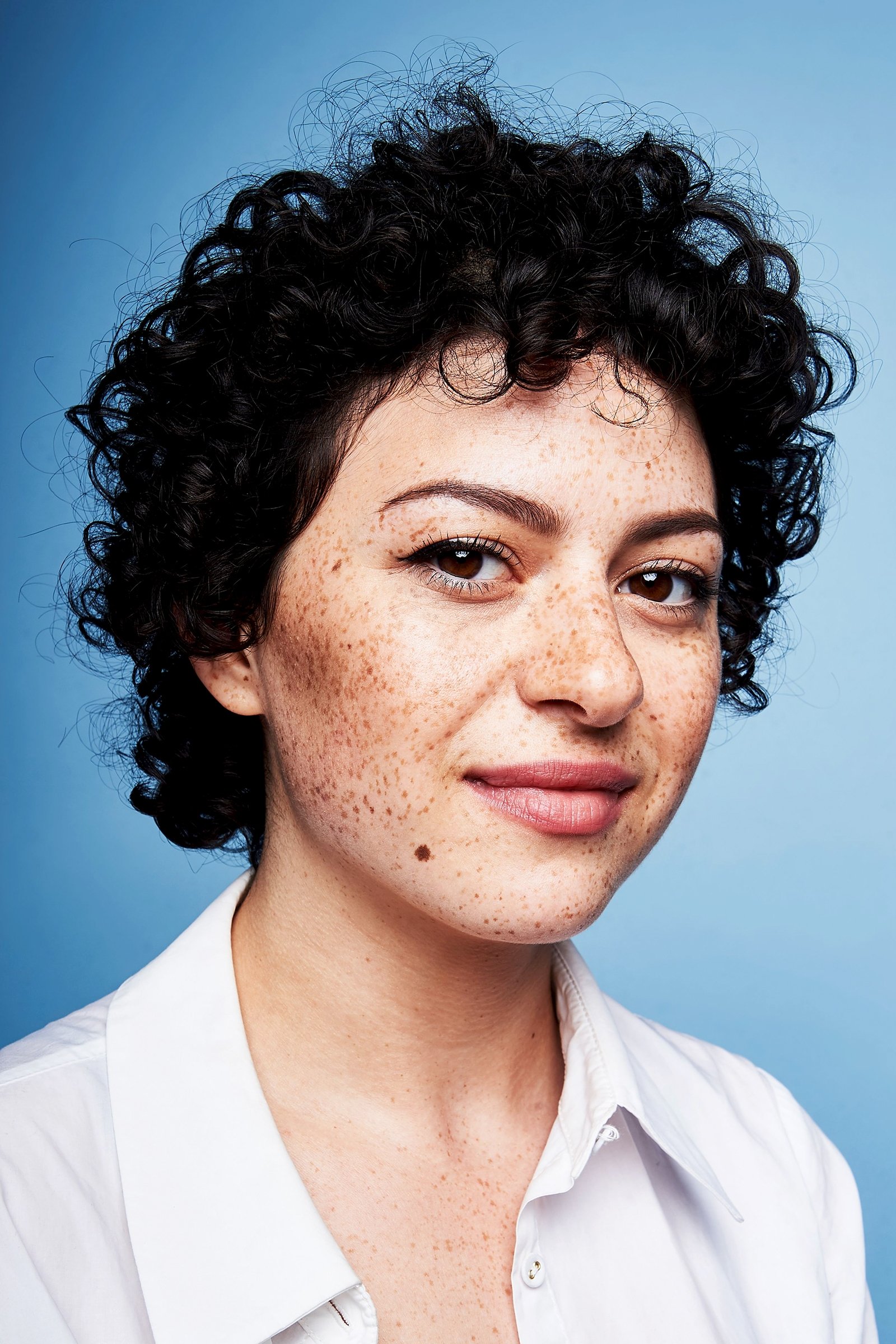
Alia Shawkat starred as Maeby Fünke in the hit comedy ‘Arrested Development’ for several seasons. She later admitted that the revival seasons on Netflix did not feel the same and lacked the creative magic of the original run. The actress felt that the production environment had become strained and the quality of the scripts had declined. She expressed a sense of regret over returning to the role under those circumstances. Shawkat has since focused on more experimental and personal projects that allow her greater creative input.
Tessa Thompson
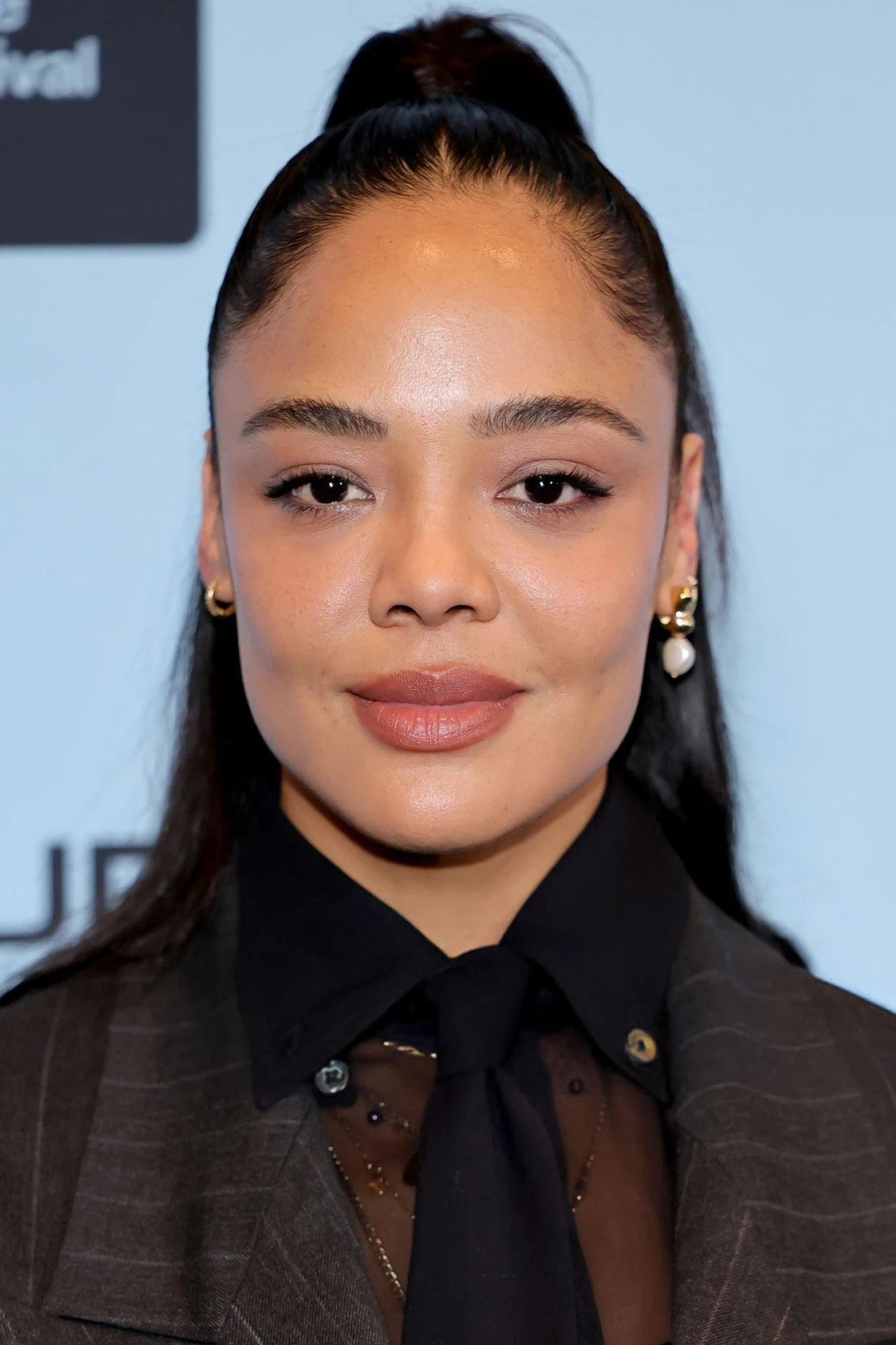
Tessa Thompson joined the Marvel Cinematic Universe as Valkyrie and has appeared in multiple films within the franchise. She has occasionally hinted at the exhaustion that comes with the massive promotional cycles and the physical demands of superhero roles. The actress felt that the scale of the productions could sometimes be overwhelming and disconnected from the intimate acting work she prefers. She has expressed a desire to balance these blockbusters with smaller character driven stories to stay grounded. Thompson remains a key figure in the franchise but maintains a healthy distance from the Hollywood machine.
Beanie Feldstein
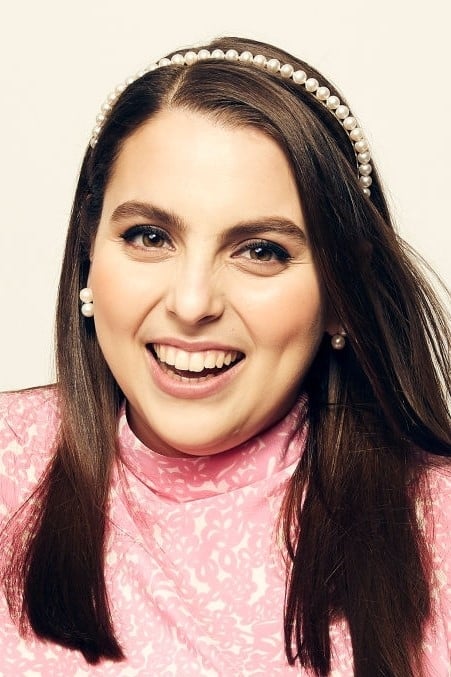
Beanie Feldstein took on the iconic role of Fanny Brice in the Broadway revival of ‘Funny Girl’. The production was plagued by negative reviews and intense public scrutiny which eventually led to her early departure. The actress felt that the experience was deeply painful and not the triumphant moment she had hoped for in her career. She expressed regret over the way the situation was handled by the media and the production team. This high profile career setback was a difficult chapter for the rising star.
Holland Taylor
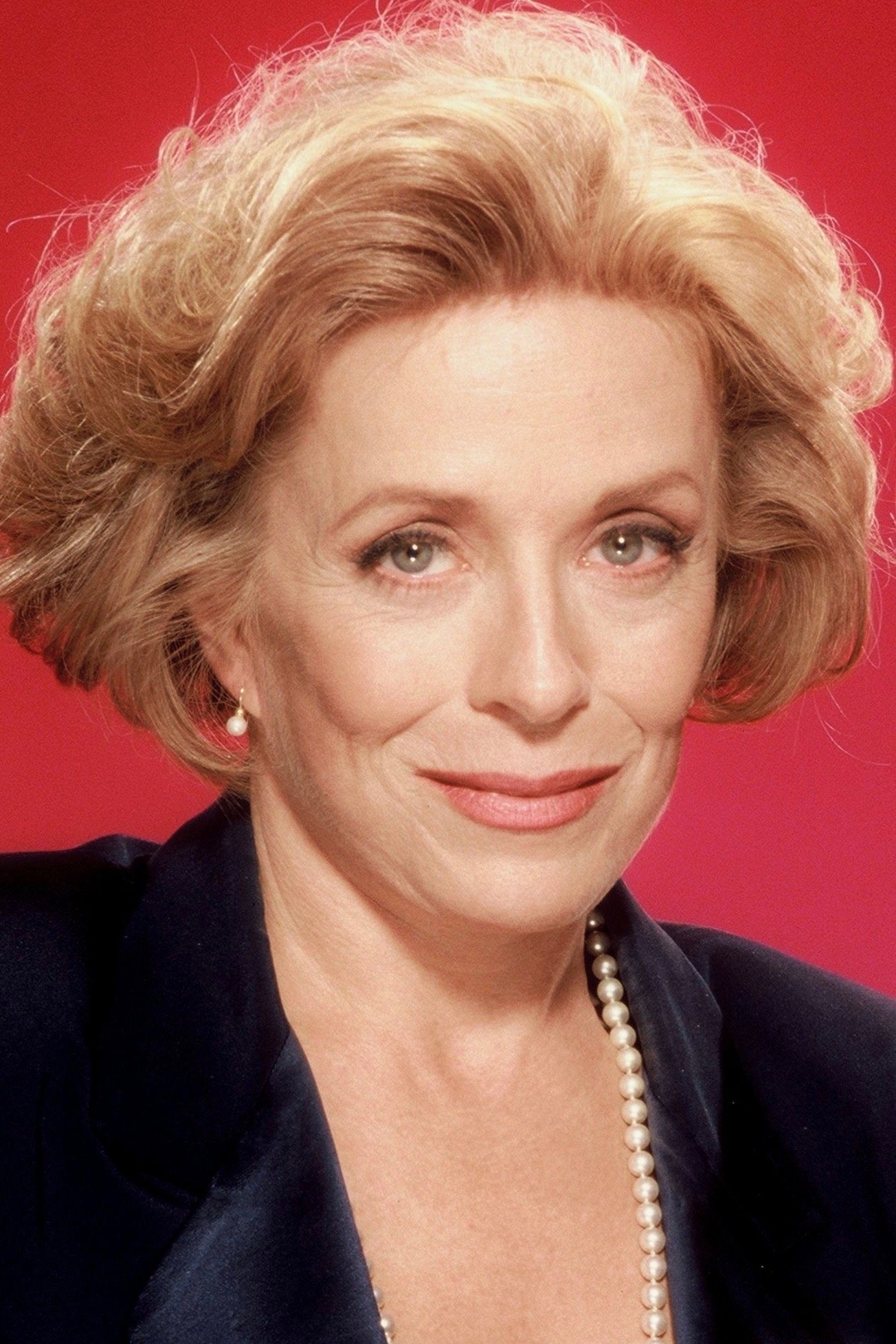
Holland Taylor spent many years playing the mother of the lead characters on the sitcom ‘Two and a Half Men’. She has occasionally critiqued the show brand of humor and its portrayal of women as being somewhat regressive. The actress felt that while the job provided financial security it did not always meet her standards for high quality writing. She remained professional throughout the long run but has spoken about her preference for more sophisticated dramatic material. Taylor has since found great acclaim in stage roles that offer more intellectual depth.
Jodie Foster
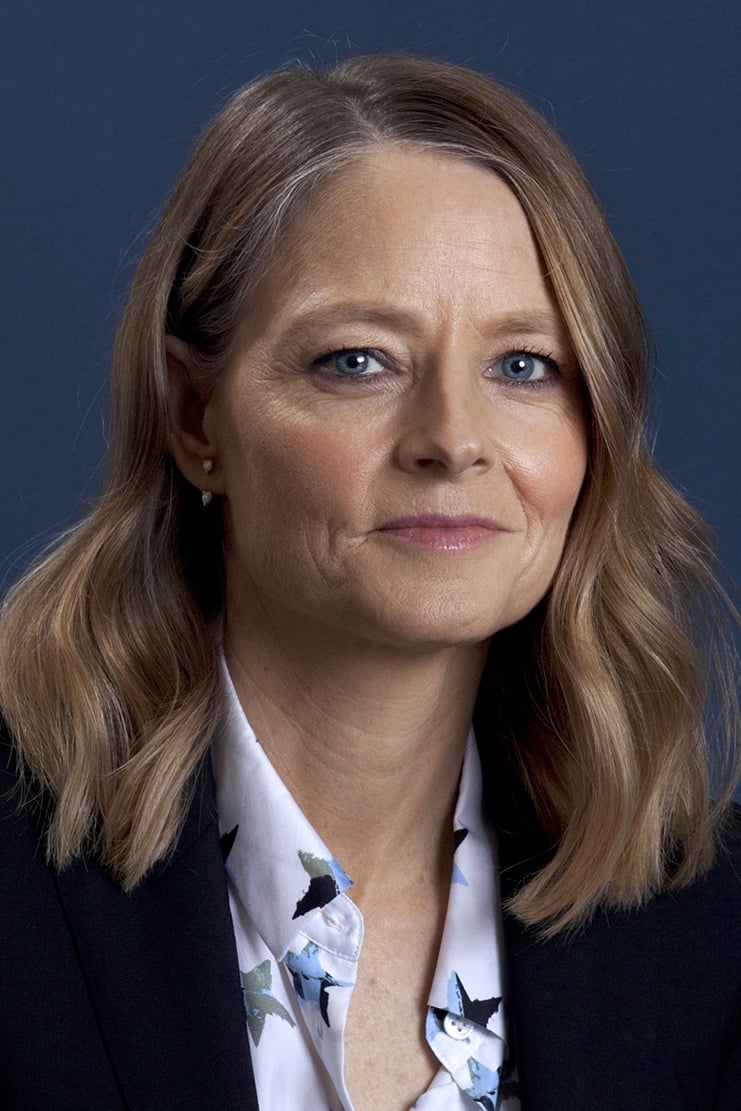
Jodie Foster was a famous child actress who appeared in films like ‘The Little Girl Who Lives Down the Lane’. She has since reflected on the discomfort of filming adult themes and intense situations at such a young age. The actress felt that being exposed to the pressures of the industry so early led to a sense of lost childhood. She has been open about the struggle to maintain a sense of self while being a public figure from a very young age. Foster now uses her experience to mentor younger actors and advocate for their protection on set.
Lily Tomlin
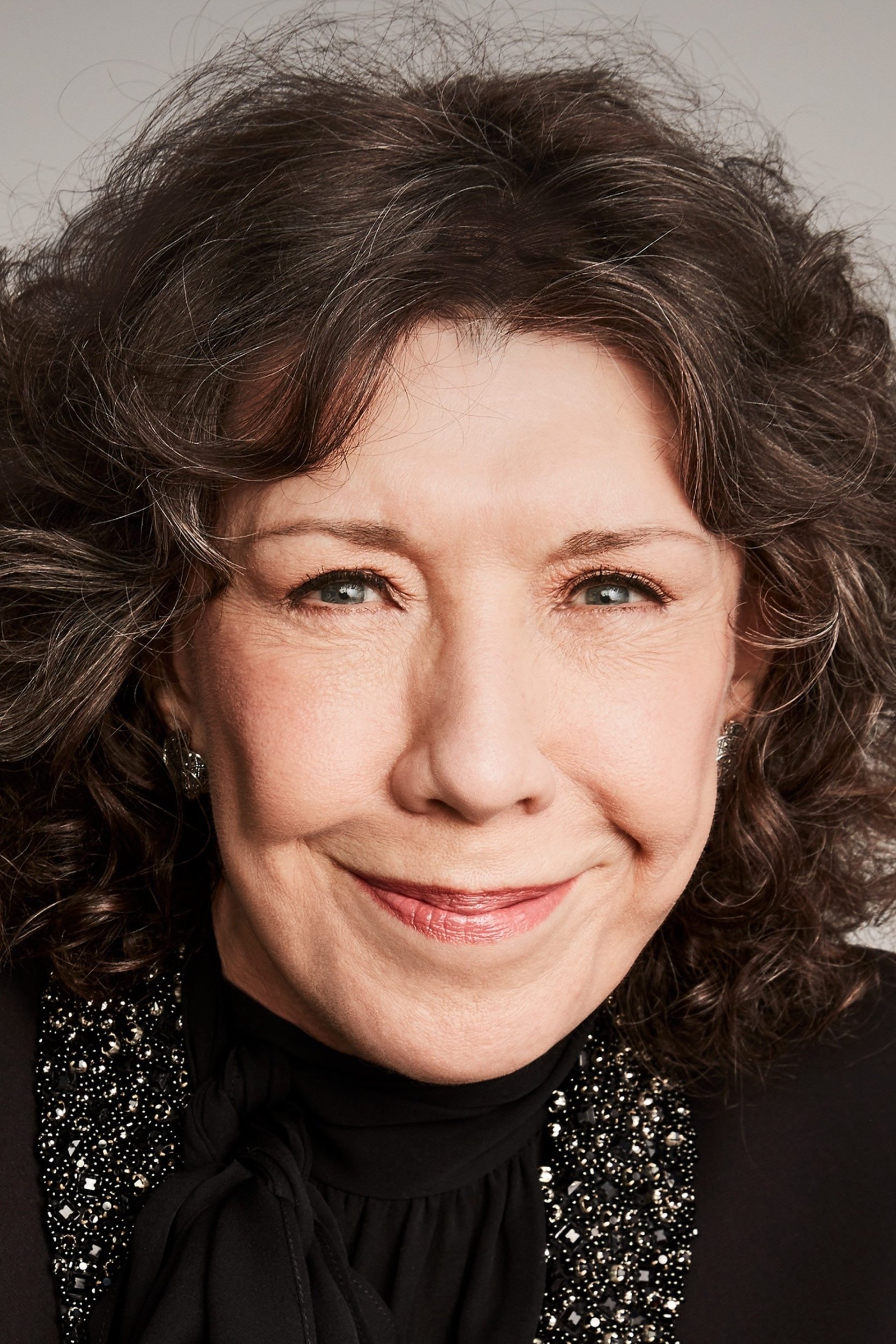
Lily Tomlin starred in the classic comedy ‘9 to 5’ alongside Jane Fonda and Dolly Parton. She actually tried to quit the film during the first week of production because she was unhappy with her performance and the dailies she saw. The actress felt that she was not funny enough and that her character was not working within the ensemble. She was eventually convinced to stay and the movie became a massive success. Despite the film legendary status her initial feelings of regret and insecurity remain a famous part of its production history.
Wanda Sykes
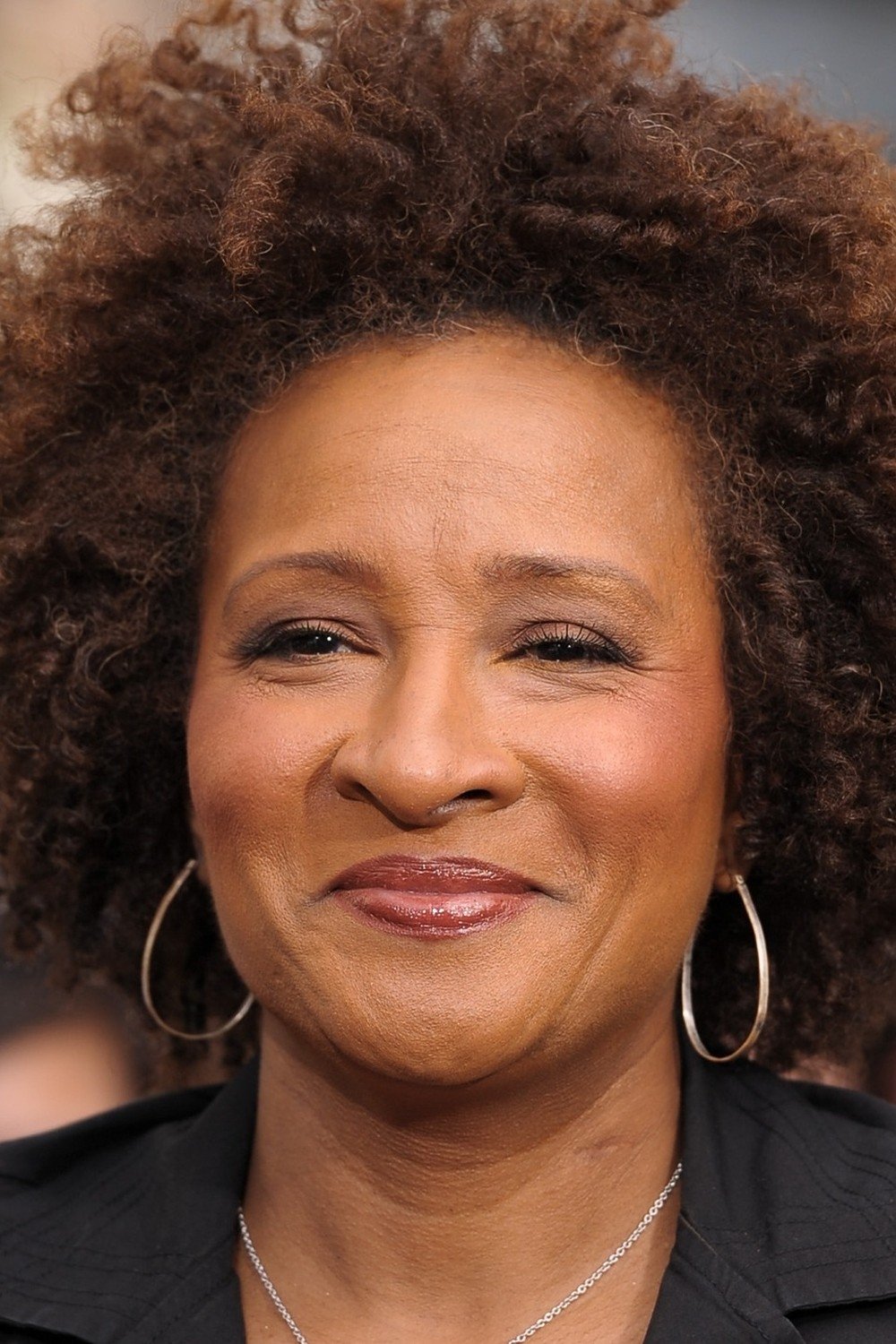
Wanda Sykes had her own sitcom called ‘Wanda at Large’ which was cancelled after a short run. She later expressed regret over the creative compromises she had to make to fit the network television format. The actress felt that her true voice was diluted and that the show did not represent her best comedic work. She found the process of making a traditional sitcom to be frustrating and stifling. Sykes eventually found much more success in stand up and voice acting where she could be more authentic.
Daniela Vega
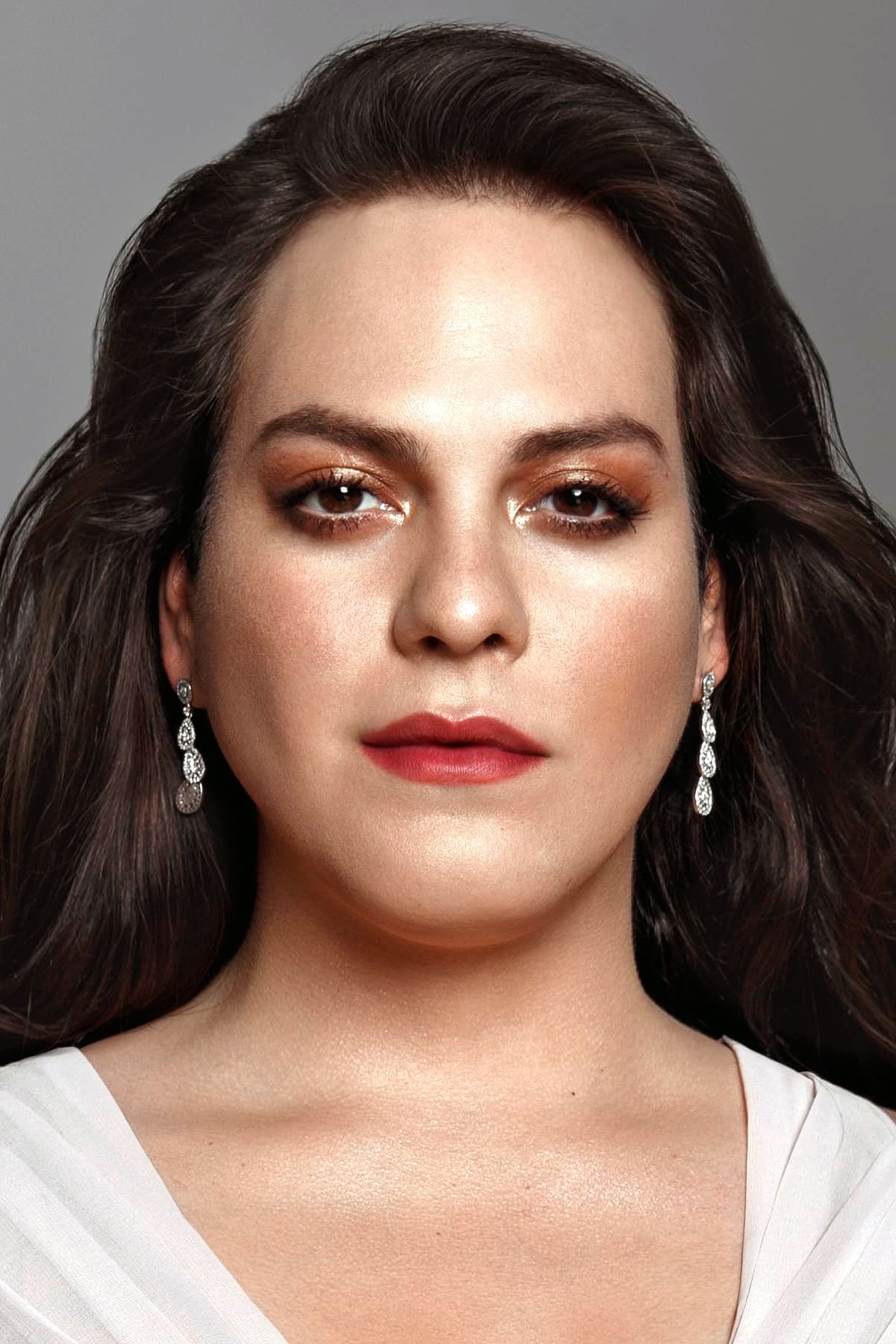
Daniela Vega became an international icon following her performance in ‘A Fantastic Woman’. She has spoken about the exhaustion of being a symbol for the trans community rather than just being seen as an actress. The actress felt that the constant focus on her identity sometimes overshadowed her professional achievements and the craft of acting. She expressed a sense of regret over the loss of anonymity and the weight of representing an entire community on the global stage. Vega continues to act but seeks roles that move beyond the limitations of her public persona.
Indya Moore
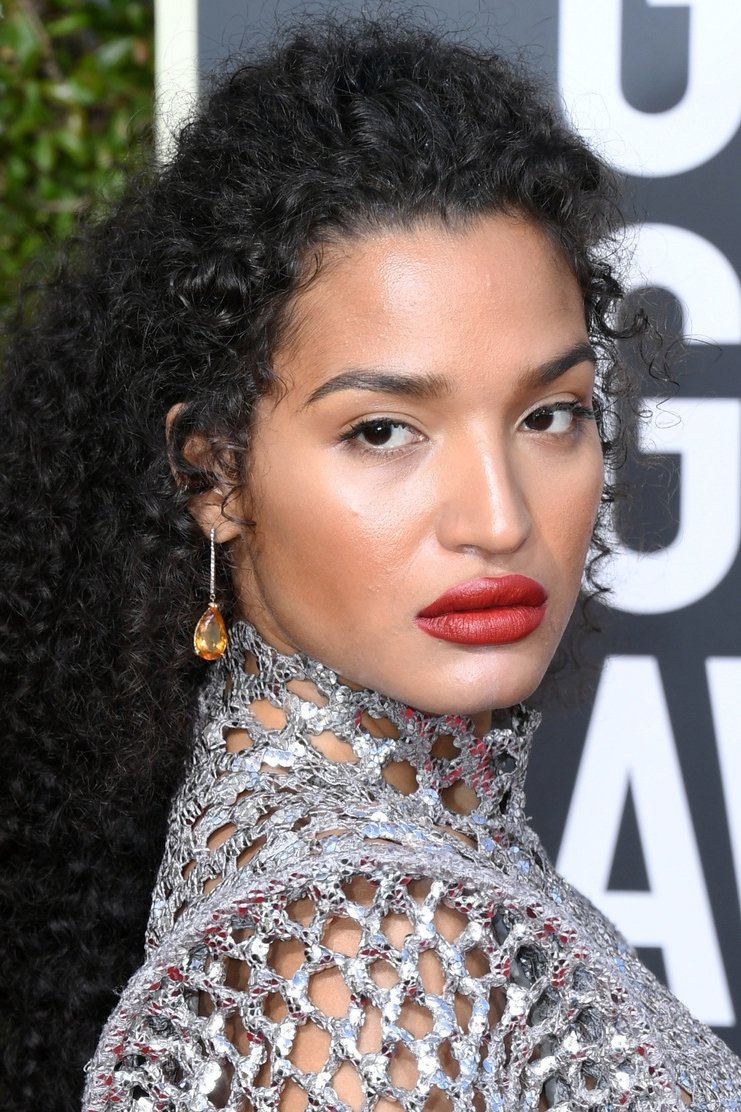
Indya Moore rose to fame on the series ‘Pose’ which featured a record breaking number of trans actors. They later shared that the emotional toll of playing a character who experiences constant trauma was deeply draining. The actress felt that the industry expectation for marginalized performers to relive their pain on screen was problematic. They expressed a need for roles that focus on joy and success rather than just survival. Moore has become a vocal critic of how Hollywood handles stories involving marginalized identities.
Hari Nef
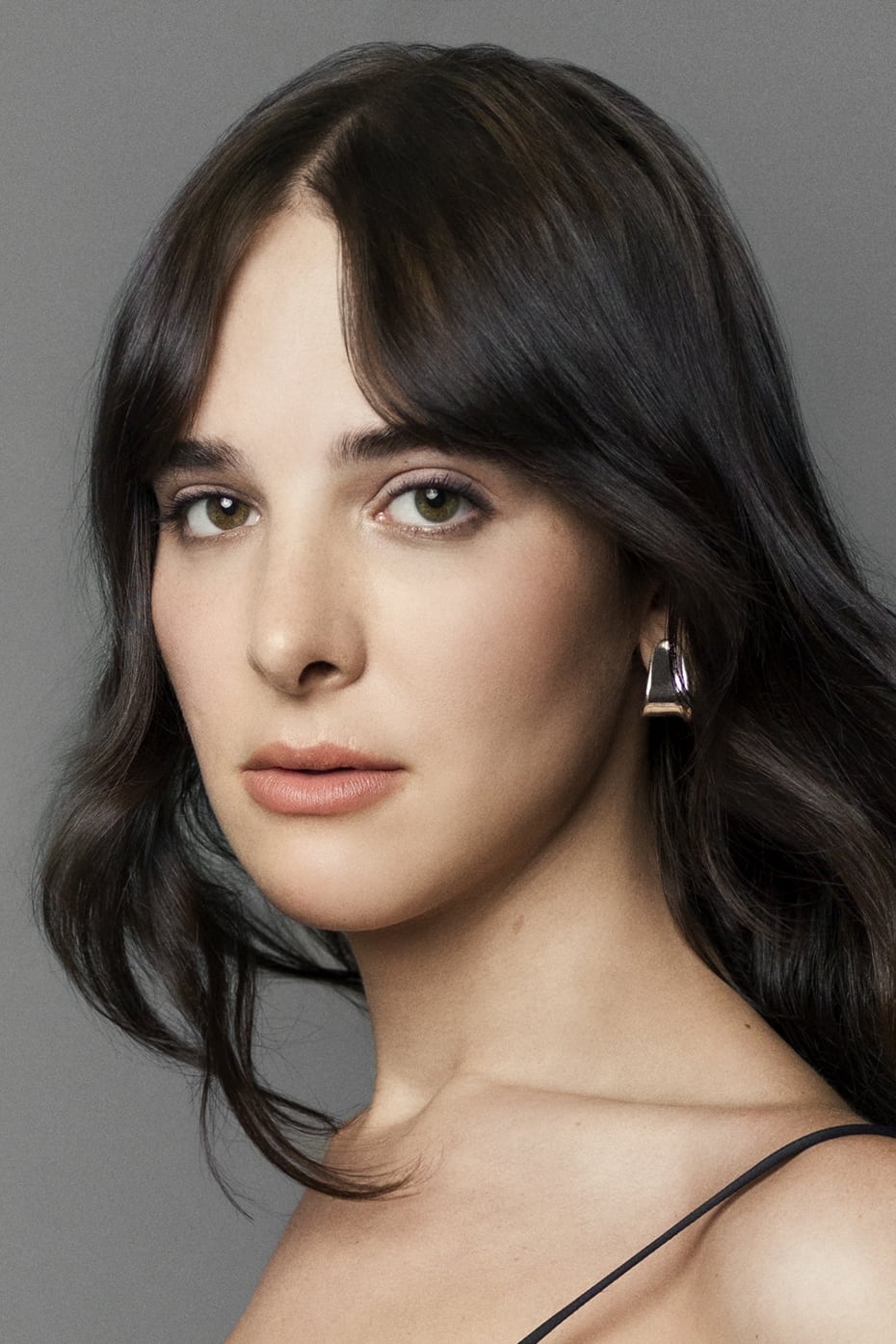
Hari Nef appeared in the global blockbuster ‘Barbie’ as one of the titular dolls. She has mentioned the intense anxiety and pressure she felt as a trans woman entering such a massive and highly visible project. The actress felt that the expectations were incredibly high and she worried about the potential for negative backlash. While she was ultimately proud of the film the stress of the production and the surrounding media circus was a significant burden. Nef continues to advocate for more inclusive casting in all levels of filmmaking.
Please share your thoughts on these actresses and their career choices in the comments.