LGBTQ+ Actors Who Publicly Apologized For Problematic Past Roles

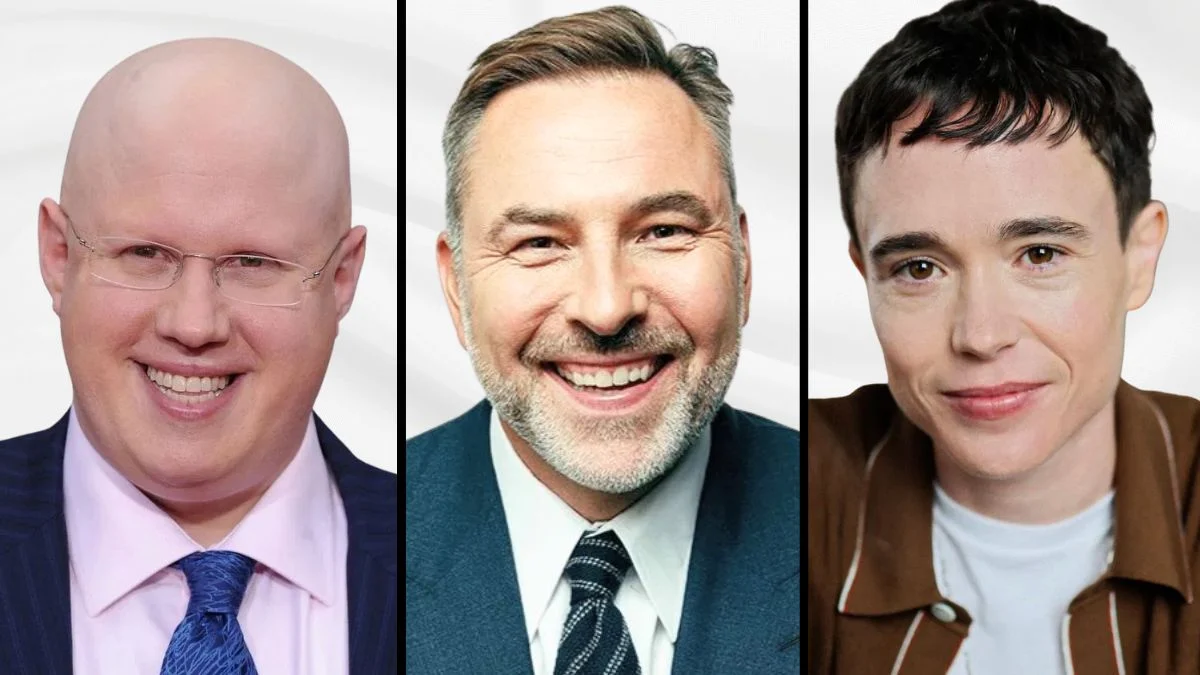

LGBTQ+ actors have often faced difficult choices when navigating their careers in Hollywood. Many have later looked back on specific roles that relied on harmful stereotypes or took opportunities away from other marginalized groups. These public apologies and expressions of regret reflect a changing industry and a commitment to better representation. By addressing their past work these performers help highlight the importance of authentic storytelling and accountability in entertainment.
Elliot Page
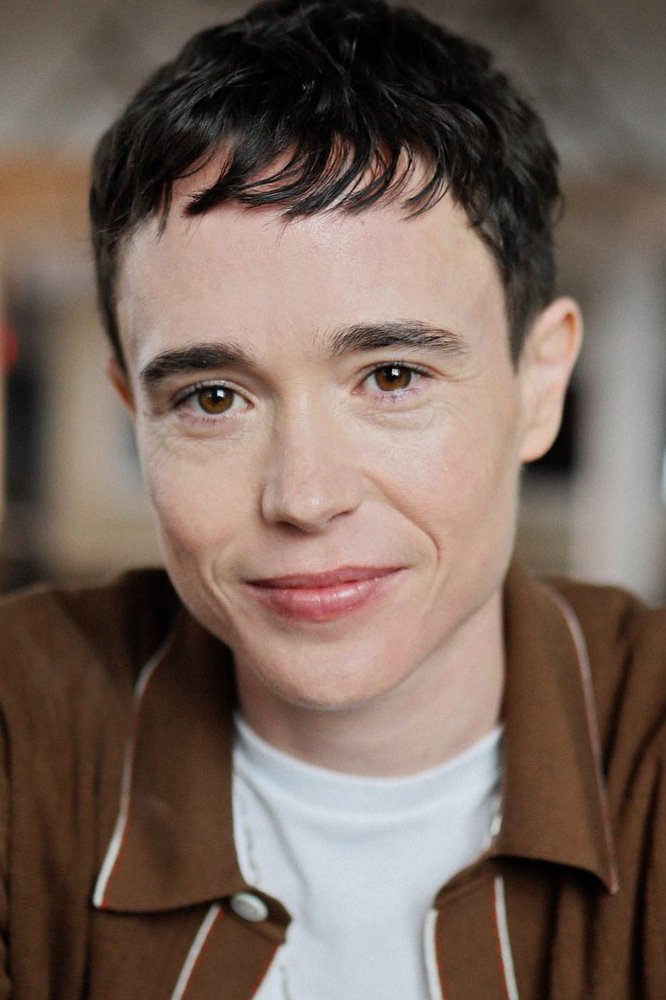
Elliot Page publicly expressed regret for working with director Woody Allen on the film ‘To Rome with Love’. The actor shared that this was one of the most significant regrets of his professional career given the allegations against the filmmaker. Page noted that he had not yet found his voice or identity during that period of production. He has since become a vocal advocate for more ethical casting and production practices within the film industry.
Matt Bomer
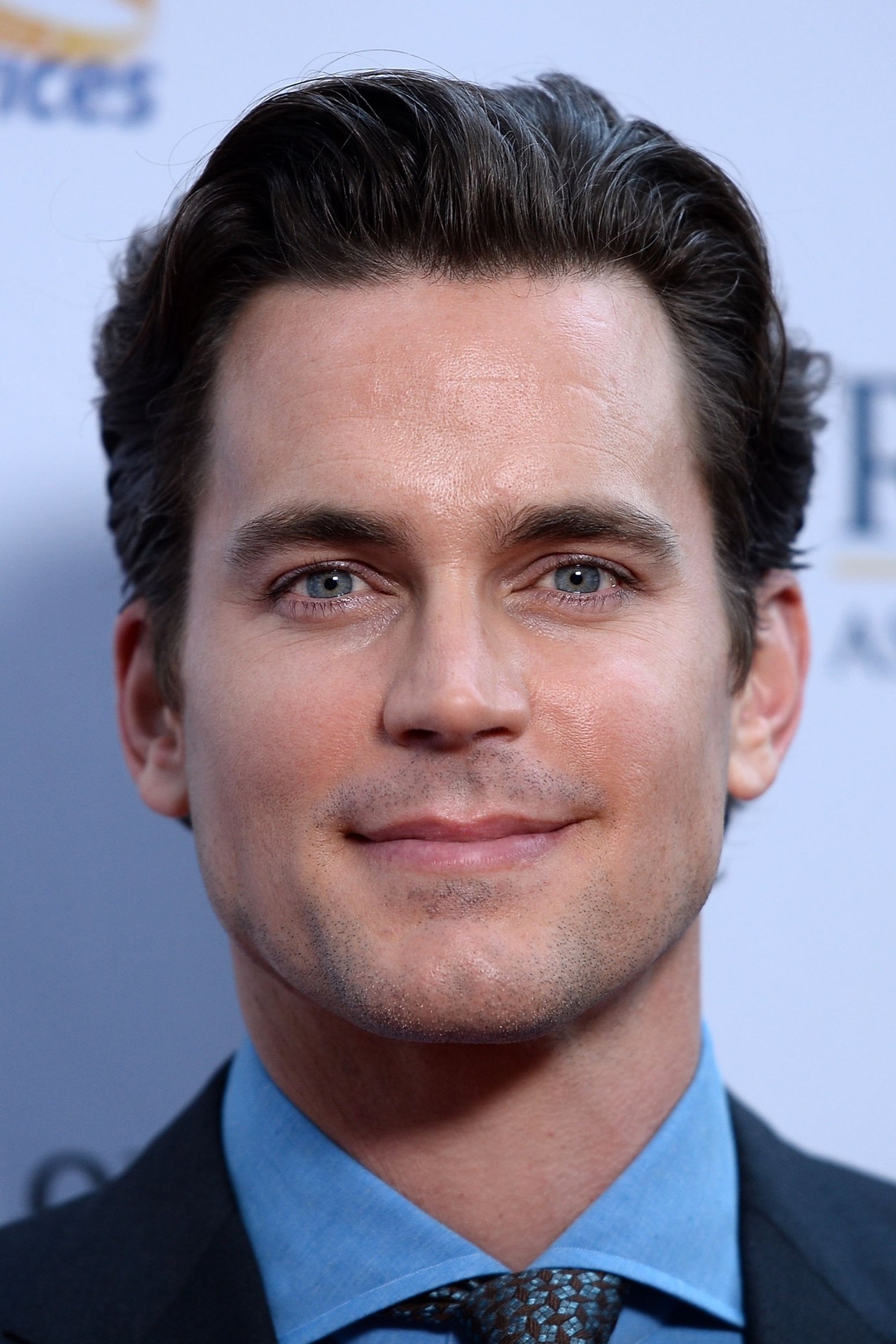
Matt Bomer faced significant criticism for his role as a transgender sex worker in the film ‘Anything’. He later acknowledged the concerns of the trans community regarding the lack of authentic representation in the production. The actor expressed that he had learned a great deal from the backlash and aimed to support trans actors in the future. He has since focused on projects that prioritize diversity and genuine lived experiences for queer characters.
Matt Lucas
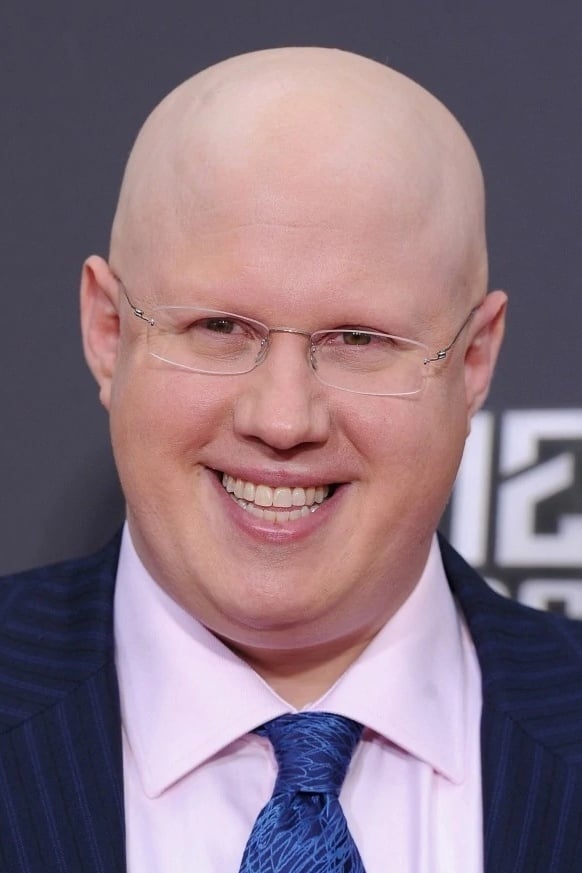
Matt Lucas issued a public apology for the use of blackface and offensive cultural stereotypes in his comedy series ‘Little Britain’. He stated that the show was a product of its time but that his perspective on what is acceptable has evolved significantly. The comedian admitted that he would not make the same creative choices if he were producing the series today. He emphasized that the problematic elements of the program were no longer something he felt comfortable with.
David Walliams
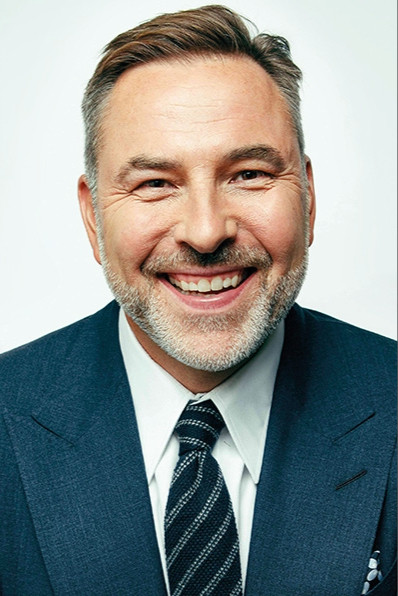
David Walliams joined his creative partner in apologizing for the various characters and portrayals in the show ‘Little Britain’. He recognized that certain sketches were insensitive and relied on outdated tropes that caused harm to various communities. The actor expressed a desire to move forward with more inclusive and respectful comedic content. He has since supported the removal of the series from several major streaming platforms to prevent further offense.
Wentworth Miller
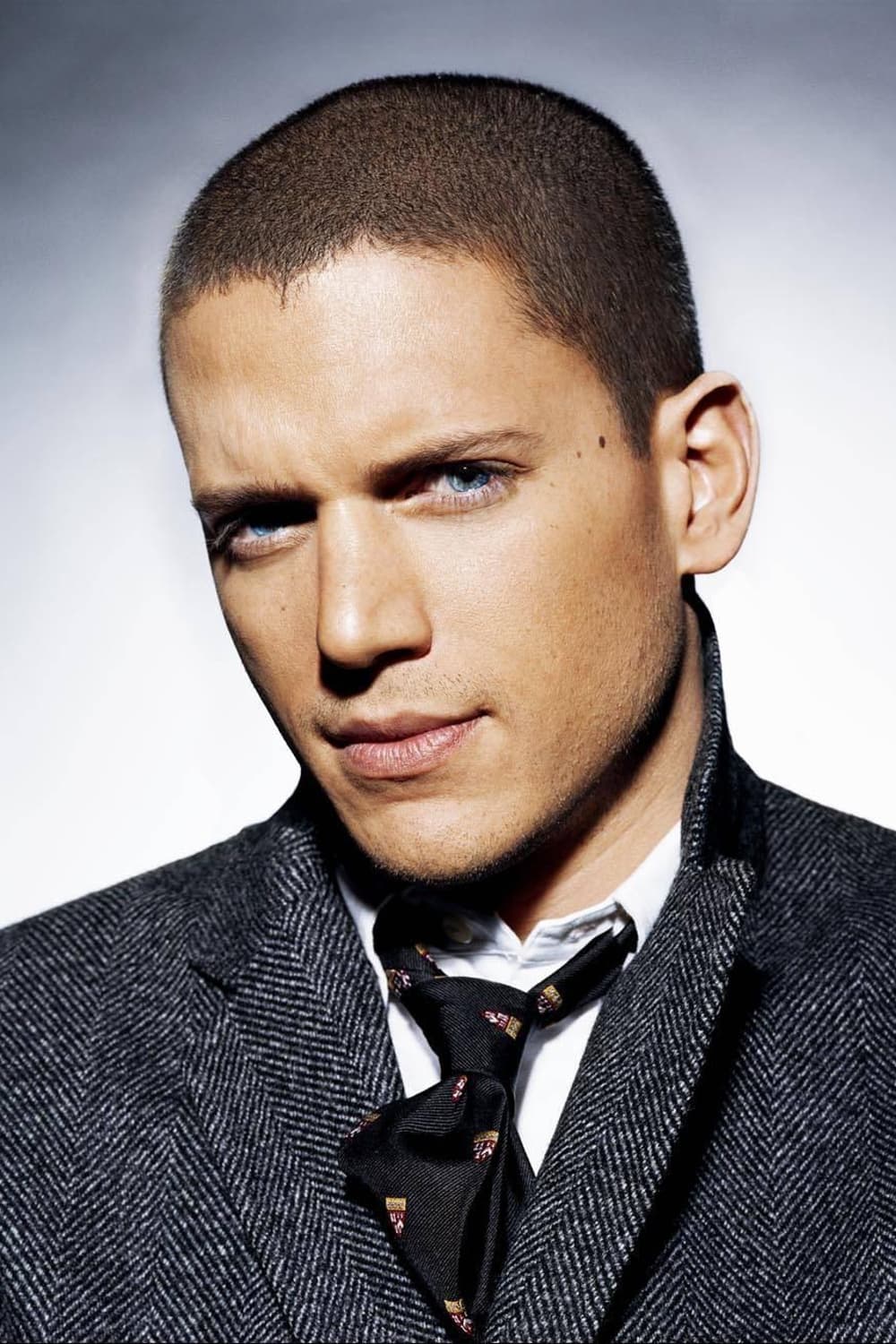
Wentworth Miller officially announced that he would no longer play straight characters because their stories have already been told extensively. He expressed regret for continuing to play Michael Scofield in ‘Prison Break’ while knowing the role did not align with his personal identity. The actor noted that he wanted to dedicate his future work to representing the queer community authentically. This decision followed a long period of reflection on how his roles impacted his mental health and public image.
BD Wong
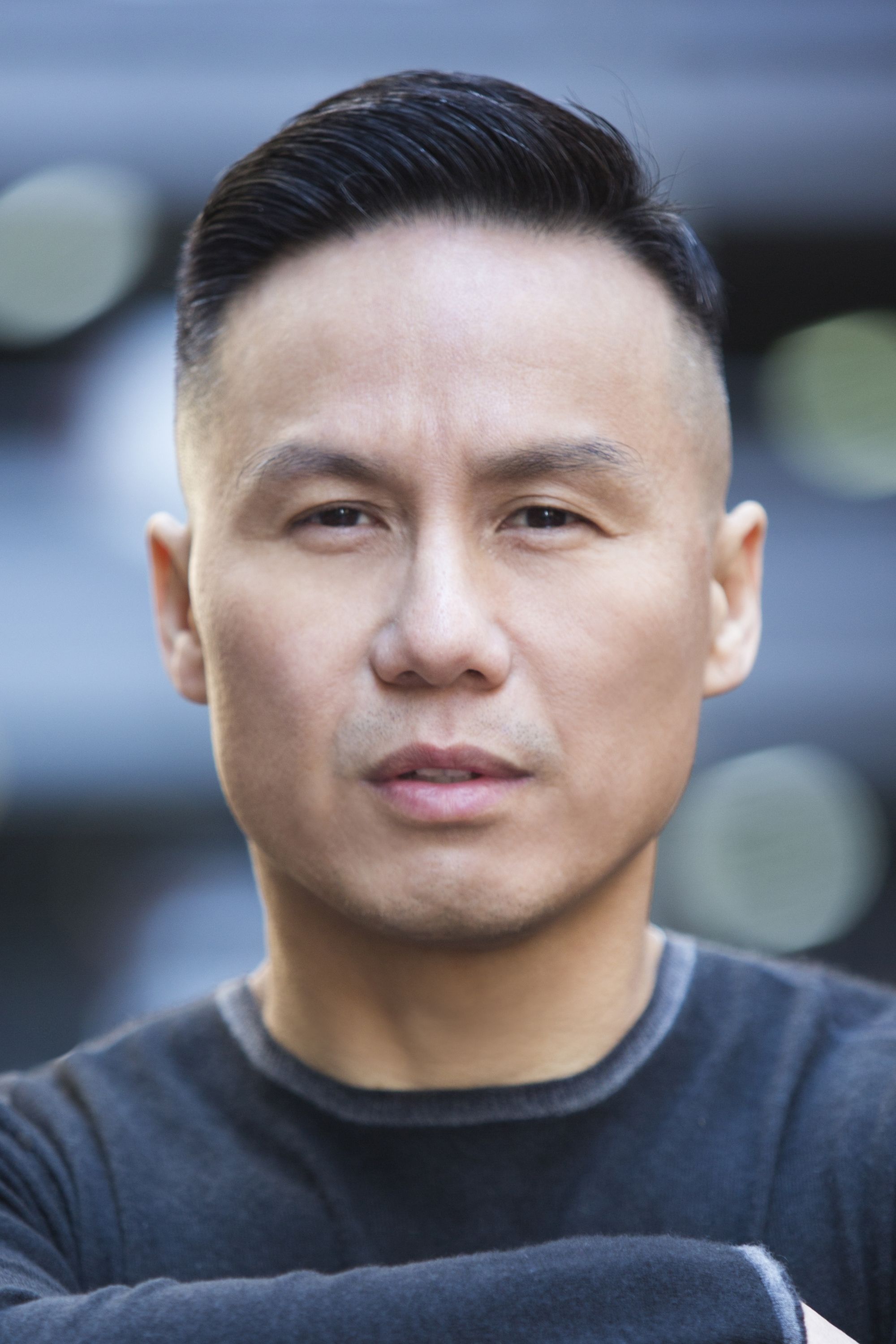
BD Wong has spoken openly about his regret regarding his early role in the film ‘Father of the Bride’. He described the character of Howard Weinstein as a stereotypical caricature that relied on offensive tropes for humor. The actor expressed that he felt a sense of shame for contributing to such a narrow portrayal of Asian and gay men. He has since become a strong advocate for more nuanced and three dimensional roles for actors of color.
Billy Porter
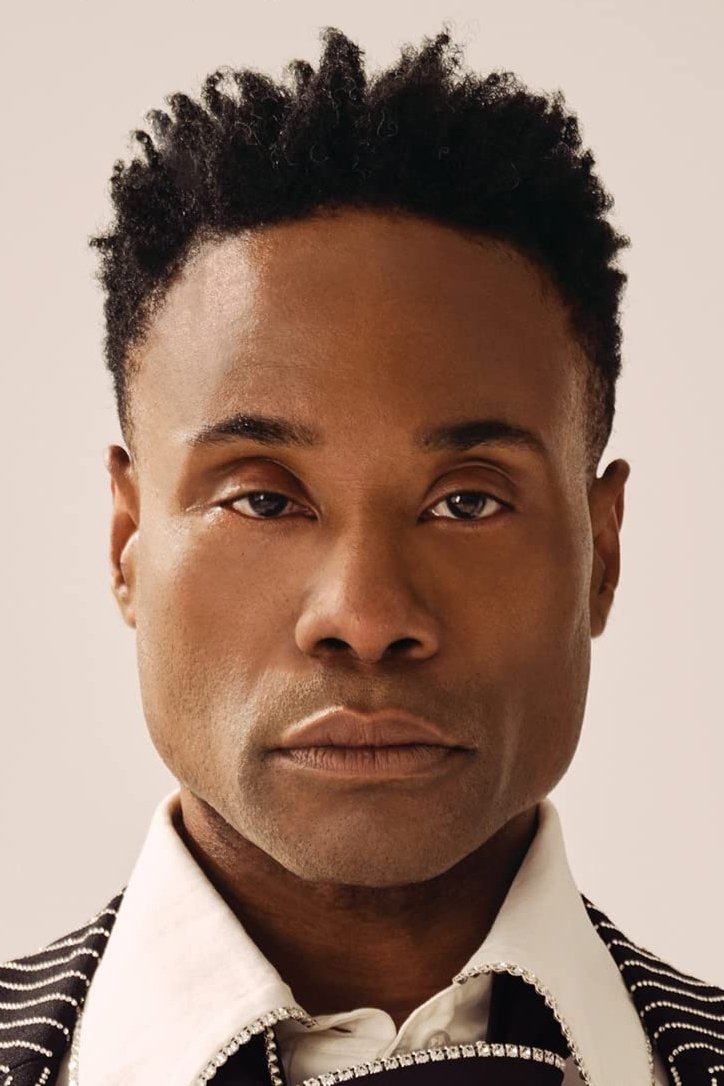
Billy Porter has addressed the problematic nature of his early career roles where he was forced to perform a traditional version of masculinity. He expressed regret for participating in a system that suppressed his authentic self for the sake of commercial viability. The actor highlighted how these experiences were emotionally taxing and limited his artistic growth during his younger years. He now uses his platform to champion roles that embrace the full spectrum of the human experience.
Harvey Guillén
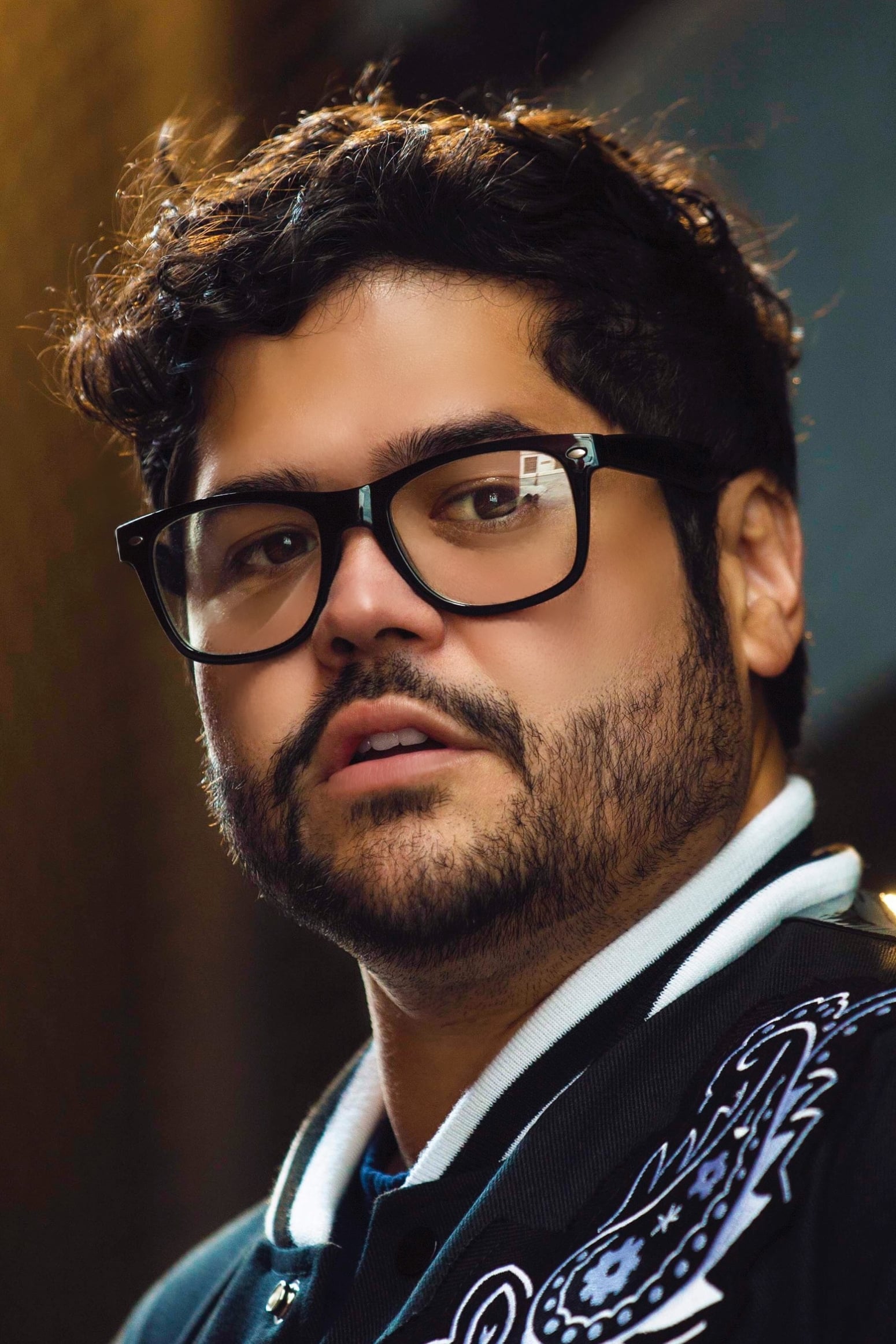
Harvey Guillén has reflected on his past roles that were limited to the stereotypical trope of the funny sidekick friend. He expressed regret for taking jobs that did not value his talent beyond his physical appearance or ethnicity. The actor shared that he now actively avoids roles that feel like caricatures or lack a complete character arc. He strives to ensure that his work contributes to a more respectful and diverse landscape in television.
George Takei
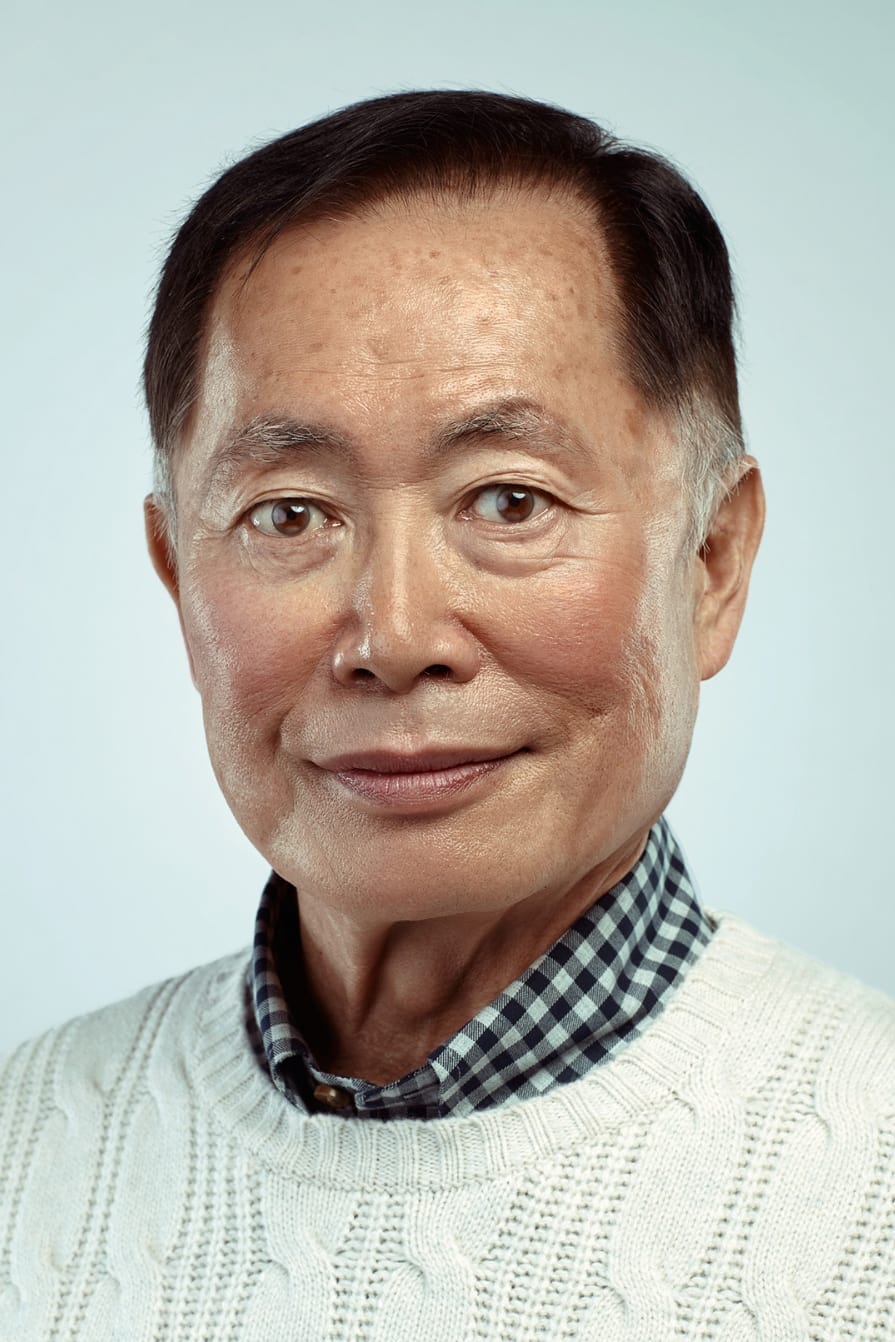
George Takei expressed regret for his role in the film ‘Breakfast at Tiffany’s’ which featured a highly offensive portrayal of an Asian man. While he did not play the most problematic character he felt complicit in a production that promoted harmful racial stereotypes. The actor has since spent decades fighting for better representation of Asian Americans in Hollywood. He believes that acknowledging these past mistakes is essential for the industry to move forward.
Wilson Cruz
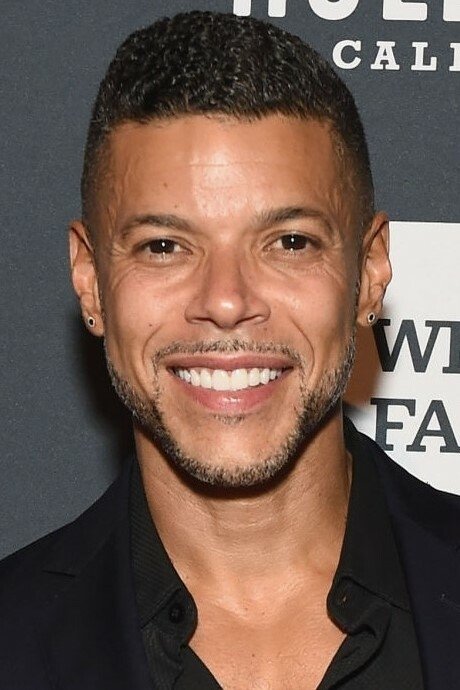
Wilson Cruz has discussed his regret over how certain queer storylines were handled in his early television work. He felt that some of these roles were written with a limited perspective that did not fully capture the reality of the LGBTQ+ experience. The actor has since worked closely with organizations like GLAAD to ensure that queer characters are portrayed with dignity and depth. He remains committed to holding writers and producers accountable for the stories they choose to tell.
Jerrod Carmichael
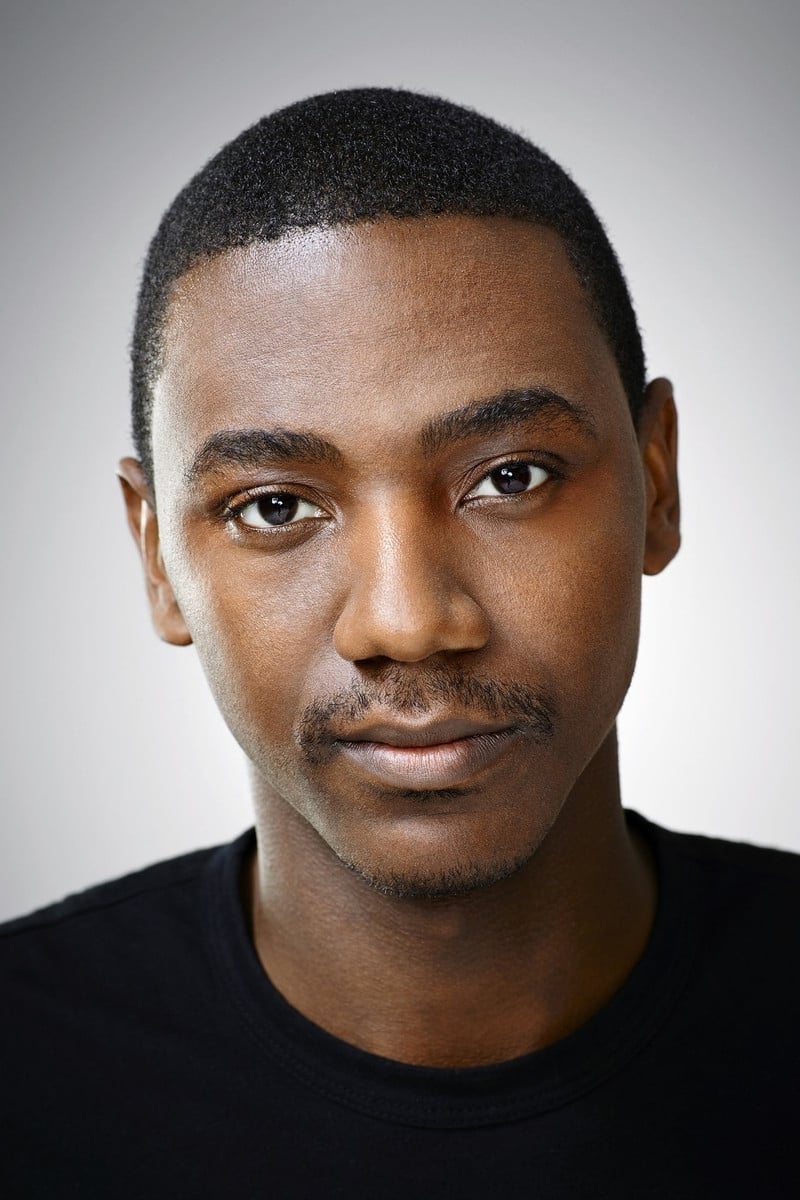
Jerrod Carmichael addressed the problematic nature of his earlier stand up material and television work before he publicly came out. He expressed regret for not being more transparent with his audience and for some of the jokes that felt dishonest to his true self. The comedian noted that his past work was shaped by a fear of rejection and a lack of personal clarity. He has since embraced a more vulnerable and honest approach to his creative output.
Colton Haynes
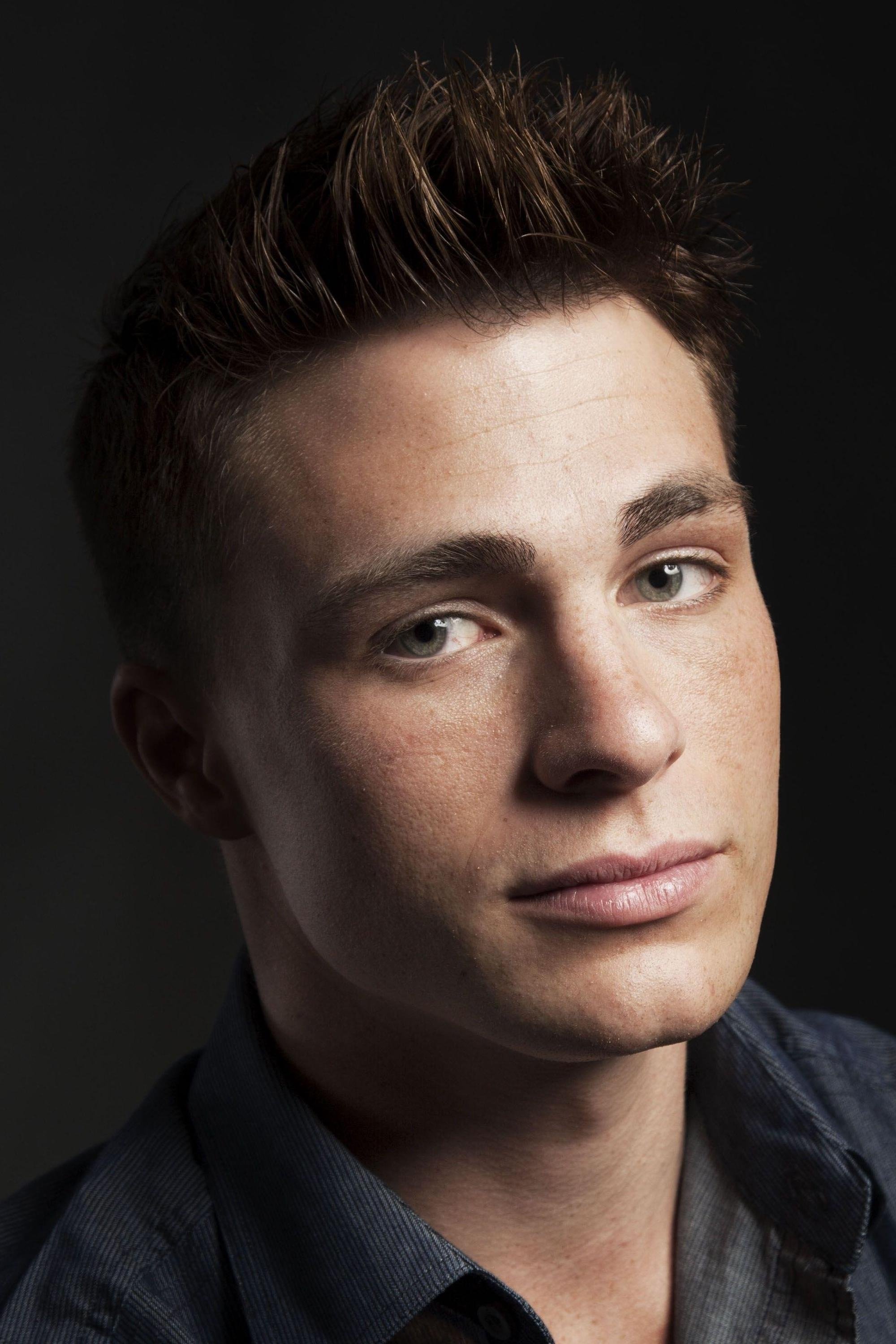
Colton Haynes shared his regret regarding his participation in photoshoots and roles that hypersexualized him while hiding his true identity. He felt that these projects were part of a larger problematic culture in Hollywood that pressured young actors to conform. The actor expressed that he felt like he was playing a part both on and off the screen which led to significant personal distress. He now prioritizes projects that allow him to be authentic and open about his life.
Griffin Newman

Griffin Newman was one of the first actors to publicly apologize for working with Woody Allen on the film ‘A Rainy Day in New York’. He expressed deep regret for his decision to join the cast and decided to donate his entire salary to charity. The actor acknowledged that his participation was a mistake and that he should have been more aware of the allegations surrounding the director. He has since encouraged other performers to think critically about the projects they support.
Alan Cumming
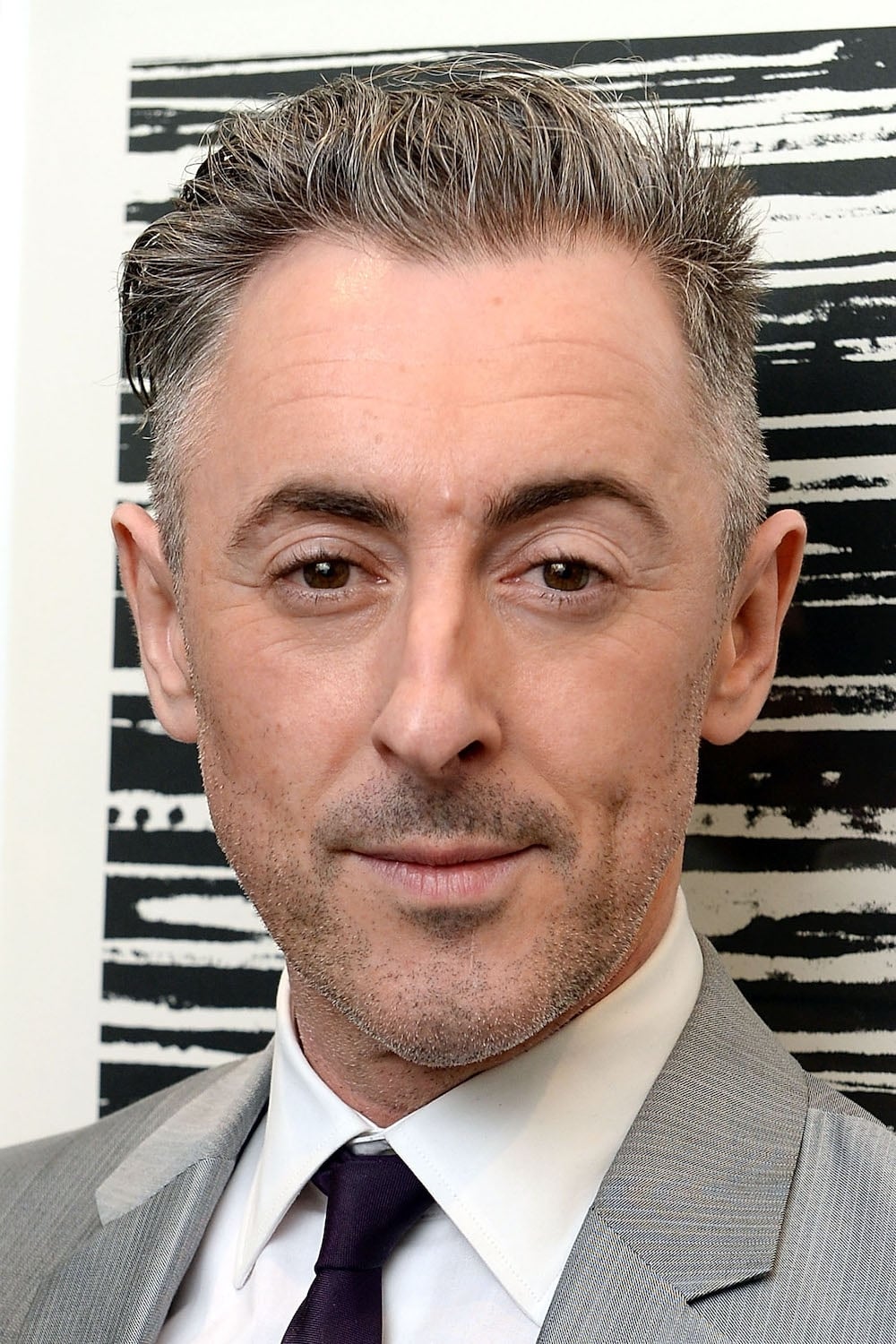
Alan Cumming has discussed his regret over certain roles in big budget films that he felt lacked artistic merit or relied on clichés. He noted that some of these characters were written as one dimensional versions of queer men that did not reflect reality. The actor expressed that he often took these roles for financial reasons but now regrets the impact they had on his career legacy. He prefers to focus on more complex and challenging work in independent film and theater.
Michael Urie
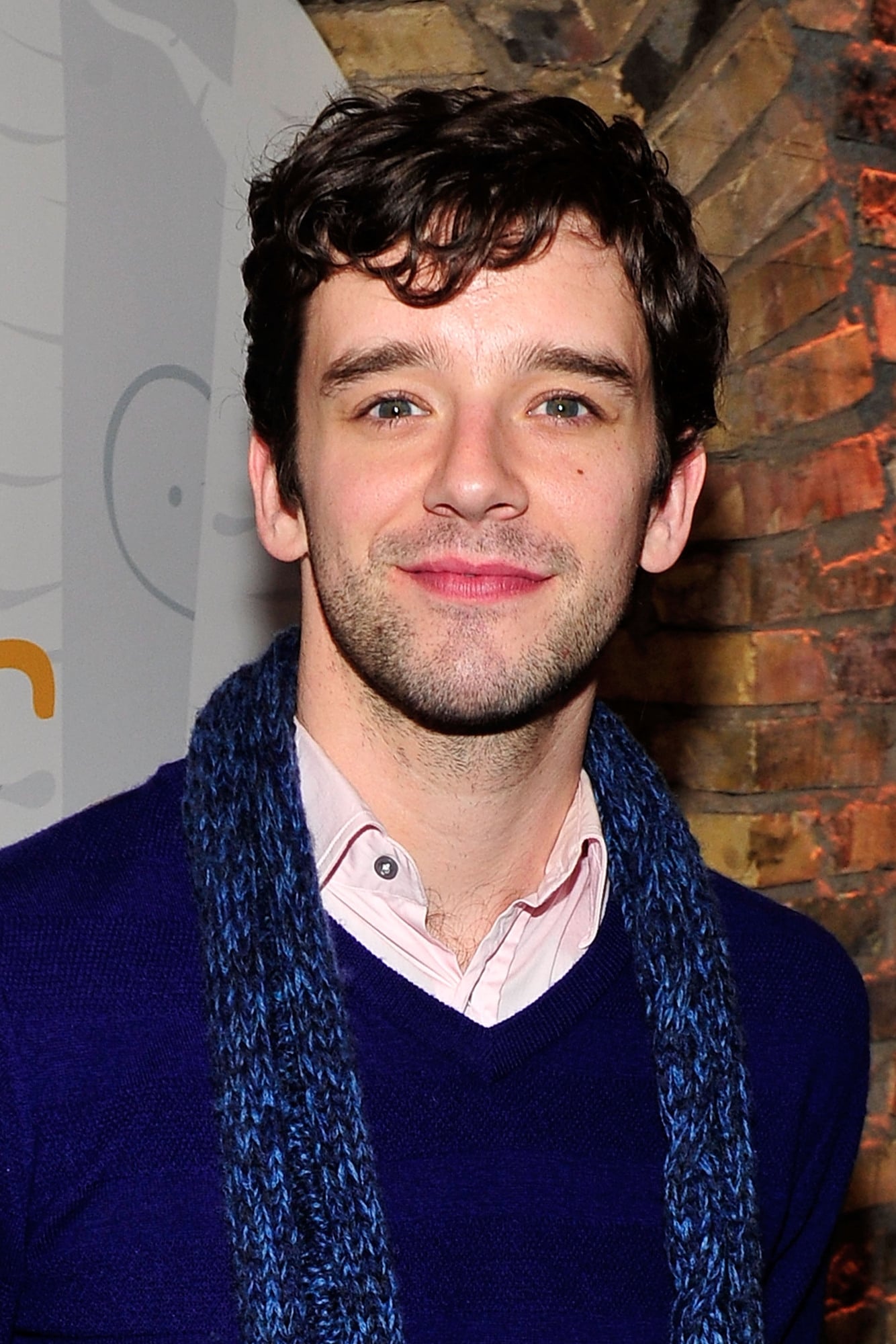
Michael Urie addressed his past roles as the sassy gay best friend and the impact this trope has on the audience. He expressed regret for participating in stories that reduced queer characters to comedic relief without any personal agency. The actor shared that he now looks for roles that subvert these expectations and provide a more authentic look at life. He believes it is important for LGBTQ+ actors to push for better writing and character development.
Sean Hayes
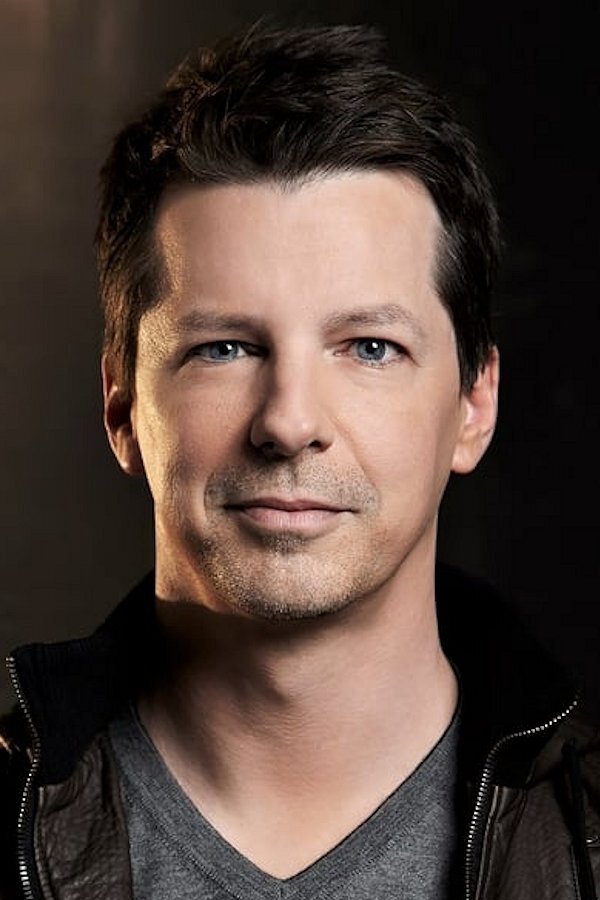
Sean Hayes publicly apologized for not coming out sooner during the height of the popularity of ‘Will and Grace’. He expressed regret that his silence may have impacted the progress of the LGBTQ+ movement at the time. The actor felt that he missed an opportunity to be a more effective advocate for his community while he had a massive platform. He has since become much more open about his life and uses his experience to help others in the industry.
Jim Parsons

Jim Parsons has reflected on his long tenure on ‘The Big Bang Theory’ and the ways in which his private life remained hidden for years. He expressed a sense of regret for not being more outspoken about his identity during the early seasons of the show. The actor felt that his public persona was at odds with his personal truth which created a sense of disconnect. He has since focused on producing and starring in projects that center on queer narratives.
Ben Platt
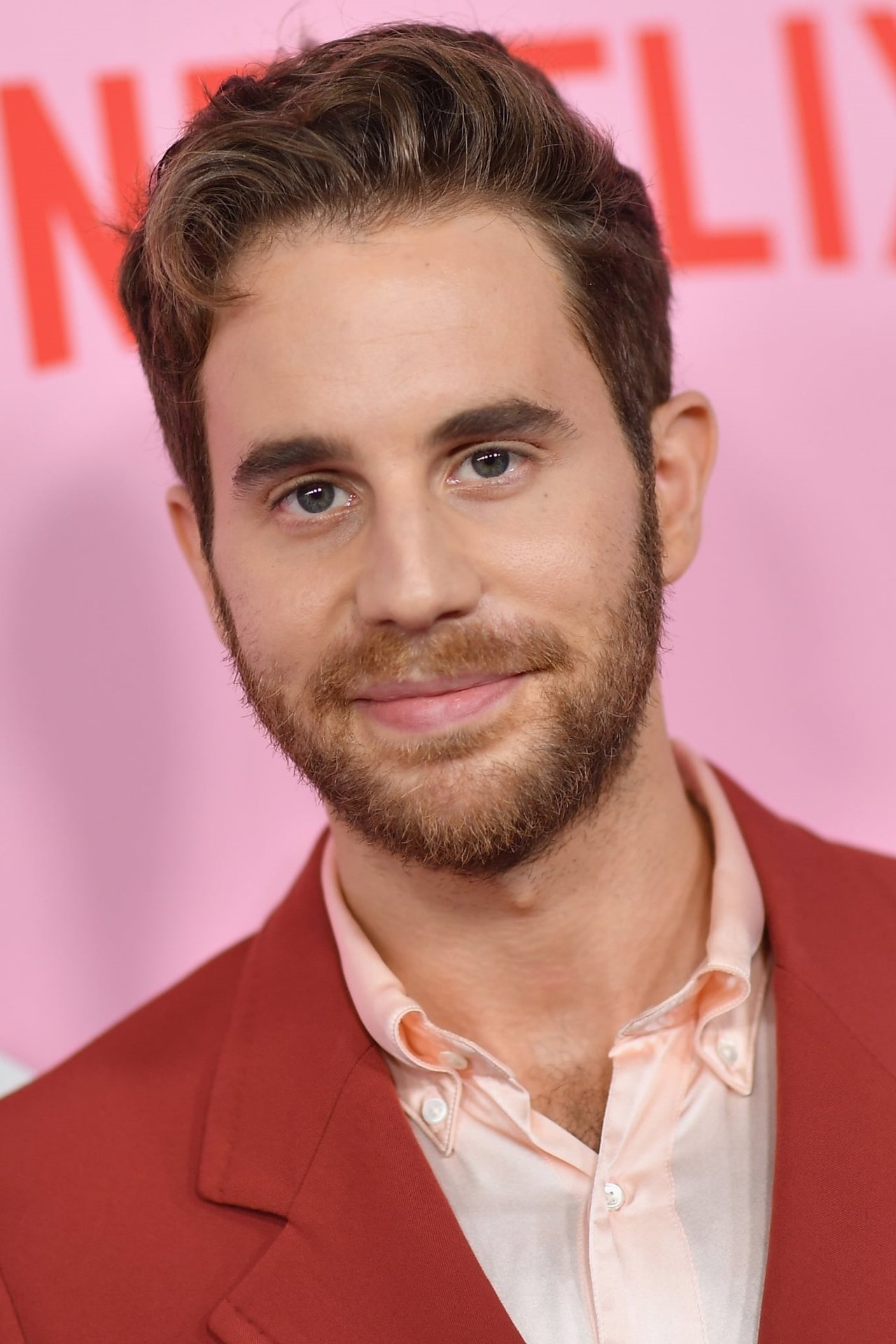
Ben Platt addressed the controversy surrounding his casting in the film adaptation of ‘Dear Evan Hansen’. He expressed regret for the way the discourse around his age and performance was handled by the production team. The actor acknowledged that the situation was problematic and that he had learned from the public reaction. He remains dedicated to performing roles that resonate with audiences while remaining mindful of representation.
Jonathan Groff
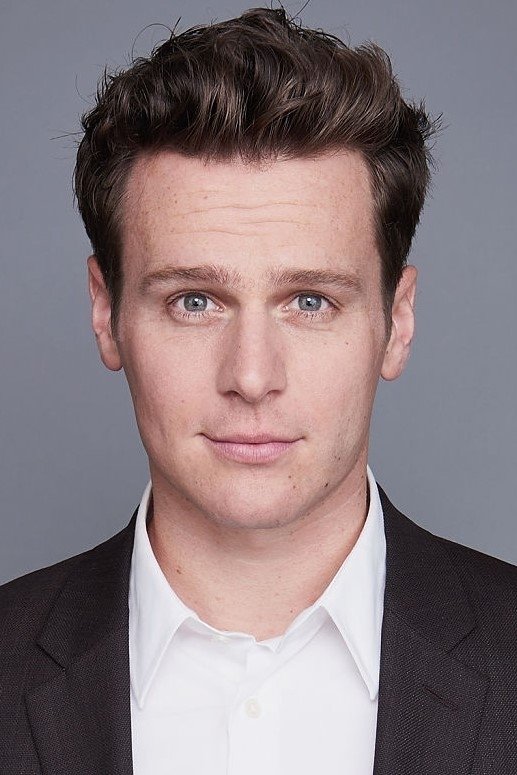
Jonathan Groff has discussed the internal struggle he faced while playing straight romantic leads before he was publicly out. He expressed regret for the times he felt he had to hide his identity to maintain a certain image in Hollywood. The actor noted that this experience was difficult and made him question the types of roles he was choosing to pursue. He now finds much more fulfillment in playing characters that allow him to be his true self.
Andrew Rannells
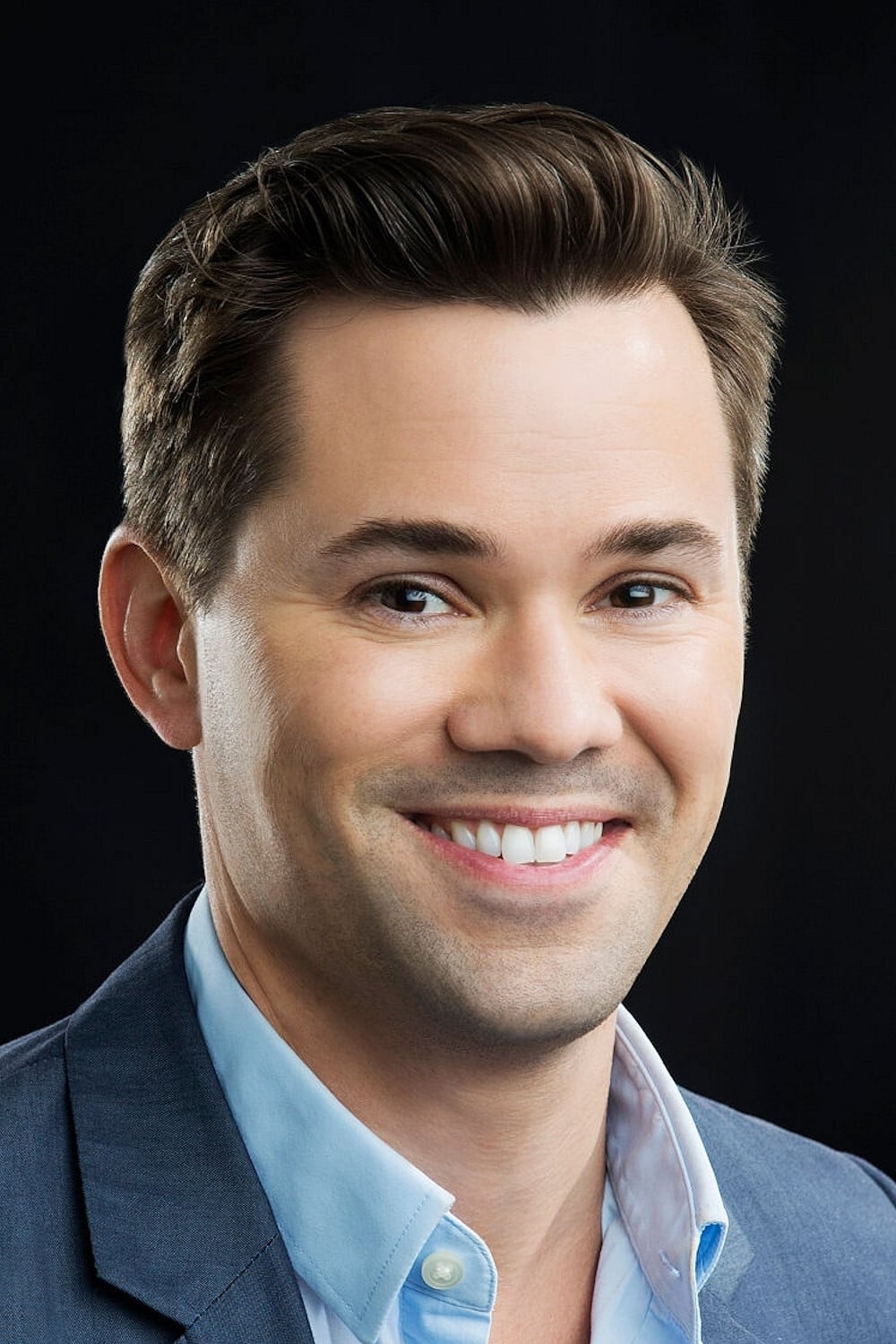
Andrew Rannells has spoken about his regret regarding some of his early voice acting roles and theater performances. He felt that some of these characters were based on harmful stereotypes that he would not support today. The actor expressed that he was young and eager for work which sometimes led him to overlook problematic writing. He now takes a much more active role in ensuring his work is respectful and inclusive.
Tituss Burgess
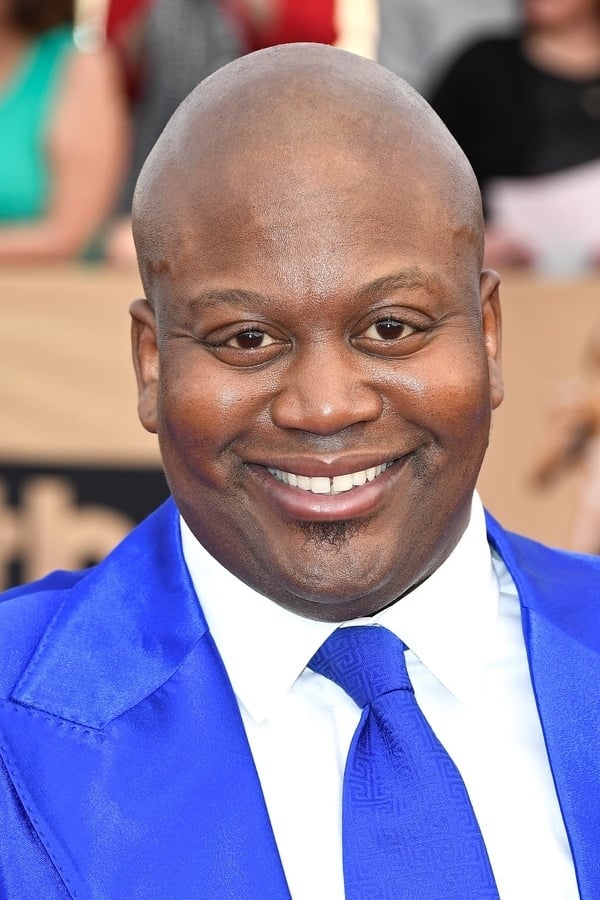
Tituss Burgess has addressed the way he was often pigeonholed into playing a specific type of flamboyant character early in his career. He expressed regret for taking roles that did not challenge him or allow him to showcase his full range as an actor. The performer shared that he fought hard to find roles that were more than just a collection of tropes. He continues to advocate for better opportunities for black queer actors in the entertainment industry.
Colman Domingo
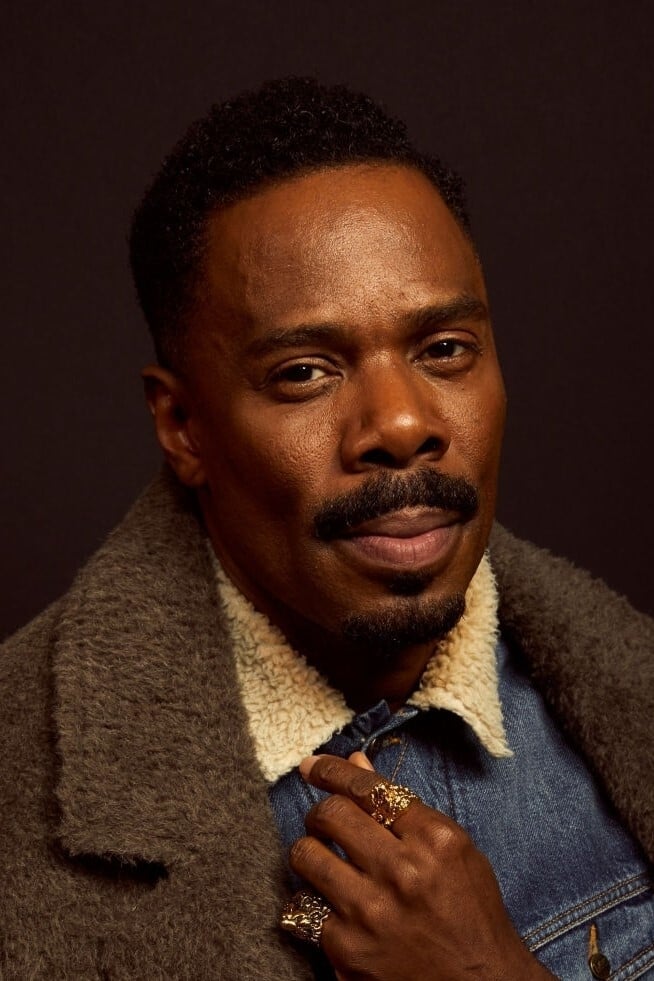
Colman Domingo has reflected on the early years of his career when he felt forced to take roles that were beneath his talent. He expressed regret for participating in productions that treated black actors as background elements rather than central figures. The actor noted that these experiences motivated him to become a producer and director to change the narrative. He is now focused on creating work that celebrates the diversity and complexity of the human condition.
Anthony Rapp
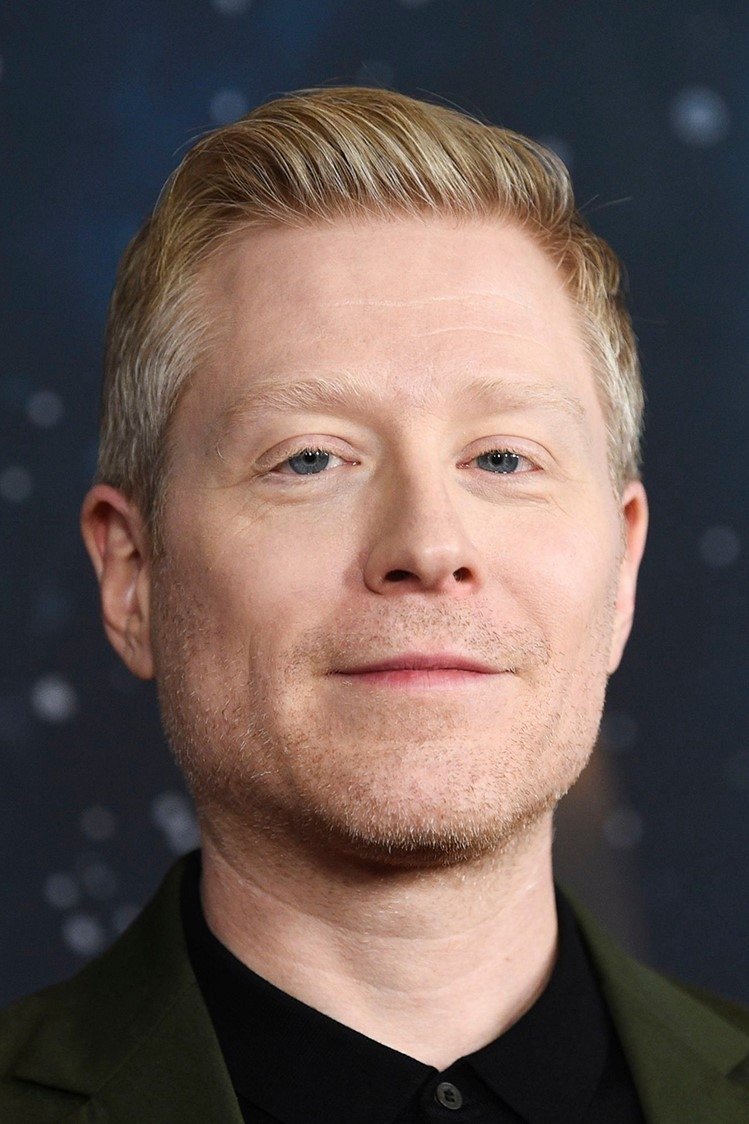
Anthony Rapp has discussed the problematic aspects of the theater industry during the early part of his career. He expressed regret for not speaking up sooner about the toxic environments and unfair casting practices he witnessed. The actor felt that he was part of a system that often prioritized profit over the well being of its performers. He has since become a leading voice for accountability and safety within the professional acting community.
Bowen Yang
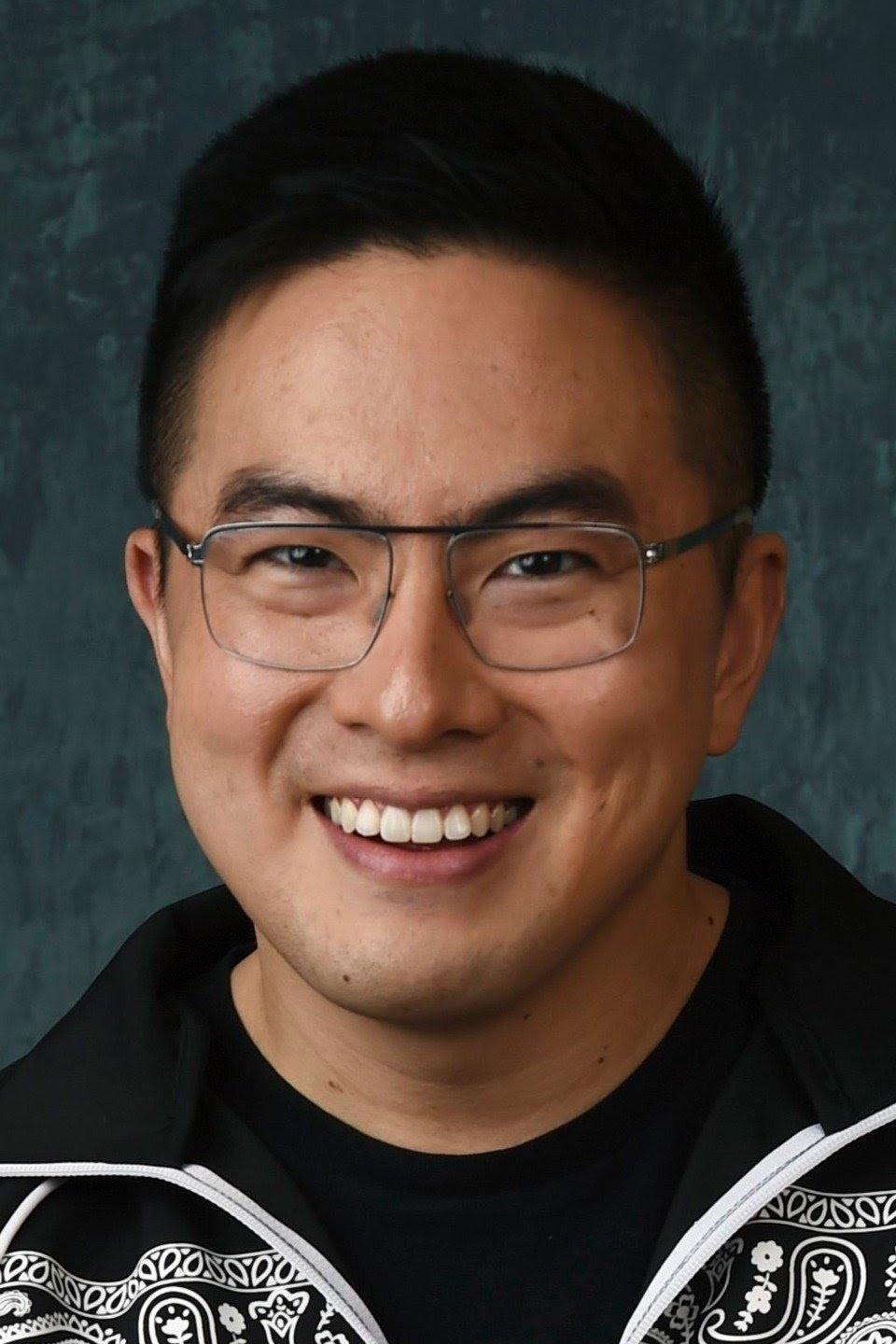
Bowen Yang has talked about the specific roles and sketches he avoided or regretted during his early days in comedy. He expressed regret for any instances where his work might have reinforced narrow perceptions of Asian or queer people. The comedian shared that he feels a responsibility to use his platform on ‘Saturday Night Live’ to provide better representation. He strives to create humor that is both sharp and respectful of his community.
Joel Kim Booster
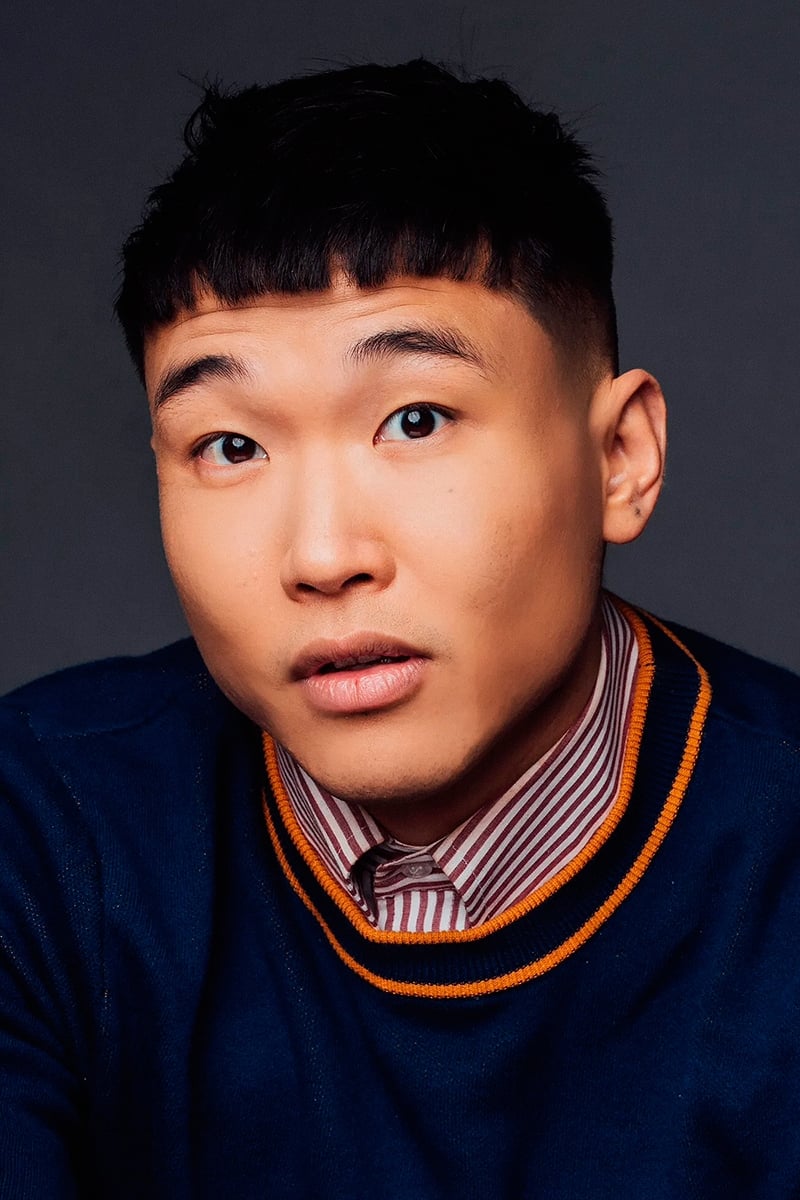
Joel Kim Booster has addressed the problematic nature of being cast in roles solely for diversity metrics. He expressed regret for projects where he felt like a token character rather than a fully realized human being. The actor and writer noted that these experiences influenced his decision to create his own content like ‘Fire Island’. He believes that queer actors should have the power to tell their own stories on their own terms.
Conrad Ricamora
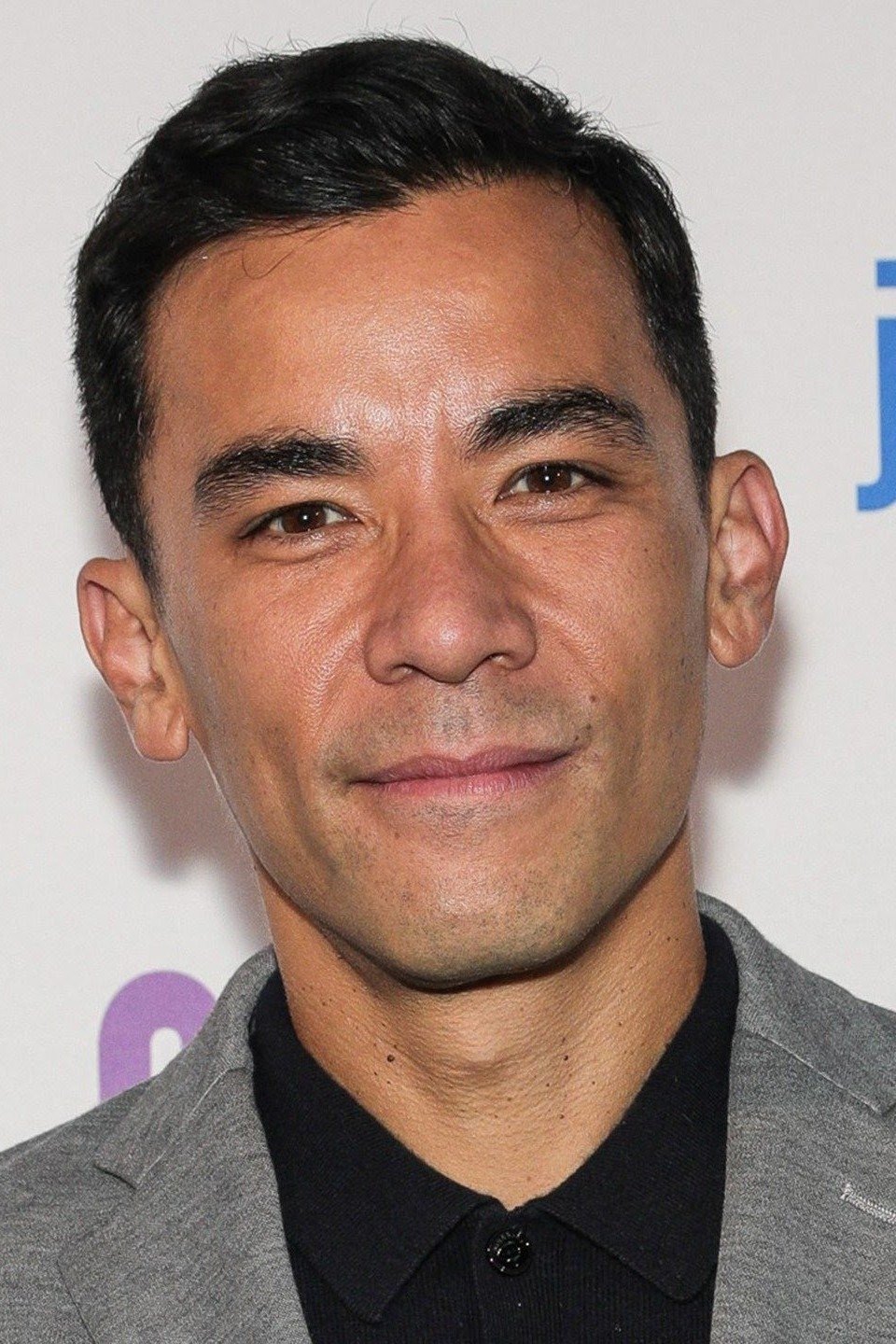
Conrad Ricamora has reflected on the lack of agency he felt in his early television and stage roles. He expressed regret for not pushing back against writing that felt reductive or stereotypical for Asian characters. The actor noted that he has grown to understand the importance of advocating for his characters behind the scenes. He now prioritizes working with creators who value authentic and diverse perspectives.
Jesse Tyler Ferguson
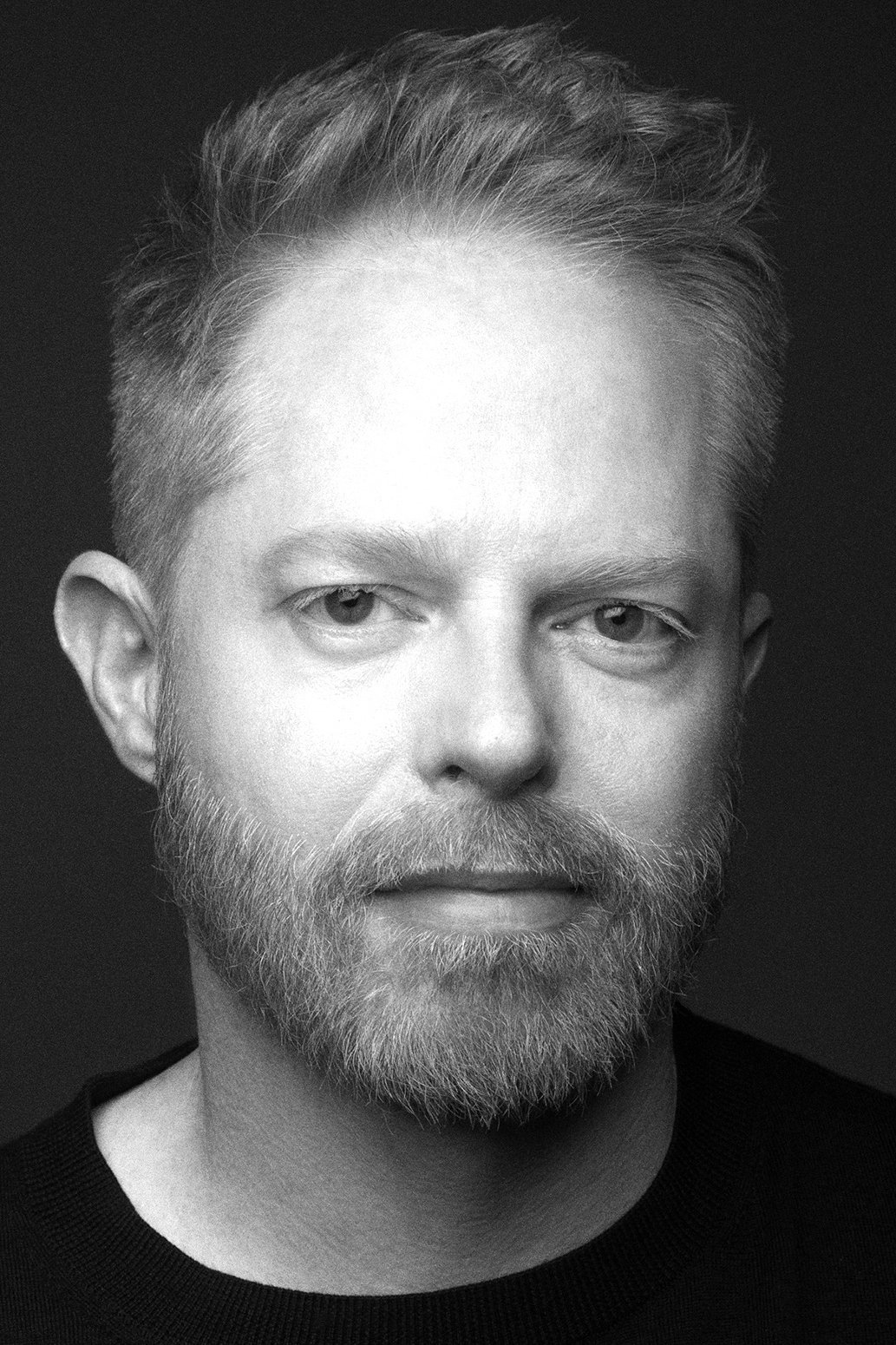
Jesse Tyler Ferguson has discussed the safe and sometimes sanitized portrayal of the gay couple on ‘Modern Family’. He expressed regret for not pushing for more physical affection or boundary breaking storylines in the earlier seasons. The actor felt that the production was often too cautious about how the audience would react to a queer family. He remains proud of the show but acknowledges that there were missed opportunities for deeper storytelling.
Zachary Quinto
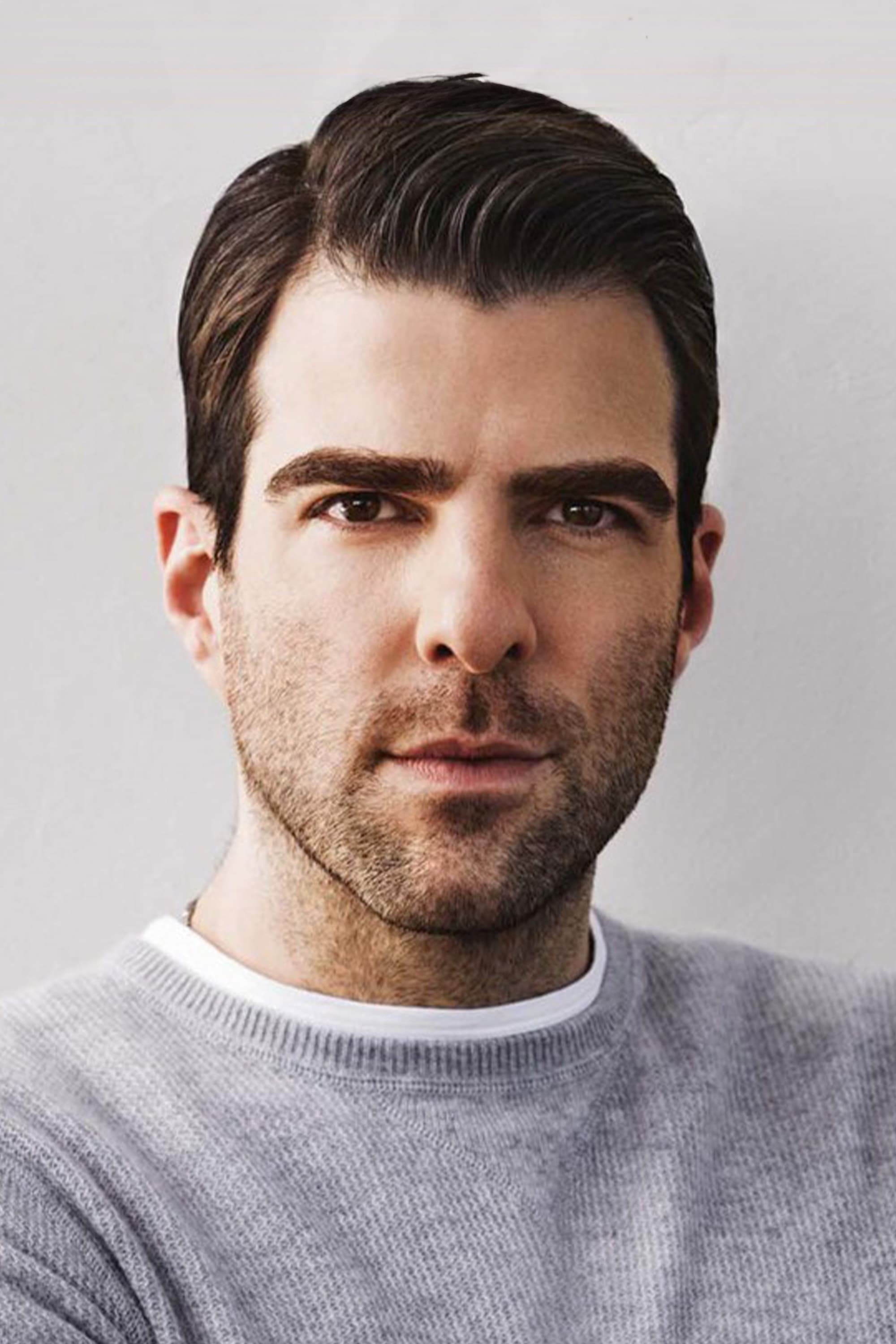
Zachary Quinto has spoken about the difficulty of playing iconic straight characters while keeping his own sexuality a secret. He expressed a sense of regret for the period of his life where he felt he had to live a double life to succeed. The actor noted that this internal conflict affected his relationship with his work and his fans. Since coming out he has been much more intentional about the roles he chooses and the impact they have.
Rupert Everett
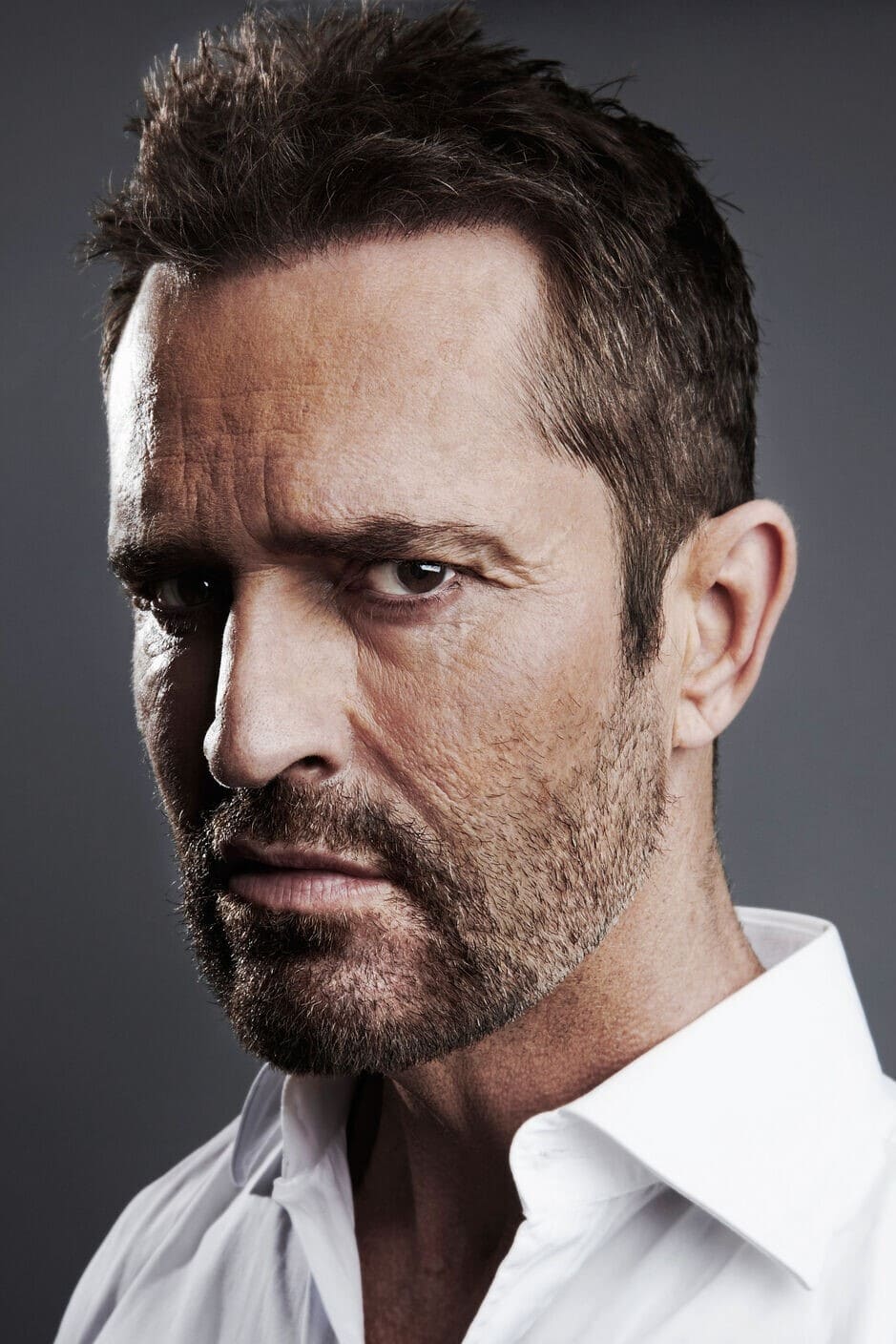
Rupert Everett has been very vocal about his regret regarding several roles he took after his breakout success. He felt that he allowed himself to be cast in stereotypical parts that eventually limited his career opportunities. The actor expressed that he should have been more selective and stayed true to his artistic vision. He has since used his writing and acting to critique the very industry that he felt failed him.
Luke Evans
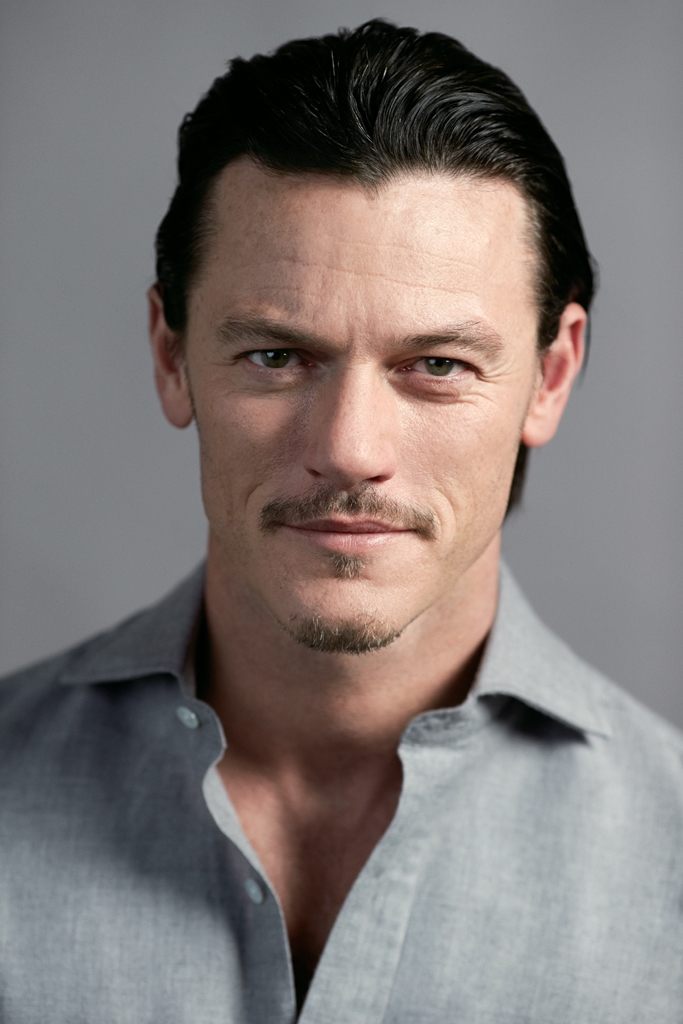
Luke Evans has discussed the challenges of being an out gay man in Hollywood and how it influenced his early role choices. He expressed regret for any time he felt pressured to conform to a specific masculine ideal that did not feel authentic. The actor noted that the industry has changed for the better and he is glad to be part of that progress. He remains committed to playing a wide variety of roles that challenge traditional expectations.
Please share your thoughts on these actors and their roles in the comments.