Black Celebrities Who Publicly Call Out Performative Hollywood Diversity

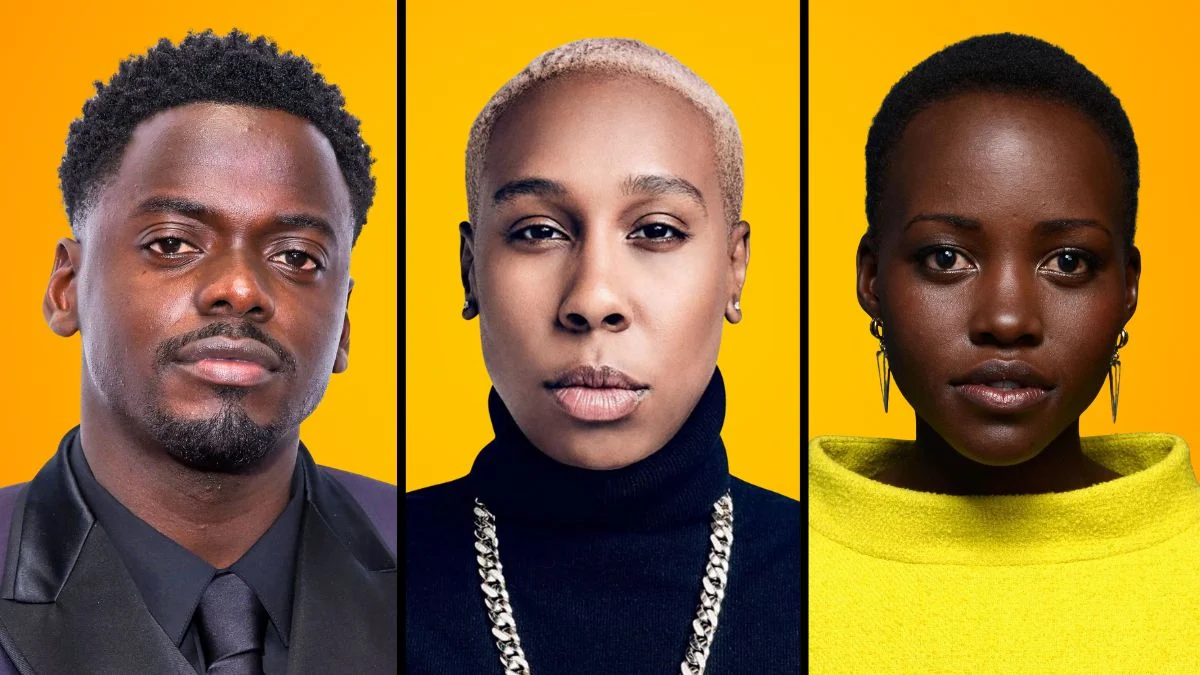

The entertainment industry often faces criticism for prioritizing optics over genuine structural change regarding representation. Many prominent Black actors and creators have used their platforms to highlight the difference between authentic inclusion and performative gestures. These individuals challenge the status quo by demanding better pay and more complex roles and significant decision making power. Their public statements serve as a catalyst for ongoing discussions about equity in Hollywood.
Viola Davis
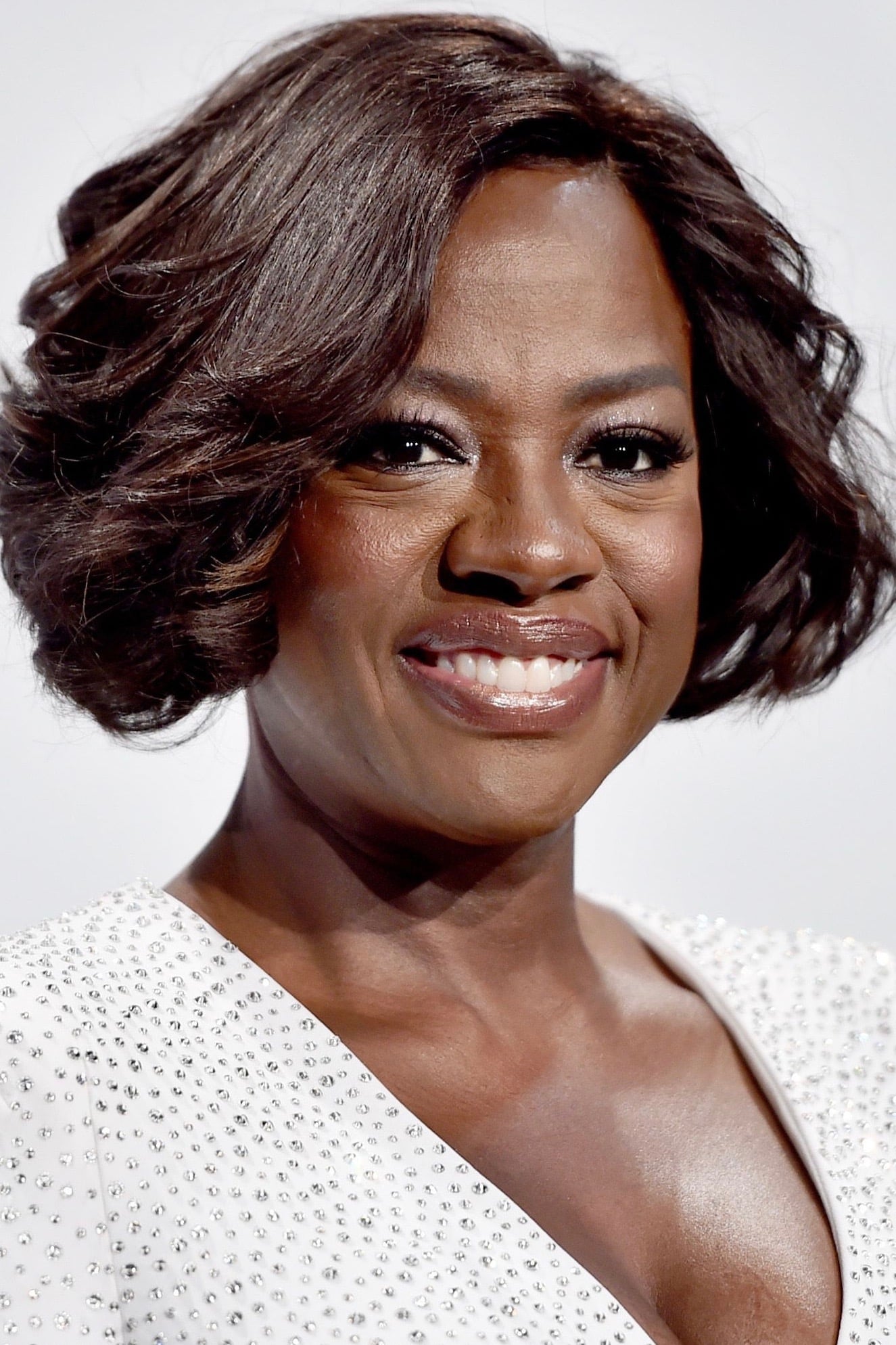
Viola Davis has frequently addressed the lack of depth in roles offered to Black women in Hollywood. She famously noted that the only thing that separates women of color from anyone else is opportunity. During an interview she expressed regret over her role in ‘The Help’ for not exploring the true experiences of the characters. She continues to advocate for equal pay and more significant creative control for Black artists.
John Boyega
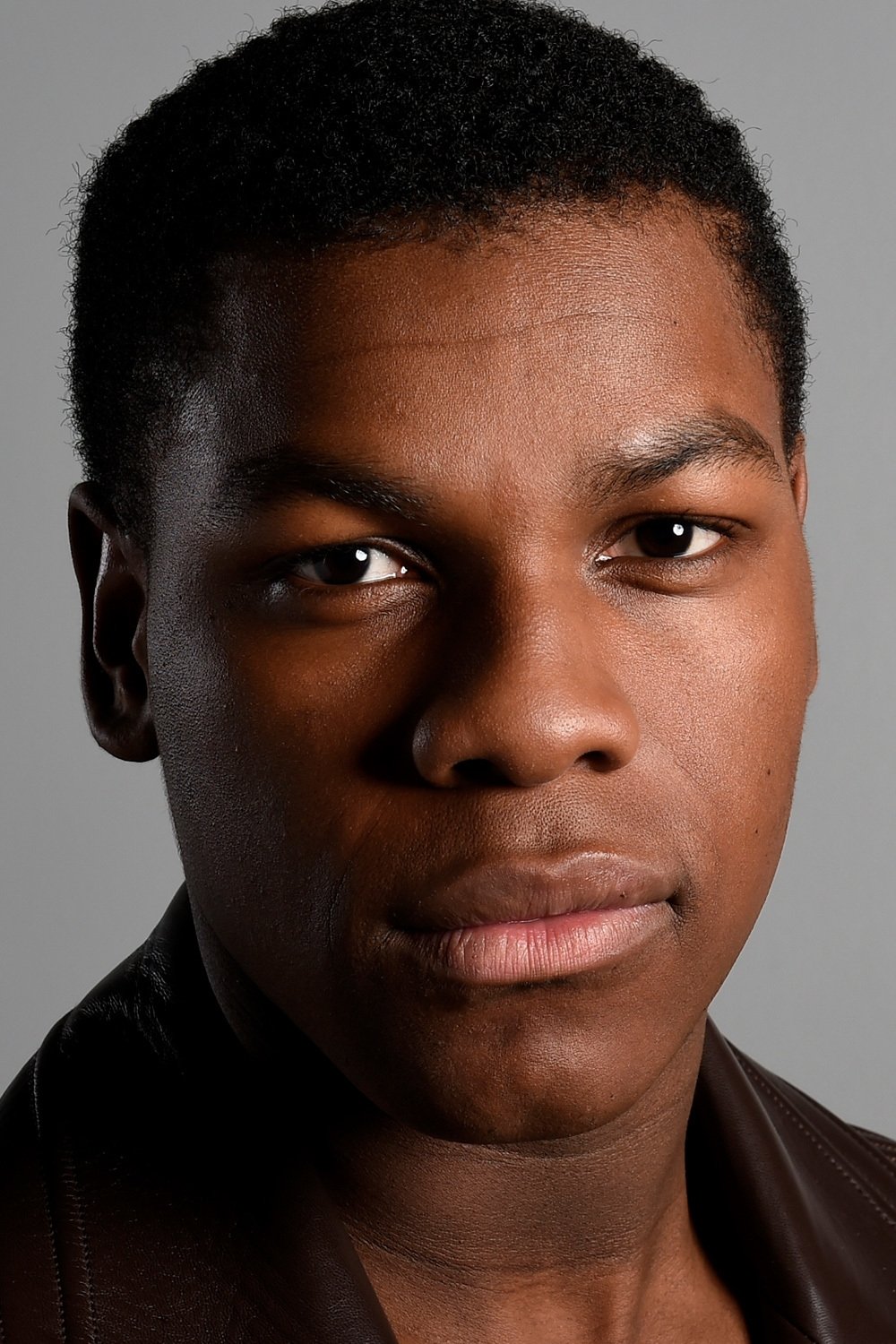
John Boyega spoke out against the way his character was sidelined in the ‘Star Wars’ sequel trilogy. He criticized the industry for marketing diverse characters only to push them to the background of the narrative later. The actor mentioned that Disney did not know what to do with these nuanced roles compared to their white counterparts. He remains vocal about the need for systemic change rather than superficial inclusion.
Taraji P. Henson
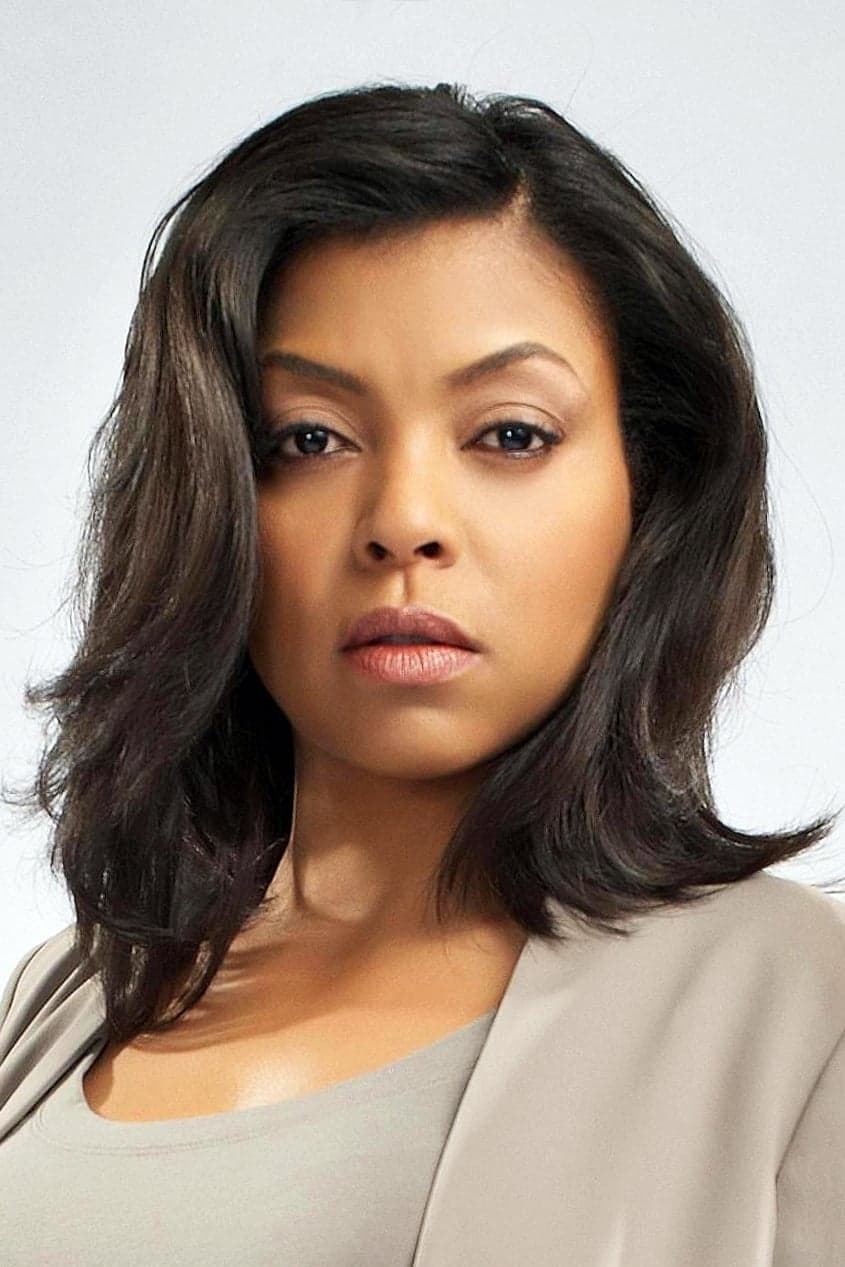
Taraji P. Henson has been very vocal about the pay disparity for Black actresses in major productions. She shared details about her experience with ‘The Curious Case of Benjamin Button’ where her salary did not match her contribution. The actress also highlighted the lack of support for her mental health while working on the set of ‘Empire’. Her advocacy focuses on ensuring that veteran Black performers receive the compensation and respect they deserve.
Issa Rae
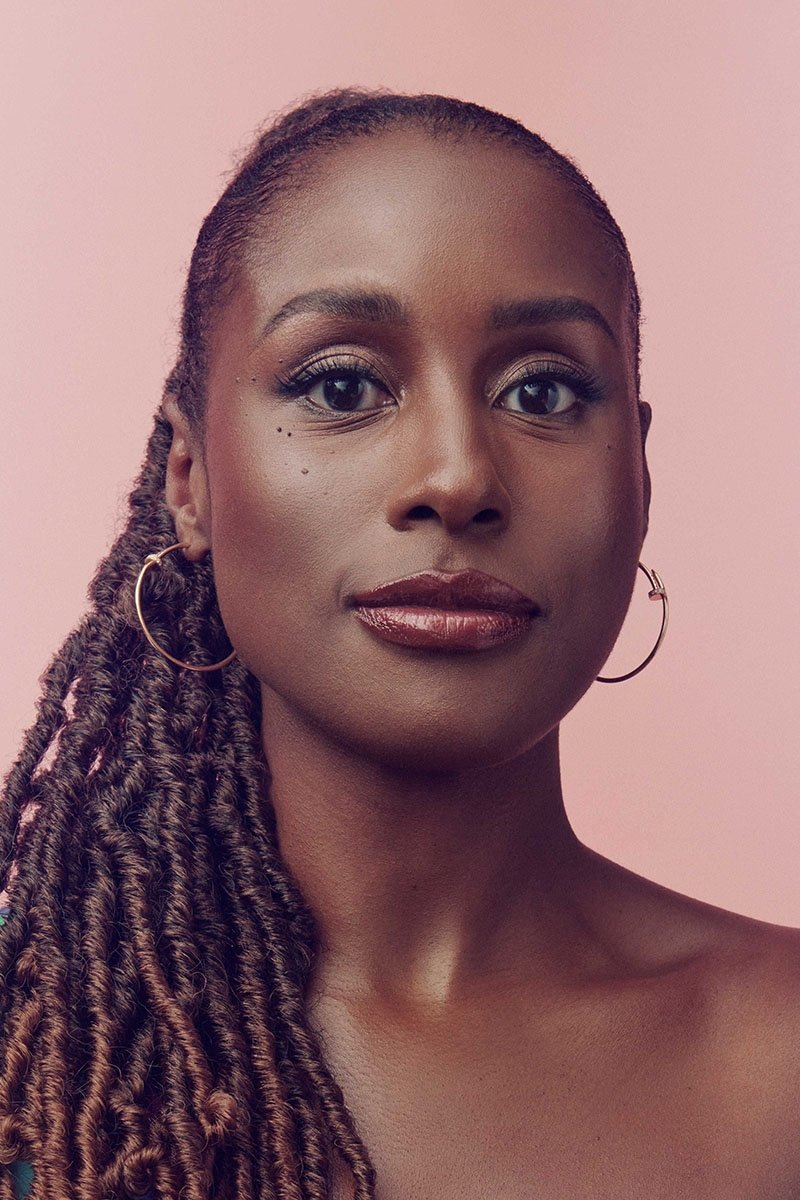
Issa Rae used her platform at the Emmy Awards to state that she was rooting for everybody Black. She has criticized Hollywood for its slow progress in greenlighting stories that showcase the mundane and joyful aspects of Black life. Through her show ‘Insecure’ she demonstrated the importance of hiring Black talent both in front of and behind the camera. She continues to challenge the industry to invest in Black creators without imposing restrictive creative limitations.
Gabrielle Union
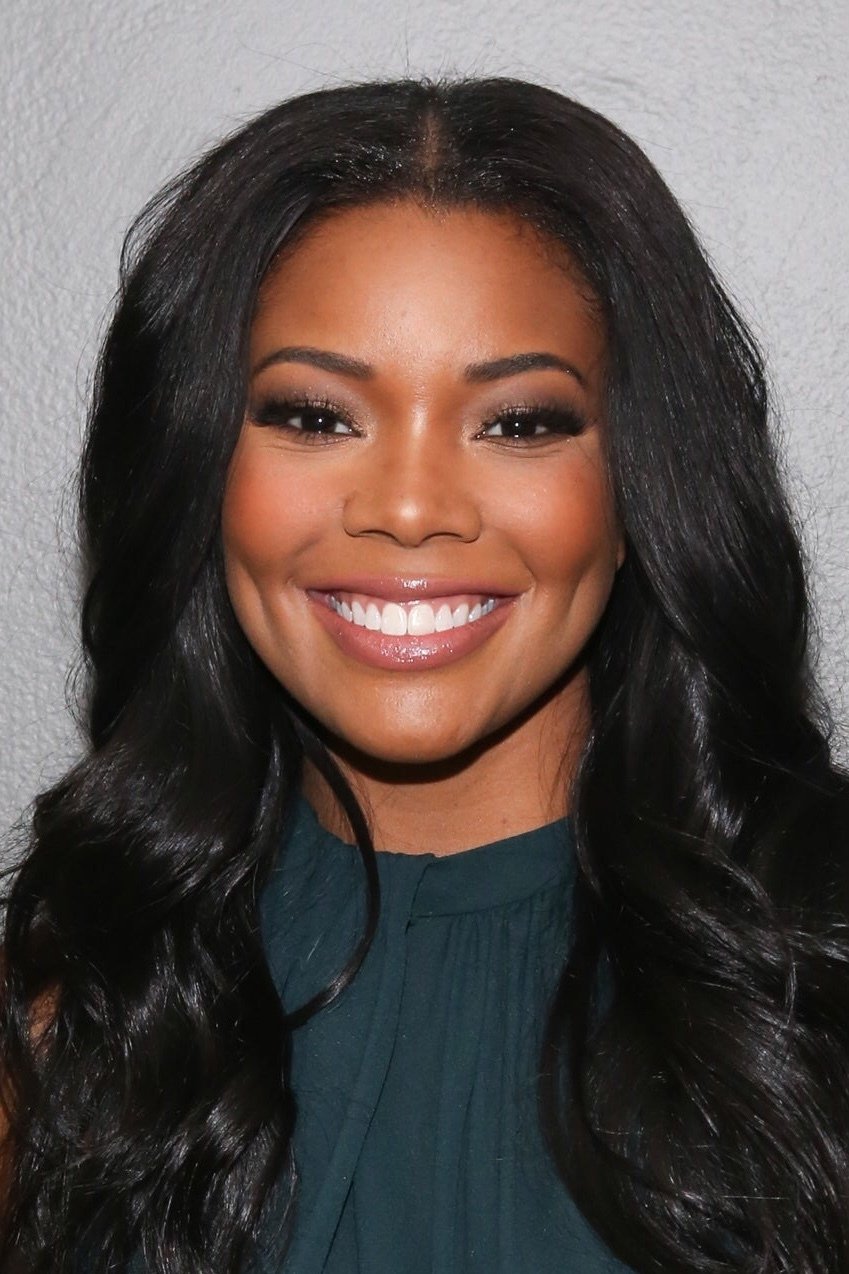
Gabrielle Union has long criticized the toxic work environments and lack of diversity in competition shows. She filed a complaint regarding her time on ‘Americas Got Talent’ citing a culture of racism and lack of accountability. The actress often speaks about how Hollywood uses diversity as a marketing tool without actually protecting its talent of color. She advocates for radical transparency and systemic shifts in how studios handle internal grievances.
Zendaya

Zendaya has used her immense visibility to address the issue of colorism within the film industry. She acknowledged her own privilege as a light skinned Black woman and pointed out that many opportunities are denied to those with darker complexions. In interviews she emphasized that representation should not just be about one person but about opening doors for a wider range of individuals. She remains committed to using her influence to push for more inclusive casting in projects like ‘Euphoria’.
David Oyelowo
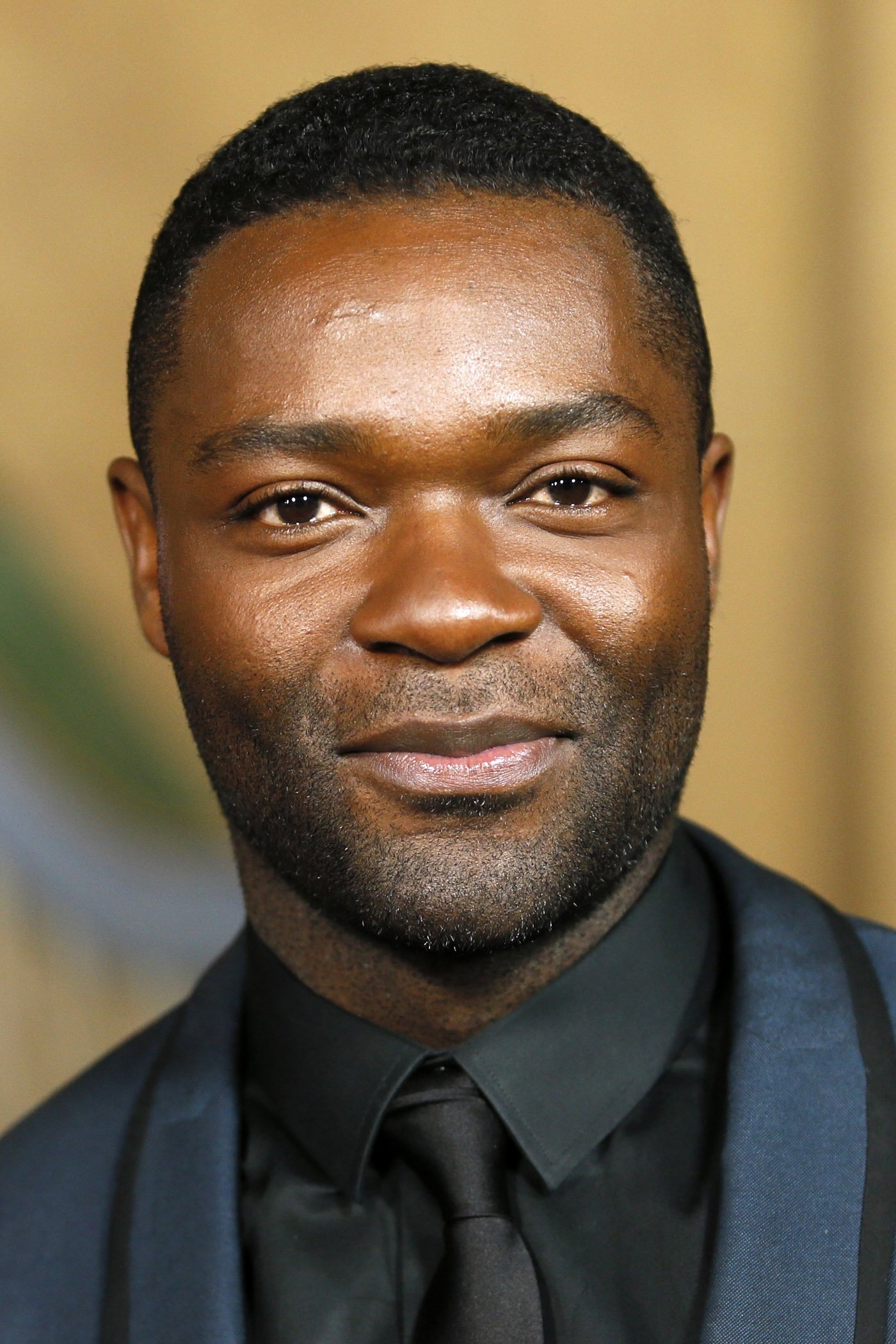
David Oyelowo spoke out after the film ‘Selma’ was largely overlooked by major award ceremonies despite critical acclaim. He suggested that the industry preferred to see Black people in subservient or suffering roles rather than positions of leadership. The actor argued that systemic bias impacts which stories are deemed worthy of prestigious recognition. He continues to push for historical narratives that center Black agency and power.
Daniel Kaluuya
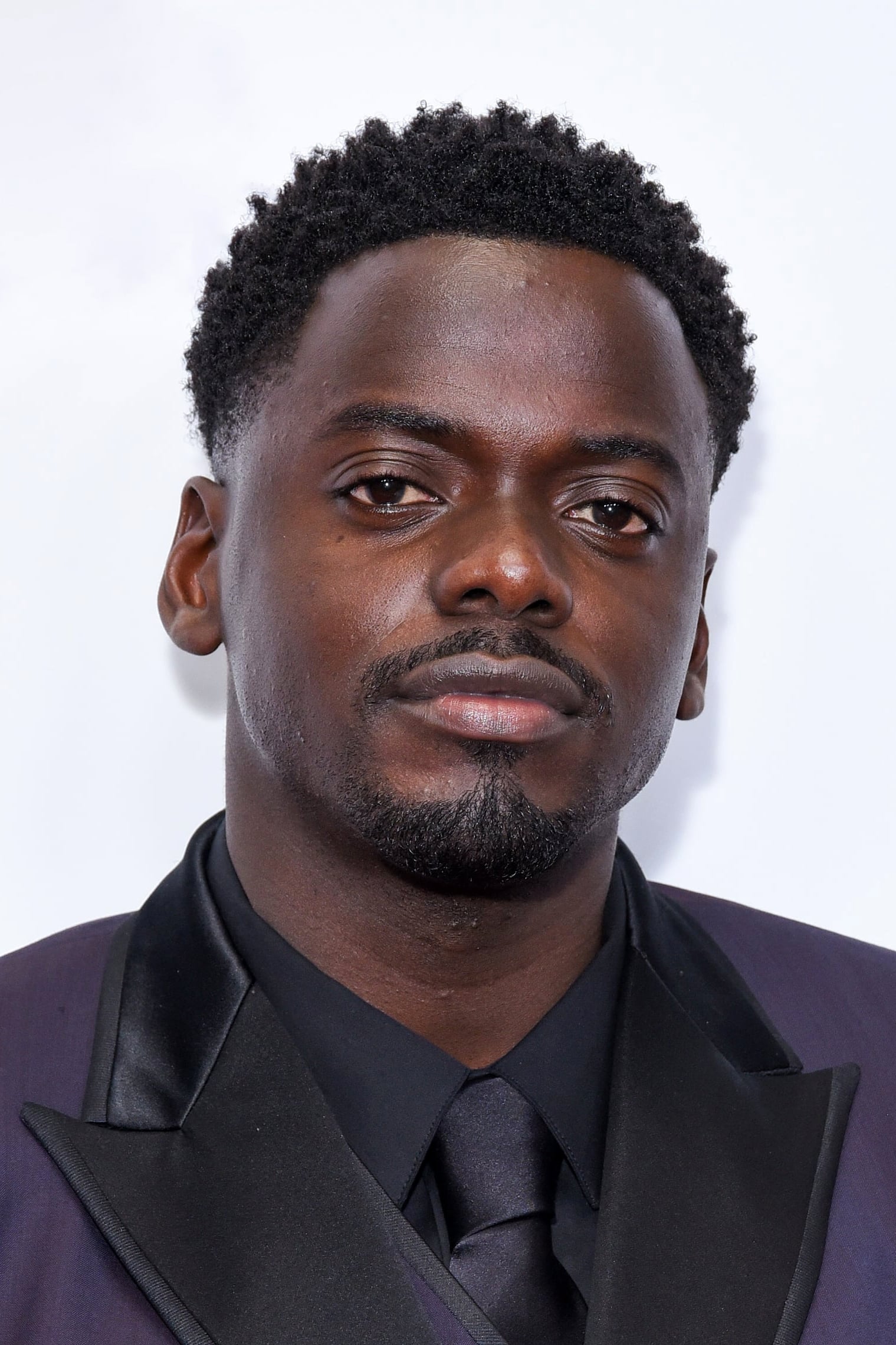
Daniel Kaluuya has addressed the exhaustion of being asked about diversity in every interview rather than his craft. He noted that the industry often treats Blackness as a monolith or a trend rather than a multifaceted human experience. The actor highlighted how his role in ‘Get Out’ challenged the typical tropes found in horror films. He encourages Hollywood to move beyond superficial conversations and focus on authentic storytelling.
Cynthia Erivo
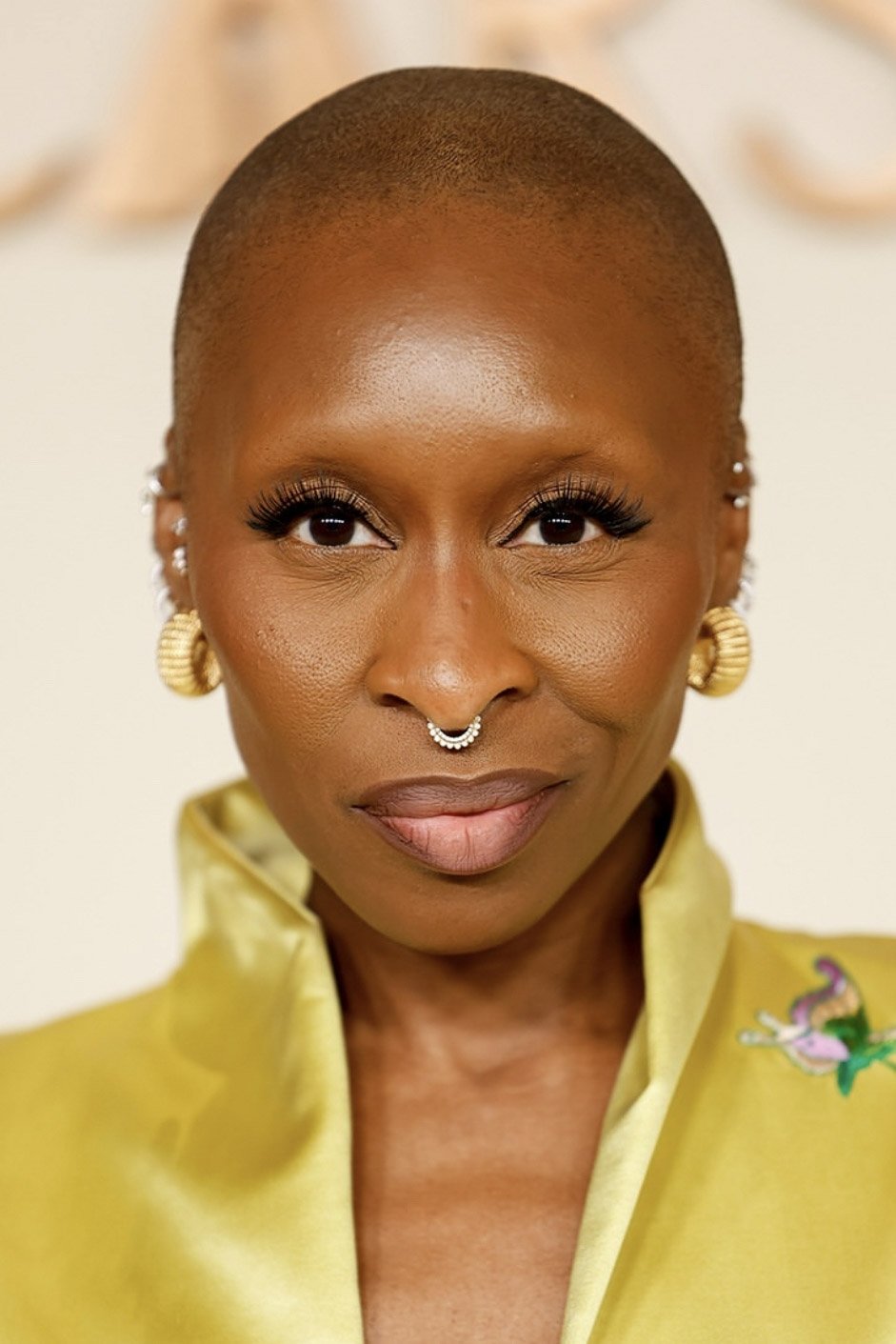
Cynthia Erivo has spoken about the pressure on Black actors to represent an entire community in every role. She discussed the importance of playing characters with agency and depth in films like ‘Harriet’. The actress has also highlighted the need for better hair and makeup professionals who understand the needs of diverse performers. Her advocacy emphasizes that true inclusion requires attention to every detail of the production process.
Regina King
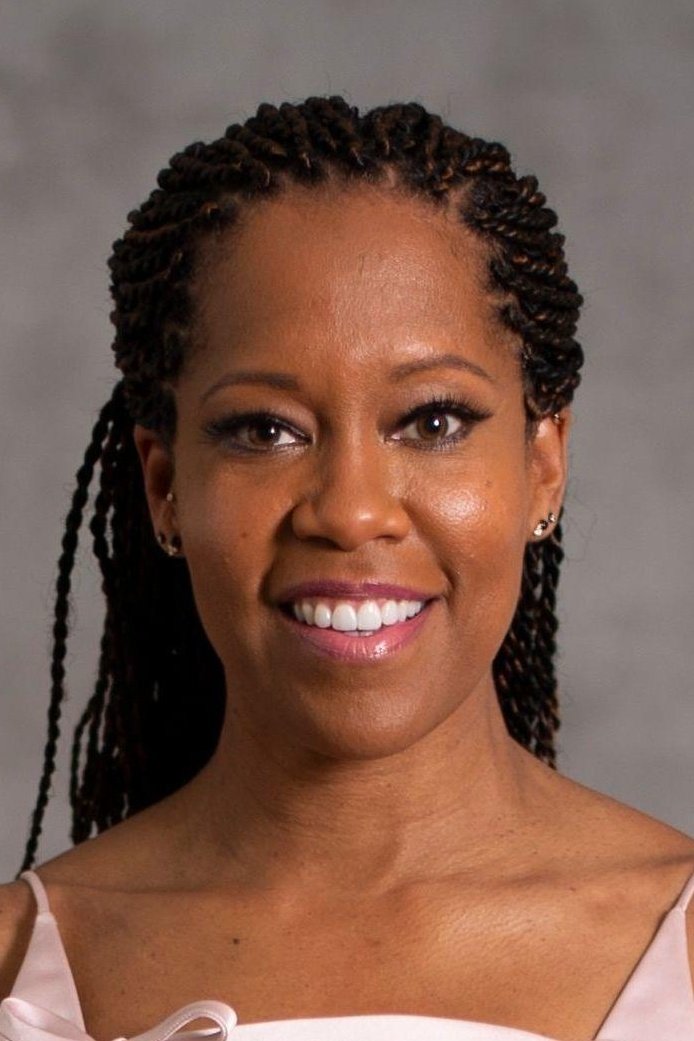
Regina King made a public pledge to ensure that at least fifty percent of the people working on her productions are women. She has criticized the industry for its historical exclusion of Black women from directing and producing roles. The filmmaker used her success with ‘One Night in Miami’ to prove that stories about Black men can be both intellectual and commercially viable. She continues to lead by example by creating inclusive work environments on her sets.
Lupita Nyong’o
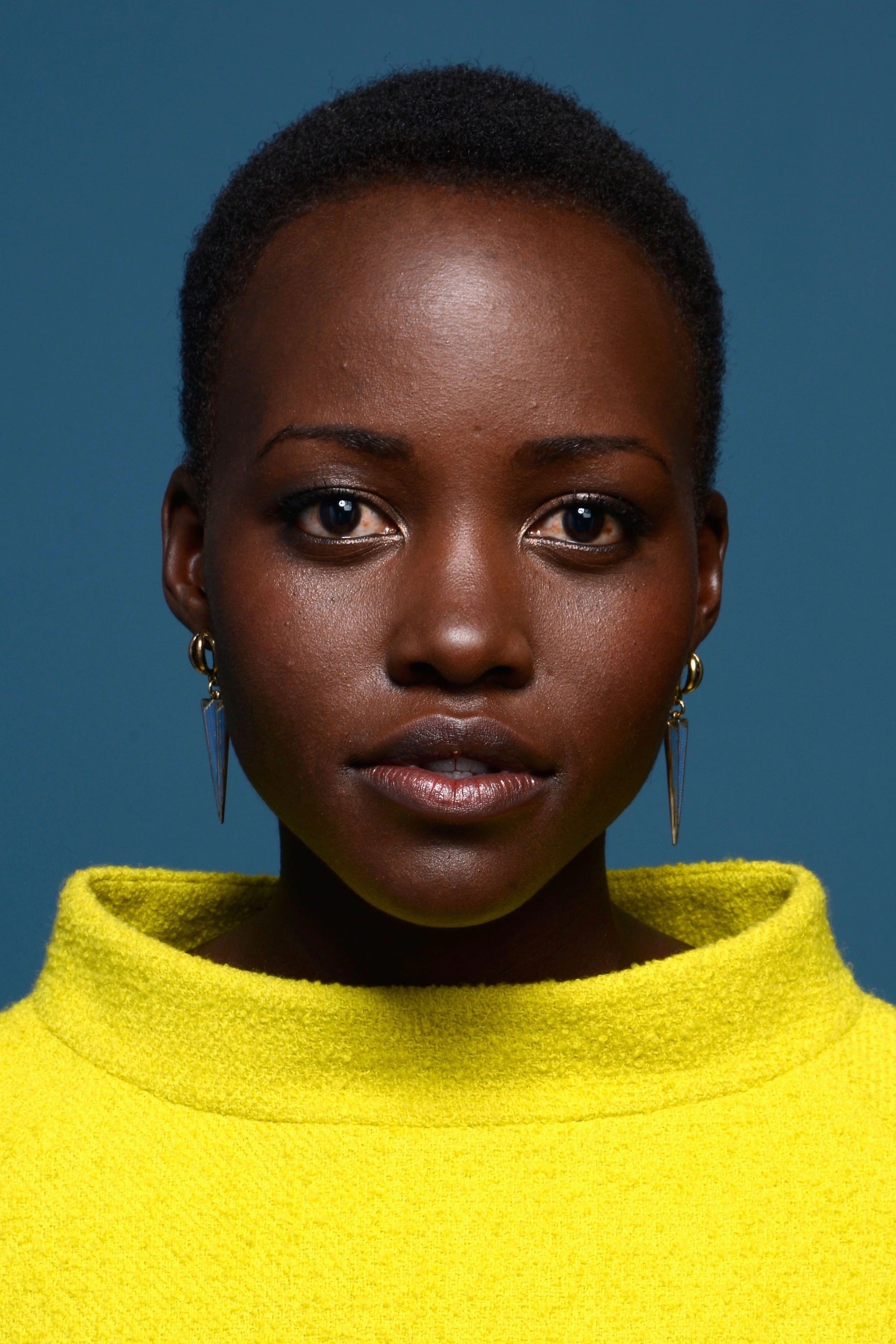
Lupita Nyong’o has discussed the impact of colorism on her early career and the limited roles available for dark skinned actresses. She highlighted how ’12 Years a Slave’ brought her recognition but also exposed the industry obsession with trauma based narratives. The actress has worked to produce projects that celebrate African culture and history. She remains a strong voice for the necessity of global perspectives in Hollywood storytelling.
Lena Waithe
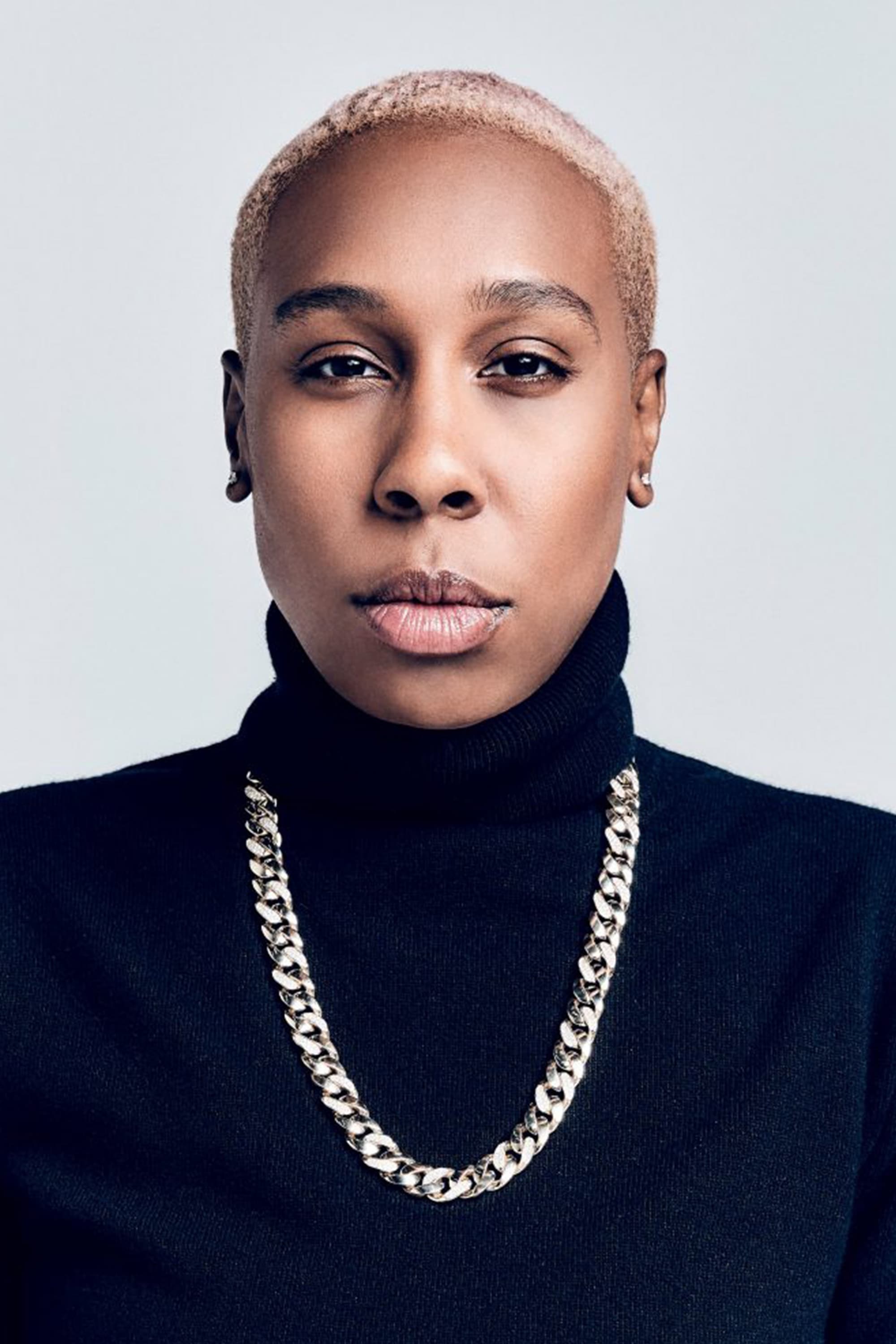
Lena Waithe has criticized the lack of queer Black representation in mainstream media. She used her writing on ‘Master of None’ to showcase the unique challenges of coming out in a Black family. The creator has called out the industry for gatekeeping and making it difficult for new voices to enter the room. She actively works to mentor young artists and create spaces where their stories can thrive.
Janelle Monáe
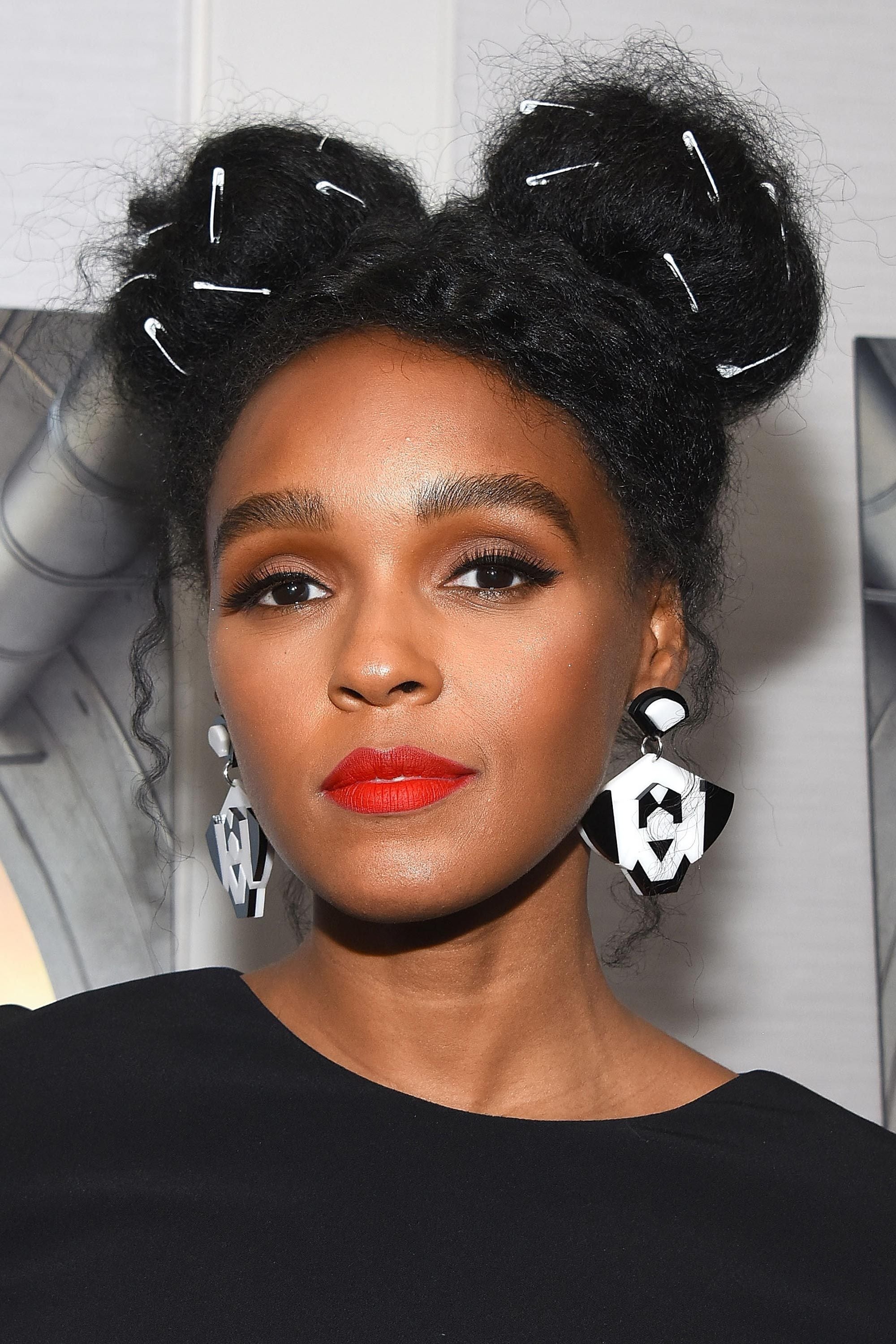
Janelle Monáe often uses her public appearances to advocate for the rights of the Black community and the LGBTQ plus community. She has called out Hollywood for its history of erasure and the way it often commodifies marginalized identities. In films like ‘Hidden Figures’ she portrayed the intellectual contributions of Black women that were long ignored by history. She continues to demand that the industry honor the full humanity of all performers.
Ava DuVernay
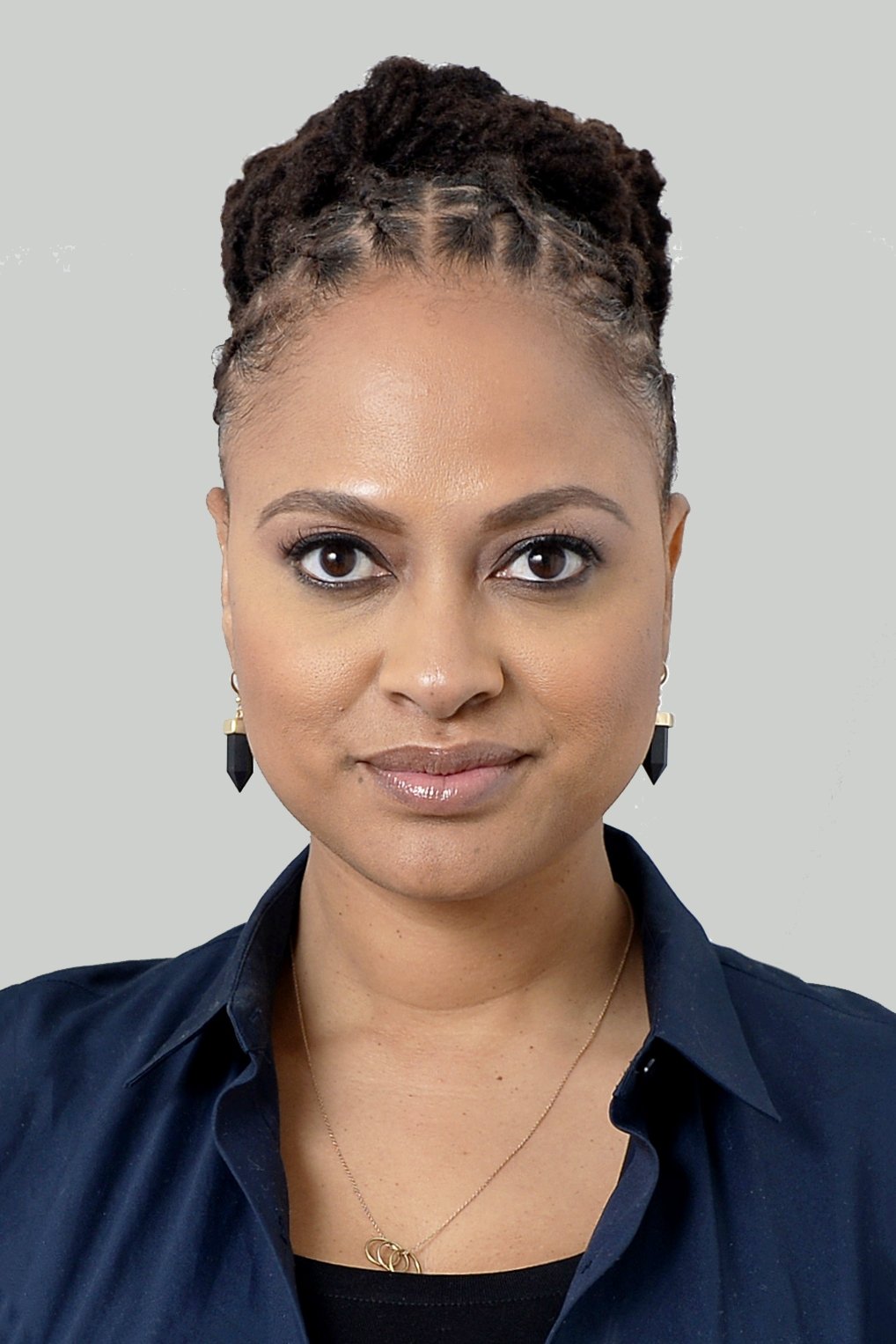
Ava DuVernay has been a leading voice in criticizing the word diversity as a mere catchphrase. She prefers the term inclusion because it implies a seat at the table with actual decision making power. Through her work on ‘When They See Us’ she challenged the criminal justice system and the media portrayal of Black youth. She also founded a distribution company to ensure that independent films by creators of color reach a wide audience.
Yara Shahidi
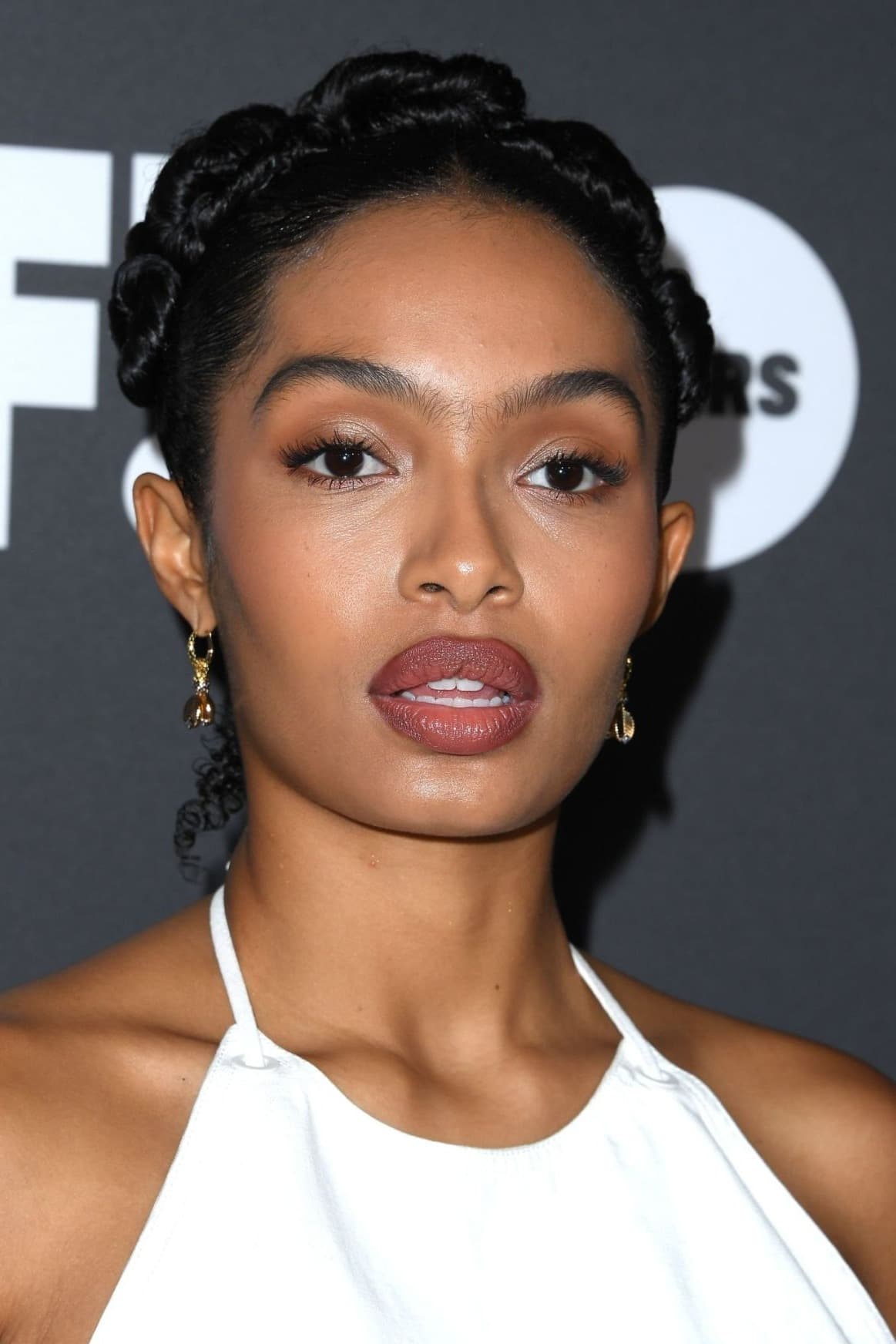
Yara Shahidi has spoken about the importance of authentic representation for the younger generation. She emphasized that ‘Black-ish’ provided a necessary look at the complexities of a modern Black family. The actress advocates for roles that do not rely on stereotypes or limited perspectives. She often uses her platform to encourage the industry to support education and political engagement among young people of color.
Thandiwe Newton

Thandiwe Newton has been candid about her experiences with racism and sexism in the British and American film industries. She discussed how colorism affected her casting in ‘Westworld’ and other projects. The actress pointed out that Hollywood often prioritizes certain types of diversity that are more palatable to white audiences. She remains a vocal supporter of the movement to hold powerful figures accountable for their actions.
Idris Elba
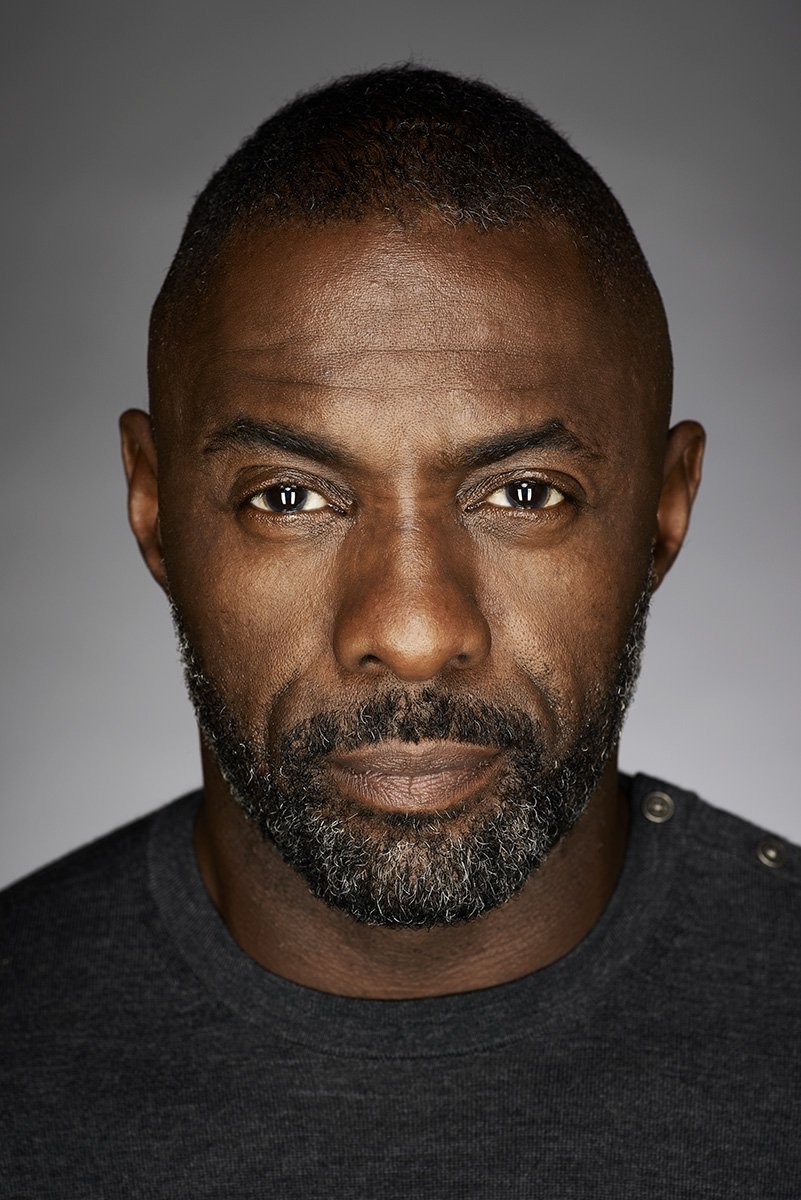
Idris Elba has shared his thoughts on how diversity initiatives can sometimes feel like a box ticking exercise. He argued that the goal should be an industry where race is not the primary factor in casting decisions. The actor spoke about his early career in the United Kingdom and the lack of lead roles that forced him to move to the United States. He continues to push for a global standard of equity in entertainment.
Tessa Thompson
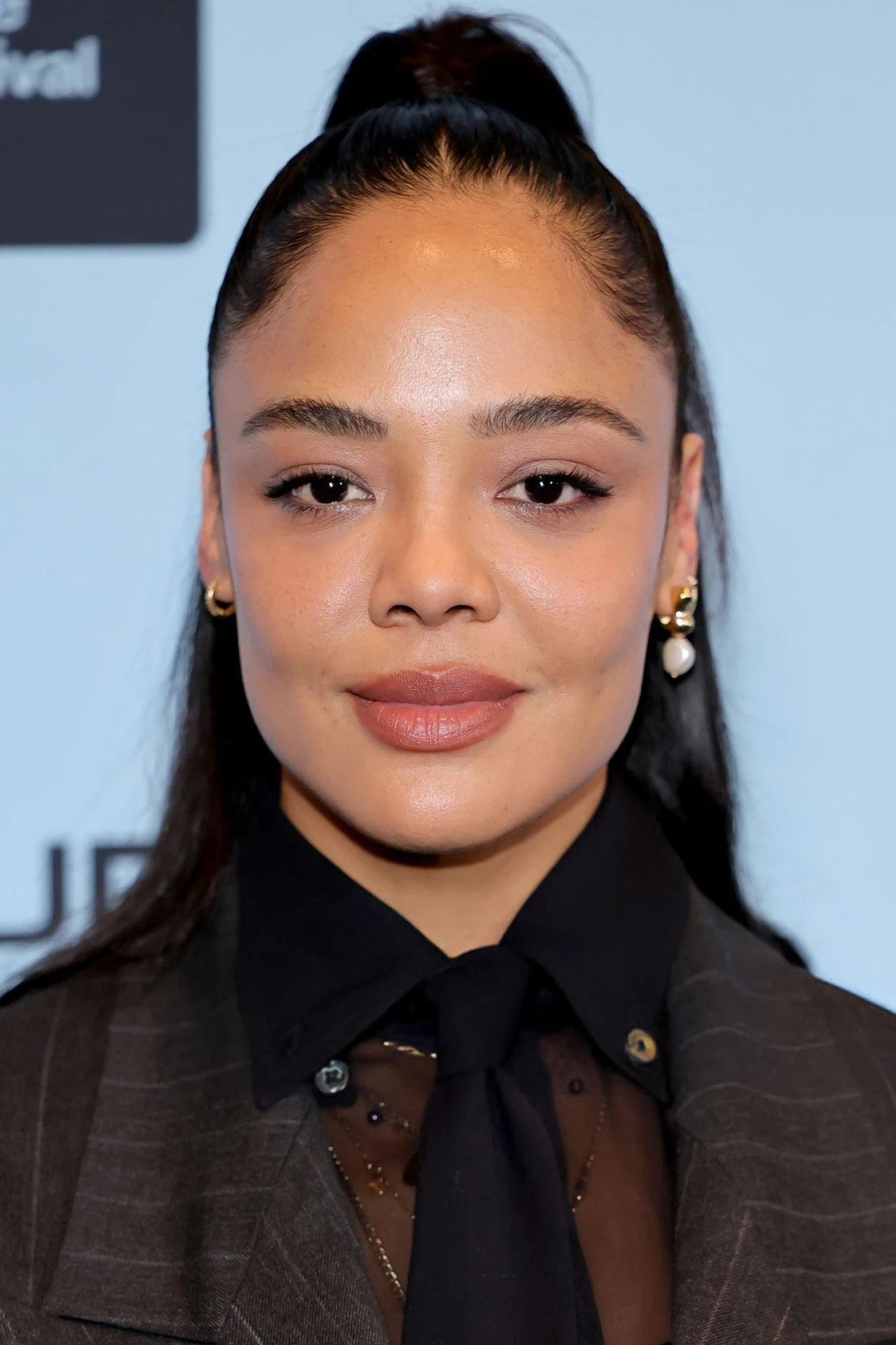
Tessa Thompson has been a key figure in the Time’s Up movement and has advocated for more diverse crews. She mentioned that she makes a conscious effort to ensure that the journalists interviewing her are from diverse backgrounds. The actress worked to bring a more inclusive perspective to the Marvel Cinematic Universe through her role in ‘Thor Ragnarok’. She believes that change must happen at every level of the production hierarchy.
Keke Palmer

Keke Palmer has frequently discussed the barriers she faced as a child star navigating the industry. She criticized the way Hollywood often pigeonholes Black performers into a narrow range of archetypes. The actress has used her social media presence to talk directly to her fans about the realities of being a Black woman in entertainment. She continues to demand better treatment and more creative opportunities for herself and her peers.
Octavia Spencer
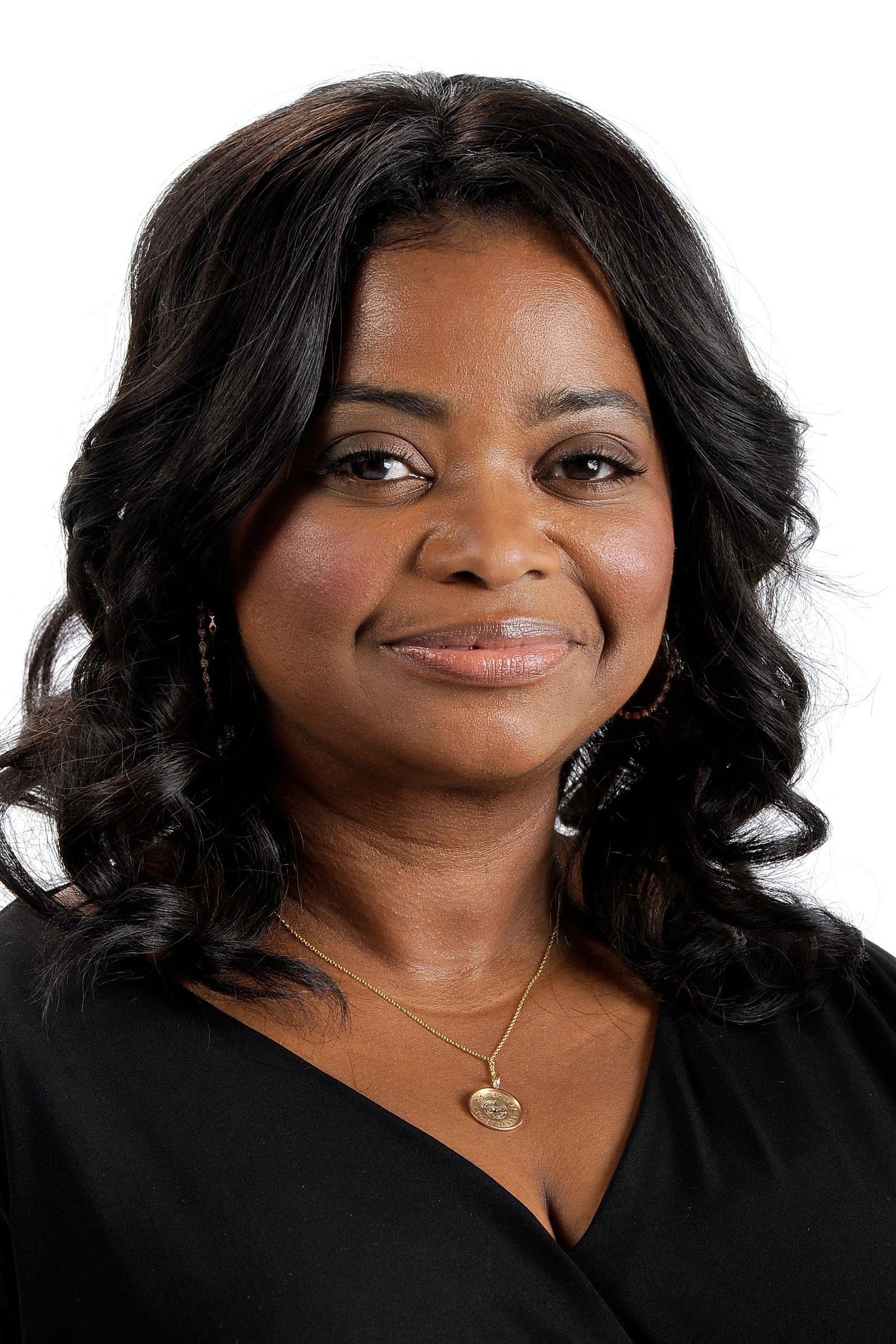
Octavia Spencer partnered with Jessica Chastain to demand equal pay on a shared project. She has spoken about the difficulty of being a character actress who is often given the same types of roles. The actress emphasized that ‘Hidden Figures’ was a turning point in showing that Black women could lead a box office success. She continues to advocate for pay transparency and collective bargaining to achieve equity.
Kerry Washington
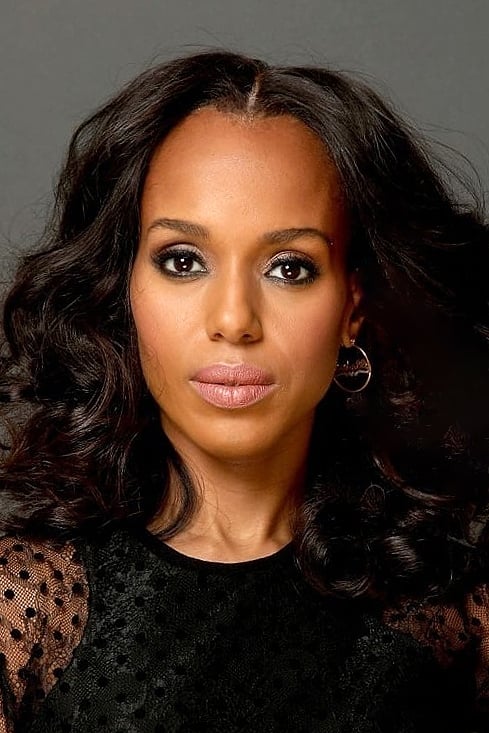
Kerry Washington has addressed the burden of being the first Black woman to lead a network drama in decades with ‘Scandal’. She spoke about the performative nature of some diversity efforts that do not lead to long term change. The actress works behind the scenes as a producer to ensure that more diverse stories are told authentically. She remains committed to using her influence to mentor the next generation of Black storytellers.
Naomie Harris
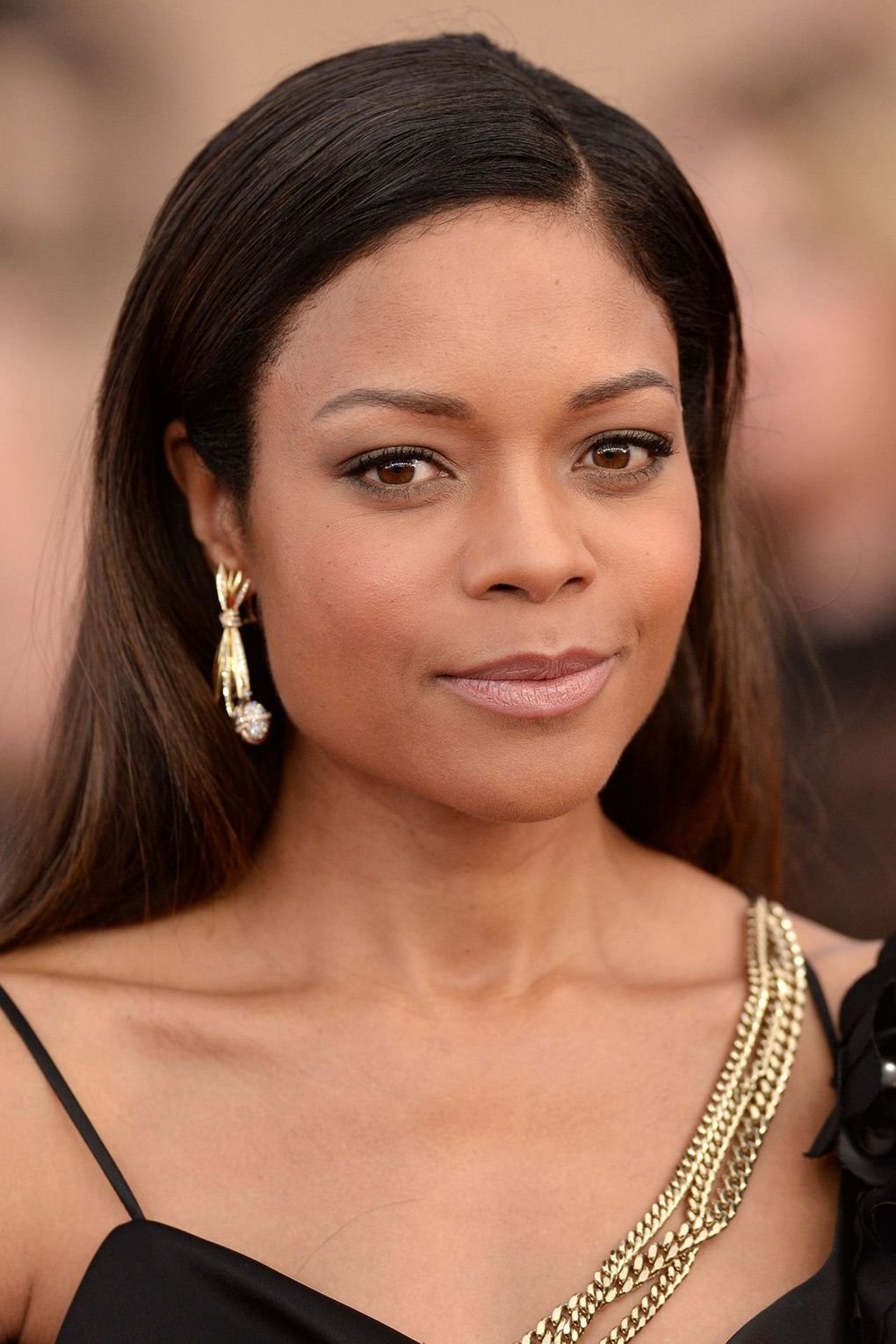
Naomie Harris has discussed the struggle of finding varied roles for Black British actors in the global market. She pointed out that many productions cast diverse actors only to satisfy a quota without providing meaningful screen time. The actress highlighted how some projects fail to provide appropriate hair and makeup professionals for people of color. Her advocacy emphasizes the importance of behind the scenes support to match on screen representation.
Letitia Wright
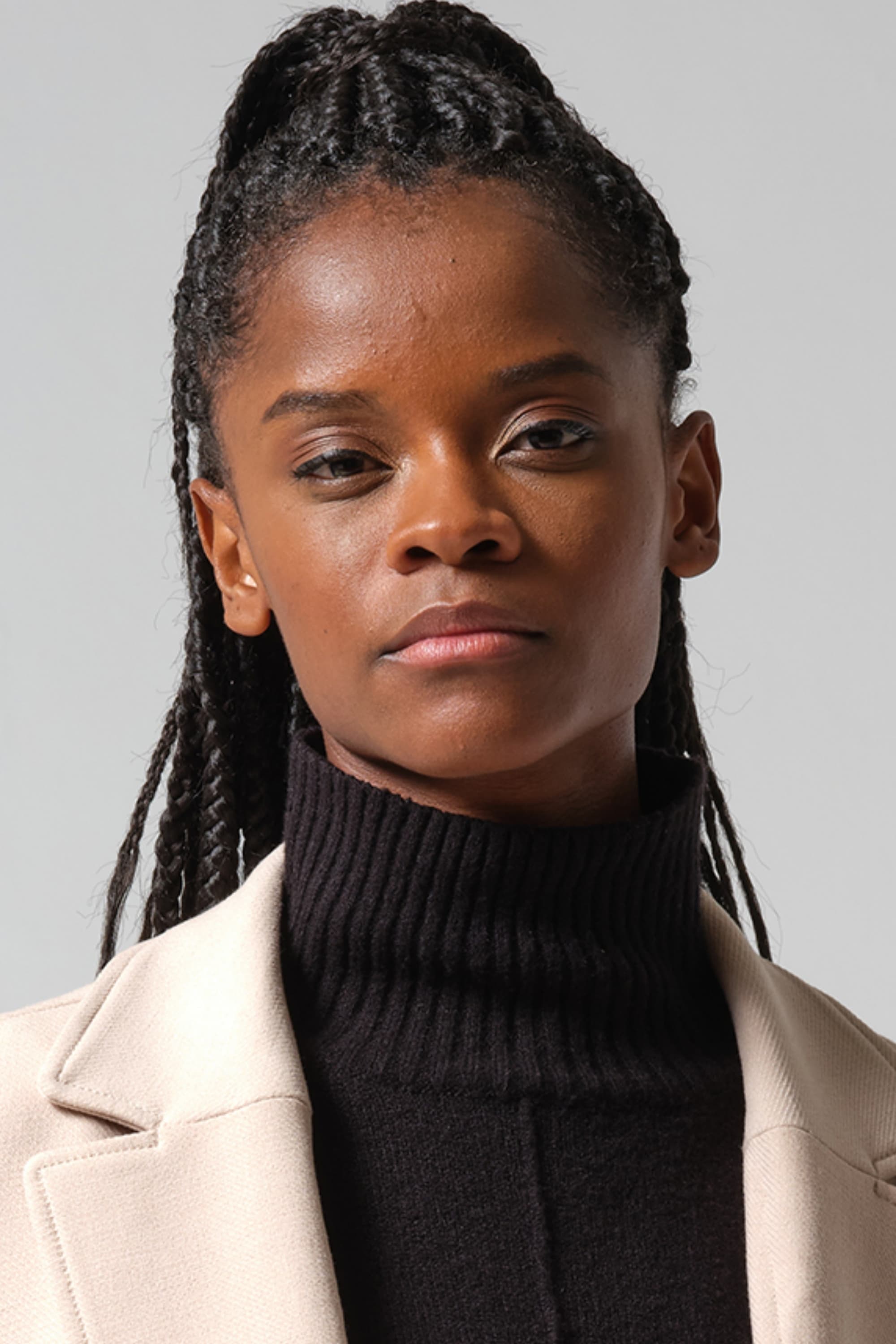
Letitia Wright has spoken about the cultural significance of ‘Black Panther’ and the need for more films that celebrate Black excellence. She criticized the industry for its historical tendency to focus only on Black suffering. The actress has been vocal about her desire to play characters that are intelligent and multidimensional. She encourages the industry to continue investing in big budget projects led by people of color.
Lashana Lynch

Lashana Lynch faced significant backlash when she was cast as a double O agent in ‘No Time to Die’. She used the experience to speak out about the racism and gatekeeping that still exists in major film franchises. The actress argued that the industry must stand behind its diverse talent when they are targeted by online harassment. She remains dedicated to taking on roles that challenge traditional gender and racial norms.
Billy Porter
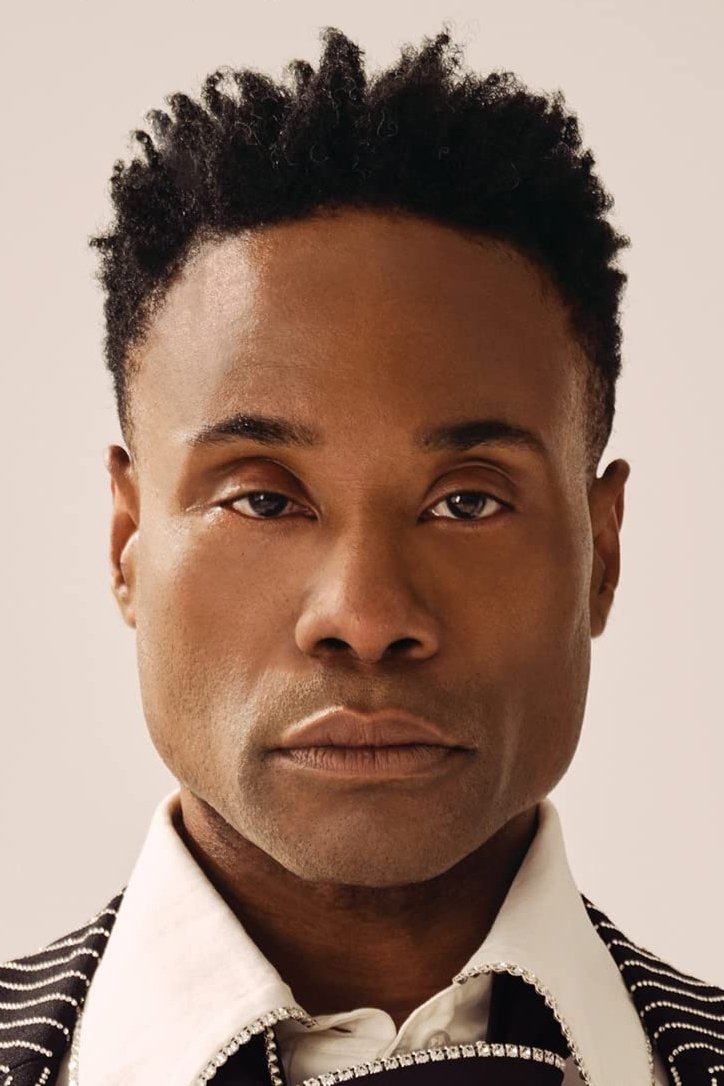
Billy Porter has criticized the fashion and film industries for their exclusionary practices. He famously spoke out about the lack of recognition for Black queer performers at major awards shows. The actor used his role in ‘Pose’ to bring attention to the history of the ballroom scene and the struggles of the trans community. He continues to demand that the industry provide a platform for marginalized voices to tell their own stories.
Sheryl Lee Ralph

Sheryl Lee Ralph has been a fixture in the industry for decades and has seen the evolution of diversity efforts. She recently spoke about the resurgence of her career with ‘Abbott Elementary’ and the importance of longevity for Black actresses. The actress has criticized the industry for historically ignoring the talent of older women of color. She advocates for a more inclusive approach that values experience and mentorship.
Quinta Brunson
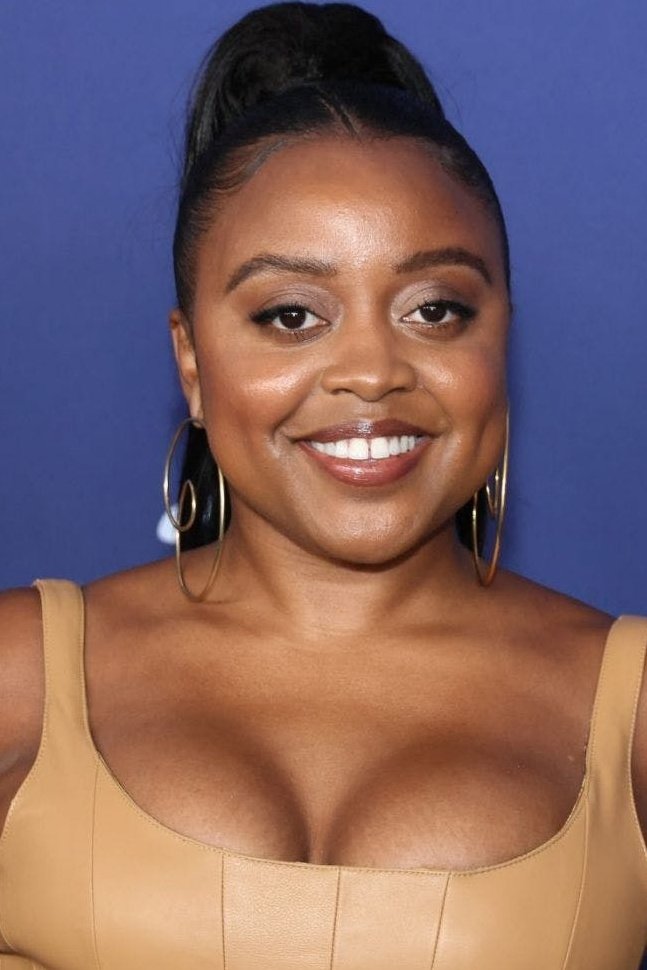
Quinta Brunson has revolutionized the sitcom format by centering a diverse cast in a relatable setting. She has spoken about the importance of having Black writers in the room to ensure authentic dialogue and character arcs. The creator criticized the performative nature of diversity initiatives that do not give Black creators full creative control. She continues to prove that specific cultural stories have universal appeal.
Michaela Coel
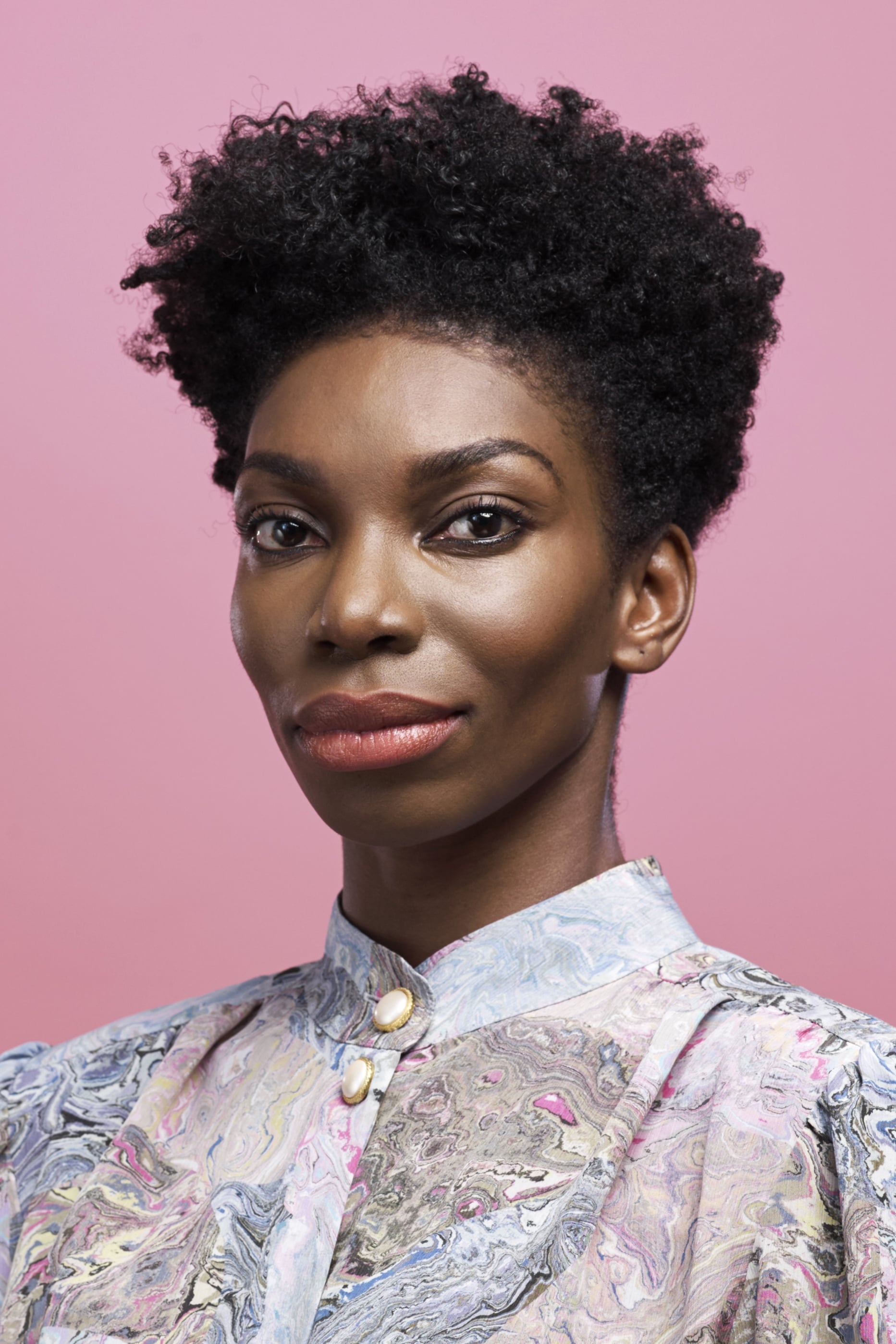
Michaela Coel famously turned down a million dollar deal from a major streaming service to maintain ownership of her work. She used her platform at the BAFTA awards to speak about the need for better protection for Black creators. Through ‘I May Destroy You’ she explored complex themes of trauma and consent from a unique perspective. She remains a powerful advocate for creative independence and fair compensation.
Laverne Cox
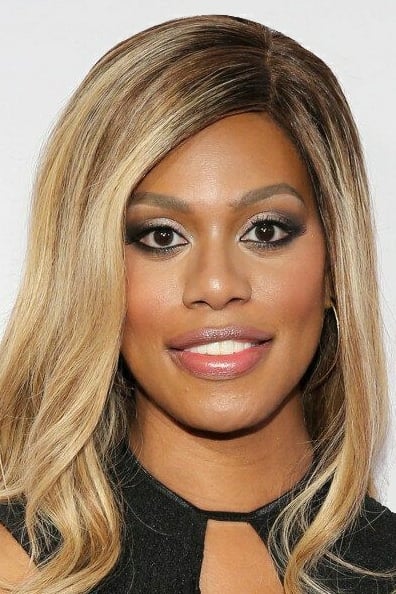
Laverne Cox has been a trailblazer for trans representation and has criticized the industry for its lack of inclusion. She pointed out that casting cisgender actors in trans roles can be harmful and exclusionary. The actress has used her visibility on ‘Orange Is the New Black’ to highlight the systemic issues facing Black trans women. She continues to demand that Hollywood provide more opportunities for trans performers to tell their own stories.
Mo’Nique
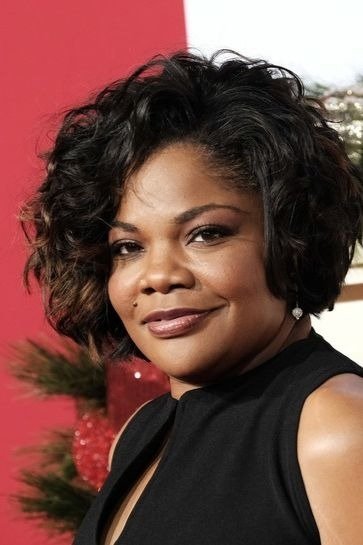
Mo’Nique has been a controversial figure for her public battle with major studios over pay equity. She called for a boycott of certain streaming services after being offered a salary she felt was insulting compared to her peers. The actress has consistently spoken out against the blackballing of performers who demand fair treatment. Her advocacy remains focused on the financial empowerment of Black women in the industry.
Jurnee Smollett

Jurnee Smollett has criticized the lack of diversity among film crews and the impact it has on the production environment. She shared her experiences working on ‘Lovecraft Country’ and the importance of having people who understand the cultural context of the story. The actress advocates for the hiring of Black department heads in areas like costume design and cinematography. She remains committed to projects that challenge historical narratives and social norms.
Zazie Beetz
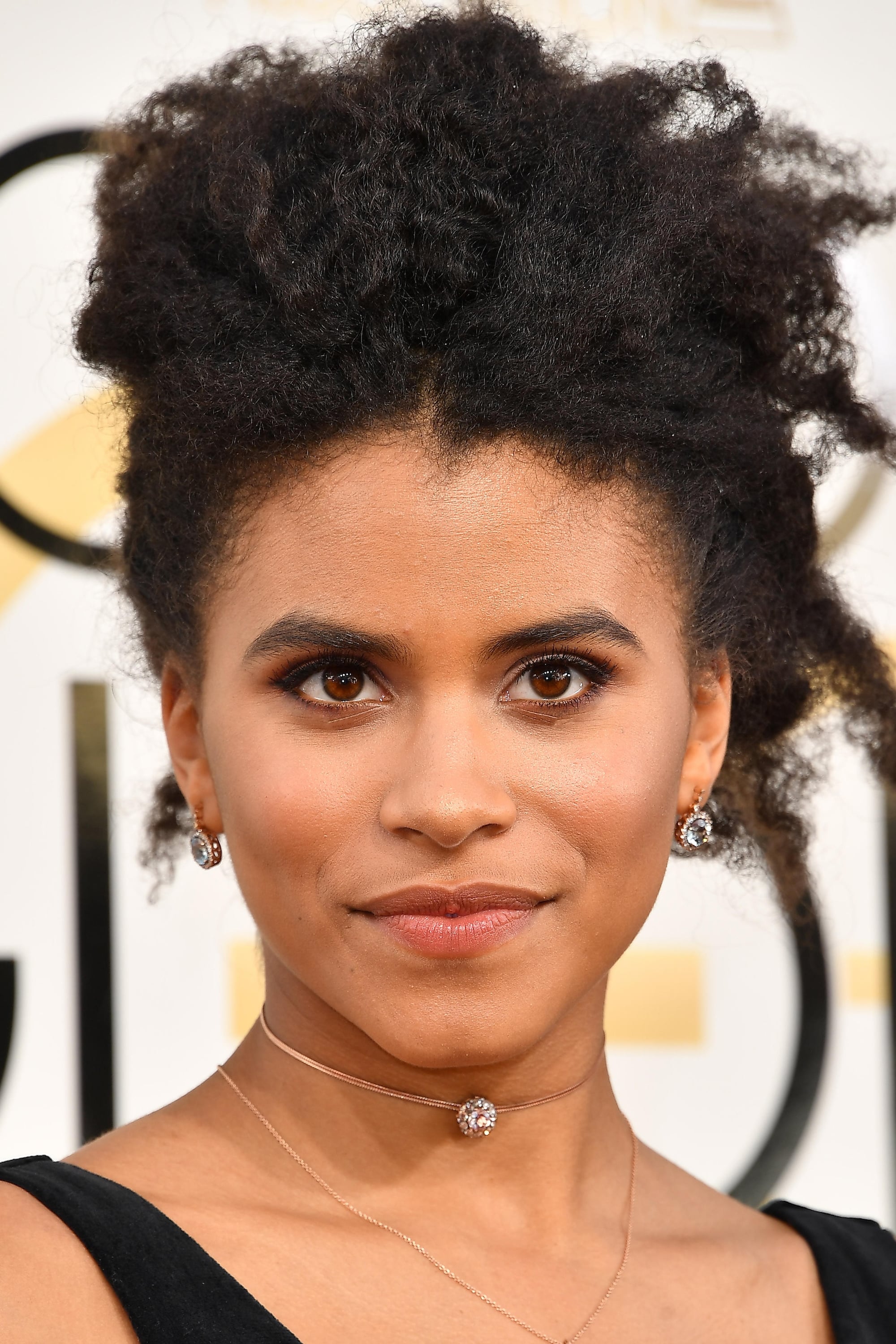
Zazie Beetz has addressed the stereotypes that are often associated with Black characters in action and superhero films. She spoke about the importance of being allowed to exist as a complex human being rather than a symbol. The actress has called out the industry for its limited view of what a Black woman can look like or represent. She continues to seek out roles that allow her to explore a wide range of emotions and experiences.
Barry Jenkins
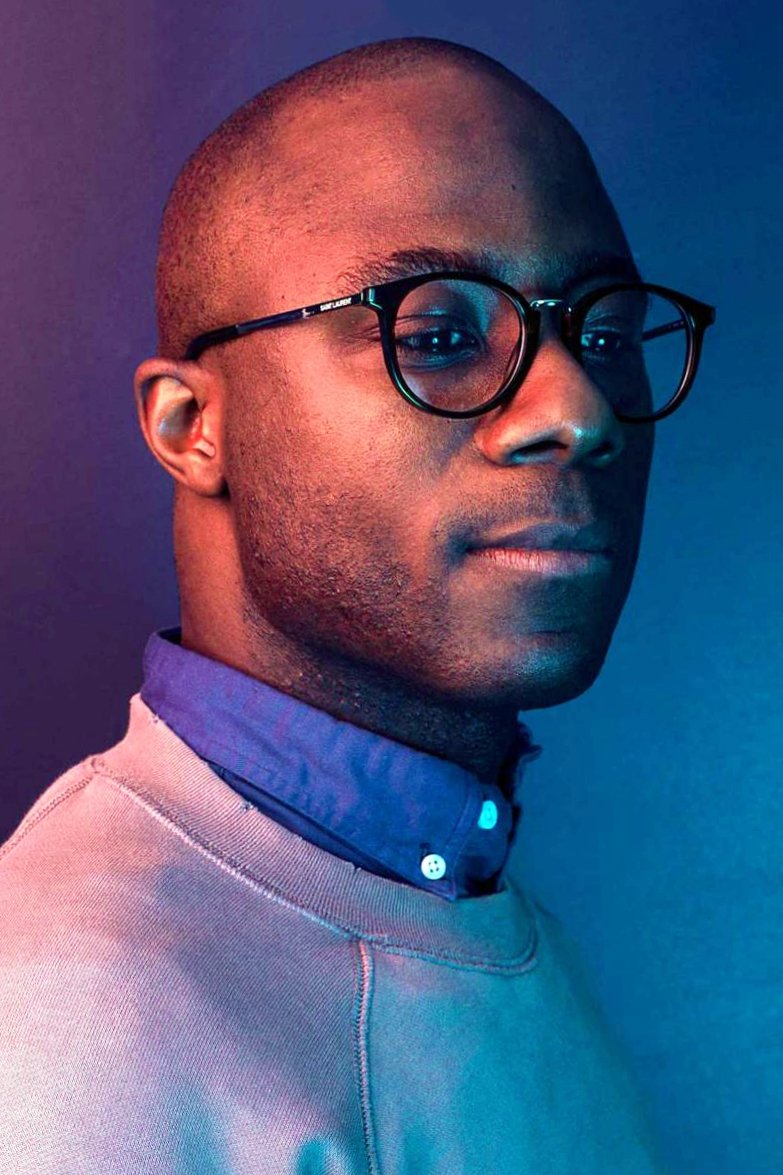
Barry Jenkins has used his success as a director to highlight the importance of artistic autonomy for Black filmmakers. He spoke about the challenges of getting ‘Moonlight’ and ‘If Beale Street Could Talk’ made in a system that often prioritizes commercial viability over artistic merit. The filmmaker criticized the industry for its narrow definition of what constitutes a Black story. He remains dedicated to creating visually stunning and emotionally resonant films that center the Black experience.
Spike Lee
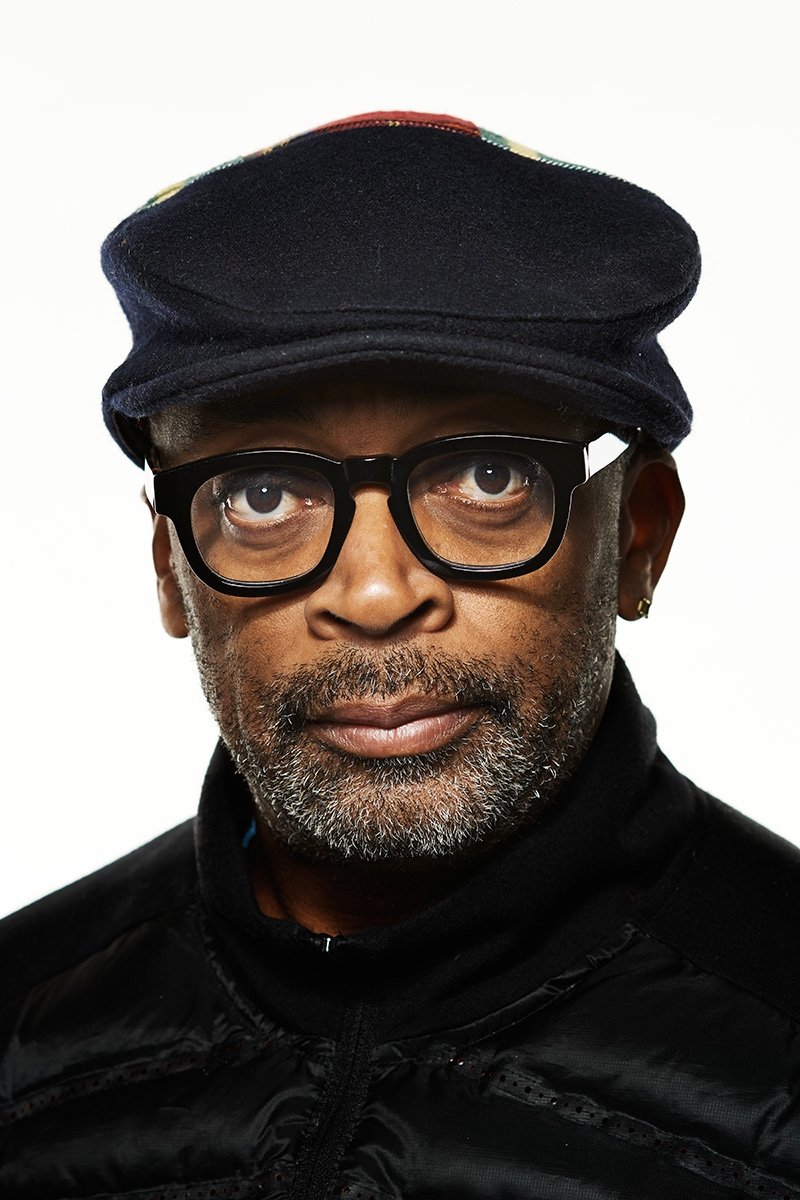
Spike Lee has been a vocal critic of the Academy Awards and the lack of diversity among its voting members. He famously skipped the ceremony in protest of the lack of Black nominees in major categories. The director has spent his career telling stories that address systemic racism and social injustice in America. He continues to challenge the industry to recognize the contributions of Black artists in a meaningful way.
Sterling K. Brown
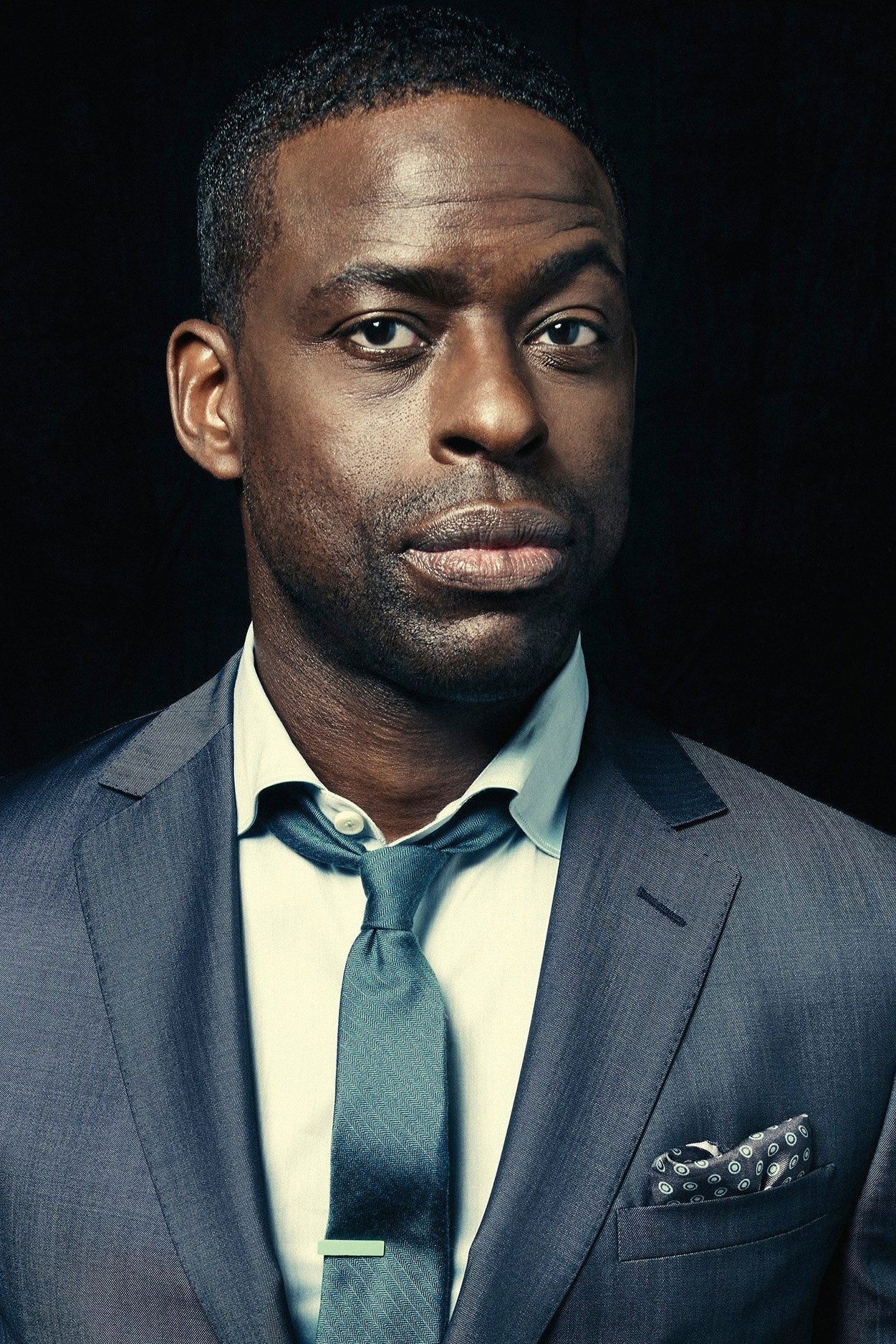
Sterling K. Brown has spoken about the importance of variety in the roles offered to Black men. He praised ‘This Is Us’ for allowing him to play a character who is a successful professional and a devoted family man. The actor has criticized the industry for its tendency to cast Black men primarily as criminals or sidekicks. He remains a strong advocate for the power of representation to change societal perceptions.
Anthony Mackie
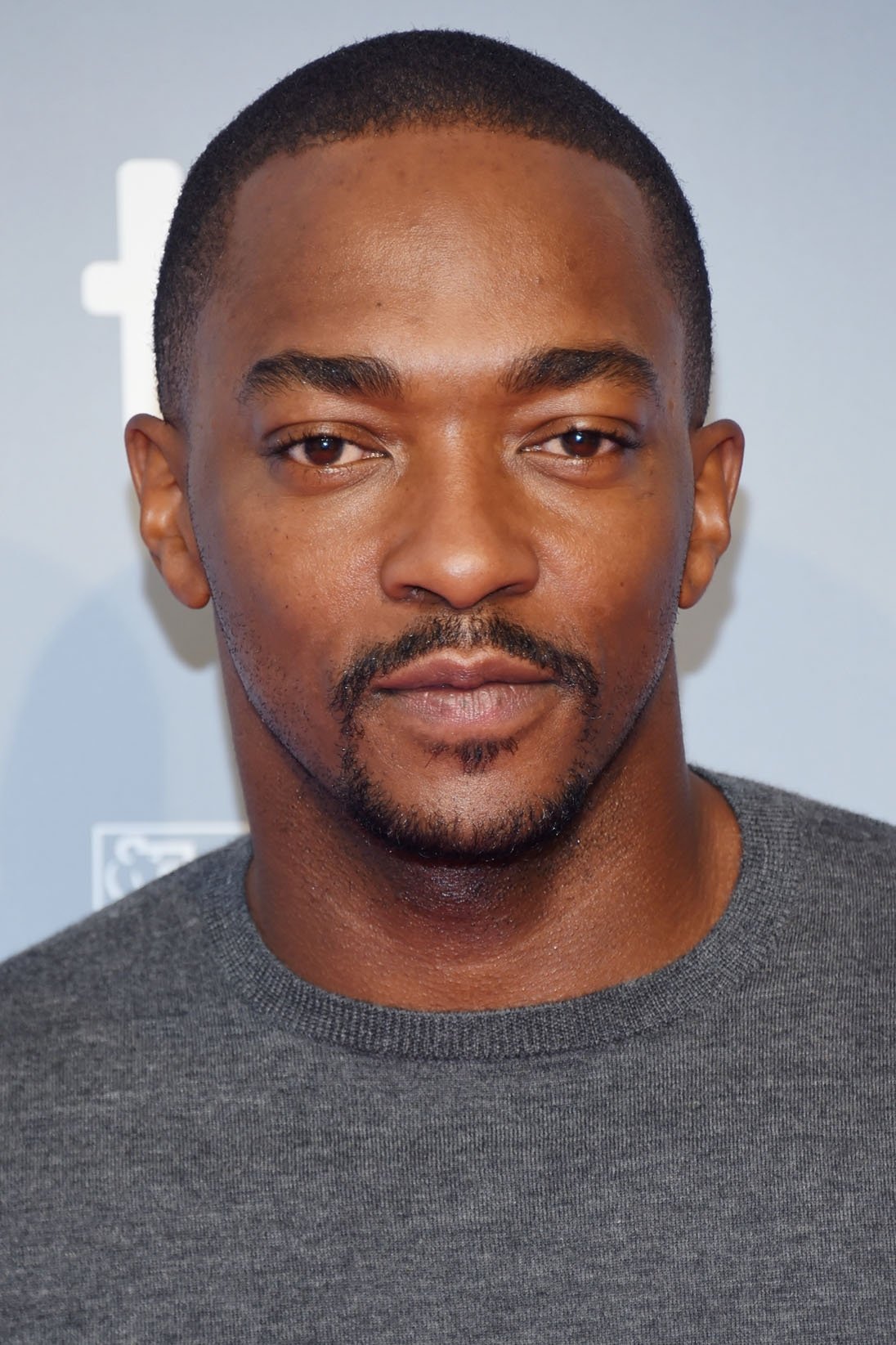
Anthony Mackie has called out the lack of diversity among the production crews on major blockbuster films. He pointed out that while the actors on screen may be diverse the people behind the camera often are not. The actor argued that the industry must do more to recruit and train Black professionals for technical roles. He continues to use his role as Captain America to push for more inclusive practices within the Marvel franchise.
Don Cheadle
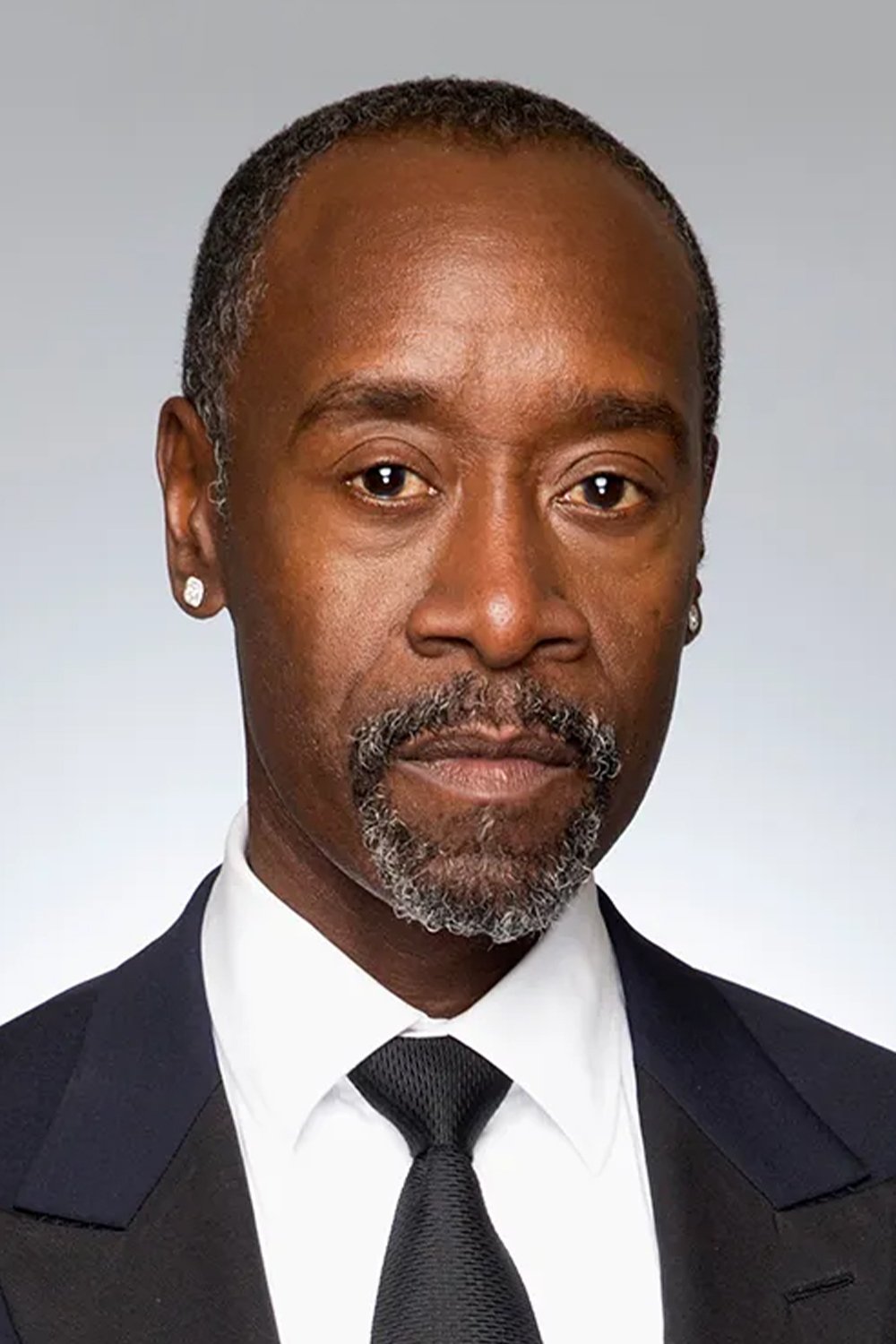
Don Cheadle has been involved in several initiatives to improve representation in Hollywood and beyond. He has spoken about the challenges of getting diverse stories greenlit in a risk averse industry. The actor often uses his platform to highlight global issues and the importance of storytelling in creating empathy. He remains committed to working on projects that challenge the status quo and provide opportunities for underrepresented talent.
Ruth Negga
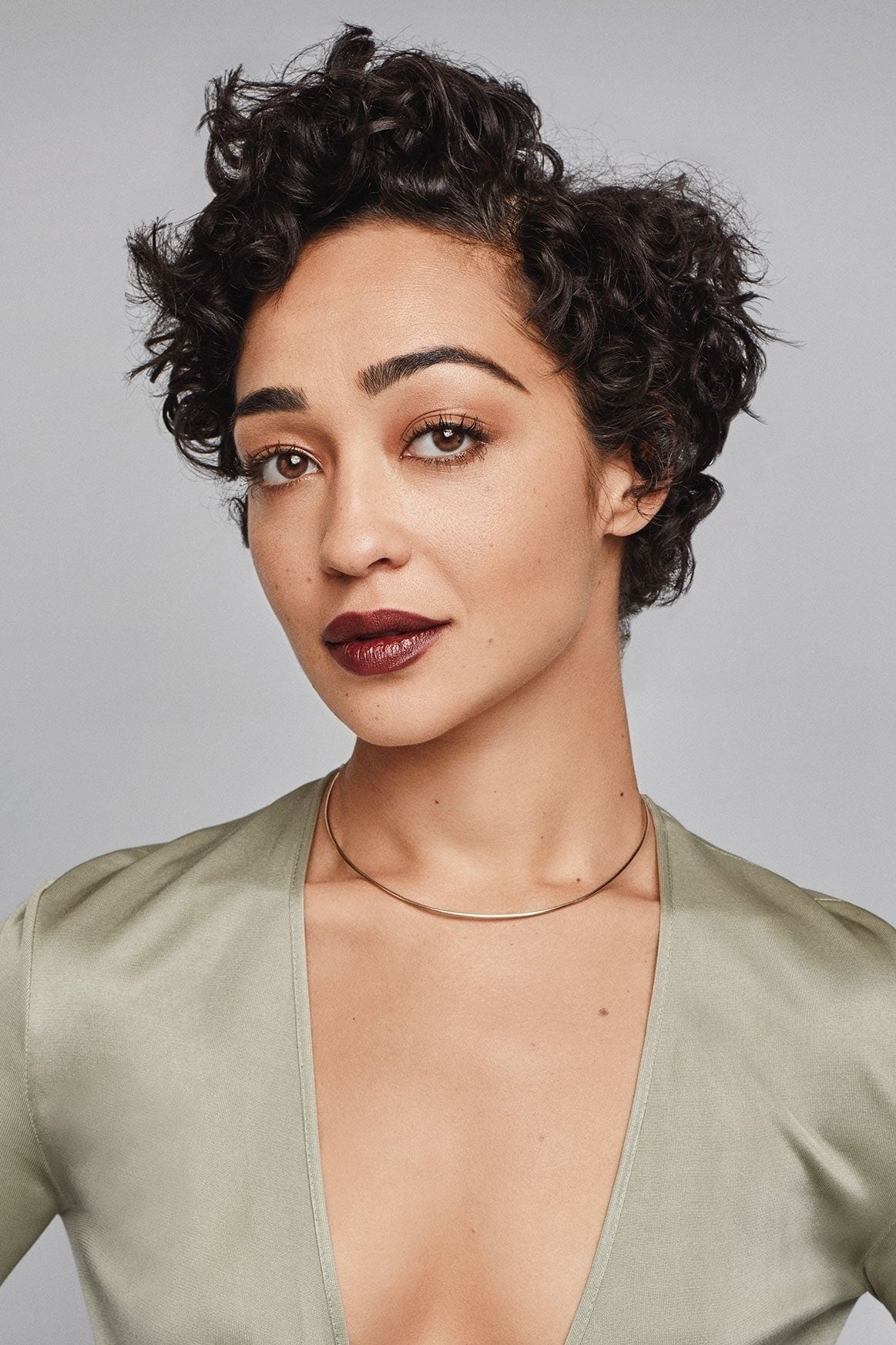
Ruth Negga has discussed the difficulties of being an actor of mixed heritage in an industry that often demands clear categorizations. She spoke about the importance of playing historical figures like Mildred Loving with dignity and nuance. The actress has criticized the limited range of stories told about the Black experience in both the United Kingdom and the United States. She continues to advocate for more creative freedom for all performers of color.
Sophie Okonedo
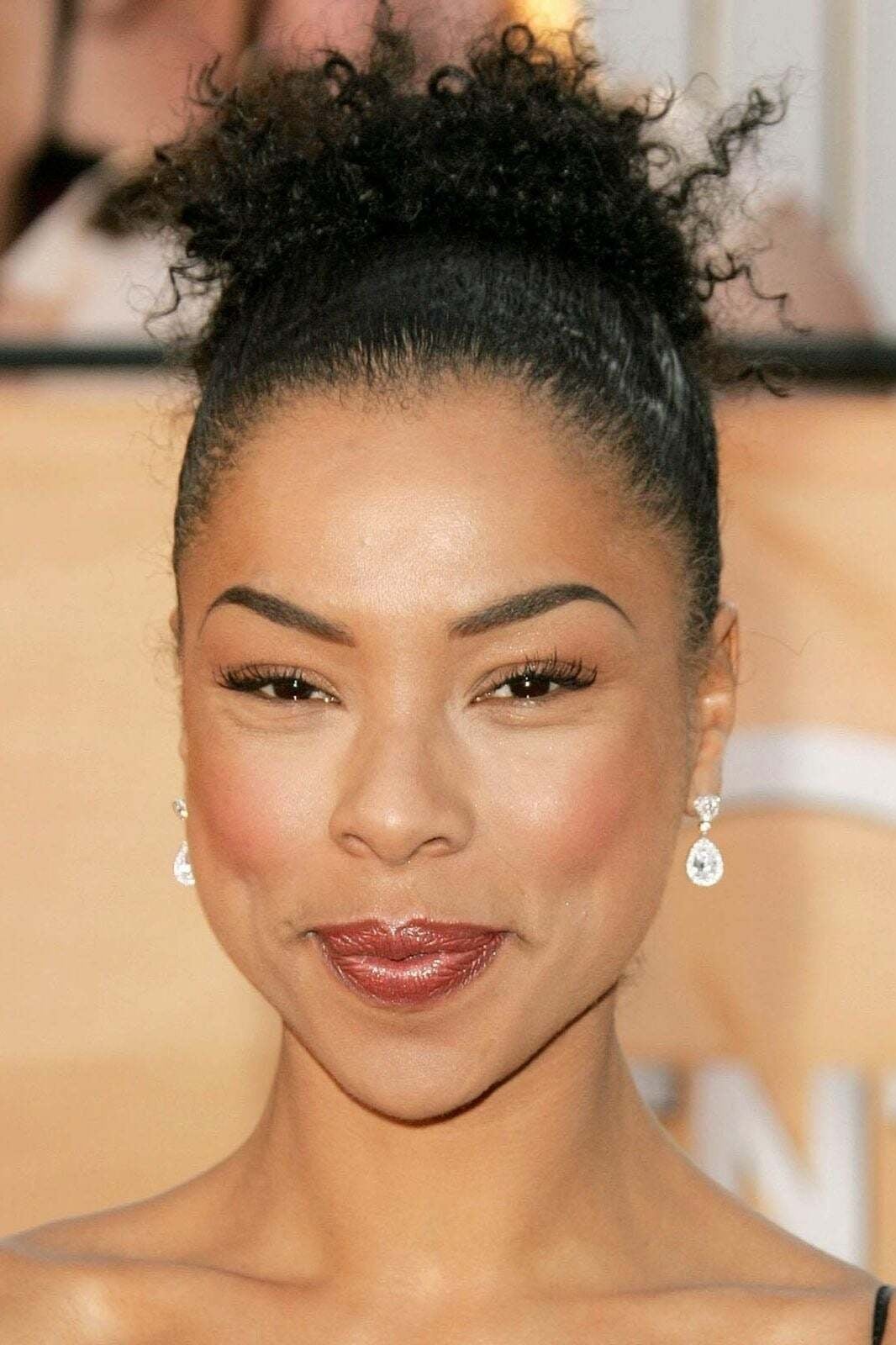
Sophie Okonedo has shared her experiences with the lack of lead roles for Black actresses in British cinema. She noted that moving to the United States provided her with more opportunities to showcase her range. The actress has criticized the industry for its slow progress in addressing racial bias in casting. She remains a respected voice for the necessity of international collaboration to achieve true diversity.
Amber Riley
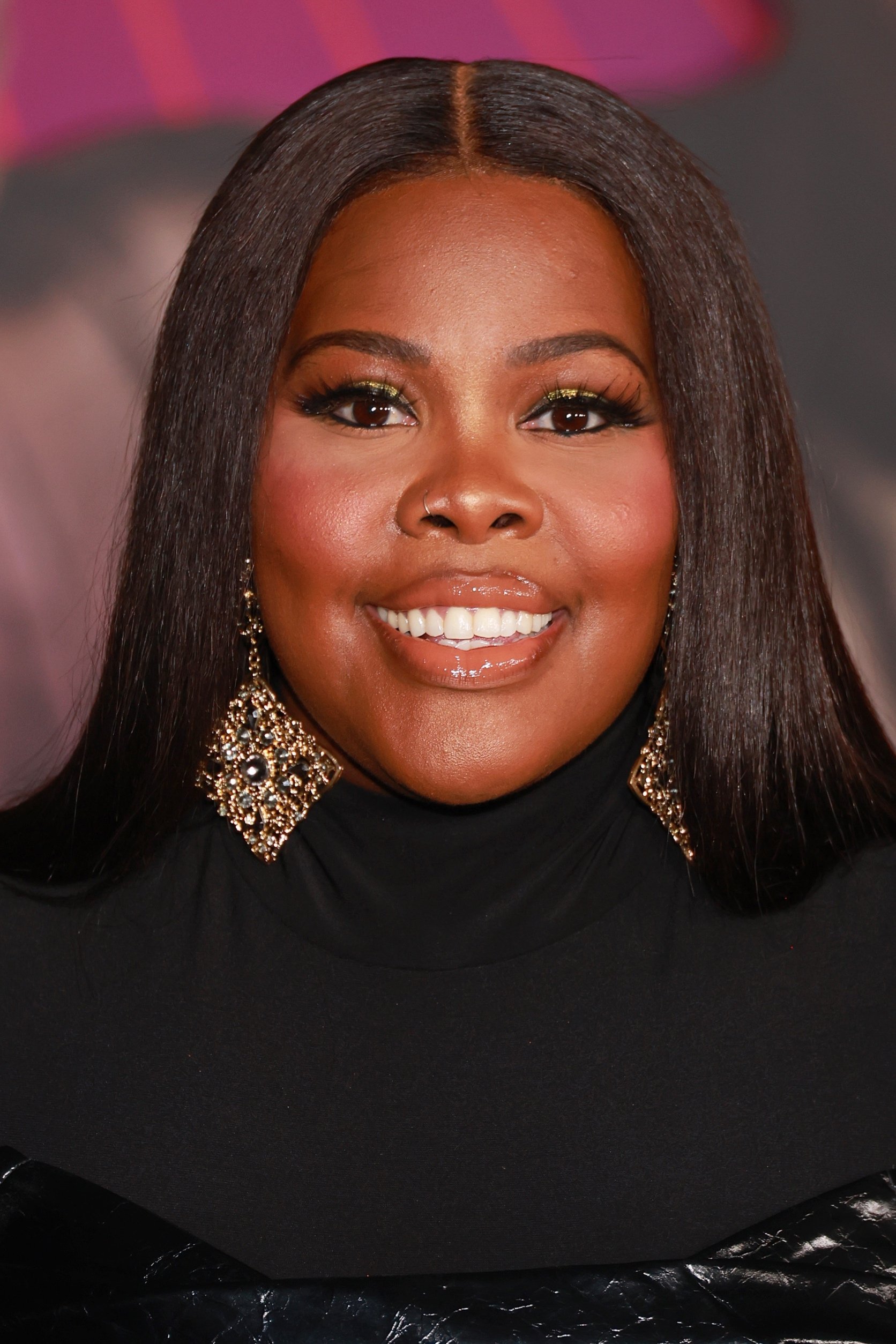
Amber Riley spoke out about her experiences on the set of ‘Glee’ and the way she was treated as a Black performer. She highlighted the performative nature of social media statements that are not backed up by real change in the workplace. The actress has advocated for more respect and better conditions for Black actors in musical theater and television. She continues to use her talent and her voice to push for equity in the entertainment world.
Share your thoughts on which celebrities you believe have made the biggest impact on Hollywood diversity in the comments.