Actors Who Were Secretly Forced Back Into the Closet by Threatening Studio Execs

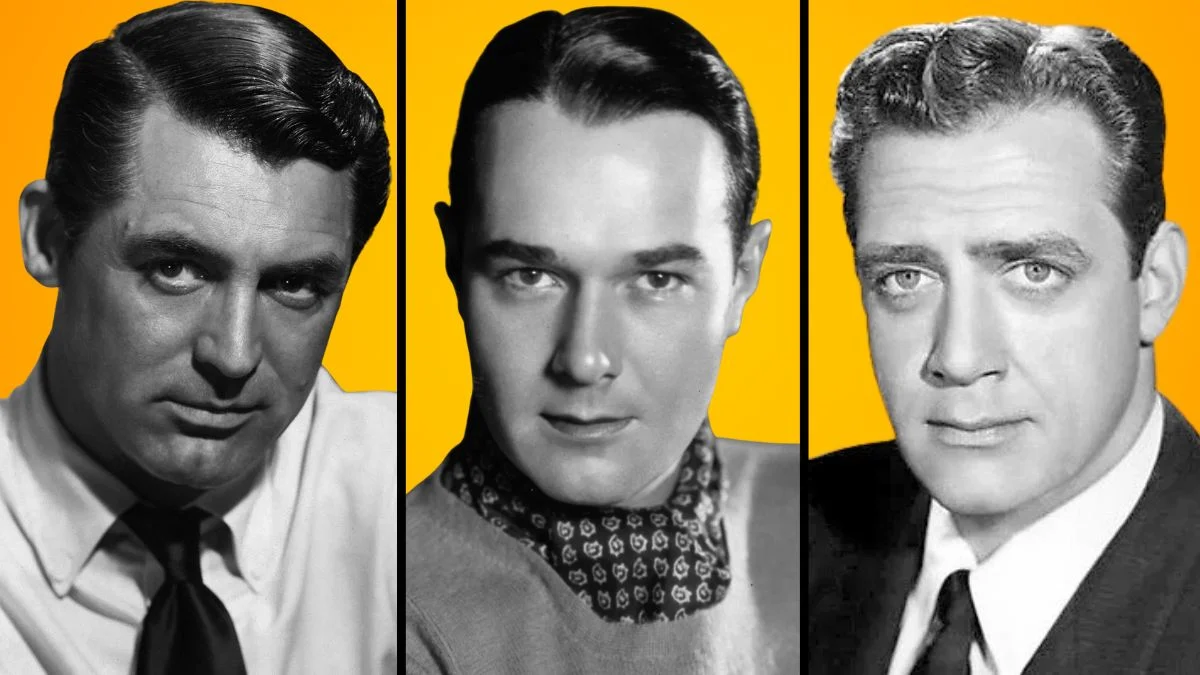

For decades the film and television industry operated under a rigid set of moral standards that strictly dictated the public lives of its most prominent stars. Major studios utilized morality clauses and aggressive publicists to ensure that their leading men maintained an image that aligned with traditional gender roles and heteronormative expectations. Many performers found themselves caught between their private identities and the heavy demands of powerful executives who feared that any deviation would lead to a total loss of ticket sales. These stars often endured forced marriages and manufactured romances to satisfy the cultural expectations of the era while their true lives remained hidden behind the scenes.
Rock Hudson
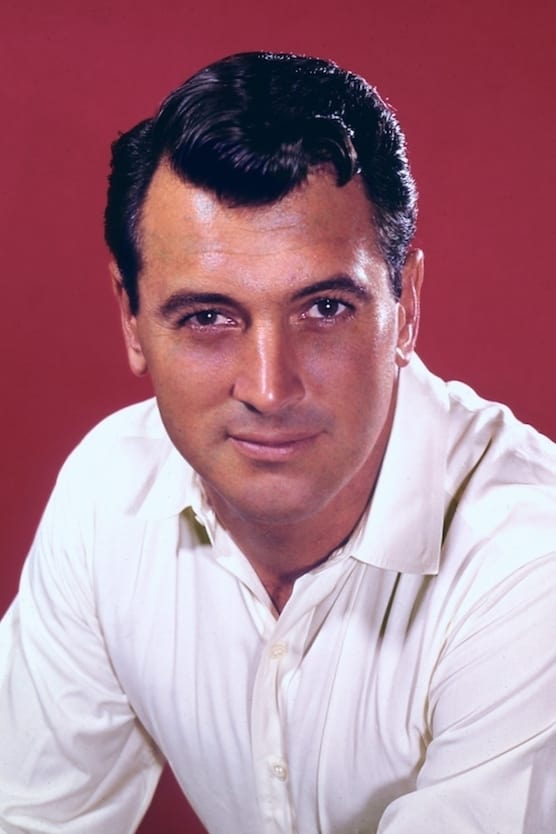
During the golden age of Hollywood the studio system maintained total control over the public lives of its most famous leading men. Rock Hudson was famously managed by Henry Willson who helped orchestrate a lavender marriage to Phyllis Gates to suppress rumors regarding the star’s sexuality. The studio worked tirelessly to project a heteronormative image through carefully curated publicity stunts and false romantic narratives. He remained in the closet for many years to protect his lucrative career and the financial interests of the industry.
Tab Hunter
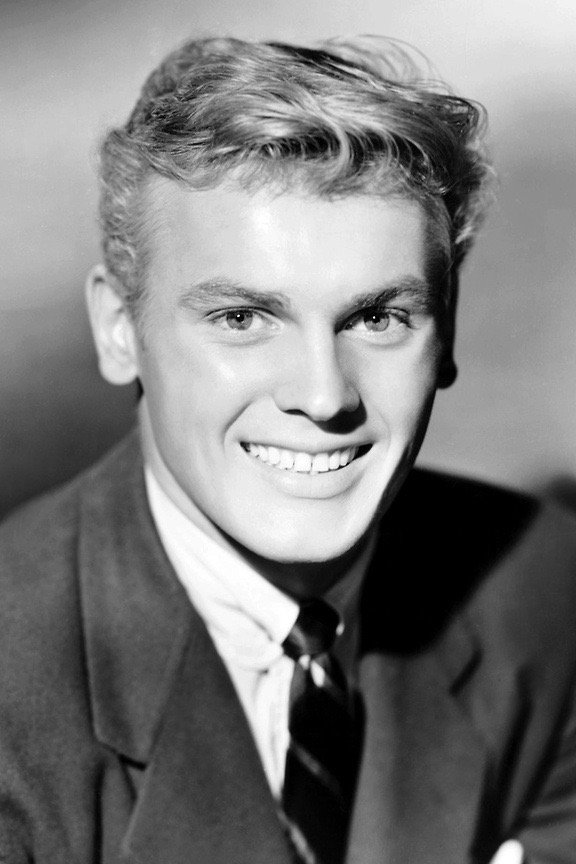
Warner Bros. marketed Tab Hunter as the ultimate teenage heartthrob and golden boy during the 1950s. The studio pressured him to engage in high profile dates with actresses such as Natalie Wood to maintain his public standing and appeal. Executives were fully aware of his personal life but they frequently threatened his livelihood if he did not conform to their rigid expectations. He eventually left the major studio system to find more personal freedom in his later career years.
William Haines
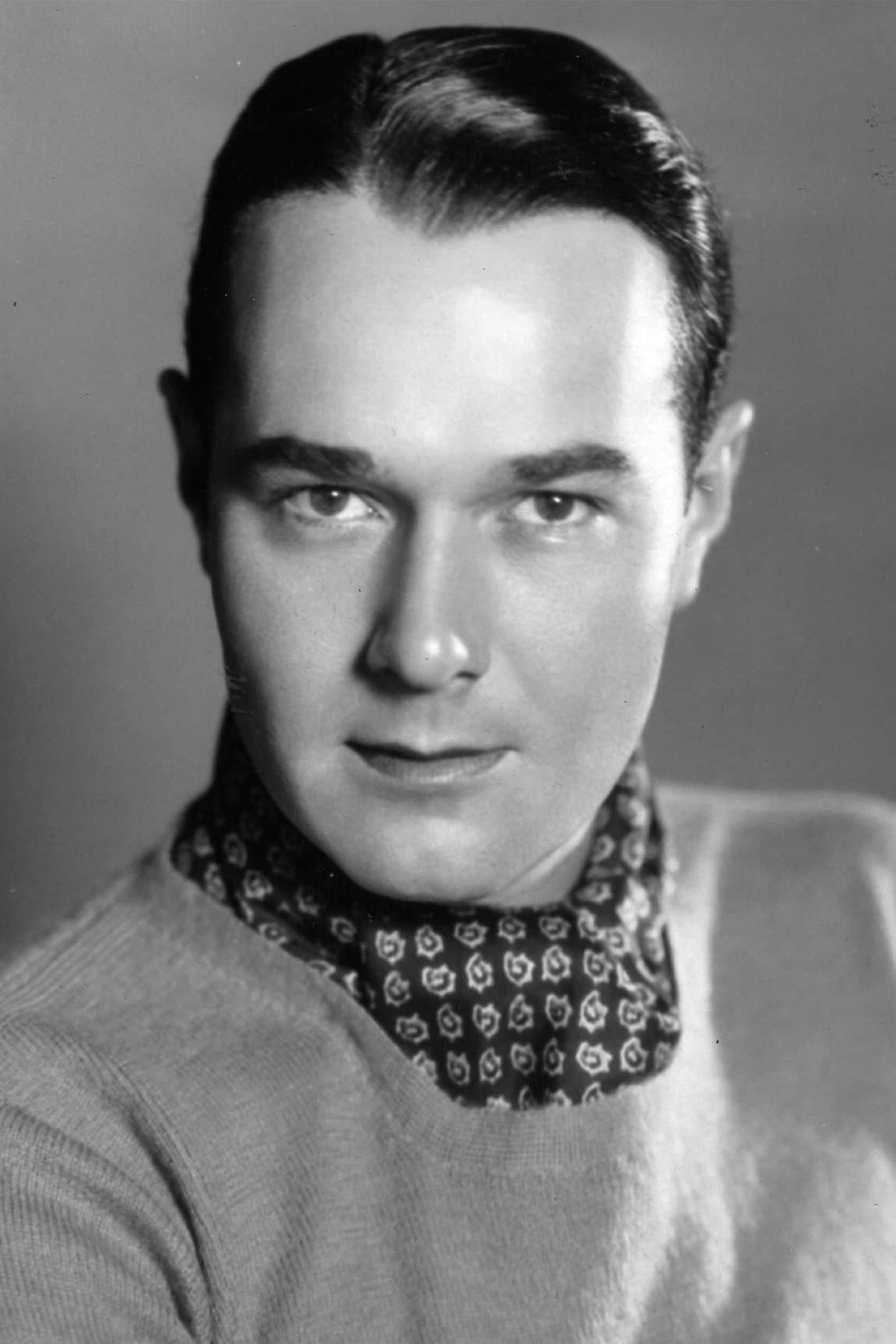
William Haines was one of the top box office stars of the silent era until he faced an ultimatum from Metro-Goldwyn-Mayer. Studio head Louis B. Mayer demanded that he enter into a lavender marriage to hide his relationship with Jimmy Shields. When Haines refused to comply the studio effectively ended his acting career by terminating his contract and blacklisting him. He chose to walk away from Hollywood rather than return to a life of secrecy under studio pressure.
Cary Grant
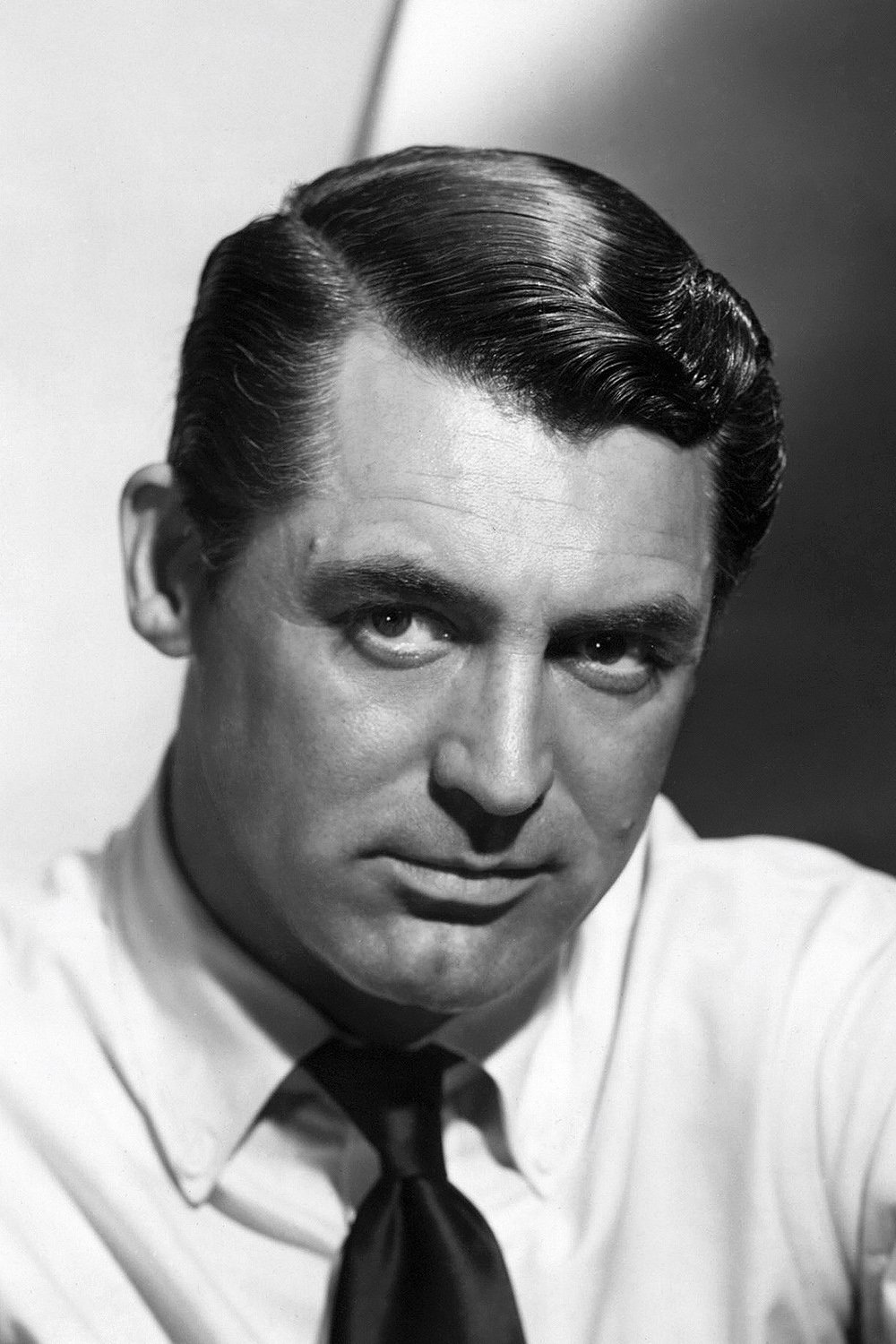
Cary Grant was the epitome of the sophisticated leading man and his image was one of the most protected assets in the industry. While he lived with actor Randolph Scott for several years the studio insisted they participate in domestic themed photo shoots to present them as simple bachelors. Executives and publicists worked constantly to spin his personal life into a narrative of traditional romance. The pressure to maintain this polished veneer was a central part of his professional existence for decades.
Anthony Perkins
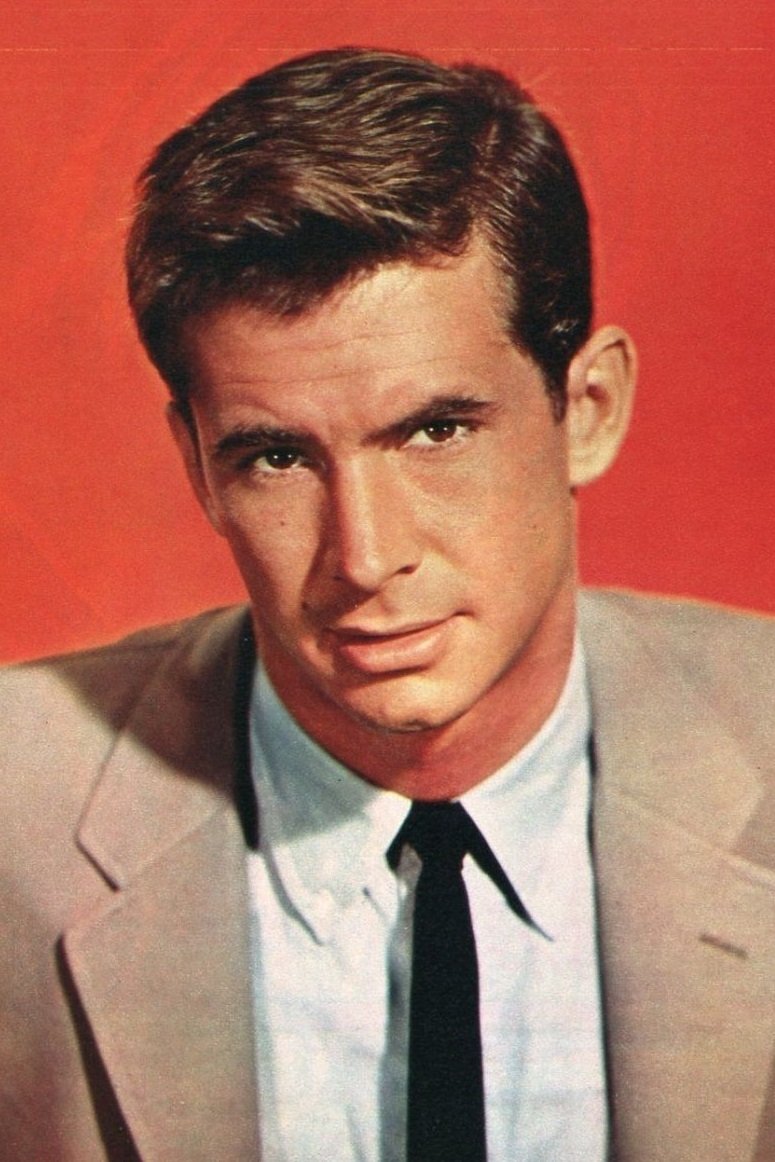
Anthony Perkins faced significant challenges as he navigated his career following the massive success of ‘Psycho’ in 1960. The studio was highly concerned that his public image would be tarnished by rumors regarding his personal life and sexuality. He was frequently pushed into staged dates and was encouraged to undergo conversion therapy to satisfy the demands of industry leaders. This intense pressure from executives forced him to keep his private life strictly hidden from the public eye.
George Nader
George Nader was a handsome leading man whose career was essentially sacrificed to protect the reputation of Rock Hudson. When a tabloid threatened to expose Hudson the studio struck a deal to give them a story about Nader instead. This maneuver effectively ended his career as a major leading man in American films as he was forced out of the spotlight. He eventually moved to Europe to continue working where the studio pressure was less suffocating.
Raymond Burr
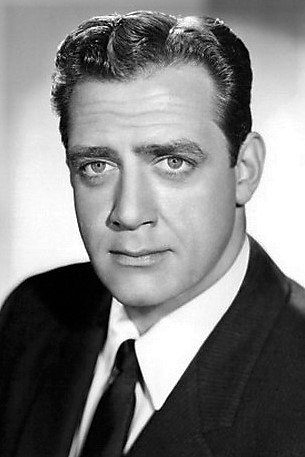
Raymond Burr is best known for his iconic roles in ‘Perry Mason’ and ‘Ironside’ where he portrayed figures of authority and justice. To hide his long term relationship with Robert Benevides the studio and his representatives fabricated stories about deceased wives. These elaborate lies were designed to protect his career from the scrutiny of a conservative television audience. He spent nearly his entire professional life living a double existence to satisfy the requirements of the network executives.
Montgomery Clift
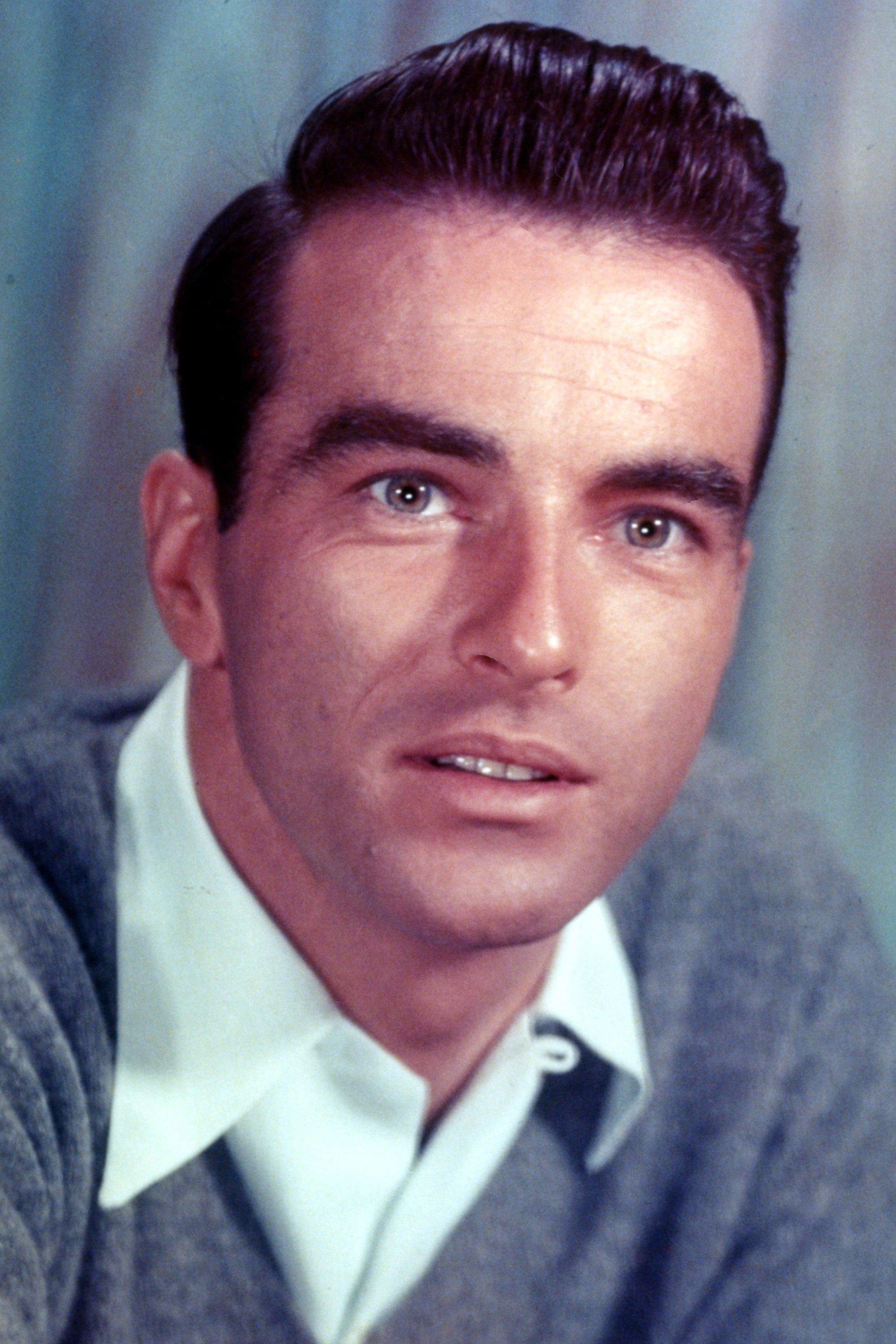
Montgomery Clift was a celebrated actor known for his intense performances and method acting style in films like ‘A Place in the Sun’. The studio executives were constantly worried that his private life would undermine his status as a romantic lead. They went to great lengths to arrange dates with female costars like Elizabeth Taylor to distract the media. Clift struggled deeply with this forced concealment and the constant surveillance of his personal behavior by industry heads.
Robert Reed
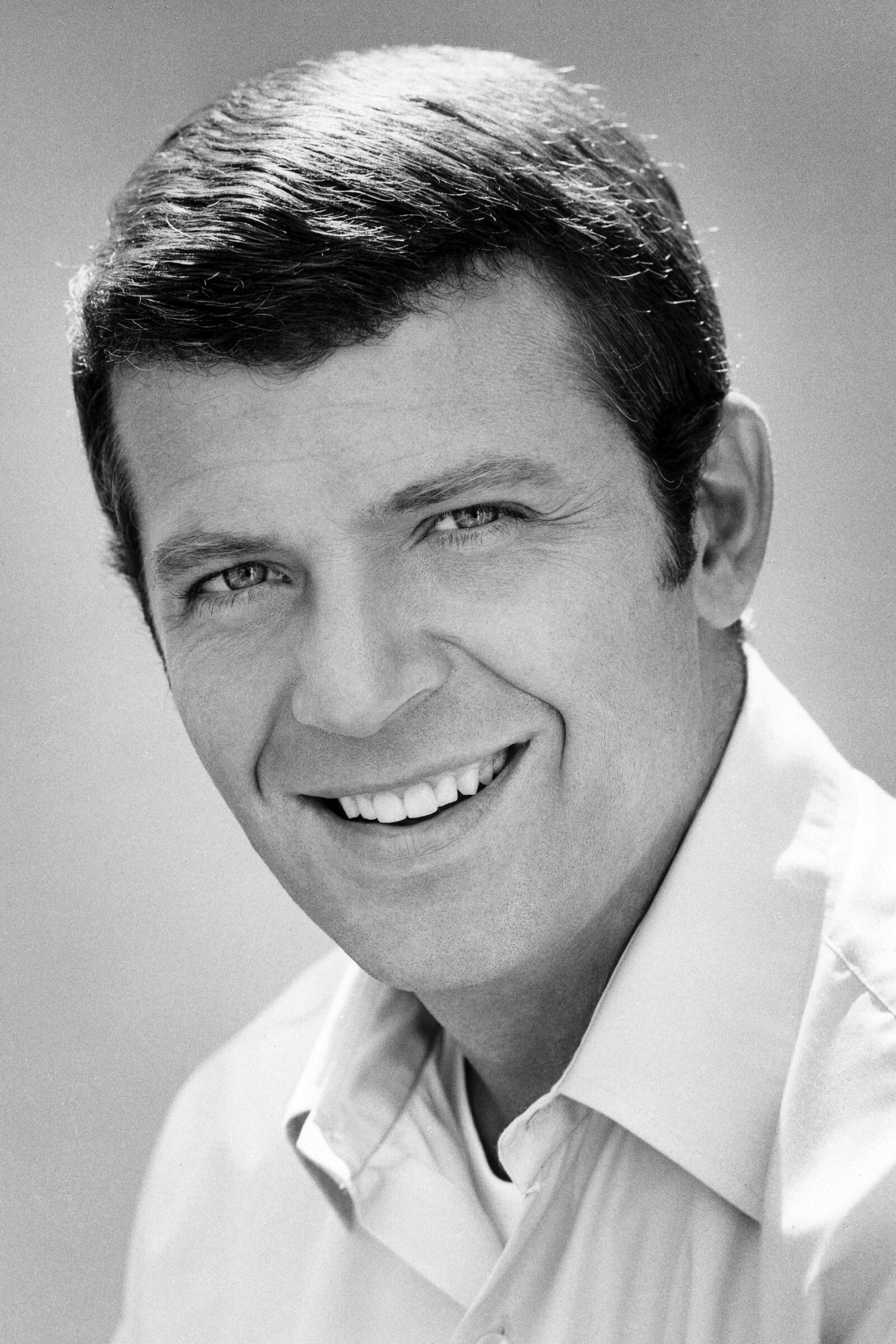
Robert Reed became a household name playing the patriarch on the hit series ‘The Brady Bunch’ during the late 1960s and 1970s. As the face of the ultimate American family he was under immense pressure from the network to keep his personal life a complete secret. He feared that coming out would lead to the immediate cancellation of the show and the end of his career. He maintained a professional distance and never spoke publicly about his identity to protect the brand of the series.
Richard Chamberlain
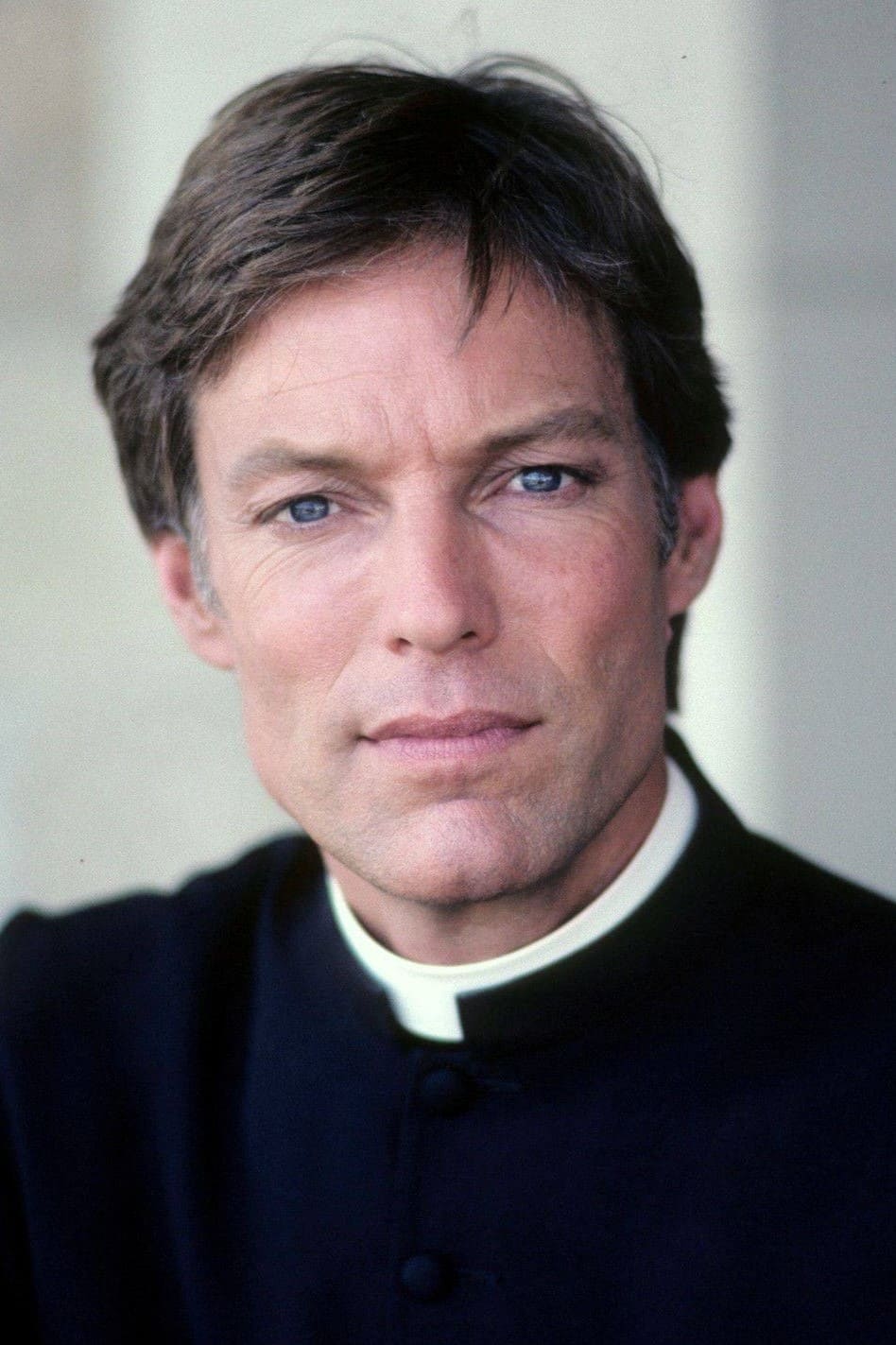
Richard Chamberlain gained massive fame as the star of ‘Dr. Kildare’ and later became known as the king of the miniseries. During the height of his popularity he was advised by his representatives and studio heads that coming out would be career suicide. He was marketed as a heartthrob for female viewers and the industry went to great lengths to hide his long term relationships. He did not feel safe enough to live openly until many decades later when the studio system had lost its grip.
Tyrone Power
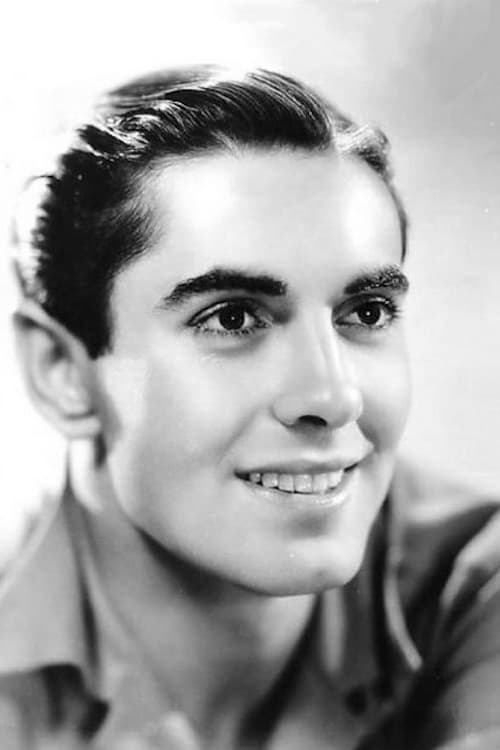
Tyrone Power was one of the most successful leading men of the 1930s and 1940s starring in numerous adventure and romance films. Twentieth Century-Fox went to extreme lengths to manage his public image and ensure he appeared as a traditional masculine hero. The studio orchestrated multiple marriages and romantic links to female stars to suppress any gossip. He lived under the constant shadow of these studio mandates throughout his entire time as a top box office draw.
Danny Kaye
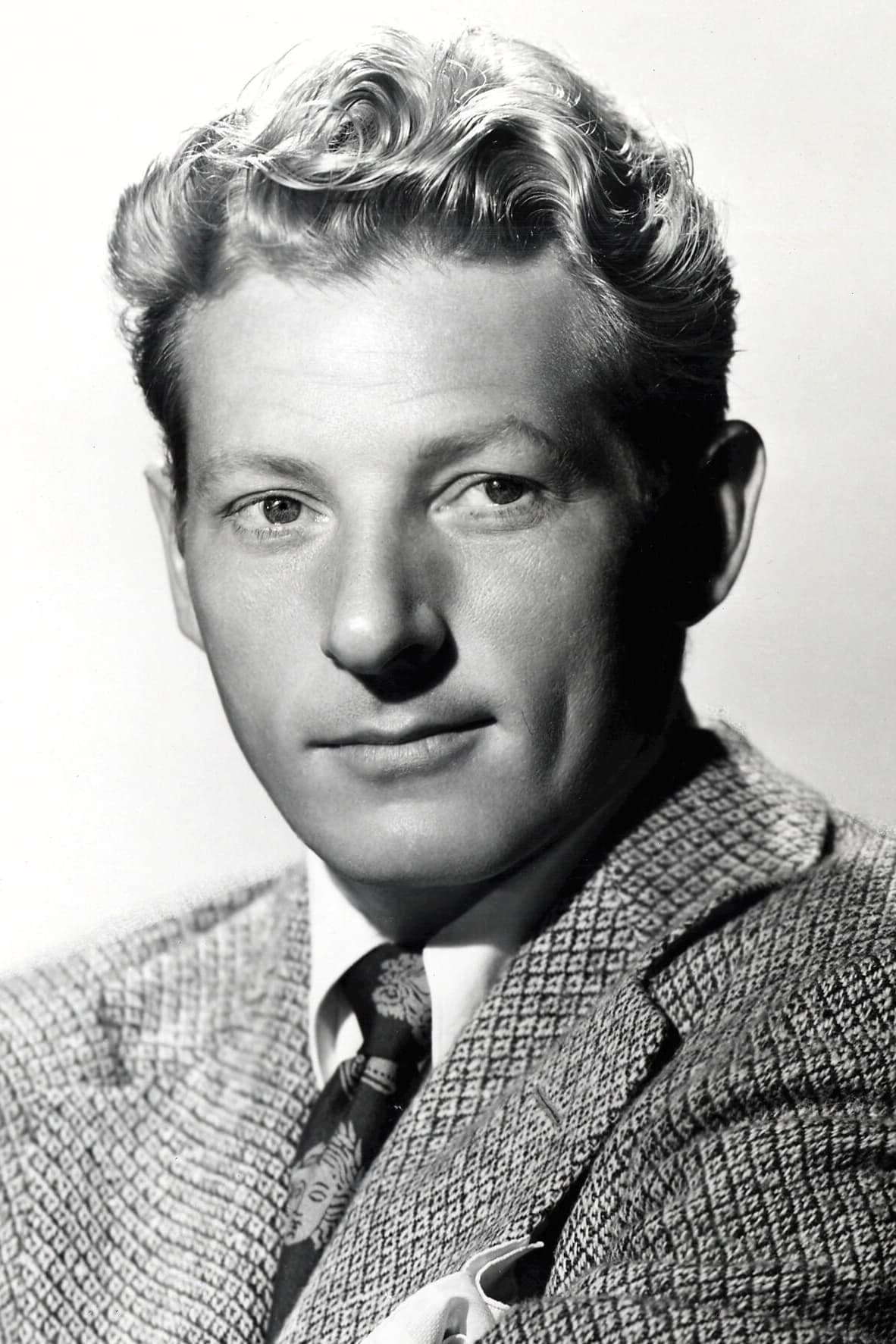
Danny Kaye was a beloved entertainer and actor whose career spanned theater film and television for several decades. While he had a long term marriage his private life involved close relationships that the studio worked hard to keep quiet. Executives believed that any public revelation would destroy his image as a family friendly comedian. He remained compliant with these expectations to maintain his status as a major star in the eyes of the public.
Sal Mineo
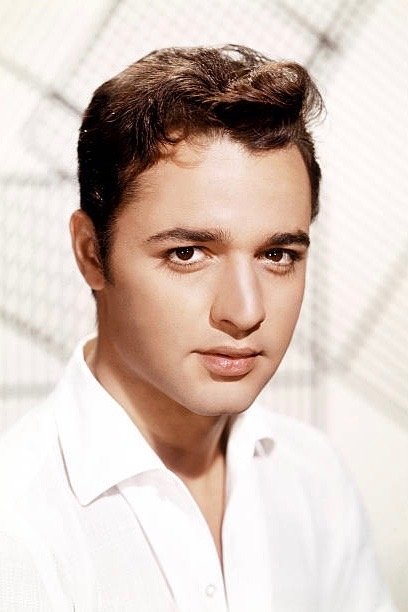
Sal Mineo rose to fame as a teenager in ‘Rebel Without a Cause’ and became a popular idol for young audiences. As he transitioned into adult roles he found that the industry was increasingly hostile toward his desire to live more authentically. Studio heads warned him that his career would suffer if he did not hide his personal life and stick to the established script. He faced a significant decline in roles as he began to resist the pressure to remain in the closet.
Clifton Webb
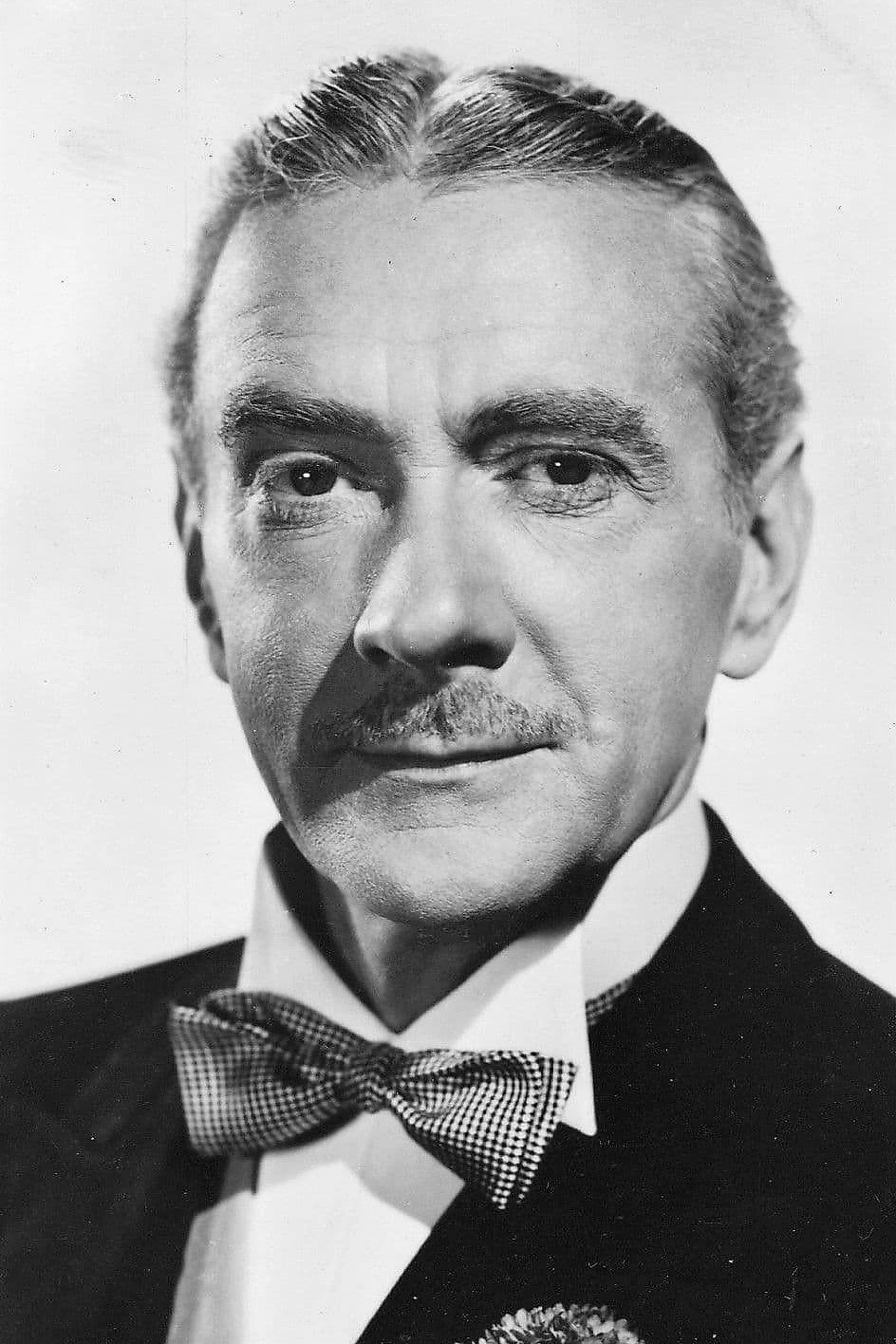
Clifton Webb was a distinguished stage and film actor who received several Academy Award nominations for his work. Although he was relatively open in his personal circles the studio insisted that he maintain a public persona of a bachelor living with his mother. This arrangement was a common way for the industry to explain away the lives of older actors without raising suspicions. He was required to play along with this narrative to secure high profile roles in major productions.
James Dean
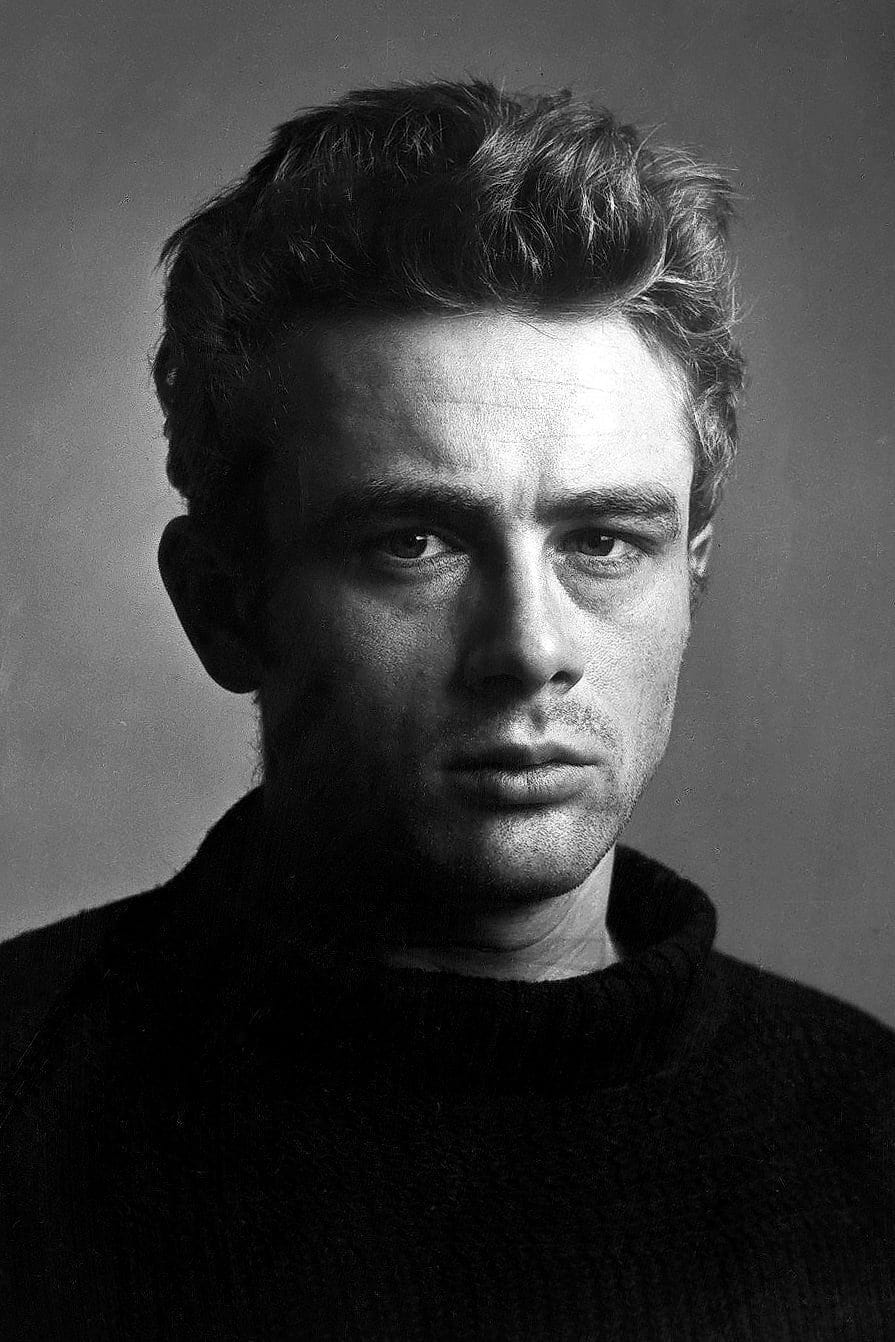
James Dean became a legendary cultural icon after starring in just three major films before his untimely death. Warner Bros. was deeply invested in his image as a rebellious but heterosexual young man who appealed to female fans. The studio publicists frequently paired him with young actresses for photographs to ensure his private life did not become a public issue. Even in his short career the pressure from the studio to conform was a constant and heavy burden.
Cesar Romero
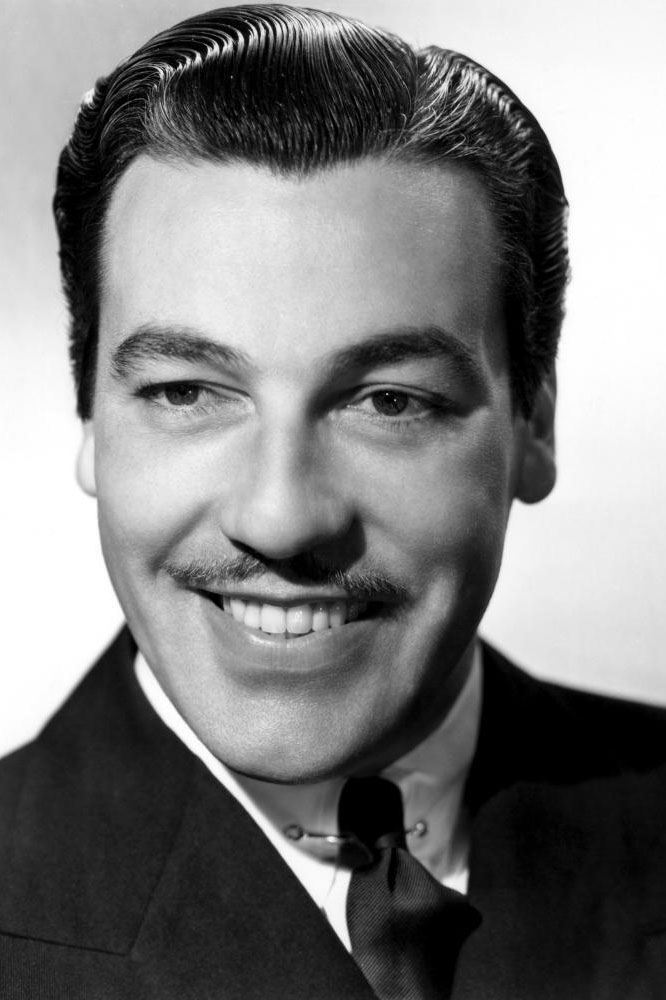
Cesar Romero was a versatile actor known for his roles in musicals and as the Joker in the ‘Batman’ television series. Throughout his long career he was a staple of the Hollywood social scene and was often called the bachelor of the year. This title was a carefully constructed label used by the industry to prevent questions about his personal life. He remained a loyal part of the studio system and never challenged the narrative that was built for him.
Vincent Price
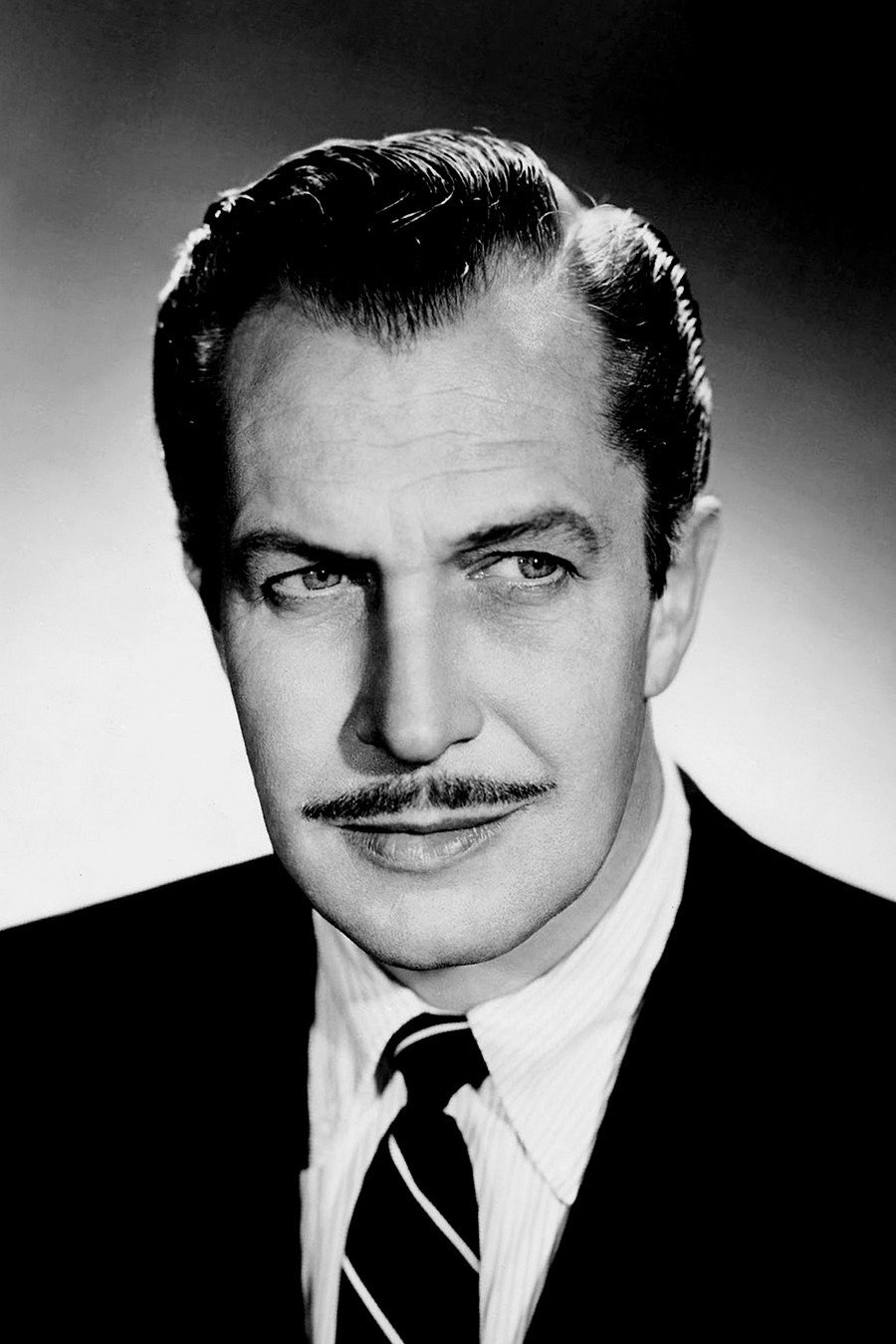
Vincent Price was a master of the horror genre and a sophisticated figure in the world of art and culture. His professional image was one of high class and intellectualism which the studios were eager to maintain. He was encouraged to keep his personal relationships private to avoid alienating the conservative audiences of the time. The industry preferred to keep him in the closet to ensure he remained a bankable star for his various film projects.
Roddy McDowall
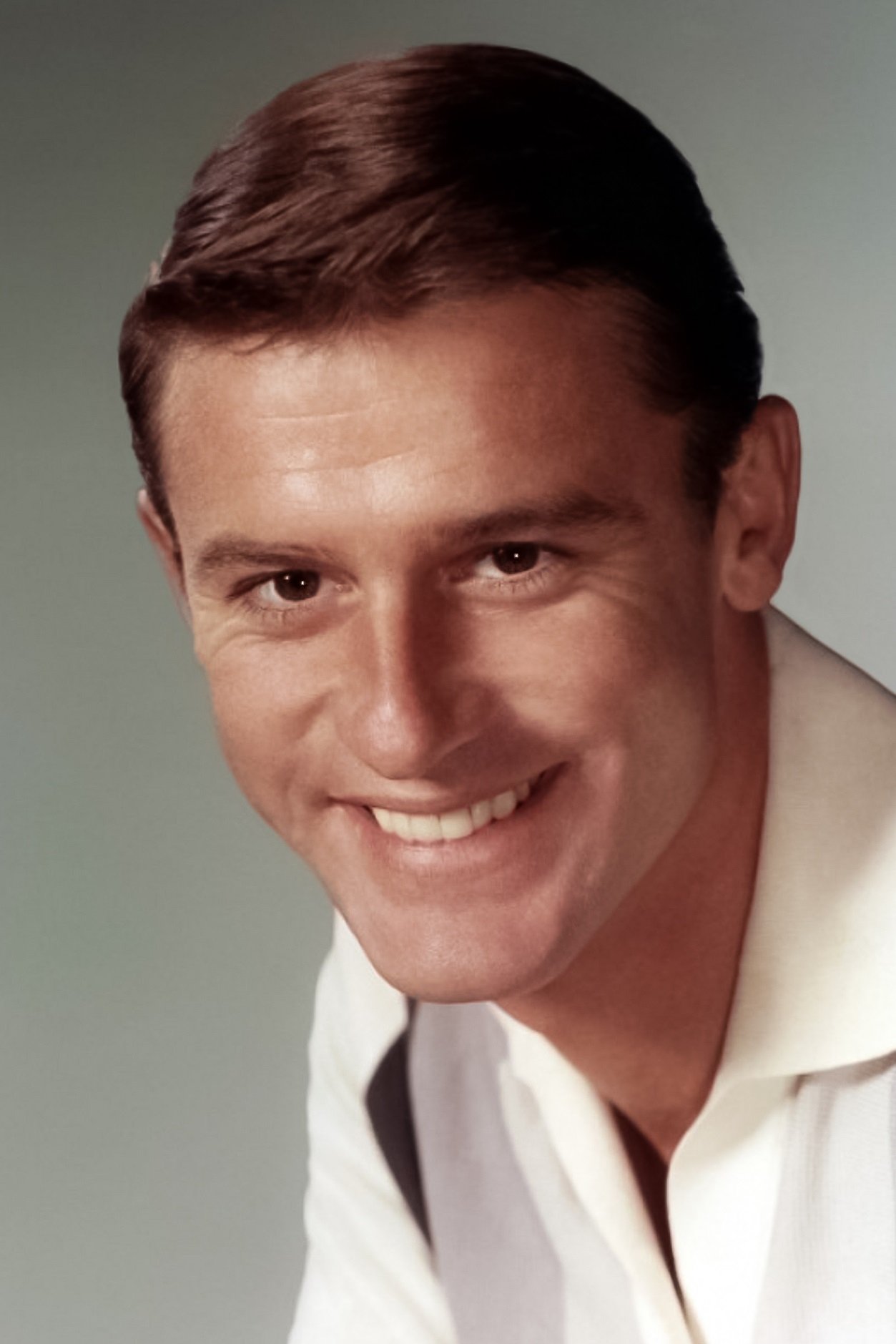
Roddy McDowall began his career as a child star and successfully transitioned into a long and varied adult career. He was a well known figure in the Hollywood social circle and was close friends with many major celebrities. Despite his insider status he was forced by the industry to keep his personal life entirely separate from his professional work. The unspoken rule of the era was that discretion was the only way to ensure a long and successful career in show business.
Dirk Bogarde
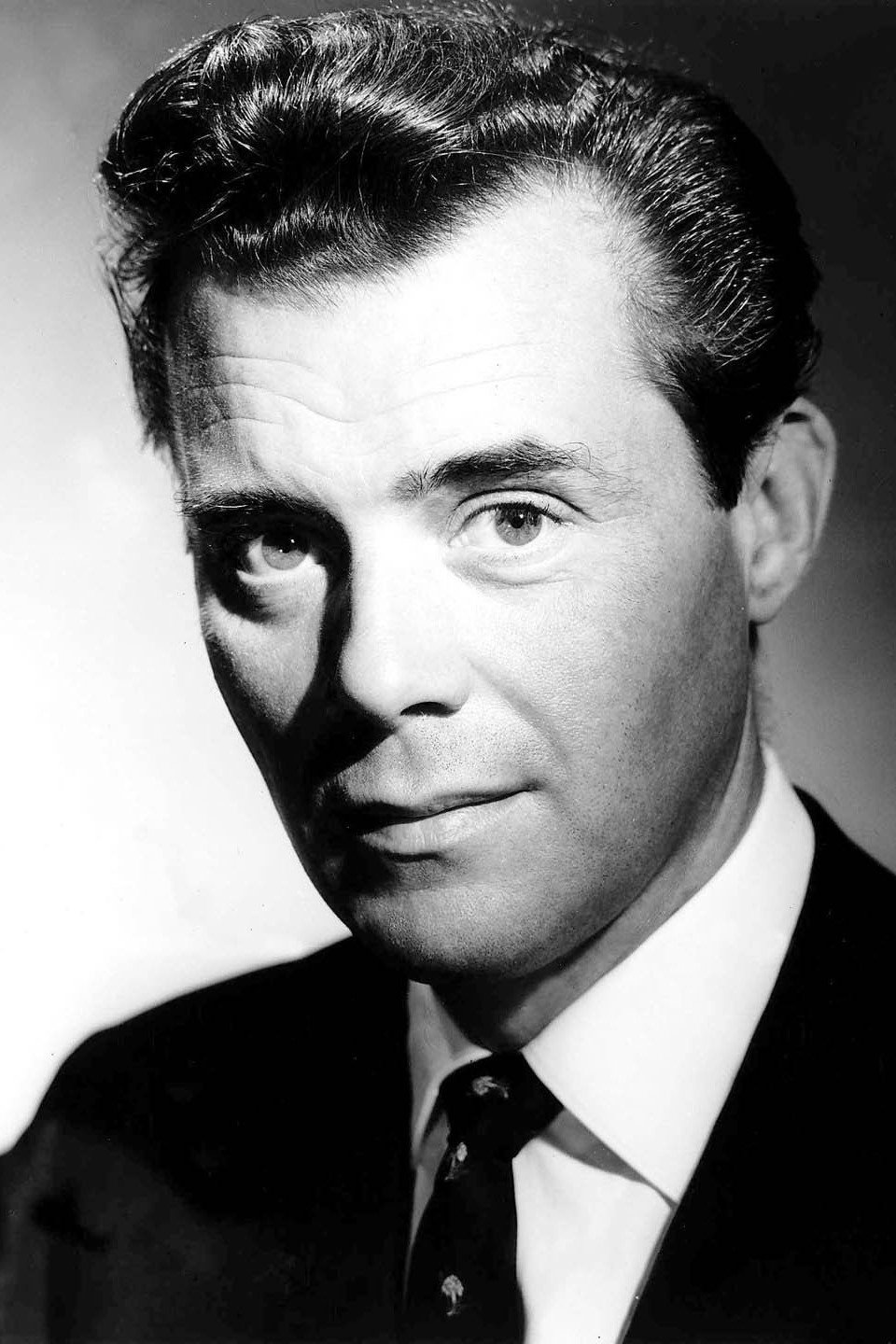
Dirk Bogarde was one of the biggest stars in British cinema and a major heartthrob during the 1950s. The Rank Organisation maintained a very strict control over his image and pressured him to maintain the appearance of a bachelor. He lived with his partner in secret for decades while the studio continued to market him to female fans. He eventually moved away from mainstream roles to take on more complex characters that allowed him more personal integrity.
John Gielgud
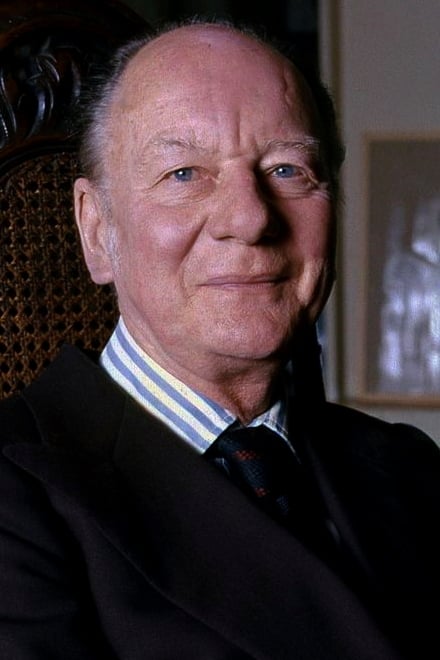
John Gielgud was a legendary figure of the British stage and screen who faced a major scandal in the 1950s. After being arrested for a personal matter he feared his career was over due to the intense social stigma. However the industry and his colleagues protected him by keeping the focus strictly on his immense talent and professional work. He was still forced to maintain a public silence about his identity for many years following the incident.
Farley Granger
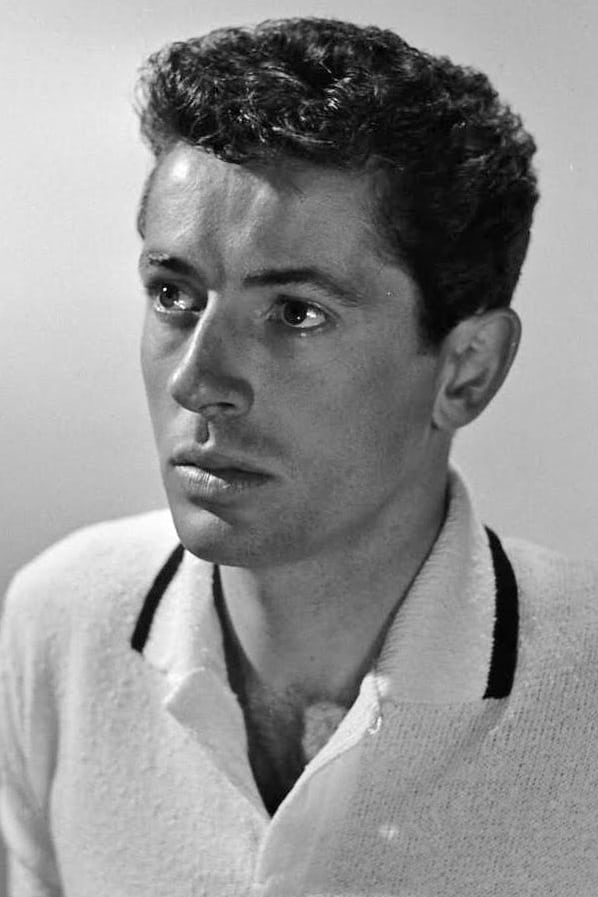
Farley Granger starred in several classic films including ‘Strangers on a Train’ and ‘Rope’ directed by Alfred Hitchcock. During his time as a contract player he was under constant pressure to hide his relationships with both men and women. The studio system demanded a specific type of leading man and Granger felt the weight of those expectations every day. He eventually left Hollywood to return to the stage where he felt more in control of his own life.
James Coco
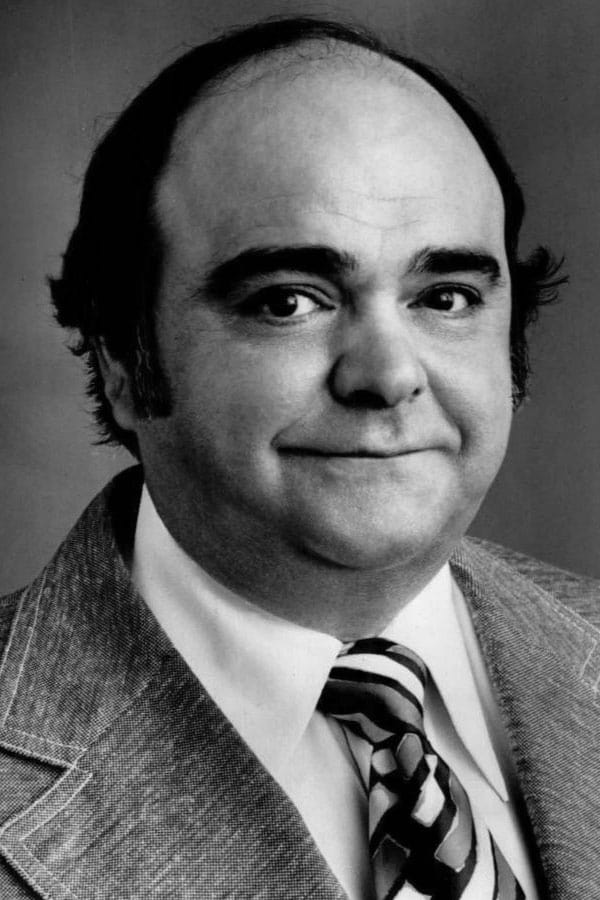
James Coco was a talented character actor who earned critical acclaim for his work in both film and television. He often played roles that were comedic or eccentric but he was never permitted to be open about his personal life. Producers and studio heads felt that his career would be limited if his true identity became a matter of public record. He followed the industry rules of the time to ensure he could continue to work in a competitive field.
Victor Buono
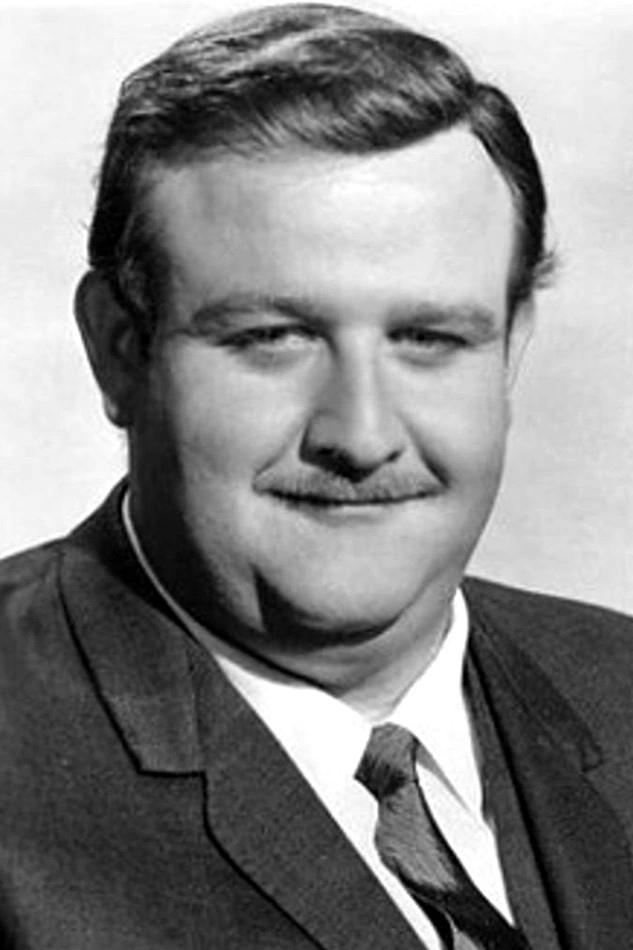
Victor Buono was an Academy Award nominated actor known for his roles in ‘What Ever Happened to Baby Jane?’ and various television shows. He was a large man with a powerful screen presence and the industry preferred to keep his personal life a mystery. The executives of the era believed that maintaining a degree of ambiguity was essential for character actors to remain employable. He lived a quiet and private life while following the professional guidelines set by his employers.
Paul Lynde
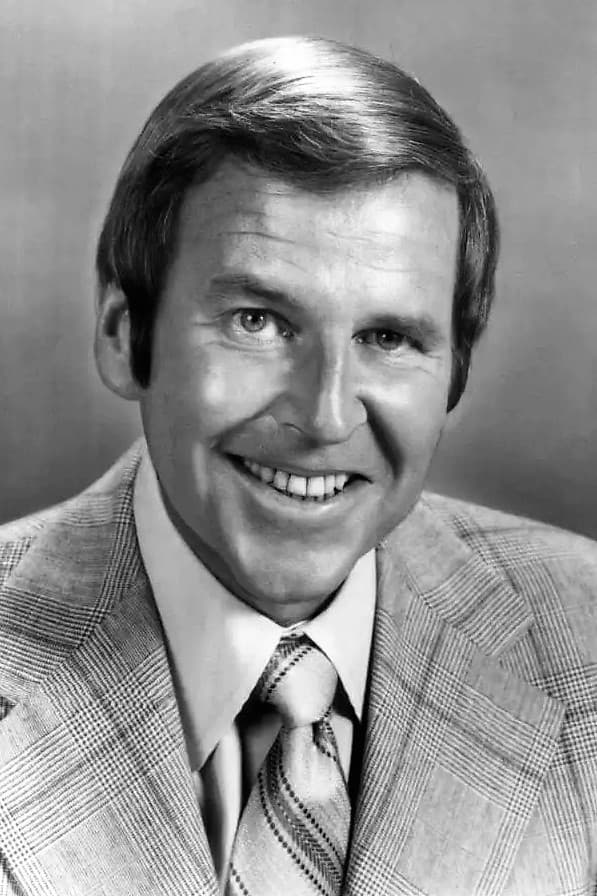
Paul Lynde was a comedic genius who became a staple of ‘The Hollywood Squares’ and various sitcoms during his career. While his television persona was often campy and full of double entendres he was never allowed to officially come out. Studio executives and producers believed that an open declaration would destroy his broad appeal to mainstream audiences. He lived with the constant pressure of keeping a strict barrier between his public personality and his private reality.
Charles Nelson Reilly
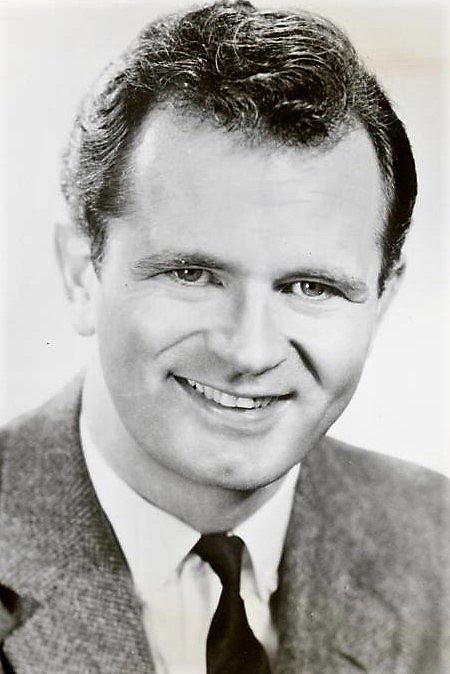
Charles Nelson Reilly found great success on Broadway and as a regular fixture on television game shows. His high energy and distinctive mannerisms were tolerated as part of a comedic character but he remained closeted in a professional capacity. Executives frequently reminded him that his career depended on the ambiguity of his private life and his ability to entertain families. This forced separation of identity was a common requirement for performers during that television era.
Jim Nabors

Jim Nabors gained massive popularity as the character Gomer Pyle and was a beloved figure in American television. Because he represented a wholesome and simple character the network was terrified of any rumors regarding his personal life. There were frequent stories planted in the media to link him with female celebrities to distract the public. He maintained his professional persona for decades to protect the commercial success of his shows and his music career.
Dick Sargent
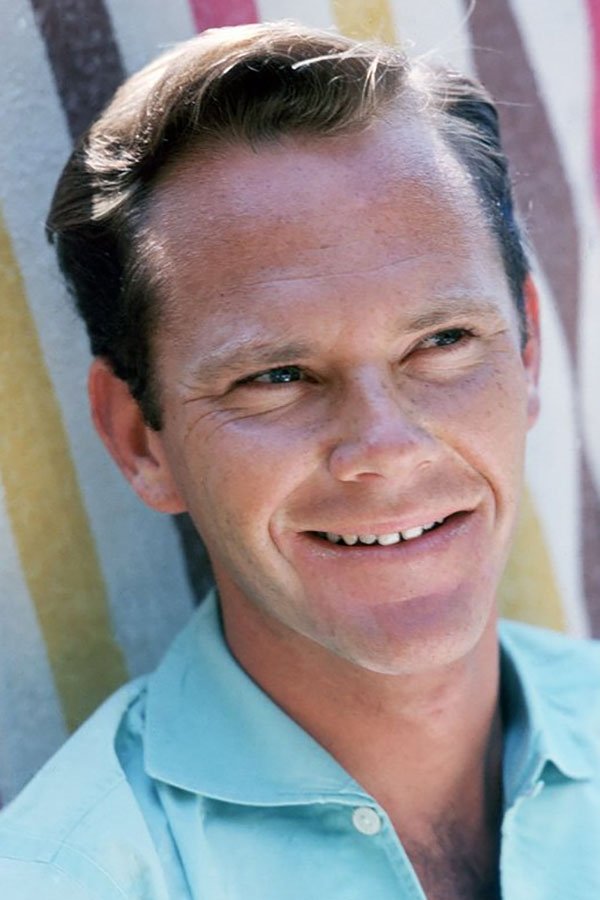
Dick Sargent is best known for replacing Dick York as Darrin Stephens on the popular sitcom ‘Bewitched’. As the husband in one of the most famous television families he was under immense pressure to maintain a traditional image. The studio and network executives made it clear that his career would be over if he were to live openly. He did not come out until late in his life when he no longer felt the direct threat of industry retaliation.
Jeremy Brett
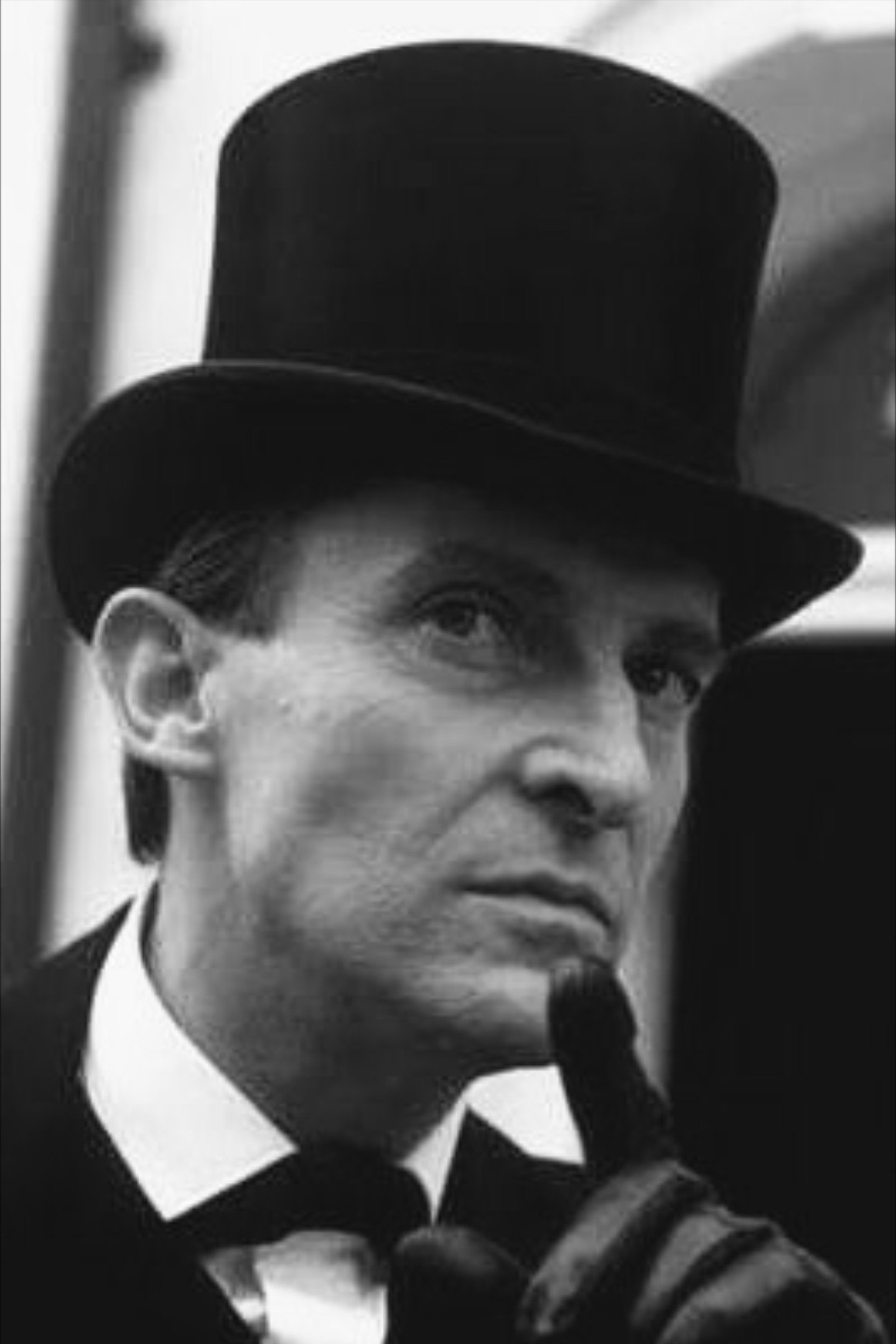
Jeremy Brett is widely considered one of the definitive actors to portray Sherlock Holmes on television. During his career he was a classic leading man and the industry worked hard to keep his personal life away from the tabloids. He struggled with the demands of his professional image while dealing with personal challenges and the expectations of his fans. The pressure to remain in the closet was a significant factor throughout his time as a major television star.
Laurence Olivier
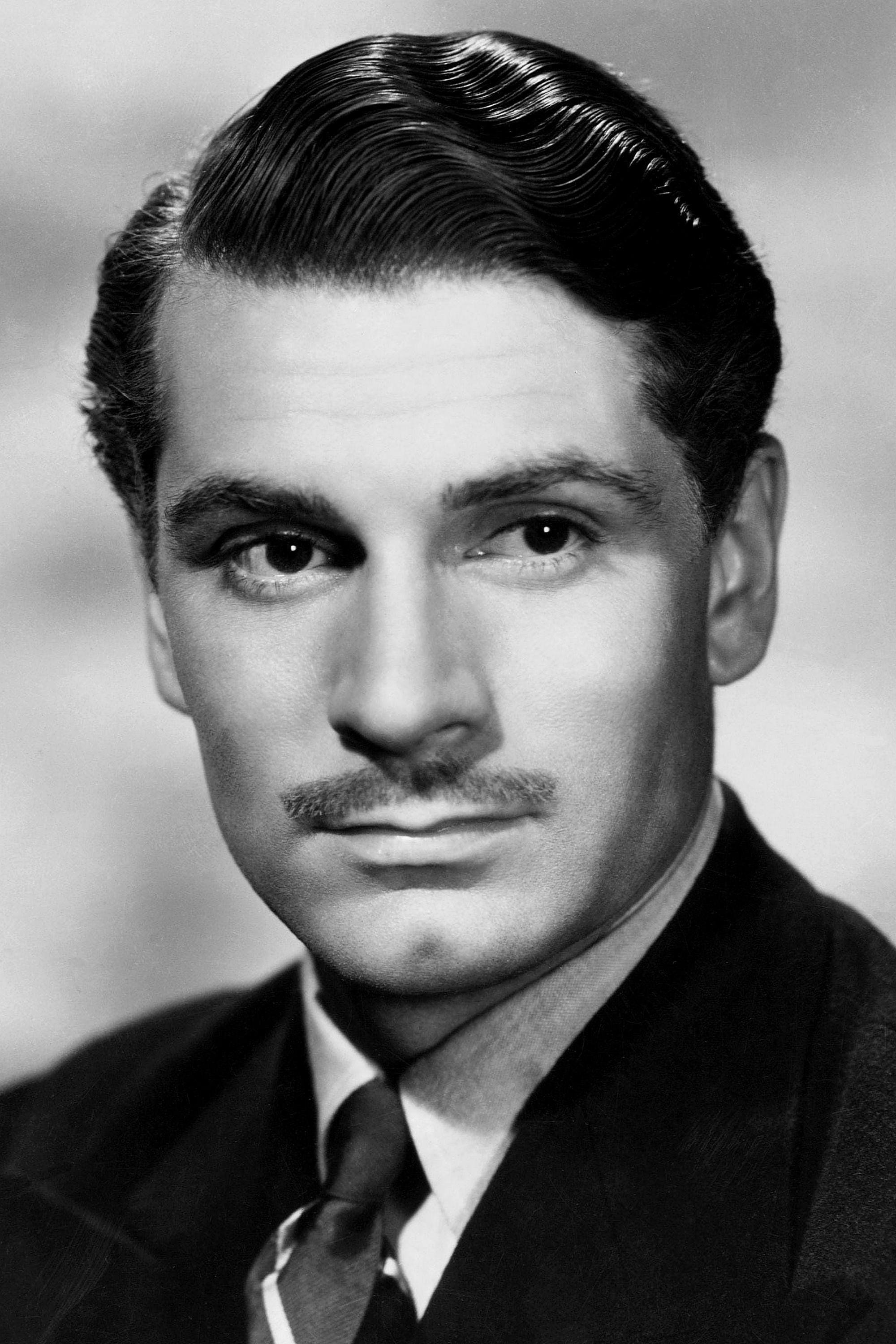
Laurence Olivier was arguably the greatest actor of his generation and a massive star on both stage and screen. While he was married to famous actresses his private life involved complex relationships that the industry worked to manage. Executives were keen to protect his status as a legendary romantic lead and a symbol of British excellence. He lived with the understanding that certain aspects of his life were to remain strictly confidential to preserve his professional standing.
Robert Walker
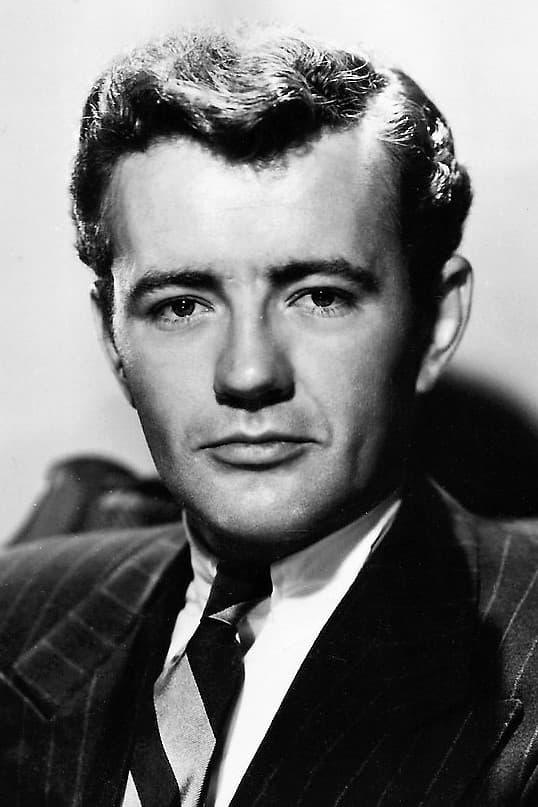
Robert Walker was a promising young actor who starred in films like ‘Strangers on a Train’ before his early death. The studio was very concerned about his sensitive image and worked to manage his public appearances and romantic life. He was often pushed into situations that would reinforce his status as a traditional leading man for the audience. The psychological toll of the studio system was evident in his life as he struggled to meet the industry’s demands.
George Maharis
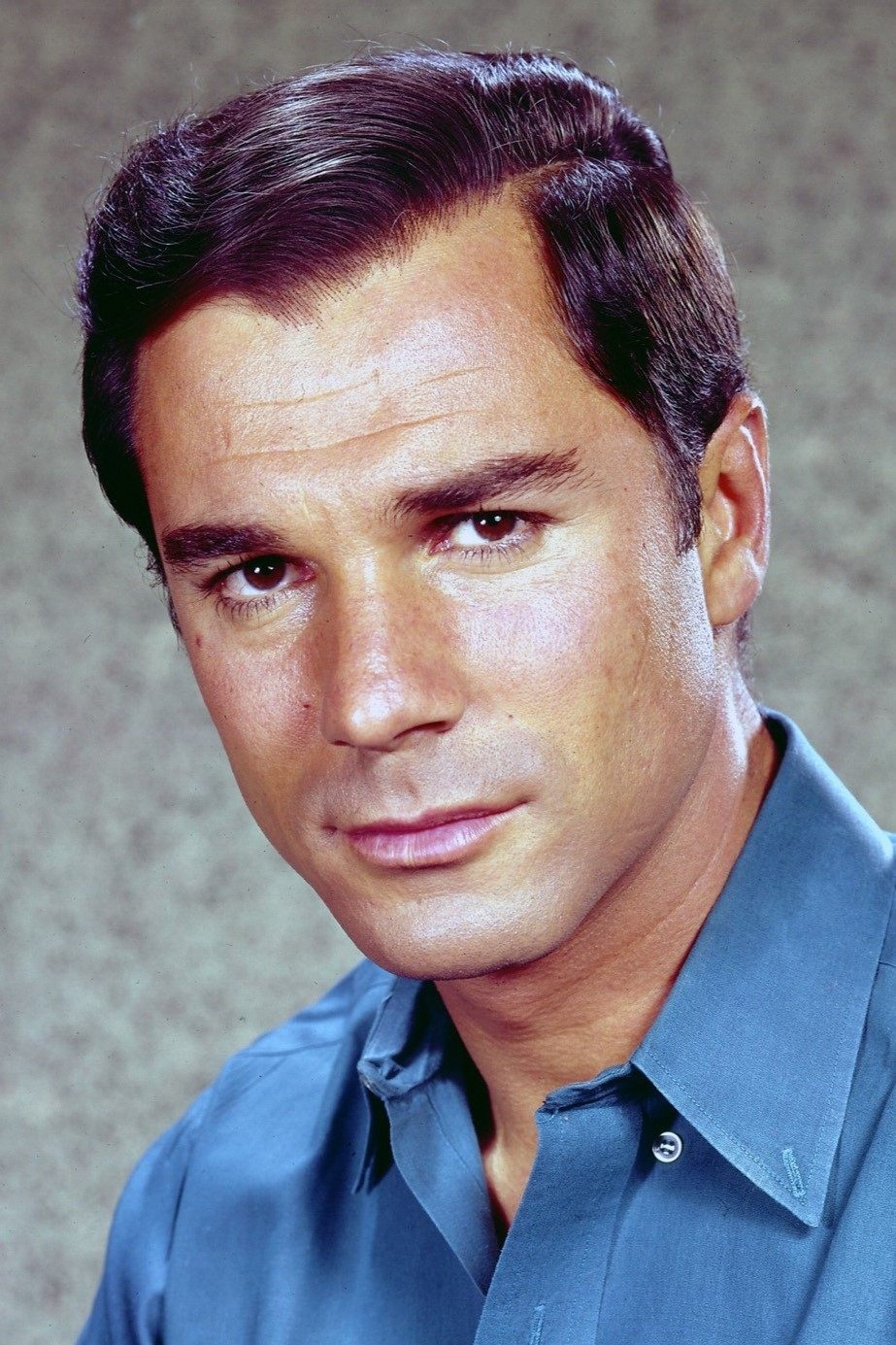
George Maharis was a popular star in the 1960s known for his role in the hit television series ‘Route 66’. His career was on a massive upward trajectory until he was involved in a legal incident that threatened to reveal his personal life. The industry and the network quickly distanced themselves from him and his leading man status was effectively revoked. He found it nearly impossible to regain his former level of success after the studio stopped protecting his image.
Charles Laughton
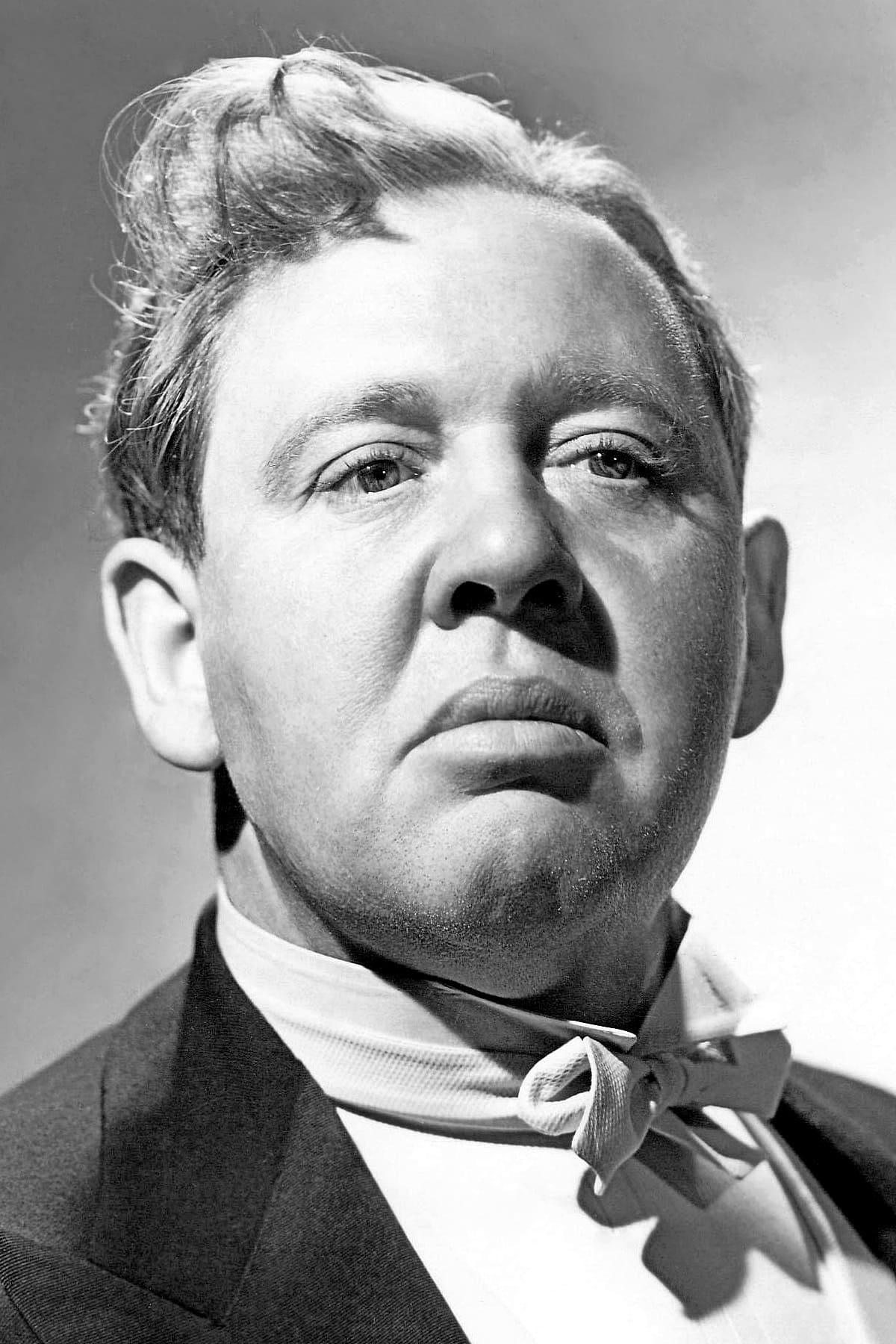
Charles Laughton was a brilliant actor and director who won an Academy Award for ‘The Private Life of Henry VIII’. Despite his immense talent and fame he lived with the constant fear that his private life would be exposed. His wife Elsa Lanchester helped maintain the public narrative that the studios required for him to remain a respected star. He balanced his legendary career with a secret life that was kept hidden from the fans and the media for decades.
Nils Asther
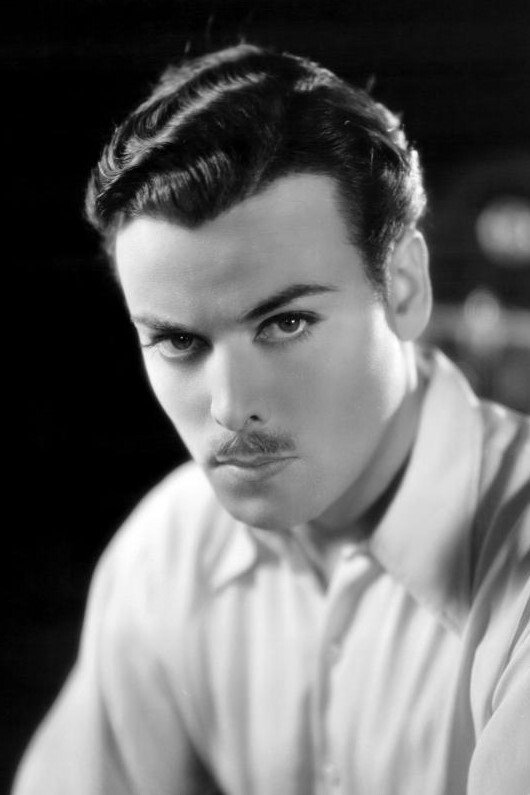
Nils Asther was a Swedish born actor who became a popular leading man in Hollywood during the silent and early sound eras. The studio was highly invested in his exotic and romantic image and they pressured him into a lavender marriage with Vivian Duncan. This union was purely for publicity purposes and was designed to hide his true self from his growing fan base. He eventually found the constraints of the Hollywood system too much to handle and his career suffered as a result.
Helmut Berger
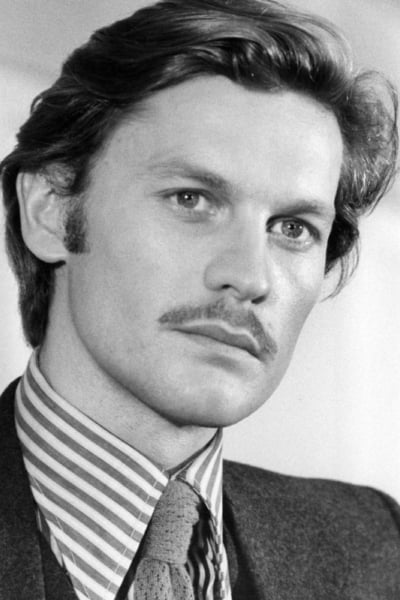
Helmut Berger was an Austrian actor who became a star in European cinema and appeared in several American productions. While he was more open in the European market he faced significant pushback when working within the more conservative Hollywood system. American executives were often uncomfortable with his fluid identity and tried to force him into more traditional roles. He resisted these efforts but often found himself at odds with the powerful people who controlled his career.
Alain Delon
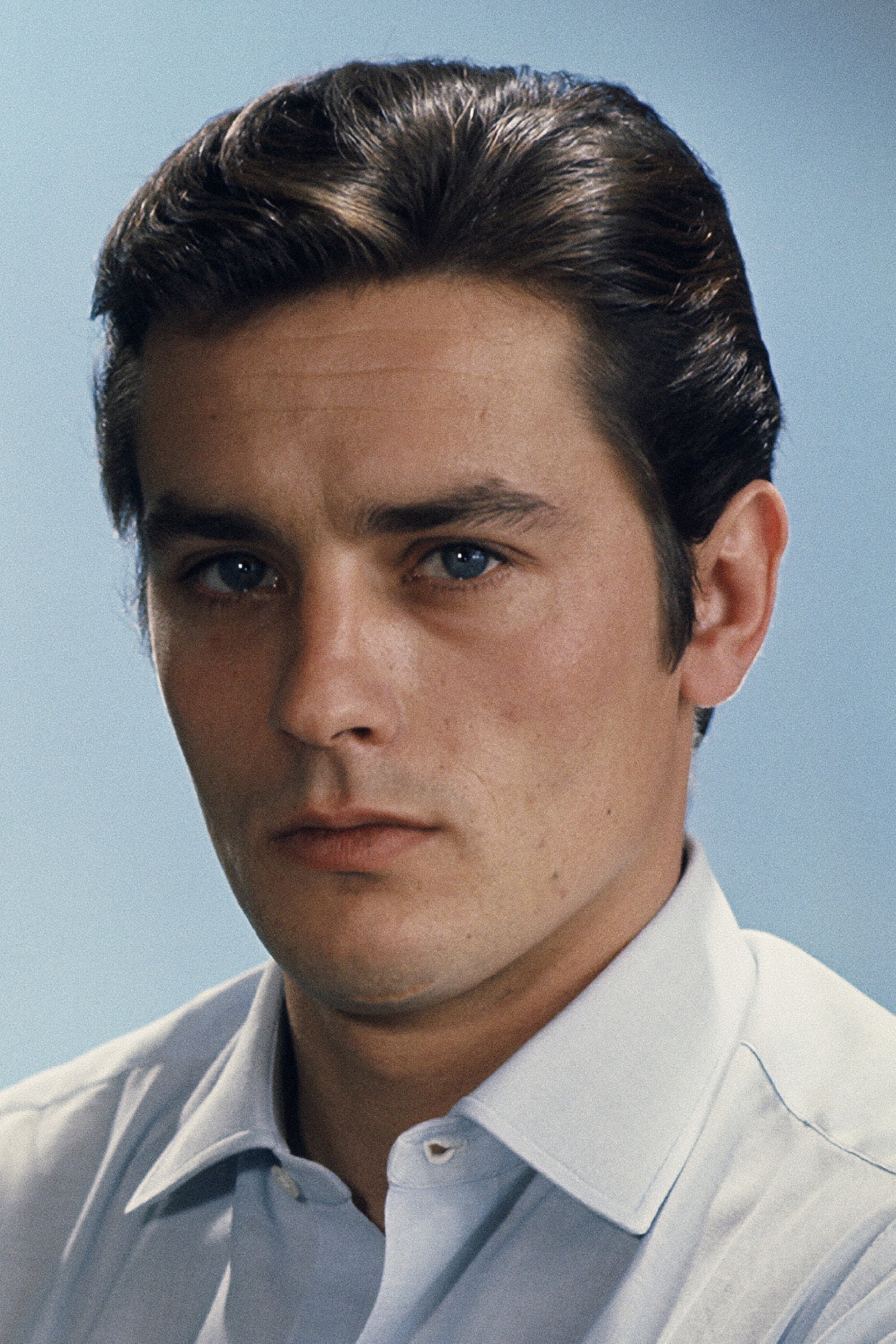
Alain Delon was one of the most prominent French actors and a global sex symbol for several decades. His image was carefully crafted to be that of a rugged and mysterious leading man who appealed to a wide audience. Behind the scenes there were constant efforts to manage his personal life and ensure that no rumors could damage his bankability. He remained a classic example of a star whose public persona was a strictly guarded asset of the film industry.
Jean Marais
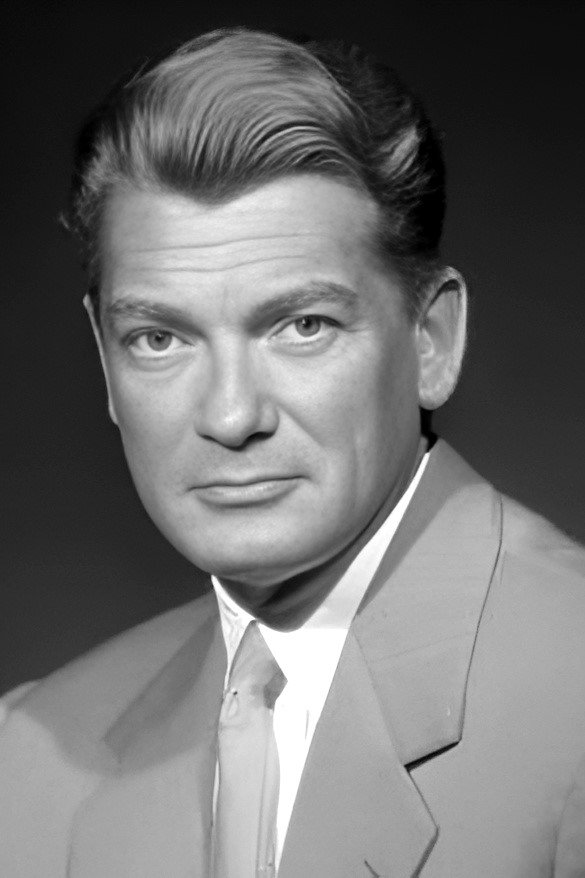
Jean Marais was a major figure in French cinema and was the muse and partner of the legendary director Jean Cocteau. Although their relationship was a known secret in the Parisian art world the studios still required a level of public discretion. He was often marketed in roles that emphasized his physical beauty and heroic qualities to satisfy mainstream cinema goers. He navigated his career by maintaining a professional distance between his public image and his personal reality.
David Manners
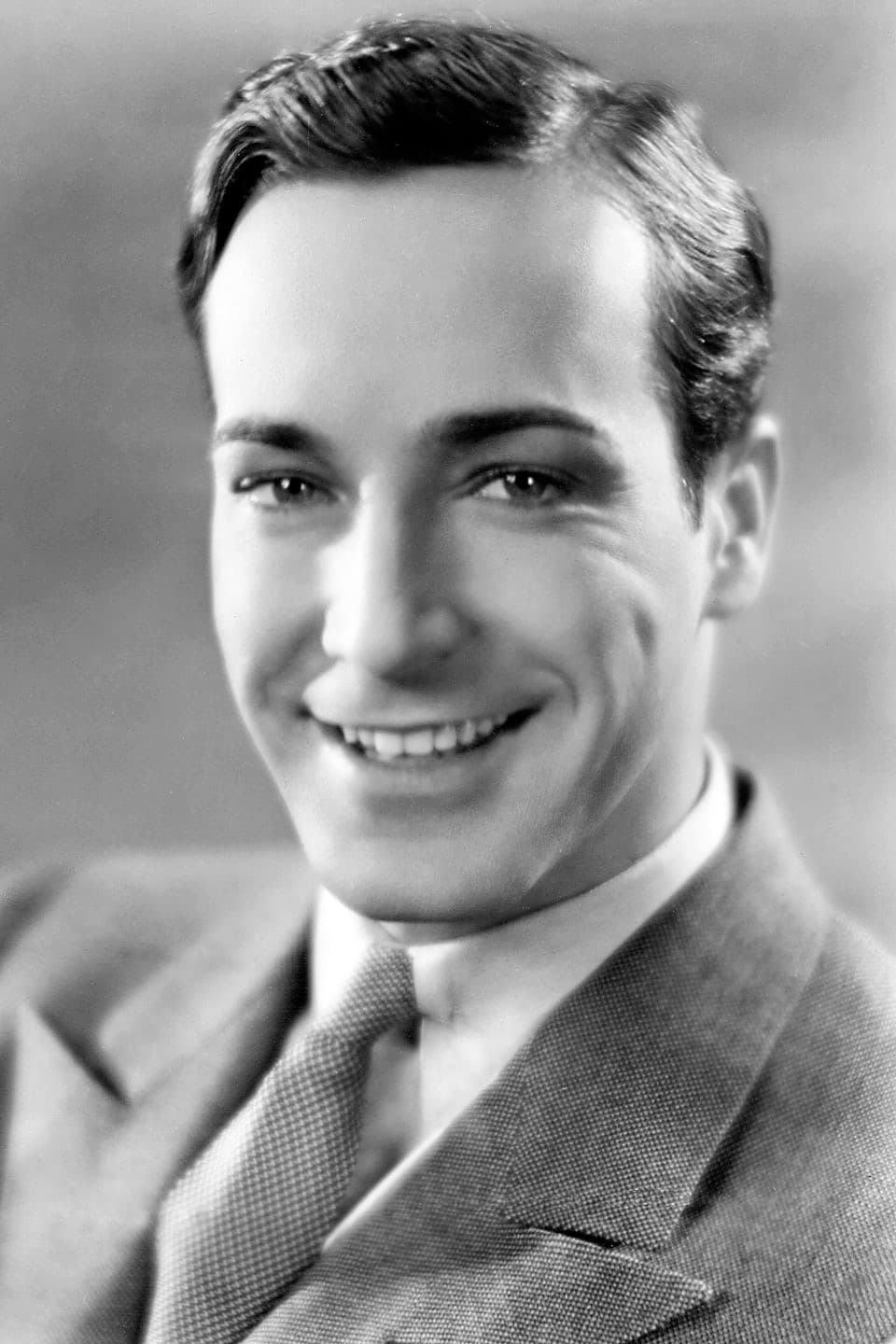
David Manners was a popular leading man in the 1930s known for his roles in horror classics like ‘Dracula’ and ‘The Mummy’. He grew weary of the studio’s constant interference in his personal life and the forced publicity stunts he was required to perform. At the height of his career he chose to walk away from Hollywood entirely to live a more authentic life on a ranch. He was one of the few actors who successfully escaped the closet by leaving the industry that built it.
Franklin Pangborn
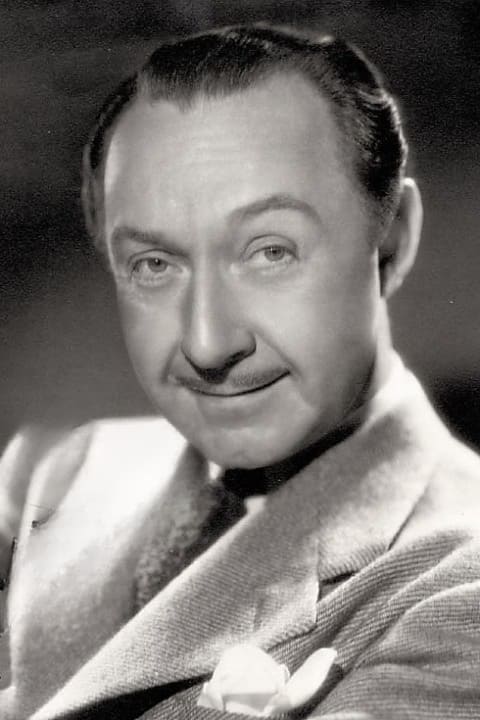
Franklin Pangborn was a well known character actor who appeared in hundreds of films usually playing fussy or high strung roles. His screen persona was a safe way for the industry to present a certain type of character without ever acknowledging a personal identity. The studios were happy to employ him as long as he remained within the confines of his established comedic archetype. He lived a quiet life and never challenged the boundaries that the industry had set for him.
Edward Everett Horton
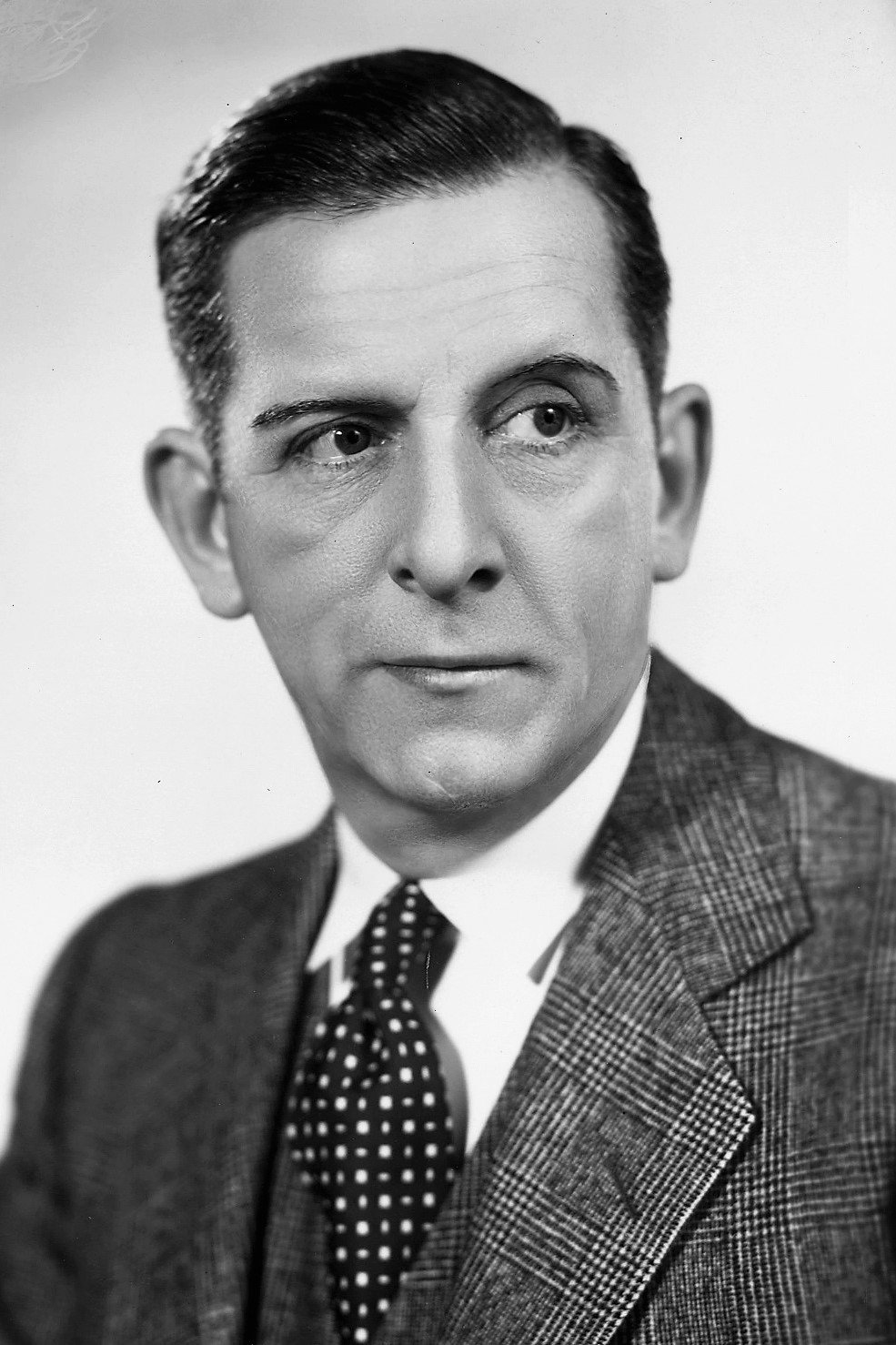
Edward Everett Horton was a beloved character actor with a career that spanned from the silent era to the television age. He was famous for his nervous and bumbling characters in many classic comedy films and series. Like many other character actors of his time he was expected to keep his private life completely separate from his professional work. He remained a bachelor throughout his life and followed the industry’s unspoken rules regarding the privacy of his personal affairs.
Please share your thoughts on these historic Hollywood stories in the comments.