Musicians Who Are Hated for Their Arrogant Attitude Toward Their Early Success


The music industry has long been a breeding ground for strong personalities and massive egos that often clash with public expectations. While many artists embrace their initial rise to fame others develop a reputation for dismissive or entitled behavior during their breakout years. This shift in attitude frequently results in a backlash from fans who feel the musician has become ungrateful for the support that launched their career. Whether through public outbursts or the rejection of their most famous works these musicians have faced criticism for their perceived arrogance.
Liam Gallagher

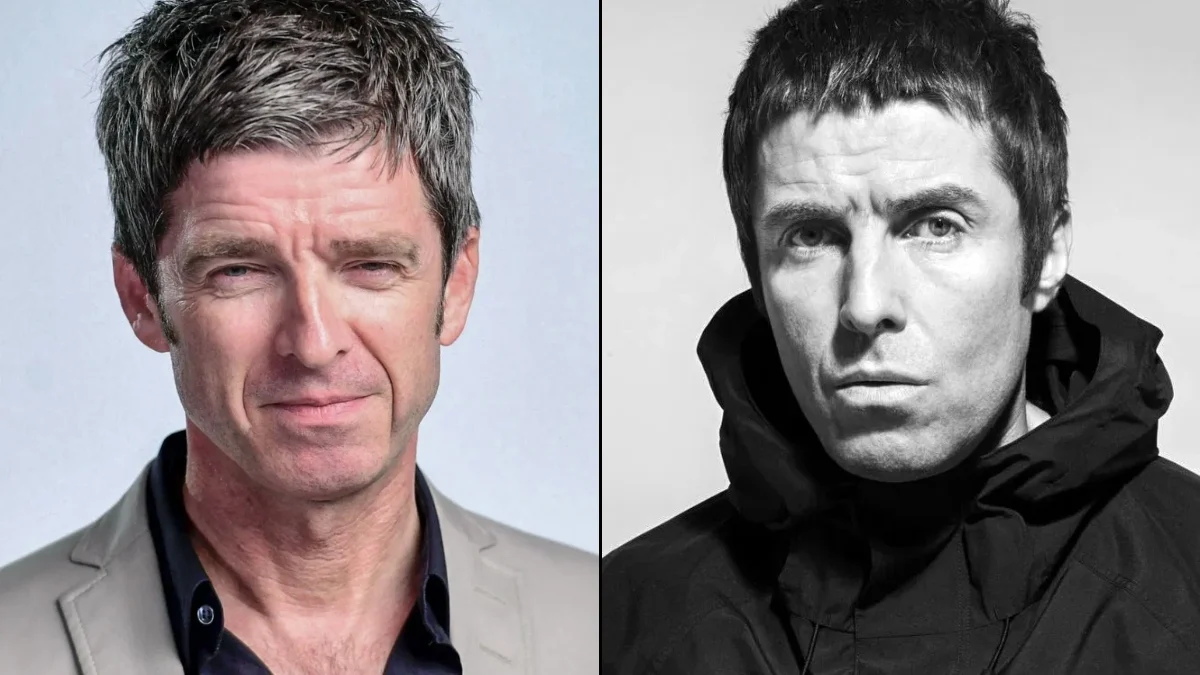
Liam Gallagher was known for his brash confidence during the rise of Oasis in the 1990s. He often claimed that his band was better than the Beatles and frequently belittled other contemporary artists. This behavior led many critics and fans to label him as arrogant despite the massive success of Definitely Maybe. His public outbursts and dismissive attitude toward the music industry became a hallmark of his early persona.
Axl Rose
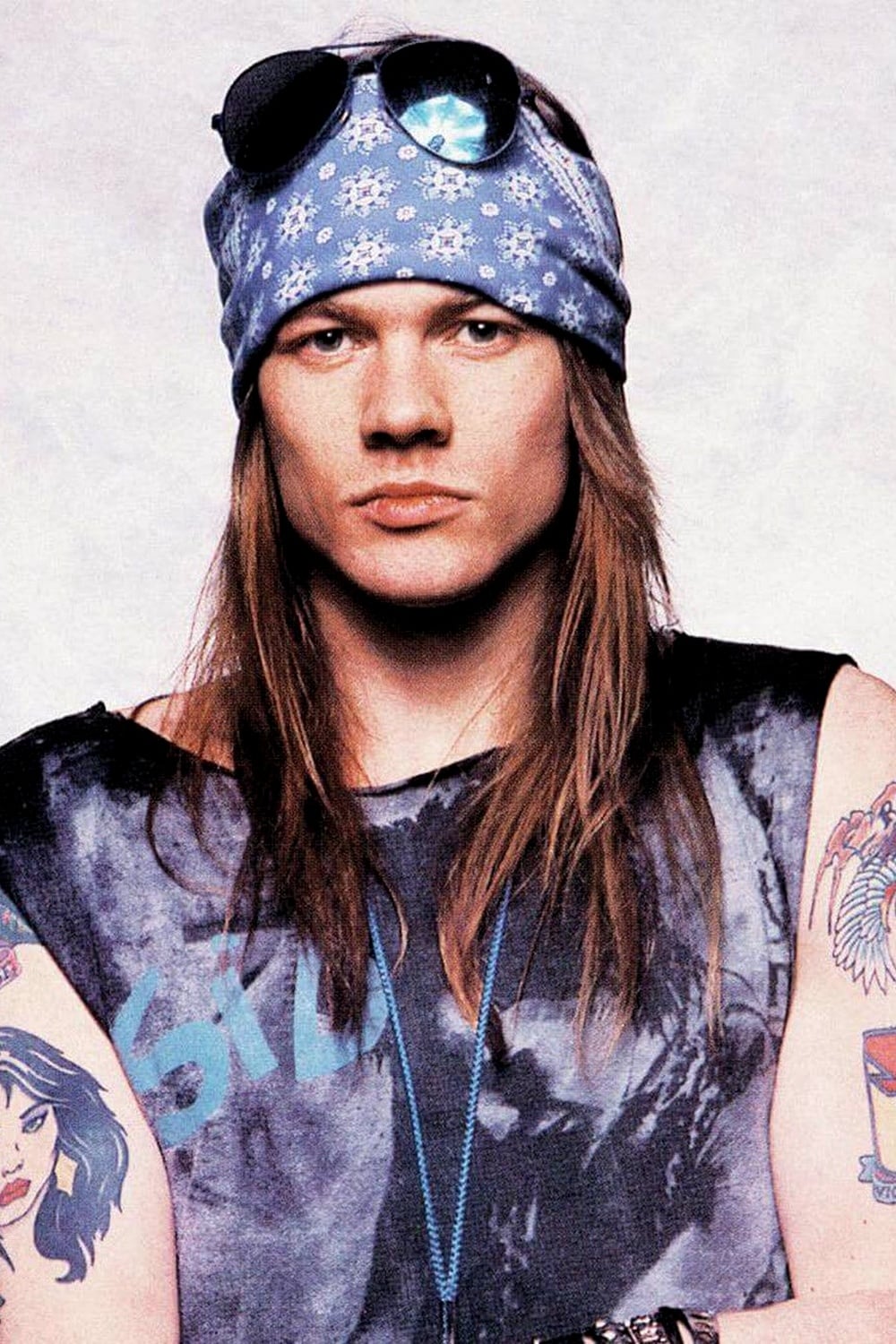
During the height of Appetite for Destruction the lead singer of Guns N’ Roses became notorious for his late arrivals and volatile temperament. He often treated his early fame as a license to disregard the schedules of fans and promoters alike. His perceived arrogance led to multiple riots and a strained relationship with the media during the early 1990s. This period established him as one of the most polarizing figures in rock music history.
Morrissey

As the frontman of The Smiths he frequently expressed a sense of intellectual superiority over other pop stars of the 1980s. He often criticized the very industry that supported his early rise to fame while dismissing the work of his contemporaries as trite. Many fans found his dismissive attitude toward his early catalog and his peers to be increasingly alienating over time. His public statements often prioritized his own singular vision over any collaborative or industry standards.
Justin Bieber

In the years following his initial breakout as a teen idol he became known for various incidents of public misconduct and entitlement. His behavior was often interpreted as a byproduct of achieving massive success at a very young age. Critics frequently pointed to his dismissive treatment of fans and paparazzi as evidence of an arrogant worldview. He later addressed these years as a period of personal struggle fueled by his rapid rise to global stardom.
Noel Gallagher
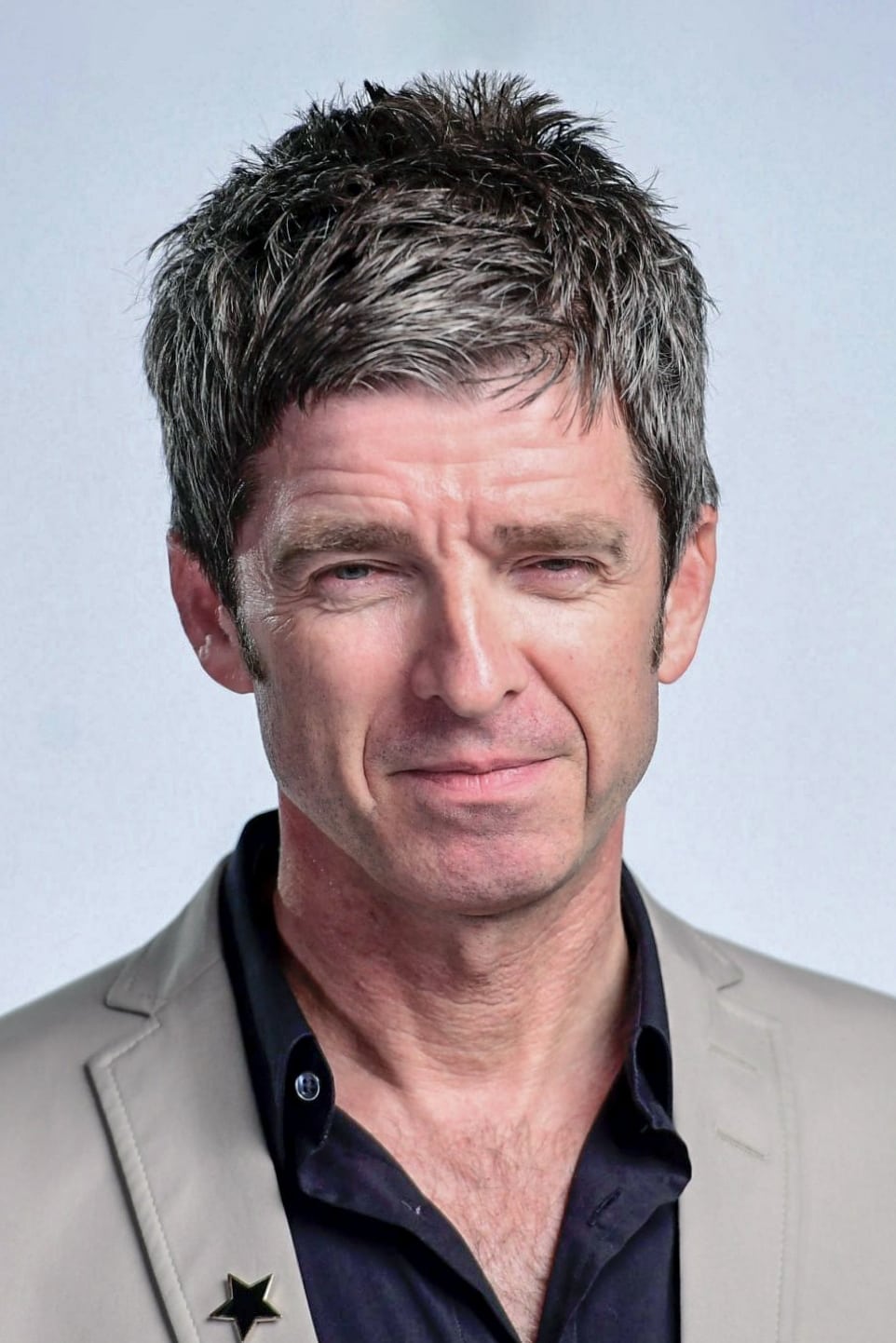
Like his brother he was famously outspoken about the superiority of Oasis during their peak in the 1990s. He often claimed that he was the best songwriter of his generation and showed little respect for established legends. His interviews were filled with blunt dismissals of other successful bands and a clear sense of his own commercial dominance. This brashness became an integral part of the Britpop narrative but also drew significant public ire.
Billy Corgan

The leader of The Smashing Pumpkins was often criticized for his controlling nature and claims of being the sole architect of the band’s success. During the release of Mellon Collie and the Infinite Sadness he frequently expressed frustration that he was not given enough credit by the music press. His perceived arrogance regarding his technical abilities and songwriting often overshadowed the band’s actual achievements. Many fans felt his attitude toward the alternative rock scene was overly elitist.
Zayn Malik

After departing One Direction he made several comments that fans interpreted as dismissive of the band’s musical output. He described the music that made him famous as something he never liked and claimed it did not represent his artistic identity. This perceived lack of gratitude for his early success caused a rift with a large portion of the group’s fanbase. His desire to distance himself from his teen idol roots was often viewed as arrogant rather than just a shift in creative direction.
Miley Cyrus

During her transition away from the Disney Channel she often spoke negatively about her time on ‘Hannah Montana’. She frequently criticized the image that helped her build a massive global following in her youth. Many observers felt her sudden shift in persona was accompanied by a dismissive attitude toward the fans who supported her early work. This era was marked by a public rebellion that many perceived as an arrogant rejection of her origins.
John Lennon
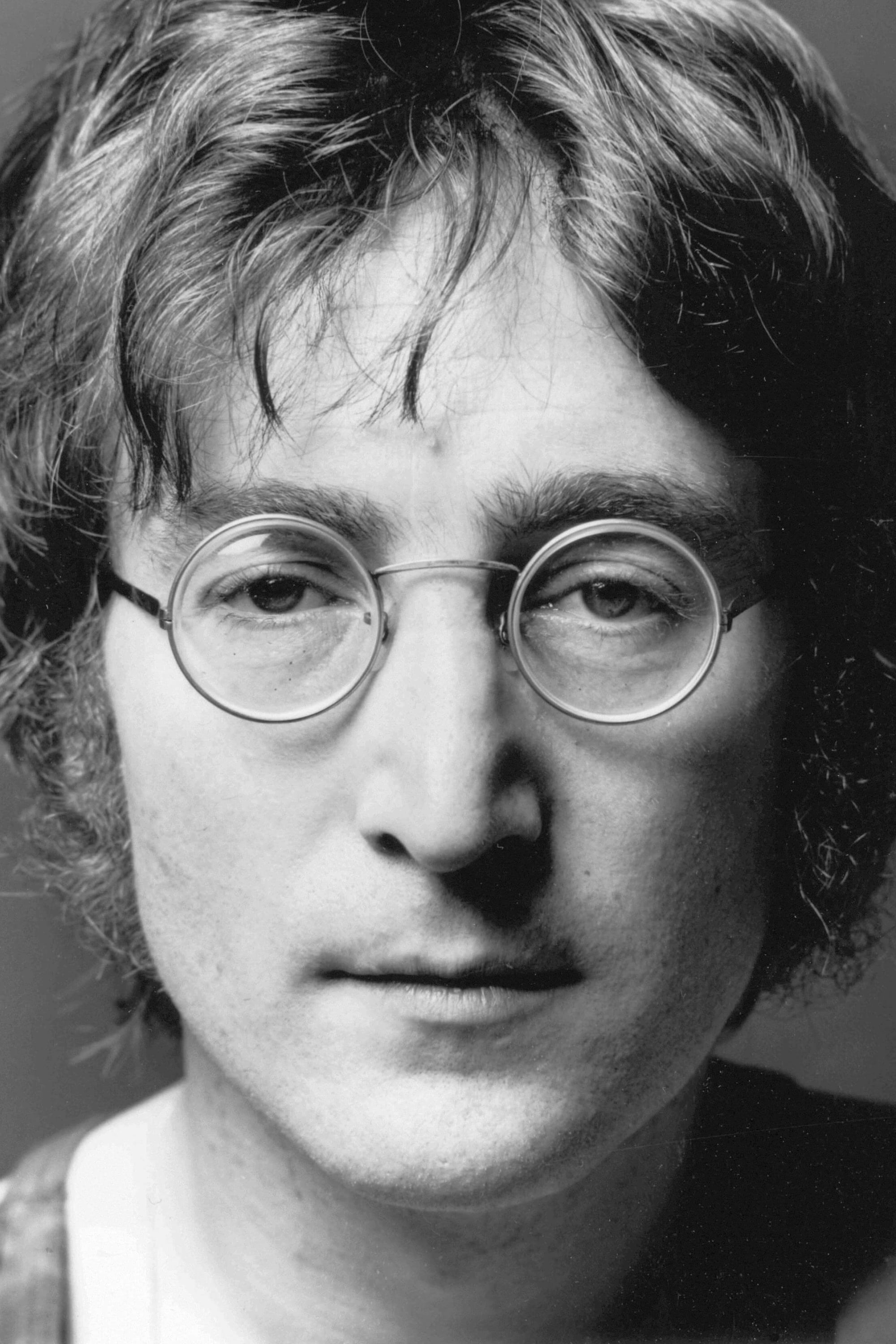
During the middle of the 1960s he made a famous comment comparing the popularity of The Beatles to that of religious figures. While he later clarified his intent the statement was widely seen as the height of arrogance by the public at the time. This incident led to record burnings and protests across the United States. His early reputation was often defined by a sharp wit that many felt crossed the line into condescension.
Gene Simmons

The bassist for KISS has long been criticized for his focus on the commercial aspects of his early success. He often claims that his brand is more important than the musical integrity of the band’s early albums. His public persona is built on a foundation of extreme self confidence that many fans find off putting. He frequently dismisses the contributions of other artists while elevating his own business acumen above all else.
Courtney Love

During the success of the band Hole in the 1990s she was often criticized for her confrontational and erratic behavior. She frequently made grand claims about her influence on the grunge scene while dismissing other female artists. Many critics felt her attitude toward her early fame was rooted in a desire to be seen as a singular iconoclast. Her public feuds with other musicians often reinforced a perception of arrogance and entitlement.
Prince
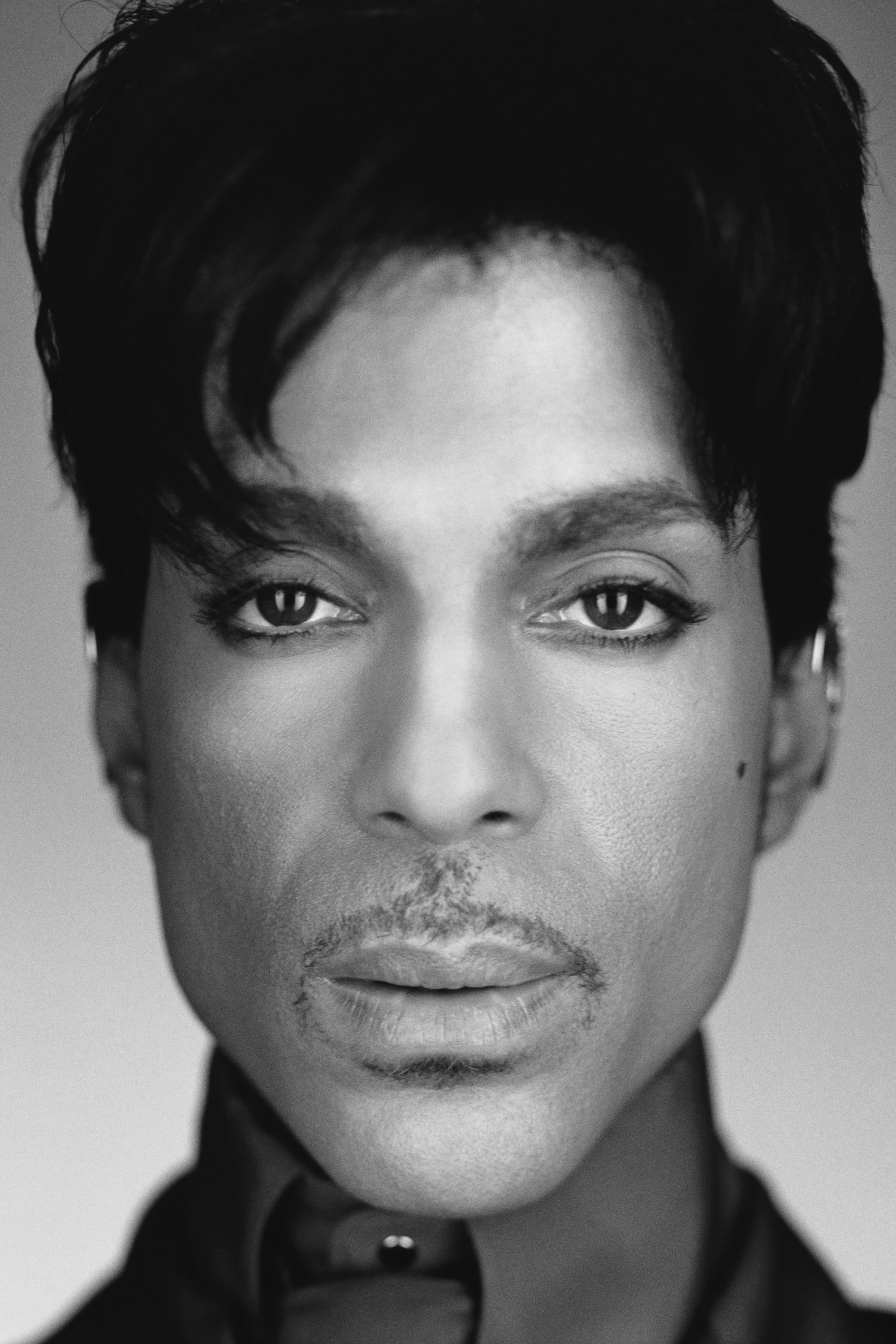
Known for his immense talent he was also famous for being extremely difficult to work with during his early peak in the 1980s. He often demanded total control over every aspect of his career and showed little patience for those who could not keep up. His perceived arrogance was often viewed as a byproduct of his musical genius but still alienated many in the industry. He famously changed his name to a symbol to protest his recording contract during a height of commercial success.
Thom Yorke

While Radiohead is critically adored the lead singer has long had a contentious relationship with the band’s early hit Creep. He often spoke about the song with disdain and refused to play it live for many years. Fans frequently interpreted this rejection of the song that launched his career as a form of intellectual arrogance. His dismissive attitude toward his early pop oriented success became a defining characteristic of his public persona.
Share which of these musicians you believe handled their early fame with the least grace in the comments.