Actors Who Were Forced Into Fake “Lavender Marriages” by Hollywood Studios

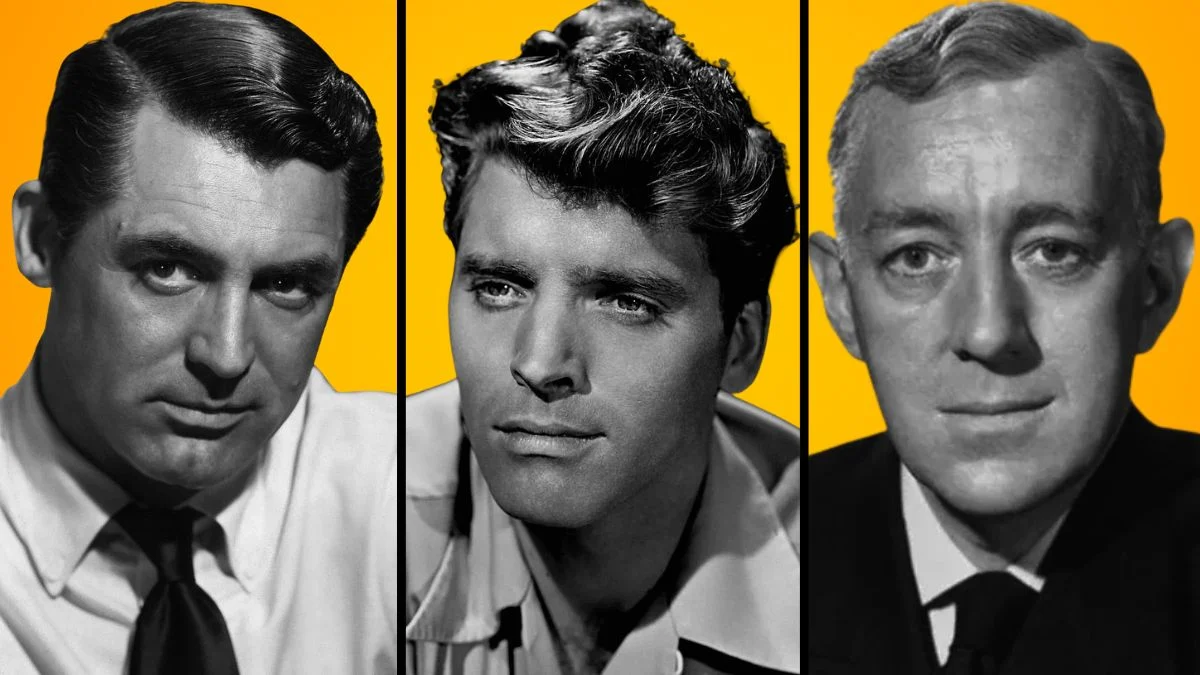

The Golden Age of Hollywood was a period of intense image management where studios controlled nearly every aspect of the lives of their stars. To protect the box office viability of leading men the industry often orchestrated lavender marriages to hide the true identities of performers. These contractual unions were designed to present an image of domestic stability and heterosexual romance to a conservative public. This practice ensured that actors could continue to work in prominent roles without the threat of being blacklisted by powerful studio executives.
Alain Delon
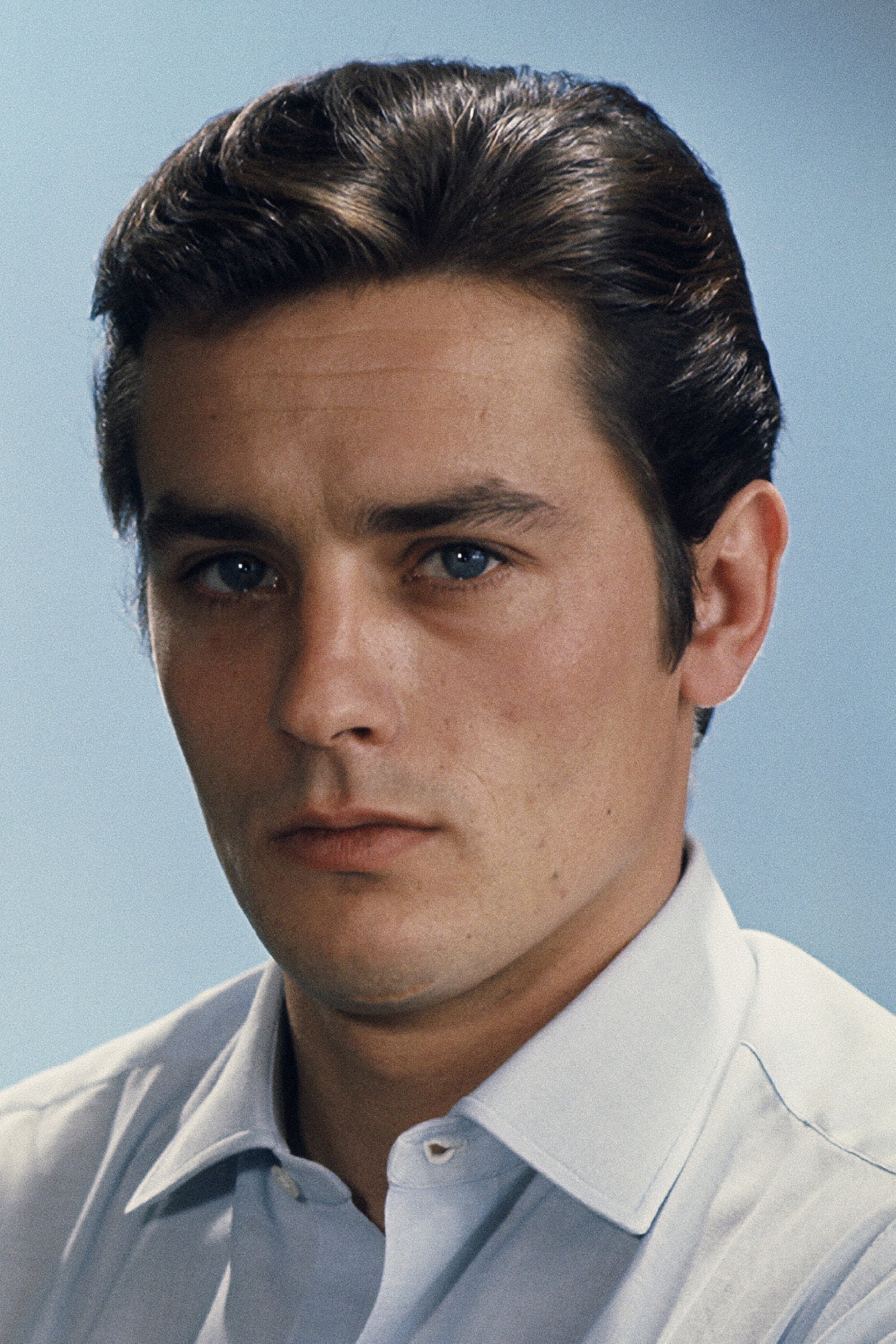
Alain Delon was a superstar of French cinema who married Nathalie Delon in 1964 as his career reached international heights. He starred in iconic films such as ‘Le Samouraï’ and ‘The Leopard’ while being managed as a global sex symbol. The studios and public relations machines in Europe often mirrored Hollywood by encouraging stars to marry for the sake of their brand. Delon was constantly in the public eye and his domestic life was used to balance his image as a cinematic rebel.
Alec Guinness
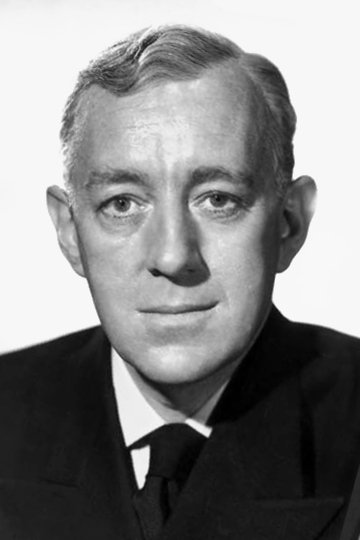
Alec Guinness married Merula Salaman in 1938 and remained with her until his death. While the union appeared stable to the public it was widely understood within industry circles that Guinness struggled with his identity throughout his career. He often felt immense pressure to maintain the appearance of a traditional family man while working on major productions like ‘The Bridge on the River Kwai’. This long term arrangement allowed the actor to focus on his craft without the scrutiny of the press.
Anthony Perkins
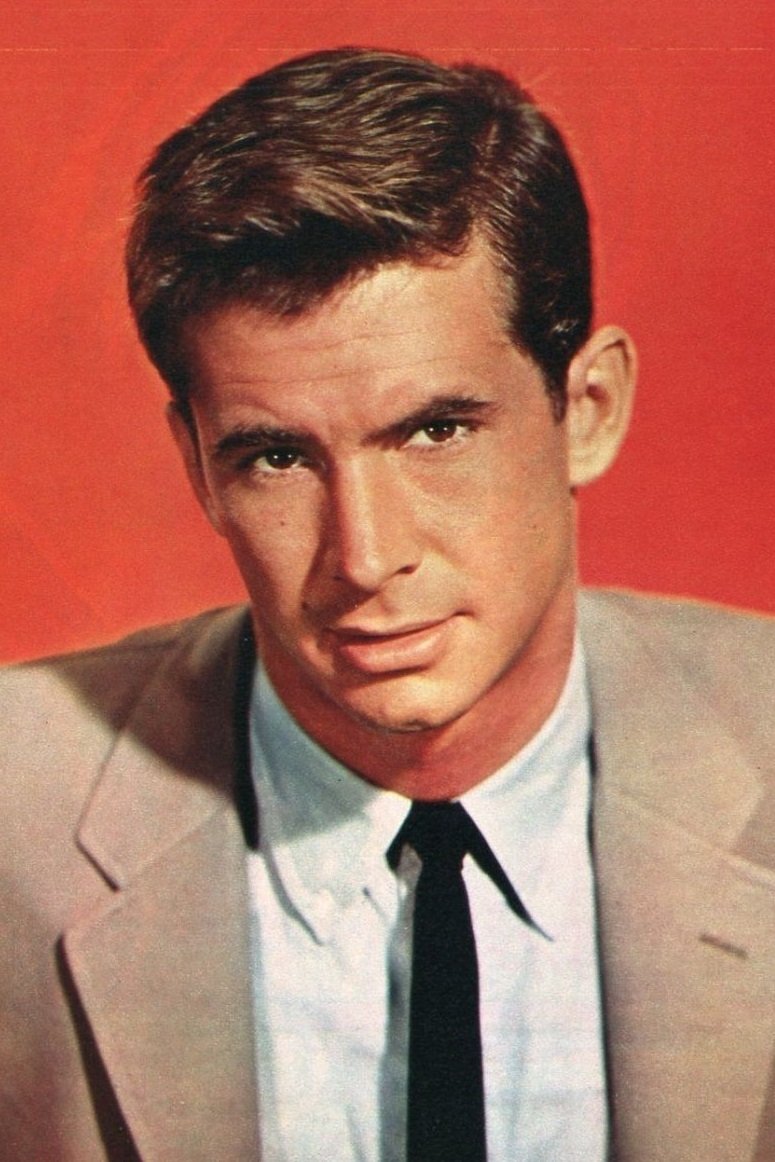
Anthony Perkins entered a marriage with photographer Berry Berenson in 1973 after years of keeping his private life hidden. The studio system frequently encouraged stars to find female partners to bolster their reputations as romantic leads. Perkins became famous for his performance in the horror classic ‘Psycho’ which defined much of his later career. His marriage lasted until his passing and provided a layer of protection from the gossip rags of the era.
Burt Lancaster
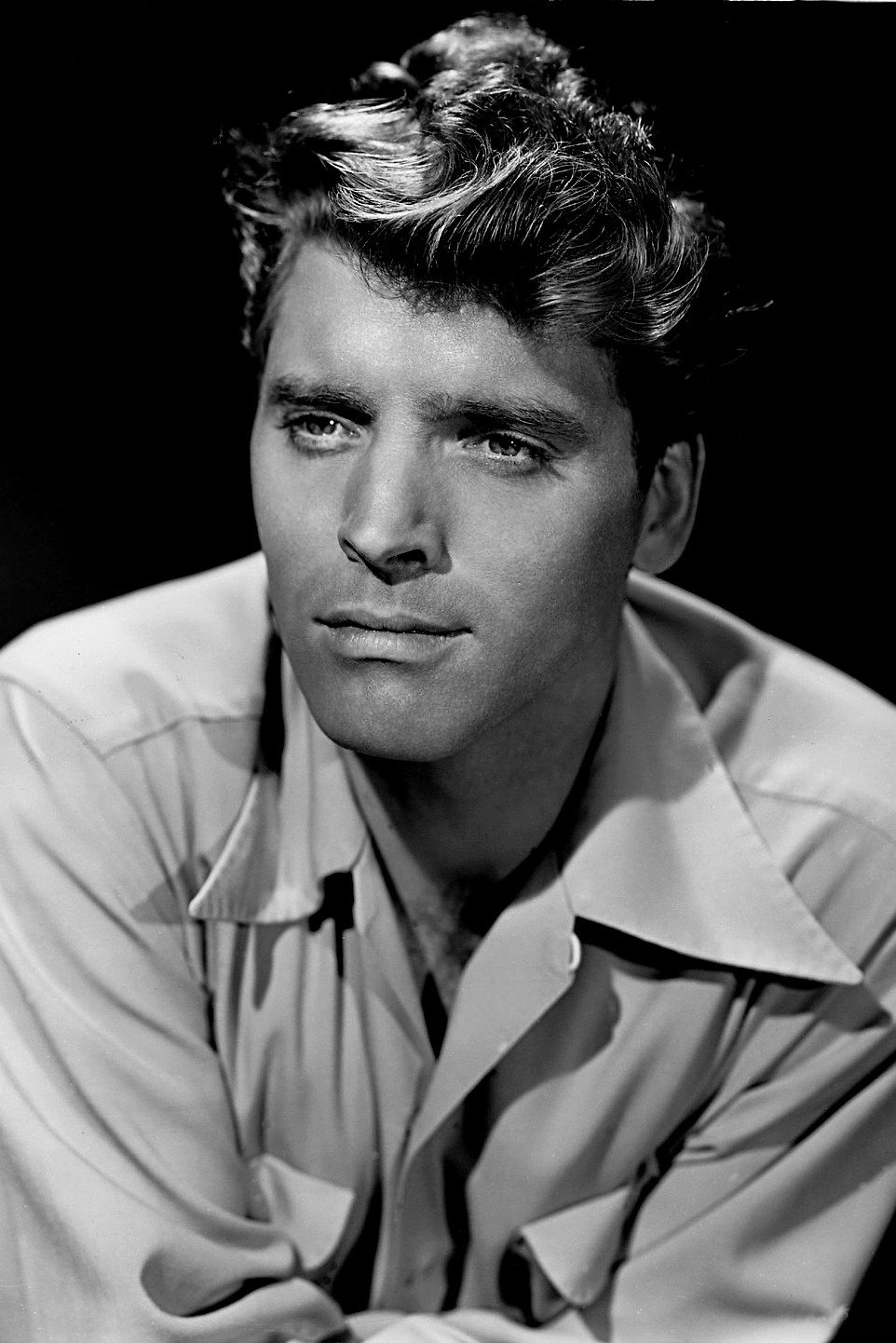
Burt Lancaster married Norma Anderson in 1946 during the peak of his career as an athletic and masculine movie star. This relationship was heavily publicized to enhance his image as a devoted husband and father. He appeared in legendary films such as ‘From Here to Eternity’ where his physical presence was a major draw for audiences. Maintaining this family facade was seen as essential for any male actor seeking leading roles in major Hollywood studio projects.
Cary Grant
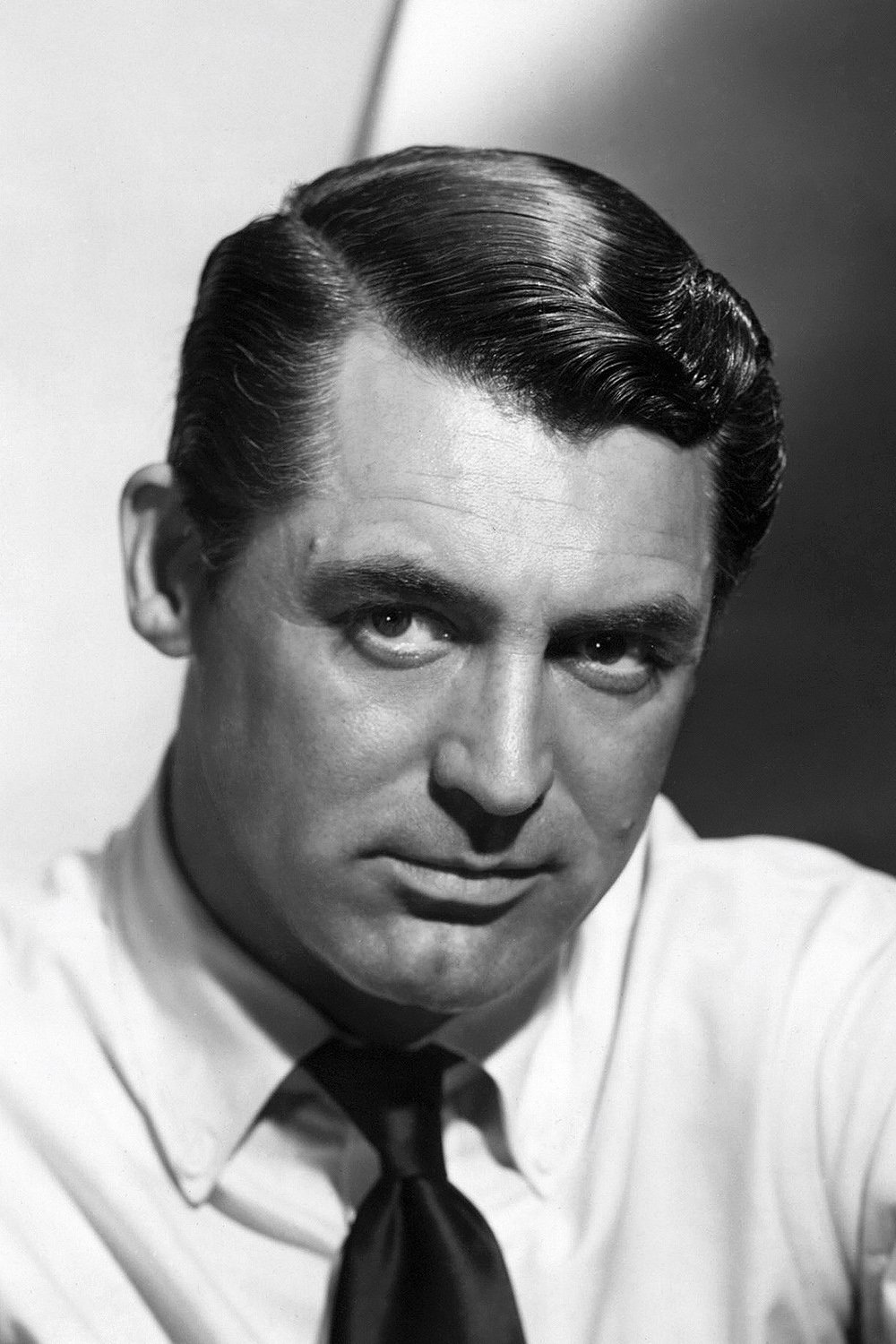
Cary Grant participated in several high profile marriages including his union with Virginia Cherrill in 1934. These relationships were often scrutinized by those who believed they were orchestrated to mask the complicated personal life of the actor. Grant was a cornerstone of the Golden Age of Hollywood and starred in hits like ‘North by Northwest’ under heavy studio control. His public image was meticulously crafted to ensure he remained the ultimate symbol of sophisticated masculinity.
Charles Farrell
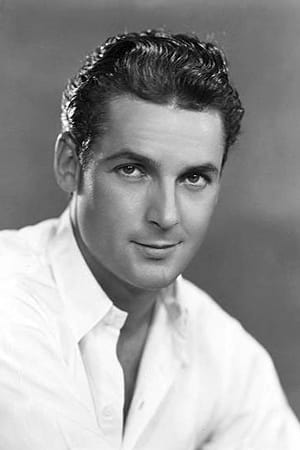
Charles Farrell was a major silent film star who married Virginia Valli in 1931 to maintain his standing in the industry. As the transition to sound films occurred the studios became even more protective of the reputations of their top earners. Farrell is best remembered for his romantic pairing with Janet Gaynor in films such as ‘Seventh Heaven’. This marriage served as a strategic move to satisfy the morality clauses found in many studio contracts of the time.
Charles Laughton
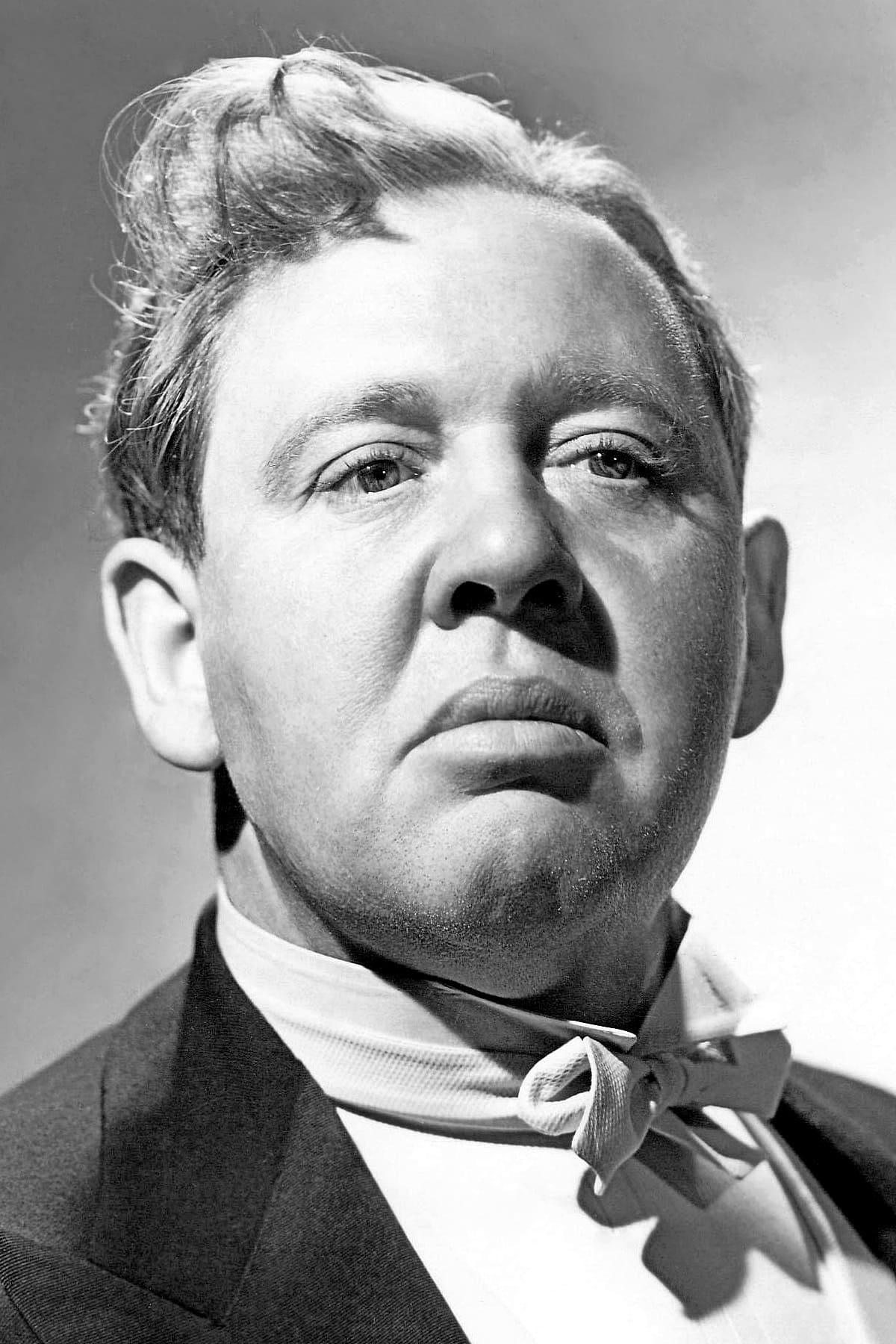
Charles Laughton married actress Elsa Lanchester in 1929 and the two remained together despite significant personal differences. The couple worked together on projects such as ‘The Private Life of Henry VIII’ where Laughton won an Academy Award. His career flourished in both the United Kingdom and the United States as he played diverse and challenging characters. The marriage provided a convenient social structure that allowed Laughton to navigate the conservative culture of the movie industry.
Danny Kaye
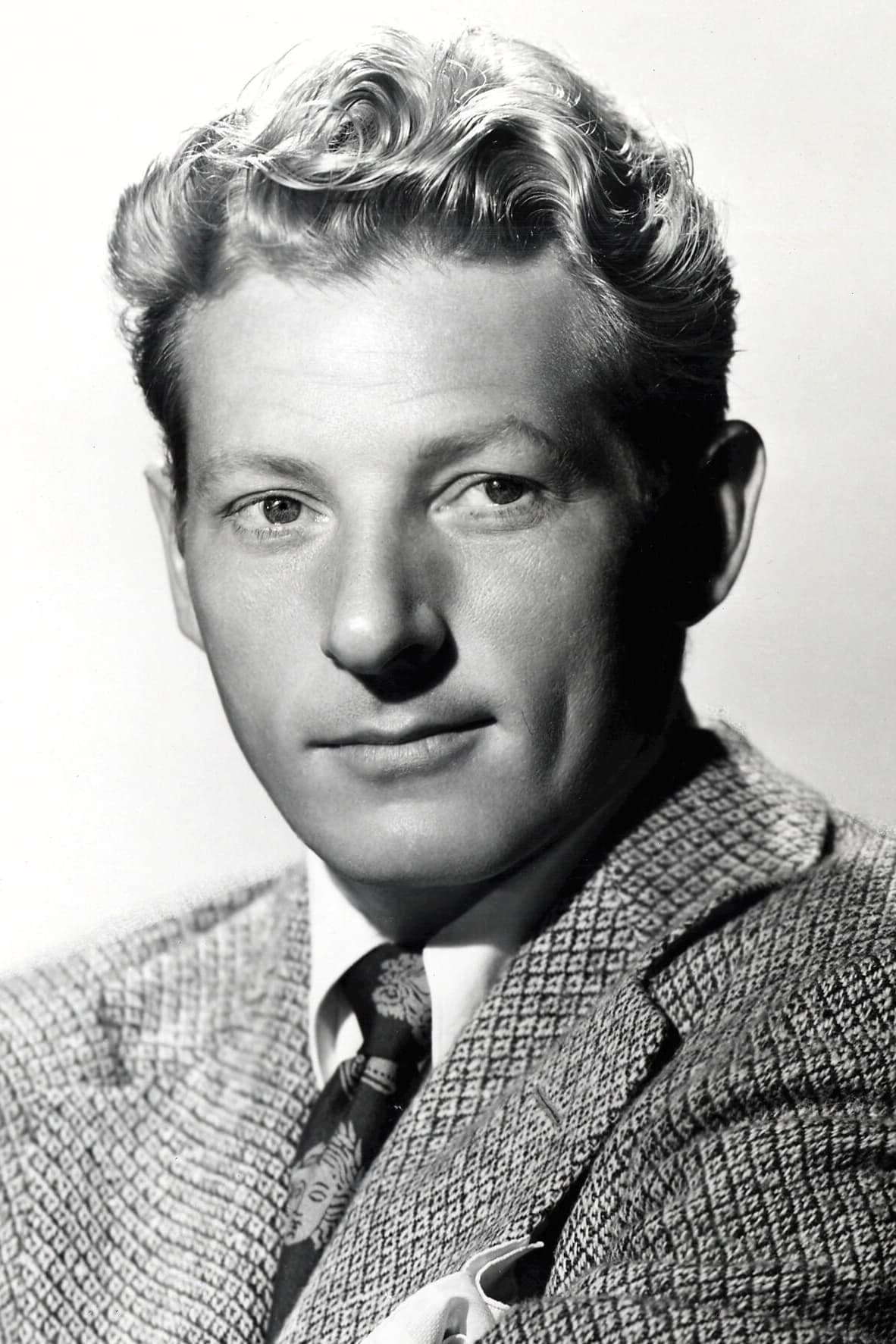
Danny Kaye married Sylvia Fine in 1940 and she became a critical collaborator on his musical and comedic material. While they were a powerful duo in films like ‘The Secret Life of Walter Mitty’ their relationship was often described as a professional partnership rather than a romantic one. Fine wrote many of the songs and sketches that made Kaye a massive international star. This arrangement helped manage the public perception of the actor while securing his place as a top entertainer.
Edmund Purdom
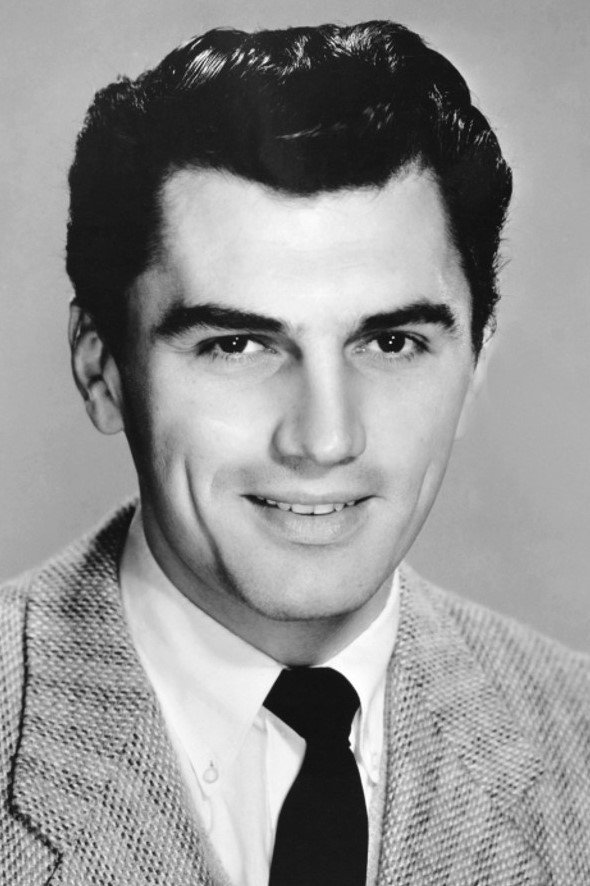
Edmund Purdom was a British actor who was thrust into the spotlight when he replaced Marlon Brando in ‘The Egyptian’. To maintain his status as a rising leading man he was encouraged to maintain a stable and traditional domestic life. Purdom appeared in several epic productions and his personal life was closely monitored by studio executives to prevent any negative publicity. The actor eventually moved to Italy to continue his career away from the strict constraints of the American studio system.
Farley Granger
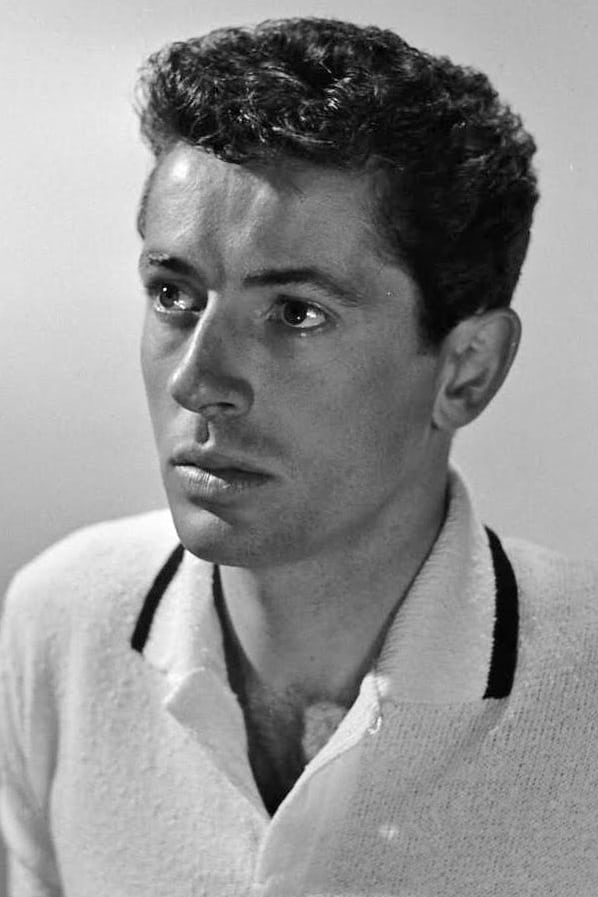
Farley Granger was a leading man who faced significant pressure to date and marry women to satisfy studio executives. He is well known for his roles in Alfred Hitchcock thrillers like ‘Strangers on a Train’ and ‘Rope’. Although he avoided a long term lavender marriage for most of his life he participated in many orchestrated romances and social events. The actor eventually wrote about the stifling nature of the Hollywood system in his personal memoirs later in life.
Gene Raymond
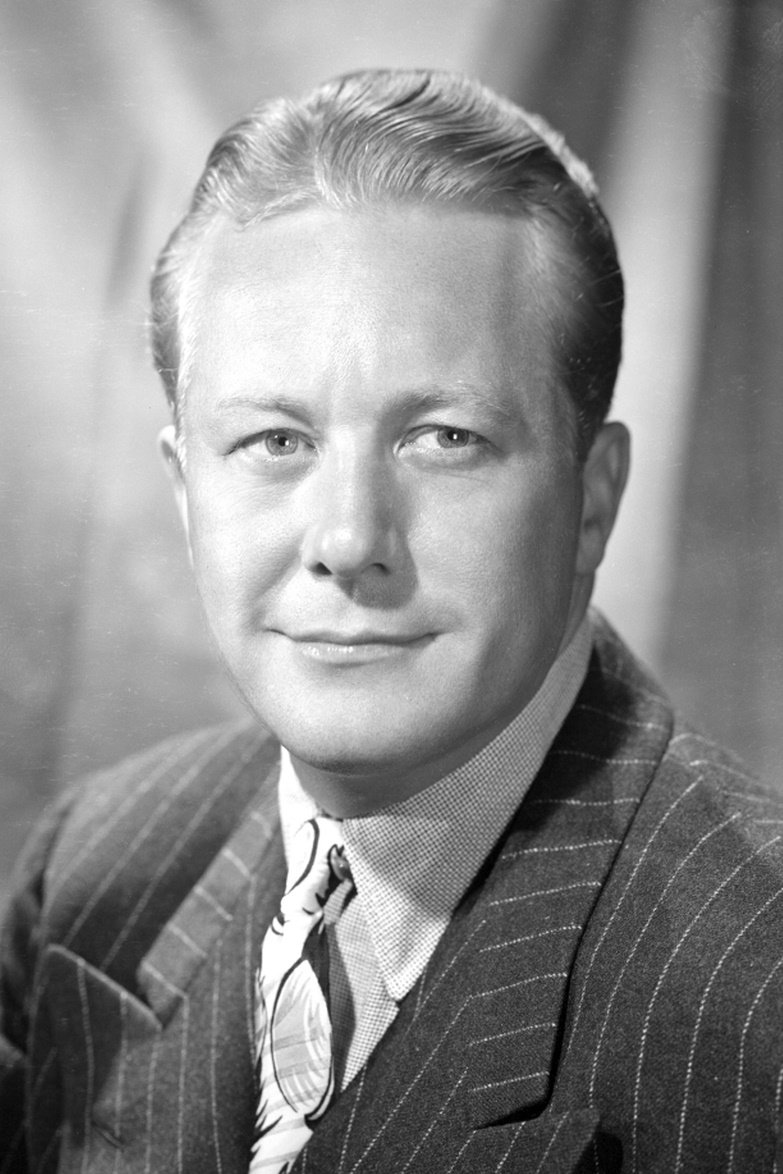
Gene Raymond married Jeanette MacDonald in 1937 in what was considered one of the most glamorous weddings in Hollywood history. The union was heavily promoted by the studio to cement the status of both stars as ideal romantic icons. Raymond appeared in numerous films such as ‘Flying Down to Rio’ while his wife was a major operatic star. Many industry insiders viewed the marriage as a carefully managed contract designed to protect their lucrative careers.
George Maharis
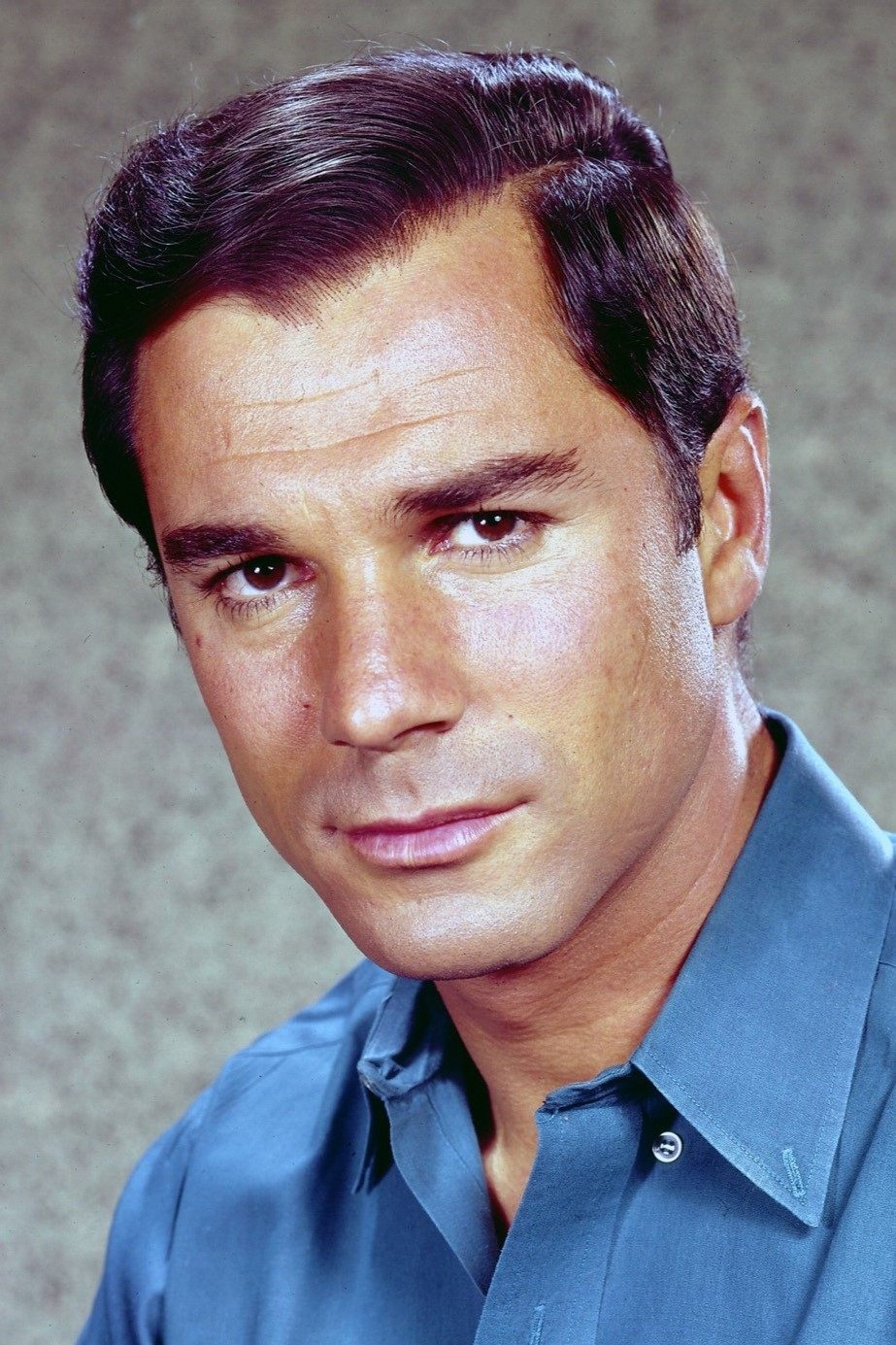
George Maharis was a popular leading man known for his role in the television series ‘Route 66’. He faced immense pressure from the studio and the network to maintain a traditional masculine image during the 1960s. Maharis often appeared in public with various starlets to ensure his personal life remained consistent with his on screen persona. These public relations efforts were standard for television stars who needed to appeal to a wide family audience.
George Nader
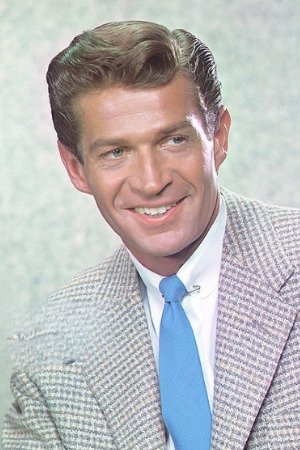
George Nader was a handsome leading man who starred in films like ‘Robot Monster’ and ‘Away All Boats’. He was a close friend of Rock Hudson and faced similar pressures to conform to the heteronormative standards of Hollywood. Nader eventually left the United States to pursue a career in Europe where he could live more openly. His career in the American studio system was heavily dictated by the need to maintain a traditional image.
Gig Young
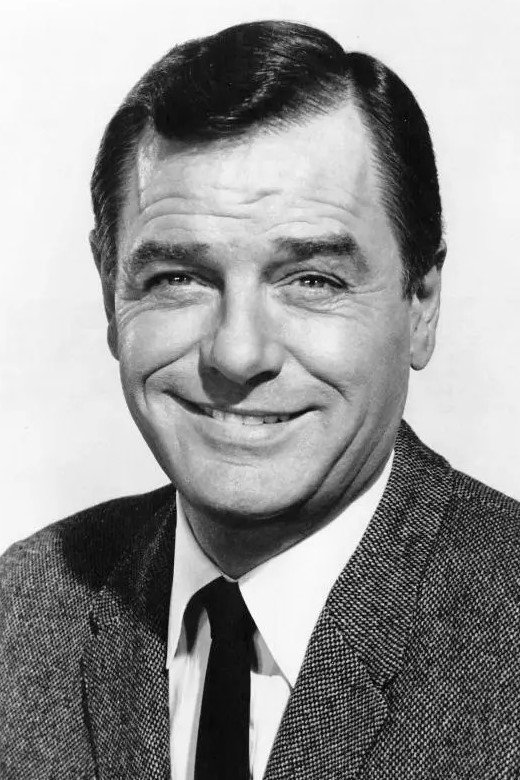
Gig Young had multiple marriages including a union with Elizabeth Montgomery that was highly publicized by the media. He was a versatile actor who won an Academy Award for his role in ‘They Shoot Horses, Don’t They?’. The studio system often pushed actors like Young into traditional domestic setups to appeal to specific audiences. These marriages frequently faced internal strain due to the performative nature of their public personas.
Helmut Berger
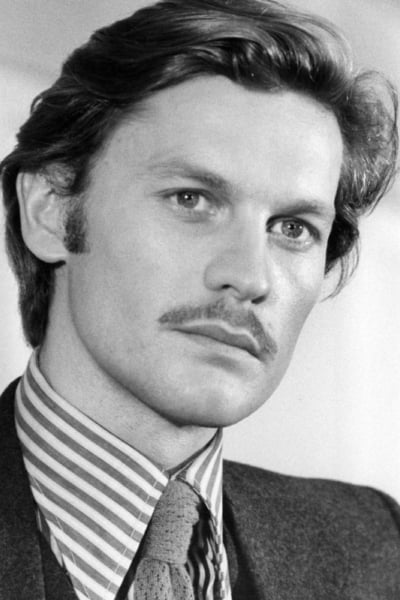
Helmut Berger was an Austrian actor who rose to fame in films directed by Luchino Visconti such as ‘The Damned’. He was often pressured by the industry to maintain a certain image to appeal to mainstream audiences in Europe and America. Berger later participated in a highly publicized marriage to Francesca Guidato which many saw as a strategic professional move. His career was defined by his striking beauty and his roles in challenging artistic films.
Helmut Dantine
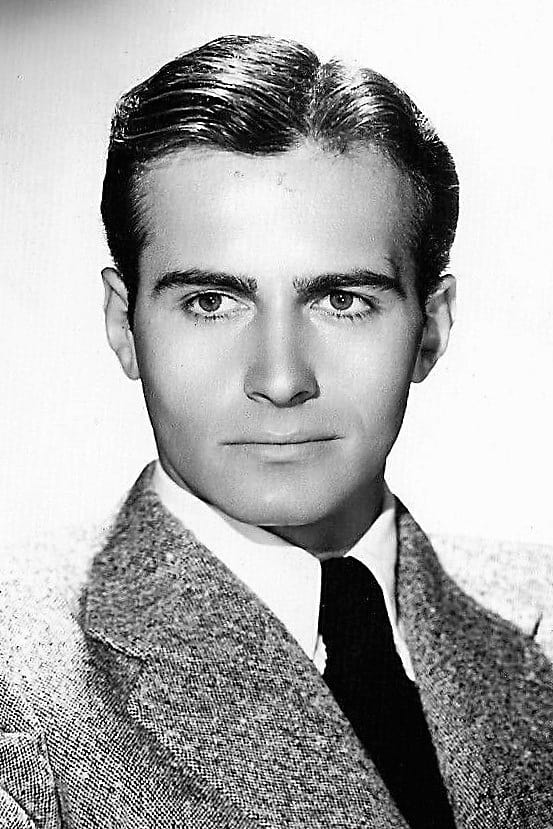
Helmut Dantine was an Austrian actor who married Charlene Wrightsman to solidify his position in the American film market. He often played villains or sophisticated Europeans in films such as ‘Casablanca’ and ‘Edge of Darkness’. His public life was managed to ensure that his off screen behavior did not conflict with the expectations of moviegoers. The marriage was part of a larger effort to keep his private matters out of the tabloid headlines.
Hurd Hatfield
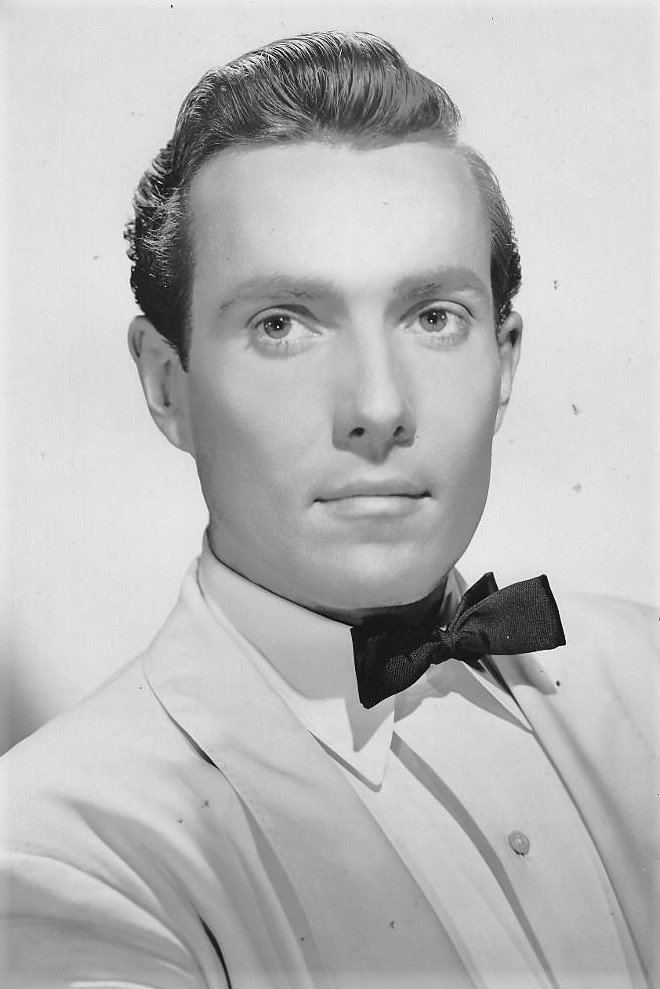
Hurd Hatfield was a stage and screen actor who remained intensely private about his personal life during his time in Hollywood. He became famous for the lead role in ‘The Picture of Dorian Gray’ which dealt with themes of vanity and hidden secrets. Like many of his contemporaries he was encouraged to engage in social activities that suggested a traditional lifestyle. This was necessary to maintain his viability as a professional actor in an era of strict moral codes.
Jack Larson
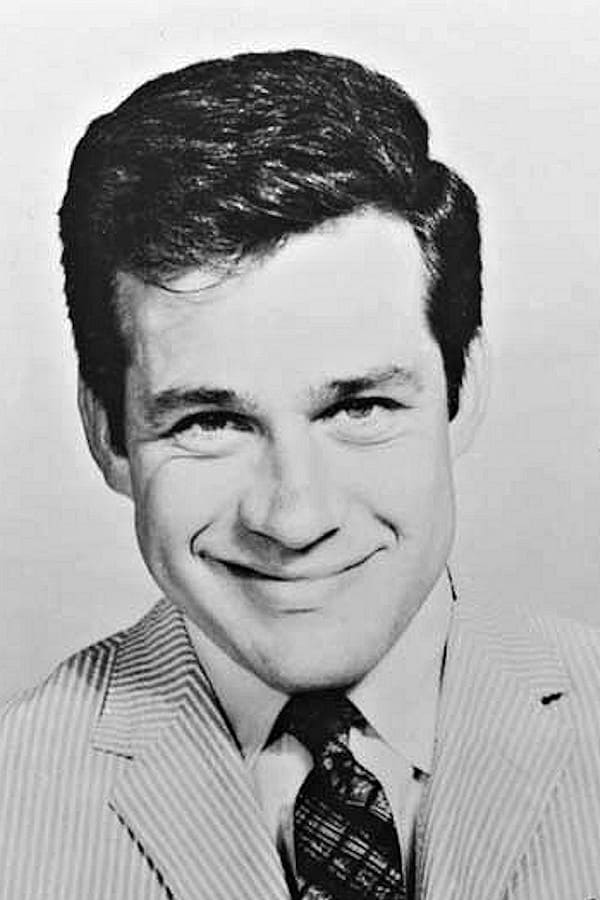
Jack Larson became a household name playing Jimmy Olsen in the television series ‘Adventures of Superman’. He was often pressured to appear in public with female dates to maintain the wholesome image of the show. Although he did not enter a long term marriage he was part of the system that required constant management of his romantic life. Larson eventually transitioned into writing and production where he had more control over his personal identity.
James Mason
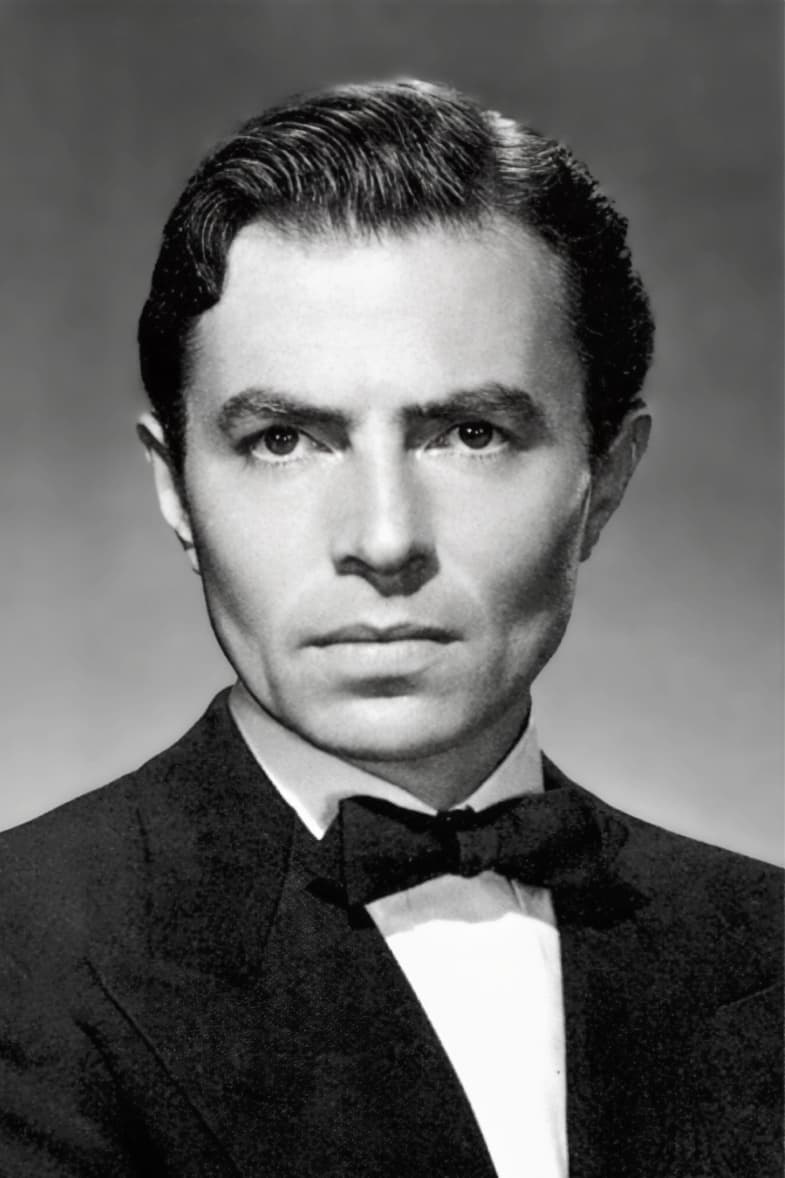
James Mason married Pamela Mason in 1941 and they became a prominent social fixture in the Hollywood community. He was an acclaimed actor known for his deep voice and roles in films like ‘A Star Is Born’. The couple frequently appeared together in interviews and at public events to project an image of domestic stability. This partnership was vital for Mason as he navigated the competitive landscape of international cinema.
James Mitchell
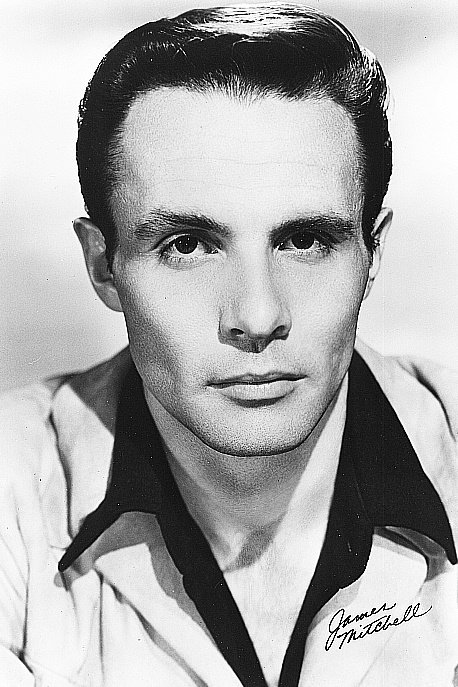
James Mitchell was a dancer and actor who is best known for his role in the musical ‘Oklahoma!’ and the soap opera ‘All My Children’. He faced the same industry pressures as other leading men to present a conventional public life. Mitchell often kept his true relationships hidden while the studio promoted his work and his public appearances. These arrangements were common for performers whose careers depended on the approval of a conservative public.
Jean-Pierre Aumont
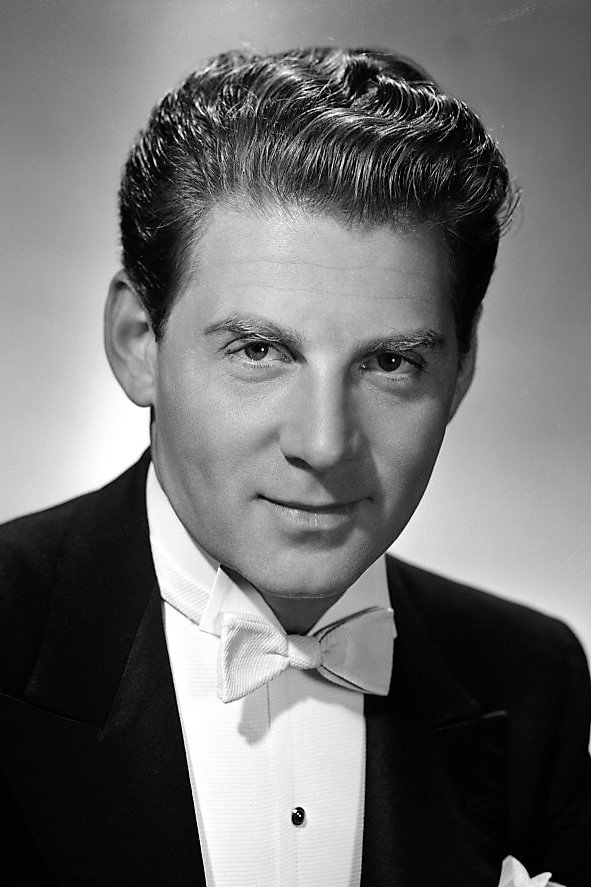
Jean-Pierre Aumont was a French actor who married Maria Montez in 1943 to form a popular cinematic couple. He served in the Free French Forces during World War II while maintaining his status as a romantic lead in Hollywood. Aumont appeared in films like ‘Lili’ and was celebrated for his charm and sophistication. His marriage helped bridge the gap between his European roots and the expectations of the American studio system.
John Dall
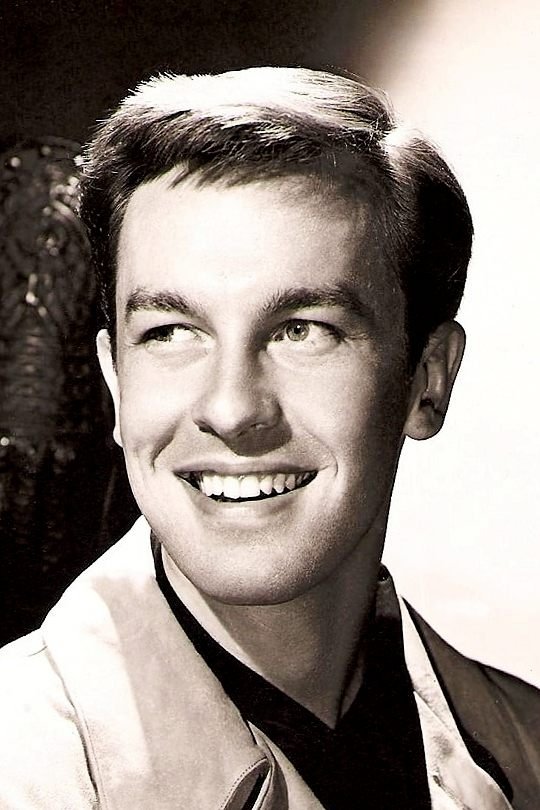
John Dall was an American actor who received an Academy Award nomination for his role in ‘The Corn Is Green’. He also starred in the cult classic ‘Gun Crazy’ and the Alfred Hitchcock film ‘Rope’. The actor was subject to the strict morality clauses that governed the lives of all contract players in the 1940s. Dall often had to participate in arranged social events to ensure his professional reputation remained untarnished by rumors.
John Hodiak
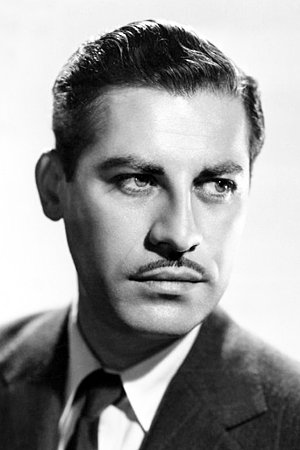
John Hodiak married actress Anne Baxter in 1946 in a union that was widely celebrated by the film industry. He was a popular leading man in movies such as ‘Lifeboat’ where he worked with director Alfred Hitchcock. The marriage was beneficial for both stars as it provided a wholesome narrative for the fan magazines of the day. They eventually divorced after seven years but the relationship served its purpose in the eyes of the studio executives.
Laurence Olivier
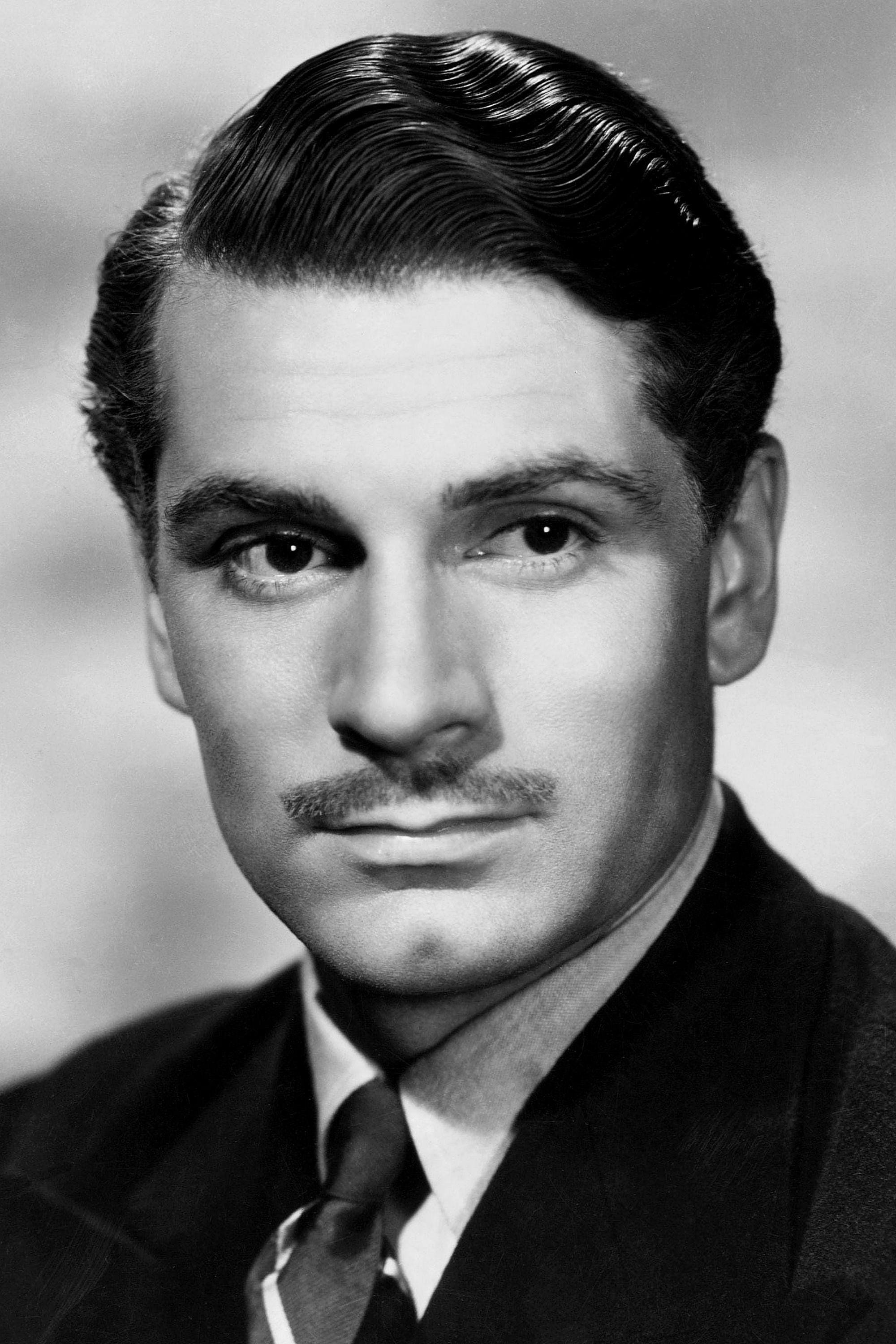
Laurence Olivier married Jill Esmond in 1930 and later Vivien Leigh in a relationship that was the talk of the industry. While Olivier was a titan of the stage and screen his private life was often more complex than the public realized. He starred in legendary films like ‘Wuthering Heights’ and directed ‘Hamlet’ to great acclaim. His marriages were essential for maintaining his status as the premier leading man of the British and American theater worlds.
Louis Jourdan
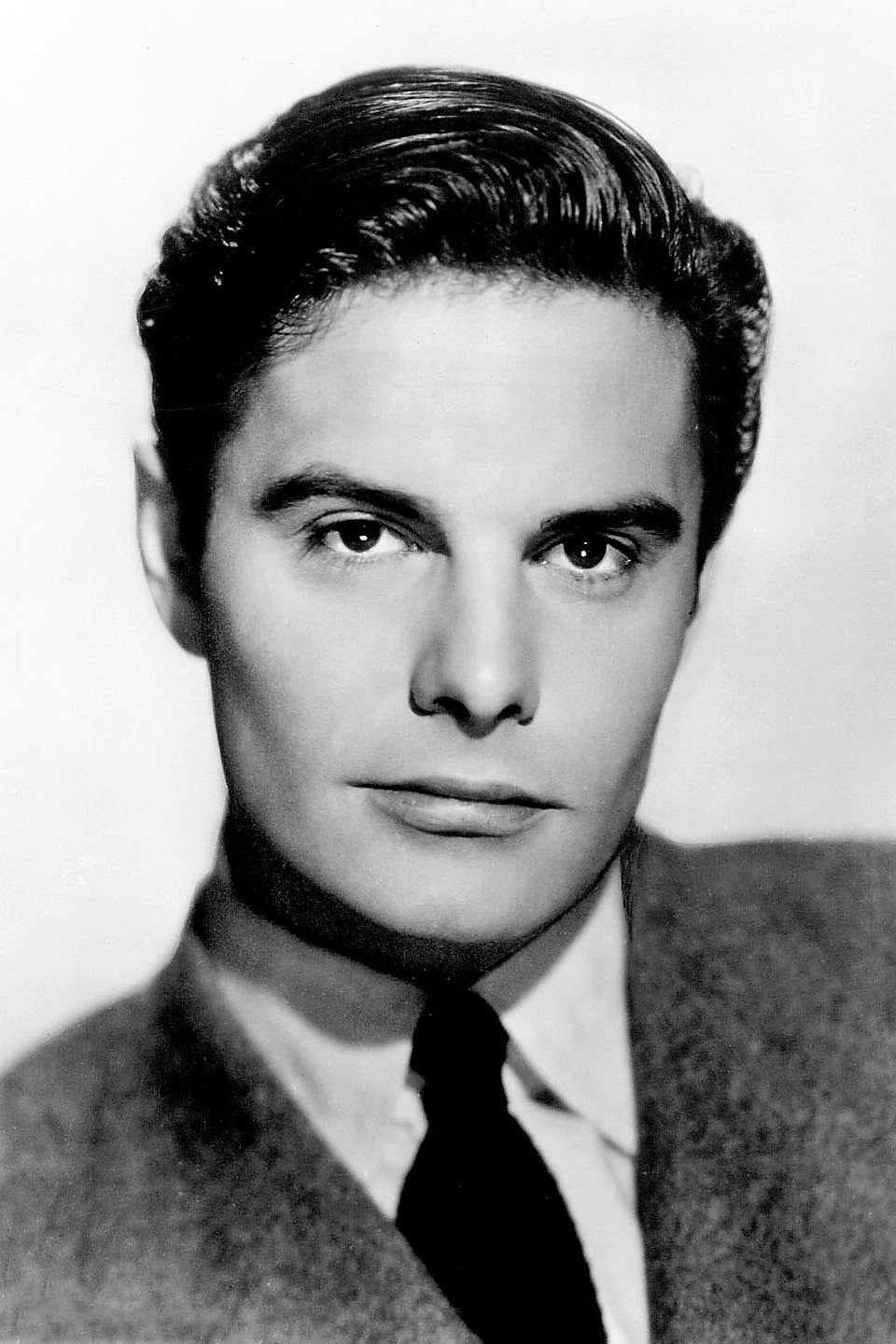
Louis Jourdan was a French actor who married Berthe Frederique in 1946 and stayed with her until her death. He was the epitome of the continental lover in films like ‘Gigi’ and the James Bond movie ‘Octopussy’. His marriage was a key component of his public persona as a loyal and romantic French gentleman. Jourdan lived a very private life away from the cameras and used his marriage to avoid the tabloid scrutiny common in Hollywood.
Michael Wilding
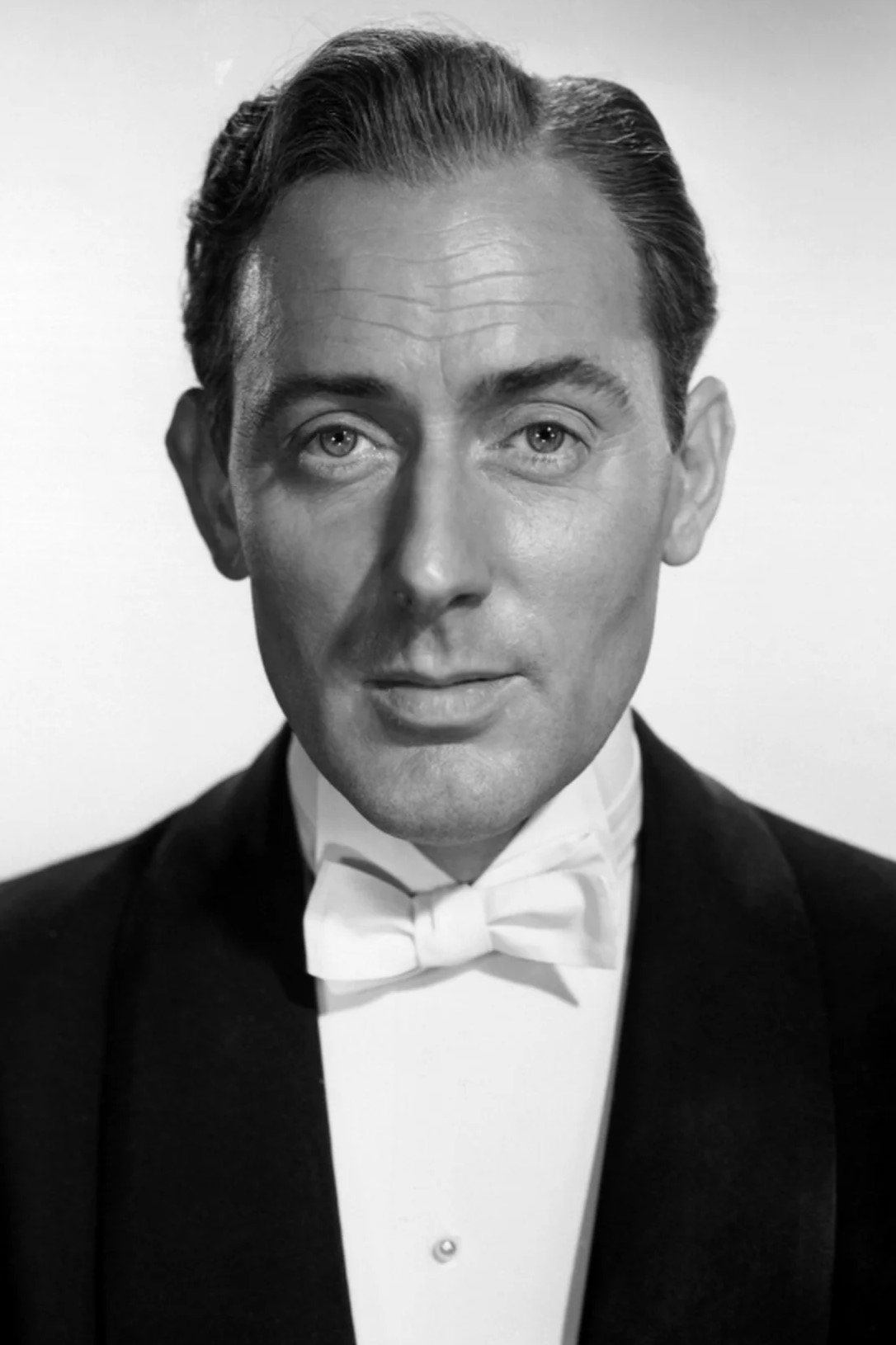
Michael Wilding was a British actor who married Elizabeth Taylor in 1952 in a union that was highly publicized by the media. He appeared in numerous films such as ‘Stage Fright’ and ‘The Glass Slipper’ during his time in Hollywood. The marriage was seen by some as a way to provide stability for both stars as they navigated their complicated careers. Wilding eventually returned to the United Kingdom after his Hollywood career slowed down in the late 1950s.
Nils Asther
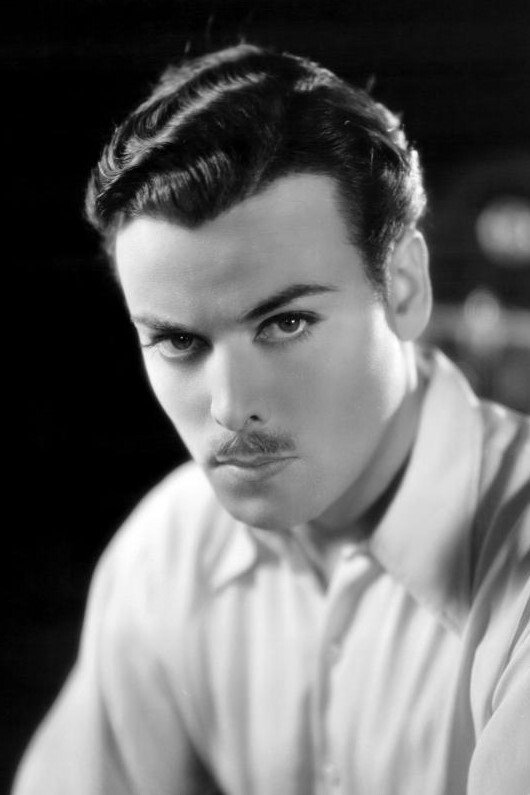
Nils Asther was a Swedish born actor who married Vivian Duncan of the Duncan Sisters in 1930. He was a major star during the silent era and successfully transitioned to sound films like ‘The Bitter Tea of General Yen’. The marriage was widely seen as a studio mandated effort to curb rumors about his personal preferences. Asther eventually left Hollywood and returned to Europe after the pressure of the studio system became too great.
Raymond Burr
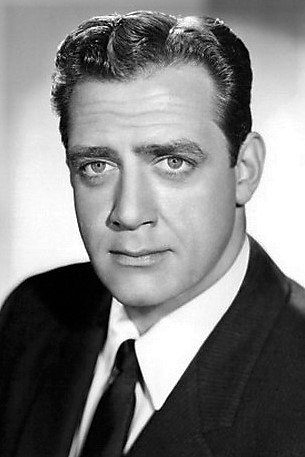
Raymond Burr was the star of ‘Perry Mason’ and ‘Ironside’ and he went to great lengths to hide his private life from the public. He frequently spoke about a fictional wife and son who had tragically passed away to explain his bachelor status. This elaborate backstory was supported by the studio to protect the massive success of his television legal dramas. Burr lived a quiet life with his longtime partner while maintaining this public deception for decades.
Richard Basehart
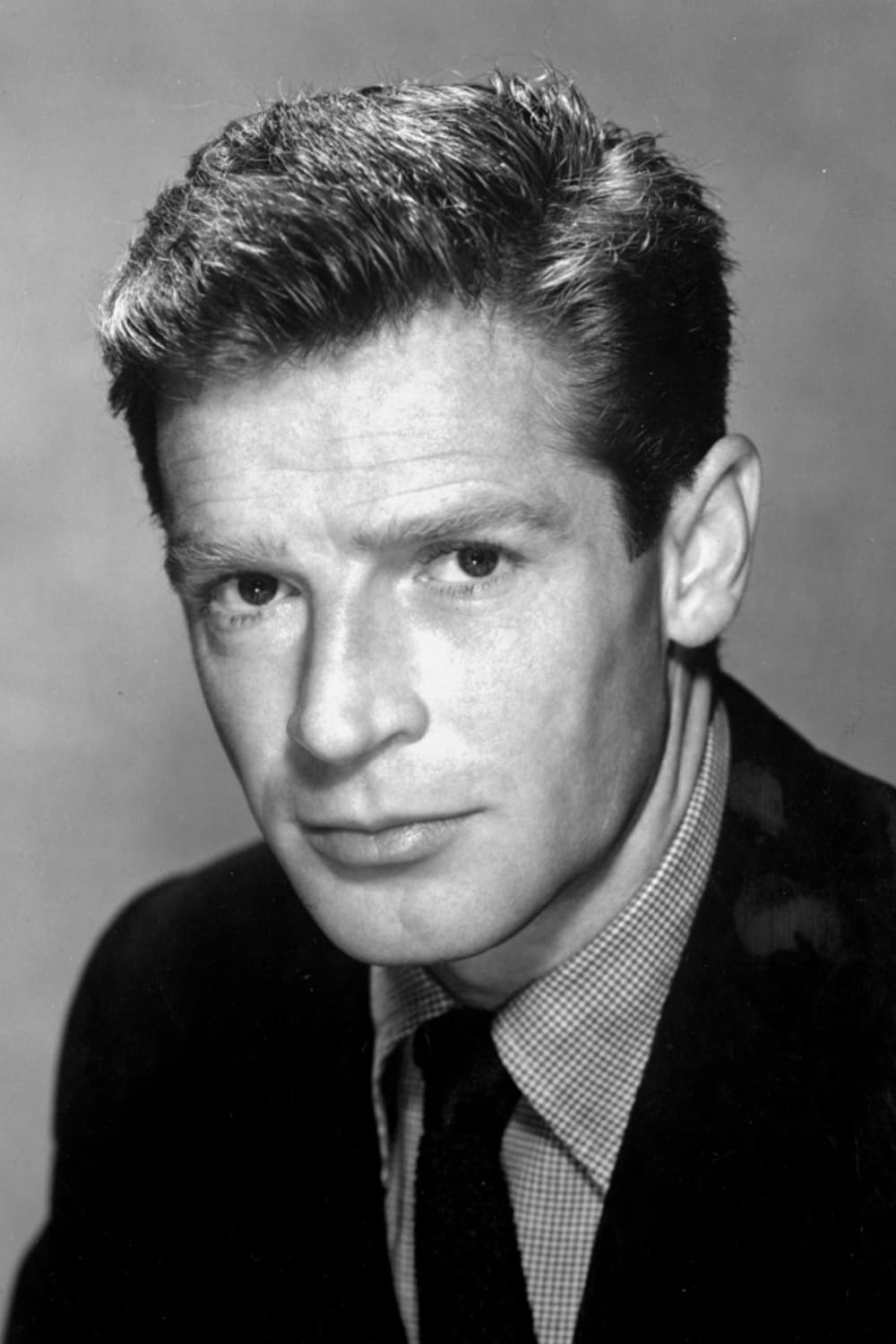
Richard Basehart married Italian actress Valentina Cortese in 1951 after they met on the set of a film. He was a well respected actor who appeared in ‘La Strada’ and later starred in the series ‘Voyage to the Bottom of the Sea’. The marriage was useful for navigating the international film scene and maintaining a professional image. Basehart was known for his intense acting style and the studio ensured his personal life remained appropriately conventional.
Richard Cromwell
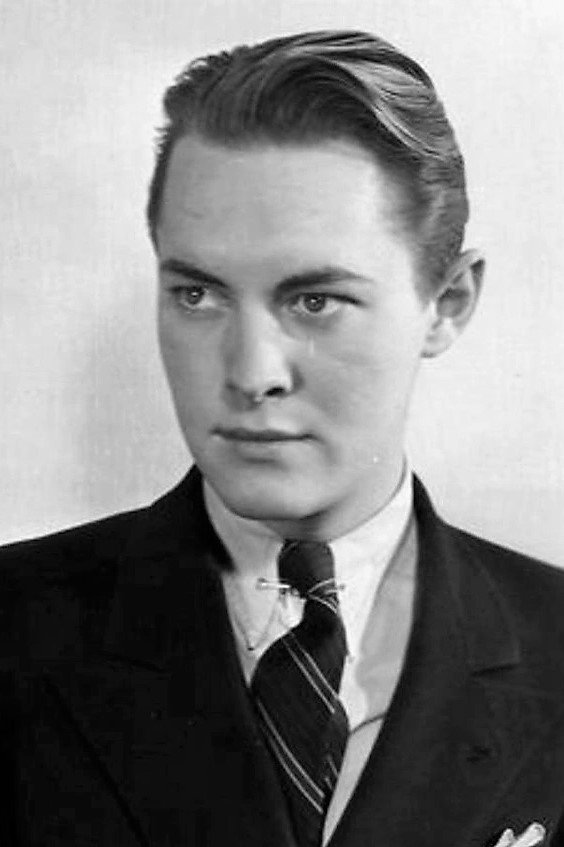
Richard Cromwell married the legendary actress Angela Lansbury in 1945 in a union that lasted only a year. Lansbury later revealed that she was unaware of his true identity when they wed and they remained friends after the divorce. Cromwell was a popular young actor in films like ‘Jezebel’ and ‘Lives of a Bengal Lancer’. His short lived marriage was typical of the era where young stars were encouraged to marry quickly to boost their popularity.
Robert Reed
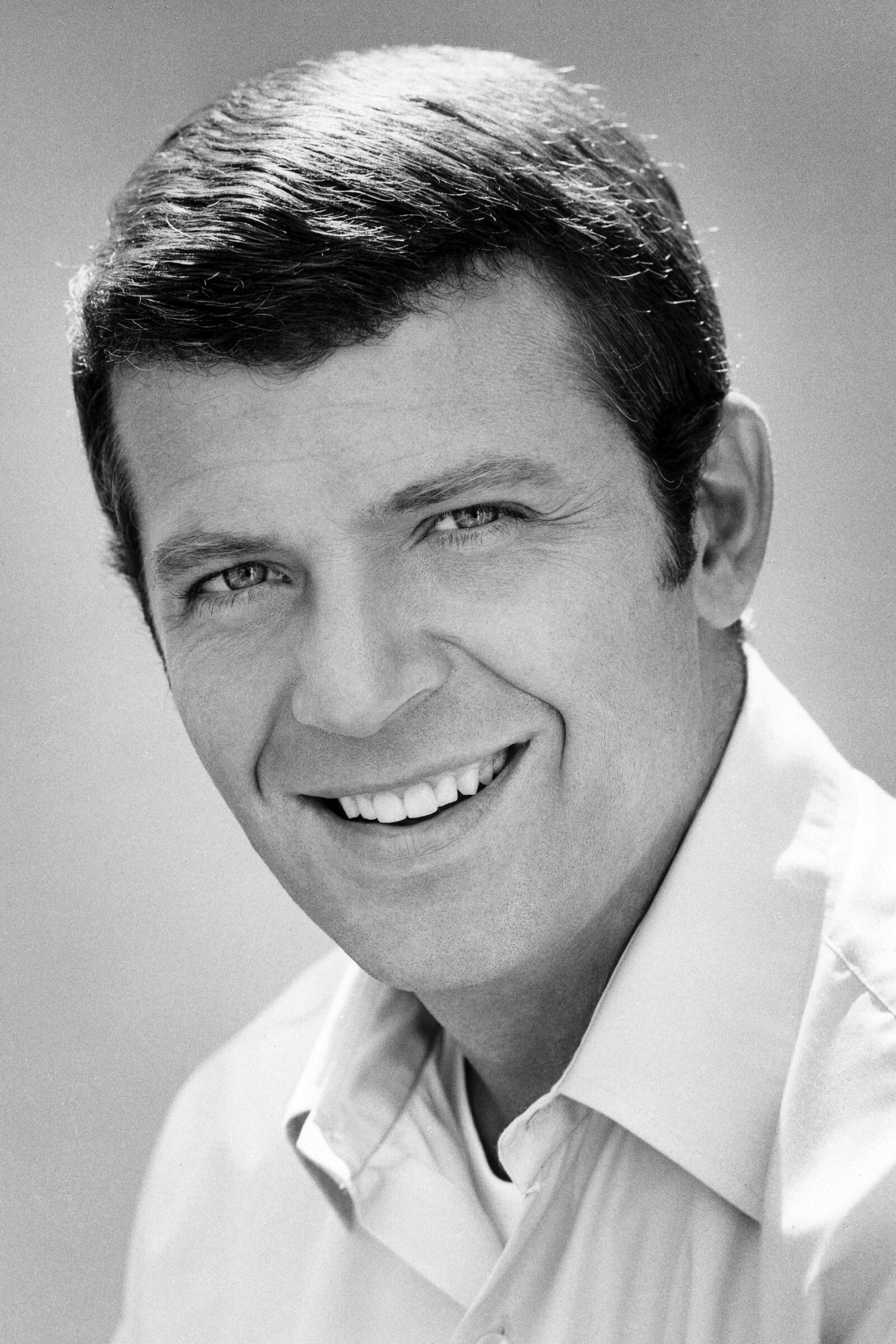
Robert Reed was the beloved father figure on ‘The Brady Bunch’ and he took great care to hide his identity. He married Karen Schlegel in 1954 and they had a daughter together before divorcing several years later. Reed feared that his career would end if the public knew the truth about his personal life while he played the quintessential family man. He remained a respected professional until his death while keeping his private matters strictly confidential.
Robert Taylor
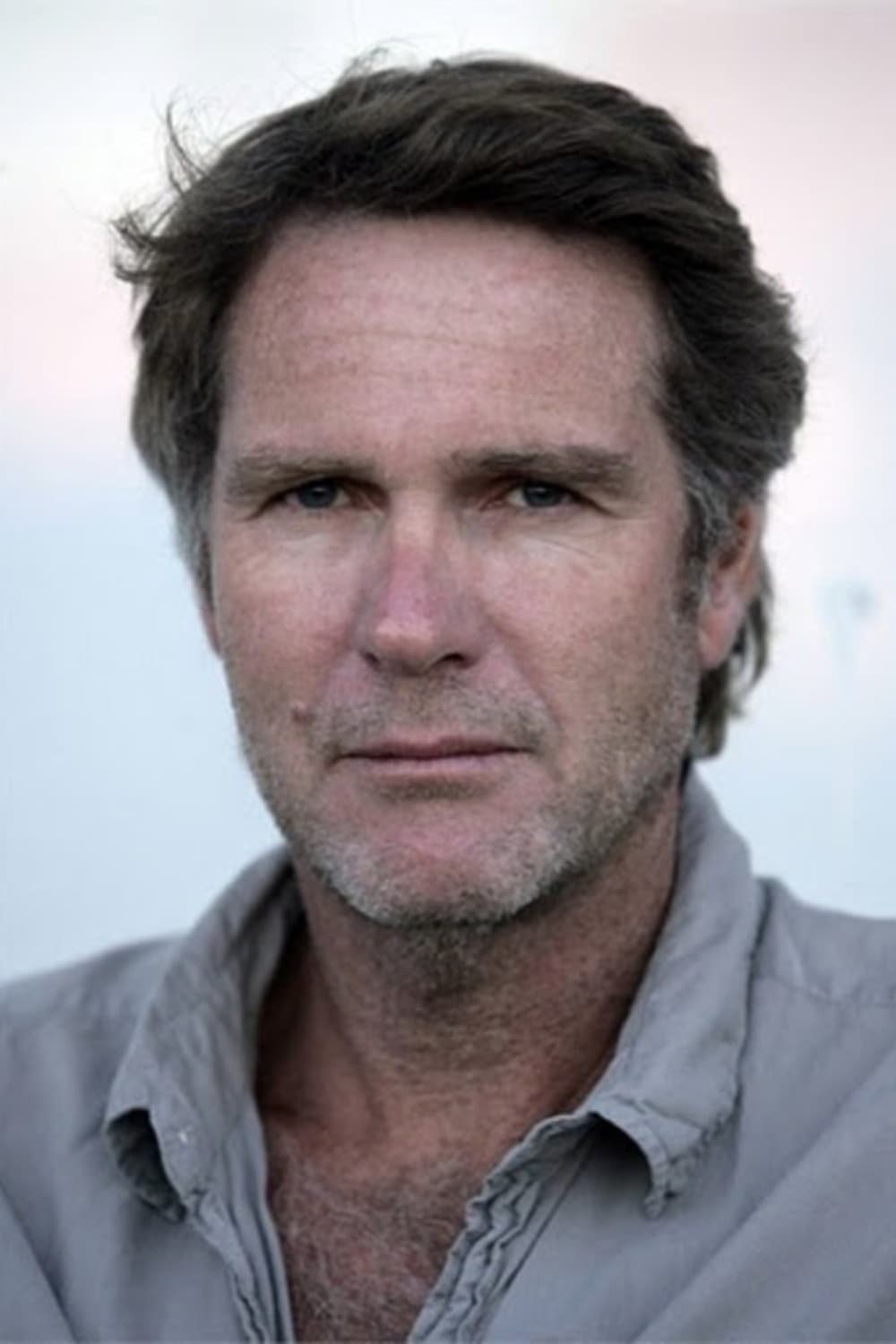
Robert Taylor married Barbara Stanwyck in 1939 in one of the most famous Hollywood marriages of all time. Studio executives reportedly insisted on the union to dispel rumors and to create a powerful celebrity couple. Taylor was a major leading man in films like ‘Camille’ and was known for his striking good looks. The marriage lasted for eleven years and was used extensively by the studio for publicity and marketing purposes.
Robert Walker
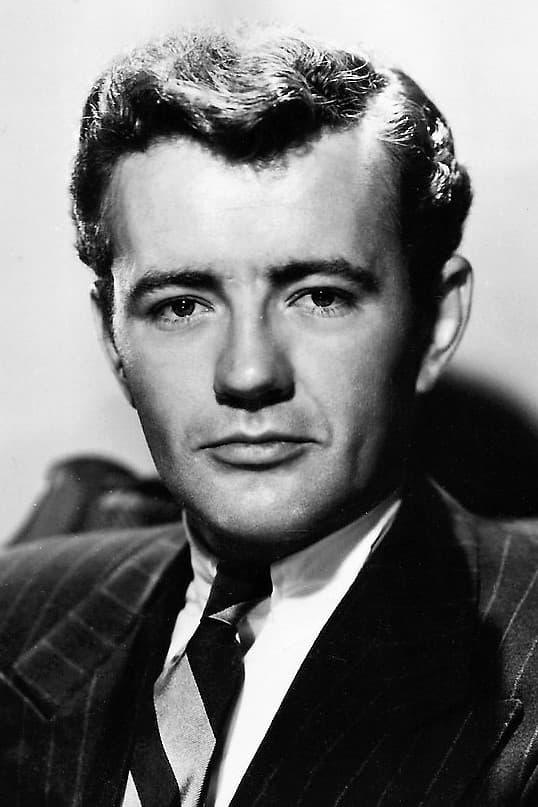
Robert Walker married Jennifer Jones in 1939 and their relationship was central to the marketing of their early careers. He is best known for his chilling performance in the Hitchcock film ‘Strangers on a Train’. The studio system often exploited the personal lives of young couples to create a sense of intimacy with the audience. After their marriage ended Walker struggled with the pressures of the industry and the demands of his contract.
Rock Hudson
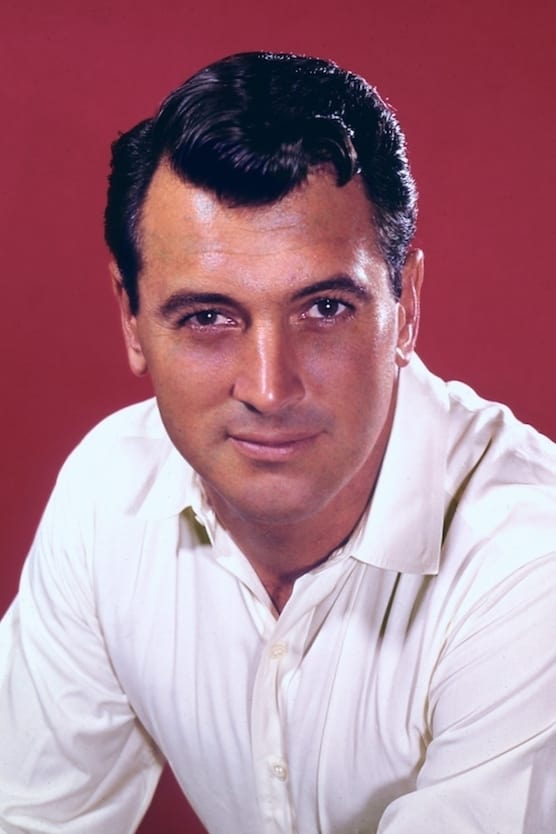
Rock Hudson married Phyllis Gates in 1955 at the height of his fame as a romantic lead for Universal Pictures. The marriage was arranged by his agent to silence growing rumors in the tabloid press about his private activities. Hudson was the star of classic films like ‘Pillow Talk’ and ‘Magnificent Obsession’ where he played the ideal heterosexual partner. His public life was a carefully maintained illusion that protected his status as a box office draw for many years.
Rudolph Valentino
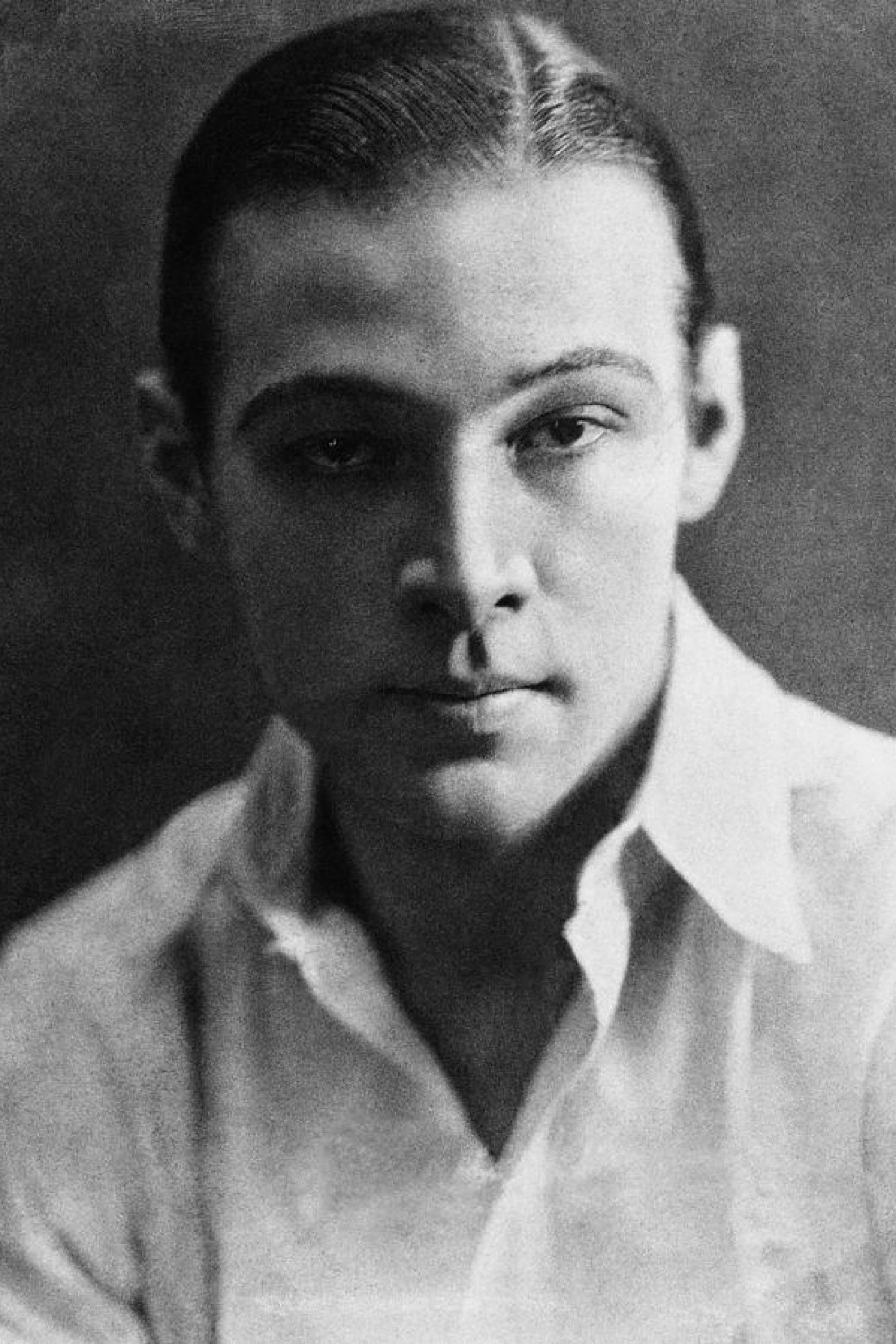
Rudolph Valentino was the ultimate silent screen lover and he married Natacha Rambova in 1922. His marriages were often the subject of controversy and were managed by the studios to keep his exotic image intact. Valentino starred in ‘The Sheik’ and became a global icon of romance and mystery. The pressure to conform to social expectations was a constant burden for the actor until his untimely death at a young age.
Spencer Tracy
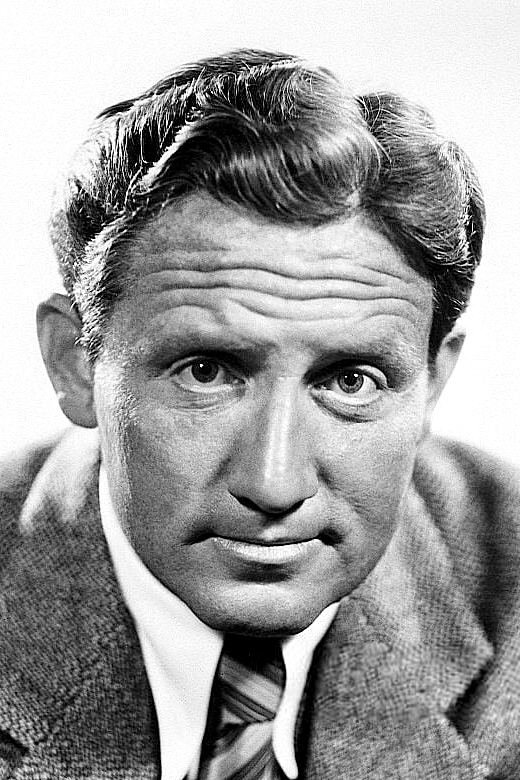
Spencer Tracy was married to Louise Treadwell for many years though they lived separate lives for much of that time. He was a powerhouse actor who won back to back Academy Awards for ‘Captains Courageous’ and ‘Boys Town’. His long term relationship with Katharine Hepburn was an open secret in Hollywood but never acknowledged publicly to protect his image. The marriage to Treadwell provided a necessary legal and social shield for his career and his public reputation.
Stephen McNally
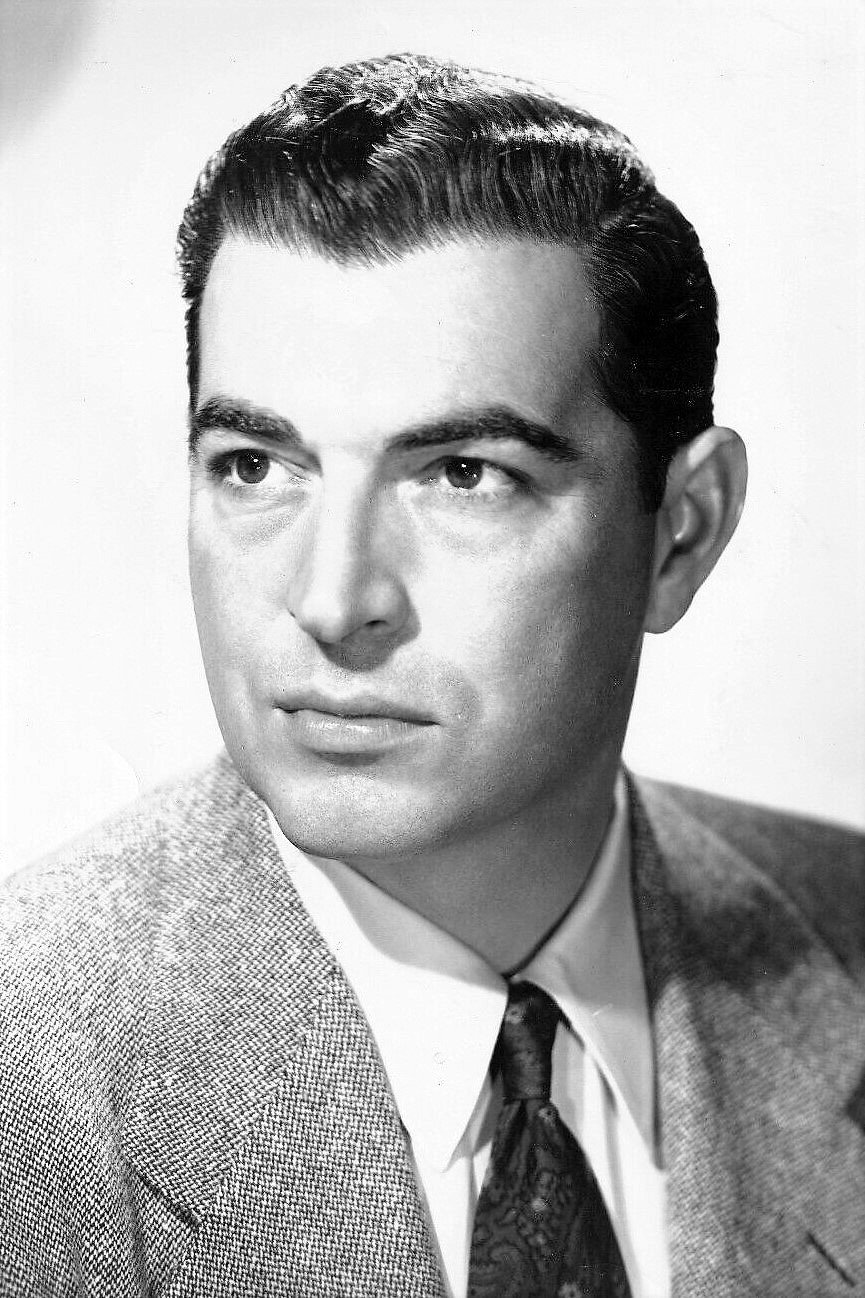
Stephen McNally was a prominent character actor and leading man who married Rita Wade in 1941. He appeared in numerous films such as ‘Johnny Belinda’ and was known for his rugged onscreen presence. The studio system required actors like McNally to maintain a stable domestic life to ensure they remained employable in lead roles. His marriage was part of the standard professional requirements for a successful career in the mid century movie business.
Tom Drake
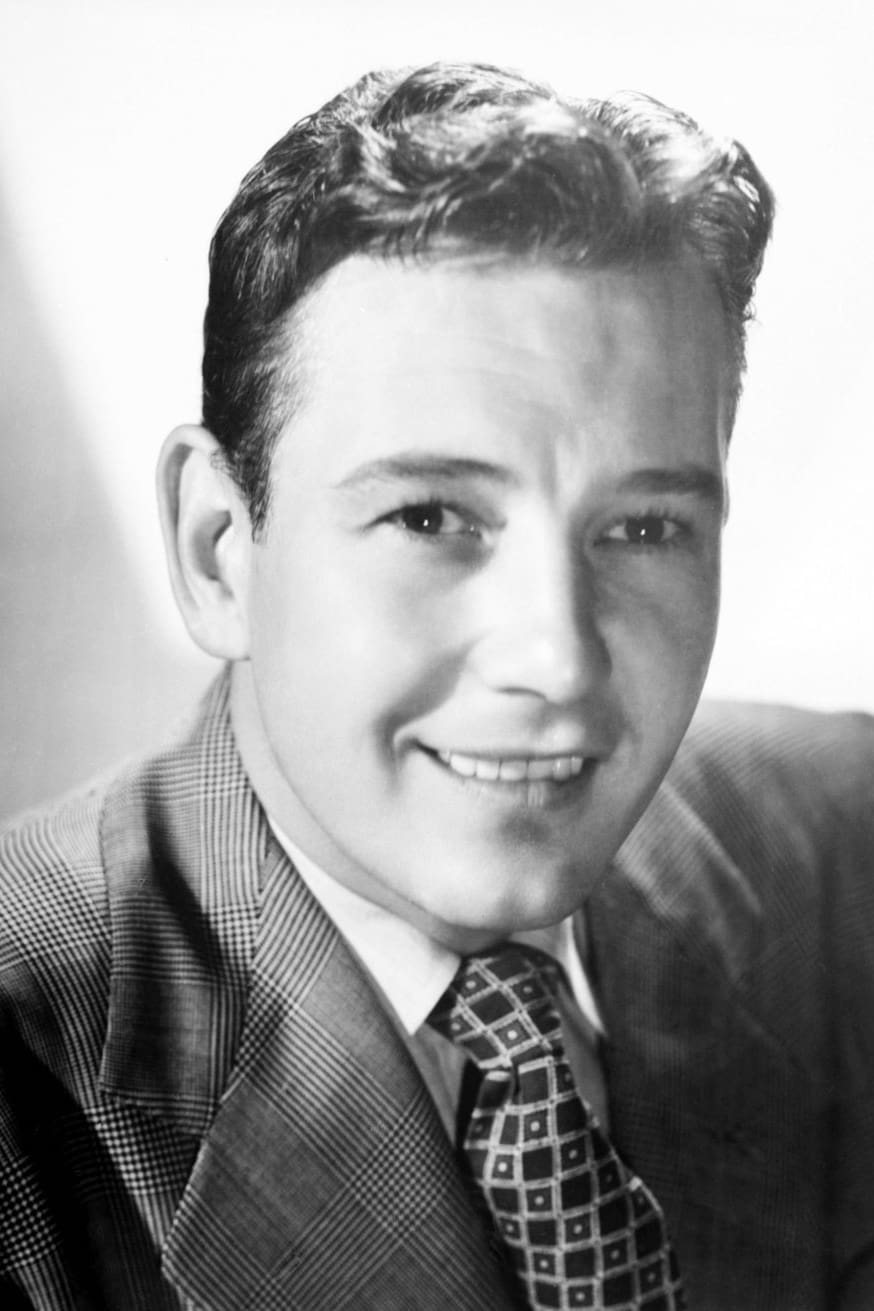
Tom Drake was a successful actor who is best remembered for his role in ‘Meet Me in St. Louis’. He was often pressured by the studio to maintain a public persona that did not reflect his private life. The actor was involved in several arranged dates and social pairings to satisfy the expectations of the industry. This management of his personal life was a common practice for performers under contract during the 1940s.
Tyrone Power
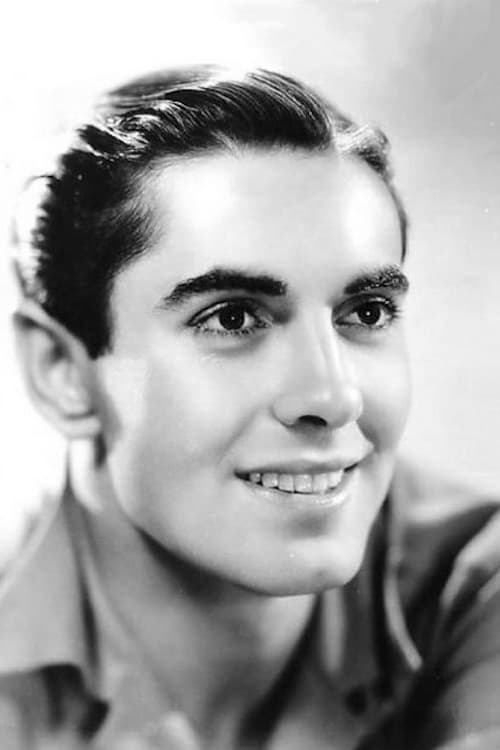
Tyrone Power was a massive star for 20th Century Fox who married actress Annabella in 1939. The studio encouraged the union to bolster his image as a dashing international leading man. Power starred in epic films like ‘The Mark of Zorro’ and ‘Blood and Sand’ where his romantic appeal was the primary attraction. His personal life was strictly monitored by studio executives to ensure no scandals touched his career.
Van Johnson
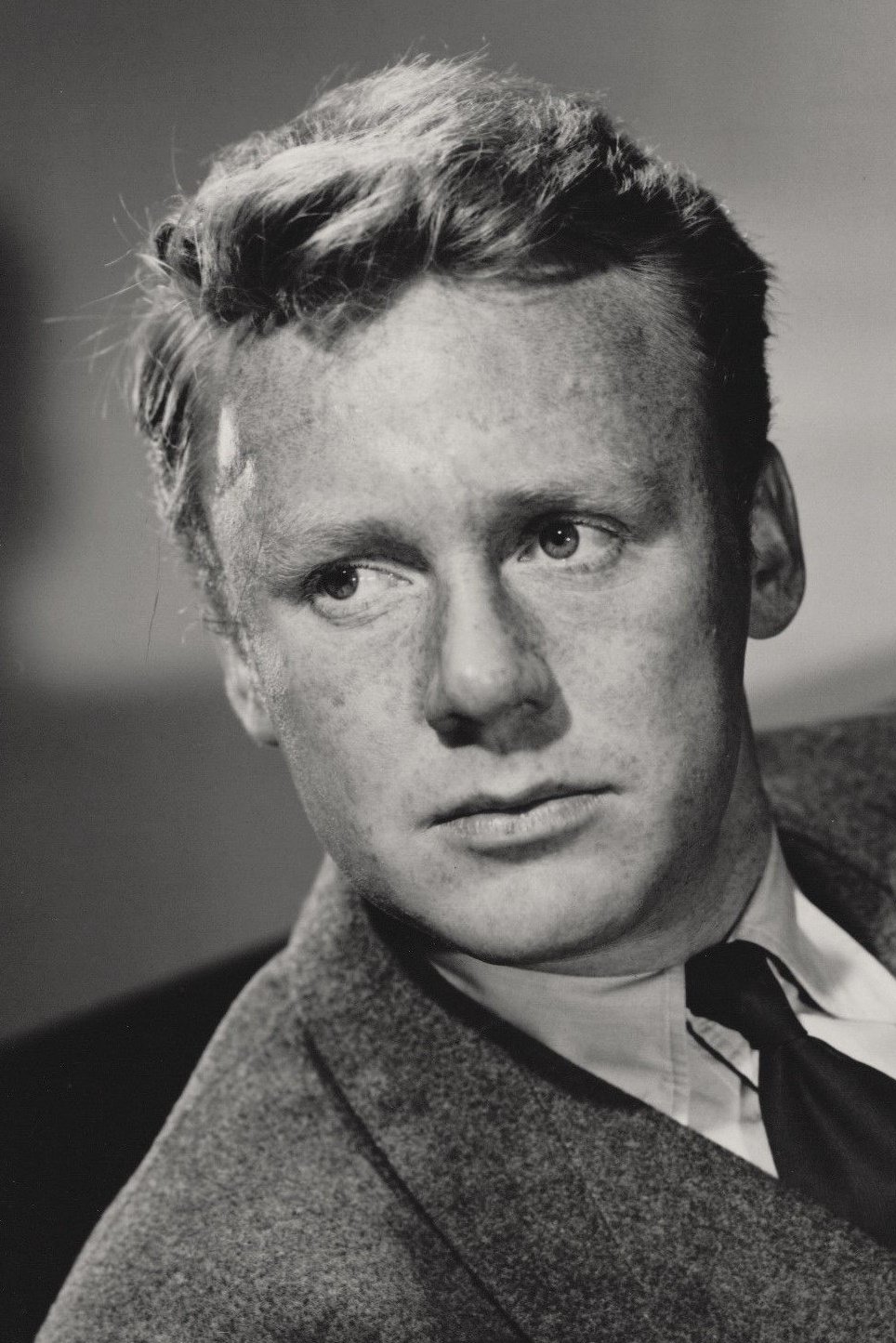
Van Johnson married Evie Abbott in 1947 shortly after she divorced his close friend Keenan Wynn. This marriage was widely criticized at the time but was seen as a necessary move to manage his public image. Johnson was the quintessential boy next door in films like ‘A Guy Named Joe’ and ‘Thirty Seconds Over Tokyo’. The union helped stabilize his career during a period when rumors about his lifestyle were beginning to circulate.
Vincent Price
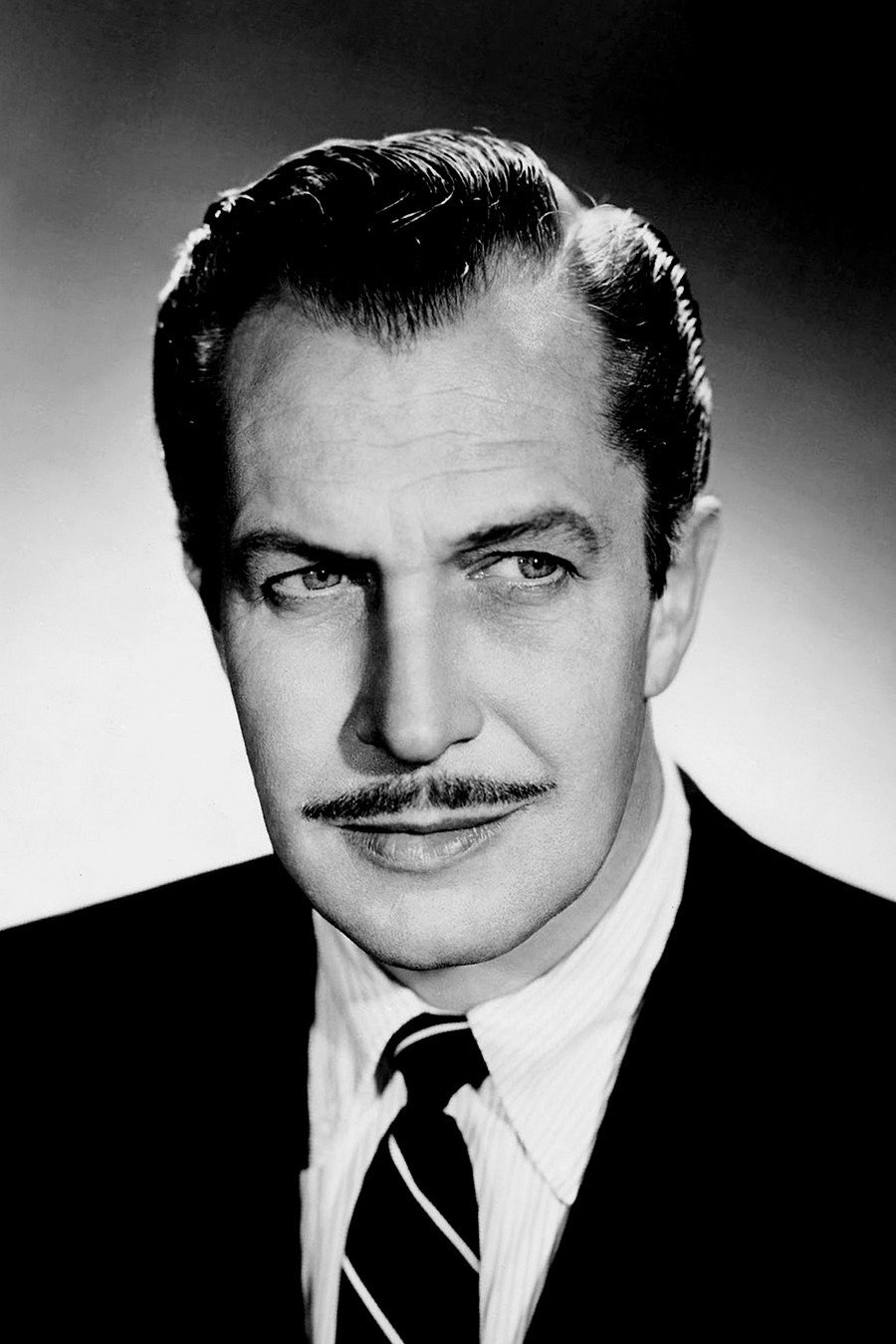
Vincent Price married actress Edith Barrett in 1938 and later Mary Grant as part of his public persona as a sophisticated gentleman. He was a versatile actor who became a legend in the horror genre with films like ‘House of Wax’. Price maintained a very dignified public image that was supported by his traditional marriages. These relationships allowed him to pursue a long and successful career across film television and the arts.
Vincente Minnelli
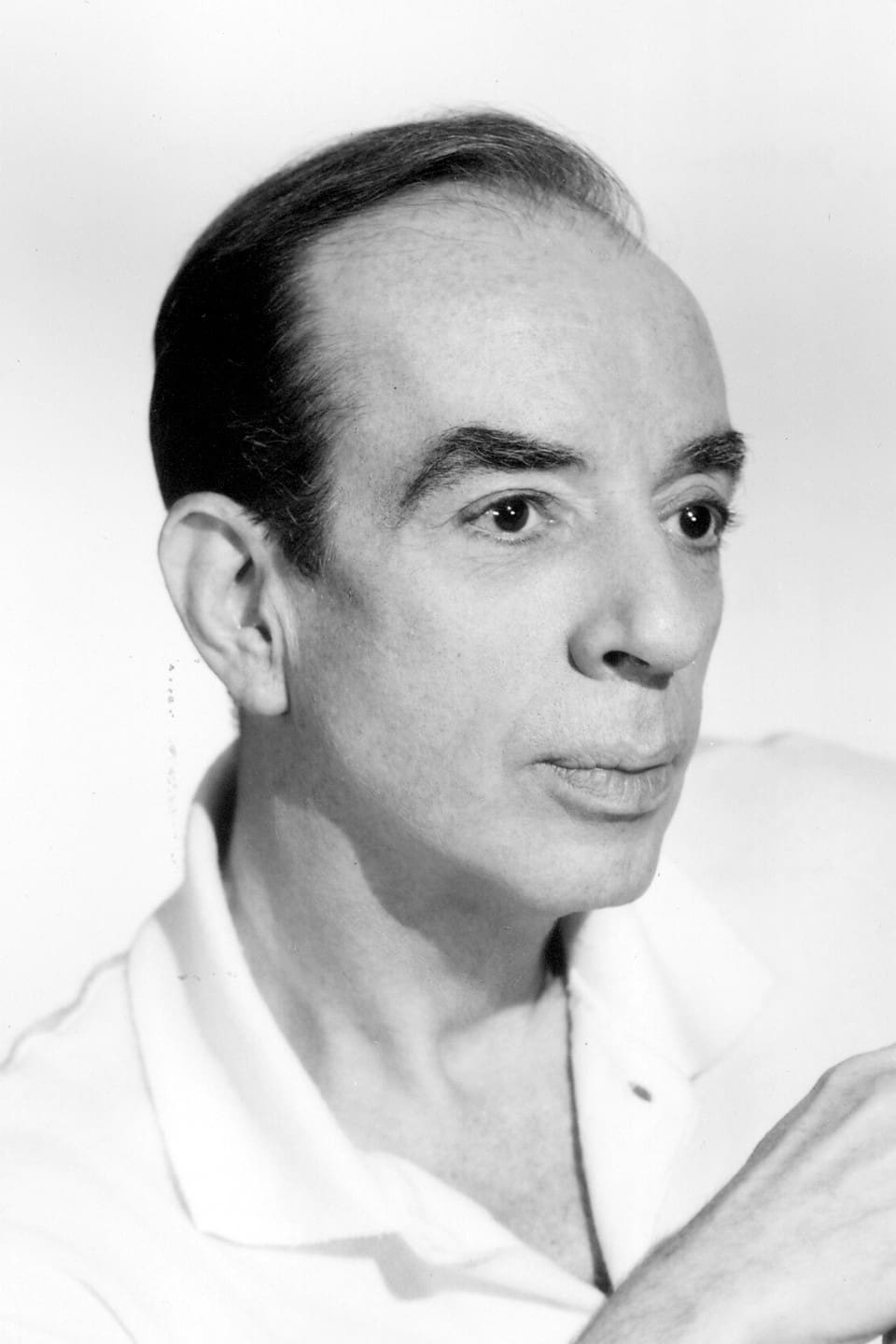
Vincente Minnelli was a celebrated director who married Judy Garland in 1945 at the urging of the studio. While he was primarily a filmmaker he was a key figure in the studio system and faced the same social pressures as the actors he worked with. The marriage produced daughter Liza Minnelli and was highly publicized by MGM to create a narrative of a perfect creative family. Minnelli directed masterpieces like ‘An American in Paris’ while maintaining a private life that was often at odds with his public image.
Zachary Scott
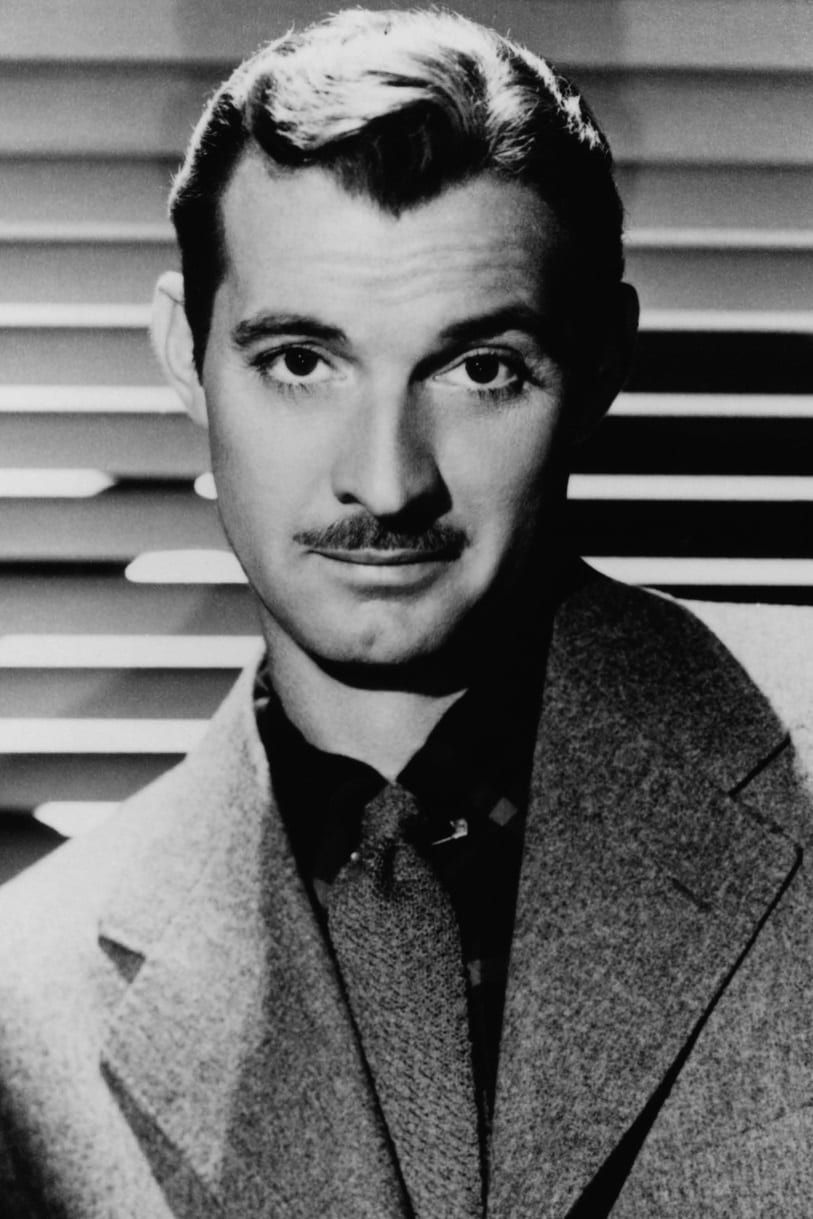
Zachary Scott married Elaine Anderson in 1934 and was known for his roles as sophisticated villains and cads. He became a star in the film ‘The Southerner’ and worked frequently in the film noir genre. The studio promoted his image as a refined family man to contrast with the dark characters he often played on screen. His marriage was an important part of the professional toolkit used to manage his reputation within the industry.
Please share your thoughts on these historical Hollywood arrangements in the comments.