Actresses Who Called Out Their Own Directors for Pushing Fake Political Agendas


The relationship between a performer and a filmmaker often involves a delicate balance of creative vision and personal conviction. In recent years several prominent actresses have publicly criticized their directors for including what they perceived as insincere or performative political messaging in their projects. These critiques frequently target instances where social issues are utilized for marketing purposes rather than authentic storytelling. From concerns over whitewashing to debates about forced narrative shifts these women have used their platforms to advocate for more genuine representation in the entertainment industry.
Viola Davis
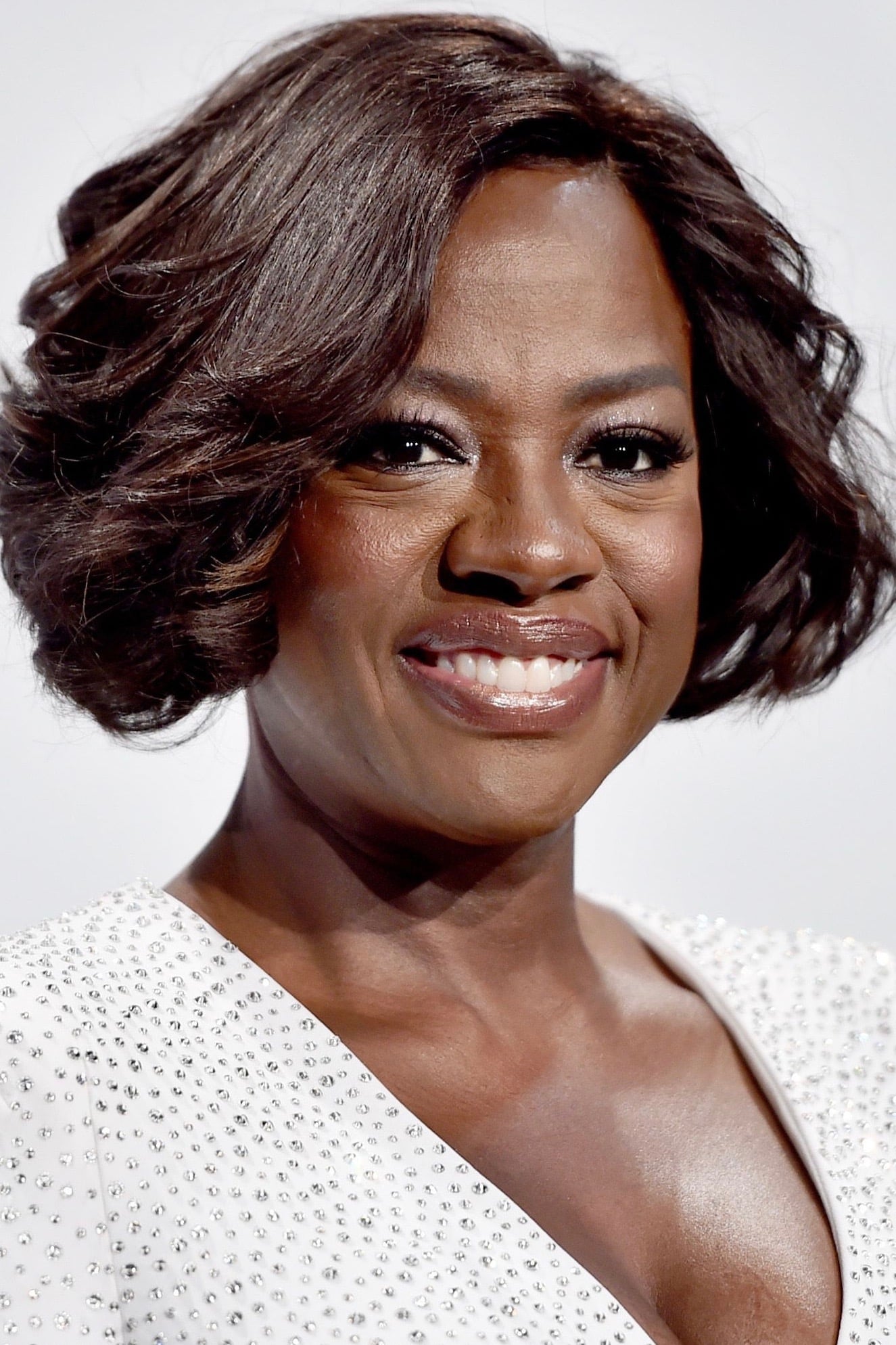
Viola Davis expressed significant regret regarding her role in the film ‘The Help’ during several high profile interviews. She argued that the narrative prioritized the comfort of white audiences over the authentic experiences of Black domestic workers. The actress noted that the production failed to let the actual maids tell their own stories in a meaningful way. This critique highlighted how the director and the studio chose a safer political narrative instead of exploring the harsh realities of the era.
Katherine Heigl
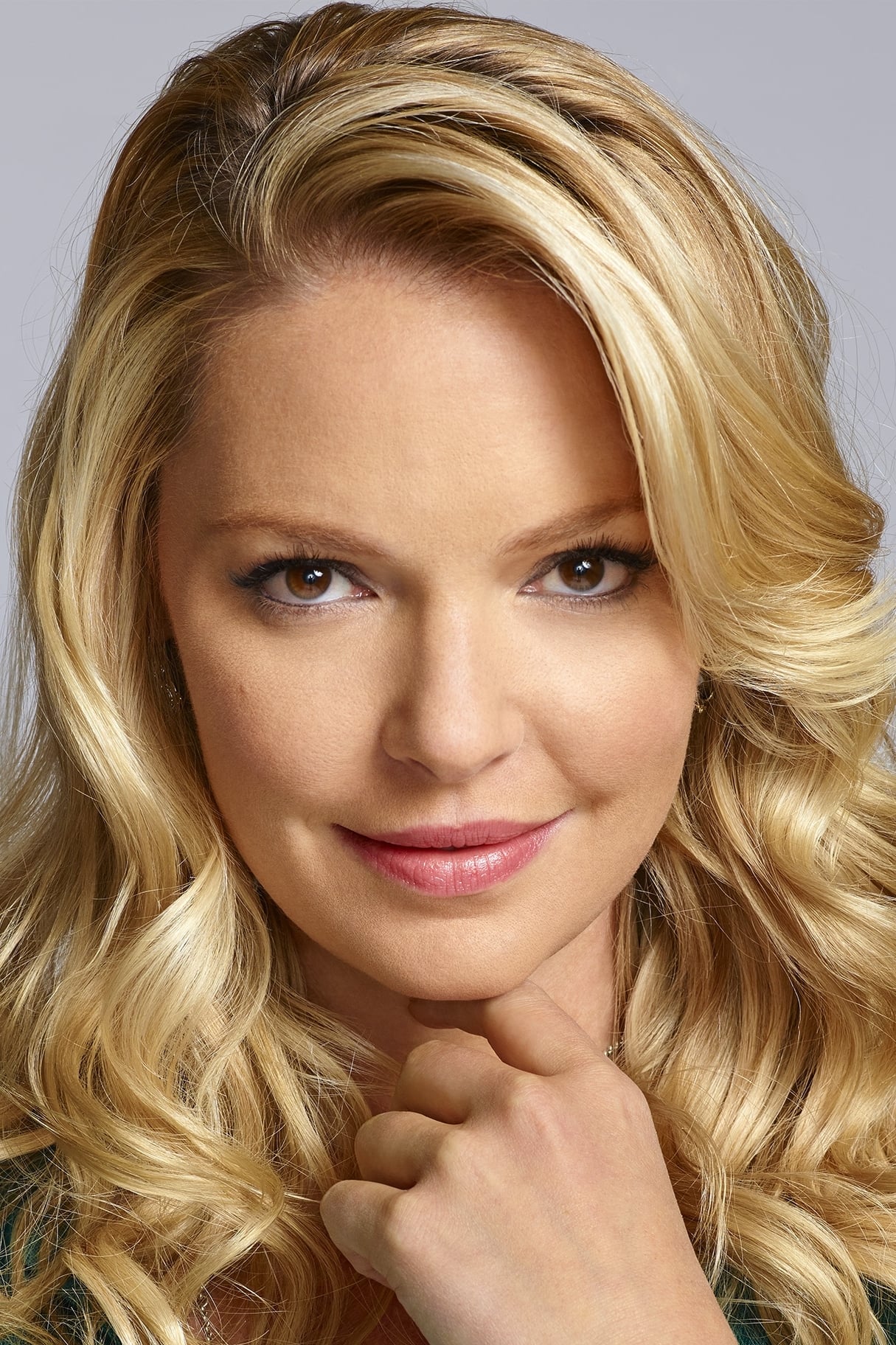
Katherine Heigl faced significant backlash after she characterized the film ‘Knocked Up’ as being somewhat sexist. She pointed out that the movie depicted women as humorless and uptight while the male characters were portrayed as lovable and fun. The actress felt the director pushed a narrative that reinforced traditional and negative gender stereotypes under the guise of modern comedy. Her comments sparked a long standing debate about the representation of women in Judd Apatow productions.
Jenna Ortega
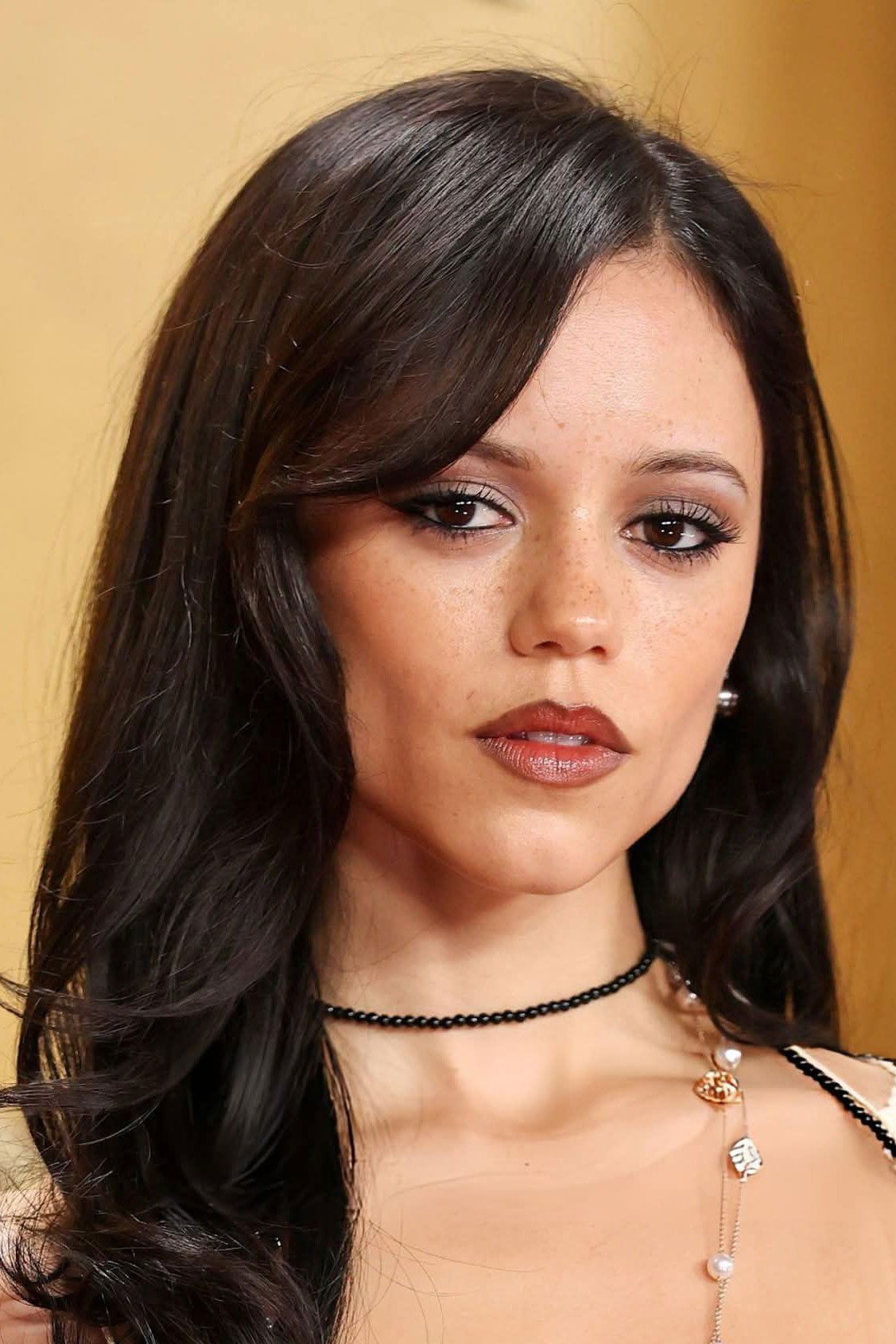
Jenna Ortega revealed that she frequently challenged the creative direction during the filming of the series ‘Wednesday’. She felt that certain plot points and lines of dialogue did not align with the established nature of her character. The actress actively changed scripts to ensure the protagonist remained consistent rather than following a more mainstream or trendy trajectory. Her intervention was a direct response to narrative choices she believed were designed for mass appeal rather than character integrity.
Salma Hayek Pinault
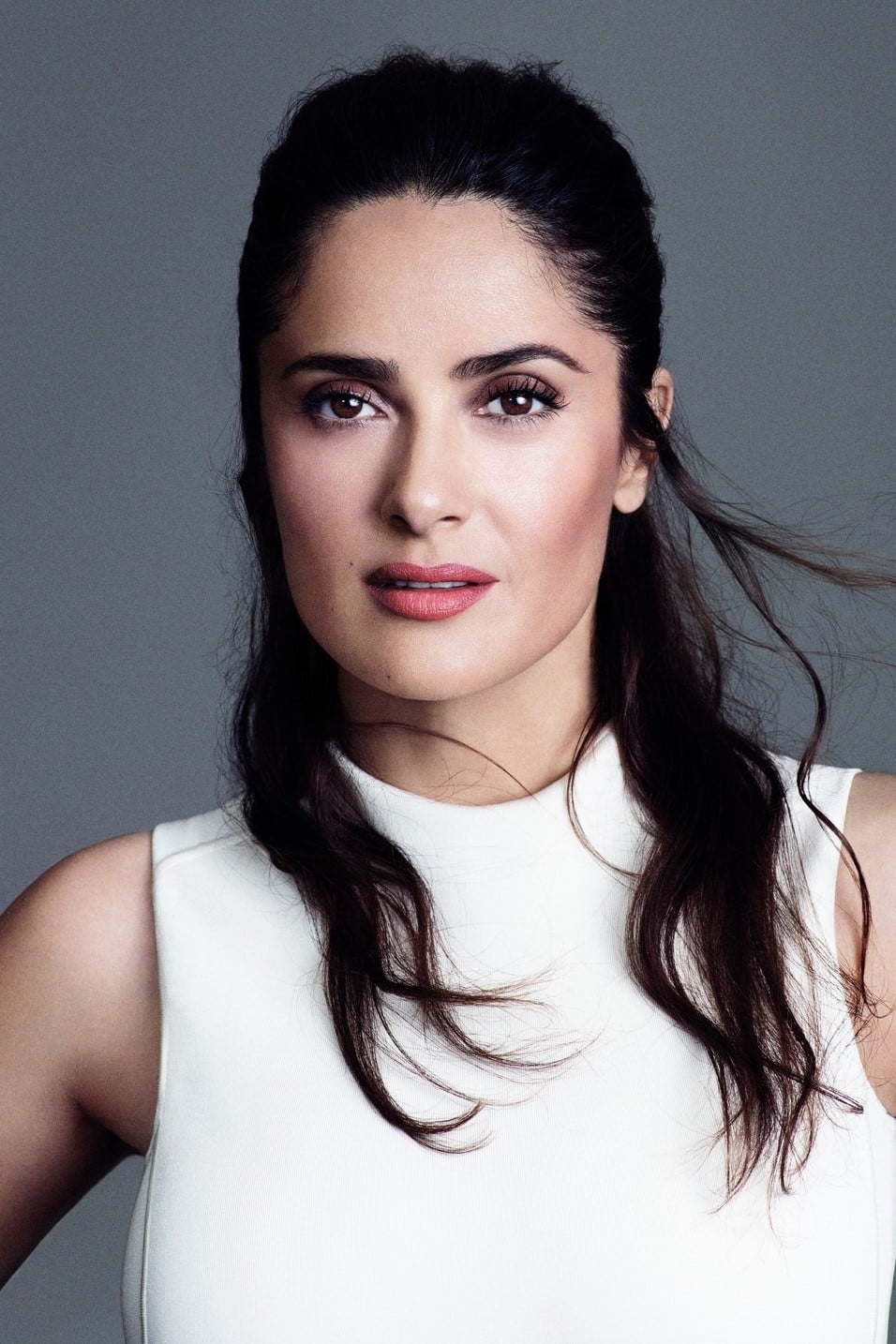
Salma Hayek Pinault has been vocal about the immense pressure she faced from Harvey Weinstein during the production of ‘Frida’. She described how the producer made constant demands that threatened the artistic and political sincerity of the biographical film. The actress fought to maintain the focus on the actual life and struggles of Frida Kahlo despite attempts to sexualize the narrative. Her endurance through the project remains a landmark example of a performer protecting a subject from exploitative production agendas.
Rachel Zegler
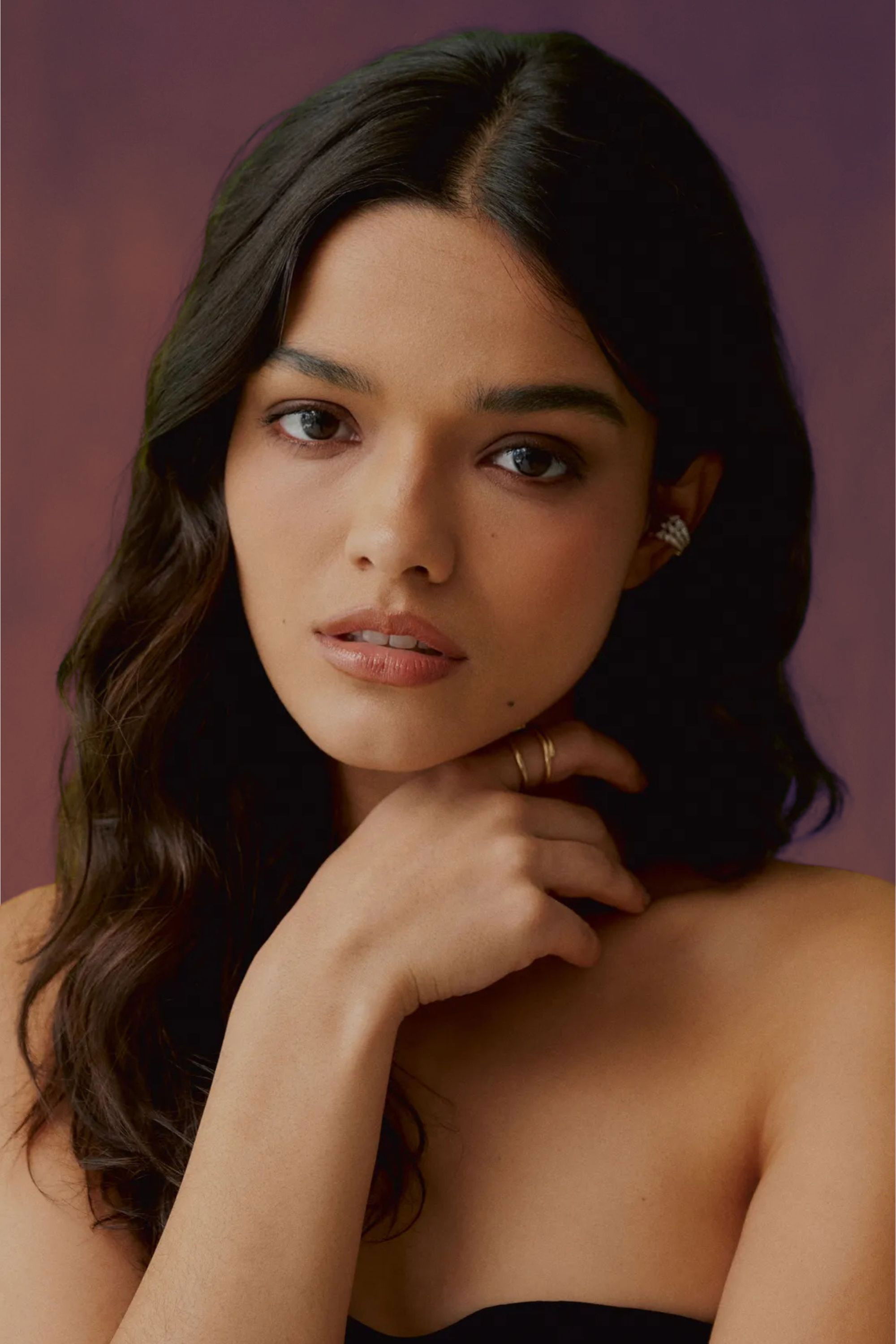
Rachel Zegler generated significant discussion when she commented on the updated direction of the upcoming live action ‘Snow White’. She noted that the original story was outdated regarding its depiction of romance and female leadership. The actress suggested that the new version would move away from the traditional damsel in distress trope to focus on the character becoming a leader. This shift led to a wider conversation about whether modernizing classic tales is a sincere creative choice or a corporate response to current social climates.
Michelle Rodriguez
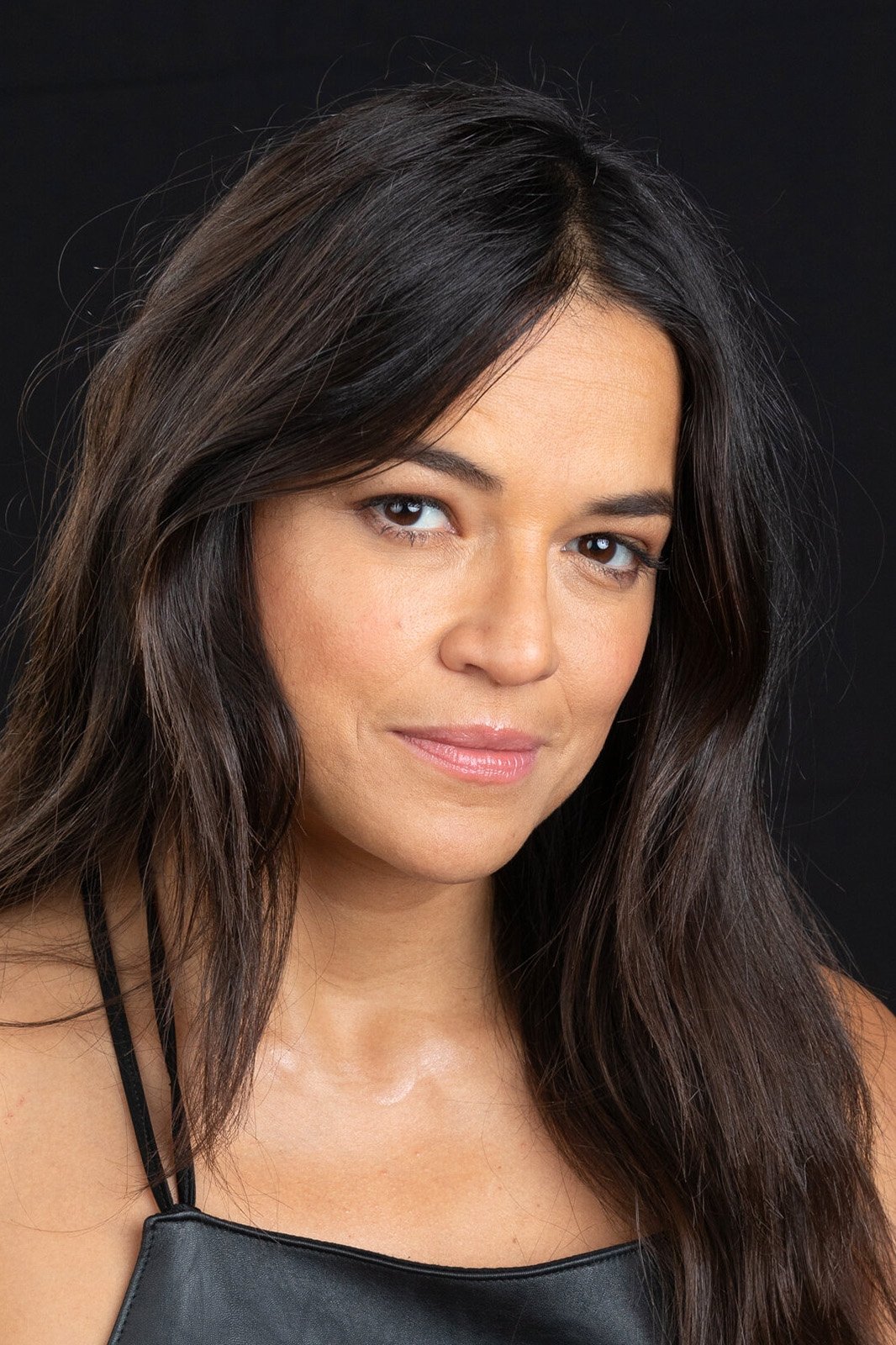
Michelle Rodriguez threatened to leave the ‘Fast & Furious’ franchise if the production did not improve its treatment of female characters. She called out the male centric focus of the series and the lack of meaningful interaction between the women on screen. The actress argued that the films were pushing a shallow version of empowerment without giving the female leads substantive arcs. Her public ultimatum eventually led to more prominent and connected roles for the women in the ensemble.
Tessa Thompson
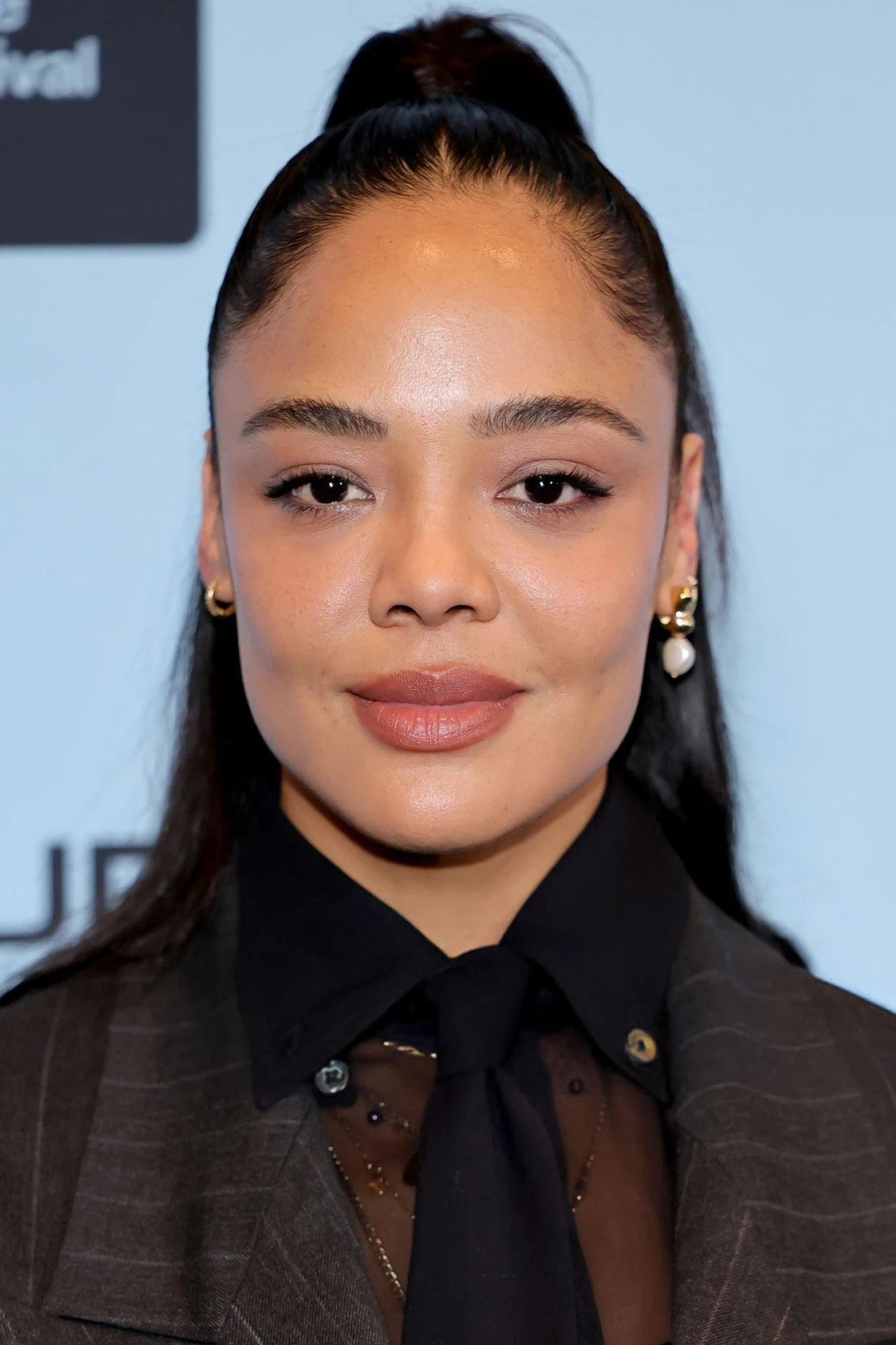
Tessa Thompson has frequently discussed the importance of authentic representation within the Marvel Cinematic Universe. While filming ‘Thor: Love and Thunder’ she advocated for more explicit inclusion of her character’s identity and history. The actress has expressed concerns in the past about studios using diversity as a superficial marketing tool rather than a core element of the story. She continues to push directors to ensure that inclusive narratives are integrated naturally rather than treated as an afterthought.
Chloë Grace Moretz

Chloë Grace Moretz publicly condemned the marketing campaign for her animated film ‘Red Shoes and the 7 Dwarfs’. The promotional materials appeared to body shame the protagonist by comparing her height and weight to traditional beauty standards. The actress clarified that she had no knowledge of the ads and was appalled by the message they sent to young audiences. She emphasized that the actual story was intended to be empowering and that the marketing team had pushed a damaging agenda.
Emma Stone
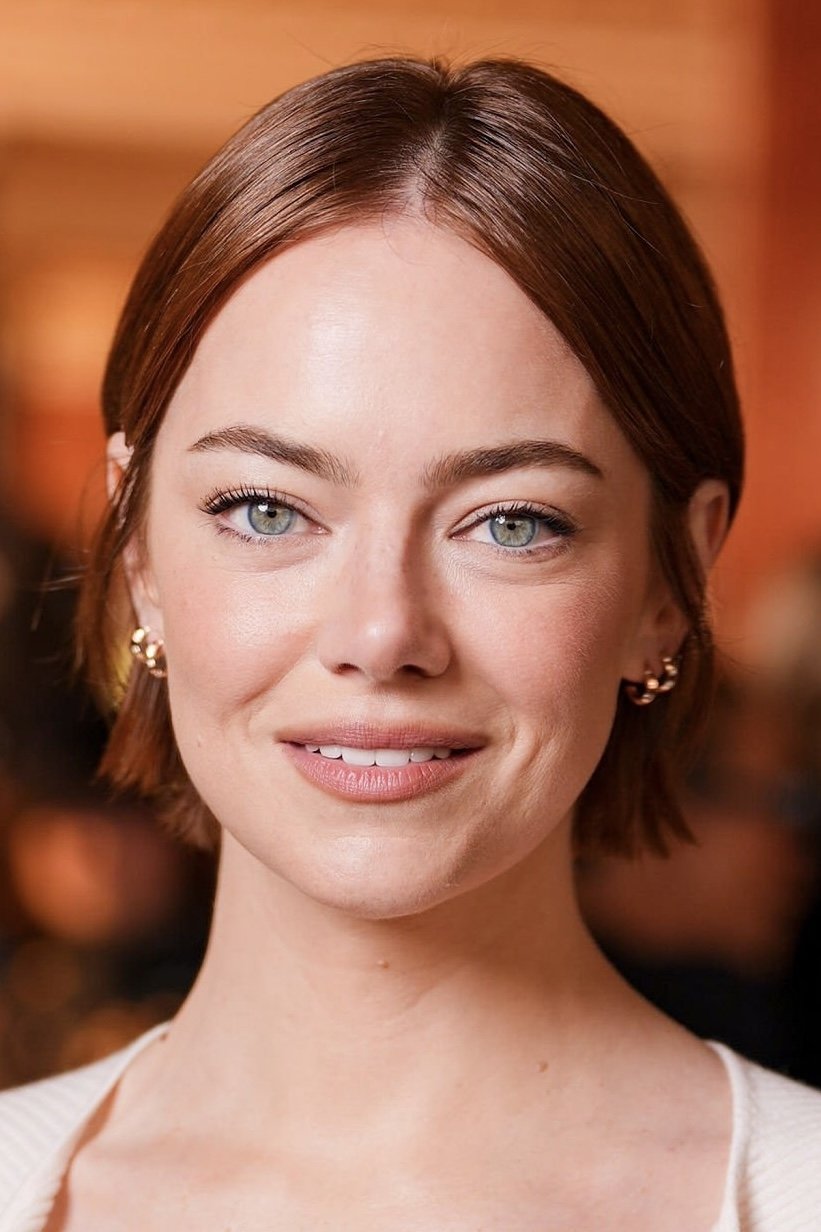
Emma Stone expressed deep regret after being cast as a character of Asian and Hawaiian heritage in the film ‘Aloha’. The casting choice led to widespread accusations of whitewashing against the director and the studio. The actress admitted that she had become a symbol of a larger systemic problem in Hollywood regarding the lack of authentic representation. She has since used the experience to speak about the importance of casting actors who truly reflect the backgrounds of the characters they portray.
Scarlett Johansson
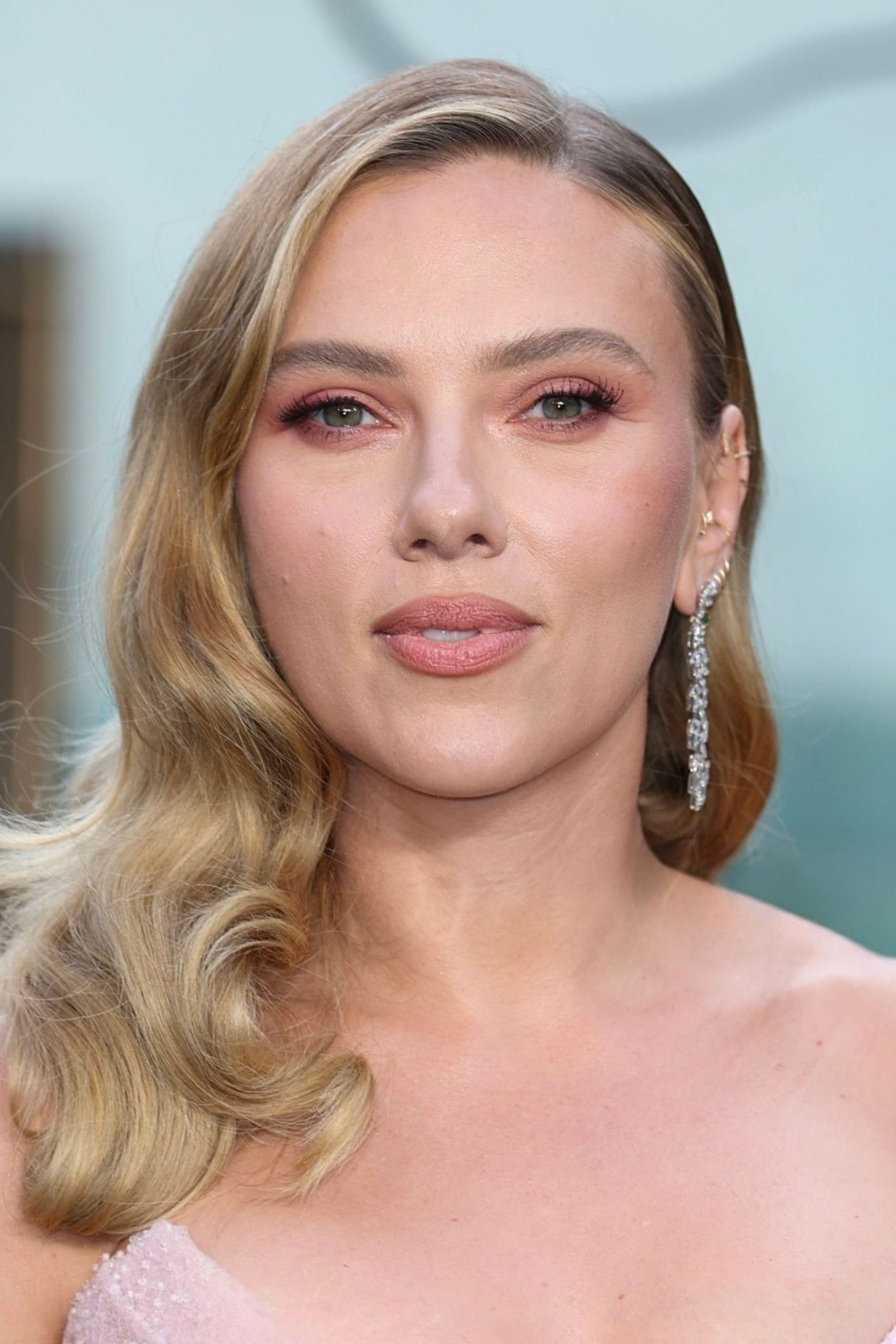
Scarlett Johansson faced intense scrutiny for her role in the live action adaptation of ‘Ghost in the Shell’. Critics and fans argued that the production engaged in whitewashing by casting a white actress in a role originally depicted as Japanese. While she initially defended the decision she later acknowledged the validity of the conversation surrounding cultural appropriation in film. The controversy forced a broader industry discussion about the ethics of adapting international intellectual property for Western audiences.
Thandiwe Newton

Thandiwe Newton shared her difficult experiences while working on the high budget sequel ‘Mission: Impossible 2’. She described feeling objectified and frustrated by the lack of agency her character was given by the director. The actress noted that the production seemed more interested in her appearance than in her ability to contribute to the narrative. Her reflections highlighted the challenges faced by women of color in action films during the early two thousands.
Rose McGowan

Rose McGowan has been a prominent critic of the entertainment industry and the ways directors handle gender politics. She famously called out a script for a movie that included specific and suggestive wardrobe notes for female roles. The actress argued that these types of instructions pushed a narrow and exploitative political agenda that marginalized women. Her activism helped ignite the wider movement to address systemic harassment and inequality in Hollywood.
Gal Gadot
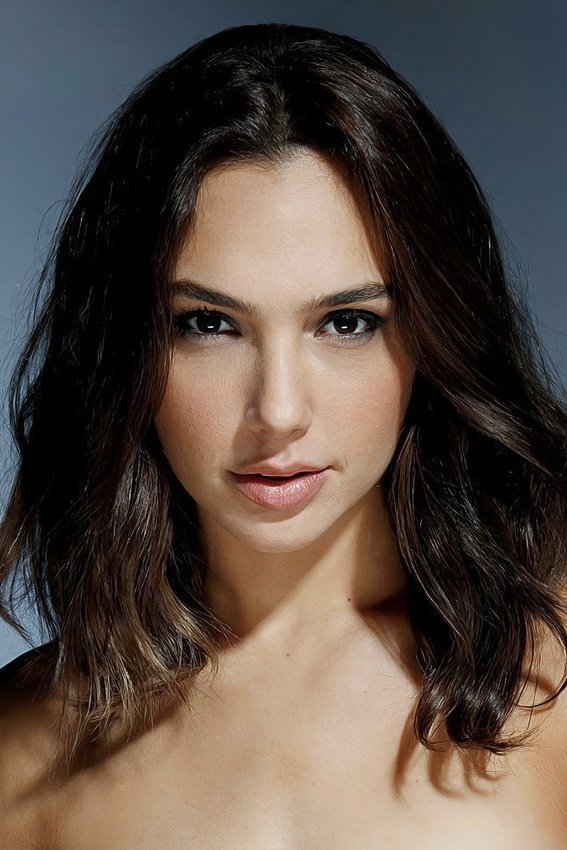
Gal Gadot reported significant issues with director Joss Whedon during the reshoots of ‘Justice League’. She alleged that the director threatened her career when she questioned the direction of her character and the dialogue provided. The actress stood her ground to ensure that the depiction of Wonder Woman remained consistent with the previous solo film. This conflict brought to light concerns about the toxic workplace culture and the dismissal of female input in major franchises.
Charisma Carpenter
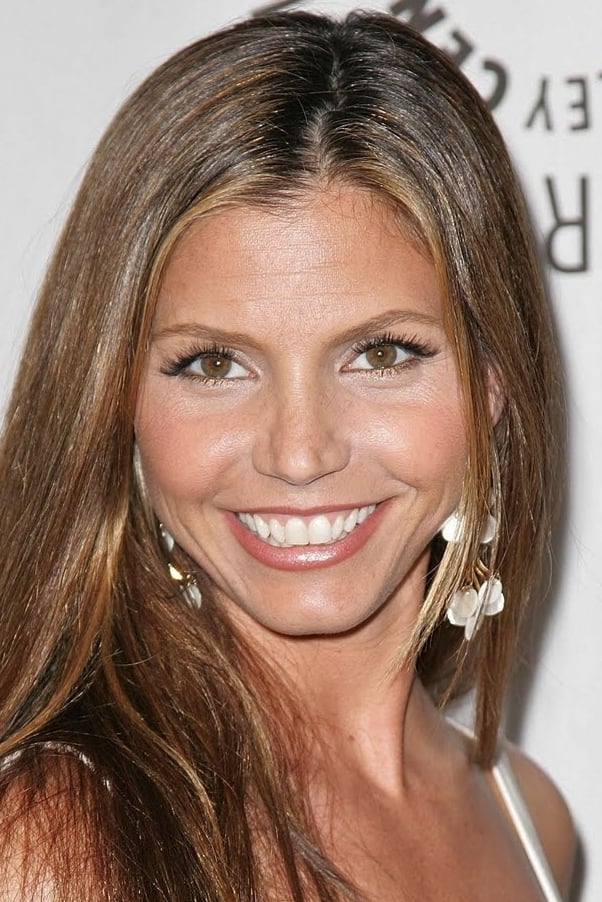
Charisma Carpenter detailed the professional and personal retaliation she faced from Joss Whedon during her time on ‘Angel’. She alleged that the director was hostile toward her pregnancy and used his power to undermine her character. The actress felt the production pushed a narrative that punished her for her real life circumstances. Her bravery in coming forward years later encouraged other cast members to share similar experiences regarding the director.
Cynthia Erivo
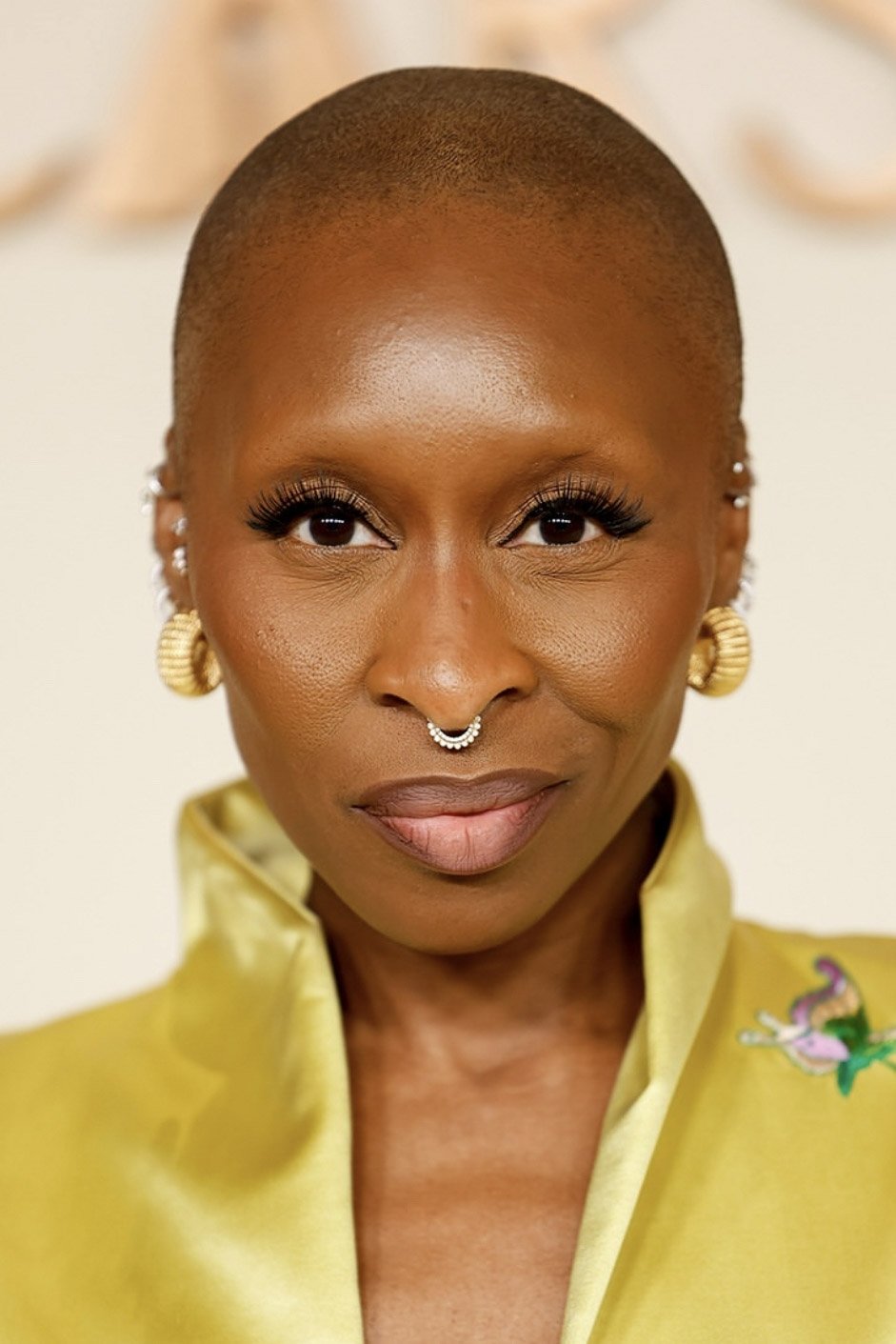
Cynthia Erivo has spoken about the complexities of portraying iconic figures like Harriet Tubman and the scrutiny that follows. She has addressed criticisms regarding the sincerity of the political messages in films that tackle historical trauma. The actress emphasizes that directors must go beyond surface level depictions to honor the true legacy of the individuals they are portraying. Her work often involves navigating the tension between artistic interpretation and historical accuracy.
Amandla Stenberg
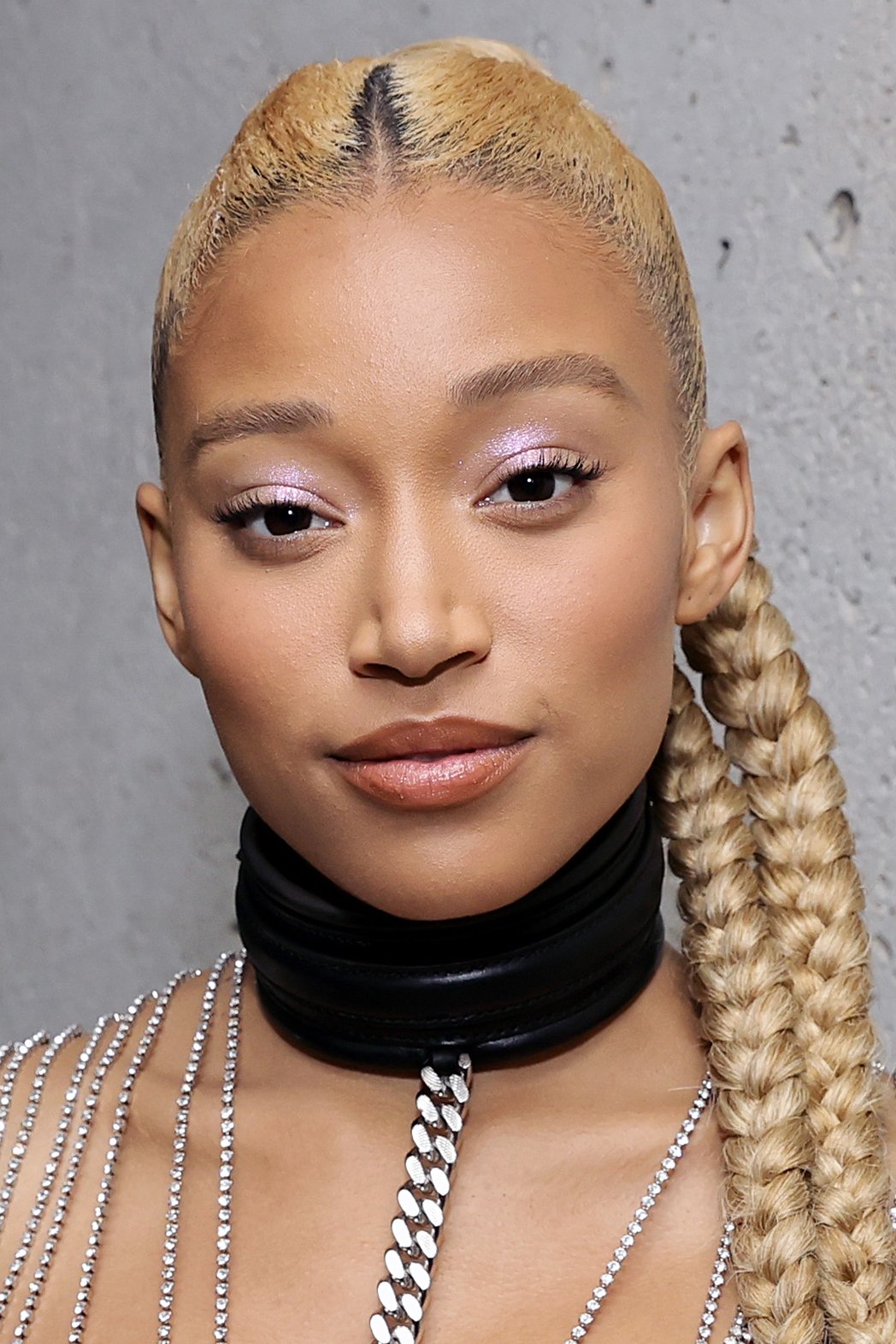
Amandla Stenberg has been vocal about her experiences with projects that attempt to address racial identity. She has occasionally criticized the ways in which productions simplify complex social issues for the sake of a more digestible narrative. The actress advocates for stories that allow for nuance and avoid falling into common tropes of the genre. Her public comments reflect a desire for a more sophisticated and honest approach to political themes in cinema.
Constance Wu
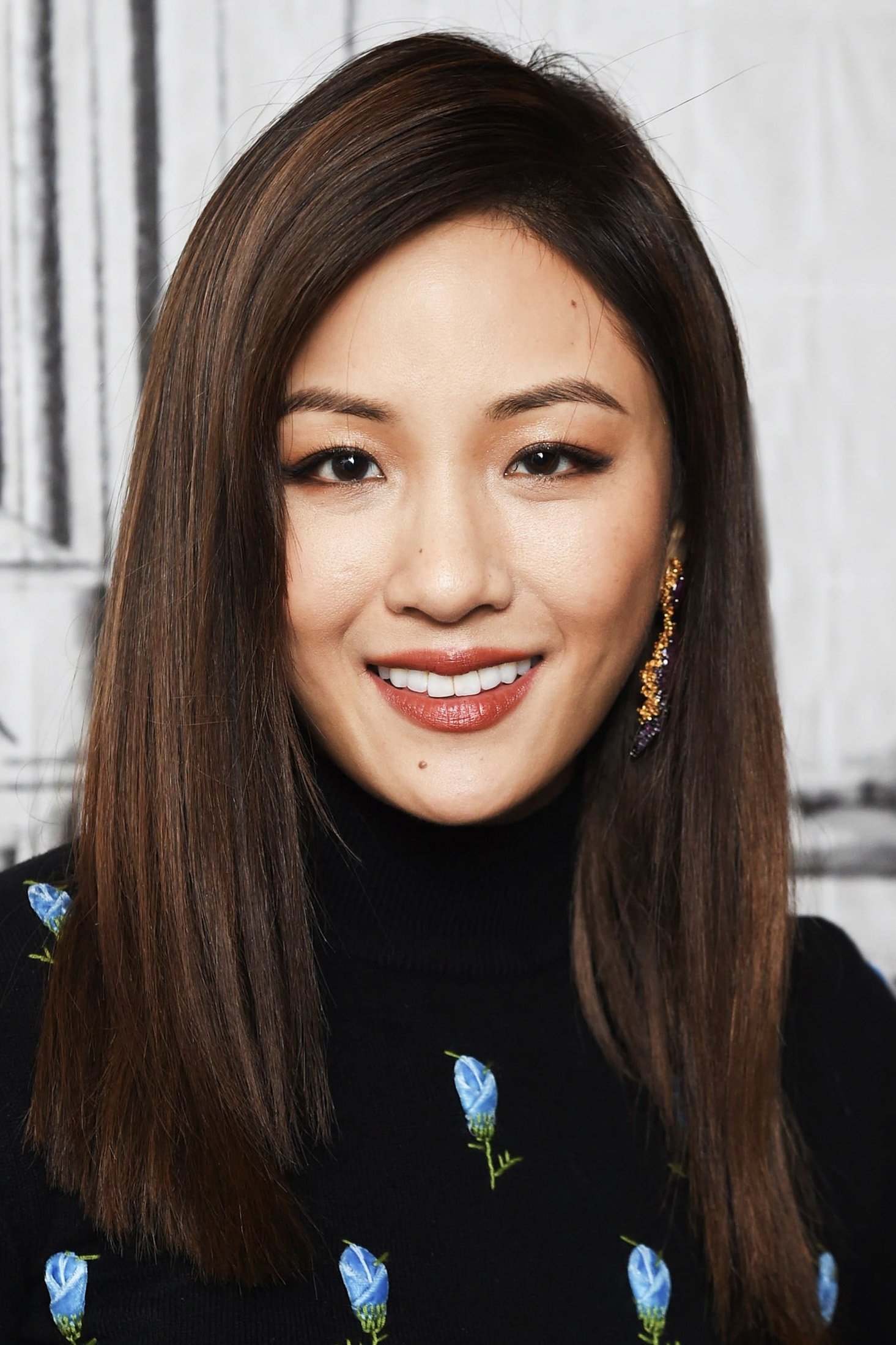
Constance Wu made headlines when she expressed frustration over the renewal of the sitcom ‘Fresh Off the Boat’. While some misinterpreted her reaction she later clarified that she was disappointed to lose out on a more challenging project. The actress felt the show had become creatively stagnant and was no longer pushing for the authentic representation she valued. Her situation highlighted the creative constraints that can occur within long running television contracts.
Sandra Oh
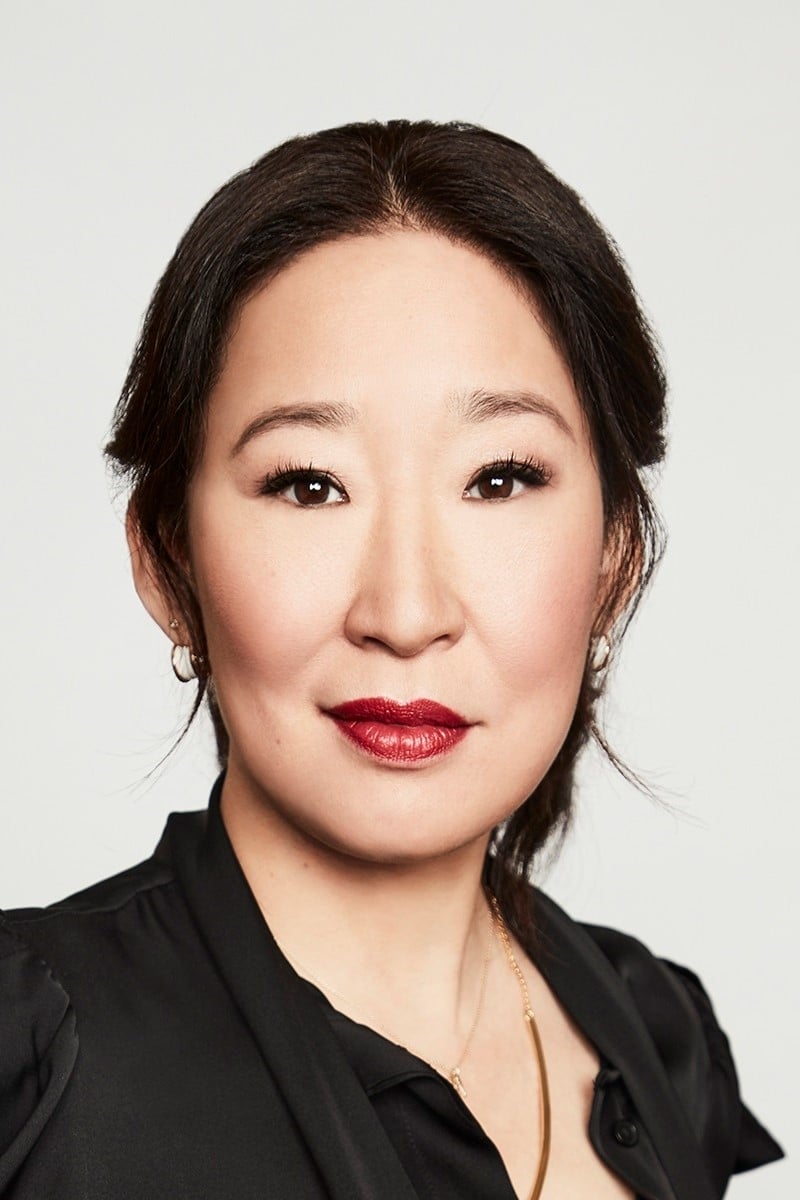
Sandra Oh has frequently pushed for more depth and cultural specificity in the roles she accepts. During her time on ‘Grey’s Anatomy’ she collaborated closely with writers to ensure her character avoided stereotypical portrayals. The actress has noted that she often has to fight against directors who want to use her background as a mere plot point. She remains a strong advocate for the idea that diversity should be reflected in the writing and direction rather than just the casting.
Florence Pugh
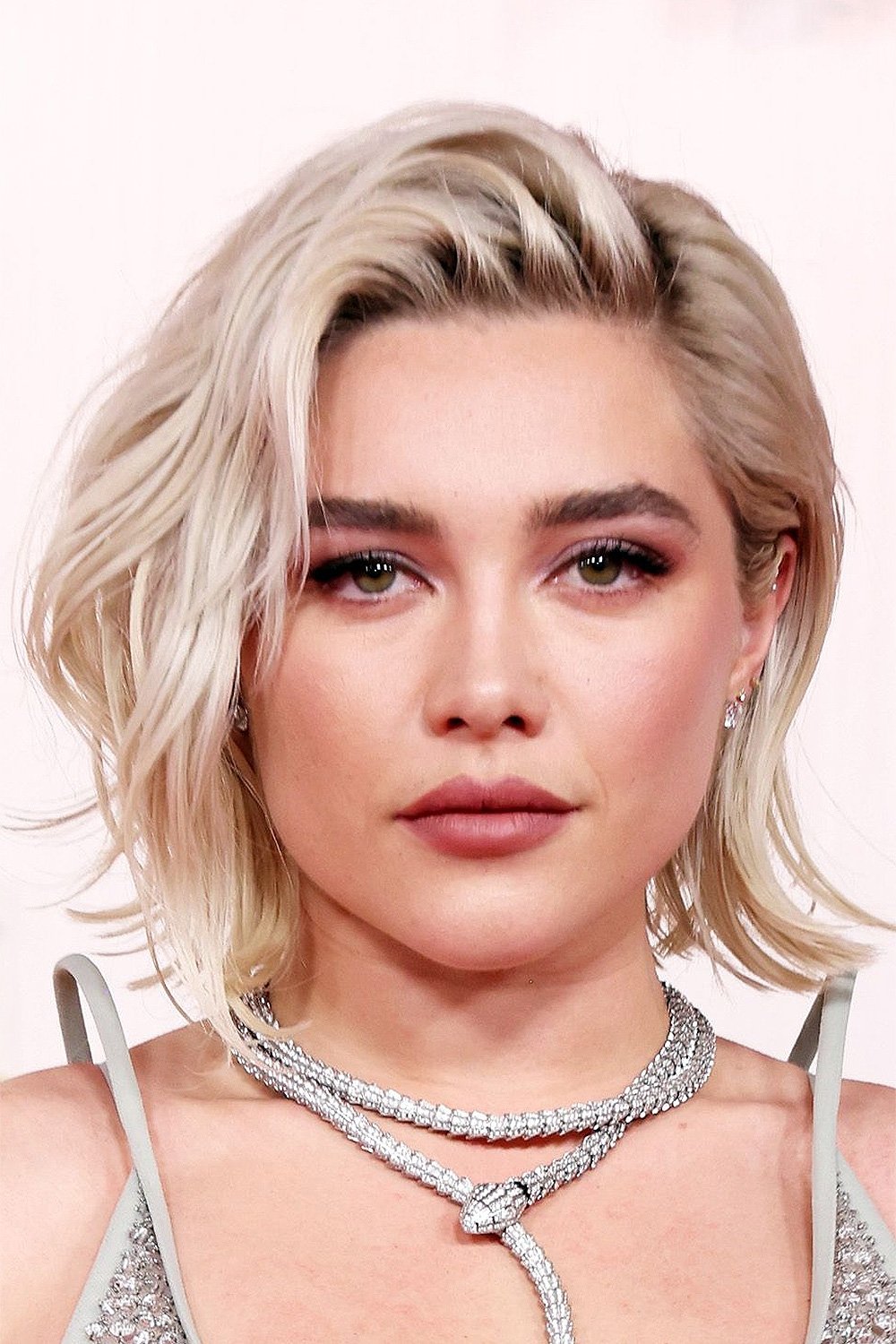
Florence Pugh addressed the public obsession with her personal life and how it overshadowed the promotion of ‘Don’t Worry Darling’. She appeared to distance herself from the film’s press tour amid rumors of creative differences with the director. The actress seemed to prioritize the craft of the film over the sensationalized and political narratives being discussed in the media. Her professional approach during the tumultuous release period earned her significant respect from her peers.
Jessica Chastain
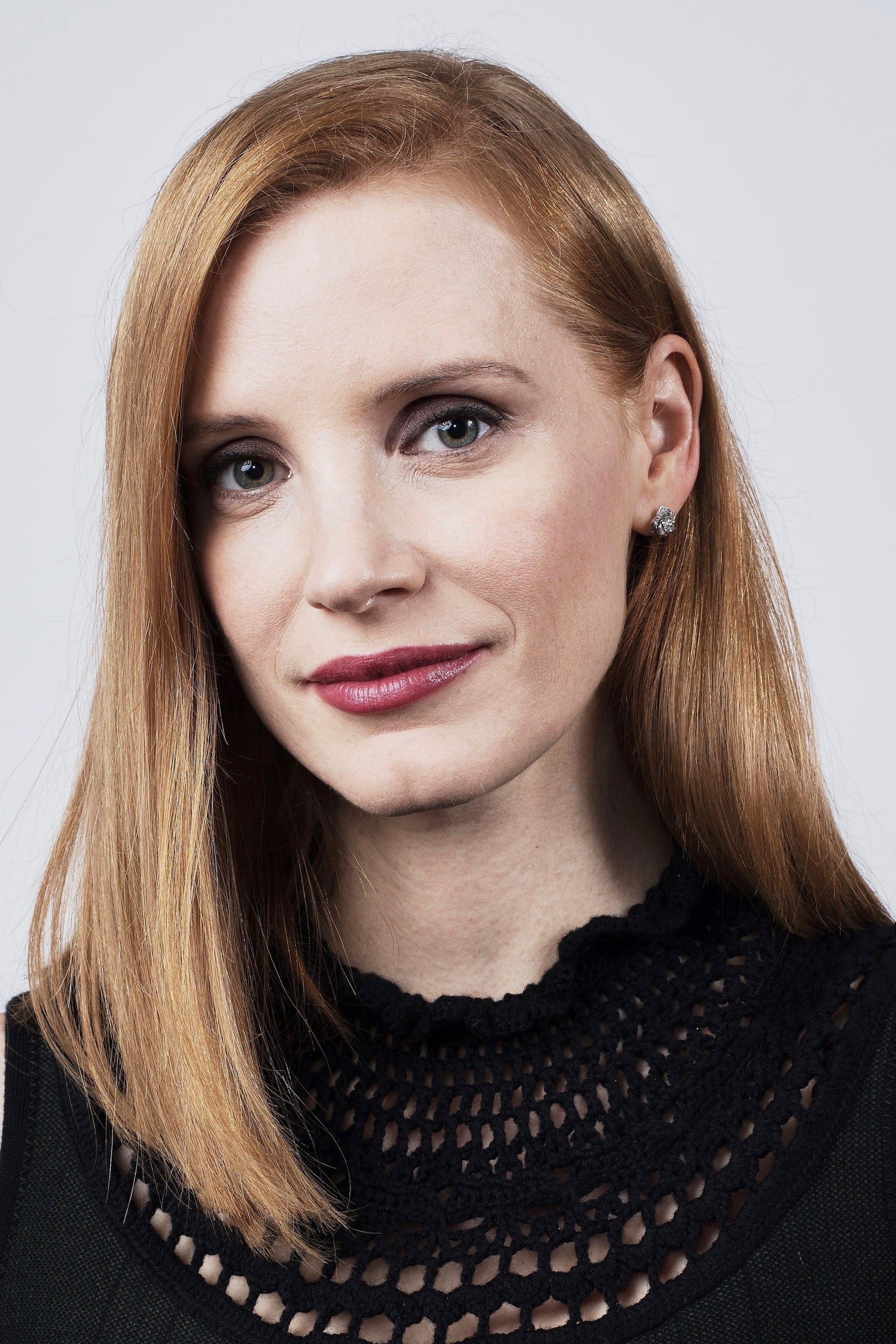
Jessica Chastain has reflected on her experience in ‘The Help’ and the valid criticisms raised by her costar Viola Davis. She acknowledged that the film might have missed the mark in its attempt to address racial inequality by focusing too much on the white characters. The actress has since become more selective about projects to ensure they offer a more balanced and truthful perspective. She remains committed to using her influence to promote equitable storytelling in the industry.
Charlize Theron
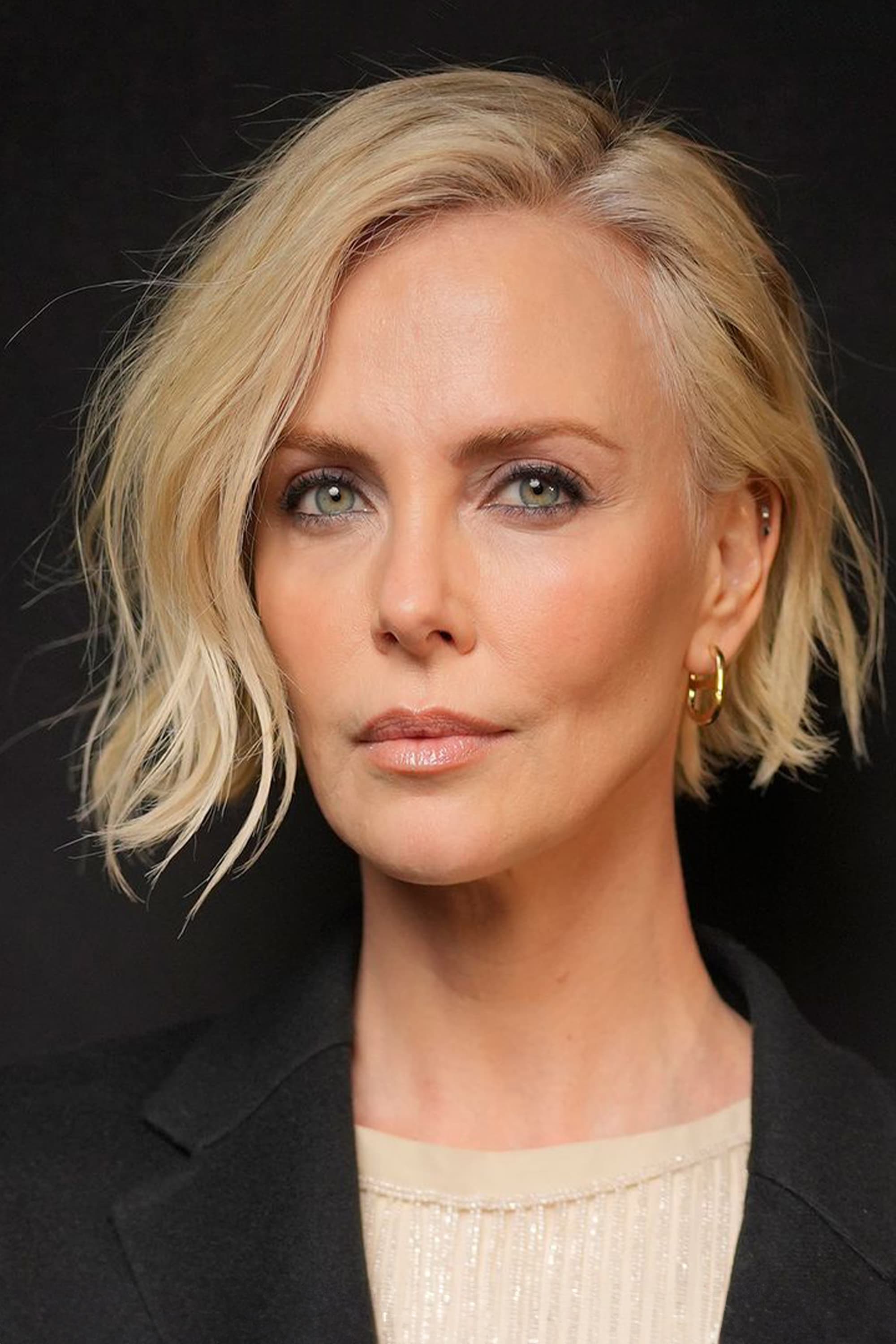
Charlize Theron has spoken about the difficulties of filming ‘Mad Max: Fury Road’ and the intense atmosphere on set. She noted that the director had a very specific vision that often led to friction among the cast members. The actress has also been a vocal advocate for pay equity and has called out productions that do not treat their female stars with the same respect as their male counterparts. Her willingness to address these issues has made her a leader in the fight for industry reform.
Emily Blunt
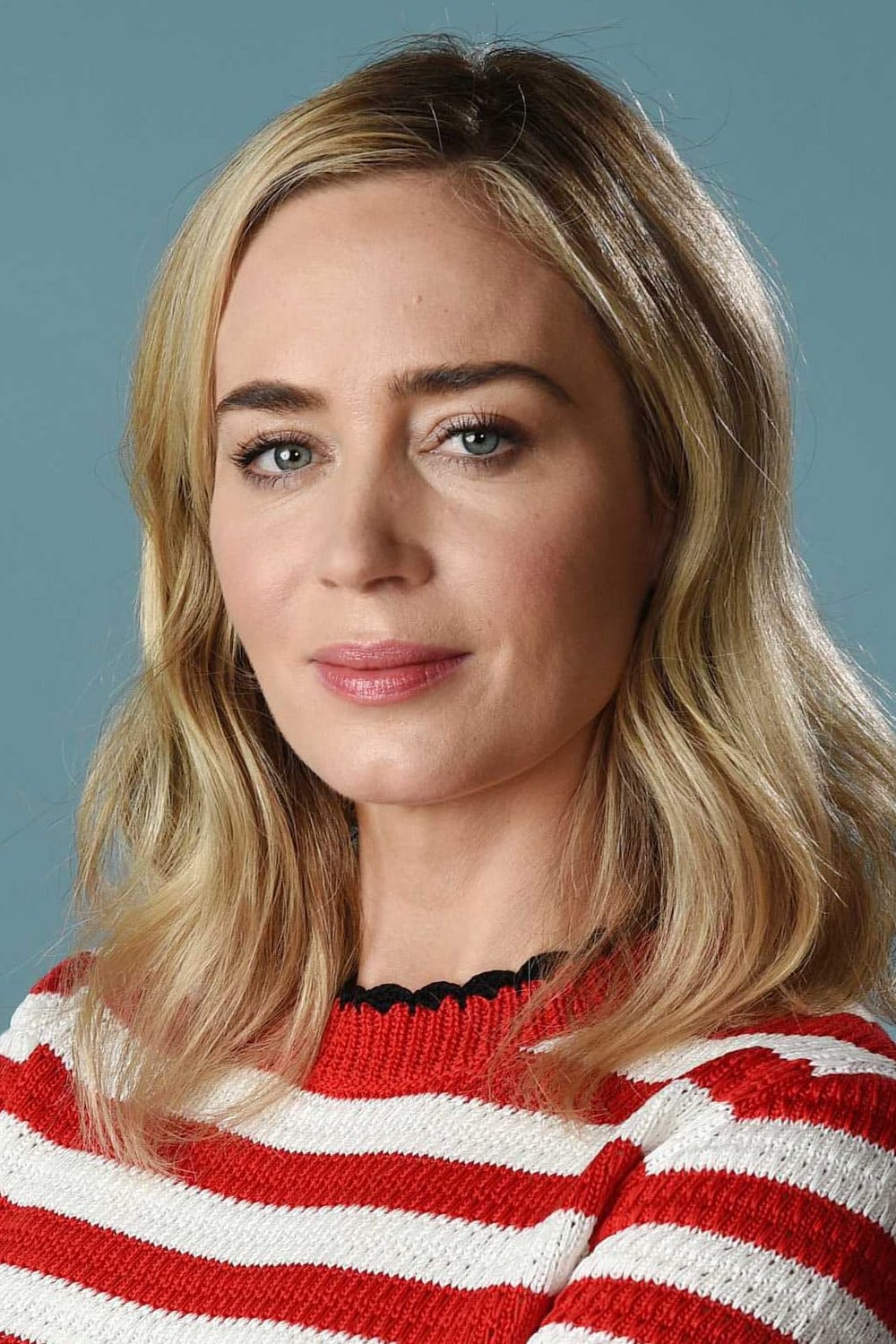
Emily Blunt famously resisted the idea of her character being made more vulnerable in the film ‘Sicario’. The production initially considered changing the lead role to a man to make the story more marketable to audiences. The actress and the director eventually agreed to keep the character female but Blunt had to fight to ensure her character remained stoic and professional. Her performance proved that female characters in the action genre do not need to be softened for the sake of the plot.
Anne Hathaway
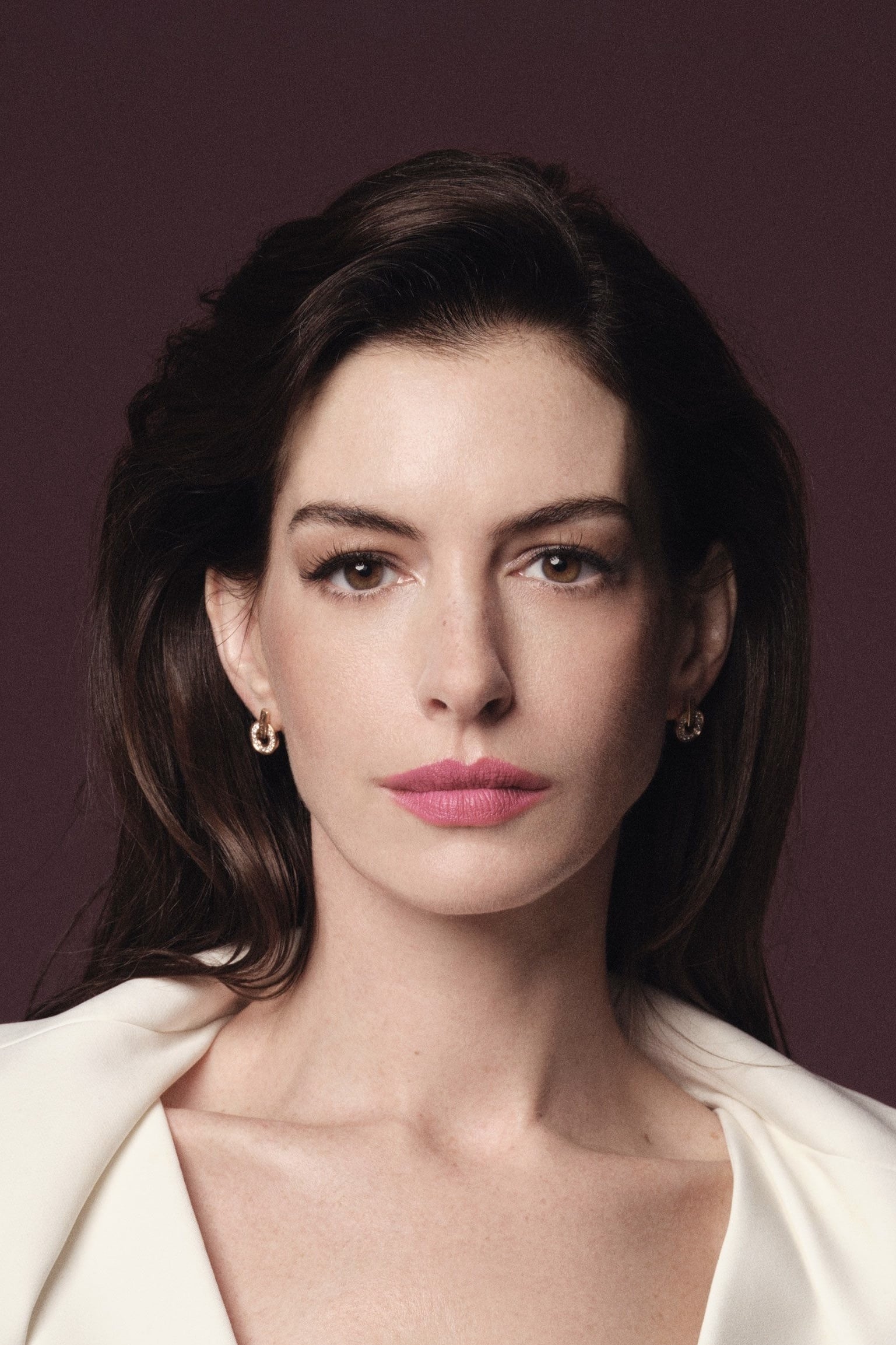
Anne Hathaway apologized to the disability community after the release of the film ‘The Witches’. The portrayal of her character included physical traits that many felt reinforced negative stereotypes about people with limb differences. The actress acknowledged that the production had not fully considered the political and social implications of the character design. Her swift apology was seen as a sincere attempt to take responsibility for a narrative mistake.
Natalie Portman
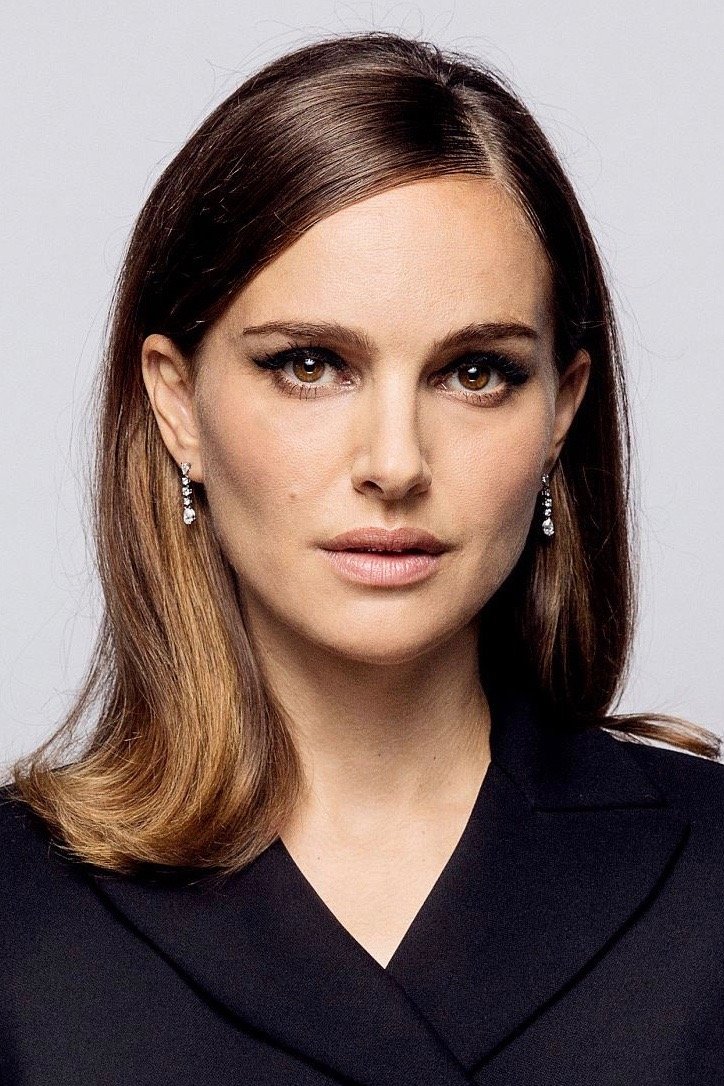
Natalie Portman has used her position at major award shows to call out the lack of female representation in directing categories. She famously made a pointed comment while presenting at the Golden Globes regarding the all male nominees. The actress has also been critical of the way some directors handle female characters in large franchises. Her advocacy for more diverse voices behind the camera continues to influence the conversation about gender parity.
Kelly Marie Tran
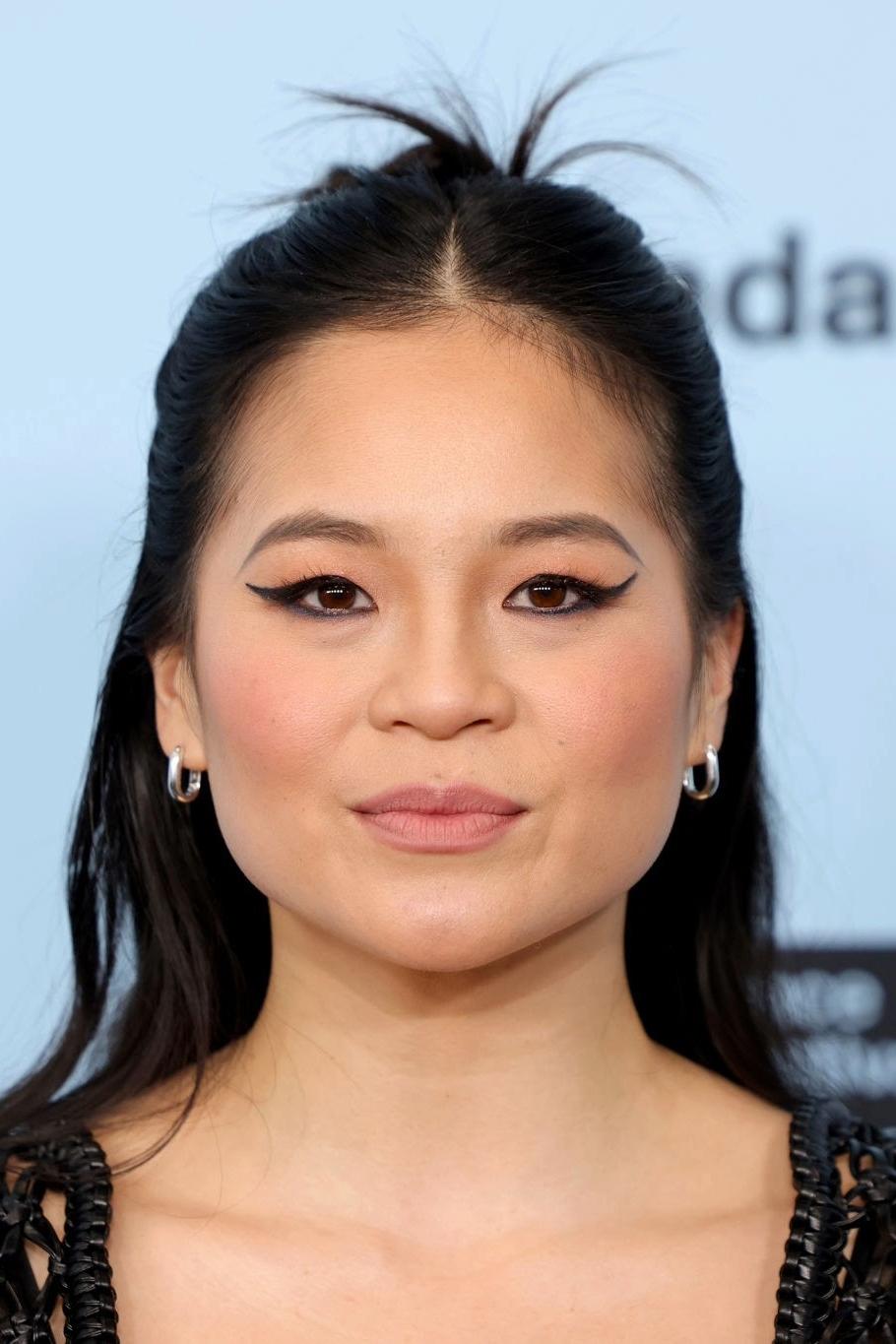
Kelly Marie Tran faced severe online harassment following her appearance in ‘Star Wars: The Last Jedi’. She later wrote an essay about how the experience forced her to confront the ways in which society views women of color. The actress criticized the industry for not doing enough to protect performers from targeted hate campaigns. Her departure from social media was a significant moment in the discussion about the toxic elements of fan culture.
Naomie Harris
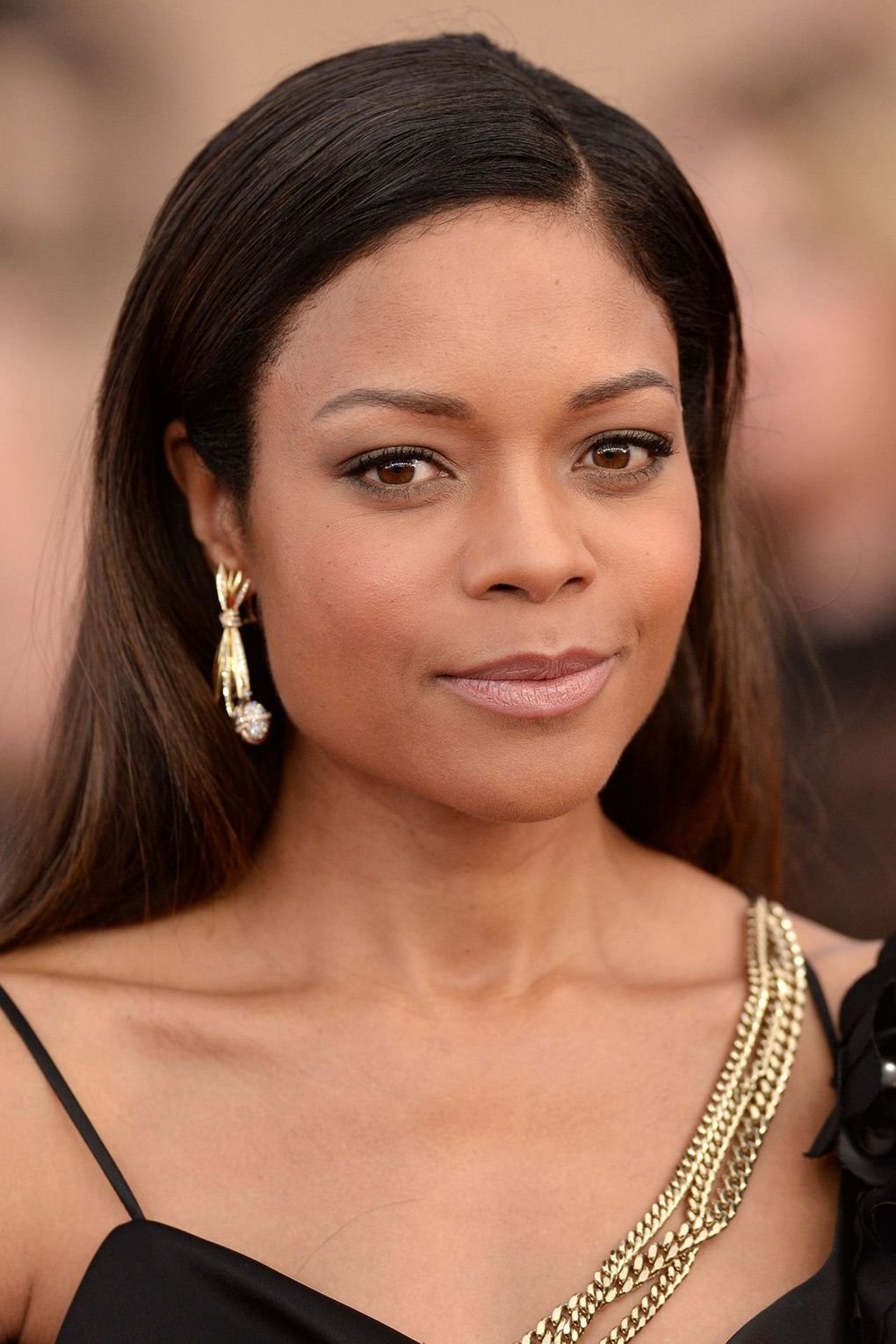
Naomie Harris has discussed the evolution of her character Eve Moneypenny in the James Bond series. She pushed for the character to have a more active and professional role rather than being a traditional love interest. The actress wanted to ensure that the modern Bond films moved away from the regressive gender politics of the past. Her influence helped redefine the role for a new generation of viewers.
Lashana Lynch

Lashana Lynch addressed the intense backlash she received after it was announced her character would take on the 007 designation in ‘No Time to Die’. She spoke about how the production was committed to diversifying the franchise despite the resistance from certain segments of the audience. The actress viewed the role as a necessary step toward more inclusive storytelling in iconic film series. She emphasized that the move was about progress rather than a fake political statement.
Zendaya

Zendaya has been very intentional about the roles she chooses to ensure she is not just a token of diversity. She has worked closely with directors to build characters that have depth and agency beyond their racial identity. The actress has stated that she wants to see more people of color in positions of power within the production process. Her career choices reflect a commitment to changing the industry from the inside out.
Issa Rae
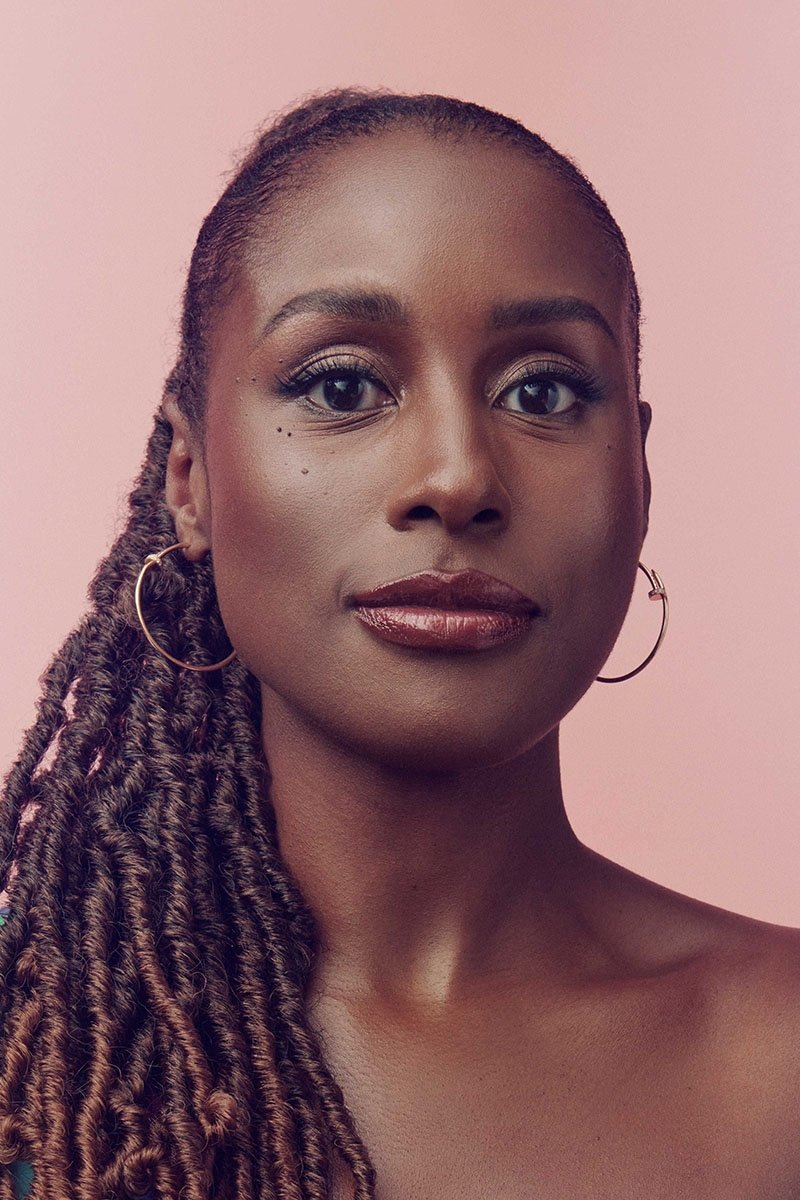
Issa Rae has built her career on creating authentic stories that center the experiences of Black women. She has been critical of Hollywood’s tendency to greenlight projects that only offer a superficial look at diverse lives. The actress and producer advocates for ownership and creative control to avoid the pitfalls of corporate mandated diversity. Her success with ‘Insecure’ has paved the way for more nuanced and self directed narratives.
Quinta Brunson
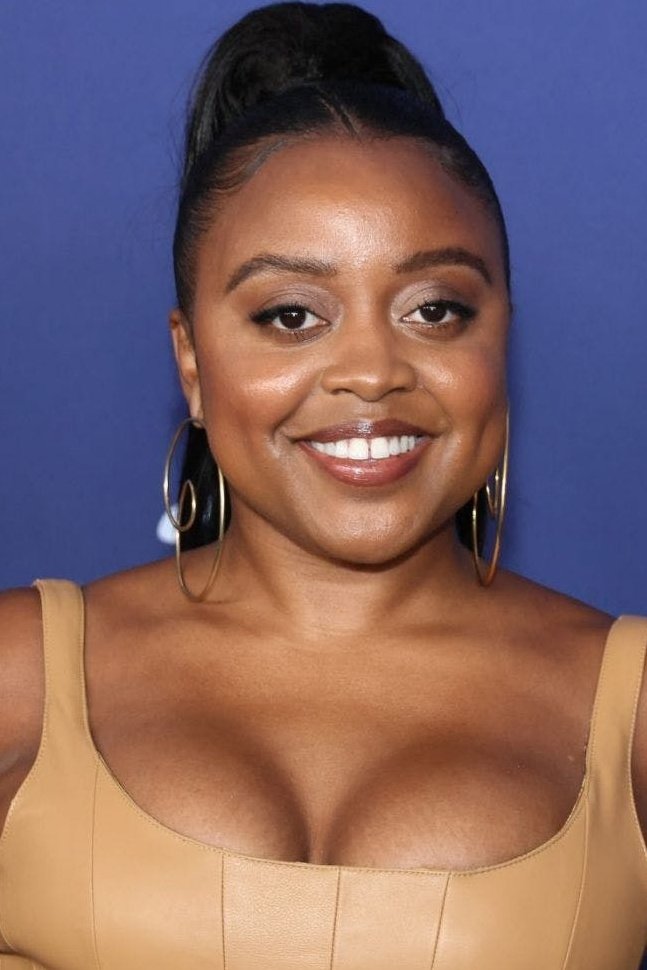
Quinta Brunson has used ‘Abbott Elementary’ to highlight the realities of the public school system in America. She has spoken about the importance of keeping the political undertones of the show grounded in the everyday lives of teachers. The actress avoids using the platform for performative gestures and instead focuses on the genuine struggles of the characters. Her approach has resonated with both critics and educators for its sincerity.
Mindy Kaling

Mindy Kaling has faced various critiques regarding the political and social themes in her animated series ‘Velma’. She has addressed the challenges of reimagining classic characters for a modern and more diverse audience. The actress has often pointed out that any change to a beloved property is met with intense scrutiny regardless of the intent. She remains focused on telling stories that reflect her own unique perspective and experiences.
Awkwafina

Awkwafina has navigated a complex career that includes discussions about cultural representation and linguistic choices. She has been part of projects that celebrate Asian heritage while also facing questions about the authenticity of certain performances. The actress continues to engage with these conversations to better understand her role in the global film landscape. Her work in ‘The Farewell’ was praised for its honest and non political look at family and grief.
Gabrielle Union
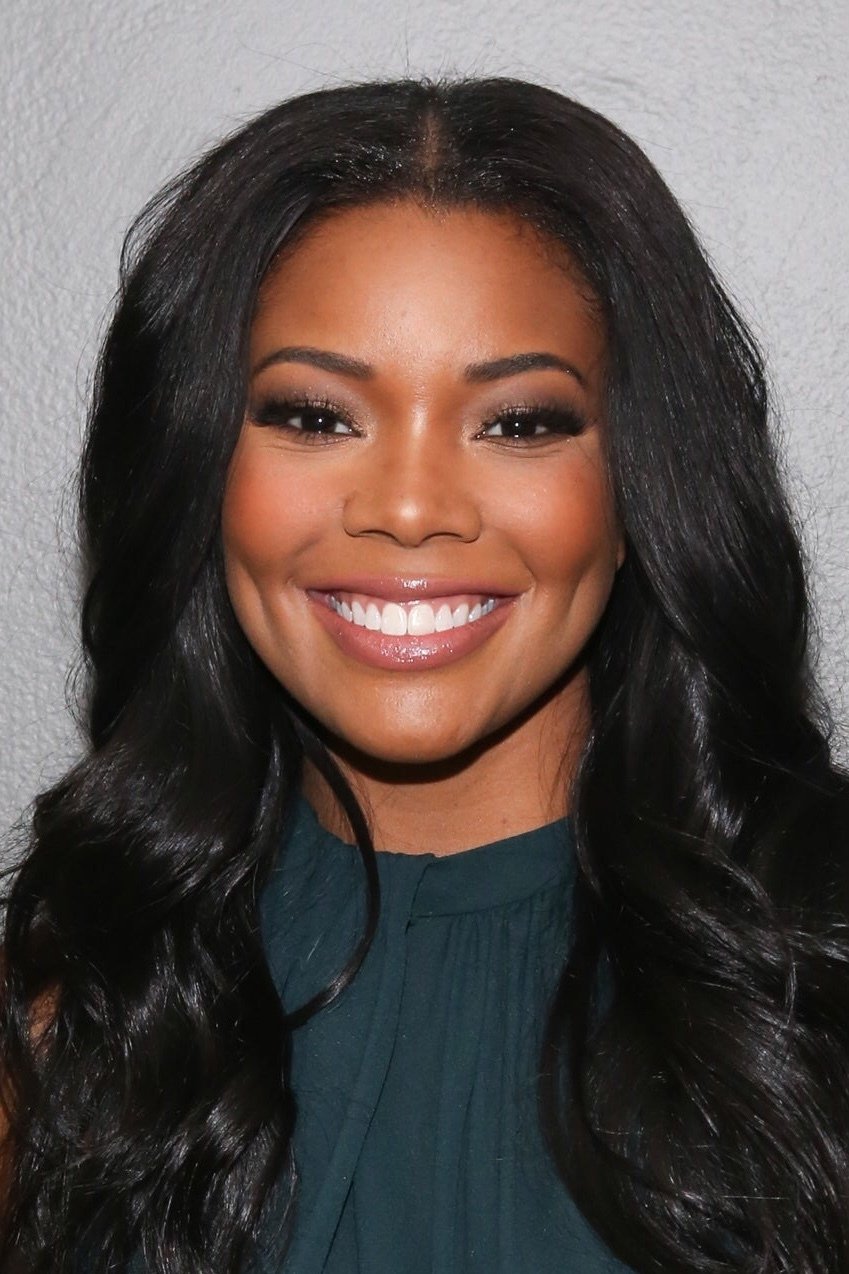
Gabrielle Union spoke out about the toxic culture she experienced while working as a judge on ‘America’s Got Talent’. She alleged that the production ignored instances of racism and sexism on set while maintaining a family friendly public image. The actress criticized the disconnect between the show’s marketing and the actual environment behind the scenes. Her bravery led to a formal investigation and a wider discussion about accountability in reality television.
Mo’Nique
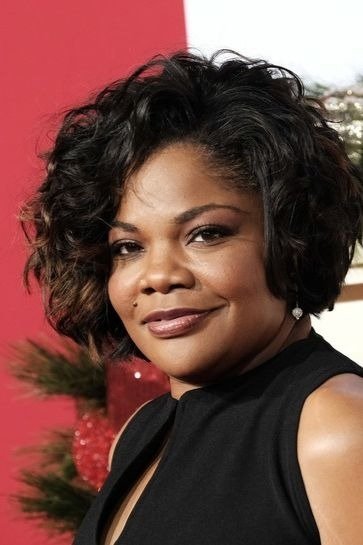
Mo’Nique has long claimed that she was blackballed by the industry after refusing to participate in the unpaid promotion of ‘Precious’. She argued that the demands of the producers and directors were exploitative and did not respect her value as a performer. The actress has been a vocal critic of the double standards faced by Black women in Hollywood regarding pay and promotion. Her persistence eventually led to public apologies and a reassessment of her career.
Janet Hubert
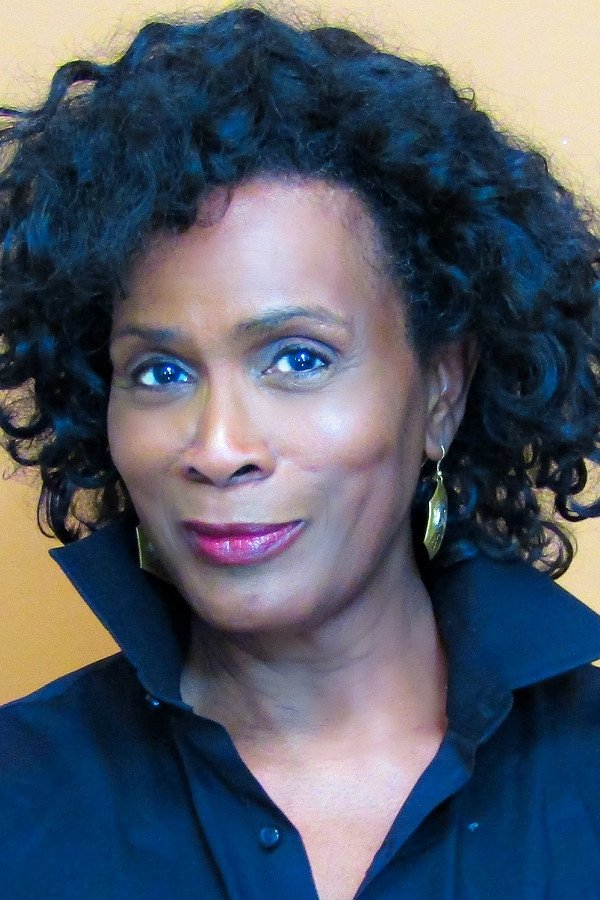
Janet Hubert has spent decades discussing the circumstances of her departure from ‘The Fresh Prince of Bel-Air’. She alleged that the environment on set was difficult and that her character’s narrative was unfairly altered. The actress felt that she was unfairly labeled as difficult for standing up for her professional rights. Her eventual reconciliation with the cast highlighted the long term impact of production politics on a performer’s life.
Evan Rachel Wood
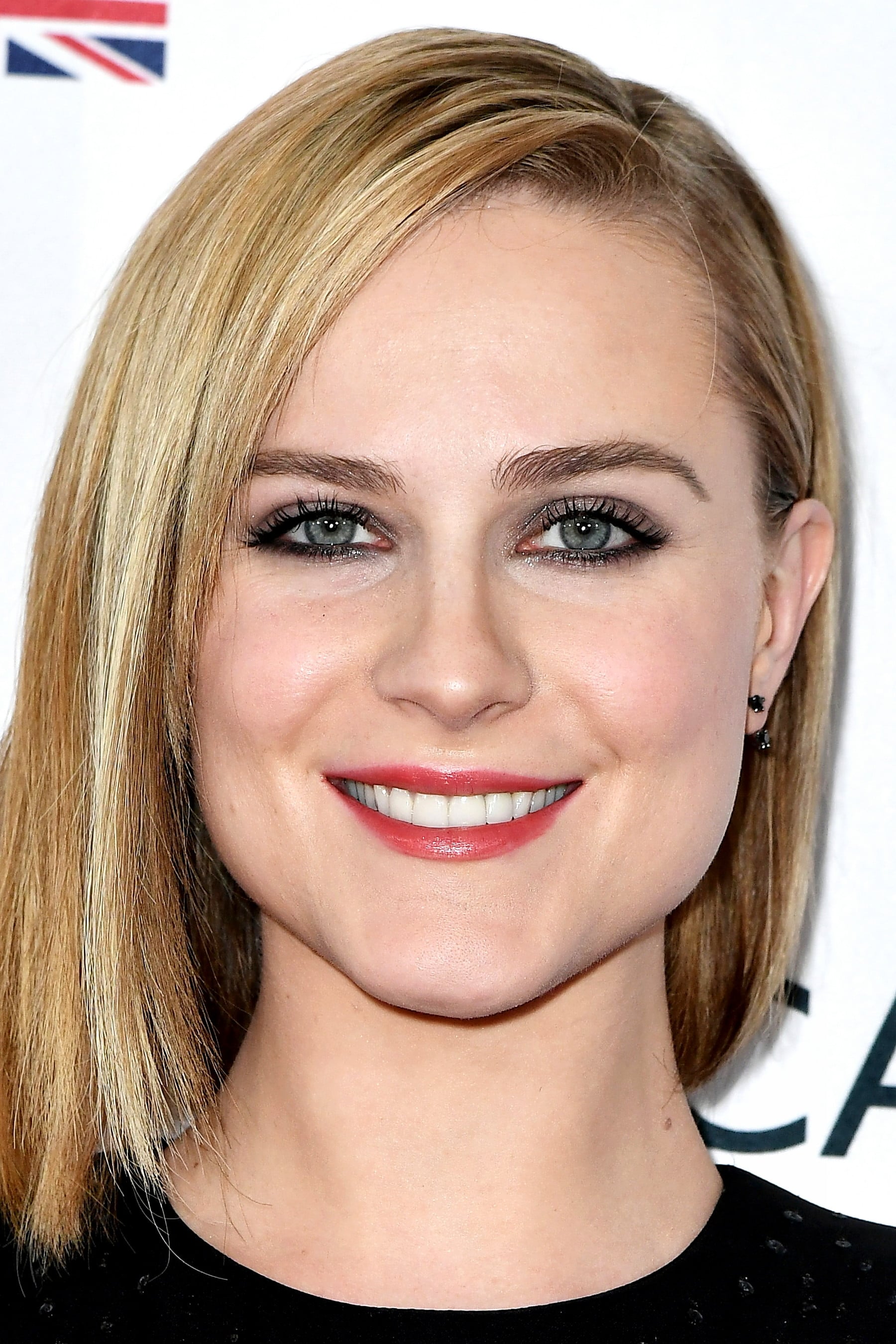
Evan Rachel Wood has used her experiences on projects like ‘Westworld’ to speak about the necessity of intimacy coordinators on set. She has been critical of how some directors handle sensitive and potentially exploitative scenes involving female characters. The actress advocates for a safer and more transparent workplace to protect performers from psychological and physical harm. Her activism has led to significant changes in how industry standards are implemented.
Kim Cattrall

Kim Cattrall has been open about the reasons she declined to participate in further ‘Sex and the City’ sequels. She pointed toward a toxic dynamic and a narrative direction that she felt no longer served her character or her personal life. The actress emphasized that her decision was about self respect and moving on from a project that had become creatively exhausted. Her stance sparked a massive public conversation about the reality of long term television partnerships.
Shailene Woodley
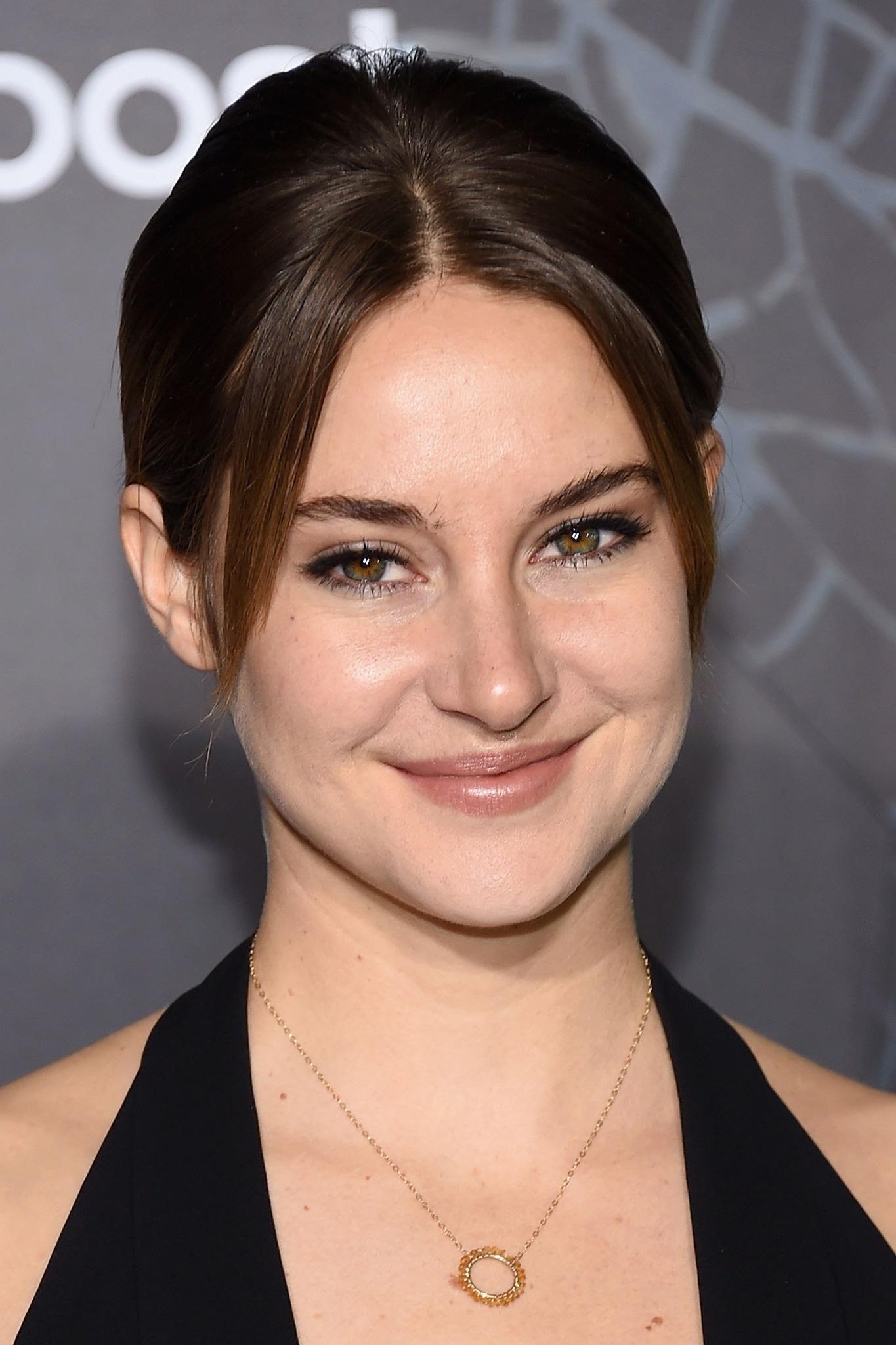
Shailene Woodley has never shied away from expressing her political beliefs even when they clash with studio expectations. During the promotion of the ‘Divergent’ series she remained vocal about environmental and social issues. The actress has occasionally criticized the ways in which big budget franchises can dilute important messages to ensure broad appeal. She continues to balance her career in major films with her commitment to grassroots activism.
Lupita Nyong’o
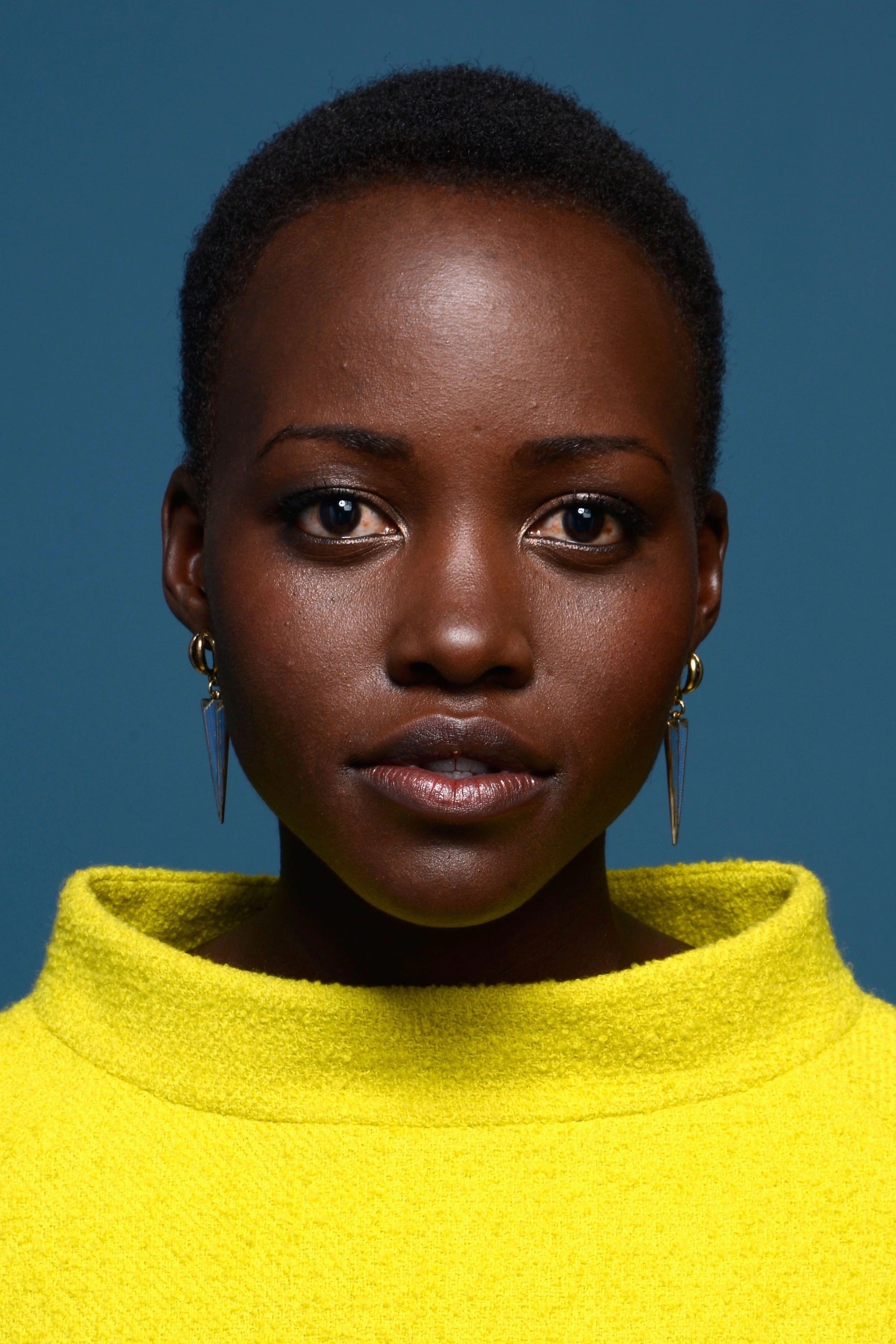
Lupita Nyong’o has spoken about the importance of maintaining cultural integrity when working on global blockbusters. She has been involved in projects that celebrate African identity and has pushed for those stories to be told with respect and depth. The actress is wary of narratives that use diversity as a gimmick rather than a meaningful part of the plot. Her presence in the industry serves as a constant reminder of the power of authentic representation.
America Ferrera
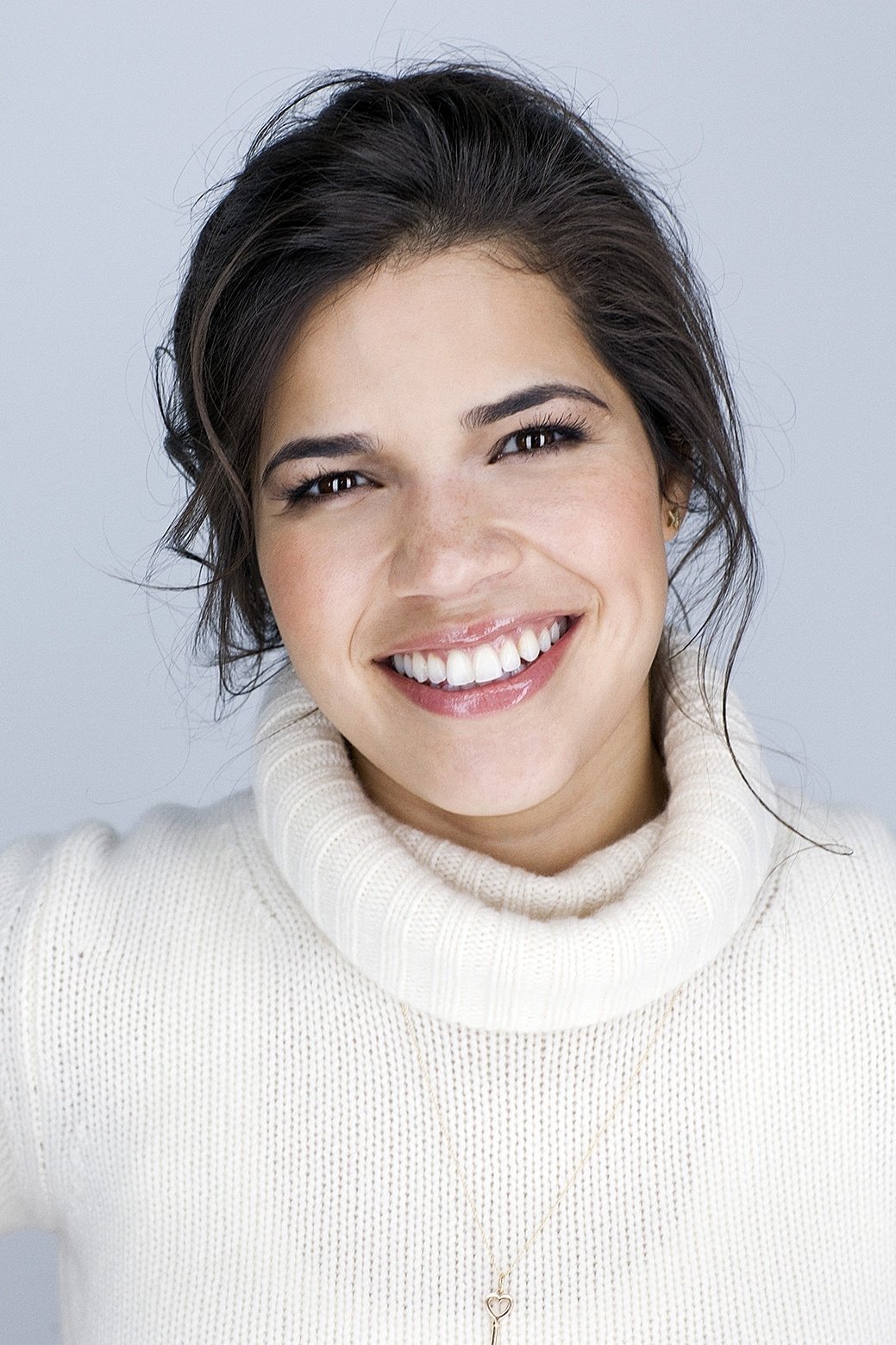
America Ferrera has used her platform to discuss the limitations placed on Latina actresses in Hollywood. She has been critical of directors who rely on tired tropes and fail to provide multifaceted roles for women of color. The actress has worked throughout her career to break down these barriers through both her acting and her advocacy work. Her speech in the ‘Barbie’ movie became a viral moment that addressed the contradictory expectations placed on women in modern society.
Please share your thoughts on these instances of actresses challenging the status quo in the comments.