Actresses Who Openly Mock Hollywood’s Addiction to “White Savior” Tropes

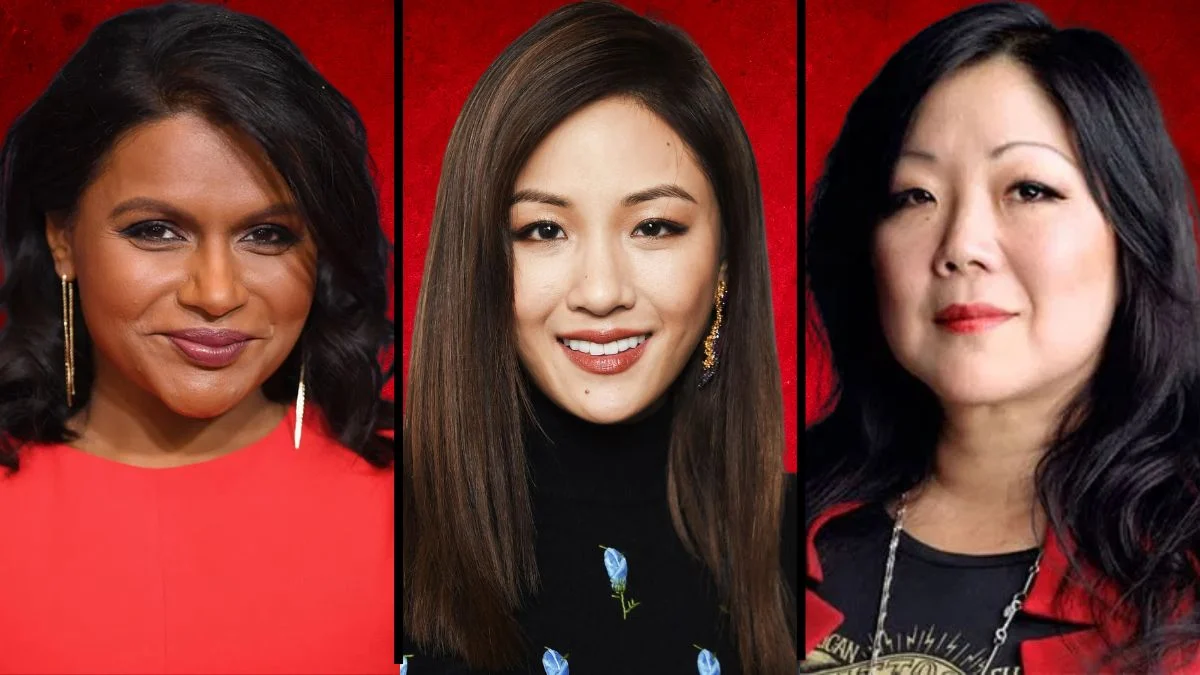

Hollywood has faced increasing scrutiny from its own performers regarding the persistent use of the white savior narrative in film and television. Many prominent actresses have used their platforms to challenge these storytelling patterns that often relegate minority characters to supporting roles in their own historical or social struggles. Through public interviews and satirical performances these women highlight the need for authentic representation that does not rely on a white protagonist to provide a resolution. Their insights offer a critical look at how the industry can evolve beyond outdated and reductive tropes. These actresses continue to push for a shift in how diverse stories are told on the global stage.
Viola Davis
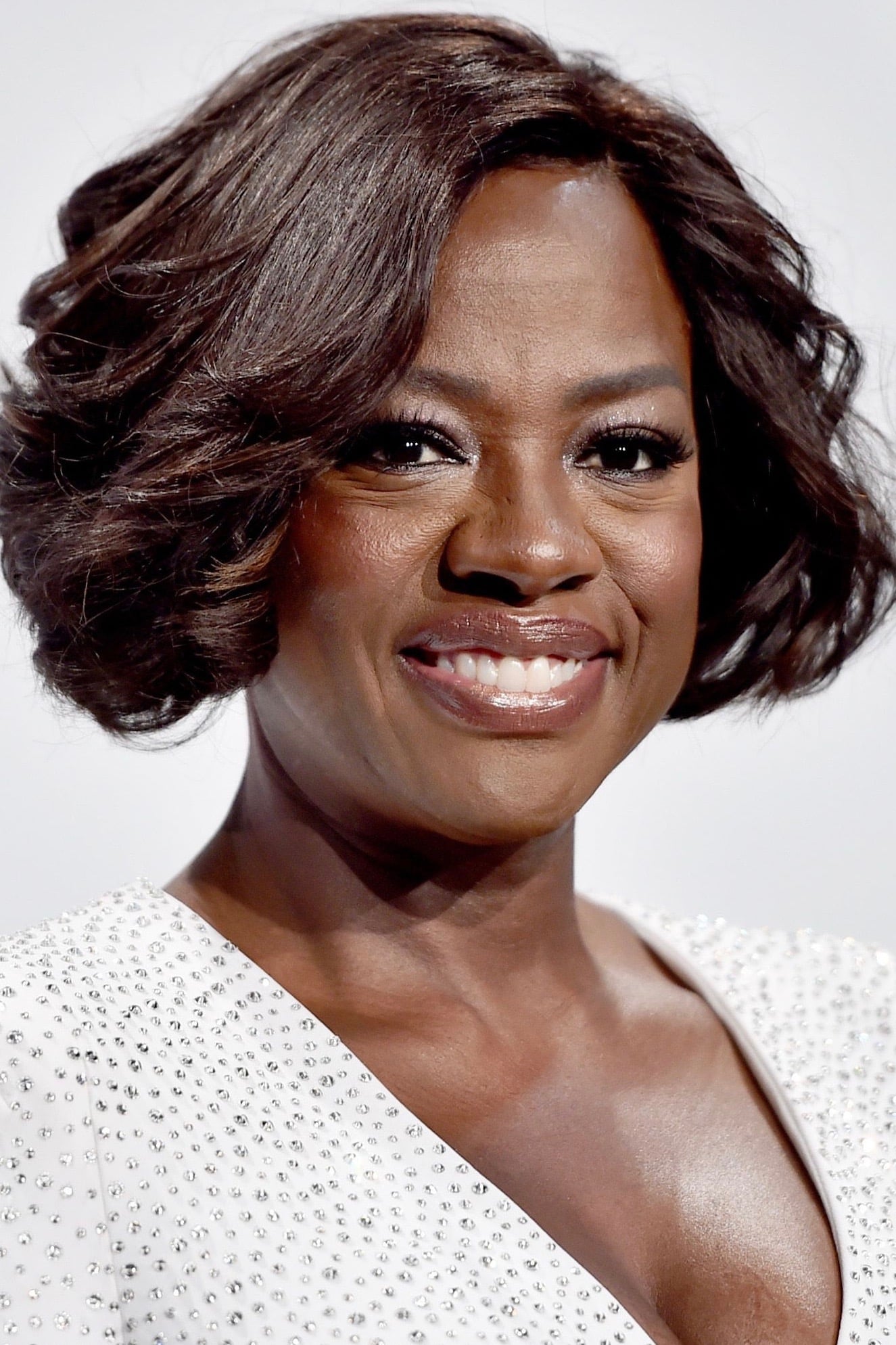
Viola Davis has expressed regret over her participation in ‘The Help’ due to its narrative structure. She criticized the film for focusing on the white perspective during the Civil Rights movement rather than centering the experiences of the Black domestic workers. Davis pointed out that the audience did not get to see the actual depth of the Black characters’ lives beyond their service to others. Her public commentary highlights how even critically acclaimed films can perpetuate harmful savior dynamics. She continues to advocate for projects that allow Black actors to lead their own stories without external intervention.
Sandra Oh
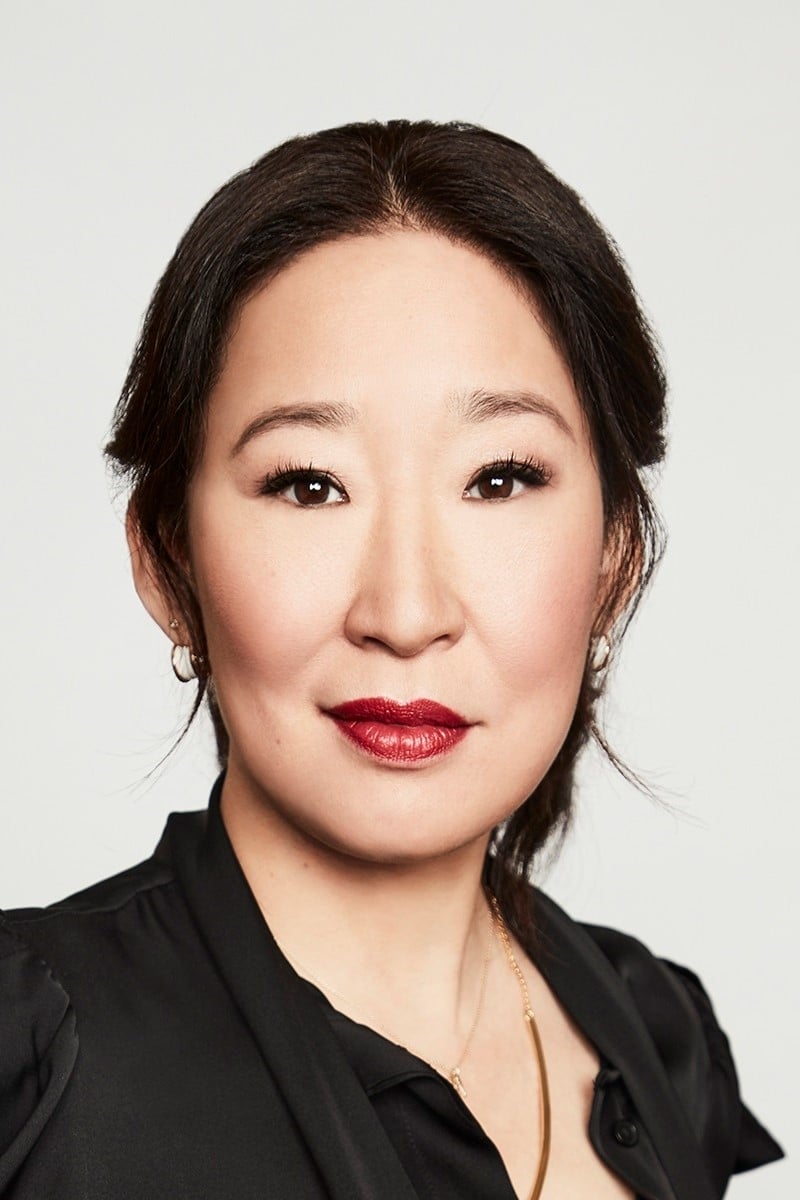
Sandra Oh delivered a memorable jab at the industry while hosting the Golden Globes by mentioning the casting of white actresses in Asian roles. She specifically referenced films like ‘Ghost in the Shell’ and ‘Aloha’ to highlight the absurdity of these casting choices. Oh has been a vocal critic of the way Hollywood tends to place white characters at the center of stories set in diverse cultures. She advocates for scripts that empower actors of color to be the heroes of their own journeys. Her career choices reflect a commitment to dismantling these long-standing industry tropes.
Issa Rae
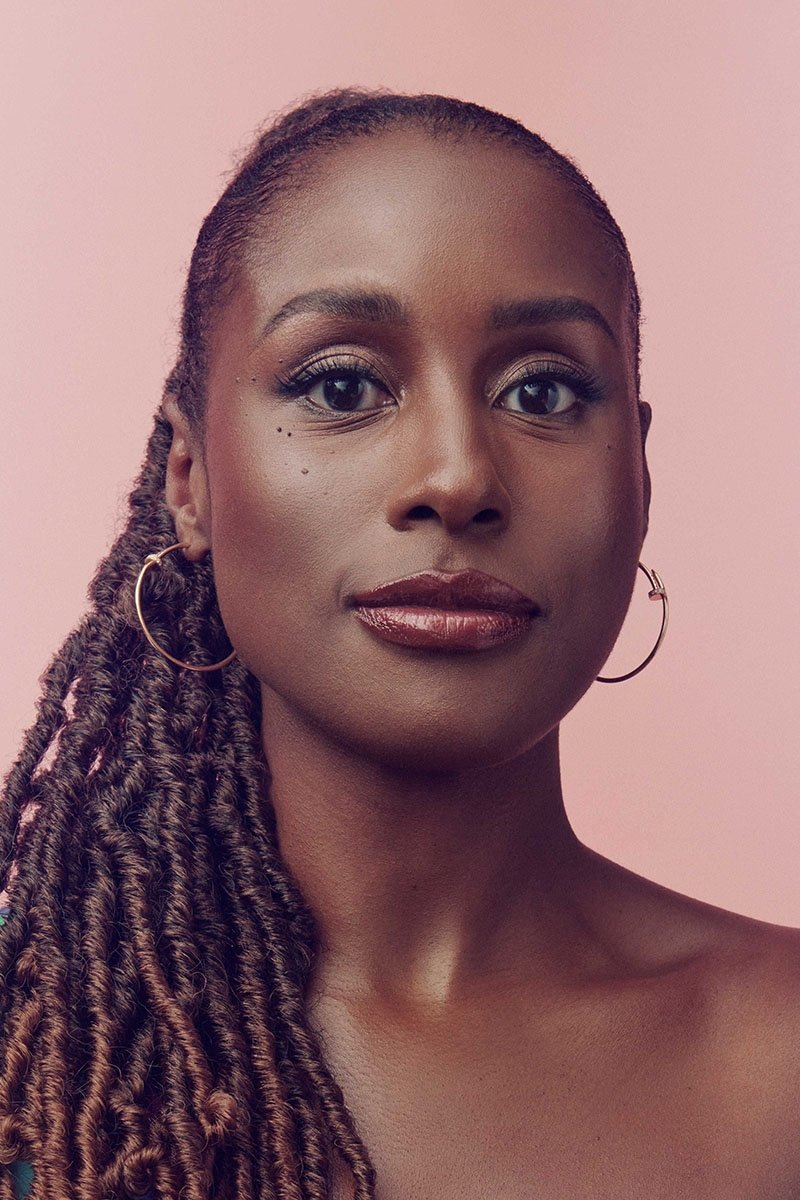
Issa Rae has used her comedy and writing to satirize the white savior trope in projects such as ‘American Fiction’ and ‘Insecure’. She often highlights the absurdity of white characters being inserted into stories about Black life to make them more palatable to mainstream audiences. Rae points out that these characters often serve as a redundant bridge for viewers while overshadowing the actual protagonists. Her work focuses on creating authentic spaces where Black characters can exist and thrive without the need for a savior narrative. She encourages the industry to trust that diverse stories can succeed on their own merits.
America Ferrera
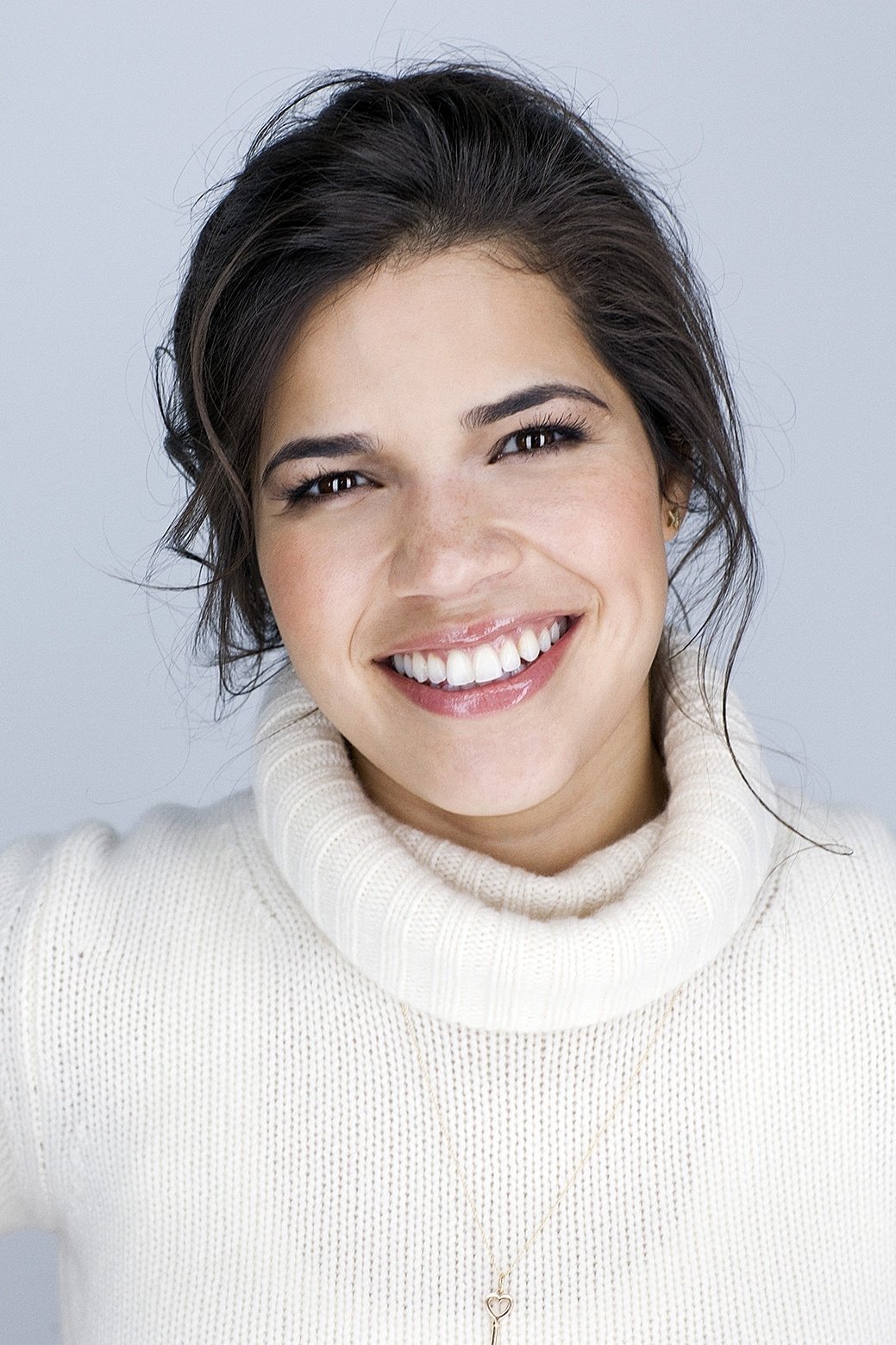
America Ferrera has spoken extensively about the limitations placed on Latina actresses by narrow industry perceptions. She has criticized the tendency of Hollywood to frame immigrant stories through the lens of a white protagonist who provides a solution. Ferrera advocates for stories where Latinx characters are given the agency to navigate their own complex realities. Her production work focuses on elevating voices that have historically been sidelined or used as plot devices for others. She remains a leading voice in the push for more nuanced and self-sufficient representation.
Lupita Nyong’o
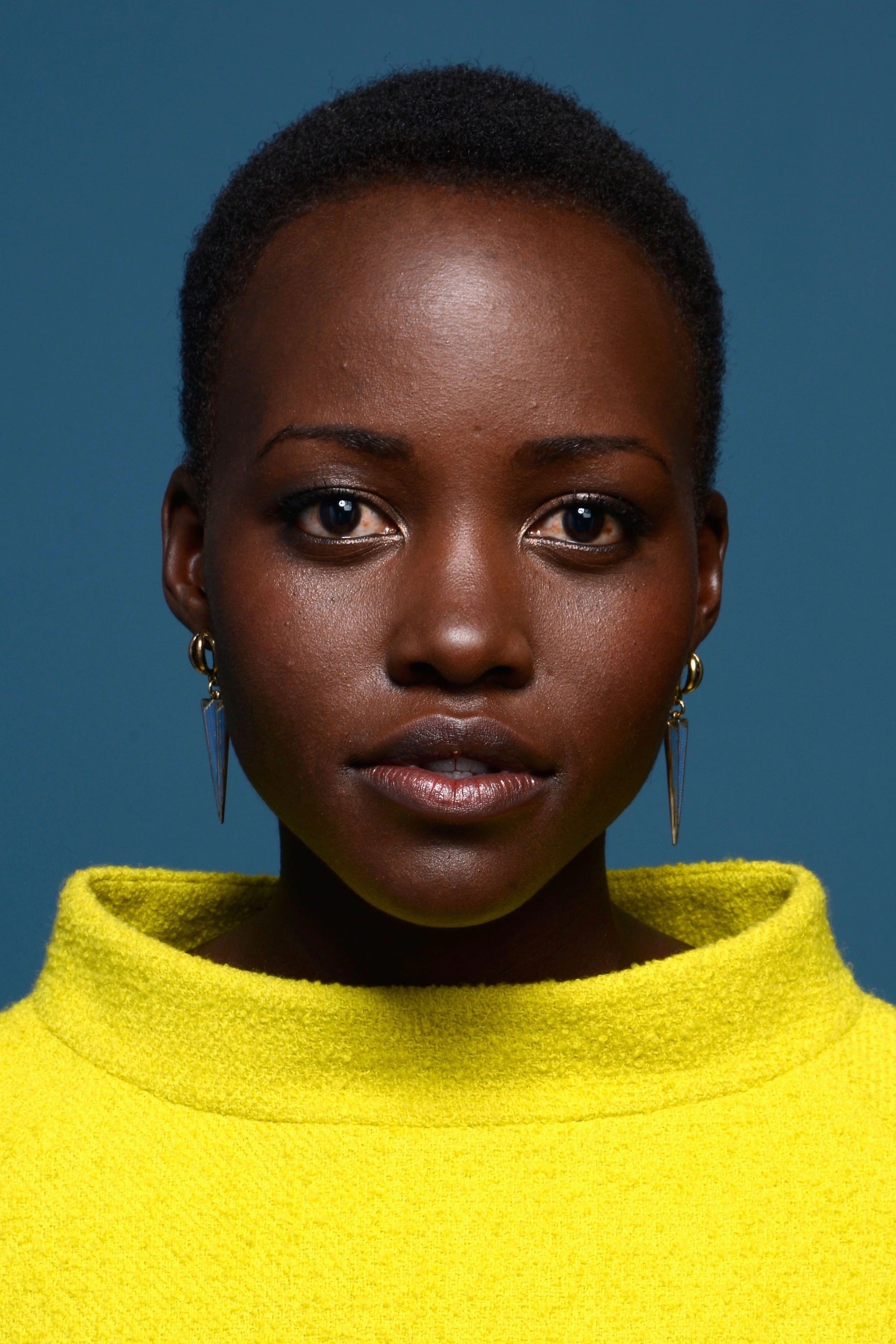
Lupita Nyong’o has challenged the industry to move beyond trauma-focused narratives that often rely on a white savior to provide emotional relief. She has expressed a desire to see more stories where Black characters are defined by their joy and personal achievements rather than their suffering. Nyong’o often selects roles that subvert traditional expectations and place her characters in positions of absolute power. Her advocacy highlights the importance of centering Black perspectives in global cinema. She believes that the best way to mock these tropes is to simply produce work that renders them obsolete.
Jada Pinkett Smith
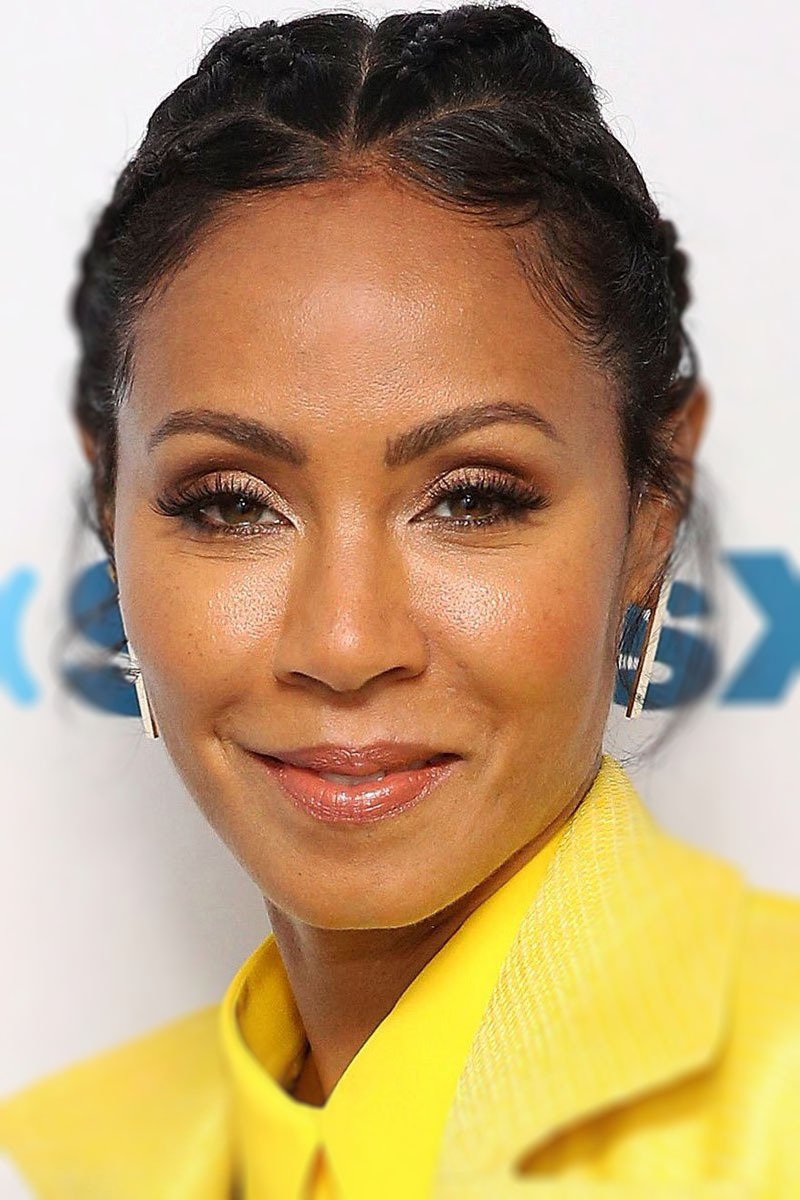
Jada Pinkett Smith was one of the first major voices to call for a boycott of award shows due to the lack of diversity in leading roles. She has criticized the way the industry rewards films that center white characters while relegating People of Color to sidekick or victim roles. Smith has used her talk show to discuss the psychological impact of these savior narratives on both audiences and performers. She continues to push for systemic changes that would allow for more equitable storytelling. Her efforts have helped spark a wider conversation about the necessity of authentic cultural narratives.
Kerry Washington
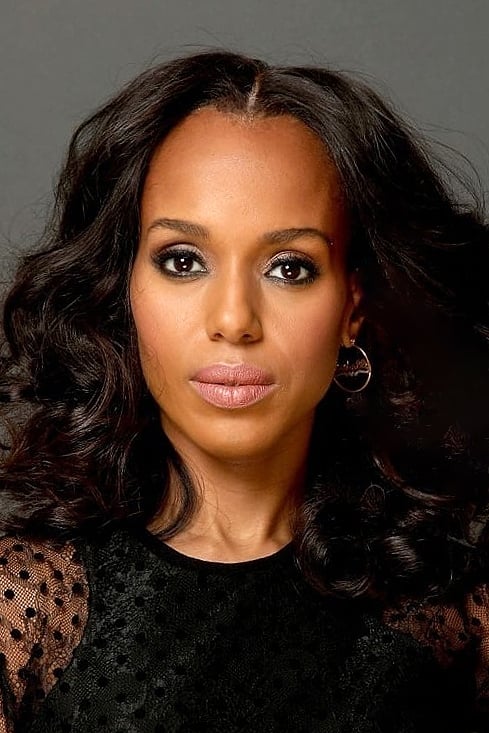
Kerry Washington has been vocal about her refusal to play roles that rely on stereotypical tropes or serve as background for white character development. She has used her platform to discuss the importance of Black characters having their own complete arcs and motivations. Washington often critiques scripts that attempt to use her character as a moral compass for a white lead. She believes that true progress in Hollywood occurs when characters of color are allowed to be flawed and independent. Her work behind the camera also focuses on diversifying the types of stories that get greenlit.
Gabrielle Union
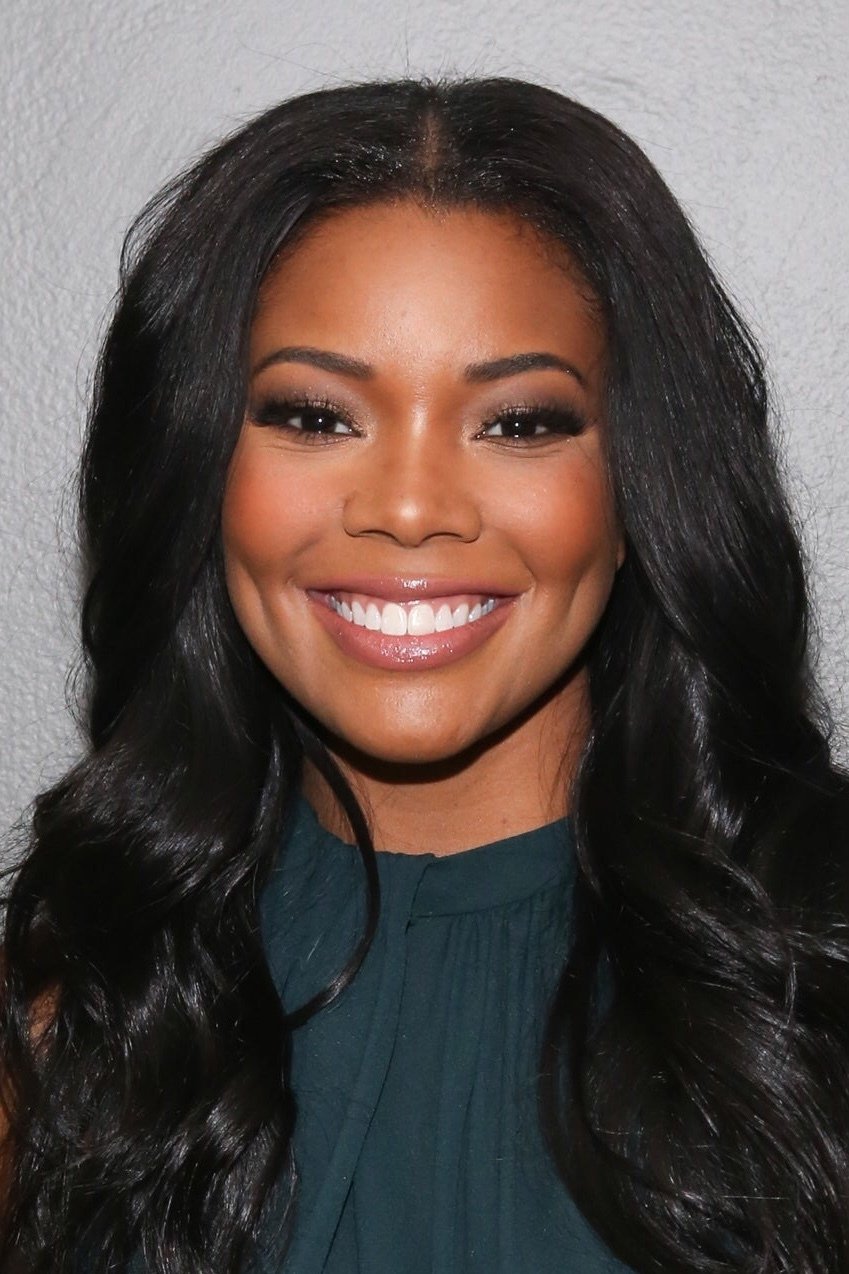
Gabrielle Union has frequently called out the industry for its “tokenism” and its reliance on white characters to resolve conflicts in diverse settings. She has used social media and interviews to mock the repetitive nature of these casting and writing choices. Union emphasizes that Black women do not need to be saved in their own stories and should be portrayed as the primary problem solvers. Her advocacy extends to ensuring that the creative teams behind the scenes are as diverse as the cast. She remains a persistent critic of the status quo in major studio productions.
Tessa Thompson
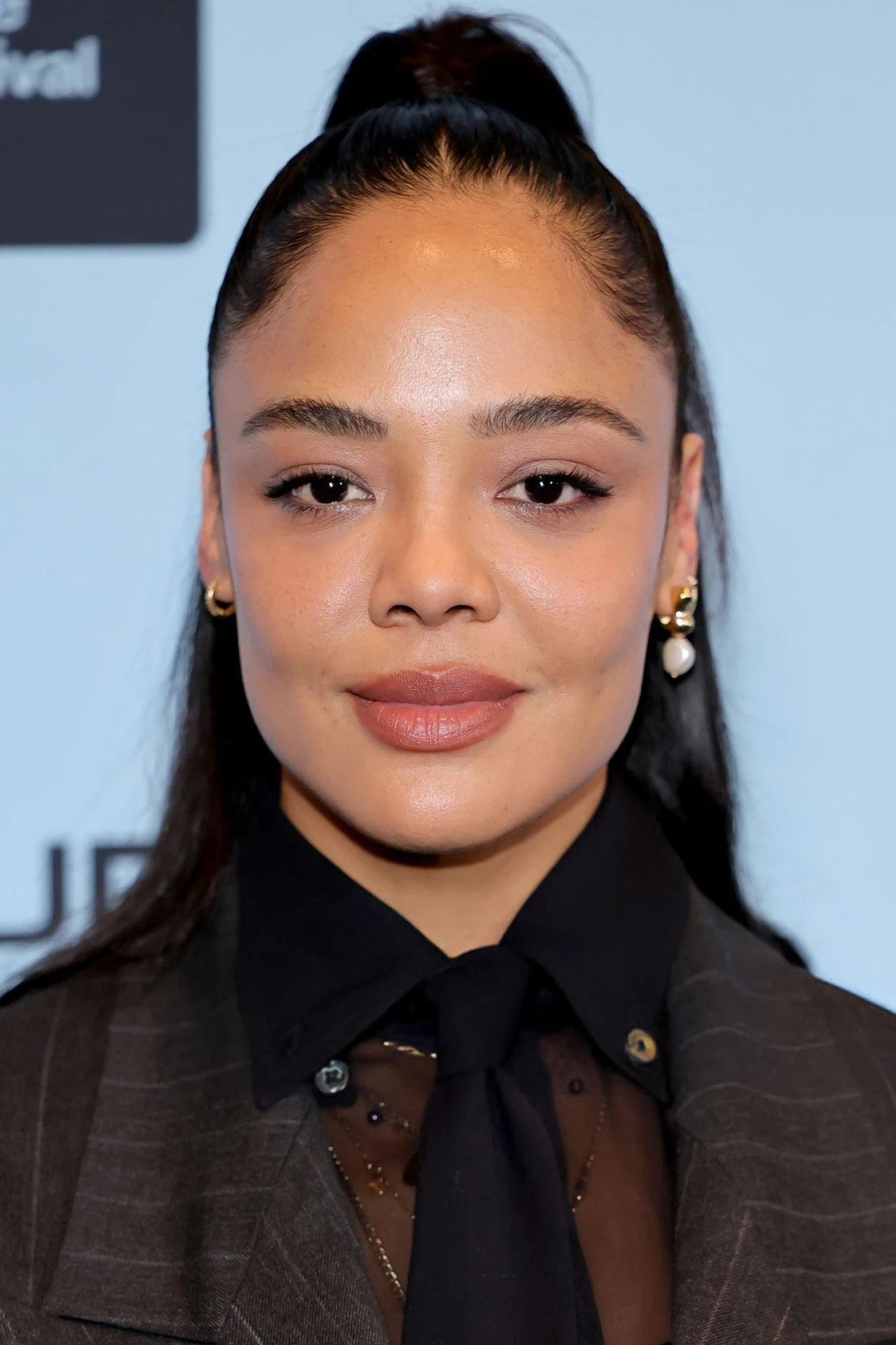
Tessa Thompson has spoken about the need to retire the “strong female lead” trope when it is used to mask a white savior narrative. She has criticized films that insert a white protagonist into a historical event where they were not the primary actors of change. Thompson advocates for more experimental and authentic stories that do not cater to a traditional Western gaze. She often participates in panels and discussions about the future of representation in superhero and science fiction genres. Her goal is to ensure that diverse actors are given roles with genuine agency and depth.
Margaret Cho
Margaret Cho has used her stand-up comedy to lampoon the industry’s history of “whitewashing” and saviorism. She famously engaged in a public dialogue about the casting of ‘Doctor Strange’ to highlight how Asian characters are often erased or sidelined. Cho uses satire to expose the underlying biases that lead producers to favor white protagonists in every scenario. Her commentary is often blunt and designed to make the audience think critically about the media they consume. She remains a pioneer in challenging the exclusion of Asian voices in Hollywood.
Zendaya

Zendaya has been deliberate about choosing roles that do not fall into the trap of being a sidekick or a character in need of saving. She has discussed the importance of using her influence to open doors for other performers of color who are often overlooked. Zendaya often critiques the lack of depth given to minority characters in mainstream scripts. She aims to work on projects that treat her characters as autonomous individuals with their own complex lives. Her success has allowed her to advocate for more realistic and self-governed representation.
Mindy Kaling

Mindy Kaling has used her various television shows to mock the expectations placed on women of color in the workplace and in romance. She often satirizes the idea that a white male protagonist is necessary to validate the experiences of her characters. Kaling creates worlds where her protagonists are messy and ambitious without needing a savior to guide them. Her writing highlights the absurdity of traditional tropes while providing a fresh perspective on the South Asian experience. She continues to break barriers as a producer and showrunner who prioritizes original voices.
Constance Wu
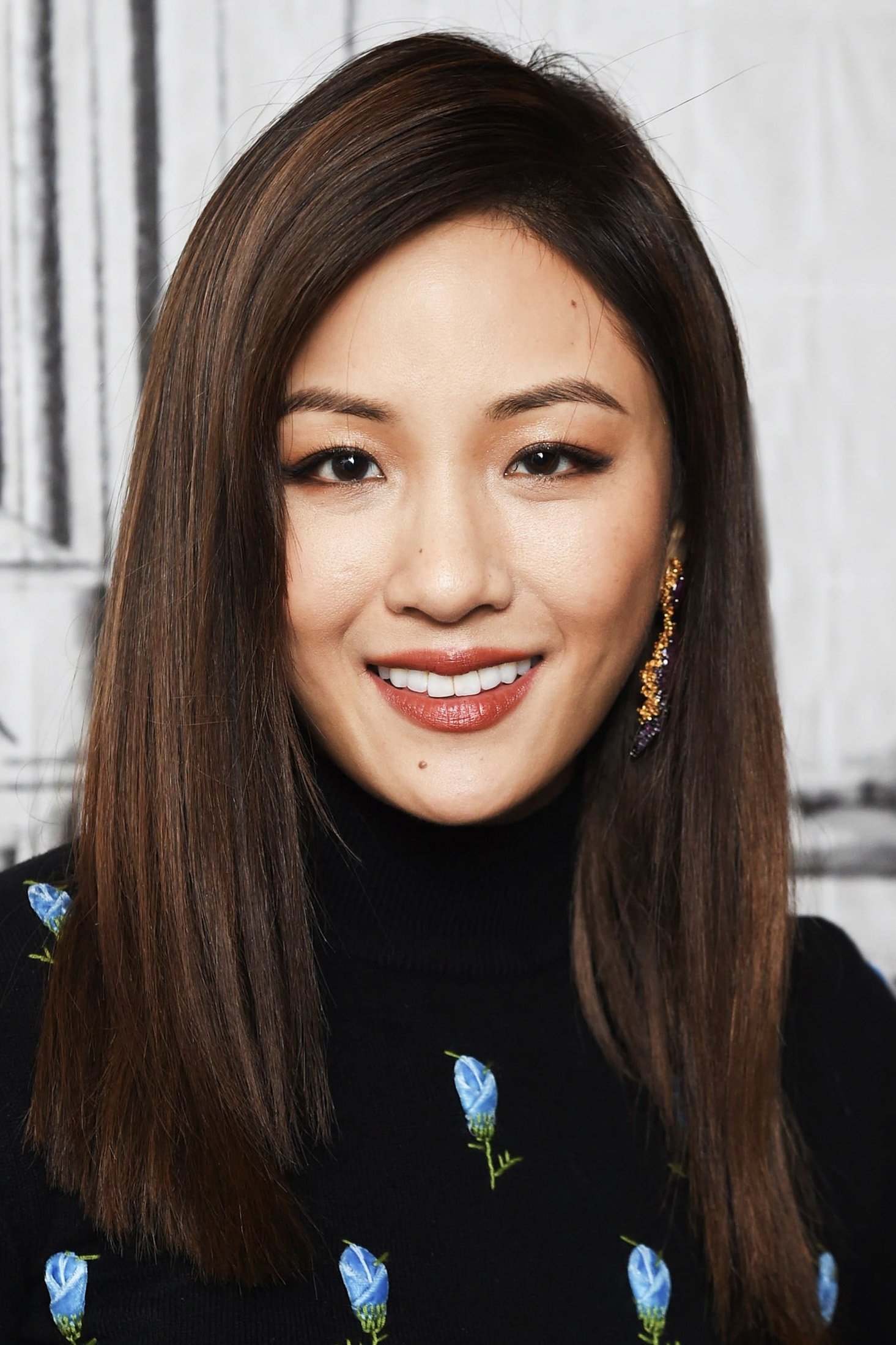
Constance Wu has been an outspoken critic of the industry’s tendency to center white perspectives in stories about Asian cultures. She played a key role in the conversation surrounding ‘The Great Wall’ and other films that utilize the white savior trope. Wu advocates for stories that celebrate the complexity of the Asian diaspora without relying on outsiders to lead the narrative. Her public statements have encouraged other actors to speak up about the importance of authentic casting. She remains committed to projects that challenge the Hollywood establishment.
Salma Hayek Pinault
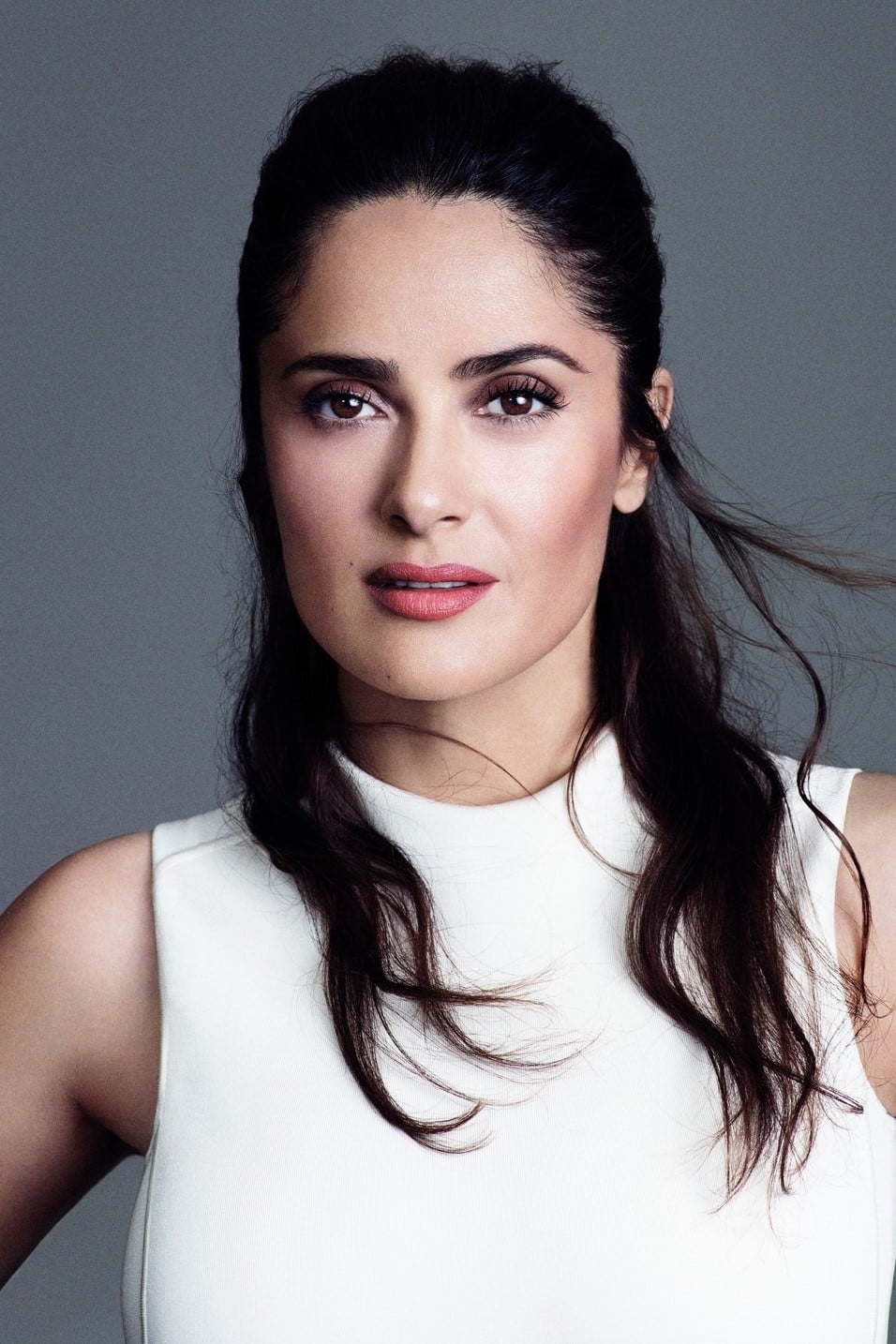
Salma Hayek Pinault has frequently discussed the challenges she faced as a Latina actress in an industry that initially only saw her in stereotypical roles. She has criticized the way Hollywood often frames stories of struggle through the eyes of a white character who “discovers” or helps a minority community. Hayek Pinault has used her production company to create content that centers Mexican history and culture from an internal perspective. She believes that mocking these tropes is necessary to make room for more sophisticated storytelling. Her career is a testament to the power of taking control of one’s own narrative.
Regina King
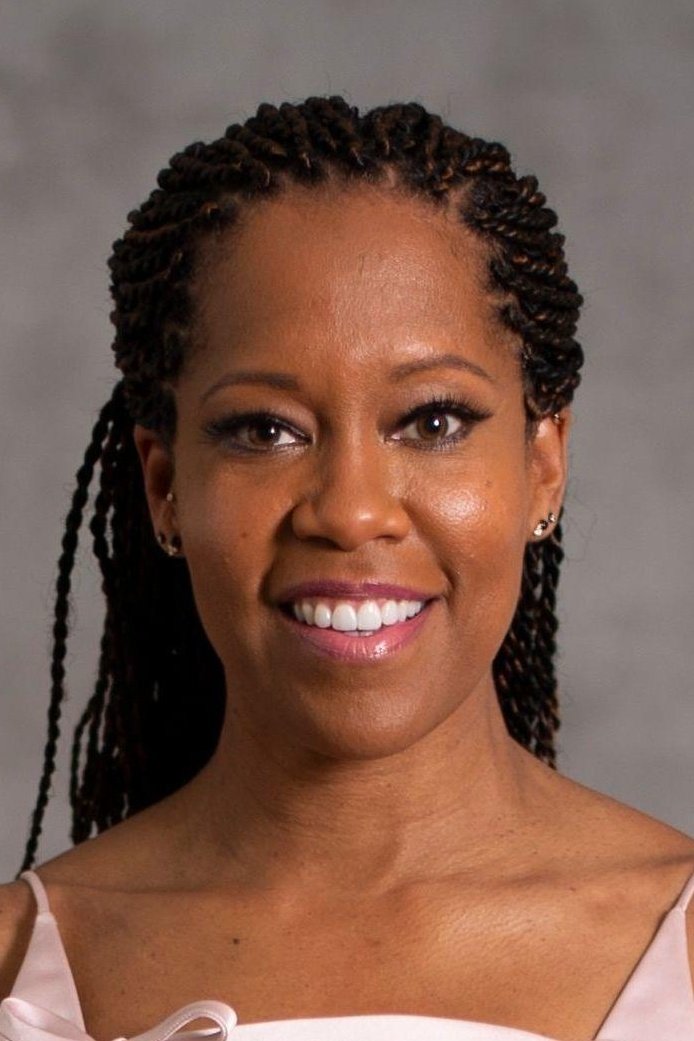
Regina King has used her directorial and acting career to focus on the interior lives of Black families and individuals. She has been critical of scripts that require her characters to be rescued or defined by their relationship to white authority figures. King prioritizes projects that examine social issues with nuance and a focus on the community’s own agency. Her work often highlights the strength and resilience of Black people without the need for a savior archetype. She continues to be a major force in changing the landscape of modern television and film.
Taraji P. Henson

Taraji P. Henson has spoken about the importance of being paid fairly and being given roles that reflect the true power of Black women. She has mocked the industry’s habit of casting her in roles that are secondary to a white lead’s emotional journey. Henson advocates for stories where her characters are the primary drivers of the plot and the source of their own solutions. Her role in ‘Hidden Figures’ was a significant step in showing the historical contributions of Black women without centering a savior. She remains a vocal advocate for systemic change within Hollywood.
Octavia Spencer
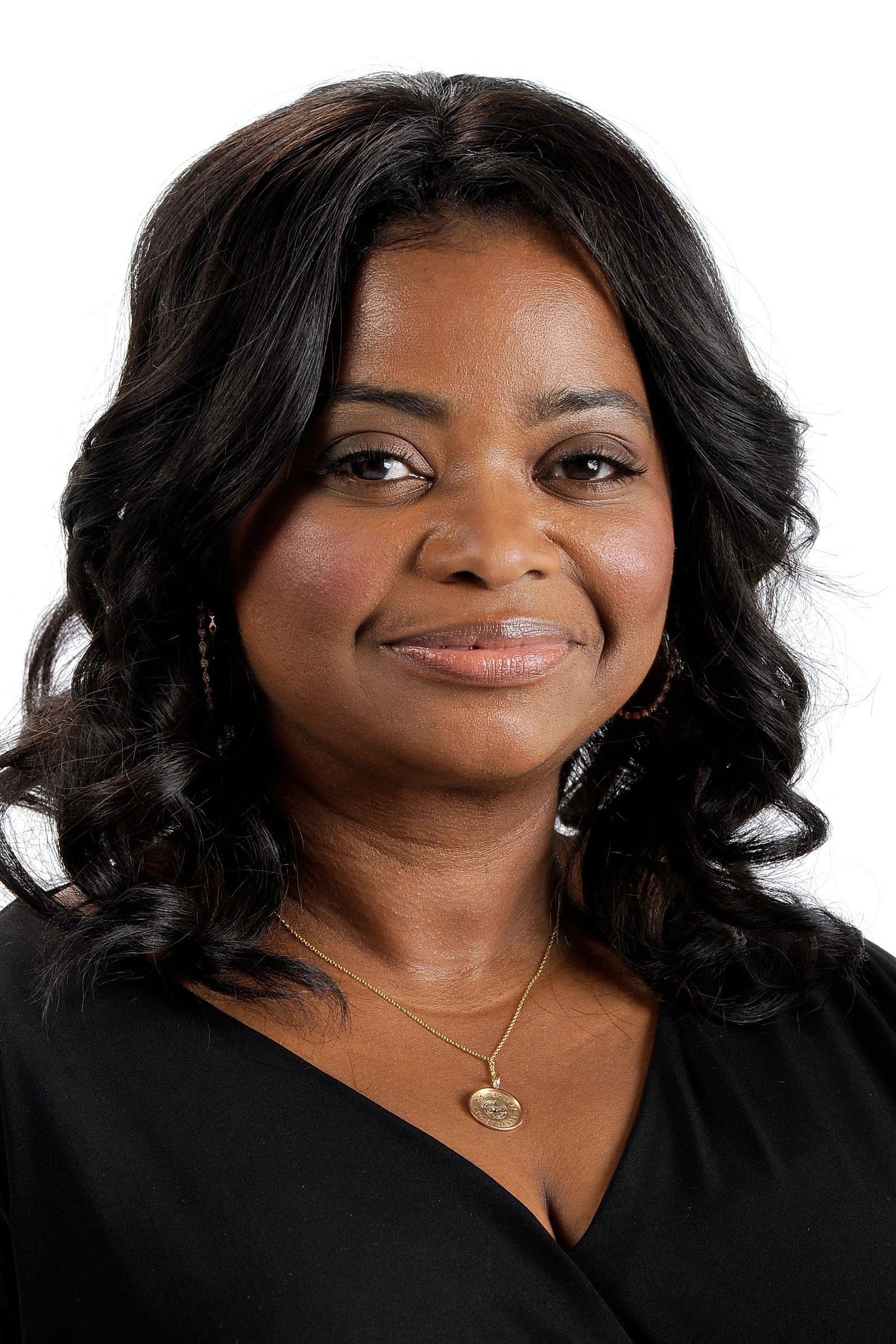
Octavia Spencer has been a steady critic of the way historical films often invent white characters to serve as the moral heroes of Black history. She has expressed a preference for roles that showcase the intelligence and self-sufficiency of her characters. Spencer often discusses the need for the industry to move past the “magical negro” and white savior tropes that have dominated cinema for decades. Her success has given her the leverage to produce content that centers marginalized voices. She believes that audiences are ready for more honest and direct historical narratives.
Cynthia Erivo
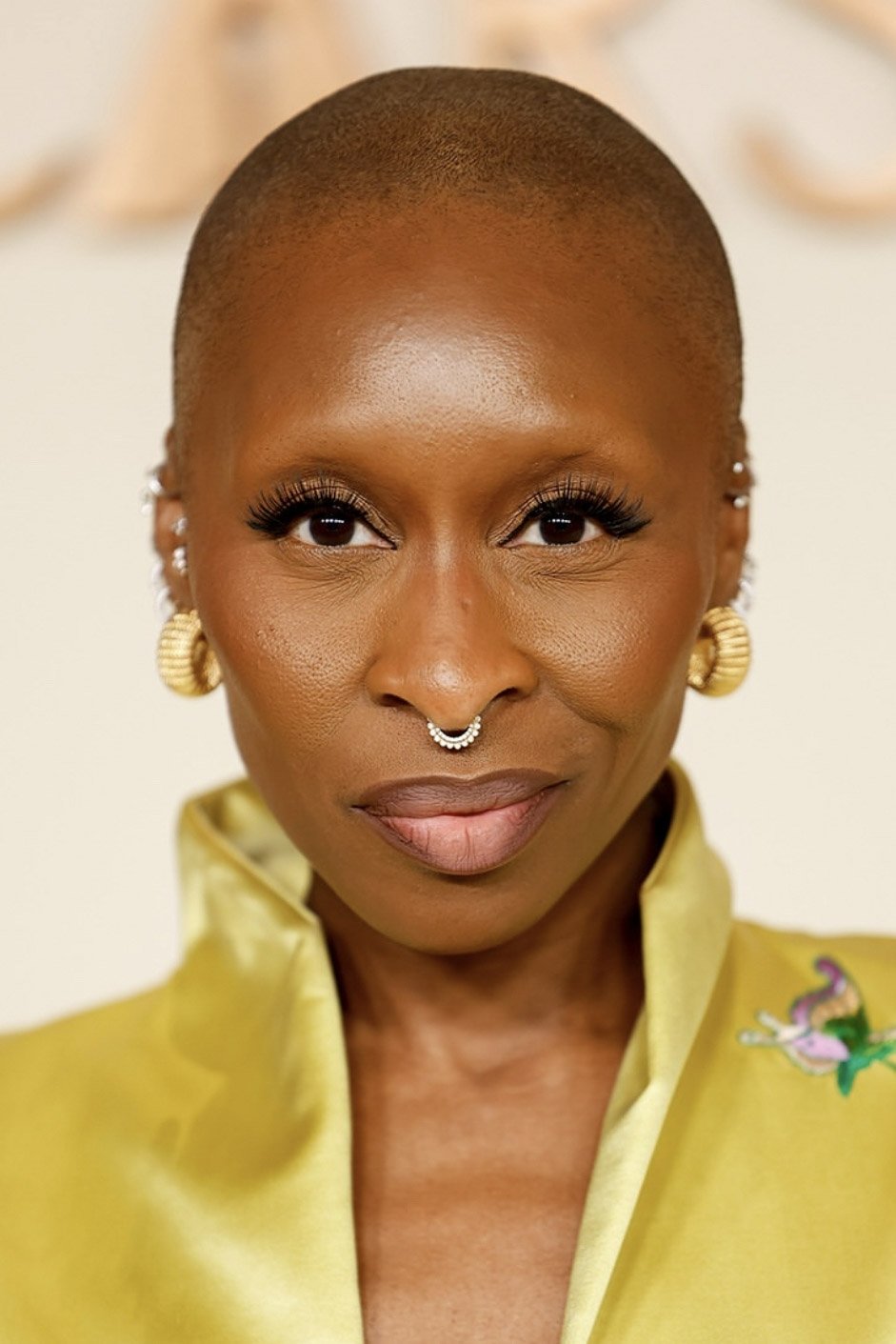
Cynthia Erivo has challenged the industry to provide more opportunities for Black actors to play roles that are not rooted in suffering or service. She has been critical of the way Hollywood often rewards films that feature a white protagonist helping a Black character overcome adversity. Erivo seeks out projects that allow her to showcase the full range of her talent as a lead performer. Her work in ‘Harriet’ was a conscious effort to center a Black woman as the sole hero of her own epic story. She continues to advocate for scripts that do not rely on savior dynamics.
Janelle Monáe
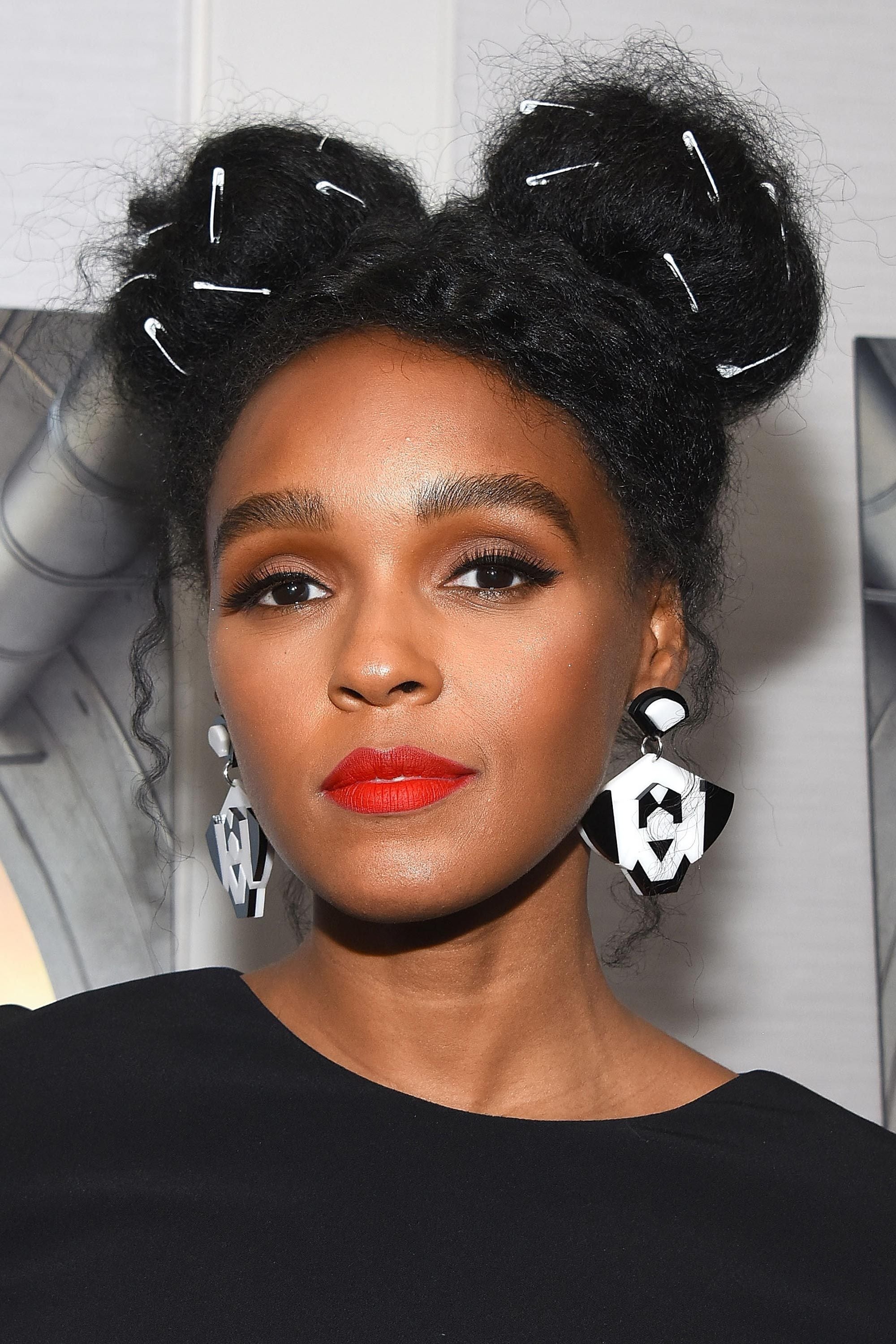
Janelle Monáe has used her music and acting career to promote themes of Afrofuturism and Black liberation. She has been a vocal critic of traditional narrative structures that center whiteness as the default or the solution to all problems. Monáe often selects roles in films that subvert these tropes and present a more inclusive vision of the future. Her work emphasizes the importance of community and self-reliance rather than external salvation. She remains a prominent figure in the movement to diversify the creative arts.
Danai Gurira
Danai Gurira has been a powerful voice in advocating for stories that center African women as leaders and warriors. She has criticized the way Western media often portrays Africa as a place in need of saving by white outsiders. Gurira used her role in ‘Black Panther’ to showcase a world that is technologically advanced and entirely self-governed. Her writing for the stage also focuses on the agency and complexity of African characters. She believes that the best way to combat the white savior trope is to create worlds where it has no place.
Zazie Beetz
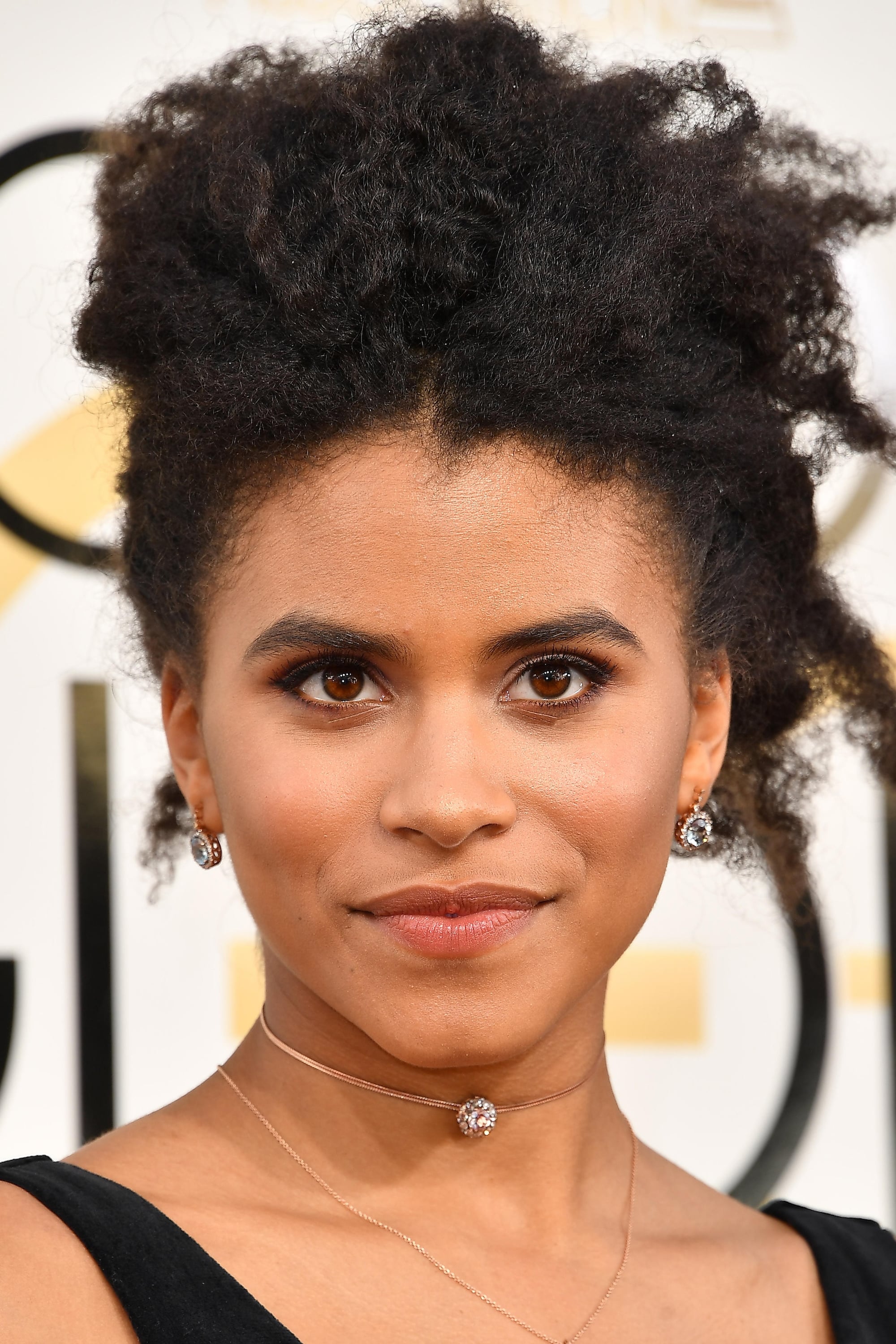
Zazie Beetz has spoken about her desire to avoid roles that are defined purely by their relationship to a white male protagonist. She has been critical of the “cool girl” trope which often serves as a supporting element for a white lead’s development. Beetz advocates for more realistic and diverse representations of women in contemporary cinema. She seeks out projects that allow her to explore the internal lives of her characters with depth and autonomy. Her career is focused on breaking away from the standard archetypes that have limited actors of color.
Awkwafina
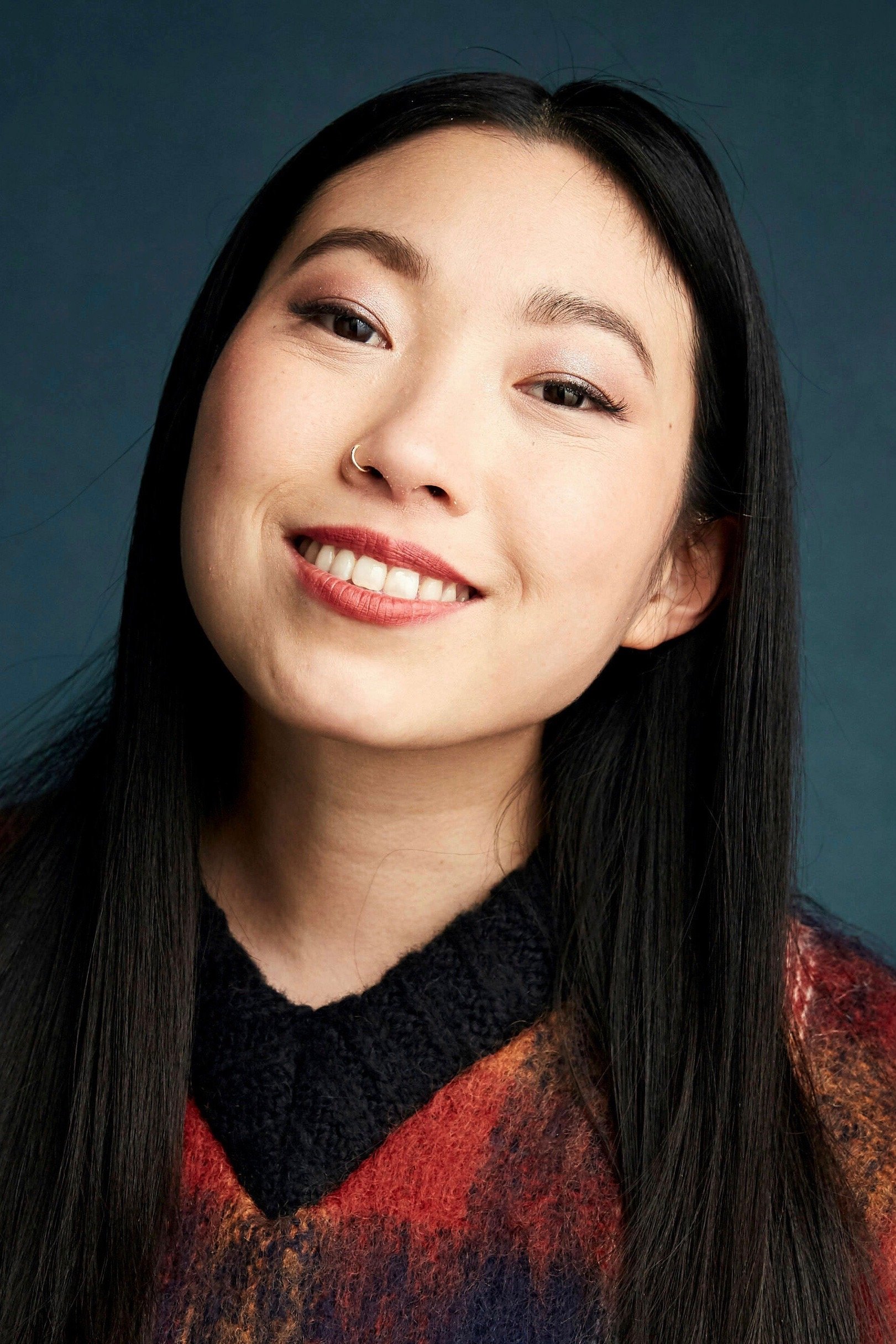
Awkwafina has used her unique comedic voice to challenge the stereotypes associated with Asian women in Hollywood. She has poked fun at the industry’s tendency to cast Asian actors in roles that are either hyper-intelligent or in need of cultural guidance. Awkwafina prefers stories that focus on the everyday lives and struggles of her characters without a savior narrative. Her success in both comedy and drama has allowed her to push for more authentic and varied representation. She remains a key figure in the modernization of Asian-American cinema.
Gemma Chan

Gemma Chan has been an active supporter of the movement to increase visibility for East Asian actors in lead roles. She has criticized the historical erasure of Asian figures in Western historical dramas. Chan has spoken about the absurdity of white savior tropes being used to explain Asian cultural achievements. She advocates for more inclusive casting and for stories that reflect the global nature of modern society. Her work reflects a commitment to elevating stories that have been hidden or ignored by traditional Hollywood.
Lucy Liu

Lucy Liu was a trailblazer in the late nineties and early two-thousands by taking on roles that were not defined by her ethnicity. She has spoken about the challenges of working in an industry that often wanted to place her in a specific box. Liu has been critical of the way Asian characters are often used as “exotic” background elements for white protagonists. She has used her career as a director and actor to advocate for more agency for minority performers. Her longevity in the industry is a result of her constant push for better and more complex roles.
Priyanka Chopra Jonas
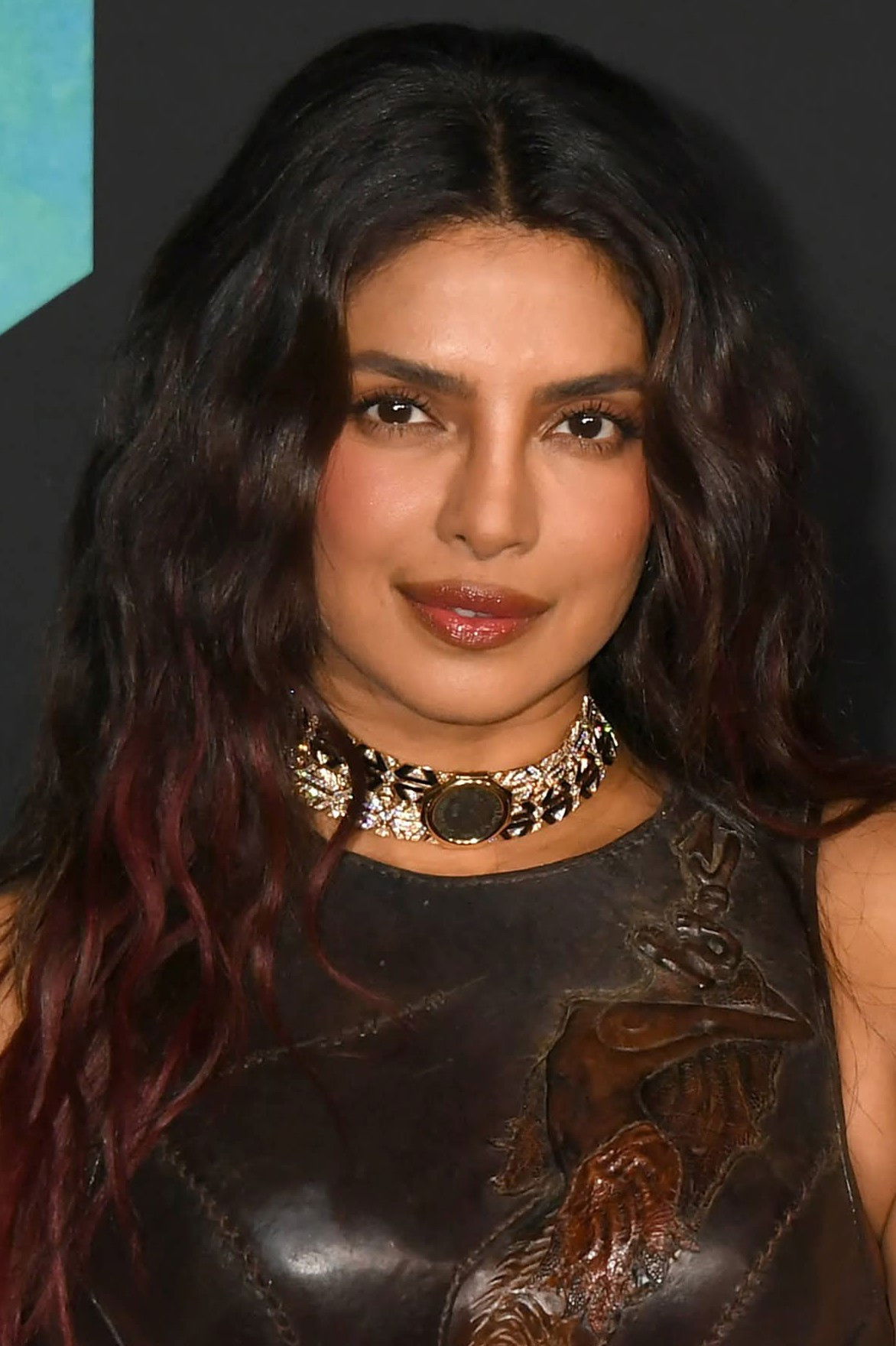
Priyanka Chopra Jonas has spoken about her transition from Bollywood to Hollywood and the tropes she encountered along the way. She has criticized the industry for its narrow view of South Asian characters and its reliance on stereotypes. Chopra Jonas advocates for roles that allow South Asian actors to be seen as global icons rather than side characters. She has been vocal about the need to move away from narratives that require a white protagonist to “discover” foreign cultures. Her work as a producer focuses on bringing international stories to a wider audience without Western filters.
Michelle Yeoh
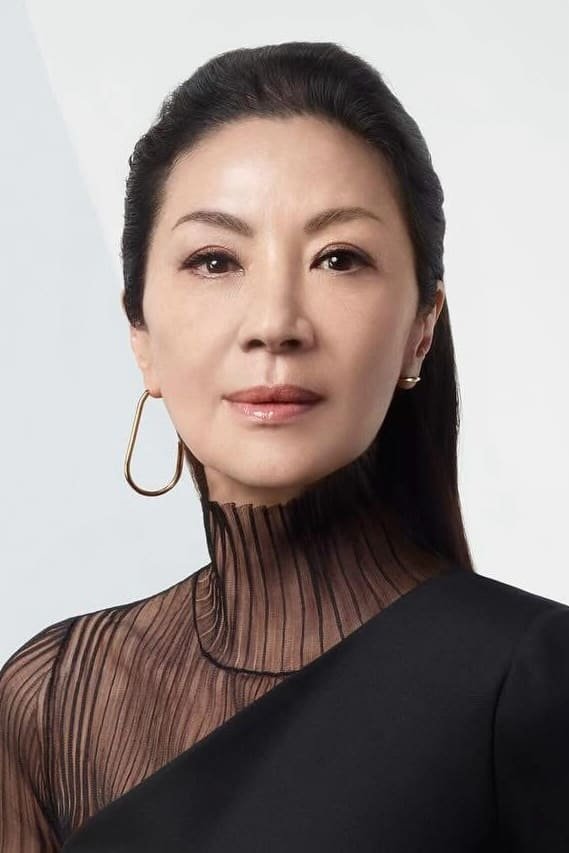
Michelle Yeoh has consistently challenged the industry to see older Asian women as powerful and capable leads. She has been a vocal critic of the way Hollywood often relegates Asian actors to martial arts roles or secondary support. Yeoh advocates for stories that allow her characters to lead their own lives and make their own decisions. Her historic win at the Academy Awards was a significant moment in the fight against traditional industry tropes. She continues to use her platform to inspire the next generation of international actors.
Penélope Cruz

Penélope Cruz has often spoken about the stereotypes she faced when first entering the American film industry. She has criticized the tendency to cast Spanish-speaking actresses in roles that are either overly sexualized or dependent on white male leads. Cruz has used her career to showcase the depth and versatility of international performers. She prefers working on projects that treat her characters with respect and provide them with independent agency. Her success in both Spanish and English language films has made her a global advocate for better representation.
Rosie Perez
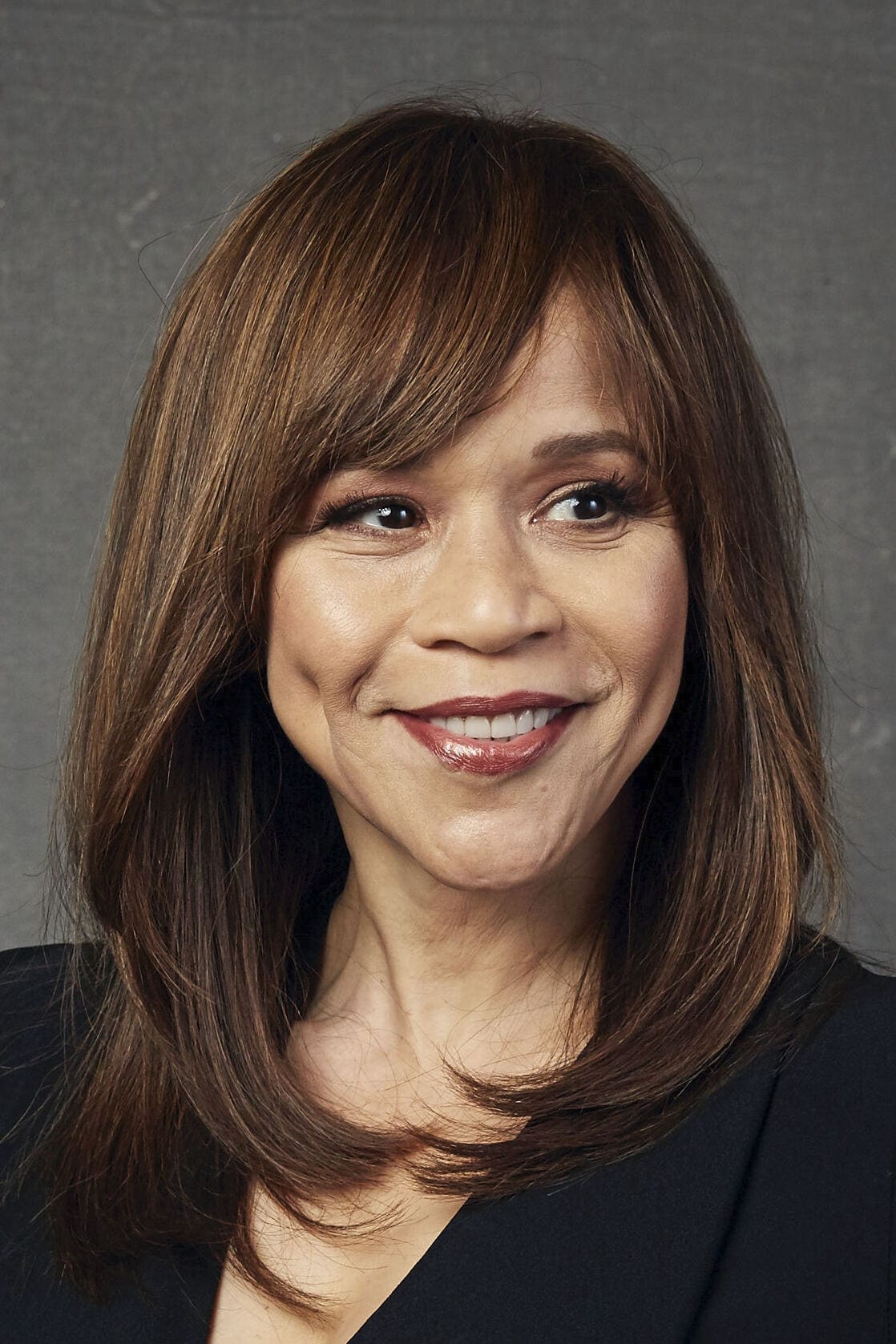
Rosie Perez has been a longtime advocate for the fair treatment of Latina actresses in Hollywood. She has criticized the industry for its reliance on “white-led” stories that use Puerto Rican and other Hispanic cultures as mere backdrops. Perez has used her voice to mock the repetitive and often offensive casting choices made by major studios. She remains a fierce proponent of stories that are told by the people who actually live them. Her career has been defined by her refusal to accept roles that diminish her culture.
Rita Moreno
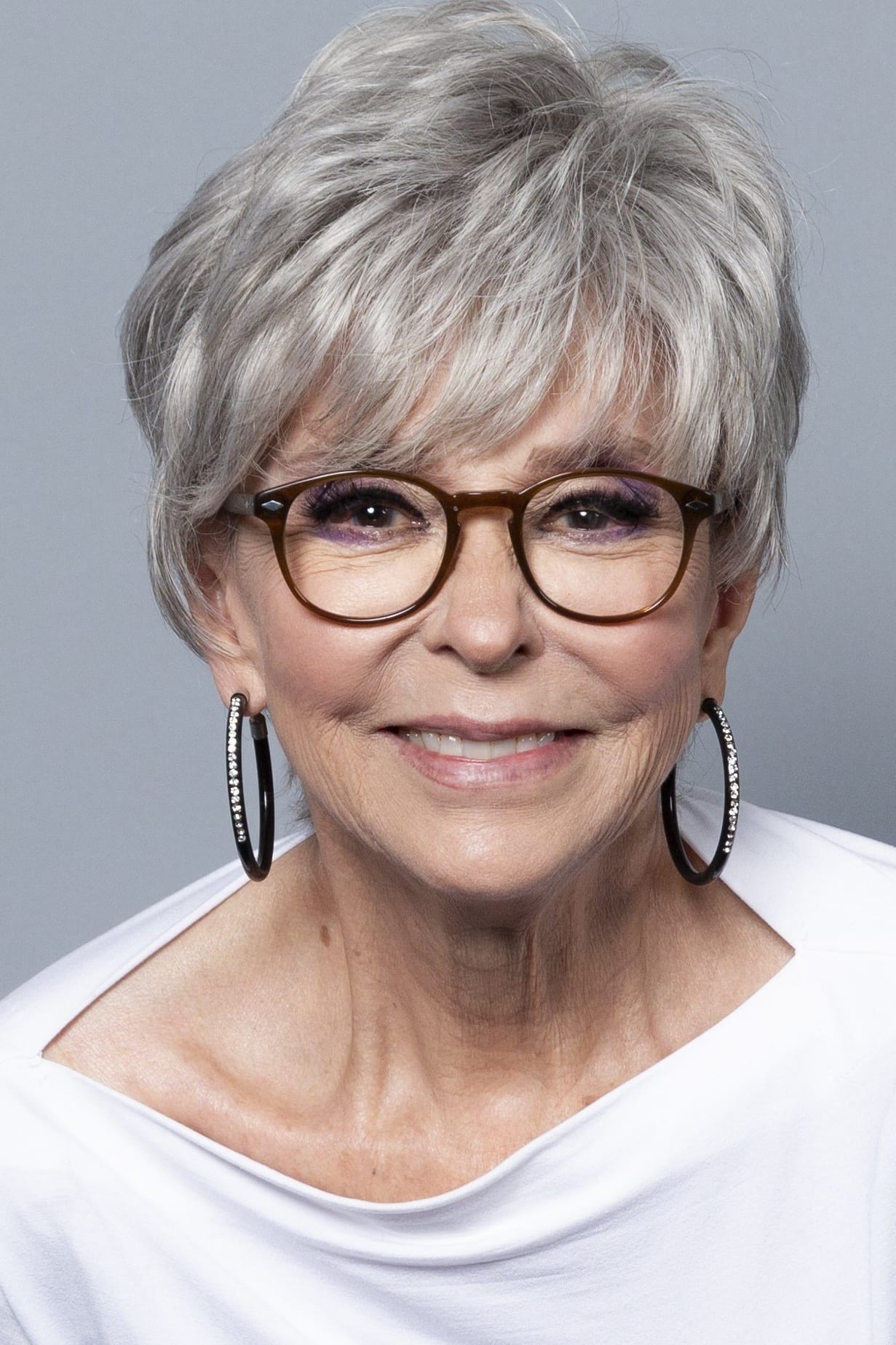
Rita Moreno has spent decades navigating and criticizing the racial biases of Hollywood. She has spoken about the pain of being cast in “ethnic” roles that were written through a white savior lens. Moreno has used her legendary status to mock the industry’s slow pace of change regarding diversity. She advocates for stories that recognize the full humanity and history of Hispanic people. Her presence in the industry continues to be a reminder of the need for persistent advocacy.
Gina Rodriguez
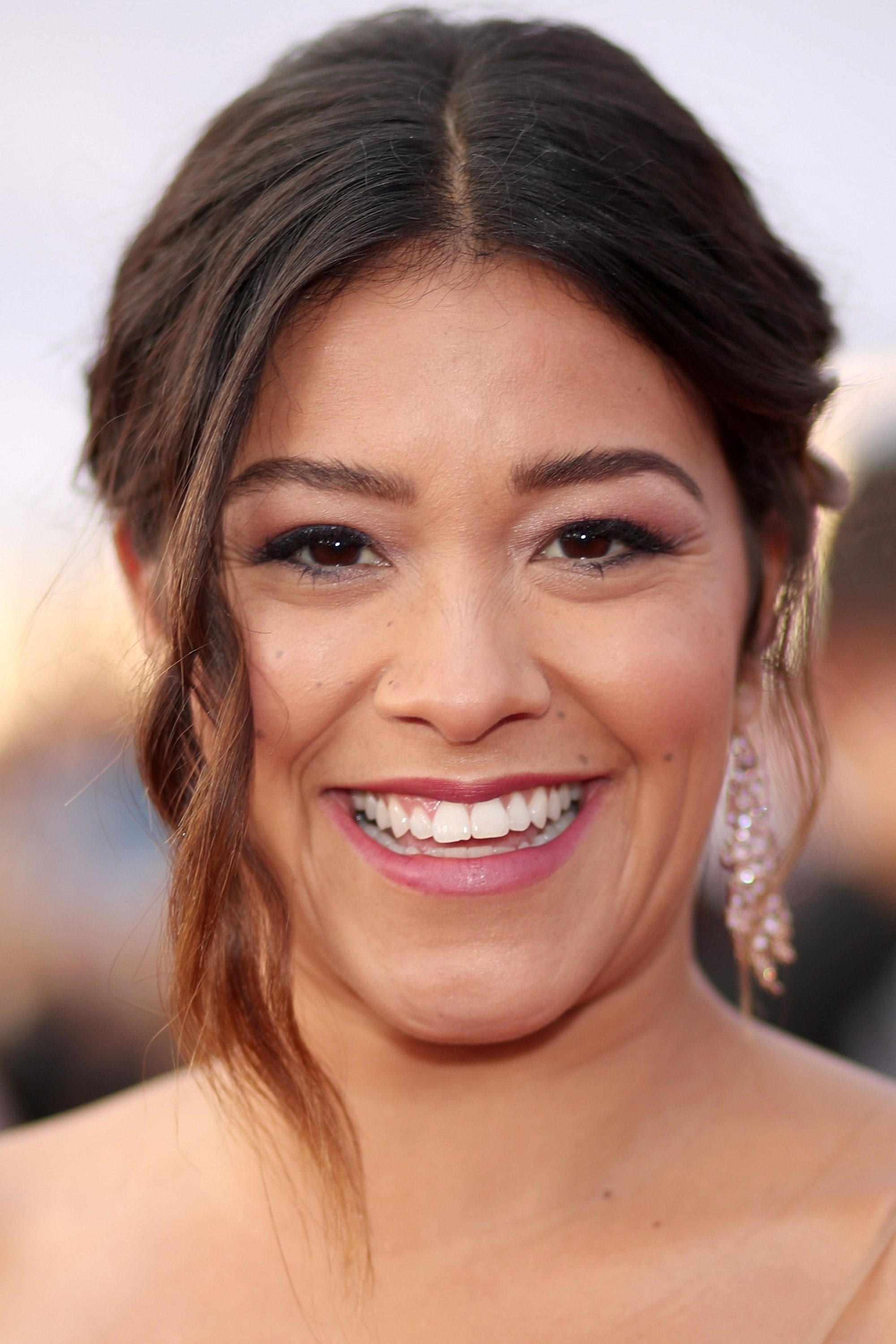
Gina Rodriguez has used her platform to highlight the lack of representation for the Latinx community in television and film. She has criticized the way Hollywood often frames Latina characters as being in need of rescue or validation. Rodriguez advocates for “lead-heavy” roles that allow actors of color to carry a series or movie on their own. She has been active in producing content that centers young Latina women in empowering and modern ways. Her goal is to ensure that the next generation does not have to deal with the same savior tropes she encountered.
Stephanie Beatriz
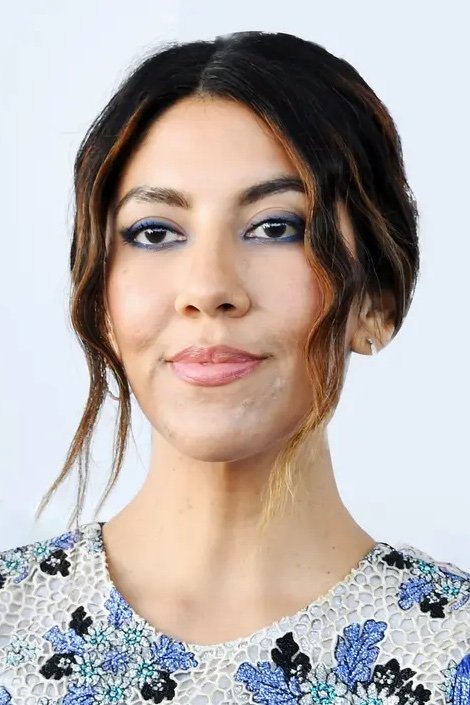
Stephanie Beatriz has spoken about the importance of being able to play characters whose ethnicity is not the only focus of their story. She has criticized the way the industry often uses diverse characters to teach a white lead a lesson. Beatriz advocates for more roles that allow for queer and Latinx representation without the need for traditional savior narratives. Her work on ‘Brooklyn Nine-Nine’ was praised for its authentic and independent portrayal of her character. She continues to push for more inclusive and self-governed storytelling.
Diane Guerrero
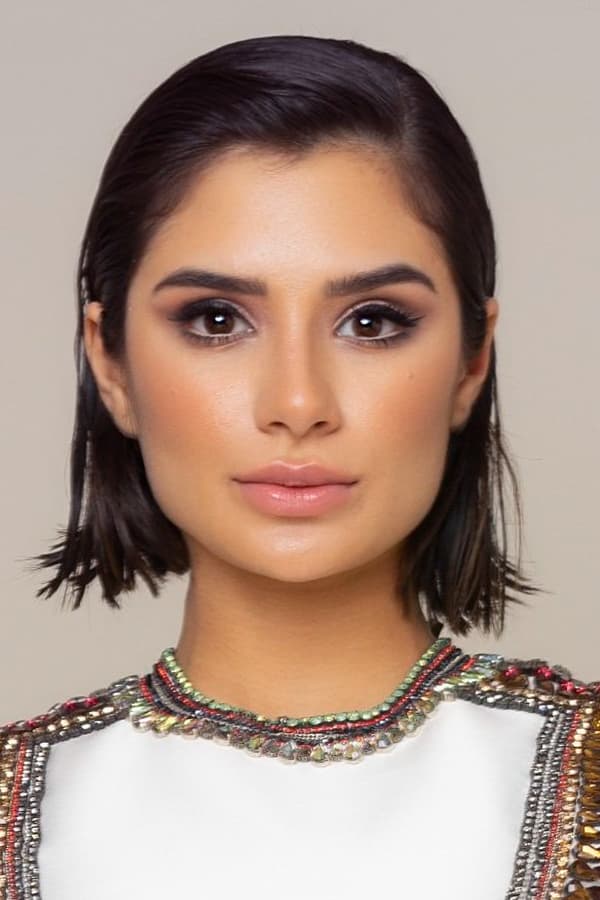
Diane Guerrero has been an outspoken advocate for immigrant rights and better representation in the arts. She has criticized the way Hollywood often uses the struggle of immigrants to create “poverty porn” for white audiences. Guerrero advocates for stories that focus on the resilience and agency of immigrant families. She believes that these narratives should be led by those who have lived the experience rather than by a white savior character. Her work in television and film reflects her commitment to social justice and authentic storytelling.
Amandla Stenberg
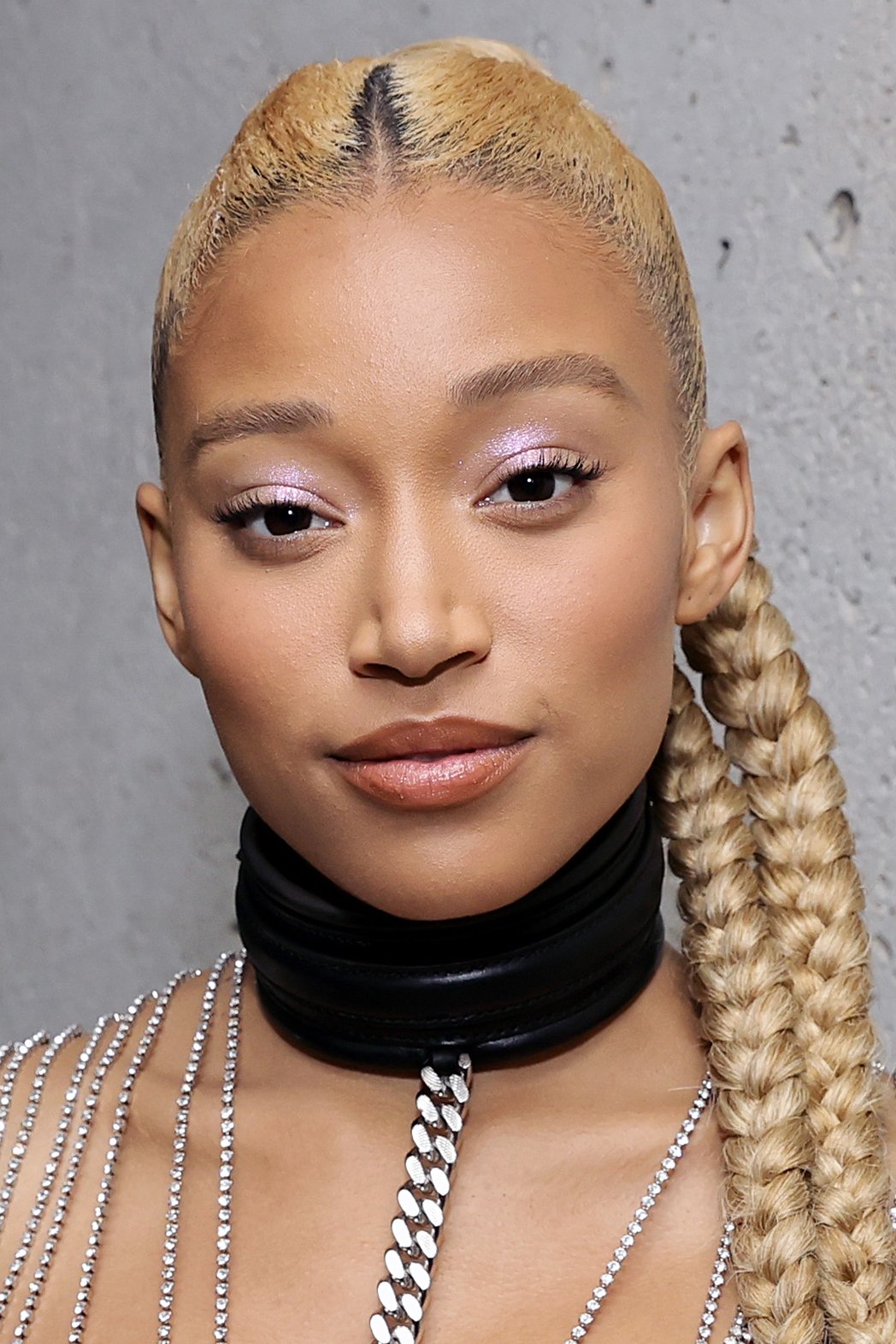
Amandla Stenberg has used her voice as a young activist and actress to critique the industry’s racial dynamics. She has spoken about the concept of “cultural appropriation” and how it manifests in white savior films. Stenberg selects roles that challenge the audience’s perceptions of race and identity in contemporary society. She has been vocal about the need for Hollywood to stop centering whiteness in every major narrative. Her career is focused on creating a more equitable and thoughtful landscape for future performers.
Yara Shahidi
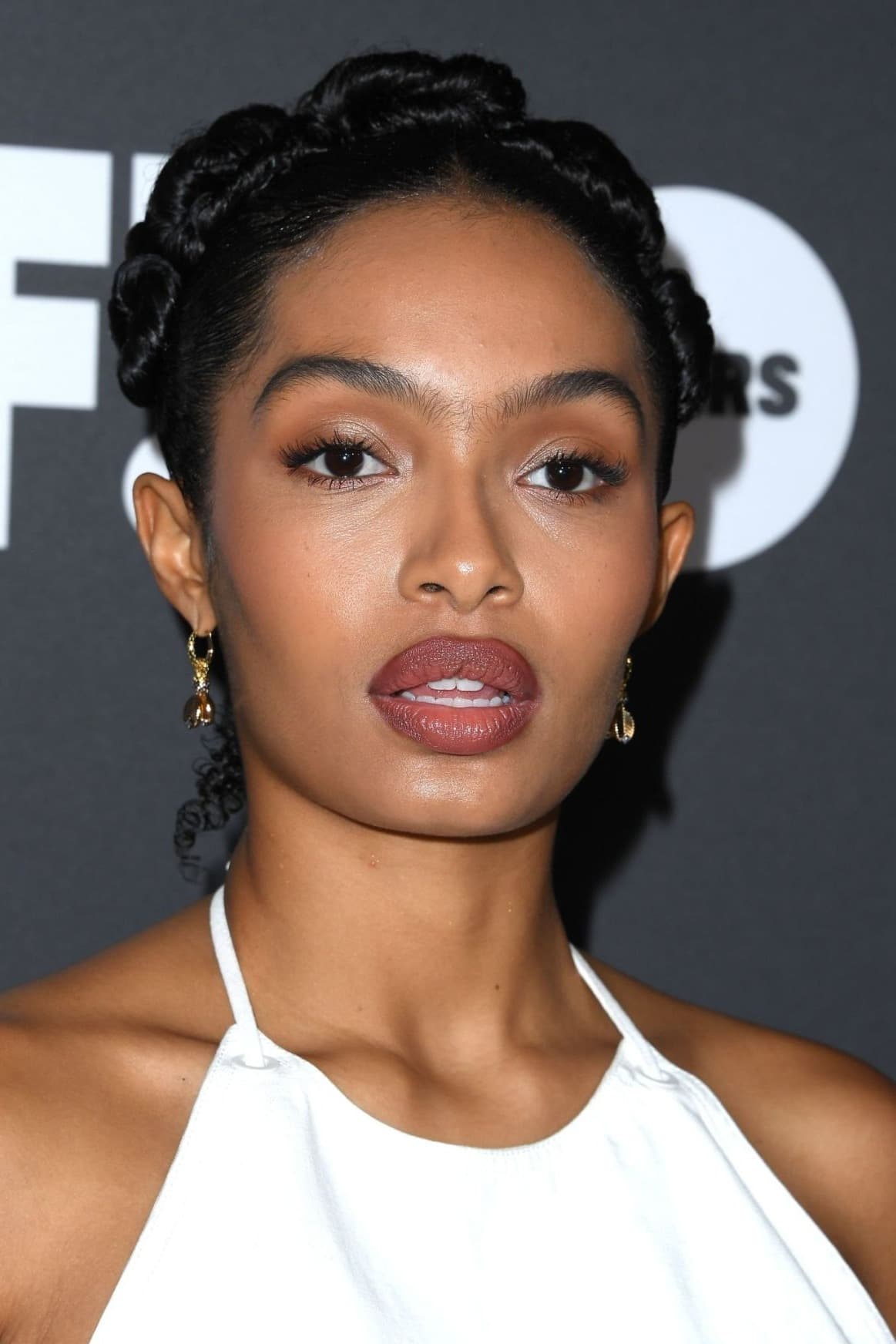
Yara Shahidi has used her intelligence and platform to discuss the systemic issues within the entertainment industry. She has criticized the way young actors of color are often cast in roles that serve as a moral compass for white characters. Shahidi advocates for stories that celebrate Black excellence and academic achievement without external intervention. She has been a lead in her own series which focuses on the lived experiences of Black youth. Her advocacy emphasizes the power of representation in shaping the aspirations of the next generation.
Marsai Martin
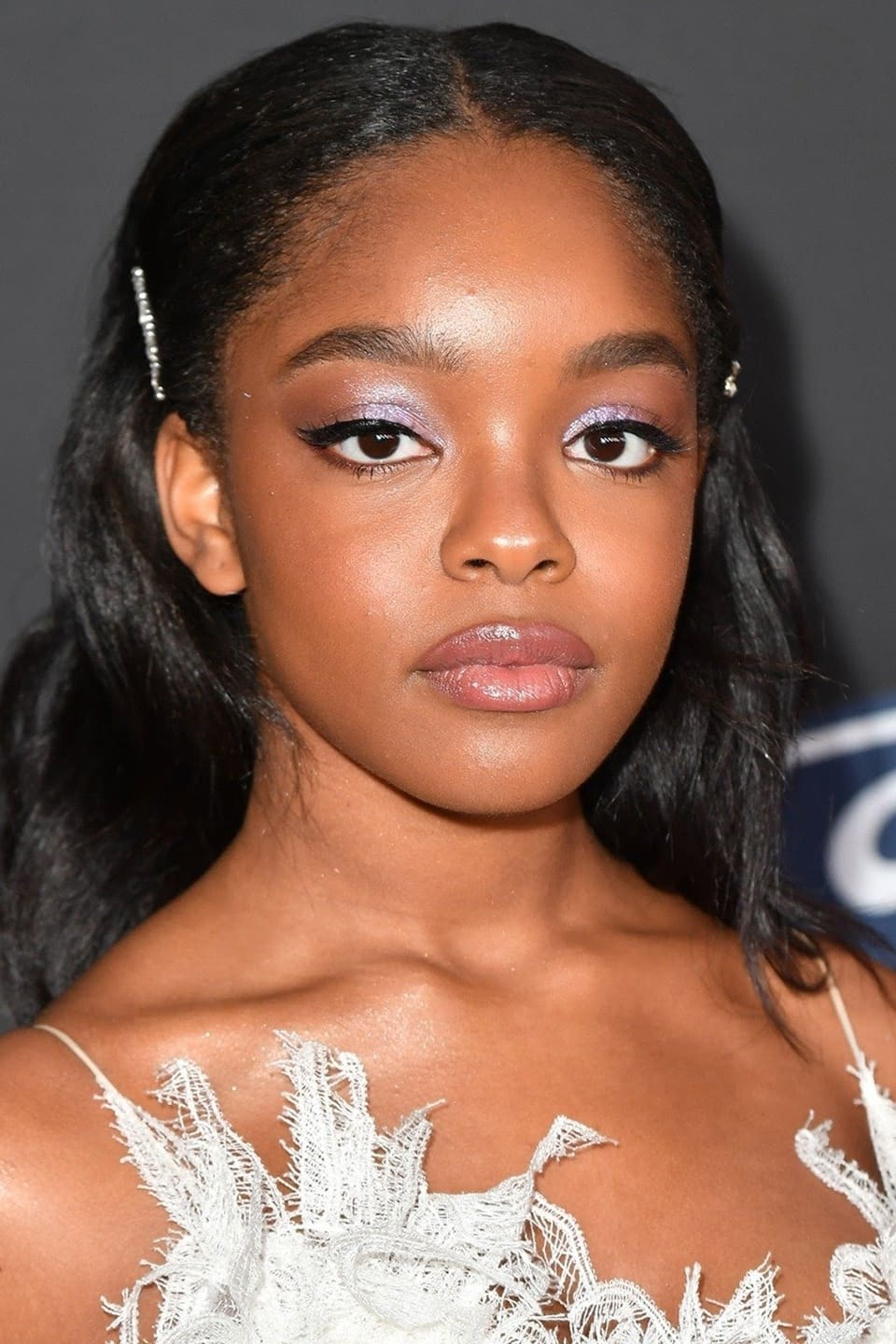
Marsai Martin became the youngest executive producer in Hollywood history to take control of her own career. she has been vocal about the need for young Black girls to see themselves as the masters of their own stories. Martin avoids roles that place her in a position of being saved and instead focuses on characters with immense agency. She has used her production company to create content that centers Black joy and creativity. Her work is a direct challenge to the traditional power structures that have long dominated the industry.
Quinta Brunson
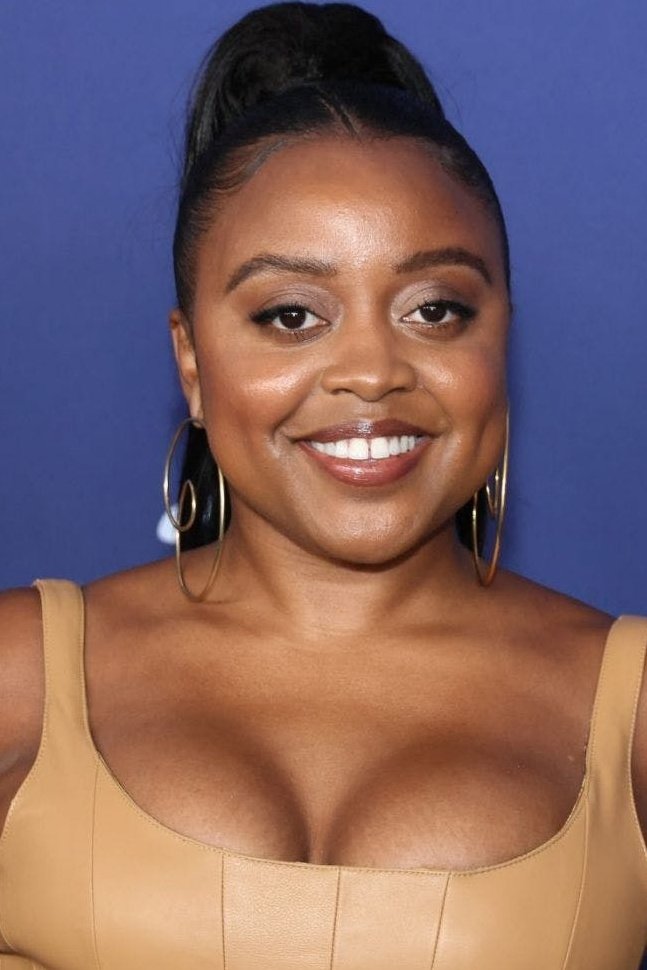
Quinta Brunson has revolutionized the sitcom format by creating a show that focuses on the everyday lives of teachers in an urban setting. She has mocked the idea that these schools need a white savior to come in and “fix” them. Brunson’s work emphasizes the strength and humor of the community itself as they navigate their own challenges. She has been praised for her realistic and empathetic portrayal of Black educators. Her success shows that audiences are eager for stories that reject traditional savior archetypes.
Ayo Edebiri
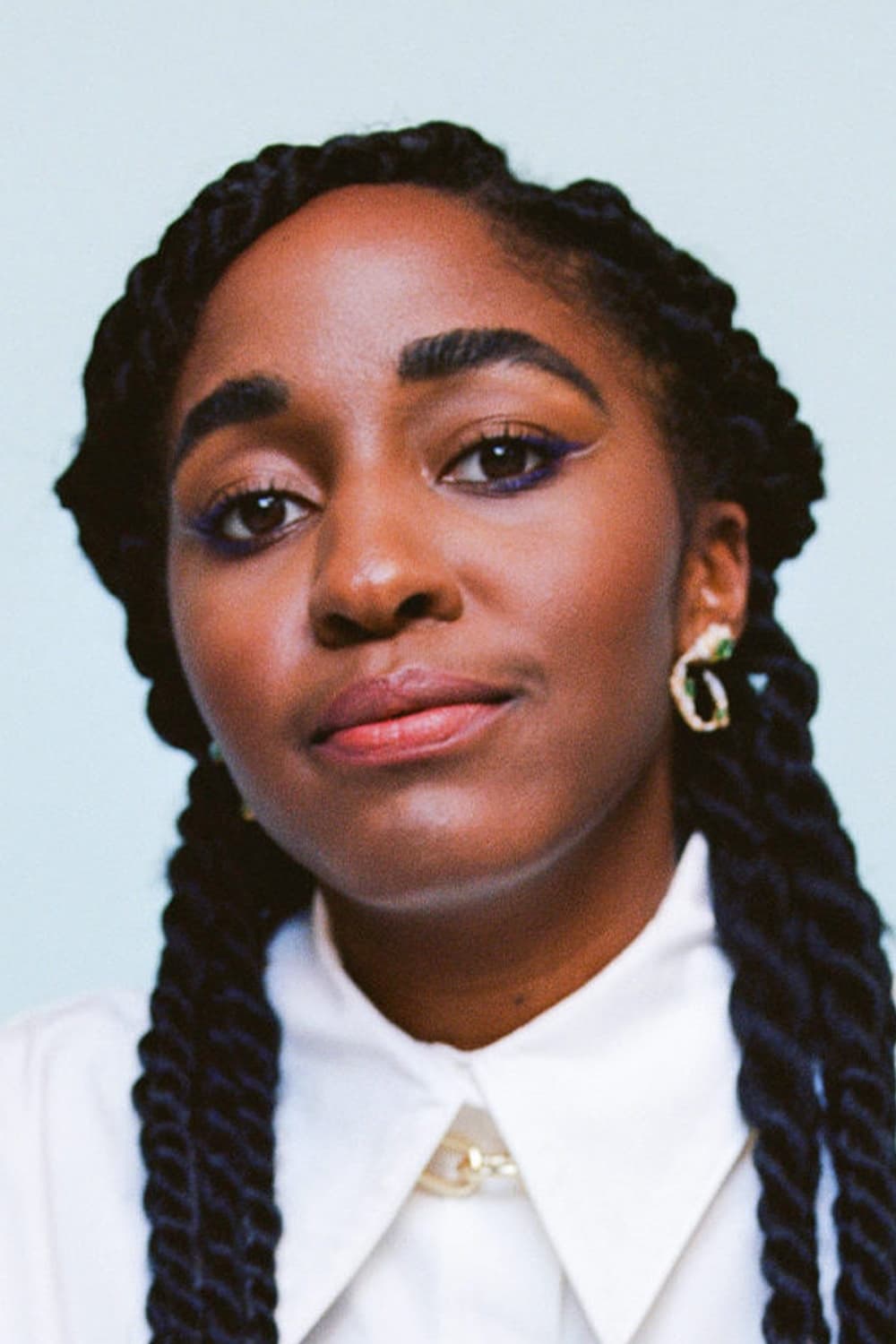
Ayo Edebiri has used her background in comedy to highlight the oddities and biases of the entertainment world. she has criticized the way the industry often places Black characters in supporting roles to provide “emotional depth” for white leads. Edebiri advocates for more experimental and character-driven stories for actors of color. Her recent work has showcased her ability to lead complex narratives with humor and heart. She remains a rising star who is committed to changing the way diversity is handled on screen.
Michaela Coel
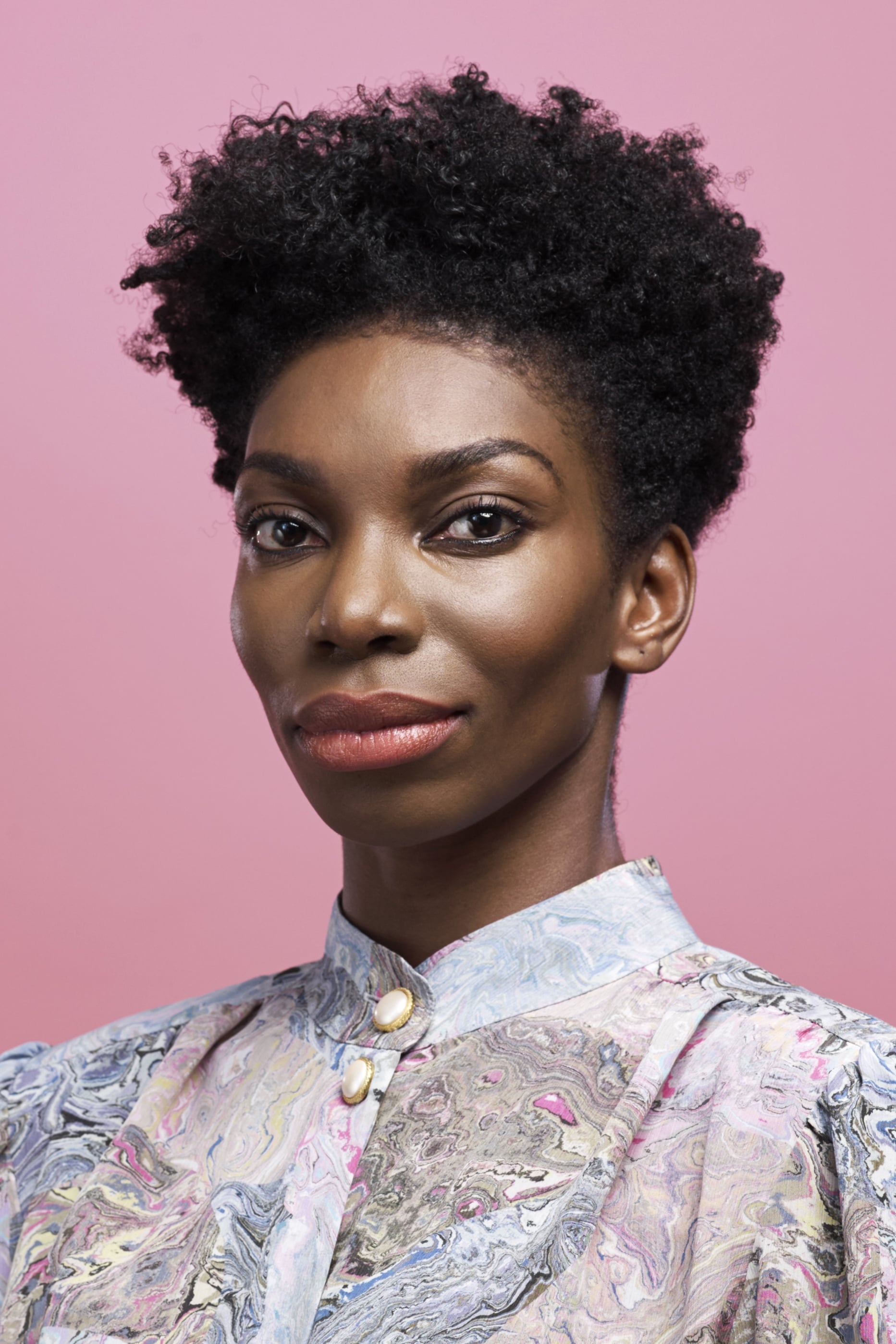
Michaela Coel has been a fierce advocate for creative control and the rejection of standard industry tropes. she famously turned down a major deal to ensure she retained the rights to her own story which centered on her own recovery and agency. Coel’s work mocks the idea that trauma must be handled through a specific lens for it to be valid. She creates content that is raw and deeply personal without catering to the Western gaze. Her success is a powerful example of the importance of self-authorship in the modern era.
Gugu Mbatha-Raw
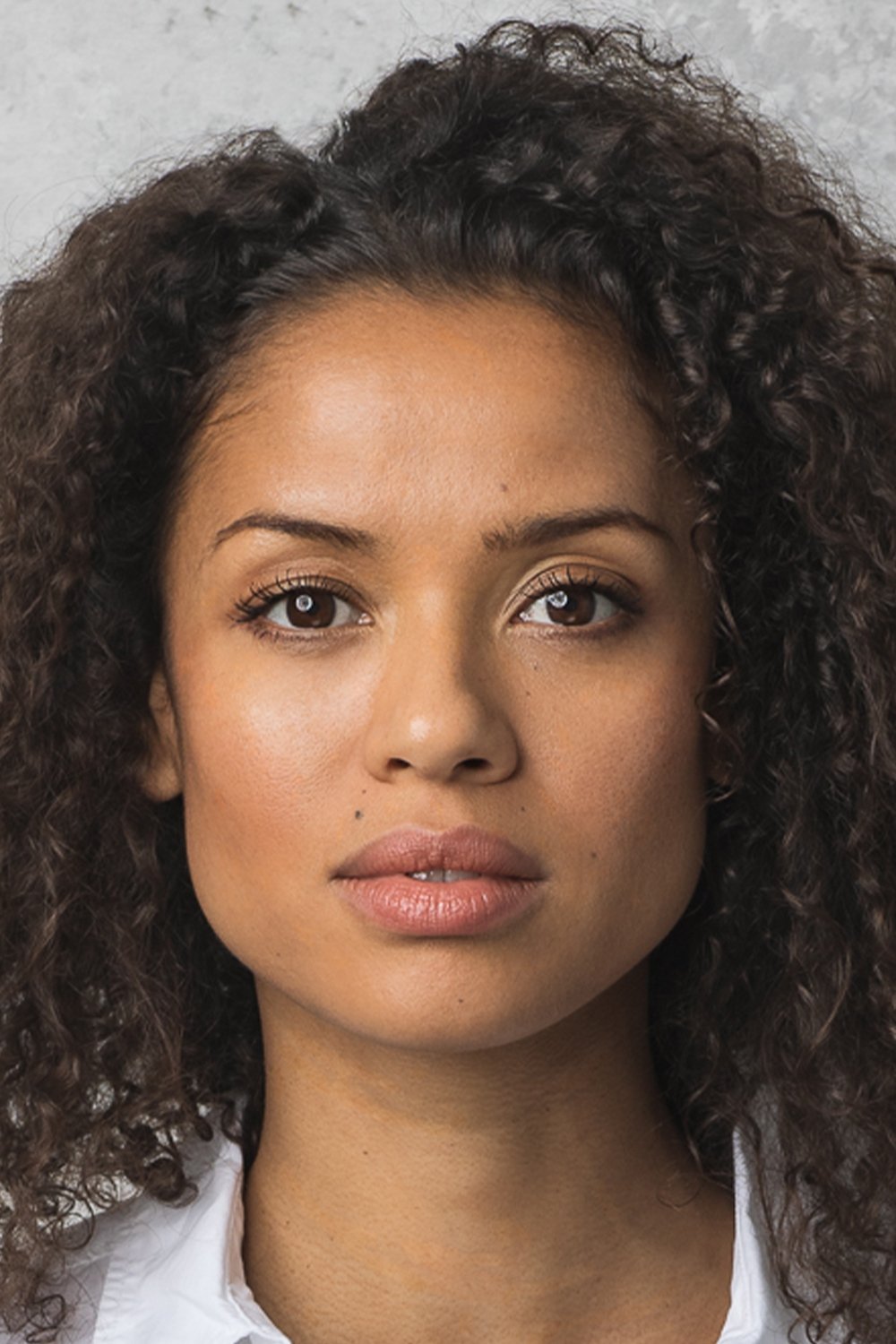
Gugu Mbatha-Raw has often spoken about the need for more diverse representation in period dramas. she has criticized the way these films often erase People of Color or place them in roles of extreme subservience. Mbatha-Raw has taken on roles that challenge these historical inaccuracies and provide her characters with significant power. She advocates for a more inclusive understanding of history that does not rely on white savior narratives. Her career is dedicated to expanding the types of stories that are considered “universal.”
Sophie Okonedo
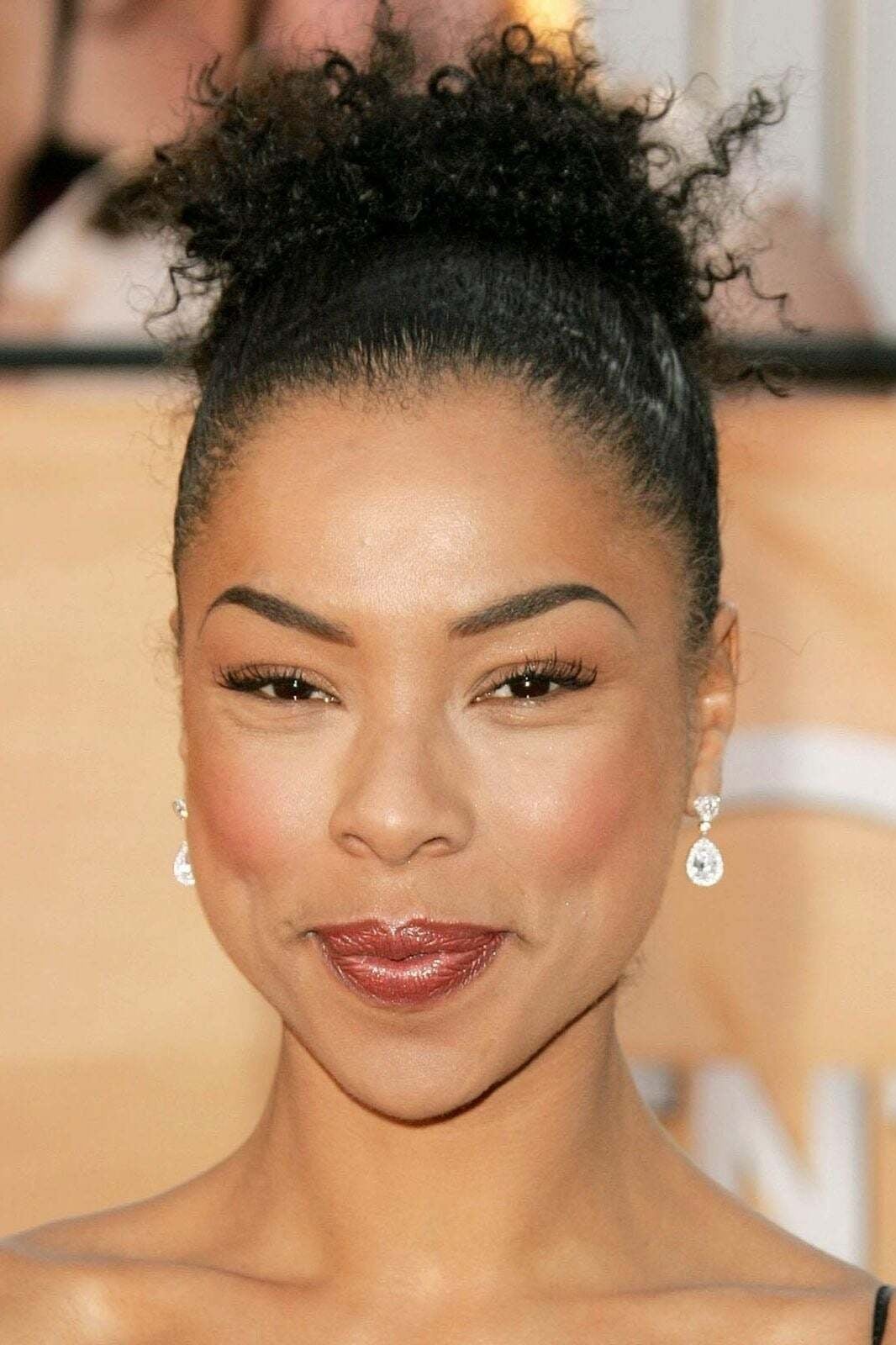
Sophie Okonedo has consistently been a critic of the way the industry handles race in both contemporary and historical settings. she has spoken about the frustration of being cast in roles where her character exists only to facilitate a white lead’s growth. Okonedo prefers roles that are intellectually stimulating and provide her with a complete narrative arc. She has used her platform to advocate for more sophisticated writing for actors of color. Her extensive body of work reflects her commitment to high-quality and self-governed storytelling.
Share your thoughts on which actresses you think are doing the best job of challenging Hollywood tropes in the comments.