Actresses Who Publicly Shame Studios for Continually Recycling Colonial Narratives


The entertainment industry has long faced criticism for its reliance on storytelling lenses that prioritize Western and colonial perspectives. Many prominent actresses have used their platforms to challenge major studios about the continued use of historical tropes and the exclusion of indigenous voices. These public criticisms often highlight the damage caused by white-washing and the recycling of narratives that center on colonial expansion or exoticization. By demanding more authentic and diverse representations these women are pushing for a fundamental shift in how history and global cultures are portrayed on screen. Their efforts aim to ensure that marginalized communities can reclaim their own stories from the traditional Hollywood machine.
Viola Davis
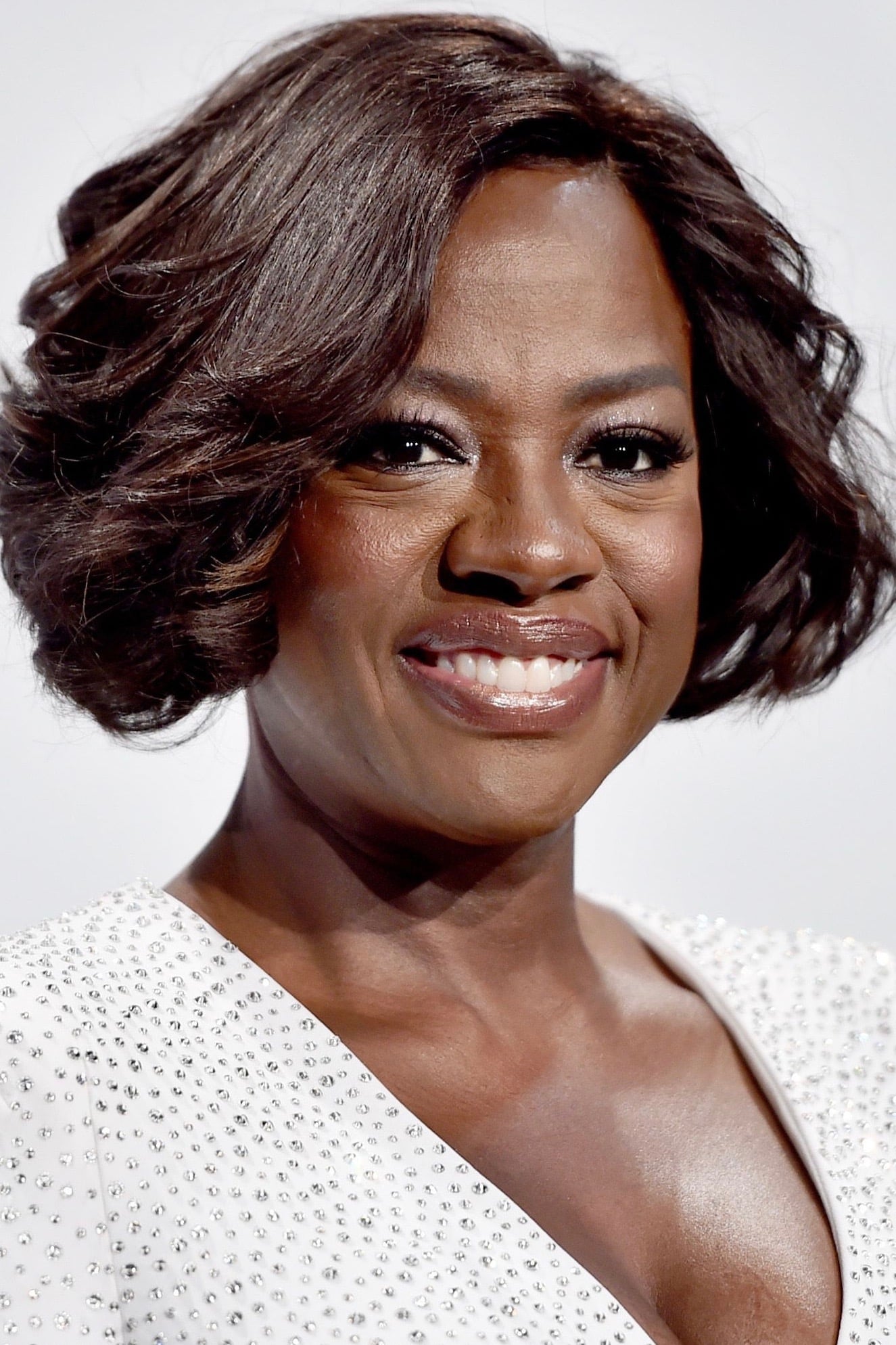
Viola Davis has expressed significant dissatisfaction with how Hollywood historically handles Black narratives. She notably criticized her own film ‘The Help’ for failing to center the voices of the maids during the Civil Rights era. Davis argues that the industry often prefers stories that make audiences feel comfortable rather than portraying the harsh realities of systemic oppression. She actively seeks out roles that challenge the traditional white savior archetype found in many mainstream dramas. Her production company focuses on elevating projects that prioritize authentic cultural perspectives.
Salma Hayek Pinault
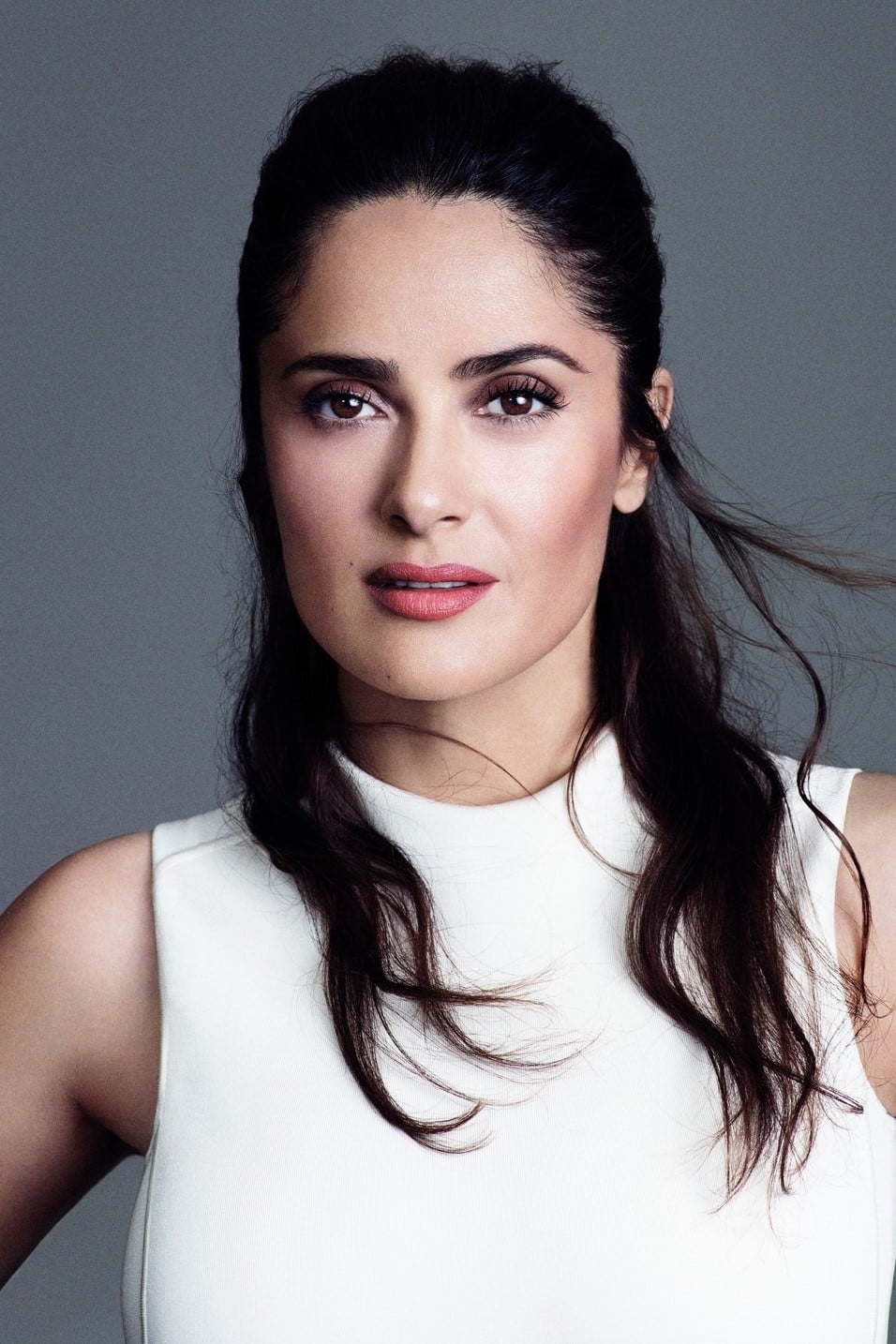
Salma Hayek Pinault has spent decades criticizing the stereotypical roles offered to Latina actresses in Hollywood. She often speaks about how studios try to pigeonhole international talent into characters defined solely by their ethnicity or domestic labor. Pinault has pushed for more leading roles that showcase the intelligence and diversity of the Hispanic community. She remains vocal about the need for major studios to stop recycling colonial tropes of the fiery or subservient character. Her work as a producer aims to dismantle these tired narratives by creating space for complex Latin American stories.
Lupita Nyong’o
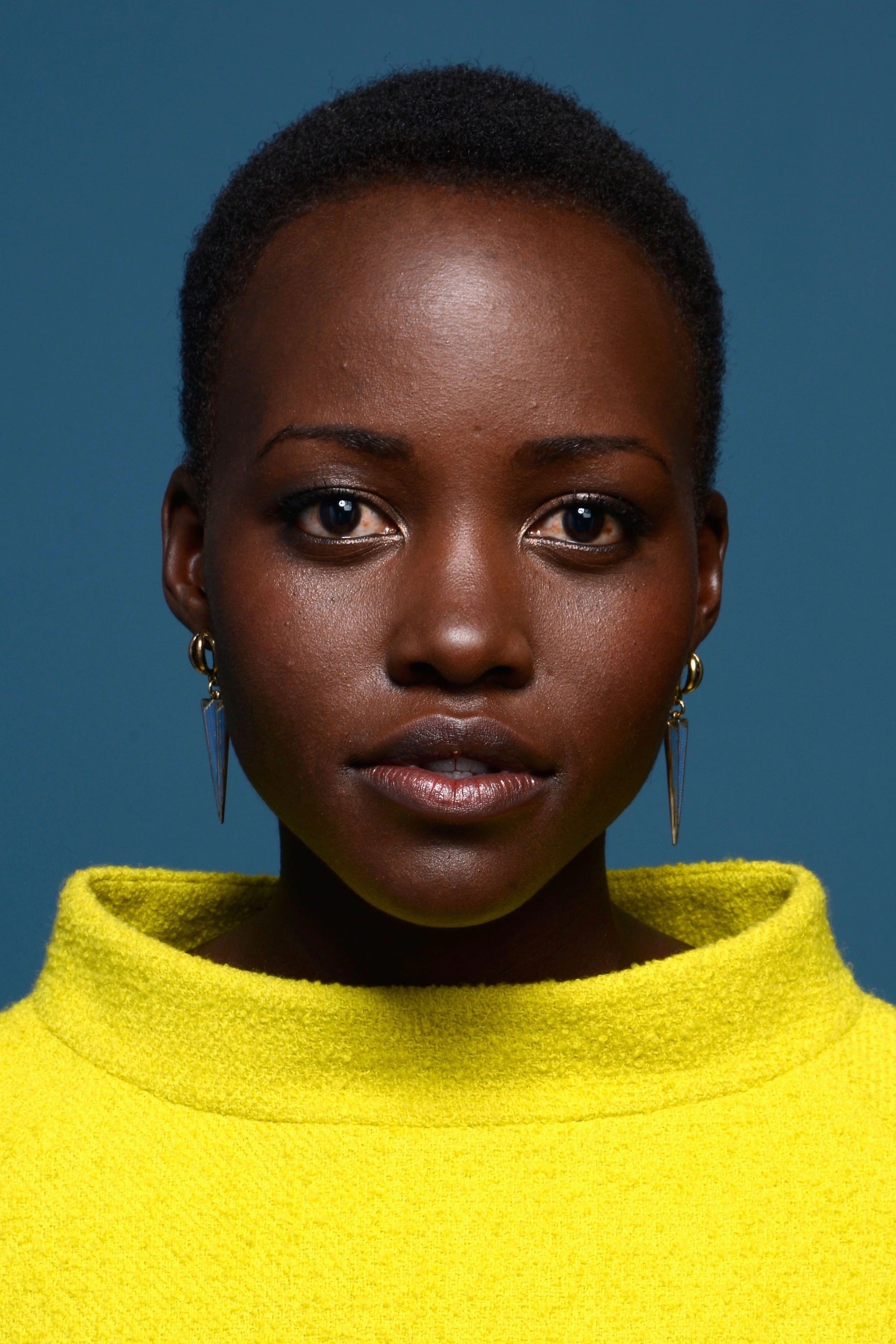
Lupita Nyong’o has been a powerful voice against the colonial beauty standards and historical erasures prevalent in film. She has publicly discussed the importance of reclaiming African history from a perspective that does not center on European intervention. Nyong’o often chooses projects like ‘Black Panther’ and ‘The Woman King’ that celebrate African heritage and warrior cultures. She argues that for too long the global south has been viewed through a narrow lens of trauma or poverty. Her advocacy encourages studios to invest in grand epics that honor diverse ancestry and pre-colonial power.
Michelle Yeoh
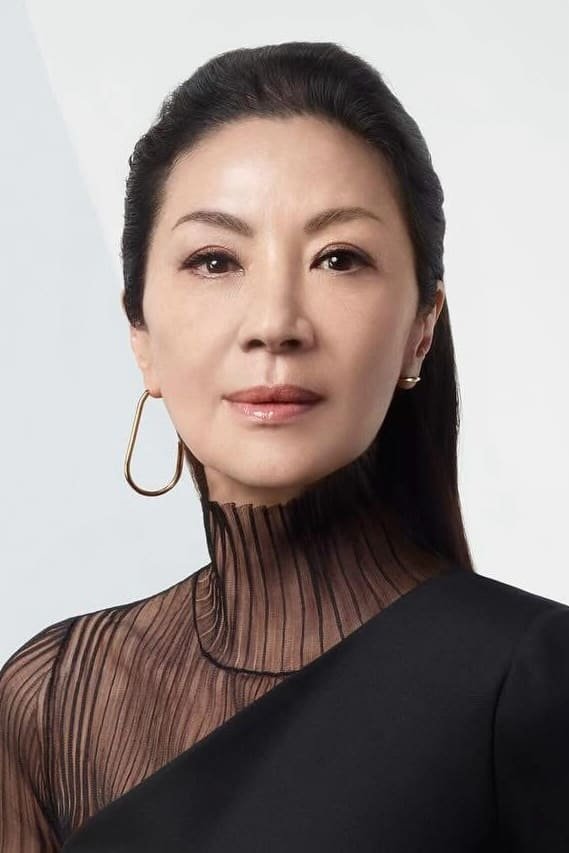
Michelle Yeoh has criticized the Western film industry for its historical tendency to overlook or exoticize Asian talent. During her award season speeches she highlighted how long it took for the industry to recognize the depth of Asian narratives beyond simple martial arts tropes. Yeoh advocates for stories that allow Asian actors to play multifaceted human beings rather than caricatures or colonial subjects. She has called out the lack of imagination in casting and the recycling of stories that ignore the richness of Asian history. Her success serves as a direct challenge to the eurocentric status quo in major studio productions.
Sandra Oh
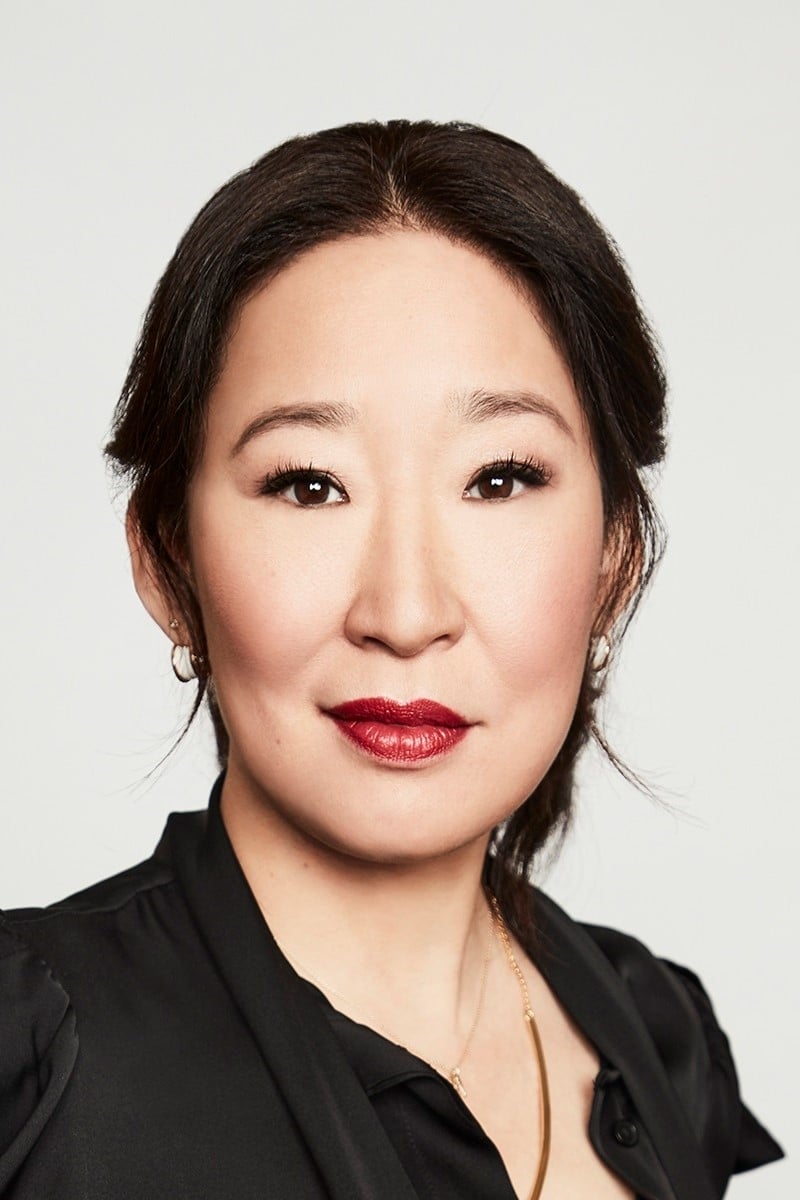
Sandra Oh has been vocal about the invisibility of Asian characters in Western period dramas and contemporary stories. She famously noted during an awards ceremony that it is an honor just to be Asian while highlighting the lack of representation. Oh has pushed for roles where her ethnicity is a natural part of the character rather than a plot point defined by Western curiosity. She critiques the way studios often default to white leads even when the source material suggests otherwise. Her career choices reflect a commitment to breaking the cycle of peripheral or stereotypical casting.
Meghan, Duchess of Sussex
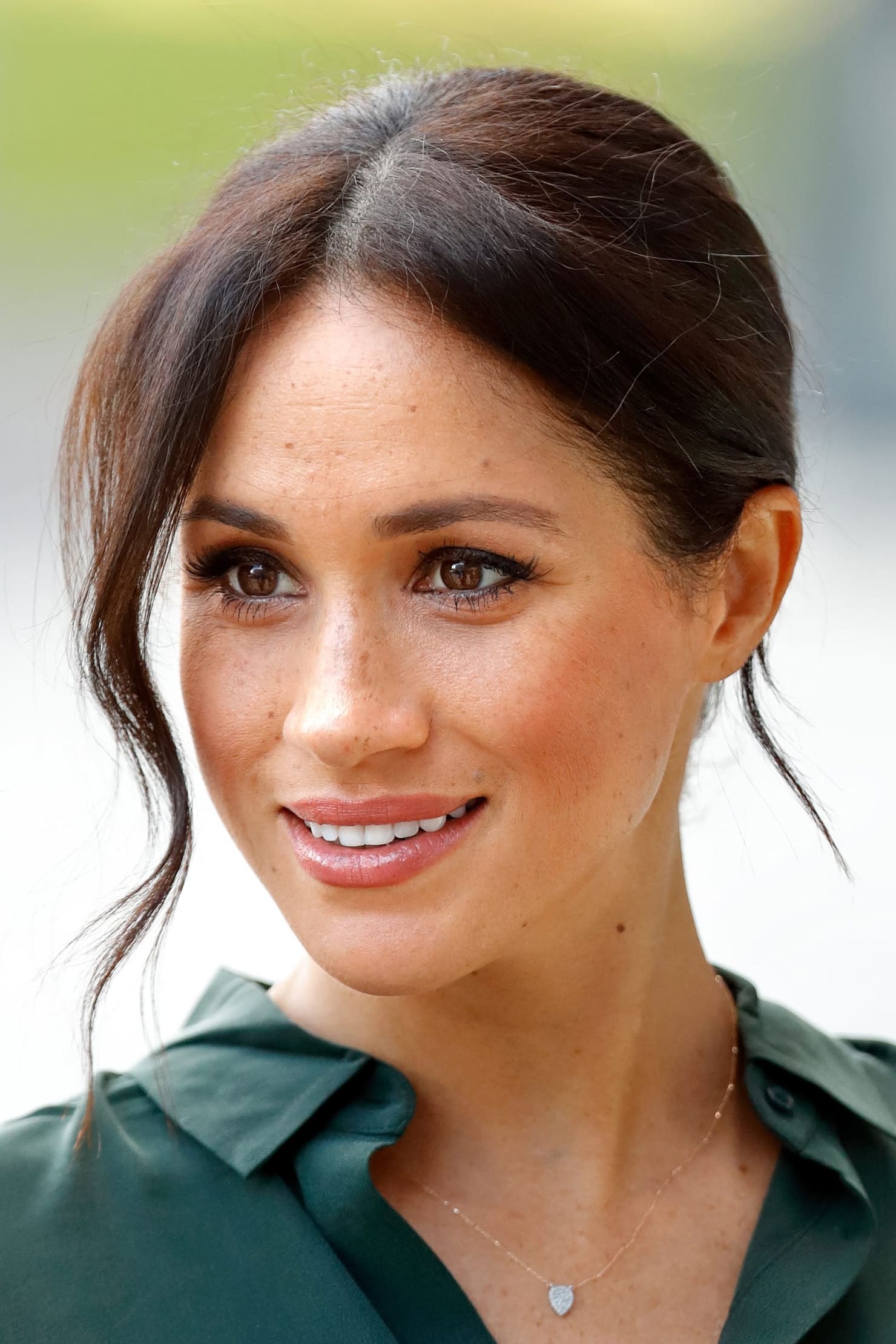
Meghan, Duchess of Sussex has addressed the systemic issues within the industry regarding race and historical narratives. She has spoken about the difficulty of navigating a world that often relies on outdated archetypes for women of color. Through her media projects she seeks to highlight stories that challenge traditional power structures and colonial legacies. She has criticized the way media and entertainment can perpetuate harmful stereotypes that stem from historical prejudices. Her work aims to provide a platform for voices that have been sidelined by mainstream Western institutions.
Thandiwe Newton

Thandiwe Newton has frequently spoken out about the sexualization and typecasting of women of color in colonial-themed films. She has recounted her experiences in period pieces where the narratives often ignore the agency of non-white characters. Newton reclaimed the original Zulu spelling of her name to honor her heritage and reject the anglicized version used by the industry. She remains a staunch critic of the way Hollywood continues to profit from stories that glamorize colonial eras without addressing their violence. Her advocacy pushes for a more honest and inclusive approach to historical storytelling.
Tessa Thompson
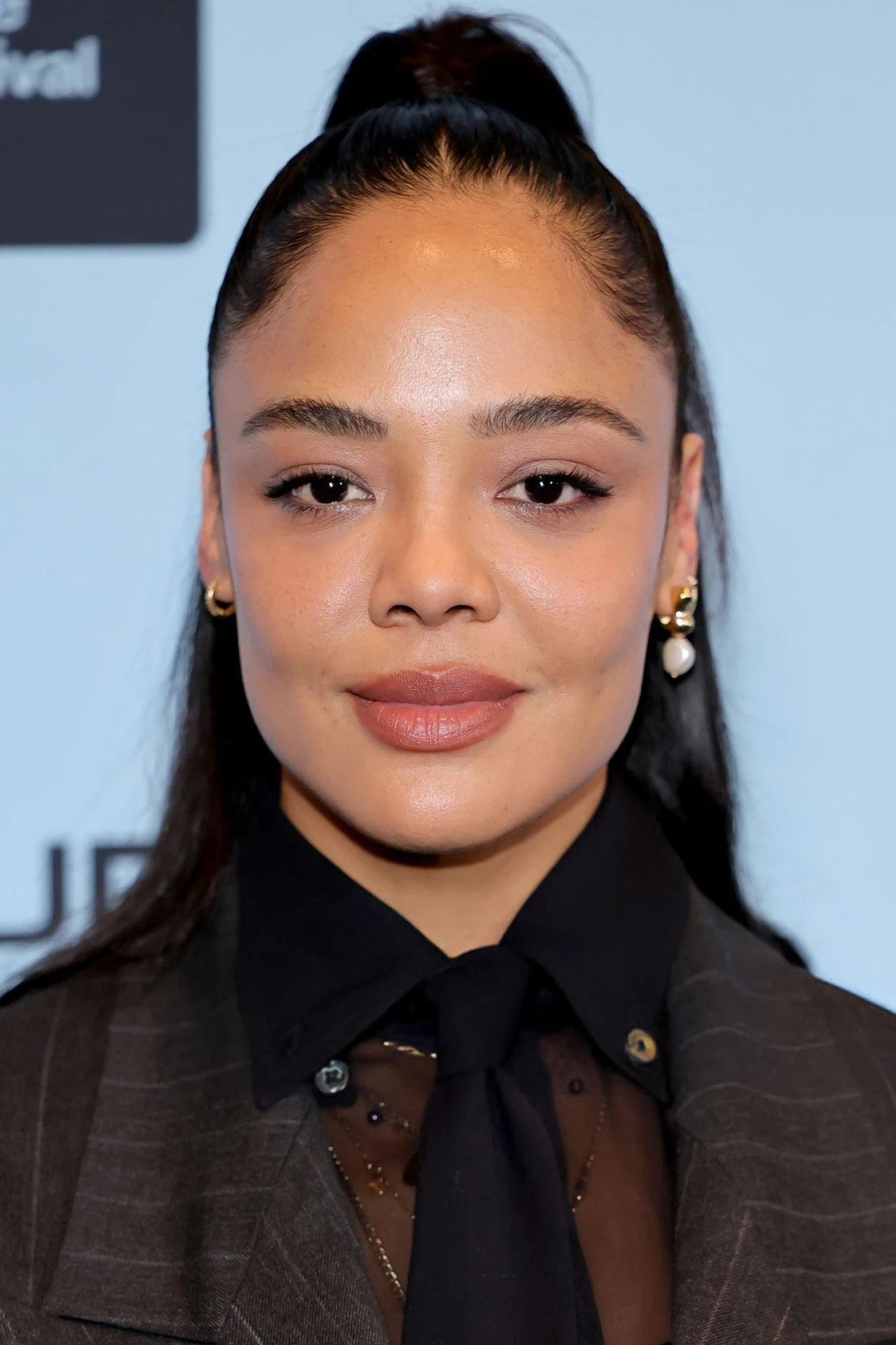
Tessa Thompson is a vocal advocate for diversifying period dramas and fantasy worlds that have traditionally been exclusively white. She has challenged the notion that certain genres must adhere to a colonial European aesthetic to be considered authentic. Thompson actively works to ensure that her roles subvert expectations and bring a modern inclusive energy to the screen. She has called for more women of color to be involved in the development of these projects to avoid the recycling of harmful tropes. Her work in major franchises often breaks barriers regarding representation and character complexity.
America Ferrera

America Ferrera has used her platform to criticize the limited and often degrading roles available to Latinx actors. She has spoken at length about how studios often recycle narratives that depict immigrants as threats or victims rather than complex individuals. Ferrera advocates for a shift in Hollywood that moves away from the white-centric gaze of the American experience. She has worked as a producer to create shows that center on the joy and everyday lives of Hispanic families. Her efforts are focused on dismantling the systemic barriers that prevent diverse stories from being told.
Priyanka Chopra Jonas
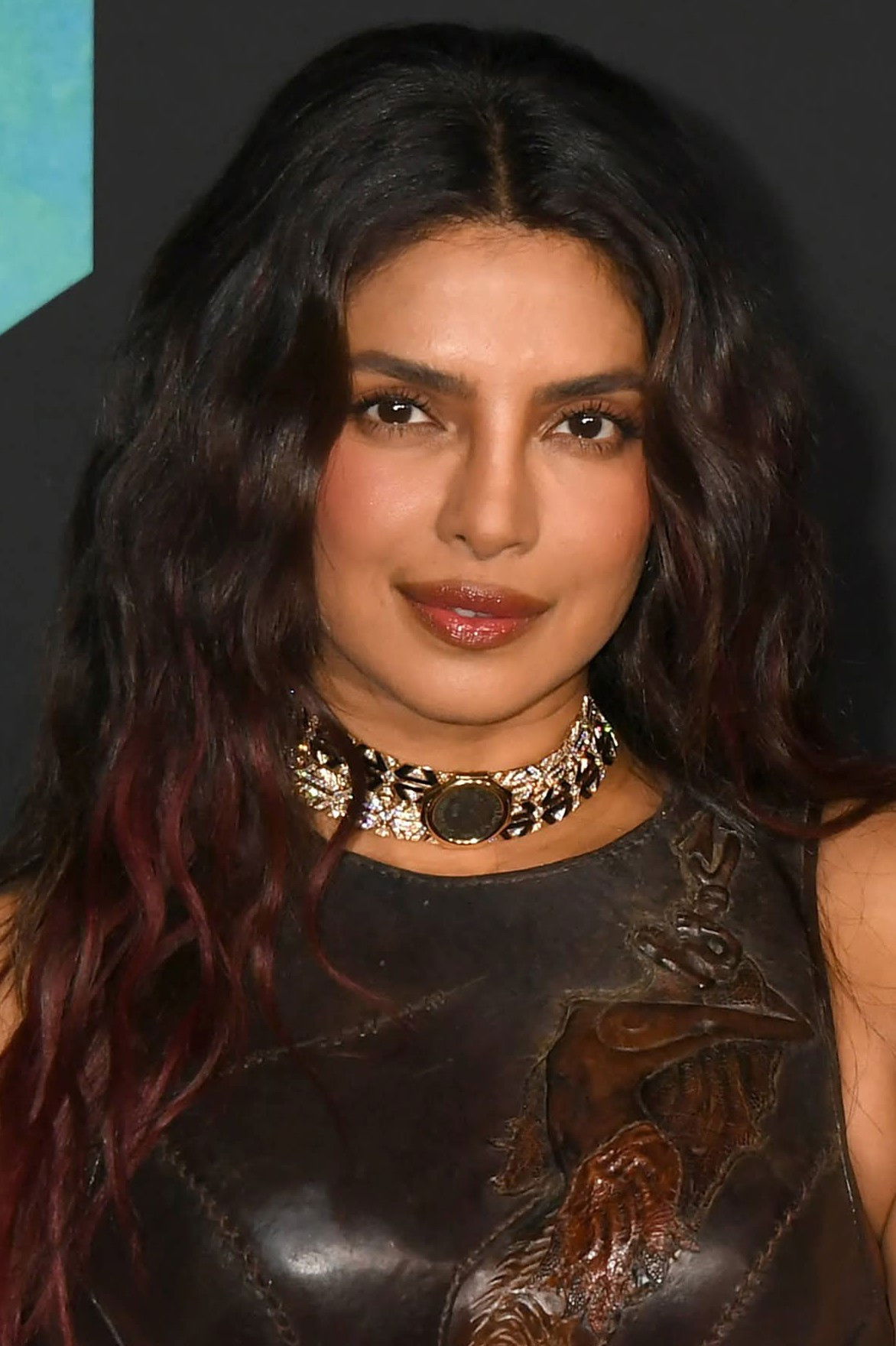
Priyanka Chopra Jonas has criticized the way Hollywood often views Indian culture through a lens of mysticism or colonial cliches. She has spoken about her transition from Bollywood to the United States and the struggle to find roles that were not defined by her ethnicity. Chopra Jonas advocates for more South Asian representation in leading roles that do not rely on accents or stereotypical tropes. She has called out the industry for its slow progress in recognizing the global appeal of diverse leads. Her presence in mainstream media continues to challenge the narrow definitions of stardom.
Gemma Chan

Gemma Chan has been a leading figure in the movement to include Asian history in Western education and film. She has criticized the lack of Asian faces in period dramas set in London even though the history of those cities is inherently multicultural. Chan has used her roles to bring attention to the forgotten contributions of Asian people in historical settings. She advocates for the end of white-washing and the beginning of more inclusive casting practices in high-budget productions. Her activism highlights the link between historical erasure in film and contemporary social issues.
Danai Gurira
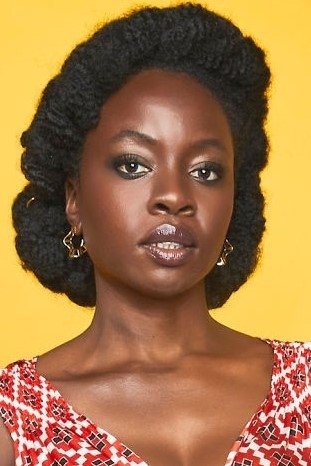
Danai Gurira is both an actress and a playwright who works to reclaim African narratives from colonial interpretations. She has spoken about the importance of writing stories that give African women agency and complex emotional lives. Gurira often critiques the way Western media portrays the continent as a place of constant tragedy rather than a place of innovation and strength. Her work on ‘The Woman King’ was a direct effort to showcase a powerful historical African army. She continues to push for projects that center on the indigenous perspective and historical accuracy.
Letitia Wright
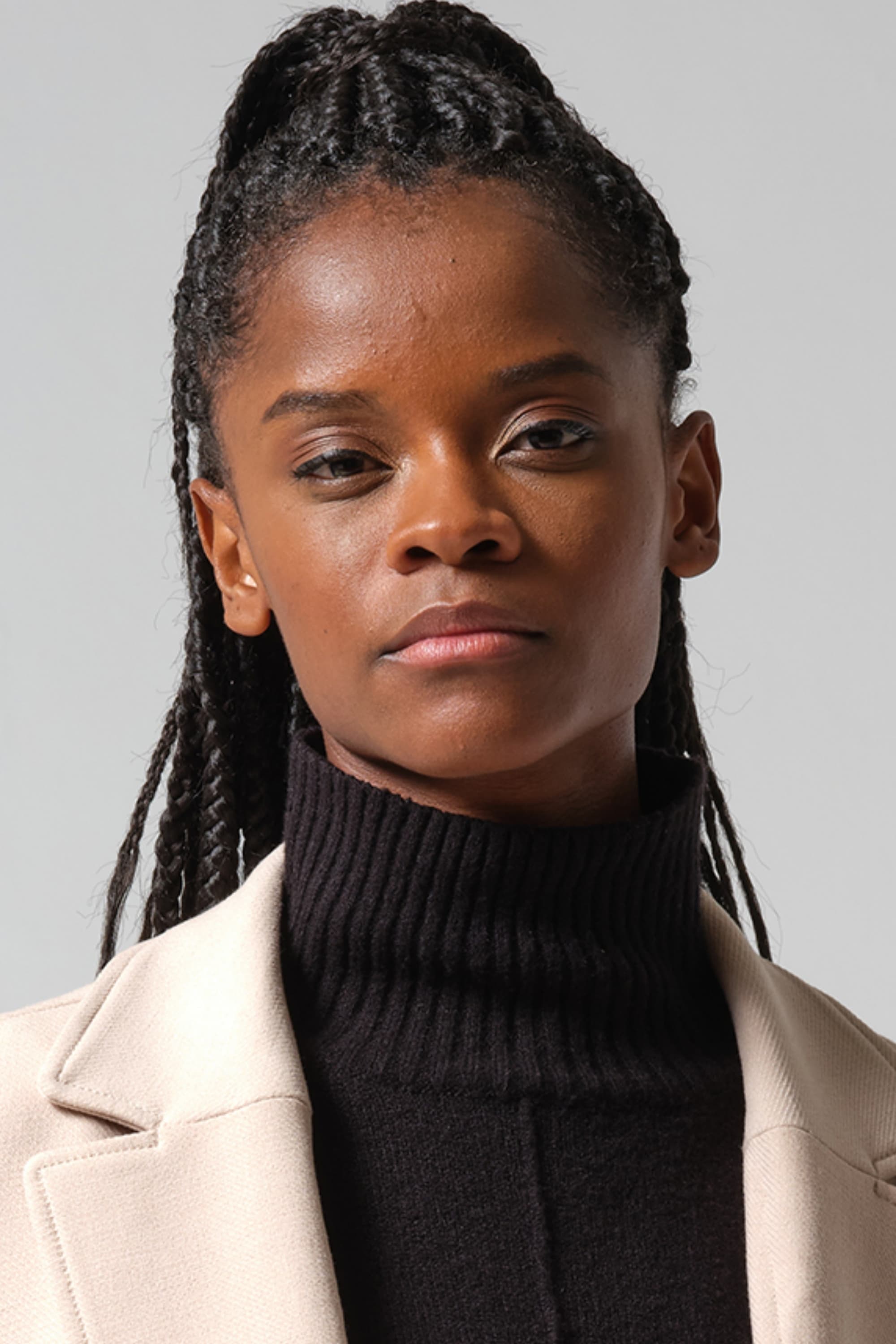
Letitia Wright has used her international fame to advocate for more stories that celebrate the brilliance of Black youth and history. She has criticized the industry for its reliance on narratives that focus primarily on the trauma of slavery or colonization. Wright prefers to participate in projects that imagine a future where African cultures are the leaders in technology and philosophy. She advocates for studios to move away from eurocentric models of success and progress. Her career reflects a desire to inspire the next generation through positive and empowering representation.
Cynthia Erivo
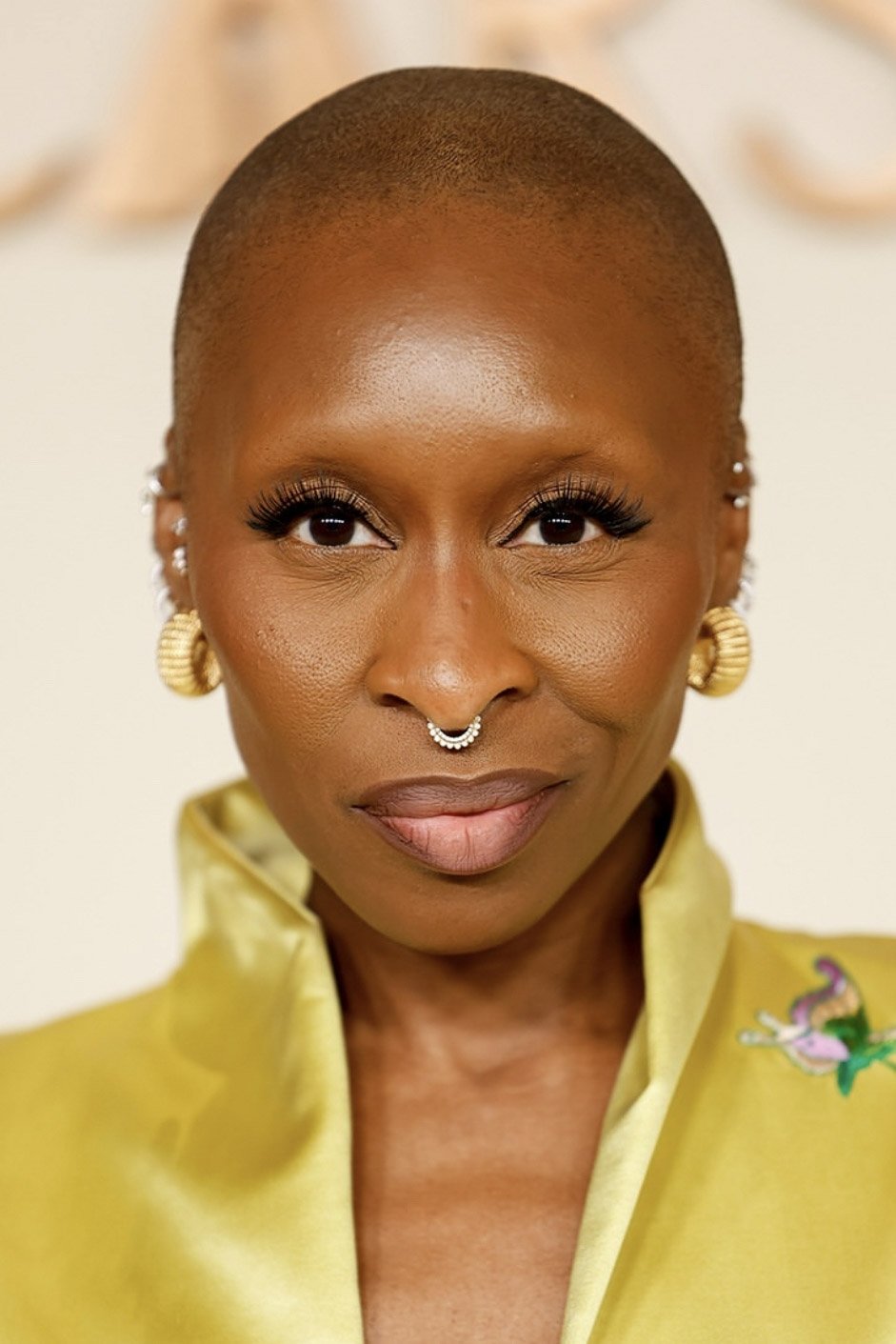
Cynthia Erivo has spoken out about the burden placed on Black actors to constantly perform roles involving historical trauma. She has expressed a desire for more diverse genres that allow Black women to be seen in fantasy, romance, and sci-fi without colonial baggage. Erivo critiques the way award cycles often only recognize Black performances when they are tied to suffering. She advocates for a broader range of storytelling that recognizes the full humanity of people of color. Her work continues to challenge the industry to think beyond the traditional period piece framework.
Gugu Mbatha-Raw
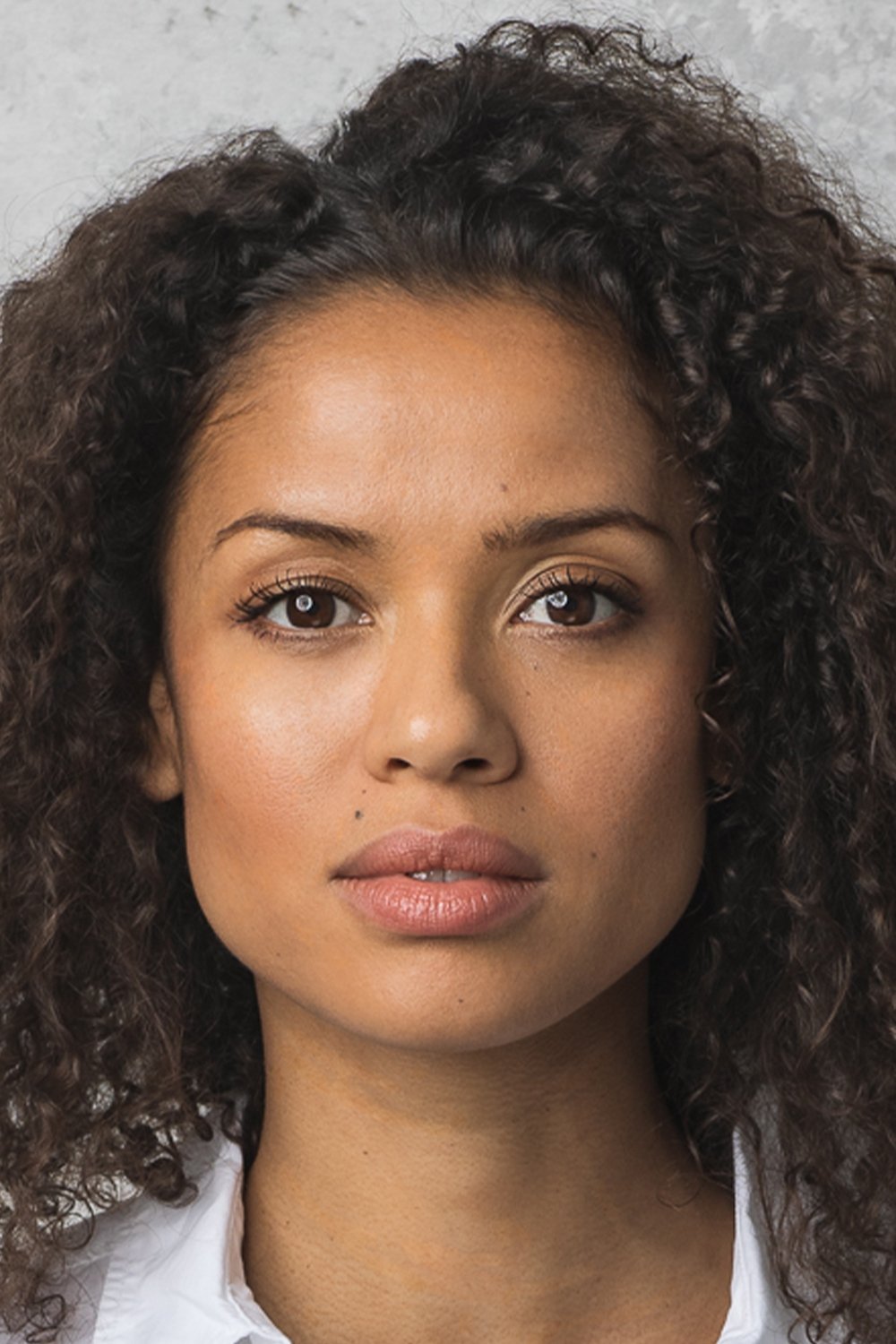
Gugu Mbatha-Raw has been praised for her work in period dramas that specifically address the presence of Black people in European history. She has criticized the historical films that choose to ignore the diverse reality of past centuries in favor of a sanitized white narrative. Mbatha-Raw often selects roles that explore the intersection of race, class, and identity in historical contexts. She advocates for a more nuanced understanding of history that does not shy away from the complexities of the colonial era. Her performances help to bridge the gap between historical fact and cinematic representation.
Ruth Negga
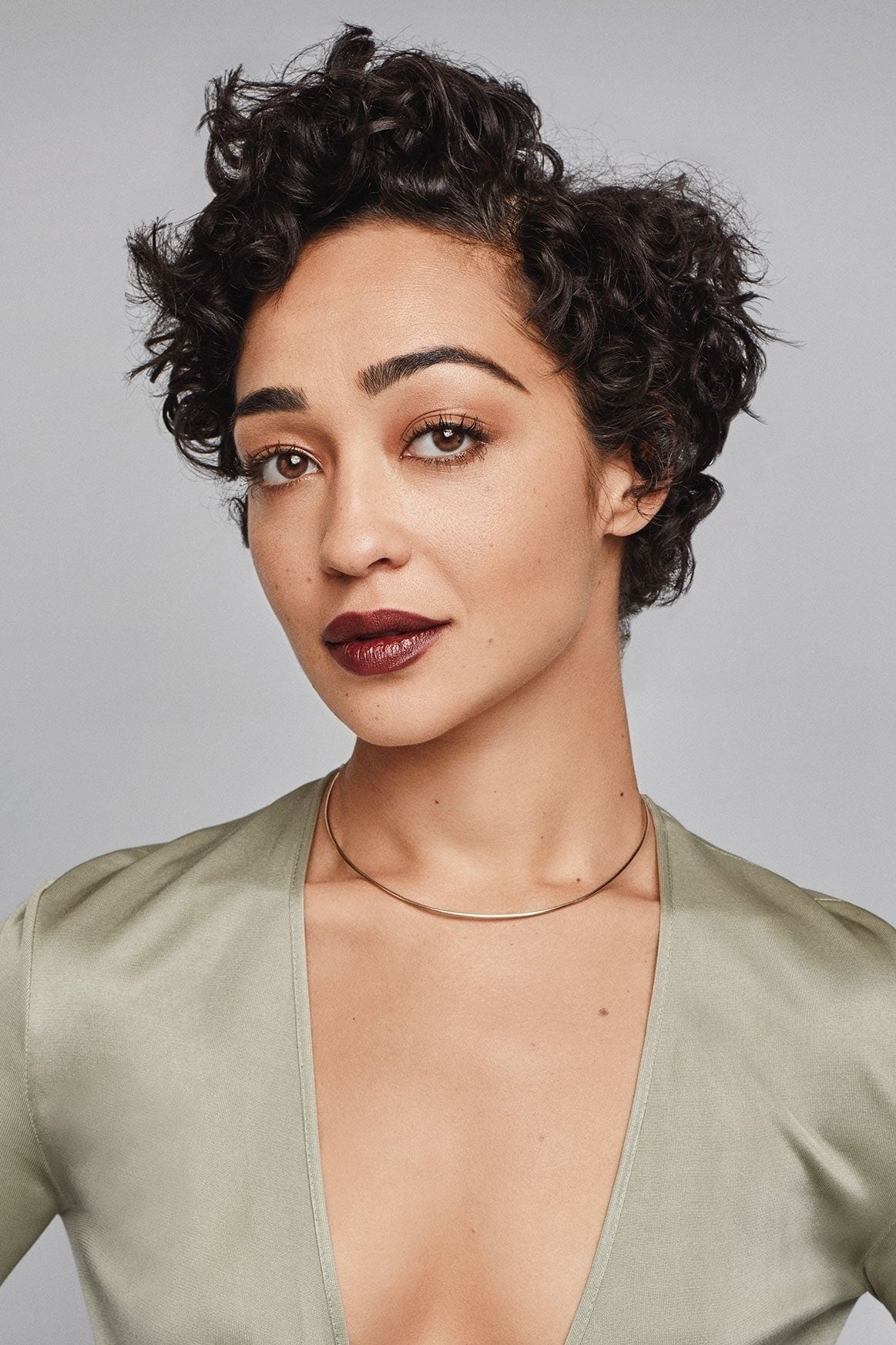
Ruth Negga has been vocal about the need for more inclusive casting in adaptations of classic literature and historical events. She has criticized the industry for its rigid views on who can inhabit certain spaces in period dramas. Negga often takes on roles that challenge the traditional boundaries of race and nationality in film. She advocates for a storytelling approach that reflects the diverse world we live in today. Her work in projects like ‘Passing’ highlights her commitment to exploring the intricate realities of historical racial identity.
Michaela Coel
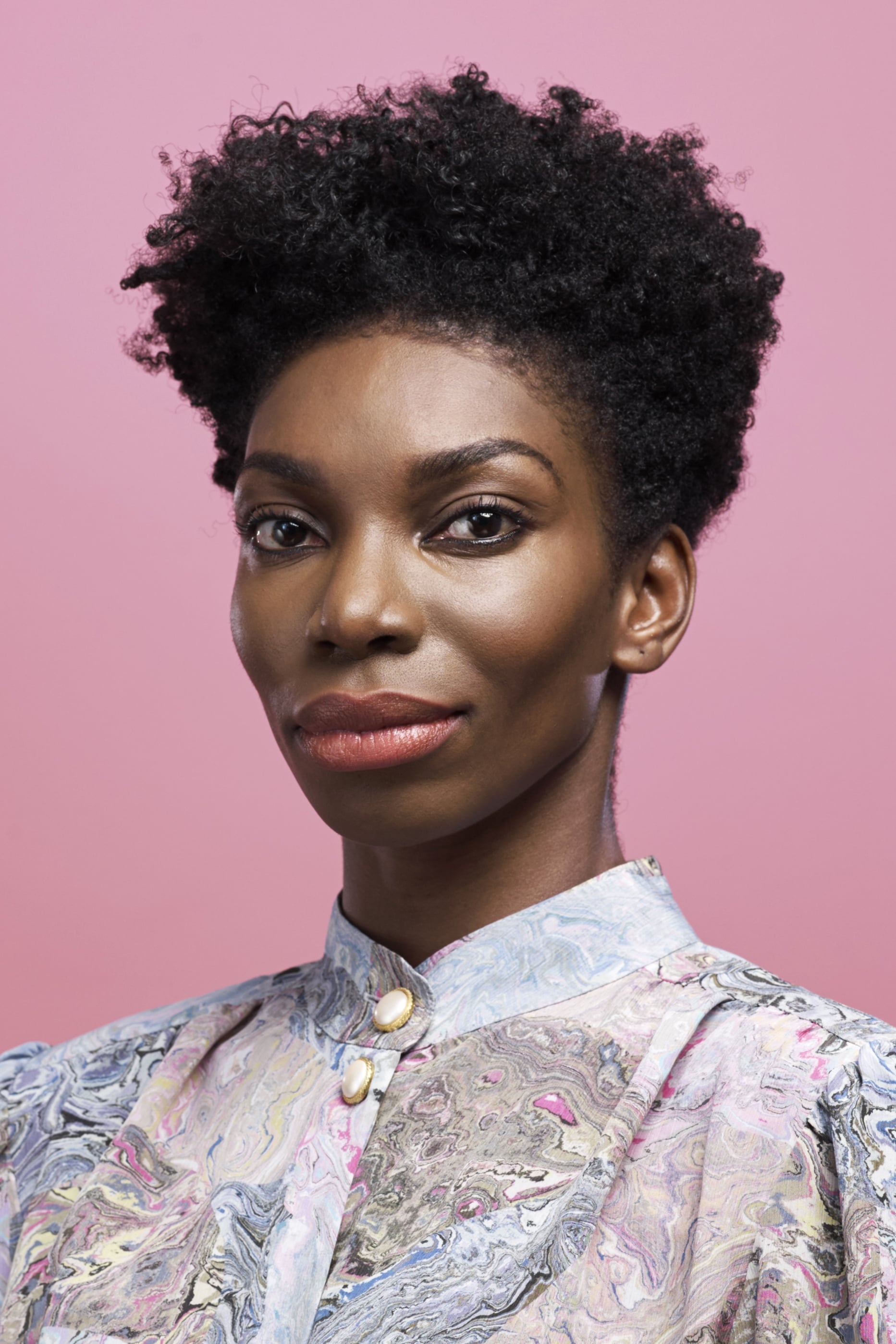
Michaela Coel has famously turned down lucrative deals to maintain creative control over her narratives and ensure they remain authentic. She critiques the traditional power structures within the film and television industry that often exploit or dilute diverse voices. Coel advocates for stories that are told from the ground up by the communities they represent. She has spoken about the importance of rejecting the colonial gaze in contemporary television. Her work is a testament to the power of independent vision in a landscape dominated by corporate interests.
Mindy Kaling

Mindy Kaling has been a pioneer in creating space for South Asian women in mainstream comedy and drama. She has often criticized the industry for its lack of imagination when it comes to casting Indian-American women in romantic and lead roles. Kaling advocates for narratives where the ethnicity of the character is present but not the sole defining feature of the story. She has worked to break down the “nerd” or “sidekick” tropes that have long been recycled by major studios. Her career as a writer and producer has fundamentally changed the landscape of modern television representation.
Lucy Liu

Lucy Liu has spoken about the challenges she faced early in her career when Asian actresses were mostly offered roles as the dragon lady or the lotus flower. She has been a consistent critic of the way Hollywood uses Asian culture as a backdrop for Western stories. Liu has pushed for roles that allow her to play high-ranking professionals and complex characters in diverse genres. She advocates for a move away from the colonial exoticization of Asian women in film. Her longevity in the industry is a result of her refusal to be defined by narrow stereotypes.
Halle Berry
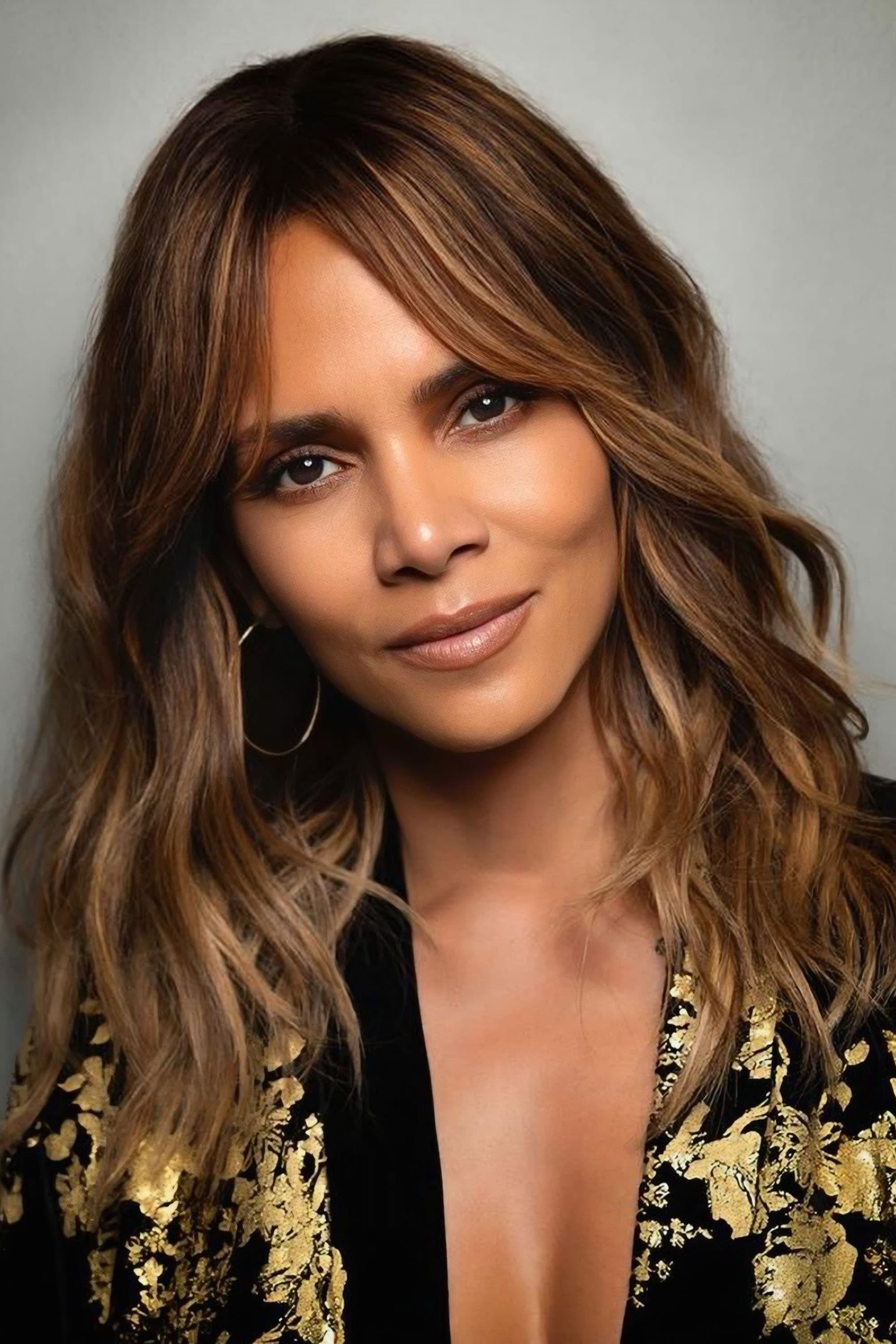
Halle Berry has frequently discussed the difficulties of being a Black woman in an industry that was not designed for her success. She has criticized the lack of diverse roles that are written with the same depth as those for her white peers. Berry has spoken about the historical significance of her award wins and the slow pace of change that followed. She advocates for more stories that explore the unique experiences of Black women across different eras and genres. Her work continues to pave the way for more inclusive opportunities in Hollywood.
Angela Bassett
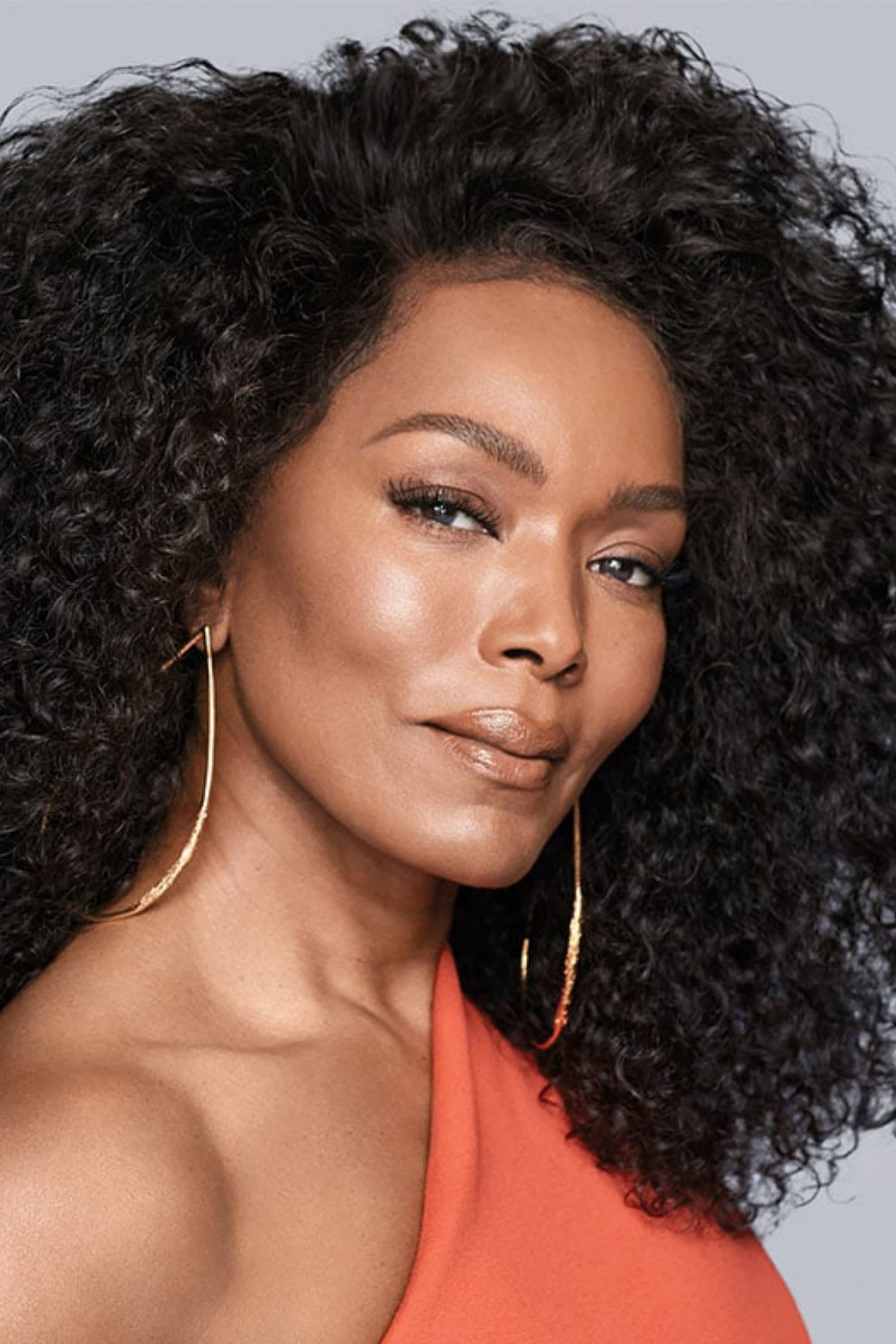
Angela Bassett is known for her portrayal of powerful historical figures and has often spoken about the importance of representing Black excellence. She has criticized the way history is often taught and filmed through a lens that minimizes the achievements of people of color. Bassett advocates for a more comprehensive and respectful approach to historical biographies. She remains a vocal supporter of projects that celebrate the strength and resilience of the Black community. Her performances are a direct challenge to the subservient roles often found in traditional colonial narratives.
Gabrielle Union
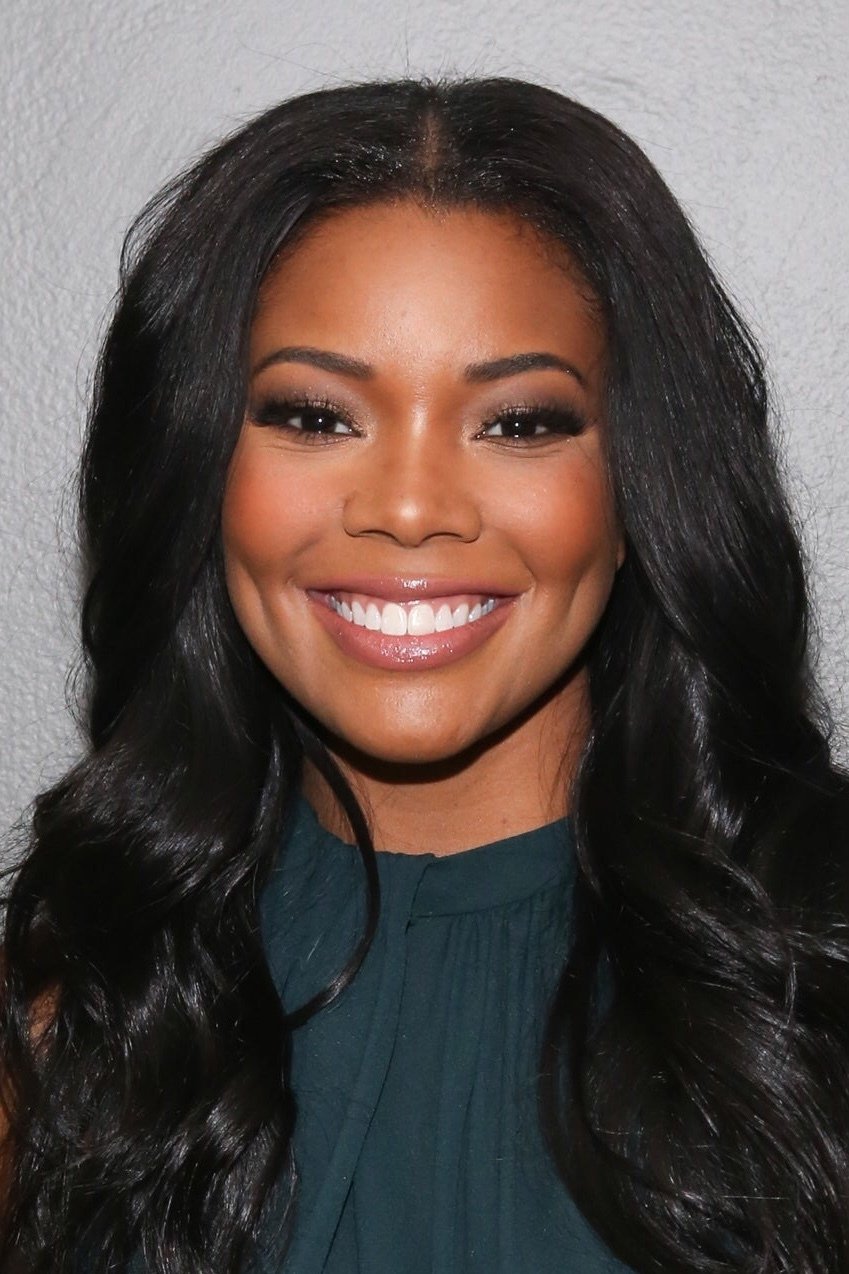
Gabrielle Union has been a tireless advocate for transparency and equity in the entertainment industry. She has publicly criticized studios for their systemic exclusion of Black women and the perpetuation of harmful tropes. Union advocates for a complete overhaul of how stories are greenlit and produced to ensure diverse perspectives are at the helm. She has spoken about the exhaustion of fighting against the colonial mindset that still exists in many corporate boardrooms. Her activism extends beyond the screen to demand real world changes in hiring and representation.
Octavia Spencer
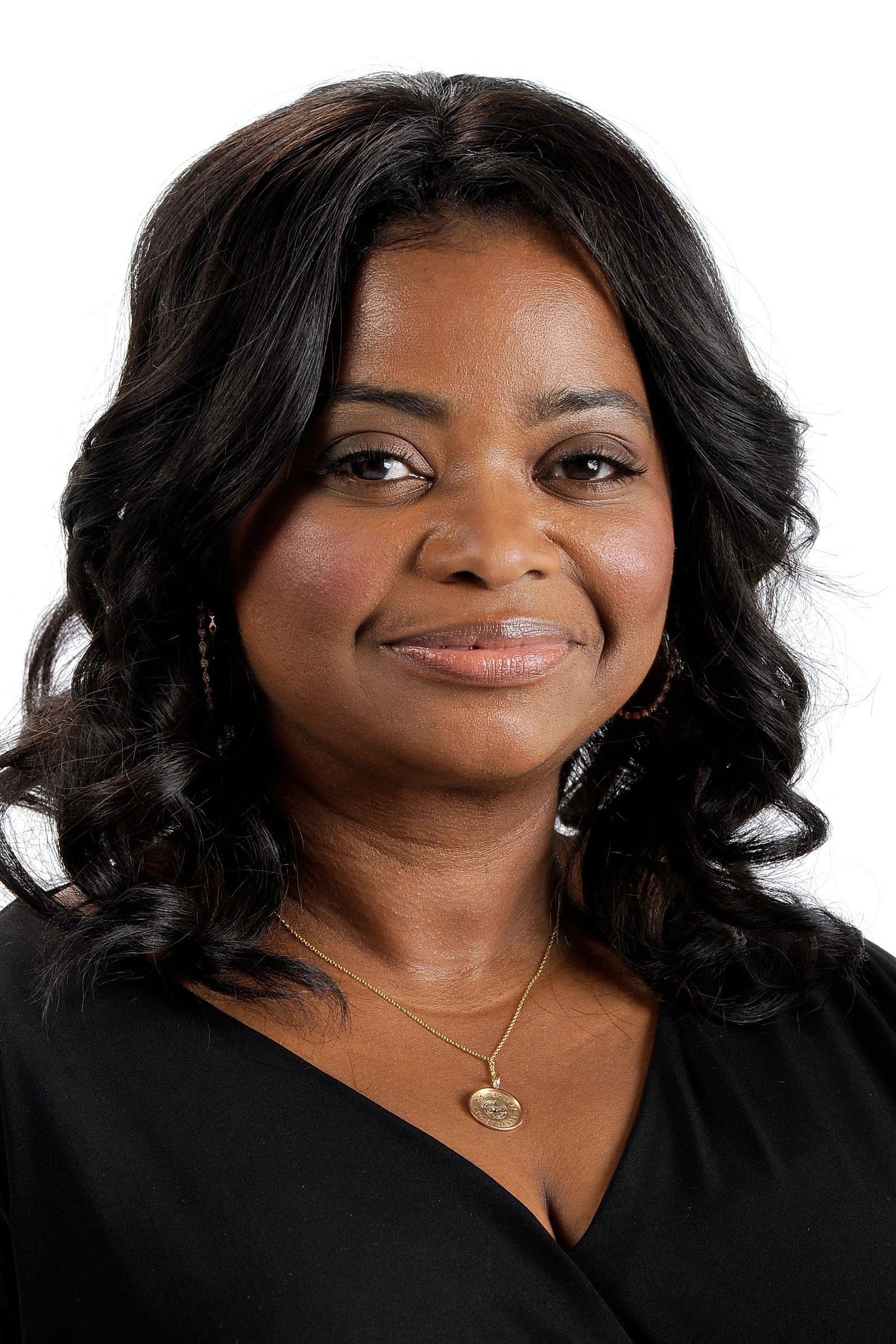
Octavia Spencer has used her success to highlight the importance of telling the stories of unsung historical heroes. She has criticized the industry for focusing on the same narrow set of historical figures while ignoring the contributions of Black women. Spencer advocates for more projects like ‘Hidden Figures’ that reveal the integral roles people of color played in scientific and social progress. She remains committed to producing and starring in work that challenges the traditional white-centered view of history. Her career focuses on bringing marginalized voices to the forefront of the narrative.
Alfre Woodard
Alfre Woodard has been a respected voice in the industry for decades and has often spoken about the need for artistic integrity in historical storytelling. She has criticized the tendency of studios to simplify complex social issues for the sake of entertainment. Woodard advocates for roles that reflect the deep history and diverse experiences of the African diaspora. She has been a strong supporter of independent film as a way to bypass the limitations of major studio narratives. Her work emphasizes the importance of authenticity and cultural respect in every performance.
Eva Longoria

Eva Longoria has been a vocal critic of the lack of Latin representation both in front of and behind the camera. She has spoken about how the industry often ignores the historical presence of Hispanic people in the United States and beyond. Longoria advocates for more stories that showcase the professional and personal diversity of the Latinx community. She has worked as a producer and director to create more opportunities for diverse talent in the industry. Her goal is to ensure that the recycling of colonial stereotypes is replaced by genuine and varied representation.
Regina King
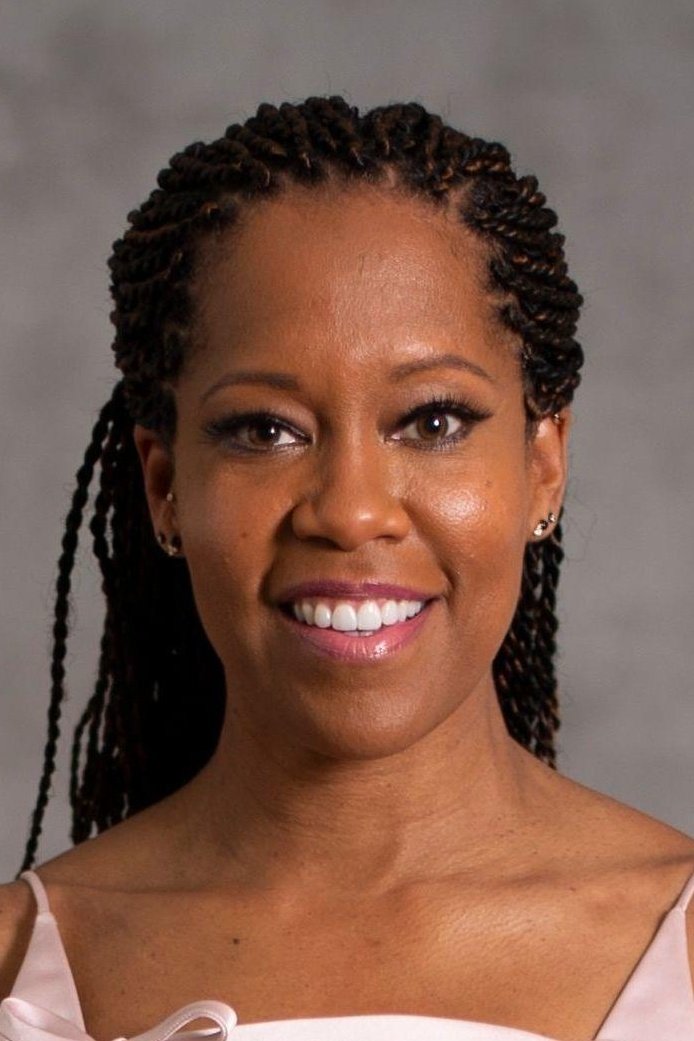
Regina King has transitioned into a powerful director and producer who prioritizes stories that challenge the status quo. She has criticized the limited scope of roles offered to Black actresses and the reliance on historical trauma in storytelling. King advocates for more narratives that explore Black joy, intellectualism, and leadership. She has used her platform to highlight the importance of diverse perspectives in the director’s chair to avoid colonial biases. Her work is a reflection of her commitment to expanding the boundaries of Black cinema and television.
Naomie Harris
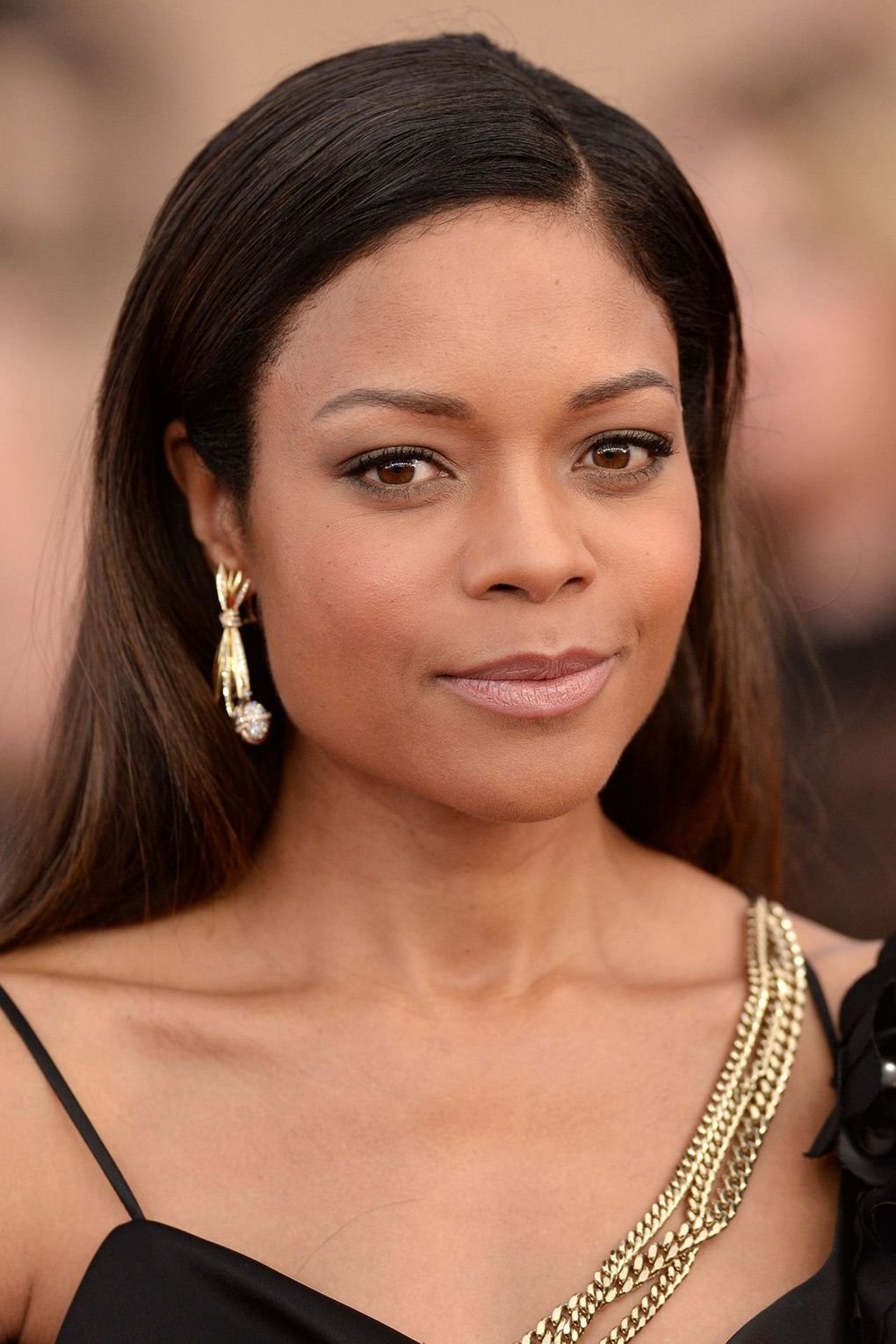
Naomie Harris has spoken about the importance of evolving classic roles to reflect a more diverse and equitable world. She has criticized the traditional depictions of women in spy and action genres that often rely on colonial-era power dynamics. Harris advocates for characters that have their own agency and are not merely accessories to a male or Western lead. she has been vocal about the need for better representation of the Caribbean diaspora in mainstream media. Her career choices reflect a desire to break away from the restricted roles of the past.
Freida Pinto
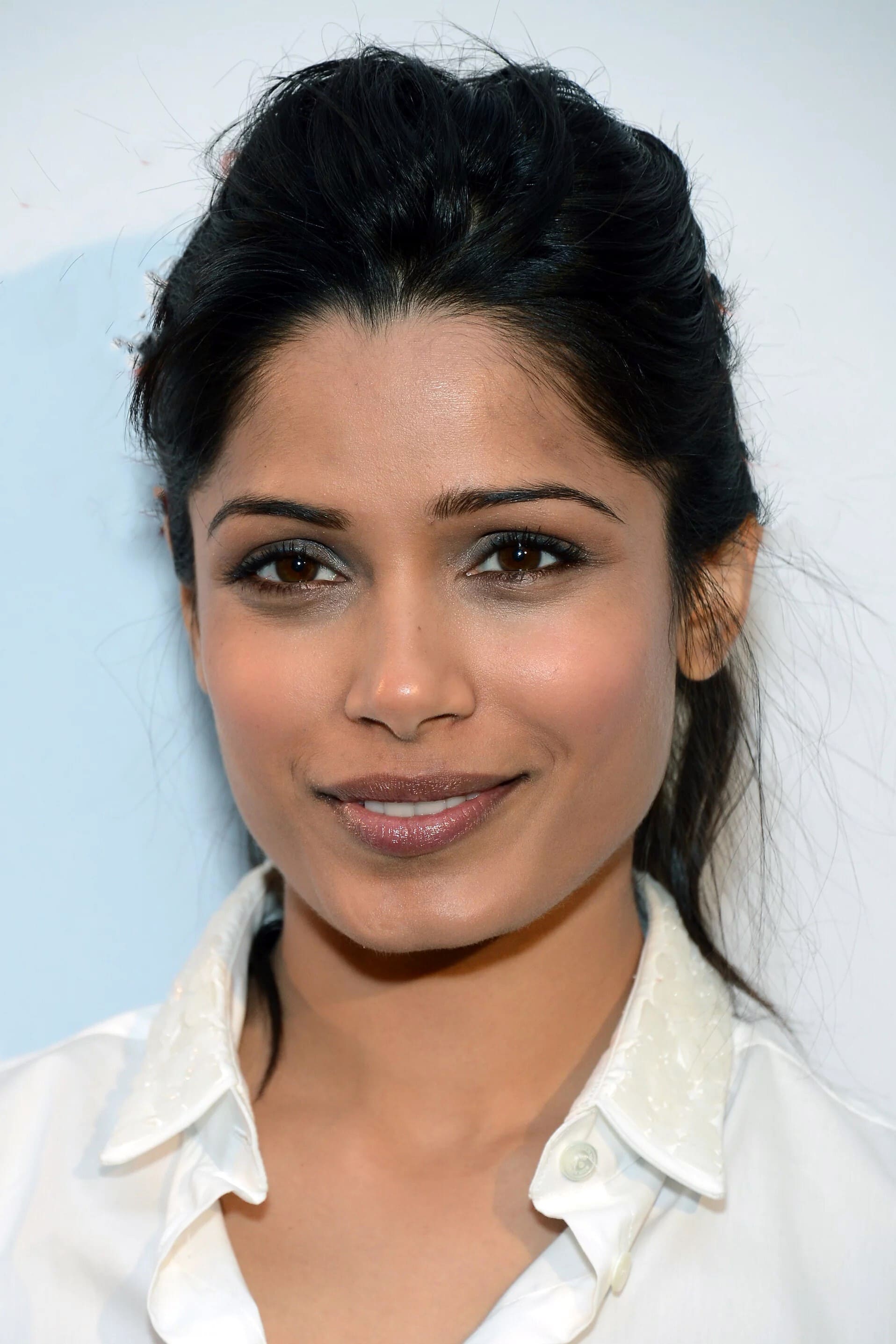
Freida Pinto has criticized the way the industry often treats South Asian actors as a monolith. She has spoken about her struggle to avoid being typecast in roles that are solely defined by poverty or exoticism following her debut. Pinto advocates for stories that explore the global experiences of the Indian diaspora in contemporary settings. She has been a vocal supporter of the movement to end white-washing in major film adaptations. Her work focuses on portraying women who are complex and independent of Western-defined tropes.
Deepika Padukone
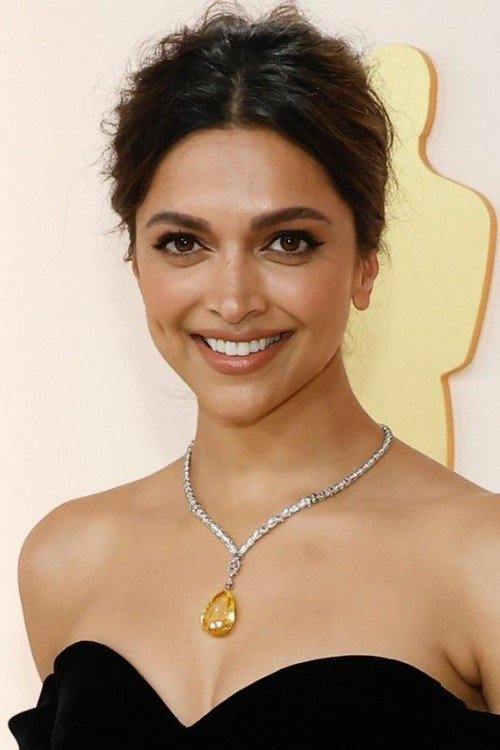
Deepika Padukone has used her international fame to challenge the way Indian actresses are perceived in the West. she has criticized the colonial lens that often views Bollywood as a novelty rather than a major cinematic force. Padukone advocates for more meaningful collaborations between global film industries that respect cultural differences. She has spoken about the importance of Indian actors being given the same opportunities for diverse roles as their Western counterparts. Her presence on the global stage serves to broaden the understanding of South Asian talent.
Yalitza Aparicio
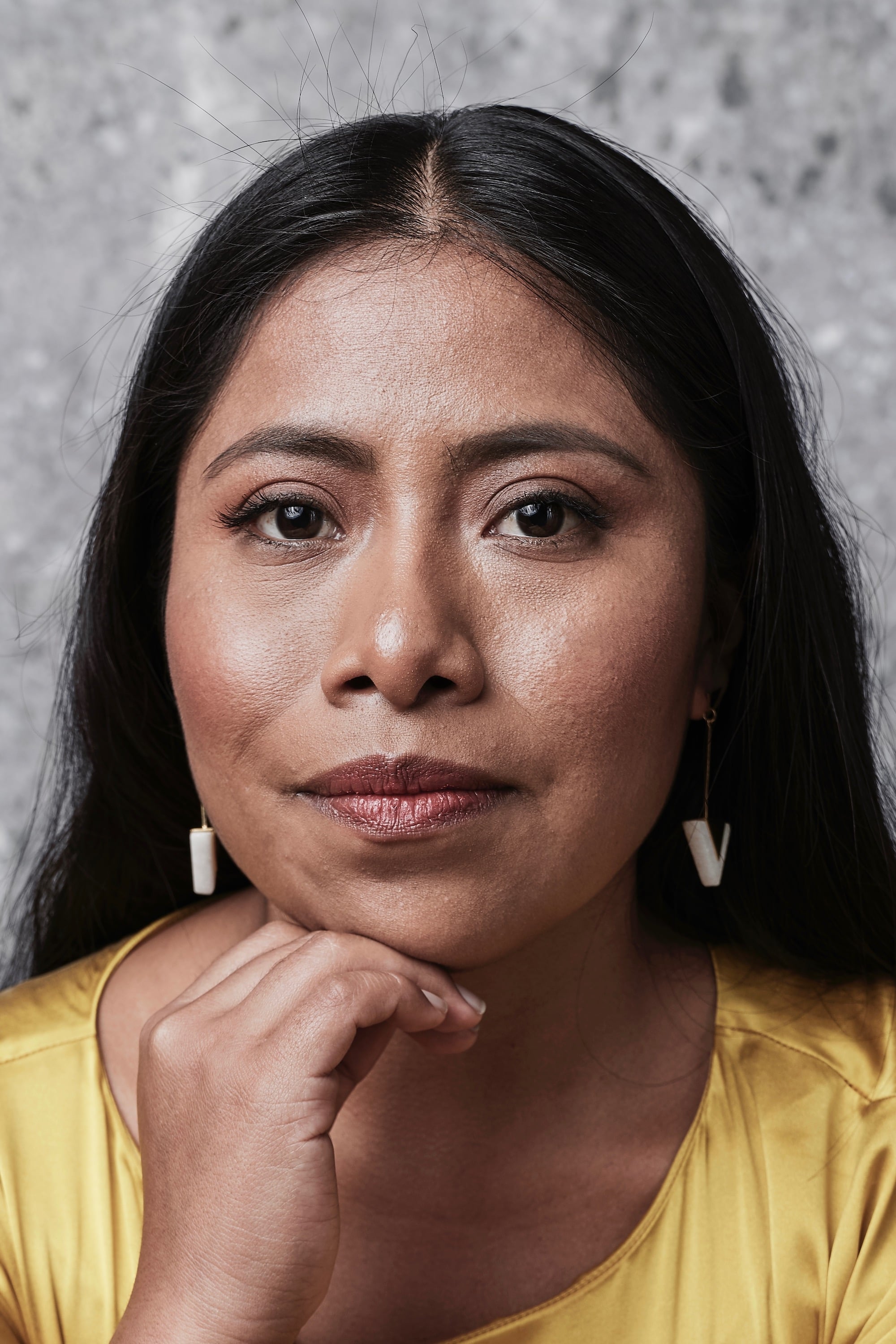
Yalitza Aparicio has been a groundbreaking voice for indigenous representation in the film industry. She has criticized the long history of indigenous erasure and the stereotypical roles often given to indigenous people in Latin American and global cinema. Aparicio advocates for stories that center on the indigenous experience without resorting to colonial cliches of victimhood. She has used her platform to speak about the importance of language and cultural preservation in storytelling. Her success has opened up important conversations about race and class within the entertainment world.
Diane Guerrero
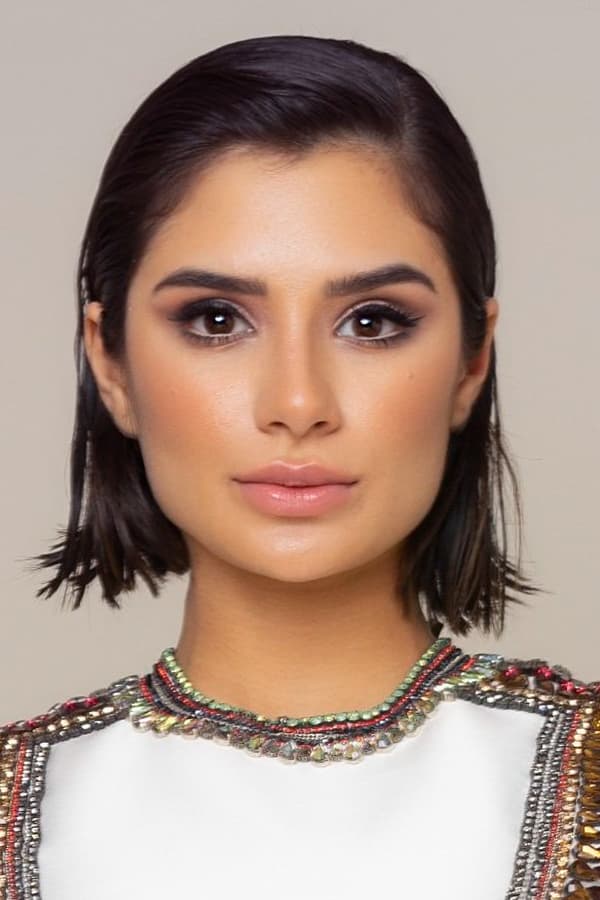
Diane Guerrero has been a vocal advocate for the rights of immigrants and the accurate representation of their stories in media. She has criticized the way studios often recycle narratives that dehumanize or criminalize the immigrant experience. Guerrero advocates for more diverse stories that highlight the contributions and personal struggles of the Latinx community. she has spoken about the impact of colonial history on modern immigration policies and the importance of reflecting this in film. Her work aims to bring empathy and nuance to a frequently misunderstood demographic.
Indya Moore
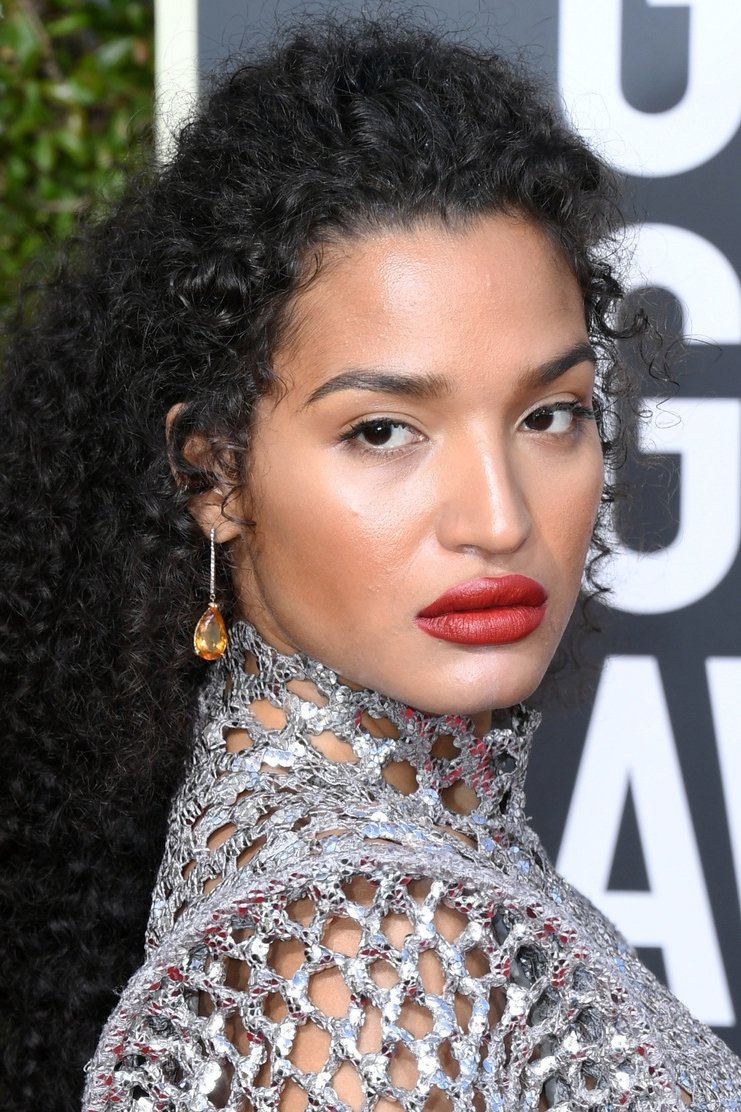
Indya Moore has been a powerful advocate for the visibility of trans people of color and the dismantling of colonial gender norms. They have criticized the industry for its historical exclusion of diverse gender identities and the reliance on narrow Western definitions of beauty. Moore advocates for stories that celebrate the intersectionality of race, gender, and class. They have spoken about the harm caused by recycling narratives that pathologize or marginalize queer people of color. Their work in ‘Pose’ and beyond has been instrumental in challenging the traditional Hollywood structure.
Tracee Ellis Ross
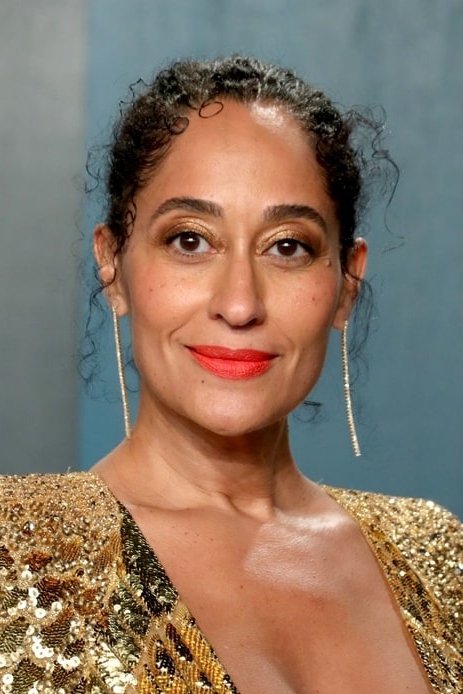
Tracee Ellis Ross has frequently spoken about the importance of Black women being the architects of their own stories. she has criticized the industry for its historical tendency to view Black women through a lens of labor or support rather than as leads. Ross advocates for narratives that showcase the style, intelligence, and humor of Black women in modern settings. she has used her platform to push for more diversity in the fashion and film industries to counter colonial standards. Her work emphasizes the need for joy and complexity in representation.
Issa Rae
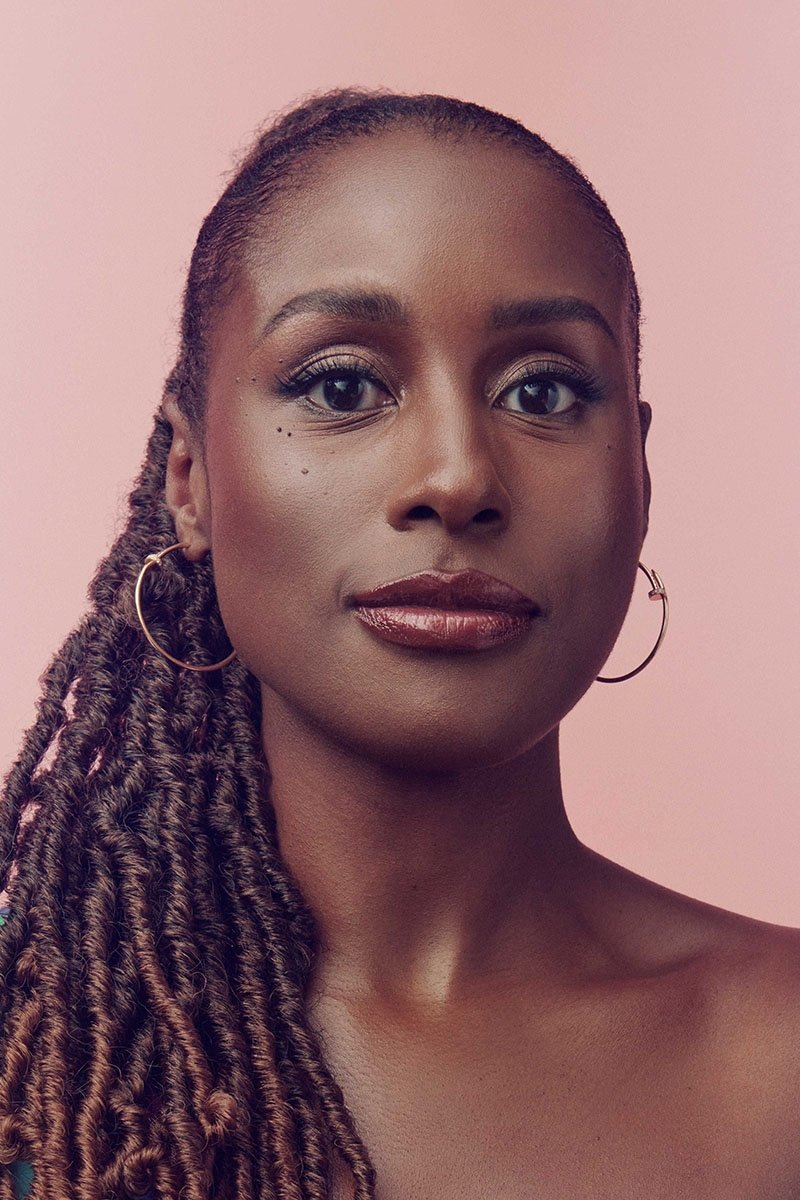
Issa Rae has been a transformative force in the industry by creating stories that focus on the mundane and beautiful lives of Black people. She has criticized the lack of diversity in the writers’ room and the reliance on stereotypical tropes for Black characters. Rae advocates for more narratives that do not center on trauma or struggle but rather on friendship, career, and love. she has used her production company to elevate other diverse creators who are looking to tell unique stories. Her work is a direct response to the narrow recycling of narratives that has long plagued Hollywood.
Sheryl Lee Ralph

Sheryl Lee Ralph has been a veteran of the industry who has consistently fought for the dignity and recognition of Black performers. she has criticized the way the industry often pigeonholes older actresses of color into limited or subservient roles. Ralph advocates for stories that honor the history and legacy of Black artists and communities. she has spoken about the importance of mentoring the next generation to ensure they do not fall into the same traps of the past. Her career is a testament to the power of resilience and the refusal to accept colonial-era casting.
Meagan Good

Meagan Good has spoken about the challenges of being a Black actress in an industry that often sexualizes or stereotypes her. she has criticized the limited range of characters available to women of color and the recycling of the “urban” trope. Good advocates for more opportunities in diverse genres like sci-fi, horror, and action where Black women have historically been absent. she has worked to produce and direct projects that allow for more authentic and varied representation. Her goal is to broaden the scope of what is possible for actresses in Hollywood.
Kerry Washington
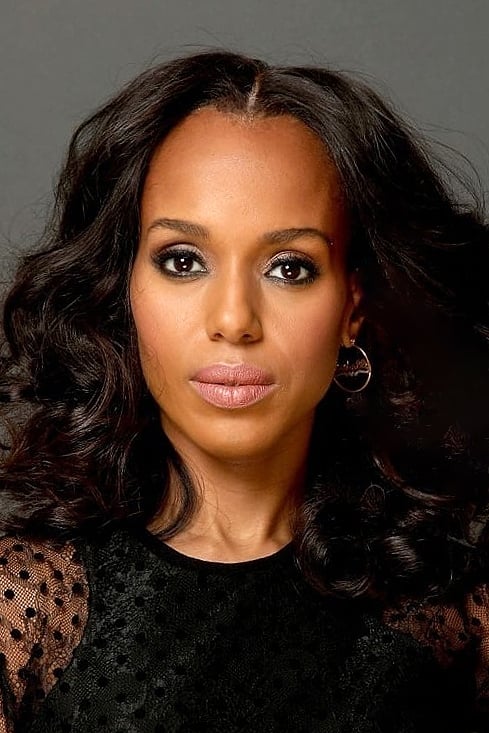
Kerry Washington has been a leader in the push for more inclusive storytelling in both film and television. she has criticized the way historical narratives often ignore the existence or contributions of Black women in positions of power. Washington advocates for stories that explore the intersection of politics, race, and gender from a modern perspective. she has used her production company to tell stories that challenge traditional power structures and colonial legacies. Her work has been instrumental in changing the way diverse leads are perceived in mainstream media.
Sophie Okonedo
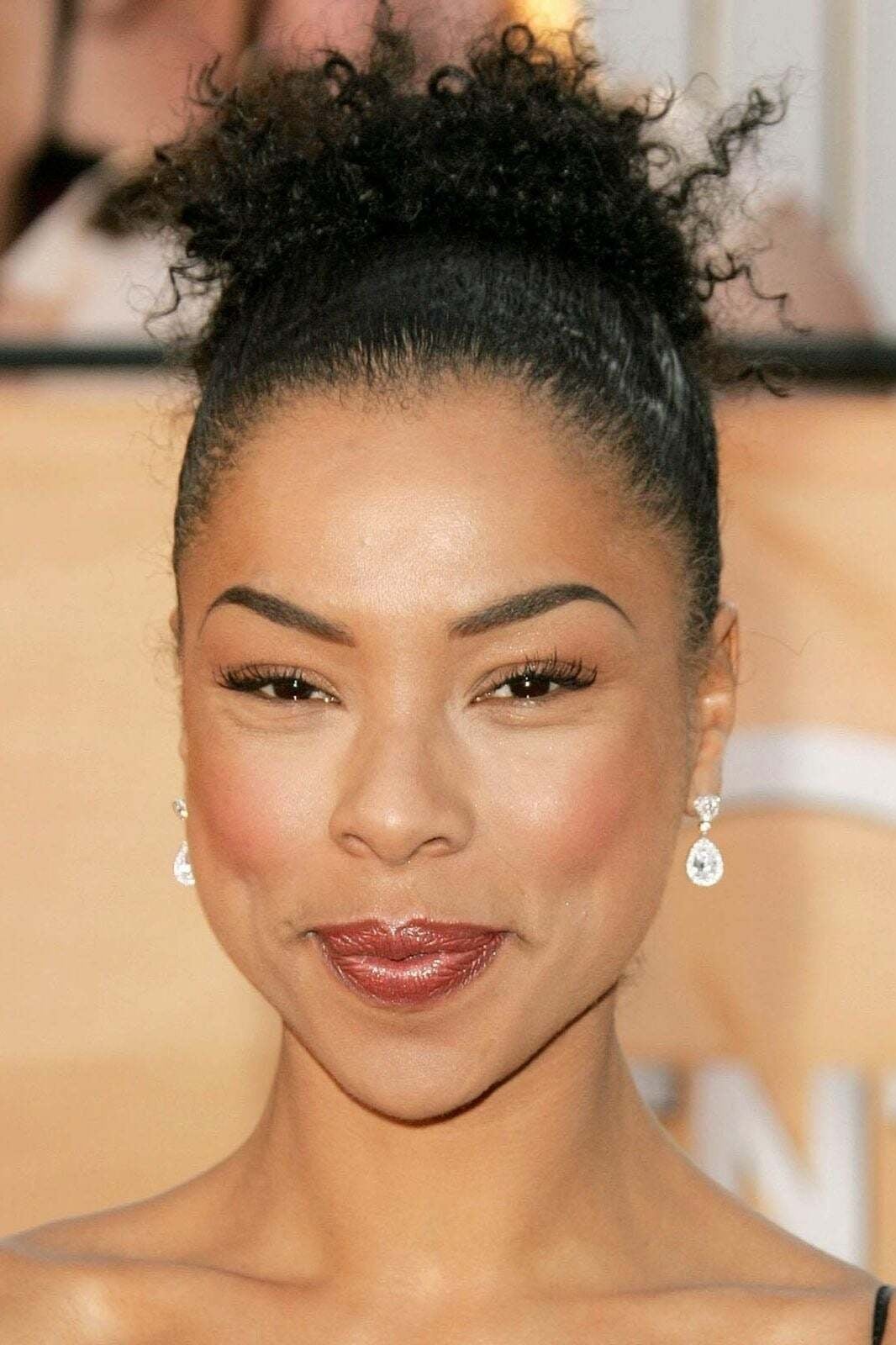
Sophie Okonedo has been a consistent critic of the colonial lenses often applied to historical and contemporary drama. she has spoken about the difficulty of finding roles that do not rely on outdated tropes of the “other” or the colonial subject. Okonedo advocates for more casting that reflects the true diversity of the global population across all eras. she has been praised for her ability to inhabit complex roles that defy simple racial or cultural categorization. Her work continues to challenge the industry to think more broadly about history and identity.
Janelle Monáe
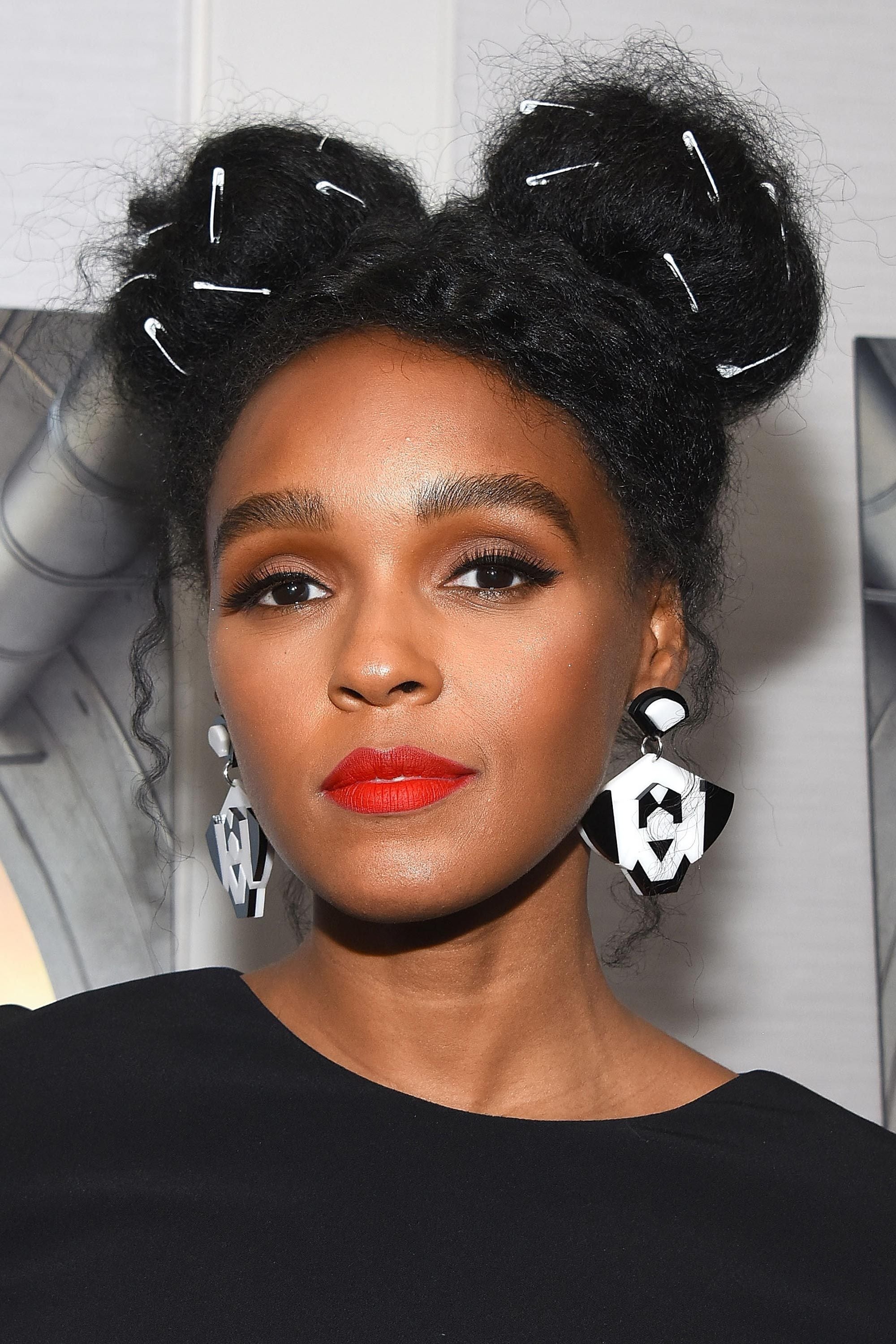
Janelle Monáe has used her music and acting career to challenge the traditional boundaries of science fiction and historical narratives. she has criticized the white supremacy and colonial perspectives that have dominated the sci-fi genre for decades. Monáe advocates for “Afrofuturism” as a way to imagine a future that is not built on Western colonial models. she has spoken about the importance of reclaiming the past and the future for marginalized communities through art. Her work in films like ‘Antebellum’ and ‘Hidden Figures’ highlights her commitment to exploring the weight of history.
Teyonah Parris
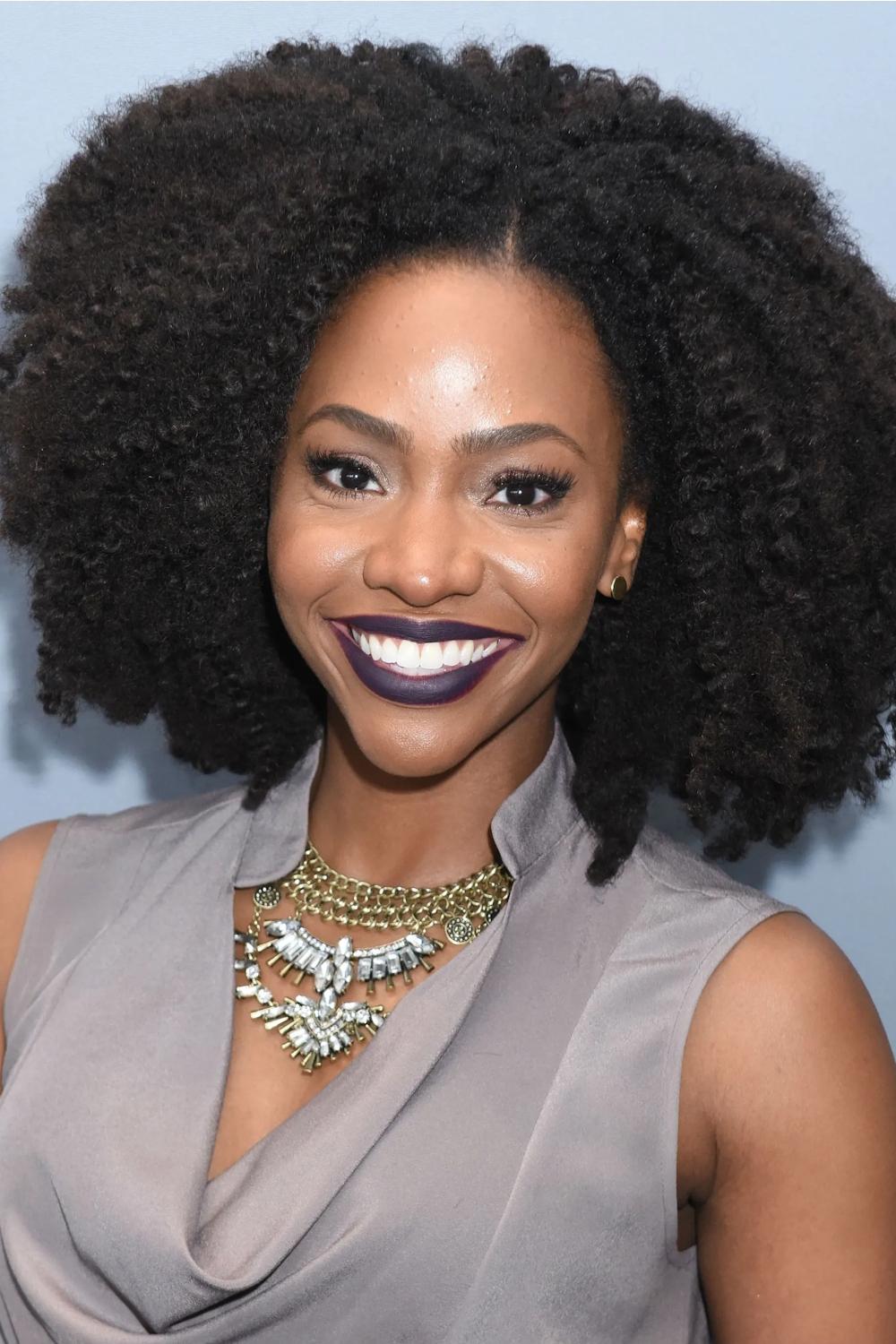
Teyonah Parris has been a vocal advocate for the representation of dark-skinned Black women in leading roles. she has criticized the industry for its colorism and the recycling of narratives that favor Eurocentric features. Parris advocates for more diverse depictions of Black beauty and identity in both historical and modern contexts. she has used her roles in major franchises to bring a sense of power and nuance to characters of color. Her work helps to dismantle the colonial standards of beauty that have long been enforced by Hollywood.
Adjoa Andoh
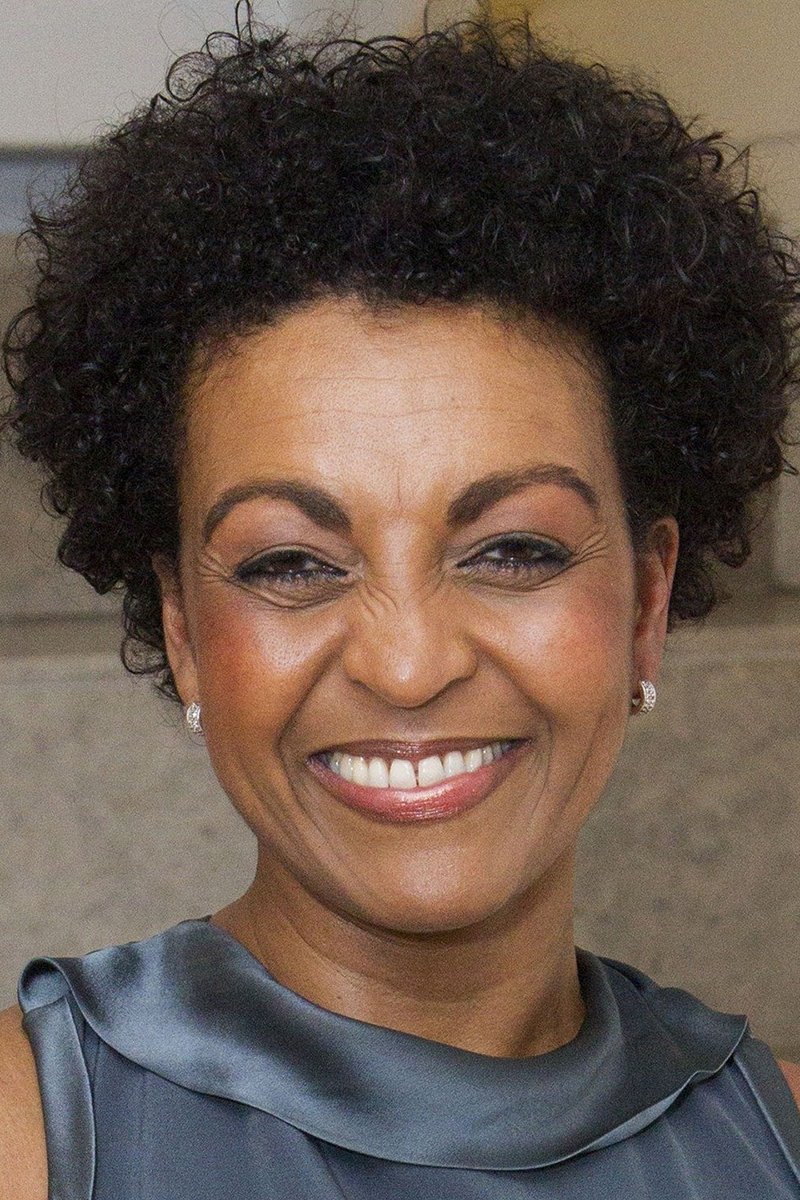
Adjoa Andoh has been a prominent voice in reclaiming the Regency era and other historical periods for diverse actors. she has criticized the idea that period dramas should be exclusively white in order to be historically accurate. Andoh advocates for a more inclusive understanding of British history that acknowledges the presence and influence of people of color. she has spoken about the importance of diverse casting in making historical stories relevant to modern audiences. Her work in ‘Bridgerton’ has been a major part of this shift in the industry.
Golda Rosheuvel
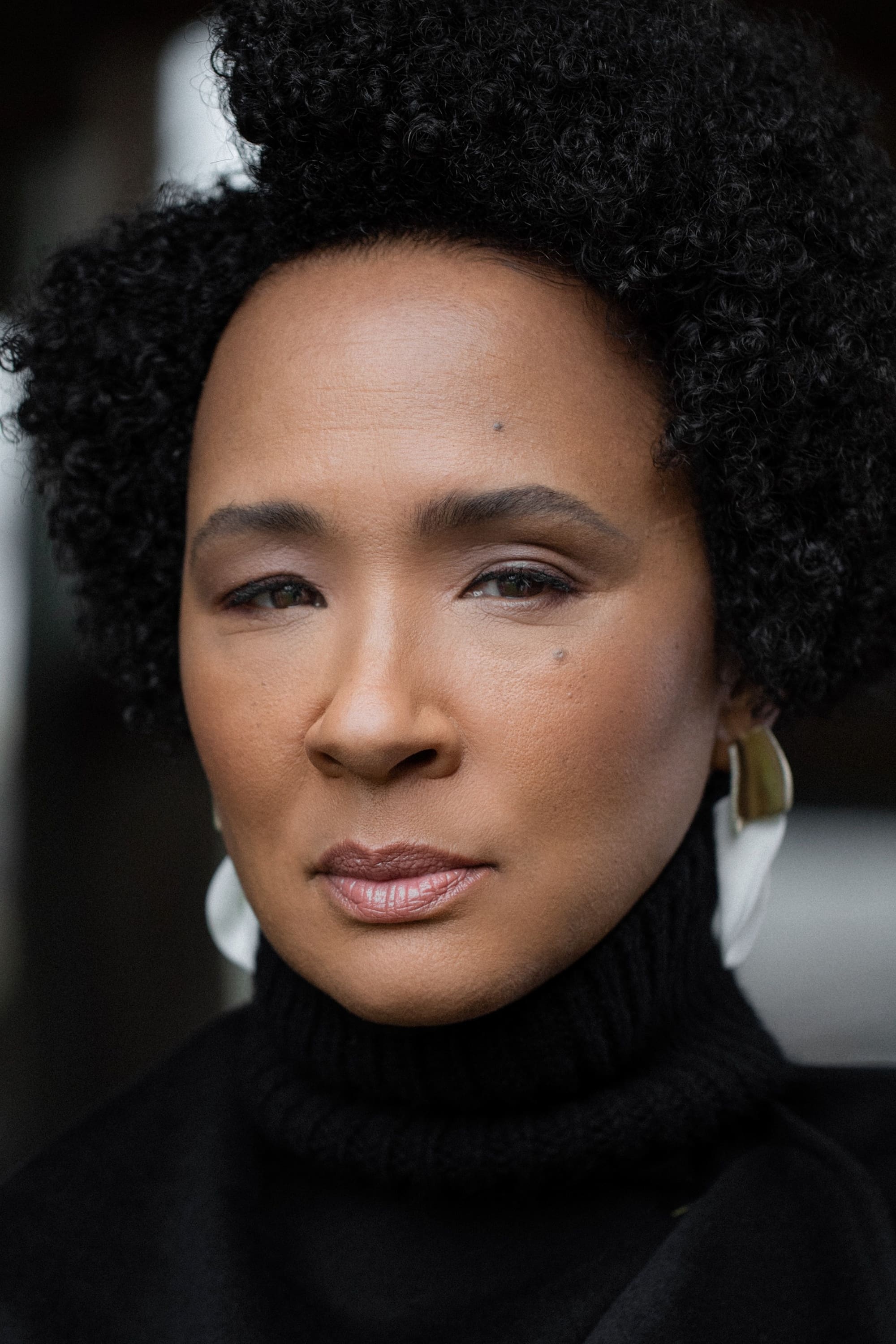
Golda Rosheuvel has used her role as a powerful historical figure to challenge the traditional colonial narrative of the British monarchy. she has criticized the lack of imagination in historical casting and the erasure of multiculturalism in the past. Rosheuvel advocates for stories that allow actors of color to inhabit roles of high status and power. she has spoken about the importance of representing queer and diverse identities within historical frameworks. Her performance has helped to redefine what is possible for diverse talent in the period drama genre.
Simone Ashley
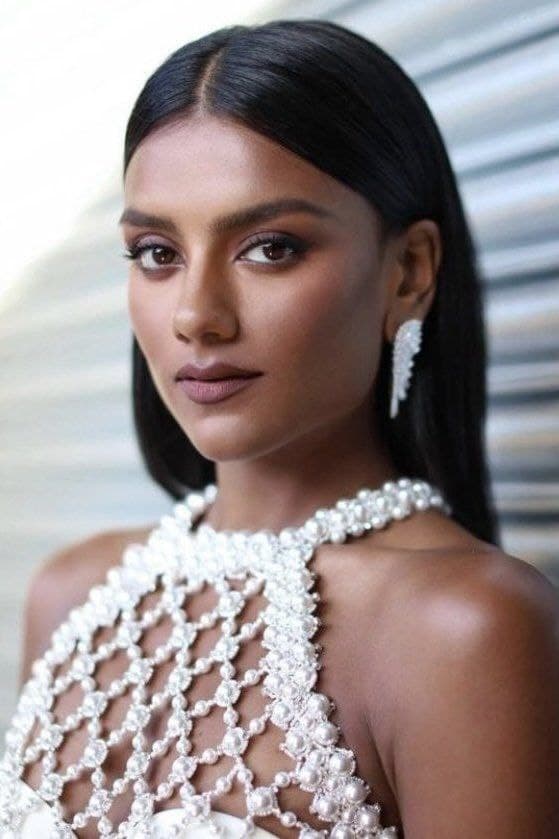
Simone Ashley has been a leading figure in the movement to increase South Asian representation in major studio productions. she has criticized the industry for its historical tendency to relegate South Asian actors to background or stereotypical roles. Ashley advocates for more leading roles that showcase the romantic and professional lives of women of color. she has spoken about the importance of breaking down the colonial barriers that have kept diverse talent out of period dramas. Her success has inspired a new generation of South Asian actors to pursue diverse roles.
Devery Jacobs

Devery Jacobs has been a strong advocate for indigenous sovereignty and authentic representation in film and television. she has criticized the recycling of colonial narratives that portray indigenous people as historical artifacts or victims. Jacobs advocates for stories that are written, directed, and produced by indigenous creators. she has spoken about the importance of language and cultural accuracy in avoiding the harmful tropes of the past. Her work in ‘Reservation Dogs’ has been a landmark moment for indigenous storytelling in the mainstream.
Lily Gladstone

Lily Gladstone has used her platform to call out the colonial perspectives that often dominate Western and historical films. she has criticized the way indigenous stories are often told through the eyes of a white protagonist. Gladstone advocates for more narratives that center on the lived experiences and agency of indigenous people. she has spoken about the importance of historical films addressing the true impact of colonization without sanitizing the narrative. Her performances bring a deep sense of truth and complexity to the representation of Native American history.
Quannah Chasinghorse
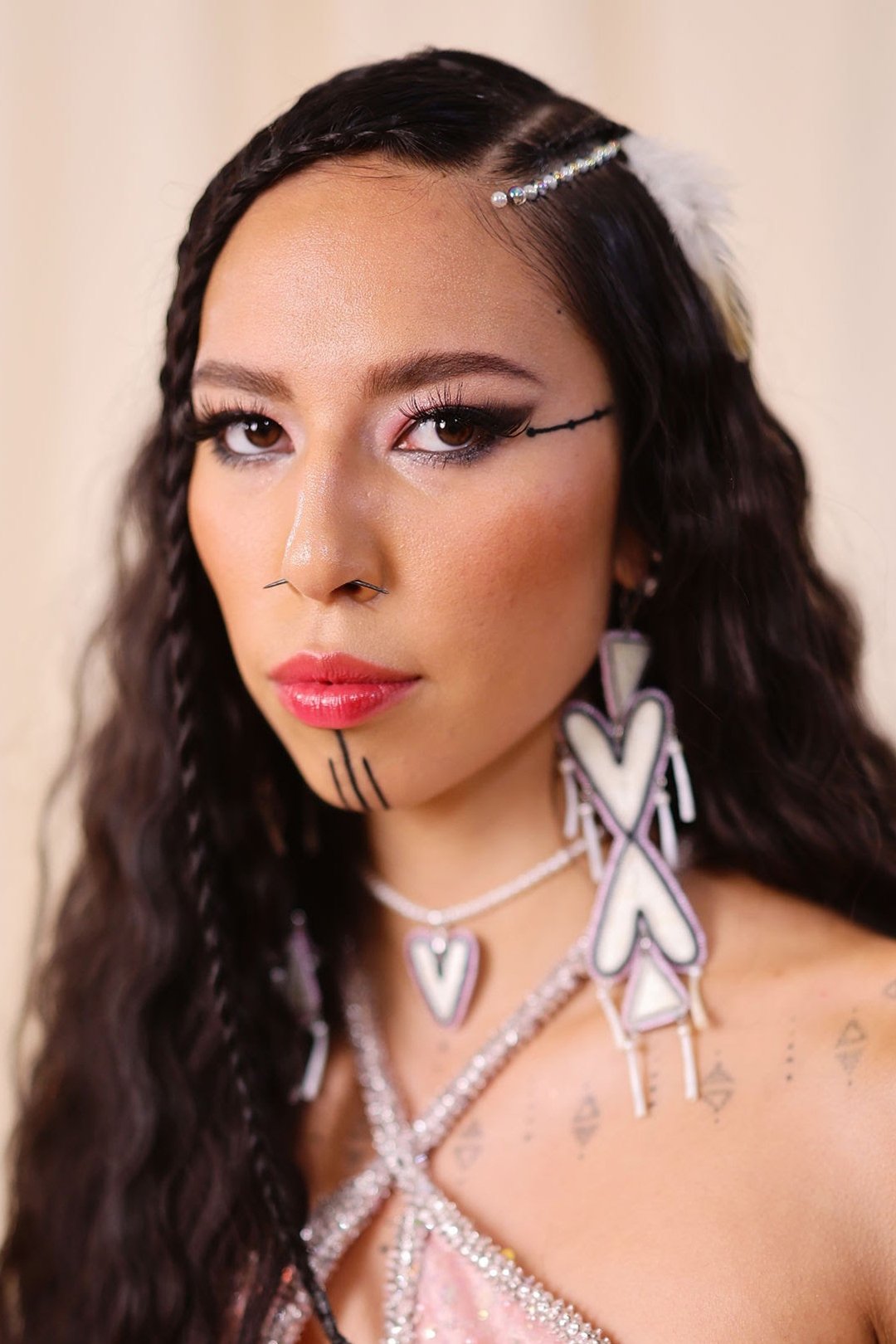
Quannah Chasinghorse is both a model and actress who has been vocal about the colonial roots of the fashion and film industries. she has criticized the way indigenous cultures are often appropriated or exoticized for entertainment purposes. Chasinghorse advocates for more authentic representation that respects the sacred traditions and identities of indigenous communities. she has used her visibility to speak about environmental justice and the connection between the land and indigenous stories. Her presence in the industry is a direct challenge to the traditional standards of Western media.
Amber Midthunder
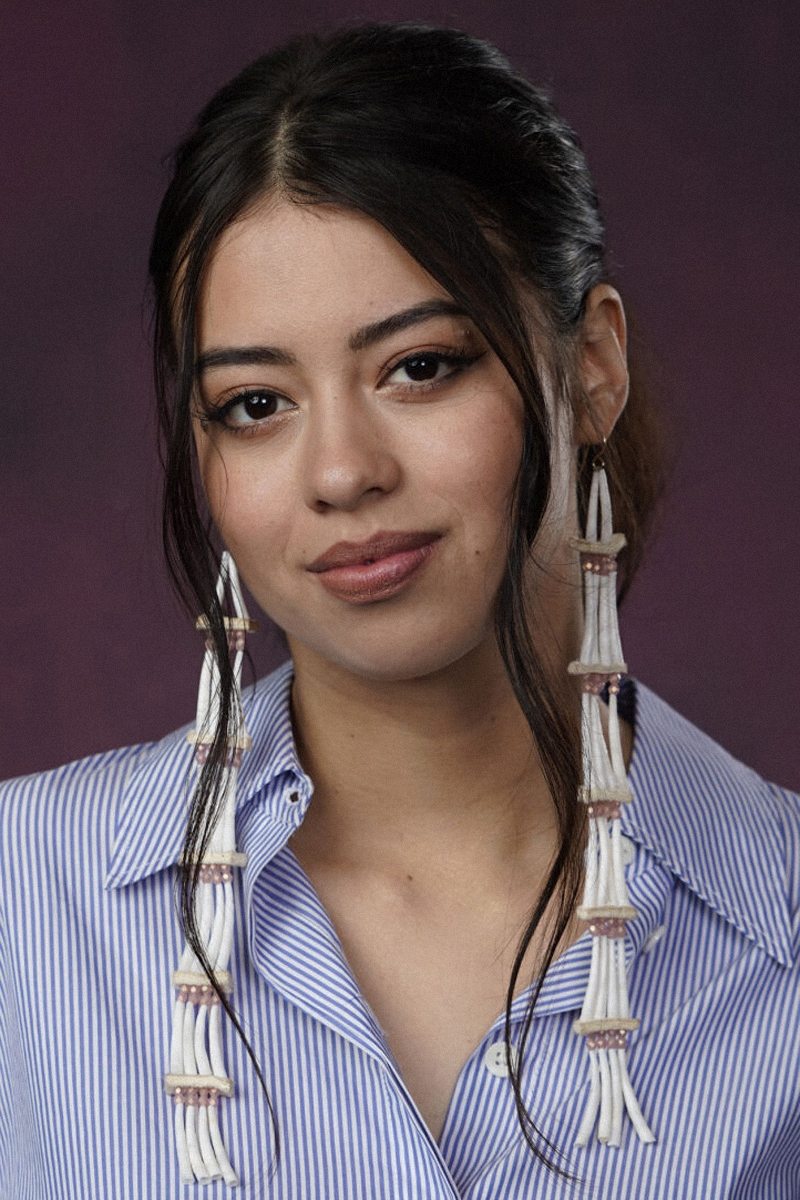
Amber Midthunder has been a key figure in the push for more diverse and powerful roles for Native American actors. she has criticized the industry for its reliance on tired tropes and the lack of indigenous perspectives in action and thriller genres. Midthunder advocates for stories that allow indigenous characters to be heroes in their own right without being defined by colonial conflict. she has spoken about the importance of cultural consultants and indigenous voices behind the scenes to ensure accuracy. Her work in ‘Prey’ was a significant step in reclaiming historical narratives.
Maitreyi Ramakrishnan
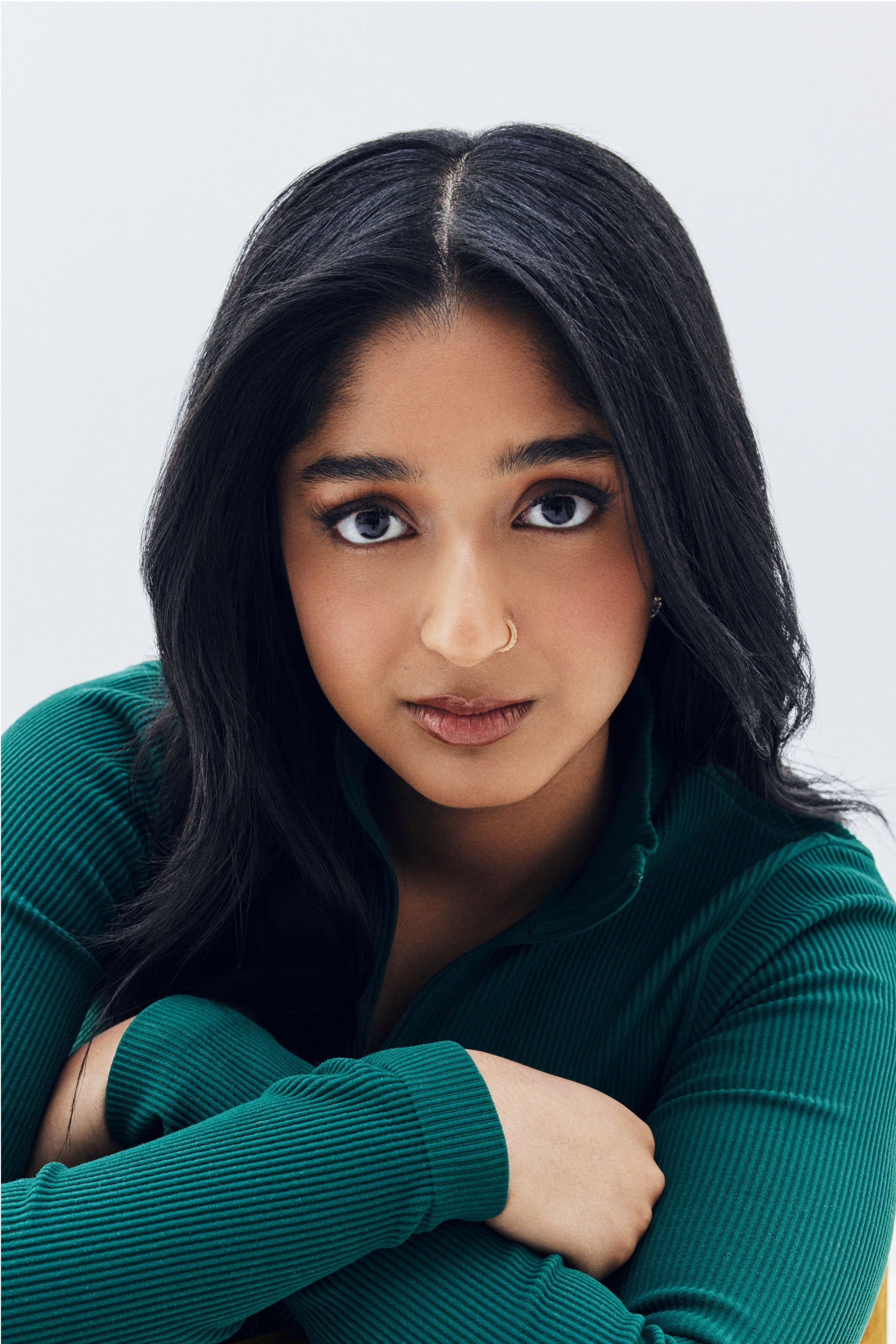
Maitreyi Ramakrishnan has been a vocal advocate for authentic South Asian representation that moves away from the “nerd” stereotype. she has criticized the way studios often recycle the same few stories for South Asian characters rather than exploring their full complexity. Ramakrishnan advocates for more narratives that focus on the everyday lives, joys, and struggles of the diaspora. she has spoken about the importance of seeing diverse women in roles where they are simply allowed to be teenagers or young adults. Her work continues to challenge the narrow definitions of the industry.
Ashley Park
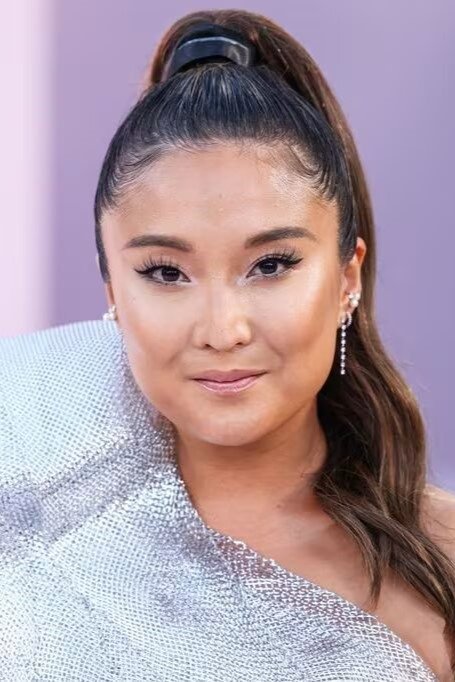
Ashley Park has used her platform to speak about the importance of diverse voices in musical theater and film. she has criticized the historical tendency to cast Asian actors in peripheral or comic relief roles defined by Western tropes. Park advocates for more leading roles that showcase the talent and range of Asian performers in contemporary settings. she has spoken about the importance of cross-cultural storytelling that avoids the traps of the colonial gaze. Her career reflects a commitment to expanding the opportunities for Asian actors in the entertainment world.
Stephanie Hsu
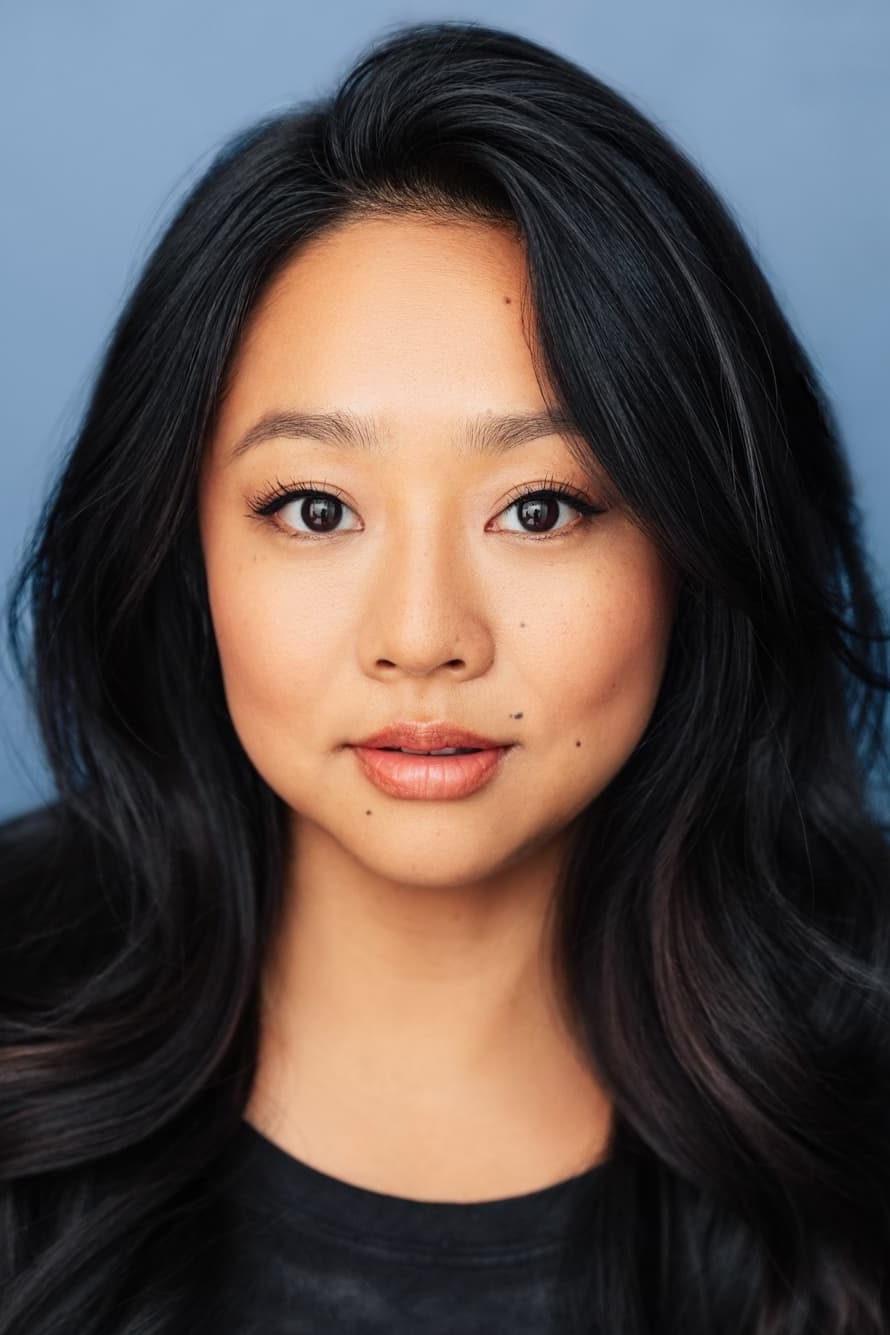
Stephanie Hsu has been a rising force in the industry who prioritizes roles that challenge traditional storytelling models. she has criticized the lack of space for diverse voices in experimental and genre-defying films. Hsu advocates for more opportunities for actors of color to play roles that are not defined by their ethnicity or historical colonial history. she has spoken about the importance of breaking down the systemic barriers that prevent diverse talent from reaching the highest levels of the industry. Her work emphasizes the need for creativity and innovation in representation.
Please share your thoughts on these actresses and their advocacy in the comments.