Actors Who Secretly Hid Severe Weight Gain Behind Clever Camera Angles

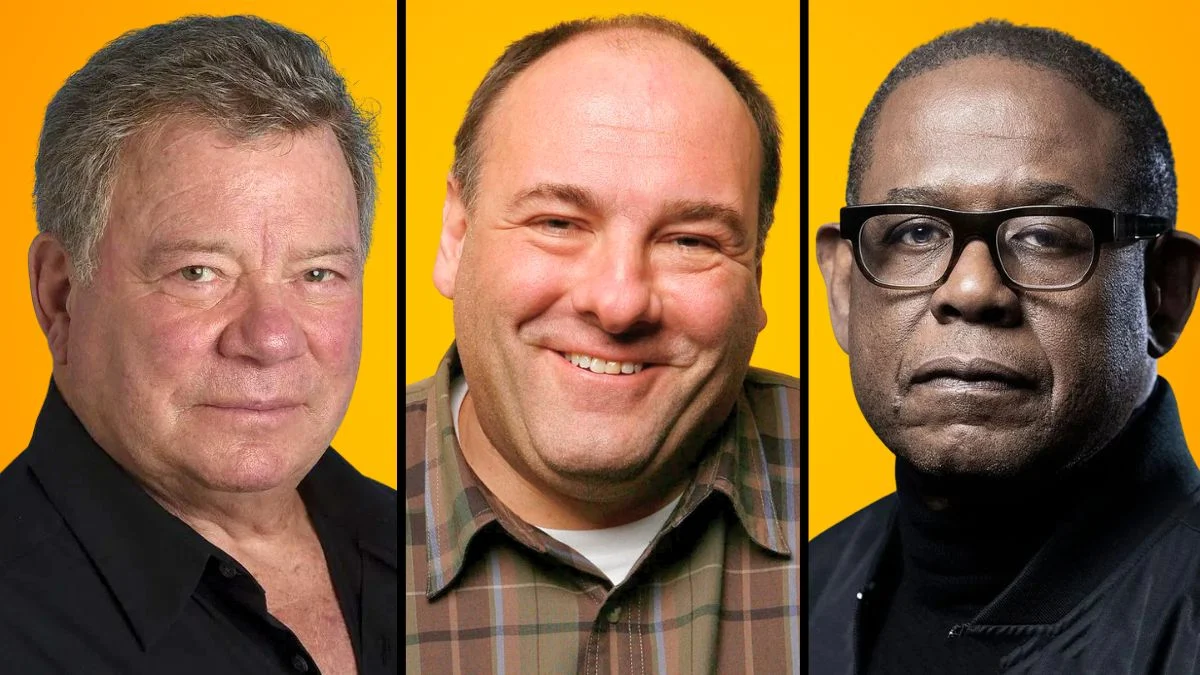

The physical appearance of leading men is often subject to intense scrutiny during the filming of major motion pictures. When an actor undergoes a significant weight change during production directors must employ various cinematic tricks to keep the audience focused on the story. These techniques range from using strategic wardrobe choices to filming from specific angles that minimize certain features. By utilizing shadows and careful framing the production team can maintain the visual continuity required for the character. The following actors navigated these challenges while working on some of their most recognizable roles.
Marlon Brando
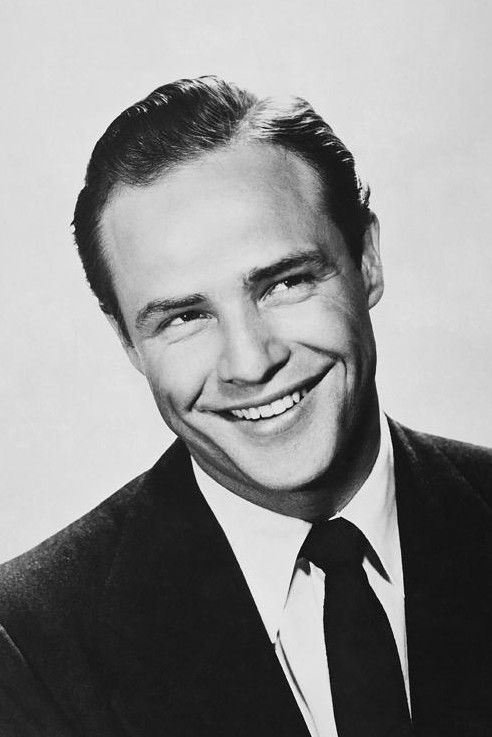
The legendary actor arrived on the set of ‘Apocalypse Now’ weighing significantly more than the production had anticipated. Director Francis Ford Coppola had to rethink his entire visual strategy to accommodate the physical state of his lead performer. Most of the scenes featuring the character were filmed in extreme shadow to hide his midsection from the audience. Cinematographers also utilized tight close ups of his face to maintain an imposing and mysterious presence. This creative decision eventually became one of the most iconic aspects of the film.
Val Kilmer
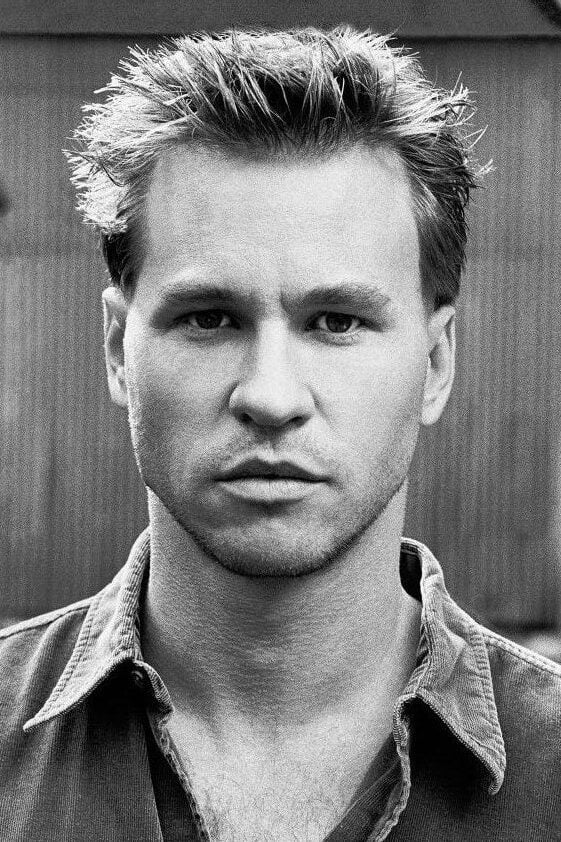
While filming ‘The Island of Dr. Moreau’ in the mid nineties the actor experienced notable physical changes that required production adjustments. The costume department provided him with oversized togas and loose robes to mask his figure during wide shots. Directors relied on high angle shots and busy background action to distract from his silhouette. These clever placements allowed the performer to maintain a commanding presence despite his fluctuating weight. The filming process was famously difficult but the visual tricks helped preserve the aesthetic of the character.
Steven Seagal
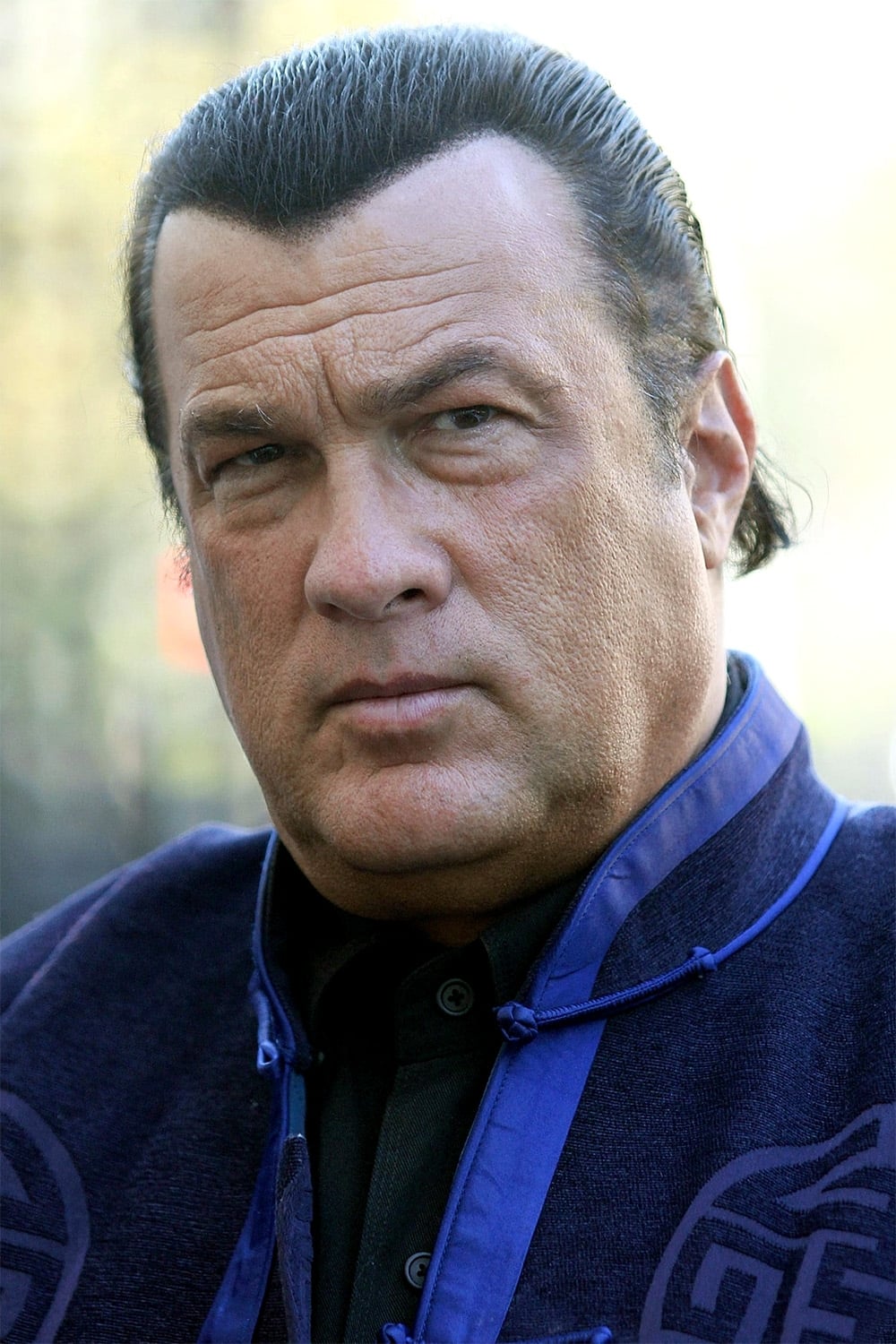
As the martial arts star moved into the later stages of his career his physical fitness became a challenge for action movie directors. In many of his direct to video releases cinematographers used tight framing and quick cuts to obscure his actual size. He was often dressed in long black trench coats or heavy jackets to create a slimmer profile on screen. Body doubles were also used extensively for wide shots and complex stunt sequences to ensure the action looked fast and fluid. These techniques have allowed him to continue playing formidable lead roles for decades.
Orson Welles
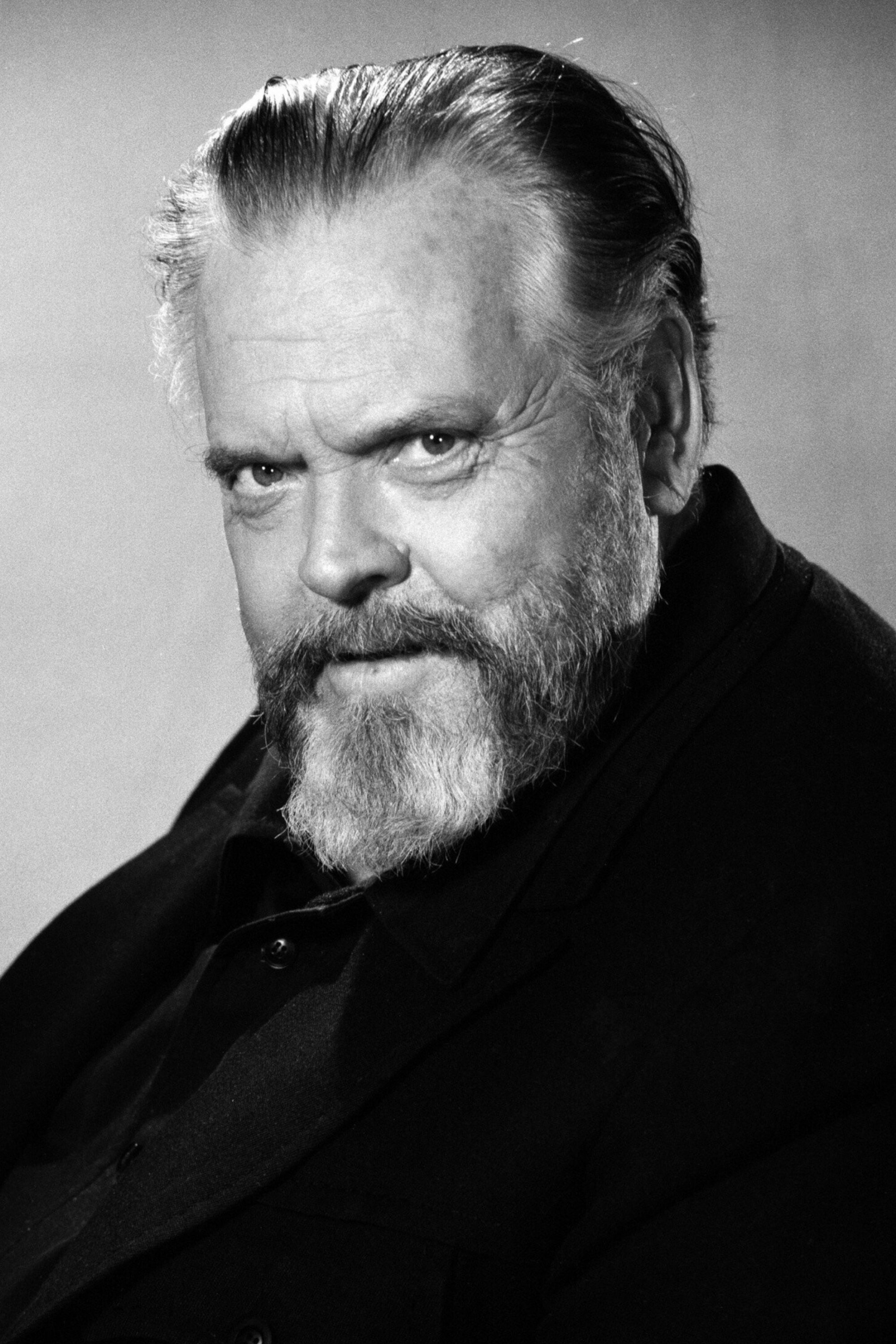
During the production of ‘Touch of Evil’ the director and star was much larger than he had been in his earlier years. He used low angle shots and heavy makeup to transform his weight into a tool for the character of a corrupt police captain. Dark lighting and cluttered sets helped to frame him in a way that emphasized his power rather than his girth. The camera movements were carefully choreographed to show only specific parts of his body at any given time. This masterful use of cinematography turned a potential production problem into a stylistic triumph.
William Shatner
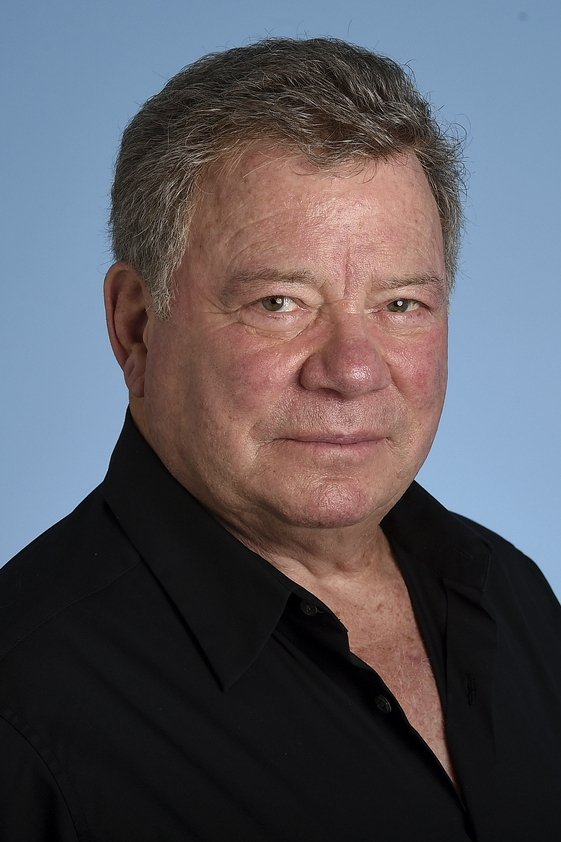
In the later ‘Star Trek’ feature films the actor faced challenges with maintaining the fit appearance of Captain James T. Kirk. The production team utilized high waisted trousers and specialized undergarments to provide a more streamlined look for the legendary character. Cinematographers often filmed him from the chest up or behind pieces of equipment on the bridge of the Enterprise. Careful lighting was used to define his jawline and minimize the appearance of a double chin. These minor adjustments helped fans believe the captain was still in fighting shape for his final missions.
Matthew Perry
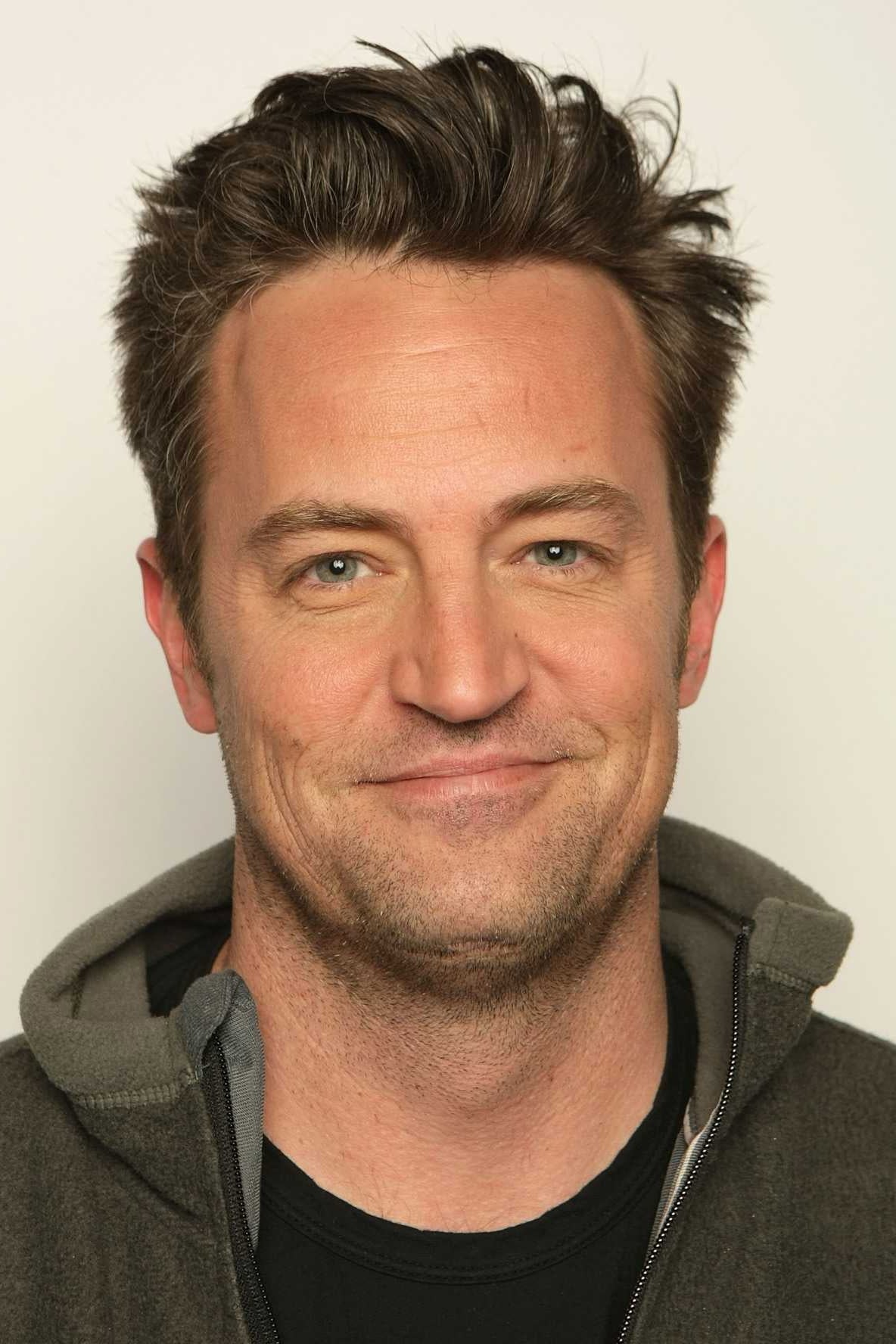
The actor famously dealt with personal health issues and weight fluctuations during the middle seasons of ‘Friends’ on television. Wardrobe stylists often placed him in baggy button down shirts and oversized sweaters to hide his changing physique. Directors used specific seating arrangements and blocking to keep him behind furniture or other cast members during ensemble scenes. The camera angles frequently favored his face and expressive humor rather than full body shots. These efforts by the crew allowed the character of Chandler Bing to remain consistent throughout the series.
Alec Baldwin
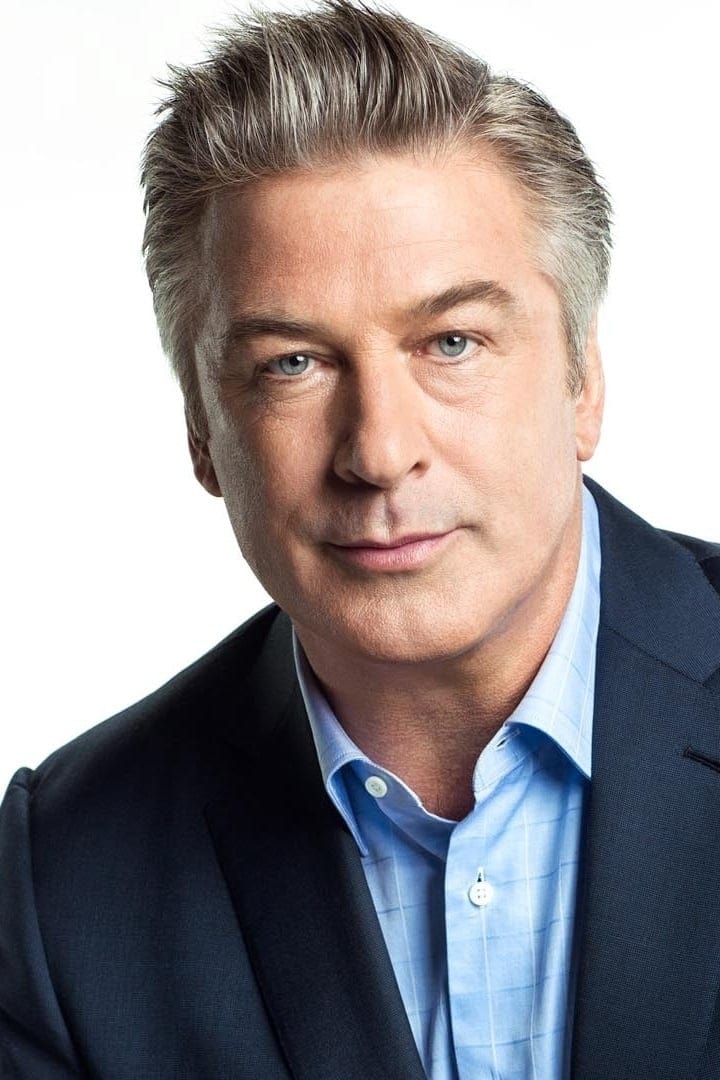
Throughout his long run on ’30 Rock’ the actor experienced various physical changes as he aged. The production crew frequently filmed him behind the large mahogany desk in his character’s office to hide his lower body. He was almost always dressed in impeccably tailored dark suits that used vertical lines to create a slimming effect. Close up shots focused on his comedic timing and sharp delivery while avoiding wide shots that might show weight gain. This framing reinforced the image of a powerful and put together network executive.
James Gandolfini
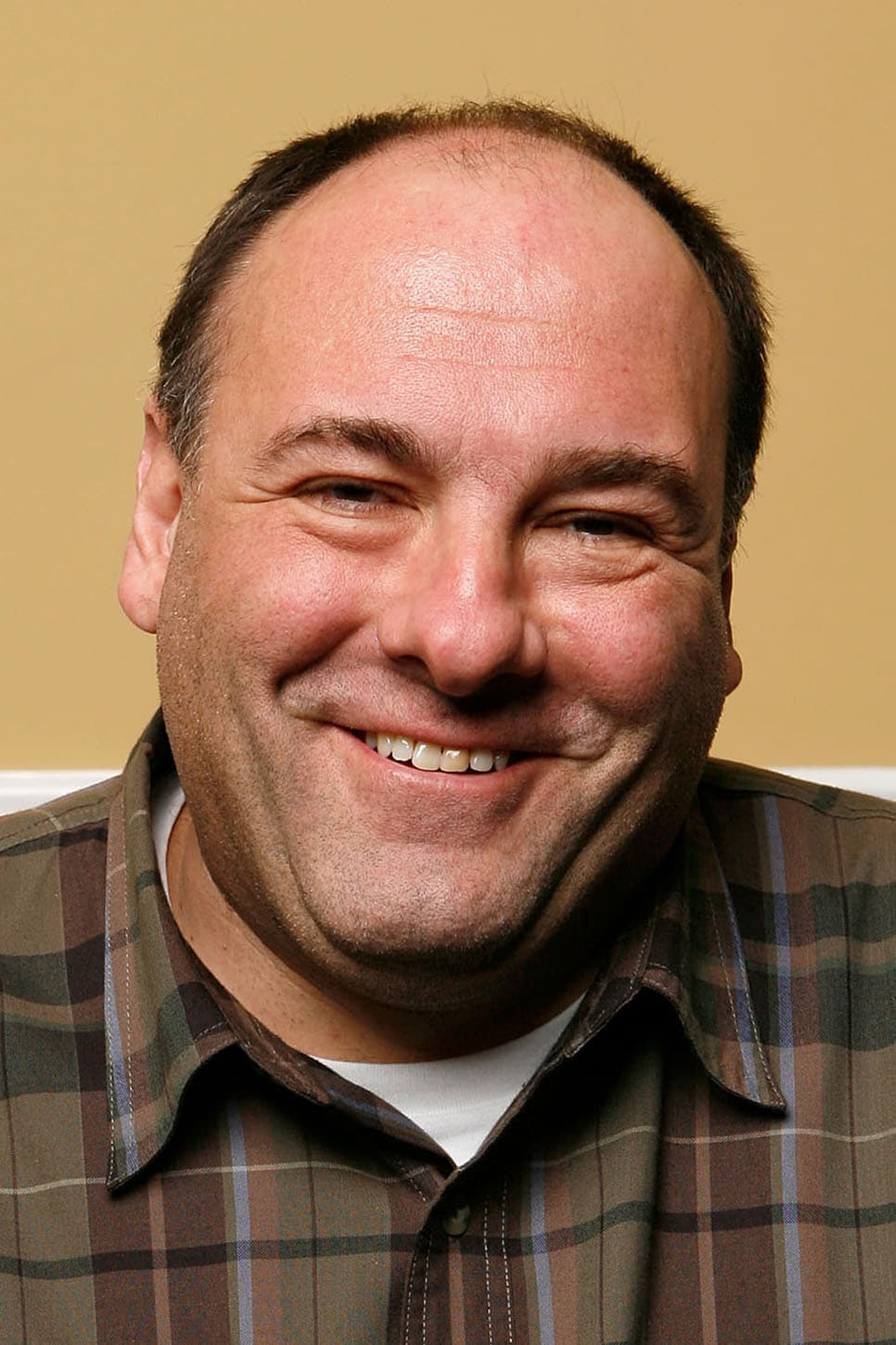
The star of ‘The Sopranos’ saw his weight increase significantly as the acclaimed series progressed through its six seasons. Directors often used specific framing and furniture like large armchairs or restaurant booths to minimize his size on screen. Deep shadows and low key lighting in the Bada Bing office scenes helped to mask his silhouette. The costume designers favored dark tracksuits and loose leather jackets to provide comfort and a consistent look. These cinematic choices emphasized the character’s intimidating presence while managing his physical changes.
Russell Crowe
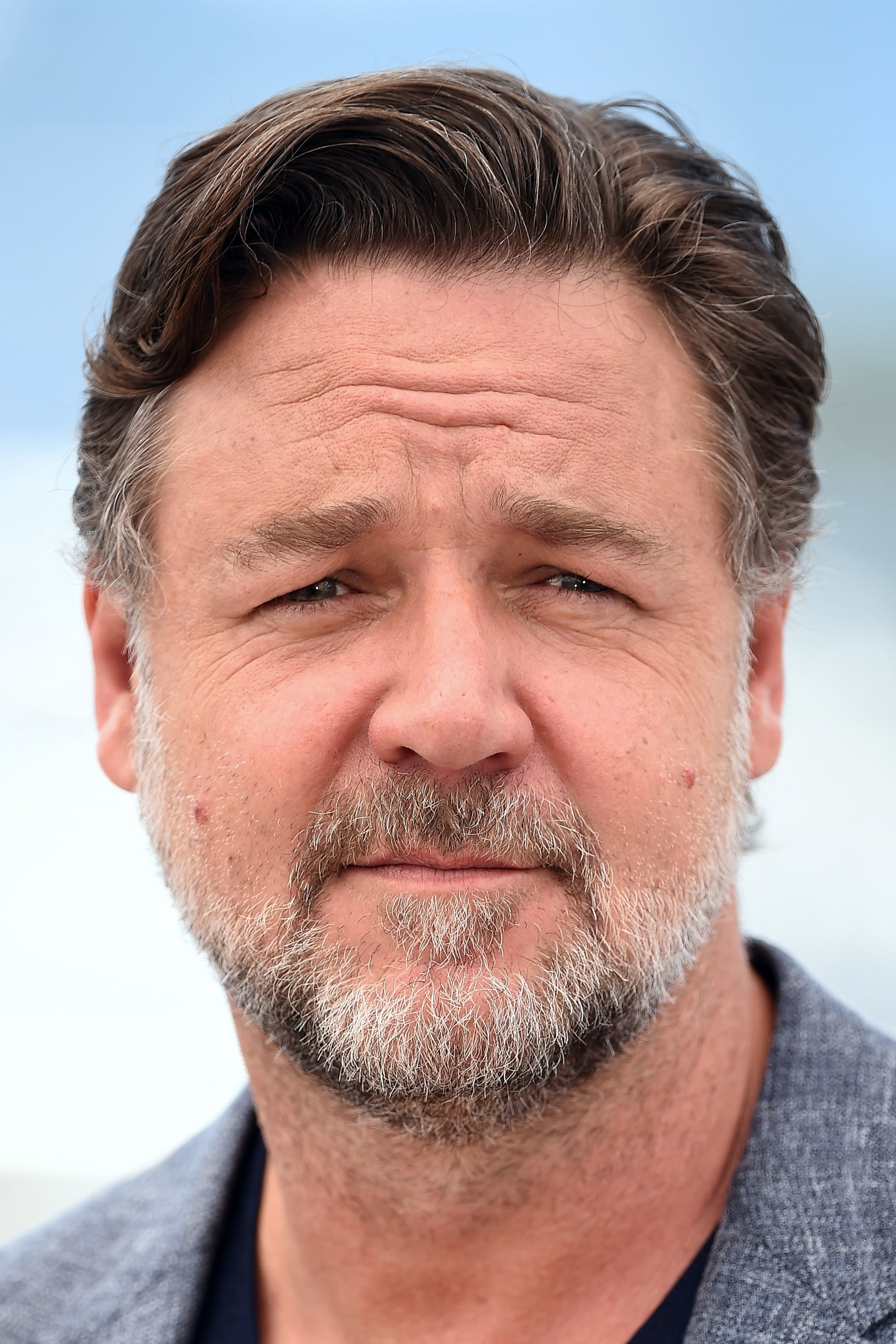
For his role in the thriller ‘Body of Lies’ the actor intentionally gained weight but the production still used specific angles to control how he appeared. Cinematographers used telephoto lenses to flatten the image and make him look more solid rather than just heavy. He was often filmed sitting down or wearing bulky tactical gear that disguised his actual frame. The camera focused on his intense performance and facial expressions to convey the character’s intelligence. These techniques helped ground the movie in a realistic aesthetic while managing the star’s physical transformation.
Ben Affleck
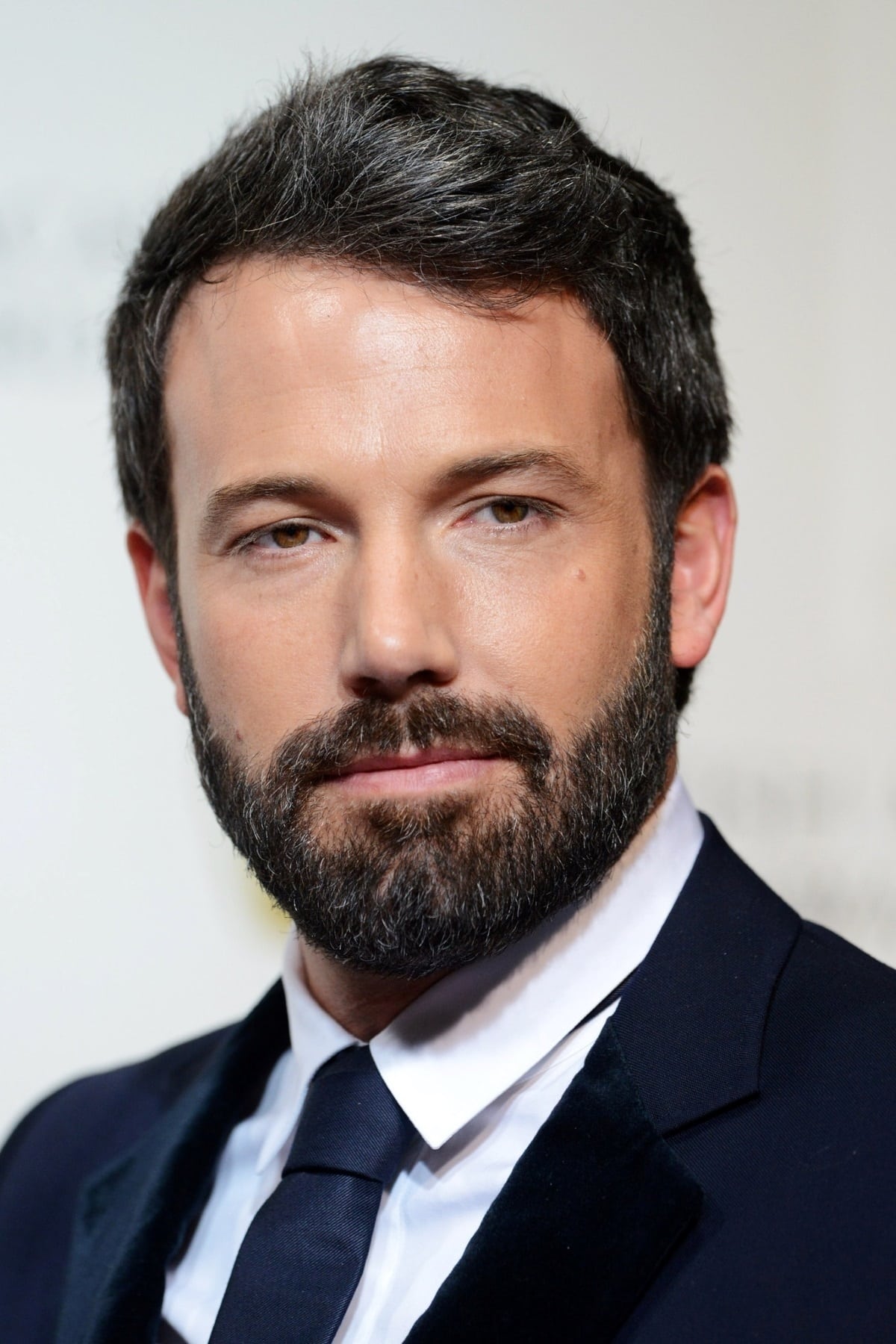
During the production and subsequent reshoots for ‘Batman v Superman’ the actor experienced fluctuations in his superhero physique. To maintain the illusion of a peak condition Bruce Wayne the crew used specific camera placements and high contrast lighting. The bulk of the Batman suit itself served as a way to hide any physical changes that occurred between filming dates. Close ups were carefully framed to highlight his strong jaw and intense gaze. This ensured that the Dark Knight remained an imposing figure regardless of the actual timing of the shots.
Vince Vaughn
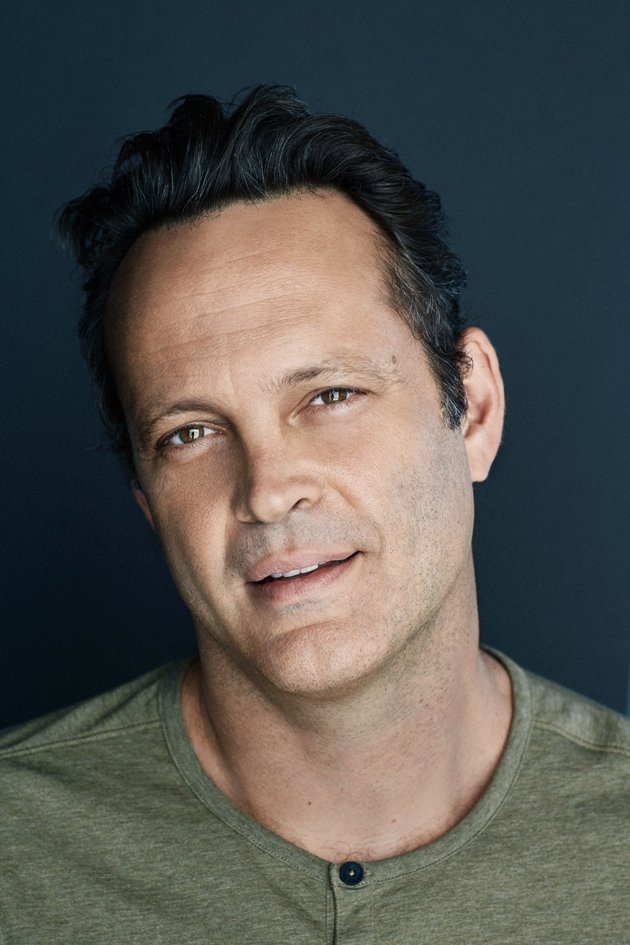
In several of his comedies including ‘The Dilemma’ the actor had to deal with weight gain that was not originally intended for the character. The production used wide lenses and specific blocking to keep him moving or partially obscured by other actors. Costumes consisted of dark colors and layered clothing to provide a more streamlined appearance on the big screen. Cinematographers avoided low angle shots that might emphasize a fuller face or midsection. These adjustments allowed him to maintain his fast talking leading man persona without the audience noticing his physical shift.
Sylvester Stallone
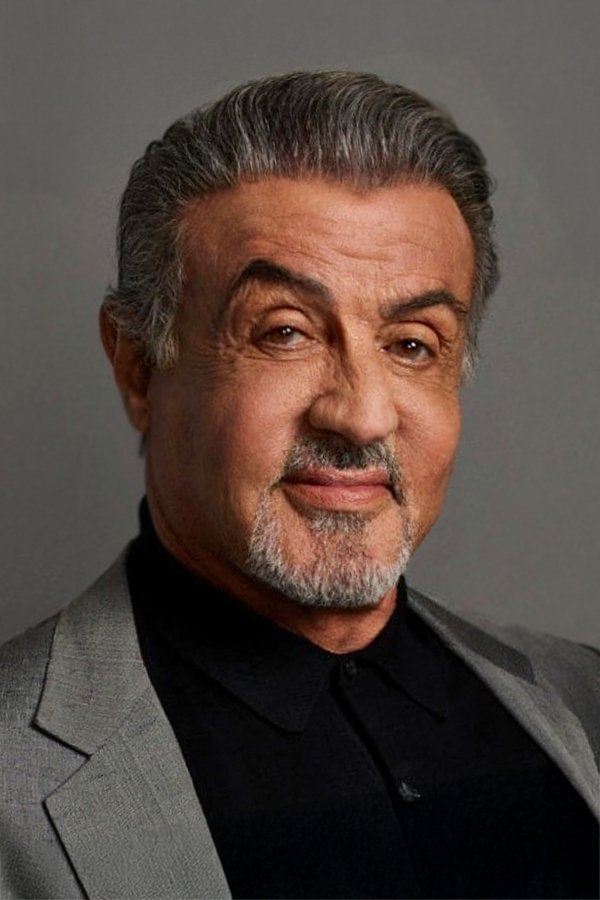
When filming ‘Cop Land’ the action star gained significant weight to play a small town sheriff but the directors still used angles to control the reveal. They wanted him to look tired and soft but still capable of a heroic turn at the end of the story. The camera often looked down on him to make him appear smaller and less threatening in the early scenes. He wore an ill fitting uniform that was designed to emphasize his gut while masking his muscular arms. These intentional choices used his weight as a narrative device through clever framing.
Mickey Rourke
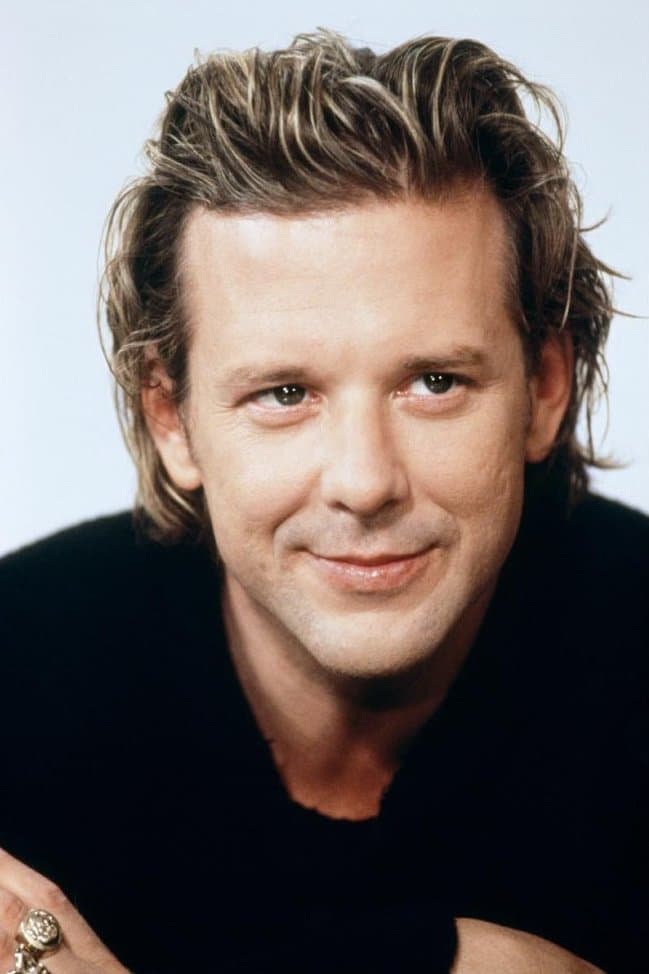
During the filming of ‘Iron Man 2’ the actor had to portray a physically imposing villain while his own weight was fluctuating. The production team utilized heavy costume pieces and metal armor to hide his midsection while showing off his arms. Cinematographers used low angle shots to make him look taller and more menacing to the hero. His hair and makeup were also designed to draw the eye upward toward his face and tattoos. This ensured that his character remained a credible threat throughout the high energy action sequences.
Matt Damon
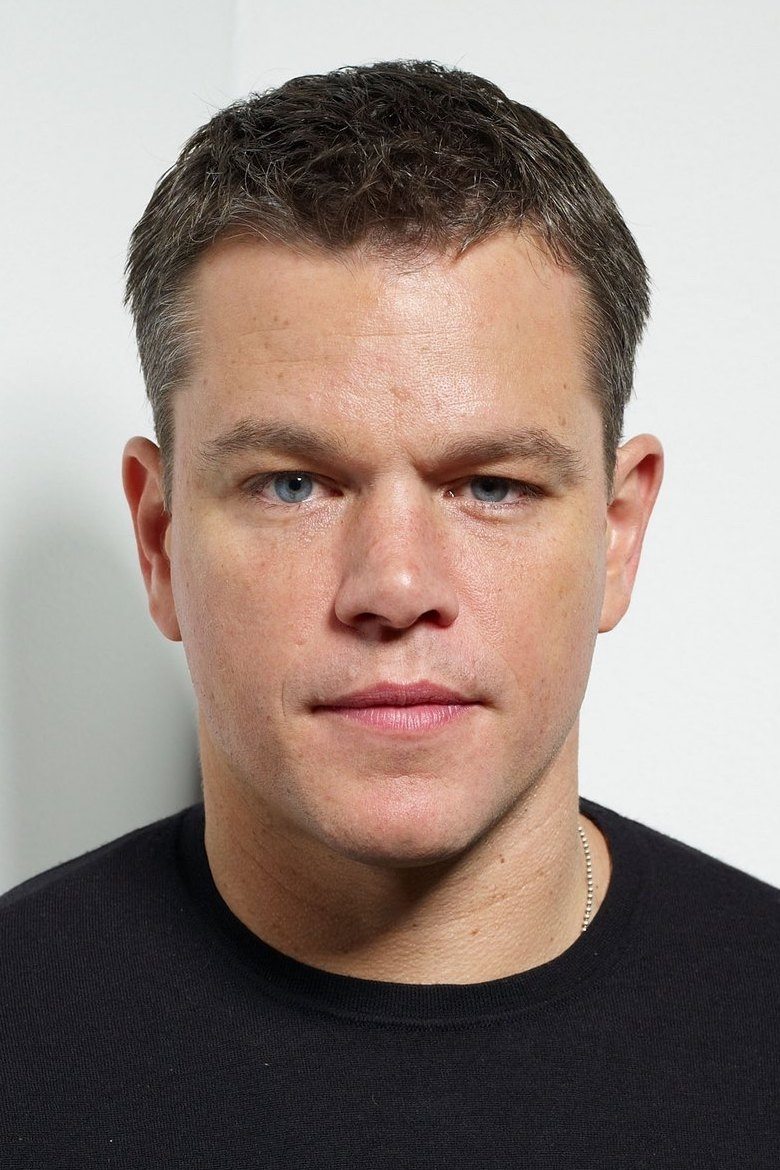
For the film ‘The Informant!’ the actor famously gained a large amount of weight to play a real life corporate whistleblower. The director used specific camera heights to emphasize his rounder face and soft physique for comedic and dramatic effect. He was often filmed from the side to highlight the physical transformation he had undergone for the role. The wardrobe department chose drab and slightly tight clothing to make the weight gain more apparent to the audience. These choices were deliberate to show a man who was literally and figuratively out of his depth.
Vincent D’Onofrio

The actor famously gained weight for his breakout role in ‘Full Metal Jacket’ but the filming was done in a specific sequence. Stanley Kubrick used tight framing and harsh fluorescent lighting to make the weight look pale and unhealthy. The actor was often filmed in close up to show the psychological toll the training was taking on his face. As the movie progressed the camera angles became more erratic to match his character’s mental state. This integration of physical change and cinematography created one of the most haunting performances in film history.
Jared Leto
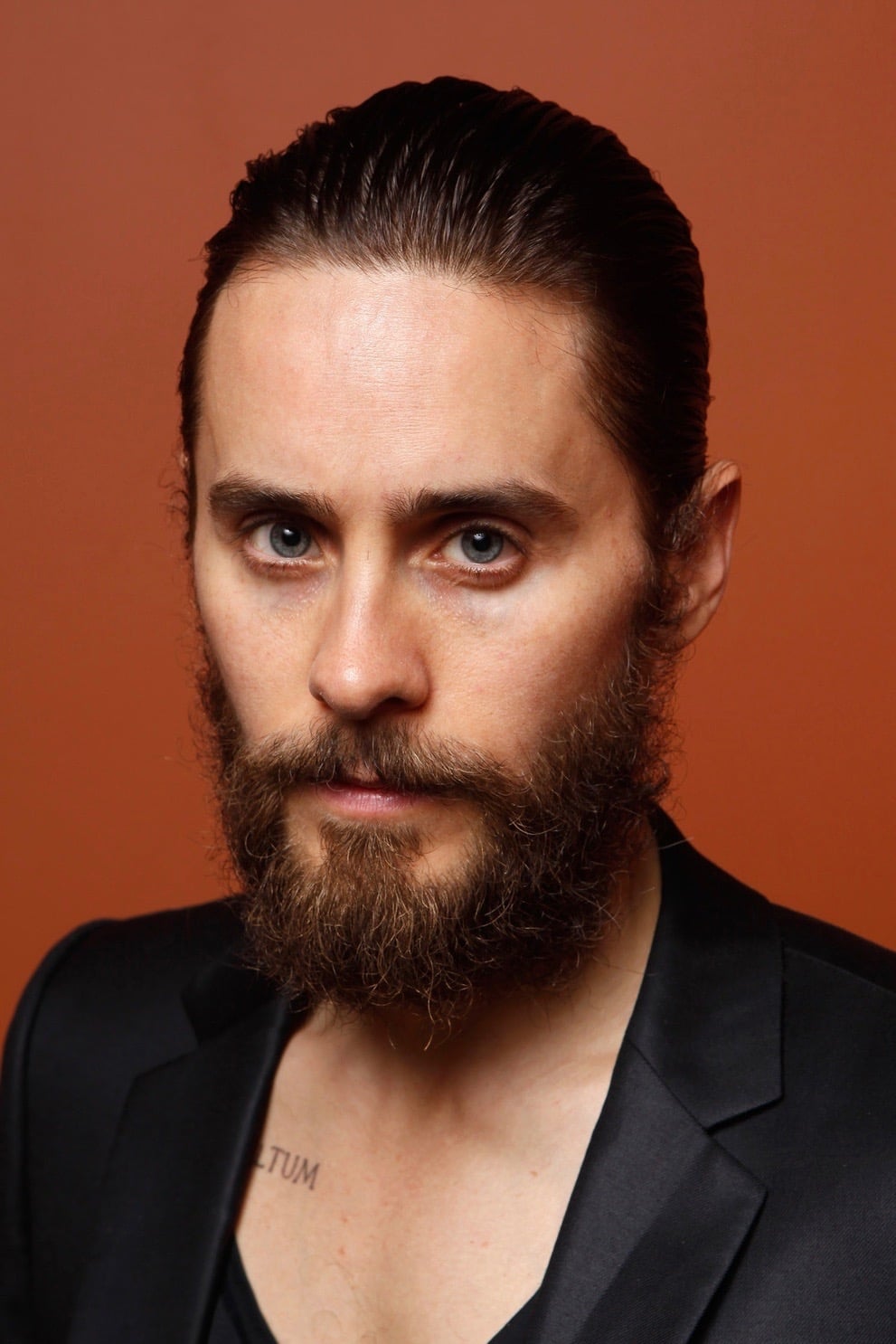
To play the assassin of John Lennon in ‘Chapter 27’ the actor gained a massive amount of weight that changed his entire appearance. The production used unflattering lighting and static wide shots to emphasize how much space he occupied. He was often filmed in cramped interiors like hotel rooms to make his size feel even more oppressive. The camera focused on his slow movements and heavy breathing to convey the physical burden of the weight. These artistic choices made the transformation a central part of the movie’s grim atmosphere.
Mark Wahlberg
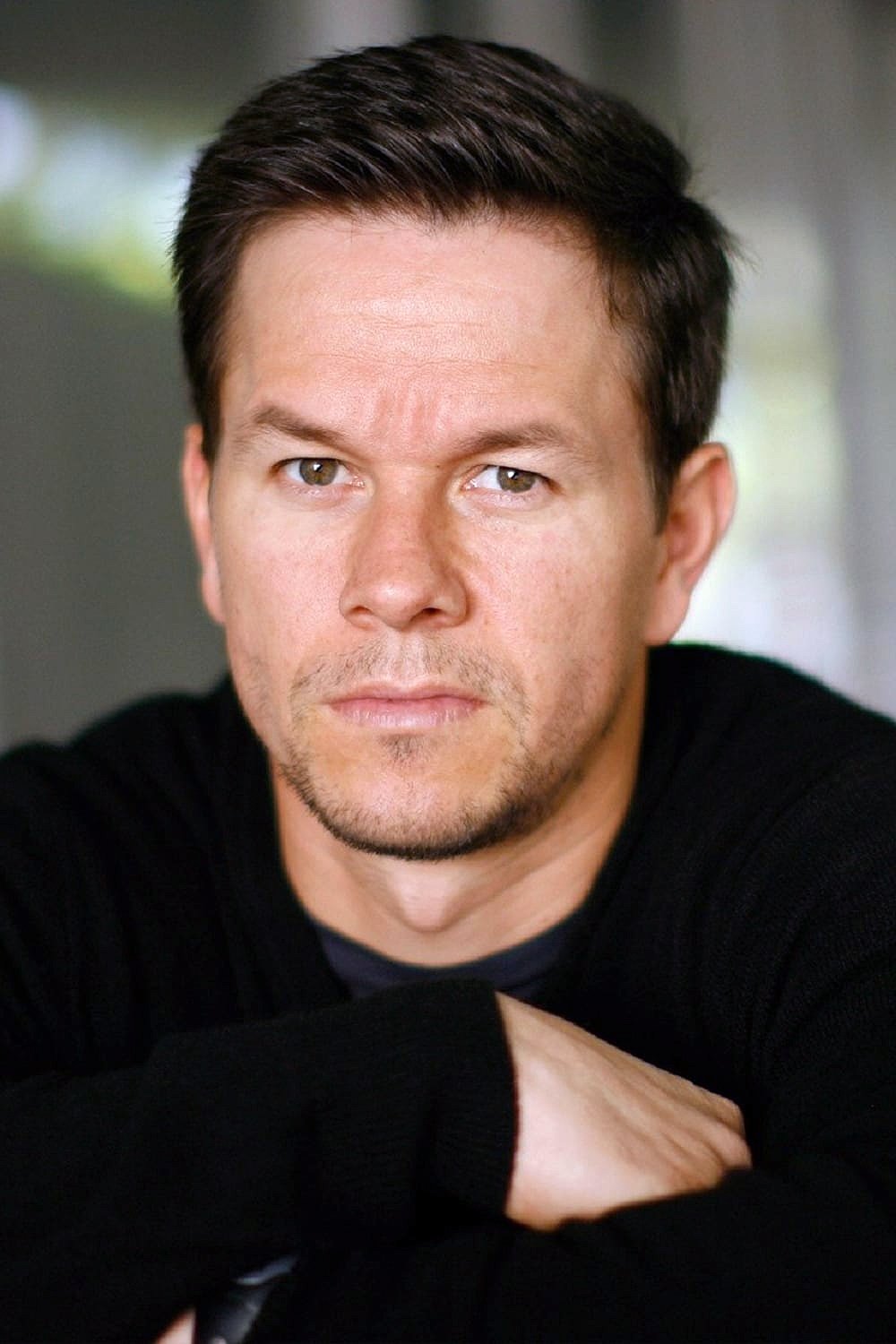
The actor underwent a rapid physical change to play a boxer turned priest in the biographical drama ‘Father Stu’. During the later parts of the filming the crew used specific angles to show his weight gain as a result of health issues. They utilized high contrast lighting to accentuate the fullness of his face and neck during emotional scenes. Close up shots were framed to show the vulnerability of the character through his eyes despite his larger frame. This helped the audience connect with the character’s spiritual journey and physical decline.
Colin Farrell
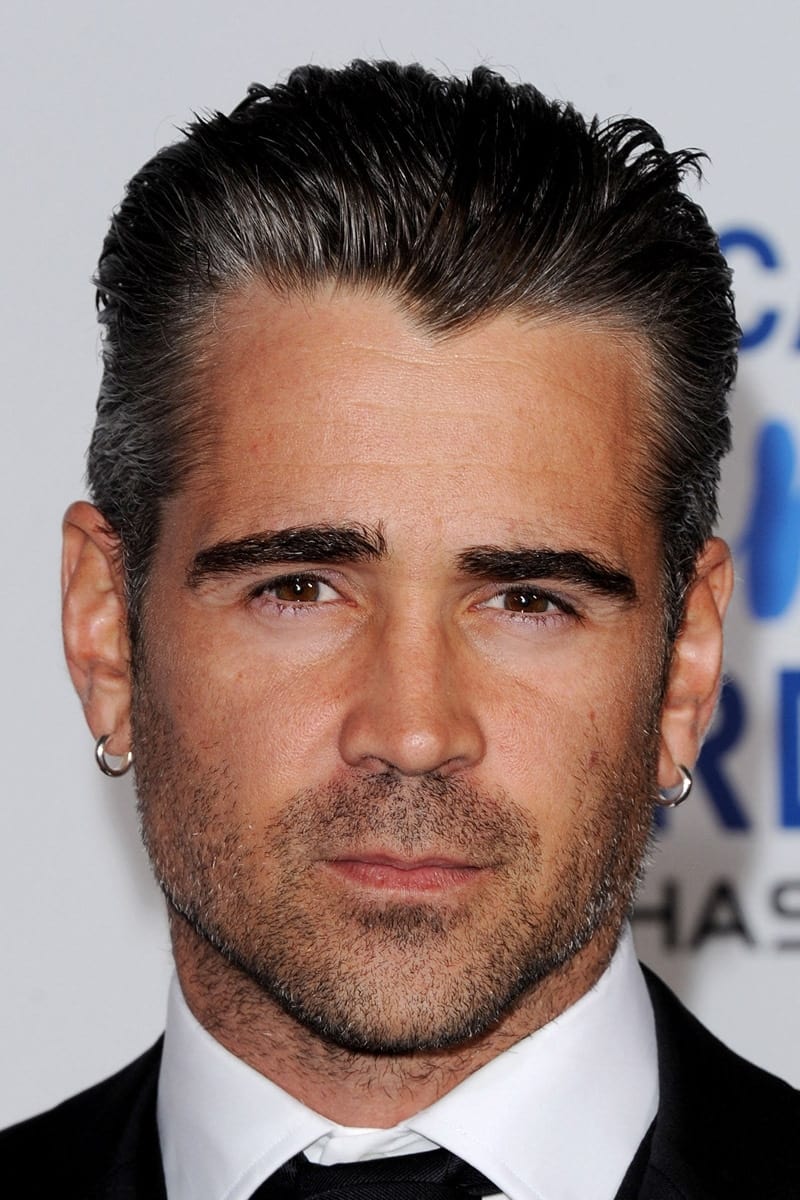
In the dark comedy ‘The Lobster’ the actor gained weight to play a lonely man in a dystopian society. The director used flat lighting and symmetrical framing to make his physique look unremarkable and average. He was often filmed from a distance in wide shots that emphasized his isolation within the frame. The camera stayed at eye level to avoid making him look either imposing or overly pathetic. These subtle cinematic choices helped ground the surreal story in a recognizable human reality.
Seth Rogen
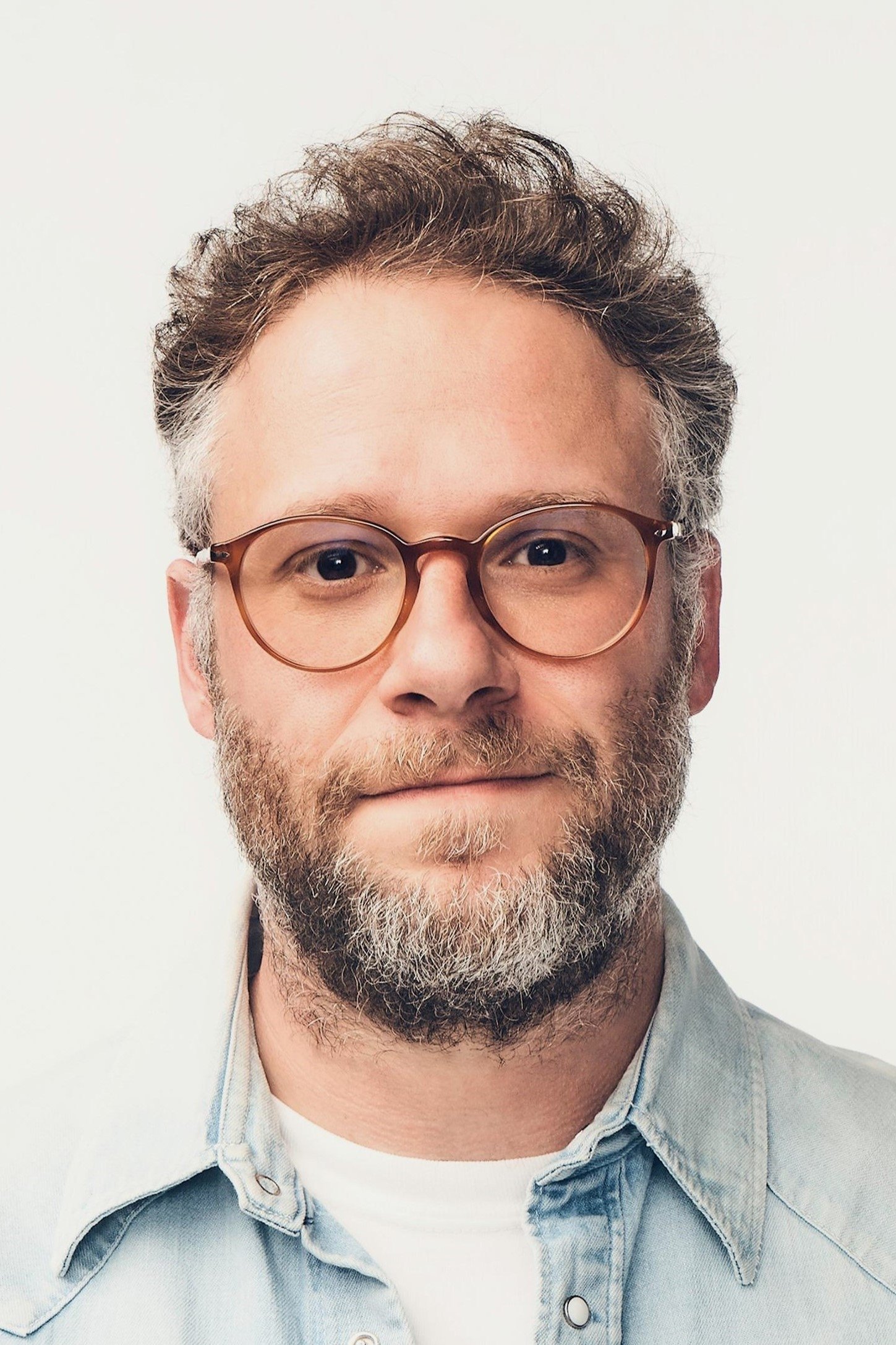
During the lead up to ‘The Green Hornet’ the actor lost weight but his physique changed during the actual production process. The crew used clever framing and quick camera movements to hide any fluctuations in his size during action scenes. He was often placed behind his co stars or obscured by the shadows of the movie’s dark urban setting. The costume department designed a structured suit that provided a consistent silhouette regardless of his actual weight. These techniques allowed the star to maintain his hero image throughout the film.
Jonah Hill

The actor has experienced several public weight fluctuations and had to manage them during films like ‘War Dogs’. Cinematographers used wide angle lenses and specific blocking to make him look larger and more intimidating for his character. He was often dressed in bright and flashy clothing that drew attention away from his actual shape and toward his personality. The camera focused on his high energy performance and constant movement to keep the audience engaged. These visual strategies emphasized his character’s greed and oversized ambition.
Ewan McGregor
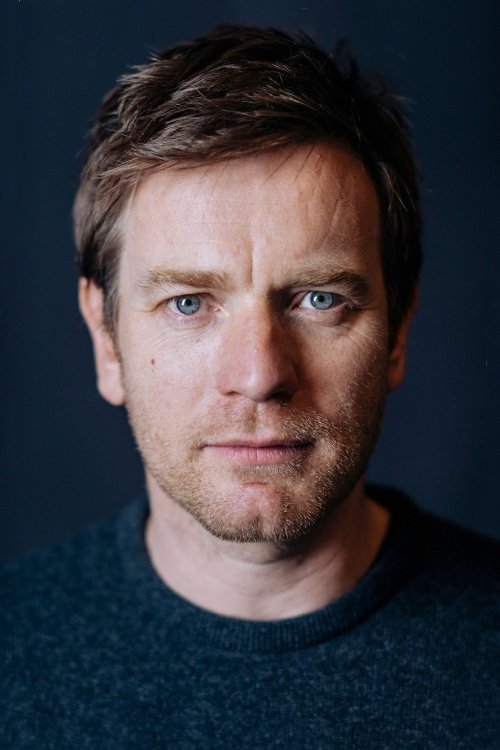
To play twin brothers in the third season of ‘Fargo’ the actor had to undergo a physical transformation for one of the roles. The production used specialized makeup and prosthetics but also relied on specific camera angles to hide the transition. He was often filmed in profile to emphasize the different belly shapes of the two distinct characters. Lighting was used to create different moods for each brother with one being filmed in much harsher light. These cinematic tricks made it entirely believable that two different men were on screen at once.
Bradley Cooper
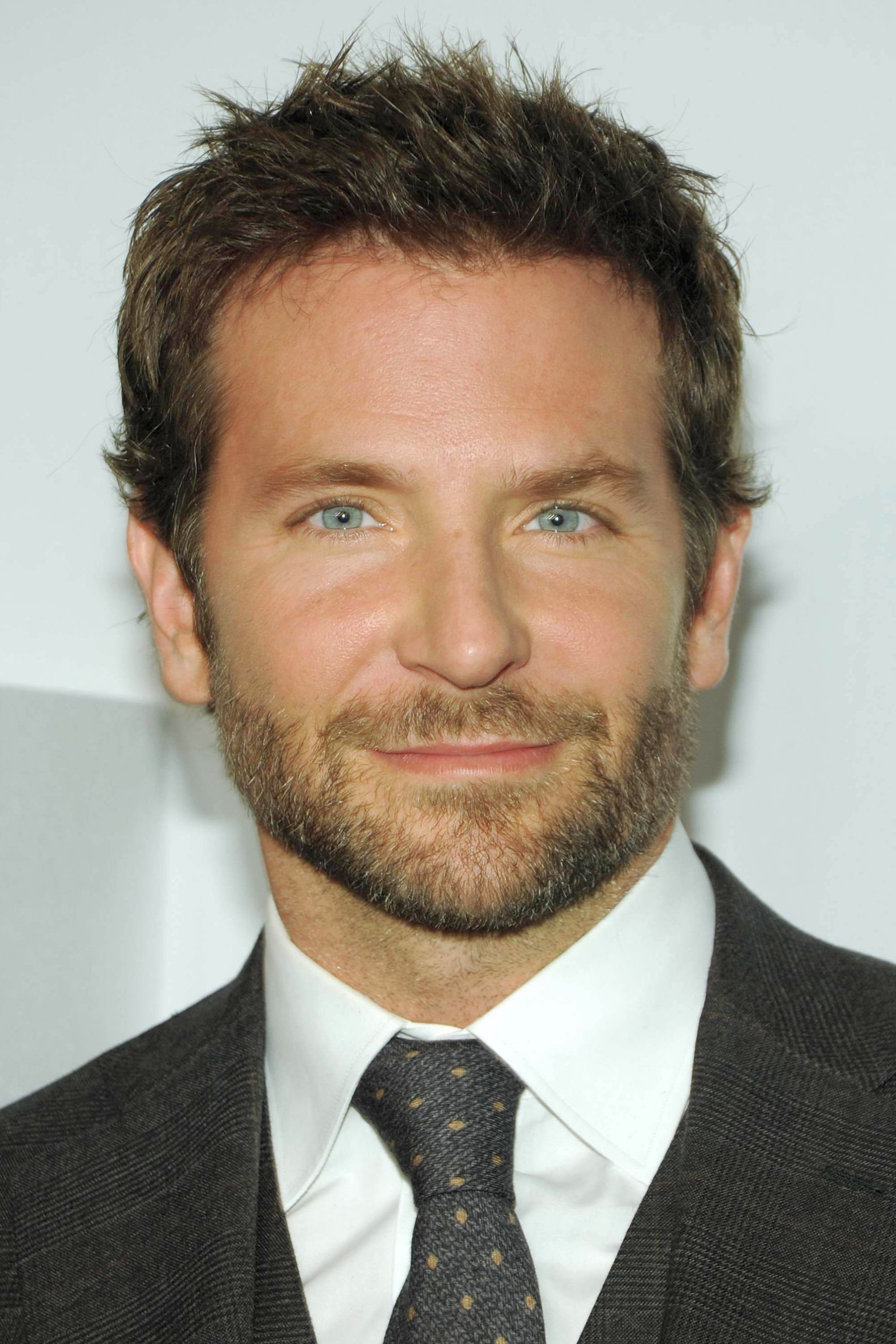
The actor bulked up significantly to play a legendary sniper in the film ‘American Sniper’ by Clint Eastwood. The production used low angle shots to emphasize his muscularity and make him appear more like a modern soldier. During scenes where he was in civilian clothes the crew used loose fitting shirts and specific framing to hide his midsection. The camera often focused on his eyes and the scope of his rifle to maintain the intensity of the performance. These visual choices highlighted his physical power while maintaining the serious tone of the movie.
Chris Pratt
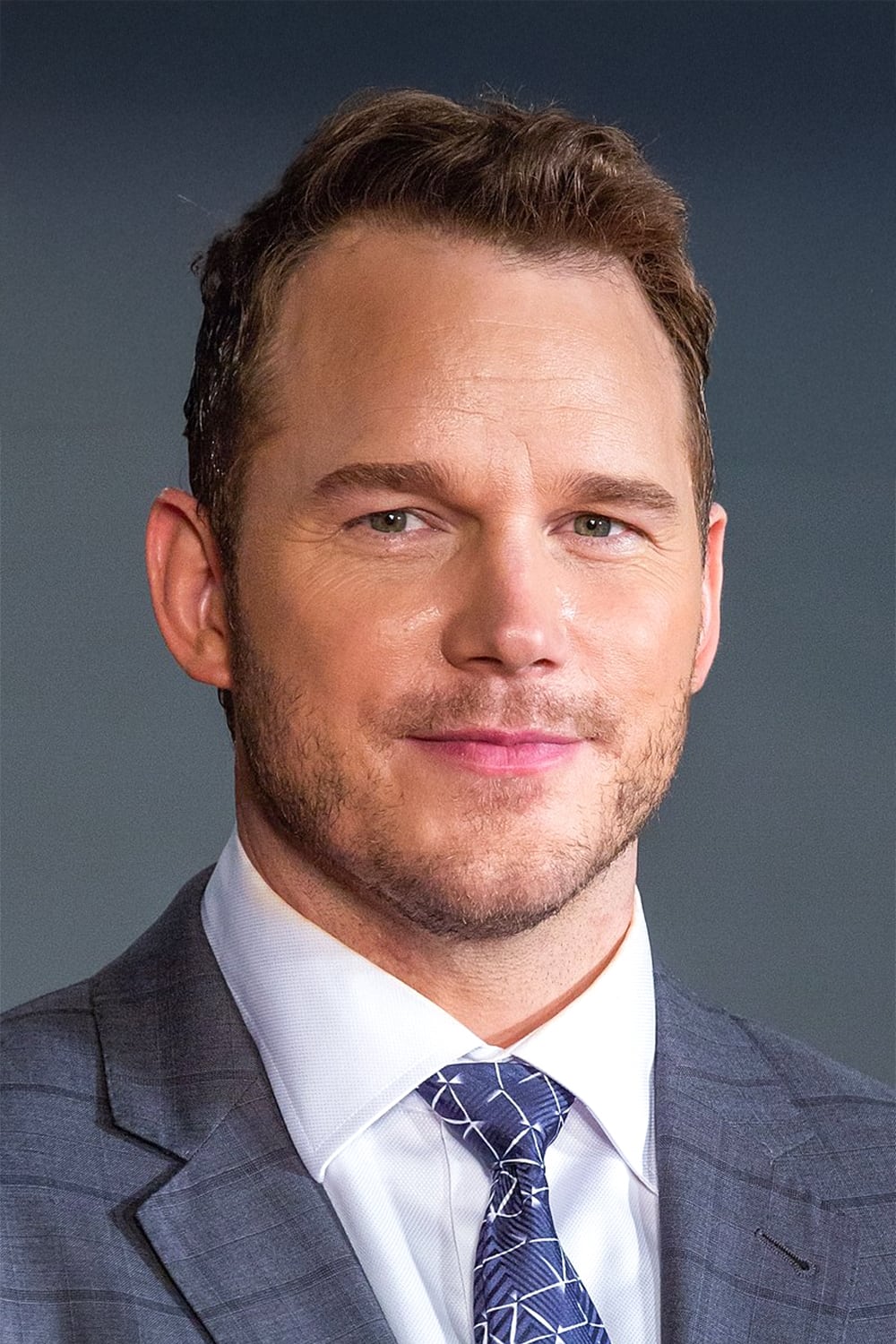
Before becoming an action star the actor played a lovable and overweight character on the sitcom ‘Parks and Recreation’. As he began training for movie roles the show’s producers had to hide his sudden weight loss and subsequent fluctuations. They used clever blocking and placed him behind large props or other actors during scenes in the office. Wardrobe choices moved from tight shirts to loose hoodies and flannel to keep his appearance consistent. This allowed the show to maintain his character’s established look even as the actor changed.
John Candy
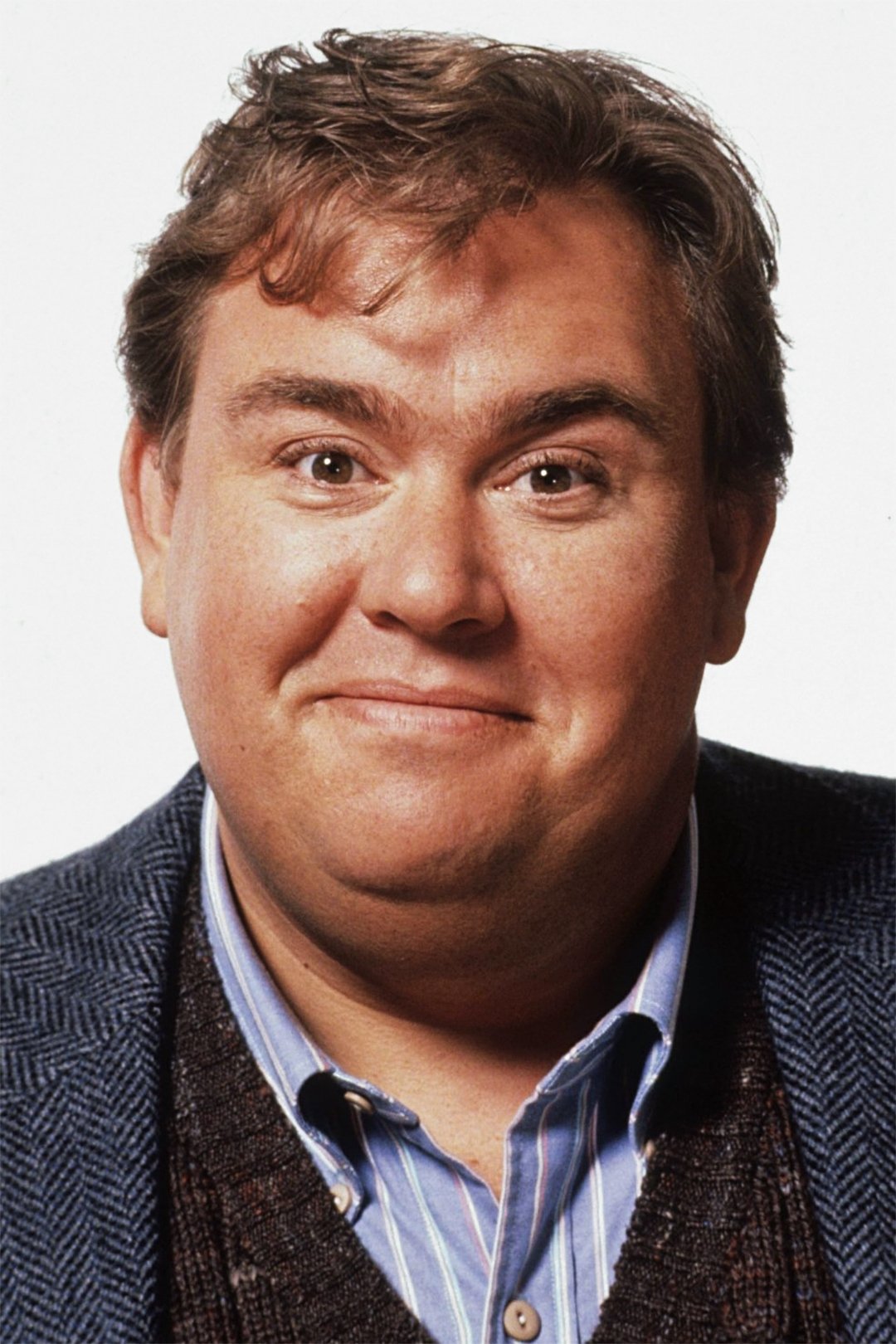
During the filming of his final movie ‘Wagons East’ the beloved actor was struggling with his health and weight. The production crew had to use body doubles and specific camera angles to complete his scenes after he passed away during filming. They utilized wide shots of a double from behind and close ups of the actor from earlier footage. Clever editing and framing were used to integrate these different shots into a cohesive narrative. These efforts allowed the filmmakers to honor the actor by finishing his final performance.
Kevin James
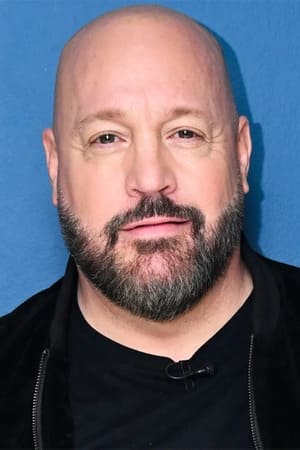
The star of ‘The King of Queens’ often used his weight for physical comedy but the show also used angles to manage his appearance. Directors frequently filmed him sitting on a couch or behind a kitchen counter to frame him in a comfortable and familiar way. Lighting was kept bright and even to maintain the lighthearted tone of the multi camera sitcom. He was often dressed in dark work uniforms or loose t shirts that provided a consistent visual style. These choices helped define his character as a relatable everyday man.
Jason Segel
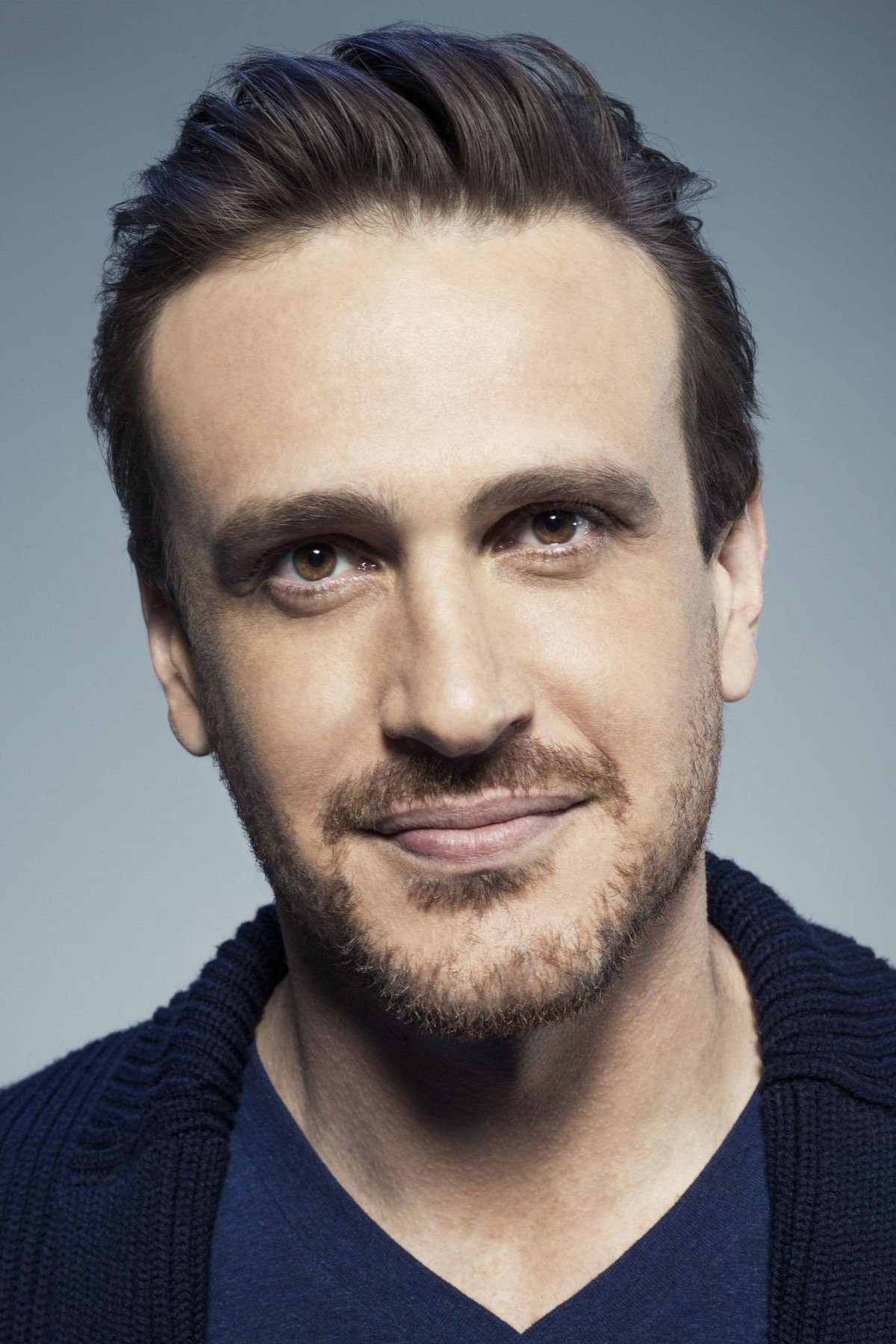
While filming the later seasons of ‘How I Met Your Mother’ the actor underwent some physical changes that required production adjustments. The crew used specific seating arrangements and camera placements to keep the focus on his comedic timing. He was often filmed from the chest up during long dialogue scenes in the group’s favorite bar. Wardrobe stylists used layered clothing and jackets to provide a more structured look for his character. These subtle techniques ensured that the core group of friends always looked consistent on screen.
Paul Rudd
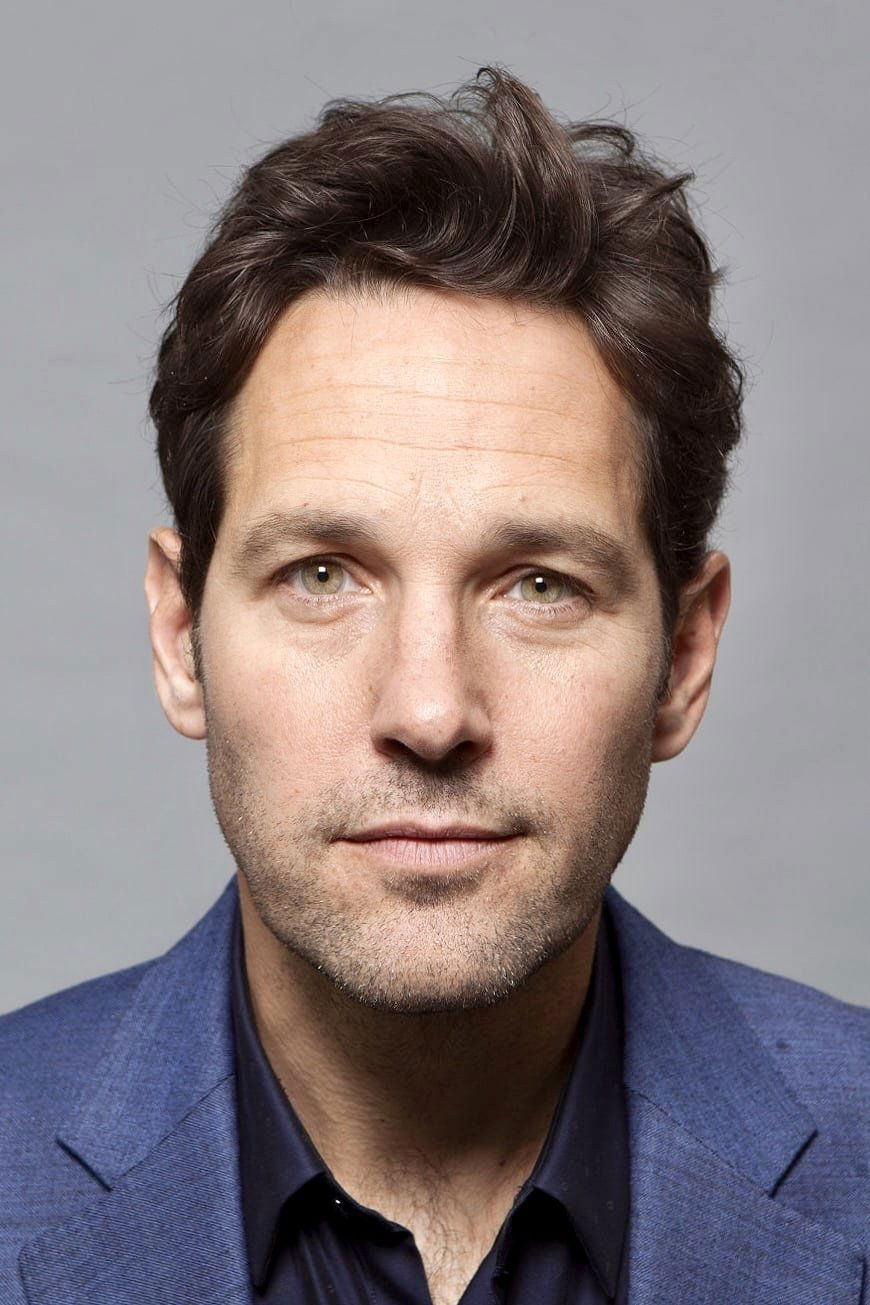
Even a Marvel star like this actor faces weight fluctuations particularly during long production cycles for films like ‘Ant-Man’. During reshoots the crew often has to use specific lighting and camera angles to match his physique from months prior. They utilize shadows to define his jawline and avoid wide shots that might show a softer midsection. Close ups focus on his charm and comedic expressions to keep the audience focused on the character’s personality. These technical adjustments maintain the high standard of visual continuity expected in major blockbusters.
Hugh Jackman
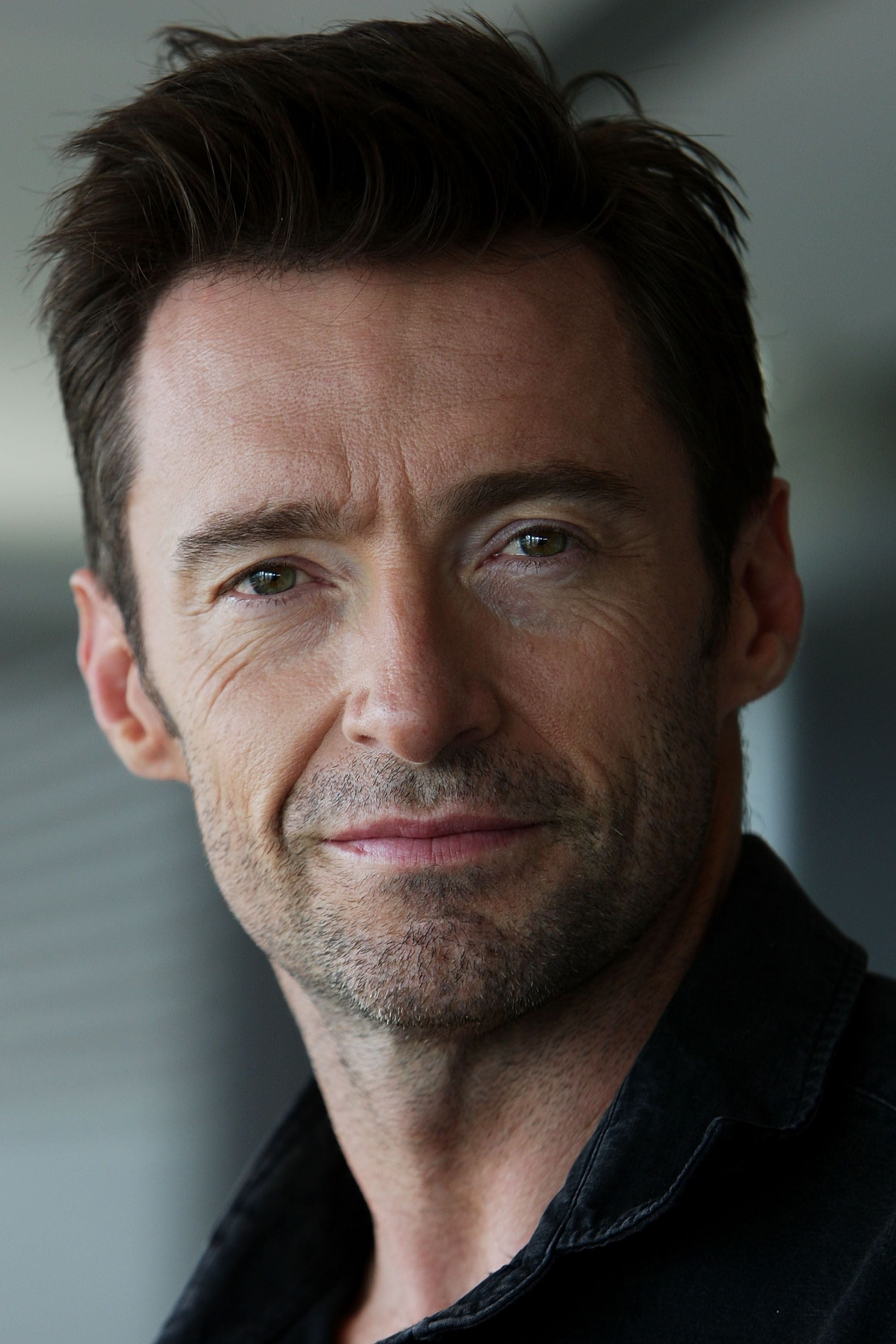
Throughout his long tenure as Wolverine the actor had to maintain a peak physical condition that was difficult to sustain. During the filming of ‘Logan’ the crew used harsh lighting and specific angles to make him look older and more gaunt. They also had to hide fluctuations that occurred during the grueling shoot by using tactical clothing and clever framing. The camera often focused on his scarred face and tired eyes to emphasize the character’s internal struggle. These cinematic choices helped deliver a grounded and emotionally resonant performance.
Joaquin Phoenix
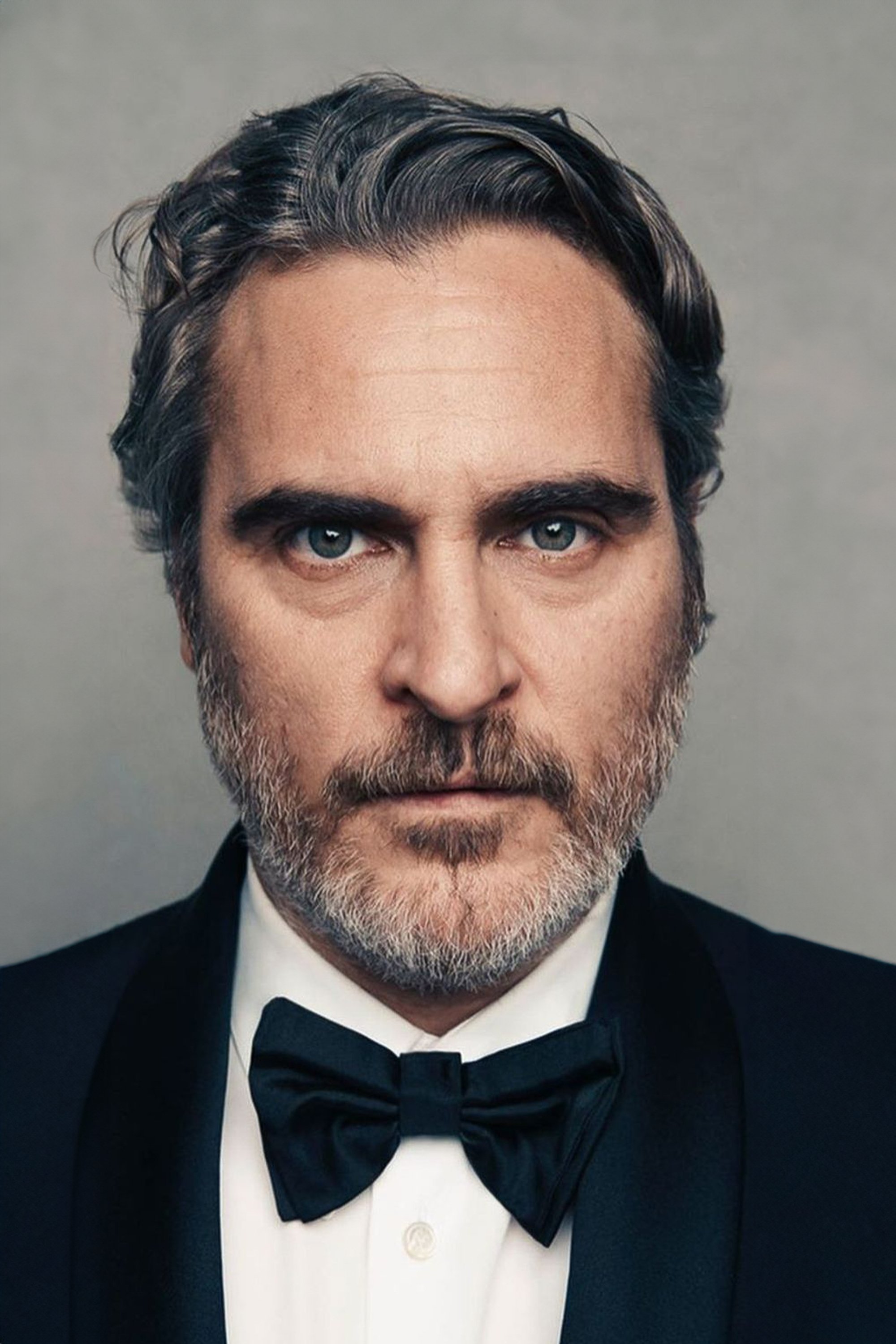
For his role in ‘The Master’ the actor used his body in a very specific way that required careful filming. He maintained a thin but hunched physique that the director captured through awkward and uncomfortable camera angles. The lighting was often cold and clinical to highlight the physical toll his character’s lifestyle took on him. Cinematographers used close ups to show his facial contortions and erratic movements. These choices made his physical state a primary way of communicating the character’s troubled mind.
Gary Oldman

The actor wore extensive prosthetics to play Winston Churchill in ‘Darkest Hour’ which fundamentally changed his shape. The director used low angle shots and deep shadows to emphasize the weight of the character and the importance of the historical moment. Most of the scenes were filmed in dimly lit rooms to hide the seams of the prosthetics and create a moody atmosphere. The camera often stayed close to his face to capture the nuance of his performance through the layers of makeup. This masterful combination of acting and technical craft earned him an Academy Award.
Gene Hackman
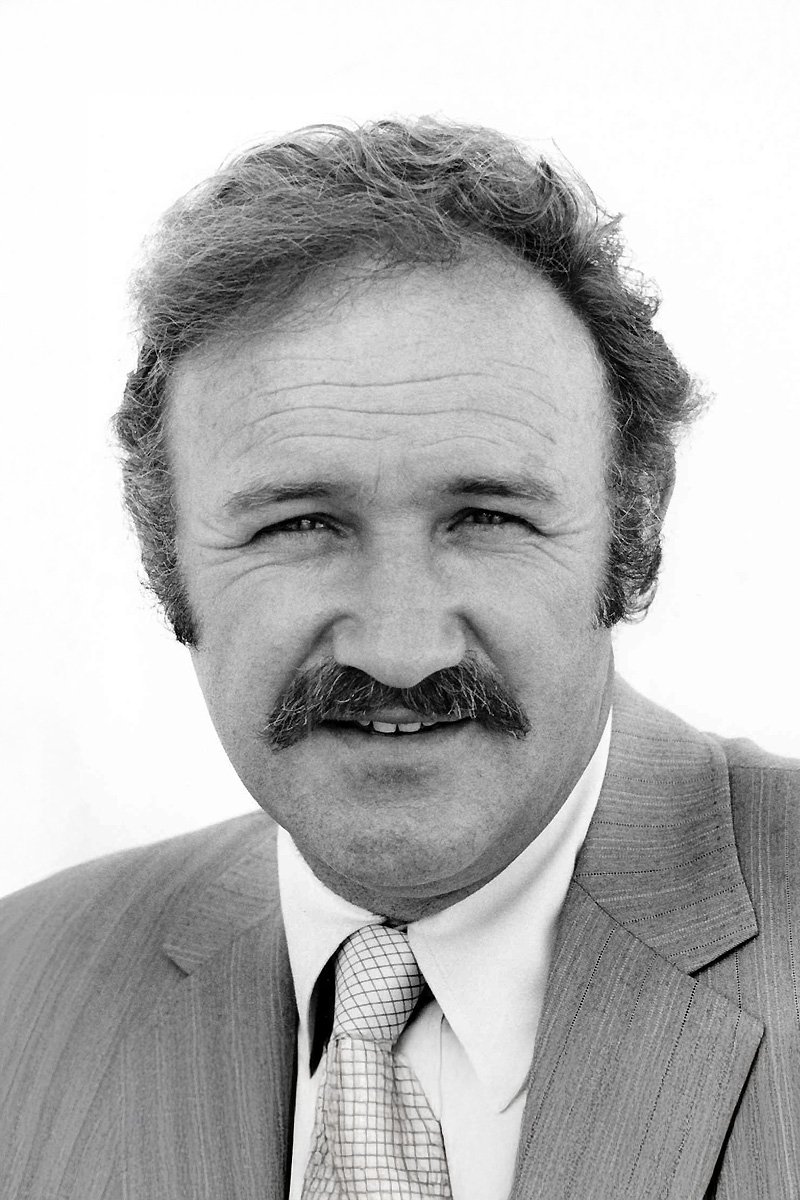
In the classic thriller ‘The French Connection’ the actor was not in peak physical shape which added to the grit of the character. The director used handheld cameras and wide angle lenses to capture his character’s frantic movements through the city. He was often filmed in heavy coats and hats that masked his actual physique while he chased suspects. The cinematography emphasized the urban decay and the character’s obsession rather than his physical perfection. This made the performance feel incredibly authentic and grounded in the reality of seventies New York.
Charlton Heston
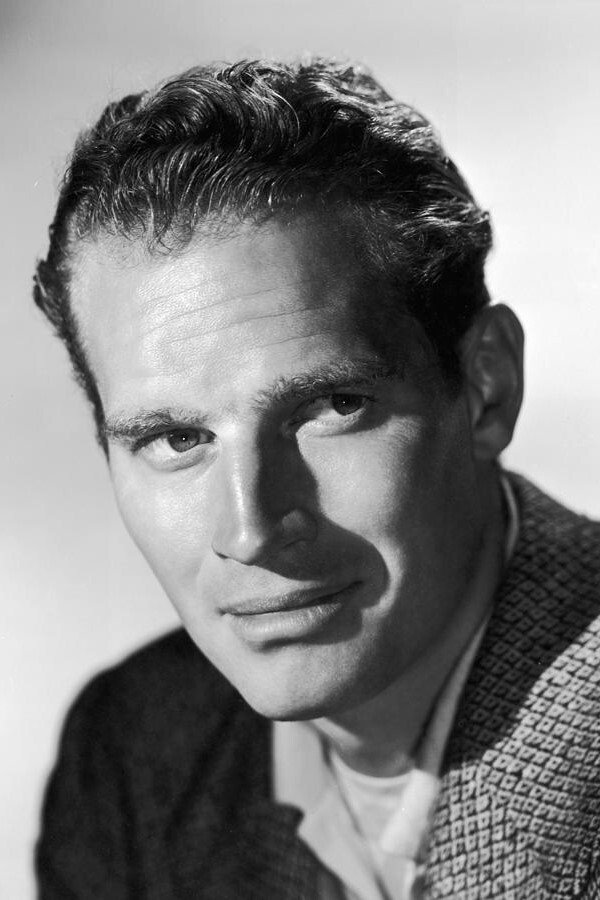
As the legendary actor moved into his later roles he used his physical stature to maintain a commanding presence. Directors often used low angle shots to make him look taller and more imposing despite any age related weight gain. He was frequently filmed in structured uniforms or suits that provided a consistent silhouette. Lighting was used to highlight his iconic features and deep voice to keep the audience focused on his authority. These techniques allowed him to remain a believable leading man long into his career.
Burt Reynolds

In his later films the iconic star used specific camera placements to maintain his image as a rugged leading man. He was often filmed from the side or in shadows to hide any physical changes that came with age. Costumes often included jackets and scarves to provide a more flattering look on camera. The directors focused on his trademark charisma and wit to drive the story forward. These subtle adjustments helped preserve his status as a cinema legend in the eyes of his fans.
John Travolta
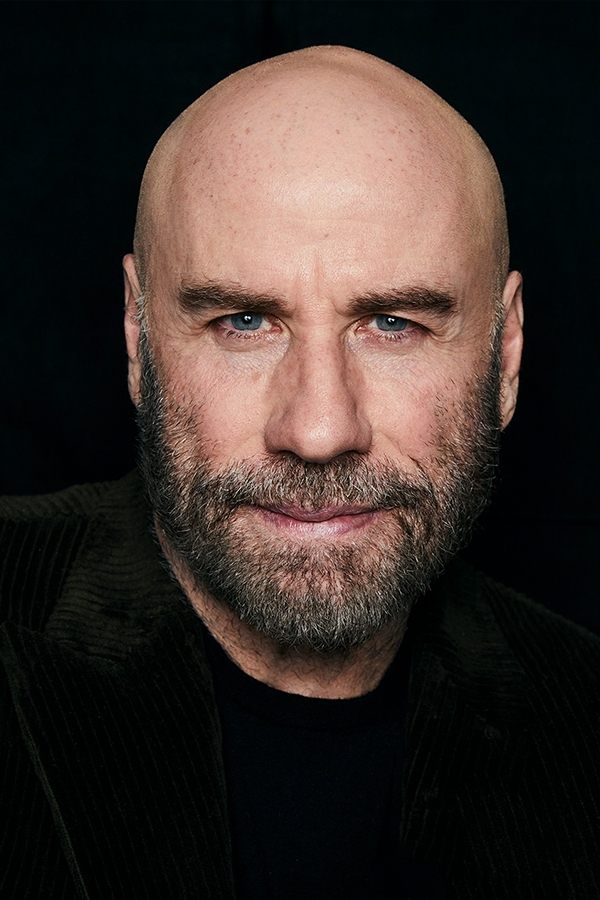
For his role in the thriller ‘The Fanatic’ the actor underwent a physical transformation that was managed through specific cinematography. The director used tight framing and cluttered sets to emphasize the character’s social awkwardness and obsession. He was often filmed in unflattering lighting to highlight the character’s strange appearance and weight. The camera stayed close to his face to capture his intense and disturbing expressions. These artistic choices turned his physical change into a key part of the movie’s dark tone.
Pierce Brosnan
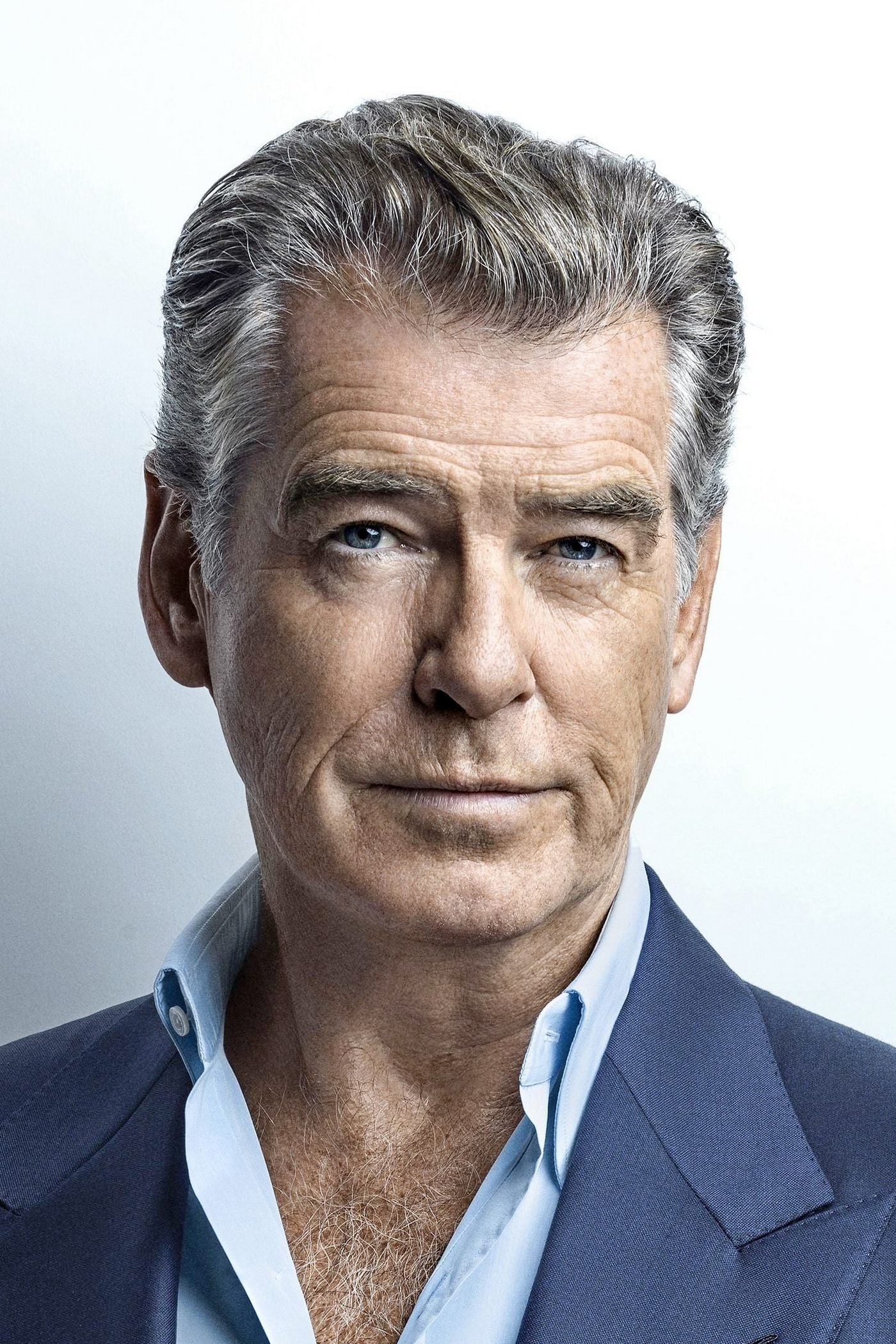
During his later outings as James Bond the actor had to work hard to maintain the slim physique required for the role. The production crew utilized impeccably tailored suits and specific lighting to provide a more streamlined look. Action scenes were filmed with quick cuts and from angles that emphasized speed rather than sustained physical exertion. They also used high angle shots during shirtless scenes to provide the most flattering view of his frame. These efforts ensured that the character of 007 remained a symbol of sophistication and fitness.
Jean-Claude Van Damme
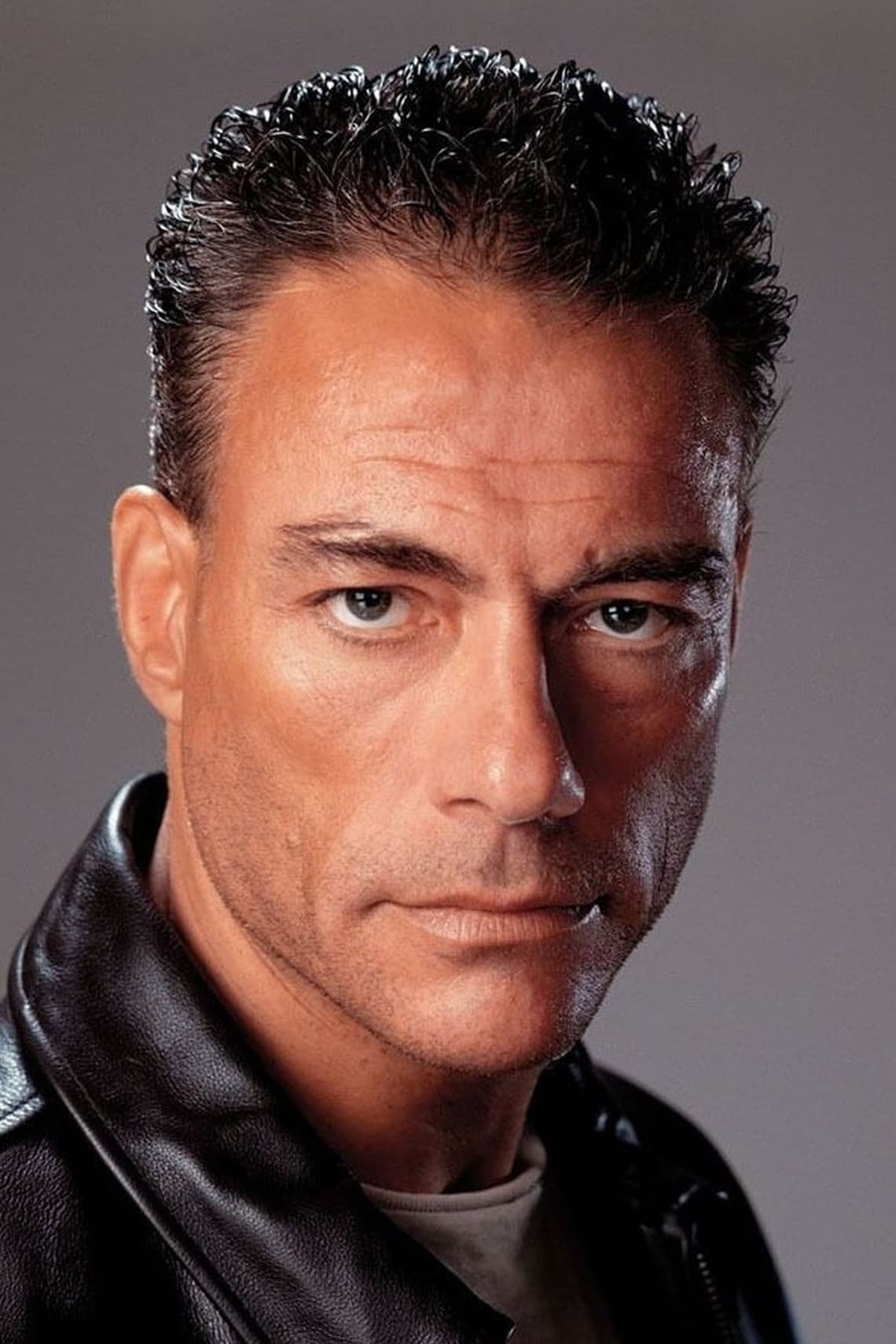
The action star has used various camera tricks in his later films to maintain his image as a martial arts expert. Directors use specific lens choices and framing to make his movements look faster and more powerful. He is often filmed in dark clothing and shadows during fight scenes to hide any changes in his physique. Close ups focus on his intense gaze and signature expressions while body doubles handle some of the more demanding stunts. This allows him to continue delivering the high energy performances his fans expect.
Chow Yun-fat

When the international star moved to Hollywood for films like ‘The Replacement Killers’ he faced different expectations for his physical appearance. The production used stylish lighting and long coats to create a cool and sleek look for his hitman character. Cinematographers focused on his graceful movements and the way he handled his weapons during action sequences. They used low angle shots to make him look more heroic and larger than life on the big screen. These visual choices helped translate his charismatic screen presence to a global audience.
Ken Watanabe
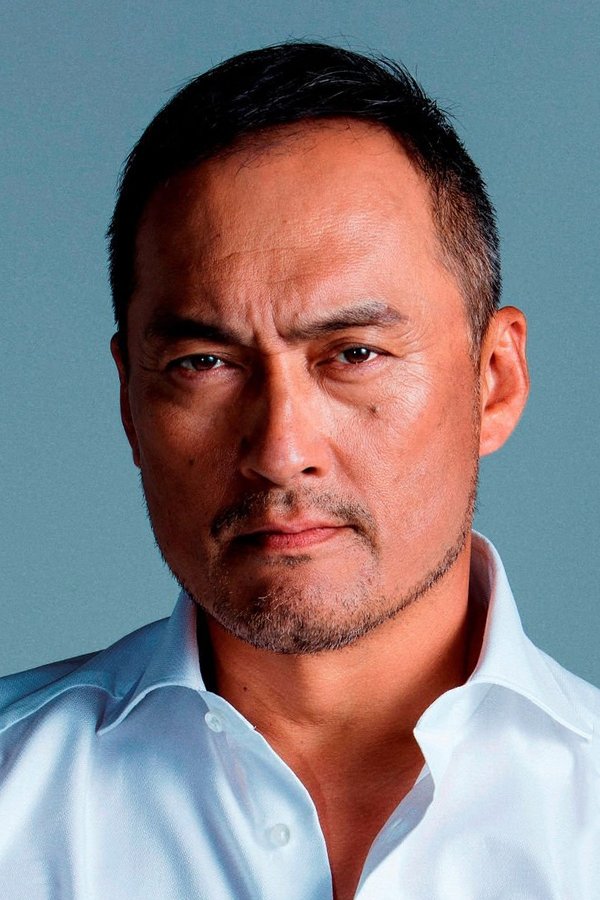
In ‘The Last Samurai’ the actor had to portray a formidable warrior while maintaining a specific aesthetic. The production used traditional samurai armor to provide a structured and powerful silhouette for his character. Directors used wide shots of the landscape and tight shots of his face to balance the epic scale with personal emotion. Lighting was used to accentuate his features and the detail of his costume rather than his actual frame. This created a sense of timeless dignity and strength that defined his performance.
Andy Garcia
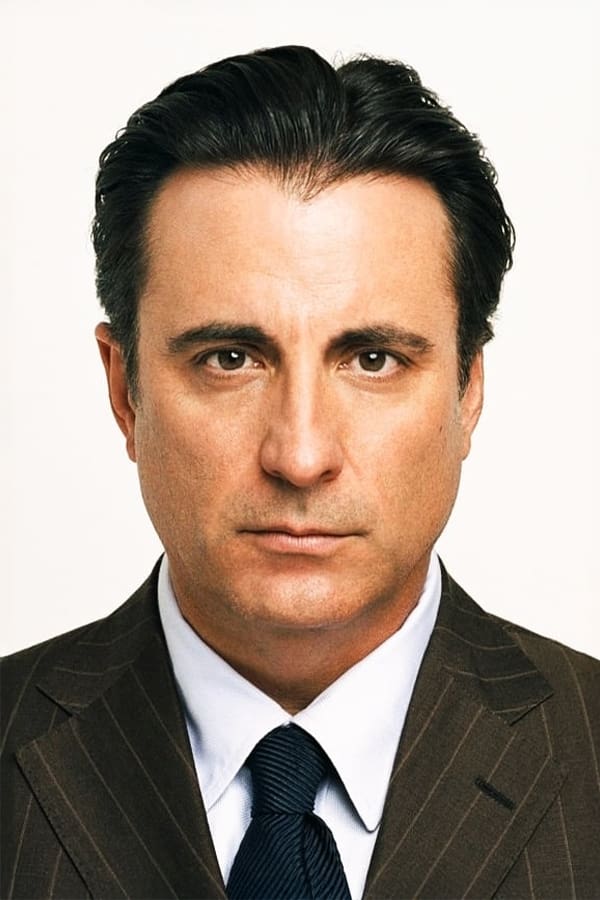
During the filming of ‘The Godfather Part III’ the actor had to look like a lean and hungry successor to the Corleone empire. The crew used dark suits and vertical framing to keep his appearance sharp and athletic. Cinematographers often filmed him in motion or behind other characters to maintain a sense of energy and purpose. Close up shots focused on his resemblance to his predecessor and his intense performance. These choices helped establish him as a credible new lead for the legendary franchise.
Benicio del Toro
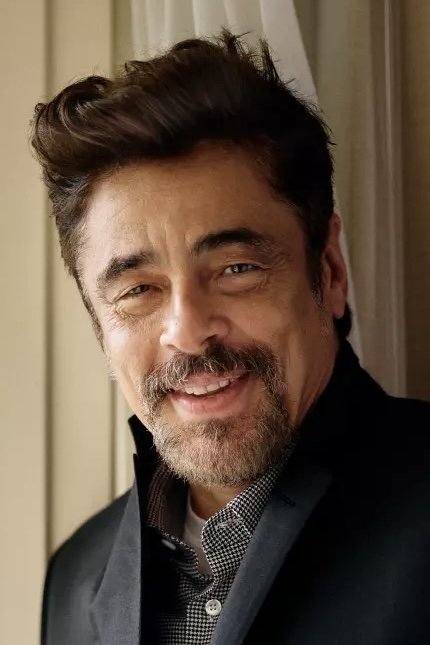
For his role in ‘Fear and Loathing in Las Vegas’ the actor gained a significant amount of weight to play Dr. Gonzo. The director used distorted lenses and erratic camera movements to match the drug fueled chaos of the story. He was often filmed in tight spaces like cars and hotel rooms to emphasize his character’s messy and overwhelming presence. The lighting was neon and harsh which made his physical transformation look even more extreme and grotesque. This intentional use of cinematography created one of the most memorable characters of the nineties.
Gael García Bernal
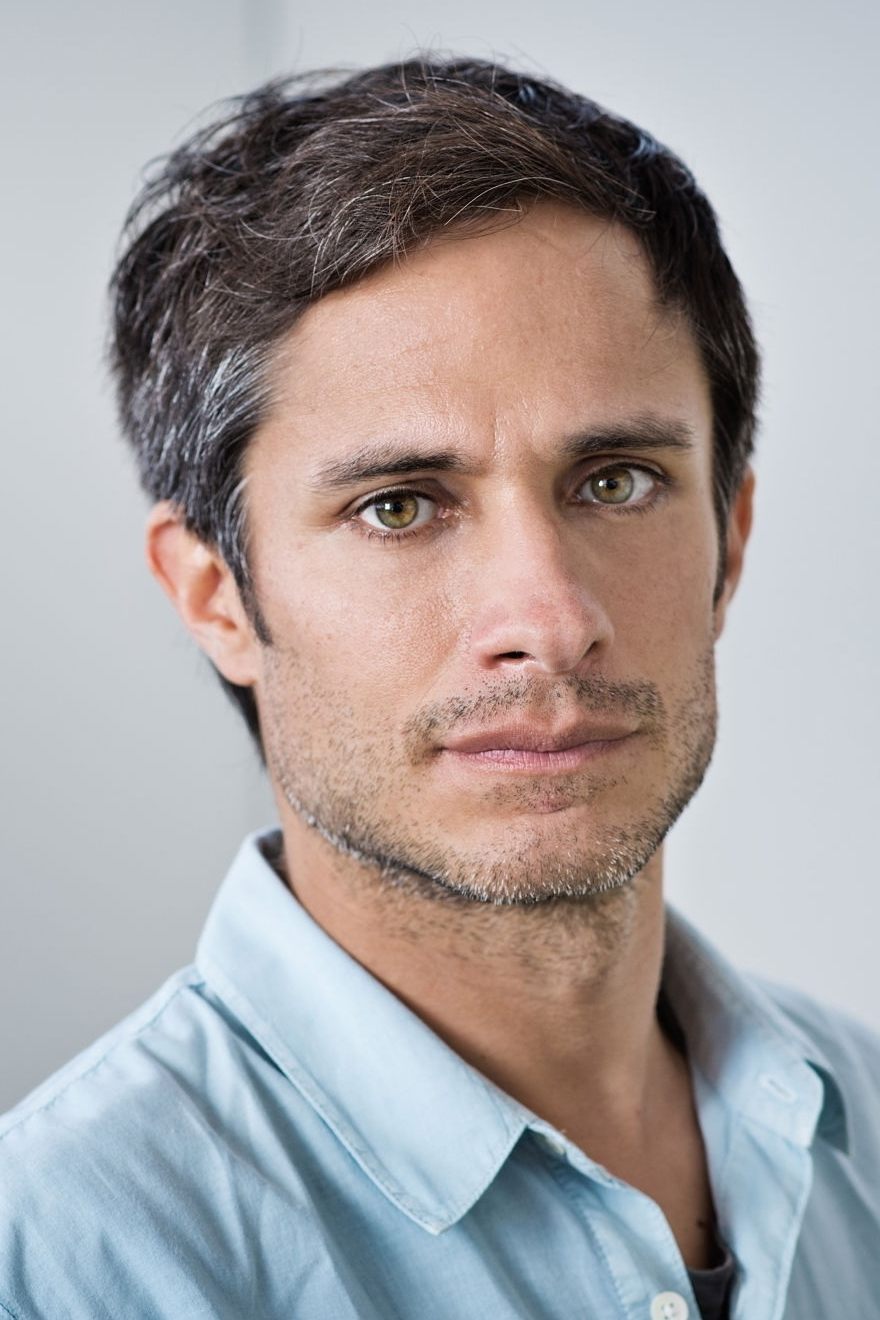
The actor often plays characters with a specific physical intensity that requires careful framing by the production crew. In his more recent roles directors have used soft lighting and naturalistic angles to manage his evolving look. He is frequently filmed in close up to emphasize his expressive eyes and emotional range. Wardrobe choices favor simple and classic styles that provide a consistent silhouette throughout the film. These techniques allow the focus to remain on his versatile acting ability.
Javier Bardem
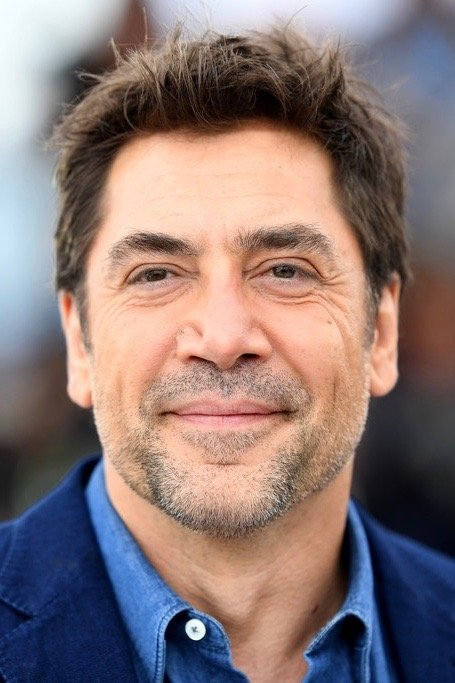
To play the title character in ‘Escobar’ the actor underwent a massive physical change that was highlighted through clever camera work. The production used specific angles to emphasize his large prosthetic stomach and heavy movements. They utilized wide shots to show how the character dominated his environment through his size and power. Lighting was used to create a sense of menace and gravitas around his larger than life figure. These cinematic choices made the transformation a central element of the biographical drama.
Antonio Banderas
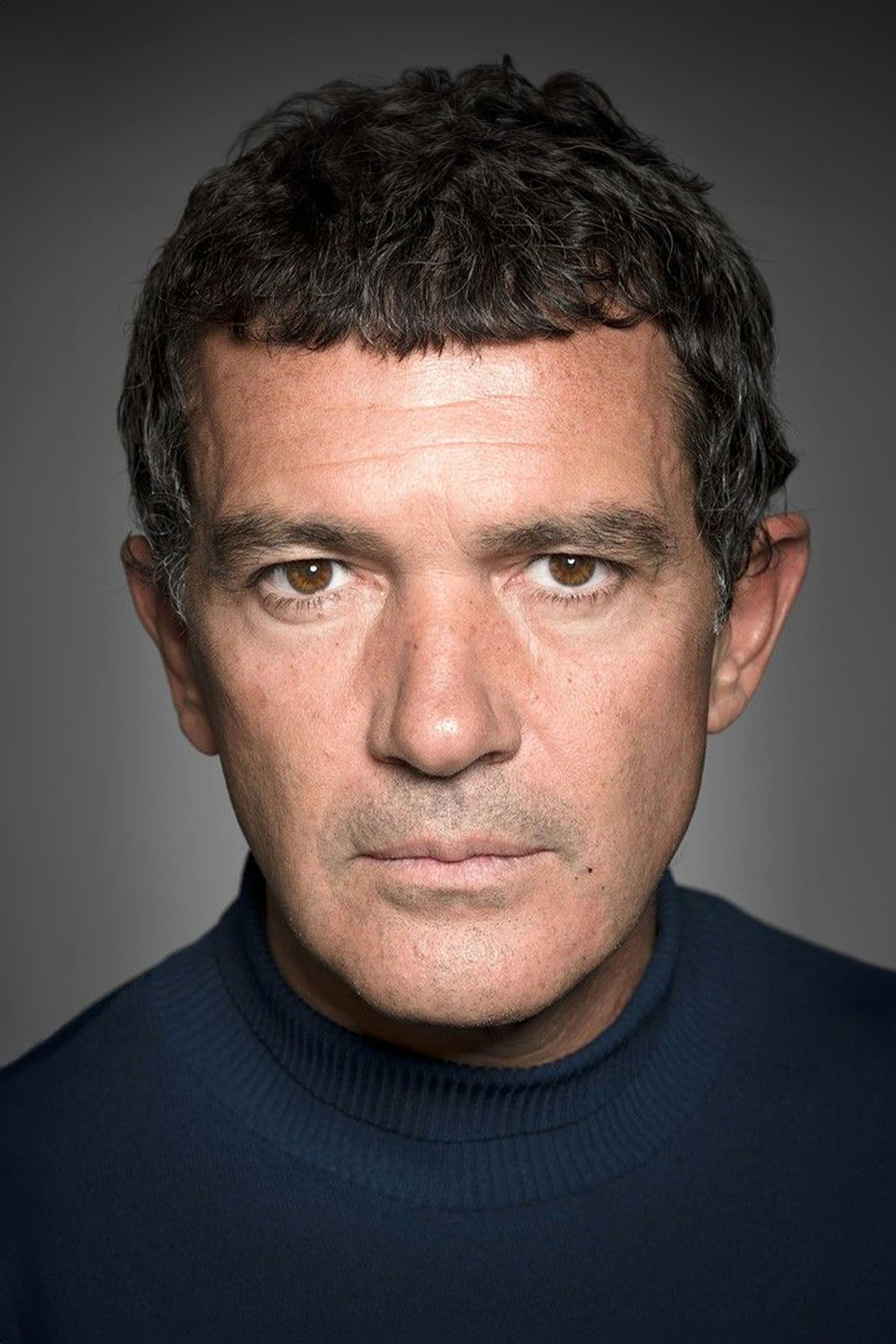
In the action film ‘The 13th Warrior’ the actor had to hold his own alongside much larger performers. The director used low angle shots and specific blocking to make him appear more physically imposing among the Vikings. He was often dressed in heavy furs and armor that added bulk to his frame and protected his silhouette. Cinematographers focused on his agility and quickness during the battle scenes to emphasize his skills as a warrior. This ensured he remained a believable hero despite the physical contrast with his co stars.
Christian Bale
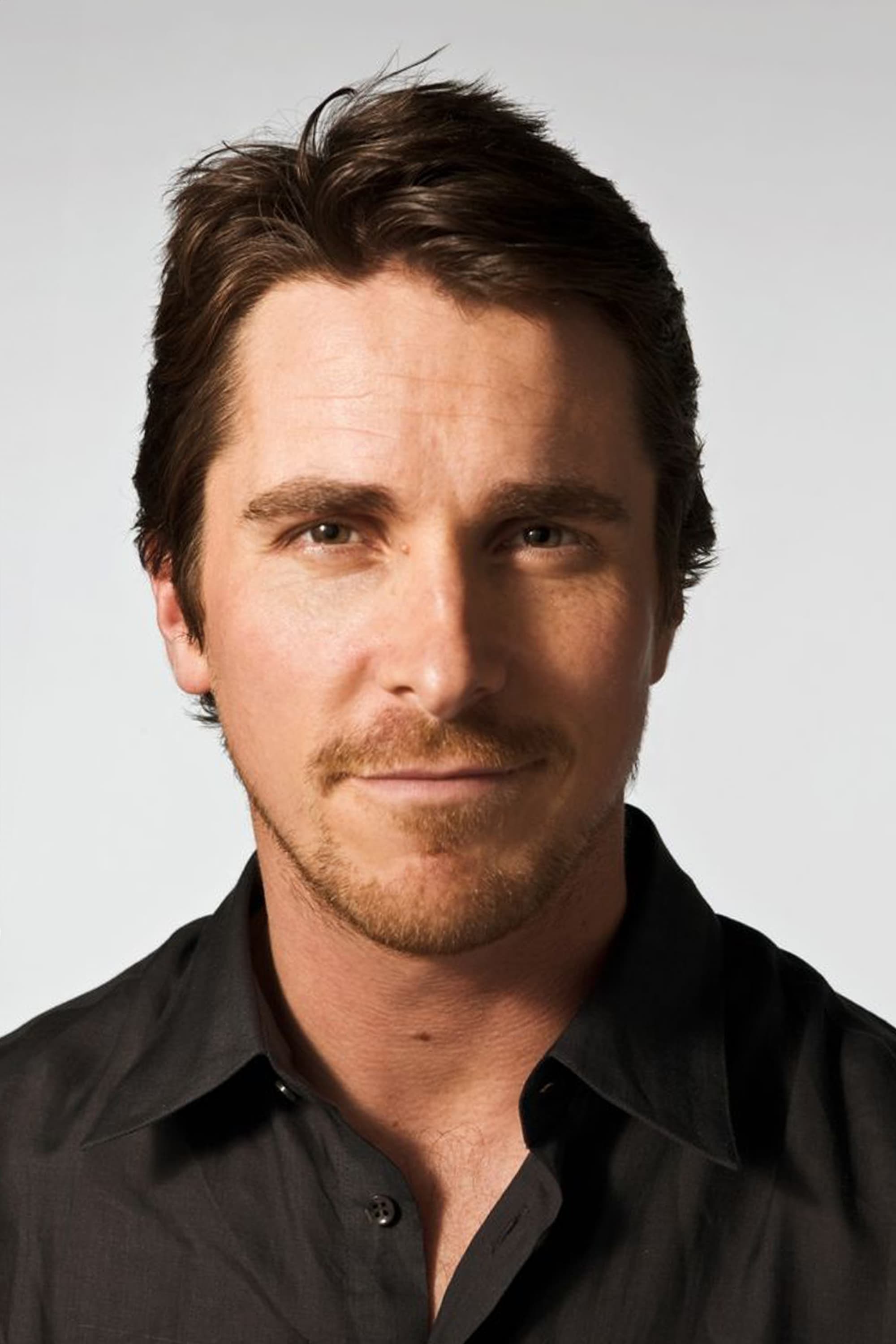
The actor is famous for his extreme weight fluctuations but even he relies on camera angles to perfect the look for films like ‘American Hustle’. The director used high contrast lighting to emphasize his character’s potbelly and thinning hair for comedic effect. He was often filmed from the side or in wide shots that highlighted the physical commitment he made to the role. The wardrobe department chose loud and tight seventies clothing to make the weight gain more visually striking. These deliberate choices used his body as a tool for storytelling.
Robert Downey Jr.
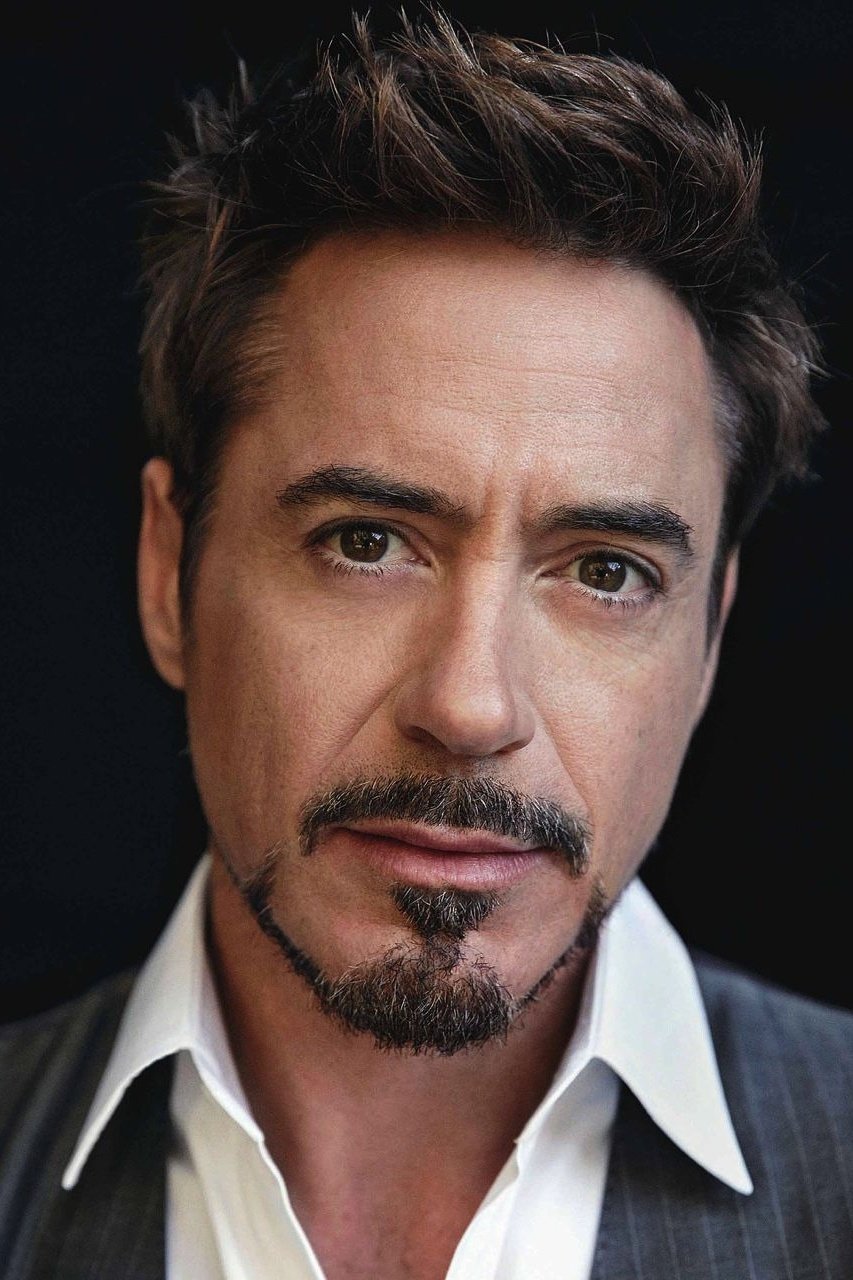
As the face of a major franchise the actor had to maintain a consistent look even through periods of physical change. During the filming of ‘Sherlock Holmes’ the crew used specific framing and fast paced editing to maintain his character’s energetic persona. He was often filmed in layered Victorian clothing that provided a structured and slimming effect. Cinematographers used tight shots of his face to capture his quick wit and intelligence. These technical adjustments kept the focus on his charismatic performance throughout the series.
George Clooney
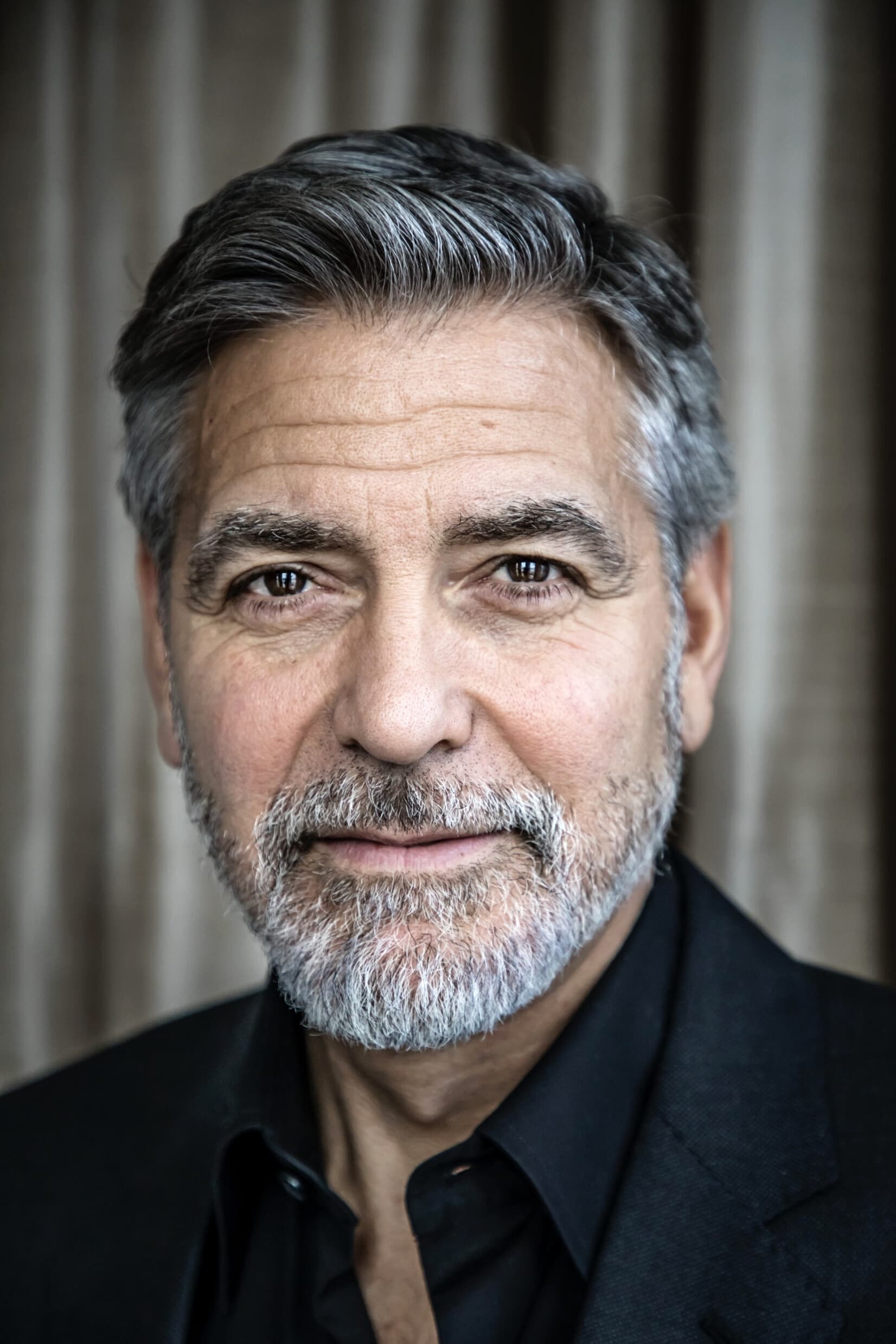
For his Oscar winning role in ‘Syriana’ the actor gained weight and grew a beard to change his leading man image. The production used drab lighting and handheld cameras to create a sense of realism and grit. He was often filmed in loose fitting suits and from angles that emphasized his fuller face and tired appearance. The camera stayed close to him during intense scenes to show the emotional weight the character was carrying. These choices were essential in grounding the political thriller in a believable reality.
Brendan Fraser
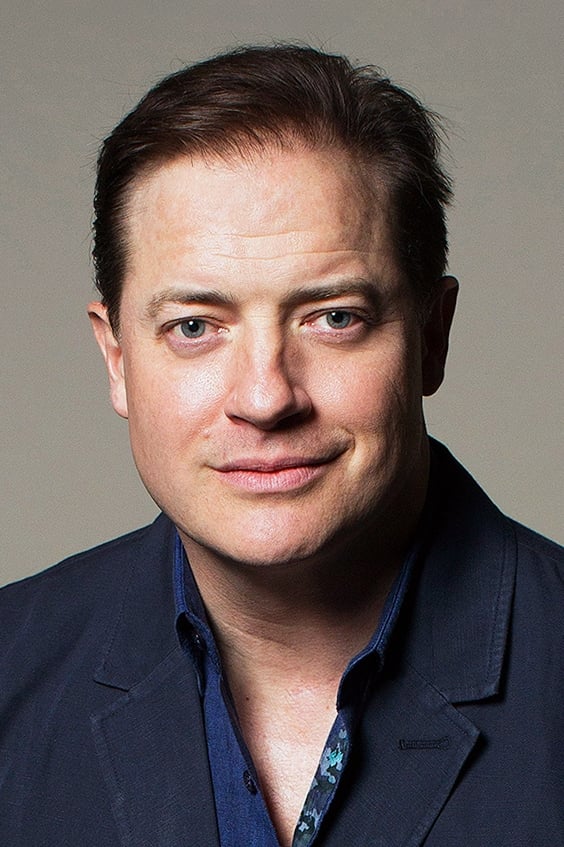
In his recent acclaimed performance in ‘The Whale’ the actor used a combination of weight gain and prosthetics to transform his body. The director used a restricted 4:3 aspect ratio to make the character feel even larger and more confined within the frame. The lighting was often soft and domestic to contrast with the extreme nature of his physical state. Most of the movie was shot in a single location with the camera focusing on the actor’s face and emotional vulnerability. This approach made the physical transformation a deeply moving part of the story.
Forest Whitaker
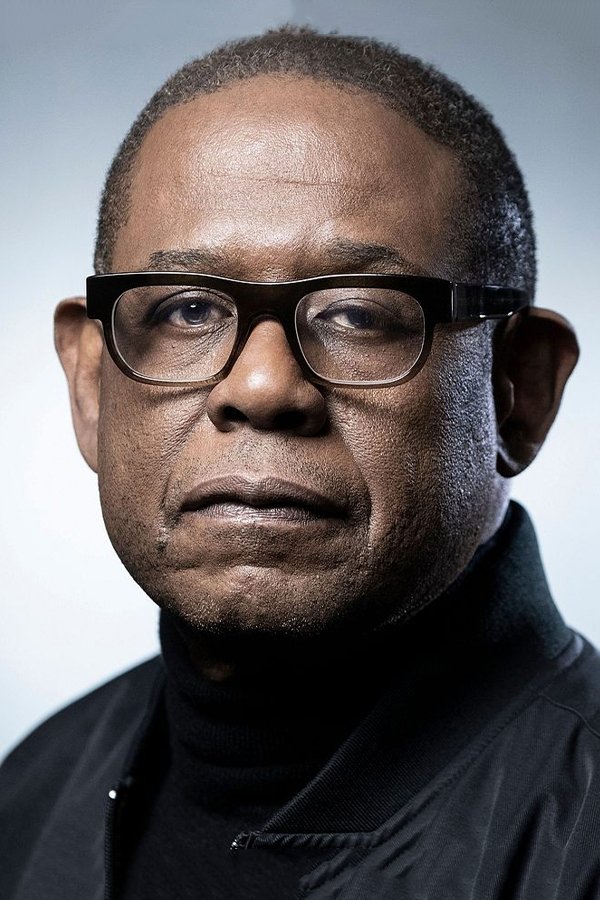
To play a dictator in ‘The Last King of Scotland’ the actor used his physical presence to command every scene. The director used low angle shots to make him look towering and unpredictable to those around him. He was often filmed in bright and colorful uniforms that emphasized his large frame and authority. The camera focused on the contrast between his charming smile and his intense eyes to create a sense of danger. These cinematic techniques were vital in creating an unforgettable and terrifying character.
Leonardo DiCaprio

During the production of the thriller ‘Body of Lies’ the actor underwent physical changes that were managed through careful cinematography. The director used telephoto lenses to create a sense of compression and make the actor look more rugged and weathered. He was often filmed in the dusty environments of the Middle East with lighting that emphasized his character’s exhaustion. Wardrobe choices included loose tactical gear and casual wear that provided a consistent look for the undercover agent. These strategies allowed him to deliver a grounded and intense performance.
Share your favorite movie transformations and your thoughts on these cinematic techniques in the comments.