Pop Stars Who Secretly Stole Massive Hit Songs From Other Singers

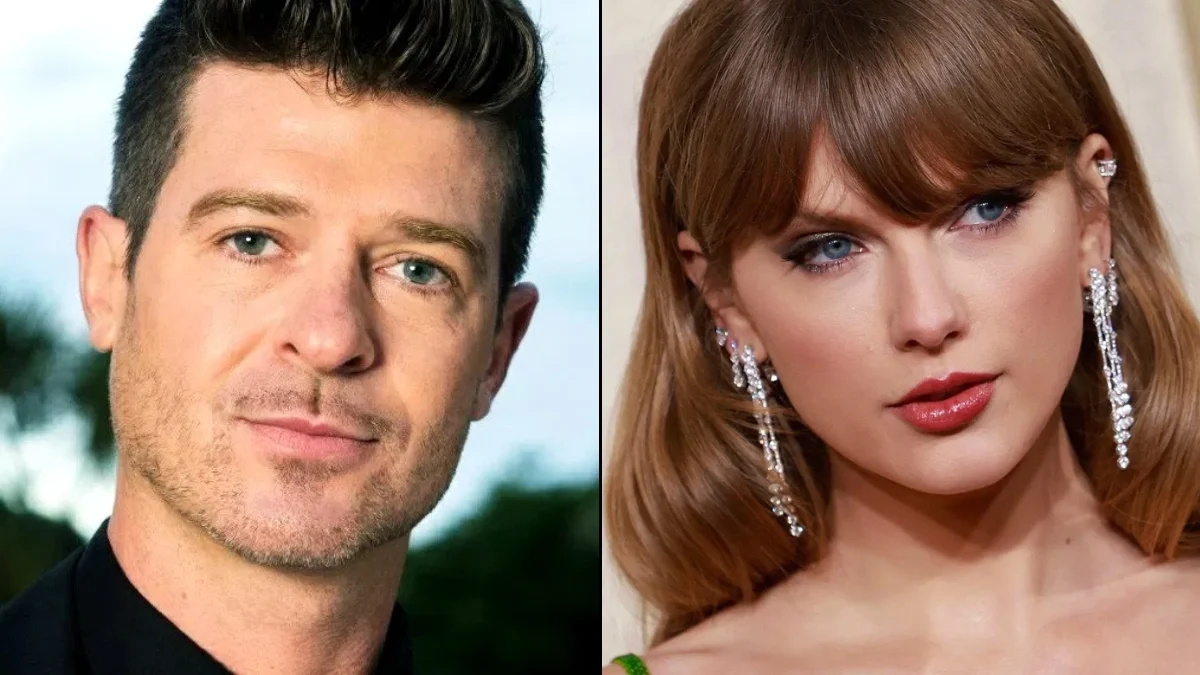

The music industry has long been a battlefield of creative influence and legal disputes, where the line between inspiration and plagiarism is often thin. While many pop stars claim their hits are original works of genius, high-profile lawsuits and settlements frequently suggest otherwise. From accidental similarities to blatant melody lifting, several of the world’s biggest songs have been the subject of intense scrutiny in court. These instances often end with massive financial payouts or the retroactive addition of songwriting credits to appease the original creators. This list explores the artists who faced accusations of taking their most successful tracks from other musicians.
Robin Thicke
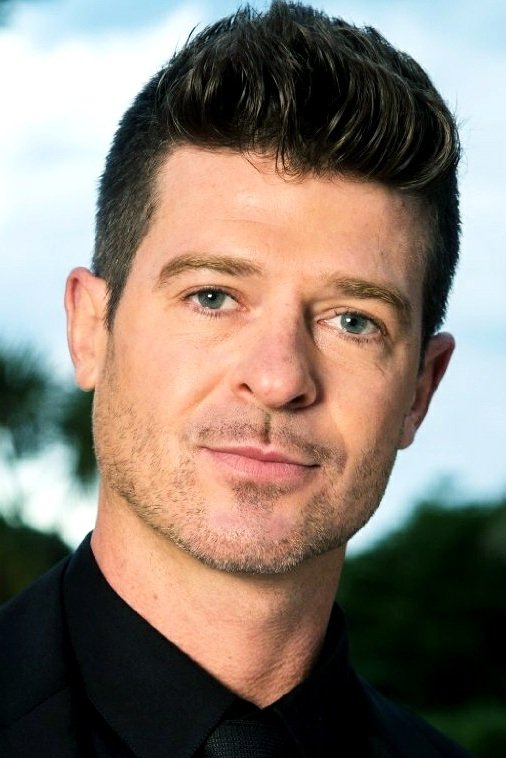
In 2013, the song ‘Blurred Lines’ became a global phenomenon but soon faced heavy legal scrutiny regarding its composition. The estate of Marvin Gaye filed a lawsuit alleging the track copied the distinct “vibe” and instrumentation of Gaye’s 1977 hit ‘Got to Give It Up’. A jury eventually ruled in favor of the Gaye family, awarding them millions of dollars in damages. Following the landmark verdict, Gaye was officially credited as a songwriter on the multi-platinum track. This case remains a significant precedent regarding the copyrighting of musical feel rather than just specific notes.
Olivia Rodrigo
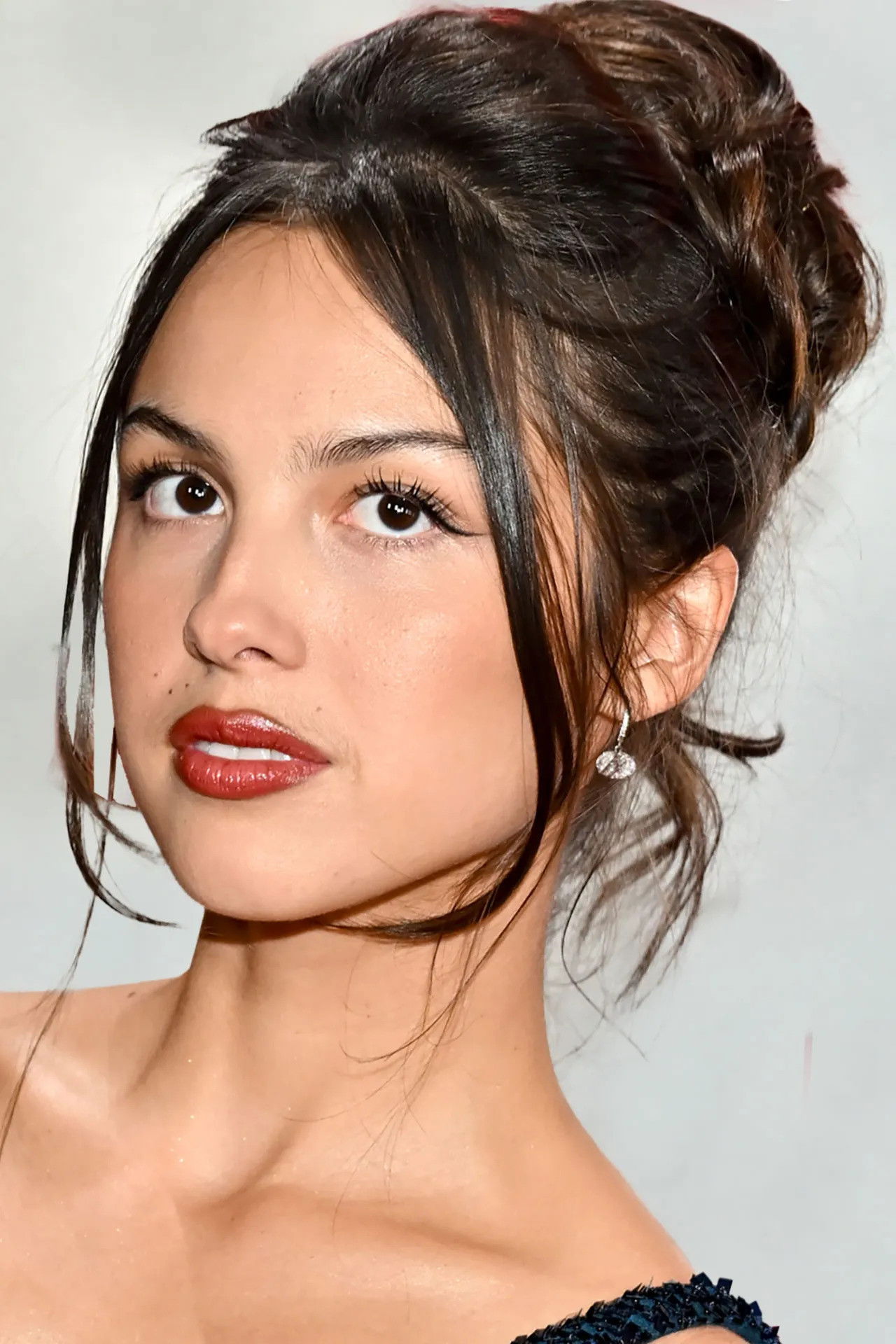
Olivia Rodrigo faced significant legal adjustments following the release of her 2021 chart-topping hit ‘Good 4 U’. Listeners and critics noted undeniable similarities between the track and the 2007 Paramore song ‘Misery Business’. After the song gained massive popularity, Rodrigo eventually added Hayley Williams and Joshua Farro as credited songwriters to avoid further conflict. This move followed a similar situation with her track ‘1 Step Forward, 3 Steps Back’, which interpolated Taylor Swift’s ‘New Year’s Day’. The artist has since been proactive in crediting other musicians on her debut album to prevent further plagiarism disputes.
George Harrison
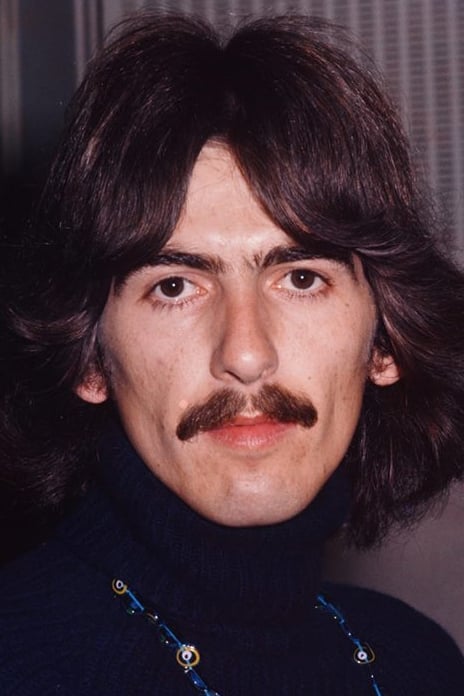
Former Beatle George Harrison was involved in one of the most famous copyright cases in music history over his solo single ‘My Sweet Lord’. Released in 1970, the track was accused of infringing upon the 1963 Chiffons hit ‘He’s So Fine’. A judge eventually ruled that Harrison had “subconsciously” plagiarized the melody for his solo debut single. Although he maintained he did not intentionally steal the music, he was ordered to pay a significant portion of the song’s royalties. The case set a long-standing legal precedent for unintentional plagiarism in the entertainment industry.
Sam Smith
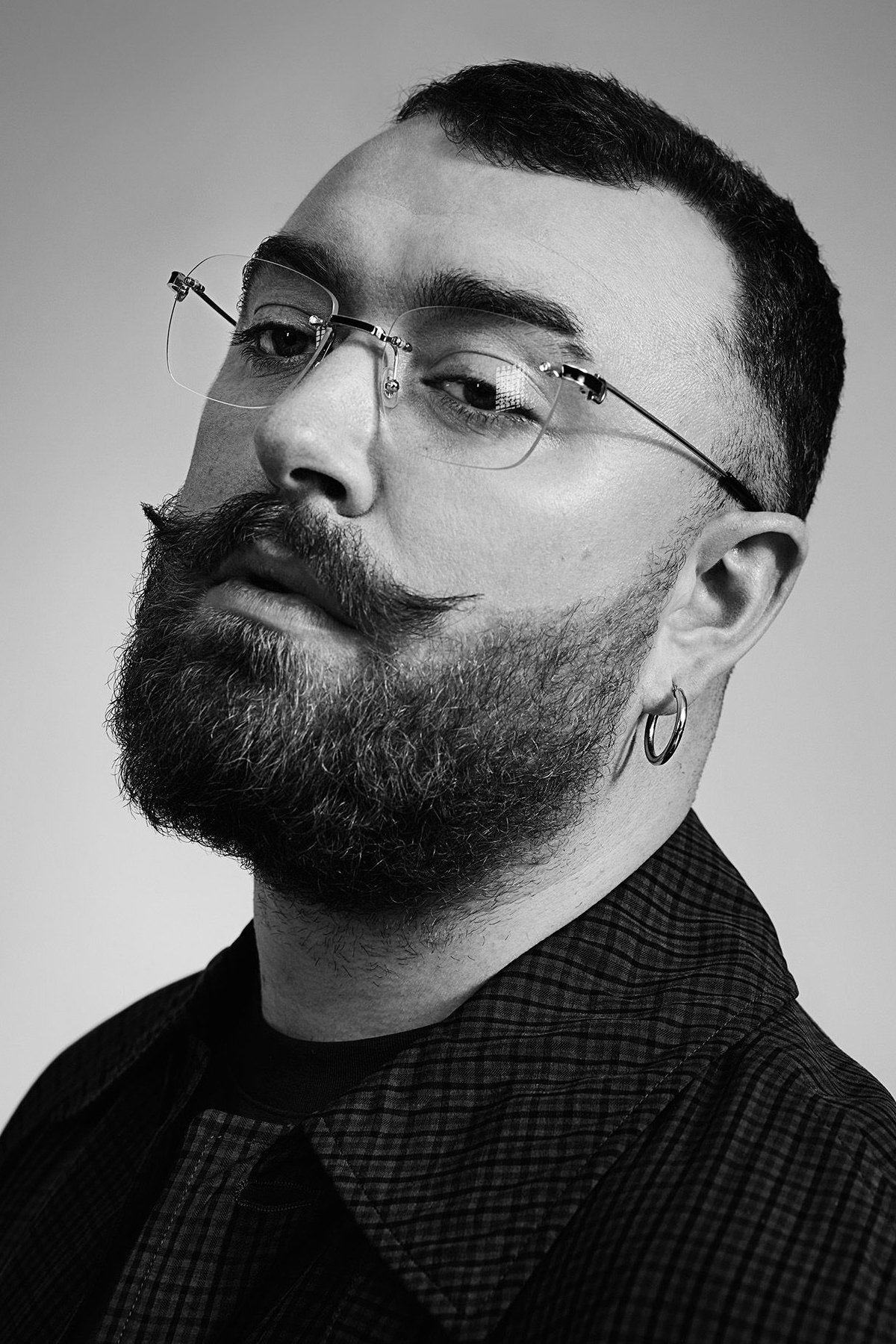
Sam Smith’s soulful 2014 ballad ‘Stay With Me’ drew immediate comparisons to a classic rock track from the late 1980s. Tom Petty and Jeff Lynne noticed that the chorus of Smith’s song bore a striking resemblance to their 1989 hit ‘I Won’t Back Down’. Smith’s representatives stated that the similarity was a complete coincidence and that the artist was not familiar with the original song. However, both parties reached an out-of-court settlement to resolve the matter quickly and quietly. As a result, Petty and Lynne were added as co-writers on the Grammy-winning single.
Vanilla Ice
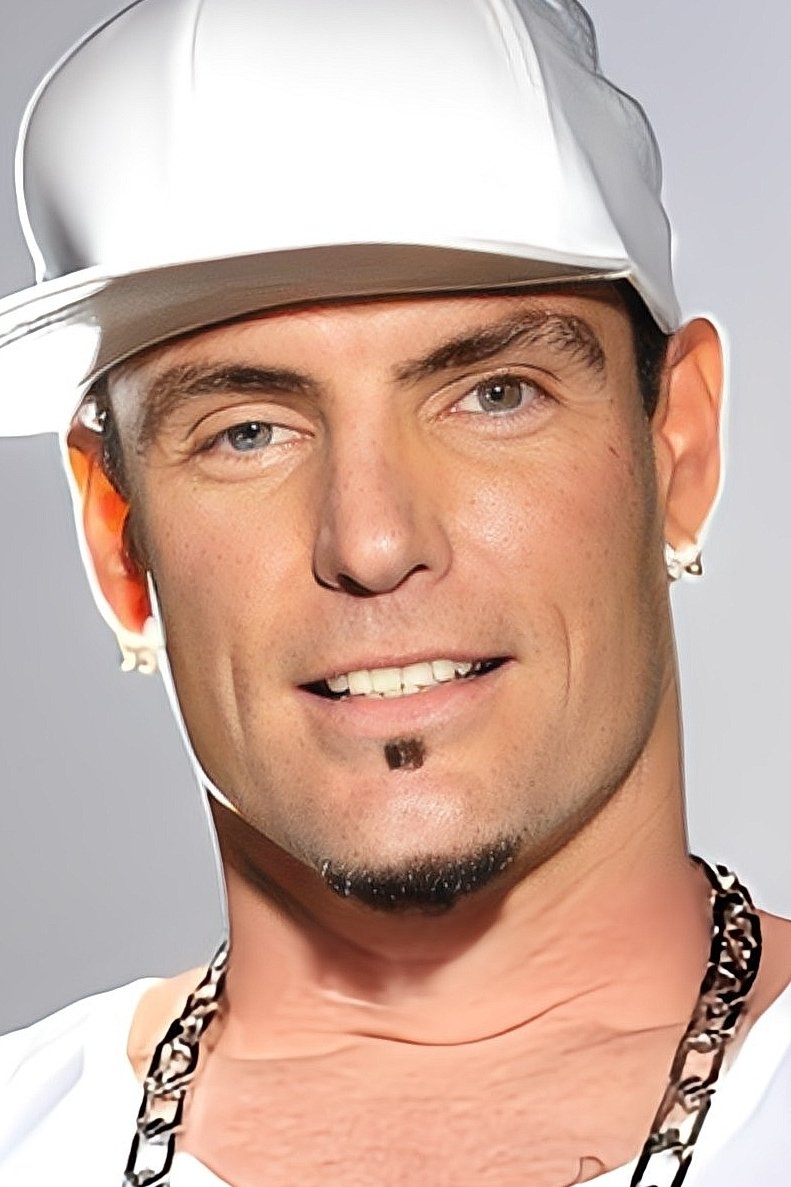
Vanilla Ice became the center of a major controversy when his 1990 single ‘Ice Ice Baby’ used a highly recognizable bassline. The hook was taken directly from the 1981 collaboration ‘Under Pressure’ by Queen and David Bowie. Initially, the rapper denied the theft, famously claiming the two melodies were different because of an added beat at the end of his version. Facing a potential lawsuit, he eventually settled out of court for an undisclosed amount to avoid a trial. Both Queen and David Bowie received songwriting credits and a share of the song’s substantial earnings.
Dua Lipa
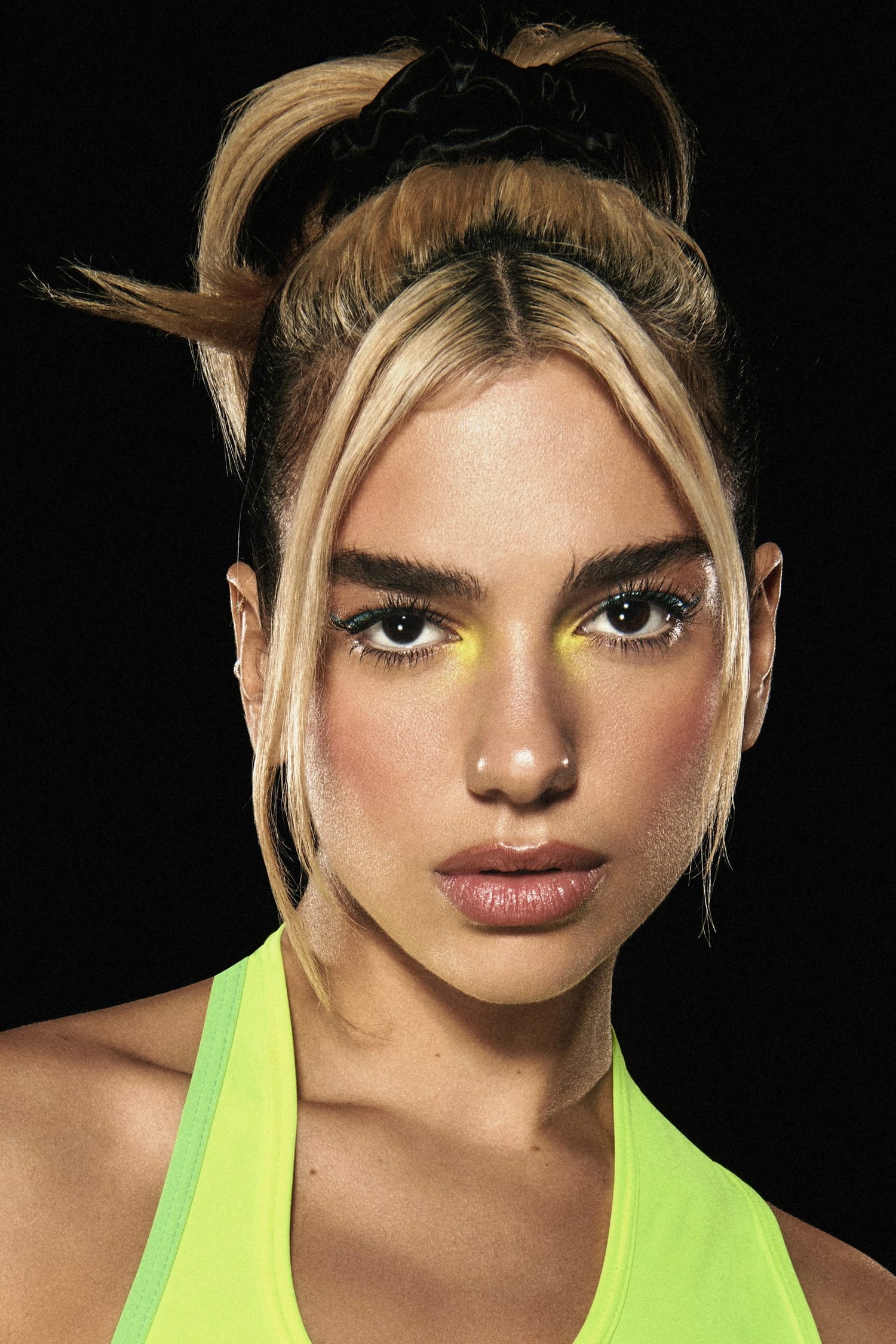
Dua Lipa faced multiple legal challenges regarding her hit single ‘Levitating’, which dominated the airwaves in 2020 and 2021. A reggae band called Artikal Sound System filed a lawsuit claiming the song stole its primary hook from their 2017 track ‘Live Your Life’. While that specific case was eventually dismissed by a judge, another lawsuit emerged from songwriters L. Russell Brown and Sandy Linzer. They alleged that ‘Levitating’ copied the signature melody of their disco-era songs ‘Wiggle and Giggle All Night’ and ‘Don’t Stoppin’. These legal battles highlighted the constant pressure pop stars face when creating retro-inspired tracks.
Katy Perry
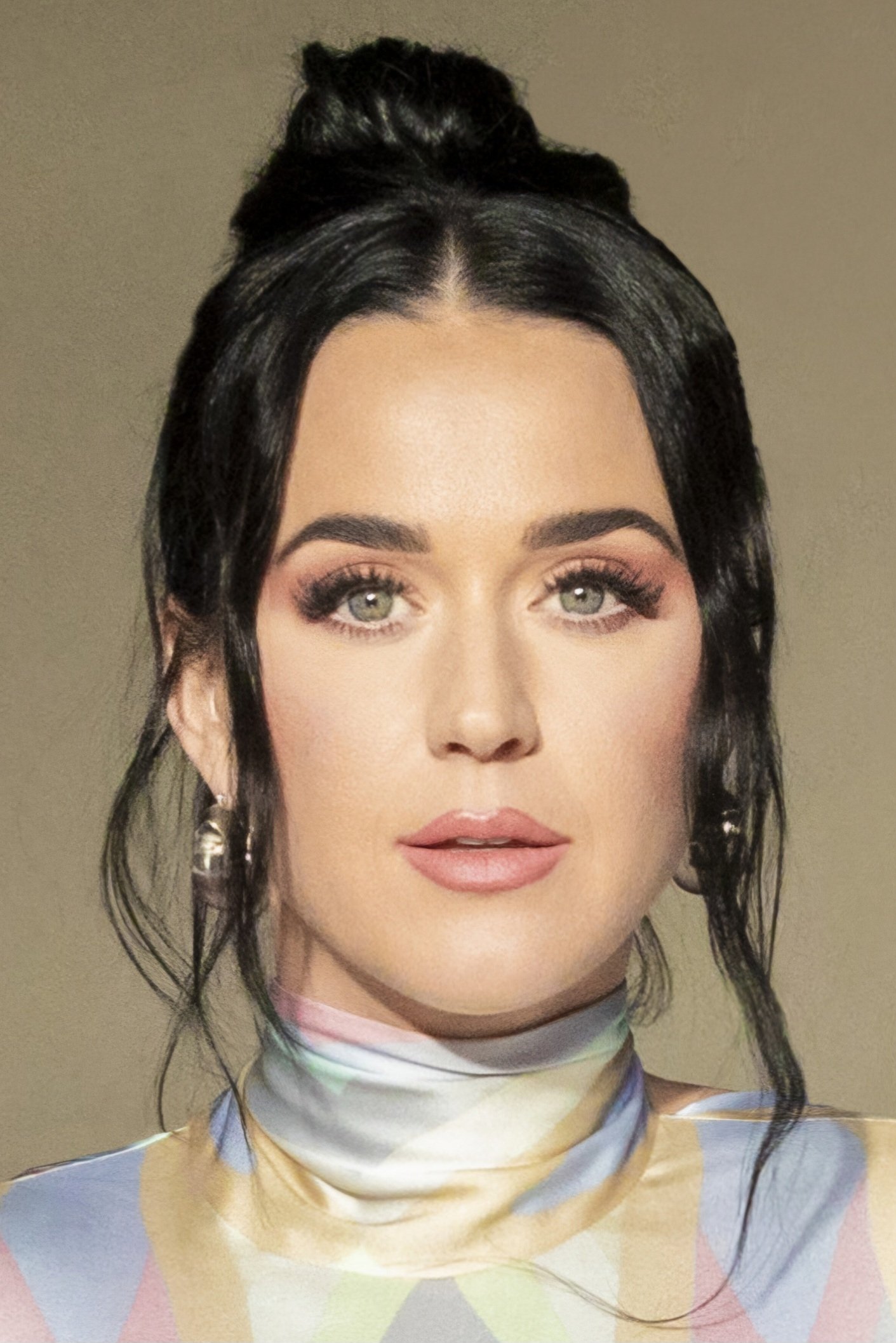
Katy Perry’s 2013 hit ‘Dark Horse’ was the subject of a lengthy and expensive legal battle involving Christian rapper Flame. Flame alleged that Perry and her production team copied the beat and specific instrumental components of his 2008 song ‘Joyful Noise’. A jury initially found Perry liable for copyright infringement and awarded the plaintiffs nearly $2.8 million in damages. However, the verdict was later overturned by a judge who ruled that the musical elements in question were too common for copyright protection. Despite the final victory for Perry, the case spent years circulating through the legal system and damaging the song’s reputation.
Mark Ronson
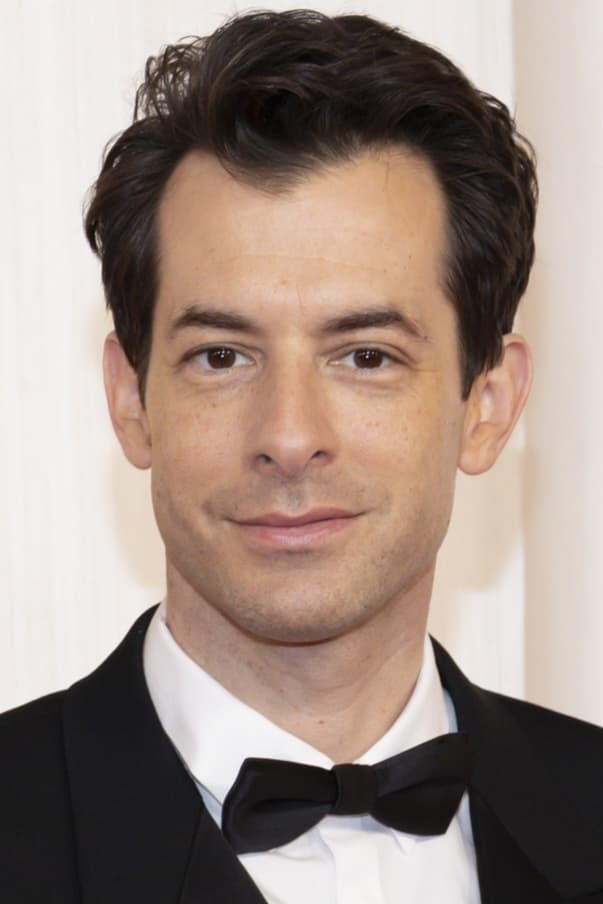
The 2014 smash hit ‘Uptown Funk’ required several retro-active credit additions due to its heavy reliance on classic funk influences. Mark Ronson and Bruno Mars were sued by several groups, most notably The Gap Band, who claimed the song copied ‘Oops Up Side Your Head’. To avoid a protracted legal fight, the ‘Uptown Funk’ team added five members of The Gap Band to the official songwriting credits. Other claims were also made by the band Collage regarding similarities to their 1983 song ‘Young Girls’. These additions significantly increased the number of credited writers on the award-winning track to more than ten people.
Michael Jackson
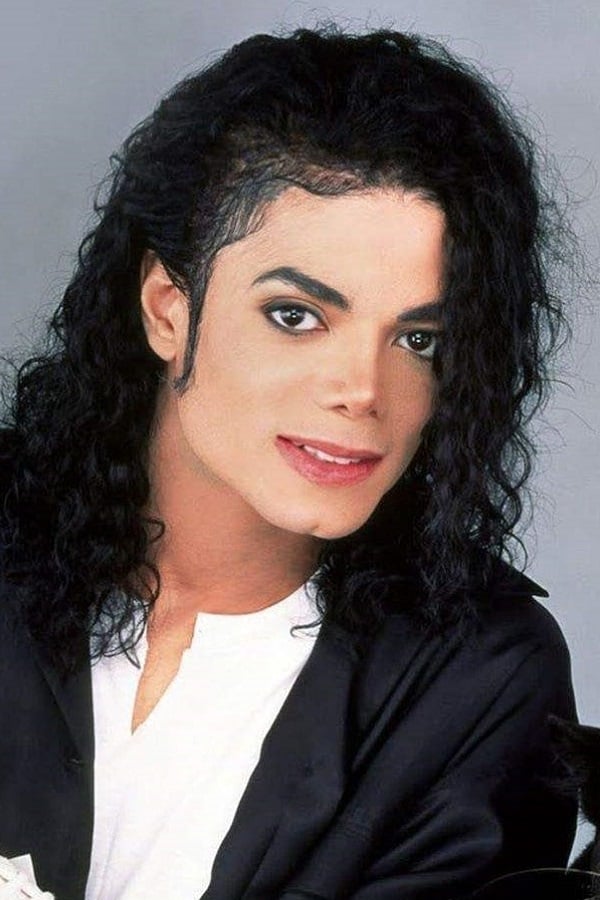
Michael Jackson’s ‘Wanna Be Startin’ Somethin” features a famous “Mama-say mama-sa ma-ma-coo-sa” chant at the end of the track. This line was taken from the 1972 song ‘Soul Makossa’ by Cameroonian saxophonist Manu Dibango without prior authorization. Jackson admitted to using the line and settled with Dibango for a financial sum to avoid further legal action. The controversy resurfaced years later when Rihanna sampled the same line in her song ‘Don’t Stop the Music’ with Jackson’s permission but without Dibango’s. Dibango filed suit again, though this later claim against the two pop stars was ultimately unsuccessful in French courts.
Rod Stewart
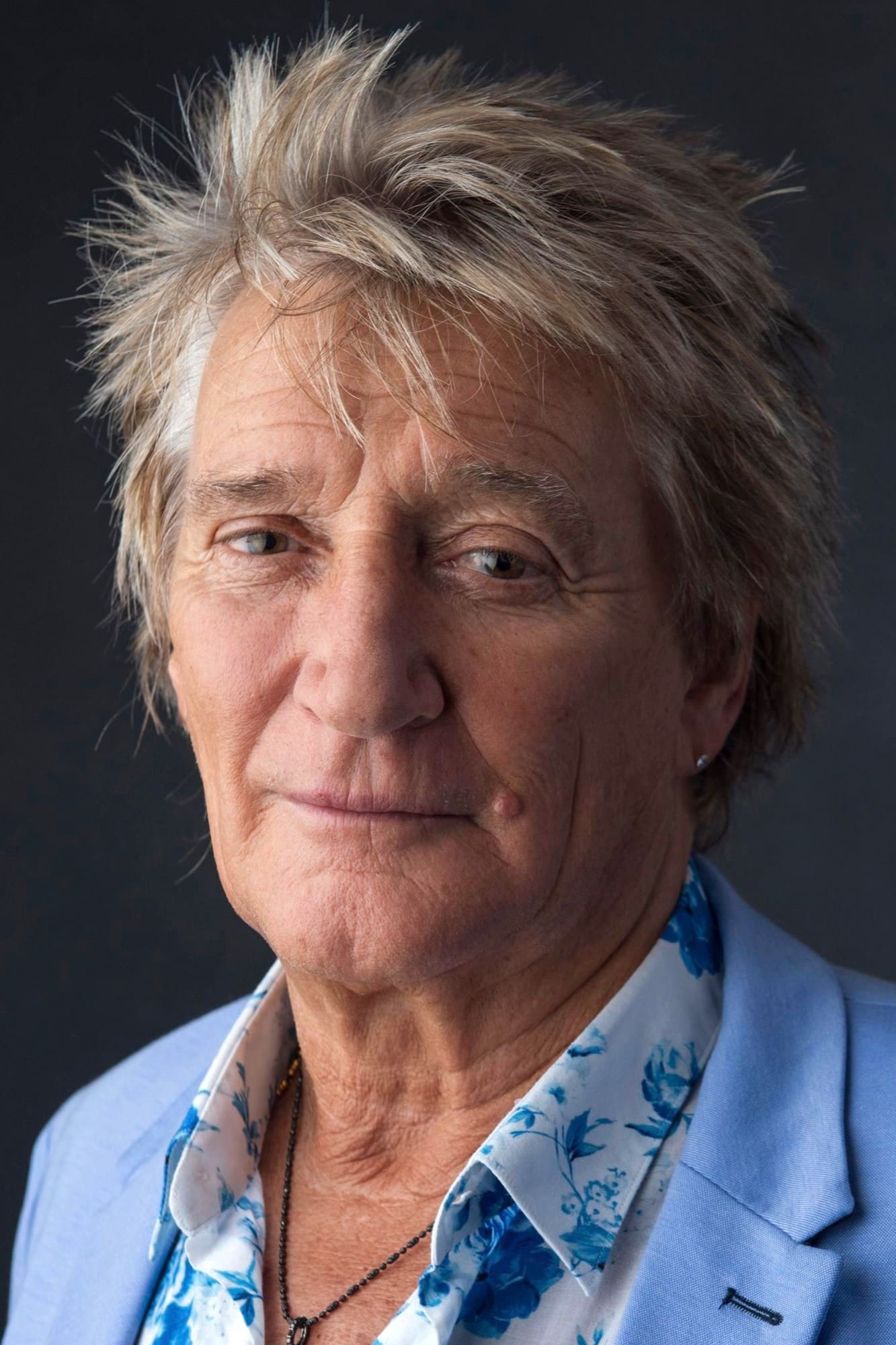
Rod Stewart’s 1978 disco hit ‘Da Ya Think I’m Sexy?’ contains a chorus melody that was not original to the British singer. Brazilian musician Jorge Ben Jor filed a lawsuit claiming the hook was stolen from his song ‘Taj Mahal’. Stewart eventually admitted to “unconscious plagiarism,” stating he had likely heard the song while attending a music festival in Rio de Janeiro. He settled the lawsuit by agreeing to donate the song’s future royalties to the charity UNICEF. The incident is frequently cited in music history discussions regarding the global influence of Brazilian melodies on Western pop.
Shakira
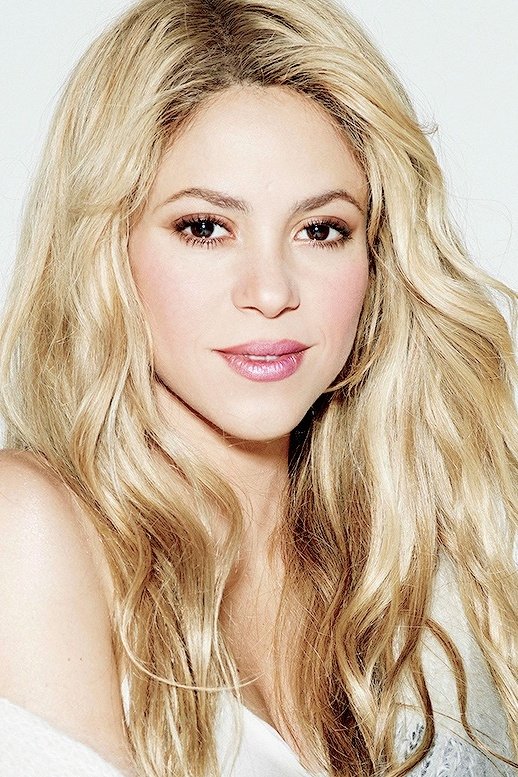
Shakira’s ‘Hips Don’t Lie’ became a massive global hit in 2006, but it faced immediate accusations of unauthorized musical borrowing. The song’s recognizable trumpet intro was taken from Jerry Rivera’s 1992 salsa track ‘Amores Como el Nuestro’. Rivera publicly expressed his disappointment over the use of his music, though he did not pursue a formal lawsuit himself. Additionally, the chorus was inspired by a song by Wyclef Jean’s former group, though his involvement as a featured artist mitigated legal issues. Shakira has faced similar claims on other hits, including her official World Cup anthem ‘Waka Waka (This Time for Africa)’.
Justin Bieber

Justin Bieber’s ‘Sorry’ was a chart-topping success that later faced a lawsuit from indie artist White Hinterland. The plaintiff, Casey Dienel, alleged that ‘Sorry’ used a unique vocal riff from her 2014 song ‘Ring the Bell’. She claimed the specific eight-second snippet was repeated multiple times throughout Bieber’s track without any permission or compensation. Bieber and his producer, Skrillex, denied the claims, with Skrillex even posting a video to social media showing how he manipulated a different vocal take. The lawsuit was eventually dropped by the plaintiff in 2017 for undisclosed reasons.
Taylor Swift
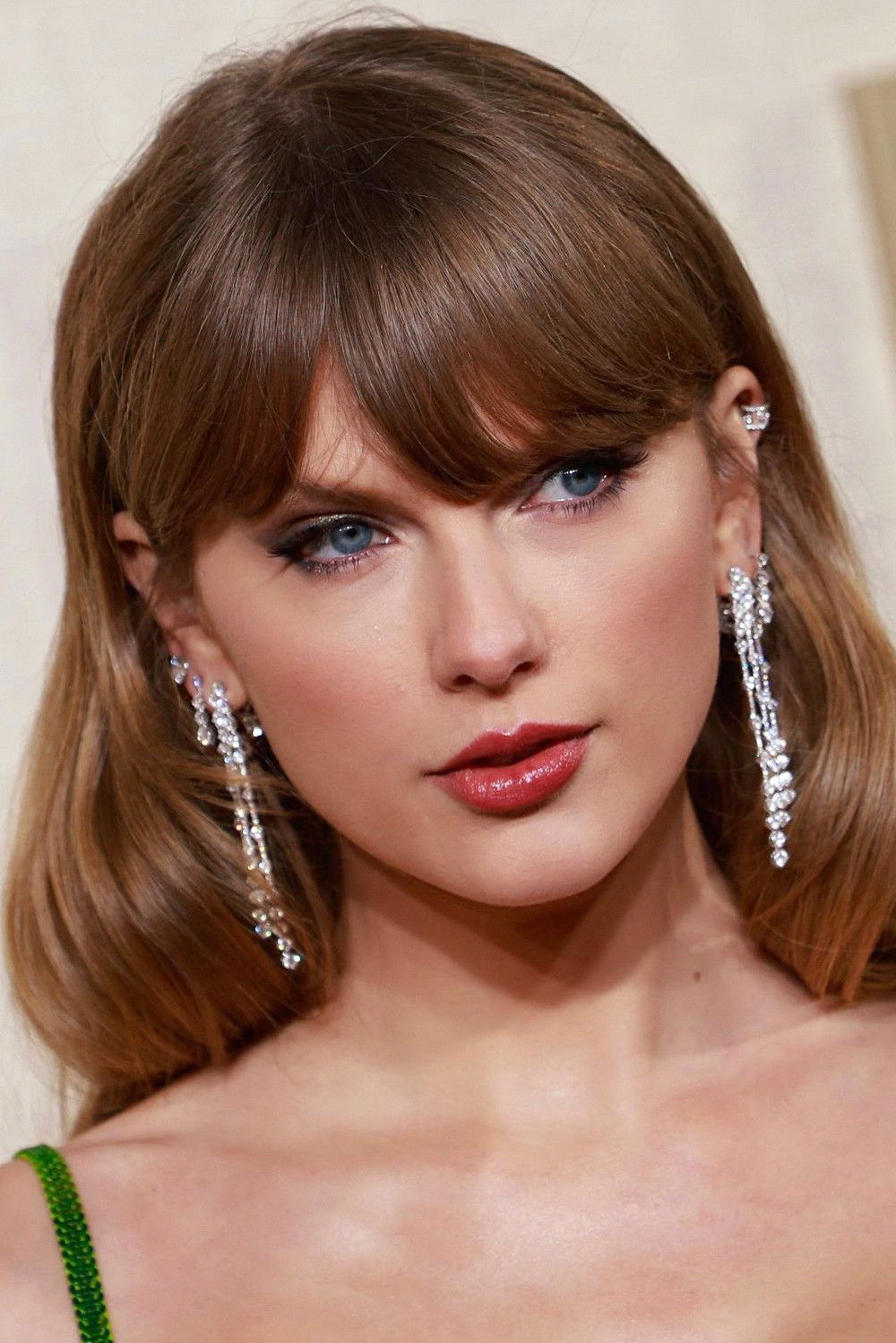
Taylor Swift’s ‘Shake It Off’ was at the center of a years-long legal dispute regarding its lyrical content. Songwriters Sean Hall and Nathan Butler filed a lawsuit claiming the lyrics “players gonna play” and “haters gonna hate” were stolen from their 2001 song ‘Playas Gon’ Play’. The case was initially dismissed by a judge who ruled the phrases were too “banal” to be legally protected. However, an appeals court revived the case, leading to several more years of high-stakes litigation for the pop star. Ultimately, both parties reached a confidential settlement in 2022, and the case was dismissed before going to trial.
Ariana Grande
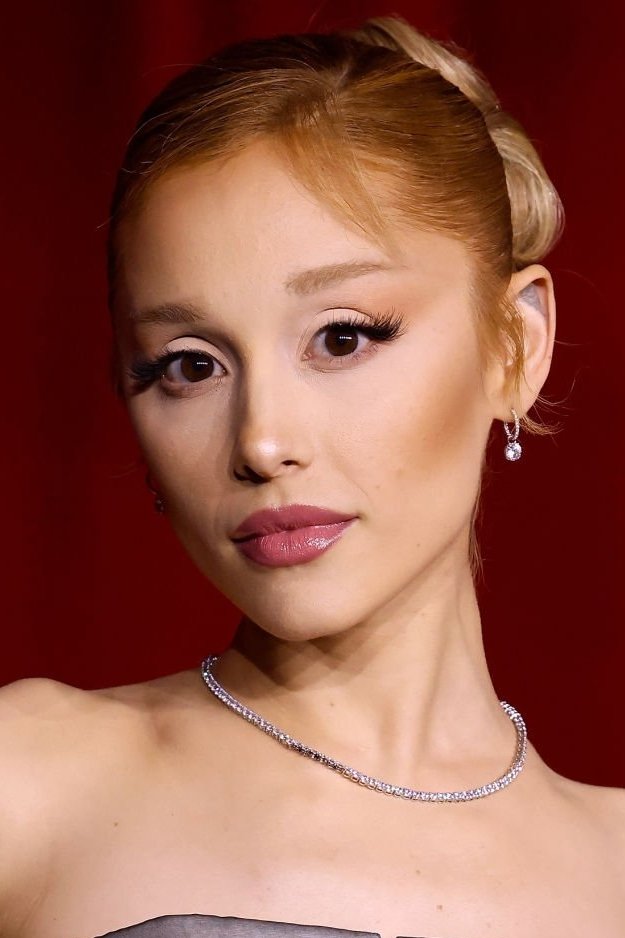
Ariana Grande’s ‘7 Rings’ officially credits the estate of Rodgers and Hammerstein because it heavily interpolates ‘My Favorite Things’ from ‘The Sound of Music’. However, the singer also faced accusations from rapper Princess Nokia, who claimed the song stole the flow and lyrics from her track ‘Mine’. Princess Nokia posted a video comparing the two songs, specifically pointing to the lyrics about hair and personal shopping. Other artists, such as Soulja Boy and 2 Chainz, also suggested that the song and its music video borrowed heavily from their specific aesthetics. Grande’s team eventually settled the aesthetic dispute with 2 Chainz by featuring him on an official remix of the track.
Ed Sheeran
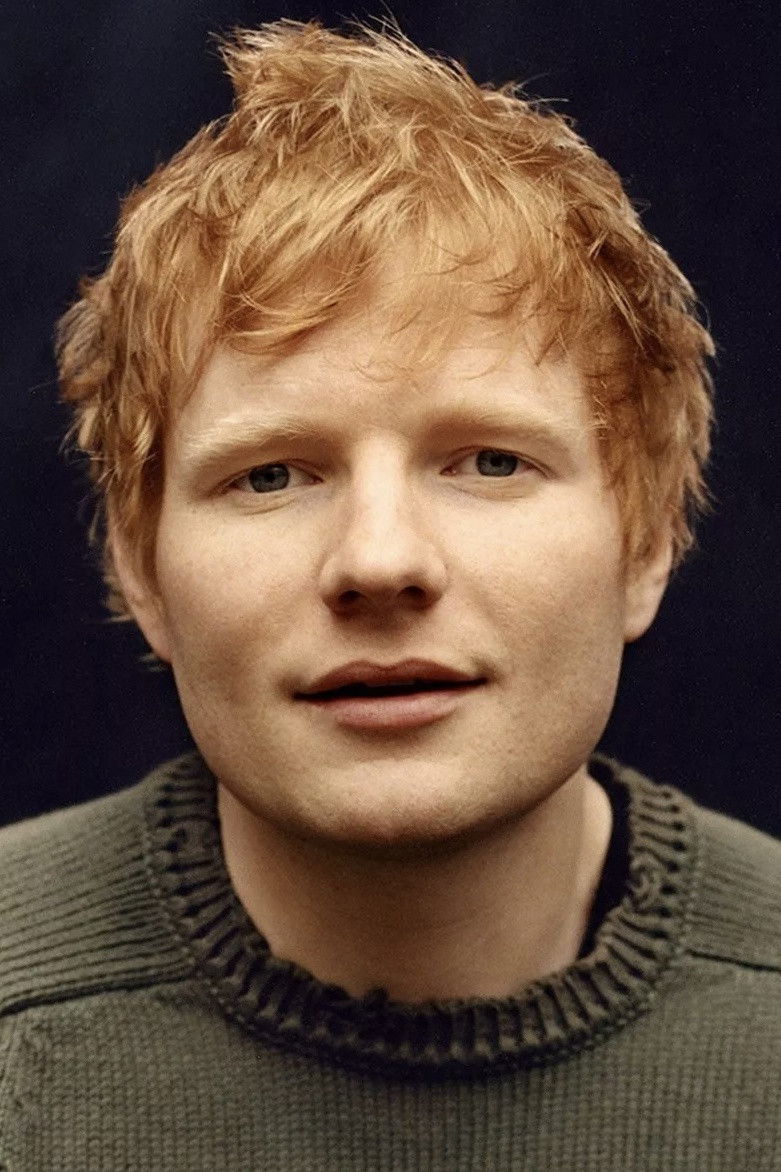
Ed Sheeran’s hit single ‘Photograph’ faced a major copyright claim from songwriters Martin Harrington and Thomas Leonard. They alleged the song was a note-for-note copy of their track ‘Amazing’, which was originally performed by Matt Cardle. Sheeran eventually settled the $20 million lawsuit out of court for an undisclosed sum to avoid a lengthy legal battle. As part of the agreement, the two songwriters were added to the official credits of the successful track. This settlement came before Sheeran’s more publicized legal victories regarding other singles like ‘Thinking Out Loud’ and ‘Shape of You’.
Madonna
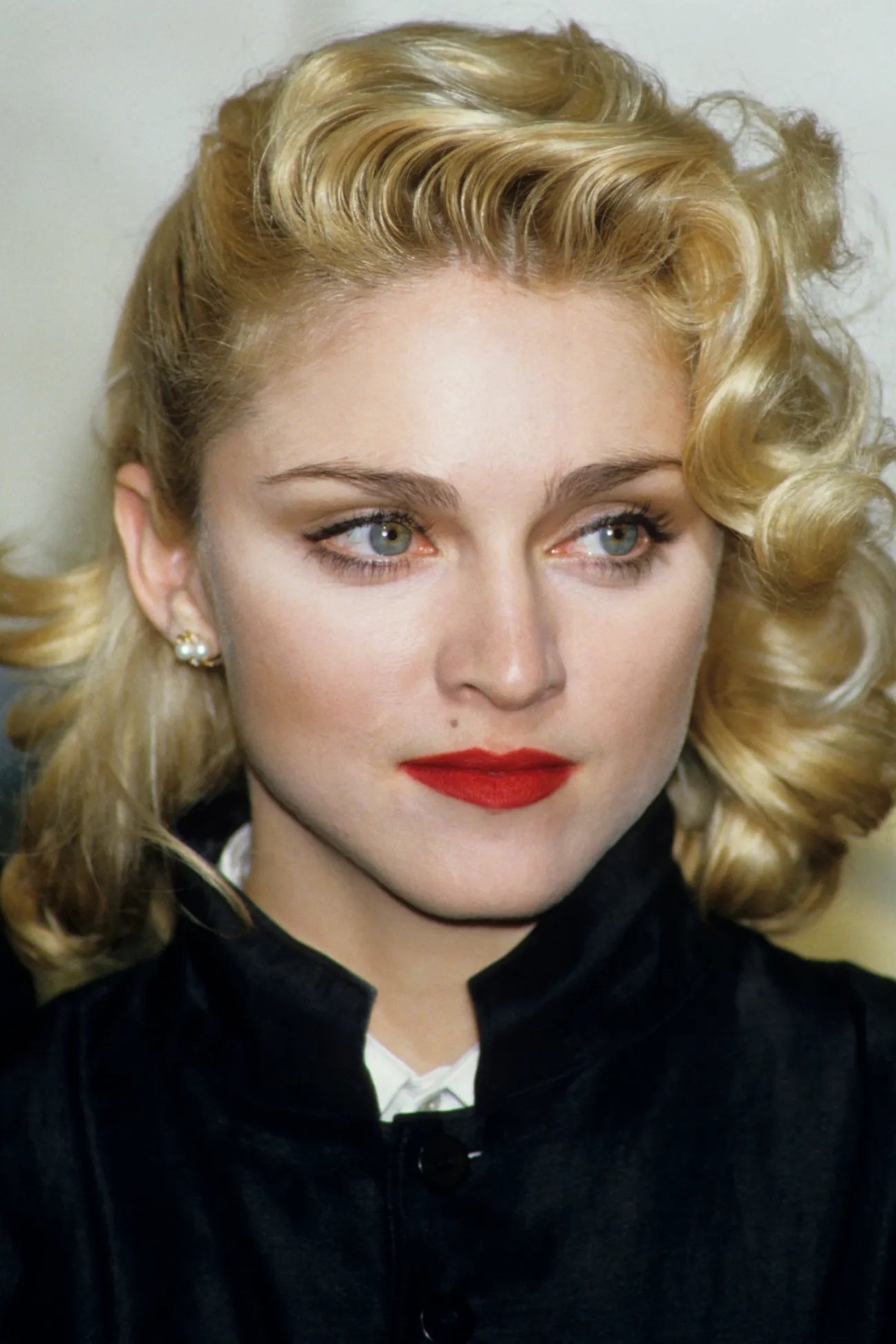
Madonna’s 1990 hit ‘Justify My Love’ was a provocative success that initially failed to credit one of its primary creators. Ingrid Chavez, a poet and protege of Prince, claimed she wrote the song’s lyrics based on a poem she had penned during a recording session. Chavez filed a lawsuit against producer Lenny Kravitz, asserting that she had not been properly acknowledged or compensated for her work. The matter was settled out of court, and Chavez was granted a songwriting credit and a share of the royalties. This dispute highlighted the often-overlooked contributions of lyricists in major pop productions featuring world-famous stars.
Tell us which of these music industry controversies surprised you the most by sharing your thoughts in the comments.