Black Actors Who Spoke Out Against “Woke” Stereotypes in Hollywood


Hollywood has undergone significant shifts in recent years as the industry attempts to address long standing issues of representation and diversity. While many celebrate these changes, several prominent Black male actors have raised concerns about how these initiatives are implemented. Some argue that modern casting trends and storytelling methods create new stereotypes or limit artistic freedom. These performers often call for a focus on merit and universal human experiences rather than strictly following specific political agendas. The following actors have publicly shared their perspectives on the impact of modern industry trends and stereotypical narratives in the entertainment world.
Morgan Freeman
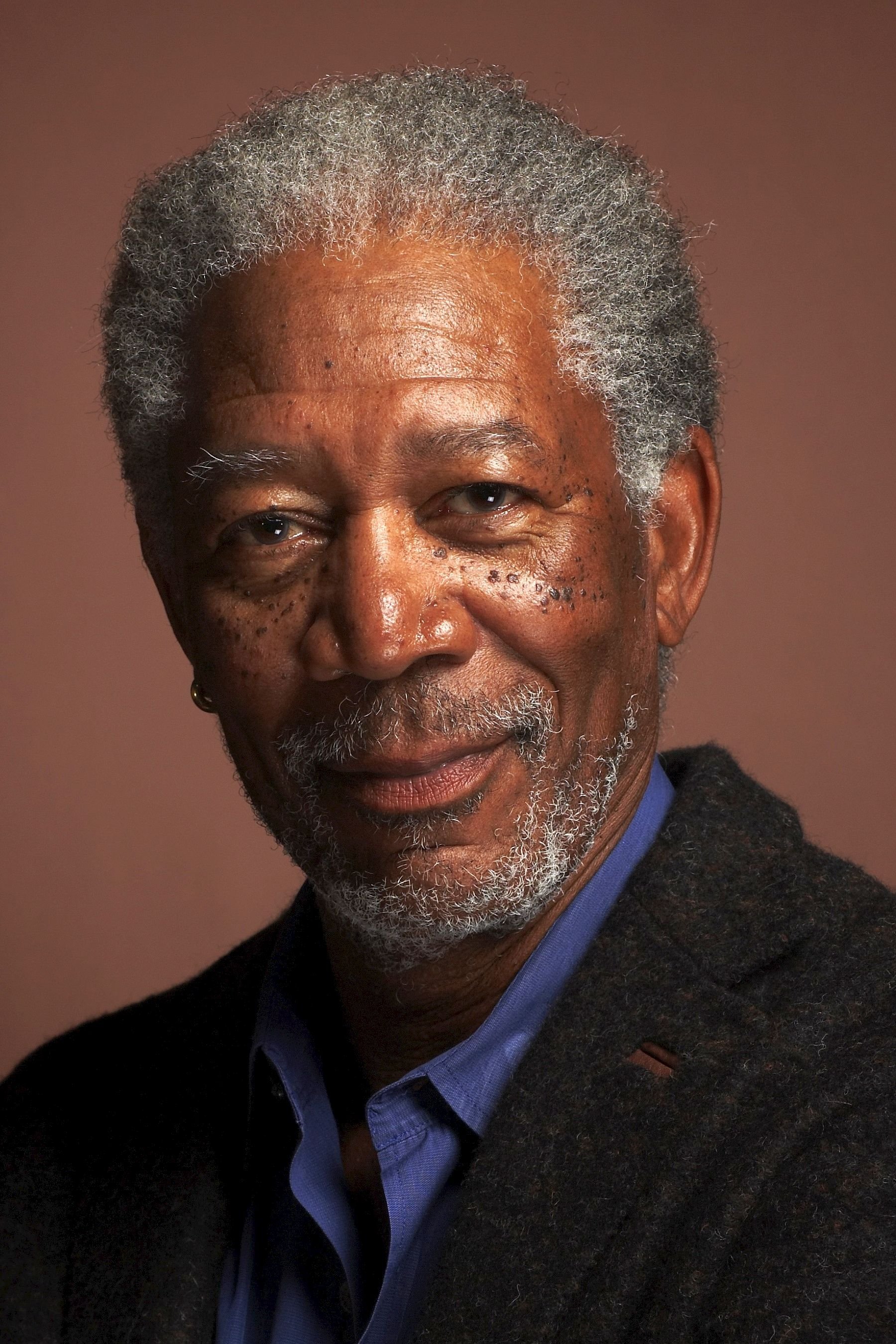
Morgan Freeman has frequently expressed his dislike for the term Black History Month during various television interviews. He believes that relegating the history of an entire people to a single month is an insult. The actor also argues that the best way to stop racism is to stop talking about it as a primary identity marker. He prefers to be seen as an actor rather than a Black actor to avoid being pigeonholed into specific roles. His views often spark intense debate regarding the role of identity politics in modern cinema.
Denzel Washington
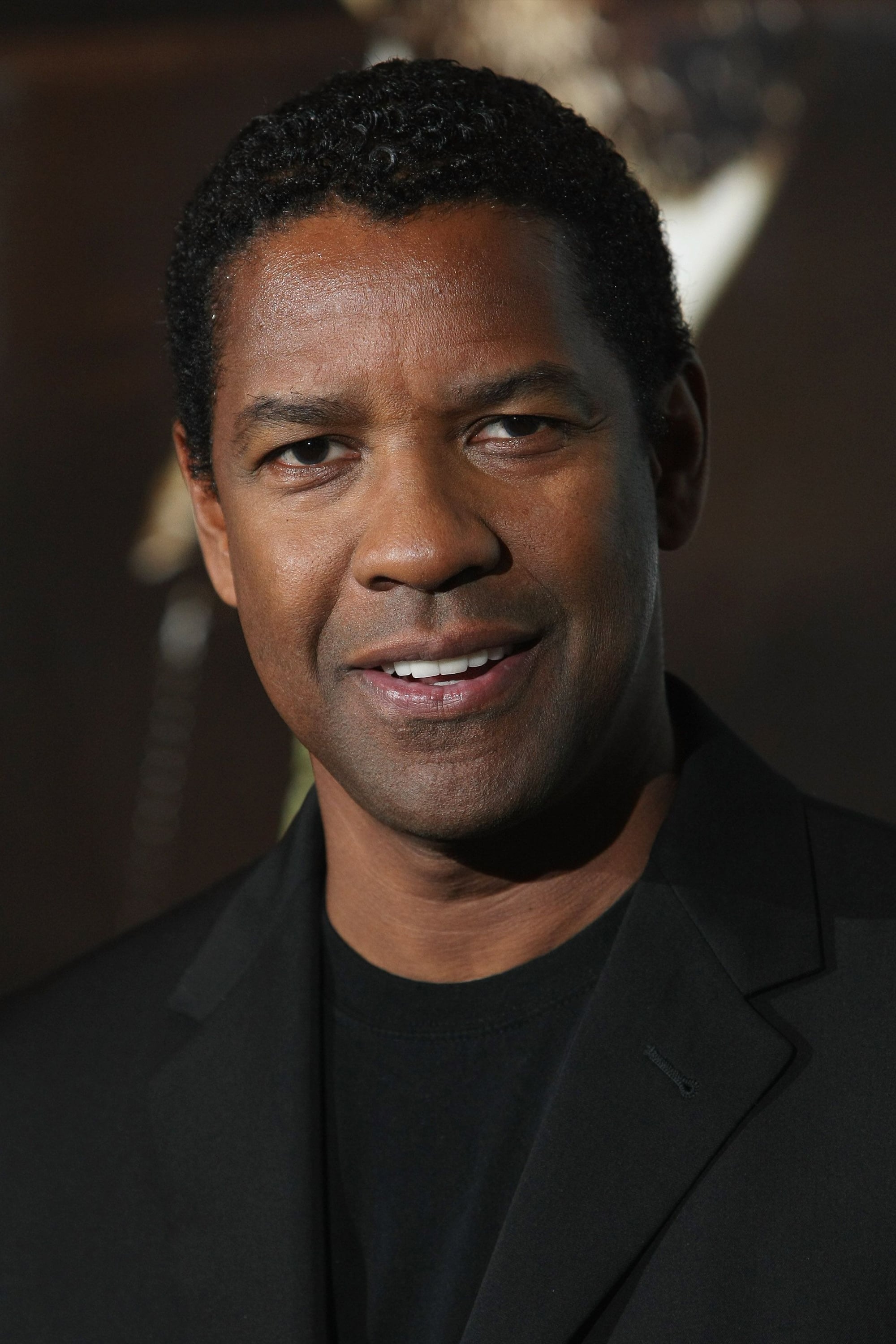
Denzel Washington emphasizes the importance of cultural perspective over simple racial diversity in the filmmaking process. He has stated that a director needs to understand the specific culture of the characters to tell an authentic story. The actor focuses on the craft of performance rather than adhering to industry trends or diversity quotas. He believes that excellence in work is the most effective way to overcome barriers in Hollywood. Washington often chooses projects that highlight human complexity rather than focusing solely on racial struggles.
Idris Elba
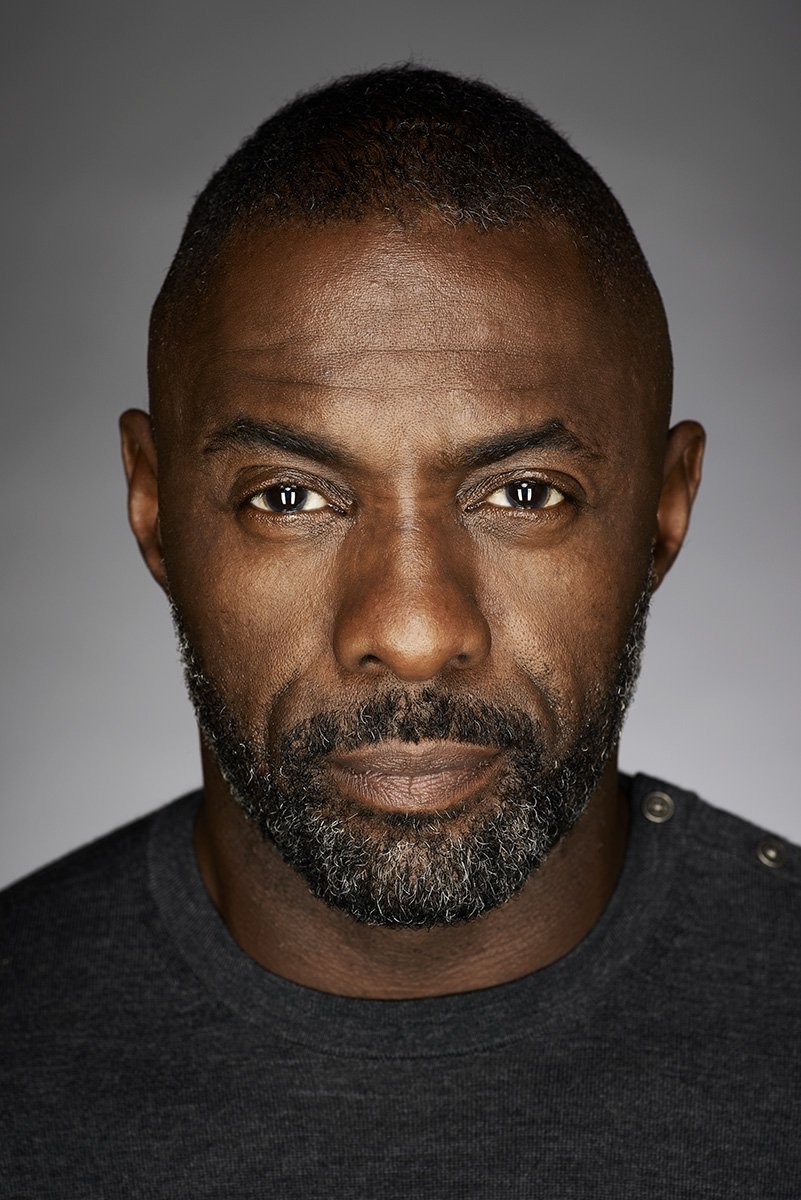
Idris Elba made headlines when he announced that he would no longer describe himself as a Black actor. He explained that the label put him in a box that limited his creative potential and career growth. The performer believes that the industry focuses too much on race which can hinder the progress of true equality. He wants his work to speak for itself without being viewed through the lens of identity politics. By rejecting these labels he hopes to encourage a more merit based approach to casting in the film industry.
Anthony Mackie
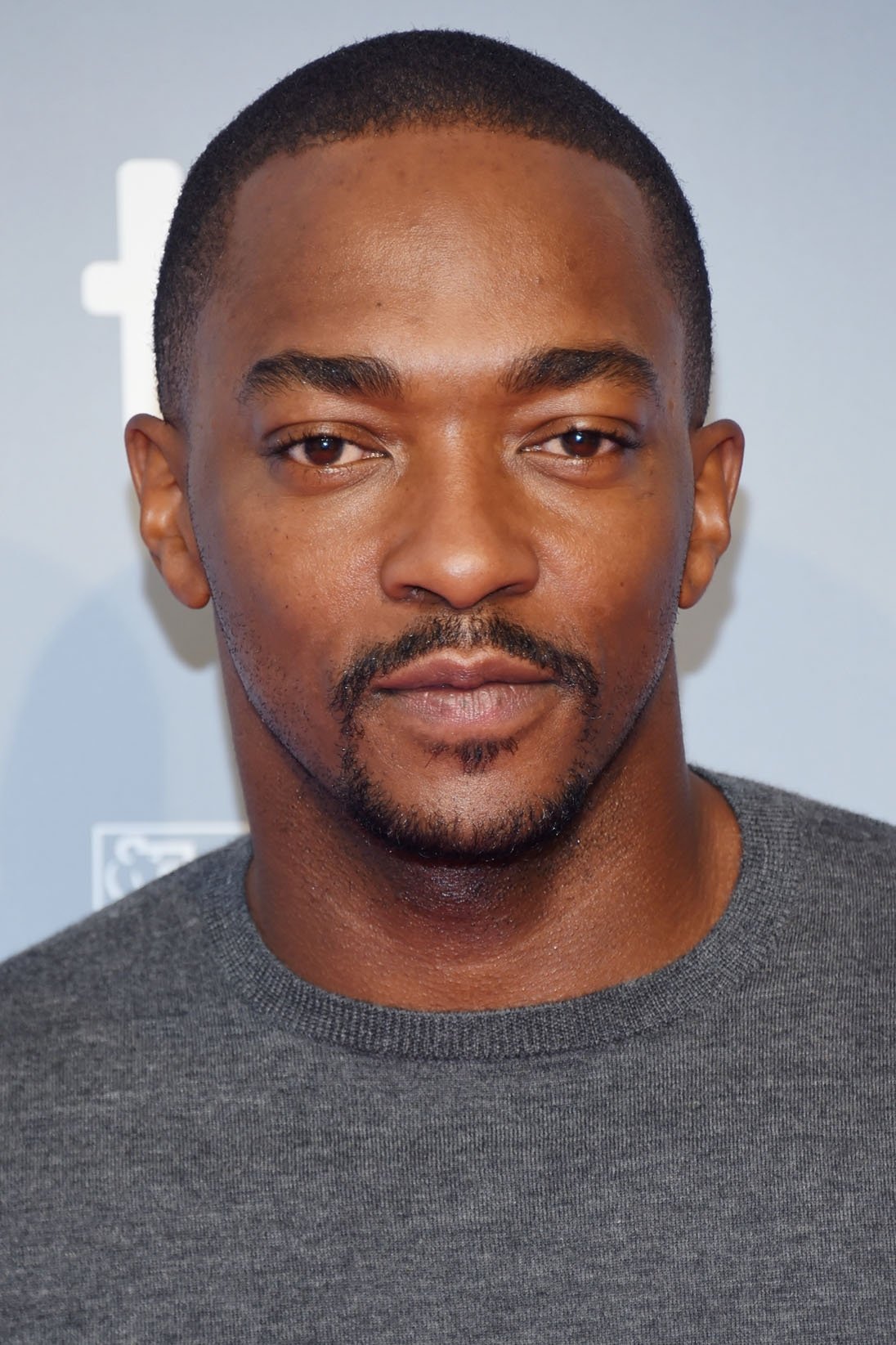
Anthony Mackie has critiqued the way major studios handle diversity in their blockbuster franchises. He specifically noted that hiring a Black director only for a movie with a Black lead is its own form of exclusion. The actor advocates for a more integrated approach where talent is matched to projects regardless of racial themes. He has also spoken about the lack of authentic cultural representation in certain high profile productions. Mackie continues to push for a more nuanced understanding of diversity that goes beyond surface level appearances.
John Boyega
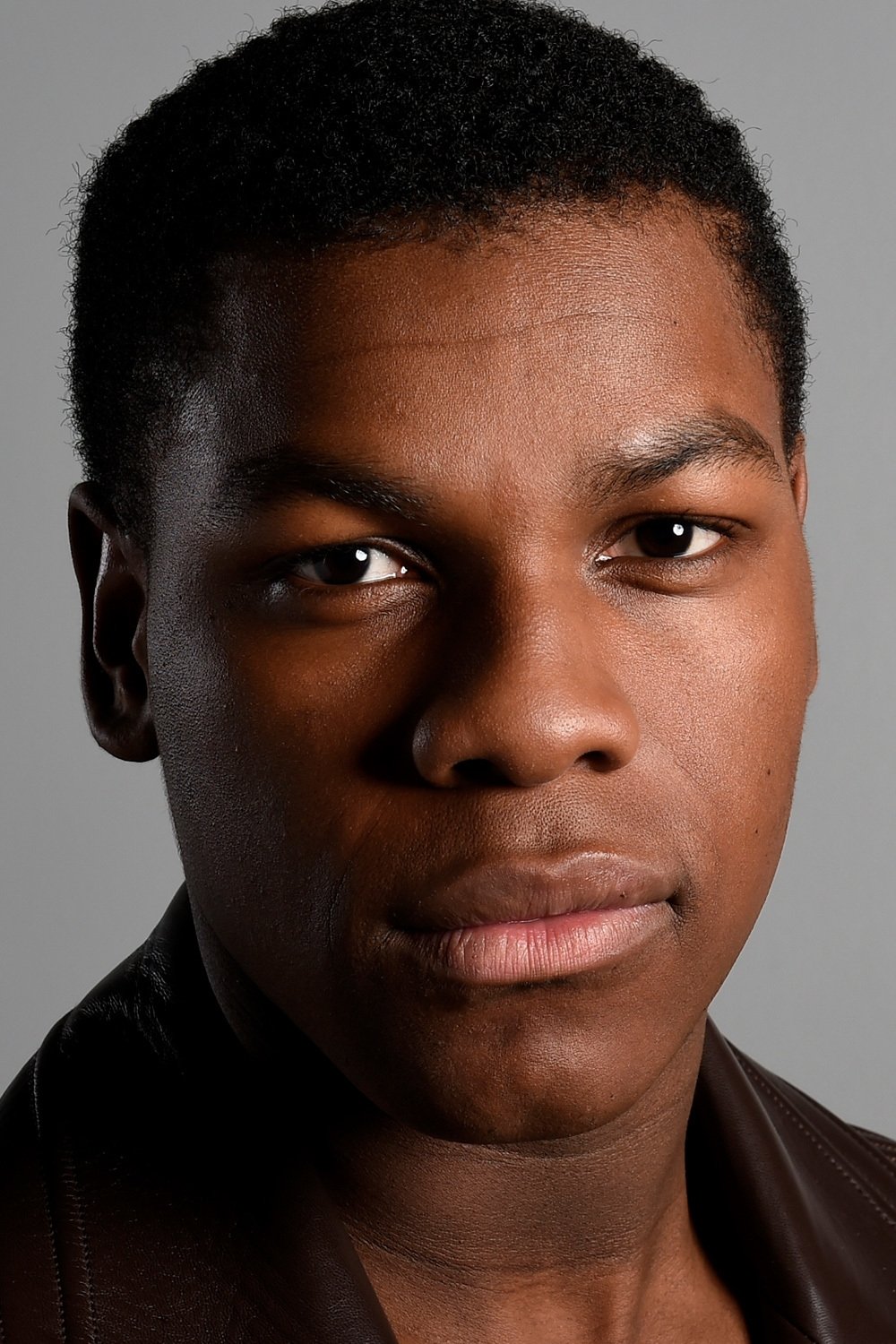
John Boyega famously spoke out about his experience working on the ‘Star Wars’ sequels and how minority characters were handled. He criticized the studio for marketing his character as a lead only to sideline him as the series progressed. The actor argued that Hollywood often uses diverse actors for optics without giving them meaningful arcs. He believes that true representation requires a commitment to character development rather than just hitting diversity targets. His public comments sparked a wider conversation about the treatment of non white actors in major franchises.
Ye
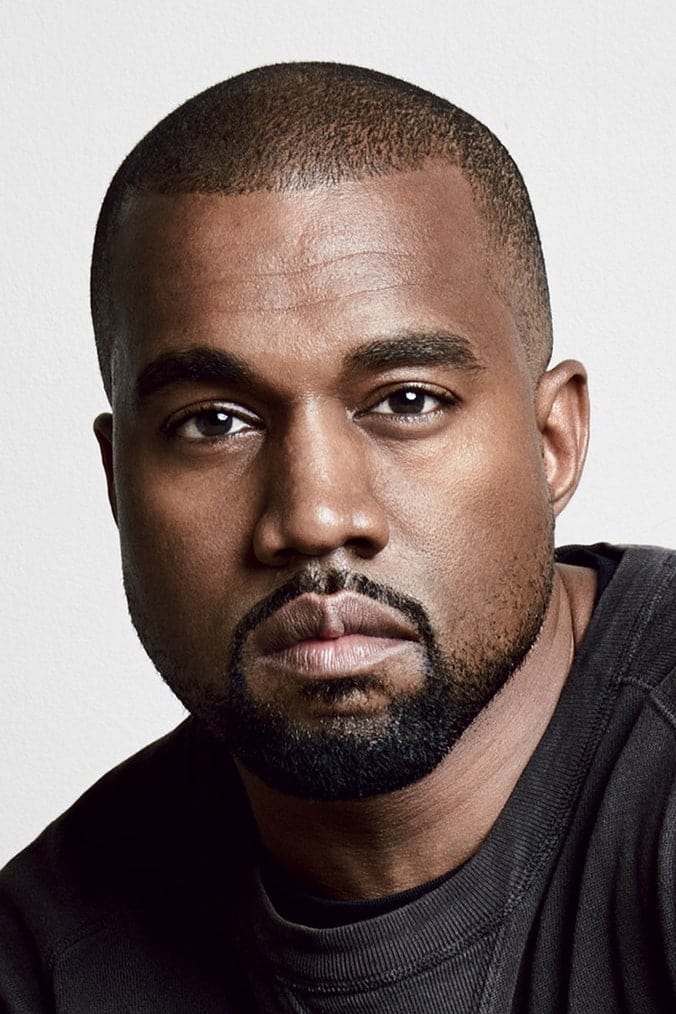
Ye has been a vocal critic of what he perceives as agendas within the entertainment industry and media. He often speaks about the pressure on Black creators to follow specific political narratives to remain successful. The artist believes that true freedom comes from independent thought rather than conforming to industry expectations. He has frequently challenged the gatekeepers of Hollywood for their role in shaping public perception. His perspectives on industry control and cultural influence remain some of the most controversial in the business.
Ice Cube
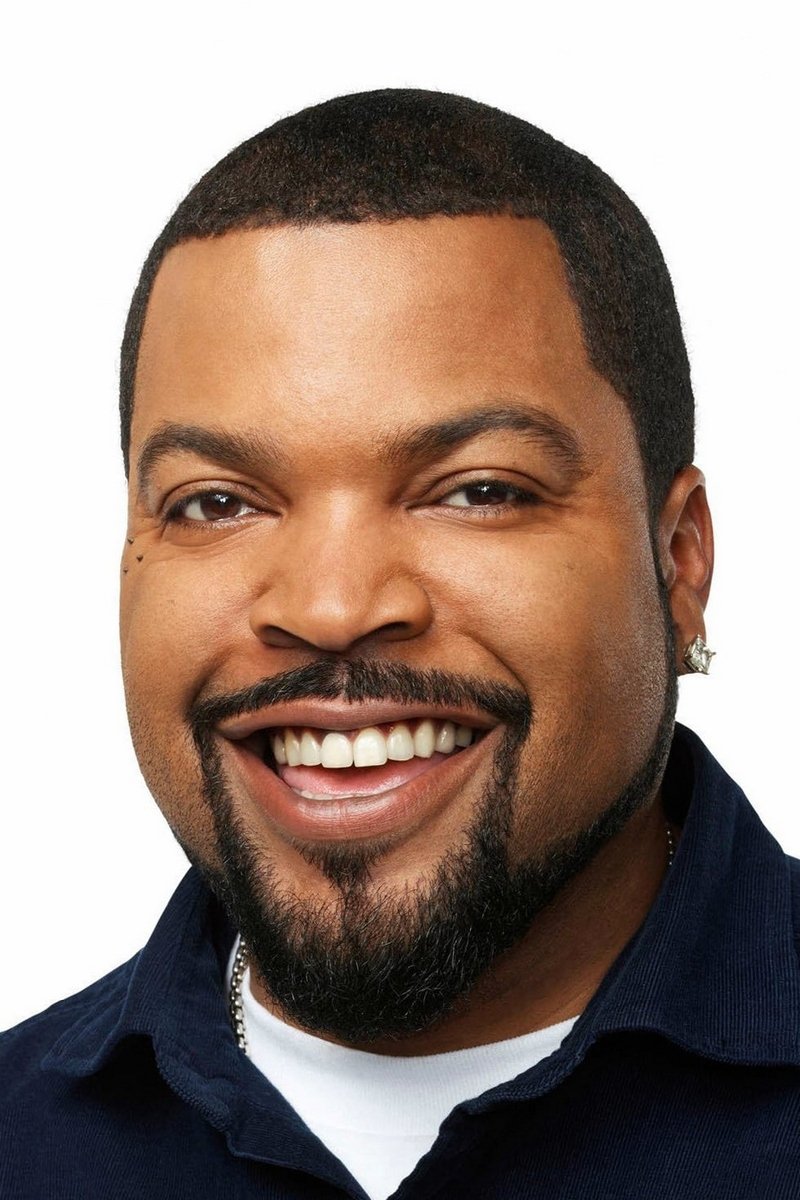
Ice Cube has often spoken out against the gatekeepers of the entertainment industry and their political leanings. He believes that studios sometimes use diversity initiatives to manipulate cultural conversations for profit. The actor and musician advocates for independent ownership and creative control for Black artists. He has expressed skepticism toward the motivations behind many modern Hollywood movements. Ice Cube continues to encourage performers to look beyond the studio system for authentic success.
Terry Crews
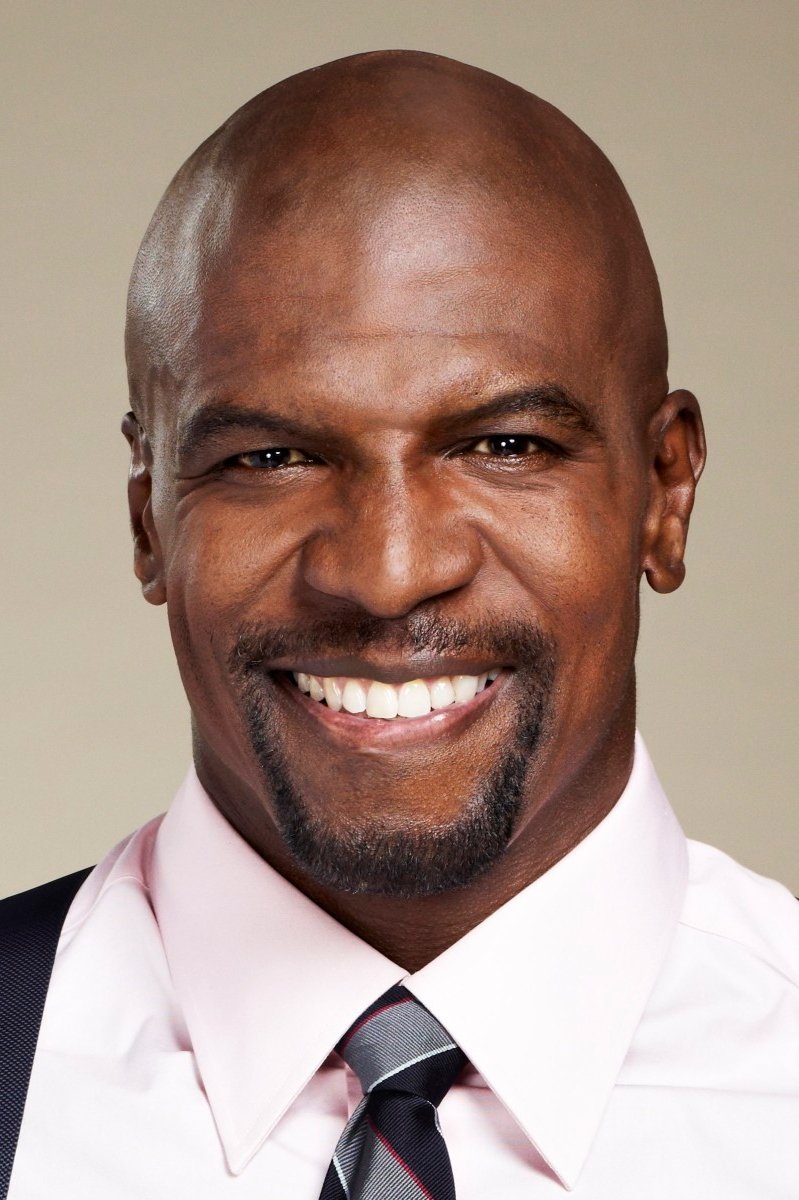
Terry Crews faced significant backlash for his comments regarding the potential for modern movements to become exclusionary. He warned that the pursuit of justice should not lead to a new form of supremacy or tribalism. The actor emphasizes the need for reconciliation and collaboration across all racial groups in the industry. He has also critiqued the performative nature of some corporate diversity efforts. Crews remains a proponent of open dialogue and personal accountability in the face of cultural shifts.
Isaiah Washington
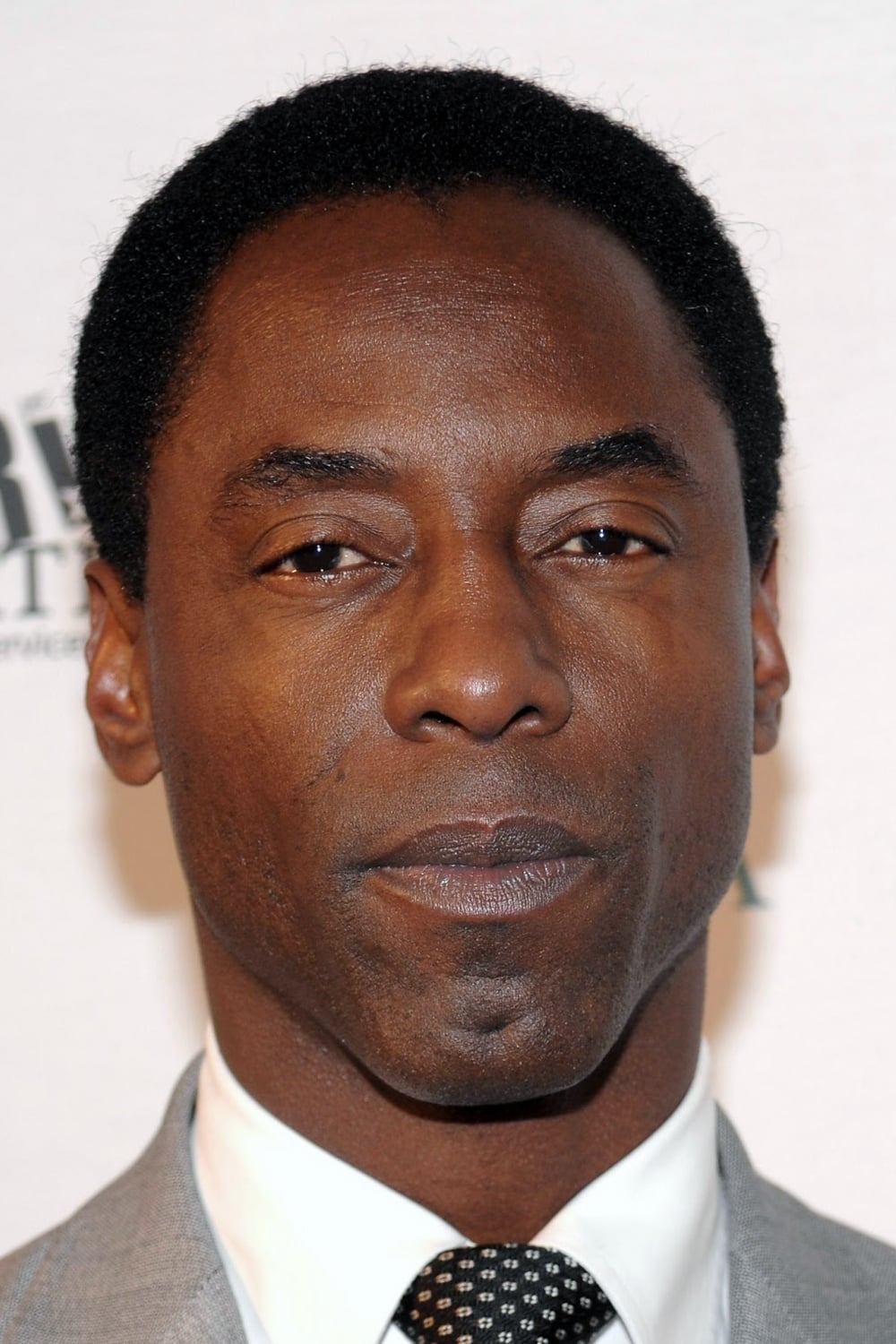
Isaiah Washington is known for his outspoken critiques of the political landscape within Hollywood. He has argued that the industry operates as a progressive echo chamber that punishes dissenting voices. The actor believes that the current focus on wokeness has led to a decline in the quality of storytelling. He often shares his views on how the industry treats those who do not align with mainstream opinions. Washington remains a polarizing figure for his refusal to follow standard industry narratives.
Dave Chappelle
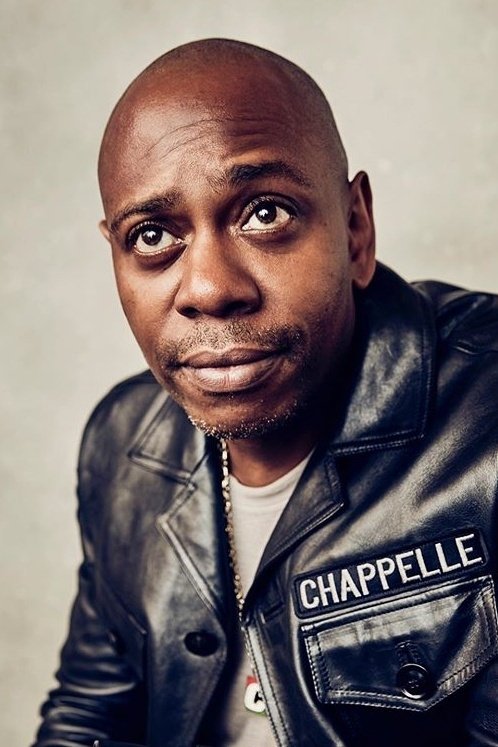
Dave Chappelle has dedicated much of his recent work to critiquing the influence of woke culture on comedy and entertainment. He argues that the pressure to be politically correct is stifling artistic expression and honest conversation. The comedian believes that sensitivity in the industry has reached a point where it hinders the ability to joke about sensitive topics. He often points out the contradictions within modern social movements during his performances. Chappelle continues to be a leading voice for those who believe comedy should remain a space for unrestricted commentary.
Chris Rock
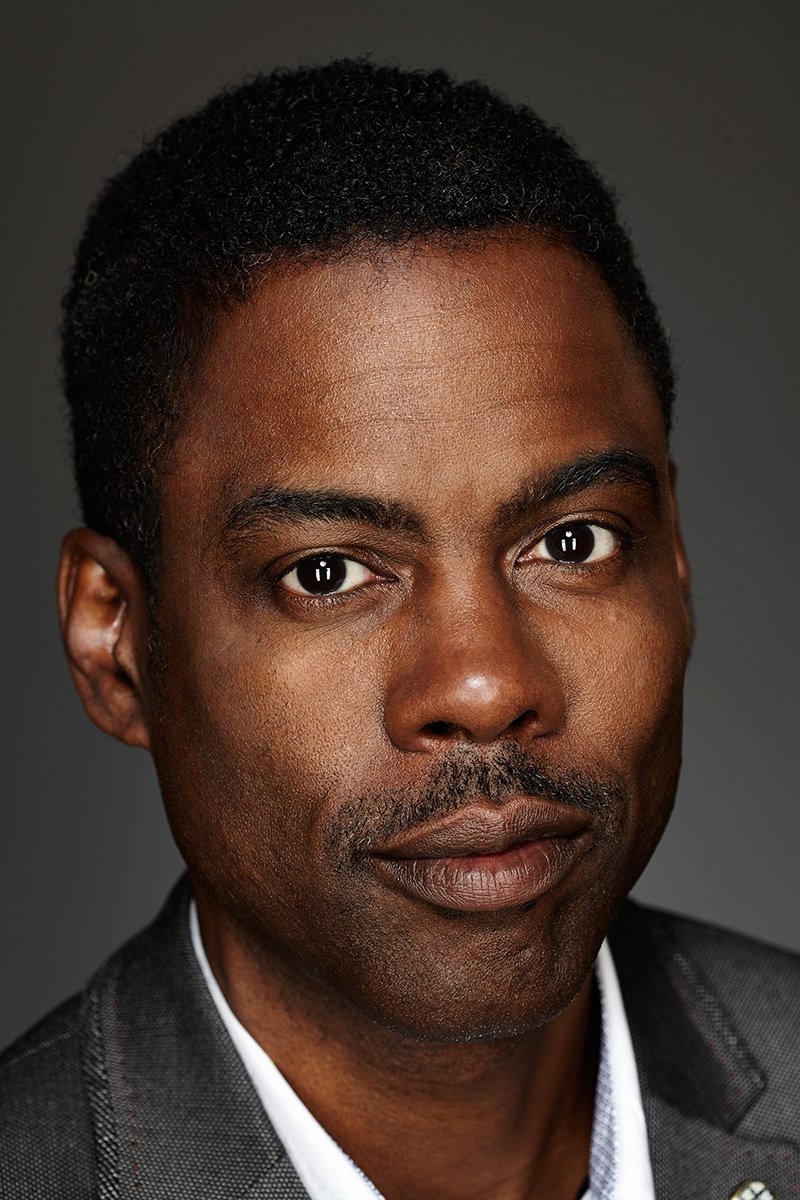
Chris Rock has often commented on the performative and superficial nature of Hollywood’s liberal politics. He has noted that the industry often congratulates itself for diversity while maintaining exclusive structures behind the scenes. The comedian believes that many diversity initiatives are more about public relations than actual change. He uses his platform to highlight the ironies of being a Black performer in a purportedly progressive environment. Rock advocates for a more honest assessment of how power is distributed within the entertainment world.
Eddie Murphy
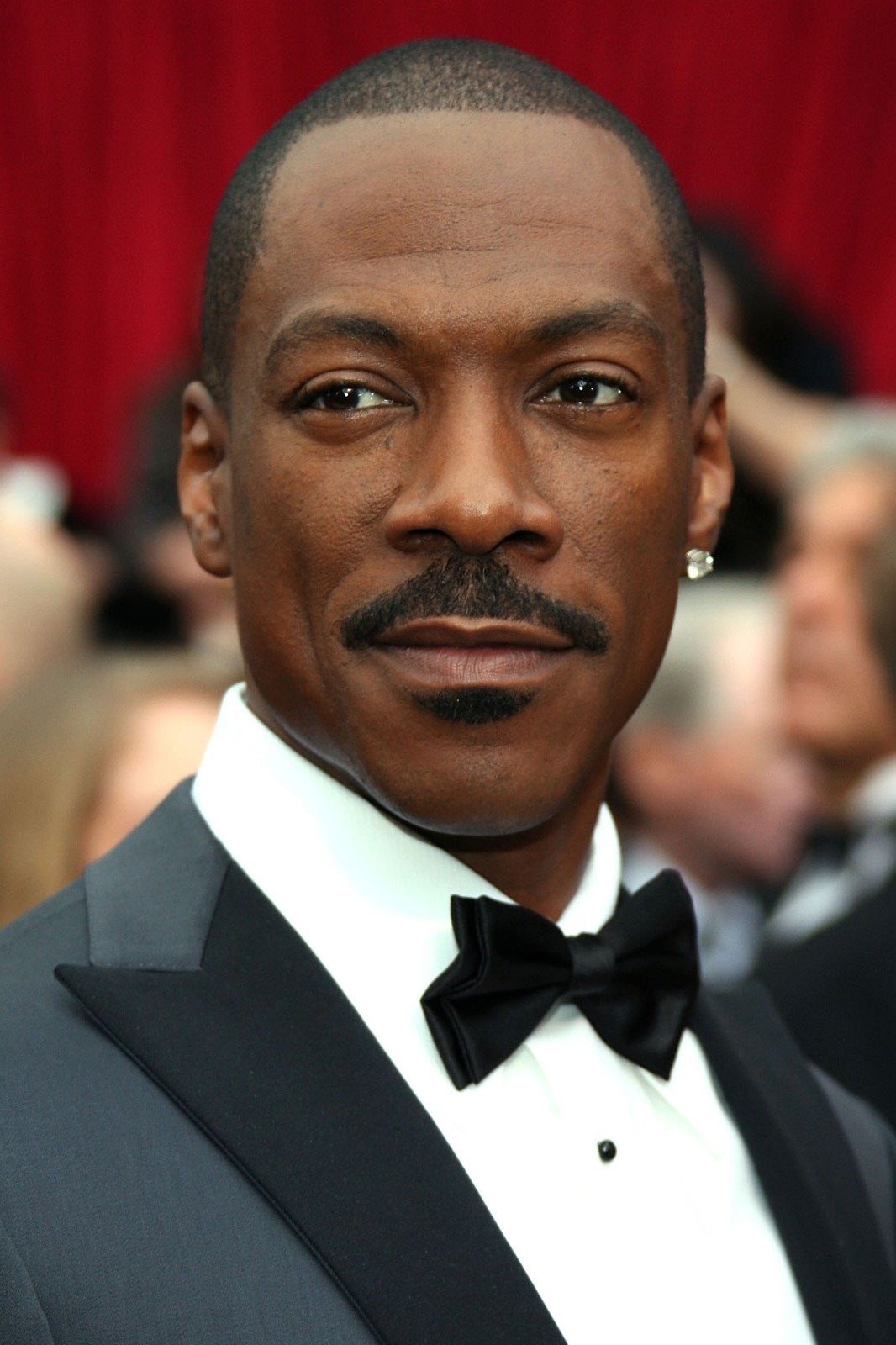
Eddie Murphy has long maintained a philosophy that prioritizes merit and universal appeal over racial identity. He has stated in interviews that he never viewed his career through the lens of racial obstacles. The actor rejects the idea of being categorized as a Black comedian and prefers to be seen simply as a funny person. He has expressed skepticism toward diversity quotas and believes that the best talent will naturally rise to the top. Murphy continues to focus on creating content that resonates with audiences of all backgrounds.
Kevin Hart
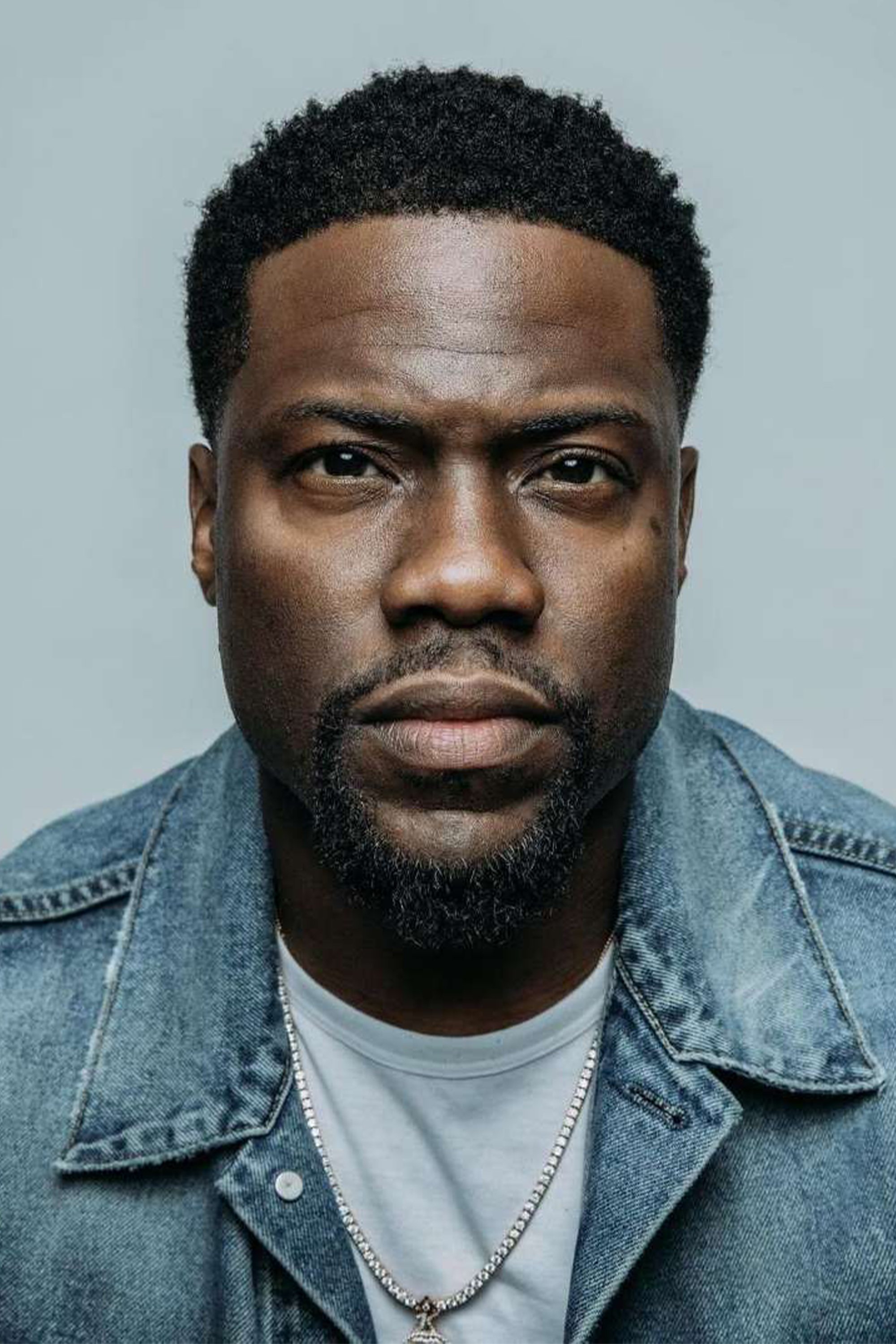
Kevin Hart has been a vocal opponent of cancel culture and the policing of comedy by modern social activists. He believes that the trend of scrutinizing past comments prevents people from growing and evolving. The actor argues that the industry should focus more on the intent of the performer rather than responding to every social media outcry. He has faced his own challenges with the movement and chose to step down from hosting the Oscars. Hart continues to advocate for a more forgiving and less reactive culture in Hollywood.
Marlon Wayans
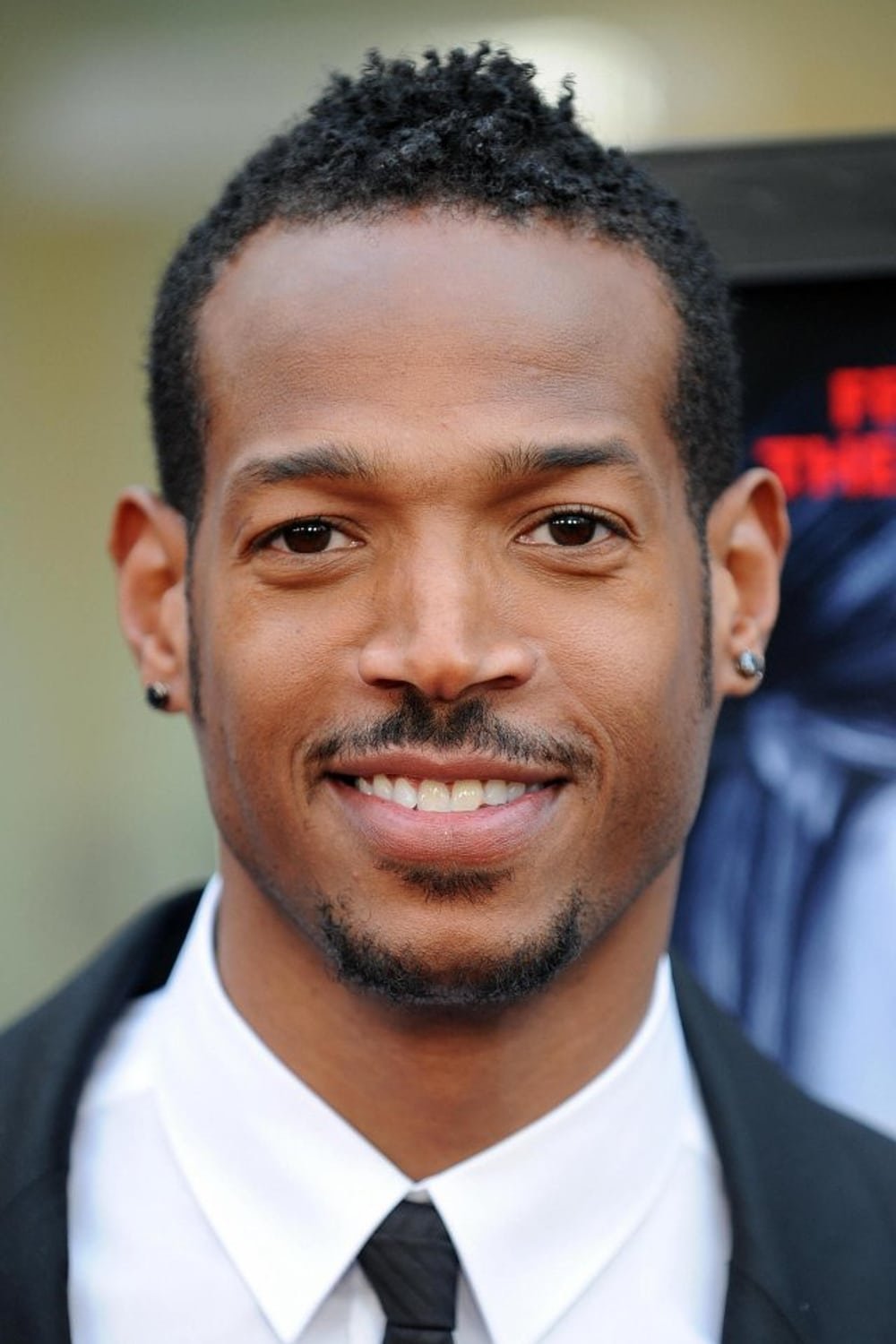
Marlon Wayans has defended his past work against the standards of modern political correctness. He believes that movies like ‘White Chicks’ are essential for cultural satire and should not be judged by today’s sensitive climate. The actor argues that the fear of offending people is killing the comedy genre in film. He encourages creators to take risks and push boundaries regardless of potential backlash. Wayans maintains that the role of a comedian is to find the funny in every situation without being restricted by social rules.
Damon Wayans
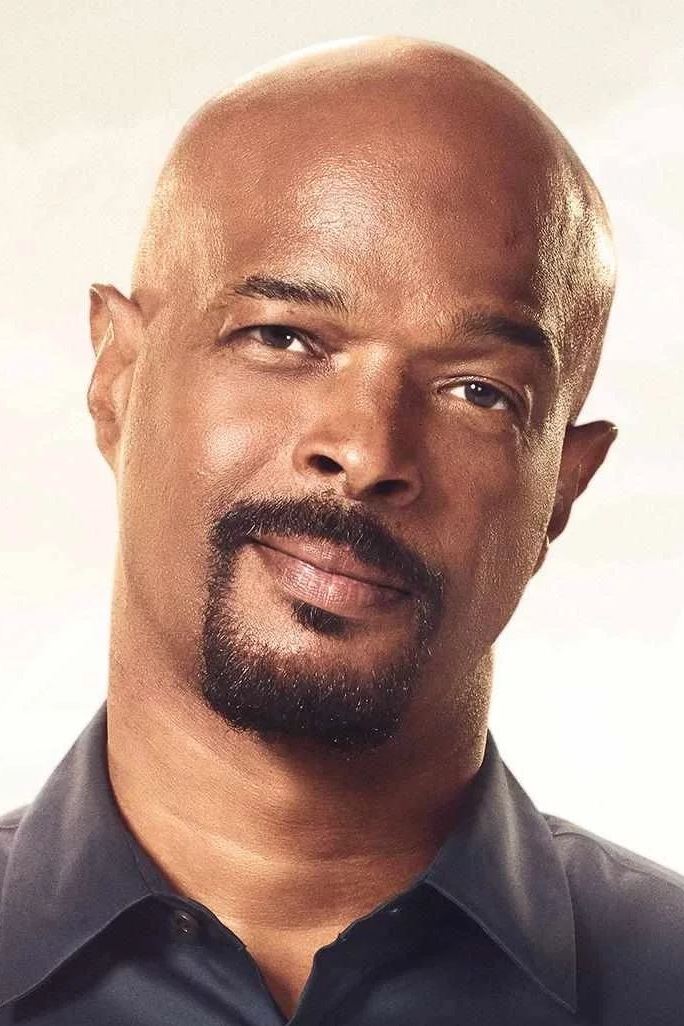
Damon Wayans believes that the current state of Hollywood has made it difficult to produce authentic comedy. He has noted that writers are often afraid to tackle certain subjects for fear of being labeled as insensitive. The actor argues that this environment leads to safe and uninspiring content that fails to challenge the audience. He advocates for a return to a time when comedy was allowed to be edgy and provocative. Wayans remains critical of how modern social standards are applied to the world of entertainment.
Giancarlo Esposito
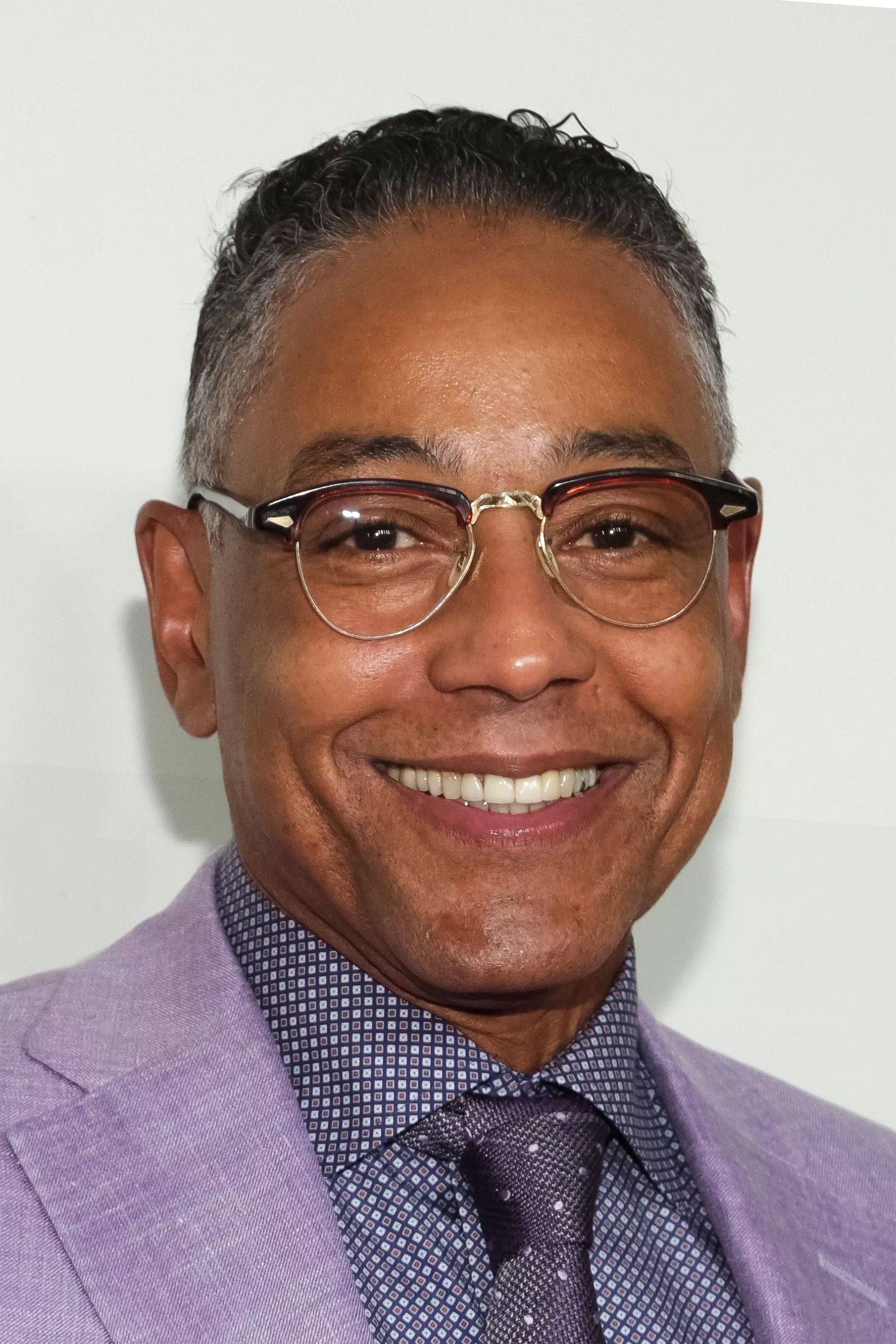
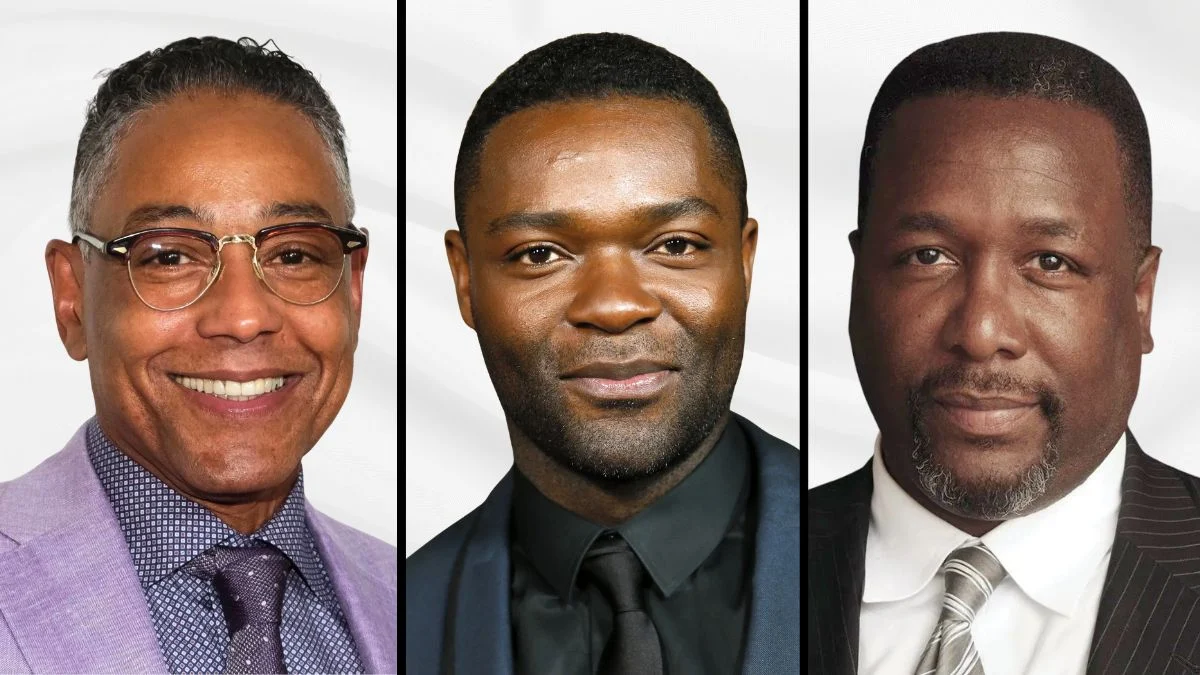
Giancarlo Esposito has often spoken about his desire to play roles that are not defined by his heritage. He believes that actors should be judged by their ability to embody a character regardless of their racial background. The performer avoids taking roles that rely on common stereotypes or tropes associated with his identity. He encourages the industry to move toward a more imaginative approach to casting. Esposito focuses on finding the human truth in every character he portrays on screen.
Wendell Pierce
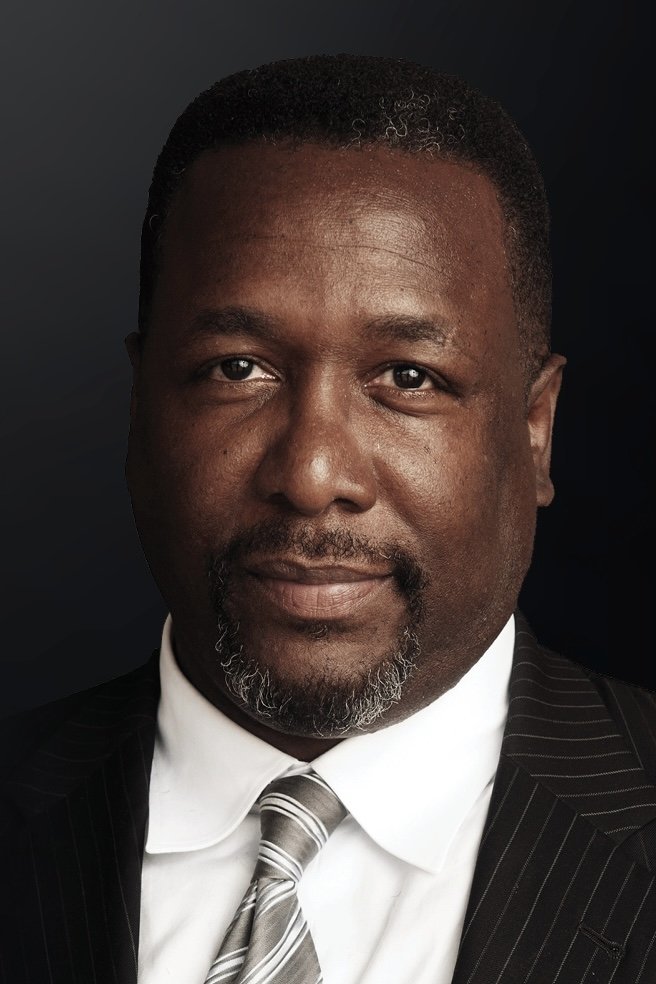
Wendell Pierce has raised concerns about the practice of color blind casting in historical dramas. He argues that ignoring the race of a character can erase the specific struggles and history associated with that person. The actor believes that authentic representation requires an acknowledgment of how race shapes the human experience. He is critical of the idea that any actor can play any role without considering the cultural context. Pierce continues to advocate for storytelling that honors the specific realities of Black history.
David Oyelowo
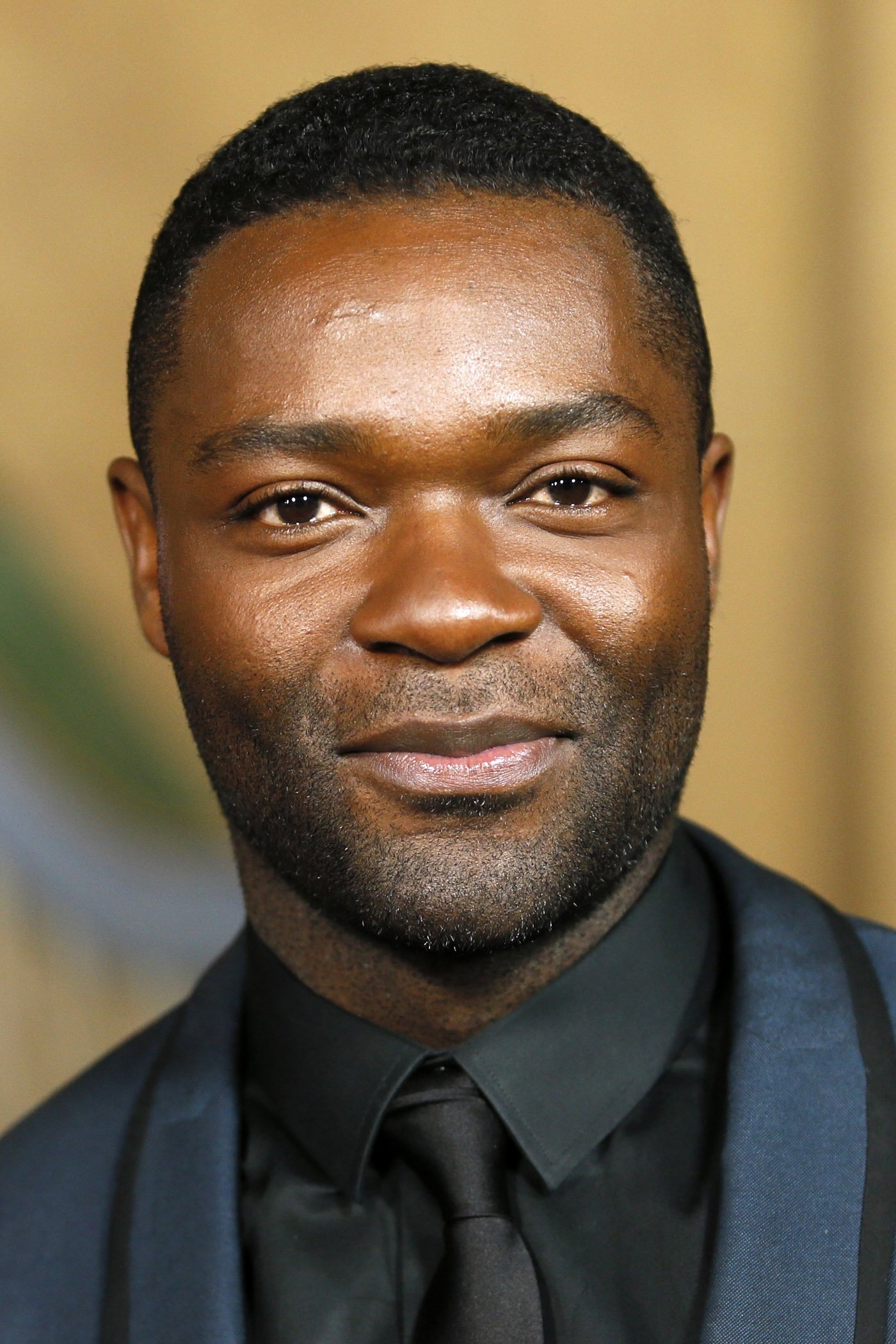
David Oyelowo has challenged Hollywood to fund a wider variety of Black stories beyond those centered on slavery or civil rights. He believes that the industry often only supports Black films that focus on trauma or suffering. The actor argues that this trend creates a limited and stereotypical view of the Black experience for global audiences. He pushes for more films that showcase Black characters in everyday situations or high concept genres. Oyelowo is committed to expanding the narrative possibilities for Black performers and creators.
John Amos
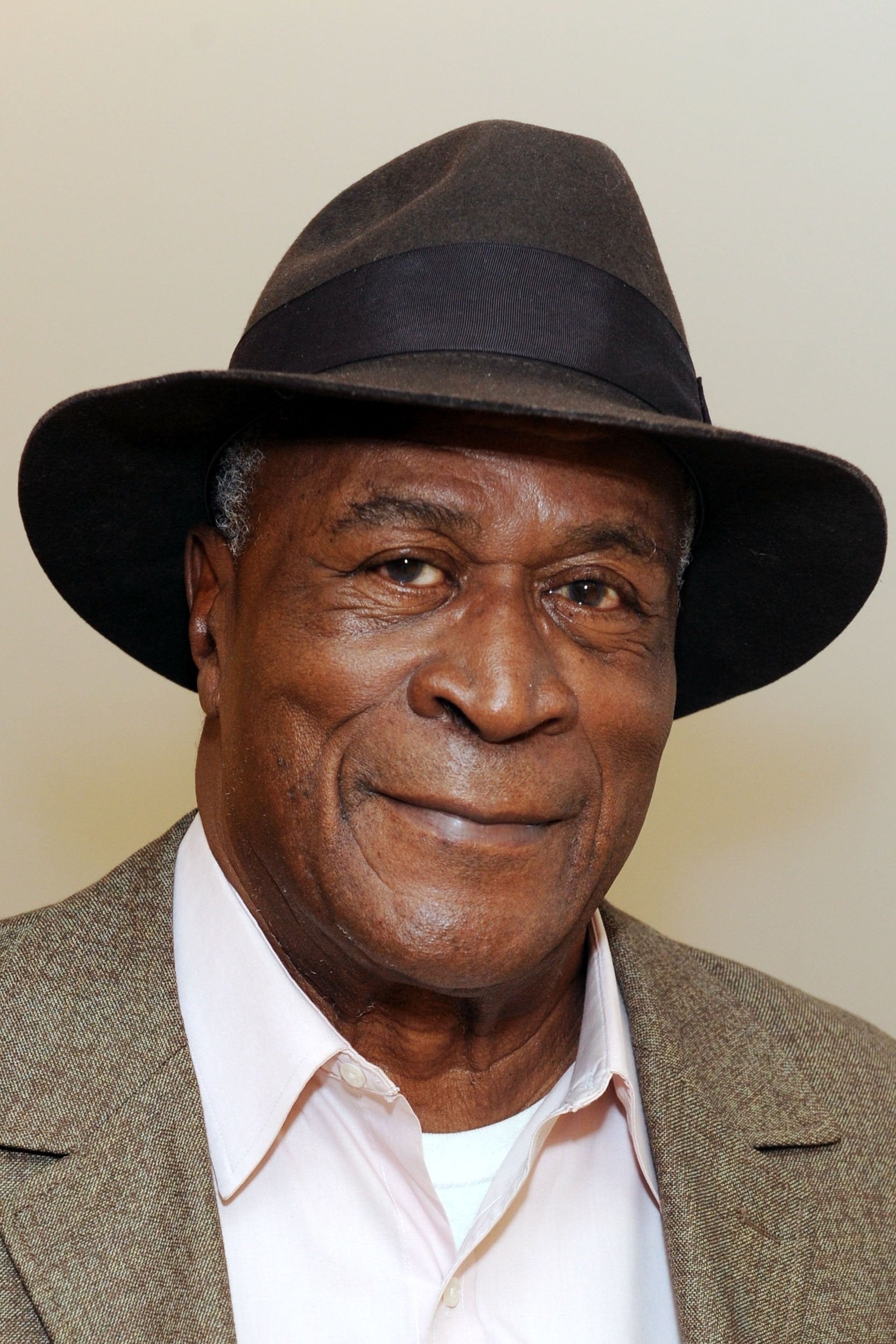
John Amos famously stood up against the stereotypical writing on the sitcom ‘Good Times’ during the height of its popularity. He was concerned that the show was becoming too focused on buffoonery rather than positive family dynamics. His insistence on better representation for the father character eventually led to his departure from the series. The actor remains a symbol of integrity for those who refuse to accept roles that demean their culture. Amos has spent his career advocating for more dignified portrayals of Black families on television.
Snoop Dogg
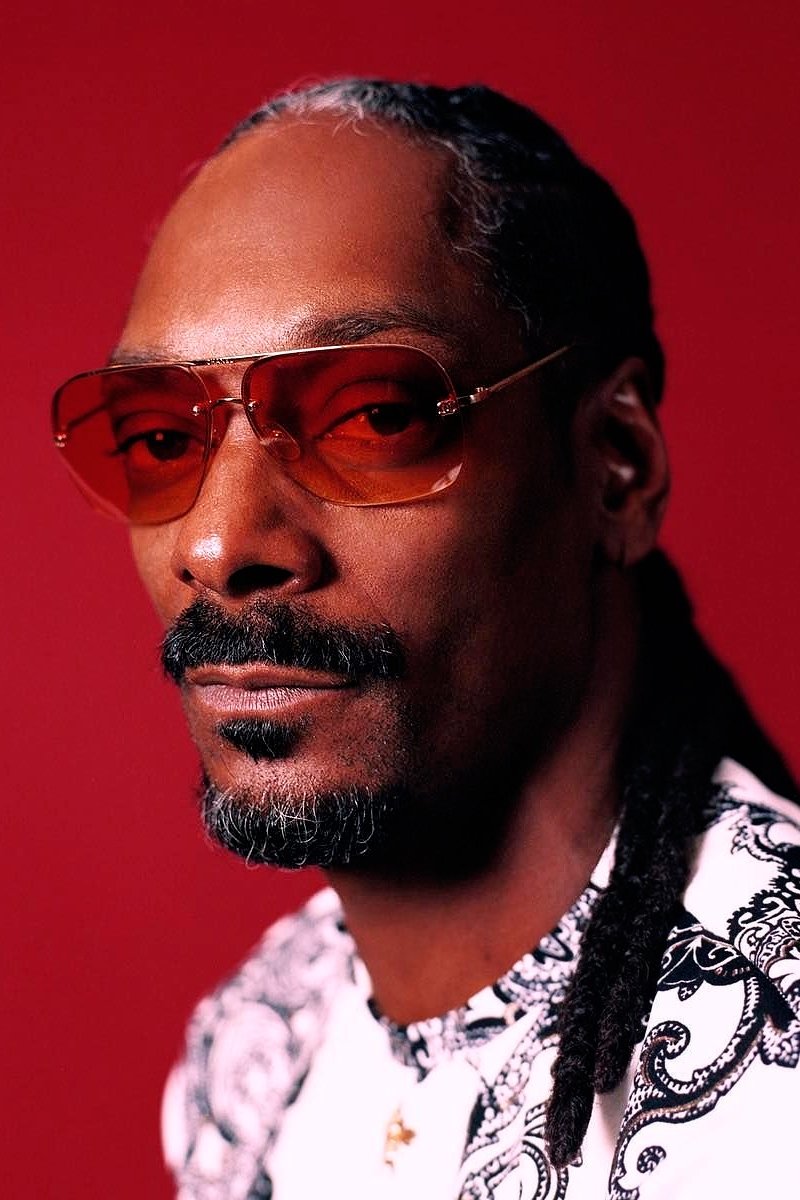
Snoop Dogg expressed his frustration with the constant remaking of films focused on the era of slavery. He argued that the industry should spend more time creating stories about the success and future of Black people. The artist believes that the focus on historical trauma can be mentally exhausting for the audience and the creators. He encourages Hollywood to invest in modern narratives that reflect the diverse reality of Black life today. Snoop Dogg remains a proponent of positive and forward looking representation in media.
50 Cent
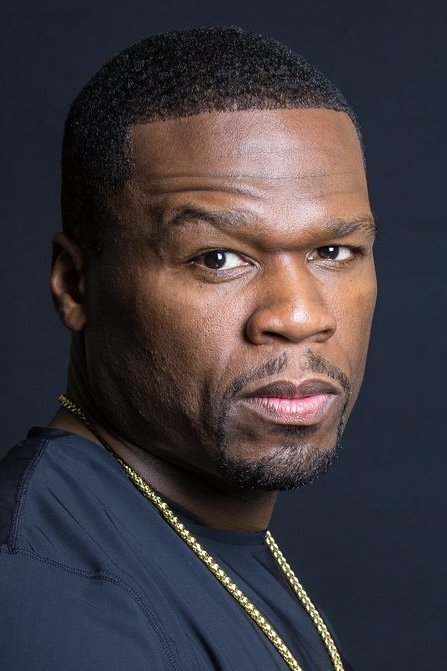
50 Cent has been critical of how television networks handle diversity mandates and political themes. He has expressed that some shows feel forced when they try to incorporate too many social justice messages. The actor and producer prefers to focus on gritty and realistic storytelling that reflects his own experiences. He often uses social media to call out industry practices that he finds performative or unnecessary. 50 Cent continues to build his own media empire while maintaining a skeptical view of mainstream Hollywood trends.
Donald Glover
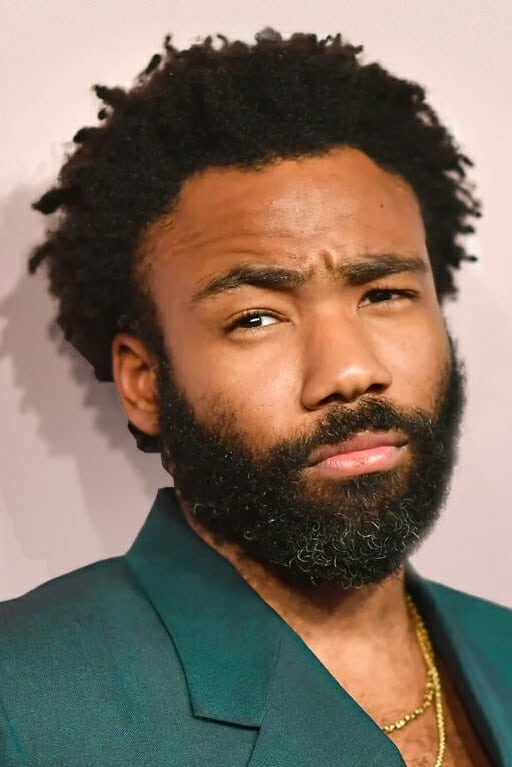
Donald Glover has critiqued the trend of studios making safe and boring content to avoid social media controversy. He believes that the fear of being canceled has led to a lack of experimentation in film and television. The creator argues that great art requires the risk of offending or being misunderstood by the public. He encourages other artists to ignore the pressure to conform to modern social expectations. Glover continues to push boundaries in his own work by blending genres and challenging traditional narratives.
Jamie Foxx
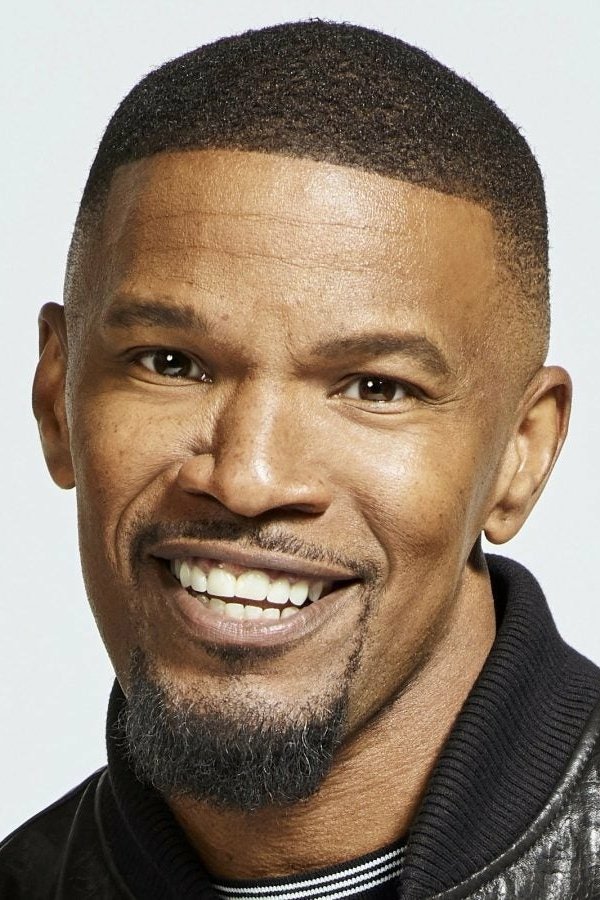
Jamie Foxx has defended the right of actors to take on transformative roles that might be considered controversial today. He believes that the essence of acting is the ability to become someone completely different from oneself. The performer has voiced his support for artistic freedom and the need to maintain a sense of humor in a sensitive world. He argues that the industry should not be so quick to condemn performers for their creative choices. Foxx remains a major star who balances mainstream success with a commitment to the craft of acting.
Tyrese Gibson
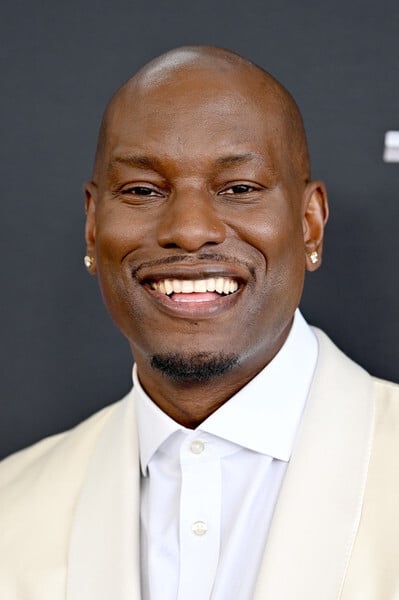
Tyrese Gibson has frequently commented on the lack of equal opportunity and fair pay for Black actors in Hollywood. He believes that the industry often talks about diversity without making substantive changes to its financial structures. The actor uses his platform to demand more transparency and fairness from major studios and agencies. He is also critical of how the industry can sometimes pit minority performers against each other for limited roles. Gibson continues to be a vocal advocate for systemic change within the entertainment business.
Nick Cannon
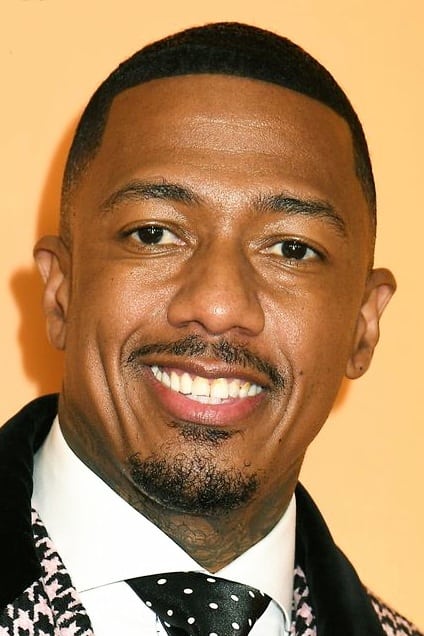
Nick Cannon has discussed the challenges of being a Black creator in an industry largely controlled by corporate interests. He emphasizes the importance of financial independence and owning one’s own content to avoid being censored. The performer believes that the industry often tries to shape the image of Black men to fit specific marketable stereotypes. He encourages young artists to learn the business side of entertainment to protect their creative vision. Cannon remains a prolific producer who seeks to empower others through his various media platforms.
Samuel L. Jackson
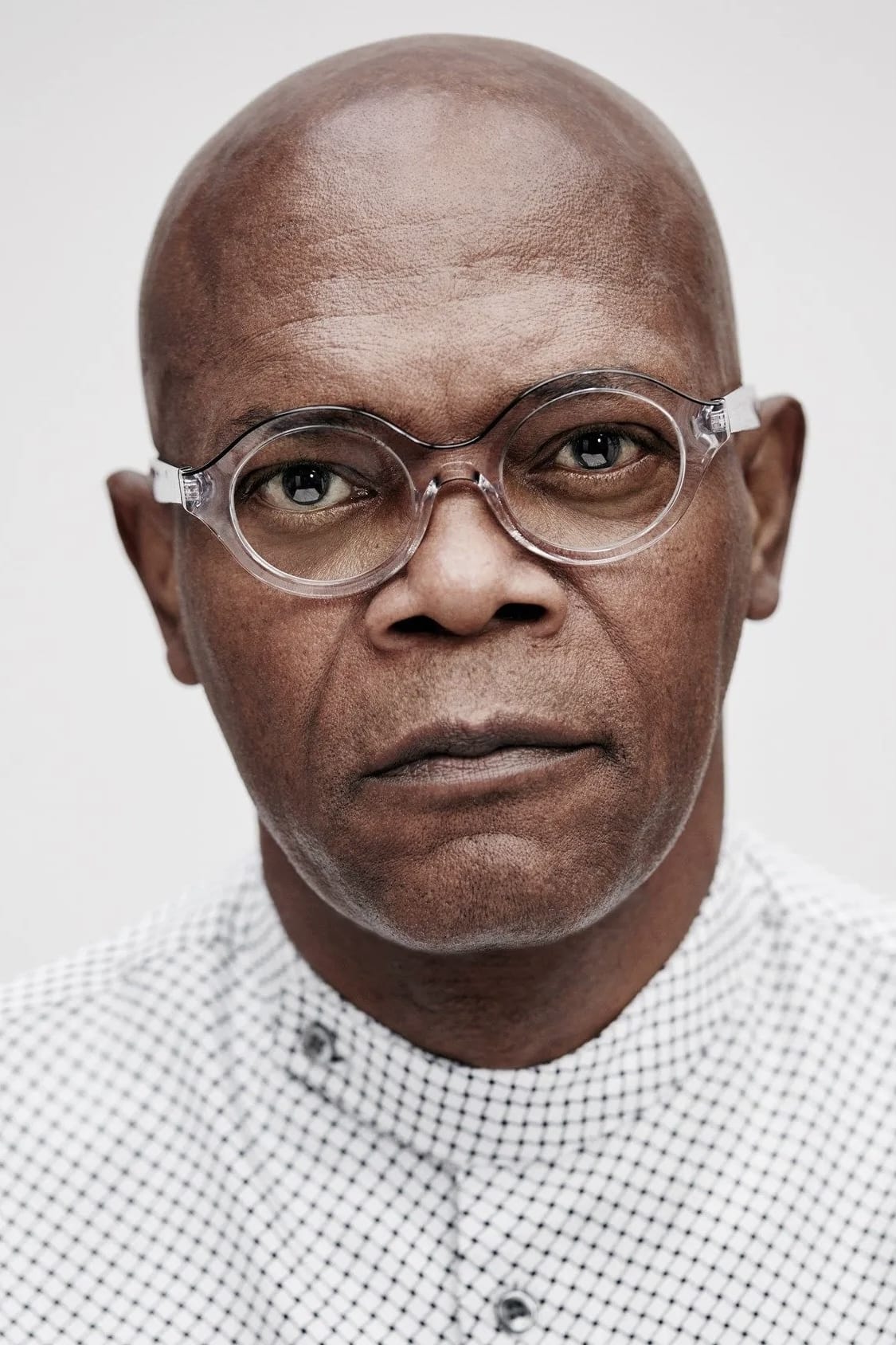
Samuel L. Jackson has often dismissed the idea that every movie featuring Black actors needs to be a social statement. He believes that cinema should be allowed to be pure entertainment without the weight of educational or political requirements. The actor is known for his roles in a wide range of genres where his race is not the primary focus of the story. He critiques the industry when it tries to force diversity in ways that feel unnatural to the narrative. Jackson continues to be one of the most bankable stars by focusing on high energy and engaging performances.
Laurence Fishburne
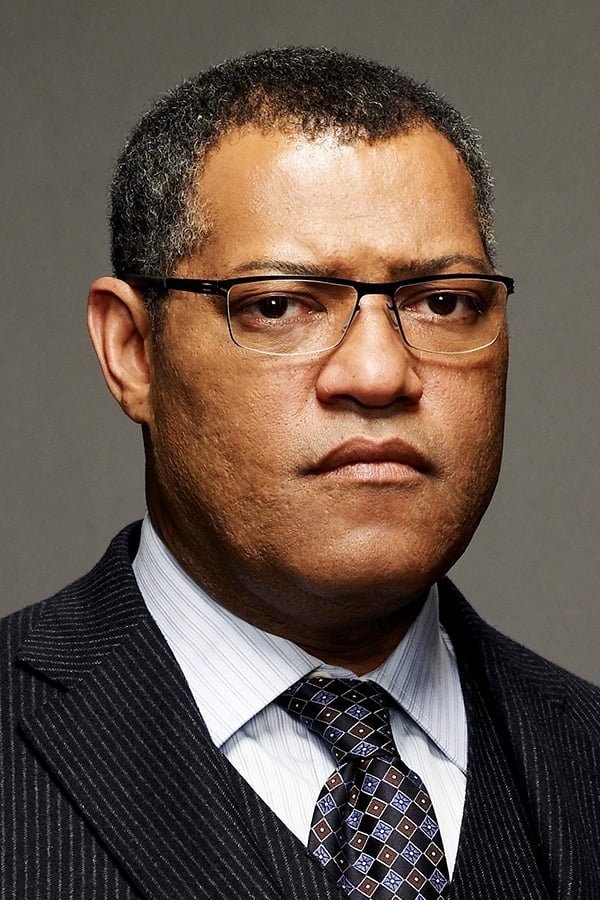
Laurence Fishburne has spoken about the limited types of roles that were available to him early in his career. He has worked to avoid being stereotyped by taking on complex characters in science fiction and dramatic thrillers. The actor believes that the industry has a habit of boxing in performers based on their physical appearance. He encourages a more broad minded approach to casting that looks past traditional racial categories. Fishburne remains a respected veteran who has consistently challenged the industry’s expectations.
Terrence Howard
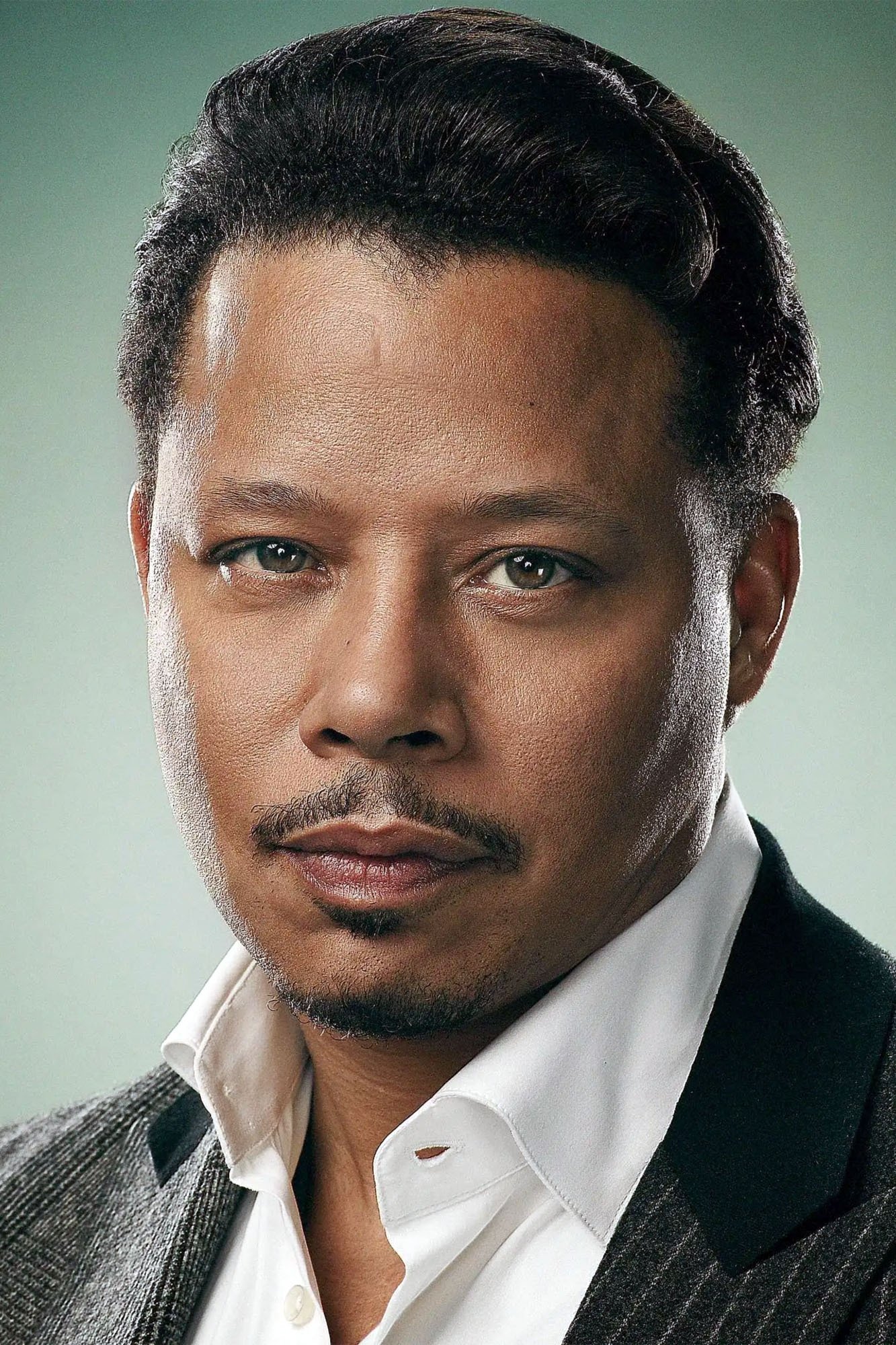
Terrence Howard has been vocal about his dissatisfaction with the pay disparities and creative restrictions in Hollywood. He believes that the industry often undervalues the contributions of Black performers in successful franchises. The actor has also critiqued the way the media portrays his personal life and professional choices. He advocates for a more equitable system where talent is rewarded fairly regardless of the actor’s background. Howard continues to pursue independent projects that allow him more creative freedom.
Mike Epps
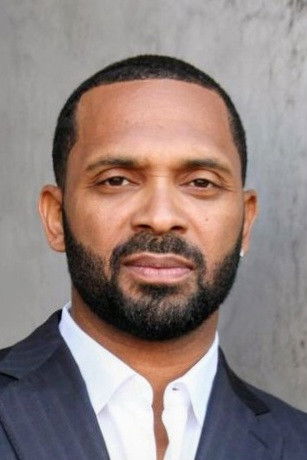
Mike Epps believes that the rise of sensitivity in the digital age has made it harder for comedians to do their jobs. He argues that the immediate backlash on social media creates an environment of fear for performers. The actor and comedian misses the days when audiences were less prone to taking offense at every joke. He believes that the industry is losing its edge by trying to please everyone all the time. Epps remains committed to his style of humor while navigating the changing landscape of modern entertainment.
Bill Bellamy
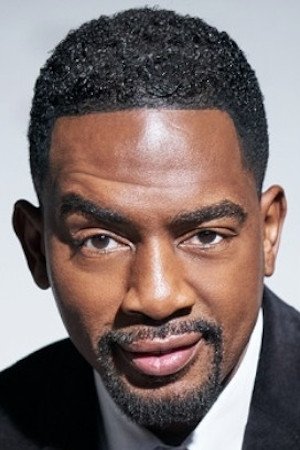
Bill Bellamy has shared his thoughts on how the focus on identity politics can sometimes overshadow pure talent. He believes that the industry should return to a more merit based system where the best person gets the job. The actor and comedian has noted that the current climate can make casting feel more like a checklist than a creative process. He encourages the industry to focus on making people laugh and move rather than fulfilling social agendas. Bellamy continues to be an active voice in the comedy community.
Faizon Love
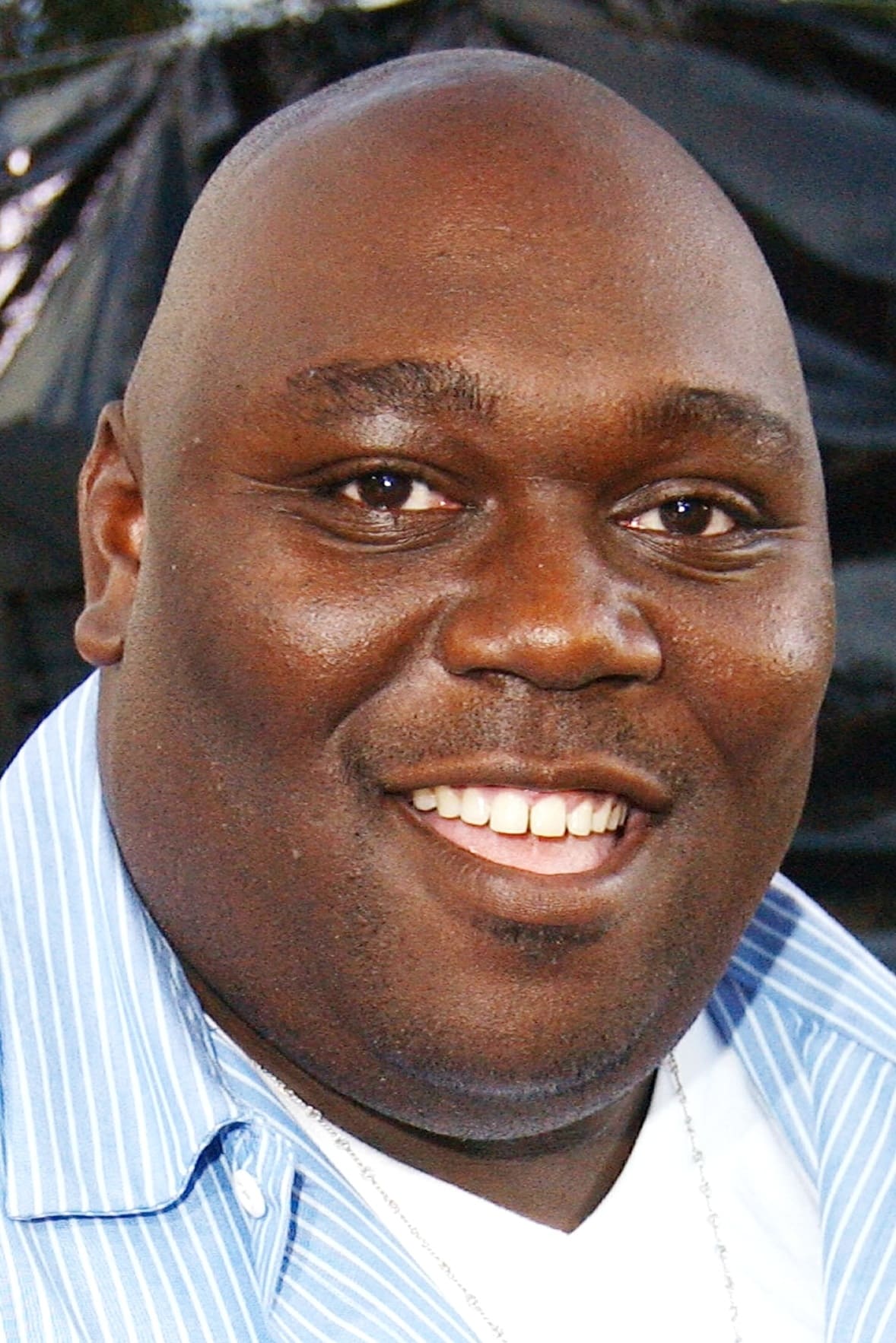
Faizon Love has been critical of how some Black actors are portrayed in major comedy films. He believes that the industry still relies on certain tropes that can be demeaning to the culture. The actor is known for speaking his mind about the quality of scripts and the motivations of certain producers. He advocates for more authentic and less caricatured roles for Black performers in Hollywood. Love remains an outspoken critic of the industry’s approach to racial humor and representation.
Katt Williams
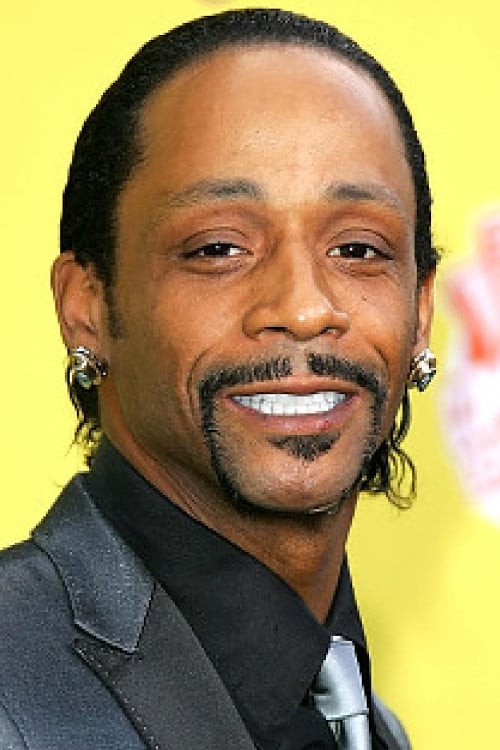
Katt Williams often uses his comedy specials to critique the internal politics of Hollywood and the behavior of its stars. He has spoken out against performers who he believes have compromised their integrity for mainstream success. The comedian is critical of the industry’s gatekeepers and the ways they control which voices become prominent. He emphasizes the importance of staying true to one’s roots and the community that supported them from the beginning. Williams continues to be a provocative figure who challenges the status quo in entertainment.
Aries Spears
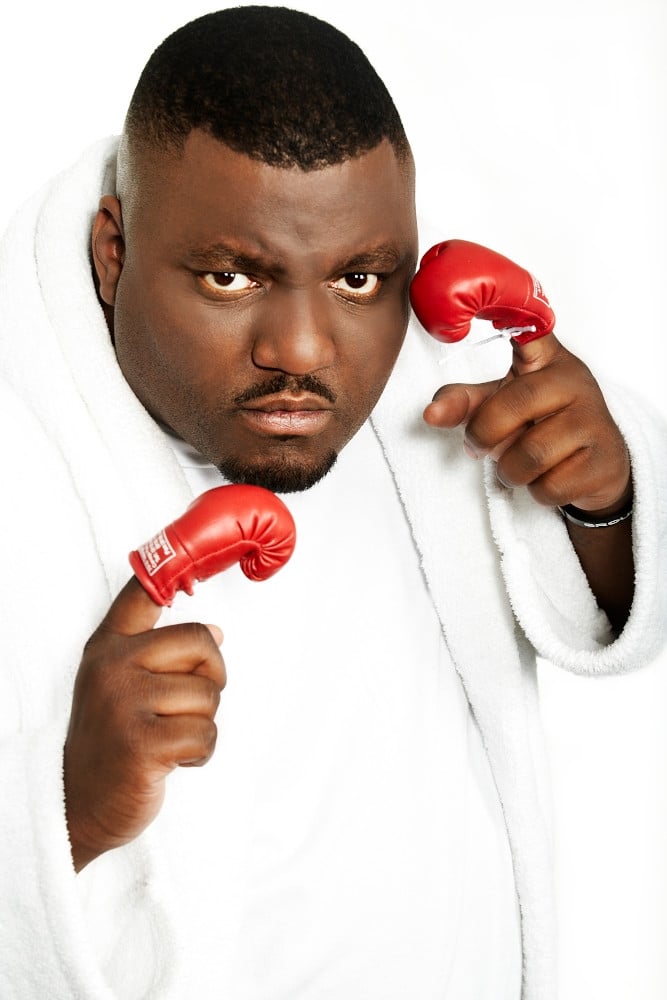
Aries Spears has expressed his frustration with the softening of comedy in the era of woke politics. He believes that the best humor comes from a place of honesty which can often be uncomfortable for some people. The actor and comedian argues that the industry is becoming too careful and losing its ability to provide social commentary. He critiques the trend of prioritizing political correctness over the actual quality of the performance. Spears remains a proponent of raw and unfiltered comedy.
JB Smoove
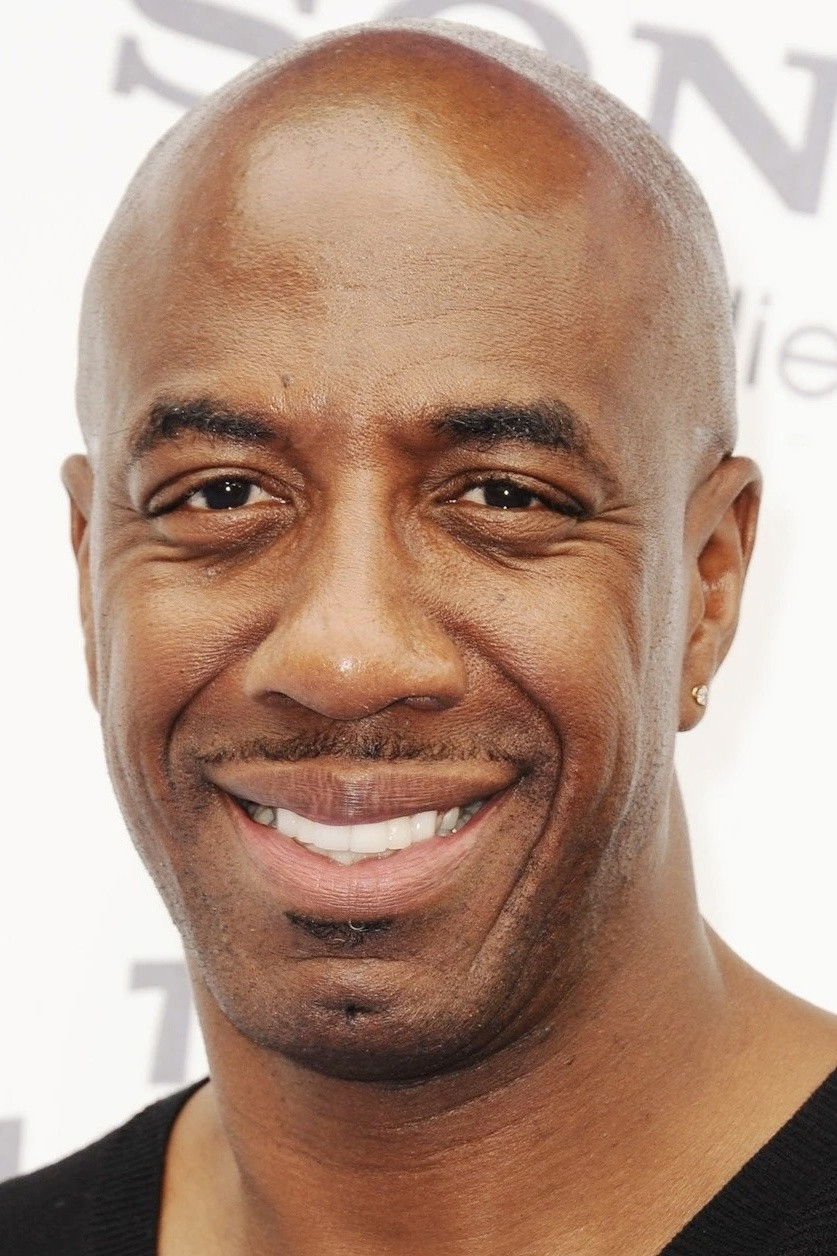
JB Smoove focuses on the importance of maintaining an individual voice in an industry that often demands conformity. He believes that actors should bring their unique energy to every role rather than trying to fit a specific mold. The performer is known for his improvisational skills and his ability to transcend traditional character types. He encourages creators to look for the funny in the unexpected rather than relying on safe and established tropes. Smoove continues to be a favorite in the comedy world for his original approach to performance.
Tracy Morgan
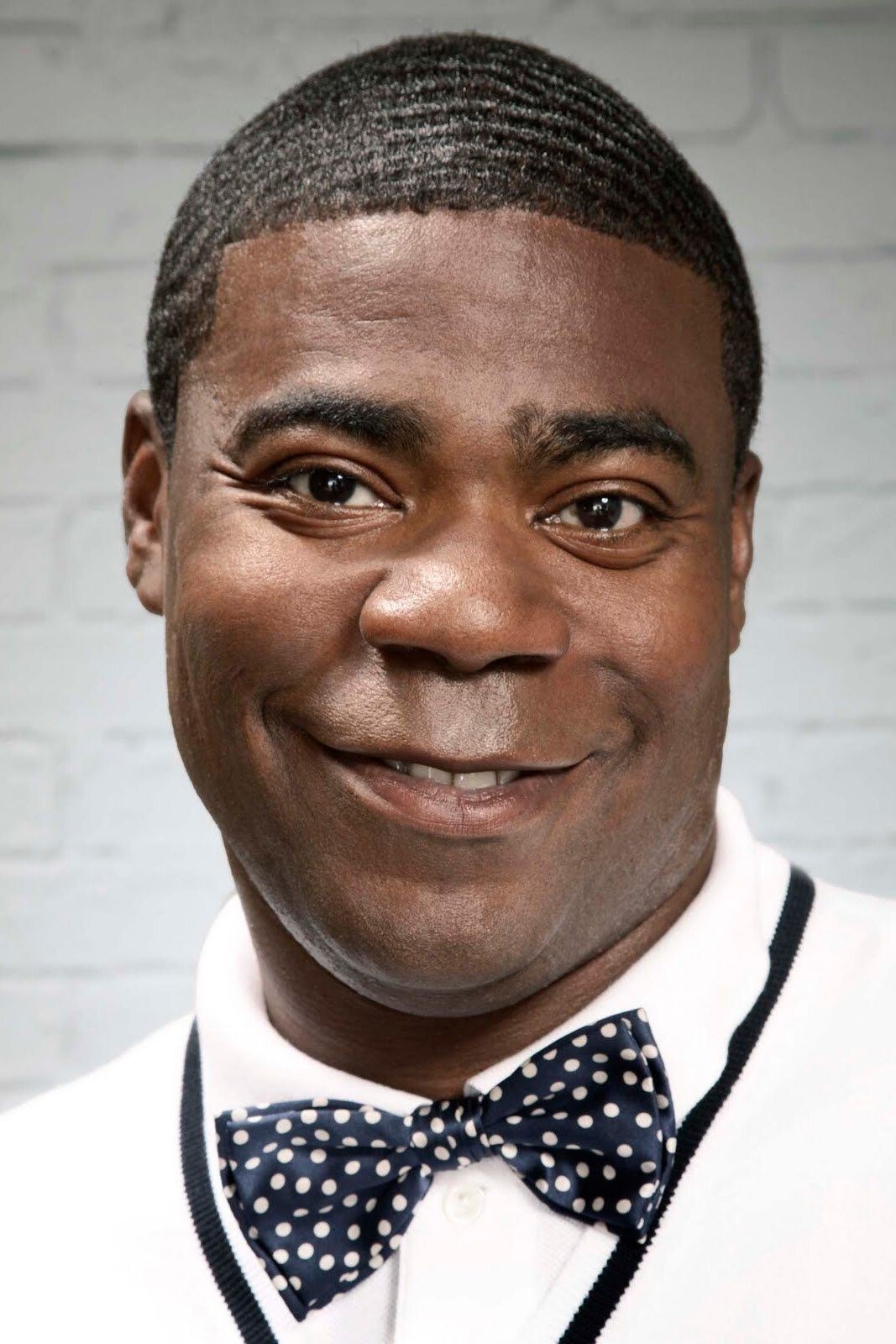
Tracy Morgan believes that humor should be a space where social rules are temporarily suspended to allow for honest laughter. He has faced his own controversies and argues that the industry has become too quick to judge performers. The actor and comedian maintains that his primary goal is to make people happy and forget their troubles. He is critical of the idea that comedy should be restricted by modern sensitivities or political goals. Morgan remains a resilient figure who continues to find success on his own terms.
Keegan-Michael Key
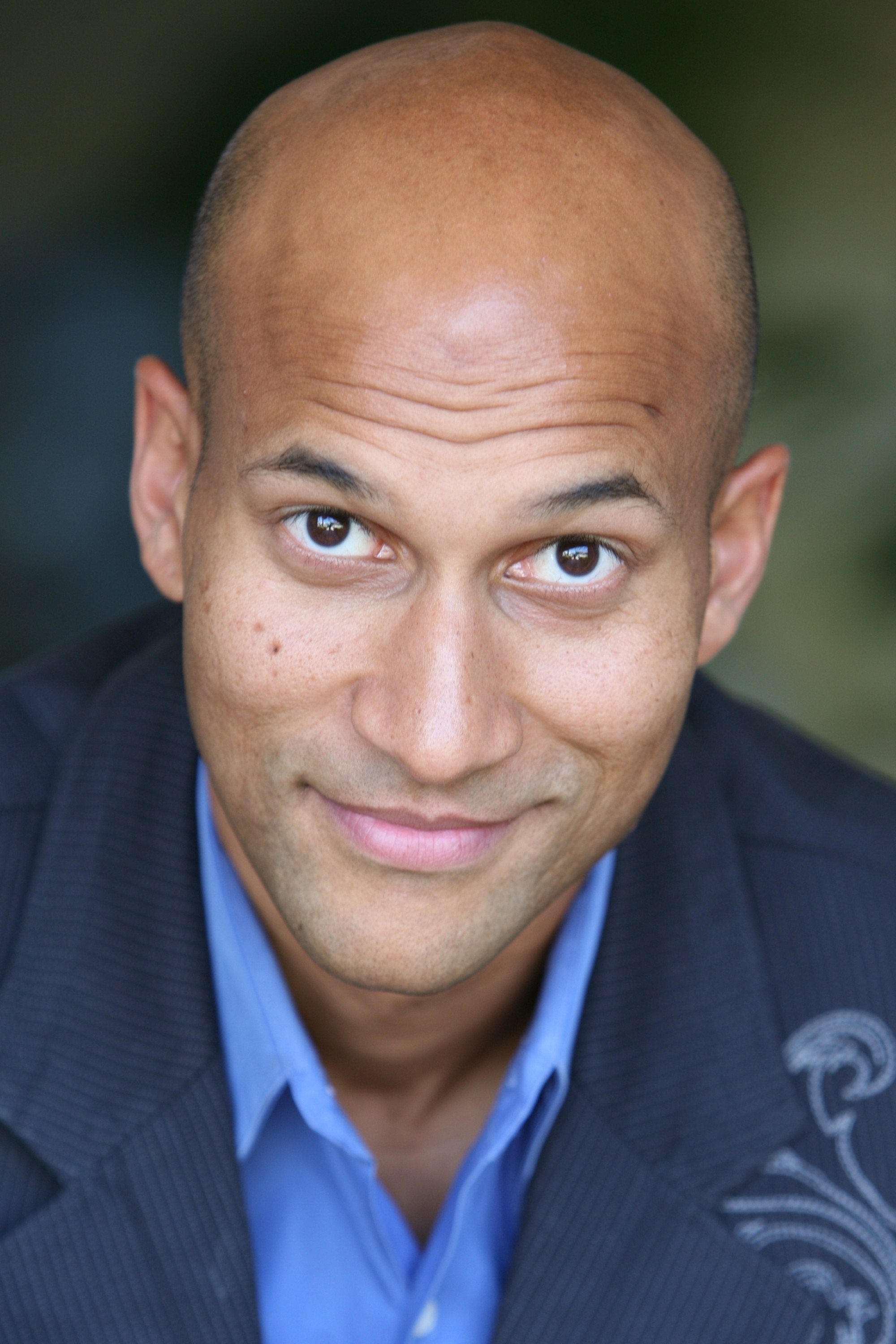
Keegan-Michael Key has spoken about the struggle that many actors face when trying to escape being cast in urban roles. He believes that the industry often has a narrow view of what characters a Black actor can effectively portray. The performer has used his career to showcase a wide range of characters that defy simple categorization. He advocates for a more inclusive approach to writing that allows for greater diversity within the Black experience itself. Key continues to be a versatile talent in both comedy and drama.
Jordan Peele
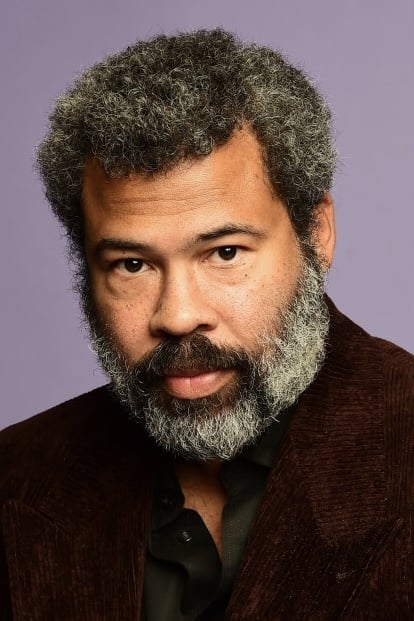
Jordan Peele has critiqued the way the industry traditionally used Black characters as supporting props for white protagonists. He has dedicated his career as a director and actor to putting Black characters in roles where they are the masters of their own stories. The creator argues that the industry needs to move past the trope of the Black best friend or the magical mentor. He pushes for more genre films where the racial identity of the lead is just one part of a complex narrative. Peele has significantly influenced the industry by proving that these stories can be massive commercial successes.
Daniel Kaluuya
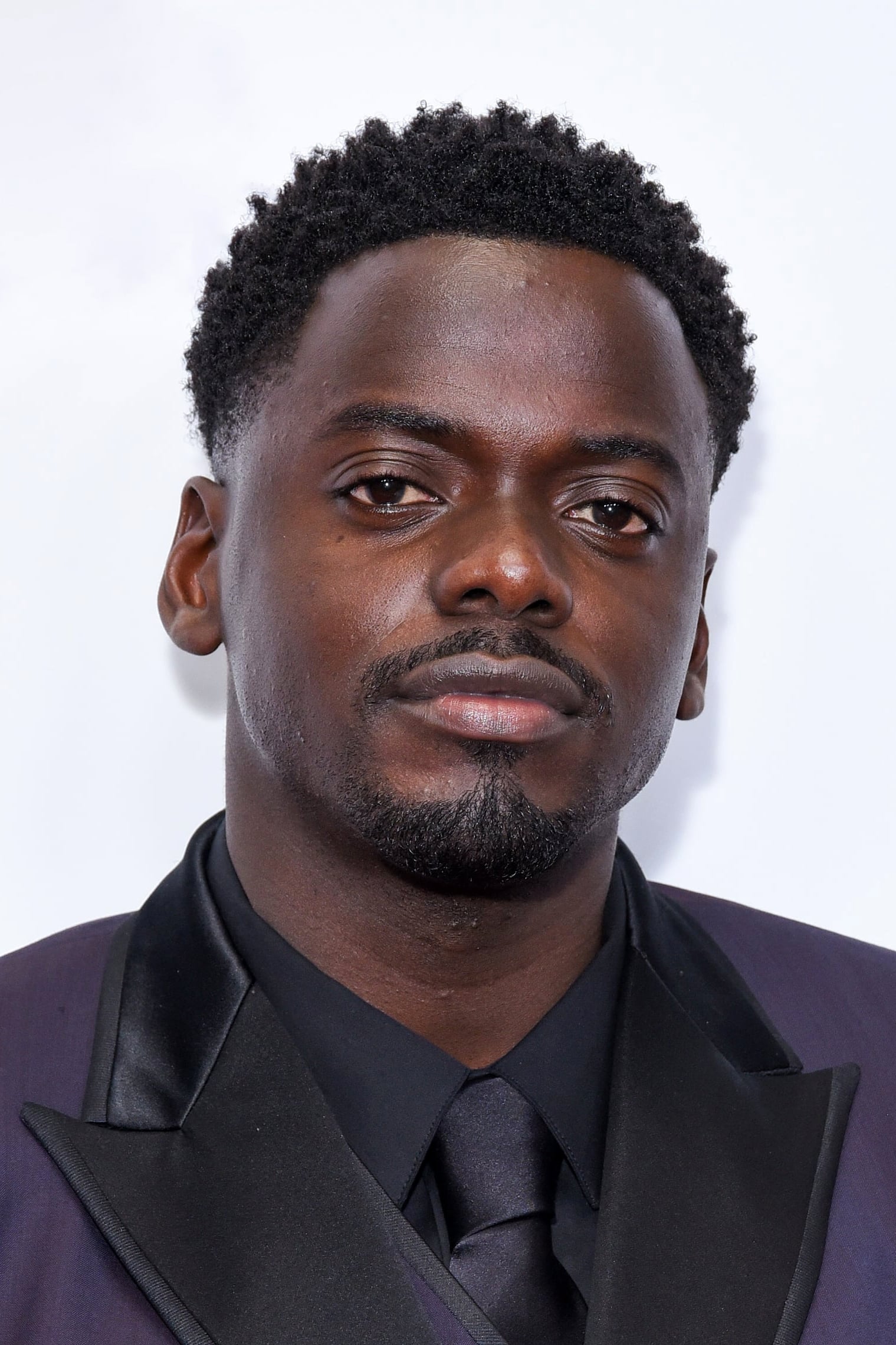
Daniel Kaluuya has expressed his exhaustion with being asked about race in almost every interview he does. He believes that the industry’s fixation on his identity can sometimes overshadow the work he puts into his craft. The actor wants to be recognized for his skills and the complexity he brings to his characters rather than just being a symbol of diversity. He encourages the media to focus more on the art of filmmaking and the specific stories being told. Kaluuya remains one of the most acclaimed actors of his generation by focusing on intense and grounded performances.
Lakeith Stanfield
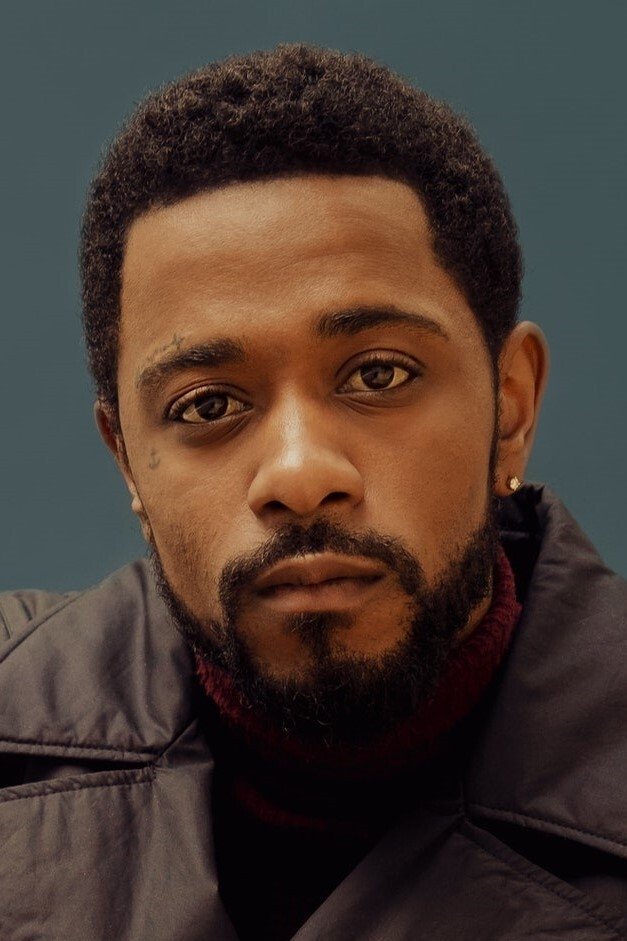
Lakeith Stanfield has been critical of the industry’s tendency to try and box him into specific types of roles. He often takes on eccentric and non traditional characters that challenge the audience’s expectations of a Black performer. The actor believe that the industry needs more space for actors who do not fit the standard leading man mold. He has used his social media presence to share his unfiltered thoughts on the Hollywood system and its limitations. Stanfield continues to be a unique voice who prioritizes artistic integrity over mainstream approval.
Winston Duke
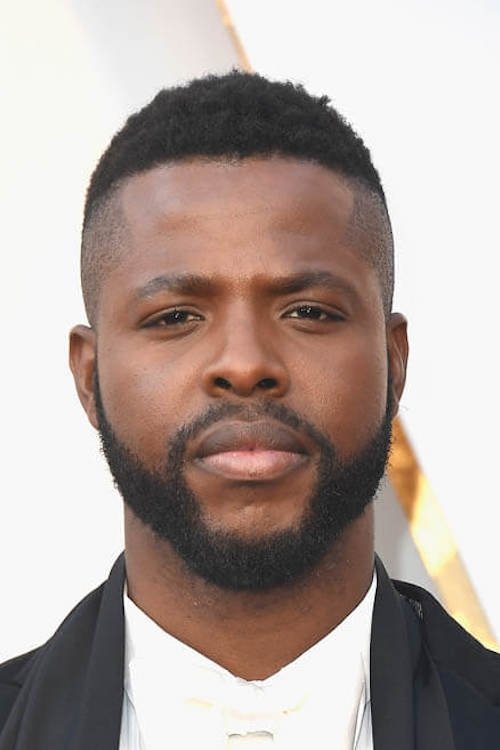
Winston Duke has spoken about the importance of seeing Black men in roles that emphasize their humanity and vulnerability. He believes that the industry often portrays Black men in ways that are either hyper aggressive or purely heroic. The actor advocates for more nuanced writing that allows for a full spectrum of emotion and character development. He is critical of the idea that representation is just about having more diverse faces on screen without better writing. Duke continues to seek out roles that challenge stereotypes and offer new perspectives on masculinity.
Sterling K. Brown
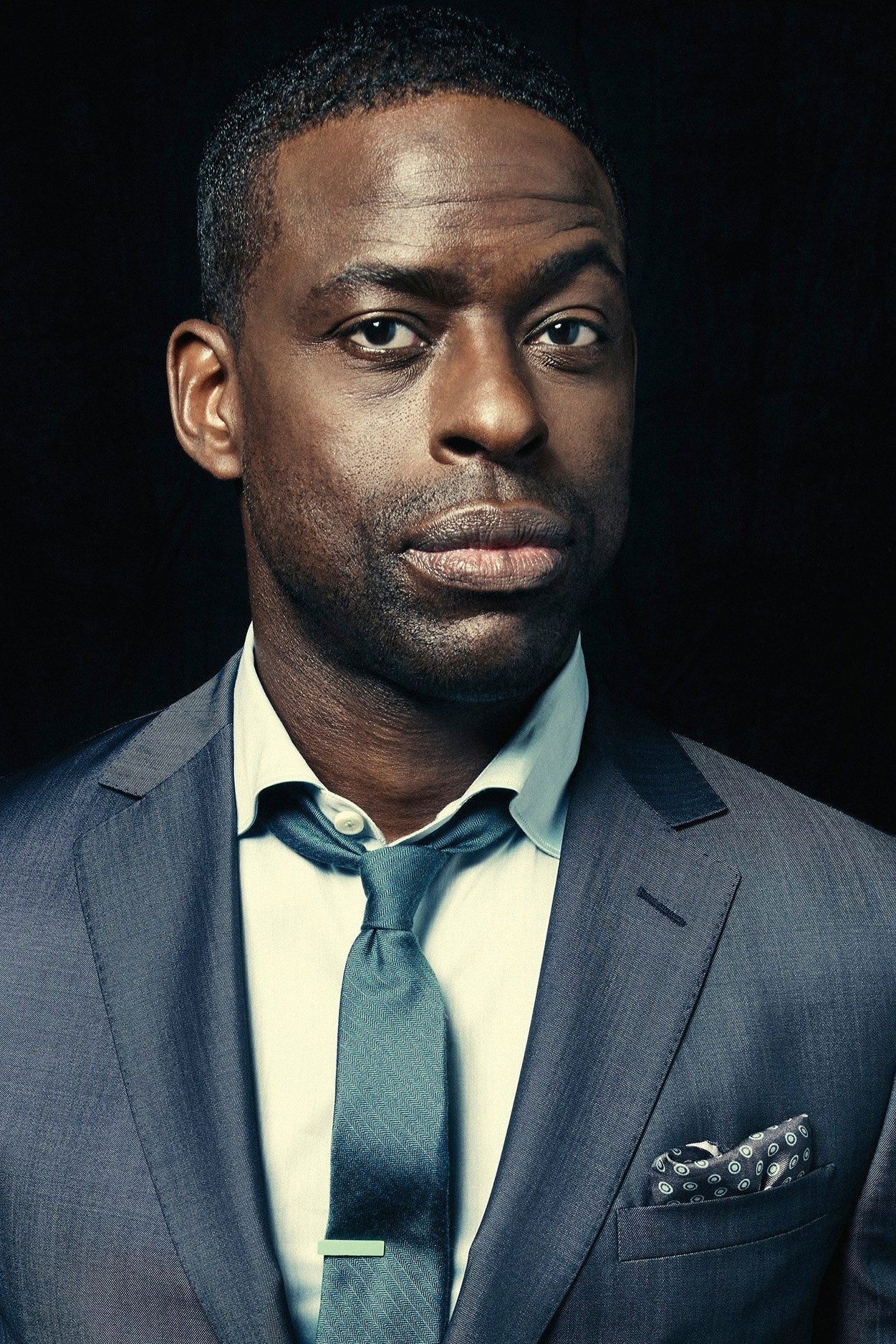
Sterling K. Brown has expressed a desire for roles where his race is incidental rather than the primary focus of the plot. He believes that true progress in Hollywood will be made when Black actors can play characters whose lives do not revolve around racial conflict. The actor appreciates the opportunities that diversity initiatives have created but also looks forward to a more race blind future in casting. He continues to deliver powerful performances that highlight universal themes of family and personal struggle. Brown remains a leading figure in the movement toward more diverse and complex storytelling.
Mahershala Ali
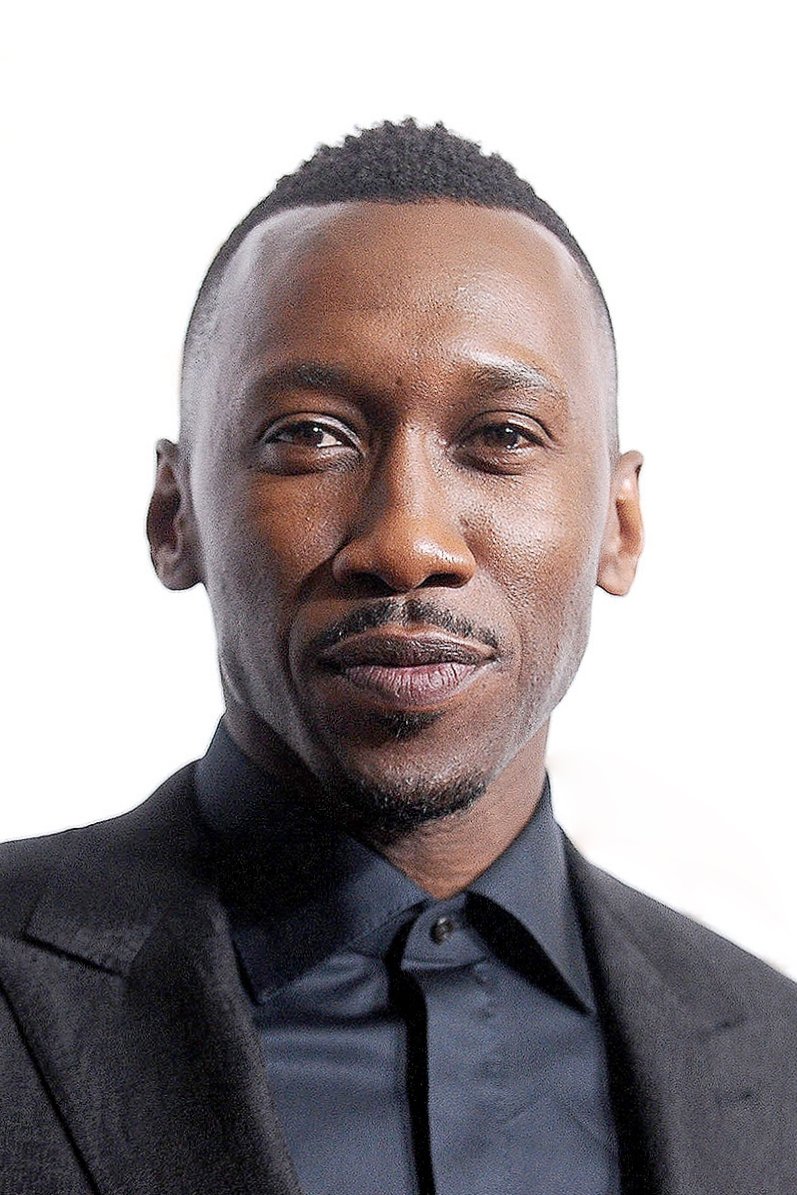
Mahershala Ali focuses on the spiritual and human depth of his characters rather than relying on racial archetypes. He has been careful to choose roles that offer a sense of dignity and complexity regardless of the genre. The actor believes that the industry should focus on the quality of the narrative and the truth of the performance. He has often spoken about the need for more diverse voices behind the camera to ensure that stories are told authentically. Ali continues to be a highly respected performer who balances critical acclaim with a thoughtful approach to his career.
Chiwetel Ejiofor
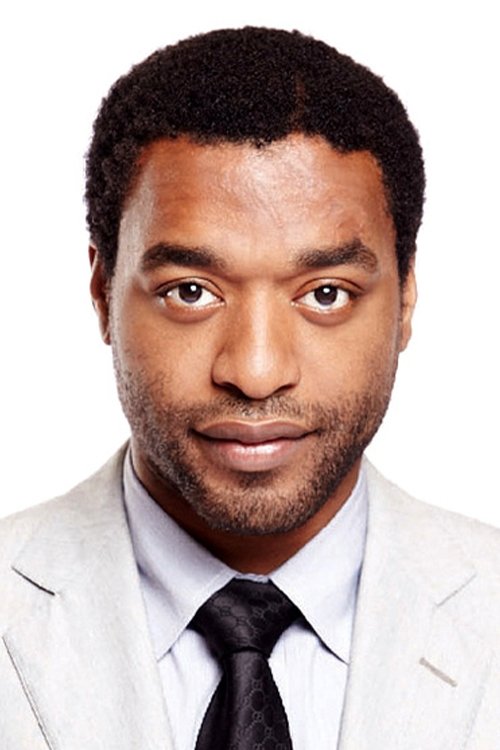
Chiwetel Ejiofor has challenged the industry’s often narrow definition of the Black experience by taking on a wide range of international roles. He believes that Hollywood sometimes forgets that Black people have a global history and a vast array of cultural backgrounds. The actor pushes for more stories that reflect this diversity and avoid the usual tropes found in American cinema. He is critical of the industry’s habit of focusing on a small set of historical narratives. Ejiofor remains a prominent actor who brings a sophisticated and global perspective to his work.
David Harewood
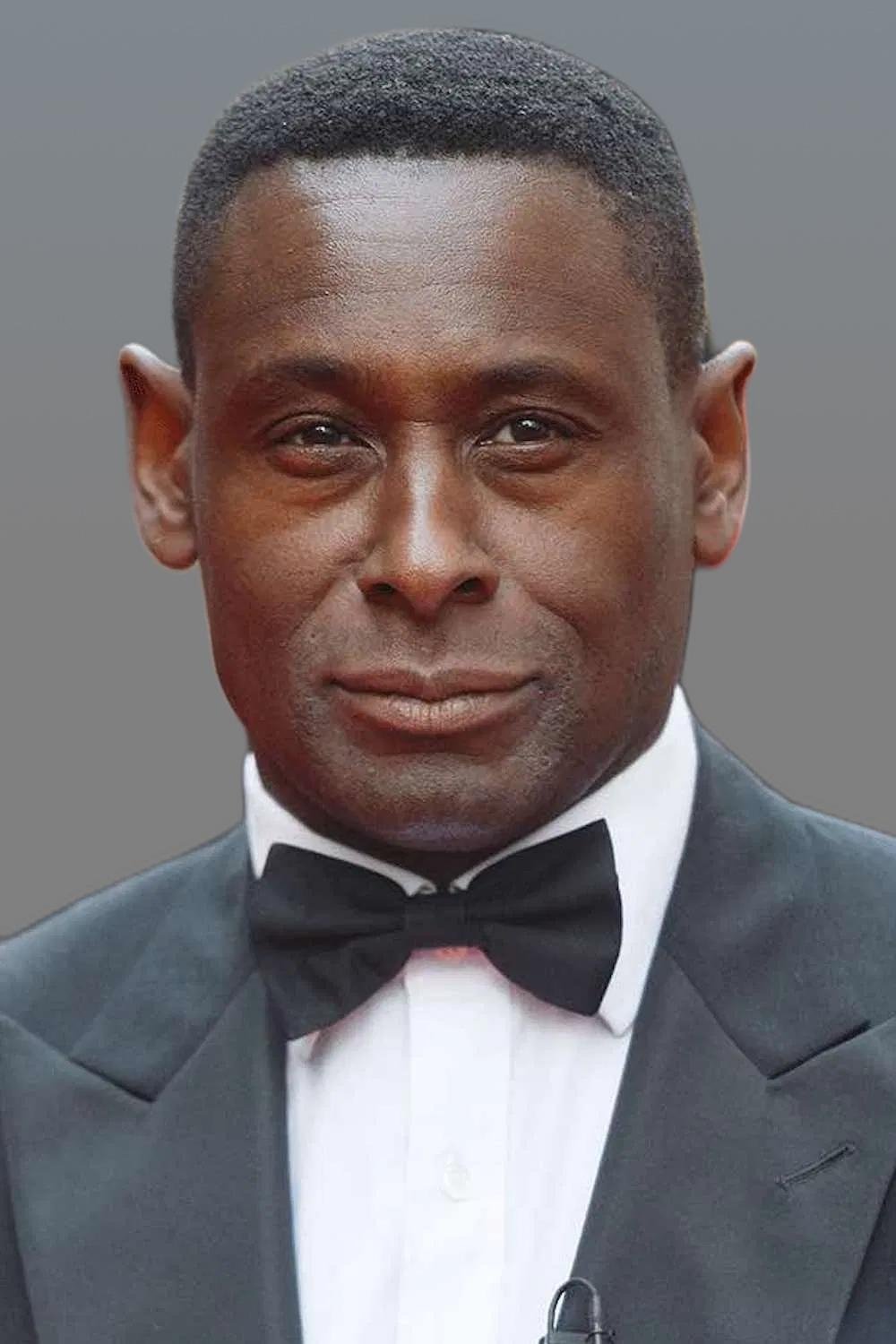
David Harewood has been vocal about the lack of opportunities for Black British actors within the United Kingdom’s film industry. He has noted that many talented performers are forced to move to America to find meaningful and diverse roles. The actor believes that the British industry is often stuck in a cycle of traditional casting that excludes people of color from major roles. He advocates for a more inclusive approach to period pieces and contemporary dramas alike. Harewood continues to speak out about the need for systemic change in how talent is nurtured and cast in Britain.
Lennie James
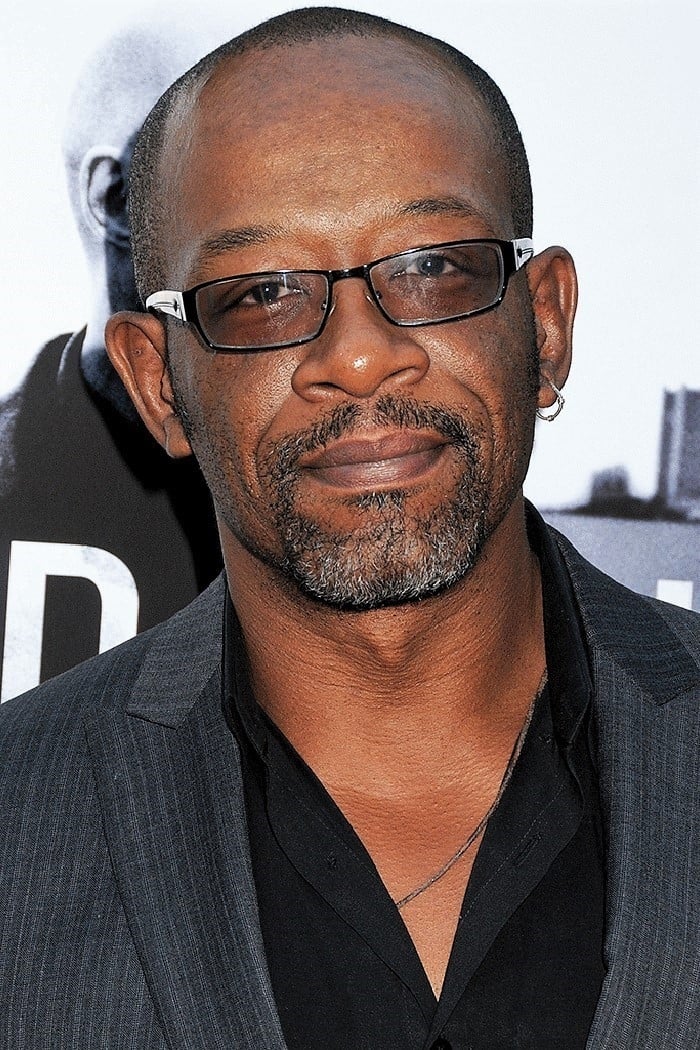
Lennie James has critiqued the industry’s habit of casting based on current social trends rather than long term talent. He believes that true diversity should be a consistent part of the industry rather than a temporary response to political pressure. The actor and writer emphasizes the importance of good storytelling that resonates with people regardless of their background. He is critical of roles that feel like they were created just to fill a diversity quota. James continues to be a mainstay on television by focusing on character driven performances.
Adrian Lester
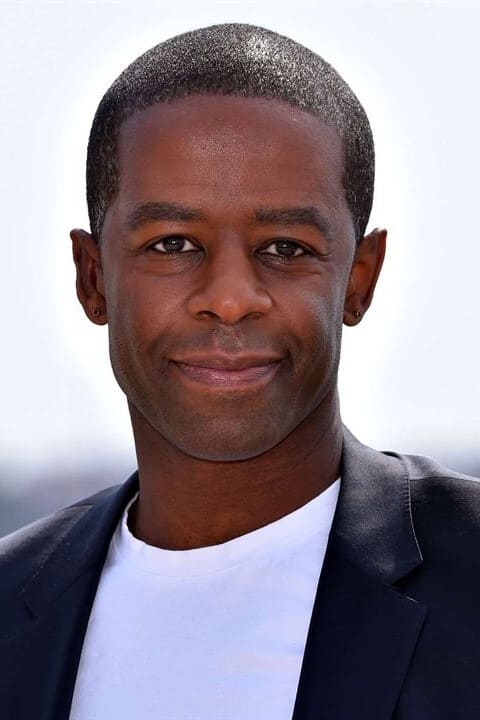
Adrian Lester has discussed the limitations that are often placed on Black actors when it comes to classical theater and traditional roles. He believes that the industry sometimes struggles to see past the physical appearance of an actor to their ability to play any role. The performer has worked to break down these barriers by taking on iconic roles in Shakespeare and other classic works. He encourages a more imaginative approach to casting that prioritizes talent over historical expectations. Lester remains a respected figure who has paved the way for more diverse casting in the theater world.
Clarke Peters
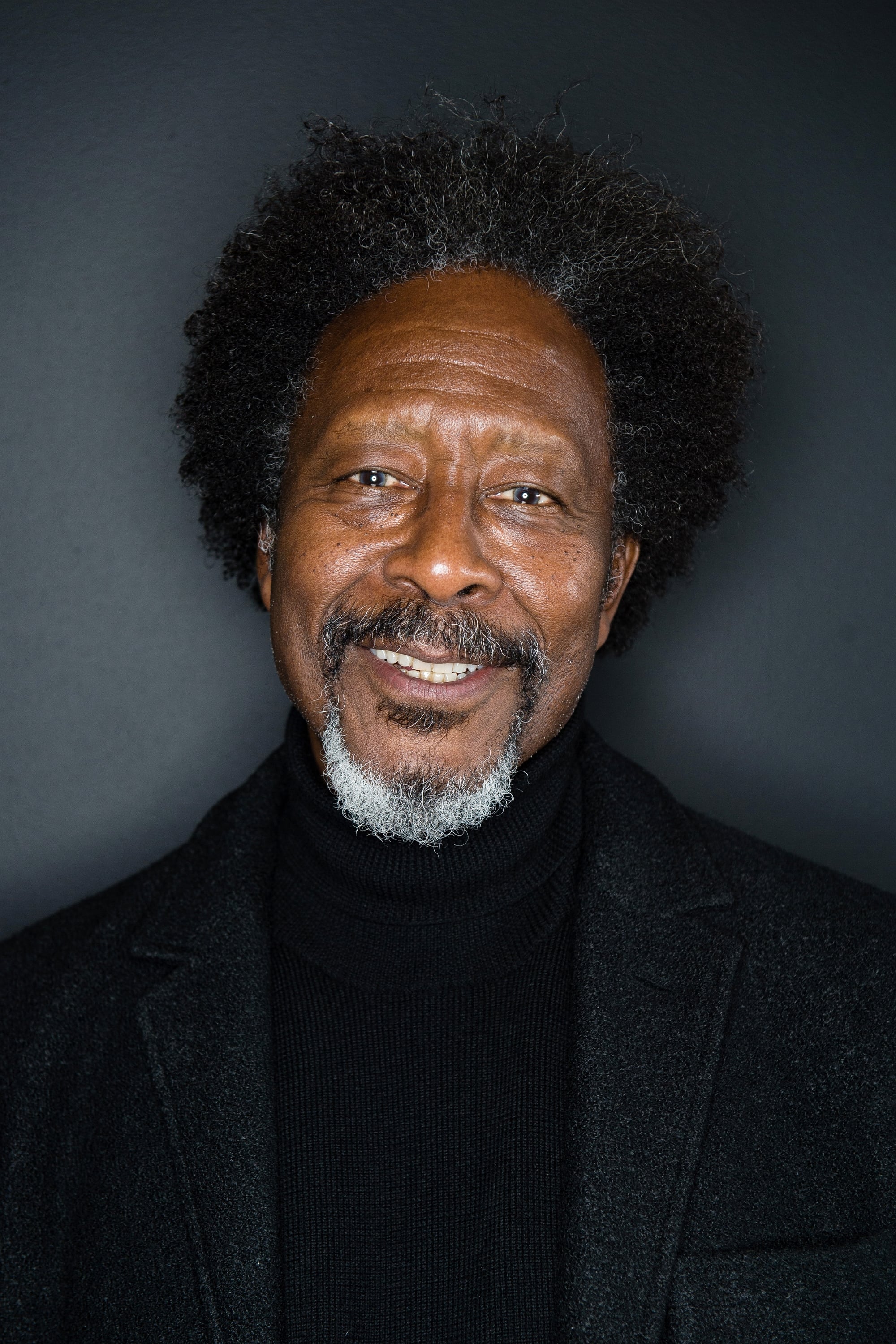
Clarke Peters has expressed his frustration with the lack of nuanced writing available for older Black performers in Hollywood. He believes that the industry often focuses too much on youth and misses the opportunity to tell deep and complex stories about elders. The actor is critical of the stereotypical roles that are often offered to men of his age and experience. He advocates for more scripts that honor the wisdom and history of older generations. Peters continues to deliver memorable performances while pushing for better representation for veteran actors.
Michael B. Jordan
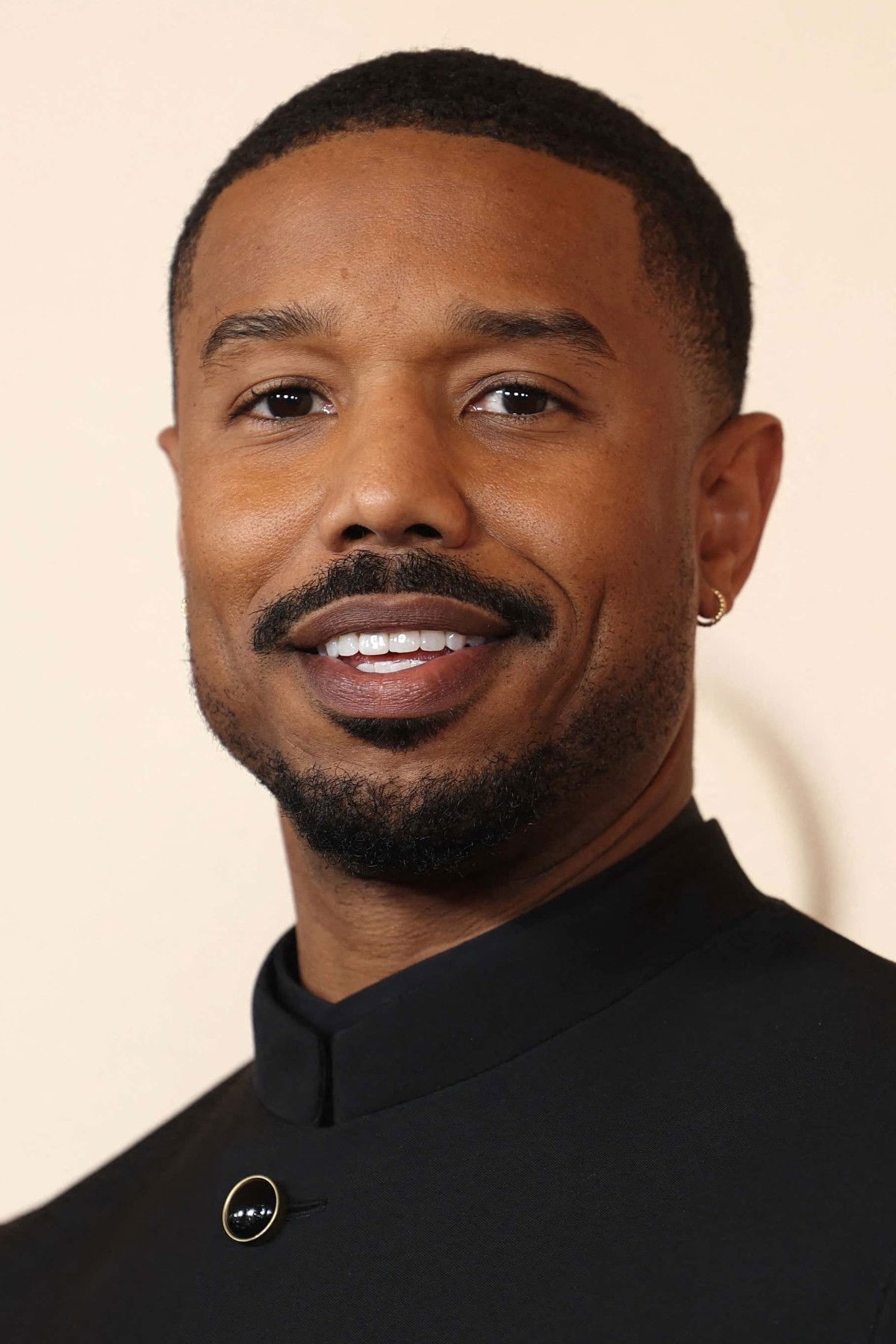
Michael B. Jordan has made a conscious effort to take on roles that were not originally written specifically for Black actors. He believes that this strategy helps to break down the barriers that often limit the careers of minority performers. The actor and producer advocates for a more color blind approach to casting in major action and dramatic films. He also uses his production company to ensure that there is diversity both in front of and behind the camera. Jordan remains a major influence in Hollywood by demonstrating the commercial power of diverse leads in universal stories.
Ving Rhames
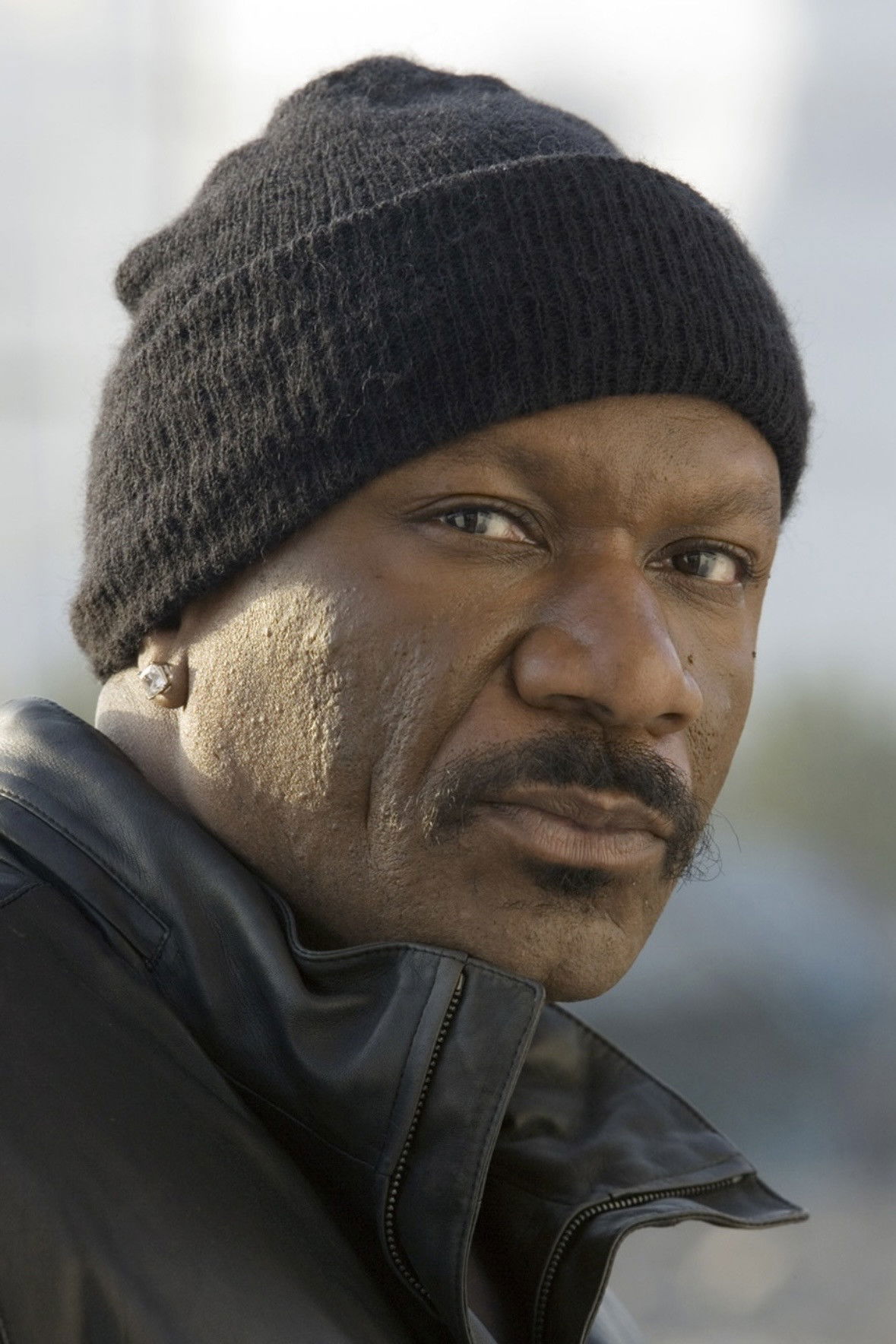
Ving Rhames has often spoken about the importance of maintaining dignity and integrity in the roles he chooses to play. He is known for his powerful presence and his refusal to take on characters that he finds demeaning or stereotypical. The actor believes that performers have a responsibility to be mindful of the image they are projecting to the world. He has even gone as far as giving away his own awards to other actors as a gesture of respect and merit. Rhames continues to be a respected figure who prioritizes the quality of his work and the impact of his characters.
Please share your thoughts on how Hollywood handles these complex issues of representation in the comments.