‘Obsession’ Art Director’s $6,741 Paycheck Vs. $175 Million Box Office Sparks a Bigger Conversation About Who Really Pays the Price for Indie Hollywood

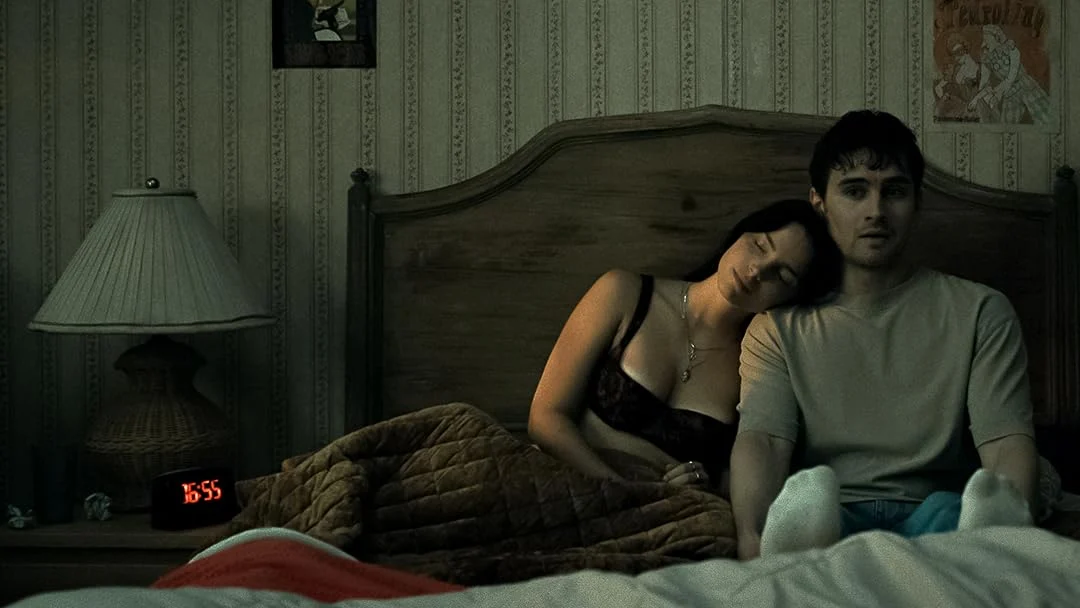

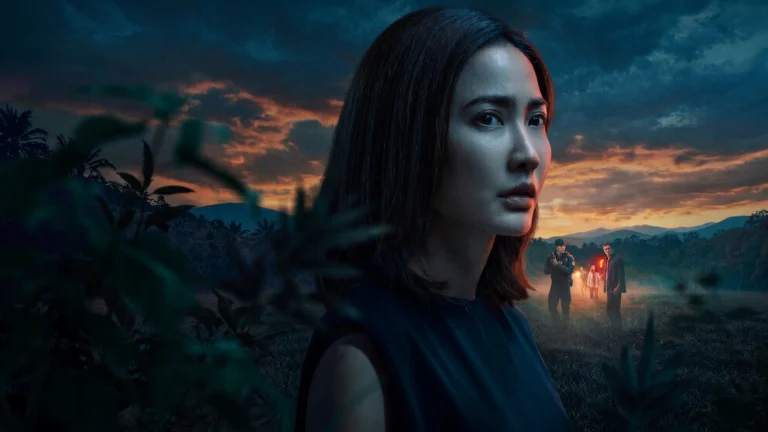
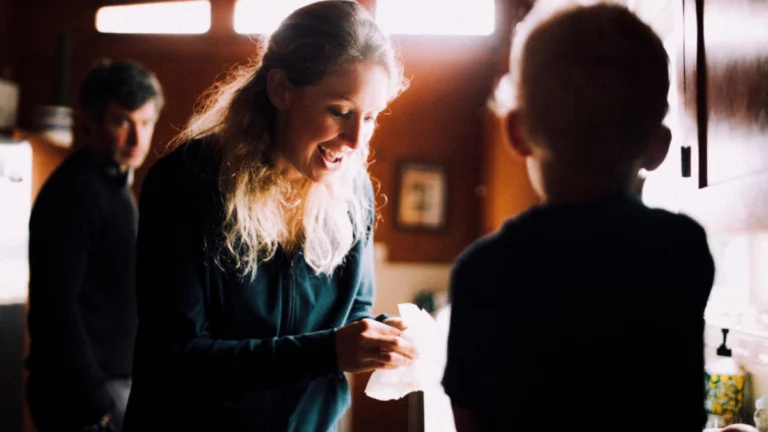
The story of ‘Obsession’ has been one of the most exhilarating Hollywood underdog tales in recent memory. Directed by Curry Barker, a 26-year-old filmmaker who honed his craft on YouTube, the indie horror film was independently produced for just $750,000 before Focus Features acquired it for a reported $15 million following its premiere at the Toronto International Film Festival. From there, the film defied every industry expectation, becoming a genuine theatrical phenomenon in a climate that rarely produces them.
The picture passed the $100 million domestic mark in its third weekend, becoming Focus Features’ top-grossing domestic release of all time, recording a remarkable weekend-to-weekend increase two frames in a row before its current run approaching $175 million globally. It is exactly the kind of scrappy success story that inspires aspiring filmmakers everywhere. But not everyone who helped make it is celebrating.
Sally Choi, the film’s art director, broke her silence this week in a post she admitted she had been sitting on for a long time. Writing on Instagram, Choi revealed that she earned $300 per day on the production, which amounted to $6,741.36 after taxes, with no mileage reimbursement included. With ‘Obsession’ now closing in on a projected $250 million global gross, she was candid about the gap between what she contributed and what she took home, writing, “This is the reality of most filmmakers, especially those who work below the line. We become a line in the budget sheet to keep as low as possible.”
Choi also described the physical toll the production took on her, stating that the demands of the job left her weighing just 90 pounds during filming. Beyond her own experience, she alleged that other crew members on the project were working as volunteers, paid only in gas and mileage, and that even that compensation was not always delivered on time, meaning some of them came out of pocket simply to show up to set.
Though she acknowledged she had agreed to the indie rate beforehand and described her perspective as “just a drop in the bucket,” she called on others from the production to speak out alongside her, writing, “Maybe we can turn a tide in the film industry.” The post spread quickly, with the online reaction splitting in every direction. Film director Joseph Kahn weighed in on X, cautioning that below-the-line film work is inherently feast or famine, and that a day rate has to stretch across weeks or months of downtime. Others, however, took Choi’s side entirely. One X user argued that the studio and producers behind ‘Obsession’ should be issuing bonuses to everyone on set given the film has earned roughly 250 times its production budget.
The conversation sits at the center of an old and unresolved tension in the independent film world, where the people most exposed to financial risk are almost always the ones furthest from the profits when something succeeds beyond anyone’s wildest imagination. Choi’s post is not just about one film or one paycheck. It is about whether the industry has any structural obligation to the crew members who bet their time, health, and financial stability on a project that turned into a phenomenon. Whether ‘Obsession’ becomes a watershed moment for below-the-line pay reform or fades into another cautionary tale is a question worth sitting with, so share your thoughts in the comments: should studios be required to revisit crew compensation when a low-budget film crosses into blockbuster territory?