Actresses Who Angered Male Fandoms by Calling Their Massive Nerd Franchises Sexist

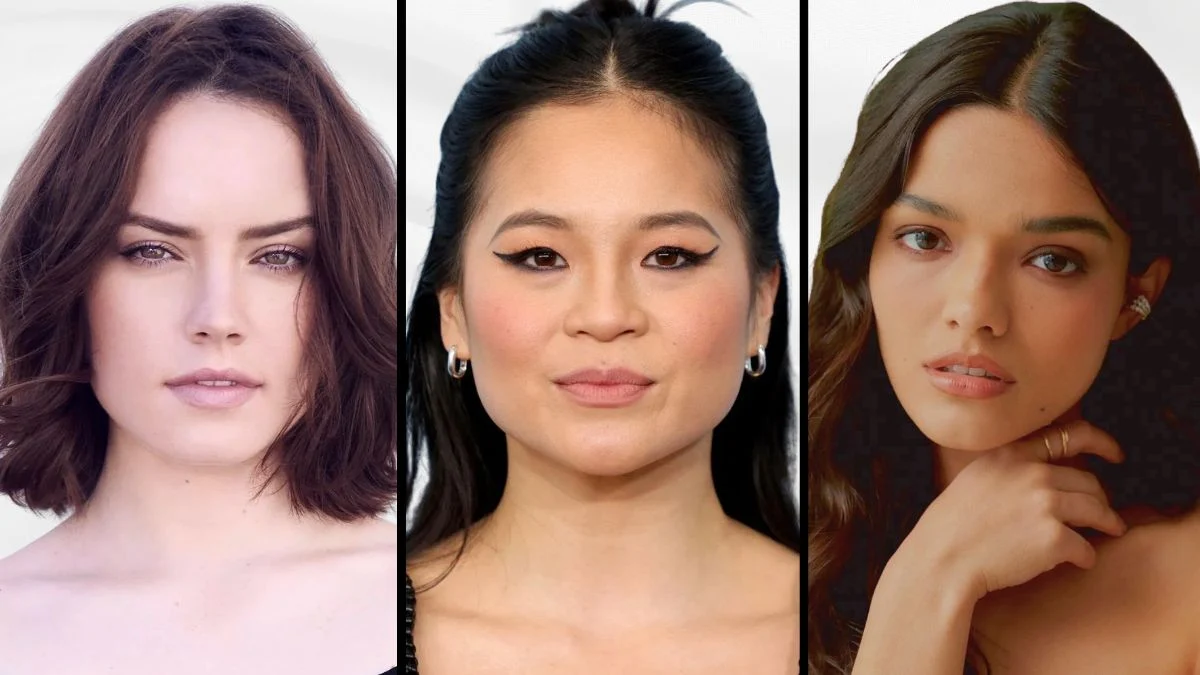

The landscape of major entertainment franchises has shifted as more actresses speak out against historical gender biases and toxic fan behaviors. These women have used their platforms to address how ‘Star Wars’ or the Marvel Cinematic Universe can sometimes perpetuate limiting stereotypes or exclude diverse perspectives. Their candid remarks often spark intense debate among dedicated fanbases who feel protective of their favorite fictional worlds. By challenging the status quo these performers aim to create a more inclusive environment for future generations of actors and viewers alike. This list explores the actresses who have faced significant pushback for highlighting systemic issues within nerd culture.
Brie Larson
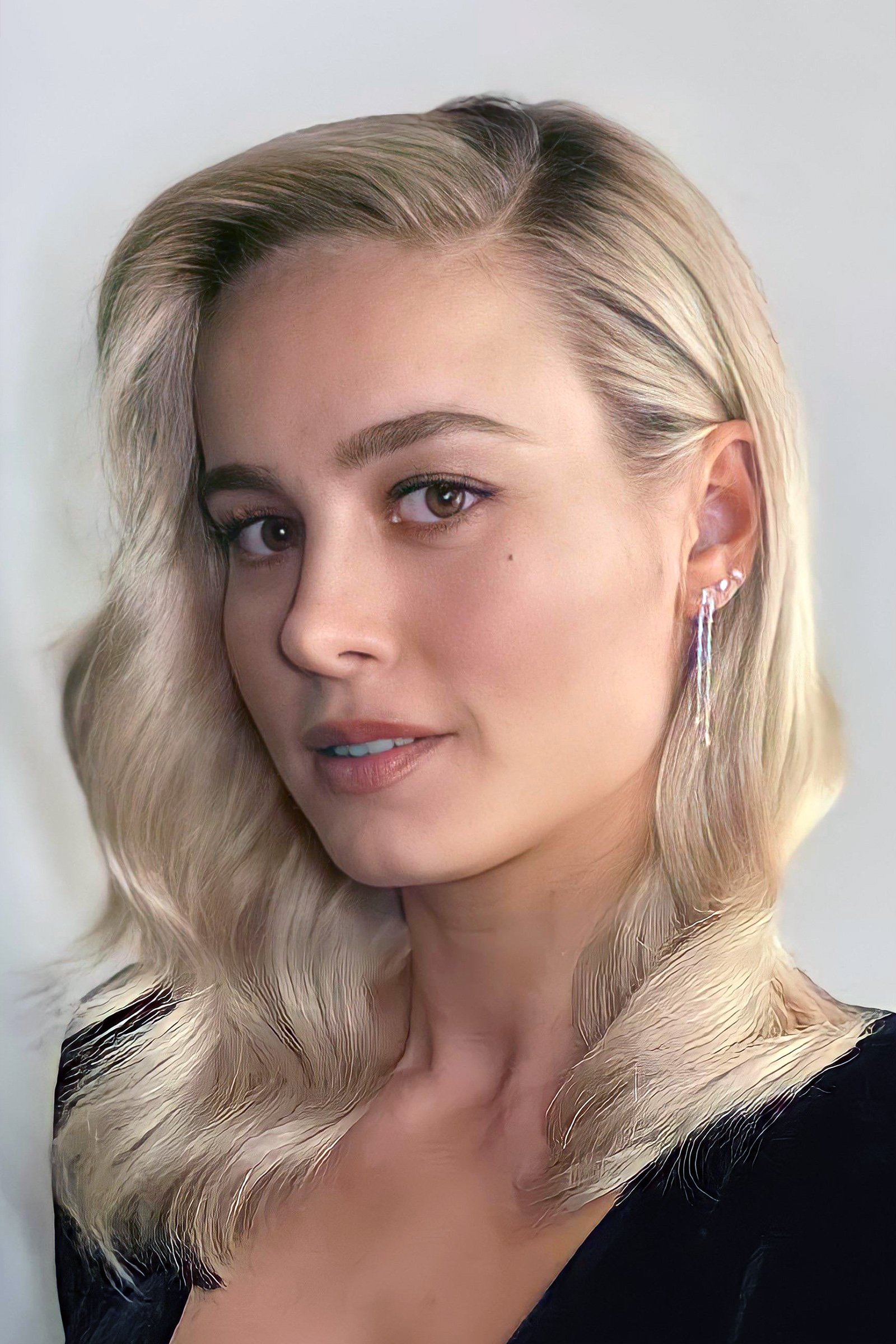
Brie Larson became a lightning rod for criticism after advocating for more diversity among film critics during the ‘Captain Marvel’ press tour. She noted that the industry had long favored a specific demographic and called for more inclusive representation in the media. Many fans perceived her comments as a personal attack on the existing audience for superhero films. This led to a massive campaign to review bomb her movies and a wave of online harassment. Despite the backlash Larson continues to champion equality while portraying one of the most powerful heroes in the franchise.
Kelly Marie Tran
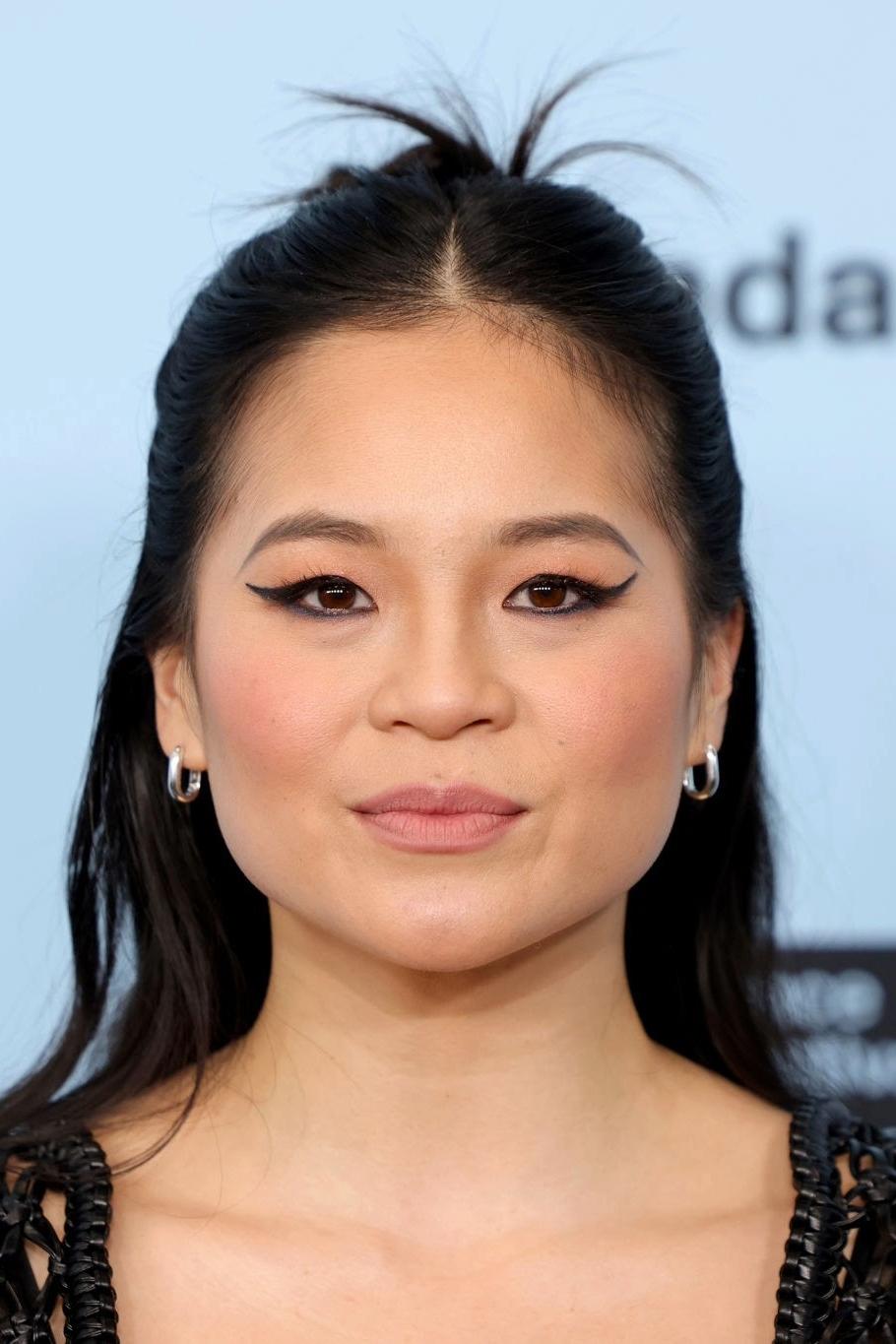
Kelly Marie Tran faced such intense harassment from ‘Star Wars’ fans that she eventually deleted her social media presence. The actress was frequently targeted for her character Rose Tico in ‘The Last Jedi’ and her critiques of how the series handles diversity. She later wrote an essay about how the experience reinforced her desire to speak up against the marginalization of women of color. Tran pointed out that the toxic reactions were a symptom of larger issues within nerd culture that need to be addressed. Her experience remains a primary example of the difficulties women face in massive science fiction franchises.
Daisy Ridley

Daisy Ridley has been vocal about the double standards and sexist critiques she encountered while playing Rey in the ‘Star Wars’ sequel trilogy. She addressed how her character was often labeled a Mary Sue while male protagonists with similar skills were never questioned. Ridley also spoke out against the toxic side of the fandom that targeted her and her co-stars for the direction of the story. Her comments about the need for more nuanced female leads were met with resistance from those who disliked the new films. She has since moved on to other projects but remains a significant figure in discussions about gender in space opera.
Rachel Zegler
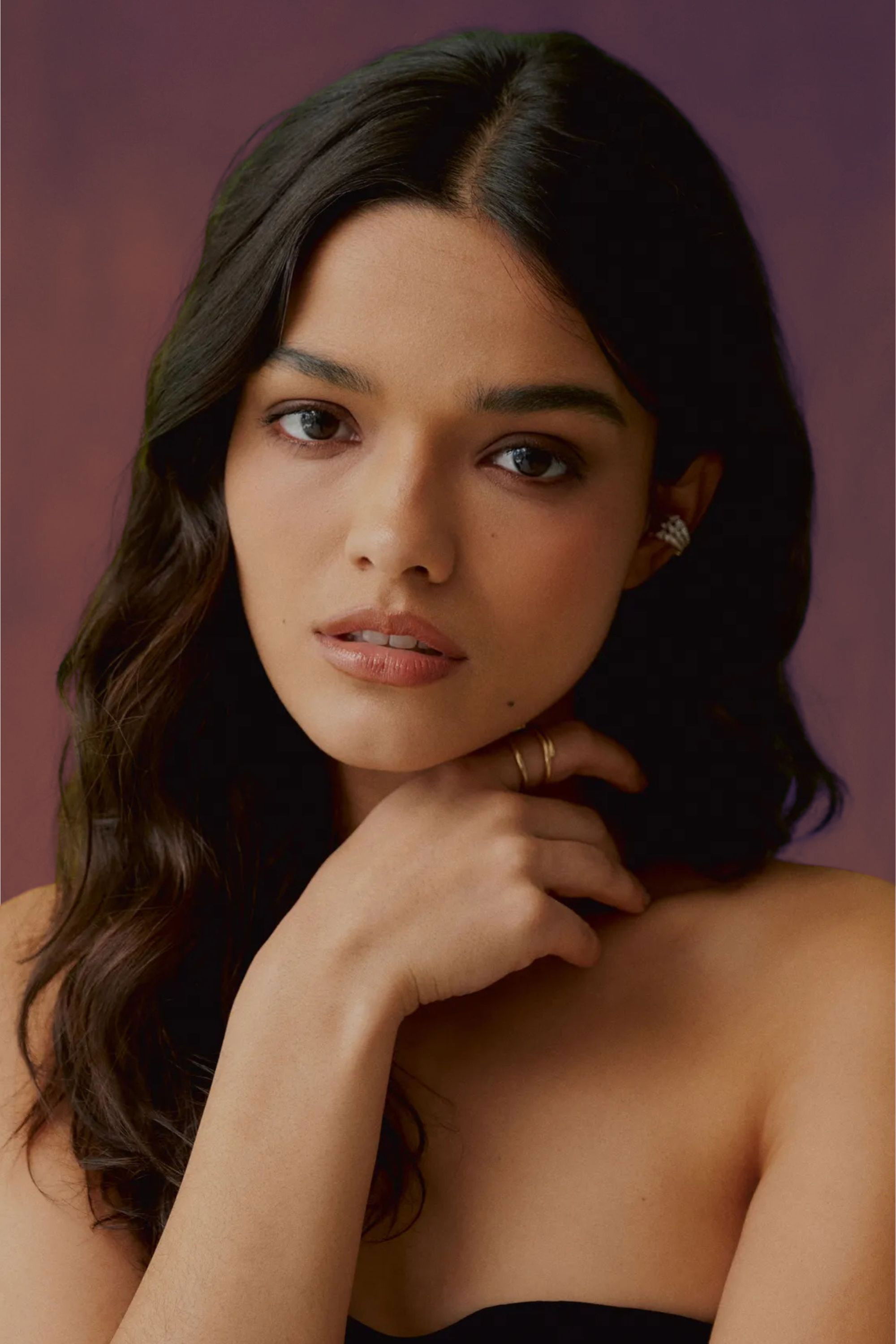
Rachel Zegler sparked a firestorm of controversy with her comments about the original ‘Snow White and the Seven Dwarfs’ animated film. She described the 1937 classic as outdated and criticized the focus on a prince who arguably stalked the protagonist. These remarks led to significant backlash from fans who felt she was being disrespectful to a beloved piece of cinematic history. Zegler maintained that the new live action version would offer a more modern and empowered take on the character. Her willingness to challenge the tropes of the past has made her a target for those resistant to change in Disney franchises.
Halle Bailey
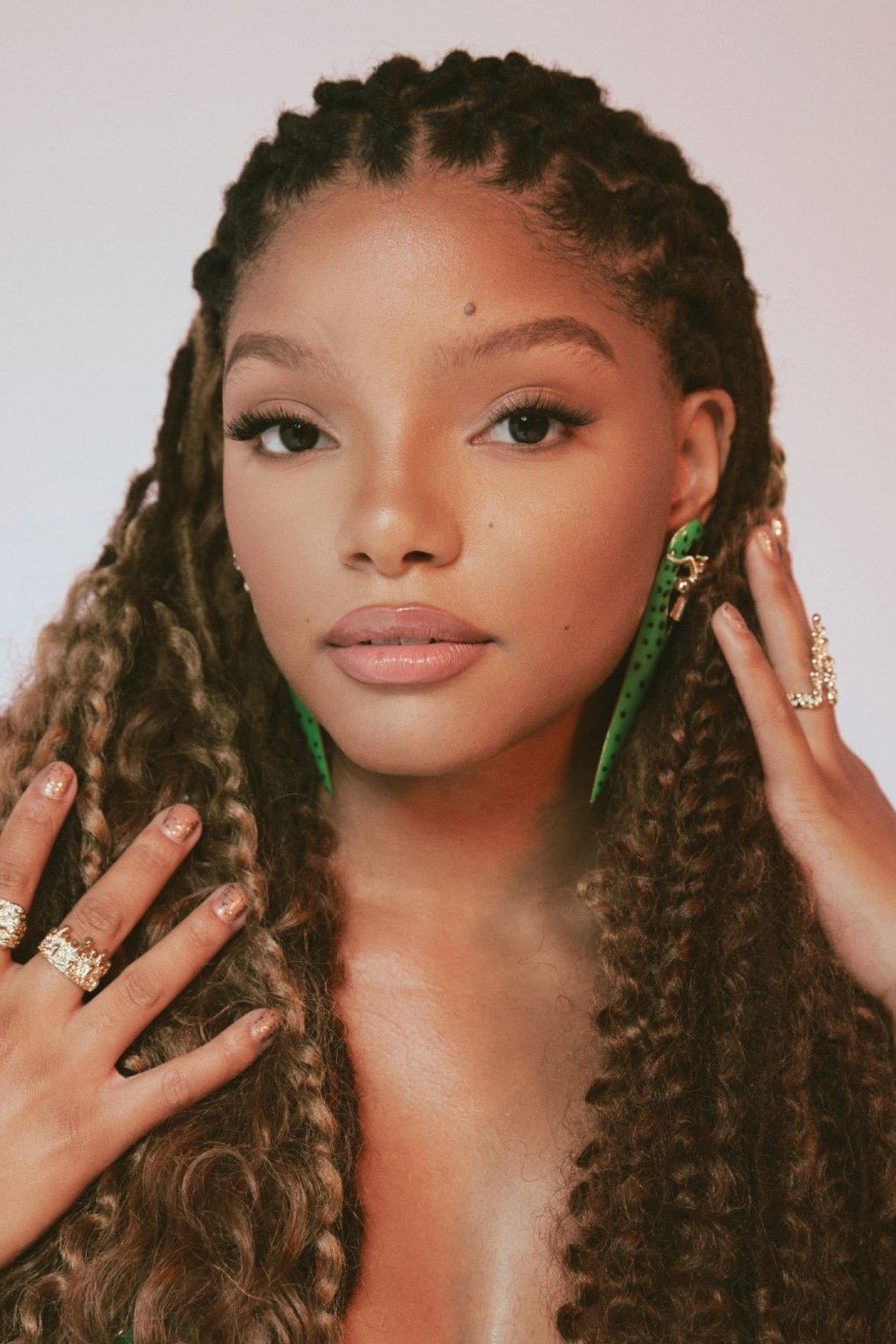
Halle Bailey faced a wave of racist and sexist vitriol when she was cast as Ariel in the live action ‘The Little Mermaid’. She chose to focus on the importance of representation and how the original story could be updated for a modern audience. Many critics of her casting used the excuse of historical accuracy for a mythological creature to hide their underlying biases. Bailey spoke about the importance of young girls seeing themselves in iconic roles despite the noise from the internet. Her performance eventually proved her critics wrong while highlighting the persistent issues with diversity in nerd culture.
Tessa Thompson
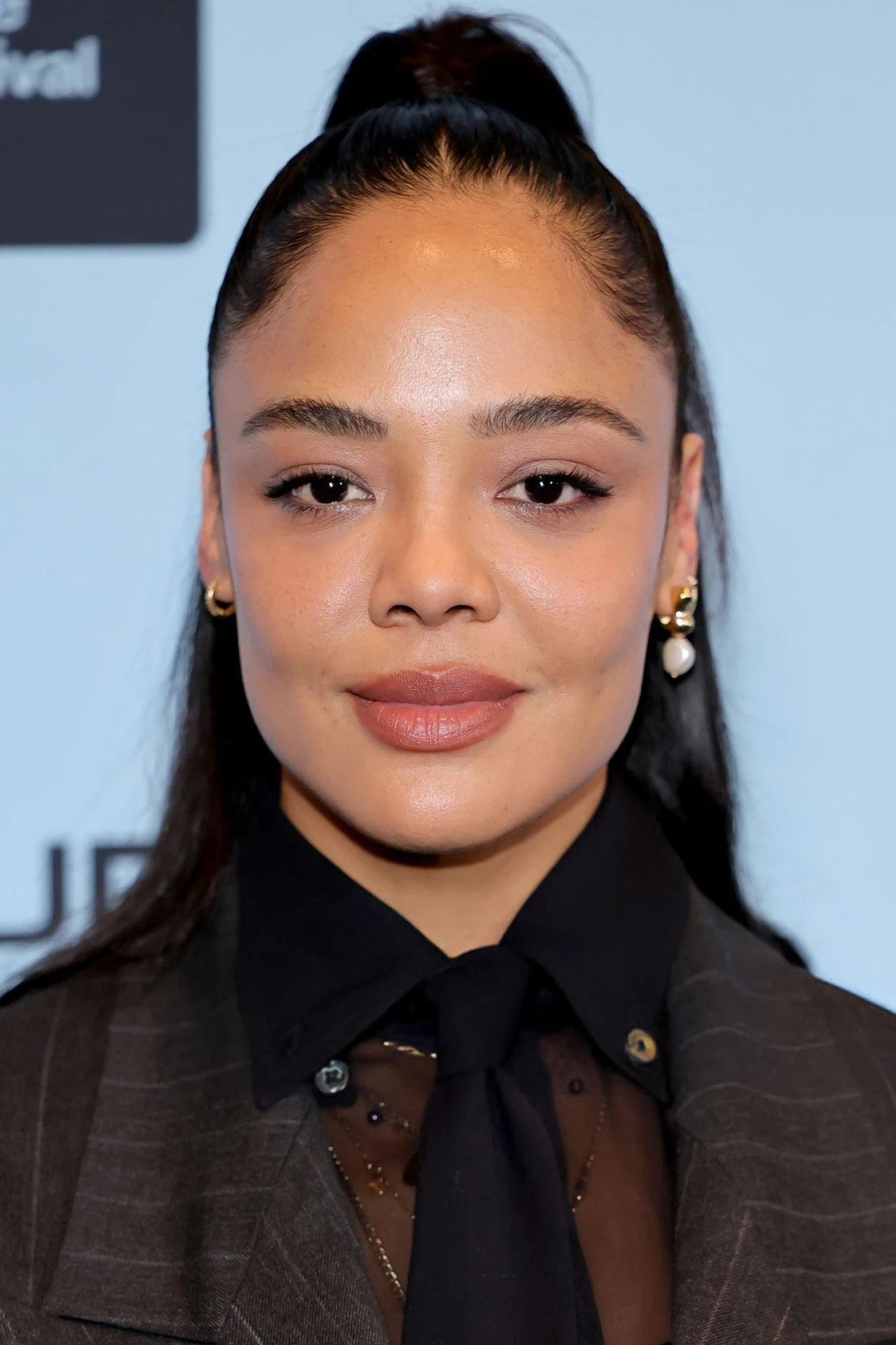
Tessa Thompson has often discussed the need for more intersectionality and queer representation in the Marvel Cinematic Universe. She advocated for her character Valkyrie to have an explicitly bisexual identity in ‘Thor: Love and Thunder’. Some fans reacted negatively to her push for diversity and her critiques of the traditional male centric superhero narrative. Thompson remains committed to using her role to broaden the scope of who can be a hero in these massive films. Her advocacy has helped push the franchise toward a more inclusive future despite the vocal opposition.
Scarlett Johansson

Scarlett Johansson drew attention to the sexist treatment of Natasha Romanoff in the early years of the ‘Avengers’ franchise. She criticized how ‘Iron Man 2’ introduced her character as an object of sexual desire rather than a skilled agent. These comments highlighted the struggle of female actors to find depth in roles written primarily by and for men. While some fans felt her critique was unnecessary others saw it as a vital step toward the character development seen in ‘Black Widow’. Her persistence ensured that the character eventually received the complex narrative she deserved.
Elizabeth Olsen

Elizabeth Olsen expressed her discomfort with the revealing nature of the Scarlet Witch costume in earlier ‘Marvel’ films. She pointed out that she was often the only woman on set with a low cut top while her male co-stars were fully covered in armor. Olsen advocated for a more practical and less sexualized outfit which she finally received in ‘WandaVision’ and ‘Doctor Strange in the Multiverse of Madness’. Her comments about the visual portrayal of female heroes resonated with many fans but also drew ire from those who preferred the classic comic book look. She has since become one of the most prominent voices for character integrity in the franchise.
Evangeline Lilly
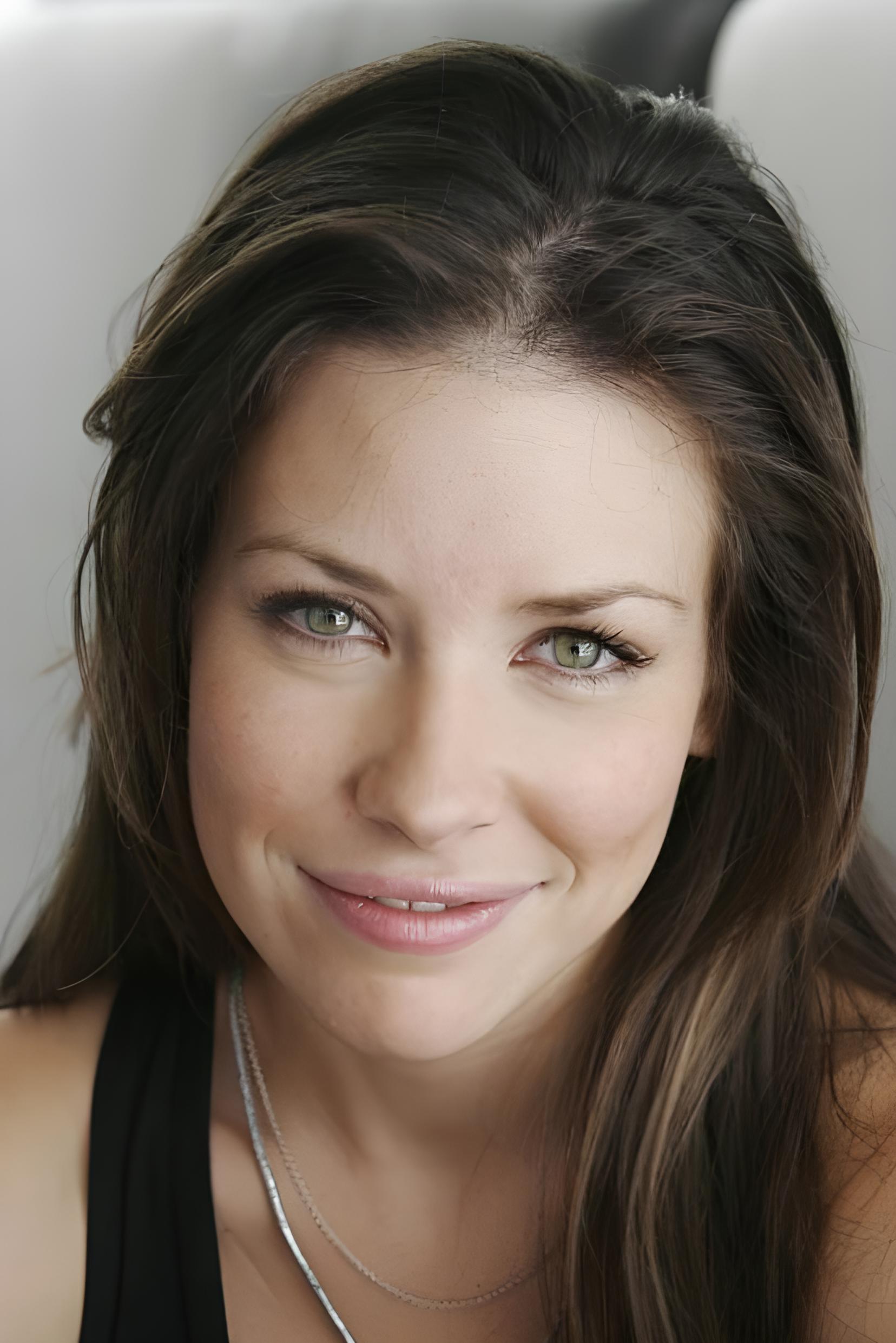
Evangeline Lilly has been open about her frustrations with how her characters were treated in both ‘Lost’ and the ‘Ant-Man’ films. She recalled feeling pressured into doing a partially nude scene in ‘Lost’ that made her feel extremely uncomfortable. In the Marvel films she pushed for the Wasp to have an equal footing with her male counterpart rather than being a secondary figure. Her critiques of the industry and her specific roles have occasionally rubbed some fans the wrong way. However she continues to demand better treatment and more agency for women in major action franchises.
Jennifer Lawrence
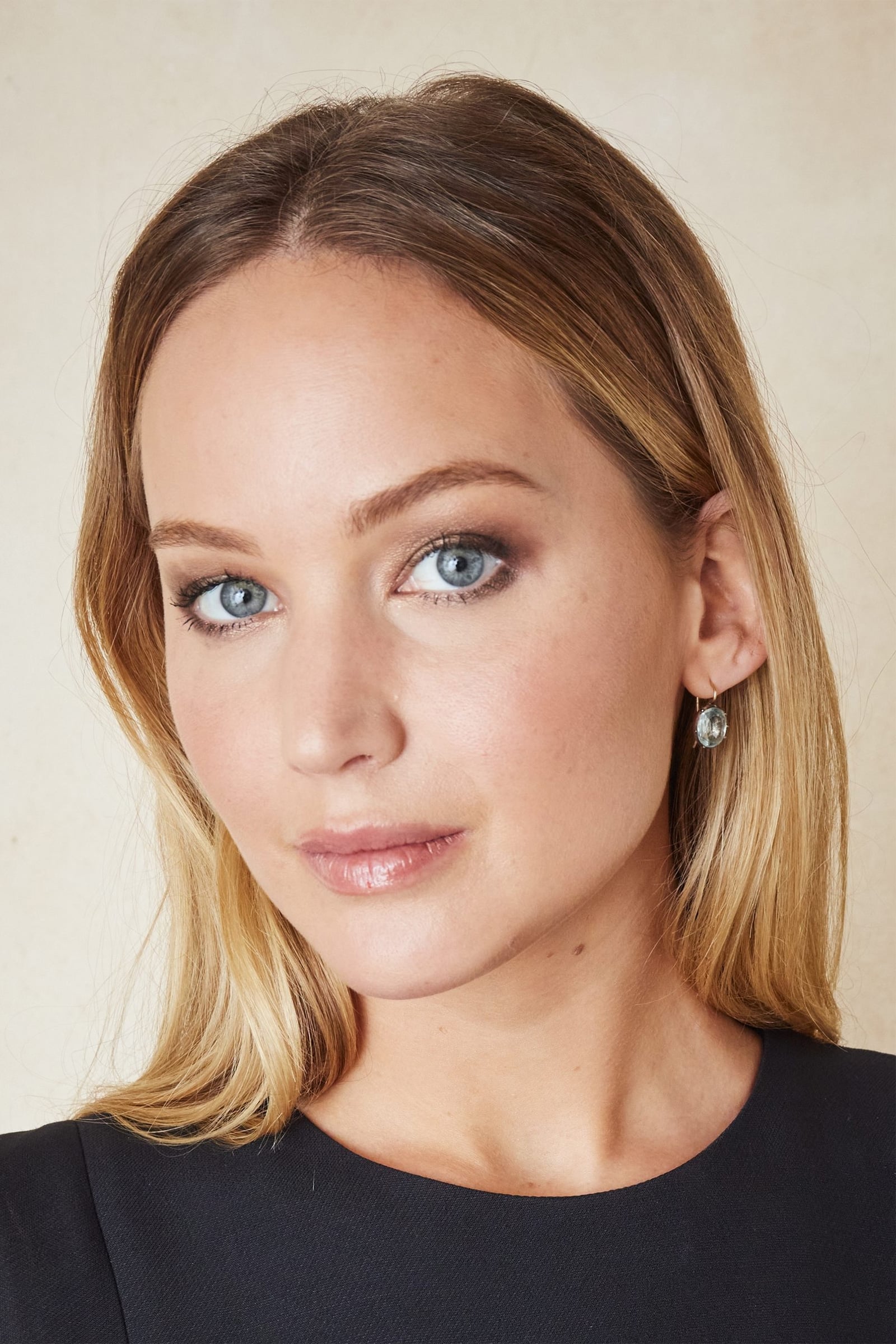
Jennifer Lawrence caused a stir when she commented on the lack of female action leads prior to her role in ‘The Hunger Games’. While her statement was technically incorrect regarding the history of cinema it was intended to highlight the scarcity of such roles at the time. Many fans of older action films took offense and accused her of ignoring the contributions of actresses like Sigourney Weaver. Lawrence later clarified her comments but the initial reaction showed how sensitive nerd fandoms can be regarding historical accuracy. She remains a vocal proponent for closing the gender pay gap and improving female representation in Hollywood.
Gal Gadot
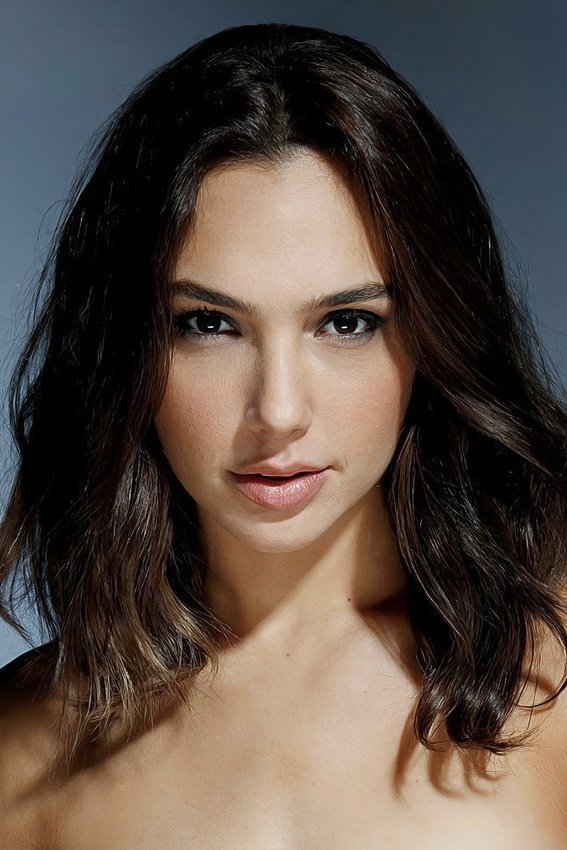
Gal Gadot has frequently spoken about the empowering nature of ‘Wonder Woman’ and the importance of female directed superhero films. She faced backlash from some fans when she called for more compassion and less aggression in the way heroes are portrayed. Gadot also addressed the difficulties of being a woman in a male dominated industry and the importance of the Me Too movement. Her comments were seen by some as too political for a comic book franchise lead. Despite this she remains a global icon for female empowerment in the DC Extended Universe.
Amber Heard
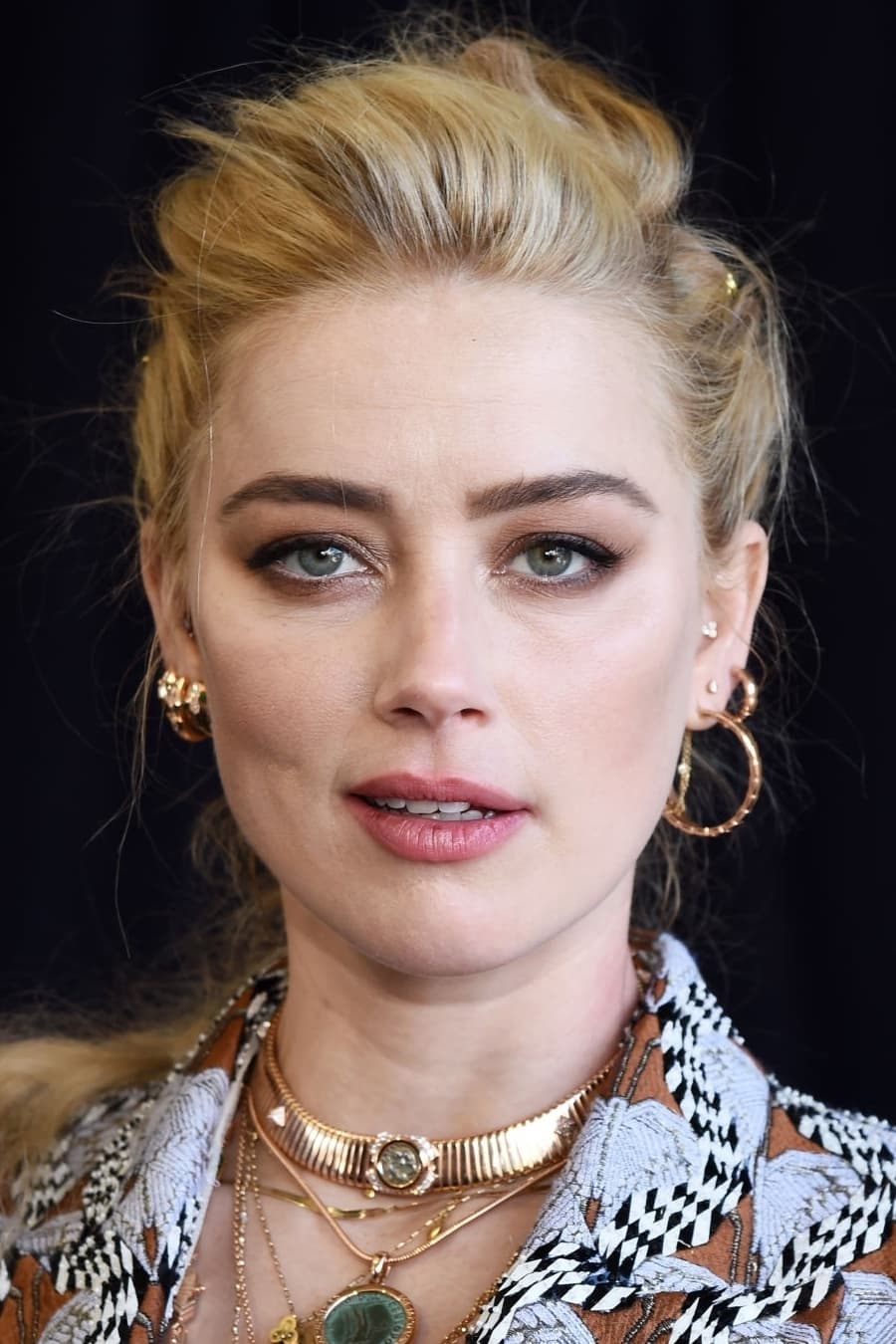
Amber Heard faced unprecedented levels of online hostility from fans of the ‘Aquaman’ franchise during her legal battles. Many fans called for her removal from ‘Aquaman and the Lost Kingdom’ citing her personal life as a reason she should no longer play Mera. Heard has spoken out about the systemic sexism that targets women who speak up against powerful figures in the industry. Her presence in the franchise became a focal point for debates about accountability and gender bias in Hollywood. She remains a controversial figure among certain segments of the nerd fandom.
Lashana Lynch

Lashana Lynch made history as the first woman to hold the 007 designation in the film ‘No Time to Die’. She faced a significant wave of sexist and racist backlash from fans who felt the role of James Bond should remain exclusively male. Lynch addressed these critiques by explaining that the franchise needed to evolve to stay relevant in the modern world. She pointed out that the toxic reactions only reinforced the need for more diverse perspectives in classic series. Her performance was a bold step in redefining the legacy of the legendary spy franchise.
Emma Watson
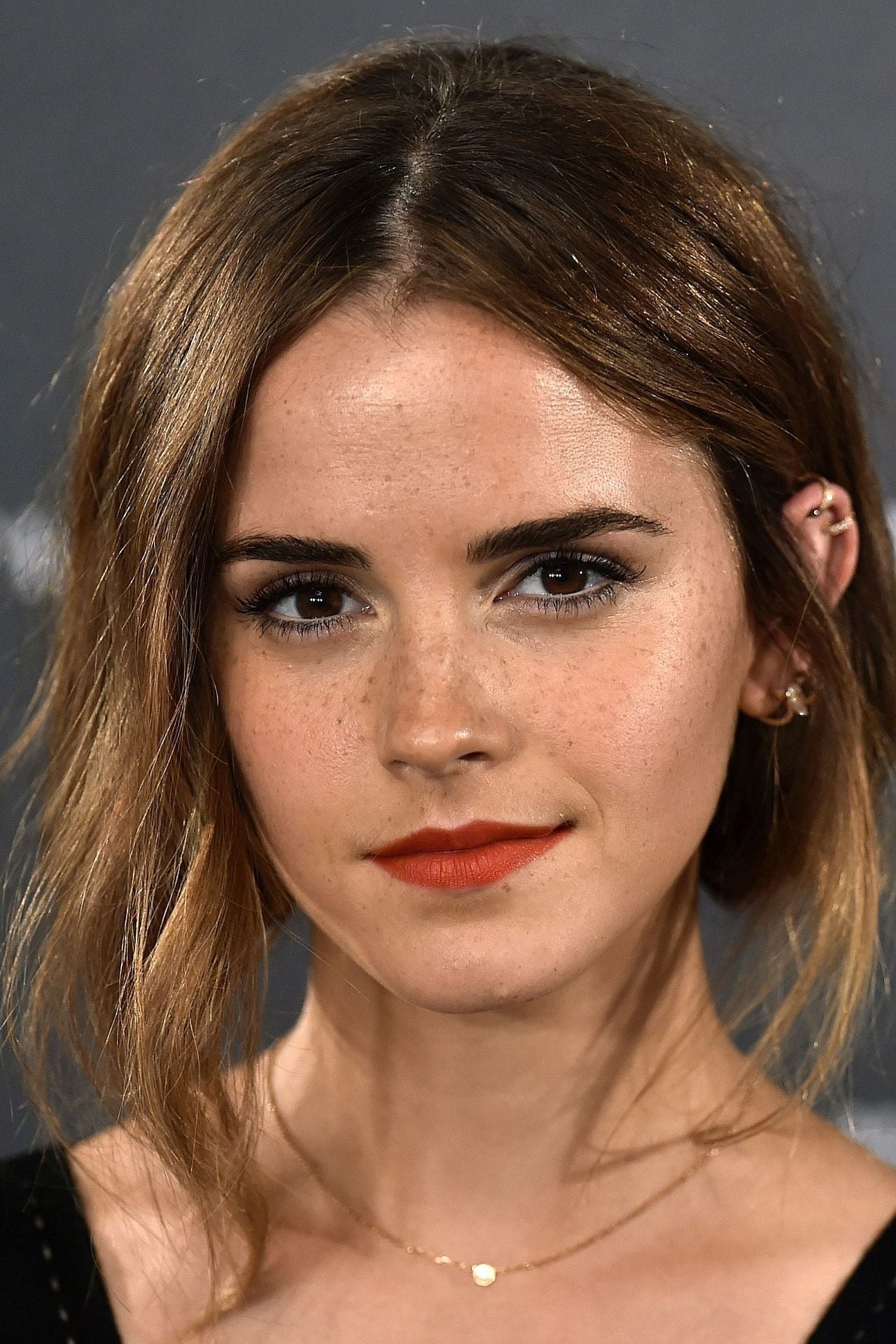
Emma Watson has used her platform to criticize the lack of agency for female characters in large franchises including ‘Harry Potter’. She famously advocated for a more feminist interpretation of Belle in the live action ‘Beauty and the Beast’. Her comments about the importance of gender equality and her work with the United Nations have sometimes alienated fans who prefer their entertainment to stay apolitical. Watson remains committed to highlighting the ways in which media can shape our understanding of gender roles. She continues to be a leading voice for social change within the entertainment industry.
Margot Robbie
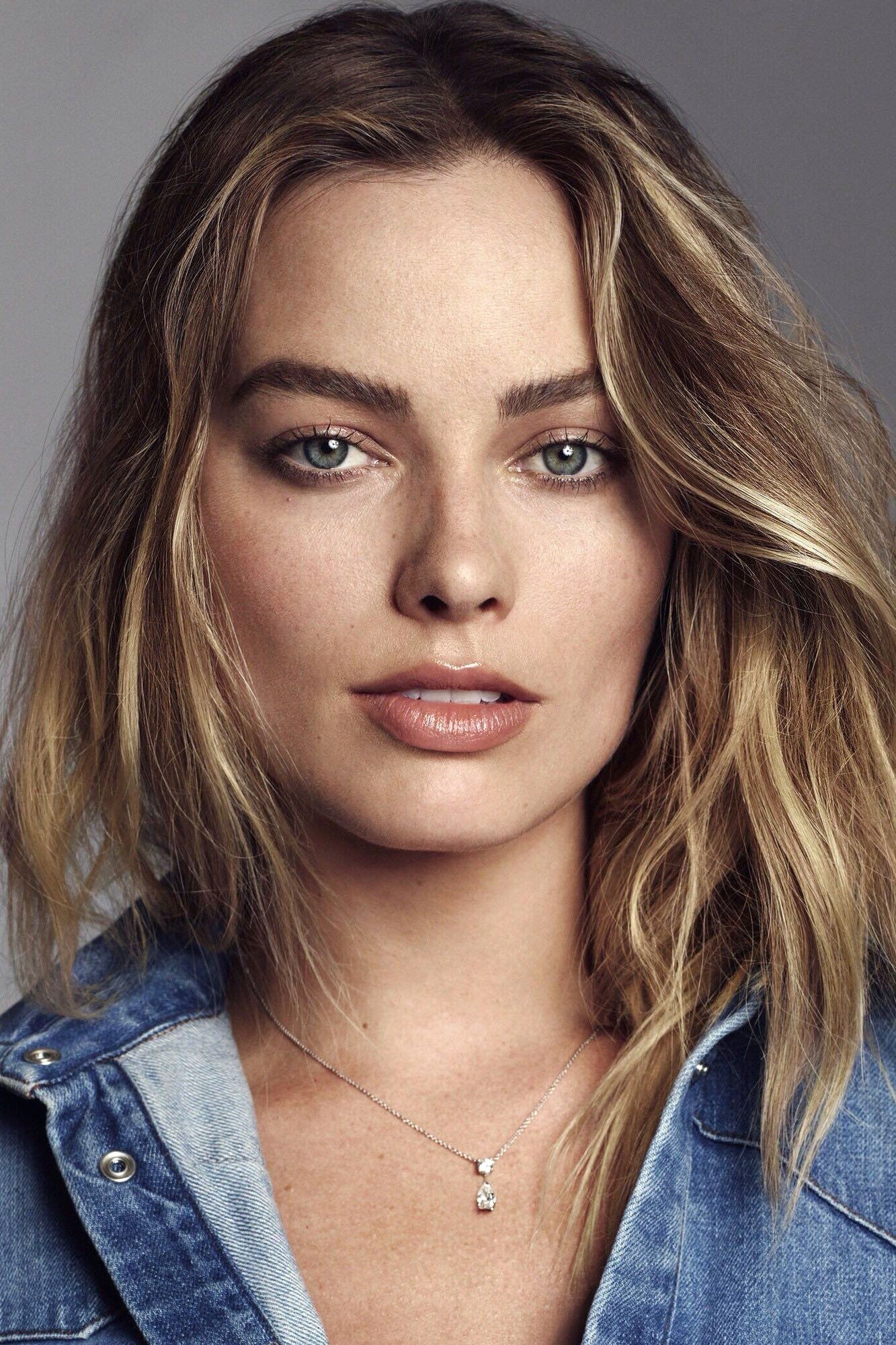
Margot Robbie has been vocal about the hyper sexualization of Harley Quinn in the first ‘Suicide Squad’ film. She pushed for a more nuanced and less objectified version of the character in ‘Birds of Prey’ and ‘The Suicide Squad’. Robbie noted that the original costume was uncomfortable and designed primarily for the male gaze. Her efforts to bring a more authentic female perspective to the DC universe were met with both praise and backlash. She continues to produce films that center female stories through her own production company.
Natalie Portman
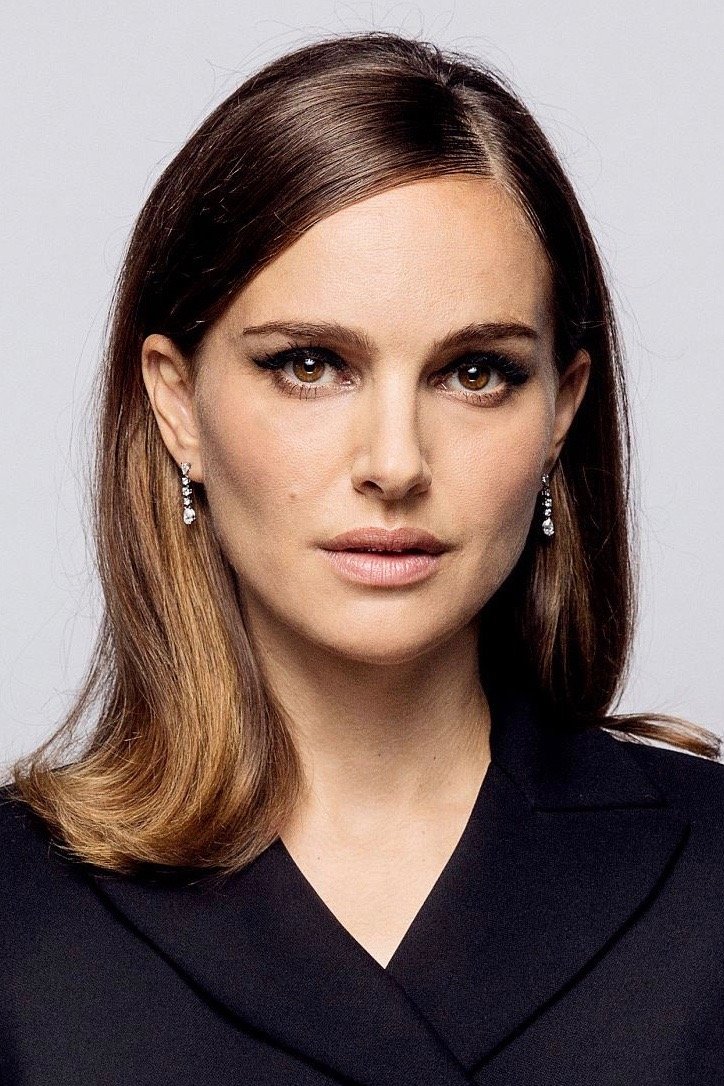
Natalie Portman has criticized the way women are often relegated to the role of the love interest in massive nerd franchises. She spoke about her experiences in the ‘Star Wars’ prequel trilogy and the early ‘Thor’ films as being somewhat limiting. Portman eventually returned to the Marvel Cinematic Universe to play the Mighty Thor which allowed her character to take a more active role. Her comments on the pay gap and the lack of female directors in the industry have sparked important conversations. She remains an advocate for structural change within Hollywood.
Carrie Fisher
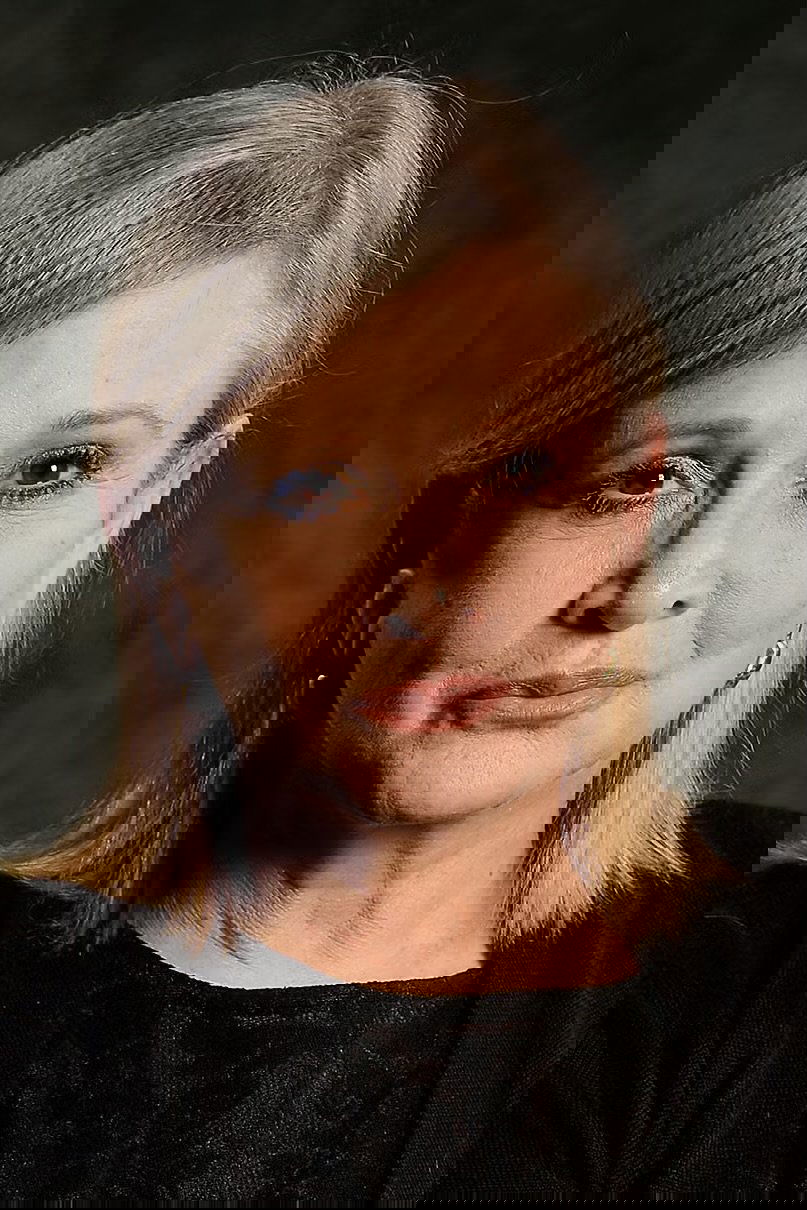
Carrie Fisher was never shy about expressing her distaste for the famous gold bikini she wore in ‘Return of the Jedi’. She famously advised future ‘Star Wars’ lead Daisy Ridley to fight against being forced into similar revealing outfits. Fisher referred to the costume as what characters wear in a space fantasy when they are being held captive by a giant slug. Her sharp wit and criticism of the objectification of Princess Leia often put her at odds with traditionalist corners of the fandom. She remained a vocal advocate for better female representation in science fiction until her passing.
Gillian Anderson
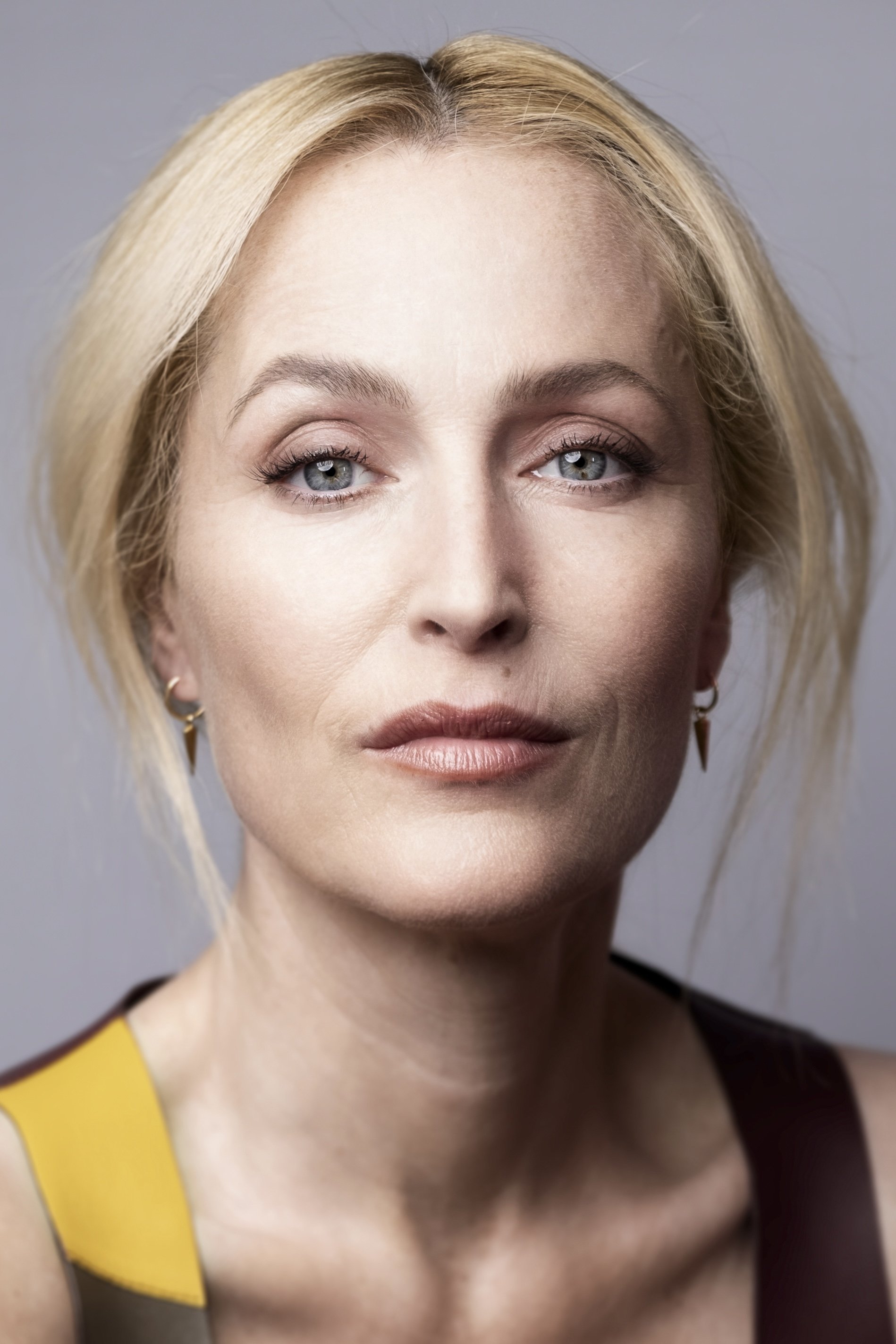
Gillian Anderson famously revealed that she was initially offered only half the pay of her male co-star for the revival of ‘The X-Files’. She used the opportunity to speak out about the persistent gender pay gap in the television industry. Anderson had previously fought for equal billing and pay during the original run of the series in the nineties. Her candidness about these issues angered some fans who felt she was being difficult or ungrateful. However her stance paved the way for more transparency regarding compensation in major nerd franchises.
Jodie Whittaker
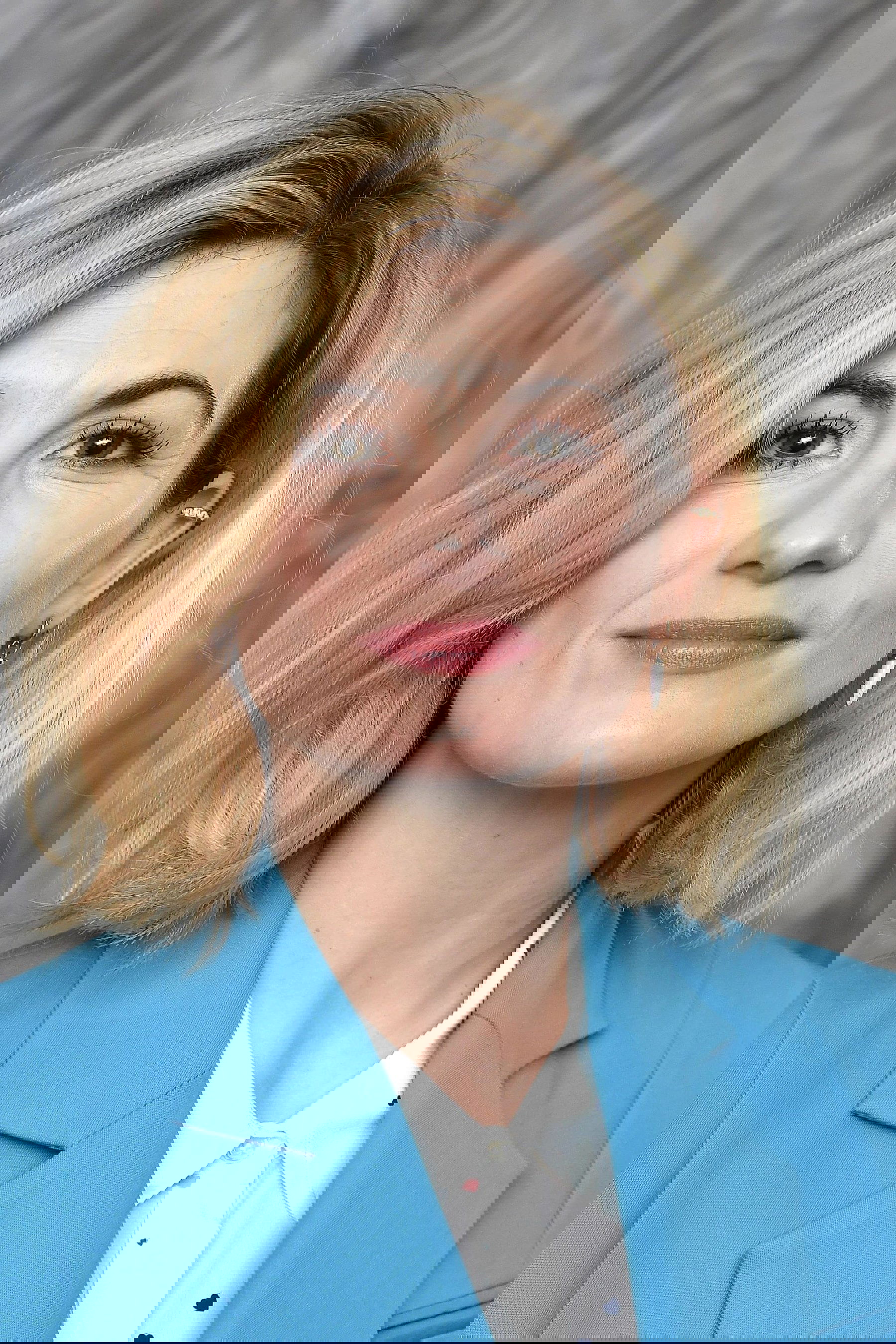
Jodie Whittaker faced immense pressure and backlash as the first woman to play the titular character in ‘Doctor Who’. Many fans claimed that the change was a result of forced diversity rather than a natural progression for the show. Whittaker addressed these concerns by focusing on the character as an alien whose gender is secondary to their personality. She frequently spoke out against the sexist double standards applied to her performance compared to her male predecessors. Her era of the show remains a significant point of discussion regarding gender in science fiction.
Gwendoline Christie
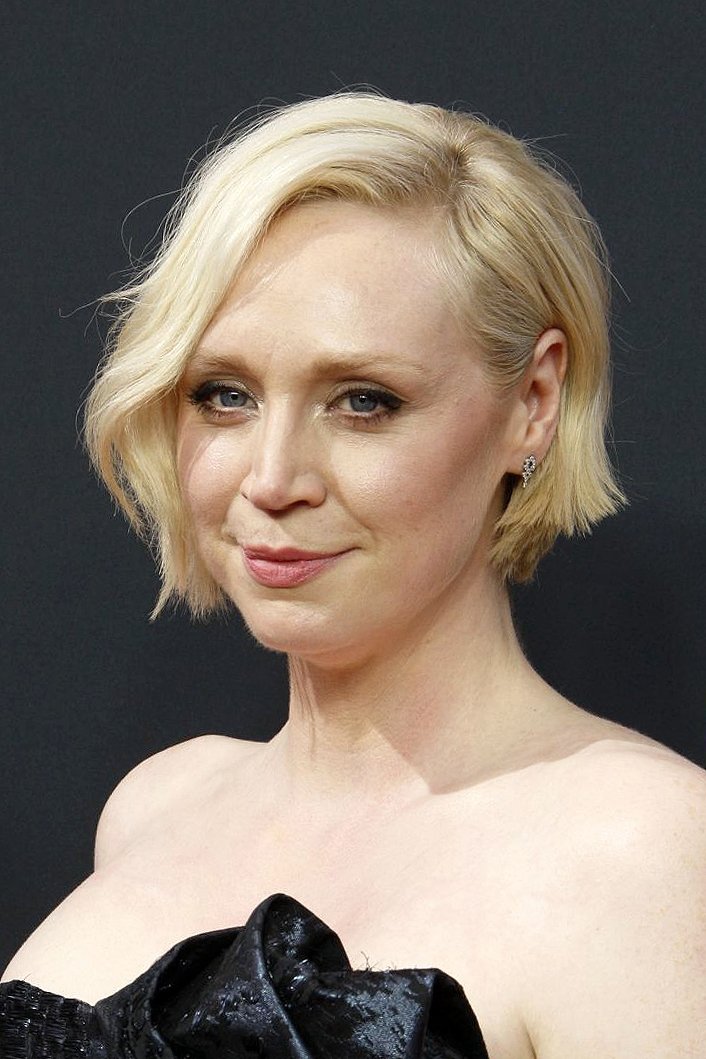
Gwendoline Christie has been a vocal critic of the traditional beauty standards often imposed on women in fantasy and science fiction. She praised ‘Game of Thrones’ for allowing her character Brienne of Tarth to be physically strong and unconventional. Christie also addressed the sexism inherent in the way female characters are often written to serve male narratives. Her comments about the need for more diverse body types and roles for women resonated with many but drew criticism from some fans. She continues to push boundaries in franchises like ‘Star Wars’ and ‘The Sandman’.
Phoebe Waller-Bridge
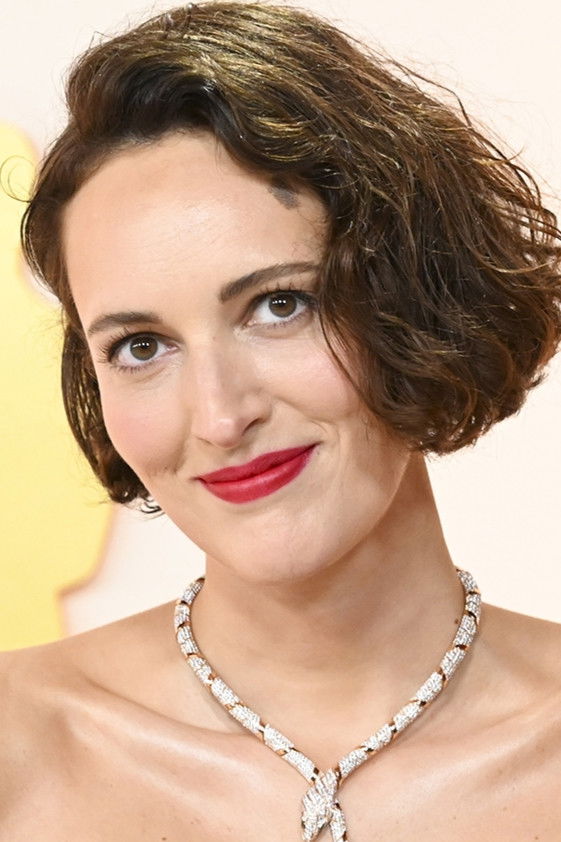
Phoebe Waller-Bridge faced backlash when she was cast in ‘Indiana Jones and the Dial of Destiny’ with some fans fearing she would overshadow the lead. She has been open about her desire to bring more complex and flawed female characters to massive franchises. Waller-Bridge also worked as a writer on ‘No Time to Die’ to help improve the portrayal of women in the ‘James Bond’ series. Her modern sensibility and critiques of traditional tropes have made her a polarizing figure among some older segments of the fandom. She remains one of the most influential creators and actors in the industry today.
Milly Alcock
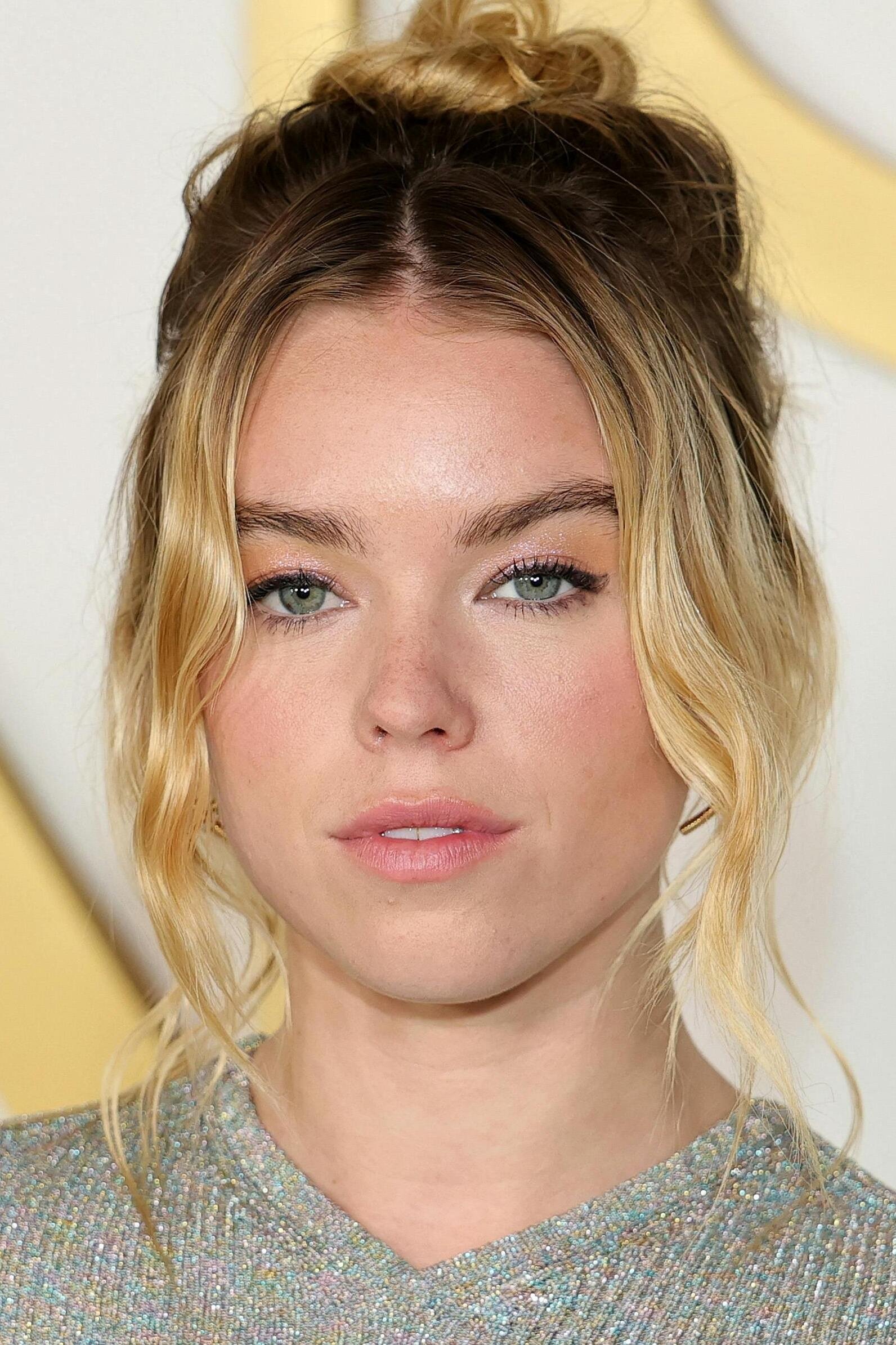
Milly Alcock spoke out about the patriarchal themes and the treatment of women in the world of ‘House of the Dragon’. She addressed the discomfort of filming scenes that highlighted the lack of agency for female characters in the series. Some fans felt her comments were a critique of the source material which they hold in high regard. Alcock maintained that it was important to acknowledge the difficult reality of the characters while still enjoying the fantasy world. Her perspective added a layer of modern awareness to the discussion of the ‘Game of Thrones’ prequel.
Morfydd Clark
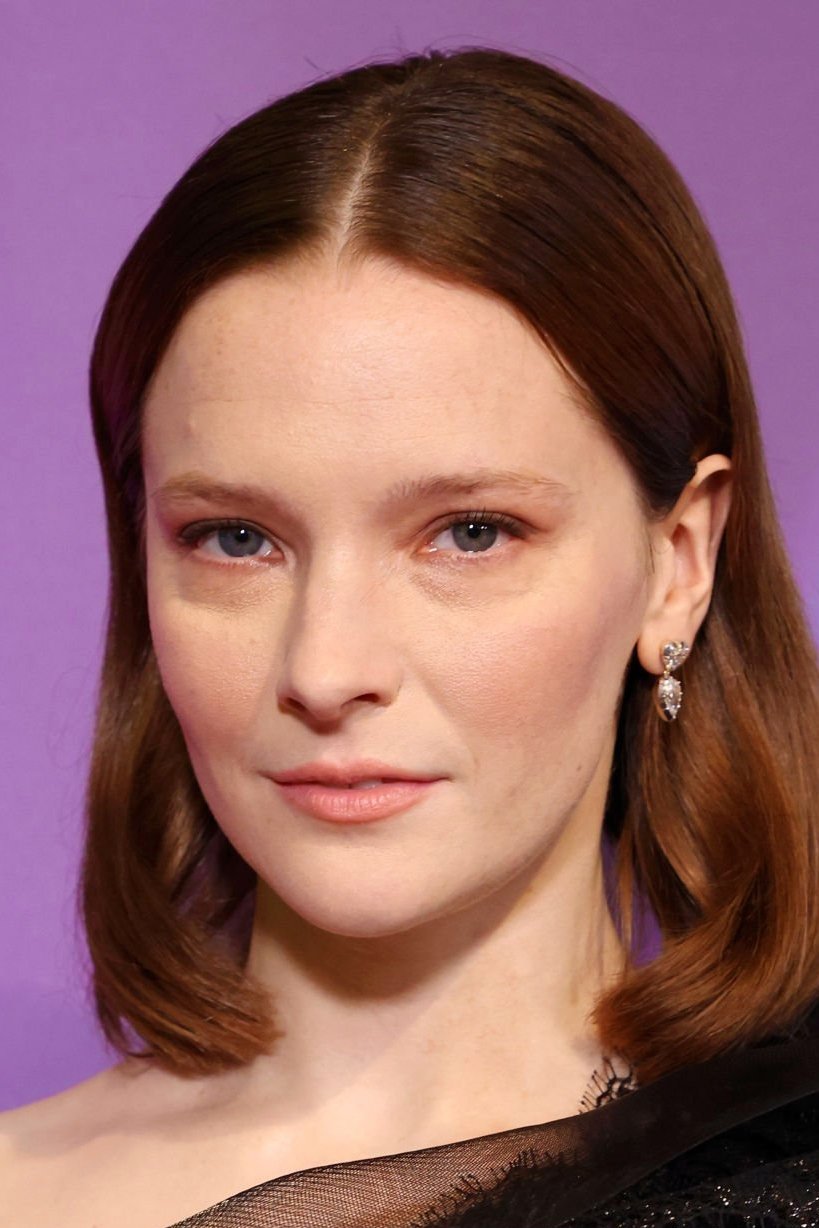
Morfydd Clark faced significant criticism for her portrayal of Galadriel in ‘The Lord of the Rings: The Rings of Power’. Many fans took issue with the character being depicted as a warrior which they felt contradicted the established lore. Clark defended the choice and spoke about the importance of showing different sides of legendary female characters. She also addressed the sexist nature of the backlash which often focused on her appearance or perceived lack of femininity. Her resilience in the face of online trolls has made her a prominent figure in the debate over modern fantasy adaptations.
Iman Vellani
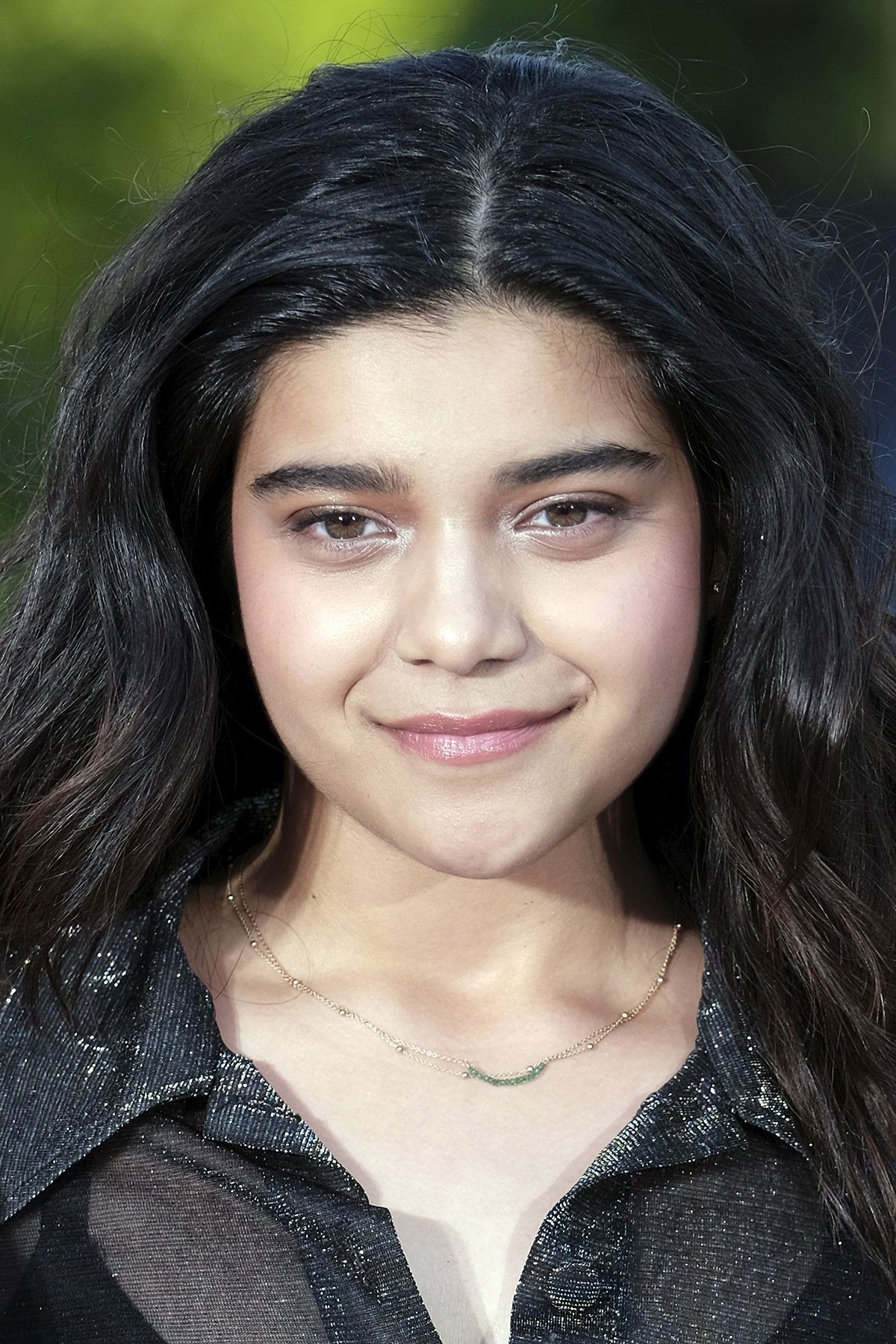
Iman Vellani has had to navigate a complicated relationship with the Marvel fandom as both a star and a fan herself. She addressed the negative reactions to ‘Ms. Marvel’ by pointing out that some viewers were simply uncomfortable with a young female lead of color. Vellani remained positive and focused on the importance of the character for a new generation of fans. She has been vocal about the need for fans to be more welcoming and less judgmental of new directions in the franchise. Her unique perspective as a former fan herself gives her critiques a special weight.
Salma Hayek Pinault
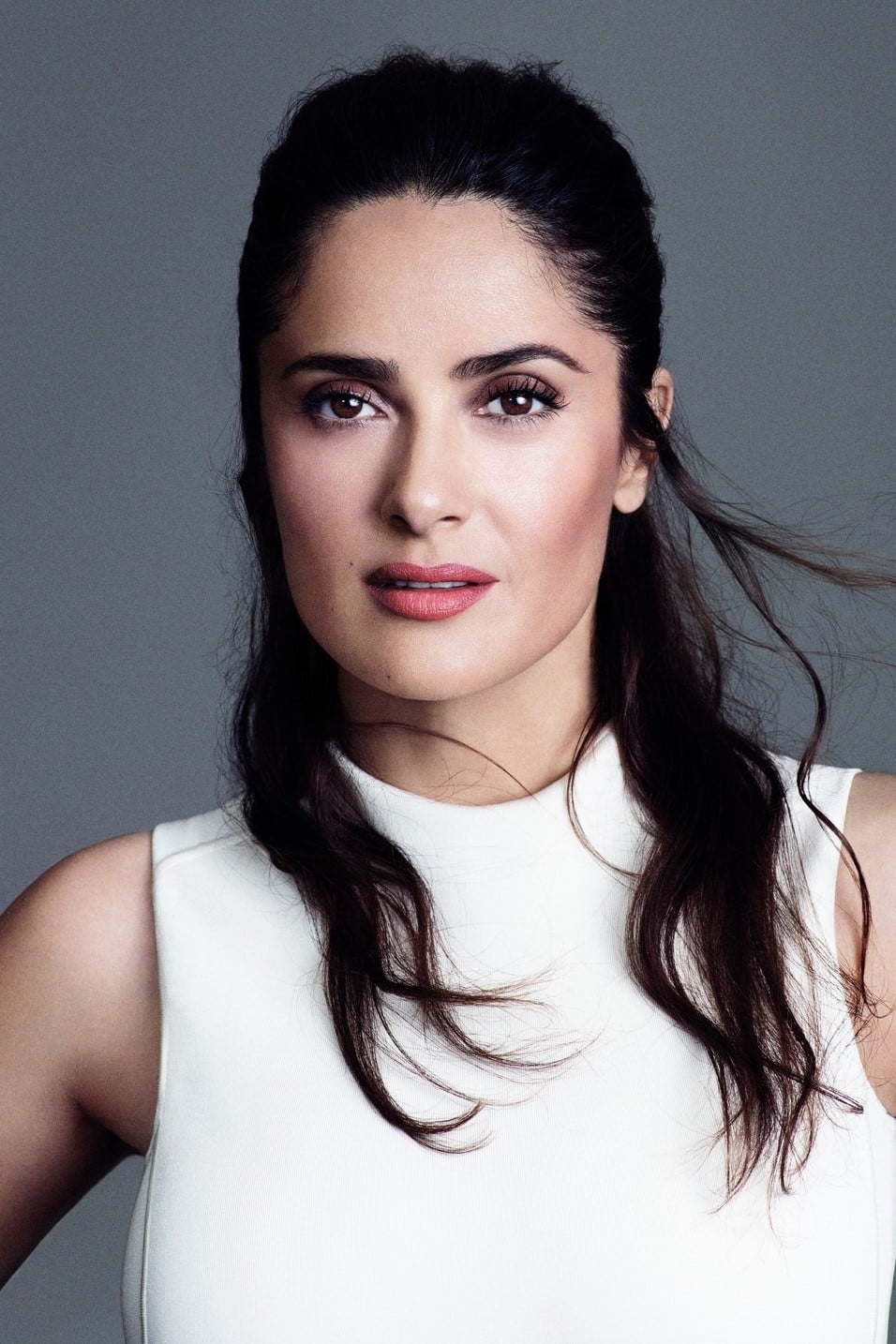
Salma Hayek Pinault spoke about the significance of being cast as a leader in the Marvel film ‘Eternals’ at this stage of her career. She addressed the ageism and sexism that often prevent older women from landing major superhero roles. Hayek Pinault noted that her character Ajak was originally a man in the comics and she took pride in the gender swap. Some fans who prefer strict adherence to source material reacted negatively to the changes made in the film. She continues to advocate for more visibility for Latinas and older women in nerd culture.
Florence Pugh
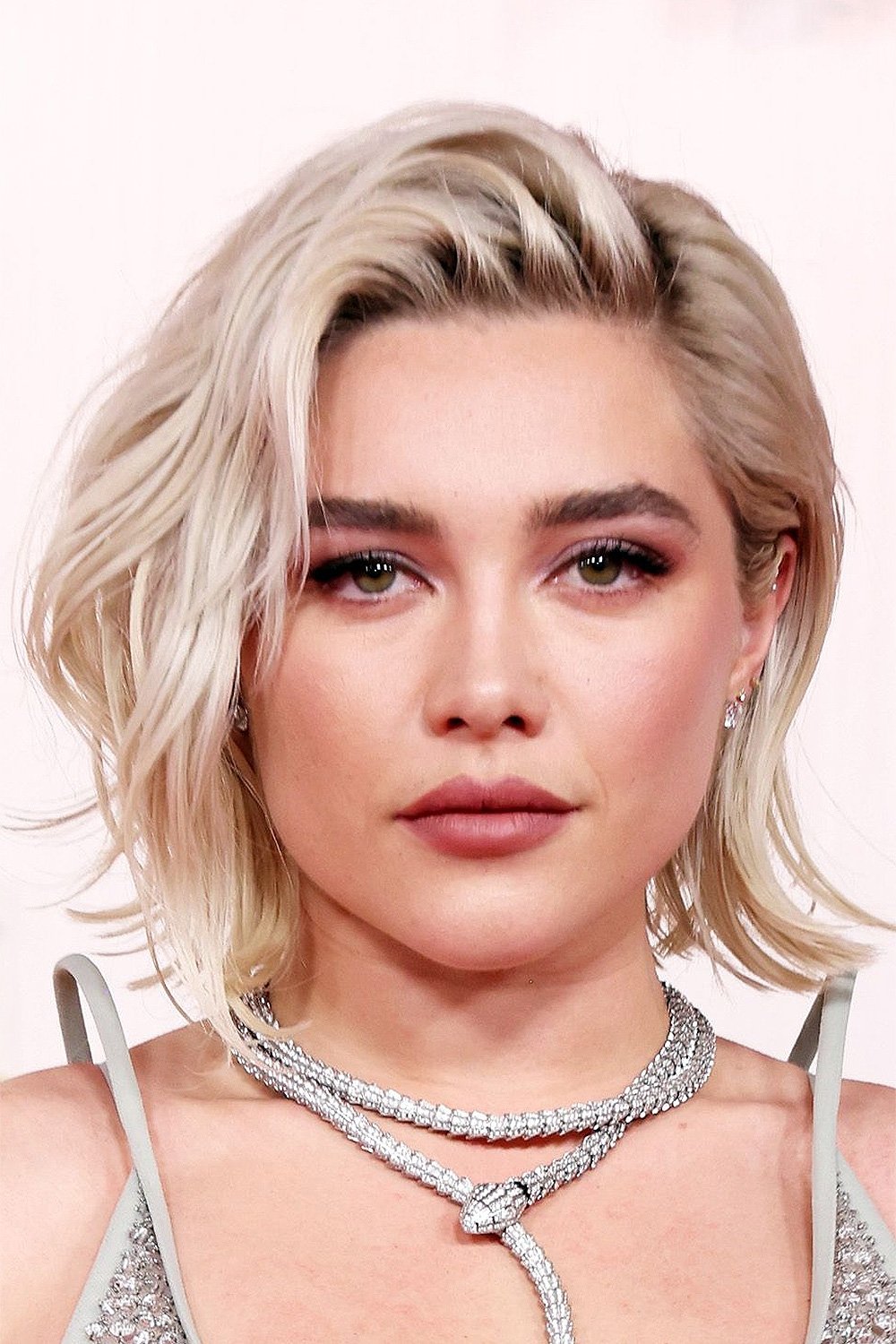
Florence Pugh has been vocal about the body shaming and sexist expectations she has encountered since joining the Marvel Cinematic Universe. She criticized the pressure to conform to a specific body type for her role in ‘Black Widow’. Pugh also addressed the toxic side of fame and the way fans feel entitled to comment on the personal lives of actresses. Her candid nature has won her many fans but also drawn ire from those who find her too outspoken. She remains a rising star who refuses to compromise her values for the sake of a franchise.
Michelle Rodriguez
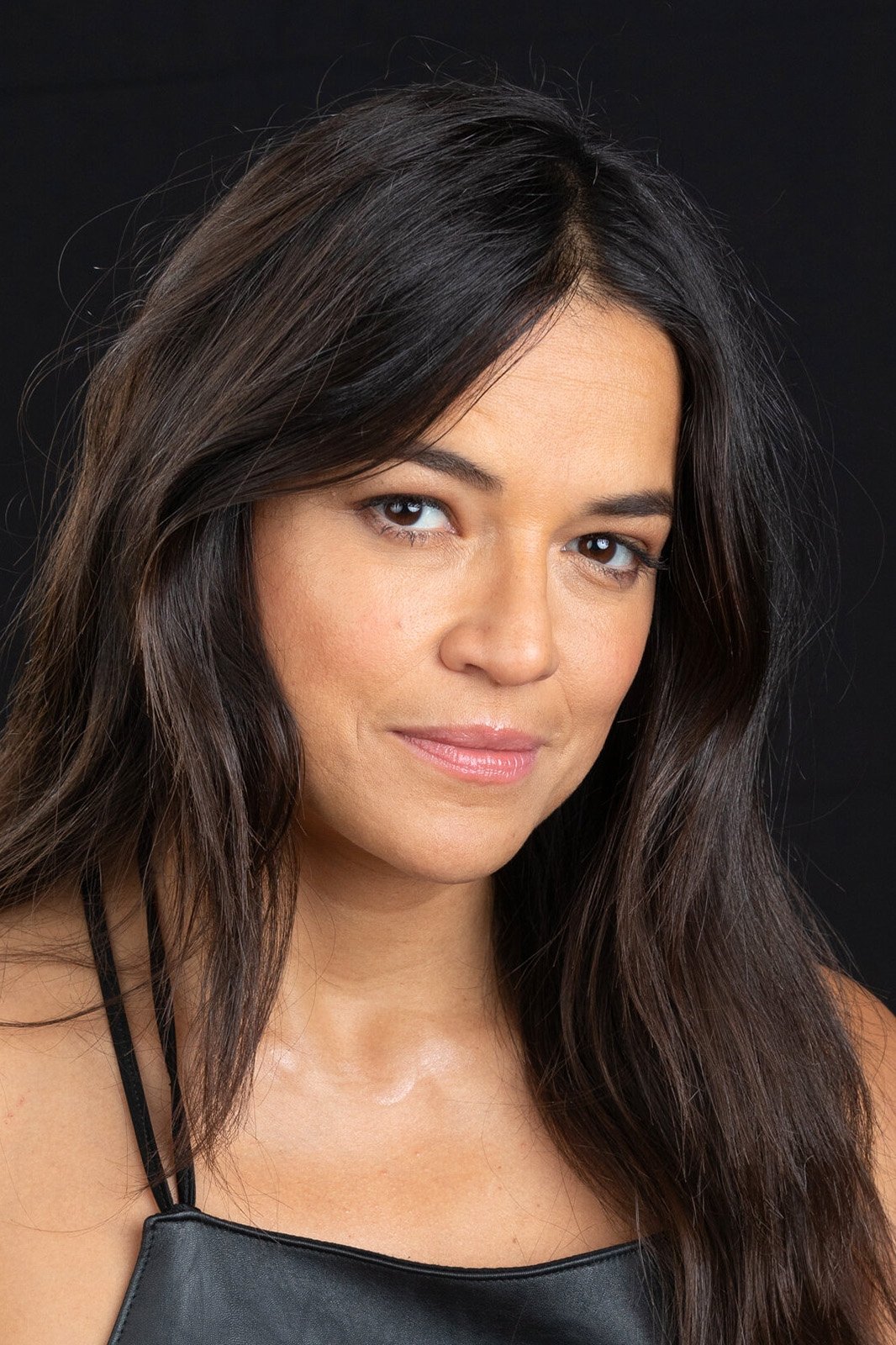
Michelle Rodriguez famously threatened to leave the ‘Fast & Furious’ franchise if they did not start showing more love to the female characters. She pointed out that the series often relegated women to the sidelines while the male leads took center stage. Rodriguez pushed for more meaningful interactions between the female cast members and better storylines. Her public ultimatum led to changes in the writing of subsequent films to ensure more balanced representation. She remains a fierce advocate for women in action cinema despite the occasional pushback from the studio and fans.
Jameela Jamil
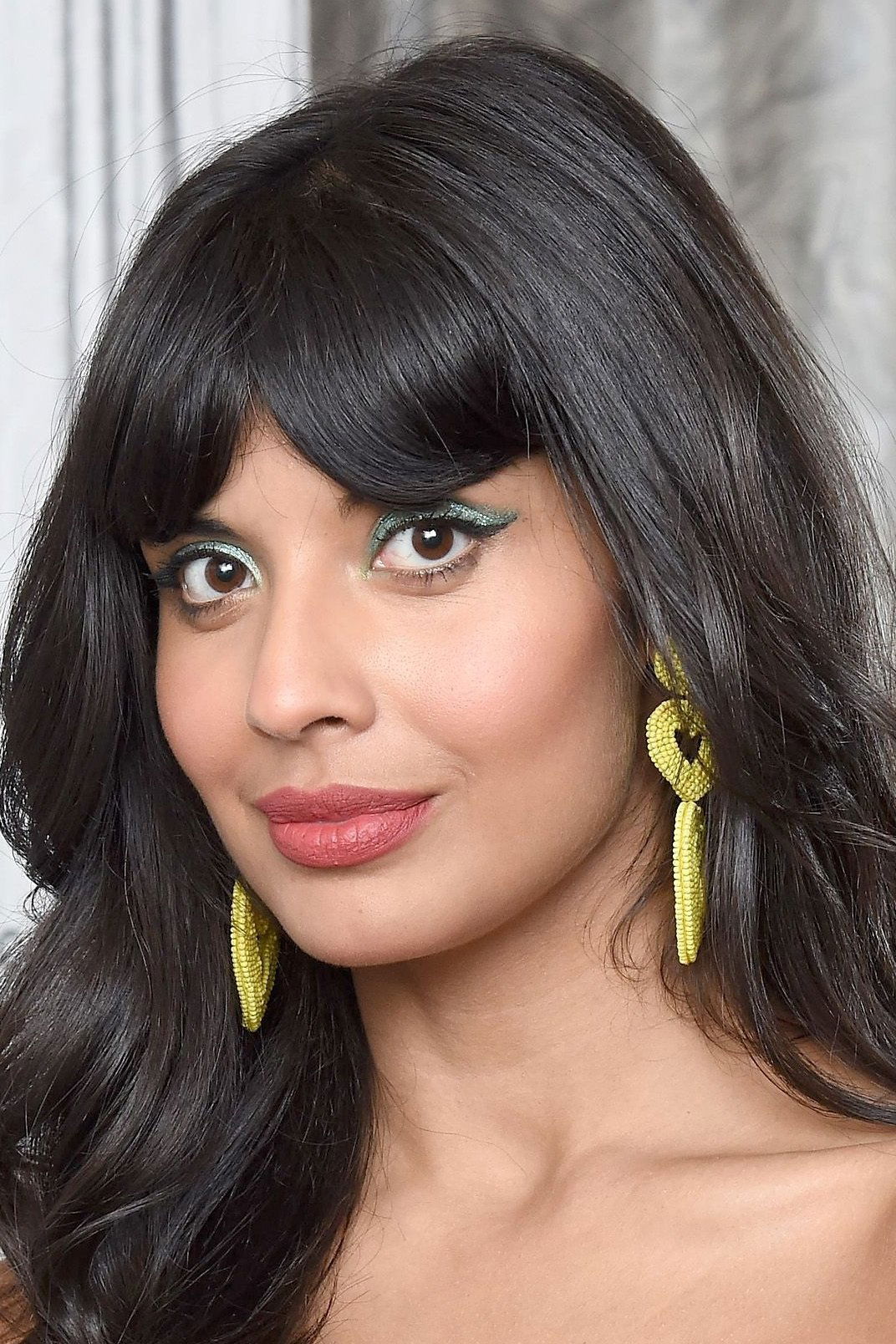
Jameela Jamil became a target for internet trolls after being cast as Titania in the ‘She-Hulk: Attorney at Law’ series. She spent a significant amount of time defending the show and her co-stars from sexist attacks and review bombing. Jamil spoke out against the double standards that female characters face when they are introduced into established nerd franchises. She also criticized the industry for its lack of support for actresses facing online harassment. Her combative stance against trolls has made her a hero to some and a villain to others in the nerd community.
Tatiana Maslany
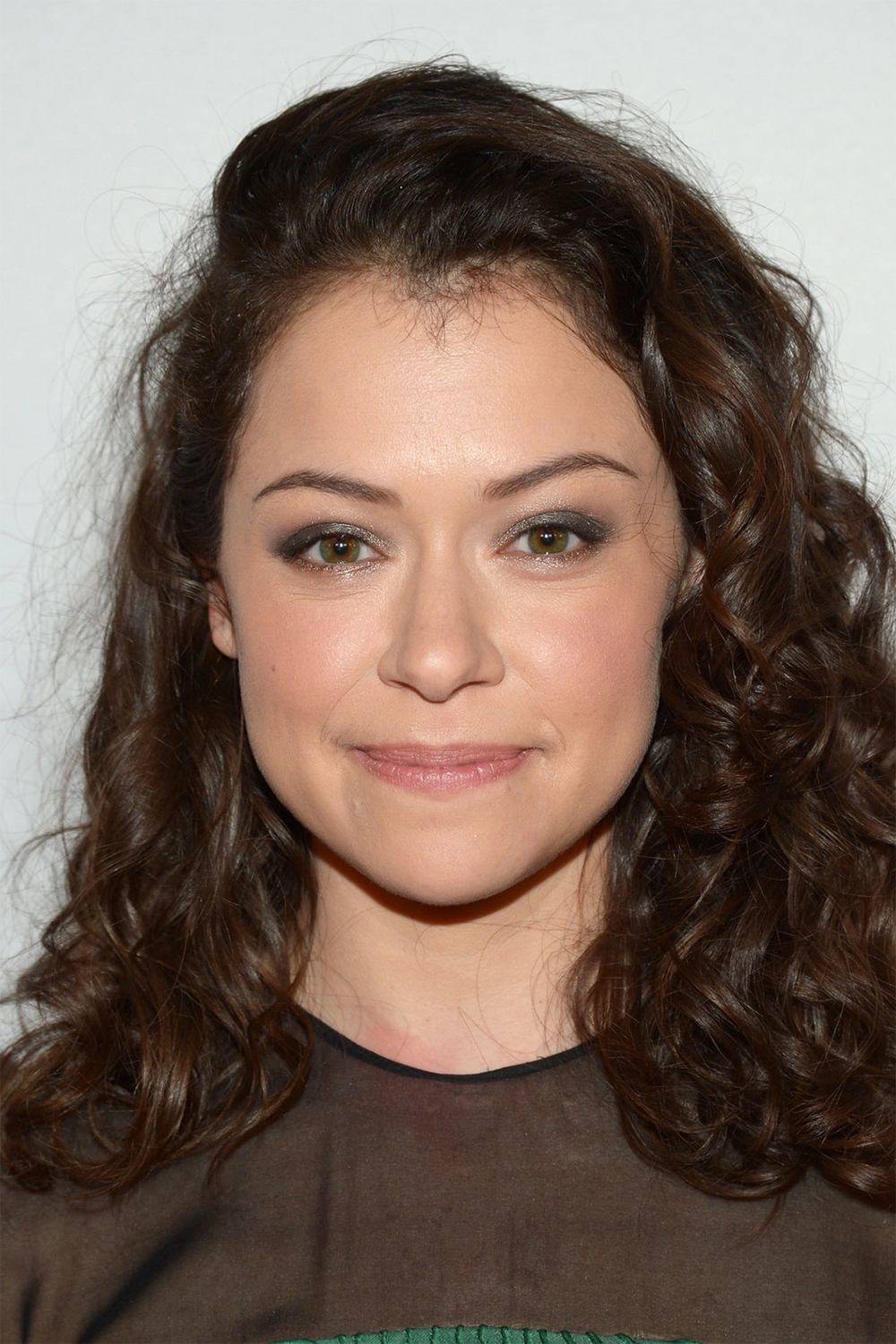
Tatiana Maslany addressed the backlash against the tone and female focus of ‘She-Hulk: Attorney at Law’. She noted that the show intentionally leaned into the humor and struggles that are unique to women in the workplace and superhero world. Maslany pointed out that the negative reactions from some fans were exactly what the show was trying to satirize. She remained firm in her defense of the character and the importance of having a female led comedy in the Marvel universe. Her performance and her comments have sparked ongoing discussions about the direction of the franchise.
Xochitl Gomez
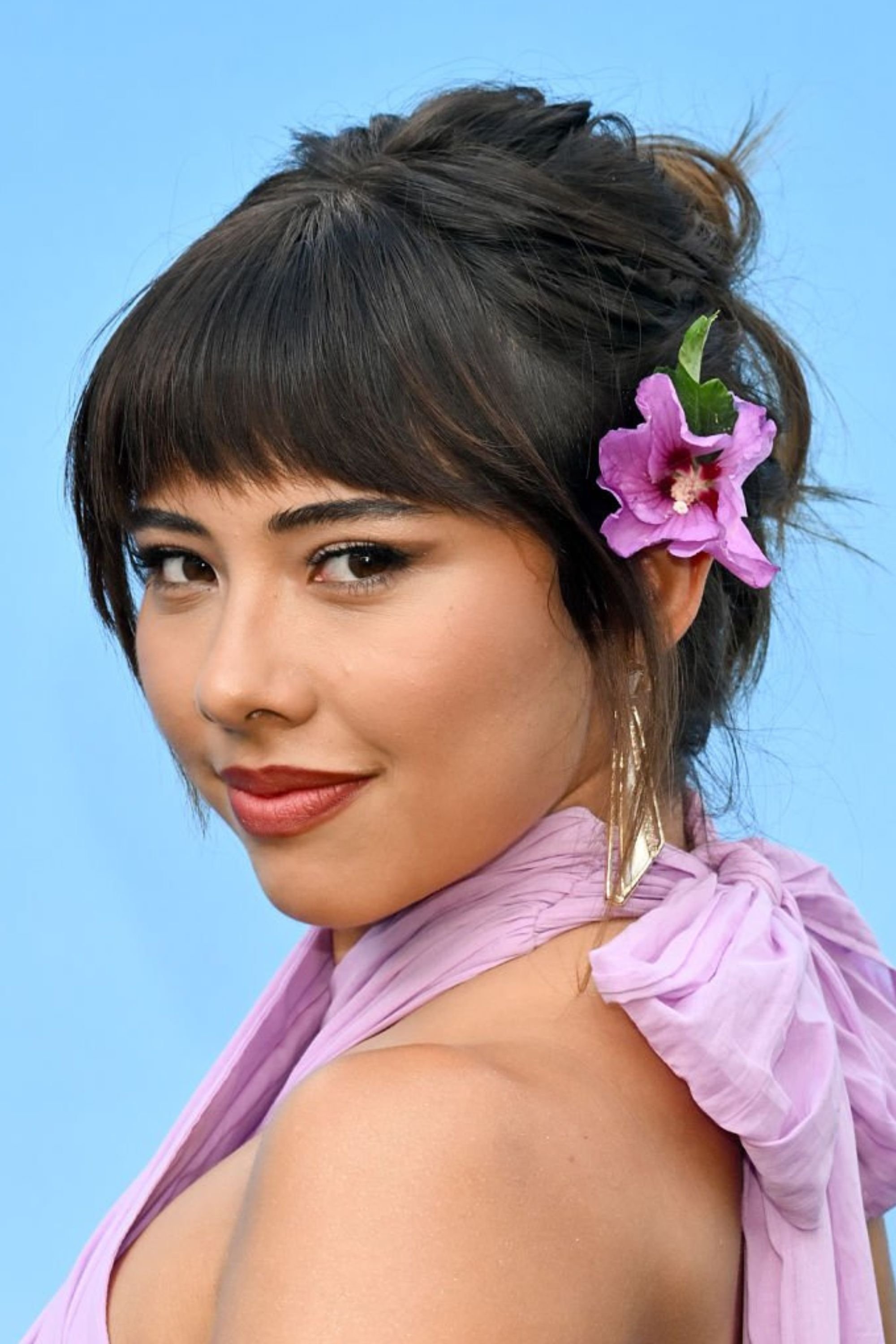
Xochitl Gomez faced a wave of online harassment after her character America Chavez was introduced in ‘Doctor Strange in the Multiverse of Madness’. The harassment was largely fueled by sexist and homophobic sentiments regarding the character and her background. Gomez spoke about the importance of staying positive and focusing on the young fans who were inspired by her presence. She received support from her co-stars but the experience highlighted the darker side of nerd fandom. Her resilience has been praised by many who see her as a vital new addition to the franchise.
Zoë Kravitz
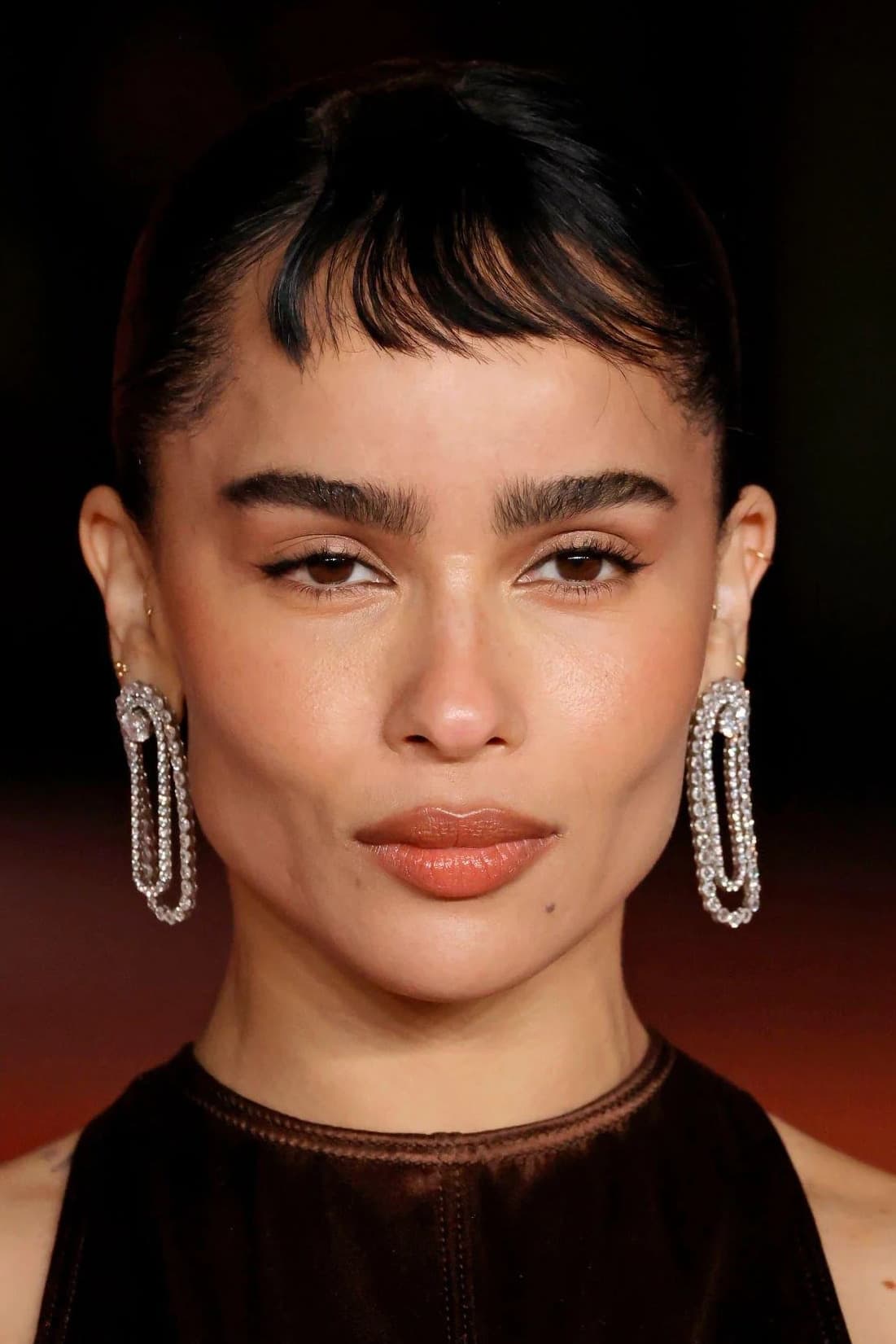
Zoë Kravitz has been open about her experiences with sexism and racism in the casting process for major films. She mentioned being told she was too urban for a role in a previous ‘Batman’ film before eventually being cast as Catwoman in ‘The Batman’. Kravitz used her role to bring a more grounded and complex perspective to the iconic character. Her comments about the industry’s biases were met with defensiveness from some fans who felt she was being overly critical. She remains a prominent voice for diversity and better representation in superhero media.
Erin Moriarty
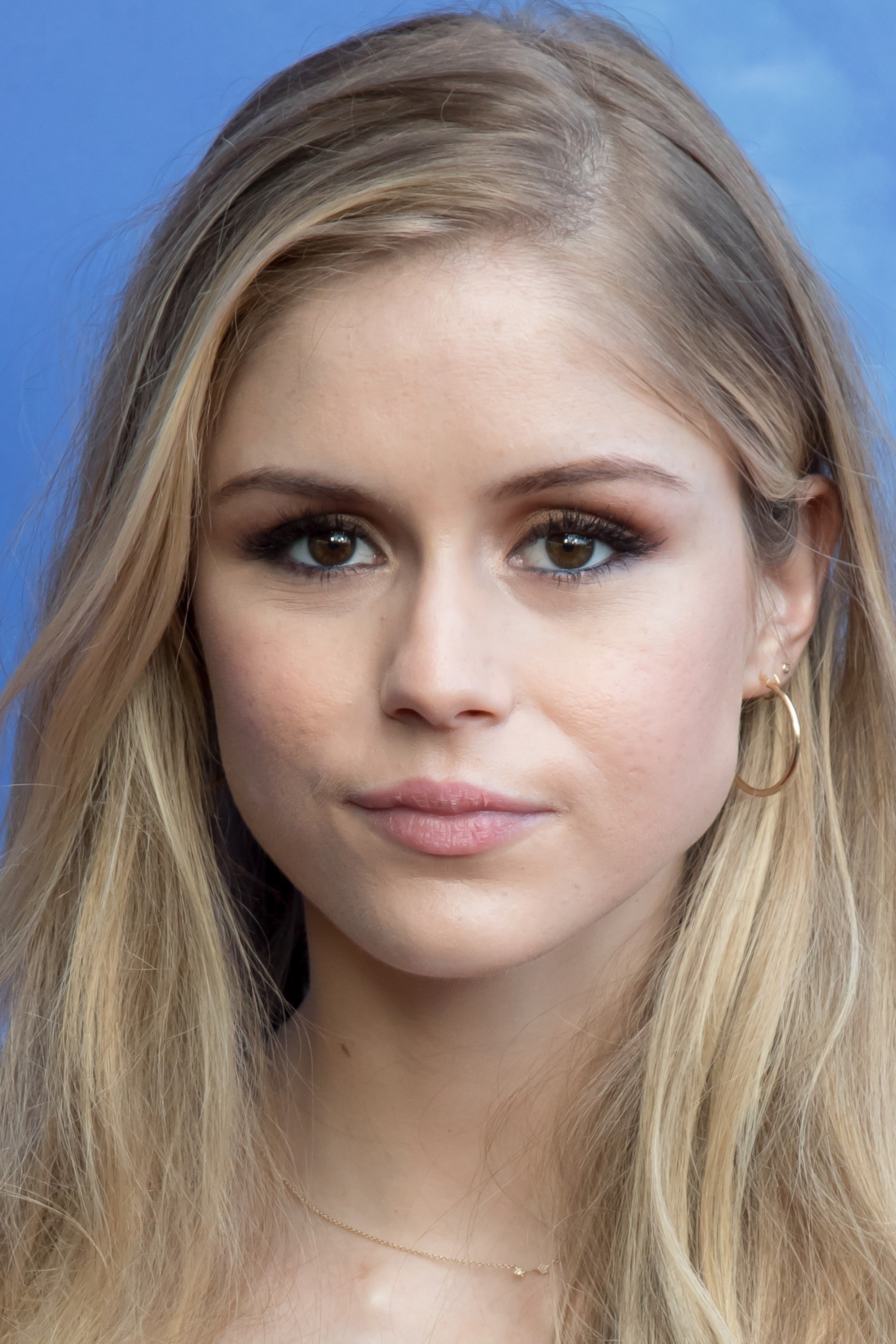
Erin Moriarty wrote a powerful statement about the misogynistic harassment she received from fans of ‘The Boys’. She addressed how some viewers could not separate her character from her real life and used social media to attack her appearance. Moriarty pointed out the irony of fans of a show that satirizes toxic masculinity engaging in that very behavior. Her co-stars and the show’s creator supported her and condemned the fans responsible for the abuse. The incident served as a stark reminder of the challenges women face in even the most progressive nerd franchises.
Karen Gillan
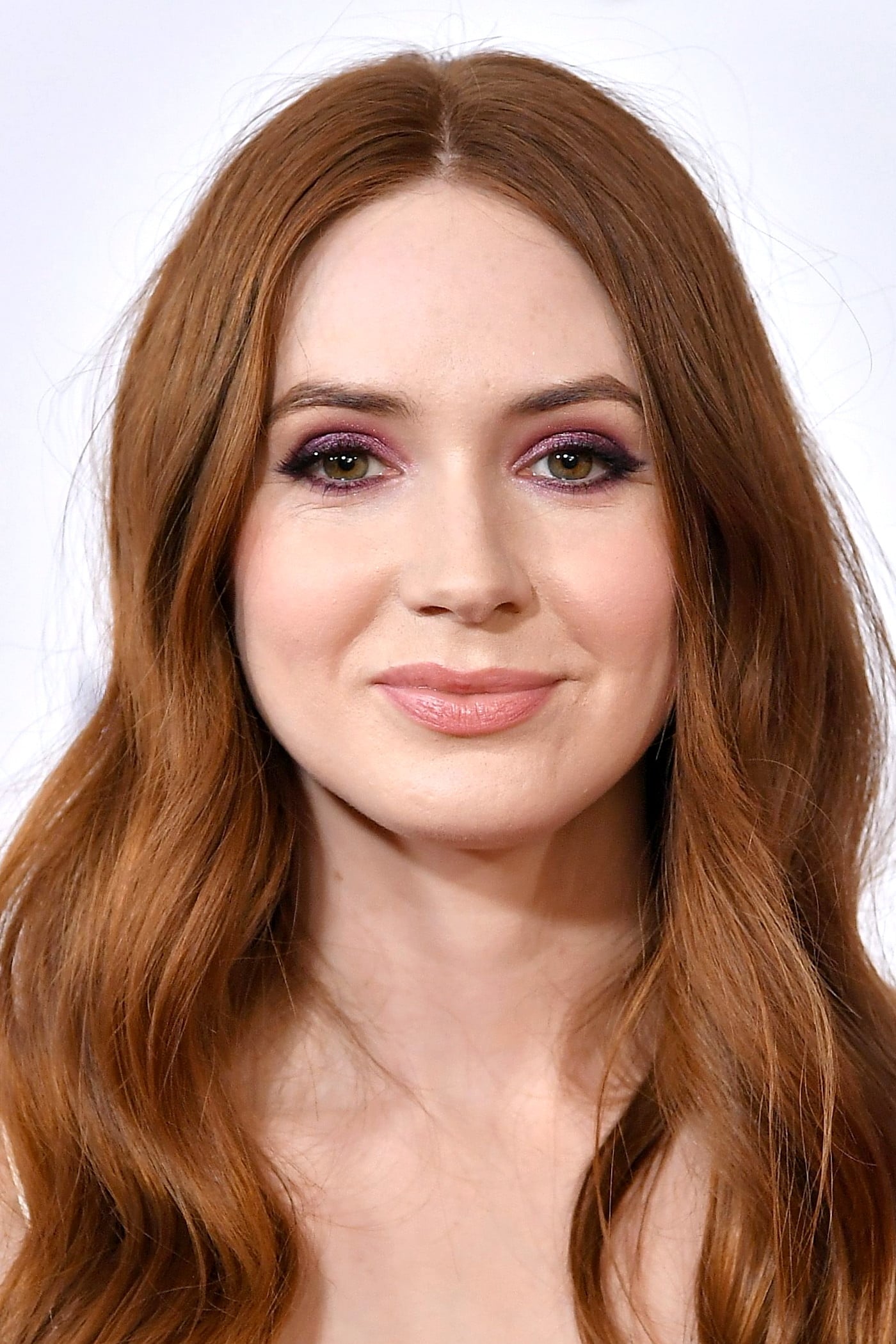
Karen Gillan faced a significant amount of scrutiny for the skimpy outfit her character wore in the ‘Jumanji’ reboot. She addressed the criticism by explaining that the costume was a deliberate satire of the way female characters were dressed in video games during the nineties. Gillan also spoke about the difficulties of portraying Nebula in the ‘Guardians of the Galaxy’ films while being under layers of prosthetics. Her comments on the physical and mental demands of these roles have sometimes been dismissed by fans who focus only on the visual aspects. She continues to be a versatile and outspoken actress in multiple major franchises.
Lena Headey
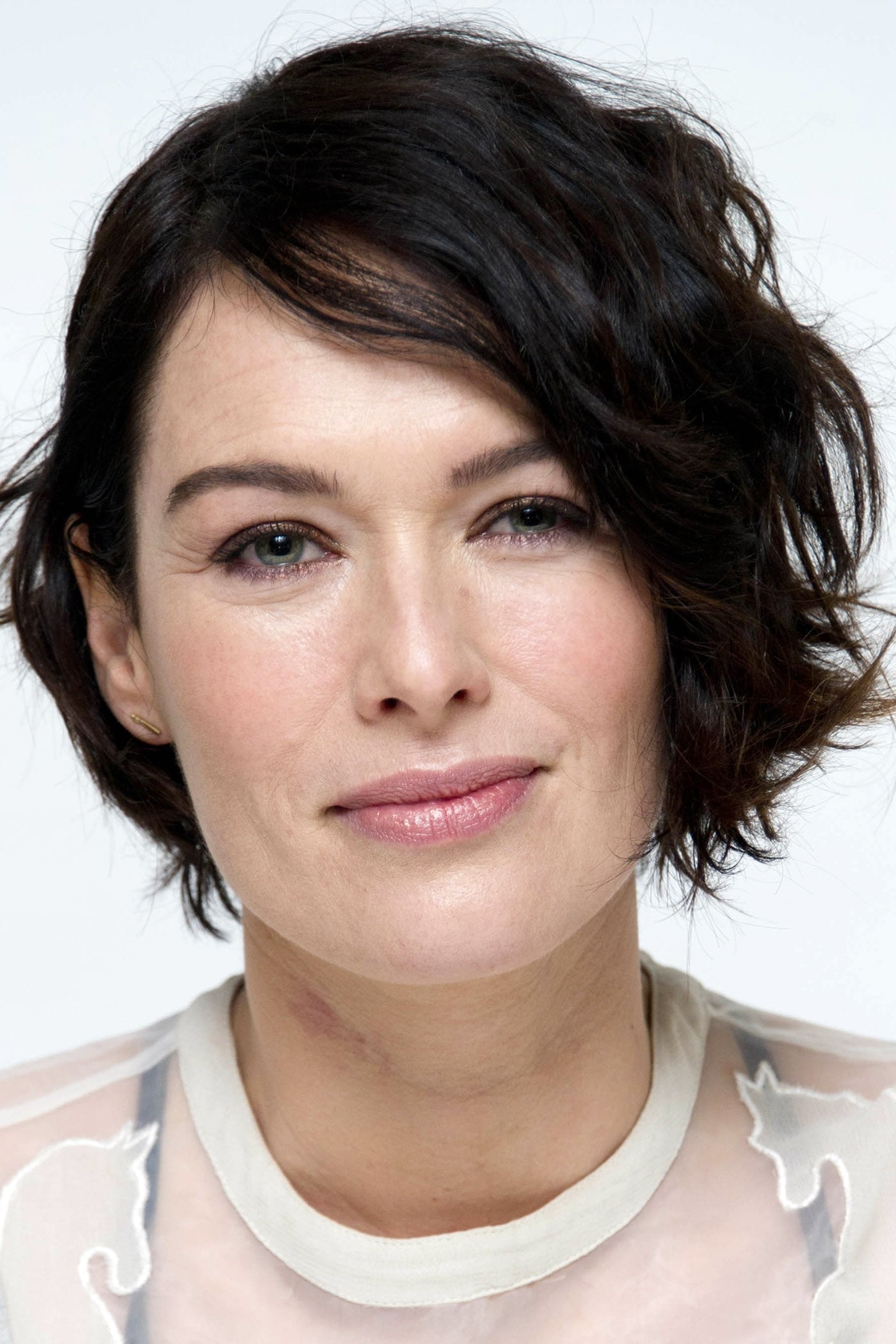
Lena Headey has spoken about the intense hatred she received from fans for playing the villainous Cersei Lannister in ‘Game of Thrones’. She noted that while male actors playing villains were often praised for their performances she frequently faced personal vitriol. Headey also addressed the pressure to perform nude scenes and the sexism inherent in the industry’s expectations of female bodies. Her perspective on the challenges of being a female antagonist in a massive franchise highlighted the double standards of the audience. She remains one of the most respected performers from the series despite the fan hostility.
Sigourney Weaver
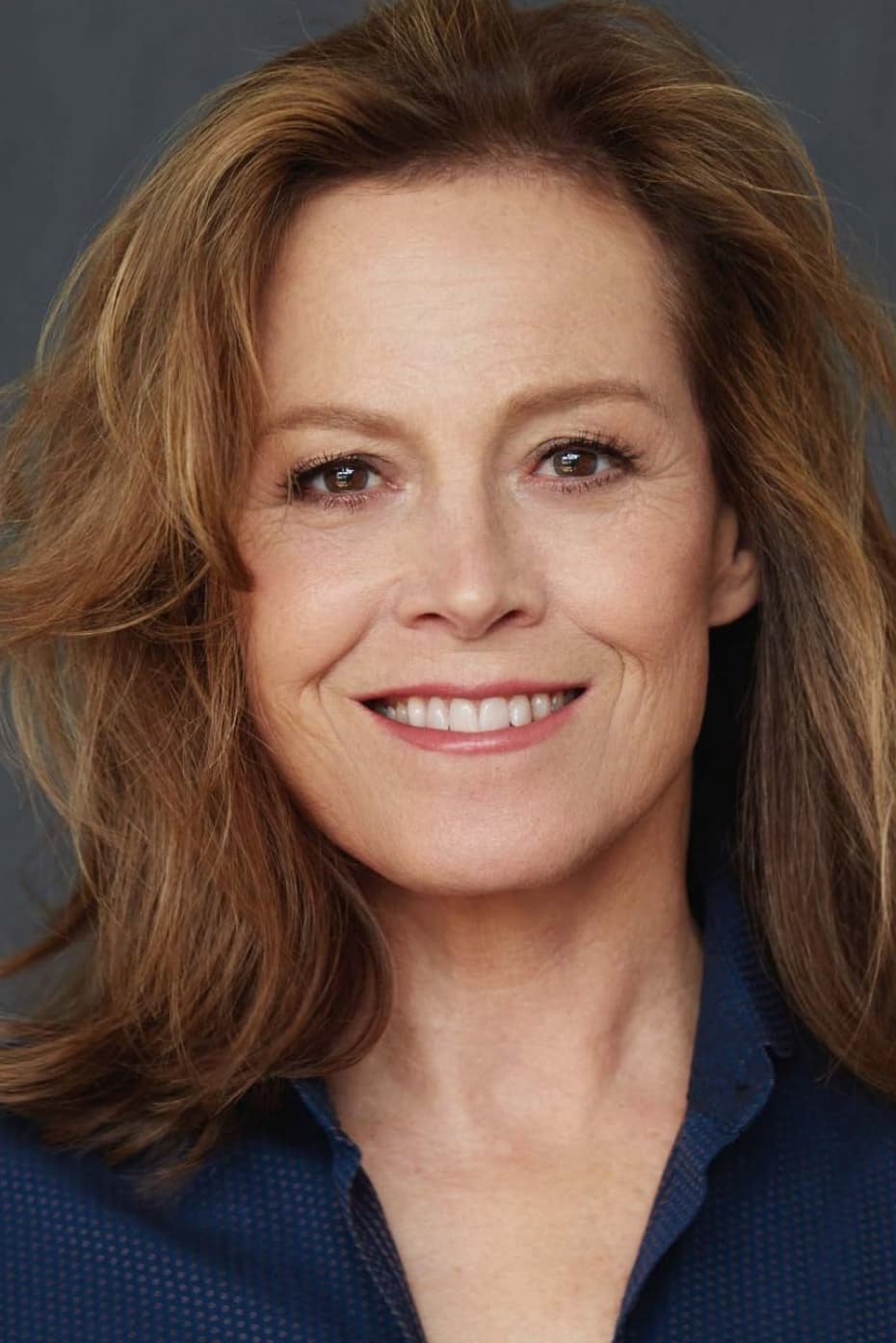
Sigourney Weaver is often cited as the gold standard for female action leads but she has still faced her share of industry sexism. She has spoken about how her character Ellen Ripley in ‘Alien’ was originally written as a man and how that helped her avoid certain tropes. Weaver has also criticized the industry for its slow progress in creating similar roles for other women. Her comments about the need for more complex female characters in science fiction have sometimes been met with resistance from those who feel the problem is solved. She remains a legendary figure who continues to advocate for better stories in nerd culture.
Cate Blanchett
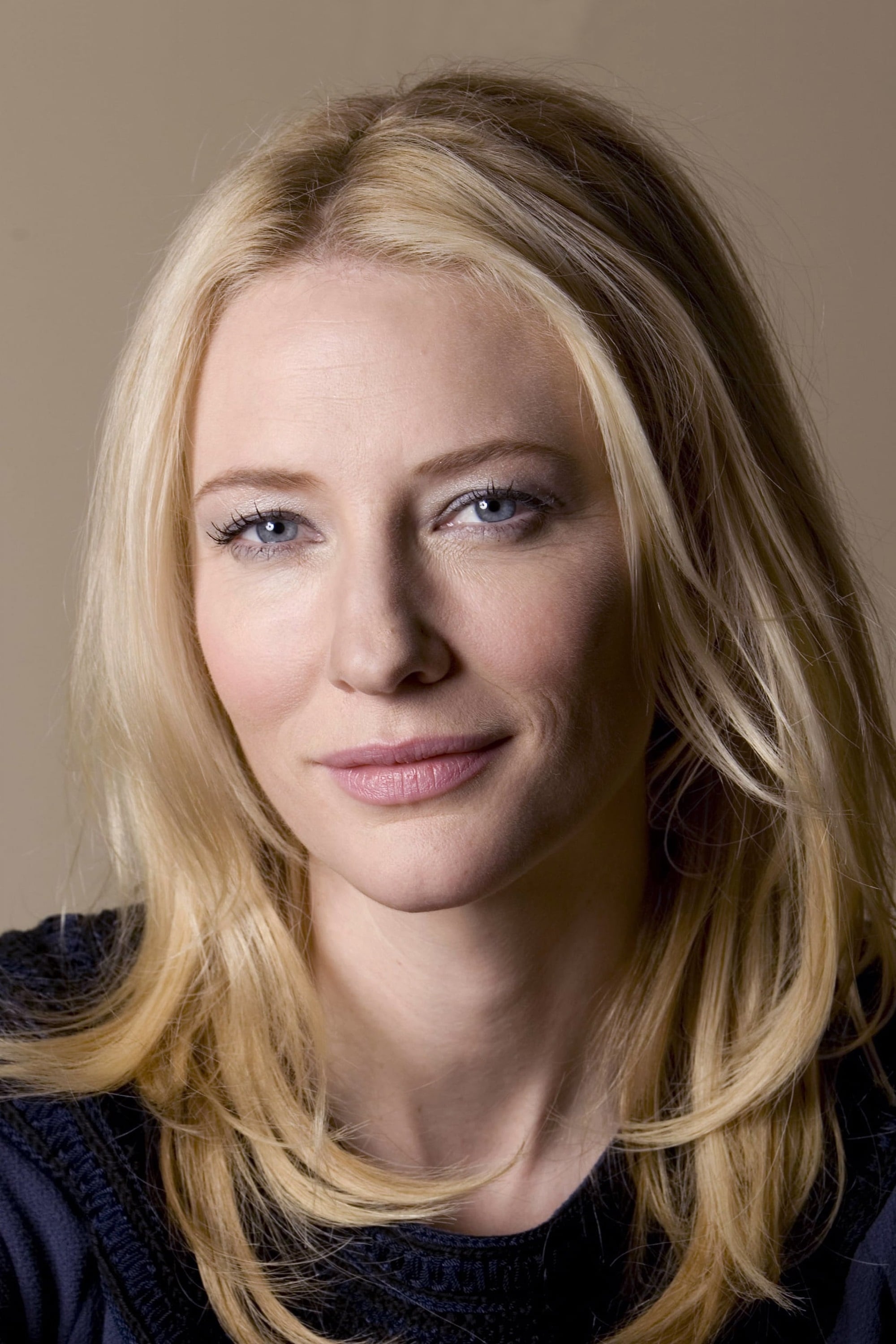
Cate Blanchett brought a powerful presence to her role as Hela in ‘Thor: Ragnarok’ and has been vocal about the need for more female villains. She addressed the sexism that often limits the types of roles available to women in superhero films. Blanchett also praised the shift toward more female directed projects while acknowledging that there is still a long way to go. Her comments about the industry’s gender dynamics have been met with mixed reactions from fans. She remains a highly influential figure who uses her prestige to push for more inclusive storytelling.
Zoe Saldaña
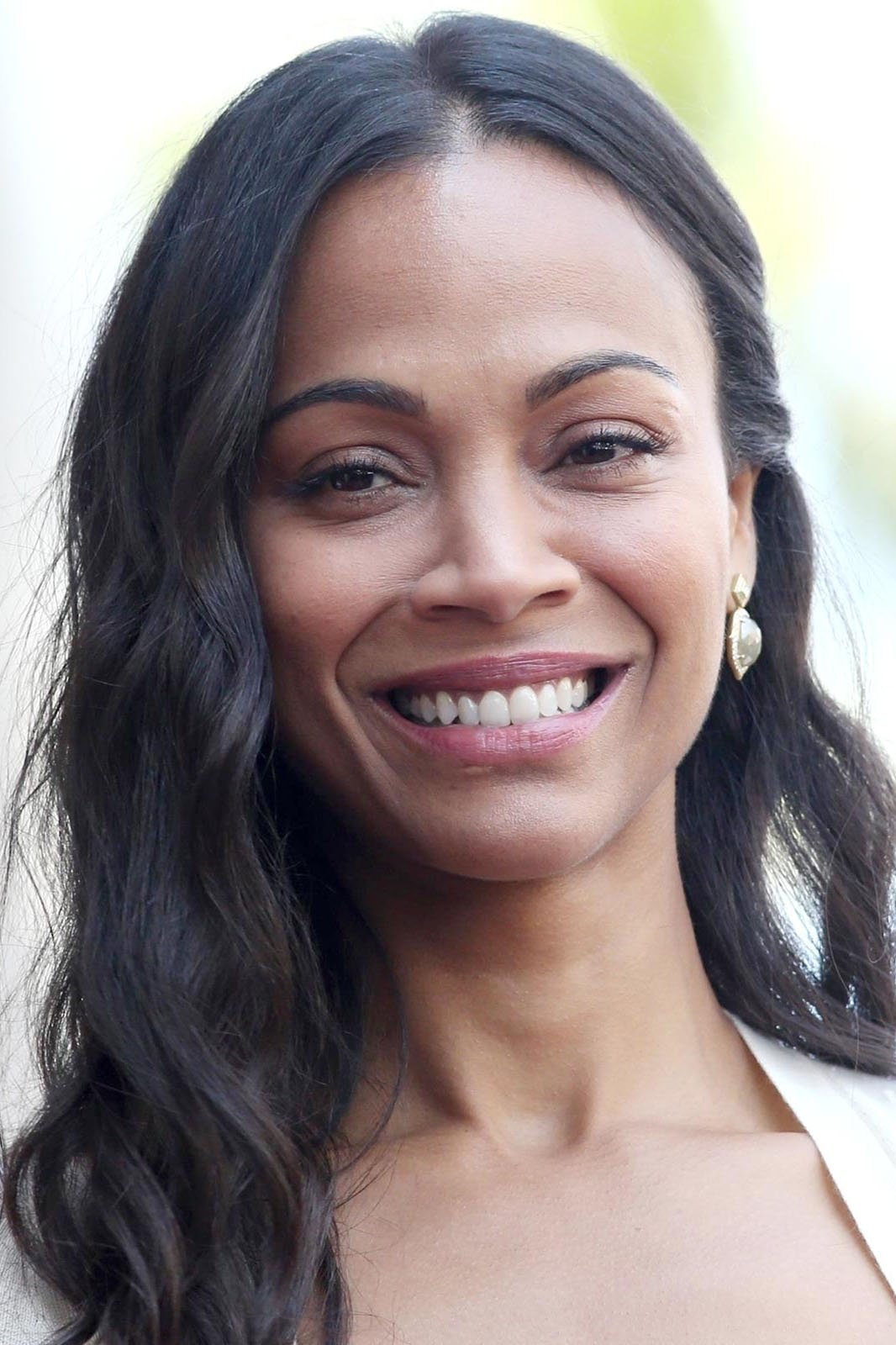
Zoe Saldaña has played iconic roles in ‘Avatar’ the Marvel Cinematic Universe and ‘Star Trek’ while often speaking out about her experiences. She criticized the way Gamora’s story was handled in ‘Avengers: Infinity War’ and ‘Avengers: Endgame’ noting the character’s lack of agency. Saldaña also addressed the difficulties of being a woman of color in massive science fiction franchises. Her comments about the emotional toll of these roles and the importance of representation have sparked important debates. She continues to be one of the most successful and outspoken actresses in the history of the genre.
Kate Beckinsale
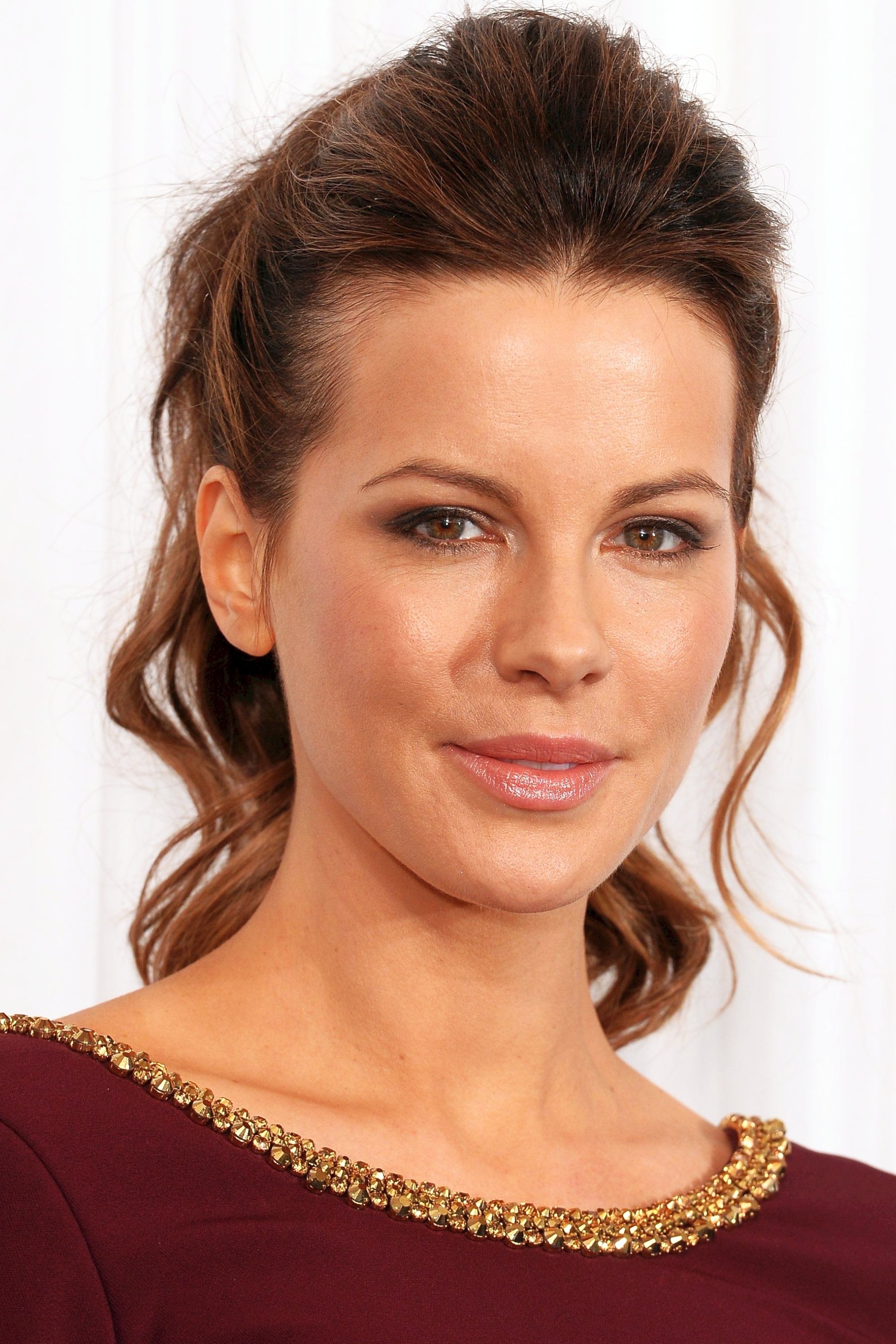
Kate Beckinsale has reflected on her time in the ‘Underworld’ franchise and the sexism she encountered as an action lead. She noted that she was often expected to maintain a certain look while performing grueling stunts that her male co-stars did not have to worry about. Beckinsale also spoke about the lack of respect she received from some fans who dismissed her performance because of the genre. Her critiques of the industry’s treatment of women in action roles highlighted the persistent double standards. She remains a pioneer for women in the horror and action genres.
Olivia Cooke
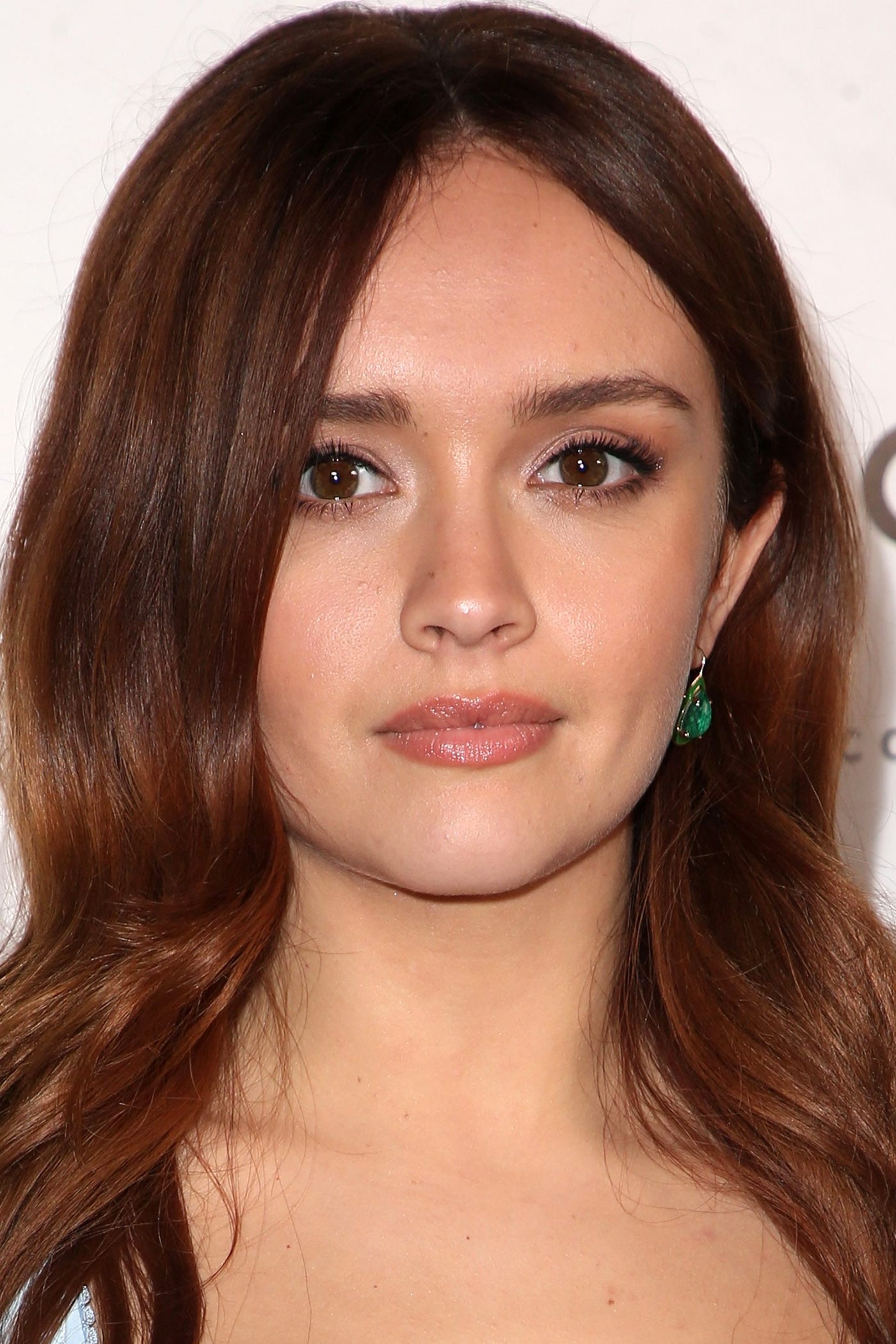
Olivia Cooke addressed the backlash she received for her role as Alicent Hightower in ‘House of the Dragon’. She spoke about the complexity of the character and the sexist ways in which fans often pitted the female leads against each other. Cooke noted that the show was designed to explore the patriarchal pressures on women but some fans chose to focus on personal rivalries. Her comments on the difficulties of playing a divisive character in a massive fandom were met with both support and criticism. She continues to provide a thoughtful perspective on the gender dynamics of the series.
Rosario Dawson
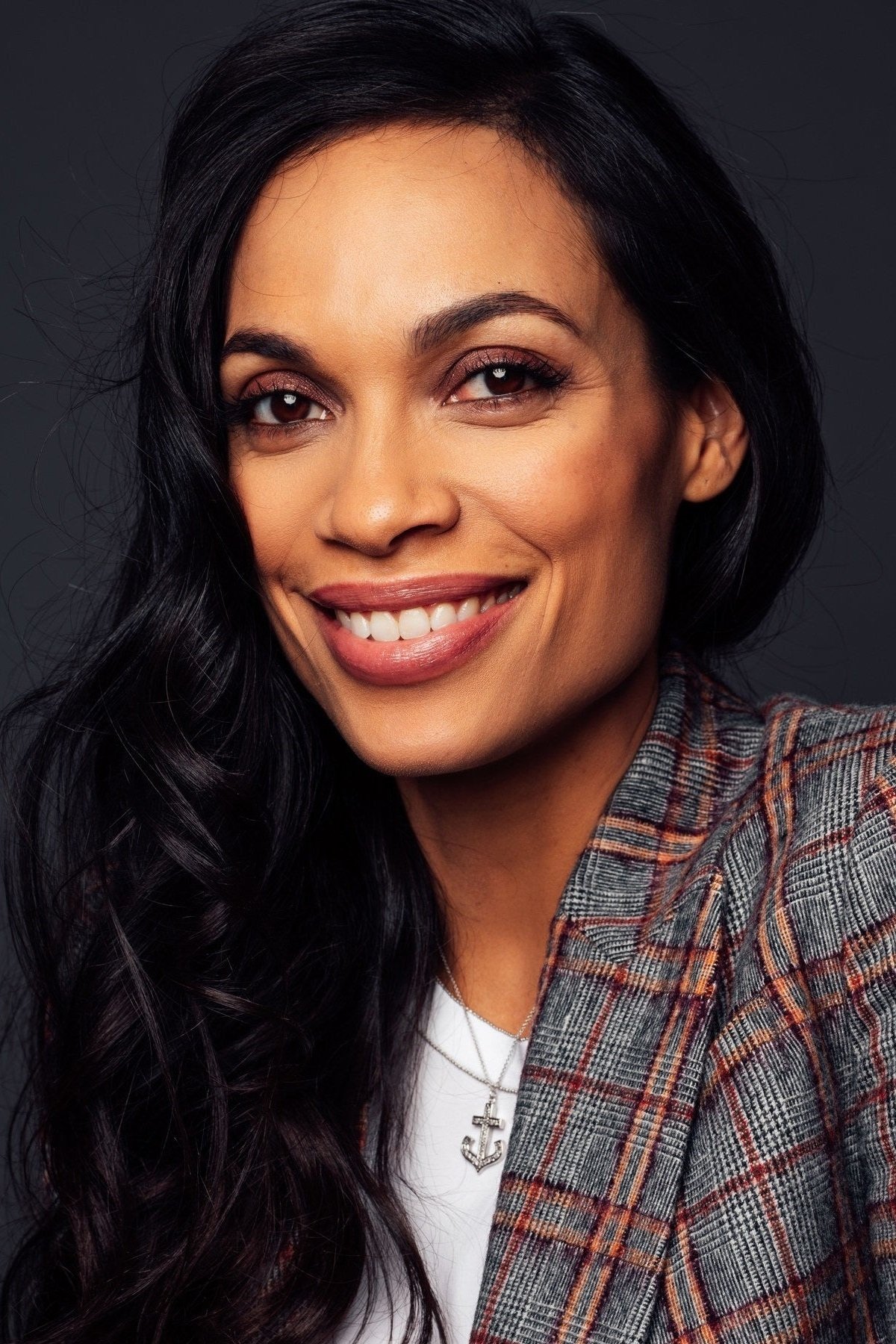
Rosario Dawson has been a mainstay in both the Marvel and ‘Star Wars’ universes while advocating for more diversity. She addressed the critiques of her character Ahsoka Tano by focusing on the importance of the character’s journey and evolution. Dawson has also been vocal about the need for more women of color in leadership roles both on and off screen. Her comments about the industry’s systemic issues have sometimes drawn the ire of fans who prefer to ignore politics. She remains a powerful advocate for change within the nerd community.
Ming-Na Wen
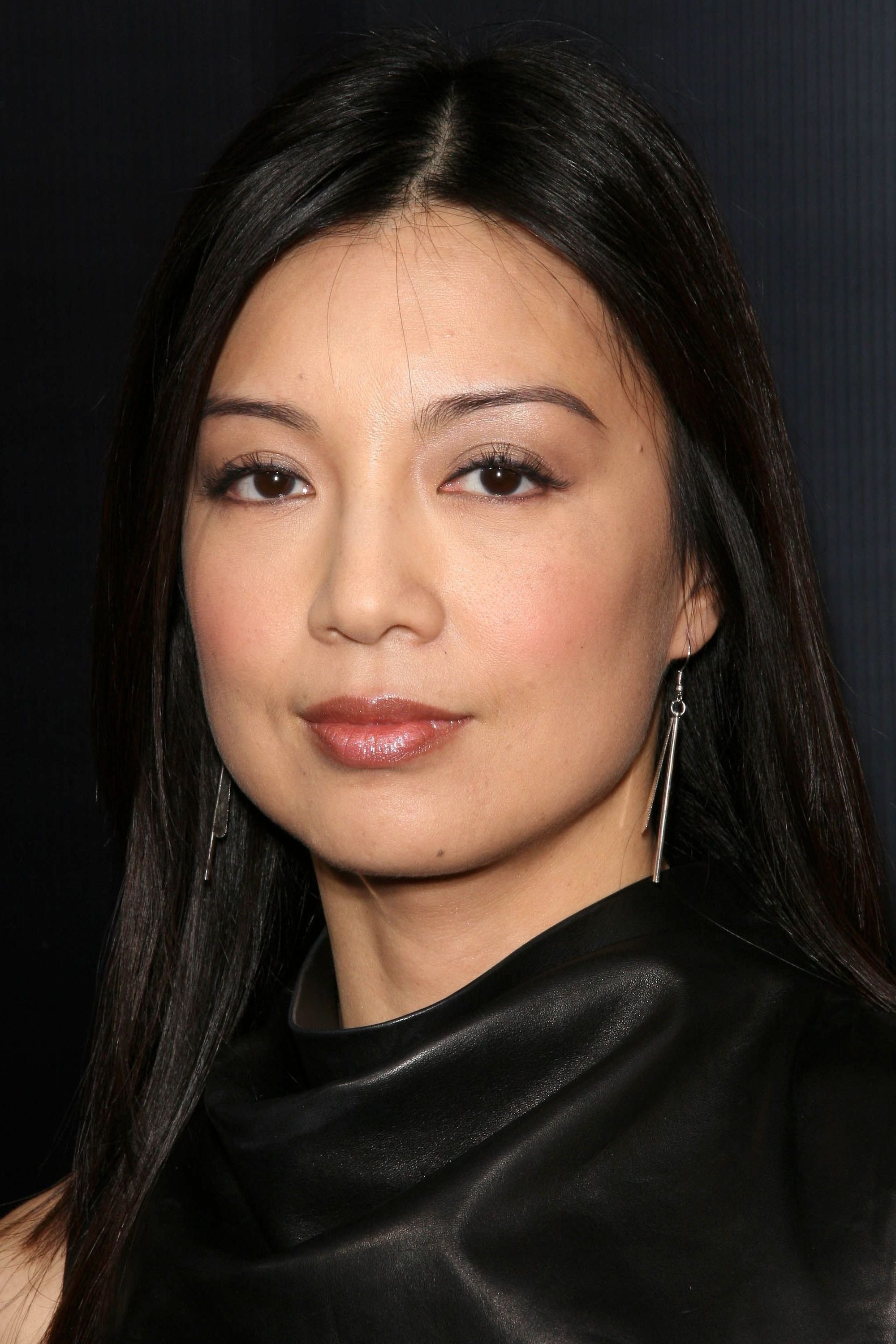
Ming-Na Wen has had a long career in nerd culture and has often spoken about the barriers she faced as an Asian American woman. She praised the progress made in franchises like ‘Agents of S.H.I.E.L.D.’ and ‘The Mandalorian’ while noting the ongoing need for better representation. Wen addressed the sexism and ageism that often sideline women in the action genre as they get older. Her resilience and success have made her a role model for many but her critiques have also bothered some fans. She remains a legendary figure in both the Disney and Marvel universes.
Zendaya

Zendaya faced a significant amount of racist and sexist backlash when she was first cast as MJ in the ‘Spider-Man’ films. She addressed the situation by focusing on her performance and the importance of updating classic characters for a modern world. Zendaya also spoke about the pressure on young actresses to be perfect and the lack of privacy that comes with being in a massive franchise. Her comments about the need for more diverse storytelling in Hollywood have resonated with a younger generation of fans. She continues to be one of the most influential and respected young stars in the industry.
Anya Taylor-Joy
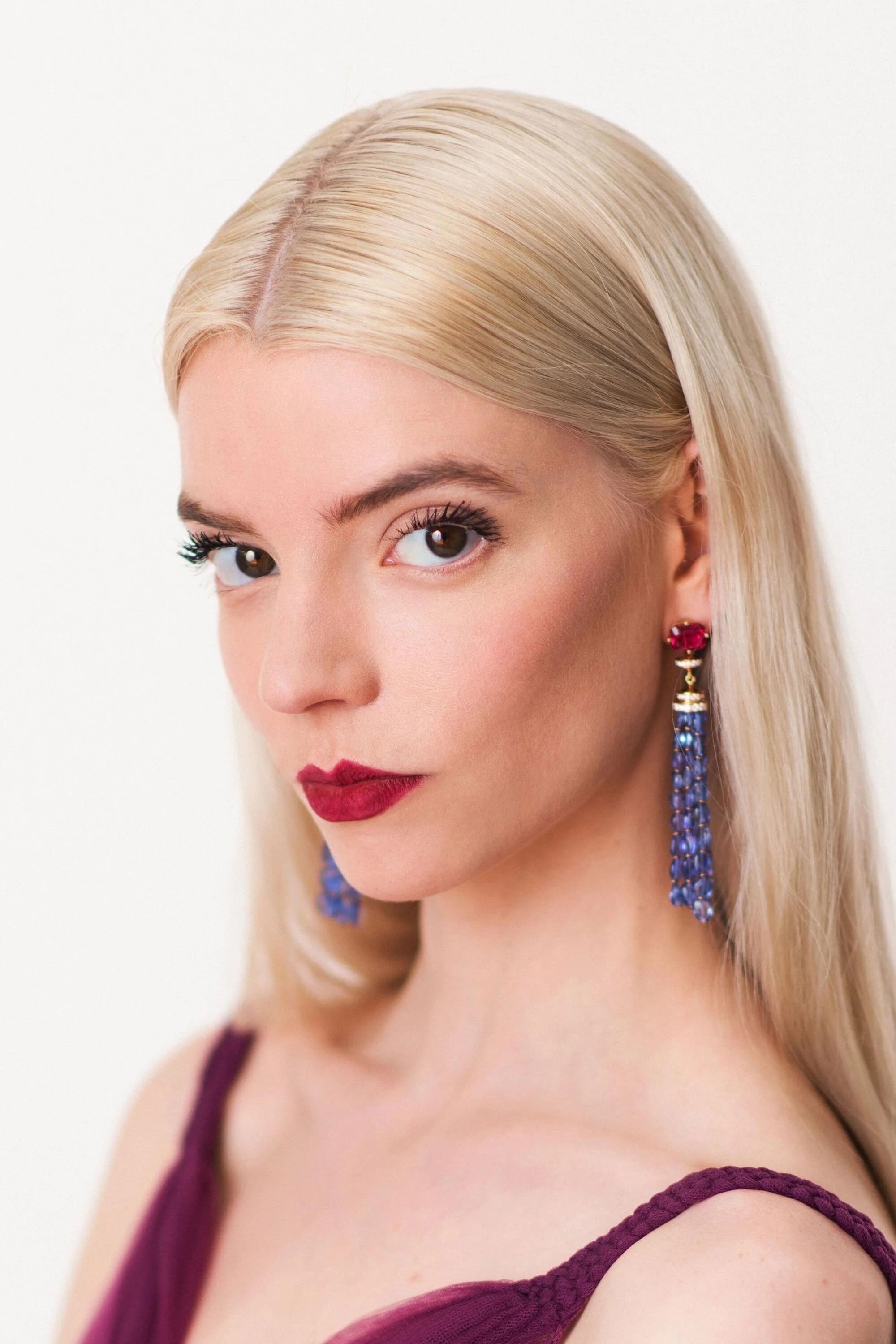
Anya Taylor-Joy spoke about the physical and mental demands of taking over the iconic role of Furiosa in the ‘Mad Max’ prequel. She addressed the sexism that often questions whether a woman can lead a major action franchise on her own. Taylor-Joy also discussed the importance of honoring the legacy of the character while bringing her own perspective to the role. Her comments were met with some skepticism from fans of the original film but she remained focused on the work. She is a rising star who continues to challenge expectations in multiple genres.
Charlize Theron
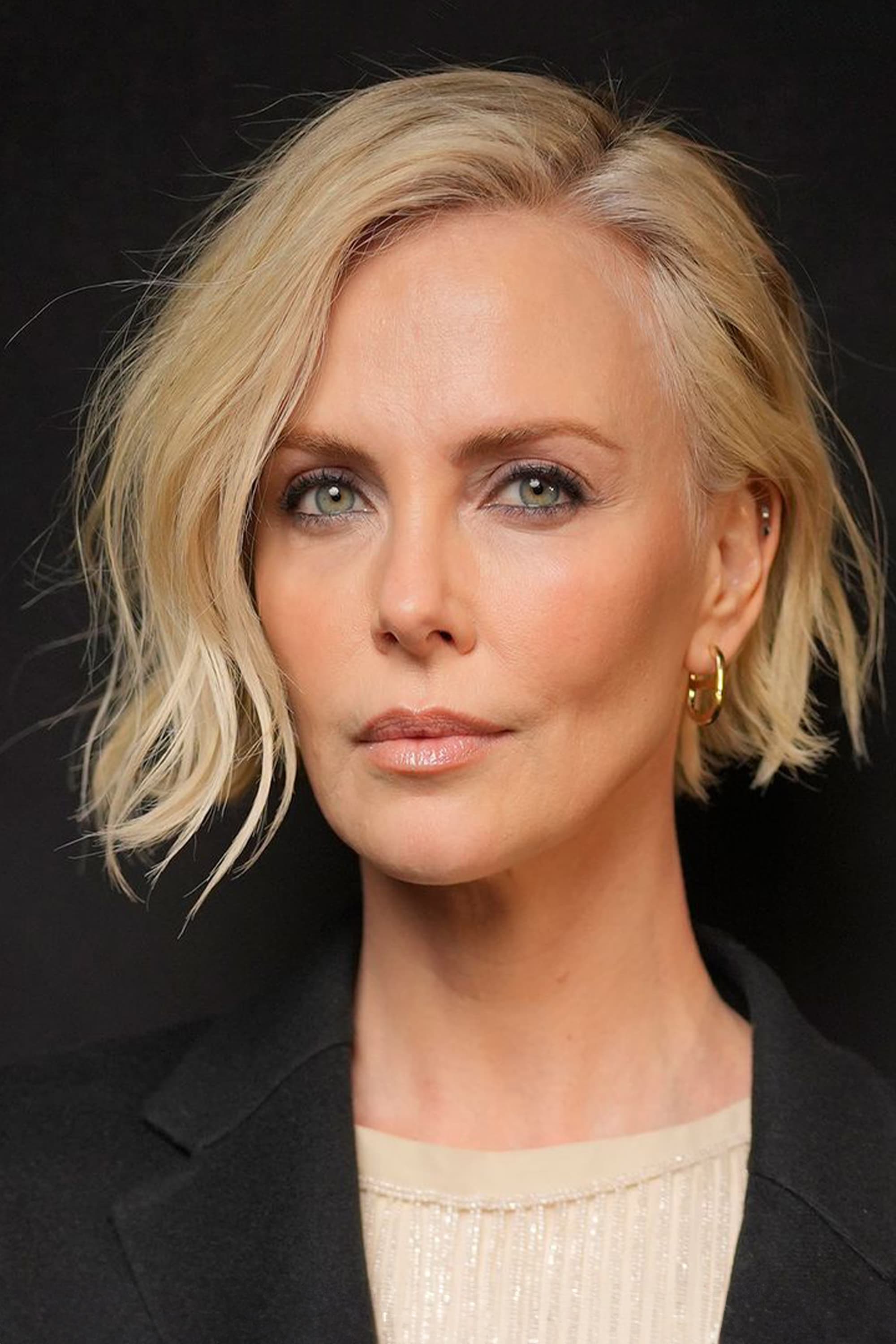
Charlize Theron has been vocal about the difficulties she faced as an action lead in films like ‘Mad Max: Fury Road’. She addressed the pay gap and the lack of support for female driven action projects in the industry. Theron also spoke about the importance of having more women in behind the scenes roles to ensure authentic storytelling. Her comments about the challenges of working in a male dominated genre have sparked important conversations. She continues to produce and star in projects that push the boundaries of what women can do in film.
Linda Hamilton
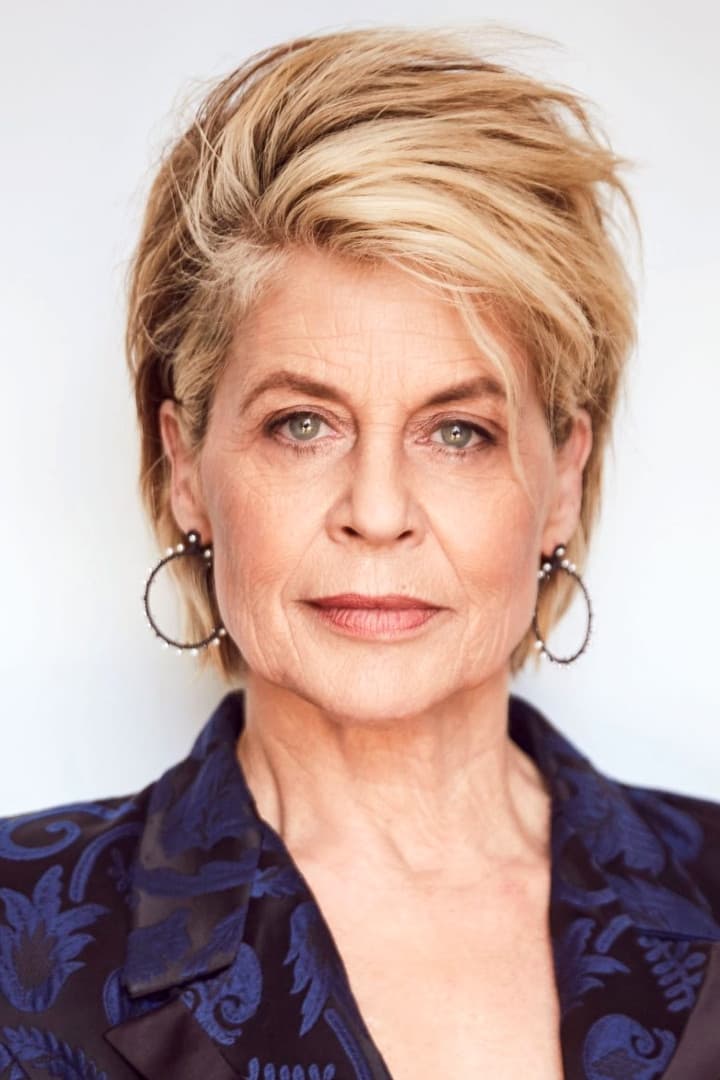
Linda Hamilton famously returned to the ‘Terminator’ franchise and spoke out about the need for more realistic portrayals of older women in action. She criticized the industry’s obsession with youth and the lack of complex roles for women her age. Hamilton also addressed the physical toll of returning to the role of Sarah Connor and the expectations placed upon her. Her candidness about the challenges of the franchise and the industry was met with respect from many but also some fan resistance. She remains a legendary figure who helped define the modern female action hero.
Rebecca Ferguson
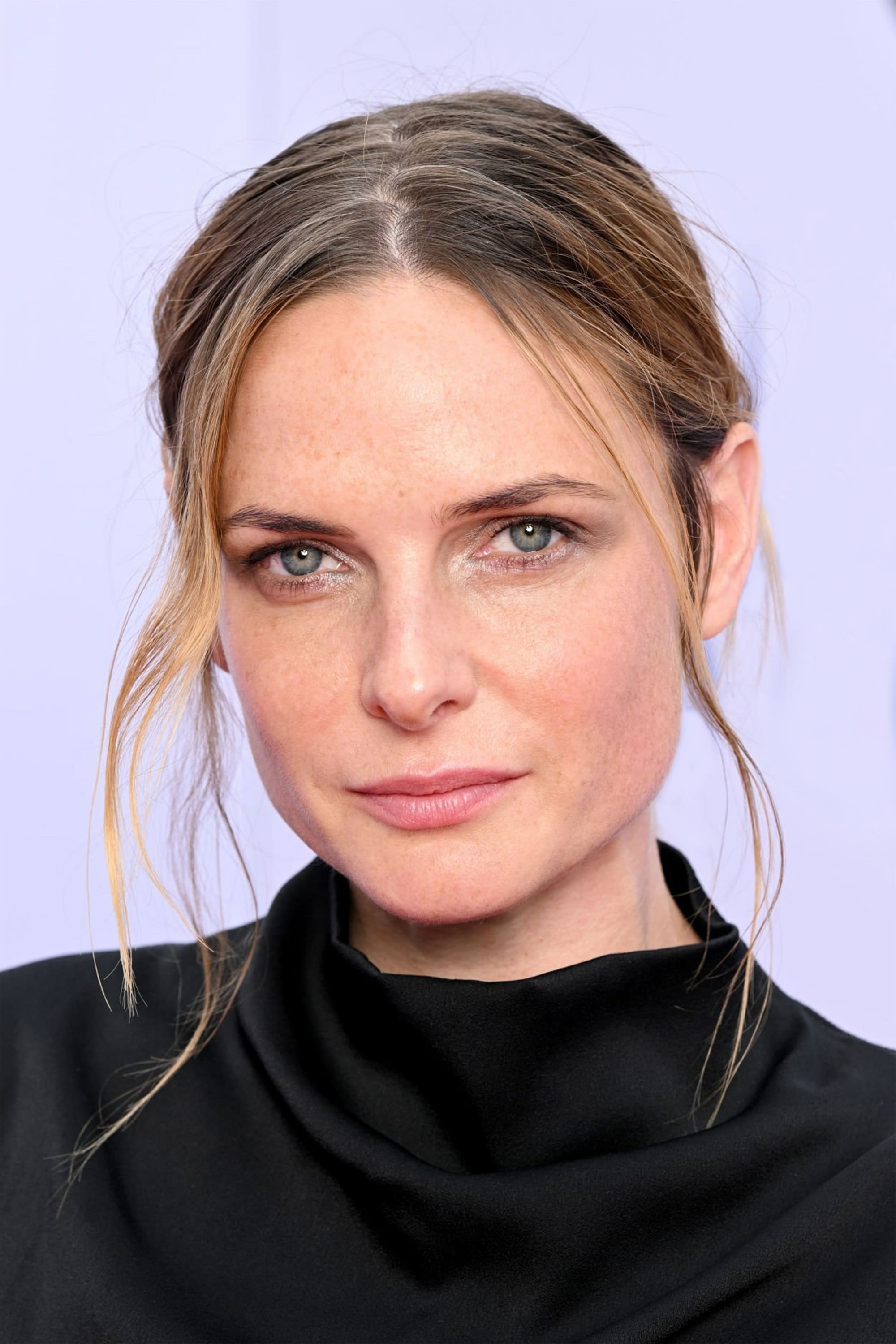
Rebecca Ferguson has spoken about the need for more depth and agency for her characters in the ‘Mission: Impossible’ and ‘Dune’ franchises. She addressed the sexism that often relegates women to being the helpmate of the male protagonist. Ferguson pushed for her characters to have their own motivations and storylines that do not revolve entirely around the men. Her comments on the importance of female representation in massive films have been met with mixed reactions. She continues to be one of the most sought after actresses in the industry for her strong performances.
Michelle Yeoh
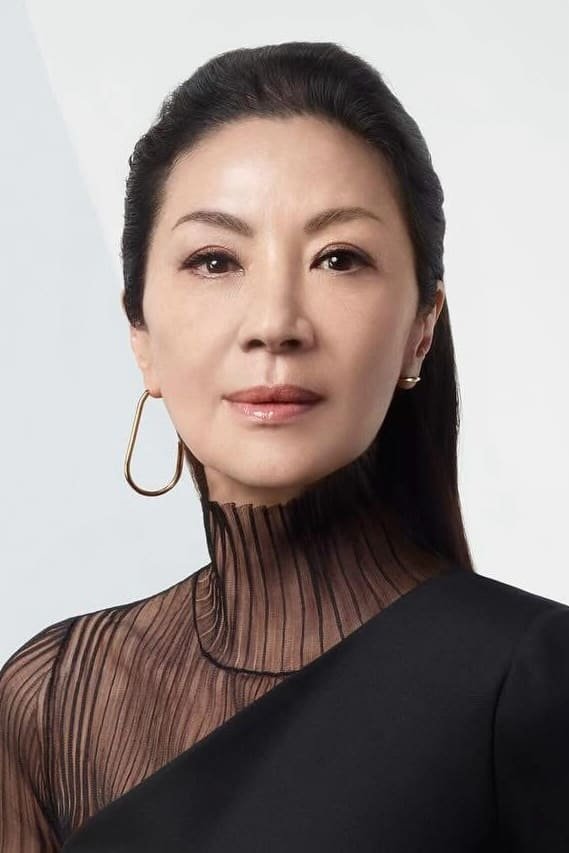
Michelle Yeoh has had a legendary career and has frequently spoken about the racism and sexism she faced in Hollywood. She addressed the lack of opportunities for Asian women in major nerd franchises for many years. Yeoh praised the success of ‘Everything Everywhere All at Once’ as a turning point for representation and the industry’s perception of older women. Her comments about the need for structural change in the industry have been influential but also met with some pushback. She remains a global icon who continues to break barriers in science fiction and action.
Lucy Liu

Lucy Liu has been open about the challenges she faced as a pioneer for Asian American women in action and superhero media. She addressed the stereotypes and limited roles that were available to her during the early years of her career. Liu also spoke about the importance of her role in projects like ‘Elementary’ and ‘Shazam! Fury of the Gods’ for shifting perceptions. Her comments on the industry’s progress and the work that still needs to be done have sparked important discussions. She remains a respected figure who continues to advocate for more diverse and inclusive storytelling.
Priyanka Chopra Jonas
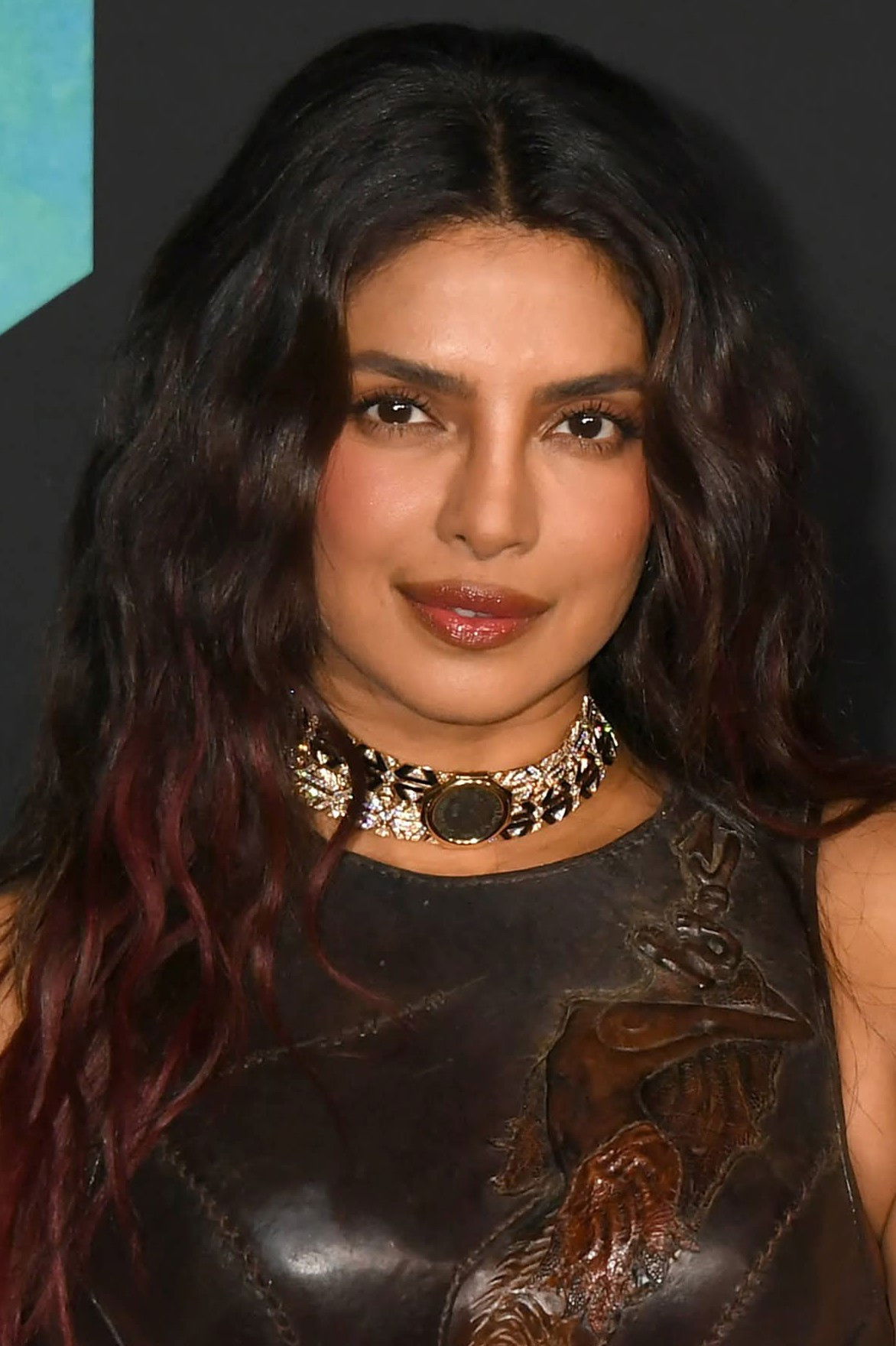
Priyanka Chopra Jonas has spoken about the difficulties of transitioning from Bollywood to massive Hollywood franchises like ‘The Matrix Resurrections’ and ‘Citadel’. She addressed the pay gap and the lack of lead roles for South Asian women in nerd culture. Chopra Jonas also spoke out against the sexism and xenophobia she encountered while trying to build her career in the United States. Her comments about the need for more global representation in film have been met with both praise and criticism. She continues to use her platform to advocate for a more inclusive and diverse entertainment industry.
Freema Agyeman
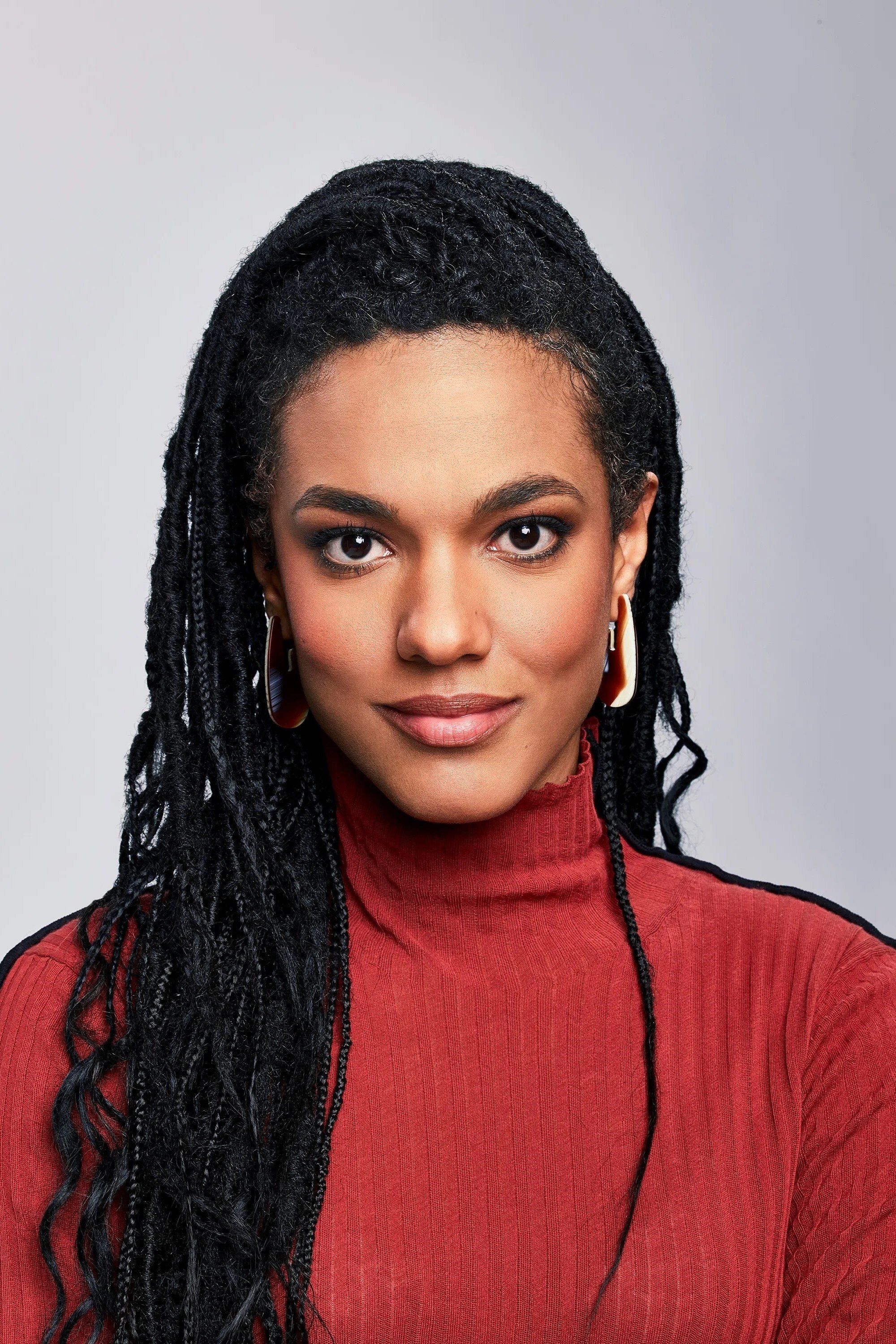
Freema Agyeman faced a significant amount of racist and sexist backlash during her time as Martha Jones on ‘Doctor Who’. She spoke about how her character was unfairly compared to her predecessor and the toxic nature of the fan reactions. Agyeman also addressed the importance of representation and the impact that her presence had on young viewers of color. Her comments about the challenges of being a woman of color in a legendary franchise highlighted the persistent issues within the fandom. She remains a beloved figure to many while continuing to work in major television projects.
Share your thoughts about these actresses and their impact on your favorite franchises in the comments.