Actresses Who Faced Heavy Criticism for Taking Roles Outside Their Ethnicity

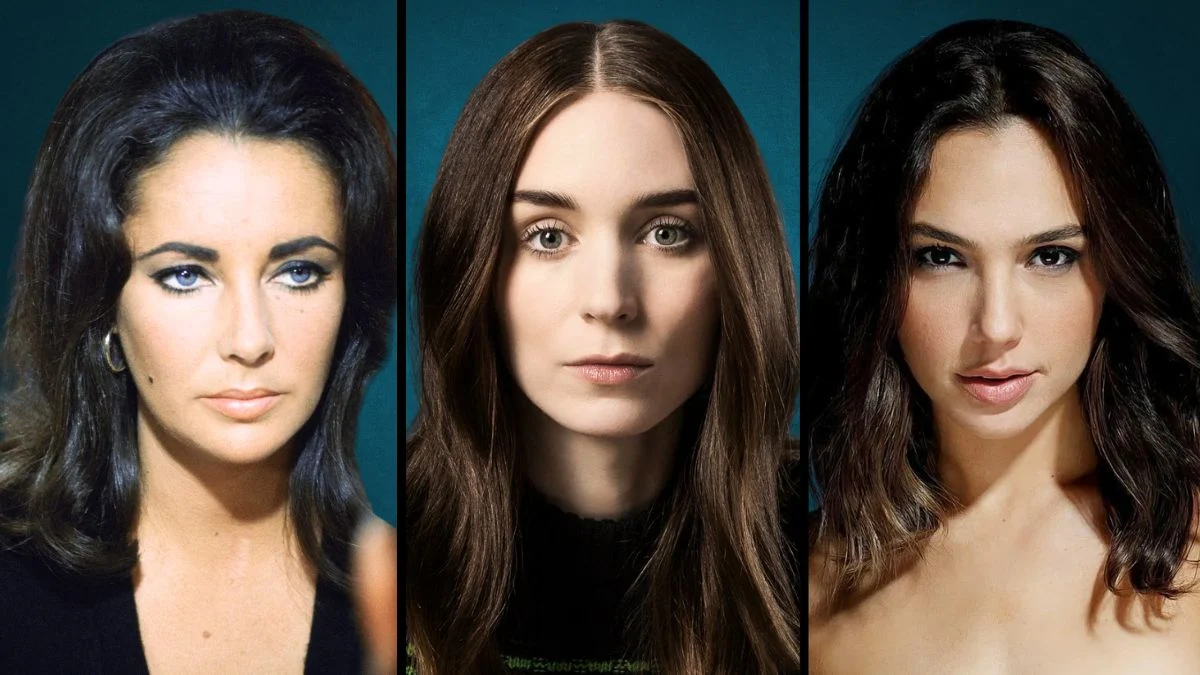

The entertainment industry has long struggled with representation and the practice of casting performers in roles that do not align with their actual ethnic backgrounds. While some instances are labeled as artistic license many spark widespread public debate regarding cultural appropriation and the erasure of minority identities. Activists and audiences increasingly demand authentic casting to ensure that stories are told with respect to the cultures they represent. This list explores several high profile cases where actresses encountered significant scrutiny for accepting roles outside their own ethnicity. These controversies often highlight the ongoing systemic issues within the Hollywood casting process and the evolving expectations of global viewers.
Scarlett Johansson

Scarlett Johansson faced intense backlash when she was cast as Major Motoko Kusanagi in the live action adaptation of ‘Ghost in the Shell’. Fans and critics argued that the role should have gone to a Japanese actress because the source material is deeply rooted in Japanese culture. The production attempted to justify the casting through a plot twist involving a brain transplant but this only increased the controversy. Public debates about whitewashing in Hollywood centered on this film for several months leading up to its release. The project ultimately underperformed at the box office amidst the ongoing negative reception.
Emma Stone
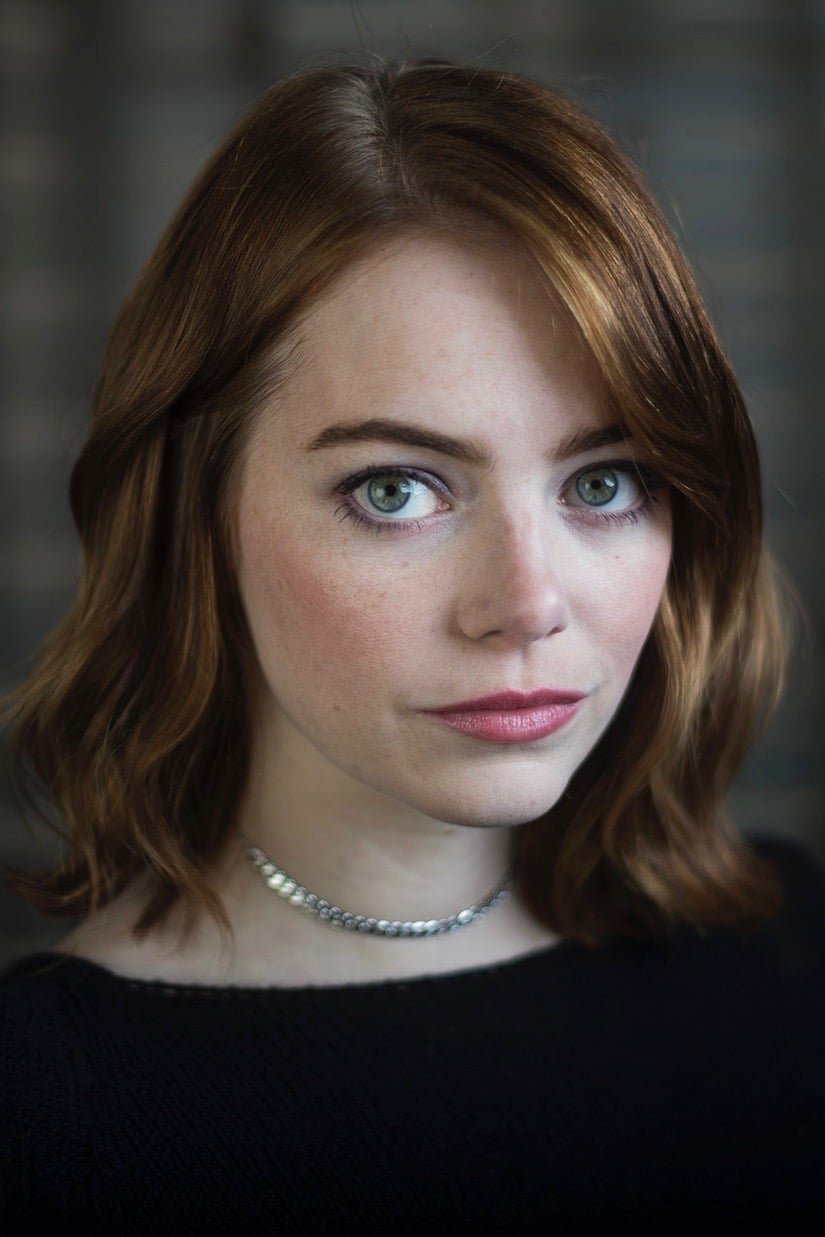
Emma Stone received significant criticism for portraying a character of Chinese and Hawaiian descent in the film ‘Aloha’. Her character Allison Ng was described as being one quarter Chinese and one quarter Hawaiian which many felt Stone did not physically represent. The director later apologized for the casting choice and explained that the character was based on a real person who did not look typically biracial. Stone expressed her own regret during an awards show and acknowledged the importance of representation in cinema. This instance remains a frequently cited example of problematic casting in modern romantic comedies.
Tilda Swinton
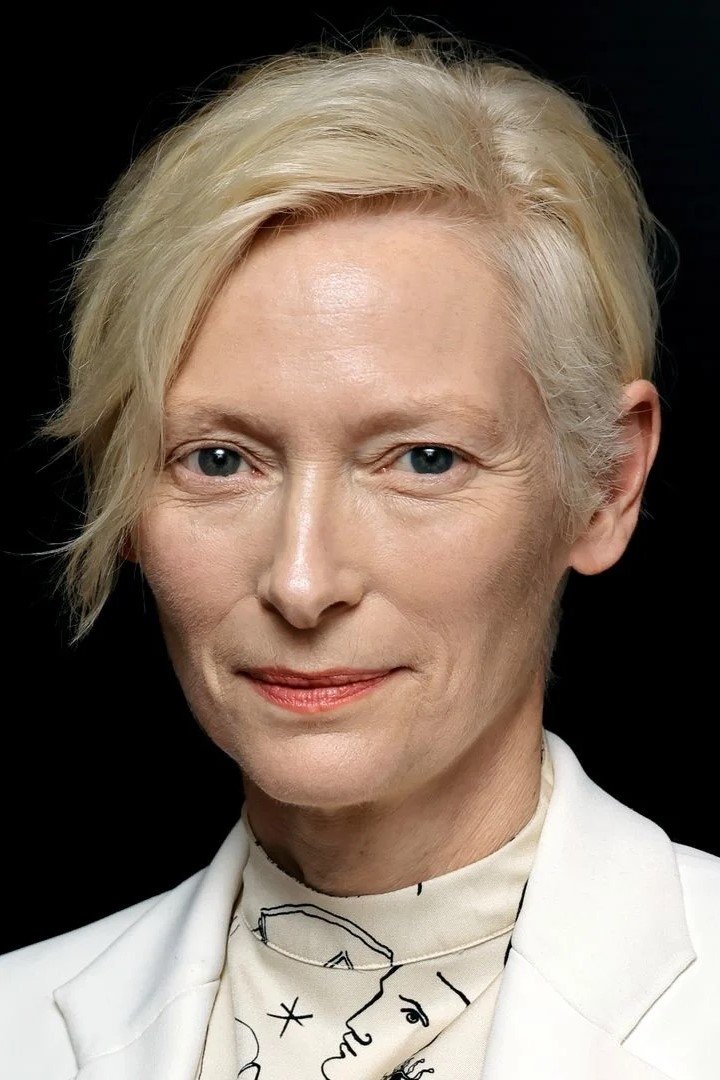
Tilda Swinton was the subject of a major controversy when she was cast as the Ancient One in the movie ‘Doctor Strange’. In the original comic books the character is portrayed as a Tibetan man living in the Himalayas. Marvel Studios defended the decision by stating they wanted to avoid stereotypical tropes and instead chose a Celtic woman for the role. Many critics argued that this move erased a prominent Asian character from the cinematic universe instead of reimagining the role more authentically. Swinton engaged in a public email exchange with a prominent Asian American comedian to discuss the nuances of the situation.
Zoe Saldaña
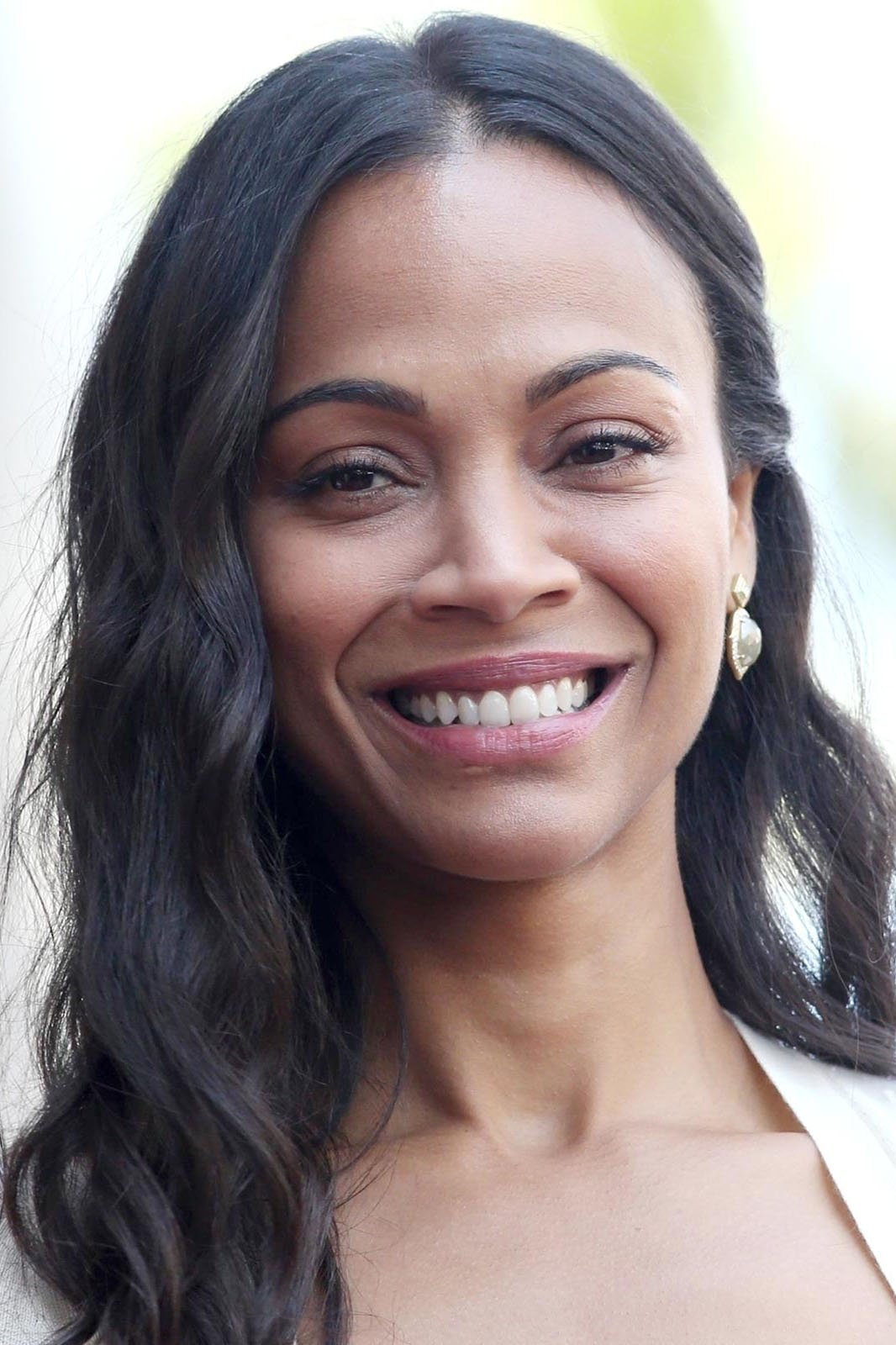
Zoe Saldaña faced heavy criticism for her portrayal of the legendary singer Nina Simone in the biographical film ‘Nina’. Critics and family members of Simone pointed out that Saldaña used skin darkening makeup and a prosthetic nose to resemble the artist. Many felt that a dark skinned actress with more similar features should have been cast to honor Simone’s legacy and her civil rights activism. Saldaña later expressed deep regret for taking the role and admitted that she should have used her influence to help cast a more appropriate performer. The film was met with overwhelmingly negative reviews and a limited release.
Angelina Jolie
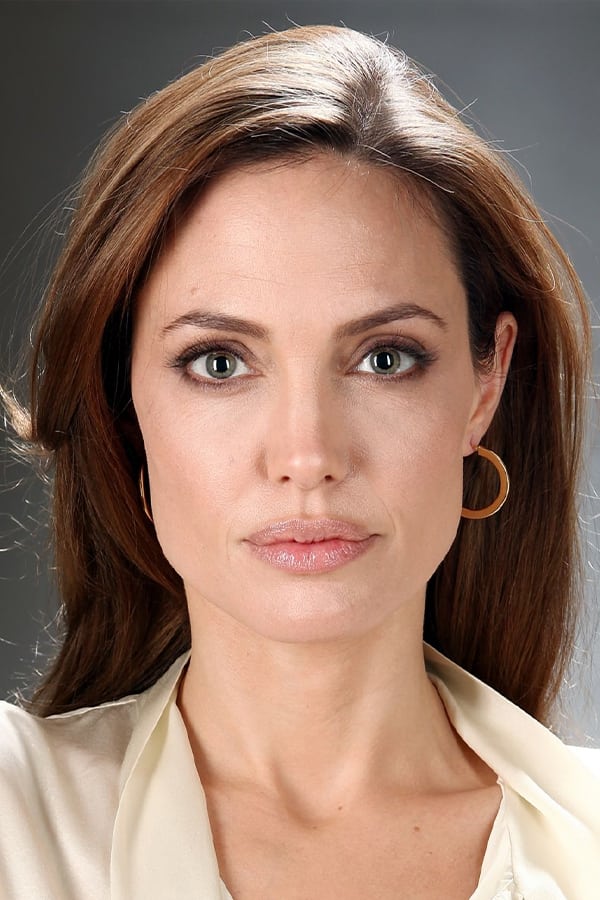
Angelina Jolie portrayed Mariane Pearl in the film ‘A Mighty Heart’ which led to accusations of using darkened skin tones to play a woman of mixed heritage. Mariane Pearl is of Afro Chinese and Dutch descent and some audience members felt that Jolie was an inappropriate choice despite Pearl’s personal endorsement of the casting. The production was criticized for not hiring an actress whose own background more closely matched the real life subject. While Jolie’s performance was praised by some critics the debate over ethnic representation overshadowed much of the film’s promotional cycle. This case highlighted the complexities of casting established movie stars in biographical dramas.
Rooney Mara
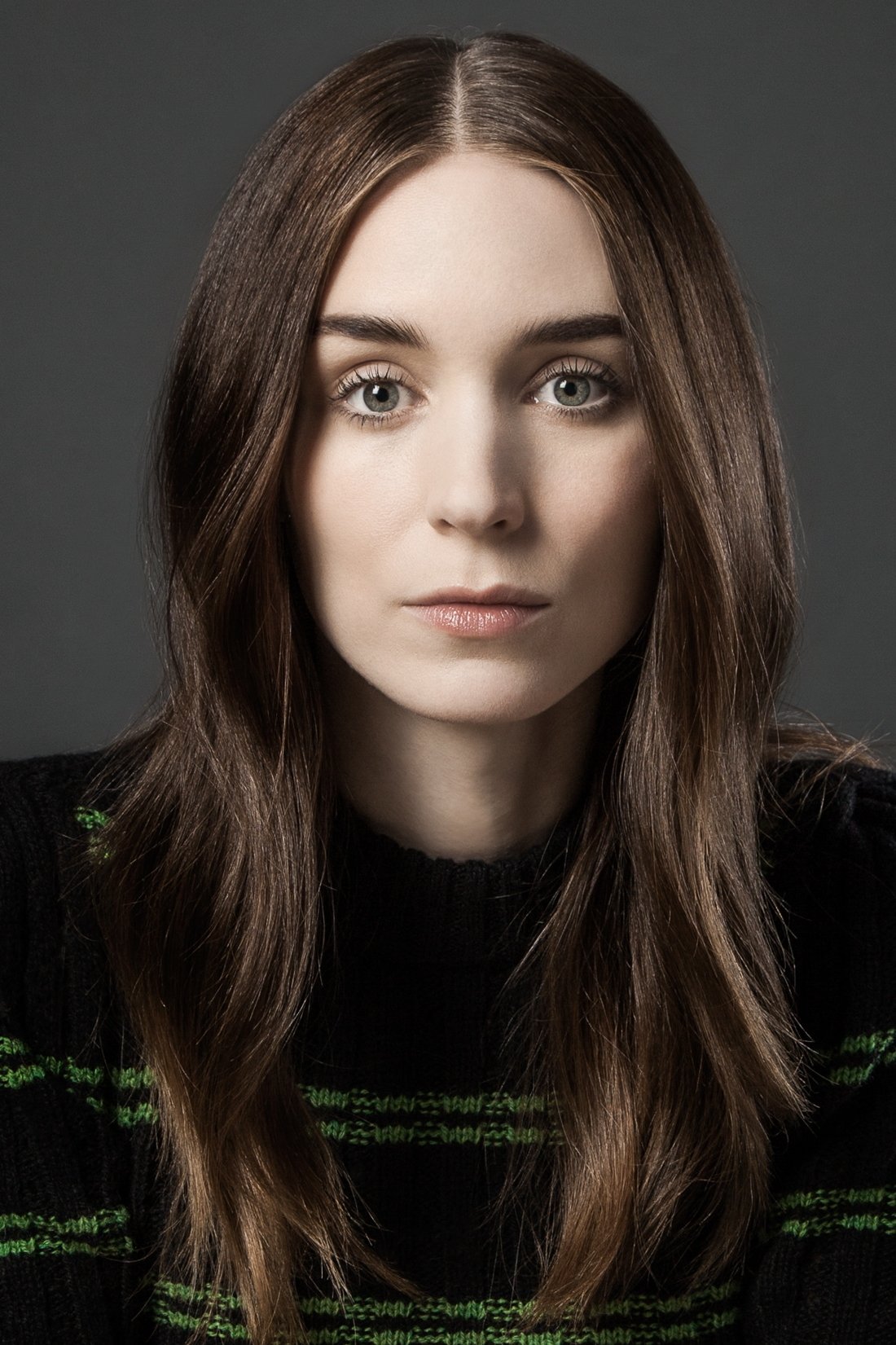
Rooney Mara was cast as Tiger Lily in the film ‘Pan’ which is a character traditionally depicted as a Native American princess. The decision to cast a white actress in this role sparked a large scale online petition and protests from indigenous communities. Critics argued that the film continued a long history of displacing Native American actors in stories that feature their culture. The filmmakers claimed they intended to create a diverse and international world but the lack of a Native American actress in that specific role was widely condemned. Mara later spoke about her discomfort with the controversy and the lessons she learned from the experience.
Natalie Wood
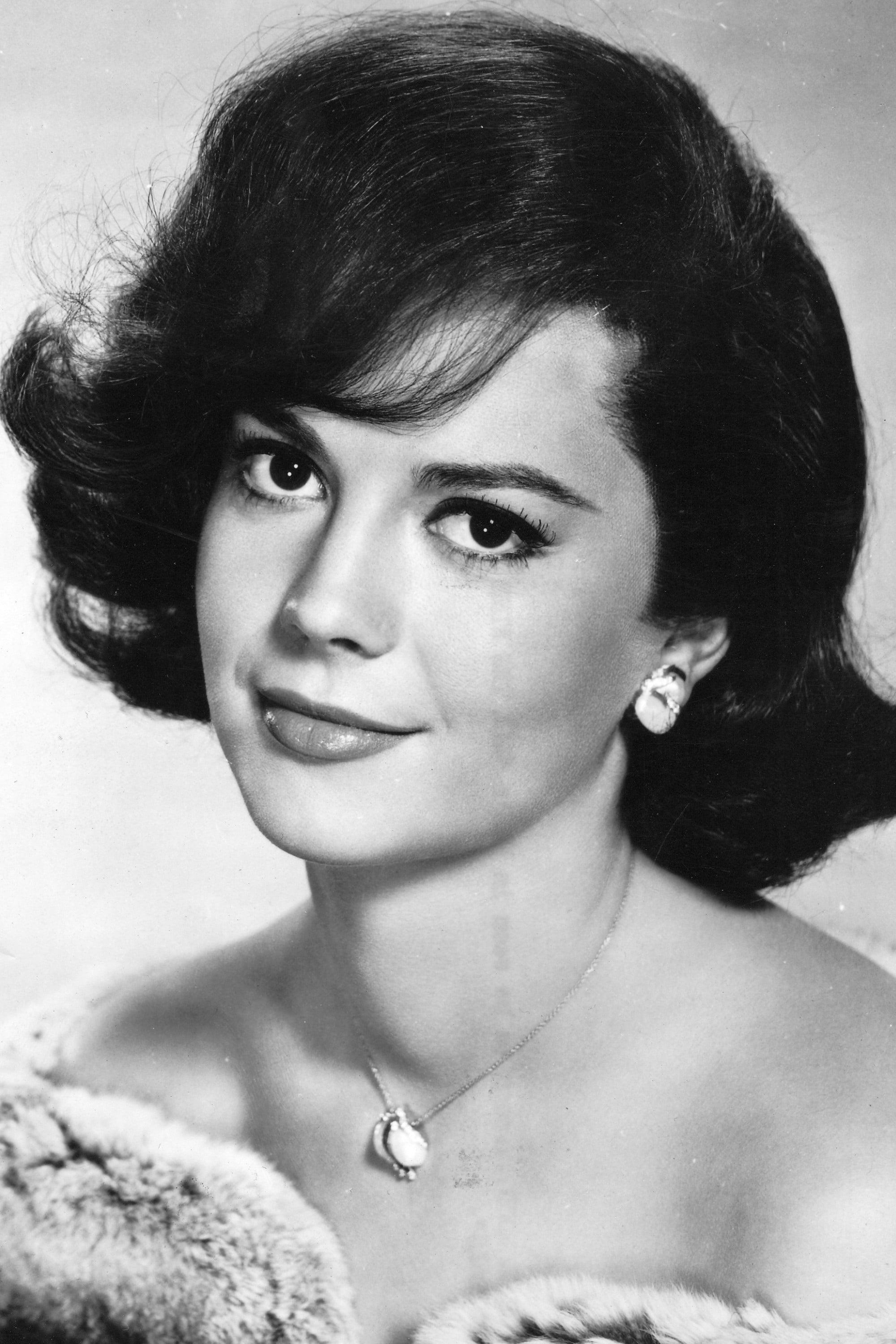
Natalie Wood played the lead role of Maria in the classic musical film ‘West Side Story’. Although the character is a young Puerto Rican immigrant Wood was of Russian and Ukrainian descent. The production used heavy makeup to darken her skin for the role which became a point of contention for later generations of viewers. Many advocates for Hispanic representation have noted that this casting took away an opportunity from talented Latina actresses of that era. The recent remake of the film corrected this by ensuring that the entire Puerto Rican community was played by actors of the appropriate heritage.
Elizabeth Taylor
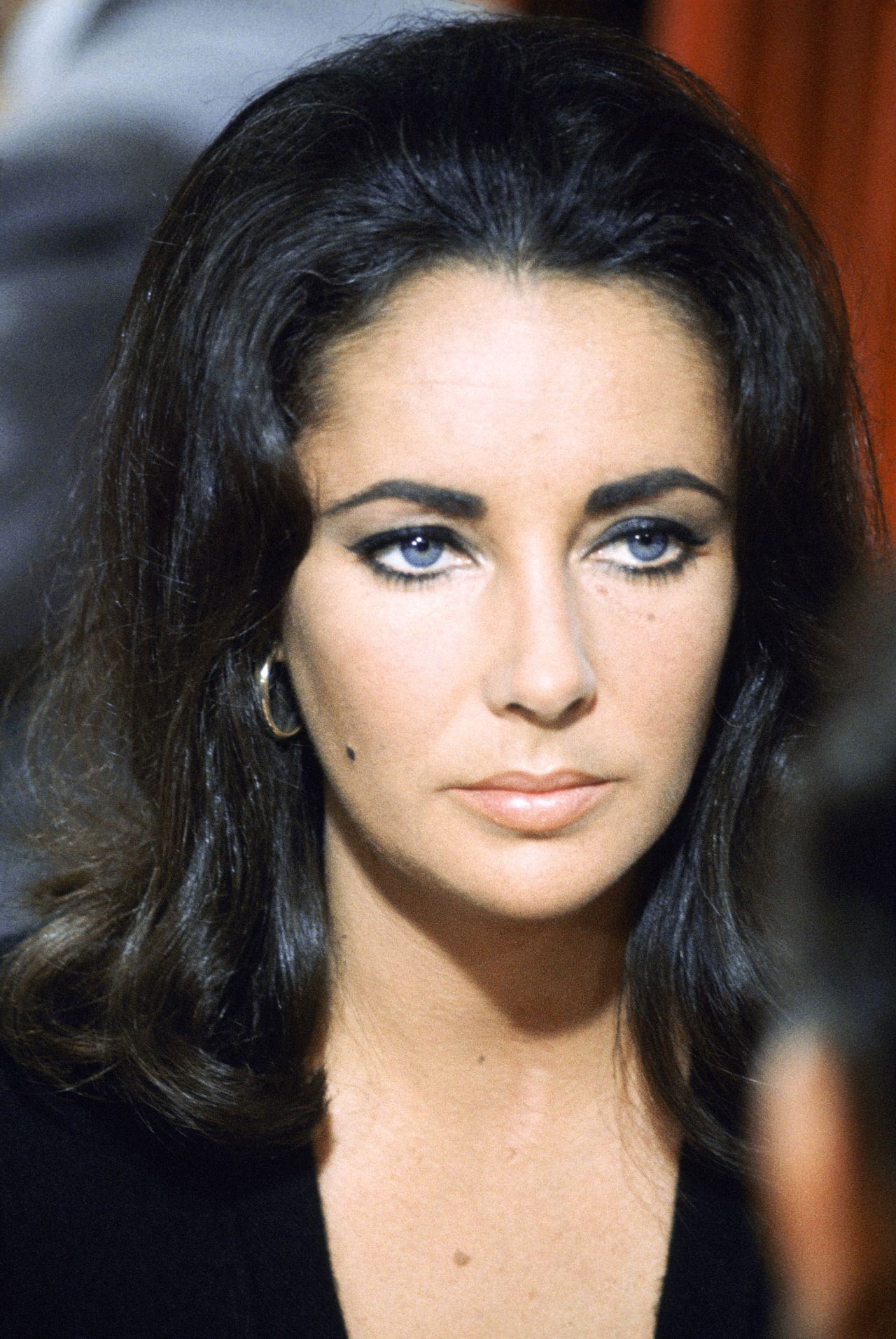
Elizabeth Taylor was famously cast as the titular Queen of Egypt in the massive production of ‘Cleopatra’. While the historical ethnicity of Cleopatra is a subject of scholarly debate Taylor’s portrayal is often viewed as a prominent example of Hollywood’s tendency to cast white stars in North African roles. The film was one of the most expensive ever made and Taylor’s performance became iconic in popular culture. However modern critics frequently point to the film as a missed opportunity for more accurate ethnic representation. This casting choice has influenced the ongoing discussions regarding the ethnicity of Cleopatra in more recent projects.
Priyanka Chopra Jonas
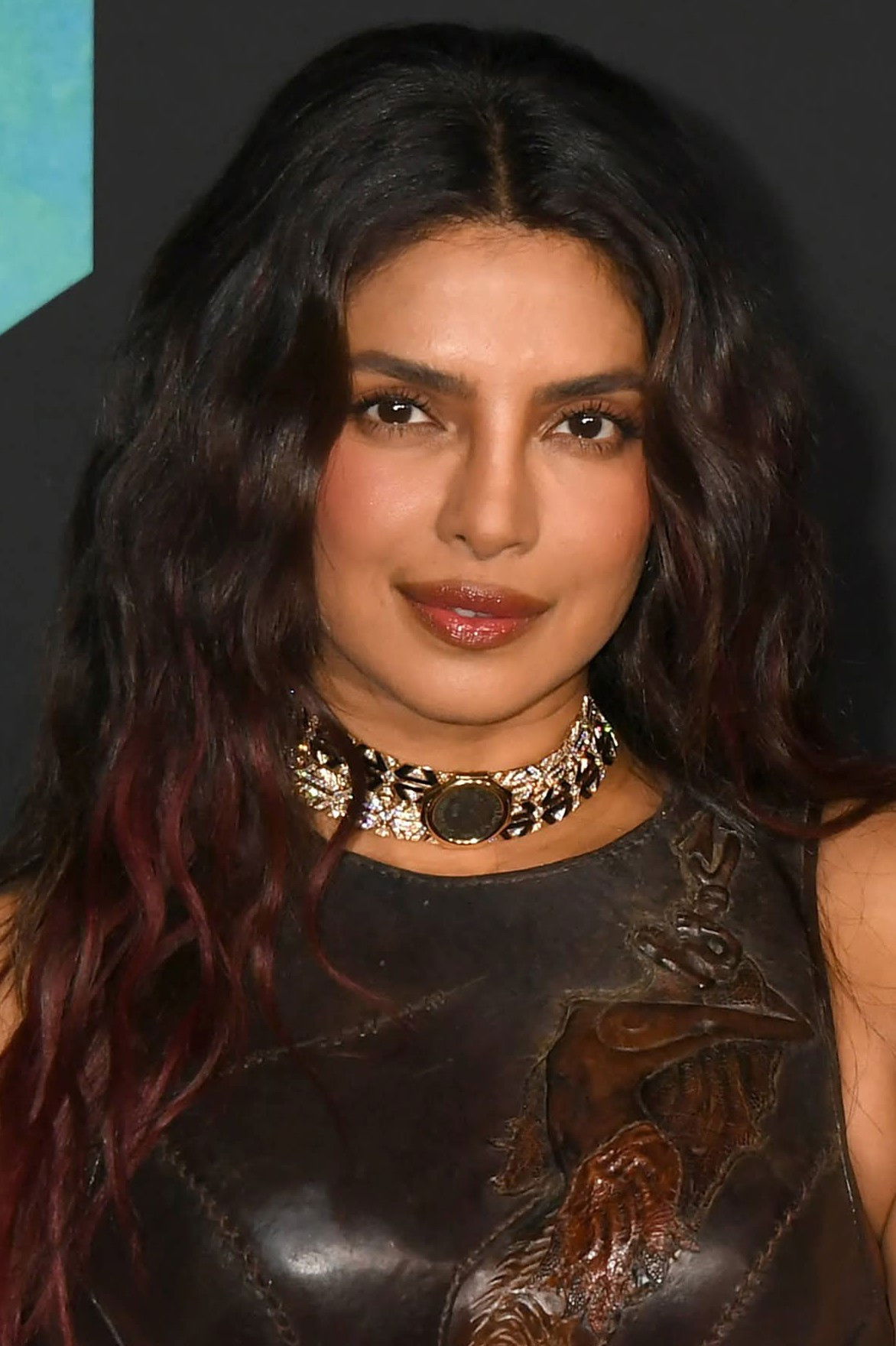
Priyanka Chopra Jonas starred as the Olympic boxer Mary Kom in a biographical film named ‘Mary Kom’. Mary Kom belongs to the Kom tribe in Manipur which is a region in Northeast India where people have distinct East Asian features. Chopra Jonas is from North India and many critics argued that an actress from the Northeast should have been given the role to ensure regional authenticity. The film used makeup to try and bridge the physical differences between the actress and the real athlete. This sparked a national conversation in India about the marginalization of people from the Northeast in the mainstream film industry.
Michelle Yeoh
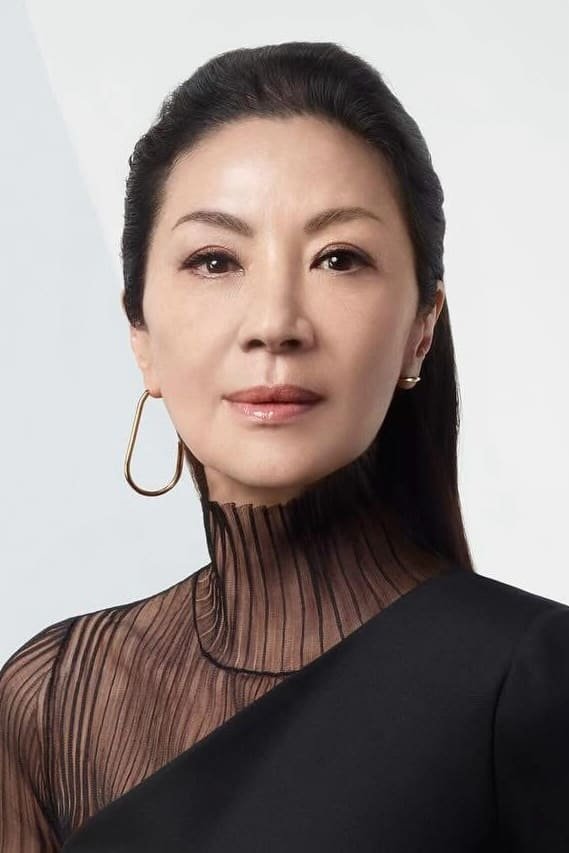
Michelle Yeoh appeared in ‘Memoirs of a Geisha’ as Mameha a prominent mentor to the main character. Like her co star Ziyi Zhang Yeoh is not Japanese and her casting drew criticism for the perceived lack of cultural sensitivity regarding Japanese traditions. Critics felt that the nuances of the geisha culture were lost when the cast did not share the specific heritage of the characters. While Yeoh is a highly respected actress the decision to include her in this specific project fueled the debate over Hollywood’s approach to Asian stories. This discussion often centers on whether shared ethnicity is essential for cultural storytelling.
Jennifer Lawrence
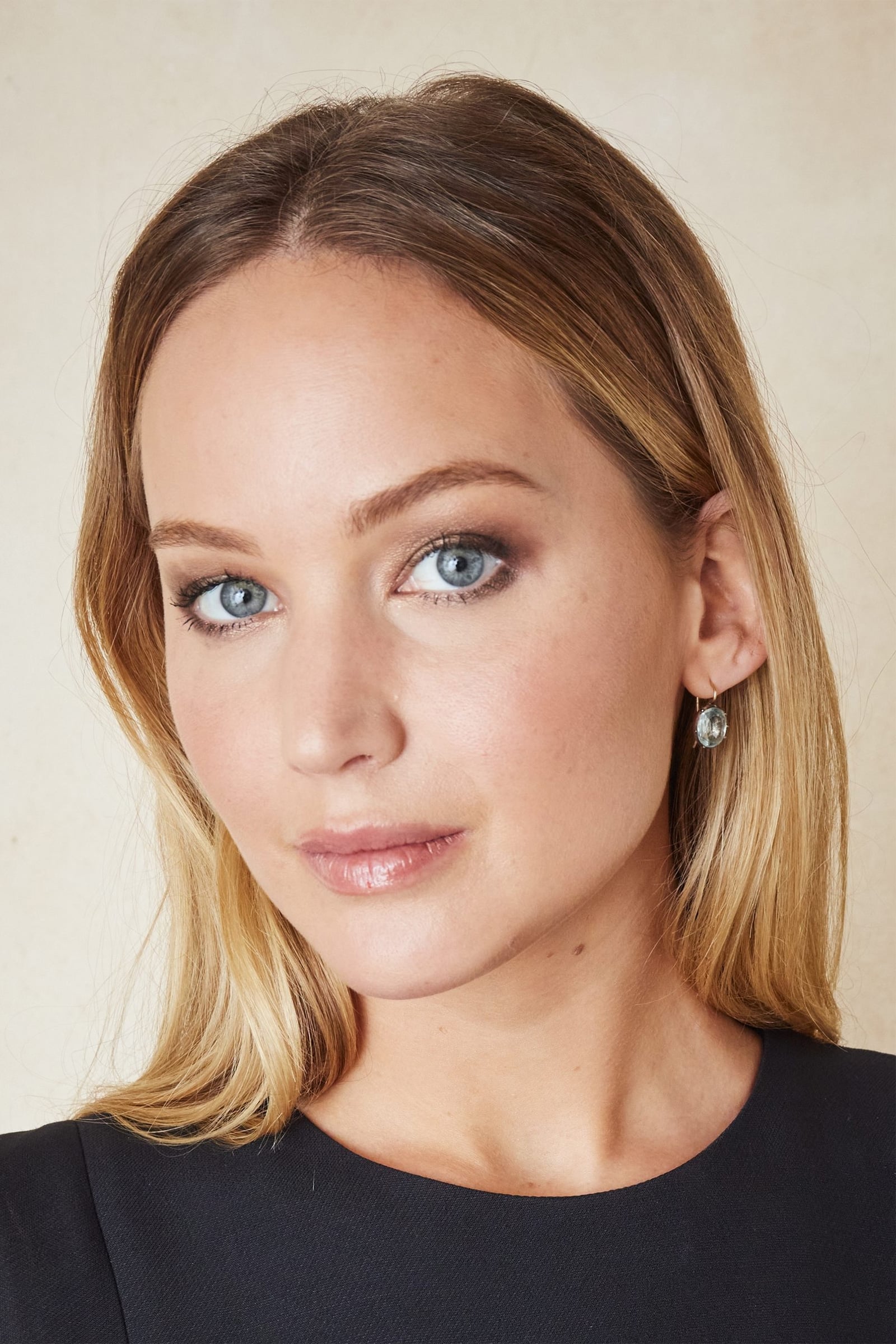
Jennifer Lawrence was cast as Katniss Everdeen in ‘The Hunger Games’ series which led to some early criticism from fans of the books. The source material describes the character as having olive skin and dark hair which many readers interpreted as a person of color or of biracial heritage. When Lawrence who is white and blonde was cast some fans felt that the production had engaged in whitewashing. The author of the books supported the casting by stating that the character’s ethnicity was not explicitly defined as one specific race. Despite the initial debate Lawrence’s performance was widely acclaimed and helped the franchise become a global success.
Catherine Zeta-Jones
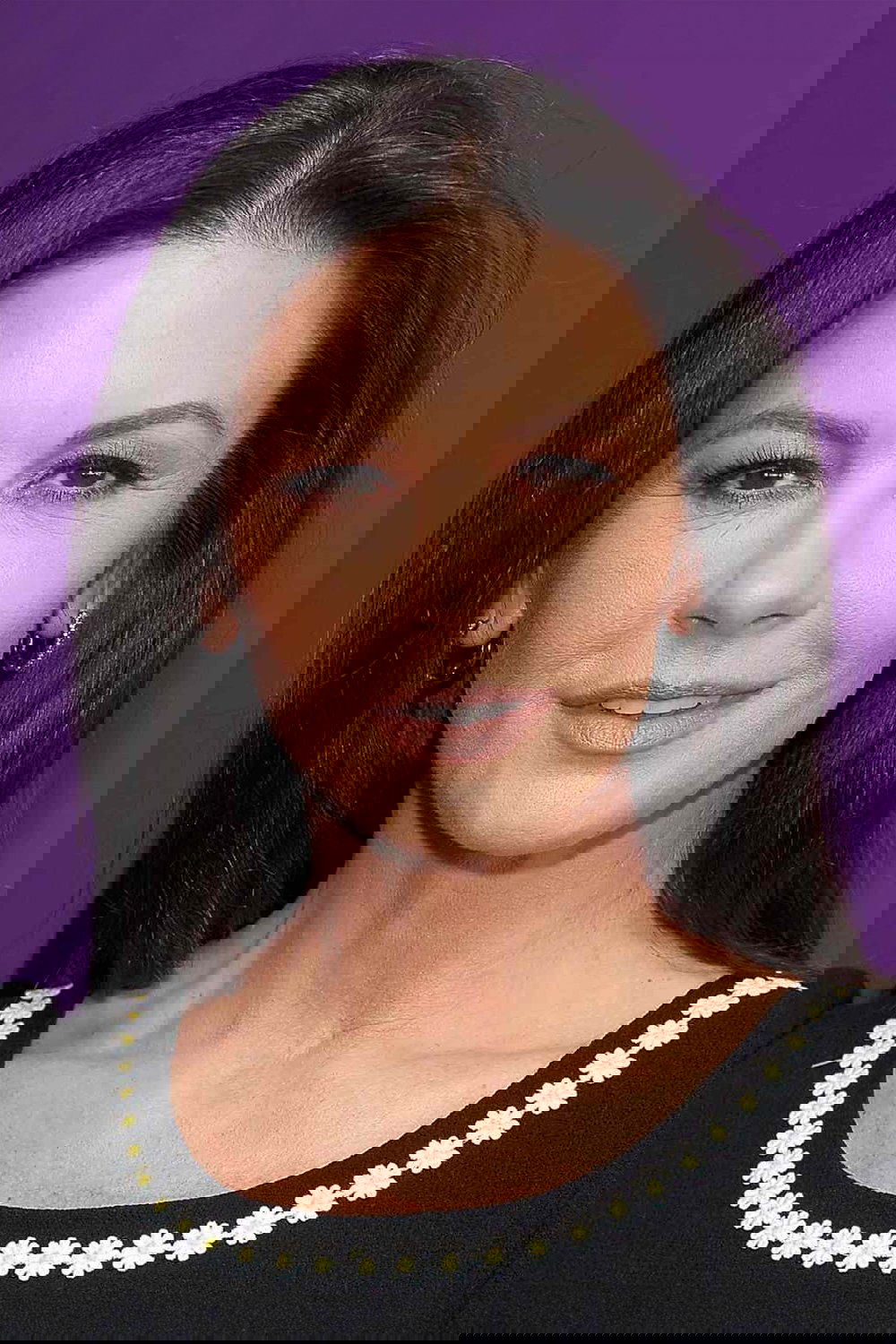
Catherine Zeta-Jones played Elena Montero in ‘The Mask of Zorro’ alongside Antonio Banderas. Zeta-Jones is Welsh and her casting as a Spanish and Mexican character was criticized for bypassing Hispanic actresses. The film was a major hit and helped launch her career in the United States but the ethnic discrepancy remained a point of discussion. Critics noted that Hollywood frequently cast European actors in Latino roles during that period. This trend has since faced much more rigorous scrutiny from audiences and industry watchdogs.
Gal Gadot
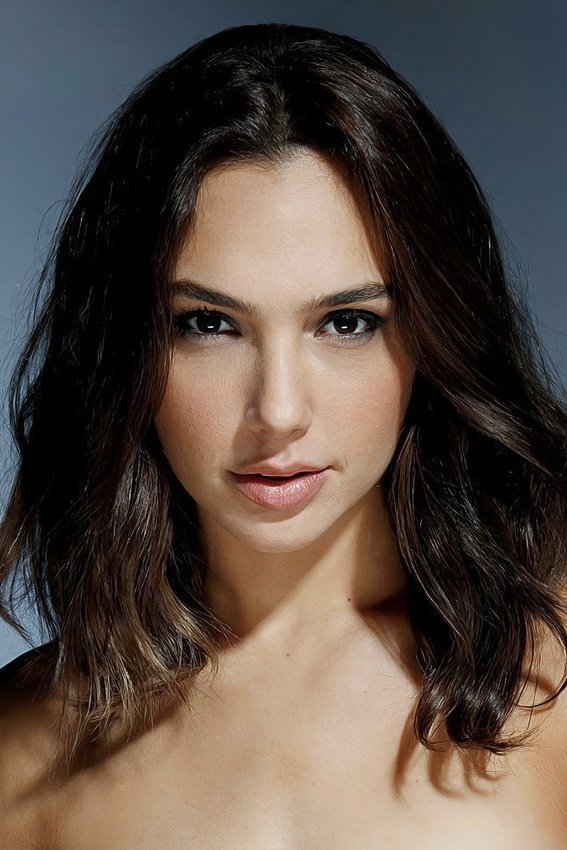
Gal Gadot was announced to play the lead role in an upcoming biographical film about Cleopatra. This casting news immediately sparked a heated debate on social media regarding the ethnicity of the historical figure. Some argued that Gadot as an Israeli actress was not an appropriate choice to play the Queen of Egypt and suggested an actress of African or Arab descent instead. Others pointed to Cleopatra’s Greek and Macedonian ancestry to defend the casting of a Mediterranean woman. The controversy highlighted how sensitive and polarizing the depiction of historical figures remains in modern media.
Helen Mirren
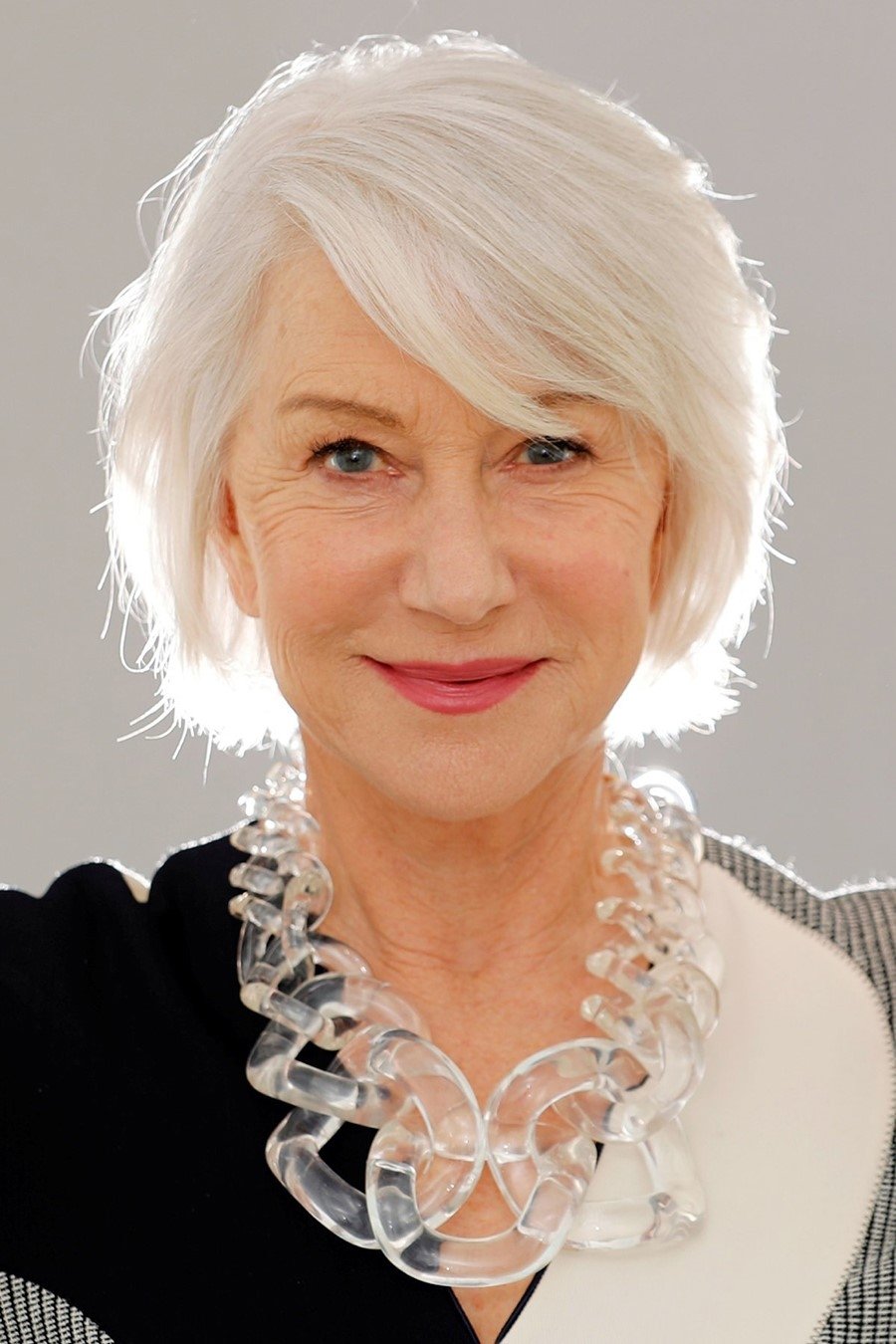
Helen Mirren faced criticism for her role as Golda Meir in the biographical drama ‘Golda’. The primary concern raised by critics was the practice of casting non Jewish actors to play iconic Jewish historical figures. Some members of the Jewish community argued that lived experience is vital for portraying characters whose identities are tied to their heritage. Mirren used extensive prosthetics and makeup to transform into the former Israeli Prime Minister. While she is a celebrated actress the film became a focal point for the debate on authentic Jewish representation in film.
Ana de Armas

Ana de Armas was cast to play Marilyn Monroe in the film ‘Blonde’ which led to some initial backlash regarding her accent. De Armas is Cuban and some viewers felt that her natural accent would detract from the portrayal of an iconic American star. The estate of Marilyn Monroe eventually came out in support of the actress praising her ability to capture the emotion of the role. The director also defended her by stating that the film was an impressionistic take rather than a literal biography. Despite the accent concerns her performance received a long standing ovation at several international film festivals.
Madonna
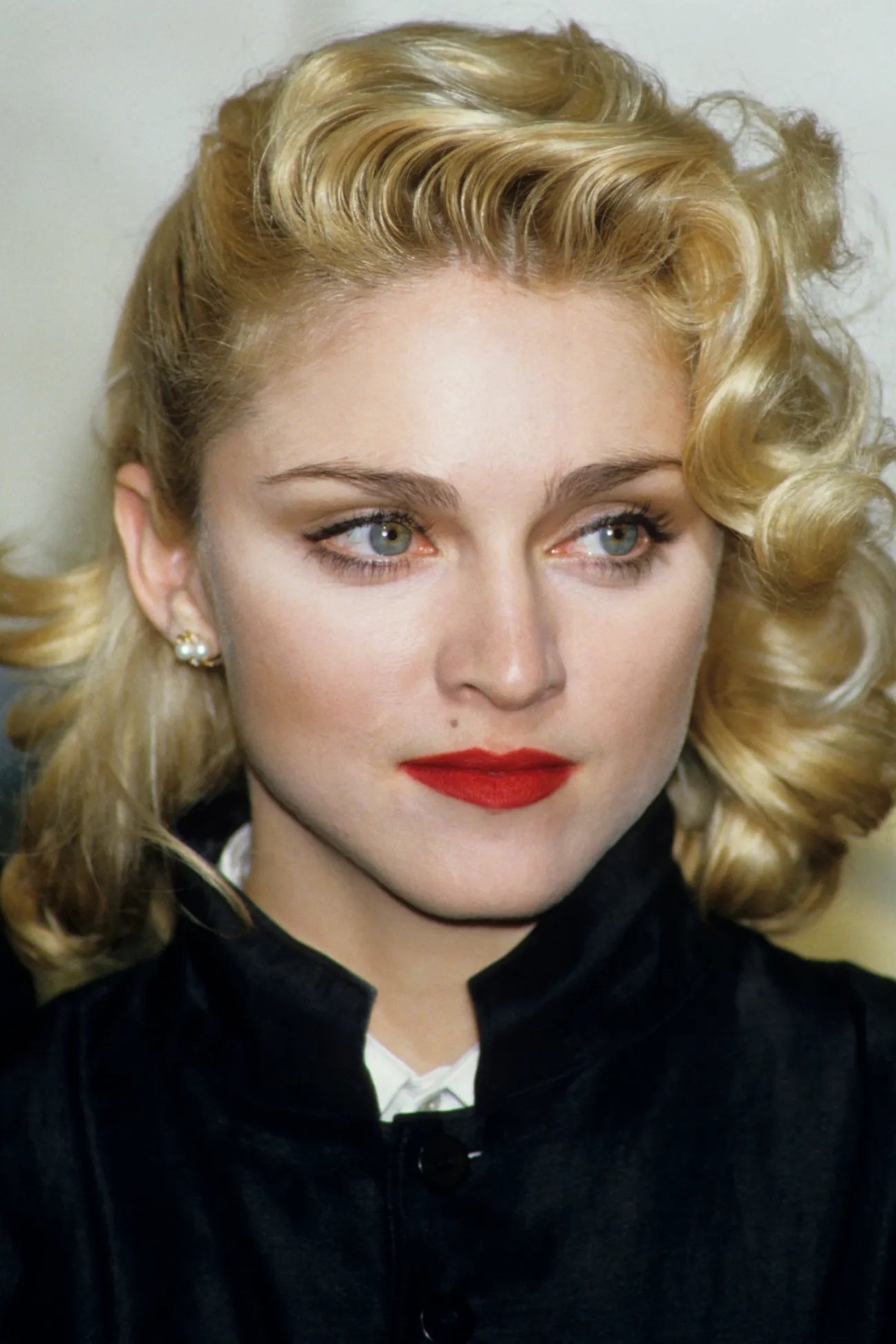
Madonna was cast as Eva Perón in the film adaptation of the musical ‘Evita’. Her casting was met with significant protests in Argentina where the real Eva Perón is a deeply revered historical figure. Many Argentinians felt that an American pop star was an inappropriate choice to represent their national icon. There were also concerns that the film would not accurately depict the complexities of Perón’s political legacy. Madonna famously lobbied hard for the role and even wrote a long letter to the director to prove her dedication.
Meryl Streep
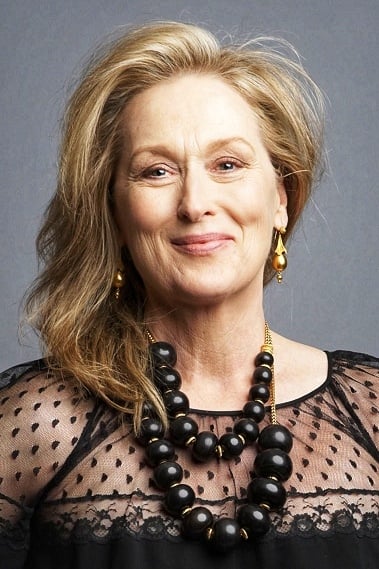
Meryl Streep appeared in the film adaptation of ‘The House of the Spirits’ which is set in a South American country. She played Clara del Valle Trueba a character originally written by Chilean author Isabel Allende. Streep and several other white actors were cast in the lead roles which drew criticism for the lack of Latin American representation in a story so deeply tied to that region. Critics argued that the film felt disconnected from its cultural roots because the main cast lacked the appropriate ethnic background. This film is often cited when discussing the history of whitewashing in high profile literary adaptations.
Winona Ryder
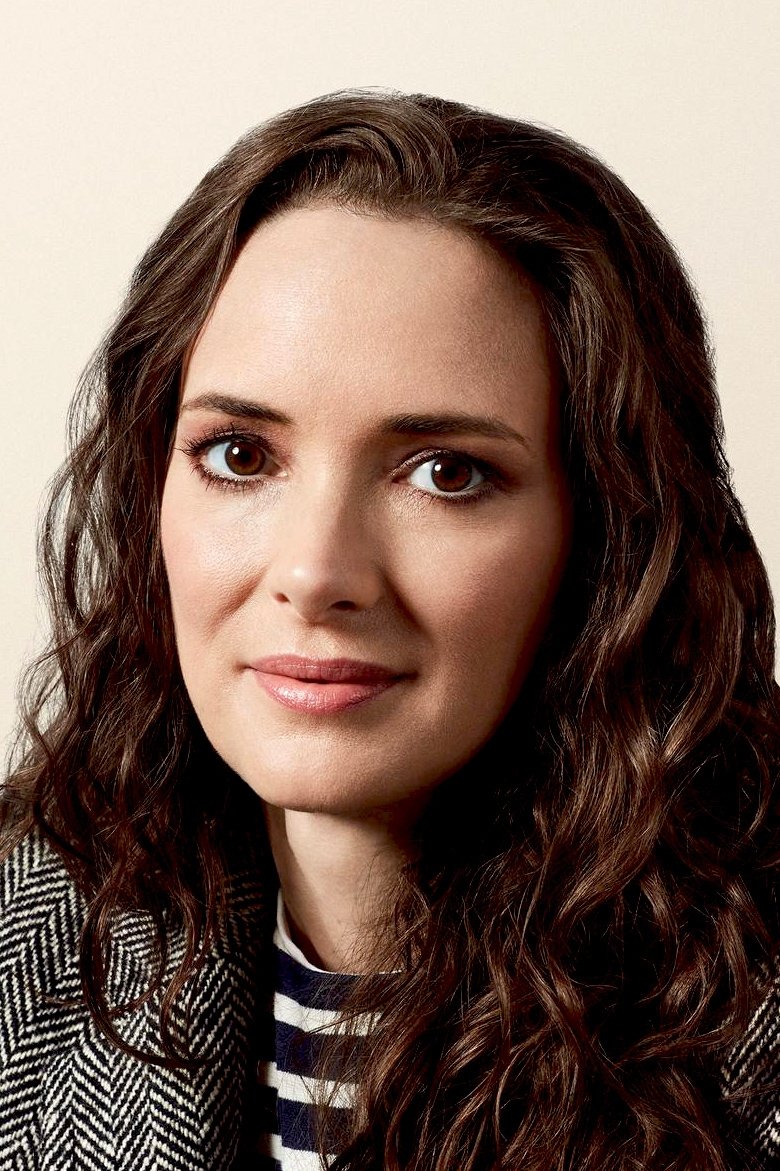
Winona Ryder also starred in ‘The House of the Spirits’ as Blanca Trueba the daughter of Meryl Streep’s character. Like her co stars Ryder faced criticism for playing a character of Chilean descent while being of European heritage herself. The film’s casting was widely viewed as an attempt to appeal to American audiences by using established Hollywood stars. This approach was condemned for excluding Latino actors from a story that celebrated their own history and literature. The backlash against this production helped pave the way for more diverse casting in future adaptations of Latin American novels.
Carey Mulligan
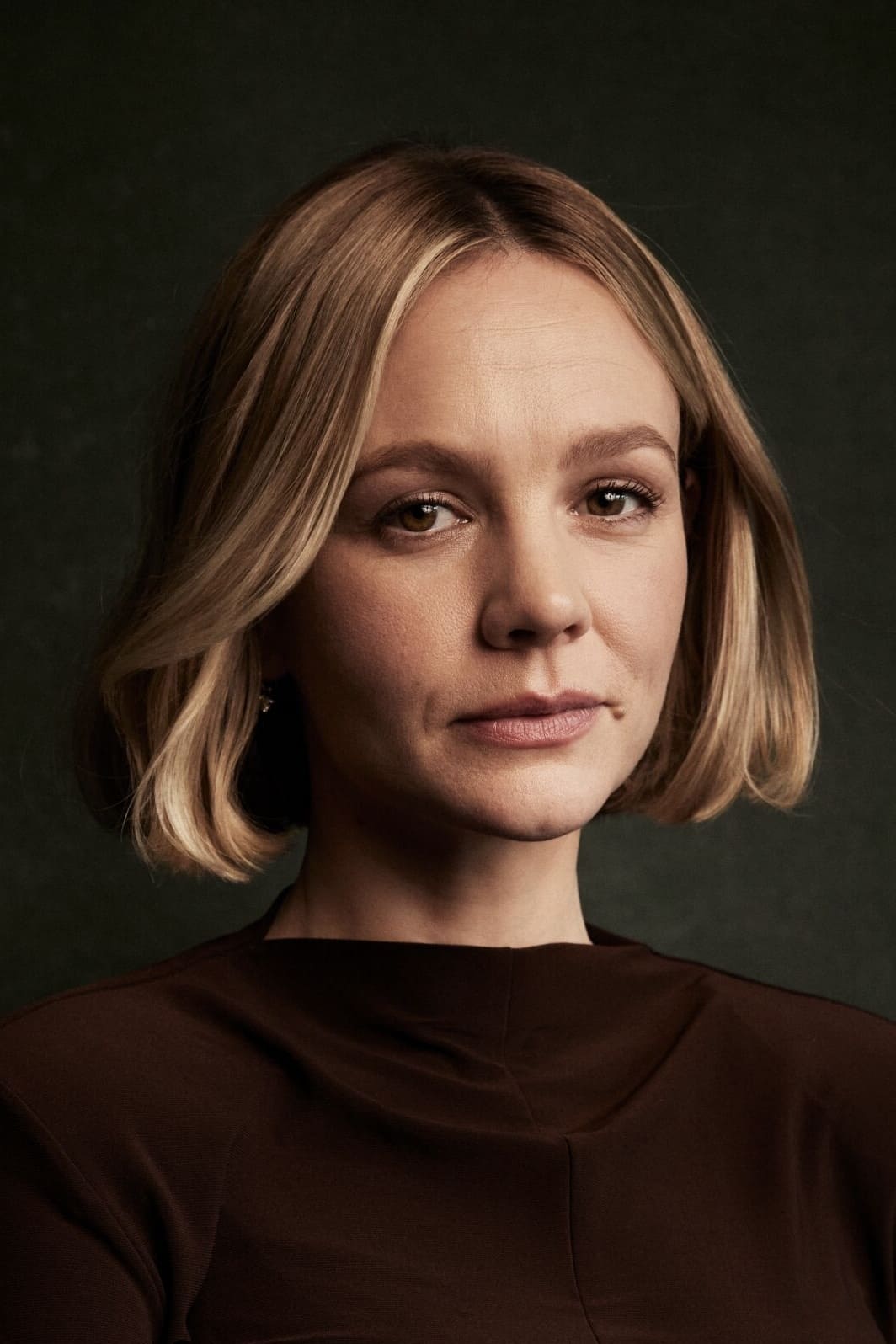
Carey Mulligan was cast as Irene in the film ‘Drive’ a role that was originally written as a young Latina woman in the novel. The director decided to change the character’s ethnicity after being impressed by Mulligan’s audition. This change sparked criticism regarding the loss of a role for a woman of color in a prominent action film. Many felt that the change was unnecessary and that it contributed to the lack of diversity in modern cinema. The controversy highlighted the power that directors have to alter a character’s background and the impact those decisions have on representation.
Gemma Arterton
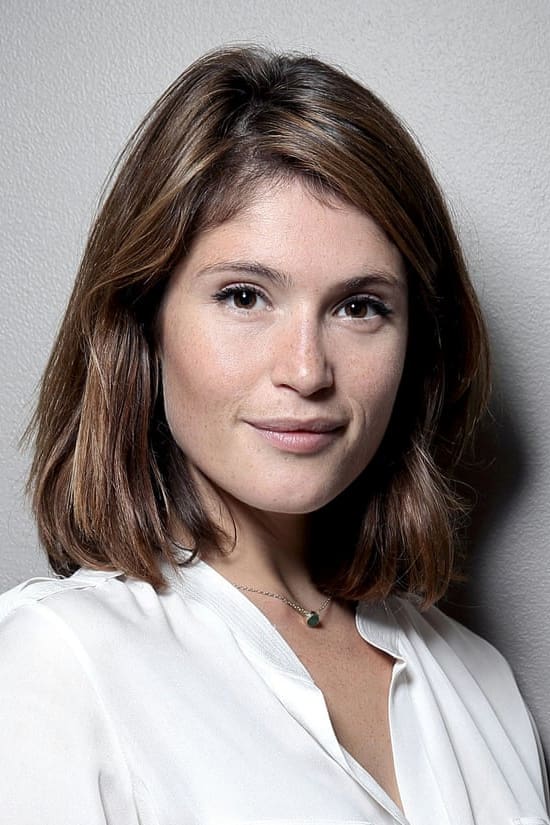
Gemma Arterton played Princess Tamina in ‘Prince of Persia’ which is a story set in ancient Iran. Arterton is British and her casting along with that of Jake Gyllenhaal led to widespread accusations of whitewashing. Critics argued that the production should have cast Middle Eastern actors to bring authenticity to the legendary setting. The film was criticized for prioritizing white actors for lead roles while using people of color mainly as background characters. This project remains a frequently mentioned example of Hollywood’s historic reluctance to cast Middle Eastern leads in big budget films.
Katrina Kaif
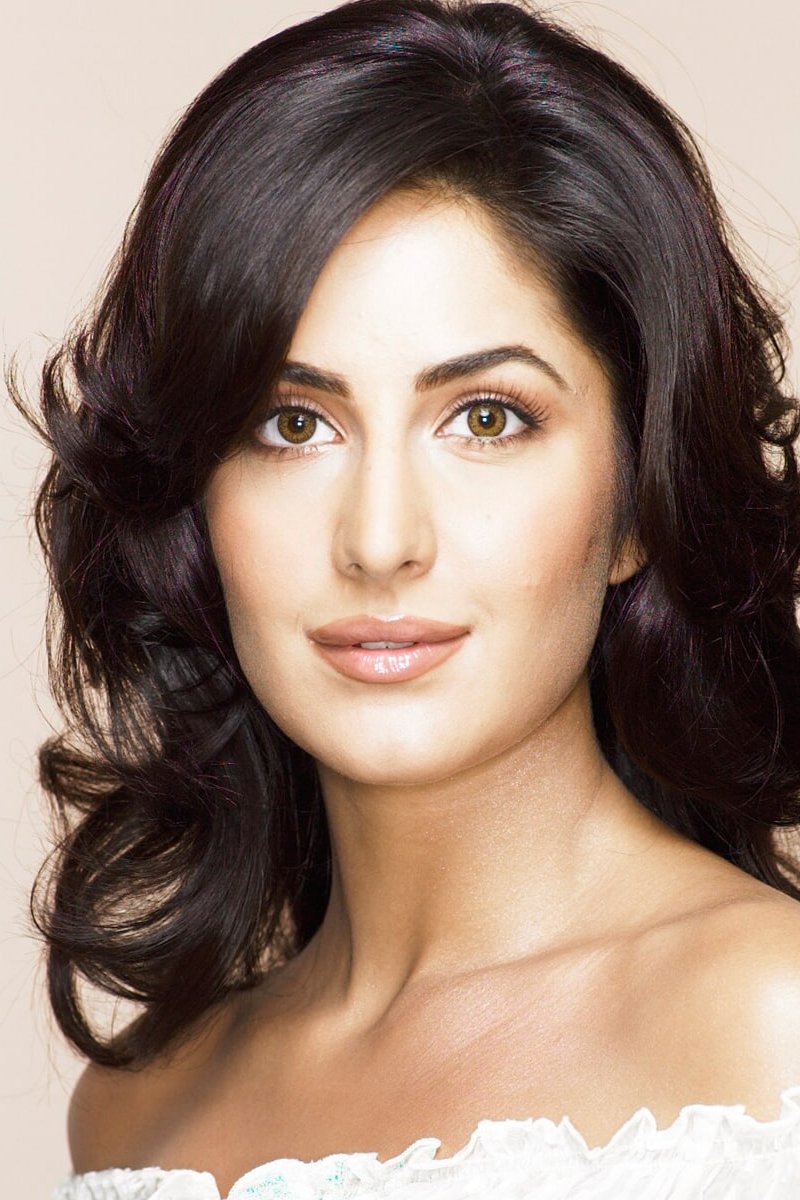
Katrina Kaif is a major star in the Indian film industry but she has often faced criticism regarding her background and language skills. While she has claimed various heritages critics have often pointed out that she does not have the typical ethnic background of many characters she portrays. In her early career she was criticized for not being fluent in Hindi despite playing Indian characters in high budget movies. Her success prompted debates about the industry’s preference for certain physical aesthetics over cultural and linguistic authenticity. She has since become one of the most successful actresses in Bollywood history.
Brie Larson
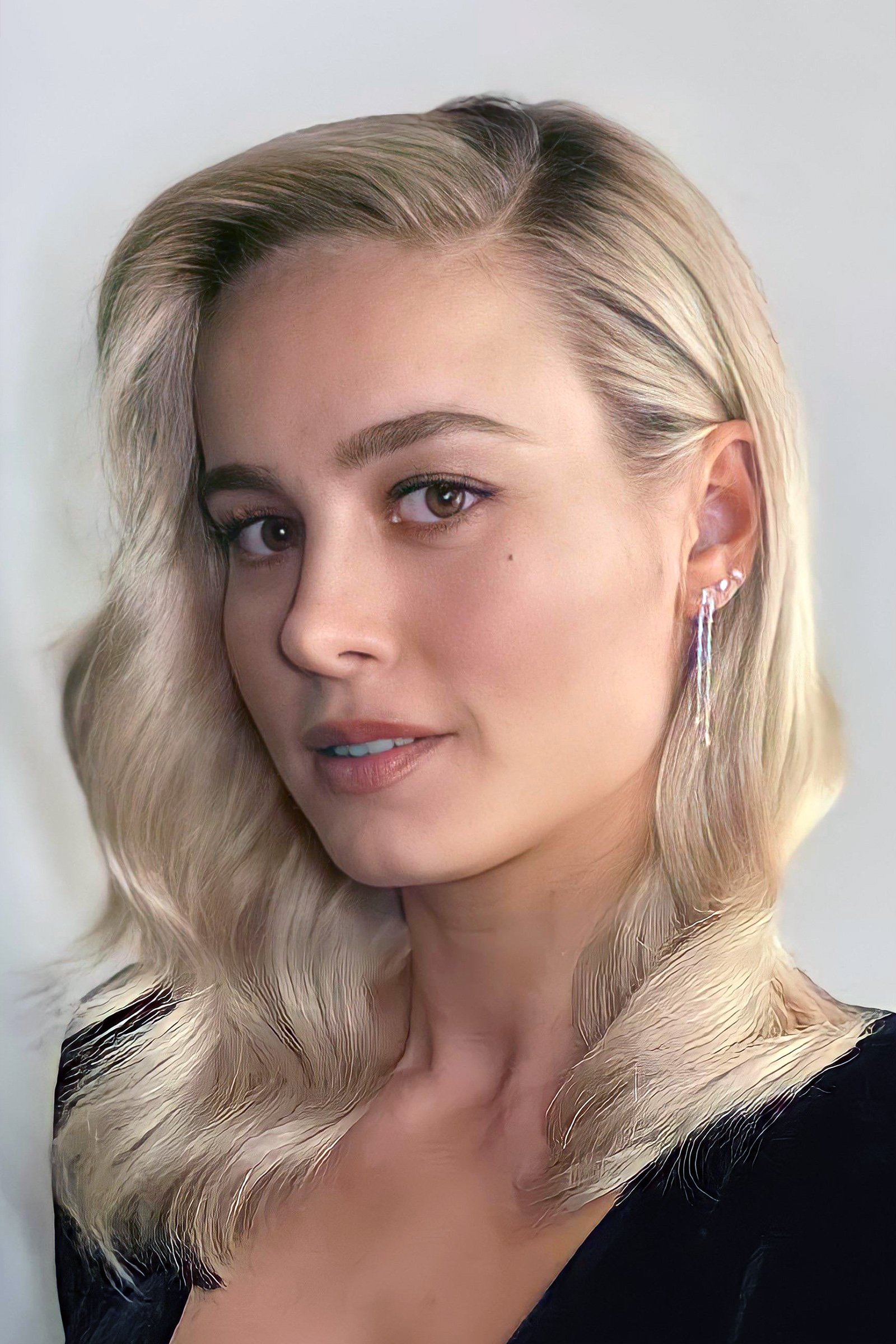
Brie Larson starred in the musical film ‘Basmati Blues’ which was set in rural India. The film faced heavy criticism upon the release of its trailer for its perceived white savior narrative and stereotypical depiction of Indian culture. Many viewers felt that Larson’s character was an outsider who was inappropriately centered in a story about local agriculture and tradition. The film was accused of being culturally insensitive and out of touch with modern sensibilities regarding international storytelling. Despite the backlash the filmmakers defended the project as a lighthearted homage to Bollywood musicals.
Alison Brie
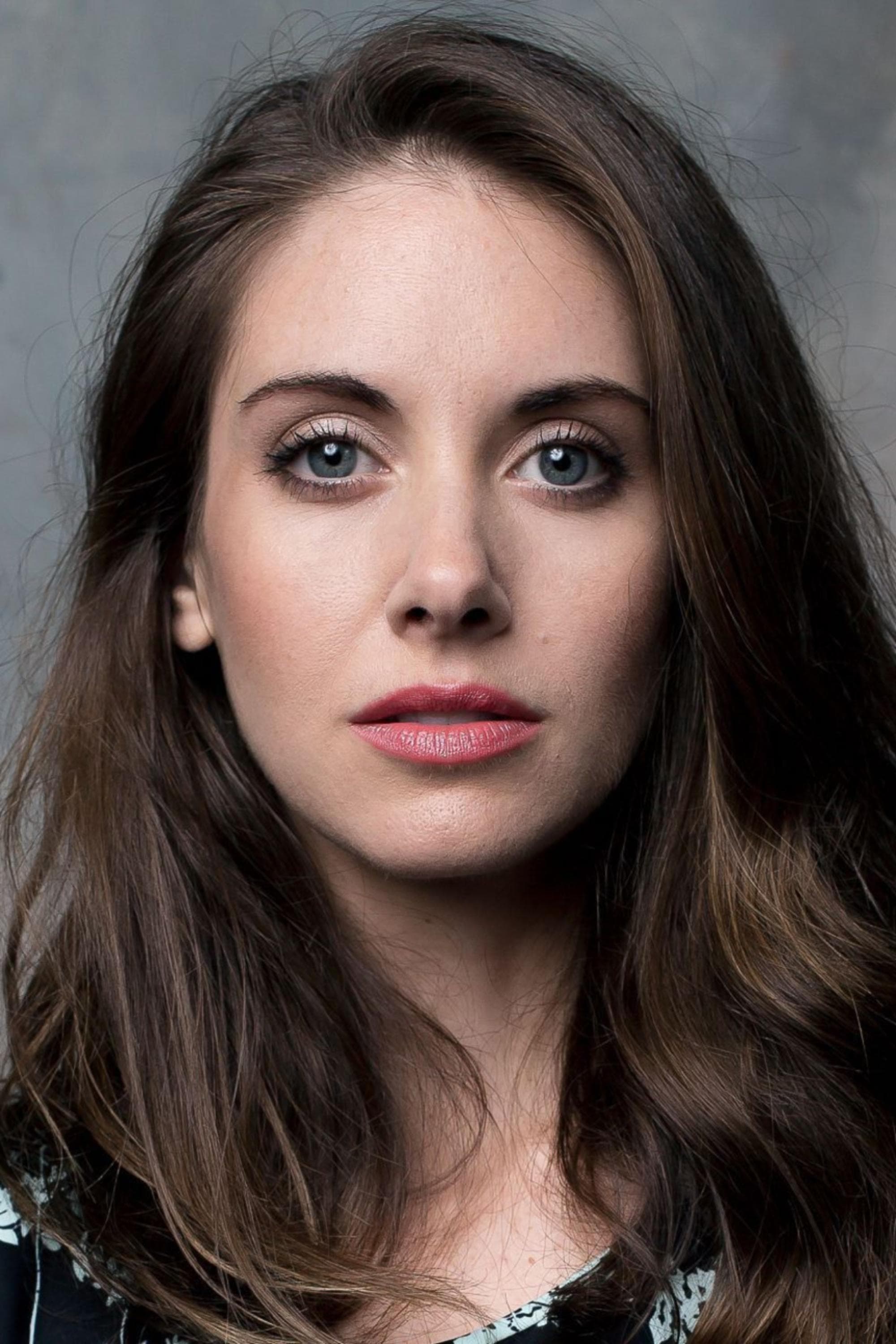
Alison Brie provided the voice for the character Diane Nguyen in the animated series ‘BoJack Horseman’. Diane is a Vietnamese American character and Brie’s casting as a white actress eventually became a point of public regret for her. As conversations about authentic voice acting grew in prominence many people criticized the show for not hiring a Vietnamese actress. Brie later issued a public apology on social media stating that she wished she had not taken the role. The show creators also expressed regret and acknowledged that they would make different casting choices if they were starting the project today.
Jenny Slate
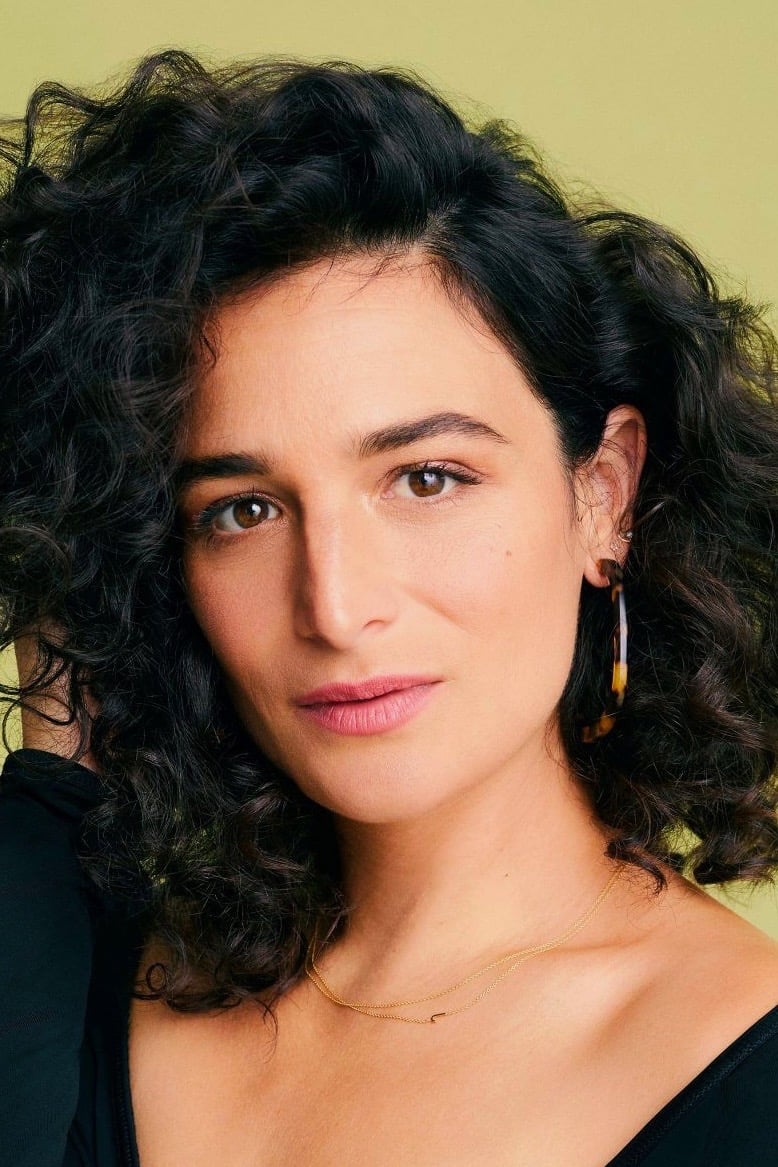
Jenny Slate voiced the biracial character Missy in the animated series ‘Big Mouth’. After several seasons Slate decided to step down from the role because she felt that a Black actress should voice the character. She released a statement explaining that her original reasoning for taking the role was flawed and that she wanted to support more inclusive casting. The character was eventually recast with a Black actress to better align the performer with the character’s identity. This decision was part of a larger movement in the animation industry to address ethnic representation in voice work.
Kristen Bell
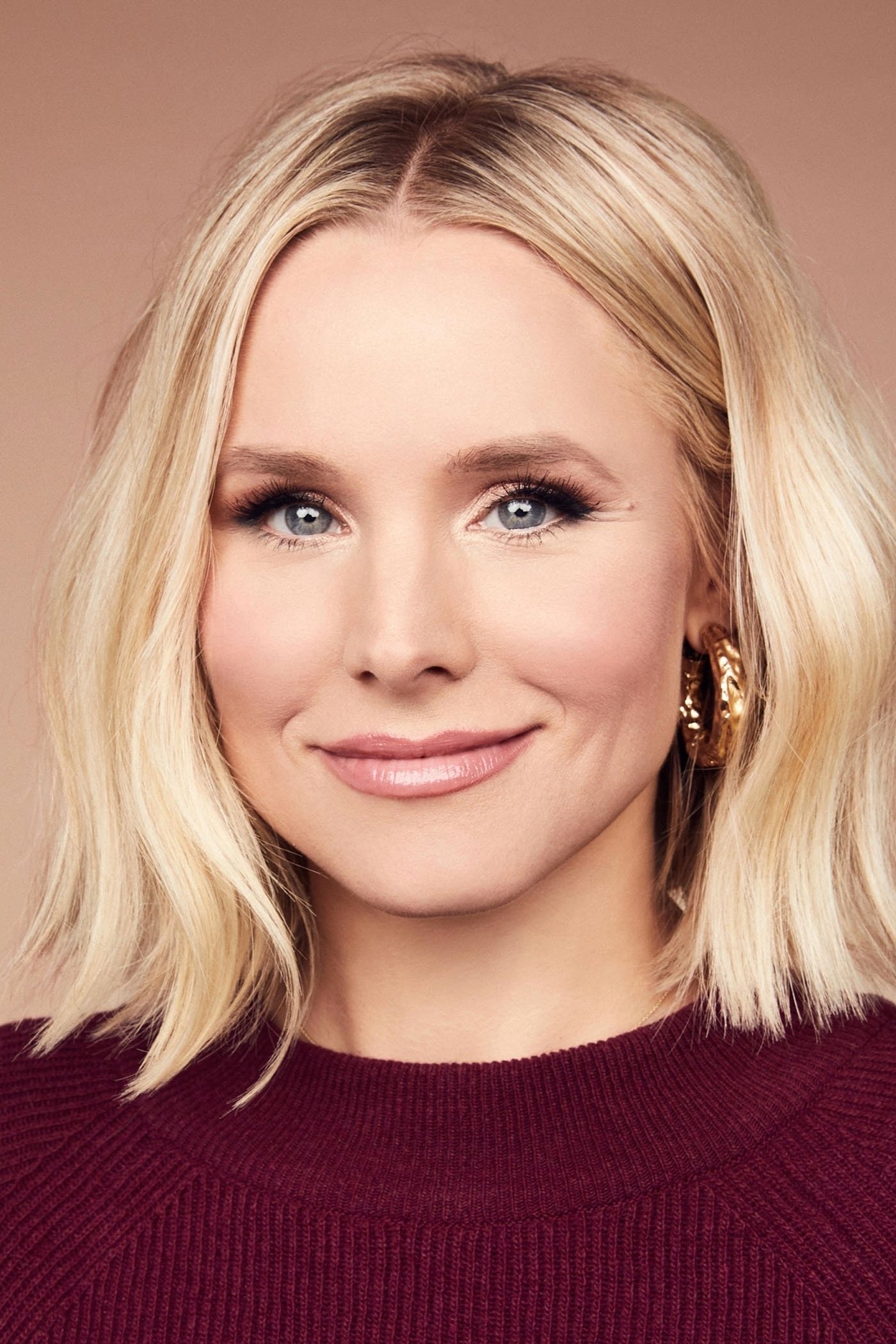
Kristen Bell voiced the biracial character Molly in the first season of the animated show ‘Central Park’. Following the widespread social movements regarding racial justice Bell and the show’s producers decided to recast the role with a Black actress. Bell stated that her casting as a white woman was a missed opportunity to provide authentic representation. She expressed her commitment to learning from the experience and supporting diversity in the industry. The role was taken over by an actress of the appropriate heritage for the second season.
Marion Cotillard
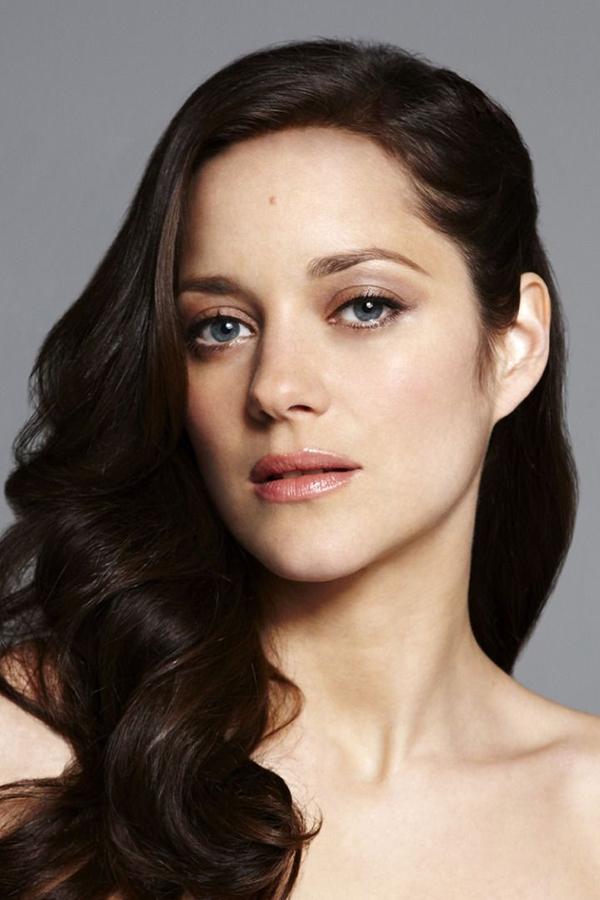
Marion Cotillard appeared in ‘The Dark Knight Rises’ as Miranda Tate who is later revealed to be Talia al Ghul. In the comic books Talia is the daughter of Ra’s al Ghul who is of Middle Eastern and East Asian descent. Critics noted that casting a French actress like Cotillard erased the character’s ethnic background. While the film was a massive success this casting choice was often criticized by fans of the original source material. The debate focused on the need for superhero films to maintain the cultural identities of their diverse cast of characters.
Emmy Rossum
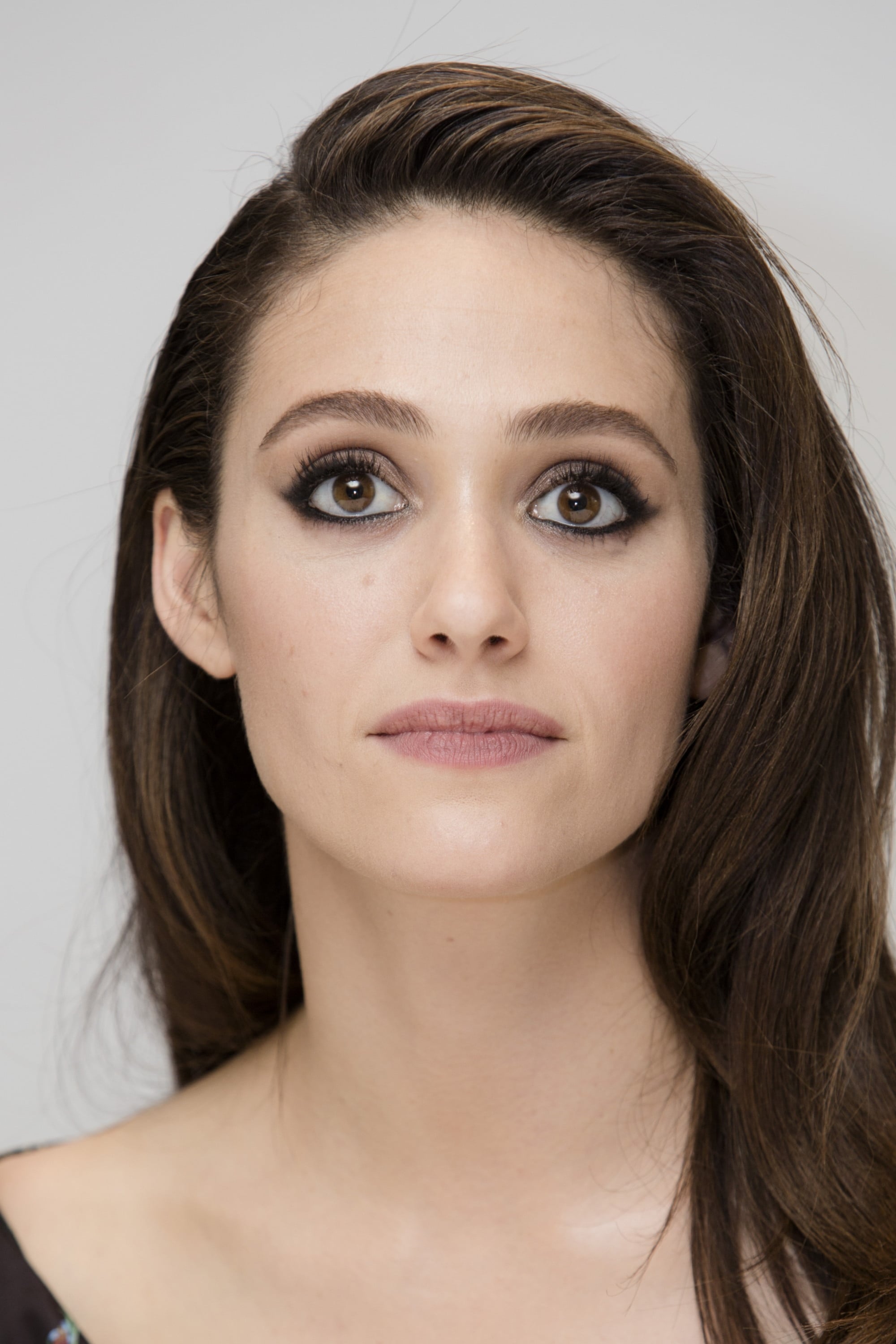
Emmy Rossum was cast as Bulma in the live action film ‘Dragonball Evolution’. The character Bulma is originally Japanese in the ‘Dragon Ball’ manga and anime series. Fans were outraged that a white actress was chosen for such a significant role in a story with Japanese origins. The entire film was heavily criticized for its lack of faithfulness to the source material and its casting choices. This production is often cited as one of the worst examples of Western adaptations of Asian media.
Jamie Chung
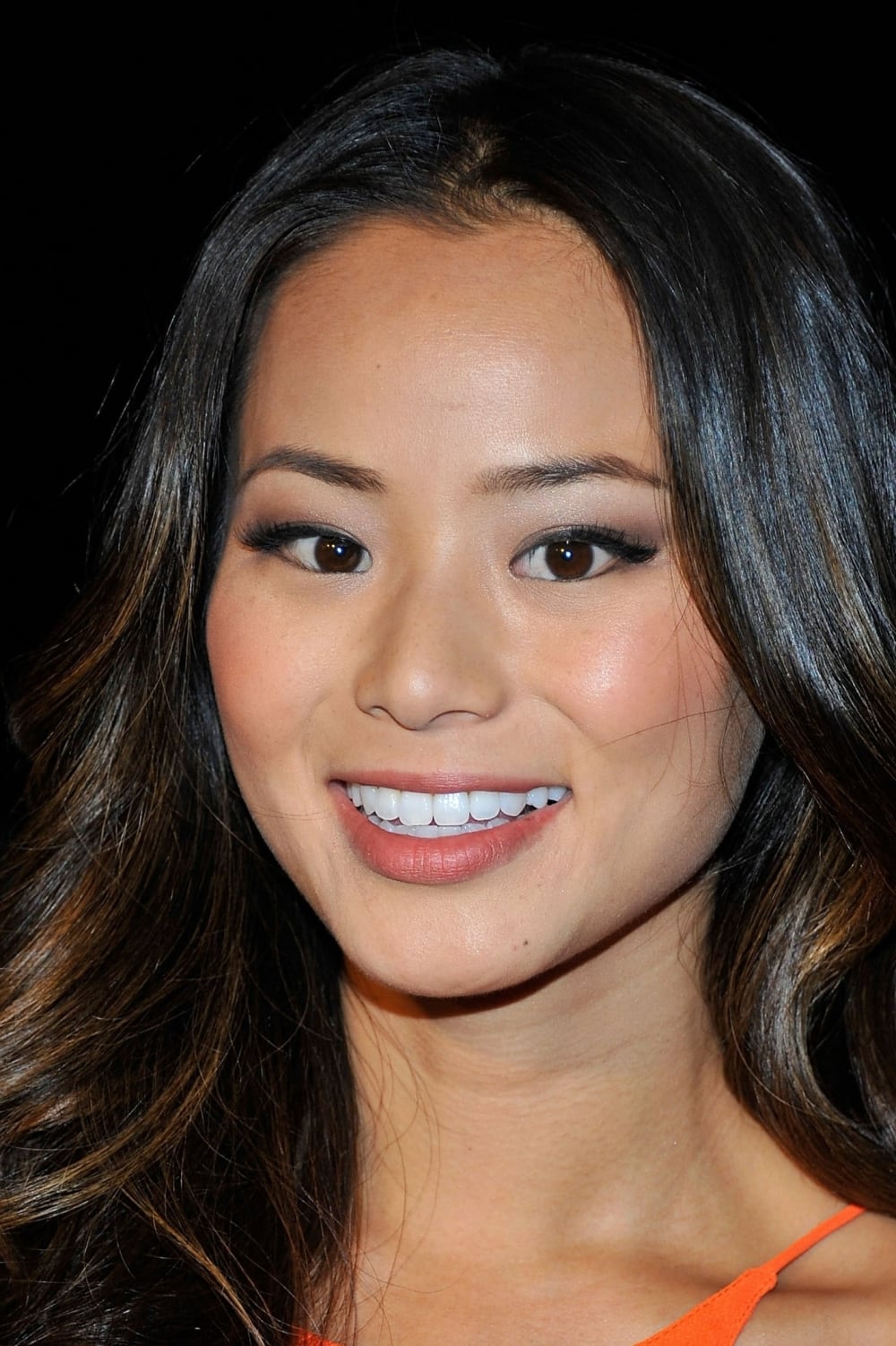
Jamie Chung appeared in ‘Dragonball Evolution’ as Chi Chi another character of Asian descent from the original series. While Chung is of Korean descent her participation in a film that was widely accused of whitewashing led to mixed reactions. Some critics felt that even when Asian actors were included they were often placed in secondary roles while white actors took the lead. This film serves as a cautionary tale for how poorly received an adaptation can be when it fails to respect cultural origins. Chung has since gone on to have a successful career in more critically acclaimed projects.
Mindy Kaling

Mindy Kaling faced a unique form of criticism for her reimagining of the character Velma in the animated series ‘Velma’. Kaling who is of Indian descent changed the ethnicity of the traditionally white character to match her own. While this was an intentional choice for a new interpretation many fans of the original ‘Scooby Doo’ series criticized the move. The backlash was part of a broader debate about race swapping established characters in reboots and spin offs. The show became one of the most talked about and polarizing animated projects of its year.
Halle Bailey
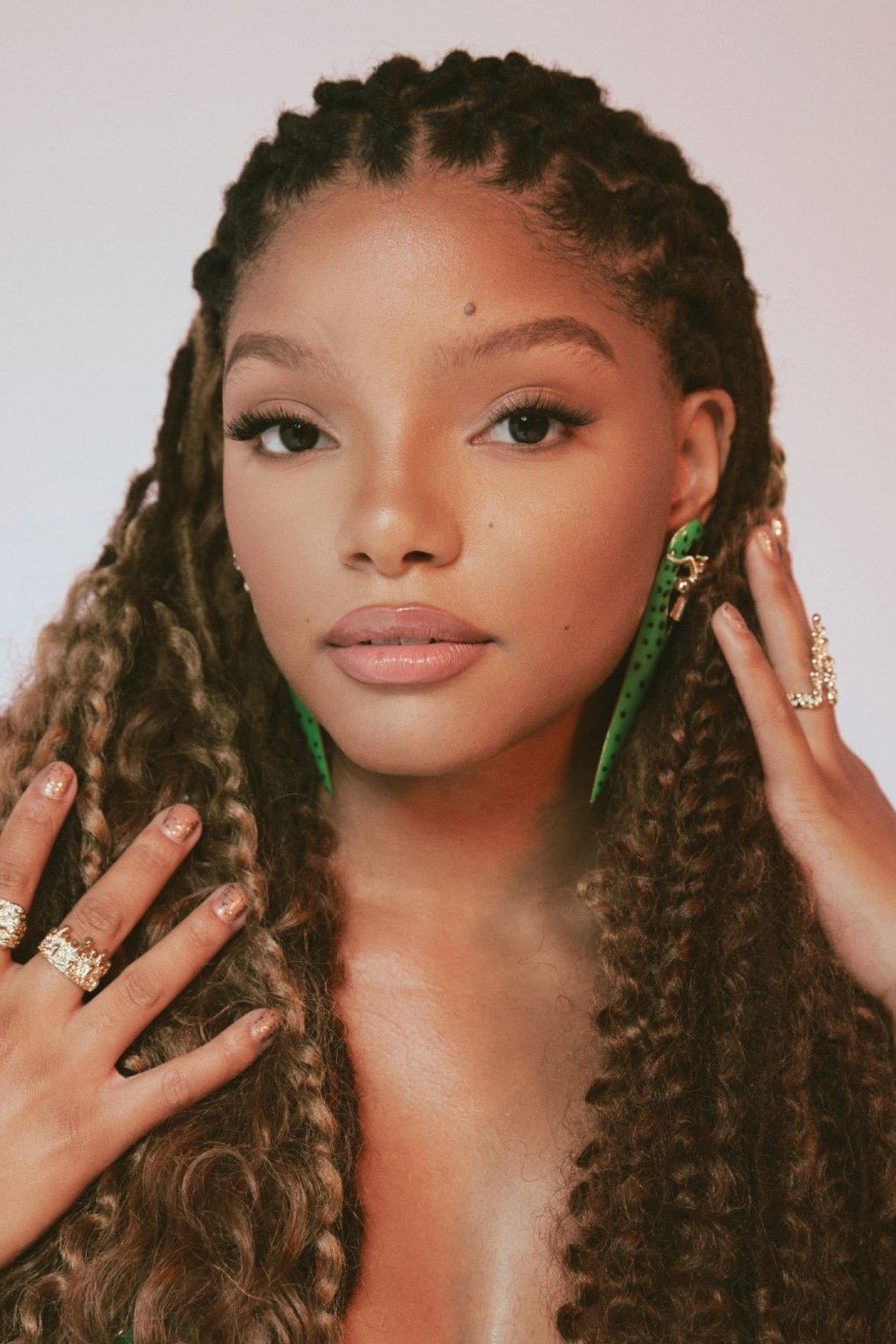
Halle Bailey was cast as Ariel in the live action remake of ‘The Little Mermaid’. This casting decision led to a significant amount of online criticism from people who argued that the character should remain white as depicted in the original 1989 film. However many others defended the choice and celebrated the inclusion of a Black actress in a classic Disney role. Viral videos of young Black girls seeing themselves reflected in the character highlighted the positive impact of the casting. Bailey remained graceful throughout the controversy and focused on the importance of the role for future generations.
Rachel Zegler

Rachel Zegler was cast as Snow White in an upcoming live action adaptation of the classic fairy tale. As an actress of Colombian and Polish descent her casting as a character traditionally described as having skin as white as snow sparked a debate. Critics on social media questioned the departure from the original physical description found in the Grimm fairy tales. Zegler has been vocal about her excitement for the role and her desire to bring a fresh perspective to the character. The project continues to be a topic of discussion regarding the modernization of classic stories.
Yara Shahidi
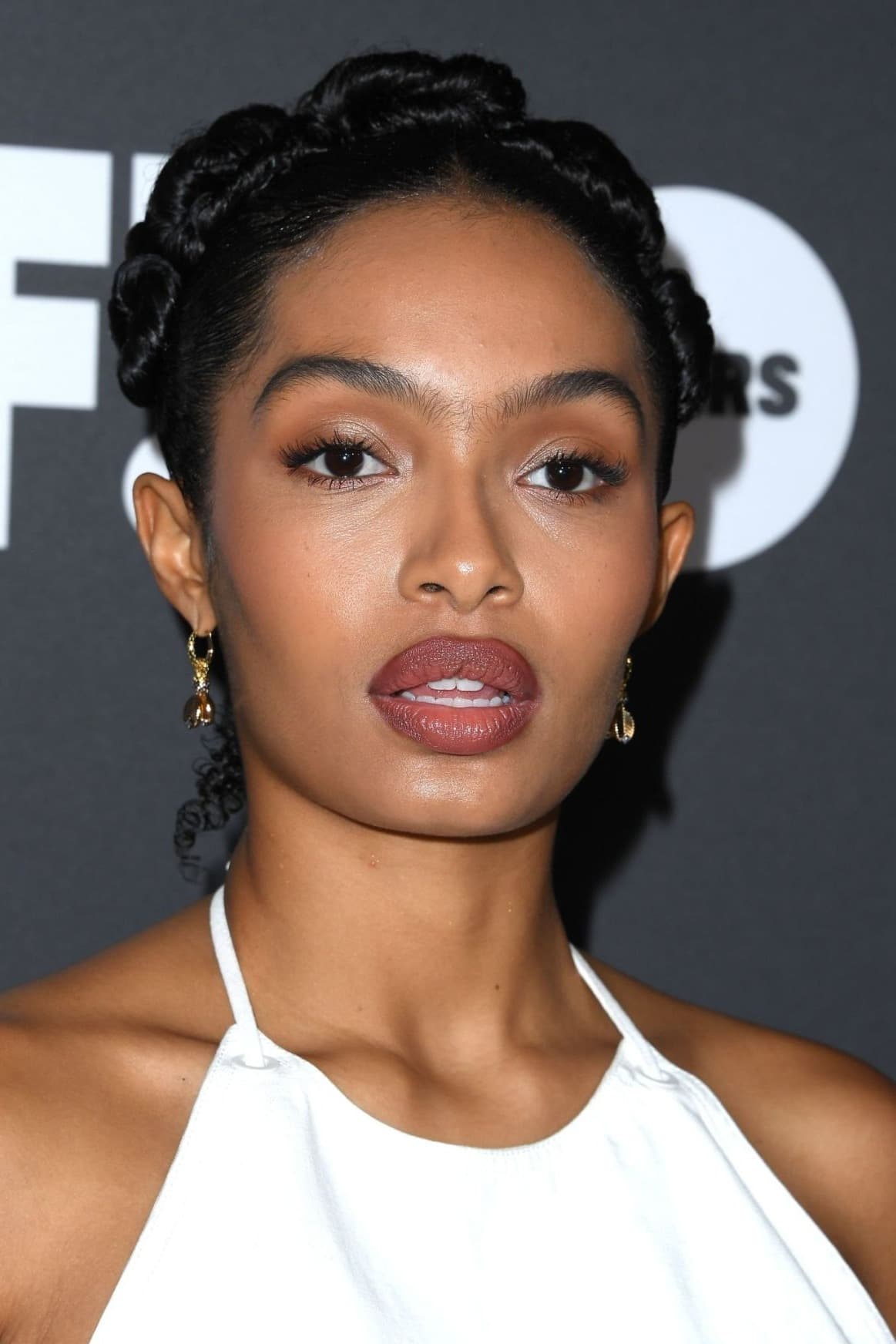
Yara Shahidi was cast as Tinker Bell in the film ‘Peter Pan & Wendy’. Like other recent Disney castings the decision to have a Black actress play a traditionally white fairy led to some social media backlash. Proponents of the casting argued that the ethnicity of a magical creature like a fairy is flexible and should reflect the world’s diversity. Shahidi expressed her pride in taking on the iconic role and hoped it would inspire young viewers. The film’s release prompted further conversations about the evolution of traditional characters in film.
Nicole Kidman

Nicole Kidman portrayed Lucille Ball in the film ‘Being the Ricardos’. While the primary criticism was not about her ethnicity many fans initially felt that her physical appearance and background were too different from the iconic comedian. However a secondary debate emerged regarding the casting of Javier Bardem as Desi Arnaz because Bardem is Spanish and Arnaz was Cuban. Some critics argued that Kidman and Bardem as European actors were part of a broader trend of Hollywood ignoring specific Caribbean and American cultural nuances. Despite the initial skepticism Kidman’s performance was later nominated for several prestigious awards.
Salma Hayek Pinault
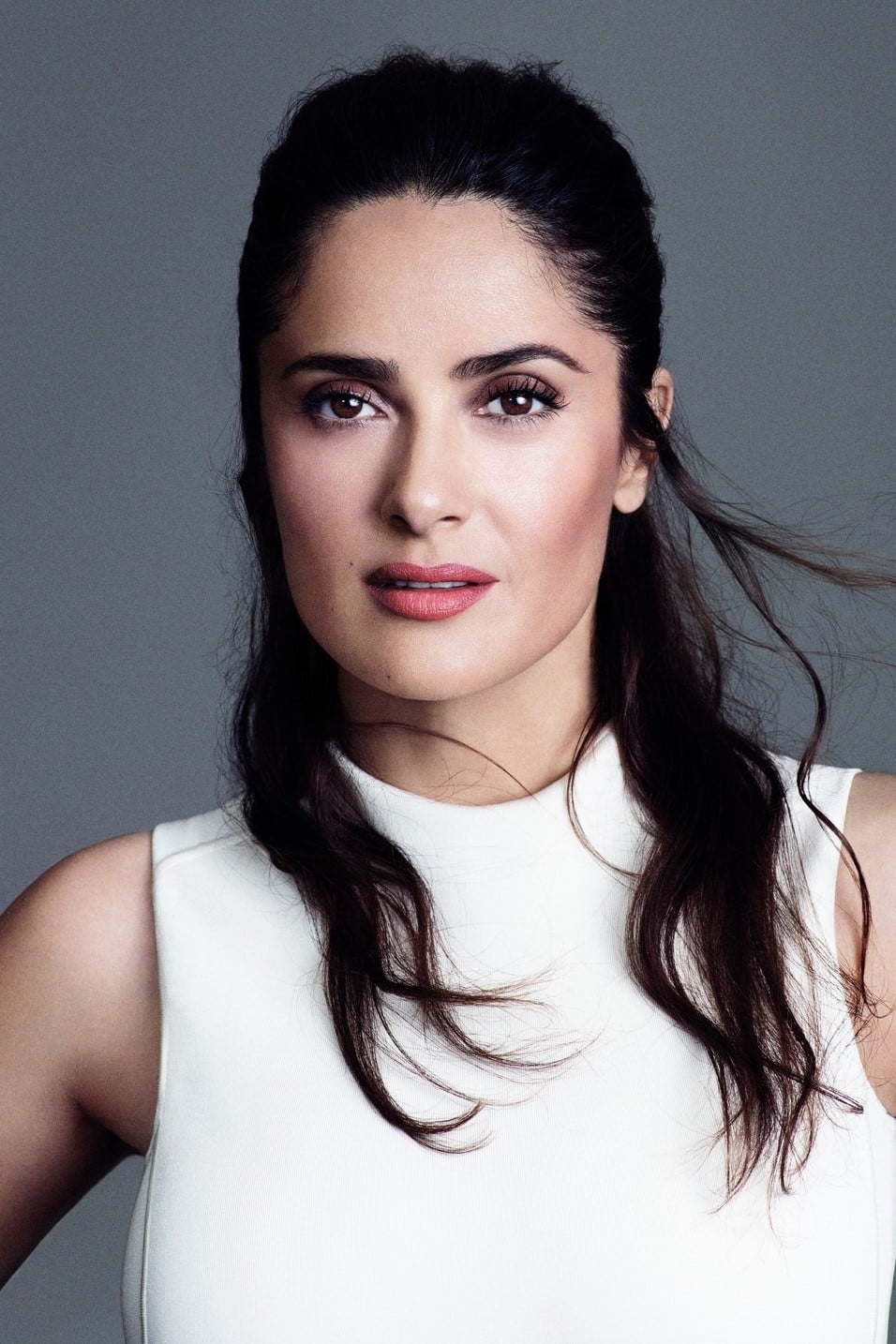
Salma Hayek Pinault appeared in ‘House of Gucci’ as Giuseppina Auriemma who was a real Italian woman. Hayek Pinault is Mexican and her casting as an Italian character was criticized by some who felt the accent and portrayal were stereotypical. This occurred alongside criticism of other cast members for their varying approaches to Italian accents and cultural mannerisms. The film’s depiction of the Gucci family and their associates was a point of contention for the real people involved. This role showed that even established international stars face scrutiny when playing specific nationalities outside their own.
Lady Gaga
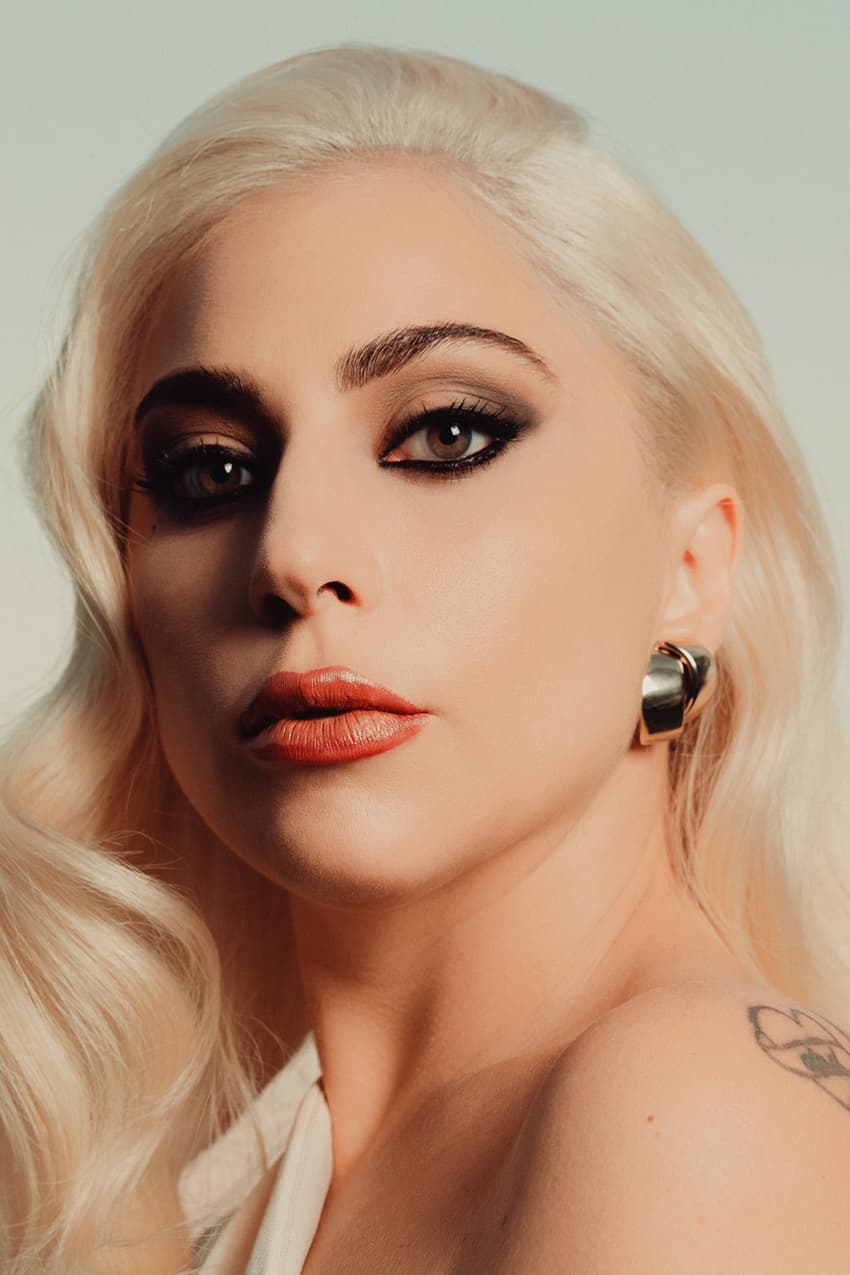
Lady Gaga starred as Patrizia Reggiani in ‘House of Gucci’ and her performance was the subject of much discussion. While Gaga is of Italian descent some critics in Italy felt that her portrayal and accent were an Americanized caricature of their culture. The real Patrizia Reggiani also expressed her annoyance that Gaga did not meet with her to discuss the role. The film sparked a wider conversation about how Hollywood represents specific European cultures and whether the use of English with accents is an effective storytelling tool. This case highlighted the high expectations for authenticity when depicting real people from specific cultural backgrounds.
Penélope Cruz
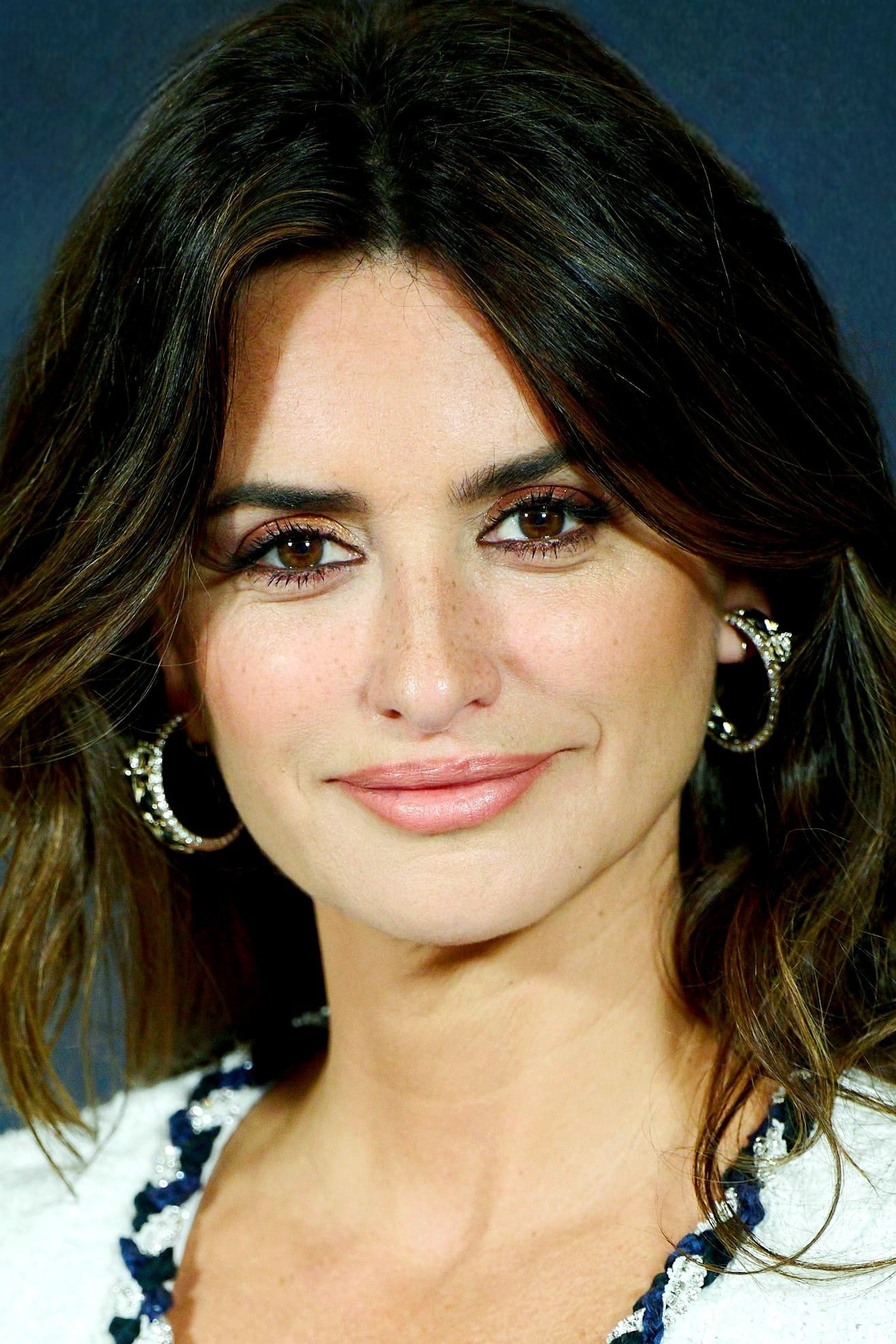
Penelope Cruz played Donatella Versace in the series ‘The Assassination of Gianni Versace’. Cruz is Spanish and Donatella Versace is Italian which led some critics to question the casting choice. While the two cultures share many similarities some argued that an Italian actress should have been chosen to play such an iconic Italian figure. The Versace family themselves distanced themselves from the production and stated it should be considered a work of fiction. Cruz received critical acclaim for her performance but the ethnic distinction remained a talking point for some viewers.
Sigourney Weaver
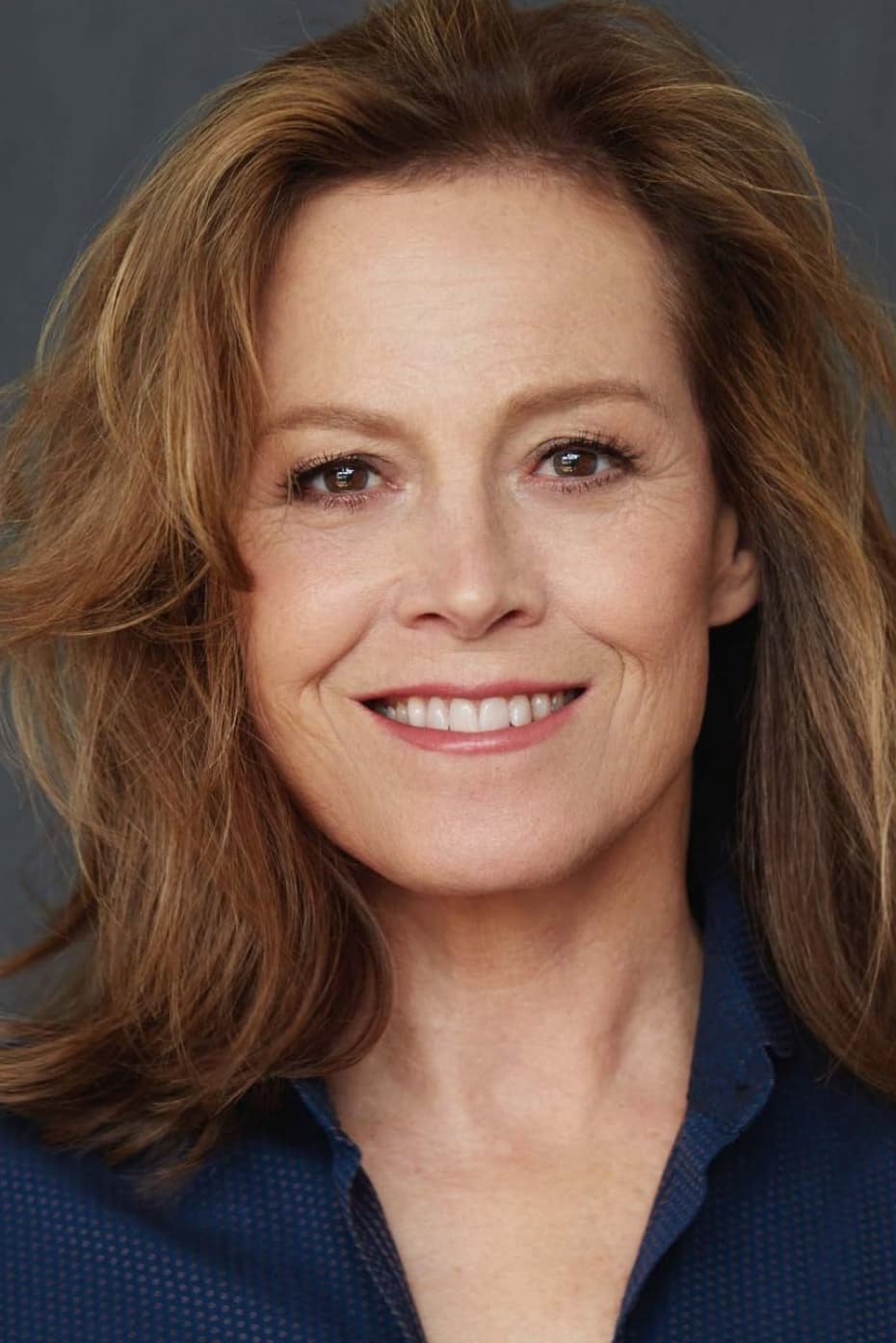
Sigourney Weaver was cast as Queen Tuya in the film ‘Exodus: Gods and Kings’. The film was set in ancient Egypt and featured a primarily white lead cast playing North African and Middle Eastern characters. This led to a massive public backlash and calls for a boycott of the movie. The director famously defended the casting by citing the financial requirements of the film industry but this only deepened the controversy. Weaver’s involvement in the project is often cited as an example of the problematic era of big budget biblical epics.
Jennifer Connelly
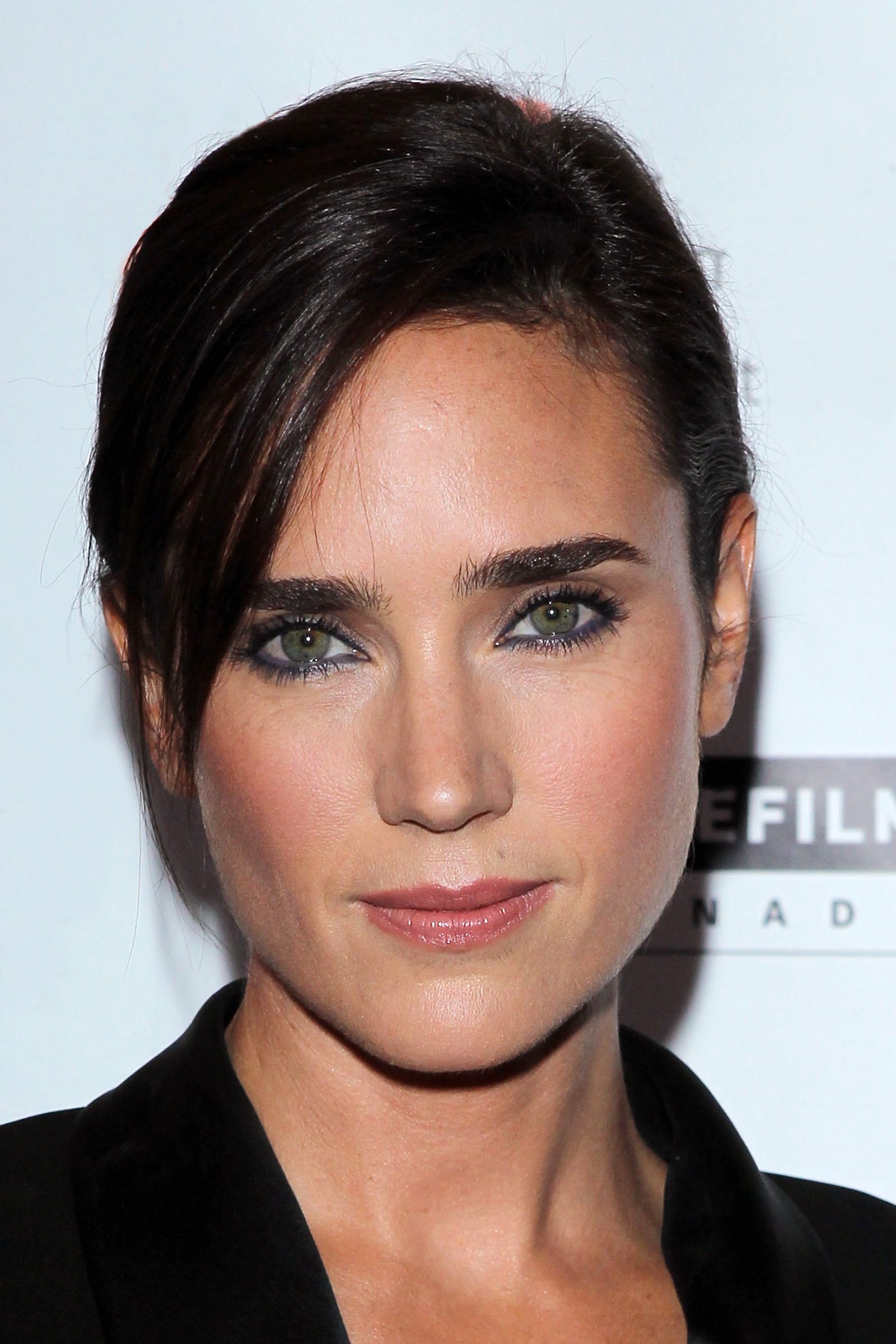
Jennifer Connelly played the character Naameh in the film ‘Noah’ alongside Russell Crowe. Like the film ‘Exodus’ this production was criticized for its lack of ethnic diversity in a story set in the ancient Middle East. Critics pointed out that the entire main family was played by white actors which felt historically and geographically inaccurate. The filmmakers argued that the story was meant to be universal and not tied to a specific region but many audiences were not convinced. This film contributed to the growing demand for more representative casting in historical and religious dramas.
Linda Hunt
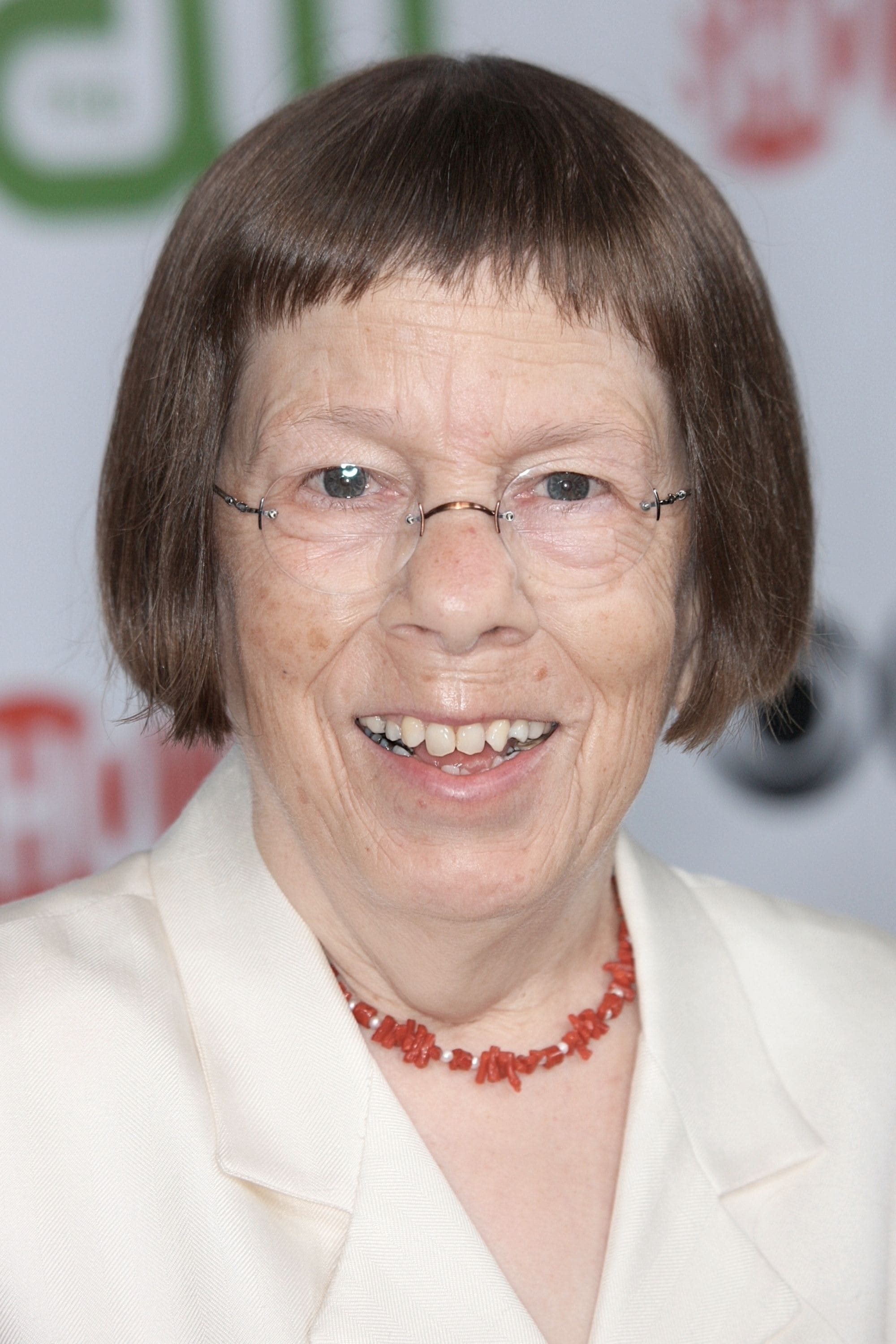
Linda Hunt played the character Billy Kwan in the film ‘The Year of Living Dangerously’. Billy Kwan is a Chinese Australian man and Hunt is a white woman. She actually won an Academy Award for her performance which remains a unique and controversial moment in film history. While her acting was highly praised the practice of a white actress playing a man of another ethnicity is now viewed as highly problematic. This role is a significant historical example of how casting norms have changed drastically over the decades.
Luise Rainer

Luise Rainer played O-Lan in the film ‘The Good Earth’ which was released in 1937. Rainer was an Austrian actress and she used yellowface makeup to portray a Chinese farmer. She won an Academy Award for the role despite the fact that many talented Chinese actresses were available at the time. This is considered one of the most famous examples of whitewashing in early Hollywood history. The legacy of this film continues to be discussed in film schools and by advocacy groups as a reminder of the industry’s past.
Katharine Hepburn
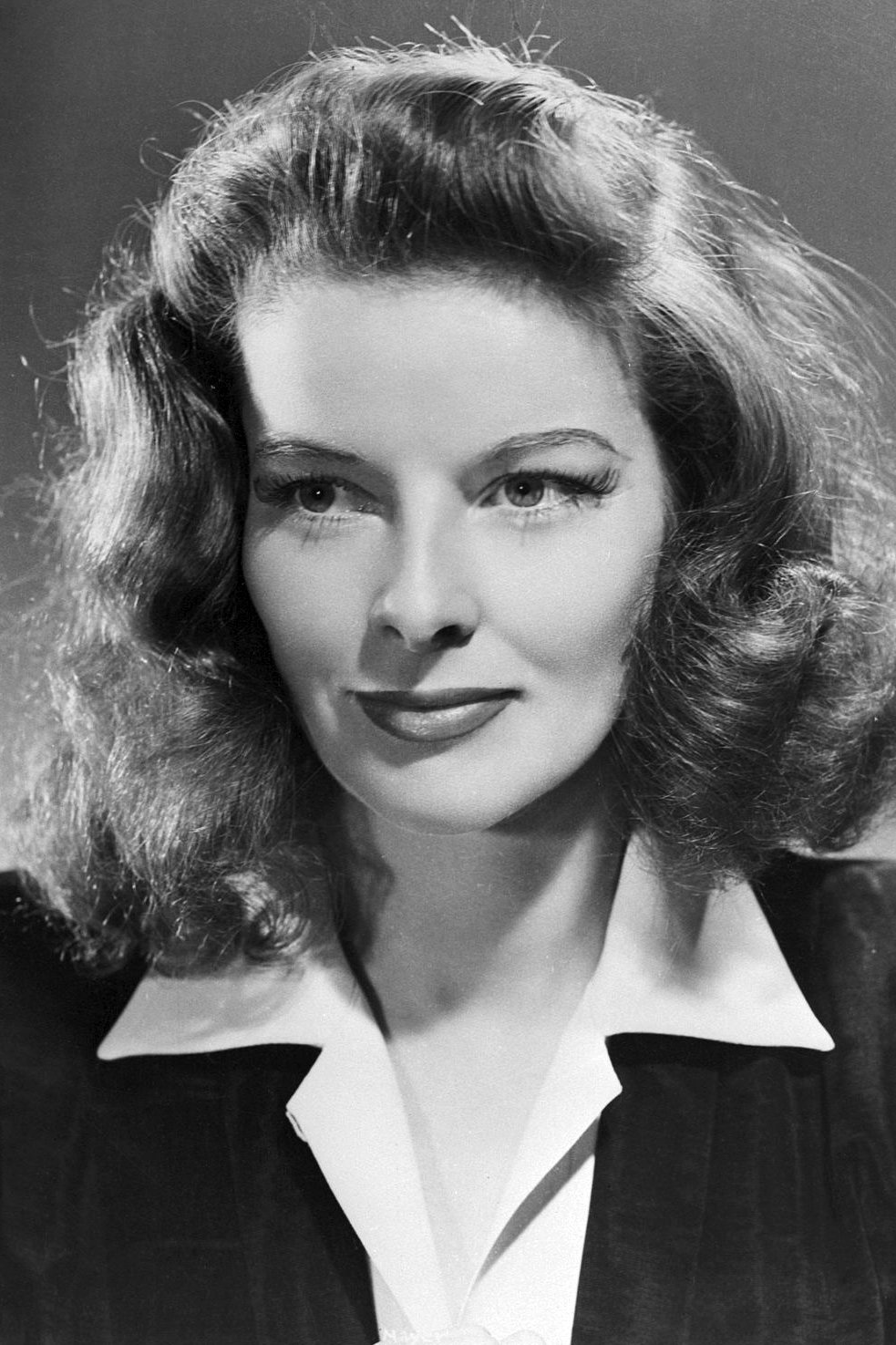
Katharine Hepburn starred in ‘Dragon Seed’ as Jade Tan a Chinese woman living during the Japanese invasion of China. Hepburn used prosthetic makeup to alter her eyes and skin tone for the role. This performance is widely criticized today as a prominent example of cultural appropriation and the erasure of Asian actors. Despite Hepburn’s status as a Hollywood legend this particular role is often omitted from celebrations of her career due to its offensive nature. It serves as a stark reminder of the casting practices that were once standard in the studio system.
Anne Hathaway
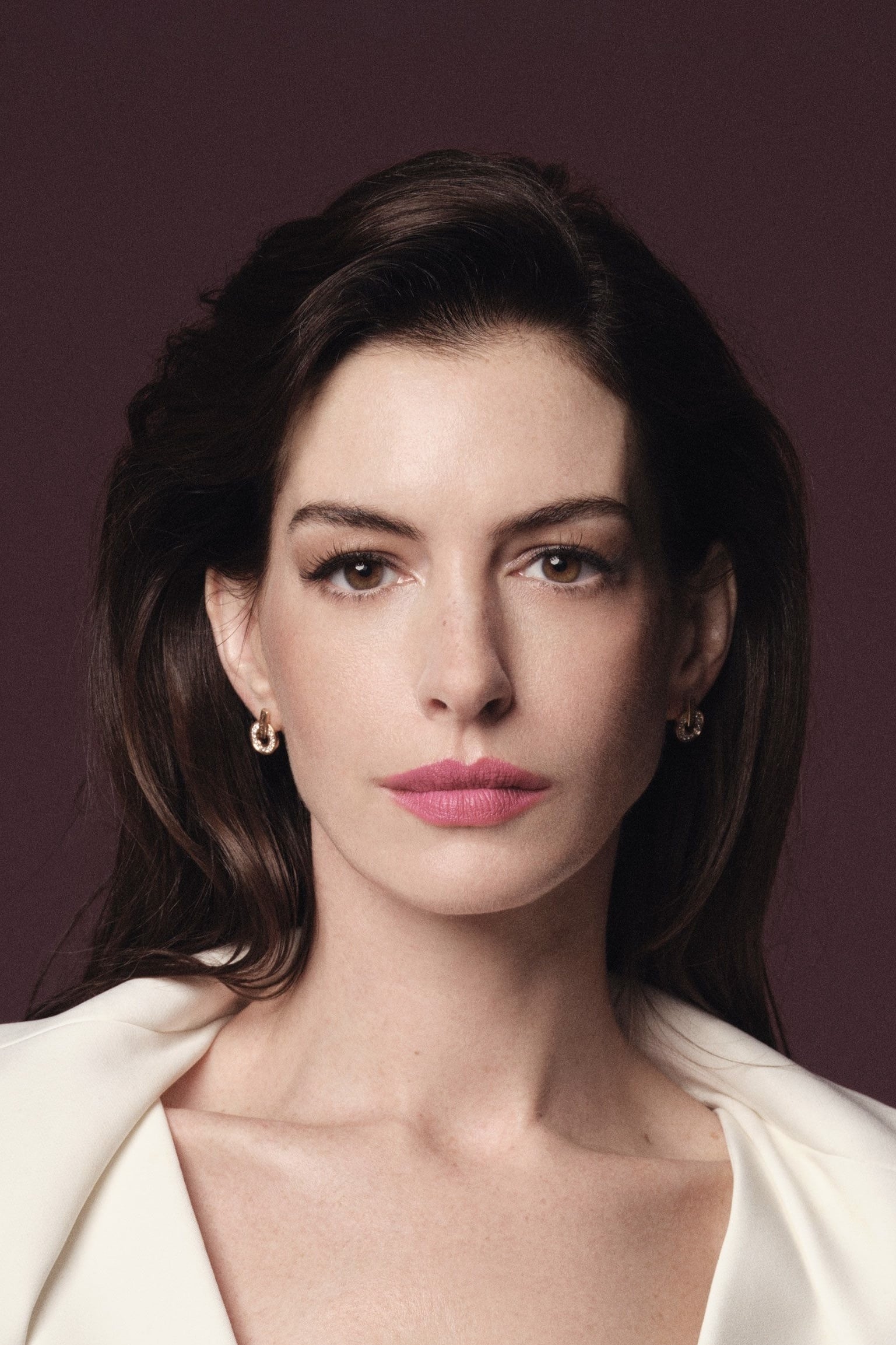
Anne Hathaway faced criticism for her role in the film ‘One Day’ primarily due to her attempt at a specific regional English accent. While the issue was more about nationality than ethnicity it sparked a debate about the importance of casting actors who can authentically represent the origins of their characters. Some fans of the original book felt that a British actress would have been more appropriate for the role. This case is often mentioned when discussing the challenges American actors face when taking on roles with deep cultural or regional ties outside their own experience.
Felicity Jones
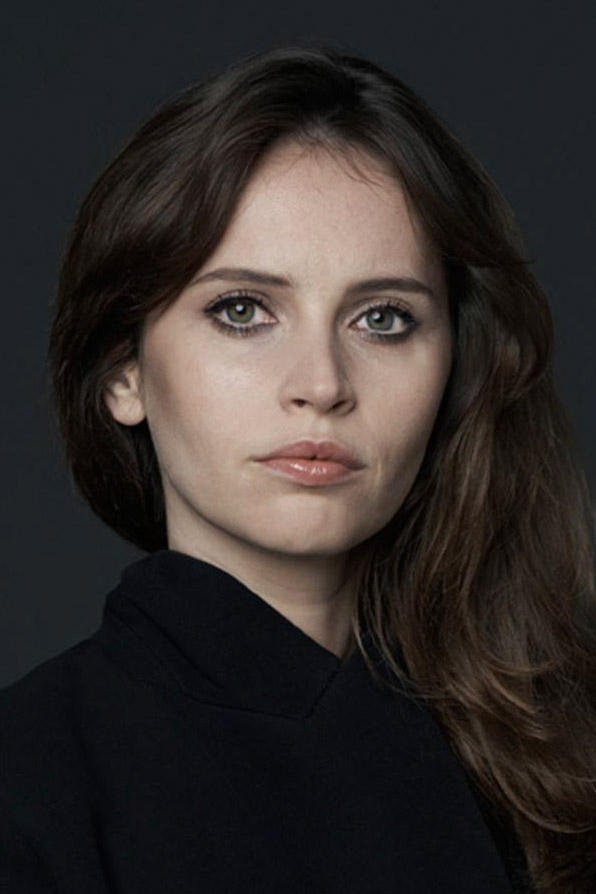
Felicity Jones played Ruth Bader Ginsburg in the biographical film ‘On the Basis of Sex’. Some critics noted that Jones as a British actress of Christian background was playing one of the most prominent Jewish figures in American history. The debate centered on whether the nuances of Ginsburg’s Jewish identity were fully captured by the casting choice. While Jones was praised for her dedication to the role the discussion about Jewish representation in Hollywood remained a significant part of the film’s reception. This reflects the increasing desire for actors to share the cultural and religious heritage of the real people they portray.
Maggie Gyllenhaal
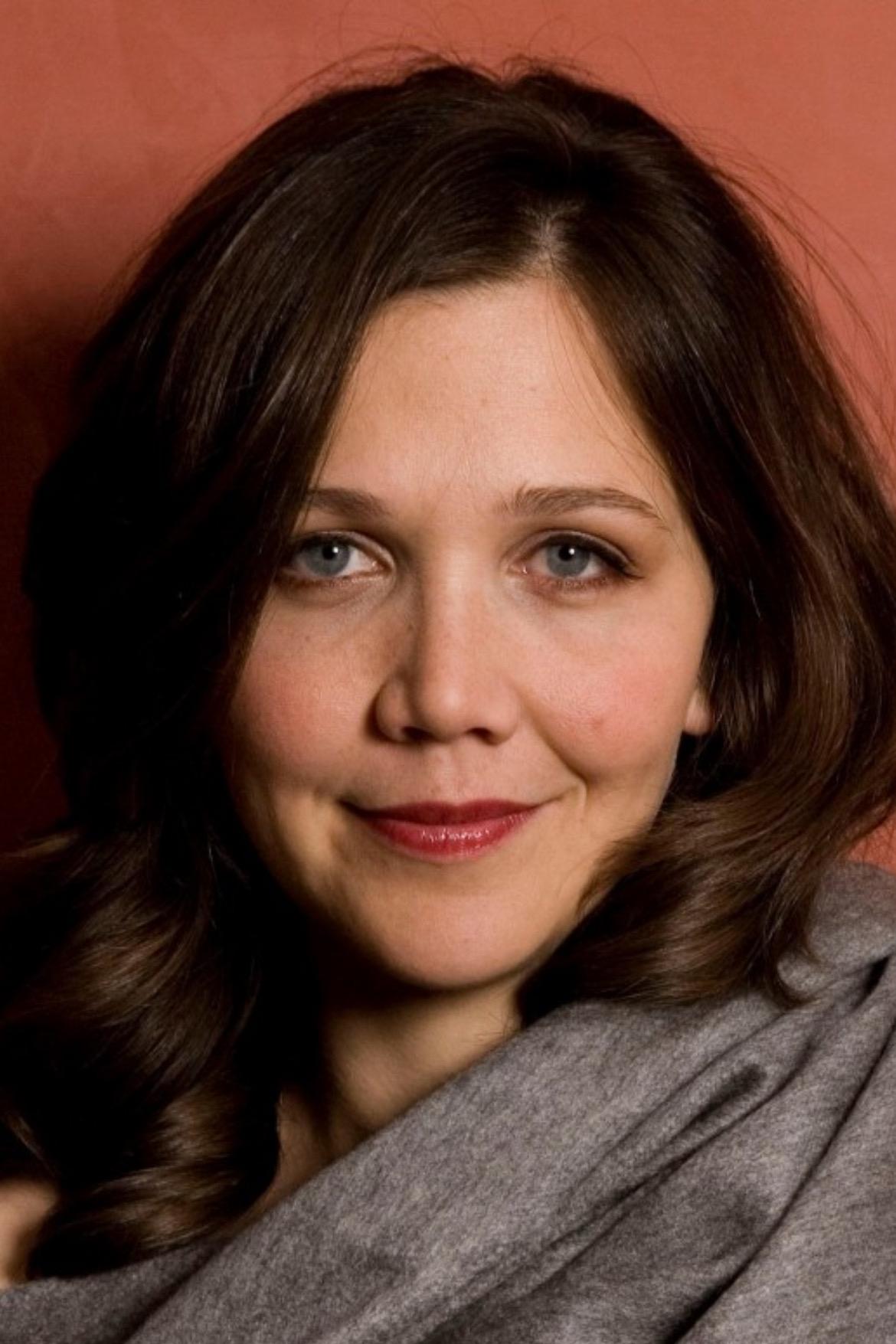
Maggie Gyllenhaal starred in ‘The Kindergarten Teacher’ which was a remake of an Israeli film of the same name. Some critics argued that the transition of the story to an American context with a white lead took away from the specific cultural tensions of the original. While the film was well received at festivals the practice of remaking international films with Hollywood stars is often scrutinized. These discussions focus on whether the essence of a story is lost when it is removed from its original ethnic and cultural setting. Gyllenhaal’s performance was noted for its intensity but the cultural shift remained a point of analysis.
Keira Knightley
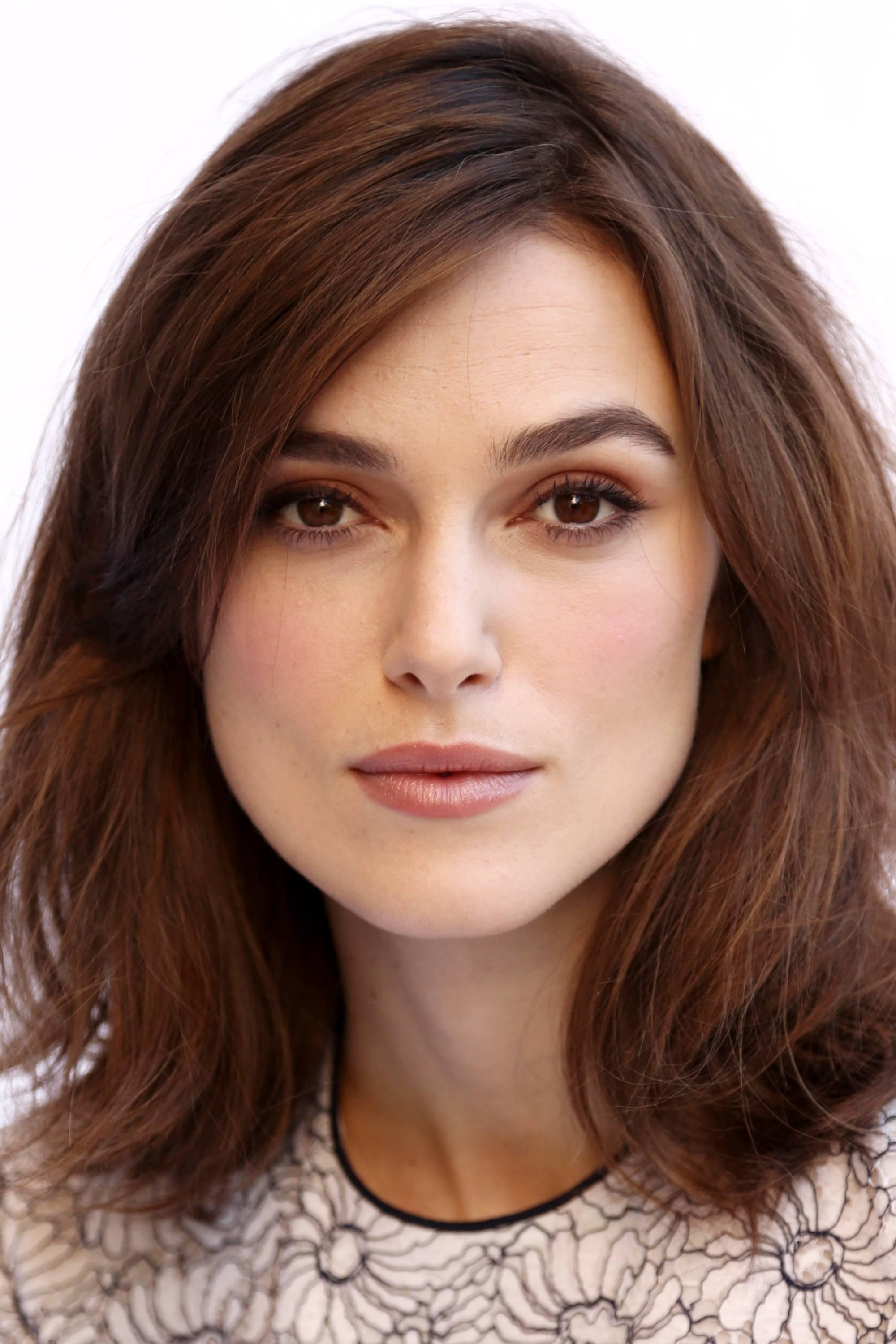
Keira Knightley played the role of a real life figure in ‘The Duchess’ which led to some discussions about the accuracy of her portrayal. While she is of the same general ethnicity as the historical figure critics sometimes point to her casting as an example of Hollywood’s preference for a specific type of thin white actress for period dramas. This has led to broader conversations about the lack of diversity in historical films which often ignore the presence of people of color in European history. Knightley has acknowledged the need for more diverse stories in the film industry.
Kathryn Hunter
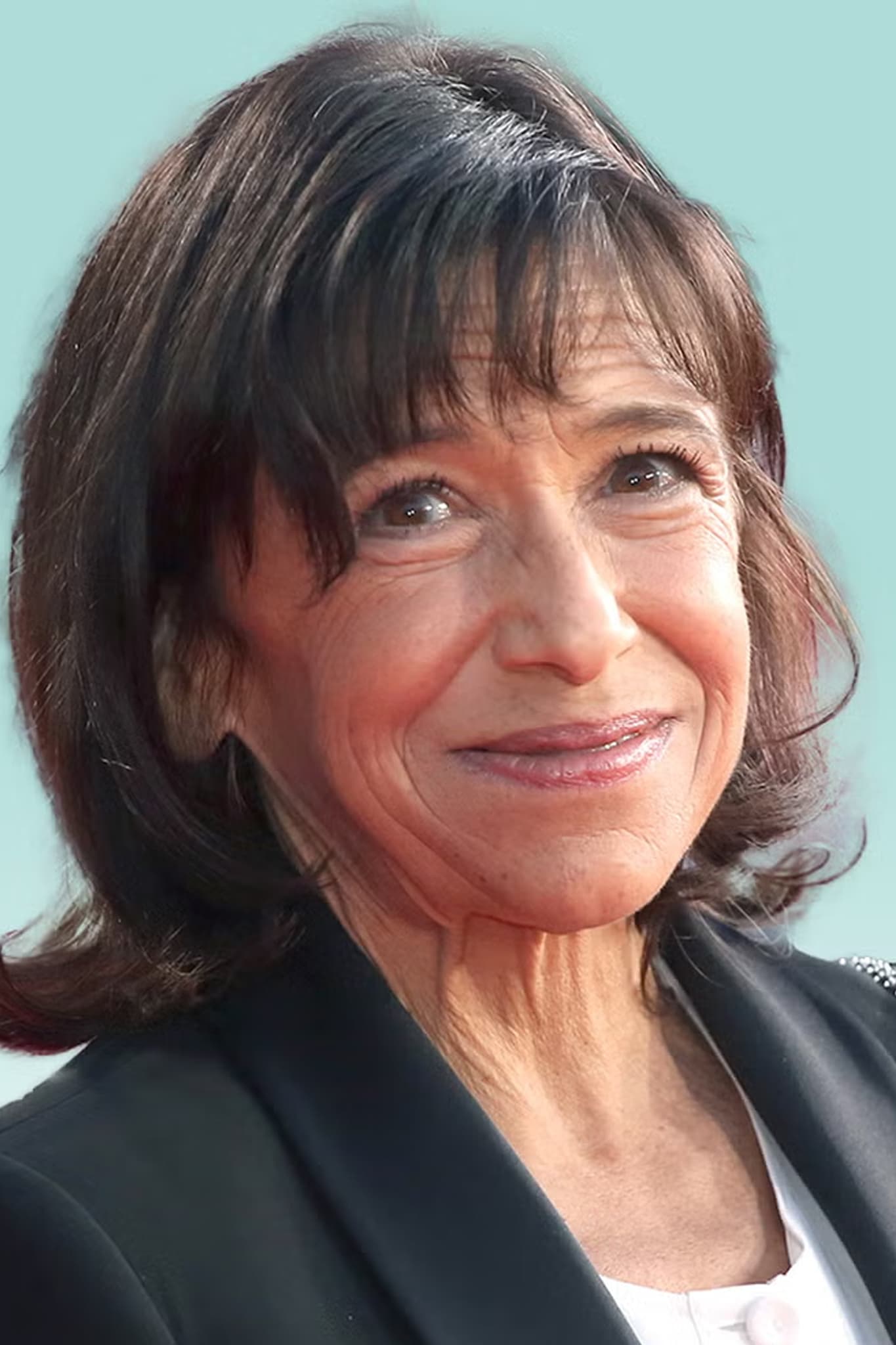
Kathryn Hunter played the Witches in ‘The Tragedy of Macbeth’ which was directed by Joel Coen. While her performance was highly acclaimed some discussions arose regarding the diverse casting of the entire film. In this instance the criticism was not against the actress but rather part of a larger conversation about colorblind casting in Shakespearean adaptations. Some traditionalists argued for historical accuracy while many others praised the film for its inclusive approach. This project highlighted the different ways audiences react to non traditional casting in classic literature.
Anjelica Huston
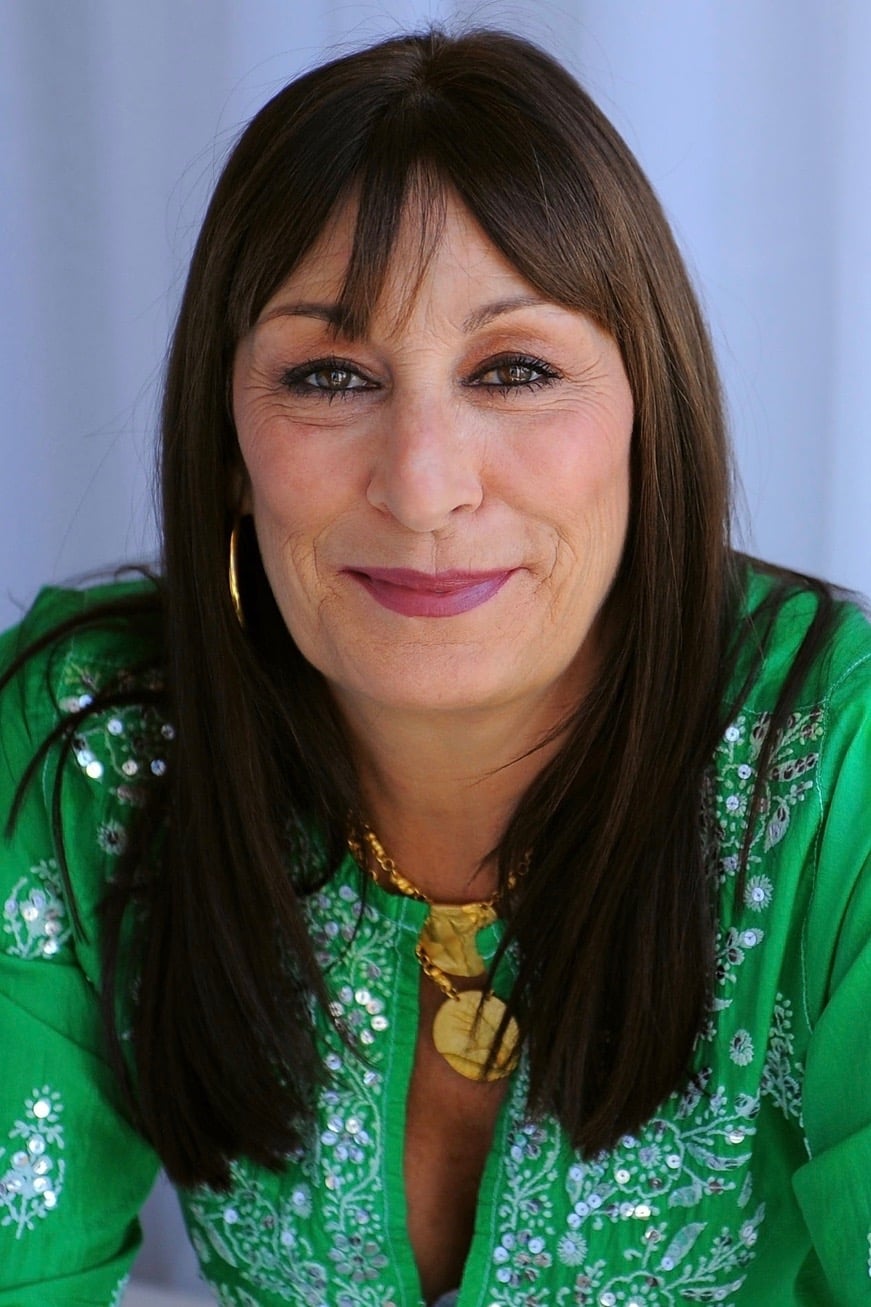
Anjelica Huston was cast as the Grand High Witch in the original film ‘The Witches’. While the character is fictional some critics have noted that the portrayal relied on tropes that some found culturally insensitive. The recent remake of the film also faced similar issues regarding the depiction of physical differences. These discussions show that even fantasy roles can be subject to criticism for how they intersect with real world ethnic and cultural stereotypes. Huston’s performance remains iconic but it is now viewed through a more modern and critical lens.
Lily James

Lily James faced criticism when she was cast as Pamela Anderson in the series ‘Pam & Tommy’. While James is of a similar ethnic background the extreme physical transformation required led some to question the casting. Some viewers felt that the production focused too much on the aesthetic recreation of a real person without her involvement. This case contributed to the ongoing debate about the ethics of biographical projects created without the consent of the subject. It also raised questions about the industry’s reliance on high profile stars for roles that require significant prosthetic work.
Emma Thompson
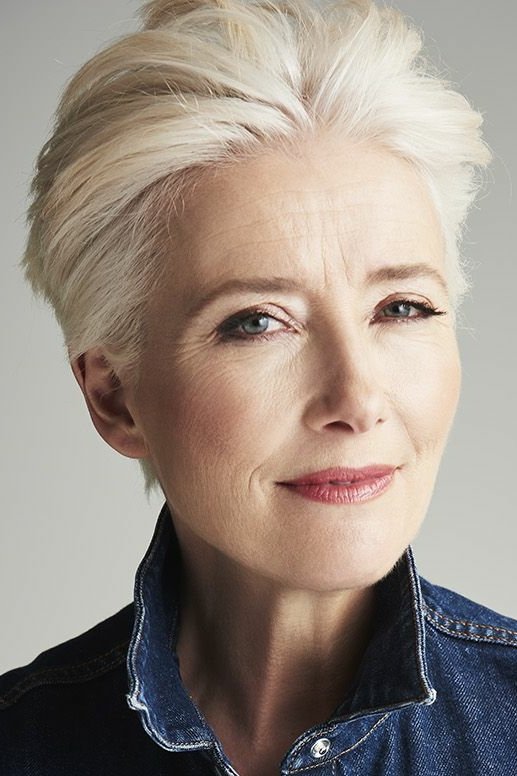
Emma Thompson was cast as Miss Trunchbull in the musical film ‘Matilda the Musical’. She used a fat suit for the role which sparked criticism from those who felt the production should have cast an actress whose body naturally fit the character description. While this is not an ethnicity issue it relates to the broader conversation about authentic representation and the use of prosthetics to bridge a gap between the actor and the role. This controversy added to the growing list of concerns regarding how physical and cultural identities are portrayed on screen. Thompson’s performance was a central part of the film’s marketing and its subsequent debate.
Please share your thoughts on these casting choices in the comments.