Actresses Who Sparked Massive Outrage by Only Portraying Performative LGBTQ Allyship


The concept of performative allyship has become a central point of discussion in modern entertainment as fans demand more than just surface level support for marginalized communities. Many actresses have faced intense scrutiny when their public statements or marketing campaigns seem to prioritize profit over genuine advocacy for the LGBTQ community. This outrage often stems from instances of queerbaiting or the use of rainbow branding during Pride Month without any significant long term commitment to social justice. While some stars attempt to navigate these complex issues with grace others have faced lasting reputational damage for their perceived insincerity. The following figures have all encountered significant backlash from audiences who felt their support was more about self promotion than actual solidarity.
Anne Hathaway
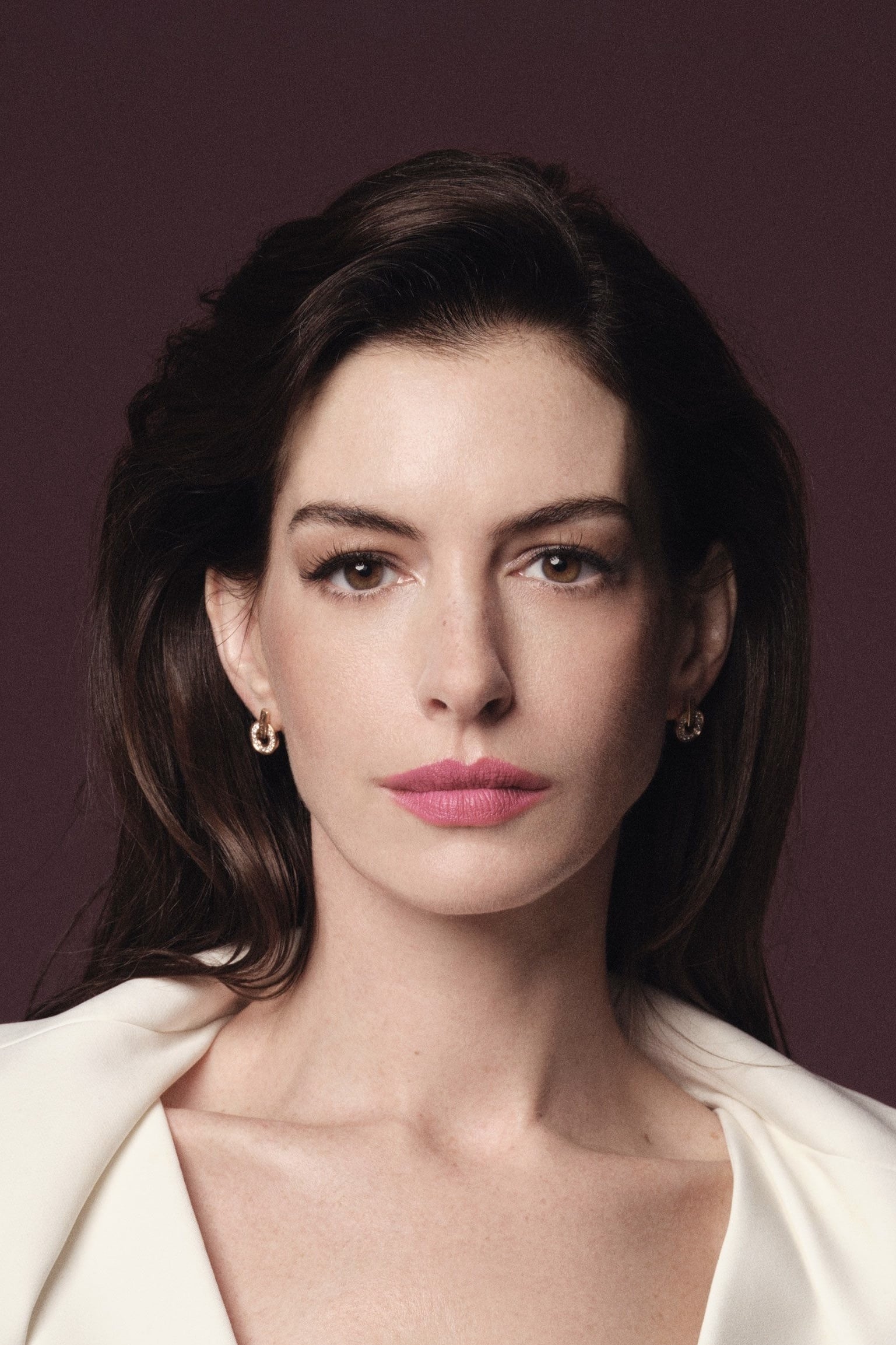
Anne Hathaway has been a vocal supporter of equality for years but she faced criticism for her role in the film ‘The Witches’. Some members of the disability and LGBTQ communities felt her characterization relied on harmful tropes that did not align with her inclusive public persona. Critics argued that her allyship appeared performative when she participated in projects that could be seen as alienating to marginalized groups. She later issued an apology to address the concerns raised by advocacy organizations and fans alike. This situation highlighted the delicate balance between professional choices and the expectations of a public advocate.
Ariana Grande
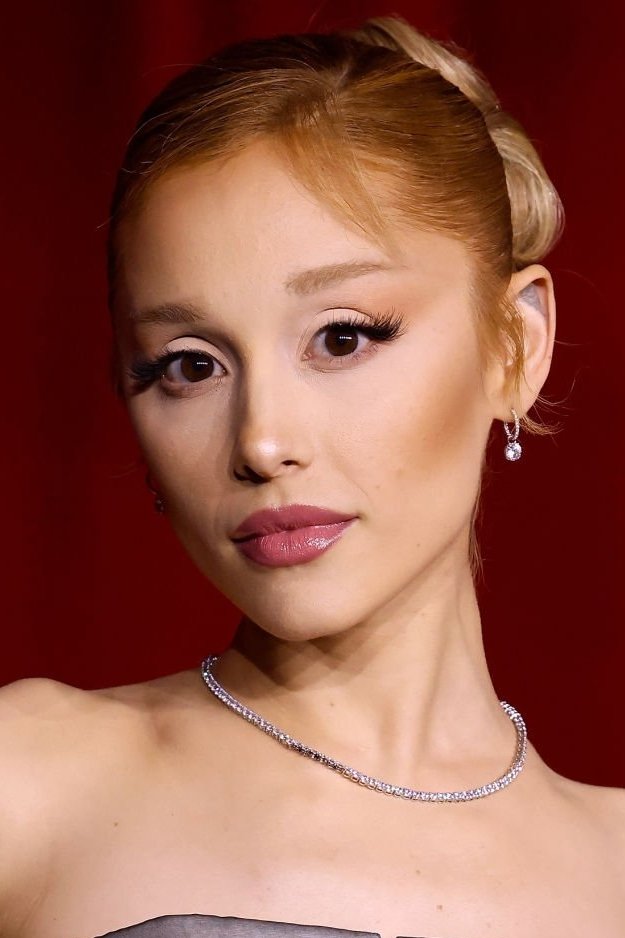
Ariana Grande faced accusations of queerbaiting following the release of her music video for ‘7 rings’ and the song ‘break up with your girlfriend, i am bored’. Fans pointed to imagery and lyrics that suggested a fluid sexuality which some felt was used purely for aesthetic appeal rather than authentic representation. The backlash intensified when she was announced as a headliner for a major Pride event despite not identifying as a member of the community at that time. Many felt her involvement took away opportunities from queer artists who live those experiences every day. This debate continues to follow her whenever she utilizes queer themes in her creative work.
Awkwafina

Awkwafina has frequently been criticized for her use of a blaccent and elements of Black culture which some argue extends to a performative approach to intersectional allyship. While she has expressed support for various social movements her past performances in films like ‘Ocean’s 8’ led to accusations of cultural appropriation. Critics suggest that her brand of advocacy feels shallow when it does not acknowledge the systemic issues facing the communities she emulates. The actress eventually addressed the controversy through a social media statement but many fans remained unconvinced of her sincerity. This ongoing dialogue reflects broader concerns about how celebrities engage with identities that are not their own.
Bebe Rexha
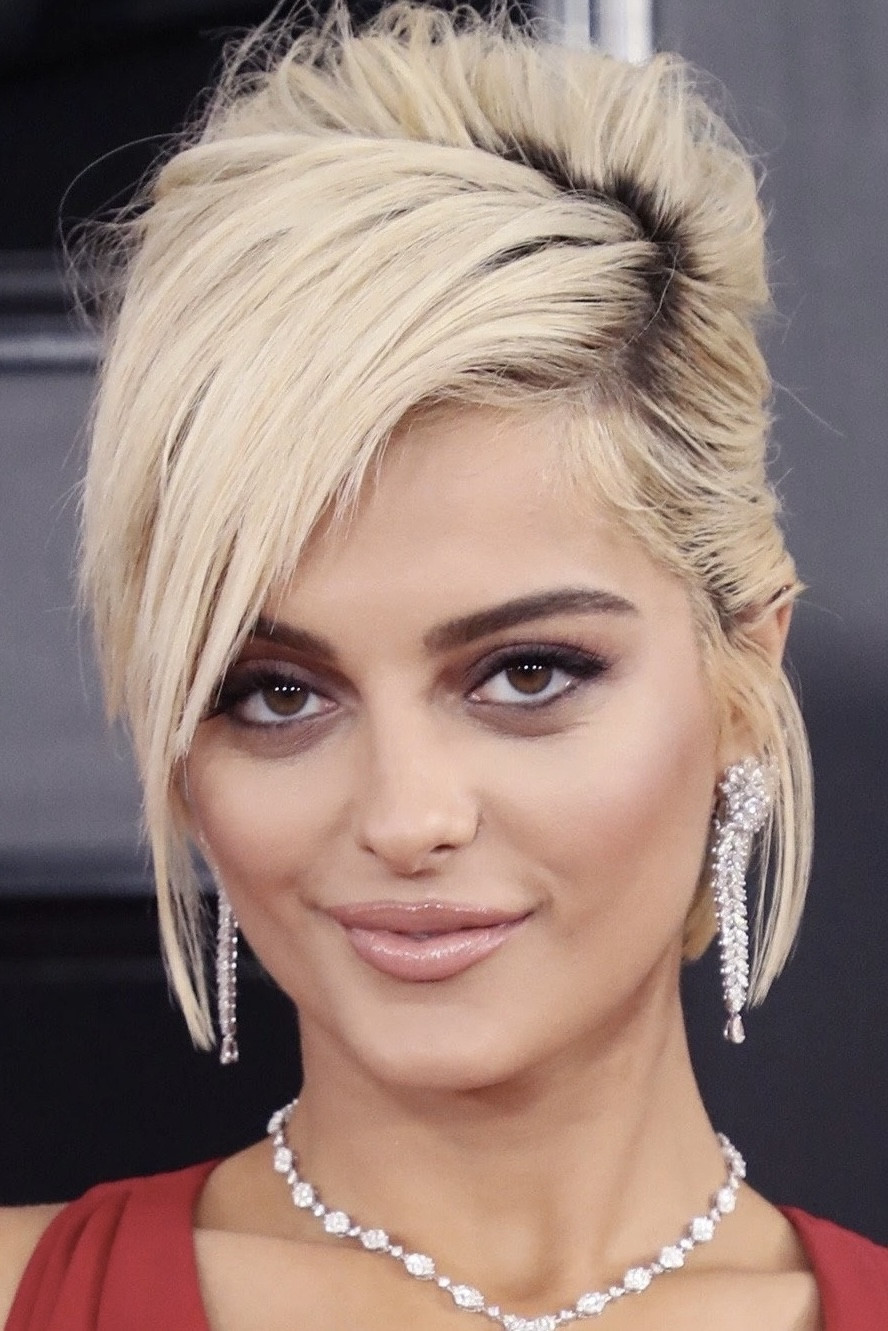
Bebe Rexha faced a wave of criticism after she made comments about her sexuality that some fans perceived as a marketing tactic for her music. While she has spoken about being fluid she was accused of using queer aesthetics in her videos to garner attention without contributing to the community in a meaningful way. Some social media users felt her public declarations were timed to coincide with album releases or high profile performances. This led to accusations of rainbow capitalism where support is shown only when it is financially beneficial. The singer has defended her identity but the skepticism from certain segments of the audience persists.
Bella Thorne
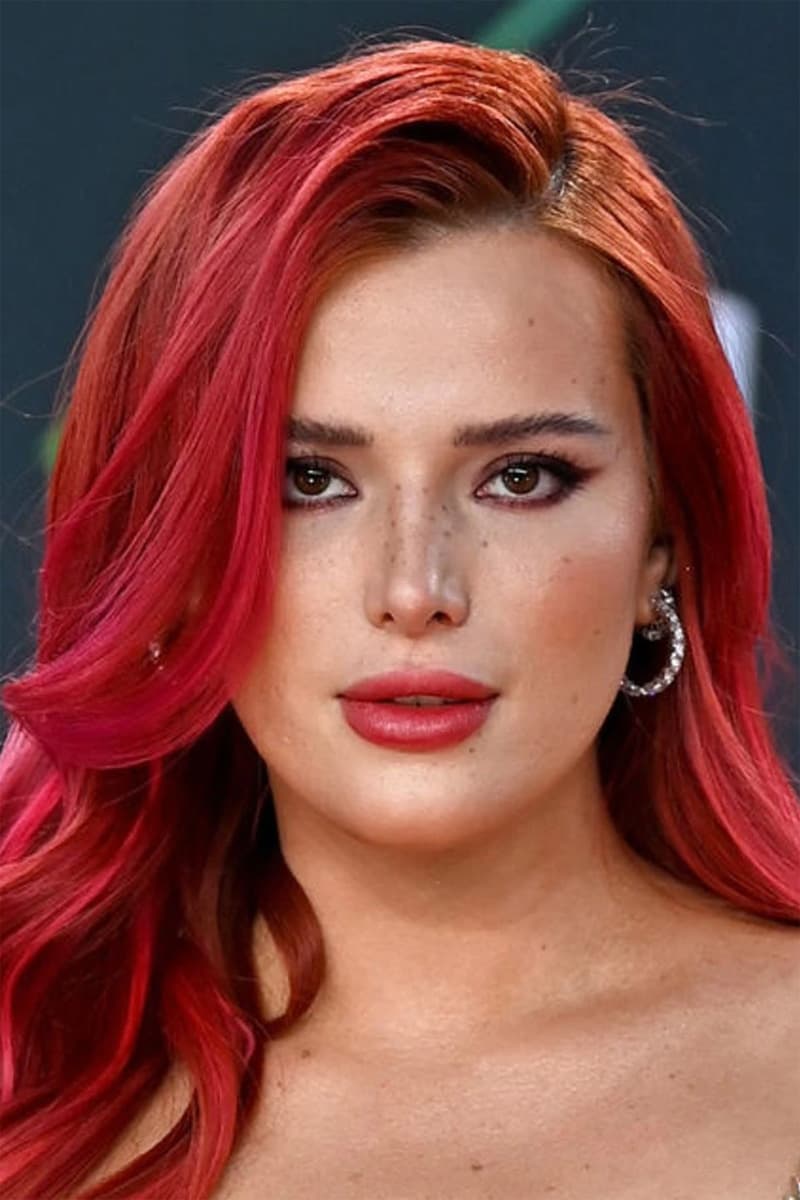
Bella Thorne sparked significant outrage within the LGBTQ community regarding her transition to platforms like OnlyFans and her public comments on pansexuality. Many creators felt her entry into the adult content space was a performative move that prioritized her own financial gain over the safety of established workers. Additionally her descriptions of her sexuality were sometimes seen as poorly articulated or aimed at maintaining a provocative public image. Critics argued that she benefited from queer narratives without facing the same social consequences as less privileged individuals. Her actions led to a broader discussion about the ethics of celebrity involvement in niche community spaces.
Beyoncé
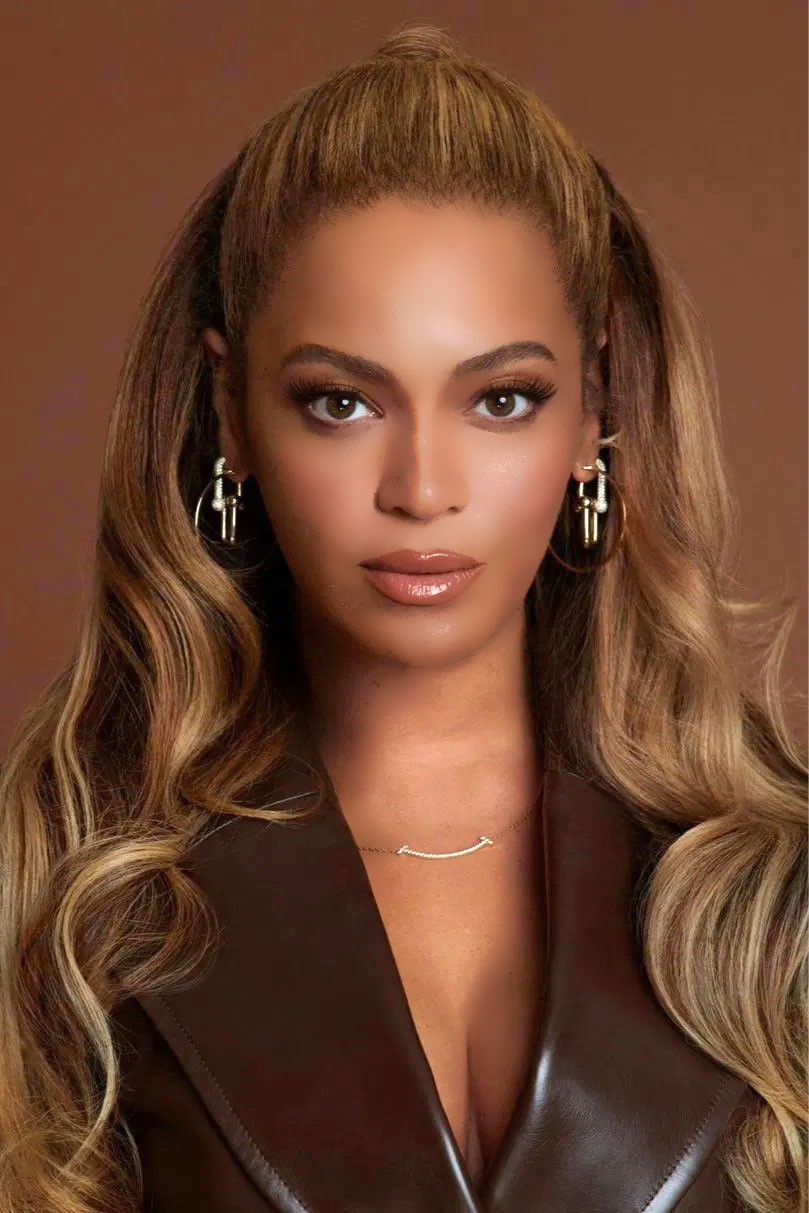
Beyoncé is often celebrated as an icon but she has not been immune to accusations of performative allyship. During the promotion of her film ‘Renaissance’ some fans were disappointed by her decision to perform in countries with strict anti LGBTQ laws. This led to a heated debate about whether her public support for the community was secondary to her business interests. Critics pointed out the contradiction between her celebratory queer imagery and her willingness to accept high profile contracts in exclusionary regions. While many defended her the incident raised questions about the limits of celebrity advocacy in a global market.
Billie Eilish
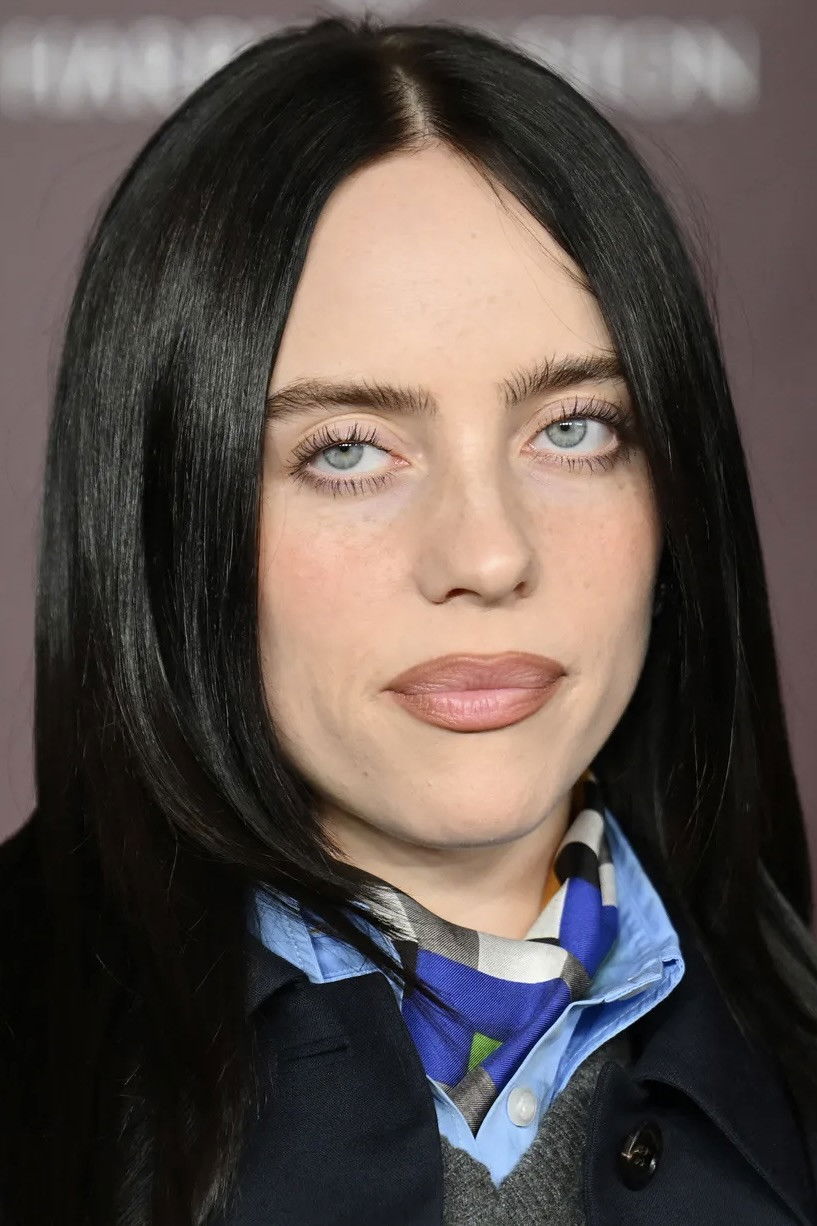
Billie Eilish faced a massive backlash after sharing behind the scenes photos from her ‘Lost Cause’ music video with a caption that many interpreted as a coming out statement. Fans quickly accused her of queerbaiting to promote her new music when it became clear the post was not a formal declaration of her identity. The controversy grew as social media users dug into her past and questioned the authenticity of her support for queer fans. This led to a significant loss of followers and a heated discussion about the responsibilities of young stars in the digital age. The singer later clarified her personal journey but the initial outrage remained a defining moment in her career.
Blake Lively
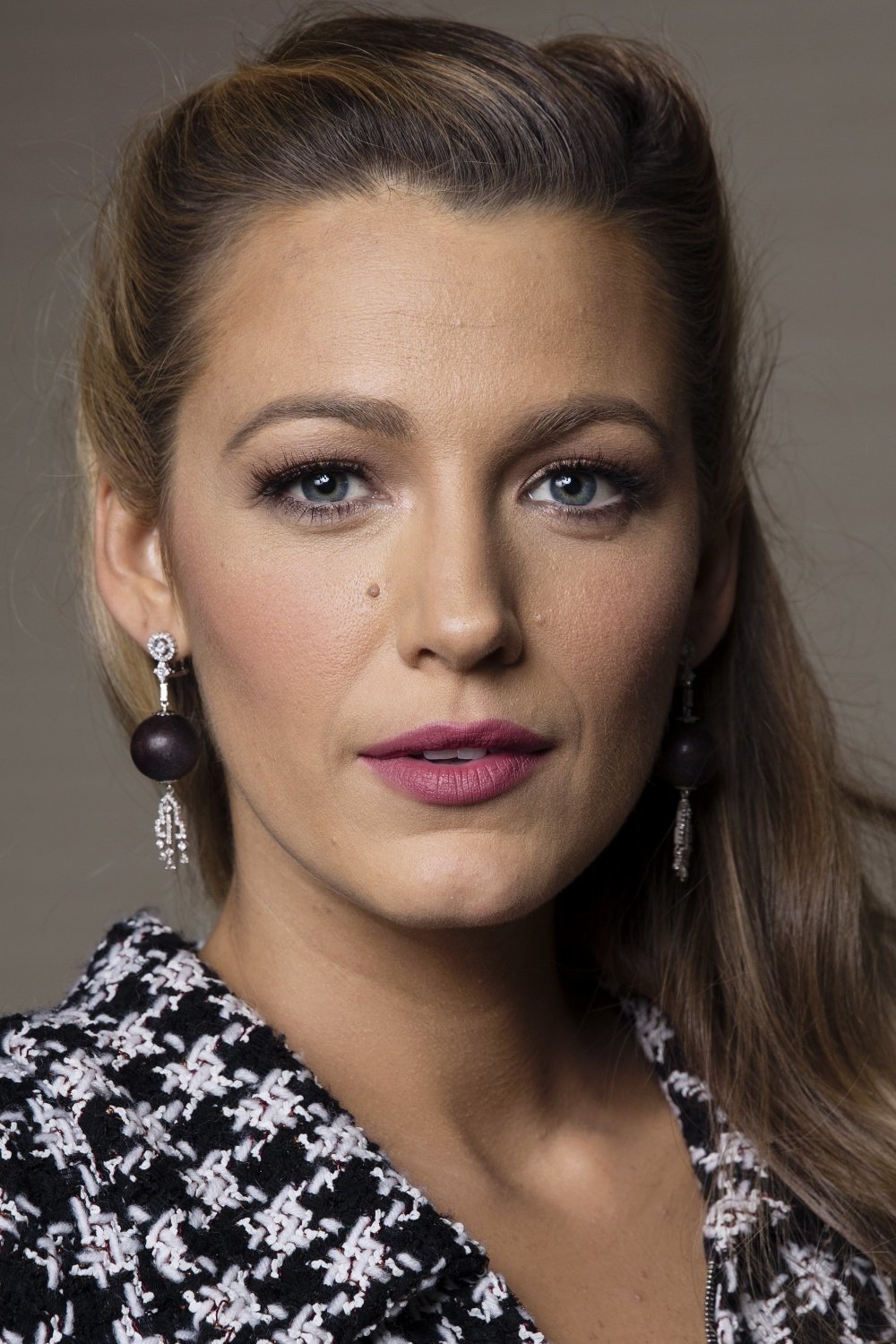
Blake Lively faced criticism for her perceived lack of awareness regarding historical and social issues which some fans linked to a performative style of allyship. Her choice to hold her wedding at a former plantation was a primary source of outrage that many felt contradicted her public image as a modern and inclusive star. While the criticism was not always directly related to LGBTQ issues it contributed to a narrative that her social consciousness was superficial. Critics argued that an actress with her platform should be more diligent about the messages her lifestyle choices send to marginalized groups. She has since expressed regret over the wedding venue but the incident continues to be cited in discussions of celebrity accountability.
Brie Larson

Brie Larson became a target for criticism regarding her advocacy after some fans felt her approach to diversity was exclusionary or forced. While she has been a vocal supporter of gender equality and LGBTQ rights her delivery was often perceived as abrasive or performative by certain segments of the internet. The backlash intensified during the press tour for ‘Captain Marvel’ where her comments on representation were heavily debated. Some critics argued that her brand of allyship focused more on corporate talking points than on grassroots support for the community. This perception created a divide among fans who questioned the depth of her commitment to social change.
Camila Cabello
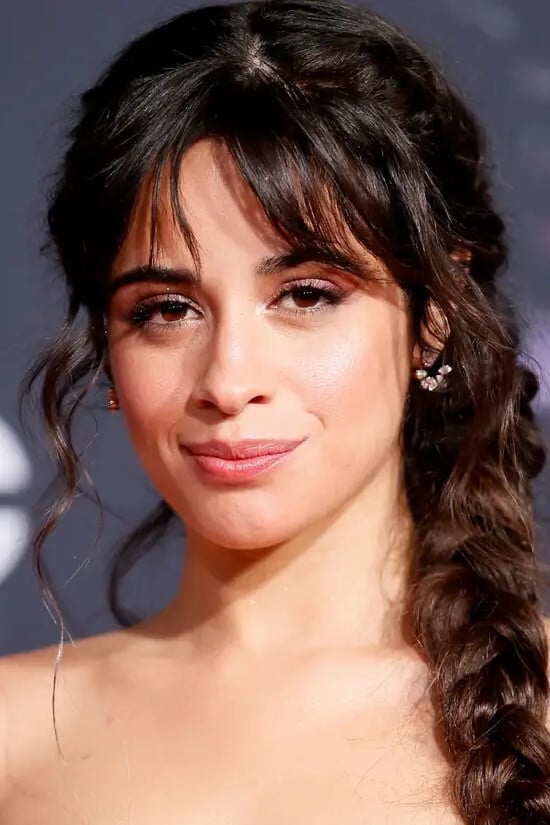
Camila Cabello faced significant outrage when past social media posts containing offensive language were rediscovered by the public. Many fans felt her subsequent apologies and public support for various social causes including LGBTQ rights were a performative attempt to rehabilitate her image. Critics argued that her actions did not match her new persona as a socially conscious artist. The controversy sparked a long term discussion about whether celebrities can truly change or if their advocacy is merely a professional necessity. Despite her efforts to move forward the shadow of her past comments remains a point of contention for many.
Cardi B
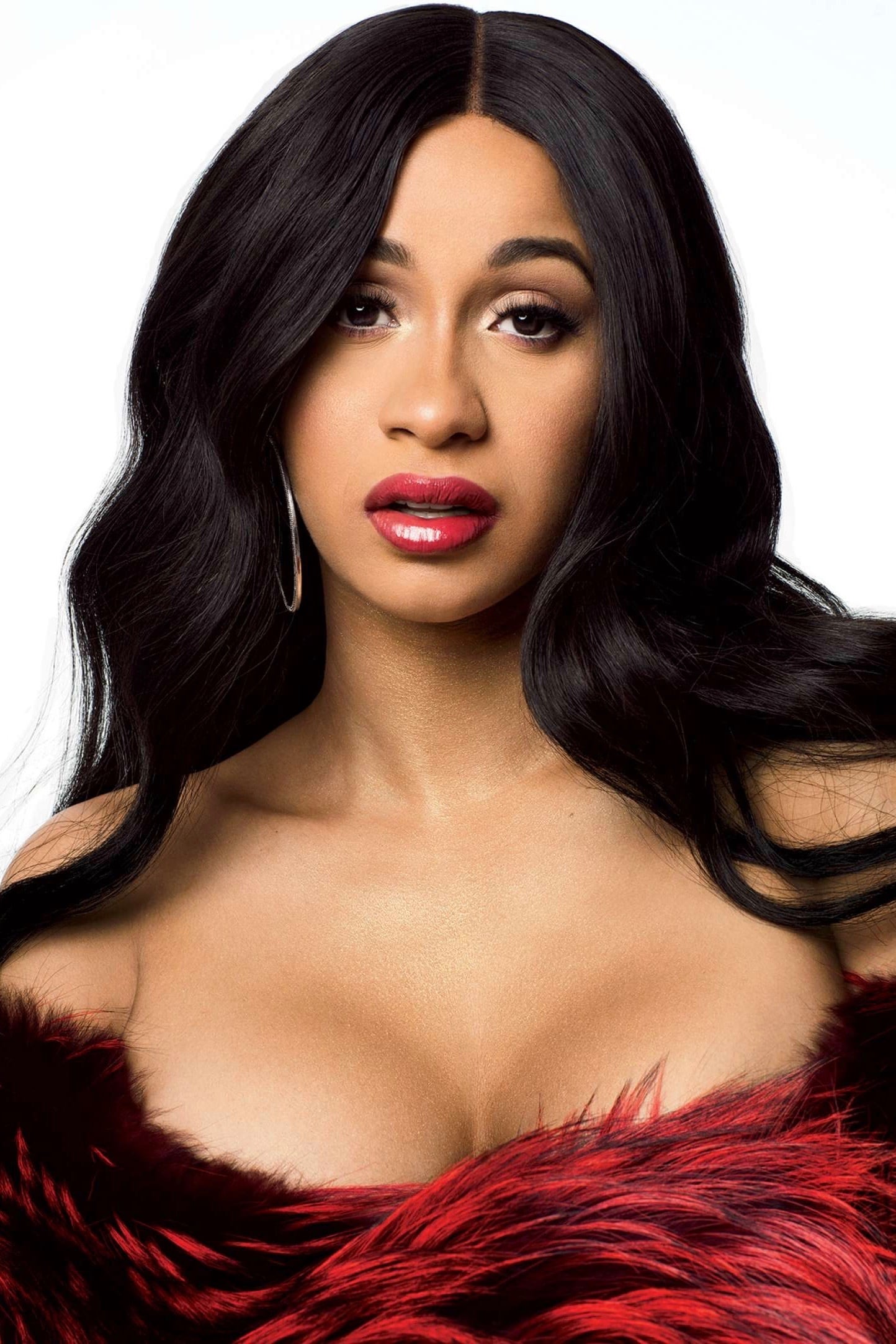
Cardi B has been a polarizing figure when it comes to her allyship due to past comments that were viewed as transphobic or offensive. Although she has frequently used her platform to support queer fans and performers critics often point to these earlier incidents as proof of performativity. The backlash often resurfaces when she collaborates with artists who have their own histories of anti LGBTQ rhetoric. Some members of the community feel her support is inconsistent and driven by the current political climate rather than deep rooted conviction. The rapper frequently engages with her critics online to defend her stance but the skepticism remains prevalent.
Charli XCX
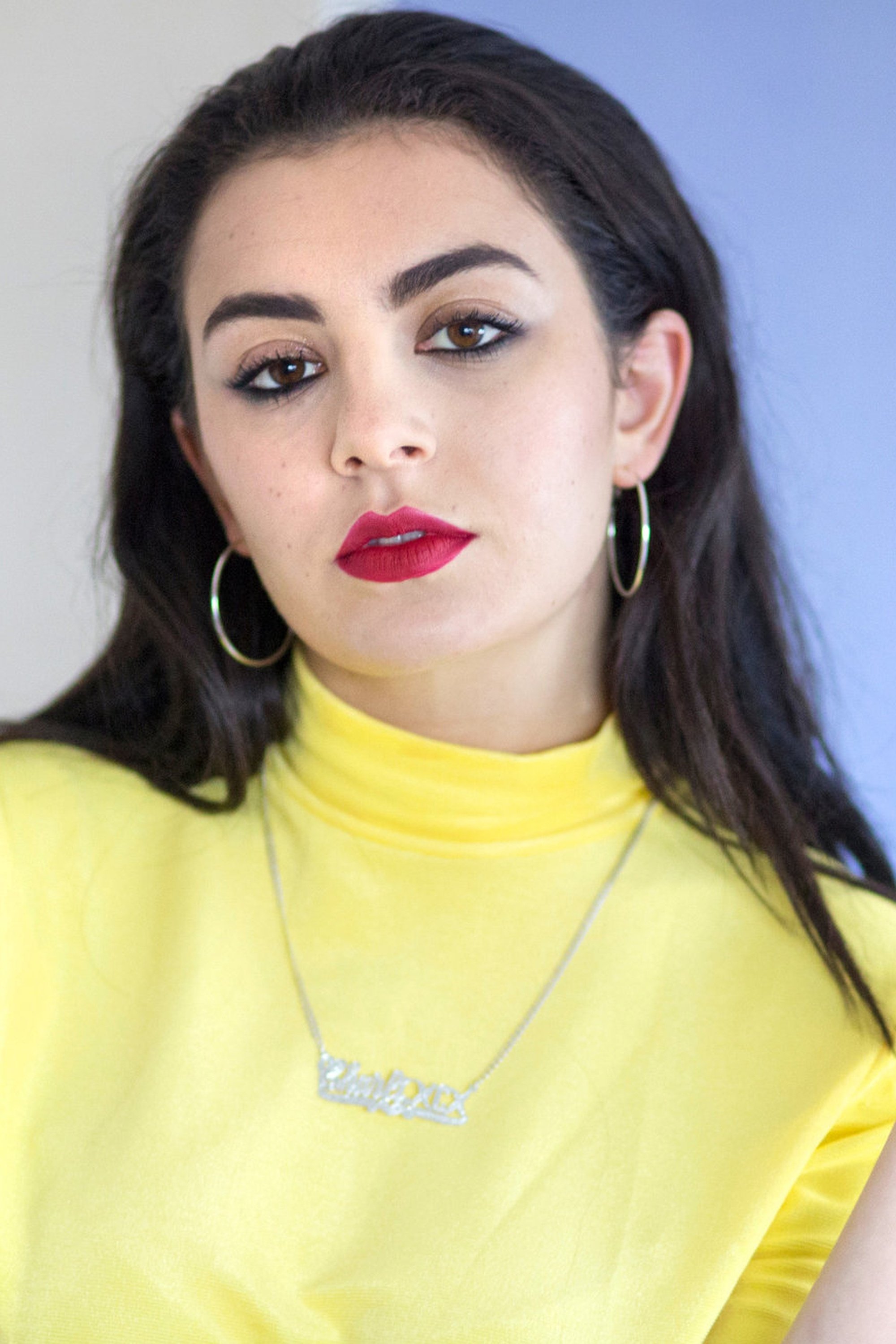
Charli XCX has a large and loyal queer fan base but she has occasionally been accused of performative behavior regarding her marketing strategies. Some critics felt that her constant association with queer culture was a way to maintain a “cool” image without taking substantial risks for the community. The outrage typically centers on instances where her collaborations or public appearances seem to commodify queer aesthetics for a mainstream audience. While she is often credited with uplifting queer artists some fans want to see more direct political engagement. This tension highlights the complicated relationship between pop stars and their subcultural audiences.
Demi Lovato

Demi Lovato has been very open about her personal identity and struggles but she has still faced accusations of performative allyship. Some fans felt that her constant rebranding and public declarations were a way to stay relevant in a competitive industry. Critics argued that her engagement with LGBTQ issues often felt like it was part of a larger publicity cycle rather than a consistent effort. The outrage reached a peak during several social media disputes where her responses were seen as self centered or dismissive of other perspectives. Despite her long history of advocacy some audiences remain wary of her motivations.
Doja Cat
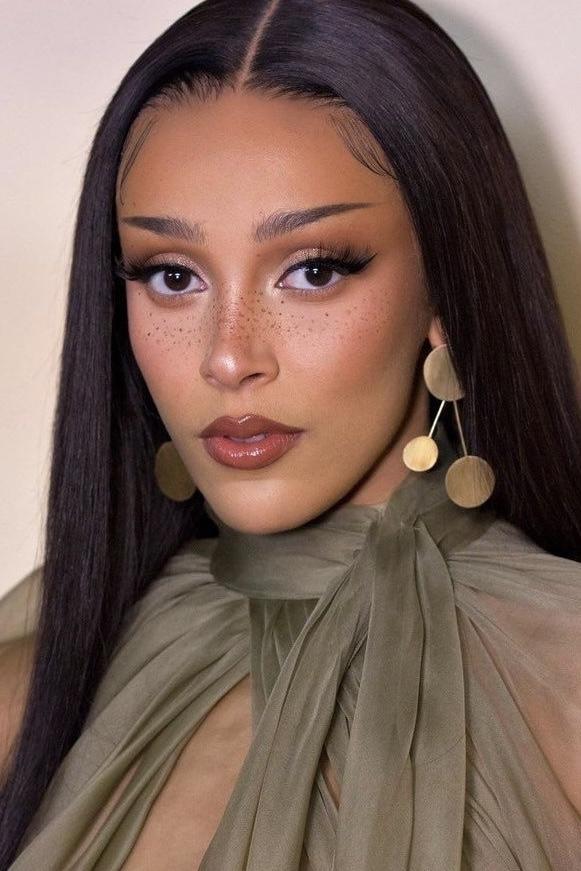
Doja Cat faced a significant PR crisis when her past participation in controversial chat rooms and use of offensive slurs came to light. Many fans who saw her as an ally felt betrayed and viewed her subsequent apologies as a performative measure to save her career. The backlash was severe with many people calling for a boycott of her music and appearances. Critics argued that her public persona as an edgy and inclusive artist was at odds with her private behavior. This incident served as a reminder of how quickly public perception can shift when an actress’s actions contradict her stated values.
Dove Cameron

Dove Cameron has faced accusations of performative allyship particularly after she began incorporating more queer themes into her music and public image. Some fans felt this shift was a calculated move to appeal to a younger and more progressive demographic. While she has since come out and spoken about her experiences the skepticism regarding her timing remains for some critics. The outrage often focuses on the idea that her advocacy is a tool for career longevity in a changing social landscape. She continues to be a prominent figure in the community but the debate over her authenticity persists in online spaces.
Elizabeth Olsen

Elizabeth Olsen faced backlash from fans who felt her silence on certain social issues indicated a lack of genuine allyship. As a high profile star in the Marvel Cinematic Universe many expected her to use her platform more actively to support LGBTQ rights and other causes. Critics argued that staying neutral is a form of performativity that allows celebrities to enjoy the benefits of a diverse fan base without doing the work of an ally. The outrage was particularly strong during periods of heightened political tension when other stars were being more vocal. This situation highlighted the growing expectation for actresses to be more than just performers.
Emma Watson
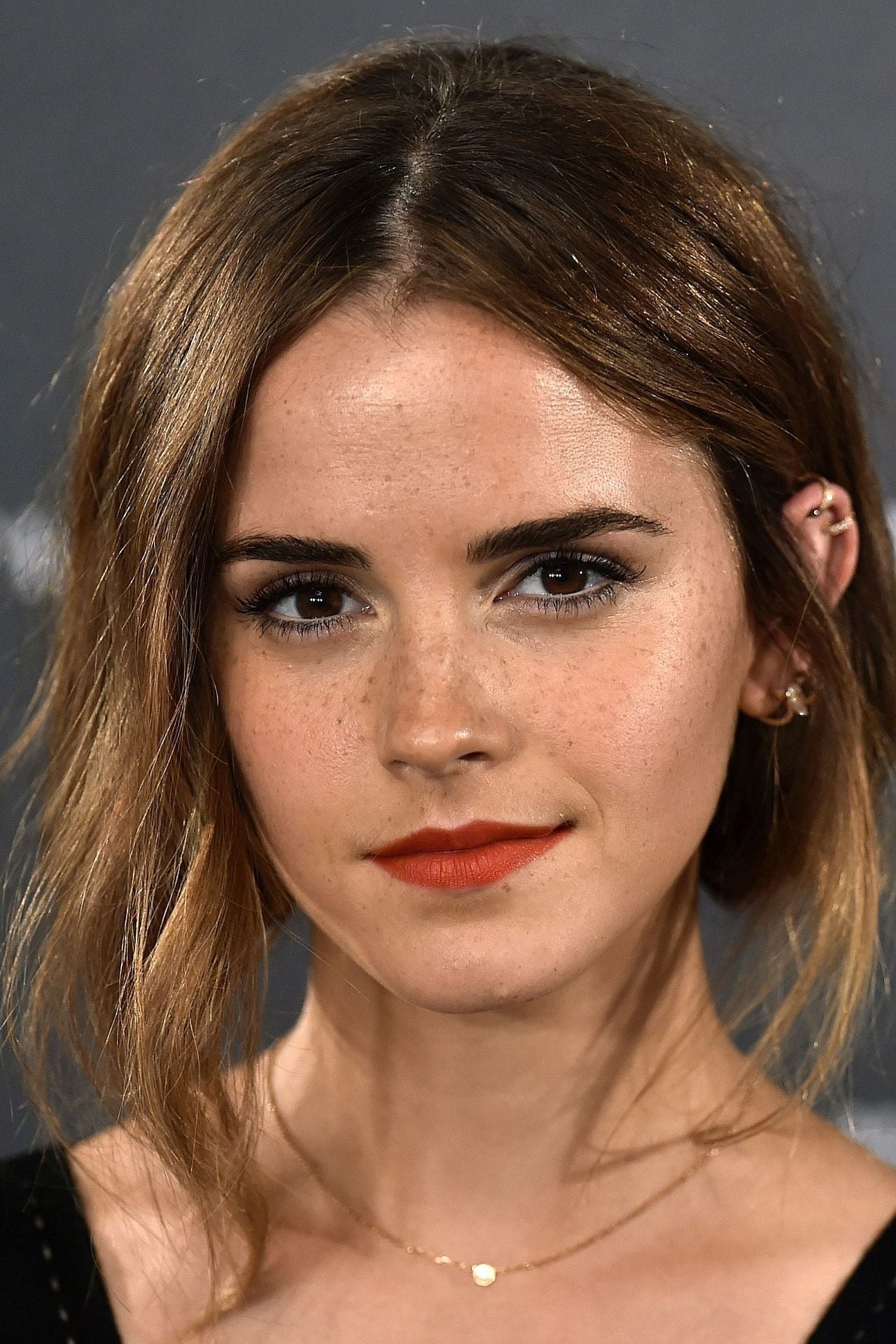
Emma Watson is widely recognized for her feminist advocacy but she has faced criticism for a perceived lack of intersectionality in her work. Some members of the LGBTQ community felt her brand of feminism was too focused on the experiences of white cisgender women. This led to accusations of performative allyship when she did not adequately address the specific struggles of queer and trans individuals. While she has made efforts to be more inclusive in recent years the initial critiques shaped much of the public discourse around her activism. Fans continue to look for more concrete actions that support a wider range of identities.
Florence Pugh
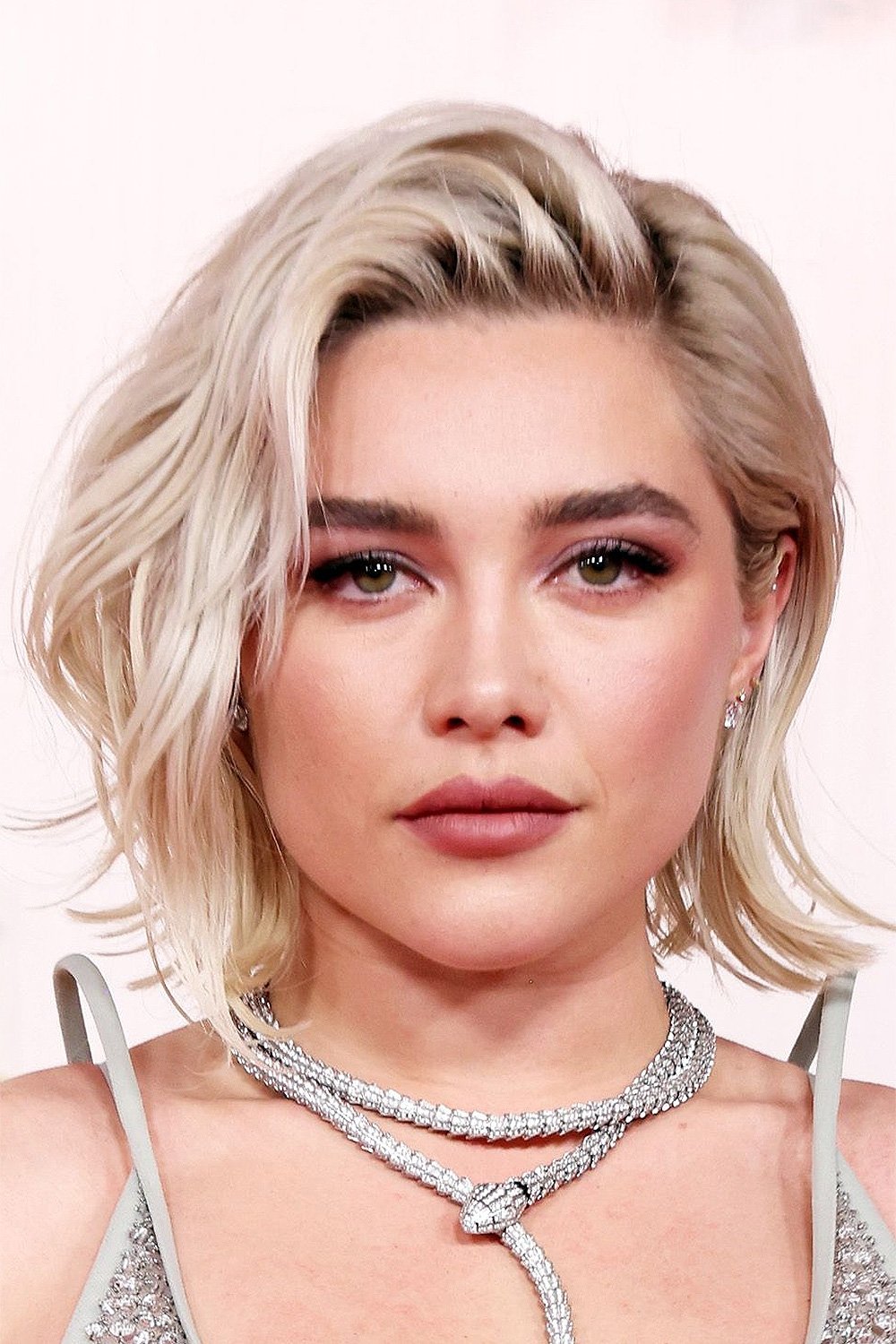
Florence Pugh has been praised for her authenticity but she has not escaped the “performative” label entirely. Some critics felt her public statements on social issues were often reactive rather than proactive. There was also a minor controversy regarding her engagement with certain cultural trends that some felt were insensitive. While she is generally well liked the expectation for her to be a perfect ally has led to moments of tension with her audience. Fans often scrutinize her social media presence for any signs that her support might be more about image than impact.
Gal Gadot

Gal Gadot faced widespread mockery and outrage for her ‘Imagine’ video during the early days of the pandemic which many saw as the height of performative concern. The video was criticized for being out of touch with the actual struggles of everyday people including the marginalized communities she claimed to support. Additionally her political stances and past military service have led some to question the sincerity of her inclusive public persona. Critics argue that her brand of allyship is a safe and corporate friendly version that avoids addressing systemic inequality. This has created a lasting perception of her as a celebrity who prioritizes optics over substance.
Gwyneth Paltrow
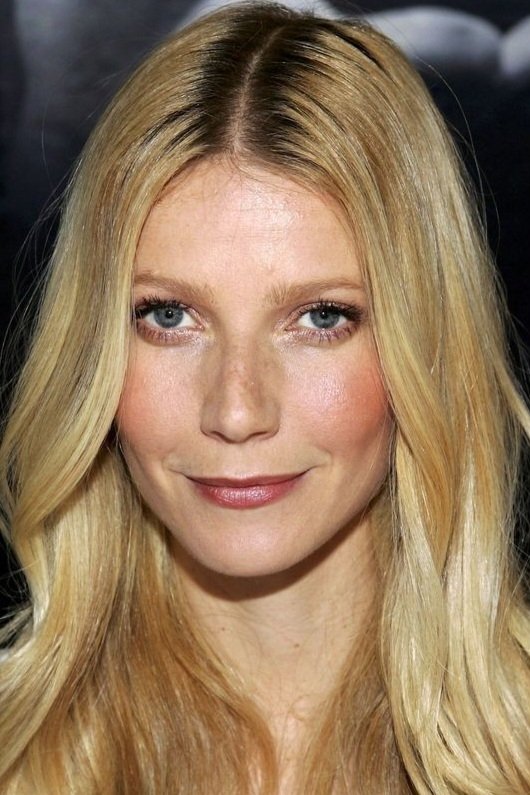
Gwyneth Paltrow has often been criticized for her lifestyle brand Goop which many feel promotes an elitist version of wellness that excludes marginalized voices. Her attempts to align herself with progressive causes are frequently seen as performative or disconnected from reality. Critics point to the high cost of her products as evidence that her advocacy does not extend to those who are actually in need. This perception has led to a general distrust of her public statements regarding social justice and equality. For many her brand represents a type of allyship that is only accessible to the wealthy.
Hailee Steinfeld

Hailee Steinfeld has faced minor accusations of performative allyship in relation to her music and public appearances. Some fans felt that her use of certain aesthetics was designed to appeal to a queer audience without a clear commitment to the cause. While she has not been involved in any major scandals the lack of deep engagement with LGBTQ issues has led some to view her support as superficial. Critics often compare her to other stars who are more vocal and active in their advocacy. This highlights the high bar that modern fans set for their favorite performers.
Halle Berry
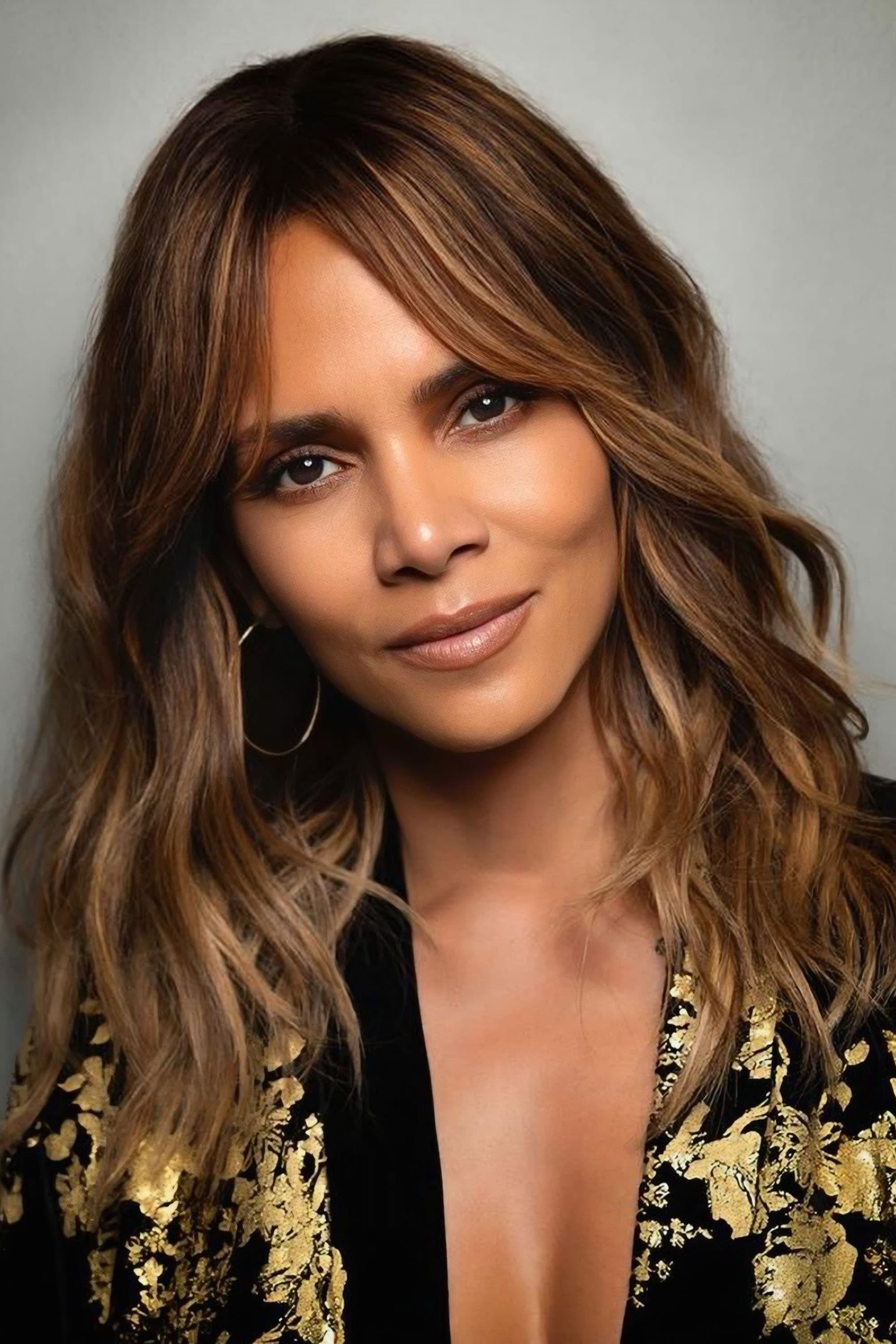
Halle Berry faced a significant backlash when she expressed interest in playing a transgender man in a future film project. The actress spoke about the role in a way that many felt misgendered the character and demonstrated a fundamental misunderstanding of trans experiences. Public outrage was swift with many pointing out that her interest in the role felt like a performative grab for an award winning performance. She quickly issued an apology and stepped away from the project after listening to the concerns of the community. This incident serves as a major example of how even well intentioned actresses can fail as allies.
Iggy Azalea
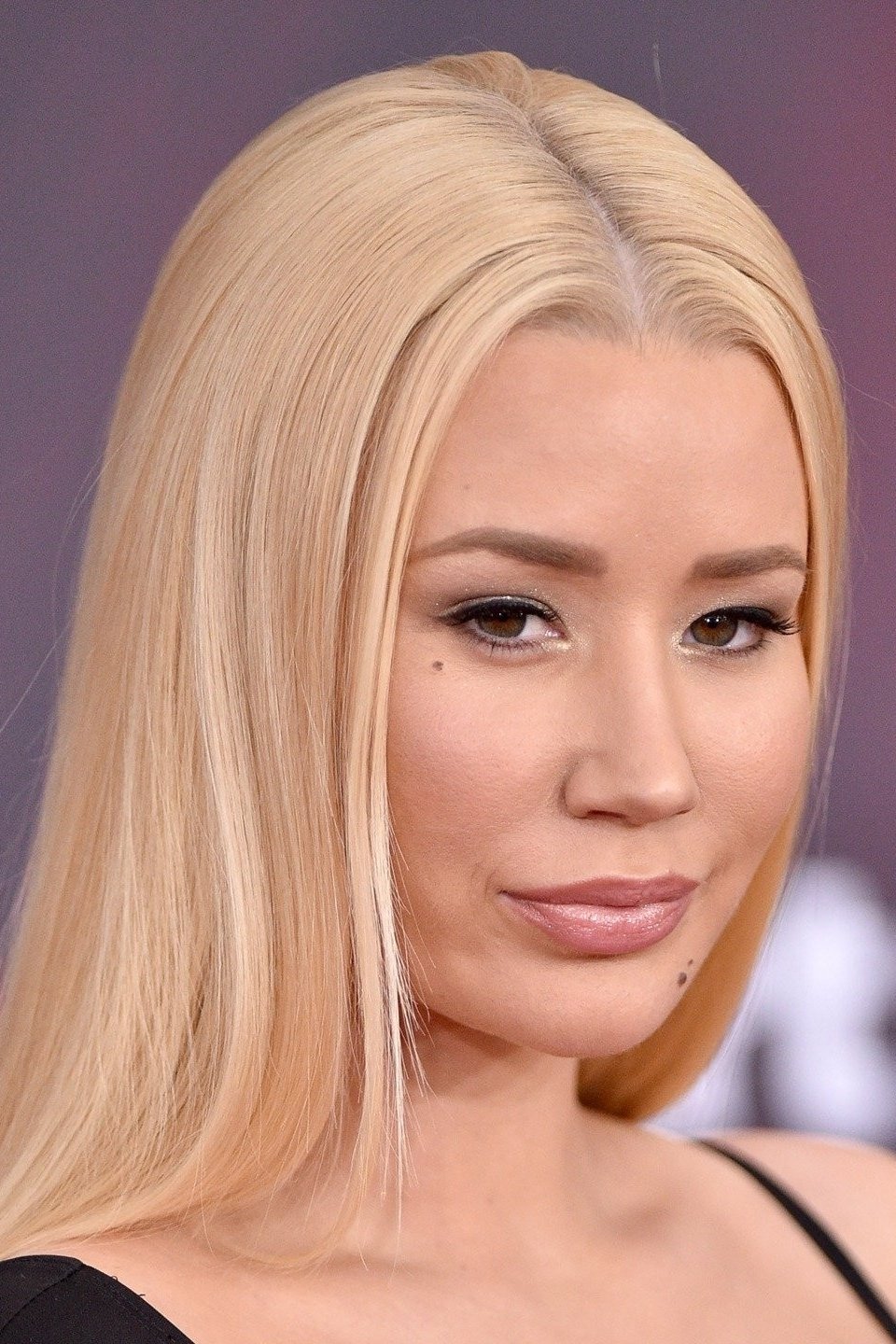
Iggy Azalea has long been a figure of controversy regarding cultural appropriation and performative allyship. Many critics felt her career was built on the labor and aesthetics of Black and queer communities without giving back or showing true solidarity. The outrage often peaks when she attempts to rebrand herself or align with social movements during times of controversy. Some fans feel her support is only visible when she needs to regain public favor. Despite her attempts to address these issues the perception of her as a performative figure remains a significant part of her public narrative.
Jameela Jamil
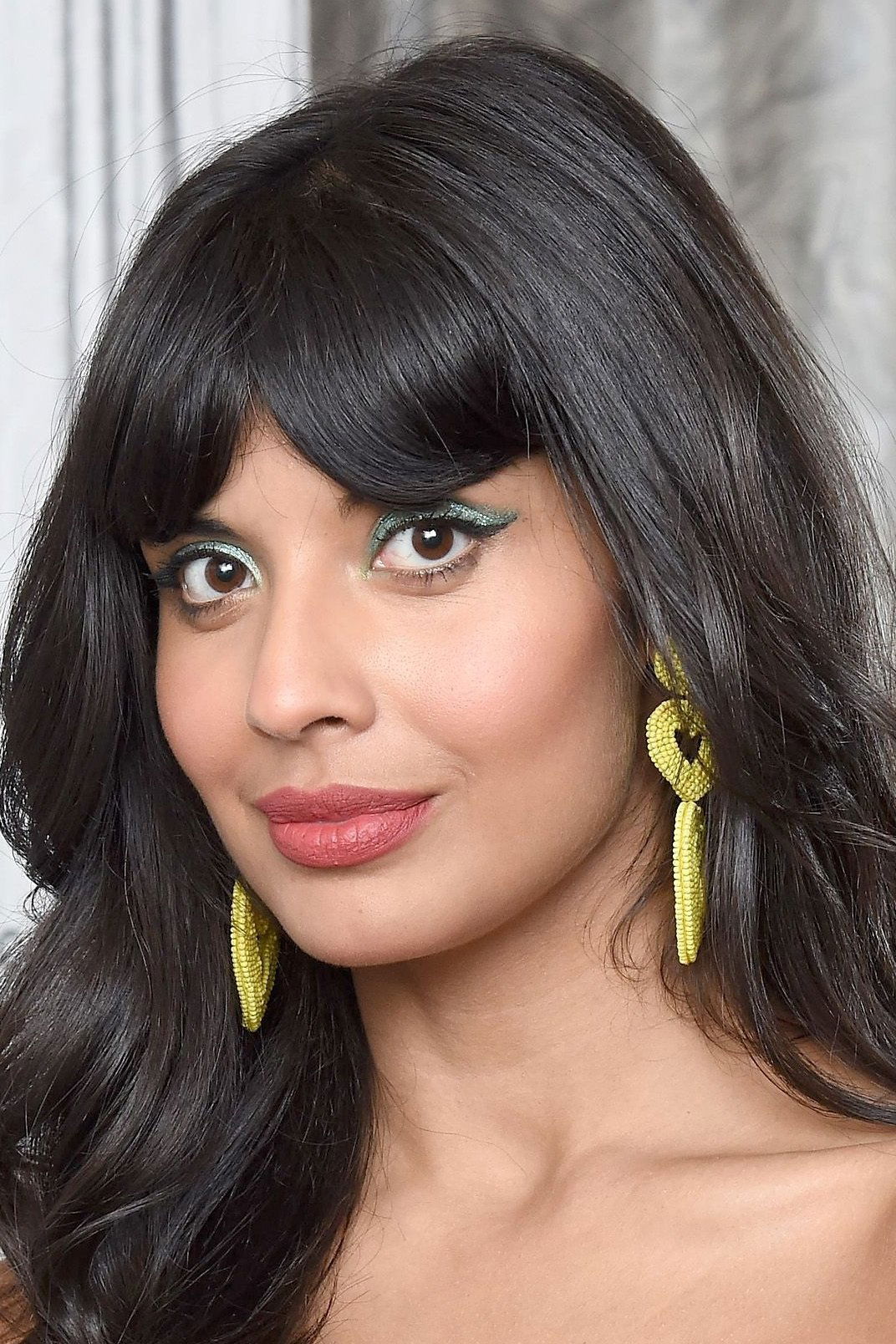
Jameela Jamil has been a very vocal advocate for many causes but she faced massive outrage when she was cast in the show ‘Legendary’. Many in the ballroom community felt her casting was a performative move that overlooked actual members of the queer subculture. The controversy deepened when she came out as queer shortly after the backlash began leading some to question the timing of her announcement. Critics argued that her advocacy often felt performative and self aggrandizing rather than supportive of the communities she claimed to represent. This period marked a major turning point in how her activism was perceived by the public.
Jennifer Lawrence

Jennifer Lawrence was once the darling of the industry but she faced criticism for comments that some felt were insensitive to the LGBTQ community. Her “relatable” persona began to wear thin for some fans who saw her lack of nuanced advocacy as a sign of performative support. Critics pointed to her silence on certain industry issues as evidence that she was not as progressive as she appeared. While she has participated in various charitable efforts the perception of her as a surface level ally grew over time. This shift in public opinion illustrates the challenges of maintaining a consistent and credible public image.
Jennifer Lopez
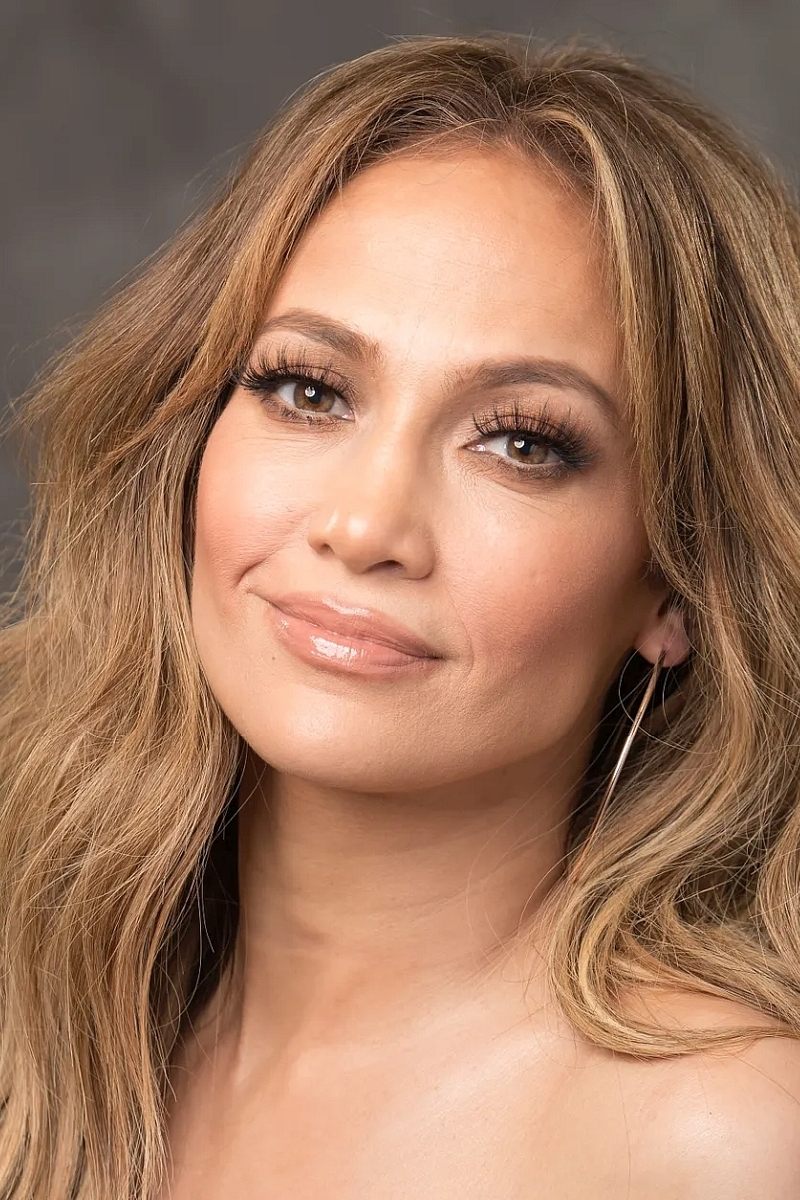
Jennifer Lopez has faced scrutiny for her performances in locations with poor human rights records which many see as a direct contradiction to her status as an ally. Critics argue that her brand of empowerment is performative if it does not apply to the people living in the regions where she chooses to do business. The outrage often centers on the idea that financial gain is prioritized over the safety and rights of the LGBTQ community. While she continues to be a major star these choices have led to ongoing debates about the ethics of her professional career. Many fans expect a higher level of accountability from an actress with such global influence.
Julia Roberts
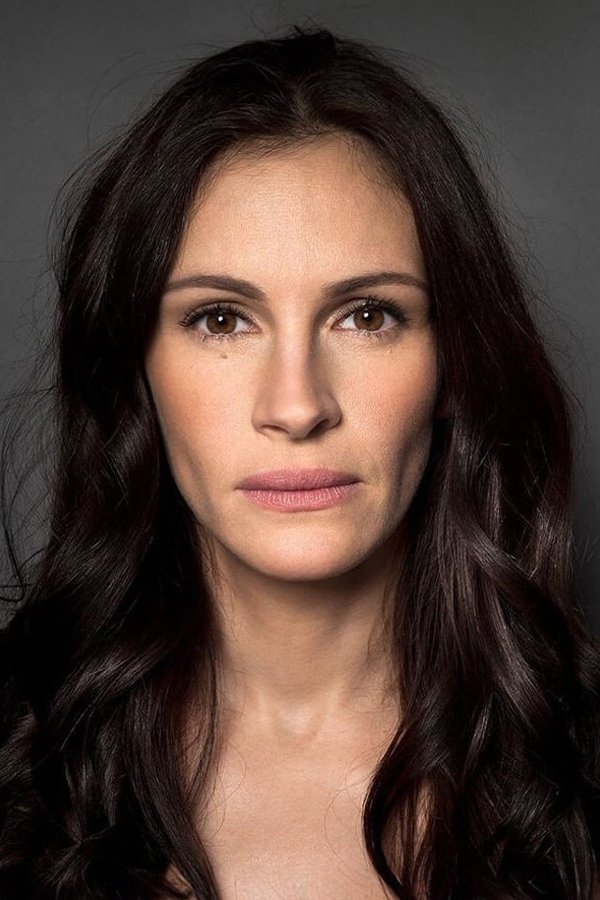
Julia Roberts has generally maintained a positive public image but she has faced minor critiques for not using her immense platform more effectively for social change. Some fans feel that her brand of allyship is a product of an older era of Hollywood where staying silent was the norm. In a modern context this silence is often viewed as a performative lack of engagement with pressing issues. Critics argue that her rare public statements on LGBTQ rights feel more like a professional requirement than a personal conviction. This reflects a broader shift in how audiences view long established A list stars.
Katy Perry
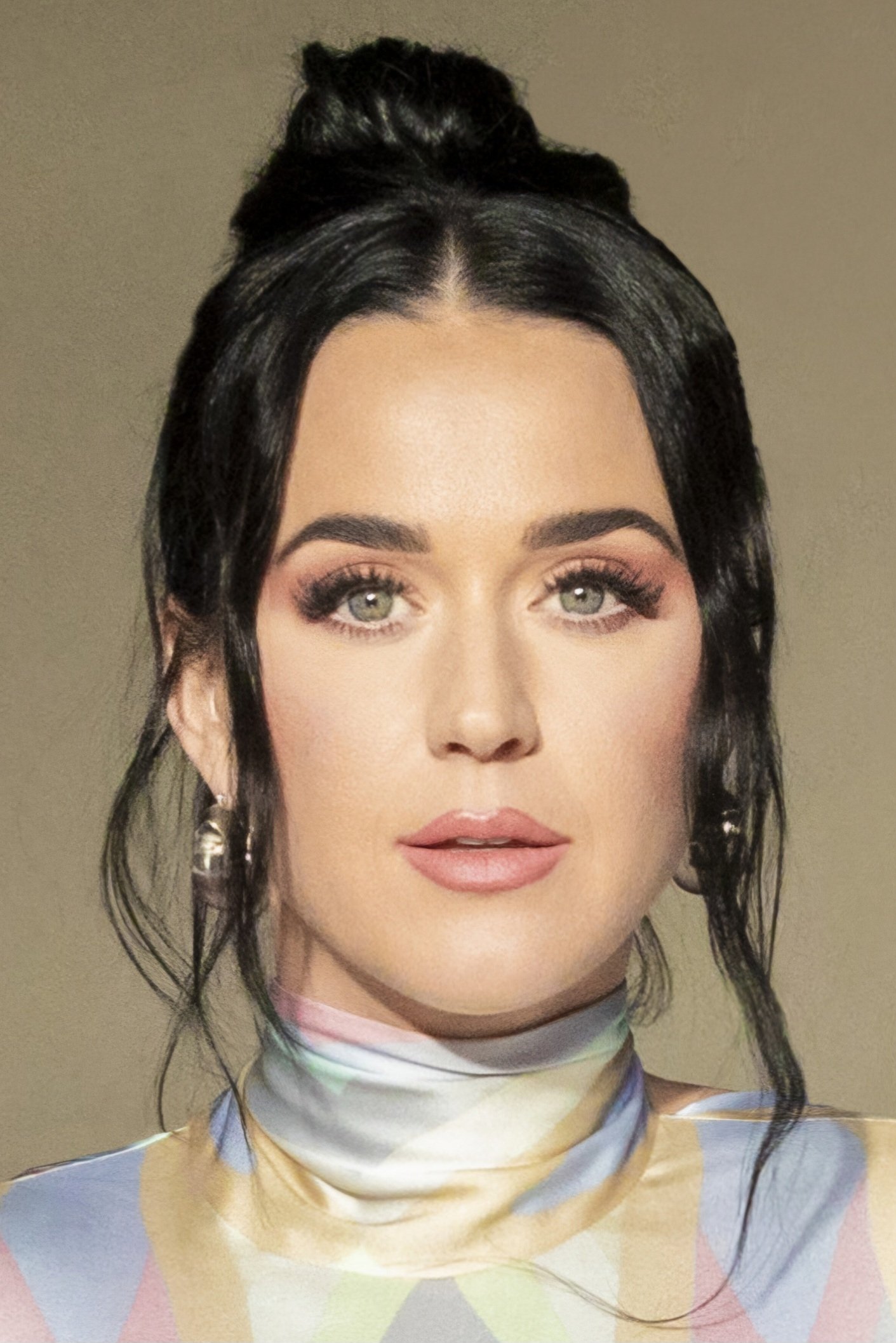
Katy Perry sparked outrage early in her career with songs like ‘Ur So Gay’ and ‘I Kissed a Girl’ which many felt used queer themes as a punchline or a provocation. As she transitioned into a more overtly supportive ally many fans questioned the sincerity of her change in heart. Critics argued that her advocacy was a performative response to the shifting cultural climate rather than a genuine evolution. The backlash has resurfaced over the years particularly when her marketing strategies rely heavily on queer aesthetics. This history has made some members of the community skeptical of her current status as an ally.
Kendall Jenner
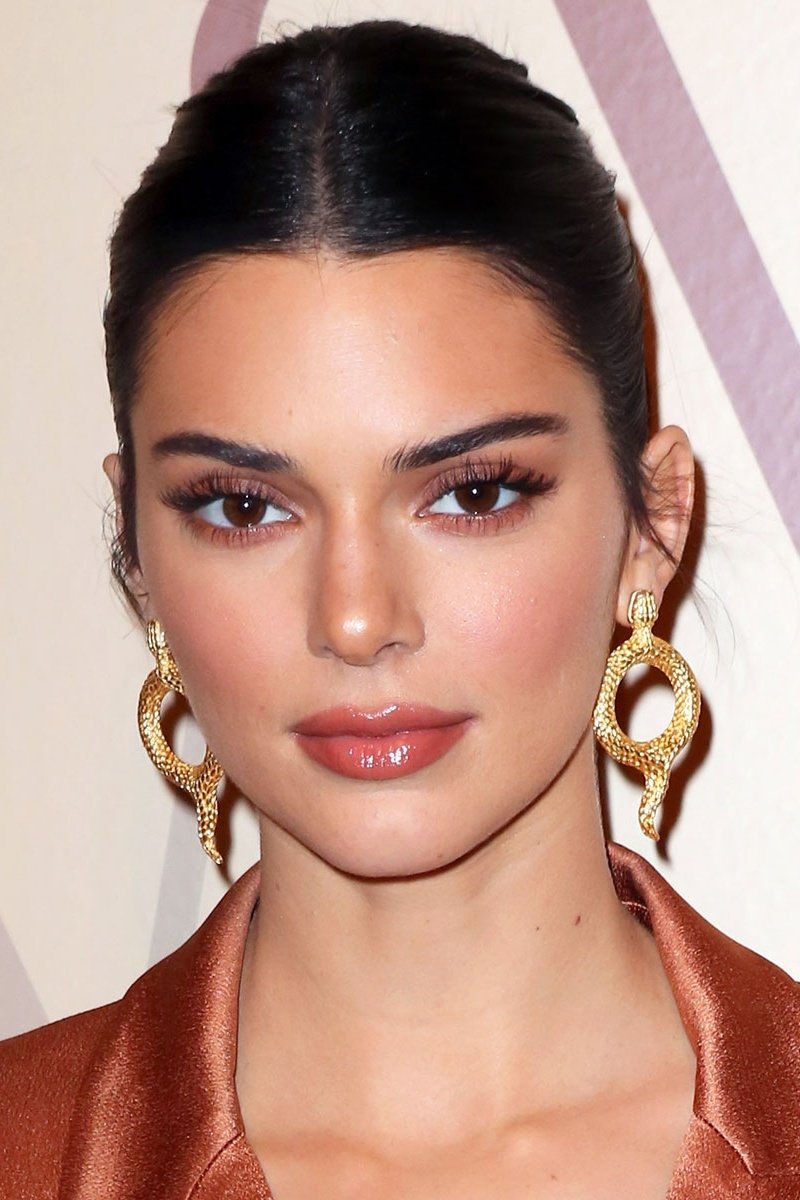
Kendall Jenner became the face of performative allyship after her infamous Pepsi commercial which was widely condemned for trivializing social justice movements. The ad suggested that a soda could solve deep seated systemic issues which many felt was an insult to actual activists. While the commercial was not specifically about LGBTQ rights it set a precedent for how her brand was perceived by the public. Critics argued that she and her family prioritize profit and optics over any meaningful support for marginalized groups. The incident remains a textbook example of how corporate allyship can backfire spectacularly.
Kesha
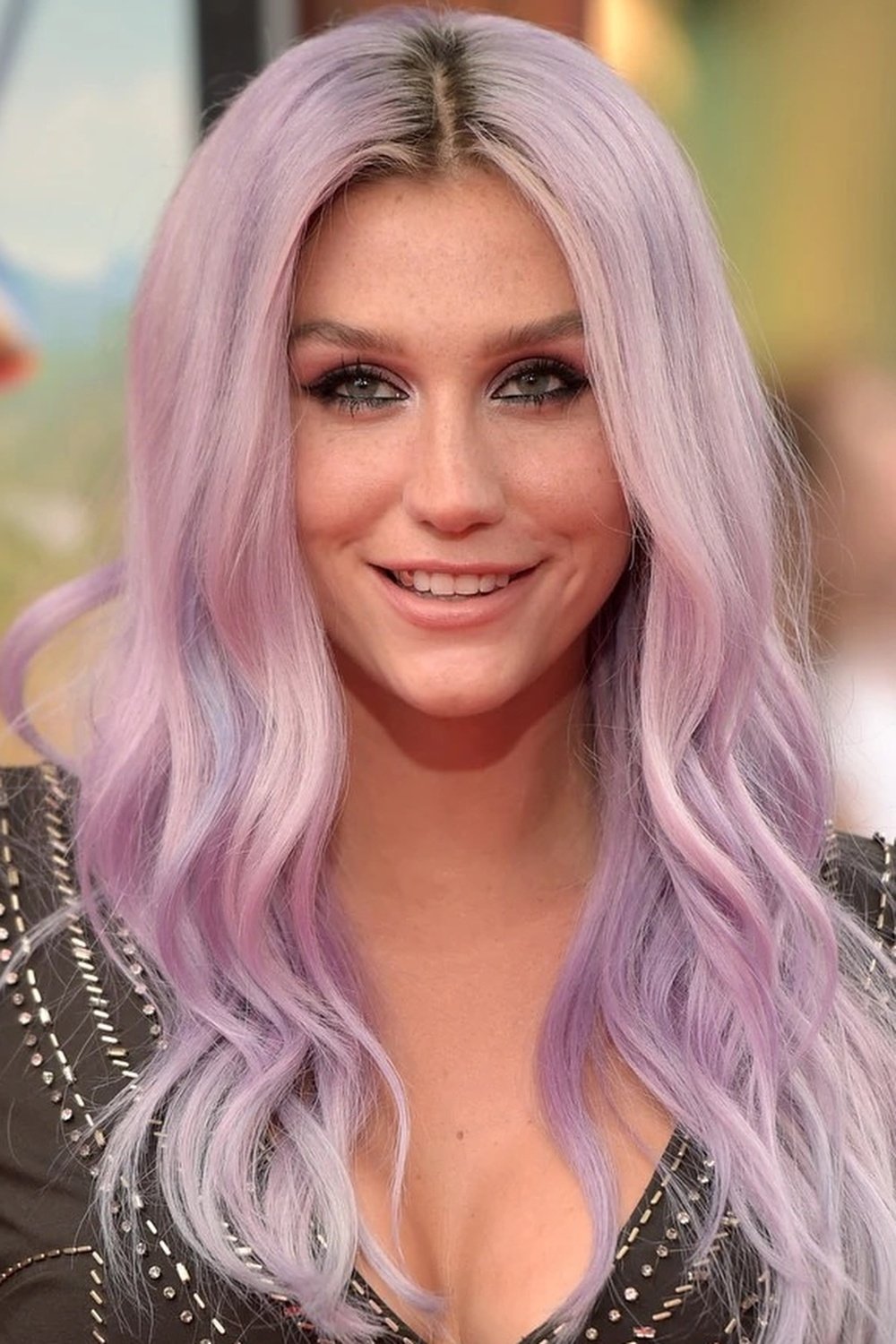
Kesha has been a long time supporter of the LGBTQ community but she has occasionally faced criticism for her approach to advocacy. Some fans felt that her brand of empowerment was too closely tied to her own legal and professional struggles. Critics argued that her allyship appeared performative when it was used to bolster her public image during difficult times. While many still support her there is a segment of the audience that remains cautious about her motivations. This skepticism highlights the difficulty of separating personal branding from genuine social activism.
Khloé Kardashian
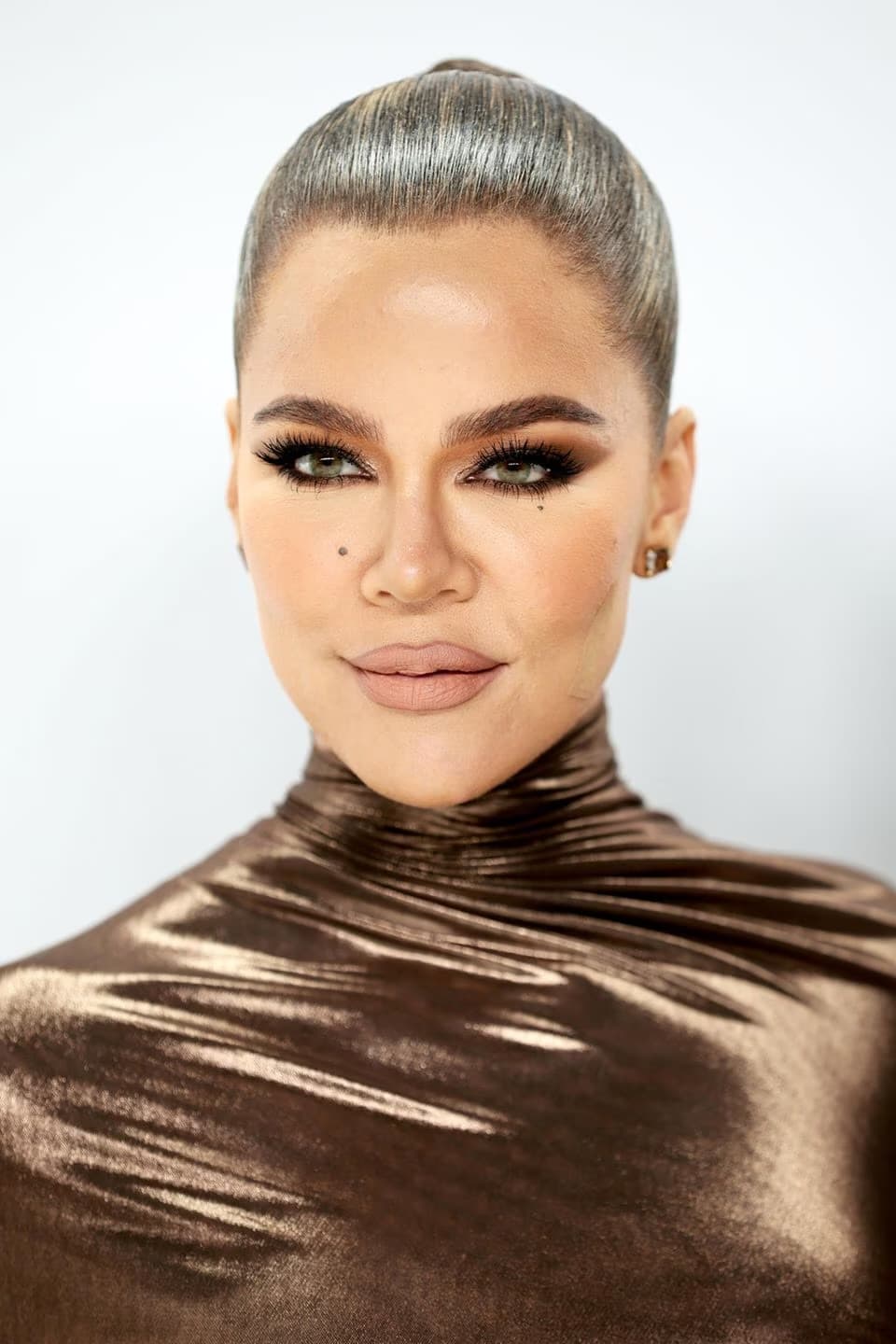
Khloé Kardashian has faced numerous accusations of cultural appropriation and performative allyship throughout her career. Critics often point to her use of styles and language from the Black and queer communities while ignoring the struggles those communities face. The outrage often stems from the perception that she views these identities as trends to be discarded when they are no longer fashionable. Many fans feel her social media posts in support of various causes are shallow and lack any real substance. This has led to a persistent narrative that her advocacy is purely for the sake of maintaining a progressive image.
Kim Kardashian
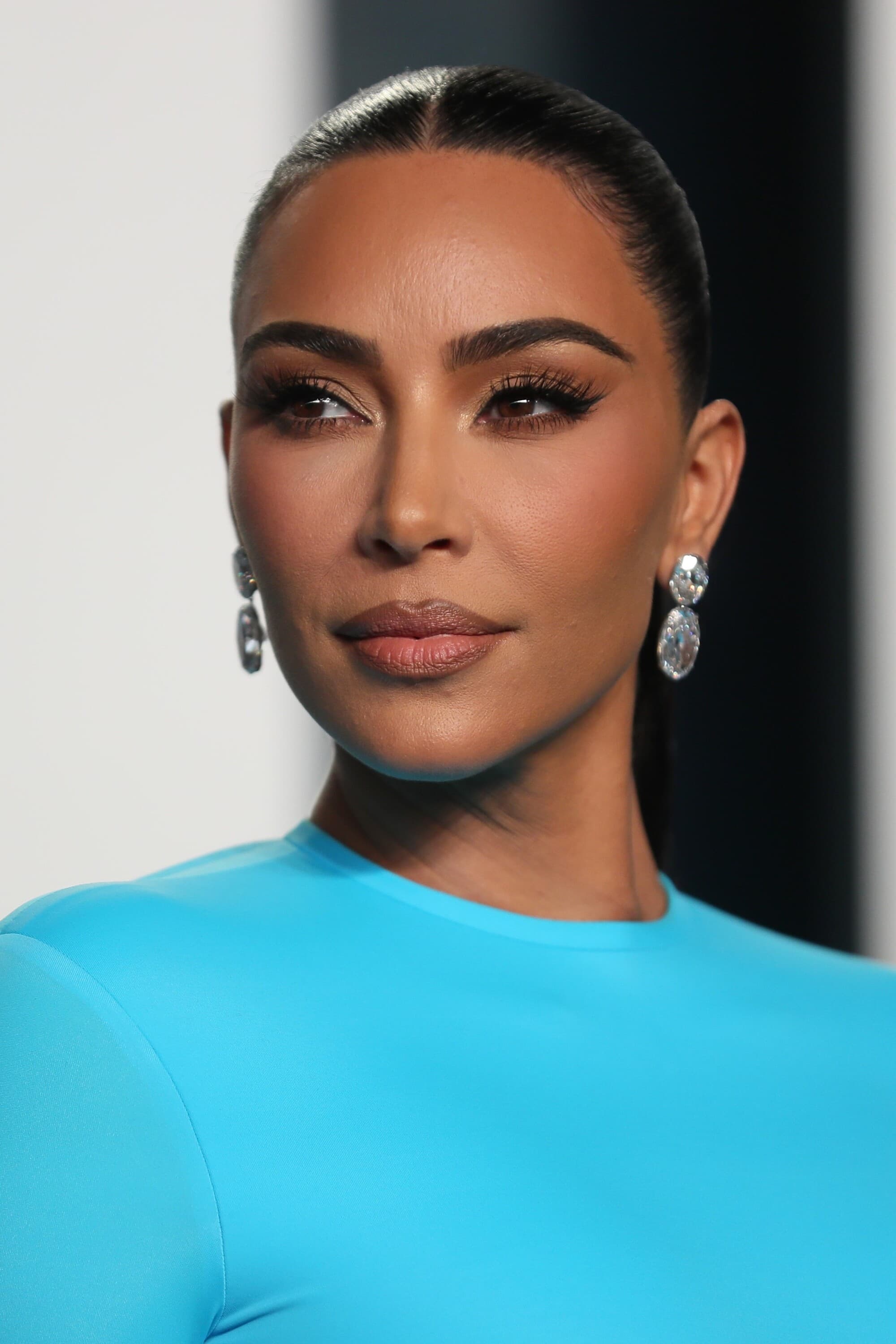
Kim Kardashian is frequently criticized for her business ventures and public persona which many see as the epitome of performative behavior. While she has done work in prison reform some fans feel her support for the LGBTQ community is limited to Pride Month marketing. Critics argue that her brand relies on the commodification of diverse cultures without offering true solidarity. The outrage often focuses on the gap between her massive influence and her relatively safe public stances. This perception of her as a transactional ally is a recurring theme in her public life.
Lea Michele
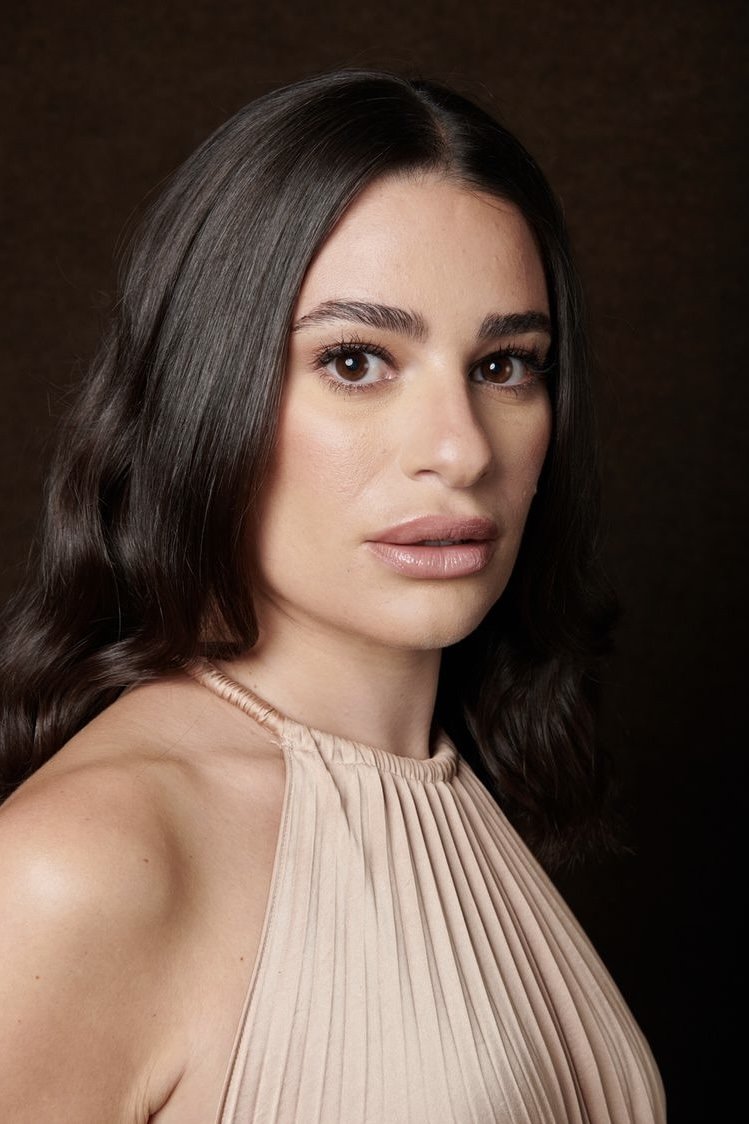
Lea Michele faced a massive public reckoning when former co stars accused her of creating a toxic work environment and displaying racially insensitive behavior. For many fans this revealed her public image as an inclusive ‘Glee’ star to be entirely performative. The outrage was intense because her character on the show was a champion of the underdog and a friend to the queer community. Critics argued that her real world actions contradicted the values she profited from on screen. This scandal led to a significant loss of sponsorships and a long period of public withdrawal.
Lena Dunham

Lena Dunham has been a lightning rod for controversy throughout her career with many accusing her of a performative and exclusionary type of feminism. Critics felt that her show ‘Girls’ failed to represent the diversity of New York City and that her subsequent advocacy was equally narrow. She faced particular outrage for several public statements that were seen as dismissive of the experiences of women of color and the LGBTQ community. Many fans viewed her attempts to apologize as insincere or self serving. Her reputation as a performative ally has made her a polarizing figure in the entertainment industry.
Madonna
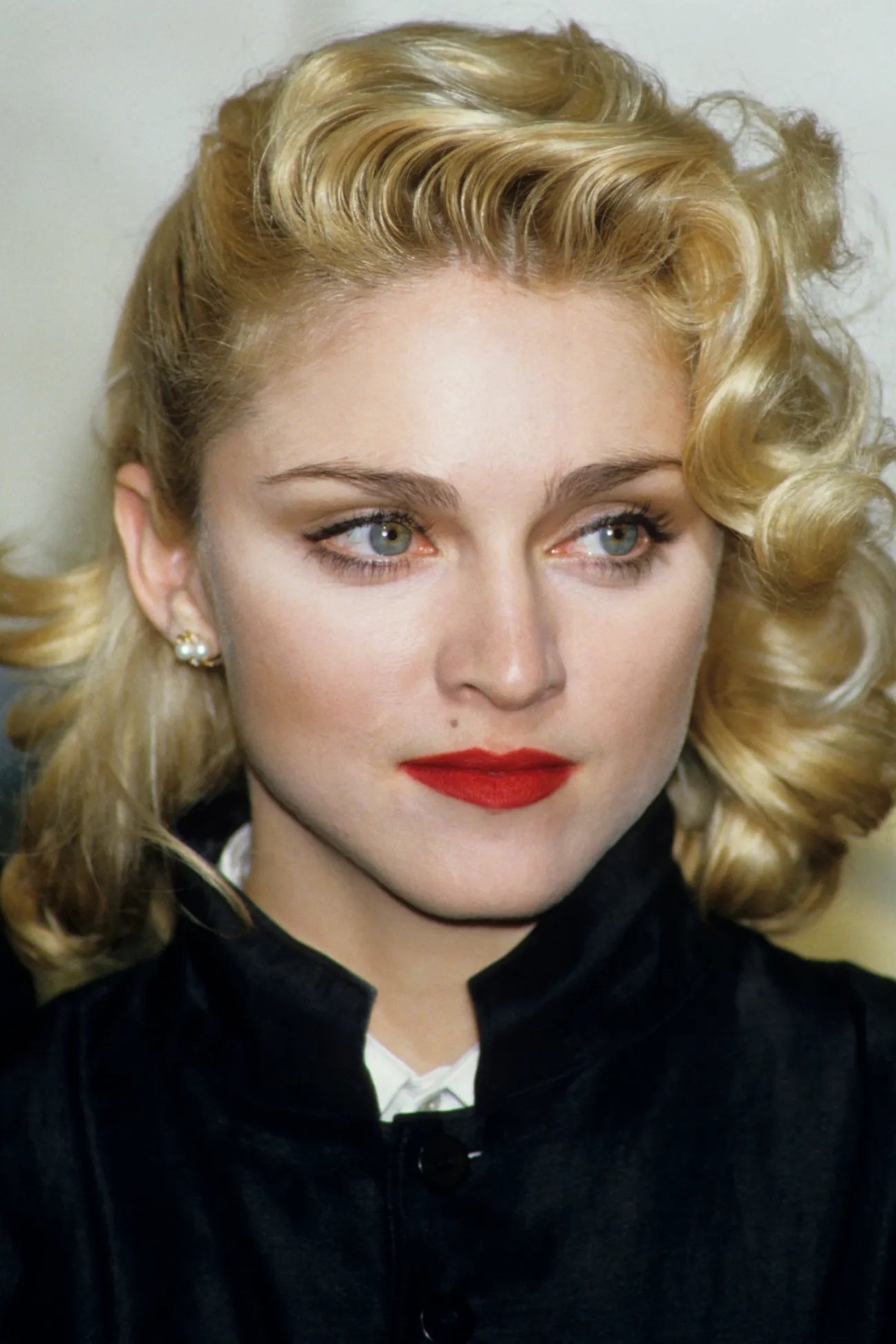
Madonna has been a pioneer in bringing queer aesthetics to the mainstream but she has also faced decades of criticism for performative allyship. Many critics argue that she has spent her career “borrowing” from marginalized subcultures to maintain her own relevance. The outrage often centers on the idea that she centers herself in every narrative and uses the community as a backdrop for her art. While she has done significant work for HIV/AIDS awareness the perception of her as a cultural appropriator remains strong. This long history makes her a central figure in discussions about the ethics of celebrity allyship.
Megan Fox

Megan Fox has spoken about her bisexuality for many years but she has still faced accusations of using her identity for publicity. Some fans felt her public declarations were timed to promote specific projects or to maintain her image as a Hollywood rebel. Critics argued that her engagement with the LGBTQ community felt performative because it rarely extended beyond interviews and red carpet comments. The outrage often stems from a feeling that she treats her identity as a provocative accessory rather than a lived experience. This skepticism reflects the broader challenges faced by female stars who are open about their fluid sexuality.
Meghan, Duchess of Sussex
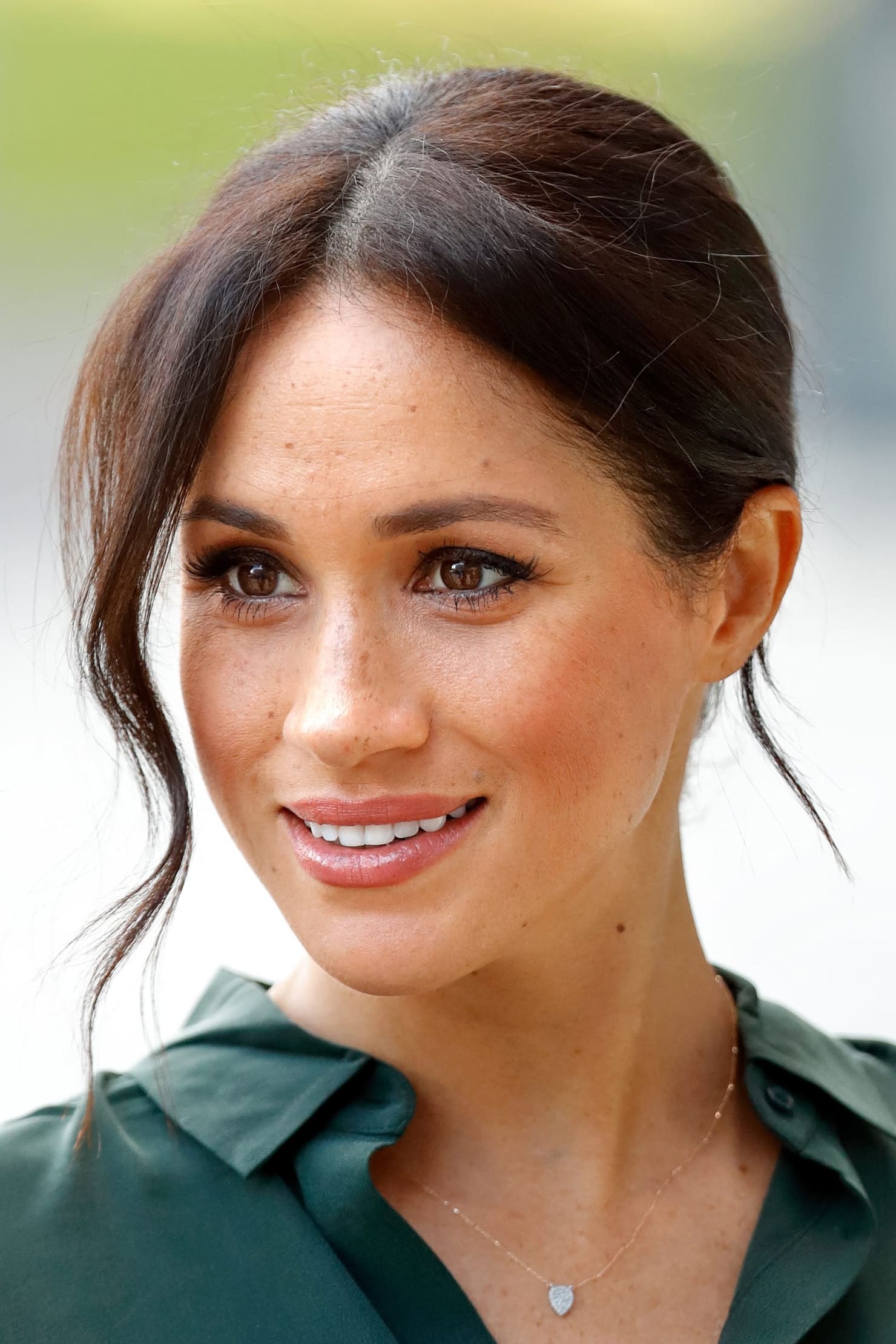
Meghan, Duchess of Sussex has been a vocal advocate for many social causes but her status as a global figure has led to accusations of performative behavior. Some critics feel that her public support for diverse communities is a way to build a personal brand outside of the royal family. The outrage often comes from those who feel her actions do not always align with the systemic changes she calls for. While she has many supporters the perception of her as a calculated public figure persists in some media circles. This scrutiny is often heightened by the intense global interest in her personal and professional life.
Millie Bobby Brown
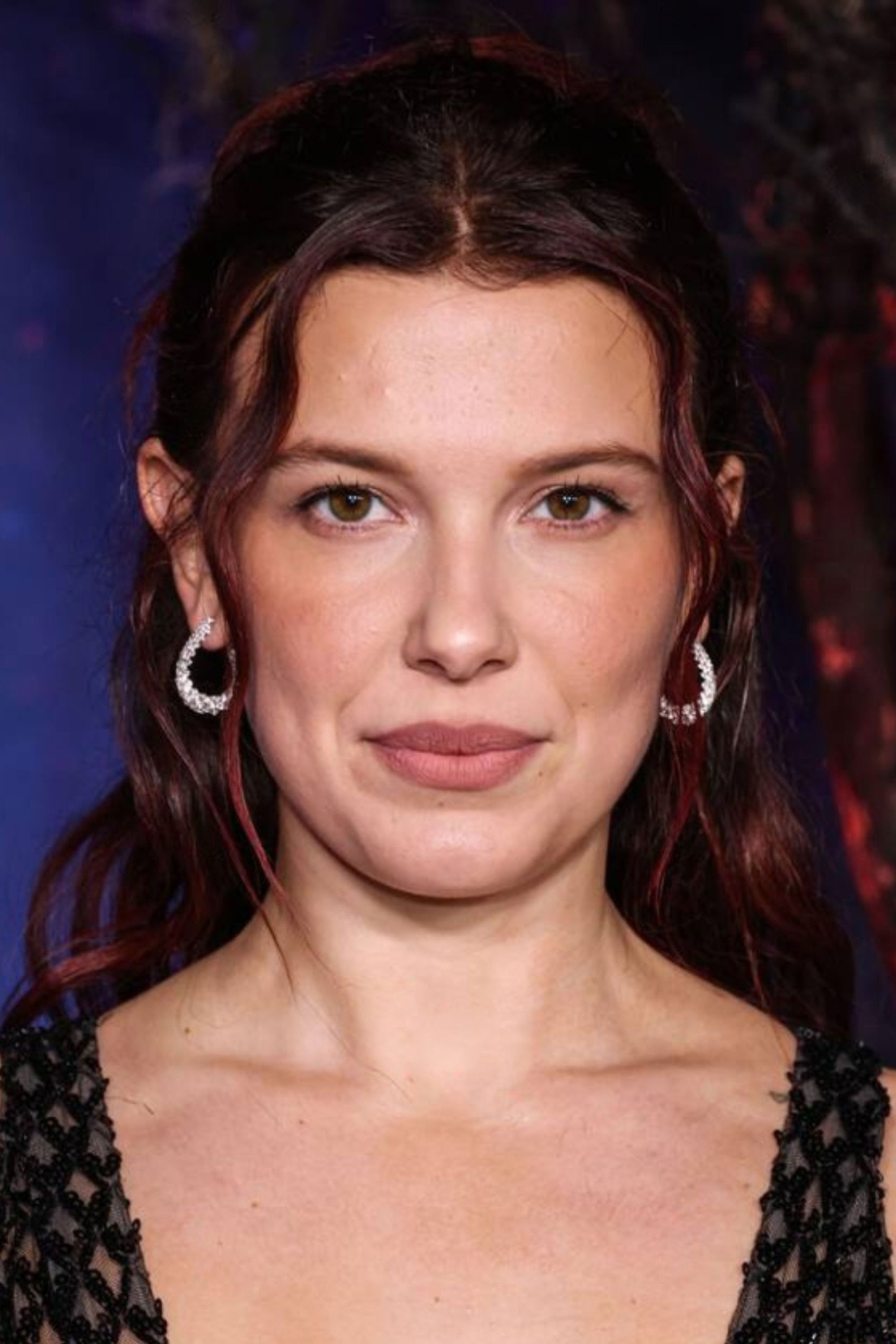
Millie Bobby Brown became the subject of a bizarre and harmful meme that falsely attributed homophobic comments to her. While the actress was a victim of online trolling the incident forced her to address her stance on LGBTQ rights in a more public way. Some critics felt her team’s response was a performative attempt to protect her young career rather than a genuine engagement with the community. The outrage was more about the internet’s reaction to her than her actual actions but it highlighted how quickly a star can be labeled. She eventually deleted her social media account to escape the harassment.
Nicki Minaj

Nicki Minaj has a complex relationship with the LGBTQ community particularly due to her collaborations with controversial figures. Many fans feel her support is performative because she continues to work with individuals who have expressed anti queer or transphobic views. The outrage often reaches a peak when she uses queer terminology in her lyrics while ignoring the concerns of her queer fan base. Critics argue that her brand of allyship is inconsistent and driven by her own professional interests. This has led to a divide among her supporters regarding her true stance on social justice.
Priyanka Chopra Jonas
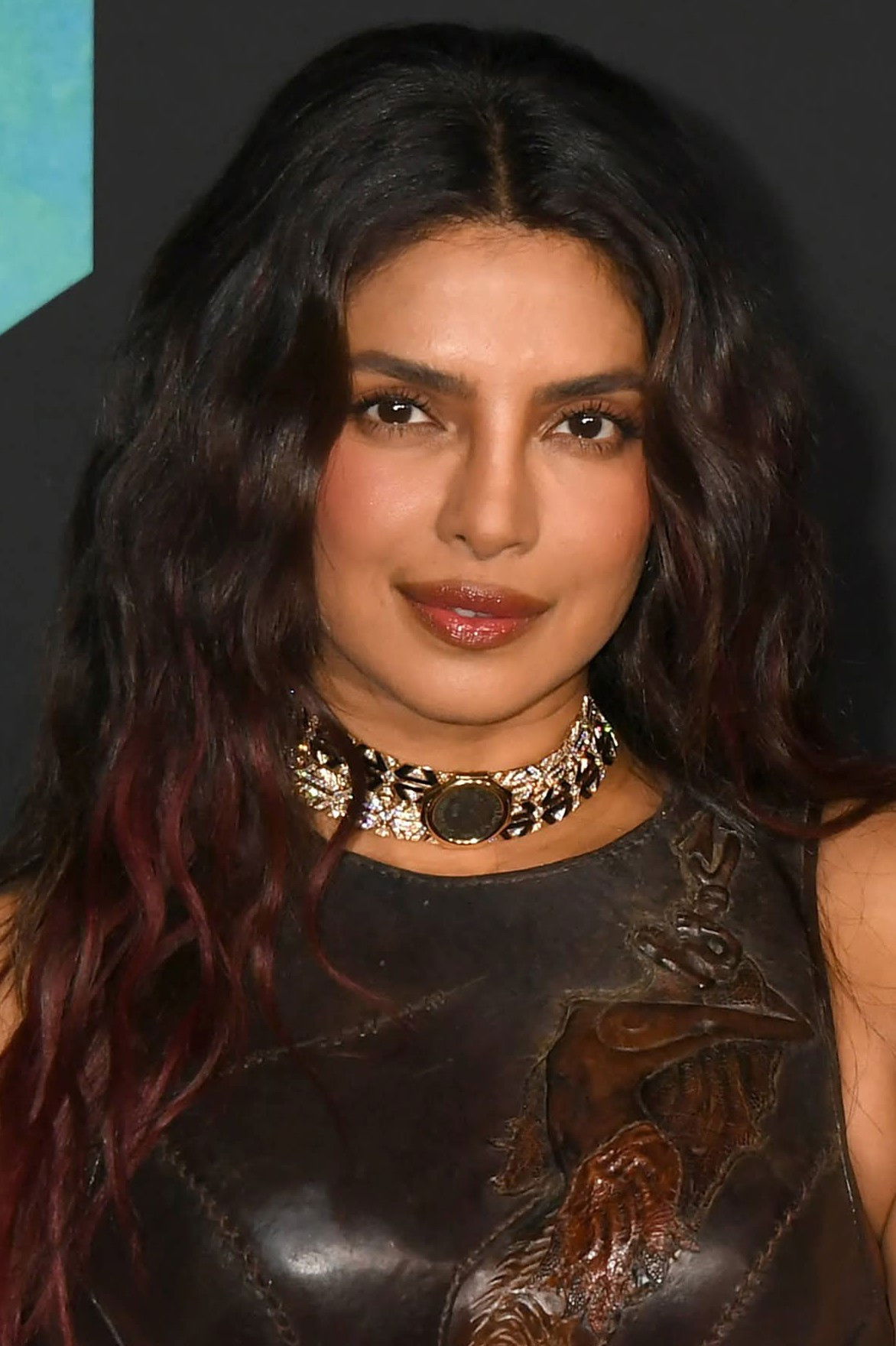
Priyanka Chopra Jonas faced backlash for her response to a fan during a beauty event where she was accused of being performative in her role as a UN ambassador. The incident sparked a larger discussion about her political stances and whether her advocacy for global issues was genuine. Critics argued that her public persona as a humanitarian did not match her private or political alignments. This led to accusations that her allyship was a professional tool rather than a core belief. The actress has since tried to clarify her positions but the initial outrage left a lasting impact on her image.
Rihanna
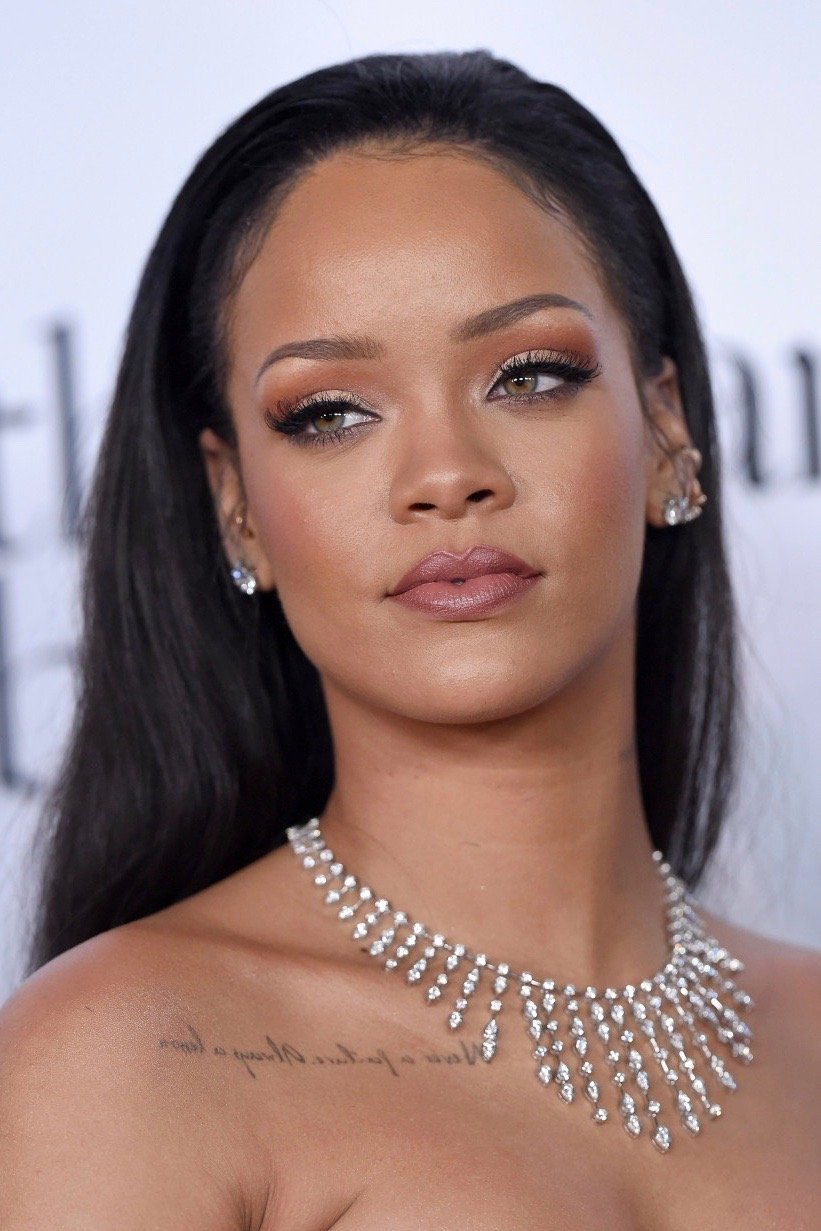
Rihanna is widely loved for her brand Fenty but she has faced minor accusations of performative allyship regarding her casting choices. During one of her fashion shows some fans were upset by the use of certain cultural elements that were seen as insensitive. While she is generally considered a strong ally these moments of tension lead to questions about her commitment to intersectionality. Critics argue that even the most inclusive brands can fall into the trap of performativity if they are not careful. However her swift responses to feedback have often helped to mitigate the outrage.
Rita Ora
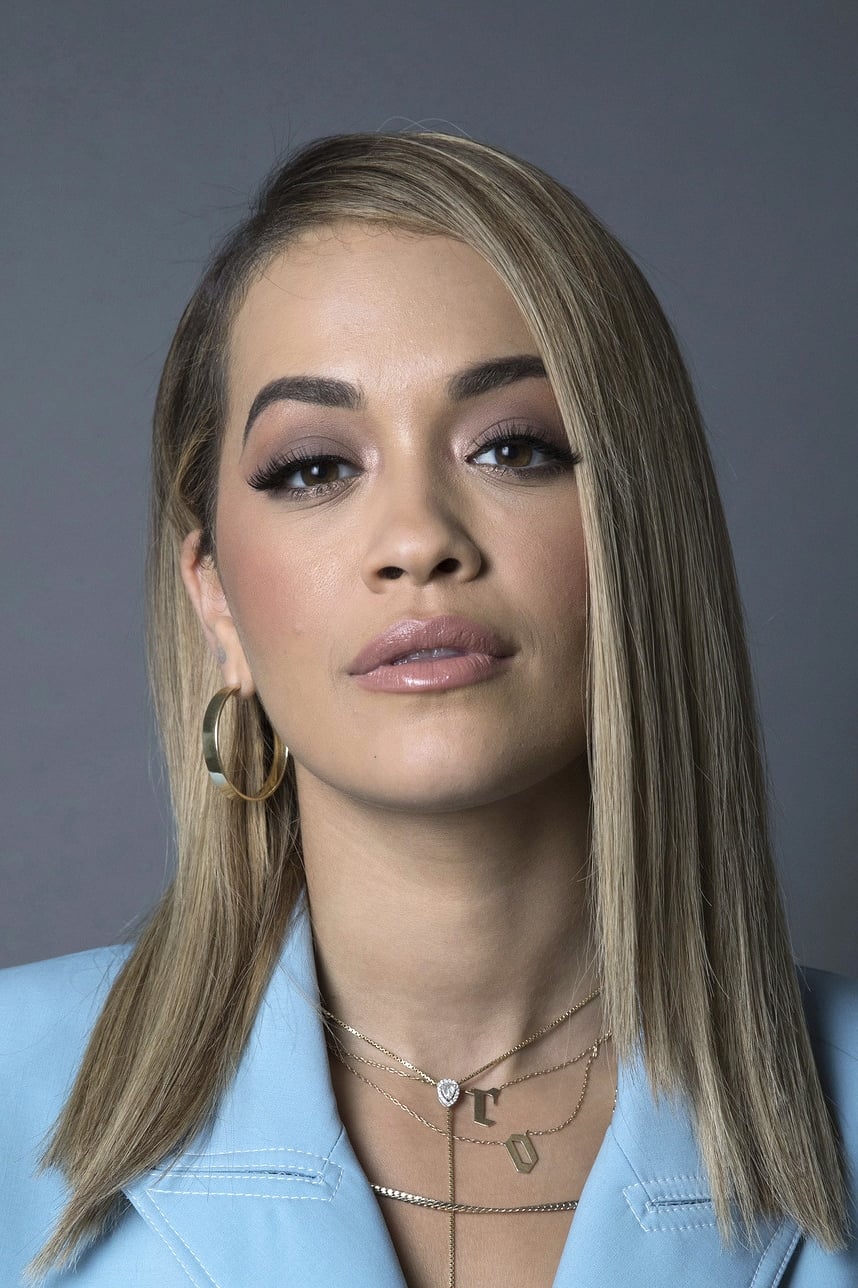
Rita Ora faced intense backlash following the release of her song ‘Girls’ which many listeners felt was a textbook example of queerbaiting. The lyrics and marketing were criticized for trivializing same sex attraction for the sake of a pop hit. Several prominent queer artists spoke out against the song calling it tone deaf and harmful to the community. The actress and singer eventually issued an apology and came out as fluid but many felt the damage was already done. This incident remains one of the most cited examples of performative allyship in the music industry.
Salma Hayek Pinault

Salma Hayek Pinault has been a consistent advocate for women’s rights but she has occasionally faced criticism for her views on representation. Some fans felt that her public comments on certain casting controversies were dismissive of the need for authentic diversity. This led to accusations of a performative approach to allyship that prioritized industry status over social progress. Critics argue that her brand of advocacy can sometimes feel out of touch with the experiences of younger and more marginalized performers. Despite this she remains a highly respected figure with a long history of charitable work.
Sarah Jessica Parker
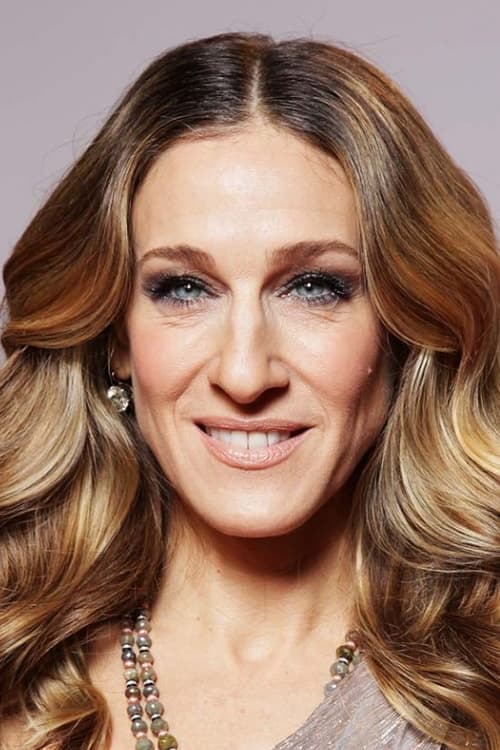
Sarah Jessica Parker is forever linked to the progressive themes of ‘Sex and the City’ but she has faced her own share of criticism regarding performative allyship. Some fans felt that her public persona did not always match the inclusive values the show claimed to represent. The long running public feud with her former co star also colored how many perceived her professional and personal character. Critics argued that her support for social causes often felt like a part of her celebrity obligations. This has led to a more skeptical view of her advocacy in recent years.
Scarlett Johansson

Scarlett Johansson became a focal point for outrage when she was cast as a transgender man in the film ‘Rub & Tug’. Her initial response to the criticism was seen as dismissive and defensive which only fueled the public anger. Many felt that her willingness to take a role away from a trans actor demonstrated a performative and self serving brand of allyship. She eventually withdrew from the project and issued a more thoughtful apology but the incident significantly damaged her reputation with many fans. It remains a landmark case in the debate over authentic representation in Hollywood.
Shailene Woodley

Shailene Woodley has often been criticized for her “natural” lifestyle and political activism which some feel is a form of performative counterculture. Critics argue that her public stances can be inconsistent or poorly researched which undermines her effectiveness as an ally. She faced some backlash for her comments on feminism and sexuality that many felt were confusing or dismissive of established movements. While she has been involved in many grassroots protests the perception of her as a performative figure remains for some. This highlights the scrutiny faced by actresses who make activism a central part of their brand.
Sydney Sweeney

Sydney Sweeney faced a wave of online outrage after photos from a family party appeared to show guests wearing politically charged clothing. Many fans felt that her silence on the matter and her previous public support for progressive causes were a sign of performative allyship. Critics argued that she was benefiting from a liberal fan base while ignoring problematic behavior within her own inner circle. The actress defended herself by stating that the photos were being misinterpreted but the controversy sparked a larger debate about celebrity accountability. This incident showed how quickly personal lives can impact a star’s professional reputation.
Taylor Swift
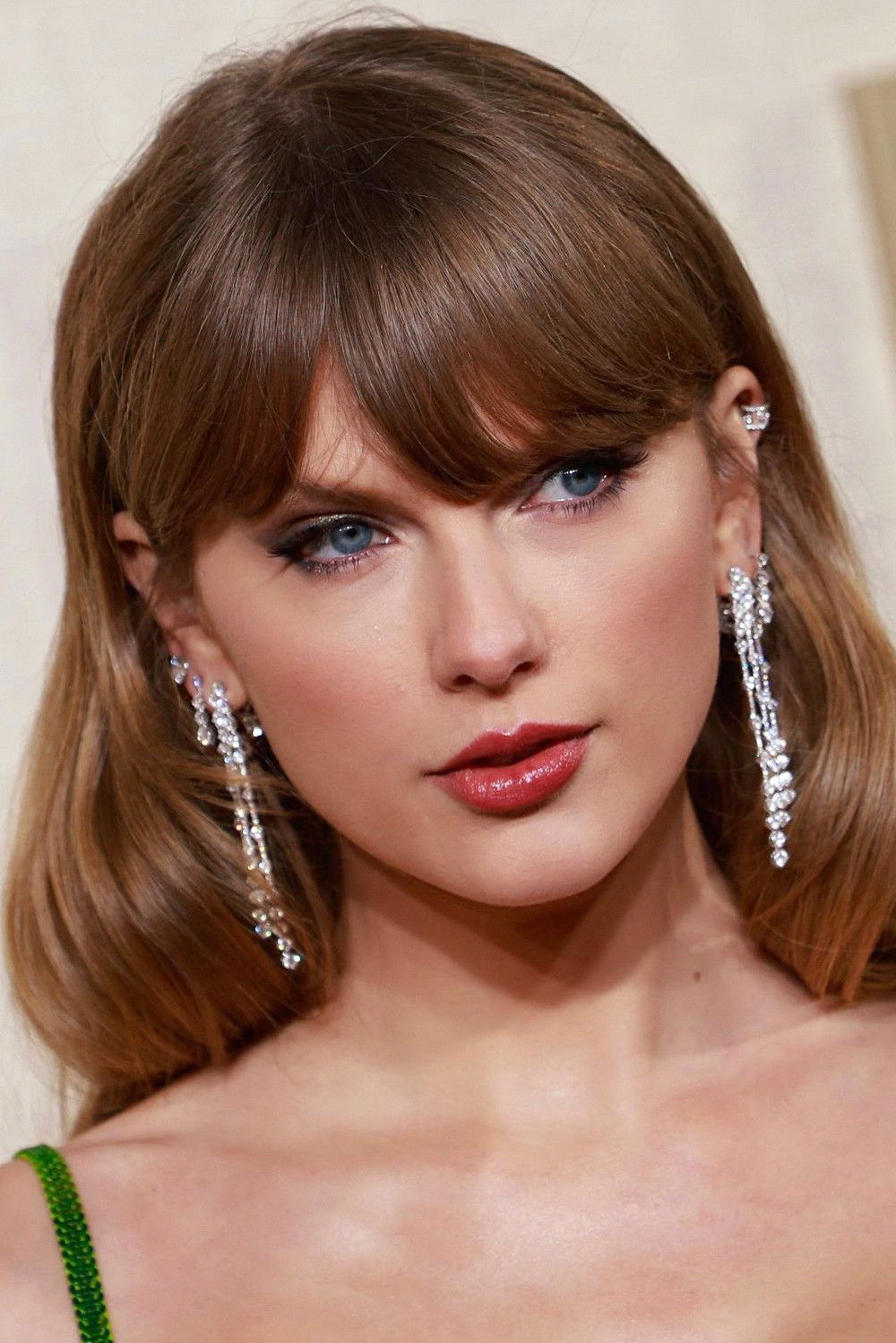
Taylor Swift has a long history of being accused of performative allyship particularly during her ‘Lover’ era. Fans and critics alike pointed to the music video for ‘You Need To Calm Down’ as an example of rainbow capitalism that centered herself in the struggle for queer rights. Some felt her sudden shift into political advocacy was a calculated move to keep up with cultural trends. While she has since made significant donations and public statements the debate over her sincerity continues to be a topic of discussion. Her supporters point to her consistency in recent years as proof that her evolution is genuine.
Vanessa Hudgens

Vanessa Hudgens faced massive backlash for her comments during the early stages of the COVID-19 pandemic which many saw as the height of celebrity privilege and performativity. Her dismissal of the seriousness of the virus was seen as an insult to the marginalized communities who were being hit the hardest. Additionally she has been criticized for her frequent use of cultural aesthetics at festivals like Coachella which some view as performative and appropriative. These incidents have contributed to a perception that her social consciousness is secondary to her personal brand. She has apologized for her comments but many fans remain skeptical of her advocacy.
Zendaya

Zendaya is often held up as a model of celebrity activism but even she has faced minor critiques for her casting in certain roles. Some critics argued that her success in roles that could have gone to darker skinned actresses was a sign of colorism within the industry’s version of allyship. While she has addressed these concerns with grace and humility the conversation highlighted the limits of individual advocacy in a systemic problem. Many fans look to her to continue pushing for deeper representation beyond her own career. Her willingness to discuss these issues has generally helped her avoid the “performative” label that others have faced.
Share your thoughts on these instances of celebrity allyship in the comments.