Actresses Who Wore Highly Inappropriate Cultural Attire to High-Profile Hollywood Events


Hollywood has a long history of fashion choices that spark intense public debate regarding cultural sensitivity and representation. Actresses frequently face scrutiny when their red carpet or event attire incorporates elements from cultures other than their own without proper context or permission. These moments often lead to significant conversations about the line between appreciation and appropriation in the entertainment industry. While some stars express regret after receiving feedback others defend their creative decisions as tributes. Understanding these instances helps highlight the evolving standards of cultural awareness in global media.
Kim Kardashian
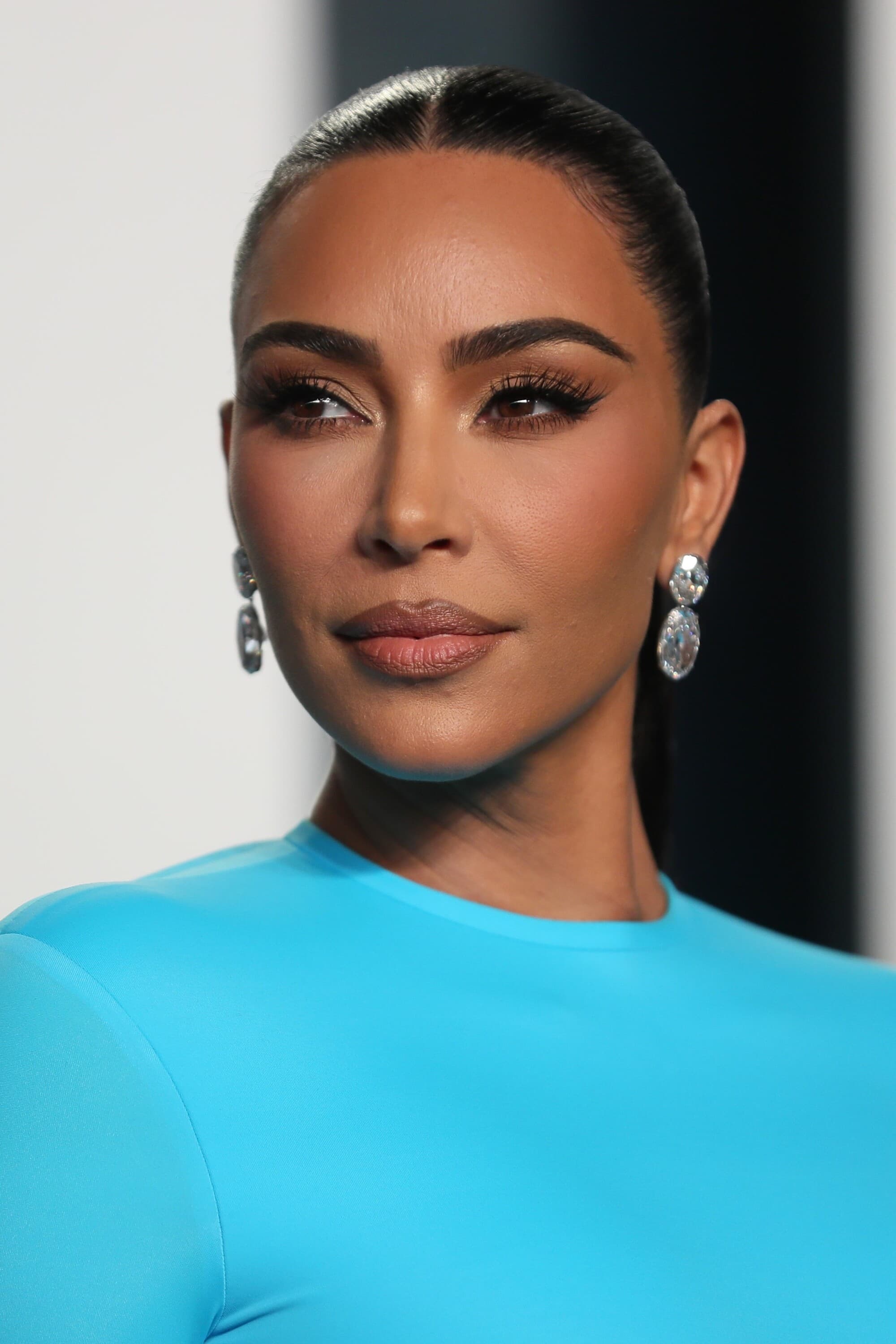
The reality star and actress faced significant backlash when she wore Fulani braids to the MTV Movie and TV Awards in 2018. Critics pointed out that the hairstyle belongs to a specific West African ethnic group and should not be used as a trendy fashion accessory. She further complicated the issue by referring to the look as Bo Derek braids which many felt erased the African roots of the style. Kardashian has also been criticized for wearing Indian maang tikka jewelry and traditional Japanese garments under her previous brand name. These incidents have made her a central figure in discussions about cultural appropriation in modern fashion.
Selena Gomez
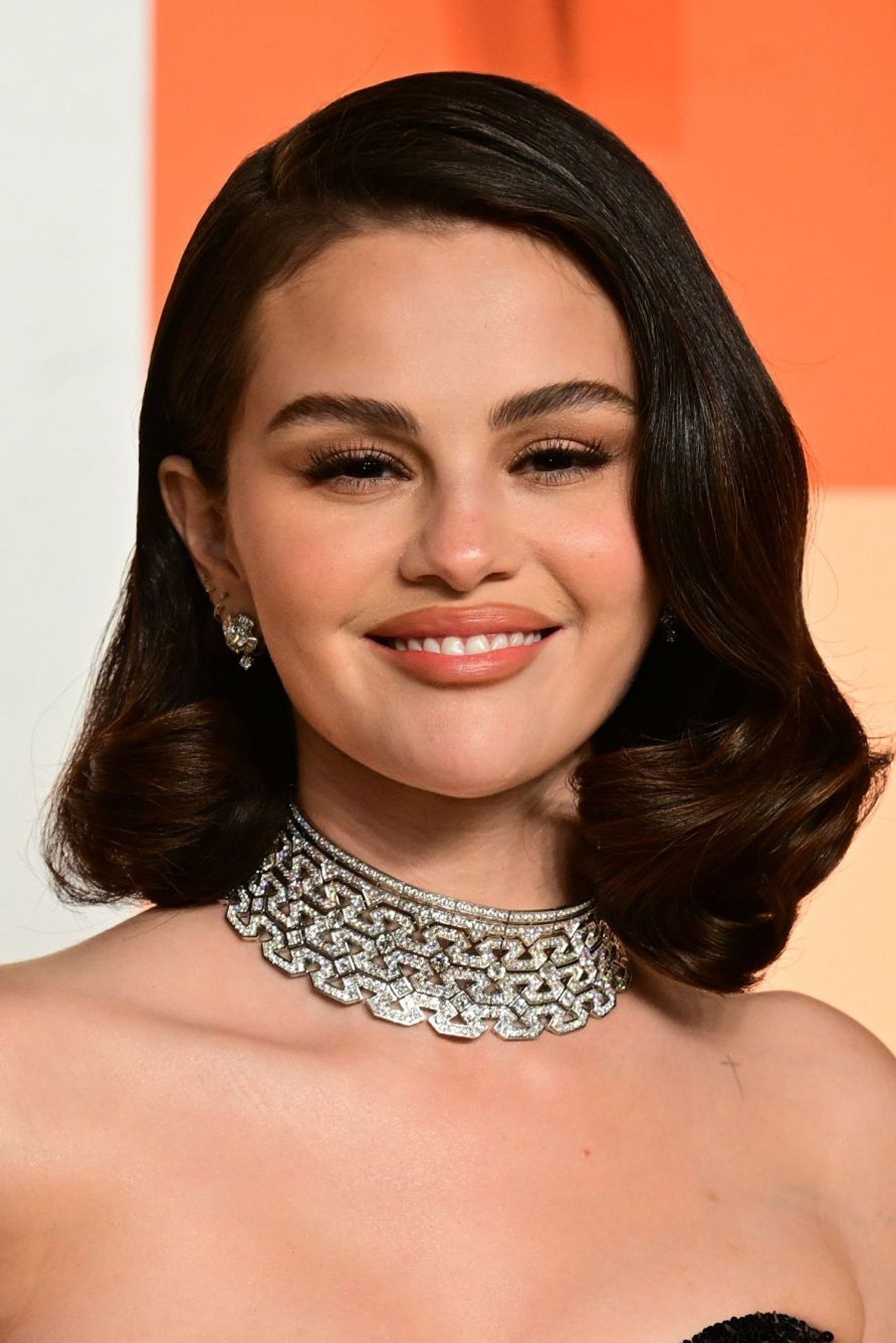
At the 2013 MTV Movie Awards this actress performed her hit song ‘Come and Get It’ while wearing a traditional Hindu bindi on her forehead. The performance also featured choreography and costumes inspired by South Asian culture which many religious leaders found offensive. Representatives from the Universal Society of Hinduism called for an apology and stated that the bindi is a religious symbol not a fashion prop. Gomez continued to wear the bindi for several promotional appearances following the initial controversy. This choice sparked a widespread debate regarding the commercialization of sacred religious symbols in pop music.
Katy Perry
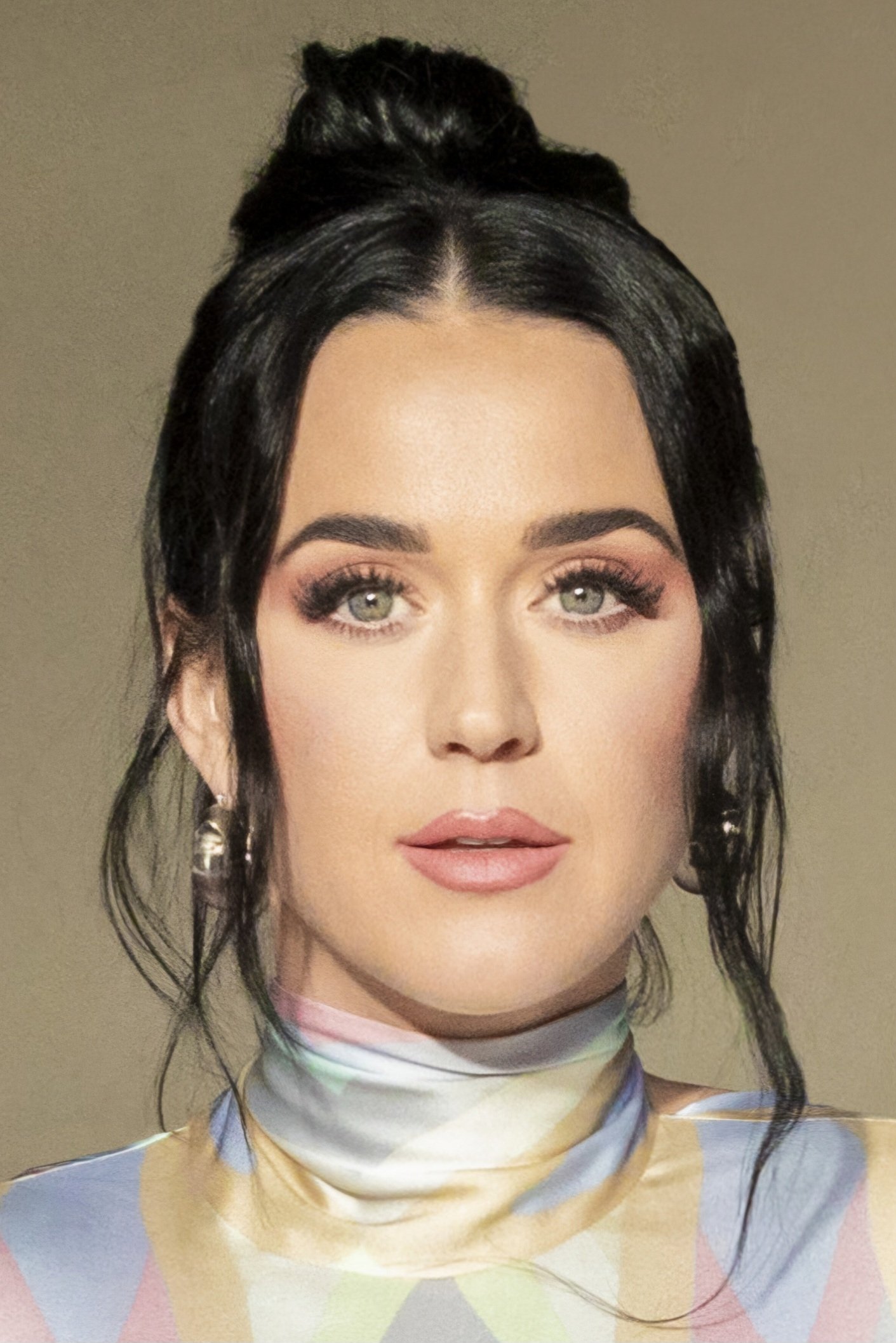
During her opening performance at the 2013 American Music Awards this singer dressed as a geisha while performing ‘Unconditionally’. The set included cherry blossoms and traditional Japanese fans but the performance was criticized for being a collection of orientalist stereotypes. Many observers felt that the costume reduced a complex culture to a costume for the sake of a pop spectacle. Perry later addressed the incident in interviews and acknowledged that she had a lot to learn about cultural sensitivity. This performance remains one of the most cited examples of problematic cultural representation in televised award shows.
Gwen Stefani
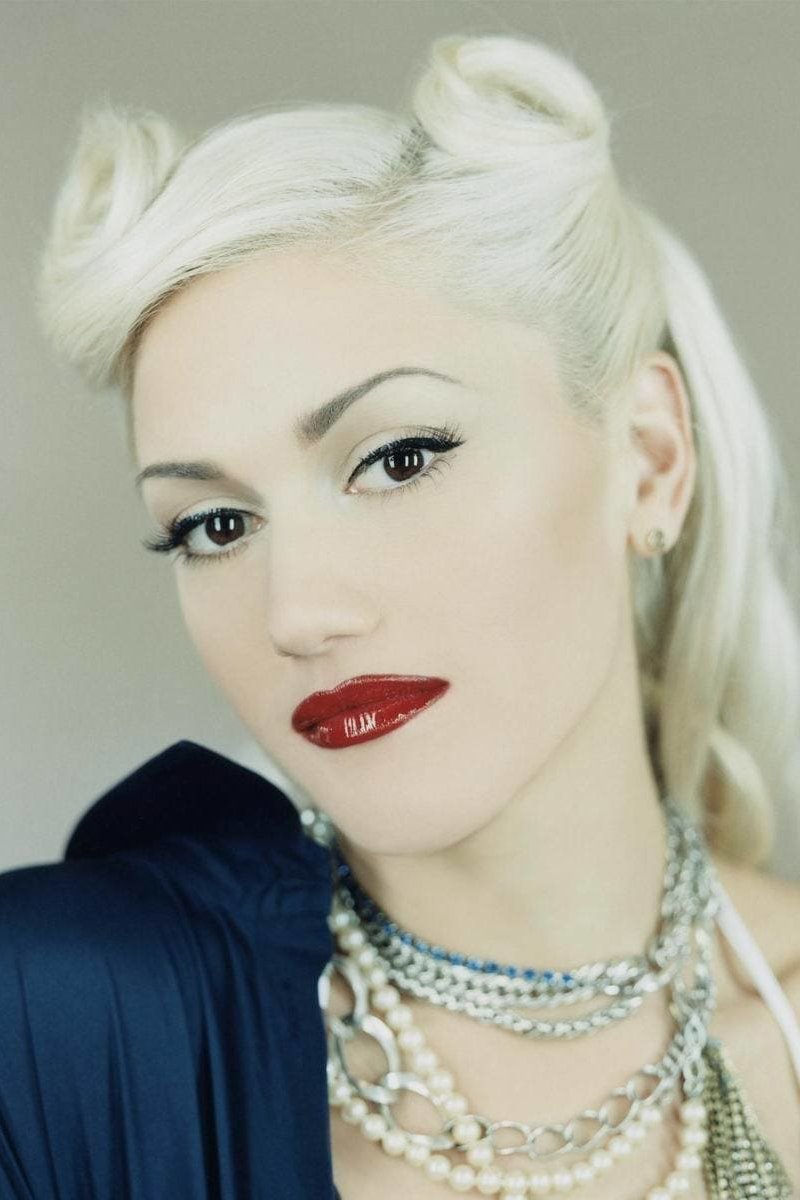
Throughout the early 2000s this actress and singer frequently appeared with a group of four Japanese backup dancers known as the Harajuku Girls. She often wore Harajuku-inspired fashion and bindis during red carpet events and in her music videos for the album ‘Love. Angel. Music. Baby.’. While she described the look as a tribute to the vibrant street culture of Tokyo many critics argued it was a form of cultural tourism. The constant presence of the silent dancers as accessories was particularly criticized for dehumanizing Asian women. Stefani has defended her choices over the years and maintains that her work was born out of a genuine love for the culture.
Julianne Hough
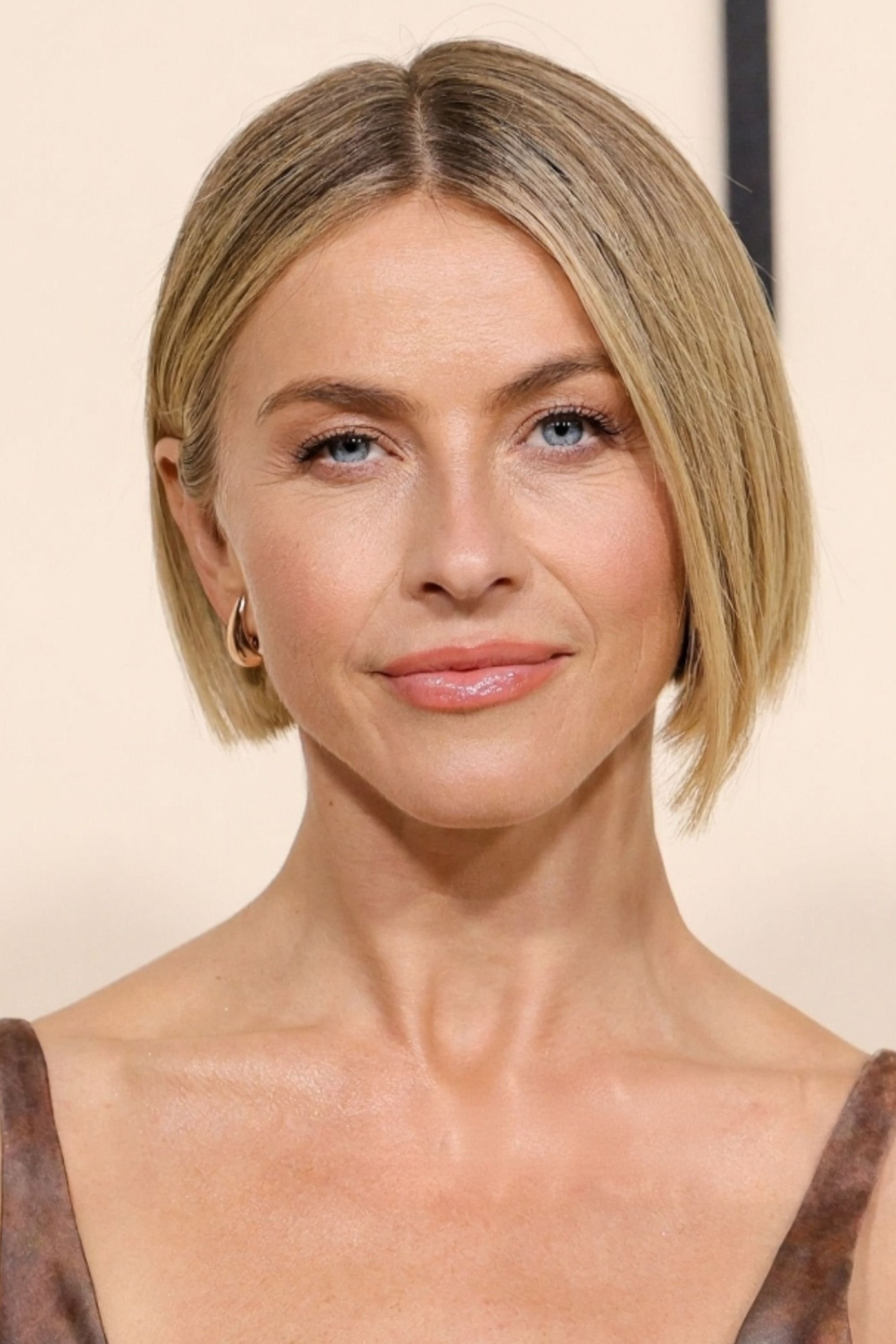
In 2013 this actress and dancer attended a high-profile Halloween party dressed as the character Crazy Eyes from the show ‘Orange Is the New Black’. She used dark makeup to alter her skin tone which immediately led to accusations of wearing blackface. Public reaction was swift and negative as the history of blackface is deeply rooted in racism and caricatures. Hough issued a public apology shortly after the photos surfaced and expressed regret for her lack of sensitivity. She admitted that she did not intend to be disrespectful but acknowledged that her choice was hurtful to many people.
Heidi Klum
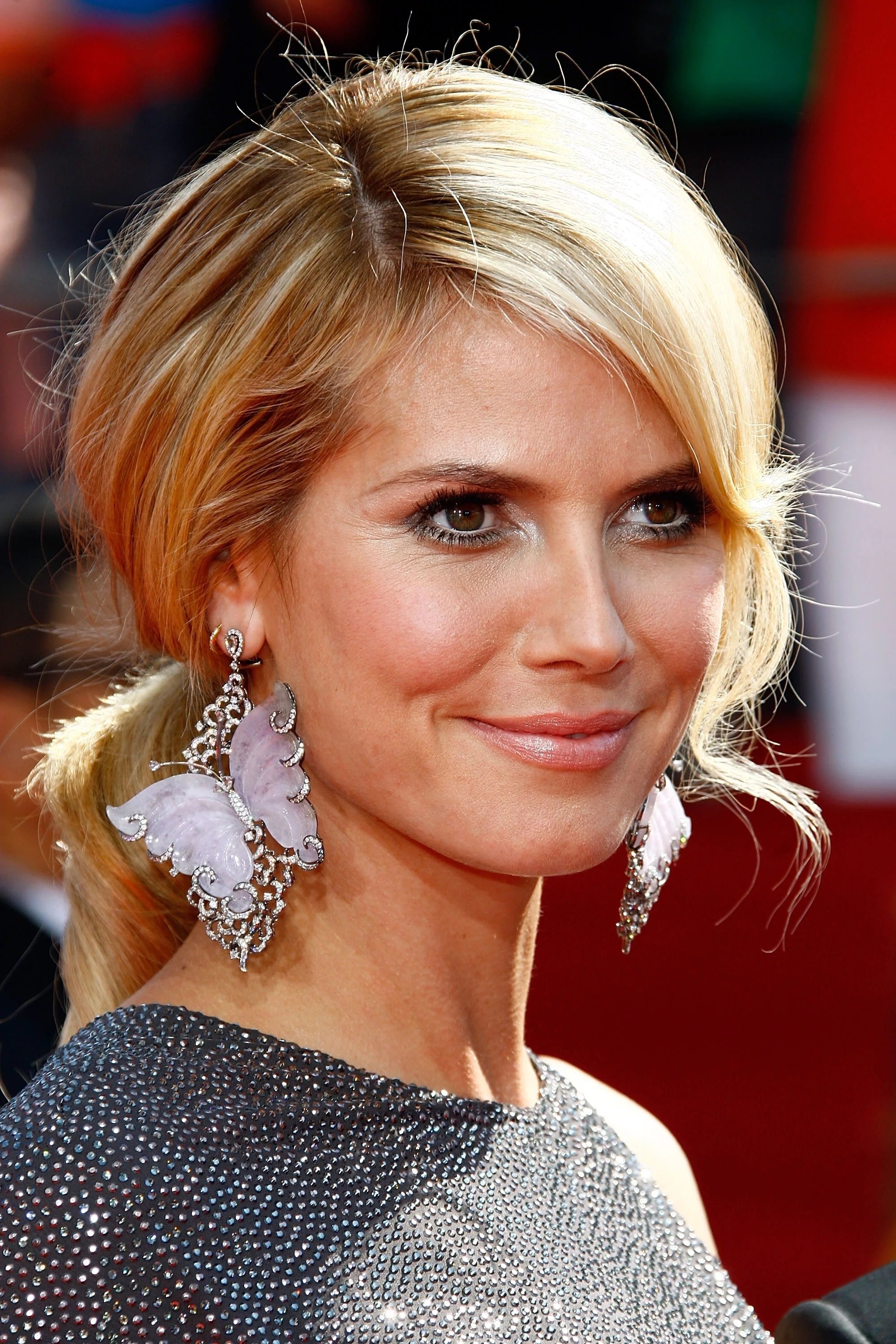
The famous model and actress caused a stir at her annual Halloween party in 2008 when she arrived dressed as the Hindu goddess Kali. Her costume featured blue skin and multiple arms as well as a belt made of severed hands and a necklace of skulls. Hindu leaders expressed outrage over the depiction and called it a blasphemous use of a sacred deity. They argued that religious figures should not be used as a costume for a night of partying and revelry. Klum did not issue a formal apology at the time but she has continued to host her famous parties with less controversial themes.
Karlie Kloss
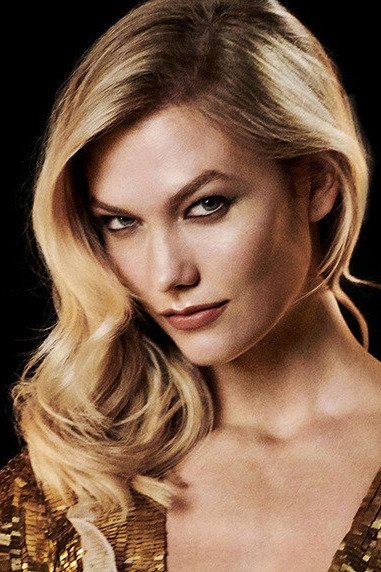
During the 2012 Victoria’s Secret Fashion Show this model walked the runway in a leopard print bikini and a floor-length Native American headdress. The inclusion of the sacred war bonnet was seen as highly offensive to indigenous communities who view the item as a symbol of honor and leadership. After the segment aired the brand and the model faced significant public pressure and criticism. Victoria’s Secret issued an apology and removed the footage of the outfit from the television broadcast. Kloss also posted a public apology on social media and stated that she was sorry for any offense her attire caused.
Luann de Lesseps
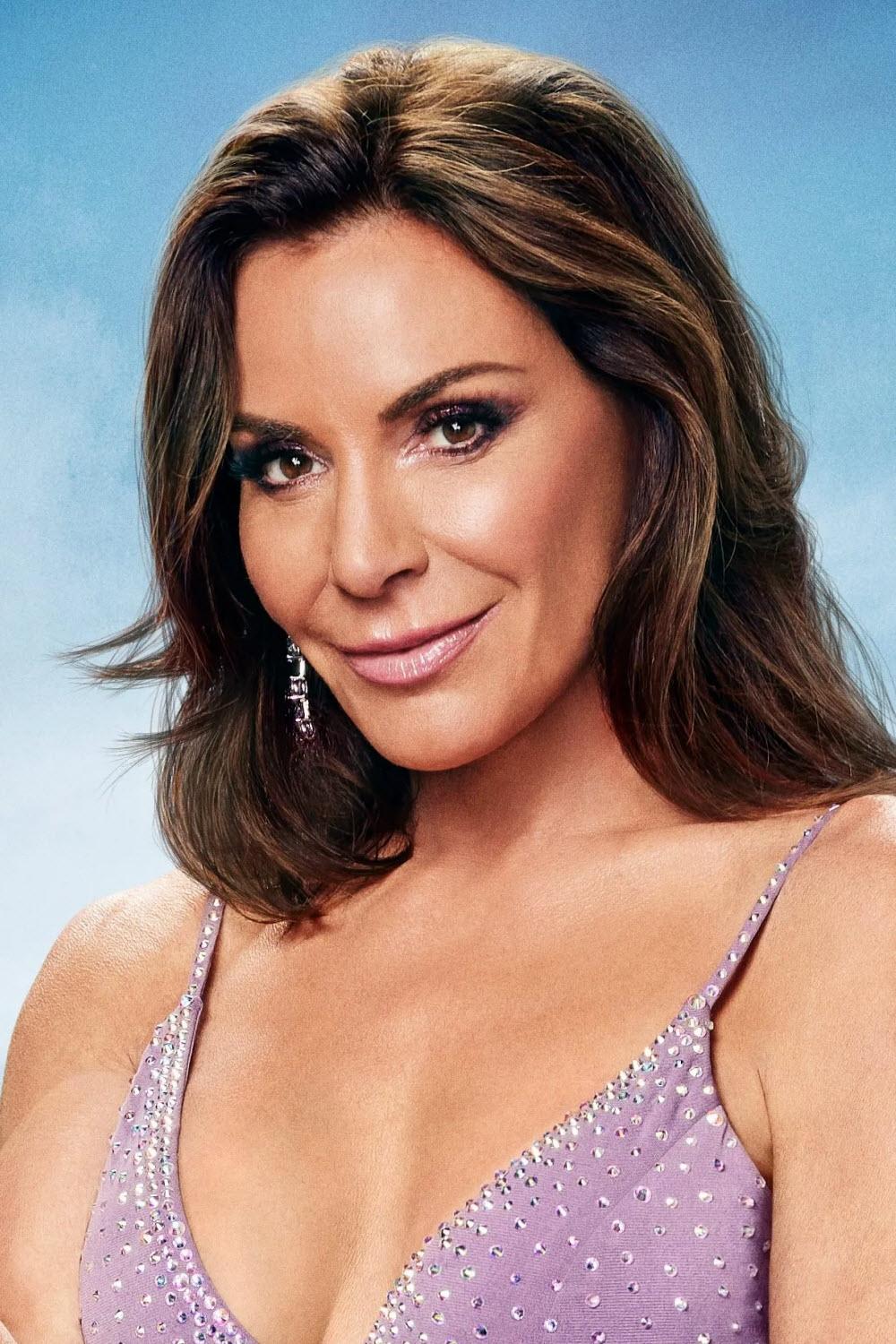
The actress and television personality faced criticism for her 2017 Halloween costume where she dressed as singer Diana Ross. She wore a massive afro wig and skin makeup that appeared significantly darker than her natural complexion. Many viewers of ‘The Real Housewives of New York City’ felt the look crossed the line into blackface. De Lesseps denied that she changed her skin tone and insisted she was simply using a bronzer for a tan look. Despite her defense the incident remains a controversial moment in her public career.
Hilary Duff
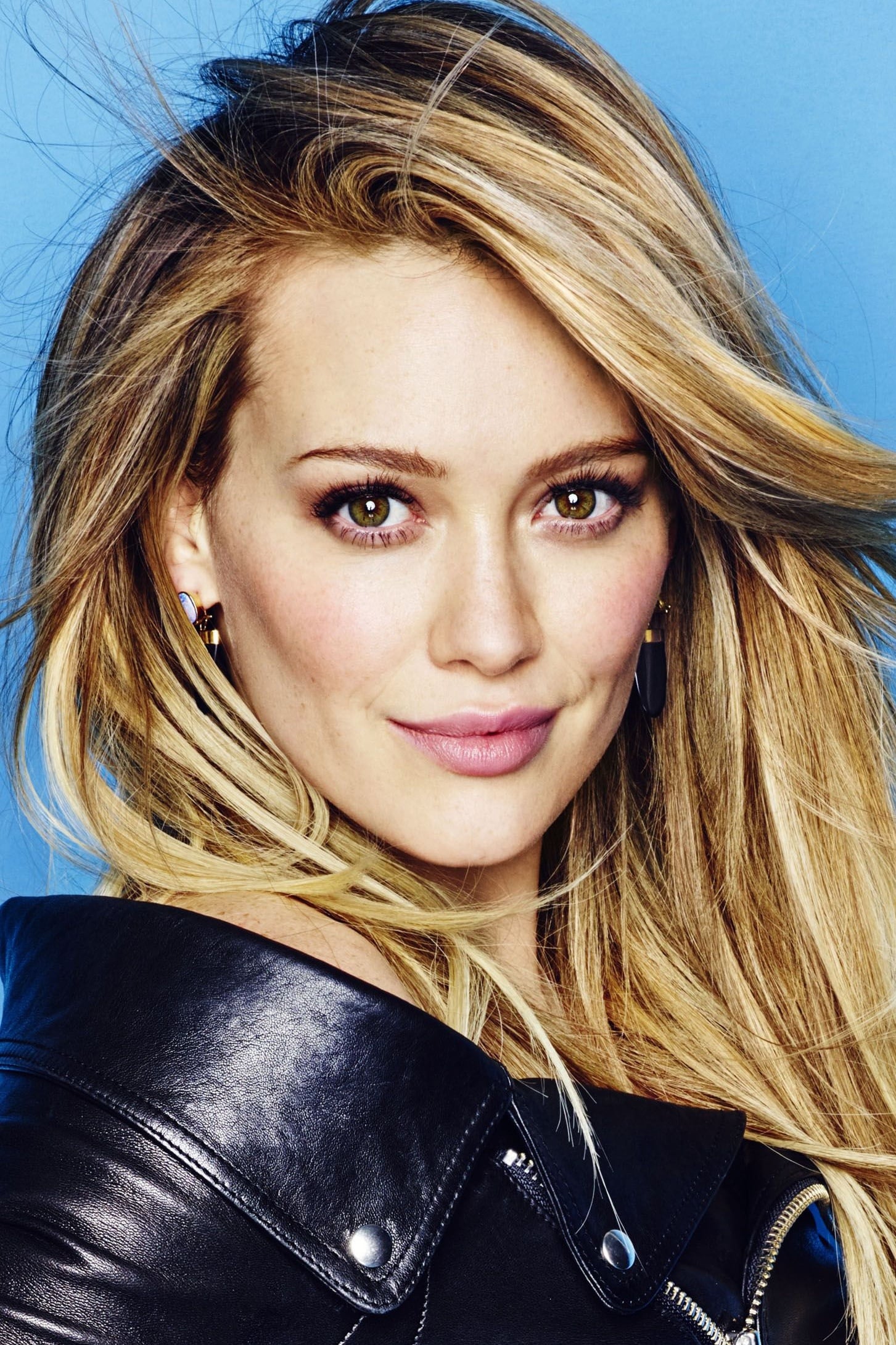
In 2016 this actress attended a Halloween event dressed as a pilgrim while her then-boyfriend wore a Native American chief costume. The timing was particularly sensitive as it occurred during the height of the Standing Rock protests. Social media users quickly condemned the couple for their choice of costumes and accused them of cultural insensitivity. Duff released an apology on social media and stated that she had not thought through the implications of her attire. She expressed deep regret and thanked her fans for providing a learning opportunity.
Lady Gaga
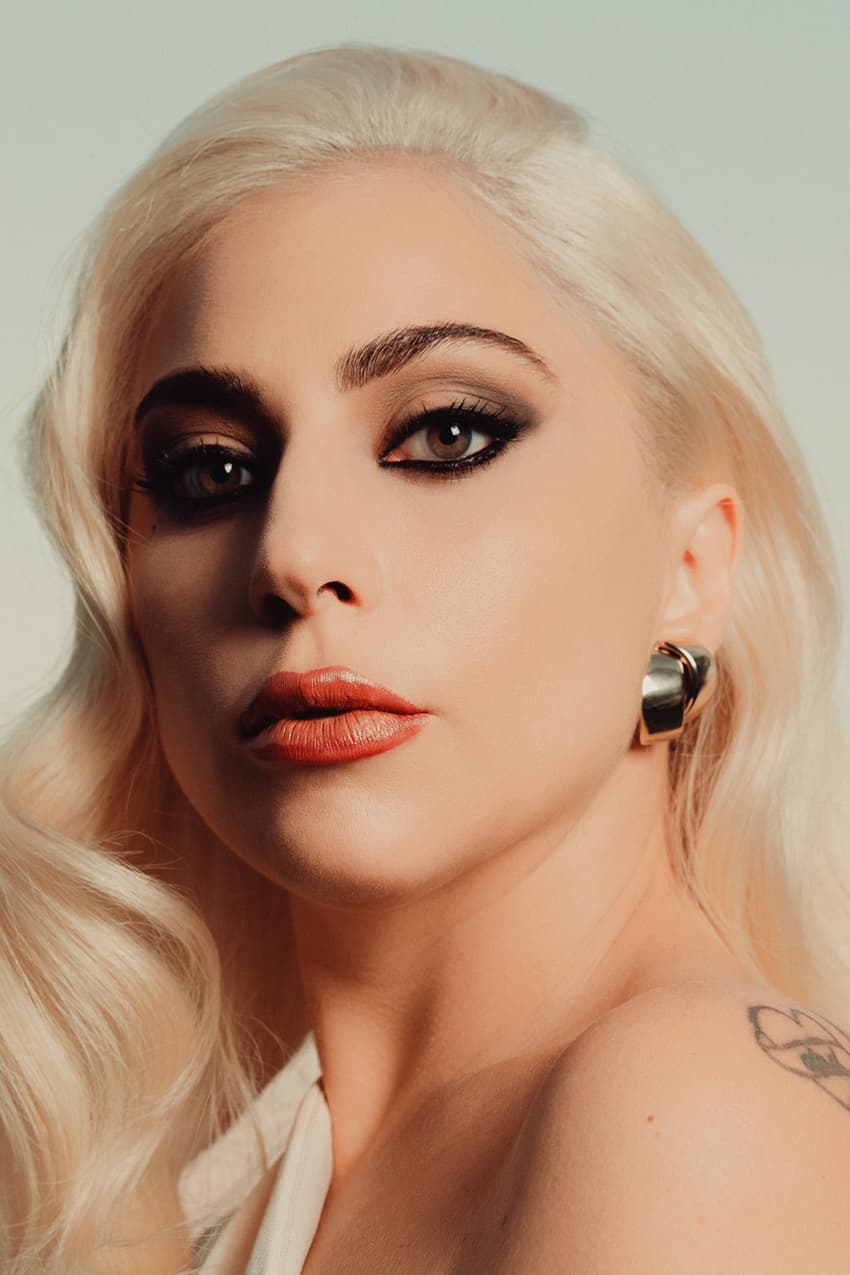
The actress and singer made headlines during London Fashion Week in 2013 when she appeared wearing a pink lace veil that resembled a burqa. This choice was seen as a provocative use of a religious garment worn by many Muslim women for modesty. Critics argued that turning the burqa into a fashion statement was insensitive to the social and political struggles associated with the garment. She had previously faced similar criticism for a song titled ‘Burqa’ which also used the clothing as a theme. Gaga did not directly apologize for the outfit but continued to push boundaries with her fashion choices.
Sarah Jessica Parker
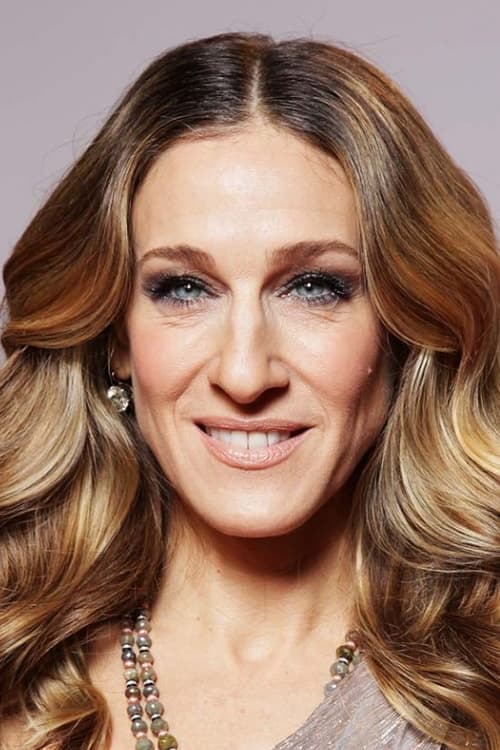
For the 2015 Met Gala which had the theme China Through the Looking Glass this actress wore a towering red headpiece designed by Philip Treacy. The accessory featured flame-like designs and tassels that many felt relied on stereotypical tropes of Chinese culture. Some observers compared the look to characters from ‘Dragon Ball Z’ rather than respectful Chinese artistry. While the Met Gala often encourages bold fashion the specific execution of her headpiece sparked debate about orientalism. Parker defended her choice by explaining the research and collaboration that went into the custom design.
Nicky Hilton
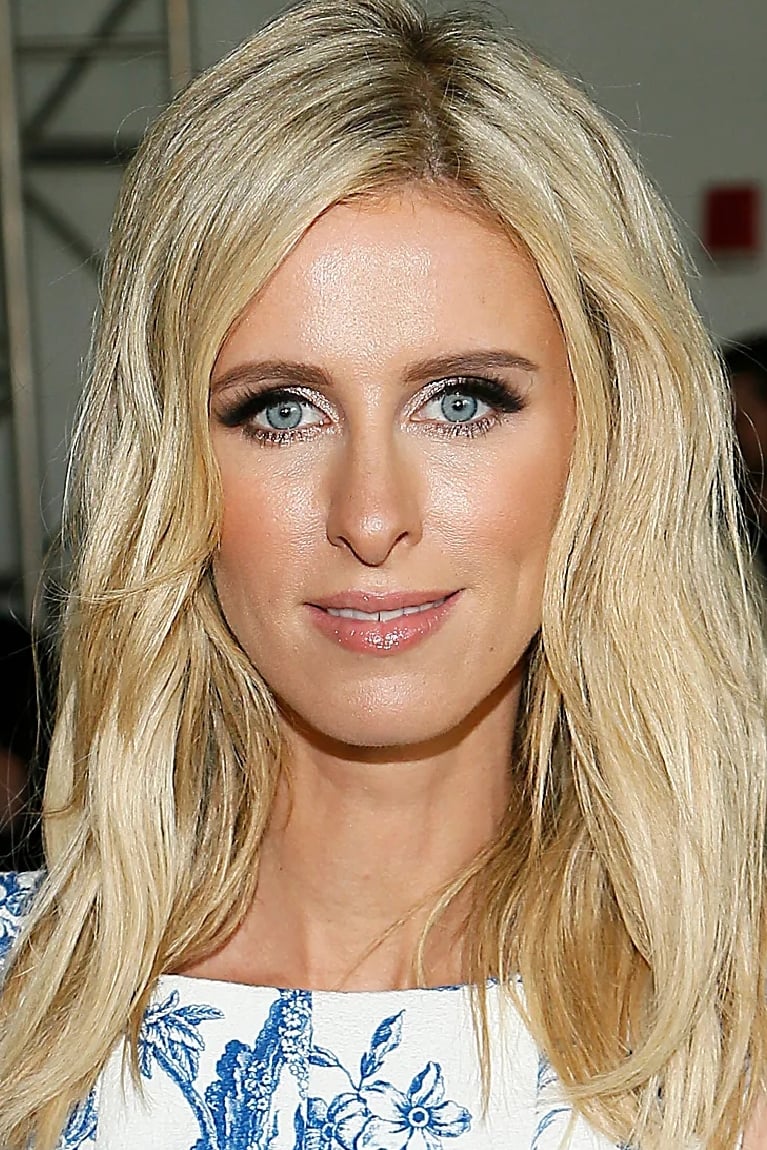
The socialite and actress wore a Native American costume to a Halloween party in 2010 which included a fringed dress and a feathered headband. This attire is often cited as an example of the casual appropriation of indigenous cultures that was common in the early 2010s. Critics point out that these costumes simplify complex cultural identities into generic and often sexualized outfits. While the incident occurred several years ago it is frequently revisited in discussions about the evolution of costume norms. Hilton has since moved toward more traditional fashion roles and avoids such controversial themes.
Vanessa Hudgens
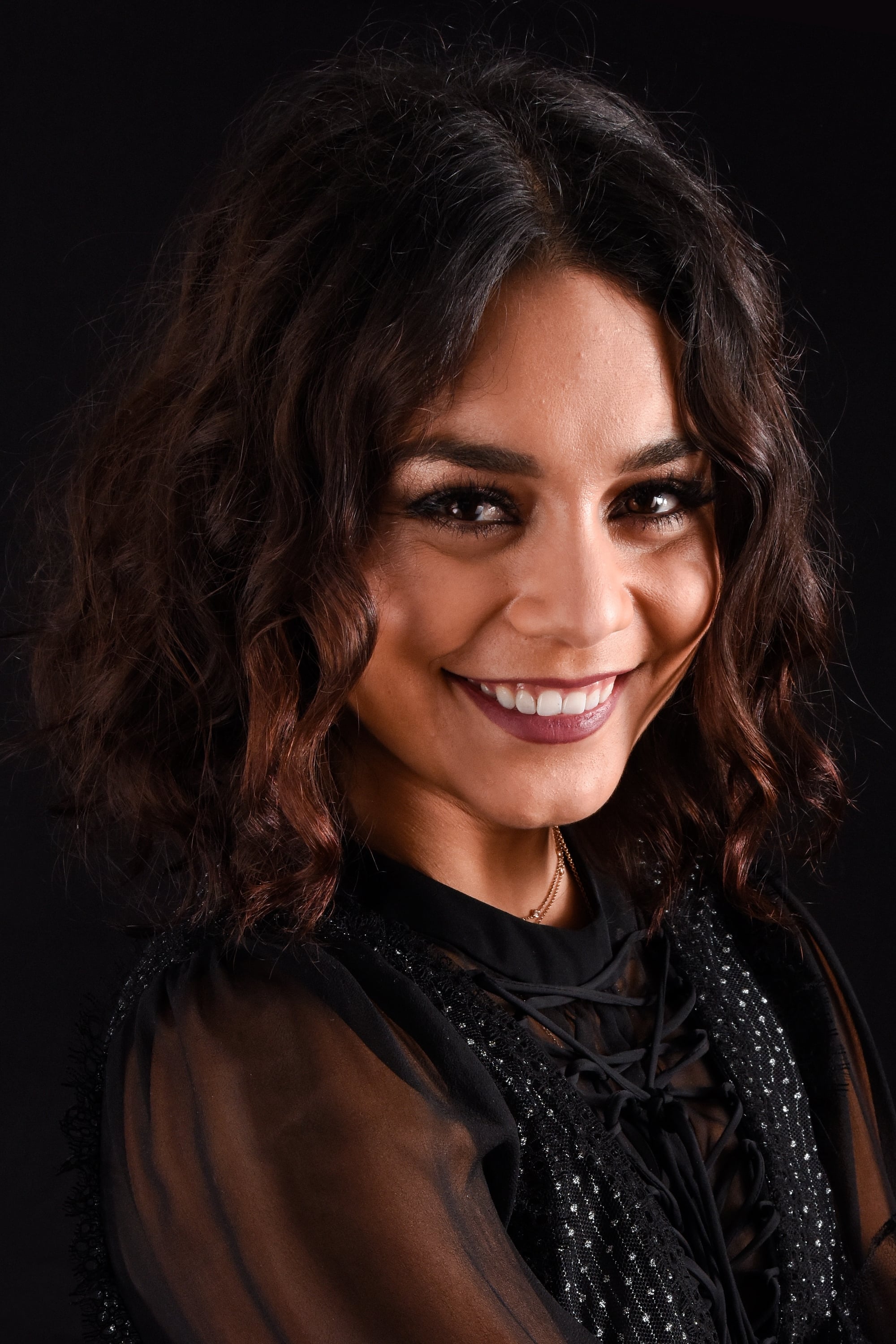
This actress is frequently associated with the bohemian style of music festivals like Coachella where she has often worn bindis and Native American-style jewelry. She has also faced criticism for wearing dreamcatcher earrings and putting her hair in box braids. Many people feel that using these cultural items as festival accessories is a form of appropriation that disregards their original meanings. Despite the recurring criticism Hudgens has often defended her style as a form of self-expression. She remains a prominent figure in discussions regarding the ethics of festival fashion.
Khloé Kardashian
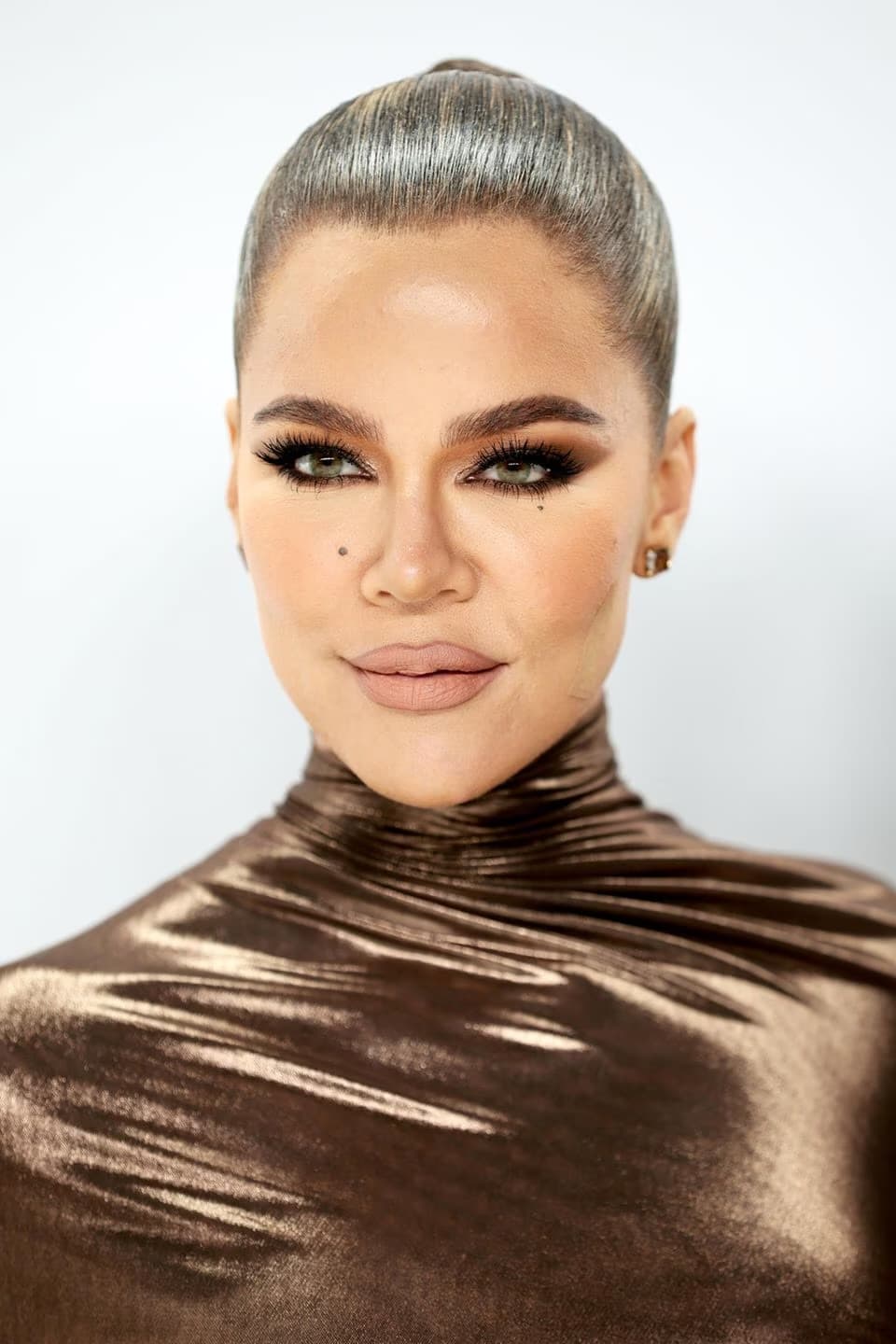
In 2014 this reality star and actress posted a photo of herself wearing a full Native American war bonnet while sitting next to a play teepee. The image was taken during a birthday party for her niece and quickly drew negative attention from the public. Critics explained that the headdress is a sacred item reserved for respected leaders and is not a toy or a party accessory. Kardashian did not provide a formal apology but the photo was eventually removed from her social media accounts. This incident added to the ongoing criticism regarding the family’s history with cultural symbols.
Kylie Jenner
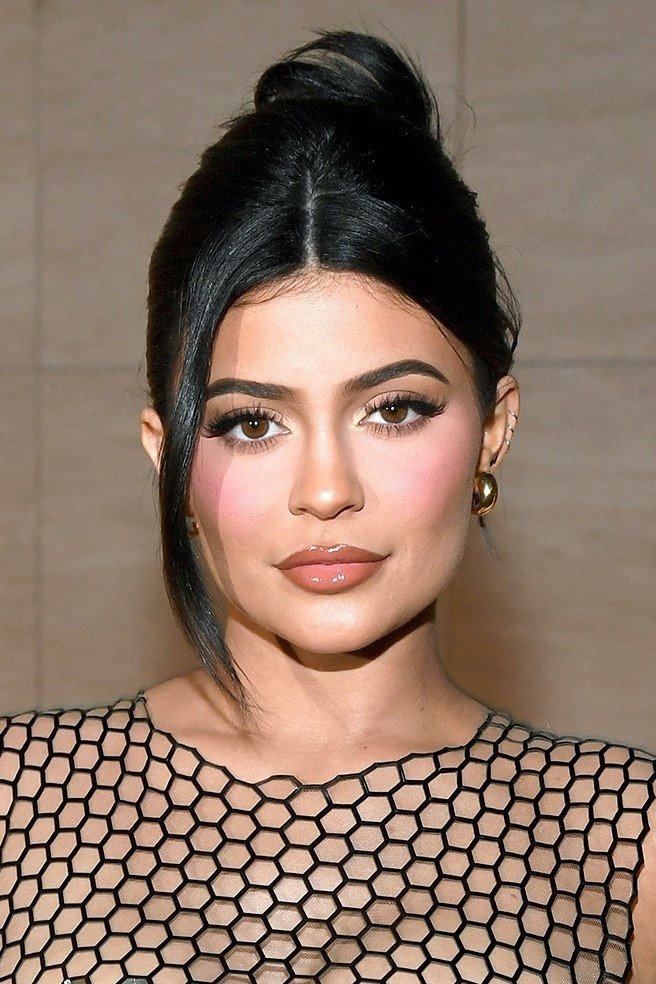
This actress and entrepreneur has been called out multiple times for wearing hairstyles like cornrows and locs. One notable instance involved a social media post where actress Amandla Stenberg critiqued Jenner for adopting Black culture without using her platform to help Black people. Jenner has also faced backlash for using darker skin tones in her promotional imagery and for wearing an Indian bindi at music festivals. Critics argue that she profits from aesthetics that are stigmatized when worn by women of color. Jenner usually responds to these controversies by ignoring the criticism or posting more photos.
Paris Hilton
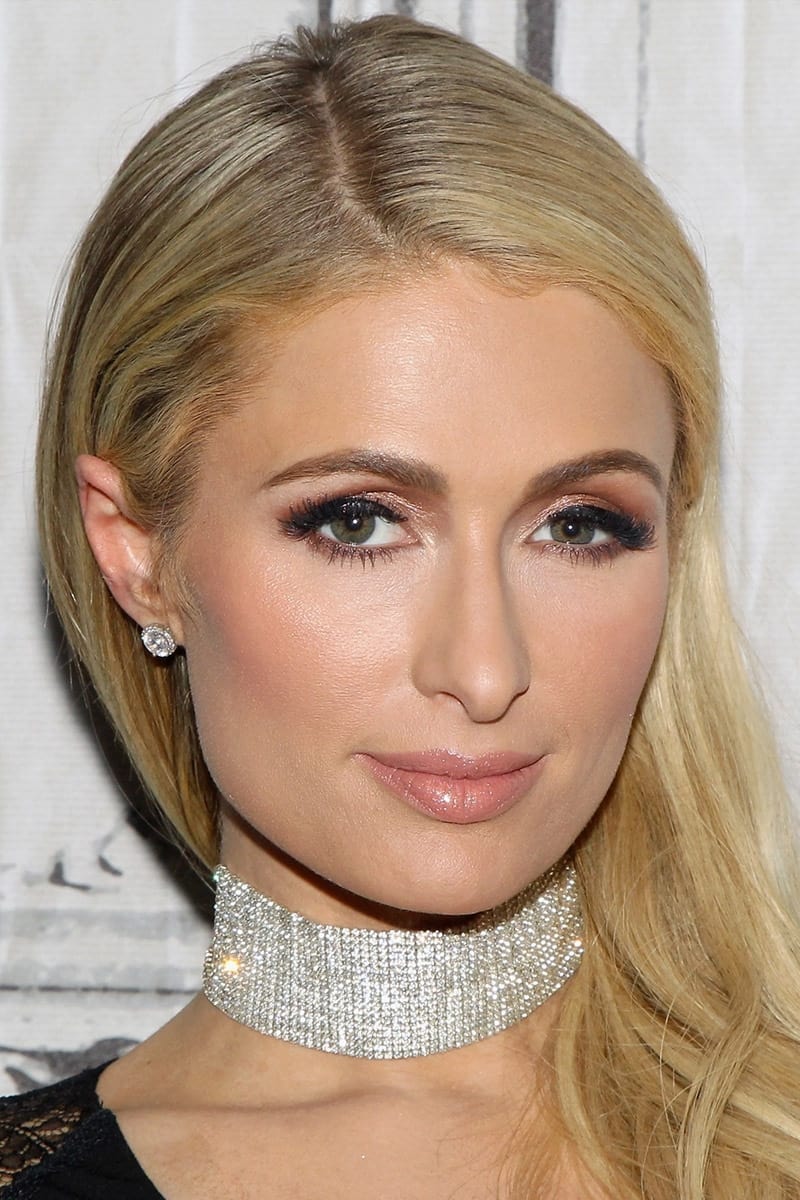
The actress and media personality wore a Native American costume for a 2010 Halloween event that featured a revealing version of traditional indigenous dress. Like many other celebrities of that era she faced criticism for turning a culture into a costume. The use of feathered headbands and fringed suede is often seen as a mockery of the deep spiritual significance these items hold. Hilton has not addressed the specific incident in recent years but has shifted her brand away from such controversial imagery. Her past choices are often used as case studies in the history of celebrity cultural appropriation.
Alessandra Ambrosio
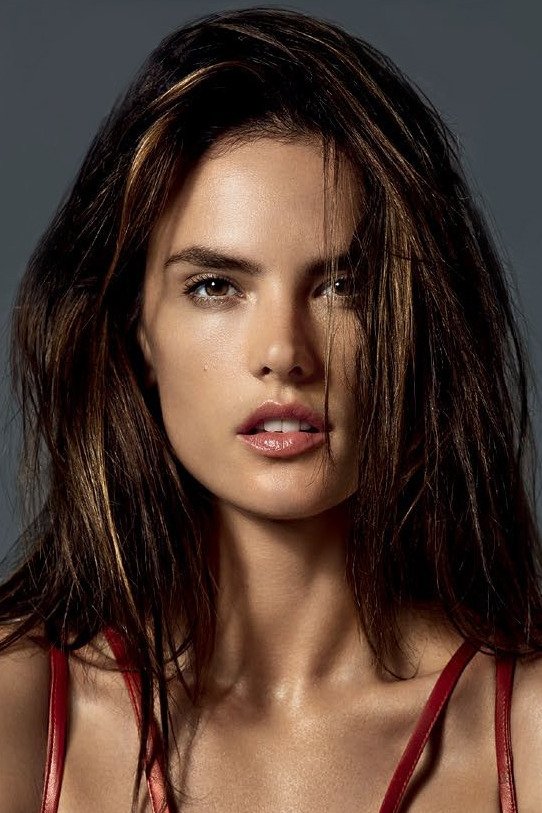
This actress and model faced significant backlash for wearing a Native American headdress at the Coachella Valley Music and Arts Festival in 2014. She posted a photo of the look on her social media which many of her followers found disrespectful. Indigenous groups have long campaigned against the use of these sacred items as fashion accessories at music festivals. Ambrosio eventually removed the photo after the volume of negative comments became overwhelming. The incident contributed to the festival’s decision to discourage and eventually ban the sale of such items on site.
Adriana Lima
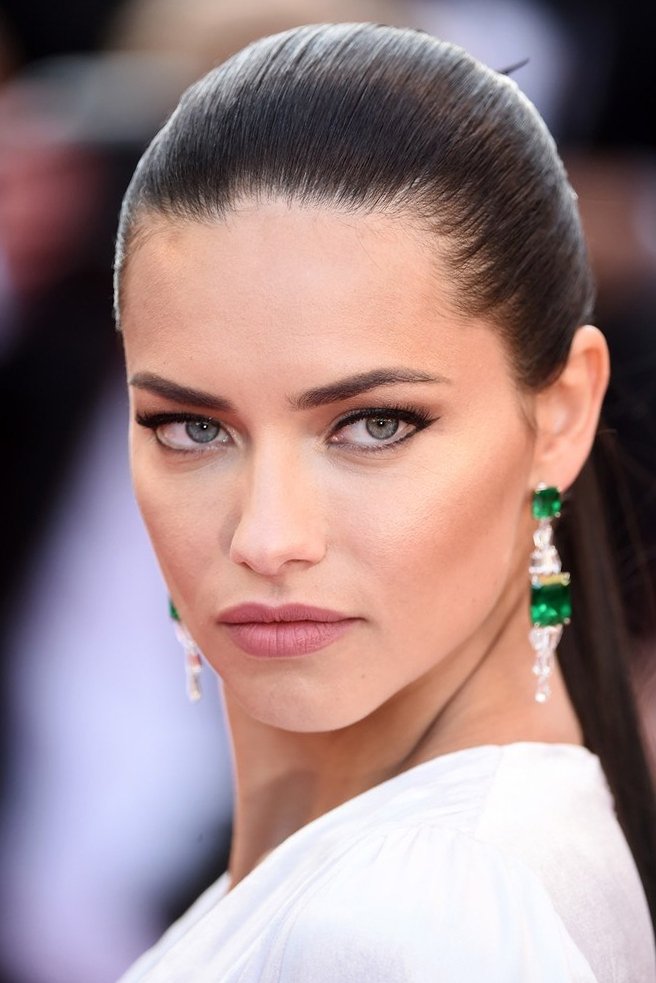
The actress and model participated in the 2012 Victoria’s Secret Fashion Show segment that featured various cultural themes including Native American-inspired attire. While she was not the primary focus of the headdress controversy her participation in a show that commodified diverse cultures was noted. Critics argued that the lingerie brand often used cultural symbols as mere decoration without any actual representation from those communities. Lima has generally avoided individual controversy by sticking to high-fashion roles that do not rely on cultural costumes. She continues to be a major figure in the modeling industry with a focus on her Brazilian heritage.
Chrissy Teigen
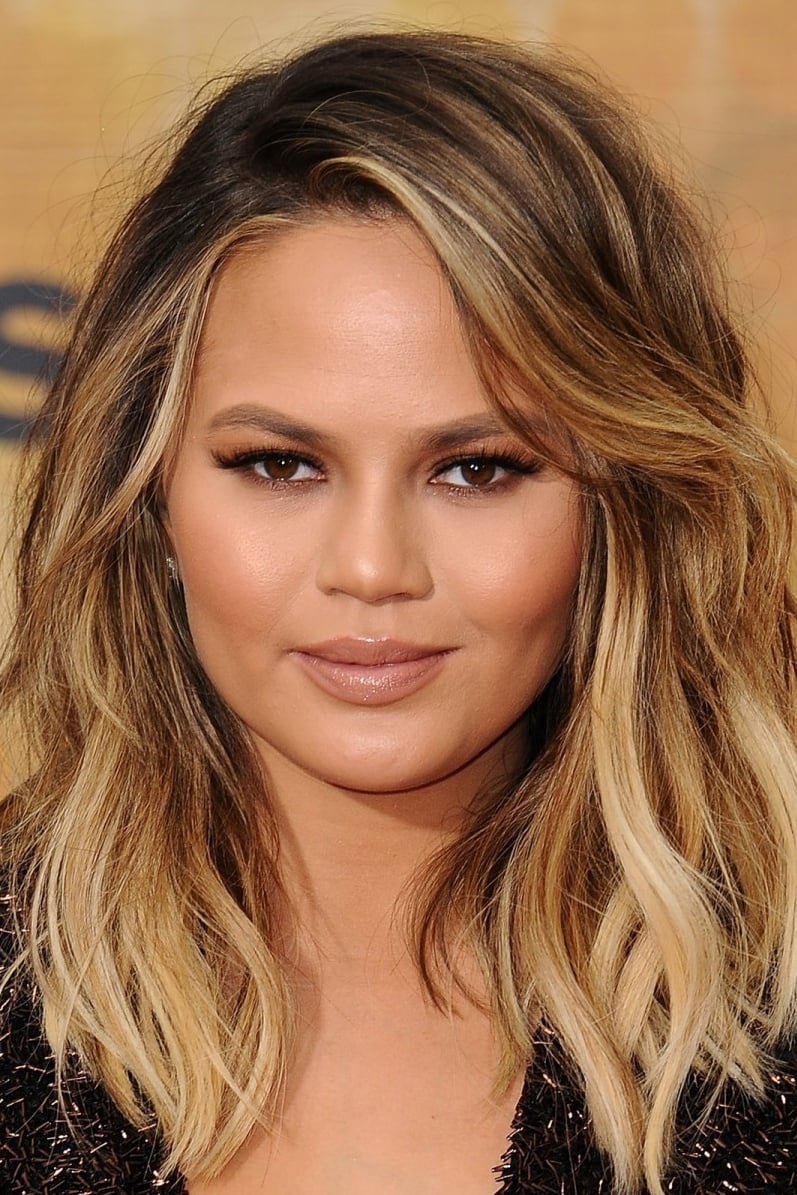
In 2011 this actress and television host attended a Halloween party dressed as a Native American person alongside her husband John Legend. The couple faced criticism when the photos resurfaced years later as public awareness regarding cultural appropriation increased. Teigen is known for her vocal presence on social media and has acknowledged past mistakes in various contexts. This specific costume choice is often highlighted as an example of how celebrity fashion norms have changed over the last decade. She has since been more careful about the themes she chooses for public events.
Madonna
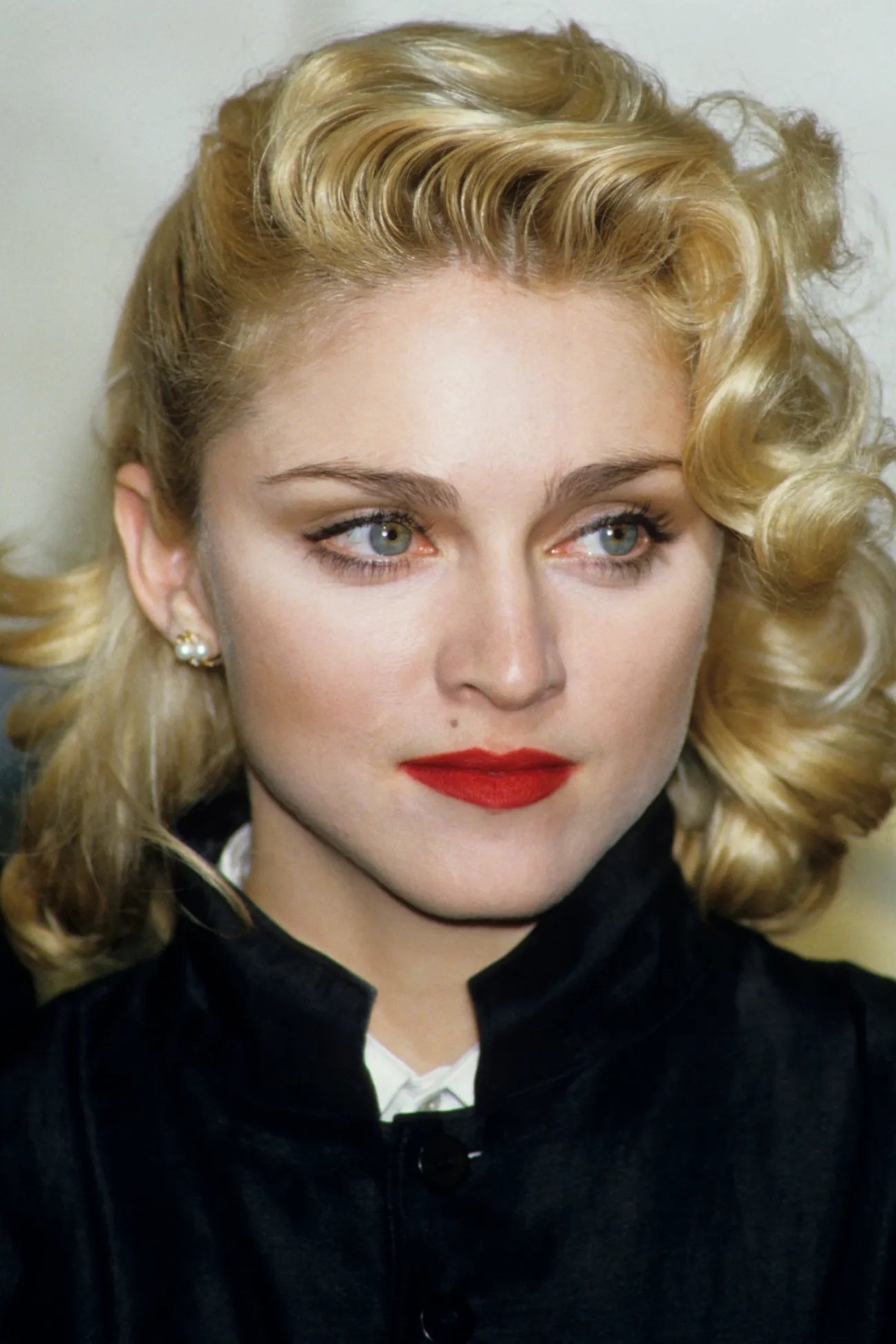
The legendary actress and singer appeared at the 2018 MTV Video Music Awards wearing traditional Berber clothing and jewelry. She was criticized for using the North African cultural attire as a backdrop for her tribute to Aretha Franklin. Many felt the look was out of place and that she was using a marginalized culture to enhance her own image. Madonna has a long history of incorporating diverse cultural and religious symbols into her work including Hindu and Kabbalah influences. She often defends these choices as a way to celebrate global diversity and spiritual connections.
Rihanna
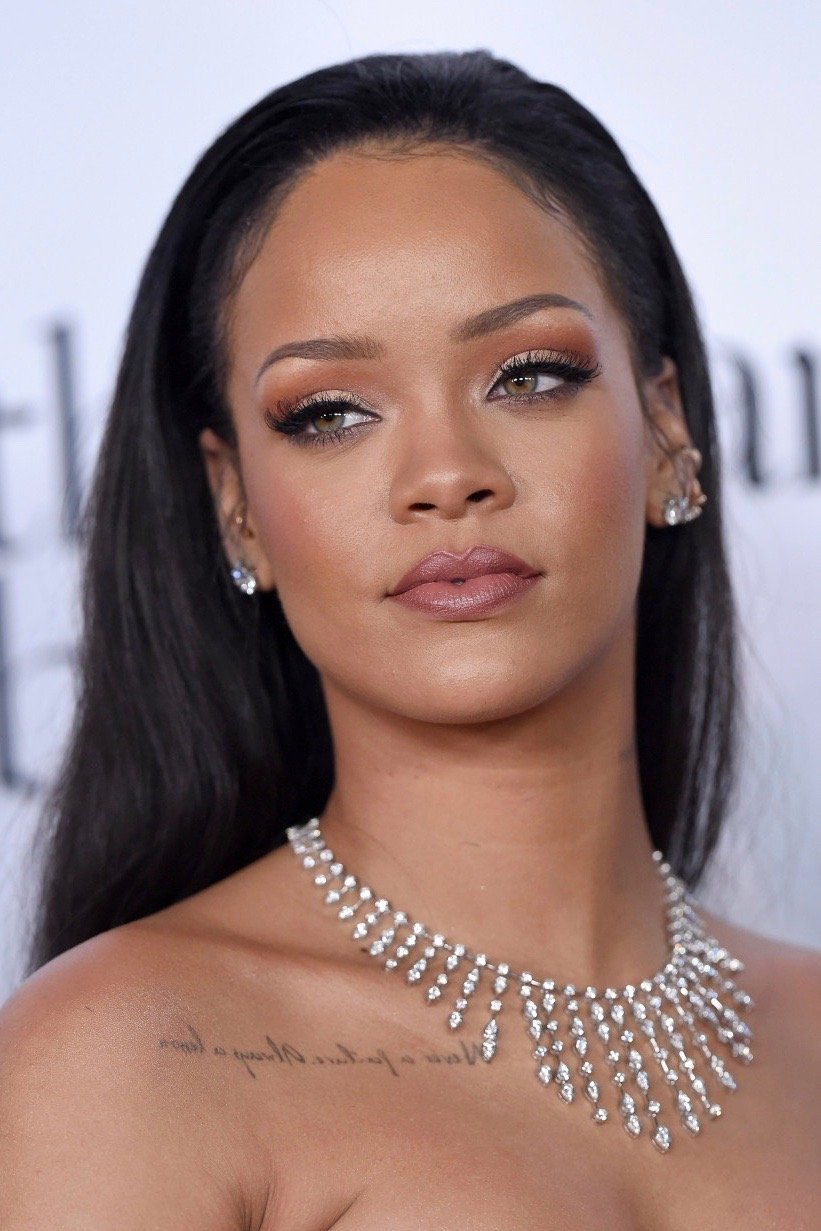
This actress and singer has faced various accusations of cultural appropriation throughout her career. In one instance she wore a Native American headdress for a photoshoot which many found to be a disrespectful use of a sacred object. She also drew criticism for a music video where she appeared in a style that some felt mimicked East Asian cultures in a stereotypical way. More recently she faced backlash for using a song that included a narration from an Islamic Hadith during a fashion show. Rihanna issued a formal apology for the oversight and thanked the Muslim community for pointing out the error.
Halsey
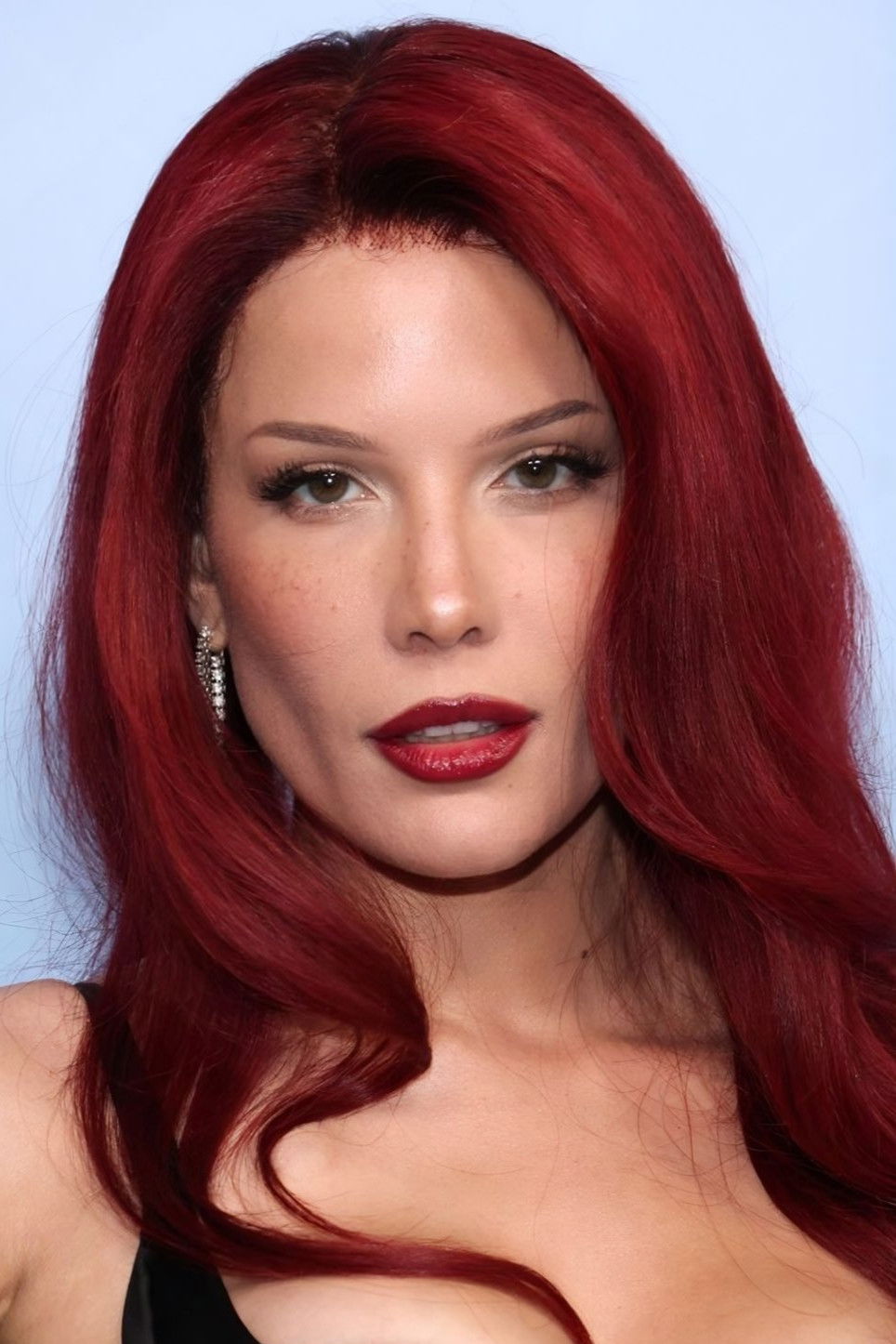
The actress and singer has been criticized for wearing her hair in styles like box braids and for her use of certain cultural aesthetics. As a biracial woman she has often discussed her heritage and her right to explore different aspects of her identity. However some critics feel that her public image sometimes leans into styles that are not representative of her own experience. These discussions often focus on the complexities of racial identity and the visible markers of culture. Halsey continues to be open about these issues and engages with her fans regarding her fashion choices.
Rita Ora
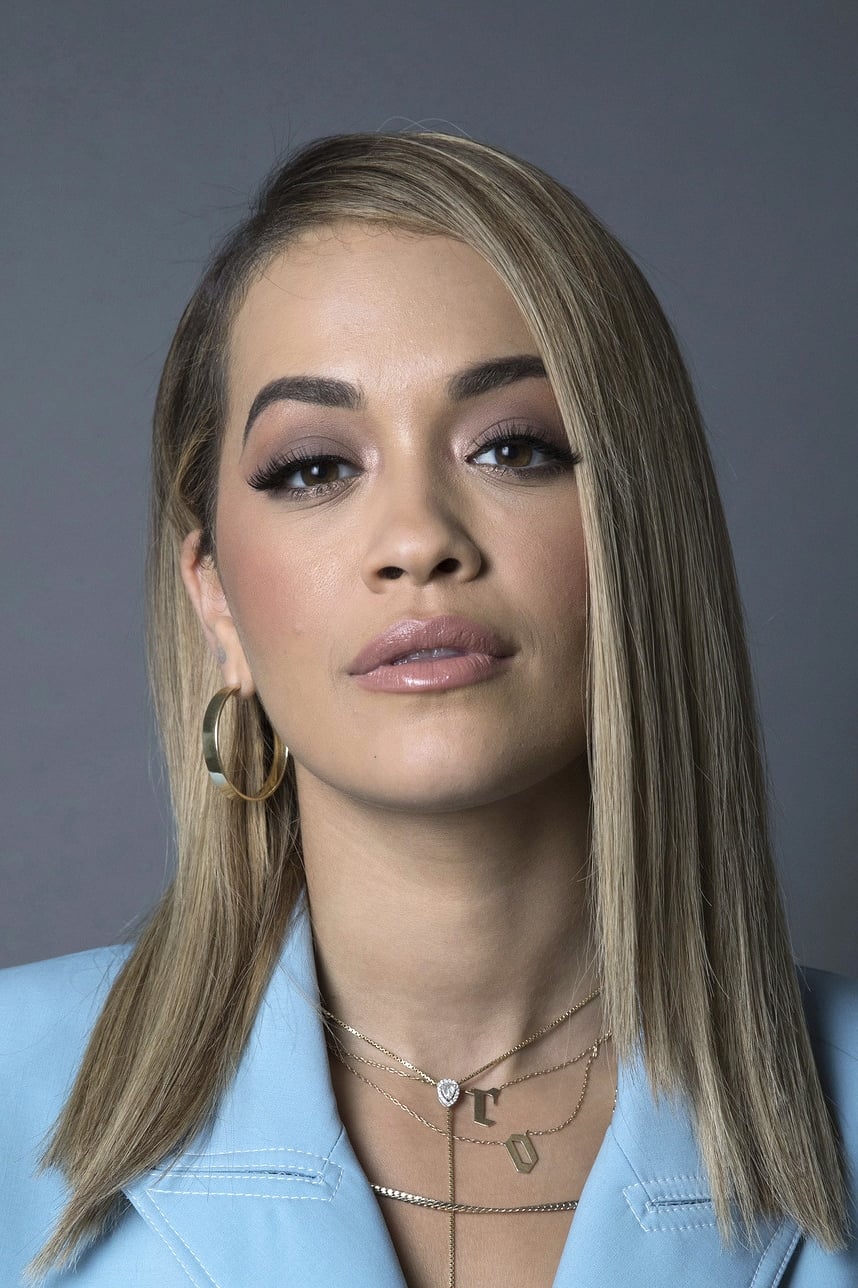
This actress and singer has frequently been accused of cultural appropriation for wearing hairstyles like braids and baby hairs. Critics have pointed out that she is often mistaken for being biracial or Black despite her heritage being Albanian. The term blackfishing has been used to describe her aesthetic choices in various music videos and red carpet appearances. Many people argue that she benefits from the visual markers of Black culture while avoiding the systemic challenges faced by Black women. Ora has rarely addressed these specific criticisms in detail but continues to maintain her signature style.
Ariana Grande
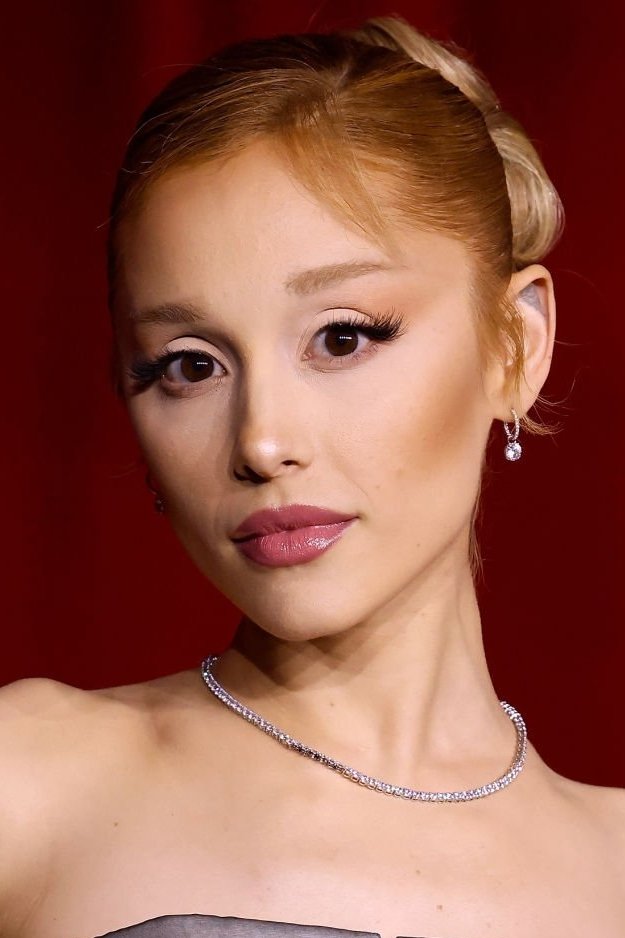
The actress and singer has faced several controversies related to her evolving skin tone and use of cultural tropes. She has been accused of darkening her skin to appear more racially ambiguous during the ‘Thank U, Next’ era. Additionally she faced backlash for getting a tattoo of Japanese characters that was translated incorrectly and for using Japanese aesthetics in her merchandise. Critics argue that these choices treat Japanese culture as a trendy accessory rather than something to be respected. Grande eventually modified the tattoo and has since moved away from those specific aesthetic influences.
Iggy Azalea
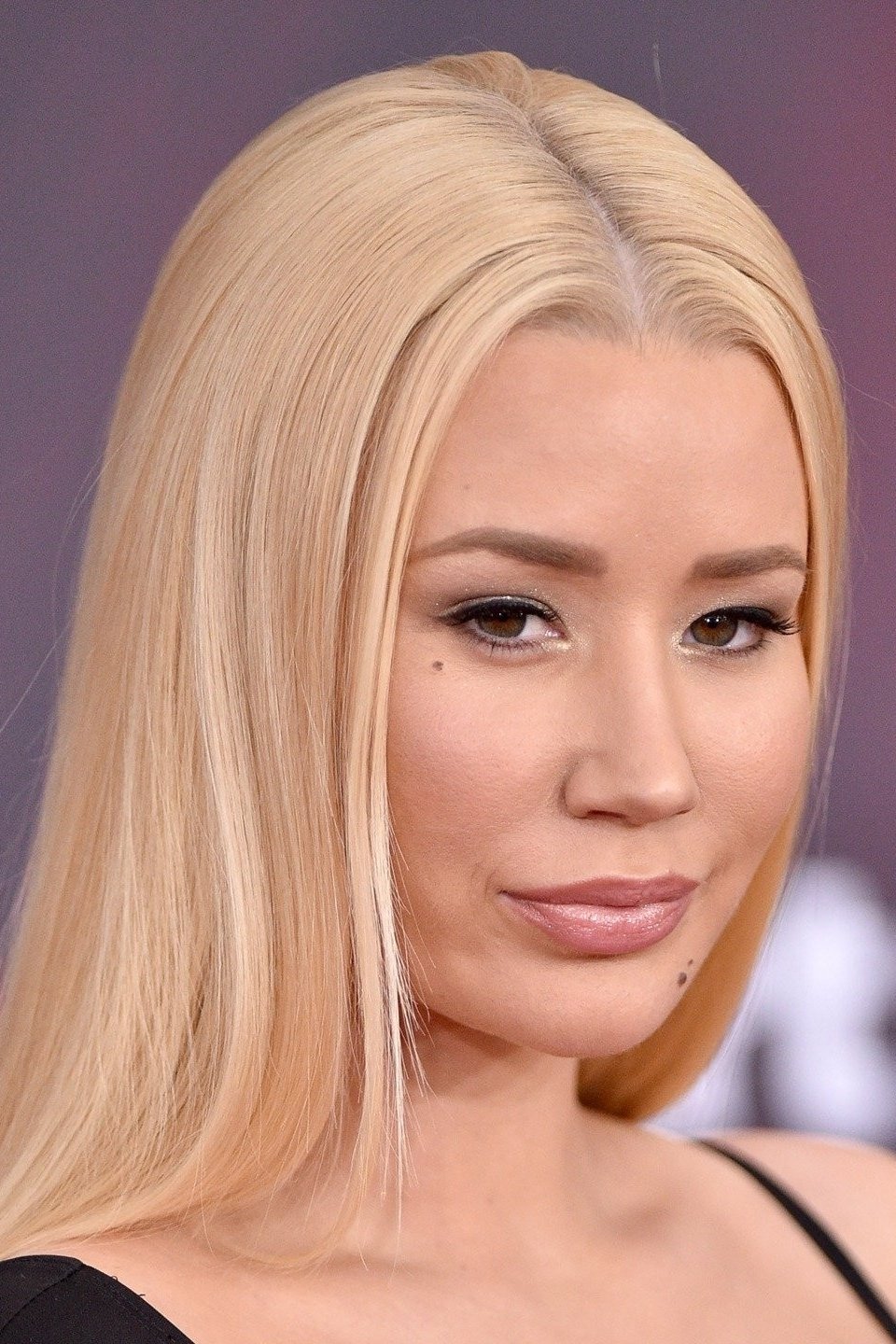
This actress and rapper has been a central figure in the cultural appropriation debate for years. She was heavily criticized for her use of South Asian culture in the music video for ‘Bounce’ where she wore traditional Indian wedding attire. Critics argued that she was using the culture as a colorful costume without any deep understanding of its significance. She has also faced long-standing criticism for her use of a blaccent in her music while using a different speaking voice. These issues have sparked intense academic and public discussions about the ethics of white artists in hip hop.
Priyanka Chopra Jonas
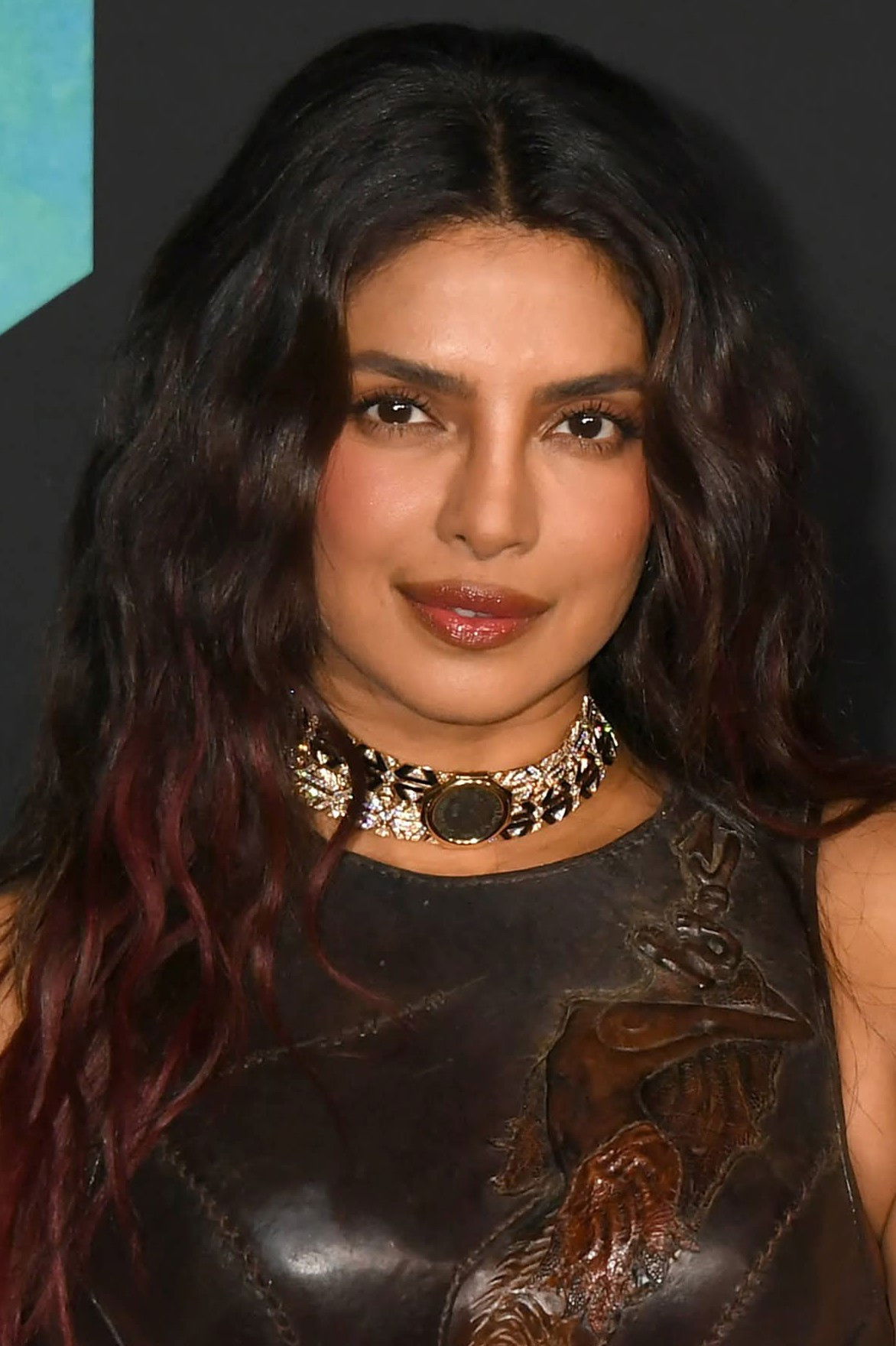
The actress faced scrutiny for some of her fashion choices at high-profile events like the Met Gala. While she is of Indian descent her interpretation of certain themes has sometimes been seen as leaning into stereotypical or exaggerated portrayals. One specific red carpet look involved a dramatic hairstyle that some compared to traditional African styles which sparked a debate about cross-cultural borrowing. However she is often praised for bringing South Asian designers and styles to the global stage. She continues to navigate the balance between global fashion and her cultural heritage.
Catherine Zeta-Jones
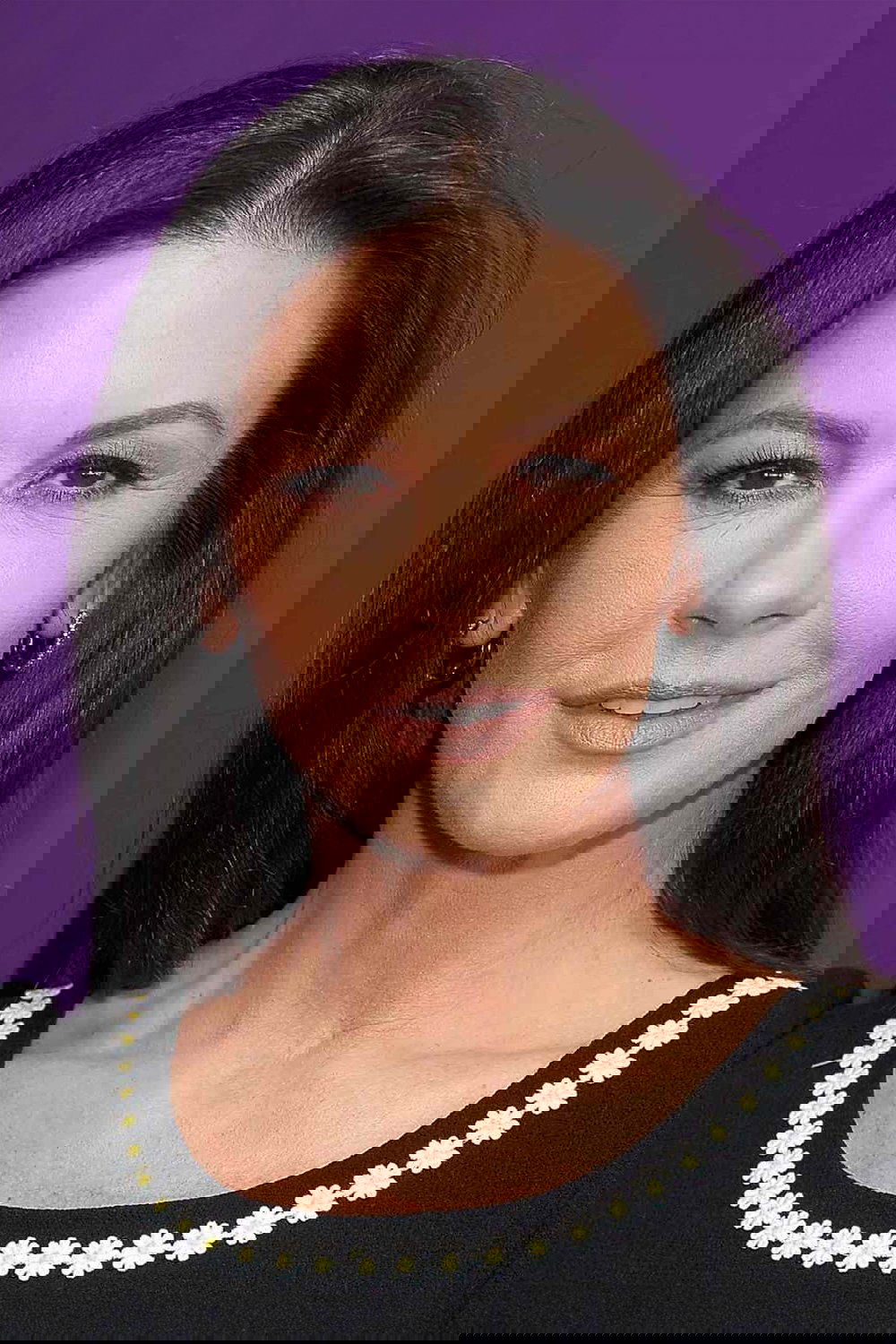
This actress has been criticized for wearing traditional Indian clothing to events where she did not have a personal or cultural connection to the attire. Specifically her appearances in saris and ornate Indian jewelry during trips and social functions have been viewed by some as a form of cultural costume. Critics argue that when celebrities wear these items as part of a temporary look it can diminish the cultural significance of the clothing. While she has expressed an admiration for the craftsmanship of Indian textiles the backlash highlights the sensitivity of wearing traditional dress. She remains a frequent visitor to India and continues to showcase her appreciation for its culture.
Elizabeth Hurley
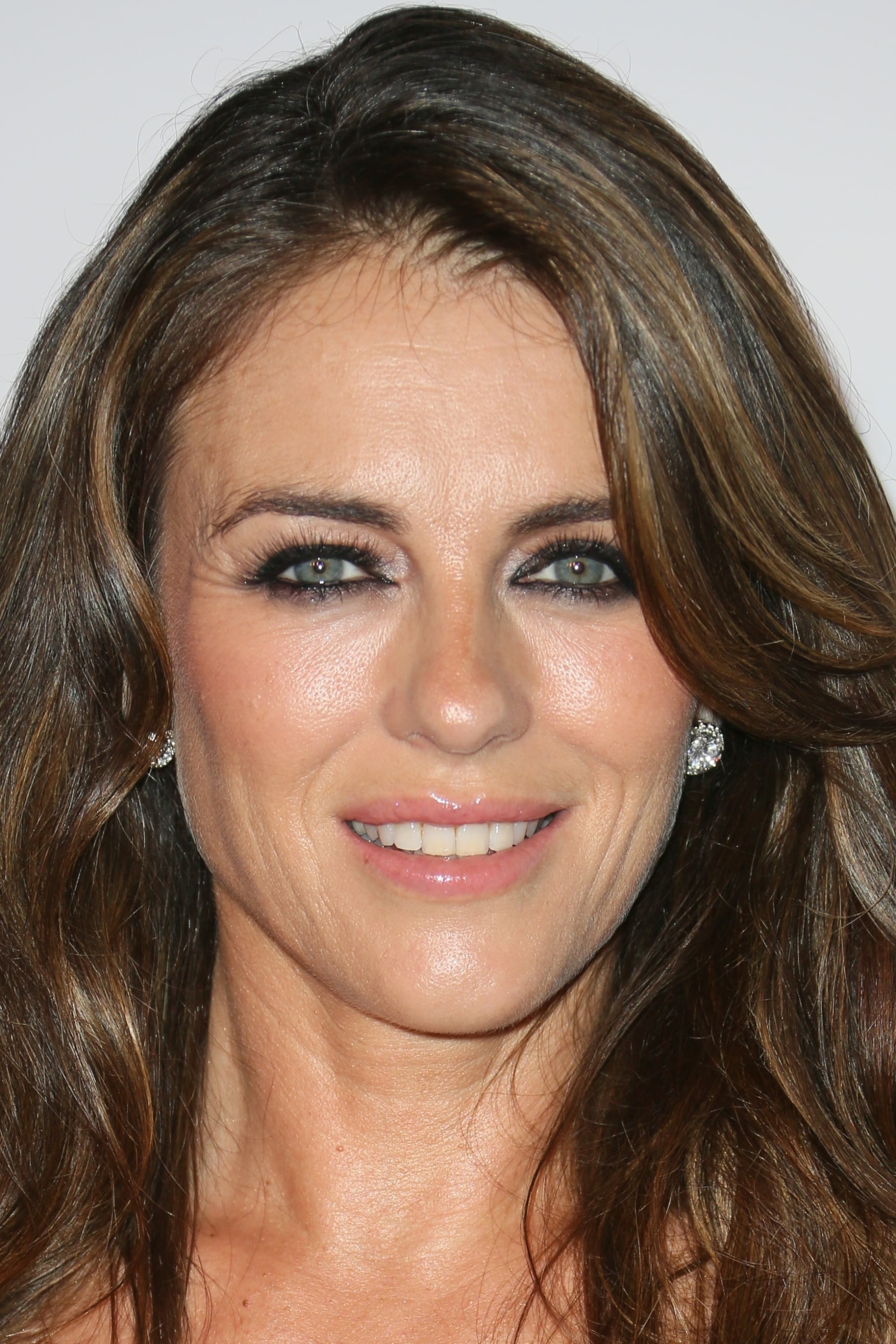
The actress and model has frequently worn saris to various high-profile social events and weddings. While she has ties to the country through her past relationship with Arun Nayar her continued use of the attire has sparked occasional criticism. Some argue that her presentation of the sari is often westernized or treated as a fancy dress option. Others defend her choices as a legitimate expression of her personal history and experiences in India. The debate around her fashion choices illustrates the complex nature of wearing cultural attire after a personal connection has ended.
Hilaria Baldwin
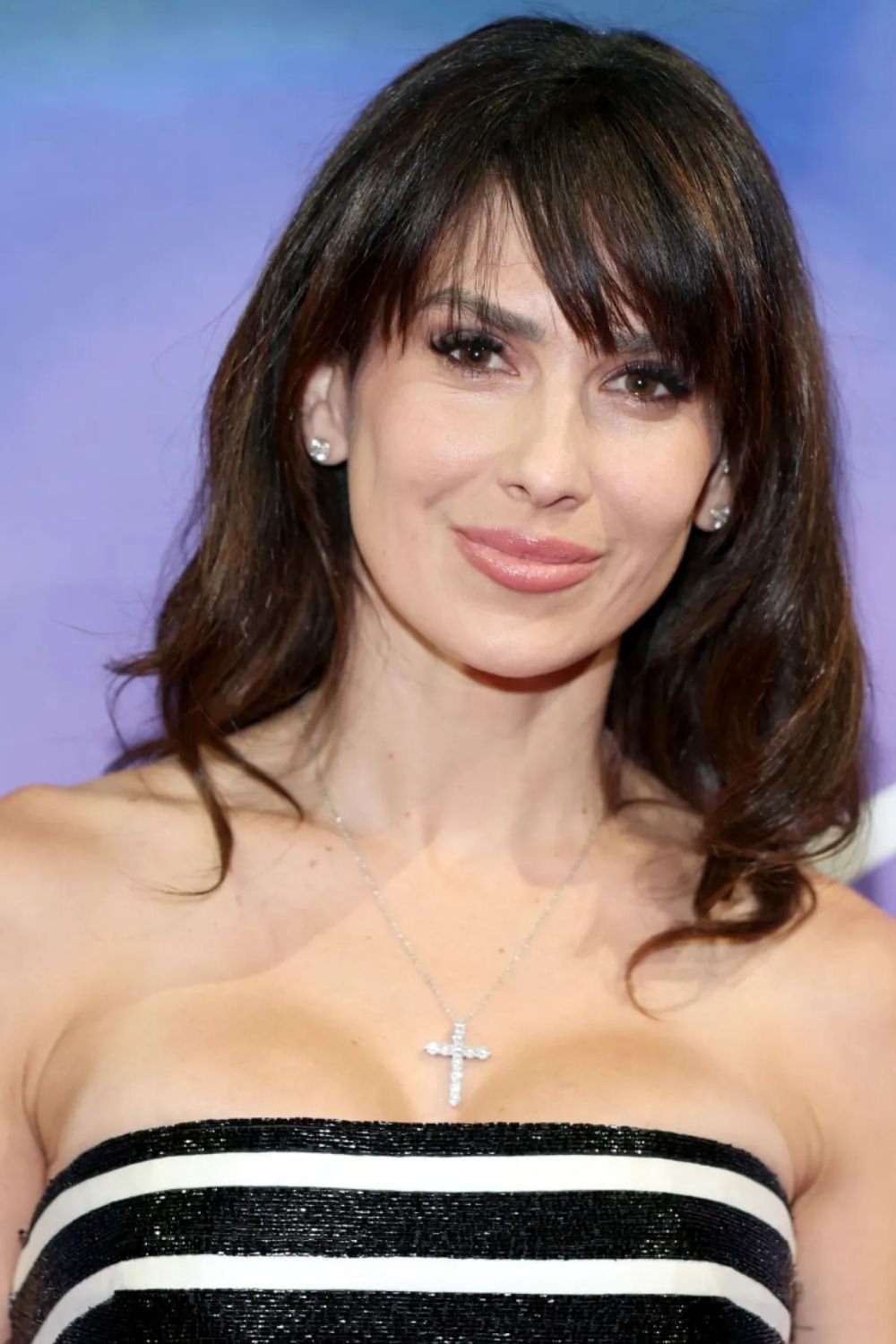
The actress and lifestyle influencer faced a massive public scandal regarding her claims of Spanish heritage. For years she spoke with a fluctuating accent and wore clothing that emphasized a Spanish identity that was later revealed to be inaccurate. She frequently appeared on red carpets and in magazines as a representative of the Hispanic community despite being born and raised in Boston. The backlash focused on the idea that she had adopted a cultural persona for personal and professional gain. Baldwin eventually apologized for not being clearer about her background but maintained her deep connection to Spain.
Salma Hayek Pinault
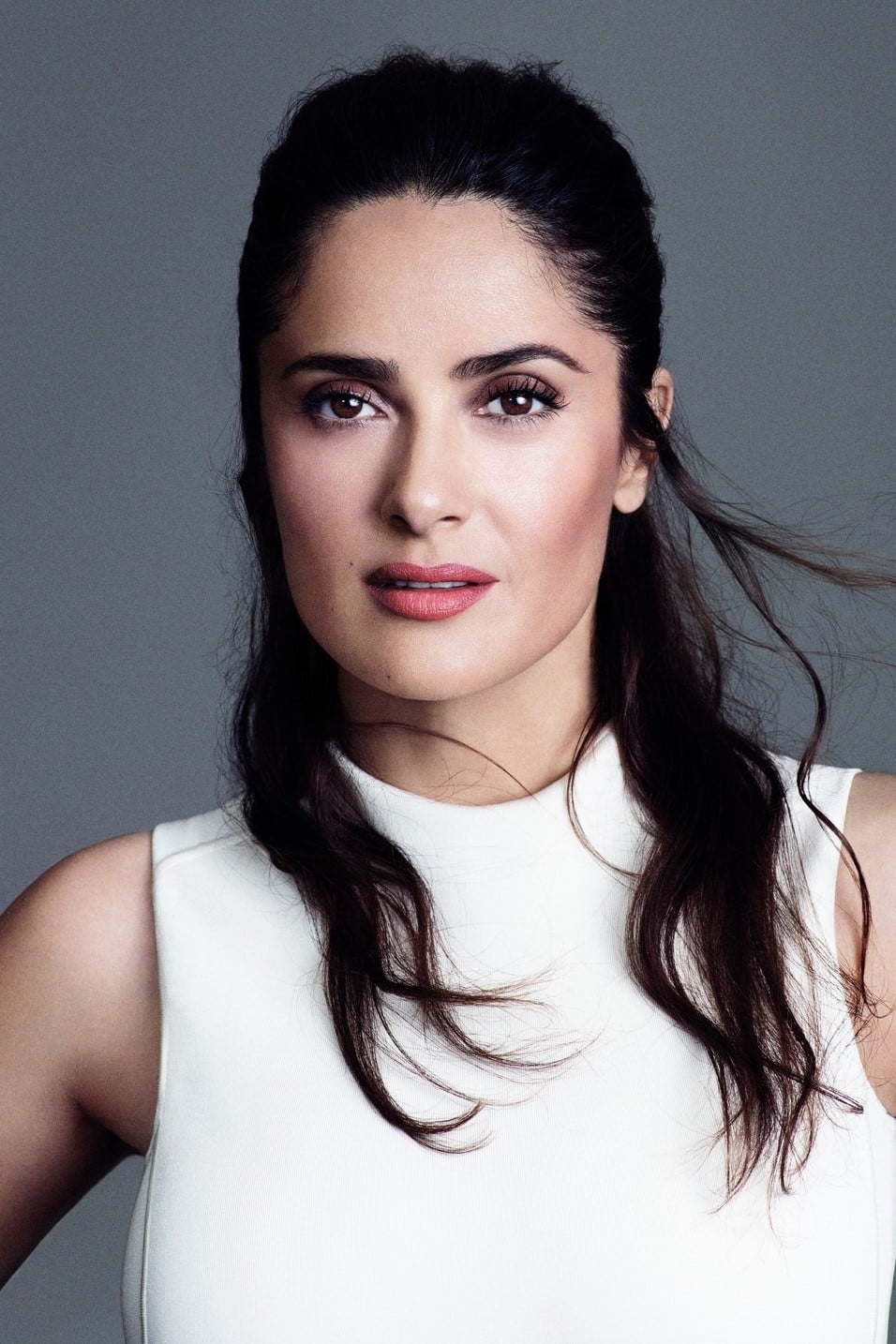
The actress has occasionally faced criticism for her choices in costumes at high-profile celebrity parties. In one instance she wore a traditional indigenous-inspired outfit that some felt was a generic and stereotypical representation. While she is proud of her Mexican heritage the use of specific cultural markers as a party costume can still be seen as insensitive. She has generally been a strong advocate for authentic representation of Latina women in Hollywood. However these specific instances show how even those within a culture can face scrutiny for their fashion choices.
Victoria Beckham
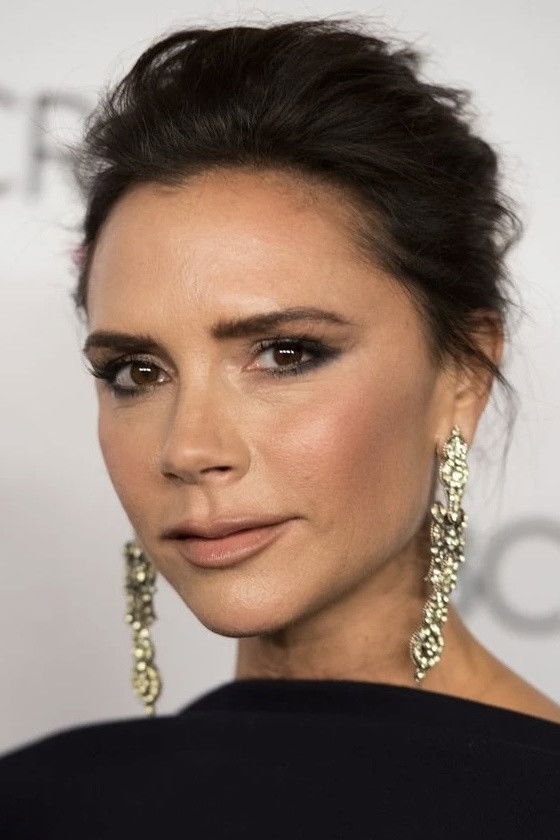
The designer and actress featured Native American-inspired headdresses in a photoshoot that was intended to be a tribute to American style. The images were criticized for being insensitive and for using sacred symbols as fashion props. Many people pointed out that the fashion industry has a long history of taking from indigenous cultures without providing any benefit to those communities. Beckham did not issue a major public statement but the images remain a point of discussion in her career. She has since focused on her own minimalist design aesthetic which avoids cultural motifs.
Kendall Jenner
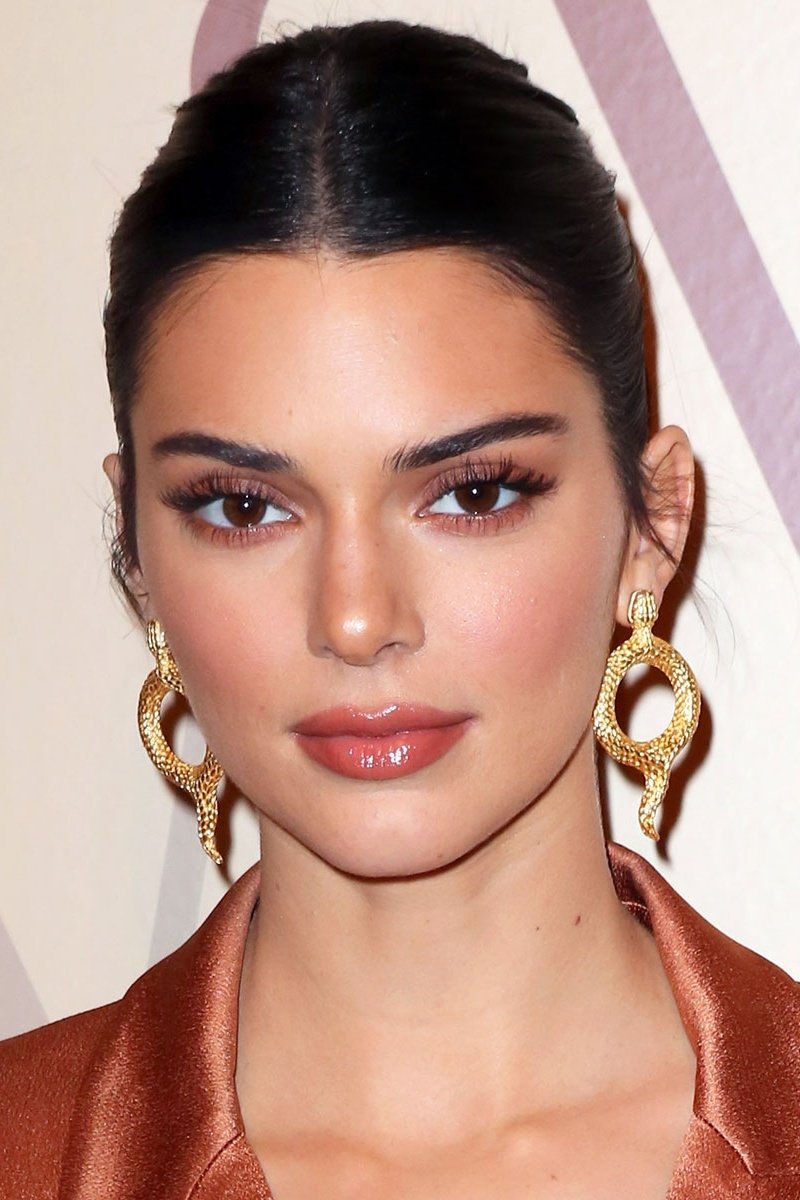
This actress and model was criticized for wearing an afro-style hairstyle in a photoshoot for ‘Vogue’ magazine. Critics argued that the magazine should have hired a Black model with a natural afro rather than styling a white model to mimic the look. She also faced backlash for wearing cornrows on several occasions and for her role in a controversial commercial that was accused of trivializing social justice movements. While she often claims that her fashion choices are the result of creative direction she still receives significant individual criticism. Jenner continues to be one of the most visible figures in the fashion world despite these controversies.
Gigi Hadid
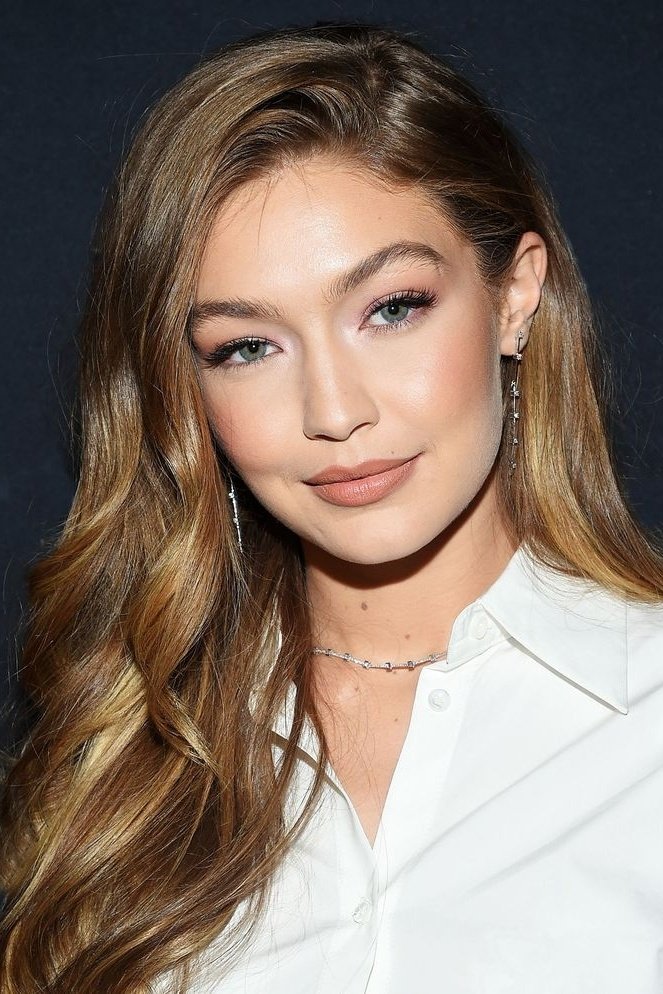
The model and actress faced intense criticism for a ‘Vogue Italia’ cover where her skin was darkened to the point of being unrecognizable. Many people accused the publication and the model of engaging in blackface-style imagery. Hadid issued a public apology and explained that she does not have control over the creative direction of photoshoots but understands the hurt it caused. She had also previously been criticized for a social media video where she appeared to mock Asian features. These incidents have led to a greater awareness of cultural sensitivity in her subsequent projects.
Bella Hadid
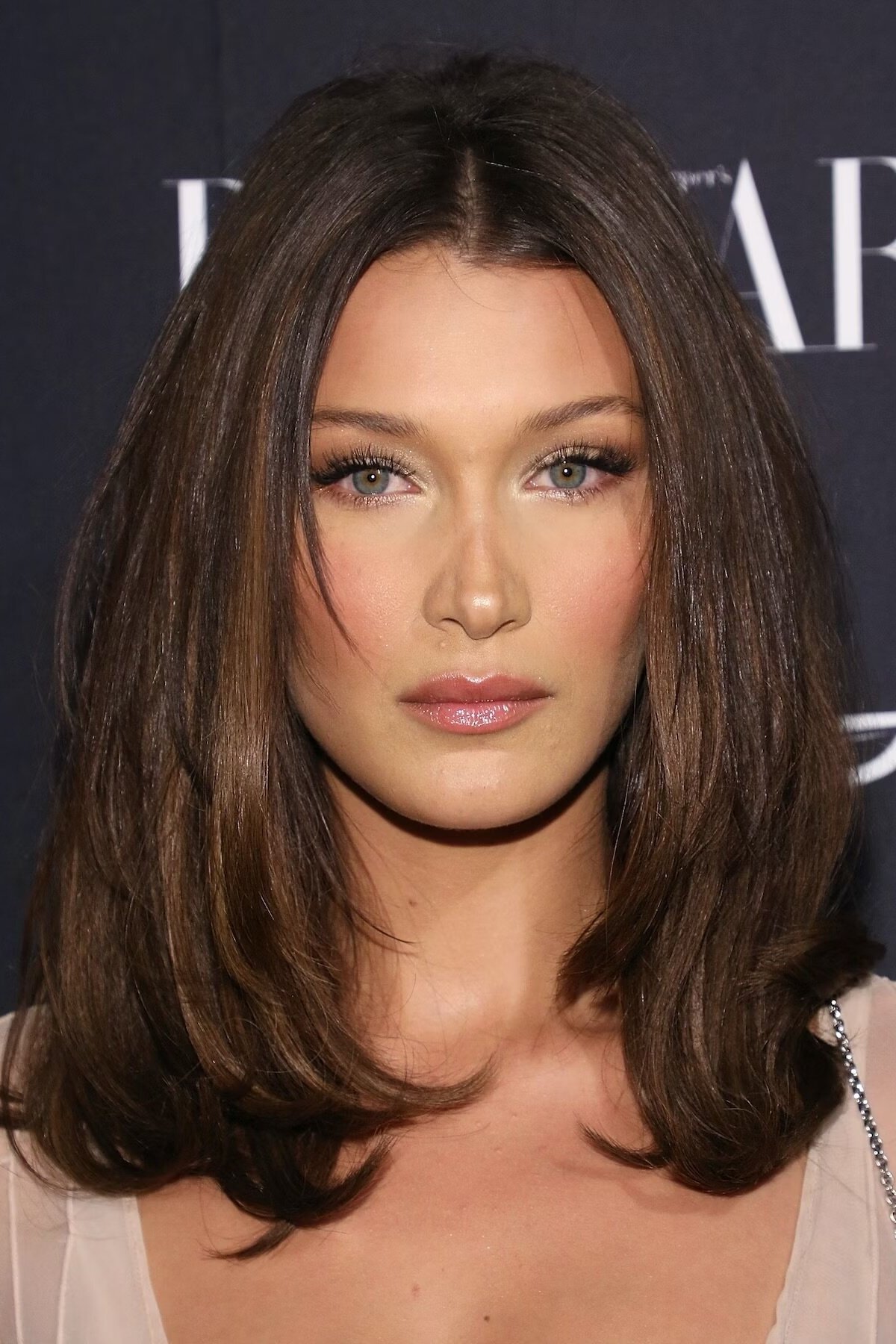
Like her sister this actress and model has been involved in several fashion-related cultural controversies. She has been accused of cultural appropriation for wearing hairstyles and clothing that are associated with Black and Middle Eastern cultures in a way that feels like a costume. Some critics point out the irony of these choices given the struggles faced by people from those backgrounds. Hadid has become more vocal about her Palestinian heritage in recent years and has worked to provide more context for her identity. However her past fashion choices still serve as a reference point for debates on the subject.
Jennifer Lopez
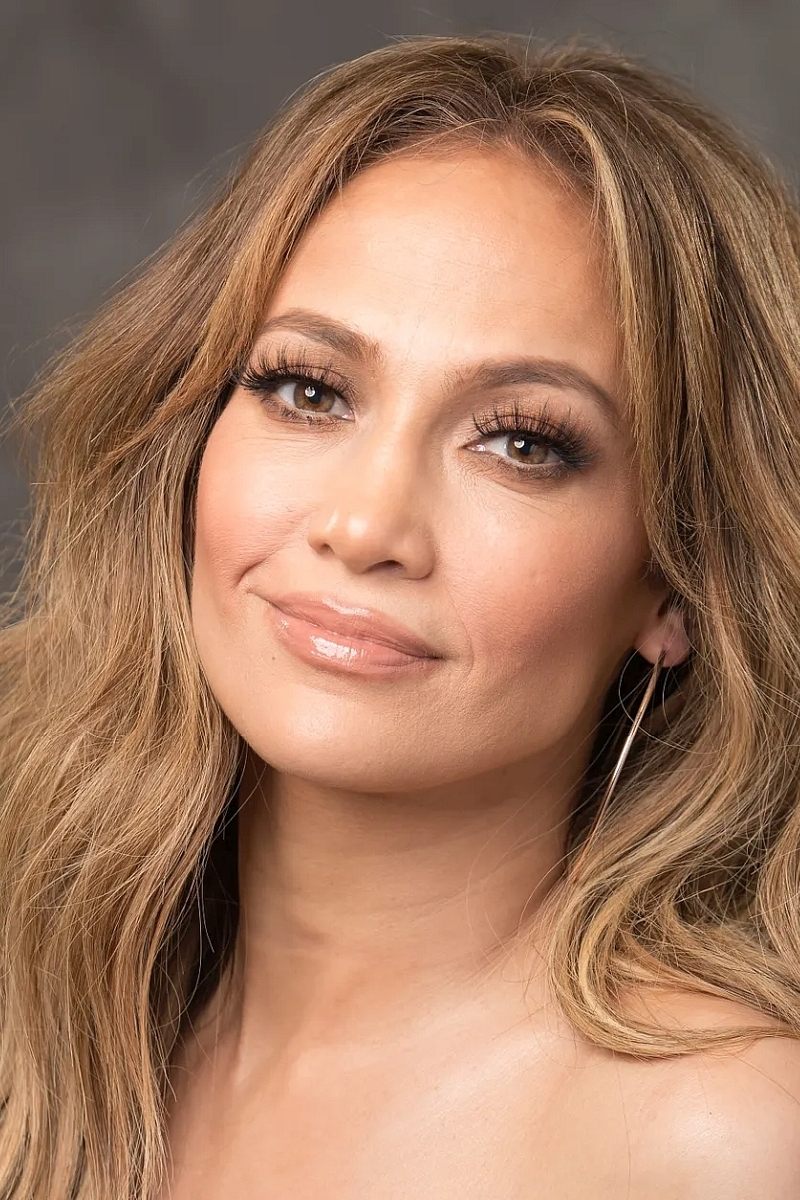
The actress and singer has been accused of using Black and South Asian cultural elements in her music videos and public appearances. Specifically her use of certain hairstyles and jewelry has been called out as a form of cultural tourism. Some critics argue that she has built her brand by adopting various cultural aesthetics that do not belong to her. While she is a celebrated figure in the Latinx community her crossover into other cultural spaces is sometimes viewed with skepticism. Lopez continues to be a powerhouse in the entertainment industry and often emphasizes the diversity of her influences.
Shakira
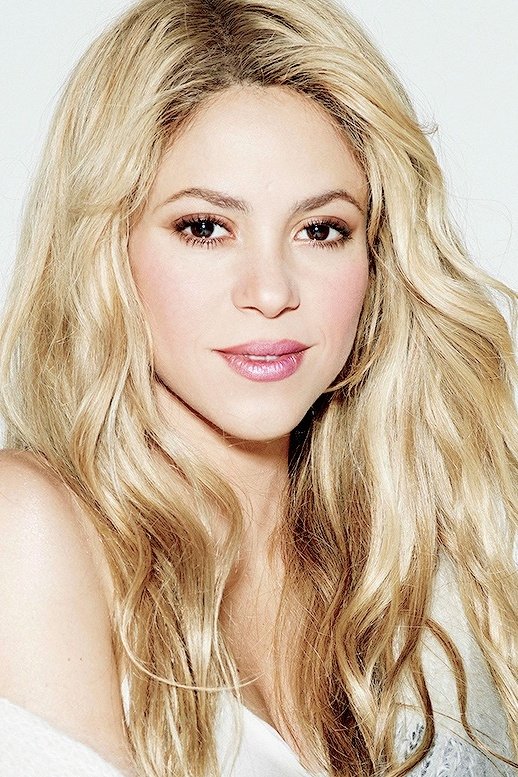
This actress and singer has used a wide variety of cultural motifs in her performances including Middle Eastern belly dancing and African rhythms. While she often cites her own Lebanese and Colombian heritage as the source of these influences some performances have been criticized for being stereotypical. In particular her 2010 World Cup song ‘Waka Waka’ drew mixed reviews for its use of African cultural elements. Some felt it was a great celebration while others argued it was an outsider’s simplification of the continent’s music. Shakira remains one of the most successful global artists by blending diverse cultural sounds.
Penélope Cruz
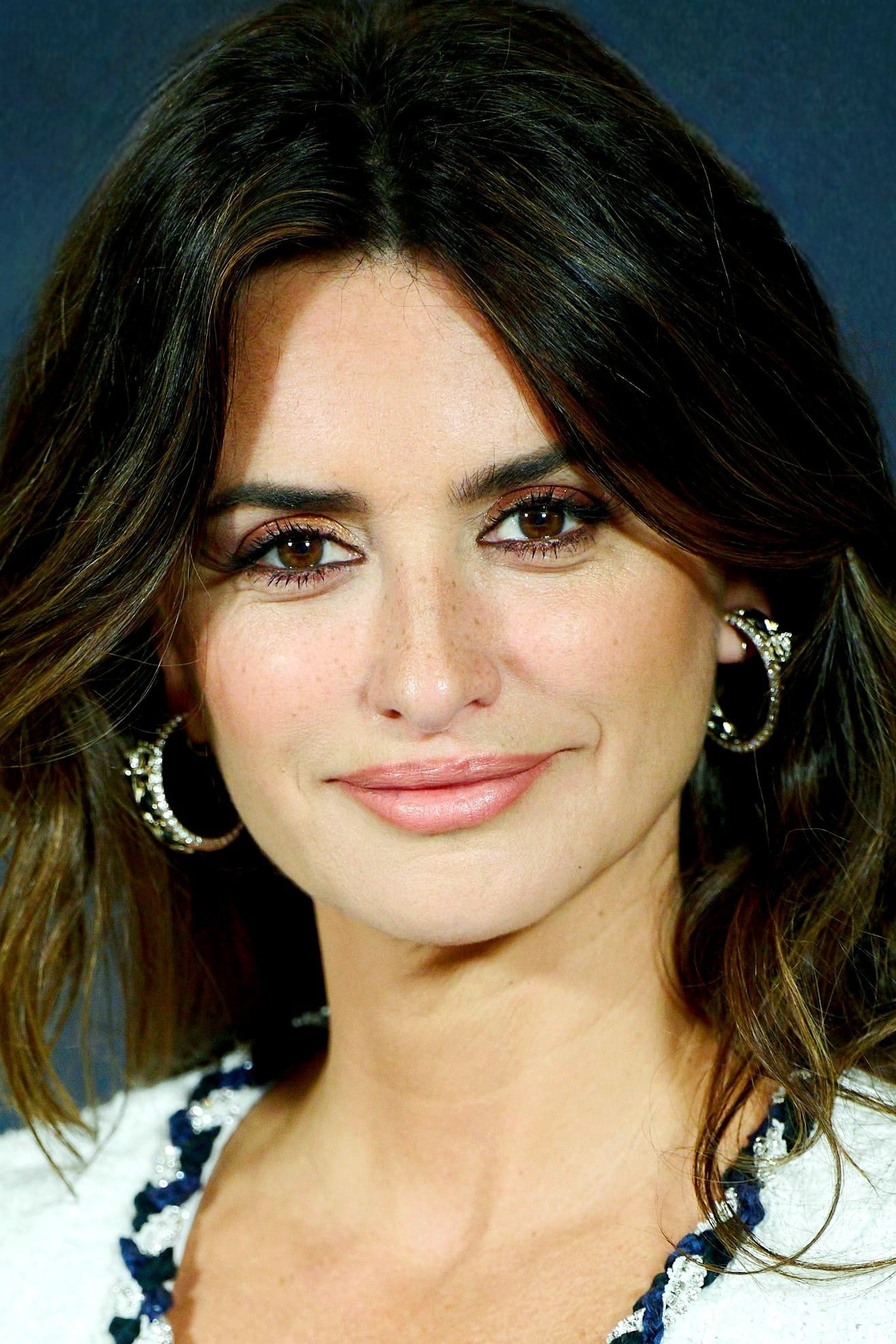
The actress was involved in a controversy regarding her appearance in a film where she played a character with a different ethnic background. On the red carpet she has sometimes worn styles that critics felt were leaning into orientalist themes. Specifically the use of certain fabrics and patterns has been questioned for their cultural origins. Cruz is generally highly respected for her fashion choices but these instances highlight the global nature of fashion critique. She continues to work with top designers who often draw from a variety of global inspirations.
Sofía Vergara
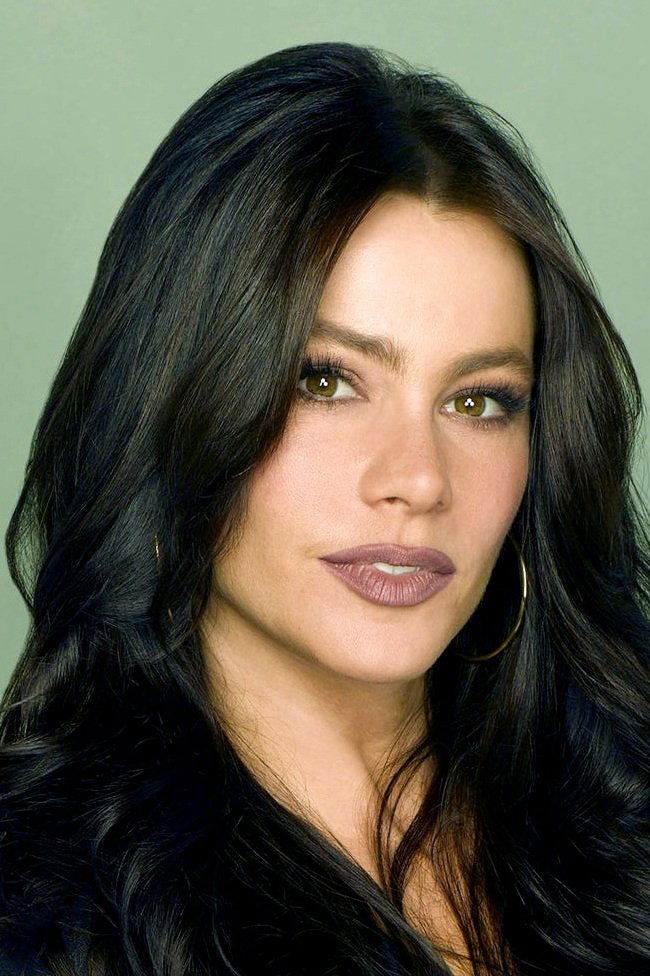
This actress is often criticized for playing into exaggerated stereotypes of Latina women in her roles and public appearances. Some of her awards show skits have been viewed as offensive because they seem to mock her own culture for a predominantly white audience. Additionally her choices in attire for certain themed events have been called out for being caricature-like. Critics argue that while she is a successful actress she sometimes reinforces the very tropes that limit other performers. Vergara has defended her work by stating that she is proud of her accent and her heritage.
Diane Kruger
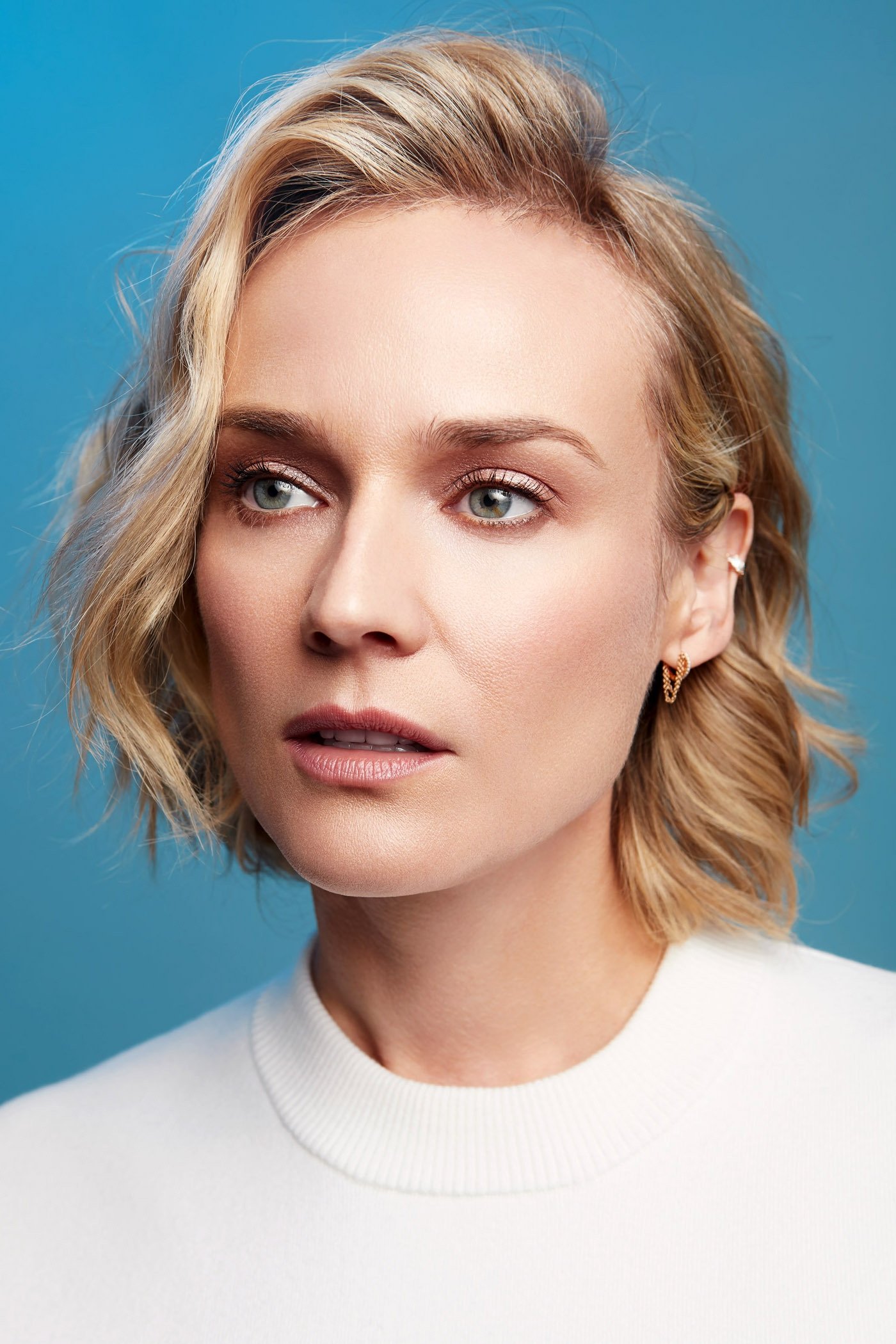
The actress wore a dress with various cultural symbols at a major film festival which sparked a minor debate about the origin of the designs. While the dress was a piece of high fashion the patterns were clearly inspired by indigenous artistry. Critics of the look argued that designers and celebrities should give more credit to the cultures they borrow from. Kruger did not address the controversy directly but the dress is often cited in articles about the appropriation of tribal prints. She remains a fashion icon who is known for taking risks on the red carpet.
Keira Knightley
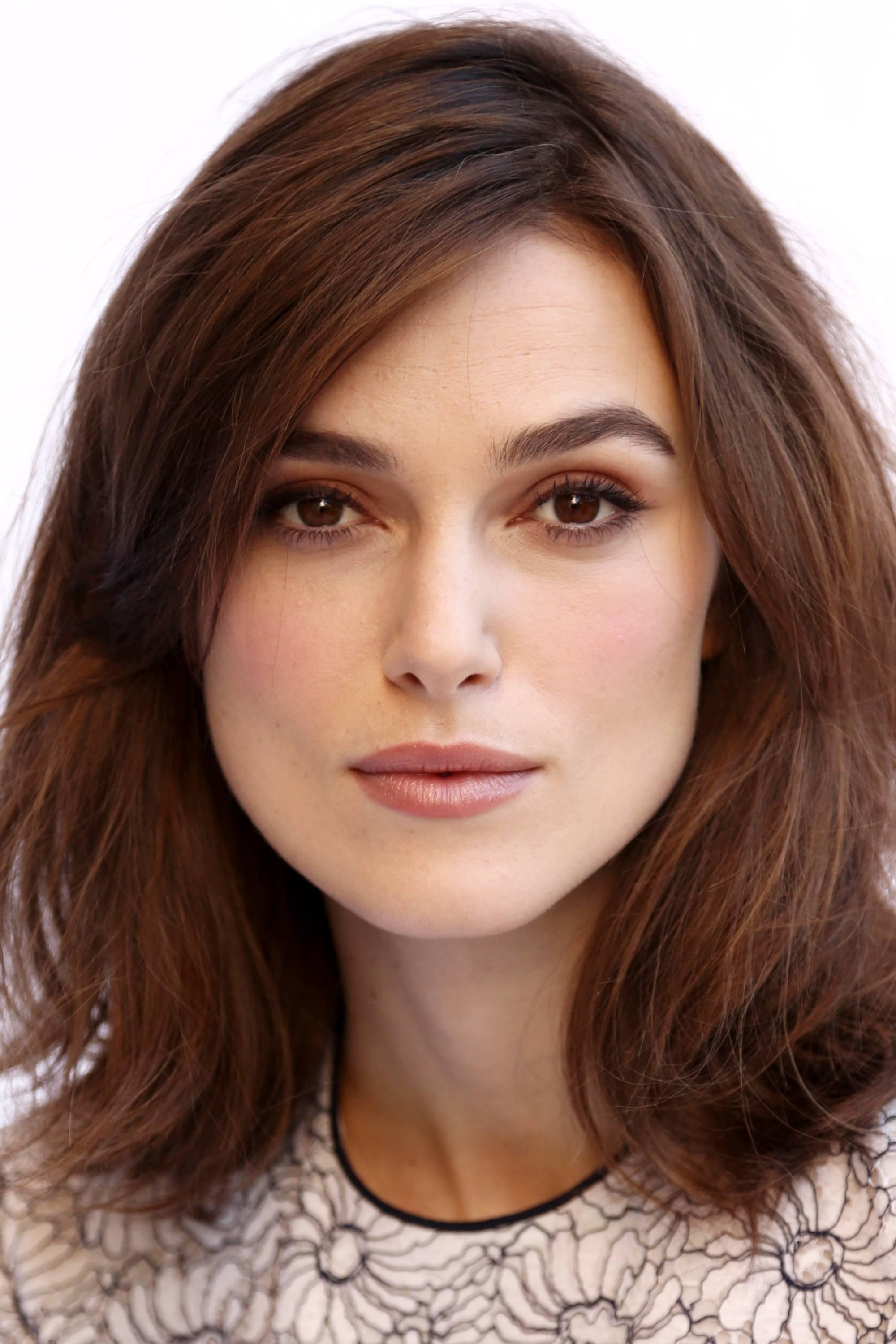
This actress faced criticism for a photoshoot where she wore items that were culturally significant to indigenous groups. The use of these items as part of a high-fashion aesthetic was seen as a lack of respect for their original meaning. Some observers pointed out that the fashion industry often treats non-Western cultures as a source of exotic inspiration. Knightley has not made a habit of wearing such items to Hollywood events but the photoshoot remains a part of her public record. She has since focused on more traditional period pieces and classic fashion roles.
Kate Moss
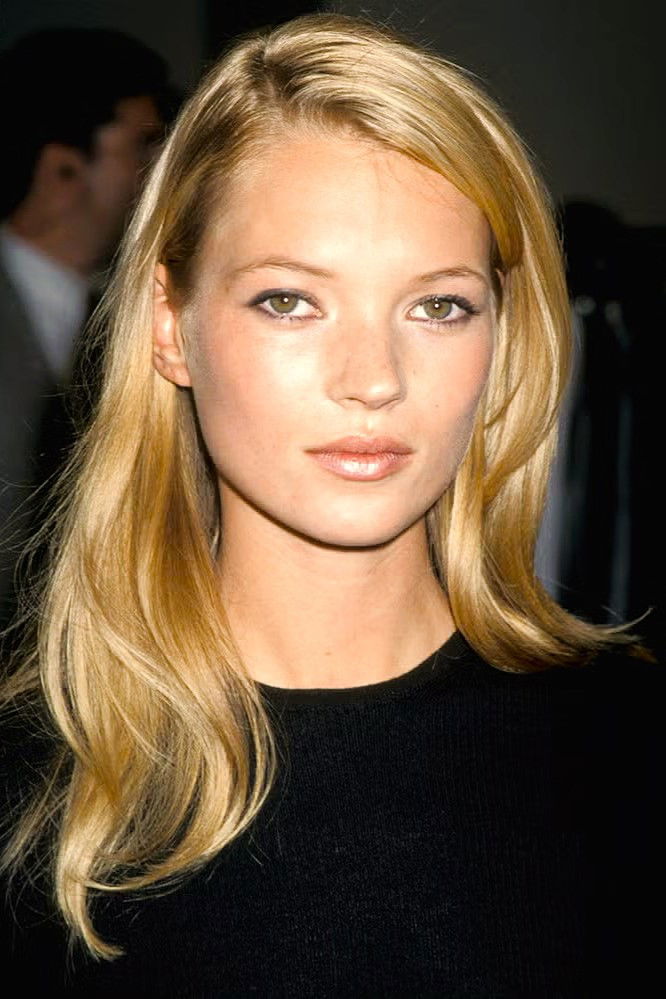
The legendary model and actress has been involved in several controversies involving cultural attire in fashion shoots. One notable instance involved her wearing a traditional Japanese kimono in a way that was viewed as disrespectful. She has also appeared in shoots that used various cultural symbols as mere props for a specific aesthetic. Critics argue that as a veteran of the industry she should be more aware of the implications of these choices. Moss continues to be a major influence in fashion but her past work is often analyzed through a modern lens of cultural sensitivity.
Björk
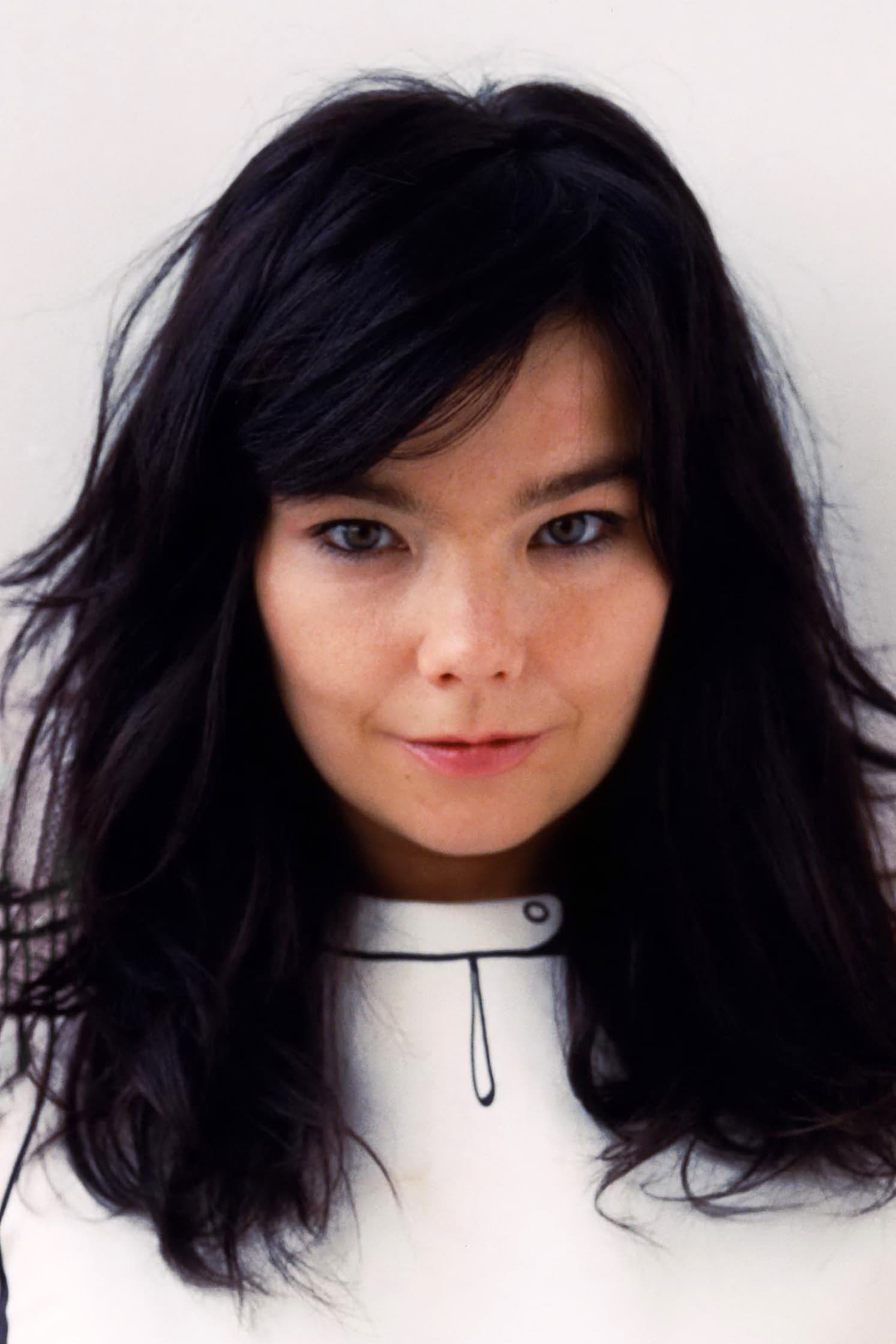
The actress and singer is known for her highly avant-garde fashion which often draws from a wide array of global cultures. She has faced criticism for wearing outfits inspired by Inuit culture and for using various traditional symbols in her stage costumes. While many see her as a creative visionary others feel that her use of these elements can be a form of cultural appropriation. Björk has often stated that she is interested in the universal nature of human expression and technology. Her unique style remains one of the most discussed aspects of her long career in the arts.
Sarah Silverman
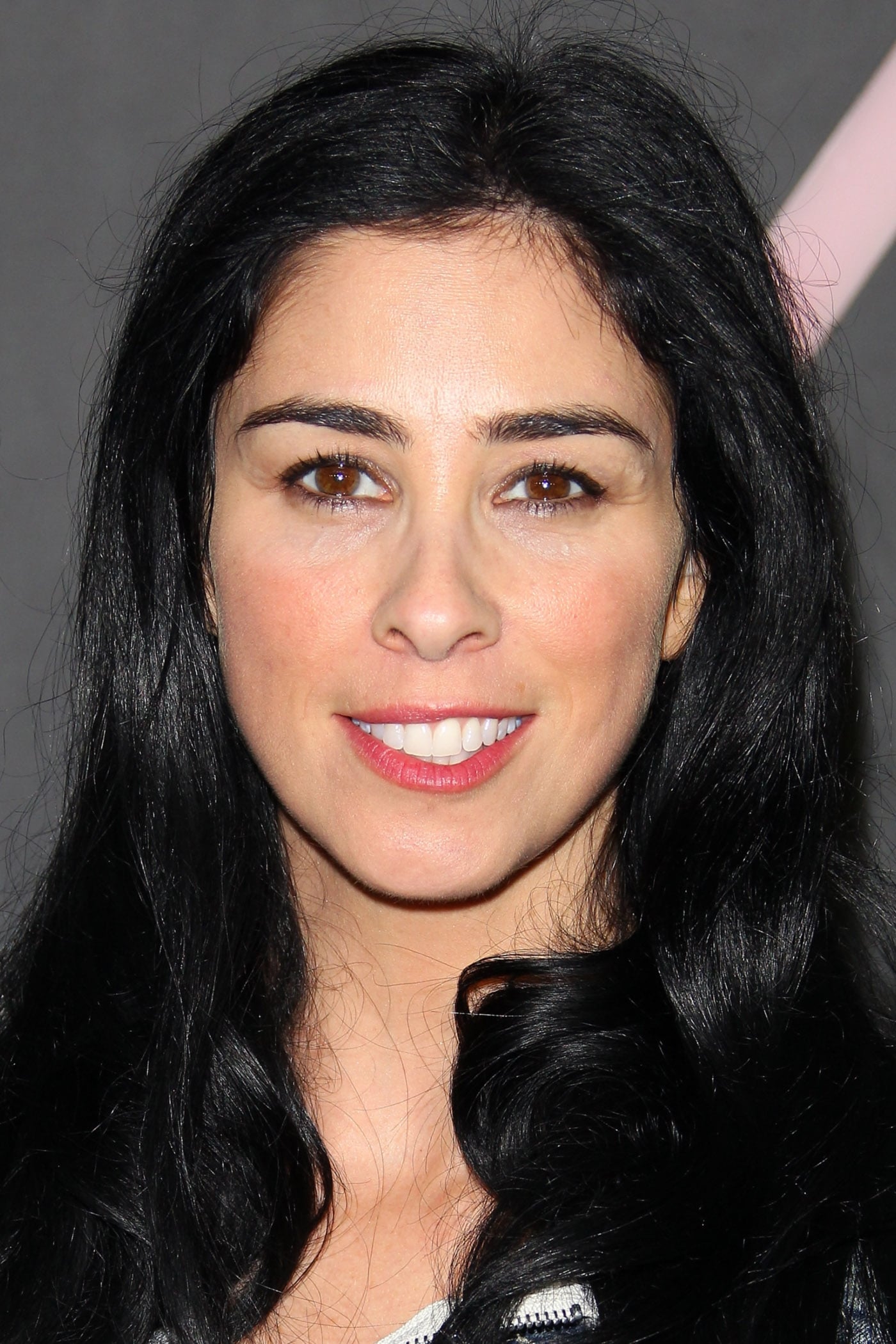
The actress and comedian famously wore blackface during an episode of ‘The Sarah Silverman Program’ in 2007. While the episode was intended to be a satirical take on race relations the imagery remains a significant stain on her career. She has since expressed deep regret for the choice and has stated that she is horrified by her younger self. The incident led to her being fired from a movie role years later as the public’s tolerance for such imagery reached a breaking point. Silverman has used the experience to speak about the importance of growth and the changing standards of comedy.
Selma Blair
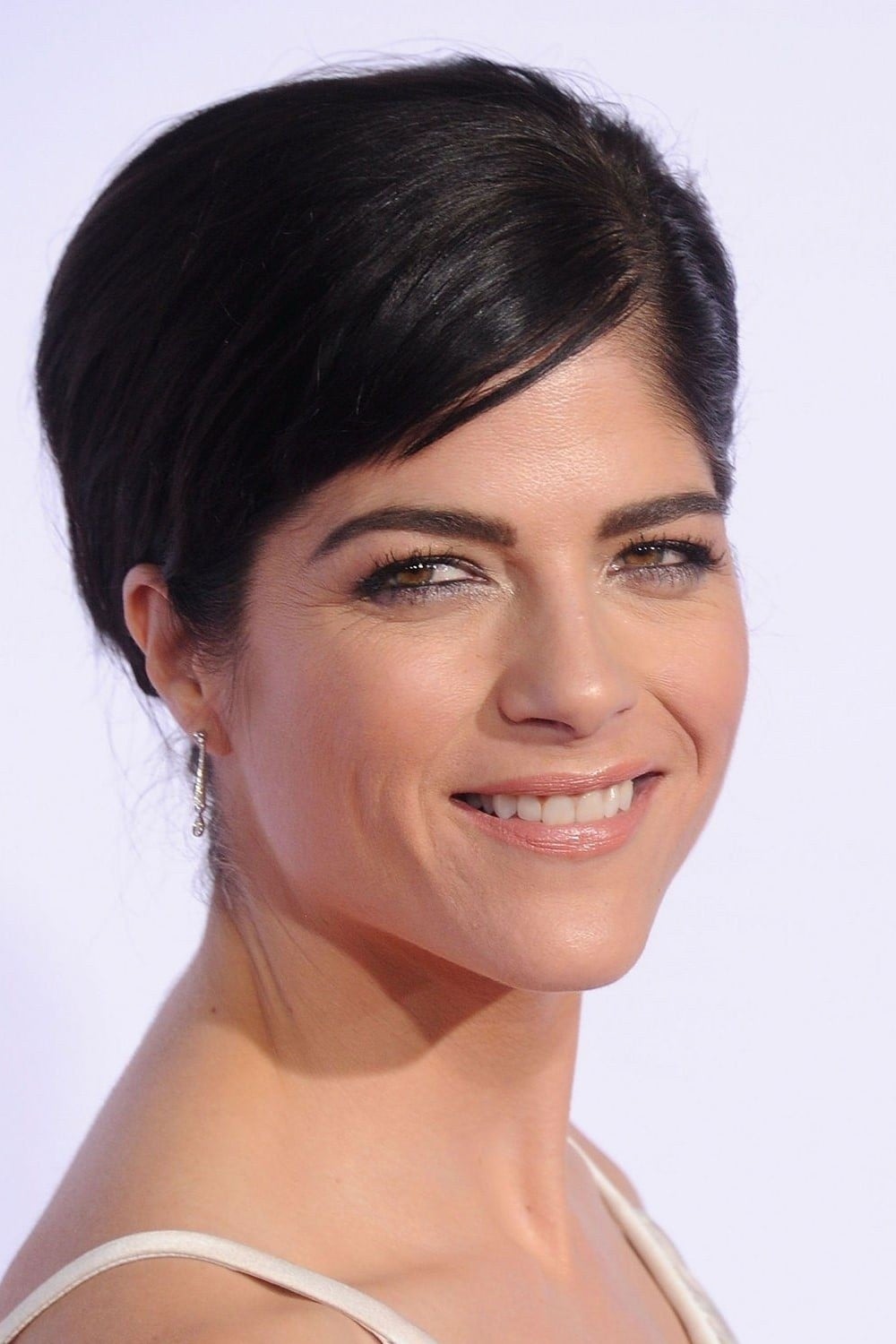
This actress faced a social media backlash after she posted a photo of herself wearing a turban. Critics argued that the headwear has deep religious and cultural significance for Sikhs and Muslims and should not be used as a chic accessory. The conversation highlighted how items of clothing that are symbols of faith for some are often treated as temporary trends for others. Blair eventually removed the photo and engaged with some of the critics to better understand their perspectives. This incident serves as a reminder of the speed at which fashion choices can become public controversies.
Miley Cyrus
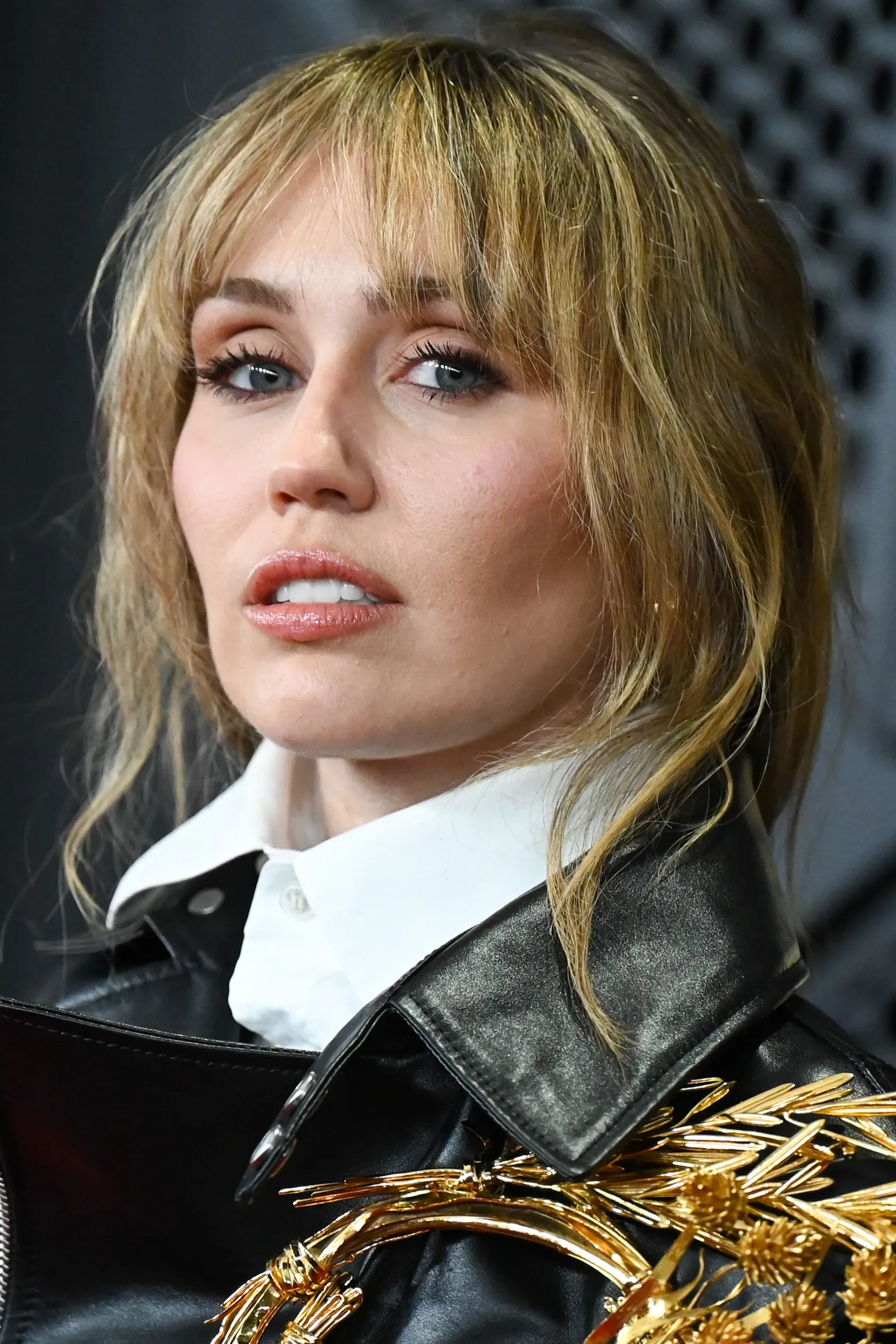
The actress and singer was at the center of a major cultural appropriation debate during her ‘Bangerz’ era. Her performance at the 2013 MTV Video Music Awards was criticized for using Black women as props and for her appropriation of twerking. Critics argued that she was using Black culture as a way to rebel against her ‘Hannah Montana’ image. Cyrus later addressed these criticisms by saying she felt she had been a guest in that space and had since moved back toward her country roots. The incident remains a pivotal moment in the discussion of how white pop stars interact with Black culture.
Kesha
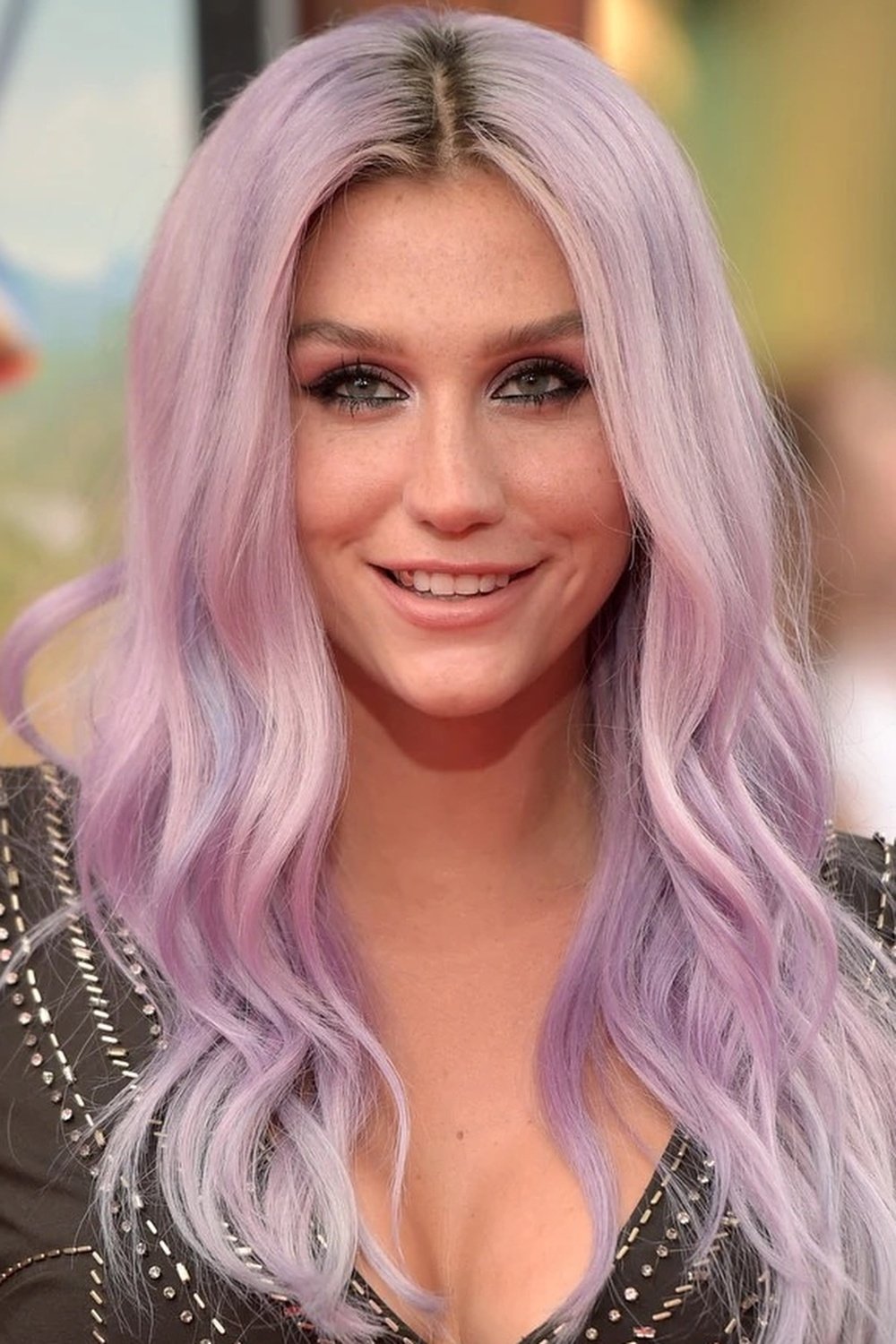
This actress and singer drew criticism for wearing a Native American headdress during one of her televised performances. Like many other pop stars of the time she used the item to enhance a wild and party-focused aesthetic. The response from indigenous communities was negative as they explained the sacred nature of the war bonnet. Kesha has since shifted her musical and fashion style toward more personal and less controversial themes. Her earlier choices are often grouped with the general trend of festival-inspired appropriation that peaked in the early 2010s.
Lana Del Rey
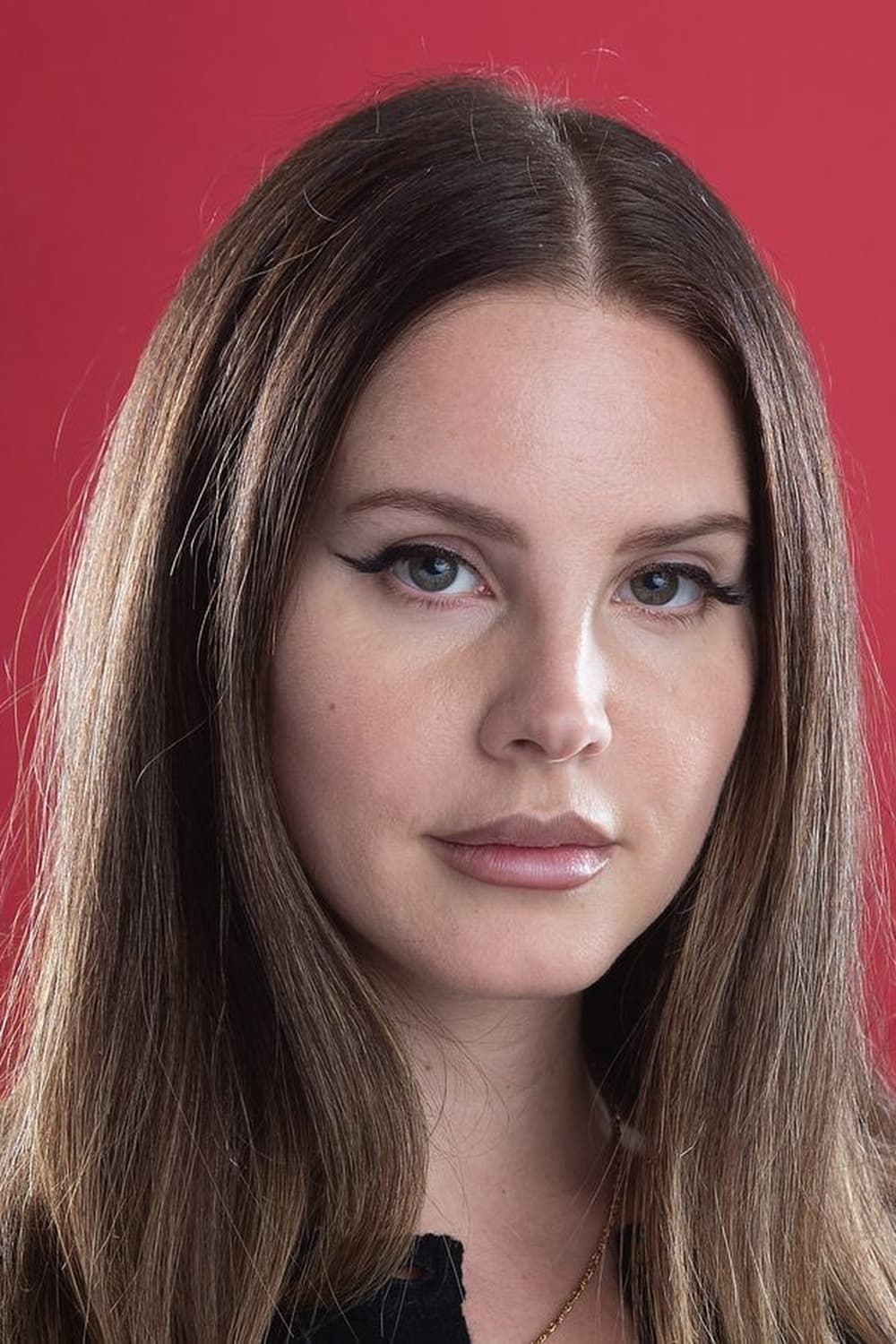
The singer and actress wore a Native American headdress in the music video for her song ‘Ride’ which sparked significant backlash. Critics argued that the use of the headdress in a video about freedom and rebellion was a romanticized version of indigenous struggles. She has also faced criticism for her use of other cultural symbols and for her response to being accused of appropriation. In a later social media post she addressed her critics but many felt her explanation did not show an understanding of the issue. She continues to be a polarizing figure in the discussion of cultural aesthetics in music.
Dakota Johnson
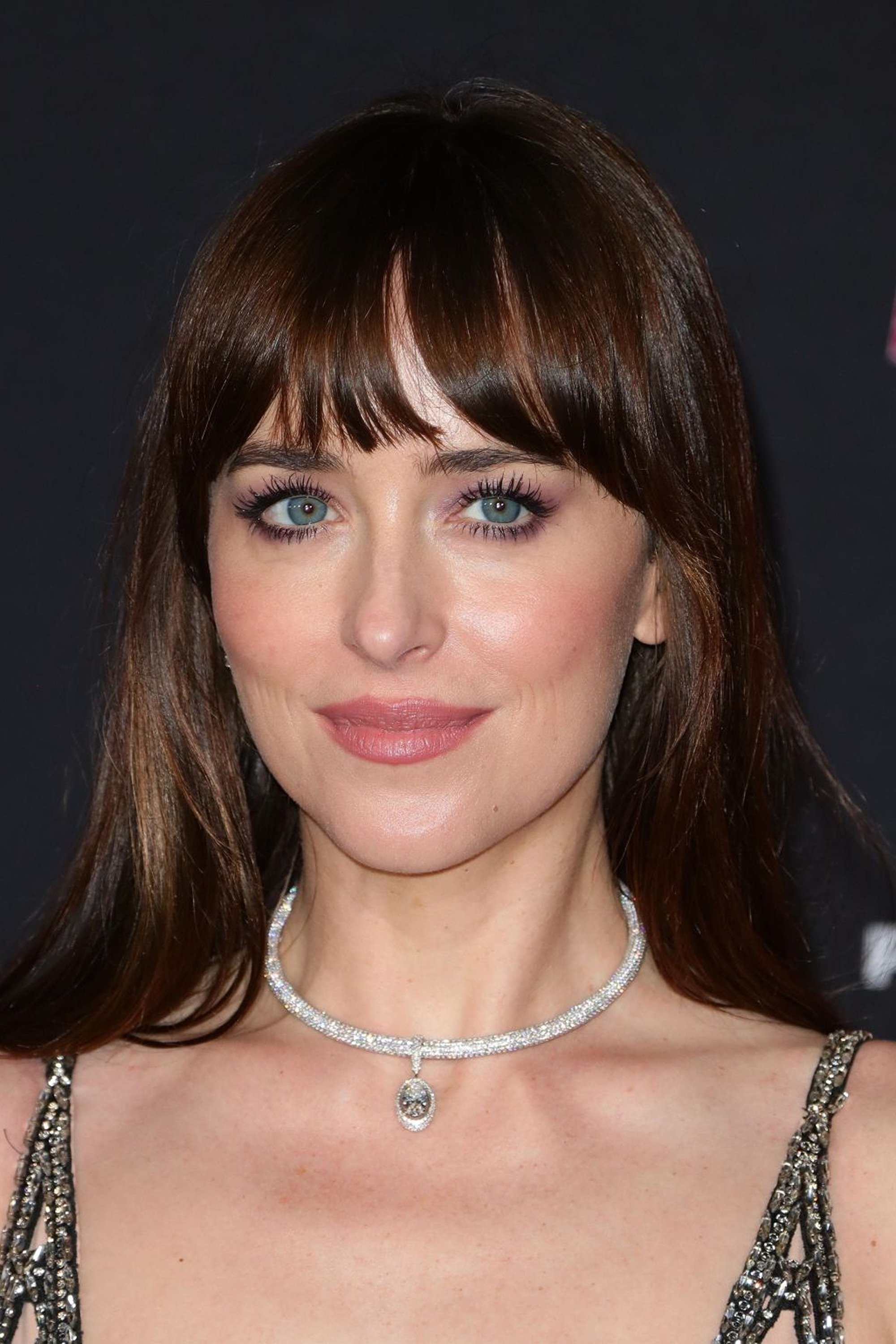
The actress was photographed wearing a turban while leaving a high-profile event which led to discussions about the appropriation of the headwear. While some fans defended it as a simple fashion choice others pointed out the religious and cultural history of the garment. This incident mirrored the backlash faced by other stars like Selma Blair and Lady Gaga. Johnson did not make a public statement regarding the criticism but has not been seen in similar attire since. Her fashion choices are usually more understated which made this particular item stand out to observers.
Amber Heard
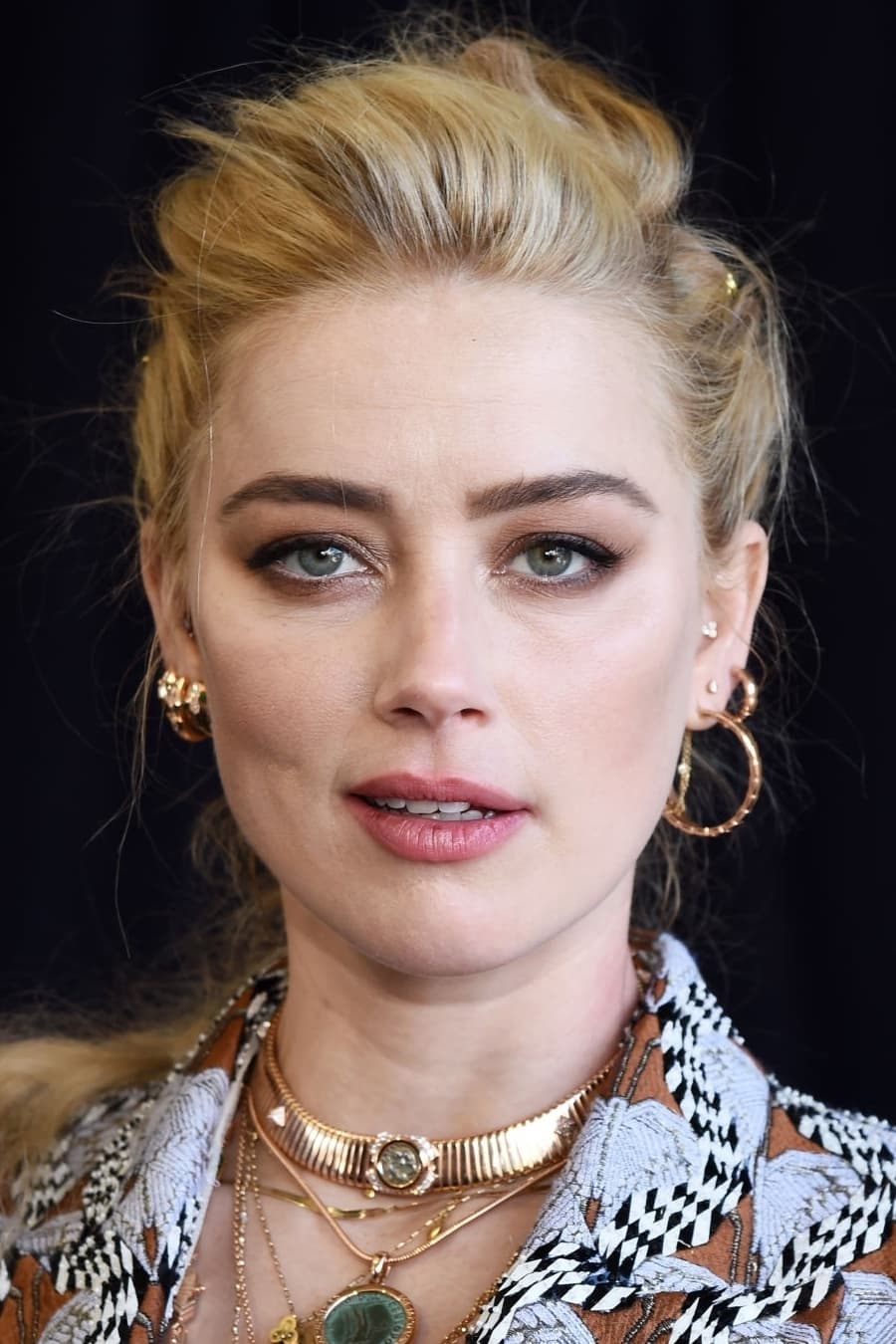
The actress faced criticism for wearing a headscarf in a way that was seen as disrespectful during a visit to a mosque in Istanbul. Photos of her wearing the garment with a low-cut dress underneath circulated online and drew negative comments from the public. Critics argued that if she chose to wear a symbol of modesty she should have respected the full context of the cultural environment. While she was not at a Hollywood event at the time the photos were shared widely across entertainment media. This incident highlighted the importance of cultural context when traveling as a public figure.
Princess Michael of Kent
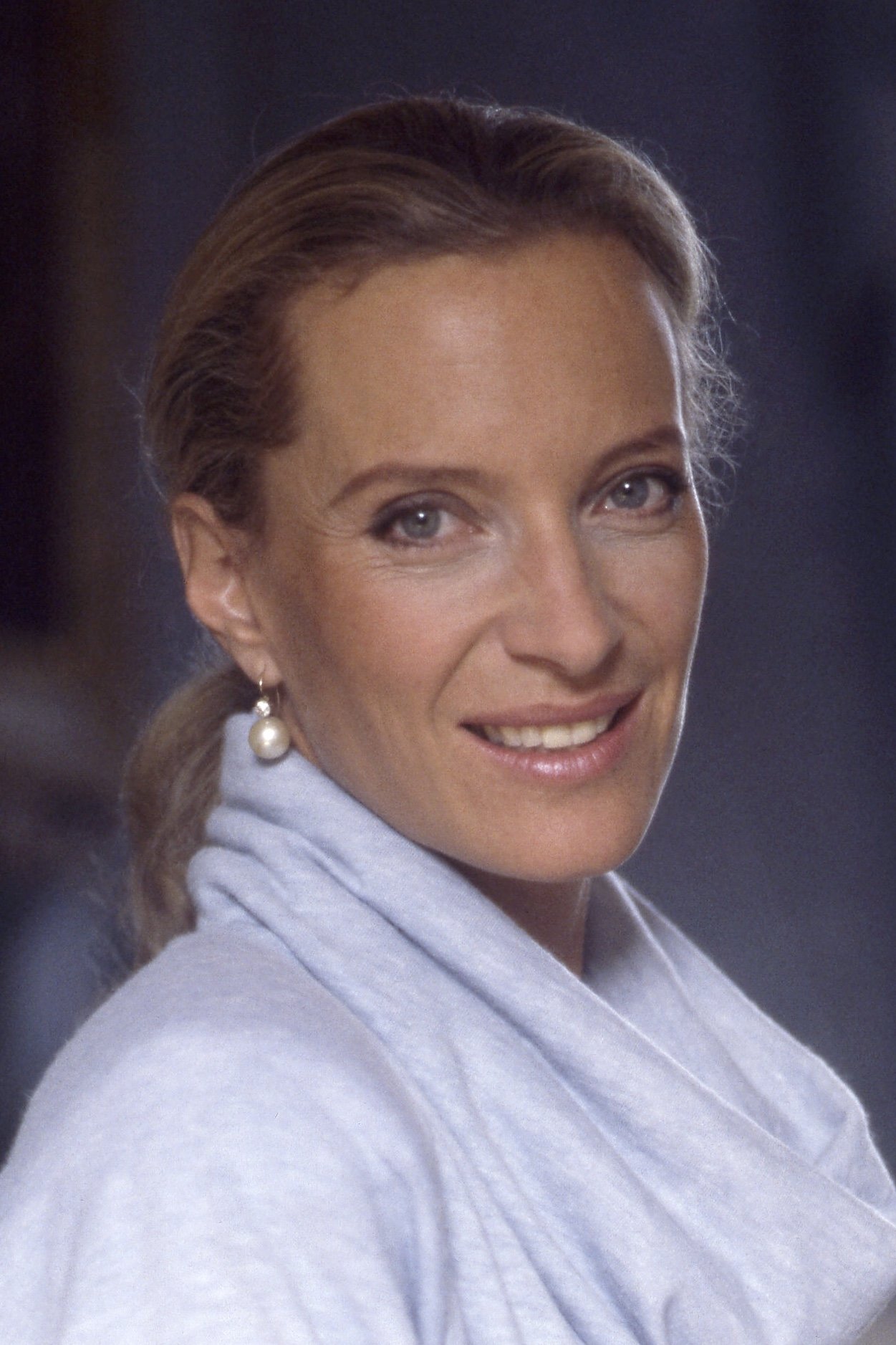
This member of the royal family caused a major controversy when she wore a blackamoor brooch to a Christmas lunch attended by Meghan Markle. Blackamoor jewelry is widely considered to be racially insensitive as it depicts stereotypical and subservient images of people of African descent. The choice of jewelry was seen as a direct insult to the Duchess of Sussex who is biracial. A spokesperson for the Princess later stated that she was very sorry and distressed that the brooch caused offense. The incident is frequently cited as a significant example of inappropriate cultural attire within the royal family.
Share your thoughts on these controversial fashion moments in the comments.