Black Actresses Who Were Harassed After Criticizing the Oscars for Forced Diversity

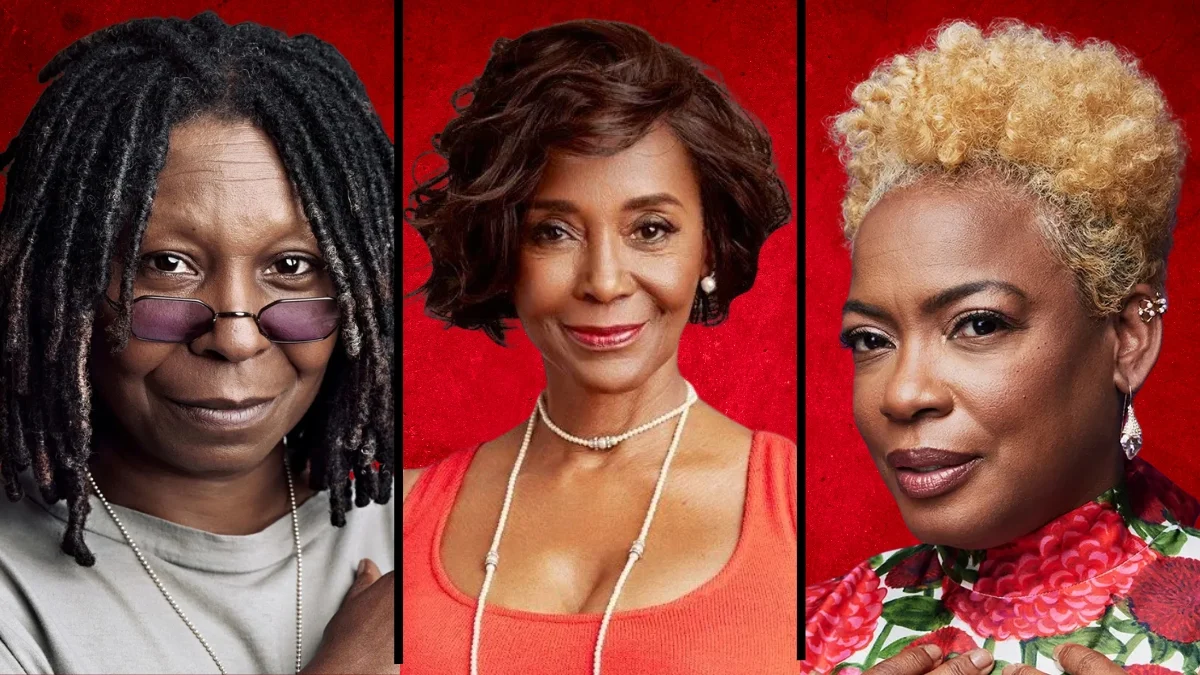

The conversation surrounding diversity in Hollywood has reached a fever pitch over the last decade, leading to the implementation of strict inclusion standards and public boycotts of major ceremonies. While many industry figures have embraced these changes, several Black actresses have expressed skepticism or outright criticism toward what they perceive as performative or forced diversity measures. These public stances often come at a significant cost, as speaking against the prevailing narrative can lead to intense social media backlash and professional repercussions. The following list examines actresses who faced various forms of harassment after questioning the methods used by the Academy and the industry to achieve representation.
Stacey Dash
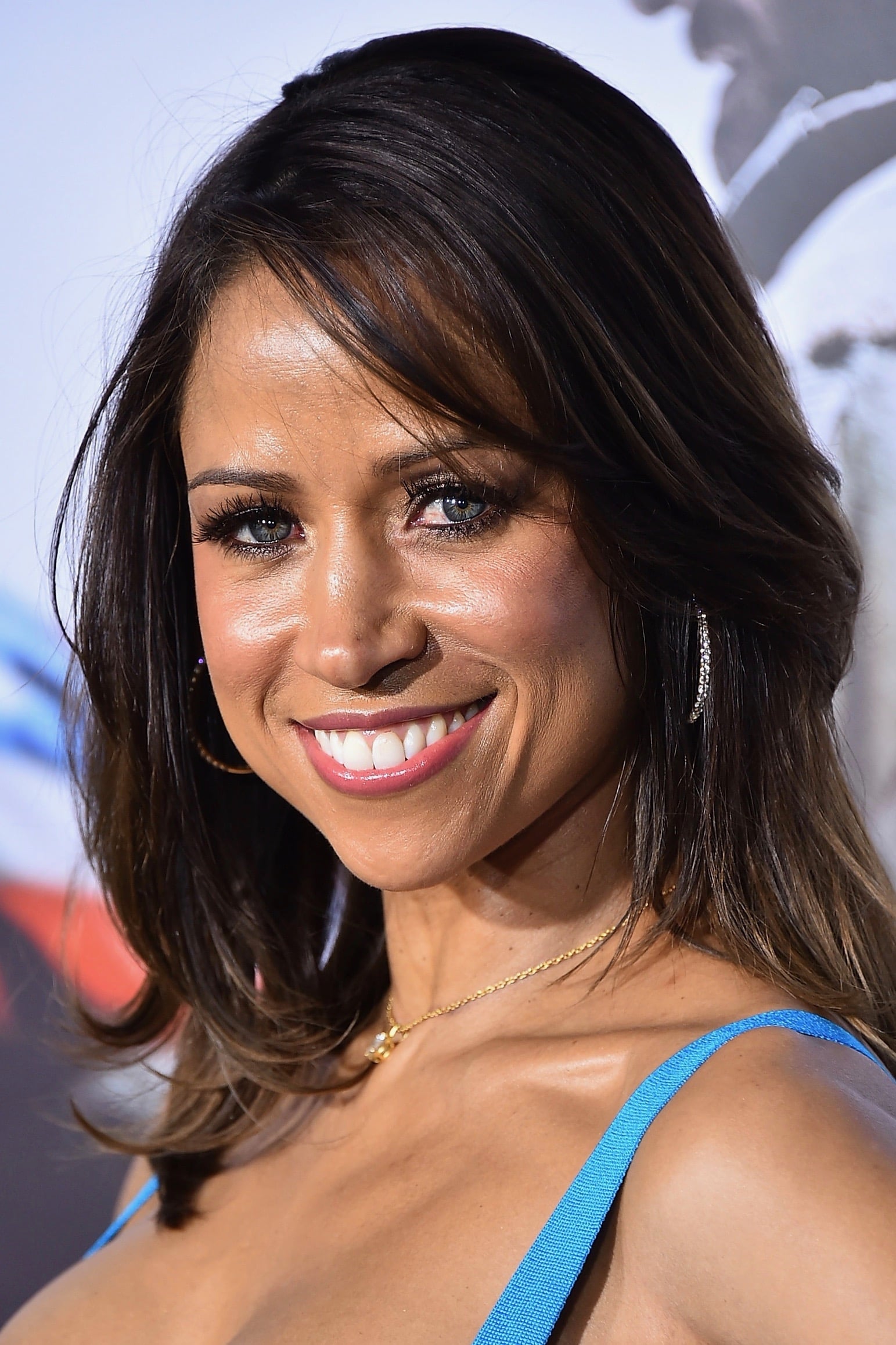
In 2016, Stacey Dash sparked significant controversy when she criticized the ‘OscarsSoWhite’ boycott on national television. She argued that the demand for more representation was hypocritical and called for the elimination of institutions like ‘BET’ and Black History Month. Following her comments, Dash faced an immense wave of public harassment and was widely ridiculed on social media and by her peers. She maintained her stance that the industry should focus on integration rather than segregated rewards and mandates. Her outspoken views eventually led to a significant shift in her public image and career trajectory.
Janet Hubert
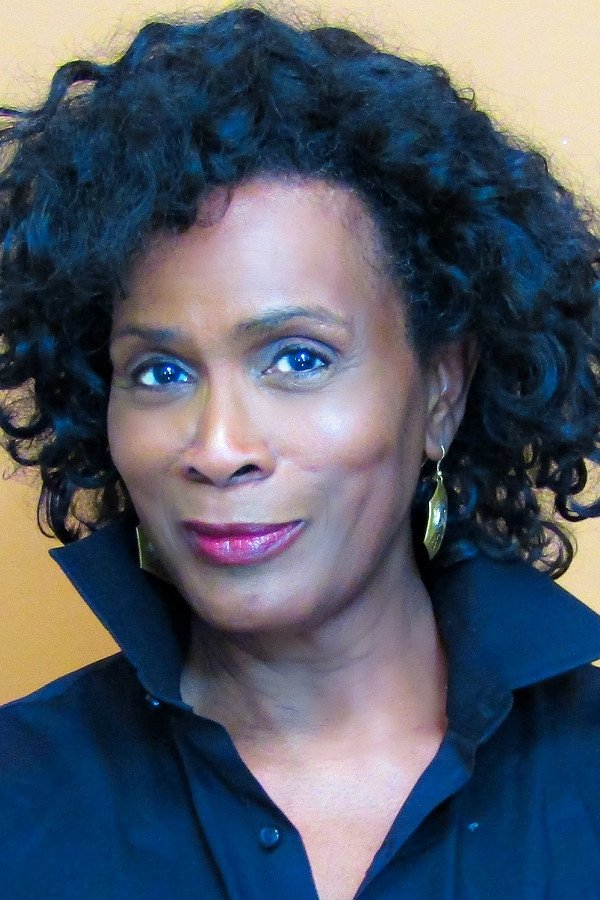
Janet Hubert became a central figure in the 2016 diversity debate when she posted a video criticizing the decision to boycott the Academy Awards. Hubert accused those leading the boycott of being elitist and suggested the move was a personal reaction to specific actors not being nominated for ‘Concussion’. She faced significant backlash from fans and was accused of harboring bitterness from her time on ‘The Fresh Prince of Bel-Air’. Hubert argued that the industry’s problems were too complex for a simple awards show boycott to solve. Her comments highlighted the internal divisions within the Hollywood community regarding the implementation of inclusion initiatives.
Whoopi Goldberg
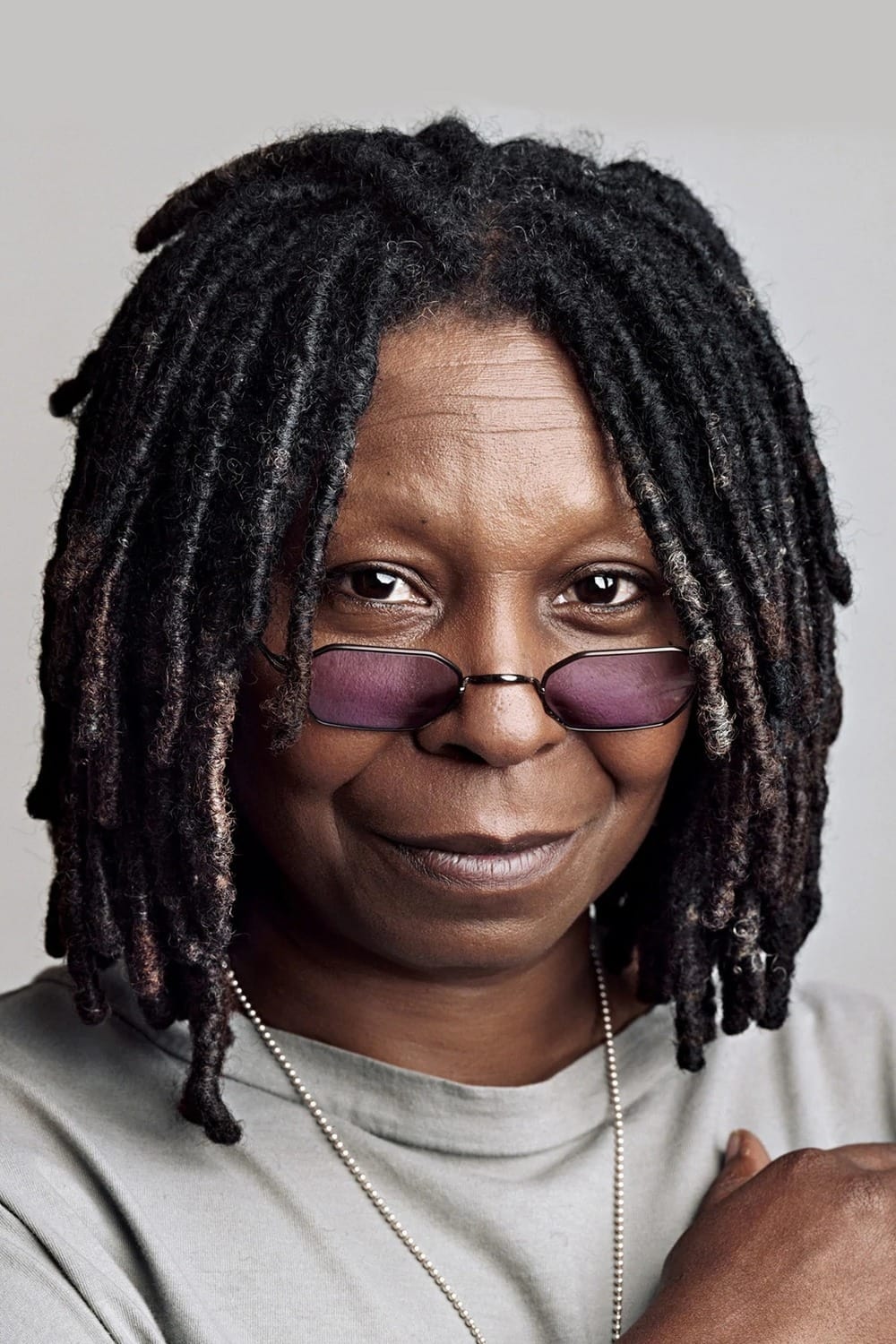
While serving as a moderator on ‘The View’, Whoopi Goldberg argued against the boycott of the 2016 Oscars, stating that it was not the correct way to handle the lack of diversity. She suggested that the problem lay with the studios and the production process rather than the Academy’s voting body. Her comments were met with sharp criticism from activists and social media users who felt she was undermining a necessary protest for representation. Goldberg stood her ground, explaining that a boycott of the ceremony would not change the systemic issues in film casting. She has frequently voiced her preference for long-term industry changes over what she views as forced or symbolic gestures.
Raven-Symoné
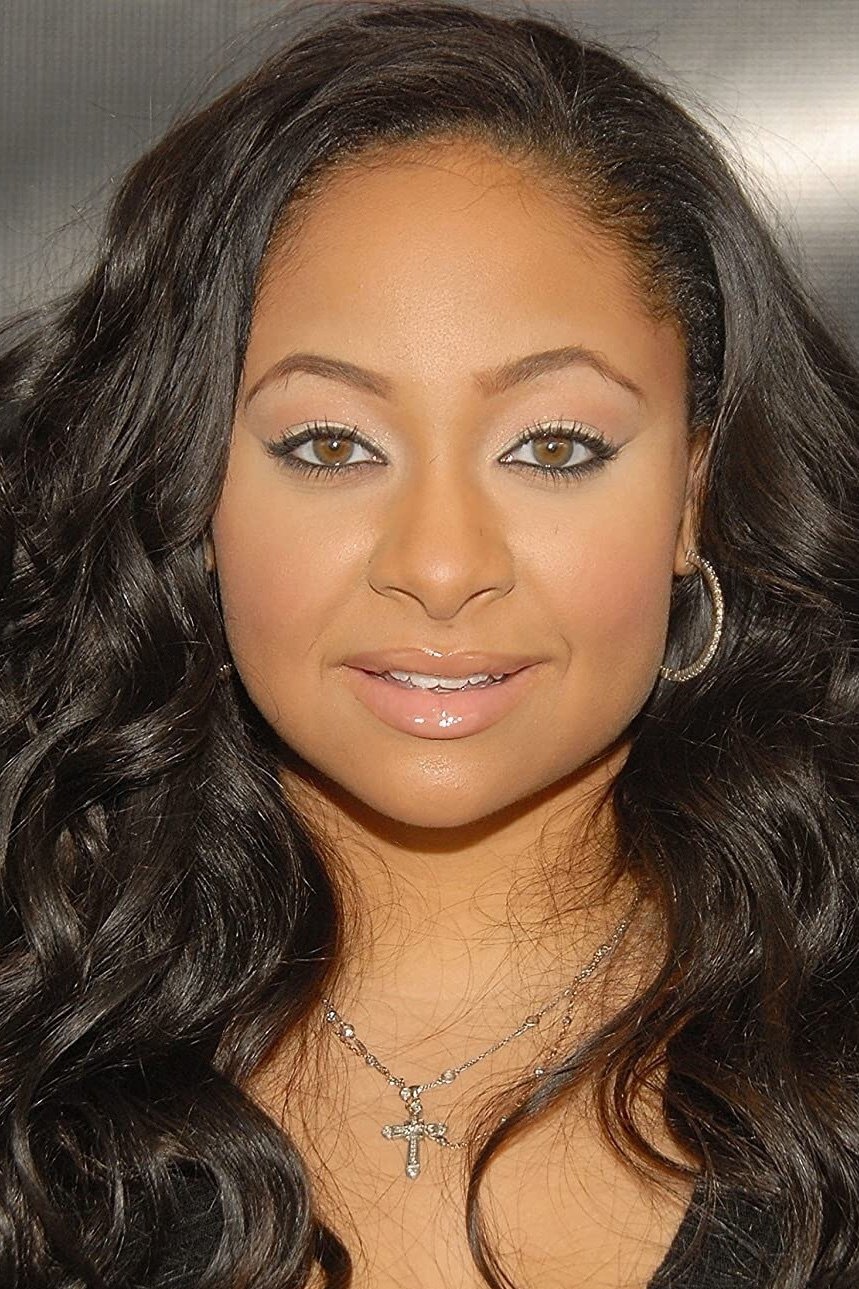
Raven-Symoné faced intense social media harassment after she expressed support for alternative views on diversity during a broadcast. She questioned the necessity of specific labels and argued that the focus should be on talent rather than racial quotas or forced representation. Many viewers criticized her for being out of touch with the struggles of other minority performers in Hollywood. The resulting backlash led to several petitions calling for her removal from her hosting position on ‘The View’. Despite the pressure, she continued to advocate for an approach to the entertainment industry that prioritizes individual identity over collective mandates.
Mo’Nique
Following her win for ‘Precious’, Mo’Nique criticized the Academy’s expectations regarding promotional campaigning and the political nature of industry awards. She alleged that she was blacklisted and harassed by high-profile industry figures for refusing to participate in traditional diversity-driven press cycles. Her insistence on being paid fairly and her refusal to follow “forced” promotional rules sparked a decade-long conflict with major studios. She has often spoken out against the performative nature of diversity initiatives that do not offer tangible financial equity to performers. Her experience remains a frequently cited example of the professional cost of challenging the Academy’s established norms.
LisaRaye McCoy
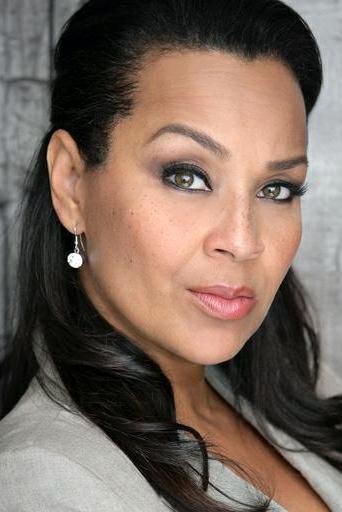
LisaRaye McCoy has been vocal about her skepticism regarding Hollywood’s shift toward mandatory diversity quotas. She has criticized the industry for focusing on optics and performative representation rather than the underlying issues of colorism and skill. Her comments often draw criticism from those who view her perspective as detrimental to the progress of modern inclusion initiatives. McCoy has faced digital harassment from critics who believe she is siding against the interests of the broader minority community. However, she maintains that genuine representation cannot be manufactured through bureaucratic mandates or forced participation.
Margaret Avery
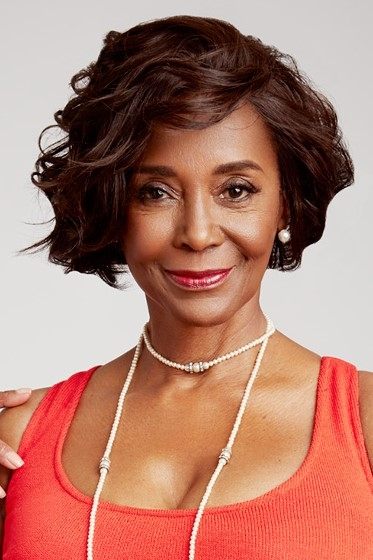
‘The Color Purple’ star Margaret Avery faced backlash after commenting on the cyclical nature of the ‘OscarsSoWhite’ controversy. She suggested that the focus on nominations was misplaced and that actors should focus on creating their own opportunities rather than demanding inclusion from the Academy. Some activists accused her of being dismissive of the systemic barriers that prevent Black-led films from receiving recognition. Avery’s comments were seen by some as a defense of the existing Academy structure, leading to heated debates online. She remains a firm believer in the importance of artistic merit over institutional validation.
Vivica A. Fox
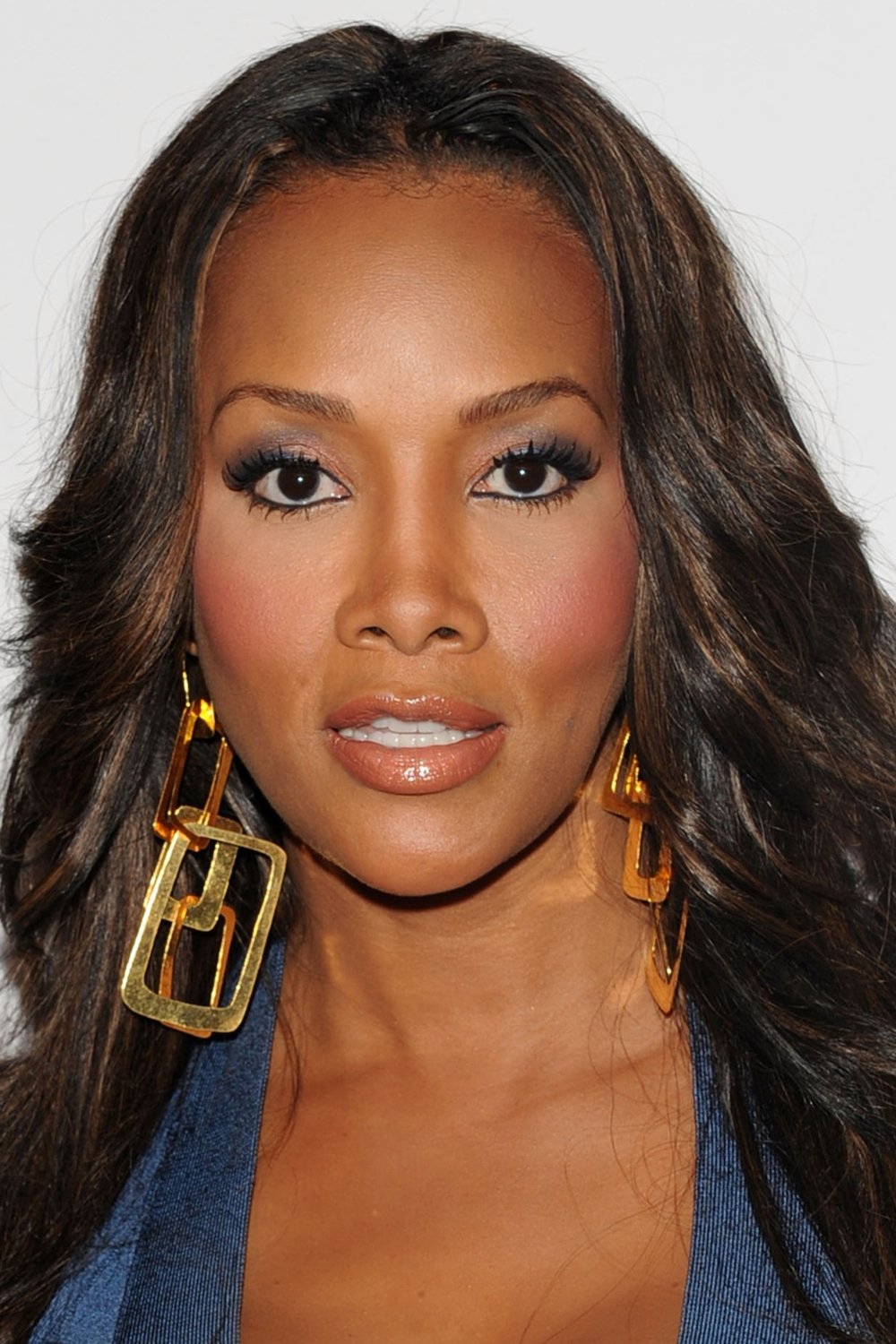
Vivica A. Fox has occasionally faced public pushback for her comments regarding the sincerity of diversity-focused movements in Hollywood. She has questioned the motivations behind certain industry protests and suggested that some efforts are more about personal branding than collective progress. Her critiques have led to friction with younger activists who view her stance as an obstacle to radical change in representation standards. Fox has experienced social media harassment from those who disagree with her traditional views on industry advancement. Despite this, she continues to advocate for hard work and professionalism as the primary drivers of success in entertainment.
Tasha Smith

Actress and director Tasha Smith has voiced concerns about the potential for diversity mandates to limit creative freedom in the film industry. She has suggested that while inclusion is important, it should not feel like a forced obligation that dictates the casting of every project. These views have led to some criticism from proponents of strict representation standards who believe her stance is counterproductive. Smith has faced industry-level “quieting” and social media pushback for her nuanced take on the subject. She advocates for a balance between social responsibility and the integrity of the storytelling process.
Phylicia Rashād
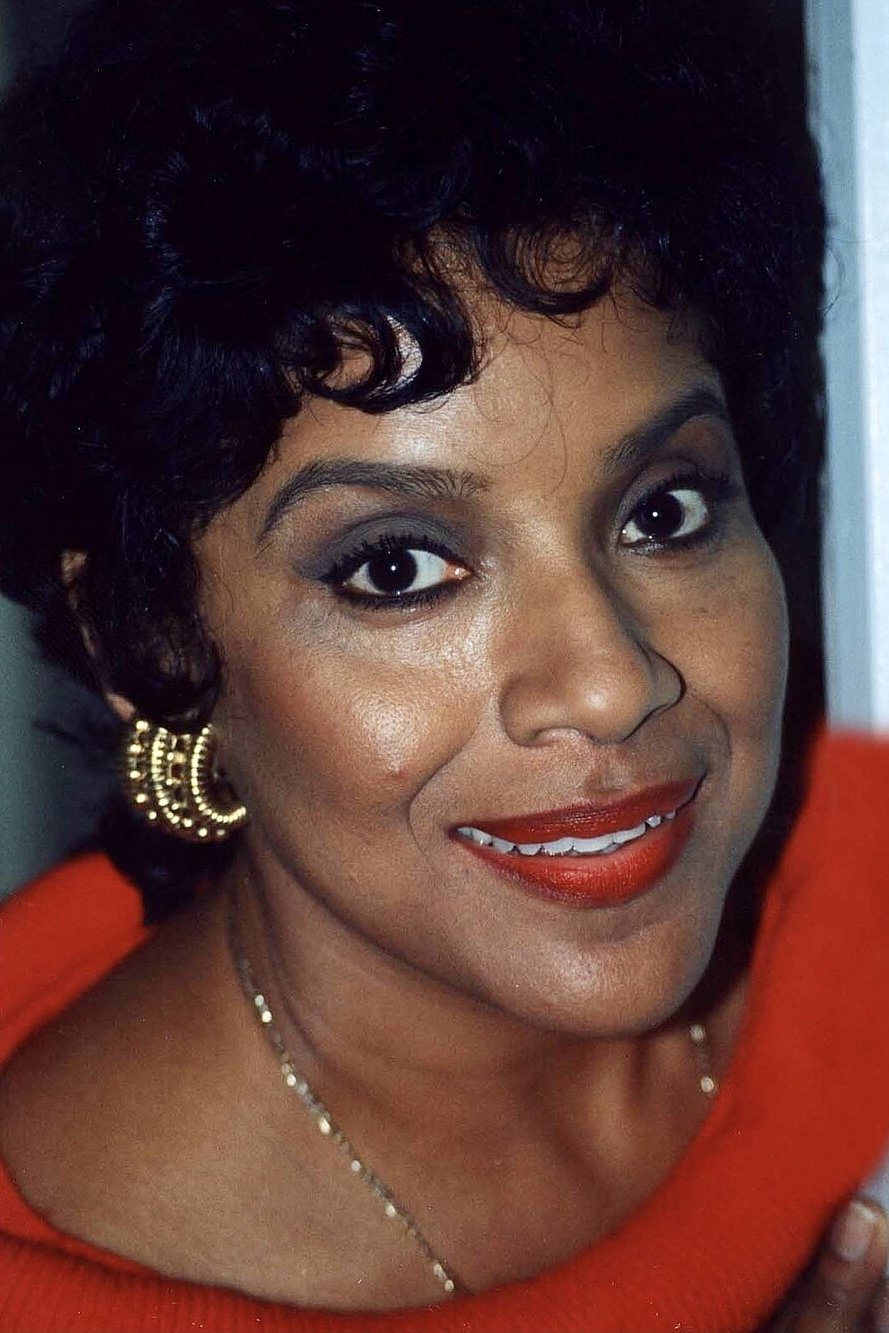
Phylicia Rashad has occasionally been at the center of controversy for her views on industry standards and the evolution of Hollywood culture. Her comments regarding the “woke” shift in the entertainment business have drawn significant harassment from younger generations of performers and fans. Critics have labeled her views as antiquated and harmful to the goals of modern diversity movements. Rashad has faced professional consequences, including public calls for her resignation from various academic and artistic positions. She continues to represent a segment of the industry that prioritizes traditional craftsmanship over political mandates.
Kimberly Elise
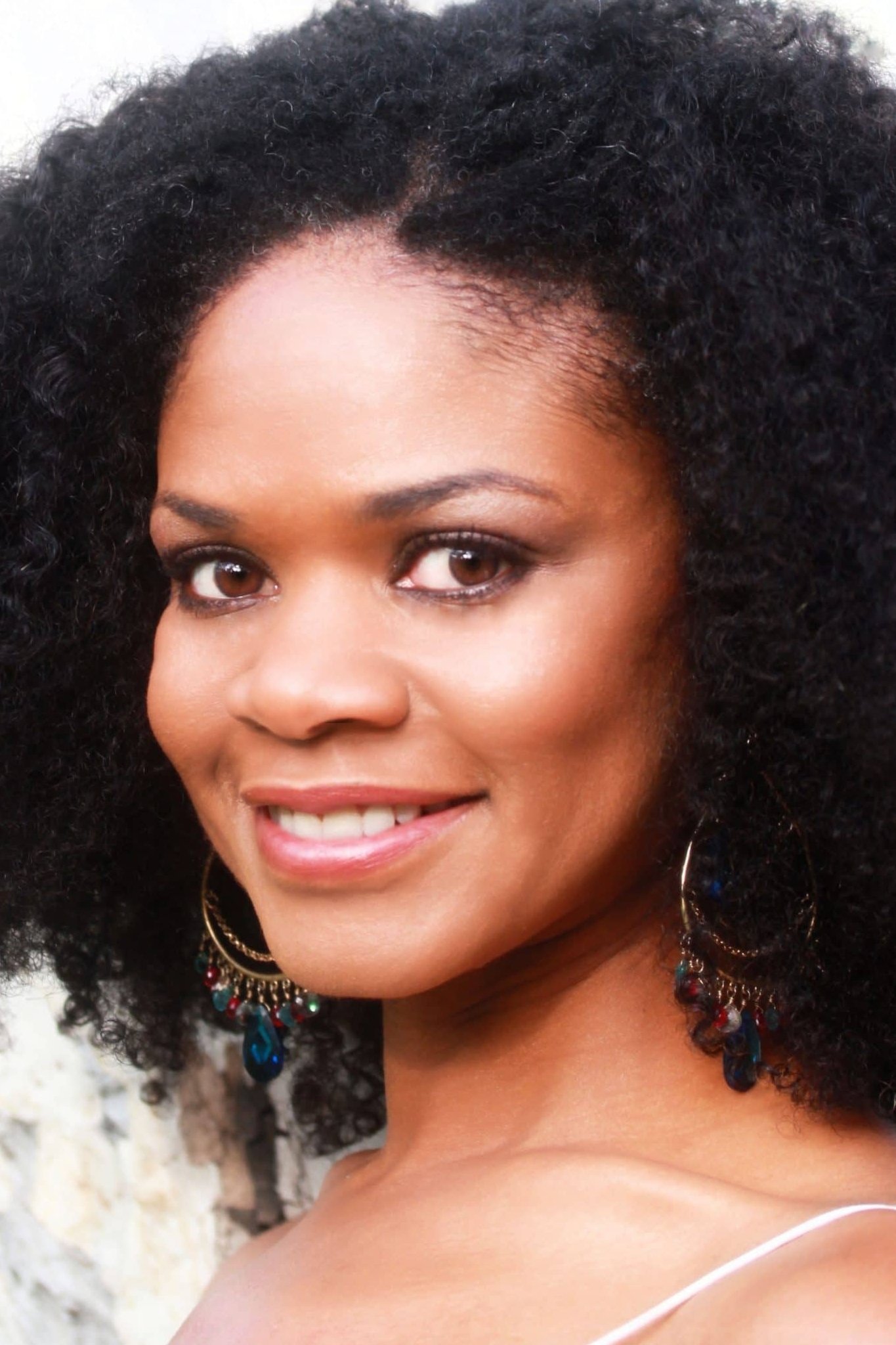
Kimberly Elise has frequently faced harassment for her social and political views, particularly when they clash with the dominant narrative in Hollywood. She has expressed skepticism about the efficacy of certain inclusion initiatives, suggesting they do not address the heart of racial inequality. Her stance has made her a target for online vitriol from those who feel she is not supporting the community’s collective efforts. Elise has remained largely private in the face of this backlash, focusing on her craft rather than engaging in public disputes. Her career reflects the challenges of maintaining an independent voice in a highly polarized industry.
Aunjanue Ellis-Taylor
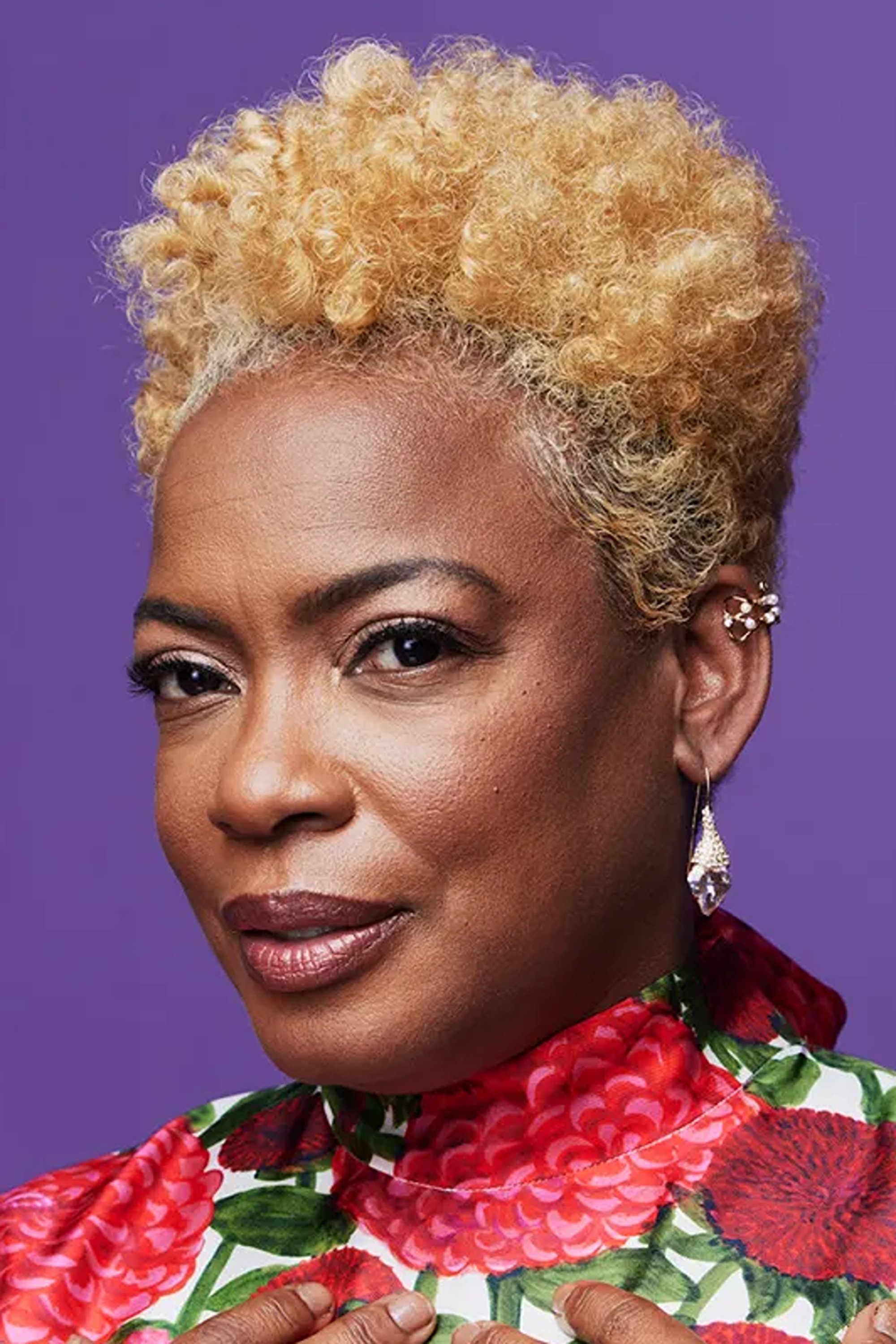
Aunjanue Ellis-Taylor has been critical of the Academy’s inclusion standards, describing them as a marketing ploy rather than a genuine effort toward equity. She argued that these rules were designed to make the Academy look better without actually changing the power dynamics of the industry. Her blunt assessment led to criticism from industry insiders who felt she was being ungrateful for the progress made. Ellis-Taylor has often spoken about the harassment she faces for refusing to praise performative gestures of diversity. She continues to push for radical systemic change rather than symbolic rule-making.
Sheryl Lee Ralph

Sheryl Lee Ralph has spoken out about the performative nature of modern Hollywood diversity, noting that it often feels forced and insincere. She has criticized the industry for focusing on the number of people in a room rather than the quality of the opportunities provided. Her comments have occasionally sparked backlash from those who believe any representation is a step in the right direction. Ralph has been subjected to social media dogpiling for her views on how the industry treats veteran performers versus newcomers. She remains a vocal advocate for authentic storytelling that transcends simple quotas.
Regina Hall
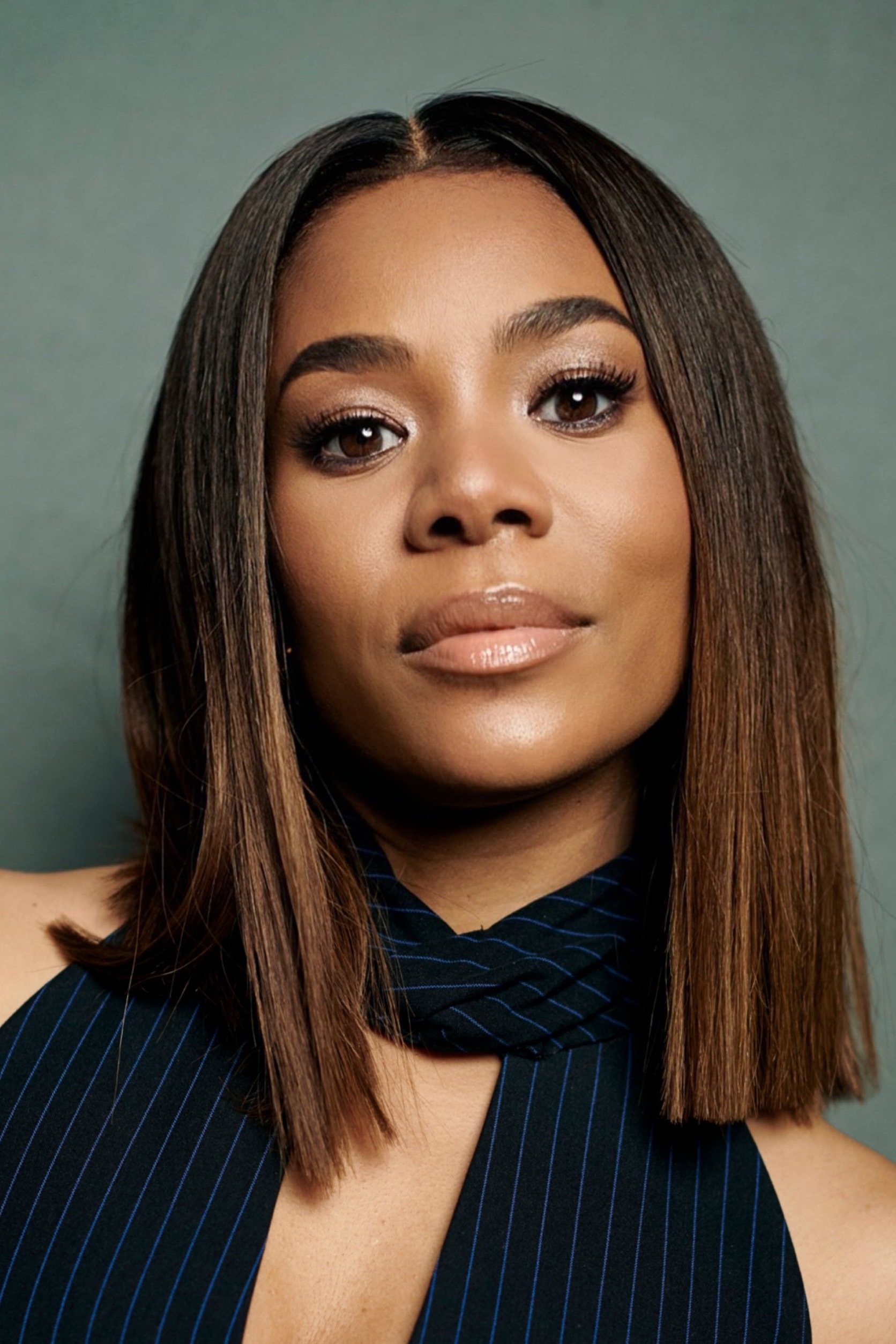
While hosting the Academy Awards, Regina Hall participated in sketches that some viewers felt poked fun at the industry’s diversity initiatives. She faced social media backlash from critics who argued that her humor was undermining the gravity of the representation struggle. Some interpreted her comedic timing and commentary as a subtle critique of the “forced” nature of the evening’s themes. Hall was harassed by online commentators who felt she was playing into the hands of those who oppose diversity mandates. Despite the criticism, she defended her performance as a reflection of the complexities of the modern Hollywood landscape.
Gabrielle Union
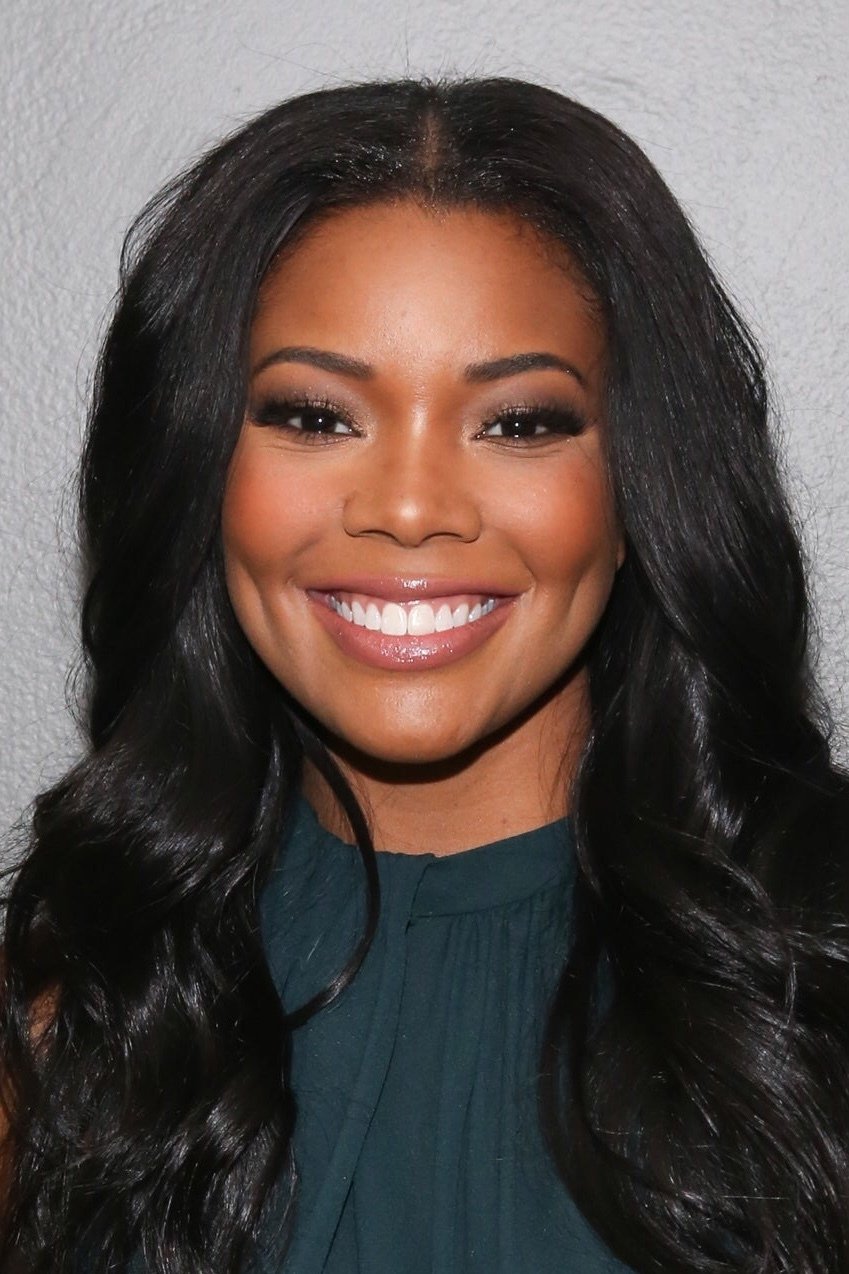
Gabrielle Union faced immense industry backlash and harassment after speaking out about the “toxic” culture regarding diversity at ‘America’s Got Talent’. While her criticism was focused on a specific show, her comments sparked a broader conversation about the Academy’s failure to handle diversity authentically. She was allegedly targeted by high-level executives for challenging the status quo of performative inclusion. The public dispute led to an investigation and a significant amount of social media harassment from those defending the established system. Union’s experience serves as a cautionary tale for actresses who demand transparency in diversity initiatives.
Share your thoughts on the impact of industry inclusion mandates and the consequences of speaking out in the comments.