Black Musicians Who Were Accused of Selling Out Their Culture for Mainstream Fame

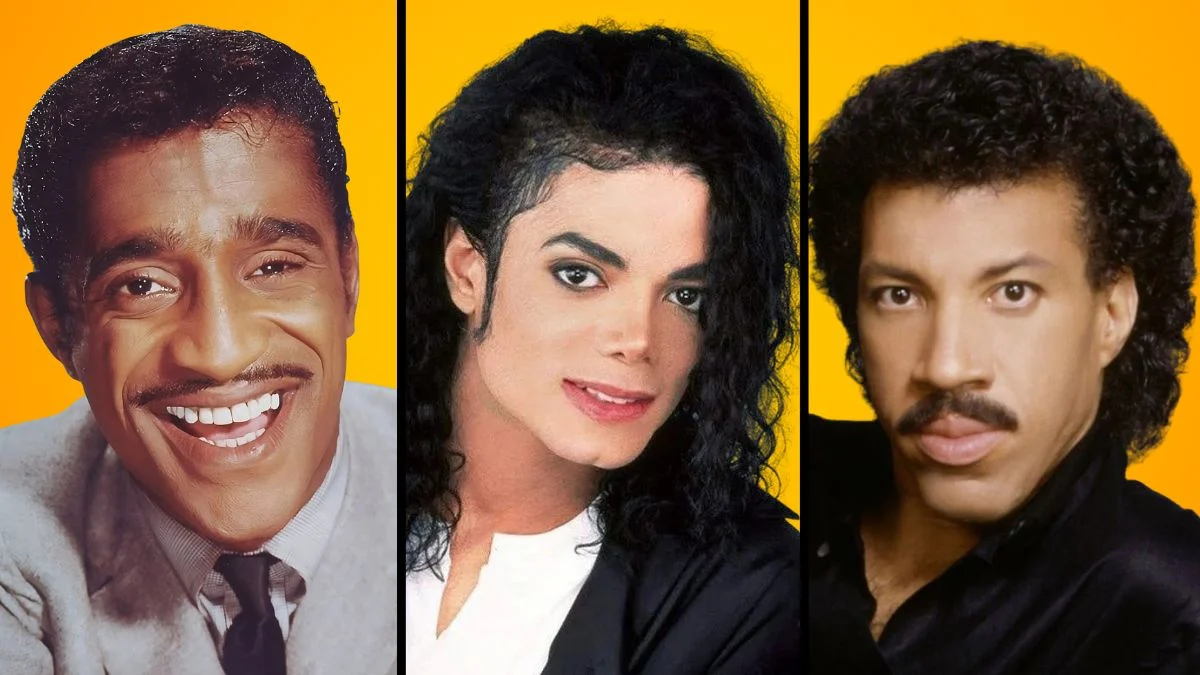

The intersection of commercial success and cultural authenticity has long been a point of contention in the music industry. Many Black musicians have faced intense scrutiny when their sound or image evolves to reach a broader mainstream audience. These accusations of selling out often spark debates about the pressures of the industry and the expectations placed on artists of color. This list explores several prominent figures who have navigated these complex cultural dynamics throughout their careers.
Nat King Cole
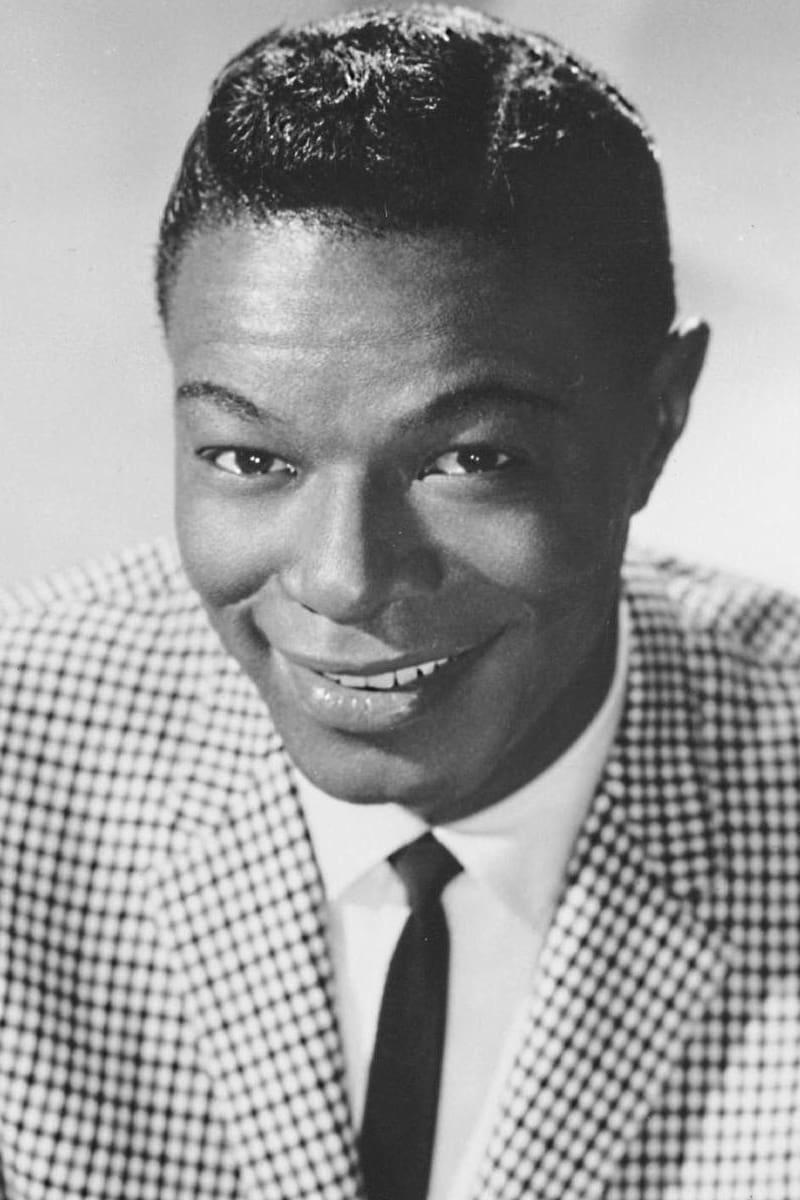
Nat King Cole was a pioneering jazz pianist who faced significant backlash when he transitioned into a pop crooner. Critics and fellow musicians often accused him of abandoning his technical jazz roots to appeal to white audiences. His success as a mainstream singer led to him becoming the first Black man to host a television variety show. This achievement was overshadowed by some who felt he had softened his image too much for national acceptance. He navigated a difficult path between maintaining his artistic integrity and breaking racial barriers in the entertainment industry.
Sammy Davis Jr.
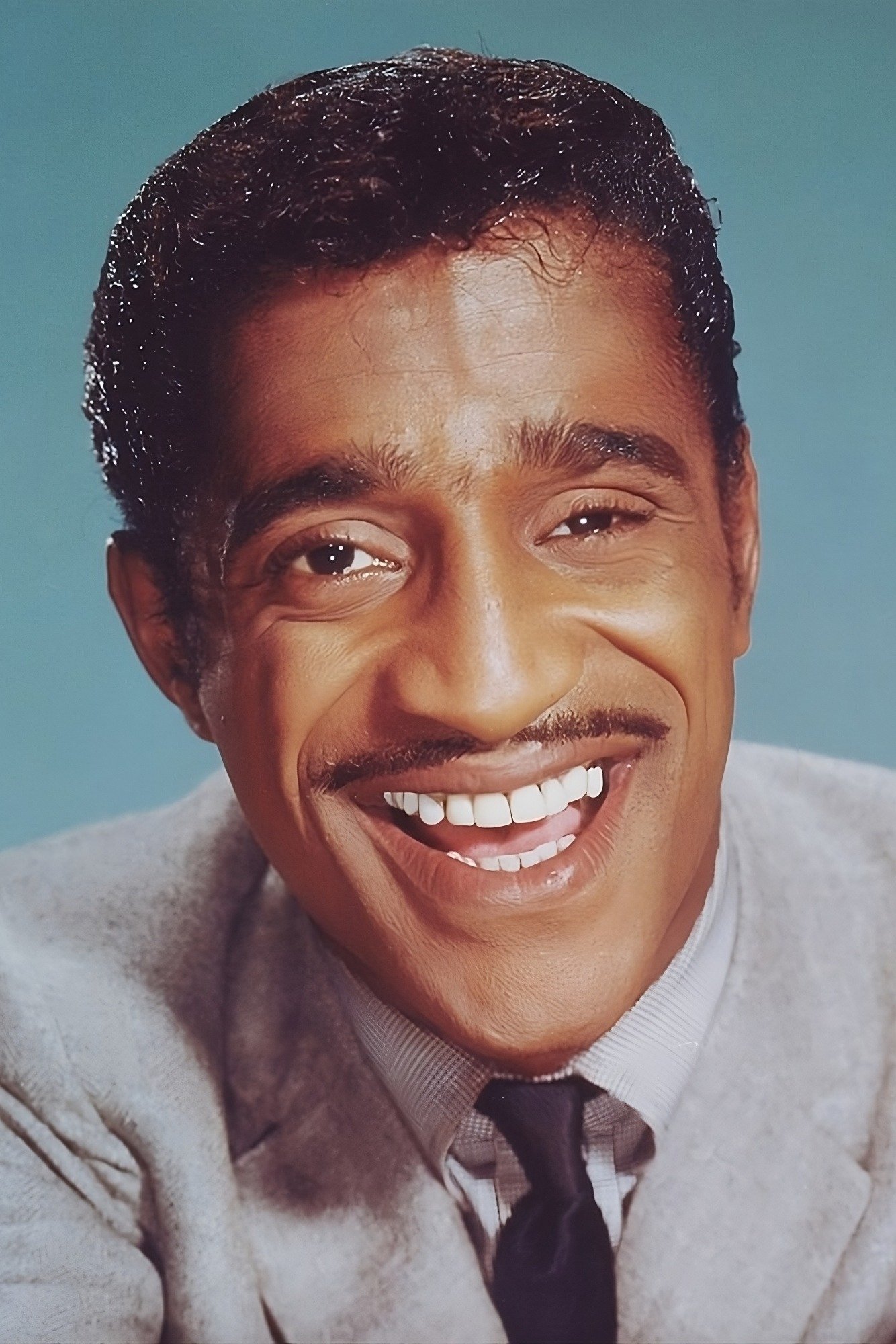
Sammy Davis Jr. was a versatile entertainer who often found himself at the center of cultural debates during the civil rights era. His close friendships with prominent white figures and his membership in the Rat Pack led to accusations that he was catering to the white establishment. Many critics felt his public persona distanced him from the struggles and experiences of the Black community. Despite these criticisms he used his platform to advocate for equality and participated in historical marches for justice. His career remains a complex study of the pressures faced by Black icons in the mid-twentieth century.
Diana Ross
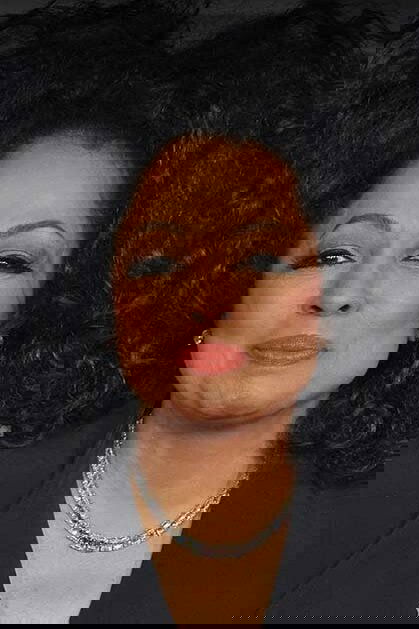
Diana Ross became a global superstar as the lead singer of The Supremes before embarking on a highly successful solo career. Her transition from the soul and rhythm and blues sounds of Motown to a more polished pop and disco style drew criticism from some fans. These critics argued that her pursuit of mainstream stardom stripped her music of its cultural grit and authenticity. She achieved unprecedented success on the charts and became a fashion icon for millions of people worldwide. Her legacy is defined by her ability to transcend musical boundaries and achieve massive commercial appeal.
Lionel Richie
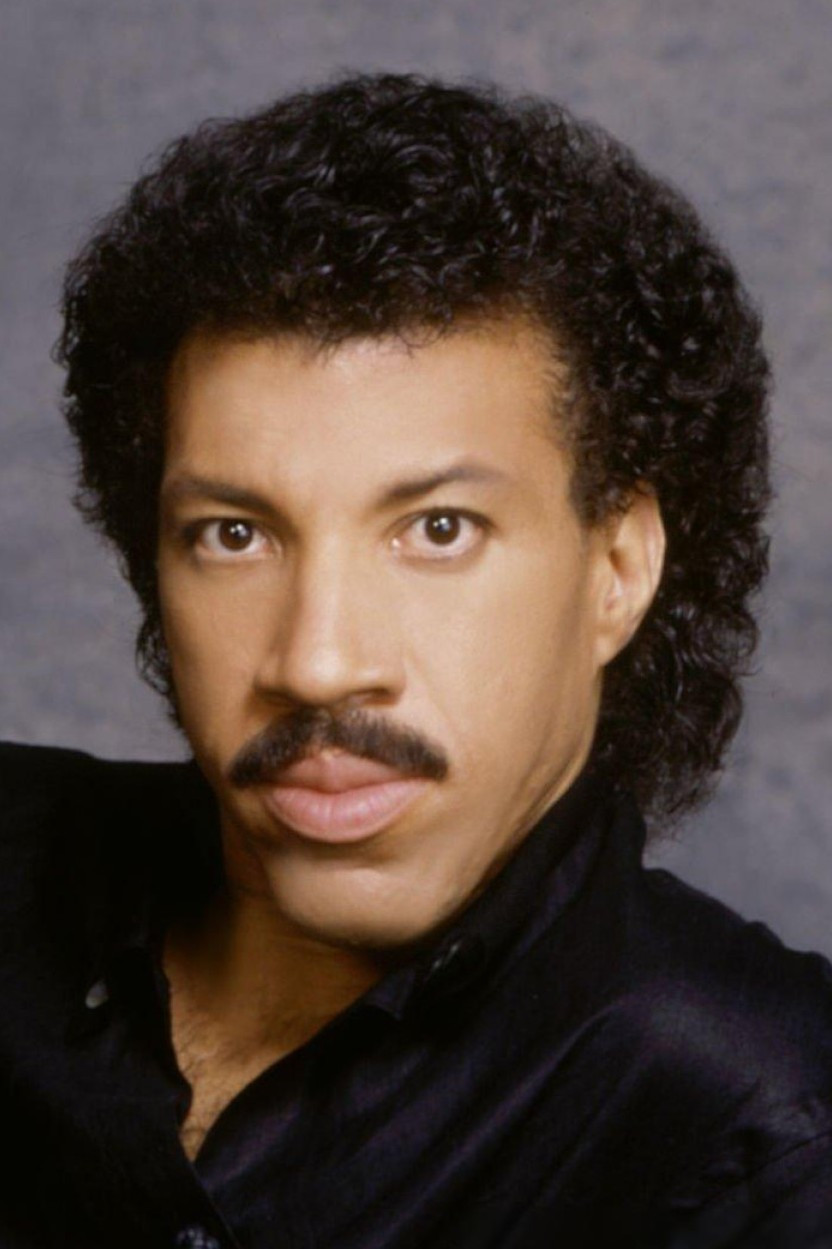
Lionel Richie initially rose to fame as a member of the funk and soul group known as The Commodores. When he decided to launch a solo career he shifted his musical focus toward adult contemporary ballads and pop anthems. This change in direction led to accusations that he was turning his back on the funk traditions that established his career. His songs reached the top of the global charts and made him one of the most successful artists of the 1980s. He successfully navigated the transition from a group setting to becoming a solo powerhouse in the pop industry.
Donna Summer
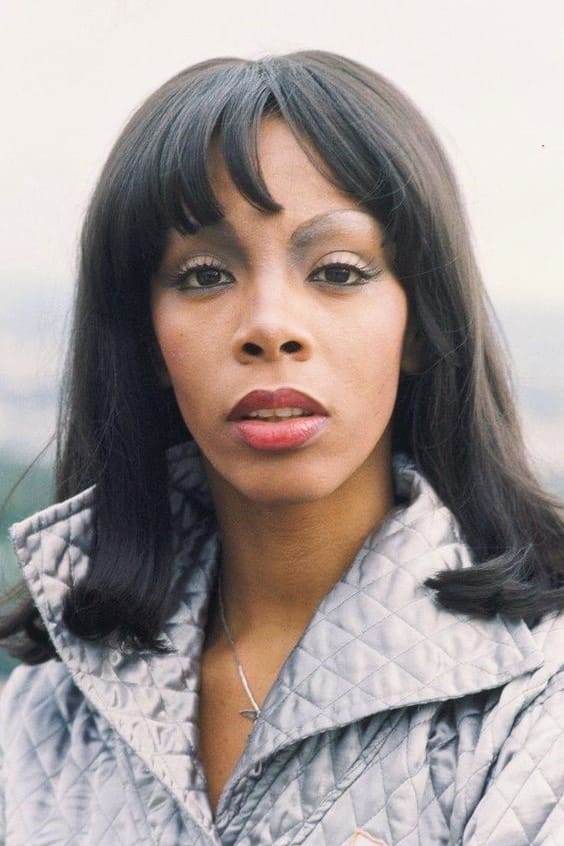
Donna Summer earned the title of the Queen of Disco but her massive success often came with cultural controversy. Some critics felt that the disco genre itself was a commercialized version of rhythm and blues designed for mainstream white audiences. Her later transition into contemporary pop and gospel music further complicated her relationship with her original fan base. She faced additional backlash following reported comments regarding her community which she later denied or clarified. Despite these challenges she remains one of the most influential vocalists in the history of dance music.
Whitney Houston
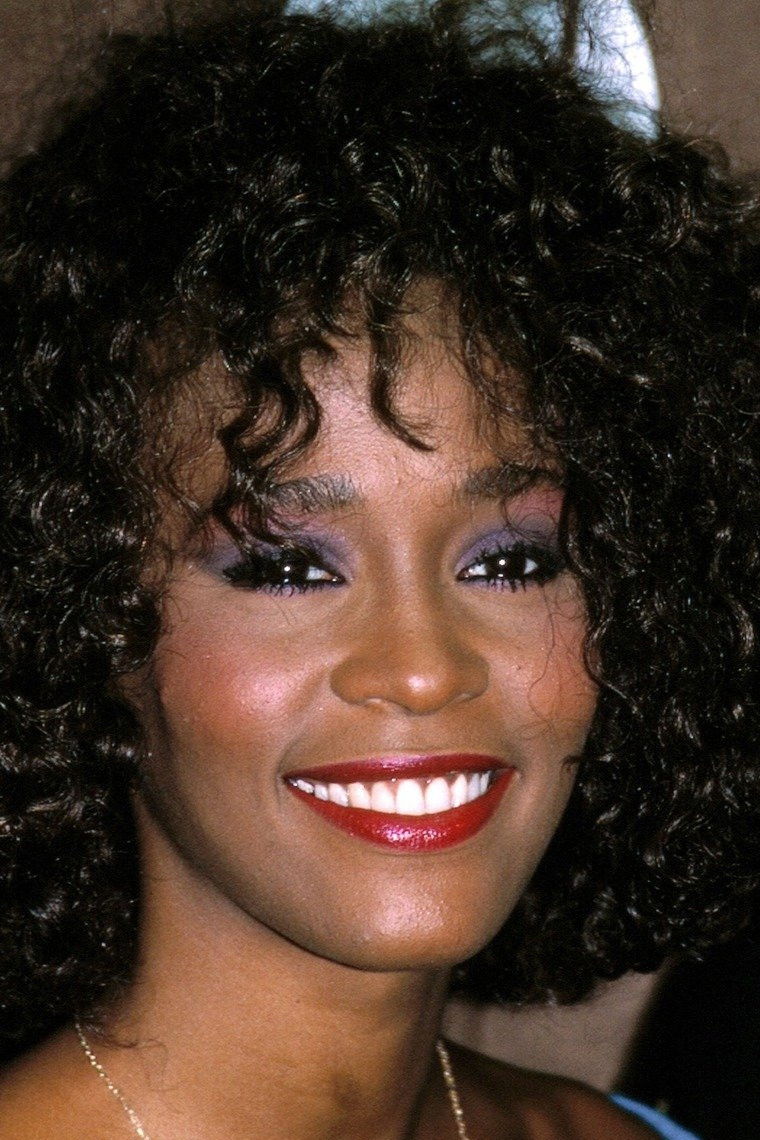
Whitney Houston was marketed from the start of her career as a crossover artist with a heavy emphasis on pop production. This strategy led to her being booed at certain award shows by audiences who felt her music was not soulful enough. Many argued that her label was intentionally smoothing over her roots to make her more palatable for the mainstream market. She eventually proved her versatility and vocal power across multiple genres including gospel and film soundtracks. Her incredible voice and chart success made her one of the greatest singers of all time.
Michael Jackson
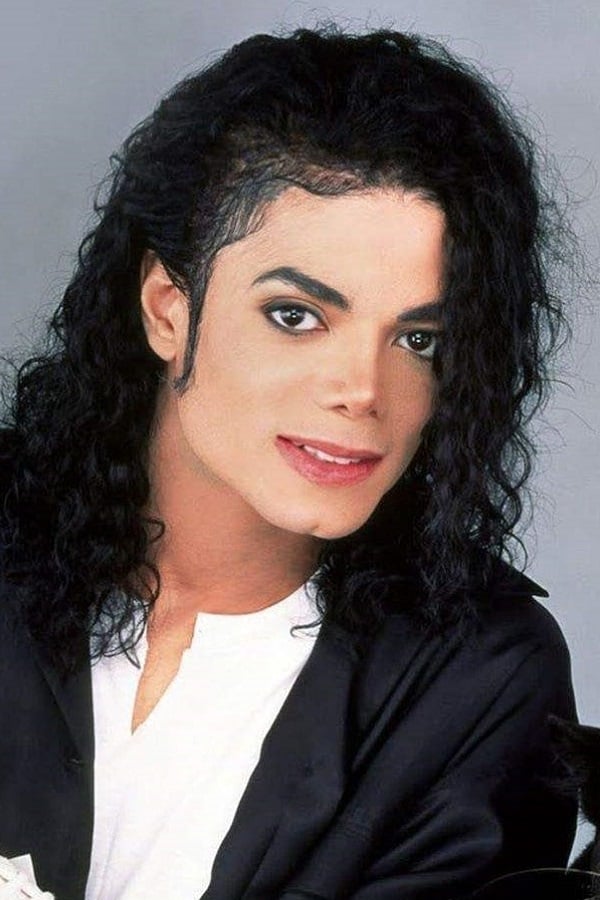
Michael Jackson redefined the meaning of a global pop star with the release of albums like ‘Thriller’ and ‘Bad’. His move toward a sound that blended rock and pop with soul was seen by some as a departure from his Motown roots. These critics felt his physical transformation and global branding distanced him from the community that first embraced him. He shattered racial barriers on music television and became a unifying figure for fans around the planet. His influence on music and dance continues to be felt in every corner of the entertainment world.
Prince
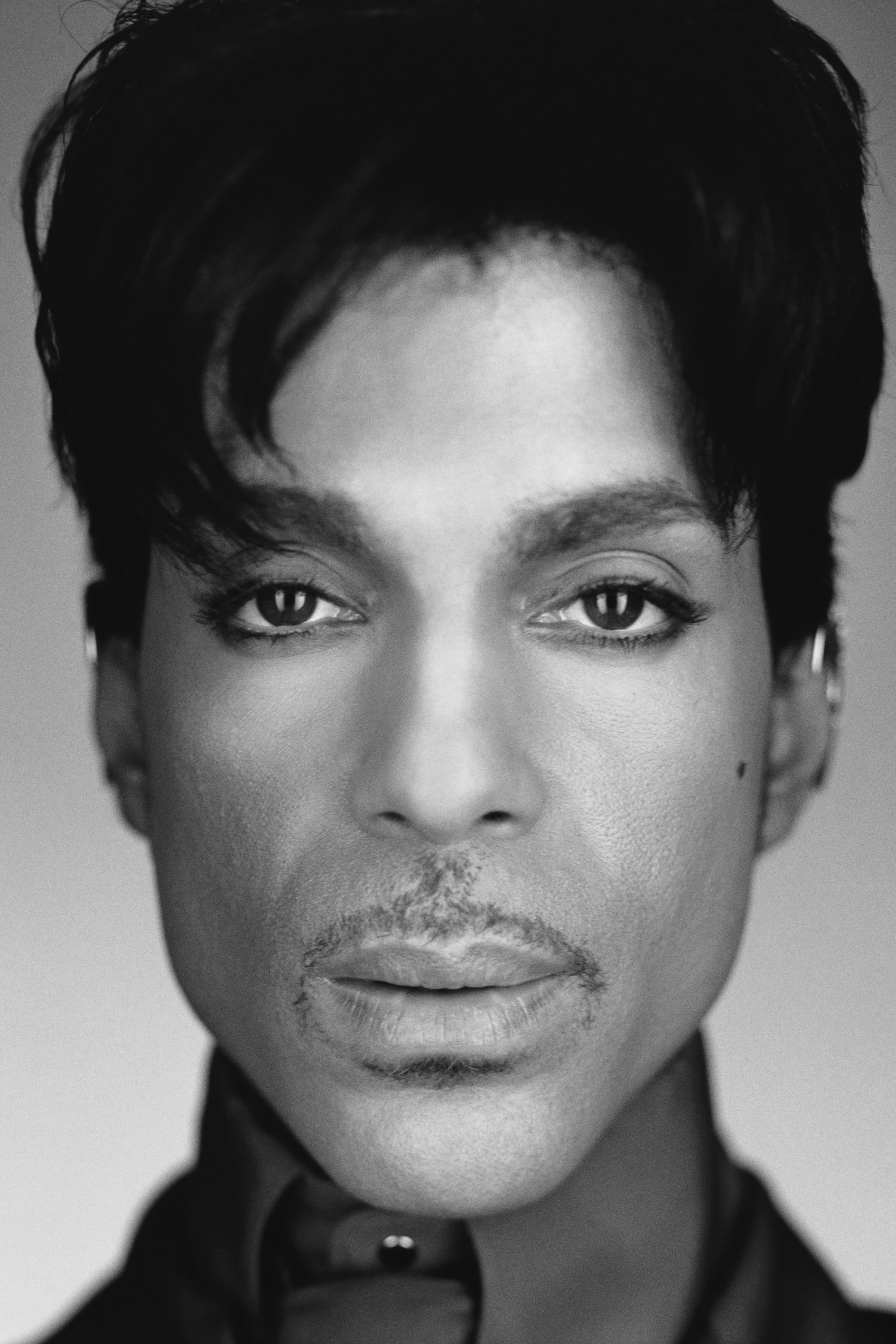
Prince was a multi instrumentalist who famously blended elements of rock and funk and pop to create a unique sound. During the height of his fame with ‘Purple Rain’ some critics questioned if he was leaning too far into rock music to attract a white audience. He often pushed the boundaries of gender and sexuality which challenged the traditional expectations of his peers. His fierce independence and battle for artist rights later became a hallmark of his long and storied career. He remains a celebrated figure for his refusal to be categorized by any single genre or label.
Ye
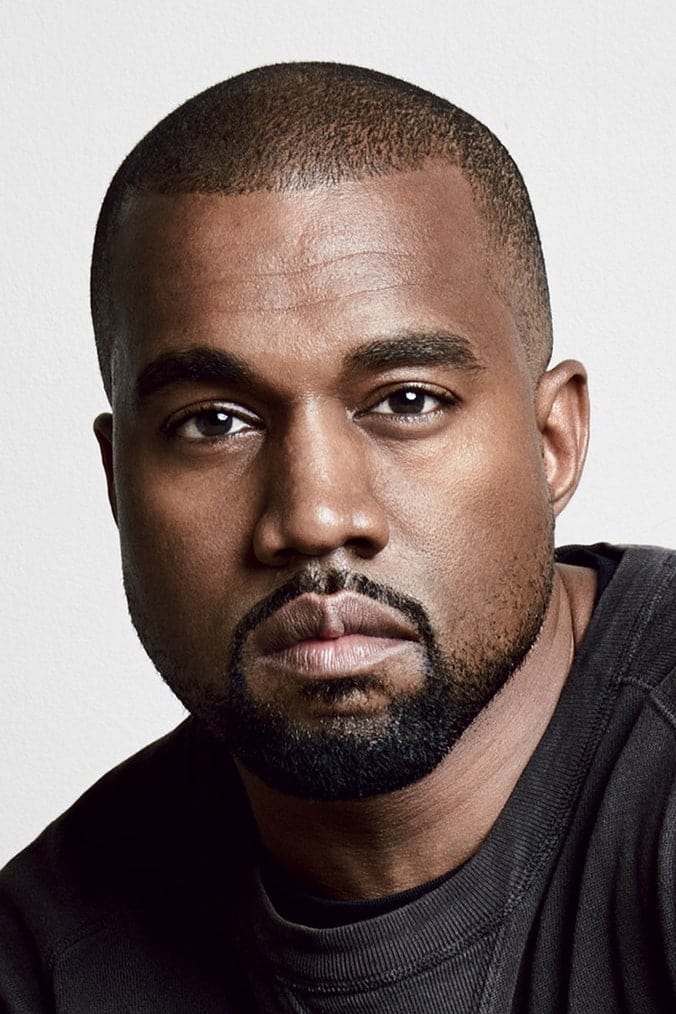
Kanye West changed the landscape of hip hop with his soulful production and vulnerable lyrics before moving into experimental sounds. His later ventures into high fashion and his public political statements led to widespread accusations of him losing touch with his roots. Many fans expressed disappointment in his shift away from the social commentary that defined his early work. He has continued to be a polarizing figure whose every move is debated in the public square. His artistic evolution reflects a constant desire to push the boundaries of what a musician can achieve.
Lil Nas X
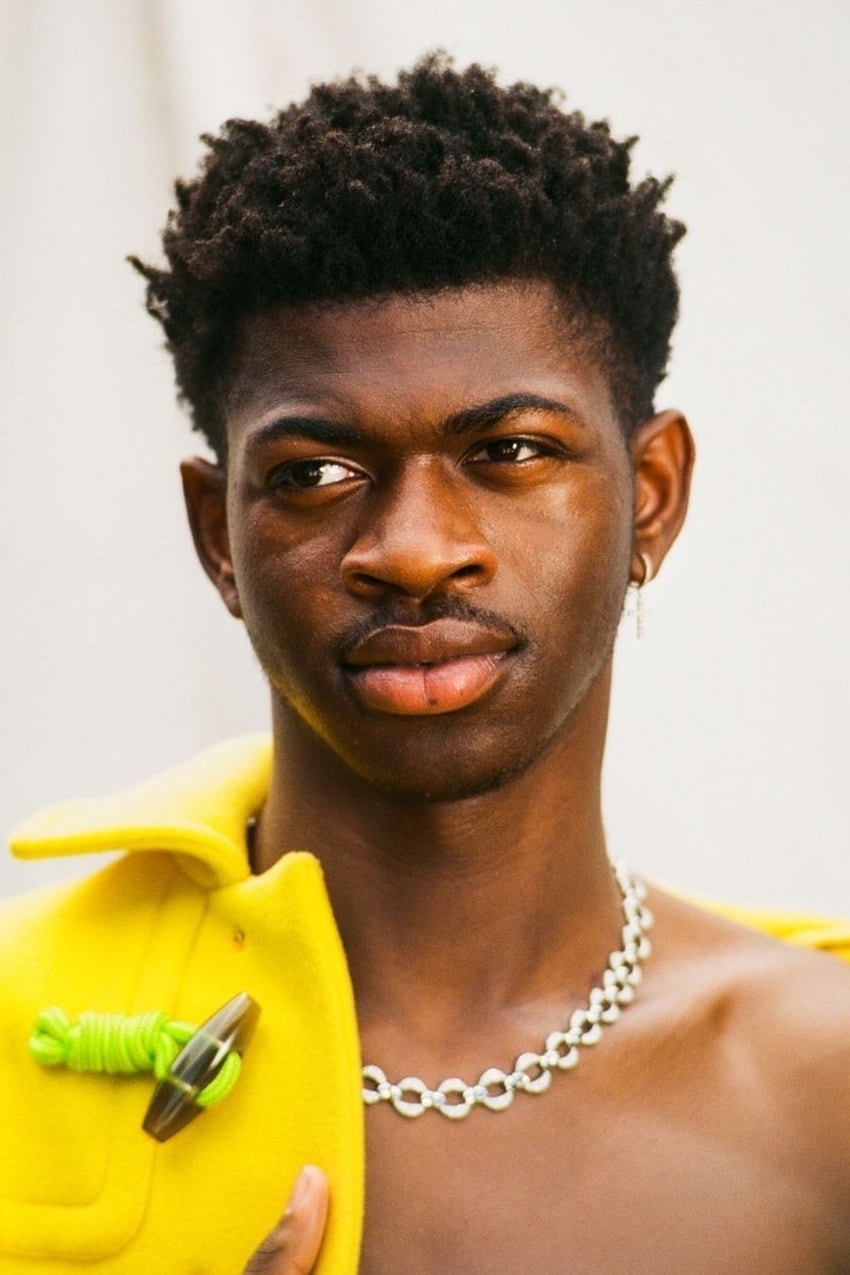
Lil Nas X burst onto the scene with a viral hit that combined country music with hip hop elements. This genre bending approach led to intense debates about authenticity and his place within the tradition of rap music. Some critics suggested his persona and marketing tactics were a way to secure mainstream fame at the expense of cultural depth. He has since become a prominent figure in pop culture and uses his platform to challenge social norms. His success demonstrates the changing nature of how artists build their careers in the digital age.
Will Smith

Will Smith was a successful rapper known for his clean and family friendly approach to hip hop. During the era of gangsta rap many critics dismissed his music as a commercialized version of the genre. They argued that he was selling out the raw energy of hip hop to become a crossover success in television and film. He eventually became one of the biggest movie stars in the world with a string of blockbuster hits. His career trajectory shows the power of maintaining a broad appeal across different entertainment mediums.
Beyoncé

Beyoncé has faced various accusations of commercialism throughout her career from her time in a girl group to her solo stardom. Some critics have pointed to her major corporate endorsements and her shift toward pop centric sounds as evidence of a mainstream focus. These discussions often contrast her commercial success with her later albums that lean heavily into social and cultural themes. She has managed to maintain a dominant position in the music industry while evolving her artistic voice. Her ability to blend massive popularity with cultural significance is a hallmark of her modern legacy.
Jay-Z

Jay-Z transitioned from a street oriented rapper to a billionaire business mogul with a global empire. His partnerships with major corporations and sports leagues have led to accusations that he has prioritized wealth over cultural roots. Some fans feel that his later music reflects a lifestyle that is far removed from the community where he started. He has defended his business moves as a form of empowerment and economic progress for his peers. His influence extends far beyond music into the realms of fashion and sports and social justice.
Doja Cat

Doja Cat gained massive popularity through her viral songs and a sound that blends pop and rap and electronic music. Her rise to the top of the charts led to intense scrutiny of her past and her commitment to hip hop culture. Critics have often debated whether her music is too commercialized to be considered authentic rap. She has responded to these claims by showcasing her technical skill and versatile production across her albums. Her career highlights the tension between social media fame and traditional musical benchmarks.
Lizzo
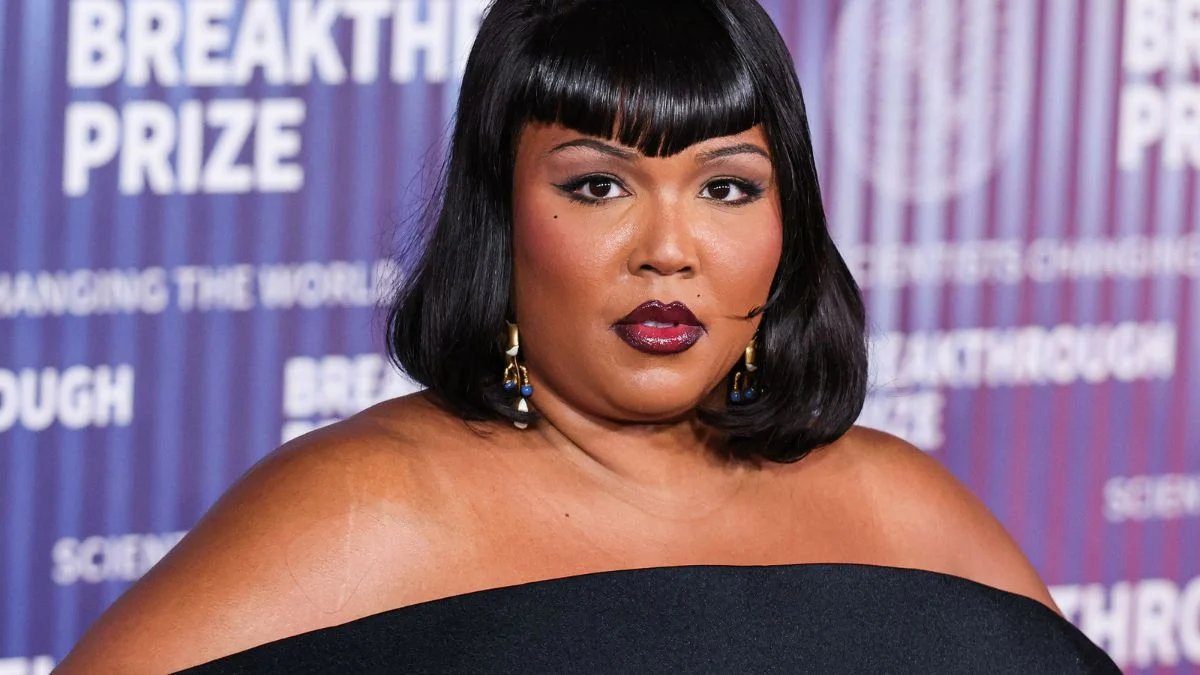
Lizzo achieved mainstream success with her empowering anthems and a vibrant stage presence that incorporates flute playing. Her popularity with a broad audience led to some critics questioning if her sound was tailored for pop appeal rather than traditional rhythm and blues. These discussions often focus on the commercial nature of her biggest hits and their placement in advertisements. She has consistently championed body positivity and self love through her music and public appearances. Her rise to fame has challenged industry standards regarding the image and sound of a pop star.
Pharrell Williams
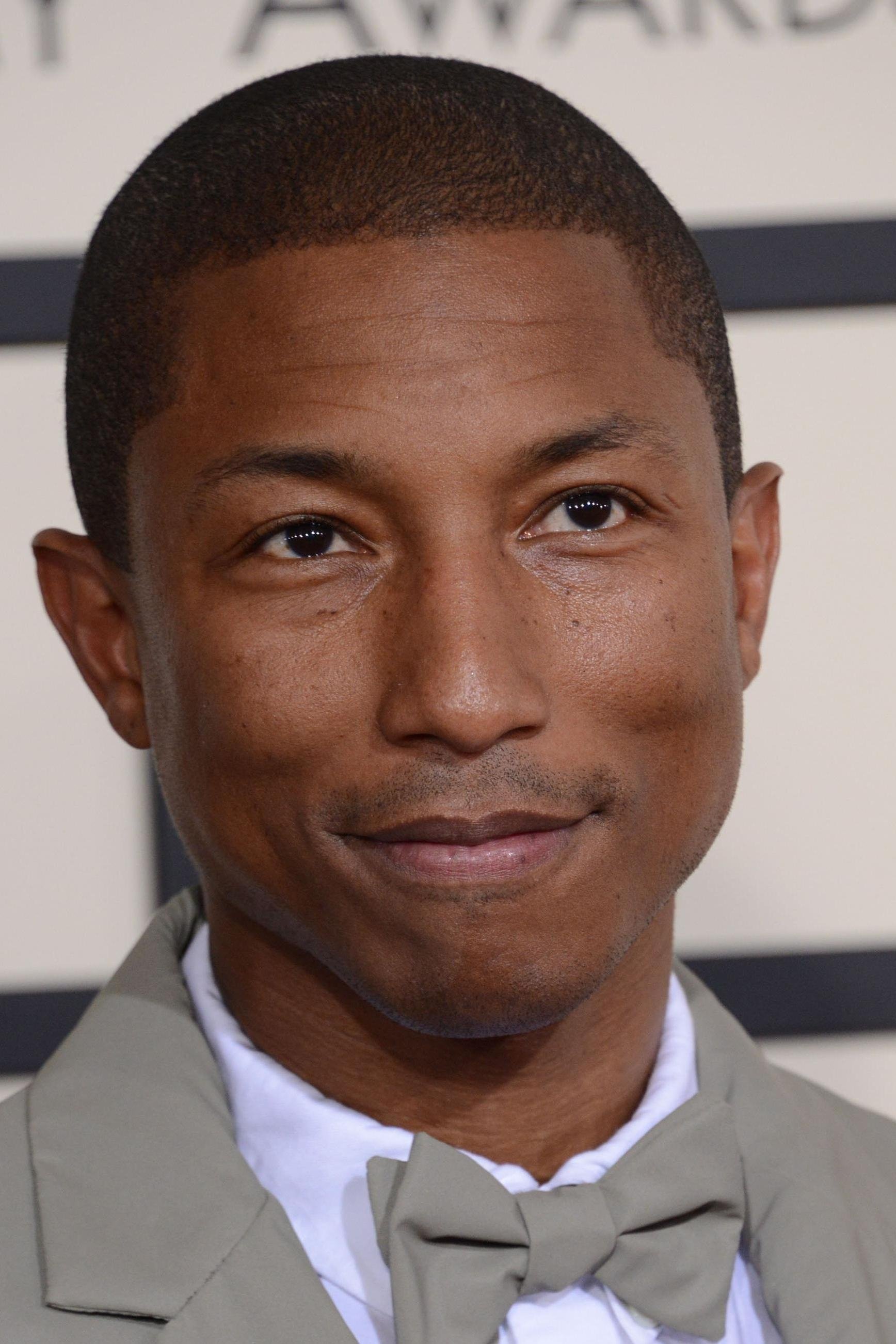
Pharrell Williams was a respected producer who helped define the sound of modern hip hop before becoming a global solo star. His massive hit ‘Happy’ and his work on various film soundtracks led to accusations of him creating safe music for a general audience. Critics felt his transition away from edgy production signaled a desire for mainstream acceptance. He has continued to influence fashion and music through his creative collective and high profile collaborations. His work remains a bridge between the underground and the pinnacle of global pop culture.
Sean Combs
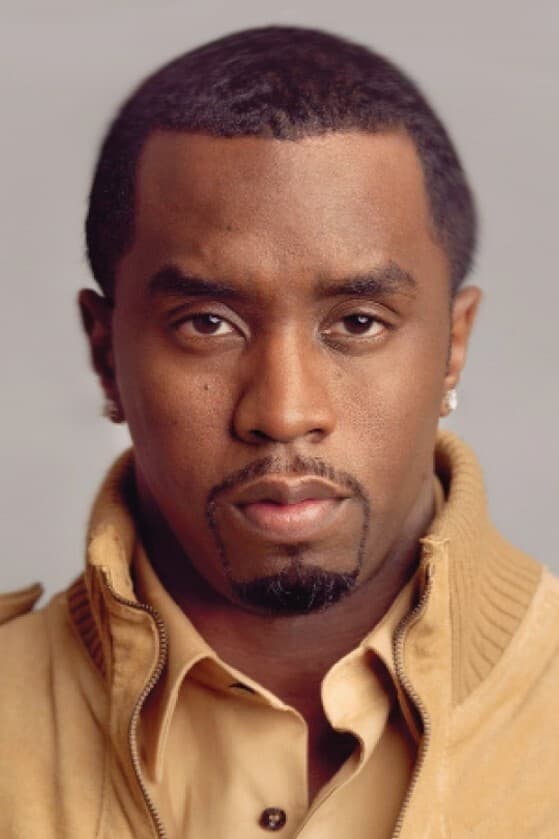
Sean Combs is often cited as a key figure in the shift toward the commercialization of hip hop during the late 1990s. His use of recognizable pop samples and high budget music videos was seen by many as a move away from the genre roots. This shiny suit era was criticized for prioritizing fashion and flash over lyrical substance and street credibility. He built a massive media empire and paved the way for future artists to become business executives. His career is a testament to the power of branding and marketing in the music industry.
MC Hammer

MC Hammer became a global phenomenon with his energetic performances and massive crossover hits. His decision to appear in numerous commercials and launch a line of merchandise led to significant backlash from the hip hop community. Critics felt his family friendly image was a betrayal of the more serious and political elements of the genre. He achieved incredible commercial success and brought rap music to a wider audience than ever before. His legacy is often discussed in the context of the price of mainstream fame in the early 1990s.
The Weeknd
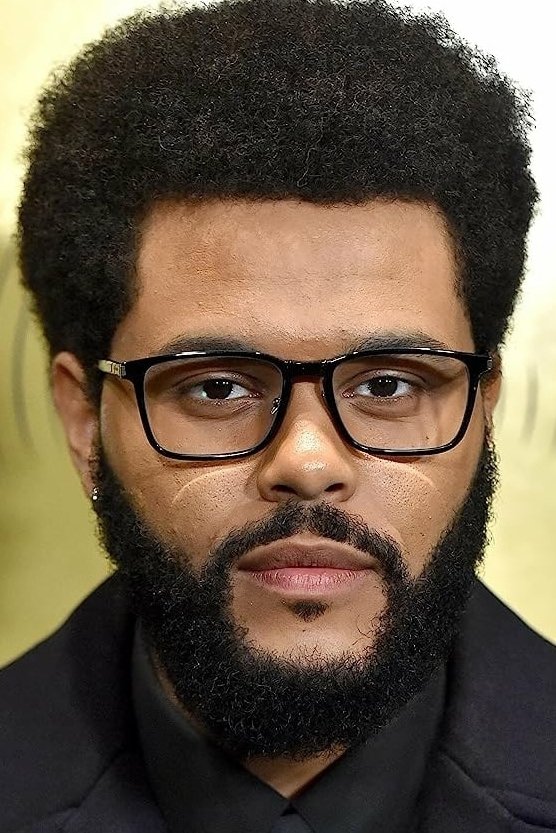
The Weeknd started his career with a series of dark and mysterious mixtapes that helped define a new era of alternative rhythm and blues. When he transitioned into a global pop star with eighties inspired synth sounds some early fans felt he was selling out. These critics missed the moody and experimental nature of his earlier work that initially set him apart. He has since headlined major events and become one of the most streamed artists in the world today. His ability to adapt his sound for a mainstream audience has made him a household name.
Usher
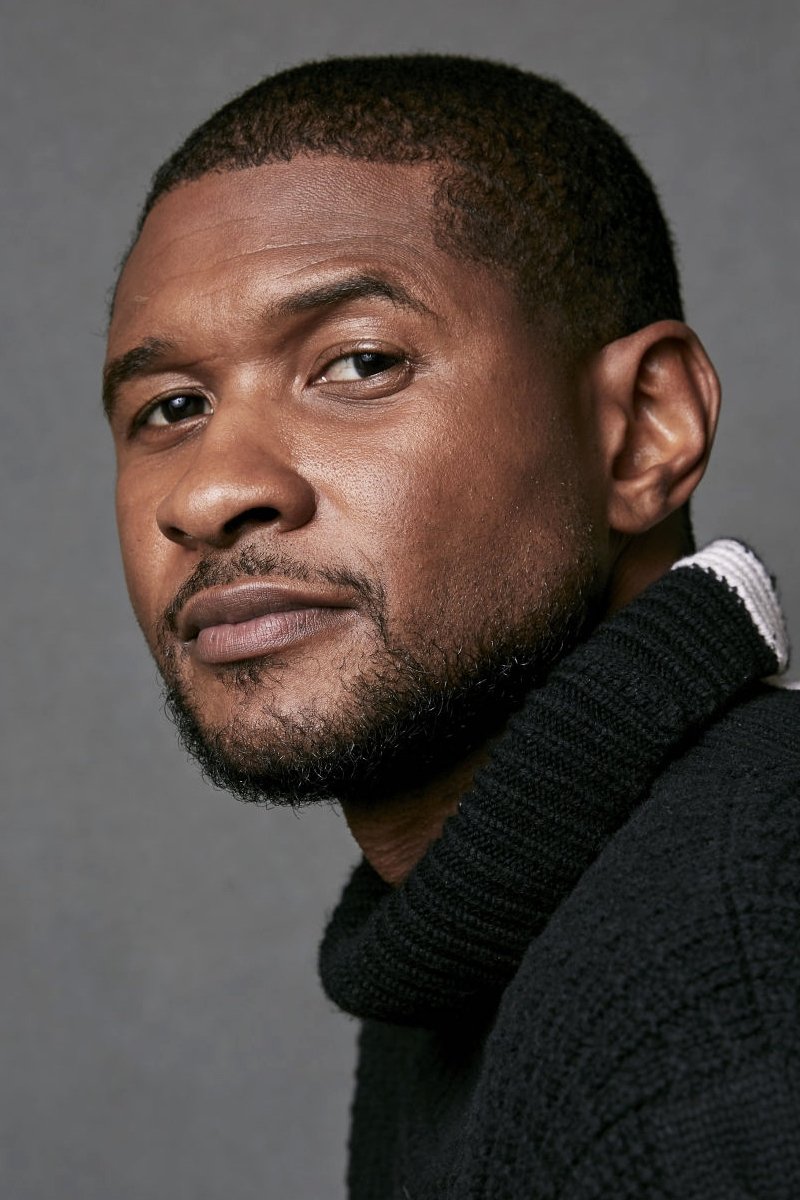
Usher was a dominant force in rhythm and blues for over a decade before he began experimenting with electronic dance music. His collaborations with international DJs led to accusations that he was chasing pop trends to stay relevant on the charts. Fans of his early soul infused work felt these new tracks lacked the emotional depth of his classic albums. He has continued to be a versatile performer who balances his pop hits with traditional musical performances. His long career shows the challenges of staying at the top of an ever changing musical landscape.
Nelly

Nelly brought a unique melodic style to hip hop and achieved massive success with his debut album. His later decision to record a country influenced song with Tim McGraw sparked a major debate about his authenticity as a rapper. Some felt he was moving too far into the mainstream to maintain his credibility within the hip hop community. He defended the collaboration as a way to bridge different musical worlds and expand his creative horizons. His influence can still be heard in the melodic delivery of many modern artists in the genre.
T-Pain
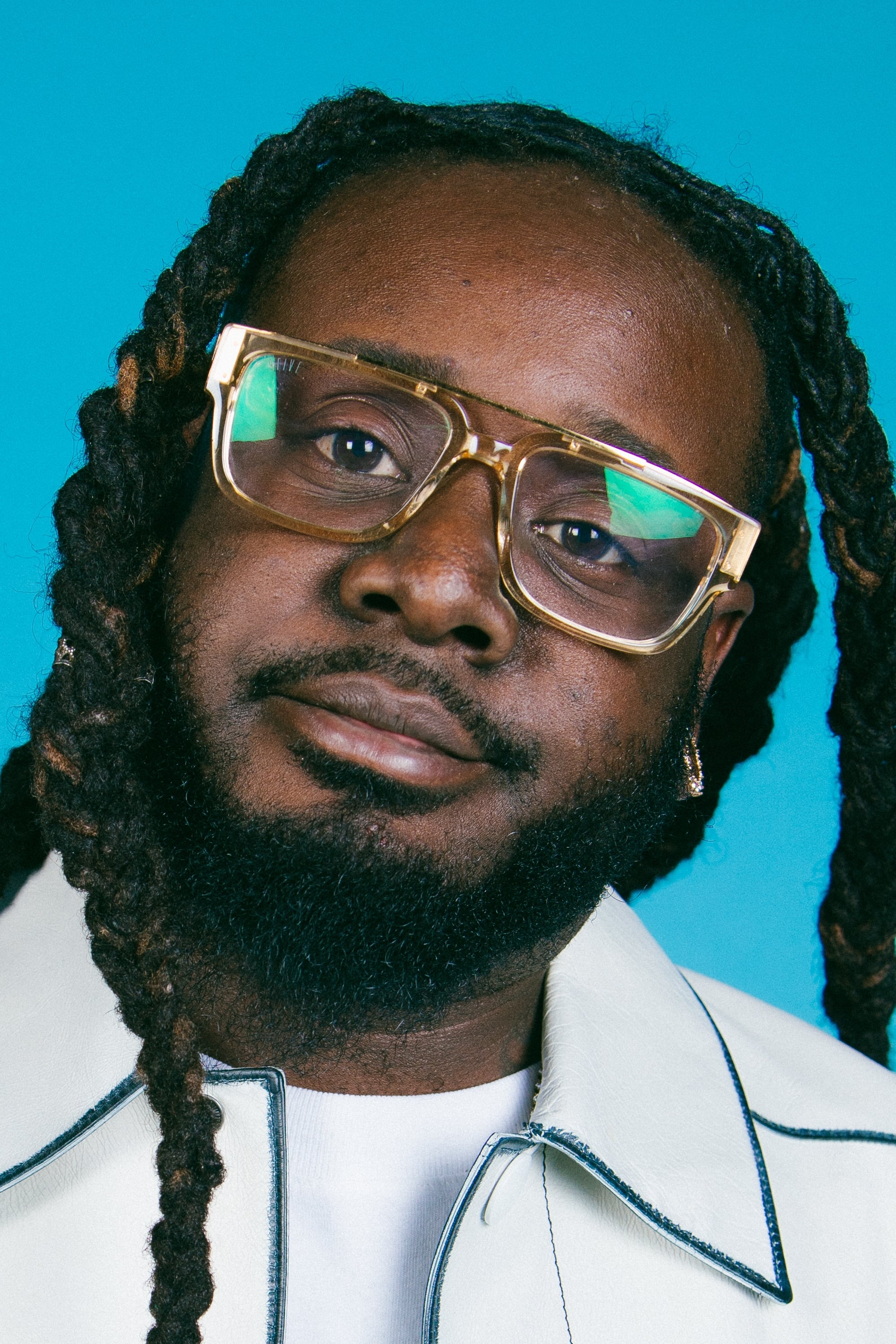
T-Pain revolutionized the use of auto tune in popular music and became a staple on the pop and rhythm and blues charts. His heavy reliance on vocal effects led some traditionalists to claim he was using technology to hide a lack of talent. As he became a frequent guest on mainstream pop tracks the criticism of his sound grew louder. He later proved his vocal ability with powerful live performances that showcased his natural singing voice. His impact on the sound of modern music is undeniable despite the early skepticism he faced.
Nicki Minaj

Nicki Minaj established herself as a formidable lyricist in the underground scene before moving into global pop stardom. Her albums featuring high energy dance tracks like ‘Starships’ led to intense discussions about her commitment to rap. Many fans felt she was abandoning her hip hop roots to become a commercial pop icon for a younger audience. She has consistently returned to her rap origins while maintaining her status as a global celebrity. Her career represents the balance between artistic versatility and the expectations of a core fan base.
Drake

Drake has become one of the most successful artists in history by blending singing and rapping with various global influences. His tendency to adopt different musical styles from around the world has led to accusations of cultural tourism and selling out. Critics often question his authenticity because of his background as a child actor on a teen drama. He has maintained a consistent presence at the top of the charts for over a decade through strategic collaborations and hit songs. His work continues to spark debate about the definition of modern hip hop and pop success.
Common
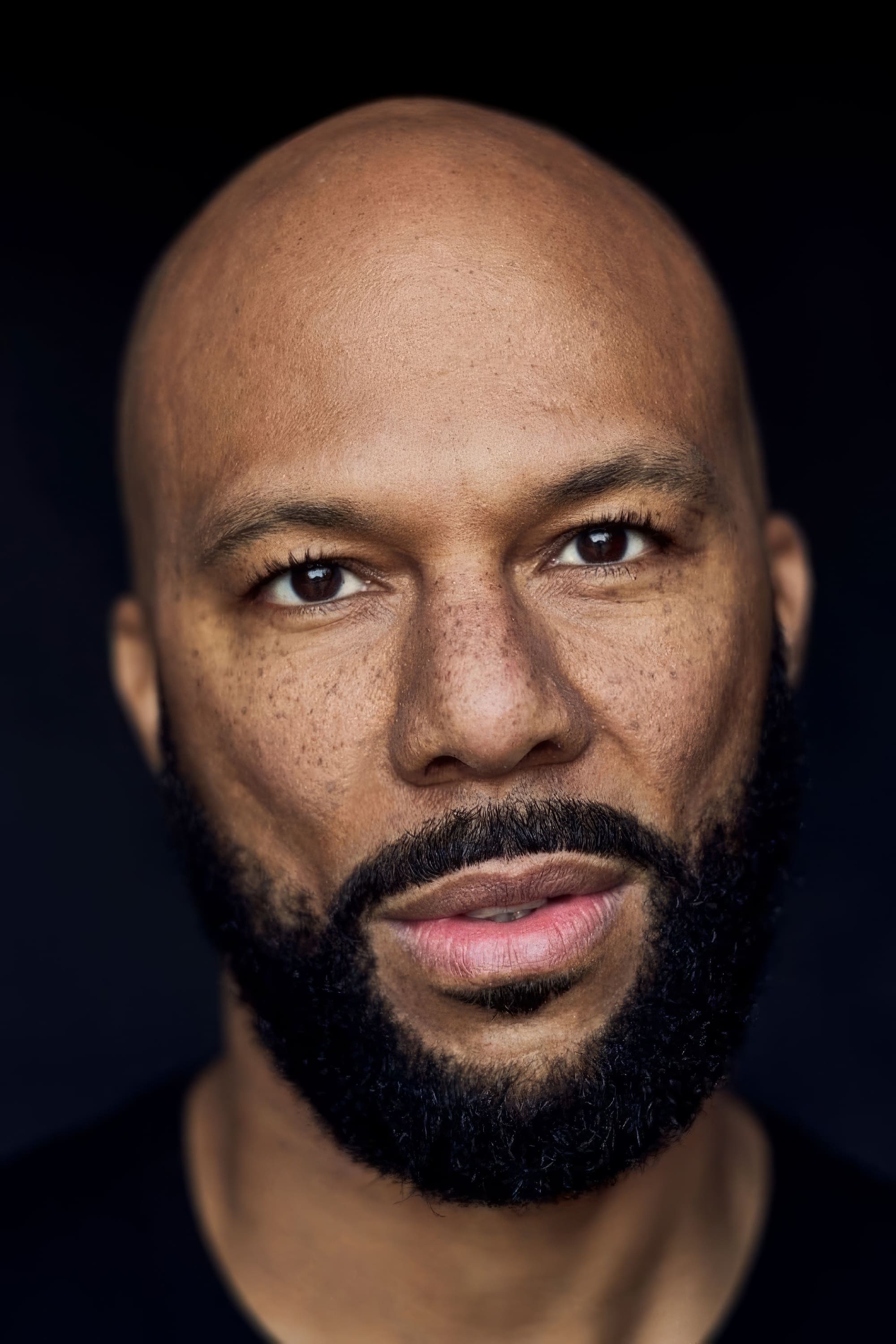
Common was widely respected for his conscious and socially active lyrics during the peak of the underground hip hop movement. His decision to appear in mainstream advertisements for major clothing brands was viewed by some as a move away from his principles. Critics argued that his move into acting and commercial partnerships softened his revolutionary image. He has continued to advocate for social change through his art and community involvement while achieving mainstream success. His career path highlights the intersection of activism and the realities of a career in entertainment.
Wiz Khalifa
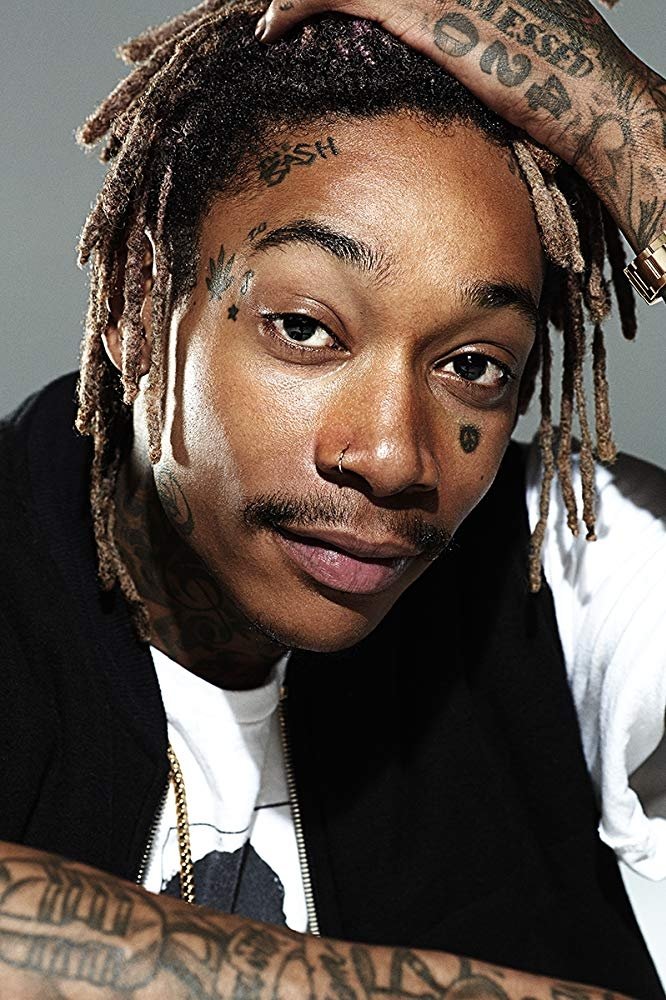
Wiz Khalifa built a massive following with his mixtapes and a relaxed style that celebrated a specific lifestyle. When he moved toward radio friendly pop rap hits some of his early fans felt the music became too commercial. They argued that his new sound lacked the grit and personality that made his early work stand out. He has since become a global brand with ventures in various industries outside of music. His success shows the transition from a niche artist to a mainstream celebrity with broad appeal.
Snoop Dogg
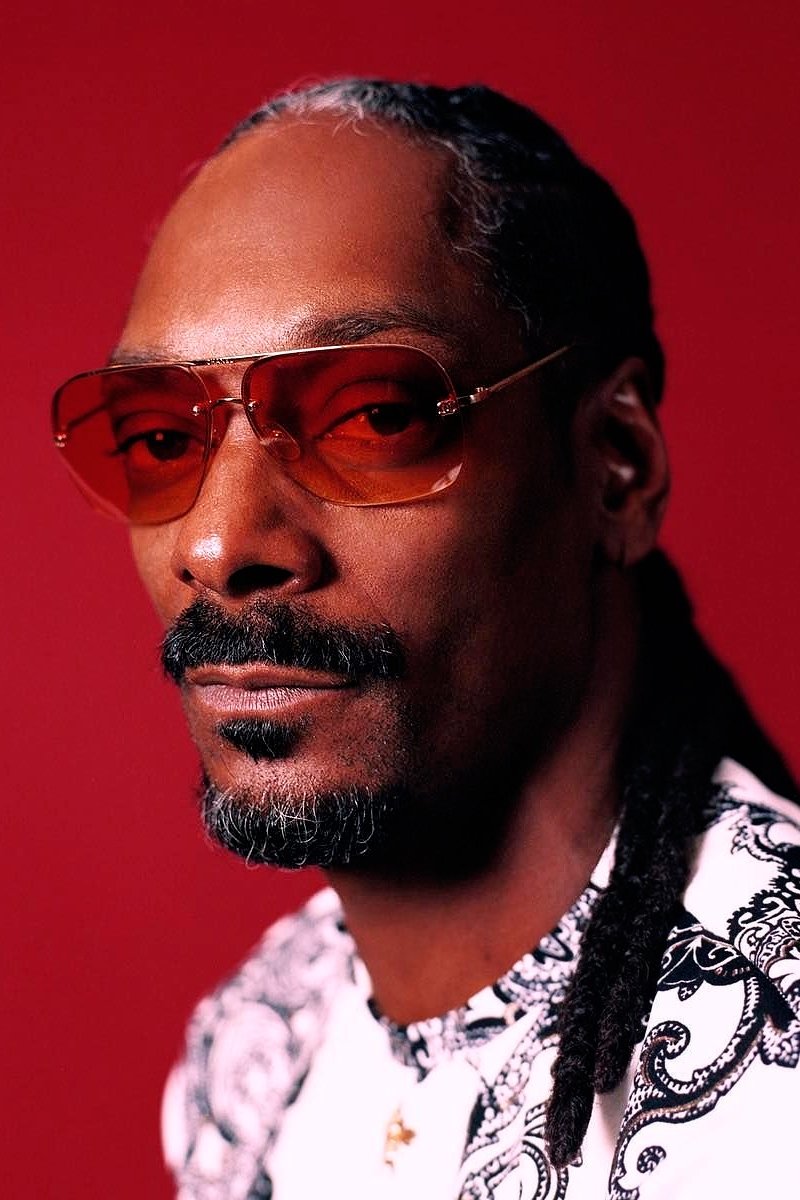
Snoop Dogg rose to fame as a central figure in the gangsta rap movement of the early 1990s. Over the years he has become a beloved media personality who appears in everything from cooking shows to family friendly commercials. This shift in his public image has led to discussions about how much he has distanced himself from his original persona. While some see it as a natural evolution others feel it is a commercialization of his legacy. He remains one of the most recognizable and influential figures in the history of hip hop.
Akon

Akon initially gained fame for his unique vocal style and songs that blended street life themes with catchy melodies. As his career progressed he focused more on global pop collaborations and producing for international stars. This shift led to accusations that he was abandoning the foundation that made him famous. He has used his success to fund major infrastructure projects and philanthropic efforts across the African continent. His career trajectory demonstrates a move toward a global business and humanitarian focus.
Ludacris
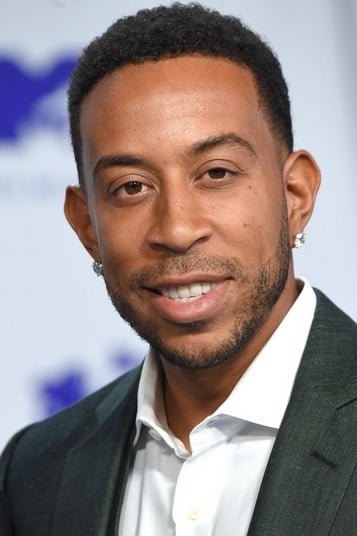
Ludacris was known for his clever wordplay and high energy music videos that defined the early 2000s rap scene. His transition into a successful acting career in major film franchises led to a shift toward a more mainstream and family friendly image. Some fans felt this move away from music signaled a lack of dedication to his original craft. He has maintained a presence in the industry through various business ventures and occasional musical releases. His transition from a rapper to a versatile entertainer is a model for many in the industry.
Ice Cube
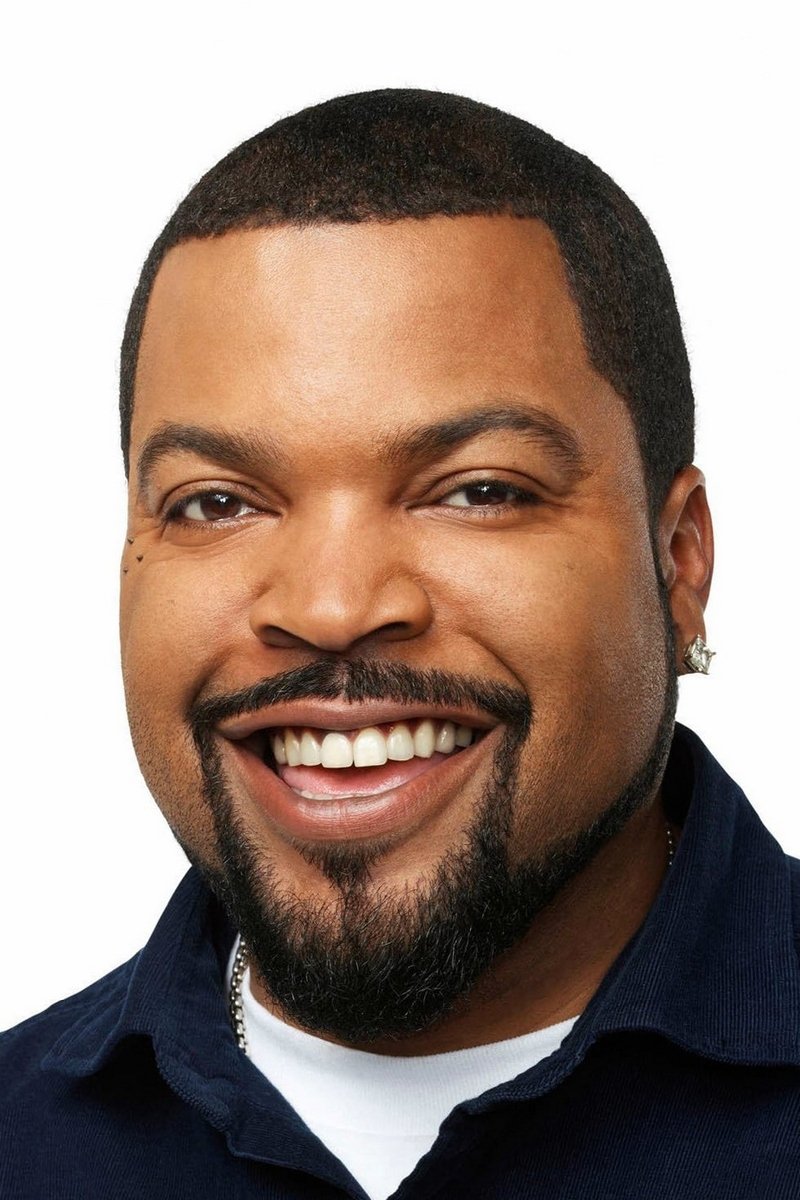
Ice Cube was a founding member of NWA and a pioneer of reality based rap that challenged the status quo. His move into acting in family comedies like ‘Are We There Yet?’ was a shocking turn for many of his original fans. Critics often accused him of selling out the revolutionary spirit of his early work for Hollywood success. He has defended his career choices as a way to provide for his family and expand his creative reach. His journey from a controversial rapper to a household name in film is a significant cultural shift.
Queen Latifah
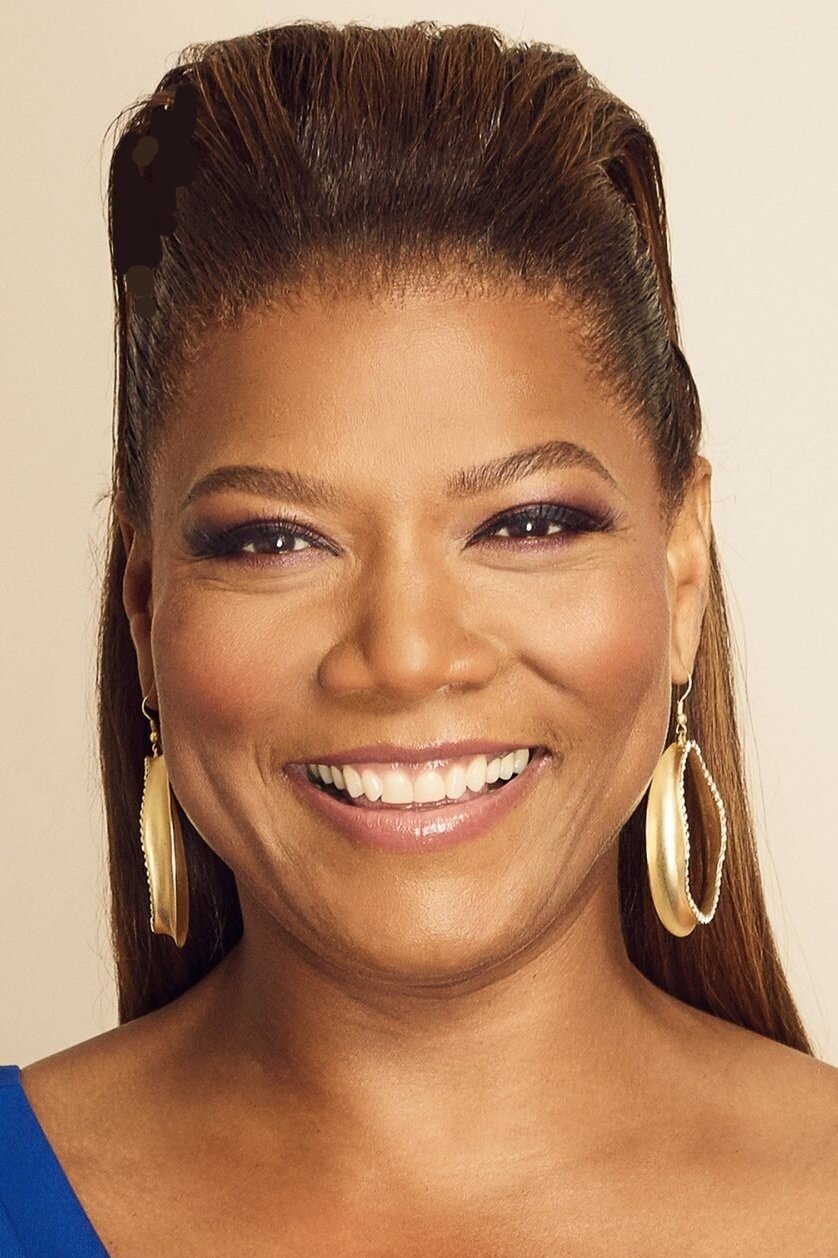
Queen Latifah began her career as a feminist voice in hip hop who promoted messages of unity and respect. Her move into mainstream acting and recording albums of jazz standards led to some fans feeling she had left hip hop behind. These critics argued that she was seeking a more respectable and safe image for a general audience. She has achieved great success on television and in film while earning numerous awards for her performances. Her career shows the ability of an artist to succeed across multiple different genres of entertainment.
Tina Turner

Tina Turner had a legendary career in soul and rhythm and blues before making one of the greatest comebacks in music history during the 1980s. Her new sound leaned heavily into rock and pop which allowed her to reach a massive global audience. Some purists felt that this shift was a departure from the raw emotional power of her earlier work. She became a symbol of resilience and strength while performing in packed stadiums around the world. Her success redefined what a female artist could achieve in the rock genre.
Aretha Franklin
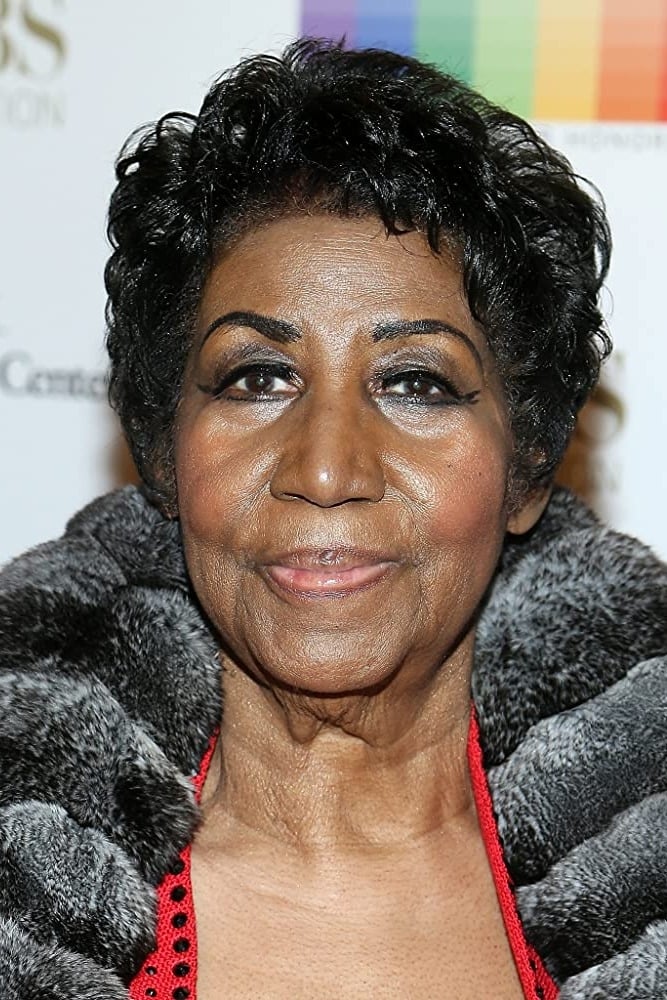
Aretha Franklin was the undisputed Queen of Soul but she also explored contemporary pop sounds later in her career. Her 1980s albums featured polished production that some critics felt did not match the depth of her earlier classic recordings. These efforts to stay relevant on the pop charts were seen by some as a compromise of her musical legacy. She continued to perform with incredible power and remained a cultural icon until her passing. Her ability to navigate different eras of music while maintaining her status is a testament to her talent.
Ray Charles
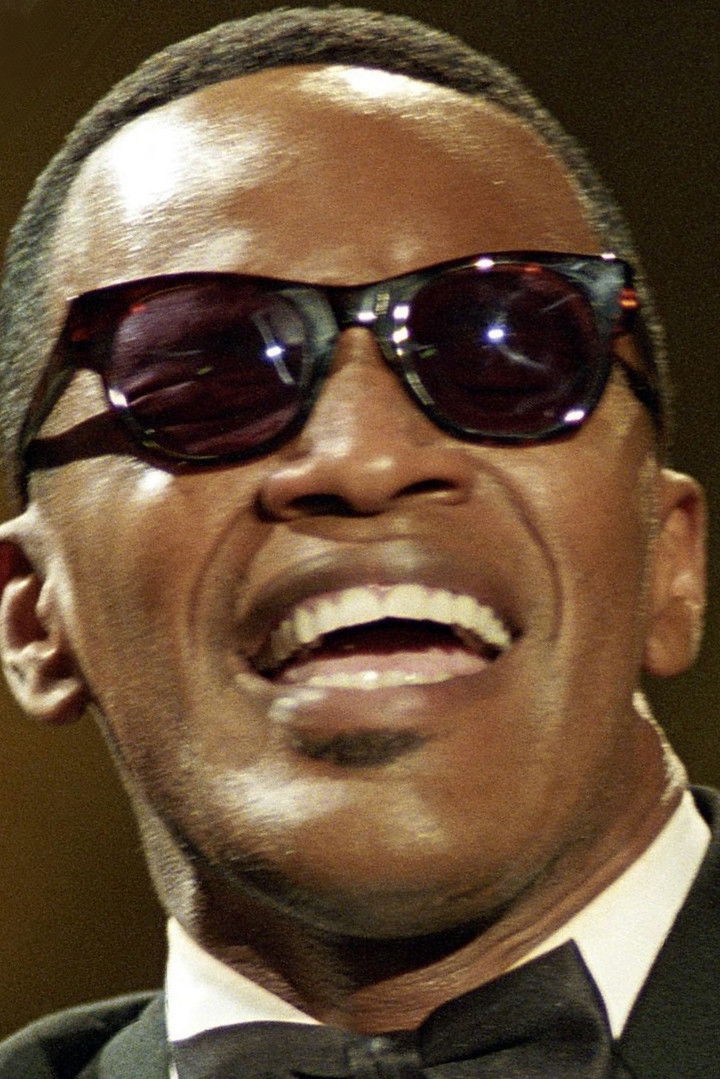
Ray Charles was a genius who blended gospel and blues to help create the genre of soul music. His decision to record an album of country and western songs was initially seen as a risky and potentially alienating move. Some critics felt he was trying too hard to appeal to a white audience by performing their traditional music. The album became a massive success and is now considered a landmark in the history of American music. He proved that great music could transcend racial and generic boundaries.
Jimi Hendrix
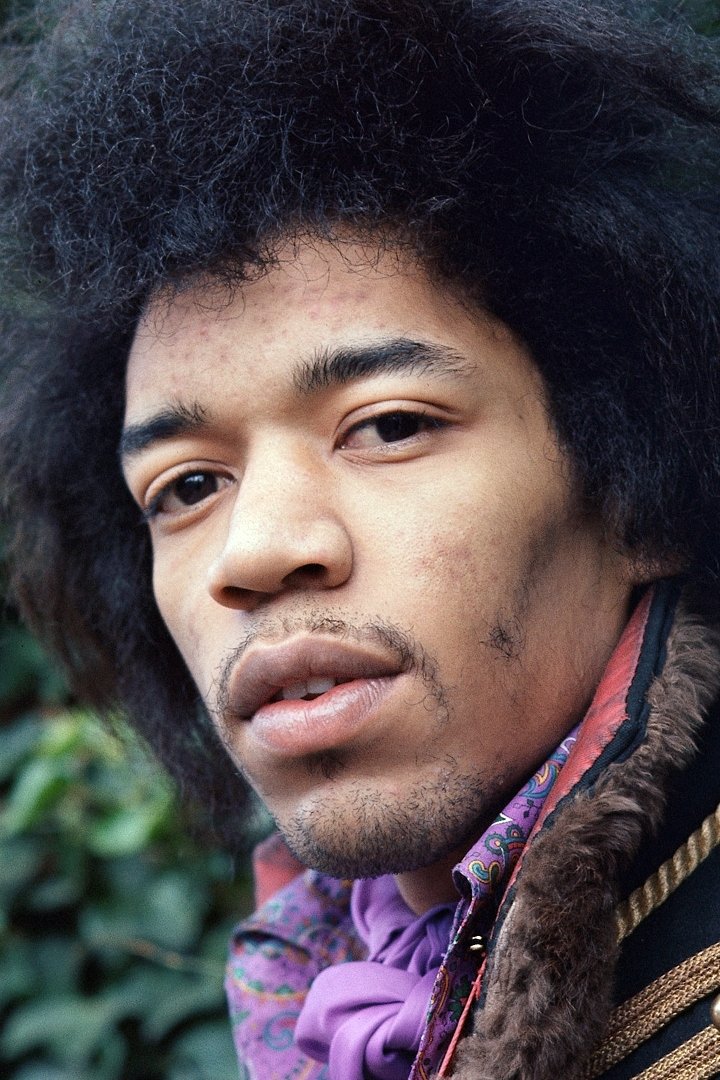
Jimi Hendrix became a superstar in the rock world with his virtuosic guitar playing and psychedelic sound. Because his primary audience was white and his bandmates were often white he faced criticism from some who felt he was disconnected from his community. These accusations of selling out often ignored his deep roots in the blues and rhythm and blues circuit. He pushed the limits of what was possible with an electric guitar and changed the face of music forever. His legacy continues to influence generations of musicians across all racial backgrounds.
Seal
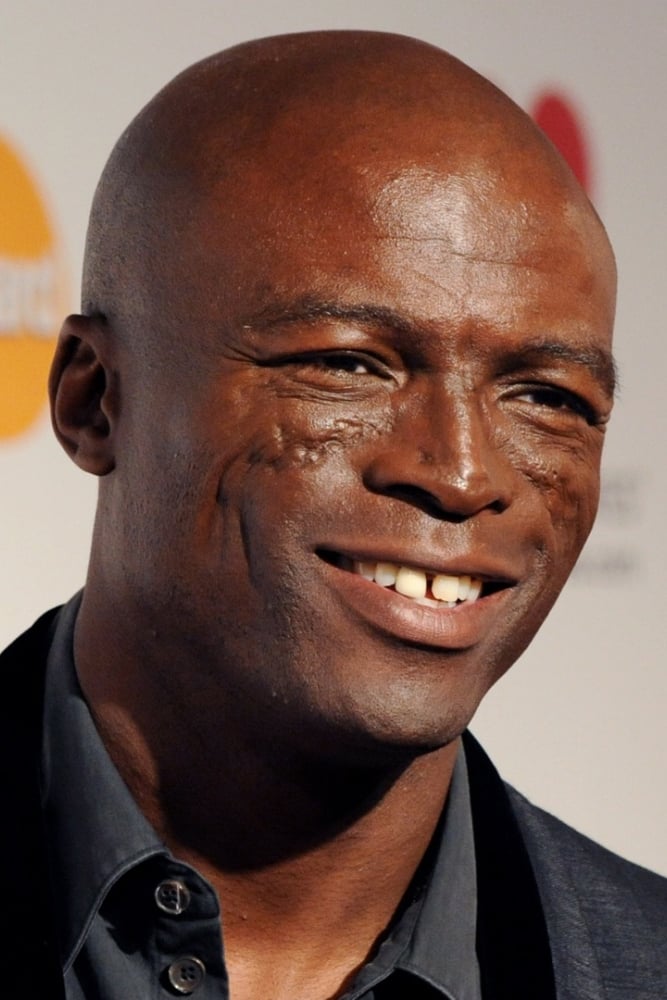
Seal is known for his soulful voice and a series of massive pop hits that reached a global audience. His focus on adult contemporary ballads led to some critics suggesting he was moving away from soul and funk traditions. Many felt his sound was tailored specifically for mainstream radio success rather than artistic experimentation. He has won multiple awards and remains a respected figure for his vocal talent and songwriting ability. His career illustrates the success of an artist in the international pop market.
Alicia Keys

Alicia Keys was introduced as a classical piano prodigy with a modern sensibility. As she transitioned into more mainstream pop ballads and major corporate partnerships some fans felt her music became less adventurous. Critics argued that her brand was being carefully managed to maintain a broad and safe appeal for a wide audience. She has used her platform to advocate for various social causes and has remained a consistent force in the industry. Her career highlights the challenges of balancing artistic growth with commercial expectations.
Janelle Monáe
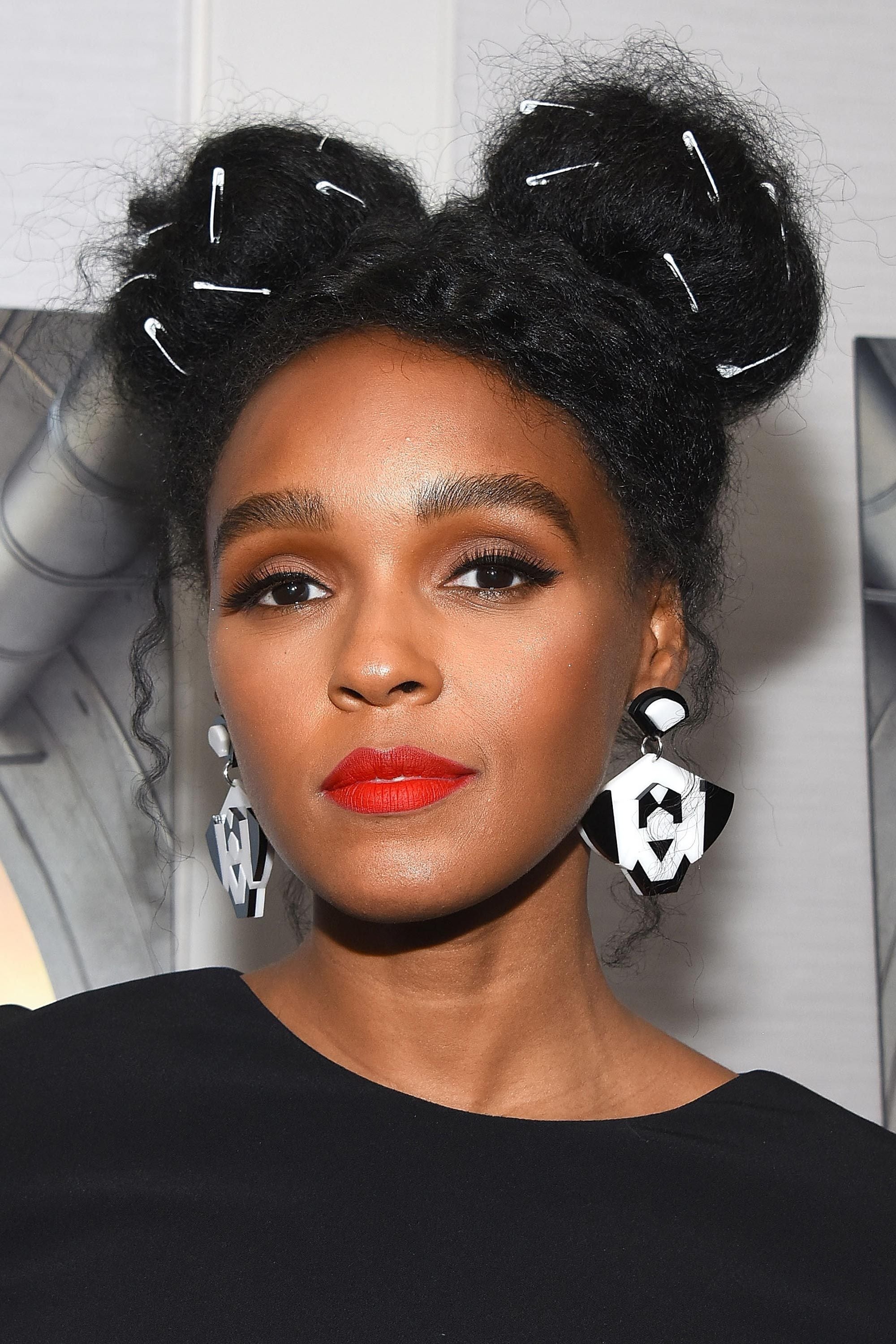
Janelle Monáe began her career with a series of conceptual albums that blended funk and alternative soul. Her shift toward a more direct and radio friendly pop sound in later projects led to discussions about her artistic direction. Some fans of her earlier complex work felt she was simplifying her message for mainstream fame. She has continued to be a bold and original voice who uses her art to explore identity and social issues. Her evolution shows a desire to reach a larger audience while still maintaining a unique visual style.
Cardi B

Cardi B rose to fame through reality television and viral social media moments before becoming a dominant force in rap. Her rapid ascent and heavy involvement in commercial endorsements led to debates about her authenticity as a musician. Some critics argued that her fame was more about her personality than her musical contributions to hip hop. She has proven her staying power with a string of hit records and high profile performances. Her career represents the modern path to stardom through a mix of music and personality and brand building.
will.i.am
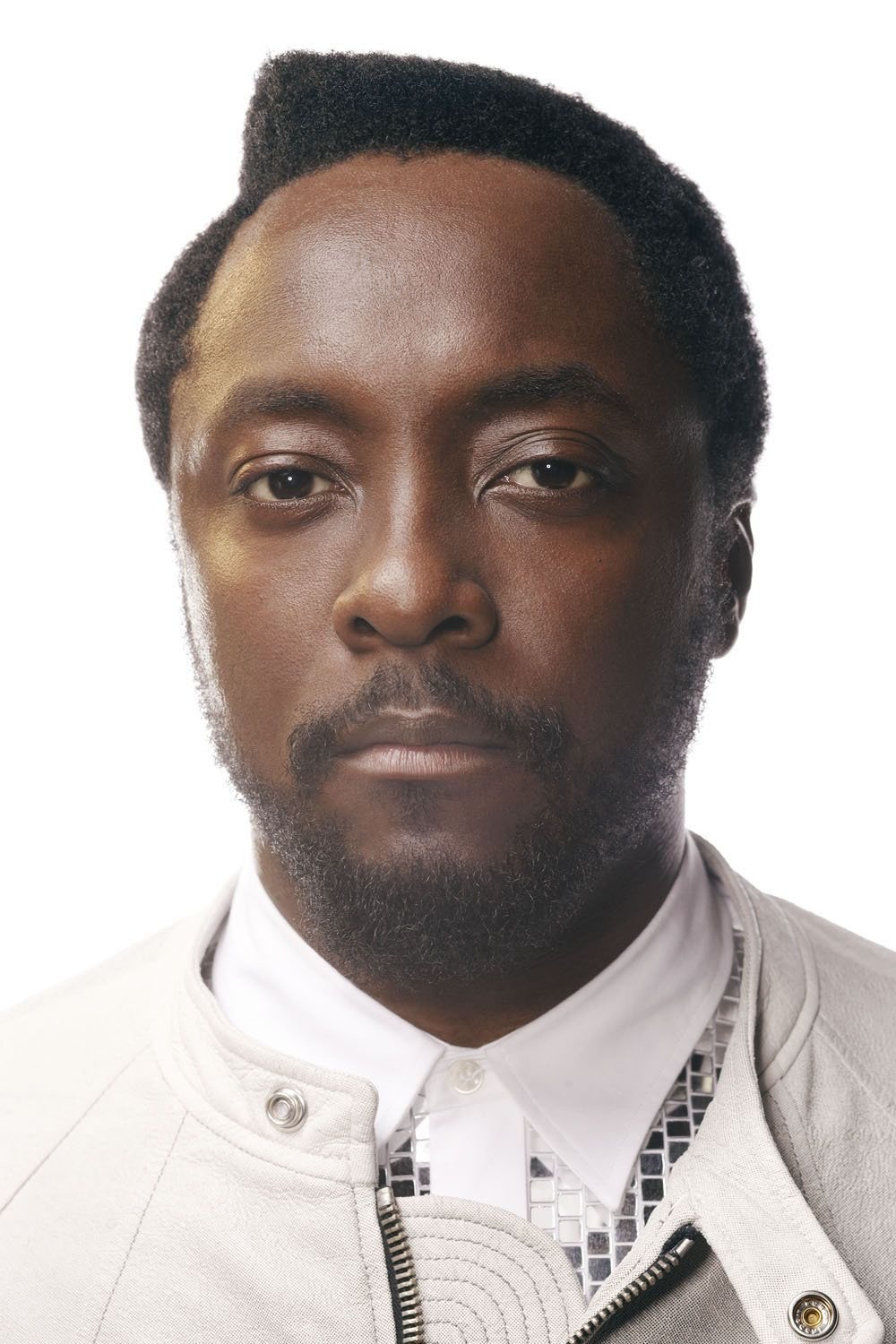
will.i.am was part of an alternative hip hop group before leading The Black Eyed Peas toward massive global pop success. The group shift into electronic dance music and simplistic lyrics led to intense criticism from the hip hop community. Many felt that he was prioritizing chart topping hits over the musical integrity of the group early work. He has since become a prominent figure in the technology and fashion industries while continuing to produce for other stars. His career is a prime example of the transition from a niche artist to a global commercial entity.
Jason Derulo
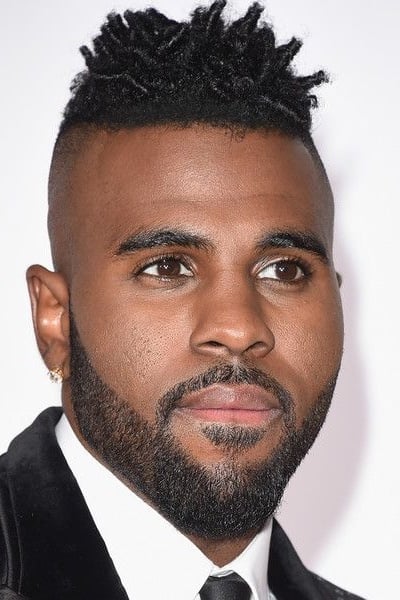
Jason Derulo started his career as a songwriter before becoming a massive pop and rhythm and blues star. His move into creating songs specifically designed for viral social media trends has led to accusations that he is chasing fame at the expense of musical depth. Critics often argue that his later work lacks the soul and originality found in his early hits. He has successfully used digital platforms to maintain his relevance and reach a younger generation of fans. His career demonstrates the power of adapting to new technologies in the music industry.
Quincy Jones
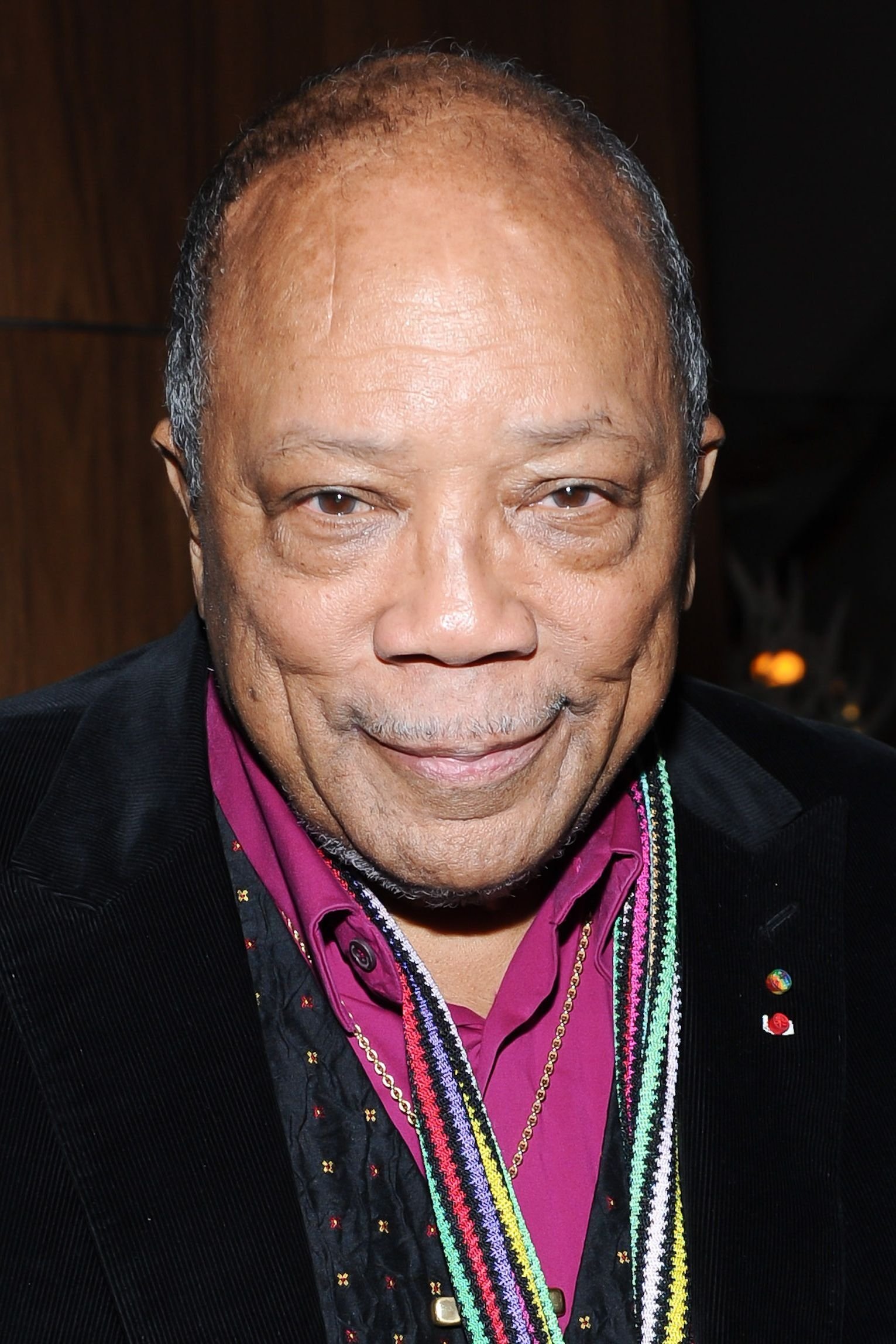
Quincy Jones was a legendary jazz arranger and conductor who worked with the greatest names in music. When he shifted his focus to producing massive pop albums for Michael Jackson some jazz purists accused him of abandoning his artistic roots. They felt he was prioritizing commercial success and polished sounds over the improvisation and complexity of jazz. He went on to become one of the most successful and influential producers in the history of the recording industry. His work has left an indelible mark on almost every genre of modern music.
Bobby Brown
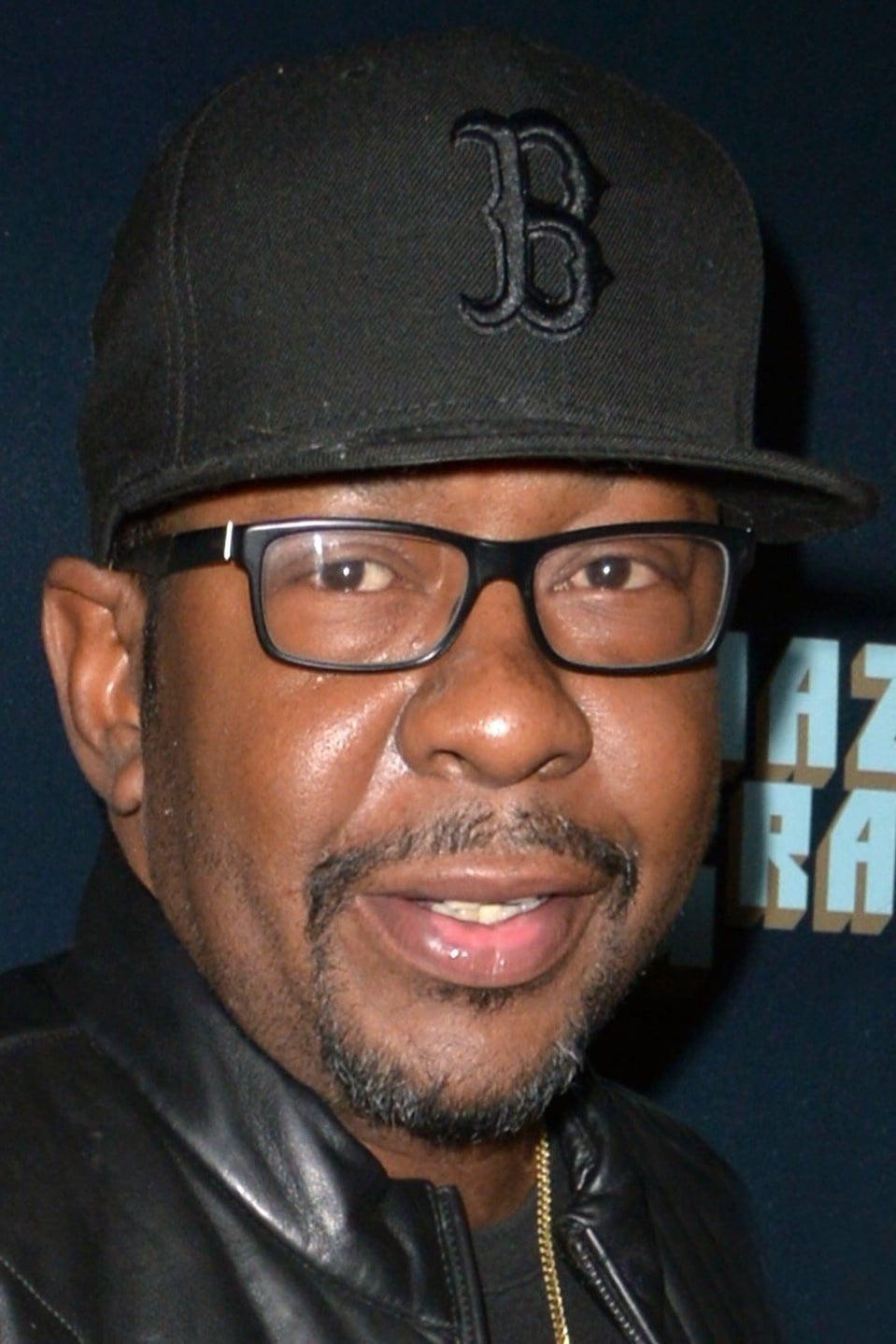
Bobby Brown was a member of the successful group New Edition before launching a massive solo career. His move toward the new jack swing sound was highly commercial and aimed at the top of the pop charts. While he achieved incredible fame some critics felt he was leaving behind the traditional vocal style for a more polished image. He became one of the biggest stars of the late 1980s with a series of high energy hits and dance routines. His career helped define the sound and style of an entire era of popular music.
Rick James
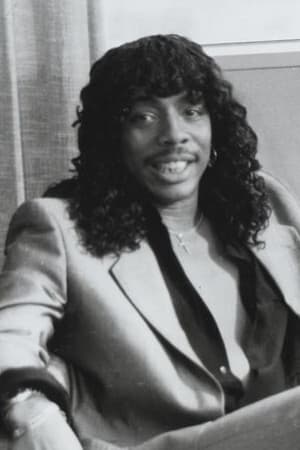
Rick James created a unique style of music that he called punk funk which blended rock and soul and funk. His efforts to achieve crossover success and his rock star persona led to some debates within the community. Critics sometimes questioned if he was tailoring his sound to appeal to a broader rock audience during the 1980s. He remained a fierce advocate for the recognition of Black artists on music television and other mainstream platforms. His influence on the sound of funk and hip hop continues to be recognized by musicians today.
Shaggy

Shaggy achieved international fame with his unique blend of reggae and pop music. His massive hits like ‘It Wasn’t Me’ were seen by some as a commercialization of dancehall culture for global audiences. Critics argued that his sound was softened to make it more accessible to mainstream radio stations. He has maintained a long career by collaborating with artists across different genres and performing worldwide. His success helped bring Caribbean musical influences to a broader audience than ever before.
Sean Paul
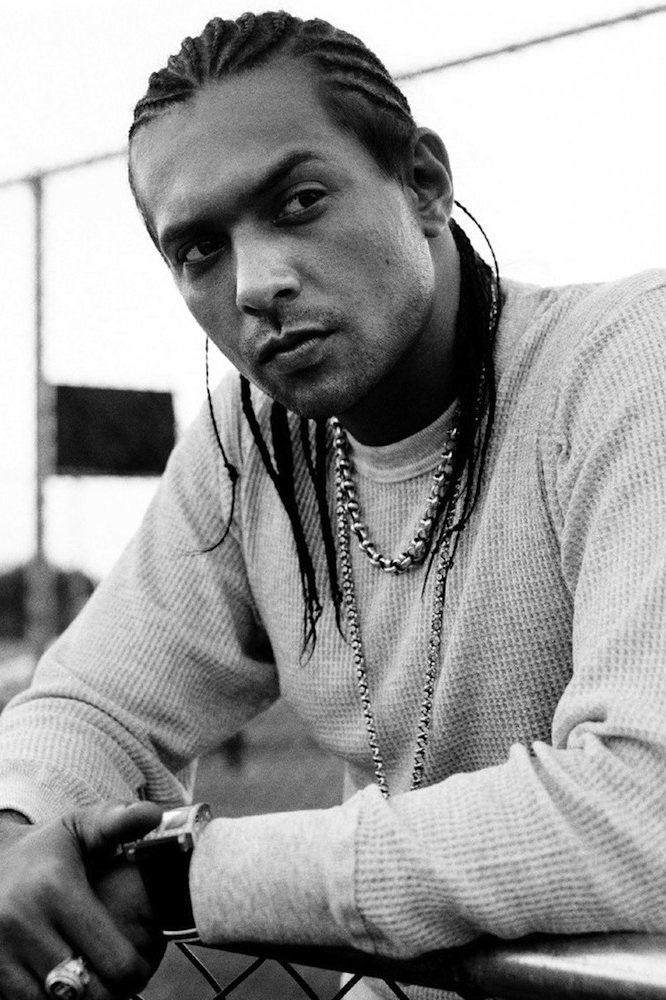
Sean Paul became a global superstar by fusing dancehall with pop and hip hop elements. This crossover success led to some criticism from purists who felt he was diluting the genre for international charts. His presence on major pop tracks made him one of the most recognizable voices in music during the early 2000s. He has continued to be a leading figure in dancehall music while successfully navigating the mainstream industry. His career highlights the global appeal of Caribbean music when blended with modern pop production.
Flo Rida
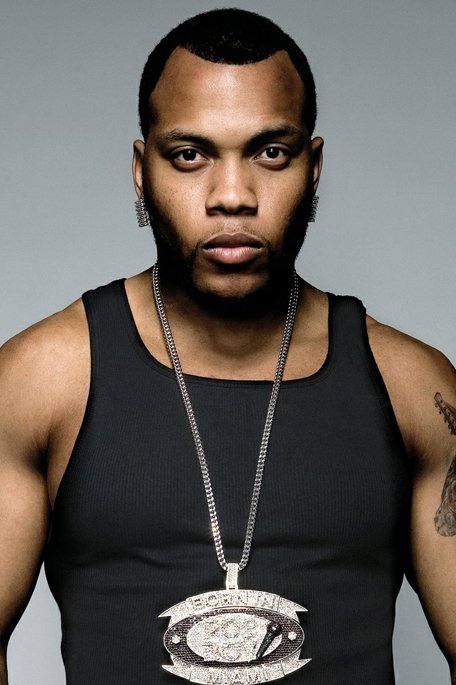
Flo Rida is known for his ability to craft massive hits that dominate the pop and dance charts. His heavy use of pop samples and electronic beats led to accusations that he was far removed from traditional hip hop. Critics often dismissed his work as purely commercial music designed for clubs and radio. He has achieved incredible sales figures and remains one of the most successful digital artists in history. His career shows a focus on high energy entertainment and broad mainstream appeal.
Ice-T
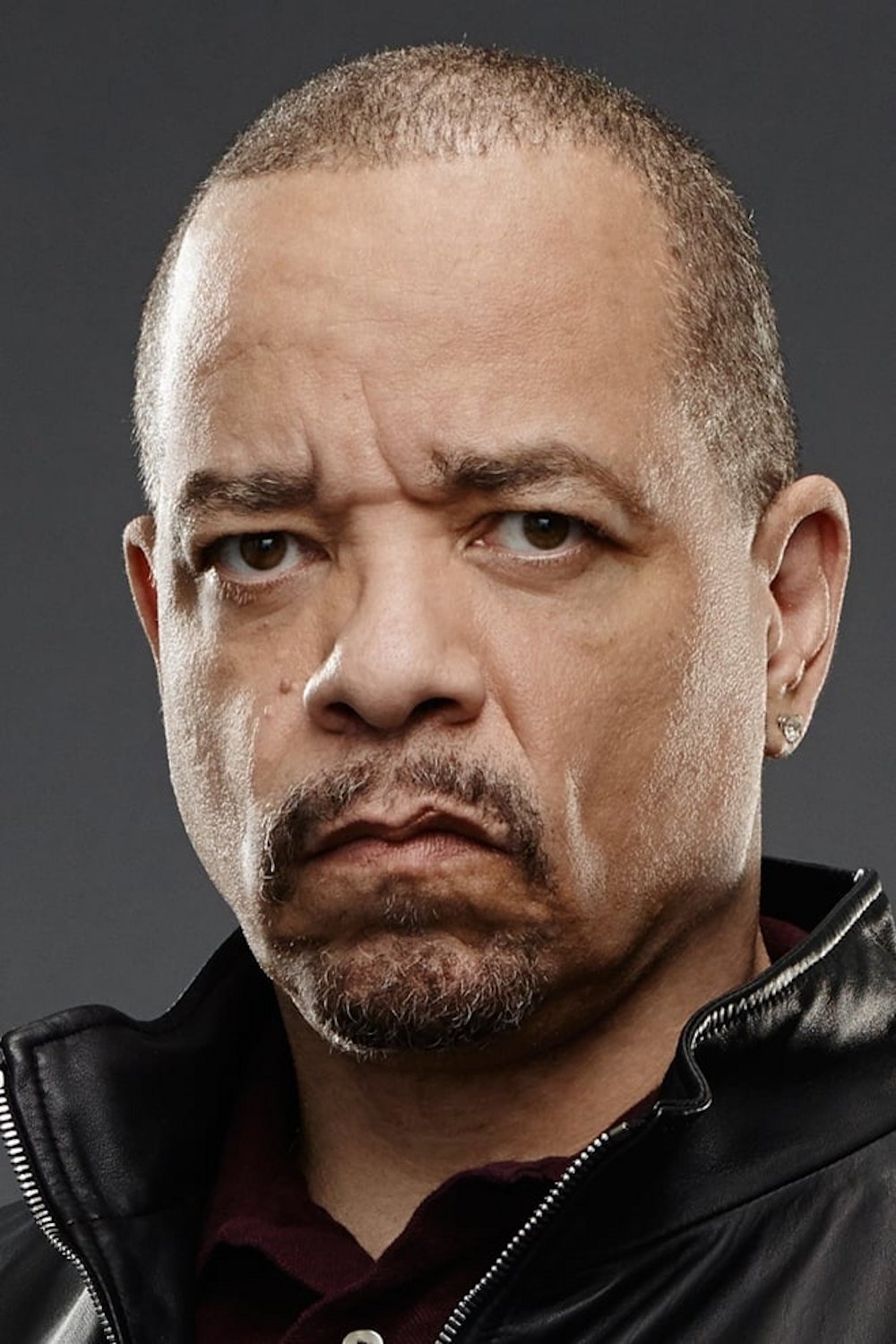
Ice-T was a pioneer of gangsta rap whose lyrics often challenged social and political systems. His transition into a long running role as a police officer on a popular television drama surprised many of his original fans. Some critics argued that this move to the mainstream was a betrayal of his earlier revolutionary image. He has defended his career choices as a natural evolution and a way to achieve stability in the entertainment industry. His journey from a controversial rapper to a staple of network television is a significant cultural transition.
George Benson
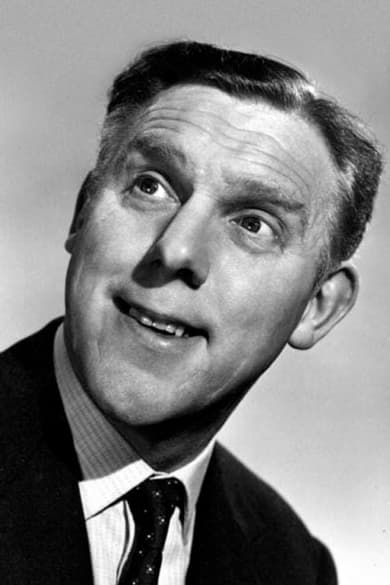
George Benson was a highly respected jazz guitarist before he achieved massive success as a pop and soul singer. This transition led to significant criticism from jazz purists who felt he was wasting his technical talent on commercial music. His album ‘Breezin’ became a huge hit and established him as a crossover star. He managed to maintain his guitar skills while becoming a household name for his smooth vocal style. His career is a classic example of the tension between specialized artistic mastery and mainstream popularity.
Share your thoughts on these artists and their career paths in the comments.