Celebrity Alter Egos That Were Killed Off or Retired


Sometimes stars outgrow the characters that first grabbed attention. When an alter ego has run its course, many artists step away so they can change style or image without confusing fans. From glam rock inventions to talk show personas, these identities had an endpoint the creator made clear. Here are notable cases where the person walked on and the persona stayed behind.
David Bowie – Ziggy Stardust
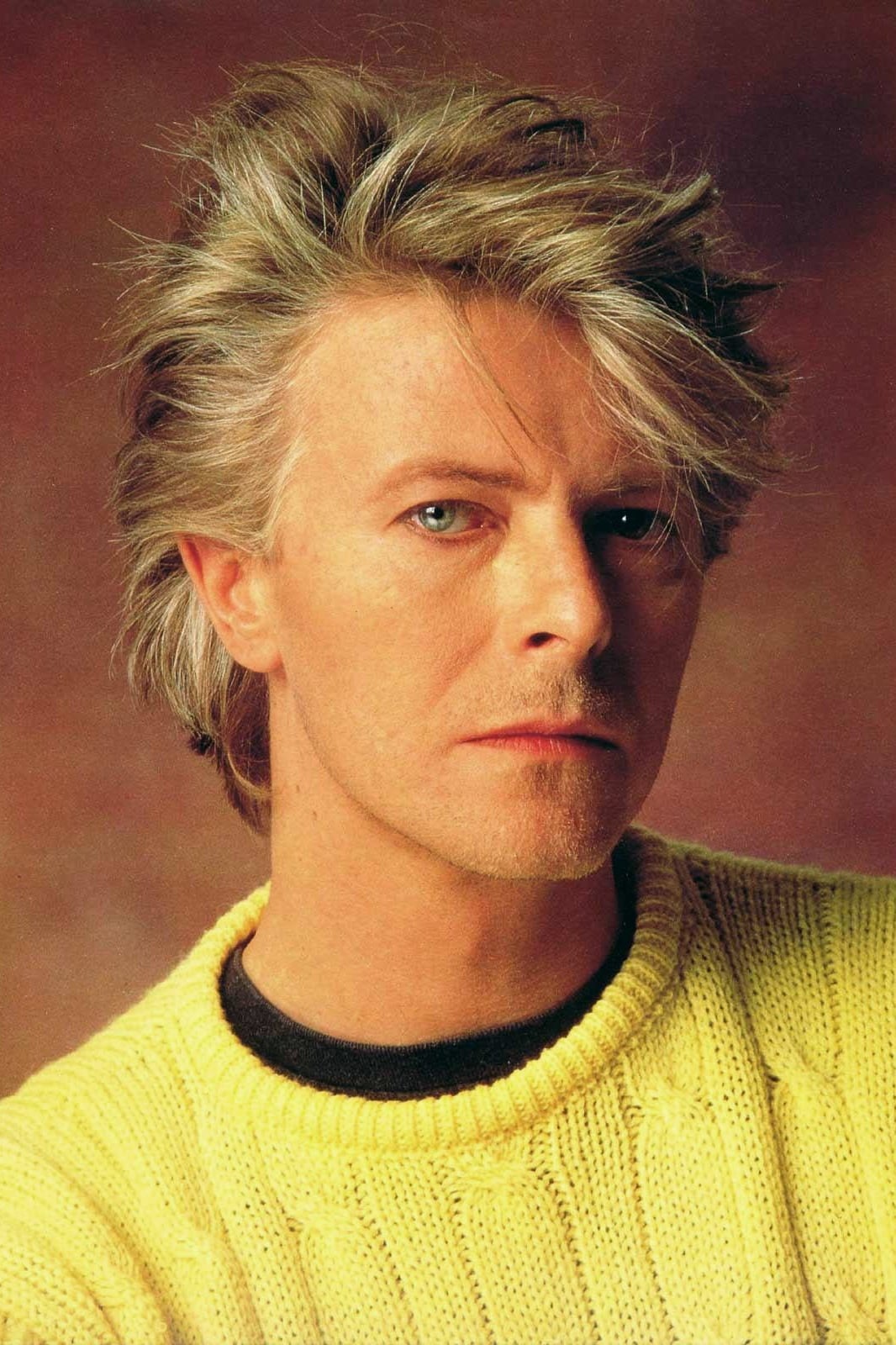
Bowie closed the Ziggy era on stage in London in 1973 and told the audience it would be the last show of its kind. The decision ended the red hair, the space themed wardrobe, and the scripted narrative concerts that defined the tour. He moved immediately into new music phases that did not use the Ziggy name. Later performances referenced the era but did not revive the character as a living act.
Beyoncé – Sasha Fierce
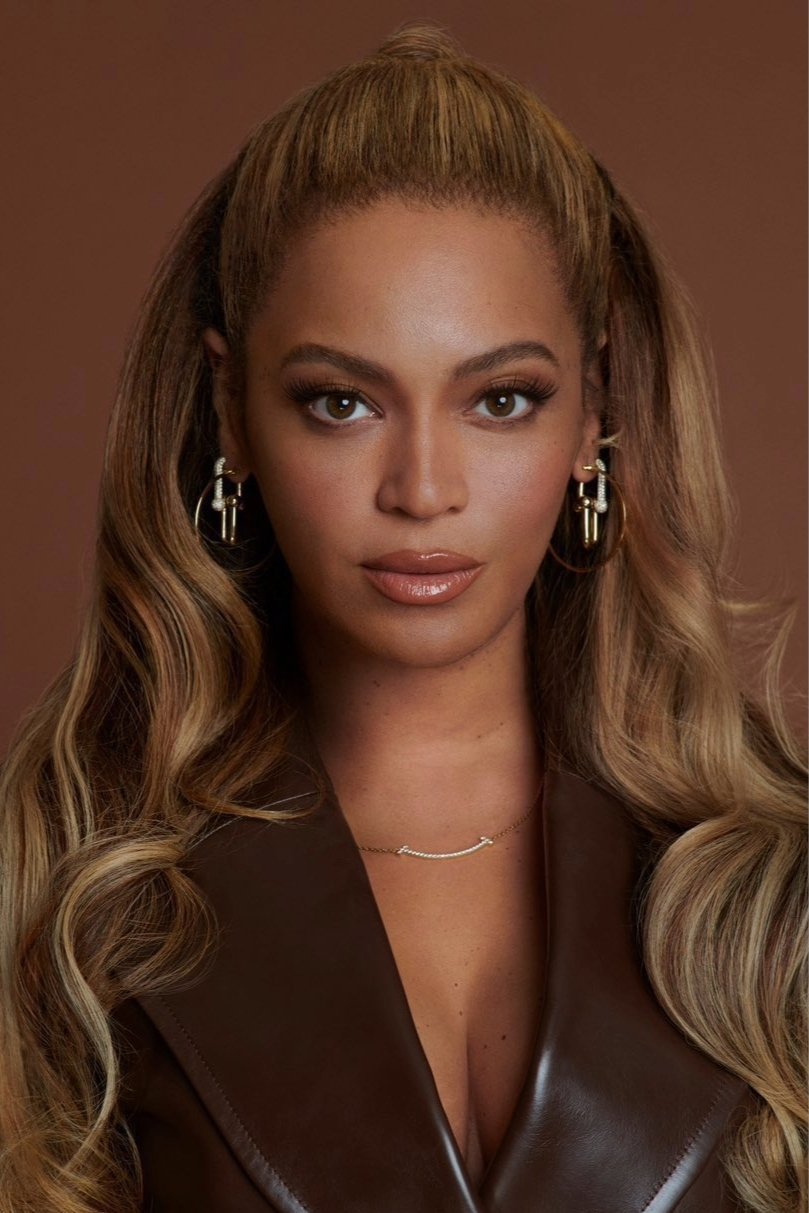
Beyoncé introduced Sasha Fierce as a performance persona tied to a specific album cycle and stage approach. In later years she explained that she no longer needed the alter ego to access that energy. Tour branding and credits dropped the Sasha name as her presentation evolved. Releases that followed did not include the persona as a separate identity.
Garth Brooks – Chris Gaines
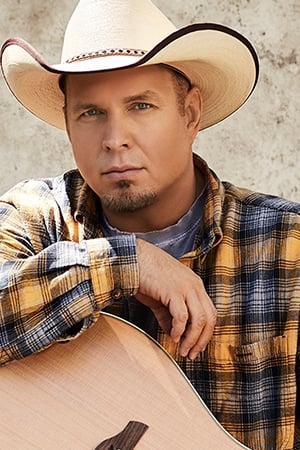
Brooks launched Chris Gaines as a fictional pop star with a full backstory and a dedicated album. The idea was linked to a planned film project that did not happen. After a mixed public reaction he paused the experiment and returned to his country output. Occasional nods have appeared since then but the character has not continued as an active persona.
Stephen Colbert – The Colbert Report Pundit
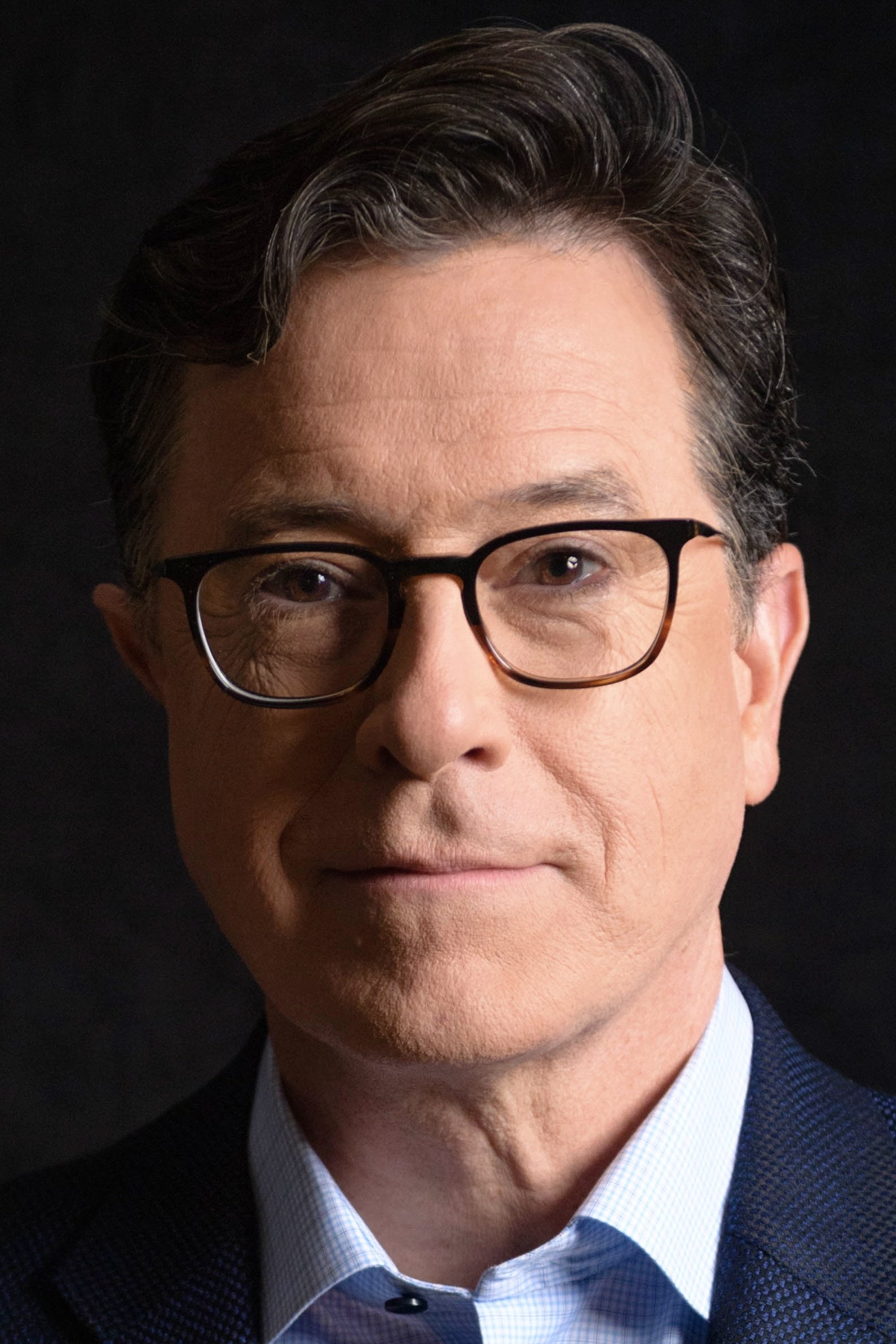
Colbert ended his conservative pundit character when his satirical news show wrapped in 2014. The persona was tied to that program’s format and nightly segments. When he moved to a late night talk show he appeared as himself rather than the character. Subsequent appearances kept the old persona in retirement except for brief sketches that acknowledged its past.
Lady Gaga – Jo Calderone
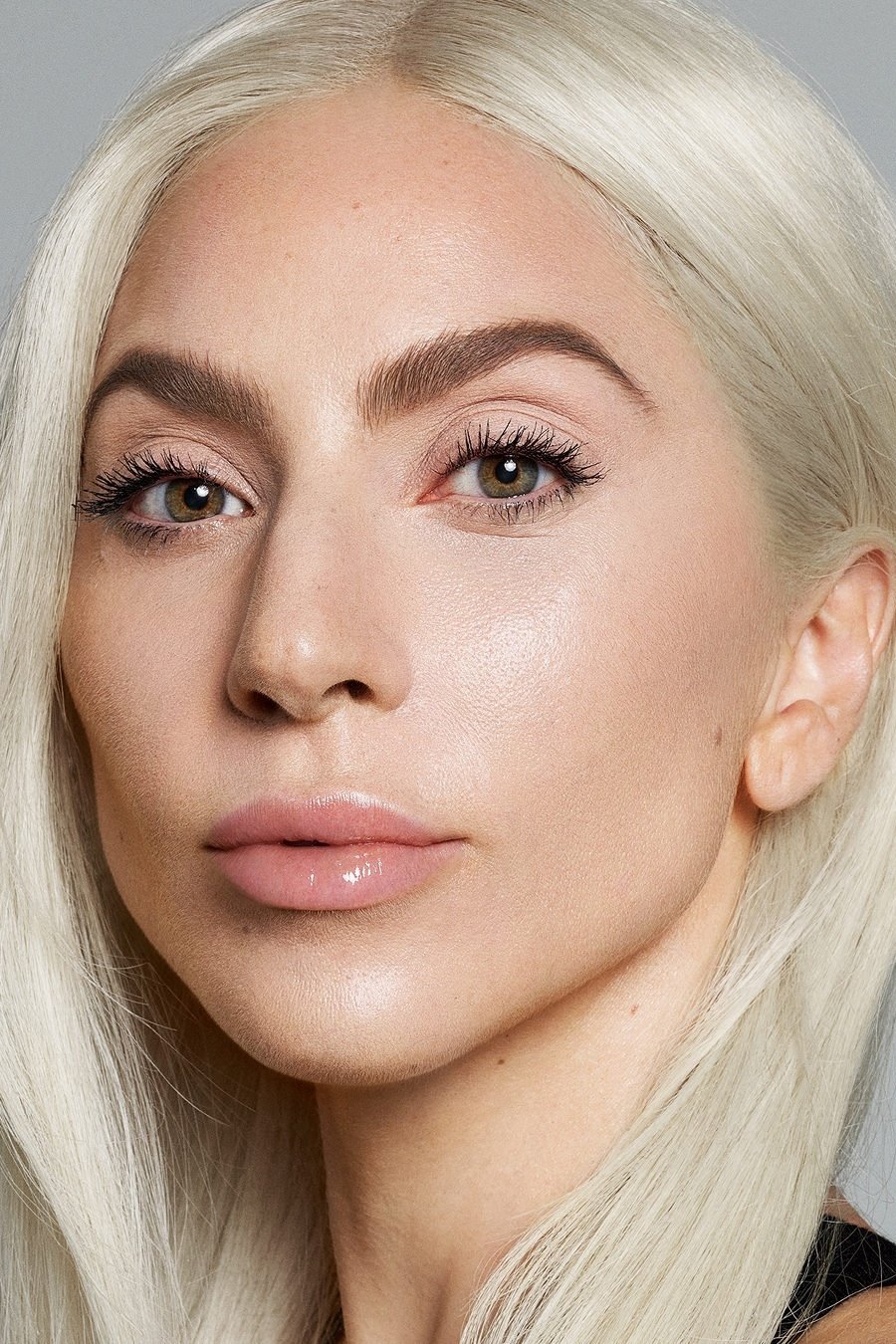
Gaga unveiled Jo Calderone as a male model persona for performances, photos, and one high profile awards show. The character appeared in interviews while staying in universe as Jo. After that run she set the persona aside and returned to appearing as herself in music campaigns. Jo has not been part of later tours or album rollouts.
Miley Cyrus – Hannah Montana
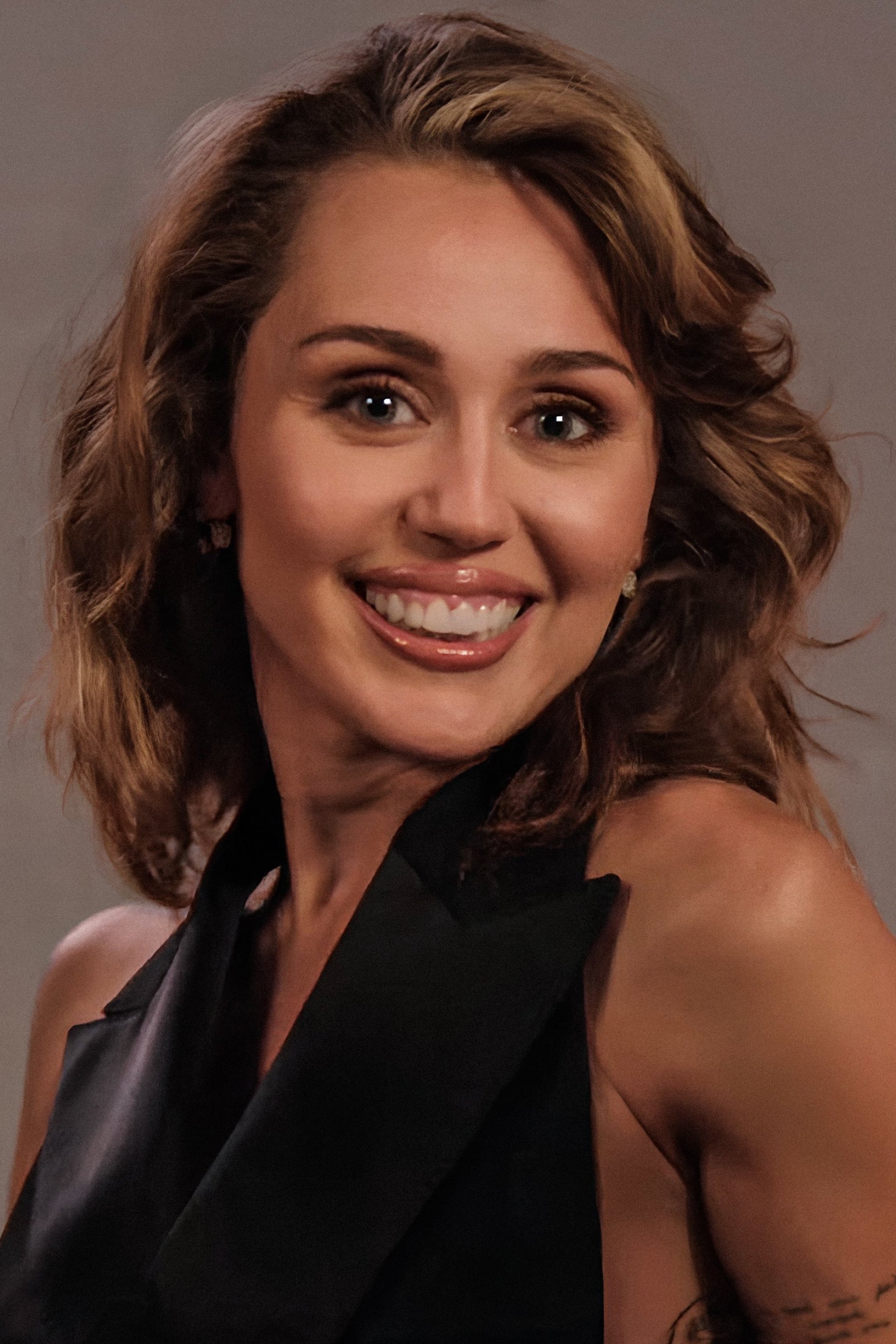
Cyrus closed the Hannah Montana chapter when the television series ended and she shifted to adult music projects. Public statements and symbolic gestures marked the end of that teen alter ego in her career. Later performances did not use the Hannah name outside of nostalgic tributes. The character remained part of her history rather than an ongoing identity.
Snoop Dogg – Snoop Lion
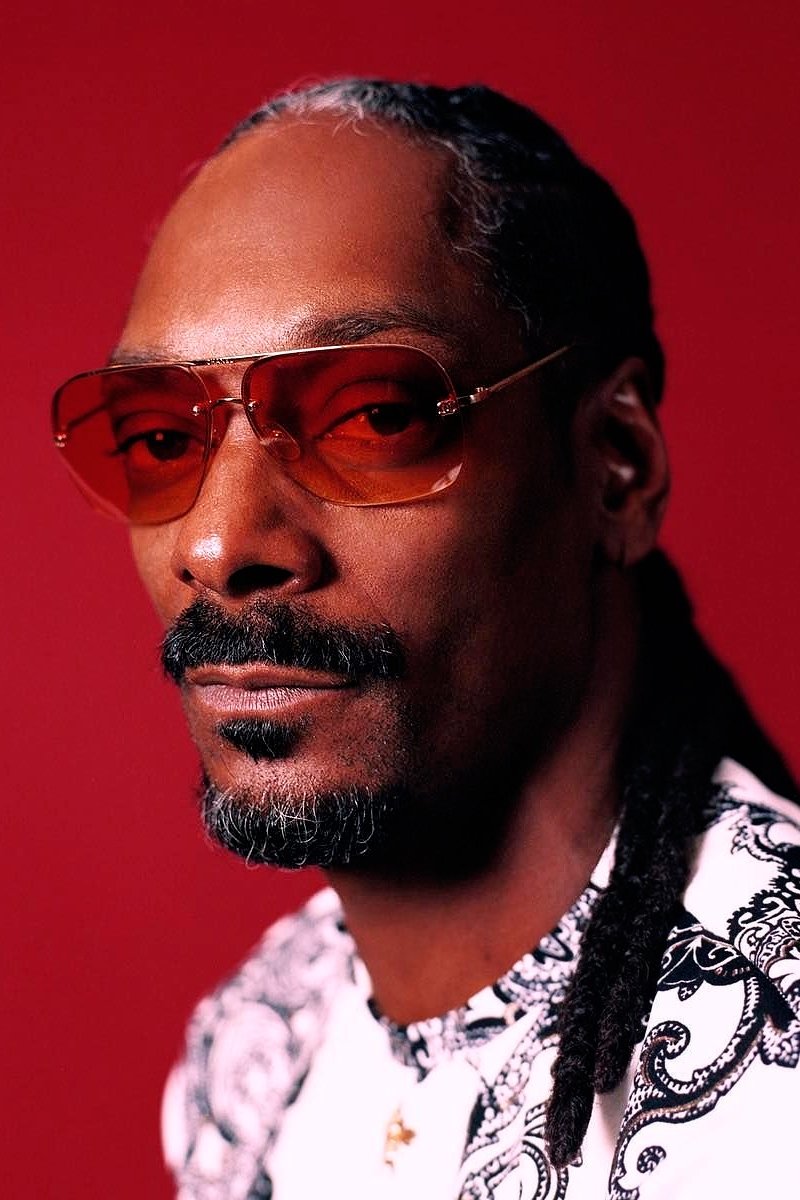
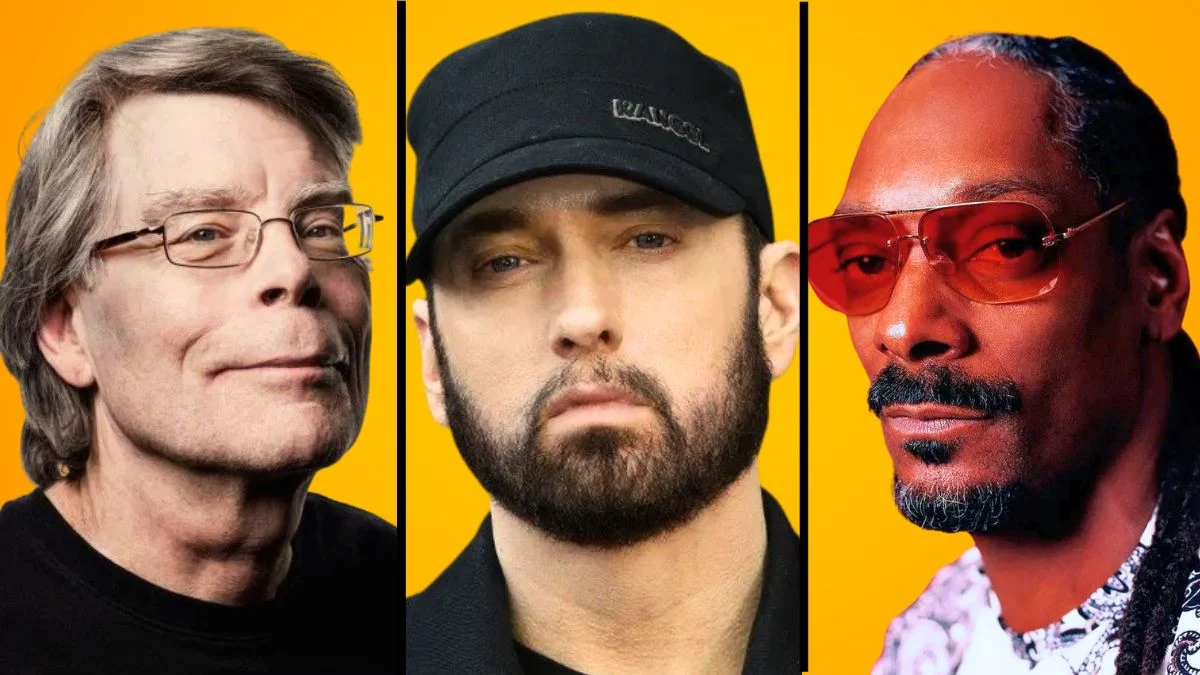
Snoop adopted Snoop Lion during a reggae focused project that followed a visit to Jamaica. He issued a related album and documentary under that name. After the cycle ended he returned to Snoop Dogg for subsequent releases. The reggae identity became a closed chapter rather than a continuing alter ego.
Paul Reubens – Pee wee Herman
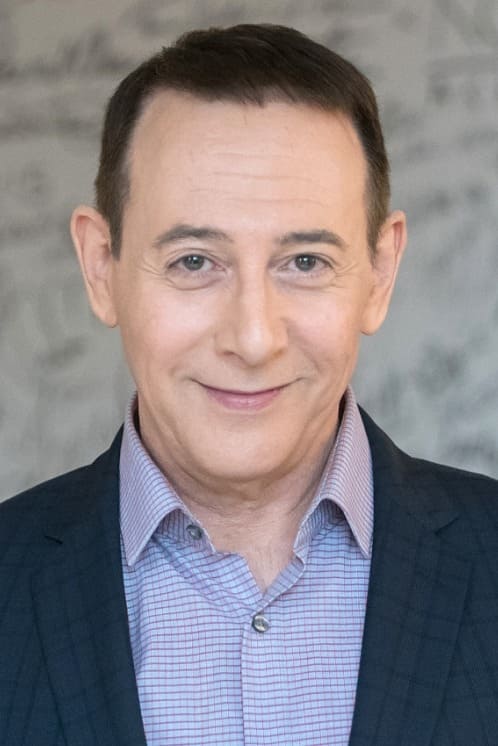
Reubens created Pee wee Herman for stage shows, television, and a series of films. The character went on hiatus for long stretches as Reubens pursued other work. A revival brought one more feature and live dates, after which the act wound down again. The character is now remembered through past performances and archival releases.
Sacha Baron Cohen – Ali G
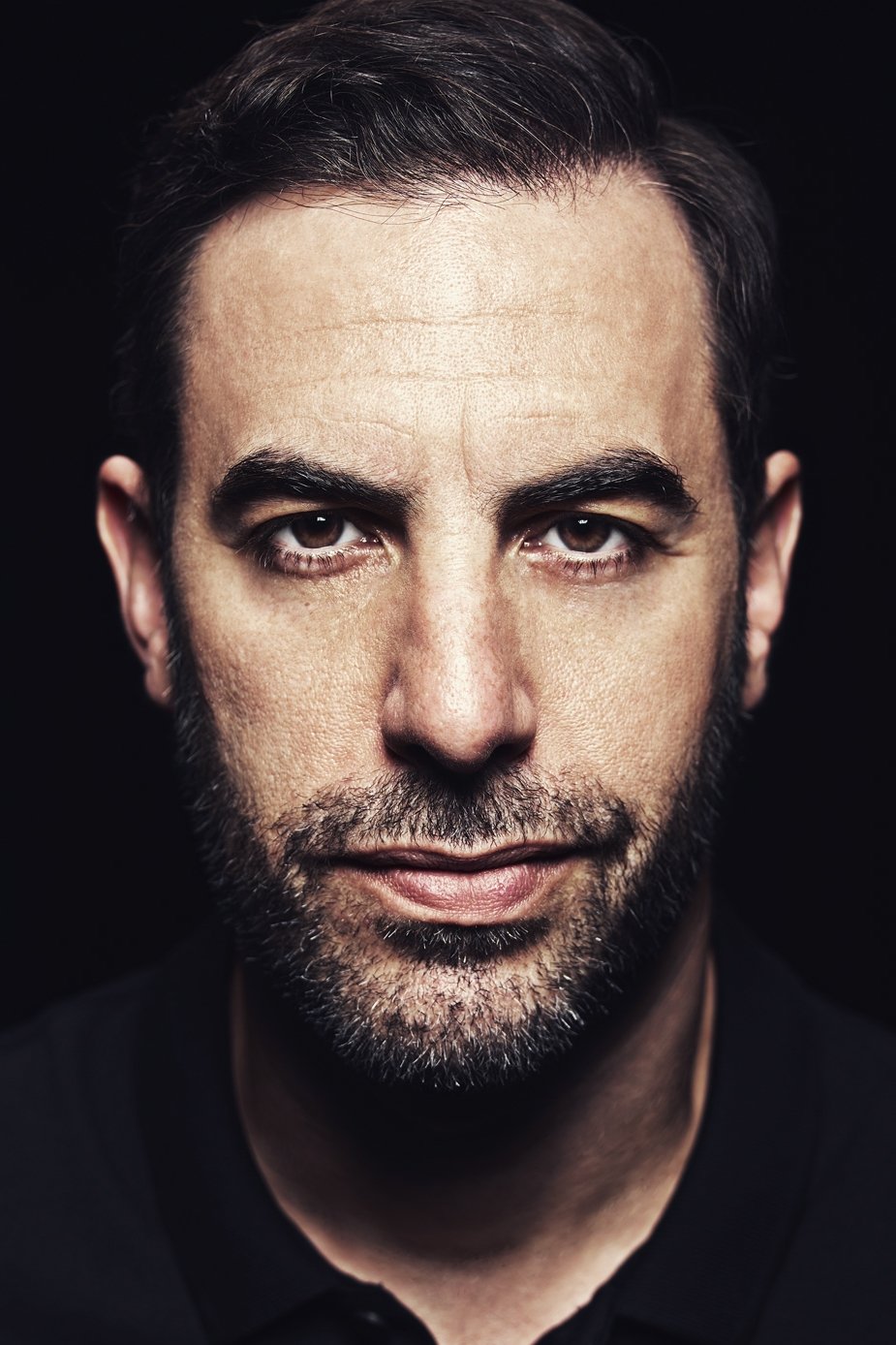
Baron Cohen built Ali G as a satirical interviewer who appeared on television and in a feature film. In later years he announced that he was stepping away from the character. Occasional one off appearances surfaced as tributes or charity bits. The persona has not returned as a regular project since the retirement.
Mark Calaway – The Undertaker
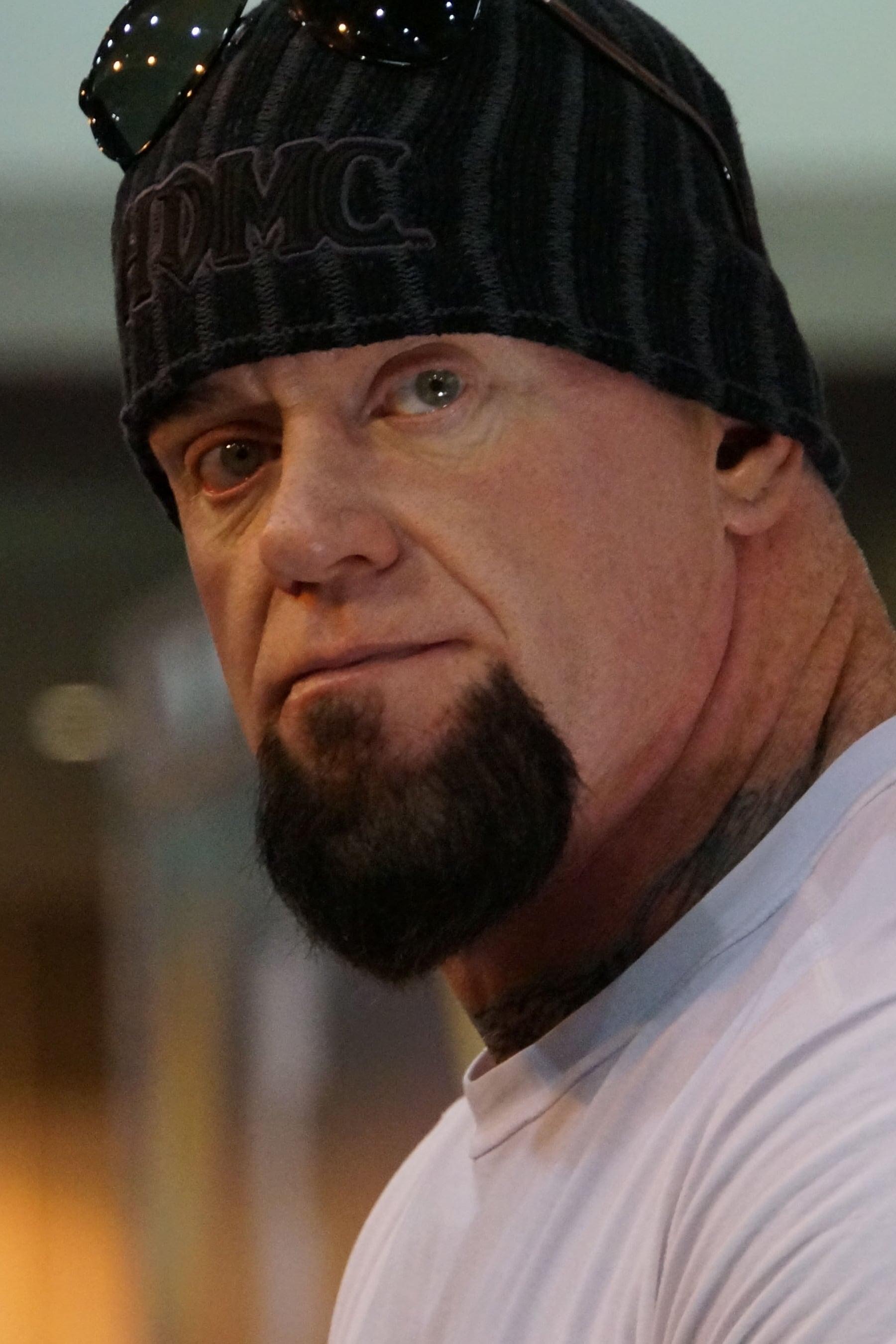
Calaway portrayed The Undertaker in professional wrestling for three decades with elaborate entrances and storylines. In 2020 he announced that the character’s run had reached its end. A formal farewell took place with a ceremony and final appearance in the ring. Subsequent public events have presented Calaway as himself rather than in character.
Tyler Perry – Madea
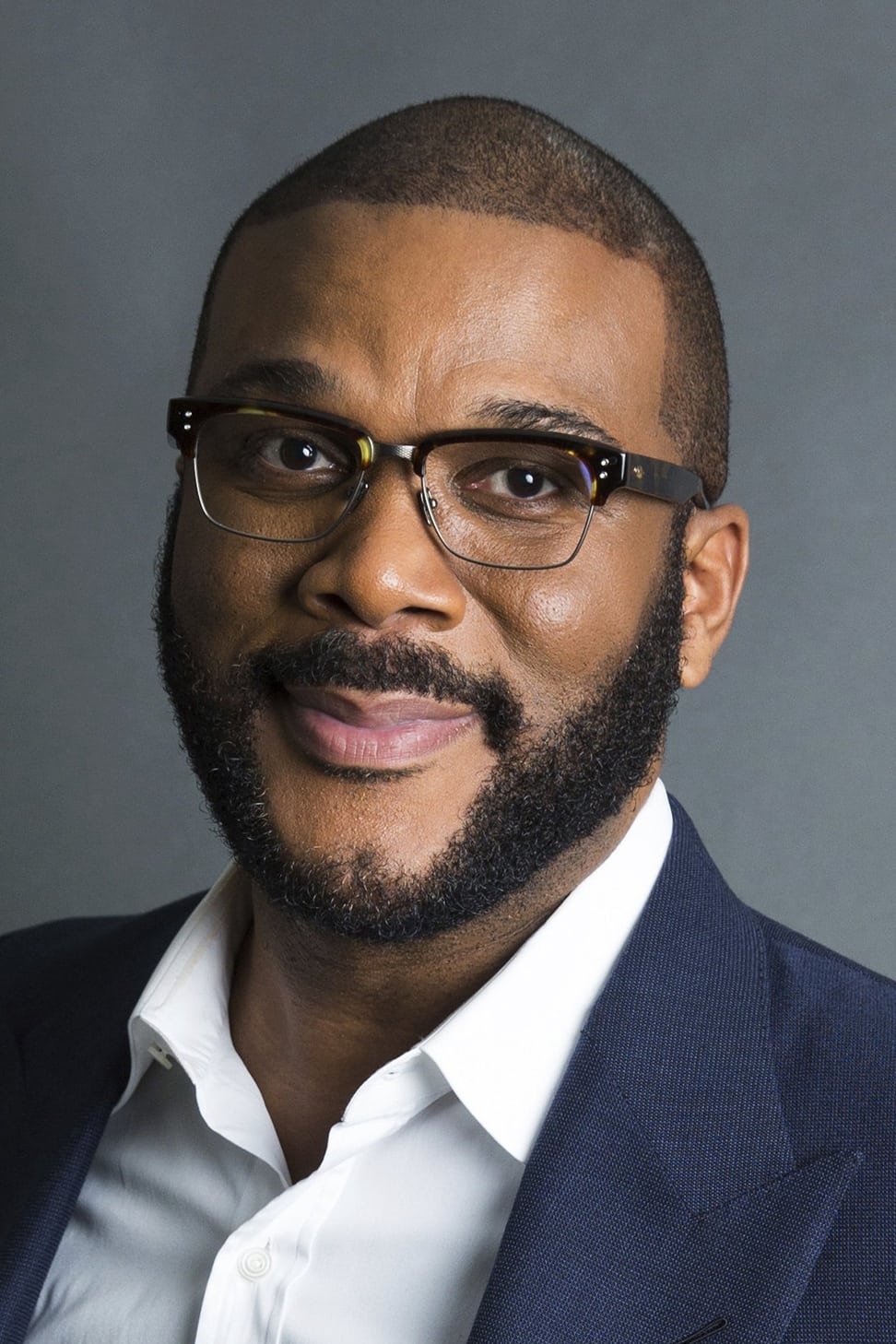
Perry announced Madea’s retirement after a long run of stage shows, films, and tours. Marketing and interviews framed the decision as the close of a major chapter. The character later returned for a one off film project that served a specific release. Outside of that title the persona remains largely inactive compared with its peak years.
David Johansen – Buster Poindexter
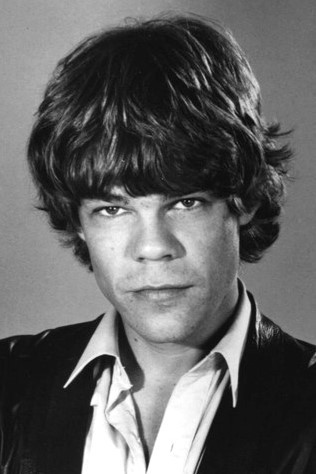
Johansen created Buster Poindexter as a lounge singer persona with club residencies and hit singles. After a strong period of activity he shifted attention back to rock projects and acting. The Buster name appears occasionally for special sets or recordings. As a regular identity it was effectively set aside.
Chris Sievey – Frank Sidebottom
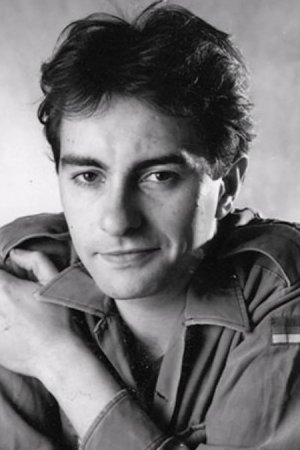
Sievey performed as Frank Sidebottom using a large paper mache head and a surreal comic style. The character fronted bands, television spots, and live shows. Following Sievey’s passing the act ended and became the subject of exhibitions and documentaries. Frank remains part of pop culture history through archives rather than new performances.
Eminem – Slim Shady
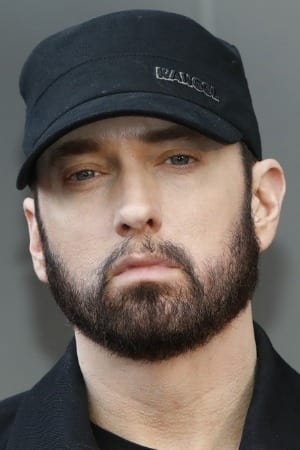
Marshall Mathers framed Slim Shady as a separate, more unfiltered persona across early albums and videos. Over time he shifted branding toward his given name and used Shady more as a lyrical device than a standalone identity. A later campaign staged the idea of laying that persona to rest and centered new work on Marshall rather than the cartoonishly violent alter ego. Subsequent performances and artwork emphasized the artist himself instead of presenting Slim Shady as a distinct character.
Stephen King – Richard Bachman
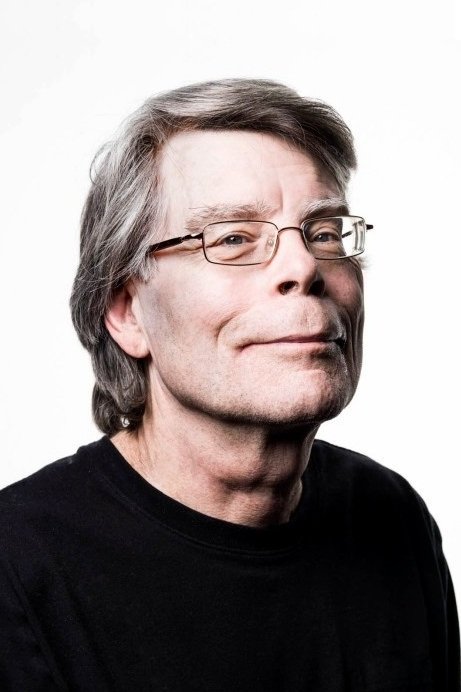
King created Richard Bachman to publish additional novels without saturating his market and to test whether the stories could stand without his famous name. After the pseudonym was publicly uncovered, he announced that Bachman had “died” and stopped releasing new books under that identity. Later reissues acknowledged the authorship change and folded those titles into his main bibliography. Occasional posthumous style notes kept Bachman as a historical footnote rather than an active persona.
Kendrick Lamar – K.Dot
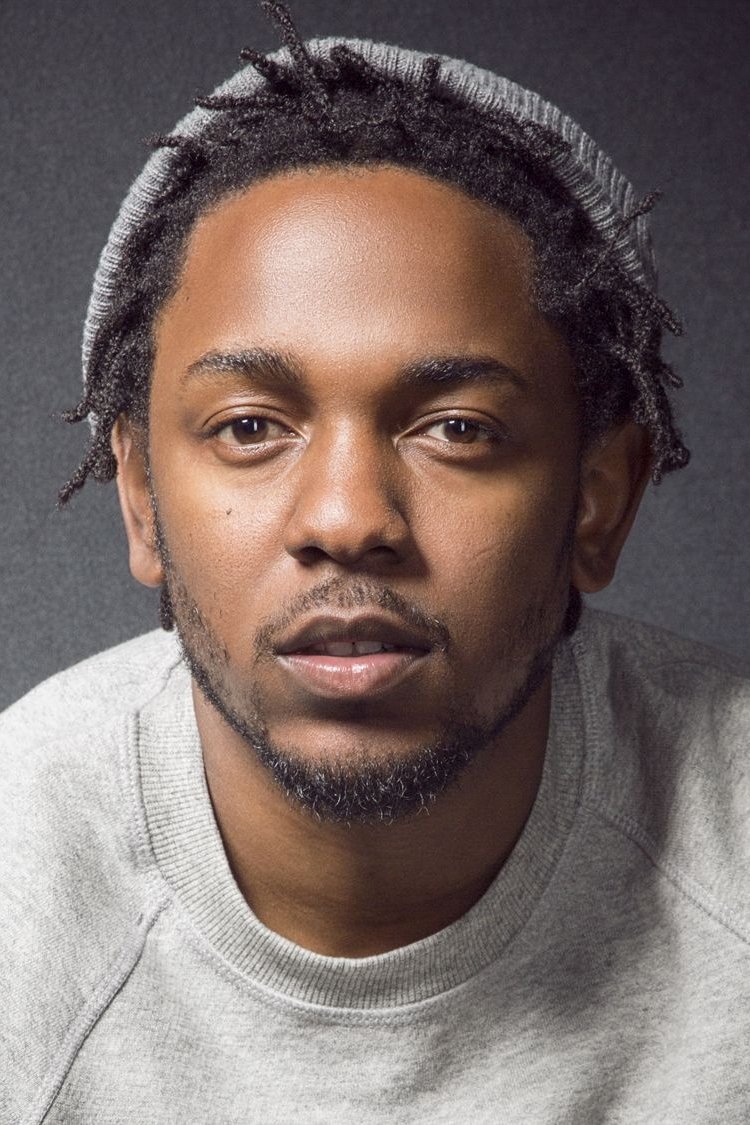
Before breaking through under his full name, Lamar recorded and performed as K.Dot in his early mixtape era. As his writing matured he retired K.Dot and presented himself as Kendrick Lamar to signal a shift in voice and subject matter. Major label releases, tours, and visuals no longer used the K.Dot moniker. The earlier identity remains part of his origin story, not a parallel persona he still adopts.
The Weeknd – After Hours Persona
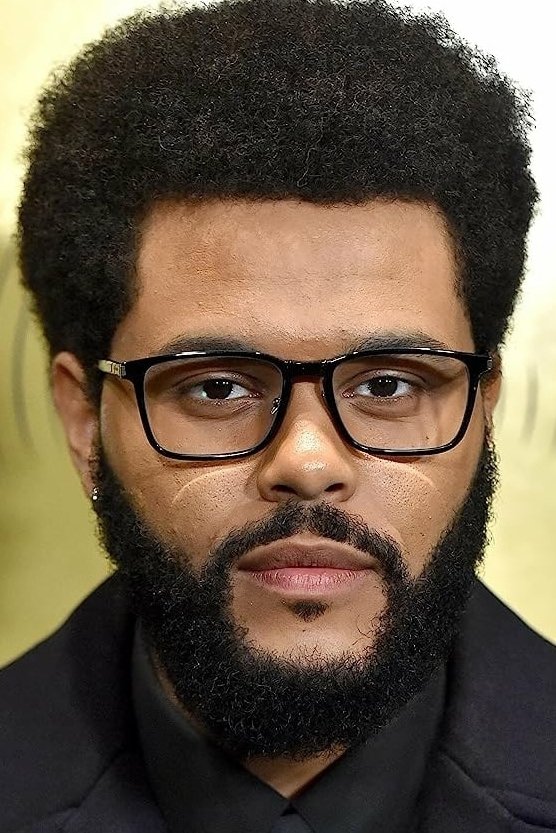
Abel Tesfaye presented a character in a red suit with bandages and escalating injury as a narrative throughline for one album cycle and its performances. The look appeared in videos, award shows, and a tour to tell a contained story about fame and excess. After completing that run he moved to new visuals and themes, leaving the red suit figure behind. Later appearances did not continue the storyline or costume as an ongoing alter ego.
Nicki Minaj – Roman Zolanski

Minaj introduced Roman Zolanski as an aggressive theatrical persona that surfaced in specific songs and performances. After a burst of visibility, Roman receded as her releases shifted focus and branding. Tour scripts and interviews stopped featuring the character as a separate presence. The name persists as a reference point in her catalog rather than an active identity onstage.
John Cena – Doctor of Thuganomics
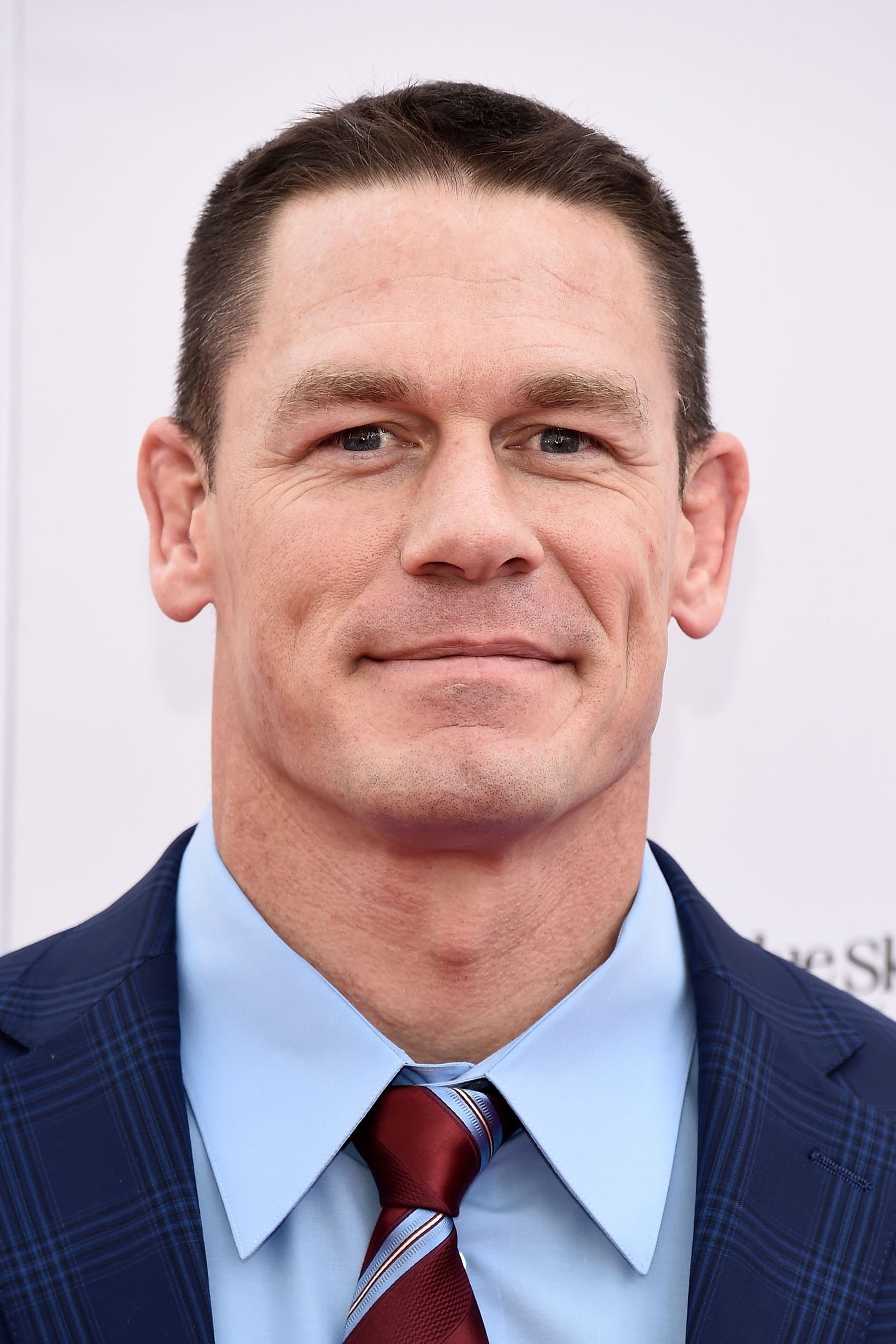
Cena’s early wrestling persona leaned on freestyle raps, throwback jerseys, and comedic diss segments. As his main event run evolved he transitioned to a straight ahead hero presentation and left the gimmick behind. Merchandise, entrance themes, and character beats moved away from the rapper persona. Later cameos nodded to the old act without restoring it as his full time identity.
T.I. – T.I.P.
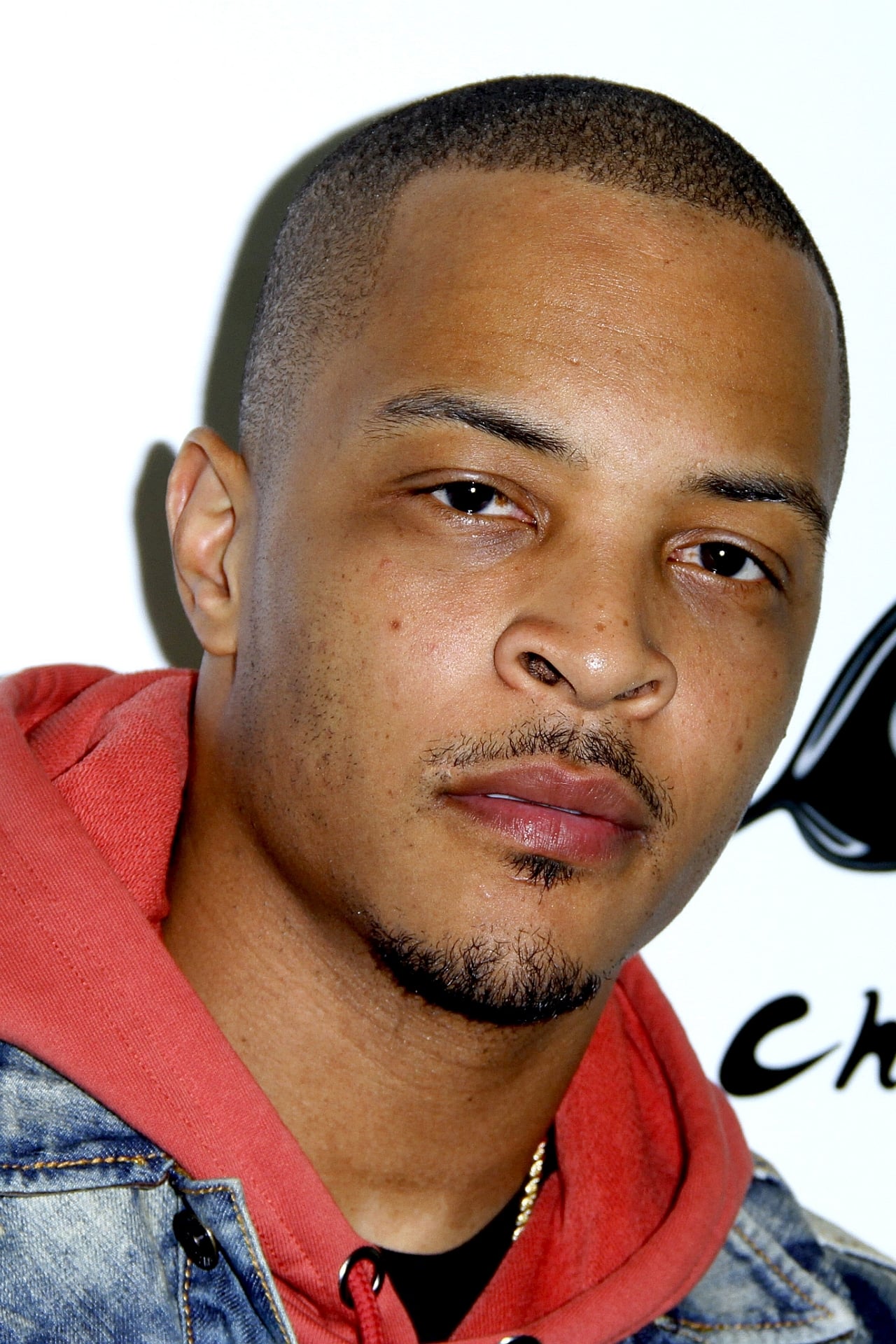
Clifford Harris contrasted T.I. and T.I.P. as two sides of one artist on concept albums and videos. After using that split to frame internal conflict, he stated that T.I.P. would no longer drive the music. Subsequent projects credited T.I. alone and dropped the dual persona structure. Live sets and interviews reinforced the consolidation under one name.
Madonna – Madame X
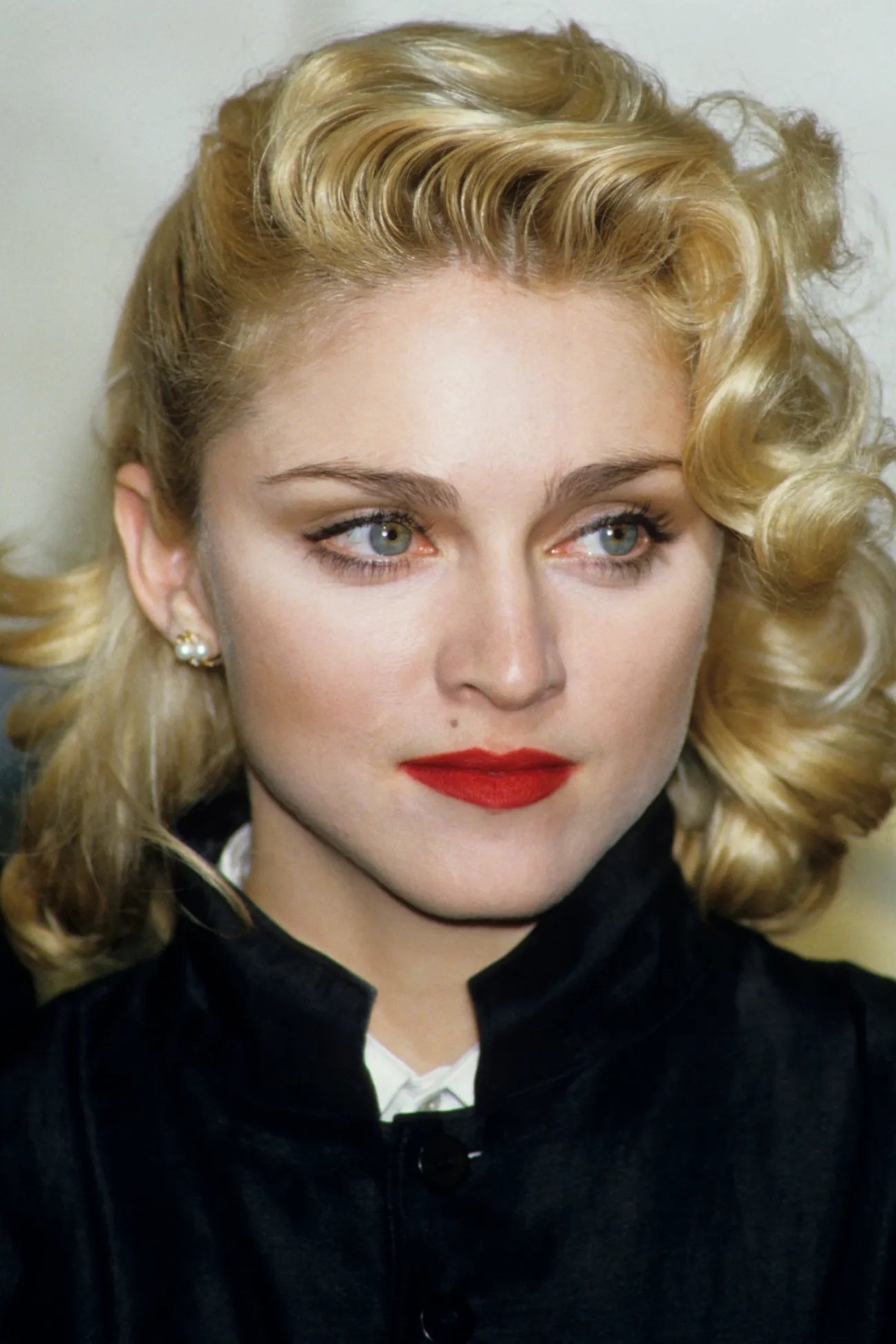
Madonna built Madame X as a shapeshifting secret agent concept to link an album, a tour, and a set of visuals. The identity framed costumes, staging, and interludes for that specific creative phase. When the cycle ended she returned to standard branding in later appearances and promotions. The Madame X label remains tied to that project rather than her continuing public persona.
Prince – Camille
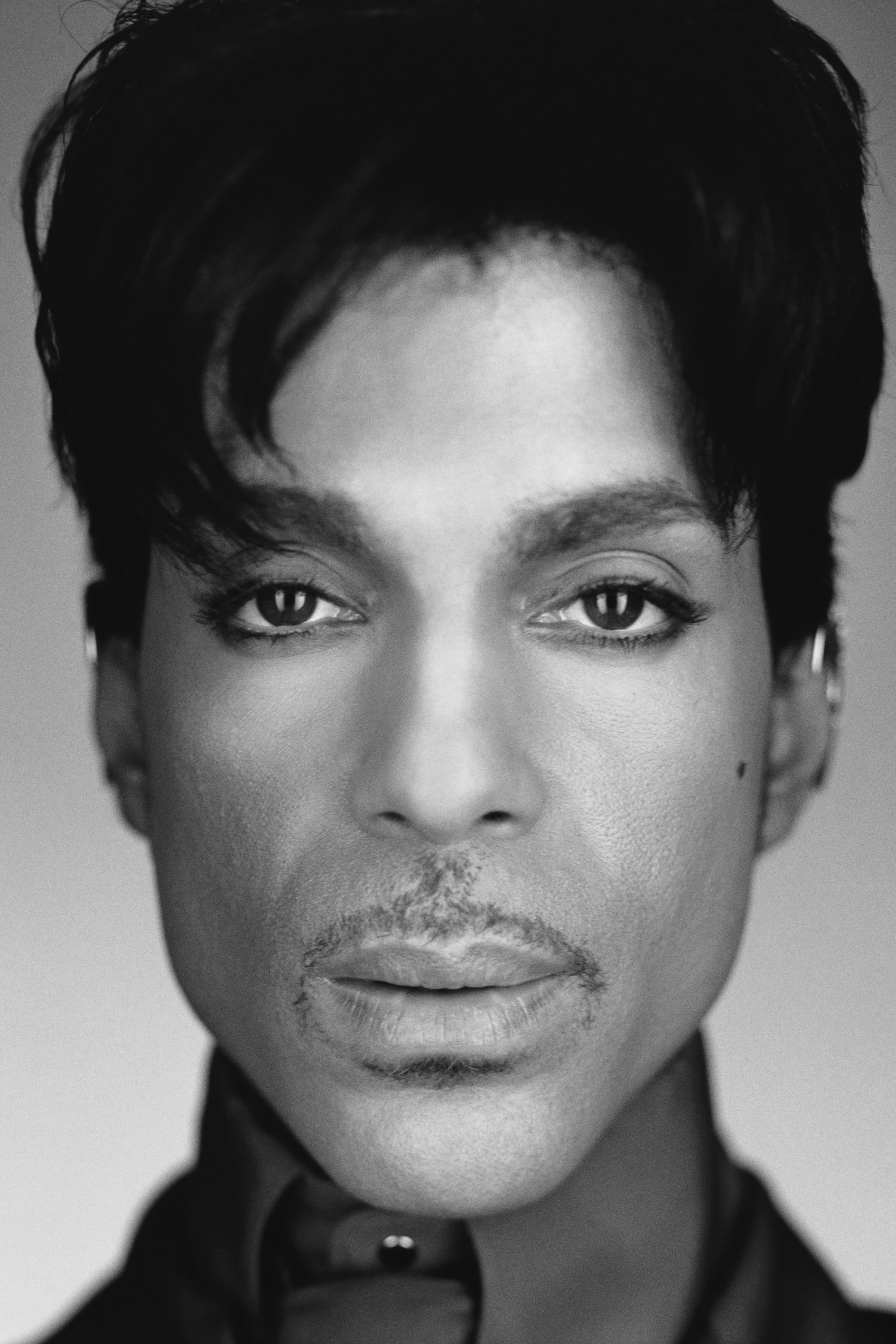
Prince experimented with a sped up, androgynous voice and planned releases under the name Camille. After shelving a full standalone project, he repurposed some tracks on later albums without continuing the separate identity. Credits and tour material did not maintain Camille as an ongoing persona. The concept is remembered through archival notes and scattered song placements rather than live character work.
Jennifer Lopez – Lola
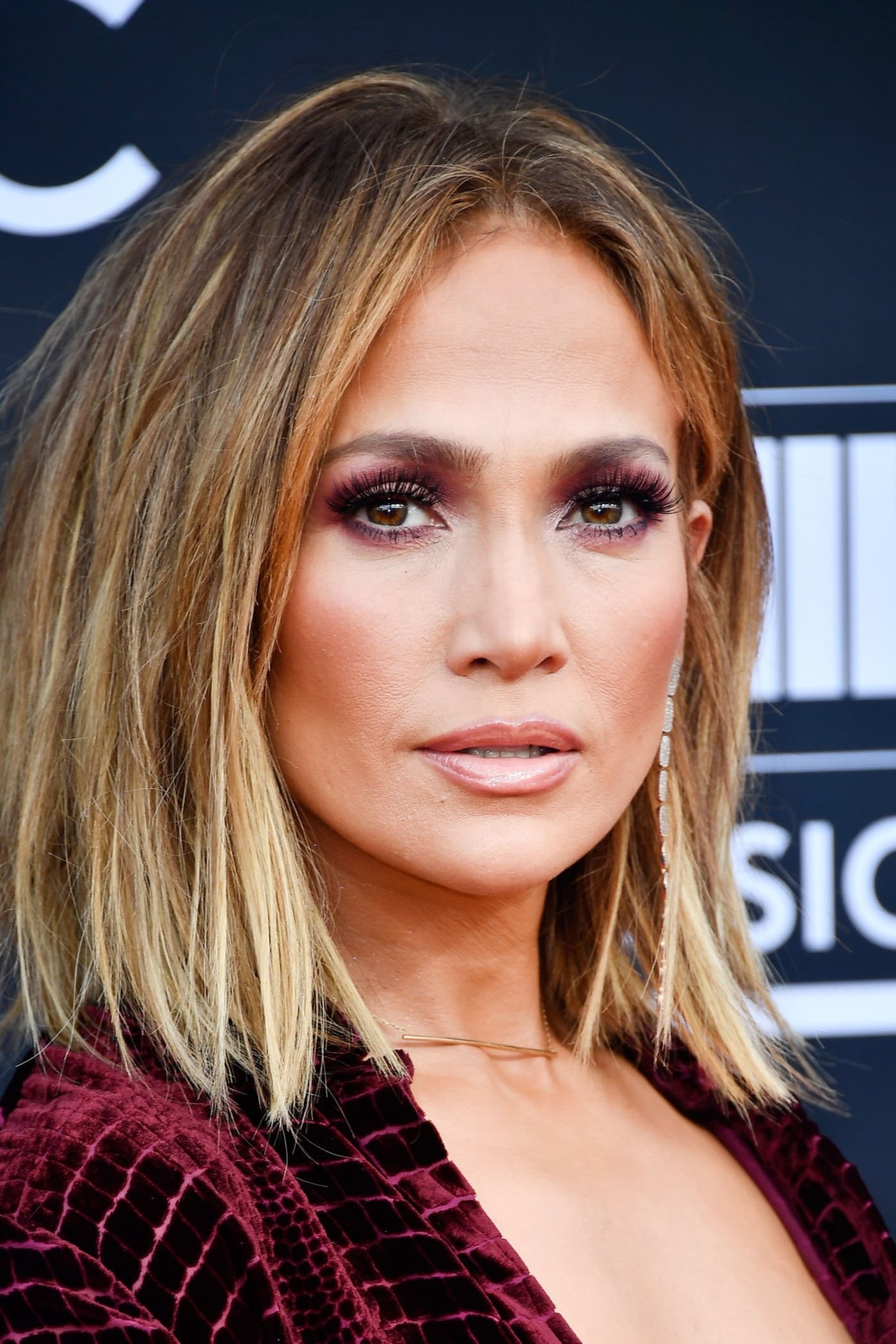
Lopez briefly floated Lola as a playful alter ego attached to a single and a few visuals. The name signaled a flirtier lane without replacing her established brand. After that short run, releases and performances reverted to Jennifer Lopez and J.Lo styling. Lola did not continue as a separate identity in later campaigns.
Share the alter egos you think deserve a spot in the next edition in the comments.