Celebs Accused of Betraying Black Roots for Mainstream Fame

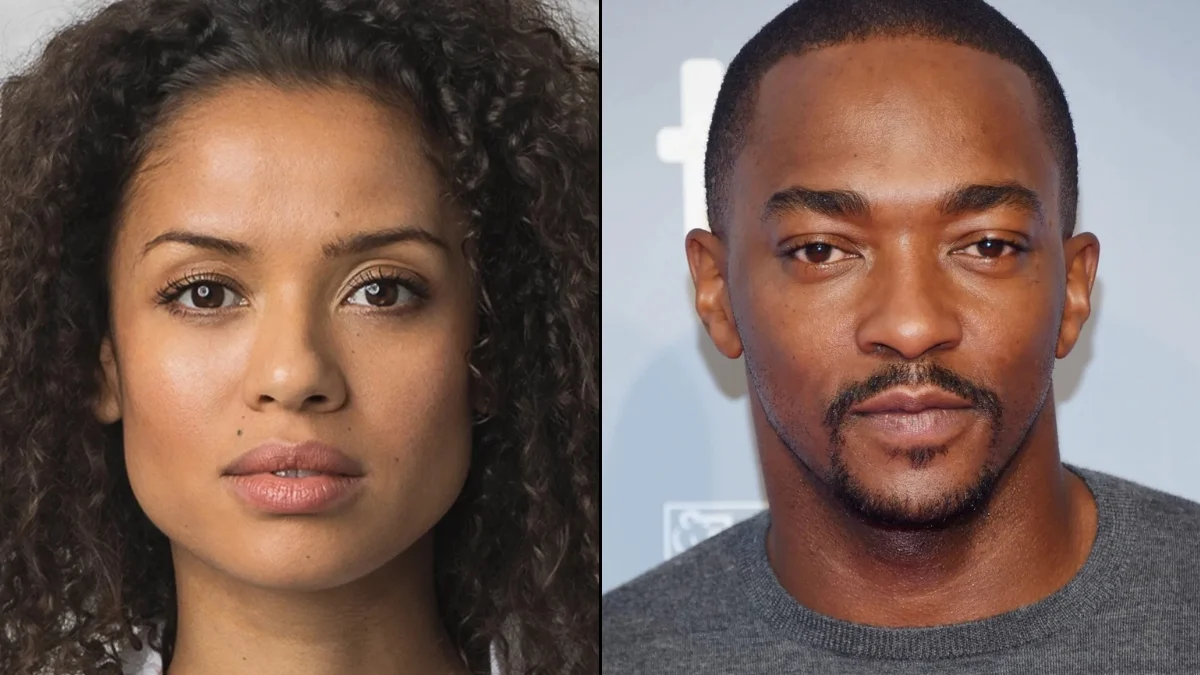

The relationship between Black actors and Hollywood has long been scrutinized by audiences and critics concerned with authentic representation. Throughout the history of cinema and television, several high-profile figures have faced public backlash or accusations of distancing themselves from their cultural heritage to achieve broader mainstream appeal. These controversies often stem from casting choices, political statements, or public comments regarding racial identity and systemic issues. While many of these actors maintain that they are simply pursuing a post-racial artistic freedom, the debate continues to highlight the tension between individual success and community expectations in the entertainment industry.
Zoe Saldaña
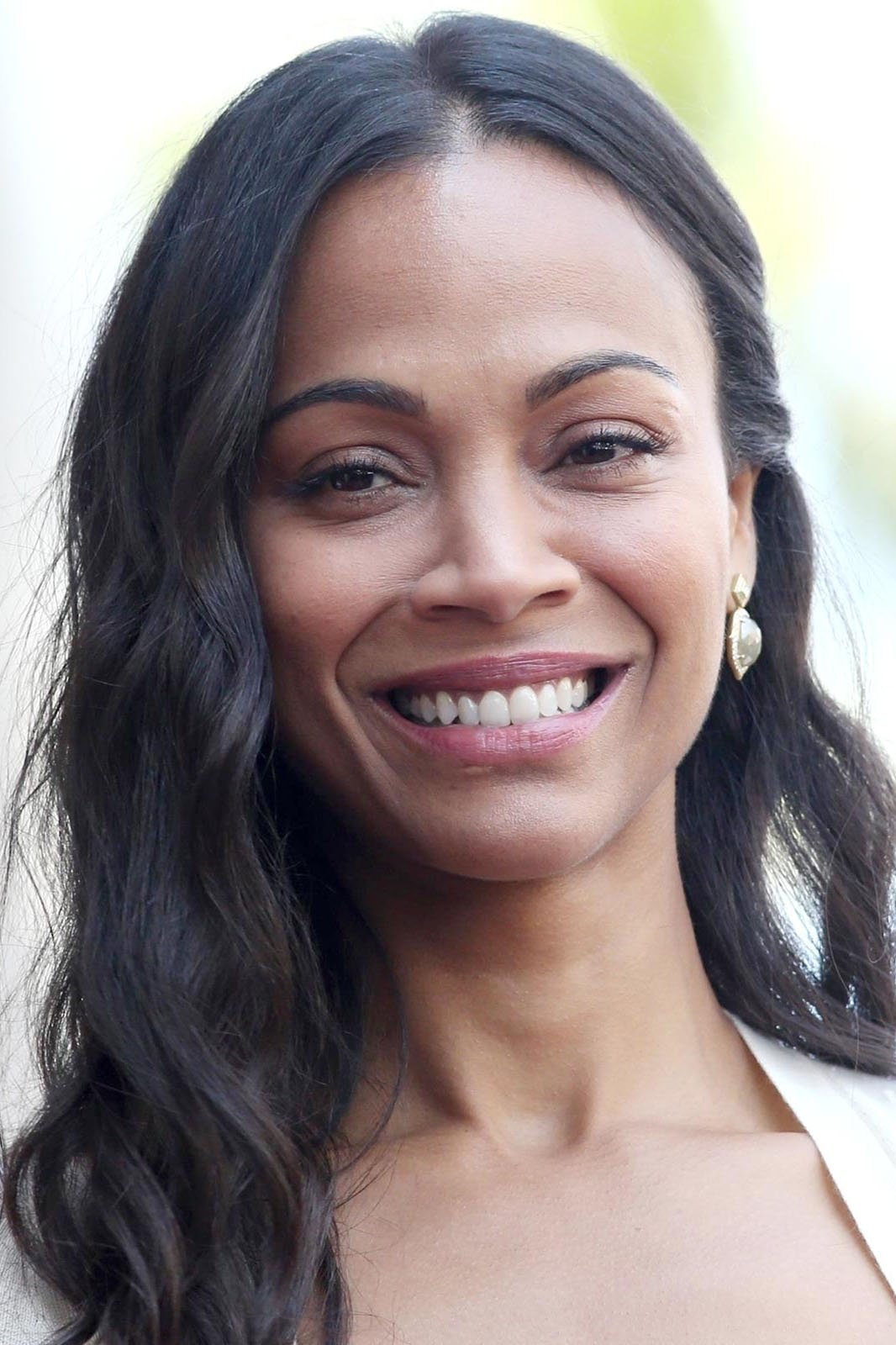
Saldana faced intense backlash for her portrayal of civil rights icon Nina Simone in the 2016 biopic ‘Nina’. Critics and fans accused the actress of using dark makeup and a prosthetic nose to play the singer, arguing a darker-skinned actress should have been cast. The controversy sparked a wider conversation about colorism in Hollywood and the perceived erasure of Afro-Latina identity for mainstream appeal. Saldana later expressed regret for taking the role, acknowledging that she should have done more to ensure the part went to a person who looked more like Simone.
Raven-Symoné
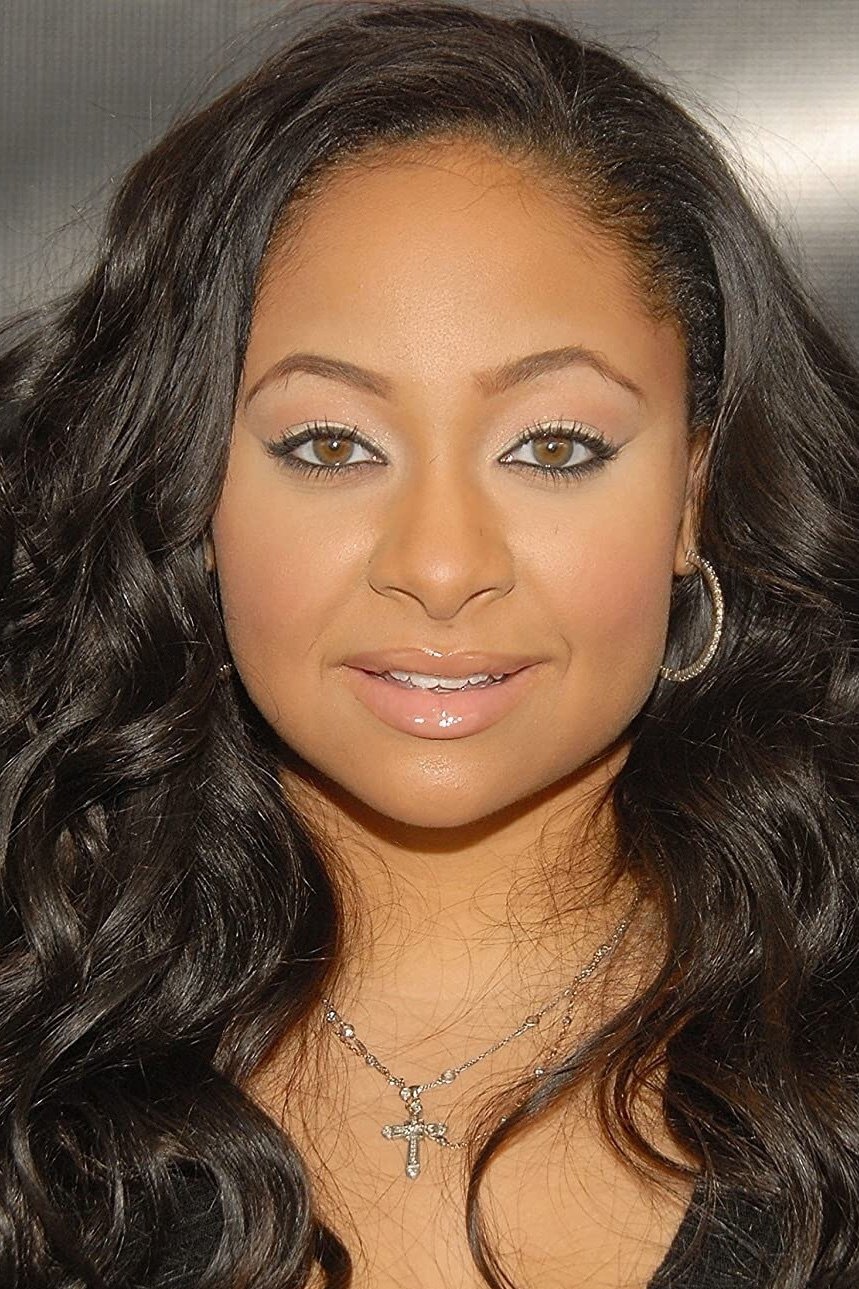
During a 2014 interview with Oprah Winfrey, the ‘That’s So Raven’ star stated she did not want to be labeled as “African-American,” but rather simply “American.” This statement led to significant public criticism from fans who felt she was distancing herself from her heritage to maintain a broad, color-blind brand. Critics argued that her comments ignored the systemic realities of race in the United States and the importance of specific cultural labels. Despite the backlash, she maintained that her focus was on being a human being rather than a specific racial category.
Stacey Dash
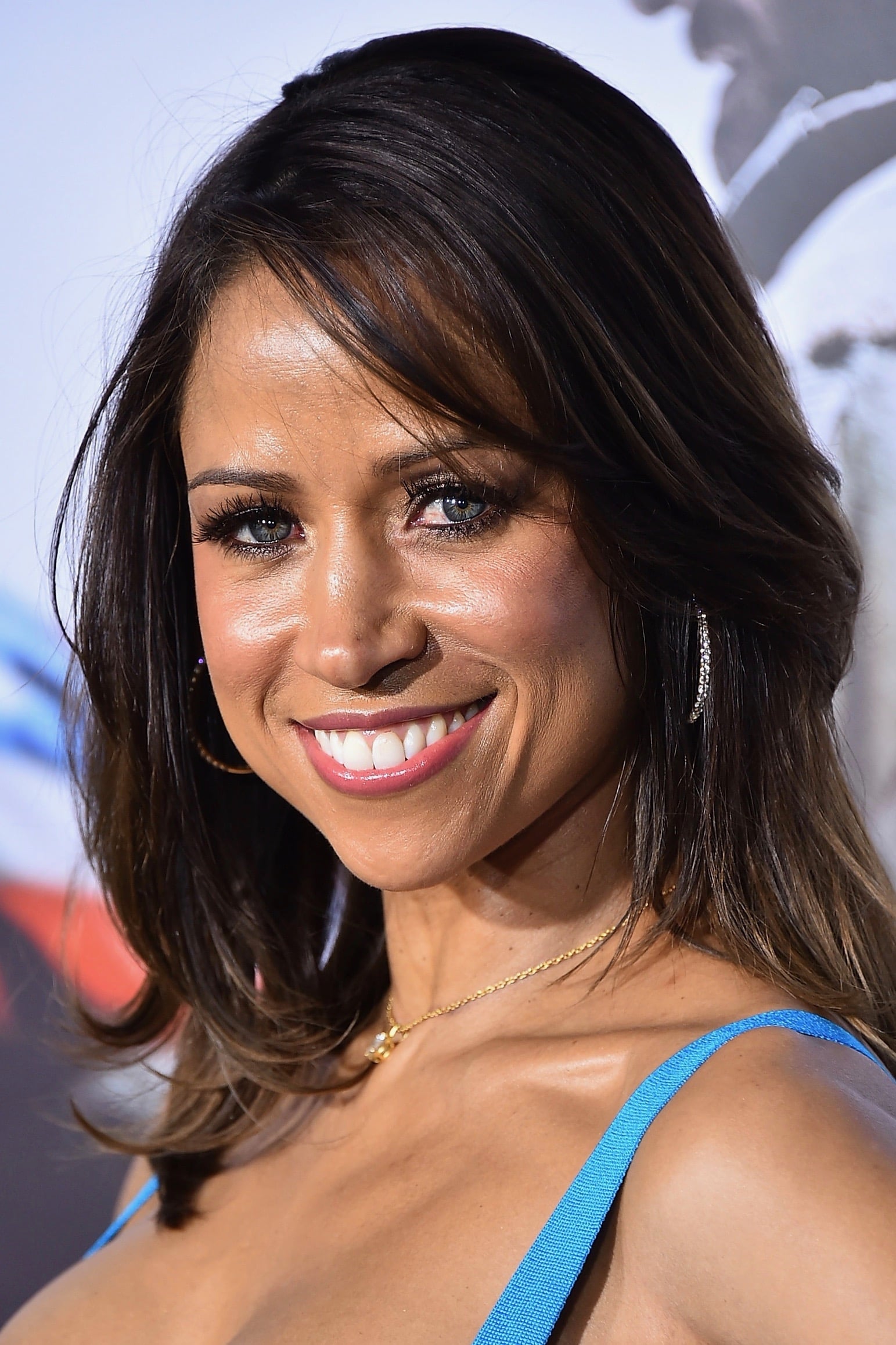
The ‘Clueless’ actress became a polarizing figure after joining Fox News as a contributor and calling for the abolition of Black History Month and the BET Awards. Dash argued that these institutions promoted segregation and that Black Americans should focus on total integration into the mainstream. Her remarks were widely condemned by members of the Black community who felt she was betraying the very platforms that launched her career. The controversy eventually led to her distancing herself from her earlier political stances in later interviews during her 2021 apology.
Terry Crews
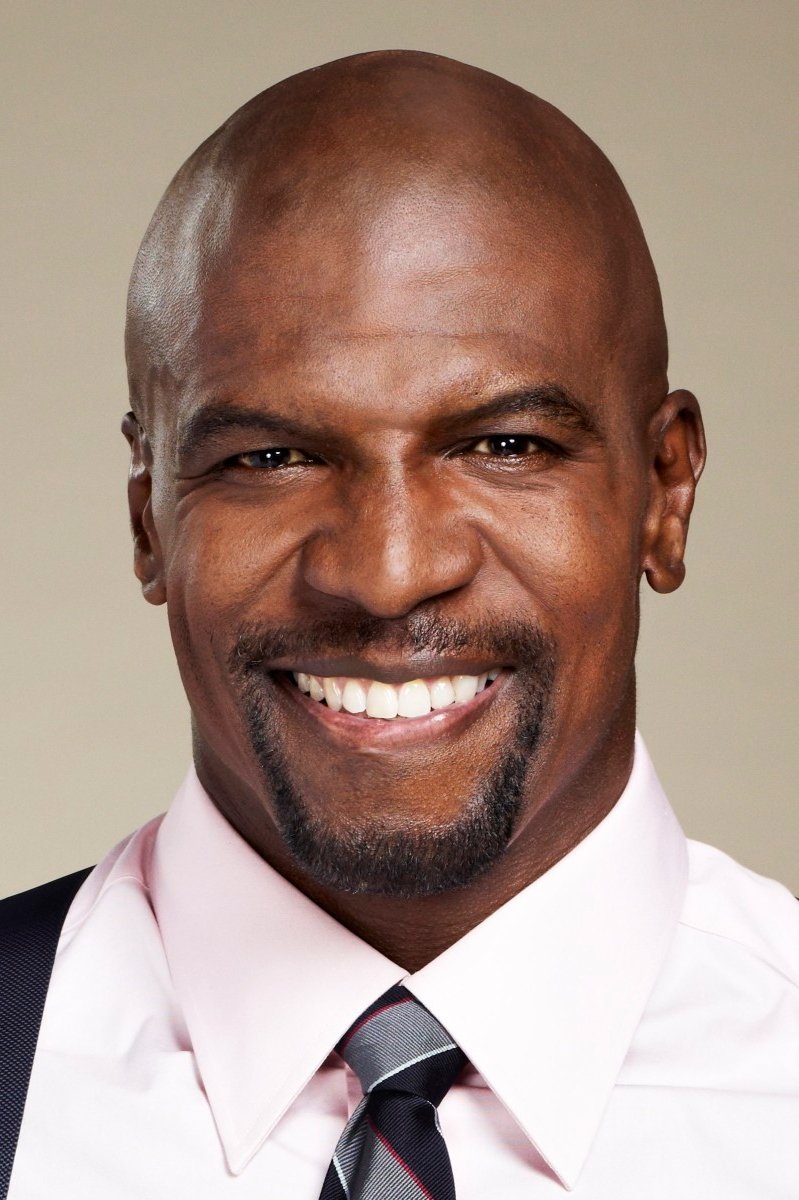
The ‘Brooklyn Nine-Nine’ actor faced a wave of criticism following a series of tweets regarding the Black Lives Matter movement and what he termed “Black supremacy.” Crews suggested that the movement could lead to a new form of racial exclusion, a sentiment that many activists found offensive and factually incorrect. Critics accused him of playing into respectability politics to appease a conservative or mainstream white audience. He later clarified his intent to promote unity, though the backlash from the community remained significant.
Anthony Mackie
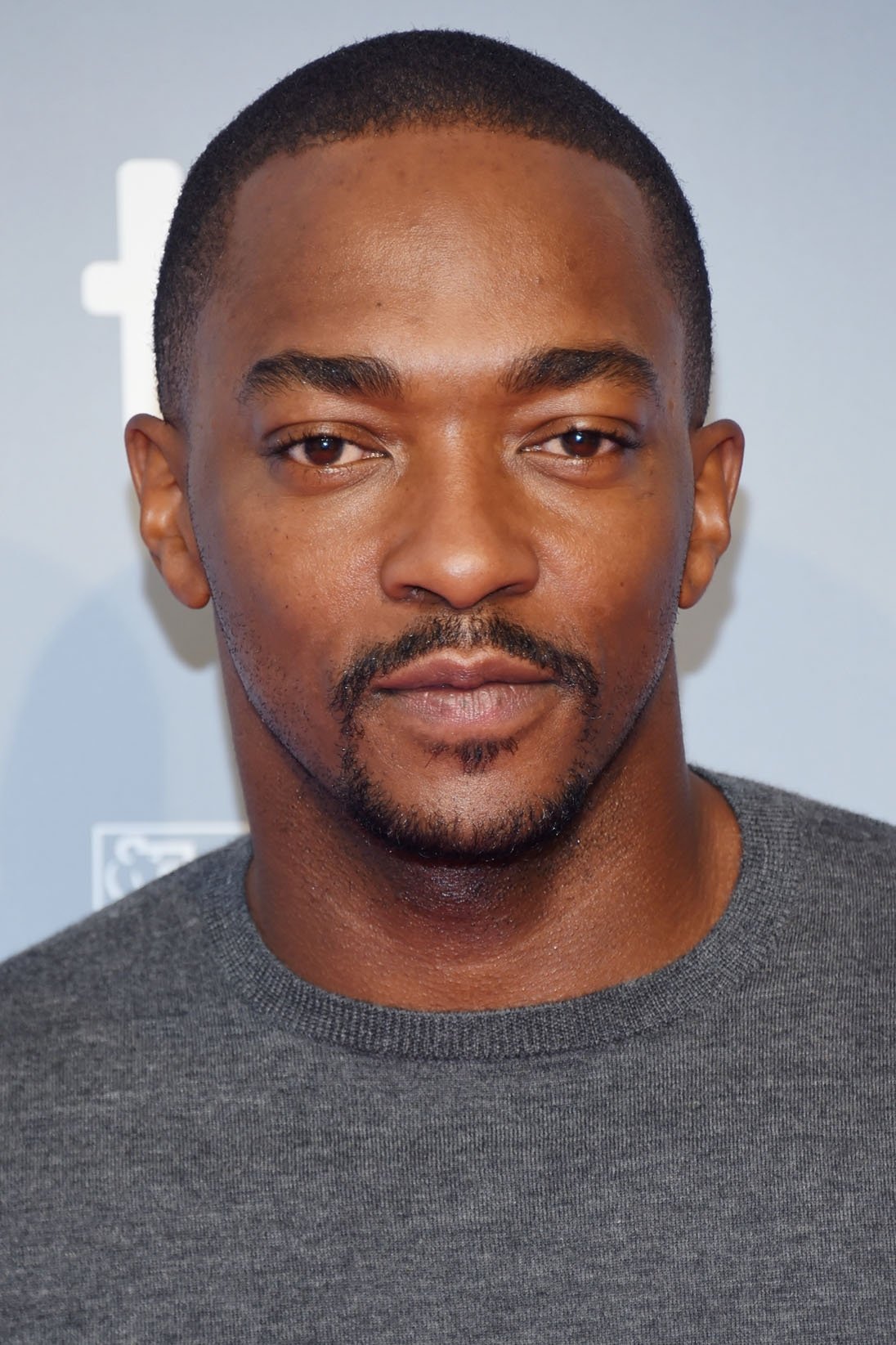
Mackie drew criticism for his comments regarding the lack of Black directors on major film sets, specifically mentioning his work on ‘Captain America: The Winter Soldier’. He argued that the race of a director should not matter as much as their ability to tell a story, a stance some saw as undermining the push for diversity. Fans and industry peers questioned if his color-blind approach was a way to maintain his standing within the Marvel Cinematic Universe. Mackie later clarified that he supports more opportunities for Black filmmakers but believes talent should be the primary driver.
Morgan Freeman
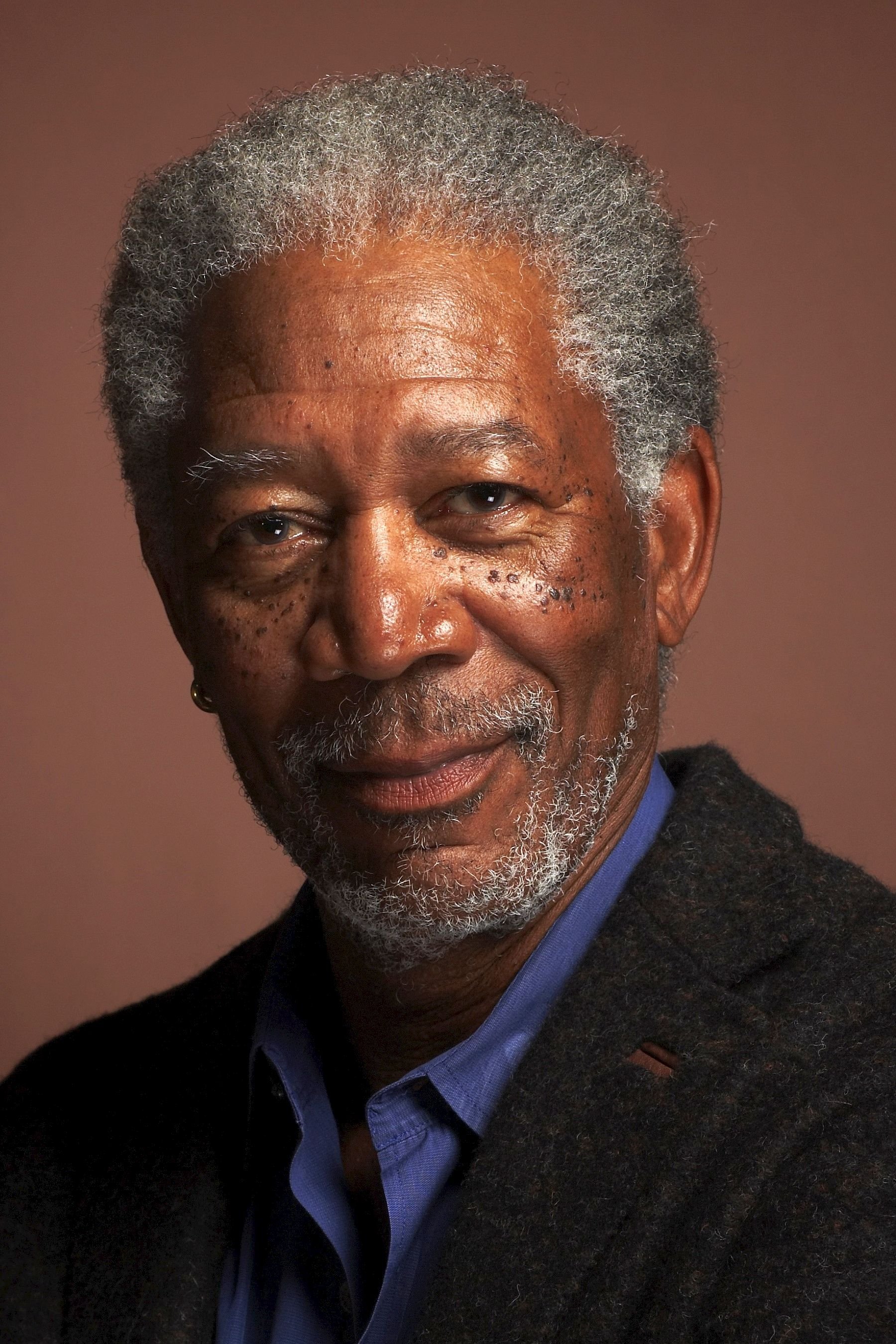
Freeman has often shared his belief that the way to end racism is to stop talking about it, a view he famously expressed on ’60 Minutes’. He has also criticized the existence of Black History Month, calling it ridiculous to relegate an entire history to just four weeks. These opinions have frequently put him at odds with activists who argue that ignoring race does not dismantle systemic inequality. Supporters of the actor see his stance as a call for a post-racial society, while detractors view it as a dismissal of necessary social dialogue.
Cynthia Erivo
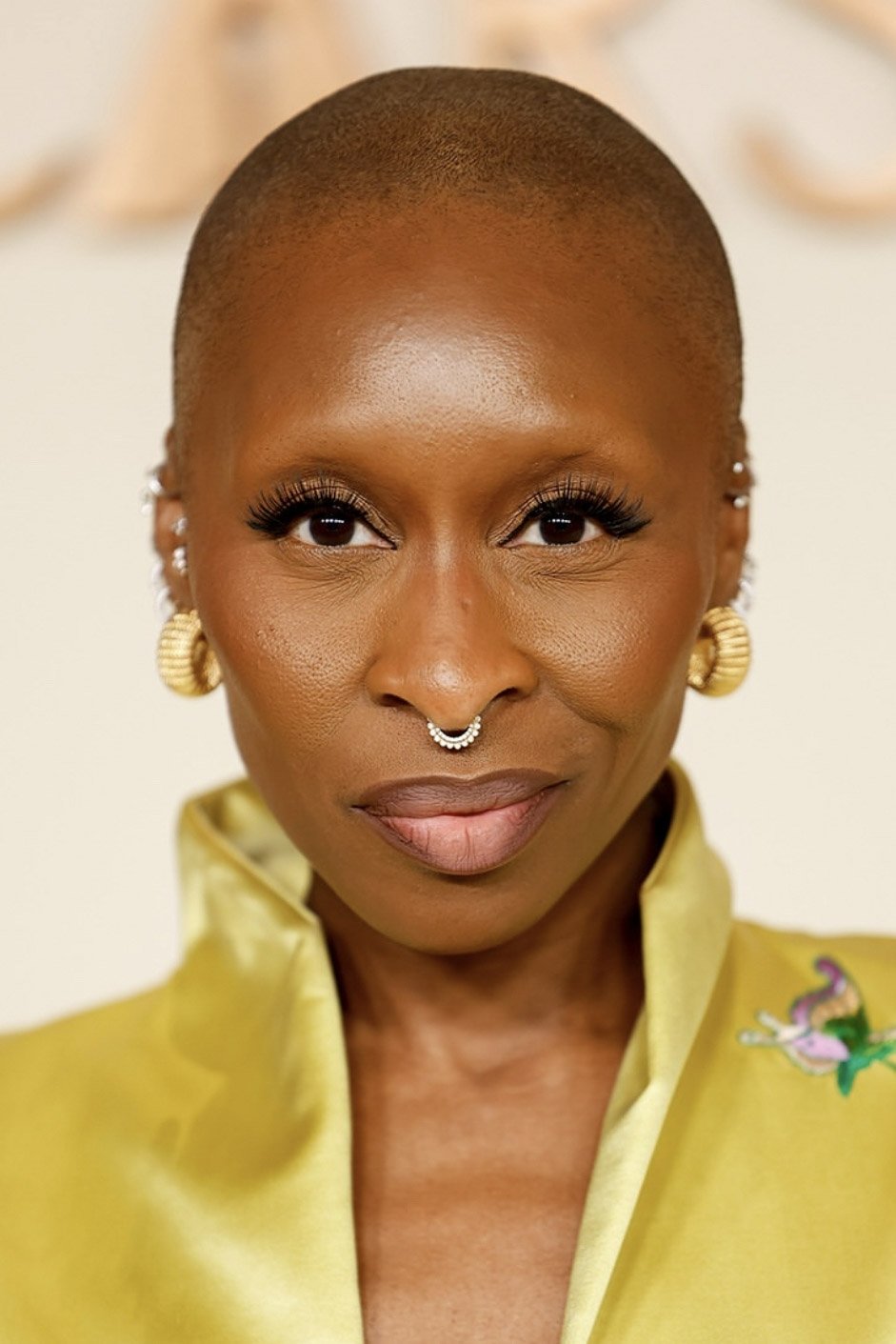
Erivo’s casting as Harriet Tubman in the 2019 film ‘Harriet’ sparked a heated debate regarding British actors playing American historical figures. Some critics unearthed old tweets from Erivo that they interpreted as mocking the American Black dialect, leading to accusations of a lack of cultural sensitivity. The backlash centered on whether an actor who did not share the specific lineage of American slavery should portray such a pivotal figure in that history. Erivo defended her casting by emphasizing the universal nature of Tubman’s struggle and her commitment to the research required for the role.
Alexandra Shipp

Shipp faced heavy criticism from fans when she was cast as Storm in ‘X-Men: Apocalypse’, a character historically depicted with dark skin in the comics. Critics accused the production of colorism and suggested that Shipp’s casting was an attempt to make the character more palatable to mainstream audiences. The actress defended her role on social media, which at times led to further friction with the community. She argued that her mixed-race heritage should not disqualify her from playing a Black superhero.
Amandla Stenberg
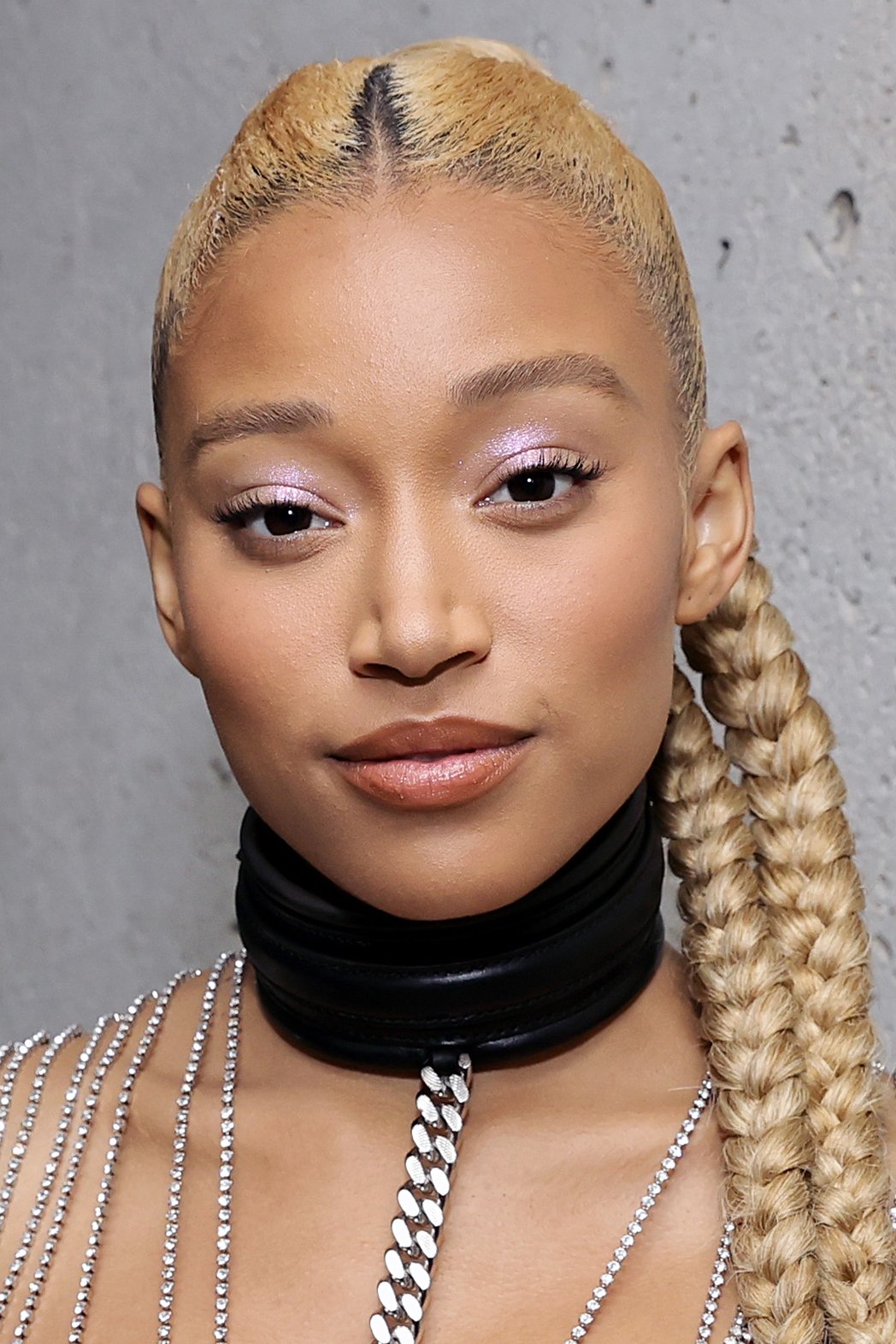
Despite her history of activism, Stenberg faced backlash for being cast as the lead in ‘The Hate U Give’, based on a book where the character is described as having darker skin. Critics argued that the film industry repeatedly chooses light-skinned actresses for roles meant to highlight the complexities of the Black experience. Stenberg addressed the controversy by acknowledging her privilege within the industry and the ongoing issue of colorism. She stated that she hoped her performance would still honor the themes of the source material.
Thandiwe Newton

Newton sparked a conversation about colorism when she offered a tearful apology to darker-skinned actresses during an interview for the film ‘God’s Country’. She acknowledged that being a light-skinned Black woman had afforded her roles that should have gone to others who look more like the characters. While some praised her honesty, others felt the apology was performative and highlighted her continued participation in the system she criticized. Her comments underscored the tension between individual success and collective representation in Hollywood.
Taye Diggs
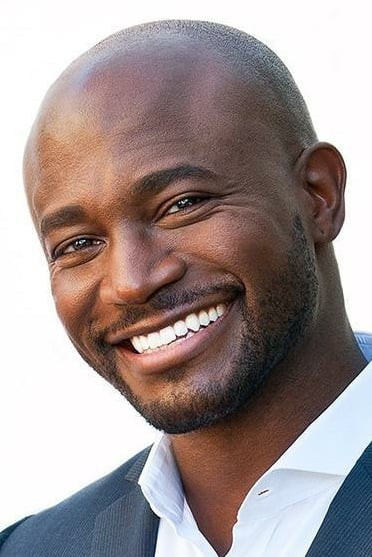
The ‘How Stella Got Her Groove Back’ star faced scrutiny after expressing his desire for his son to be recognized as mixed-race rather than just Black. Diggs argued that acknowledging his son’s mother’s heritage was important, but many felt his comments suggested that being solely Black was something to be avoided. The discussion highlighted the complexities of identity for multi-racial families in the public eye. Diggs later clarified that he was not ashamed of his Blackness but wanted to embrace the full scope of his child’s background.
Zendaya

The ‘Dune’ actress has frequently spoken about her awareness of colorism and how it has benefited her career in Hollywood. Despite this self-awareness, she has still faced criticism when cast in roles that fans believe should have gone to darker-skinned women. For example, her casting in ‘The Greatest Showman’ led to debates about the historical accuracy of her character’s appearance. Zendaya continues to use her platform to advocate for more diversity and to push for more roles for her darker-skinned peers.
Whoopi Goldberg
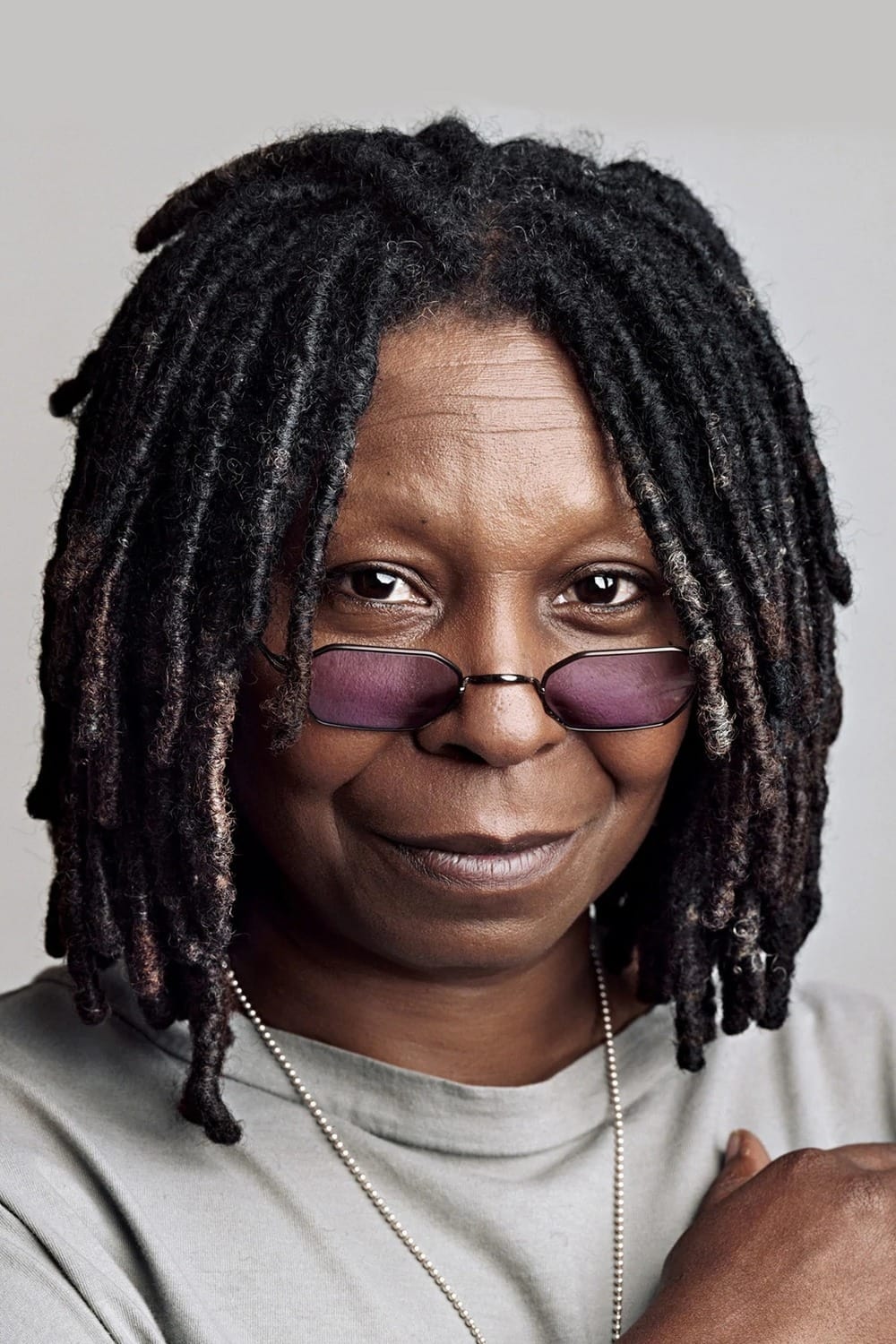
As a moderator on ‘The View’, Goldberg has made several comments regarding race and the Holocaust that have drawn widespread condemnation. Critics argued that her perspective sometimes minimized the racial aspects of historical tragedies to fit a more generalized narrative. Some viewers felt that her long tenure in mainstream media had detached her from the nuances of modern racial discourse. These controversies led to a brief suspension from the talk show and several public apologies.
Samuel L. Jackson
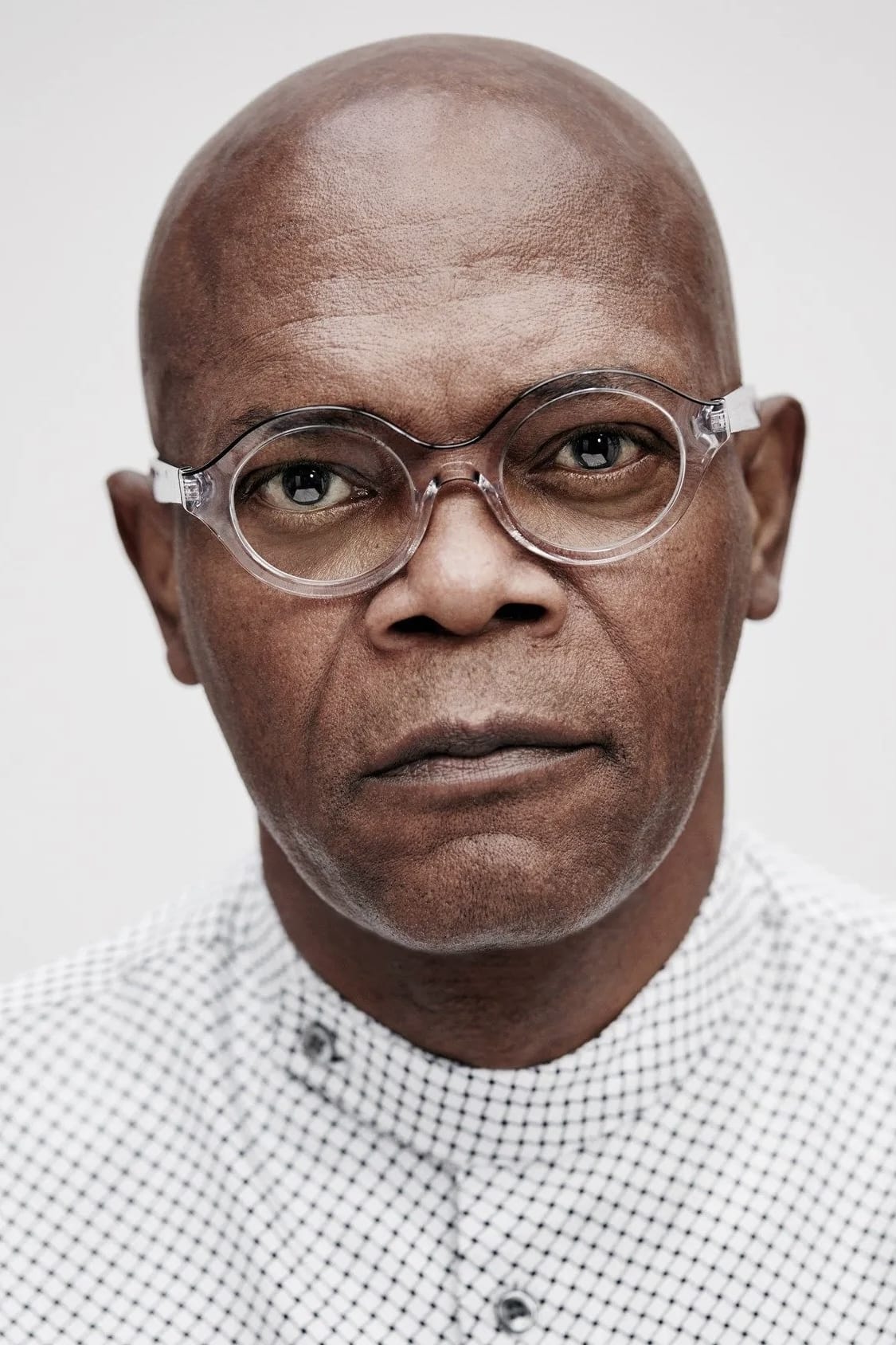
Jackson made headlines when he criticized the casting of Black British actors in American roles, specifically referencing Daniel Kaluuya in ‘Get Out’. He argued that an American Black actor would have brought a different understanding of the specific racial tensions depicted in the film. His comments sparked a trans-Atlantic debate about the differences between Black experiences in the United Kingdom and the United States. While some agreed with his points on cultural specificity, others saw it as a divisive stance within the global Black community.
Daniel Kaluuya
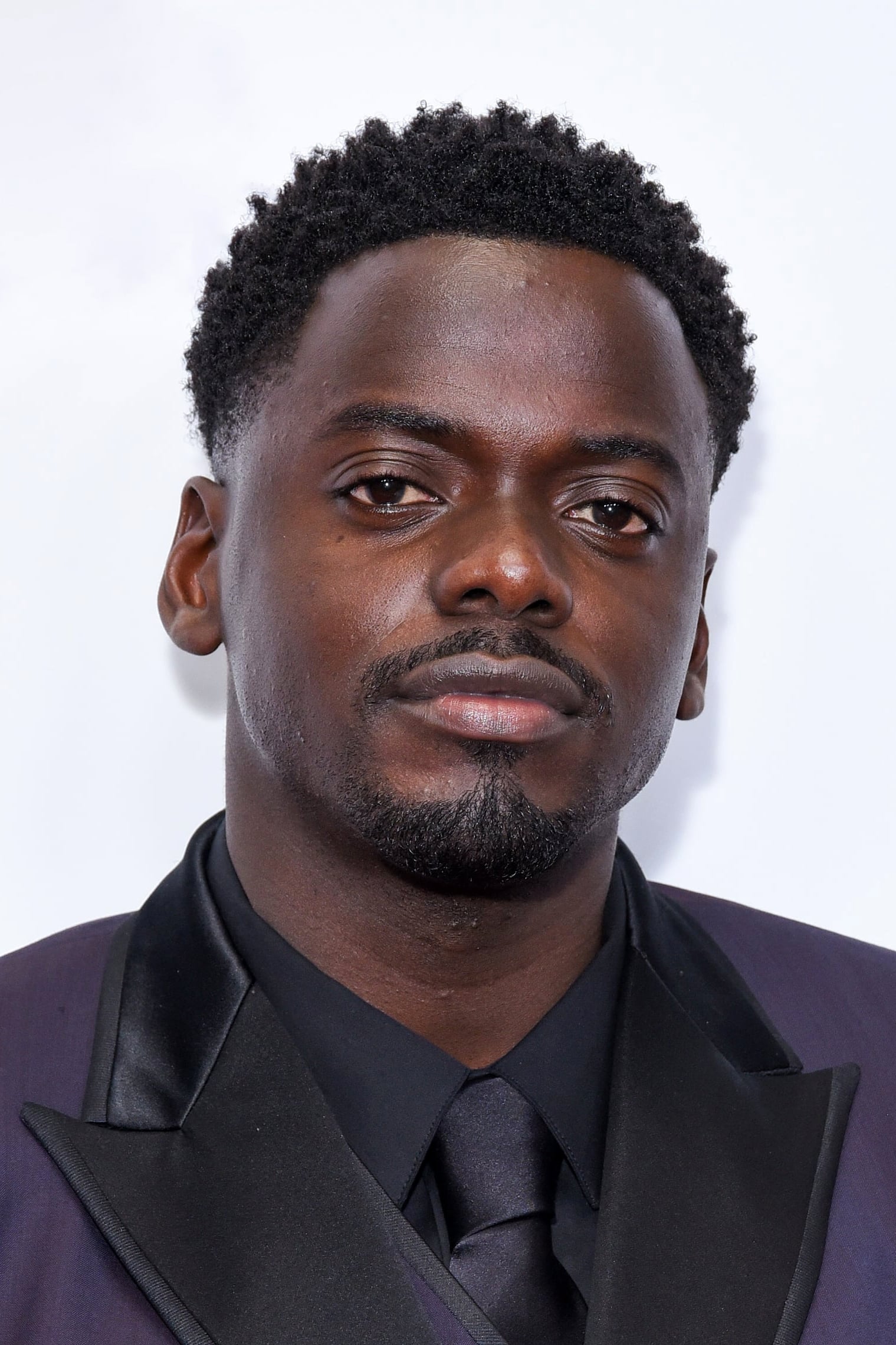
Following Samuel L. Jackson’s comments, Kaluuya defended his right to play African American characters, noting that the Black experience is not a monolith. The ‘Judas and the Black Messiah’ star faced criticism from some who felt that British actors were displacing American talent in mainstream cinema. Kaluuya pointed out his own struggles with racism in the UK to illustrate that the fight for equality is global. His subsequent Academy Award win helped solidify his position as a leading figure in the industry regardless of origin.
John Boyega
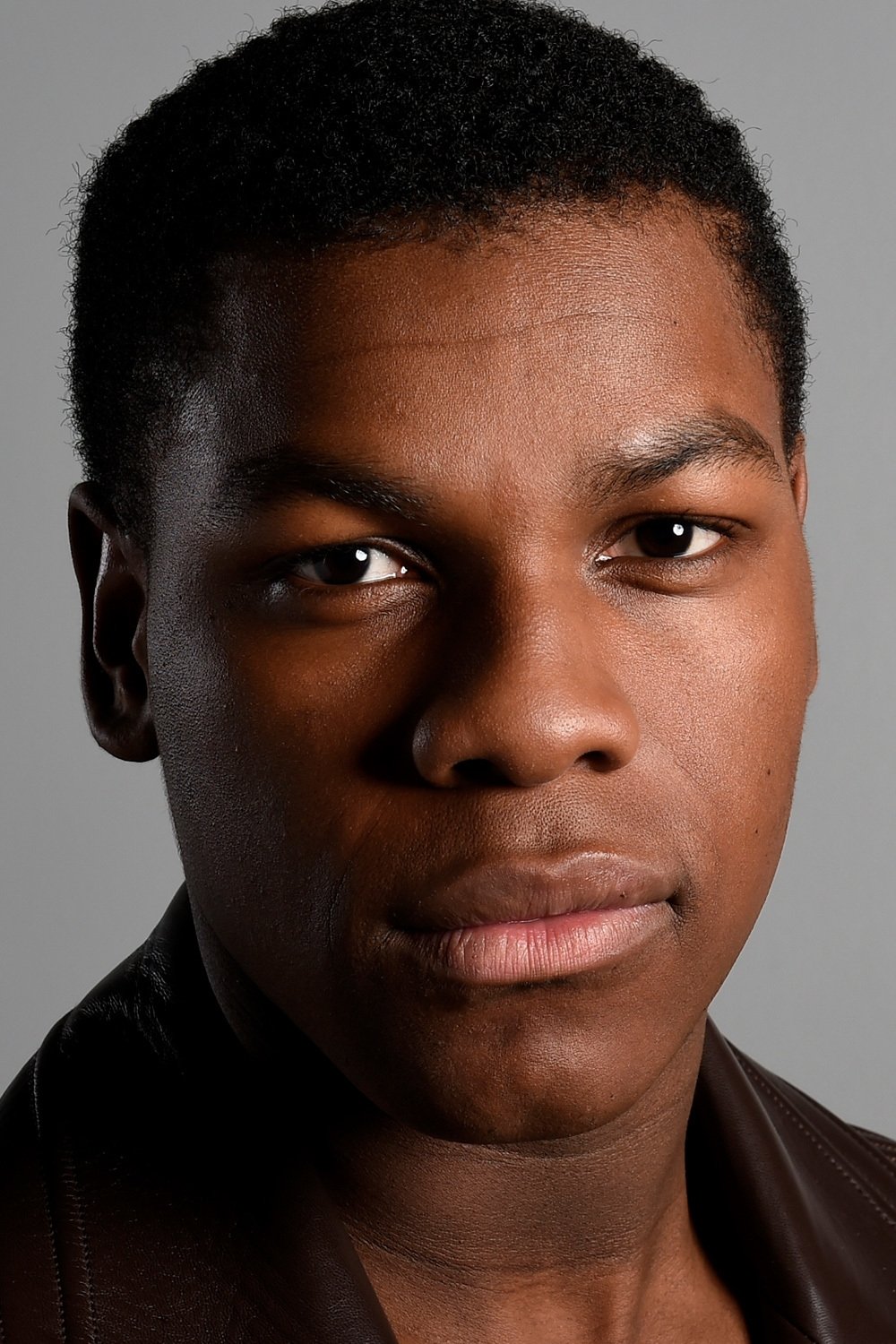
Boyega became a central figure in discussions about race and mainstream fame after he publicly criticized Disney for the way his character was handled in ‘Star Wars’. He argued that the franchise gave more nuance and depth to his white co-stars while sidelining his character, Finn. Some saw his willingness to speak out as a risk to his mainstream career, while others praised him for not sacrificing his voice for studio approval. His outspokenness during the 2020 protests in London further cemented his reputation as an actor who prioritizes his roots.
Halle Berry
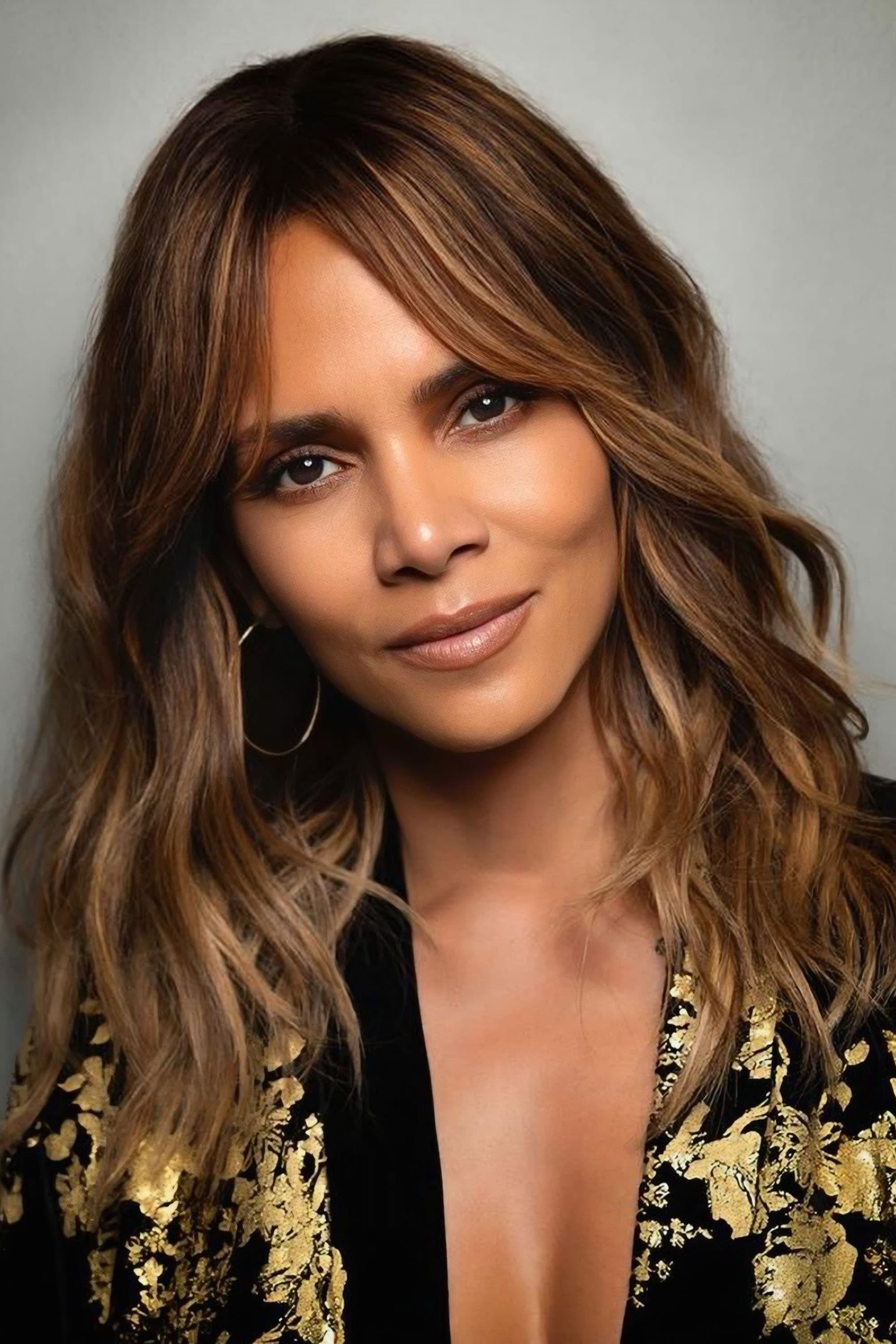
As the first Black woman to win the Oscar for Best Actress for ‘Monster’s Ball’, Berry has often been at the center of colorism debates. Critics have pointed out that the industry’s most prestigious awards and roles often go to light-skinned actresses who fit a specific aesthetic. While Berry has paved the way for many, she has also faced accusations that her mainstream success is partly due to this systemic preference. She has navigated these criticisms by focusing on the historical significance of her achievements for all women of color.
Tyler Perry
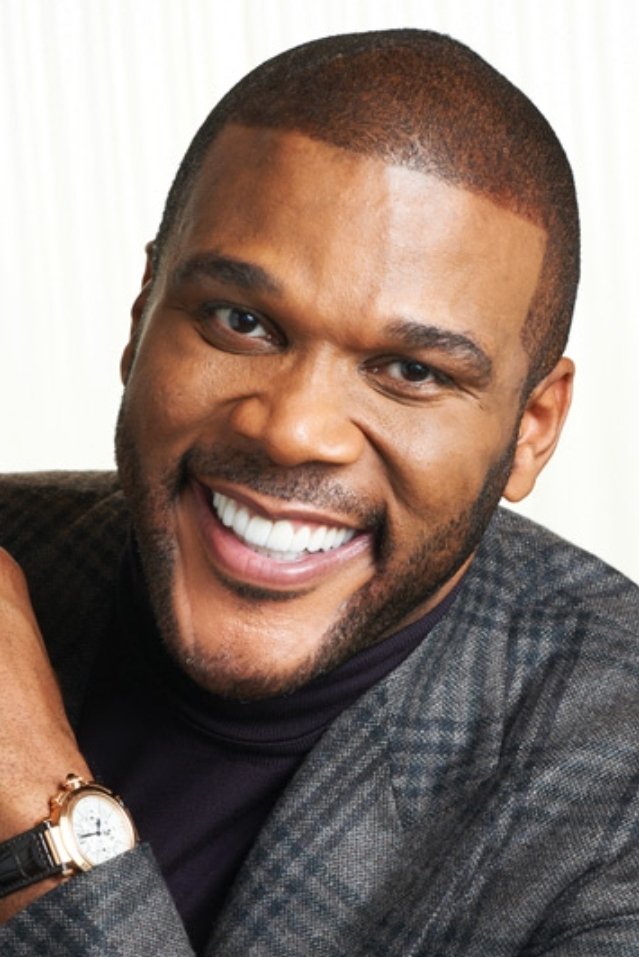
Perry is frequently criticized for the types of stories he tells and the stereotypes some believe they perpetuate for mainstream profit. While he has built an independent empire, critics like Spike Lee have argued that his films can sometimes cater to a gaze that does not elevate the community. Perry defends his work by pointing to the massive Black audience that supports him and the thousands of jobs he provides at his studio. The debate remains centered on whether his content empowers the community or exploits it for financial gain.
Terrence Howard
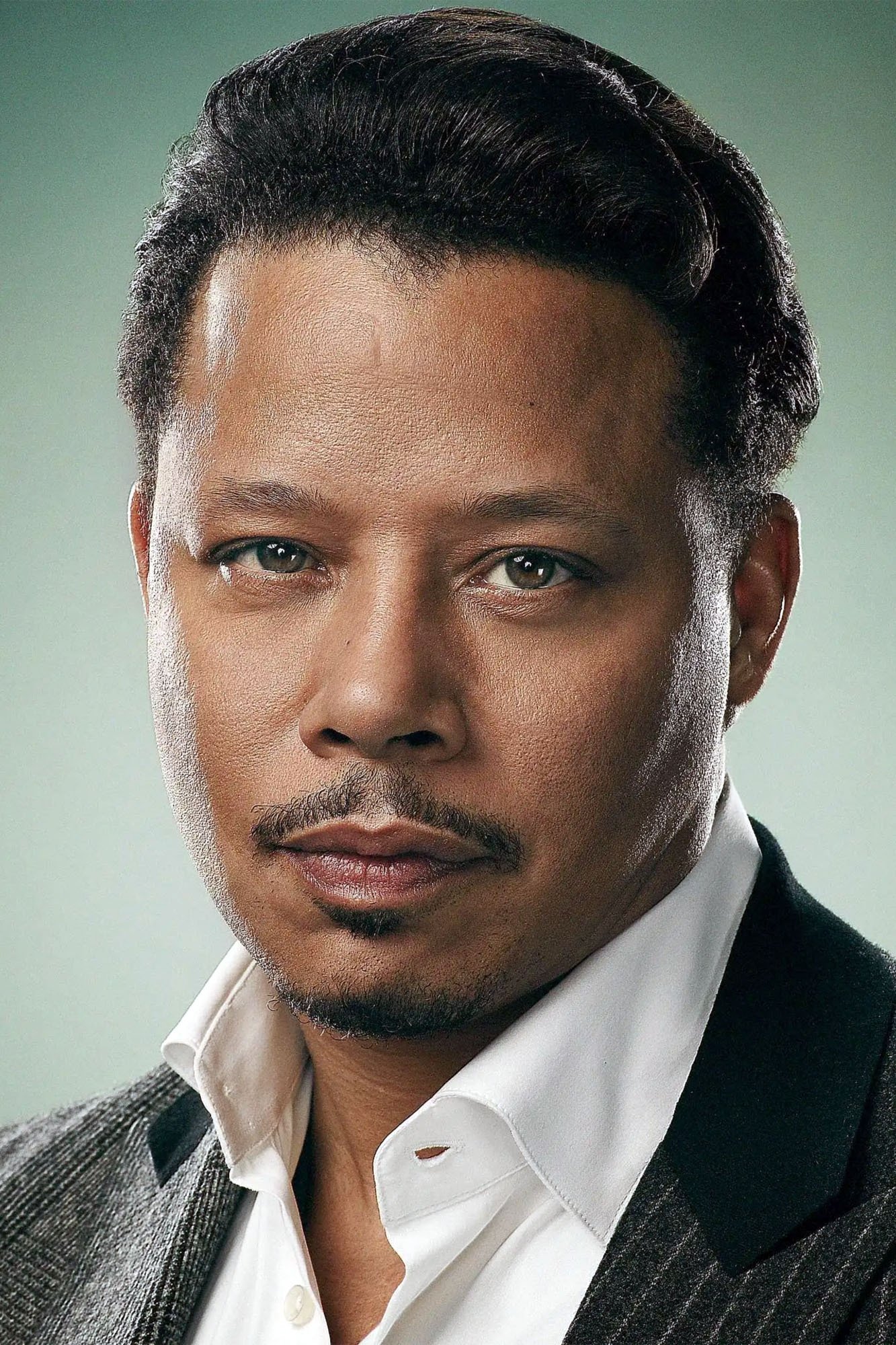
Howard has often been a controversial figure due to his unconventional personal views, but his career choices have also drawn scrutiny. During the height of ‘Empire’, some critics argued that the show’s portrayal of a Black family was sensationalized to appeal to mainstream ratings. Howard’s public legal battles and personal life have also complicated his relationship with the public. Despite these issues, he remains a prominent figure who has often spoken out about the lack of pay equity for Black actors.
Kevin Hart
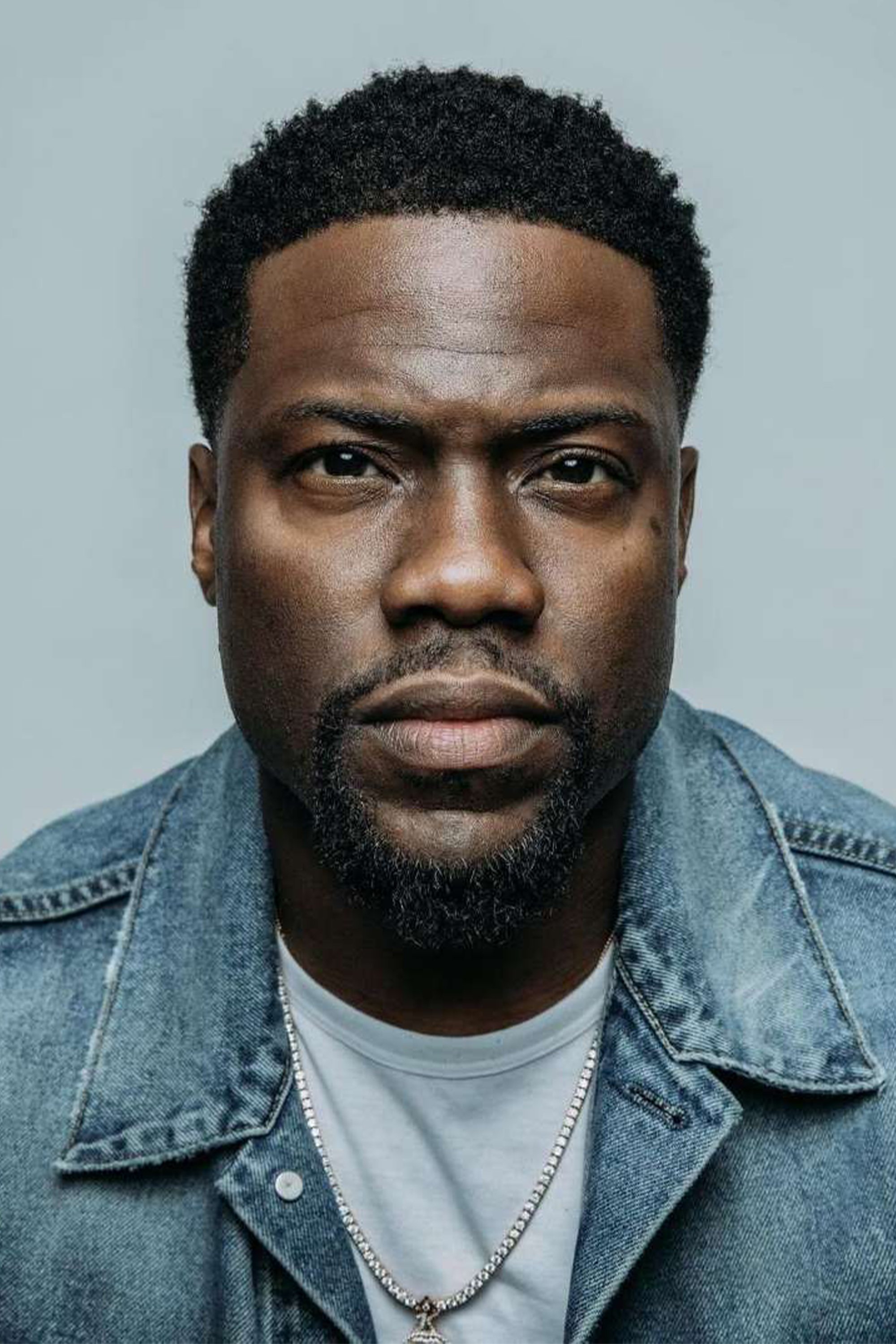
Hart faced a major crisis in 2019 when he stepped down from hosting the Oscars due to past tweets, leading to a discussion about his brand’s mainstream viability. Some fans felt that his brand of comedy and his initial response to the controversy were designed to protect his corporate interests. Critics have also accused his films of playing it too safe to maintain a broad, universal appeal that avoids specific cultural nuance. Hart has since attempted to show more vulnerability and social awareness in his documentary series ‘Don’t F**k This Up’.
Common
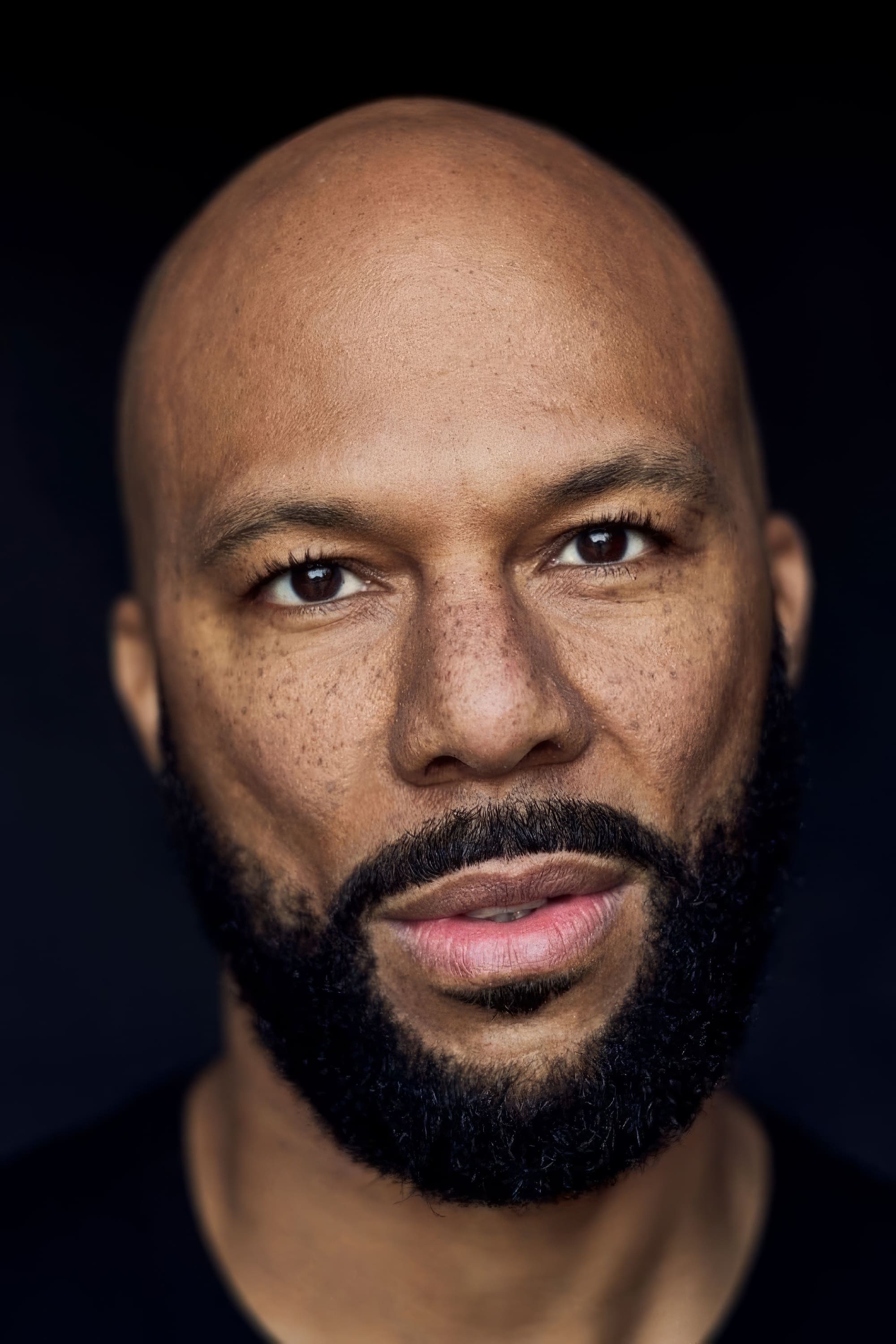
The rapper and actor faced backlash after an appearance on ‘The Daily Show’ where he suggested that Black people should extend a hand in love to white people to end racism. Critics felt his comments placed the burden of reconciliation on the oppressed rather than addressing systemic power structures. This stance was seen by some as a move toward a more palatable mainstream persona that avoided direct systemic critiques. Common later clarified that his message was rooted in his personal faith and the power of empathy to foster change.
Michael B. Jordan
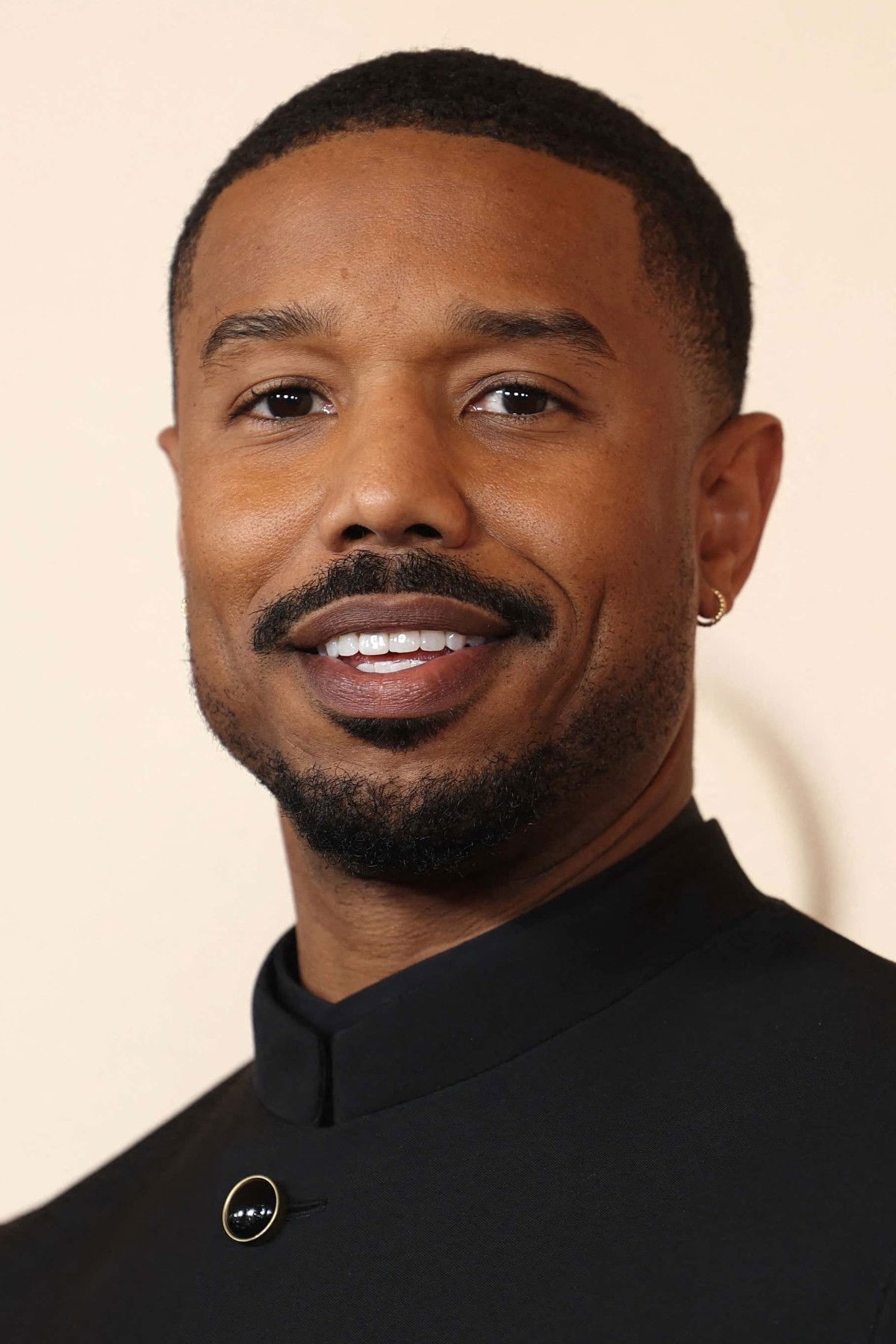
Jordan’s casting as the Human Torch in ‘Fantastic Four’ led to a backlash from some fans who were upset by the race-swapping of a traditionally white character. Conversely, within the Black community, some questioned if he was prioritizing color-blind roles to achieve A-list status. His roles in ‘Creed’ and ‘Black Panther’ helped bridge this gap, showing his commitment to stories with deep cultural roots. He has since become a producer, explicitly working to create more opportunities for diverse talent through his company, Outlier Society.
Gugu Mbatha-Raw
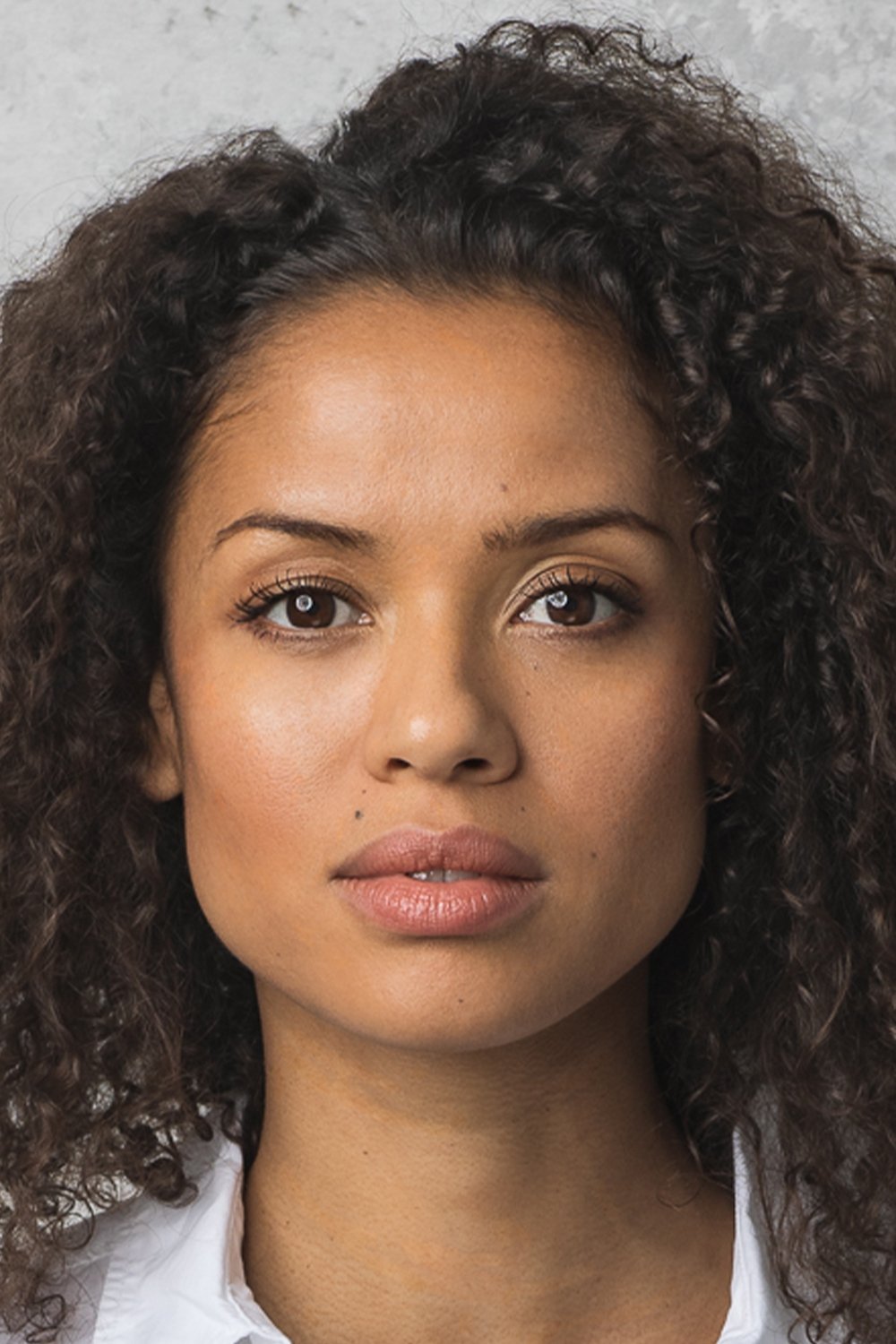
Mbatha-Raw is a British actress who has found immense success in American film and television, leading to discussions about the British presence in Hollywood. In projects like ‘Belle’ and ‘The Morning Show’, she has explored complex themes of identity and race. However, some American actors have expressed frustration that roles depicting the Black American experience are frequently given to international actors. Mbatha-Raw has maintained that the universality of the Black experience allows for a cross-pollination of talent across the Atlantic.
Yara Shahidi
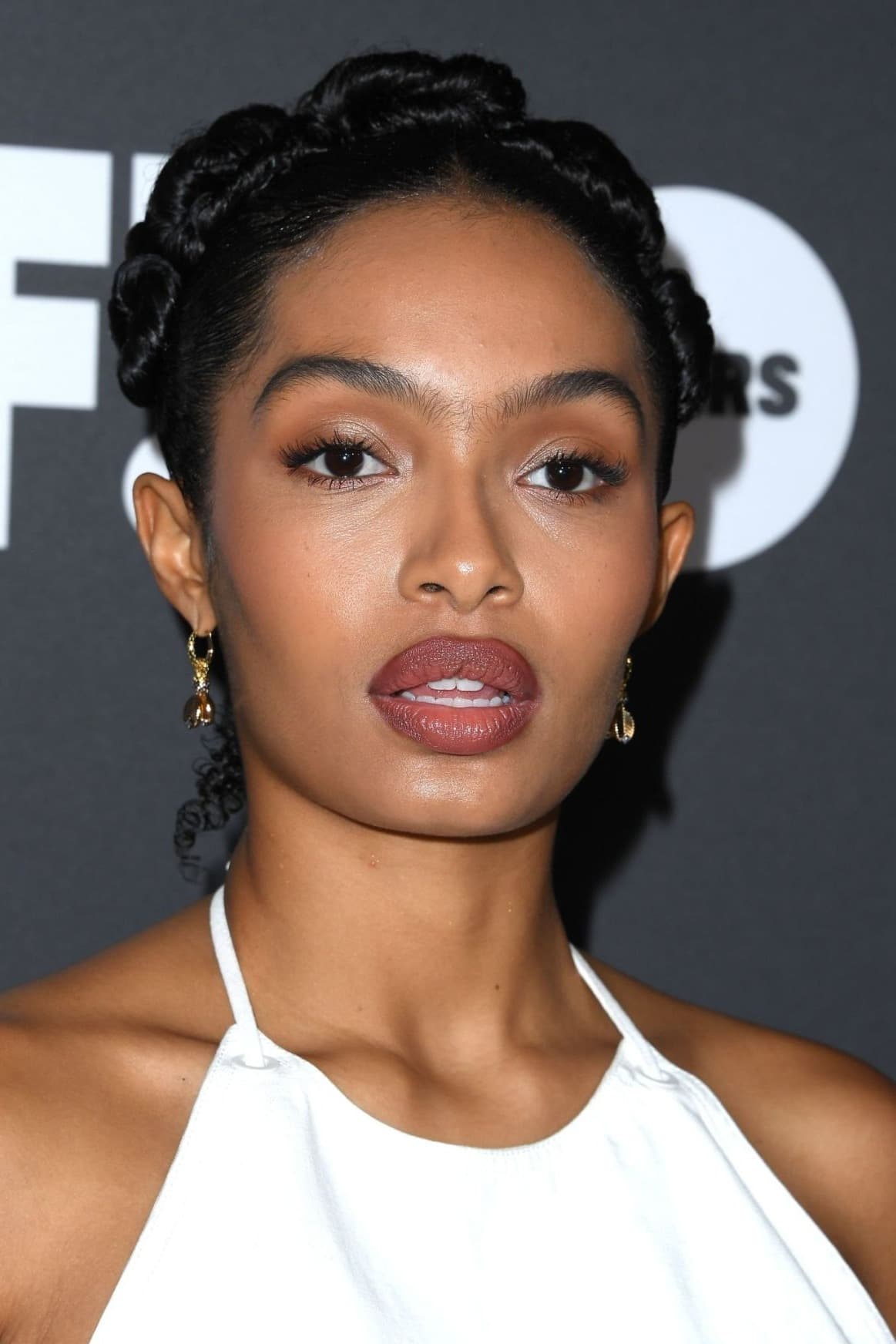
The ‘Grown-ish’ star has been a vocal advocate for social justice, yet she has not been immune to colorism critiques. When she was cast as Tinker Bell in the live-action ‘Peter Pan & Wendy’, the conversation focused on the trend of casting light-skinned Black actresses in iconic roles. Some argued that this practice is a form of tokenism that doesn’t truly challenge Hollywood’s established beauty standards. Shahidi has responded by continuing her activism and emphasizing the importance of representation for the next generation of viewers.
Logan Browning
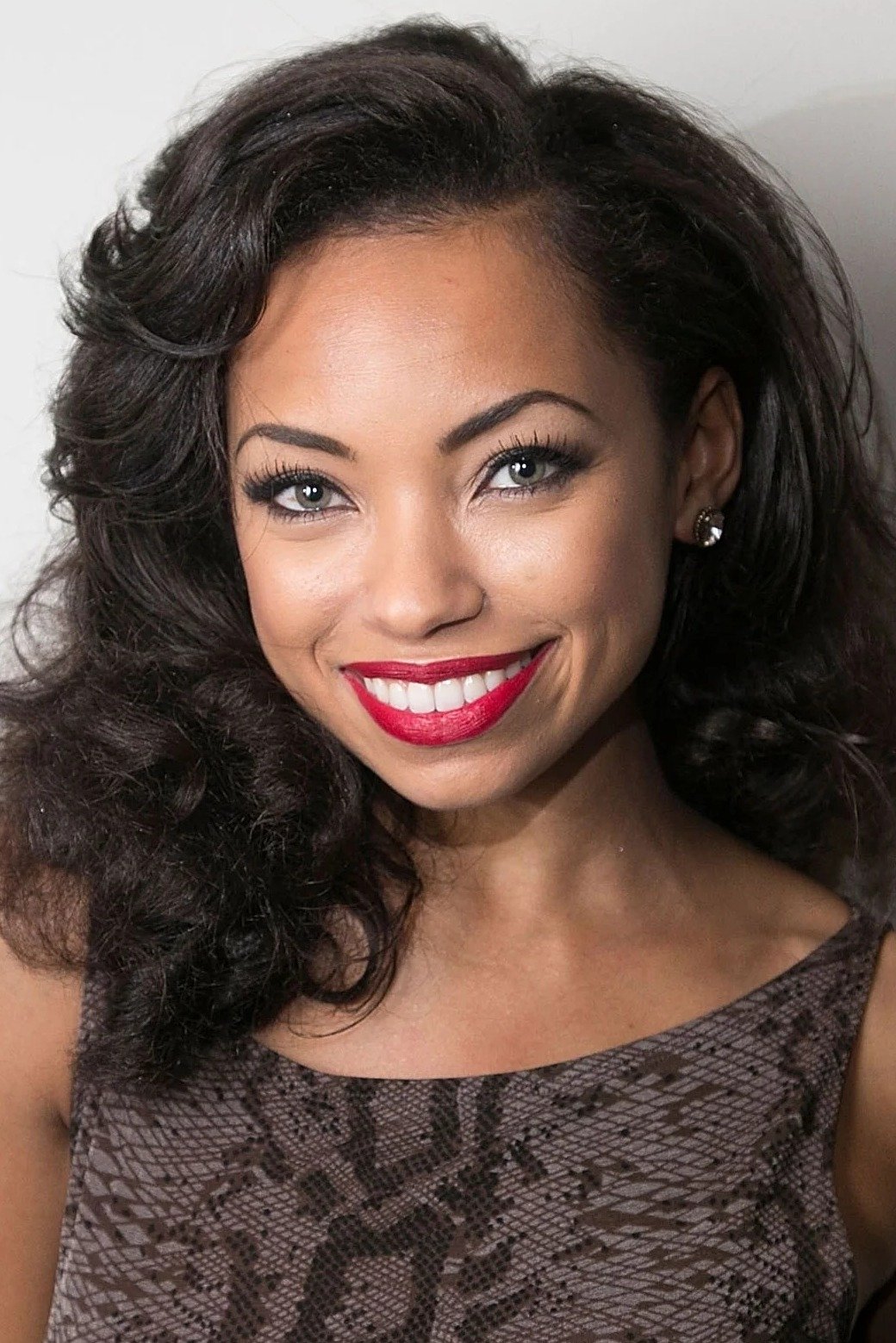
Browning, the lead of the series ‘Dear White People’, has been part of the ongoing dialogue regarding colorism in television casting. The show itself addresses these themes, but critics still pointed to her casting as evidence of Hollywood’s preference for lighter-complexioned leads in prestigious projects. Browning has participated in these discussions openly, acknowledging the complexities of her identity as a biracial woman in the industry. She has used the platform to encourage more nuanced and diverse portrayals of Blackness on screen.
Tessa Thompson
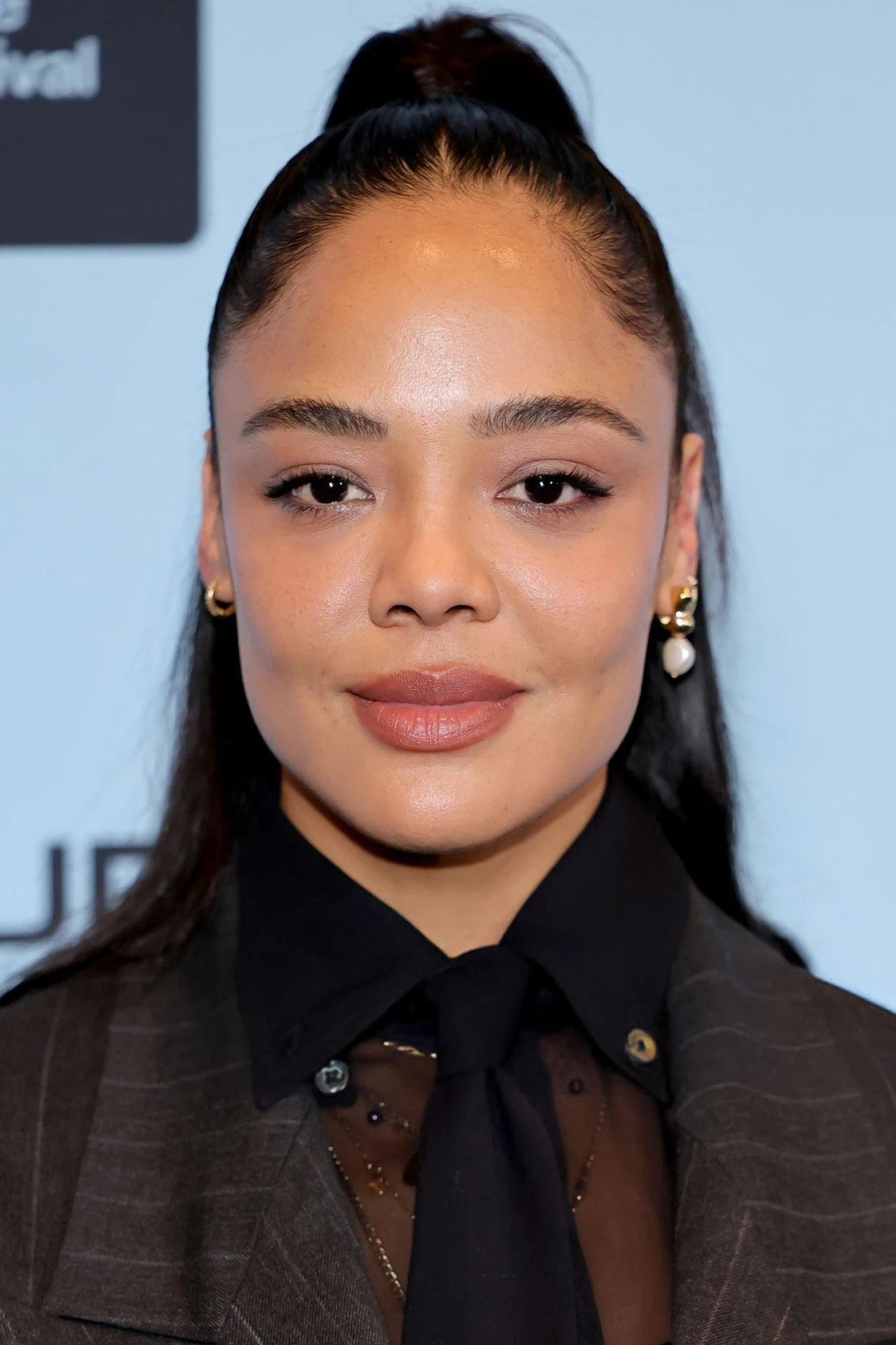
Thompson’s roles in ‘Thor: Ragnarok’ and the ‘Creed’ franchise have made her a mainstream star, but they have also sparked debates about casting. Like many of her peers, she has faced the light-skinned privilege critique in the context of major franchise roles. Thompson has been proactive in the Time’s Up movement and has pushed for more inclusivity behind the scenes in the industry. She often speaks about the need for a wide spectrum of Black representation that goes beyond a single look or narrative.
Sophie Okonedo
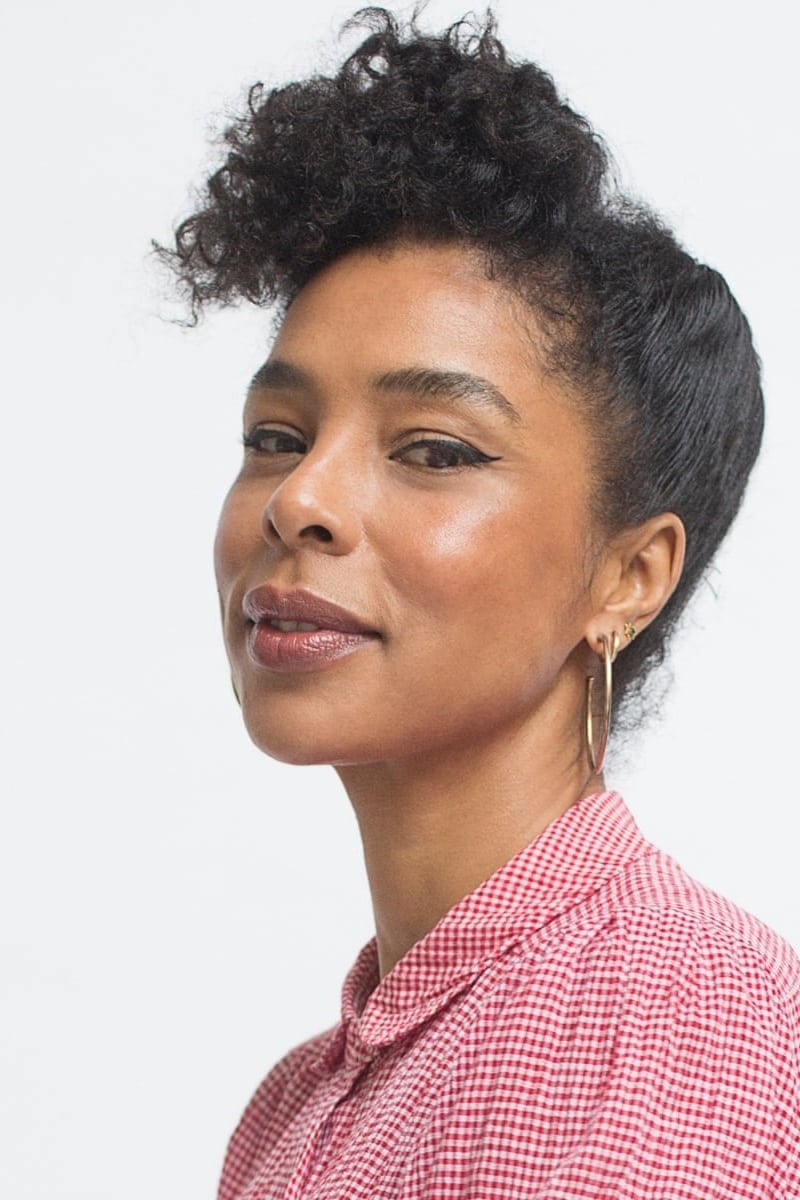
Okonedo is a British actress who has faced questions regarding the authenticity of her roles in American historical dramas. Her performance in ‘Hotel Rwanda’ earned her an Oscar nomination, but the broader trend of British actors taking these roles remains a point of contention for some American critics. They argue that the specific historical weight of the African American journey is lost when played by those outside that specific history. Okonedo’s extensive body of work continues to challenge these notions through its critical acclaim and emotional depth.
Chiwetel Ejiofor
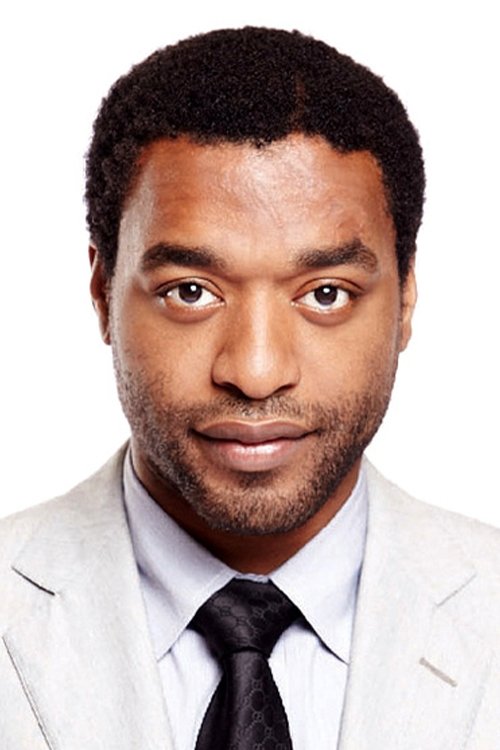
Ejiofor’s starring role in ’12 Years a Slave’ brought him global fame and an Oscar nomination, but it also reignited the debate over British actors portraying American slaves. Some activists argued that the descendants of American slaves should have the opportunity to tell their own historical stories on the big screen. Ejiofor defended the film as a human story that transcends national borders, focusing on the historical accuracy of the narrative. The film’s success helped propel him into mainstream blockbusters like ‘Doctor Strange’.
Idris Elba
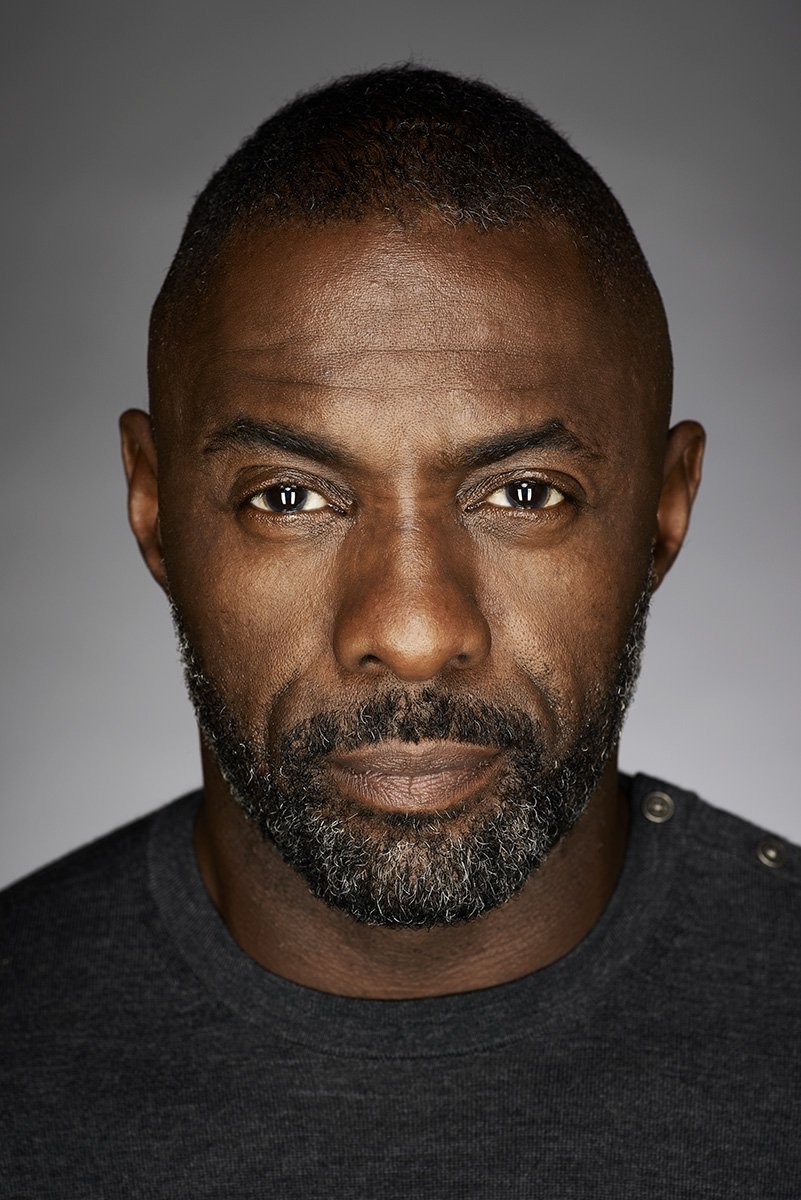
Elba has frequently navigated the line between his British roots and his American fame, most notably in his role as Stringer Bell in ‘The Wire’. He has faced criticism from some who believe his mainstream roles, like the detective in ‘Luther’, lack a distinct cultural grounding. Elba has argued that his goal is to be seen as an actor first, capable of playing any role regardless of the character’s background. This acting philosophy has been both praised for its ambition and criticized for potentially ignoring racial realities in casting.
David Oyelowo
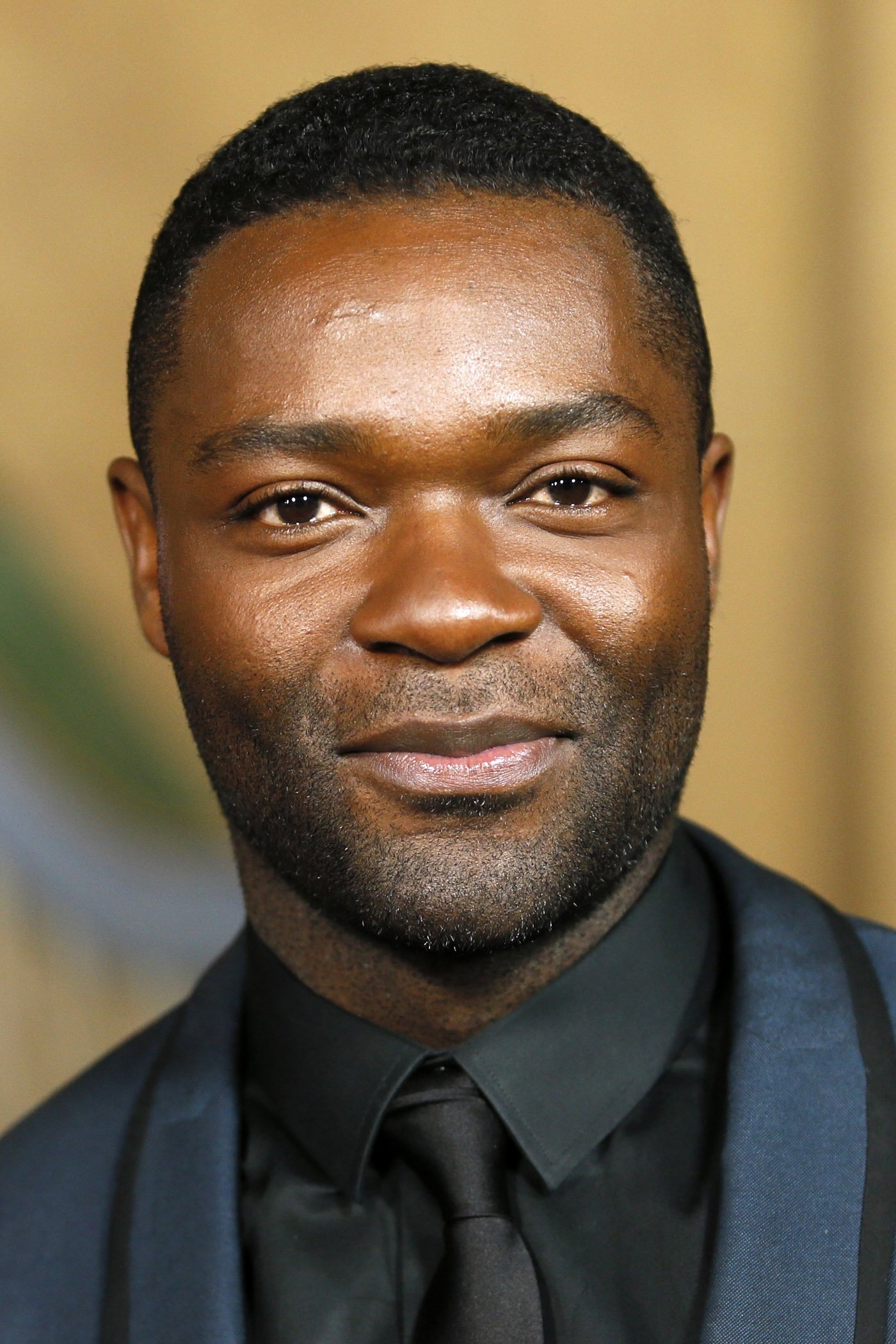
Oyelowo’s portrayal of Dr. Martin Luther King Jr. in ‘Selma’ was highly acclaimed but also drew comments regarding the casting of British actors in American civil rights roles. Oyelowo addressed the criticism by highlighting the shared history of the African diaspora and the lack of opportunities for Black actors in the UK. He has since become a vocal advocate for better representation in the British film industry as well. His career continues to span both mainstream Hollywood and independent projects with strong social themes.
Naomi Ackie
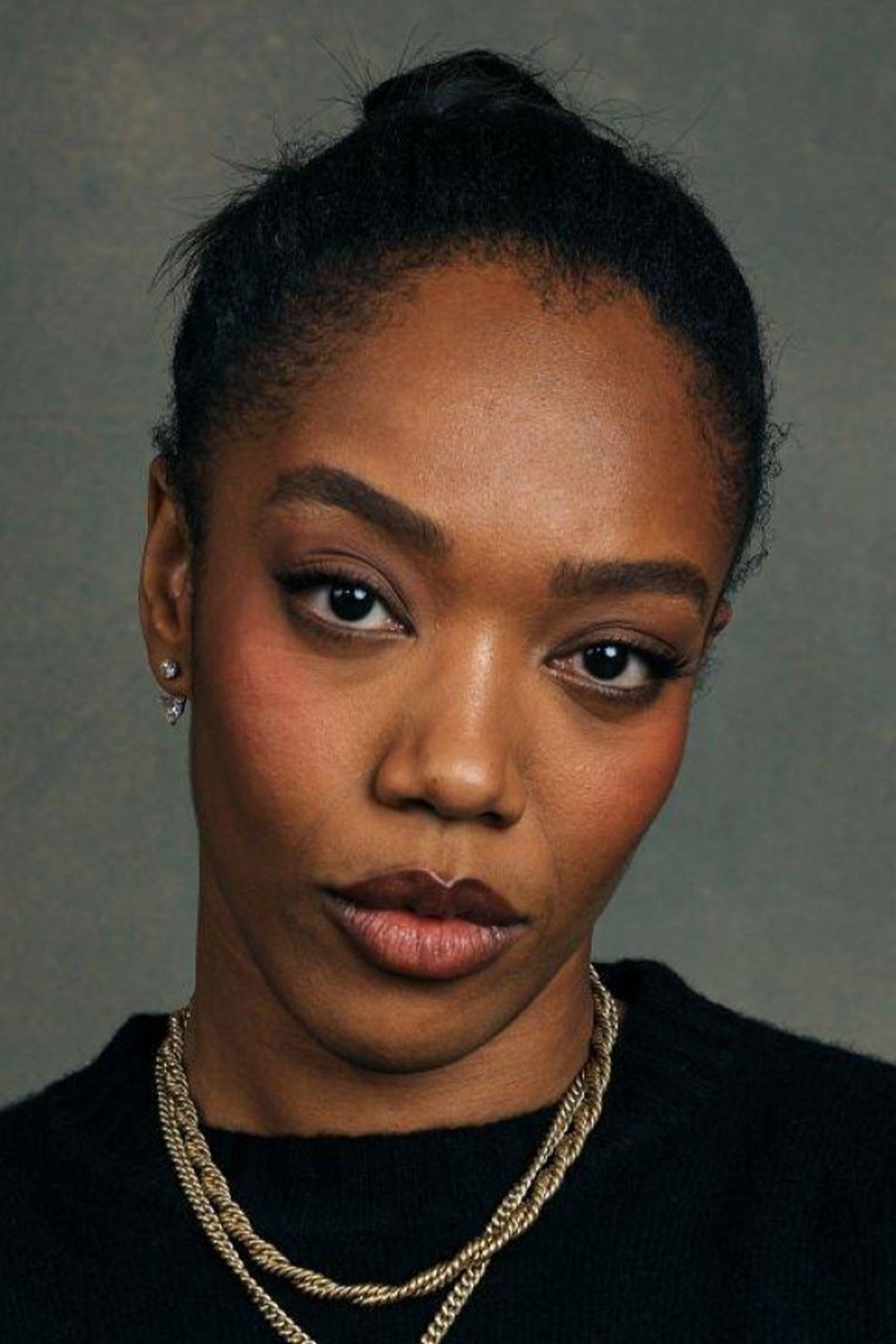
Ackie faced scrutiny when she was cast as Whitney Houston in the biopic ‘I Wanna Dance with Somebody’. Critics questioned if a British actress could capture the essence of a quintessentially American icon like Houston. The debate mirrored previous controversies regarding the casting of non-American actors for roles tied deeply to American culture. Ackie spent months working with vocal and dialect coaches to ensure her performance was as authentic as possible to the singer’s American heritage.
Kingsley Ben-Adir
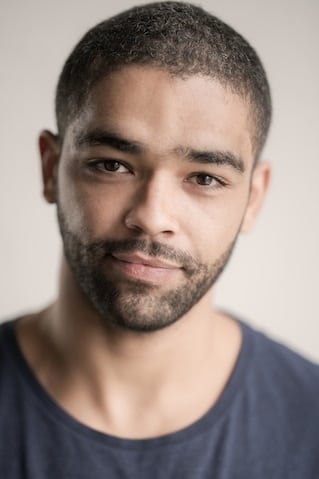
Ben-Adir has taken on several high-profile roles portraying Black American icons, including Malcolm X in ‘One Night in Miami’ and Bob Marley in ‘One Love’. This has led to recurring questions about why British actors are so frequently chosen for these specific cultural roles over domestic talent. Critics often suggest that these choices are made by studios to appeal to a global mainstream audience with polished international stars. Ben-Adir has consistently defended the craft of acting as an exploration of character that goes beyond the actor’s personal origin.
Share your thoughts on these casting controversies and the debate over cultural roots in the comments.