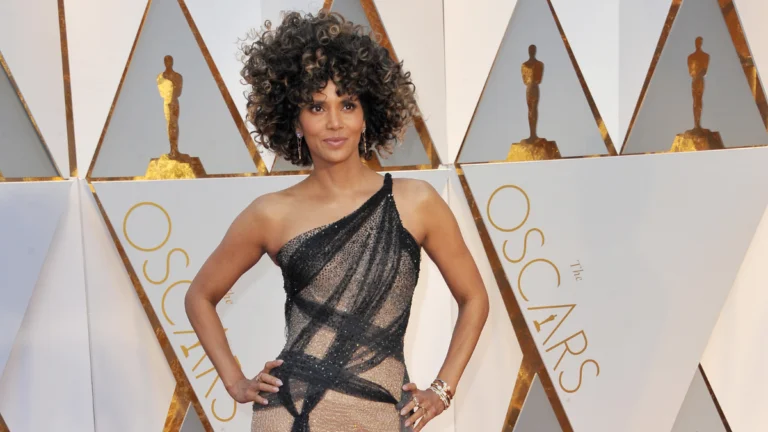
Celebs Who Went on Right-Wing Podcasts to Complain About Being Cancelled by Hollywood

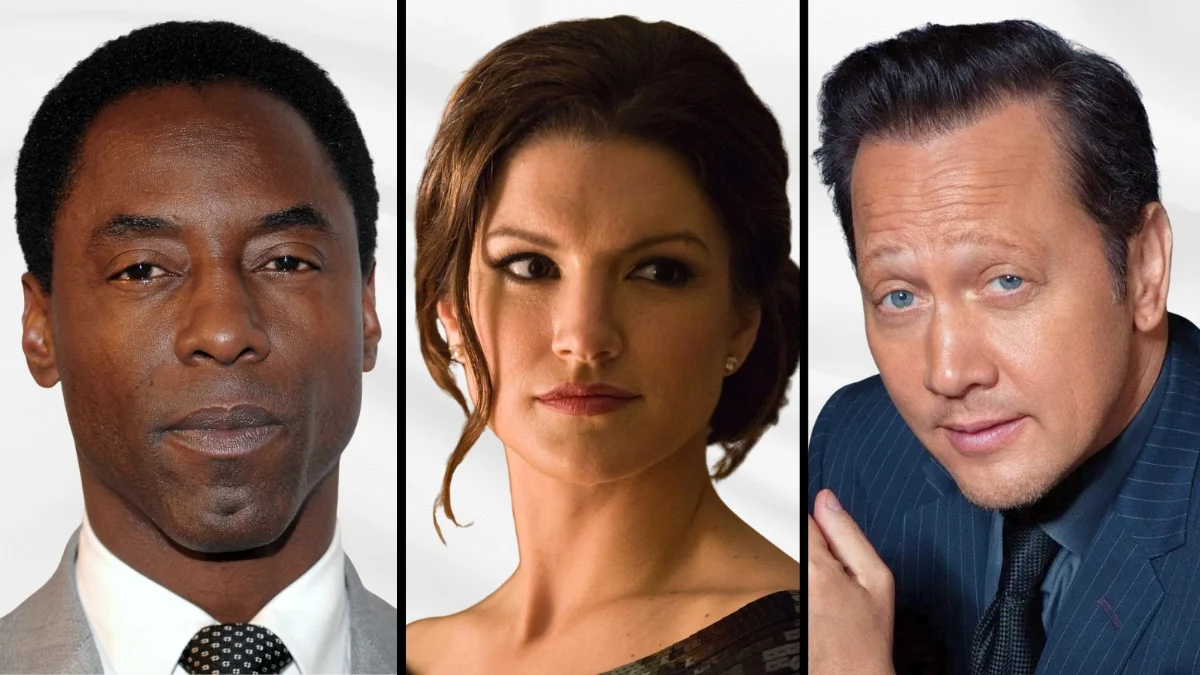

The cultural phenomenon of “cancel culture” has led to a significant shift in the media landscape, with many celebrities seeking out alternative platforms to voice their frustrations. These public figures often claim that their political views or personal controversies have led to them being marginalized or “blacklisted” by major Hollywood studios and networks. By appearing on right-wing or independent podcasts, they are able to reach large audiences without the mediation of traditional entertainment outlets. This trend highlights a growing divide between mainstream Hollywood and a burgeoning network of alternative media platforms that prioritize free-speech discourse.
Gina Carano
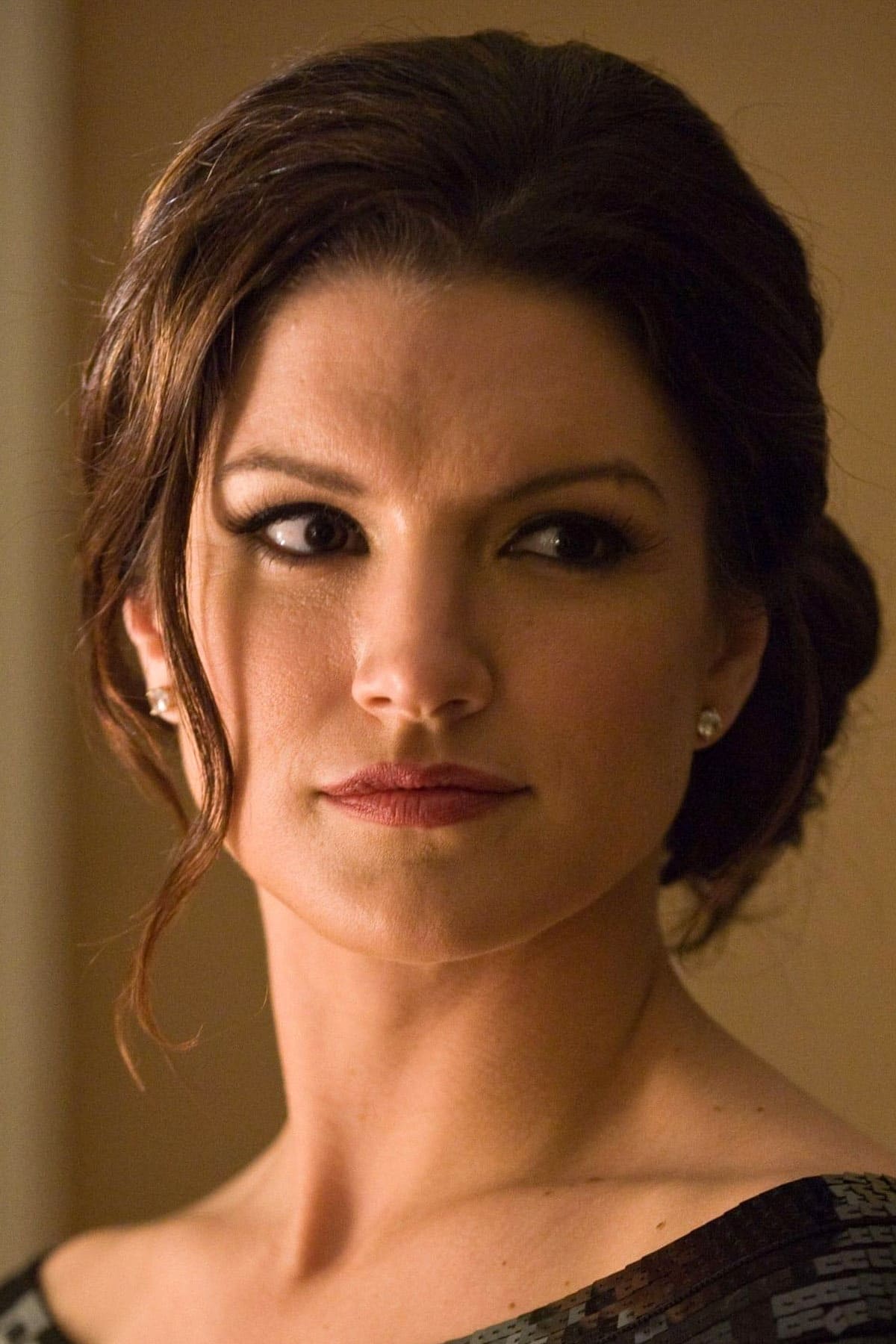
Following her 2021 termination from ‘The Mandalorian’, Gina Carano appeared on ‘The Ben Shapiro Show’ to detail her experience with Lucasfilm and Disney. She argued that she had been targeted for her conservative viewpoints and described the atmosphere in Hollywood as one of “bullying.” Carano used the platform to announce a new film partnership with ‘The Daily Wire’ as a direct response to her industry exit. She claimed that she wanted to send a message to others who felt silenced by the industry’s political climate. Her appearance served as a pivotal moment in the ongoing debate over professional consequences for social media activity.
Roseanne Barr
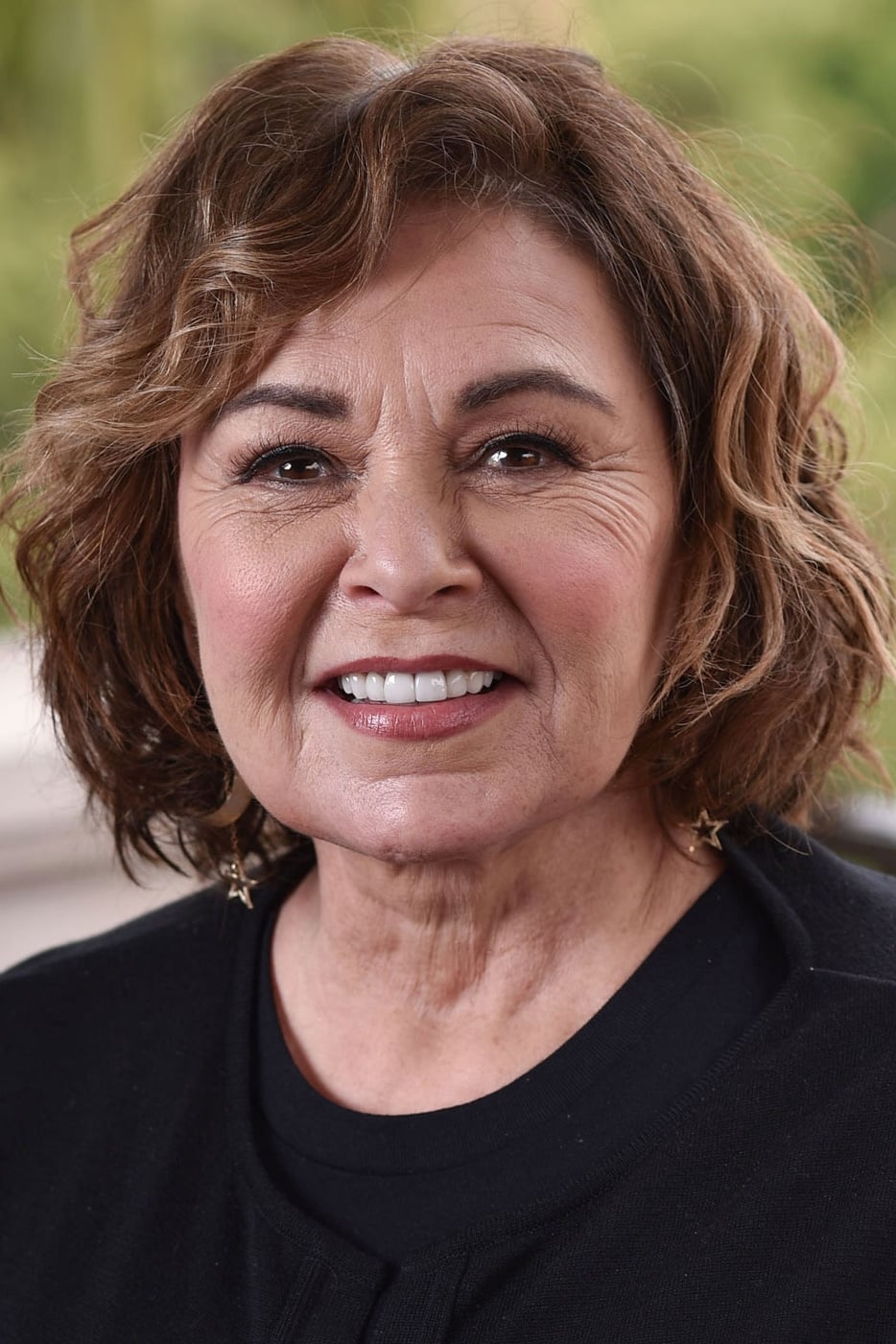
Roseanne Barr has been a frequent guest on ‘The Megyn Kelly Show’ and ‘Tucker Carlson Tonight’ since the cancellation of the ‘Roseanne’ revival in 2018. She often describes her firing as a coordinated effort to silence a prominent supporter of Donald Trump. Barr has used these long-form interviews to explain the context of her controversial tweets and to critique the “double standards” she perceives in the entertainment world. She maintains that she was a victim of a “witch hunt” that ignored her decades of work in the industry. Her appearances are typically centered on themes of forgiveness and the harshness of modern social accountability.
Sharon Osbourne
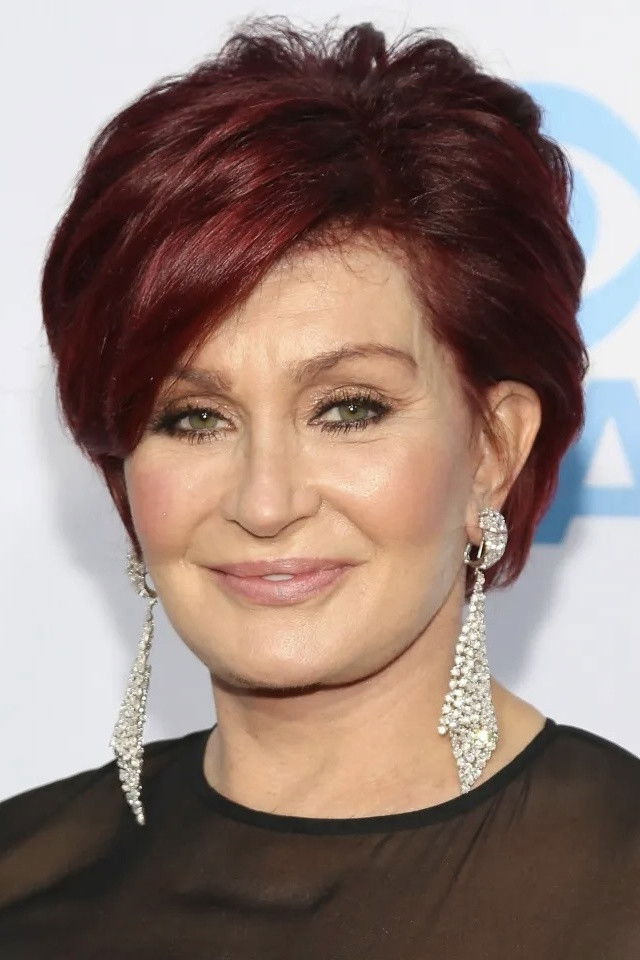
After her departure from the daytime talk show ‘The Talk’, Sharon Osbourne appeared on ‘The Megyn Kelly Show’ to discuss the events leading to her exit. She argued that she was forced out for defending her friend, Piers Morgan, and that the situation was a result of “woke culture” run amok. Osbourne expressed her belief that she was effectively “cancelled” by CBS for refusing to apologize for her personal associations. She described the emotional toll of the controversy and her feeling that she had been betrayed by long-time colleagues. These interviews provided her a space to present her narrative without the constraints of network television.
Rob Schneider
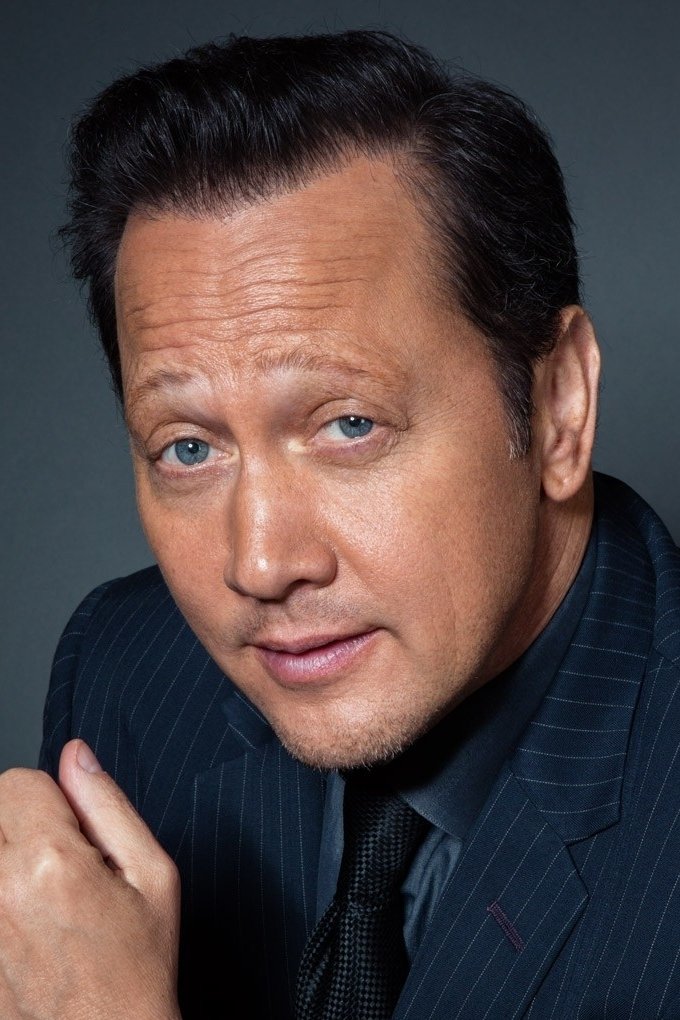
Rob Schneider has used appearances on ‘The Glenn Beck Program’ and ‘The PBD Podcast’ to voice his concerns about the loss of creative freedom in comedy. He frequently argues that “woke ideology” has made it impossible to produce traditional stand-up or film content in Hollywood. Schneider has claimed that his career has shifted toward independent projects because mainstream studios are too afraid of social media backlash. He often speaks about the importance of comedians being allowed to offend without facing professional ruin. Through these platforms, he has positioned himself as a vocal critic of the industry’s current cultural direction.
Kevin Sorbo
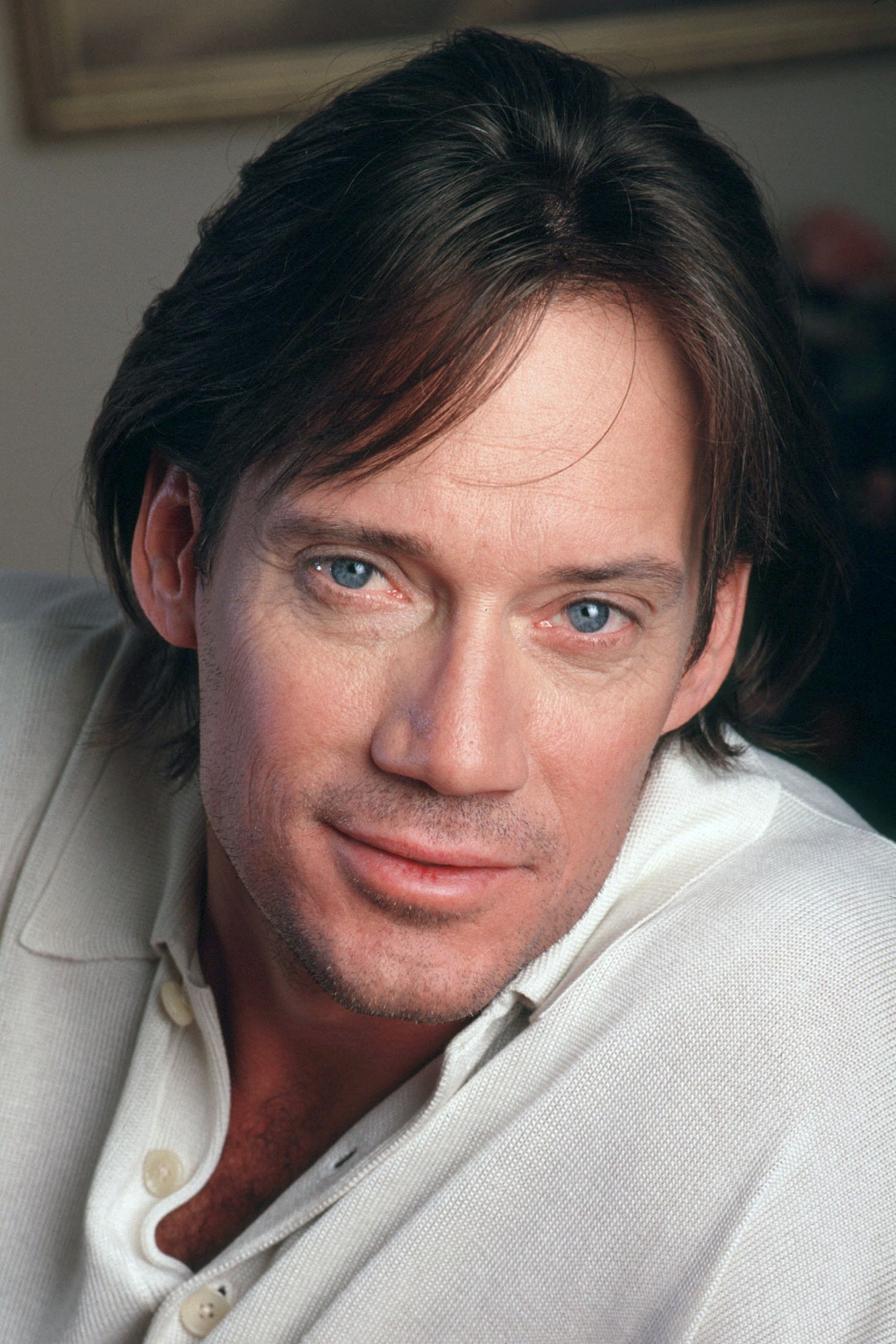
The ‘Hercules: The Legendary Journeys’ star is a regular guest on conservative platforms such as ‘Newsmax’ and various podcasts hosted by ‘The Daily Wire’. Sorbo has long claimed that his Christian faith and conservative politics have caused him to be “blacklisted” from major Hollywood productions. He often discusses the transition of his career into the faith-based film industry as a necessary move for survival. Sorbo argues that Hollywood only values diversity when it aligns with a specific political agenda. He uses his podcast appearances to encourage other conservative actors to speak out about their experiences.
James Woods
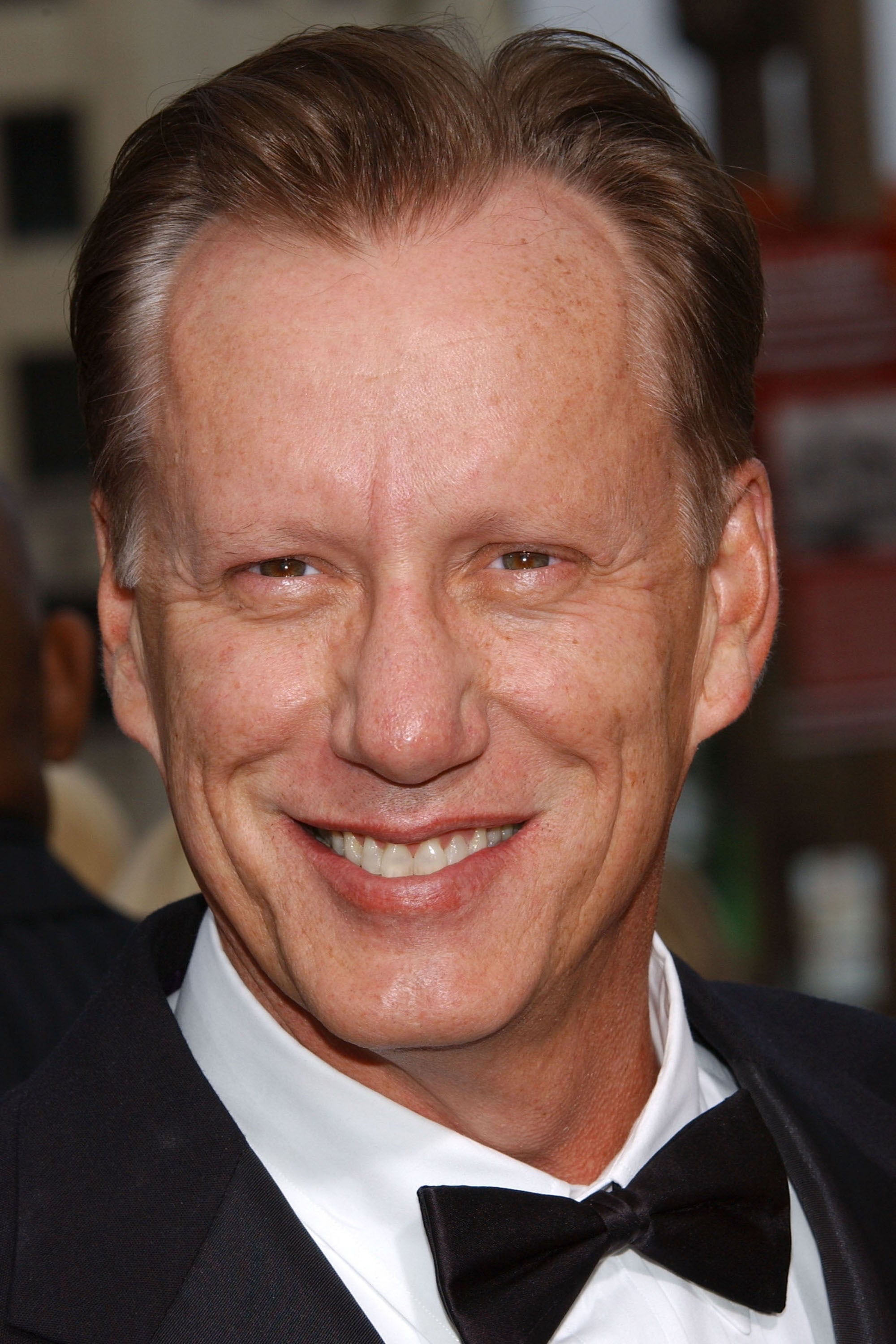
James Woods has frequently taken to various political podcasts to claim that his career was stifled due to his vocal support for conservative causes. He has specifically cited being dropped by his talent agent as evidence of a political “blacklist” in the modern era. Woods uses these platforms to discuss the history of political suppression in the film industry and how he believes it has returned in a new form. He often portrays himself as a figure who sacrificed his A-list status to remain true to his convictions. His interviews serve as a rallying point for those who believe Hollywood is an echo chamber.
John Cleese
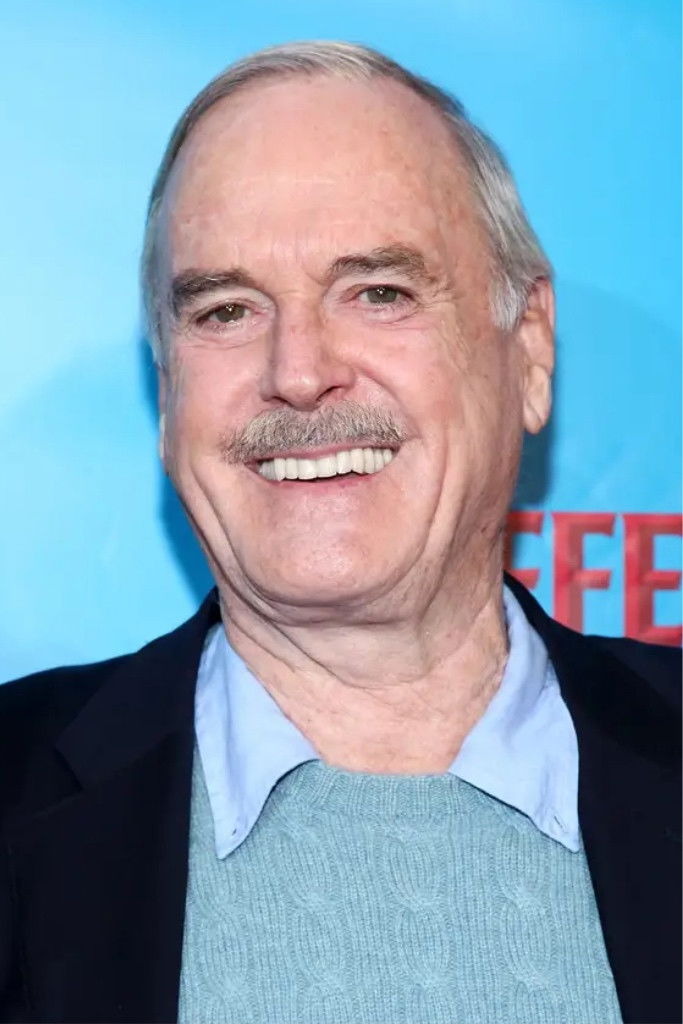
The Monty Python legend has appeared on ‘Fox News’ and ‘GB News’ to criticize what he calls the “stifling” nature of modern creative environments. He has spoken at length about the “cancel culture” that he believes is destroying the art of comedy. Cleese has expressed frustration with being “de-platformed” or having his past work scrutinized through a modern lens. He argues that the inability to take a joke is a sign of a decaying intellectual culture. His move to host a show on ‘GB News’ was framed as a direct response to his grievances with mainstream broadcasters like the BBC.
Russell Brand
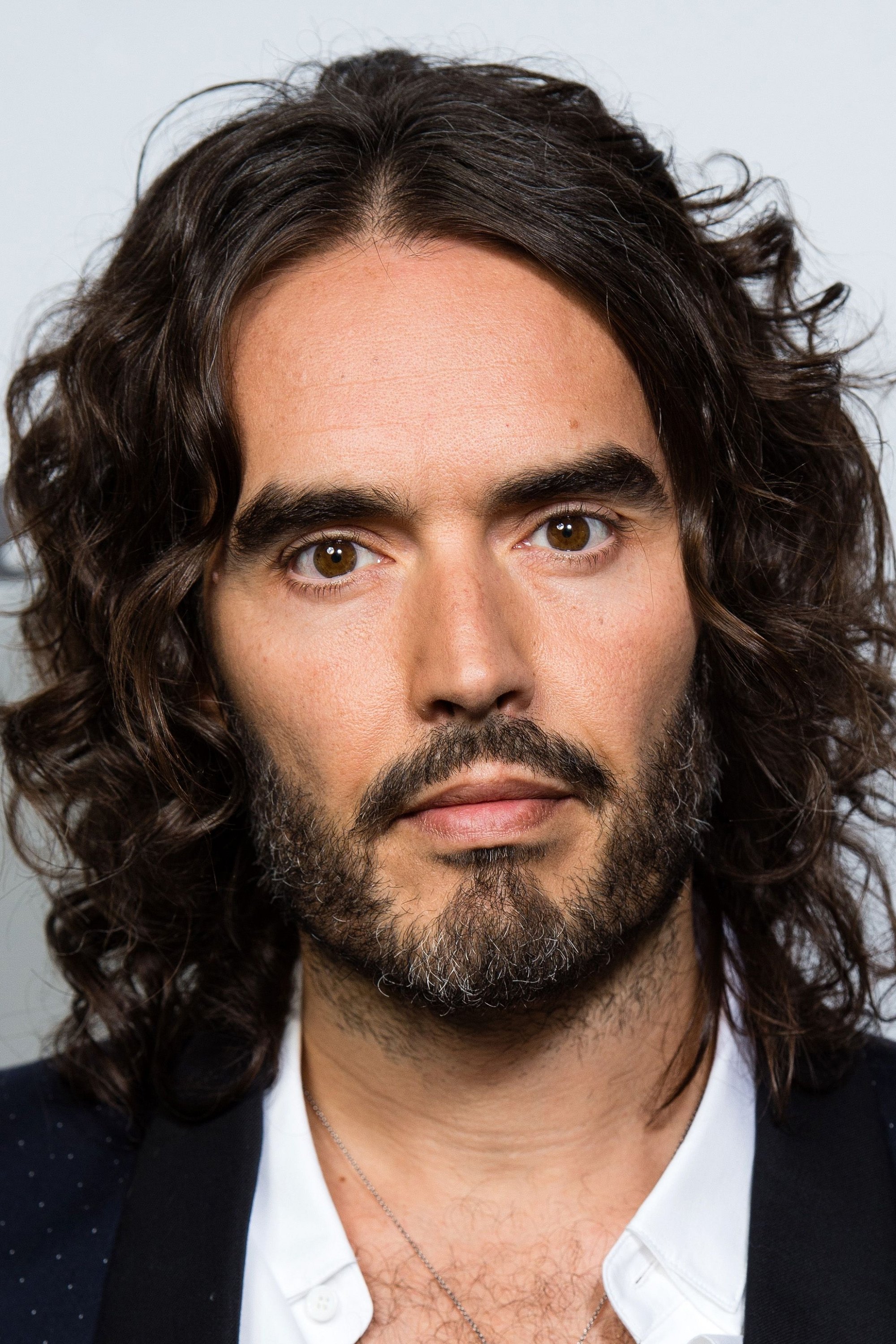
Once a fixture of mainstream Hollywood films like ‘Forgetting Sarah Marshall’, Russell Brand has moved his content to Rumble and frequently appears on ‘Tucker Carlson’ podcasts. He has argued that recent allegations against him are part of a coordinated “cancellation” attempt by the corporate media. Brand claims that his pivot to criticizing “the establishment” made him a target for the industry he once inhabited. He uses his appearances to frame himself as a dissident fighting against a “centralized” media power structure. His rhetoric often focuses on the intersection of corporate interests and personal silencing.
Jim Breuer
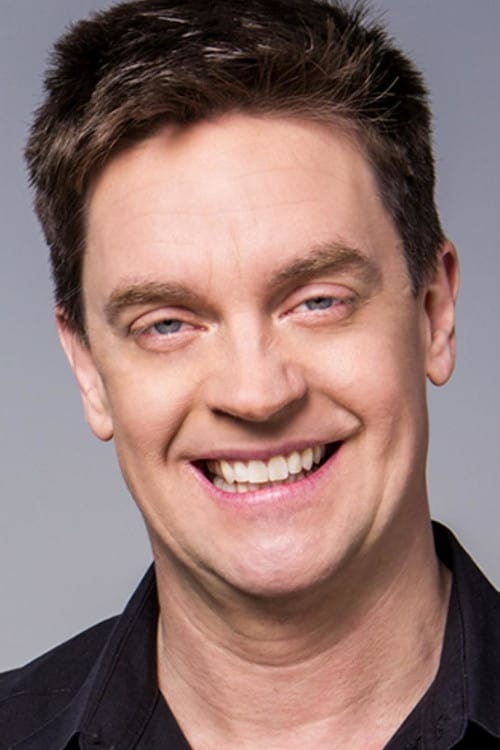
Comedian Jim Breuer has appeared on ‘The Clay Travis & Buck Sexton Show’ and other right-leaning programs to discuss his refusal to perform at venues with vaccine mandates. He has used these opportunities to claim that he was effectively “cancelled” by the mainstream comedy circuit for his medical choices. Breuer describes the industry as being under the thumb of a “narrative” that does not allow for dissent. He has pivoted to performing for audiences that share his skepticism of mainstream institutions. His interviews often blend humor with a serious critique of what he perceives as a loss of liberty in the arts.
Isaiah Washington
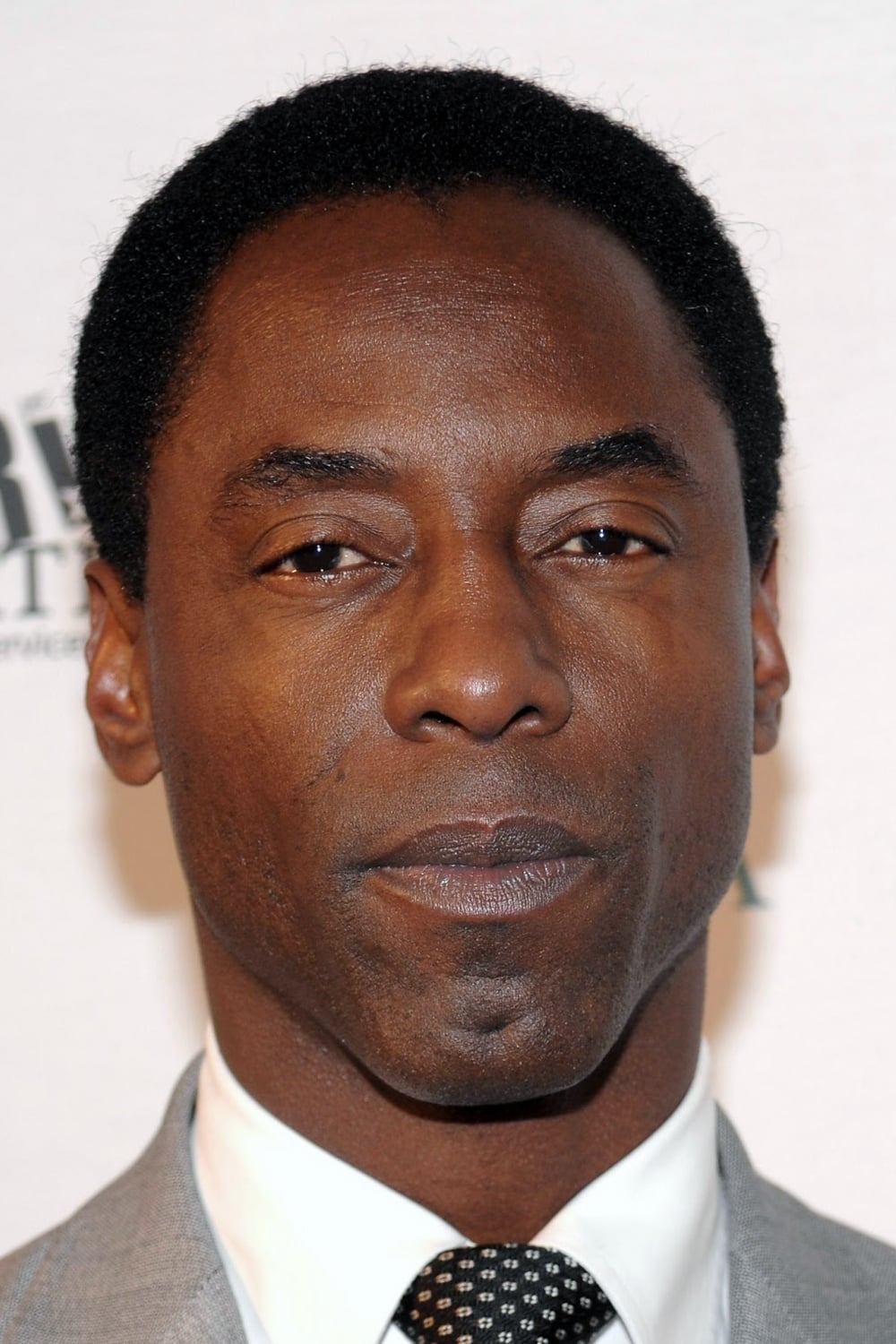
The former ‘Grey’s Anatomy’ star has made several appearances on Fox Nation and independent podcasts to discuss his exit from the hit series. He claims that he was “blacklisted” by Hollywood elites and that his career never recovered from his initial controversy. Washington often discusses the racial and political dynamics he believes contributed to his isolation from the industry. He has used these platforms to advocate for a “walk away” movement from traditional Hollywood structures. His story is frequently used in these circles as a cautionary tale of industry power.
Dean Cain
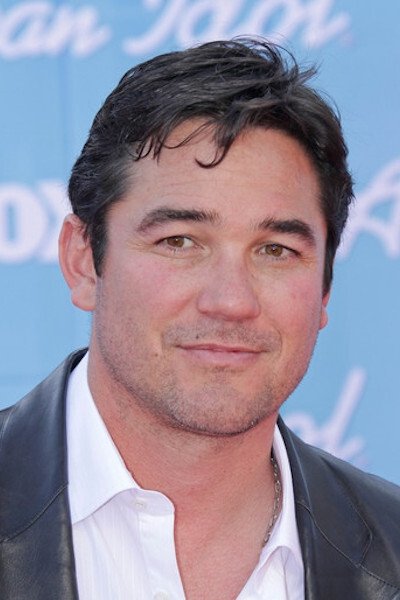
Best known for ‘Lois & Clark: The New Adventures of Superman’, Dean Cain is a frequent guest on Fox News podcasts and other conservative outlets. He often critiques what he calls the “anti-American” or “woke” messaging in modern superhero media. Cain has shared his experiences of feeling like an outsider in the industry due to his support for law enforcement and conservative values. He argues that Hollywood has become increasingly intolerant of any views that fall outside a narrow progressive spectrum. His appearances focus on the importance of traditional values in storytelling.
Kristy Swanson
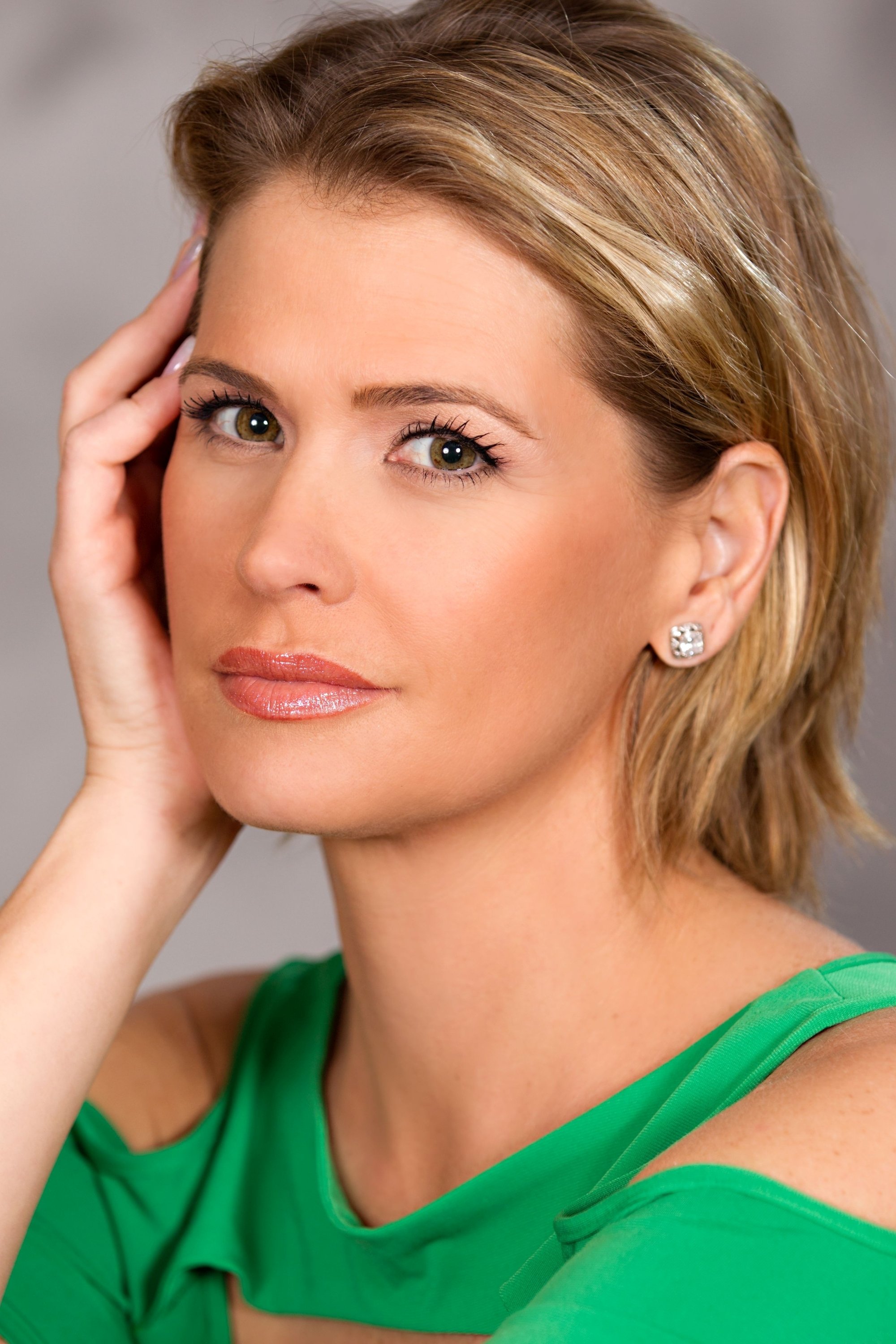
The original star of ‘Buffy the Vampire Slayer’ has been vocal on various conservative podcasts about the social and professional costs of being an open Republican in Los Angeles. She has described experiencing a “chill” in her career and losing friendships due to her political affiliations. Swanson uses these platforms to discuss the reality of “closeted” conservatives who are afraid to speak out for fear of losing work. She argues that the industry needs more diversity of thought to truly be inclusive. Her interviews often touch on the “toxic” nature of modern social media discourse.
Antonio Sabàto, Jr.
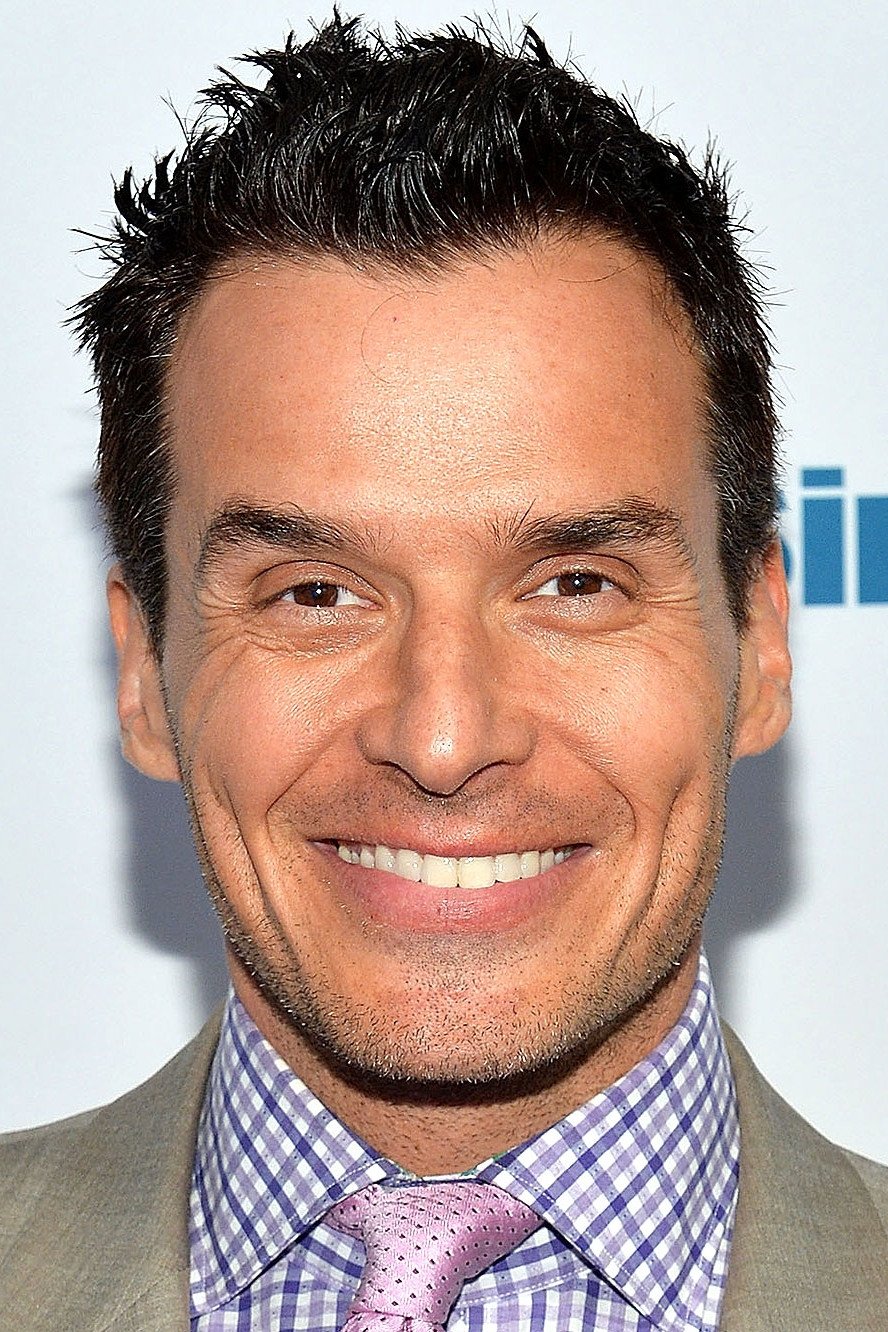
Antonio Sabato Jr. has appeared on numerous right-wing programs, including ‘The PBD Podcast’, to claim that his career was “destroyed” after he spoke at the 2016 Republican National Convention. He maintains that he was told by directors and agents that he would never work in the mainstream industry again. Sabato Jr. has since started his own production company to create projects outside of the Hollywood system. He uses his platform to warn other actors about the potential consequences of going against the industry’s political grain. He portrays his career shift as a necessary act of independence.
Scott Baio
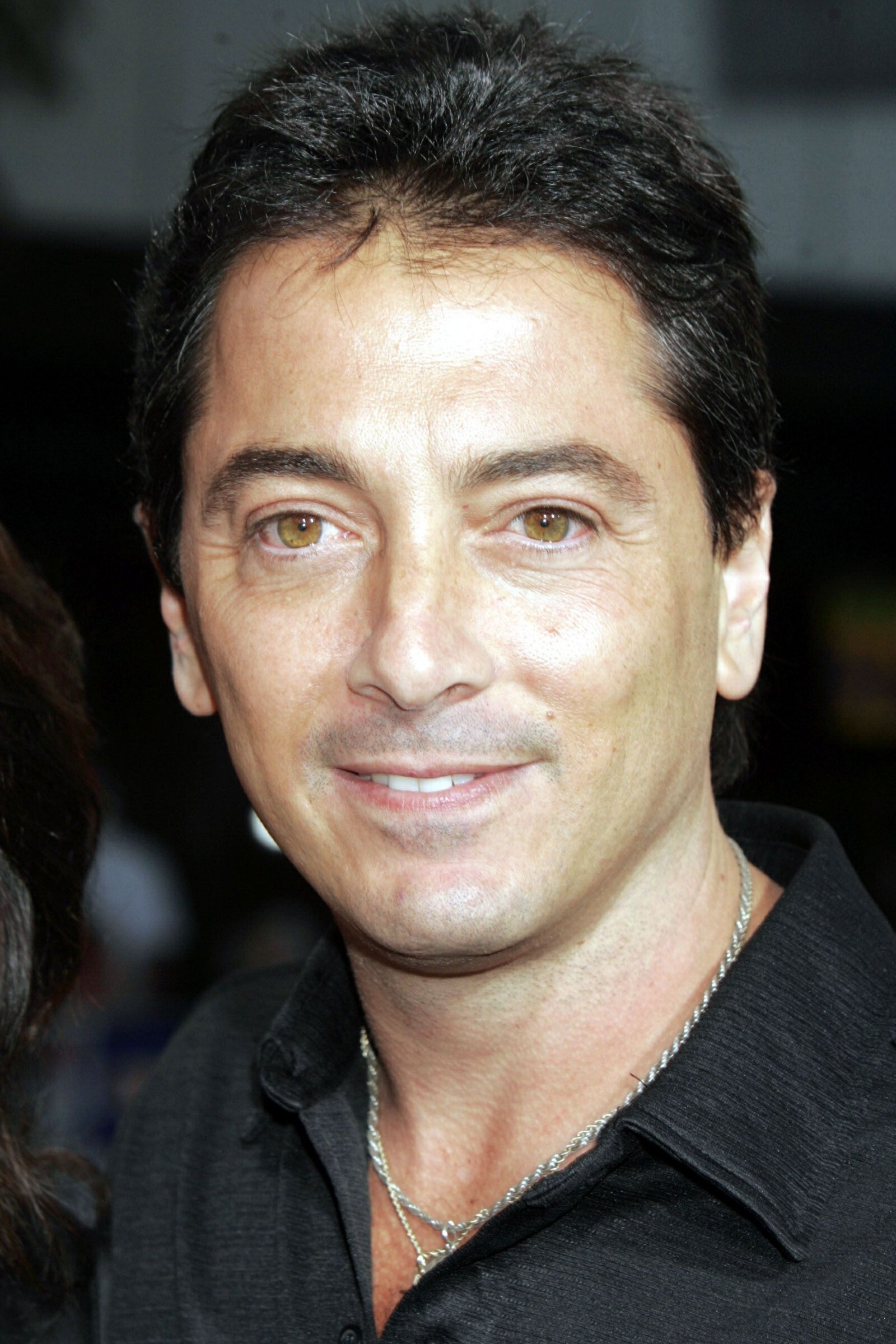
A long-time vocal conservative, Scott Baio has appeared on ‘The Glenn Beck Program’ and similar shows to discuss the hostility he faces in the entertainment business. He claims that he has been passed over for roles and targeted by peers due to his political endorsements. Baio often discusses the “double standard” where liberal actors are praised for their activism while conservatives are punished. He uses these podcast appearances to speak directly to a conservative audience that he feels is ignored by mainstream media. His narrative is centered on the idea of standing firm in one’s beliefs despite professional pressure.
Kirk Cameron
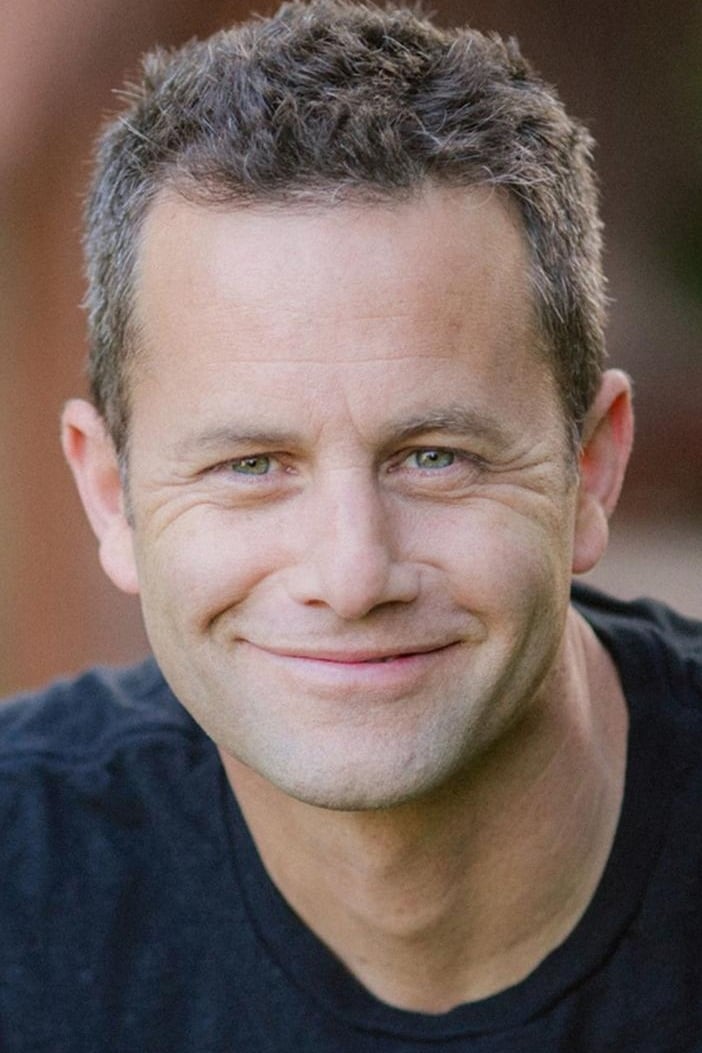
Kirk Cameron focuses much of his media presence on faith-based and conservative platforms like ‘The Daily Wire’. He has discussed being shut out of mainstream media and libraries during his “story hour” tours as a form of “soft cancellation.” Cameron argues that his Christian worldview makes him a target for an industry that has become increasingly secular and progressive. He uses his interviews to promote the creation of alternative entertainment and educational structures. He frames his exclusion from Hollywood as a badge of honor in his religious journey.
Candace Cameron Bure
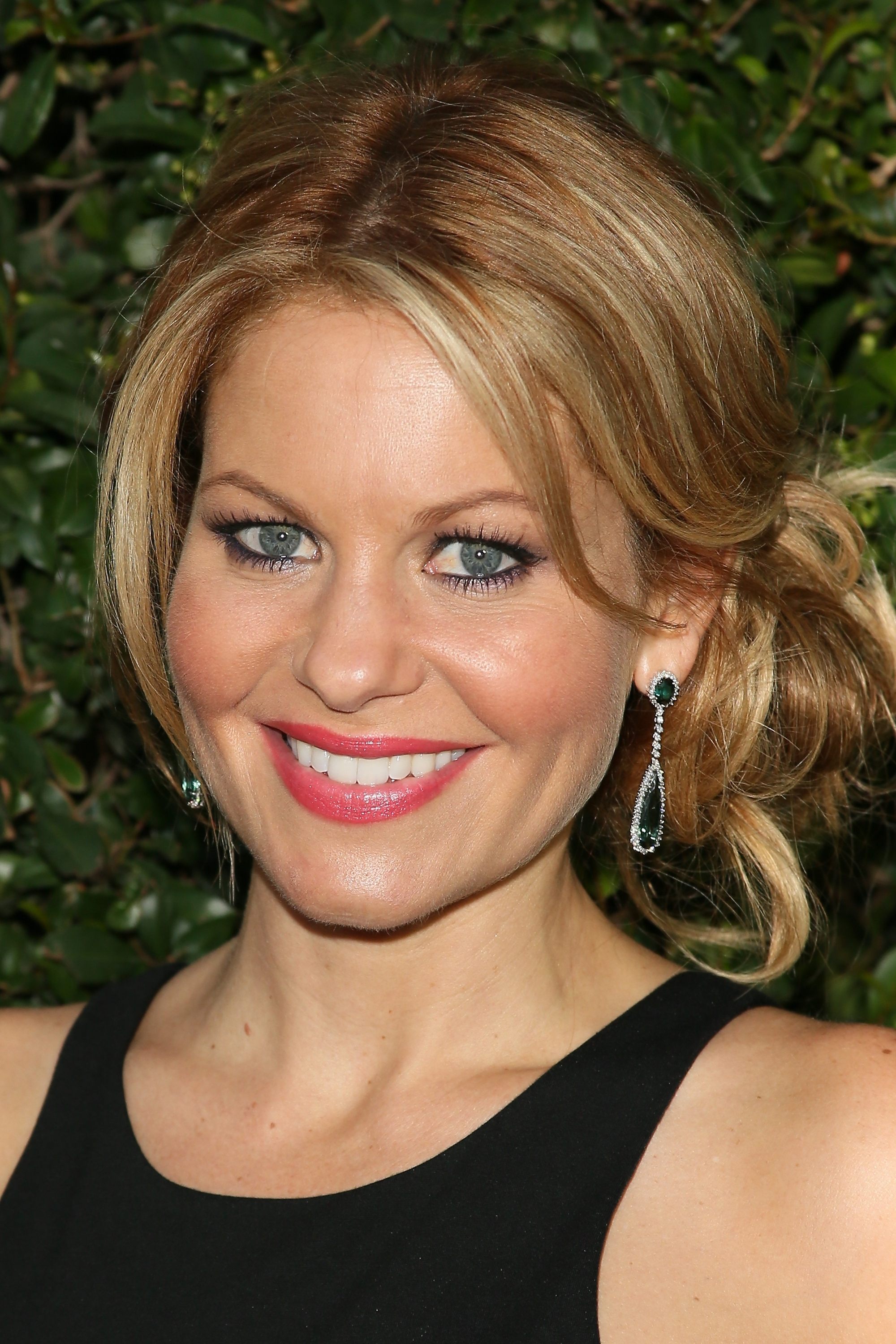
Following her move from Hallmark to Great American Family, Candace Cameron Bure appeared on various podcasts to address the “backlash” she received for her comments on traditional marriage. She has discussed the experience of being “cancelled” by the media and facing a wave of professional criticism. Bure argues that her move was about staying true to her values in an industry that is rapidly changing. She uses these platforms to discuss the challenges of maintaining a career in entertainment while being a devout Christian. Her appearances often focus on the theme of “standing in the light” despite social pressure.
Jon Voight
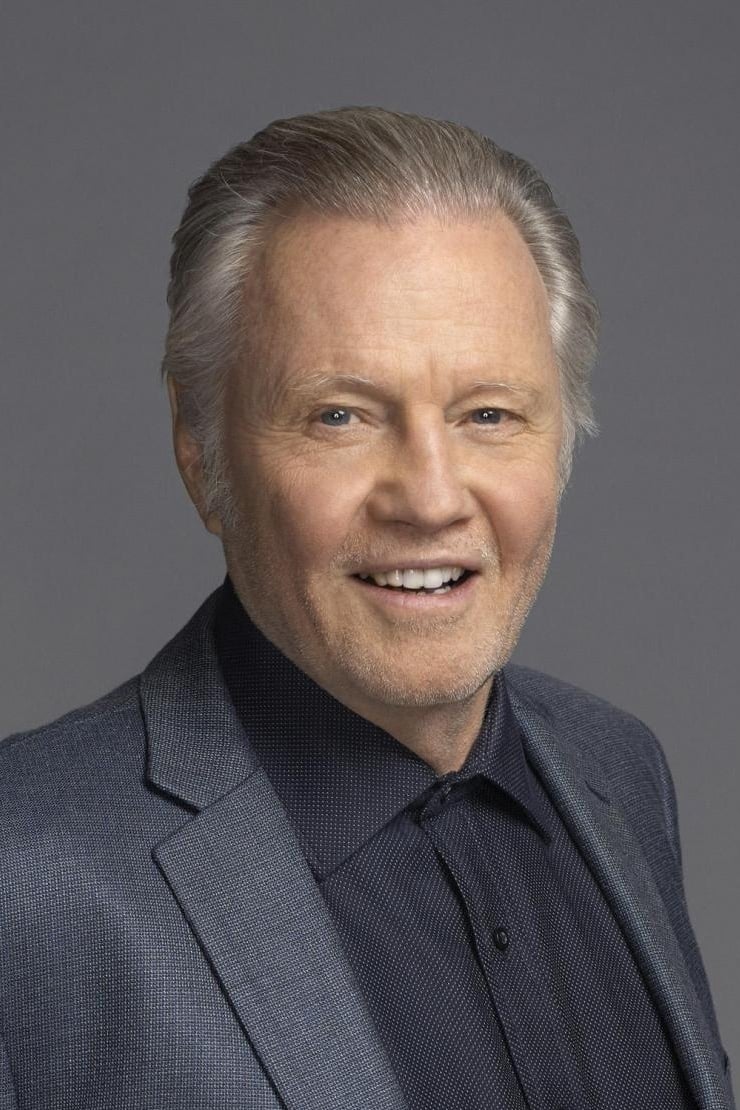
Jon Voight is a staple on ‘Newsmax’ and various conservative podcasts where he frequently decries the “leftist takeover” of Hollywood. He has spoken about feeling like a lone voice in an industry that he believes has lost its moral compass. Voight often uses his platform to support Republican candidates and to argue that the film industry has become a tool for propaganda. He claims that he is not afraid of being “cancelled” because his convictions are more important than his career standing. His interviews are often characterized by a stern, patriotic tone.
Stacey Dash
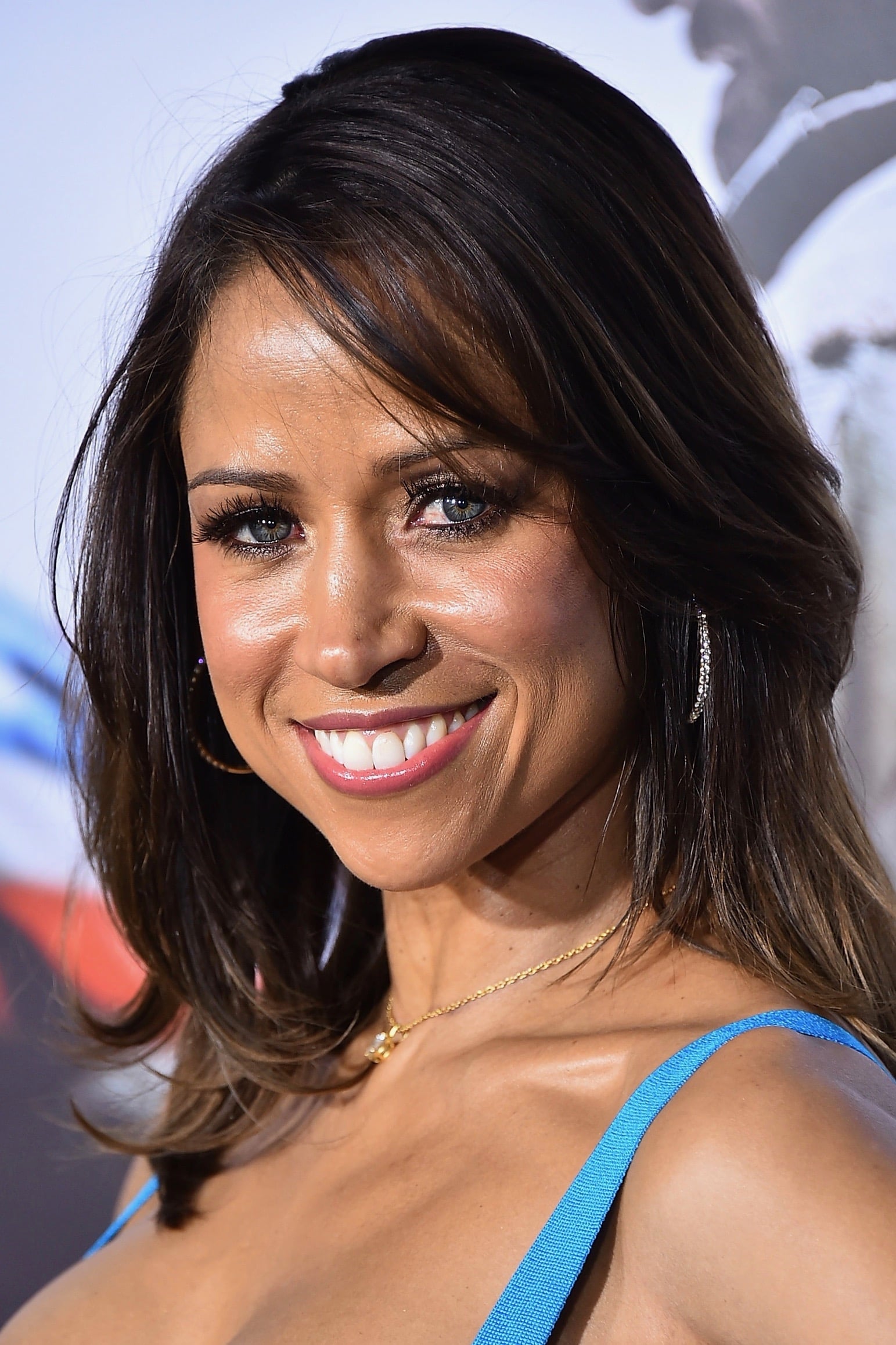
The ‘Clueless’ actress has appeared on several platforms to discuss the fallout she faced after becoming a contributor for Fox News. She has described the transition as one that led to her being “blacklisted” by casting directors and former colleagues. Dash uses these interviews to reflect on her political journey and the isolation she felt within the entertainment community. She argues that Hollywood’s “inclusivity” does not extend to black conservatives. Her story is often presented as an example of the professional risks associated with breaking away from political expectations.
Kid Rock
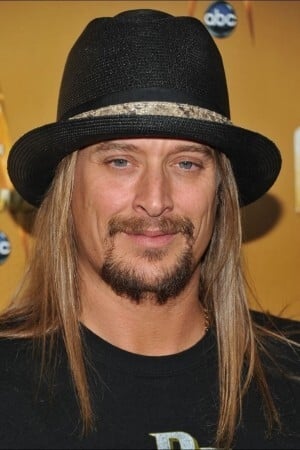
Kid Rock has made high-profile appearances on ‘Tucker Carlson’ and ‘The Joe Rogan Experience’ to discuss his “un-cancellable” status. He argues that by owning his own masters and touring independently, he has bypassed the “woke” gatekeepers of the music industry. He frequently mocks the attempts by the mainstream media to punish him for his political stances or controversial actions. Rock uses these podcasts to advocate for a “do it yourself” approach to stardom that avoids corporate control. He positions himself as a champion for the “common man” against the “Hollywood elites.”
Ted Nugent
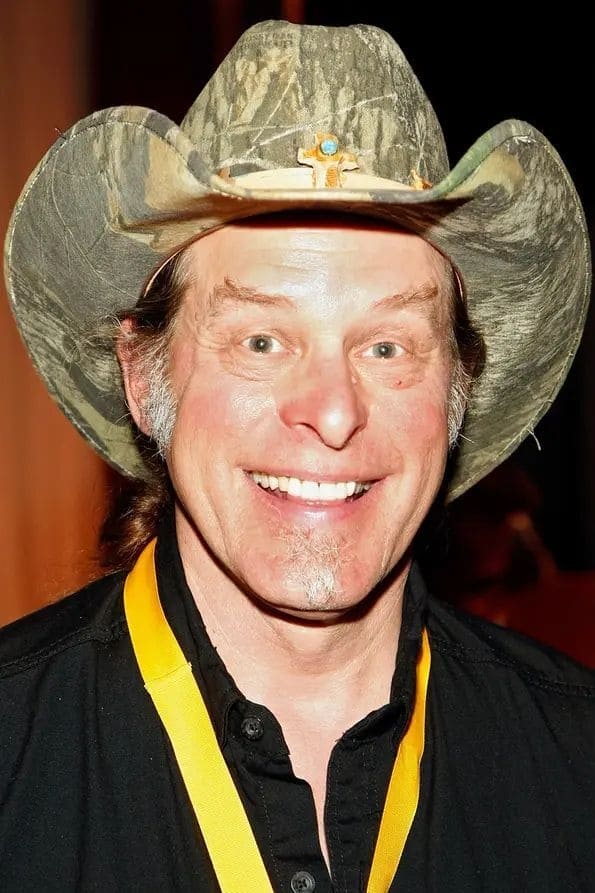
Ted Nugent is a frequent guest on ‘The PBD Podcast’ and various conservative radio shows where he rails against the “liberal agenda” in music and film. He claims that his career has been a constant battle against industry executives who want to silence his pro-Second Amendment views. Nugent argues that the “cancel culture” mob is afraid of the truth and that he will never back down from his positions. He uses these platforms to promote a rugged, individualistic lifestyle that he believes is under threat. His appearances are noted for their high energy and uncompromising rhetoric.
Matthew McConaughey
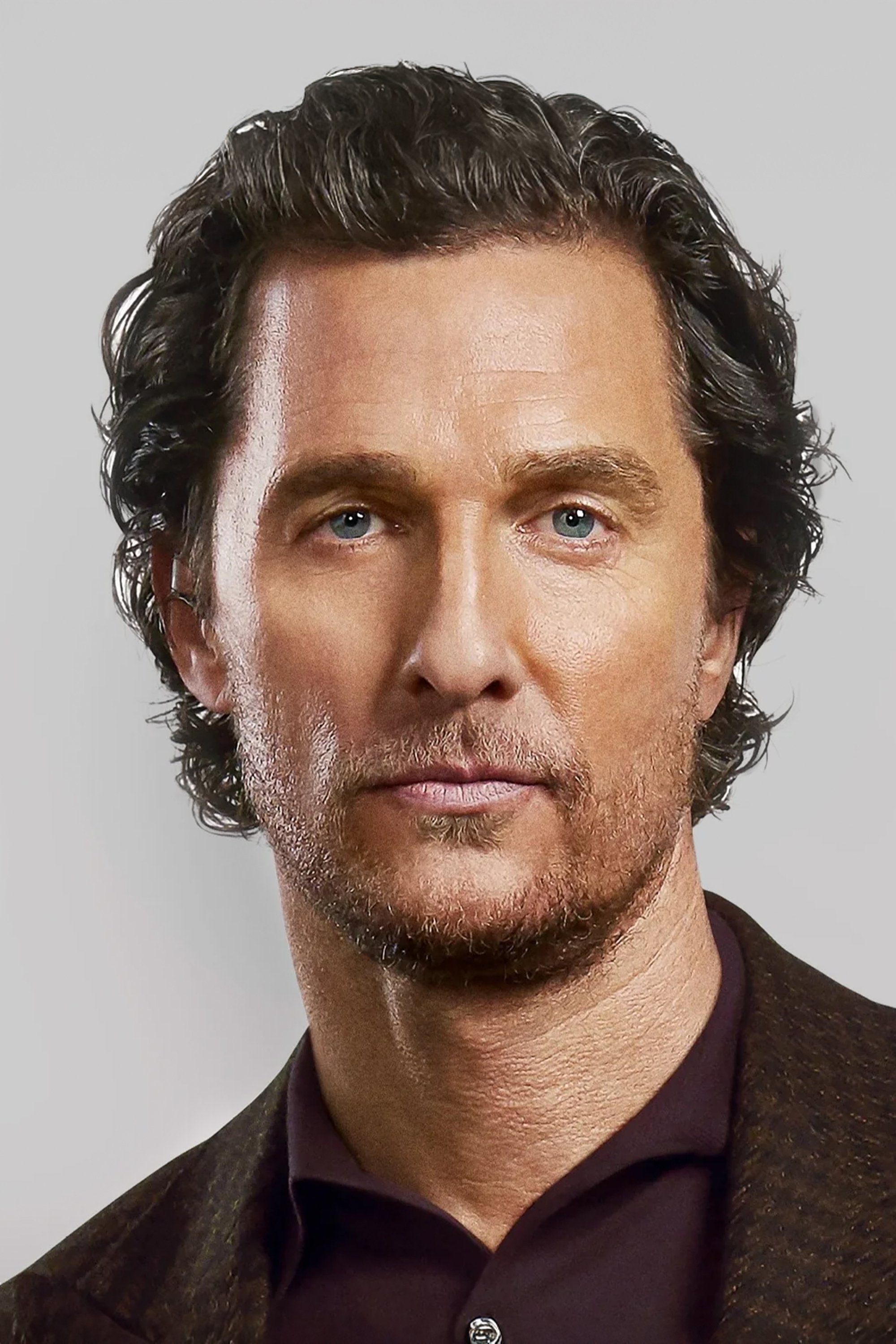
While not as overtly political as others, Matthew McConaughey appeared on ‘The Joe Rogan Experience’ and criticized the “illiberal” left in Hollywood. He discussed how he felt some of his peers look down on the rest of the country, creating a divide that leads to “cancellation.” McConaughey argued that the industry’s political intolerance is counterproductive and alienates a large portion of the audience. He used the platform to advocate for a more “centrist” and common-sense approach to cultural issues. His comments were widely cited as a rare critique of Hollywood’s culture from a current A-list star.
Tim Allen
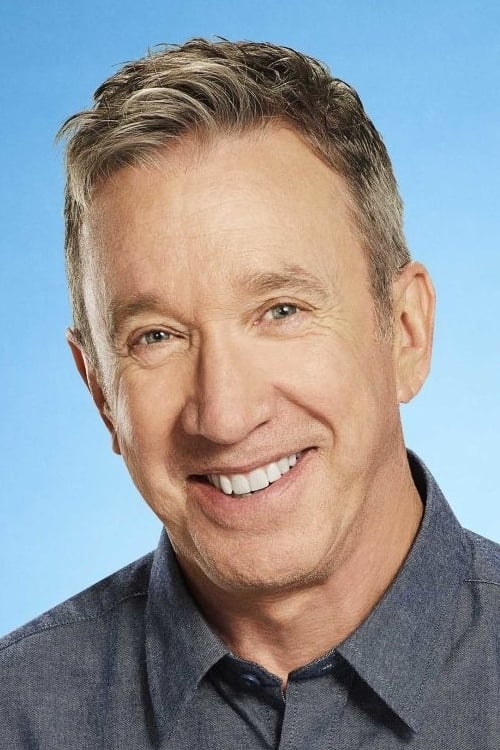
Tim Allen has spoken on ‘The Megyn Kelly Show’ and other platforms about the initial cancellation of his show ‘Last Man Standing’ by ABC. He suggested that the show’s success and his own conservative views made the network uncomfortable. Allen often discusses the difficulty of being a “closeted” conservative in a business that leans heavily to the left. He argues that his brand of comedy is under threat by a culture that is increasingly sensitive and quick to take offense. His podcast appearances often focus on the need for “intellectual diversity” in television.
Vince Vaughn
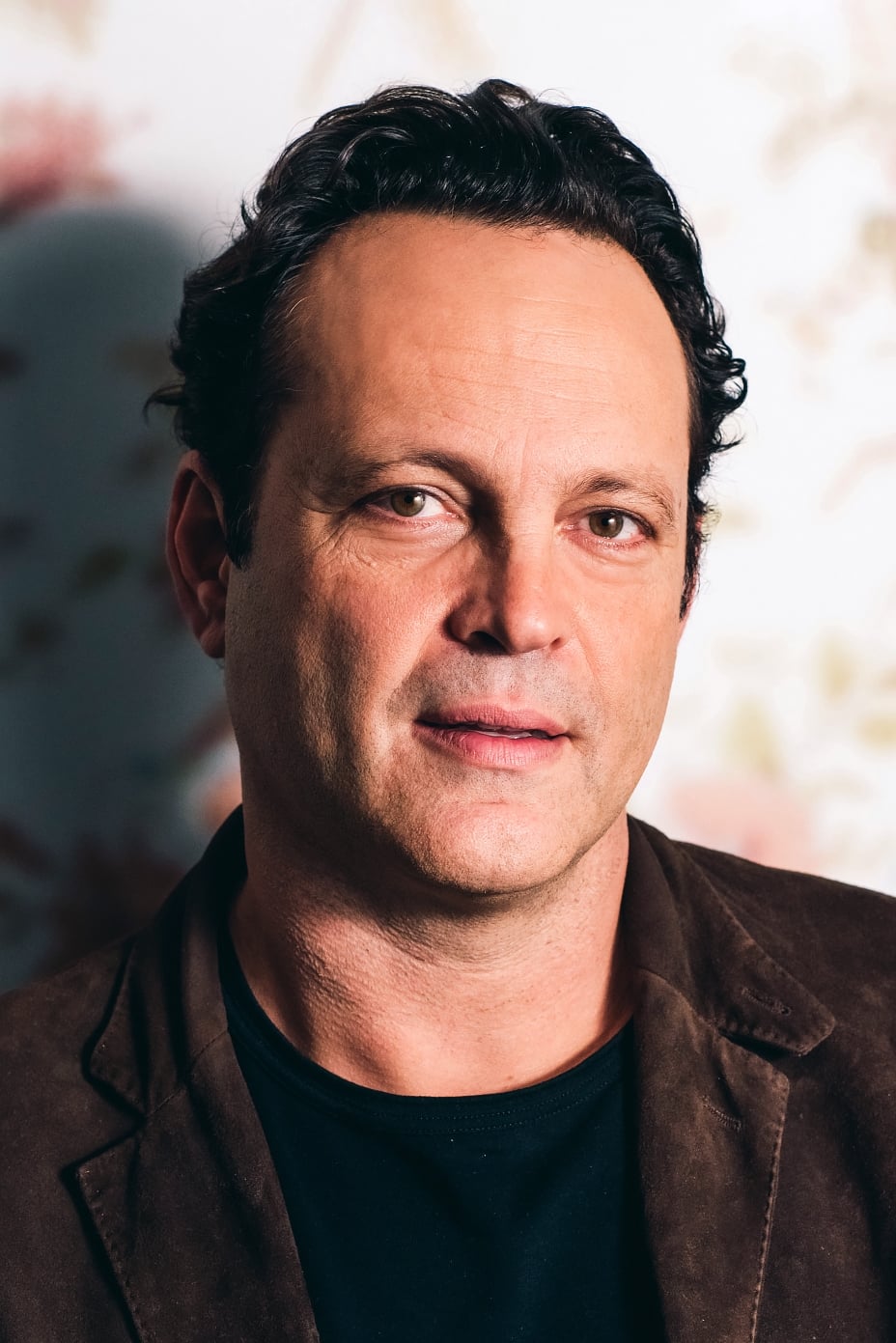
Vince Vaughn has participated in long-form interviews with Adam Carolla and other libertarian-leaning hosts to discuss the importance of free speech. He has expressed concern about the trend of “de-platforming” individuals for their political beliefs. Vaughn argues that a healthy creative culture requires the ability to disagree without seeking to destroy someone’s livelihood. He often advocates for a marketplace of ideas where the best content wins regardless of political affiliation. His appearances are generally focused on the philosophy of liberty rather than specific partisan grievances.
Adam Carolla
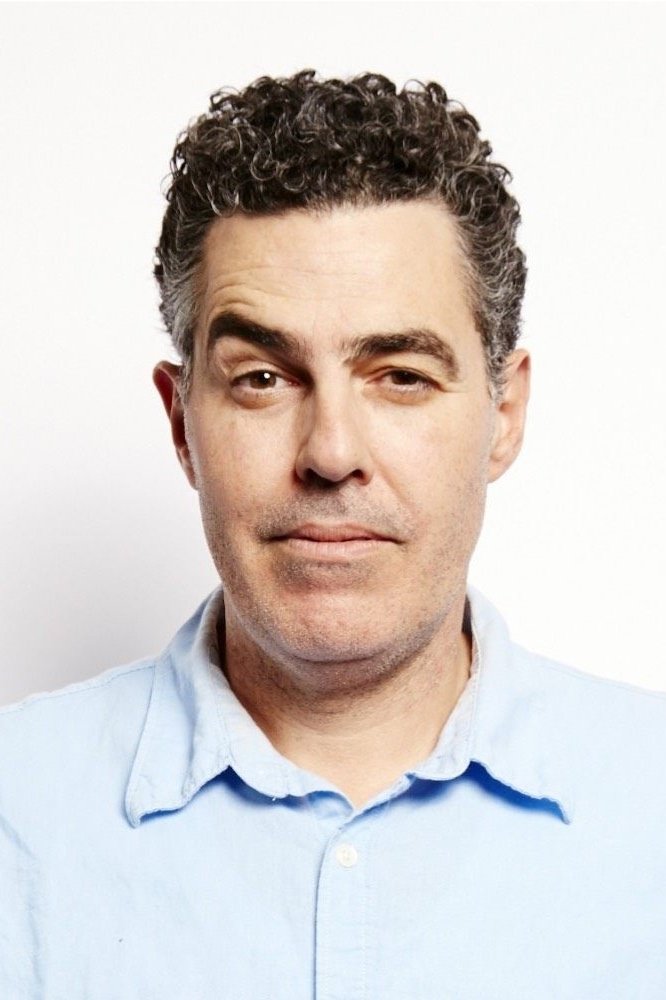
Adam Carolla has built a massive independent podcast empire after feeling that mainstream radio and television were becoming too restrictive. He frequently uses his show and guest appearances on ‘The Daily Wire’ to argue that Hollywood is “dead” due to its political conformity. Carolla claims that he was ahead of the curve in recognizing that “cancel culture” would eventually target everyone. He argues that the industry now prioritizes “virtue signaling” over talent and entertainment value. His commentary is a staple of the anti-woke media landscape.
Dennis Quaid
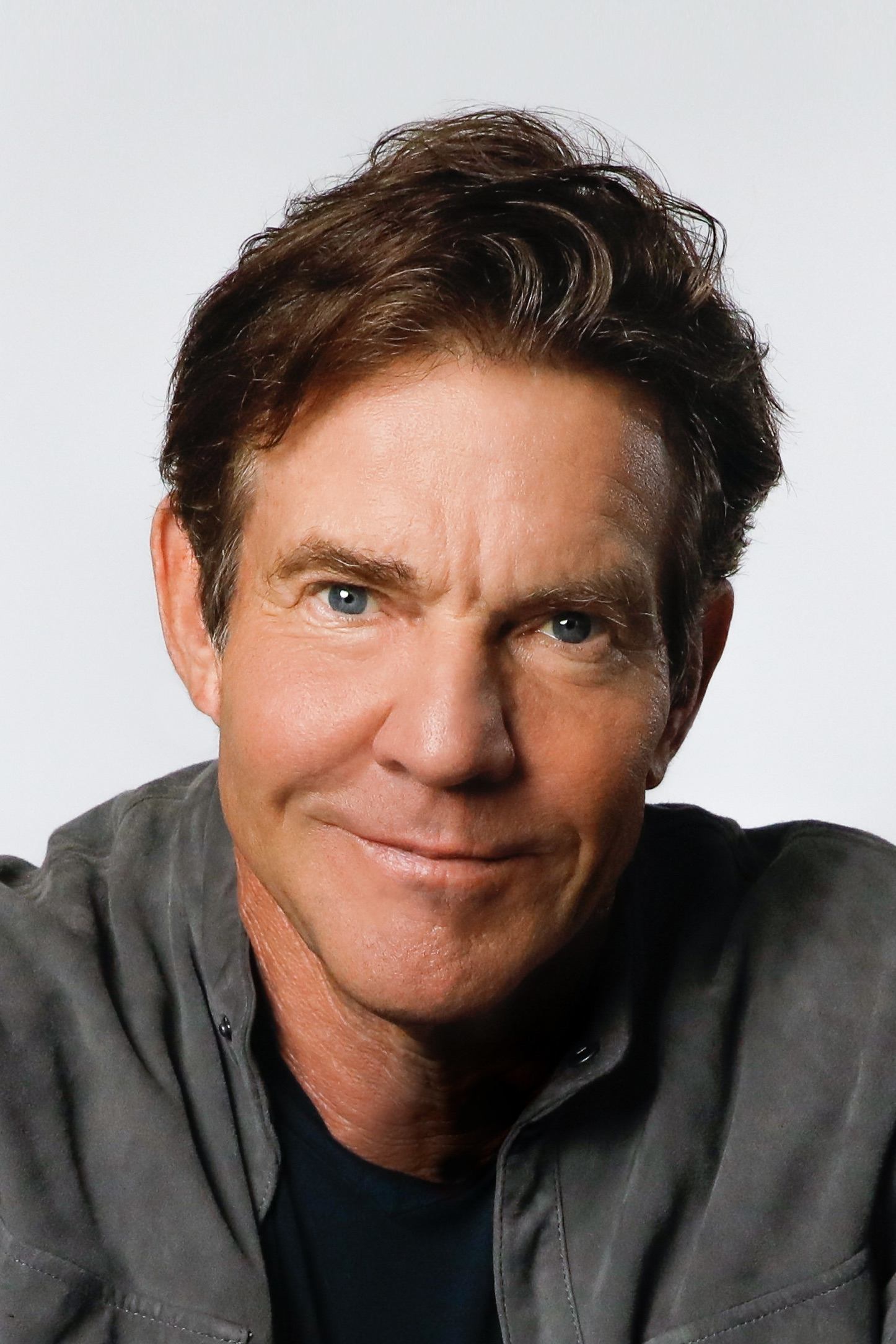
While promoting the film ‘Reagan’, Dennis Quaid appeared on ‘The Ben Shapiro Show’ to discuss the political monoculture of Hollywood. He noted that it has become increasingly difficult to tell certain types of stories that don’t align with the prevailing industry narrative. Quaid expressed his belief that the industry should be a place for all voices, not just a select few. He also discussed his faith and how it has shaped his perspective on his career and the world. His interview was seen as a significant move by a veteran actor into the space of alternative political media.
Jon Lovitz
The former ‘Saturday Night Live’ star has appeared on several podcasts to criticize the current state of comedy and the influence of “PC culture.” He has argued that the fear of being “cancelled” has made comedians timid and has ruined the quality of television writing. Lovitz often shares anecdotes about the “outrage” he has faced for making jokes that were considered standard just a decade ago. He maintains that the role of the comedian is to poke fun at everything without exception. His interviews often highlight the generational gap in how comedy is perceived and produced.
Winston Marshall
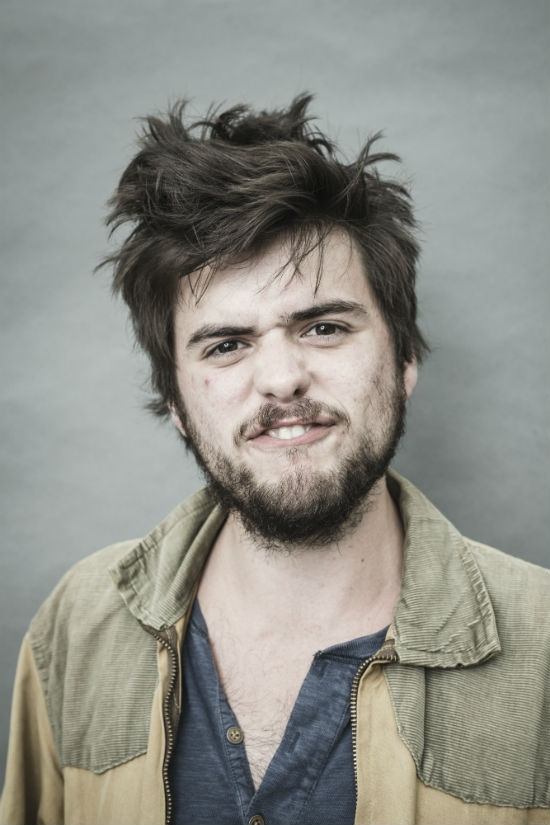
After leaving the Grammy-winning band Mumford & Sons due to a social media controversy, Winston Marshall appeared on ‘The Megyn Kelly Show’ and ‘The Ben Shapiro Show’. He explained his decision to leave the band to protect his former colleagues from the “mob” that was targeting him. Marshall discussed the pressure to conform to a specific political narrative within the music industry. He has since become a vocal advocate for free speech and has started his own podcast to explore these issues. His story is frequently cited as an example of how “cancellation” can affect even the most successful artists.
Ariel Pink
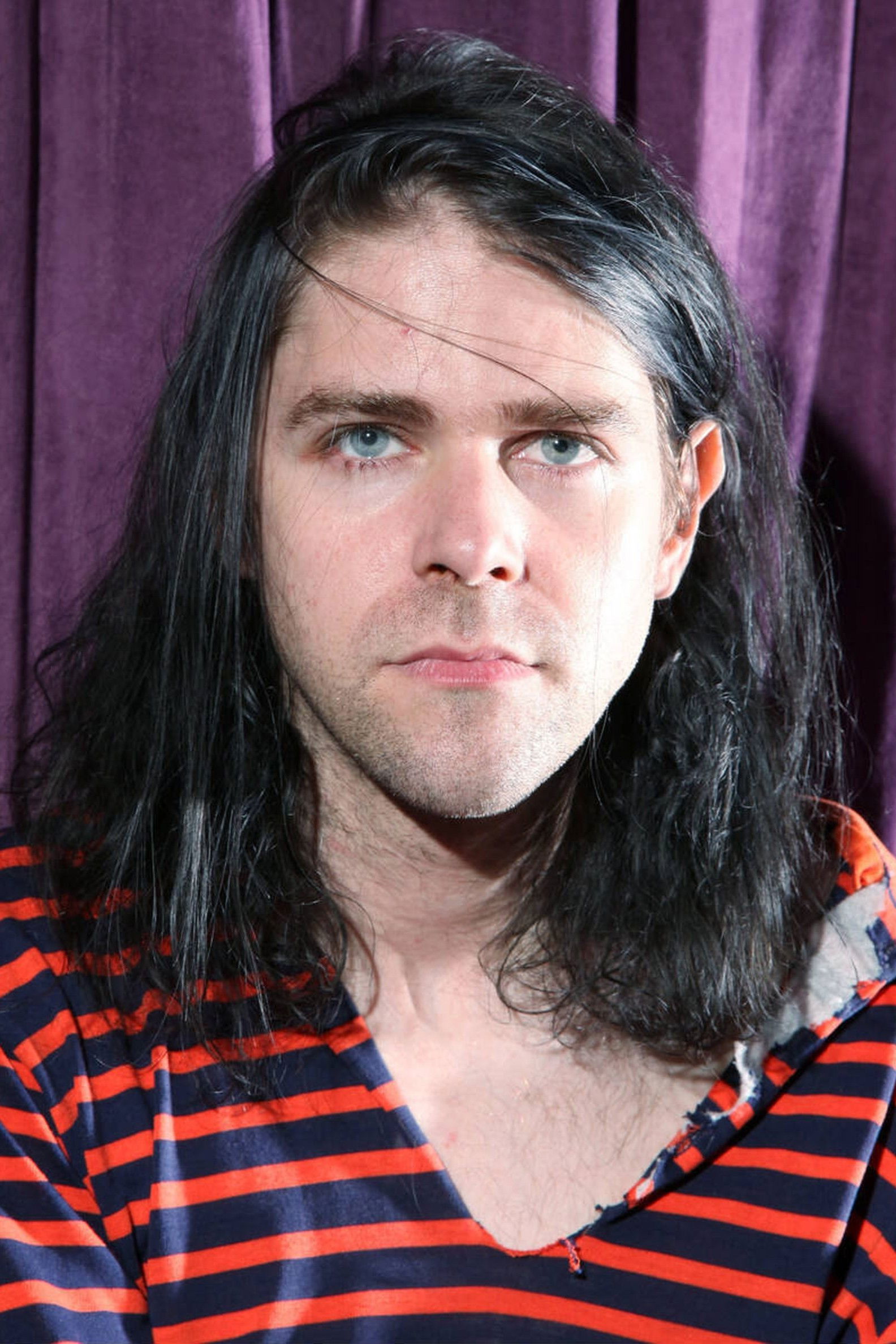
Indie musician Ariel Pink appeared on ‘Tucker Carlson Tonight’ after being dropped by his record label for attending a political rally in Washington D.C. He argued that he was “cancelled” for exercising his right to protest and for having unpopular political views. Pink described the sudden loss of his livelihood and the professional isolation that followed as a “shunning.” He used the platform to critique the music industry’s intolerance for political diversity. His appearance was a rare instance of an indie-rock figure engaging with mainstream conservative media.
John Dolmayan
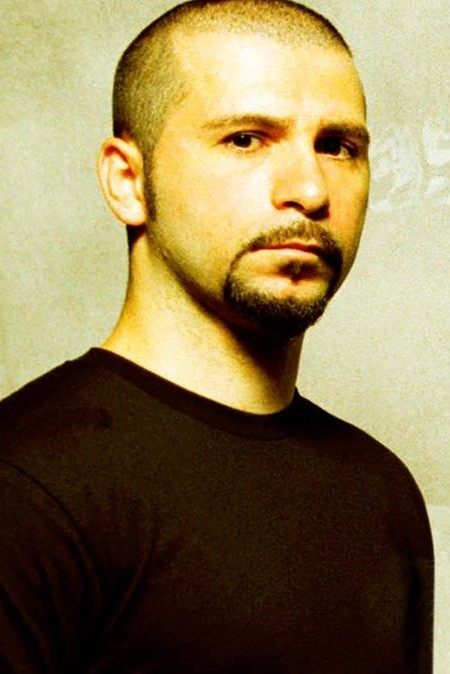
The System of a Down drummer has appeared on ‘The PBD Podcast’ and ‘The Michael Knowles Show’ to discuss being the “odd man out” in his band and the industry. He has been vocal about his support for conservative policies and how it has led to tension within the music world. Dolmayan argues that “cancel culture” is a form of “intellectual fascism” that seeks to destroy anyone who disagrees with the majority. He often speaks about the need for people to stand up for their beliefs even if it costs them their career. He portrays his outspokenness as a duty to his principles.
Piers Morgan
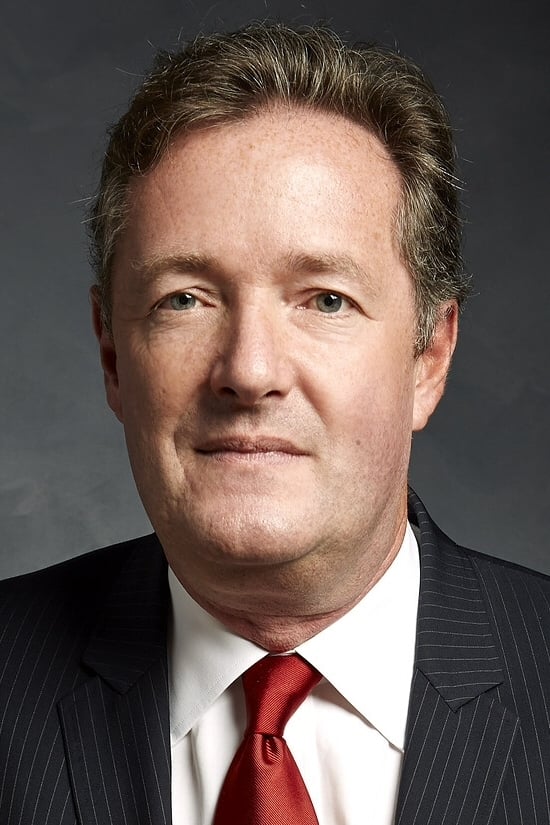
Following his walk-off from ‘Good Morning Britain’ over his comments about Meghan Markle, Piers Morgan appeared on ‘The Ben Shapiro Show’ to rail against “the woke brigade.” He argued that his departure was a victory for “cancel culture” and an assault on the freedom of the press. Morgan used the platform to promote his view that modern society has become too sensitive and intolerant of dissenting opinions. He has since launched a new show designed to be “un-cancellable” and to challenge the “liberal consensus.” His podcast appearances are characterized by a defense of traditional journalistic inquiry.
Tyrus
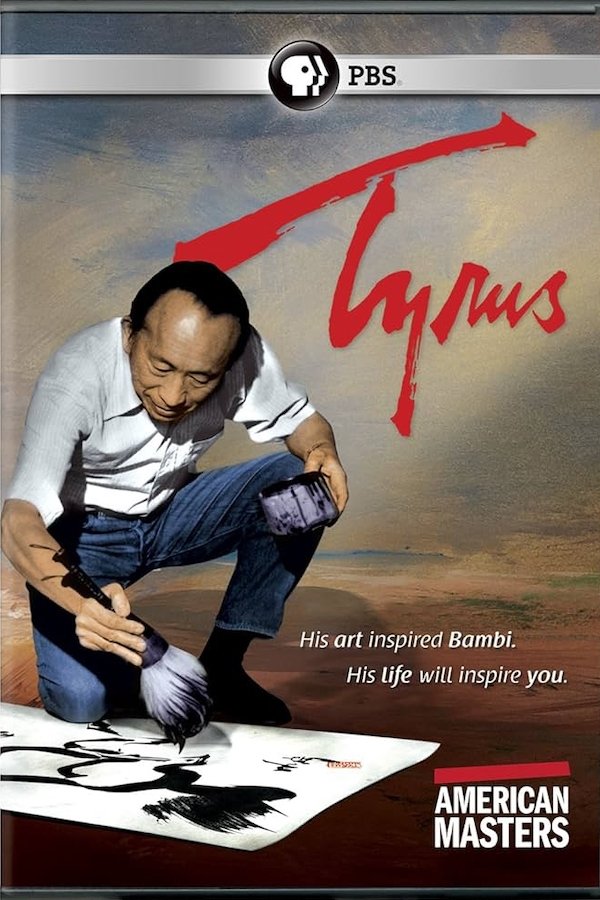
The former wrestler and actor, who is a mainstay on ‘Gutfeld!’, frequently appears on Fox News podcasts to discuss the “insanity” of modern social standards. He often claims that his straightforward, “common sense” approach to cultural issues makes him a target for the “woke” media. Tyrus argues that Hollywood has lost touch with the average person and is obsessed with “performative” activism. He uses his platform to encourage people to ignore the “cancel culture” mob and speak their truth. His persona is built on being a “giant” who refuses to be intimidated by social pressure.
Caitlyn Jenner
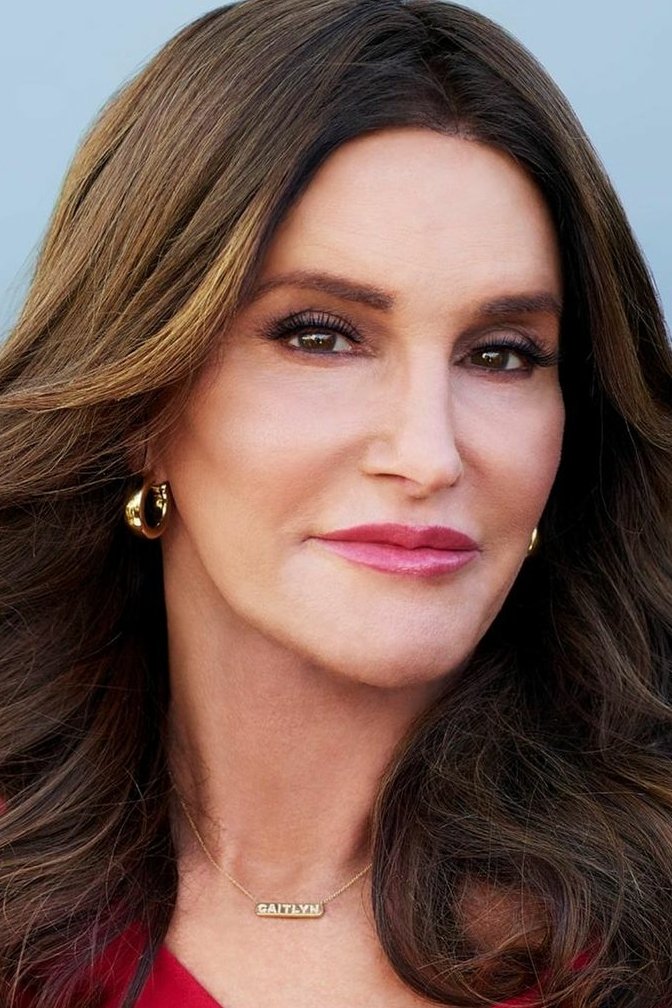
Caitlyn Jenner has appeared on ‘The Sage Steele Show’ and various Fox News programs to discuss being excluded from certain LGBTQ+ circles due to her Republican politics. She has argued that the “cancel culture” within the activist community is self-defeating and exclusionary. Jenner frequently speaks about the “backlash” she faces from the entertainment industry whenever she voices conservative opinions. She maintains that she is a “common-sense” conservative who is being punished for not following a specific political script. Her interviews often focus on the intersection of identity politics and personal belief.
Jim Caviezel
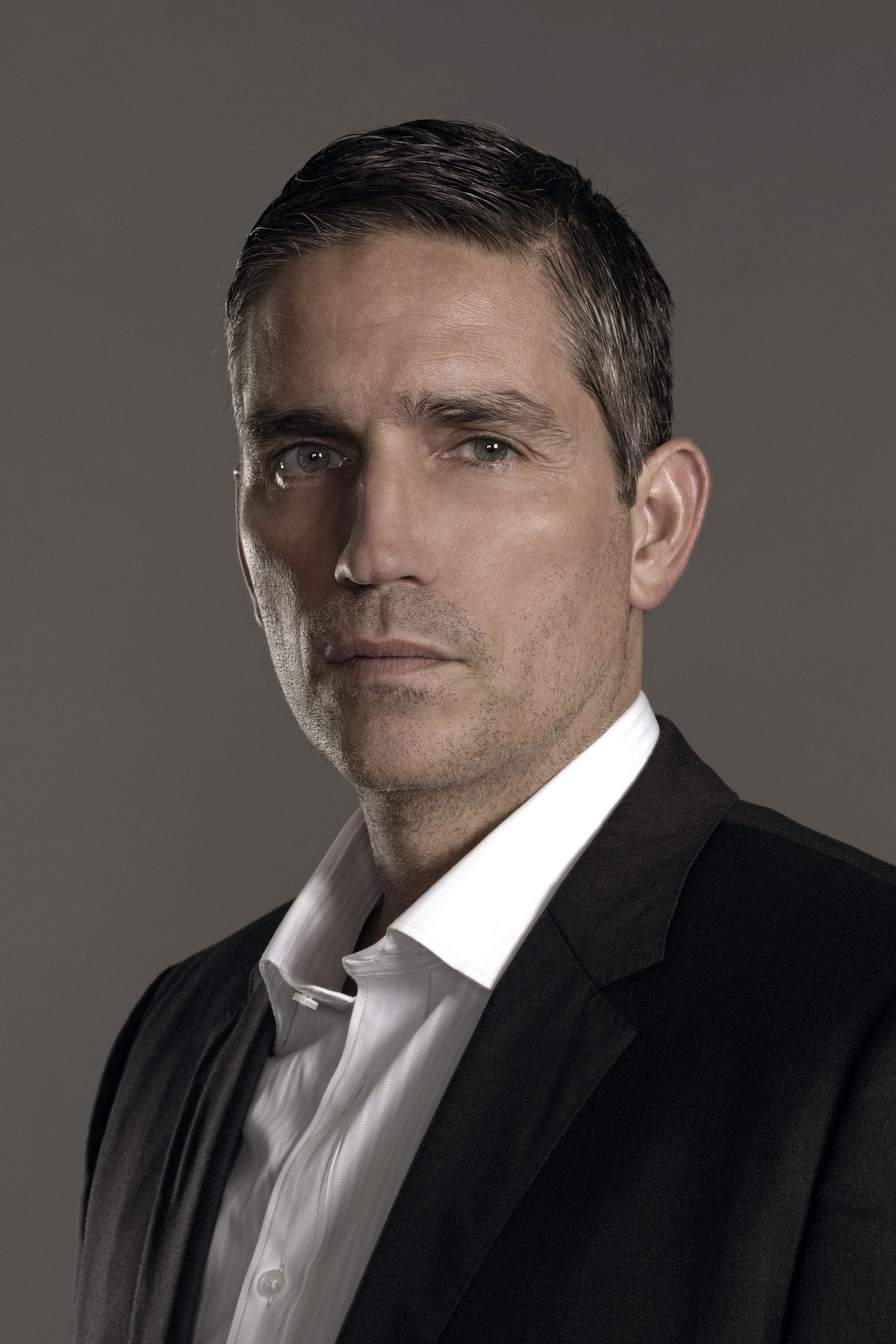
The star of ‘The Passion of the Christ’ and ‘Sound of Freedom’ appeared on ‘The PBD Podcast’ and ‘Bannon’s War Room’ to discuss the alleged suppression of his work. He has claimed that Hollywood tried to “bury” his recent film because of its subject matter and his personal views. Caviezel argues that there is a “spiritual war” happening in the entertainment industry and that he has been targeted for his faith. He often uses high-intensity language to describe the forces he believes are working against him. His podcast appearances are popular within “anti-establishment” circles.
Mel Gibson
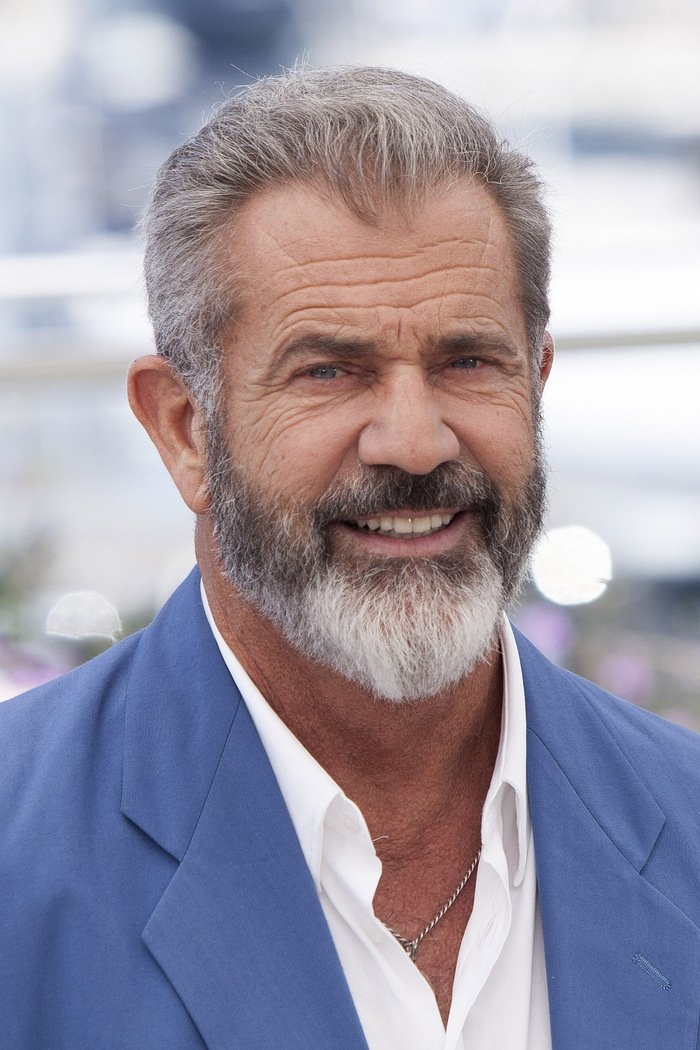
While Mel Gibson has not been as active on the podcast circuit as others, his “return” to the industry has been a frequent topic of discussion on alternative media. Figures like Tucker Carlson have interviewed him, framing his career as one of survival against a “permanent” cancellation. Gibson has spoken about the nature of forgiveness and the “mechanisms of power” in Hollywood that determine who is allowed to work. He often portrays himself as someone who has moved past the need for industry approval. His story is frequently used by these hosts as evidence that “cancellation” does not have to be the end of a career.
Nick Searcy
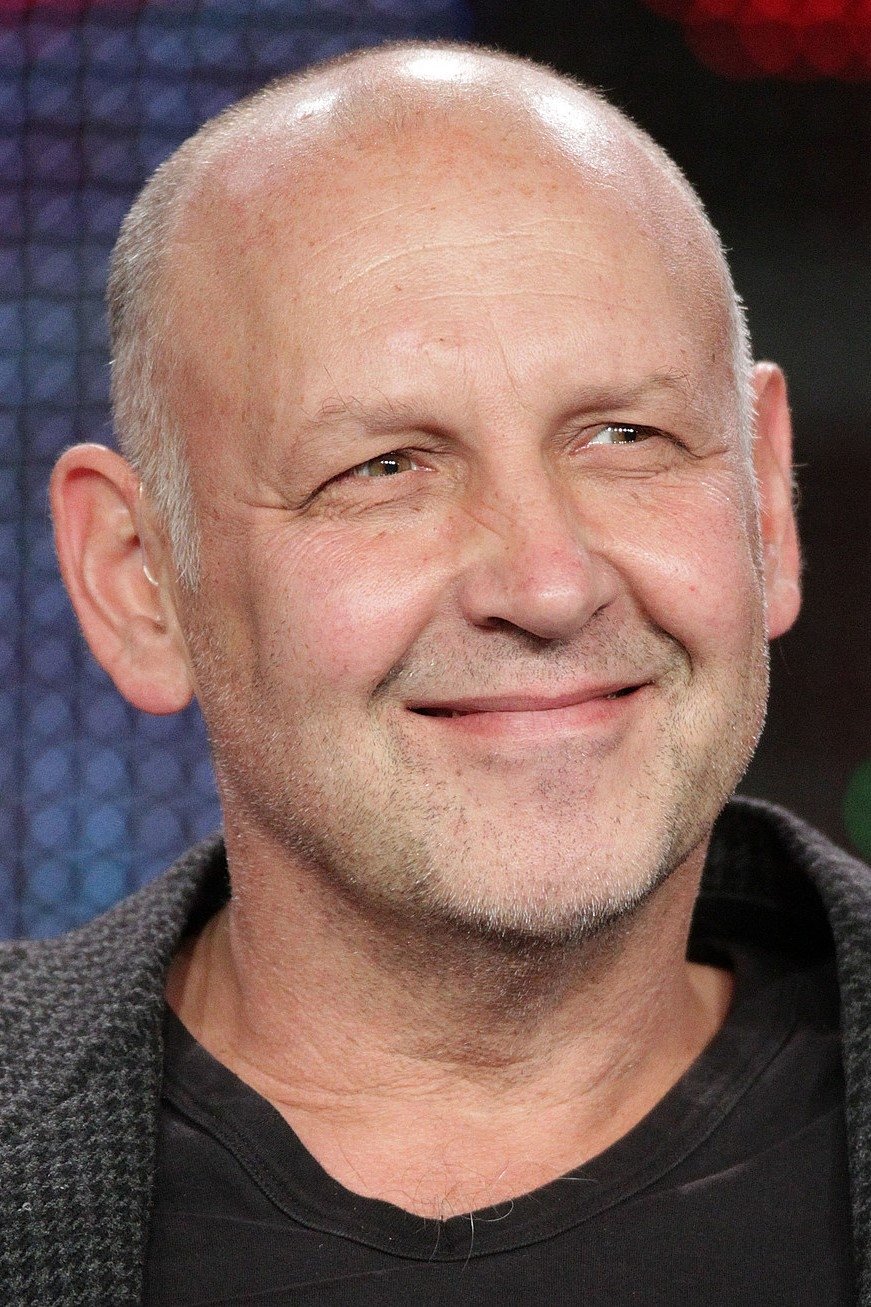
Known for his role in ‘Justified’, Nick Searcy is a vocal critic of Hollywood who frequently appears on ‘The Daily Wire’ and other conservative podcasts. He has even produced a documentary about the events of January 6th, which he discusses on these platforms as a project born out of his “exile.” Searcy argues that the industry is a “vipers’ nest” of political conformity where conservatives are treated as second-class citizens. He uses his interviews to mock the “outrage” of his peers and to encourage a new “counter-culture” of conservative art. He is known for his sharp wit and refusal to apologize for his stances.
Robert Davi
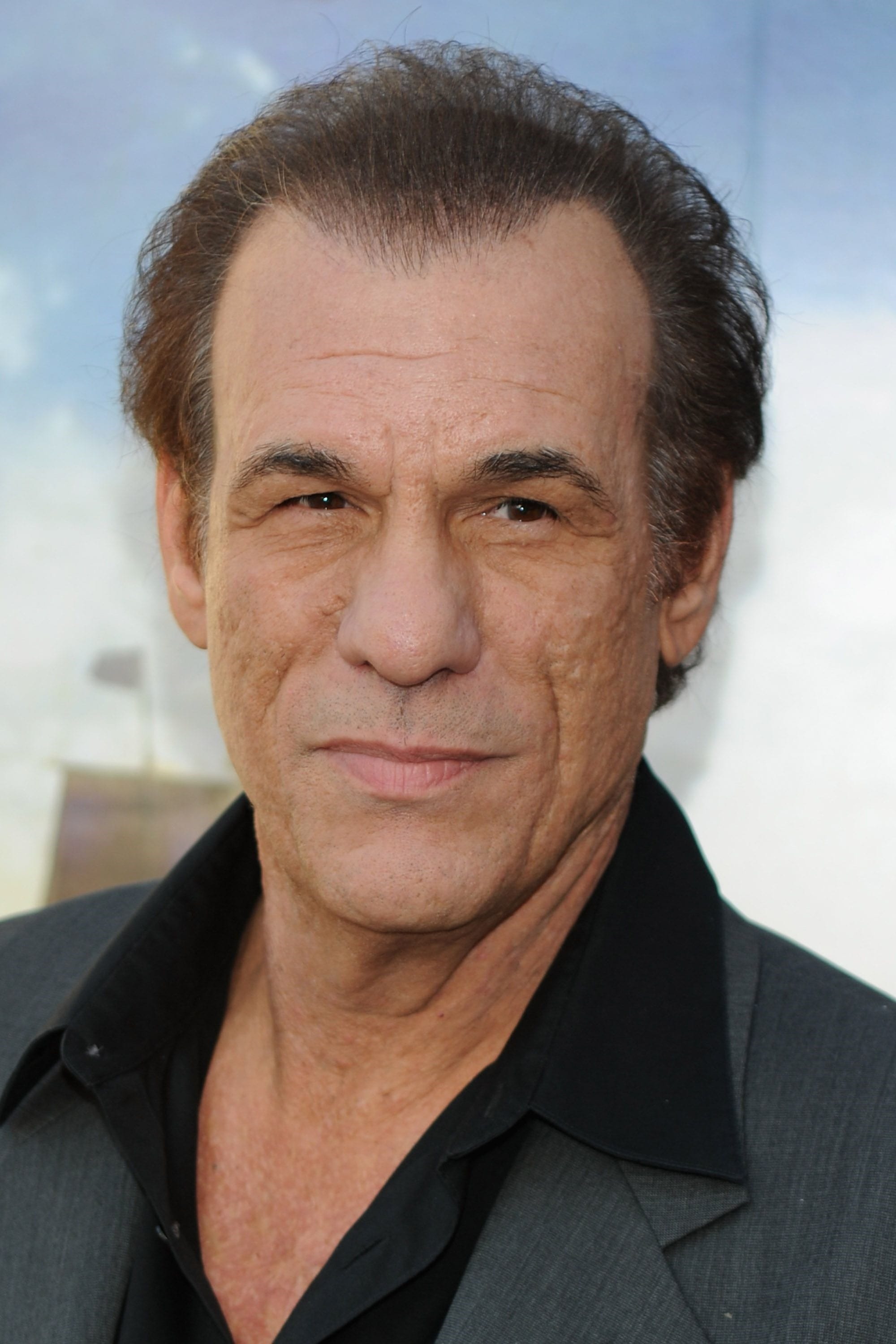
The veteran actor and singer Robert Davi frequently appears on ‘Bannon’s War Room’ and conservative podcasts to discuss the “cultural decay” of America. He claims that his career has been impacted by his refusal to stay quiet about his support for the Republican party. Davi argues that Hollywood was once a place that celebrated American values but has since become “anti-American.” He uses his platform to advocate for the creation of new media outlets that aren’t controlled by the “globalist” elites. His appearances often blend his experiences as an actor with his political activism.
Kevin Spacey
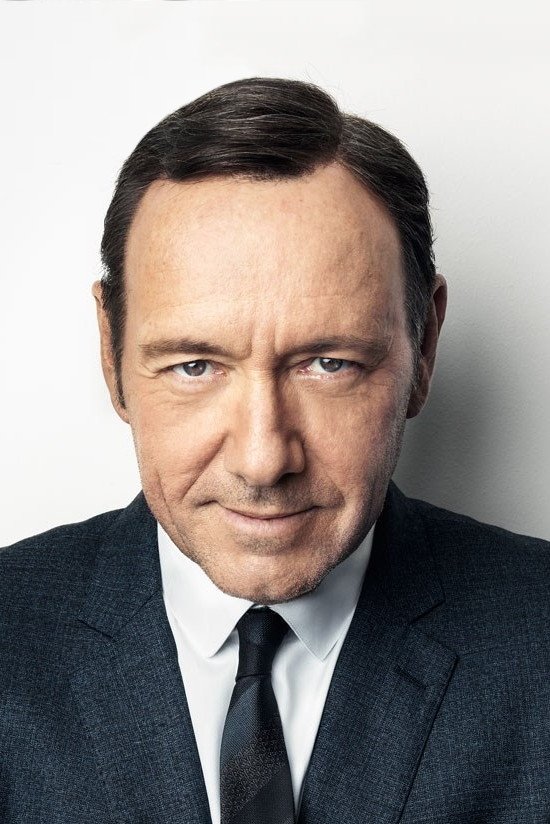
In a highly publicized move, Kevin Spacey appeared on Tucker Carlson’s program on X (formerly Twitter) to discuss his “cancellation” and his legal battles. He used the appearance to draw parallels between his character in ‘House of Cards’ and his real-life situation, arguing that the media had judged him without due process. Spacey claimed that Netflix and the industry turned their backs on him despite his contributions to their success. The interview was framed as a direct challenge to the “mainstream narrative” regarding his career. It served as one of his first major public statements since his legal controversies began.
Victoria Jackson
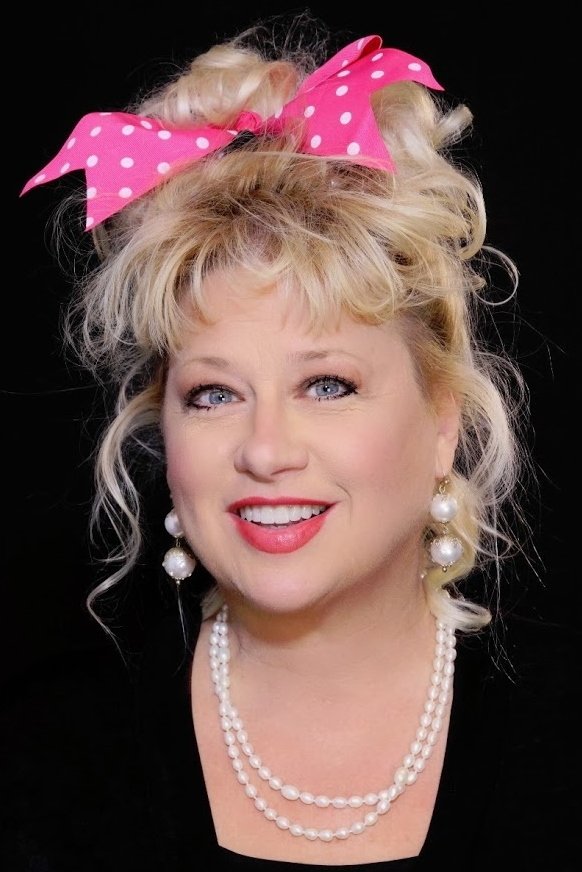
The former ‘Saturday Night Live’ cast member has appeared on various faith-based and conservative podcasts to discuss the “blacklisting” she faced as she became more politically active. She argues that her career in mainstream comedy ended the moment she began voicing her Christian and conservative beliefs on social media. Jackson frequently speaks about the “spiritual vacuum” in the entertainment industry and her transition to independent activism. She uses her appearances to share her story of being a “conservative in a liberal world.” Her narrative is one of finding a new purpose outside of the Hollywood spotlight.
Please share your thoughts on the rise of alternative media platforms for celebrity discourse in the comments.