How an Artist Can “Beat” AI and Stay Irreplaceable

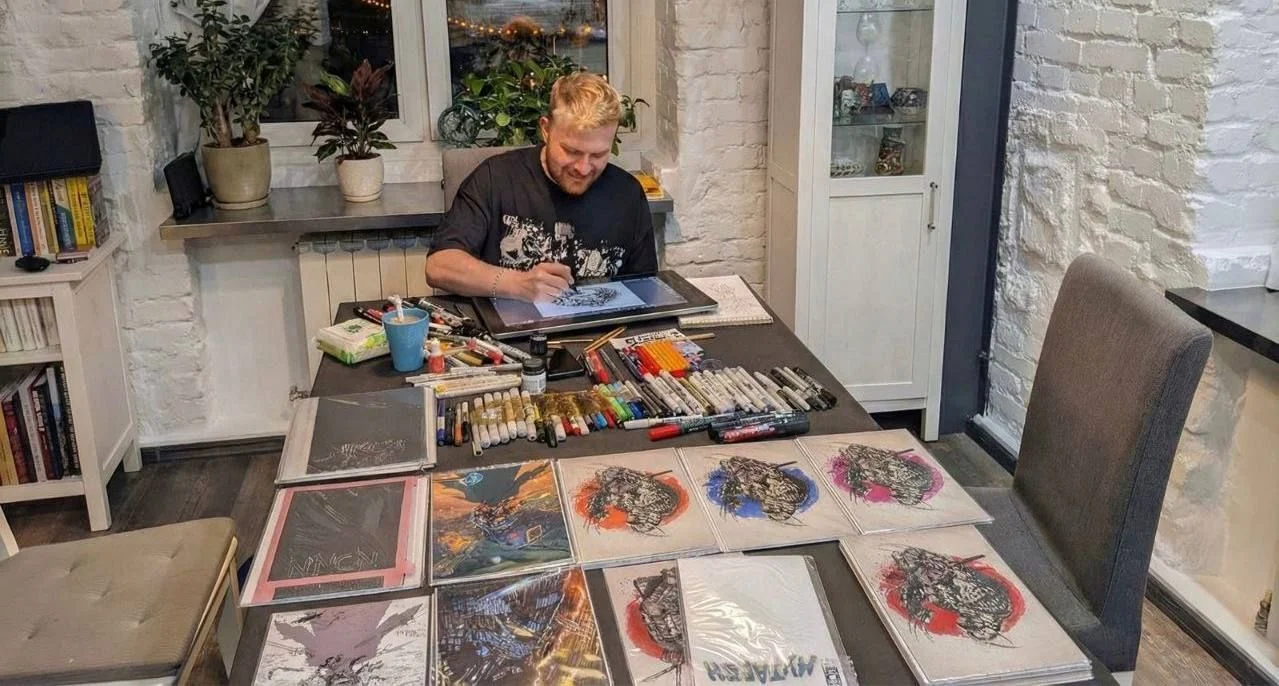

Stanislav Yakimov (as known as Stan Yak), a multi-genre comic book illustrator who collaborates with international publishers, shares his perspective on how artists can remain relevant in the era of neural networks—and whether competing with artificial intelligence even makes sense.
The rapid spread of generative AI has significantly reshaped the visual arts industry, automating a vast range of routine tasks. Alongside these benefits, however, it has introduced serious challenges for artists. According to a survey by the Association of Illustrators, more than a third of respondents reported losing work due to AI. Many also expressed concern about their future income, noting that as these technologies evolve, the gap in speed and cost between AI-generated and human-made artwork will only widen. Yakimov, however, believes AI mainly threatens artists who lack a distinctive style. Over years in the industry, he has developed a creative approach that keeps him in demand both in niche and mainstream publishing, allowing him to consistently take part in new projects. So how does one stay relevant in a saturated market shaped by AI, while preserving artistic value?

Authorial Style vs. Generic Visuals
Algorithms are faster than humans. They don’t wait for inspiration and don’t charge fees. At first glance, they resemble the perfect commissioned illustrator. Yet translating creativity into code has proven far more complex than expected. Ironically, it’s the polished uniformity of AI-generated images that has increased the value of a recognizable personal style, says Stanislav Yakimov, an artist who has spent 9 years illustrating dozens of widely circulated comics.
“Comic illustrations aren’t valued just for how well they’re drawn, but for the stories they carry. And to tell those stories, technical skill isn’t enough—you need a strong identity shaped by cultural context and personal experience, the illustrator explains. AI can replicate a frame, but it can’t convey meaning. That requires stepping beyond conventions and references, something only a human can truly do.”
Over the years, Yakimov has developed a signature style often described by critics as bold, emotional, with a darker, atmospheric edge. This distinctive voice has earned him not only audience appreciation, but also critical recognition. In 2017, he was nominated for Best Artist by the Ashcan School, and he also received an award medal from Kevin Eastman, one of the most respected figures in the comic book industry.
Why Publishers Don’t Pay for AI-Generated Art
Many major publishers deliberately avoid AI-generated illustrations. When working with established franchises that audiences love and that generate steady revenue, they aren’t looking for imitations of past successes, but for reinterpretations—new visual language, new storytelling approaches. As a result, originality checks are becoming standard practice in the industry.
“In professional circles, even suspicion of using AI can lead to a lifetime ban from working in the industry,” Yakimov notes. “This has been openly discussed by companies like DC, Image, and Marvel.”
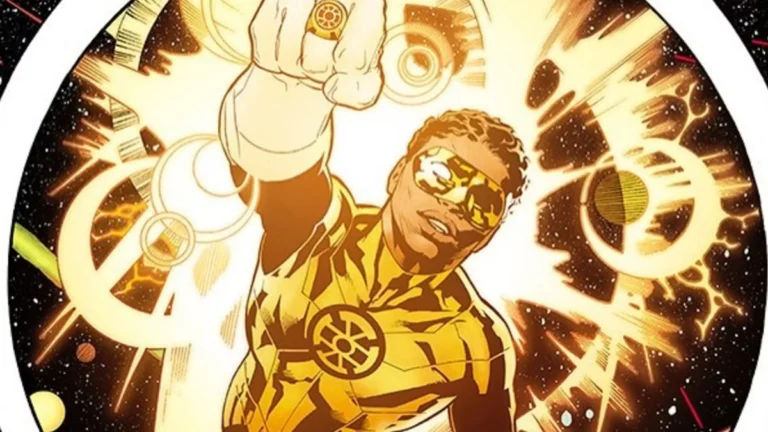
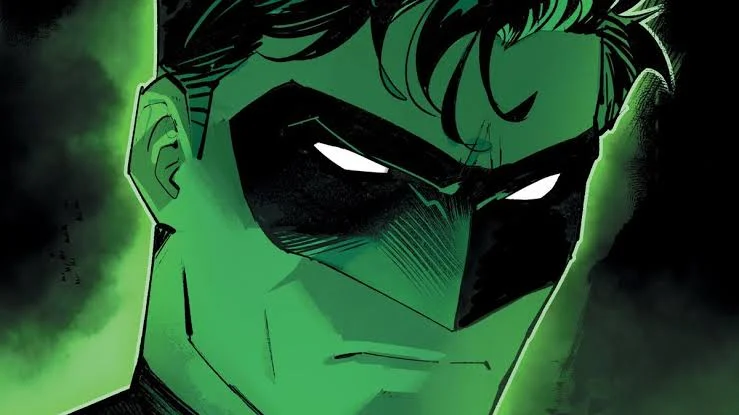
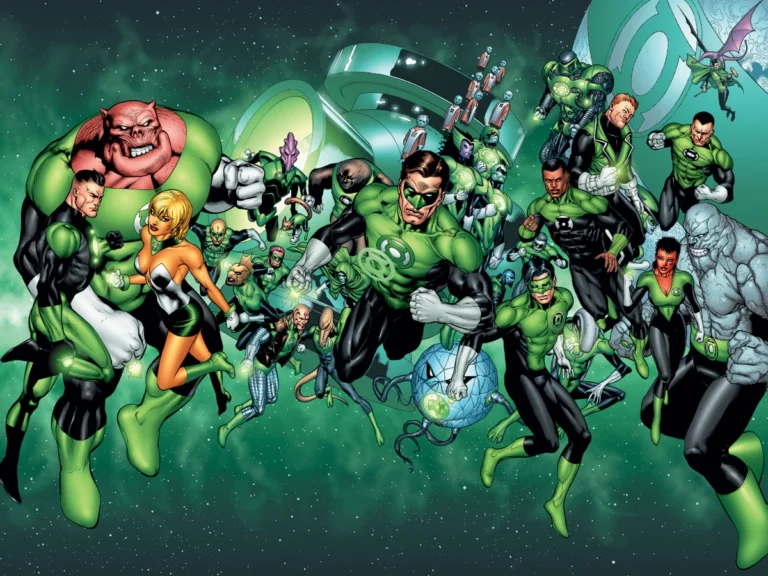
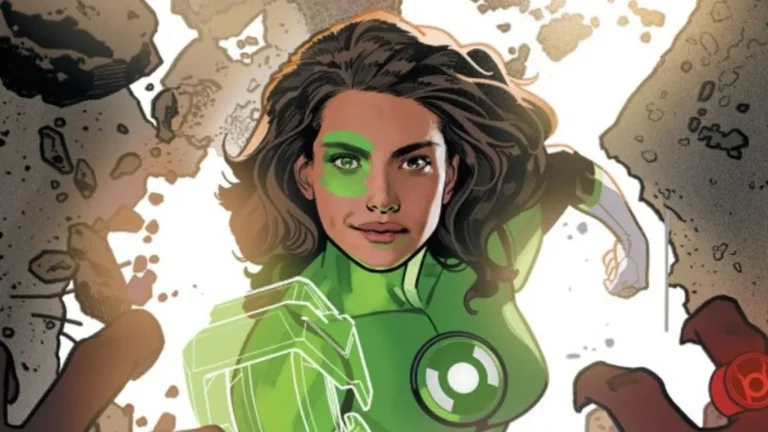
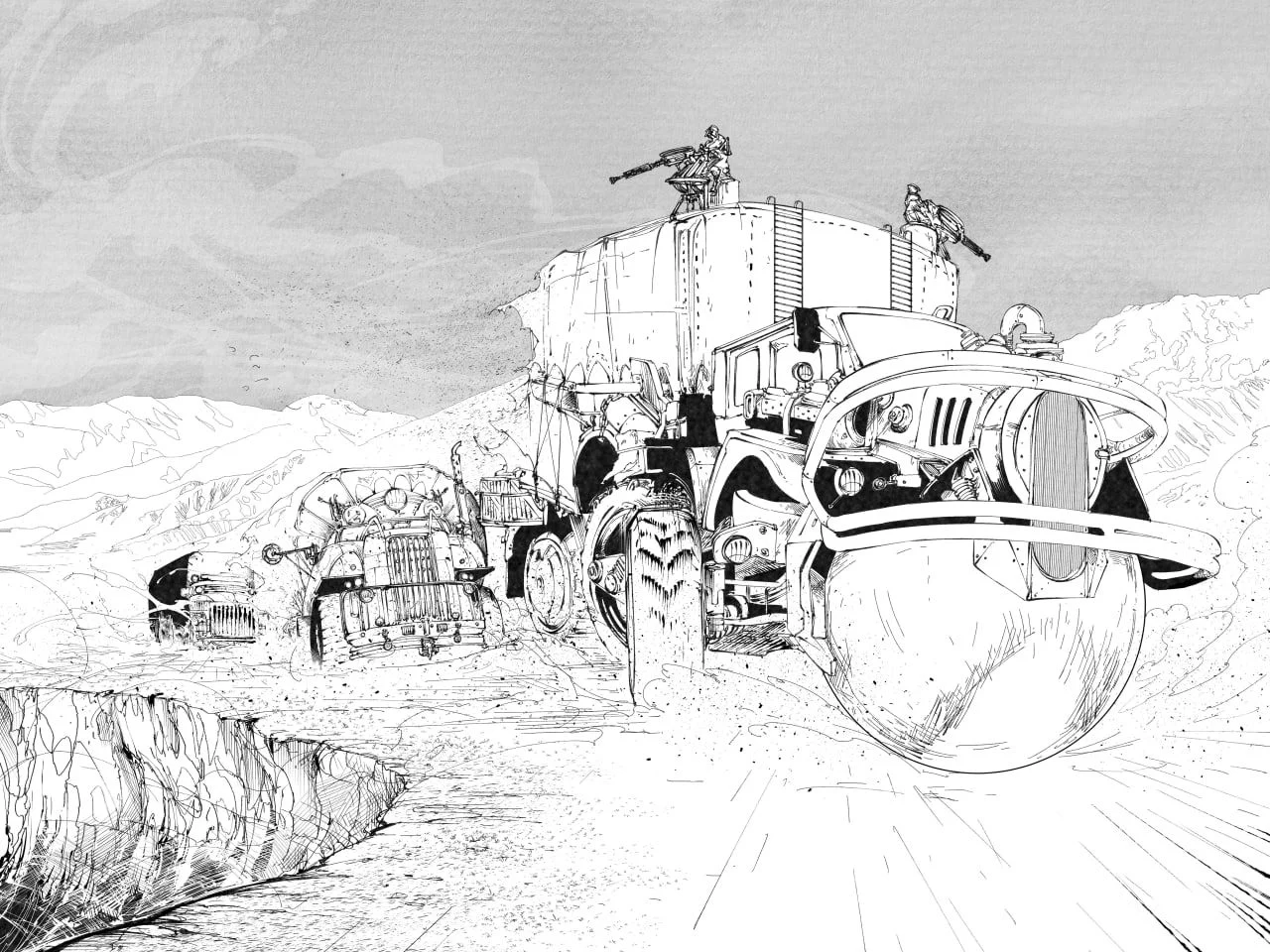
That is why the unique artistic perspective remains the key currency. Major publishers such as DC, IDW Publishing, Source Point Press, and Z2 Comics prioritize artistic identity and collaborate with artists who have a distinctive style. Yakimov himself has worked with them across genres including horror, sci-fi, fantasy, and noir—each time offering not a generic product, but a fully realized artistic vision. Unlike algorithms that recombine averaged pixels, a human artist constructs composition more like a film director—choosing unconventional angles, playing with contrast, and embedding layers of meaning that are understandable to attentive readers.
Moreover, demand for original illustrations is also coming from smaller publishers—those without large budgets, who simply can’t afford to take risks. For them, an artist’s unique perspective and reputation become all the more valuable. This is precisely why Stanislav Yakimov’s work has been featured in a number of independent comic projects, including Baba Yaga, Rayna: The Bastard Queen, Alien Terrodactyls, and Unity, all of which received strong critical acclaim.
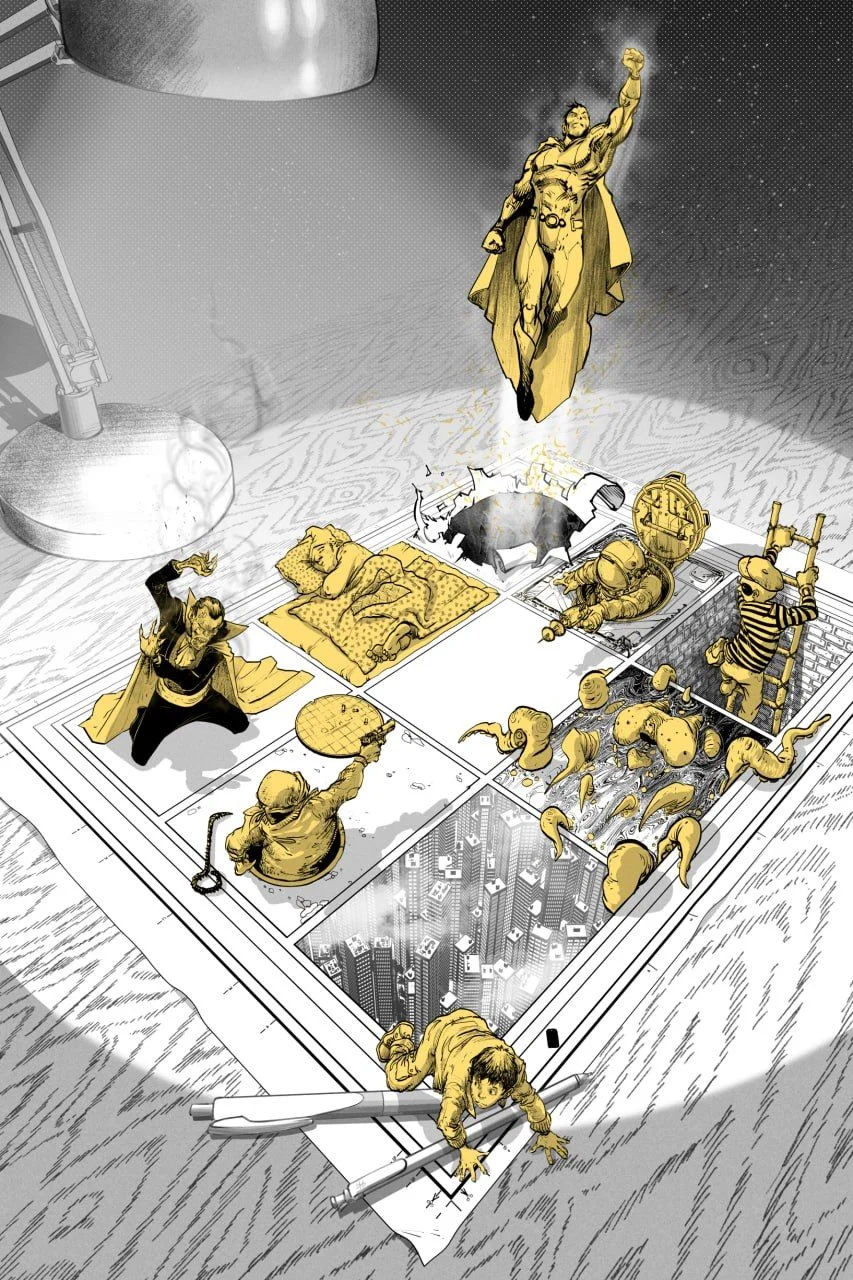
“The key is that my visual style was part of the ‘deal’ from the very beginning,” Yakimov explains. “All of these projects were launched on Kickstarter, backed directly by future readers who were paying specifically for my visual language and for the narrative voice of my co-authors. This approach allows independent creators to test the waters quickly and see whether a story resonates—without sacrificing their artistic identity.”
That kind of recognizability—when a single line or the handling of light and shadow is enough to instantly identify the artist—is more valuable today than ever before. It’s what draws readers in and builds a deep emotional connection—something no faceless AI-generated image can replicate.
How AI Can Help the Artist
Despite its current limitations in conveying meaning and engaging with audiences on a deeper level, artificial intelligence is evolving rapidly. But that doesn’t mean artists should start giving up ground. Competing with algorithms is neither useful nor necessary, Yakimov believes—what matters far more is developing the unique qualities of one’s own artistic voice.
“We’re talking about composition, perspective, the use of light and color. Preserving an authorial voice has become a conceptual challenge—it’s no longer just about refining technique, but about constantly searching for visual tools that can express the artist’s ideas and mood,” he says.
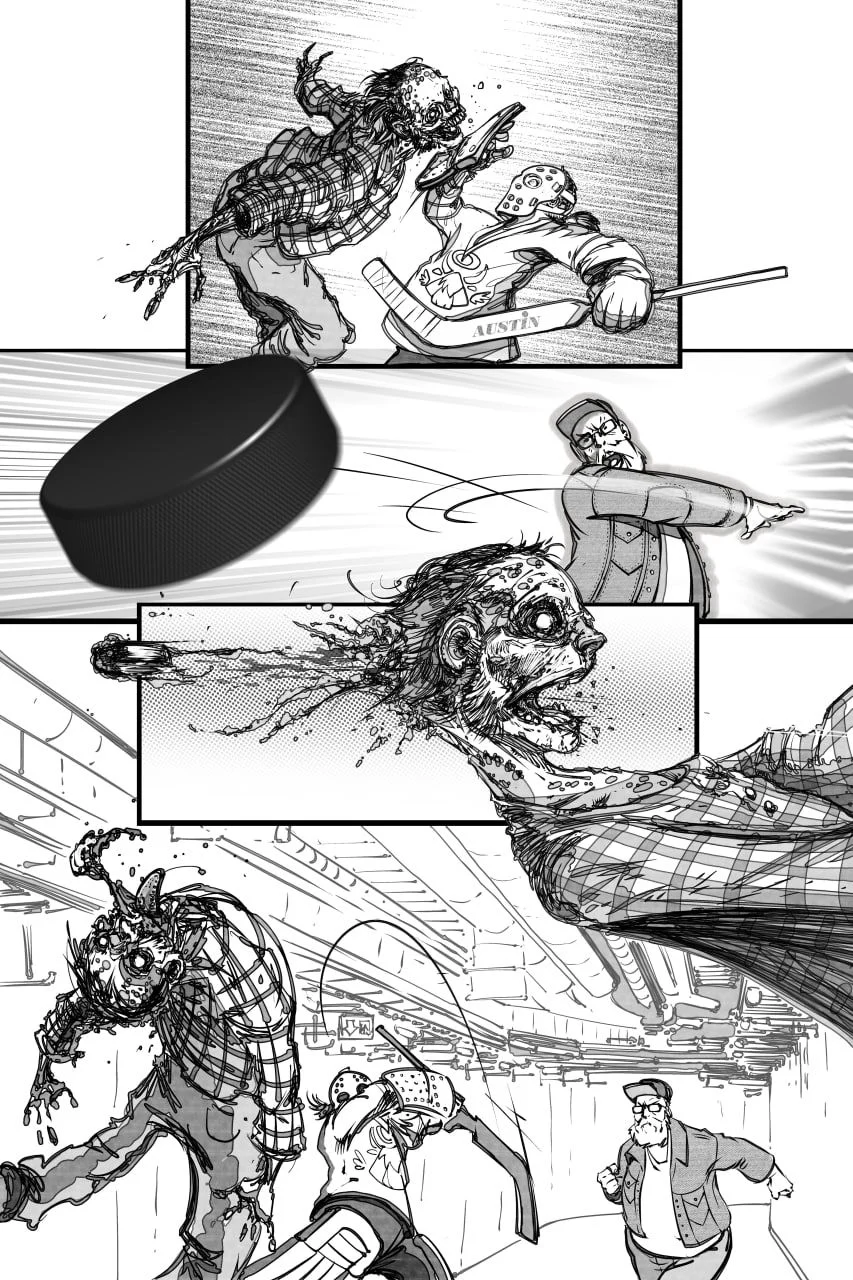
At the same time, AI can shift from being a potential threat to becoming an invaluable tool. It can take over mechanical tasks—for example, generating ten or fifteen rough sketches in a matter of minutes. This allows the illustrator to quickly explore different angles, lighting setups, and scales without spending hours rendering every detail. But these are only drafts. The final image is always created by the artist, who brings their own voice into the work. Yakimov is convinced that artists who truly communicate with their audience through their images will not be replaced by neural networks—no matter how far those technologies evolve.