Male Actors Who Claim “Cancel Culture” Is Destroying Creative Freedom

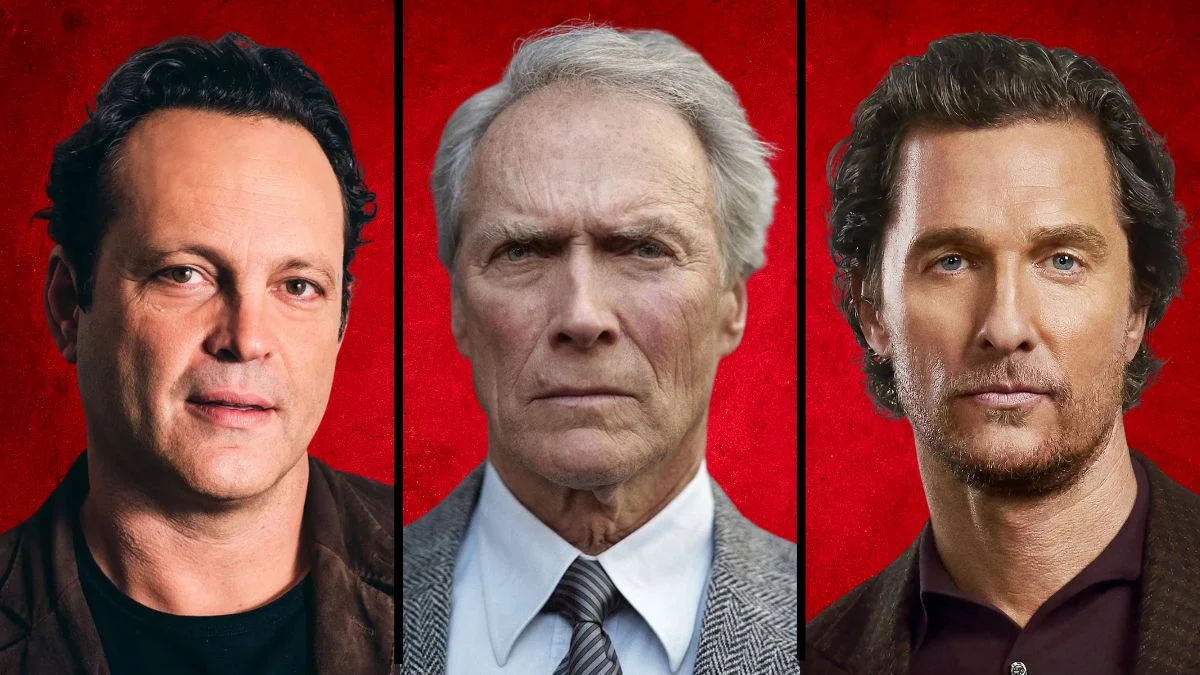

The debate surrounding the impact of public accountability on the arts has become a central theme in modern Hollywood discussions. Many prominent performers have expressed concerns that the prevailing social climate discourages risk taking and limits the scope of storytelling. These actors argue that the fear of professional repercussions for unpopular opinions or past mistakes is creating a restrictive environment for performers and writers alike. The following list highlights male actors who have publicly questioned the influence of this cultural shift on the future of creative expression.
Mel Gibson
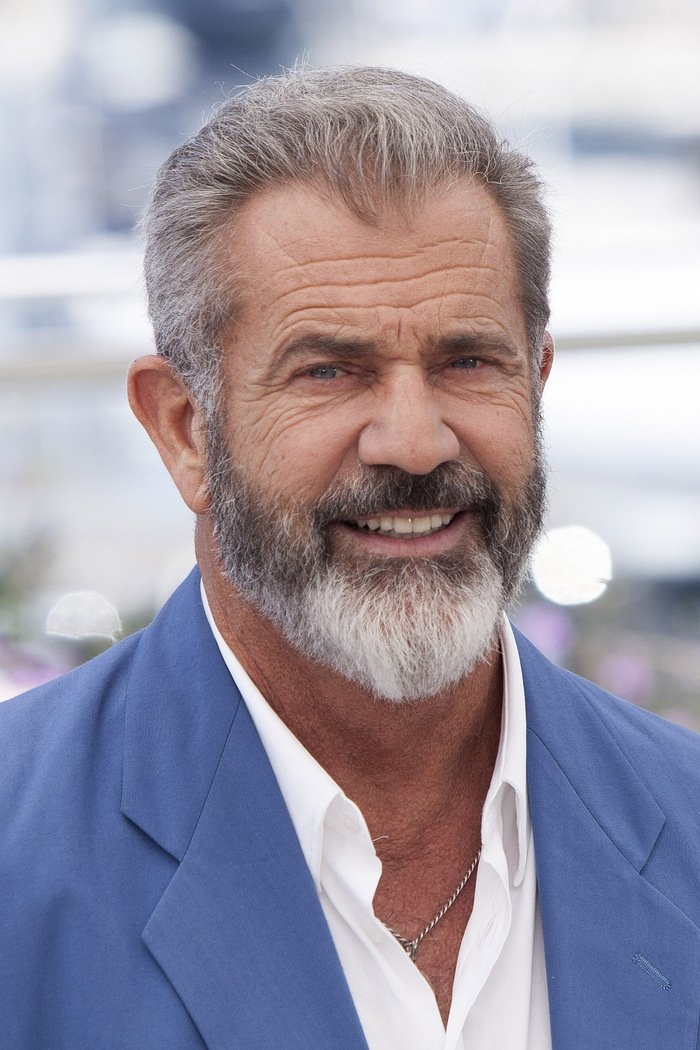
Mel Gibson has spoken about the difficulty of navigating the entertainment industry following his past public controversies. He argues that the current social environment makes it nearly impossible for individuals to be forgiven for their mistakes. The actor believes that this lack of a path to redemption creates a chilling effect on all artists who might fear making a single error. Gibson has continued to work on independent projects while voicing his concerns about the industry’s rigidity.
John Cleese
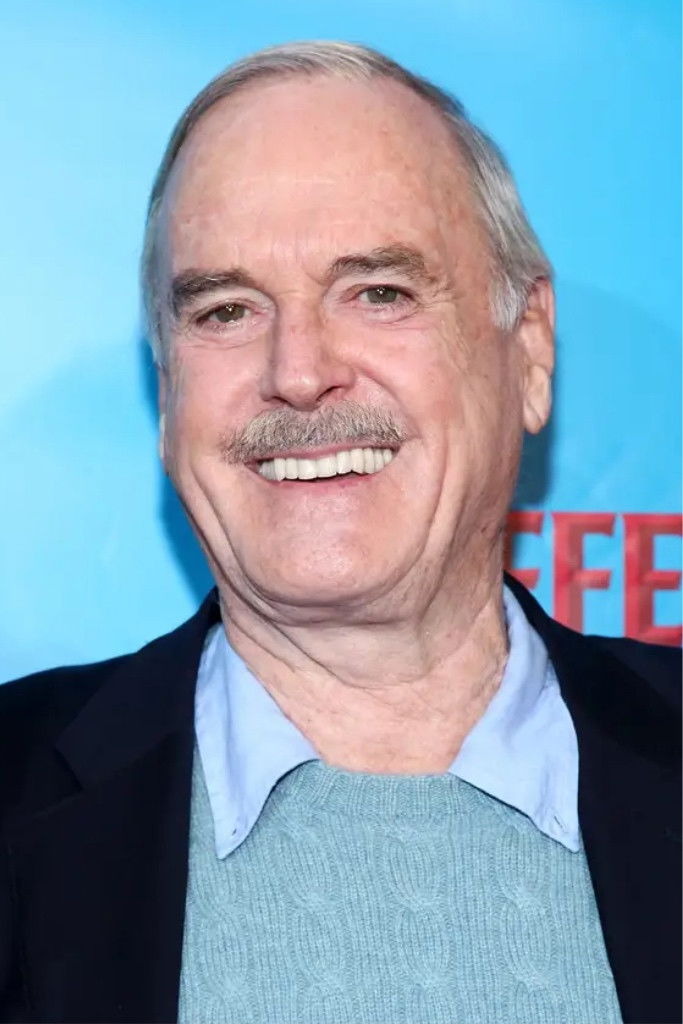
John Cleese has been a frequent critic of the way modern sensitivities affect the world of comedy. He suggests that the desire to avoid offending any group has led to a lack of spontaneity in creative writing. The ‘Monty Python’ star believes that the essence of humor requires the freedom to explore uncomfortable or controversial topics without the threat of professional exile. He argues that the pressure to conform to specific social standards is damaging the legacy of satire.
Rowan Atkinson
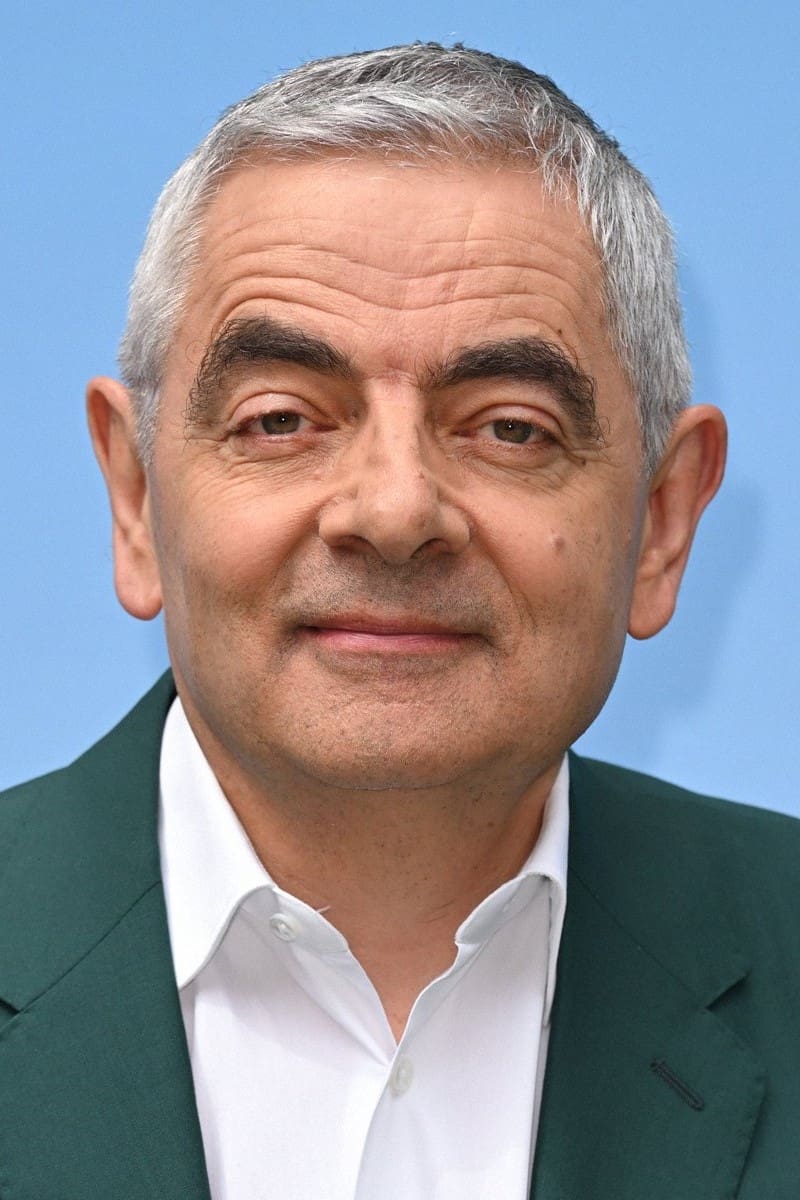
Rowan Atkinson has voiced his opposition to the trend of digital silencing in the modern era. The ‘Mr. Bean’ actor compares the current social climate to a medieval mob looking for a reason to burn someone. He asserts that true free speech must include the right to offend others without facing the destruction of a career. Atkinson believes that the ability to make mistakes and engage in open dialogue is being lost in the digital age.
Sean Penn
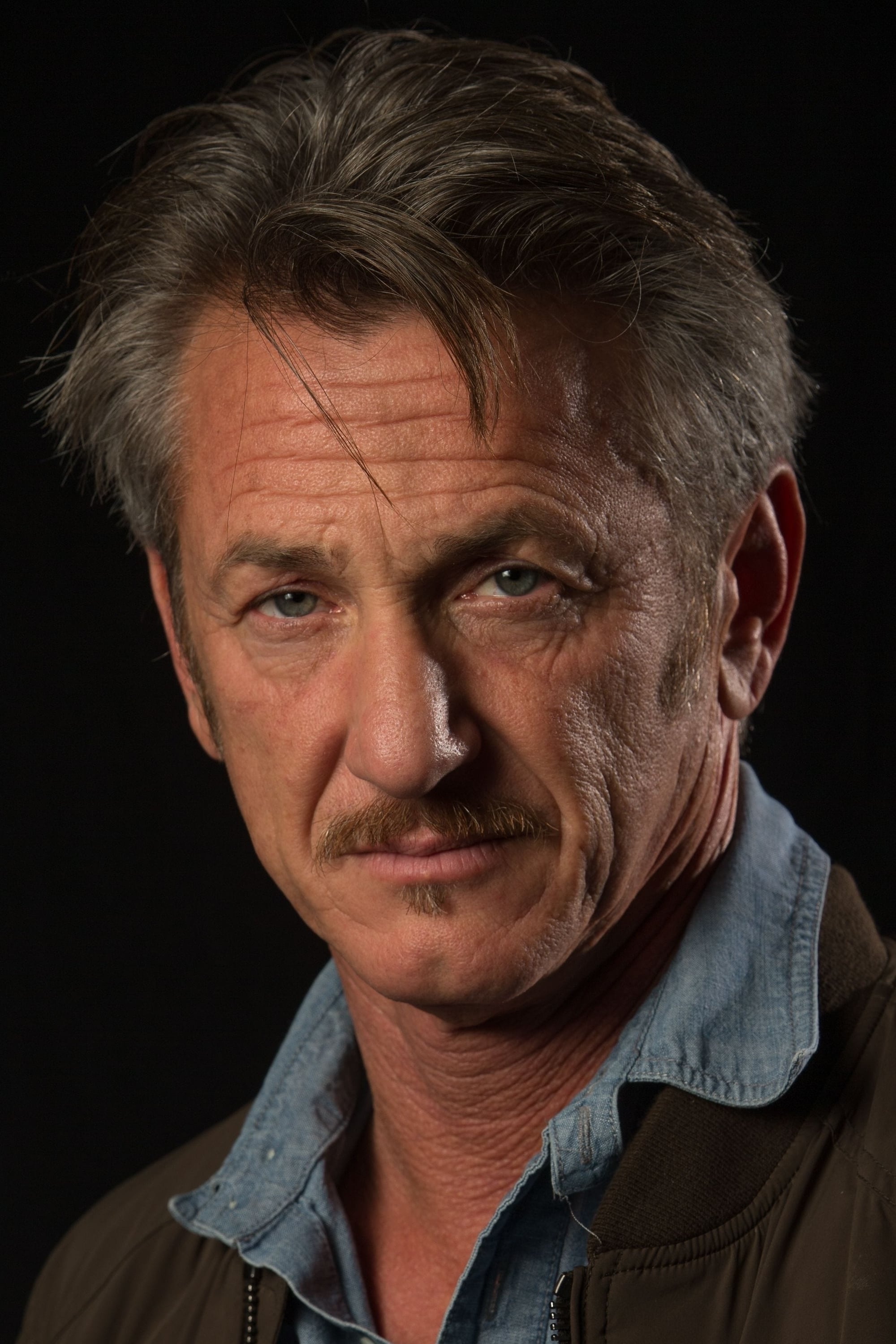
Sean Penn has expressed frustration with how the social climate affects the casting and production of major films. He argues that an intense focus on identity politics can limit the imaginative reach of actors and directors. The ‘Milk’ star suggests that the industry is becoming too fearful of potential backlash to tell complex or morally ambiguous human stories. Penn believes that the core of acting is the ability to inhabit characters very different from oneself.
Tim Allen
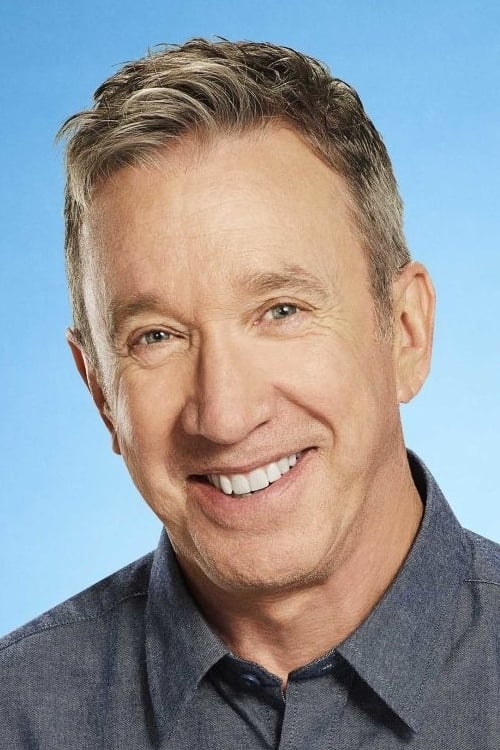
Tim Allen has often discussed how the political landscape influences the content and tone of television sitcoms. He suggests that writers and performers are constantly worried about being targeted for their personal viewpoints. The ‘Last Man Standing’ actor believes this environment creates a sanitized version of comedy that lacks real world authenticity. Allen argues that creative freedom is being sacrificed for the sake of political correctness in the media.
Kevin Hart
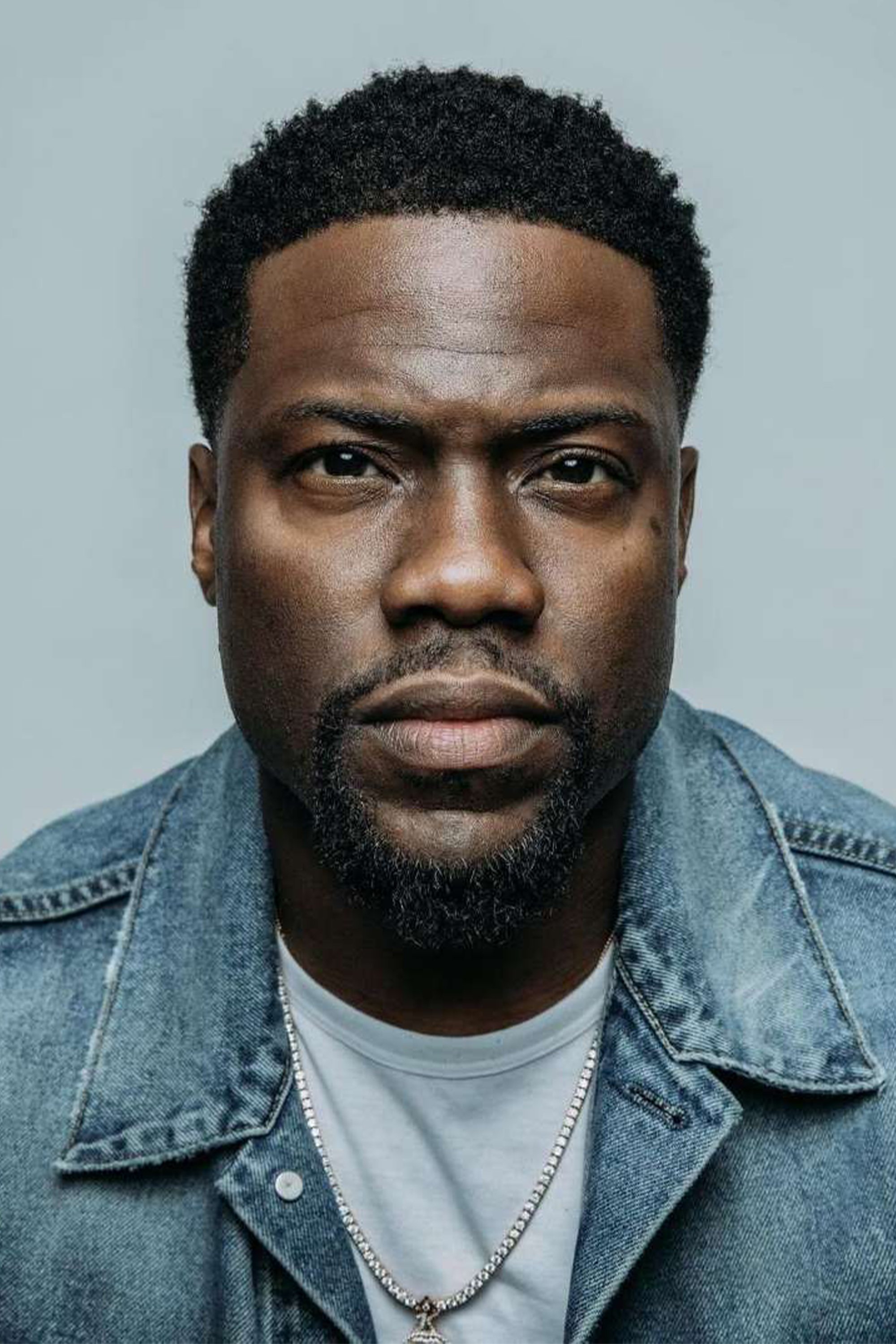
Kevin Hart stepped down from hosting the Oscars after several of his old social media posts were resurfaced and criticized. He has since commented on how the internet culture of accountability can be used to prevent personal and professional growth. The actor believes that individuals should be allowed to evolve without being perpetually defined by their past comments. Hart suggests that the constant threat of being shut down makes it difficult for entertainers to be truly creative.
Ricky Gervais
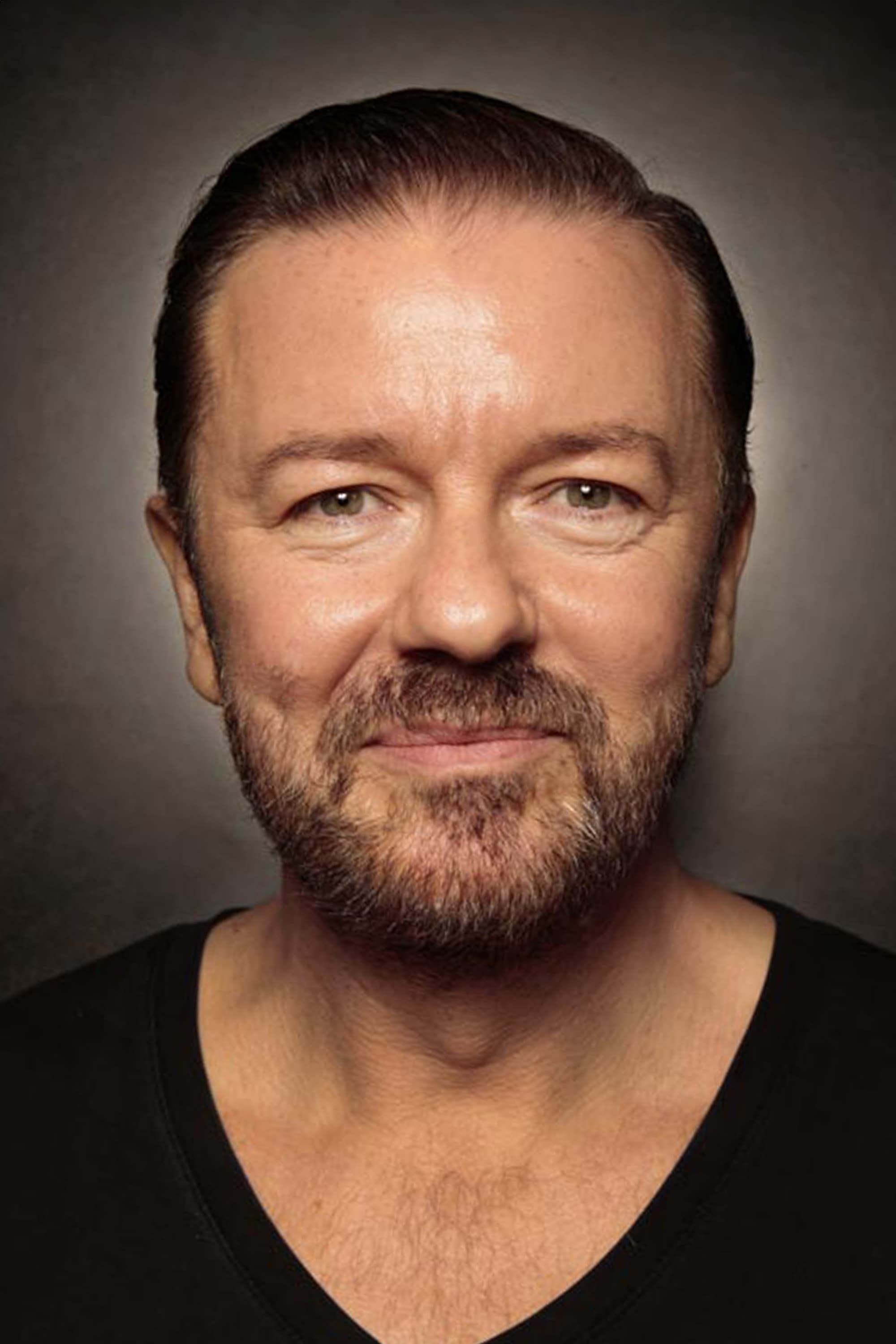
Ricky Gervais is known for his outspoken stance against the restriction of humor in the public sphere. He argues that comedy should not be subject to the rules of social engineering or sensitivity training. The ‘After Life’ creator believes that no topic should be off limits for a comedian seeking to find the irony in a situation. Gervais claims that the fear of a backlash is causing many performers to censor themselves before they even begin their work.
Rob Schneider
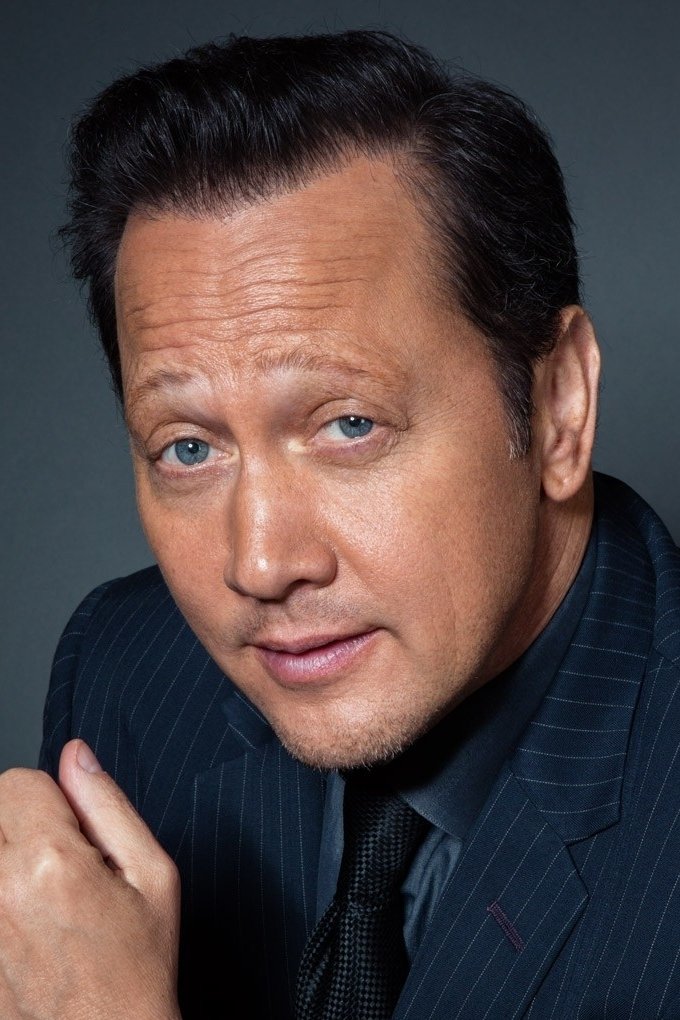
Rob Schneider has been a vocal critic of the way major media companies and streaming services handle controversial content. He argues that the industry has become a place where only certain approved viewpoints are allowed to be expressed. The ‘Deuce Bigalow’ actor believes that this uniformity of thought is the death of real artistic innovation. Schneider suggests that the freedom to fail or be controversial is essential for any professional in the creative arts.
Vince Vaughn
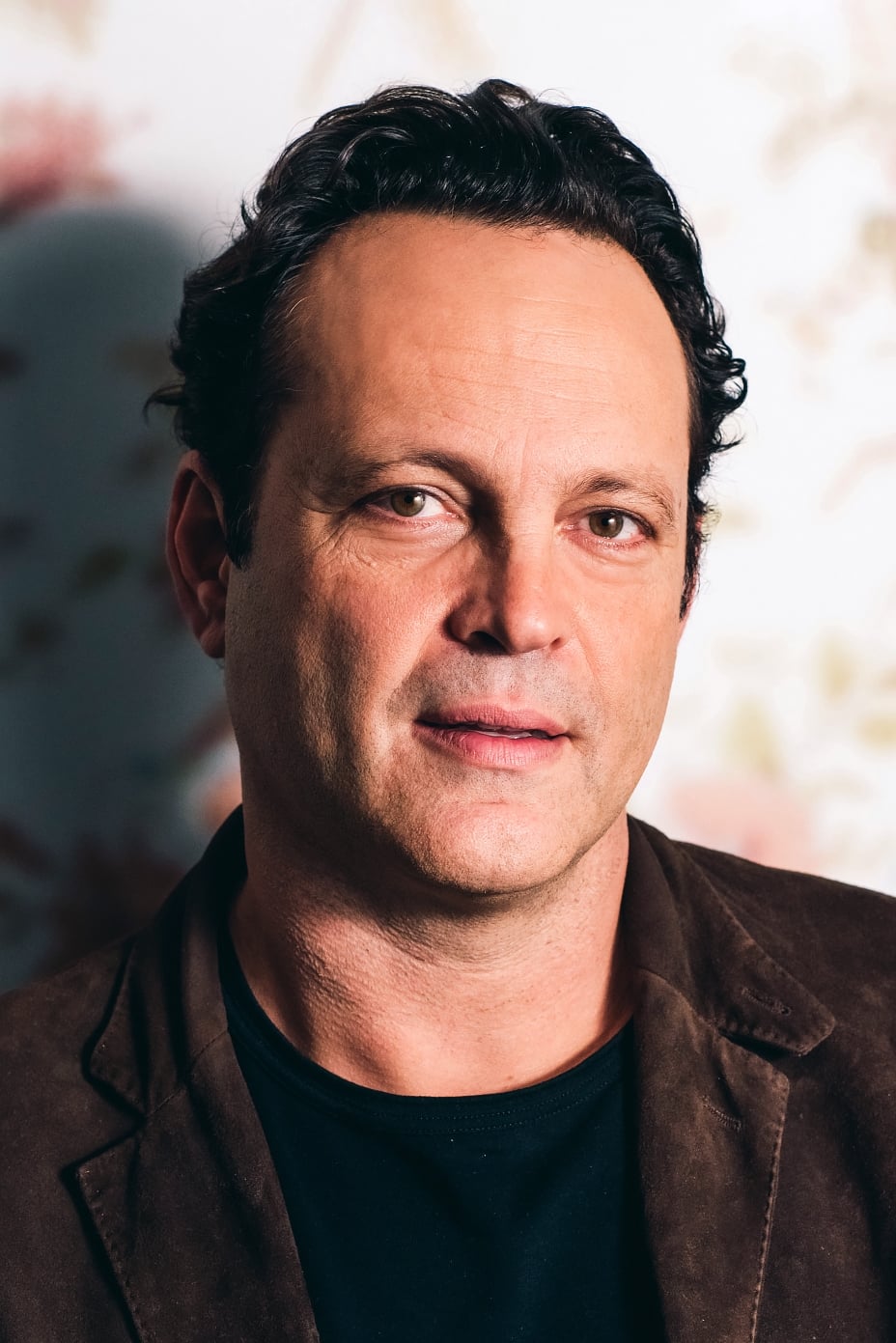
Vince Vaughn has spoken about the importance of intellectual diversity within the film and television industry. He suggests that a climate of fear prevents filmmakers from exploring certain ideas or jokes that might be deemed problematic. The ‘Wedding Crashers’ star believes that the best art comes from a place where people feel free to challenge existing social norms. Vaughn argues that the current trend of moral policing is detrimental to the variety of stories being told to audiences.
Matthew McConaughey
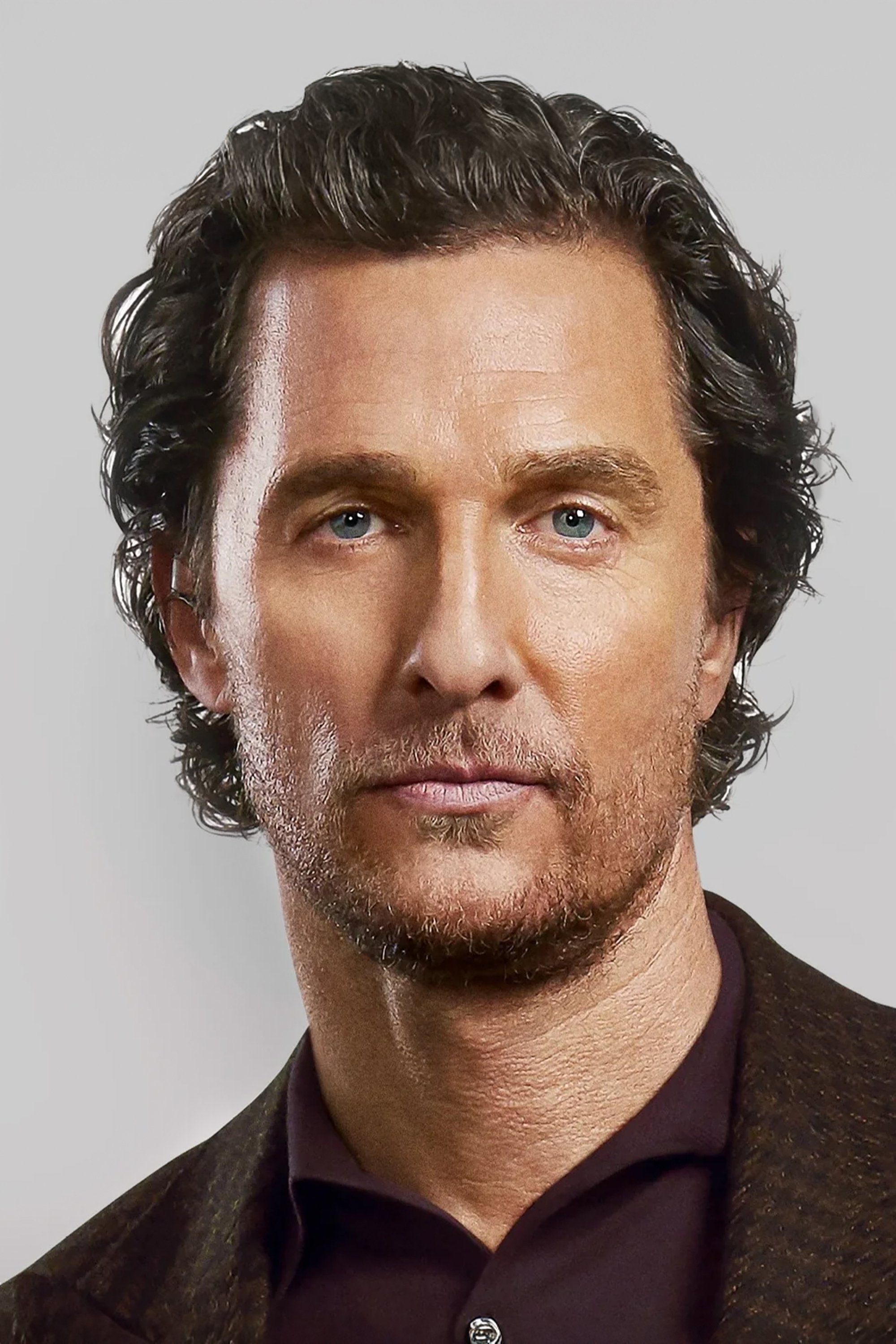
Matthew McConaughey has commented on the perceived lack of tolerance for differing opinions in the modern Hollywood landscape. He suggests that the industry can sometimes be hypocritical in its application of social justice and accountability. The ‘Dallas Buyers Club’ actor argues that people should be able to disagree without trying to destroy each other’s livelihoods and reputations. McConaughey believes that maintaining an open and honest dialogue is crucial for the health of the creative community.
Jon Voight
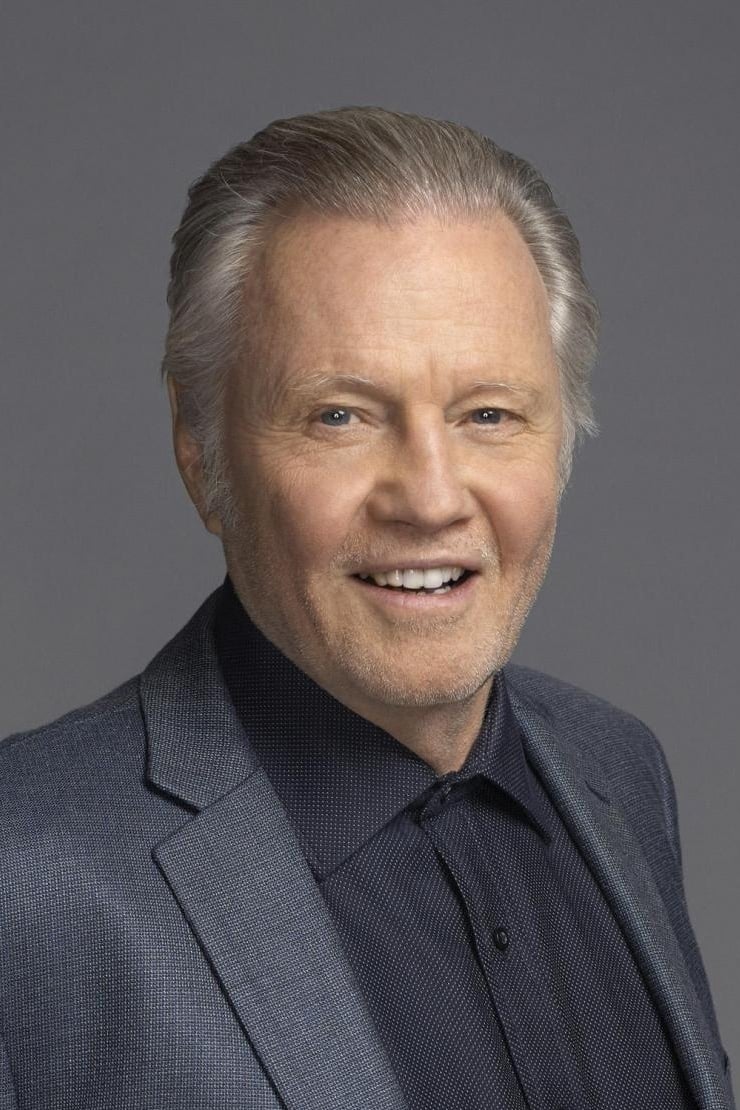
Jon Voight has frequently addressed what he perceives as a strong political bias in the entertainment world. He claims that actors who hold conservative views are often marginalized or silenced by their peers and employers. The ‘Midnight Cowboy’ star argues that this exclusion is a form of censorship that hurts the industry as a whole. Voight believes that true creative freedom requires the inclusion of all political and social perspectives without fear of retribution.
James Woods
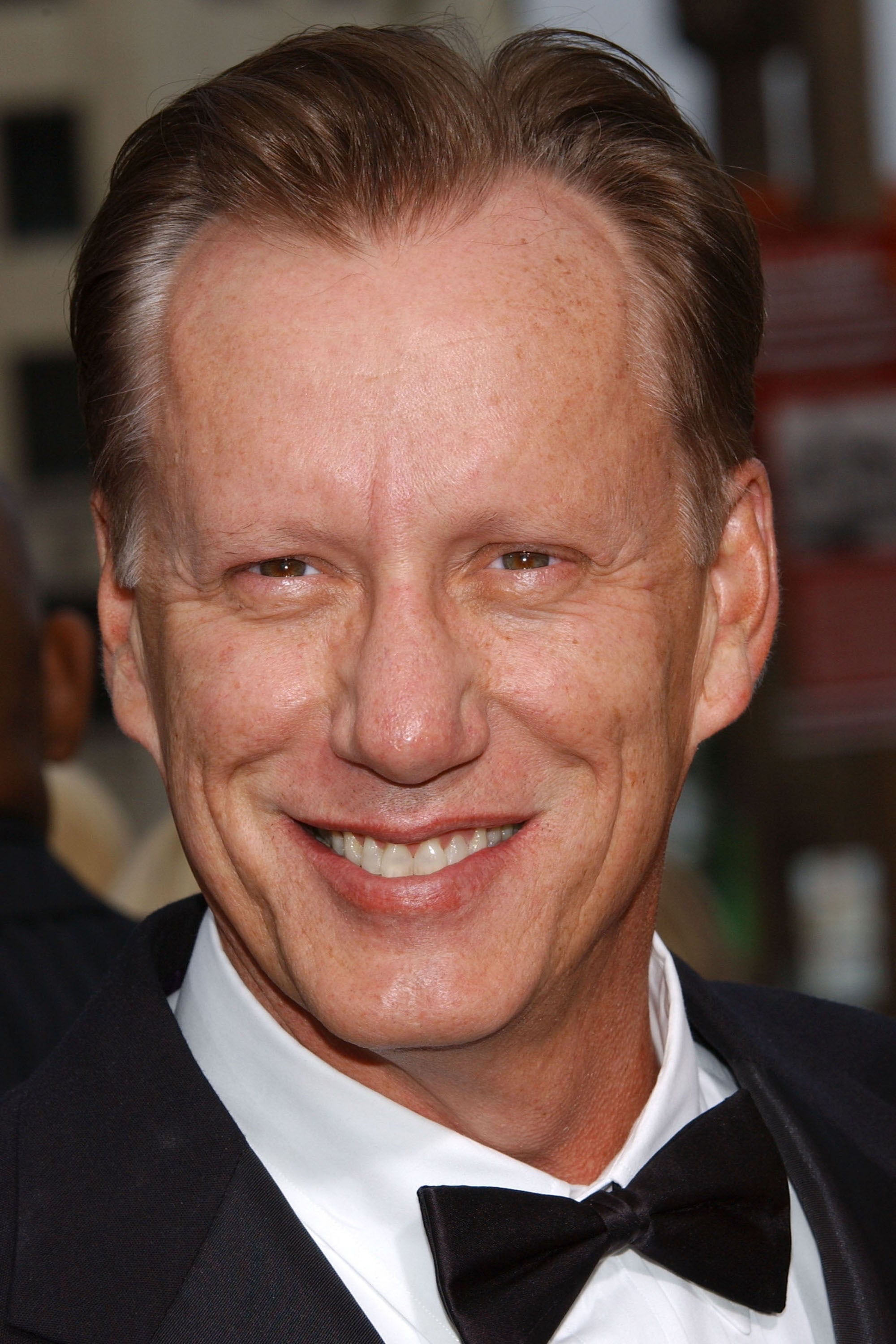
James Woods has used his public platform to highlight what he sees as the dangers of online social media mobs. He believes that the rush to judgment in the digital age has made it impossible for some artists to continue working. The ‘Casino’ actor argues that the industry is being intimidated by vocal minorities who demand the removal of certain individuals. Woods claims that the fear of losing a job over a single statement is ruining the adventurous spirit of Hollywood.
Bill Burr
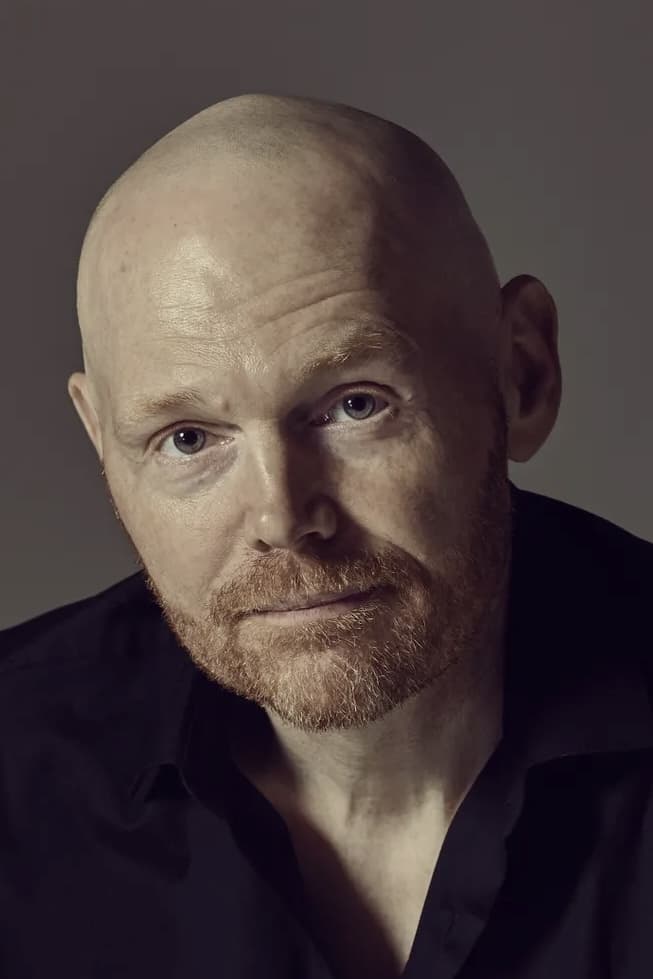
Bill Burr has addressed the phenomenon of public shaming in several of his stand up specials and television appearances. He suggests that the hyper sensitivity of the modern era is making it harder for people to take jokes as they were originally intended. The ‘F Is for Family’ creator argues that the constant scrutiny of past comments is exhausting and ultimately unproductive for society. Burr believes that comedians need a space where they can experiment without the threat of a permanent professional ban.
Dave Chappelle
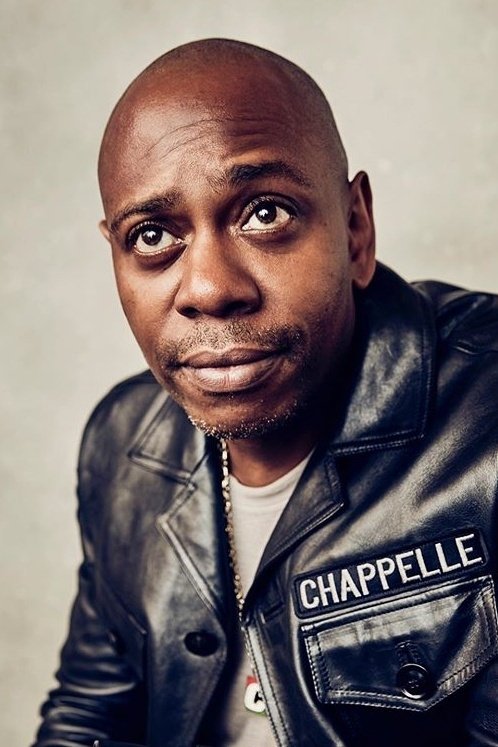
Dave Chappelle has faced significant backlash for his comments on various social issues in his recent comedy specials. He argues that he is not being cancelled but is instead being attacked by a specific group of people with an agenda. The ‘Half Baked’ actor believes that an artist must be allowed to speak their truth regardless of the prevailing social winds. Chappelle claims that the attempt to silence performers only gives their work more power and relevance in the end.
Bryan Cranston
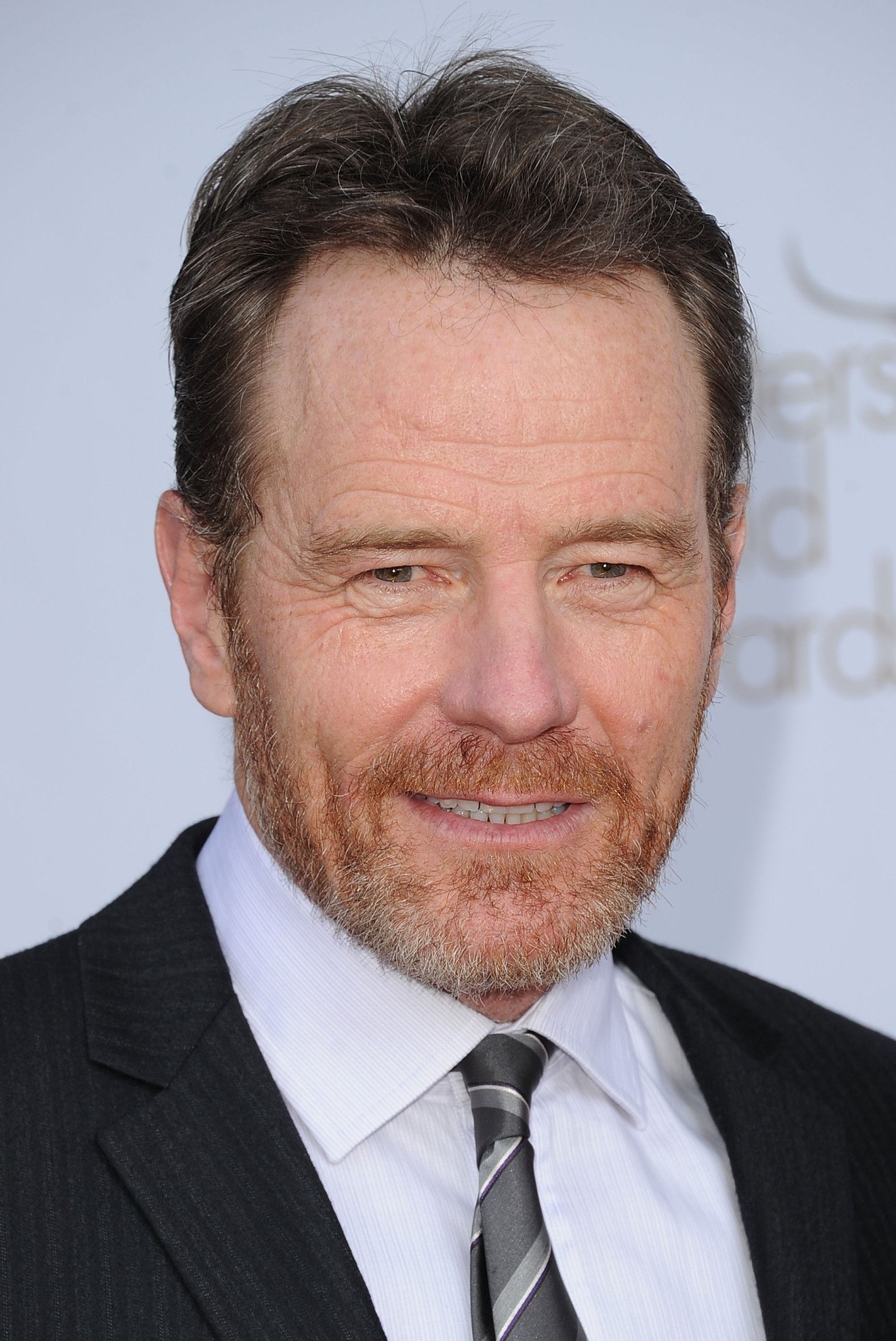
Bryan Cranston has spoken about the need for a culture of forgiveness and understanding within the arts. He suggests that the current environment is too quick to discard individuals for making mistakes or saying the wrong thing. The ‘Breaking Bad’ star believes that society should focus more on rehabilitation and growth than on permanent professional exclusion. Cranston argues that the fear of being the next target of a public outcry is chilling for many in the creative community.
Gary Oldman
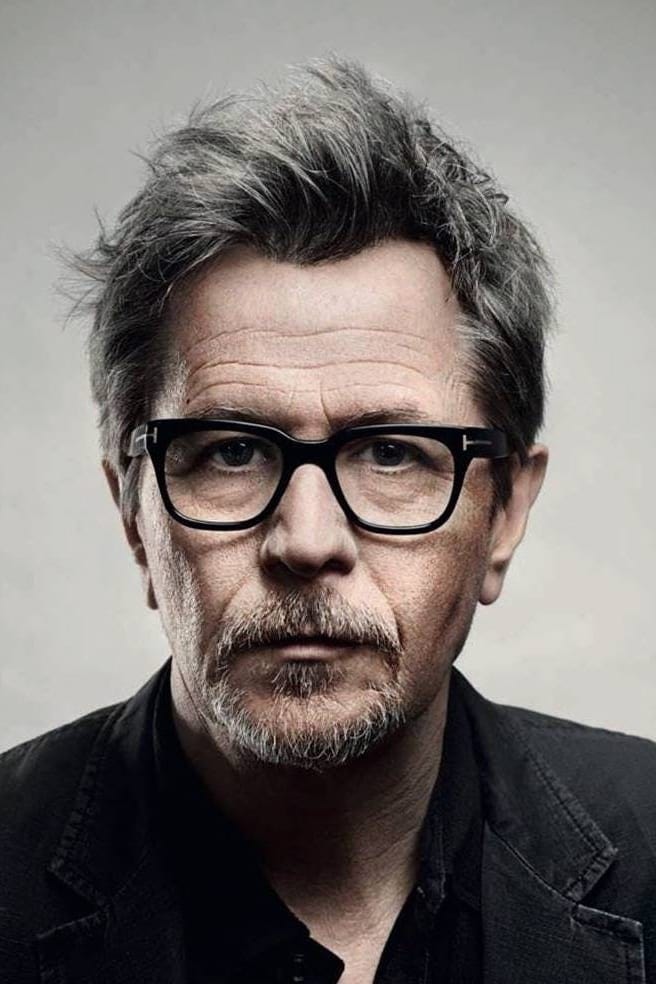
Gary Oldman has expressed his views on the decline of satire and the rise of political correctness in film and media. He once suggested that the industry has become overly sensitive to comments made in jest or out of their original context. The ‘Mank’ actor believes that people are being forced to live under a set of rules that are difficult to follow perfectly. Oldman argues that the creative process suffers when artists are constantly looking over their shoulders for approval.
Clint Eastwood
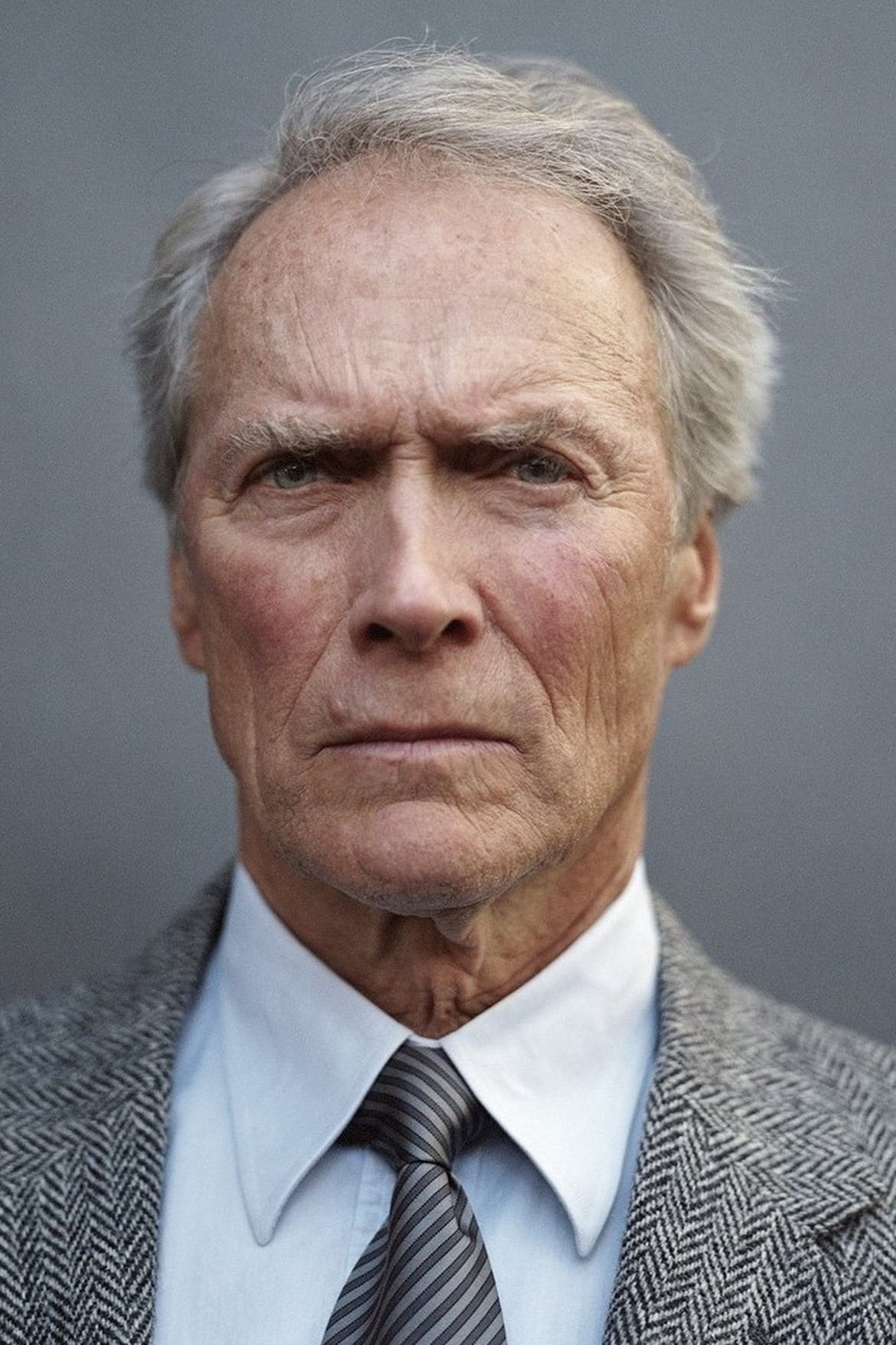
Clint Eastwood has long been a proponent of individual freedom and has criticized what he views as an overly sensitive modern generation. He suggests that people have become too easily offended by words and ideas that were once considered common. The ‘Unforgiven’ director and actor believes that this sensitivity is a major barrier to making honest and gritty films. Eastwood argues that the industry was much more robust when people were allowed to speak their minds freely and take risks.
Kirk Cameron
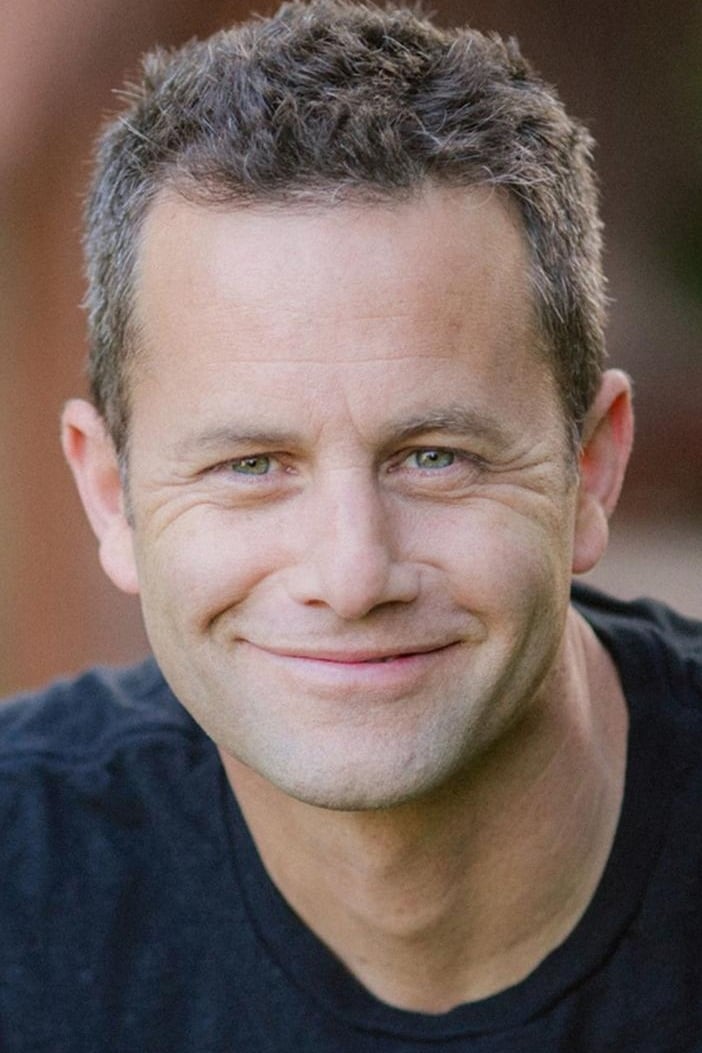
Kirk Cameron has spoken out about the challenges of being a person of faith in the modern entertainment industry. He claims that his traditional values often put him at odds with the prevailing secular culture of Hollywood. The ‘Growing Pains’ star argues that there is an active effort to suppress voices that do not conform to modern social standards. Cameron believes that creative freedom should extend to those who wish to tell stories based on religious and moral principles.
Jim Caviezel
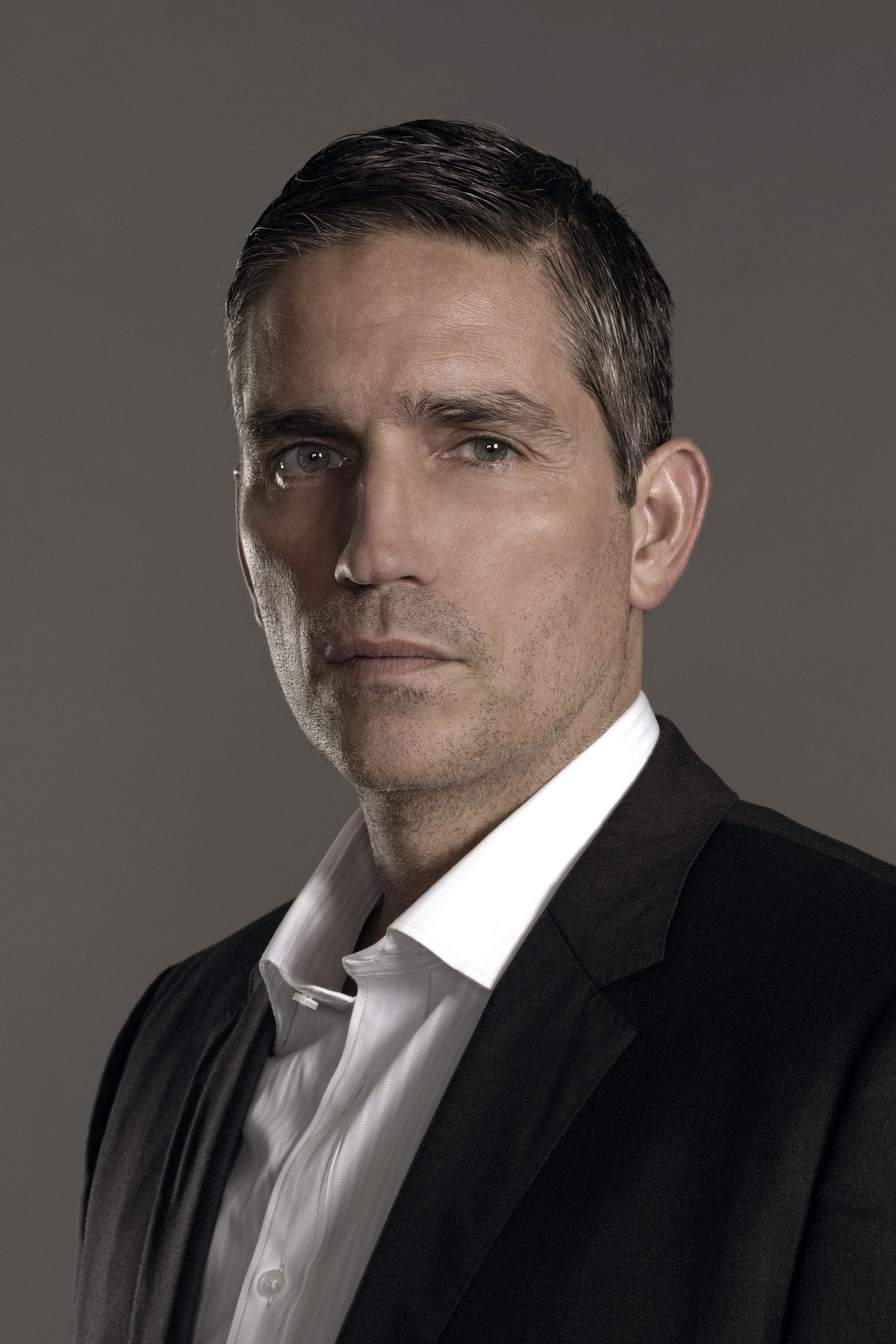
Jim Caviezel has stated that his career faced significant hurdles after he took on the role of Jesus in a high profile religious film. He believes that Hollywood is increasingly hostile toward people who express conservative or traditional viewpoints. The ‘Person of Interest’ actor suggests that there is a double standard when it comes to who is allowed to be controversial in the arts. Caviezel argues that the industry uses social pressure and casting decisions to keep certain actors from finding steady work.
Kevin Sorbo
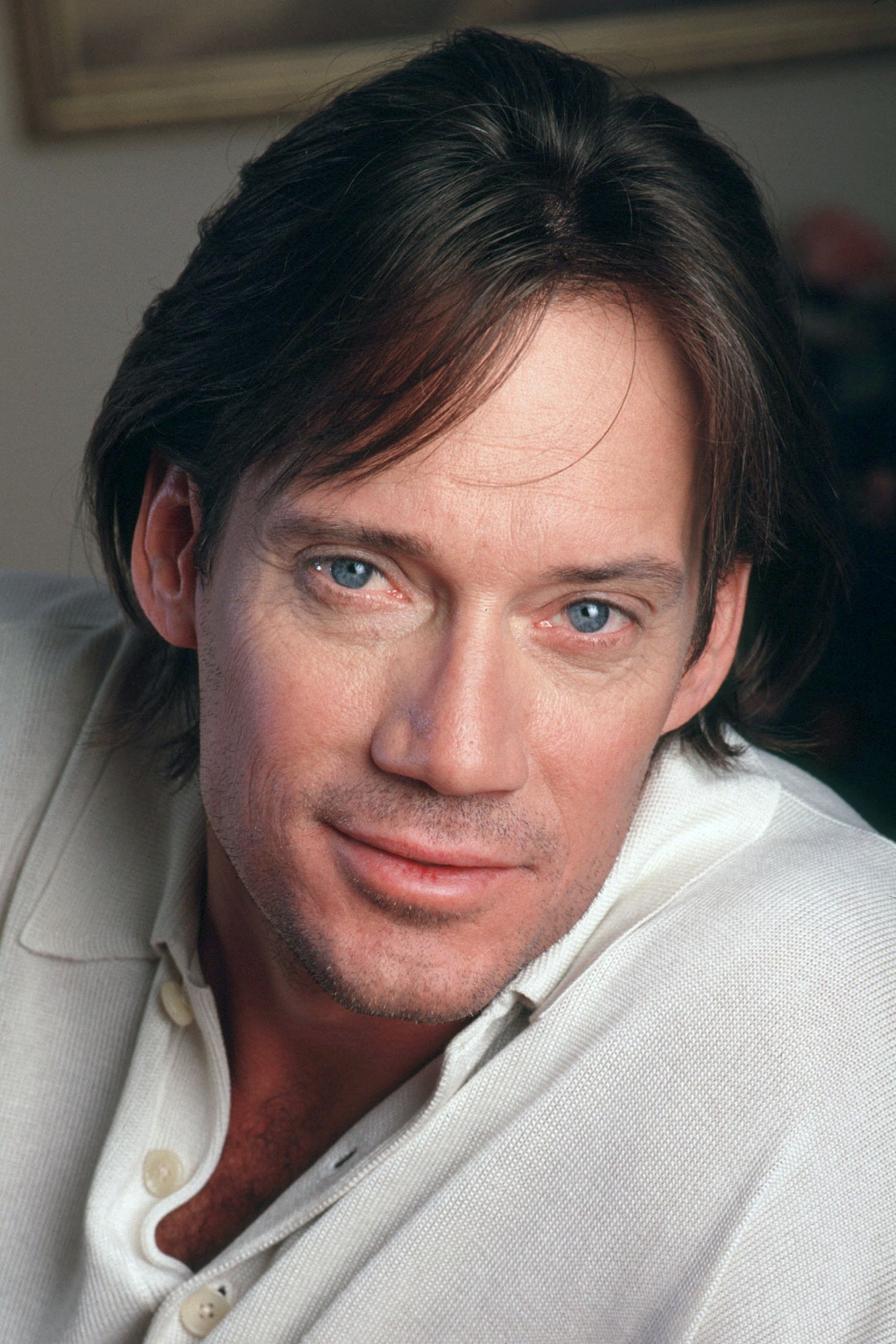
Kevin Sorbo has been very vocal about his belief that he was blacklisted in the industry due to his political and religious beliefs. He argues that Hollywood preaches tolerance but does not practice it toward those with conservative views. The ‘Hercules’ actor suggests that the current culture is destroying the careers of talented people for the wrong ideological reasons. Sorbo believes that the lack of diversity in thought is making film and television less interesting for the general public.
Dean Cain
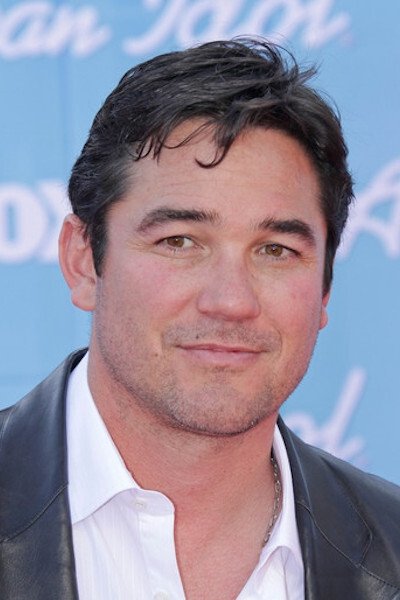
Dean Cain has commented on the way social media is used to police the speech of actors and other public figures. He suggests that the threat of being cancelled makes people afraid to have honest and open conversations about difficult topics. The actor argues that the industry is losing its ability to handle different perspectives and complex characters. Cain believes that the focus should be on the quality of the creative work rather than the personal politics of the individual creator.
Scott Baio
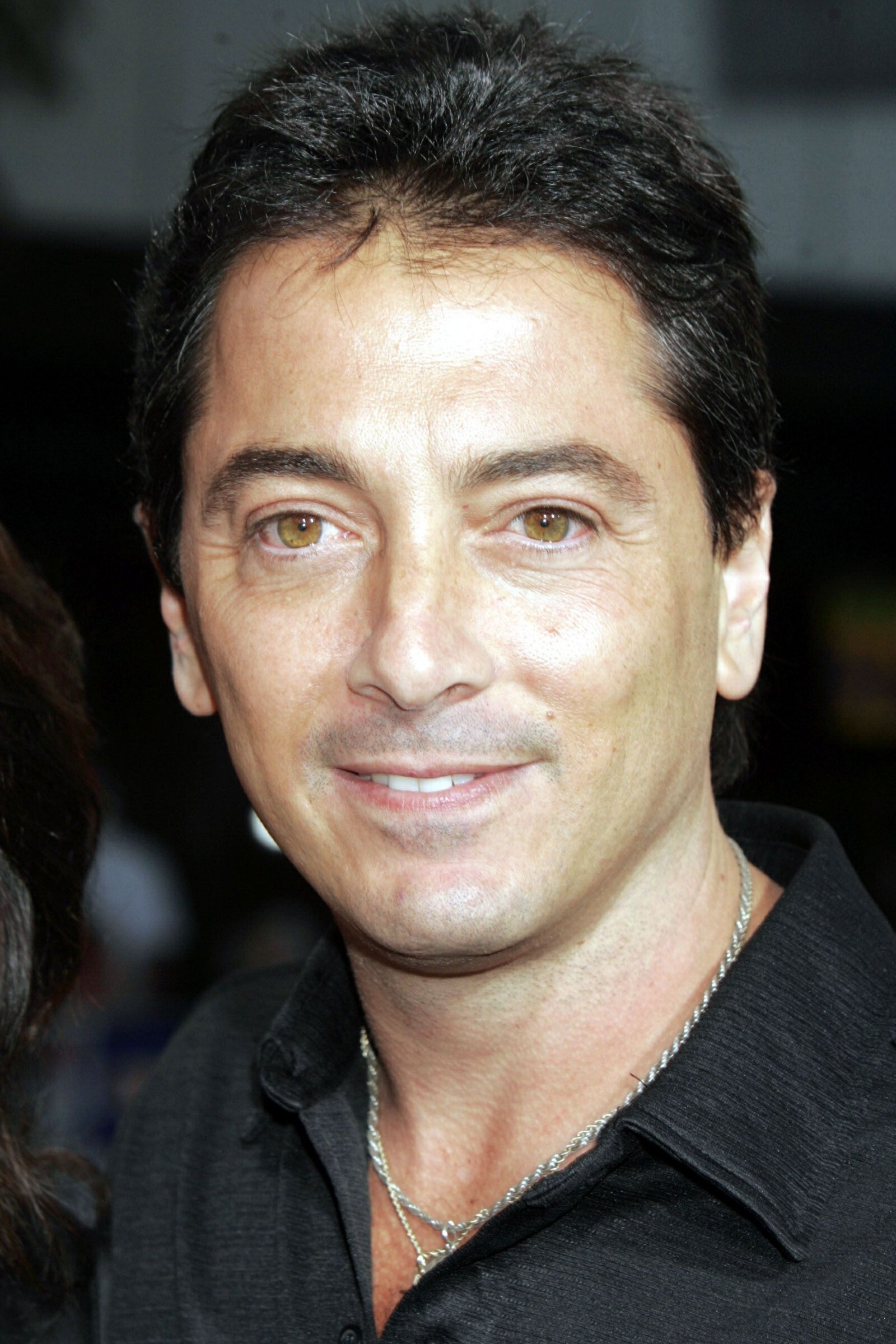
Scott Baio has frequently claimed that his political stance has led to a notable decrease in his professional opportunities. He argues that there is a clear bias against conservative actors in the casting process of major productions. The ‘Happy Days’ star believes that the industry is more interested in political alignment than in actual acting ability or talent. Baio suggests that the current social climate is creating an atmosphere of fear that stifles the variety of creative output.
Adam Carolla
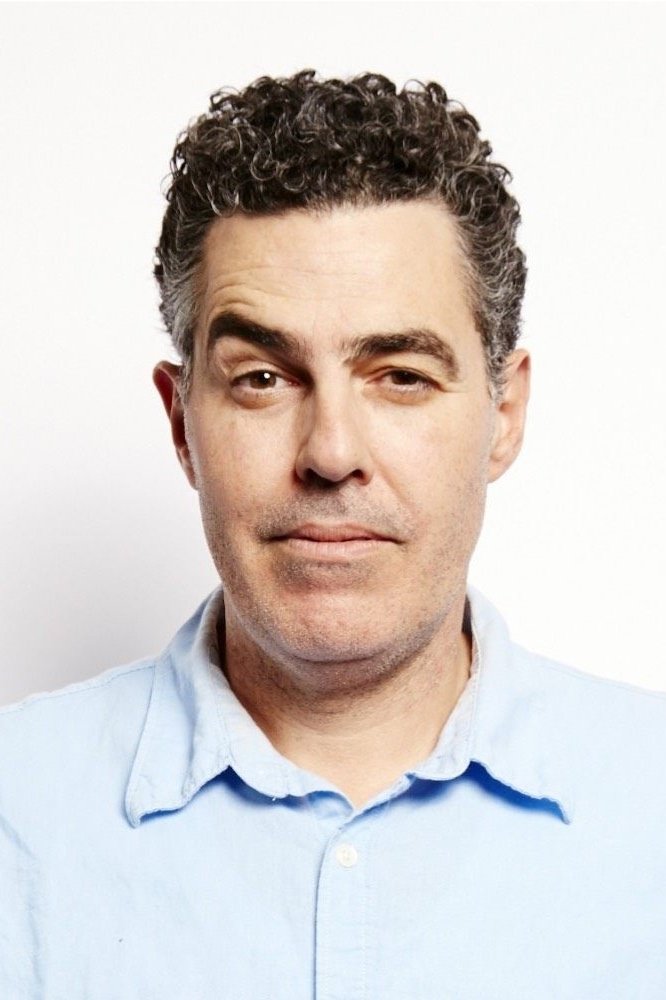
Adam Carolla has built much of his recent career on criticizing what he views as a decline in American cultural and creative standards. He argues that the entertainment industry has become obsessed with identity politics and creating safe spaces for everyone. The actor and host believes that this focus is detrimental to the production of high quality comedy and drama. Carolla claims that the pressure to conform to specific viewpoints is turning Hollywood into a place of intellectual groupthink.
Terrence Howard
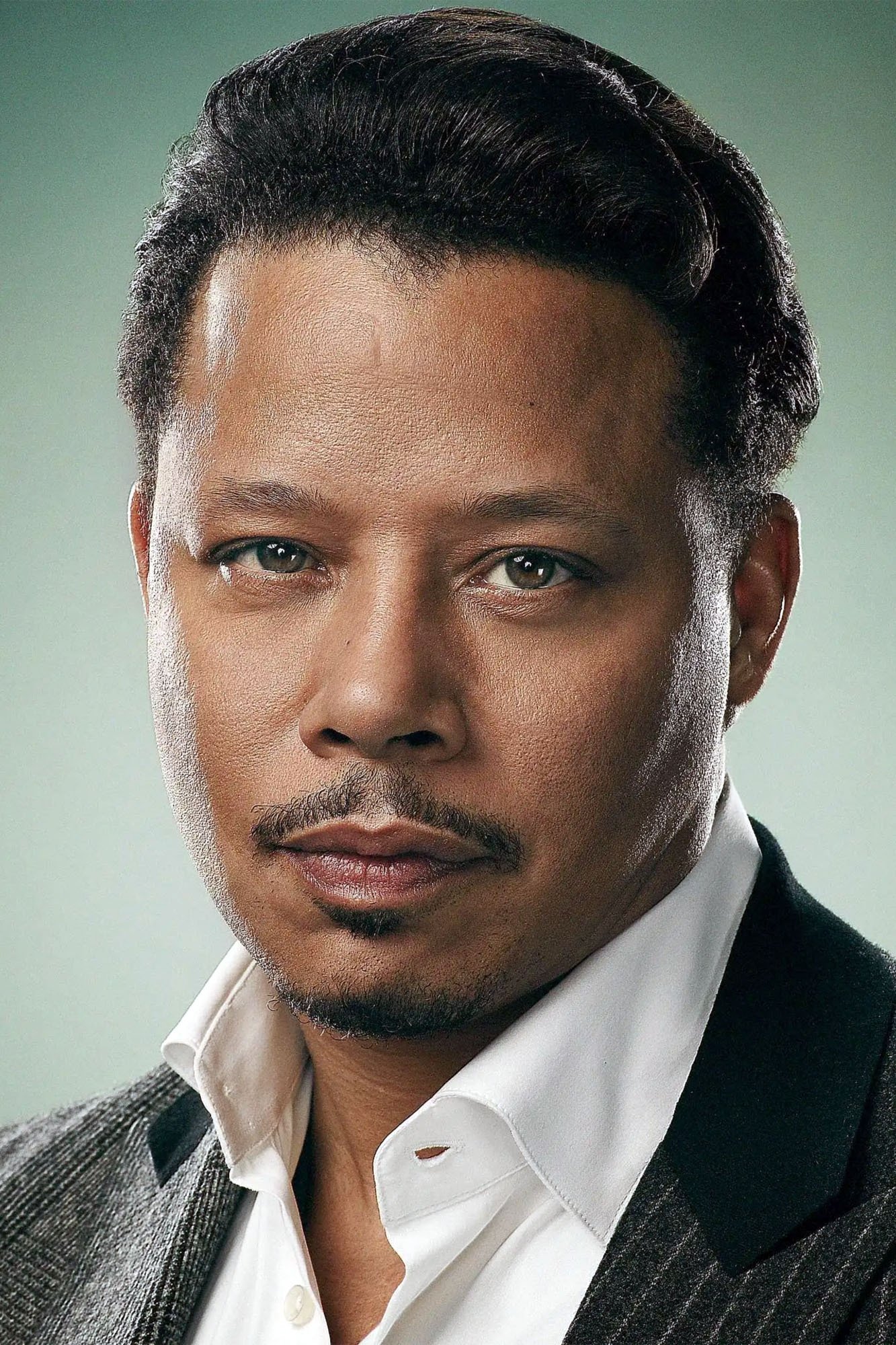
Terrence Howard has spoken about the difficulties he has faced within the studio system throughout his long career. He suggests that the industry is quick to cast out those who do not follow the established rules of behavior or thought. The ‘Empire’ actor believes that the current culture of accountability can be used as a weapon against individuals who are deemed difficult. Howard argues that the freedom to be an eccentric or unique artist is being erased in favor of corporate safety.
Isaiah Washington
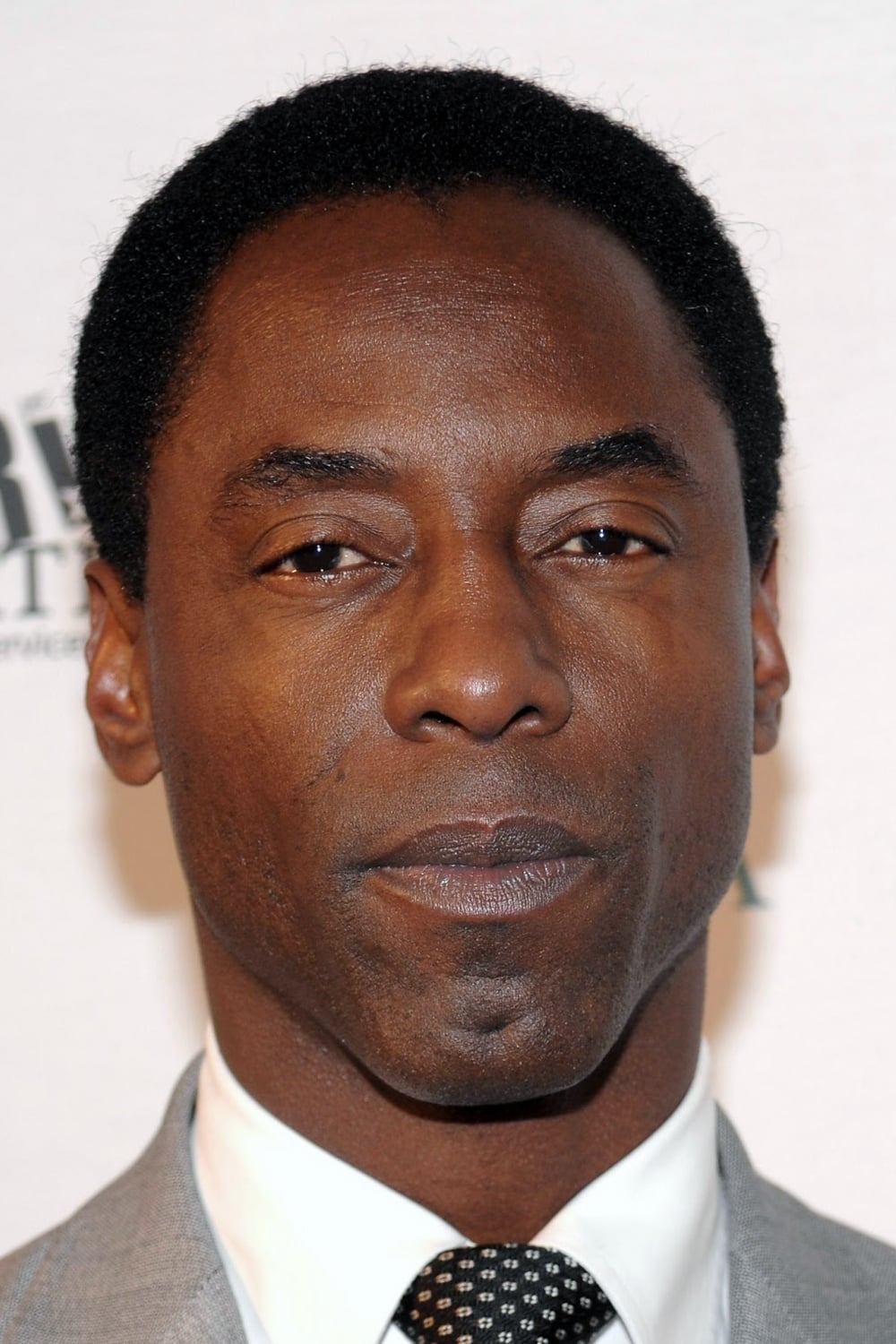
Isaiah Washington has been outspoken about his experiences being removed from a popular television show following a workplace conflict. He argues that he was a victim of a culture that does not allow for growth or reconciliation between colleagues. The actor suggests that the industry uses public shaming to maintain a specific corporate image at the expense of individuals. Washington believes that the creative world is worse off when talented people are permanently banned for their personal mistakes.
Frankie Muniz
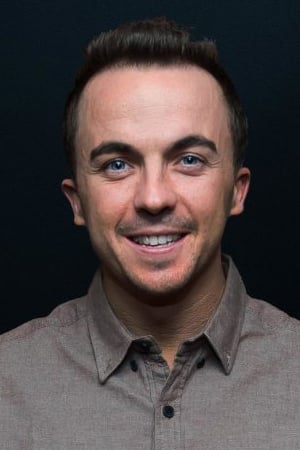
Frankie Muniz has briefly touched upon the pressures of maintaining a public image in the age of constant social media surveillance. He suggests that the fear of saying the wrong thing can be paralyzing for young actors who are just starting their careers. The ‘Malcolm in the Middle’ star believes that the current climate encourages people to hide their authentic selves to avoid backlash. Muniz argues that the joy of performing is often overshadowed by the fear of a potential public relations disaster.
Laurence Fox
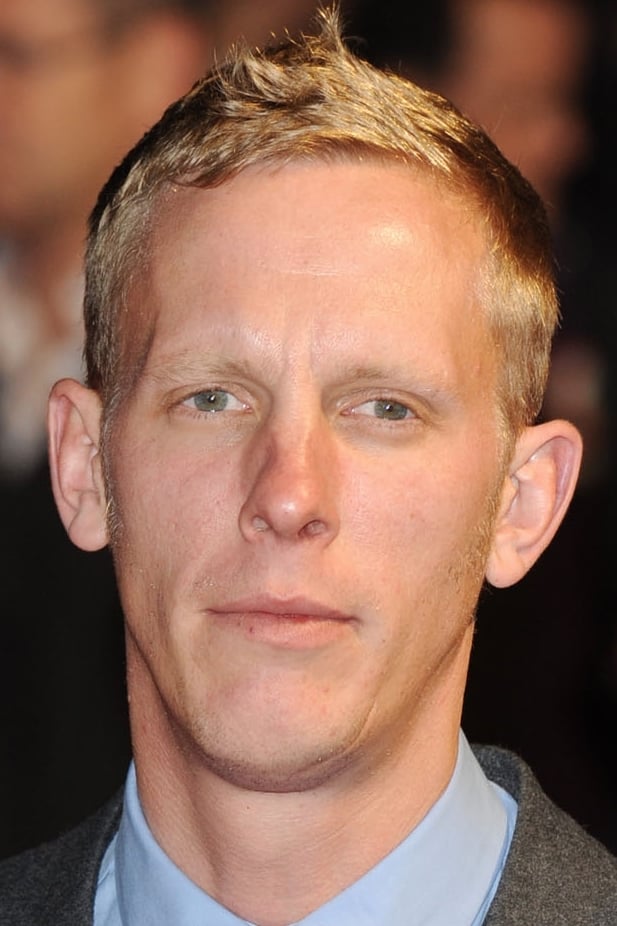
Laurence Fox has become a leading figure in the United Kingdom for criticizing what he calls woke culture in the arts. He argues that the industry is more concerned with virtue signaling than with the quality of scripts and performances. The ‘Lewis’ actor believes that the current social pressure is making it impossible to produce traditional drama that resonates with everyone. Fox has since shifted much of his focus to political commentary while continuing to speak out against the silencing of dissenting voices.
Jon Lovitz
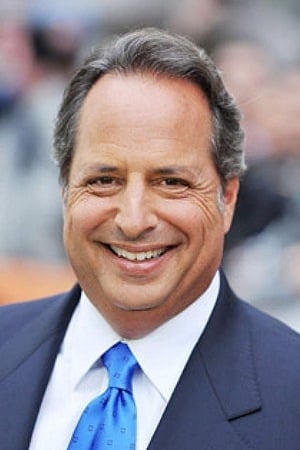
Jon Lovitz has criticized the way modern comedy is judged by social activists rather than by the audiences in the room. He suggests that the fear of being called out has made writers afraid to write edgy or boundary pushing material. The ‘Saturday Night Live’ alum argues that comedy is supposed to push limits and make people feel uncomfortable at times. Lovitz believes that the industry is losing its sense of humor due to the constant threat of a digital backlash.
David Spade

David Spade has mentioned that the atmosphere of modern Hollywood makes it difficult to produce the kind of comedy he was known for in the past. He suggests that every joke is now scrutinized for potential offense by people on the internet who may not understand the context. The ‘Joe Dirt’ star believes that this constant surveillance is inherently harmful to the creative and comedic process. Spade argues that comedians need the freedom to be silly and irreverent without the threat of being cancelled.
Michael Richards
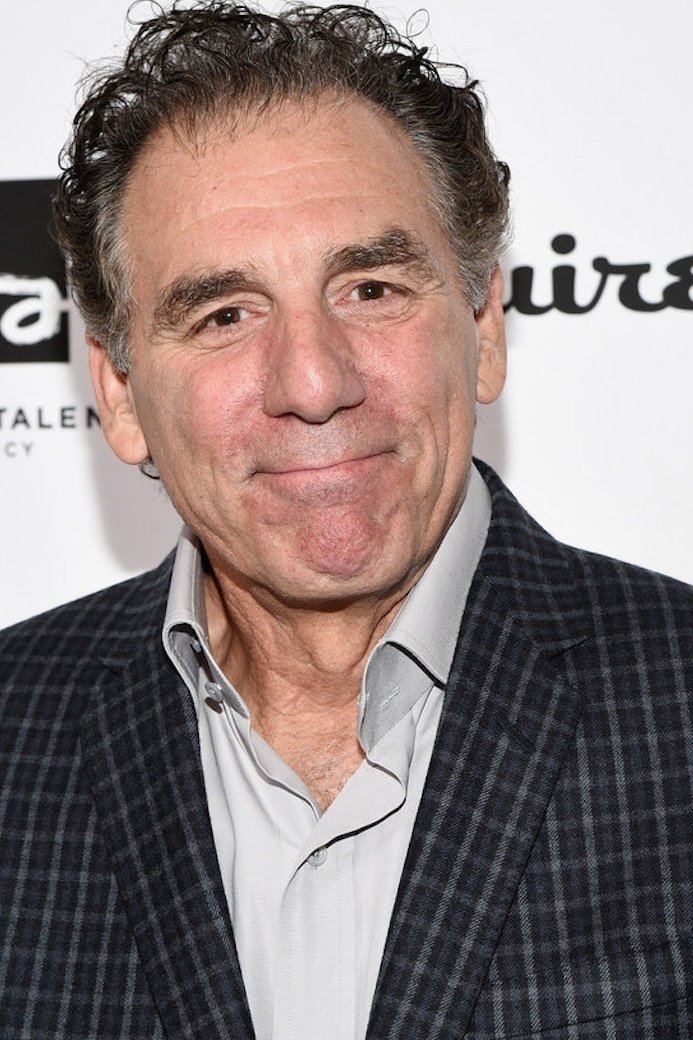
Michael Richards has lived through a massive public cancellation following a stand up comedy set several years ago. He has since spoken about the extreme difficulty of finding a path back to the industry after such an event. The ‘Seinfeld’ actor believes that while his past actions were wrong the lack of a clear path to redemption is problematic for society. Richards suggests that the culture of permanent shaming prevents individuals from making amends and contributing to art once more.
Todd Phillips
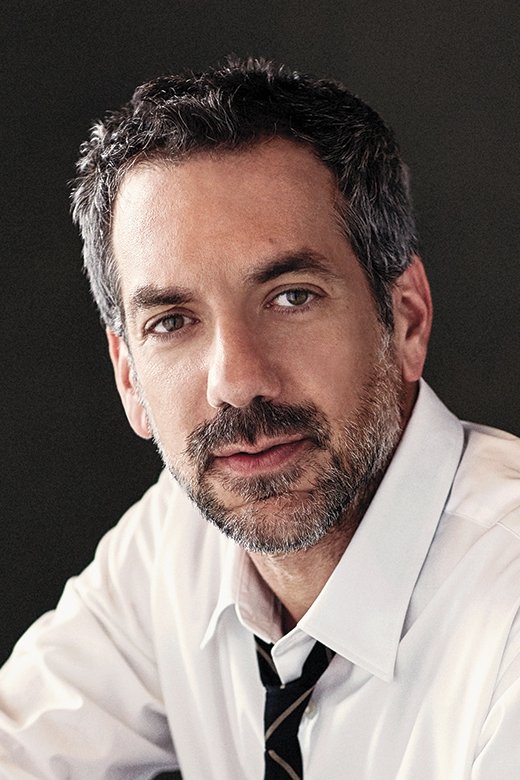
Todd Phillips transitioned from making broad comedies to more serious films like ‘Joker’ because he felt comedy was becoming too difficult to produce. He argues that the current culture of offense has made it nearly impossible to be funny in a way that is not sanitized. The director and actor believes that the fear of backlash has sucked the energy out of the comedy genre entirely. Phillips suggests that writers are now too afraid of the internet to take the necessary risks for great humor.
Mel Brooks
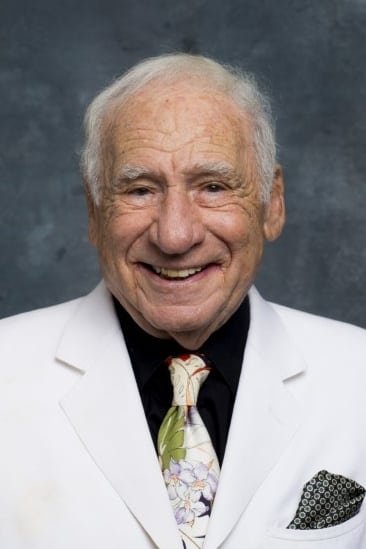
Mel Brooks has famously stated that a film like ‘Blazing Saddles’ could never be made in the current social and political climate. He argues that the industry has become overly politically correct to the point where satire is effectively dying. The legendary creator believes that humor is a powerful tool for breaking down social barriers that is currently being lost. Brooks claims that the freedom to make fun of everyone is essential for maintaining a healthy and open society.
Woody Allen
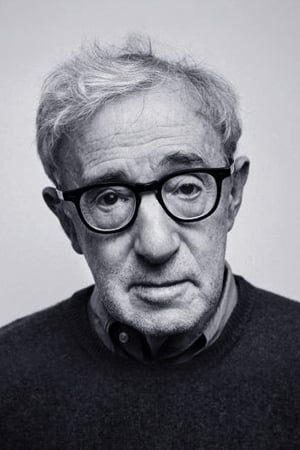
Woody Allen has faced renewed scrutiny and professional setbacks due to the resurfacing of decades old personal allegations. He has expressed the view that the industry is undergoing a period of extreme and sometimes irrational moralizing about past events. The actor and director suggests that the current environment is making it difficult to secure funding for independent artistic films. Allen argues that the artistic merit of a work should be judged separately from the personal life of the individual creator.
Johnny Depp
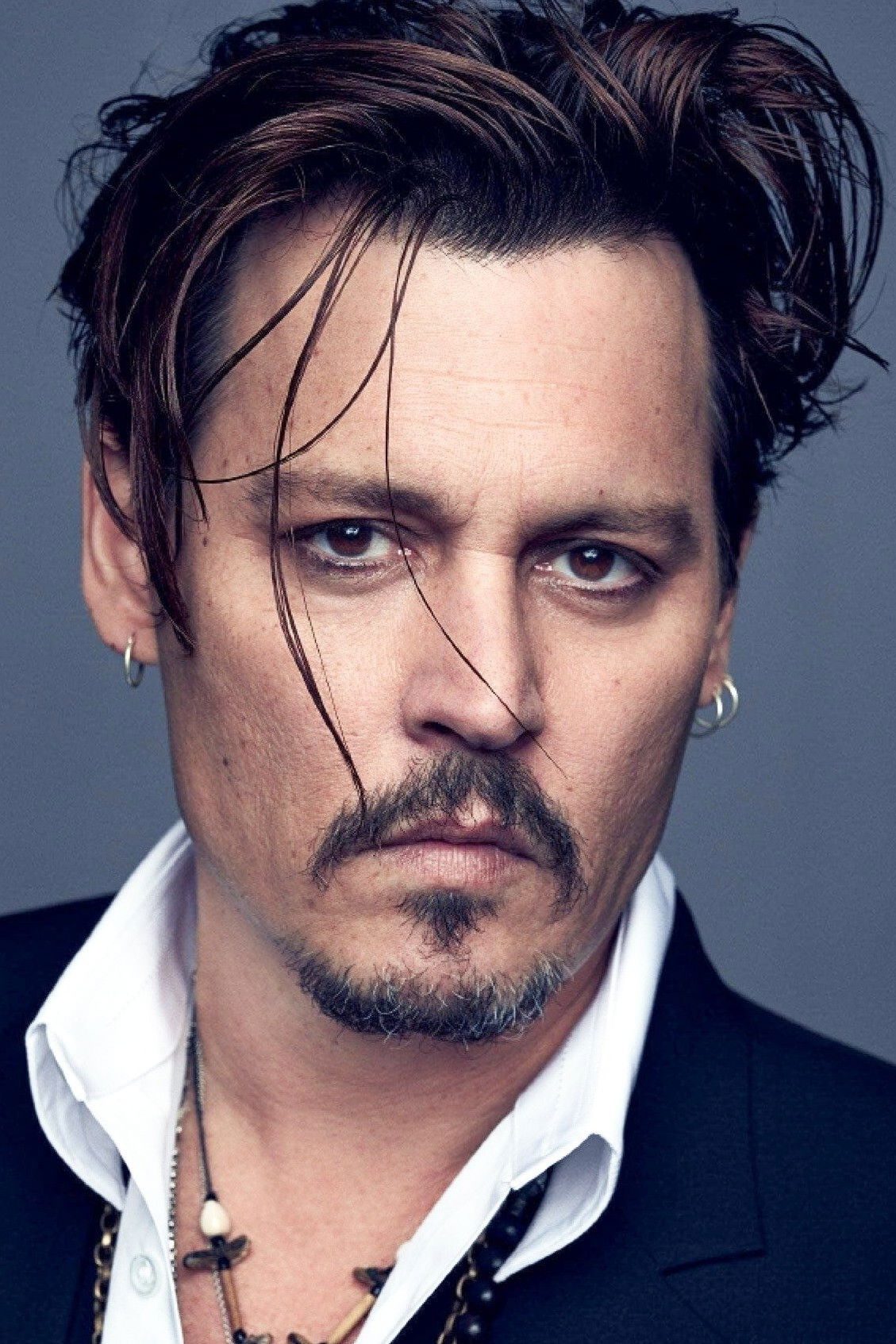
Johnny Depp has described himself as a victim of a rush to judgment within the global entertainment industry. He argues that no one is safe from the threat of being cancelled based on unproven allegations or public rumors. The ‘Pirates of the Caribbean’ star believes that the current social climate is dangerous for the future of creative expression and individual rights. Depp suggests that the industry needs to return to a standard where evidence and due process are valued over public opinion.
Shia LaBeouf
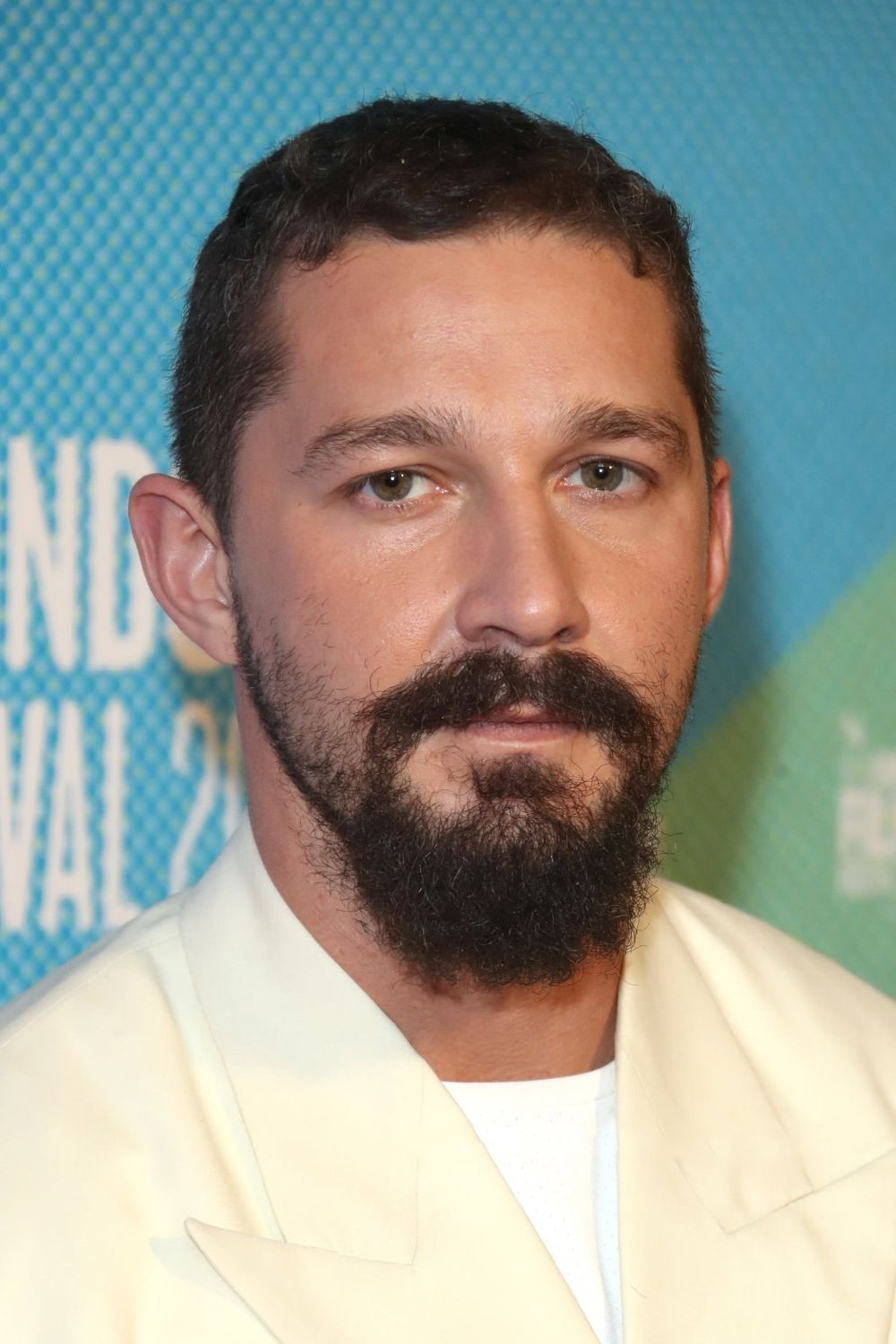
Shia LaBeouf has faced significant professional consequences following various personal and legal issues that became public knowledge. He has spoken about the way the industry can quickly turn on an individual who does not fit a certain acceptable mold. The ‘Transformers’ actor suggests that the pressure to be a perfect public figure is at odds with the nature of being an artist. LaBeouf believes that the focus on personal conduct is distracting the public from the art itself.
Armie Hammer
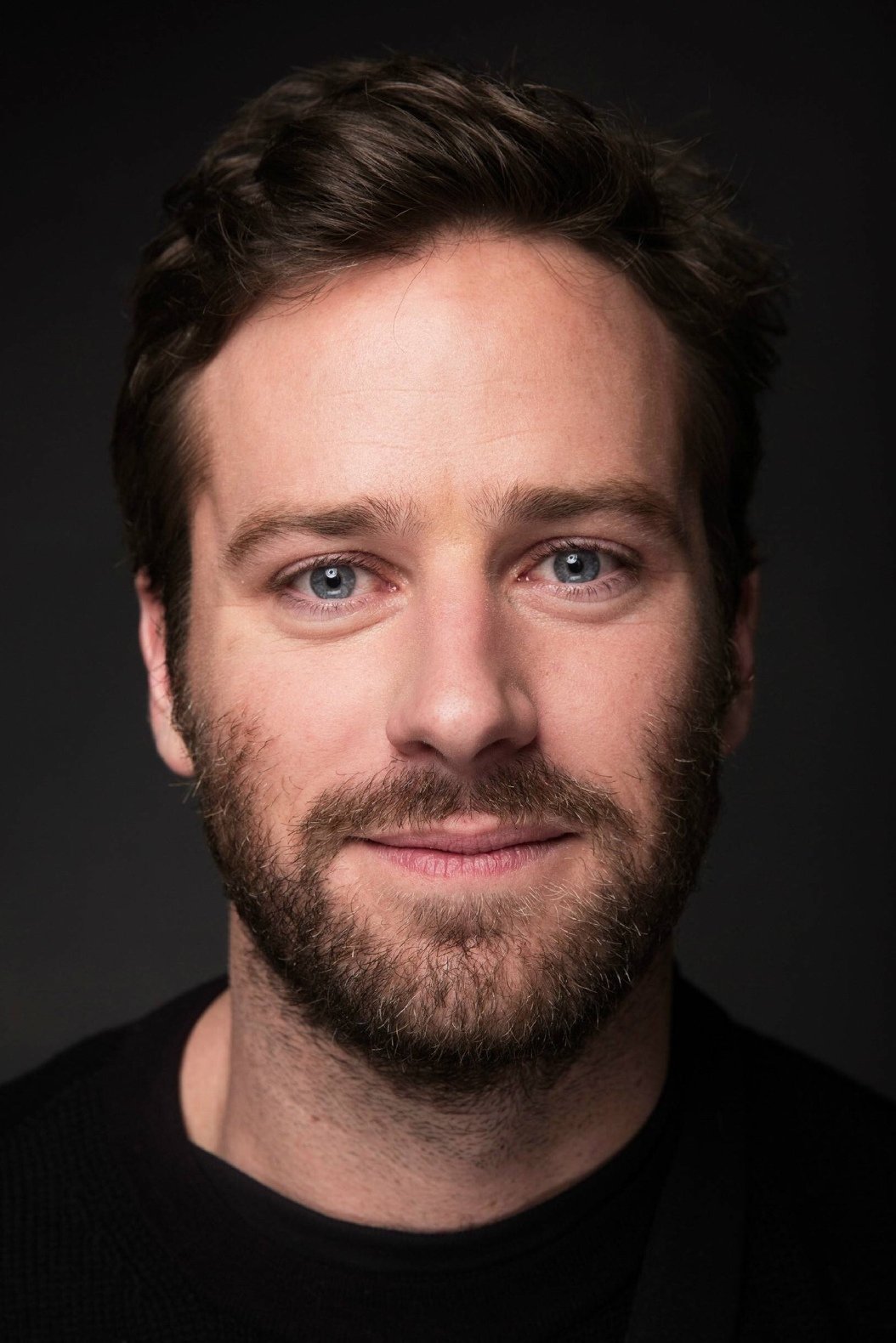
Armie Hammer saw his career collapse following the release of private messages and subsequent public allegations. He has commented on the way social media can be used to dismantle a person’s life and career in a matter of days. The ‘Rebecca’ actor suggests that the current culture does not allow for a nuanced discussion of complex personal situations. Hammer believes that the industry is currently driven by a fear of public opinion rather than by established facts.
Jeremy Piven
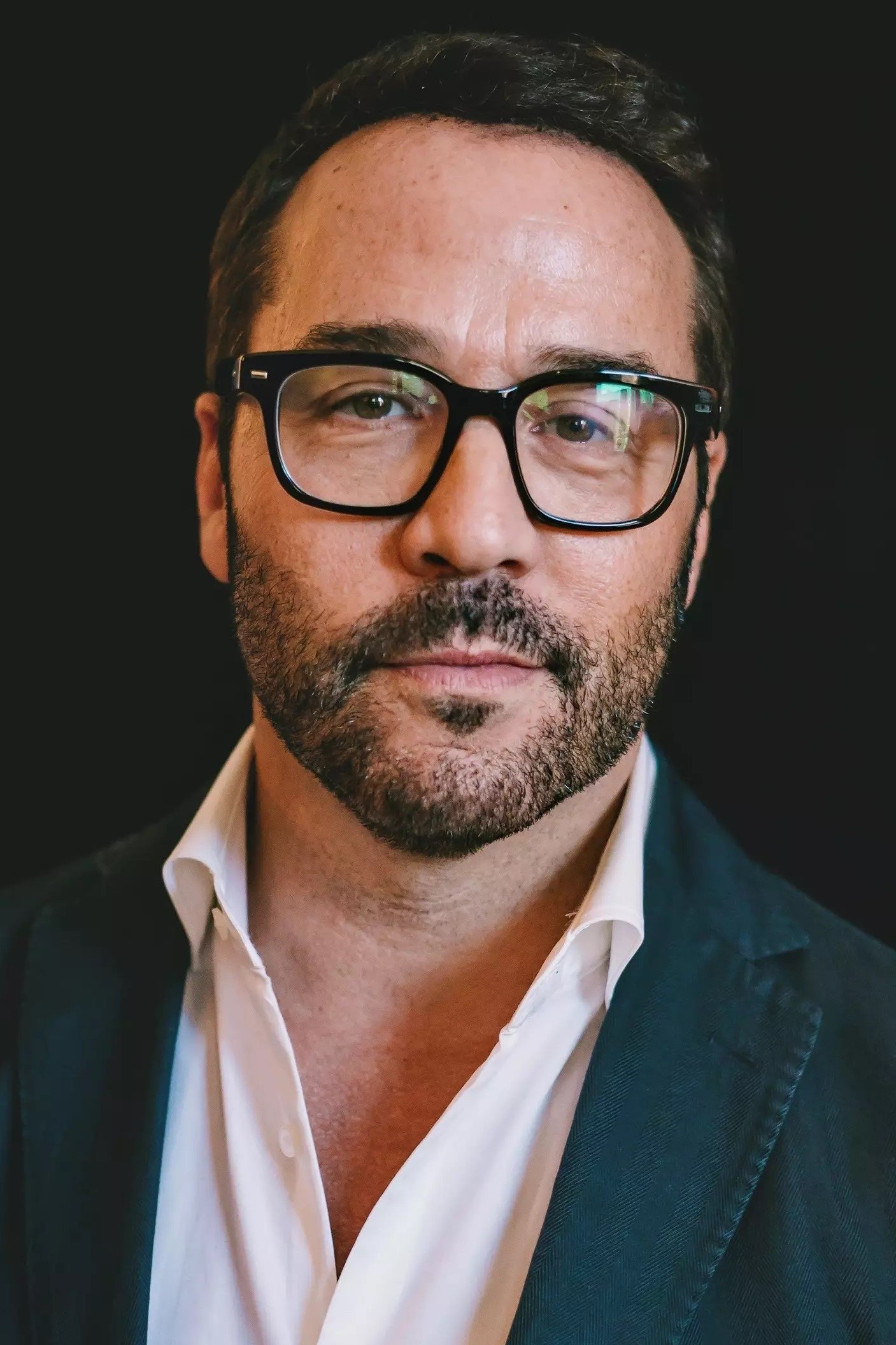
Jeremy Piven has faced several allegations that he claims were handled unfairly by both the media and the entertainment industry. He suggests that the current climate allows for accusations to be treated as absolute facts without any proper investigation. The ‘Entourage’ star argues that this environment creates a culture of fear where people are afraid to stand up for their colleagues. Piven believes that the integrity of the creative community is being compromised by this reactionary trend.
Casey Affleck
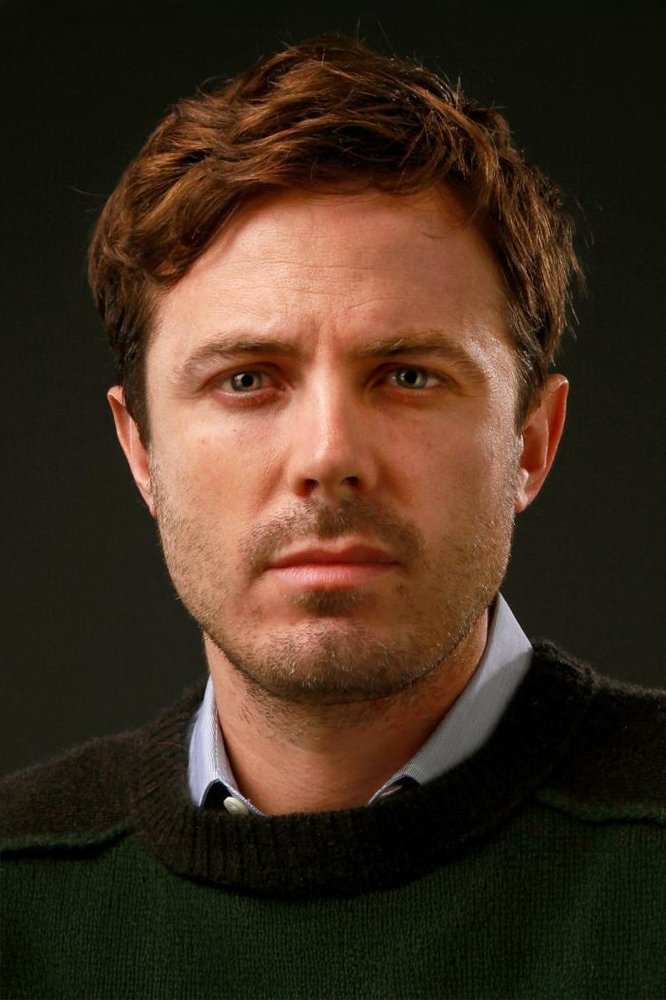
Casey Affleck has dealt with the fallout of past lawsuits while trying to maintain his professional career in Hollywood. He has spoken about the way the conversation around his past has influenced the critical reception of his recent work. The ‘Manchester by the Sea’ actor suggests that the industry is struggling to balance accountability with the preservation of artistic careers. Affleck believes that the focus on past errors can sometimes overshadow the current contributions of an artist.
Bill Maher
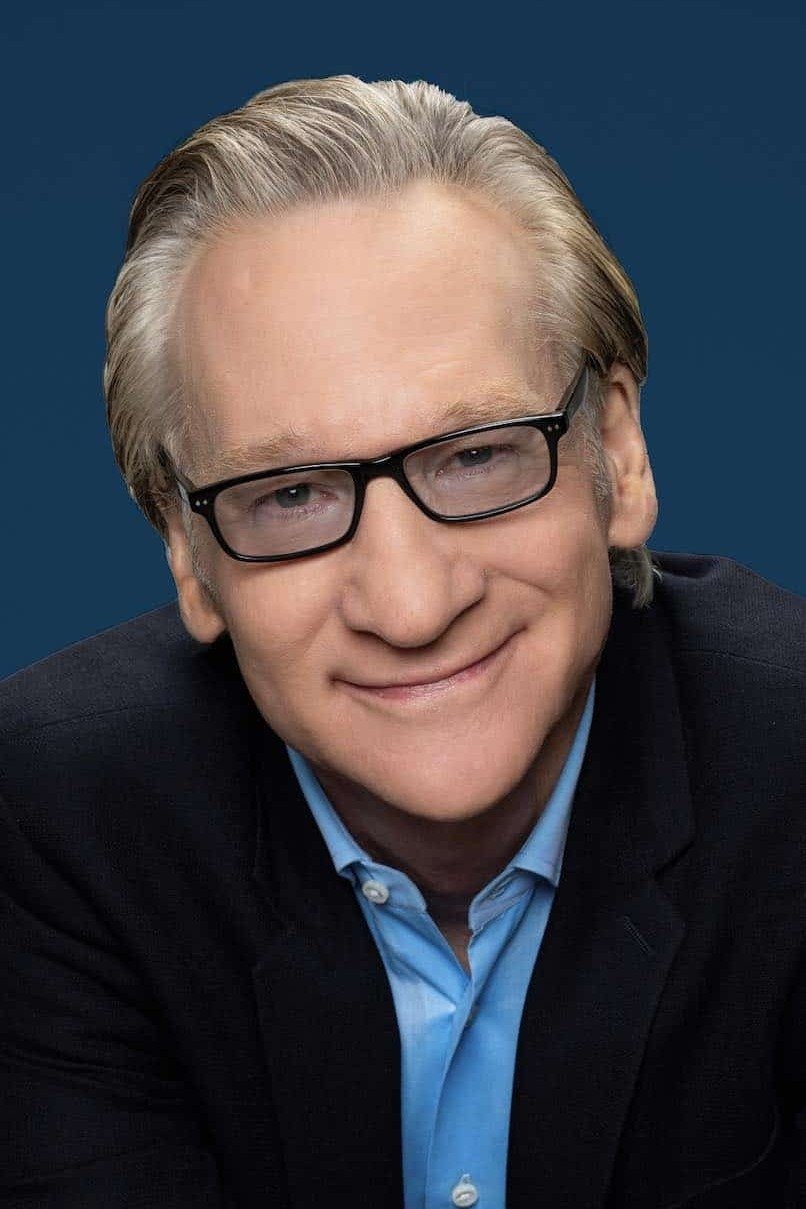
Bill Maher has used his platform to consistently rail against what he calls the woke revolution in American culture. He argues that the desire to be socially conscious has led to a decline in common sense and free speech in the arts. The actor and host believes that the entertainment industry is particularly vulnerable to this kind of ideological groupthink. Maher suggests that the fear of a Twitter mob is dictating the content of modern movies and television shows.
Chris Rock
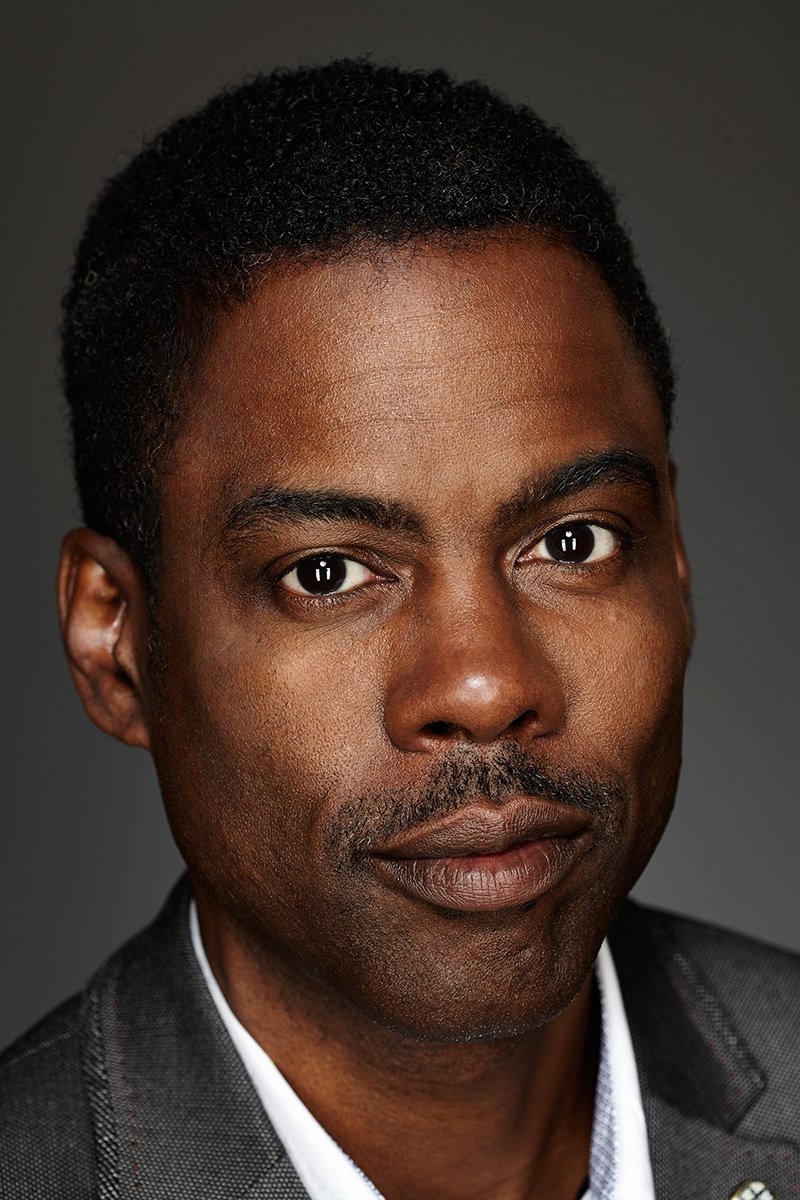
Chris Rock has commented on how the fear of being cancelled is negatively affecting the quality of stand up comedy today. He suggests that comedians are now more concerned with being safe and inoffensive than with being genuinely funny. The ‘Top Five’ actor believes that this environment is detrimental to the development of new and challenging comedic voices. Rock argues that the audience is losing out because performers are afraid to take the risks necessary for greatness.
Donald Glover
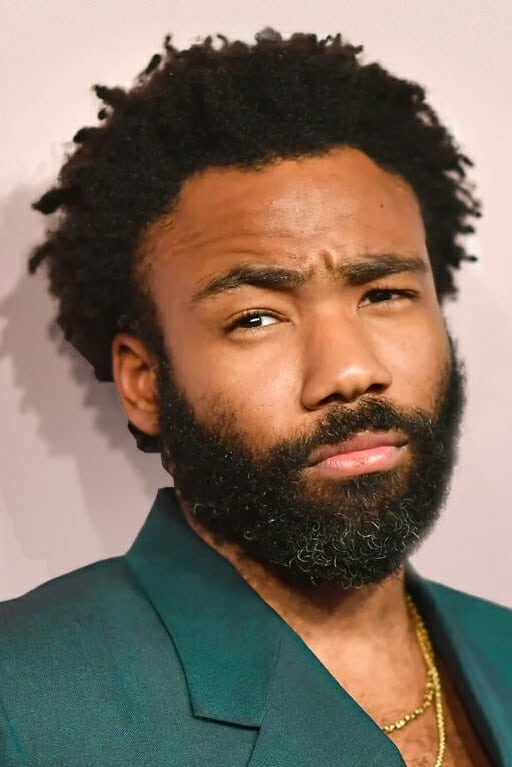
Donald Glover once posted a series of messages discussing why he believes modern movies and television have become boring for audiences. He suggested that the fear of being cancelled has led to a distinct lack of experimentation in storytelling. The ‘Atlanta’ creator argues that people are so afraid of making a mistake that they only produce safe and predictable content. Glover believes that the best art comes from a place of fearlessness that is currently missing from the industry.
Seth Rogen
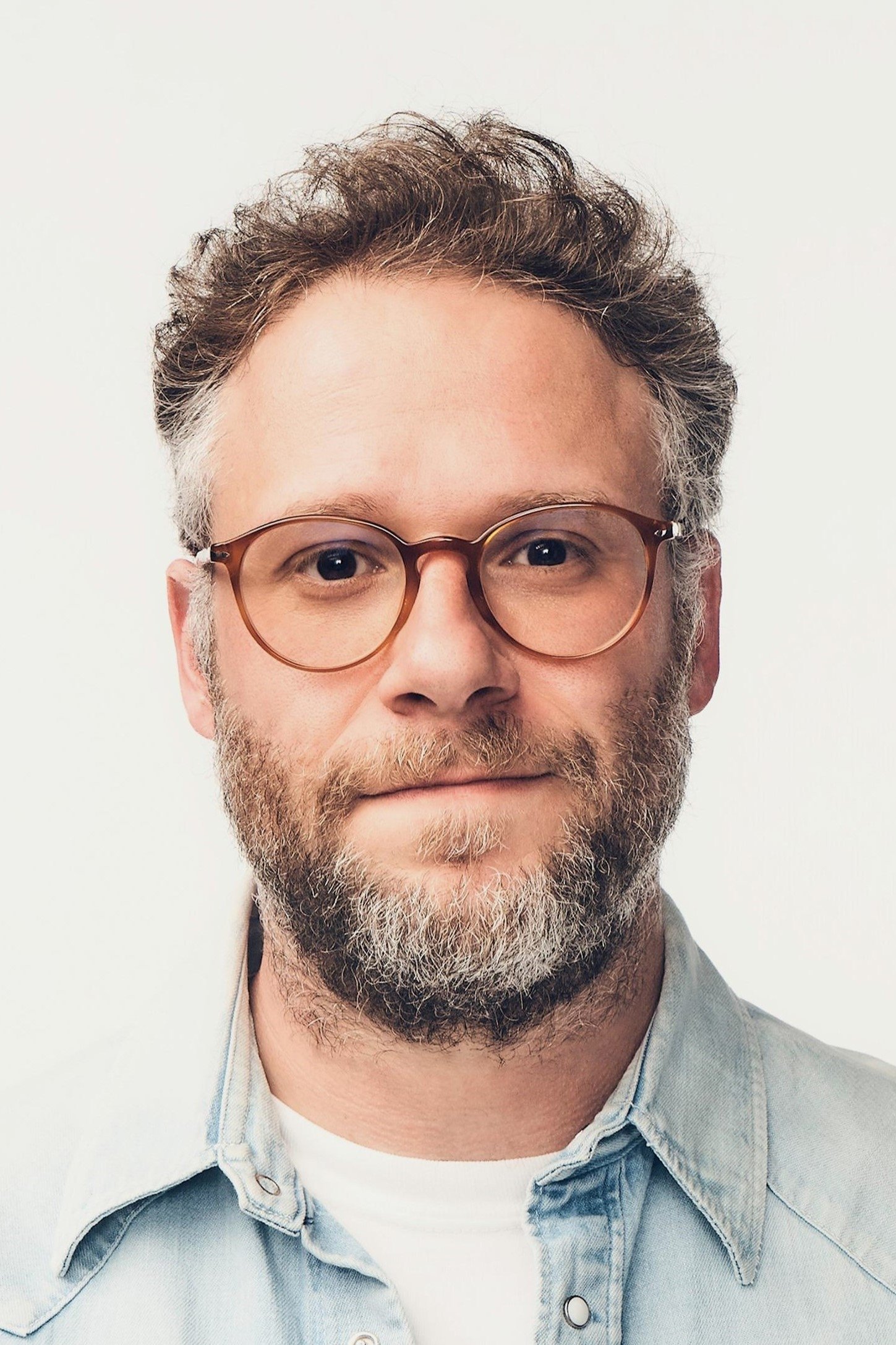
Seth Rogen has had a more nuanced take but has acknowledged the changing standards of what is considered acceptable in comedy. He has suggested that some of his older work contains jokes that have not aged well in the modern era. However the actor also understands the immense pressure that modern creators feel to adapt to a more sensitive audience. Rogen argues that while accountability is important it should not lead to the total erasure of creative history or experimentation.
Steve Carell
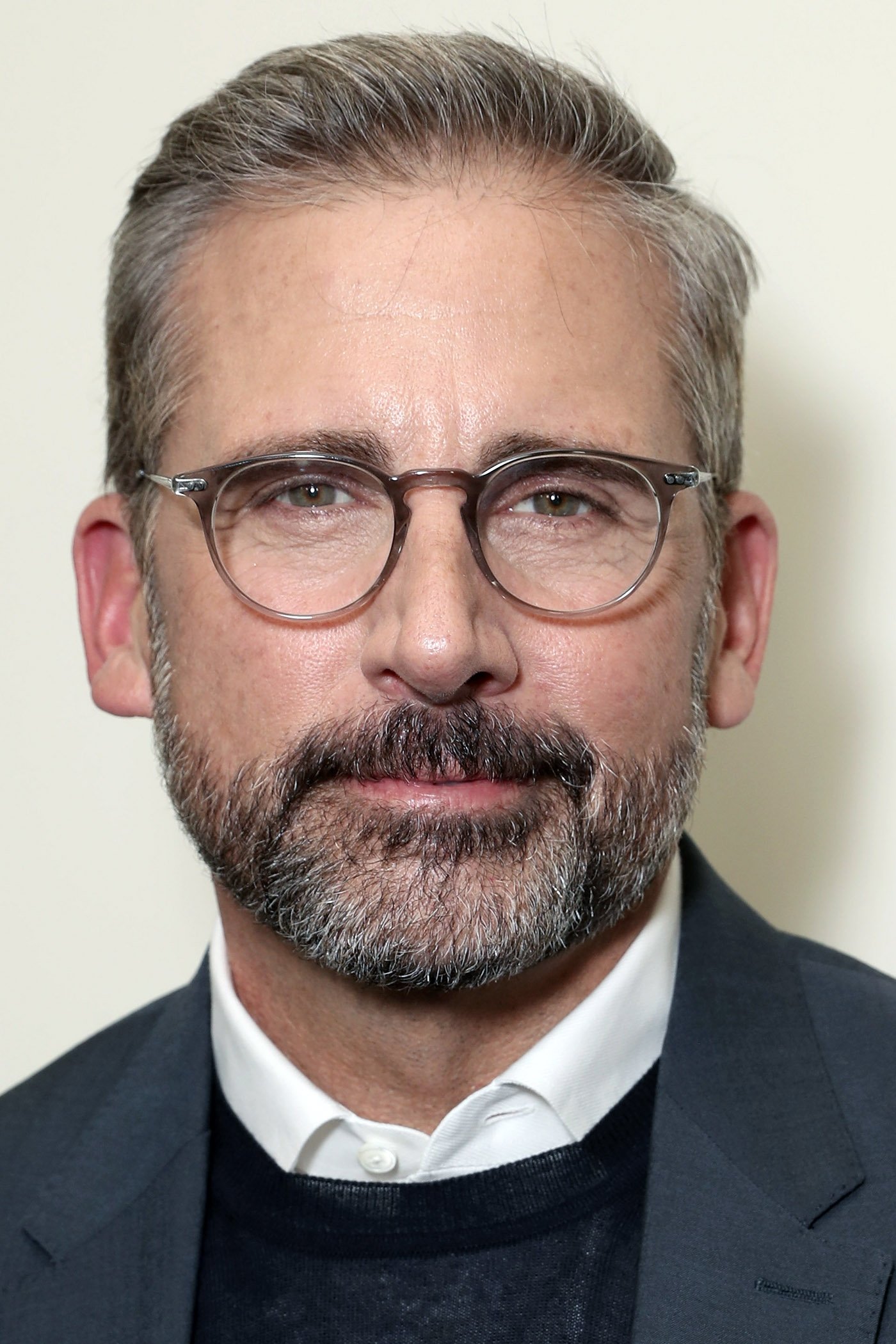
Steve Carell has expressed doubt that a show like ‘The Office’ would be as successful if it were premiered in today’s climate. He suggests that the character of Michael Scott relies on behavior that might be deemed too offensive for current television standards. The actor believes that the climate of sensitivity has fundamentally changed the way people consume and produce comedy. Carell argues that the ability to play flawed or inappropriate characters is vital for effective storytelling and satire.
Jerry Seinfeld
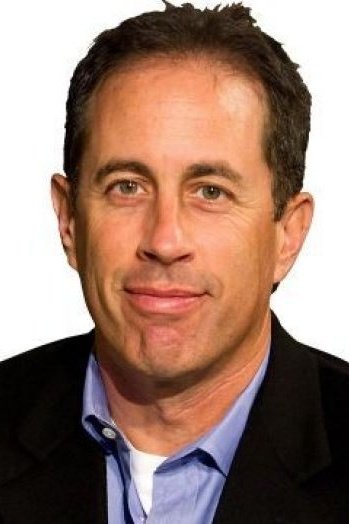
Jerry Seinfeld recently made headlines by claiming that the extreme left and political correctness have ruined television comedy. He argues that people are so worried about offending others that they have lost the ability to be genuinely funny. The ‘Seinfeld’ star suggests that the industry is being managed by people who are more concerned with social optics than with entertainment. Seinfeld believes that the lack of subversive humor is making the entire culture more boring and less creative.
Mads Mikkelsen
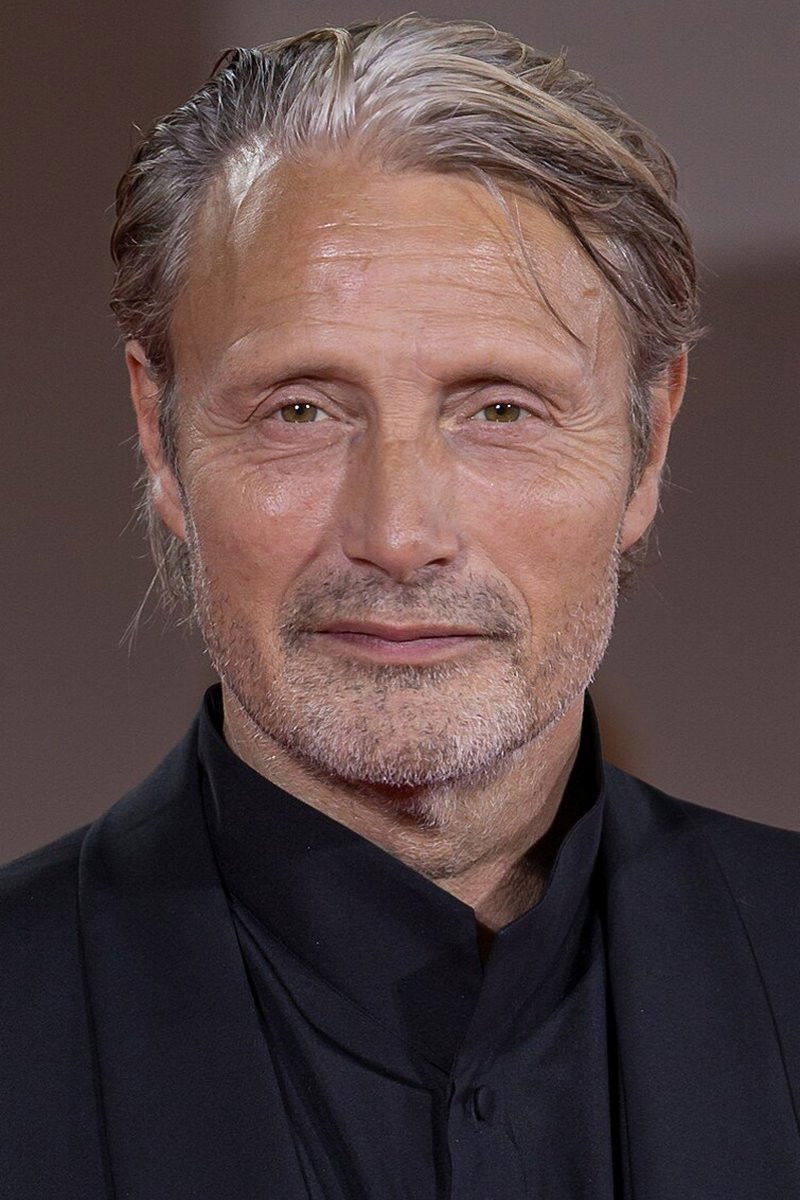
Mads Mikkelsen has commented on the rise of political correctness in the global film industry over the last decade. He suggests that the focus on meeting certain social criteria can sometimes get in the way of telling a compelling story. The ‘Another Round’ actor believes that filmmakers should have the freedom to cast and write without being dictated to by external social agendas. Mikkelsen argues that the best films are those that prioritize the artistic vision over temporary social trends.
Pierce Brosnan
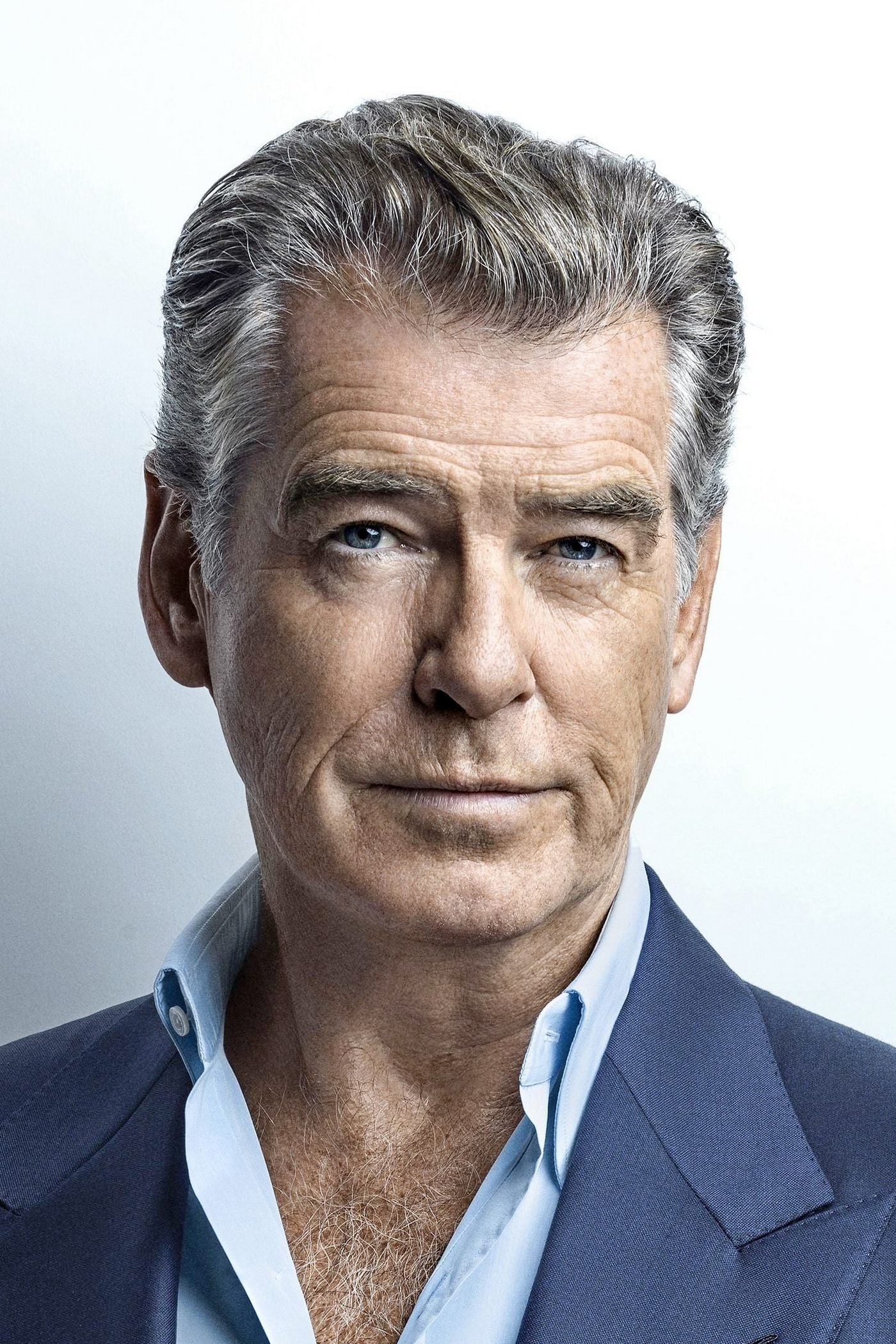
Pierce Brosnan has briefly touched upon the changing nature of the film industry and the role of the leading man in modern stories. He suggests that the modern climate is much more scrutinized and less forgiving than the industry he entered decades ago. The ‘GoldenEye’ actor believes that this shift has changed the types of stories that are being greenlit by major film studios. Brosnan argues that the industry must find a way to balance social progress with the preservation of creative freedom.
Robert Davi
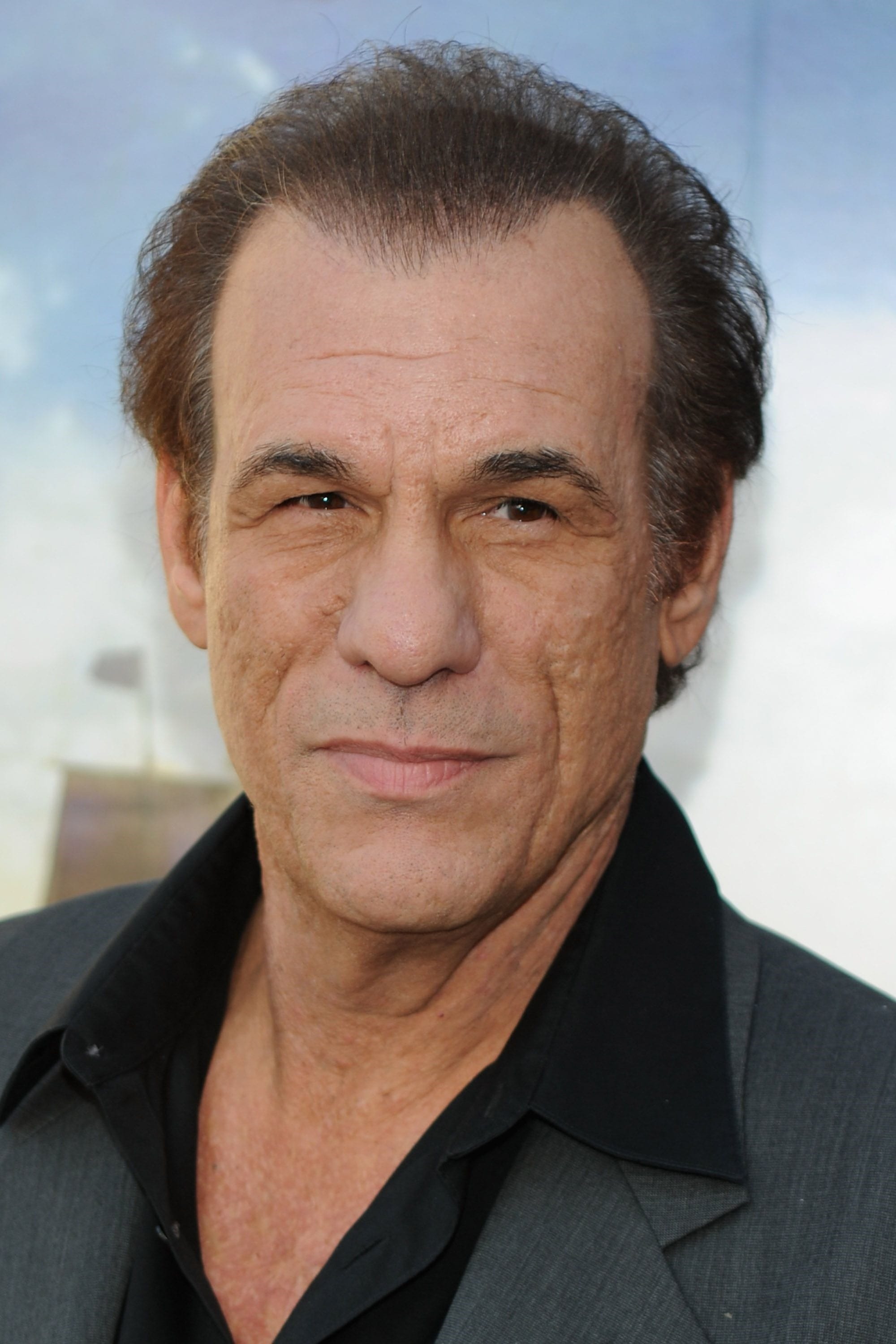
Robert Davi has been a frequent critic of the perceived ideological conformity in the modern Hollywood landscape. He argues that the industry has become a hostile environment for those who do not share a specific set of values. The ‘Die Hard’ actor suggests that this lack of intellectual diversity is a form of soft censorship that limits storytelling. Davi believes that creative freedom is only possible in an environment where all professional voices are respected and heard.
Nick Cannon
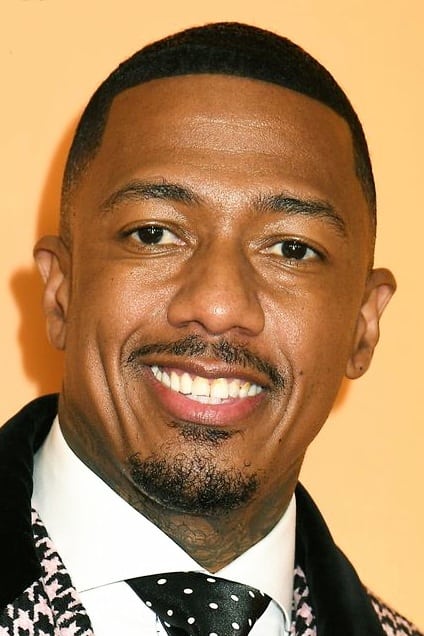
Nick Cannon faced a temporary professional setback following comments made on his podcast that were deemed controversial. He has since spoken about the importance of being allowed to learn and grow from one’s public mistakes. The actor and host believes that the rush to fire people is a reactive measure that does not solve any underlying issues. Cannon argues that the creative community should focus on dialogue and education rather than on the immediate exclusion of individuals.
David Mamet
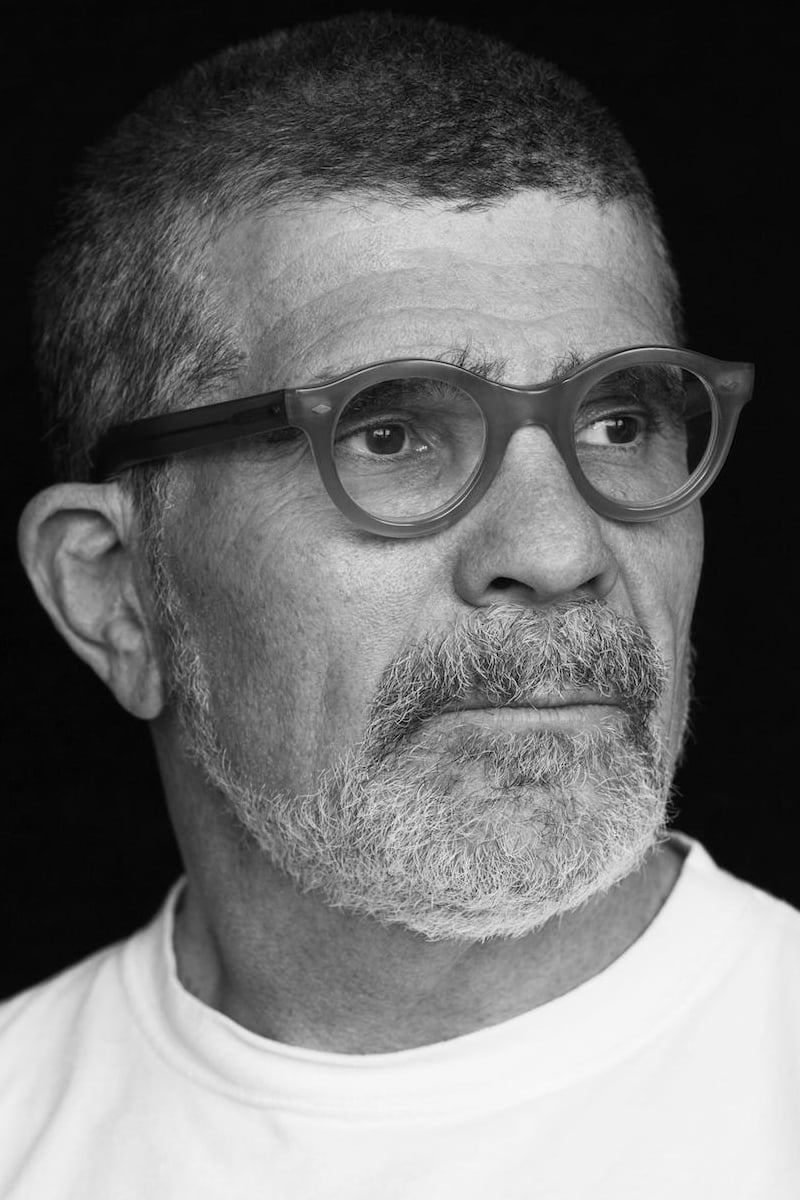
David Mamet has recently expressed his disdain for the current state of Hollywood and its focus on diversity and inclusion mandates. He argues that these rules are an affront to the creative process and the meritocracy of the entertainment industry. The playwright and filmmaker believes that the fear of social backlash is turning art into a form of propaganda. Mamet suggests that the true purpose of theater and film is being lost in the pursuit of modern social engineering.
MGK
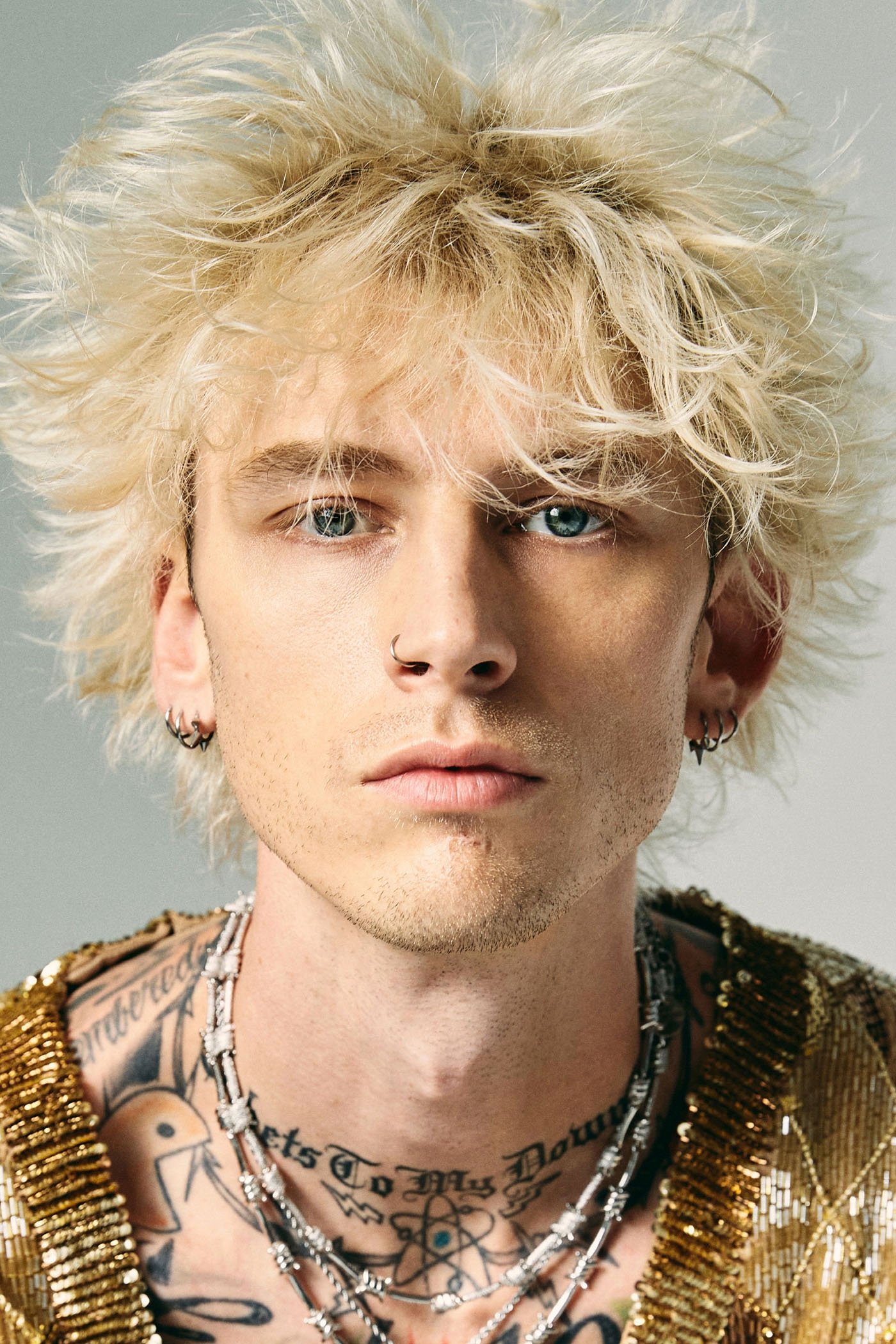
MGK has commented on the way the internet and social media have changed the way artists are judged by the public. He suggests that the threat of being cancelled makes it difficult for performers to be their authentic selves in their work. The actor and musician believes that the constant surveillance of an artist’s personal life is a distraction from their creative contributions. He argues that the industry needs to allow for more rebellion and nonconformity to keep the arts alive and interesting.
Please share your own thoughts on the impact of cancel culture on the entertainment industry in the comments.