Modern Gaming as a Narrative Device in Movies and TV

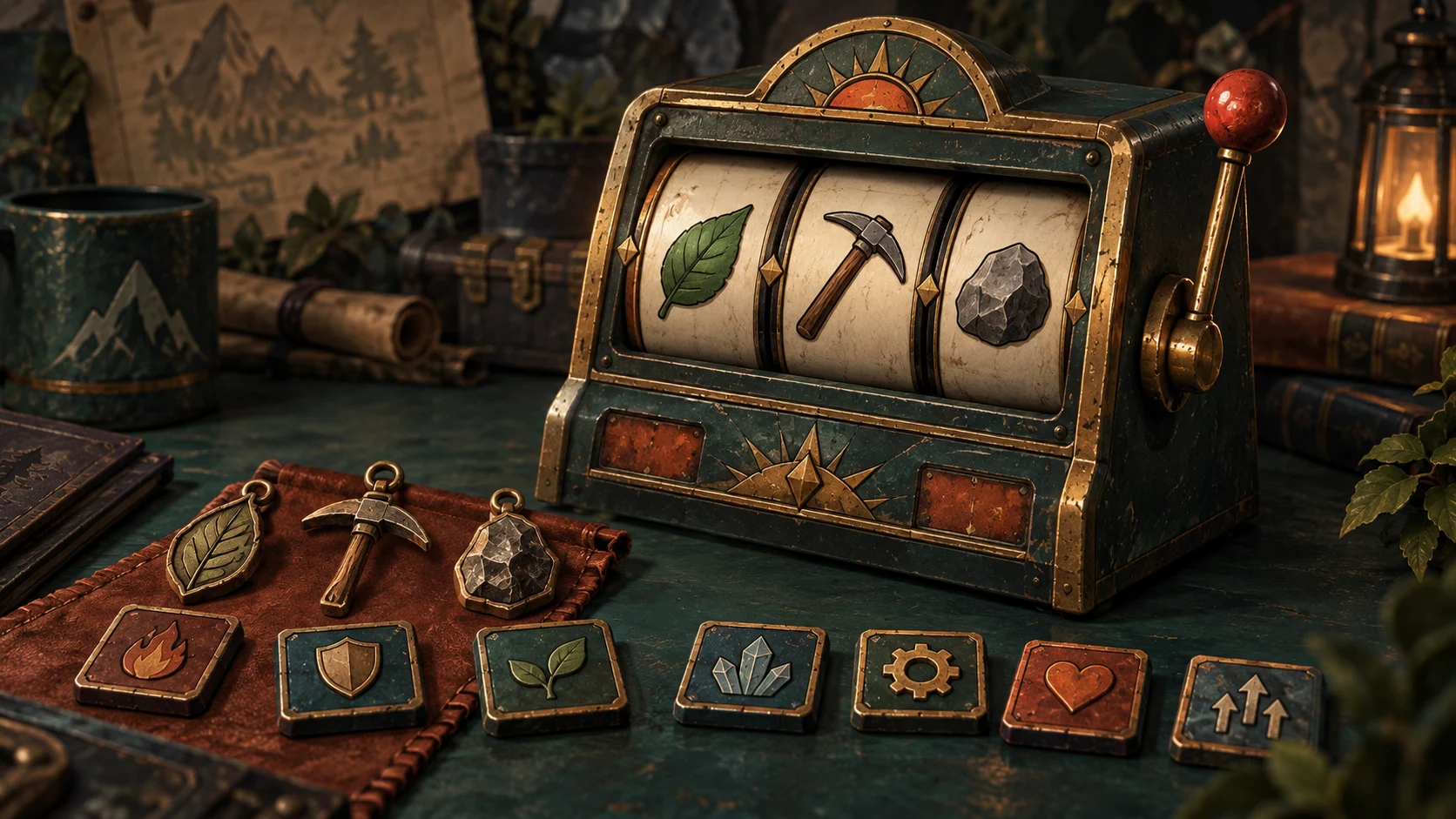

In film and television, casino games are rarely just about the game itself—they are a high-tension backdrop for character development and dramatic turns.
A single hand of cards can reveal more about a character than pages of dialogue. It shows who bluffs, who panics, who calculates, and who is willing to risk everything. That is why filmmakers have returned to the card table, the roulette wheel, and the slot floor for more than half a century.
Why Casinos Work So Well on Screen
A casino gives a director almost everything they need in one location. The money on the line makes the stakes clear to every viewer. Onlookers, dealers, and security staff form a built-in audience. The rules of most games are simple enough that viewers can follow along without explanation. Most importantly, the outcome is uncertain. Even when the audience suspects the hero will win, the flip of a card still carries real suspense.
Casinos are also visually rich. Crowded floors, stacks of chips, and tight close-ups of hands and faces build tension without a word being spoken. A well-shot card game plays much like a duel in a Western. Two characters stare each other down, and everyone waits to see who blinks first.
The High-Stakes Thrill
The High-Stakes Thrill: Films like Casino Royale and Ocean’s Eleven rely on table games to showcase intellect, calm under pressure, and cool sophistication. The atmosphere of neon lights, spinning wheels, and intense focus creates immediate visual drama.
James Bond has been tied to the casino since his very first screen appearance. In Dr. No (1962), audiences meet him at a card table before they even learn his name. The 2006 reboot Casino Royale made the game the backbone of its entire plot: a high-stakes Texas Hold’em tournament in Montenegro becomes the battlefield where Bond must bankrupt a terrorist financier. The poker scenes reveal Bond’s arrogance, his vulnerability when he is poisoned mid-game, and his growing bond with Vesper Lynd.
Ocean’s Eleven (2001) takes a different approach. The casino is not the place where games are played but the target itself. Danny Ocean’s crew sets out to rob three Las Vegas casinos at once, and the glamour of the Bellagio, with its fountains, vaults, and high rollers, gives the heist its scale and style. The casino becomes a fortress, and beating it is the ultimate test of skill and nerve.
Other films have used the same formula to great effect. Rounders (1998) follows a law student drawn back into underground poker. It is still considered one of the most authentic portrayals of the game, and its showdown with the villainous Teddy KGB is endlessly quoted by players. The Cincinnati Kid (1965) built its entire climax around a single hand of five-card stud, proving decades ago that a card game could be as gripping as any action sequence.
The Comeback Story
The Comeback Story: Stories centered around underdog gamblers often explore the psychological push-and-pull of chasing a big break, highlighting human ambition and resilience.
These films tend to be less glamorous and more personal, and the casino becomes a mirror for the character’s inner struggle. In 21 (2008), loosely based on the real-life MIT Blackjack Team, a brilliant but broke student learns to count cards in Las Vegas. The more he wins, the further he drifts from who he was.
Molly’s Game (2017) tells the true story of Molly Bloom, a former competitive skier who ran some of the most exclusive private poker games in the world. The cards are almost secondary. The real drama is Molly’s determination to rebuild her life on her own terms.
Some films explore the darker side of chasing luck. The Gambler, both the 1974 original and the 2014 remake, follows a character who cannot walk away from the next bet, as does Uncut Gems (2019). Uncut Gems in particular turns a basketball wager into one of the most anxiety-inducing sequences in modern cinema. These stories resonate because they are honest about the stakes: risk is thrilling precisely because it can go wrong.
Casinos in Television
Television has embraced the casino setting too, often as a long-running backdrop rather than a single climactic scene. The series Las Vegas (2003–2008) followed the staff of a fictional resort, mixing workplace drama with the spectacle of the Strip. Crime dramas regularly use back-room card games to introduce a villain or force a tense negotiation. On television, as in film, a casino tells the viewer that something important is at stake, and that anyone at the table could walk away a winner or lose it all.
From the Screen to Your Home
In modern gaming, players often look for that same blend of thrill and convenience online. For those looking to experience high-intensity feature games and massive prize pools directly from home, you can play jackpot pokies online to test your luck on dynamic progressive titles.
The Evolution of Mini-Games in Video Games
Video game developers frequently build fully functional card, table, and slot games within their virtual worlds to deepen player immersion:
Red Dead Redemption 2: Features authentic Poker, Blackjack, and Liar’s Dice games in saloons across the frontier, grounding players in the period setting.
The Witcher 3: Wild Hunt: Introduced Gwent, a collectible card game played in taverns that became so popular it evolved into a standalone title.
Fallout: New Vegas: Built an entire post-apocalyptic casino strip where players could wager earned currency to complete quests and build their fortune.
These mini-games follow the same logic filmmakers have used for decades. A saloon poker table in Red Dead Redemption 2 says as much about the world of 1899 as any cutscene. In games, though, the player is not just watching the tension unfold. They are the one holding the cards.
Why the Fascination Endures
From Bond’s first appearance at the card table to the neon-lit strip of New Vegas, casino games have become a shared language across media. They offer instant stakes, natural suspense, and a stage where characters reveal who they really are.
Whether represented on screen or played directly in interactive formats, the dynamic nature of these games continues to captivate audiences across media.