‘Supergirl’ Surprised Everyone at Warner Bros., But Not in the Way They Hoped

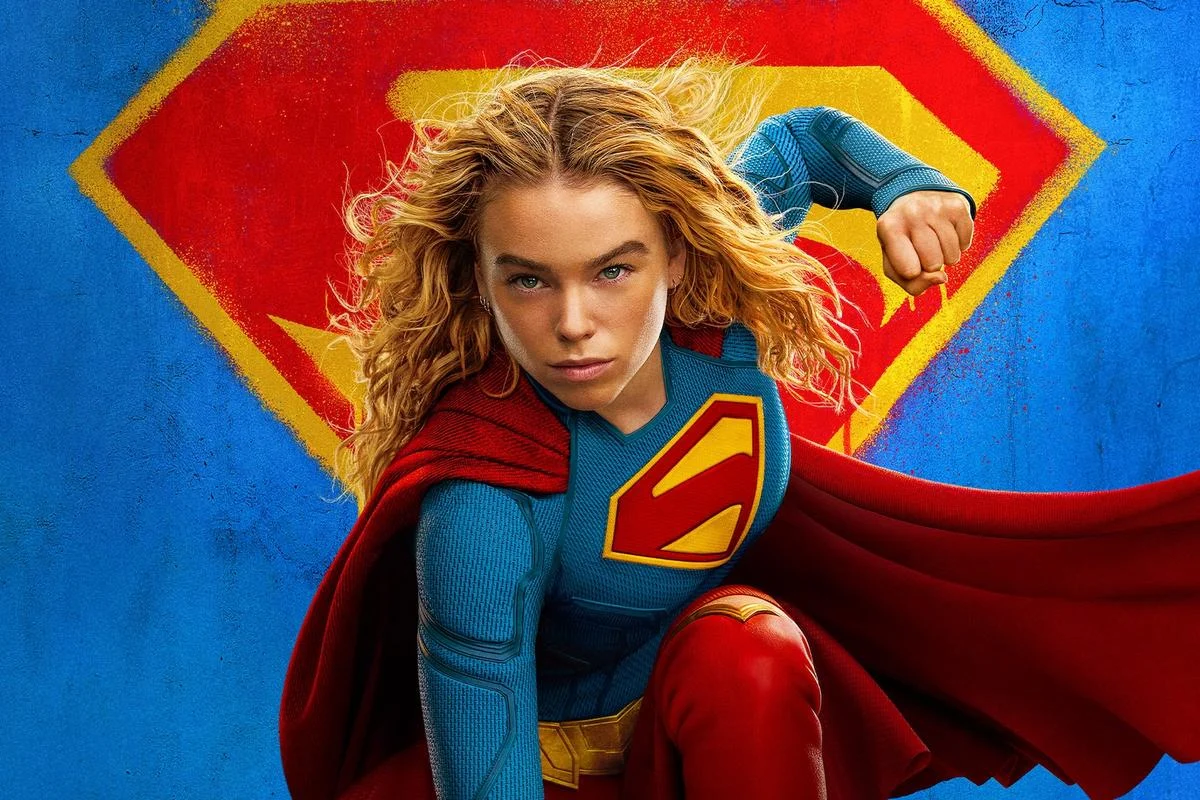

DC Studios had a lot riding on ‘Supergirl’ when the film hit theaters on June 26. As only the second entry in James Gunn and Peter Safran’s ambitious reboot of the DC Universe, the film stars Milly Alcock as Kara Zor-El, after the actress first appeared in a cameo at the end of 2025’s ‘Superman’, now stepping up to lead the franchise’s sophomore feature. The pressure to deliver a hit was real, and with a formidable production budget behind it, the stakes could not have been higher for everyone at Warner Bros.
The film had all the makings of a serious blockbuster push. Directed by Craig Gillespie and featuring a cast that includes Jason Momoa as Lobo, ‘Supergirl’ carried a budget of $170 million, with Warner Bros. eyeing an opening weekend start of around $50 million before the film came down to earth over the weekend. For further context, last year’s ‘Superman’ kicked off the new DC Universe with a domestic opening of $125 million, eventually reaching $618.7 million globally. Those numbers made ‘Supergirl’ feel like it had a proven formula to build from.
What no one inside the studio fully anticipated, however, was just how much turbulence the project would hit before a single ticket was sold. According to The New York Times, DC executives were reportedly caught off guard by the scale of the negative reaction, with reports stating that they were “surprised by both the ferocity of the backlash and its reach,” while also believing the culture had evolved past that sort of campaign. The controversy largely centered on personal attacks directed at Alcock’s appearance and her fitness to play the iconic character.
The situation was further complicated by a press tour that generated its own controversies. In a March interview with Vanity Fair, Alcock said that simply existing as a woman in that space made her aware of how people comment on it, adding that society has become very comfortable with a strange ownership of women’s bodies. When reaction to those remarks proved negative, she doubled down in a Variety profile, saying she had not even said the word “men” and that the outrage was proving her point. Additional remarks she made about the character’s identity during a Pride month interview added further fuel to the fire.
When the opening weekend numbers finally arrived, the film collected just $38 million domestically, a figure that landed even below the debut of the widely derided ‘Morbius’ and well below Marvel’s own troubled ‘The Marvels’. Globally, the film landed at $68 million, and Variety reports the movie realistically needs to make $300 million to break even at the box office. DC Studios Co-CEO Peter Safran acknowledged the disappointment, telling The New York Times that while ‘Supergirl’ did not meet box office expectations, it is just one component of a broader, long-term strategy at DC Studios that the studio remains confident in.
Reviews were mixed, with The Hollywood Reporter calling the film an “uninspired slog” while still praising Milly Alcock’s hard-edged performance as an appealingly punky protagonist. The consensus seems to be that Alcock herself was largely not the problem, with many critics pointing to the script and direction as the bigger weaknesses. The backlash has had a major negative effect on the movie’s chances of success, and observers warn it could push future superhero releases toward safer, more formulaic choices rather than bold creative swings.
With ‘Clayface’ arriving this October and ‘Man of Tomorrow’ on the horizon for next year, the DCU still has runway to course correct. Whether audiences are ready to give the fledgling universe another shot is the question DC fans everywhere are now wrestling with.