The 20 Absolute Worst Actors-Turned-Musicians


Hollywood is full of performers who took a swing at music with mixed results. Some landed a novelty hit, others pressed on with full albums, and a few built loyal niche followings even as critics winced. This list looks at notable acting names whose music projects struggled with reviews, sales, or staying power compared with their screen success. You’ll find release details, genres they tried, and how those records were received, so you can judge the gap between star power and studio sound for yourself.
Steven Seagal
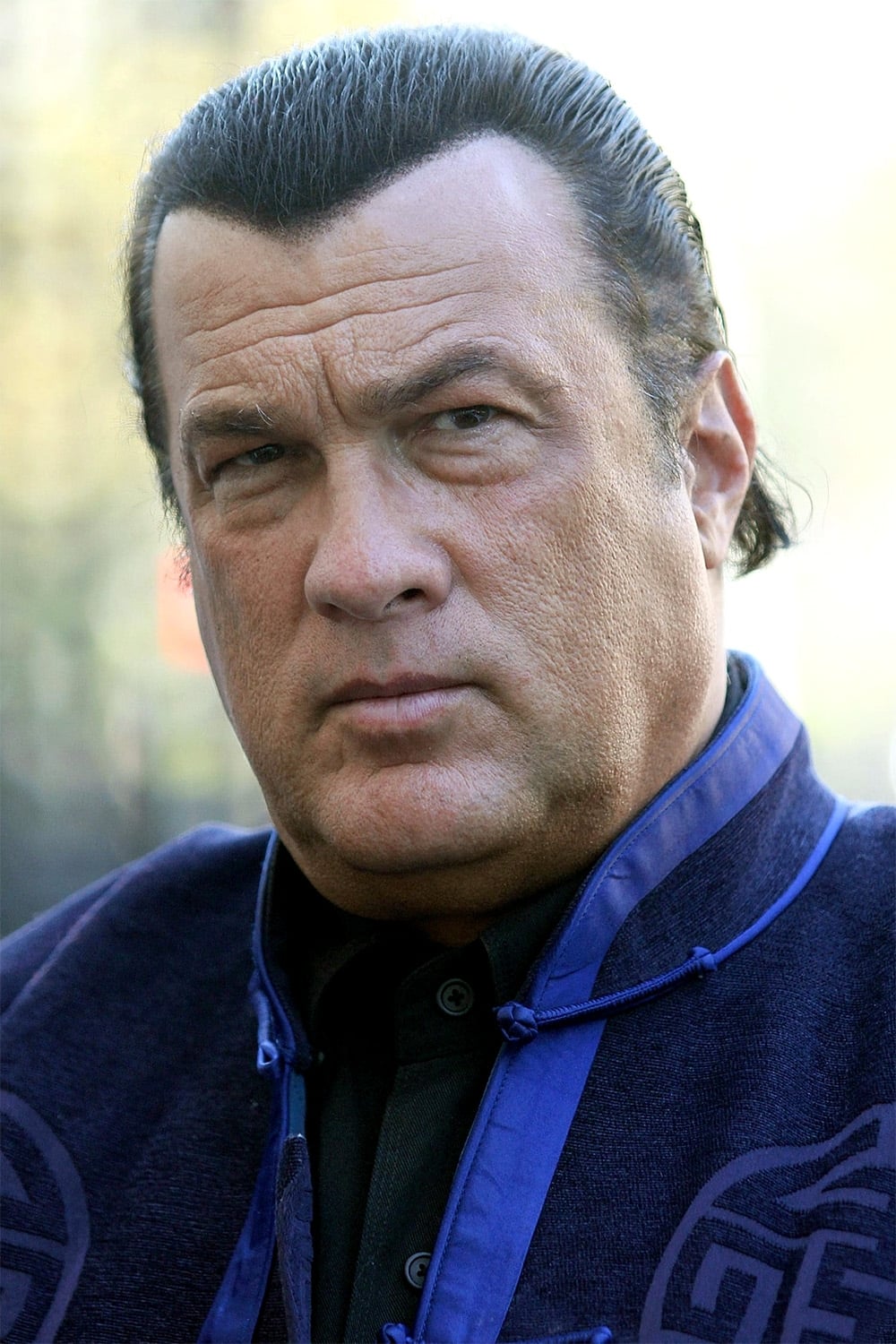
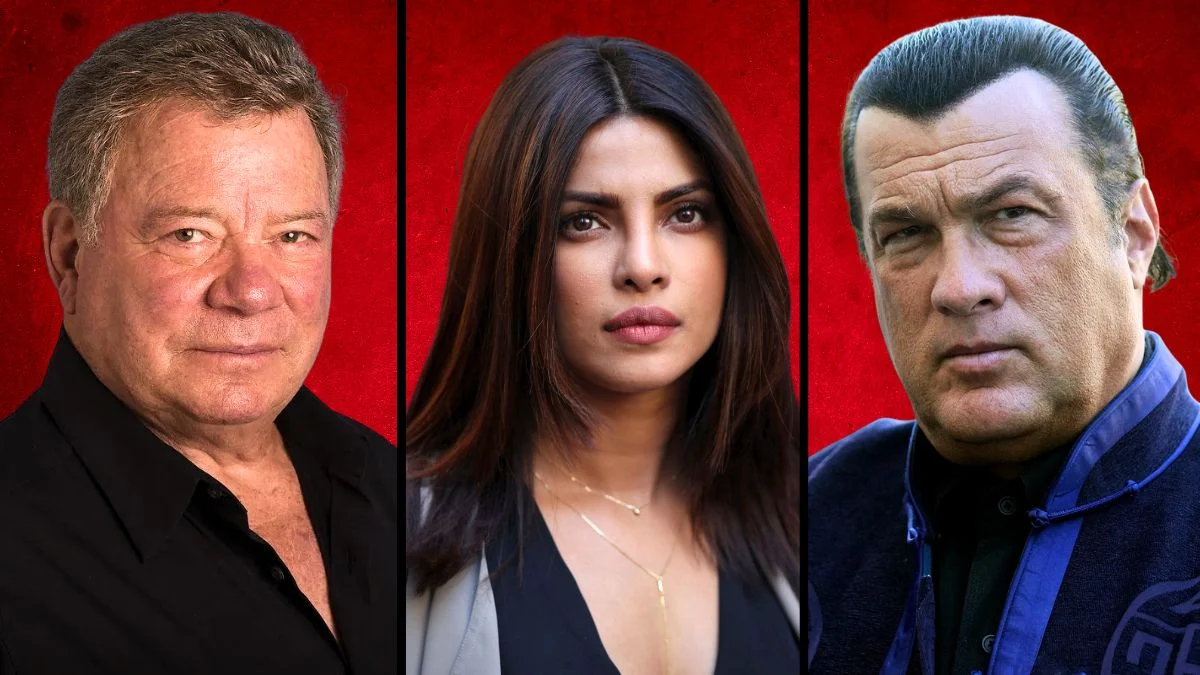
Steven Seagal moved from action roles to blues and reggae influenced records and released full studio albums built around laid back guitar riffs. His tracks leaned on collaborations with established players and guest vocalists to add polish. The projects drew curiosity because of his film fame yet struggled to find radio traction beyond specialty stations. He continued to perform internationally where his name recognition remained strong, but the music never matched his box office pull.
Bruce Willis

Bruce Willis recorded covers and soul leaning tracks that capitalized on his television and film popularity at the time. The material featured prominent session musicians and horn arrangements aimed at a lively bar band vibe. Early releases earned attention from variety shows and MTV rotation but long term sales slid as novelty interest faded. Follow up efforts could not sustain momentum once the acting spotlight shifted elsewhere.
William Shatner

William Shatner built his music persona around spoken word interpretations of rock and pop standards. The arrangements often featured notable producers and guest guitarists to reframe familiar songs. His records became cult curiosities that sparked conversation more than airplay. The approach kept him visible as a personality while reinforcing that the music primarily appealed as performance art rather than repeat listening.
David Hasselhoff
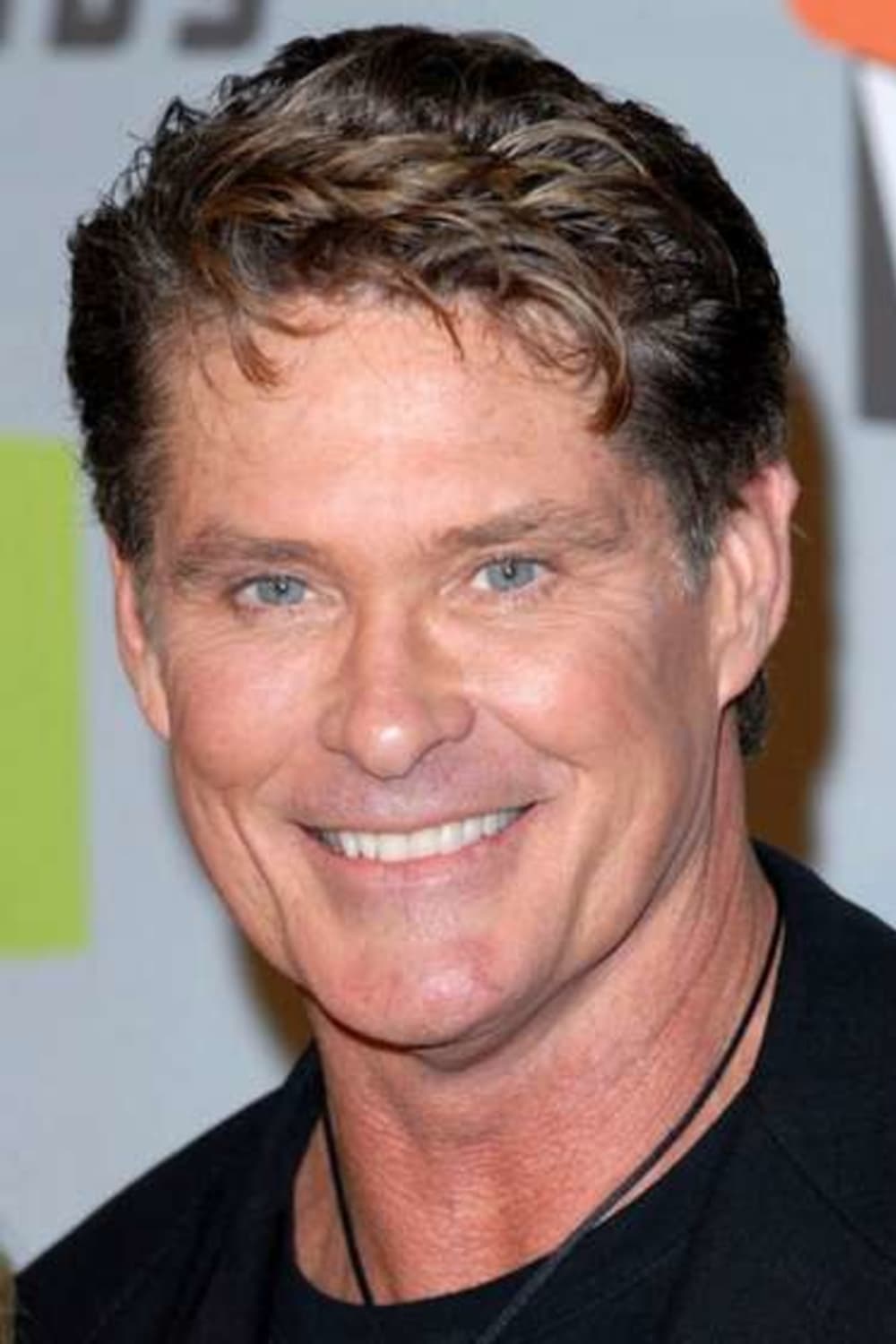
David Hasselhoff enjoyed significant popularity in parts of Europe with glossy pop ballads and uptempo tracks. Despite TV fame driving large concert crowds overseas, English language charts in the United States remained inconsistent for his singles. Albums leaned on big choruses and synth driven production that dated quickly as trends shifted. His touring schedule stayed active, but critical notices regularly pointed to thin material and formulaic hooks.
Lindsay Lohan

Lindsay Lohan released pop and dance oriented records during a peak period of tabloid attention. The albums featured high profile producers and radio friendly singles aimed at teen audiences. Initial interest delivered respectable first week numbers that tailed off as promotion cycles slowed. Subsequent singles saw limited radio adds, and plans for later projects stalled amid shifting priorities in film and television.
Paris Hilton

Paris Hilton’s music rollout centered on club targeted singles and a heavily produced pop album. The lead track became a nightlife staple with strong remixes, yet follow up singles struggled to break beyond dance charts. The project relied on sleek videos and brand visibility rather than a cohesive artistic identity. Occasional returns with new singles generated headlines more than enduring catalog streams.
Scarlett Johansson

Scarlett Johansson pursued a moody indie pop lane with cover heavy track lists and a later collaborative album. The studio sound favored reverb drenched vocals and atmospheric guitars. Critics frequently cited the gap between concept and vocal presence even as arrangements were praised. Sales and touring remained modest compared with her film profile, keeping the releases a side note in her career.
Jeremy Renner
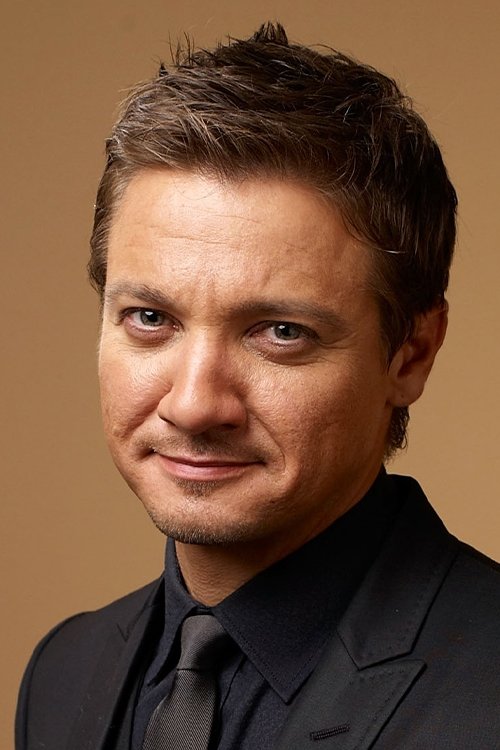
Jeremy Renner issued rock leaning EPs and an album built around midtempo anthems and soundtrack adjacent ballads. Production emphasized cinematic crescendos and clean guitar lines suited for placement possibilities. The music secured limited streaming traction despite strong promotional tie ins. Live dates and social content kept the project visible, but it never translated into broad chart success.
Russell Crowe
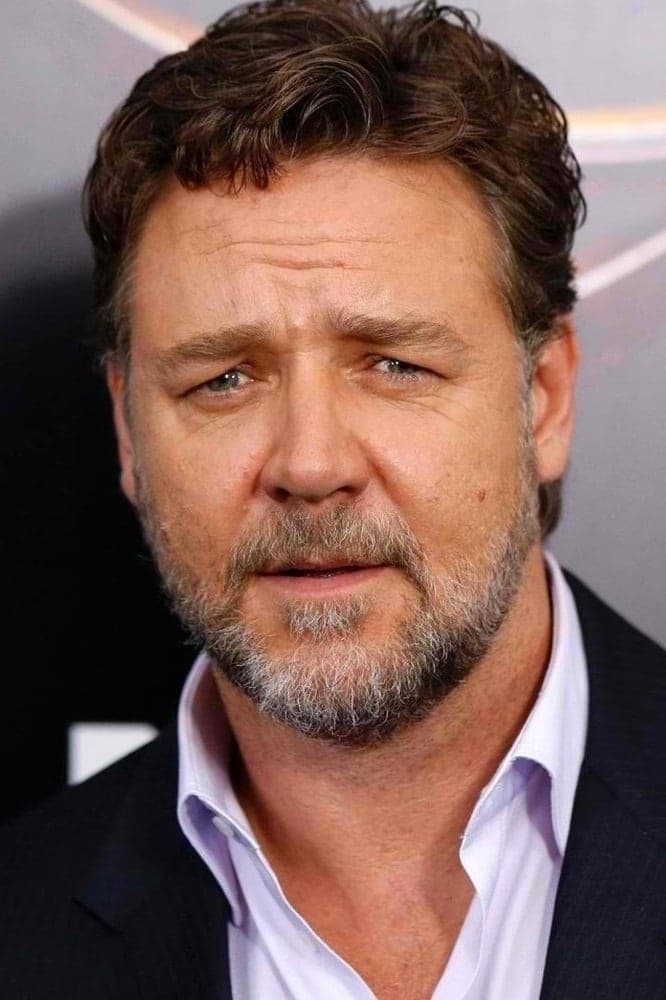
Russell Crowe fronted bands that favored heartland rock and pub ready singalongs and released multiple albums over the years. Tours hit theaters and clubs in Australia, New Zealand, and select U.S. cities. Reviews often noted earnest performances paired with workmanlike songwriting that rarely stood out. Despite persistence and loyal regional fans, the records remained niche compared with his film accolades.
Keanu Reeves
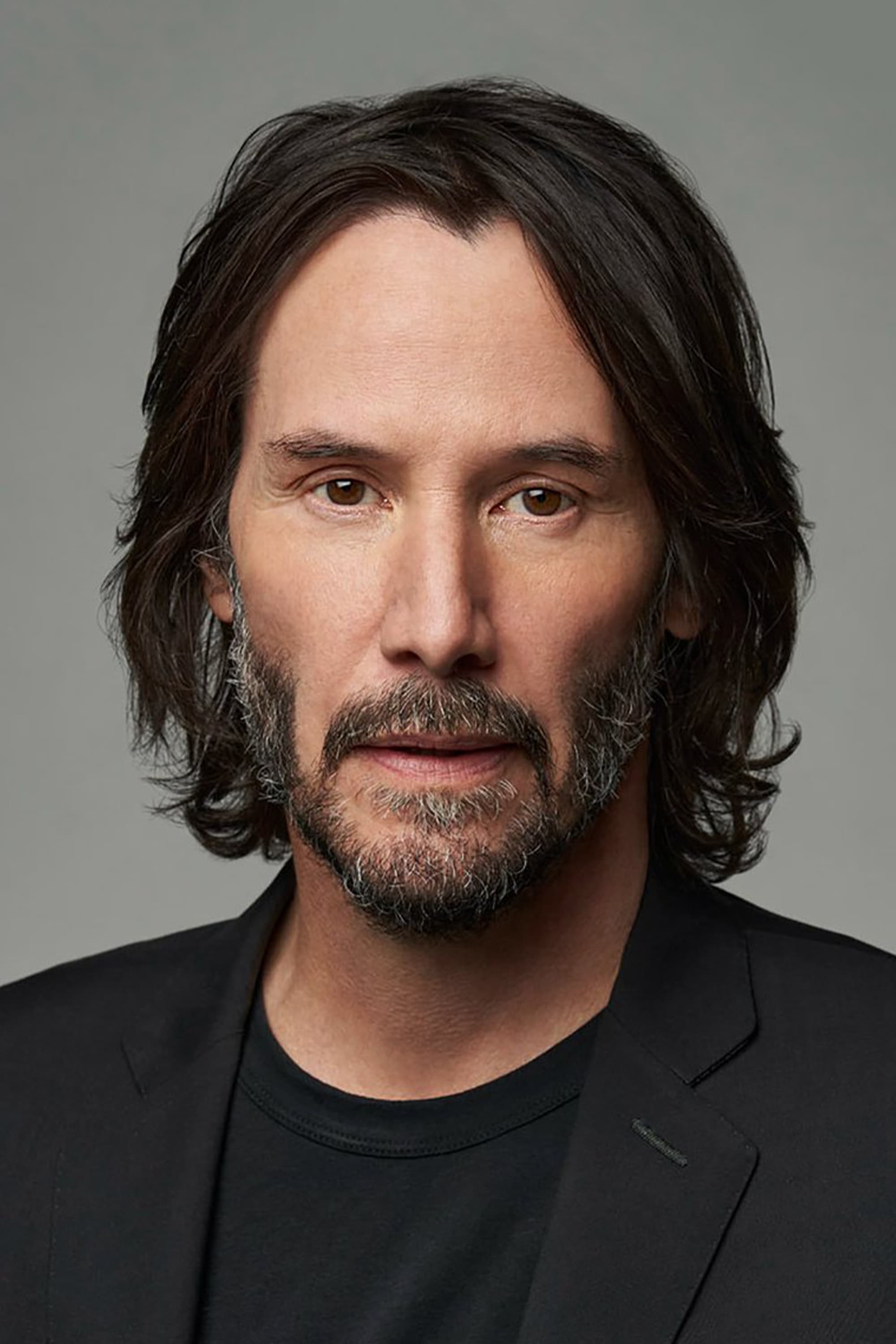
Keanu Reeves played bass in an alternative rock outfit that toured clubs and released albums during the post grunge era. The band earned opening slots for larger acts and some late night TV appearances. Critics described the songs as solid but derivative, which limited radio programmers’ interest. After a respectable run, the group paused as acting commitments expanded, leaving a modest footprint in ’90s rock.
Johnny Depp
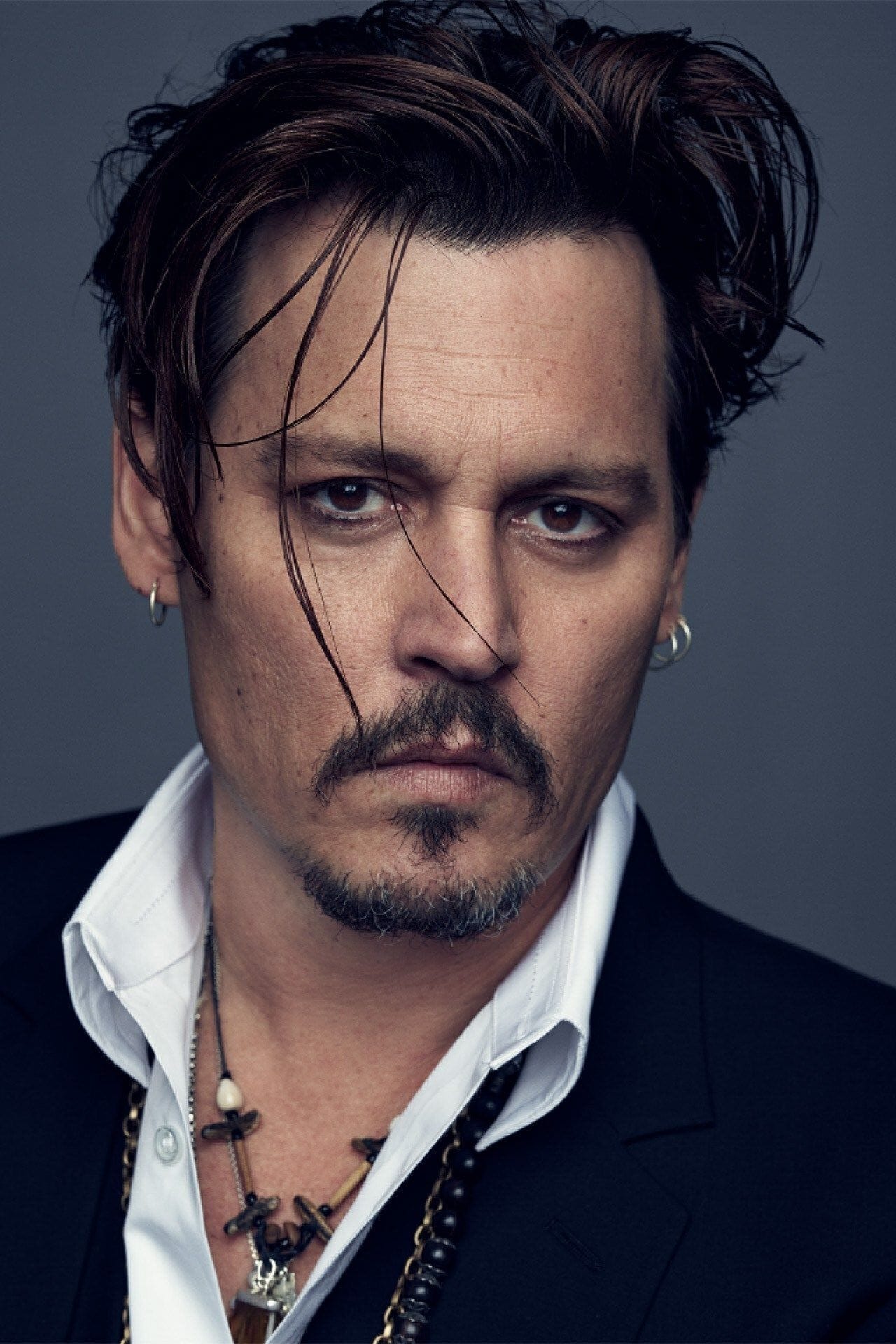
Johnny Depp collaborated with veteran musicians on blues rock and classic covers projects that highlighted guitar solos and nostalgia. The records drew crowds curious to see a major star on stage with established players. While live shows delivered spectacle, studio releases leaned heavily on familiar material and received lukewarm notices. Streaming numbers clustered around marquee collaborations rather than original songs.
Kevin Bacon
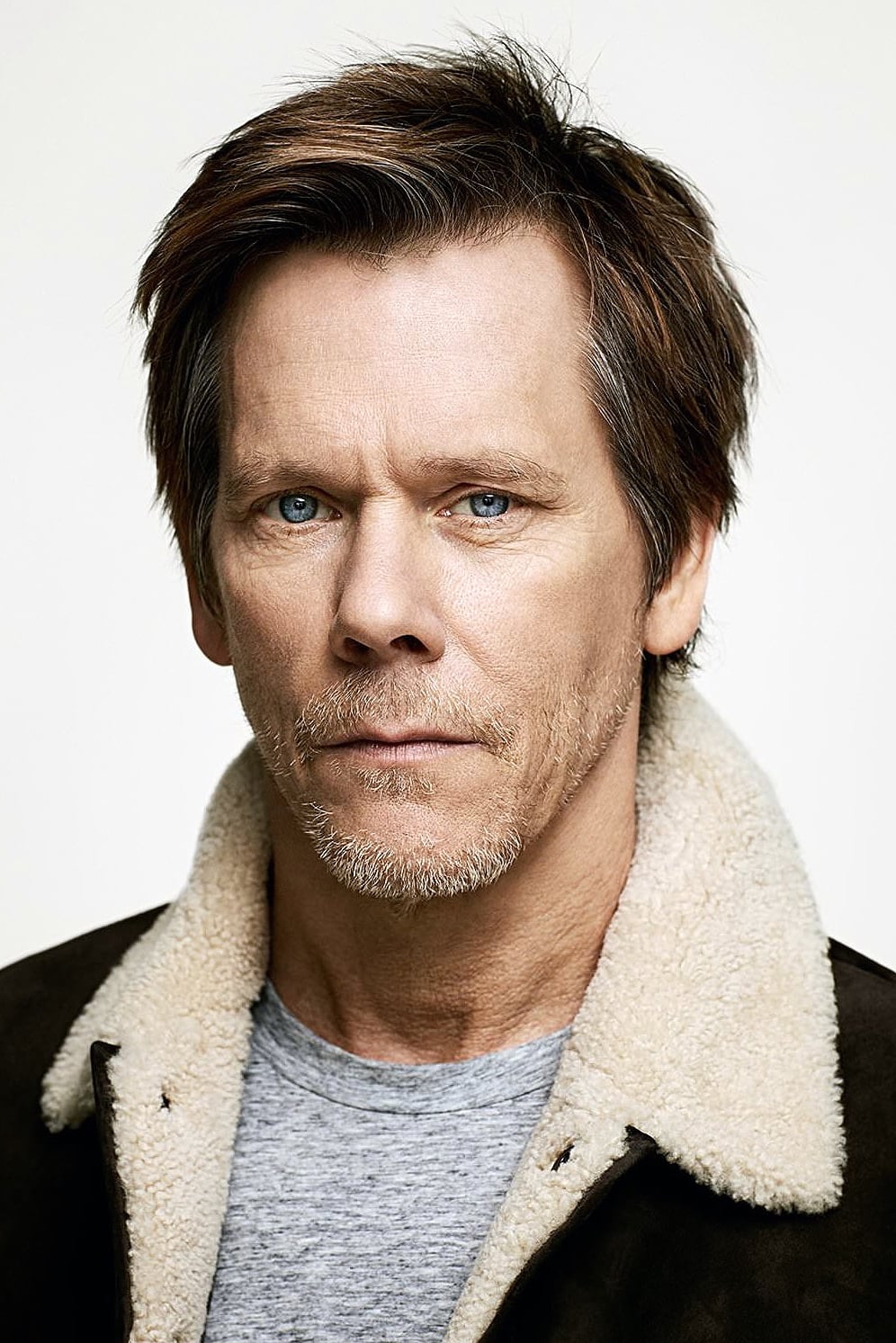
Kevin Bacon formed a roots rock duo focused on storytelling lyrics and acoustic forward arrangements. The act toured steadily and built a dependable live following in midsize venues. Studio albums arrived regularly yet rarely made a dent on mainstream charts. The project endured thanks to fan goodwill and stage chemistry while remaining outside the broader pop conversation.
Corey Feldman
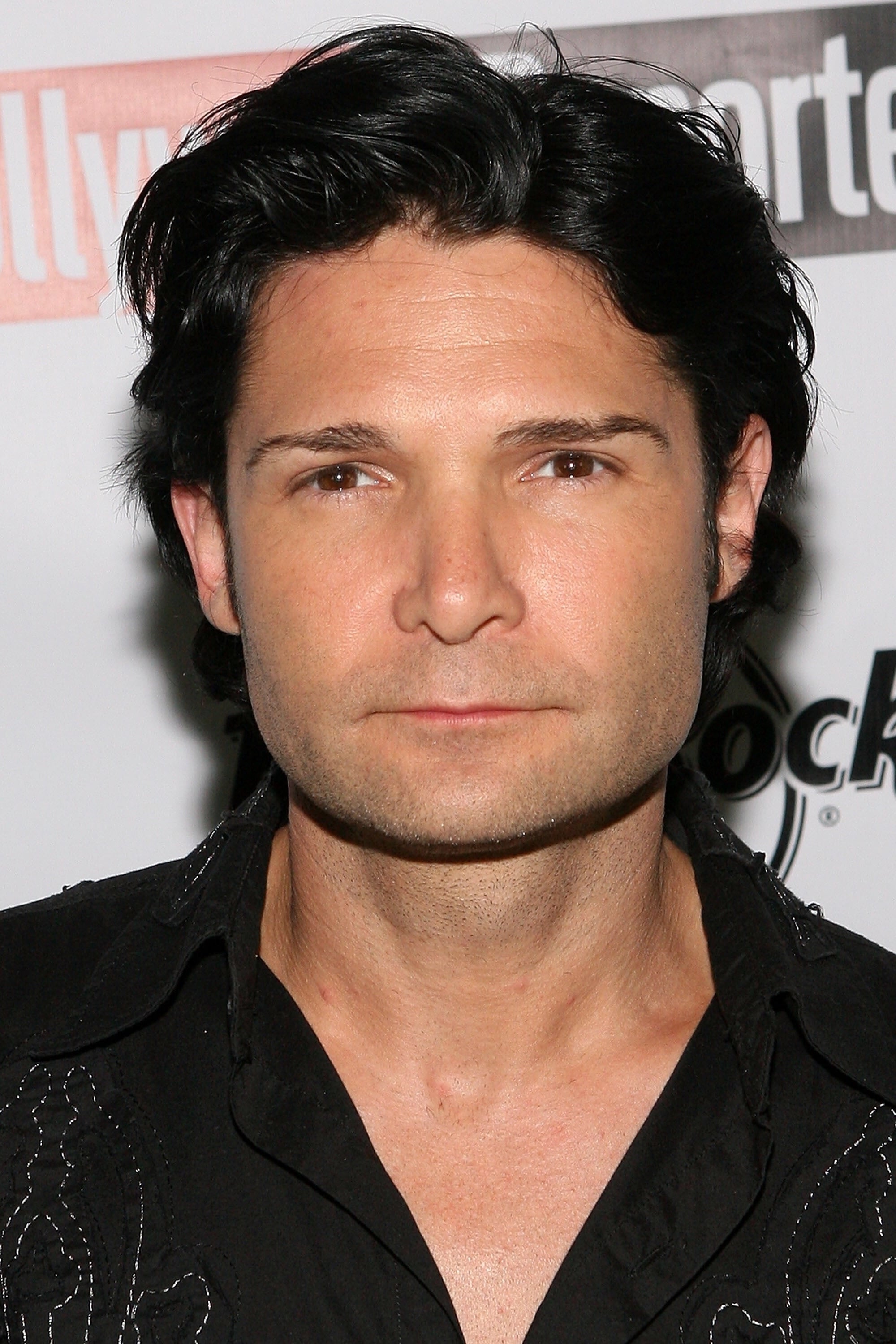
Corey Feldman’s releases blended dance pop, rock, and theatrical elements with ambitious stage productions. Viral performances brought spikes of attention that did not translate into sustainable sales or radio rotation. Albums featured guest cameos and concept driven tracks that divided listeners. The catalog is best known for its spectacle and online moments rather than consistent chart presence.
Don Johnson
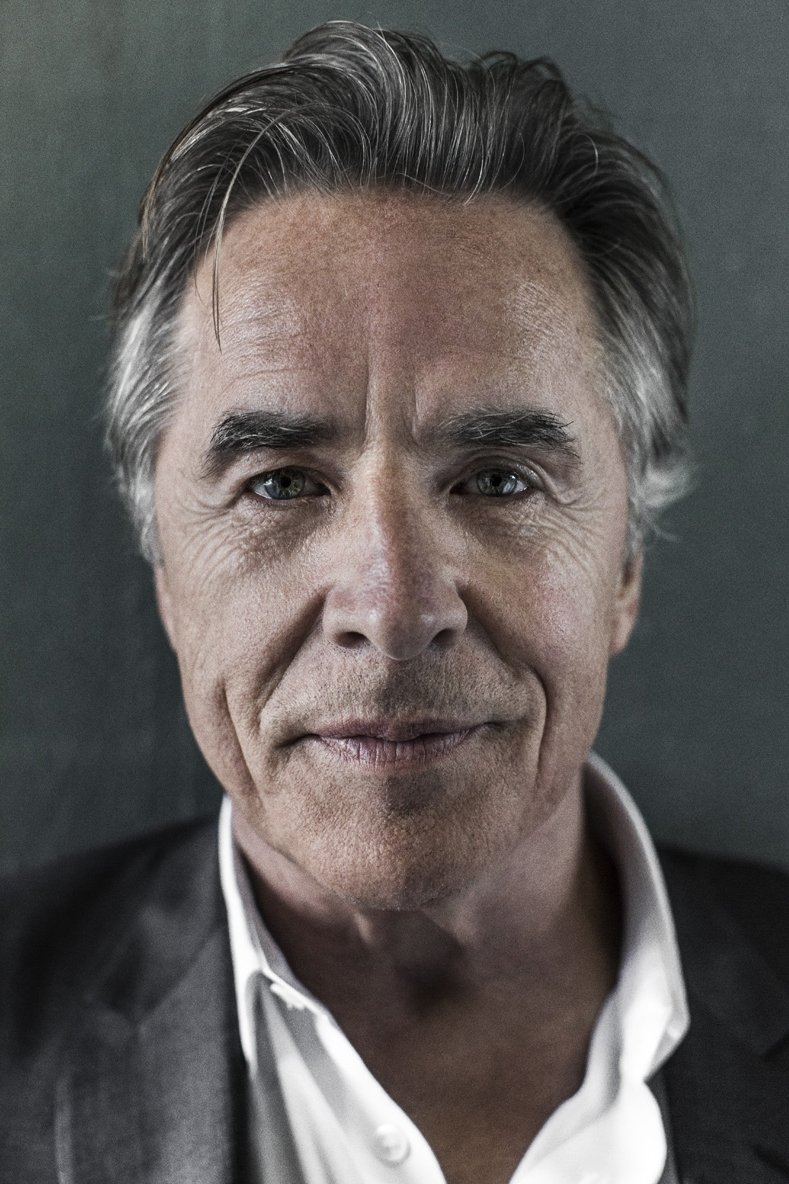
Don Johnson leveraged television fame into a polished adult contemporary sound with big ballads and glossy guitar lines. A breakout single earned heavy rotation, but later releases could not replicate that surge. Follow up albums saw diminishing returns as musical trends shifted toward newer styles. His music remains a time capsule of its era rather than an enduring catalog.
Eddie Murphy
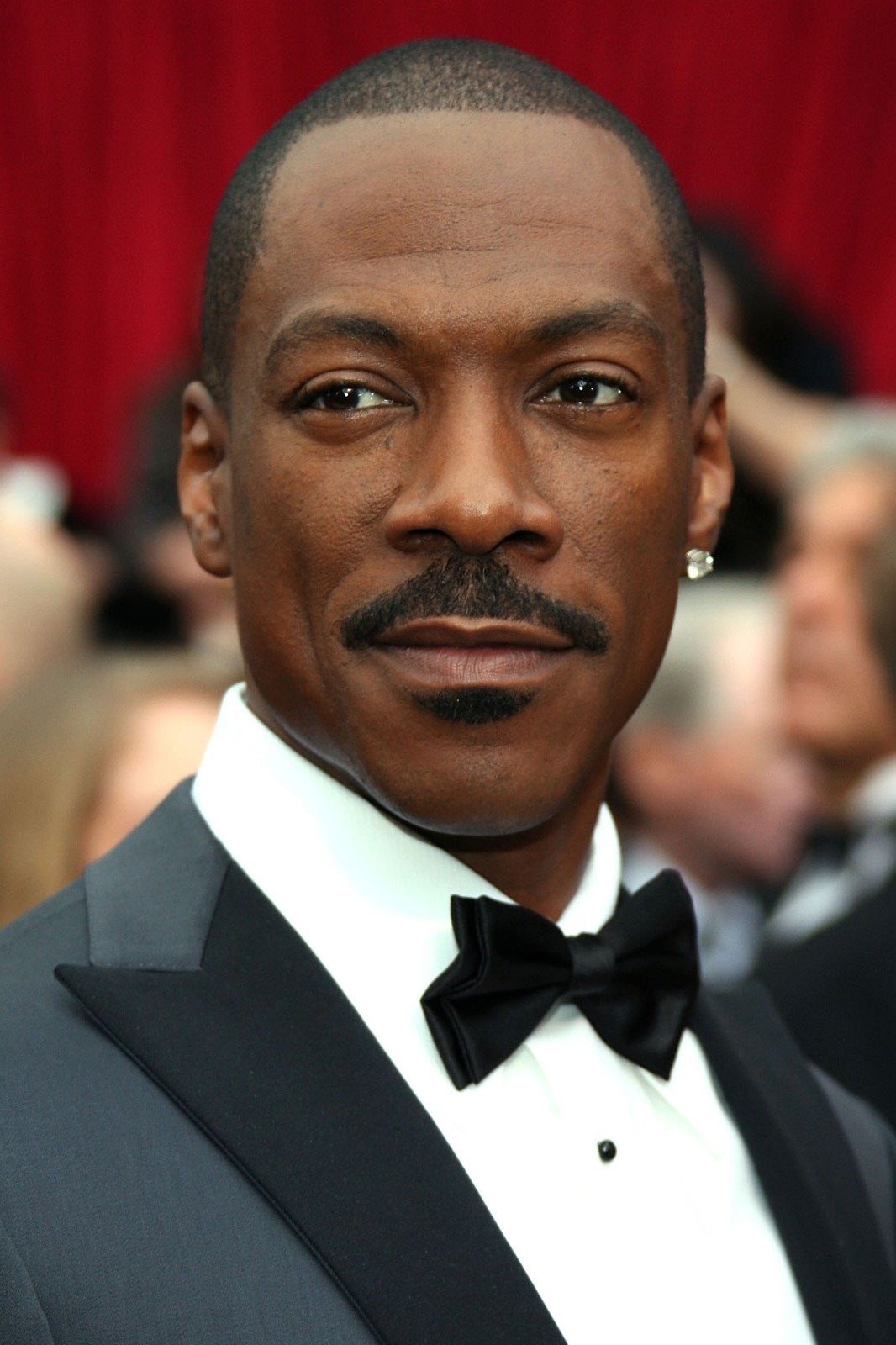
Eddie Murphy recorded R&B and pop tracks that capitalized on his star power and connections to top producers. One early single became a recognizable hit, yet the broader album output struggled to sustain that momentum. Critics pointed to thin lyrical content and heavy reliance on studio sheen. Subsequent attempts never reestablished a consistent presence on radio or streaming playlists.
Kevin Costner
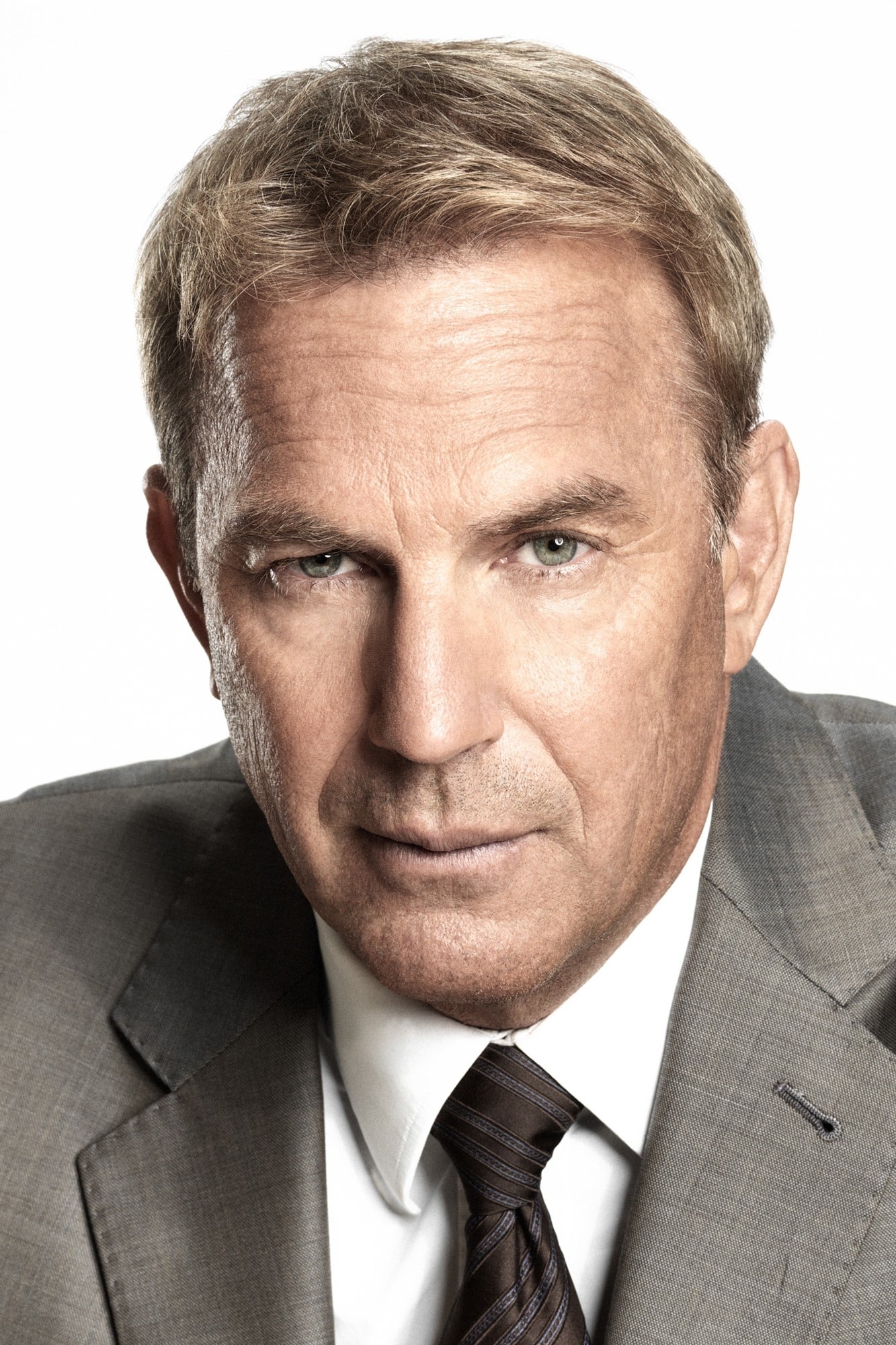
Kevin Costner’s projects with a country rock band emphasized narrative songs and road ready arrangements. Tours hit fairs and theaters and reached fans of Americana and film alike. Studio releases earned polite regional airplay without crossing into mainstream country charts in a major way. The music found a lane as a live draw but stayed peripheral in the wider genre.
Priyanka Chopra

Priyanka Chopra released English language pop records with prominent producers and high profile collaborators. Singles targeted international markets with club mixes and glossy videos. Despite strong promotional campaigns, the tracks found uneven traction on U.S. radio. Later work shifted toward selective features while her primary momentum returned to screen roles.
Brie Larson

Brie Larson issued a teen pop album early in her career supported by radio tours and mall performances. The record received modest airplay in targeted markets but did not build national momentum. After limited chart impact, she pivoted back to acting while occasionally sharing acoustic performances online. The album remains a footnote that showcases early songwriting ambitions.
Joaquin Phoenix
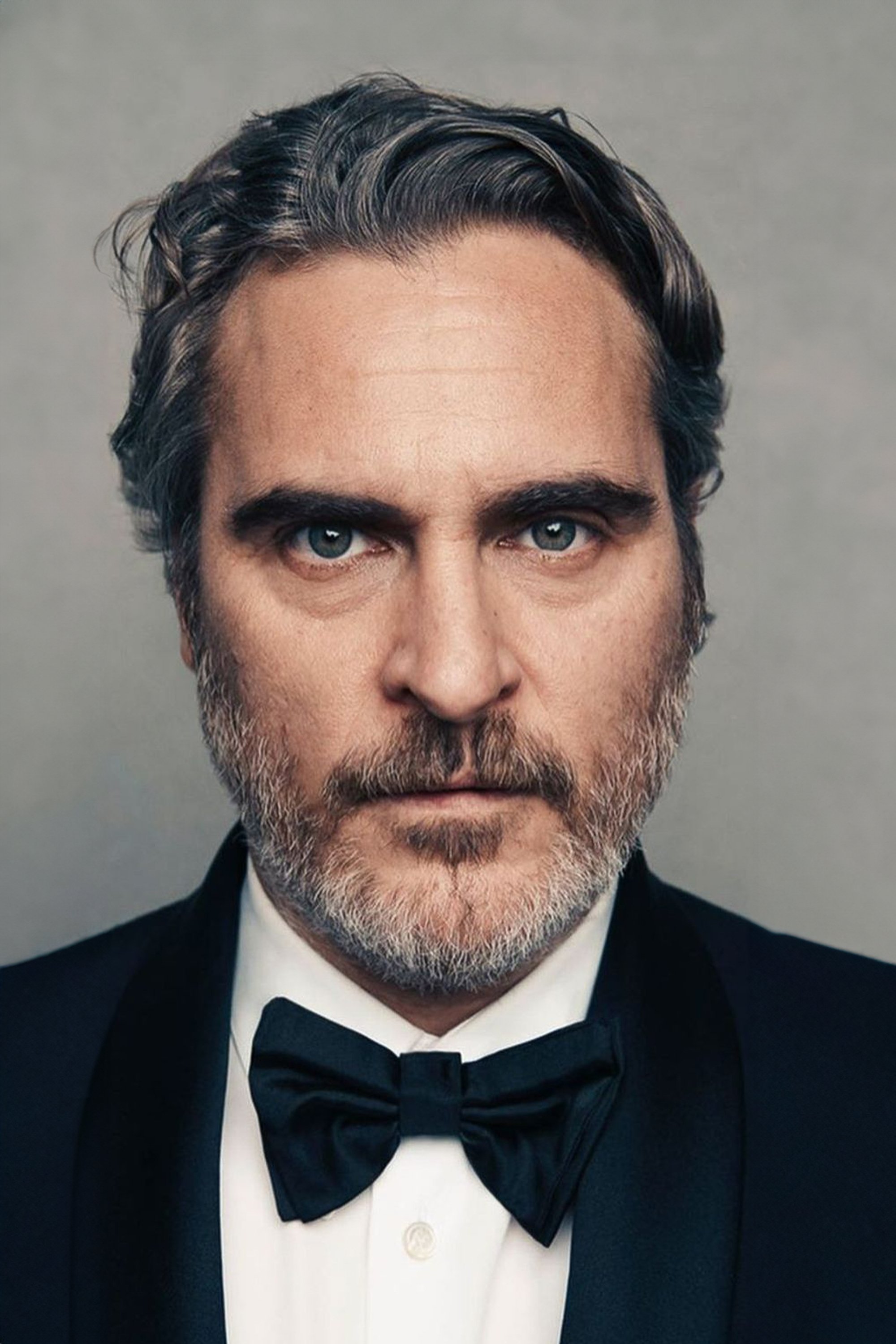
Joaquin Phoenix experimented with a rap persona during a performance art period that blurred documentary and reality. Live appearances generated headlines and mixed audience reactions. The music itself received limited distribution and little conventional radio support. The project concluded alongside the reveal of its conceptual framing, leaving minimal catalog for listeners to revisit.
Mickey Rourke
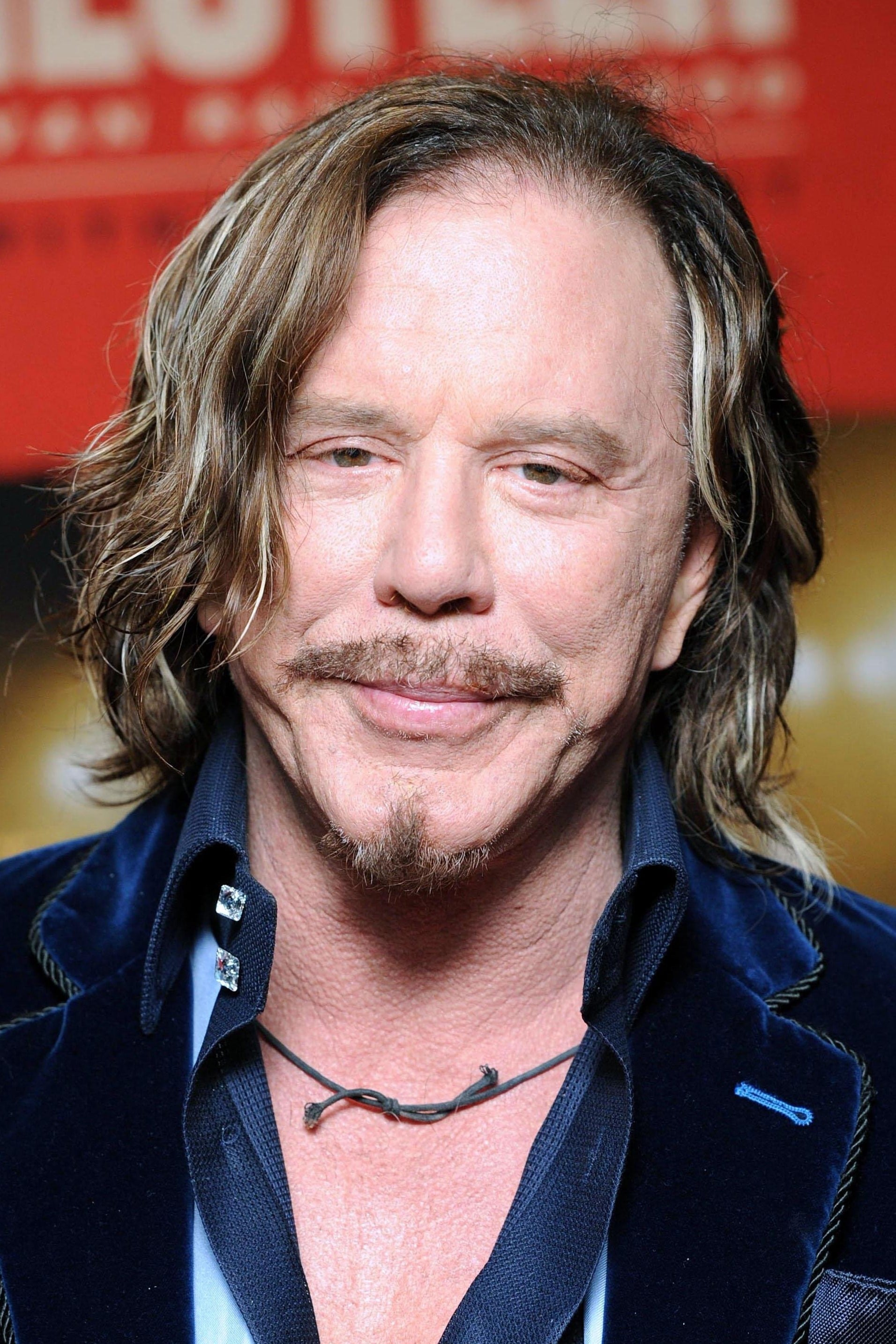
Mickey Rourke pursued rock oriented tracks with collaborations that leaned on gritty vocals and straightforward riffs. Releases surfaced sporadically and often tied to specific film eras or personal projects. Without consistent touring or label infrastructure, the songs struggled to reach broad audiences. His music activity remained occasional and largely overshadowed by high profile acting turns.
Share your picks in the comments and tell us which actor made the most surprising leap into the recording studio.