‘The Boys’ Showrunner Eric Kripke Reveals Why Homelander Had to Be Stripped of His Powers Before Meeting His End


For five seasons, ‘The Boys‘ built Homelander into the most terrifying figure on television. A god-like supe who operated with total impunity, he laser-eyed his critics, manipulated the public, and bent the world to his will through sheer, unchecked power. The creative team behind the Prime Video series always knew that dismantling that image would be the key to any satisfying conclusion, and with the series finale now streaming, it is clear they had a very specific vision for how that unraveling would look.
After five seasons spent asking whether Homelander could actually be killed, the show delivered a decisive answer. The final confrontation did not play out as the scorched-earth battle many fans anticipated. Instead, the climax was contained entirely to the Oval Office, with the showrunner later noting that intimate, character-driven confrontations have always hit harder than large-scale action set pieces.
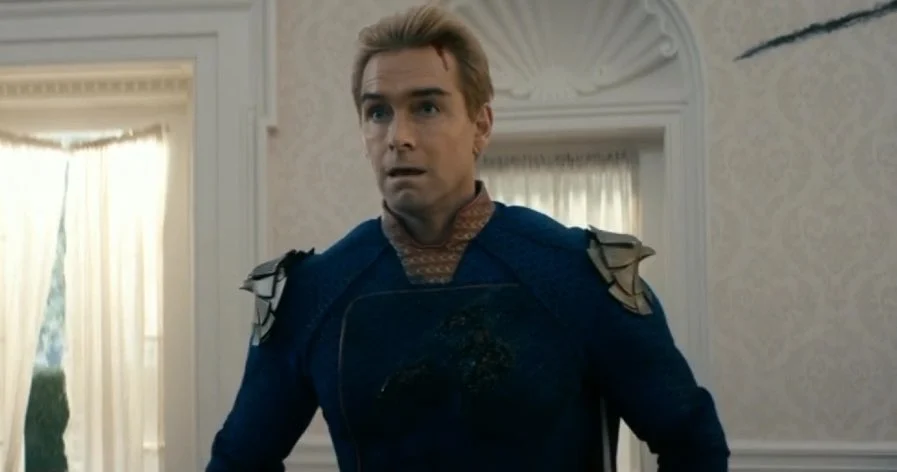
The mechanism of Homelander’s downfall was just as deliberate as the setting. Kimiko used a late-game ability, a chest-ray blast capable of stripping a supe of their powers, to render Homelander completely powerless, after which Billy Butcher delivered a prolonged and cathartic beatdown before finishing him with a crowbar. Showrunner Eric Kripke explained to Deadline the thinking behind why that powerless window was non-negotiable to the story.
Kripke said it was really important that Homelander experience at least a brief period without his abilities, and that while many fans had suggested sending him out into the world powerless as the ultimate punishment, the problem was that he could simply get his hands on more Compound V and return to full strength. Keeping him in that room without an escape route was the only way to make the vulnerability stick long enough to mean something. The point the writers were determined to land, Kripke explained, was the same one the season had been arguing all along, that without his powers, Homelander is simply nothing.
Kripke told TV Insider that what the finale ultimately wanted to show was how small villains like Homelander really are, describing the depowered version of the character as “just this burbling, desperate” figure, and drawing a direct line between his reaction and how most autocrats and dictators behave when finally faced with that last gun. Antony Starr leaned fully into that collapse, replacing Homelander’s signature menace with a combination of panic, confusion, and pathetic submission that left the character utterly without redeeming traits even in his final moments.
Rolling Stone reported that on the day of shooting, the atmosphere on set was emotional and melancholy, with Kripke himself present for both the de-powered scene and the death scene. He noted that watching Antony Starr in those moments made it viscerally clear the show was truly over. Kripke also confirmed to Collider that the Boys were always going to be the ones to bring Homelander down, and that Butcher specifically had to be the one to deliver the final blow, because anything else would have felt like a betrayal of the audience’s investment across the entire run.
The finale is a sharp, unambiguous statement about power and the men who abuse it, and it lands with the weight of a show that always knew exactly where it was going. Now that Homelander has finally crumbled into exactly the coward ‘The Boys’ always insisted he was, the question worth debating is whether watching him beg for his life felt like the ending he truly deserved.