Top 10 Coolest Things About Omar Little

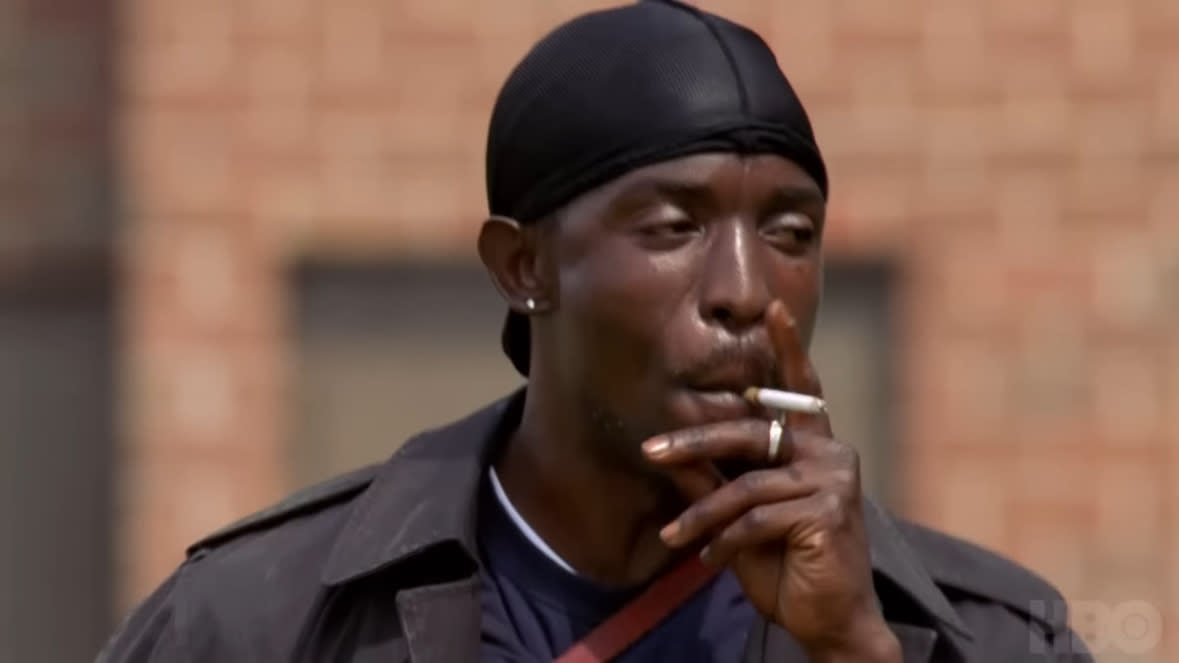

Omar Little stands out in ‘The Wire’ as a stick-up man with a code, a distinct presence on Baltimore’s corners, and a track record that bends the game without pretending to be part of it. He robs drug dealers, not neighbors, and moves with a mix of caution, planning, and ritual that everyone around him learns to recognize. His whistle announces trouble before he turns the corner, and his rules—no profanity, no work on Sundays—make him an anomaly in a world built on chaos. Through crew loyalty, carefully chosen alliances, and the ability to turn the system’s tools on itself, he becomes a figure people talk about long after he leaves the scene. The character also pushed TV forward by showing layers—queer identity, moral lines, and street legend—all coexisting in one person in ‘The Wire’.
The Code: He Doesn’t Rob Civilians
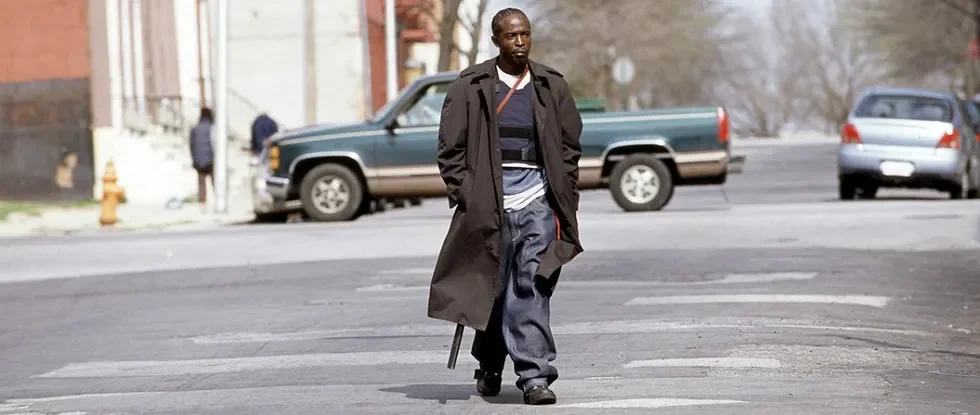
Omar operates under a clear rule: he targets drug dealers and steers clear of ordinary residents. This boundary shapes every move he makes, from which doors he kicks to which stashes he plans to raid. The line he draws helps explain why some neighbors tolerate him and even tip him off when trouble is near. It also narrows his enemies to people who have reasons—and resources—to strike back, which is why every job requires planning. In ‘The Wire’, this code is referenced repeatedly to explain both his choices and his reputation on the street.
The Trademark Whistle That Signals He’s Coming
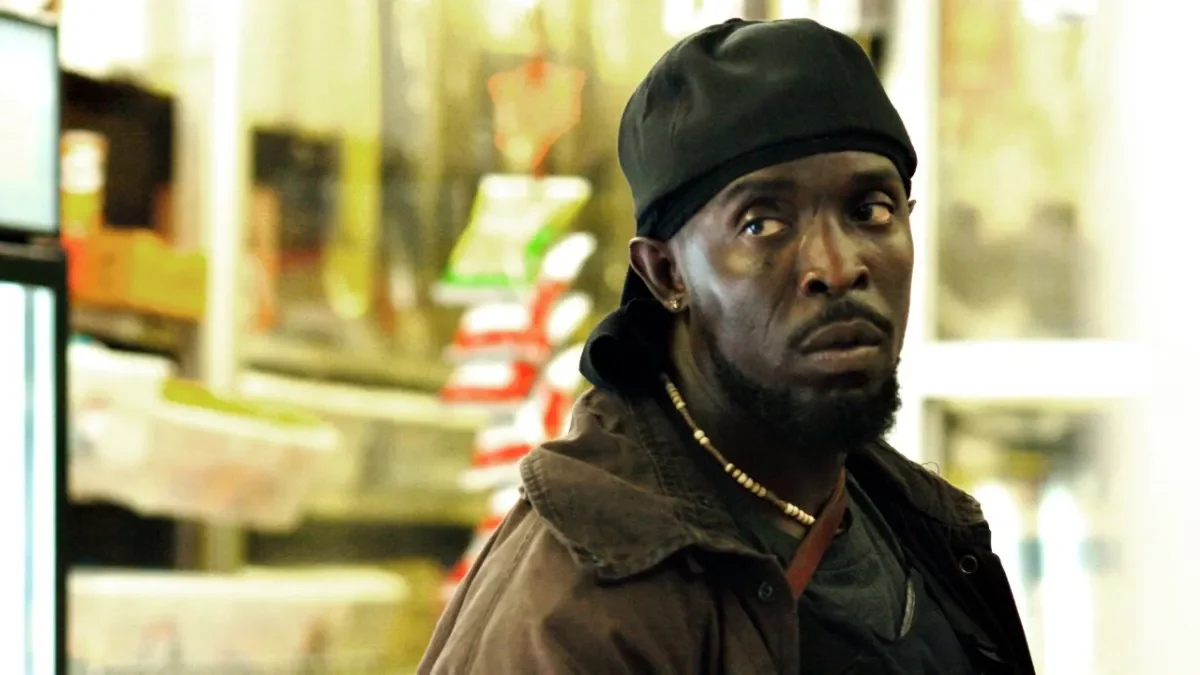
Before Omar appears, people often hear his slow whistle of “The Farmer in the Dell.” The tune travels ahead of him like a warning, giving corner crews just enough time to scatter. The show uses that sound as a practical tactic—announcing presence to sow panic—and as a calling card the whole neighborhood recognizes. It turns an everyday melody into a pressure switch that changes the street in seconds. In ‘The Wire’, that simple cue becomes part of how crews describe his movements.
The “Omar comin’!” Reputation on the Corners
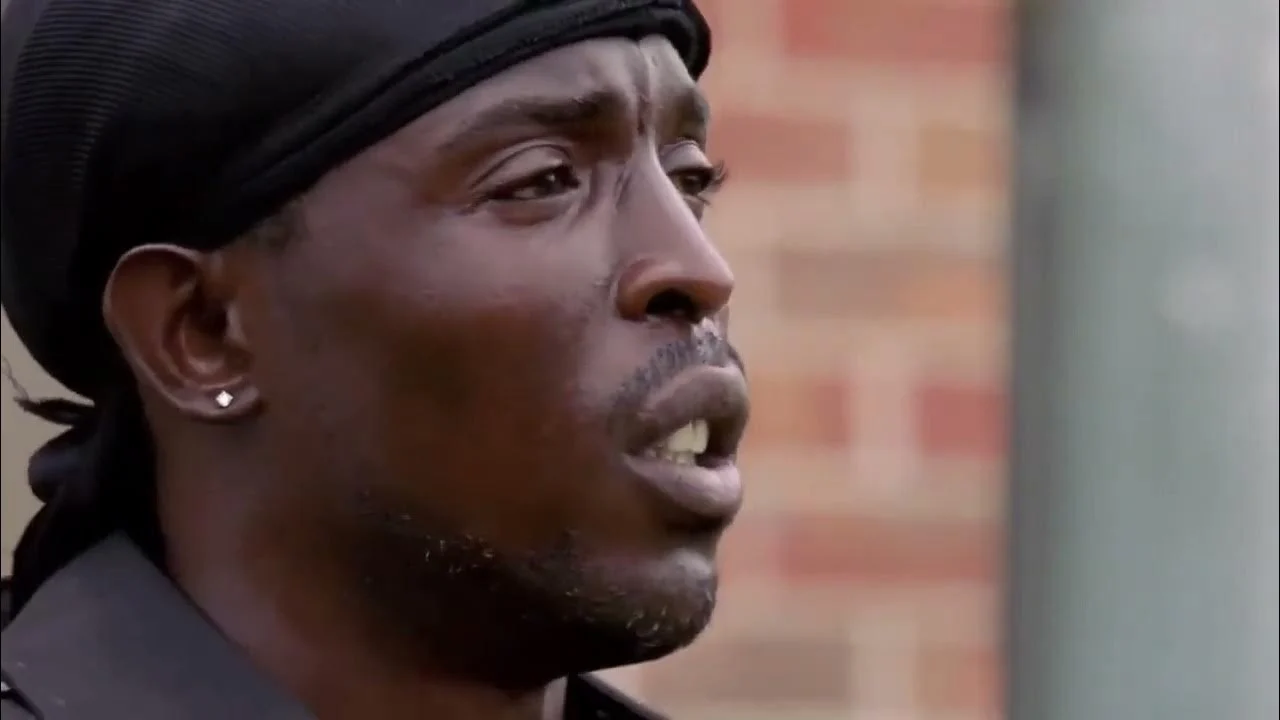
Omar’s name alone triggers a response—lookouts shout, doors slam, and product disappears off the stoops. That reaction is built on a documented pattern: quick strikes, bold daytime walks, and a willingness to face crews on their own blocks. His presence disrupts the routine of street business, forcing dealers to hide weapons and reroute hand-to-hand sales. The panic also gives him leverage, as fear becomes a tool as useful as any weapon. In ‘The Wire’, characters even use his name as shorthand for immediate danger.
The Shotgun-and-Trench-Coat Look That Everyone Recognizes
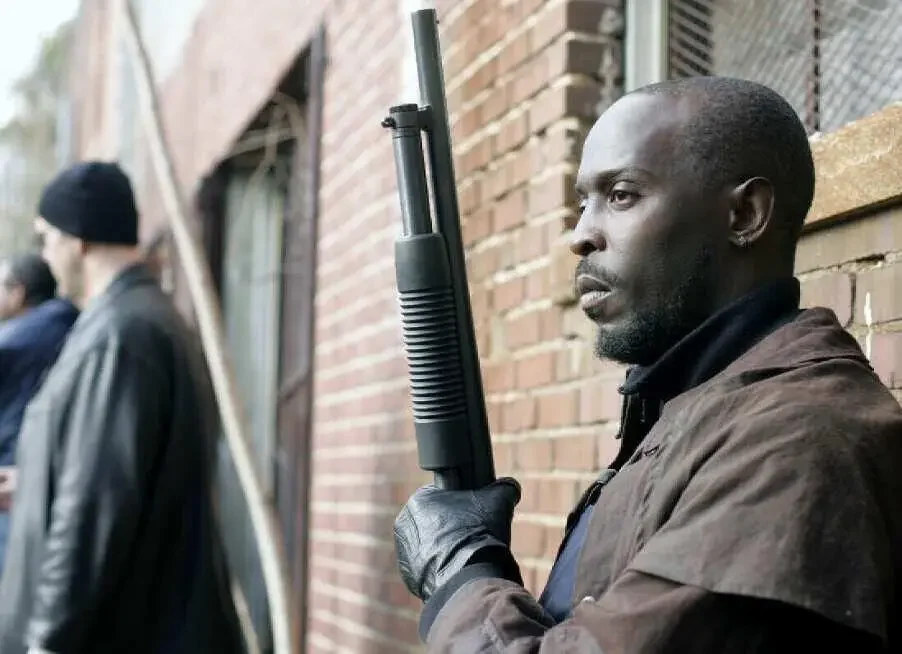
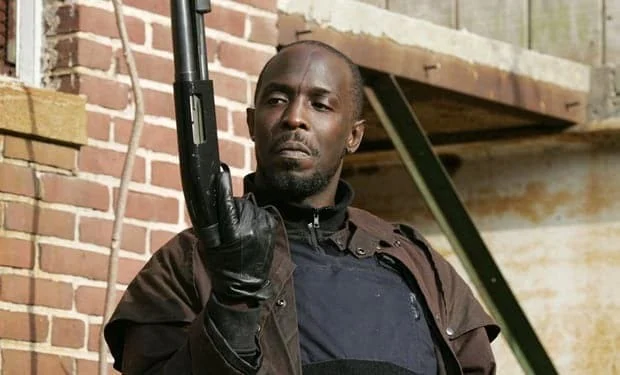
Omar’s look—often a long coat with a shotgun tucked underneath—serves both function and signature. The coat hides the weapon while letting him move with hands free and eyes up. Crews remember that profile, which increases the psychological effect of his approach before a word is said. The shotgun’s spread also suits close-quarters stick-ups where speed matters more than precision. In ‘The Wire’, that silhouette is enough for people to spot him half a block away.
Courtroom Testimony That Turned a Case
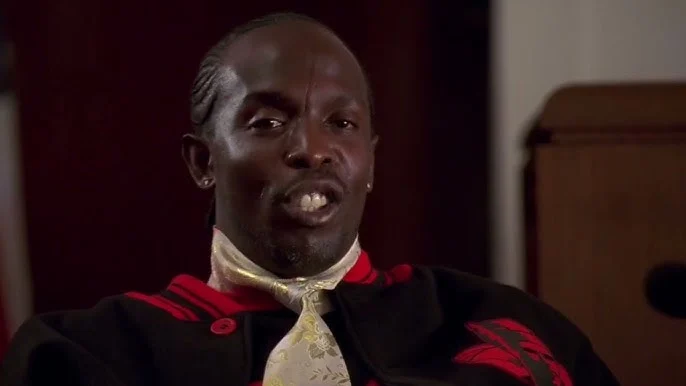
Omar takes the stand and delivers testimony that helps prosecutors land a conviction against a Barksdale crew member. He describes his occupation plainly, undercuts efforts to discredit him, and ties specific actions to the defendant. The scene shows how a street player can hurt an organization not just with violence but by exposing its methods in court. His appearance also illustrates how witness credibility gets tested and reframed under cross-examination. In ‘The Wire’, that testimony shifts the legal pressure on a powerful crew.
Strategic, Limited Alliances with Law Enforcement
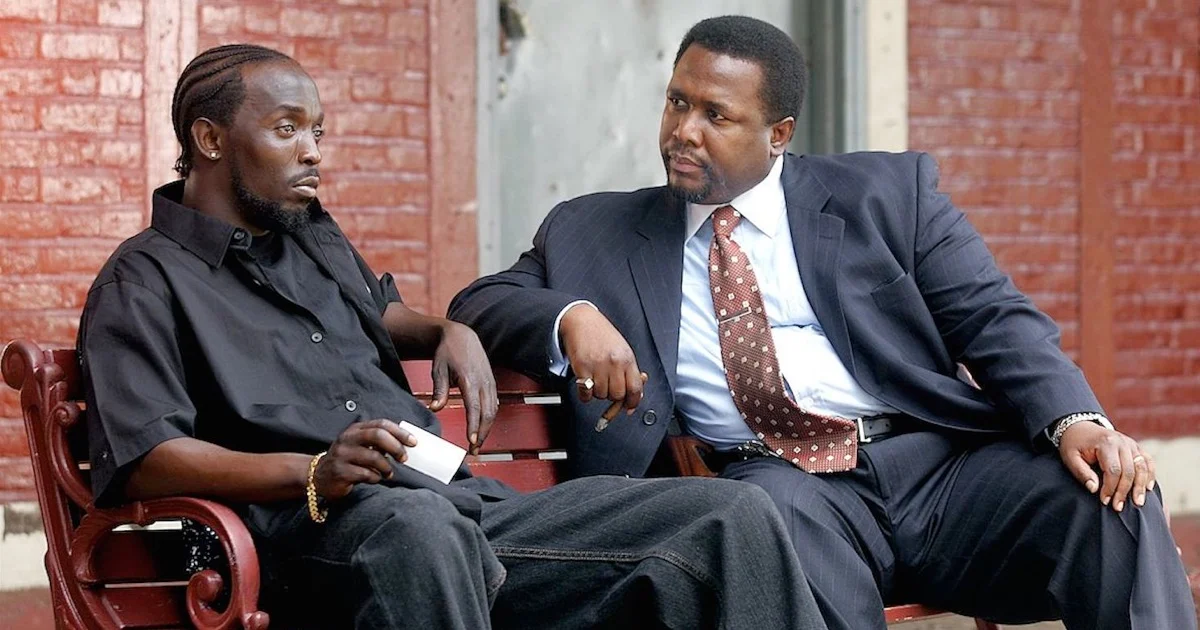
Omar occasionally exchanges information with detectives when their interests line up with his. He trades intel for protection or leverage, but avoids becoming a regular informant who takes orders. These transactions let him hurt a target indirectly or redirect heat away from himself after a high-profile robbery. The approach shows a practical reading of incentives on both sides of the law. In ‘The Wire’, these exchanges are depicted as tactical moves, not a change in allegiance.
No Profanity and a Sunday Truce
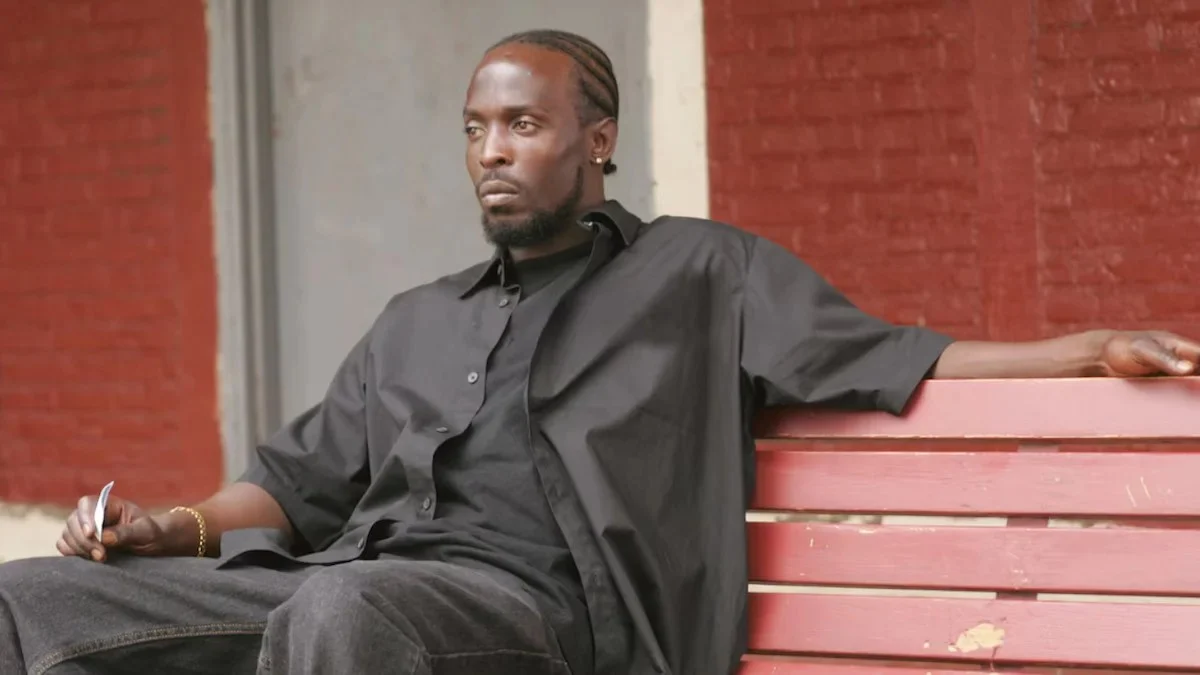
Two personal rules stand out: Omar doesn’t use profanity, and he won’t work on Sundays. The no-swearing habit separates his speech from the people around him and becomes a small, consistent tell in conversations. The Sunday truce acts like a weekly cease-fire for himself, carving space out of a constant grind. Together, these rules create predictable patterns that others learn to respect—or, at least, factor into their plans. In ‘The Wire’, both habits are noted by characters who watch him closely.
Loyalty to His Crew and Partners
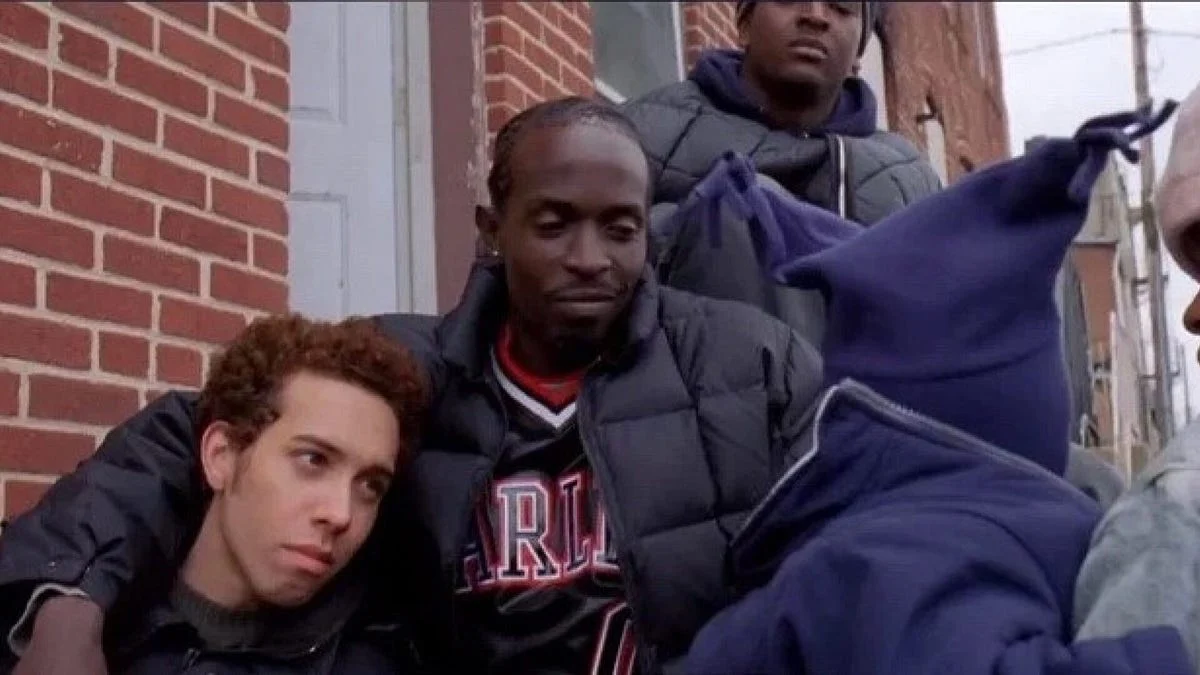
Omar builds small, tight crews and treats partners—like Brandon and later Renaldo—as equals rather than expendable assets. He trains lookouts, shares plans in advance, and compensates people who help him find stash houses. When partners are harmed, he responds directly, which further fuels conflicts with major crews. That loyalty strengthens recruitment but also escalates risks when enemies strike back. In ‘The Wire’, these bonds explain several of his most determined moves.
Heist Planning, Surveillance, and Counter-Surveillance
Omar scouts routines, tests doors, and checks for hidden guns or trap houses before picking the moment to hit. He uses disguises, varied approaches, and decoys to keep crews guessing which entrance he’ll choose. After a job, he changes routes and routines to avoid predictable patterns. The emphasis on reconnaissance and misdirection lets him punch above his numbers during stick-ups. In ‘The Wire’, many of his scores are shown as the payoff from patient observation.
Cultural Impact Beyond ‘The Wire’

The character resonated widely because he combined street legend, personal ethics, and queer identity without reducing any part of that mix to a gimmick. Critics and scholars cite him in discussions about antiheroes, representation, and the evolution of prestige TV. Lines he speaks are quoted in articles, classrooms, and interviews about crime drama and character construction. His presence helped expand how crime shows write complex figures who stand outside the main organizations. In ‘The Wire’, he serves as a lens on power, community memory, and the costs of reputation.
Share your favorite Omar moments in the comments and tell us which detail you think captures him best.