15 Anime Plot Holes That Still Drive Fans Crazy

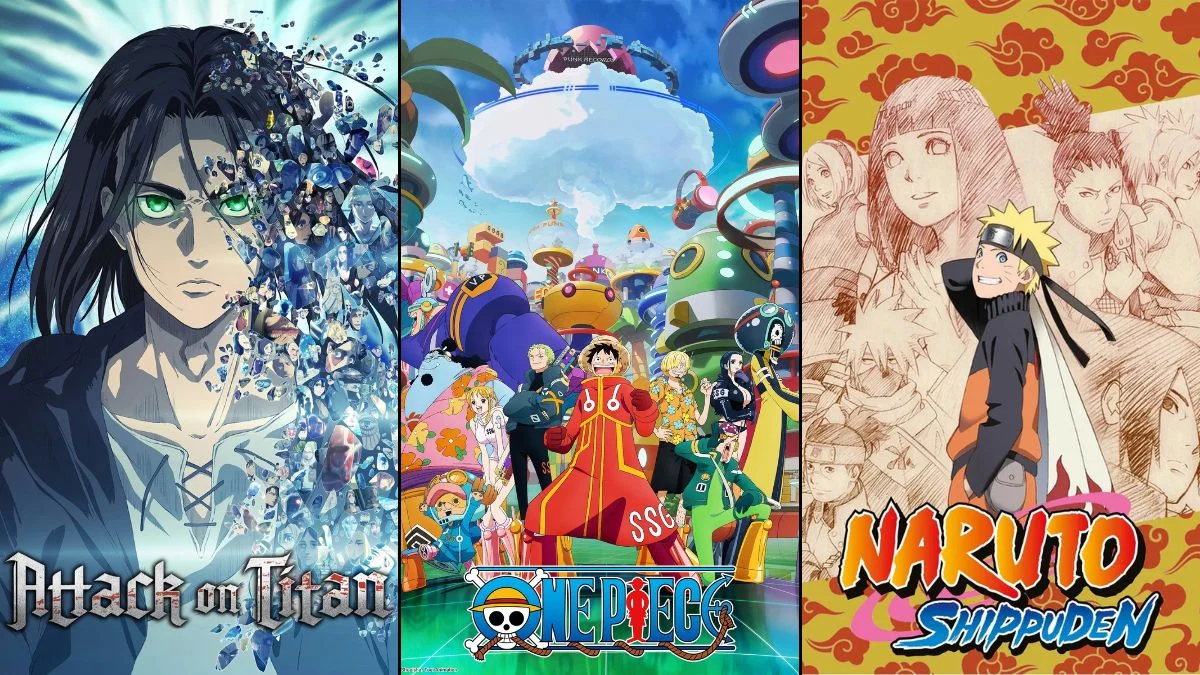

Anime can build entire worlds with intricate rules and careful timelines. Then a single unexplained moment slips through and fans keep pointing to it years later. These gaps do not erase what people love about a show. They do keep the debates going because the story shows one rule and then does another thing without filling in the step between.
This list gathers well known examples from popular series. Each entry lays out what the show tells viewers and where the on screen events stop matching those rules. No theories or fixes here. Just the facts that make the question stick.
‘Naruto’ (2002–2007) – Villagers know about the Nine-Tails despite a law forbidding it
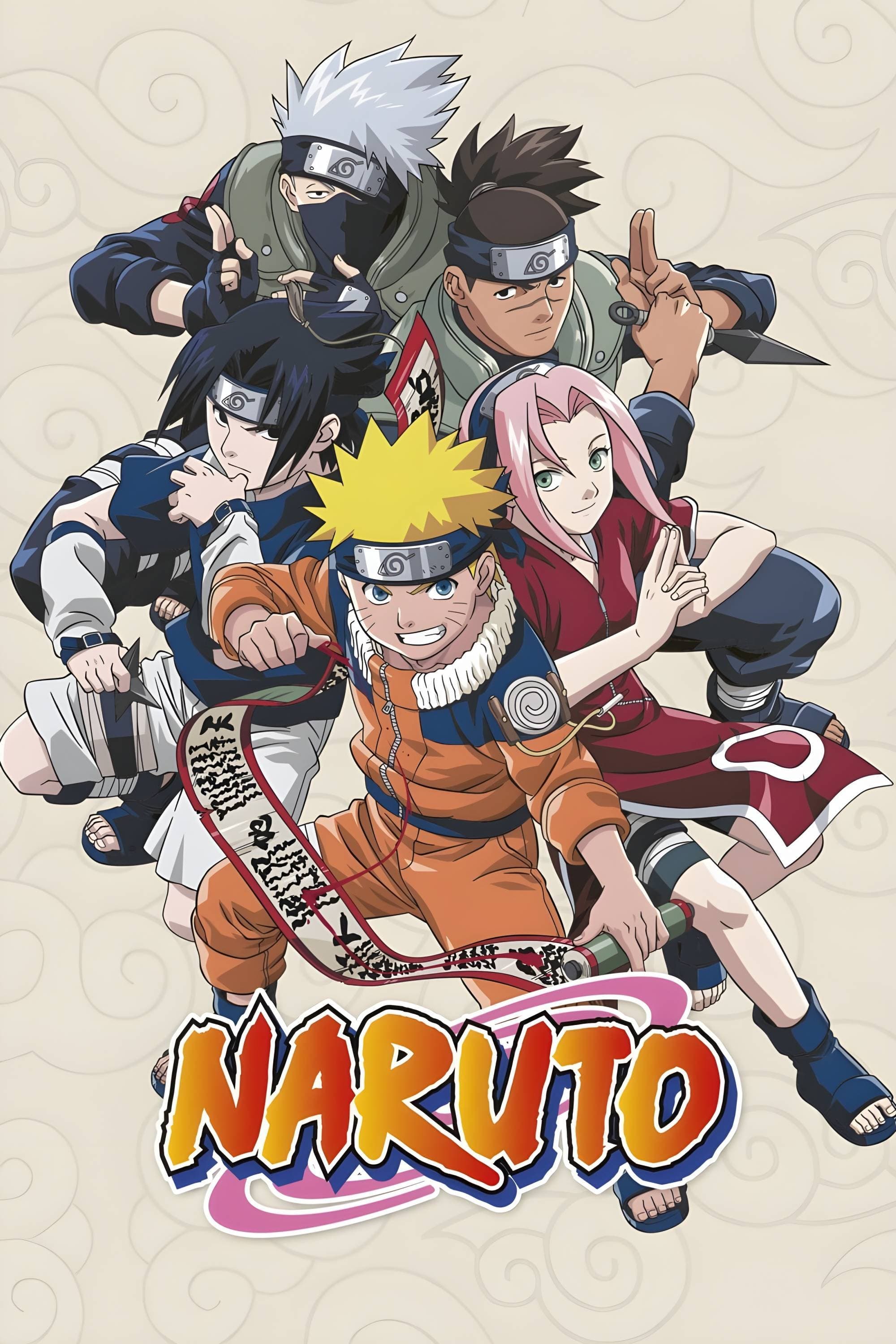
The Third Hokage orders adults to stay silent about the Nine Tails attack and Naruto’s role. The series shows store owners refusing service and parents warning children away from Naruto. Classroom scenes also include students who already view him with suspicion.
The academy does not post any official notice that would expose the secret. Teachers and shinobi outside the leadership still act with knowledge of Naruto’s status. The level of awareness around the village conflicts with the stated law that should have kept children and newcomers from knowing.
‘Naruto Shippūden’ (2007–2017) – Obito as the masked man conflicts with earlier timeline details
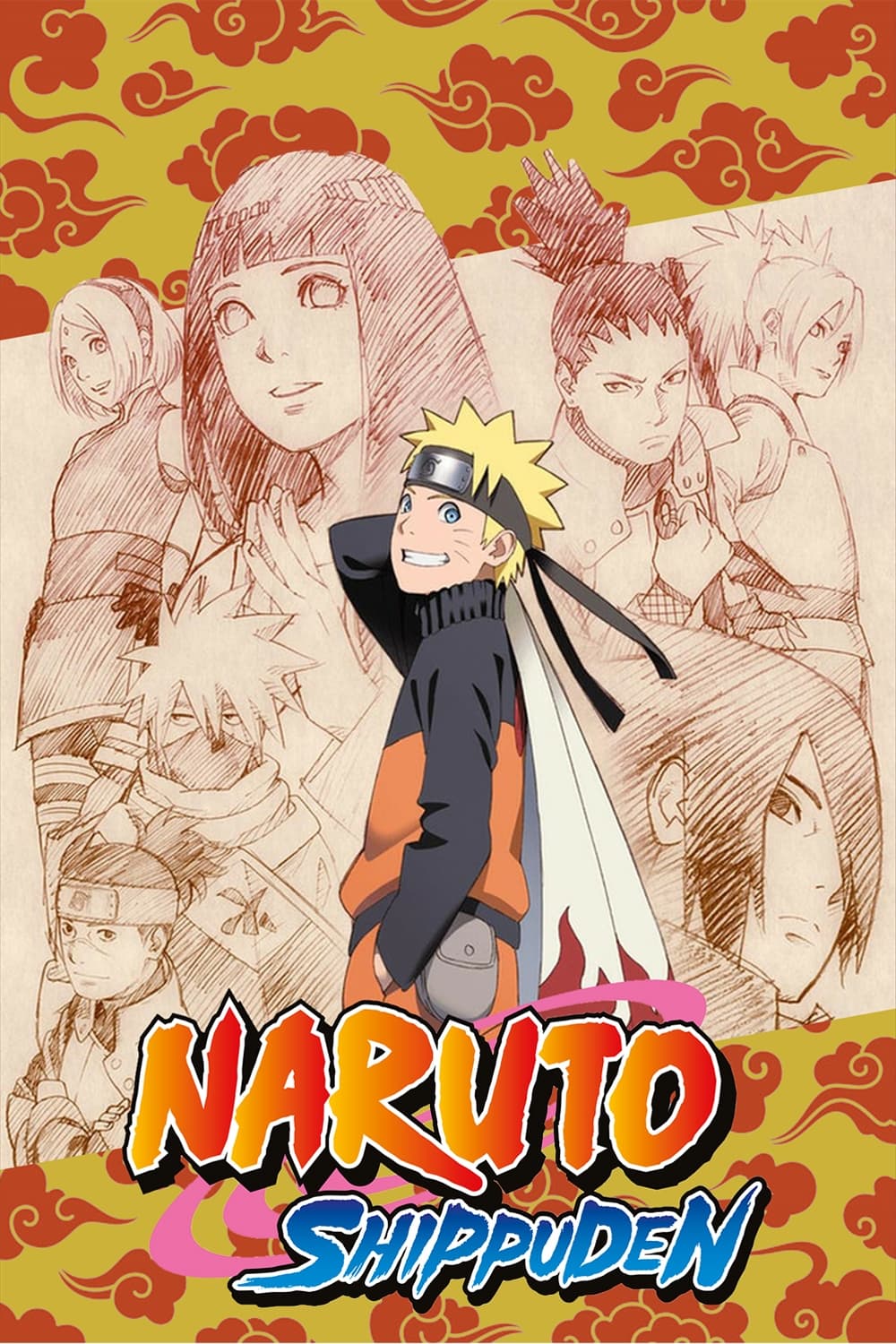
Minato fights the masked man during the Nine Tails attack. At that time Obito is believed dead and would have been very young. The masked man uses advanced space time ninjutsu and displays strength and planning beyond what a recent academy graduate could have learned.
Later episodes explain Obito’s survival, Zetsu support, and training under Madara. Earlier scenes still place meetings and Akatsuki moves at ages and distances that strain the recovery and training window. The calendar of who knew whom and when does not line up cleanly with the reveal.
‘Attack on Titan’ (2013–2023) – The Smiling Titan ignores Bertholdt with no established reason
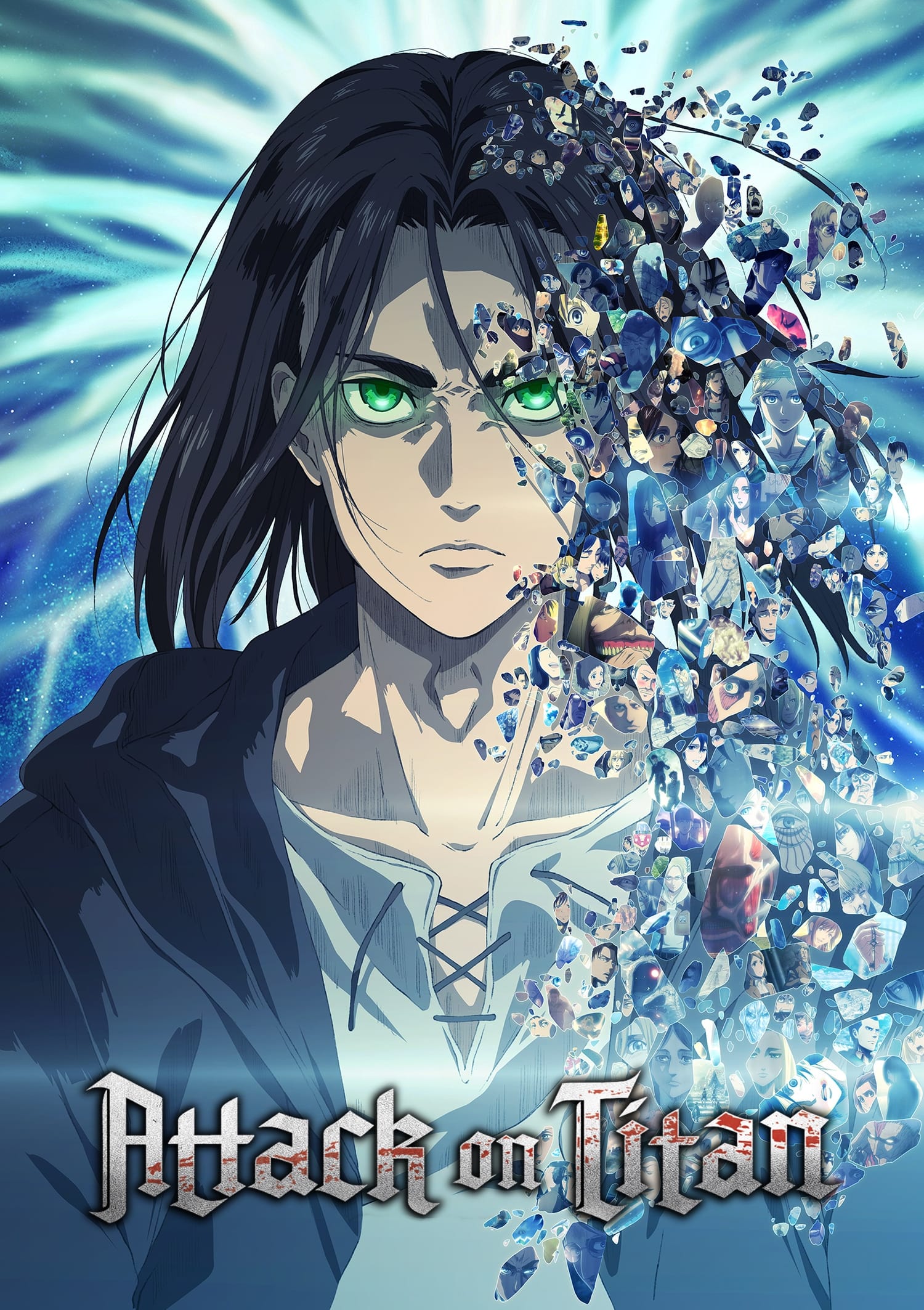
During the fall of Trost, the Smiling Titan passes by Bertholdt who is hiding in debris. The show presents Titans as moving toward the closest human. The same Titan soon finds Eren’s home and kills Carla.
The story later links this Titan to paths and royal blood. The earlier scene still places a human within reach who is not attacked. The behavior in that moment does not follow the proximity rule that other scenes establish.
‘Death Note’ (2006–2007) – The fake 13-day rule goes untested by L
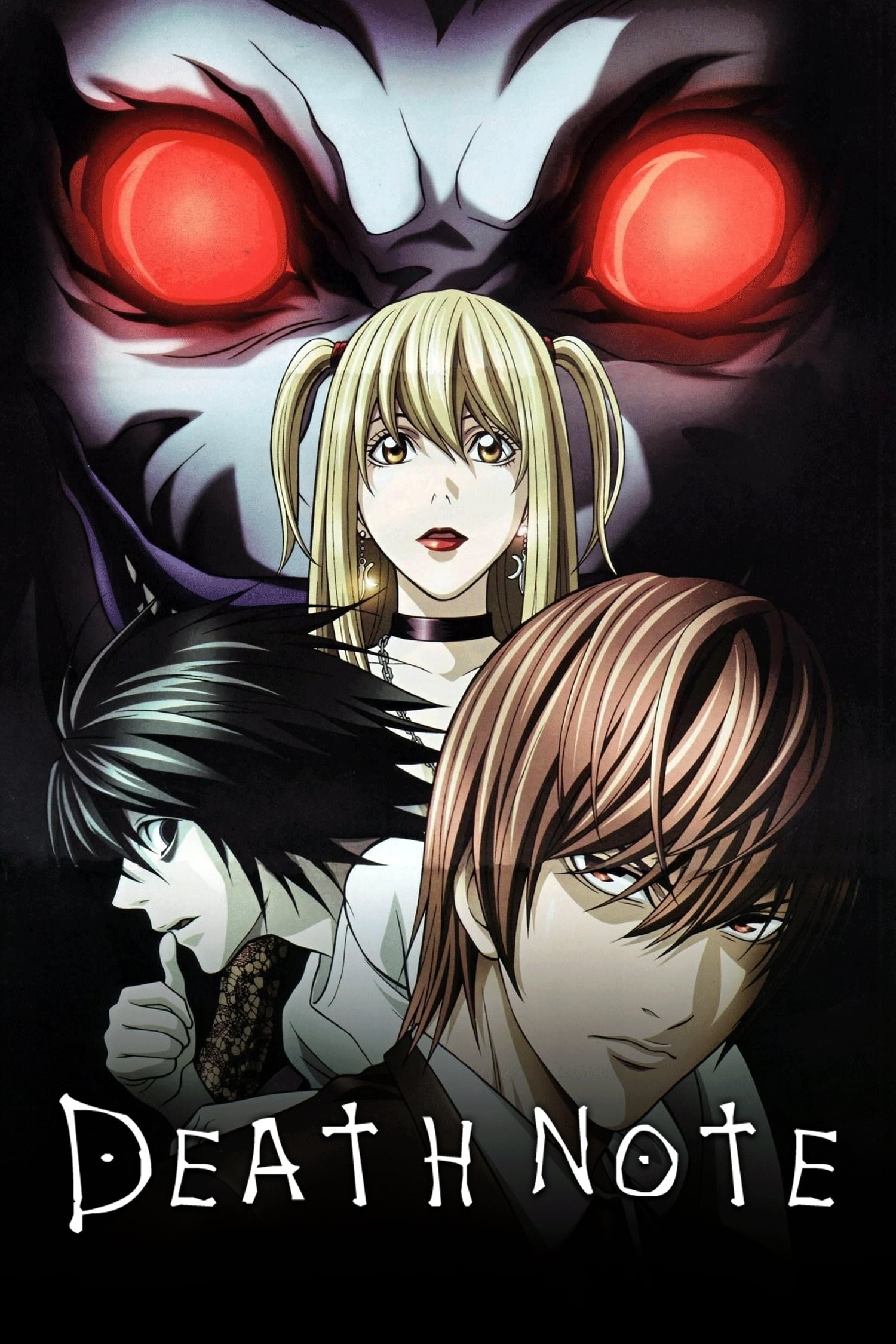
The notebook lists a rule that says the user must write a name at least once every thirteen days or die. L reads the rule and treats it as a possible constraint on Kira. The investigation proceeds without a basic experiment.
Later episodes reveal the rule as a false entry. The task force eventually confirms that it is not real. The group had custody of a notebook and access to prisoners, which made a controlled test possible early on. The lack of verification leaves the case stalled longer than necessary.
‘Fullmetal Alchemist: Brotherhood’ (2009–2010) – The nationwide transmutation circle remains undetected for centuries
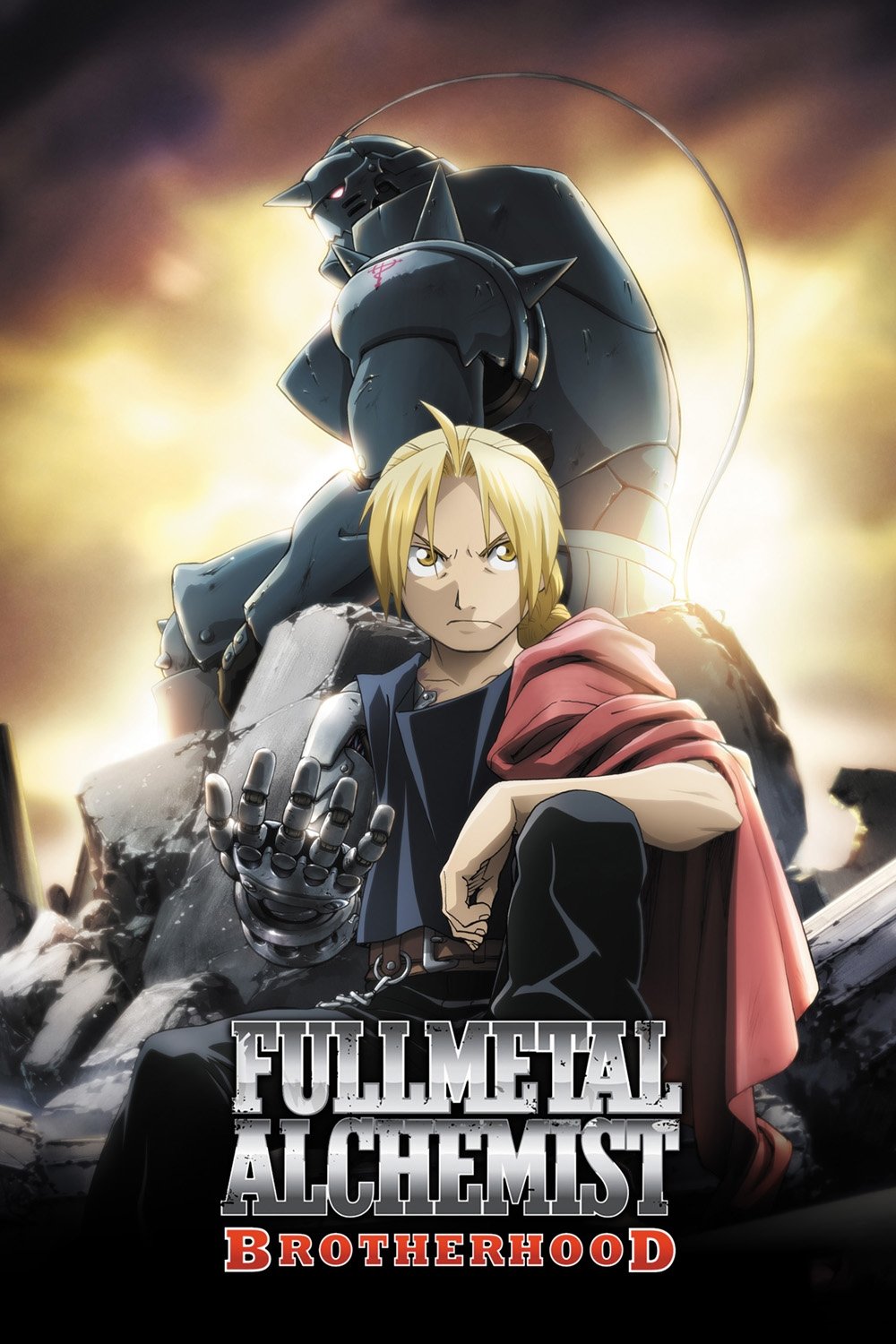
The plan to transmute an entire country relies on five blood marks at distant cities plus tunnels and rituals that align on a map. Wars and uprisings are orchestrated to place those marks at precise points.
Military strategists, cartographers, and state alchemists study campaign routes and geography throughout the show. None of them notice that locations of conflicts and projects create a circle when charted. The absence of any detection does not fit the level of oversight shown inside the regime.
‘Dragon Ball Z’ (1989–1996) – Saiyan tails vanish and reappear without a consistent rule

Early episodes show that Saiyan tails can grow back and that training can reduce the weakness. Later arcs remove tails from Goku and Vegeta and they never return. The change is not tied to a stated threshold or medical process.
Gohan’s tail reappears and disappears in short spans. The moon is destroyed to prevent transformations, yet artificial moonlight still works when a tail is present. The series never presents a clear biological rule that explains the pattern for all Saiyans.
‘One Piece’ (1999–present) – Haki retroactively creates inconsistencies in earlier logia battles
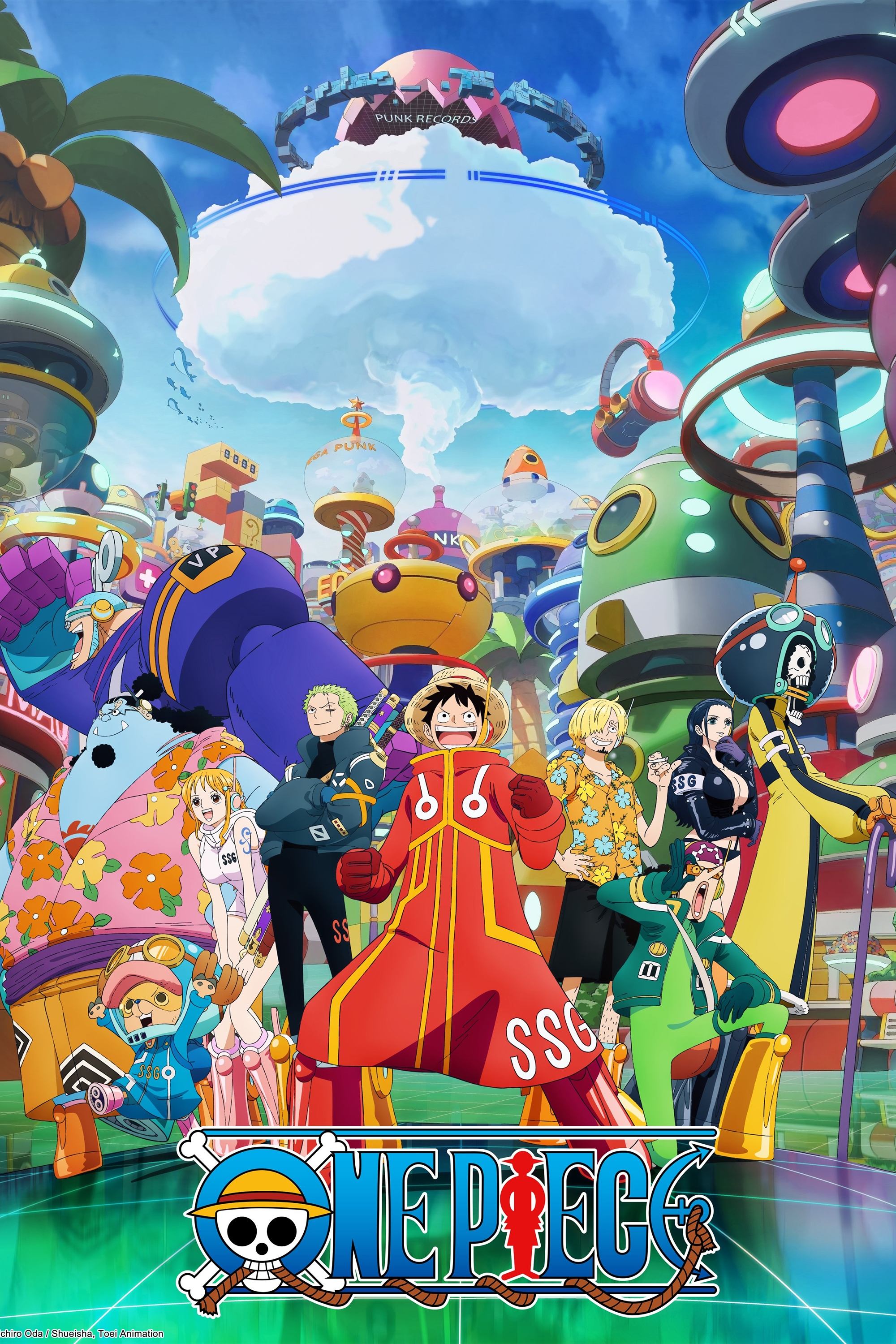
Haki receives a formal explanation during the Sabaody period and becomes standard in fights after the time skip. Earlier arcs show many characters who do not mention it while facing logia opponents.
Later flashbacks depict Haki in common use long before the crew learned it. Encounters with foes like Crocodile and Enel would have played out differently if Haki knowledge had been widespread. The reveal changes the logic of past conflicts without a record of why the ability stayed hidden from so many fighters.
‘Pokémon’ (1997–present) – Ash remains ten despite years of travel and tournaments
Ash travels through many regions and competes in multiple league tournaments. Each journey includes gym badge cycles and events that imply a full season or more.
Episodes reference anniversaries and seasonal festivals that mark the passage of time. Companions complete goals and move on while Ash remains the same age. The show’s internal calendar does not match the character’s unchanged birthday.
‘Bleach’ (2004–2012) – Rukia’s death sentence severity clashes with later Soul Society practices
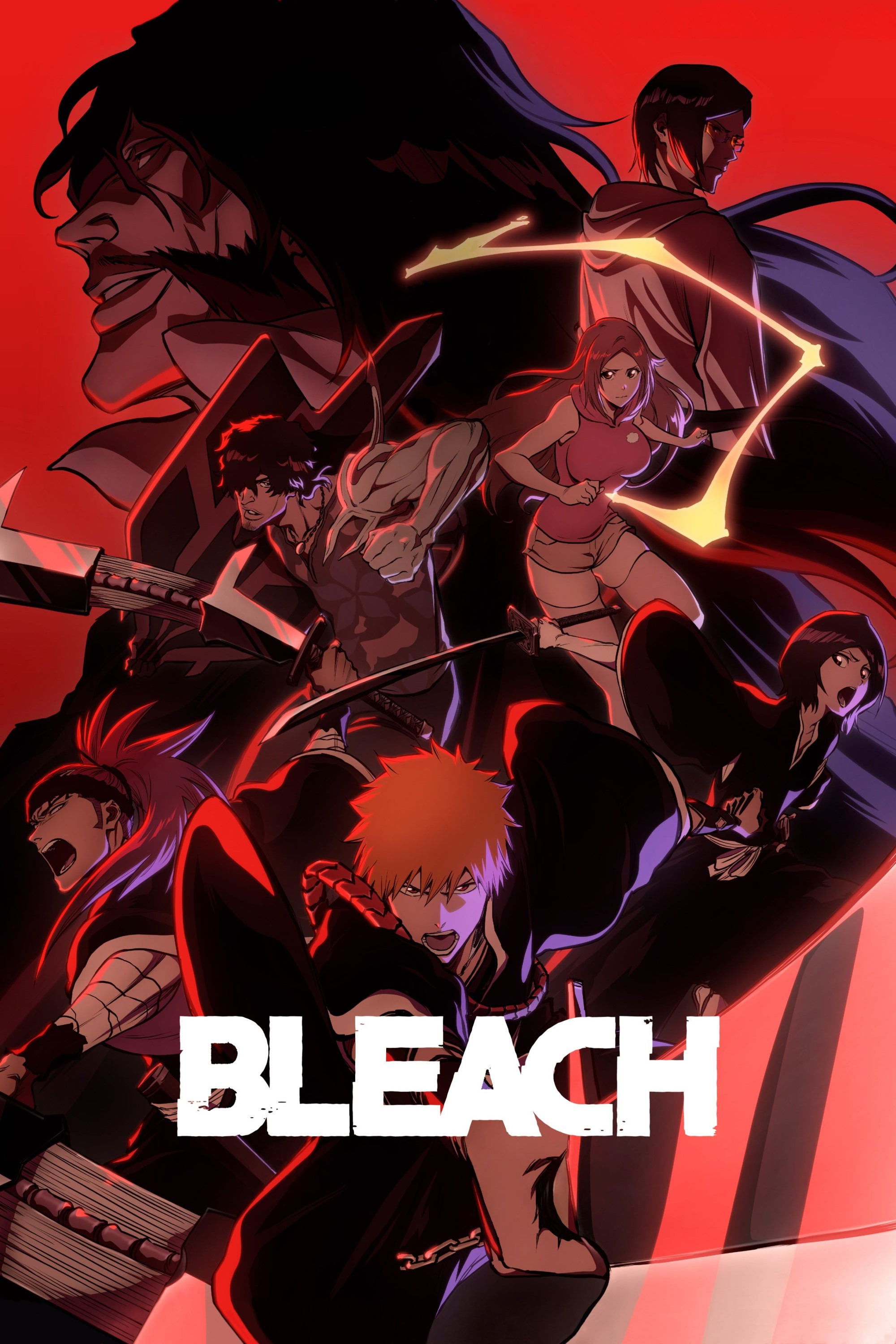
Rukia is sentenced to execution for giving her powers to a human. The court treats the transfer as a crime that merits the use of the Sōkyoku.
Later arcs depict Soul Reapers sharing energy, leaving gigai bodies in the human world, and training allies without facing similar penalties. The handling of Urahara and the Visoreds also shows flexibility that was not applied to Rukia. The legal standard appears inconsistent within the same institution.
‘Sword Art Online’ (2012–2020) – NerveGear removal failsafe and long term hospital care do not align

The NerveGear is described as lethal if tampered with or if power is cut. Thousands of unconscious players are later moved to hospitals and kept alive for months.
Hospital care requires cleaning, repositioning, and regular checks that involve the head and neck. The series does not describe the procedures or devices that prevented accidental triggers during routine work. The gap leaves the logistics of safe treatment unexplained.
‘Neon Genesis Evangelion’ (1995–1996) – Adam and Lilith identification shifts between episodes
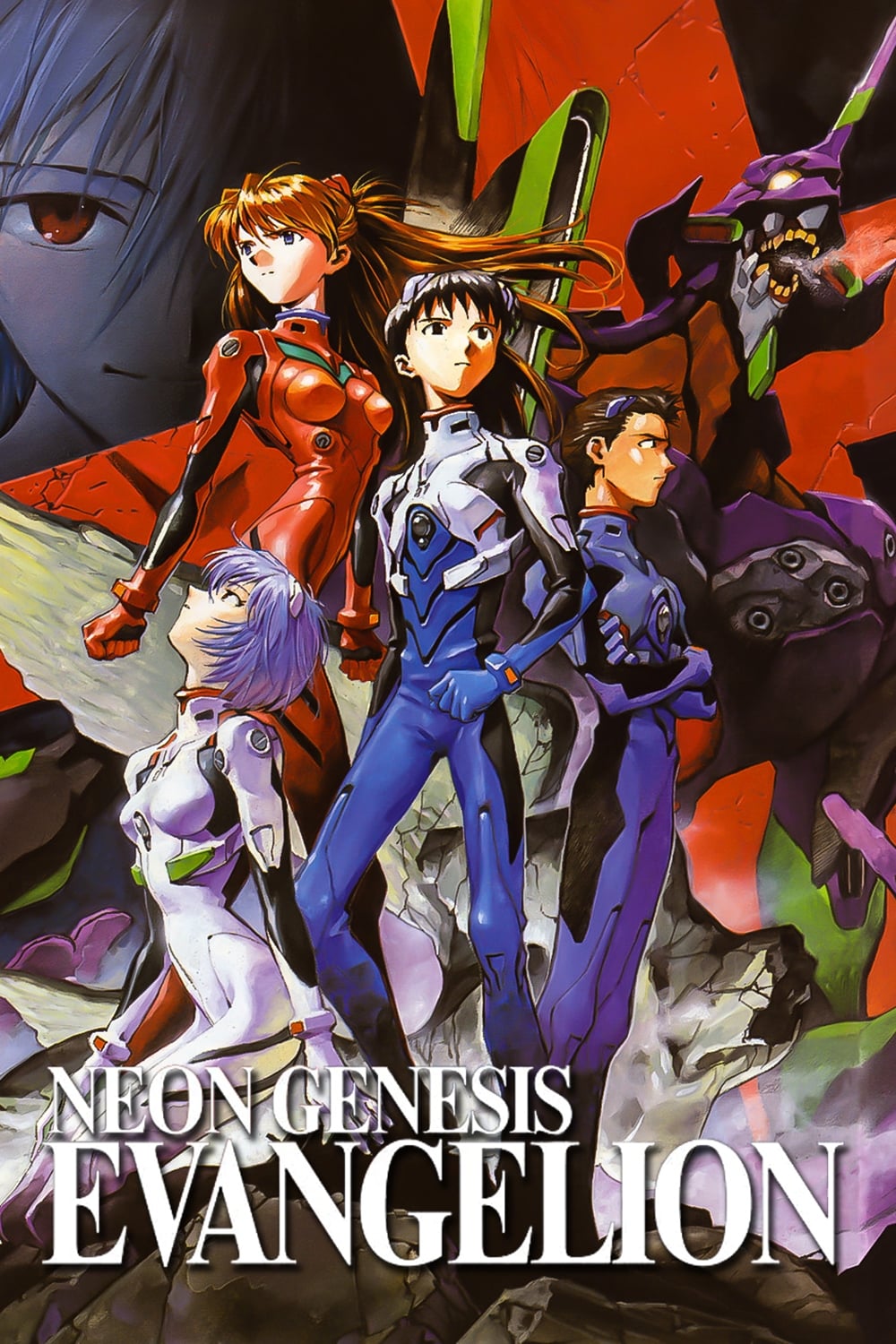
Early episodes identify the being on the cross in Terminal Dogma as Adam. Later episodes reveal that it is Lilith and that Adam is elsewhere.
That change affects the origin of the Angels and the meaning of the Second Impact. Scenes with signage and dialogue in the facility still use the earlier name. No in story correction is shown that would explain how personnel mislabeled the entity for so long.
‘Code Geass: Lelouch of the Rebellion’ (2006–2008) – The sudden permanence of Lelouch’s Geass lacks setup in earlier scenes
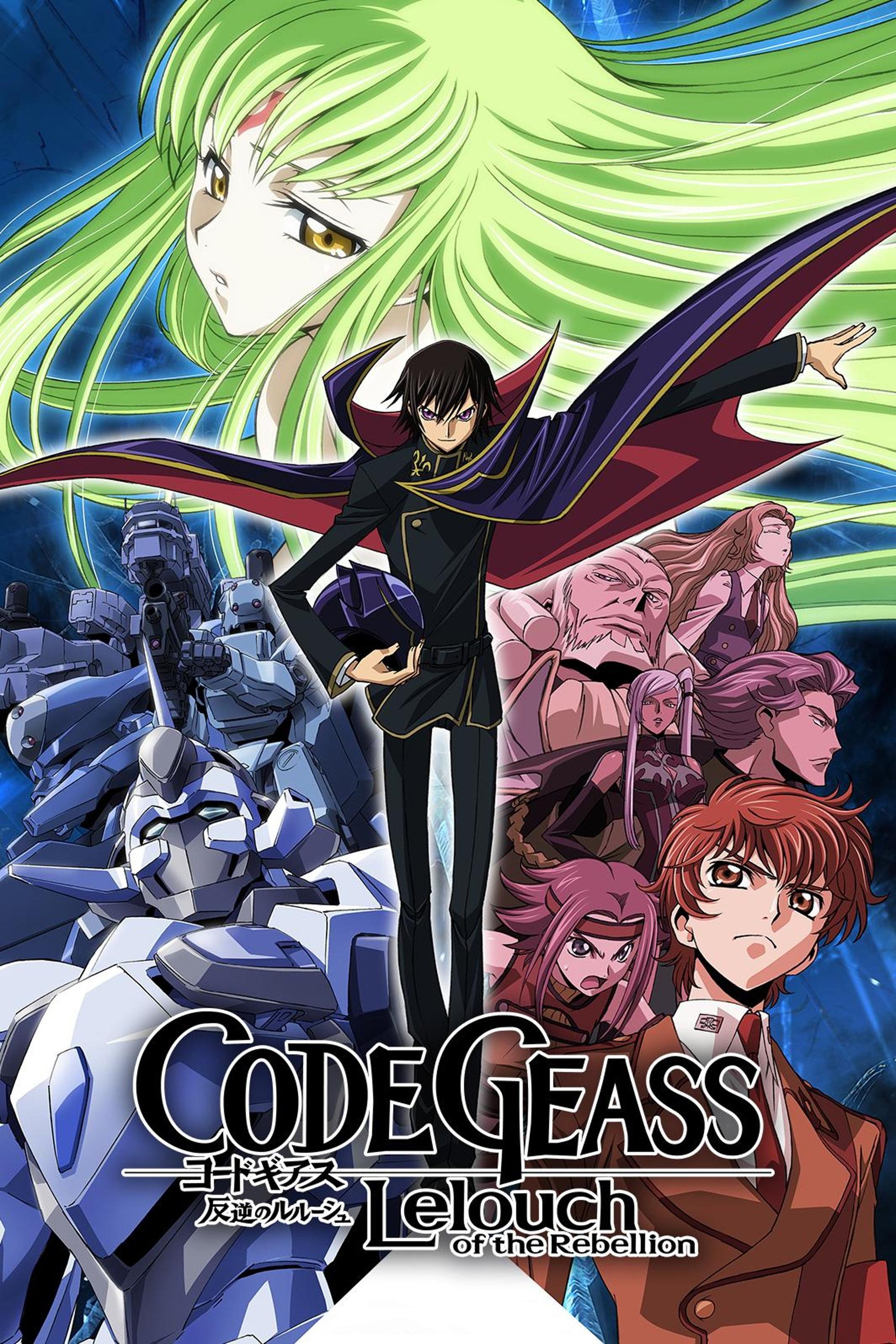
Lelouch’s Geass becomes permanently active during the incident with Euphemia. Prior uses show a controllable power that requires deliberate eye contact and a single command per target.
The shift to an always on state is not foreshadowed by similar strain in earlier missions. Contact lens counters appear after the incident, yet earlier operations do not plan around that risk. The timeline does not show when or how he prepared for accidental activation.
‘Fairy Tail’ (2009–2019) – Eclipse time travel creates conflicting outcomes in the Grand Magic Games arc
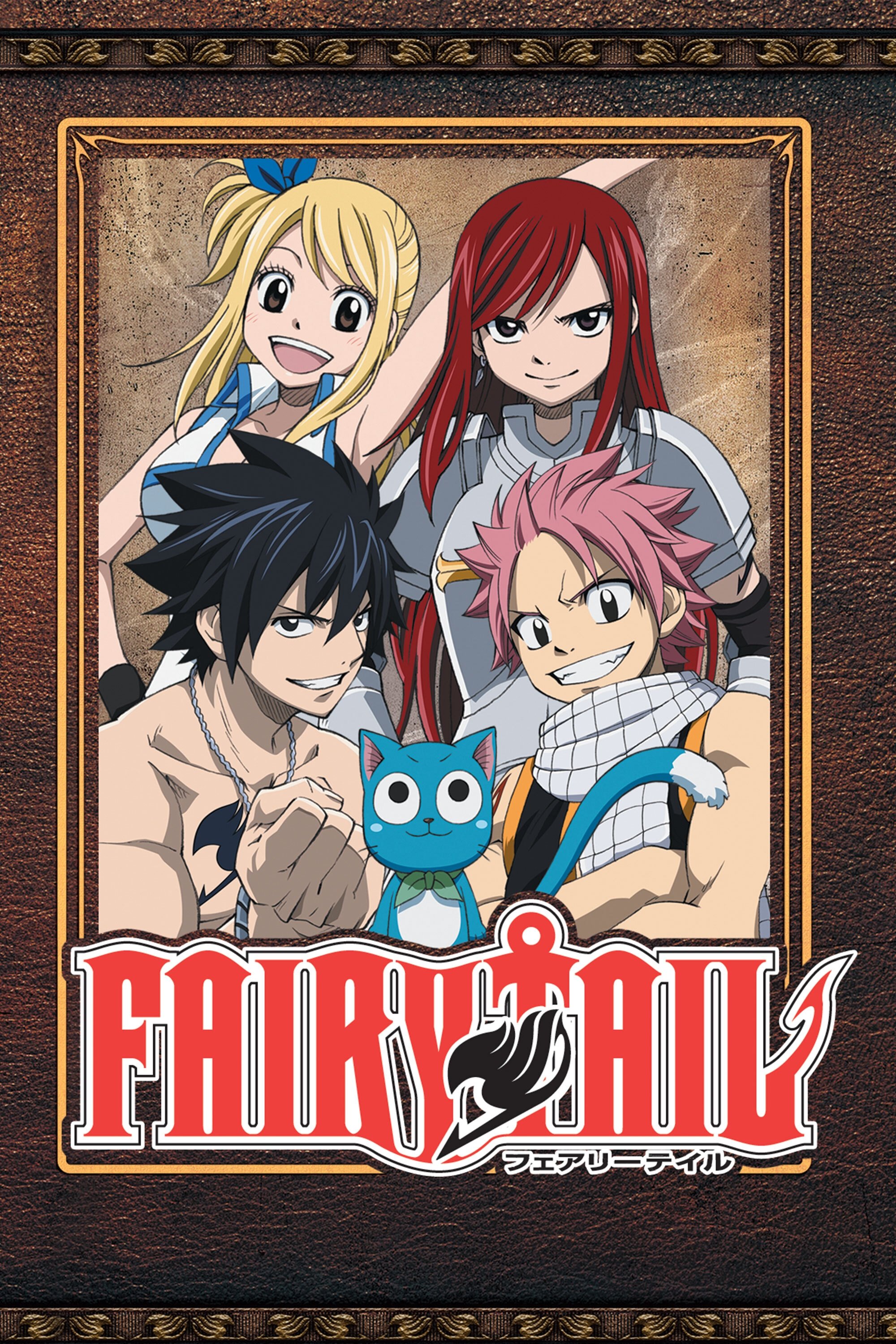
The Eclipse Gate introduces a warning from the future that describes a dragon attack. The events produce two versions of Rogue and several altered choices across the tournament and the battle.
The final outcome shows dragons both arriving and being prevented by actions made possible by the warning. The rules that decide which events remain after the change are not stated. The arc leaves the persistence of cause unclear.
‘Tokyo Ghoul’ (2014–2019) – Kaneki joins Aogiri with little narrative cause then the choice loses impact later
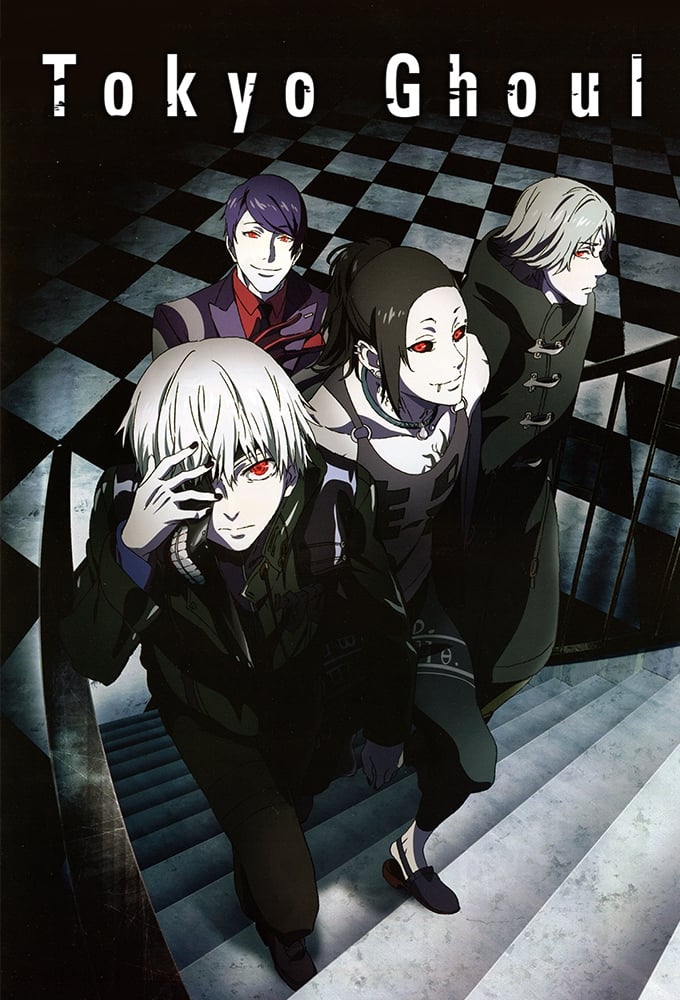
After torture and escape, Kaneki appears with Aogiri Tree without a detailed explanation of his plan. The move does not include a clear exchange or steps that link back to his promise to protect his friends.
Later episodes in the follow up series shift his alliances again and downplay the earlier choice. Operations that would require coordination and trust are not shown on screen. The missing scenes leave motivation and logistics without a documented path.
‘JoJo’s Bizarre Adventure’ (2012–2022) – Bites the Dust reset conditions conflict with earlier time rules
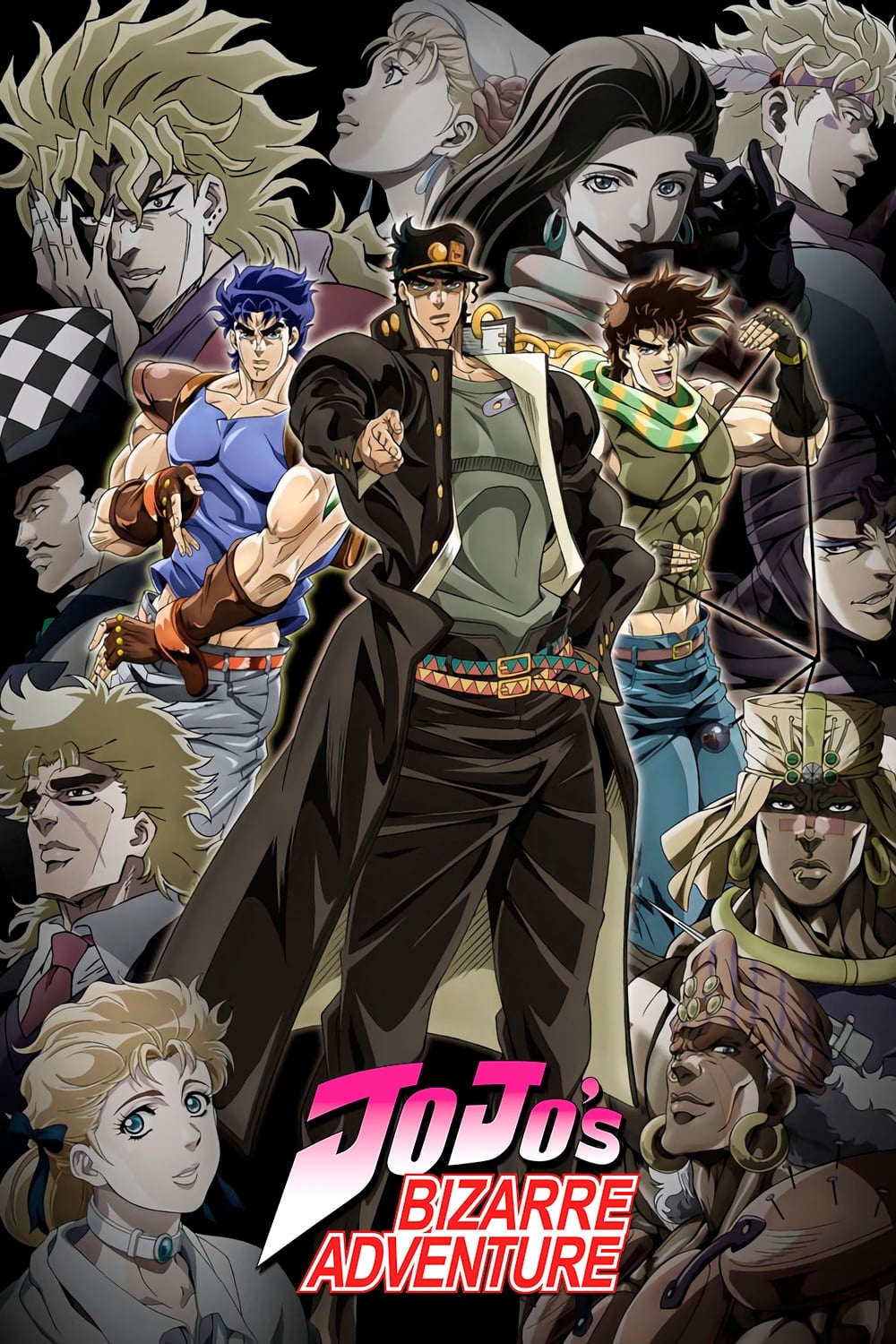
In the arc set in Morioh, Killer Queen gains Bites the Dust, which rewinds time when the host is interrogated. The reset preserves the host’s memory and kills those who learn the identity.
The ability’s range, host dependence, and information transfer do not match stand rules presented in earlier parts. The reset also changes events while fixing some outcomes without a cited principle that governs which facts stay. The series does not outline a general framework that explains these exceptions.
Share the plot holes that still bug you most in the comments so everyone can compare notes.