Celebs Who Have Been Cruelly Body-Shamed in the Past

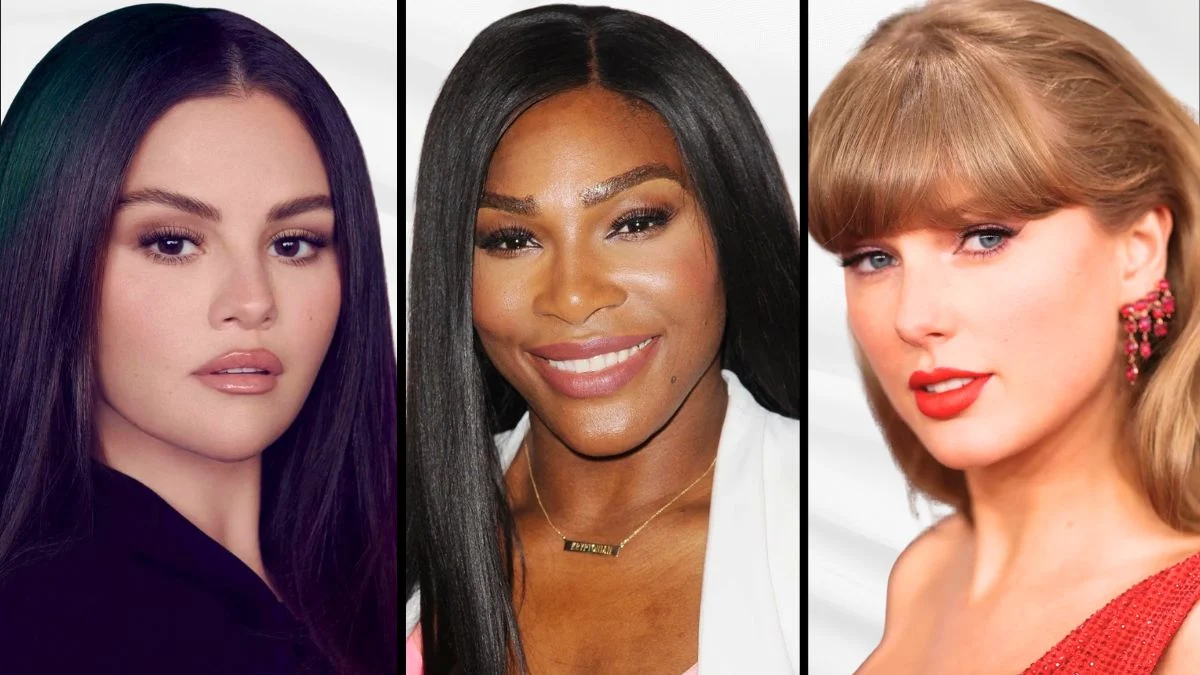

Public figures often face intense scrutiny, and that pressure frequently lands on their bodies. Comments about weight, shape, height, or muscles can follow them from red carpets to social media, and the noise can drown out their work. Many have addressed it directly, sharing context about health, training, or medication, and setting boundaries about what is and is not fair to discuss.
This list looks at well known instances where stars were targeted by unkind remarks about their appearance and explains how each one responded. You will find what happened, where they spoke up, and what steps they took to steer the conversation back to facts and personal well being. It is a reminder that bodies change for many reasons and that people deserve privacy and respect.
Adele
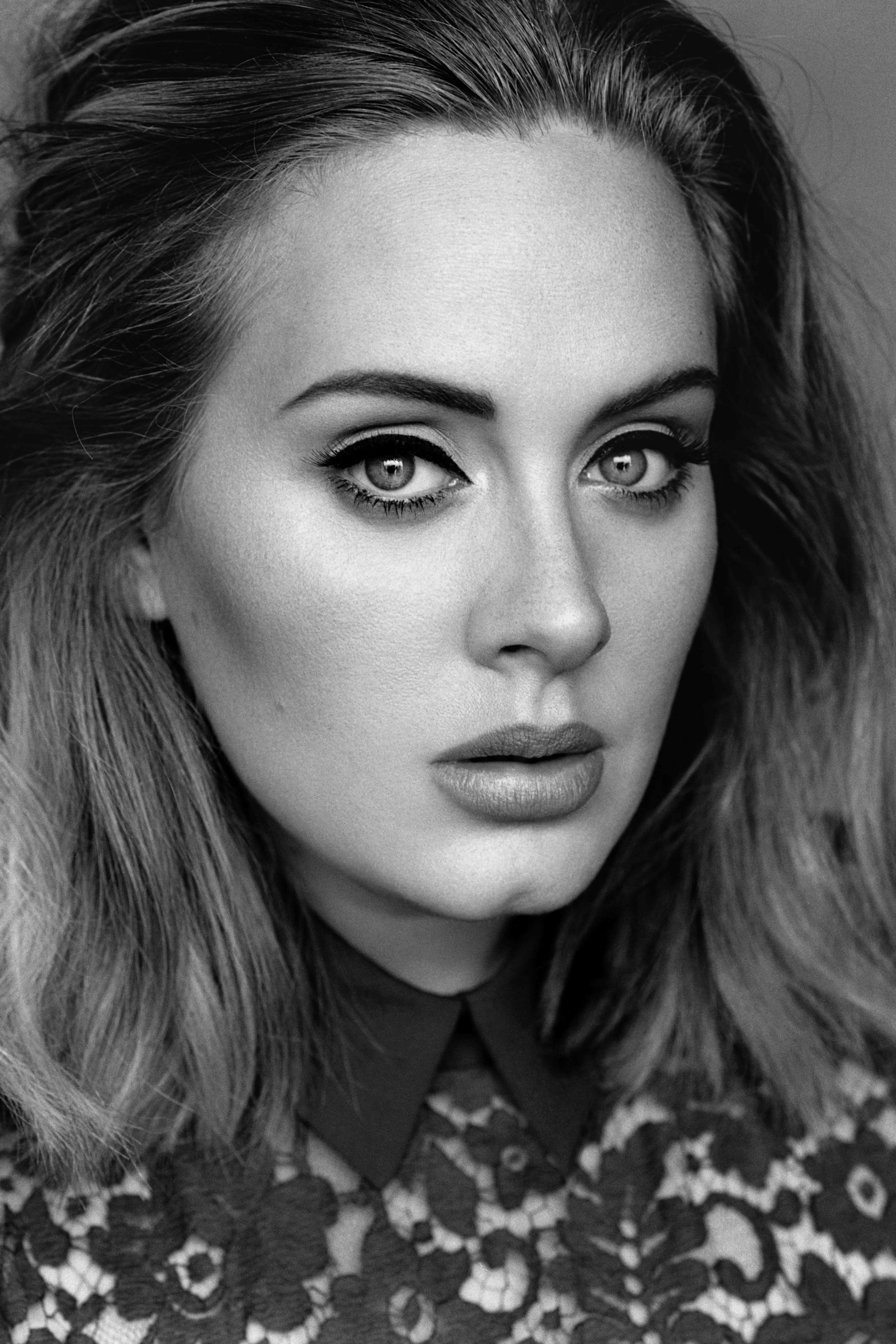
Adele has fielded comments about her body since the start of her career, from early chart success through later tours and public appearances. Coverage often shifted focus from her music to weight changes, placing her under a spotlight that had little to do with her voice.
In interviews she explained that her training choices were about stamina and health for demanding live shows. She has also said her body is not for public debate, drawing a firm line that keeps attention on songwriting, performance, and vocal endurance.
Selena Gomez
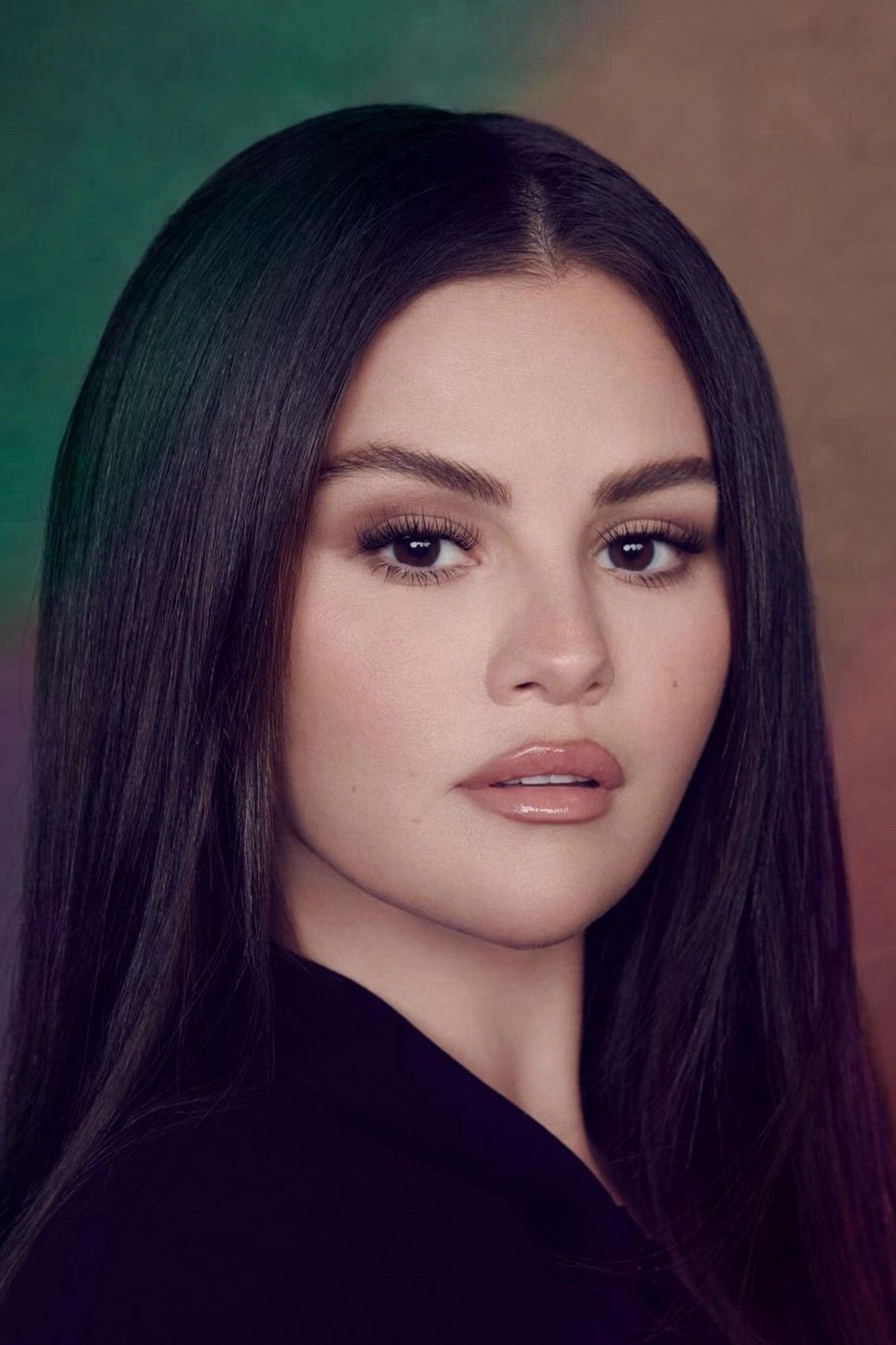
Selena Gomez has spoken about lupus and related medications that can cause visible weight fluctuations. When photos drew unkind commentary, she went on social platforms to explain the medical context so fans understood why her body might look different at different times.
She has continued to work while managing her condition and has encouraged people to avoid making body based assumptions. Through Rare Beauty and public discussions about self care, she has provided concrete resources and language that help shift attention to health.
Taylor Swift

Taylor Swift discussed how comments about her body contributed to disordered eating in the documentary ‘Miss Americana’. By sharing specific examples of how feedback affected her, she gave viewers a clear picture of how pressure can build behind the scenes.
She later described a healthier approach to food and performance and emphasized that she no longer tracks her body in ways that harm her well being. By putting the story on record, she created a reference that redirects questions to verified information rather than speculation.
Billie Eilish
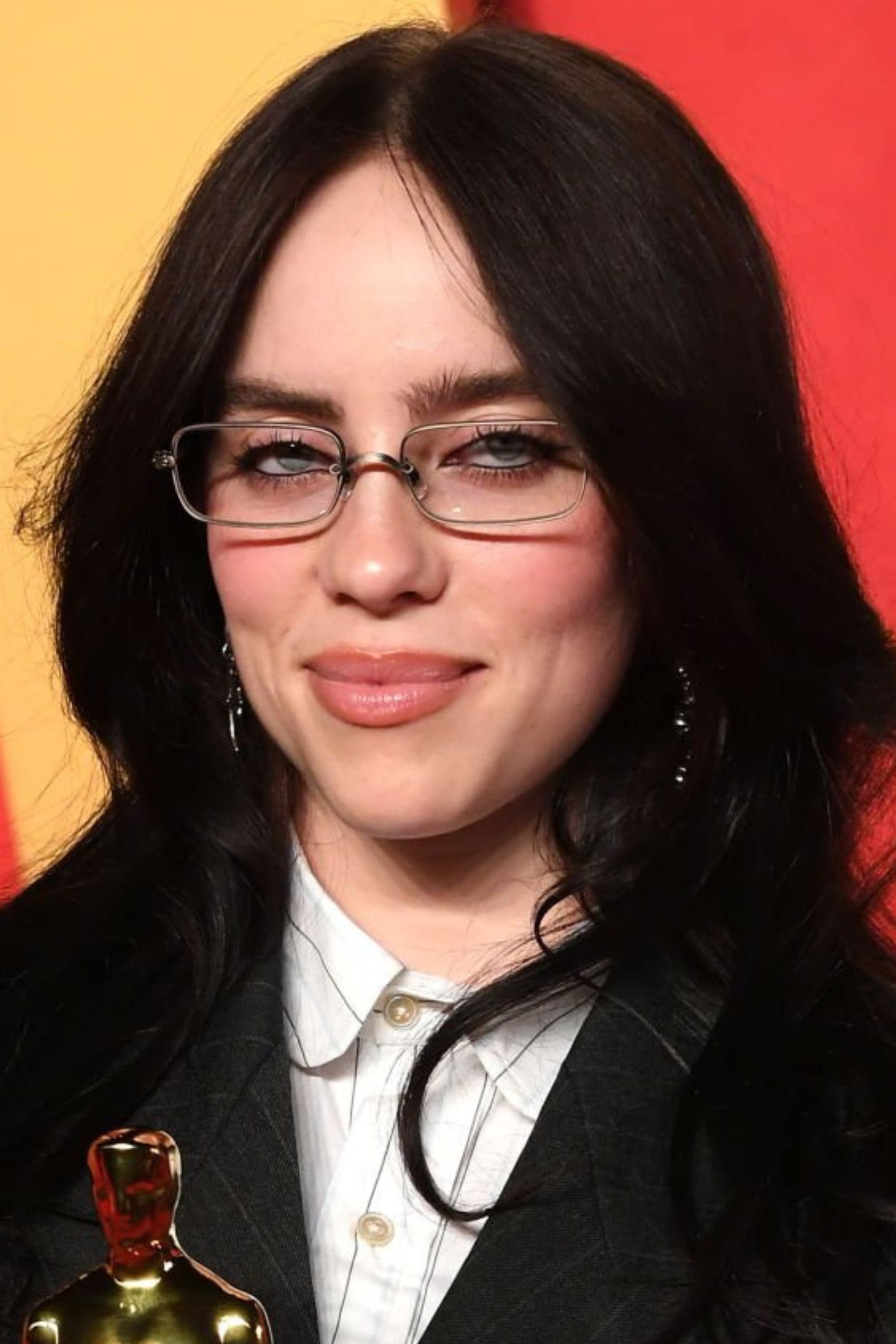
Billie Eilish chose oversized clothing early in her career to avoid having her body become the focus. When candid photos or magazine shoots sparked commentary, she addressed how unwanted attention can make artists feel boxed in.
She has since experimented with different styles on her own terms and explained that clothing is a tool, not a statement about values. Her public notes teach fans that comfort, safety, and timing belong to the person wearing the outfit, not to outsiders.
Lizzo
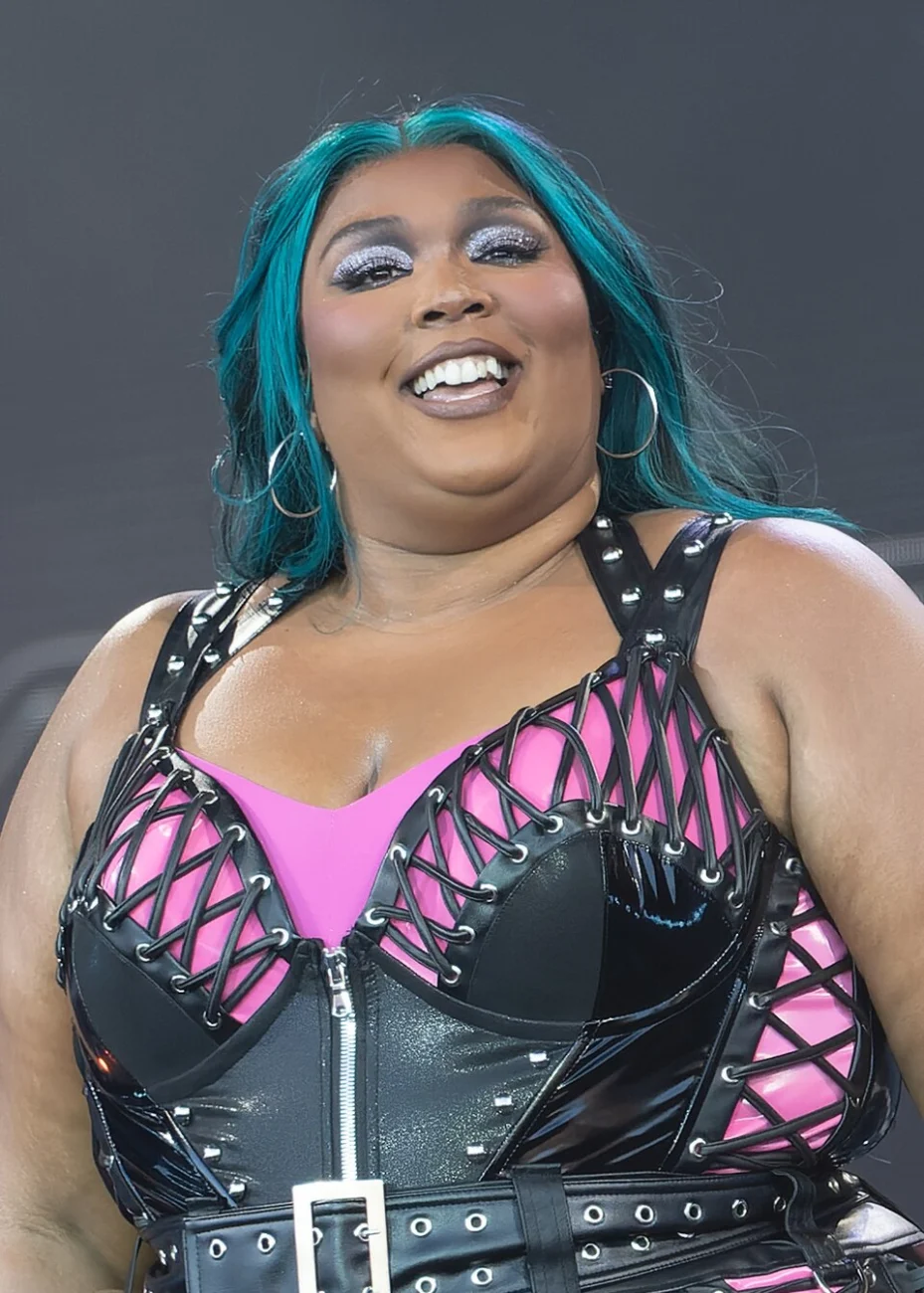
Lizzo has been targeted by fat shaming online despite being a classically trained musician who rehearses and performs at a high level. She has repeatedly clarified that fitness and body size do not have a single look and that stage workloads demand conditioning.
She launched Yitty, expanded tour choreography, and shared training snippets that show the preparation behind her shows. By laying out the work required for performance, she replaces stereotypes with measurable effort like rehearsal hours and breath control.
Jonah Hill
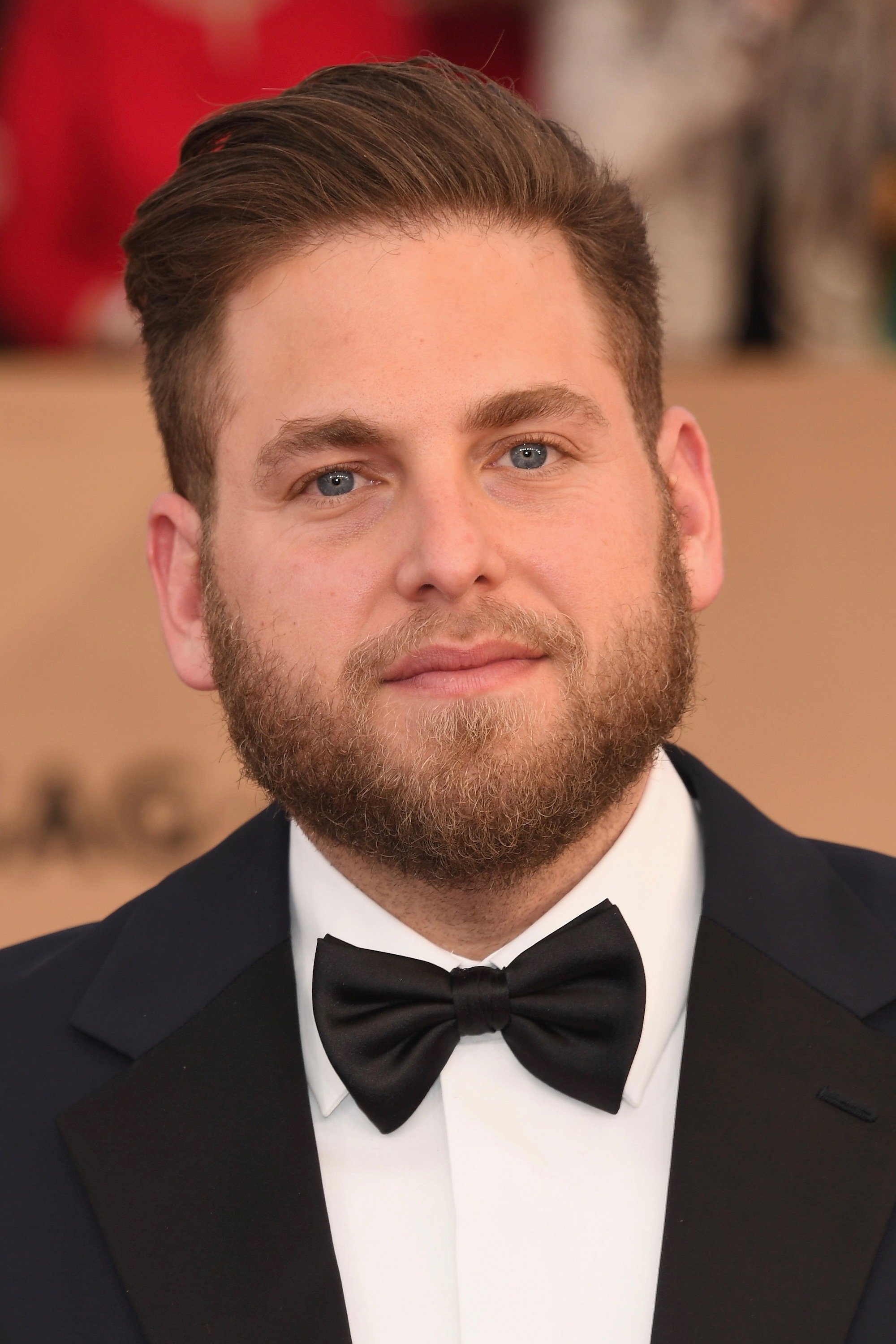
Jonah Hill publicly asked people to stop commenting on his body, whether positive or negative. He noted that all such remarks can be intrusive and that praise can still create pressure to maintain a specific look.
He provided a simple boundary that fans and media can follow. Focusing on roles, writing, and directing gives a clear alternative topic, and his request offers a practical guideline for respectful coverage.
Rebel Wilson
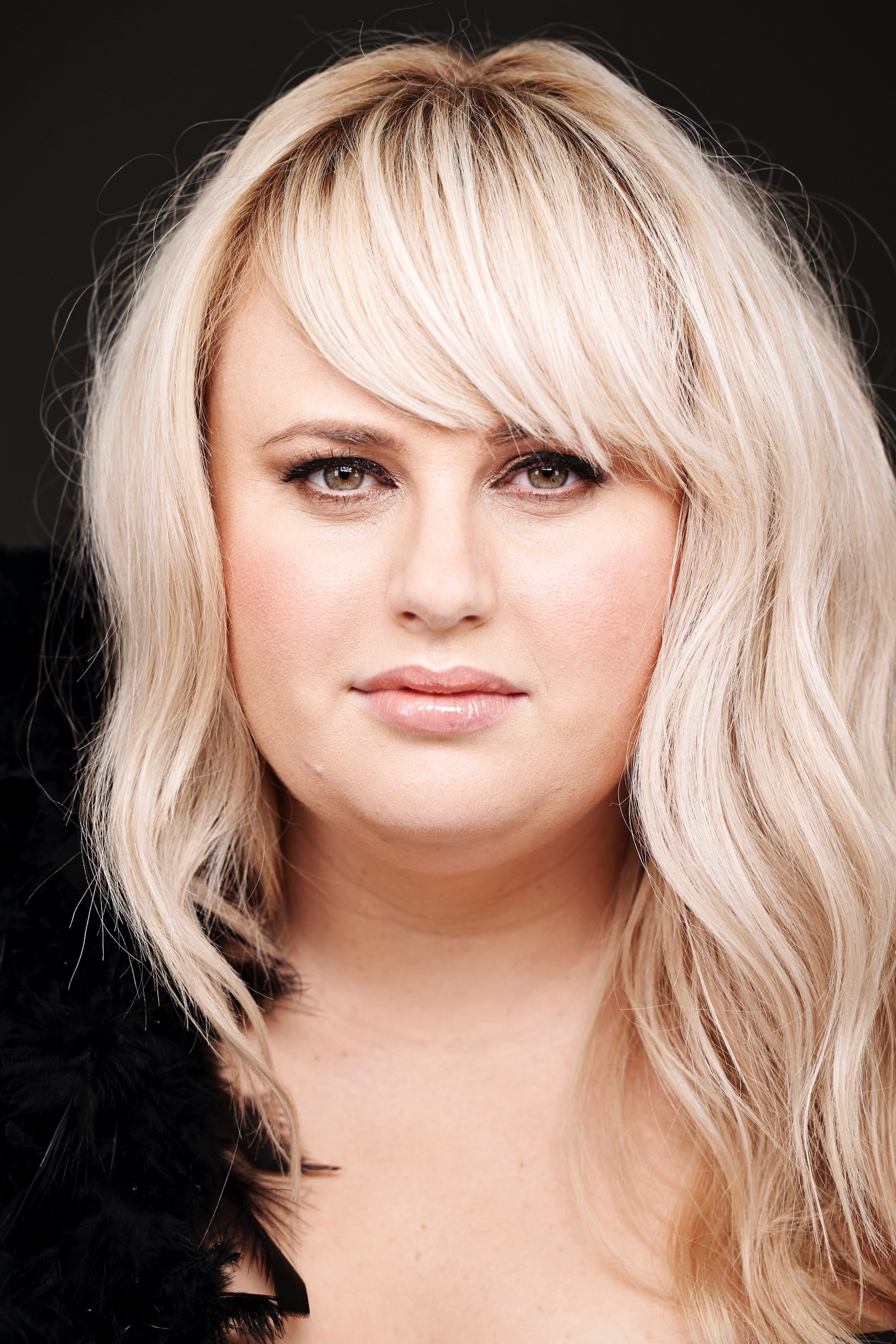
Rebel Wilson’s body became a frequent target while she was building a career in comedy and action projects. When she shared her plan to improve metabolic health, outlets often framed it as a spectacle rather than a medical and fitness goal.
She later described the benefits she felt in energy and endurance and pointed out that her career is not defined by a number on a scale. Her updates focus on sustainable habits, regular training, and clinical checkups rather than quick transformations.
Kelly Clarkson

Kelly Clarkson has dealt with unkind comments about size during album cycles, television appearances, and tours. The conversation often overshadowed her vocal work and songwriting credits.
She has responded by sharing how doctors help her manage thyroid and autoimmune concerns and by explaining practical steps like nutrition plans that support a heavy singing schedule. On ‘The Kelly Clarkson Show’ she also highlights guests and experts who talk about evidence based health.
Sam Smith
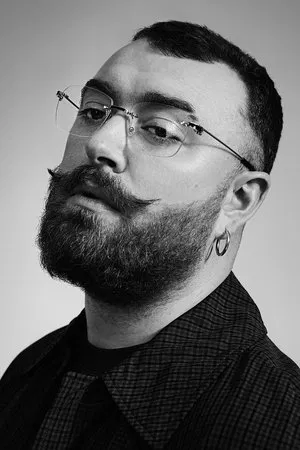
Sam Smith has spoken about body image pressure since their early releases. Photos and outfits sometimes drew harsh remarks that ignored the demands of touring and the personal process of finding a comfortable style.
They have continued to explore fashion that supports movement and stagecraft and have reminded fans that pronouns and body talk require care. By centering craft and identity, they provide a respectful template for how to discuss artists.
Serena Williams
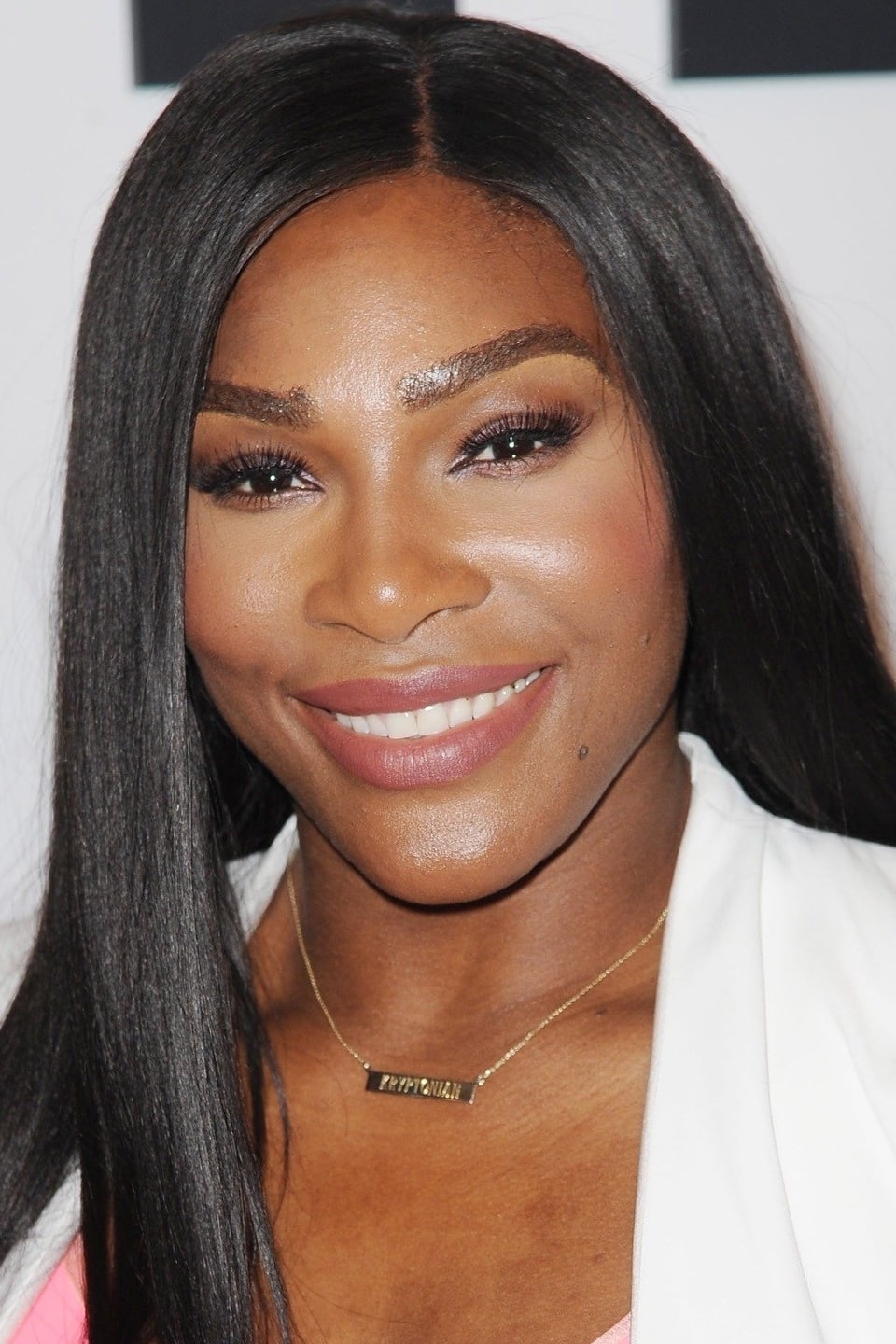
Serena Williams has faced years of comments about muscularity and femininity alongside a record setting tennis career. The remarks often came during tournament coverage and social media chatter rather than performance analysis.
She has consistently pointed to training metrics, injury recovery, and match results as the appropriate measures of an athlete. Her example shows how strength, speed, and durability are the relevant benchmarks in professional sport.
Simone Biles
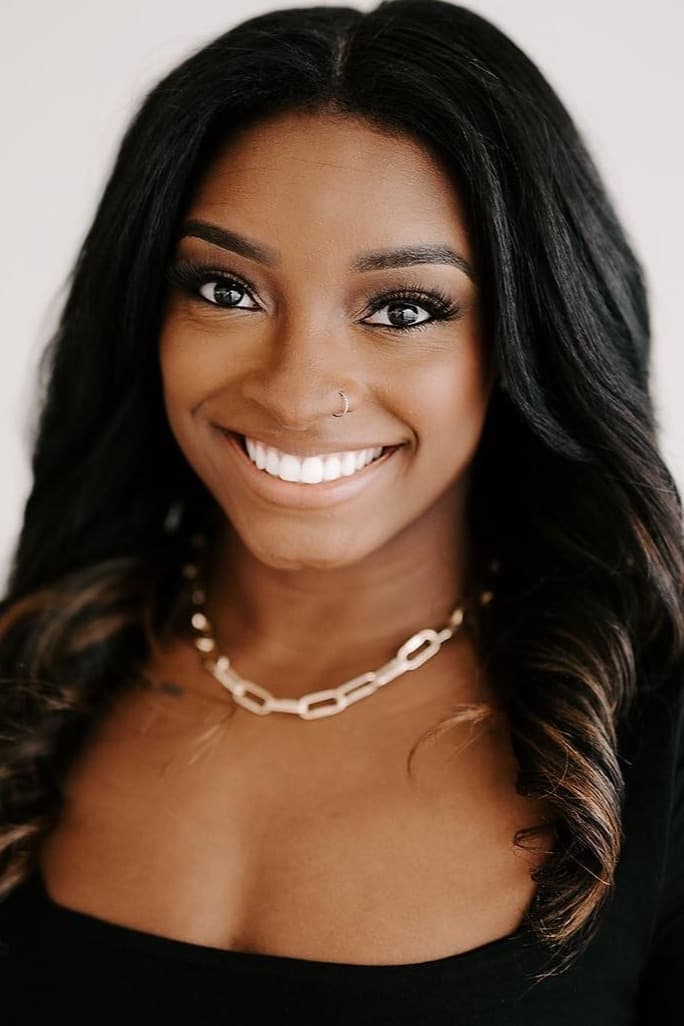
Simone Biles encountered body based criticism even while leading teams to world titles and Olympic medals. Comments focused on appearance ignored the safety and power needed for skills with extremely high difficulty values.
She has talked about nutrition, sleep, and mental health as core parts of elite gymnastics. By sharing the routines behind competition readiness, she makes it easier for fans to understand how performance depends on recovery and precise conditioning.
Camila Cabello

Camila Cabello addressed paparazzi beach photos that were followed by cruel comments. She explained how constant scrutiny can turn a normal day into a source of anxiety.
She then described strategies that helped her enjoy time outdoors, such as leaving the phone behind and setting limits on social scrolling. By offering those details, she shows how anyone can reduce exposure to toxic feedback loops.
Tyra Banks
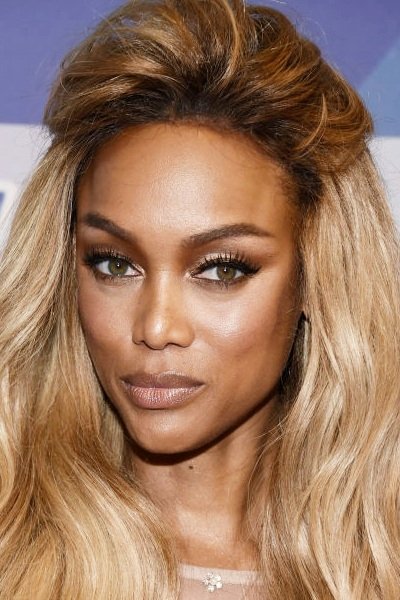
Tyra Banks was mocked after tabloid images questioned her swimsuit body. She responded on ‘The Tyra Banks Show’, explaining how angles, lighting, and timing can distort public perception.
She used the moment to educate viewers about the production side of fashion images, including posing, garment fit, and retouching. Those specifics help people recognize how easily photos can mislead.
Lady Gaga
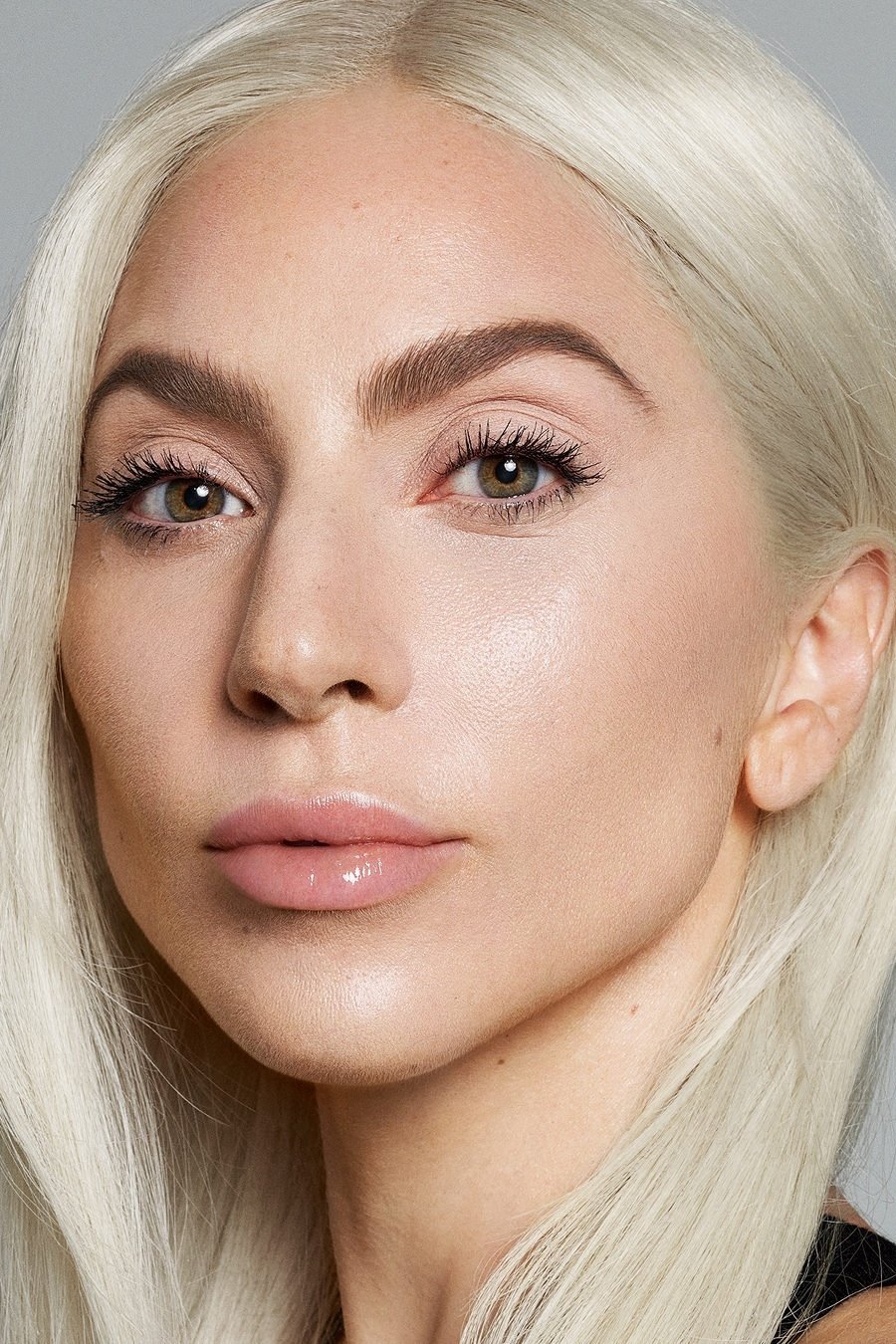
Lady Gaga received a wave of body comments after a major halftime performance. Instead of letting the noise define the event, she clarified that her focus was on singing live and executing complex choreography.
She also thanked supporters and reminded audiences that stage costumes are designed for movement and camera work. By spotlighting rehearsal structure and vocal demands, she reoriented the discussion toward professional standards.
Rihanna
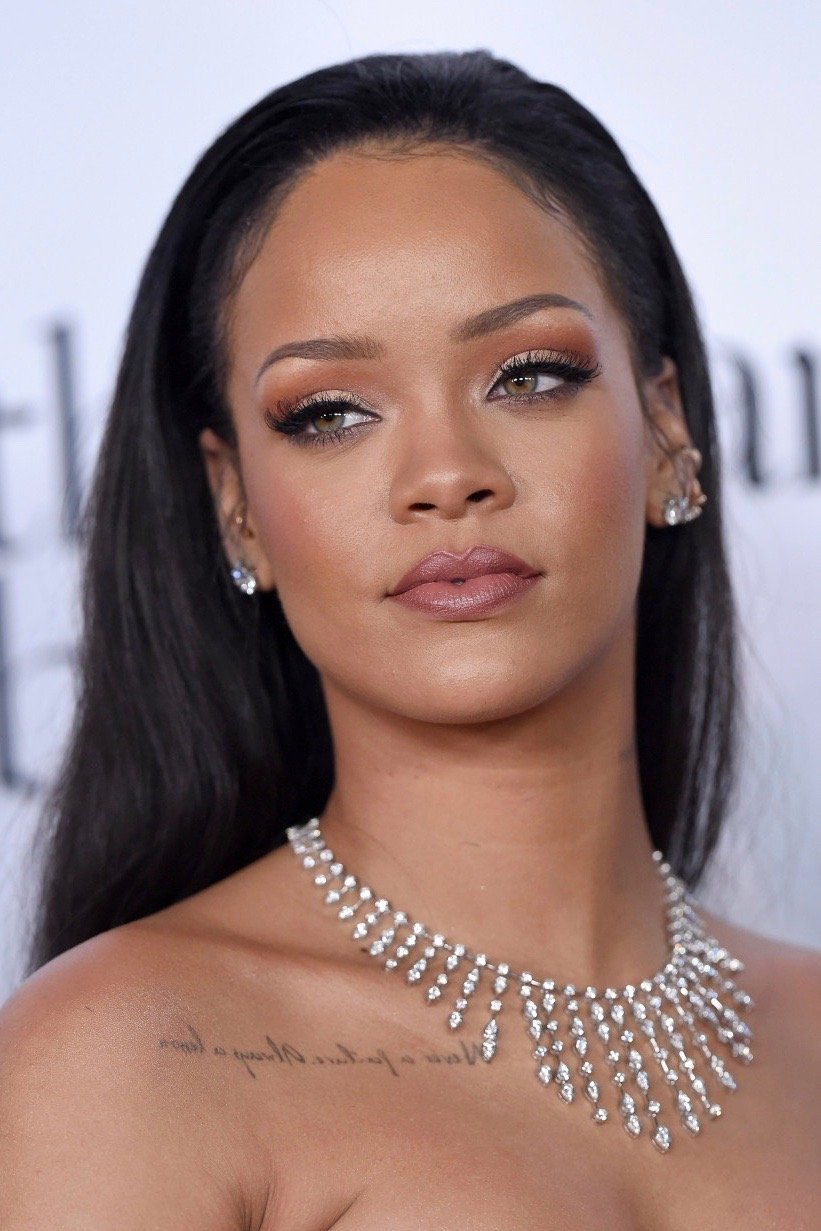
Rihanna has seen her body discussed through different seasons of her life, including after pregnancies. Public remarks often missed how health, hormones, and recovery shape appearance.
Through Savage X Fenty shows she has featured a wide range of sizes and postpartum bodies on the runway. Casting, garment construction, and fit notes from those shows provide practical examples of inclusion in fashion.
Priyanka Chopra Jonas

Priyanka Chopra Jonas has spoken about industry expectations around sample sizes and red carpet fittings. Comments about her body sometimes surfaced during press tours instead of focusing on the projects being promoted.
She has explained how tailoring and styling teams adapt looks to real bodies and schedules. By sharing the logistics of fittings and alterations, she offers a realistic view of how event dressing actually works.
Ashley Graham

Ashley Graham has long received online harassment about size while working as a top model and host. The comments often ignored the professional criteria used in casting and campaign planning.
She has published workout routines, discussed postpartum changes, and interviewed experts about health and confidence. Those conversations supply concrete information about training, nutrition, and garment fit that helps demystify the industry.
Ariana Grande

Ariana Grande recorded a video asking fans to stop discussing bodies after people compared two different snapshots of her. She explained that even well meaning remarks can be harmful because photos capture a single moment without context.
She encouraged people to avoid commenting on size at all and to consider unseen factors like illness, medication, and stress. That guidance gives supporters a clear path to engage with music and performances instead.
Gigi Hadid
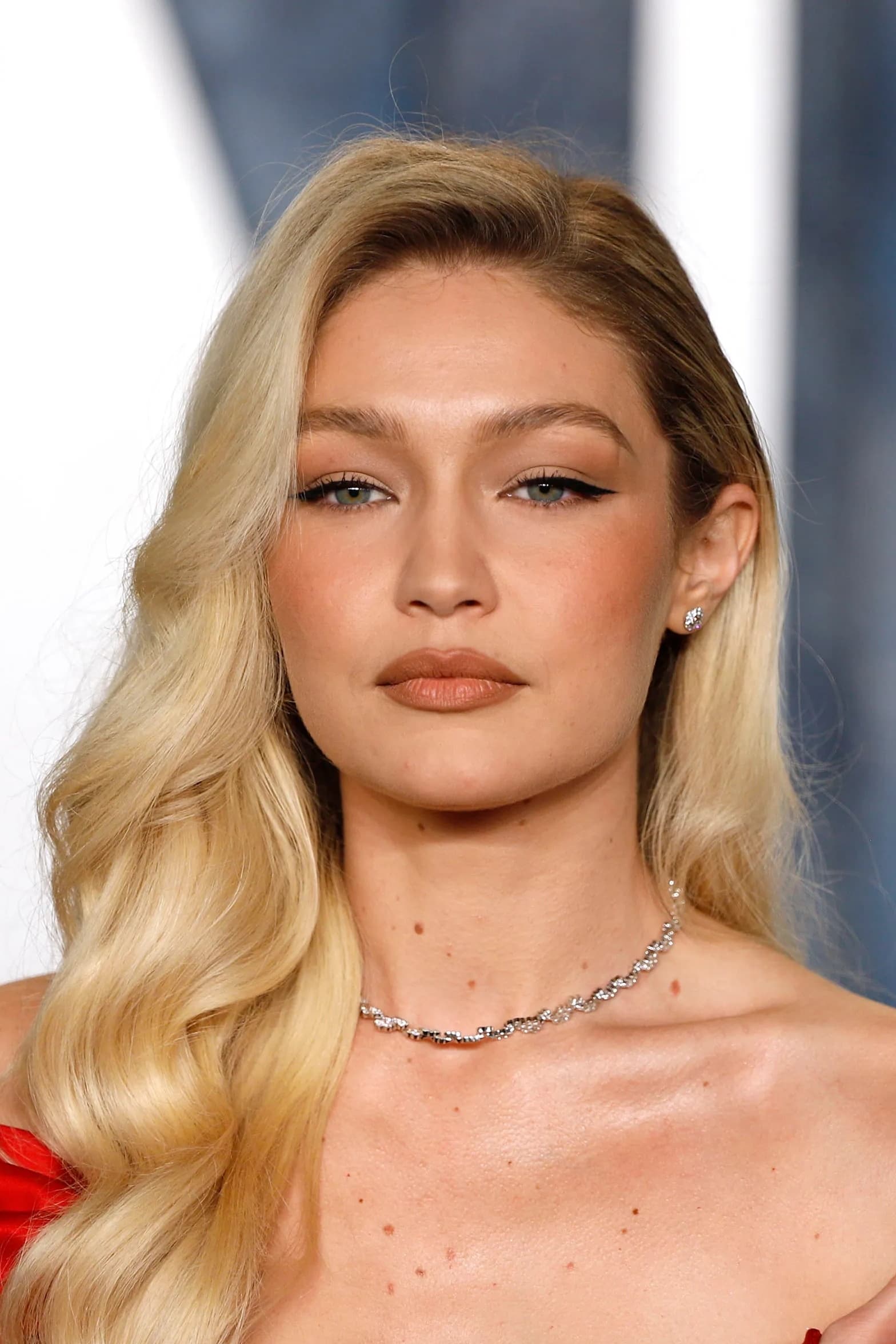
Gigi Hadid has been thin shamed and later criticized for changes in size. She explained that autoimmune issues affected her metabolism and that treatment altered her appearance over time.
By sharing the medical background, she corrected false narratives and emphasized that health decisions belong to patients and their doctors. Her notes encourage fans to refrain from drawing conclusions from a single runway or candid photo.
Jason Momoa

Jason Momoa dealt with headlines that mocked him for having a so called dad bod during downtime from filming. The chatter overlooked how weight and conditioning change between roles with different stunt requirements.
He has described periodized training with cycles for bulking, cutting, and recovery. That breakdown shows how professional schedules dictate physique shifts and why off season rest is part of staying injury free.
Share who you think handled unfair body comments in a way that helped move the conversation forward in the comments.