Celebs Who Have Been Banned From Other Countries


Many celebrities have faced travel bans or entry denials from foreign governments for a wide variety of reasons. These restrictions often stem from political activism or past legal issues that conflict with local laws. Some stars find themselves unable to perform for their international fans due to these diplomatic roadblocks. Understanding these bans provides a look at the intersection of global entertainment and international relations. This list examines high profile figures who have been barred from entering specific nations.
Justin Bieber

Justin Bieber was famously banned from performing in China because authorities wanted to maintain order in the local entertainment market. The government released a statement explaining that his past behavior during visits caused public dissatisfaction. He also faced significant legal restrictions in Argentina following an incident involving his security staff and a member of the press. These travel blocks have limited his ability to reach fans in several major international markets during his world tours.
Miley Cyrus

Miley Cyrus was banned from China after a controversial photograph showed her making a gesture that was interpreted as offensive to Asian people. The country also prohibited her music and television shows from being broadcast on their media outlets. Additionally the Dominican Republic stopped her from performing a scheduled concert in the country. Authorities there cited her stage persona and costumes as violations of public morals and local customs.
Selena Gomez

Selena Gomez was denied a visa to enter Russia where she had several concerts scheduled on her world tour. The ban was reportedly linked to her public support for LGBTQ rights which conflicted with the laws of the country at the time. She later faced similar difficulties in China where her scheduled performances were abruptly canceled. Officials there were reportedly unhappy with her public association with the Dalai Lama.
Brad Pitt
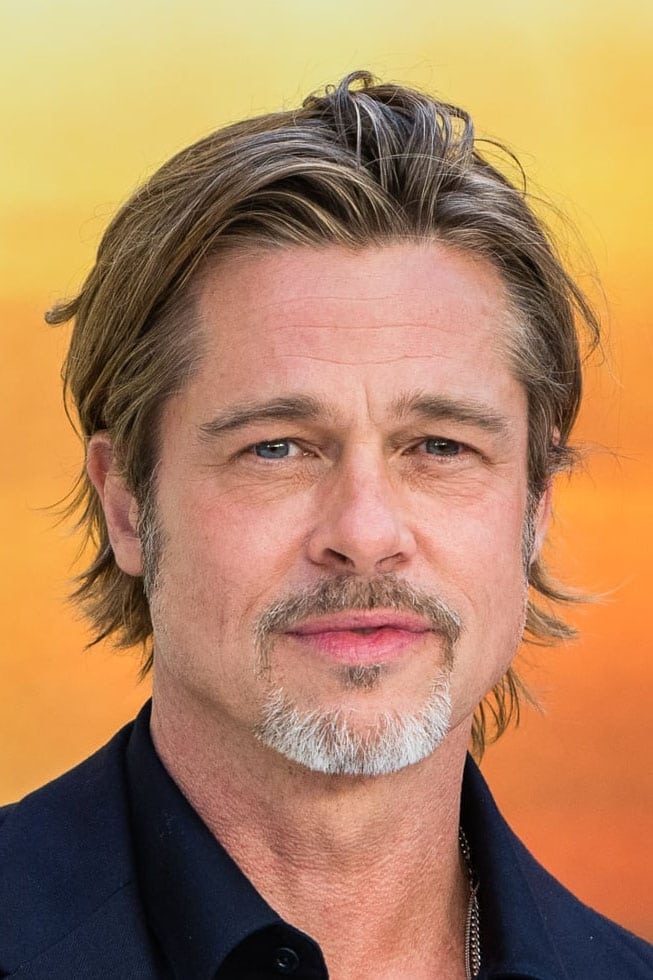
Brad Pitt was banned from entering China for nearly two decades following his starring role in the film ‘Seven Years in Tibet’. The government took issue with the movie and its depiction of the region and its political history. He was finally able to return to the country for promotional events later in his career. This ban serves as a prominent example of how a film role can have real world travel consequences for a major Hollywood actor.
Harrison Ford
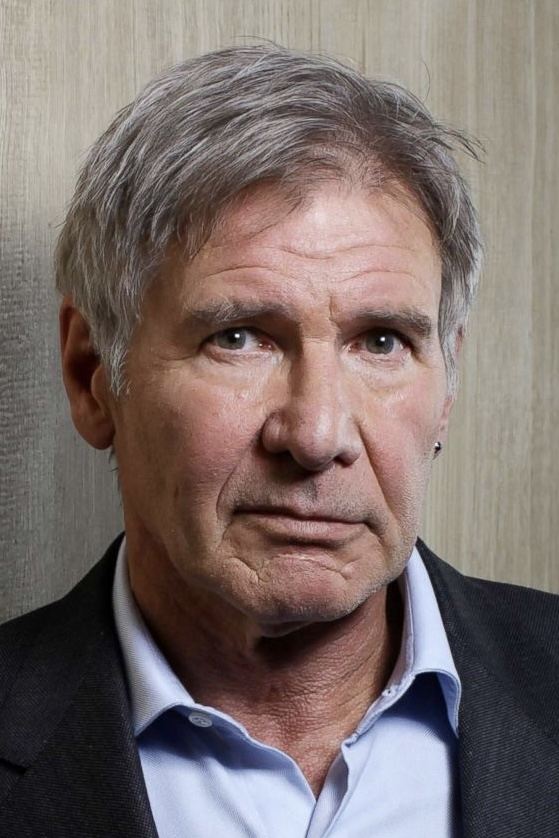
Harrison Ford received a lifetime ban from China due to his outspoken support for Tibetan independence. He has frequently used his platform to testify before the United States Senate regarding human rights issues in the region. His advocacy work led the Chinese government to declare him persona non grata. This restriction prevents him from entering the country for any professional or personal reasons.
Richard Gere
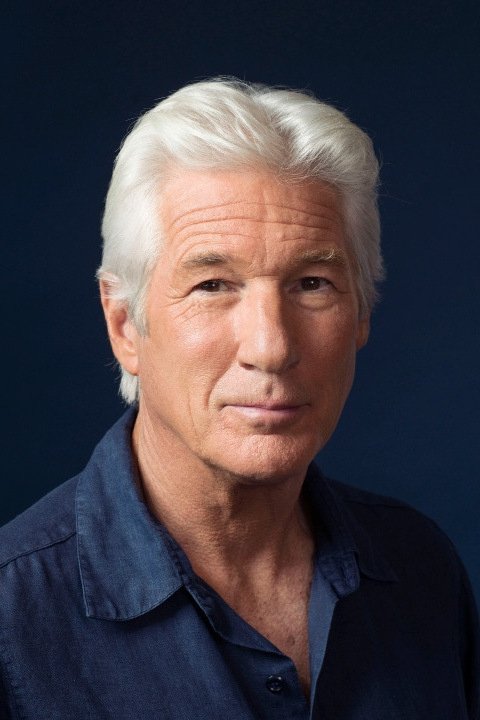
Richard Gere is another actor who faces a permanent ban from China because of his close relationship with the Dalai Lama. He famously went off script at the Academy Awards to criticize the Chinese government and its policies. This event led to him being barred from the country and impacted his ability to work on major studio films that require Chinese funding. He continues to be a vocal activist despite the professional and travel limitations.
Katy Perry
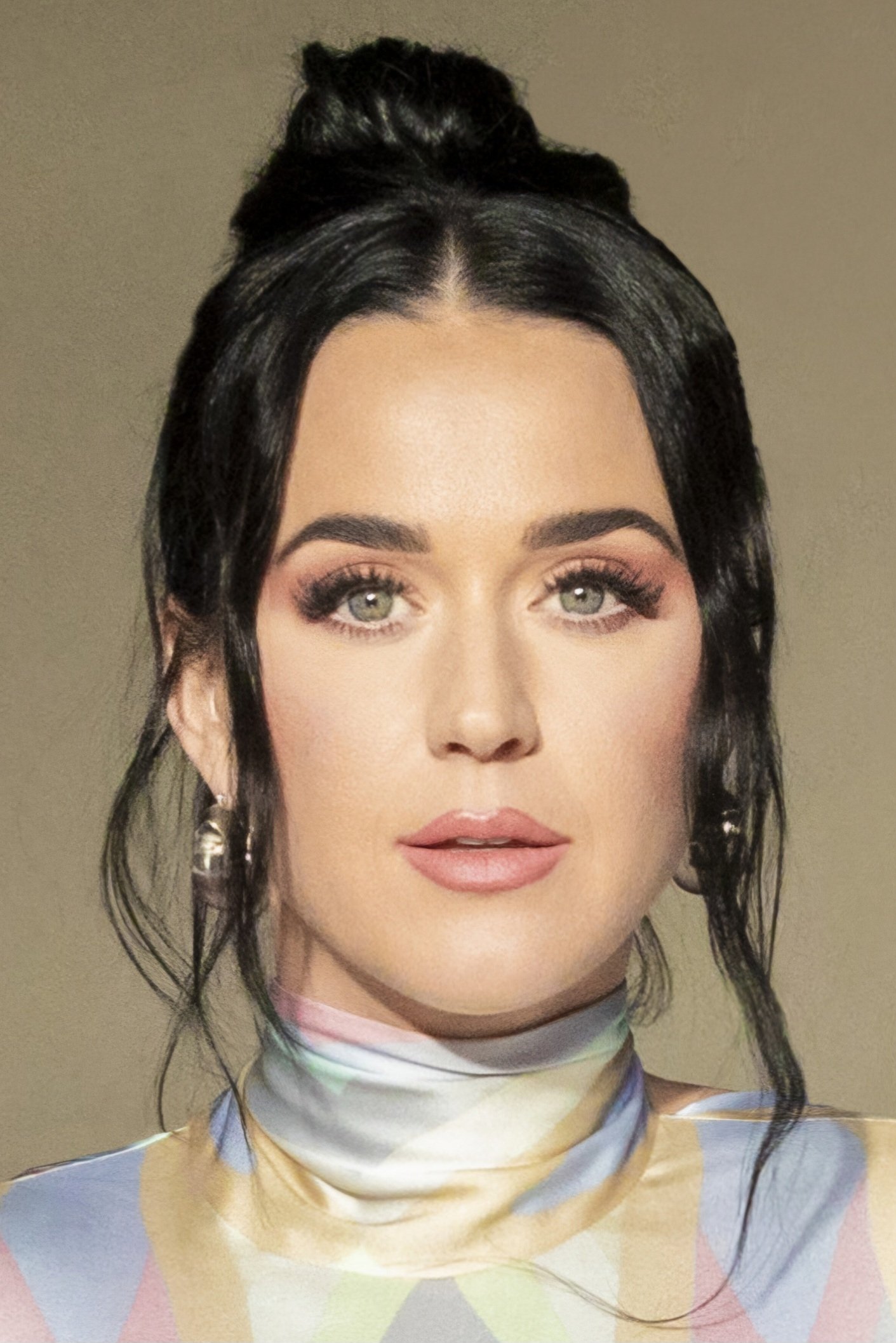
Katy Perry was banned from China after she wore a sunflower dress during a performance in Taipei. The sunflower had become a symbol of anti China protests in Taiwan which made her outfit choice a major political statement. She was subsequently denied a visa to perform at a high profile fashion show in Shanghai. This incident highlights how fashion choices can lead to international travel restrictions for pop stars.
Lady Gaga
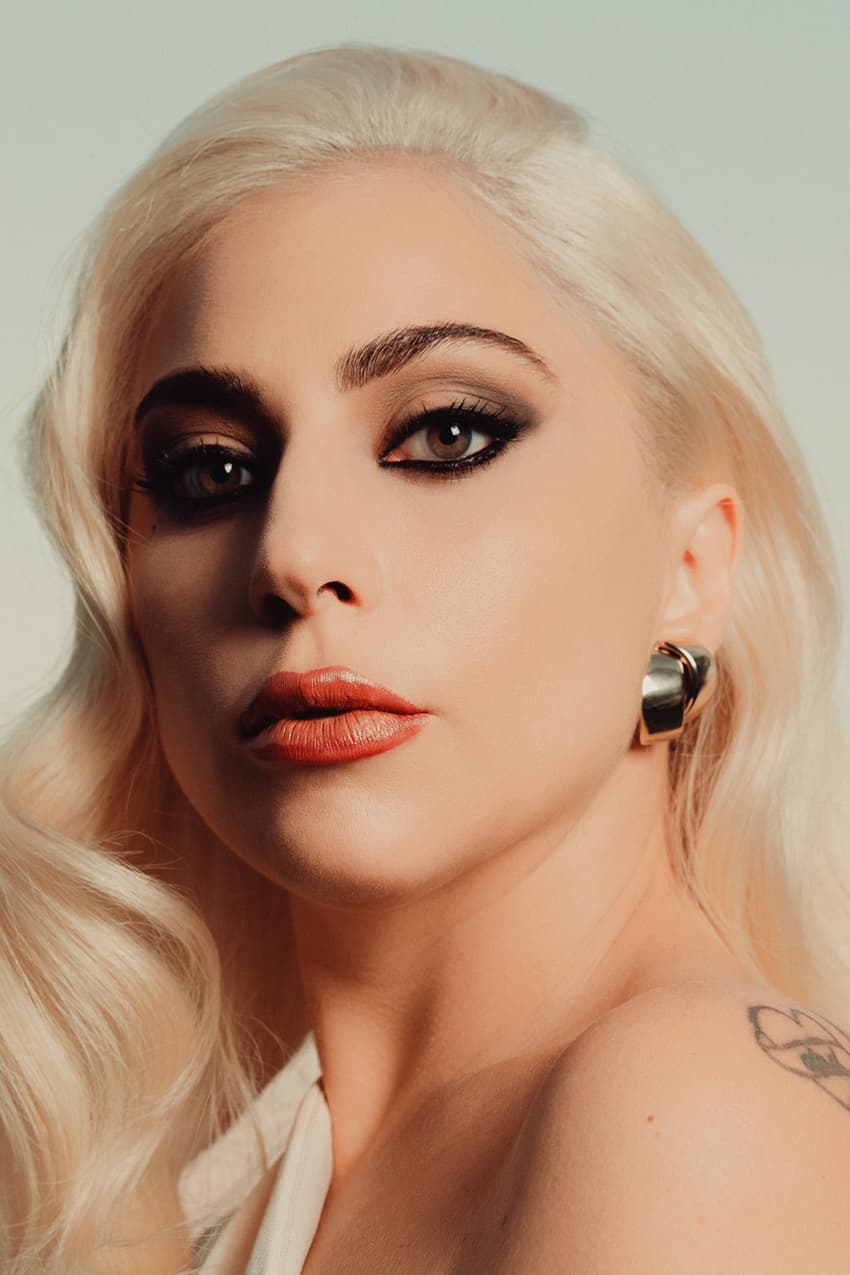
Lady Gaga faced a ban in Indonesia after religious groups protested her performance style and provocative costumes. The government denied her a permit to perform in Jakarta citing concerns over public morality. She also encountered significant pushback in the Philippines and has been barred from China for meeting with the Dalai Lama. Her brand of performance art often clashes with the conservative laws of various nations.
Snoop Dogg
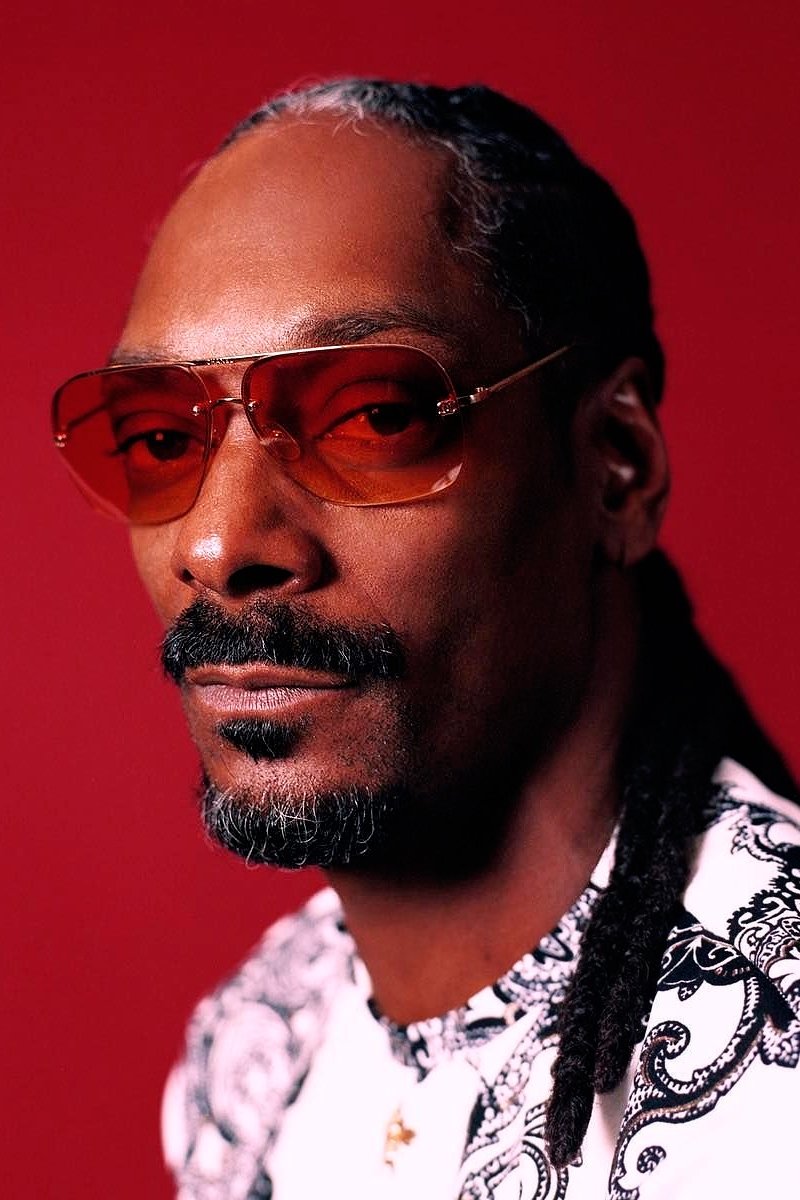
Snoop Dogg has faced entry denials from several countries including the United Kingdom and Norway. The United Kingdom originally banned him following an incident at Heathrow Airport involving his entourage. Norway also prohibited him from entering for two years after he was found with prohibited substances at the border. He has since been able to resolve some of these issues to continue his international touring career.
Akon
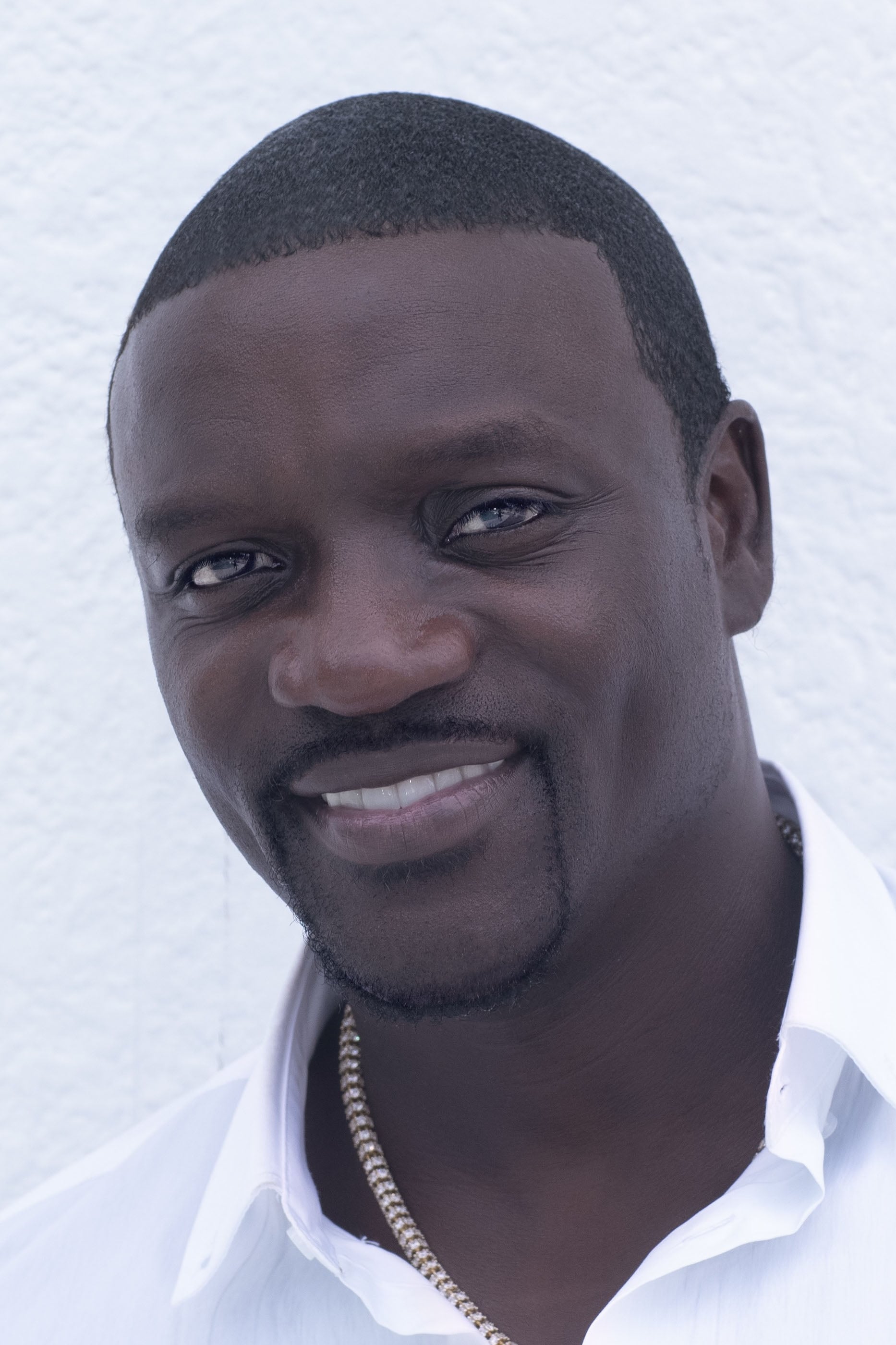
Akon was banned from Sri Lanka following a music video that featured a statue of Buddha in the background of a party scene. The depiction was considered highly offensive to the local population and sparked violent protests outside his record company. The government subsequently denied him a visa to enter the country for a scheduled concert. He later issued an apology to the people of Sri Lanka for the misunderstanding.
Jay-Z

Jay-Z was banned from performing in China because the government deemed his lyrics too suggestive. Authorities stated that they wanted to protect the youth of the country from what they considered to be inappropriate cultural influences. His concert in Shanghai was canceled after the Ministry of Culture refused to grant the necessary permits. This ban was part of a larger effort to regulate Western hip hop music within the country.
Chris Brown
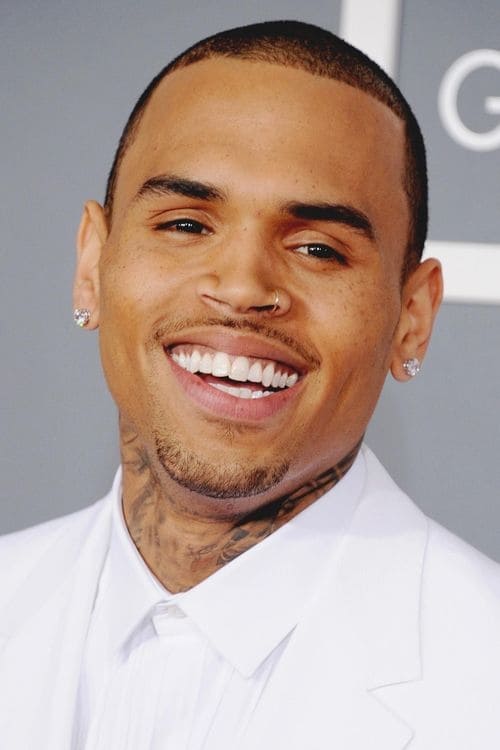
Chris Brown has been barred from entering several countries including the United Kingdom and Australia. These bans were primarily based on his past criminal record and history of domestic violence. Governments in these nations cited character requirements in their visa laws as the reason for the denials. He has often had to cancel entire legs of his tours due to these recurring legal and travel hurdles.
Mike Tyson
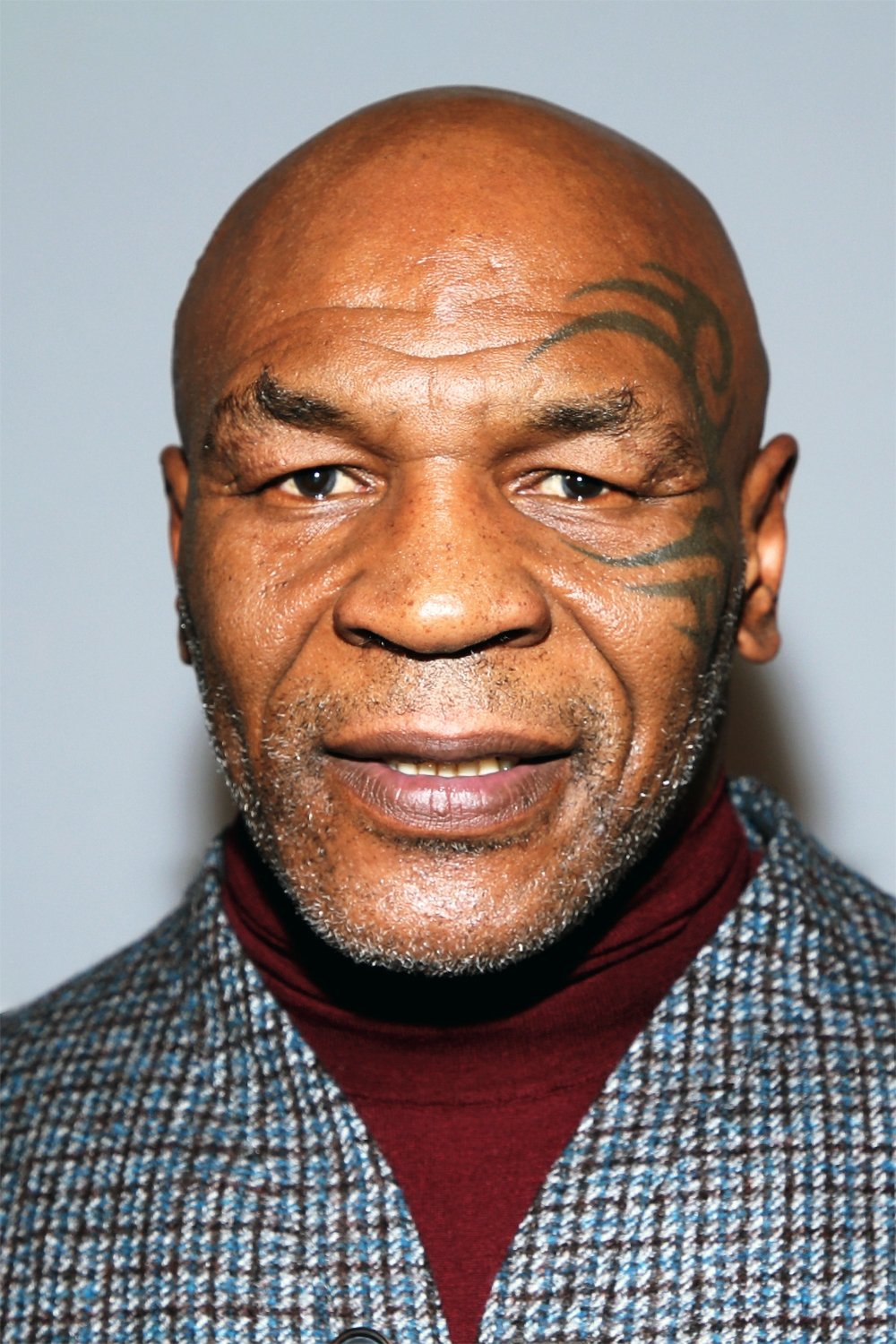
Mike Tyson was denied entry into the United Kingdom and New Zealand because of his past criminal convictions. Immigration laws in these countries often prohibit individuals with serious records from obtaining a visa. He was forced to cancel planned speaking engagements and personal appearances as a result. While some of these restrictions were temporary others have remained in place for many years.
Martha Stewart
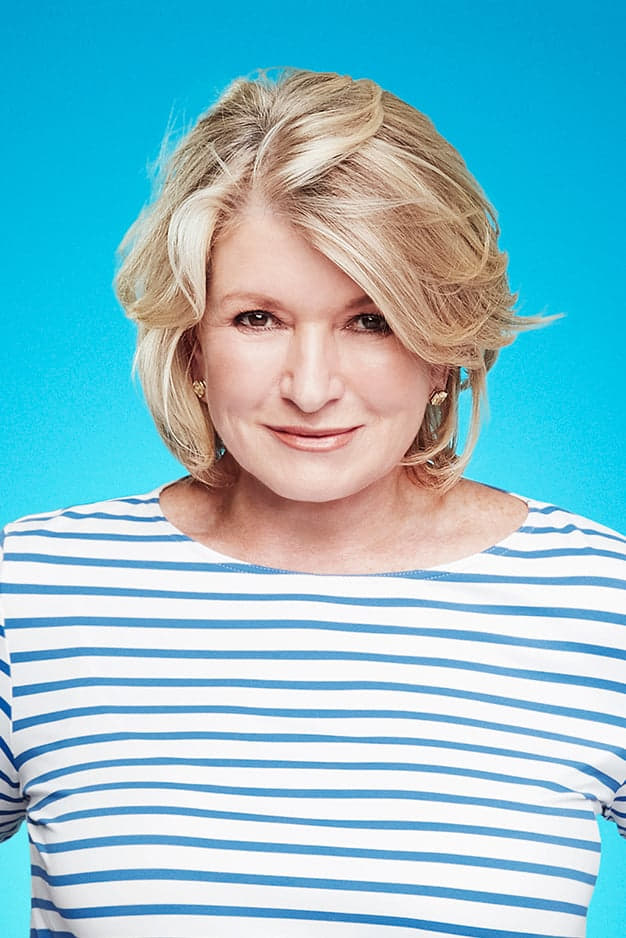
Martha Stewart was banned from entering the United Kingdom following her conviction in the United States. British immigration rules generally bar individuals who have been sentenced to prison for certain types of crimes. She was denied a visa when she attempted to travel to London for a series of professional speaking events. She eventually sought to have the ban overturned so she could visit the country for business and leisure.
50 Cent
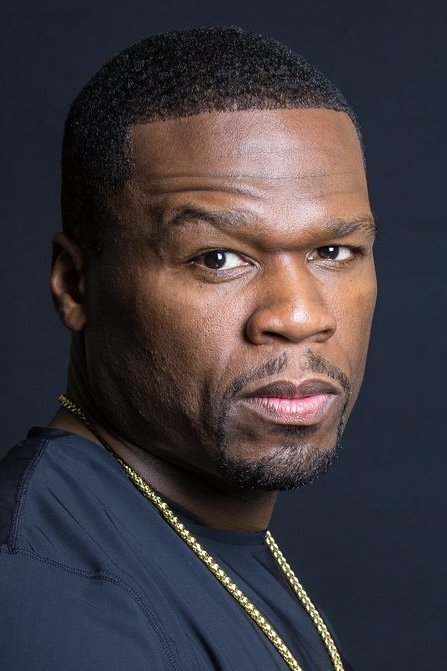
50 Cent faced a potential ban and legal issues in Canada due to his past criminal record and the nature of his lyrics. Authorities expressed concern that his presence might incite violence or promote criminal activity. He was eventually allowed to enter after significant legal discussions but remained under close scrutiny by local officials. This case illustrates how the legal history of a rapper can complicate international performance schedules.
Alec Baldwin
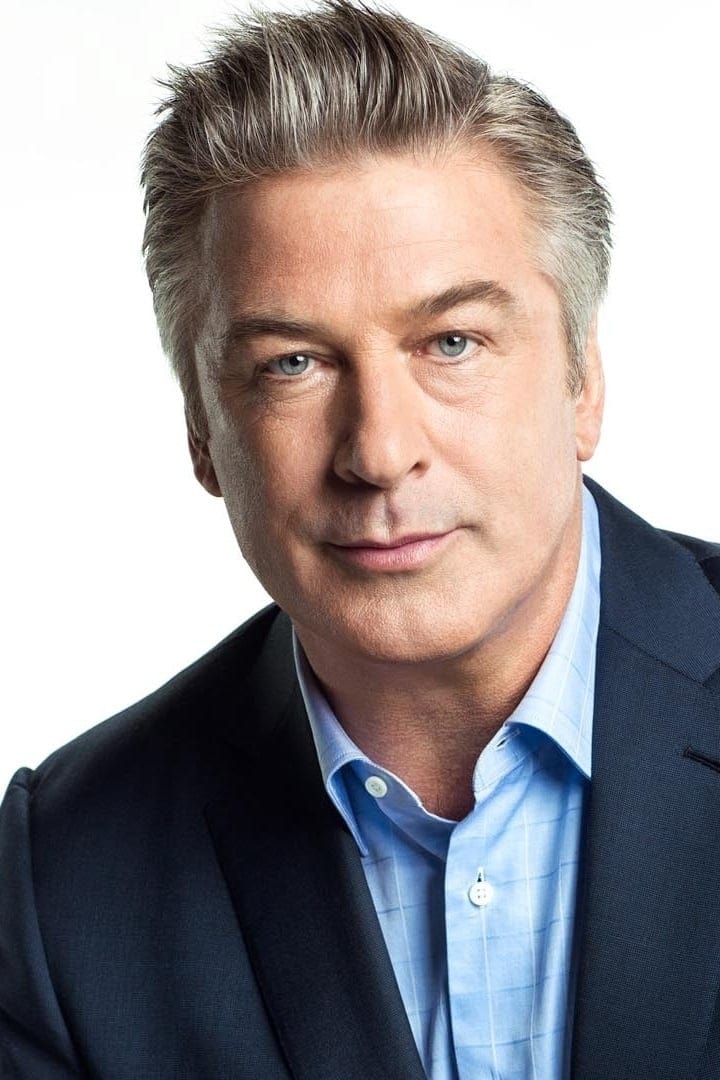
Alec Baldwin was banned from the Philippines after he made a joke about mail order brides during a television interview. The Philippine government took the comment as a serious insult to the women of their nation and declared him an undesirable alien. Officials stated that he would not be allowed to visit the country for either work or vacation. This ban was a direct response to public outrage over his attempts at humor.
Sacha Baron Cohen
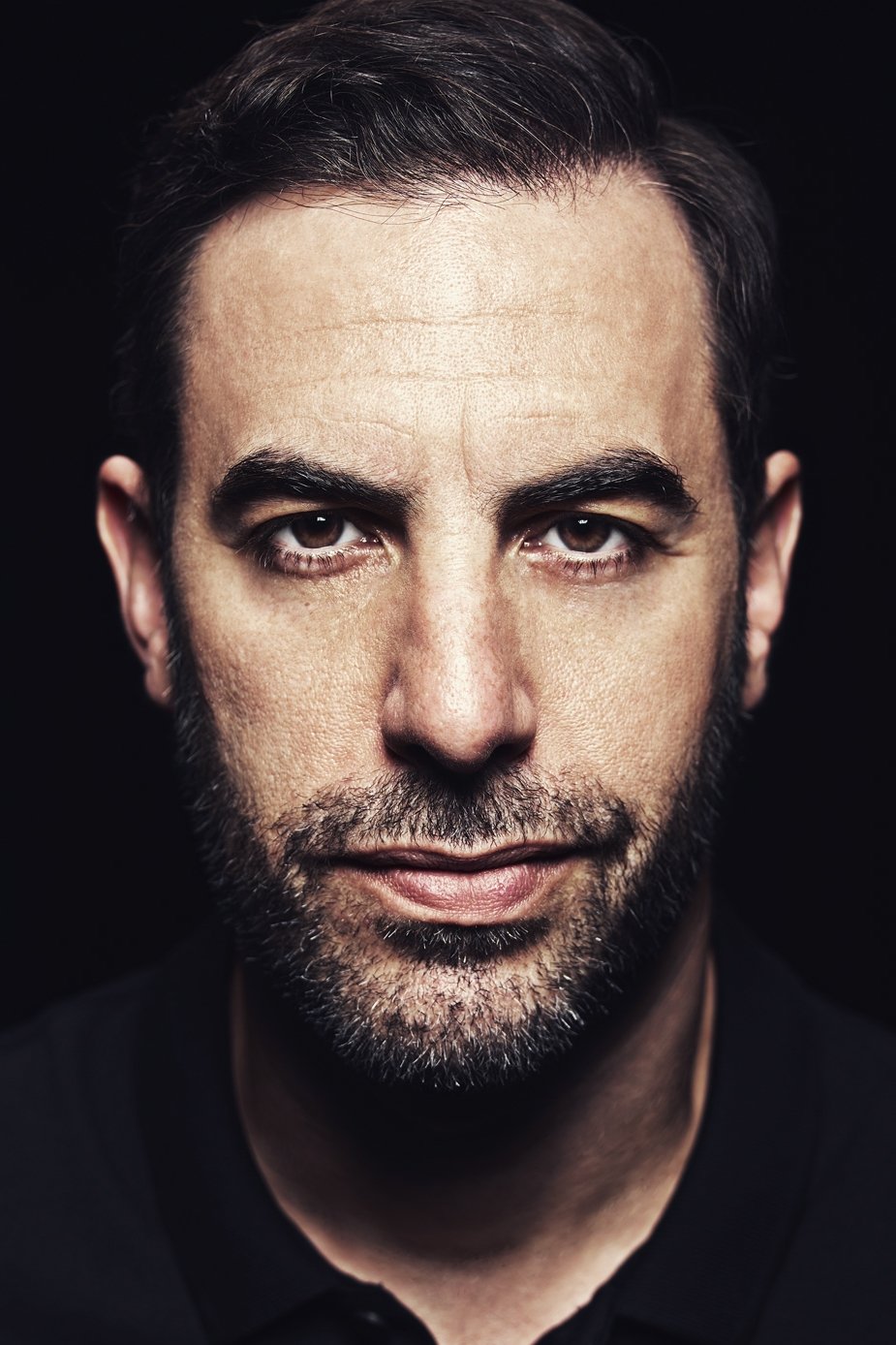
Sacha Baron Cohen was famously banned from Kazakhstan for many years following the release of his film ‘Borat’. The government felt that the movie unfairly lampooned their culture and portrayed the nation in a negative light. They threatened legal action and barred the actor from entering the country for a significant period of time. However the ban was eventually lifted after the government realized the film actually increased tourism to the region.
Björk

Bjork was banned from China after she chanted support for Tibet during a concert in Shanghai. Her performance of the song ‘Declare Independence’ included lyrics that were interpreted as a political protest against Chinese rule. The Ministry of Culture responded by tightening regulations for all foreign performers entering the country. She has not been invited back to perform in the nation since the incident occurred.
Sharon Stone
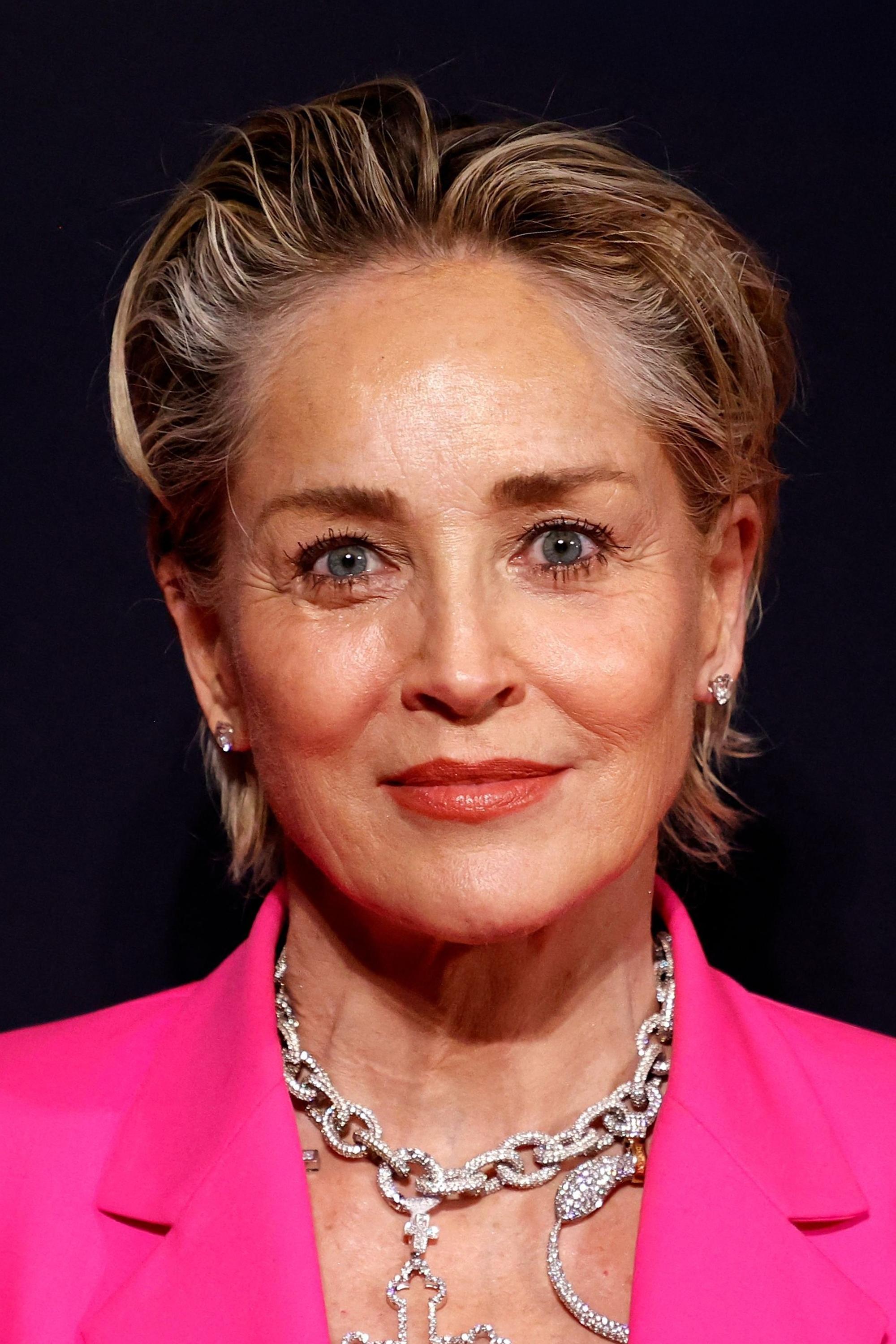
Sharon Stone faced a massive backlash and a ban in China after she suggested that a major earthquake in the country was bad karma. Her comments were made during a red carpet interview and were seen as insensitive to the thousands of victims. Dior China subsequently dropped her from their advertisements and the government signaled she was no longer welcome. She later apologized for the remarks but the damage to her reputation in the region remained.
Paris Hilton
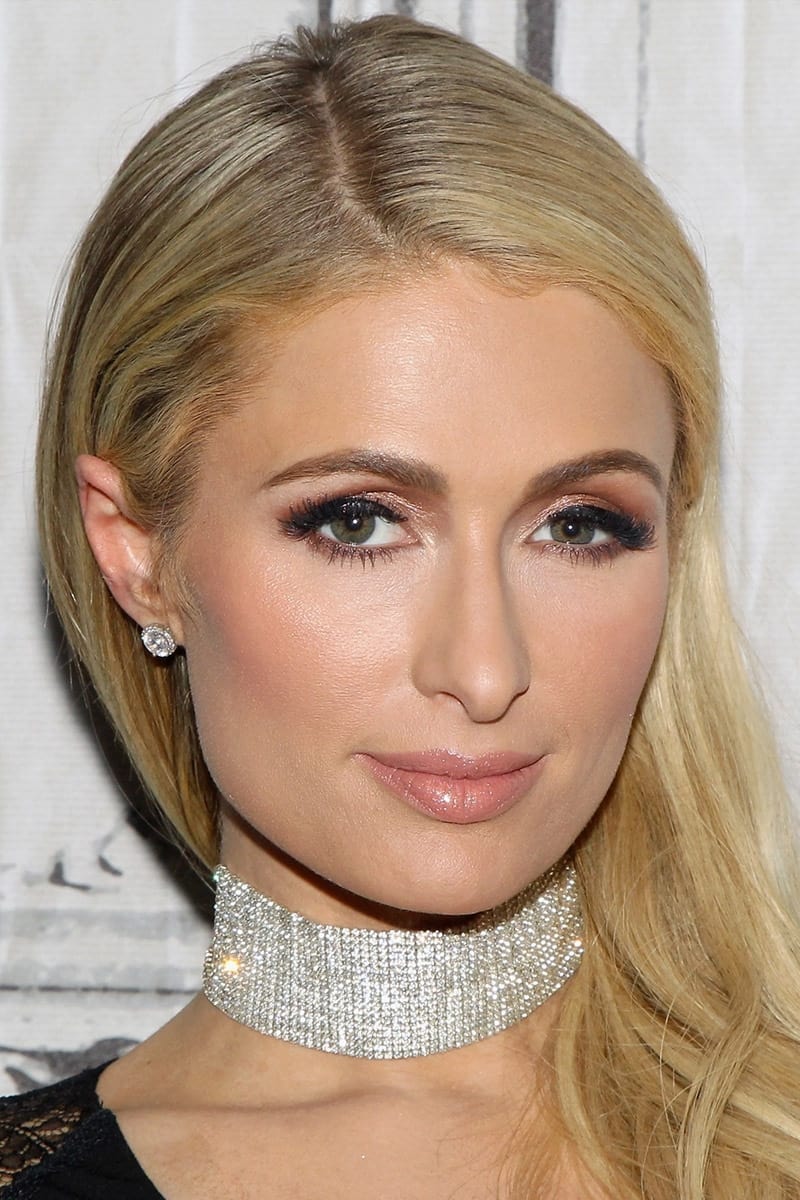
Paris Hilton was denied entry into Japan shortly after she pleaded guilty to a drug charge in the United States. Japanese immigration laws are notoriously strict regarding visitors with drug related convictions. She was stopped at the airport and questioned for several hours before being sent back on a plane to America. This incident forced her to cancel her planned promotional appearances for her fashion line in Tokyo.
Russell Brand
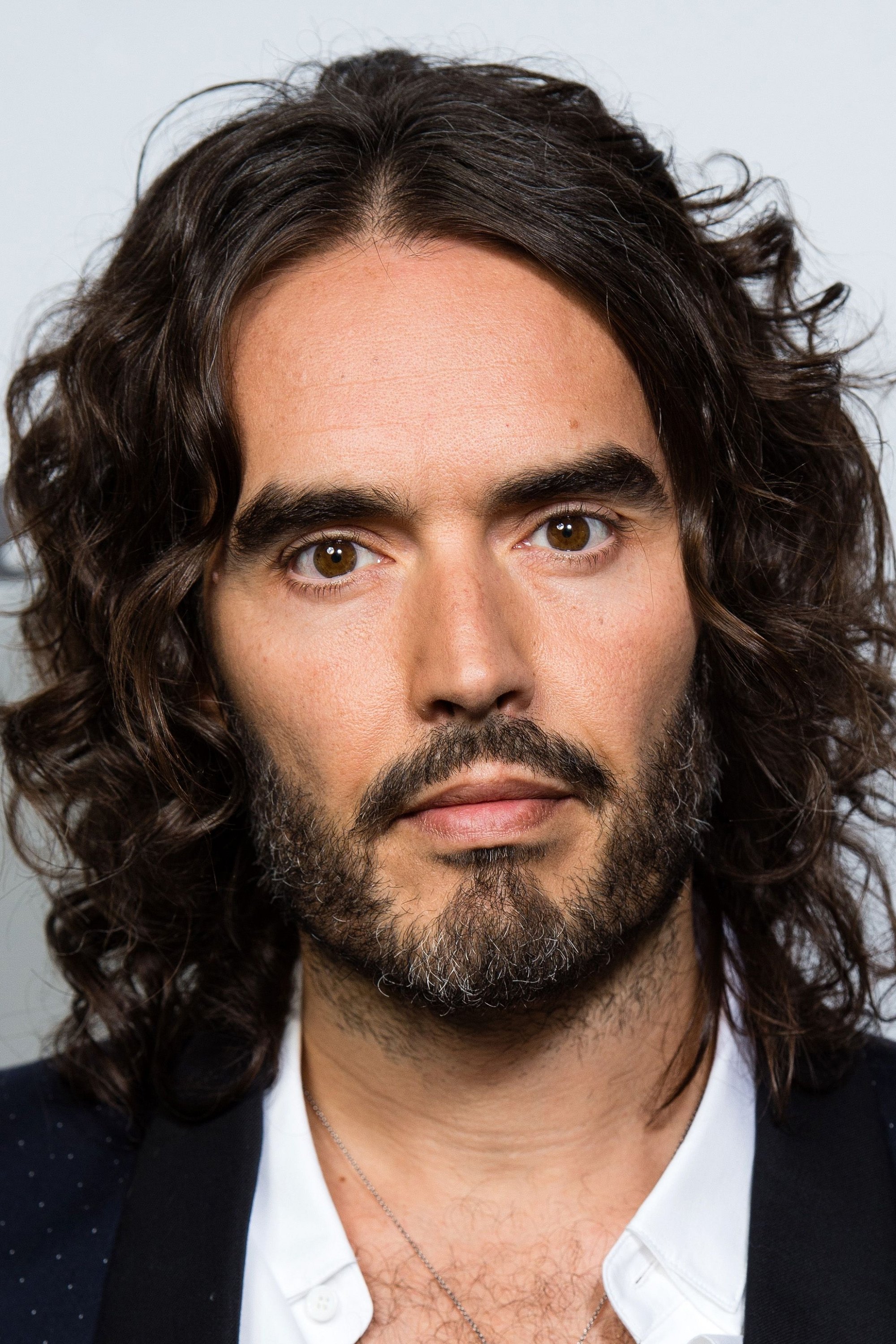
Russell Brand was denied entry into Japan because of his previous criminal record in the United Kingdom. He was traveling with his then wife Katy Perry when immigration officials stopped him at the border. Despite his fame he was treated like any other visitor and told he did not meet the entry requirements. He has also faced similar visa issues in other countries due to his past legal troubles.
Boy George

Boy George was famously denied a visa to enter the United States for a planned concert tour. The denial was linked to his ongoing legal issues and a pending court case in London at the time. This restriction was a major blow to his career as it prevented him from reaching a large portion of his fan base. He eventually resolved his legal matters and was allowed to return to the country years later.
Amy Winehouse
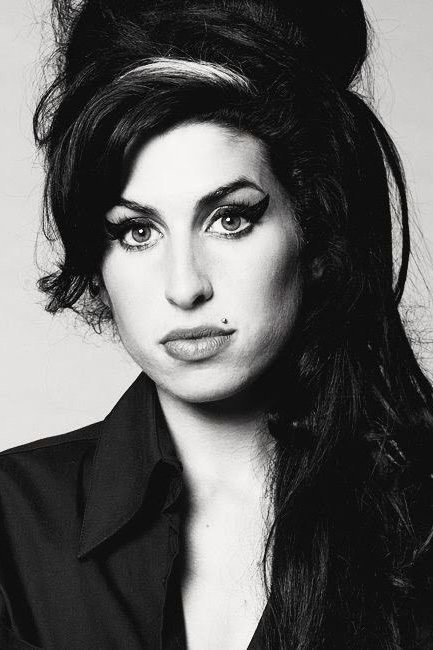
Amy Winehouse was twice denied a visa to enter the United States to perform at high profile events. Her travel issues were largely due to her history of drug use and multiple arrests in the United Kingdom. She was unable to attend the Grammy Awards in person even though she won several major categories that night. These restrictions highlighted the strict stance the United States takes regarding the legal history of international performers.
Lily Allen

Lily Allen had her United States work visa revoked after an incident involving a photographer in London. The revocation of her visa meant she had to cancel a scheduled tour and several promotional appearances. This move by immigration officials had a significant impact on her ability to grow her brand in the North American market. She eventually regained her travel privileges but the experience served as a warning about the fragility of work visas.
Tyler, The Creator
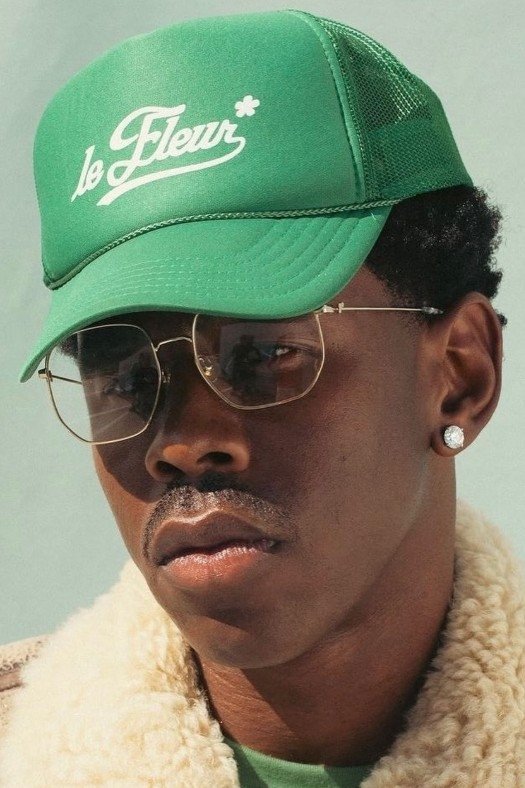
Tyler, The Creator was banned from the United Kingdom for several years due to the content of his early song lyrics. The government claimed that his music encouraged violence and homophobia which made his presence a threat to public order. He was also barred from entering New Zealand for similar reasons related to his lyrics and performance style. He has since matured as an artist and the ban in the United Kingdom was eventually lifted.
Gigi Hadid

Gigi Hadid was forced to drop out of a major fashion show in Shanghai after a video of her appeared to mock Asian features. The video caused an uproar on Chinese social media and led to a wave of criticism against the model. It was reported that her visa application was denied by the government in response to the public outcry. This incident showed how social media posts can have immediate consequences for international career opportunities.
Keanu Reeves
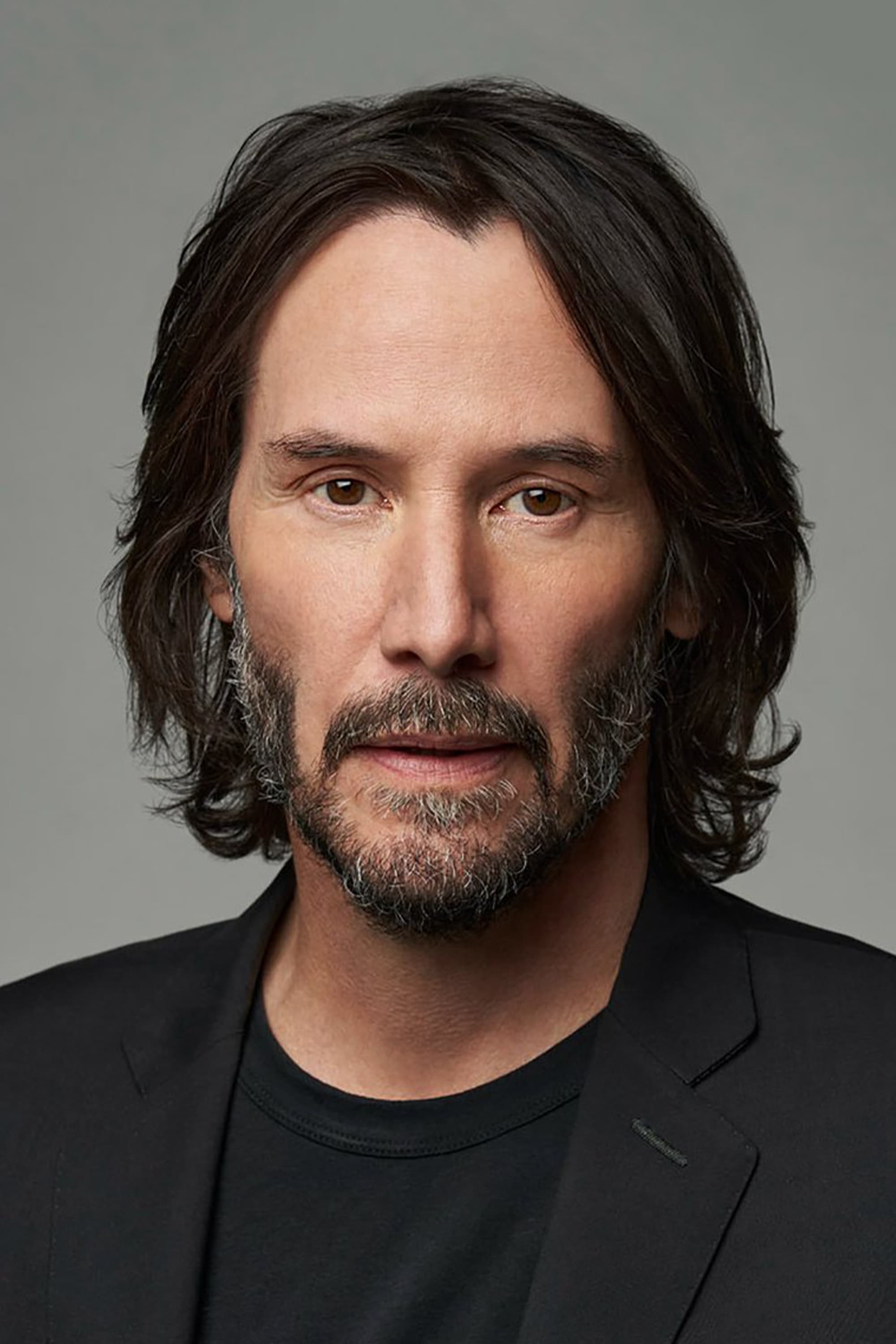
Keanu Reeves was recently banned from Chinese streaming platforms and faced a travel boycott after he participated in a benefit concert for Tibet. His films were removed from major services and his name became a sensitive topic in the country. This was a significant development given his massive popularity in the region following the success of ‘The Matrix’ and ‘John Wick’ franchises. The ban highlights the ongoing political tensions between Hollywood stars and the Chinese government.
Robert Downey Jr.
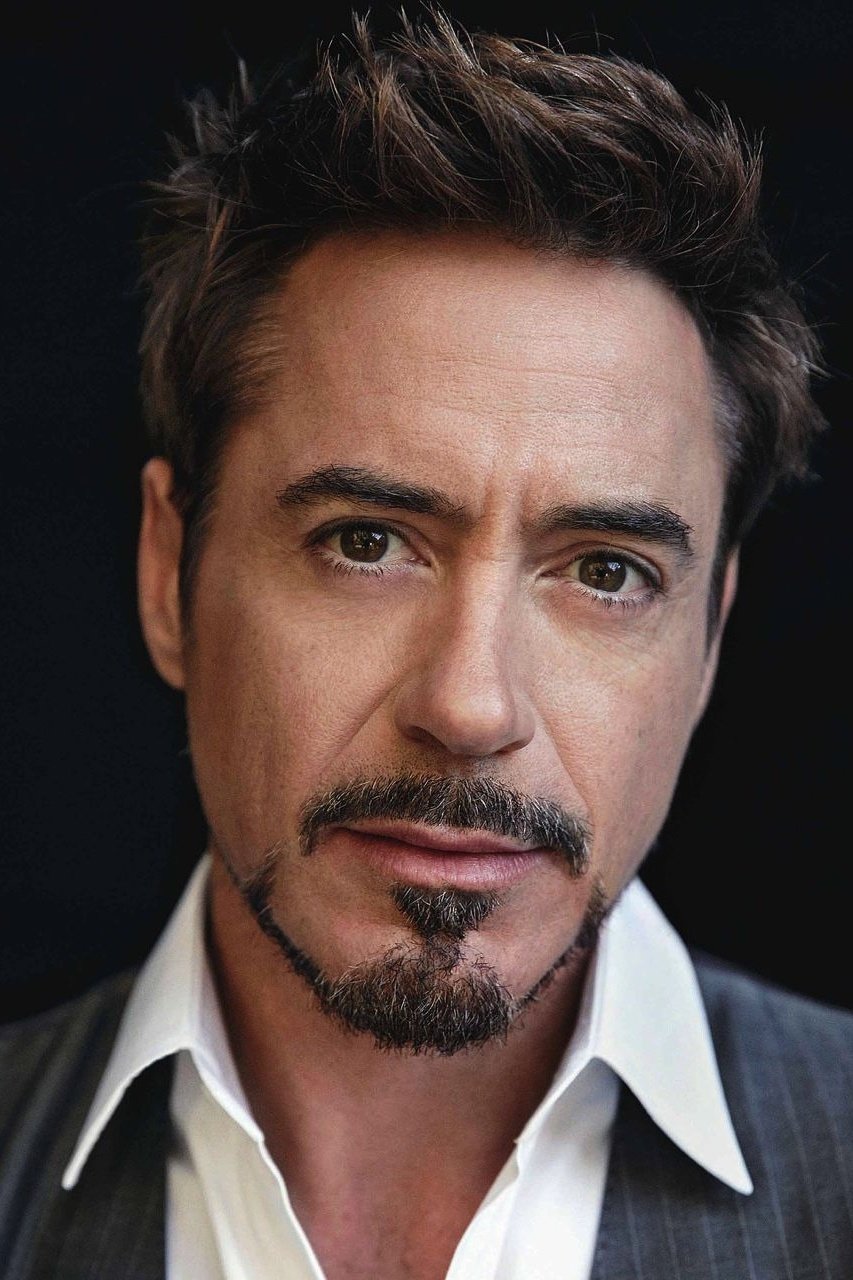
Robert Downey Jr. was famously detained at an airport in Japan because of his past legal issues and drug convictions. The country has very strict laws that can lead to the permanent exclusion of individuals with criminal records. He was eventually allowed to enter for a specific promotional tour but was warned about his future conduct. This experience reflects the difficulty that many actors with troubled pasts face when trying to work internationally.
Hayden Panettiere

Hayden Panettiere faced an arrest warrant and a potential ban in Japan after she protested against dolphin hunting. She and several other activists attempted to disrupt a traditional hunt which led to a confrontation with local authorities. While she was not permanently barred her actions made it difficult for her to return to the country for many years. She has continued her environmental activism despite the risk to her international travel.
Paul McCartney
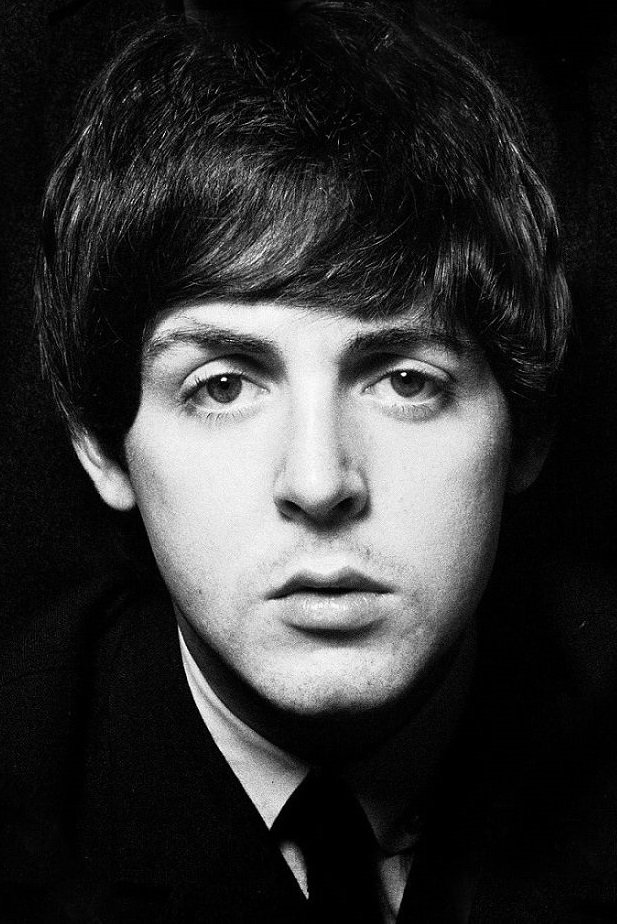
Paul McCartney was famously arrested and deported from Japan after authorities found prohibited substances in his luggage. He spent several days in a detention center before being sent back to the United Kingdom. This incident led to a long term ban that prevented him from performing in the country for many years. He eventually made a successful return to Japan decades later to play for his dedicated fans.
Cat Stevens
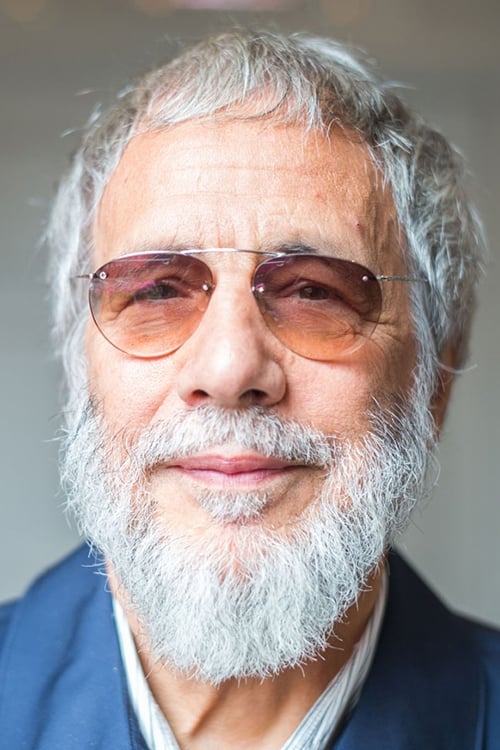
Cat Stevens who is also known as Yusuf Islam was denied entry into the United States and placed on a no fly list. Authorities cited national security concerns as the reason for his exclusion from the country. This move was highly controversial and was eventually resolved after significant public and legal pressure. He has since been able to travel to America for performances and humanitarian work.
Erykah Badu

Erykah Badu was banned from performing in Malaysia after a promotional photo showed her with temporary tattoos of the word Allah on her body. The government deemed the image as an insult to Islam and canceled her scheduled concert. Officials stated that her presence would offend the religious sensitivities of the local population. She expressed her disappointment but respected the laws of the host nation.
Beyoncé
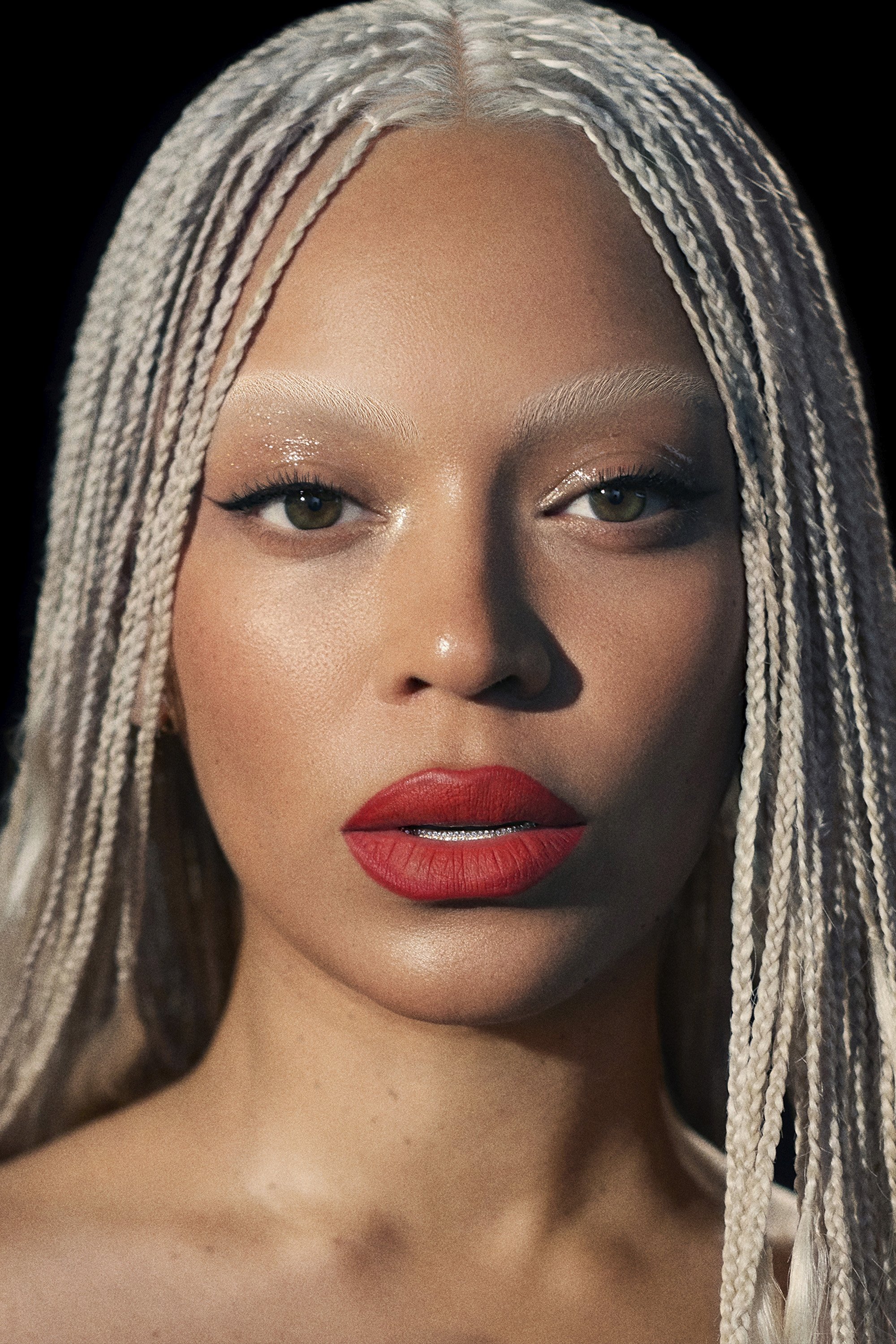
Beyonce has faced several challenges and a de facto ban in Malaysia due to the country’s strict rules on female performers. The regulations require artists to cover up from the shoulders to the knees and prohibit jumping or hugging on stage. She has canceled multiple planned performances in the country rather than compromise her artistic vision. These restrictions have made it difficult for her to include the nation in her world tours.
Kesha
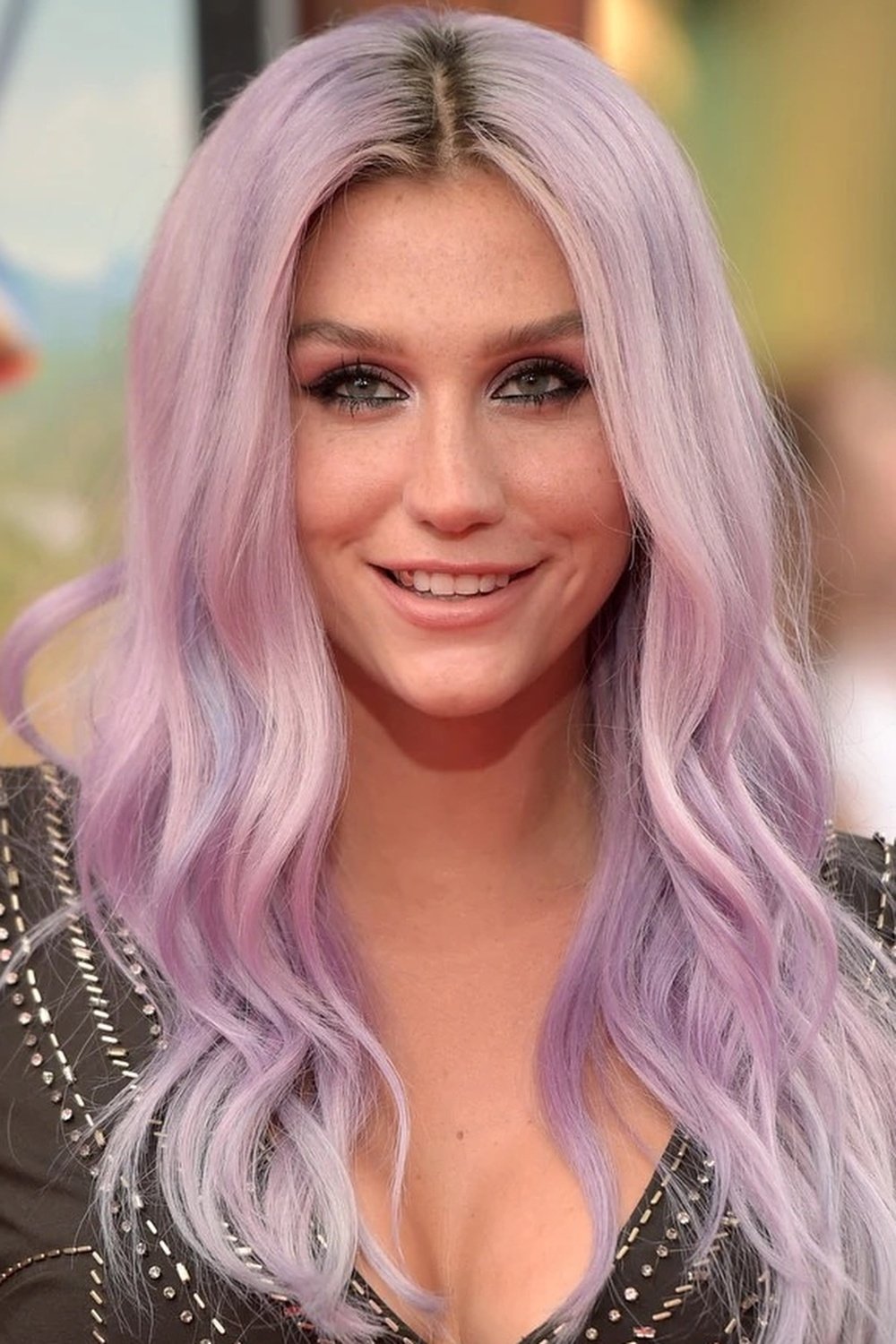
Kesha was banned from performing in Malaysia after the government decided her music and stage presence were not suitable for the country. Her concert was canceled just a day before it was scheduled to take place despite her team making concessions on costumes. The Ministry of Culture stated that the ban was necessary to protect the cultural values of the nation. This decision left many fans disappointed and highlighted the strict censorship in the region.
Madonna
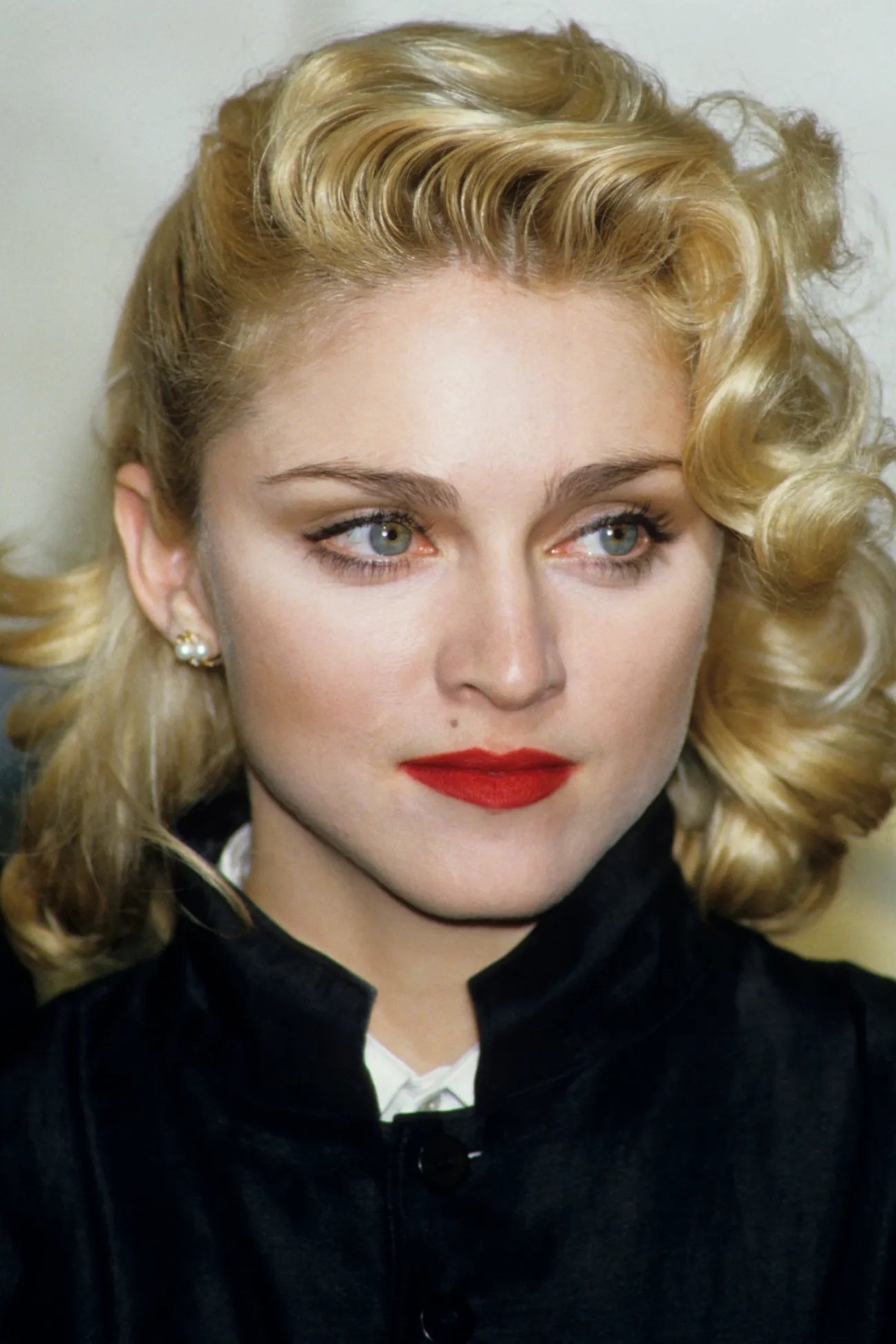
Madonna was banned from entering Egypt after she visited Israel and made comments that were seen as politically sensitive. The Egyptian government and various religious groups expressed their opposition to her presence in the country. She has also faced significant backlash and threats of bans in other nations due to her provocative performances. Her career has often been defined by these types of international controversies.
Elton John
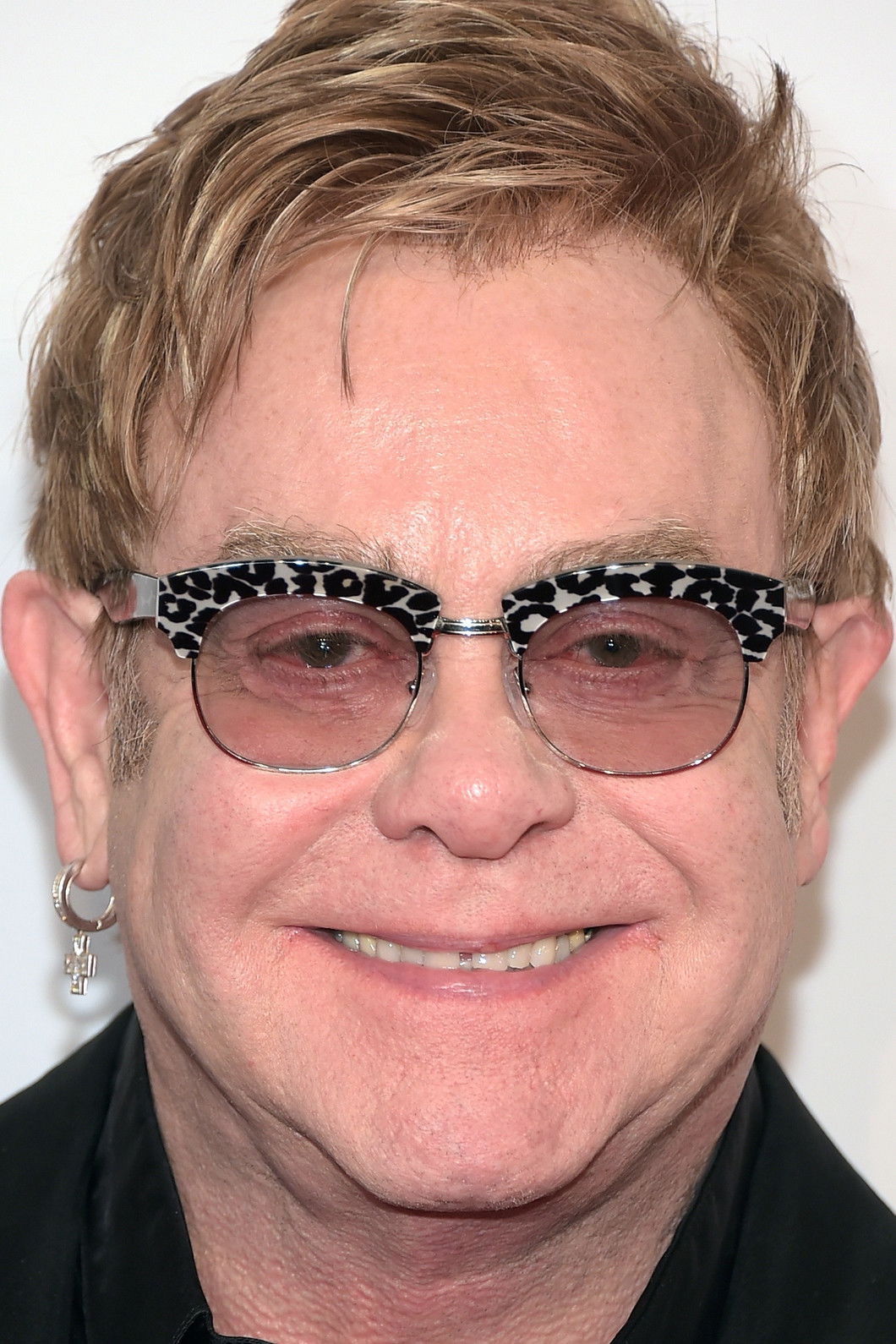
Elton John was banned from performing a private concert in Egypt because of his public identity and advocacy for LGBTQ rights. The head of the musicians union in Egypt stated that they could not allow a singer who promotes certain values to perform in the country. This ban was part of a larger trend of excluding artists who speak out on social issues that conflict with local laws. He has continued to be a vocal advocate for equality despite these travel hurdles.
Chelsea Handler

Chelsea Handler was reportedly banned from Serbia after she made disparaging remarks about the country and its politicians on her talk show. The comments sparked a wave of anger among Serbian citizens and led to a formal protest from the government. Officials stated that she was no longer welcome in the nation due to her disrespectful behavior. This incident serves as a reminder that political commentary can have personal travel consequences.
Gary Glitter
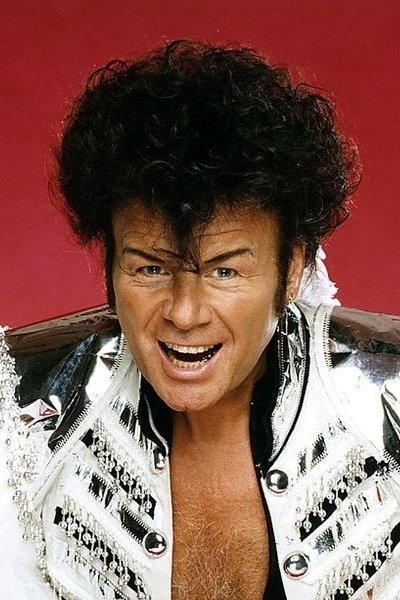
Gary Glitter has been banned from several countries including Vietnam and Cambodia following his convictions for serious crimes. Many nations have strict laws that prevent individuals convicted of certain offenses from crossing their borders. He has been deported multiple times and remains on various international watchlists. These bans are permanent and are strictly enforced by global immigration authorities.
21 Savage

21 Savage was famously detained and faced deportation from the United States after it was discovered he had overstayed his visa. The rapper was actually a citizen of the United Kingdom and had been living in America illegally for many years. This legal battle put his career on hold and prevented him from traveling internationally for a significant period. He eventually resolved his immigration status but the experience highlighted the complexities of international residency.
Share your thoughts on these celebrity travel bans in the comments.