Celebs Who Blamed Toxic Cancel Culture When Their Major Projects Massively Flopped


The entertainment industry has undergone a significant transformation with the rise of digital accountability and public scrutiny. Many high profile celebrities have found themselves at the center of intense debates following the underperformance or cancellation of their major projects. While some stars accept the commercial or critical failure others point toward a toxic culture of exclusion as the primary cause for their professional hurdles. These public figures often argue that the current social climate stifles creativity and unfairly targets individuals for their personal views or past actions. This phenomenon has sparked a broader conversation about the balance between artistic freedom and industry standards in the modern era.
Ansel Elgort
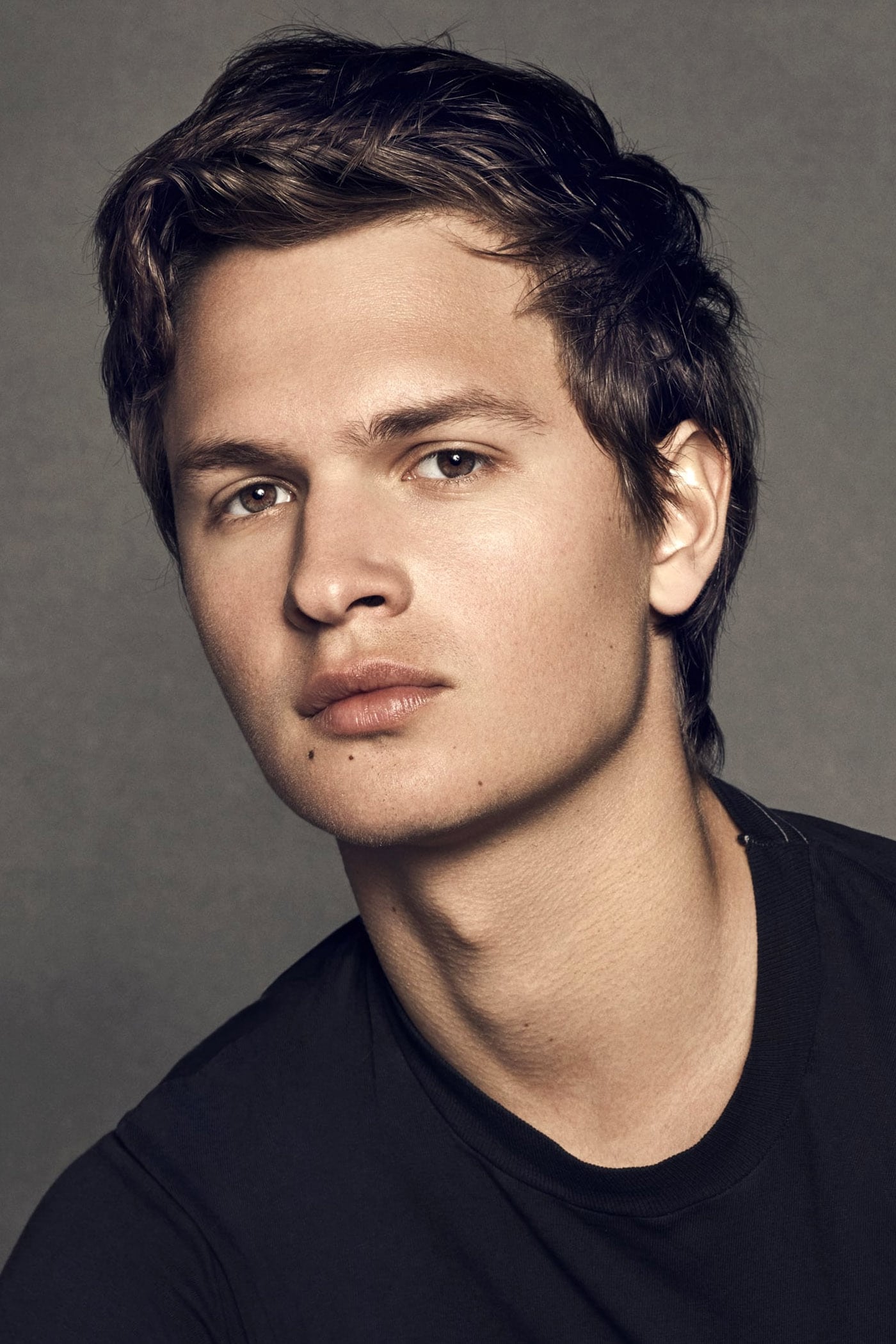
Ansel Elgort saw a major shift in his career trajectory after various allegations impacted the release and promotion of his high profile films. The actor noted that the environment of social media creates an immediate and lasting narrative that is difficult to navigate. He pointed out that the public reaction often precedes a full understanding of the facts in complex situations. This scrutiny was particularly evident during the rollout of ‘West Side Story’ where his involvement became a source of significant debate. Elgort has commented on the challenges of maintaining a career in an era where past actions are constantly scrutinized by the digital public.
Armie Hammer
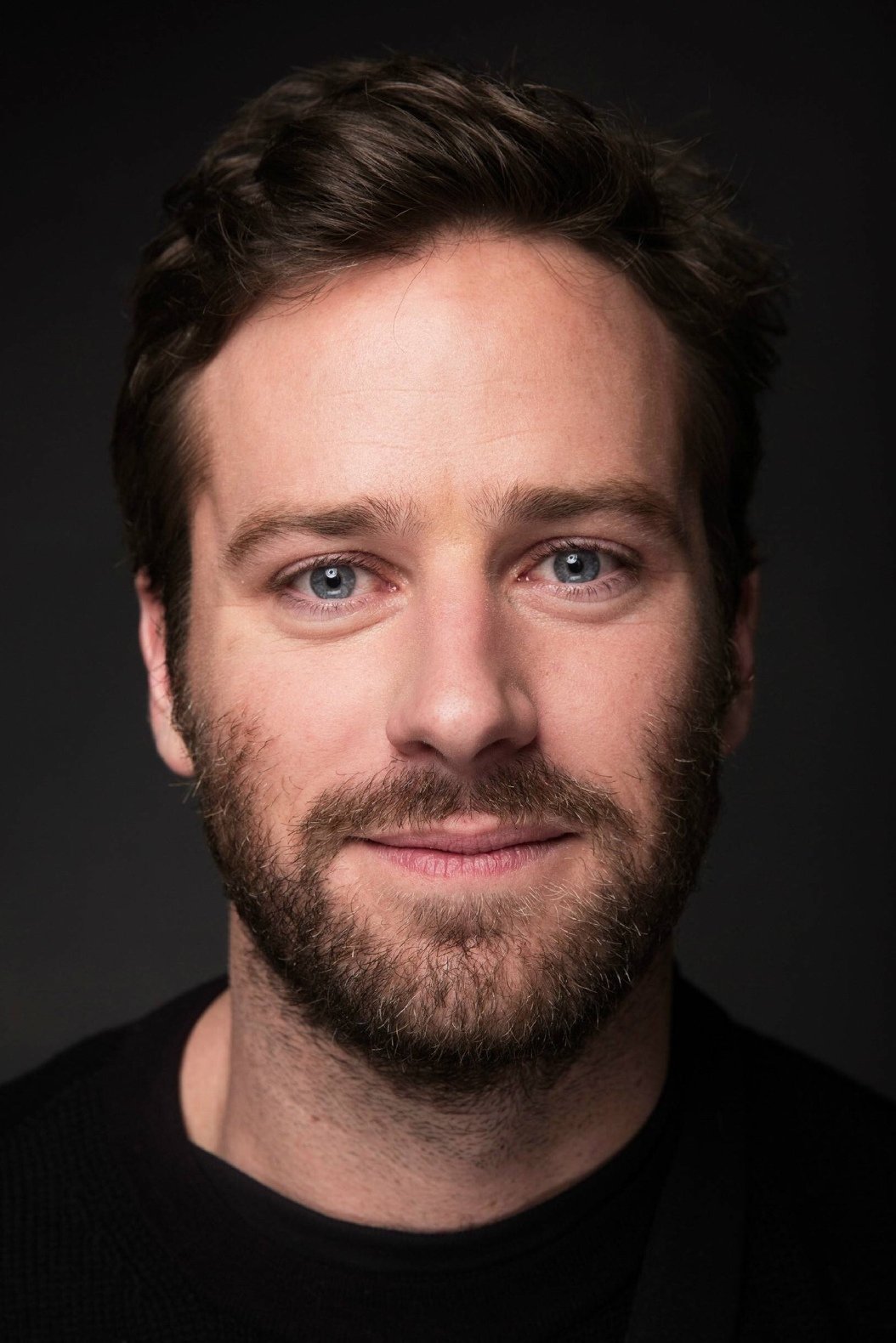
Armie Hammer experienced a sudden and dramatic halt to his career following the emergence of controversial personal messages and allegations. The actor was subsequently removed from several major projects including the romantic comedy ‘Shotgun Wedding’ and the thriller series ‘The Offer’. He has suggested that the speed at which the industry distanced itself from him was a reflection of a reactionary culture. Hammer argued that the climate of modern judgment does not allow for a nuanced examination of personal matters. His absence from major Hollywood productions continues as he navigates the long term effects of public disapproval.
Bill Maher
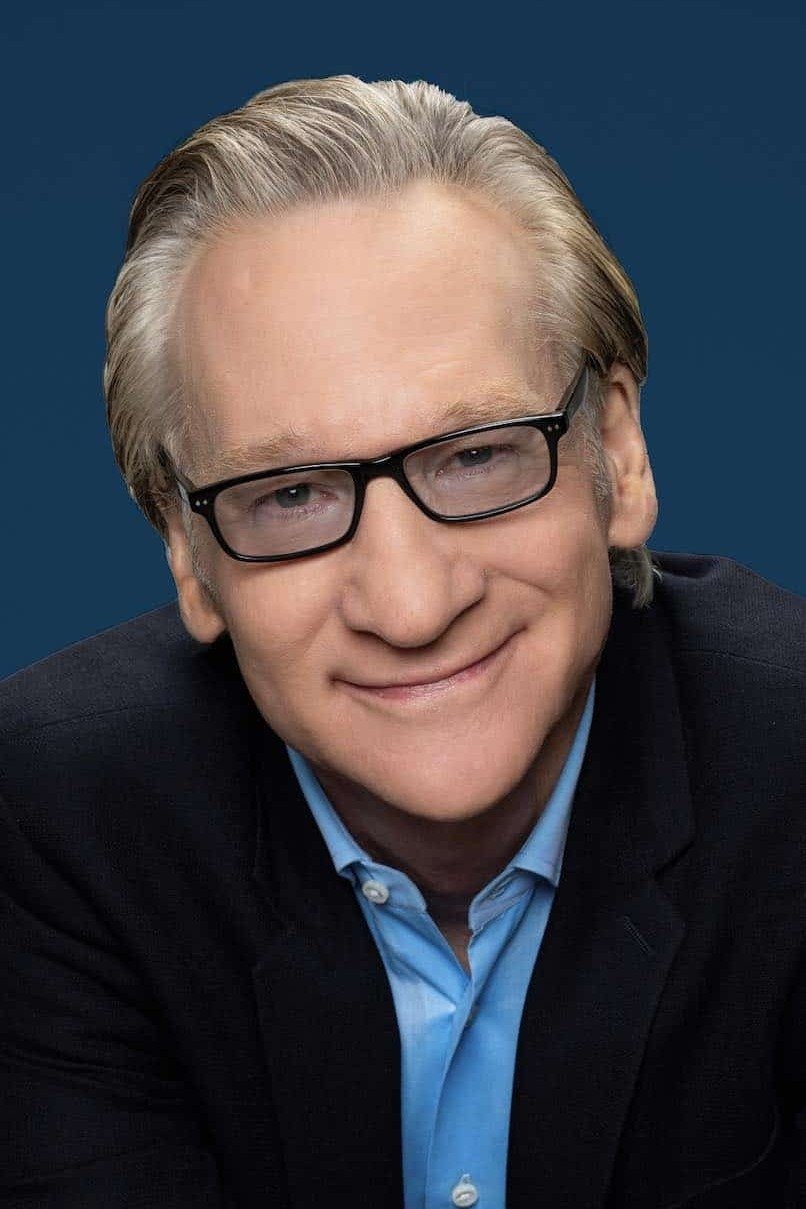
Bill Maher has frequently used his platform to criticize what he perceives as an overly sensitive and restrictive social environment. The comedian and talk show host argued that the fear of public backlash has negatively impacted the quality of entertainment and discourse. He suggested that many projects fail to reach their potential because creators are forced to adhere to narrow ideological standards. Maher has consistently maintained that the current trend of boycotting performers stifles the very diversity of thought that the industry claims to value. His perspective often highlights the tension between traditional comedic freedom and modern social expectations.
Chris Noth
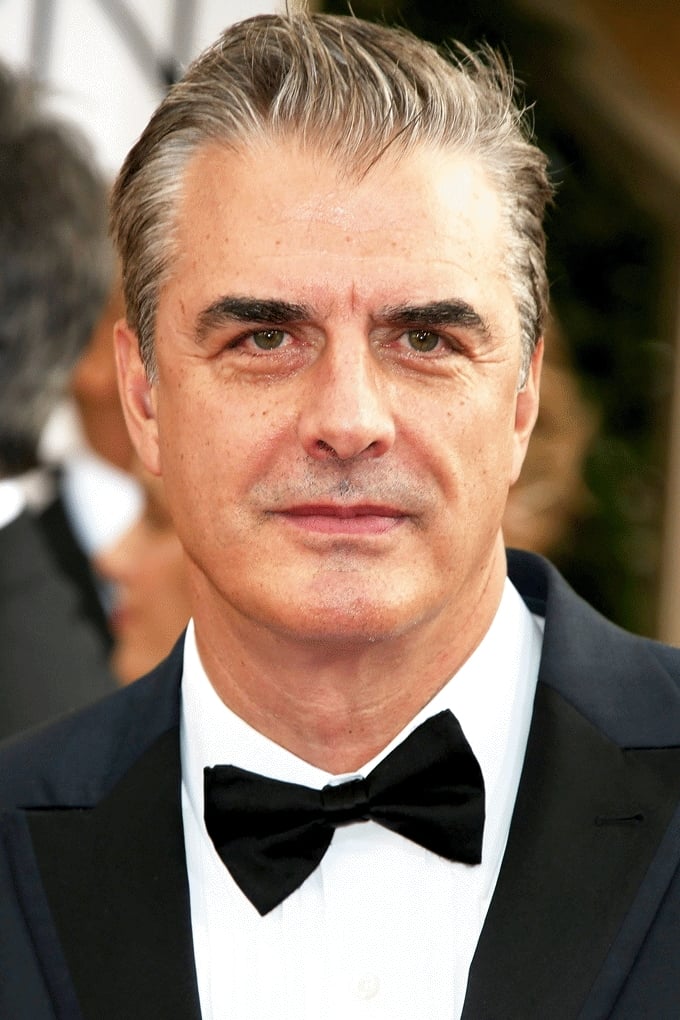
Chris Noth faced a significant professional decline after allegations were made public shortly after the premiere of the ‘Sex and the City’ sequel series. His character was abruptly removed from future appearances and several brand partnerships were terminated in response to the controversy. Noth argued that the immediate public condemnation he faced was an example of a culture that prioritizes optics over due process. He suggested that the industry was too quick to react to unverified claims which ultimately affected his professional legacy. The actor remains critical of the way public opinion can dictate the longevity of a long term career.
Chris Pratt
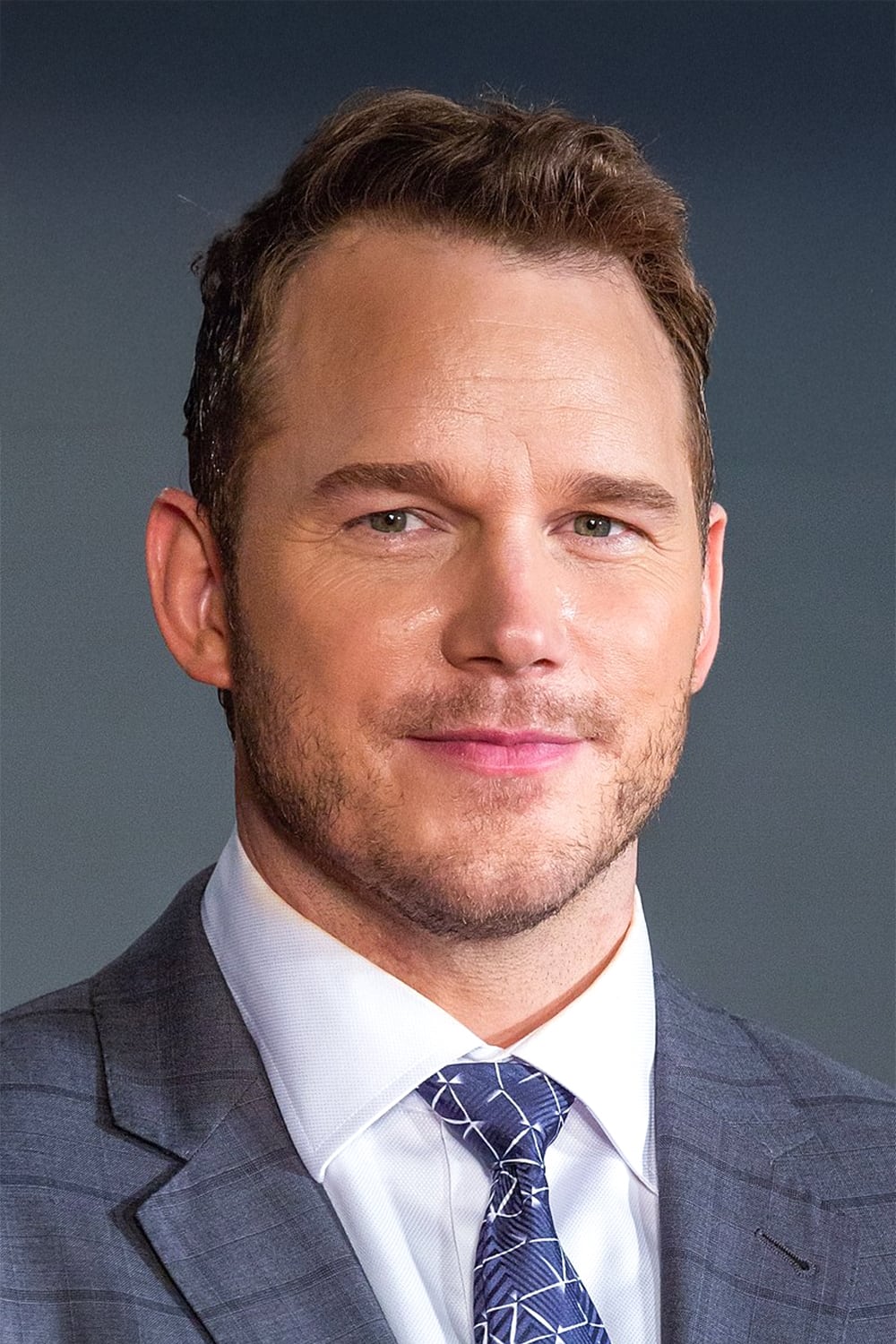
Chris Pratt has addressed the online criticism he receives regarding his personal beliefs and perceived political affiliations. The actor noted that the internet often creates a version of a person that does not reflect their true character or intentions. He argued that the constant scrutiny from social media can lead to a distorted perception of his work and personal life. Pratt suggested that the pressure to conform to specific public expectations is a challenging aspect of modern fame. Despite the success of his films he has voiced concerns about the toxicity that can arise from organized online backlash.
Chrissy Teigen
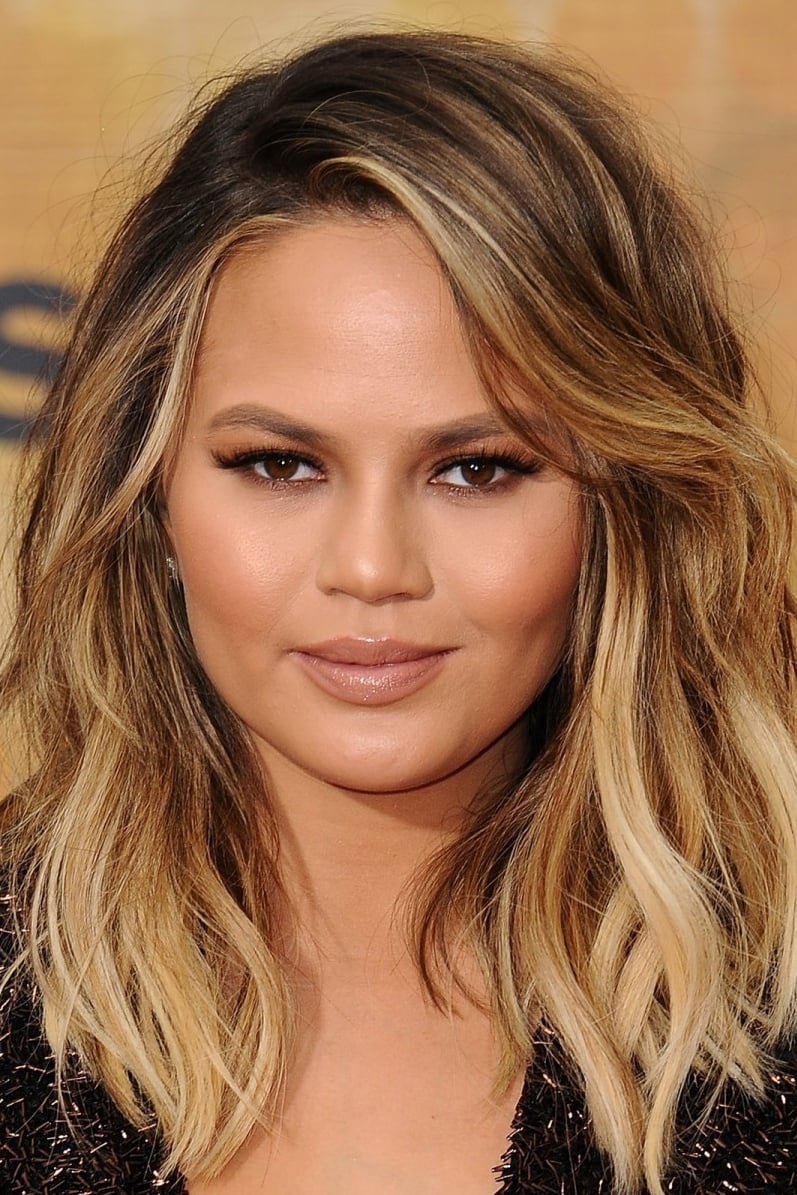
Chrissy Teigen experienced a significant blow to her commercial brand following the resurfacing of past social media interactions. Several major retailers dropped her cookware line and she stepped away from a high profile voice acting role in ‘Never Have I Ever’. The television personality described the experience as a period of profound personal and professional reflection. She argued that the intensity of the public reaction felt like a permanent exclusion from the industry she helped build. Teigen has since returned to the public eye while continuing to discuss the impact of being targeted by a digital boycott.
DaBaby
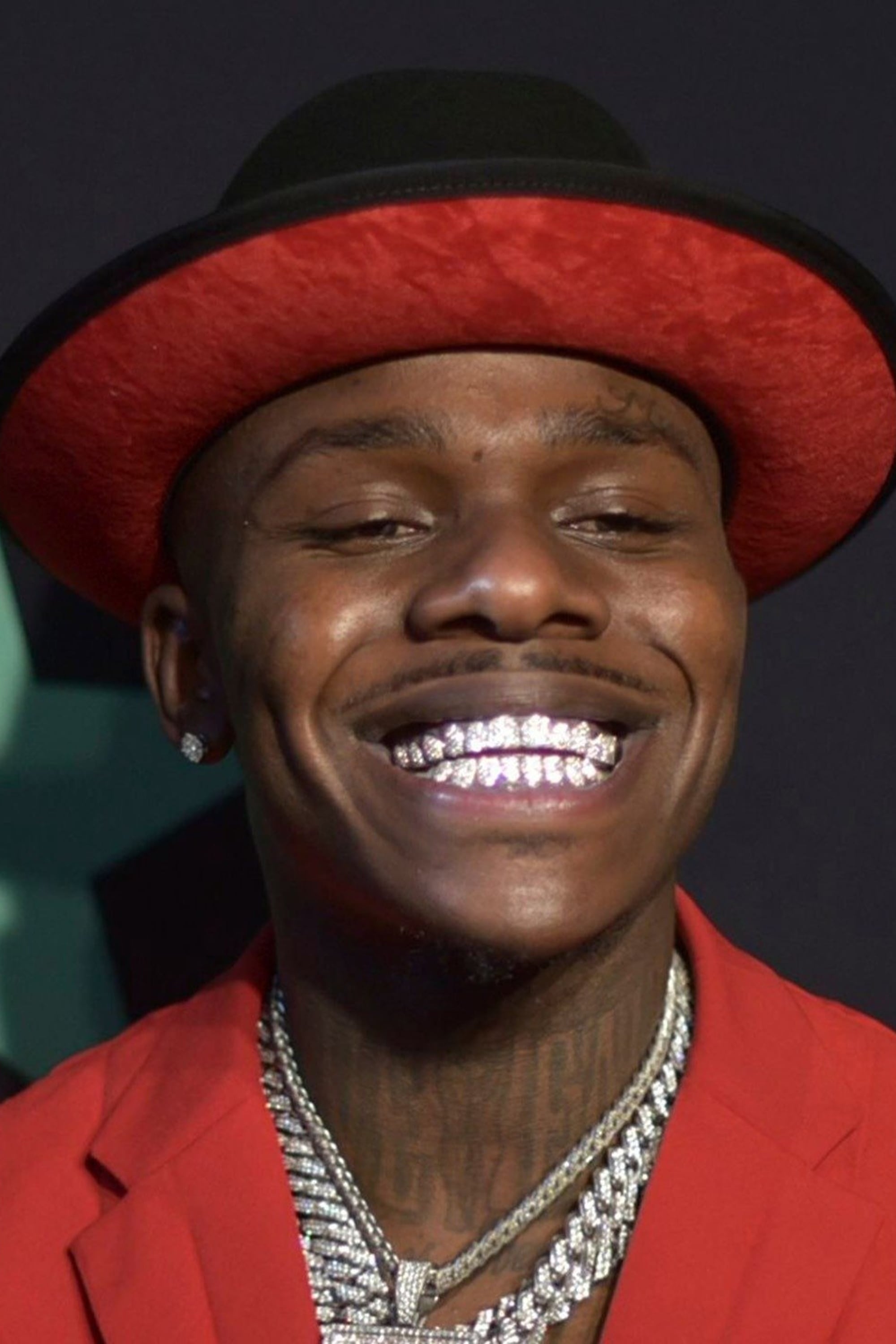
DaBaby saw a massive shift in his professional opportunities following controversial remarks made during a music festival performance. The rapper was removed from multiple festival lineups and saw a decline in radio play for his subsequent releases. He argued that the industry and the public were too quick to dismiss his contributions without considering the context of his upbringing. DaBaby suggested that the reaction was a form of organized suppression that ignored his efforts to learn and grow. He continues to claim that the pressure from social media has unfairly limited his ability to reach his audience.
Dave Chappelle
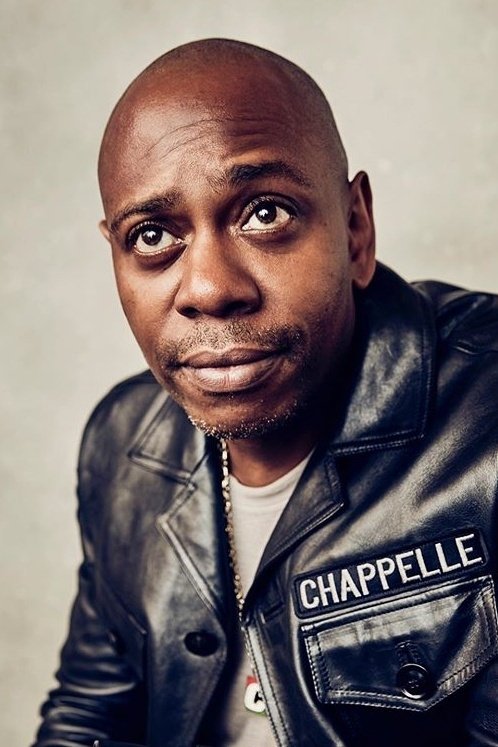
Dave Chappelle has been a vocal critic of the way public discourse is shaped by online movements and corporate pressure. Following the release of ‘The Closer’ he faced intense internal and external backlash regarding the content of his stand up. The comedian argued that the attempts to remove his special from streaming platforms were an assault on artistic expression. He suggested that the culture of cancellation is driven by a small but loud group of people who do not represent the general public. Chappelle remains a central figure in discussions about the boundaries of comedy in the modern era.
Doja Cat
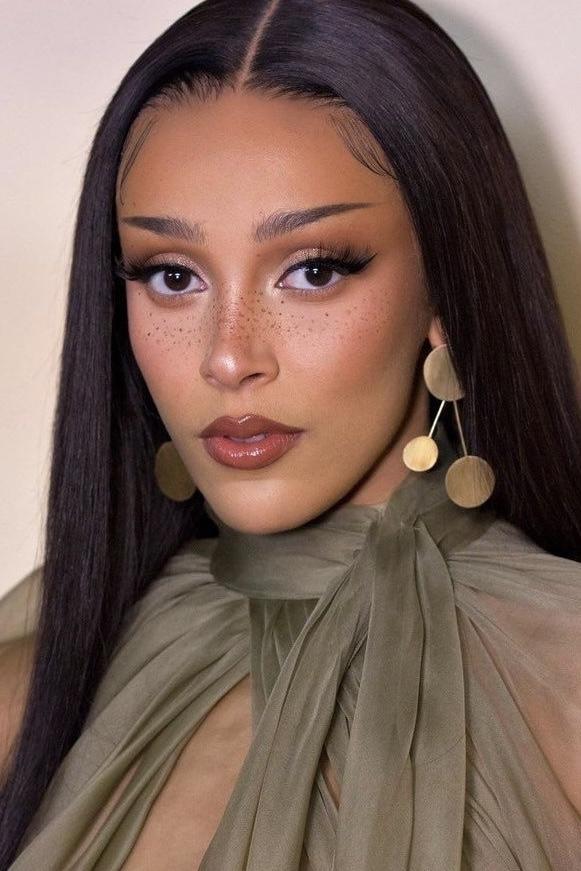
Doja Cat has had several contentious interactions with her fan base that led to public calls for her cancellation. The artist suggested that the expectations placed on celebrities by social media users are often unrealistic and intrusive. She argued that the demand for constant perfection and alignment with fan desires creates a toxic environment for creators. Following the underperformance of some digital initiatives she pointed to the fickle nature of online communities as a primary cause. Doja Cat continues to challenge the idea that she owes her audience a specific type of public persona.
Ellen DeGeneres
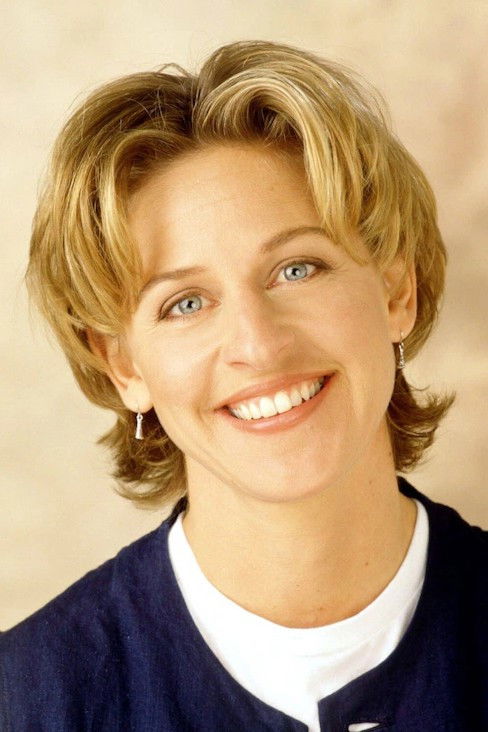
Ellen DeGeneres faced a significant crisis during the final seasons of ‘The Ellen DeGeneres Show’ following reports of a toxic workplace environment. The host argued that the narrative surrounding her show was fueled by a desire to see her fail rather than a search for the truth. She suggested that the intensity of the backlash was disproportionate and influenced by a culture that enjoys bringing down successful figures. The controversy led to a decline in viewership and the eventual conclusion of her long running daytime program. DeGeneres has since discussed the emotional toll of being at the center of a public scandal.
Evangeline Lilly
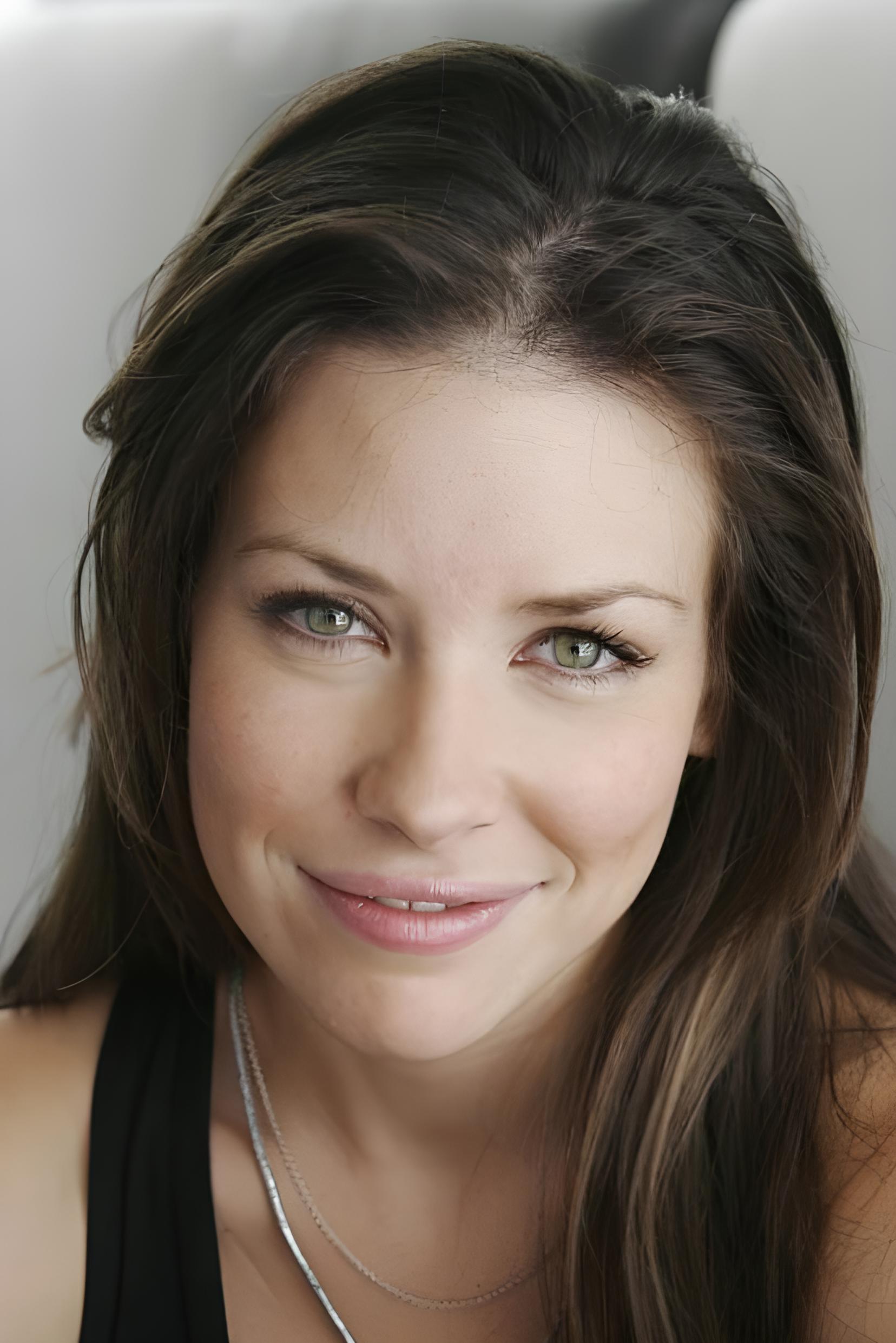
Evangeline Lilly faced public criticism after expressing views on social distancing and mandates that were contrary to prevailing public health guidelines. The actress suggested that the backlash was part of a broader trend that penalizes individuals for questioning mainstream narratives. She argued that the fear of public shaming often prevents people from having open and honest conversations. Following the release of ‘Ant Man and the Wasp Quantumania’ she noted that the digital discourse can sometimes overshadow the actual work of the performers. Lilly continues to advocate for the right to hold independent perspectives within the entertainment industry.
Ezra Miller
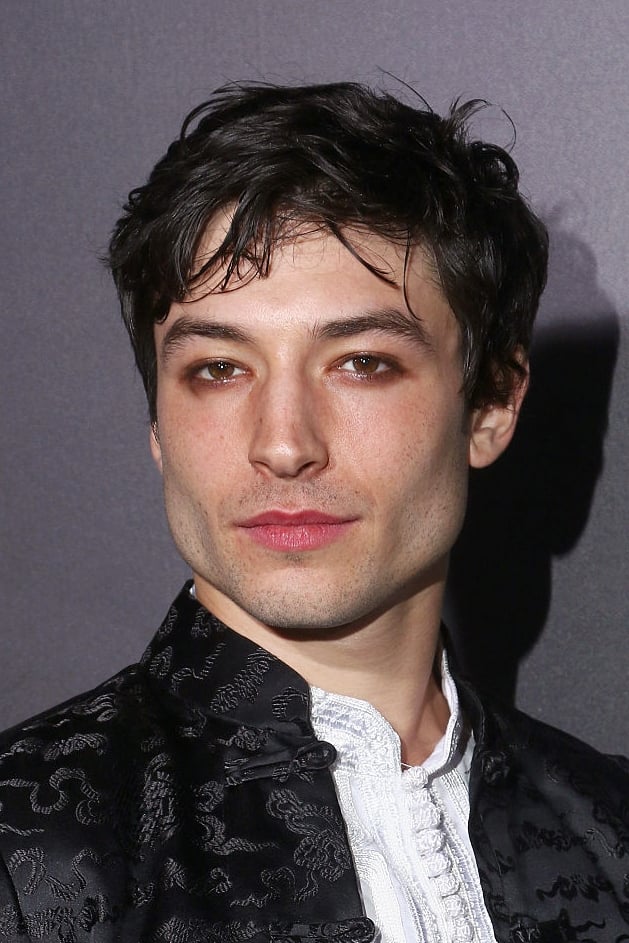
Ezra Miller was at the center of numerous legal and personal controversies that heavily impacted the rollout of the blockbuster film ‘The Flash’. The actor saw a significant reduction in public appearances and promotional duties as the studio managed the ongoing backlash. Reports suggested that the actor believed the intense media focus was a targeted effort to undermine their professional standing. The film underperformed at the box office which many industry analysts attributed to the surrounding negative publicity. Miller has since issued statements addressing their behavior while navigating the complexities of a public comeback.
Gal Gadot

Gal Gadot faced an unusual wave of criticism following a viral video released during a global health crisis and the subsequent reception of ‘Wonder Woman 1984’. The actress noted that the public reaction was often harsh and lacked an understanding of the positive intentions behind her actions. She suggested that the digital age makes it easy for a single moment to be taken out of context and used to create a negative narrative. Gadot argued that the high expectations of the audience can sometimes lead to a lack of empathy for performers. She has since moved on to other projects while reflecting on the challenges of maintaining a public image.
Gina Carano
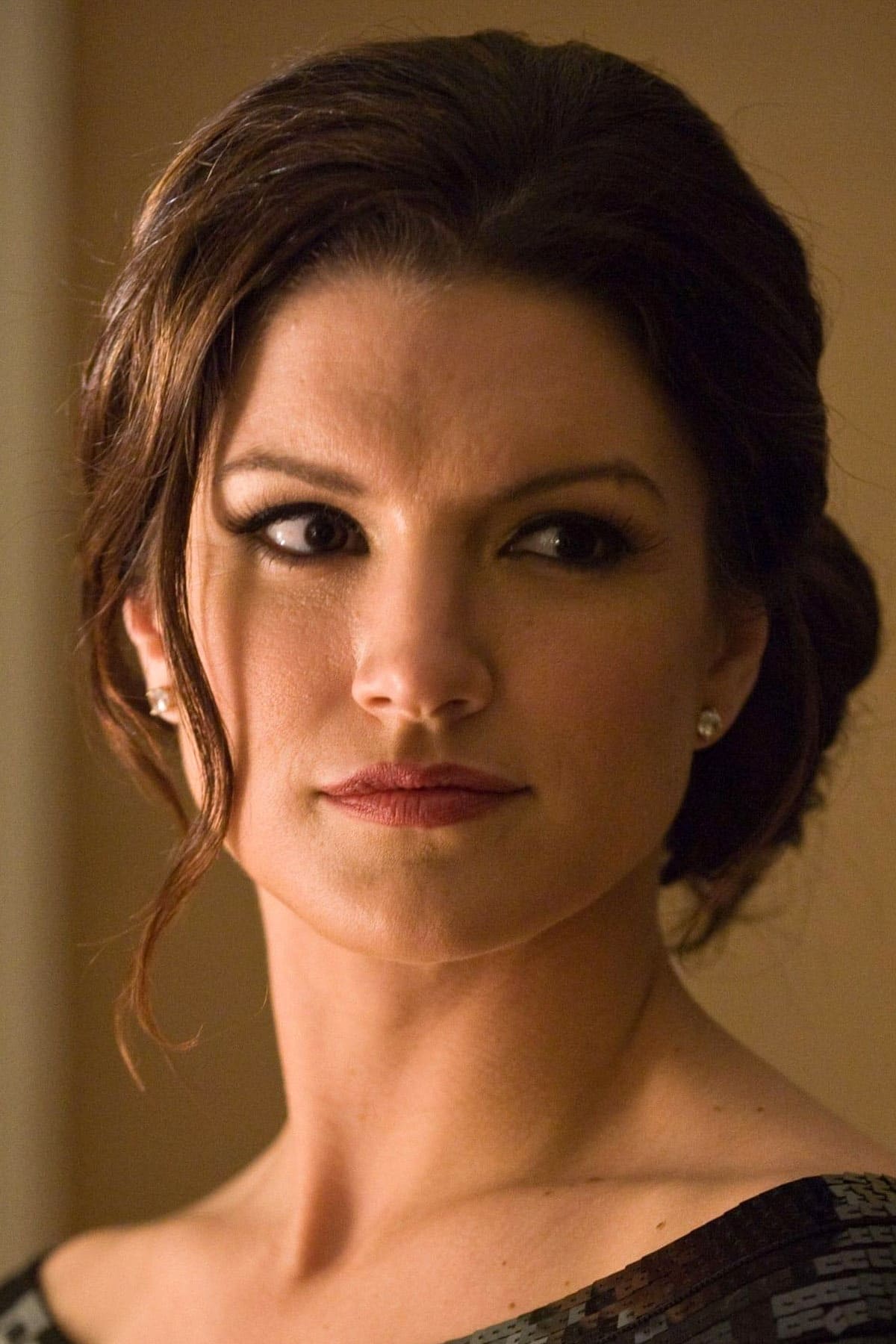
Gina Carano was removed from her role in ‘The Mandalorian’ after a series of social media posts sparked a massive public outcry. The actress argued that her dismissal was a clear example of a toxic culture that punishes political diversity. She suggested that the industry uses social pressure to enforce a specific ideological consensus among its workers. Following her exit she partnered with independent media outlets to produce films for an audience she feels is underserved by Hollywood. Carano continues to be a prominent voice in the debate over free speech and professional consequences in entertainment.
Hilaria Baldwin
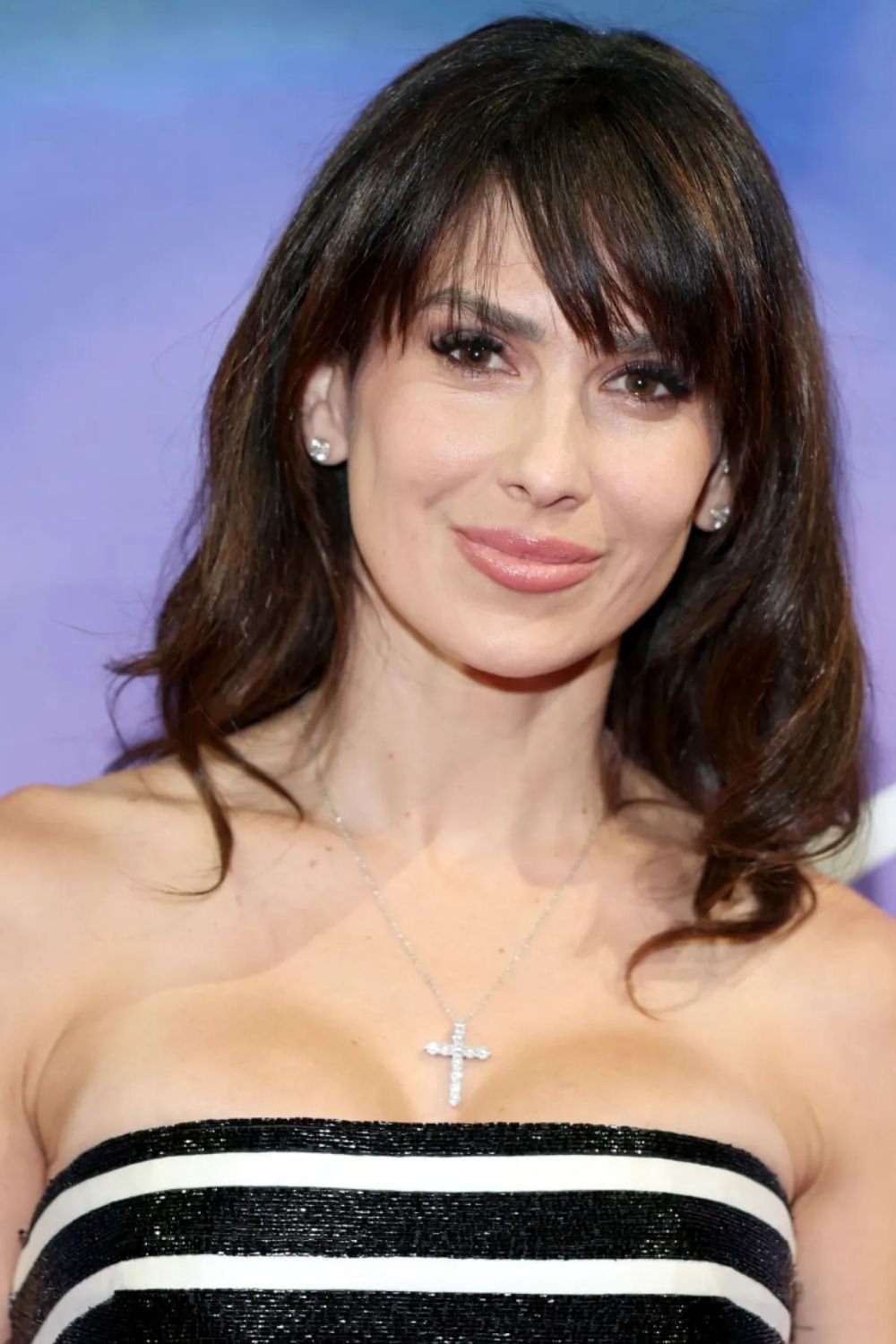
Hilaria Baldwin faced a significant public relations challenge when her cultural heritage and background were scrutinized by online users. The podcast host and author saw many of her brand partnerships dissolve as the controversy gained momentum. She argued that the public response was a form of online bullying that sought to discredit her personal identity. Baldwin suggested that the current climate of social media encourages the rapid spread of negativity without considering the human impact. She has since used her platform to discuss the mental health challenges associated with being a target of digital cancellation.
Isaiah Washington
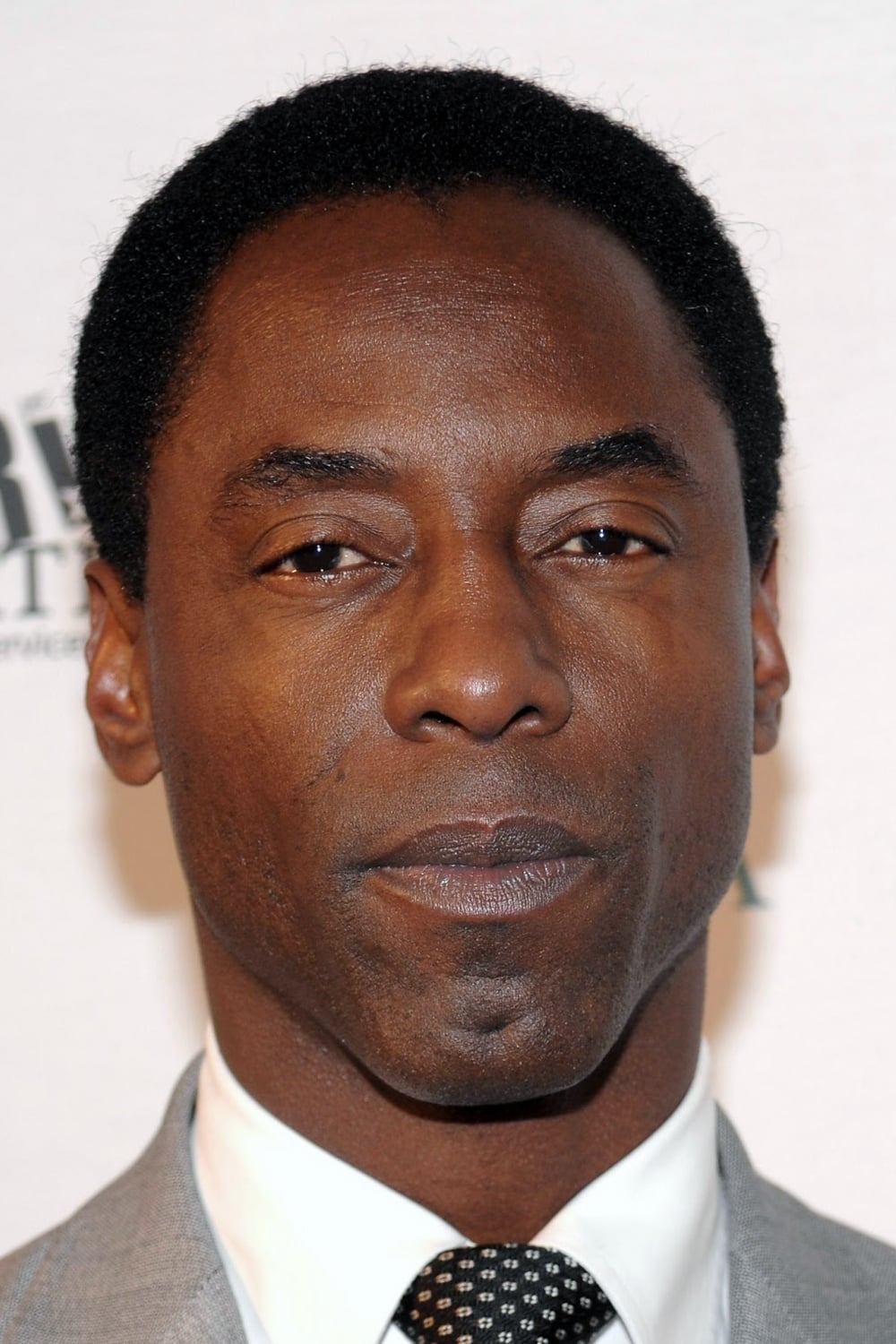
Isaiah Washington experienced a major career setback when he was written out of the hit series ‘Grey’s Anatomy’ following a behind the scenes altercation. The actor has long maintained that his removal was a result of an industry that is quick to discard talent based on public optics. He argued that the fallout from the incident was handled in a way that permanently damaged his reputation and future opportunities. Washington suggested that the culture of Hollywood often prioritizes a clean image over the complexities of human conflict. He has remained an outspoken critic of the structures that led to his departure from mainstream television.
J.K. Rowling
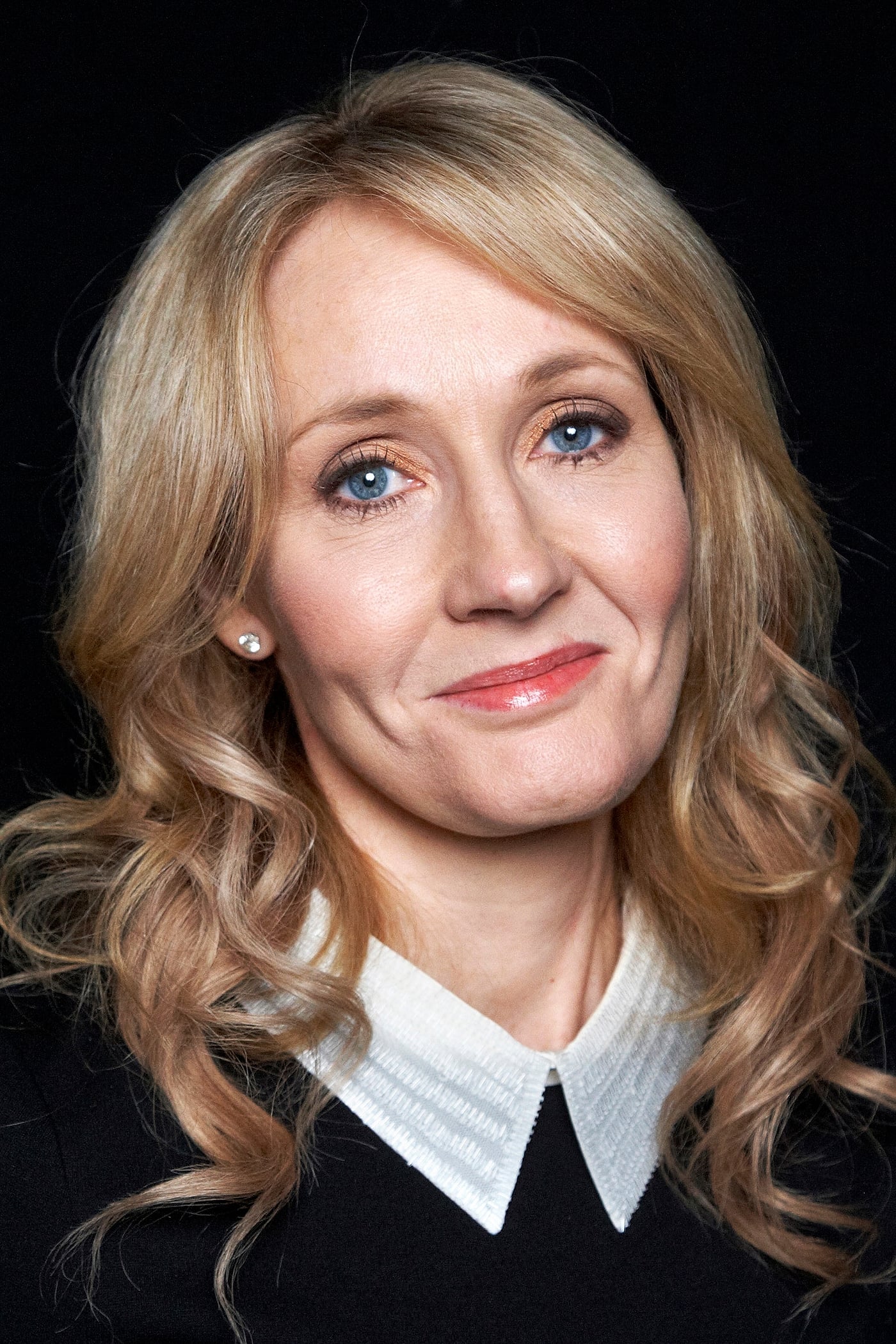
J.K. Rowling has been a central figure in the debate over public accountability due to her views on gender and social policy. The author argued that the organized efforts to boycott her work and the ‘Fantastic Beasts’ film series were an attempt to silence her. She suggested that the industry and the media have fostered an environment where certain opinions are deemed unacceptable. Despite the massive success of her legacy projects she has noted that the current climate makes it difficult for creators to engage with sensitive topics. Rowling continues to produce new work while defending her right to participate in public discourse.
James Franco
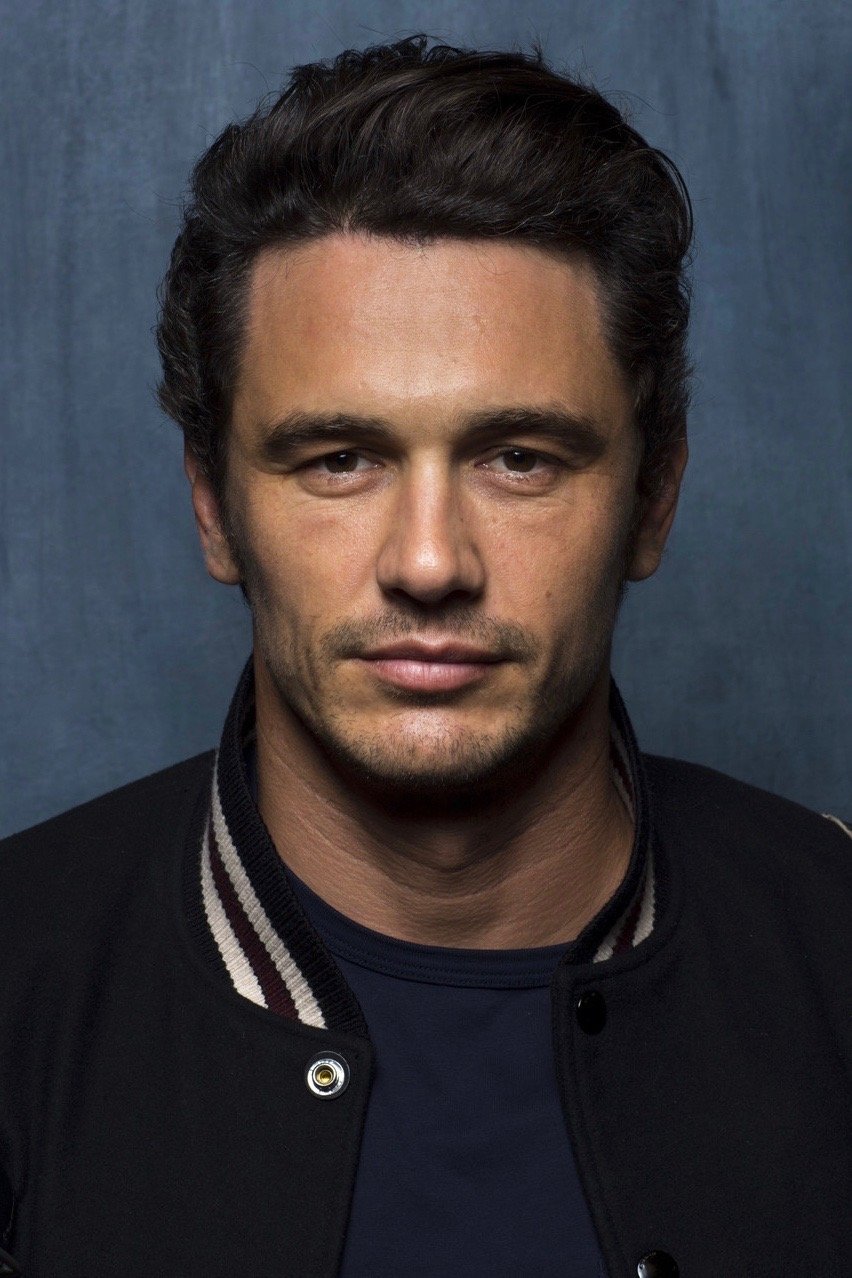
James Franco saw a significant decline in his professional standing following several allegations that emerged during a period of high career success. The actor and director argued that the public and industry reaction was a reflection of a culture that does not allow for growth or redemption. He suggested that the immediate cancellation of his projects and collaborations was a heavy handed response to complicated personal matters. Franco noted that the shift in his reputation impacted the distribution and reception of several independent films. He has since spent time away from the spotlight while focusing on personal development and smaller scale projects.
James Woods
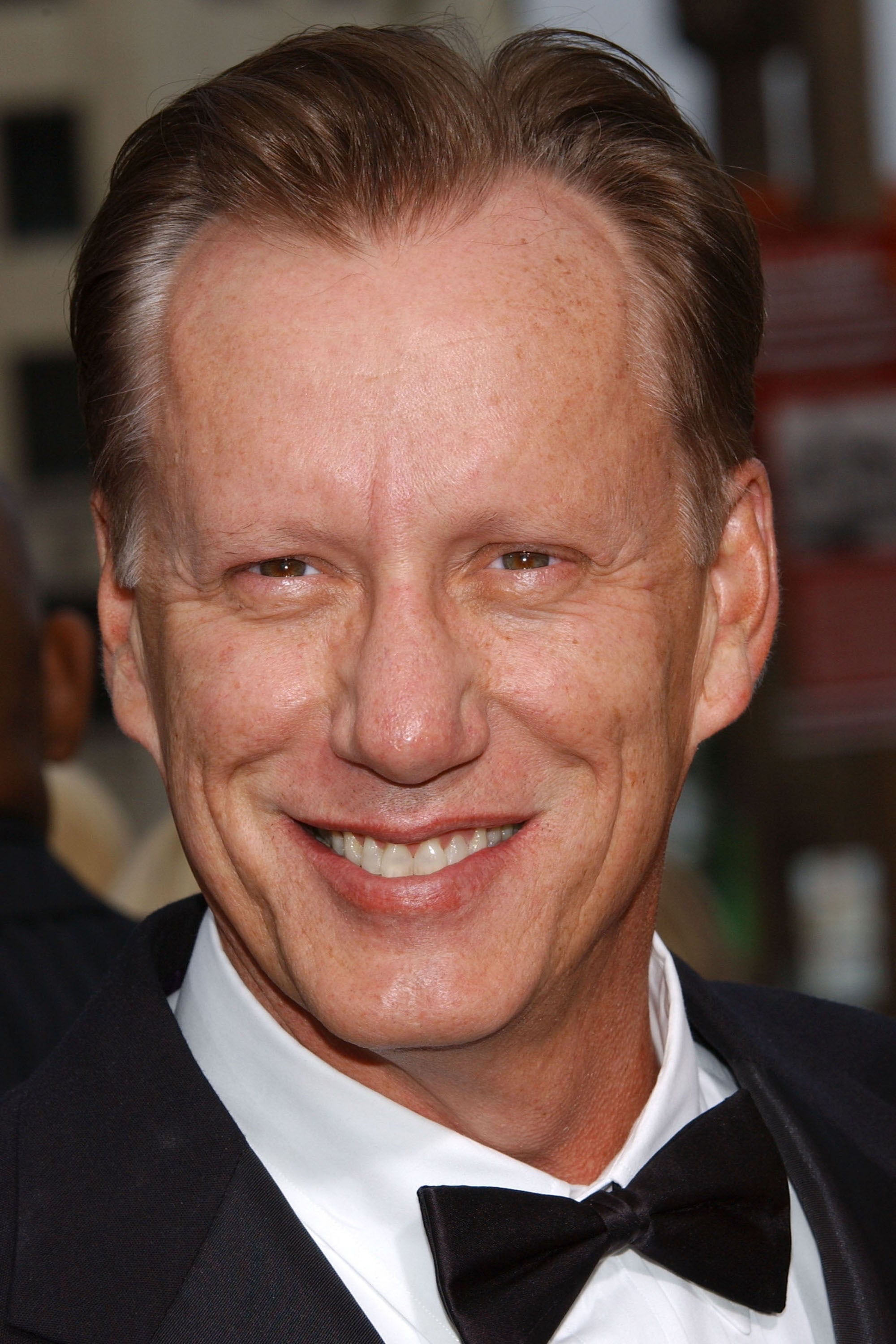
James Woods has frequently expressed his belief that his career has been negatively impacted by his outspoken political views. The veteran actor argued that he was effectively blacklisted by a culture that does not tolerate conservative perspectives. He suggested that the lack of major roles offered to him in recent years is a direct result of his willingness to challenge industry norms. Woods has been a vocal critic of the way social media is used to target individuals for their beliefs. He continues to engage with his followers online while reflecting on the changes he has observed in the entertainment world.
Jerry Seinfeld
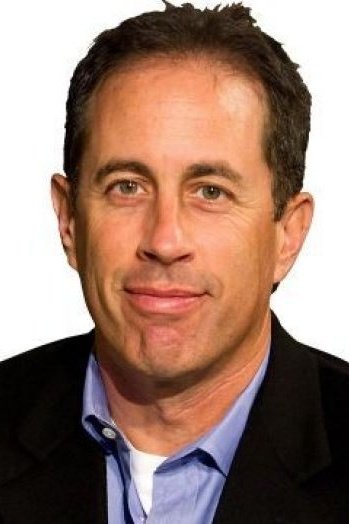
Jerry Seinfeld has publicly lamented what he views as the death of comedy in the modern era due to excessive social sensitivity. The legendary comedian argued that the fear of offending specific groups has led to a decline in the quality of television sitcoms. He suggested that the current cultural climate makes it nearly impossible for creators to take risks or explore edgy humor. Seinfeld pointed out that many classic comedy shows would never be produced today because of the potential for public backlash. His comments reflect a concern that the industry is losing its ability to provide genuine and provocative entertainment.
Jim Caviezel
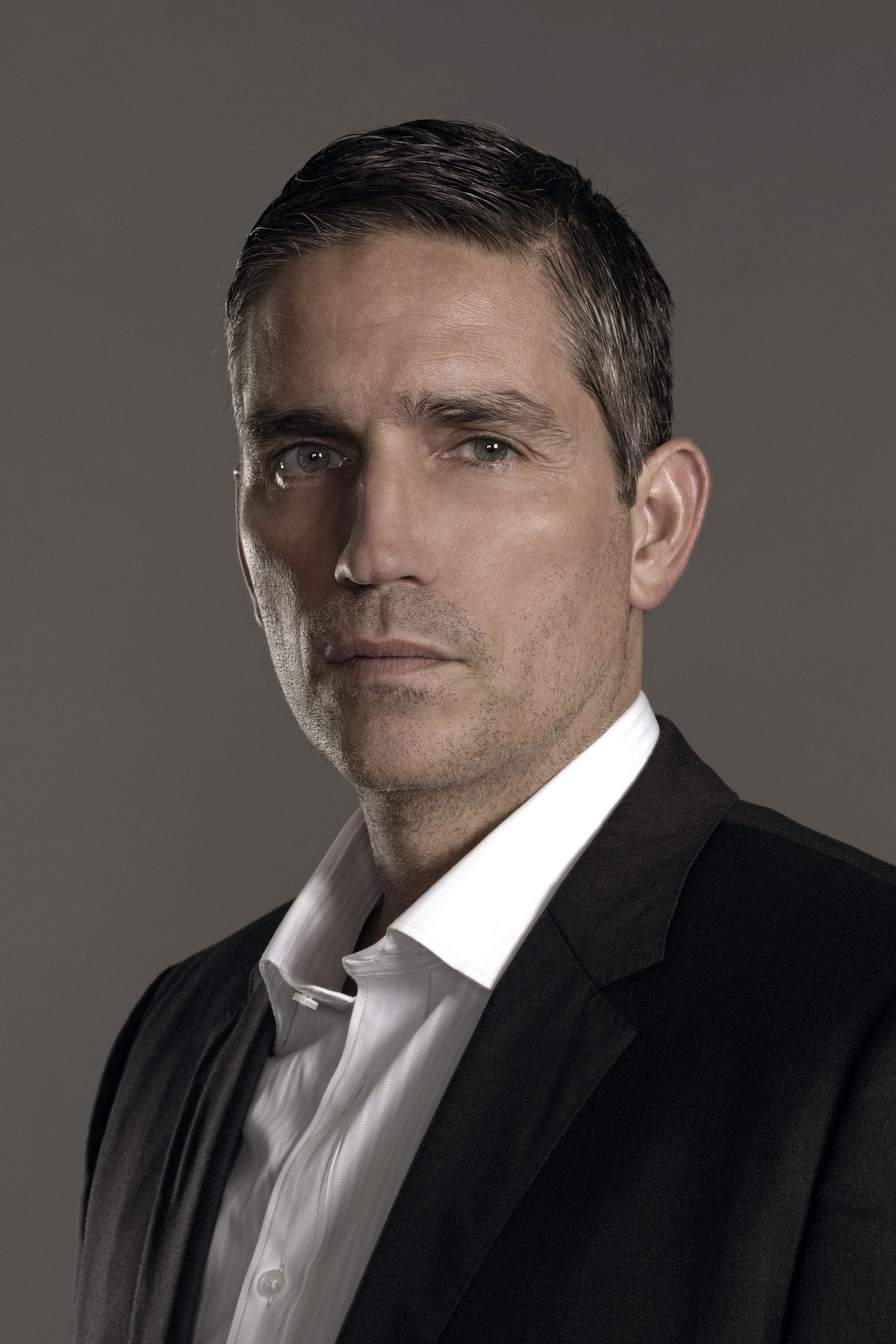
Jim Caviezel has discussed the professional challenges he faced following his lead role in ‘The Passion of the Christ’ and his subsequent outspokenness on personal issues. The actor argued that his career was sidelined by an industry that felt uncomfortable with his strong convictions. He suggested that the lack of opportunities in major studio films was a form of quiet cancellation. Caviezel noted that he had to turn to independent and faith based projects to continue his work as an actor. He remains critical of the mainstream entertainment industry and its perceived bias against specific worldviews.
John Krasinski
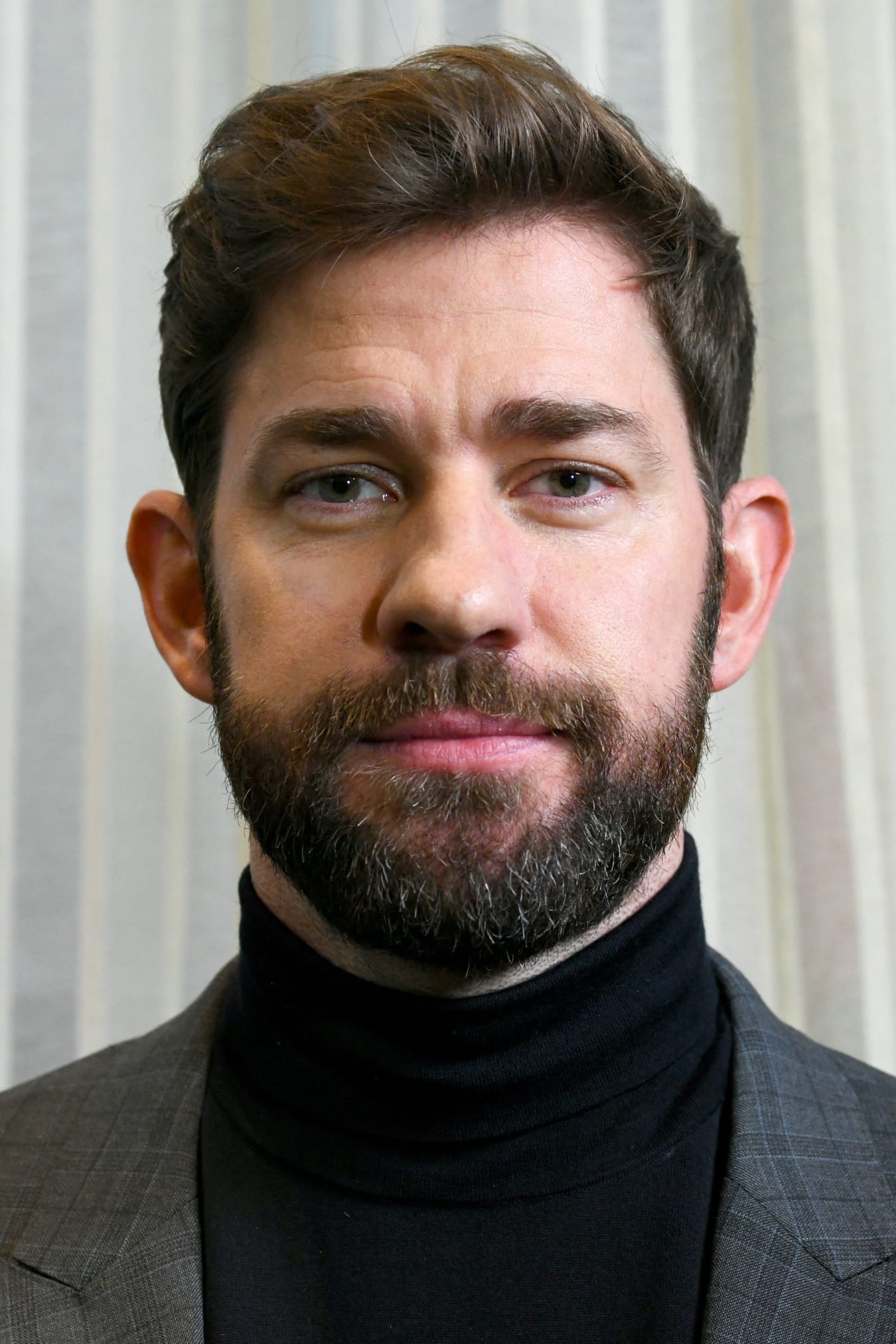
John Krasinski faced unexpected criticism when he chose to sell his viral web series ‘Some Good News’ to a major media corporation. Fans argued that the move contradicted the grassroots spirit of the show which was created to provide free positivity during a difficult time. Krasinski defended the decision by explaining that the scale of the project required more resources than he could provide independently. He suggested that the backlash was a reflection of a cynical culture that is quick to find fault in positive endeavors. The actor remains active in high profile projects while occasionally reflecting on the pressures of meeting public expectations.
Jon Voight
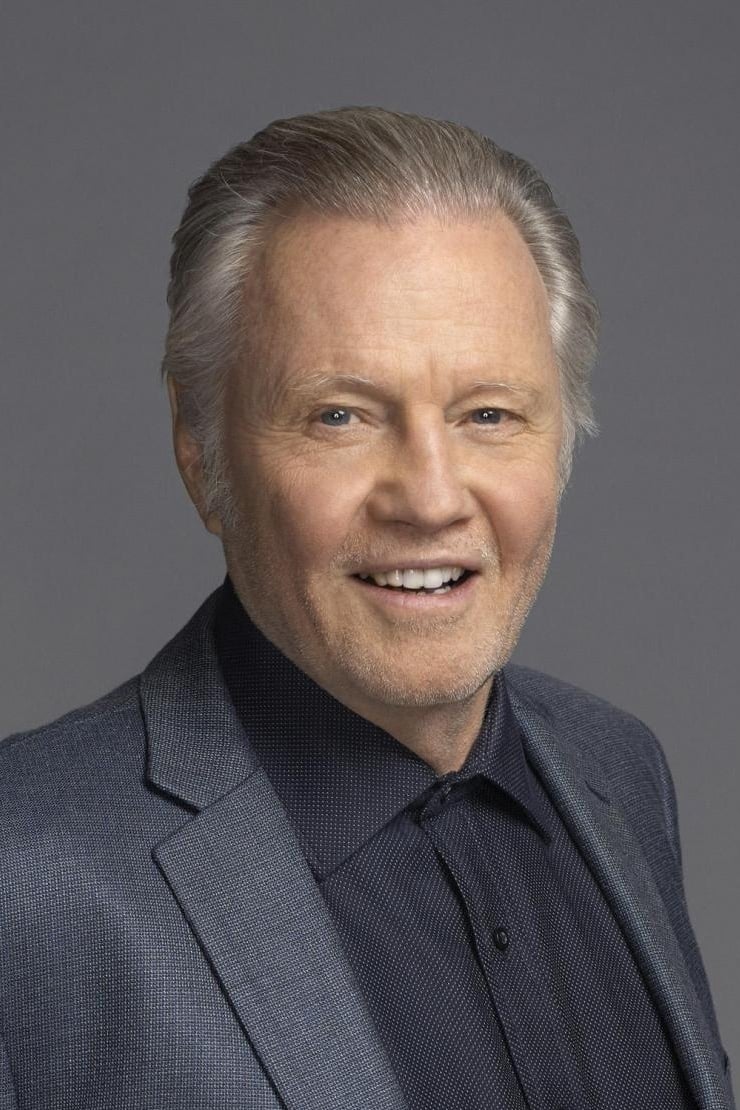
Jon Voight has frequently commented on the ideological divide in Hollywood and how it affects the careers of performers. The Academy Award winner argued that his support for specific political figures has led to a decrease in the variety of roles offered to him. He suggested that the industry has become an environment where only one set of opinions is truly welcome. Voight has been a vocal opponent of the way public figures are shamed for their personal beliefs. He continues to work on various projects while maintaining his stance as a defender of traditional values in entertainment.
Katherine Heigl
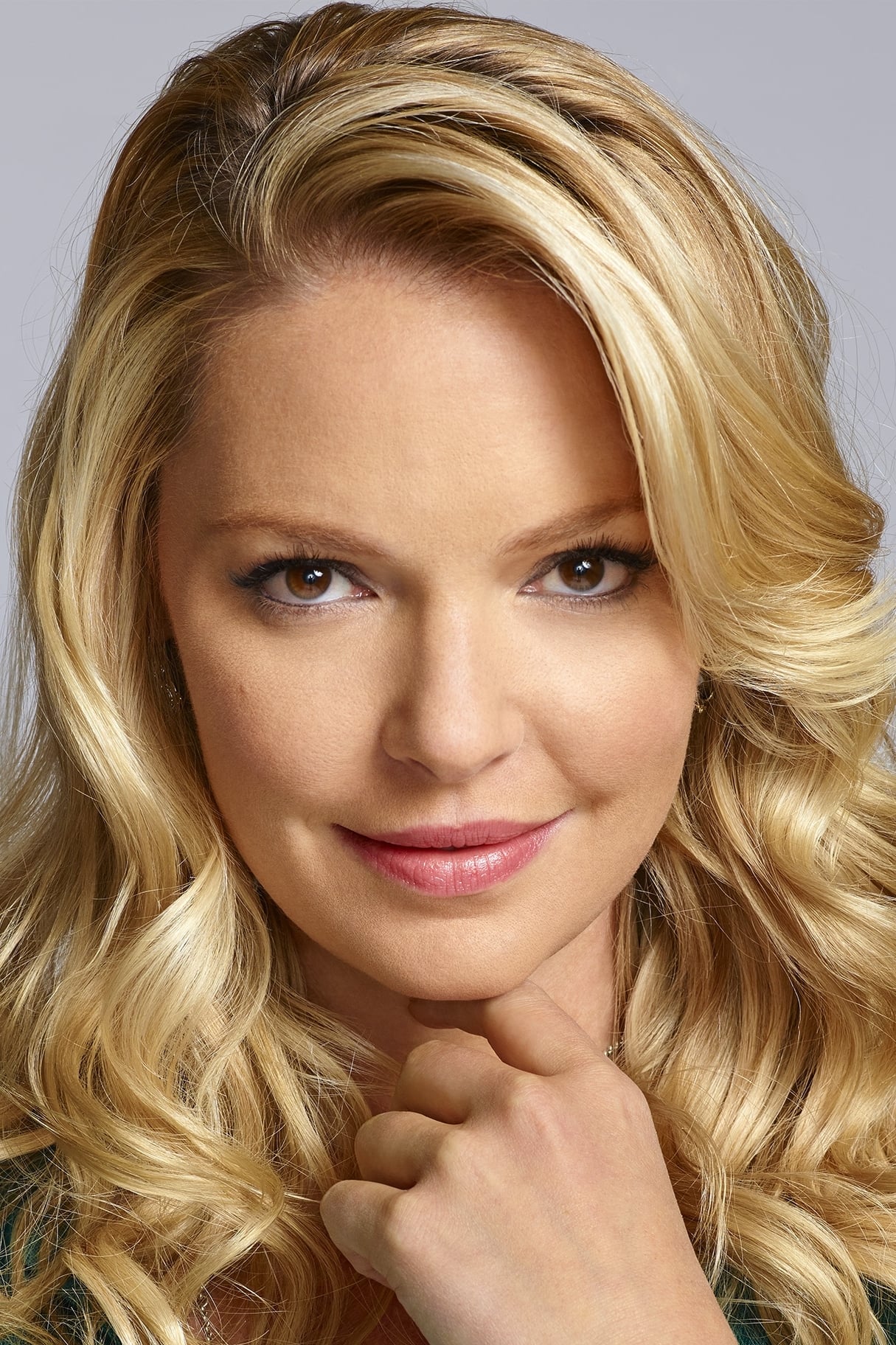
Katherine Heigl experienced a period of professional difficulty after being labeled as difficult to work with following several honest public comments. The actress argued that the narrative surrounding her career was a result of an industry that penalizes women for being assertive or critical. She suggested that the backlash against her was disproportionate and led to a decline in the quality of roles she was offered. Heigl noted that the label of being problematic became a self fulfilling prophecy that affected the success of her projects. She has since worked to rebuild her reputation while discussing the double standards of Hollywood culture.
Kathy Griffin
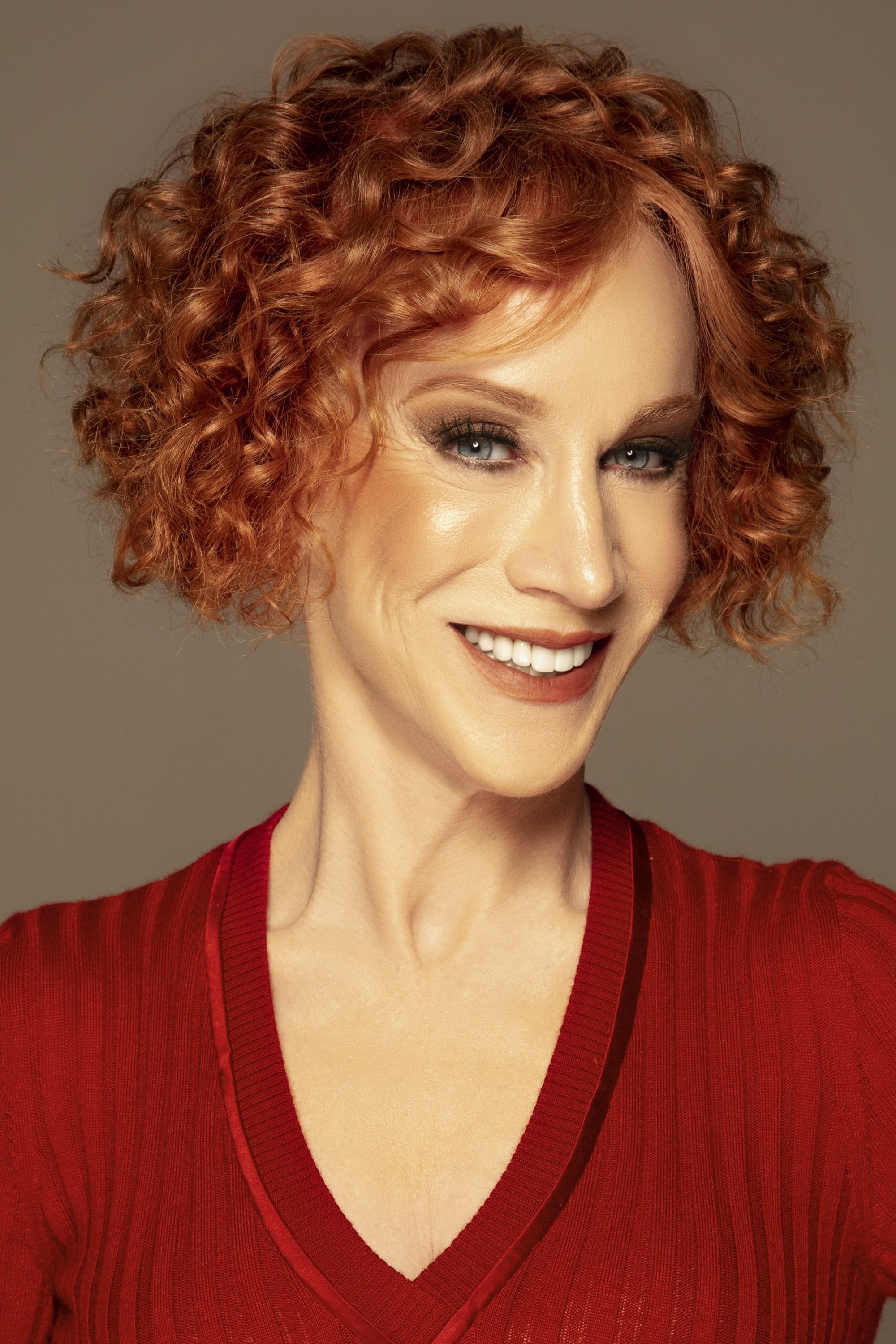
Kathy Griffin saw a massive collapse of her professional life following a highly controversial political photoshoot. The comedian lost her long running role as a television host and saw her tour dates canceled across the country. She argued that the reaction from the public and the industry was an extreme form of silencing that went beyond simple criticism. Griffin suggested that the speed at which she was abandoned by her peers was a reflection of a fear based culture. She has since chronicled her efforts to return to the stage while remaining critical of the systems that led to her isolation.
Kevin Hart
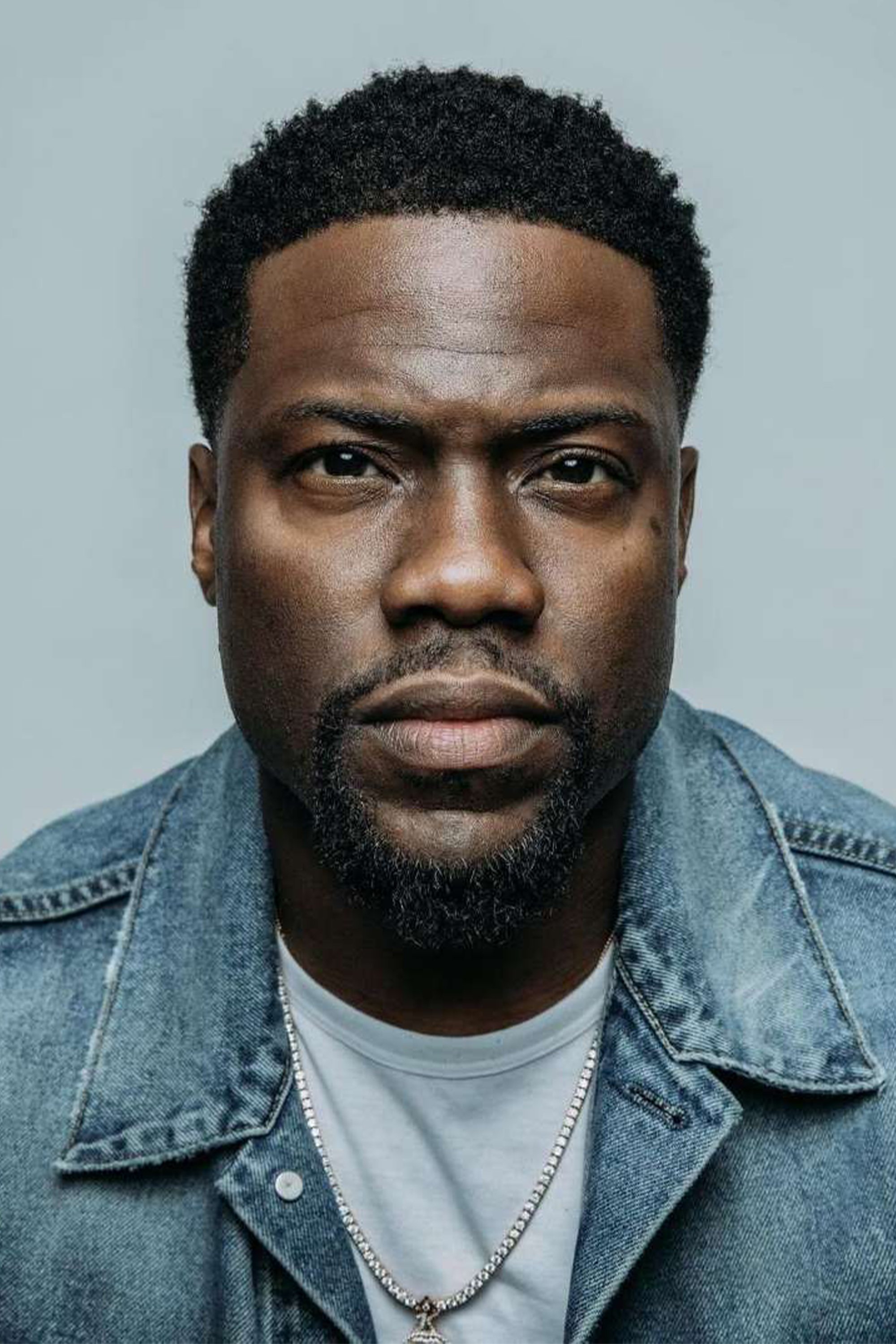
Kevin Hart stepped down from hosting the Academy Awards after past social media posts were resurfaced and criticized by the public. The comedian argued that the situation was a prime example of a culture that refuses to allow for personal growth or change. He suggested that the obsession with digging up old comments is a toxic practice that hurts the entertainment industry. Following the incident he released a documentary series that explored the impact of the controversy on his life and business. Hart continues to be a major star while often speaking out about the dangers of online judgment.
Kevin Spacey
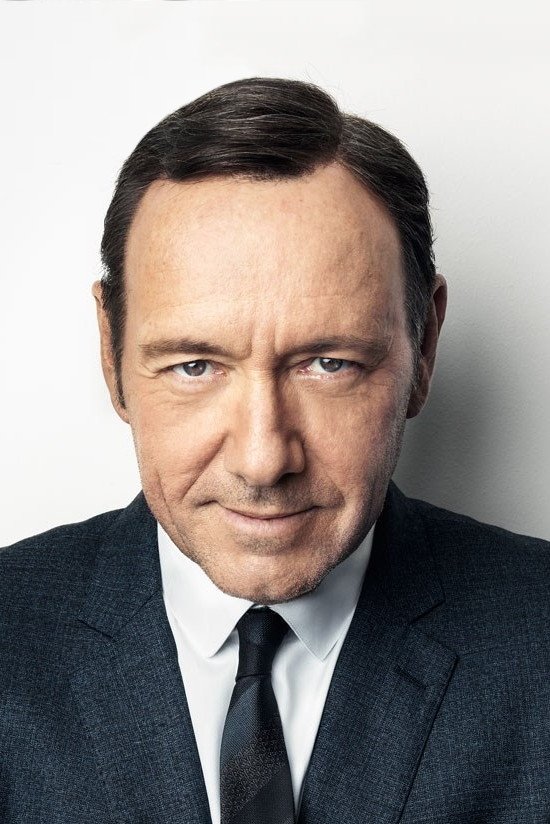
Kevin Spacey saw his entire career vanish almost overnight following a series of serious allegations that led to his removal from ‘House of Cards’. The actor saw his finished scenes in ‘All the Money in the World’ completely refilmed with another performer. He has suggested through various public videos that the industry and the public were too quick to condemn him without a full legal process. Spacey argued that the culture of immediate cancellation denies individuals the opportunity to defend themselves fairly. He remains largely excluded from mainstream Hollywood while navigating ongoing legal developments and small scale international projects.
Kirstie Alley
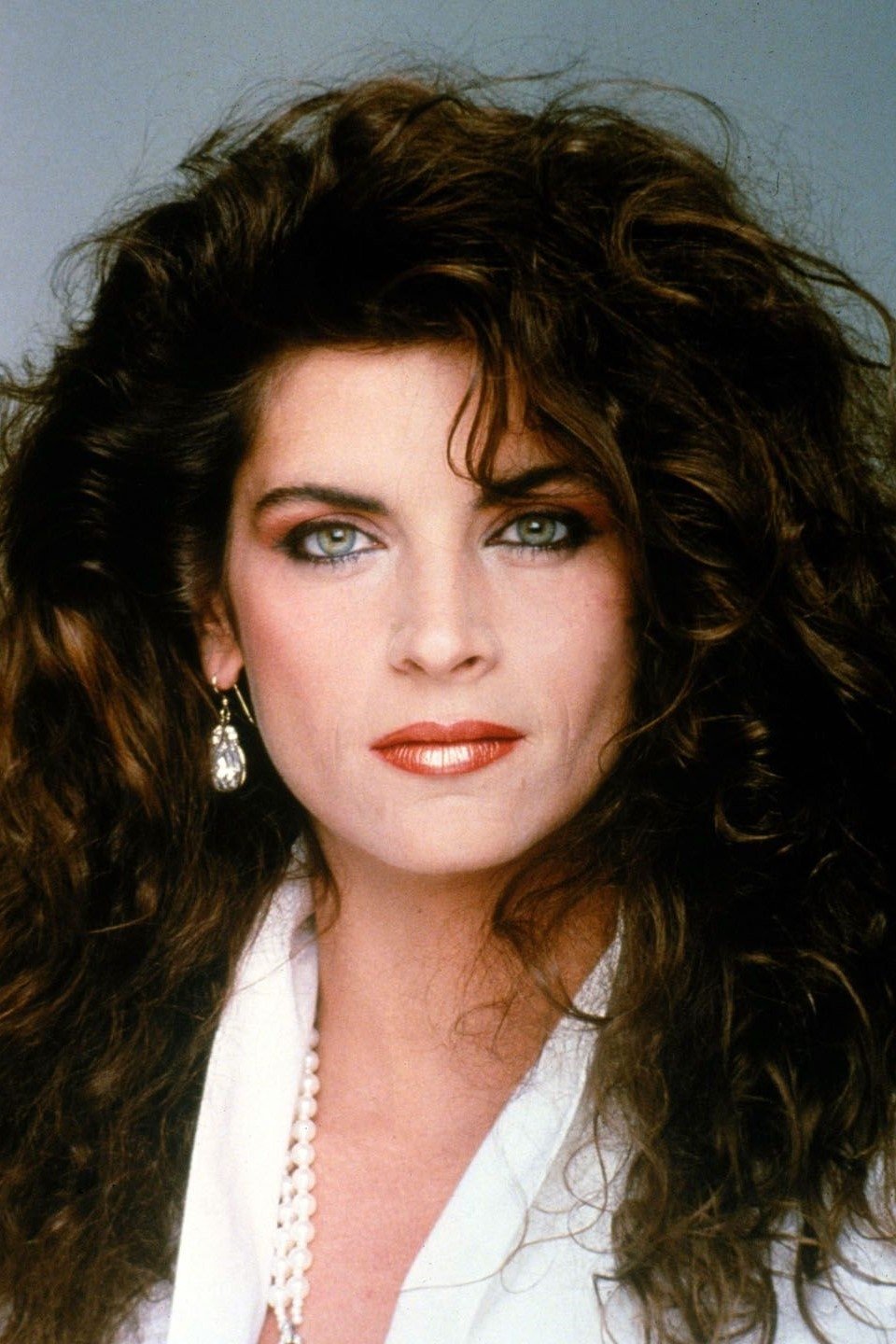
Kirstie Alley was a vocal critic of the entertainment industry and its treatment of individuals with differing political views. The actress argued that her public support for certain candidates led to a noticeable shift in how she was perceived by her peers. She suggested that the fear of being canceled prevents many people in the industry from speaking their minds. Alley often used social media to highlight what she saw as the hypocrisy of a culture that claims to be inclusive. Her later career was marked by a focus on reality television and independent commentary as she moved away from traditional scripted roles.
Laurence Fox
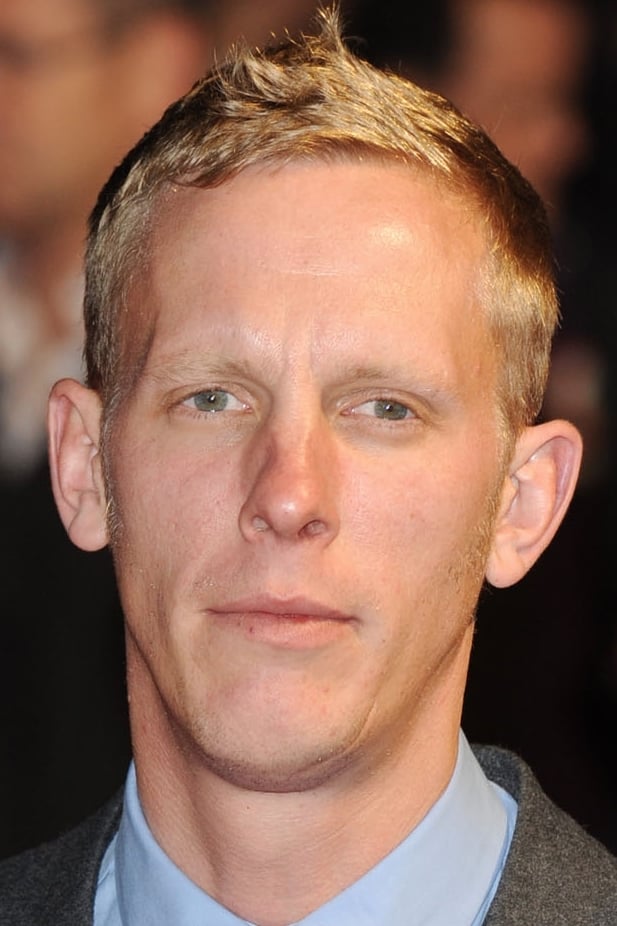
Laurence Fox experienced a total transformation of his career after making controversial comments during a television appearance. The actor saw his agency drop him and noted that the phone stopped ringing for potential acting roles. He argued that the industry has been taken over by a rigid ideological framework that does not allow for dissent. Following his professional setbacks he transitioned into politics and media commentary to challenge the culture he believes silenced him. Fox remains a controversial figure who frequently discusses the impact of cancellation on the creative arts.
Lea Michele

Lea Michele faced a period of public reckoning when former colleagues came forward with stories about her behavior on set. The actress saw several brand partnerships end and her public image shifted dramatically from a beloved star to a controversial figure. She argued that the narrative surrounding her past actions was intensified by a social media environment that thrives on public shaming. Michele took a period of time away from the spotlight to reflect and eventually returned to the stage in a high profile revival of ‘Funny Girl’. She has since discussed the lessons she learned while navigating a significant professional and personal crisis.
Letitia Wright
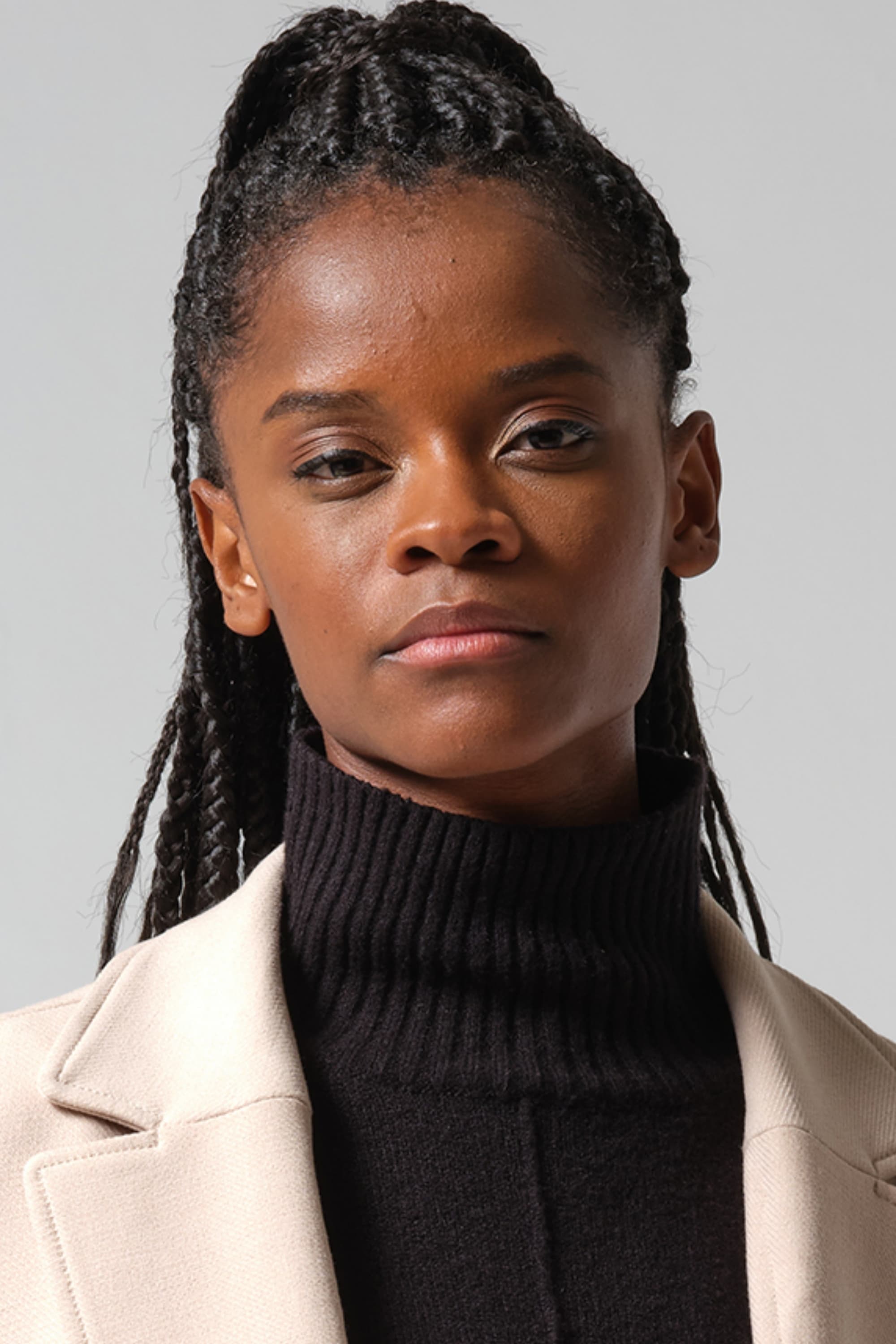
Letitia Wright faced a wave of online criticism following social media posts regarding her views on medical mandates. The actress saw a surge in negative publicity during the production of the ‘Black Panther’ sequel which led to rumors about her future in the franchise. She suggested that the intensity of the digital backlash was a reflection of a culture that is intolerant of questioning established norms. Wright argued that the focus on her personal views often detracted from the hard work of the cast and crew. She has since continued her career while maintaining a more private presence on social media.
Louis C.K.
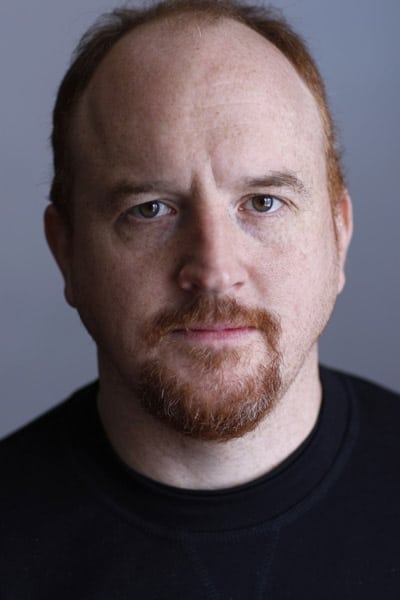
Louis C.K. saw his career halt abruptly after he admitted to several instances of professional misconduct. His film ‘I Love You Daddy’ was pulled from distribution just days before its scheduled release and his television deals were terminated. The comedian argued that the resulting total exclusion from the industry was a heavy consequence that did not account for his admission of guilt. After a period of absence he began performing again while frequently addressing the culture of cancellation in his material. He has since transitioned to a direct to consumer model for his specials to bypass traditional gatekeepers.
Matthew Morrison
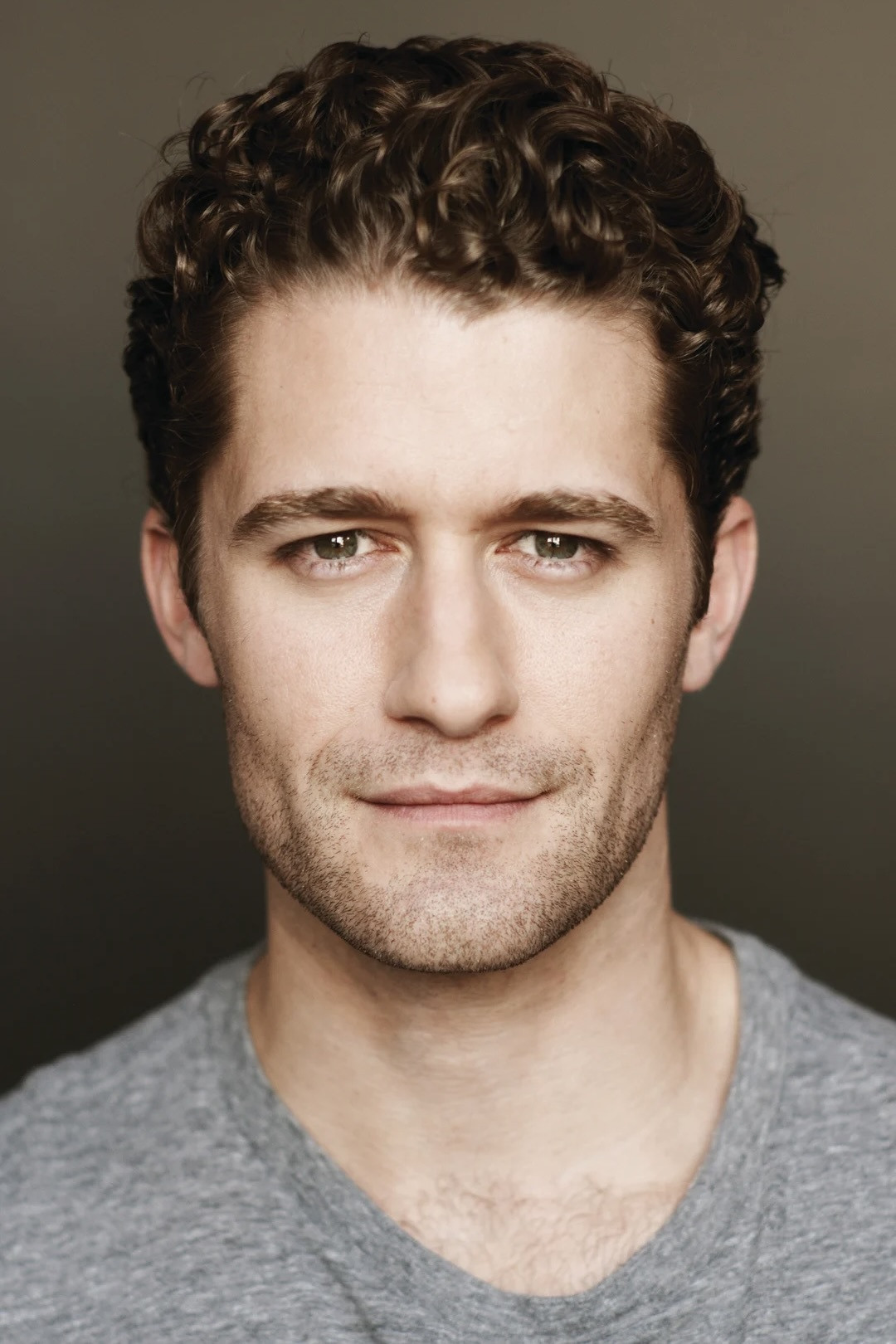
Matthew Morrison faced a career hurdle when he was removed from a judging role on a reality competition show following reports of inappropriate messages. The actor and singer argued that the situation was blown out of proportion by a culture that is quick to assume the worst. He suggested that the narrative created by the media did not accurately reflect the nature of his interactions. Morrison pointed out that the immediate fallout impacted his professional reputation and upcoming projects. He continues to work in the industry while advocating for a more balanced approach to evaluating professional conduct.
Megan Fox

Megan Fox experienced a significant career lull after making critical comments about a prominent director early in her career. The actress argued that she was unfairly labeled as difficult and was subsequently marginalized by the industry for years. She suggested that the culture of Hollywood at the time did not allow women to speak out against powerful figures without facing professional consequences. Following a period of smaller roles she saw a resurgence in her career and began discussing the impact of her past experiences. Fox has since become a vocal advocate for changing the toxic dynamics that she believes stalled her initial success.
Meghan, Duchess of Sussex
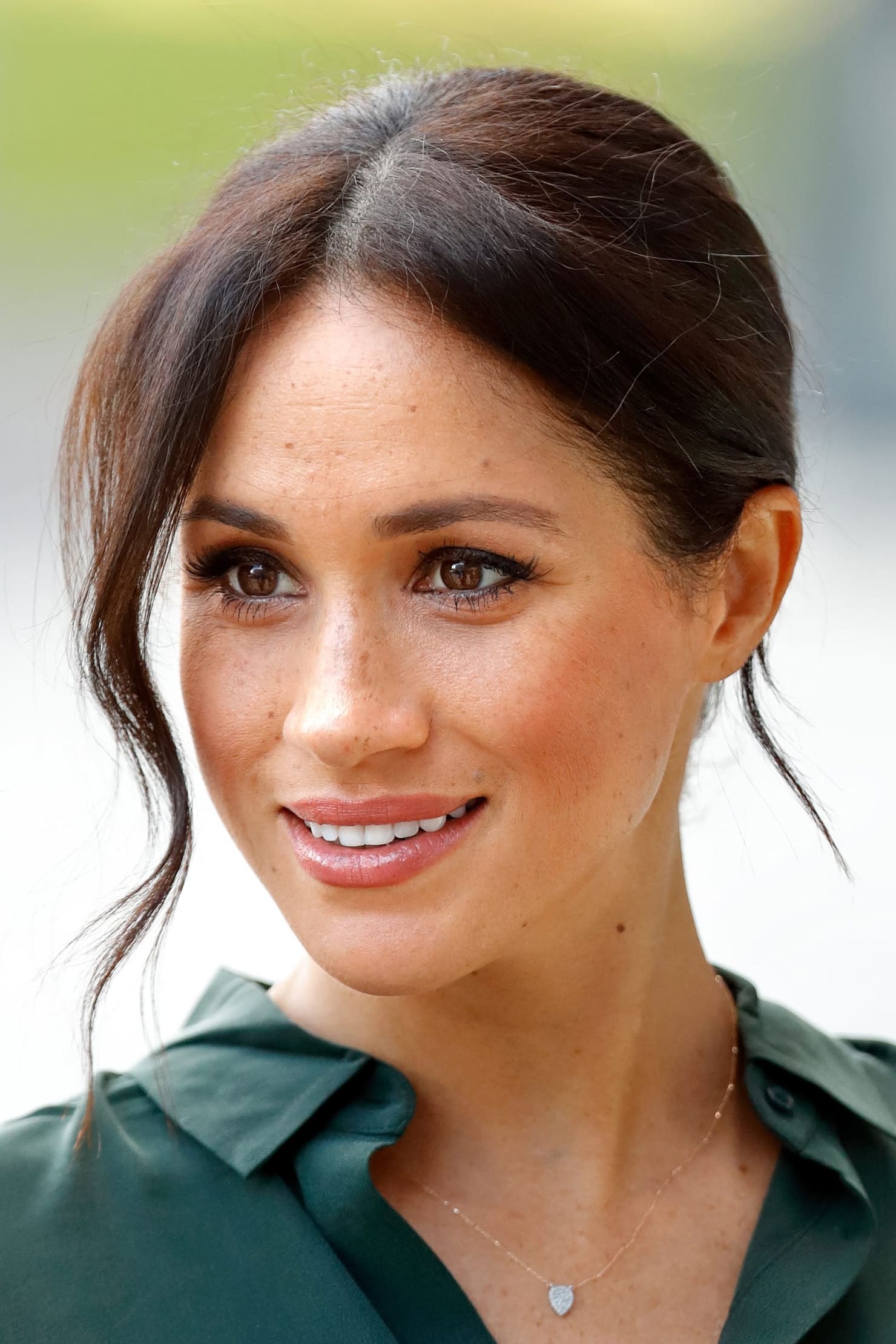
Meghan, Duchess of Sussex has frequently discussed the intense scrutiny and negative media coverage she faced during her time as a working royal and beyond. She suggested that the coordinated efforts to discredit her were part of a broader culture of online harassment and toxicity. Following the cancellation of her animated series ‘Pearl’ by a major streaming service she pointed toward the challenges of the current media landscape. The Duchess argued that the pressure to constantly defend her character has been an exhausting aspect of her professional life. She remains focused on her philanthropic work while continuing to highlight the dangers of digital misinformation.
Mel Gibson
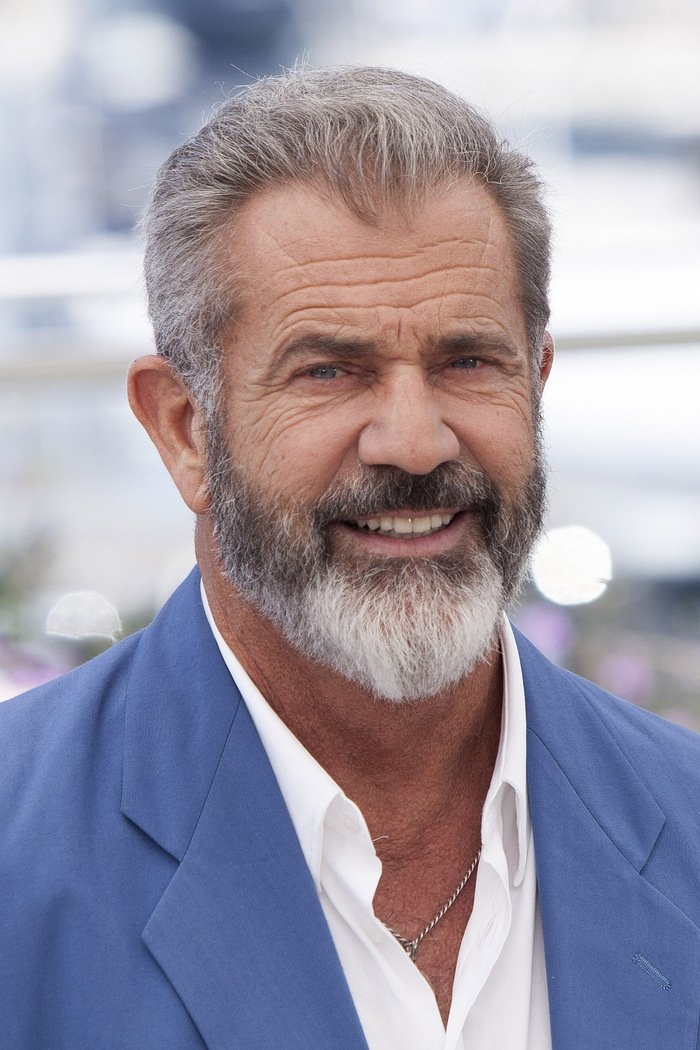
Mel Gibson has long been a lightning rod for controversy following several public incidents and leaked recordings. The actor and director argued that the industry has been unforgiving and has actively worked to prevent his return to the mainstream. He suggested that the ongoing focus on his past mistakes is a form of permanent cancellation that ignores his professional achievements. Despite receiving accolades for ‘Hacksaw Ridge’ he noted that certain segments of Hollywood remain resistant to his involvement. Gibson continues to produce and star in various projects while discussing the challenges of navigating a judgmental culture.
Piers Morgan
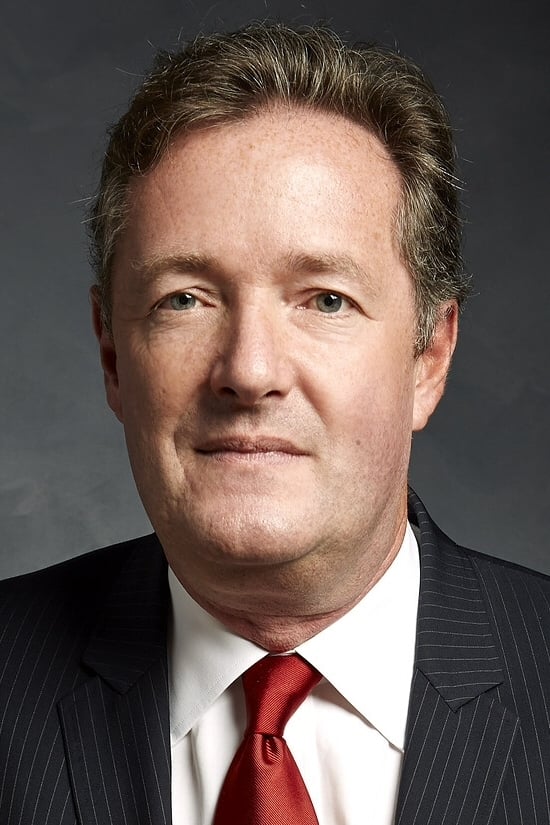
Piers Morgan famously walked off the set of his morning show following a heated debate about the British royal family. The television host argued that his departure was a result of a culture that prioritizes feelings over the freedom of speech. He suggested that the pressure from social media to apologize for his opinions was a form of professional bullying. Morgan has since used his various platforms to write and speak about the dangers of what he calls the cancel culture mob. He remains a prominent critic of the ways in which digital pressure can influence major media decisions.
Prince Harry, Duke of Sussex
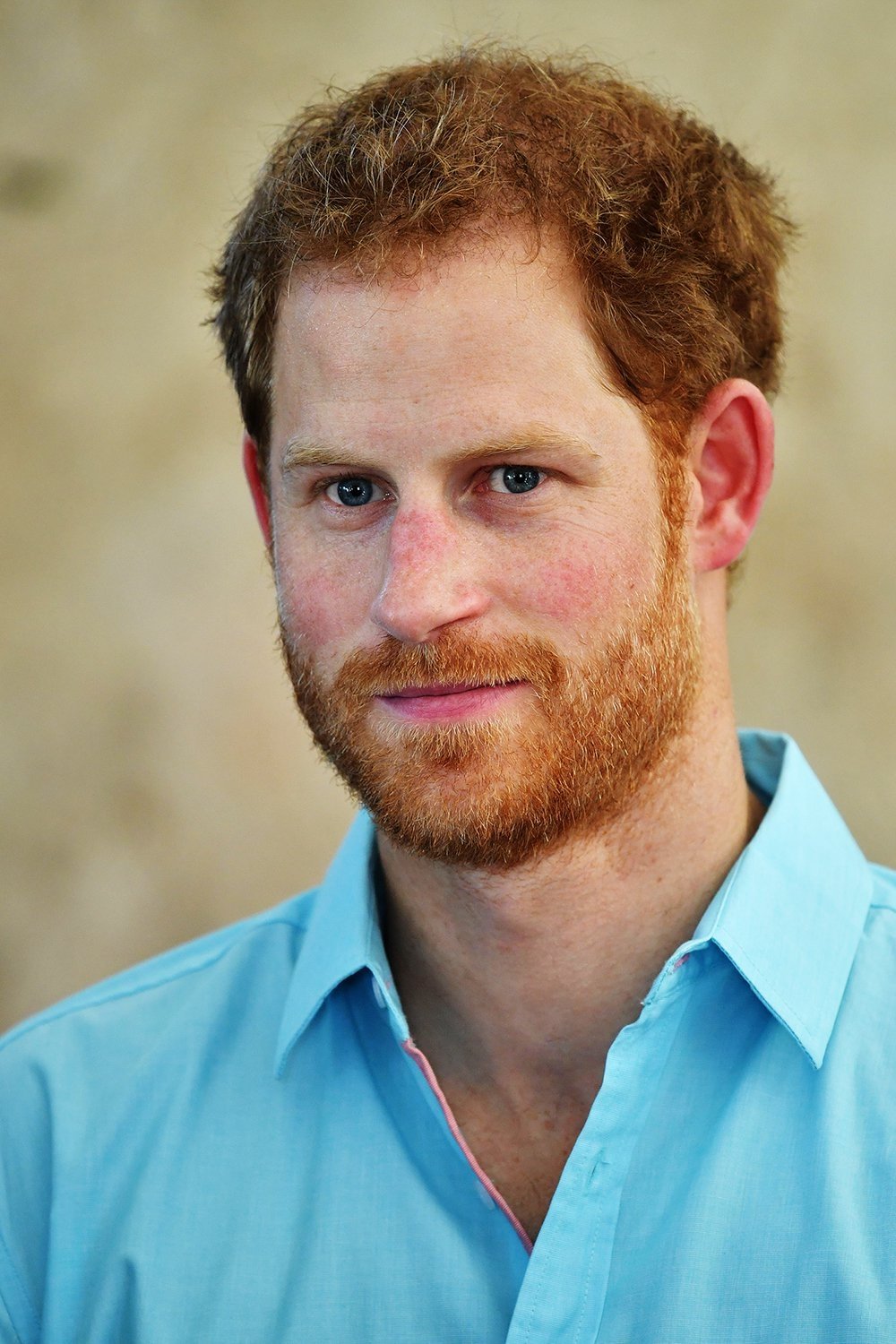
Prince Harry, Duke of Sussex has detailed the impact of the British tabloid culture and online harassment on his personal and professional life. In his memoir and various interviews he argued that the media creates toxic narratives that are designed to harm individuals and their families. He suggested that the lack of accountability for these publications has contributed to a broader culture of negativity. Following the mixed reception of some of his media ventures he pointed to the constant external pressure as a significant hurdle. The Prince continues to advocate for media reform while pursuing projects that align with his charitable goals.
Roseanne Barr
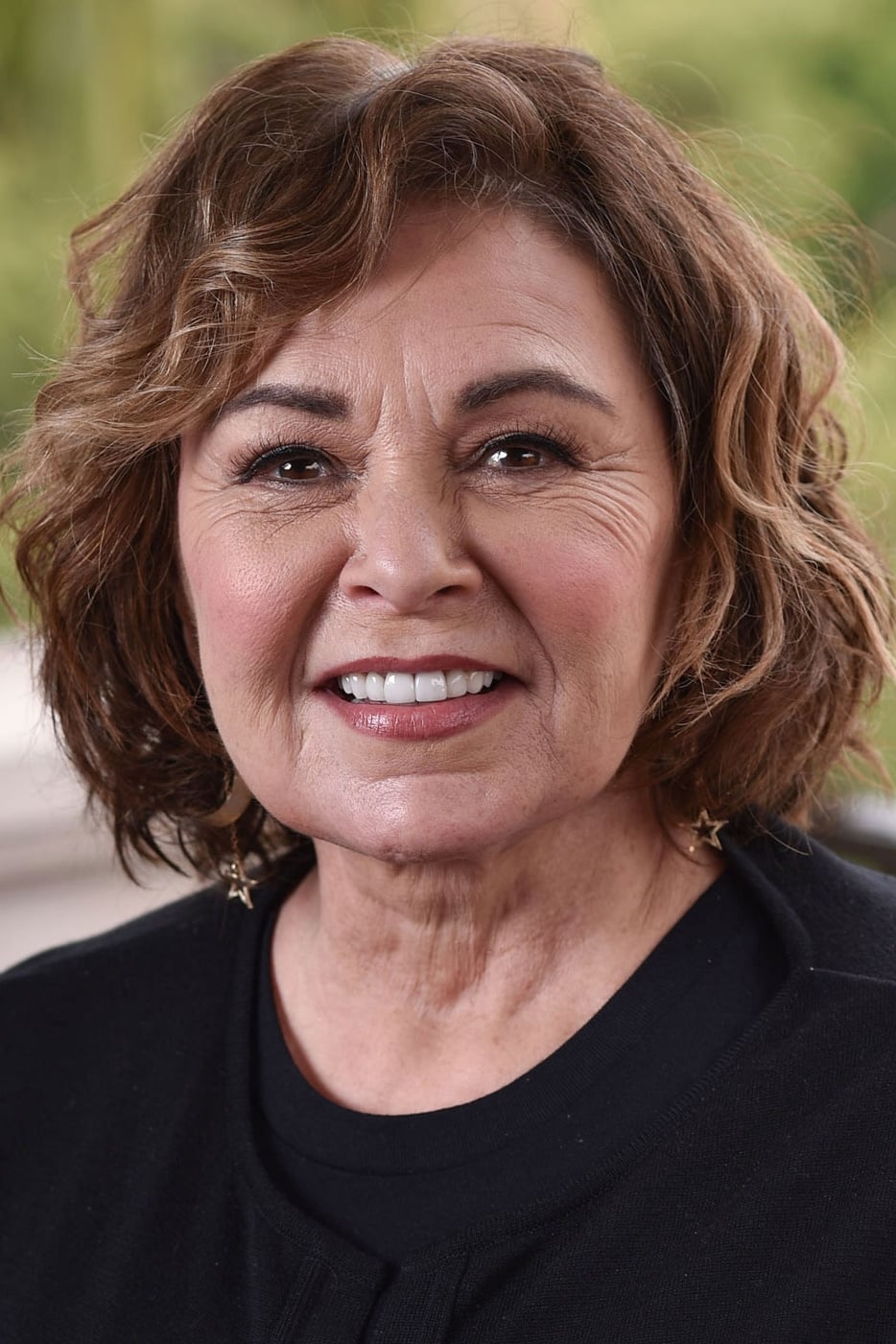
Roseanne Barr saw her hit sitcom reboot canceled after a single controversial social media post sparked immediate public outrage. The actress argued that the reaction was a coordinated effort to remove her from the airwaves due to her political beliefs. She suggested that the industry was too quick to judge her and did not consider her personal history or intentions. Following the end of ‘Roseanne’ she has remained a vocal critic of the culture that she believes unfairly targeted her. Barr continues to perform stand up where she frequently discusses the impact of cancellation on her life.
Salma Hayek Pinault
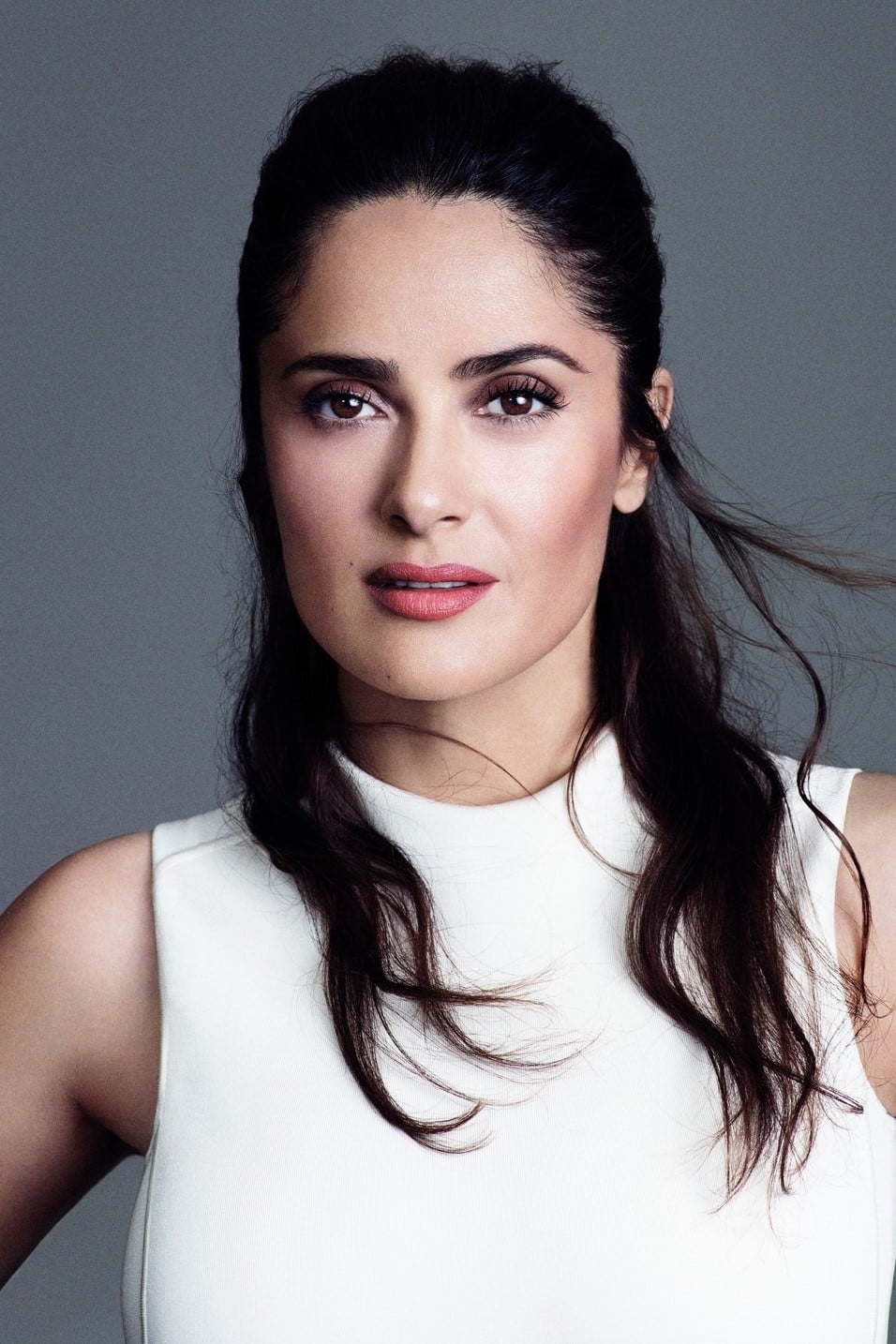
Salma Hayek Pinault has shared her observations on the shifting dynamics of the entertainment industry and the pressures faced by modern actors. She suggested that the current social climate can sometimes lead to a lack of creative courage as people fear the consequences of being misunderstood. The actress noted that the speed of the digital age makes it difficult for nuanced discussions to take place. While her career continues to thrive she has voiced concerns about how these cultural trends affect the longevity of talent. Hayek Pinault remains an influential figure while reflecting on the evolution of Hollywood during her decades in the spotlight.
Scarlett Johansson

Scarlett Johansson faced significant backlash regarding her casting in projects like ‘Ghost in the Shell’ and the canceled film ‘Rub and Tug’. The actress initially defended her roles by arguing that she should be able to play any person or animal as an actor. She later suggested that the environment of public criticism has become increasingly difficult for performers to navigate. Johansson eventually stepped down from the role in ‘Rub and Tug’ after acknowledging the concerns of the community. She has since discussed the challenges of balancing artistic ambition with the evolving expectations of the audience.
Scott Baio
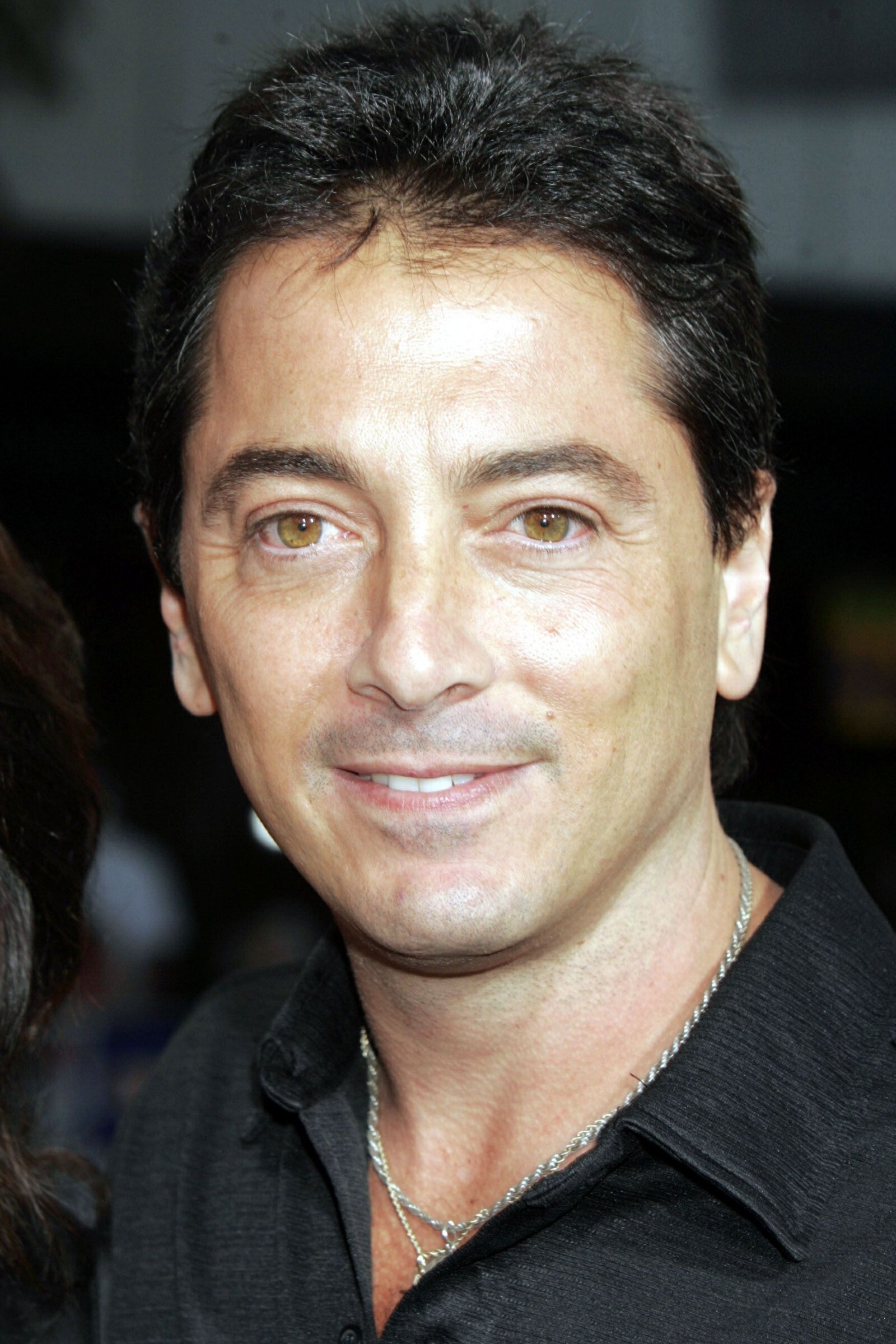
Scott Baio has been an outspoken critic of the way conservative actors are treated in the modern entertainment industry. The veteran actor argued that his career has suffered because he refused to conform to the prevailing political opinions of Hollywood. He suggested that the lack of major projects offered to him is a direct result of a culture that excludes those with dissenting views. Baio frequently uses his platform to highlight what he sees as the unfair targeting of public figures for their personal beliefs. He remains a vocal participant in the debate over the impact of cancel culture on the arts.
Shane Gillis

Shane Gillis was famously fired from ‘Saturday Night Live’ shortly after his hiring was announced due to past controversial comments. The comedian argued that the decision was a reflection of a culture that does not understand the nature of stand up comedy. He suggested that the immediate public pressure forced the show’s producers to act before they could truly evaluate his work. Despite the initial setback his career flourished independently as he built a massive following through his own specials and podcasts. Gillis eventually returned to host the show which many saw as a significant moment in the discussion about professional redemption.
Sharon Osbourne
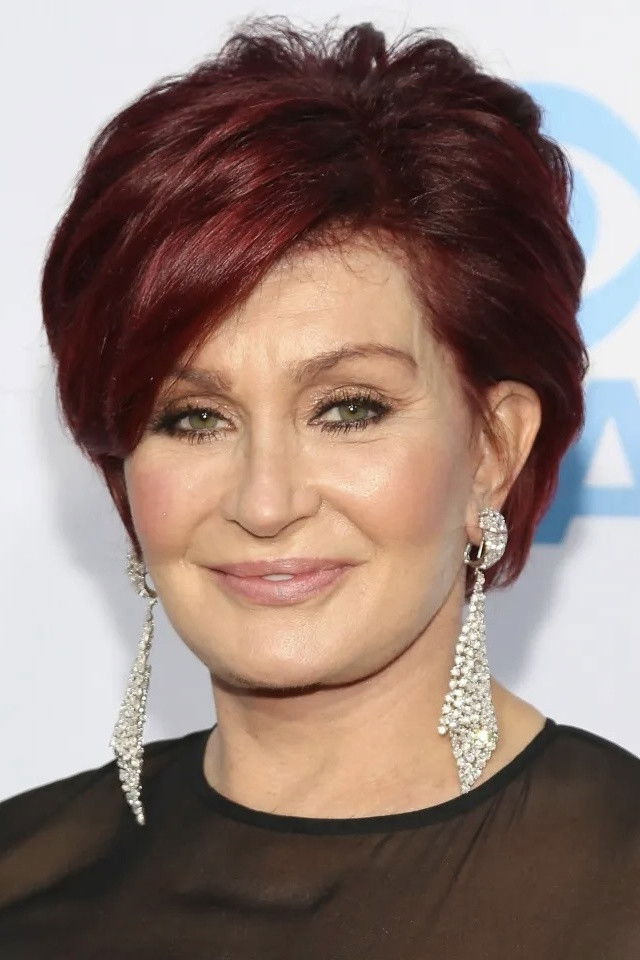
Sharon Osbourne left her long running role on ‘The Talk’ following a heated on air discussion that led to an internal investigation. The television personality argued that she was a victim of a culture that is quick to label individuals without fair consideration. She suggested that her departure was a result of corporate fear regarding social media backlash rather than a genuine issue with her conduct. Osbourne has since moved her work to international markets and independent platforms to avoid what she calls the censorship of the American media. She remains a vocal critic of the industry’s handling of public controversies.
Shia LaBeouf
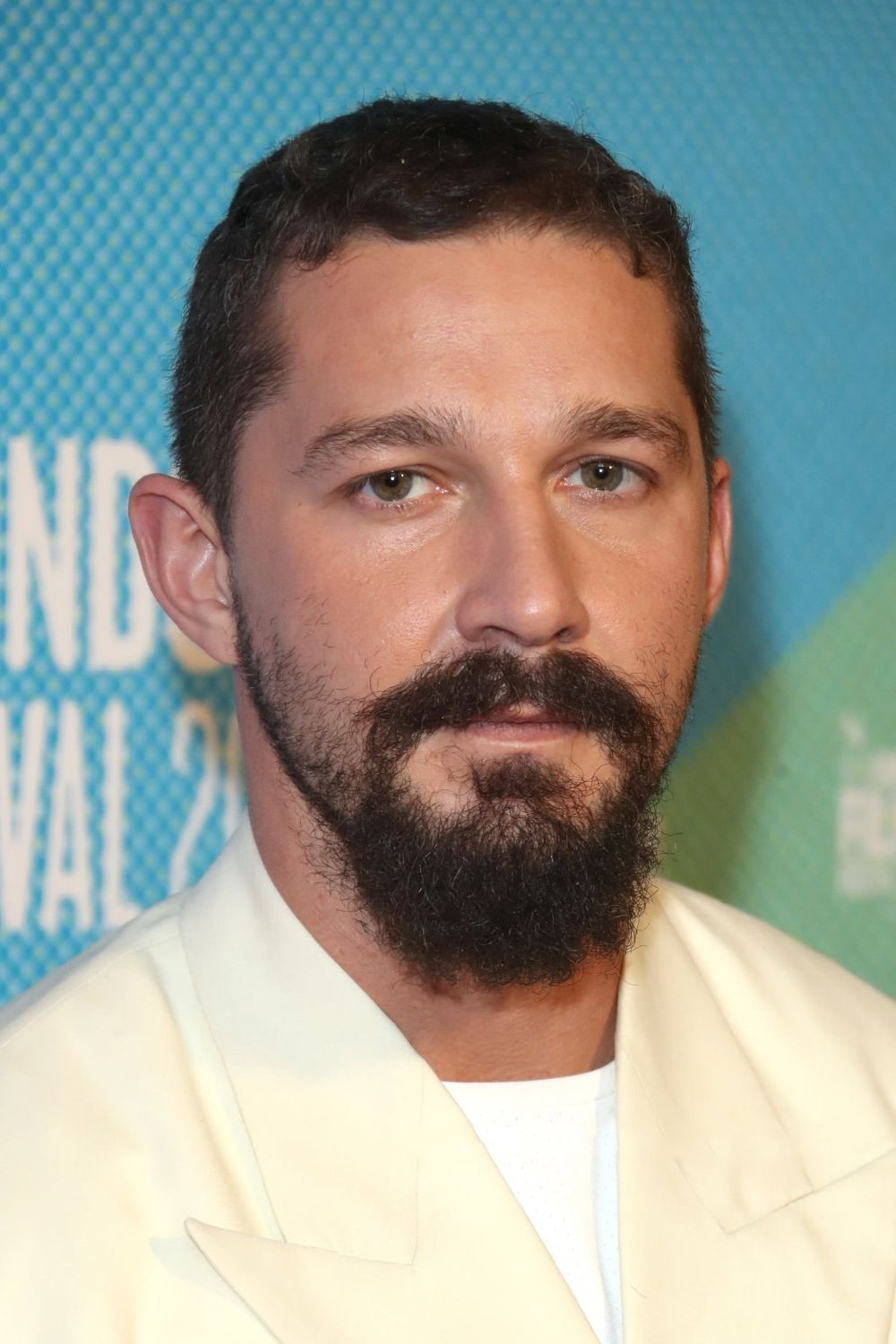
Shia LaBeouf saw a major decline in his mainstream career following several highly publicized legal and personal issues. The actor has suggested that the narrative created by the media made it impossible for him to continue working on high profile studio projects. He argued that the industry often turns its back on performers during their most difficult moments instead of offering support. Following a period of focus on independent films and performance art he has begun a slow return to the public eye. LaBeouf remains a polarizing figure while discussing the intense pressure of being a child star in a judgmental era.
Stacey Dash
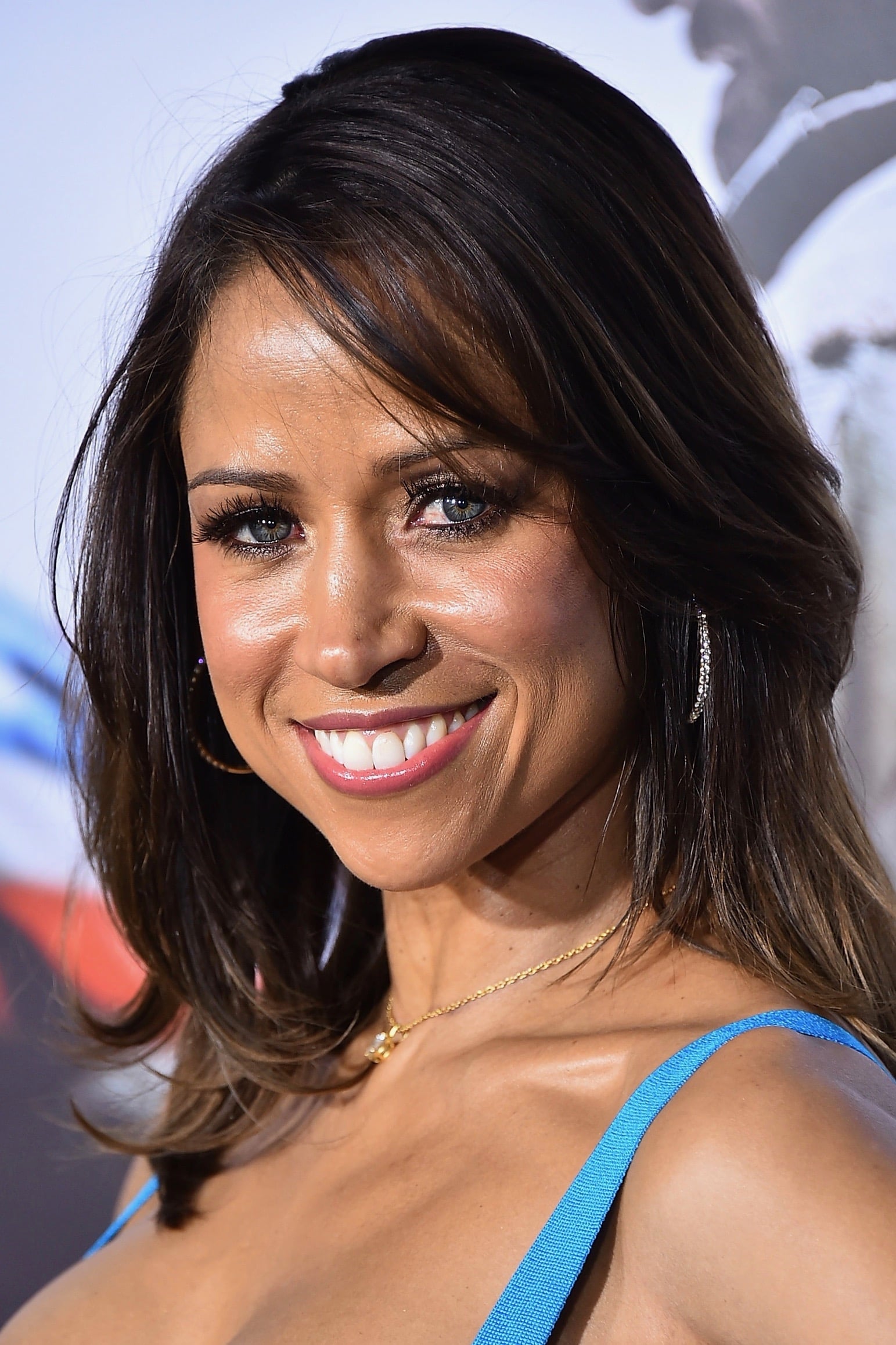
Stacey Dash experienced a significant professional shift after becoming a vocal conservative commentator on major news networks. The actress argued that her political shift led to her being blacklisted by the entertainment industry that had previously embraced her. She suggested that the culture of Hollywood is uniquely hostile to individuals who do not share its dominant worldview. Following several controversial statements she saw a decrease in her media appearances and acting opportunities. Dash has since reflected on the challenges of being an outsider in an industry that prizes ideological conformity.
Terrence Howard
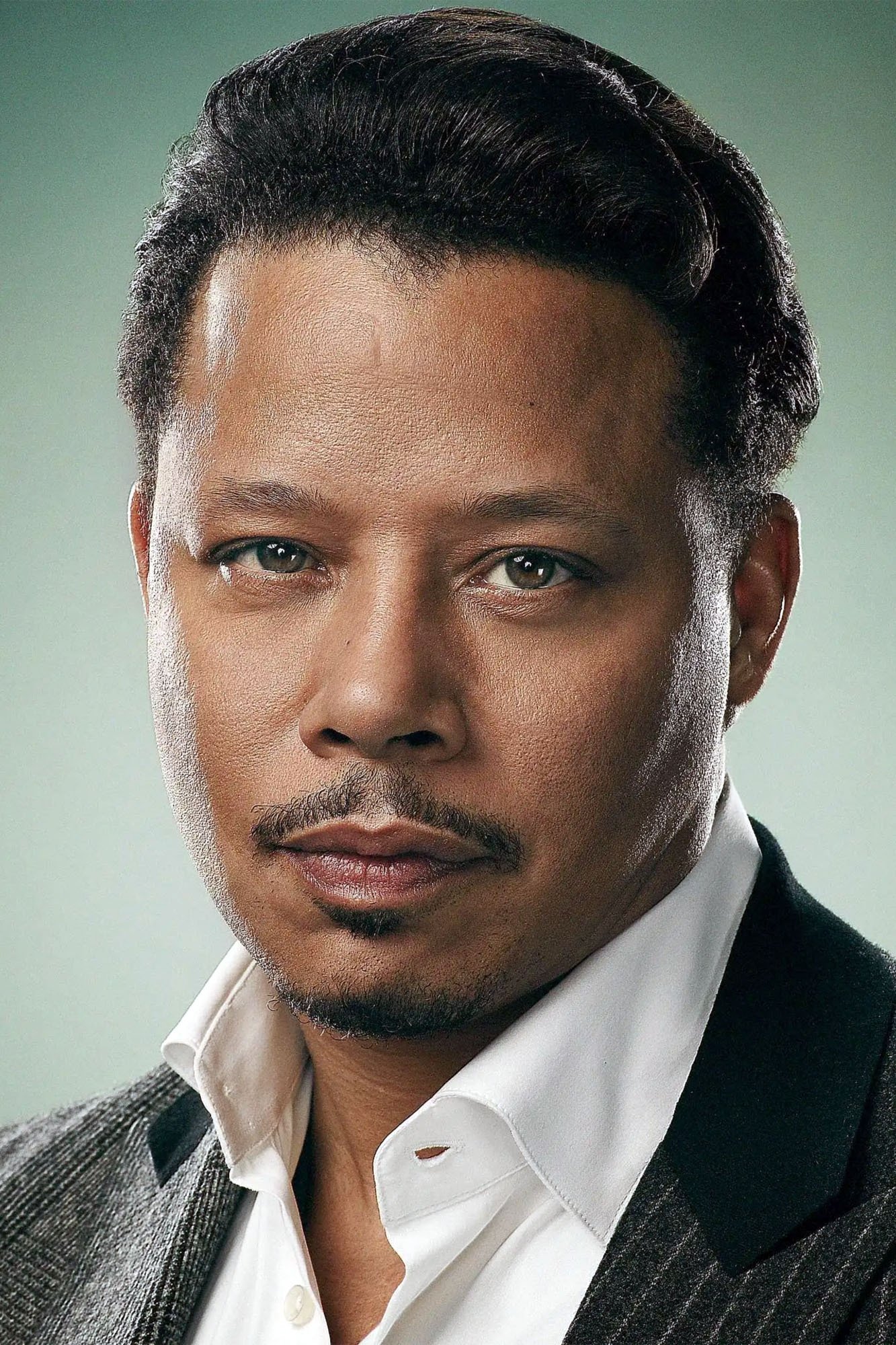
Terrence Howard has discussed the professional hurdles he faced following several public controversies and legal battles. The actor argued that the industry used these personal matters as a justification to limit his opportunities and impact his earning potential. He suggested that the narrative surrounding his character was often manipulated by those who wanted to see him fail. Howard pointed out that the lack of support from his peers during difficult times was a reflection of a transactional culture. He remains focused on his independent research and acting while remaining critical of the Hollywood system.
Tim Allen
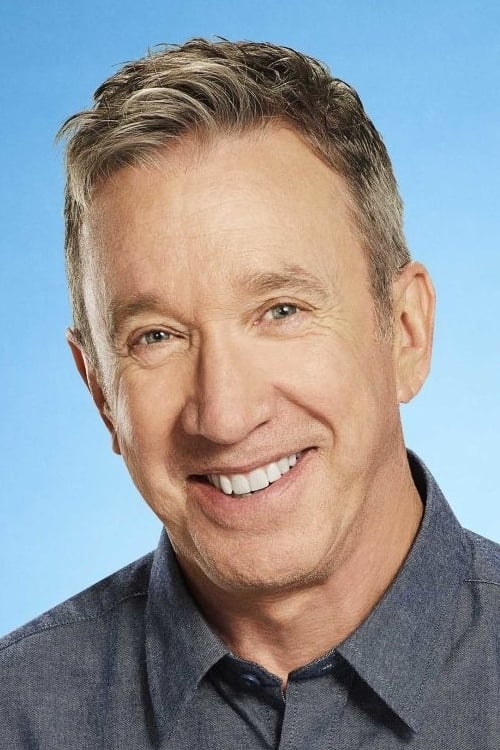
Tim Allen has frequently commented on the cancellation of his long running sitcom ‘Last Man Standing’ and its perceived political undertones. The actor argued that the show’s initial cancellation was a result of its focus on traditional values in a changing cultural landscape. He suggested that the industry is often uncomfortable with content that doesn’t align with modern progressive standards. After the show was revived on another network he continued to speak about the importance of representing diverse perspectives on television. Allen remains a prominent voice for those who feel that the current entertainment environment is overly restrictive.
Ye
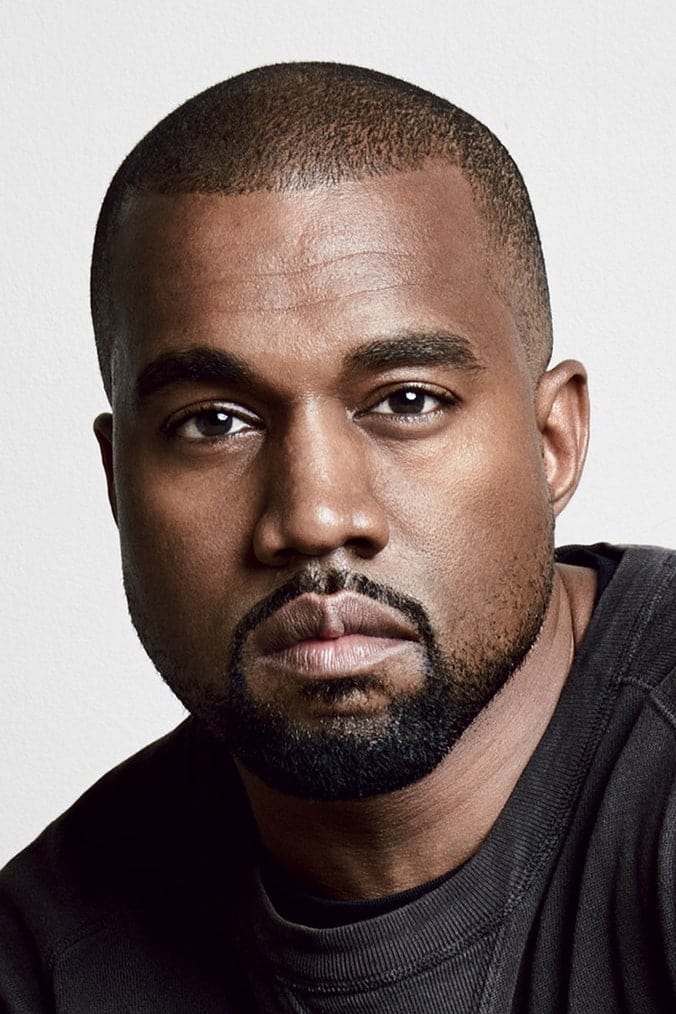
Ye experienced a massive collapse of his business empire and public standing after making a series of highly controversial statements. The artist argued that the termination of his major brand deals was an attempt to control his creative and personal expression. He suggested that the industry and the media conspired to silence him because he challenged established social norms. The resulting financial loss and professional isolation were significant as several high profile projects were permanently shelved. Ye has since focused on independent ventures while continuing to speak out against the structures he believes are used to cancel influential figures.
Tell us what you think about these celebrity responses to modern public scrutiny in the comments.