Black Celebrities Who Refused to Support the Black Lives Matter Movement


The Black Lives Matter movement has been a central part of the cultural and political landscape for several years. While many figures in the entertainment and sports worlds have aligned themselves with the cause others have publicly declined to offer their support or have voiced significant criticisms. These individuals often point to personal experiences or differing philosophies regarding social progress as the basis for their stances. The following list highlights several prominent Black celebrities and public figures who have expressed skepticism toward the movement or its methods.
Ye
The artist and fashion designer has frequently voiced his opposition to the organization through various public platforms. He once wore a shirt featuring a slogan that directly countered the movement’s primary phrase during a fashion show. His public commentary often emphasizes personal agency and financial independence over collective social activism. He has argued that the movement does not align with his vision for cultural progress. These actions have made him one of the most visible critics of the formal movement.
Lil Wayne
During an interview on the television program ‘Nightline’ the rapper expressed that he did not feel connected to the movement. He stated that his personal success served as evidence that the issues addressed by the movement did not affect him. The musician suggested that his focus remained on his own life and his fans rather than social activism. His remarks sparked widespread discussion regarding the responsibility of high profile artists in social justice causes. He later clarified that he felt frustrated by the line of questioning during the segment.
Terry Crews
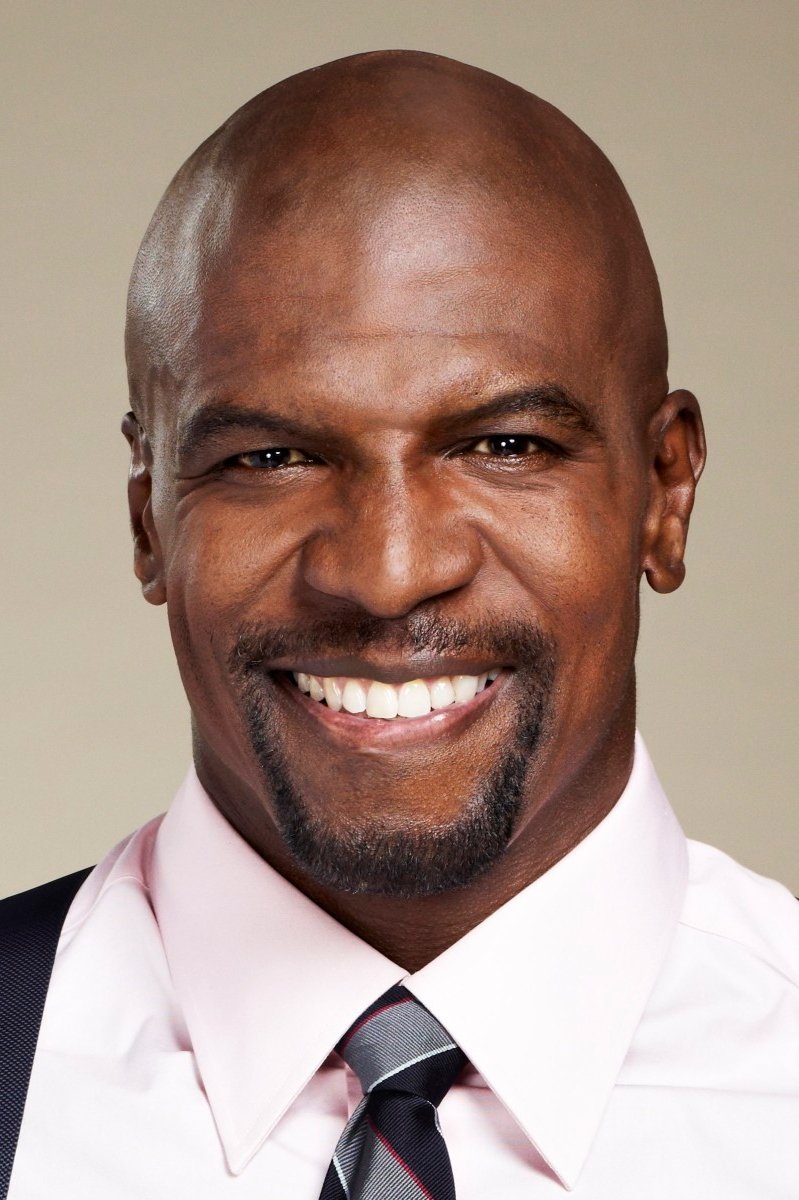
The actor and television host faced public scrutiny for several social media posts regarding the direction of the movement. He expressed concerns about the potential for the cause to transition into what he described as a different form of supremacy. The performer advocated for a more inclusive approach that he believed would better serve the country as a whole. His comments led to heated debates across various social media platforms and entertainment news outlets. He maintained that his intentions were rooted in a desire for unity and equality for everyone.
Stacey Dash
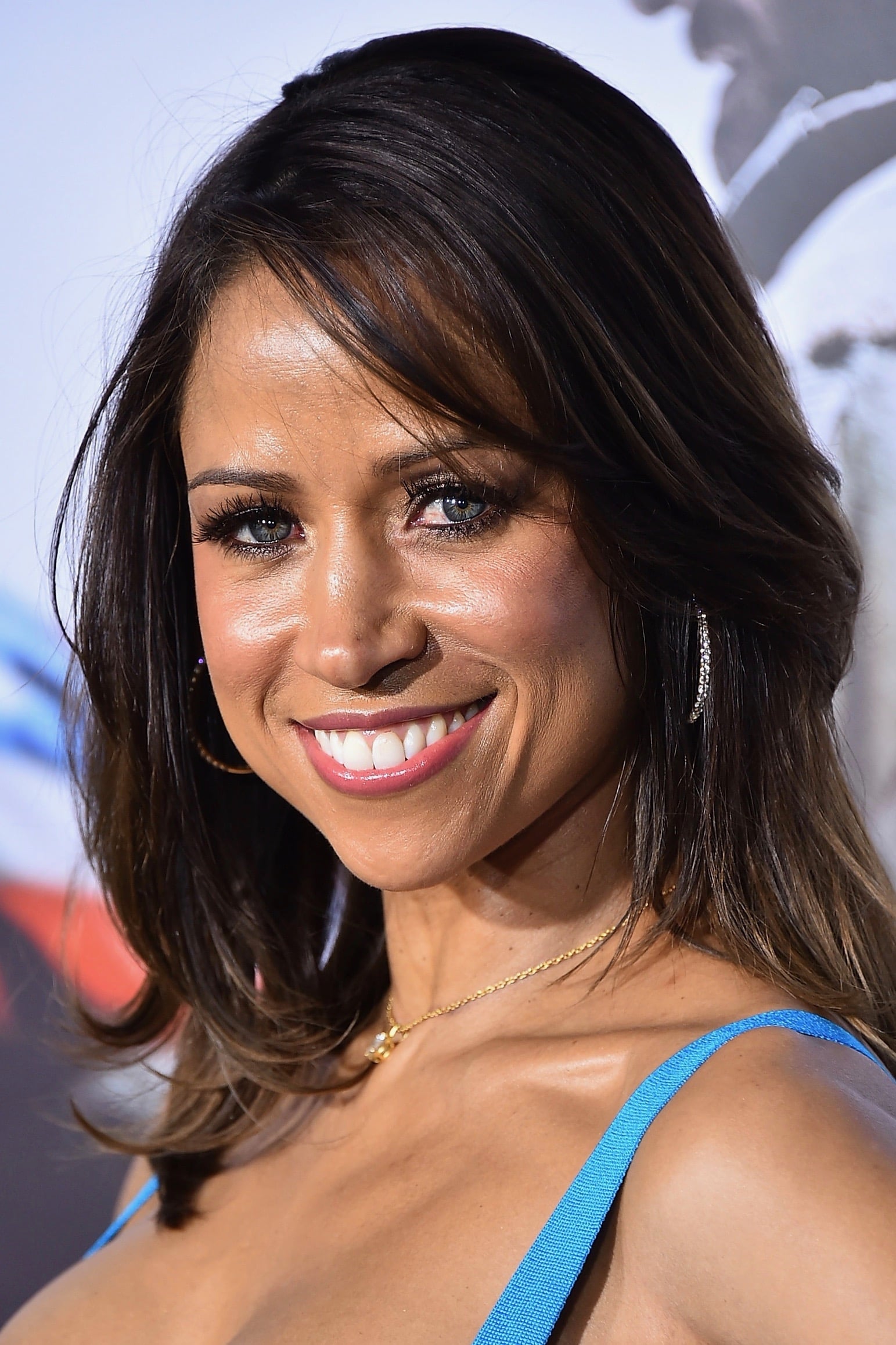
Known for her role in the film ‘Clueless’ the actress has consistently criticized the movement and its impact on society. She argued that the focus on racial identity often leads to further division rather than integration. The performer advocated for the removal of race based institutions and television networks to foster a more unified national identity. Her outspoken views frequently made her a central figure in political and cultural discussions. She has appeared on numerous news programs to elaborate on her stance against the movement.
Morgan Freeman
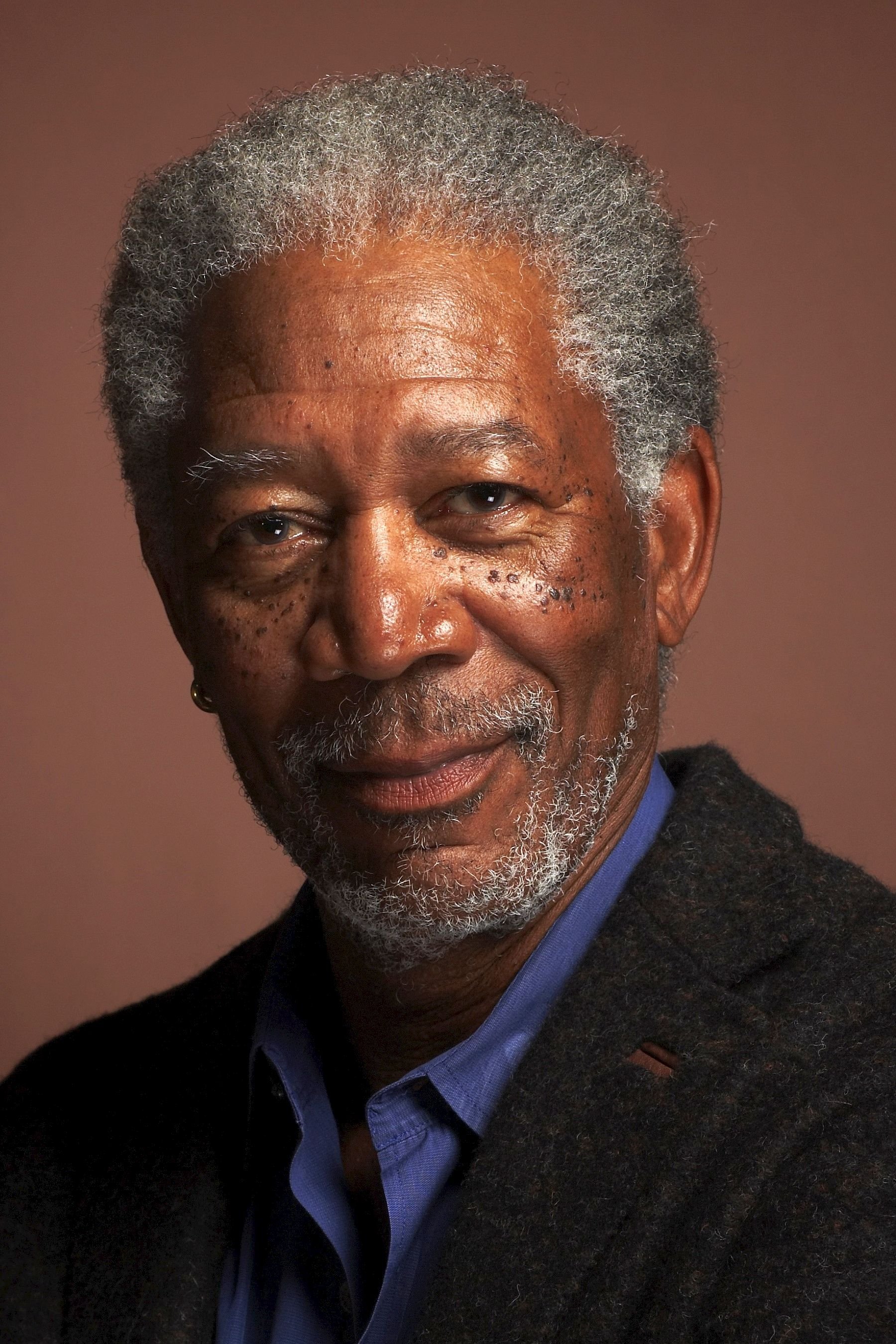
The Academy Award winning actor has expressed his dislike for the emphasis placed on racial categorizations in modern discourse. He famously stated in an interview that he found the concept of Black History Month to be unnecessary and divisive. The performer suggested that the best way to move past racial issues is to stop focusing on them as a primary identifier. His perspective aligns with a broader critique of movements that center on racial identity as a means of social change. He continues to advocate for a worldview where individuals are seen beyond their racial backgrounds.
Floyd Mayweather Jr.
The professional boxer has publicly stated his preference for a more universal slogan over the specific movement phrase. He emphasized that the focus should be on humanity as a whole rather than a single group. The athlete argued that personal hard work and dedication are the keys to overcoming obstacles in life. His comments were seen by some as a dismissal of the systemic issues the movement seeks to address. He has maintained a consistent position on the importance of universal respect and individual effort.
Shaquille O’Neal
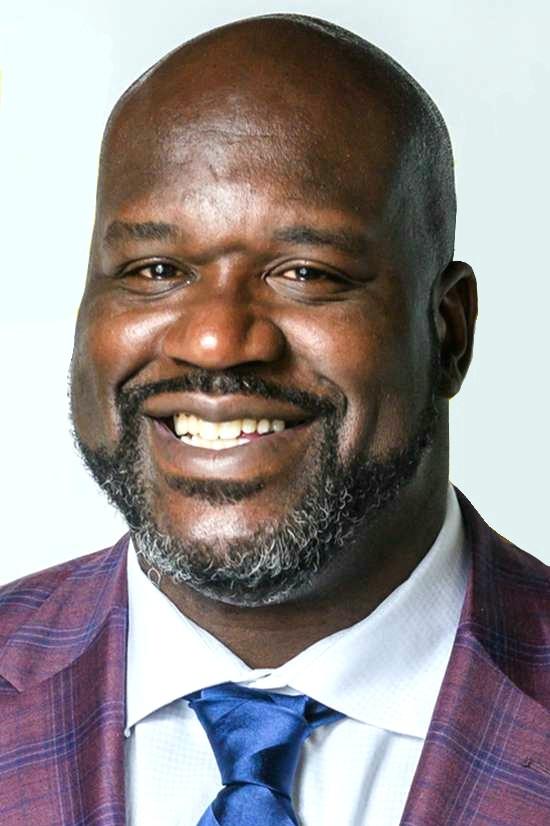
The basketball legend and media personality has shared his skepticism regarding the tactics used by the movement. He often highlights his positive relationships with law enforcement as a reason for his perspective. The athlete has encouraged more direct dialogue and cooperation between communities and police departments. He believes that constructive engagement is more effective than public protest for achieving long term goals. His views reflect a preference for institutional reform through partnership rather than outside pressure.
Ray Lewis
The former professional football player has used his platform to question the effectiveness of the movement’s approach. He argued that more attention should be paid to issues occurring within the community itself rather than focusing solely on external factors. The athlete has been a vocal proponent of community leadership and spiritual guidance as the primary drivers of change. His emotional public statements have often centered on the need for internal healing and personal responsibility. He remains a prominent figure in discussions regarding the intersection of sports and social activism.
Charles Barkley
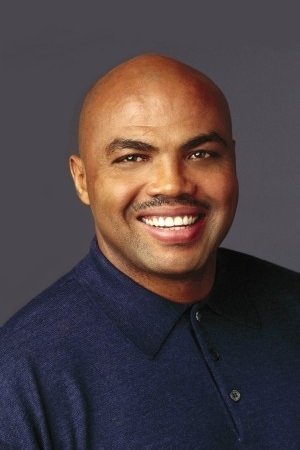
The former basketball star and current sports commentator has criticized both the movement and the response to it. He expressed frustration with the lack of clear goals and leadership within the organization. The television personality suggested that the movement’s focus can sometimes distract from practical solutions to economic and educational challenges. He has often called for a more pragmatic approach to addressing the concerns of the community. His candid remarks have made him a polarizing figure in the ongoing debate over social justice.
A$AP Rocky
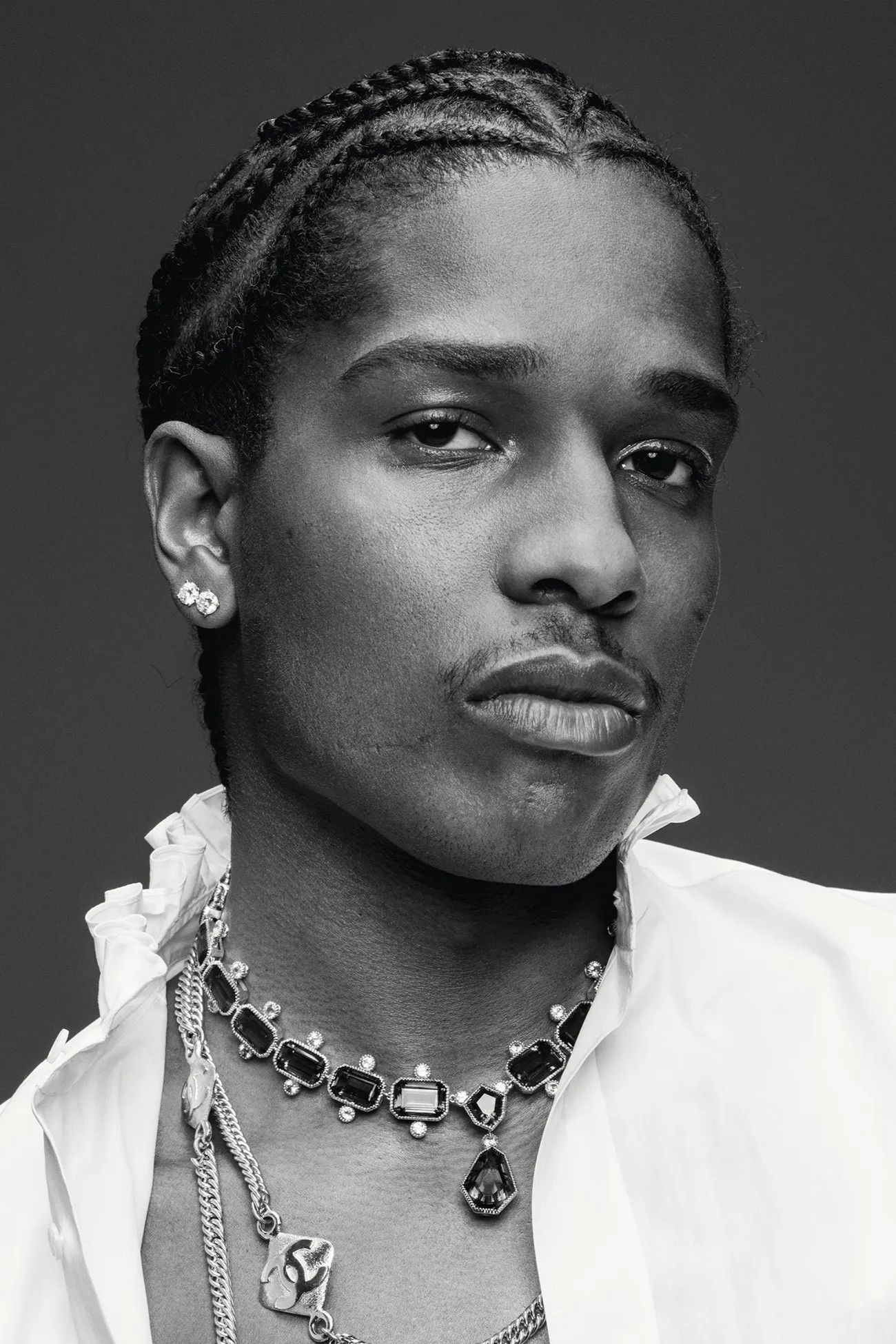
The rapper initially faced criticism for comments suggesting that he did not want to be a spokesperson for the movement. He stated that he preferred to focus on his art and his personal experiences rather than political activism. The musician argued that being forced into a specific role as a public figure felt inauthentic to his journey. His remarks highlighted the tension between celebrity status and the expectations of social involvement. He has since clarified his views while continuing to prioritize his creative output.
Azealia Banks
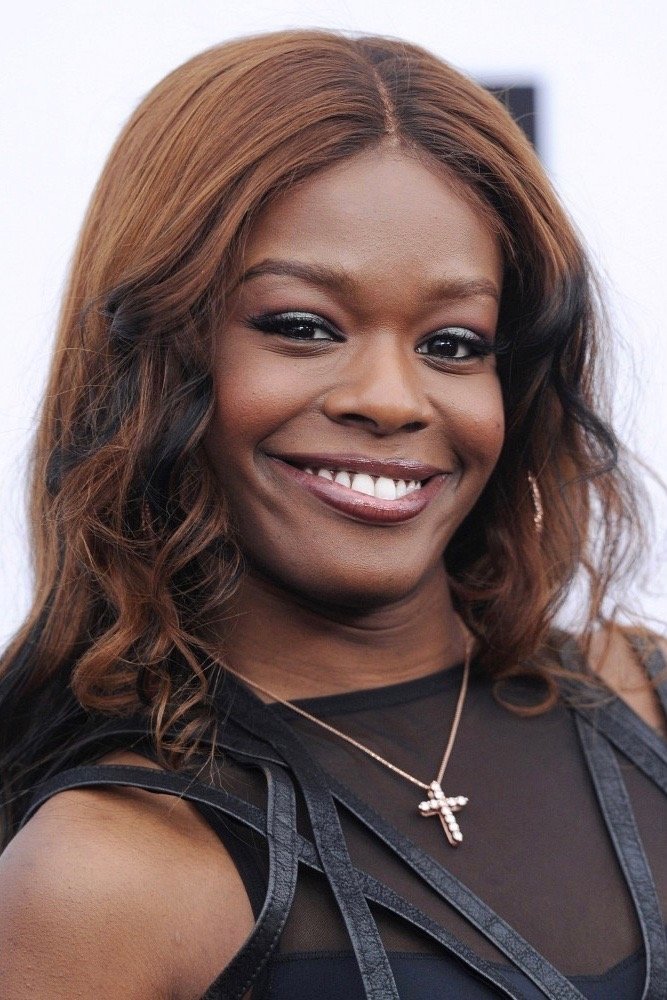
The recording artist has been a sharp critic of the organization and its leadership on multiple occasions. She has questioned the transparency of the movement’s finances and its overall impact on the people it claims to represent. The performer often utilizes her social media platforms to deliver unfiltered critiques of contemporary social trends. Her perspective frequently emphasizes the importance of tangible resources over symbolic gestures. She remains one of the more outspoken musicians regarding her distrust of modern social organizations.
Isaiah Washington
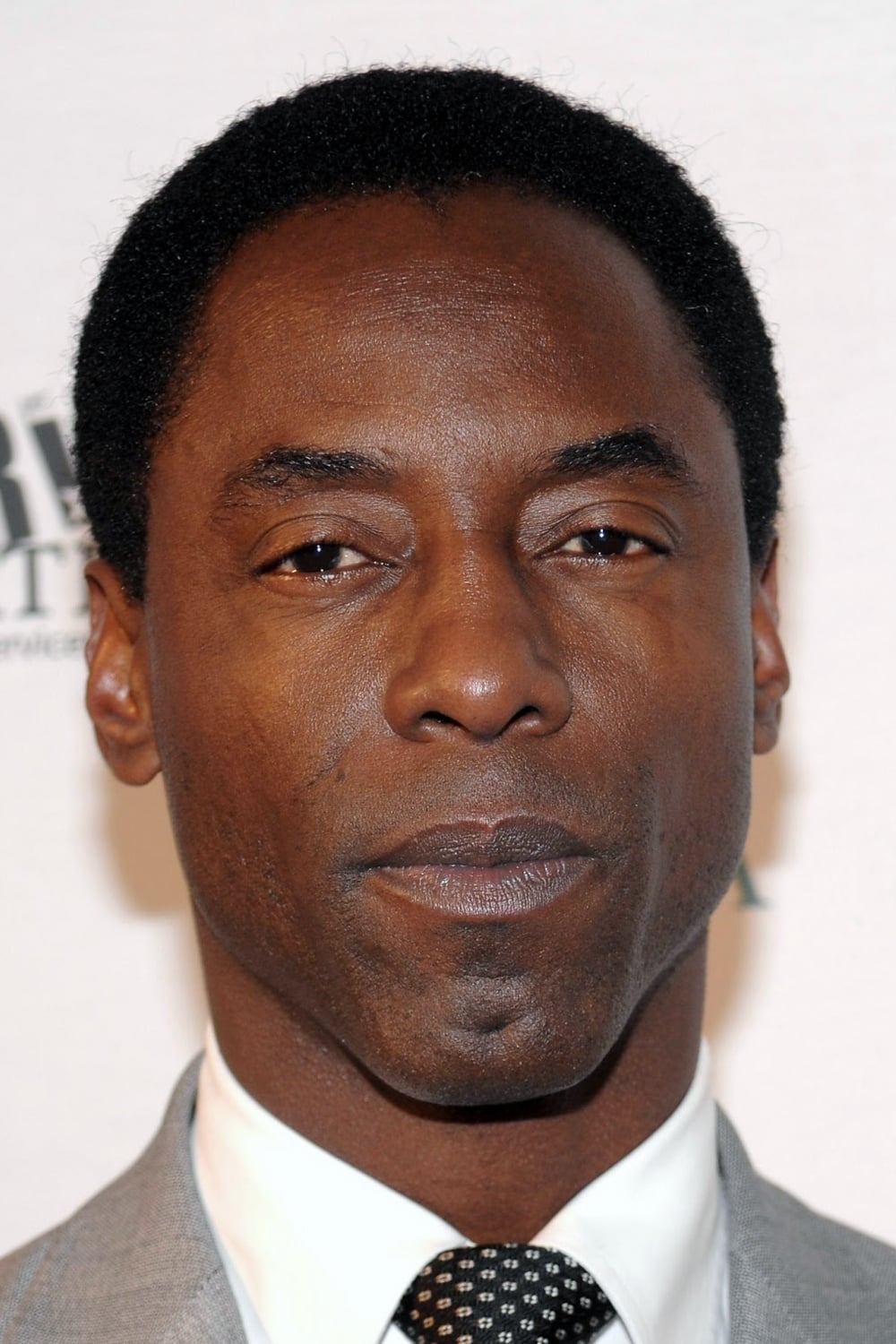
The actor known for ‘Grey’s Anatomy’ has publicly distanced himself from the movement in favor of alternative political paths. He advocated for a shift away from traditional alliances to seek better outcomes for the community. The performer suggested that the movement’s methods were not yielding the necessary results for long term progress. His public declarations often focus on the need for self reliance and strategic voting. He continues to share his views on how the community can achieve greater influence outside of mainstream activism.
Stephen A. Smith
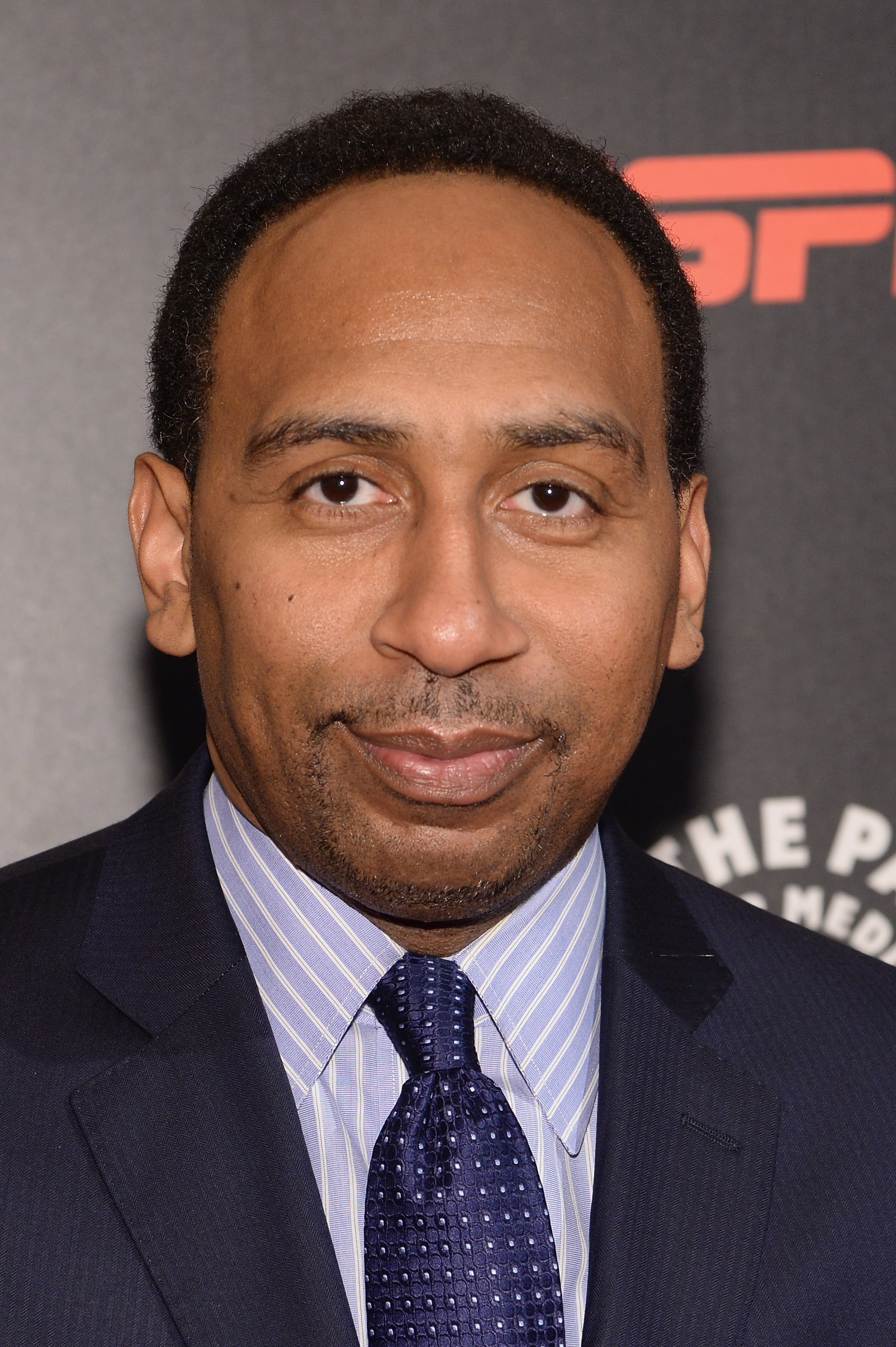
The sports media personality has criticized the movement for what he perceives as a lack of strategic planning. He has expressed concern that some actions taken by the organization could lead to negative consequences for the community. The broadcaster emphasizes the importance of economic empowerment and participation in the political process. While acknowledging the existence of social issues he often questions if the current movement is the best vehicle for change. His commentary frequently balances his recognition of problems with a critique of the methods used to solve them.
Herschel Walker
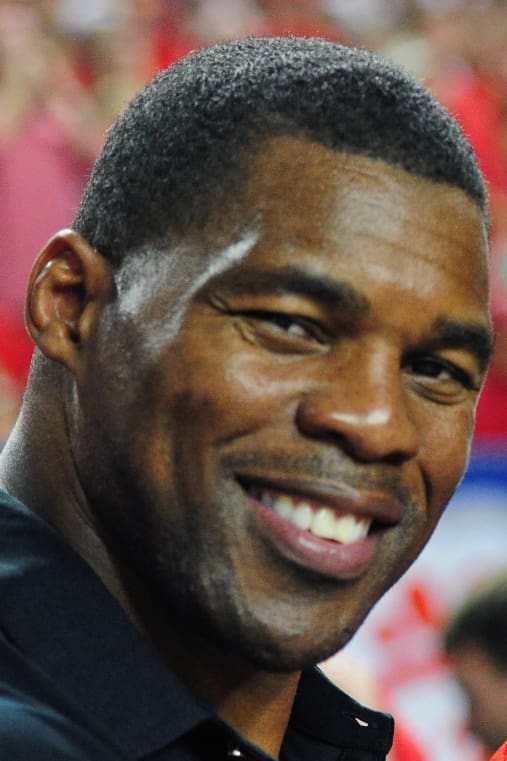
The former football player and political candidate has been a prominent opponent of the movement and its platform. He has frequently spoken at public events about his belief that the movement causes more division than healing. The athlete advocates for a focus on unity and the shared values of the country. He often highlights his personal success as a testament to the opportunities available to all citizens. His political career has been marked by a steadfast rejection of the movement’s core tenets.
Anthony Mackie
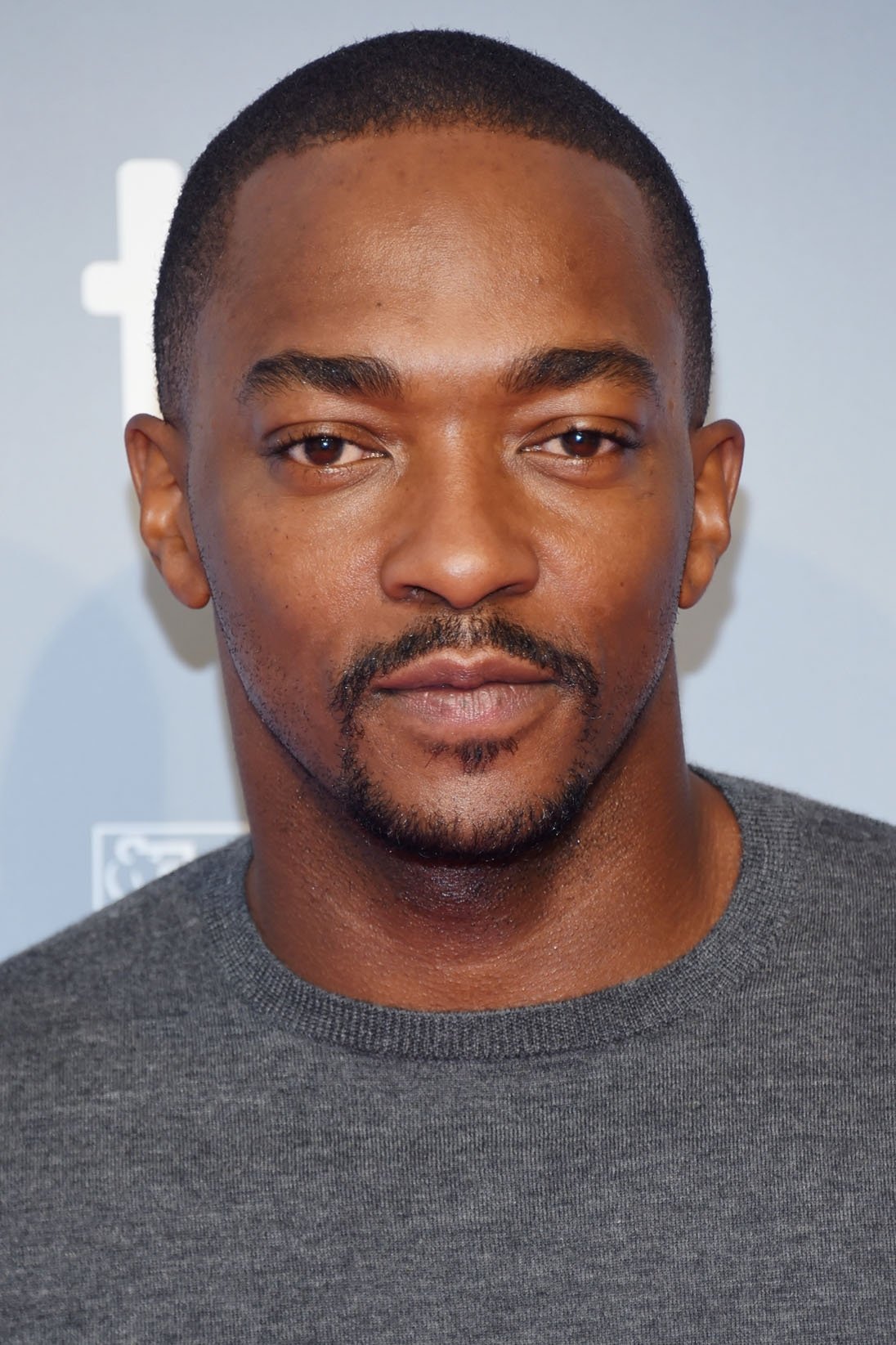
The actor known for his role in the ‘Marvel Cinematic Universe’ has faced backlash for his comments on personal responsibility and policing. He suggested that individuals should adhere to certain standards of behavior to avoid negative interactions with law enforcement. The performer expressed a desire for more focus on community development and less on public protest. His views have been interpreted by some as a departure from the prevailing sentiments within the entertainment industry. He continues to advocate for a pragmatic approach to social issues through his public statements.
Jim Brown
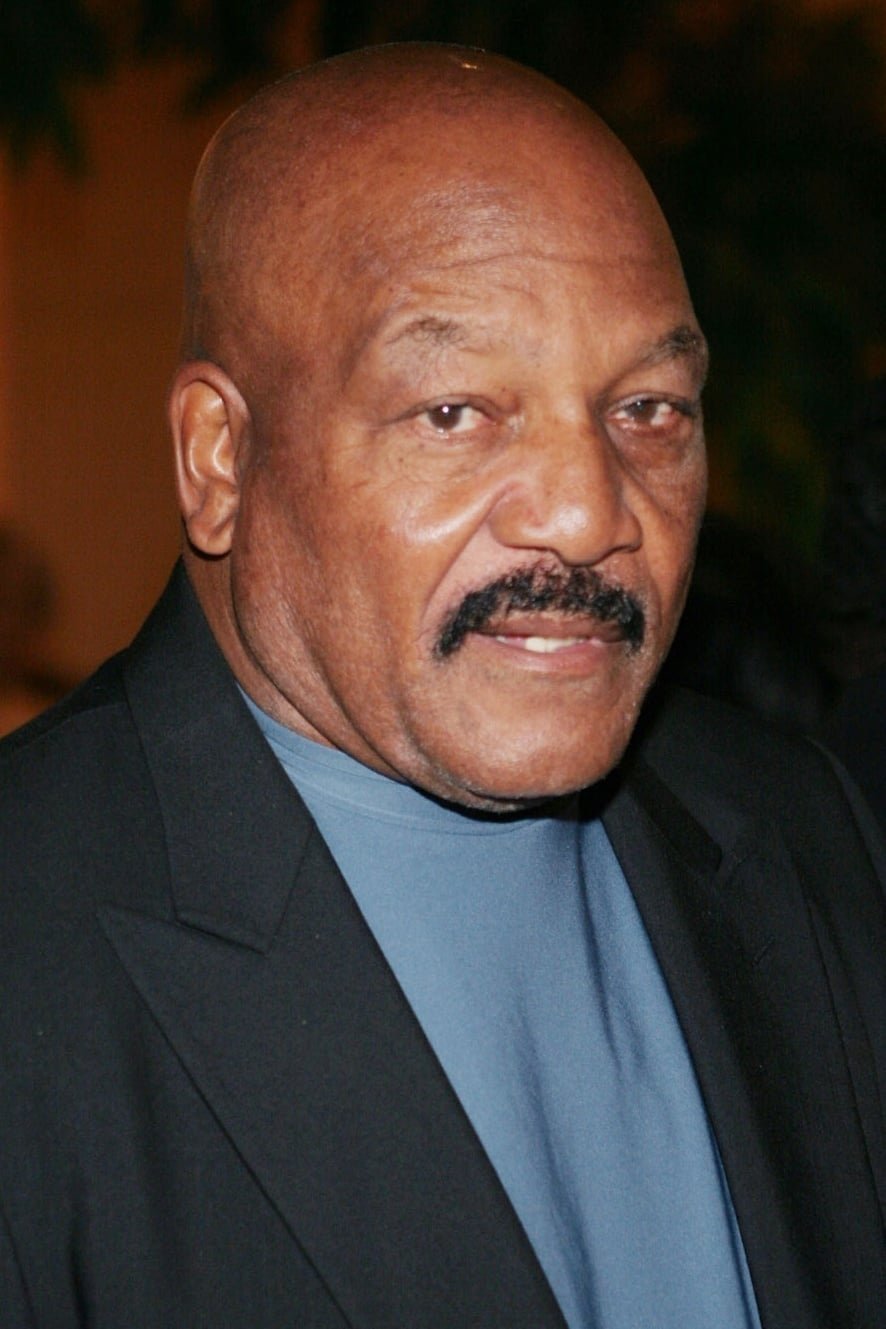
The legendary athlete and actor was a long time critic of the movement’s focus and leadership. He often stated that the pursuit of economic power was more important than seeking approval through protests. The performer believed that real change comes from building institutions and supporting community leaders. He met with various political figures to discuss practical ways to improve the lives of people in urban areas. His legacy includes a strong emphasis on self determination and the creation of tangible opportunities.
George Foreman
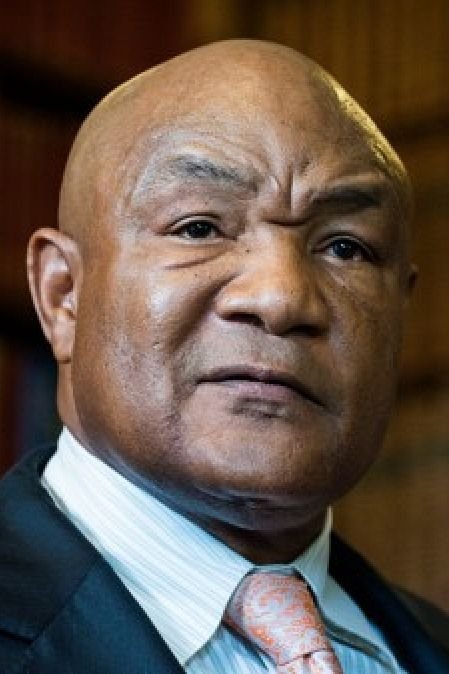
The former heavyweight champion has consistently voiced his support for the country and its institutions over social movements. He has stated that his experiences have given him a deep sense of patriotism that conflicts with the movement’s rhetoric. The athlete emphasizes the importance of hard work and faith in overcoming the challenges of life. He often shares his perspective on the positive aspects of the nation and the potential for individual success. His public persona is built on a message of positivity and personal resilience.
Denzel Washington
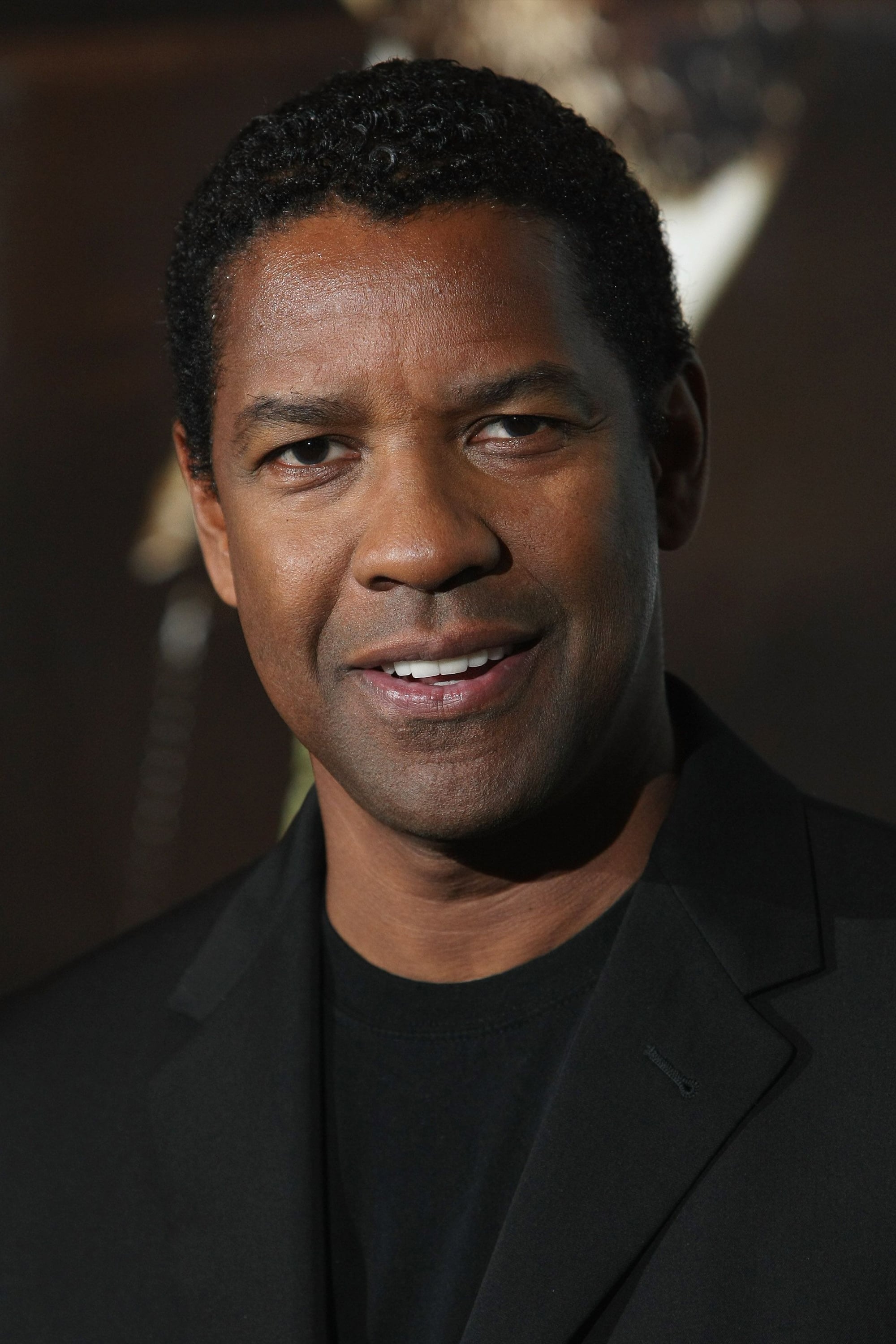
The acclaimed actor has expressed skepticism about the narrative surrounding law enforcement and social justice. He has pointed out the importance of considering the complexities of the justice system and the role of individuals within it. The performer often speaks about the significance of family and personal values in shaping one’s life. While he avoids frequent political commentary his occasional remarks reflect a more traditional view of social progress. He remains a respected figure whose measured perspective carries weight in cultural discussions.
Candace Owens

The political commentator and author has built a career around her opposition to the movement and the organization behind it. She frequently argues that the movement’s focus is misplaced and that it ignores the most pressing issues facing the community. The media personality has produced documentaries and written books detailing her critique of modern social activism. Her public appearances often involve debates where she challenges the fundamental premises of the movement. She continues to be a leading voice for those who reject the current social justice narrative.
Larry Elder
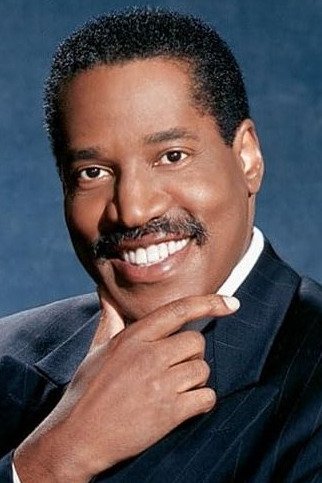
The media personality and politician has been a vocal critic of the movement for many years. He argues that the focus on systemic issues is a distraction from the importance of individual choices and family stability. The broadcaster often uses statistical data to support his claims that the movement’s narrative is inaccurate. His public career is defined by his commitment to promoting conservative values within the community. He has run for high office on a platform that explicitly rejects the goals and methods of the movement.
Ben Carson
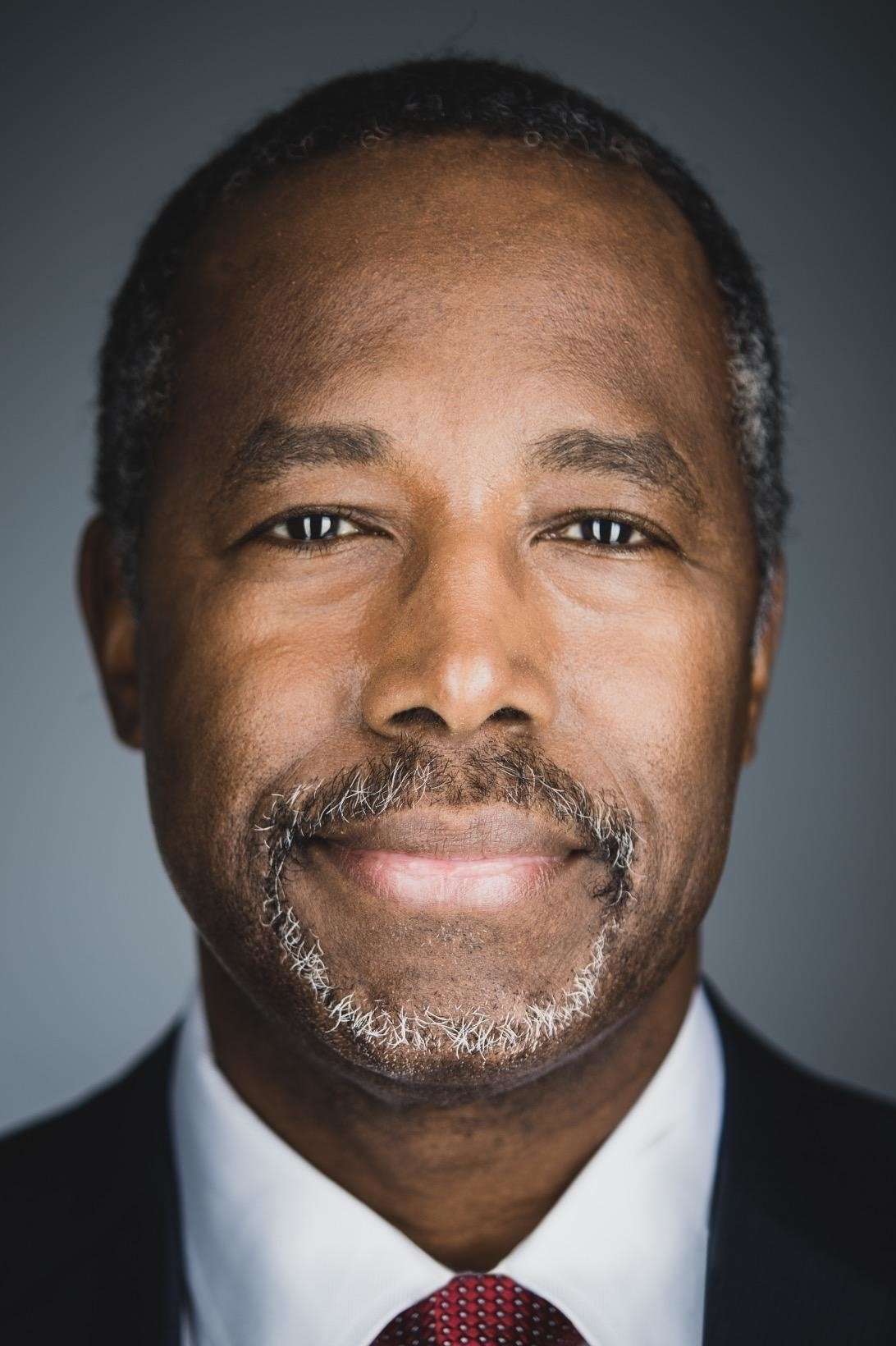
The neurosurgeon and former cabinet member has expressed his disagreement with the movement’s approach to social change. He has argued that the emphasis on racial identity can lead to a sense of victimhood that hinders personal progress. The physician emphasizes the power of education and individual initiative in achieving the American dream. His public life has been dedicated to encouraging people to look beyond racial barriers and focus on their potential. He remains a significant figure for those who prefer a different path to empowerment.
Condoleezza Rice
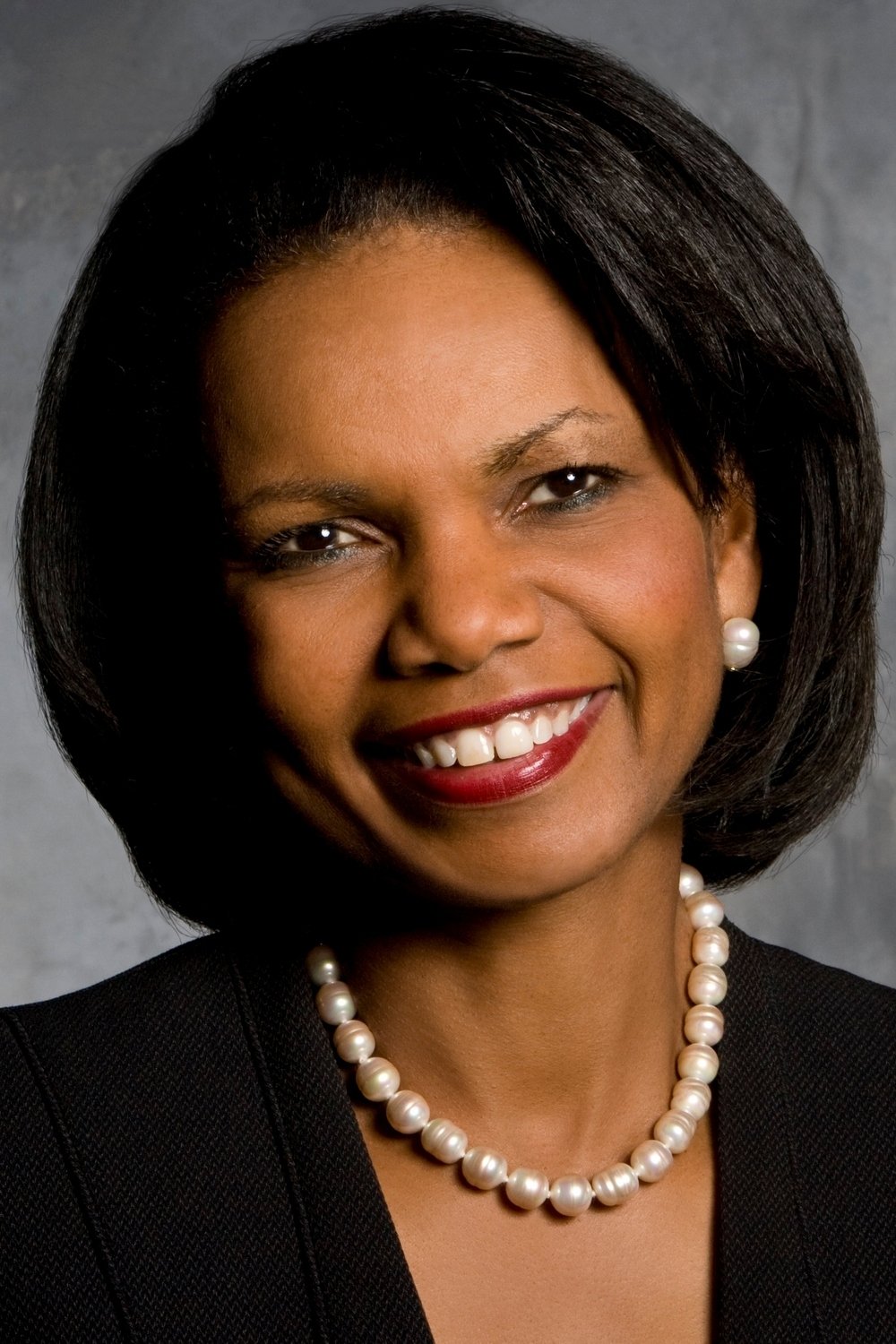
The former Secretary of State has shared her perspective on the movement with a focus on institutional reform and education. She has expressed concern that some of the rhetoric used by the movement can be alienating and counterproductive. The stateswoman believes that long term progress is best achieved through the strengthening of democratic processes and local communities. Her views reflect a preference for steady and calculated change over radical shifts in social policy. She continues to advocate for a more nuanced understanding of the country’s history and future.
Don King
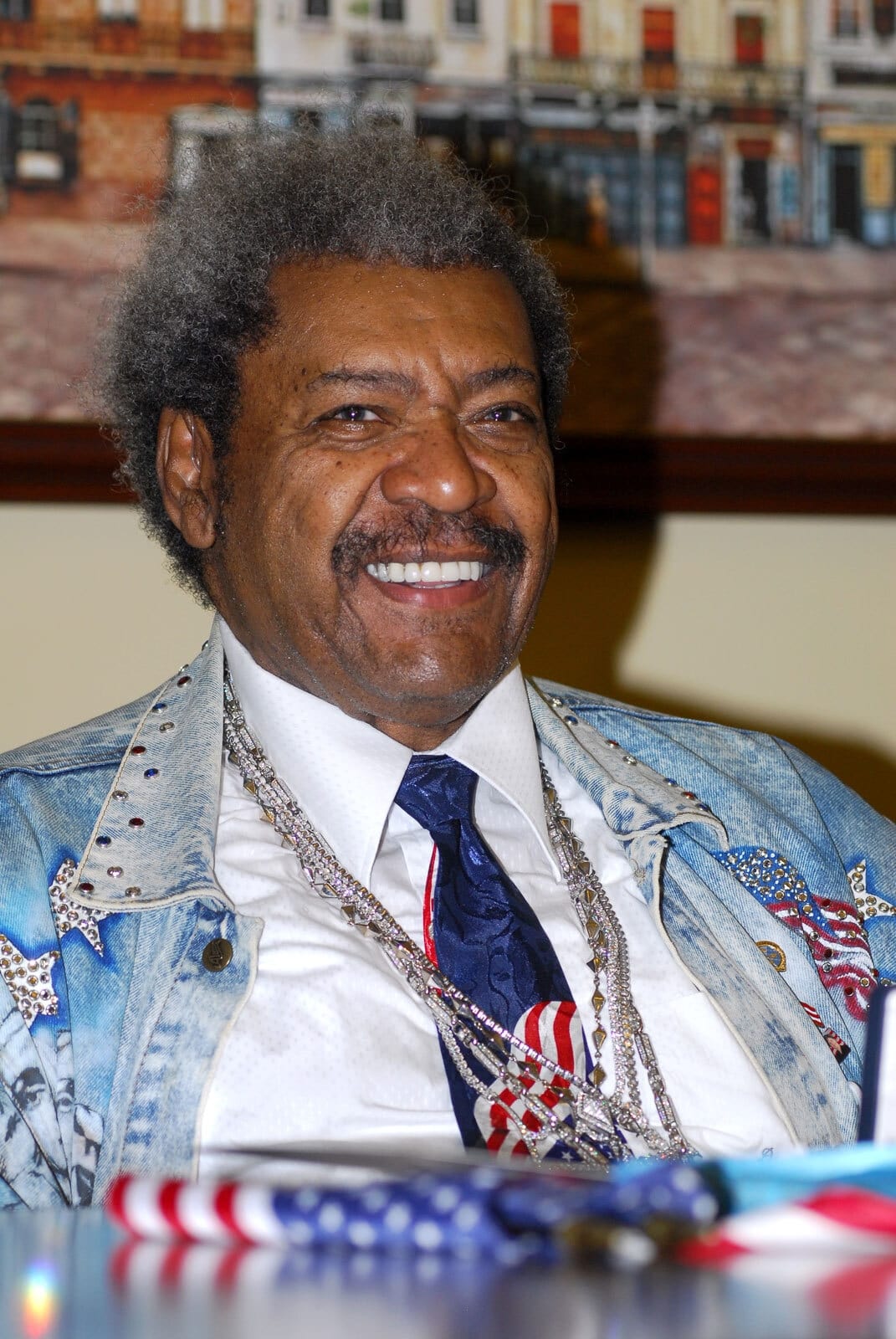
The famous boxing promoter has often voiced his opposition to movements that he perceives as divisive. He has spent his career emphasizing the importance of economic opportunity and individual success within the capitalist system. The media figure has aligned himself with various political leaders who represent a departure from the movement’s platform. He often uses his public appearances to promote a message of patriotism and personal achievement. His perspective is shaped by his decades of experience in the entertainment and sports industries.
Tim Scott
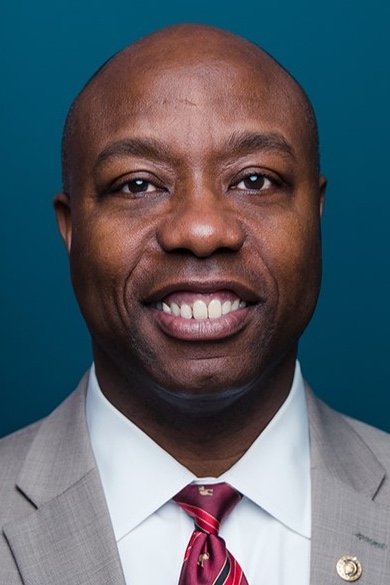
The United States Senator has been a prominent critic of the movement while proposing his own legislative solutions for social issues. He has argued that the movement’s focus on defunding certain institutions is dangerous and misguided. The politician emphasizes the importance of community investment and educational choice as the keys to progress. He often shares his personal story as evidence of the country’s capacity for positive change. His role in the government has made him a central figure in the debate over the best way to address racial concerns.
Cam Newton
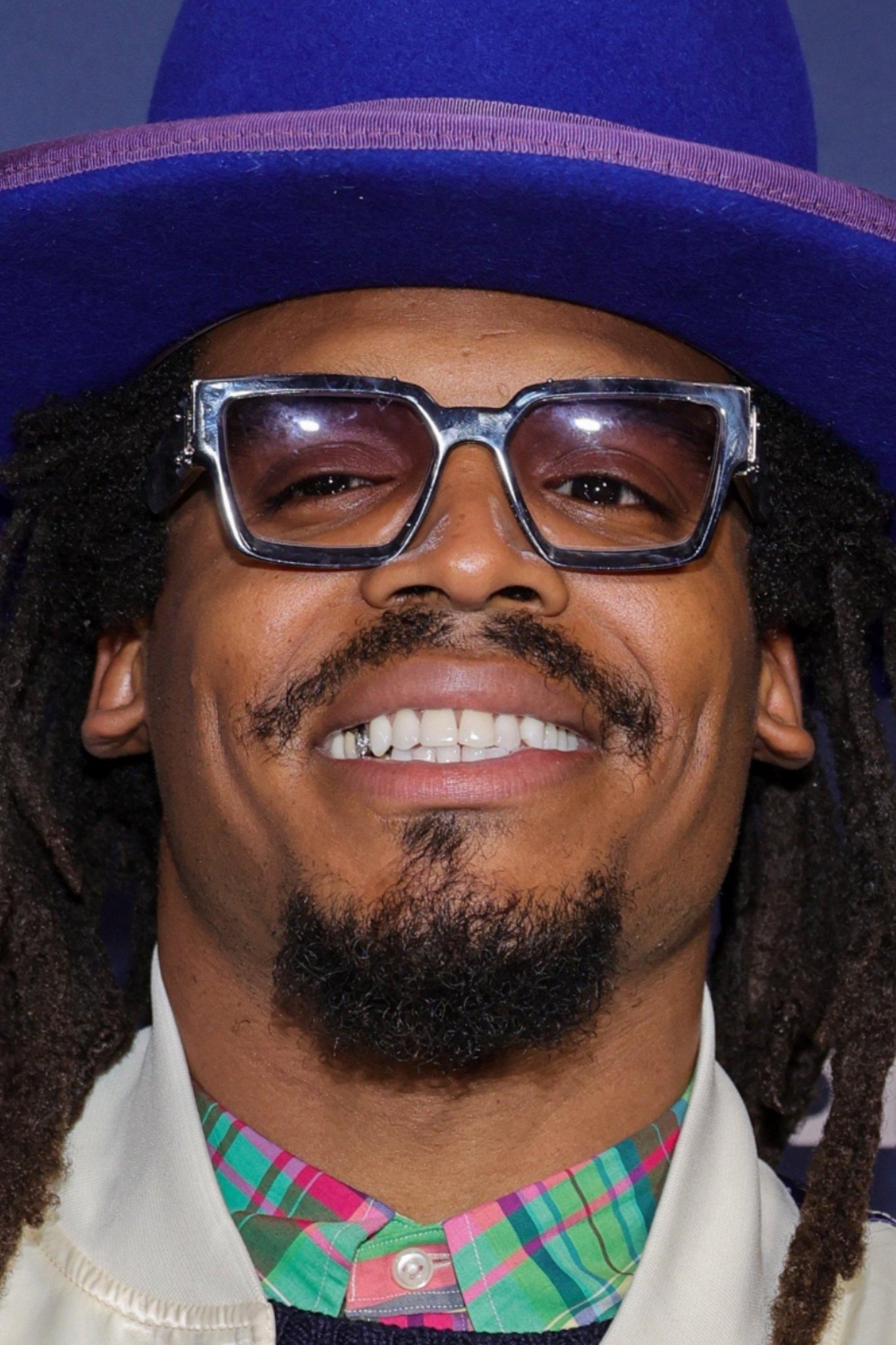
The professional football player has faced criticism for his comments regarding the movement and social justice issues. He has stated that his focus remains on his performance as an athlete and his role as a father rather than activism. The quarterback suggested that the best way to make a difference is through personal excellence and community service. His remarks highlighted the pressure on athletes to take public stands on complex political matters. He has maintained his stance while continuing to engage in various philanthropic efforts.
Master P
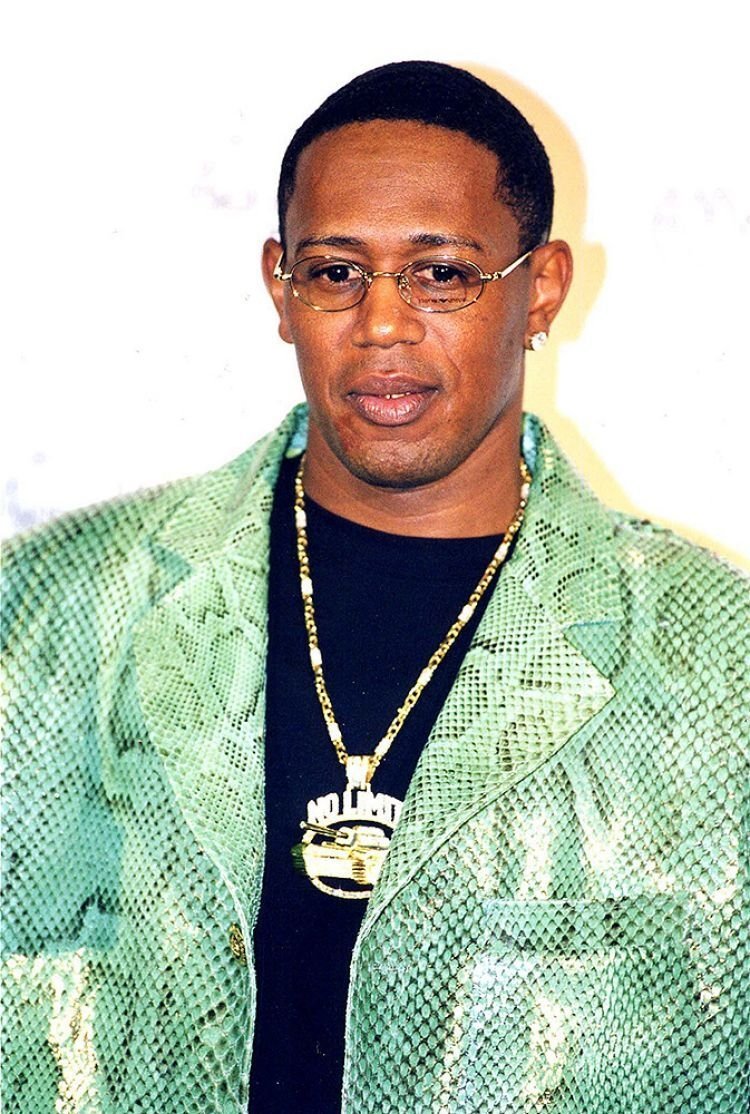
The entrepreneur and rapper has expressed that the movement should focus more on economic independence and ownership. He has argued that without financial power the community will continue to face the same challenges regardless of protests. The businessman encourages individuals to start their own companies and invest in their local areas. He believes that building wealth is the most effective form of activism for long term stability. His public message often centers on the importance of financial literacy and self sufficiency.
T-Pain
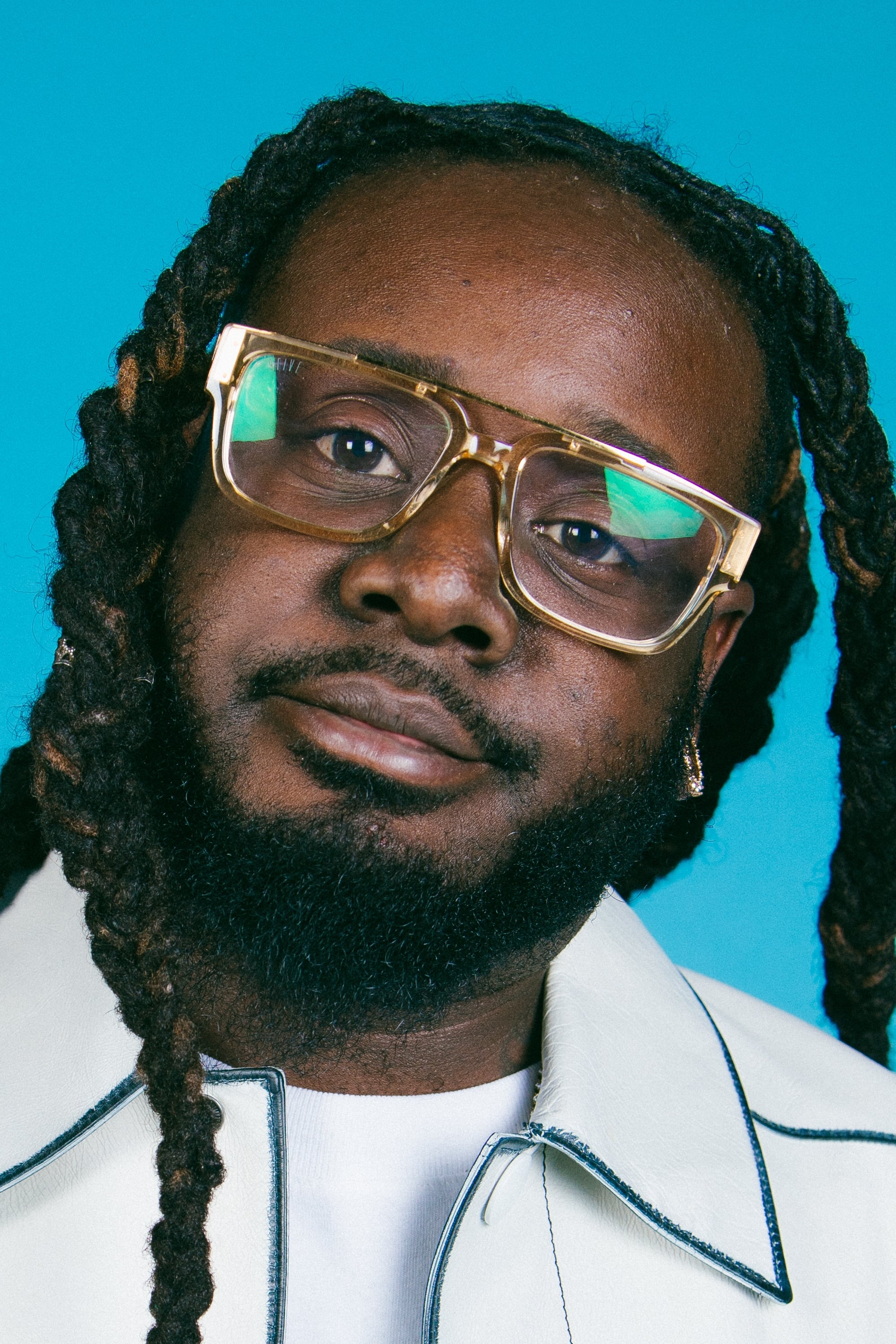
The singer and producer once commented that the movement’s focus could be distracting from the pursuit of personal and financial growth. He expressed a desire to see more emphasis on positive achievements and the creation of opportunities within the community. The artist has suggested that the narrative of struggle can sometimes overshadow the narrative of success. His views reflect a perspective that prioritizes the celebration of progress and the building of a positive legacy. He continues to share his thoughts on how music and business can be tools for empowerment.
Waka Flocka Flame
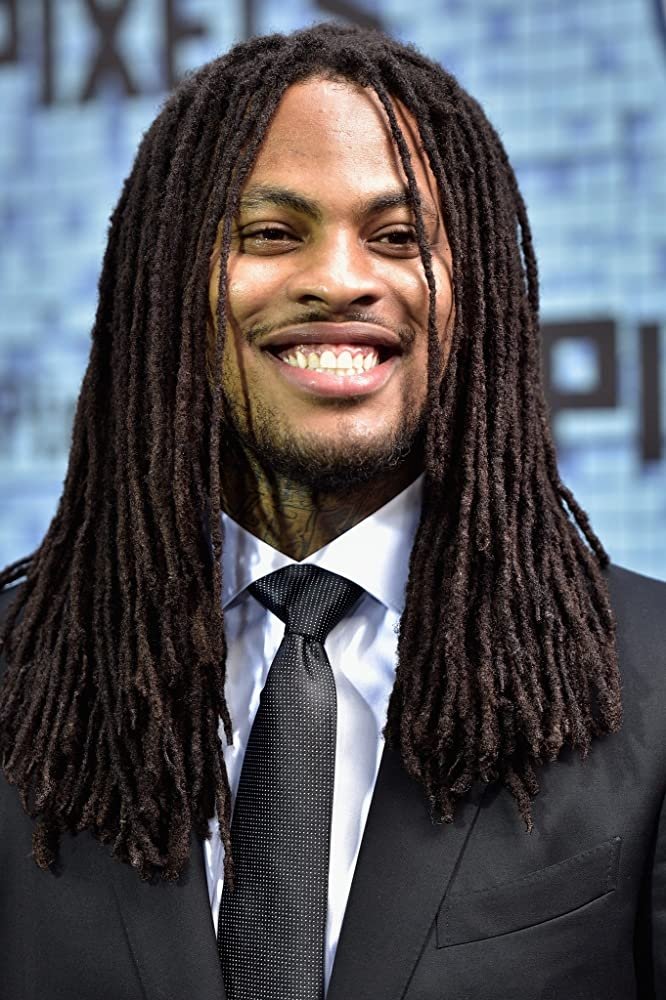
The rapper has publicly stated that he does not align with the movement and prefers to focus on his own path. He has expressed skepticism regarding the motives of those who lead the organization and the impact of their actions. The musician emphasizes the importance of being a leader in his own right and supporting his family and community directly. His outspoken nature has led him to reject the labels and expectations often placed on artists by social activists. He continues to promote a message of independence and personal strength.
Kodak Black
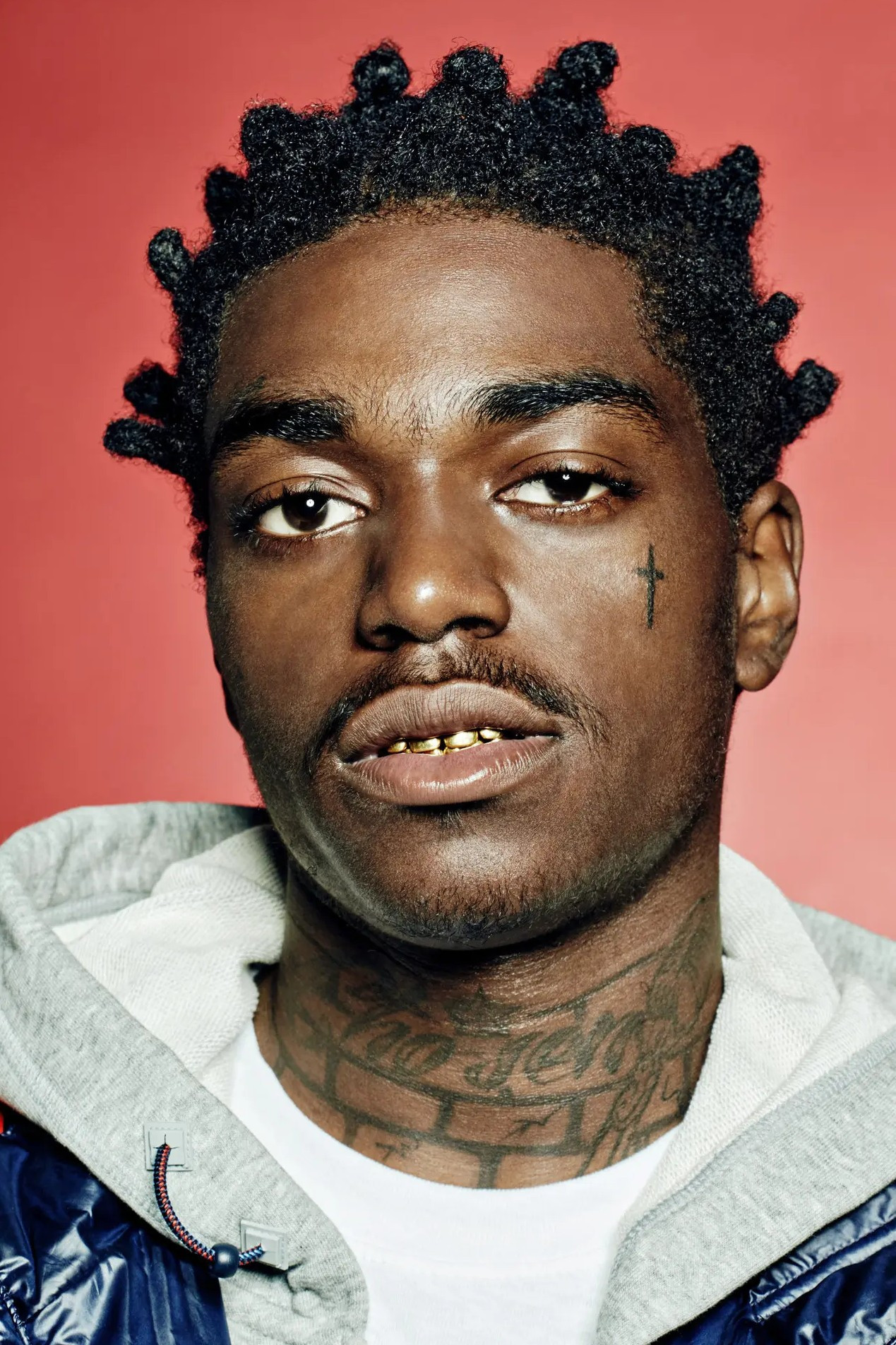
The recording artist has made various statements indicating his lack of support for the formal movement. He has often focused on his own legal and personal challenges rather than broader social causes. The rapper has expressed that his experiences give him a different perspective on the issues the movement seeks to address. His public persona is defined by his individualistic approach to life and his career in the music industry. He has remained distant from the political and social expectations typically associated with his peers.
Boosie Badazz
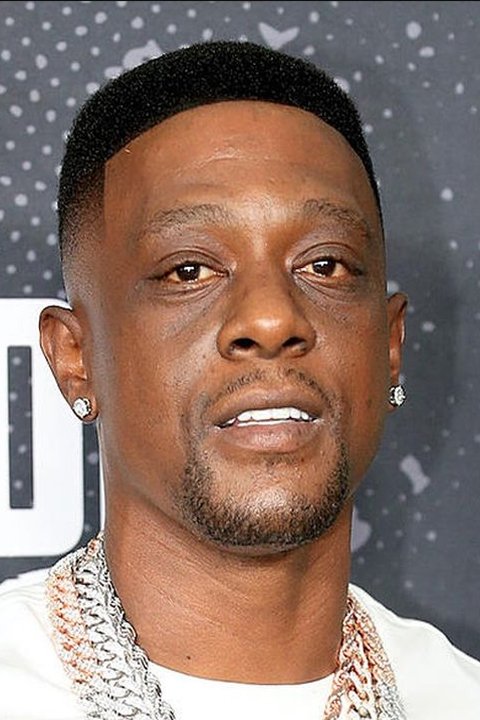
The rapper has been vocal about his distrust of the movement and its relationship with the community. He has questioned where the funds raised by the organization are being spent and who is truly benefiting from them. The performer often speaks about the need for direct action and support for those who are struggling on the ground. His critiques are frequently delivered through social media and interviews where he shares his unfiltered opinions. He remains a significant voice for those who are skeptical of large social organizations.
Byron Allen
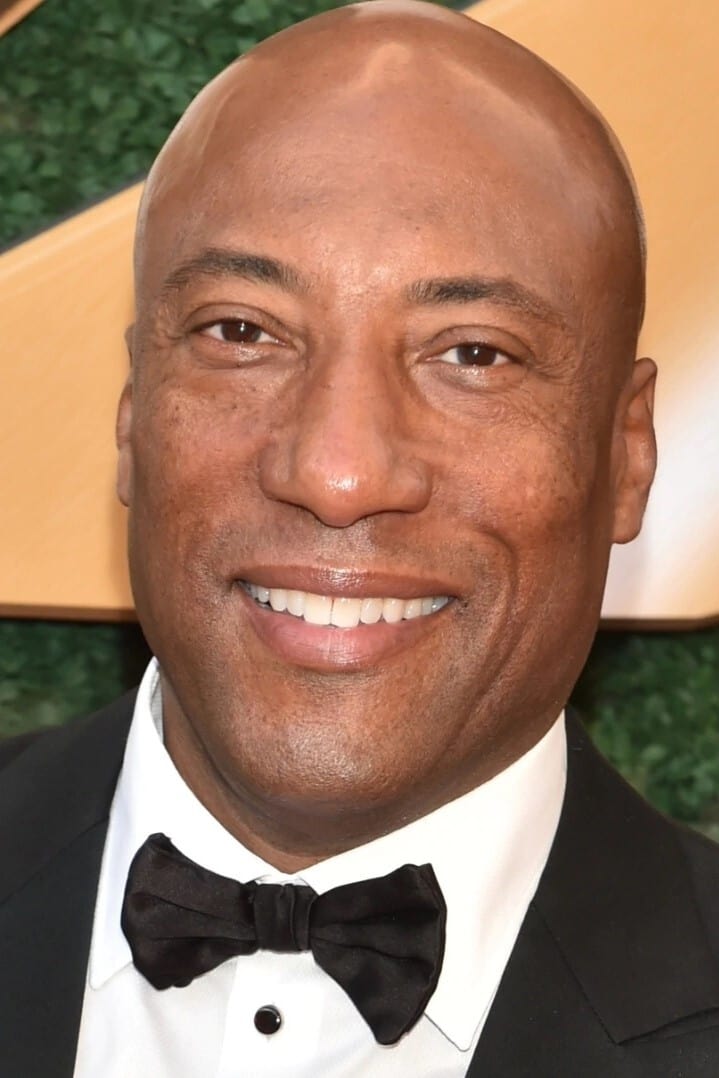
The media mogul has criticized the movement’s impact on the economic landscape for Black owned businesses. He has argued that the focus on symbolic gestures has not translated into significant corporate or governmental support. The businessman has called for more accountability from major corporations regarding their commitments to diversity and inclusion. His perspective emphasizes the need for structural changes in the economy to ensure long term success. He continues to use his media empire to advocate for economic justice through ownership and investment.
Amar’e Stoudemire
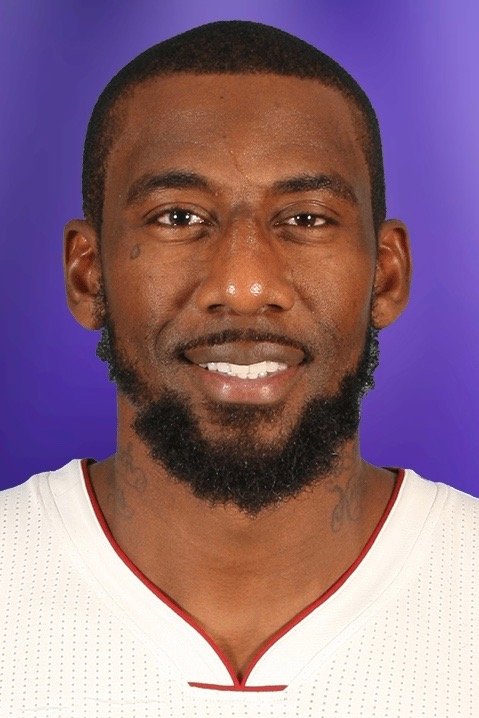
The retired basketball player has shared his belief that spiritual and personal growth are more important than political activism. He has often focused on his own journey of self discovery and his connection to his heritage. The athlete emphasizes the importance of education and the pursuit of knowledge as the primary ways to overcome adversity. His perspective aligns with those who prioritize internal transformation over external social movements. He continues to engage in philanthropic work that reflects his commitment to personal and community development.
Michael Vick
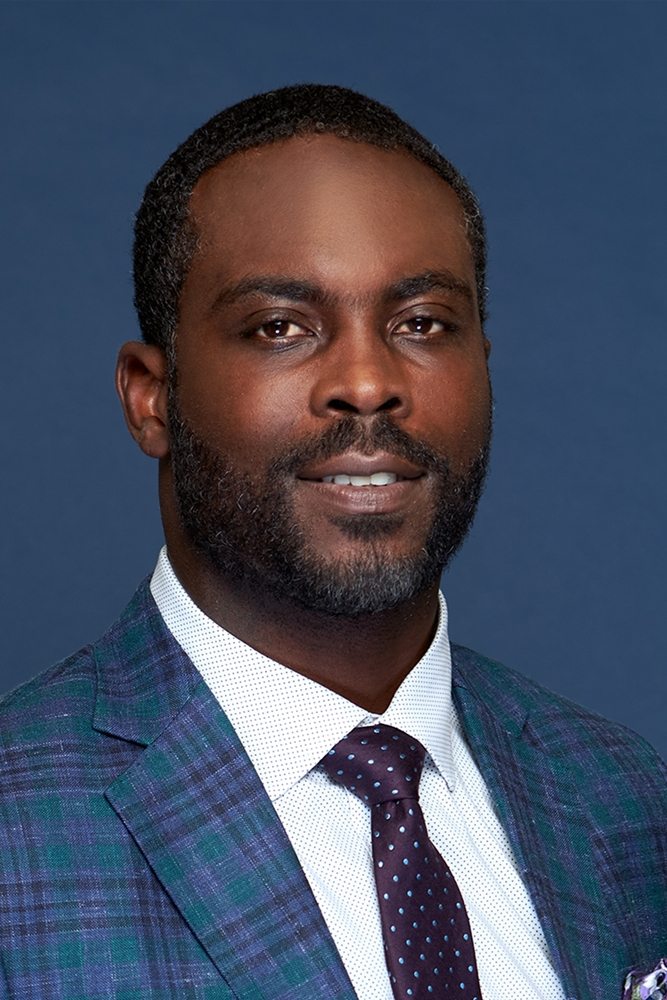
The former professional quarterback has expressed a desire to see more focus on reform through established channels. He has advocated for the importance of second chances and the power of personal redemption. The athlete often highlights his work with various organizations to promote positive change within the legal and social systems. His views reflect a belief in the potential for improvement through cooperation and individual effort. He remains a figure whose journey of personal growth has shaped his outlook on social justice.
Richard Sherman
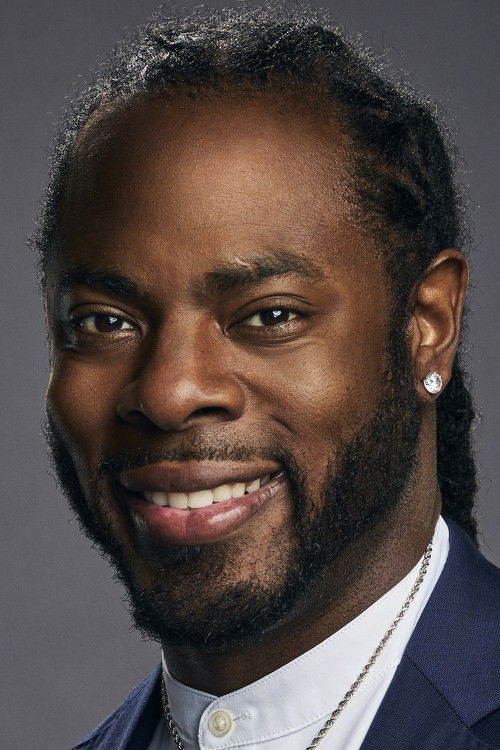
The professional football player has criticized the movement for what he describes as a lack of focus on internal community issues. He has argued that while systemic problems exist there must also be a focus on the decisions made within the community itself. The athlete has been a vocal proponent of education and the need for better resources in urban areas. His remarks have sparked debate about the balance between addressing external and internal factors in social progress. He continues to share his views on how to achieve meaningful change through both public and private efforts.
David Clarke
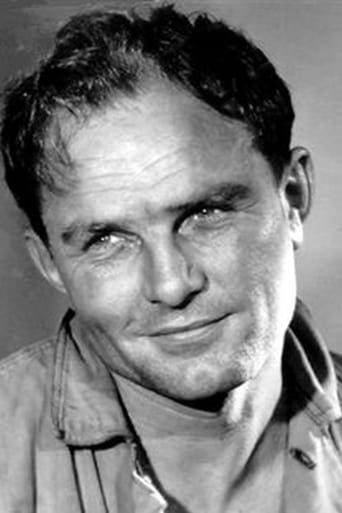
The former sheriff and media personality has been one of the most outspoken opponents of the movement since its inception. He has frequently described the organization as a threat to law and order and the safety of communities. The media figure advocates for strong support for law enforcement and the enforcement of the rule of law. His public appearances often center on his critique of the movement’s ideology and its impact on the country. He remains a prominent voice for those who prioritize security and traditional policing.
Salma Hayek Pinault

The acclaimed actress once shared a message using a phrase that contrasted with the movement’s specific slogan on her social media. While she later clarified her position her initial post sparked a significant debate about the terminology used in social justice. The performer has since focused her public efforts on various global humanitarian causes and the empowerment of women. Her experience highlighted the complexities of navigating public discourse during periods of intense social focus. She continues to be a prominent figure in the entertainment industry known for her international philanthropic work.
Zoe Saldaña
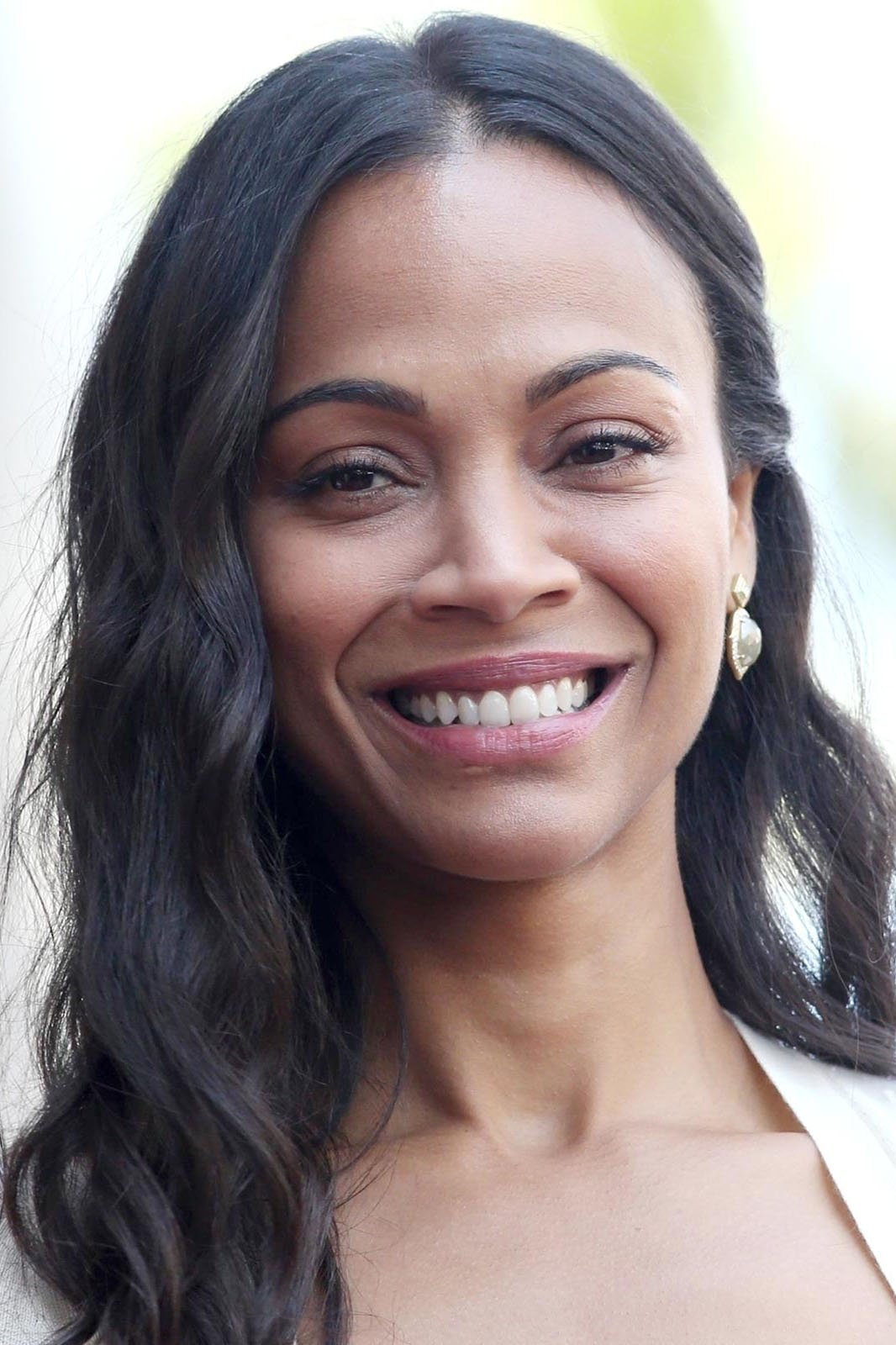
The actress faced public debate following her comments regarding the best way to address racial issues in the entertainment industry. She has expressed a desire to move beyond labels that she believes can be limiting to performers and the community alike. The performer has often focused on the importance of universal human experiences in her work and public statements. Her perspective emphasizes a broader cultural integration over identity based activism. She continues to be a major figure in global cinema while maintaining her personal views on social discourse.
Tiger Woods
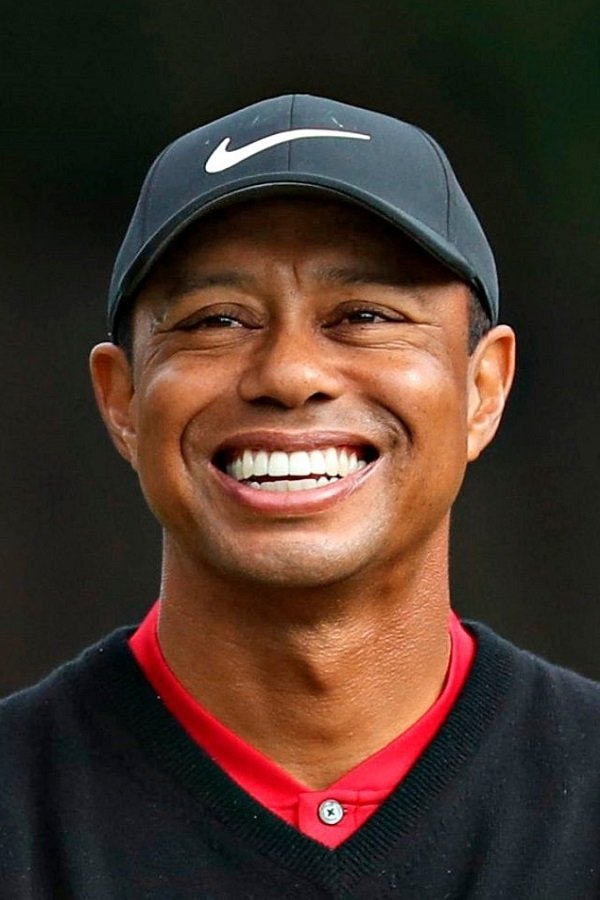
The legendary golfer has consistently maintained a neutral stance on social and political movements throughout his career. He has stated that he prefers to focus on his sport and his professional responsibilities rather than activism. The athlete often emphasizes the importance of hard work and focus in achieving success on a global stage. His choice to remain apolitical has been a subject of discussion among sports commentators and fans for decades. He continues to be one of the most successful and private figures in the world of professional athletics.
Allen West

The former congressman and military officer has frequently spoken out against the movement and its ideological foundations. He argues that the focus on systemic reform often ignores the importance of individual liberty and constitutional values. The politician advocates for a focus on national unity and the protection of the country’s institutions. He often shares his perspective on the need for strong leadership and personal accountability in all levels of society. His public career is marked by a steadfast commitment to principles that he believes are incompatible with the movement.
Please share your thoughts on these celebrities and their public stances in the comments.