Why High-Stakes Gambling Makes for Great Storytelling



High-stakes gambling has remained one of storytelling’s most enduring themes because it naturally combines risk, ambition and unpredictability. From classic crime dramas to fantasy epics and modern thrillers, gambling narratives continue to captivate audiences across entertainment genres.
“Gambling expenditure has continued to climb as leisure time and disposable income have remained high, benefiting gambling service providers in states that legalized online gambling. Revenue for online gambling services has swelled at a CAGR of 27.8% to $29.7 billion through the end of 2025, including a hike of 7.3% in 2026 alone” (www.ibisworld.com, 2026).
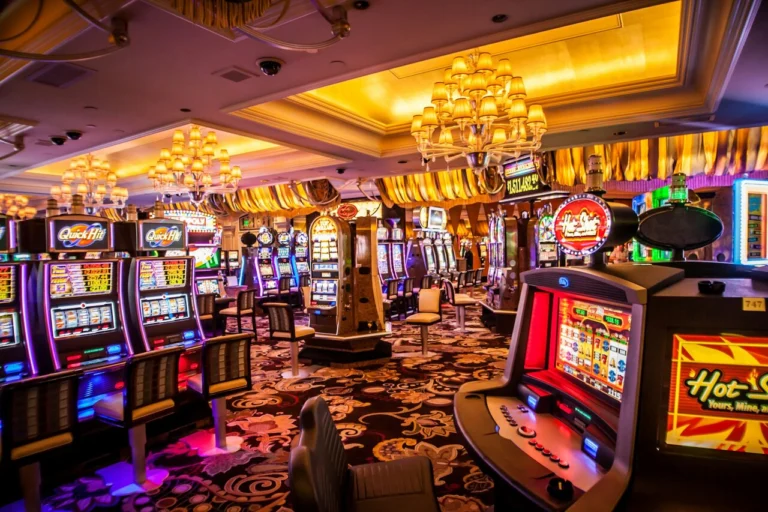
Stories built around gambling have always held a unique place in popular culture. Whether the setting is a glamorous casino floor, a hidden underground poker room, or a futuristic betting arena, the tension created by risk instantly raises the emotional stakes for both characters and audiences. Gambling stories are rarely only about money.
More often, they explore ambition, desperation, confidence, ego and the consequences of pushing luck too far. This combination of uncertainty and human emotion makes high-stakes gambling one of the most effective storytelling devices in modern entertainment.
Why Gambling Stories Create the Same Tension as Fantasy Battles
One reason gambling stories resonate so strongly is that they mirror the dramatic structure found in fantasy and action narratives. In many ways, a tense poker match can create the same emotional intensity as a climactic battle scene. The audience understands that every decision carries consequences and that uncertainty keeps viewers emotionally invested.
This structure allows writers to create suspense without relying entirely on action sequences. A single card reveal or roulette spin can become the emotional centerpiece of an entire scene when enough pressure has been built around it. Audiences enjoy the anticipation because they understand that fortunes can change instantly. That unpredictability keeps stories engaging and encourages viewers to stay emotionally connected to the characters involved.
High-Stakes Risk and the Appeal of Antiheroes in Modern Fiction
Another reason gambling works so well in storytelling is its connection to morally complex characters. Modern audiences are often drawn to antiheroes; individuals who operate outside conventional expectations while still remaining relatable. Gambling environments naturally attract these types of characters because casinos and betting scenes represent freedom, ambition, temptation and personal risk.
Some of cinema’s most memorable characters are gamblers precisely because they exist in uncertain spaces between confidence and self-destruction. These personalities often possess charisma, intelligence, and strategic thinking, but they are also vulnerable to greed and emotional decision-making. This balance creates compelling drama because viewers can admire a character’s confidence while still recognizing the danger of their behavior.
From Casino Tables to Fantasy Worlds
Fantasy and science-fiction creators have increasingly borrowed gambling themes because they align perfectly with world-building and high-risk storytelling. Many fictional universes include betting arenas, dangerous games, or chance-based competitions that add unpredictability to the narrative. These moments help fictional worlds feel more immersive because they reflect real human behavior; people have always been fascinated by risk and reward.
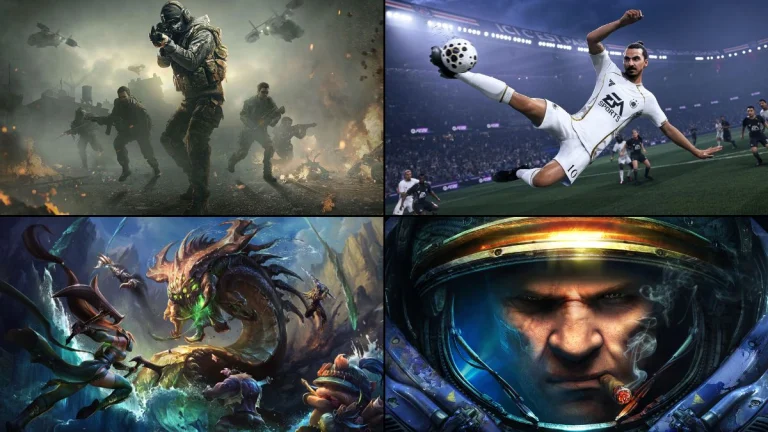
Online gaming culture has also contributed to the popularity of gambling-related storytelling. Today’s audiences are familiar with livestreams, esports tournaments and high-pressure competitive environments where fortunes can change quickly. This has created a broader appreciation for suspense-driven narratives that revolve around calculated risk and psychological endurance.
Discussions about modern gambling entertainment often include promotional systems and reward structures that keep players engaged. Online casino bonuses are a great way for casinos to attract new players and keep existing customers engaged on the platform. Many review platforms, including onlinecasino.ca, recommend the best Canadian online casinos for exciting and worthwhile bonuses to enhance your online gaming experience. These systems contribute to the broader popularity of online casino culture, which continues to influence entertainment trends and storytelling themes across digital media.
How Gambling Themes Add Suspense, Strategy and Drama to Pop Culture Narratives
Gambling stories also succeed because they combine strategy with unpredictability. Unlike traditional action scenes, where physical power often determines the outcome, gambling narratives rely heavily on psychology and perception. Characters must interpret behavior, control emotions and make difficult decisions with incomplete information. This creates a different type of suspense that feels intellectually engaging for audiences.
Pop culture has embraced this formula across films, television series, anime and video games. Gambling-themed stories frequently involve shifting alliances, betrayals, hidden motives and dramatic reversals that keep viewers constantly guessing. Because luck always remains part of the equation, audiences can never feel entirely certain about the outcome, even when a character appears to be in control.Why High-Risk Decision Making Resonates With Fans of Games, Movies and Fantasy Universes
Ultimately, high-stakes gambling remains compelling because it reflects universal human experiences. Every person understands the fear of uncertainty and the excitement of taking risks in pursuit of something greater. Gambling stories amplify these emotions into dramatic situations where every decision matters, making them ideal for entertainment.
Fans of fantasy, gaming, crime dramas and thrillers are especially drawn to these narratives because they combine emotional tension with strategic thinking. Watching characters navigate impossible odds creates a sense of excitement that feels both relatable and larger-than-life. Whether the setting is a luxury casino, a futuristic competition, or a fictional kingdom built around dangerous games, the core appeal remains the same: audiences want to see what happens when people risk everything for the possibility of victory.